Transport Management System vs Fleet Management System – What’s the Difference?

The difference between a transport management system and a fleet management system is that: 

  • A transport management system mostly focuses on the goods and how they’ll be carried from point A to point B.
  • A fleet management system primarily focuses on the vehicles that carry the goods.  

According to Future Market Insight, the transportation and logistics segment takes up 35% to 36%of the global fleet market. Technology is playing a huge role in this growth, and as someone in the industry, you must know which technologies to invest in to stay ahead of your competitors. 

Today we compare a fleet management system to a transport management system so you know which one you need for your business.

Is there a difference between transport management and fleet management?

Yes, there is a difference between transport management and fleet management. Transport management involves arranging the transfer of goods, selecting efficient routes, selecting the best carriers, and managing inventory. Fleet management is about ensuring the vehicles are ready for the road and monitoring things like compliance, fuel expenses, and driver performance. 

Here’s a table comparing the two:

Transport Management System (TMS) Fleet Management System (FMS)
Plans how goods move from one place to another Manages vehicles, drivers and delivery routes
Focus on delivery routes and shipment planning Focus on vehicle health and driver activity
Helps choose the best delivery routes Tracks vehicle location with GPS
Manages orders and deliveries Monitors driver behaviour
Helps reduce delivery time Helps prevent vehicle misuse
Tracks shipments and delivery status Tracks fuel use and mileage
Helps with warehouse and delivery links Helps with vehicle maintenance
Used by logistics and shipping teams Used by fleet owners and managers

What a transport management system focuses on

A transport management system mainly focuses on the following: 

  • Tracking shipments 
  • Carrier selection
  • Route planning 
  • Load planning
  • Freight audit and payment 

It’s all about moving goods, choosing a mode of transport, and making sure they get to their destinations on time and in good condition. 

Here’s a detailed breakdown.

Tracking shipments 

Transport management software gives you full visibility of your cargo, whether by road, air, or sea. The system gives you real-time updates on where your cargo is and helps you align with your suppliers and customers. 

Carrier selection

Carrier selection refers to choosing the most suitable transport service provider (a carrier) for moving your goods from one point to another. Several factors go into deciding which carrier to go with, like: 

  • How quick it’ll be 
  • How much it’ll cost 
  • The size of the goods
  • Shipping needs (e.g temperature sensitivity)  

Choosing the wrong partner to carry your goods may result in missed deadlines, product damage, and unsatisfied customers. 
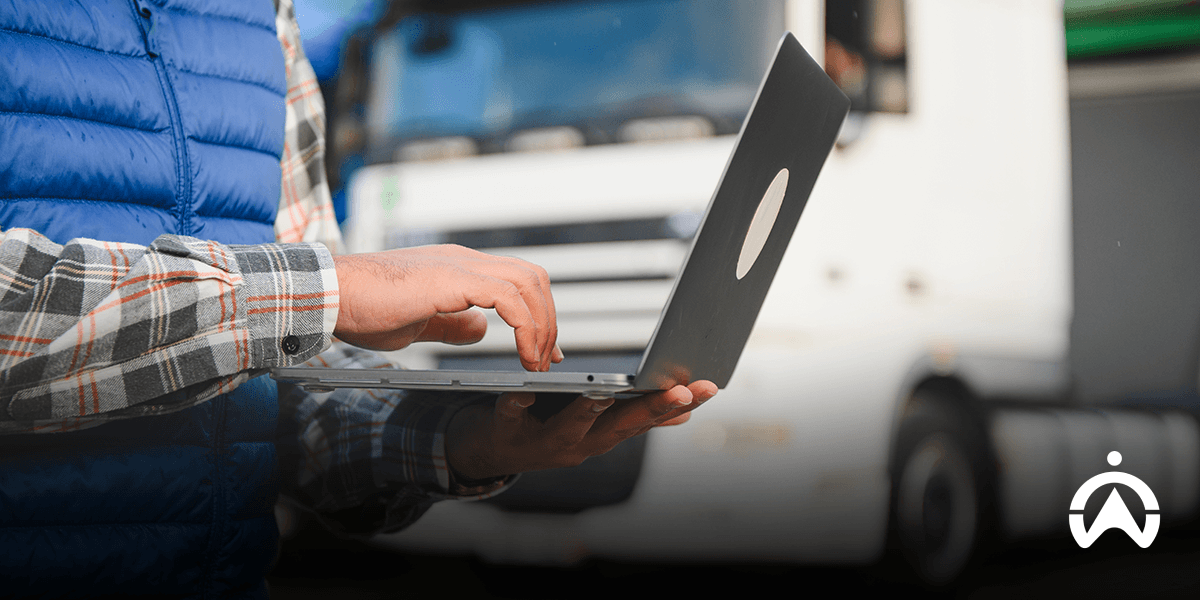
Operator using laptop near truck, comparing transport management system vs fleet management system workflows.

Load planning 

Load planning refers to making the most out of the available space in a container while adhering to the weight and height restrictions. This is so you can get more things shipped out with fewer vehicles, making your business more efficient. 

But it’s not as easy as just stuffing everything into the back of a truck and calling it a day. You need to ensure the goods are packed in a way that won’t interfere with the vehicle’s stability while it’s moving & making turns, and that they don’t move too much. You must also ensure that you group similar items.  

A transport management system helps with the load planning process, and determines the route each vehicle should take, which brings us to our next point. 

Route planning

After planning the load, you need to choose the most efficient route so you save time and fuel. A transport management system comes with route optimisation software, technology that factors in things like traffic patterns, driver availability, road conditions, and which stops are more urgent.

Route planning also helps with the order in which the goods should be placed. For example, you can place the items for the first few stops closer to the door so they’re easy to reach, making the offloading process quicker. 

Freight audit and payment 

Freight audit and payment refers to reviewing freight invoices to ensure there are no billing errors so you don’t get overcharged. Transport management software helps you with this by calculating the costs and identifying potential errors. This results in fewer manual entries and discrepancies, saving you a bunch of time. 

What a fleet management system focuses on 

A fleet management system mainly focuses on the vehicles that transport these goods. It’s about:

  • Vehicle upkeep
  • Fuel management 
  • Driver management 
  • GPS tracking 
  • Compliance 
  • Route optimisation 

A fleet management system ensures the vehicles are safe for use, well-maintained, and cost less to be on the road. It also helps with scheduling the right vehicles and drivers for the job.

Here’s what we mean.

Vehicle upkeep

Vehicle upkeep is a very important factor when it comes to running a fleet, and it’s often overlooked. How will your goods reach their destinations on time if the vehicles constantly break down? A fleet management system helps with this by offering vehicle maintenance software. The software helps you detect vehicle faults more quickly, so you can avoid unexpected breakdowns or accidents caused by mechanical failures.  

A fleet management system also helps ensure all vehicles adhere to their recommended service dates by giving you reminders and allowing you to import all service-related documents into the software. This way, you’ll schedule trips according to the vehicles that’ll be available on that day. 

Fuel management 

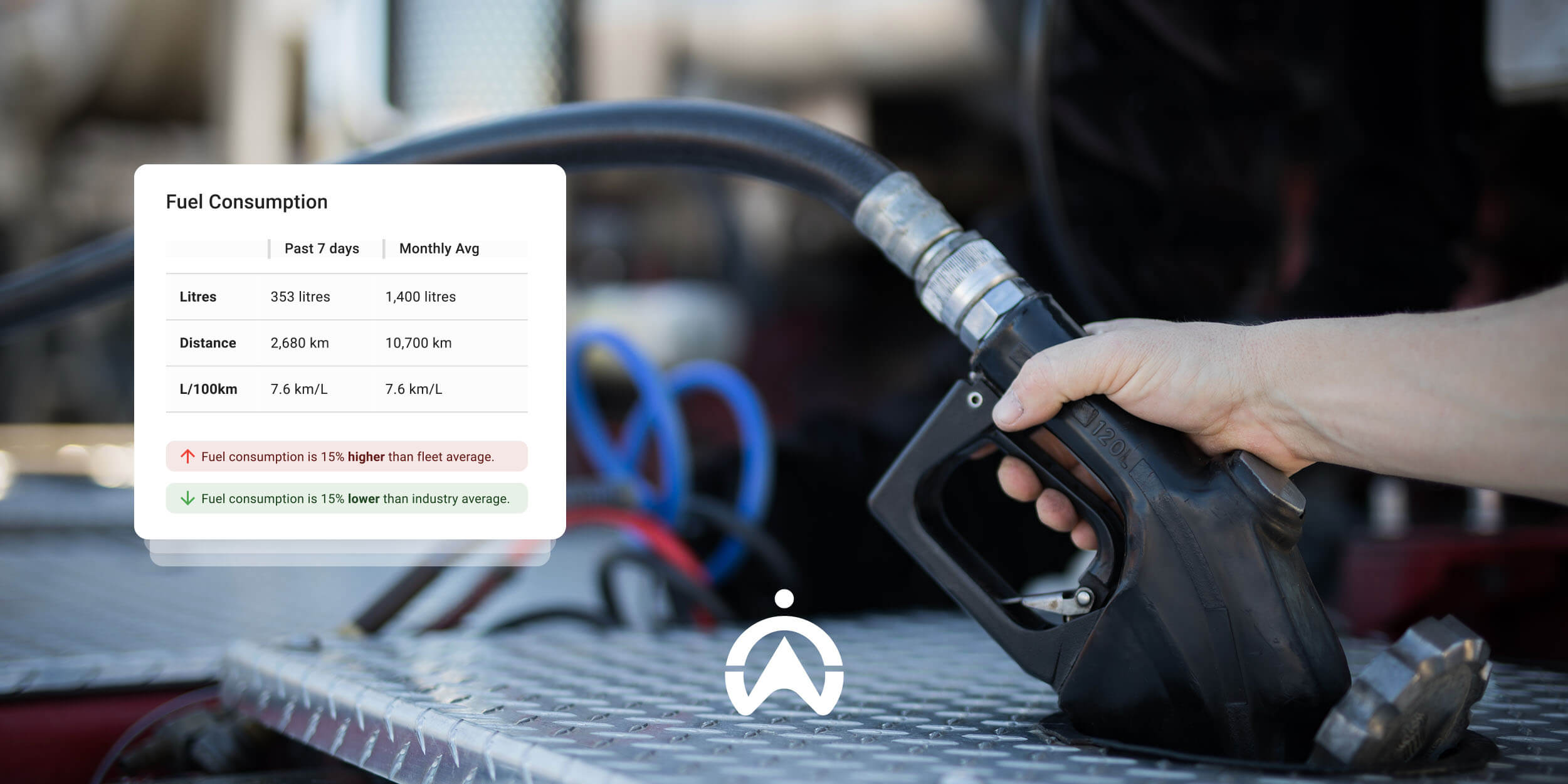
Fuel costs are forever fluctuating, which makes sticking to the budget difficult. Fuel is also a major expense when it comes to running a fleet, so you need a strategy to reduce costs. A fleet management system helps you with this by giving you fuel management software. Having this helps you get accurate fuel consumption reports so you can manage the cost better and see where fuel is being wasted.  

Driver management

Driver behaviour also plays a big role in fleet operations. You must keep an eye on how your drivers act on the road. Aggressive driving can lead to accidents, which may result in injuries, fatalities, cargo damage, and delays. To avoid all that, you can use a fleet management system, which comes with telematics technology that’ll show you how drivers behave. (For example, you’ll be able to see if drivers are speeding while making deliveries.)

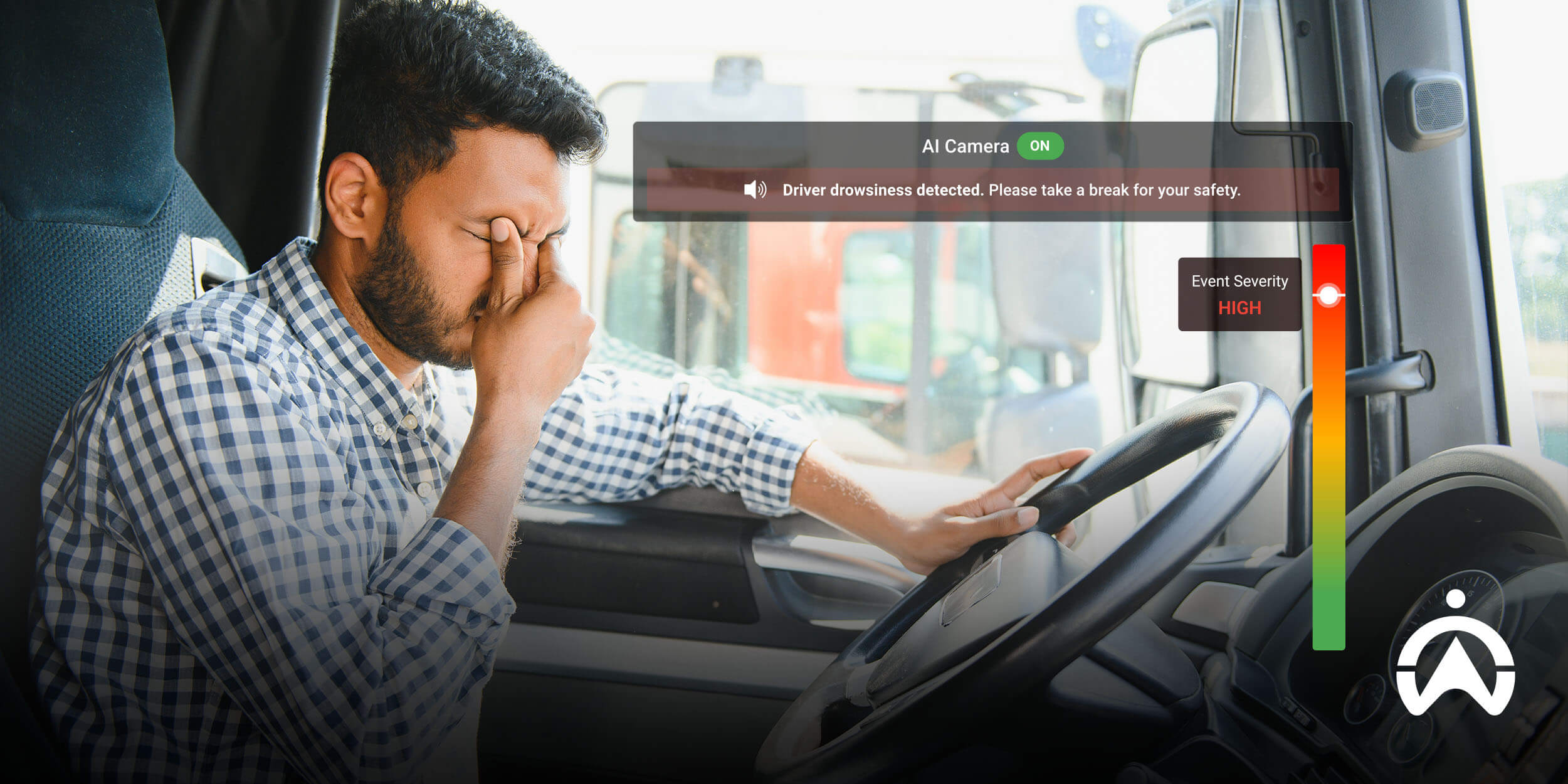
Through a fleet management system, you can also get cameras installed in the vehicles so you can see everything that happens. Some fleet cameras also have AI technology that can identify driver distractions and detect things like blind spots. This enhances driver awareness, helping them avoid accidents. The cameras also help you ensure the cargo is safe.
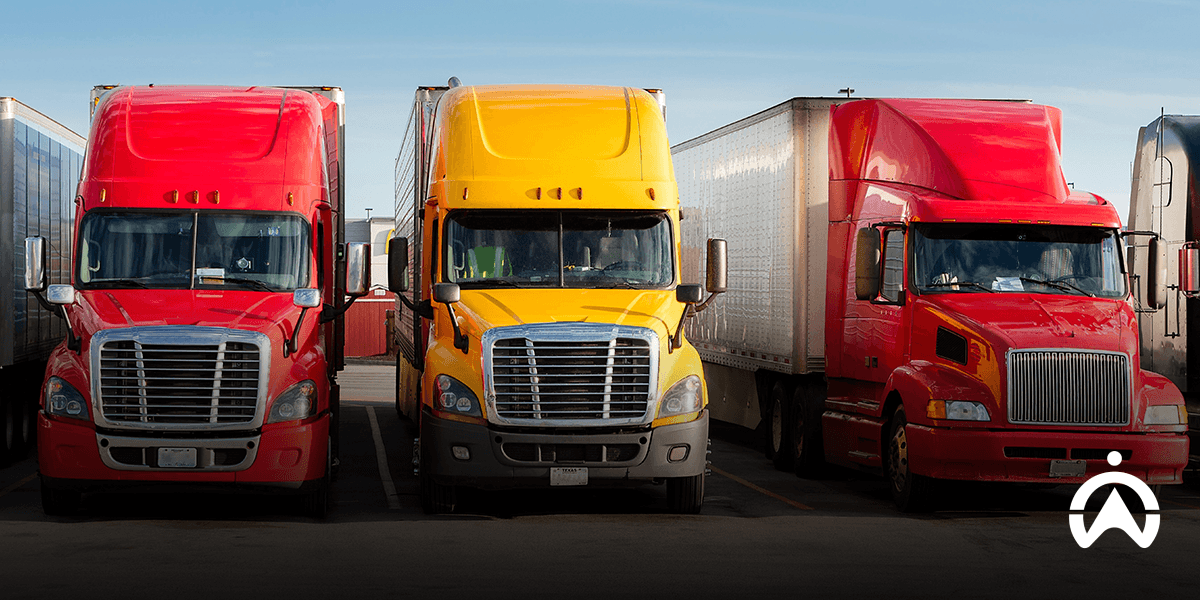
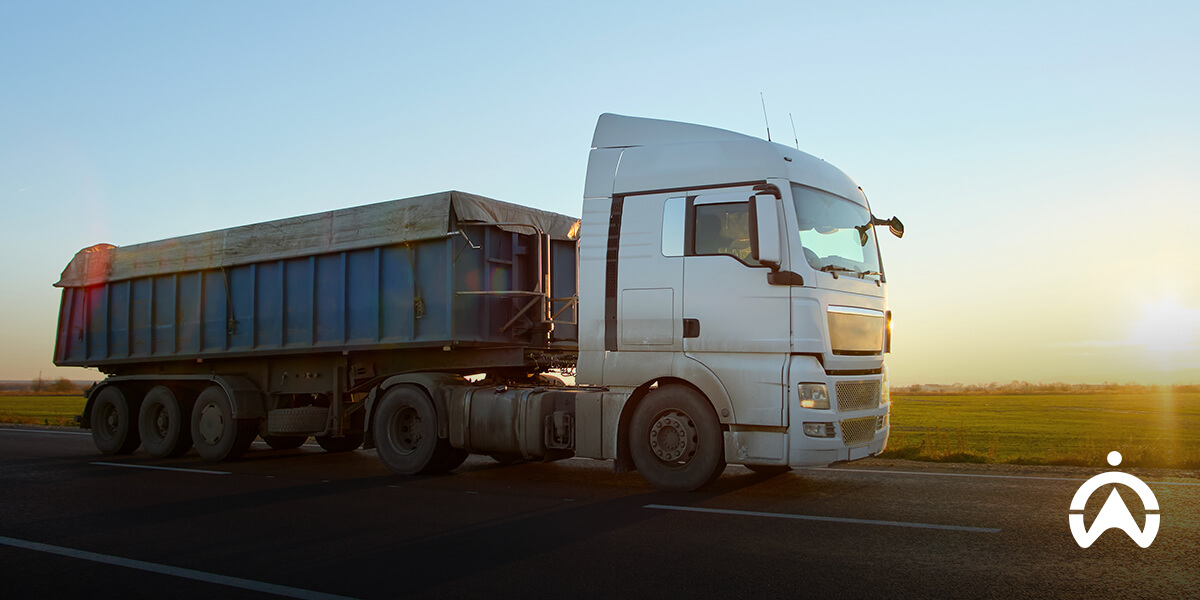
Three semi-trucks parked side by side, illustrating transport management system vs fleet management system operations.

GPS tracking 

A fleet management system also helps you locate your vehicles at any time. If a driver is at one spot for too long, you can call to check why. You’ll also see if drivers are sticking to planned routes and ensure they’re safe. GPS also helps you give your customers accurate delivery time estimates.    

Compliance

As a fleet manager, you need to ensure your drivers are following the rules and your vehicles are up to industry standards, or else you face heavy penalties. A fleet management system helps you to enforce compliance by helping you monitor drivers and vehicles.

It also digitises driver logs so you can ensure they’re not driving more hours in a day than they should. It helps you ensure vehicles are roadworthy. And it also helps you keep a close eye on carbon emissions, so you adhere to environmental standards. 

Route optimisation 

Like a transport management system, a fleet management system also comes with route optimisation software. This is where the two systems overlap because fleet managers must also plan their routes according to vehicle and driver availability to save fuel costs and live up to customer expectations. 

So how do you choose which management system is for you? 

Both fleet management and transport systems are important for the logistics industry, and the one you choose depends on your role in the supply chain. If your role mainly focuses on the goods and dispatch, then a transport management system is for you. If you manage vehicles and drivers, then a fleet management system is what you need. 

As a business owner, the best option is to invest in both systems and integrate them so you can have a holistic view of operations. 

Where can I get combined software for fleet and transport management?

You can get combined software for fleet and transport management at Karooooo. We’ve got an advanced fleet management system that has features you’d also find in a transport management system, like route optimisation software. Our platform allows you to integrate your other systems, so everything aligns. 

If you want to find out more about how we bridge the gap between fleet management and transport management, you can contact us and speak to a fleet consultant. 

Frequently Asked Questions about transport management and fleet management

What are the 4 types of transportation management systems?

The four types of transportation management systems are:

  1. Cloud-based
  2. Multimodal
  3. Less Than Truckload (LTL)
  4. Full truckload

The type of transportation management system you choose will depend on various factors like your business needs, the size of your business, and your budget.

What is fleet management in logistics?

In logistics, fleet management refers to overseeing all activities associated with a fleet of company vehicles. It involves ensuring the vehicles are well-maintained, the drivers are safe on the road, and that deliveries are made on time. It also involves managing fleet running costs to ensure profit.

What are the major components of a fleet management system?

The major components of a fleet management system are:

  • Compliance
  • Maintenance
  • Fuel management
  • Location tracking
  • Driver safety
  • Risk management

The Karooooo fleet management system comes with all these components to give you more insight, so you can run a more efficient fleet.
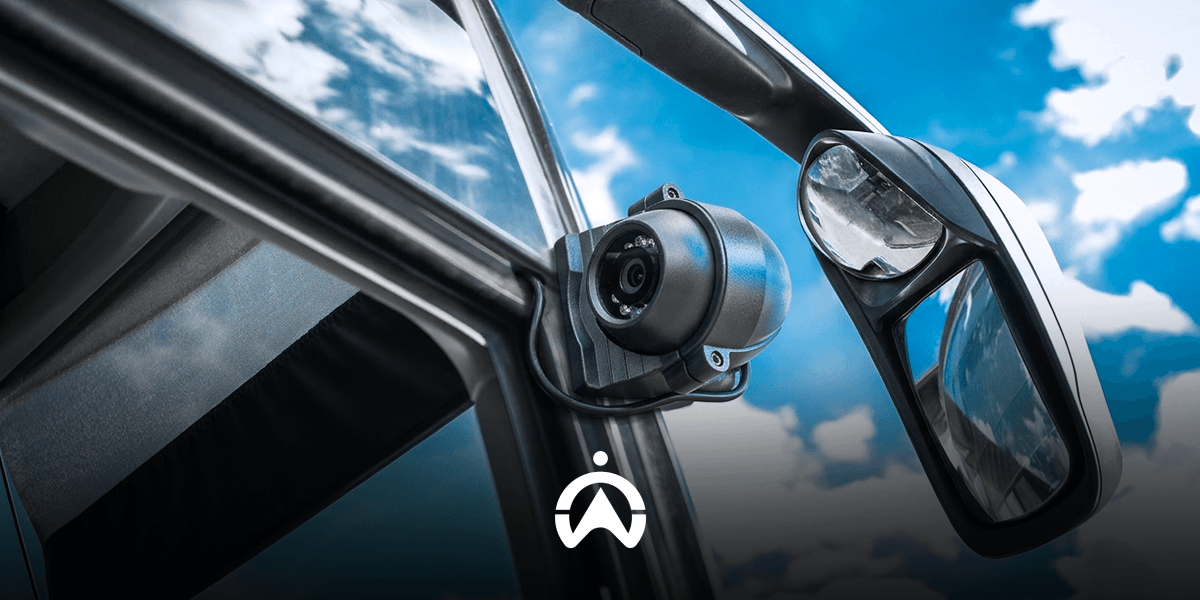
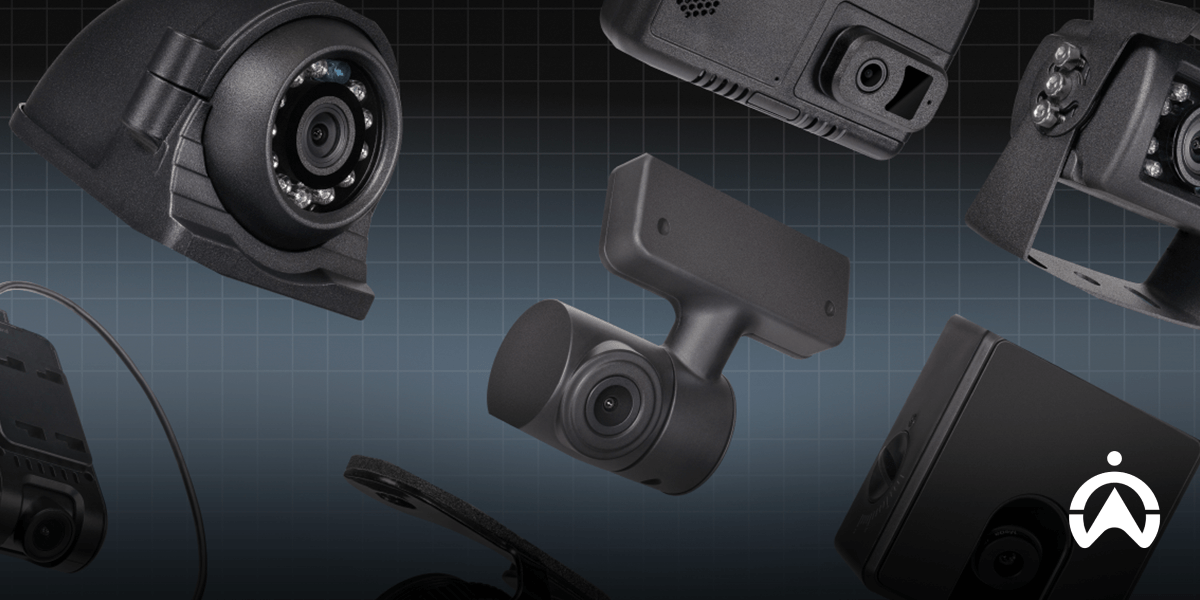
Karooooo’s Camera and Telematics Bureau Services – For When You Need the Best Management

Combining Karooooo’s camera solutions with our telematics bureau services is a massive operational boost for your fleet. While the bureau services manage your fleet on your behalf, adding cameras to the mix gives you operational visibility, allowing you and our bureau to see events in real-time or after the fact. 

According to Inc.com, around 51% of companies already outsource their fleet management services to companies like Karooooo. The benefits of doing this are vast, and we’ve covered this topic before in our article about fleet management bureau outsourcing. 

But today we’re going to show you why adding cameras to your telematics outsourcing puts you way ahead as an organisation.

How is outsourcing fleet management better than in-house fleet management?

Outsourcing your fleet management to a bureau service can be better than doing it in-house because you’ll have someone monitoring your fleet 24/7. While this service also does everything else an in-house fleet manager can do, you bypass having to pay a salary and hold a person or team accountable yourself. 

So what does a telematics bureau actually do for your company?

Professional risk management

The experts at Karooooo are carefully trained to see and address risks in real time. The purpose of this is to take every step possible to prevent a crisis, meaning you can rest easy while our team does the risk-prevention for you. 

Of course this is way more effective if you add cameras, but we’ll get to that later. 

Maintenance scheduling

Scheduling the maintenance of your vehicles is a time-consuming task that you can either do yourself or hire someone to do. It’s much cheaper to outsource this to a telematics bureau like the one at Karooooo.

Daily driver & route navigation

Route planning and route optimisation are daily necessities that save your company on fuel costs and vehicle wear & tear. Again, it’s a full time job. Paying someone a salary to do this job is an option, but for many companies it’s much cheaper to leave it to our professionals at Karooooo. 

Helpful reports on your fleet performance

While Karooooo’s software generates helpful company reports (which are important for decision making), it’s helpful to have these generated for you by our bureau. 

If you’re more of a hands-off kind of manager, we’ll send you tailored notifications as often as you want—about what you want. This could be every hour, every two hours, per day, or weekly. It’s all up to you. We can also collect these into monthly or bi-weekly reports, giving you a full picture of how your fleet is performing. 

How does adding cameras to telematics enhance your fleet?

Adding cameras to your existing telematics enhances your fleet by adding much-needed operational visibility to events that would otherwise be words or numbers on a screen. Events like accidents or poor driving behaviour are often subjective, so having video footage is a total game changer for telematics.  

Something to note is that cameras are in a sense, telematics too—just a different kind.

It’s important to understand this, because having vehicle cameras actually helps OUR bureau team do their jobs a lot more effectively… FOR YOU!

That’s because video footage gives our telematics bureau a whole new array of data we can use to manage your fleet and your drivers:

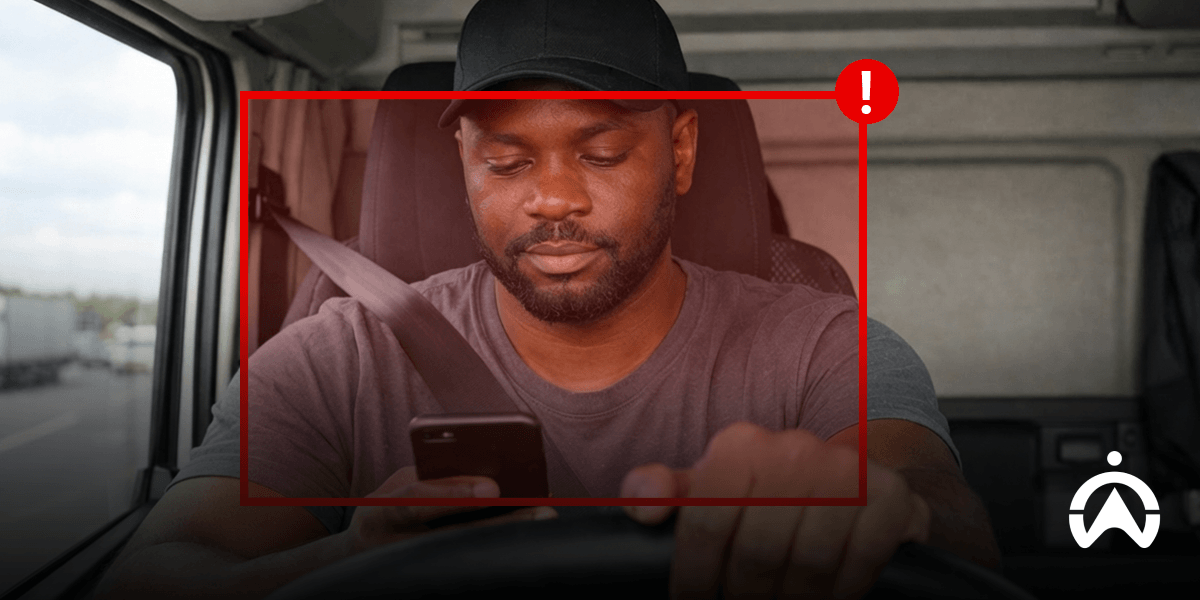
  • We can see when your drivers are exhibiting potentially dangerous actions like phone use or not wearing their seatbelts. 
    ‍
  • We can report on what really happened during an accident or near-miss event.
    ‍
  • We will provide evidence if someone attempts a crash-for-cash scam against your driver.
    ‍
  • We’ll even detect fatigue in your driver and alert them to the danger. 

What makes Karooooo’s camera and telematics bureau services so advanced?

Karooooo’s camera & telematics bureau services are advanced as a combination because they provide statistical reports as well as visual representations of what happened. Karooooo’s technology is the gold-standard for both fleet management and video telematics, so choosing us is a sure win for your fleet. 

What do you get when you choose Karooooo?

Choosing Karooooo gives you the option of both basic telematics and camera telematics from one service provider. Installation of our devices is always free, and you only pay for the services we offer. 

Simply put, each of your vehicles will receive a tracking device, a vehicle camera setup, and possibly a CANbus clamp (which helps us diagnose your vehicle health and other useful metrics). With all these IoT (Internet of Things) installed, here are some of the Karooooo service options you can choose from:

  • Basic bureau services (we manage your fleet on your behalf and send you regular reports of its performance).
    ‍
  • Camera telematics monitoring (we check on your drivers and let you know how many times each of them have exhibited fatigue, phone use, non seatbelt use, or eating & drinking while driving).
    ‍
  • Vehicle diagnostics (we let you know when your vehicles need maintenance based on their real-time health).
    ‍
  • Route optimisation (we give your drivers the best possible routes so they use less fuel and get to their destinations faster).
    ‍
  • Vehicle recovery (if your vehicles get stolen or hijacked, we’ll have a team ready to start the recovery process).

What is Karooooo’s reputation?

Another reason to choose Karooooo for this all-important service is because of our reputation. See for yourself what other companies have said about our fleet management services. With a trust index as high as ours, you’ll be hard-pressed to find a more reliable fleet service company. 

Why trust Karooooo with your assets?

But there’s one more reason to choose Karooooo, and this has been one of the main reasons so many fleets trust us with their vehicles. Our recovery rate of stolen vehicles is super high. Our team isn’t just standing by to recover stolen vehicles, they’re completely dedicated to succeeding too!

Is outsourcing your camera and telematics needs right for you?

To know if outsourcing your camera and telematics needs is right for your business, ask these questions:

  • Can I afford to hire a fleet manager?
  • Do I need a team to manage my fleet?
  • Do I need eyes on my fleet 24/7?
  • Do I have an appropriate risk management strategy?
  • Can I accurately report to stakeholders?

Depending on your fleet’s setup, it’s usually much cheaper to outsource your fleet management than to hire an in-house person. For the price you pay, you also get a team of experienced technicians rather than just one person. 

And the best part? If you pay a small extra fee, you get the camera benefits too!

Just call us and we’ll give you more info about how this all works. 

Frequently asked questions about Karooooo’s camera and telematics bureau services

How does telematics know when a car is being driven?

Telematics software can pick up when your car is driving because devices have been connected to the vehicle. A GPS tracking device is one way to tell your car is being driven, another is through a CANbus clamp which reads the computer of a car and provides detailed vehicle activity.

Are there any disadvantages to having telematics in my fleet?

There are never disadvantages to having telematics in your fleet because it makes managing your vehicles and drivers so much easier and less time consuming. Challenges that might arise include driver buy-in and staff push-back, but these can easily be overcome and don’t outweigh the benefits of having telematics.

Telematics and a black box | Are they the same?

No, telematics and black box are not strictly the same, but they are related. “Black box” is a term used for the hardware used to read your car data. The data itself is the telematics, which is the interpretation of that data that enables you to accurately report on important performance metrics and make decisions accordingly.

Can telematics accurately track driver behavior?

Yes, if you combine camera technology, vehicle diagnostics and GPS tracking, they provide a powerful picture of what your driver is doing and how they’re driving. These three things work together to piece the following together:

  • Driver behaviour
  • Vehicle health
  • External factors
  • Overall fleet performance

How to Activate Limp Mode in Your Fleet and Stop Vehicle Theft

To activate limp mode in your fleet for the purpose of stopping vehicle theft, you’ll need to contact a service provider that offers this service. By tapping into the CAN Bus system of each vehicle, that service provider can install a type of “switch” that, when activated, will activate that vehicle’s limp mode, making it nearly impossible to drive.  

Did you know that limp mode can be induced and used as a theft prevention method? It’s already being done in some countries, and this new innovation has also reached Kenya. Karooooo adds another layer of protection to your fleet by making sure thieves get a nasty surprise when they’re trying to get away with one of your vehicles. 

If you do an online search for “limp mode”, you’ll probably find that most of the information is negative. This is not a “how to fix limp mode” article, it’s a new look at limp mode from the perspective of how you can use it to prevent your fleet vehicles from getting stolen or damaged. Let’s dig in!

What is limp mode for fleets?

Limp mode is a security & protection method for fleets. It safeguards your fleet vehicles from further damage when there’s a mechanical fault or malfunction. It also significantly hinders thieves & hijackers from getting away with your vehicles. Fleet managers are using limp mode to safeguard their vehicles as an extra layer of protection over-and-above GPS tracking and vehicle camera security. 

How is limp mode used for theft prevention?

Imagine one of your fleet’s vehicles getting stolen. You report the theft to Karooooo, and their recovery team gets on their way to locate your vehicle. In addition to GPS tracking, you’ve also opted for limp mode in all of your vehicles. It’s immediately activated, so the thief driving the stolen vehicle is suddenly perplexed as to why the vehicle isn’t moving as fast.

That thief is now in a very precarious position. They can’t make that all-important quick getaway as planned. The vehicle just won’t switch to a high enough gear, and the engine just isn’t powerful enough to drive fast. They start to assume the vehicle they’ve stolen is a dud, and abandon the theft. But it’s too late, because our recovery team has already caught up to retrieve your vehicle. 

How is limp mode used to protect vehicle health?

Now imagine your vehicle’s engine is overheating. The driver hasn’t noticed the check-engine light, and just carries on—unaware that the engine is on the brink of seizing. But then the vehicle goes into limp mode. The driver isn’t able to drive normally anymore, so they’re forced to stop and check what’s going on. 

Limp mode has just saved your company thousands in engine repairs!

How is limp mode added or installed to a vehicle?

Limp mode is an adjustment that gets installed to your vehicle’s CAN Bus system. What is CAN Bus? It can be simply described as the “computer” network of the vehicle. Most modern vehicles have a central command center that processes vehicle activity, and this is called the CAN Bus. 

Karooooo simply adds a CAN Bus clamp to the vehicle’s CAN Bus, and this clamp allows us to remotely activate limp mode. 

What happens to a vehicle during limp mode?

During limp mode the vehicle’s engine will output around 70% less power, causing it to drive much slower. RPMs will be limited to no more than 3 000, and the engine light will switch on. The vehicle’s transmission will also lock into a low gear, which further hinders the vehicle’s ability to drive at high speeds. 

What triggers limp mode?

Limp mode on a vehicle can be triggered by purposeful activation (because of theft), a serious mechanical fault in the vehicle, or a faulty battery. Other triggers include:

  • Sensor malfunctions (of various kinds)
  • Transmission issues
  • Engine problems (like overheating or head gasket damage)
  • Electrical faults

Many of these triggers are built-in limp mode safeguards that come with modern vehicles. But limp mode can and should also be added to fleet vehicles to further protect them. But why?
‍

BECAUSE: Your vehicle may not already have limp mode as a built-in feature

If your vehicles haven’t come with limp mode as a built in feature, it’s recommended that you get a company like Karooooo to add it to your security arsenal. If the vehicle is an older model, it may not have the same protections more modern vehicles have, but at least you can add it by getting in touch with Karooooo’s vehicle security consultants. 
‍

BECAUSE: Limp mode can’t be remotely activated in case of theft or hijacking

Even if your vehicles do come with built-in limp mode, this activation is automatic. So if your vehicle gets stolen, you won’t have the control to activate it and slow down the criminals. With Karooooo’s limp mode installed, we’ll make sure that vehicle is too slow to steal easily. 

What Karooooo features work well with limp mode?

Limp mode can (and should) be combined with other vehicle security features from Karooooo, and these options include:

  • GPS tracking with stolen vehicle recovery service (SVR)
  • AI vehicle cameras
  • Driver coaching
  • Predictive vehicle maintenance

These features all pertain to the security and health of your vehicle, and work extremely well as a combination. 

How do these layer your vehicle with money-saving benefits in addition to limp mode? Let’s have a look.

GPS tracking with SVR

While limp mode seriously impairs the vehicle’s power and speed, you still want to know where it is if it’s been stolen. This is where GPS tracking comes in handy. Our recovery team will locate the vehicle, retrieve it, and work with local authorities to apprehend the thieves. 

Limp mode and GPS tracking are two features that should never NOT be together, since they work well together to ensure the safety of your assets. 

AI vehicle cameras

Vehicle cameras and dashcams with built-in AI are essential if you want to elevate the security of your vehicles. These devices aren’t only used to monitor the road and cabins of your vehicles, but they give you invaluable material for driver coaching (discussed more below). 

Fleets with expensive vehicles should definitely protect them with cameras that watch and alert based on events deemed serious or dangerous. AI cameras work well with limp mode because you’ll be able to watch a live feed of what’s happening inside your vehicle as the thief gets their reality check when the engine suddenly stops performing. 

Driver coaching

Driver coaching and AI cameras go hand-in-hand as a combination of tools used for coaching drivers. But coaching is another method fleet managers use to maintain the health of their vehicles. Drivers that are properly coached drive and handle your vehicles much better. This increases the lifespan of your assets—and of course limp mode will be there to make sure they don’t drive damaged vehicles.  

Predictive vehicle maintenance

Another way to ensure the long term health of your fleet’s vehicles is to get predictive maintenance software. Just like limp mode, this also works through Karooooo’s CAN Bus clamp. The condition of the vehicle is continually monitored and mechanical problems are predicted ahead of time. 

This software also automates your service scheduling and books your vehicles in for maintenance when they actually need it. Limp mode then acts as a backup if services aren’t carried out correctly or missed entirely. 

Get limp mode for your fleet vehicles

Limp mode really sticks it to vehicle thieves! If you want this awesome security feature, call Karooooo now and we’ll quote you on getting it integrated into your fleets’ vehicles. 

Frequently asked questions about limp mode

Is limp mode compatible with any vehicle?

No, limp mode isn’t compatible with any vehicle, but it is compatible with most vehicles. That’s because the majority of vehicles on SA’s roads today have CAN Bus, which is what limp mode needs to work. You can always do an online check using the make and model of your vehicle to see if it has CAN Bus.

Does my vehicle sustain damage while in limp mode?

No, the engine and vehicle components won’t get damaged while limp mode is in effect. The point of limp mode is to protect the vehicle’s major components (engine, transmission, wiring, etc), so limp mode itself is safe when it’s happening to a car, truck or van.

Is it worth getting limp mode for motorbikes?

Most motorbikes already come with limp mode, but this is purely for the purpose of protecting the mechanical integrity of the bike. You can get Karooooo’s limp mode for your motorbike if you want it as an anti-theft measure, and it’s definitely worth doing so—especially if you have a fleet of bikes you want to protect.

Can limp mode be used on lift provider vehicles like taxis or buses?

Yes, limp mode is actually a great safety measure for lift providers like taxis or buses, because they not only keep drivers and vehicles safe, but passengers too! If you run a lift provider service (or drive one of these vehicles yourself), it’s well worth looking into installing limp mode as a last resort of safety.

What Is Fuel Calibration and How Does It Help You Monitor Fuel in All Types of Vehicles?

Fuel calibration is the process of matching the raw data with the actual volume of fuel in a tank while considering each tank’s unique shape and size. You can upgrade your current fuel monitoring systems or sensors on all types of vehicles, and this way fuel levels can be accurately monitored and inefficiencies identified. 

According to an article from Dawan, illicit trade drains approximately KSh 800 billion (US$6.18 billion) from the Kenyan economy every year, with petroleum fraud, fuel theft, adulteration and tax evasion forming a significant part of these losses. That’s a massive amount, and it proves why getting fuel calibration on all your vehicles, no matter what type of fleet you have, is incredibly important. 

This blog breaks down exactly what fuel calibration is and how it helps you monitor fuel in all types of vehicles. So keep scrolling to see how you can keep your fleets on the road and your profits in your pocket.

What is fuel calibration?

Fuel calibration is the process of training a fleet management platform on exactly how many litres of fuel are in a tank at every single level. Even though you have a fuel gauge, they aren’t 100% accurate for fleets. This is because fuel tanks aren’t just one size or shape and are often mounted at an angle.

How does fuel calibration help monitor fuel?

Seeing as most tanks aren’t a simple perfect shape, some have curves and bumps, and some are shaped strangely to fit onto the vehicle’s chassis, the amount of fuel you think you have is inaccurate. For example, 1 centimetre at the bottom of a tank can equate to 4 litres of fuel, whereas 1 centimetre at the top of the tank represents 9 litres. 

Fuel calibration fixes this problem for fleet managers. To successfully calibrate your fuel tank, it can be done in one of two ways. 

  1. The first way is to completely empty the tank; this is to establish the “zero point”. Once emptied, fuel is added slowly in small increments—5 / 10 / 20 litres at a time—so that the system can accurately record the exact height the fuel hits on the sensor after each increment. 
    ‍
  2. The second way is by filling up the tank to 100%; this will be read as “full”. Then the tank is slowly drained—75%, 50%, 25%, and empty—and the system will then record how much fuel there is at each point. 

After either of these methods, the data is used to create a mapping or table so that the system will now know if the fuel level is at 12.5 cm or 15% on the sensor; it’ll mean you have 105 litres of fuel in your tank.

Why is this important?

This is important because it provides fleet managers with accuracy. As we’ve previously stated, the regular fuel gauges in your vehicle are just estimates. When you calibrate your fuel, your accuracy levels shoot up to about 99%, so you’ll have accurate metrics on every drop of fuel. 

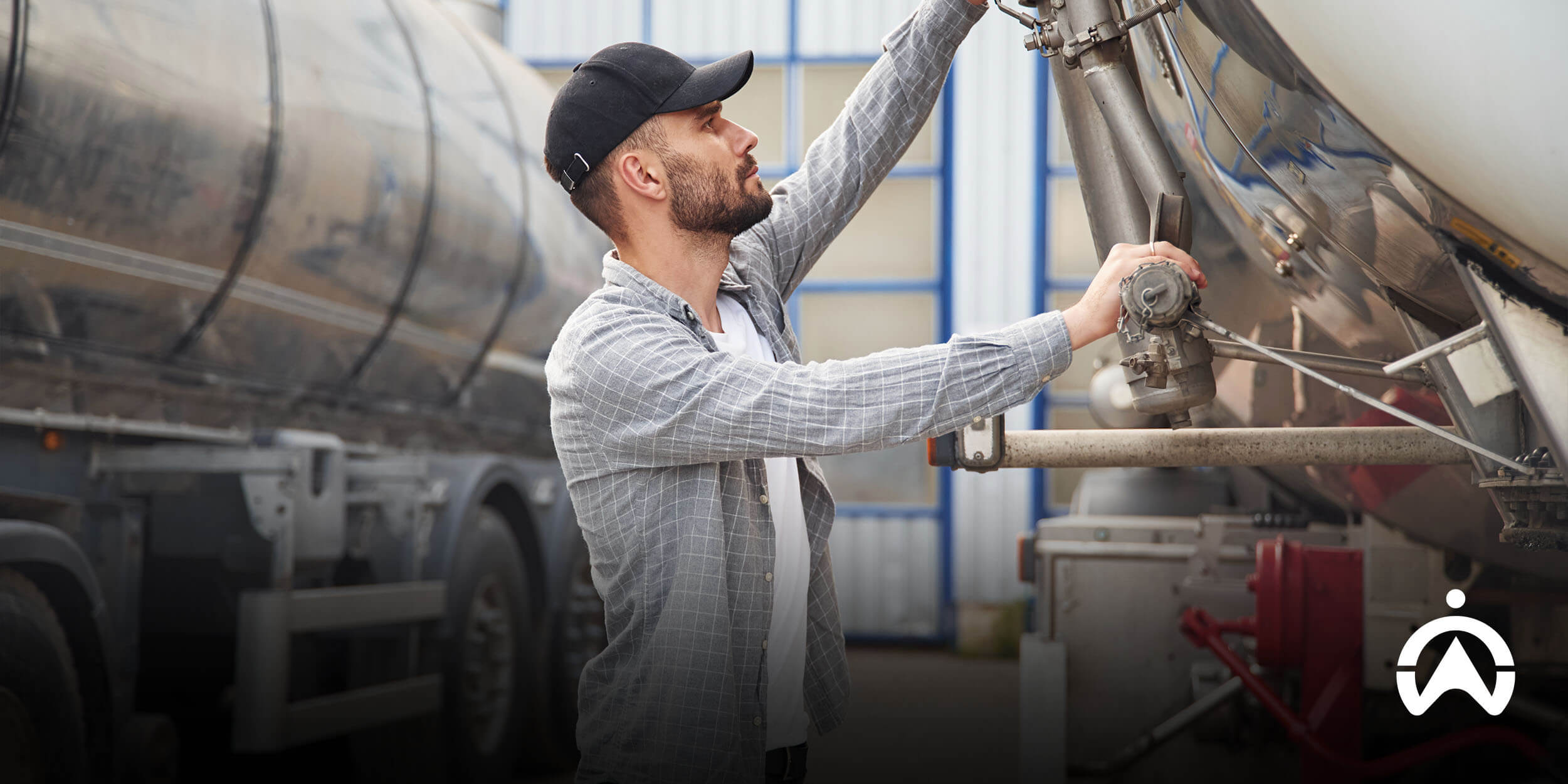
Technician inspecting tanker valves during fuel calibration to ensure accurate fuel monitoring.

Fuel calibration on all vehicles

It doesn’t matter if you have a delivery bike, a bakkie for customer visits, a long-haul truck or an excavator at your construction site; if it has a fuel tank, you can make use of fuel calibration. Having fuel sensors and calibrating your fuel tanks are vital for fleets of all types to be successful and efficient. 

Why should you monitor fuel? 

You should monitor your fuel, especially as a fleet manager/owner, because fuel is one of the highest operating costs your fleet faces. When you accurately monitor your fuel, you’ll be able to spot and stop fuel wastage the moment it happens and not after you’ve lost thousands of shillings. 

How it improves your fleet

By getting all your fleet fuel calibrated, you’ll do the following things for your operations:

  • Drastically reduce fuel theft
  • Improve accuracy on your fuel management
  • Remove inaccuracies caused by regular fuel-tank readings
  • Improve your drivers’ behaviours
  • Spot fuel contamination
  • Lower your overall operational costs

What are the major contributors to wasted fuel? 

The major contributors to wasted fuel are driver behaviour, excessive idling, poor route planning, fuel theft and a lack of vehicle maintenance. As a fleet manager, if you don’t monitor these things, your fleet’s fuel consumption and your operating costs shoot through the roof. 

Excessive idling

When your drivers are leaving your vehicles’ engines running when they’re parked or in standstill traffic, they’re burning fuel and are guilty of excessive idling. Did you know that an idling car uses between 0.76 to 2.65 litres of fuel an hour?

Driver behaviour

The way your drivers handle your vehicles on the road is also a major contributor to fuel wastage. Driver behaviour factors that all contribute to more fuel being used are:

  • Harsh breaking
  • Rapid acceleration
  • Revving the engine
  • Overloading the vehicle
  • Speeding
  • Incorrect packing of the vehicle
  • Driving in the wrong gear
  • Ignoring maintenance warnings

Poor route planning

When your fleet’s routes aren’t optimised, your vehicles are burning through fuel unnecessarily. By not optimising the routes your drivers take, they’re more likely to sit in traffic, take the longest route, and make multiple trips to the same location, not only wasting fuel but also shortening the lifespan of your fleet.

Fuel theft

A major cause of wasted fuel is fuel theft. Because you’re not behind the wheel of each of your vehicles, it’s difficult to know when fuel has been stolen. Be aware of these things as they could indicate fuel theft:

  • Sudden drops in fuel levels without a plausible explanation
  • Discrepancies between fuel purchase records and actual usage
  • Unexplained high fuel expenses
  • Evidence of tampering with fuel tanks or petrol cap locks 
  • Unexpected changes in fuel intake patterns
  • ‍Unexplained alterations in vehicle routes
  • Unauthorised vehicle activity during off-hours

Lack of vehicle maintenance

If you’re not actively keeping your fleet maintained, they’re using way more fuel than they need. Think about it: 

  • If your engine isn’t running at optimal levels, it’s going to burn more fuel.
  • If your tyres aren’t inflated properly, they’ll increase in rolling resistance, meaning more fuel is used to maintain speed.
  • If your fuel injectors, filters, or pumps are faulty, it can lead to inefficient combustion.

How does fuel calibration help save fuel? 

By installing fuel sensors and calibrating your fuel tanks, you can save fuel by spotting any abnormalities instantly. Fuel calibration ensures that fuel levels and measurements are incredibly accurate so that you’re able to spot theft, leaks, and waste instantly. Proper calibration allows you to manage fuel usage more accurately than any other method. 

How does a calibrated fuel system prevent fuel theft? 

A calibrated fuel system prevents fuel theft by giving fleet managers accurate fuel usage data. Without calibrating your fuel tank, small amounts of fuel could be continuously syphoned, and you’d never know. Fuel is already a major expense for fleets, so make sure you know where each drop is being used! 

Here are the most common ways fuel is stolen from fleets:

  • Misuse of fuel cards: Drivers are filling up their own personal vehicles or jerry cans, and some even clone them.
  • Siphoning or skimming: Drivers or thieves take fuel directly out of the tank.
  • Puncturing tanks: Thieves drill holes into the bottom of your fuel tanks and take all the fuel.
Technicians reviewing fuel data near trucks to support accurate fuel calibration and monitoring.

Fuel-level sensors vs. CAN bus

Your vehicle already comes with CAN bus; it’s basically the nervous system of your vehicle. However, fuel-level sensors and probes are fuel-level monitoring tools that give you an accurate reading on how much fuel is in your tank at all times. 

When you add fuel calibration to the mix, you’ll have the data to know where every drop in your tank is, and you’ll know when a few drops go missing.

Here’s a table so you can easily compare CAN bus vs. Dedicated Fuel Level Sensors (FLS):

Feature CAN bus (Factory Sensor) Dedicated Fuel Sensor (Capacitive)
Installation This is already installed in the vehicle, using the existing wiring and dashboard float. These require the hardware to be installed. It requires drilling on or installing into the tank and professional setup.
Accuracy Roughly provides 85%–90% accuracy. It’s good to let you know when you have “Low Fuel”, but it lacks in-depth detail. You get between 98% and 99.5% accuracy. It gives you precise measurements down to the last drop of fuel.
Theft Detection Very poor. Small “skimming” events or syphoning under 10 litres are most likely to be missed. Excellent. Fuel sensors are able to detect even the tiniest drop in fuel levels immediately.
“Dead Zones” High. This is because float arms can’t really reach the very top or bottom of the tank. Barely. The sensor rods are specifically designed to reach the full depth of each tank.
Reliability The reliability of CAN bus fluctuates. This is because the moving parts (like float arms) can get worn out or get stuck over time. Reliability for fuel sensors is really high because they have no actual moving parts and use electrical fields to detect the fuel.
Calibration Extremely basic. Completely relies on the manufacturer’s generic “empty-to-full” map. Highly advanced. These are custom-calibrated to the exact shape of your specific tank and measure each litre of fuel at each level in the tank.
Best For… Perfect for small delivery vans and light passenger vehicles. Perfect for heavy machinery, long-haul trucks, high-risk fuel theft areas, and large fleets.

What are the benefits of fuel calibration 

The major benefits of fuel calibration include accurate fuel readings, prevention of fuel misuse and theft, reduction in operational costs and improved maintenance for your fleet. For fleets who want to save money on fuel and prevent the misuse of fuel, installing and calibrating fuel probes is a must.

Fuel management with Karooooo

Karooooo provides fleets with advanced and comprehensive fuel management tools. From our various fuel sensors to MiFleet, you’ll have a complete view of how your fuel in your fleet is being used so you’ll be able to make data-driven decisions to improve how your fleet moves. 

When it comes to monitoring your fuel with fuel calibration, we have three types of sensors you can choose from. Let’s break them down for you. 

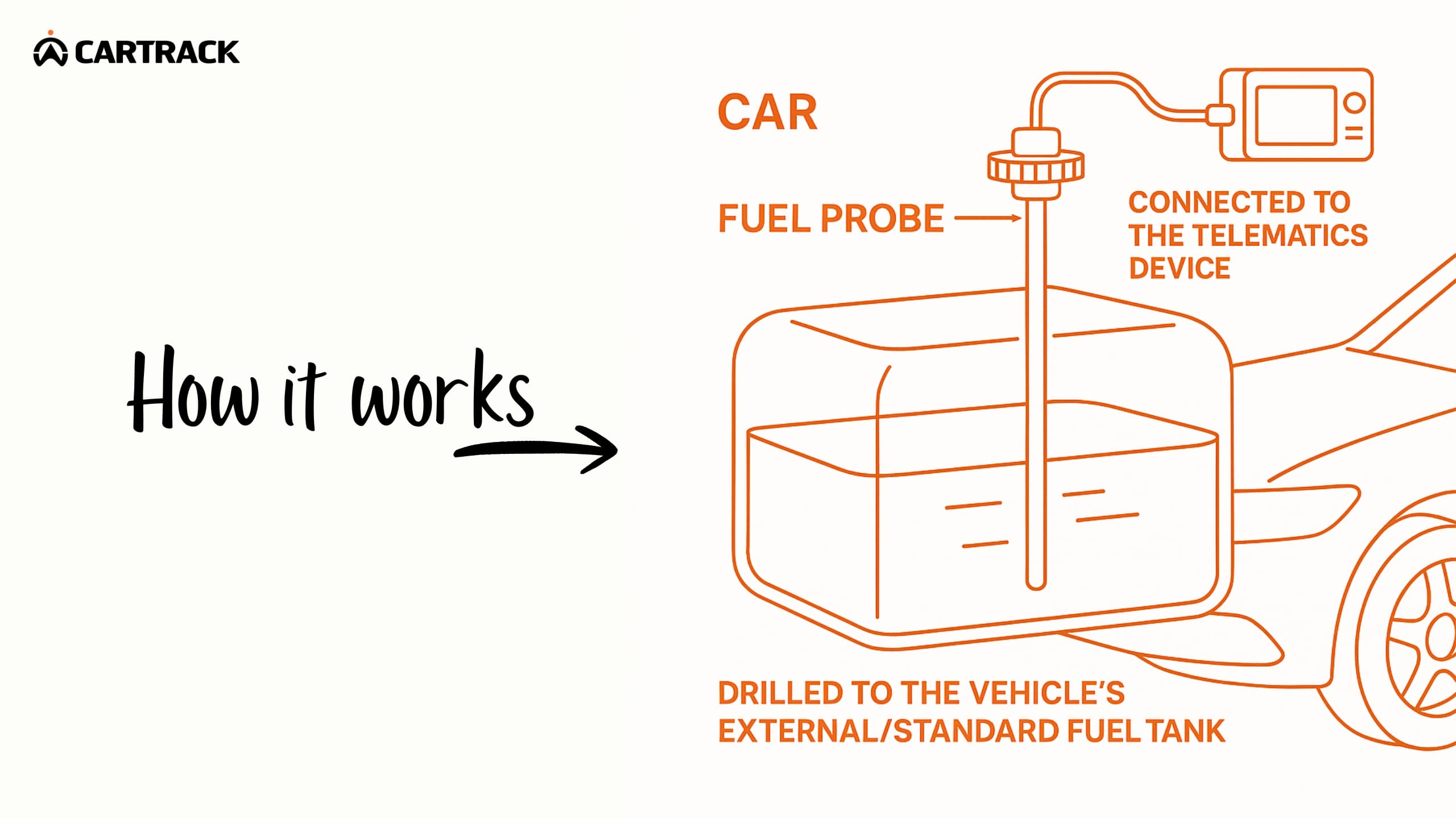
Fuel Probe

This is a specialised sensor that needs to be drilled into your vehicle’s external/standard fuel tank. The Fuel Probe sits inside the tank to constantly check fuel levels. The probe is connected to a Karooooo telematics device which sends the data it captures to your fleet platform. 

It’s our most accurate device for fuel monitoring (98% accuracy), but it’s important to note that this device can void your vehicle’s warranty, as it has to be drilled into the fuel tank.

Why you should choose the Fuel Probe:

  • High accuracy
  • Theft detection and event alerts
  • Useful in industries that have large fuel tanks like mining and construction
Fuel probe installed in vehicle tank connected to telematics device for precise fuel calibration and monitoring.

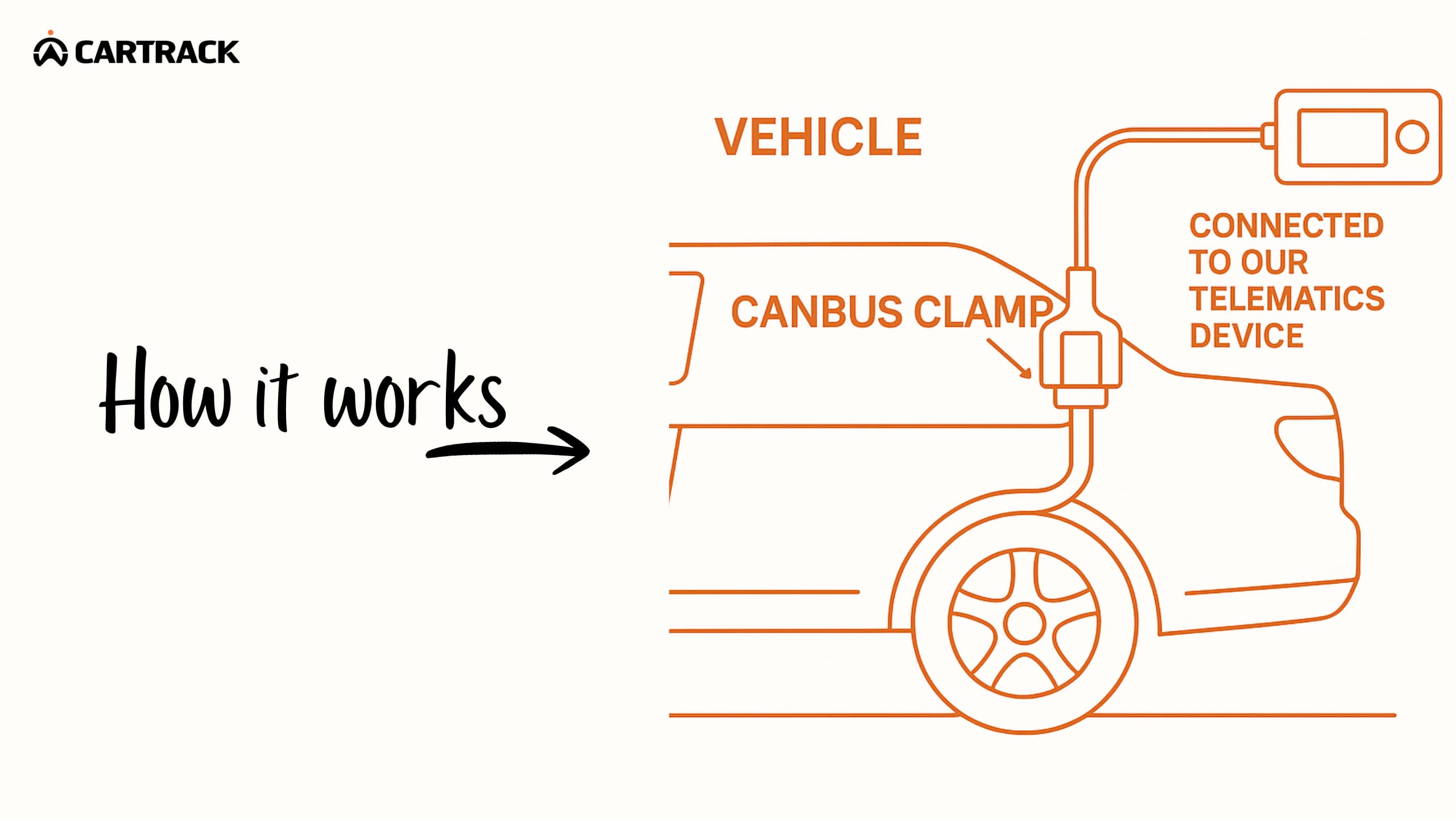
CAN bus

We’ve designed and created a special clamp that reads the fuel data directly from the vehicle’s CAN bus wire. The clamp is connected to our telematics device, and that data is then sent to your fleet pages.  

This clamp is quite accurate (90% accuracy), but it’s important to note that your vehicle must have CAN bus tech already for this to work. CAN bus also gives you real-time vehicle data and accurate dashboard data.

Why you should choose the CAN bus clamp:

  • Valuable vehicle data
  • Installation is quick and easy
  • Suitable for leased vehicles because it’s not a permanent fixture
CAN bus clamp connected to telematics device, supporting fuel calibration and vehicle fuel data monitoring.

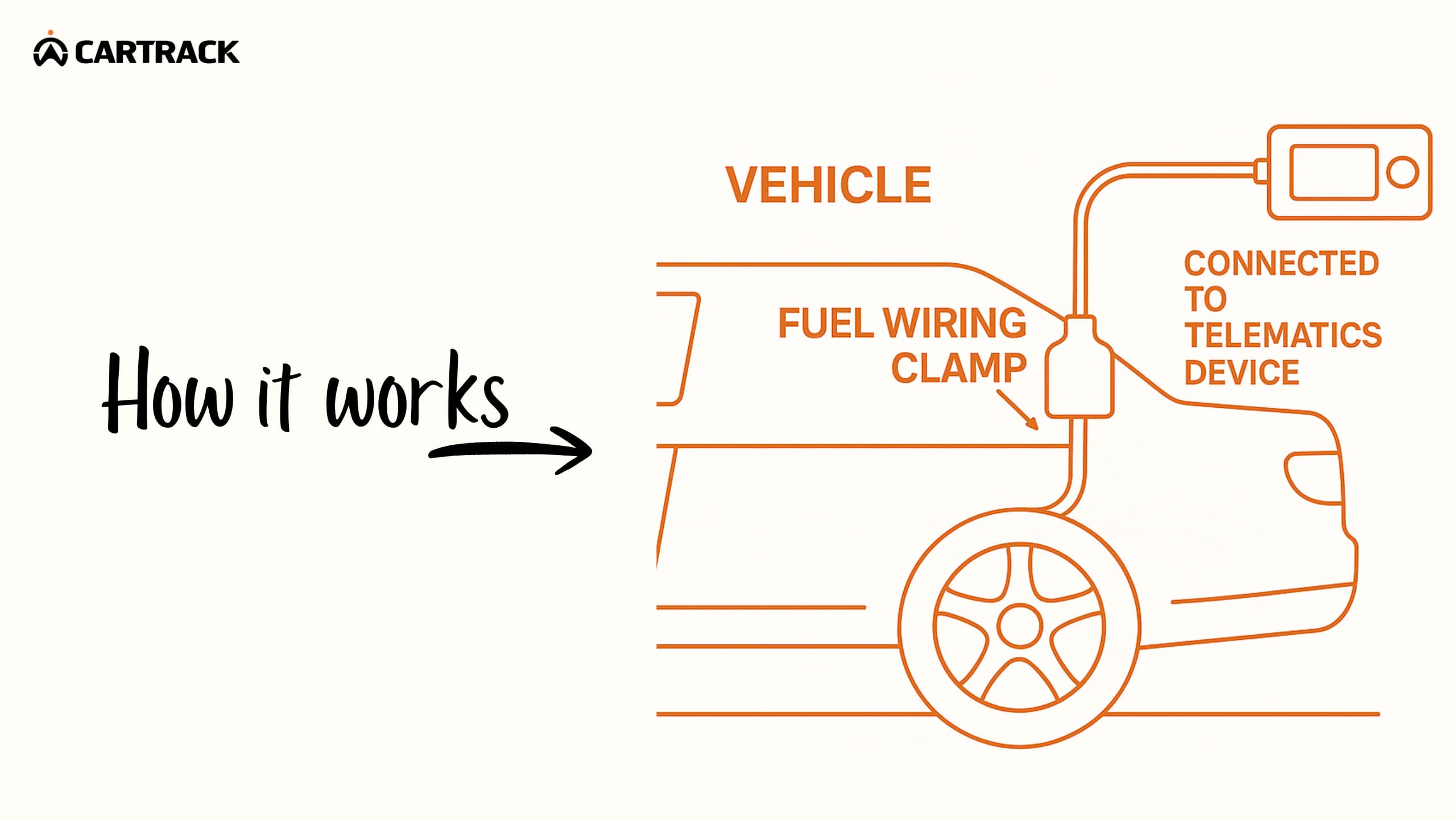
Fuel Analog

This is a cable that’s clamped to the vehicle’s fuel wiring. A voltage is sent through this cable, and information is recorded through the telematics device. The data is sent to the fleet platform. 

The Fuel Analog sensor is accurate (80% accuracy); however, if the fuel pump stops working, the information you get will be inaccurate. 

Why you should choose the Fuel Analog sensor:

  • Low cost
  • Easy to install
  • Best for basic monitoring
Fuel wiring clamp connected to telematics device, enabling accurate fuel calibration and fuel data tracking.

If you want to keep an eye on every drop of fuel in your fleet, contact us today to get more miles for your money! 

FAQs

Does every vehicle need its own calibration, even if they’re the same model?

Yes, every vehicle needs its own calibration, even if they’re the same model. This is because even though identical trucks may seem to have the same tank, a minor difference in a tank that can be caused during installation or by hitting a rock on the road can alter its shape. Without calibrating each vehicle’s tank, you’ll have inaccurate data.

How often should I recalibrate my fuel sensors?

You should try to recalibrate your fuel sensors at least once a year. However, if you’ve done any maintenance work on the fuel tank or even if your vehicle has been in an accident, you should check out the data from your fuel sensor and see if you need to recalibrate them.

Can I use these sensors for things that aren’t trucks?

Yes, you can use these sensors for things that aren’t trucks. You can use them on any stationary fuel-using assets like generators and portable tanks on your construction sites. It’s actually a smart idea to add sensors to these assets, as they’re often targeted for fuel because of how infrequently they’re used.

How Karooooo Boosts Your Operational Intelligence in Your Business

Karooooo boosts operational intelligence in your business by providing intelligible data that’s not only informative, but also ACTIONABLE. Our telematics (whether video footage, vehicle metrics, or driver performance) puts you in control of your business and enables you to make better decisions without having to rely on guesswork.

According to a research paper by Harvard Business, there are 4 steps to embracing digital intelligence. These include:

  • Adopting a digital mindset
  • Encouraging that mindset within your organisation
  • Understanding how to interpret data
  • Putting it all into action

If this research is accurate, some business owners have a lot of catching up to do. While some business leaders have adopted a technology-centered approach to their operations, a large majority are still on the fence. If you’re one of them, read this vital blog on thinking differently about how business will be done in the future.

What is operational intelligence in business?

Operational intelligence is KNOWING what’s going on in your company (data), collecting that data and interpreting it (insights), and then making decisions according to those insights. Done correctly, this will lead to company growth, risk management and a boost in brand reputation. 

Operational control

As the old adage goes, knowledge is power. In business, knowledge that’s applied, equals control. This is all about leveraging the data you collect to promote the interests of your business. The more you know, the more opportunities you’ll have to shape things the way you want them. 

Informed decision making

Managers of companies have often had to guess what the right decision is. Historically, they’ve gone on instinct or intuition. A manager who has a gut feeling about something will make a decision based on emotion or even what he or she hears from others. It’s mostly conjecture, and mistakes are made—A LOT!

The future of business is very different. Thanks to AI technology, guesswork and tummy cramps are no longer the basis for making a decision. With data at your fingertips, you can make decisions that are backed up with indisputable FACTS.

Competitiveness

Operational intelligence is at the heart of competition. This is especially relevant in countries where the opportunity to compete is immense. Why? Because as is usually the case, certain countries are behind the technological curve. There exists an old fashioned kind of people, who like to do business… “the way it’s always been done”.

But those who venture out of their comfort zones and actually embrace the same kind of AI technology being embraced by forward-thinking businesses, scale at an international level. There are many examples of this in different locations, but none are as obvious as the insurance industry where new players have entered the market with AI-run call centers, enabling them to charge MUCH lower premiums.

Accurate reporting

Every company has stakeholders. You might be the only one in yours, but if your business is large enough, chances are you have shareholders, partners, or affiliates that rely on YOUR good decision making. Being the manager who’s “on the ground” gives you some insight into how the business runs and what decisions need to be made. But this isn’t always well received by other stakeholders. 

Reporting is an essential aspect to any organisation. It’s not just about “this is what happened”. It’s also about, “this is why I made these decisions—and these are the results!” True operational intelligence justifies its decision-making by reporting the WHAT, the WHY, and the HOW. 

Risk management

Operational intelligence would be pointless if it didn’t also solve problems. But what if it could solve problems before they happen? That’s what the future truly holds for organisations like yours—risk mitigation. 

Data always points in a particular direction. That direction becomes predictive with the help of AI algorithms (and they’re only getting smarter). It tells you what’s likely to happen unless you take action. It even tells you what action to take. This is where data becomes actionable, not just informative. 

ESG (Environment, Social, Governance)

The future holds some interesting things for companies in terms of ESG regulations. Similar to other score-based legislations, companies (and even customers) will begin to do business with organisations that are perceived as responsible. 

Responsible in what way? 

  • Second; responsible in how they protect and care for their employees. (S for Social)
  • Third; responsible in how their company processes work and how ethical those processes are. (G for Governance) 
Business leader using laptop to improve operational intelligence with Cartrack business insights.

What does your fleet have to do with operational intelligence?

Your fleet often has EVERYTHING to do with operational intelligence, because logistics is the lifeblood of so many companies (whether they realise it or not). Not only is road logistics becoming more integral to your country’s economy, but how you drive, where you drive, and how you’re perceived while you drive all play a part in your company’s success. 

The unavoidable importance of road logistics

The ports in some countries are virtually unsalvageable. The rails are no better. Companies are turning to road logistics as an only alternative to get products to where they need to be. With this comes a bunch of other fleet challenges that need to be addressed. 

How you address those challenges can make or break you as an organisation. It all comes down to how you run your fleet, because roads are fast becoming the only logistical way to distribute goods and services. 

Customer perception

But here’s the interesting thing about focusing your operations on the road—your customers are there on the same road with you! This introduces a couple of questions you can’t ignore:

  • How can I make sure my customers have a good perception of my company?
  • How can I ensure my drivers aren’t putting my customers (and the public in general) in danger?
  • How can I service my customers as well as possible without compromising on my budget?

If you’re asking these questions, you’re on the right track. We’ve got the answers, and they all lie in operational intelligence. 

Asset management and asset protection

If you have vehicles in your organisation, chances are the bulk of your overheads go towards keeping them on the road. We’re not just talking about fuel, we’re also talking about driver salaries, vehicle maintenance, and the cost of the vehicles themselves!

Since much of your resources are allocated to your fleet, it only makes sense to derive your operational intelligence from that fleet. This is where the rubber meets the road. If you can manage your fleet, you can manage your business. This is where your investment should be.

The increase of last-mile logistics

Receipt of your product or service by the end user is one of the trickiest steps to get right. Customers are fussy. Their online reviews can heavily influence your brand. They want convenience and ease when ordering, not to mention when they decide to return a product.

It’s a complicated process that requires finesse. Even small companies need to pay attention to how their logistics affect their end users. Not only is this the most expensive part of your distribution process, it’s also the one that carries the most risks.

If you’re fully convinced that operational intelligence lies in your road fleet and distribution processes, read on to find out how you can apply these principles.   

How can your business adopt operational intelligence?

Your business should adopt operational intelligence by embracing technological advancements that focus on your logistics processes. You also need to adapt your staff to those advancements, and focus more on data (and how to interpret it using AI) as your source for making decisions. 

Step 1: Accept the fact that “digital” and AI are here to stay

Avoiding technology is a huge mistake. Companies that don’t adapt won’t grow, and most will probably fall away. AI-driven software will soon become a vital part of running your company, especially if you’re managing vehicles. 

Step 2: Transform your workforce to think in digital language

You can’t do this alone. Training is an essential step to transforming your business and adopting technology. You want to bring your team along this journey with you and your stakeholders. Afterall, they’re the ones that will carry out the operations.

You’ve already changed your mind about technology. Now it’s time to change theirs too. 

Step 3: Learn the data language of your company

Interpreting data is a valuable skill every manager has to learn at some point or another. Karooooo does much of this for you, but remember that each company has different interests, and your company has a language that’s different to everyone else’s. 
‍

Example 1: If you run a farm, your data will pertain to machinery AND vehicles. Who uses them? Where are they when you need them? What’s the condition of each one?

Example 2: If you run a lift provider, your data will focus more on driver safety, driver behaviour, and the rate at which your drivers can serve passengers. 

Example 3: If you run a logistics company, your data will focus on vehicle condition, driver fatigue rates, and fuel monitoring. 

Know your data like the back of your hand and you’ll quickly learn how to discern between a good decision and a bad one. 

Step 4: Determine how to execute on interpreted data

Now it’s time to take action! You have all the facts you need. You’ve made a series of sound judgments. The final step is to execute. Steer your ship in the right direction. But how?

Did you discover that your fleet is wasting a portion of fuel because of idling? Coach your drivers accordingly. 

Did you discover that one of your vehicles isn’t braking as well as it should? Book it in for maintenance. 

What about the big decisions? Should you scale? Should you purchase new vehicles? Can you afford to pay 5 new drivers? Is it time to tap into another section of your industry? 

The data can help you make these decisions, you just need to know how and when to take action. Karooooo gives you this level of operational intelligence—from the small stuff to the significant, business-altering decisions, our tools are designed to give your information AND help you execute on it. 

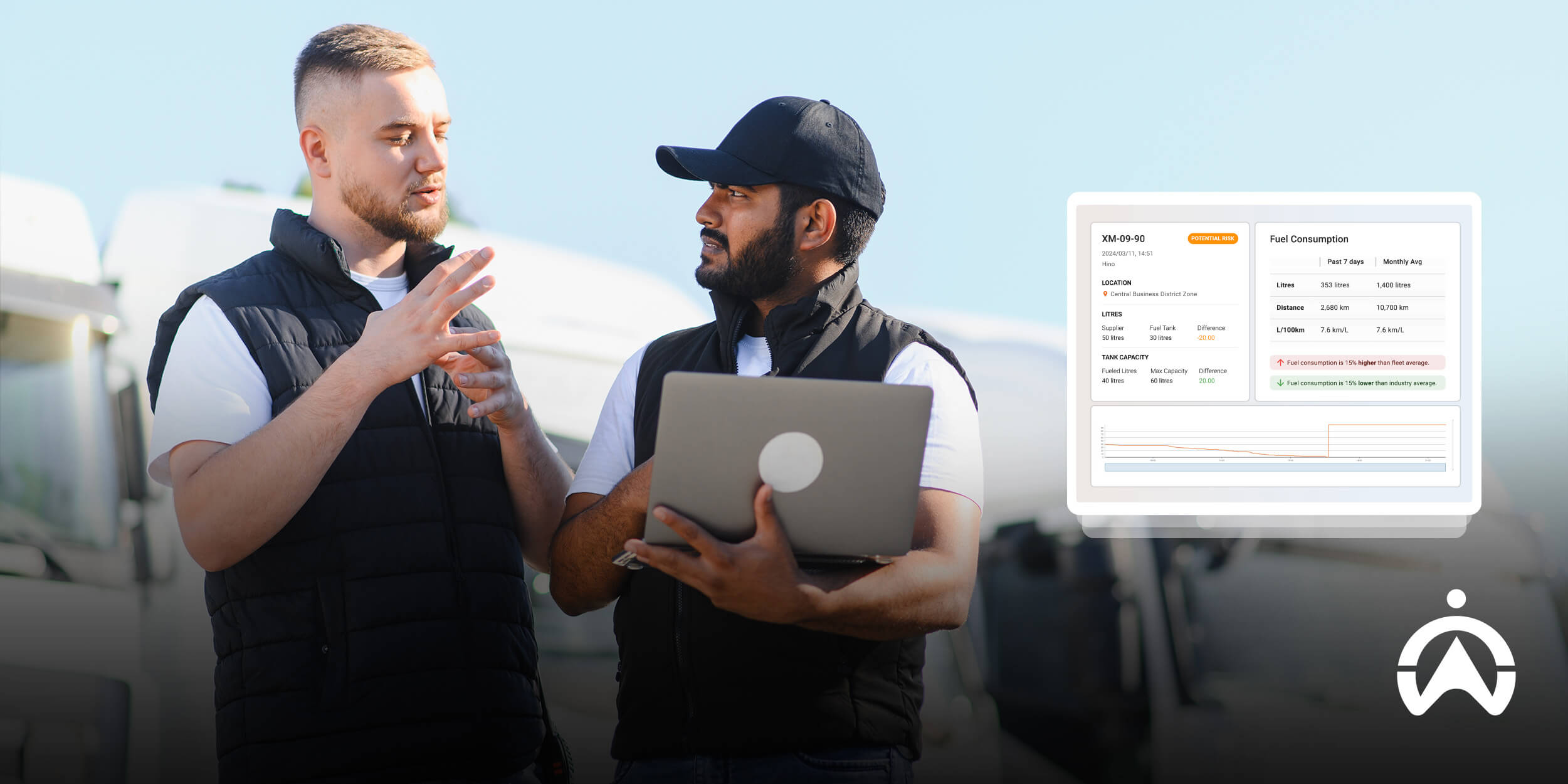
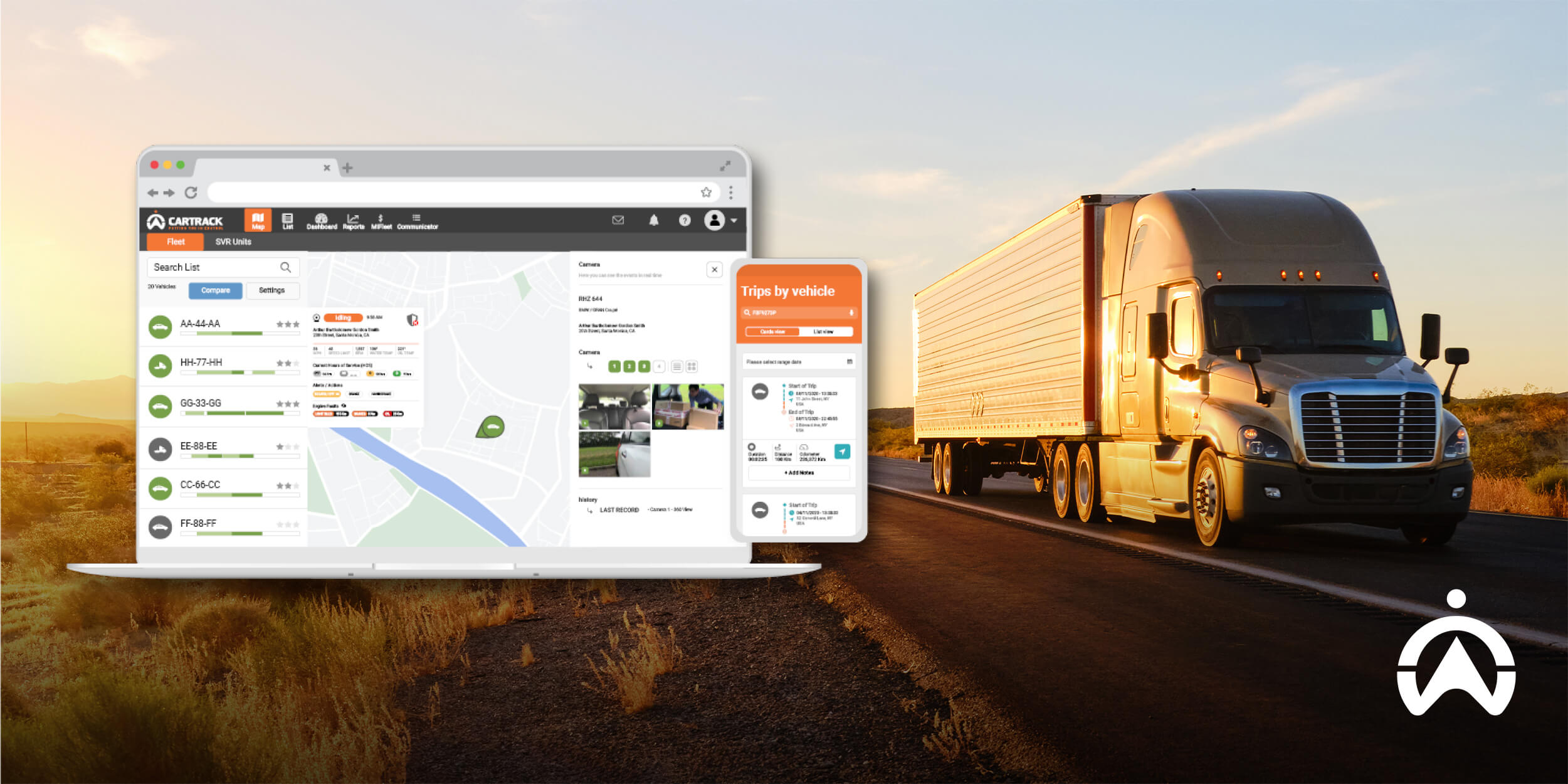
Laptop displaying Cartrack fleet dashboard beside truck, showing how Cartrack boosts operational intelligence in your business.

What will happen to companies that DON’T adopt technology?

Companies that wait too long to adopt digital means of running their business are at risk of becoming irrelevant or becoming overshadowed by their competitors (or even by new players in the market). This has already started to happen in the insurance industry, and will soon spread to other sectors. 

Technology is like a big wave in the ocean. You can either grab your surfboard and catch the wave, or you can duck under the water and let it pass you by. If you have more than a few competitors, you might just get smacked by that wave without any chance of recovery. 

How will you handle the technology trend? Will you take advantage of it and ride your business to new heights, or will you be left behind and allow others to dominate your industry? 

Why choose Karooooo as your operational intelligence partner?

Karooooo is intelligence-led, meaning we simplify your decision making based on facts, data, and irrefutable evidence. Our AI-powered software is also performance-driven, directing those decisions in ways that improve your daily operations and further YOUR business interests. 

Choose Karooooo if you want a service-strong company that’ll guide you every step of the way. Call us to have an honest conversation about what your objectives are and how you plan to get there.

It all comes down to operational intelligence. Having it can make all the difference in how your business performs. Not having it will leave you where you are and possibly shrink your operations over time. 

Choose wisely.

FAQs

What does Karooooo do?

Karooooo acts as a business partner that focuses on one of the most expensive aspects of your company—your vehicle fleet. They maintain that collecting, interpreting, and acting upon data derived from your fleet will significantly transform the way your company operates by simplifying decision-making and boosting daily operations.

Can Karooooo’s software save my company money?

Yes, Karooooo’s software is actually designed to save your company money. Not just by identifying waste, but by growing your organisation and increasing profits. The idea behind this software is to boost your operational outcomes and help you successfully compete in an ever-changing arena.

Can Karooooo manage my fleet for me?

Yes, Karooooo can manage your fleet for you because they provide Camera & Telematics Bureau Services. Using a combination of vehicle and driver telematics data, they offer many essential services for your fleet like route optimisation, driver monitoring, fuel management, vehicle maintenance, and more!

How to Monitor EV Battery Health With Telematics

Telematics monitors your EV battery health by using the vehicle data it captures to keep track of the State of Health (SoH), the State of Charge (SoC), and the thermal data. If you want to prevent range anxiety and improve battery health, you should be keeping an eye on these metrics. 

According to a comparative study that was conducted in 2025 on more than 30,000 electric vehicles and the lowest-performing 1% of the group saw a battery health drop of 80.8%. However, the average battery health for the majority of the EVs aged at around 4 to 5 years old, maintained 93.5%.

What this data proves is that the performance gap isn’t caused by age and usage. It shows that operational habits are the main cause of battery health decline. This is where telematics comes in. Telematics data will give you a comprehensive overview of your entire fleet so you can make sure your EV vehicles are always performing at their best and that they’ll last you a long time.

Why should you monitor your EV’s battery health?

You should monitor your EV’s battery health so that you can protect your investment. EVs are significantly more expensive compared to your normal ICE vehicles. The parts of these vehicles also cost a pretty penny, and when you keep a watchful eye on your battery health, you can ensure that your asset is going to last you a long time. 

When you monitor your EV’s battery health, you can get the most out of your driving range and make sure everything is working as it should, ensuring the safety of the driver. Another benefit is that you can prevent battery degradation, and you’re ultimately protecting your vehicle’s resale value.

Another major reason you should monitor your EV’s battery health is because you can resell EV batteries. They’re often used for home solar backups. Telematics gives you reports that let you prove that your EV batteries still have a high SoH so that you can get the most value out of the batteries you’re selling.  

What is EV battery degradation?

EV battery degradation is just the simple and natural process of your battery’s ability to hold a charge over time. We’ve all experienced this with our cellphones; when it’s new, it could last you two days, but after a few years, you’re charging it multiple times a day. For electric vehicles, battery degradation directly affects your driving range and performance.

How to prevent EV battery degradation

It’s important to note that most battery degradation happens in the first couple of years, and then it’ll slowly decline after that. To minimise battery degradation, you can do the following things: 

  • Don’t charge your EV to 100% or let it drop to 0%. Keep the battery charge between 20% and 80%.
    ‍
  • Avoid parking your EV in spots where it’ll be exposed to harsh temperatures. 
    ‍
  • Do regular battery health checks; this way you’ll pick up on a minor issue that could be affecting your EV’s battery. 
    ‍
  • Predictive maintenance on your vehicle will keep it running at its best.
    ‍
  • Limit DC fast charging because it heats up your batteries too much.
    ‍
  • Don’t let your EV sit idle at a constant high or low battery percentage. 
    ‍
  • Drive smoother; driving aggressively will accelerate the wear on your vehicle and battery. 
    ‍
  • Keep software updated. Make sure you’re installing any updates to your EV software, as these updates can improve the battery management system (BMS) of your EV.
Commercial semi-truck refueling, illustrating the transition to fleet telematics systems that monitor EV battery health.

How is telematics used for EVs?

Telematics is used for EVs by tracking and monitoring your EV in real time; it’ll track energy usage data and charging time slots. But above that, a telematics system can optimise your entire EV fleet, thanks to features like maintenance alerts and energy consumption reports.

How can a telematics system optimise your EV fleet operations?

A telematics system can optimise your EV fleet operations by giving you complete insights into how your EVs are performing. With the insights provided you’ll be able to schedule vehicle charging during quiet periods and identify which electric vehicle in your fleet is best for each trip that’s needed each day. 

Real-time GPS tracking lets you adjust schedules on the go, and the detailed reports you receive will provide you with the evidence you need to improve any strategies and productivity. Having a telematics system for your EV fleet not only assists with battery health, but it also transforms the way you manage your entire operation. 

Key features of a telematics system for EVs

The key features of a telematics system for EVs include battery monitoring, charging insights, route optimisation, driver behaviour, predictive maintenance and range prediction. If you’re unsure as to why you need a telematics system for the EVs in your fleet, here’s a breakdown of the features you’ll get.

Real-time battery monitoring

The most important thing you need to do if you have an EV in your fleet is that you have to keep track of SoC, SoH, temperature and voltages. Without these insights, the integrity of the batteries is compromised. By monitoring the battery health, you’ll be able to keep them in the best condition for as long as possible. We know EVs are expensive, so this makes sure you get the most out of your vehicle. 

Charging status alerts

To power your EVs, their batteries need to be charged. As a fleet owner you need to know the charging status of each and every EV in your fleet. A telematics system will send you notifications for all types of charging statuses (completed, interrupted, and low battery.)

Charging insights

You also need charging insights on your EVs. With telematics you’re able to get insights on each electric vehicle’s charging history, and on top of that you can create a proactive charging schedule. By having a proactive charging schedule, you’ll never be behind schedule because some of your EVs didn’t get charged the day before. 

Range prediction

Range anxiety is a real problem for anyone who owns an EV. Telematics is the solution to ease your worries with predictive insights. These insights will let you know how far your EVs can travel by looking at energy use, charging habits, and the terrain that’ll be travelled. This way you’ll know exactly when your vehicle needs to be stopped to get recharged. 

Diagnostics and predictive maintenance

Parts for electric vehicles are not exactly cheap. But when you connect your EVs with a telematics system, you’ll get alerts on all exterior, system and battery issues so you can schedule maintenance before they affect your fleet. A simple thing like having underinflated tyres can cause a major decrease in the KMs your EV will get. 

Driver behaviour

From the stats mentioned at the beginning of this blog, we see that the longevity of your EV’s battery is directly linked to driver behaviour. Telematics will give you comprehensive insights on exactly how your drivers are handling your EVs; are they speeding, taking corners aggressively or braking harshly? This data will allow you to give your drivers proper coaching to handle the EVs, and you can ultimately improve the lifespan and performance of your EVs.

Route optimisation

You want to get the most KMs out of your EVs, and you can achieve this with a telematics system. Thanks to advanced GPS tech, telematics can help plan the best routes for your EVs to take, making sure they avoid traffic, unkept roads and unnecessarily long routes, all of which contribute to decreased energy use. 

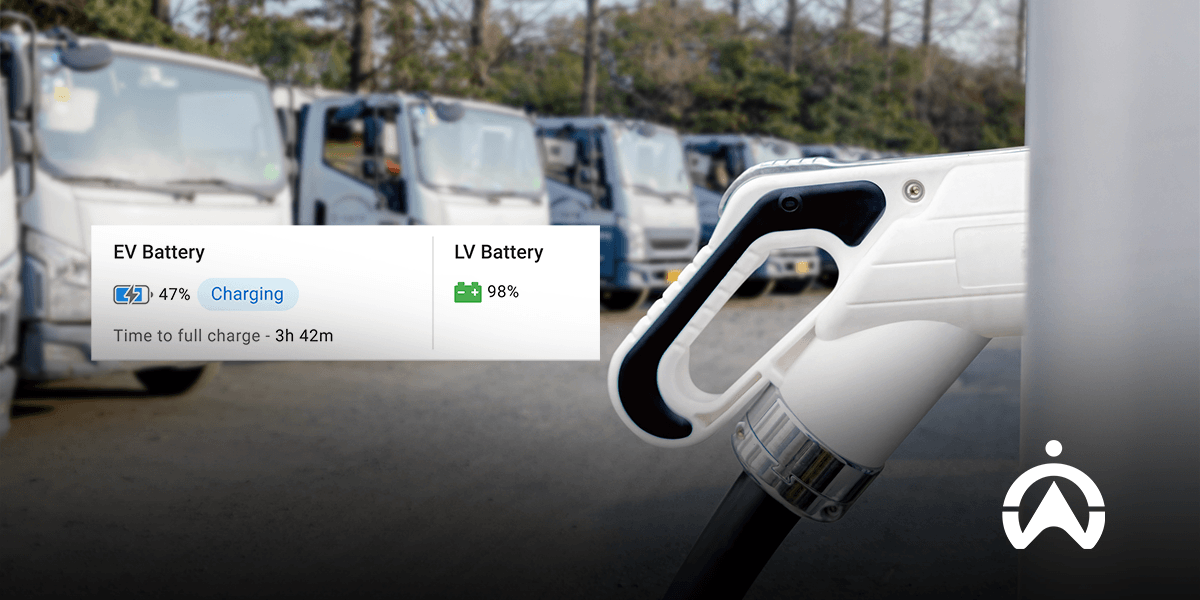
Close-up of an electric vehicle charging connector with a telematics display showing EV battery health at 47% and LV battery at 98%.

How to do an EV battery health check

To do a detailed EV battery health check, there are a few things you need to do, such as check the battery health, the actual EV range, and the SoH and install a telematics system. By following this procedure, you’ll be able to make sure your EV’s battery health is in tip-top condition. 

  • Battery capacity: Charge your 400 kWh truck to 200 kWh and see if the SoC goes to 50%. This is how you can check the battery management system in your vehicle.
    ‍
  • EV range: Monitor if your vehicle’s actual range at a full charge is the same compared to the estimate given by WLTP.
    ‍
  • Monitor the SoH: Your EV has a built-in battery health monitoring system. To access this information, you’ll need an on-board diagnostic device, which can tap into the BMS and check the overall health of your battery. 
    ‍
  • Telematics system: Installing a telematics system in your EV is one of the most accurate ways to test your EV battery health. It’ll use in-vehicle sensors and GPS to record real-time data on the battery status, charging patterns, and energy utilisation.

Why choose Karooooo as your EV fleet partner

You should choose Karooooo as your EV fleet partner because our telematics software is designed to work on any fleet. It doesn’t matter if your fleet is fully EV or if it’s mixed. You’re able to use one single platform for all of them. And we don’t just work with your LMVs or trucks; we can work on your electric scooters, forklifts and buses too. 

With Karooooo, we’ll provide you with:

  • Real-time battery management
  • Predictive maintenance
  • Mixed fleet efficiency
  • Driver behaviour monitoring and scoring
  • Asset protection 
  • ESG reporting

If you’re ready to optimise your EV fleets and improve their battery health, contact us today to help your electric fleets go further. 

FAQs

Are EVs and hybrid cars the same?

No, even though they are often grouped together, EVs and hybrid cars are not the same.

  • Electric vehicles are solely powered by an electric motor and a battery pack.
  • Hybrid vehicles are powered by a combination of an electric motor and a petrol engine

What are the negatives of buying an electric car?

There are a few negatives of buying an electric car; these are:

  • A high initial cost to buy the vehicle
  • Limited driving range compared to a ICE
  • Charging times can be lengthy
  • Expensive repairs
  • A lack of charging infrastructure in public spaces

Are there any challenges when implementing telematics?

The possible challenges you can face when implementing a telematics system in your fleet are upfront costs and complete system integration. You’ll also need to train your staff on how the telematics system is going to work and how to use it.

How Digital Twins Are Truly Boosting Your Fleet Management Today

Digital twins are truly boosting your fleet management by offering the best in simulative, virtual technology that helps improve your business overall. It goes a step beyond telematics, offering even deeper analyses and insights into each of your fleet vehicles. Better insights = more informed business decisions and bigger cuts on business expenses!

As of early 2026, we’ve seen a powerful infiltration of digital twin technology in logistics. A recent global analysis shows that 92% of organisations using digital twins are seeing an impressive return on investment (ROI) exceeding 10%. Over half of these users are seeing an increase of at least 20% thanks to enhanced asset performance.

Elevate your fleet with revolutionary technology and maintain your edge over the competition. Keep reading this blog to understand digital twin technology, explore the pros & cons, and discover how Karooooo can help you move towards a more innovative future for your fleet.

What are digital twins doing to improve your fleet management?

Digital twins are improving operational processes and helping you save money when it comes to your fleet management. When you implement this kind of technology, you’re staying competitive and looking towards the future of ingenuity. These technologies allow you to look forward and predict certain issues, improve workflows, and collect enough intricate data for you to confidently make business changes.

What is digital twin technology?

Digital twin technology is a detailed, constantly updated virtual replica of something that exists in real life. This could be an object, environment, or process. It doesn’t matter how intricate or complex the systems are; digital twins can manage them from a minuscule level to a process in its entirety. 

Digital twins reflect live behaviours and leverage AI, sensors, collected data, and interactive tools to forecast future performance. 

In the case of fleet management, each of your fleet vehicles has its unique virtual counterpart, driven by IoT data transmitted from the actual vehicle. The twin analyses this data against:

  • route pressures,
  • historical failure patterns, 
  • driver behaviours, 
  • typical operating conditions, and 
  • environmental factors 

to predict the health of components and test potential changes.

Why is digital twin technology so important?

Digital twin technology is so important because of its impact and growth that propel creative innovation. It’s looking as though this kind of technology is about to soar in popularity, as businesses want to comfortably make changes and see predictive outcomes without facing serious risk. 

Looking at this from a fleet management perspective, potential failures in your fleet can be predicted before they happen, and new software, hardware, or any other update can be tested in simulation first. 

💡 Think of it this way: 

You know how pilots test their flight and safety skills in a simulation before actually flying a plane? Digital twins are the same thing, but for your fleet. In a flight simulation, pilots test out emergency situations, what flying might be like in different instances & weather conditions, and take-off or landing procedures. 

With digital twins in fleet management, you’re predicting downtime and maintenance, testing changes in things like routes and schedules, and monitoring operations for optimisation. This highlights the major benefits of digital twins: allowing you to test changes before implementation and making more accurate predictions.

What is digital twin technology used for?

Digital twin technology is used for: 

  • replicating intricate situations and scenarios, 
  • modelling environments and infrastructure, 
  • testing changes, 
  • risk management, 

and so much more. 

It can really open the door for strategic enhancement, encourage positive & predictive change, and cut down on the costly mistake of trying something out in the real world.

Some of the industries that benefit from this technology include: 

  • healthcare, 
  • entertainment, 
  • transportation & automotive, 
  • manufacturing, 
  • aeronautics, 
  • energy, and 
  • urban planning. 

The 4 types of digital twins

The types of digital twins are:

  1. ‍Component/Part twins: This refers to simulations or copies of single parts within the bigger system or environment. It mimics and monitors a very tiny but important part of something greater. For example, a valve or blade within a machine. This is perfect for monitoring core parts of a greater machine and can help in supporting predictive maintenance.
    ‍
  2. ‍Asset twins: This refers to copies of several (two or more) parts that are working together. It displays how these parts interact in real time, as they run as part of a bigger, complete system. Asset twins essentially take a closer look at how something works as a complete thing. A good example of this is an engine. 
    ‍
  3. ‍System/Unit twins: This is a reflection of how many parts come together to form something whole, like a car production line. It looks at how these parts interact, making it a perfect opportunity to monitor, identify performance gaps, and see where operational enhancements can be made. 
    ‍
  4. ‍Process twins: This refers to constructions of the entire build or process to achieve complete efficiency. It’s a replica of the whole production, not smaller parts (as we’ve covered in the previous digital twin types). This simulation is the best for maximising operational efficiency, helping your business increase production and generally manage resources better.
How Digital Twins Are Truly Boosting Your Fleet Management Today

Are digital twins actually useful?

Yes, digital twins are actually useful. Telematics is an already powerful system that provides crucial information and vehicle diagnostics. Digital twins take it a step further by adding an extra, even deeper layer of monitoring and proactiveness. Real-time hypothetical and “what-if” situations can comfortably be played out without worrying about potential risks.

If we look at it in simple terms, fleet management insights operate more like a dashboard, showing you what’s happening right now (with the ability to access past information). Digital twins have more of a focus on a simulation that communicates what will happen, making it easier for you to test a change before actually applying it in real life. 

What are some pain points that digital twins resolve?

Some of the pain points that digital twins resolve include slow & congested operational processes, poorly planned routes & schedules, and inadequate services or products. Thanks to the in-depth data collection & predictive insights, combined with AI and IoT, there’s room for growth, development, and change. 

These are some of the tangible benefits:

Improved & accelerated operational processes 

By implementing this technology, you can run simulations to check whether any changes you want to make could work in the real world. You can also check for general defects in a product or service you provide, because sometimes there are issues you might overlook when examining it yourself. 

This is a great opportunity to use the data provided to improve your business operations.

Optimisation & predictions

You can optimise facets of your business, like schedules or routes. Digital twins give you a complete & total overview of your assets, and the information collected from IoT devices will reflect how the parts of your vehicles are working. Because of this, you can immediately see when there’s an issue and address it immediately, or take advantage of the predictive maintenance. 

You don’t have to deal with the fallout once the costly breakdown has happened. 

Better products and services 

Because you’ve tested and run the product/service through simulation, you know what’s working and what could work. The consistent data means you can take a proactive approach and not allow yourself to be disappointed by potential failures in the real world. 

Happier customers & a solid reputation

The evident successes of digital twins will bring about happier, more loyal customers, boosting your business reputation. Optimised processes and improved performances mean customers get the best in the services they receive. 

Less downtime

As mentioned earlier, digital twins make it far easier for your business to anticipate potential breakdowns and necessary servicing. You can be far better prepared so that you handle mishaps quickly or even steer clear of them entirely.

Are there downsides to using digital twins in fleet management?

Yes, there are some downsides to using digital twins in fleet management. While the upsides prove to be of massive value to your business, it’s still important to understand that factors like data overload, security concerns, and technical complexity can make this technology daunting. 

Consider these challenges: 

Data overload 

For this technology to work optimally, consistent, high-quality, and complex data is needed at all times. That information is also coming from so many sources at any given time, which adds to its complexity. Being inundated with this level of data can be quite overwhelming, and if you don’t have fleet software that’s organised, this can make data collection a difficult and fragmented process. 

Combatting this means ensuring cohesion (i.e., having a comprehensive fleet management platform) and an integration-friendly platform that’ll accommodate this technology.  

Security organisation & concerns 

When you’re dealing with this much operational data, the topic of sensitivity and security is a major concern. In situations where that data includes people’s personal information, there’s even more pressure to ensure safety policies are fulfilled. Collected information should always be protected and handled with complete care, especially according to industry standards.

Technical complexities 

Specialised engineers and professionals are required for the building and maintenance of digital twins. From data analysis & synthesising to rendering and continuous software development, specialised expertise is clearly necessary. Above this, it also means that staff members would need to be trained on this technology and the data management that comes with it. 

The best way to tackle this is to team up with a technology company that would provide the best services and support for an implementation of this magnitude.

Flexibility & scalability 

You must ensure that you’re confident and stable enough to continually invest in the technology. The more your business grows, the bigger the data and complexity demands will become. Ensure that you have strong strategies and systems in place that will allow that growth to happen smoothly.

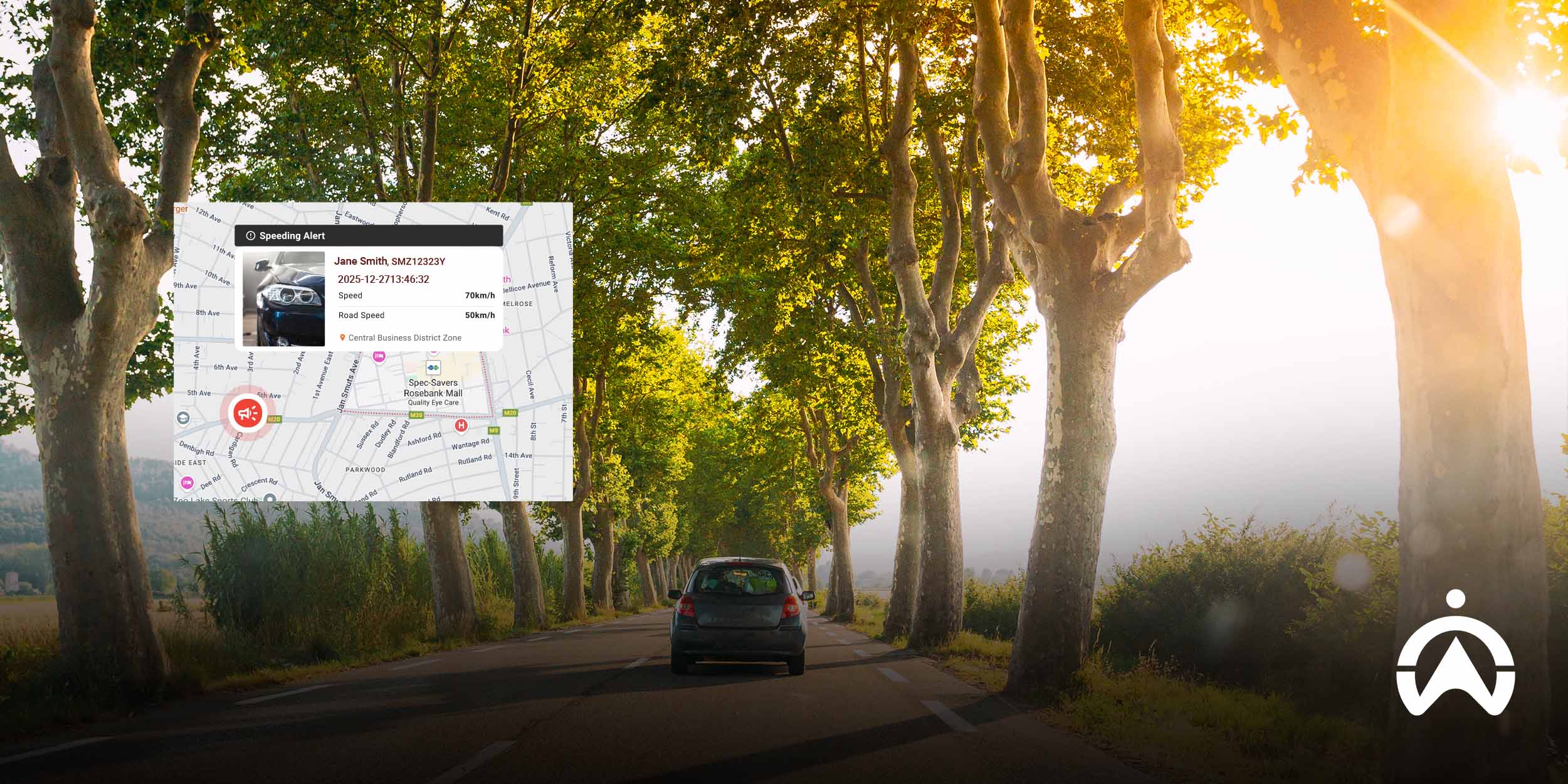
A car driving on a tree-lined road at sunset with a digital twin map overlay showing a speeding alert for fleet management monitoring.

Does Karooooo support digital twin integration?

Yes, Karooooo does support digital twin integration. We use an API-first approach (making us integration-friendly), although we won’t build the digital twin itself. Karooooo’s API integrations allow you to seamlessly connect to other systems, making it a perfect solution for your fleet management transformation.

What digital twins need is powerful telematics, a consistent stream of vehicle data & diagnostics, and smooth integration. Karooooo meets all those needs, providing the real-time flow of data that’s required while supporting fleet improvement through its SaaS platform. All of Karooooo’s tracking units are IoT devices that are integrated into your vehicle telematics. We can be the perfect source for your twin technology groundwork. 

It’s important to note that we’re not a digital twin platform; we’re a twin-ready infrastructure designed to support your fleet management growth and evolution. We recognise the importance of embracing future-forward technologies like these twins, and that’s why we’re prepared to be your long-term partner for steady growth and reliable, accurate data.

Final takeaway: Digital twins as a means to revolutionise fleet management

Fleet data is the backbone of positive change and business growth, and that’s why adopting digital twin technology is the key to even bigger growth. While a giant step forward for your business, you also need a dedicated and supportive partner that’ll provide the necessary framework to keep the twins running.

We have your back. Alongside the required data and insights, we’re also locally focused and available 24/7, 365. You’ll get everything you need to push your smarter decisions and technological growth forward. 

With Karooooo, you have the solid foundation to explore advanced innovations like digital twins to keep you prepared for what’s next. Speak to one of our professionals and turn your fleet data into insightful business decisions today! 

Frequently asked questions about digital twins

Who is the father of digital twins?

The father of digital twins is Dr Michael Grieves. He was working at the University of Michigan and came up with this technology as part of his concept for product lifecycle management (PLM) in 2002. He initially dubbed this “mirrored spaces model”, then “information mirroring model”, but settled on “digital twin” in 2011.

What skills are needed for digital twins?

Skills needed for digital twins include:

  • Computer programming, preferably Python
  • Familiarity with AI tools and simulation modelling
  • 3D rendering tools, like CAD
  • Data science and analytics
  • (Preferably) Cyber security

There are also other soft skills that are important to consider, like being an active problem-solver and someone who can confidently work in a team.

What is the future of digital twins?

The future of digital twins essentially points towards even better, more automated, and AI-driven simulations that present predictions with more precision. It’s said that digital twins will:

  • become immersive,
  • become widely adopted,
  • become a service (like SaaS) so that businesses don’t have to build from scratch, and
  • be used as a means for job training, so time isn’t wasted.

Dashcam Accident Footage: What to Do if You Are in an Accident When You Have a Dashcam

If you’re ever involved in an accident and have a dashcam, you must make sure you get hold of the footage so you can present it as evidence. A good dashcam should clearly demonstrate the events leading to the accident, so you and all other parties involved can establish who was at fault. 

Accidents inflict a lot of trauma; everything happens so quickly, and remembering all the details can be quite difficult. With a dashcam by your side (well, your windscreen), you won’t have to stress about remembering everything; it’ll do the reconstructing for you. Your dashcam should be cloud-based so you can retrieve the footage even if the camera itself was compromised in the accident. 

These days, it seems the only way to catch the culprit is by showing the police exactly who it was. According to an article by SBIgeneral, dashcams present great benefits for insurers; like a faster claims process. In today’s article, we’ll give you tips on what to do if you’re involved in an accident and have one of our dashcams.

What are the 5 steps to take after a vehicle accident?

The five steps to take after a vehicle accident are: 

  1. Check yourself and others for injuries 
  2. Call emergency services if possible
  3. Contact your insurance company 
  4. Report the accident to the police 
  5. Try to recall as much as you can

Following these five steps will ensure that you don’t make any mistakes that might worsen the situation for you.

1. Check yourself and passengers for injuries

Safety first, as we all know. When involved in an accident, the first thing you must do is check if you’re hurt. If you aren’t, you can step out to check on your passengers. Check if they’re responsive by asking questions like, “Are you okay?” This will help you determine how bad the situation is. See if there are any cuts or bruises, and if everyone is fine, then start checking the vehicle damage. 

2. Call emergency services if necessary

If there are injuries, call emergency services immediately. Don’t touch the cuts or bruises. If someone can’t move, don’t try to move them, as this might make things worse. Wait for paramedics to arrive so that they can assess the injuries. 

3. Report the accident to the police

Most of the time, the police show up in major accidents where people are severely injured or if there are fatalities. If it’s a minor accident where the police aren’t necessarily needed, make sure you go to them as soon as you can and report the accident. Your insurers will require an official police report of the incident or the case number. 

4. Reconstruct the accident as best you can 

Now this is very important because that’s what’s going to save you from paying for something you didn’t cause. The investigators will need solid evidence of what transpired, and that’s where your dashcam comes in! With a dashcam, the reconstruction process becomes easier because it’ll back up your version of events, proving your innocence. Present the dashcam footage to the investigators as soon as possible. 

You should also gather as much evidence as possible by taking as many pictures as you can of both the inside and the outside.

5. Call your insurance company

Most insurers require that you report the incident within at least 24 hours. Once you inform them, present all the evidence you’ve gathered so they’re aware of everything and it won’t take long to resolve your case. 

How can you retrieve dashcam footage after the accident?

If you’re with Karooooo, you can easily retrieve the relevant dashcam footage after an accident by either downloading the footage from the Karooooo mobile app or calling in to request that we send it to you. All our dashcams are cloud-based, which means you won’t have to worry about the possibility of lost footage. 

Here are more details on how you can retrieve your dashcam footage and what to do afterwards: 

Contact Karooooo

Our system allows you to view your dashcam footage directly through our mobile app. But if you’re unable to, then you can call our customer support team at (+254) 730 940000 or email customercare@karooooo.com and request the footage. You must specify the time and date so you can get footage that’s only based on the events leading to the accident. 

Keep the video footage on your phone

Once you get the footage, make sure you keep it safe on your phone under a file you can easily access. Store it on your laptop if you have to, or send it to your loved ones so they can always send it back to you if your phone is acting up. 

Send the footage to your insurance

From there you can send the recordings to your insurer to strengthen your version of events and avoid the back-and-forth. The other parties involved will have no leg to stand on once you present solid proof that you’re not liable.

Save the footage in case of a dispute

Don’t delete the video recording after sending it to your insurers. Keep it with you for as long as possible in case the other party wants to dispute your claim. Your footage will serve as evidence in court, giving you the upper hand in your case so you can get the compensation you deserve. 

Our dashcams also have GPS and telematics features that you can use to support your claim. They can pick up driving behaviours like speeding and harsh acceleration, and they’ll also give you the exact location of the incident. Using these features, you can prove that you weren’t speeding at the time of the accident. 

Why is a Karooooo dashcam subscription service better than a standalone device?

Our dashcam subscription is better than a standalone service because you’ll get: 

  • Affordable pricing plans
  • After-sale service
  • Footage that can’t be damaged
  • Cloud-storage

We make everything easy for you so you can enjoy your drives, feel protected, and save some costs. 

Here’s how:

Affordable prices 

Most entry-level dashcams are affordable. But the good-quality ones? Not so much. At Karooooo, we give you the best of both through our month-to-month subscription. You’ll pay less for a more reliable dashcam. A high-quality dashcam should have HD video resolution so you can see everything clearly. By partnering with us, you get that without denting your pocket.

After-sales support

Unlike a standalone or store-bought dashcam, you’ll have a support team that’s always one call away. If you experience any issues, they’ll be there to help. You’ll also have someone to properly install the camera for you, so you’ll be sure that it’s secure, as opposed to doing it yourself. 

Footage can’t get damaged

Our dashcams are built with strong materials so they can withstand extreme conditions. This means the chances of them being compromised by the impact of the collision are very low. There’s less chance of the camera malfunctioning due to impact. Our cameras also won’t be affected by extremely hot or cold weather, ensuring you get the best footage.

You’ll never run out of space

Most dashcams only use SD cards for storage, which isn’t reliable because you’ll constantly need to replace the cards or delete some footage to make space. With our cloud-based dashcams, you won’t have to worry about space because you can always contact us and ask us to add more for you.  

Dashcams that only rely on SD cards for storage don’t upload automatically. This means you can’t live-stream or download the footage immediately. They do passive storage, which means you can only see the footage after downloading what’s on the SD card. With us, you can live stream and see everything as it happens. 

Which Karooooo dashcams can you choose from? 

If you don’t already have a dashcam, we have a few that you can choose from depending on your budget and needs. We have dashcams for personal daily commutes and for fleet vehicles. All our dashcams have live stream options, and you can choose the video quality you prefer.  

Our top picks for you! 

Road Vision

The Road Vision camera solution is a front-facing camera, meaning it only shows you footage of what’s happening in front of you. It’s our most affordable camera, but still as rigid as the others. This camera is an ideal solution for you if you’re just looking to document your journeys and have evidence that someone caused an accident in front of you.

In a country where a lot of people flee after an accident, with this camera you’ll at least capture footage that’ll reveal the other vehicle’s number plate so you can find the perpetrator. 

Dual Vision

With our Dual Vision camera solution, you get one gadget with two cameras inside, recording simultaneously. One camera faces the road, and the other shows the inside of the vehicle and a bit of the rear end. This camera solution will give you more evidence for disputed accidents, as you’ll be able to record incidents from different angels. For example, if someone bumps you from the back, it’ll show. 

Let Karooooo help you reconstruct your accidents

Make sure you partner with us so you can get all the evidence you need to perfectly present your side of the story. Our dashcams act as silent eyewitnesses for the days when your word isn’t enough. They’ll be there for you when the unexpected happens. So reach out to us, and get the accident protection you need. 

Frequently asked questions about dashcam accident footage

Will insurance ask for dashcam footage?

Yes, your insurers will ask for dashcam footage if they know you have a dashcam installed. This will help them speed up the claims process and can save you costs. If you have a dashcam installed and haven’t informed your insurer, make sure you do because some dashcams are considered car modifications.

Are dashcams self-incriminating?

Dashcams are only self-incriminating if you’re the one in the wrong. Make sure you always adhere to the rules of the road and drive responsibly. Dashcams reveal the truth, so if you’re a good driver, you’ll have nothing to worry about.

How to Protect Yourself as an e-Hailing Driver

To protect yourself as an e-hailing driver, you must get a good dashcam that captures clear footage of everything that happens in and outside the vehicle. A dashcam won’t stop criminals from gaining access to your vehicle, but the recorded footage will help you find the culprits. A dashcam also helps you quickly resolve false client accusations, protecting your reputation.

Dashcam usage is on the rise in Kenya, as many people are now seeing how useful these gadgets can be for holding people accountable for their actions. E-Hailing drivers loss their lives due to criminal activity.

If you don’t have a dashcam, finding the culprits would be nearly impossible. The dashcam in question is one of Karooooo’s, and for that reason, we’re here to share more tips on how you can protect yourself or your drivers.

Here’s how you can protect yourself as an e-hailing driver

To protect yourself as an e-hailing driver, you must ensure the requested rides are from valid accounts, check the client’s ratings, and be vigilant. You must also invest in security measures like panic buttons and dashcams. These security measures won’t stop the thief from entering your vehicle, but they’ll be helpful in getting you quick assistance. 

Here’s a detailed breakdown of what you need to do to protect yourself: 

Practice hypervigilance in high-risk areas 

We know that most ride-hailing systems don’t allow you to see a customer’s destination until you reach the pick-up spot and start the trip. This makes it nearly impossible to avoid high-risk areas because your client might be headed there. Whenever that happens, make sure you’re hyper aware of your surroundings and check if you’re being followed. 

No place in Kenya is 100% safe, so staying vigilant is a must everywhere you go. Always make sure the doors are locked, check if you’re being followed, and watch out for unusual activities at traffic light stops.

Verify your rider’s details

Check the rider’s name on your app, and once they get into your vehicle, verify by asking for the name. You can tell them you want to make sure you’ve picked up the right person. A lot of drivers make the mistake of letting people in without confirming their identity.

If you get the opportunity, check the client’s ratings so you know how they’ve been with other drivers. Some e-hailing platforms even have verified badges on client profiles to show you that all client details are accurate. Others even tell you how long the person has been using that platform. A new profile with details that have not yet been verified by your e-hailing platform might be someone you need to avoid. 

Stick to the route on your navigation system

In some instances, clients suggest routes they feel are better and supposedly faster. Criminals might recommend “better” routes to lure you to a less busy area where it’ll be easy for them to attack. For your safety, just stick to the navigator and explain to your client that this is what you feel is a better route. This might put a dent in your ratings, but at least you’ll be safe. 

Get a professionally installed dashcam 

A dashcam won’t necessarily stop the criminals from getting into your vehicle, but it’ll record everything that happens, which will make it easier to find them (as we’ve seen in recent events). It’s a must-have for every vehicle owner, and most certainly for you as an e-hailing driver because you’ll come across different situations every day.

Don’t fight for the vehicle; get a GPS tracker instead

GPS tracking devices are essential for vehicle recovery. When a hijacking happens, what matters most is your life. Don’t put your life at risk by going against what the hijackers tell you to do and fighting for the vehicle. Instead, get a GPS tracker so you can easily back off without a fight, knowing you’ll soon have it back. 

Get insurance cover

5 out of 10 vehicles in Kenya aren’t insured. Remember that vehicle tracking is NOT car insurance and isn’t intended to replace your insurance coverage. Always take out an insurance policy against theft & accidents for your vehicle.

Install a panic button 

A panic button ensures a silent call for help, so you get assistance as soon as possible. Only you will know where the button is, and it won’t make a sound; so the thieves won’t know that help is already on the way. 

In some instances, thieves might take your cell phone along with your vehicle to prevent you from calling for help immediately after the incident, giving them more time to get away. By investing in a panic button, you ensure a quick response to stop them in their tracks.

Why do e-hailing drivers need dashcams for extra protection on the road?

As an e-hailing driver, you need a dashcam for extra protection on the road because of the high crime rates. Besides hijackings and robberies, there are other situations that a dashcam can save you from, which are: 

  • False accusations
  • Insurance scams
  • Accident liability

False accusations 

There are many instances where drivers get accused of stealing clients’ belongings, like cellphones and purses. In other instances, a client can say they paid cash when, in fact, they didn’t. Whenever something like this happens, it’ll be your word against theirs, but with a dashcam you’ll have footage of what exactly transpired so you can prove your innocence. 

Insurance scams

Nowadays, thieves come up with different ways for you to bump their vehicles so they can claim insurance. These scams are doing the rounds everywhere, and a dashcam is your best bet at overcoming such situations. You’ll be able to capture the situation leading to the accident to prove to the investigators that it was a trap. 

Accident liability

Imagine getting into an accident at the traffic light intersection and the other driver claims you beat the red light when in fact you had already passed the stop line when the amber lights appeared. Such situations are hard to prove if there weren’t any witnesses at the time of the incident. But with a dashcam you’ll be able to back up your side of the story. It’ll showcase the moments leading to the accident, proving you weren’t in the wrong. 

Dashcams save you from accident disputes and speed up the claims process. Some insurers might even offer you a discounted premium for having a dashcam. 

How does Karooooo protect lift providers?

At Karooooo we protect lift providers by providing stolen vehicle recovery services, dashcams, panic buttons, and medical assistance. These solutions don’t necessarily stop the criminals from gaining entry to your vehicle, but they’ll ensure you get quick help and have a full record of the incident.

The Stolen Vehicle Recovery service

We are known for providing one of the best stolen vehicle recovery services in Kenya! In the past decade alone, we’ve conducted over 100 000 vehicle recoveries. That alone shows you how dedicated we are to getting back what rightfully belongs to you. We’ve got a team of recovery agents that are available nationwide and just a call away.

Panic button

You can get one of our panic buttons for added safety. We’ll place it somewhere close to you for easy access. Once pushed, it alerts our 24-hour control room service agents that there’s an emergency, and help will get to you quicker because they can already see your vehicle’s location.

Dual Vision with action button

Our Dual Vision camera solution is a dashcam that records both the inside of the vehicle and what’s on the outside. It’s perfect for an e-hailing driver like you, who needs to capture everything that happens during trips. The camera records audio which can reveal conversations between you and the customer, for cases where you have to prove what you said or didn’t say if there’s a false report.

You also have the option of adding an action button to your dashcam package. The action button is very similar to the panic button. The difference is that it’s attached to the camera and records footage for 10 seconds after you push the button. It then sends it together with the alert so we can see exactly what’s happening. 

Medical assistance

At Karooooo, we have a Protector solution which consists of emergency medical assistance. This is a value-added service you can add to your package so you get emergency medical support (e.g ambulance) when you need it. This service will come in handy in instances where you’re robbed in the vehicle and are injured. Our control room agents will send help to your location, ensuring that you get quick assistance. 

Get all your e-hailing safety needs from Karooooo

At Karooooo we specialise in all things related to vehicle safety. By investing in our solutions you increase your safety and that of your vehicle. If you’re ever in trouble, we’re just one call or a push of a button away. So make sure you reach out to us and get the protection you deserve.

Frequently asked questions about keeping e-hailing drivers safe

What are the new rules for e-hailing in Kenya?

The new rules for e-hailing drivers in Kenya are:

  • E-hailing vehicles must have clear branding
  • All drivers must install panic buttons
  • All e-hailing apps must be registered
  • All drivers must have e-hailing operating licences

These laws were set by the Transport Network Companies (Companies, Owners, Drivers and Passengers) Regulations, 2022 and are enforced by the National Transport and Safety Authority (NTSA).

What is the disadvantage of e-hailing?

The disadvantage of e-hailing is that it poses the risk of falling victim to crimes like robberies and hijackings. But with the right security measures, you’ll feel more at ease. Make sure you invest in our devices to get the protection you need.

Mining Equipment Tracking for Yellow Metal and More

If you’re looking for technology to help you track your yellow metal mining equipment and other assets, you’ve come to the right place. At Karooooo we have various types of tracking units and sensors to help you monitor the movements, fuel usage, and health of your mining equipment. 

As the years go by, technology is shifting the way mines operate. According to Empire CAT, new technological innovations for mining operations have brought in increased productivity, better safety, improved equipment health, and less environmental harm. 

Today we’re going to give you more insight into how you can track your yellow metal equipment and why you should partner with us for improved mining operations.

What mining equipment can be tracked?

You can track various types of mining equipment, like excavators, bulldozers, and blast drill rigs. Each machine has its own nuances and will therefore require a specific tracking unit. With the right fleet management system, you’ll be able to manage all these machines more effectively through technologies like GPS trackers, telematics, sensors, and cameras. 

What challenges are there with tracking yellow metal?

The challenges that fleet managers often encounter with tracking yellow metal are:

  • Ensuring safety and compliance 
  • Monitoring equipment usage
  • Locating equipment 
  • Tracking fuel consumption

With the right technology and a better understanding of your operational needs, you can overcome all these challenges. 

Safety and compliance

Your fleet operators must follow safety protocol as per the industry regulations, but when you don’t have technology in place, ensuring safety and compliance becomes difficult. Some laws often get overlooked, which results in recurring accidents. The lack of information pertaining to those accidents leads to never-ending investigations because finding the root cause is also difficult.

Fuel consumption tracking

You need an accurate analysis of fuel consumption to save costs. But again, without any technology helping you, fuel consumption levels become difficult to trace. This increases the chances of unnoticed fuel theft or leakage, both of which will cost you a fortune. 

Equipment use

How do you know if your operators are being productive or just leaving the machines on idle? How do you know which equipment is being overused and on the brink of a breakdown? The inability to measure productivity levels and your fleet’s utilisation rate brings about efficiency problems and maintenance issues.

Another issue with monitoring equipment usage (or the lack thereof) is ensuring that each machine is in the hands of the right people. As we all know, those who can operate specialised machines are often paid more. So in an effort to make more money, operators sometimes take advantage of the fact that you can’t track equipment licences and they then use machines they aren’t qualified for. This leads to more possible accidents and extra pay that wasn’t budgeted for. 

Locating equipment

There’s no way to know where all the machines are if you don’t have GPS tracking units. Without them, it makes it nearly impossible to notice when machines have left the site. It also exposes your vehicles, high-value cargo, and equipment to theft, which you might not notice until much later.     

Yellow excavator loading soil into a red dump truck at a construction site under a partly cloudy sky.

What tracking devices are used for mining equipment?

At Karooooo, we’ve got various devices that you can use to track your yellow metal equipment and drivers, like: 

  • GPS tracking units 
  • Speed Buzzers 
  • AI Cameras 
  • Power Take-Off sensors
  • Breathalyser 
  • Fuel sensors 

Together, these solutions ensure compliance, enhance safety, boost productivity, and help you be better at maintaining the machines. 

Here’s a breakdown of how these solutions work: 

GPS tracking unit

You can use our GPS tracking units to keep track of the whereabouts of yellow metal and other vehicles. This ensures they remain on-site. Our GPS tracking units also have telematics capabilities, which means you can see how your operator behaves when using your yellow metal. 

Speed buzzers 

Ensure all your vehicles and yellow metal machines remain within the set mining speed limit using our speed buzzers. The buzzer is placed underneath the chair, and when a driver goes above the speed limit, the whole seat vibrates. This alerts the driver, prompting them to lower their speed. The speed buzzer you notice is also helpful for quickly noticing possible theft, like when a person tries to speed out of the site carrying your minerals. 

AI cameras

You can install AI-powered cameras in your excavators, bulldozers, mobile cranes, and other equipment to enhance the safety of your operators. Our AI cameras can detect when drivers are distracted by things like cellphones, fatigue, and smoking. They can also detect when drivers don’t have their seatbelts on. Once detected, the camera system releases audible alerts so drivers can make changes and focus on what they’re doing. 

Panic button

Accidents can happen at any time, and calling for help in such a busy and loud environment is difficult. You can install a panic button in each of your vehicles to ensure your drivers get emergency assistance as soon as possible. 

Power take-off sensors 

Our Power Take-Off sensors help you keep a close eye on productivity levels. You’ll be able to tell the difference between a machine that was just idling all day and one that was actually productive. Let’s use a dump truck as an example; our power take-off sensors will let you know when the tippers go down and up, helping you keep track of how often it happens.

Breathalyser 

Driving under the influence is a dangerous act, as we all know, and in the mines, it can lead to catastrophic accidents. For this reason, we have breathalysers that you can use daily to ensure your drivers are in the right state to use your equipment and avoid accidents. 

Fuel sensors 

For your on-site fuel tanks, we’ve got fuel probes. Fuel probes are the best way to monitor fuel usage in real time. A fuel probe is a sensor placed inside a tank, and each time the fuel levels go up or down, you’ll get an alert. This makes it easy to notice an unusual or rapid drop in fuel levels, which could mean someone is trying to steal large amounts of fuel or there’s a leak. 

You can also install fuel probes in the tanks of each vehicle to get accurate live fuel consumption levels.

DID tags 

To resolve the issue of operators using equipment they aren’t licensed for, we’ve got Driver Identification (DID) tags. Each tag is linked to a specific vehicle or machine, so you only assign them according to what each operator is licensed to use. 

Two construction workers in helmets and vests discuss a tablet at a rocky site, with a site report overlay showing staff entry and exit times.

What about tracking other mining assets?

To track mining assets like trailers and conveyors, you can choose any of our three tracking units, which don’t require a power source to function. These are: 

  • Karooooo Tag 
  • Track & Go
  • Asset Tracker 

The one you choose will depend on your specific tracking needs. 

Here’s how they work:

Karooooo Tag

The Karooooo Tag is a device that’s permanently installed in your assets for location purposes. It doesn’t need charging and has a long-lasting battery. This is the ideal solution for tracking assets on a large mining site because you can create a radius around the mine and ensure that the asset remains within that radius.  

Asset tracker

Our Asset Tracker unit is also another way to ensure you always know where your assets are. It gives you daily location updates, so you never have issues with misplaced assets. Like the Tag, it also has a long-lasting battery life. The asset tracker is an ideal solution for assets that you only need to check on every once in a while. 

Track & Go

The Track & Go solution is an asset tracker that can be moved from one asset to another. It’s for assets that don’t always need tracking, like the ones you rent every now and then. This ensures that none of them go missing while they’re with you. They give you real-time updates and are rechargeable.

We’re here to help you make your operations safer and more profitable

Our solutions give you more control over your large-scale mining operations and make managing your fleet easier. With us, you save time and complete tasks more quickly, therefore being more productive. You also reduce operational costs and the chances of accidents. Partnering with us ensures that you uphold your commitments and remain ahead of your competitors. So make sure you reach out to us to get the technology you need. 

Frequently asked questions about mining equipment tracking

Which GPS is best for mining?

The best GPS for mining depends on your specific needs and requirements. At Karooooo, we’ve got various GPS trackers for all your mining vehicles, machines, and equipment. We help you quickly locate your assets and ensure proper utilisation. With our mining GPS tracking solutions, you’ll have a safer, more efficient mining fleet.

What are the main uses for GPS trackers in mining?

The main uses for GPS in mining are:

  • Locating vehicles and equipment
  • Monitoring driver behaviour
  • Preventing theft
  • Enhancing efficiency

GPS trackers are there to help you manage your mining resources better and ensure safety and compliance. They give you more insight into what every operator gets up to, so you can easily address your concerns and improve operations.