How To Easily Calculate Fuel Consumption In Your Fleet

When it comes to fuel, every cent counts. With so many factors that guzzle your vehicle’s fuel, are you able to accurately keep track of your fleet’s fuel consumption?

Calculating fuel and successfully managing fuel consumption is vital for any business that relies on their vehicles to perform tasks, and when done correctly, results in massive cost savings.

So, how do you do it – let’s find out. 

In this article, you will:

  • Learn what fleet fuel consumption is
  • Find out what factors influence fuel consumption
  • Understand how to conveniently calculate your fleet’s fuel consumption
  • Discover the perfect solution to improve your fleet’s fuel consumption

What is fleet fuel consumption?

Fleet fuel consumption refers to the total amount of fuel used by a vehicle over a specific period. It is a measurement of a fleet’s fuel efficiency, which is typically expressed as the amount of fuel used per distance travelled. This is an important fleet metric for fleet managers because it directly impacts operating costs and fuel efficiency.

What factors influence fleet fuel consumption?

Fuel consumption isn’t just influenced by the distance you drive. There is a list of contributing factors that we fall victim to daily without even realising. Some of these factors include:

Vehicle Condition:

A well-maintained vehicle not only functions at its peak but also consumes less fuel. Vehicle condition factors that impact fuel consumption include:

  • Underinflated tyres: This causes an increase in rolling resistance, which means more fuel is required to maintain speed increasing consumption.
  • Inadequate fluid levels: Inadequate engine oil, transmission fluid, and coolant fluids place a strain on the engine and reduce fuel efficiency.
    ‍
  • Faulty fuel system: Issues with fuel injectors, filters, or pumps lead to inefficient combustion, which also increases fuel usage.

Driver Behaviour:

Driver behaviour doesn’t just impact driver safety, it can also increase the amount of fuel your vehicle is consuming. Some driver behaviour factors that impact fuel consumption include:

  • Aggressive driving: Behaviours such as rapid acceleration or harsh breaking lead to an increase in fuel economy.
  • Excessive idling: When a vehicle remains stationary with the engine running, fuel continues to be consumed. This means more fuel is consumed, even when tasks aren’t being completed.
    ‍
  • Incorrect gear changing: Constantly shifting between gears and selecting the incorrect ones puts a strain on the vehicle’s engine. This strain demands more power, which consequently leads to an increase in fuel consumption.

Road Conditions:

The condition of roads affects the energy that is required to move a vehicle, playing an important role in fuel efficiency. Road conditions that impact fuel consumption include:

  • Road surface conditions: While smoother road surfaces lead to a decrease in rolling resistance, rough and uneven roads increase rolling resistance. This means more fuel is required to keep the vehicle moving, which increases fuel consumption.
    ‍
  • Elevation changes: Ascending inclines require more power which means more fuel will be used.
    ‍
  • Poorly maintained roads: Unsurfaced roads and roads with potholes can decrease fuel efficiency due to increased vehicle vibrations and the energy needed to travel these roads.

Weather:

Adverse weather conditions such as rain, snow, or strong winds lead to increased resistance. More fuel is required to maintain speed and control, leading to an increase in your fleet’s fuel economy.

How to accurately calculate your fuel consumption?

This formula is widely recognised as the standard formula to calculate  fuel consumption. It enables you to assess how efficiently your vehicle uses fuel.

Fuel Consumption (Litres/100 km) = (Litres Used X 100) ÷ Kilometers Traveled

Example:
A vehicle consumes 32 litres of fuel to travel a distance of 250 kilometres. To calculate its fuel consumption in L/100 km:

(32 X 100) ÷ 250 = 12.8 Litres/100 km

This means that the vehicle’s fuel consumption rate is 12.8 Litres/100 km, indicating that it consumes 12.8 litres of fuel to cover a distance of 100km. 

While you can manually calculate your fuel consumption costs with the above formula, Cartrack Kenya makes this process even simpler for you with an easy-to-use calculator that helps you estimate the amount of fuel a vehicle consumes at specified distances.

Try it out below and see just how simple it is: 

Fuel Consumption Calculator

This calculator helps you do estimated calculations with ease, but to accurately monitor your fleet fuel consumption down to the cent, you need to make use of a fuel management system. A fuel management system measures the fuel usage of a vehicle. In the context of a fleet, it helps you obtain detailed insights into your entire fleet’s fuel consumption and automates the entire process through real-time tracking.

calculate_your_fuel_consumption

The importance of a fuel management system

The data obtained from a fuel management system plays an important role in your fleet’s operation, helping you:

  • Prevent fuel theft: By helping you identify possible fuel theft (from syphoning and fuel card theft to false transactions and fuel card cloning), a fuel management system can immediately and automatically detect unauthorised fuel consumption within your fleet.
    ‍
  • Put a stop to cost-draining driver behaviour: A fuel management system can quickly detect fuel-wasting driver behaviour, such as speeding and harsh braking.
    ‍
  • Optimise your fleet efficiency: By helping you identify fuel-wasting behaviours and improve planning and optimisation, a fuel management system helps you implement strategies that enhance overall fleet efficiency.
    ‍
  • Gain maintenance insights: A fuel monitoring system provides insight into the health of your vehicles. Increased fuel consumption levels can indicate potential maintenance issues, and identifying these issues early helps prevent costly breakdowns and reduce unnecessary downtime.
  • Calculate fuel consumption: A fuel monitoring system can measure your fuel usage by making use of GPS technology and telematics systems.
    ‍
  • Track your fleet’s carbon emission: By accurately measuring the amount of fuel your vehicles burn, a fuel management system simplifies calculating your fleet’s CO2 emissions. This is important knowledge, especially in an industry that accounts for 37% of all CO2 emissions globally.

Why it’s important to calculate fuel consumption

  • Control costs and efficiency: Calculating fuel usage helps you accurately estimate fuel costs. By understanding exactly how much fuel your vehicle consumes, you can budget effectively and identify cost-saving opportunities. Also, the improvement in fuel efficiency translates to lower operational expenses, which contributes to overall fleet success.
  • Performance and driver monitoring: By consistently tracking fuel consumption, you can immediately spot sudden changes. Sudden fluctuations in fuel consumption rates can indicate potential issues, whether it be poor driver behaviour, declining engine health, or tyre pressure issues.
    ‍
  • Data-driven decision-making: Knowing exactly how much fuel your fleet vehicles are consuming is a valuable insight for informed decision-making. This information can help identify the most fuel-efficient vehicles, routes, and driver practices.

Monitor and Improve Your Fleet’s Fuel Consumption With Cartrack Kenya

Harness the power of our industry-leading solutions to simplify monitoring your fleet’s fuel consumption and keep fuel consumption at a minimum. Cartrack’s world-class solutions help you:

  • Improve driver behaviour: Make use of our driver scorecards to monitor high-risk, fuel-wasting behaviour, such as harsh acceleration, braking, and speeding. By pinpointing these behaviours, you gain insights into exactly what areas require improvement to significantly lower your fleet’s fuel consumption.
    ‍
  • Improve fuel efficiency with preventative maintenance: Cartrack Kenya proactively monitors vehicle health, helping you schedule maintenance tailored to your fleet’s schedule. This strategy minimises downtime and maximises vehicle performance. With this proactive approach, you can avoid unnecessary fuel consumption surges due to neglected maintenance issues.
    ‍
  • Prevent fuel card fraud and theft: Cartrack’s AI algorithm automatically cross-references your fuel receipts with your vehicle’s location and fuel status. The system automatically flags suspicious fuel cost activity which could be caused by factors like fuel theft, helping you identify any possible fuel cost drainages. By being equipped to spot these drainages early on, you can investigate, resolve and reduce fuel cost wastage.
    ‍
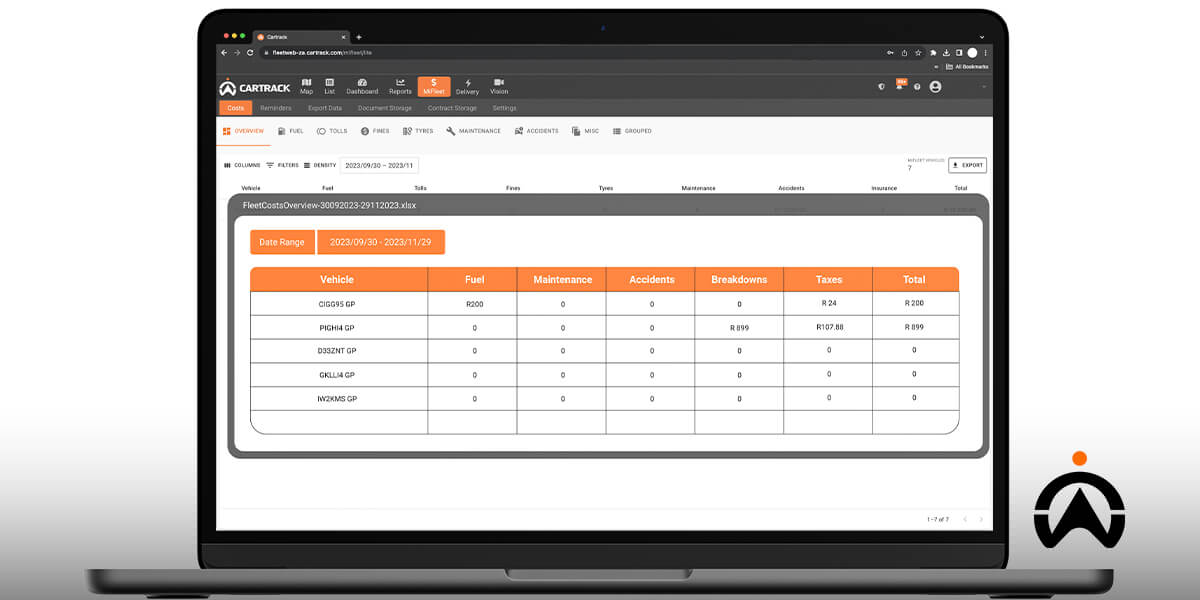
  • Automate carbon emission tracking: Cartrack’s detailed reports give you insights on how much fuel was used during a trip, along with the estimated CO2 emissions, all easily accessible via our fleet platform. This information helps fleet managers pinpoint vehicles with the highest CO2 emissions, facilitate decisions on eco-friendly replacements, and determine appropriate vehicle usage, especially for longer journeys. Tracking carbon emissions over time, understanding how to improve them and understanding the number of trees required to offset emissions are all critical to ensuring a company can make real changes towards net zero.
Monitor_and_Improve_Your_Fleet’s_Fuel_Consumption_With_Cartrack

Fuel Your Fleet’s Efficiency with Cartrack World-class Software

Accurately calculating fuel consumption isn’t just about cost control; it’s a strategic move towards informed decision-making, improved performance monitoring, and data-driven improvements. 

Contact us today and gain access to unparalleled fuel monitoring and fuel cost savings.
What is a GPS Tracker? Here’s What You Need To Know

How close of an eye are you keeping on your fleet?

GPS tracking is your key to gaining complete visibility of your fleet. This means knowing exactly where your drivers and vehicles are at all times, in real time. With Cartrack Kenya, this process is seamless and hassle-free.

In this article, you will:

  • Learn what GPS is
  • Find out exactly how GPS trackers work
  • Understand the importance of GPS trackers for your fleet
  • Unlock ultimate fleet safety and efficiency with GPS technology

What is GPS?

Before we explore what a GPS tracker is, let’s understand everything about GPS.

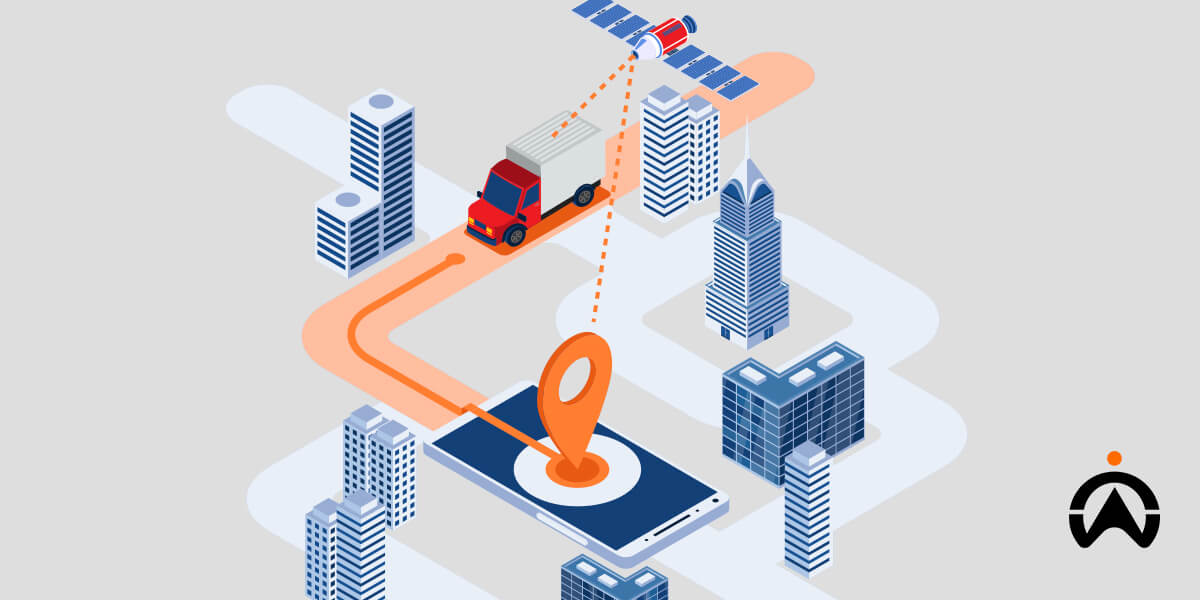
GPS, which stands for Global Positioning System, is a satellite-based navigation system that can provide users with precise location, navigation, and timing information. As one of the most innovative inventions of our time, GPS is everywhere, from your car to your smartphone, and even your watch. GPS receivers, which are present in devices such as smartphones, navigation systems, and smartwatches, all make use of trilateration, which measures the time it takes for the signals to travel from satellites to the receiver. 

The global positioning system is made up of three segments, namely:

  1. Space segment: This segment is made up of satellites that orbit the earth and work to transmit signals to users based on their geographical position and time of day. The main functions of the space segment are to transmit, store, and retransmit radio-navigation signal messages that are sent by the control segment to GPS receivers on the ground. This enables GPS receivers to calculate their precise location, navigation, and time.
    ‍
  2. Control segment: Also known as the Operational Control System, this segment is essential for the proper operation and management of GPS. Made up of earth-based monitor stations, master control stations, and ground antennas, this segment is responsible for tracking and operating the satellites in space, monitoring signal transmissions, and maintaining the health and accuracy of the GPS constellation. This segment is important in ensuring that satellites are in their correct orbits, that their clocks are accurate, and that the navigation messages are correct.
    ‍
  3. User segment: This segment refers to the equipment used to receive GPS signals from the satellites, including items such as smartphones and telematics devices.

These three sectors work together to empower GPS to decipher distances from various satellites and give users precise, real-time location information, helping them pinpoint the exact location.

What does GPS need to work?

For GPS to effectively function, several key elements are necessary:

  • A satellite network: The satellite network typically comprises of 24 satellites that orbit the earth, acting as the backbone of the GPS.
    ‍
  • A signal transmission: Each of the satellites in the network transmits its orbital position and the exact time of that position on radio frequencies.
    ‍
  • A GPS device or receiver: These are commonly embedded in smartphones, wearable technology (such as smartwatches), vehicle tracking units, and specialised navigation systems. 
What_does_GPS_need_to_work

What is a GPS Tracker?

A GPS tracker is a device that makes use of the Global Positioning System to determine and track the location of a specific object remotely. It consists of a GPS receiver that connects to a series of satellites to determine the device’s location. They are portable devices that allow people to track their vehicles.

Passive Versus Active GPS Tracking

GPS tracking can be split into two main categories: active tracking and passive tracking.

  • Active GPS Tracking

    An active GPS tracking system is a real-time system that automatically sends the information on the GPS to a central tracking portal or system in real-time as it happens. Think of it as your co-pilot, helping you keep a constant eye on your vehicles.
    ‍

  • Passive GPS Tracking

    A passive GPS tracking system focuses more on recording and storing tracking information, which can be downloaded and utilised at a later stage. This makes it a suitable solution for instances where real-time tracking isn’t essential.

The difference between active and passive GPSs

Here is a detailed table distinguishing the differences between active and passive GPS tracking:

Aspect Active GPS tracking Passive GPS tracking
Data Accessibility Provides immediate access to real-time location data transmission It only records and stores tracking data that must be downloaded periodically
Frequency at which data is stored Sends location updates at frequent intervals Records location data at predetermined intervals
Monitoring capability Live monitoring Retrospective analysis based on stored data
Alerts Real-time alerts No real-time updates or alerts

Why should you use GPS tracking for your fleet?

There are several reasons why your fleet should use GPS tracking, here are five:

  1. It gives you real-time visibility of your vehicles: This advanced tracking system allows fleet managers to pinpoint the exact location of each of their fleet vehicles at any given moment. The continuous, live updates provided empower decision-making, allowing for proactive measures to mitigate risks, and enhance overall fleet performance.
    ‍
  2. It enables smarter route planning: GPS tracking gives you access to past trip reports by making use of location history. This helps fleet managers identify congested routes and find the best roads to take, which helps optimise routes for improved efficiency.
    ‍
  3. It helps prevent unauthorised vehicle use: Real-time GPS tracking helps fleet managers quickly identify if a vehicle is being misused (e.g., for personal use or side jobs).
    ‍
  4. It improves customer service: GPS tracking helps you know exactly how far your vehicles are from their destination. This information helps you deliver accurate estimated times of arrival to your customers so you keep them updated throughout the delivery process. Real-time vehicle tracking helps optimise delivery routes and avoid traffic congestion, ensuring timely deliveries and significant fuel cost savings.
    ‍
  5. It reduces fuel usage: Fuel can be one of the biggest operational expenditures for most fleets. Companies that implement a GPS tracking system have seen their fleet fuel costs reduced by up to 30%. By comparing multiple routes with GPS tracking and historical reports, fleet managers can optimise fuel usage and reduce cost wastage. A GPS tracking system also plays a role in reducing vehicle speed and excessive idling, which both have detrimental effects on fuel consumption.

How accurate is GPS tracking?

The accuracy of GPS depends on various factors, including satellite geometry, signal blockage, and receiver design features.

  • Satellite position and visibility: GPS receivers need an unobstructed line of sight to at least four satellites to determine their position
    ‍
  • Signal quality: The quality of the signals sent by satellites can be affected by various factors, such as atmospheric conditions and human-made interference. This can lead to errors in finding the accurate location.
    ‍
  • Radio interference or jamming: External sources of radio interference, such as cell phone towers or other electronic devices, can cause signal delays.
How_accurate_is_GPS_tracking

Empower your fleet’s efficiency with Cartrack’s game-changing technology

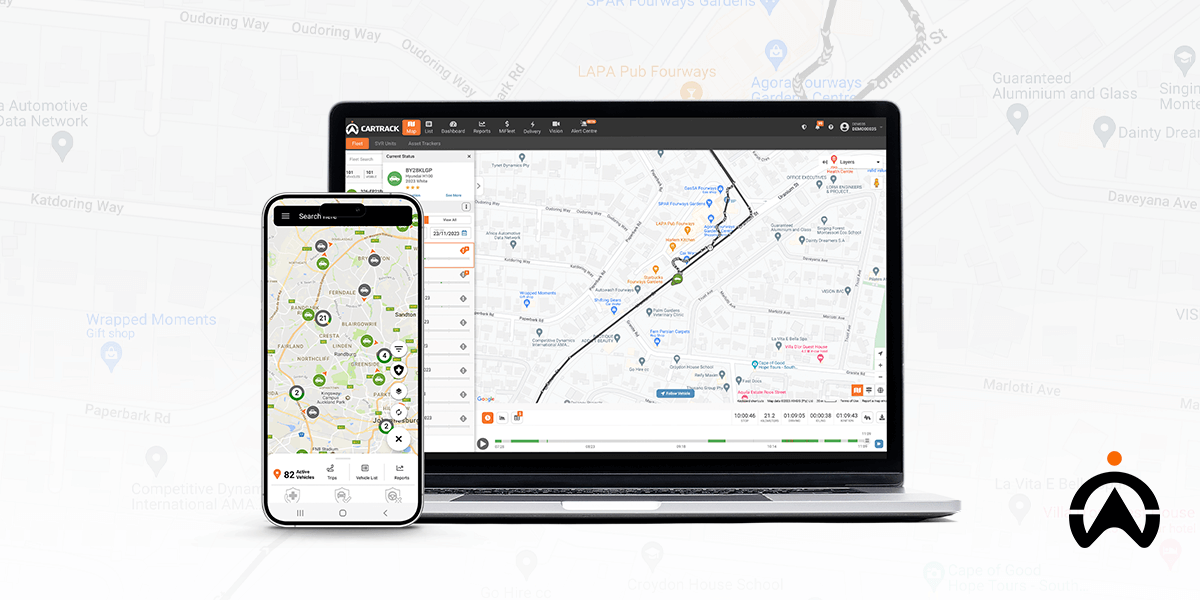
Gain full visibility of your fleet with Cartrack’s live GPS tracking. Our GPS tracking works by integrating the use of tracking units, satellites, and signals to determine a vehicle’s exact geographical location and trip history.

  • Optimise route efficiency: Cartrack’s GPS tracking technology enables the precise tracking of vehicles, which allows fleet managers to optimise routes for optimal efficiency. This not only boosts productivity but also saves fuel by reducing idle times and operational costs. This gives you the ability to monitor and adjust routes in real-time, acting as a proactive response to traffic congestion or accidents, helping drivers keep to delivery schedules and improving customer satisfaction.
    ‍
  • Access your vehicle’s full trip history: Gain access to detailed reports from our easy-to-use fleet platform, so you can see what your drivers have been up to, giving you insights into idle times, fuel levels, engine diagnostics and more. By analysing this data, fleet managers can work to reduce idle times, optimise travel routes, and improve driver behaviour, leading to overall increased fleet efficiency.
    ‍
  • Achieve unparalleled safety: Cartrack’s GPS tracking software offers advanced security and safety for your vehicles. Our cutting-edge tracking devices provide real-time location updates, which play a crucial role in rapid response to vehicle theft or hijacking scenarios. Cartrack’s specialised stolen vehicle recovery service makes use of GPS tracking to locate and recover the vehicle, it’s above 90% stolen vehicle recovery rate increases your chances of vehicle protection.
    ‍
  • Monitor vehicle usage with geofencing: Unlock precise location control with Cartrack’s geofencing feature. Create virtual boundaries around specific areas your vehicles operate in or no-go zones you want drivers to avoid and receive alerts via SMS or email when they enter or exit these set boundaries. This gives you increased visibility of your vehicle’s activity, further enhancing your fleet’s safety and security.

Cartrack’s GPS Tracking Technology In Action

Cartrack Kenya is devoted to providing you with world-class vehicle security, and this is reliant on GPS systems. With an above 90% audited recovery rate, our numerous success stories speak to the efficiency of GPS tracking for fleet visibility and safety. 

On August 2nd, 2020, Cartrack’s recovery team was dispatched for the retrieval of a stolen 1975 Toyota Corona, a rare and irreplaceable classic. By making use of GPS tracking technology, Cartrack Kenya was able to pinpoint this vintage vehicle’s location, making it possible for them to recover it within an hour of it being stolen.

Hear more about this success story right from the Cartrack clients, by watching the video below:

At the heart of our advanced telematics technology lies the innovative power of GPS tracking. This unparalleled precision empowers our 24/7 emergency control room and highly trained stolen vehicle recovery team with real-time visibility, which ensures that we are ready to respond and recover at all times. Our unwavering commitment to innovation and technological advancements places Cartrack Kenya at the forefront of the vehicle tracking industry.

Gain full fleet visibility with Cartrack’s Solutions

Whether you run a small delivery service or work in a high-demand sector like oil, gas, and mining, our solutions are the answer to keeping an eye on your fleet at all times. 

Contact us today, and enhance fleet safety, improve operational efficiency, and enable faster decision-making.

Powerful Fleet Management Strategy Guide for Smarter Operations for Now and Beyond

Fleet management demands so much more than just vehicle tracking, requiring managers to have full visibility and oversee costs, compliance, and safety all at once.

One of the biggest challenges that fleets face is driver safety incidents, with most road fatalities being caused by preventable human errors like speeding, distraction, or failure to wear seatbelts. Risk mitigation and safer driving practices now make up critical parts of any successful fleet strategy, and it’s why a smart fleet strategy can take your business from good to great.

Through our comprehensive fleet strategy guide, you’ll learn how to build a safer and smarter fleet with the help of a blend of tools that incorporate technologies and data-driven insights. From telematics feedback to practical how-to guides, explore how Karooooo can turn your data into real action.

Start every day with a fleet strategy that works- here is what you need to know

It doesn’t matter what time of the year it is, prepare for what lies ahead for your business every day. For fleet managers and business owners, today is the perfect time to outline a clear fleet strategy to achieve future goals.

A fleet strategy is a plan that outlines how you will manage your fleet of vehicles. This includes everything from choosing the right vehicles to maintaining them and tracking their performance.

All you need is a well-defined fleet strategy that aligns with your business objectives and will ultimately contribute to a safer and more productive work environment.

Let’s kick start with the basics.

What are Fleet management basics for businesses?

As your business grows and expands, so does your need for a reliable, efficient, and high-performing fleet of vehicles. Before implementing high-tech fleet management solutions, you need to find a fleet management system that suits your business practices and industry.

At its core, fleet management is about overseeing, preserving, refining, and enhancing your assets. That means keeping track of the locations of your vehicles, how your drivers are behaving on the roads, and how your assets are performing overall. Here are some key tools that make this possible:

Fleet_management_basics_for_businesses

What are the steps to building a real fleet management strategy?

A clear and well-thought-out fleet strategy is the foundation to smoother fleet operations, serving as a roadmap that lays out all the tools and resources you need. With a strong fleet management strategy, you can focus your efforts towards improvements and business growth, meaning an uptick in productivity and ingenuity overall.

Develop a robust fleet strategy that aligns with your business’s objectives; here are 5 clear steps to help you get started:

Step 1. Define your fleet management goals

Start every fleet management strategy with clear and measurable objectives, whether it’s reducing fuel costs by 10% or enhancing driver safety through focused training programmes. These objectives may include trimming fuel expenses, refining driver behaviour, optimising asset utilisation, or minimising downtime.

Established goals guide decision-making and offer a benchmark for evaluating the success of your strategy so you can actually measure what’s working and what needs to be improved. If the goals from the current year were not achieved, you have the flexibility to either continue them or set new ones for the next year.

Step 2. Evaluate your current fleet

Assess your fleet based on factors such as mileage, maintenance records, and overall performance to determine if assets are still suitable for the upcoming year or if replacements are needed. This assessment builds an understanding of your fleet’s strengths and weaknesses, helping you uncover areas for improvement and ultimately decide if an asset is due for upgrade or retirement.

Step 3. Spot your future needs

Align your fleet with new business objectives by identifying specific needs for upcoming projects. Is your business expanding into more urban projects and areas? Evaluate if your current fleet meets the demands of city environments or if adjustments are needed.

Step 4. Look into relevant technologies

Explore available fleet management technologies like GPS tracking, telematics systems, geofencing, and dashcams, then consider what works best according to your overall budget and business needs. With new fleet innovations emerging annually, the right ones can empower you to take control and stay on top of your operations.

Step 5. Execute and monitor your fleet strategy

Translate your fleet strategy into action by implementing the chosen processes and technology. Continuously monitor fleet performance – tracking metrics such as fuel consumption, vehicle uptime, and driver behaviour –  and then use this data to refine your strategy and make necessary adjustments along the way. Regularly review this information to make enhance your business operations and improve your fleet strategy.

How Do Compliance and Risk Management Shape Your Fleet Strategy?

A fleet strategy doesn’t just rely on how well it’s run but also on whether it’s legally and compliance sound. Businesses in Kenya are being put under immense pressure to ensure that they’re adhering to the rules of the road and complying with drivers’ working hours, carbon emissions, and licences.

With Karooooo, you can stay on top of all things compliance and avoid falling victim to penalties through features like licence validity checks, automated reminders, and files/contract folders for soft copies of important documents.

What Fleet management trends are shaping the future, and what to look for to succeed?

As the transportation industry continues to evolve, fleet management is at the forefront of innovation. By embracing technologies and adopting new strategies, fleet managers can rapidly improve fleet efficiency, boost long-term performance overall business success.

Let’s explore 4 major trends that are shaping the future of transportation:

  1. Predictive analytics
    Predictive analytics, driven by artificial intelligence (AI), is transforming fleet management by helping fleet managers anticipate potential issues before they arise. By analysing data that includes vehicle performance, driver behaviour, and traffic patterns, this technology can help identify and predict possible challenges like vehicle breakdowns, fuel inefficiencies, or unexpected delays. The result? Less downtime through proactively scheduled maintenance, optimised fuel usage, and disruption preventions that could impact business operations.
    ‍
  2. Autonomous vehicles and ADAS
    The emergence of autonomous vehicles and Advanced Driver Assistance Systems (ADAS) is reshaping how fleets operate. ADAS features, including lane departure warnings and automatic emergency braking, enhance safety and diminish the risk of human error, allowing drivers to focus on more intricate aspects of their roles, such as customer interactions or route optimisation. Though still an evolving area, integrating autonomous vehicles and ADAS into fleets allows businesses to enhance operational efficiency and elevate driver productivity.
    ‍
  3. Electric vehicle integration
    As fleets begin to go electric, fleet management for electric cars is growing in popularity. Today’s technology can optimise battery use, identify optimal charging stations, and seamlessly integrate EVs into existing fleet operations. Utilising software to locate the nearest charging stations ensures that EVs remain charged and ready for operation, contributing to a smoother transition to electric mobility and minimising the environmental impact of a fleet.
    ‍
  4. Mobility-as-a-Service (MaaS)
    This service provides businesses with the flexibility to plan, book, and pay for a fleet they do not own, eliminating the need for individual ownership and maintenance of a fleet and offering a cost-effective, adaptable transportation solution. Through partnerships with MaaS providers, businesses can share fleets for occasional deliveries or other transportation needs instead of being responsible for a full-time fleet.

Sustainability in fleet operations

As previously mentioned, businesses are experiencing increased pressure when it comes to their ecological footprints, which see a number of companies naturally progressing towards electrification and fuel efficiency.

Environmental, social, and governance (ESG) goals are at the forefront, and Karooooo can help you achieve those goals. Adopt sustainable practices with features that include route optimisation and fuel monitoring.

fleet_management_software

How can Karooooo help you master your fleet strategy?

These emerging trends are only as good as the tools you implement to harness them. Karooooo, the industry leader in telematics and vehicle tracking, offers a range of fleet management solutions that can help businesses of all shapes and sizes strengthen their fleet strategy today!‍

Here’s how Karooooo can turn your strategy into results:

  • Track movements with  geofence alerts
    Create digital boundaries set around your work sites, restricted areas, or delivery zones with Karooooo’s geofence feature. This feature ensures you stay informed in real-time when vehicles enter or exit the zones you have geofenced, informing  you of your vehicle’s activity and whereabouts while reducing the chances of unauthorised trips
    ‍
  • Improve fuel efficiency with fuel consumption monitoring
    Karooooo’s telematics system can track your vehicle’s fuel consumption, giving you the insights needed to optimise fuel efficiency. Flagging issues such as excessive idling and risky driver behaviour that burns more fuel than necessary can pave the way for targeted strategies to reduce fuel costs. Karooooo can help you pinpoint fuel-efficient practices that turn every drop into a saving on your bottom line.
    ‍
  • Use MiFleet for comprehensive fleet cost management
    Karooooo’s MiFleet Fleet Management system simplifies administration and running costs, including speeding tickets, toll fees, licence renewal dates, maintenance, and fuel. The system allows easy uploading of transactions and their accompanying receipts, getting rid of the need to manually add information. MiFleet also automatically reviews all fuel transactions and matches them with your vehicle’s telemetry data, making it easier for fleet managers to identify areas of possible fuel theft and save the company thousands in fuel.
    ‍
  • Streamline operations with delivery
    Karooooo’s Delivery tool enhances communication between fleet managers and drivers, enabling effortless task assignment and real-time tracking from dispatch to delivery. Assign tasks for deliveries or infield services to specific sites, or stay informed about drivers’ movements with live tracking. Your drivers also stay informed with instant job updates, ensuring schedules are met with precision, timely deliveries are made, and customer satisfaction is boosted.

Power your fleet strategy with Karooooo

Whether you’re looking to improve safety or slash those rising costs, Karooooo has everything you need to make those business changes a reality. From easy and seamless task management to detailed and comprehensive data analytics, we’ll ensure you see tangible fleet management success.

Are you eager to see your fleet operating at its full potential?

Contact Karooooo’s team and take control of your operations.

Frequently Asked Questions

How can telematics improve my fleet’s performance and strategy?

Telematics systems collect and interpret data such as driver behaviour and fuel usage. With this type of data, businesses can identify inefficiencies, minimise risks, and bring about changes that improve overall fleet productivity and safety.

How often should I review my fleet strategy?

Ideally, your strategy should be reviewed at least once a year, with data being monitored continuously. These kinds of regular check-ins allow you to adjust your fleet strategy based on the data presented, which can include performance trends or even industry changes like fuel prices or compliance matters.

Is fleet management strategy only applicable to large businesses?

No, fleet strategy benefits businesses and companies of all sizes. Even smaller fleets can cut costs, improve processes, and stay compliant – with a good fleet management company allowing scalable solutions if the company ultimately continues to grow.

How can I coordinate my fleet strategy with my business goals?

Your fleet strategy should reflect and support whatever you want your business to achieve, whether that’s bringing down operational costs, improving service, or staying on top of compliance. Always start by looking over potential future projects and business growth, and then tailor your tools to match.