How to Manage Mixed Fleets

Managing a mixed fleet has transformed the way businesses operate. Whether you’re overseeing compact delivery vans, heavy-duty trucks, or an eco-conscious mix of electric vehicles, handling such diversity offers both unique opportunities and significant challenges.

The reality is that managing a mixed fleet isn’t just about tracking mileage or scheduling maintenance. It’s a balancing act, requiring strategic planning, and precise coordination and takes considerable time and effort to master completely.

In this blog, we explore the ins and outs of mixed fleet management, offering practical strategies and actionable insights to help you streamline your operations.

We’ll also show you how Cartrack’s innovative solutions can be the game-changer your fleet needs to operate like a well-oiled machine.

Let’s dive in.

By the end, you’ll understand:

  • Why managing a mixed fleet is uniquely challenging
  • Simple, practical steps you can take to make fleet management easier
  • How Cartrack’s innovative solutions can help you take control and make your operations run like clockwork

What Exactly Is a Mixed Fleet?

A mixed fleet is exactly what it sounds like; a group of vehicles with different features, fuel systems, or purposes. You might have a mix of petrol and diesel vehicles, a few hybrids or electronic vehicles (EVs), and maybe some specialised trucks for heavy-duty tasks.

While this variety of fleet can be a strength, it requires you to handle diverse tasks and may also come with a unique set of challenges. Different vehicles mean different maintenance schedules, performance tracking needs, and varying operational costs.

Why Managing a Mixed Fleet Can Be Complex

Let’s get real. If you’ve ever tried to juggle the needs of a mixed fleet, you know it’s not for the faint of heart. Here are a few reasons why:

  1. Diverse Maintenance Requirements: A diesel truck doesn’t need the same care as an electric sedan. Keeping up with all the schedules and specific needs can feel like solving a Rubik’s Cube blindfolded.
    ‍
  2. Fuel Management: With various vehicles guzzling fuel at different rates, tracking and optimising fuel consumption is tricky. Add rising fuel costs to the mix, and you’ve got a recipe for budget stress.
    ‍
  3. Driver Challenges: Not every driver is comfortable switching between vehicle types. Some may excel at driving a compact car but struggle with a bulky truck or the nuances of an electric vehicle.
    ‍
  4. Regulatory Compliance: Different vehicle types often come with their own rules for safety and emissions. Staying on top of these is critical but time-consuming.

Sound familiar? If you’re nodding along, don’t worry, you’re not alone. Many fleet managers face these hurdles daily, fortunately, Cartrack has practical solutions for you and your business to streamline these operations.
Worker in orange overalls repairing the interior of a yellow truck cabin.

Mastering the Art of Mixed Fleet Management

Mastering mixed fleet management does not have to be a complicated issue. All that is required is a dedicated fleet manager and a reliable fleet management system. Here are some ways to get started:

  • Centralise Your Fleet Management
    Imagine having one dashboard where you can see everything, from maintenance schedules, and performance data to compliance documents for all your vehicles. A centralised system is a game-changer. It eliminates the need to hop between spreadsheets and makes it easy to get a bird’s-eye view of your fleet.
    ‍
  • Lean on GPS Tracking
    Real-time GPS tracking
    is like having a crystal ball for your fleet. You can see where every vehicle is, how it’s being driven, and whether it’s sticking to the most efficient route. Beyond improving efficiency, GPS tracking also adds an extra layer of safety by deterring reckless driving.
    ‍
  • Standardise Maintenance Procedures
    Yes, your vehicles are different, but certain processes can be standardised. For instance, you can create a master maintenance schedule that includes buffer zones for added flexibility. This way, you reduce the risk of missed appointments, unforeseen delays and adjustments while accommodating unique vehicle needs.
    ‍
  • Empower Your Drivers
    A mixed fleet is only as good as the people behind the wheel. Make driver training a priority, ensuring each team member is comfortable handling different vehicles that they are licensed to operate. Knowledge drives progress, whether it’s teaching them the nuances of electric vehicle charging, the art of handling a heavy truck during heavy rains or knowing how to drive on steep terrain.
    ‍
  • Embrace Fuel Efficiency
    Fuel is often one of the biggest expenses for a fleet, and with a mix of vehicles, inefficiencies can add up quickly. Start by monitoring fuel usage closely. Look for trends to spot whether certain vehicles are guzzling more fuel than they should, or to pick up on a driver who seems to have a lead foot. Addressing these issues can lead to substantial savings in fuel costs and other operational costs.
    ‍
  • Make Compliance a Habit
    Instead of scrambling to meet regulatory requirements at the last minute, build compliance checks into your regular processes. This is especially important for mixed fleets, where vehicles may be subject to different rules.

Why Cartrack Is Your Go-To Partner in Fleet Management

Managing a mixed fleet isn’t just about hard work, it also is about working smart. And this is where Cartrack steps in.

What Cartrack Offers

  1. Real-Time GPS Tracking
    With Cartrack, you’ll always know where your vehicles are and how they’re being used. Whether it’s a fuel-efficient hybrid or a heavy-duty diesel truck, our GPS tracking gives you real-time insights to optimise routes, monitor performance, and improve safety.
    ‍
  2. Automated Maintenance Reminders
    Forget sticky notes and calendar alerts. Cartrack’s system sends you automated maintenance reminders based on mileage, time, or other key factors. This ensures that no vehicle slips through the cracks.
    ‍
  3. Fuel Management Tools
    Fuel costs don’t have to be a guessing game. Our fuel management solutions help you track usage across all vehicle types, pinpoint inefficiencies, and take corrective action.
    ‍
  4. Driver Behaviour Monitoring
    Reckless driving can lead to accidents and increased wear and tear. Cartrack gives you the tools to monitor driving habits, helping you encourage safer behaviour and cut down on unnecessary costs.
    ‍
  5. Compliance Tracking
    Whether it’s emissions standards, licensing, or safety inspections, Cartrack makes compliance straightforward. All your documents and deadlines are stored in one place, so you’re always audit-ready.
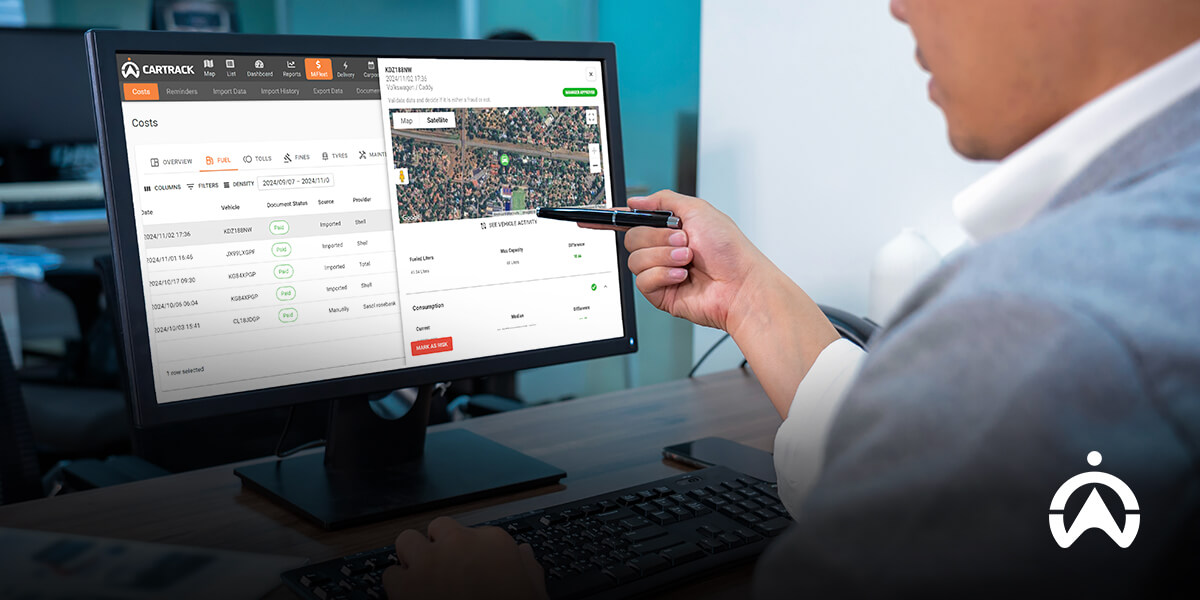
Person at a desk pointing at a computer monitor displaying a vehicle tracking application.

So, Why Wait?

Managing a mixed fleet doesn’t have to feel like a full-time juggling act. With Cartrack, you’ll have the tools you need to simplify operations, reduce costs, and keep your drivers happy.

Ready to see how Cartrack can transform your fleet? Let’s chat.

FAQs About Managing a Mixed Fleet

  • What are the benefits of integrating electric vehicles into a mixed fleet, and how can Cartrack support this transition?
    Integrating electric vehicles can reduce fuel costs and emissions. Cartrack makes it easy to monitor charging, maintenance, and performance to ensure smooth operation.
    ‍
  • Can Cartrack assist in optimising routes for both heavy-duty trucks and compact vehicles in a mixed fleet?
    Yes! Cartrack’s GPS system optimises routes for all vehicle types, ensuring each one takes the most efficient path, reducing fuel costs.
    ‍
  • What is the role of driver training in managing a mixed fleet, and how can Cartrack’s tools support it?
    Driver training is essential. Cartrack’s monitoring tools highlight areas for improvement, so you can provide targeted training to enhance safety and efficiency.
    ‍
  • How can Cartrack help businesses track the ROI on investments in electric vehicles for a mixed fleet?
    Cartrack’s reports track fuel savings and maintenance costs, helping you easily calculate the ROI of electric vehicles and understand their financial impact.
What is Video Telematics

The fleet management industry has seen massive development in the technologies it employs and the methodologies it follows. Not too long ago, managing a fleet was a precarious job. Many components were still analogue, and many processes were manual. This meant that managing a fleet of vehicles was a tedious task, often filled with human error.

The solution was telematics, a field combining telecommunications, electrical engineering, computer science, and vehicular technologies to send, receive, and store data remotely. This proved to modernise the industry, formalising many protocols and providing a standardised system that can be trusted.

Telematics has helped reduce operational and maintenance costs while increasing the overall safety of the fleet with both real-time and offline driver coaching. This has reduced, and in some cases completely removed, many inconsistencies in the industry, becoming the core of fleet management.

Kenya is an upcoming telematics market with a significant penetration rate, especially when considering the international market. This means that the telematics offerings available to local businesses are often some of the best globally. The Kenyan market is populated by several telematics companies of the fleet management systems in use, one of them being Cartrack. An interesting innovation has been in the video space, where technological leaps and bounds have been made. With the accelerating adoption of Artificial Intelligence (AI), new fleet management systems are set to expand their video diagnostics and driver behaviour monitors. Video telematics is now the industry standard that all fleet management systems are measured against.

In this article, you will:

  • What video telematics is
  • Why fleet managers need it
  • How Cartrack is the best solution for video telematics

What Is Video Telematics and How Does It Work

Video telematics is the audio-visual component of telematics. It combines telematics data with high-definition video footage recorded on dashcams, enabling fleet and risk managers to better understand driver behaviour and provide personalised driver coaching.

Video telematics uses sensors and Dashcams to provide visibility into driver behaviour, and it is often used as part of driver safety and risk management programs. Sensors that are built into telematics devices detect key events such as speeding, aggressive braking, harsh acceleration, and idle time. The Dashcams record the event, making the footage available to fleet managers and drivers.

Video telematics is built on two main components, namely data collection and real-time monitoring. It is these capabilities that allow for a comprehensive look into driver behaviour and fleet performance.
‍

Today’s video telematics generally share these basic components:

  1. Several video cameras
  2. Front-facing camera mounted to the dashboard or windshield
  3. Rear-facing camera
  4. Interior camera to document the driver and cabin, additional cameras for side views
  5. Telematics technology either embedded in the primary camera or the standalone
  6. Wireless module in the telematics device or camera to transmit data and video footage
  7. Software platform to process and analyse data
  8. End-user application

In order to understand video telematics, two aspects need to be addressed, namely; data collection and real-time monitoring. These two features make up the foundation of how this software works.

Let’s get a detailed look into what these aspects are and how they work in video telematics.

Data Collection and Processing

Data collection is the first step in the process. AI-powered dashcams installed in fleet vehicles capture high-definition video footage of both the road and the driver. Equipped with sensors, these cameras detect and record key metrics such as speed, fast acceleration, harsh braking and location. Telematics devices add another layer by collecting data from GPS receivers, engine interfaces and accelerometers, providing detailed information on vehicle movements and performance. Detailed information on vehicle movements and performance is collected, laying the groundwork for further analysis.

All video telematics data is stored in a cloud, where it can be retrieved by the fleet manager whenever they need to review it. This data can be used to generate reports which offer insights into overall fleet performance. Storing data long-term allows the business to have a more comprehensive view of how the business operates and also provides material that can be used for coaching and employee development.

Real-Time Monitoring and Alerts

A key element of video telematics is the real-time monitoring capabilities that it offers fleet managers. With video telematics, a manager can live-stream a driver’s journey from beginning to end uninterrupted. This easy access and transparency gives managers peace of mind and holds drivers accountable for their actions, should they transgress while driving.

The video detection technology sends alerts to the fleet manager, notifying them of the driver’s particular bad behaviour. The manager can then directly contact the driver to correct their behaviour. These alerts and corrections foster better driving habits, and they provide the correct footage to defend your drivers from any false claims. The recordings can prove their innocence, increasing driver retention and reducing unnecessary legal costs.

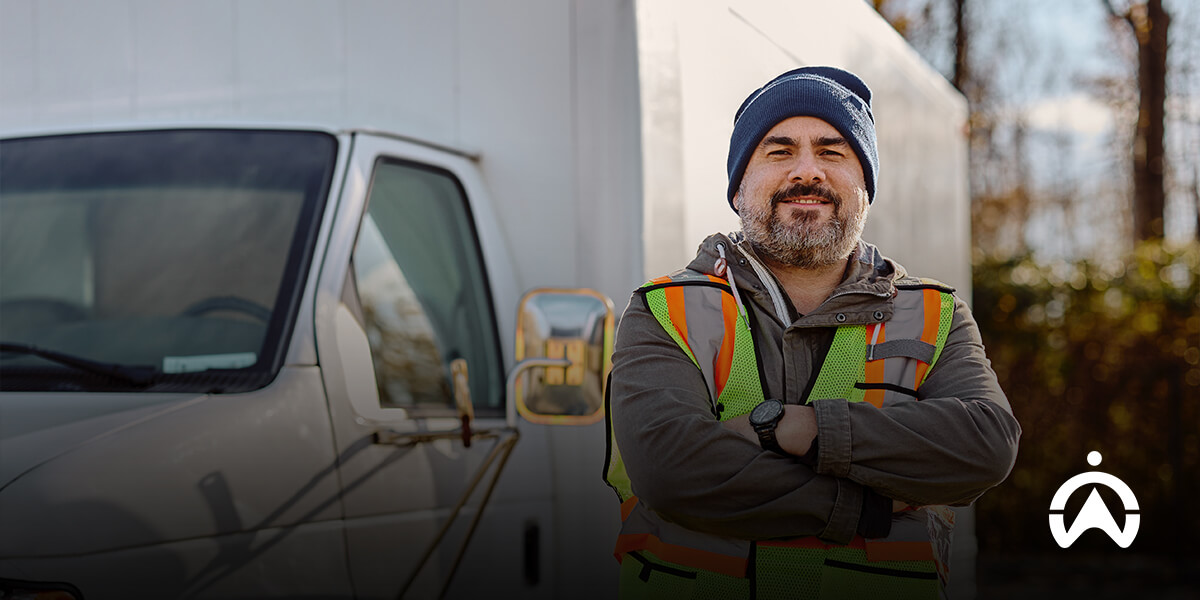
A person in a high visibility vest standing in front of a white van.

Why you need Video Telematics

In order for a fleet to function optimally, drivers need to be performing at their best. Driver behaviour is a significant factor in how successfully a fleet operates. This is why it is important to make sure that they are monitored and assisted on their journeys.

A study of more than 10,000 crashes estimated video telematics could reduce fatal and injury crashes by up to 35%. This highlights how crucial this technology is in modern-day fleet management.

Why is Video Telematics Good for Businesses:

Numerous benefits come with having video telematics technology in your fleet. Most of the technology in telematics systems incorporates the same features, which offer a range of benefits, these include:

  • Enhanced Fleet Safety: AI-powered cameras detect and alert drivers of risky behaviours like distracted driving or harsh braking, reducing accident risks.
    ‍
  • Improved Operational Efficiency: Real-time video and data insights allow businesses to monitor vehicle performance and identify areas for cost-saving.
    ‍
  • Driver Accountability: Video telematics creates a transparent environment by monitoring drivers’ actions, and promoting responsible behaviour.
    ‍
  • Prevention of Cargo Theft: Live video monitoring helps deter and address theft, ensuring cargo safety.
    ‍
  • Proof in Disputes: Recorded footage provides indisputable evidence in the event of accidents or fraudulent claims, saving time and money.
    ‍
  • Cost Reduction in Claims and Repairs: Proactive risk management lowers insurance premiums and repair costs by preventing avoidable accidents.

Let’s see what sets Cartrack’s video telematics apart

Cartrack is an industry leader in video telematics, offering AI-powered smart dashcams. Our AI technology allows us to monitor and detect erratic driver behaviour such as distracted driving and fatigue. These solutions have been a boon to the fleet management sector, a space where we serve a diverse client base in 23 countries across various industries.  

In addition to video telematics, Cartrack offers other features that integrate with your fleet’s needs. Our offering is comprehensive and includes many cutting-edge technologies, these include:

Front Collision Warning

Our ADAS cameras track the distance to the vehicle in front of a driver’s vehicle, alerting if it is too close to help avoid a bumper crash. By constantly monitoring the space in front of the car, the system can detect if the vehicle is getting too close to the one in front. If it detects a potentially dangerous situation where a collision is imminent, it will trigger an alert to the driver. This early warning system is designed to prevent rear-end accidents, which are among the most common types of crashes.

Smoking Detection

Our DMS camera detects the moment a driver is smoking and triggers an event. Smoking can be distracting and reduce control over the vehicle.  This technology works by detecting the tell-tale signs of smoking, such as the motion of a cigarette or the presence of smoke in the cabin. If smoking is detected, an event is triggered, alerting fleet managers or the system to this behaviour.

Distracted or fatigued driving

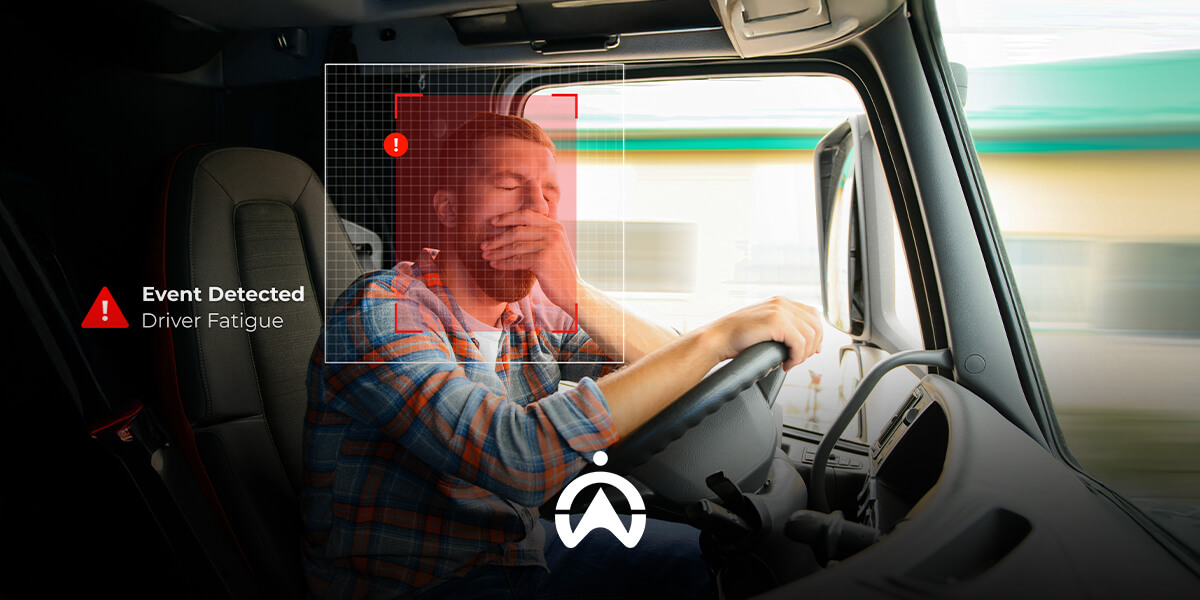
The camera tracks the position or orientation of the driver’s head and eyes. If the driver is looking away from the road, it will alert the driver and generate an event. The camera continually monitors whether the driver is looking at the road or diverting their attention elsewhere, such as looking at a GPS screen, reading, or engaging with passengers. If the driver’s eyes stray from the road for too long, the system will send an alert. In cases of fatigue, if the driver shows signs of dozing off or their head starts to tilt in a way that signals drowsiness, the system will recognise this as well.

Mobile phone use detection

The AI camera detects whether a driver is talking on their mobile phone by ear instead of via a Bluetooth handset. This is to minimise distraction and give the driver more control over the vehicle. The AI-powered camera is able to distinguish between hands-free Bluetooth usage and holding a phone to the ear, which is an indication of distracted driving. If the system detects that the driver is holding their phone, it sends an alert, notifying the driver of the danger and encouraging them to use hands-free devices instead.

Yawning

Our camera detects yawning, which if too frequent can indicate extreme fatigue for your driver and delay their reaction time. This feature is particularly beneficial for drivers on long trips, overnight shifts, or those who may be experiencing disrupted sleep patterns. By proactively addressing signs of drowsiness, this technology helps keep drivers safe and reduces the risk of fatigue-related accidents, which are often the most serious type.

Camera-covering detection

If the driver covers the camera to prevent visibility the fleet manager will be alerted. This ensures that the integrity of the monitoring system is maintained and that the safety of the driver and others on the road is not compromised. The ability to quickly identify when a camera is being tampered with or obstructed is crucial for ensuring that the safety features of the vehicle are always operational.

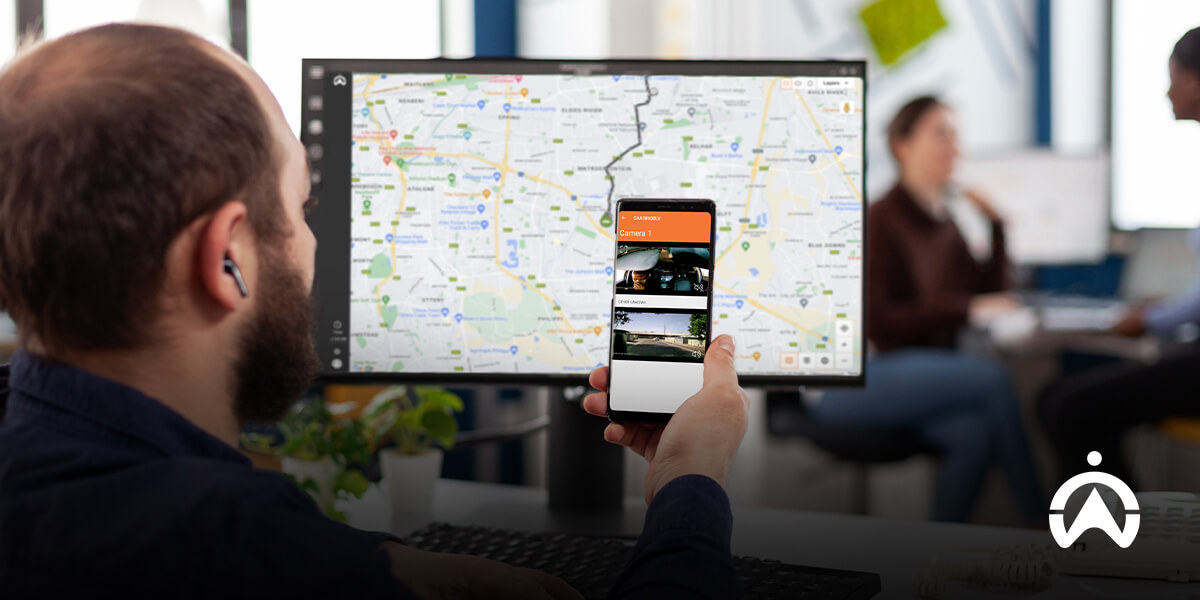
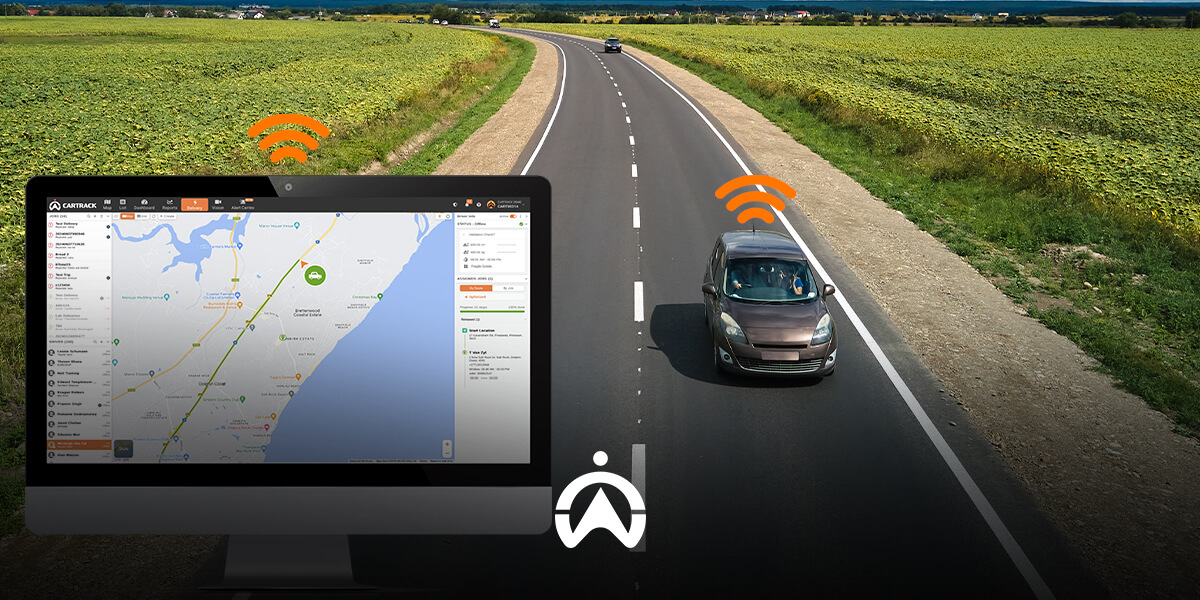
Person holding phone with security camera feed in front of a computer screen showing a map.

As the leading fleet management and video telematics country in Eastern Africa, Kenya is poised to be the market leader in this new telematics offering. In this ever-changing world, it is important to stay up to date with industry developments and innovations. Video telematics is the current reality for fleet management and looks to be its future as well. A wise decision would be to adopt this technology as soon as possible in order for your business and fleet to be fully optimised.

Video telematics offers an extra layer of certainty for your business, contact us today to learn more about how we can take your fleet management from better to best.

The Secrets Car Tracking Companies Aren’t Sharing

Car tracking has completely changed how we think about securing and managing vehicles. Whether you’re a car owner looking for extra peace of mind or a business managing a fleet, tracking systems offer significant advantages.

But let’s be honest, there’s a lot about this industry that doesn’t make it into the glossy brochures. Beyond the sleek marketing campaigns lie lesser-known facts, hidden costs, and untapped features that tracking companies may not readily disclose.

This blog takes a deep dive into the industry’s lesser-known truths, shedding light on what you should know before choosing a car tracking service provider. At the same time, it explains why Cartrack is a trusted leader in vehicle tracking.

Let’s dive in and separate the facts from the fluff.

In this article, you will:

  • The lesser-known truths behind car tracking
  • The hidden costs many buyers overlook
  • Why Cartrack’s solutions stand head and shoulders above the competition

The Hidden Truths of Car Tracking

At first glance, car tracking seems straightforward: a device shows you your vehicle’s location on a map. But there’s much more to tracking than meets the eye. Modern tracking devices are complex tools capable of gathering vast amounts of data, which can be both a benefit and a concern, depending on how it’s handled.

Hidden Role of Data in Car Tracking

Think of today’s tracking units as digital diaries for your vehicle. They don’t just pinpoint where your car is but also log details about how it’s driven, how much fuel it’s consuming, and even how often it idles. This wealth of data can be incredibly useful, but can also raise questions about ownership and privacy.

  • Who Owns the Data?
    One of the first things many people overlook is the question of data ownership. Who controls all that information your car tracker collects? You might be surprised to learn that with some vehicle tracking providers, the answer isn’t “you.”

    Certain companies store your data on their servers and, in some cases, share it with third parties and this can sometimes happen without your knowledge. The third parties can include insurers, advertisers, or even regulatory agencies.

    At Cartrack, we take a different approach. Your data belongs to you. It’s stored securely, encrypted for protection, and never shared without your explicit consent. We’re upfront about how we handle your information because transparency is non-negotiable for us.
    ‍

  • What Happens to Shared Data?
    Even when data is kept anonymous, it can still reveal trends and patterns about your behaviour. Some providers sell this anonymised data to insurers or marketers, who might use it to influence things like your insurance premiums.

    With Cartrack, you don’t have to worry. We don’t sell or share your data. Instead, we focus on using it to deliver features that make managing your car or fleet easier.

Hidden Costs Not Mentioned Upfront

Buying a car tracker often seems like a straightforward transaction, but hidden costs can quickly add up. From subscriptions to hardware quality, the true cost of ownership isn’t always clear from the start.

  • Subscription Fees: The Ongoing Expense
    Most tracking systems require separate subscriptions for features like live updates or detailed reports. These fees might seem minor at first, but can become a significant expense over time.

    With Cartrack, there are no nasty surprises. Our subscription plans are designed to provide comprehensive features, such as Live Tracking and Crash Detection, without piling on additional fees.
    ‍

  • The Risk of Cheap Devices
    It’s tempting to go for a bargain tracker, especially if you’re on a budget. However, these low-cost devices often lack essential features like geofencing or crash detection. Worse still, they can be unreliable when it matters most.

    Take the story of a small business owner who bought a cheap tracker online to cut costs, only to find it malfunctioning within months. When one of his fleet vehicles was stolen, the device failed to provide accurate location data, leading to a total loss. Had he chosen a reliable system like Cartrack, he could have benefitted from our industry-leading 90% recovery rate for stolen vehicles.
    ‍

  • Long-Term Contracts
    Another hidden expense comes in the form of long-term contracts. Many providers lock customers into rigid agreements, making it costly to switch if the service doesn’t live up to expectations.

    At Cartrack, we believe in flexibility. Our plans are straightforward and adaptable, ensuring you’re not stuck in a contract that doesn’t work for you.

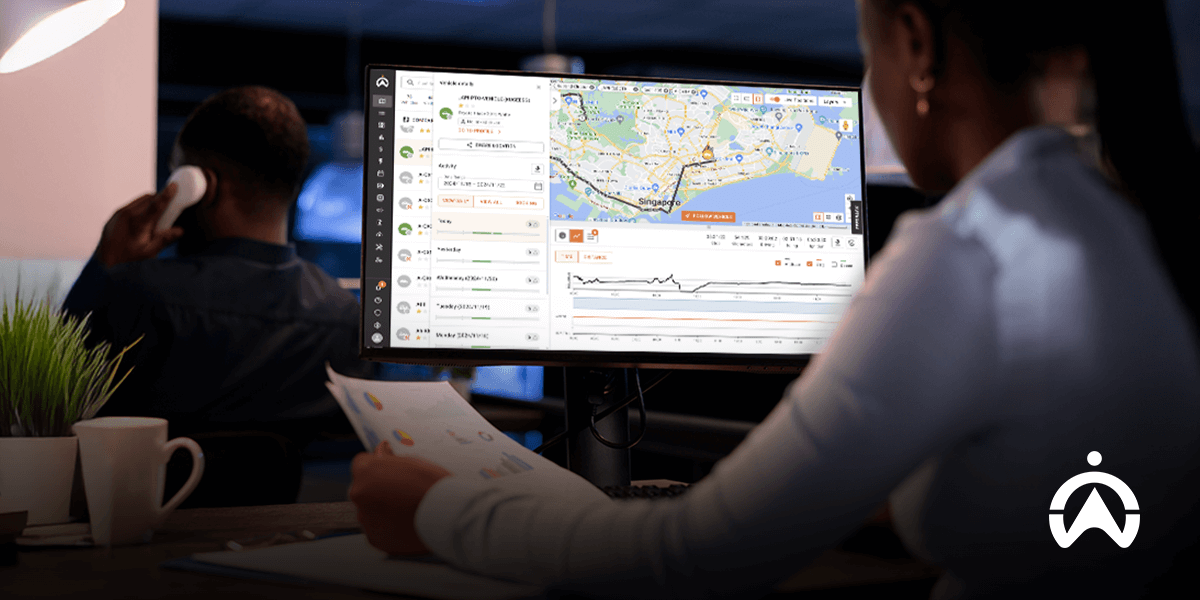
Two professionals working with a large screen displaying a map and analytics.

Hidden Differences Between Car Tracking Companies

Not all car tracking systems are created equal. The market is filled with options, but not all deliver the same level of performance, reliability, or features. Knowing what to look for can save you a lot of headaches.

  • GPS Accuracy
    Imagine trying to locate a stolen vehicle, only to find that the tracker’s GPS signal is off by several kilometres. For businesses or individuals, poor accuracy can make a world of difference, especially in the case of an emergency.

    With Cartrack, this isn’t a problem. Our Real-Time GPS Tracking delivers precise locations, even in challenging conditions like dense urban areas or underground car parks.
    ‍

  • Durability Matters
    Car tracking devices are exposed to extreme conditions—heat, cold, rain, and physical impact. Unfortunately, many cheap trackers aren’t built to handle this, leading to performance issues or outright failure.

    At Cartrack, we design our hardware to last. Whether you’re dealing with a sweltering summer or a freezing winter, our devices perform reliably all year round.
    ‍

  • Features Beyond Tracking
    Basic location tracking is useful, but advanced features can transform how you use your vehicle. Think crash detection, fuel monitoring, or even driver behaviour analysis. These tools can save money, improve safety, and enhance efficiency.

    Cartrack offers a comprehensive suite of features, including Dashcams, Geofencing Alerts, and Driver Analytics, giving you far more than just a dot on a map.

Why Choose Cartrack for Your Tracking Needs?

So, what makes Cartrack the preferred choice for vehicle tracking? It comes down to reliability, transparency, and an unwavering commitment to customer satisfaction.

Our solutions provide everything you need to protect and optimise your vehicle. Here are some of our cutting-edge product features designed to make your life easier, whether you’re managing a fleet or securing your car:

  • Advanced vehicle tracking device fitment
    We schedule a free vehicle tracking fitment. Cartrack’s advanced fitment techniques provide high confidence that hijackers will find it difficult to discover or deactivate your vehicle’s tracking device. This sophisticated installation allows us to achieve our industry-leading stolen vehicle recovery rate.
    ‍
  • Cross-border SVR
    The Cartrack tracking unit features international roaming, allowing tracking both locally and abroad. In areas with no GPRS/GSM coverage, the device can store up to 5000 positions and events, such as ignition changes, every 3 km of travel, or deviations of 10 degrees or more. These data points are transmitted once GPRS/GSM communication is re-established.
    ‍
  • CarWatch
    CarWatch is an early warning system you activate at the touch of a button from Cartrack’s app. It will alert you and Cartrack in advance the moment your parked vehicle is moved without your authorisation. This allows Cartrack to proactively send a response team to your vehicle and increase the chances of recovery. Additionally, our Cartrack control room agents will promptly contact you to check in and provide assistance in case of a hijacking.
    ‍
  • Back-up battery
    A reliable vehicle tracking device with a long-lasting battery increases the likelihood of recovering your vehicle. Cartrack’s internal backup battery comes into play when the vehicle’s battery is disconnected or fully discharged, providing up to 5 hours of power. This gives Cartrack ample time to track and recover your vehicle.
    ‍
  • Geofencing
    Cartrack empowers you to establish geofences, including border entry and exit points. These virtual boundaries can be customised to designate no-go or high-risk zones, and you’ll receive instant alerts as soon as your vehicle enters or exits these geofenced areas.
    ‍
  • 24/7/365 control room support
    Our emergency control response team is ready to support you 24/7/365, especially in the unfortunate event of vehicle theft or hijacking. We also allow direct communication with the private response teams and local police to ensure a rapid response.
    ‍
  • Air and ground recovery teams
    Cartrack maintains a skilled air and ground recovery response network in Kenya and neighbouring regions, collaborating closely with local law enforcement to ensure swift and successful vehicle recoveries in case of theft.
    ‍
Two Cartrack recovery agents in tactical gear with a walkie-talkie near a vehicle.

At the end of the day, a car tracking unit is more than just a device, it’s peace of mind. Whether you’re worried about theft, looking to save on fuel costs, or managing a growing fleet, the right tracking solution can make all the difference.

Cartrack goes beyond basic tracking to provide tools that truly transform vehicle management. From real-time GPS to driver analytics and stolen vehicle recovery, we’re here to help you protect what matters most.

Don’t settle for less when it comes to your vehicle’s security and efficiency. Contact us today to learn more about our innovative solutions and find out how we can help you take control of your car or fleet.

Frequently Asked Questions

1. Can I track my car if I’m travelling abroad?

Absolutely! Cartrack provides global tracking coverage, so you can stay connected to your vehicle, no matter where you are.

2. How safe is my personal data with Cartrack?

Your privacy is a top priority. Cartrack uses state-of-the-art encryption to keep your data secure and private at all times.

3. What should I do if my Cartrack device stops working?

If something goes wrong with your device, Cartrack’s support team is ready to help. They’ll troubleshoot the issue or arrange for a replacement if needed.

4. Can I customise alerts with Cartrack?

Yes, you can easily set up custom alerts to notify you about things like speed violations or if your vehicle leaves a designated area.

10 Common Myths About Vehicle Tracking

The vehicle tracking industry is somewhat mysterious, have you ever wondered how much of what you have read or heard is true?

Many myths surround vehicle tracking, with some saying it isn’t necessary, and others saying it doesn’t work and is a waste of money.  

This blog will debunk some common myths about vehicle tracking systems and explore how Cartrack can always protect you and your vehicle.

In this article, you will:

  • Debunk myths about vehicle tracking
  • Explore the benefits beyond theft recovery
  • Understand how GPS tracking technology works
  • Discover the importance of choosing a reputable provider like Cartrack
  • Find answers to common questions about vehicle tracking

Debunking Myths About Vehicle Tracking

Vehicle tracking systems have gained popularity over the years, especially due to the rising crime rate in Kenya, which currently ranks thirty seventh-highest in the world. While many people are becoming desperate to safeguard their vehicles, others still hold onto misconceptions about vehicle tracking.

It is important to clarify misconceptions, such as the assumption that these tracking devices are unnecessary or are the same. By doing so, we can ensure that those who genuinely need them receive the appropriate protection.

Let’s look at 10 common myths about vehicle tracking:

Myth 1: Tracking devices are only for Stolen Vehicle Recovery (SVR)

Although stolen vehicle recovery is a significant aspect of vehicle tracking, it isn’t the only purpose. These technologies are designed for a wide range of uses that enhance safety, improve driver behaviour, and provide you with emergency services if needed.

At Cartrack, we offer more than SVR, Cartrack’s Protector provides you and your loved ones access to 24-hour medical and roadside assistance. Our 24-hour legal assistance line is available for any legal services, including roadside incidents such as roadblock arrests.

Myth 2: Tracking devices can be easily disabled by thieves

While there are methods that thieves may use to disable tracking devices, advanced tracking devices with advanced technology make it increasingly difficult for them to do so successfully.  

Cartrack tracking units are not only discreetly installed, but have anti-jamming technology. In the event of a thief using a jamming device to block communication between the tracking system and the cellular network, we can switch to RF frequency, which allows us to continue communicating with the vehicle.

Myth 3: Tracking devices don’t work for motorcycles or other smaller vehicles

Unfortunately, thieves do not discriminate against the vehicles they hijack, from big cars to motorcycles and smaller vehicles; they are all at risk.

This further stresses the need for tracking systems no matter your vehicle’s size. Cartrack’s Bike Track ensures that your motorcycle is protected at all times.

Myth 4: Insurance companies don’t consider vehicle-tracking devices when calculating premiums

Insurance companies tend to offer drivers lower premiums if they own a tracking device. This is because the tracking devices increase the chances of your vehicle being found and retrieved if it gets stolen. Ultimately making these vehicles less risky to insure.

So, insurance companies do consider vehicle-tracking devices when calculating premiums.

Myth 5: Vehicle tracking is only necessary in high-crime areas and areas with poor network coverage

While some areas may be considered safer than others, it’s important to remember that risks still exist everywhere; it doesn’t matter if the area is deemed safe or has poor network coverage. That’s why having a reliable tracking device is a smart choice no matter where you are.

Man gesturing with hand raised, holding a phone in a city street.

Myth 6: Car Tracking devices cannot provide insights beyond location

Modern vehicle tracking systems like the ones at Cartrack offer a range of features and data that extend beyond just location tracking. With the integration of mobile Apps and GPS telematics, you can view your past trips, monitor your driving behaviour, receive speeding and even request emergency services with Cartrack’s Protector.

Myth 7: Vehicle tracking systems are unnecessary since we can use our smartphones

Many people believe that smartphones can track their cars. Their GPS capabilities and applications that use this technology led them to this conclusion. However, this is far from the truth. The apps are designed to locate lost phones or track your loved ones for safety, not to monitor vehicles. This works because people are often on their phones but aren’t always in their cars, hence these apps are ineffective for vehicle tracking.

Instead, consider using a dedicated app with telematics from a reputable vehicle tracking and recovery company like Cartrack, which has a stolen vehicle recovery rate of over 90%. The Cartrack App has a feature called CarWatch, which detects and reports unauthorised vehicle activity when activated.  

Myth 8: Once installed, tracking devices don’t require any maintenance

You do need to check if your device is working optimally. Otherwise, you will only notice when you really need it. For example, you discover that your vehicle is stolen but find out that it cannot be tracked and recovered because your unit was faulty all this time. This can leave you disappointed.

At Cartrack, we encourage our customers to test their units every three months. Additionally, our customers can opt-in for our Lifetime Maintenance Warranty, where we deal with all the maintenance required if needed.

Myth 9: Tracking devices drain the car battery quickly

Modern GPS tracking devices have their own batteries. Cartrack units typically draw a small amount of power from the car battery when the ignition is on, however, it is not enough to impact the battery.

Myth 10: Tracking devices are complicated to use

Tracking devices are installed in your car by a qualified technician so you do not have to worry about installing them yourself. Many tracking companies offer an easy-to-use mobile app so customers can access value-added services beyond tracking. You simply download the app, log in, and then you’re good to go.

Cartrack Technician gesturing a thumbs-up next to an open car hood in a garage.

Additionally, our customer care agents are always ready to assist with any queries you may have. Contact Cartrack’s customer assistance line at (+254) 730 940000 or customercare@karooooo.com.

In this day and age, false information is easily spread especially through social media, and the topic of tracking solutions is no exception.

This is why it’s important to question what you hear and read; not everything is as it seems. Take the time to verify facts and choose a reliable service provider—one that understands your unique needs like Cartrack.

Looking to feel more secure on the road? Contact us today! Find out how our vehicle tracking solutions can debunk myths and keep you and your vehicle safe.

Frequently Asked Questions about Vehicle Tracking

Q: What should I do if my vehicle is stolen despite having a GPS Tracker?

A: You need to call our agents who are available 24/7, so they can dispatch the recovery team. You must then report the theft to the nearest police station where the crime occurred and produce the necessary vehicle registration information. Proceed to inform your insurer.   

Q: What if criminals steal my car and flee the country with it, can it be recovered?

A: Yes, there is a high chance that your vehicle will be recovered if you choose the Cartrack tracking unit that has international roaming, allowing tracking locally and internationally. In areas with no GPRS/GSM coverage, the unit can store up to 5000 positions and events like ignition changes every 3 km of travel or deviations of 10 degrees or more.

Q: Is there a warranty for my tracking device?

A: Our tracking units have a one-year warranty. Additionally, you can purchase Cartrack’s Lifetime Maintenance Warranty, our technicians will repair any faults without charging you call-out fees or repair costs.

Contact our Client Services Department on (+254) 730 940000 if interested in this value-added service.

How Dashcams Reduce Accidents

There are roughly 3,300 road accidents fatalities in Kenya per year; proving that road safety is a great concern. According to a recent report by NTSA, human factors such as speeding, reckless driving and distracted driving are among the primary causes of road accidents. This includes behaviours like using cell phones and driving under the influence of alcohol or drugs.

This is why you need an extra set of eyes on the road for an added layer of protection, and dashcams do exactly that. In this blog, we will discuss how dashcams can help reduce accidents and be useful in case of one.  

In this article, you will:

  • Know what dashcams are and how they work
  • Find out how dashcams can help reduce accidents
  • Learn how to choose the right dashcam
  • Explore suitable Cartrack solutions for your needs
  • Find out extra information about dashcams on the Frequently Asked Questions(FAQ)

What are dashcams and how do they work?

Dashcams are small cameras usually installed on the vehicle’s dashboard or windshield. While the most common dashcams are road-facing, some can face multiple directions; on the road, in-cabin and in the rearview mirror.

Dashcams record everything that happens on the road as soon as the ignition is on and stop when the ignition is off. Some dashcams can record a few extra minutes after the ignition is off.

Overall, dashcams serve as invaluable tools for enhancing road safety by providing continuous monitoring, promoting responsible driving behaviours, and offering you peace of mind in various situations.

How Dashcams Can Help Reduce Accidents

Dashcams come in handy when it comes to accidents. Not only do they provide proof during an accident, but they can also hold you accountable when driving. When you know you are being recorded, you are most likely to drive cautiously by following the rules of the road. This ultimately helps reduce accidents.
‍

Here are other ways in which dashcams can help reduce accidents:

  • Enhancing your awareness of the road: Dashcams with wide-angle lenses can boost your awareness while driving. They give you a better view of blind spots and potential hazards, which comes in handy in unexpected situations—like when another driver suddenly changes lanes or a pedestrian steps onto the road.

    By capturing these moments, dashcams make it more likely that you’ll have important footage if something goes wrong. This can help prove evidence in case of accidents or disputes. So, having a dashcam means you’re better prepared for whatever comes your way on the road.
    ‍

  • Provides insights post-accident: If you find yourself in an accident, having a dashcam can be a game-changer. You can easily review recorded footage to understand what led to the incident and spot any unsafe behaviours that may have contributed to the accident. This not only helps you piece together what happened but also gives you the chance to see where you or other drivers might have made mistakes. Ultimately, this promotes safer driving habits.
    ‍
  • Encourages Responsible Driving: Having a dashcam encourages responsible driving as knowing that you’re being recorded as you drive motivates you to adopt safer habits, such as maintaining a safe distance from other vehicles and obeying traffic laws.

What are the other benefits of dashcams

Dashcams have many other benefits beyond reducing accidents, investing in a dashcam is a good decision for any driver looking to protect themselves and their vehicle. Let’s look at what these extra benefits are:

  • Expedite insurance claims: Since dashcams record pre and post-accident events, your evidence will help speed up your insurance claims process and ensure your vehicle is quickly repaired.
    ‍
  • Theft-deterrent: When thieves see a dashcam in your vehicle they may be hesitant to break in since they know they will be recorded.
    ‍
  • Document road rage: If you ever get involved in a road rage incident, the recorded footage can be submitted to law enforcement and may help reduce instances of aggressive driving.
    ‍
  • Prevent fraud: Some motorists are now scamming unsuspecting drivers by staging accidents and falsely claiming damages from previous incidents. This tactic pressures victims into paying for damages they didn’t cause. Dashcams provide crucial evidence that can protect you from such scams.

Learn more about how dashcams can prevent insurance fraud and scams.

Person asleep in vehicle with smartphone displaying security camera footage next to them.

How to choose the right dashcam

When comparing dashcam models, consider features such as video resolution, storage capacity, and additional functionalities such as GPS tracking and night vision capabilities. However, it is important to choose the right service provider first.

You should choose a reputable service provider not only to ensure that you get the best dashcam for your vehicle but also to have access to customer service if you have any questions or need assistance. Imagine you get a dashcam from an unreliable company, and you later notice that it wasn’t recording the whole trip; you phone to enquire about this but no one answers. Ultimately, you are stuck with a dashcam that doesn’t function properly, which defeats the purpose of owning one.

Fortunately, you do not have to look further because Cartrack has exactly what you need. Our vision solution provides you with two dashcam options: Road Vision (with one road-facing camera) and Dual Vision (with two cameras, road and in-cabin facing).
‍

Let’s look at a few key factors to keep in mind when choosing a dashcam that best fits your needs:

Video Quality

The video quality plays an important role in dashcams because the footage has to be high resolution. High-resolution footage provides clarity and detail necessary for identifying key elements during incidents, enhances performance in various lighting conditions, and ensures that recorded evidence is reliable and usable.  Investing in a dashcam with good video quality will give you peace of mind on the road, knowing that your footage will come out clear.

Our road-facing cameras have 1080p, ensuring you can see road signs, billboards, license plates, etc.

Low light Conditions

Cartrack Dual Vision dashcams have infrared technology that can capture clear footage in low-light areas, even at night. Cameras automatically switch between night vision and day vision, meaning you always have an extra set of eyes no matter the time of day.

Easy Installation

Our dashcams are designed for easy installation. We will send a qualified technician to install them safely for you. Having a qualified technician handle the installation means that the dashcam is mounted correctly, ensuring that all wiring is neatly tucked away to maintain the vehicle’s interior aesthetics and prevent any interference with airbag systems or other critical components.

Upon successful installation, Cartrack provides a certificate that can be presented to your insurance provider. This certification may help in fulfilling specific policy requirements. Insurers often recognise the value of dashcams in reducing fraudulent claims and enhancing overall safety, making this document beneficial for drivers.

GPS Capabilities

At Cartrack, we understand the importance of safety and accountability on the road, this is why our dashcams come equipped with telematics capabilities. By integrating GPS technology, our dashcams not only capture good-quality videos but also provide driving behaviour analysis. This means you can monitor speed, acceleration, and braking patterns, helping you identify areas for improvement and promoting overall safe driving habits.

Cost Considerations

When purchasing a dashcam, it’s important to consider the price in relation to your specific needs. Cartrack offers options that accommodate various budgets—ranging from basic road-facing dashcams with limited features to more advanced models equipped with motion sensors and additional functionalities. By choosing a dashcam that aligns with your needs, you can make a more informed decision without overspending. Whatever your needs and budget, Cartrack has got you covered.

Mobile App integration

Check if the dashcam comes with a mobile app that allows you to easily access footage, adjust settings, and receive important updates. The Cartrack App allows you to request footage and even livestream your dashcam’s view. Imagine your son, a fairly new driver, takes your car for a ride. You can live stream his trip; this allows you to coach him later to enhance his driving skills and help him stay safe on the road.

This integration not only enhances user experience but also allows for real-time monitoring, ensuring that drivers are informed about their vehicle’s status at all times.

Storage Capacity

The dashcam’s storage capacity is important, as it determines how much footage can be recorded before old files are overwritten. Our cameras have a storage capacity of 128GB, allowing for approximately 6 hours per day at high resolution.

In conclusion, dashcams aren’t only there to provide you with evidence during an accident, they are there to give you peace of mind while driving, knowing that you are prepared to face any challenges on the road. It’s even better when you have Cartrack’s advanced technology dashcams; you can confidently navigate the roads, with a fresh set of eyes.

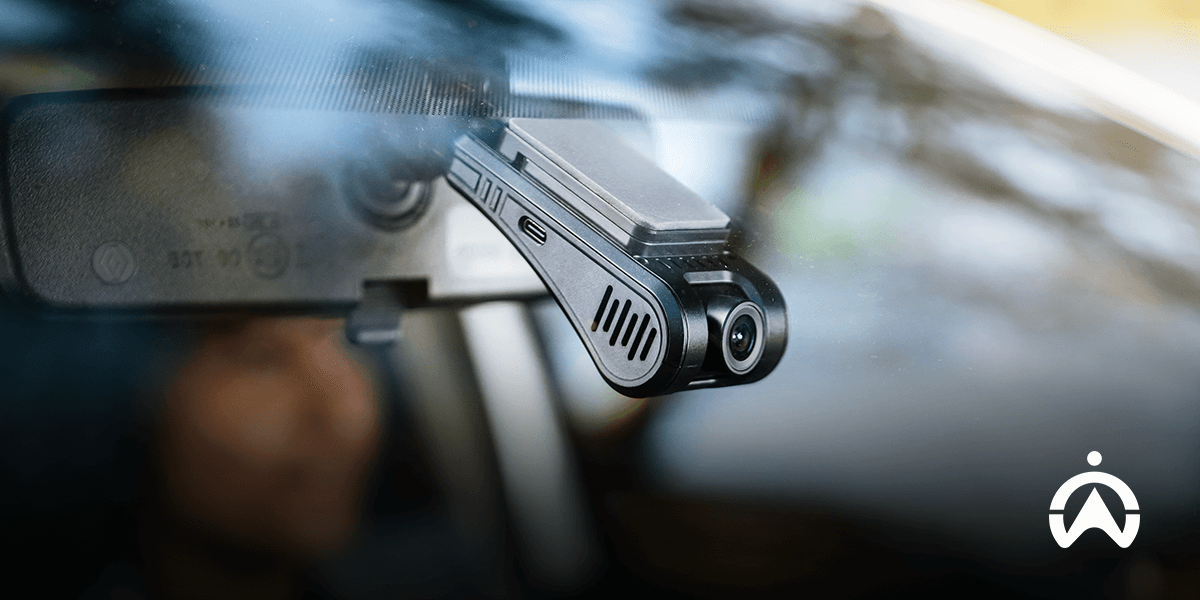
A dashboard camera mounted inside a vehicle, overlooking the windshield.

Elevate Your Road Safety with Dashcams

Gain peace of mind on the road knowing that you have a second set of eyes, that not only encourages safe driving but also provides crucial evidence in the event of an accident.

Contact us today to learn more about how our dashcams can enhance your driving experience and safety!

Frequently Asked Questions about Dashcams

Q: How do I service my dashcam?

A: Our Dashcams have a year warranty. Additionally, you can purchase Cartrack’s lifetime warranty, ensuring that you never have to worry about any damage to the hardware. If you would like to purchase a lifetime warranty, please contact our Client Services Department on (+254) 730 940000.

Q: How do you clean dashcams?

A: Always keep the lens clean by wiping the lens with a microfiber cloth. Do not use harmful chemicals that may damage plastic components.

Q:  Do dashcams use car batteries?

A: Yes they do use car batteries, however, they are designed to turn off automatically when the car’s ignition is off. Some dashcams may stay on for an extra 5 minutes after the ignition is off, but this is typically not enough to drain the battery significantly.

The Role of Route Optimisation in Reducing Fuel Misuse

Fuel costs have been a continuous problem for Kenyan businesses. After yet another petrol price increase on the January 15, businesses are feeling the strain. That is why businesses are encouraged to implement measures to reduce fuel misusage in their fleet operations.
Every litre that is wasted eats at a company’s operational budget. This is where route optimisation comes into play. By taking advantage of Cartrack’s route optimisation systems, businesses can significantly reduce fuel misuse and its negative consequences.

Let’s take a closer look at how route optimisation can help businesses save on costs and contribute toward a more sustainable future.

In this article, you will:

What is route optimisation?

Route optimisation is the process used by fleet managers to plan delivery routes. In their efforts to build an efficient fleet and reduce unnecessary operational costs, these managers may want to implement strategies to minimise fuel misuse. This is done by leveraging technologies like GPS, real-time data on traffic congestion and algorithmic programs to calculate, analyse and predict effective routes. These features incorporate factors like traffic conditions, road closures and vehicle capacity to provide the most efficient route while improving a business’s operational efficiency.

How Route Optimisation Minimises Fuel Misuse

There’s no denying it, traffic in Kenya can be a real headache. Navigating roads often consists of driving through a maze of backroads, getting stuck in traffic and being forced to take unnecessary detours. In fact, according to the 2025 Numbeo Traffic Index, Nairobi was ranked 14th out of 100 urban areas with the most congested roads. For businesses operating a fleet of vehicles, this high level of congestion is costly, and time lost in traffic directly translates to actions that cause fuel misuse, resulting in more money being used.

Wondering how this affects your business? Not planning your delivery routes can increase actions that result in fuel misuse. Additionally, a driver’s behaviour also contributes to fuel misuse.
‍
Let’s discuss how these factors cause fuel misuse and how to minimise the effects.

  • ‍Traffic Congestion:
    ‍
    With the rapid rate of urbanisation, limited infrastructure and the increase of people buying vehicles, roads are becoming more congested with vehicles of all sizes, this has increased travel times and has also led to more fuel misuse. According to the Numbeo’s traffic index, fleet vehicles in Nairobi can spend an estimated 100-150 hours in traffic per year. This is due to insufficient planning or no planning at all. When stuck in traffic drivers keep the engine running which wastes fuel without the vehicle moving.

    Having real-time data at your fingertips allows fleet managers to know where the busiest roads are, allowing managers to reroute the driver to prevent delays. This stops the driver from getting stuck in traffic which reduces fuel misuse.
    ‍

  • ‍Road Infrastructure:
    ‍
    Bridges, tunnels and one-way roads are sometimes not accounted for when planning a route. This can force large fleet vehicles to take detours, leading to longer trips and more fuel misuse. Not accounting for areas with badly maintained roads can cause a vehicle to use more power when travelling on these roads, which leads to fuel misuse and also results in wear and tear on a vehicle and its tyres.

    Route optimisation systems identify road infrastructures and consider these obstacles to provide optimal routes where large fleet vehicles can travel freely without delays. Preventing the misuse of fuel.
    ‍

  • ‍Aggressive driving habits:
    ‍
    Driver’s behaviour can be a big contributor to the increase in fuel misuse. Rapid acceleration, speeding and harsh breaking cause the fuel to burn faster.
    ‍
    Route optimisation provides you with insights into your driver’s behaviour on the road. This real-time data allows you to take immediate corrective measures to stop the behaviour, allowing you to reduce fuel misuse in real-time.
    ‍
  • ‍Overloading vehicles:
    Fleet vehicle capacity is often not considered when loading cargo which results in fuel misuse. For example, when a truck is loaded over it carrying capacity it can become heavy, making it difficult to handle. A heavy truck uses a lot more power to idle and moves slowly in traffic. It also requires more power to accelerate or slow down which results in the vehicle using more fuel when on deliveries.

    Route optimisation systems can assist fleet managers in assigning loads per vehicle based on the capacity of each vehicle. The algorithms analyse the data to make sure that vehicles aren’t loaded over their capacity. By incorporating these strategies into your operation, you drastically reduce fuel misuse.
    ‍

  • ‍Unauthorised use of vehicles:
    ‍
    There have been many instances where drivers attempt to use company vehicles for their personal use. This can result in fuel being misused contributing to unnecessary fuel costs to your business.

    Incorporating an optimisation system paired with geofencing into your operation helps you monitor fleet vehicles in real-time. You can make sure that a driver is following a planned route. The geofencing capabilities allow you to create virtual boundaries around optimised routes to keep drivers in line and also notify you when drivers deviate from the planned route.

Traffic jam with rows of cars and illuminated brake lights.

Benefits of Cartrack’s route optimisation software

Route optimisation is not only about using advanced maps and AI-powered software, it’s about making smart decisions that save your business money and ensure it succeeds far into the future. Cartrack goes above and beyond to deliver route optimisation solutions that get you fast and consistent tangible results. From cutting fuel costs to boosting your fleet’s performance and efficiency, all while improving your bottom line.

Here’s how partnering with Cartrack for route optimisation can benefit your business.

Reduce fuel misuse and operational costs

Fuel costs can consume your operational budget fast, and with the recent petrol price hikes it’s become an even greater challenge. Cartrack systems help alleviate fuel misuse by streamlining routes, it also helps monitor driver behaviour allowing you to correct bad driving habits like speeding and harsh breaking. This reduces fuel misuse per trip which saves money.

Improve vehicle utilisation and efficiency

Route optimisation is all about making sure every trip counts. Cartrack’s route optimisation algorithms help you work smarter by analysing your vehicle capacity and load volumes to ensure that each vehicle is carrying the correct loads, maximising your vehicle’s efficiency which prevent fuel misuse.

A person in a high-visibility vest sitting inside a vehicle cabin.

Increases driver productivity

Imagine a scenario where your route plan is so well planned that traffic jams and excessive idling are a thing of the past. With route optimisation, your drivers will spend less time in traffic and get deliveries done on time. This also means that drivers will be less stressed and have more time to recharge from trips which leads to economical driving habits that result in less fuel used. Cartrack’s geofencing can also enable fleet managers to create virtual boundaries around delivery routes so that they can keep drivers on planned routes. Implementing this results in more deliveries done and also less fuel misuse because drivers are following the routes.

Fleet managers can use route optimisation to avoid traffic congestion and minimise fuel misuse while on the road. With Cartrack’s solutions, you can do that and more. Reduce the time spent on deliveries, track vehicle movement in real-time, get traffic insights, predict maintenance, and monitor driver behaviour. Cartrack empowers you to make faster, more informed decisions which increases efficiency.

Elevate your business with Cartrack. Take control of your fleet, reduce costs, and contribute to a more sustainable future. Why wait? Start optimising your routes today and see the benefits for yourself.

FAQs about Route Optimisation and Fuel Savings with Cartrack‍

Q: Is route optimisation software customisable for specific industries?

A: Yes, it doesn’t matter which industry you operate in, logistics, construction, or any other industry. Businesses can take advantage of Cartrack’s customisable route optimisation software to meet their business’s specific needs. It enables fleet managers to monitor requirements like load size, delivery times and driving behaviour to make faster effective decisions.

Q: How do businesses measure the ROI of route optimisation?

A: Businesses have the ability to track the historical performance and data of their fleet, this can include fuel savings, vehicle wear and tear and delivery times. These factors can be used to calculate how profitable the business was over a certain period.

Q: What are some common mistakes businesses make when implementing route optimisation?

A: Often factors like vehicle capacity, weather conditions and road works are not considered when planning deliveries. Route plans are also not updated based on new available data. Additionally, businesses are not trained sufficiently on how to use route optimisation software. These can add up and increase a business’s operational costs.

Q: Does route optimisation software track vehicle performance in real-time

A: Cartrack’s route optimisation systems have GPS (Global Positioning System) and GSM (Global Systems for Mobile Communications) technologies which allow fleet managers to monitor vehicles in real-time.

Q: Can route optimisation reduce administrative time?
A: Yes it can. Route optimisation software uses real-time data on your vehicle’s location, driving behaviour as well as traffic conditions. Having the ability to pull reports on all this data minimises the time spent on admin tasks.

The Hidden Costs of Fuel Wastage

Running a business is already a daunting task. Large fuel invoices can cripple your business, draining resources and hindering operations.

Finding reasons why the fuel bill is high is essential—you may discover that your vehicle needs maintenance, the fuel is getting stolen, or the driver is careless. Ultimately, resolving this issue promptly is imperative to mitigate potential negative consequences for other business operations.

We will explore the hidden costs of fuel wastage and how Cartrack can help you save on fuel.

In this article, you will:

  • Know what fuel wastage is and why it matters
  • Learn the causes of fuel wastage
  • Understand the financial impact of fuel wastage
  • Learn how fuel wastage affects the overall fleet performance
  • Know how to manage fuel wastage and save costs

What is Fuel Wastage and Why It Matters

According to Suzuki, fuel accounts for 40% of a car’s running cost, which means we should care about fuel efficiency. Fuel wastage refers to the unnecessary use of fuel that occurs when vehicles operate inefficiently. Identifying the cause of fuel wastage is important because if left unresolved, it can cost you a lot of money, disrupt your business’s overall operations, and harm the environment.

What are the causes of Fuel Wastage?

Like any problem, before coming up with a solution, you have to identify the cause. Several things cause your fuel bill to be unnecessarily high, from spending too much time on the road to driver behaviour. Let’s have a look at the causes:

  • ‍Driver Behaviour
    Drivers are essential to fleet operations, so it is important to make sure they practise safe driving to protect the vehicles and cargo they carry. Here are a few driver behaviours that contribute to fuel wastage:
    • ‍Harsh braking: Sudden braking forces the vehicle’s transmission to downshift, increasing fuel consumption.
      ‍
    • ‍Idling: Leaving the engine running while stationary for over 10 seconds wastes fuel and increases emissions. It further contributes to wear and tear.
      ‍
    • ‍Rapid acceleration: Quickly accelerating from a stop consumes more energy than steady acceleration, leading to inefficient fuel use.
      ‍
    • ‍Revving the engine: In cold weather, revving the engine to keep your vehicle warm while stationary wastes fuel and increases costs.
      ‍
    • ‍Overload: Exceeding weight limits not only poses safety risks but also leads to increased fuel consumption and lower tyre pressure.
      ‍
    • ‍Speeding: Speeding raises aerodynamic drag, resulting in higher fuel wastage.
      ‍
    • ‍Driving in the wrong gear: Staying in the wrong gear for too long forces the vehicle to work harder, wasting. Drivers should change gears appropriately.
      ‍
    • ‍Ignoring maintenance warning signs: Ignoring maintenance warning signs can lead to vehicle inefficiencies, causing increased fuel consumption and higher costs.
      ‍
  • ‍Inefficient Fleet Routing
    When drivers’ routes are not properly planned, it can lead to several issues such as increased traffic congestion and unnecessary duplicate trips to the same location—this results in fuel wastage. For example, when drivers are stuck in traffic, their vehicles idle, unnecessarily consuming fuel.  

    Additionally, if drivers are required to travel back and forth to the same destination throughout the day, the number of trips will not only be maximised but the time spent on the road will increase.
    ‍

  • ‍Poor Vehicle Maintenance
    As mentioned above, ignoring vehicle maintenance warnings is not only unsafe for your drivers and other motorists, but it will affect the longevity of your vehicle and will result in fuel wastage. Here are five things you can do and check frequently to help keep your vehicle running smoothly:
    1. Tyre pressure and rotate the tyres
    2. Other important fluids like transmission and brake fluids
    3. The engine air filter
    4. Cabin air filter
    5. Belts and hoses
      ‍
  • ‍Fuel theft
    Another reason your fuel bill may be suspiciously high is due to fuel theft.

    Fuel theft not only costs the company money but can cause major delays in operations. There are many types of fuel thefts, some from actual criminals, others from your employees. Let’s look at the types of common fuel theft:

    • ‍Syphoning: Thieves use a hose to manually suck the gasoline or diesel fuel out of the tank and into a container. They then place the fuel in another vehicle.
      ‍
    • ‍Fuel Fraud Card: This occurs when an employee uses the company’s fuel card to purchase fuel for their personal vehicle.
      ‍
    • ‍Fuel Card Cloning: Cards are duplicated and used on other vehicles, at the cost of the original cardholder, in this case, the company.
      ‍
    • ‍Fake Transactions: This is when fuel stations charge one fuel card multiple times during a single refuelling session. The cardholder is then liable for all costs.  

Addressing these causes of wastage through vehicle maintenance, route planning, fuel management systems and adopting improved driving habits will help your fleet be fuel efficient and reduce costs associated with fuel wastage.

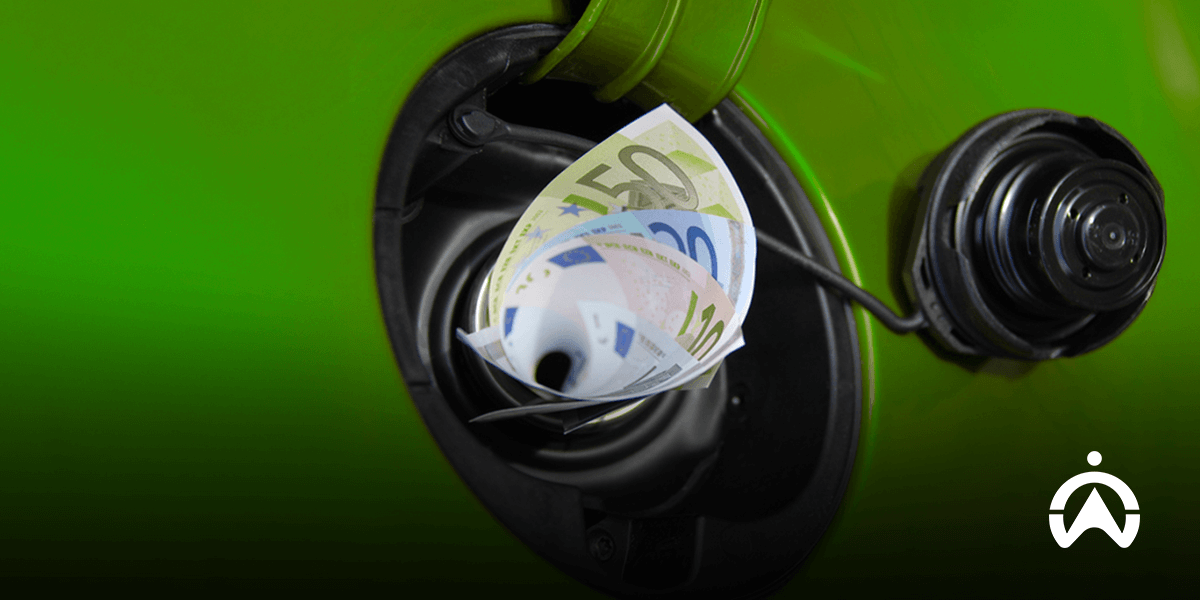
Euro bills inserted into a car's fuel tank opening against a green background.

The Financial Impact of Fuel Wastage

Overspending on fuel puts a financial strain on your business. If you exceed your fuel budget, you may need to reallocate funds originally set aside for maintenance to cover the increased fuel expenses. This can compromise the quality of the equipment you use or may force you to choose a less qualified mechanic.

Poor fuel management can damage your vehicles, strain your budget, and erode your company’s profit margins. By neglecting fuel management, you’ll divert funds from essential daily operations.

Decreased profit margins can force businesses to reduce staff, leading to lower-quality service and dissatisfied customers.

Looking at all these factors, it is evident that fuel wastage not only affects the fuel economy but has other adjacent consequences.

How Fuel Wastage Affects Overall Fleet Performance

Fuel wastage affects overall fleet performance by increasing operational costs, reducing efficiency and may even damage the fleet’s engines.  

When fuel is wasted due to poor routing, excessive idling, or aggressive driving behaviours, it not only inflates costs but also leads to longer travel times and decreased productivity.  

Additionally, when the engine is not working optimally due to these driver behaviours such as speeding, it can lead to wear and tear.

As a result of the engine not working as it should, drivers may need to spend more time refuelling, ultimately affecting the productivity of the business, which may cause delays in delivery time, resulting in unsatisfied customers.

How to Manage Fuel Wastage and Save Costs with Cartrack

Fortunately for your business, Cartrack will help you tackle fuel wastage and save costs. Our fuel management system uses fleet telematics to read fuel levels in real-time, keep track of and improve fuel efficiency, reduce fuel consumption and instantly notify managers of fuel changes.

The fuel management system allows fleet managers to obtain detailed information about their fleet’s fuel economy. You can determine whether fuel usage has increased due to incorrect tyre pressure, misaligned tyres, or vehicle weight. Furthermore, it provides accurate data on the cost per mile, fuel theft, and driver behaviour.

Depending on the size and the needs of your fleet, here’s how you can reduce fuel wastage with Cartrack’s fuel monitoring features:

  • MiFleet: This is an easy-to-use administrative and vehicle cost management software that can efficiently manage your fleet, drivers and related operating costs. The full benefits of managing your fleet are optimised when you have installed tracking devices in your fleet. However, you can still use this software whether or not your fleet is equipped with telematics.

    Let’s say you have a fleet of over 500 utility vehicles in several provinces. You realise that your business’s fuel costs are extremely high, but you can’t exactly pinpoint the cause. You try to use spreadsheets but that only creates more admin work and doesn’t give you the insights you need.

    Mifleet can help you with the following in this situation:

    • ‍It will detect fuel card fraud: The system instantly detects potential fraud by providing accurate alerts.
      ‍
    • ‍It will detect inefficient routes: It identifies drivers who have high costs per job due to deviating from routes and taking excessive breaks.
      ‍
    • ‍It will detect fuel drainage: Suspected fuel siphoning is detected in vehicles with high costs per kilometre using MultiVision cameras and inspections.

      The best part is that you have all this information on one platform. With these findings, you can solve your fuel wastage problem, and save costs and time on administration.
      ‍

  • Route Optimisation: Route optimisation is advanced route planning. This feature enables businesses to determine the most efficient and safest paths for their drivers. By integrating GPS tracking, fleet managers will receive real-time alerts regarding delays or route deviations through the app.  

    This feature benefits your business in the following:

    • Save on Costs: You can save a lot of money by making routes more efficient and using less fuel. This means spending less on fuel, repairs, and general running costs.
      ‍
    • Eco-Friendly: Route optimisation helps protect the environment by reducing unnecessary driving and fuel use. This is a greener approach that shows commitment to reducing emissions and taking better care of the environment.
      ‍
    • Timely Deliveries: With the ability to make informed rerouting decisions, businesses can ensure faster deliveries, resulting in enhanced customer satisfaction.
      ‍
  • ‍CANbus: Cartrack connects to the vehicle’s CANbus (Short for Controller Area Network Bus, it is a communication platform for different parts of a vehicle), which allows clients to see their vehicle information such as mileage, fuel-related information and RPMs on the fleet website. Some of the benefits of CANbus are:
    • Vehicle diagnostics: CANbus allows remote diagnostics resulting in lowered maintenance time and costs.
      ‍
    • Fuel efficiency: The data can help optimise fuel efficiency, reducing emissions and fuel-related costs.
      ‍
    • Driver behaviour analysis: CANbus data be used to analyse and coach driver behaviour.
      ‍
  • AI Multivision: Cartrack’s AI-powered cameras notify the driver of risky driver behaviours such as distracted driving and speeding. This allows drivers to correct their actions in real time and helps create a safe driving culture, reducing the risk of accidents and fuel wastage.
    ‍‍
  • Driver ID tag: Identify and record your drivers’ performance with monthly driver scorecards. You will be able to know which driver is in charge of which vehicle, and essentially see which vehicle uses the most fuel.

In conclusion, having a fuel management system is beneficial for your business. It will help you uncover hidden costs caused by fuel wastage. You will be able to adhere to your budget without redirecting funds for other important things, which will allow you to operate an enhanced fleet business.

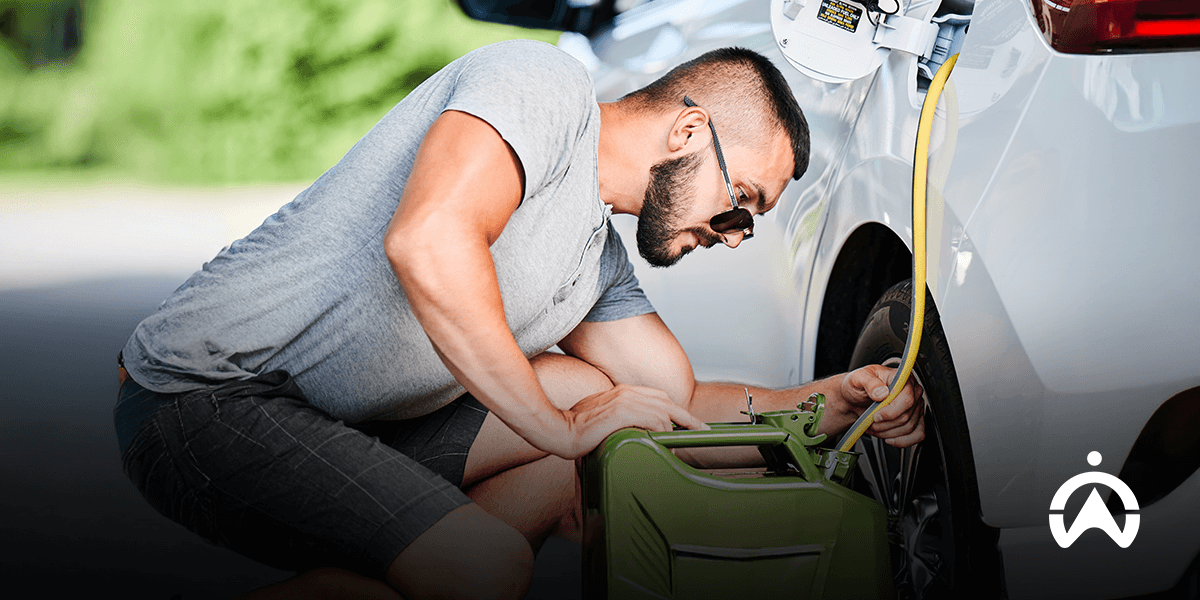
Person in gray shirt syphoning fuel out of a car using a green portable fuel container.

Improve your fuel consumption and save on fuel costs with Cartrack

Cartrack is an industry leader in fuel management with easily accessible features on one platform. By choosing us, you are choosing to save on fuel and improve the overall efficiency of your fleet. Contact us today.

Frequently Asked Questions regarding hidden costs of fuel wastage

Q: What are the environmental and reputational impacts of fuel wastage for companies?

A: Excess fuel wastage increases emissions. Companies that waste fuel seem like they do not care about the environment. This will negatively impact the company’s reputation as customers would not want to be associated with such a company.

Q:  Which engine consumes more fuel?

A: A larger engine is most likely to consume more fuel since it has more space to fill. However, fleet managers need to note that it isn’t only about the size; it’s also about how efficiently that engine uses fuel.  

Q: Are Fuel Management Systems Only Useful for Large Fleets?

A: No, businesses of any fleet size can benefit from fuel management systems.

5 Reasons to Avoid Buying a Tracking Device from a Marketplace

Online purchases can be risky. Many scammers lurk in marketplaces to rob people of their hard-earned money. These individuals target consumers seeking affordable products to cut costs, often overlooking the risks of choosing the cheapest option.

Purchasing a tracking device from an online marketplace can be tricky and quite unsafe. Marketplaces were designed to provide vendors the opportunity to sell products that add value to customers but unfortunately, not every seller has a buyer’s best interest at heart. This is why buying a tracking device from an online marketplace might not be the best option for you.
‍
Let us explore the reasons why buying a tracking device from a marketplace may not be the best choice.

In this article, you will:

  • Learn what a Marketplace is
  • Discover five reasons why you shouldn’t buy a tracking vehicle from a marketplace
  • Find out how Cartrack products help you protect your vehicle

What is a Marketplace?

A marketplace is an online platform where buyers and sellers interact to exchange goods, services, or information. 

They act as a middleman, providing a space for multiple vendors to offer their products or services to customers, and then charging a commission fee for the use of the platform. There are four specific functions that these platforms operate in. Here’s a quick overview of what these functions are:

Marketplace Platform Type What It Means Example
B2B (Business-to-Business) Businesses selling to other businesses. A tracking device distributor offering bulk products to fleet companies on Alibaba.
B2C (Business-to-Consumer) Businesses selling directly to customers. A small supplier listing tracking devices for sale on Amazon.
C2C (Consumer-to-Consumer) Regular people selling to each other. Someone selling a used tracking device on Facebook Marketplace.
P2P (Peer-to-Peer) People sharing or renting items or services. Renting a tracking device through a platform like Fat Llama.

What does this have to do with Vehicle tracking, you ask? Well, there has been a recent surge of DIY GPS devices being sold online. 
Buying a tracking device from an online retailer has many negative implications that people need to consider.

5 reasons why you shouldn’t buy a tracking device from a marketplace

The manner in which some vendors market their products on marketplaces is so enticing that it often leaves people caught up in the excitement, forgetting to weigh the potential downsides of purchasing a tracking device this way.
In a recent report, Bitsight a cybersecurity assessment firm, reported that they found vulnerabilities in a popular GPS tracking device which is available for purchase from many online marketplaces worldwide.

Some of the loopholes within DIY tracking devices include the lack of security and danger to a user’s safety. This is due to the weak security in the company servers which allows hackers to access user profiles. Enabling them to track you and your loved ones’ movements, or even remotely control vehicles to create dangerous situations. In extreme cases, hackers could attempt to disable vehicles on busy highways which could potentially put many lives at risk.

This story is not shared to scare you but to make you aware of the dangers of using a DIY vehicle tracking device. There are many other consequences to be mindful of; let’s discuss the five reasons you should avoid buying tracking devices from a marketplace.

No Stolen Vehicle Recovery

DIY tracking devices are a cheap and easy way to track your vehicle but they do not cover you in the event of your vehicle being stolen or hijacked. This means that in the unfortunate event, you’re a victim of a vehicle crime, you will not have the benefits of a service provider to recover your vehicle. 

With every second that goes by, the chances of recovering your stolen or hijacked vehicle become slim that is why protecting your vehicle with a reputable company like Cartrack is essential for fast and effective vehicle recovery.

Compromised Location Data

We all value our personal information and that includes keeping our whereabouts private. Since a marketplace tracking device is not regulated by an official body and doesn’t need to meet certain standards, your data can be easily compromised.

Receiving inaccurate location information can be stressful when tracking your loved ones or in the event that your vehicle is stolen. With your data compromised, your location and vehicle information becomes easily accessible to criminals. 

Lack of 24/7 Support

Let’s be honest, it is not possible to have your attention on your vehicle all day. Having a tracking device installed in your car that provides you with the ability to monitor your vehicle offers peace of mind. This can easily be done through a mobile app that gives you real-time updates on your vehicle location and the movement of your vehicle.

It is this around-the-clock cover that ensures that a response team will be dispatched in the event your vehicle is reported stolen. Additionally, getting early alerts from the specialised call centre adds an extra layer of security.

No Quality Assurance or Warranty

Having the ability to install a device on your own can be attractive to some. It’s an easy way to save money but not advisable. Having an installation done by a trained professional ensures that it is done correctly with best practices followed.  Not only that, it also ensures that you avoid unnecessary damage to your vehicle. If an electrical fault occurs during or after the installation of a device with no quality assurance or warranty, you may find yourself spending an arm and a leg trying to fix the damage or have no means to fix it at all.

Hand holding a smartphone displaying a car tracking app with a no-signal icon.

What makes Cartrack’s vehicle tracking devices reliable?

Marketplace devices lack the elements you need to protect your vehicle. If you are looking for the best safety and security for your vehicle, Cartrack is the solution for you. Cartrack is a dedicated vehicle recovery and monitoring company with an audited stolen vehicle recovery rate of over 90%. We specialise in advanced telematics technology and specialised stolen vehicle recovery services that you can count on.

Reasons why Cartrack is considered the best tracking 

Owning a vehicle in Kenya, especially with the alarming increase in vehicle theft, can be very concerning making stolen vehicle recovery an essential part of owning a vehicle. With Cartrack on your side, a stolen vehicle will be recovered by our highly trained recovery team, which will be dispatched immediately.
Cartrack is equipped with advanced technologies and 24/7 support. If there is any tampering on your vehicle, such as a disconnected battery, a control-room agent will contact you promptly to find out if there is a problem. In the event your vehicle is stolen, as soon as you report it to us a ground response team will be dispatched immediately to recover it. Additionally, the Cartrack app allows you to live stress-free; by giving you all the safety features you need at the touch of a button. It provides you with:

  • Vehicle tracking and stolen vehicle recovery response.
    ‍
  • Data on your driving habits so that you can improve your driving to save on fuel costs and vehicle maintenance costs.

These additional benefits are integrated into the mobile app:

  • Driving reports to monitor driving behaviour and ways to implement better driving habits.
    ‍
  • Speeding reports to learn how to drive safer and more responsibly on the road.
    ‍
  • The last position reports on your vehicle.
    ‍
  • Live vehicle location.
    ‍
  • Alerts are also received on your parked vehicle when there is unauthorised movement through our CarWatch feature, your virtual car guard.
Hand holding a smartphone with Cartrack app open, in a vehicle parking lot.

Added value with Cartrack benefits‍

Cartrack is not only a stolen vehicle recovery company but a comprehensive telematics company that offers many other benefits that make unfortunate events easier for you to handle. 
‍

These include:

  • ‍Panic Button: When you press the panic button a silent alert is sent to the control room where a trained agent will contact you. They will find out if you are safe and will respond accordingly should you need assistance.
    ‍
  • Logbook: The logbook feature allows you to retrieve telematics data on your vehicle to distinguish between business and private use. This makes claiming for tax returns easier and faster.
    ‍
  • ‍Crash Detection: This feature provides medical and roadside response in the event of an accident. You will receive an automated call that checks in with you to confirm the impact. This will help us determine if medical and roadside assistance is needed, which will be dispatched immediately.
    ‍

These added value benefits can make all the difference when trying to recover your stolen vehicle. Safety is a top priority, which is why relying on a tracking device from an online marketplace to protect your vehicle is not advisable. Your vehicle is a valuable asset that deserves reliable protection.

You paid for your vehicle with your hard-earned money. Would you want to put its protection in the hands of a product from an online marketplace? You want to have the peace of mind of knowing that your vehicle is protected and that there is someone you can call in a time of need.
‍

It is Cartrack’s mission to provide customers with that sense of peace and assurance. By installing a Cartrack tracking device into your vehicle, you know that it is trackable at all times. 

Want to know more? Contact us, a sales agent will be ready to answer everything you need to know.

Fleet Cameras: Striking the Right Balance With Driver Privacy

Drivers are the backbone of any fleet business, so it is important to keep them safe. Many businesses use driver-monitoring systems like cameras to help protect drivers. These tools offer real-time insights into driving behaviour and vehicle conditions. They can help prevent accidents and improve efficiency. It’s all about finding the right balance between monitoring and privacy because when drivers feel safe and respected, they can focus on doing their jobs well. 

Fleet cameras can be used responsibly to encourage a safe environment and build trust with drivers. Let’s examine how fleet cameras work and their role in enhancing safety.

What Are Fleet Cameras? 

Fleet cameras are video recording systems designed for commercial vehicles. They have more advanced features than regular dashcams. These features help keep fleets safe, improve operations, and provide valuable insights into driver behaviour and vehicle performance. Investing in these cameras improves safety and productivity, resulting in happier customers. 

Benefits of Fleet Cameras

  1. Improved Driver Safety: Fleet cameras act as an extra eye on the road. The footage can be used as evidence in the event of an accident. This can come in handy when false claims are made against drivers.
    ‍
  2. Increased Accountability: The driving behaviour recording makes it easier for fleet managers to hold drivers accountable and better coach them.
    ‍
  3. Improved Fleet Management: Integrated with GPS tracking, the fleet manager can see the vehicle’s location in real-time, detect the speed at which the vehicle is going, and see how drivers behave. This helps fleet managers plan better routes, save fuel, and improve the business’s overall performance.
    ‍
  4. Lower Costs: Reduce fuel costs, maintenance and insurance premiums through real-time driver coaching and alerts that address behaviours leading to unnecessary wear and tear.
    ‍
  5. Better Driver Training: Fleet managers can use the recorded footage as a training tool to improve driver skills.
    ‍
  6. Deter Criminal Activity:  Fleet cameras can deter criminals, discouraging them from attempting vehicle theft or break-ins.
Two truck drivers in a cabin, one holding the steering wheel.

Best Practices for Ensuring Driver Privacy With Fleet Cameras

Whether fleet cameras benefit the overall business or the drivers, it is still important to make sure that the drivers are comfortable with their use. Cameras can sometimes make people uncomfortable, making them feel like they are constantly being watched and self-conscious. To avoid this and maintain trust, it’s advisable to follow best practices to protect driver privacy.

Here are some key strategies to guarantee driver privacy while using fleet cameras:

  1. Ask for Consent
    Let the drivers know the purpose of fleet cameras. Explain how they will be used in your business and have drivers sign a consent agreement. Open discussions can build trust and ensure everyone is on the same page.

    In Kenya, employers can have security cameras in the office or property to protect their business. However, placing cameras in private areas such as the bathroom, is considered a violation of privacy. However, the employees must be notified about the intended use.
    ‍

  1. Inform Passengers
    Make use of visible signage so your passengers know they are under surveillance.
    ‍
    The Protection of Personal Information Act (POPIA) emphasises the importance of obtaining consent when collecting and using personal information, including audio-visual recordings and film.

    POPIA recognises that there may be circumstances where recording or filming without consent is necessary, such as law enforcement activities, security surveillance, or journalistic purposes. However, these exceptions must be balanced with individuals’ privacy rights, and any use of personal information without consent should be carefully justified and within the confines of the law.

    Even with these exceptions, customers may feel betrayed that they are being recorded without their knowledge. So, by having these signs, you are essentially building trust with them.
    ‍

  1. Create a Privacy Policy
    Have a written privacy policy that outlines how footage will be recorded, stored and used. Indicate who has access to the footage and for what purpose. This will help protect sensitive data and avoid misuse.

    Not having a policy in place on how this sensitive information will be handled, will pose a risk for the company. For example, the footage can be leaked to social media platforms, further violating the drivers’ privacy and potentially harming the company’s reputation. 
    ‍

  1. Limit Access
    Make sure that the camera footage is used by authorised personnel only. This reduces the risk of unauthorised viewing and ensures data is handled properly. Allowing all employees of different ranks access to sensitive data, such as this footage, can lead to issues within your company, including potential bias in how employees are treated.

    Imagine a group of employees viewing footage that captured a colleague making a mistake while driving or exhibiting poor behaviour. Instead of using this information constructively, some employees might use it to unfairly criticize that colleague. This could foster a biased environment where individuals are judged harshly based on isolated incidents rather than supported in their professional development.

    Customise Camera Settings
    Customise the camera settings, such as turning off audio recording during private conversations. If a driver and another employee are travelling somewhere and they are having an intimate discussion about their personal lives, they need to be afforded that privacy.
     

  1. Compliance with Regulations
    See to it that the fleet camera system adheres to privacy regulations, such as the General Data Protection Regulation (GDPR). This helps defend sensitive information and ensures that data is only used for authorised purposes.
    ‍
  1. Regularly Review Practices
    Technology is always evolving, so make sure to regularly conduct assessments and update privacy practices. This will ensure that you are on par with the law.
    ‍
  1. Training Sessions
    Organise training sessions to educate drivers on how camera systems work. Address any issues and questions they may have so they’re comfortable with them. When drivers are constantly trained on these systems, they will adopt better driving habits which will minimise accidents and increase the vehicle’s longevity.
    ‍
  1. Encourage Driver Feedback
    Allow drivers to share feedback on their experiences and suggestions about the camera system. This will foster a positive work environment and lead to higher employee satisfaction and retention rates, as drivers feel valued and supported.
    ‍
  1. Highlight Success Stories
    Share scenarios with your drivers of how the camera system has helped improve safety, reduce accidents, or enhance operational efficiency.

    This will further enforce the benefits of these camera systems and encourage drivers to constantly strive for improvement.  This will also be a great opportunity to celebrate the drivers’ efforts, contributing to positive work environment.

These best practices can ensure that your fleet camera system helps improve safety while respecting driver privacy.

A security notice on a vehicle window stating "This vehicle is under 24-hour video surveillance."

How a Company Can Protect Driver Privacy with the Right Technology

Companies must ensure that in as much as they use cameras to protect the overall fleet, they must also protect the privacy of their drivers. Having policies in place will ensure that drivers do not feel violated. Furthermore, having rules and regulations surrounding the handling of this footage will let the drivers be at ease that they are protected — the footage will not be used carelessly. This will foster trust between yourself and your employees and create a harmonious working environment.

Are You Ready To Improve Your Fleet With The Best Camera Solution? 

If you’re looking to keep your fleet, drivers, and cargo safe, look no further. Cartrack offers an AI-powered solution with up to 8 cameras (internally and externally), all equipped with built-in telematics.

Cartrack’s AI-powered cameras notify the driver of risky driver behaviours such as distracted driving, smoking, fatigue, or speeding. This allows drivers to correct their actions in real-time and helps create a safe driving culture reducing the risk of accidents.

Contact us today to find out how our camera system can meet your fleet’s needs!

Frequently Asked Questions About Fleet Cameras and Driver Policy

Q: How do you maintain fleet cameras?

A: Regular maintenance includes checking lenses for any damage, updating software, and reviewing footage storage. This will ensure that everything works correctly.

Q: Do fleet cameras record in poor lighting or at night?

A: Yes! Cartrack fleet cameras have night vision or infrared technology to capture clear footage in low-light areas and at night. 

Q: What if a driver refuses to consent to fleet cameras?

A: If a driver refuses to consent to being recorded then the company must follow their internal policy. In many cases, however, consent is required as part of employment. The company can also consider alternative safety measures if consent is withheld.

Fleet Management for The Mining Industry

Are you a fleet manager looking for more effective ways to tackle the unique challenges that mining companies face? If so, you have come to the right place.

Cartrack, known for its exceptional recovery rate, has developed fleet management solutions that you can tailor to your business’s specific needs. Explore how fleet management combat the mining industry’s most complex problems.

In this article, you will:

  • Discover the key functions of fleet management systems
  • Learn about the importance of ADAS in the mining industry
  • Uncover the benefits of Cartrack’s fleet management systems
  • Find out how fleet management is changing to save our environment
  • Read about the future trends in fleet management

Role of fleet management systems in mining operations

Fleet management isn’t just about tracking vehicles. It’s about addressing the most challenging issues that fleet managers face in the mines. Additionally, it’s focused on maximising productivity, minimising costs, and ensuring your employees are safe.

To meet the demands of the mine, here are the core functions of fleet management essential for mining operations.

Real-Time Asset Tracking and Monitoring

Real-time tracking for mining is like having a birds-eye view of your entire fleet and is an essential part of mining. The telematics systems allow fleet managers to monitor their fleet over vast and very remote mining sites. It acts as a live feed that lets you know what’s happening in real-time. This enables fleet managers to respond quickly to theft attempts, delays or safety concerns. Real-time tracking also ensures that you have constant visibility of your driver’s behaviour and the health of your fleet.

Enhanced Safety Measures

Being on a mining site can be very dangerous even for the most experienced mining operators. It is very unpredictable which can be a challenge to mining companies. Many alerts coming into Cartrack’s control room show that fatigue and distractions are major factors in collisions and damage to company assets. That’s where fleet management systems can make a difference.

Operational Efficiency

Cartrack’s fleet management systems help mining operations stay ahead by streamlining fleet operations through optimising daily tasks and predictive maintenance systems. These tools cut down on fuel used by each machine and reduce costly maintenance, which boosts both your team’s productivity and the profitability of your operation.

Asset Maintenance Optimisation

Imagine your fleet working tirelessly in harsh conditions. They are required to run and sustain a mining operation over long hours, and because of that, they require frequent maintenance. Advanced telematics tools collect data from the machinery using sensors, GPS and engine diagnostics to determine the wear and tear, and then recommend maintenance based on the data. This prevents unexpected downtime and extends the lifespan of your vehicles and equipment. 

Construction site with backhoe loader and concrete columns in the background.

Benefits of fleet management systems in the mining sector

Integrating a fleet management system like Cartrack’s can bring numerous benefits to your mining operation. Let’s explore the five key advantages:

Cost Control

Cartrack’s MiFleet system is an administrative and fleet costing tool. It provides managers with in-depth insights into fuel consumption, toll fees, maintenance and insurance contracts, and information on tyres like the type, scheduled appointments and deals. Cartrack understands that time is money. The real-time data allow for better cost-saving opportunities such as reducing fuel wastage and avoiding vehicle downtime that could delay operations.

Protection against bad claims

Imagine a scenario where one of your drivers is driving an excavator and has left a mining site to drive to another location, and a false claim is made against your driver. The driver was in an accident and the other driver involved said it’s your driver’s fault.  Fleet management systems provide the data that helps mining companies protect themselves from such claims. With detailed records of your vehicle location history, driver behaviour, and AI video footage managers can easily verify what happened. This protects the business from being forced to pay out large insurance claims and protects the business’s reputation.

Accident Reduction

Anything can happen behind the wheel when on a mine. It does not matter how experienced or attentive a driver may be, anything can happen in a blink of an eye. Fleet management systems act as a preventative measure to compensate for a driver’s momentary distraction, especially in high-risk mining areas with rough terrain and uneven surfaces. 

Driver monitoring and coaching

It can be a difficult task to keep drivers alert in high-risk mining areas. With Cartrack’s AI camera systems, your drivers can receive in-cab coaching helping them to correct unsafe driving practices. For example, if a driver is distracted and not looking at the road, the AI camera detects that the driver is not focused on the road. An alert is then sent to the control room to which an agent will respond by coaching the driver directly through the in-cab speaker. This encourages safer driving habits and promotes a more responsible culture within your business.

Operation Efficiency

Maintaining an efficient and effective fleet can be challenging without the right tools. Cartrack’s telematics and GPS tracking help mining operations maximise their productivity by optimising routes and tasks, reducing idle time, and as a result, cutting down mileage.

How fleet management systems reduce costs in the mining industry

Let’s talk money! Fleet management is not just about safety and efficiency, It’s also a powerful tool to keep costs low. By implementing Cartrack’s fleet management solution, mining companies can drastically reduce their operational expenses. Here’s how:

  • Fuel Efficiency: By tracking how much fuel is used and optimising routes for the transportation of ore and materials, you can identify inefficiencies in how your vehicles are used and reduce fuel costs.
    ‍
  • Reduced Maintenance Costs: The advanced technologies in fleet management systems collect data to foresee and prevent machinery breakdowns. The data received enables managers to see driver behaviour like harsh braking, excessive acceleration and periods of idling that increase wear and tear on your vehicles. The fleet management system can be used to determine the corrective measures required to reduce costs. It also alerts managers to schedule repairs in time to avoid downtime.
    ‍
  • Improved Driver Safety: Enhance worker safety by utilising advanced safety features that help decrease the likelihood of accidents and injuries on the mine.
    ‍
  • Increased Vehicle Lifespan: By monitoring your machinery’s health and scheduling maintenance on time, you can extend the lifespan of your fleet.
    ‍
  • Enhance Security: The use of real-time tracking and geofencing around the mining site can notify you of your machinery’s location and movement at night so that you can respond on time to prevent the loss of your machinery and vehicles.

By implementing these cost-saving methods, you can decrease operational costs and keep your mining operation going long-term.‍‍

Two workers with vests and helmets using a laptop at a mining site with heavy machinery.

Improving safety standards with fleet management systems in mining

Safety is a top priority for mining companies because employees regularly face dangerous situations. Cartrack recognised this need and has developed fleet management solutions tailored for the mining industry called ADAS (Advanced Driver Assistance Systems). ADAS combines technologies that improve driver safety by helping drivers prevent accidents.

The importance of ADAS in mining fleet management

Integrating ADAS into fleet management has been a game-changer for the mining industry. It was primarily designed to prevent accidents and collisions in the mine and on the road. In fact, It’s estimated that investments into the integration of AI in the mining sector will reach $7.264 billion by 2033, as companies seek to improve efficiency and productivity. Now, let’s delve deeper into what ADAS has to offer.

  • Camera and Sensors
    Cameras and sensors are the eyes and ears of ADAS systems. They play a crucial role in gathering real-time data from a vehicle’s surroundings. The data can include vehicles, pedestrians and obstacles around the vehicle. The cameras are strategically placed around the vehicle for optimal visibility.
    ‍
  • Data Processing
    The core function of the sensors installed in the vehicle is to understand and interpret a vehicle’s surroundings.  This data is processed fast and provides split-second information needed to avoid dangerous situations
    ‍
  • Driver Assistance Features
    ADAS uses analysed data to provide driver assistance features that boost safety, these include:
    • Front Collision Warning
    • Lane Departure Warning
    • Adaptive Cruise Control
    • Blind Spot Detection 
    • Automatic Emergency Braking
      ‍
  • Audible and Visual Alerts
    Combined, Cartrack’s fleet management systems and ADAS technologies provide an effective way to monitor driver behaviour through the use of audible alerts within the vehicles. These alerts are received by the control room, where an agent promptly contacts the driver in the vehicle about the possible dangers. These alerts promote immediate corrective actions keeping employees and company assets safe.

Future trends of fleet management systems in the mining industry

The mining industry is predicted to rapidly grow in the next few years after a period of recovery due to the pandemic. As a result, innovation within the industry is gaining momentum. The mining industry is ramping up its investment in new innovative technologies that automate the tasks that a manager is responsible for. 

As we look to the future, the blend of advanced AI, IoT(Internet of Things), and data analytics is set to change the game for fleet management in mining. AI systems are set to go beyond just analysing and storing data. Fleet management solutions help fleet managers transform their operations. 

Imagine having all the data from your mining machinery’s engines integrated into a single platform. This would make it easier for fleet managers to monitor specific data much faster. This ranges from monitoring vehicles, equipment, and machinery to analysing vehicle health and fuel usage. 

This integration of new technologies makes it easier for fleet managers to monitor all aspects of the business in real-time. In the long run, a fleet management system has a profound effect on the company’s bottom line.

Environmental impact of mining and the journey to sustainability

Mining companies play a crucial role in driving economic growth and providing valuable resources. While the extraction of these minerals can present challenges for our environment and surrounding communities, there’s an exciting shift happening.
With the advancements in technology, the focus is being put on green mining technologies to mitigate the impact of mining on the environment. The primary objective is to reduce energy consumption and minimise environmental damage.
In a recent emissions report, it was estimated that transportation contributes to 20% of global carbon dioxide (CO2) emissions. It is said that 15% of this comes from vehicles like cars, buses and trucks carrying cargo.

Here are 3 ways fleet management helps make your fleet greener

  1. ‍Reduce carbon emissions by tracking your fuel usage and creating optimised routes to improve travel times.
    ‍
  2. Monitor driver behaviour to improve driving habits that cause high fuel usage like excessive speeding and idling.
    ‍
  3. Keep your vehicle in top shape by monitoring the vehicle’s wear and tear so that regular and timely maintenance is done to increase the lifespan of your fleet vehicles.

The Role of AI and Machine Learning in Fleet Management

There are many fears around AI and machine learning. Many fear it will take over! However, we see it as a powerful ally for the mining industry.
AI and machine learning (ML) have rapidly been integrated into fleet management systems and have automated many tasks for more efficient mining operations. AI and ML can analyse large amounts of data at very fast speeds from telematics systems, cameras and sensors. This provides the ML algorithms with the data to identify patterns and predict outcomes. For example, AI-powered cameras can predict the possibility of an accident based on a driver’s behaviour and actions behind the wheel. This saves lives and saves money at the same time.
‍

AI technologies like dynamic traffic mapping and computer vision analyse traffic conditions and vehicle conditions to optimise more favourable routes for a specific journey. Cartrack has embraced innovations in technologies to ensure mining companies are empowered with world-class systems that improve safety and reduce costs.

Maximise your fleet’s safety and efficiency with Cartrack’s solutions

Are you ready for a greater level of connectivity and protection for your fleet? Combining ADAS and fleet management technologies with your business provides you with a more proactive approach to managing your fleet. Get in touch with Cartrack today to learn how our customisable solutions can take your business to the next level!

FAQs

‍Can I choose which events to get alerts on from my fleet activity?
Yes, you can. You can specify which events you want the control room to monitor and respond to. This is a proactive way to prevent accidents and save costs.

‍What are Cartrack’s control room response times on alerts?

‍Cartrack is dedicated to protecting your fleet and employees. We are always available and ready to respond to alerts. Currently, our average time to call is 69 seconds, and our average time to act is 63.24 seconds.

‍How does AI and machine learning enhance fleet management in the mining industry?

‍The advancements in AI and ML can predict potential machinery failures and suggest timely maintenance for them. AI can detect anomalies in vehicle data such as unusual fuel consumption indicating possible fuel tank tampering or fuel theft.