Fleet Logistics Management – Boost Your Supply Chain And Fleet Costs

The logistics industry is constantly evolving. Is your operation equipped to stay ahead?

Fleet logistics is just what the fleet doctor ordered to help you reduce costs, elevate efficiency, and enhance safety in your operation.

Read on to discover the world-class solutions available at the tap of a button.


What are logistics?

The logistics industry encompasses the comprehensive process of efficiently managing the transportation, storage, and distribution of goods from production to consumption, playing a critical role in supply chain management. This makes it much broader than the transportation industry, as it doesn’t just focus on the transportation and delivery of goods.

Logistics management is the component that holds the supply chain together, as it works to ensure a smooth forward and reverse flow of goods, services, and related information to meet customer needs efficiently. It involves the coordination of delivery vehicles for optimal efficiency and cost reduction. For these reasons, the logistics sector remains an integral part of every material industry, and as global trade activities continue to expand, they will persist.

‍

What are the key components of logistics management?

While logistics management may seem very complex, it is fundamental for companies to manage their supply chain. The key components of logistics management are:

  • Transportation: This component is considered to be the most important component, as it plans and supports the distribution of goods to their final destination. It revolves around selecting the most efficient, cost-effective transportation modes for different types of goods and distances.
    ‍
  • Demand Planning: Proper planning is a major component of the supply chain that can eliminate the insufficient or improper supply of goods. It helps you determine all aspects of logistics, helping you maintain a balance between demand and supply.
    ‍
  • Warehousing and storage: This component revolves around providing a secure and centralised location for the storage of goods until they are ready to be distributed. In a world where demand in markets can suddenly rise, there needs to be a surplus of goods to fulfil sudden customer requirements.
    ‍
  • Inventory Management: This involves checking inventory levels regularly to monitor the flow of goods in and out of a warehouse. This helps businesses ensure that they maintain optimal stock levels to meet customer demands.
    ‍
  • Fleet Management: Fleet management involves the management and monitoring of vehicles involved in logistics. It is important for ensuring timely deliveries, cost savings, and optimised resource utilisation, covering all activities related to acquisition, maintenance, scheduling, and route optimisation.

‍

What are fleet logistics?

Fleet logistics refers to strategically planning, organising, and coordinating a company’s fleet of vehicles to efficiently transport goods. Elements of fleet logistics include:

  • Vehicle management: 

    This element of fleet logistics encompasses the supervision and coordination of a fleet of vehicles to efficiently transport goods. It also extends to the monitoring and recording of couriers and delivery personnel, aiding in the efficient management of drivers, fuel, and vehicle speed.
    ‍

  • Fuel management: 

    This element of fleet logistics encompasses the management and monitoring of fuel consumption for fleet vehicles. By collecting fuel-related data, including fuel consumption, companies can track and manage their fuel usage and purchases, boosting cost savings and increasing fleet fuel efficiency.
    ‍

  • Route planning: 

    This crucial element of fleet logistics optimises the transportation of goods by strategically planning delivery routes. By considering factors such as vehicle type, road conditions, and driver availability, this helps fleet managers improve efficiency and productivity, lower fuel costs, and adhere to delivery time windows.
    ‍

  • Driver management: 

    This element of fleet logistics involves overseeing the activities of drivers, who are crucial to the delivery of goods. This helps fleet managers spot driver behaviour that is negatively impacting the business’s efficiency and provide specific training to end this behaviour.

‍

What is the current state of the logistics sector?

The logistics sector is seeing fast-paced growth, fueled by technological advancements. The industry has seen a surge in e-commerce, with new markets, such as the clothing, food, and medication industries, experiencing a rapid expansion in online retail and delivery.

Businesses in this sector have made use of various technologies to stay ahead of rapid advancements. Ranging from real-time monitoring to data analytics, these solutions can be summed up in two simple words, fleet management.

‍

What is fleet management?

Fleet management is the process of overseeing and coordinating the operations and movements of a fleet of vehicles. It involves strategic planning, logistical coordination, and operational control aimed at maximising fleet efficiency, productivity, and cost-effectiveness. To do this, fleet management systems include a range of features, such as proactive vehicle maintenance, enhanced driver safety measures, and unparalleled fleet visibility.

‍

What_is_fleet_management?

‍

Why does your logistics company need fleet management?

Fleet management is crucial to the success of your logistics company, giving you the following benefits:

  • It reduces fleet costs:

    By making use of fleet analytics to manage vehicle costs, reduce accident rates, and streamline operations with fleet software, fleet management helps ensure logistics processes run smoothly. A fleet management system can reduce maintenance costs by up to 14%, accidents and their associated costs by 20%, and fuel consumption by 25%, all of which translate to reduced fleet costs.
    ‍
  • It simplifies real-time tracking: 

    Fleet management systems are equipped with GPS vehicle tracking devices, which give fleet managers access to real-time fleet management and tracking. With GPS tracking, fleet managers can easily locate drivers wherever they are in seconds, instead of having to manually contact each driver or play the guessing game when it comes to establishing their estimated time of arrival during deliveries.
    ‍

  • It aids in effective route planning: 

    Fleet management software allows fleet managers to plan routes or time and optimise how to cover the most ground possible in the shortest amount of time. Plus, it enables them to track fuel usage and measure it against their fleet performance, which is necessary to achieve the highest fuel cost savings.
    ‍

  • It provides you with advanced analytics: 

    Fleet analytics give fleet managers better insights into driver behaviour, helping them address safety issues and prevent accidents. By using fleet analytics, fleet managers can identify drivers prone to reckless driving behaviours such as speeding, harsh braking, and excessive idling.
    ‍

  • It gives you access to fleet maintenance monitoring: 

    Fleet management systems make it possible for fleet managers to track vehicle health and servicing dates. This monitoring helps fleet managers lessen the chances of unexpected breakdowns and enables them to forecast vehicle replacements while reducing the need for costly emergency repairs.

All these benefits are tied to the implementation of fleet logistics. But what exactly are they? And how are they different from fleet management?

‍

Is there a difference between fleet logistics and fleet management?

Fleet logistics is the management and coordination of delivery vehicles within the logistics industry to achieve optimum efficiency and reduce costs. While fleet logistics may sound similar to fleet management, it is a broader term that encompasses the entire process of planning, coordinating, and executing the delivery of goods by making use of a fleet of vehicles.

‍

What are the benefits of implementing fleet logistics and fleet management?

We’ve covered what these two are, so let’s uncover what their benefits are for your logistics company:

  • They improve fleet efficiency: 

    Combining logistics and fleet management can help streamline operations, optimise routes, and reduce fuel consumption, which leads to an increase in fleet efficiency and reduces costs.
    ‍

  • They empower real-time monitoring: 

    Fleet management systems can provide real-time monitoring of vehicle locations and usage, allowing managers to optimise routes, monitor fuel consumption, and promptly address issues.
    ‍

  • They enhance driver safety: 

    Fleet management systems can help identify risky driving behaviours and implement training programs to improve driver safety, ultimately reducing the likelihood of accidents and associated costs.
    ‍

  • They improve customer satisfaction: 

    Combining logistics and fleet management can lead to improved customer satisfaction by enabling fleet managers to provide customers with accurate and timely delivery of goods.
    ‍

  • They reduce unplanned downtime: 

    Preventative vehicle maintenance, made possible through fleet management systems, can help prevent unexpected downtime and extend the lifespan of vehicles, leading to reduced costs.

‍

Boost your supply chain efficiency with fleet logistics solutions by Karooooo Kenya

The benefits are endless with Karooooo’s solutions. Here are 6 ways its industry-leading solutions will help your logistics business:

  1. Karooooo Delivery Tool: 

    Streamline your logistic business’s delivery process with Karooooo’s Delivery tool. Designed for fleet managers and drivers, this tool provides an intuitive and easy-to-use platform for managing deliveries, from scheduling to tracking and payment. Delivery gives you access to route optimisation, a feature that helps you avoid travel delays and save fuel, reducing fuel costs and increasing efficiency. By analysing distance and travel time, this feature helps your fleet achieve quicker turnaround times and increases efficiency. This ensures that your logistics company sticks to the stipulated times of arrival and accomplishes more with less fuel.
    ‍

  2. Live GPS tracking: 

    Unlock ultimate safety for your vehicles, assets, and goods with Karooooo’s live tracking. Make use of GPS (Global Positioning System) technology to know where all your vehicles and drivers are in real time. This level of insight allows for the optimisation of fleet performance by providing key metrics such as distance travelled, speed usage, break durations, fuel levels, and idle time. This information not only enables you to efficiently monitor your assets but also gives you total control over logistics operations, boosting overall safety for both your vehicles and transported goods.
    ‍

  3. Preventative maintenance: 

    Avoid unexpected downtime and reduce maintenance costs with Karooooo’s preventative maintenance. The system sends real-time diagnostic alerts for mechanical faults, including engine faults and worn brake pads, which help you immediately identify vehicles that need servicing, preventing costly repairs and collisions. The platform also looks at each vehicle’s utilisation hours and the time of last service to automate maintenance schedules, helping you streamline the maintenance process and prevent unplanned vehicle downtime, which could negatively affect deliveries.
    ‍

  4. Fuel monitoring: 

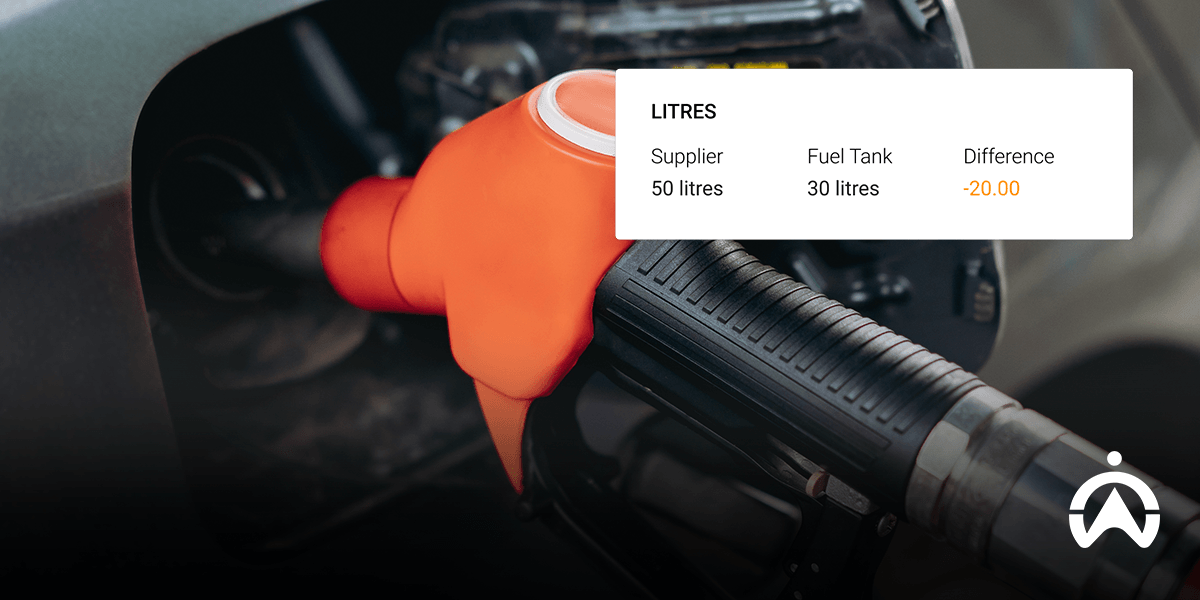
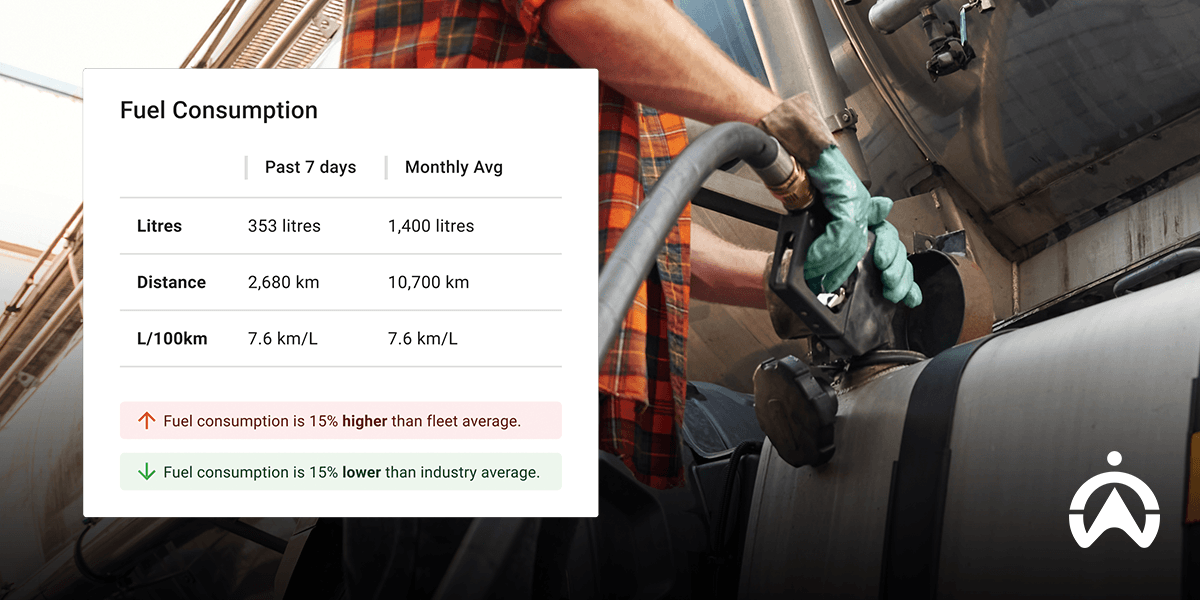
    Karooooo’s fuel monitoring system is designed to help optimise fuel consumption. Gain access to real-time data on fuel consumption per kilometre and per job with daily, weekly, or monthly reports. These reports give you full insight into your fleet’s fuel consumption, helping you spot sudden spikes in fuel consumption. Easily spot potential fuel fraud with this system that automatically matches fuel receipts with vehicle locations and fuel status. Identify drivers with excessive idling time, allowing fleet managers to provide training and coaching to improve driver behaviour and reduce fuel consumption.
    ‍

  5. Specialised sensors 

    Unlock the ultimate safety for the goods you are delivering with Karooooo’s specialised sensors. Make use of cargo door sensors to receive real-time alerts whenever your cargo door is opened, which helps you carefully monitor cargo and keep it secure. Make use of temperature sensors to keep your refrigerated cargo fresh and receive live alerts the moment temperature fluctuations are detected. Make use of tailgate sensors to monitor the safety of heavy cargo, and receive live alerts the moment your trailer tailgates are activated, indicating that cargo is being accessed.
    ‍

  6. Live-streaming camera solutions

    Gain full visibility of your cargo with up to four live-streaming cameras with Karooooo’s Live Vision camera technology. This cloud-connected video management solution makes use of real-time alerts and smart detection to ensure your goods are kept safe, which boosts customer satisfaction. Our cameras are also equipped to detect different forms of distracted and dangerous driving, including speeding, smoking, and cell phone use. The AI-powered technology is equipped with in-cabin real-time audible alerts, which alert your driver the moment any of these behaviours are detected, enabling them to immediately correct their actions and prevent accidents and collisions.

‍

Karooooo’s solutions in action

RichLand, a prominent logistics solutions provider in Southeast Asia, manages over 40,000 deliveries monthly across various sectors such as technology, petrochemicals, consumer goods, manufacturing, oil and gas, and freight forwarding.

They needed a system that could provide fleet and driver updates to help them ensure on-time deliveries, which translates to good service levels. Additionally, they wanted insights that could provide solutions for reducing operational costs and boosting their productivity.

Implementing Karooooo’s fleet management system empowered RichLand to pinpoint and address driver behaviour that could compromise delivery time. By using insightful reports to help drivers rectify their errors, RichLand could foster an environment of accountability, enhancing productivity and customer relationships. The system also automated their fleet updates on fuel consumption, enabling them to closely monitor fuel consumption, which helped them reduce their operational and fuel costs.

“Karooooo’s fleet management system provides us with automatic updates on fleet information that helps us make intelligent business decisions to decrease operational costs and maintain our service levels.” 

Frankie Koh, Head QHSSE, Fleet Management and Procurement, RichLand Logistics

Let Karooooo Kenya help your business like they helped Richland Logistics.

‍

Karooooo’s_solutions_in_action

‍

Integrate fleet management with logistics and optimise your entire operation today

The logistics sector is constantly evolving and needs adaptability, fueled by technological advancements. Make sure your operation is not left behind with an effective fleet management system.

‍Contact Karooooo Kenya today and let’s keep your logistics operation on top of its game in an ever-changing climate.
Fleet Fuel Card Integration – Empower Your Fleet With Efficiency and Security

When it comes to managing fuel efficiently and reducing costs for your fleet business, fuel credit cards stand out as one of the top solutions.

Explore the intricacies of these cards and discover how they can ease all your fuel expense-tracking headaches.

Is it time to invest in some fuel cards? All your answers are right here.

‍

Fleet fuel cards — your answer to efficient fuel cost management

These nifty cards are used by drivers to quickly refuel company vehicles, alleviating headaches and confusion for fleet managers. Fuel cards help managers effortlessly keep track of all their fuel expenses. You will instantly know which driver fueled up, what vehicle they used, how much they spent and where they fuelled up.

Say goodbye to endless fuel-related paperwork. Now drivers can enjoy the convenience and safety of fuel cards and not worry about handling cash and receipts.

‍

How to get started: Fleet fuel card integration

Empower your fleet with fuel cards, the game-changer for managing your fuel expenses. Equipping your business with this feature comes with a list of benefits but before we dive into those, let’s unpack a quick step-by-step guide on how to get a fuel card:

  1. Explore fuel card providers: 

    Investigate reputable fuel card providers in your area such as oil brands like Shell and BP, or companies that specialise in fuel cards. Take into account factors such as coverage, acceptance across various fuel stations, fees, and additional features.
    ‍

  2. Compare offerings: 

    Evaluate the offerings of different fuel card providers. Examine features such as spending controls, reporting capabilities, and any extra services they may offer.
    ‍

  3. Select a provider: 

    Choose the fuel card provider that aligns best with your business requirements and provides the most suitable features for effective fleet management.
    ‍

  4. Complete the application: 

    Most fuel card providers facilitate online applications. Complete the required information, typically including details about your business and fleet.
    ‍

  5. Receive approval: 

    Once your application is approved, and you’ve received the cards, it’s time to activate them following the provider’s instructions.
    ‍

  6. Assign cards: 

    There are two methods for allocating fleet cards, assigning them to individual drivers or each vehicle.- Vehicle – If your drivers use different vehicles regularly, assign one card to each vehicle, instructing drivers to leave the card in the vehicle for the next driver to use when needed.
    – Driver – If they primarily stick to one vehicle, provide each driver with a unique PIN that works with every card. This way, you can track which driver fueled which vehicle.
    ‍

  7. Implement restrictions: 

    Fuel cards provide drivers with easy refuelling but it is not without limits, managers can control fuel card usage by setting up some of these limits:- Litre or cash limit per transactionLitre or cash limit per transactionLitre or cash limit per transaction
    – Number of transactions made per day for each card
    – Time of day limit
    – Type of fuel

This prevents overspending, empowering managers to decide each driver or vehicle’s fuel expenditure.

Now that you have your provider and your cards, it’s time to integrate them into your fleet, this is done by linking the cards to your fleet management system.

Here are three approaches to make this happen:

  1. API integration: 

    Several fleet management systems come with Application Programming Interfaces (APIs) that allow for seamless communication and data exchange with various systems, in this case, the systems would be between your fleet management system and the fuel card provider.With API integration, you can automatically bring fuel card data into your fleet management system so that every time a fuel transaction occurs, data seamlessly flows from the fuel card provider’s system to your FMS, giving you real-time updates on all fuel purchases.
    ‍

  2. Data integration platform: 

    If your fleet management system or fuel card provider doesn’t provide direct API integration, you can opt for a data integration platform. These platforms act as the middleman, translating data between two systems. It will regularly check for new fuel transactions from the fuel card provider, translate the data into a format compatible with your FMS, and import it to your fleet system, ensuring smooth communication.They offer similar benefits to APIs like automated data import and detailed reports but might involve a subscription fee and a complex setup.
    ‍

  3. Manual data import: 

    Though not ideal, some businesses may resort to manual import of fuel card data through spreadsheets or CSV files.While this method is time-consuming and prone to errors, it can serve as a temporary fix for those not ready for advanced integration solutions like those listed above.

‍

Fleet_fuel_card_integration

‍

Why use fuel cards?

Fuel cards offer a range of perks for businesses. Imagine your drivers enjoying hassle-free refuelling at almost every gas station across the country. Not only that, but many fuel cards also bring extra savings at the pump through fuel discounts and VAT savings, putting more money back in your pocket.

Think about the convenience of having an organised system that tracks fuel expenses. Your fuel cost records will always be up to date, making it a breeze to control and minimise financial loss. On the security front, fuel cards act as a shield against unauthorised purchases, safeguarding your budget and your drivers as without cash on hand, the risk of them getting mugged decreases.

‍

Why should you integrate fuel cards into your fleet business?

Similar to credit or debit cards, fuel cards are crafted exclusively for transactions related to fuel. Here’s a breakdown of their advantages:

  1. Fuel purchases: Drivers use these cards to buy fuel at specific stations, linking the expense directly to the business.
    ‍
  2. Expense tracking: Every time the card is used, it keeps a record, showing a detailed view of fuel costs for each vehicle.
    ‍
  3. Cost control: Fleet managers can set spending limits with these cards, ensuring fuel purchases stay within the budget.
    ‍
  4. Data integration: These cards can talk to fleet management software, giving a clear picture of fuel use, efficiency, and costs.
    ‍
  5. Security: Fuel cards have security features, like PIN codes, making sure only authorised drivers can use them, and since drivers don’t carry cash anymore, they are no longer at risk of being robbed while on the job.
    ‍
  6. Convenient reporting: Fleet managers can easily generate reports showing all the fuel-related expenses, making money management smoother and more accurate.
    ‍
  7. Network of acceptance: These cards work with specific fuel networks or stations, so it’s essential to choose the right one for your fleet’s convenience.

Reduced Admin Work: No more hassle with manual record-keeping for fuel receipts and reimbursements. These cards save time for both drivers and fleet managers.

‍

Common fuel theft methods conducted through fuel cards

Fuel theft can have a significant impact on businesses affecting various aspects of operations. There are countless ways criminals can steal fuel from fleet vehicles. One of the most popular fuel theft trends is syphoning (sucking fuel out from a vehicle into a container for personal use), but when it comes to your fuel card, the following methods are more commonly used:

  • False transactions: This type of fuel theft occurs when gas station employees collude with thieves. The employee swipes the fuel card multiple times for a single transaction, resulting in multiple charges on the cardholder’s account. This method is difficult to detect as transactions are coming from a valid fuel card and fuel sensors won’t detect any unusual activity because the tank was empty and needed a refill, justifying the purchase.
    ‍
  • Fuel card fraud: Fuel card fraud occurs when unauthorised individuals obtain and use a company’s fuel card to purchase fuel for their vehicles. This can be done by stealing a physical card, skimming card data at fuel stations, or using stolen card information to create fraudulent transactions online. These cloned cards can then be used to purchase fuel at any filling station.

‍

Easily manage your fuel cards and overall fuel costs with Karooooo Kenya

Unlock a wealth of benefits and gain complete control over your fleet’s fuel expenses with Karooooo Kenya. We provide reliable and trustworthy fleet management solutions that can help you manage your fuel costs and improve operational efficiency.

Here are a few ways Karooooo’s fleet management software and MiFleet can help you in your pursuit of taking charge of your fleet fuel costs:

Effortlessly monitor and manage your fuel card with Karooooo’s MiFleet system

MiFleet is a cost management system that monitors all your fleet’s administration and running costs, including toll fees, maintenance costs, and all fuel expenditures.

In terms of fuel card monitoring, MiFleet can analyse fuel card transactions and automatically cross-reference them with your vehicle’s telemetry data to quickly identify which driver swiped for fuel refilling, for which vehicle and at what time/location.

By just importing your fuel card transactions into the MiFleet system, our MiFleet AI system automatically tracks all fuel card usage and presents the information in an easy-to-understand format on the MiFleet digital platform, making managing your fuel data a breeze.

‍

Easily_manage_your_fuel_cards

‍

With MiFleet you can:

Monitor fuel consumption:

Get information on fuel consumption rates per km, current fuel levels and fuel-wasting events like abnormal idling, speeding and more during a trip, allowing you to pinpoint areas for enhanced fuel efficiency.

Detect fuel theft:

In events of possible fuel card fraud, MiFleet automatically identifies potential fuel-related risks by matching fuel receipts with the vehicle’s location and fuel status, if flagged, it notifies fleet managers so they can start investigating and stop fuel cost wastages.

Generate informative reports:

Paired with our fleet management system, you gain access to detailed reports like fuel usage and risk analysis. These reports allow you to validate, verify, and analyse fuel cost data, identify trends, and make informed decisions to optimise fleet fuel card management.

Why you’ll love MiFleet:

  • MiFleet automatically detects fuel theft, saving you thousands monthly
    ‍
  • Decreased time spent on manual admin
    ‍
  • Easily spots fuel cost leakage and stops human error
    ‍
  • Increased trust and accountability for drivers

‍

Swipe your fleet to fuel cost management efficiency

If you are looking for a way to improve your fleet’s fuel efficiency and save money on fuel costs, Karooooo Kenya fuel management solutions are a great option.

Join over 110,000 businesses and trust Karooooo with your fleet and your fuel. Start today with Karooooo Kenya.

Truck Fleet Management – Here Is The Ultimate Guide For Your Fleet

Managing a fleet of trucks, whether it’s a couple of vehicles or a couple of hundred, comes with a distinct share of challenges.

These challenges can stand in the way of your entire fleet’s efficiency, increasing operational costs, and lowering vehicle lifespan, amongst many others.

That’s why a good fleet management system is the key you need to elevate your truck fleet management.

What is fleet management for trucks?

Due to differences in regulatory compliance, vehicle complexity, and fuel efficiency, managing a fleet of trucks can be more complex than that of ordinary vehicles like cars and vans. This makes specialised systems extremely important for effectively managing them. This specialised approach involves considerations such as load capacity, route optimisation for long-haul journeys, and regulatory measures, helping cater to the unique demands of the trucking industry. Fleet management for trucks is made up of a comprehensive set of practices that are based on the acquisition, maintenance, safety, and monitoring of a group of trucks.

Why is fleet management so important?

As a fleet manager, you’re already under immense pressure, and a fleet management system can alleviate some of that for you. Here are some of the benefits a fleet management system can help you unlock:

  • Remote fleet management: Gone are the days when you had to be bound to an office chair with piles of paperwork and one immovable screen to watch over your fleet. Fleet management systems allow you to remotely keep up with all your fleet operations, enabling you to manage your fleet from anywhere at any time. This helps ensure you have time for other fleet activities, removing all the extra admin.
    ‍
  • Automated reports: As a fleet manager, having to keep up with your entire fleet operation is already a time-consuming task. Fleet management takes a bit of that stress off your shoulders, generating automated reports that provide insights into your entire fleet operations, ranging from fuel consumption to maintenance reports.
    ‍
  • Real-time visibility: As a fleet manager, having real-time updates on vehicle location, delivery statuses, and vehicle conditions helps you unlock a new level of proactivity. You can monitor and address issues the moment they are detected, ensuring that they are fixed before they become serious and cost-draining.

With all these, it’s clear to see that fleet management is not only a crucial part of business success, but it also plays an important role in simplifying your job as a fleet manager. But what makes a good fleet management system?

‍

What makes up a good fleet management system?

Fleet management systems make use of two components that are crucial for effective functioning, namely hardware and software. Let’s explain these in detail.

‍

1. The hardware:

Fleet management hardware refers to the physical devices and equipment that are used to collect data from drivers and vehicles. It is essential for recording the data that will be reported to fleet managers and then transmitting this data to a cloud-based platform. The hardware components of a good fleet management system are:

  • GPS tracking technology: Global Positioning System (GPS) is a satellite-based navigation system that provides location and time information from anywhere. GPS is important for fleet management because it provides real-time visibility into the location of fleet vehicles, allowing for route optimisation and improved safety.
    ‍
  • Sensors: Sensors are devices that work to collect data on various aspects of a vehicle’s performance, location, and driver behaviour. These sensors can be used to monitor tire pressure, fuel consumption, odometer readings, cargo status, and more. Sensors are important for fleet management because they play a crucial role in efficiency and cost-effectiveness.
    ‍
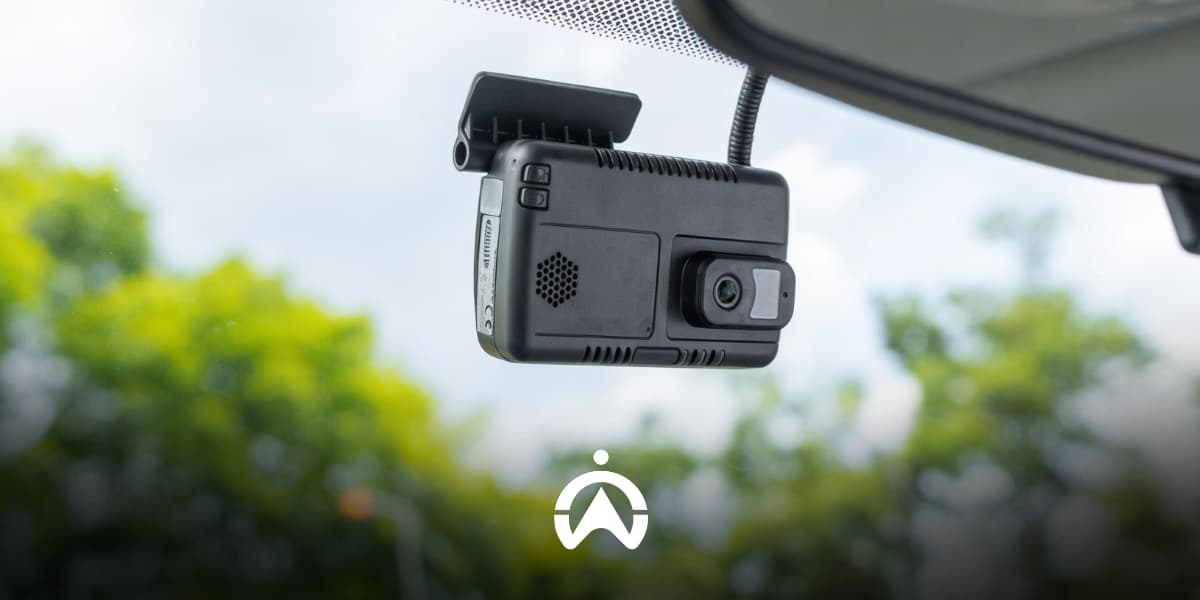
  • Cameras: Often referred to as fleet dash cams, these are video recording devices that are installed in fleet vehicles to capture real-time footage of drivers, the road, and cargo. These are important tools for fleet management as they provide valuable insights into driver behaviour, road accidents, and vehicle performance. This helps reduce the risk of costly accidents, encourage driver-specific training, and improve overall safety.

‍

2. The software:

Fleet management software works to analyse and present fleet data that was collected by fleet management hardware. This is essential for increasing efficiency and enhancing fleet visibility. The software components of a good fleet management system are:

  • Fleet maintenance software: Designed to streamline maintenance workflows, automate preventative maintenance schedules, and provide real-time updates on vehicle maintenance needs, this software helps you track and manage the maintenance of your vehicle from the earliest stage possible.
    ‍
  • Driver management software: Designed to monitor and track driver behaviour in real time, this software collects data on various aspects of driver behaviour, such as harsh braking, speeding, and idling. This helps you identify and address unsafe driving habits, helping you improve fleet efficiency, safety, and productivity.
    ‍
  • Automated reports: These are customised and detailed reports that provide fleet managers with important insights relating to various aspects of their fleet. Covering a wide range of metrics, including maintenance, asset utilisation, and fuel consumption, these reports give you real-time visibility into your fleet operations, helping you identify trends and areas for improvement.

‍

What_makes_up_a_good_fleet_management_system

‍

What are the key components of effectively managing a fleet of trucks?

While fleet management for trucks makes use of the same components that commercial fleet vehicles use, there are a few key differences. Trucks are designed for specific purposes and industries, while commercial fleet vehicles can vary in size, type, and usage. This difference means the usual fleet management solutions won’t cut it for trucks, as they have specific needs in terms of how they are maintained, operated, and managed. These are the areas that typically require specific solutions to cater to trucks in fleet management:

  • Fuel management: It’s no secret that trucks consume more fuel than commercial fleet vehicles. This makes having an effective fuel management system important, as it helps you ensure that your trucks can complete tasks as efficiently as possible without wasting any fuel. Know exactly how much fuel your vehicles are consuming with fuel consumption monitoring, which helps you spot sudden fuel spikes and detect potential fuel theft.
    ‍
  • Vehicle maintenance: Due to the extent to which trucks are used, they require more maintenance than commercial fleet vehicles. Trucks have to carry heavy loads, travel long distances, and operate in harsh conditions, which puts extra strain on them. Unexpected breakdowns can be quite common considering the long distances they travel, and this can lead to costly downtime, affecting delivery schedules and deliveries.
    ‍
  • Asset management: Monitoring and maintaining a large number of trucks can be challenging. This is where asset management comes in, helping you keep an eye on each of your assets. An example of this is the tracking of vehicle and equipment performance, which informs you which vehicles are over or underutilised. This helps you ensure that your assets are efficiently utilised and remain in their optimal condition.
    ‍
  • Route planning: Trucks have to adhere to specific road rules, such as speed limits, which can cause a delay in delivery times, and unlike typical commercial vehicles, they cannot travel on every road. This is where route planning comes in, helping fleet managers optimise routes to avoid traffic congestion, road closures, and other delays, ensuring that you achieve quicker turnaround times.
    ‍
  • Driver behaviour monitoring: Dangerous driving behaviour doesn’t just lead to financial loss. It also leads to injury and fatal car accidents. A study by the Road Traffic Management Corporation (RTMC) showed that heavy-load vehicles with a gross vehicle mass above 3,500 kilograms account for 9.4% of all fatal crashes on South African roads. Seeing how trucks significantly contribute to annual accident rates, makes it vital for fleet managers to prioritise driver safety and behaviour.

‍

What are some of the difficulties of managing a fleet of trucks?

Navigating the complexities of managing a fleet of trucks presents a range of multifaceted challenges. These include:

  • High operating costs: Trucks, by their nature, burn larger amounts of fuel, especially during long-haul journeys, which translates to higher operating costs. These long-haul journeys also translate to trucks requiring more frequent maintenance to ensure upkeep.
    ‍
  • Driver retention: Due to the rigorous schedules and demanding nature of fleets using trucks, skilled drivers are very important. Finding qualified drivers and retaining them is a continuous challenge in the trucking industry due to high demand and turnover rates.
    ‍
  • Data management and analysis: Managing a fleet of trucks comes with the need to record and present large amounts of complex data. Handling and making sense of vast amounts of data collected from trucks, including maintenance records, driver behaviour, and operational metrics, can pose a challenge, especially without effective data management and analysis tools.
    ‍
  • Driver communication: Fleet managers need to maintain effective communication with their truck drivers to ensure compliance with regulations, safety standards, and company policies, which can be difficult if there are no streamlined methods in place.
    ‍
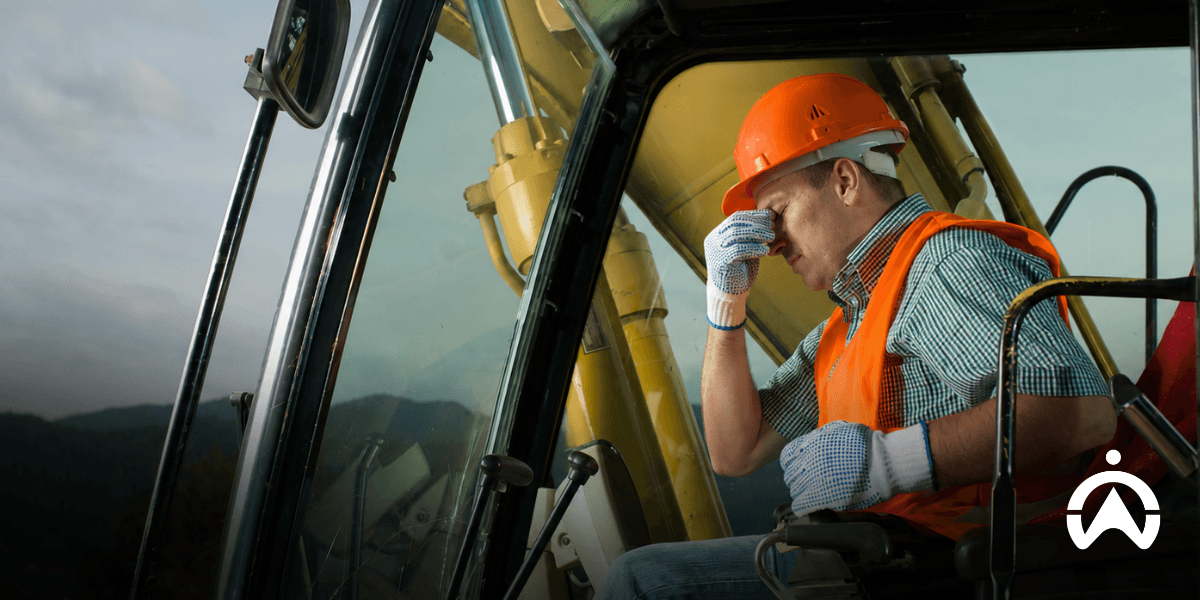
  • Driver safety: In the truck industry, driver fatigue and distractions are very common occurrences among truck drivers. Fleet managers need to make sure their truck drivers are employing safe driving habits, as risky driving can lead to unfortunate consequences for drivers and the entire truck fleet operation.

‍

How can you solve these difficulties with a fleet management system?

Navigating the complexities of fleet management involves addressing operational challenges that impact costs, efficiency, and overall productivity. This shows just how important a comprehensive fleet management system is. This integrated solution offers a range of tools and strategies designed to tackle the key challenges faced by fleet managers who are responsible for trucks. These include:

  • A fuel management systemFuel management systems are an essential component of fleet management. They help fleet managers control and monitor fuel consumption and costs. With fuel costs being one of the most significant fleet expenses, a fuel management system can minimise these costs by helping you identify inefficiencies in fuel usage. A fleet management system gives you access to real-time data on fuel consumption. This helps you detect when your vehicles experience a sudden drop in fuel levels and identify potential fuel theft, which can significantly impact a fleet’s bottom line and efficiency.
    ‍
  • Preventative maintenancePreventative maintenance is a proactive method of ensuring that fleet vehicles operate safely and efficiently. By making use of vehicle data on mileage, time spent, engine hours, and fuel consumption, it can let you know exactly when your vehicles need maintenance and which parts need replacement. This is crucial to helping you reduce vehicle breakdowns and prevent unplanned vehicle downtime. Unplanned vehicle downtime can be damaging to fleet success, leading to delayed deliveries, customer dissatisfaction, and lost revenue opportunities.
    ‍
  • Driver behaviour monitoringA crucial tool for improving the safety and efficiency of a fleet and its drivers alike. By monitoring driver behaviour, fleet managers can make use of real-time alerts to help drivers correct their behaviour. Driver behaviour monitoring can also provide valuable insights into driver performance, allowing fleet managers to identify areas for improvement and implement training programs to address any issues. By promoting safe and efficient driving habits, driver behaviour monitoring can help reduce fuel consumption, vehicle wear and tear, and maintenance costs.
    ‍
  • Automated data entry and reportsAutomated reports in fleet management help solve difficulties by providing fleet managers with real-time, customised, and detailed insights into their fleet’s performance. These reports can cover various fleet metrics, including fuel consumption, maintenance, and asset utilisation. By automating the reporting process, fleet managers can save time and ensure that they have access to this information from anywhere, at any time. These reports help encourage data-driven decision-making. The manual reporting of data can lead to increased human error in recording, increased time consumption, and limited visibility and insights.
    ‍
  • Route optimisation softwareRoute optimisation is a critical fleet management tool for improving the efficiency and cost-effectiveness of a fleet. By analysing data and considering factors such as traffic conditions and delivery schedules, fleet managers can develop effective and safe route plans for their drivers. It works to provide real-time updates and adjustments, allowing fleet managers to quickly respond to changes in traffic, weather, or delivery schedules. Unoptimised routes mean increased fuel consumption (due to longer travel distances and excessive idling), reduced driver productivity and efficiency (due to inefficient scheduling and driver fatigue), and increased vehicle wear and tear (due to harsh driving conditions).

‍

What_are_some_of_the_difficulties_of_managing_a_fleet_of_trucks

‍

What are the benefits of fleet management for trucks?

Below are 5 of the many benefits that fleet management brings to the management of truck fleets:

  1. Increased vehicle lifespan: Fleet management systems can extend the life of trucks by implementing preventative maintenance schedules. This helps reduce downtime and ensures that trucks are routinely serviced and maintained.
    ‍
  2. Improved vehicle safety: Fleet management systems help you know exactly where your trucks are at all times, helping you unlock ultimate visibility and security.
    ‍
  3. Reduced operational costs: Fleet management systems can help reduce truck fuel consumption, maintenance costs, and overall operating costs by optimising routes, reducing idle time, and improving the overall performance of your trucks.
    ‍
  4. Improved customer satisfaction: Fleet management systems can help truck fleets improve on-time delivery, route planning, and overall customer service, which leads to increased customer satisfaction.
    ‍
  5. Improved driver performance: Fleet management systems can provide truck fleets with real-time feedback on driver behaviour, helping drivers improve their performance and reduce the risk of truck-related accidents.

‍

How Karooooo’s solutions help you elevate your truck fleet

As an industry leader in fleet management solutions, Karooooo Kenya is your ultimate guide to elevating your truck fleet management. Unlock the benefits listed above by making use of the following Karooooo-powered solutions:

1. Vehicle tracking and monitoring

Karooooo Kenya makes use of GPS technology to pinpoint the precise location of your vehicles in real-time. This gives you access to two solutions that can elevate your truck fleet management, namely:

  • Real-time GPS tracking: Gain unparalleled visibility of your fleet with Karooooo’s real-time GPS tracking system, providing accurate, real-time GPS location through a user-friendly interface. The live tracking of your fleet enables immediate response in case of theft or unauthorised vehicle use, which aids the swift recovery of your truck and minimises potential losses. It doesn’t stop there, though, because the full visibility helps you know where your trucks are at all times. This helps you track drivers and job progress, ensuring that you keep customers updated.
    ‍
  • Make use of geofencing: Monitor vehicle activity with Karooooo’s geofencing tool. This software acts as an added layer of security, designed to alert you in real-time when your trucks enter or exit authorised zones. This feature helps enhance fleet security and efficiency by increasing the visibility of your vehicle’s activity, helping you ensure that drivers only operate your equipment in assigned areas.

‍

2. Fuel Management

Karooooo Kenya brings you a comprehensive fuel management system that is designed to help fleets manage and monitor their fuel consumption. Make use of the following features to elevate your truck fleet management:

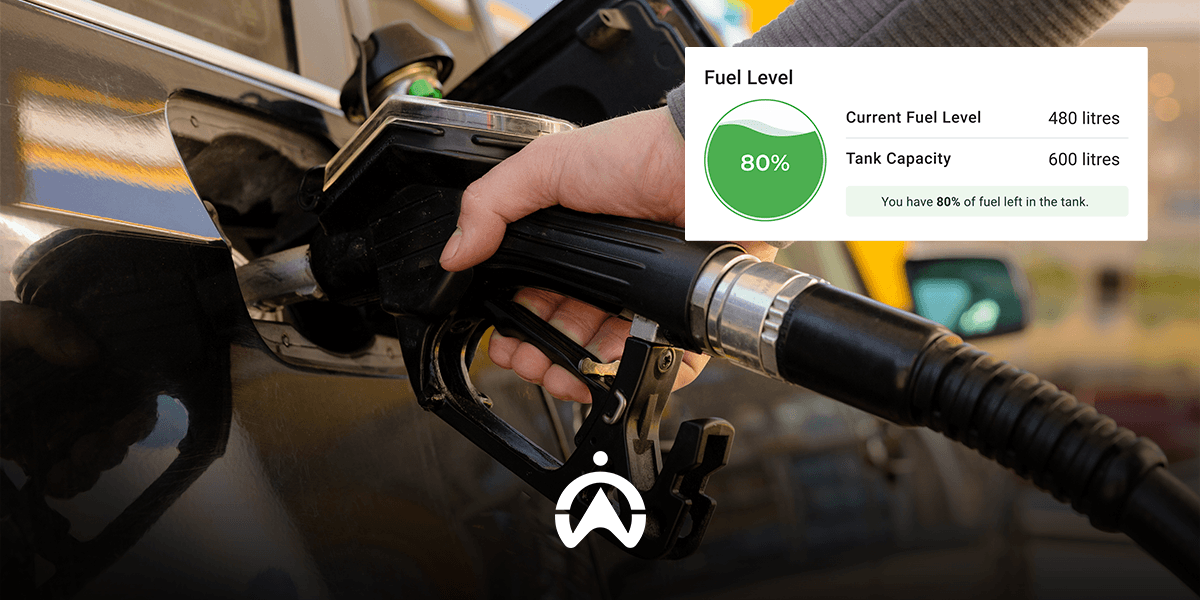
  • Fuel level monitoring: Monitor your truck’s fuel levels in real time by making use of Karooooo’s fuel sensors. Gain accurate data on fuel consumption per vehicle, driver, and route, which enables precise analysis and specific fuel-saving strategies. Receive immediate alerts for unusual fuel level drops, helping you quickly prevent fuel theft.
    ‍
  • Fuel efficiency reports: Fuel theft is a big problem, especially for trucks, and since trucks have more than one tank, large amounts of fuel can be stolen in one go. Automatically record and track refuelling transactions, and eliminate manual data entry. The system can review all your fuel transactions and match them with truck telemetry data, ensuring accurate fuel consumption calculations and helping you identify potential fuel theft.
    ‍
  • Fuel card integration: Simplify fuel expense tracking and enhance your truck’s fuel management capabilities with Karooooo’s fuel card integration. Karooooo’s system automatically collects fuel card transactions, increasing data accuracy and reliability while also reducing the administrative burden and concern about losing fuel receipts.

‍

3. Driver Management

Karooooo Kenya offers a comprehensive driver management solution that is designed to not only improve driver behaviour but also enhance safety and optimise fleet performance. Make use of the following driver management features to elevate your truck fleet management:

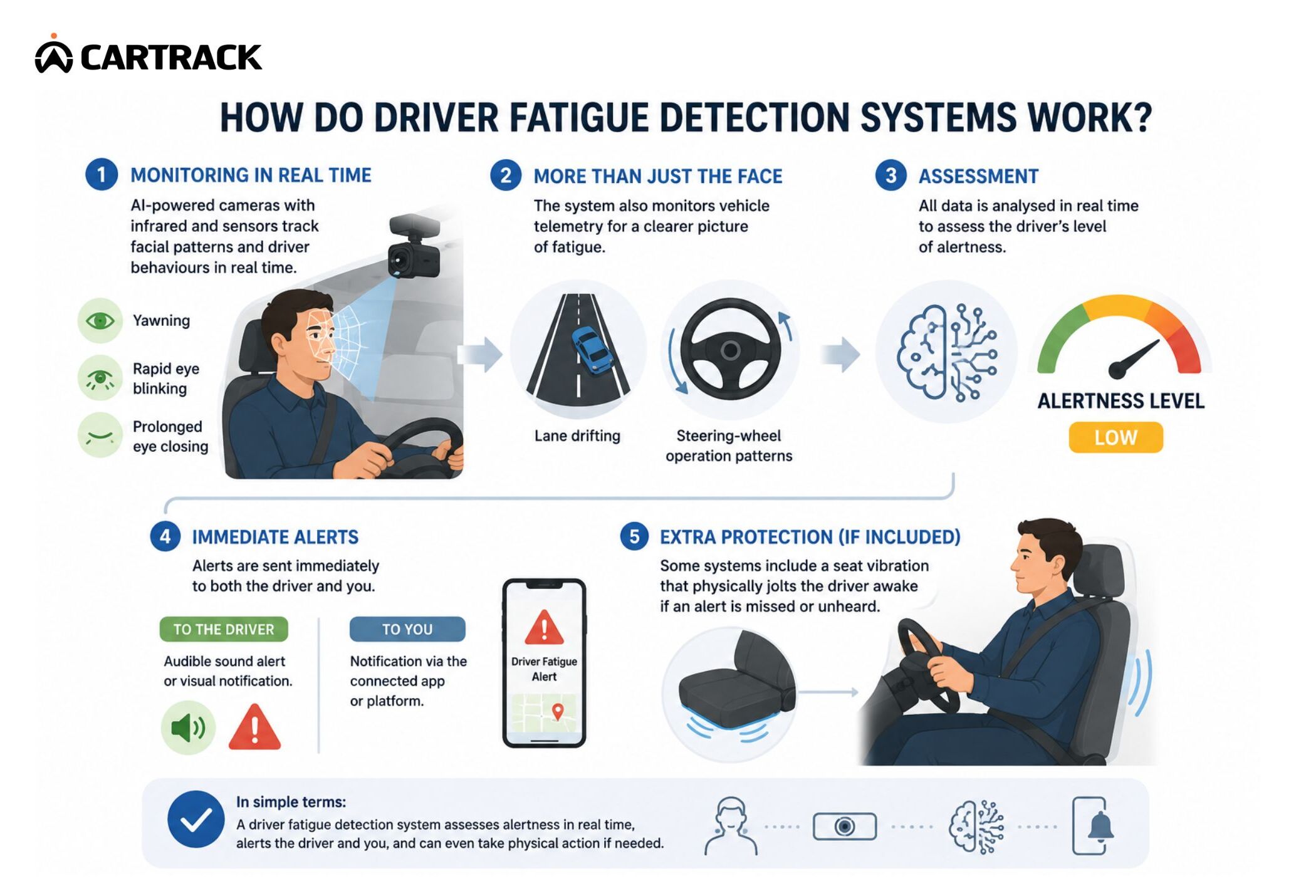
  • Driver behaviour monitoring: Keep an eye on your drivers’ behaviour with our driver behaviour monitoring. Truck drivers typically travel long distances, and the monotonous road environment makes them more prone to driver fatigue. Our technology conveniently addresses unsafe driving behaviours by identifying dangerous driving habits, such as excessive speeding and harsh braking, and distracted driving, such as excessive yawning. With real-time alerts, drivers can immediately correct their behaviour, preventing potential accidents from occurring.
    ‍
  • Driver training and coaching: Identify and rectify fuel-draining and dangerous driving behaviour in your truck drivers, and establish more fuel-efficient driving habits. Our technology provides insights into driver behaviour that increases fuel consumption, such as excessive idling and harsh driving. This helps you identify which areas your drivers need specific training in.
    ‍
  • Driver ID-Tags: Improve your fleet’s security by ensuring that only authorised drivers operate your trucks, reducing the risk of theft and unauthorised use. Karooooo’s driver ID-Tags help optimise workforce management by ensuring precise work hours are recorded for every driver, simplifying the management and monitoring of driver behaviour. Also, not every driver in your fleet may have a truck license; this helps ensure that only certain, qualified drivers operate your vehicles.

‍

4. Preventative Maintenance

Ensure that your fleet vehicles are functioning at their optimum levels at all times, helping you proactively maintain your vehicles, minimise downtime, reduce maintenance costs, and extend vehicle lifespan. Make use of the following preventative maintenance features to elevate your truck fleet management:

  • Scheduled maintenance reminders: Trucks are expensive, and this makes servicing more vital for them. Receive automated reminders and alerts to ensure timely fleet vehicle maintenance. These alerts are based on mileage, engine hours, and usage to guarantee timely maintenance. This helps ensure road safety and compliance, increasing your truck’s longevity.
    ‍
  • Maintenance tracking and history: Keep a comprehensive record of fleet maintenance activities, with data ranging from service history and repairs to the replacement of parts and maintenance requirements for each fleet vehicle.
    ‍
  • Obtain real-time diagnostics: Receive real-time alerts for vehicle diagnostics, including engine faults, worn brake pads, and oil and water fluctuations. This helps you pre-empt which fleet vehicles require servicing before fleet efficiency is affected.

‍

5. Prioritise fleet compliance and reporting

Gain access to all the features listed above on a simple, easy-to-use platform. This fleet administration platform provides a comprehensive set of tools to simplify fleet management, helping unlock efficiency for all your trucks at the tap of a finger. We provide you with a fleet compliance solution that automates regulatory compliance and keeps clear digital records of fleet logs. Our automated reminders help you keep insurance documents, permits, and other regulatory contracts up to date and help you store them on an easily accessible online platform.

‍

Turn fleet concerns into returns with Karooooo Kenya

Managing a fleet of trucks can be quite challenging, but with an effective fleet management system, you can turn all your big fleet management concerns into big fleet management returns.

‍Contact Karooooo Kenya today, and let’s take your trucking fleet management to new heights together.

What is Cold Chain Temperature Monitoring, and What is Best for Your Business?

Cold chain temperature monitoring uses a blend of tools and technologies to track and manage the temperature of perishable or temperature-sensitive goods, ensuring they remain cool during transportation. What’s best for your business is strong and reliable temperature sensors combined with a powerful fleet management system and GPS tracking.

In the recent export season, damage expenses reached millions of dollars from logistics delays in the country’s fruit industry. About Billions of dollars worth of fruit was at risk in cold storage at any given time, largely because of breaks in the cold chain. This highlights key challenges in risk management and emphasises the need to maintain proper temperatures.

Don’t let your business suffer immeasurable loss, financial strain, and damage to your brand. In this blog, we’ll help you understand more about temperature monitoring, ways to maximise control of the climate for your perishables, and why Karooooo can help you successfully transport your food.

Which cold chain monitoring solution fits your business?

The cold chain monitoring solution that fits your business includes a strong temperature management system like FleetWeb, paired with the right sensors to help you maintain total control. Cold chain monitoring is a core part of your business’ supply chain. From production and preparation to distribution, your goods should remain safe and temperature-controlled.

You also might benefit greatly from numerous sensors in your cargo bay, obtaining more accurate readings and better reporting. 

What’s cold chain temperature monitoring?

Cold chain temperature monitoring is about combining sensors and powerful software technology to effectively manage your perishable goods. This is typically while in transit, but can also include storage. Temperatures are set and managed in real time. The link to a fleet management system (FMS) keeps you alerted to temperature changes, cargo door activity, and potential hardware/sensor malfunctions. 

These temperature-sensitive goods typically include (but aren’t limited to) frozen foods like fresh fruits and vegetables, deep-frozen foods like meat and seafood, and pharmaceuticals like vaccines. 

What devices are used to keep cold chain cargo bays at certain temperatures?

Devices used to keep cold chain cargo bays at certain temperatures are tools like cargo door sensors, temperature sensors, live GPS tracking, and an FMS. 

Take a look at each and why they matter:

  • Cargo door sensors: Keep track of when and how often your cargo doors are opened and closed. Also, get an immediate notification when your doors are opened by unauthorised people.
    ‍
  • Temperature sensors: Temperature monitoring and probes monitor your vehicle’s cargo bay climate at all times. Get immediate notifications of changes and temperature shifts. Use numerous probes in your refrigeration trailer for better readings.
    ‍
  • Live GPS tracking: The integration of IoT (Internet of Things) devices and GPS tracking helps produce accurate alerts, as well as detailed histories and insights.
    ‍
  • Fleet management system: Although not a device, an FMS brings all the hardware outputs together. It stores all the necessary data collected for you to retrieve whenever you need it. 

Why does temperature monitoring matter? 

Temperature monitoring matters because sensitive goods need to be handled correctly and with care. Temperature variations can result in spoilt, damaged, or ineffective goods if not tended to as quickly as possible, which is why immediate and regular notifications are important. 

Compliance and regulations must be met. Because strict regulations are put in place, especially in the pharmaceutical sector, temperature monitoring is vital. The connected monitoring system allows you and your drivers to react quickly, but also keeps records of changes that prove adherence.

What methods are used for temperature monitoring in cold chain logistics?

Methods that are used for temperature monitoring in cold chain logistics include keeping food at the right temperature, driving carefully to avoid collisions, and keeping cargo bays free from external air. 

Keeping food at the right temperature is the most important and evident point. Driving carefully to avoid collisions is an important part of minimising damage. When your drivers move recklessly on the roads, there’s a greater chance of ruining not only your cargo but also the connected sensors as well. 

Finally, keeping air out of the refrigerator or trailer is a passive but effective way for you to proactively ensure your goods are kept fresh. This is maintained by keeping the cargo doors closed & sealed, and ensuring your drivers are completing pre-trip inspections to make sure doors are secured. 

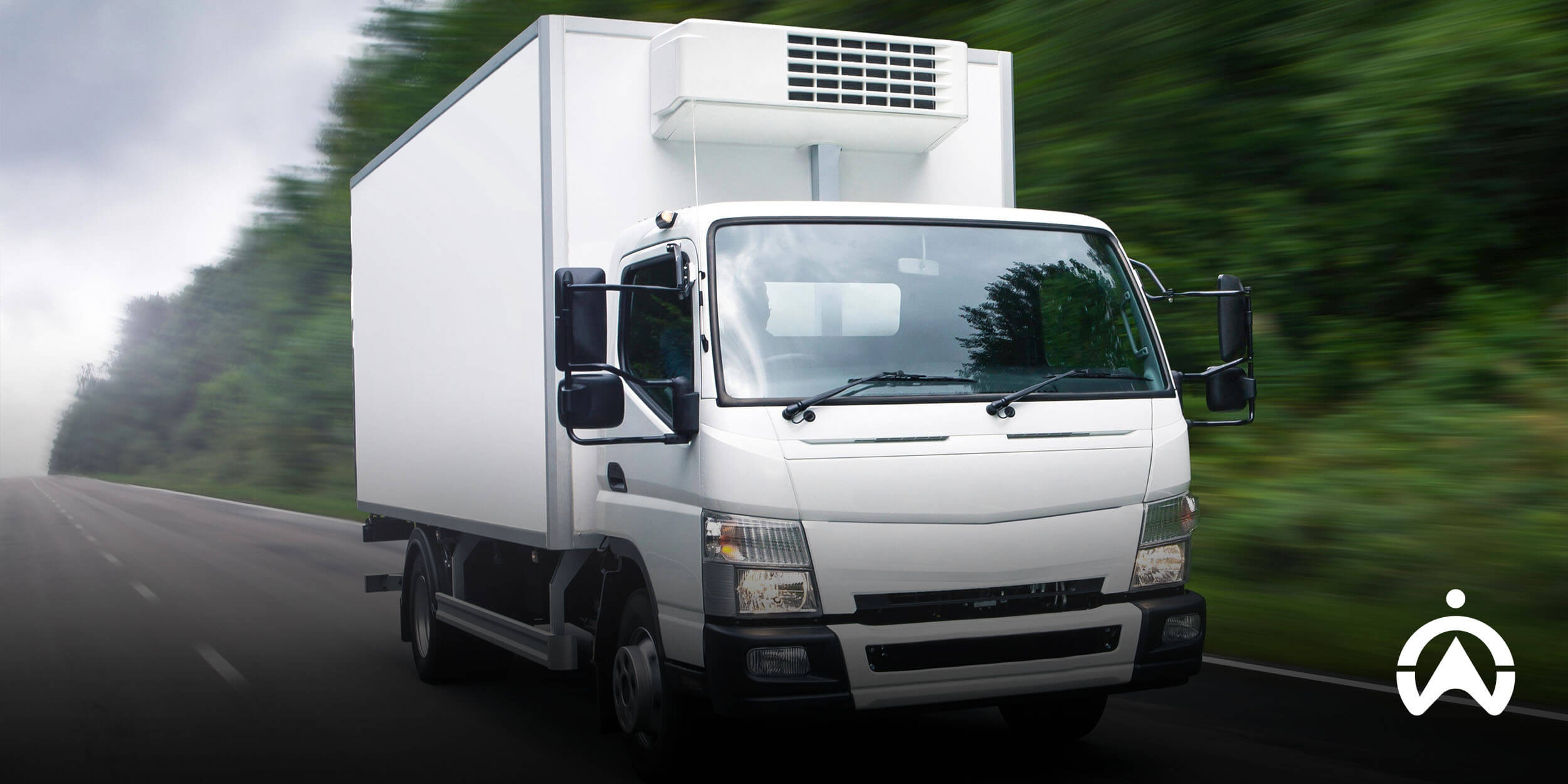
Refrigerated delivery truck on highway supporting cold chain temperature monitoring during food transport.

How do fleet operations affect your temperature monitoring needs?

Fleet operations affect your temperature monitoring needs when certain elements aren’t planned for, especially when considering how long certain transit trips can be. Factors like immediate alerts and reaction/recovery time are the key to keeping products of high quality. Cold chain management looks a bit different for each business, so it’s important to carefully configure things as necessary.

Food and beverages

Food and beverages need a high level of management when it comes to cargo bay climate control. It helps that food and drinks are prepackaged airtight, but as their package instructions will typically show, thawing and refreezing isn’t good for the food. Consistently doing so will reduce the quality of the products.

Fluids 

Fluids, whether we’re talking about dairy, medical liquids, or raw chemicals, need extremely high levels of control. In fact, fluids might have some of the highest levels of compliance and strict regulations attached to them. 

Most of the time, hardware and sensors extend to measuring the liquid itself, together with measuring the climate in the cargo bay.  

Organic foods 

Organic foods also need an extremely high and strict level of management. Organic foods are quite special and different from other products because they need a specific climate to remain fresh and undamaged. Climate control goes beyond just ensuring it’s cold enough; it needs a precise and delicate balance between cold and humidity. 

This needs to closely resemble the ideal climate in the real world.

Which industry sectors rely on temperature monitoring? 

The industry sectors that rely on temperature monitoring go beyond food, healthcare, and pharmaceuticals. It also includes the floral business, biological technologies, and chemical manufacturing. Some industries are more obvious than others, but each has its own key reason for cargo climate control.

Let’s take a quick look: 

  • Food: From foods and beverages to agricultural products; perishables, fresh produce, and dairy products are kept safe, nutritional, and edible. 
    ‍
  • Healthcare: Supplies like blood, organs, and test samples from patients are kept uncompromised and unspoiled, especially during transportation in urgent, life-threatening moments. This temperature management extends to vehicles like hearses and ambulances.
    ‍
  • Pharmaceuticals: Through cooling control, vaccines and medicines maintain quality and effectiveness. A single spoilt batch can have dire medical consequences.
    ‍
  • Floral business: Flowers and plants remain unwilted and fresh from the nursery to the florist’s store. 
    ‍
  • Biotechnology: Biological technologies demand rigorous temperature standards to stay viable. 
    ‍
  • Chemical manufacturing: Sensitive chemicals and raw materials remain stable and unspoiled when kept at low temperatures. 

Myth vs Fact: Clearing up some misconceptions about cold chain logistics

When looking at some myths versus facts regarding cold chain logistics, it’s easy to make some assumptions that could potentially lead you astray. Temperature management is fragile and elaborate. You’d rather be certain than play a guessing game when it comes to the quality of your goods. 

Myth: Small businesses don’t need temperature monitoring

False; small businesses do need temperature monitoring. The size of the business doesn’t change the importance of keeping goods protected and ensuring compliance. In fact, a smaller business might feel an even greater impact on its finances because it has more to lose if goods are spoilt, losses are faced, or there’s damage to the business reputation.

Myth: Cold chain temperature monitoring is too expensive

False; cold chain temperature monitoring isn’t too expensive, although the initial costs might make it seem that way. Like most valuable systems, the upfront costs are usually far higher and might deter you at first. But it’s the long-term value that’ll prove otherwise. Poor temperature management means major losses and customer disappointment. 

Myth: Temperature control doesn’t have to be a delicate process

False; temperature control is quite a delicate process and has to be followed to a ‘T’; that’s the nature of sensitive goods risk management. Small mistakes are unfortunately harmful if not corrected quickly and carefully, leading to spoilt foods, ineffective vaccines, unviable organs and the like. 

Myth: Slight variations in temperature are okay

False; slight variations aren’t okay and should always be addressed as quickly as possible. If you have a temperature range to work within, that’s perfectly fine, but don’t veer outside of it. 

Perishables are extremely finicky, and operating outside the established temperature range could immediately spoil the goods. It would also mean you’re not complying with the relevant health and safety regulations.

Myth: Temperature-controlled cargoes are bad for the environment

False; temperature-controlled cargoes aren’t bad for the environment, despite requiring reasonable amounts of energy to keep the cooling power going. The notion that energy use equates to harm to the environment ignores the work that cooling and refrigeration do to keep food fresh, unspoiled, and unwasted. 

Reduced food waste plays a massive role in sustainability. Proper management of trucks and cooling equipment can also keep carbon emissions low. By avoiding old, underperforming trucks and monitoring sensor performance, you can keep your carbon emissions low.

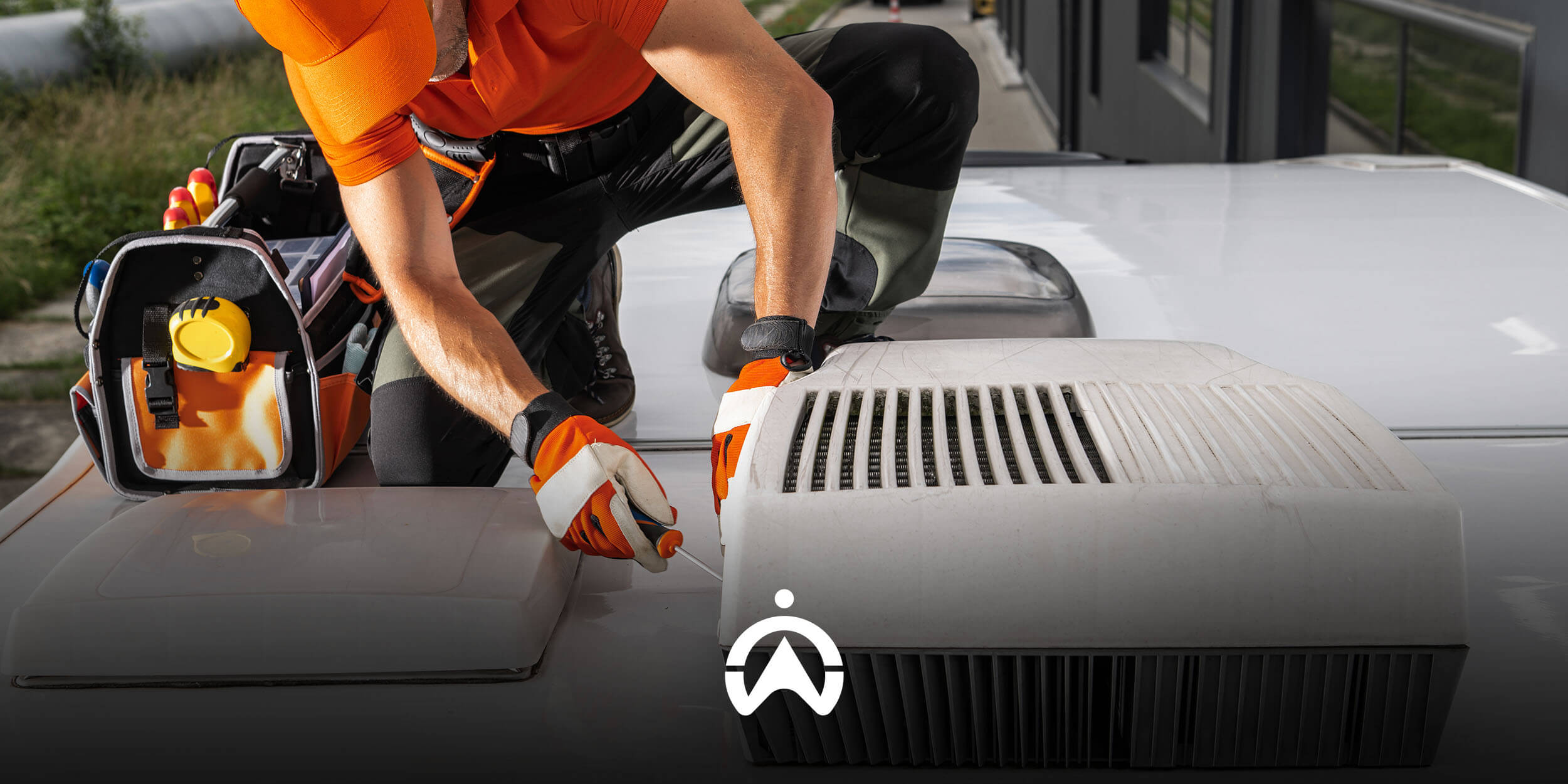
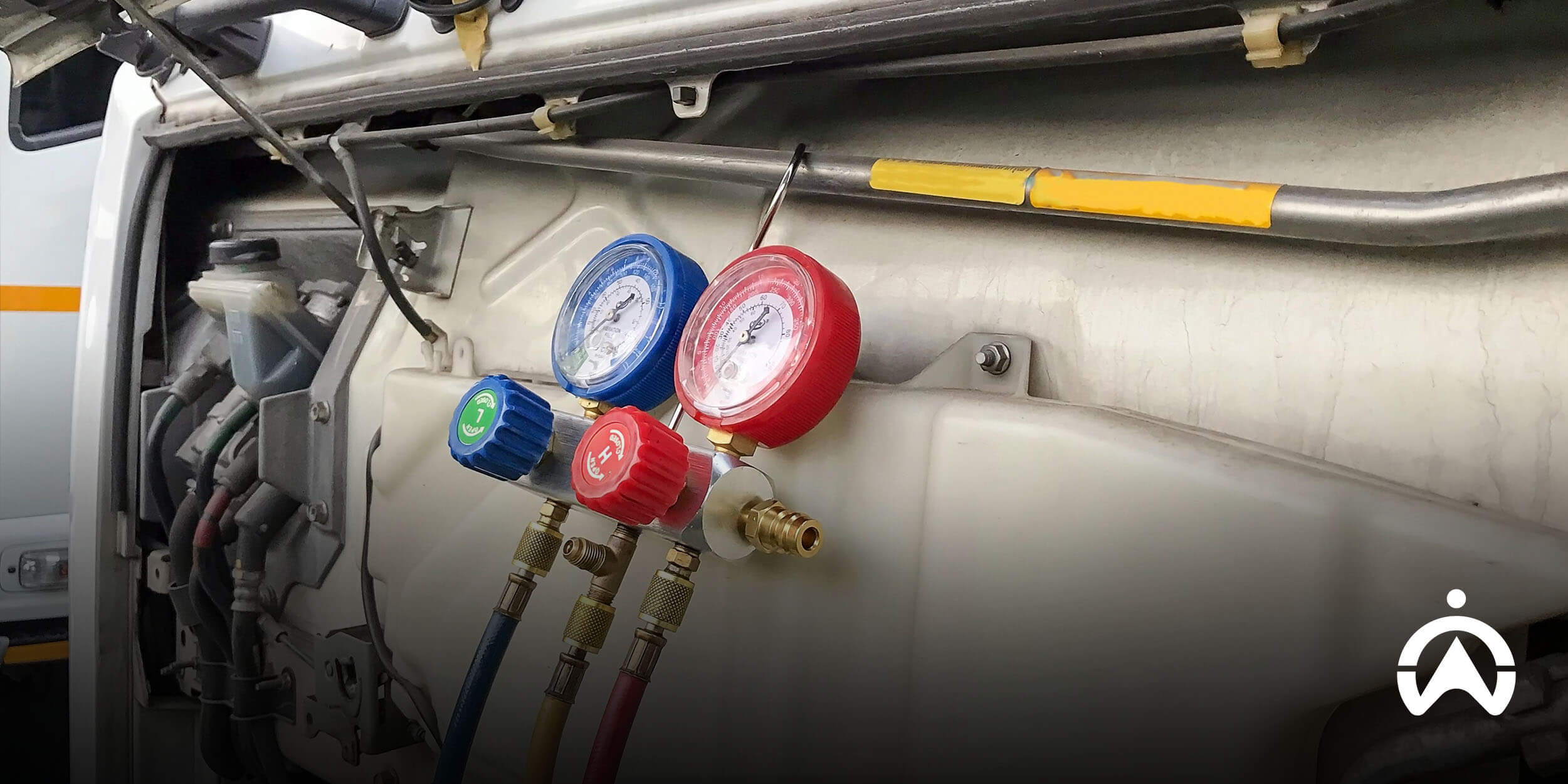
Technician using HVAC pressure gauges on refrigerated vehicle, supporting Cartrack cold chain temperature monitoring.

Which cold chain temperature monitoring system is best for Kenyan fleets?

The best cold chain temperature monitoring system is one that allows you to keep track of your sensitive cargo at all times. This means choosing to implement a total ecosystem that’s efficient and keeps you notified at all times. As mentioned, achieving this is about getting the right hardware and connecting it to a sophisticated FMS and GPS tracking.

Karooooo could be your partner in long-term food and pharmaceutical risk management. With us, you’ll have all the tools needed to keep your sensitive foods or goods safe and temperature-controlled. We have industry-specialised sensors, like temperature and cargo door monitoring, which can be added to your overall fleet package. You’ll also have total control over temperature management with FleetWeb. 

FleetWeb, thanks to GPS tracking and IoT technologies, will send you consistent alerts about temperature changes and shifts. These immediate notifications ensure you can quickly and urgently contact the driver or replace refrigeration trailers if necessary. FleetWeb also helps you achieve operational visibility, allowing you to keep an eye on your fleet while using trip data to optimise driver routes.

Finally, know that you can automate and digitally organise your temperature monitoring, keeping you compliant and in line with food and pharmaceutical regulations. Your temperature monitoring stores detailed records, ensuring that all the insights are available whenever needed. 

Final takeaway: Stay on top of your inventory

You no longer have to worry about the state of your goods when they’re being transported. With the right solution, featuring a strong temperature monitoring system like FleetWeb and paired with the right sensors, you’ll maintain total control. Product quality can be maintained, waste can be reduced, and compliance matters can be met.

Karooooo’s got your back. Not only do we fully equip you with the necessary tools, but we also ensure you’re able to achieve operational efficiency through proactive efforts and complete visibility. You can lead the way and stay ahead of your competitors while our fleet systems and sensors do the heavy lifting. 

Are you ready to see the most optimised execution of your cold chain temperature management? Speak to a Karooooo specialist today to keep your goods in check!

Frequently asked questions about cold chain temperature monitoring

What are the 4 types of temperature sensors?

The 4 types of temperature sensors are:

  • thermocouples, the most common type, are used in everything from your home to businesses
  • negative temperature coefficient thermistors (NTC), which are also quite accurate but not as good as RTDs
  • semiconductor-based sensors, which aren’t the most accurate and have slow responses, and
  • resistance temperature detector (RTD), which is usually considered the most reliable.

What temperature is recommended for the cold chain?

The temperature recommended for the cold chain depends on what you’re transporting and whether they’re being transported during the warmer months. Temperatures are also set according to the manufacturer’s recommendations. For example, deep-frozen foods are kept at around -30 degrees, whereas vaccines must be kept cool but never frozen between 2 and 8 degrees.

What are the 3 Ps in the supply chain?

The 3 Ps in supply chain are:

  • processes, which focus on the way things move and how products are managed from start to finish
  • people, which centres around taking care of and uplifting the people who are involved in handling the logistics, and
  • physical resources, which are the tools used to make the processes possible and manageable.

Is cold chain expensive to maintain?

Yes, cold chain can be expensive to maintain because of its intricate nature. Temperature management involves very specific hardware, constant & strict monitoring according to regulation, and routine maintenance. These all add up to high electricity & fuel use, as well as higher overall costs.

What Factors Should You Consider When Downsizing Your Car?

When downsizing your car, you should consider factors such as lifestyle needs & changes, better cost control, environmental concerns, and easier management. People evolve, and priorities change, especially now when the cost of living weighs heavily on many of us. Downsizing could be the key to necessary changes and savings. 

The average monthly car payment takes up a notable portion of a consumer’s income, and this proportion has been rising over time, making vehicle affordability an important factor for many buyers. This change reflects the financial strain many Kenyans are under, putting a spotlight on affordability as a key reason for downsizing. 

We know that the downsizing route is a big change that can stir up a lot of emotions, especially when you’ve become comfortable with your bigger car. In this blog, we’ll discuss the reasons surrounding downsizing, why it could be the right step for you, and how Karooooo can keep your compact car protected. 

What are some reasons to downsize your car?

Some reasons to downsize your car include looking to save on costs, going greener, lifestyle changes, and better car management. We also understand that, given the current state of the economy, saving money is usually the main reason why these sorts of lifestyle changes happen. Downsizing could be an impactful and positive first step for you and your family.

Smaller cars provide long-term savings

Fuel and maintenance are the highest car expenses. Your choice to downgrade your car means better long-term savings because smaller cars typically use less fuel and have simpler car parts. When going the smaller car route, consider getting a car that’s lightweight and city-ready to accommodate your daily trips. 

You could also consider getting a hybrid or EV (electric vehicle), which can save you so much money in the long run. Fuel wouldn’t be as much of a concern (if at all!), and EVs generally have fewer moving parts, meaning you cut back on having to service your car too often.

Key considerations for downsizing your vehicle efficiently.

Your daily routine and lifestyle are changing

After costs and expenses, one of the biggest factors that drives downsizing is lifestyle changes. Maybe the kids have finally flown the nest, and there’s no need for a big family car anymore. Or perhaps your hobbies have changed and you don’t need a car that can hold all that camping gear. Whatever your reason, it’s valid. 

If you don’t really need that bigger car anymore, downsizing could make an exciting difference in how you enjoy life from here on out. You get to save while also comfortably adapting to the new changes in your life. 

It’s better for the environment

Using a car with a smaller engine means better fuel efficiency, which means fewer carbon emissions, which means a car that’s better for the environment. Bigger cars usually emit far more carbon and air pollution than smaller models, creating more harm to the environment. 

Bigger cars, especially if they’re luxury brands, also tend to have more expensive and even special/customised car parts. These parts might need unique and expensive materials for them to be made. 

Smaller cars are easier to manage

When you drive smaller cars, being on the city roads is a breeze. You fit comfortably into awkward parking spots (no need for 15-point turns). You can move through traffic smoothly, bobbing in and out with confidence, and the notoriously narrow streets of Mombasa will no longer be a problem. 

Overall, smaller cars are easy to manoeuvre. Bigger cars need more space to carry out basic moves, like lane changes and U-turns, while smaller cars manage these with ease.

Guide to choosing the right smaller car when downsizing

How can Karooooo add safety features to your smaller car?

Karooooo can add safety features to your smaller car by giving you the best in tracking and on-road protection. You can choose what your tracking package looks like and what services speak to your needs. Even at our most basic (Quick) solution, you’re guaranteed mobile app access, world-class live tracking technology, quick emergency response, and stolen vehicle recovery (SVR).

Our personal packages at an affordable price monthly, emphasising the affordability aspect and keeping your costs low. Our contracts are also flexible, so you can choose the structure of your payment plan. If at any point you’re considering a package change, you can easily do so at a small migration fee. 

Your decision to downsize may’ve been a bit stressful, but choosing the right vehicle protection partner doesn’t have to be!

Final takeaway: downsizing to make life manageable

There are many reasons why you might decide to downsize your car, and this blog is a great insight into all those potential motives. We recognise that you’ve decided to adapt to your new way of life and sit comfortably with this change. 

On the journey of trying to find a car that works for your new lifestyle, you can relax knowing that downsizing has so many perks. You, your wallet, and the environment benefit from the change; so everyone wins! What’s more? Karooooo can add to your happiness, keeping your smaller car closely watched and protected.

Have you taken the plunge and downsized your car? Speak to our Karooooo professionals to ensure your new car is completely protected. 

Frequently asked questions

What is the 20/3/8 rule?

The 20/3/8 rule suggests that when you’re looking to buy a car but still want to stay in control of your finances. The rule says:

  • you should put down a 20% payment
  • you should pay off the car in 3 years/36 months (or less)
  • keep your car’s monthly costs under 8% of your monthly income

Are SUVs expensive to maintain in Kenya?

Yes, SUVs can be expensive to maintain in Kenya, especially because of their overall costs. From fuel and maintenance to more expensive car parts and insurance, SUVs are likely to put more of a dent in your pocket. This is especially the case for luxury brands with specialised internal parts.

Is GPS tracking worth having if my car is insured?

Yes, GPS tracking is worth having if your car is insured.

Your GPS tracker tells insurers that you’re taking extra care of your car, and safety is a priority. Insurers see this as a positive, and you could potentially get a lower premium out of this. It could also speed up claims processes in the future.

How to Use GPS Tracking Correctly

Use your GPS tracking correctly by maximising its functions and features. With the right company, GPS tracking isn’t just about knowing where your car or fleet is; it’s about strengthening safety & achieving real power and competitiveness in your business. 

GPS tracking isn’t only a smart business choice anymore. While businesses are the largest adopters of trackers and are seeing staggering drops in fuel and accident-related expenses, personal trackers now make up 38% of the global tracking demand. People are welcoming tracking and location sharing as a necessary safety measure to protect their cars and loved ones.

Don’t fall behind; stay ahead of your competition by having a clear grasp of everything GPS tracking has to offer. Keep reading to find out more about GPS tracking, the solutions on the menu, and why Karooooo should be your #1 choice for a long-term partnership.

What’s the best way to use GPS tracking?

The best way to use GPS tracking is by installing hardwired trackers into your vehicle(s) & taking advantage of the handy features from the connected platform and/or app. Taking this approach is truly using your GPS tracking correctly, reaping benefits like improved safety, a consistent overview, and smoother, more affordable operations. 

What is GPS tracking?

GPS (Global Positioning System) is a navigation system that helps you determine the location of your vehicle, but also helps you navigate your way on the road and use the best routes to do so. When you use a GPS tracker, it pinpoints your position by using the signals from a few satellites to narrow it down as accurately as possible. 

This is done through trilateration, which takes the latitude, longitude, and altitude from satellites to calculate your device’s position. A GPS network usually has about 24 satellites at any point to work efficiently, although there could be more to ensure even stronger accuracy. This is the foundation of GPS tracking. 

Each satellite transmits its own position using radio waves. The tracker then acts as a receiver of signals from the satellites and then transmits that information to get the exact position (within a few metres). This information, i.e., your position, then shows up on your platform, whether it’s your fleet platform, your phone app, your device, etc. 

Why should you use a GPS tracking system?

You should use a GPS tracking system because it does wonders for your safety and presents some great applications. As an individual, you have eyes on your car at all times, and if you’re partnered with a reliable tracking company like Karooooo, you’re likely to have stolen vehicle recovery (SVR). If you’re stuck in an unsafe situation, emergency response teams can also find you quickly.

As a business owner or fleet manager, fleet visibility is guaranteed. Again, if you’re partnered with a supplier like Karooooo, you can monitor your vehicles & ensure your drivers are safe while maximising the benefits of the features of GPS tracking and telematics.

Is GPS tracking actually accurate?

Yes, GPS tracking is actually accurate & reliable, assuming it’s done using a high-quality device and the conditions are clear. Under normal circumstances, a GPS tracker will be rather precise & have a small variance of between 3 and 10 metres. Devices that are higher grade and used for businesses might even be accurate up to 1 metre. 

Location reporting loses its accuracy when there’s something that blocks the signal. Disrupted signals are usually caused by very tall buildings, terrible weather, and poor-quality/badly installed devices. Although, thanks to the progression of technology, we’re seeing stronger connections and less interference by these typical signal blockers. 

How can GPS tracking improve your personal and business activities?

GPS tracking can improve your personal and business activities by providing live location insights that promote safety improvements and better business choices. On a personal level, you can ensure the safety of your car and the protection of your loved ones. On a business level, you can focus on better workflows and extra protection for your drivers & cargo.

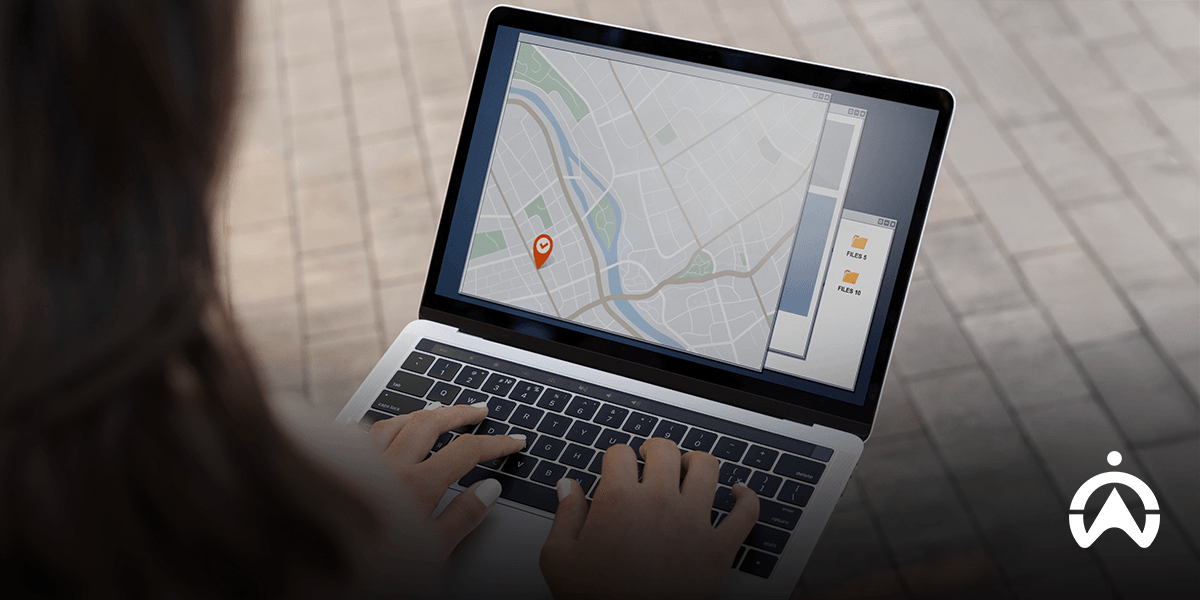
A person using a laptop to monitor GPS tracking software with a location pin and data folders visible on the screen.

Using GPS tracking correctly for individuals

Using GPS tracking correctly for individuals means putting the focus largely on security. Considering that Kenyans worry daily about general safety, it’s likely you’re looking for a simple but effective solution to keep you and your family protected. When you use a GPS tracking solution correctly, you should be getting features like location sharing, immediate notifications, and more. 

Take a look:

📍Location sharing & live tracking: When it comes to elderly family members or teenage drivers, you’re undoubtedly very worried about their movements and whereabouts. When you’re on the road, you probably want to know that you’re protected if the unexpected happens. With the right tracking solution, you’ll have complete knowledge about where your car or loved ones are when they’re on the road.

If you’re the victim of car theft, you can know where your car is while it’s on the move. You can also share your location with family members and vice versa, for peace of mind and easy, quick contact in an urgent situation.

💬Notifications: If an accident or urgent situation happens, delayed notifications are the last thing you need. The right tracking solution sends notifications immediately, whether triggered by strange activity, a loved one, or you. This means a very quick response by the control room, which is especially important for stolen vehicle recovery (SVR) efforts.

🚨Crash sensor technologies: Many tracking solutions come with some form of sensor technology that detects when a crash has happened. As explained in the point above, if you or a loved one is involved in an accident, the control room will immediately be notified. They’ll call to see if you’re alright and direct emergency services your way if necessary. 

📃Trip histories and reports: Trip reports make it much easier for you to get information and insights for whatever you need. In some cases, you might need the data for tax purposes. This then makes compliance and other matters effortlessly achievable, without hassle. 

Using GPS tracking correctly for businesses

Using GPS tracking correctly for businesses means improving safety, increasing operations, and achieving massive cost savings. When you implement tracking solutions the right way, you have the potential to transform the way your business operates. 

Let’s see what this means:

🛠️Less downtime: When you operate from a proactive instead of a reactive approach, you achieve stronger uptime. Detailed insights can help you spot the issues before they happen and plan for servicing ahead of time. From a real-time perspective, you can also respond immediately if a breakdown or unexpected issue occurs while your drivers are on the road.

💰Reduced expenses: Through GPS tracking, you can optimise your fleet routes, monitor your drivers, schedule maintenance, and spot general waste of fuel, time, and resources. Because there’s less waste, it means there’s less money being poured into wasteful consumption. Maximising GPS tracking helps you save tremendously.

🦺Risk management: Ensure your drivers & cargo are monitored at all times, and know exactly where they are. Get alerted to route deviations & movement outside your geofenced locations, unauthorised vehicle movement, and other improper vehicle or hardware device tampering. Also expect SVR from a quick and responsive team.

Keep your drivers accountable. Through GPS tracking with telematics, combined with AI-powered cameras, you can keep an eye on your drivers and their on-road habits. Get notified of poor driving habits and use the recorded events to give drivers constructive feedback or coaching.

GPS tracking, together with telematics, means you’ll receive the best, most detailed, and most accurate insights technology has to offer. This way, you maximise your tracking features and get access to automated reports and trip histories. These are the keys to simple regulatory and compliance matters.

🤩Happy customers: This is very simple; smoother operations mean satisfied customers. When processes are running smoothly, communication is effective, and emergencies are handled efficiently, you build a strong relationship with your customers and a solid brand reputation. Happy customers mean loyal customers.

Aerial view of a logistics distribution center and fleet of trucks using GPS tracking for dock scheduling.

How to choose the right GPS tracking solution?

To choose the right GPS tracking solution, consider some important steps like identifying pain points, comparing potential providers, and deciding on your non-negotiable features. These will help you narrow down your options. Always be sure to check the fine print, and remember that the cheapest option isn’t always automatically the best. 

These are some considerations and questions to ask: 

  • ‍Pain points and the need for a tracker: Take a moment to think about why you want a GPS tracker for your car(s) and ask yourself some important questions. 

    As an individual, are you thinking about the safety aspect? Are you trying to keep an eye on an elderly or teen family member? As a fleet manager, are you wanting to maintain better visibility and control of your fleet? Are you trying to decrease operational expenses? 
    ‍

  • ‍Non-negotiable features: Jot down the features and tools that you’re looking for. Are you looking for a passive or active tracker? Is your tracker going to be a hardwired device or a portable tracking device? Will you incorporate anti-jamming and backup technologies? Does the associated platform working with your tracking device allow for third-party integrations?
    ‍
  • ‍Comparing potential providers: If you have some providers in mind, compare them by looking at offerings, prices, and other variables. Is your preferred option a well-known, highly ranked company? Is local support and training offered? Does the company secure your data according to industry-level encryption standards? 
    ‍
  • ‍After the sale’s been made: The best solutions will have an accompanying support system that goes beyond just the sale. Will the company you choose provide you with regular software updates for the platform or app? Will the partnering company ensure an installation that doesn’t affect your car’s warranty? 

Why is Karooooo one of your best GPS tracking choices?

Karooooo is one of your best GPS tracking choices because we offer everything you could need at an affordable price. Our reputation precedes us. Thousands of people and companies have put their trust in us to keep them safe, meet their needs, and provide the best in advanced technologies. Whether you’re an individual or a business, you’ll know you’re covered.

Here at Karooooo, we understand what using your GPS solution correctly & optimally can do for you, and we’re here to help you achieve the best results possible. Firstly, our solutions are affordable, offering budget-friendly monthly rates for both individual and fleets packages . Our hardware installation is FREE, and you’ll have access to round-the-clock, localised support when you need it.

Every single package comes with access to the mobile app, customer support, and SVR. For fleets, you can choose which fleet deal aligns best with your business and customise your package to include all kinds of sophisticated add-ons. From safety, risk management, and admin & compliance to integration and industry-specialised sensors; we have it all. You don’t have to look any further!

Final takeaway

Getting the most out of GPS tracking and using it correctly means fully embracing and experiencing its features and perks. By doing that, you open up a world of benefits that could change your perspective on safety and optimisation.

Karooooo not only provides you with the right GPS tracking package but also helps you use it correctly, offering the best in accompanying tools and software to suit your needs. Whether you’re a business or an individual, we’re prepared to help (down to delivering after-sales support!).

Use your tracking technologies and tools to your full benefit. Join the over 2.6 million Karooooo subscribers globally and secure your customised GPS tracking package today!

Frequently asked questions about proper GPS tracking

What to do if the GPS location is wrong?

If your GPS location is wrong, carry out a few fixing methods to see what could be the cause. You can try to restart the tool or (depending on what device you’re using) select the on/off button for GPS tracking. If you’re in a crowded or densely forested area, try to get somewhere that’s clear and open.

Can a cell phone detect a GPS tracker?

Depending on the tracker type, yes, a cell phone can detect a GPS tracker. If we’re looking solely at GPS transmitting trackers, then that’s far more difficult to track with your phone. You have a better chance of catching a tracker that’s Bluetooth-powered, like an AirTag. These send notifications to your phone and allow you to scan for nearby devices.

What blocks GPS tracking?

Jammers, certain structures and environments, and specific materials can block GPS tracking. Signal jammers can drown out and “impair” satellite frequencies. Structures and environments, like tall concrete buildings or terrible weather, can disturb signal strength. And certain materials, like foil or even silver, can catch or retain radio waves, disturbing how they’re transmitted.

Why You Need a Utilities Fleet Management System for All Your Providers of Gas, Water and More

Utilities that provide our cities with gas, water and electricity need a fleet management system to stay on top of which drivers are where, and when they’ve completed a task. These are the services that keep our cities & homes functional, so speed and efficiency are paramount. 

Kenya’s total primary energy supply is approximately 31 Mtoe (Million Tonnes of Oil Equivalent), largely composed of biomass for domestic cooking. While state corporations manage this pool, decisions are strictly regulated by the Energy and Petroleum Regulatory Authority (EPRA) and national energy policies.

Many of these organisations also works alongside individual gas & water management entities, and road travel is a big part of each one. If you manage one of these entities, pay attention as Karooooo Kenya explores the need for FMS in utilities.

Why do utilities need fleet software to manage their drivers and fleet?

Utilities should manage their drivers and keep track of their vehicles using software because thousands of people rely on their services for basic home & business needs. Because road travel can prove precarious at times, keeping drivers safe, on time, and accountable is how risks are managed and service is maintained. 

The “fleets” you see servicing communities (like maintenance trucks for water & power or rubbish collection vehicles) are a mix of government-owned and privately managed services. 

How does this work? While the responsibility for the service lies with the county government, the active management of vehicles is often outsourced to private fleet management specialists.

This means that each individual area within a country is affected by how efficient those fleets are. If a utilities fleet is badly run, the residents of that city or town will suffer as a result.

Risky business: How utility providers manage unique industry risks 

Utility providers can protect their drivers through regular coaching, vehicle camera systems, and a proactive maintenance strategy. It’s also important to protect each vehicle too, because your drivers rely on these vehicles to get from point A to point B safely. 

More importantly, residents need to be protected. Utility workers are performing tasks that could cause explosions (gas), electrocution or fire (electricity) or even flooding (water). With fleet management software you can control your fleet better and manage these risks to better prevent them. 

Safety culture

Utility workers do the same job day in and day out. This can breed complacency, which is a hotbed for incidents. Managing your fleet beyond just its vehicles helps you create a safety culture that keeps your workers accountable. 

It’s not just about your drivers—it’s about ALL your workers.  

This is never more true than in situations where your utility workers are in high-risk areas. This is when they and you need to be on high alert. 

Fleet management software comes with handy tools like geo-fencing which alerts you to those times when these high-risk visits are actually happening—helping you prioritise your attention. It also comes with panic buttons so that your workers can urgently alert you to a crisis if one happens—helping you to react fast to mitigate disaster. 

Driver behaviour

Drivers can be their own worst enemies sometimes. Accidents in fleets are often caused by distracted driving, cellphone use, or speeding. Time to take control! Minimise these habits and you’ll have a significant effect on the common risks drivers face. You’ll also keep the residents you serve safe from fire hazards, gas explosions and flooding from burst water pipes.

How?

  • ‍Camera setups for vehicles integrate well with coaching systems. Having both lets you train your drivers with FOCUS. It removes doubt about where your drivers are struggling and gives you indisputable footage that you can use to adjust risky driver habits. 
    ‍
  • ‍CAN bus integration reads important diagnostics about your vehicles in real-time, allowing you to set up alerts when drivers are speeding or get into a collision. CAN bus also reads real-time power-related actions of other equipment like cranes, lifts and pumps, which are right there in the midst of the most dangerous areas.

Whether you choose one of these or both, you’ll get valuable, high-quality data to keep your drivers on the straight & narrow. 

Truck driver operating a utility vehicle, illustrating how a utilities fleet management system improves fleet visibility and driver monitoring

Third-party and other incidents

What about everyone else on the road? Your drivers are at risk every day due to the bad driving of others—not to mention damaged roads, unexpected obstacles, and extreme weather conditions.

  • ‍For third-party risks: Vehicle camera systems keep others accountable when they surround or encounter your utility drivers. Not just on the road, but while they’re working too. 
    ‍
  • ‍For damaged roads and obstacles: Route optimisation software can help your drivers avoid bad routes by instantly redirecting them to safer, quicker ones. 
    ‍
  • ‍For extreme weather: Emergency roadside and medical assistance is available for those who want to safeguard their drivers against weather-related accidents or breakdowns. 

Vehicle protection

The vehicles are what carry your utility service deliverers. If driver safety comes first, vehicle safety is a close second. But is tracking enough these days? Thieves are wisening up to tracking devices and using jammers to scramble their signal. 

As usual, Karooooo Kenya is one step ahead. We use hardwired tracking devices AND offer the Karooooo Tag as a backup if your regular device gets jammed. 

If you really want to upgrade the security of your utility vehicles, consider our freely installed cameras that record everything that happens in and/or around your vehicle. Vandalism, theft, or hijackings—our cameras pick up everything!

The service delivery bridge: Satisfying residents

At the heart of fleet management for utilities is a focus on service delivery. Unlike most fleets, utility fleets keep the wheels turning for residents & businesses, placing high importance on speed, scheduling, and proof-of-service. Can FMS meet the challenge? Yes—and more.

Priority scheduling

When it comes to turning someone’s water back on or delivering a canister of gas before nighttime supper, priority plays a role. In utilities, certain tasks are more important than others, which is why scheduling is so important.

Karooooo’s workforce optimisation app boosts your utility service productivity by automating task assignment and optimising the workflows of your technicians. It does this using AI-powered algorithms that prioritise some jobs over others based on your managerial discretion.

Getting there FAST

Good service means speedy arrivals. Part of what Karooooo’s workforce optimisation software does is provide you with optimised routes so your drivers bypass traffic, damaged roads, and long routes. Residents and business owners will appreciate your dedication to quick utility fixes like switching on their power or getting their water turned back on. 

Completing tasks

When one of your technicians finishes their task, you have to rely on their word. So does the resident. This can often lead to disputes that are nuanced in various ways. But when you have conclusive evidence of a job being completed, disputes become much easier to resolve. 

For utility companies, this saves time & money, enabling your team to complete more tasks per day. Whether it’s a digital photo, an electronic signature, or a digital copy of a document, tasks flow more seamlessly when you have a system that WORKS.

Manager using the Cartrack fleet management system with live vehicle tracking and trip data for utility fleet operations

It’s still a business: Keeping profit margins high

At the end of the day, a utilities company needs to turn a profit. It’s a business after all, and money keeps things running—not just for the business, but for the town or city being served as well. To keep profit margins high, using a fleet management system is being regarded as a necessity rather than a luxury. 

Why pay for something unless it’s delivering a decent ROI? Let’s find out how FMS safeguards your profits. 

Negotiating insurance

Every vehicle in your utilities fleet needs to be insured. This is one of the biggest overheads you’ll have, and risk profiles affect just how big it ends up being. You may not know this, but insurance companies LOVE high-security features on your vehicles. They lower your risk profile and make disputes easy to resolve.

Adding alert systems, vehicle cameras and tracking devices to your vehicles gives you the leverage to negotiate your insurance premiums. And let’s be frank: every rand you can save makes a difference to your annual profit over time. 

More service… higher profits

A good FMS should be designed to help your team service more residents. Through route optimisation, task completion evidence and fuel savings, your team can reach more people in less time. Your productivity goes up, and invariably, so do your profits. 

Fuel cost management

Fuel is where you should see the biggest savings. Some fleet companies that use Karooooo Kenya report up to 24% savings on their fuel overheads. Why shouldn’t utilities companies enjoy similar results? Your vehicles are on the road A LOT, so every small adjustment you make adds up.

What’s the best fleet management software for utility fleets?

When it comes to features that fit the daily operations of utility fleets, Karooooo Kenya emerges as a solid fleet management service provider. Our security features are layered, and you get to choose which ones you want without paying for ones you don’t use. 

It’s also worth looking at a solution that helps your fleet operate seamlessly, because this means better safety, higher profits, and a good reputation that just keeps developing over time. 

Talk to our consultants about what you need, and we’ll discuss a range of features that will keep your utility fleet flowing, keeping your area of residents supplied and satisfied. 

Frequently asked questions about utilities fleet management systems

How do utility fleets differ from other fleets?

Utility fleets differ from other fleets in that they’re an essential service rather than a luxury or commercial service. Their vehicles are often on the road more often than those of other fleets, and they must regularly operate and function well in rural areas.

How do my technicians provide proof of job completion?

Technicians can record proof of a completed job by either recording a digital signature or taking a screenshot of a signed document. They can also take mobile pictures of a completed task (like a switch or a fixed water pipe) and these will be kept on the FMS system if it needs to be referred to later.

Can FMS be used to notify residents of impending water or power disruptions?

Karooooo’s FMS can’t be used to notify a large area of people about water or power disruptions. It can notify individual residents of scheduled tasks who may have called or emailed about a problem and provided their details, but this is rare. In utilities, FMS is mostly used to simply increase efficiency.

Wireless vs Wired Dashcams: Which One Should You Choose?

When it comes to wireless vs wired dashcams, the one you should choose totally depends on what you expect from your camera safety solution. If you want something straightforward that’s without too many bells and whistles, a wireless option might work. But if you’re looking for higher quality and telematics features, then the wired choice is definitely it.

Wireless dashcam setups are still dominating the global market, making up a whopping 60% of global sales. Many everyday motorists are continuing to be attracted to the easy, DIY, and quick configurations, although some are becoming attuned to more durable, premium options.

On the other hand, hardwired cameras for fleet systems are flourishing at a 10.7% annual growth rate. Fleet managers have long ditched the wireless options and recognise the safety of high-end, insight-driven hardwired choices. 

Let Karooooo make the decision easy for you. Keep reading to find out more about each camera category and what we have available!

Which is the best option: a wireless or a wired dashcam?

Generally speaking, whether a wireless or wired dashcam is better actually depends on what you’re looking for and the role your dashcam will play. But it’s also widely known that wired dashcams are the better choice. They offer far more features and benefits, like high-quality recordings, better battery life, and telematics capabilities.

Let’s look more at each dashcam category:

What are wired and wireless dashcams?

Wired and wireless dashcams are dashcams that have the same core function—mounted in-car recording devices—but are connected differently. As their categories suggest, one is hardwired to the car battery, and the other is connected a bit differently. 

But no dashcam is 100% wireless in its connection.

Wired devices are typically connected to the vehicle’s battery, giving them uninterrupted power. On the other hand, it’s rare that wireless devices have no cord at all; they’re usually connected via the 12V (cigarette lighter) socket. ‘Wireless’ is more in reference to how the video data is transferred, like using Wi-Fi or Bluetooth. 

Some wireless hardware designs, especially if battery-powered, will allow you to use them without the wires connected, although they’ll only last for a few hours before needing to be recharged.

What does installation look like?

  • ‍🔌 Wired dashcams are usually (and should preferably be) installed professionally. The dashcam will be mounted according to the best non-obstructive position(s) and connected directly to the vehicle’s electrical system or fuse box. The wires and cables are carefully tucked behind the windscreen frame and other structural seals. 
    ‍
  • ‍🛜 Wireless dashcams are typically mounted according to the best non-obstructive position(s) and are suctioned or clipped in place. The dashcam is either connected to the car’s 12V socket or runs on a battery. Most wireless cams need an accompanying app, so you’ll need to download that. Pair the devices and begin recording. 

How do each of their systems work?

  • ‍🔌 Wired dashcams are powered by the vehicle itself. They’re incredibly strong in their design, usually maintaining integrity during harsh weather conditions and collisions. Recordings are saved on SD cards and looped when necessary, with some designs accommodating bystander or parking mode. Wired cams typically integrate elements like telematics and GPS tracking too. 
    ‍
  • ‍🛜 Wireless dashcams are powered by a 12V socket. It connects via Wi-Fi or Bluetooth, which then communicates with your phone (and the connecting app). You can manually view and download footage via the app.  
Passengers sitting inside a car with clear cabin visibility, illustrating the difference between wireless vs wired dashcams for in-vehicle monitoring

Is wired more reliable than wireless?

Yes, wired is typically more reliable than wireless. 

There’s an uninterrupted source of power and, without the need for rechargeable energy, there’s far less risk of a fire hazard occurring (due to swelling batteries, etc.). Wired cams are usually cellular-network-equipped, meaning they don’t have to connect to Wi-Fi or Bluetooth, or potentially face signal interference. 

Some wired cams also support bystander or parking mode, adding to the security and safety levels. Yes, it’s likely that it’ll cost more than a wireless cam, but the pros heavily outweigh the cons.

If you’re looking for absolute security, long-term reliability, full telematics, and a clean, professional finish to your installation, a wired option is your best bet. 

What are the real-world advantages of each dashcam category?

PICTURE THIS:

You’re managing a fleet where you need to equip 60 delivery vans with dashcams before the holiday rush. At first, you strongly consider the wireless dashcams for their easy installation and flexibility. But considering the long-distance routes, you recognise that a consistent power source is non-negotiable. 

If footage is lost during an incident or accident, this could mean serious financial and legal headaches for all involved. 

Realising this, you decide you’d rather go for the wired dashcams and use them in your dedicated fleet, while reserving the wireless ones for contractors or rentals. 

This combo offers the flexibility you’re looking for without sacrificing reliability when it counts.

wired vs wireless dashcams

As you can see, both of these options play a pivotal role depending on the context of your need. While wireless is all about flexibility and ease, wired is strong and massively dependable for businesses. 

So what exactly are the benefits of each?

  • Wired:
    • Continuous power source (potentially with parking mode to record while your car is parked or the ignition is off)
    • The ability to record various angles through one setup (multi-camera systems)
    • Improvement in driver performance and safety through keeping drivers accountable. Dashcam footage can also be used to coach drivers if they’re reoffending
    • Maximised durability, which ensures that strong video quality is consistently present
    • Night vision/infrared capabilities, which are especially important for night-shift long-haul drivers and e-hailing fleets
    • High-quality resolution
      ‍
  • Wireless: 
    • Installation is simple and DIY-friendly
    • Flexibility & portability are the ideal features—especially if dealing with a rented vehicle or using one device between many family members
    • Clean, clutter-free finish (which links back to simple installation)

Both provide defence against incidents and potential false claims. These dashcams also have the potential to reduce insurance premiums, as many insurers favour everyday drivers and fleet companies who go the extra mile to protect themselves and their vehicles. 

What dashcam and camera solutions does Karooooo offer you?

The dashcam and camera solutions that Karooooo offers you are five core solutions: Road Vision, Dual Vision, Multi Vision, AI Dash Pro, and AI Multi Vision. Whether you’ve got a complex fleet or you just want to protect your beloved car, we’ve got the perfect solution for you. 

We don’t offer wireless cameras, and all our core options are hardwired, guaranteeing far better quality and additional features to keep you, your family, or your fleet completely protected.

Here’s a breakdown on what YOU can expect: 

Road Vision

Road vision is a single, road-facing camera. Our everyday drivers and small businesses love this option because it’s a simple solution to safety needs, providing accident evidence and helping consumers handle insurance claims more quickly.

This device offers:

  • Telematics features
  • 128 GB of storage (approximately 72 hours)
  • Live streaming & recording capabilities

Dual Vision 

Dual Vision is a dual-camera system that’s both road-facing and cabin-facing. This is another winning solution for small businesses and the everyday driver. It works well for accident and insurance claims, adds an extra layer of security, and encourages drivers to behave safely & responsibly on the road. 

The in-cabin monitoring keeps drivers on their toes!

Dual offers: 

  • Telematics features
  • 256 GB of storage (approximately 194 hours)
  • Live streaming & recording capabilities

Multi Vision 

Multi Vision has up to 4 cameras: road, cabin, internal, and external-facing. This solution is an entry into the big leagues, catering to larger-scale businesses like logistics and delivery. Larger fleets tend to require more visibility, especially when cargo is involved. 

There’s greater operational oversight in addition to stronger security, and you and your drivers can keep an eye on the blind spots. 

Multi Vision offers:

  • Telematics features
  • Various hardware options for you to choose from (i.e., external side and rear cameras, dashcam dual cameras, dashmount road-facing cameras, etc.)
  • 256 GB of storage (approximately 194 hours)
  • Live streaming & recording capabilities

AI Dash Pro 

AI Dash Pro is a dual-camera system that’s both road-facing and cabin-facing. It has an additional 2 camera channels and the option to add an extra camera to places like your fuel tank, cargo area, etc.

Most importantly, it has AI capabilities that help monitor driver behaviour and record events, such as fatigue, distraction, and smoking. 

This is the perfect solution for businesses that have large, complex fleets that prioritise total visibility and safety. The AI event recording also makes it far easier for you to monitor your drivers, allowing you to implement driver coaching when necessary and prevent costly downtime. 

The AI Dash Pro offers: 

  • Telematics features
  • 512 GB of storage (approximately 100 hours)
  • In-cabin calling
  • AI capabilities to track disruptive driving events
  • Infrared for the cabin-facing camera
  • Live streaming & recording capabilities

🆕 NEW ADD-ONS to consider:

The Seat Vibrator is available as a feature to combat fatigue and distraction. The device sits under the seat, giving the driver a gentle “jolt” to remind them to stay focused or take a quick break from driving. 

A small AI monitor for drivers can be included, so they’re visually alerted to the triggered event (sometimes, event audio alerts are missed). Here, the cargo door sensor can also be linked.

AI Multi Vision 

AI Multi Vision has up to 8 cameras that are road-, cabin-, internal-, and external-facing. This is the ideal solution for large, complex fleets that are carrying high-risk cargo. Basically, if you’re looking for airtight security, complete visibility, and stronger compliance, this is the option for you. 

AI Multi Vision offers:

  • Telematics features
  • Numerous hardware options (i.e., external side and rear cameras, dashcam dual cameras, dashmount road-facing cameras, etc.)
  • 1TB (approximately 291 hours) of storage
  • AI capabilities to track disruptive driving events
  • High-quality live streaming & recording capabilities

🆕 NEW ADD-ONS to consider:

The Seat Vibrator and the small AI monitor, as previously mentioned under AI Dash Pro. 

Final takeaway: Blind spots are bad for business!

Simple and easy might seem like the most attractive choice, but going the extra mile can truly seal in your vehicle security. Do you want the ease of wireless cams that show you the action, but overlook the bigger picture? Or are you looking for effortless, uninterrupted, advanced, and airtight protection that wired cams can bring you?

This is where Karooooo steps in. 

Partner with us to ensure you’re always connected and always protected. With us, and the help of our sophisticated camera solutions, you know you can always account for the truth. 

Ditch the messy wires. Forget the dead batteries. Just focus on the real protection. Call us today and get a complete, professionally installed camera solution! 

Frequently asked questions about wired and wireless dashcams

Do you really need a 4K dashcam?

No, you don’t really need a 4K dashcam for basic security, although higher video quality is generally recommended. When you have clearer streaming and recording, your dashcam is likely to pick up on more important details in an incident, like a driver’s number plate or something that occurs in low light. Overall, better detail means greater protection.

How long does 128 GB take to eat up for a dashcam?

It ultimately depends on the dashcam quality, so it can take anywhere between 10 and 24 hours. The 10-hour recording time is what’s typical of a 2K or 1440p resolution recording. Ultimately, the higher the camera quality, the less recording space you’ll have on the SD card.

Should I unplug my dashcam at night?

No, it’s not really necessary for you to unplug your dashcam at night. But you might want to consider unplugging it if:

  • You’re not really driving your car for a while, and it’s stationary in an enclosed environment
  • You feel that having a visible dashboard attracts criminals more than it deters them
  • You’re trying to preserve your car battery

Why Diesel is More Expensive than Petrol and What to Do as a Truck Owner

Motorists across Kenya experienced shocking petrol price increases in April 2026, but those with diesel trucks and vehicles REALLY felt the pinch. This makes us all wonder why diesel is so much pricier than petrol—and fleet operators are asking this question more than ever! 

There are several economic, socio-economic and global reasons. Statista describes diesel demand as “pre-epidemic”, referring to the massive 28.3 million bbl/d (barrels per day) demand in 2024 ALONE. With escalating global tensions, this number just keeps going up. 

Diesel demand. Taxation. Global unrest. All of these play a part in why diesel prices have soared. But fortunately Karooooo has some long-term fuel saving solutions that’ll appeal to truck owners across various industries. Here’s everything you need to know.

What are the main reasons for diesel being more expensive than petrol?

The main reasons for diesel being more expensive than petrol are high demand contrasted with low supply, diesel production time & costs, taxation, and global tensions. Another reason is the green practices that are now employed to produce diesel, which are more costly and time-consuming. 

Global tensions

Not only are global tensions causing diesel prices to skyrocket, but this military activity also causes market panic. Together, these two factors ALONE do enough to raise diesel prices, making it harder for your trucking business to operate.

High demand for diesel

Kenya isn’t the only country that relies on diesel to power logistics. Other countries are ordering massive amounts just like we are (high demand), and this is causing the supply to gradually run dry.

In short, countries are ordering diesel at a faster rate than the rate at which it can be produced. 

“Clean” diesel production

Governments are clamping down on big industries to lower their carbon footprint, and diesel production plants are NOT exempt from these regulations. It’s more expensive to strip sulphur out of the end product of what’s considered “cleaner diesel”, and these costs are being passed on to the consumer. 

Economic factors

There are dozens of economical reasons for diesel being more expensive than petrol, and these reasons combine to create prices that fluctuate at a whim. Most of these factors are international and often transport-related, but they still affect us here in Kenya because we import diesel in mass quantities.

A quick note on diesel taxation: While it’s true that tax is higher on diesel in some countries, this actually isn’t true for Kenya. In fact, the Kenya government taxes diesel at a lower rate compared to petrol—for the sake of public transport and industrial logistics. 

However, there are a number of levies added to diesel and petrol costs, which include:

  • A government levy on each litre that’s used for government spending.
  • Kenya Revenue Authority (KRA) tax on customs & excise for imported fuel.
  • A carbon levy on the emissions of the fuel purchased.

These extras are all passed on to the consumer, and truck owners who use a lot of diesel for their daily operations are having to spend more on refuelling their vehicles like never before. 

What are long-term effects of high diesel prices?

The long-term effects of high diesel prices hit truck owners harder than the average motorist, and these ultimately lead to higher overheads. Whatever business you’re in, higher truck transport costs could also cause you to struggle against your competitors. To stay relevant in your industry, you might even be tempted to cut costs in other areas of your business.

Lower profit margins

The most obvious long-term effect is less profit. Over time, this can cripple a business, because let’s face it: fuel isn’t the ONLY thing getting more expensive. Less profit = lower chance of survival. If your business is making less profit, everybody suffers; you, your staff, and your customers. 

Competitive irrelevancy

You might be looking at your competitors and wondering how THEY’RE dealing with the increase in diesel prices. 

  • Are they transitioning to EV trucks?
  • Are they taking advantage of fuel hedging?
  • Are they receiving subsidies?
  • Or are they just better at marketing?

These are some possibilities, but it’s more likely they’re struggling as much as you are. Or are they?

The fact is, if your competing truck companies are thriving amidst the current fuel crisis, it’s likely that they’ve found a way to reduce fuel use through technology. 

The question is, will your truck business do the same to stay relevant?

Cutbacks on essentials

The temptation might arise to cut back OTHER essential operations within your company to subsidise higher diesel costs for your truck company. This could be in the form of staff layoffs, less money towards safety, or opting for a lower marketing budget. 

This isn’t always necessary just because fuel prices have gone up. The solution is BETTER fuel management—not cutbacks. 

What diesel-saving methods are ineffective?

There’s no magic pill that’ll fix the amount of diesel your truck uses. Saving diesel takes effort combined with technology. Unfortunately, there are a number of fuel-saving gimmicks that dupe truck owners into thinking they’re making a difference. This simply isn’t true. 

Here are some you may have heard of already.

Additives to your fuel tank

There are companies out there duping people into buying additives for their fuel tanks, promising that these increase efficiency. Most of these fuel additive promises are scams! 

Avoid them at all costs, and also avoid home remedy solutions that promise better fuel consumption if you add home kitchen items to your fuel tank. 

Magnetic fuel savers

The claim is that magnetic fuel savers realign the molecules within fuel, causing it to burn at a more efficient rate. There’s no research to back up this claim, so it’s considered an old wives’ tale in the fleet industry. 

Filling up at certain times of the day

Is diesel more dense when the weather is cooler? Yes, it is. This makes some people think that filling up early in the morning increases efficiency. But the difference in density is so marginal that it doesn’t make enough of a difference to really affect your fuel usage. 

Here’s why.

By the time the diesel comes out of the nozzle to be burnt by your engine, it’s virtually the same temperature as it would be when the weather is warm. Also, any savings you might get from this method will be too small to make any meaningful difference.  

Filling strategies

You’ve probably heard rumours that filling your tank to the brim causes your fuel to burn quicker. The truth is, the amount of fuel in your tank has no direct impact on how efficiently your truck engine burns it. Yes, filling your tank to the brim does add some weight to your vehicle, but the difference is negligible. 

So what does work?

What should truck owners do to save on diesel costs?

When we strip away the false information about saving fuel, we’re left with what actually DOES work. This isn’t just a claim; it’s fact-based knowledge & industry experience from a fuel management software provider that works closely with truck owners to make a difference in their fuel costs. 

Here’s what we’ve learnt over the past two decades.

Calibrate your trucks’ fuel tanks

Saving fuel begins by starting from an accurate baseline. This can only be done through fuel calibration, which involves emptying your truck’s fuel tank and filling any fuel tank (which come in various shapes) with precise increments of fuel.

Your daily operations then generate raw data, and the calibration you get translates that data by giving you accurate litres. 

Choose a fuel-monitoring technology that’s truck-specific

Karooooo has a few fuel-monitoring options to choose from, but none are MORE ACCURATE than our fuel probe. A fuel probe works by combining a float IoT device with our gold-standard software.

Once you have this data, our software further refines the information to give you actionable fuel-saving strategies that are specifically tailored to the unique factors of your truck fleet. 

This is also the best strategy for stopping fuel syphoning, fuel card fraud, and other bulk fuel anomalies. 

Eliminate guesswork and rely on accurate data

The point of our software is to provide you with indisputable metrics that deliver true, relevant, and real-time data. This removes the guesswork out of your fleet operations and puts you in control of saving fuel. 

All these small changes add up to lower overheads, helping you to preserve your profits and STAY COMPETITIVE. 

Keep your vehicles in top condition

You already know that high-quality data gives you ACTIONABLE STRATEGIES. But what are these strategies?

One is keeping your vehicles well maintained. It’s no secret that well-maintained vehicles burn less fuel, but HOW can you manage this better than what you’ve already been doing?

The answer is predictive maintenance with the help of AI.

This is a strategy that removes the humdrum service schedules you used to do, and alerts you to maintenance needs based on real-time vehicle diagnostics. In addition to this ground-breaking technology, our system even books your vehicles in for maintenance automatically!

Plan and optimise truck driver routes

The less time your trucks are on the road for each delivery, the more fuel you’ll save. The objective of route optimisation is to accelerate your service and make your trucks more productive. 

Bypass those pesky roadblocks, heavy traffic congestion, and pothole-ridden roads by using real-time route optimisation that’s flexible, dynamic, and accurate. 

Monitor idling and coach drivers

Idling accounts for a bulk of the fuel your trucks waste each day. So does reckless driving! Getting rid of this alone will lower your fuel costs without disrupting your productivity. 

Karooooo offers various ways of doing this:

  • An alert system that lets you know when excessive idling is taking place
  • A driver coaching platform that educates them on idling less frequently
  • Sensors that alert you to fuel-guzzling driving habits like speeding or aggressive cornering

Call us to learn more! Karooooo is dedicated to saving Kenyan truck owners on their diesel costs, but it all starts with your willingness to start the process.

These methods really DO make a difference, so ditch those outdated gimmicks and go digital with a system that works hard to generate savings on your fuel budget. 

Frequently asked questions about diesel vs petrol prices

How is diesel different to petrol?

Diesel is basically denser than petrol. Its core make-up has more viscosity, which plays an important part in its slower burning process and high torque offering. Diesel has a distinctly different smell too, making it easy to distinguish from petrol.

I have a large fleet of trucks. How can I save on fuel costs even though the diesel price keeps going up?

There are so many reactive ways you can use less fuel, but most of them only give you short-term savings. The best approach is PROACTIVE and LONG-TERM. This approach calls for a combination of fuel management technology and human planning, which involves real-time fuel monitoring, AI calculations, and actionable strategies presented by Karooooo’s fuel management software.

Which uses more oil to produce: petrol or diesel?

Petrol takes more oil to produce, but not much. Because of the production process, manufacturers are likely to get more diesel than petrol out of a comparative amount of oil. This refining process happens simultaneously, so both products are derived from the same barrel of oil.

How Driver Fatigue Detection Systems Work

Driver fatigue detection systems work by combining AI power with sensors and/or cameras to monitor driver behaviours while they’re on the road. With those AI capabilities, facial patterns that are associated with exhaustion (like yawning or excessive blinking) are detected, which then trigger immediate alerts that act as an intervention. 

Analysis shows that specific components of AI-powered cameras, especially infrared camera arrays and built-in sensors, now account for 78% of the market. Commercial fleets are quickly adapting to technologies that explore more than just lane drifting and steering-wheel patterns. Facial movement recognition and blinking rates are catching fatigue in milliseconds, proving to be vital implementations in fleet safety.

Don’t put your fleet in jeopardy. Understand driver fatigue detection technologies, why they’re crucial for fleet safety, and how Karooooo provides the best in those technologies so you meet safety compliance & combat driver exhaustion.

What are driver fatigue detection systems?

Driver fatigue detection systems are a combination of tools and technologies that identify when a driver is exhibiting exhaustion while on the road. When fatigue has been detected, immediate alerts are triggered in the form of audible, visible, and in-app/platform notifications. 

The point of fatigue detection systems is to completely avoid, or at least drastically reduce, road accidents and incidents. Their real-time monitoring keeps a constant watch on everything happening inside and around the vehicle.

Let’s look at this more closely:

How do these detection systems work?

These detection systems work by merging AI power with sensors and/or cameras to keep an eye on drivers and their behaviours while on the road. Highly trained AI cameras embedded with infrared and sensors carefully track facial patterns—like yawning, rapid eye blinking, and prolonged eye closing—to quickly identify signs of exhaustion.

In addition to tracking facial patterns, certain aspects of vehicle telemetry are also monitored, like lane drifting and steering-wheel operation patterns. This provides more necessary information and creates a clearer assessment of fatigue.

In simple terms, a driver fatigue detection system assesses a driver’s level of alertness in real time. 

Alerts are then immediately sent to both the driver and you. For the drivers, they’re notified through an audible sound alert or a visual notification. You’ll likely get a notification via the connected app or platform. 

Depending on the system, there may also be an actual seat vibration solution included that physically jolts the driver awake. This feature is particularly important when the driver misses or can’t hear the audio alert.

Take a look at our graphic below to get a quick, visually engaging overview:

Are there any considerations when it comes to fatigue detection systems?

Yes, there are certainly considerations and potential downsides to think about when including fatigue detection systems in your fleet. 

One of the biggest, most common concerns is privacy. The last thing you’d want is for your drivers to feel as though they’re being surveilled in an intrusive and untrusting way. As a manager, you MUST be completely transparent in your policies and with your drivers, especially about the footage, why it’s being collected, and who has access to it. 

If you’re clear in your explanations, your drivers will hopefully understand that this is for their protection and safety, not their exploitation. It’s also your responsibility to uphold your end of those policies. 

Another common concern is false alarms. Technology isn’t perfect, and there will be mistakes in the recognition system. What’s important is that you use your discretion when overlooking the triggered events and footage. 

Still, this doesn’t take away from the absolute importance of high-quality detection technology and tools in your fleet. 

Why are fleets investing in this technology?

Fleets are investing in this technology because it’s what protects the operators, the business, and the brand reputation. It’s a careful, strategic business decision that has all aspects covered, from general safety (for everyone on the roads) to legal compliance. 

Early warning and coaching interventions are solutions that take safety to new heights while proactively protecting your drivers. 

Here’s why fleet managers like you see the importance of these tools:

Protecting drivers, their health, and overall wellbeing

At the core of fatigue detection systems is protection and safety. It’s common knowledge that driving while exhausted is comparable to driving while under the influence, and it can lead to devastating consequences.

Thanks to its real-time and dynamic nature, fatigue detection is a proactive approach that ensures exhaustion and drowsiness are nipped right in the bud. When you catch exhaustion before it escalates into something more dangerous, you’ll see fewer collisions, fewer close calls, and (most importantly), the preservation of life. 

In addition to this, fatigue detection systems show your drivers that you care about them and their wellbeing. Your drivers can begin to grasp the value of this kind of technology, developing the understanding that their quality of life is actively being looked after.

With improved wellbeing comes boosted productivity, increased morale, and happier & engaged workers who are likely to remain loyal to you.

Keeping cargo safe

This one’s for the logistics and transportation fleet managers. Your drivers are your most valuable asset, and the cargo they haul comes in at a close second.

When an accident results from driver exhaustion, the cargo is typically the first to go (especially with heavy-duty trucks). Whether it’s destroyed because of the collision or even grabbed by passersby in the aftermath, the fallout of such an event can be devastating. 

Not only does this tragically impact your bottom line, but you also face immense damage to your business reputation and legal issues up to your neck. But if you implement fatigue detection, you actively ensure the safety of your valuable goods.

With all the clear warnings and alerts, not only is the driver alerted and jolted awake before something bad happens, but you could potentially navigate them to the nearest truck stop, instead of them making an unsafe and unscheduled stop on the side of a highway. 

Additionally, driving while exhausted can cause your drivers to operate with jerky movements and unpredictable behaviours. This puts sensitive cargo at risk. But if the driver is kept sharp, the cargo remains safe on a smooth and calm journey. 

Fulfilling compliance and safety standards

We know that regulations are becoming increasingly strict, and the pressure is being felt by businesses worldwide. 

With the implementation of a fatigue detection system, you’re keeping a strong record of safety protocols and policies. This kind of record is especially important if your business is ever audited or there’s an investigation.

From a compliance perspective, your proactive approach can also reduce the risk of potential fines and other financial issues, especially if you’re asked to pause operations. 

Minimising accidents

While this may seem like the most obvious of the points, we can’t ignore the role fatigue detection systems play in the broader on-road safety conversation. Fatigue is a silent killer, and nodding off for even a split second could mean dire results. 

It could be argued that systems like these are the core of safety in the fleet industry, especially for long-haul drivers. 

Incorporating fatigue detection not only shows that you care about your drivers but also about the everyday civilians on the roads as well.

Bringing down insurance, legal costs, and downtime

One of the most common questions around fleet insurance is, ‘If I have proof of any risk management system in place, will this bring down my insurance premiums?‘ 

The answer to that is yes, there’s a very good chance it would, although it depends on your insurer. Insurance companies are increasingly rewarding businesses that are implementing risk management systems, like fatigue detection. This shows insurers that you’re being intentional about safety, leading to those lower rates. 

More than that, accidents are extremely expensive. Not only is there loss or damage of cargo & vehicle repair costs, but also legal, litigation, medical, compensation, and other costs to consider. Not to mention the financial hit that downtime from an accident causes.

Ultimately, a fatigue detection system is the most advantageous and economical investment for your business. 

Does Karooooo offer driver fatigue detection systems?

Yes, Karooooo does offer driver fatigue detection systems, which fall under the umbrella of our driver monitoring system (DMS). Our DMS system combines our intelligent, AI-powered cameras, driver scorecards, and live GPS tracking to effectively track driver behaviours. This technology has a baseline, and deviations from that baseline are what trigger instant alerts.

Here’s what we can offer YOU: 

📹 Live Vision AI cameras

Karooooo’s live-streaming intelligent dashcams can detect fatigue and distracted driving. This means you can keep an eye on your drivers and access the livestream if necessary, while also receiving immediate alerts for violations. Drivers are also notified of their violations, alerting and allowing them to make immediate corrections to their actions. 

Our technology detects events such as:

  • Fatigue/yawning
  • Distracted/fatigued driving (through head and eye movement)
  • Camera covering (the camera shouldn’t be obstructed)
  • Smoking
  • Cellphone use

📇 Driver scorecards

This feature is a way of keeping score of how well and responsibly your drivers are behaving on the road. Our technology rates parameters such as harsh braking, rough acceleration, speeding, and more, highlighting the areas that need more work through coaching. 

Based on these scorecards, you can also invest in gamification or incentive-based programmes for your drivers. These are proven to be a more fun & engaging way for your drivers to remain safe and responsible, all while encouraging friendly competition amongst them. 

🚛 Advanced Driver Assistance Systems (ADAS)

In addition to our inside cameras catching driver behaviour, we also have outside cameras that assist with driver safety by heightening your driver’s awareness and keeping their observance up. ADAS is a combination of AI, algorithms, and camera sensors that identify potential hazards and obstacles on the roads so that your drivers are EXTRA safe. 

These features include:

  • Automatic Emergency Braking: This is when the car dramatically slows down or comes to a complete stop. An object or hurdle has been detected in the road and, in relation to the speed and slow reaction time of the driver, will take action on the part of the driver.
    ‍
  • Forward Collision Warning: This is an immediate alert that lets drivers know when they’re closing in on another driver or obstruction too quickly, which prevents a potential crash.
    ‍
  • Blind Spot Detection: This warns your drivers about vehicles or obstacles in the blind spot, so that there aren’t any surprises when they need to change lanes. 

Final takeaway: Don’t sleep on fleet safety

If you’re looking for the ultimate answer to better safety, happier drivers, and a strong proactive business approach, then a driver fatigue detection system is what you need. We’ve established that fatigue is a silent threat, and it’s one that can expose your business to serious risks. It’s why basic tracking and monitoring attempts are simply not enough.

That’s why well-known local enterprises are turning to Karooooo. We’ll give you the most careful and closest eyes on the cabin and the road, catching even the smallest sign of exhaustion or distraction before they escalate into costly incidents.

Tired drivers are bad for business, so keep your safety in focus. Invest in Karooooo’s advanced, AI-powered fatigue detection solutions and boost your fleet’s safety TODAY.

FAQs

What are 90% of accidents caused by?

According to WHO, 90% of accidents are caused by human error. This accounts for things like speeding, distracted driving (especially phone use), driving under the influence, and exhaustion. Because physical & infrastructural issues like poor road conditions make up a far smaller share of road accidents and injuries, WHO believes that addressing human negligence first is key to improving road safety.

Is driving for 2 hours tiring?

Yes, driving for 2 hours can generally be tiring. Driving for that long means 2 hours of consistent concentration and bodily tension, considering the driver is holding the same position for most of the time. This monotonous and tedious action can also bring your brain into a bit of a lull, forcing you into a relaxed frame of mind.

Why does my car tell me to take a break?

Your car tells you to take a break because some models have Driver Alert Systems, which give you a warning ahead of time if you’ve been driving for too long. This system monitors factors like the length of time you’ve been driving, tyre positions relative to the road, and steering wheel patterns to encourage you to take a break.

How to prove drowsy driving?

To prove drowsy driving, you should collect witness statements, along with photos and/or dashcam footage. Also, check the accident area for skid marks or anything that points to an active, aware driver taking action before a crash. A sleeping driver usually won’t take those actions, and the car’s event data recorder (similar to a black box) will reflect that.