What Is a Fuel Management System?

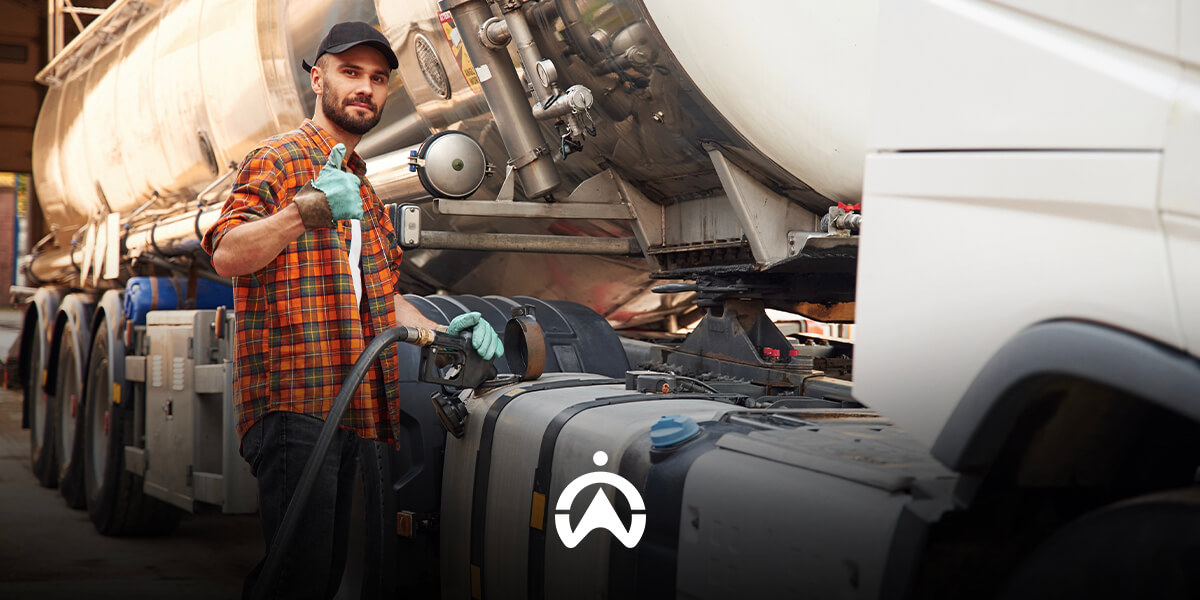
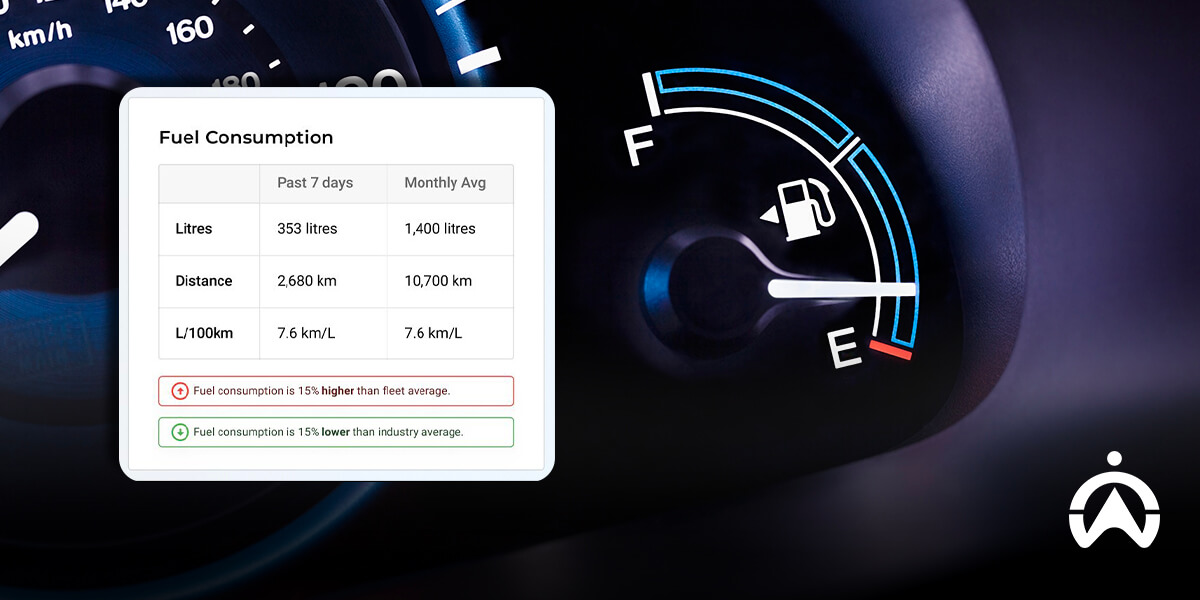
According to research done by the National Highway Traffic Safety Administration, fuel expenses can take up to 60% of total fleet business costs. With the ever-rising fuel prices, having a fuel management system will save your business a large sum. This is why it is important for every fleet business to have a fuel management system.

Let’s have a closer look at how this works.

In this article, you will:

  • Learn all things fuel management-related
  • Discover the disadvantages of running your fleet without a fuel monitoring system
  • See which fuel monitor would best suit your business
  • Differentiate between fuel monitoring and fuel management
  • Find how Cartrack can help you save on fuel costs

Everything you need to know about a fuel management system

A fuel management system is a combination of hardware and software technology that is used to optimise fuel consumption in various industries such as mining, construction, and transportation.
‍

Fuel management systems ensure that fuel is being used efficiently by monitoring factors such as fuel consumption and engine performance. Businesses without a fuel management system battle with the cost of fuel daily.

How do fuel monitoring systems work?

Fuel monitoring systems work hand in hand with fleet management software and telematics to be able to translate the data. Here is a brief breakdown of two components of fuel monitoring systems:

  • Engine Control Unit
    Also called an engine control module, this unit controls both the engine and the transmission. It collects data related to fuel consumption, engine operating hours and mileage.
  • Fuel level sensors
    These are filters installed in vehicle tanks to monitor fuel levels. A tube connects to the fuel measuring system, and when fuel is added, it fills the tube and the spaces around it. The information is then sent to a telematics system, which gives readings such as tank capacity, litres and vehicle location.

Disadvantages of running a fleet without a fuel monitoring system

Here are some of the things that can go wrong when your fuel is not being monitored:

  1. Fuel theft and fraud: Having a fuel card is essential when running a fleet as it helps keep track of fuel expenses. It makes it easier to know which driver refilled where, when and for how much. However, if the cards are not integrated with a fleet management system, there will be loopholes, such as false transactions or drivers using their fuel cards to purchase fuel from their personal vehicles.
  2. Incorrect data analysis: Without a fuel monitoring system, fuel card reports can be misinterpreted, and there is room for many human errors.
  3. Careless driving: Bad driving habits such as harsh braking, speeding, excessive idling, and harsh cornering require more energy from the engine. This means that more fuel needs to be burned, leading to fuel wastage. Aggressive driving not only drains fuel but also causes vehicle wear and tear, leading to unexpected breakdowns, vehicle downtime, and heavy repair costs.
  4. Unnecessary mileage: Fuel monitoring systems work hand-in-hand with GPS technology. This enables you to see the routes that heighten your fleet’s fuel consumption. Without it, it becomes more difficult to track mileage and pinpoint problem areas.
    ‍
  5. Environmental impact: Businesses are charged more tax for a high fuel consumption. This is due to global warming and the aim is to slow down climate change by lowering greenhouse gas emissions such as the burning of fossil fuels.
Benefits of a fuel management system

There are many benefits that come with having a fuel management system, such as:

  • Improved driver behaviour
    Driving habits such as excessive idling, harsh braking or speeding not only put drivers in danger of possible collusion but also drain fuel faster. With a proper fuel monitoring system in place, fleet managers will be able to monitor driving habits that increase fuel as well as vehicle wear and tear.
  • Reduces human error
    Fleet technology simplifies administration and speeds up operations. A fuel monitoring system reduces the manual work and is more accurate, eliminating any miscalculations of fuel expenses.
    ‍
  • Improved route planning
    Fuel management is part of fleet telematics. Fleet management software gets you access to real-time GPS tracking. With this, fleet managers can track the routes drivers use to make deliveries and see which routes are wasteful or unnecessary, therefore saving fuel.
    ‍
  • Fuel theft prevention
    Integrating a fuel card with a fleet management system catalysis the process of matching fuel receipts with the vehicle’s location and fuel level status, making it easier to detect fuel theft.
    ‍
  • Greener fleet
    If you want to go green, a fuel management system will help you lower carbon emissions by reducing the amount of fuel you use. You will save money and the planet too.
  • Reduced maintenance and repair costs
    Using engine technology to monitor fuel can save your fleet from breaking down and needing more repairs.

The difference between fuel management and fuel monitoring

Fuel management is about gaining full control of all the fuel operations in the business in order to reduce costs. It’s about knowing which vehicle needs refuelling, monitoring driver behaviour, maintenance, and fuel storage, and getting detailed reports.  A fuel monitoring system, on the other hand, is the literal real-time tracking of fuel levels using fuel monitoring tools such as a fuel level sensor. Essentially, the fuel monitoring system is a part of fuel management.

What kind of insight can you gain from a fuel management system?

Let’s have a look at Chris, who’s fleet manager at a logistics company. He has noticed that every time a certain driver uses one of his cars, the petrol in the tank doesn’t last long. He always checks receipts for the fuel cards and just doesn’t understand why there are so many refills. So, where does the fuel go?
‍

Chris suspected fuel card fraud, so he decided to get a fuel monitoring system to better assess the situation. To his surprise, it turns out that the driver was always taking a longer route because he was more familiar with it. There’s a bakery on the way that he likes and normally stops by. This route increased the mileage, which is why the driver always needed to refill.
‍

Chris also noticed that the same driver had many incidents of excessive idling. This was because whenever the driver would stop by his favourite bakery, he would leave the engine running, thinking it would just be a quick in and out. However, on some days, there would be a queue, and he’d wait longer for his baked goods. Chris has since coached the driver on driving habits that increase fuel consumption and is now seeing massive improvement.  
‍

From this, you can see that very simple and innocent things can have a huge impact on fuel expenses. A quick analysis plus some chats with your drivers can save your fleet a fortune.
Boost your fuel savings with a Cartrack fuel management system!

Cartrack is an industry leader in the fields of telematics and has helped many from different industries, such as transport, construction and mining, to maximise their fuel savings. With us, you get:

MiFleet‍

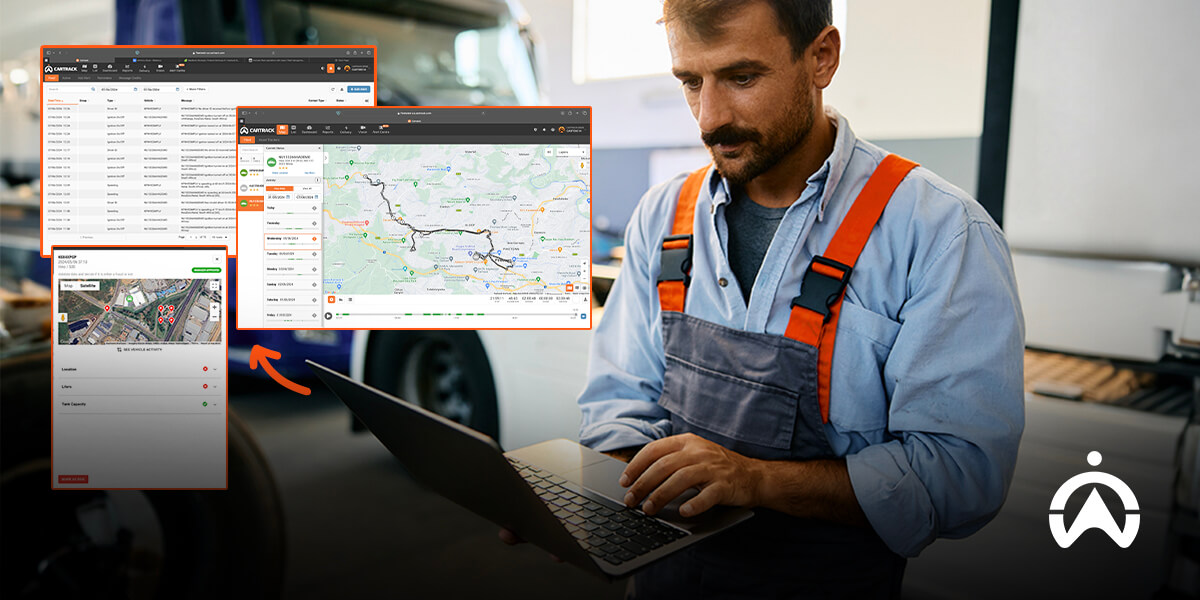
Mifleet is cost management software that can help you detect fuel theft and fuel card fraud by validating transactions with vehicle telematics data such as location, litres and tank capacity. This powerful tool gives you alerts whenever there is suspicion of fuel fraud, allowing you to further investigate and resolve the matter.

Fuel sensors‍

You can monitor your vehicle or machinery’s in-tank fuel levels with any of the following three fuel monitoring tools:

  1. Float sensors: Every vehicle comes with a floater and a variable resistor installed inside the tank. This moves up or down as fuel is added or while the vehicle consumes fuel. Cartrack connects to the wires the wire to the IoT device in order to read the voltages produced and translate them into litres. This information is then accessible for your use on our fleet management platform.
  2. Fuel probes: These are fuel level measuring devices that use a float system to track fuel levels. They are for external tanks or fuel tanks that are not connected to the vehicle and are connected to a telematics device inorder to send fuel level data.
  3. CANBus: The Control Area Network bus (CANBus) clamp is connected to our telematics device to enhance the ability of vehicle components, such as the engine and transmission, to “‘communicate” with each other. This then makes it easier for vehicles to detect when fuel is needed, and the data is then stored and sent to our fleet solutions.

Preventative maintenance‍

An overworked engine uses more fuel. Cartrack has a preventive maintenance feature that tracks engine hours. This feature provides real-time alerts of engine faults and automated maintenance schedules for each vehicle, so you know in advance which vehicles are due for servicing.

Route optimisation‍

Find the best order for drivers to complete tasks and create job routes for drivers to minimise mileage and fuel consumption.

AI LiveVison

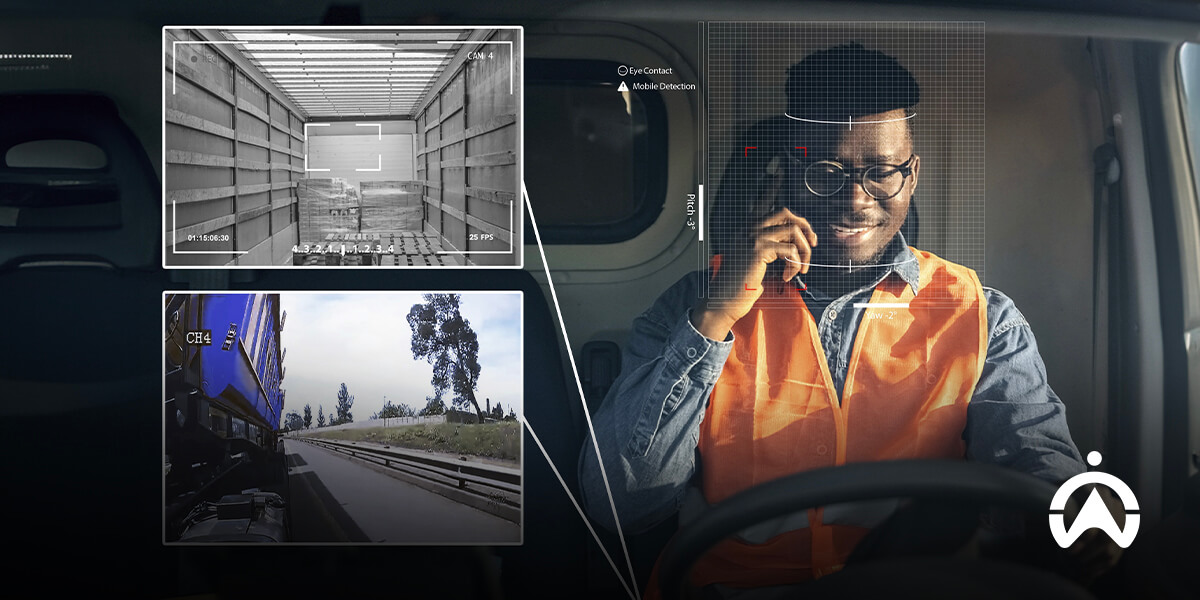
Promote driver safety by installing our AI LiveVison Camera solutions to help you monitor driver behaviour. Drivers get real-time alerts whenever distracted behaviour such as yawning, cell phone use or smoking is detected, allowing the drivers to make corrections quickly. The goal is to avoid driving habits that increase fuel consumption, such as harsh braking, which often happens when the driver is distracted and suddenly has to stop. You can also have external cameras that monitor your fuel cap installed into your vehicles.

Driver Scorecards‍

Get reports on driver events such as speeding, harsh braking and harsh cornering for each driver so you can use them to coach drivers on their areas of improvement.

Cartrack makes saving on fuel so easy!

We are an all-around solution for everything related to running a fleet with a user-friendly platform that gives you peace of mind. We are industry leaders in fuel management and all things fleet-related.

Contact us today to help you fuel your fuel efficiency.

Here are some of the most asked questions regarding fuel management
‍

What does a fuel management system do?

A fuel management system is a combination of hardware and software technology that is used to optimise fuel consumption
‍

How does the fuel management unit work?

‍A fuel management unit (FMU) is a secondary fuel regulator on the return line to the tank. A rise in fuel pressure equals a directly proportional rise in boost.

What is the purpose of a fuel monitoring system?

A fuel monitoring system effectively manages fuel usage by reducing costs, enhancing overall operational efficiency, and meeting regulatory compliance.
‍

What is the management of fuels?

The management of fuel is a process of managing and improving overall fuel usage and costs using telematics.

Ready to fuel on fleet savings? Call (+254) 730 940000 or click here so we can call you back.
Used Car Mileage vs Age: What’s More Important When Buying a Car?

Buying a car can be quite stressful, especially when it’s your first. You don’t know what to expect, and all the advice you’re given might be overwhelming. For example, both age and mileage affect the depreciation rate, but which of the two matters the most?

No one wants a car that is always in need of repairs, so let’s have a look at what you need to know about used cars and how Cartrack can help make your experience better.

In this article, you will:

  • Understand the difference between mileage and age
  • Find out the best mileage for a used vehicle
  • Learn the pros and cons of a used car
  • Discover all other things you should consider when buying a used car
  • See how Cartrack makes the aftermath of vehicle purchasing less worrisome

Car mileage vs age: Which is better?

An older car with lower mileage or a newer one that has travelled more kilometres? Let’s start with the meaning of both so we can better understand.

What is mileage?

There are two meanings to the word mileage:

  1. It refers to the number of kilometres a vehicle is going to run per litre of fuel.
    ‍
  2. The number of kilometres the vehicle has covered in its lifetime. (Which is what we will be focusing on today).

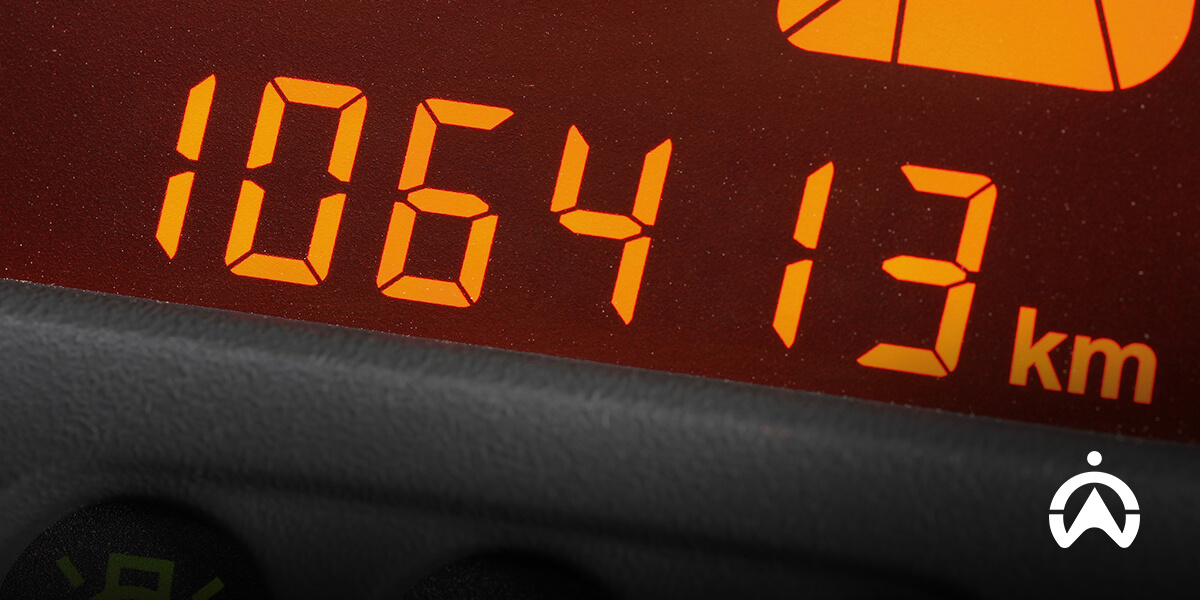
Mileage is visible on the dashboard and is an essential indicator of the vehicle’s condition, like the amount of wear and tear it has sustained over time. The more kilometres on a car, the more likely it has worn parts if they have not been replaced. However, lower mileage isn’t always better because, hey, aren’t cars made to be driven? This means that certain vehicle parts are designed to self-lubricate and stay functional while the car is on the move, so a car sitting in your garage for months won’t help either, as it will deteriorate faster.

Does age matter? The importance of vehicle age

Well, yes…and no! The older the car, the more likely it is to have been driven. In most cases, when it comes to age, the newer, the better. What matters more is the mechanical condition of the vehicle; an older car that has been well taken care of will give you fewer problems than a new one that wasn’t cared for. However, modern-day safety, fuel efficiency and connectivity features may not be available.

An older car’s warranty coverage may also be expired or limited, leaving you, as a buyer, responsible for repair costs. When it comes to financing, some banks do not finance a vehicle older than five years, which can leave you in a purchasing pickle.

The best age vs the best mileage for used cars

So, what is the estimate for a good age or a good mileage?

  • A reasonably good mileage on a used car should be about 15,000 km—20,000 km per year. For example, a three-year-old car should have used around 45,000 km to 65,000 km, and a five-year-old should have used around 75,000 km to 100,000 km. Anything beyond that is considered high mileage.
    ‍
  • A good age for a used car is between 2 and 5 years because, by that time, the steep part of the depreciation curve has passed while the vehicle can still be considered fairly new.

Does a good mileage depend on the vehicle’s make?

Motorway suggests that good mileage depends on the vehicle’s make, model and maintenance history and that the general rule of thumb is to look for mileage under 12,000 miles a year (19312,128 km) for a petrol car and approximately 10,000 miles (16093,44 km) for diesel vehicles.

Beyond mileage: Additional factors to consider

Mileage and age aren’t the only things you should consider when buying a used car; here are some other factors that are just as important and will help round up your final choice:

  • Service Records
    Think of these as medical records for a car. Service records give you a history of the car’s health. They should give you information on the previous owner if the car were taken in for routine maintenance and repair records, which show you what repairs were performed on the vehicle; the records should also have dates. If this information is missing, then it could indicate vehicle tampering or fraud.
    ‍
  • Pre-purchase Inspection
    Get a trusted mechanic to tag along with you to inspect the vehicle you’re interested in. There are a lot of things that you might not notice that a mechanic will do, such as repairs done but not mentioned to you. This will also confirm that you’re not being ripped off and that the car history given to you is correct.
    ‍
  • Value for money
    The vehicle you buy should make you happy and fulfil its purpose, so you must do your research. TransUnion’s monthly Auto Guide lists vehicles in alphabetical order in terms of their original retail price compared to how the value has depreciated. This helps you ensure that you’re not being ripped off by buying a vehicle that is way above book value.
    ‍
  • Finance
    Interest rates for used vehicles are usually higher than those of brand-new ones. Some banks have an age and mileage limit for vehicles they are willing to finance. Prepare your deposit, have your documents ready, make sure your credit score is still in good condition and most importantly, make sure you can truly afford the overall monthly costs of the vehicle, as purchasing a vehicle is not only about the instalment.
    ‍
  • Warranty coverage
    Do you know the difference between a warranty, an extended motor warranty, a service plan or a maintenance plan? According to Subaru Africa, a warranty covers defects in materials or workmanship, and a maintenance plan covers the cost of routine maintenance tasks. A service plan, however, covers regular maintenance tasks, while a maintenance plan can cover both routine maintenance and more significant repairs and replacements. An extended motor warranty can be purchased once the manufacturer’s warranty has reached the end of its life plan.
    A warranty typically covers mechanical breakdowns such as the transmission system, engine, fuel and ignition system, steering, cooling system, and suspension. A service plan covers the costs of scheduled services at approved dealerships. Then, a maintenance plan covers almost everything, including wear-and-tear items such as tyres, clutchplate and brake pads. A maintenance plan is highly recommended for a young vehicle with high mileage.
  • Previous driving conditions
    A vehicle that was mostly driven in the city may have a higher mileage but be in better condition than one mostly driven on the highway. The city is always busy, and most of the time, commuters are in heavy, slow-moving traffic. The stop-start driving, speed bumps, and potholes result in wear and tear, while the constant braking and acceleration will negatively impact fuel efficiency. The vehicle’s service records should include all of this information.
    ‍
  • Reputation of the dealership
    Some dealerships are shady and just outright scam people. Make sure you check online reviews of the dealership and see what other people are saying about it on social media. The Retail Motor Industry of South Africa can give you information on local car dealerships that are members of the National Automobile Dealers Association (NADA).
    ‍
  • Verify that it is not a stolen vehicle
    Whether you are buying the vehicle privately, which sometimes is cheaper, or at a dealership, it’s important that you know where the vehicle comes from and ensure that it is not stolen. You can see the status of a car through its Vehicle Identification Number (VIN), which can be found on a copy of the National Traffic Information System(NaTIS), otherwise known as a vehicle registration certificate. The VIN is also visible on various locations inside the car like the lower left side of the dashboard or the front of a car frame, near the windshield wash container.
    ‍
  • Accident history
    You need to know how many times the vehicle was involved in an accident and where the repairs were done. With this information, you can then inspect the quality of the repair and make an informed decision based on that. In an article written by TimesLive, TransUnion Africa auto information solutions division sales manager Hennie Strydom told the news outlet that customers need to give consent to dealerships purchasing their vehicles for their information to be accessed. A vehicle with no information on accident history should be marked as a red flag, as the previous owner might be hiding something.  

Pros and cons of buying a used car

Here are several advantages and disadvantages of buying a used car:

Pros Cons
Lower price Higher interest rate
Depreciates slower than a new car If on a finance plan, the value depreciates while you’re still paying
More choices available/vehicle make variations Potential issues/wear and tear and a lot of unknowns
Lower upfront price and negotiable The vehicle might not be worth the price

3 things that will enhance your purchase experience

Here are a few more essentials you should put into mind so you can be more at ease after making your big purchase:

  • Insurance: The insurance premium of a used car isn’t always cheaper than that of a new one. This is because the vehicle might no longer be manufactured, making it difficult to outsource vehicle parts and therefore increasing the cost of repairs and replacements. Another thing you need to know is that insurance premiums are mostly based on risk factors such as the driver’s age, experience, location and how often you’re on the road.
  • Fuel efficiency: Fuel prices are always on the rise, and if this vehicle is for everyday use, you will definitely spend a lot on it. Getting an estimate of how much fuel the vehicle will need monthly will prevent you from exceeding your budget. Fuel-efficient driving habits will also come in handy, as they not only save you money but the planet, too.
  • Vehicle tracking unit: After purchasing your vehicle, you need to make sure that it is protected. You didn’t spend all that money just for the car to “disappear”. A GPS tracking unit is a must for all vehicles. This also may lower your insurance premiums, which is another bonus.

Ultimately, it all depends on your budget, intended use and preference. Once that is out of the way, Cartrack is here to give your vehicle the security it needs.

Boost the safety of your pre-loved vehicle with Cartrack Kenya

Your new car needs to be watched over so you can get the most out of it. Here are some of Cartrack’s features that will get rid of all your worries:

Stolen Vehicle Recovery:

Cartrack has a 90% recovery rate, so with us, you can rest assured that should your precious pre-loved vehicle go missing, we will find it. In the unfortunate event that your vehicle is not found, you can claim up to a R150 000 cashback limited recovery warranty (Ts & Cs apply).

Carwatch:

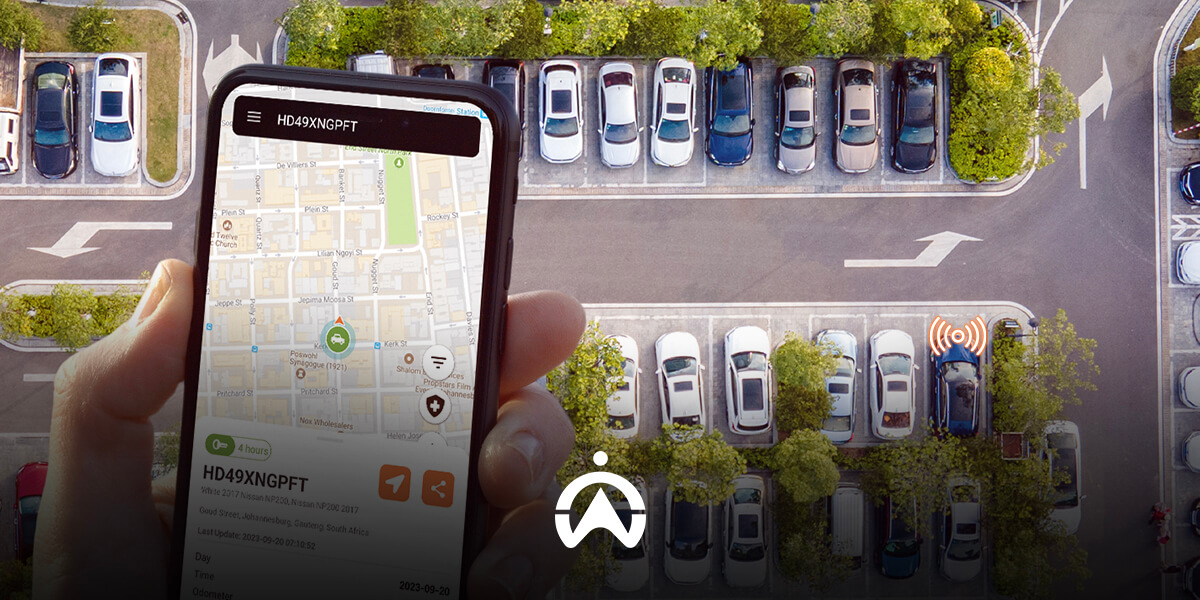
Our Carwatch feature gives you an alert every time your car moves without your permission so you can have one less thing to worry about while running your errands.

Cartrack Insurance:

So you finally chose which vehicle you want and are not sure which insurance to go for? We’re here to help. Cartrack Insurance gives you the best quotes based on your needs and budget.

Protector:

You might never know the full history of your second-hand vehicle. Breakdowns can happen at any time, but with Cartrack’s Protector, you’ll get 24-hour access to emergency roadside assistance, so you won’t have to wait too long.

Purchasing a vehicle for business use needs measures put in place to save fuel and maintenance costs. Here’s how we can help:

  • Mifleet
    Get an easy-to-use cost management tool to help you monitor company expenses such as tolls, fuel, fines, tyres and maintenance. With this, you also can detect suspicious activity such as possible fuel theft and fraud.
    ‍
  • Preventative maintenance
    A newly purchased used vehicle needs to be well maintained to avoid unexpected breakdowns and accidents. Cartrack’s preventative maintenance feature alerts you of engine faults, such as worn brake pads or oil and water fluctuations, so you know which vehicle needs servicing.
    ‍
  • Driver monitoring
    As mentioned before, the way a vehicle is driven will affect its longevity. Driving habits such as excessive idling and harsh braking contribute towards greater vehicle wear and tear, bringing about more maintenance costs and vehicle downtime. Cartrack has a driver monitoring system with vast solutions that will help you keep track of driver behaviour. Here are two examples:
    ‍
  • Advanced Driver Assistance Systems (ADAS)
    Comprising camera-based sensors, intelligent algorithms, artificial intelligence, and machine learning. ADAS helps heighten driver awareness by giving real-time audible alerts whenever blind spots are detected. It also gives forward collision warning. This promotes safety on the road and helps prevent sudden braking.
    ‍
  • Driver scorecards
    Ensure your vehicles are taken care of on the road with Cartrack’s driver scorecards. Drivers will get rated based on events such as speeding and harsh cornering, this will allow you to see who needs coaching plus you get access to reports which give you better insight on the issue.
    ‍
  • Route planning
    Another way to save fuel, cut costs, increase productivity and get the most out of your fleet vehicles is to plan routes precisely. Cartrack’s route planning platform assists you in choosing the best order to complete tasks, helping you avoid unnecessary delays and ensuring your deliveries are made on time.

We protect all vehicles, old or new

Cartrack Kenya will help you take good care of your vehicle so you have one less thing to worry about. Contact us today.

Here are some frequently asked questions regarding vehicle age and mileage

  • What matters more, age or mileage?
    This depends on your budget, preference, and intended use, but if a car has high mileage, the wear-and-tear could cause bigger problems than a well-maintained, low-mileage car. Not all cases are the same, but mileage is a bigger factor to consider than age.
    ‍
  • What is the best age and mileage to buy a used car?
    The best mileage for a used car is 15,000 km per year.
    ‍
  • What mileage is good for a second-hand car?
    A good mileage for a second-hand is about 15 000km – 20 000km per year.
    ‍
  • Is it advisable to buy a car with high mileage?
    In most cases no, because most high-mileage vehicles come with wear-and-tear issues, but the service records should give you all the information you need to be sure.

High mileage or not, Cartrack Kenya is here to protect the choice you make. Contact us today.

Truck Hijacking: See the Latest Stats and Prevention Tactics

Imagine suddenly receiving an alarming call. One of your fleet vehicles has been hijacked! Your heart immediately sinks as you realise you may have lost clients and revenue, all while putting your drivers in harm’s way.

It’s time to empower yourself and prevent these horror stories from coming to life. We can learn the numbers, prevention tactics and then fuse Cartrack’s advanced stolen vehicle recovery into the blend.

This is a powerful mix, so let’s get stirring!

In this article, you will:

  • Come to terms with the reality of hijacking
  • Learn about the effects of truck hijacking on businesses
  • Gain knowledge of recent truck hijacking statistics in South Africa
  • Find out how to protect your drivers and trucks with hijacking prevention methods
  • Learn more about Cartrack’s safety-driven solutions

But it could never happen to me…

We all have this strange idea that we are unique and free from all the worst experiences. Of course, this is far from the truth. Many people in industries that rely on fleets are painfully aware of the increasing hijacking crisis in Kenya. For this reason, always being emergency-ready is part of every fleet manager’s job.

According to the Long Distance Truck Drivers Union as reported by The Star, nine drivers lost their lives to kidnappers along the highways between January and September of 2022.

The effects of hijacking on businesses

Some issues in life have a domino effect, and hijacking has a “not-so-great” chain reaction that negatively affects business owners, drivers, profits, and customers.

One perfect way to fight against these possible future disasters is by educating yourself! Let’s find out more about what companies may experience from this crime.

Profit Loss

Freight hijackings have a devastating habit of turning supply chains all the way upside down. These hijackings cause companies to lose their goods and services, which they now can’t sell to buyers. Given the soaring number of hijackings in this country, the loss in sales puts a solid dent in returns. The seller likely has to raise their delivery costs because there is more risk. More risk means using more money for these dangerous journeys.

If the business’s fleet experiences ongoing hijackings, it may lose frustrated customers forever!
‍

With Cartrack’s advanced telematics-based fleet management system along with state-of-the-art technology, you can mitigate these risks and optimise proactive safety.

Driver safety

Truck accidents are a massive issue on Kenyan roads. Being constantly alert of possible hijackings can contribute to heavy driver fatigue.

Companies can install our panic button and tracking device to provide drivers with some peace of mind. The panic button can be a comforting friend, always there if the driver is ever in need. It is also a way for businesses to help save their drivers and goods!

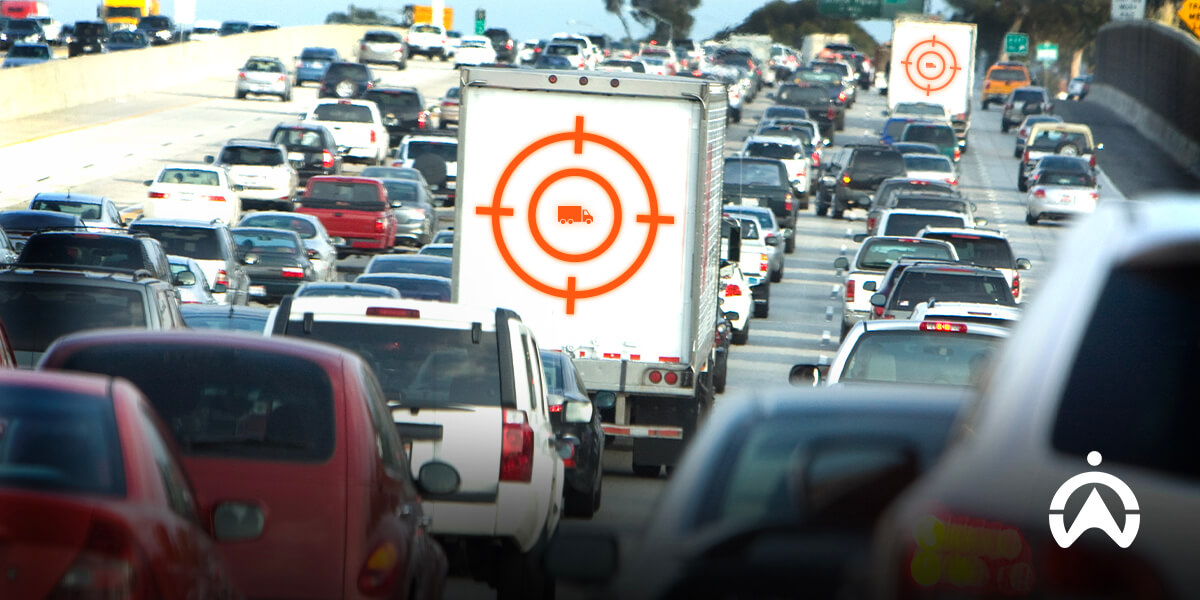
An image of cars and trucks stuck in traffic

Hijacking prevention tactics for your company’s truck drivers

While the increasing statistics spark fear, there are always ways to prevent or fight against these terrifying experiences. Great minds have come up with strategies for hijackings. Meanwhile, Cartrack has developed technologically-driven solutions crafted for driver safety. Using Cartrack’s solutions and anti-hijacking tactics together, you have an effective shield to protect you, your drivers and your business.

Expand your knowledge

Learning about the different types of hijackings can help you prepare yourself or your fleet for the absolute worst.  Educate yourself by reading a list from Arrive Alive of the many kinds of hijackings:

  • Freight hijackings: These hijackings focus on the goods in the vehicle or truck. The culprits want to steal whatever the vehicle is carrying.
    ‍
  • Showmanship hijacking: This hijacking, usually violent or threatening, stems from gang members attempting to show off.
    ‍
  • Transport hijacking: This is when the cars hijacked are reused for illegal purposes such as dealing drugs and robberies.
    ‍
  • Syndicate hijacking: These are highly organised hijackings connected to syndicates.
    ‍
  • Operational hijacking: These hijackings are performed by an organised group that steals and sells vehicle parts.

How to prevent hijacking?

When tackling a problem, we must confront it from where it is standing. It could be a possibility in the future, a present situation, or we could be dealing with the future. Here are some tactics from Arrive Alive that tackle hijacking from all angles — with some of our efficient services and solutions sprinkled throughout.

What preventative measures can we take in case of hijacking?

This is your best bet: avoid it as much as you can. Caution and awareness are your new best friends.

You can develop this friendship by practicing caution around every turn: parking anywhere or entering a driveway is the best time to remain aware, as this is when your vehicle or truck is slowly approaching a standstill. You are also about to open your door–a simply perfect opportunity!

That said, you should always ensure that your doors are closed and locked and your windows are rolled down. Hijackers tend to pounce around traffic lights and intersections. Stay aware.

Cartrack’s Vision solutions and GPS Tracking are perfect for this early-on type of prevention.

What procedure should be followed in a hijacking situation?

If the worst has happened, you or your truck drivers don’t have to feel hopeless. There are tactics you can employ. Firstly, always remain calm. If you are still only suspicious that someone is following you, you can always drive into a busy area.

If, however, the worst occurs, it is sometimes possible to simply drive away quickly to get as far as possible in the shortest period from the hijackers. While doing this, you should also hoot loudly.

Cartrack’s panic button can be a lifeline for your truck drivers if they encounter this terrifying situation.

What actions should be taken after a hijacking?

The driver must receive medical attention immediately and go to the police station. The company should also report the incident and handle the insurance.

If you have experienced this kind of traumatic event, you should consider going to a mental health professional to help you process and deal with any distress it may have caused you.

Cartrack is dedicated to your safety and security

Cartrack is a safety-driven company. We provide many services and products geared toward keeping you and your vehicle out of harm’s way. Let’s explore the specifics of some of the products mentioned and how they can ensure truck and driver safety:

  • Multi-approach tracking solution: Our tracking software includes GPS tracking, real-time vehicle tracking, and recovery. Control room support is also available throughout the day and night.
    ‍
  • Panic button: The panic button is perfect for a trucker in the midst of a hijacking. It has four options: medical emergency, accident, breakdown, and security alert. This button instantly lets our 24/7 control room know something is wrong, and they are always ready to take immediate action.
    ‍
  • Cartrack Vision: Our vision solution includes AI-powered live-streaming cameras installed in different areas of your truck, including a driver-facing, in-cabin camera, for increased visibility. Apart from allowing fleet managers to witness the event in real time, the technology also allows you to request footage covering a specific date and time for evidence and insurance claims.
    Different problems require different Vision solutions, and multiple fall under this umbrella. A great approach to hijacking is Cartrack’s Multi Vision solution. AI cameras are installed to view the road, cabin, a chosen internal part of the truck like the cargo, and an external place to destroy blindspots. It’s the closest you’ll ever come to a magic pill for hijacking.
    ‍
  • MiFleet: This solution, found on the Cartrack App, can be used to track various costs, such as fuel, tolls, accidents, and insurance. You can also export this information via PDF or Excel. This means you can understand where you’ve lost revenue from a hijack or general operations.

Cartrack Kenya keeps your business out of hijackers’ way and on the road to growth

Our services and products will leave hijackers wondering why they even thought about targeting your company. Contact us today to rip that bull’s eye off your back.    

FAQs to help you fight crime
‍

  • Do hijackers have a new target in Kenya?
    Delivery vehicles are considered the ‘new target’ in Kenya. A significant number of hijackers began moving on from what was the go-to hijacking scheme — when these criminals targeted everyday vehicles, usually spotting those considered high-end or popular and stealing and selling the parts.
    ‍
  • What are the trucking problems in Kenya?
    Beyond hijacking, truckers encounter many problems every day. These include poor road conditions, a lack of skills, corruption, and fatigue from being on the road too long.
    The trucking industry faces many challenges as an overall business. These include the high and constantly rising fuel prices in Kenya, a lack of skilled workers, road safety, and environmental concerns.
    ‍

Cartrack Kenya is wholeheartedly committed to the safety of your fleet, goods, and drivers. Return this commitment and secure your business — contact us today.

Car Insurance Fraud: How A Dashcam Will Protect You and More

Vehicle owners in South Africa are always at risk of theft, hijackings, accidents, vehicle damage from bad weather such as flooding or hailing, or even their car being intentionally vandalised by someone else, and that’s why many people opt to get car insurance and tracking devices to protect and secure them when unexpected things happen.

Sometimes drivers can also become victims of fraud and scams that put not only their lives at risk but also their pockets and car insurance.

Car insurance fraud is on the rise in South Africa, and Cartrack vision cameras are the one onboard tool you need to protect yourself and your business from such scams.

In this article, you will:

  • Find out more about dashcams and what they do
    ‍
  • Discover how dashcams protect you and your loved ones from car insurance fraud
    ‍
  • Delve into how dashcams protect fleets
    ‍
  • Unpack the Cartrack Vision Camera solutions and the benefits of these dashcams
    ‍
  • Finally have the best answers to frequently asked questions about dashcams

How dashcams protect you from car insurance fraud

Car insurance fraud is not a new type of scheme, as vehicle owners and sometimes pedestrians have been known to cook up scams to either reduce their insurance premiums or receive a larger claim payout from the insurer. In South Africa, some pedestrians also cook up scams to claim from the Road Accident Fund (RAF) for personal injury.

According to a BusinessTech news article on car insurance fraud, it is estimated that approximately 32% of insurance claims are false. RAF has also reported that they prevented fraudulent claims to the value of almost R2.7bn over the past three financial years. This also points to the problem of car insurance fraud.

There are different types of car insurance fraud that motorists and other pedestrians may attempt, including

  • False claims
    ‍
  • Faking car theft
    ‍
  • Staged vehicle or personal accidents
    ‍
  • Faking injuries from an accident

But how would a dashcam protect you from such car insurance fraud? Let’s find out.

How a dashcam can save you from false claims

Imagine you are driving back home after a long day of work and are stuck in bumper-to-bumper traffic due to the robots not working because of load shedding. You’ve noticed this one menacing driver recklessly switching and shifting between lanes when they suddenly jump ahead of you and abruptly stop, causing a rear-end collision. Still, thankfully, the damage isn’t too bad, as both cars just have a slight dent. You and the other driver stop to assess the damage and decide to exchange insurance information and resolve the matter later.

After the legitimate accident, the other driver’s insurance claim now includes more serious damages to the body of the car, the windows, and the side mirror. The other driver swears you were at fault in the accident and caused the vehicle damage, but you are not even certain about this, because you don’t remember the driver’s rear-end lights braking before. This is one of the most common insurance fraud scams: a staged car accident.

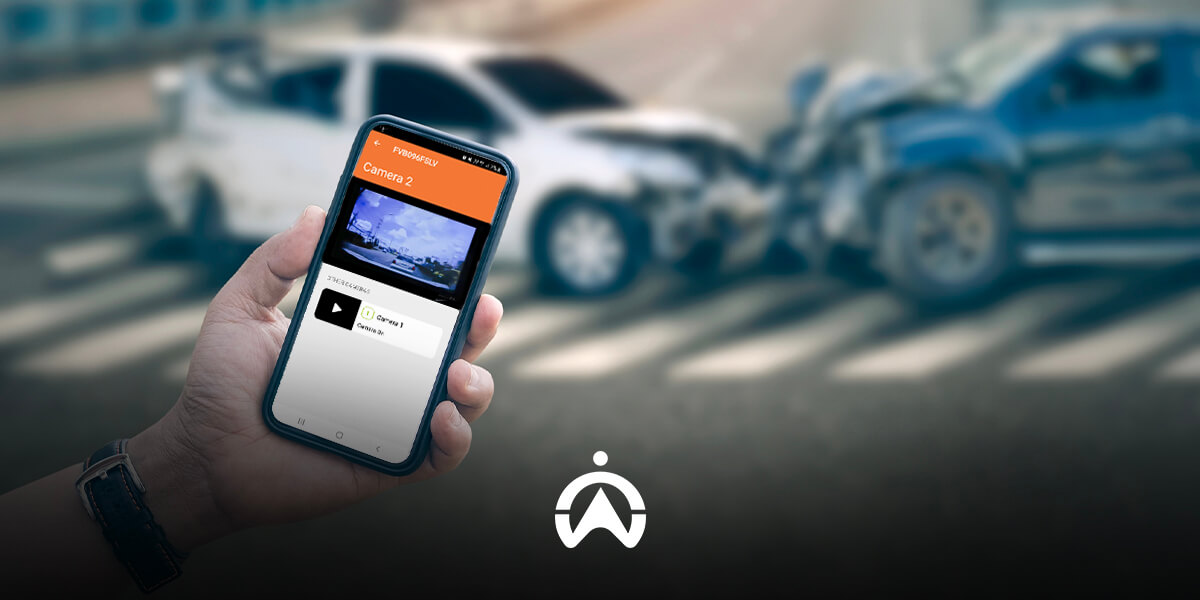
In such an incident, an onboard camera like Cartrack’s vision camera for individual vehicle owners would help you and protect you from car insurance fraud through video evidence of the events of that day of the accident. With access to this footage, you could still prove your innocence, assess the extent of the damage, and see whether you are the victim of a staged vehicle accident or car insurance fraud.

Cartrack’s Vision Camera: Capture everything

Cartrack’s vision camera is a user-friendly road-facing recording camera. Users can request footage based on date and time, and download the footage on the Cartrack app. Parents of young teen drivers can watch over their teens by live-streaming from the Cartrack app to ensure they arrive safely every time. Remote retrieval with these cameras is a powerful way for drivers to protect themselves from all sorts of car insurance scams and even reject car insurance claims.

This feature-rich and easy-to-install camera provides users with

  • Live-stream video with audio
    ‍
  • Remote footage retrieval after events via the Cartrack App
    ‍

Dashcams can help you not only protect against fraudulent insurance claims, but also:

  • Provides valuable evidence in the event of an accident in your vehicle.
    ‍
  • Capture pedestrian scams, like trying to jump in front of your vehicle.
    ‍
  • Continuously record activity around your vehicle including attempts to vandalise your car and other damage to your vehicle.
    ‍
  • Provide evidence for other drivers and activities you witness.

For businesses, the more advanced AI detection technology which comes with our SmartCabin cameras doubles the protection from car insurance fraud and other problems.

Let’s unpack this dashcam technology better suited for business vehicles below:

How dashcams protect your fleet from car insurance fraud

With live GPS fleet tracking, you gain increased fleet visibility to see your driver’s location, performance, and activity, but when your fleet is out on the road, there is no way of telling what happens between your driver, other motorists, and pedestrians.

For example, was your driver distracted by their cell phone while driving and so failed to see the vehicle switching into their lane, or did the other motorist cut too close to your truck driver while changing lanes, causing the accident?

Without any evidence, your driver-truck accidents become he says versus she says, which is difficult to prove to insurers or investigative officers and increases costs for you. This is only one example of an event where a fleet manager will never know if their drivers are being honest about events when something bad happens, like an accident, or whether someone is attempting to scam your driver.

Yes, it is true. Your drivers are also vulnerable to scams and car insurance fraud risks while out on the road, which is why Cartrack offers solutions designed to help you navigate these tricky situations with ease.

Cartrack’s Vision SmartCabin Camera: See everything to protect your fleet

A fleet dashcam is a perfect solution to protect your drivers and business fleet, but it’s not just your vehicle’s front view that is important; with an in-cabin camera, you can also get a cabin-facing view to ensure your driver’s safety.

The Cartrack SmartCabin is a dual road-facing and in-cabin-facing camera equipped with the following features:

  • Forward collision warning sensors: Help prevent possible collisions by audibly notifying the driver of an obstacle ahead of them.
    ‍
  • AI-detected events (in-cabin camera): This smart camera detects dangerous driver behaviours such as distracted and fatigued driving, mobile phone, and smoking detection to warn the driver to quit dangerous actions.
    ‍
  • Livestream video with audio: Fleet managers can livestream drives to carry out spot checks and check their activity to enforce responsible and compliant behaviour.
    ‍
  • Auto-answer in cabin mic and speaker: Facilitate two-way communication between manager and driver, or the Cartrack command centre to address any issues.
    ‍
  • Remote footage retrieval: Fleet managers can request footage or download footage after events based on date and time.

A dashcam can protect your business from car insurance fraud on your fleet.

Protect drivers

In the case of a legitimate accident, that was not the driver’s fault. You can safeguard your driver by using event-based footage and other driver telematics information to help prove your driver’s no-fault and help them avoid unfair claims against them.

Improve driver performance and accountability

Camera footage can be used to train drivers, help them improve their performance, and increase accountability. Alternatively, by spot-checking drivers and live streaming their activity, fleet managers can ensure productive and responsible working hours.

Expedite Insurance Claims

Video recording and footage give an account of the events before and after an accident, and this helps speed up your insurance claims process and ensure your vehicle is repaired faster so you can avoid vehicle downtime.

Choosing the best dashcam: The top five features to look for

Dashcams can protect you and more, but it’s important to choose the right dashcam with these 5 top features to look for when you decide to add this extra layer of security and protection.

#1 Good battery life and reliable storage

Car insurance fraud scams don’t happen every day, but your dashcam records every journey you take. Imagine if your camera storage was full on the fateful day you or your fleet driver were involved in an accident. A good battery life and enough storage space are the top features to look out for with a dashcam.

#2 Video image quality and night vision

Not all dashcams are made equal; some have poor video quality; you cannot see the number plate of the vehicle or other details. Buying a dashcam with good video quality is important, especially for live streaming.

#3 Camera affordability

Car cameras are a security investment worth making, but that does not mean your business should go bankrupt by purchasing a camera. The affordability of the camera is something you must consider for yourself and your businesses too.

#4 Easy set-up and sleek design

Setting up a dashcam should be easy. For example, Cartrack has a plug-and-play option for rental cars, so there is no vehicle damage caused by camera mounting and hardware installation in the vehicle.

#5 GPS connectivity

An in-built GPS tracker adds some extra functionality to your dashcam and improves its reliability, especially when it comes to car insurance fraud.

Enhance on the road safety with Cartrack’s Vision Cameras

Vehicle dashcams are the protective tool you, your loved ones, and your fleet need to prove your innocence and avoid car insurance fraud and other scams.

Cartrack’s vision camera solutions are designed to enhance everyday road safety and protect you.

Contact us for a demo.

Tracking Devices: The One for All

There are many different kinds of tracking devices, each serving a significant function. These smart technologies are everywhere, and a common factor is how they make our lives easier.

‍Cartrack offers vehicle and asset tracking for various industries such as transportation, construction and agriculture. Let’s look at how this interesting technology works.

In this article, you will:

  • Understand what a tracking device is
    ‍
  • See the different kinds of tracking devices and their functions
    ‍
  • Learn how an IoT device connects with other devices
    ‍
  • Find out how Cartrack solutions cater to your tracking needs

What is a tracking device, and what does it do?

A tracking device is exactly what the name says: an electronic device that helps you monitor the location of an object or person. There are many different types of tracking technology, all depending on what you need them for.

Knowledge is power: understand the different types of tracking technology

To help you understand the different types of tracking technology and how each one works, here are some examples of the most commonly used tracking systems:

  • Radio Frequency Identification: Also known as RFID, this is an asset-tracking technology that uses radio waves to track assets equipped with tags. It requires three main components to work: a reader, an antenna and a tag. The tag is connected to the antenna, which sends and receives radio signals from the reader.
    This sort of device is used in various industries such as retail, manufacturing, and healthcare for inventory management or access control. In the fleet management industry, RFID technology is used for driver identification.
    ‍
  • Near-field communication: This one has turned many shopaholics because you don’t have to think twice. All you need to do is tap your phone or credit card, and voila, payment is done! NRC technology is another form of RFID and is found on most smartphones. Over the years, this has become very popular due to the modern-day demand for contactless payment systems. This sort of technology only works when devices are in very close proximity to each other.
    ‍
  • Barcode:  This is an easy and effective way for businesses to track data related to inventory or physical assets. All that’s needed is a barcode label and a reader. It enhances the accuracy of the inventory management process and is a must-have for last-mile deliveries or tracking shipments.
    ‍
  • WiFi: Wi-Fi-based asset tracking uses an existing Wi-Fi network to track the location of vehicles or equipment that are indoors or frequently travel in and outdoors, where signals may have trouble passing through. Examples are refrigerated trucks and warehouse inventory.
    ‍
  • GPS tracking: Short for Global Positioning System, GPS is one of the most well-known and widely-used forms of tracking technology. It is a constellation of 31 satellites orbiting the Earth, with each satellite emitting signals that enable receivers, through a combination of signals from at least four satellites, to determine time and location. GPS technology is used on cell phones and other devices for navigation but has many other benefits such as the real-time location of vehicles and other assets such as a generator.
  • Geofence: Geofencing is based on either GPS or RFID systems. The only difference is that it does not consistently report location data but rather uses location data to set up invisible boundaries in an actual geographical area. When an object moves into or out of the virtual fence, a violation is reported through a transmitter.
    This kind of technology can be used to mark no-go areas, or you can put it around the workplace to let people know when vehicles enter or leave the building.
  • Cellular: This particular system can work with GPS but mostly relies on the presence of cellular towers to transmit location and asset information. Although not as effective as GPS, the system takes advantage of existing cell towers, which can be helpful for fleet management and equipment monitoring in remote areas.
    ‍
  • Bluetooth Low Energy (BLE): A Bluetooth low asset tracker is a wireless solution that combines location accuracy and effective battery usage. BLE tags or beacons are attached to assets and Bluetooth-enabled devices like smartphones or getaways to give real-time updates on the location of equipment that is used. It helps track equipment within a restricted distance, typically reaching a maximum of 100 meters, which can be found in the construction and agricultural industries.

The IoT device, or should we call it the One-For-All?

Imagine some of the powerful tracking systems mentioned above working with one unit to give you the best accuracy on the location of your vehicles and equipment, as well as data that will help you make better decisions. You don’t have to imagine, actually, because that’s basically what an IoT device does.

Formally known as the Internet of Things, IoT devices are specialised hardware such as sensors, actuators, and appliances that connect to wireless networks to collect and exchange data.  They access the Internet via a physical area network such as Wi-Fi, Bluetooth, GPS or cellular connectivity and can be installed in vehicles or assets for every major industry.

Tracking device solutions and equipment for individuals and fleets—the Cartrack way

Now that you know how all these devices work, here’s how Cartrack uses them to simplify your daily work and home routines:

  • Stolen Vehicle Recovery:
    Cartrack has a recovery rate of more than 90% and over 2 million subscribers, so you can rest assured that our tracking unit will give your vehicle the security it needs. Our highly-trained air and ground recovery team is always on standby, ready to return what’s rightfully yours.
    ‍
  • CarWatch:
    As an extra layer of security, you can switch on CarWatch on your mobile app right after you’ve parked your car. You’ll be alerted if it moves. Think of it as your virtual car guard.
    ‍
  • Protector:
    Vehicle tracking technology does not just end up finding your car when it has been stolen. Sometimes, you just need other services like roadside or medical assistance. At the push of a button on your Cartrack mobile app or website, a call centre agent will contact you immediately and get you the assistance you need.
    ‍
  • Geofence:
    Using Cartrack’s geofencing feature, you can set virtual fences around areas of your choice. This feature alerts you whenever your vehicle enters or exits the area and works not only for vehicles but also for other equipment fitted with tracking devices. If your machinery suddenly grows feet and “walks out” of the geofenced premises, you’ll get an alert, too.
    ‍
  • Asset tracking:
    Know where exactly your equipment is at all times using Cartrack’s asset track feature. With this feature, you will receive real-time alerts whenever a fault code is set off or when your machinery needs servicing.
    ‍
  • Temperature monitoring:
    Keep your refrigerated cargo fresh with our temperature monitoring solutions. These sensors give you immediate alerts when temperature changes in refrigerated trucks or trailers so that cargo such as food and pharmaceuticals can reach its destination in perfect condition.
    ‍
  • Driver ID tags:
    Cartrack’s DID tags use RFID technology to help you immediately identify who drove which vehicle. You can ensure only authorised operators use your machinery, or only authorised drivers use those particular vehicles. This feature also allows you to monitor driving habits so you can see who needs more coaching.
    ‍
  • Delivery:
    Our delivery software helps streamline operations for you and your drivers. It allows you to find the best order to complete tasks to reduce fuel expenses and track delivery progress in real time. Customers are also notified of any changes that might occur.

Trust the industry leaders of tracking technology—trust Cartrack Kenya

We could go on and on about the many benefits of tracking technology because, with Cartrack Kenya, the list is endless. Just contact us to find out more.

Let’s answer some FAQs

  • Which one is the best tracker in South Africa?
    Cartrack holds the highest trust rating on Hello Peter among all tracking companies in South Africa. With an outstanding stolen vehicle recovery rate of over 90%, Cartrack proudly holds the highest SVR rating in South Africa.
    ‍
  • Where can I find tracking devices on cars?
    For safety reasons, the location of a tracking device is never disclosed, not even to the person driving.
    ‍
  • How much does it cost to have a tracker fitted to your car?
    A Cartrack device costs as little as R99 per month and comes with free installation.

Stay on track with Cartrack. Contact us today.

Outsourced Fleet Management: Get the Best Fleet Bureau Services

Sometimes, managing your fleet can be difficult, especially if you do not have the time or resources to do it effectively. Having someone else take the reins in your fleet management can take a load off your back and allow you to focus on other operational needs. Discover how you can get the best bureau services with Cartrack Kenya.

In this article, you will:

  • Gain an understanding of what bureau services are
    ‍
  • Explore the pros and cons of using an outsourced fleet management system
    ‍
  • Learn what the benefits of outsourcing your fleet management
    ‍
  • Delve into what Cartrack’s Bureau Services offer you
    ‍
  • Get answers to your questions about outsourced fleet management

What is outsourced fleet management? 5 things you need to know about fleet bureau services

  1. Cost reductions: Your business can save money on hardware and software costs, as well as the salary you would’ve paid someone to manage your operational systems internally.
    ‍
  2. Improved customer service: Your delivery times can be improved with someone making sure that your drivers get to their destinations on time, and they can share live location links with your customers to ensure customer satisfaction.
    ‍
  3. Reduced administrative duties: Knowing that someone else is ensuring your admin tasks get done, like scheduling maintenance reminders to avoid truck breakdowns, allows you to focus on your operational duties.
    ‍
  4. Regulatory compliance: Having an external fleet management team helps ensure that your fleet adheres to road regulations, allowing your company to avoid getting fined for offences such as exceeding road speeds and not paying toll fees on time.
    ‍
  5. Customisable solutions: Your fleet management solutions can be tailored to suit your specific needs.

The pros and cons of using outsourced fleet management

Pros Cons
✔ Experts in the field: Providers have teams that are only focused on managing your fleet 24/7. ✘ Data sharing: A third party will access your fleet’s operational data to streamline it and improve your fleet efficiency.
✔ Optimisation of your fleet: Outsourced managers can improve your fleet operations by performing tasks like planning routes, reducing fuel consumption and creating alerts and reminders to improve deliveries and other operations. ✘ Language barriers: You and your fleet manager might not be in the same country, which can cause language barriers and possible miscommunication.
✔ Risk management: Providers are usually well-educated on the road regulations and industry-related compliances they can use to manage your fleet. ✘ Contractual rigidity: You typically sign a long-term contract with your provider, which offers stability to your relationship. However, if you decide to switch providers, it might be challenging to end your contract.
✔ Access to advancing technology: Fleet management providers are usually at the forefront of the latest technological updates they can inform you of to improve the management of your fleet further. ✘ Not being as hands-on: You will have less control of your fleet’s management; however, a dedicated and capable team handles the details for you.
✔ Less company expenditure: By outsourcing fleet management, you can save the initial costs of purchasing all the hardware, software and infrastructure to manage your system and system maintenance fees. ✘ Provider dependence: It is great to have a provider that you know you can rely on, but sometimes their systems need updates that might influence the visibility of your fleet operations.

The benefits of using outsourced fleet management services

Stay on top of your business with expert fleet management services that will eliminate the complexities of fleet oversight.

Gain operational efficiency through the use of outsourced fleet management

Outsourced fleet management services have various advantages. Some of these include:

  • Handles all your fleet admin-related tasks: When you outsource your fleet management, you can assign your fleet administration duties to experts. This will allow you to focus on other operational responsibilities while your fleet admin is in the hands of capable professionals who can anticipate and manage potential risks.
    ‍
  • Set up your custom alerts, reports & other checks like health checks: Your outsourced fleet management partner can set up custom alerts and reports and check whether your teams are dispatching on time.
    ‍
  • Monitors and manages your fleet in real-time: You have a devoted team that monitors and manages your fleet live, so if anything goes wrong, they can address it right away.
    ‍
  • The provided solutions are scalable and flexible based on your evolving fleet needs: Having an external fleet management team can make it easier to adjust your solutions as your operations develop and grow. This way, you don’t need to learn new skills about your system because you already have a dedicated team that knows the system and knows what solutions might work best for the changes in your fleet.

What Cartrack’s Bureau Services offers you

Cartrack’s Bureau Services is your all-in-one expert fleet manager who knows our system inside out and knows exactly what your operations need to function optimally and efficiently. Some of the Cartrack-specific features that we offer include:

  • 24/7 fleet support and assistance:
    • We offer customised update timing. As a rule of thumb, we send hourly updates, even through the midnight hours.
      ‍
  • Identify and manage any risk to your fleet:
    • Our expert fleet managers can quickly identify any possible risks thanks to their trained eyes, which can catch any abnormalities or suspicious events.
      ‍
  • Scalability and flexibility of your fleet management system:
    • Our fleet management service can adjust your system according to the growth of your fleet hassle-free.
      ‍
  • Make your fleet more cost-efficient:
    • Our bureau service can help you optimise your fleet by scheduling preventative fleet maintenance to avoid breakdowns and unplanned downtime and ensure timely deliveries to enhance client satisfaction and recurring business.
      ‍
  • Here’s how we manage your fleet admin on your behalf:
    • Our bureau services are adept in managing your fleet because they have access to the system that gathers your fleet data, such as:
      • Odometer reading updates
        ‍
      • Trip history
        ‍
      • Idling time
        ‍
      • Kilometres travelled
        ‍
      • Harsh events such as speeding
        ‍
    • Our experts also set up reports and alerts such as the Fuel Management Report and Accident Reconstruction Report
      ‍
    • Alerts & reminders
      ‍
    • We do real-time calls to you, as the client, based on the following:
      • Vehicles entering or exiting high-risk areas
        ‍
      • Vehicles entering or exiting loading areas
        ‍
      • Changes in driver instructions
        ‍
      • Drivers making unauthorised stops or movements that were not pre-approved
        ‍
      • Drivers speeding
        ‍
    • We also do daily or weekly health checks based on your preferences.

Supercharge your fleet management with Cartrack Kenya

Contact us today and let our expert fleet managers handle your fleet admin worries.

Frequently Asked Questions about Outsourced Fleet Management

  • What is fleet management outsourcing?
    Fleet management outsourcing is when your business uses a third party to manage the administrative duties related to your fleet.
    ‍
  • What is the biggest challenge in fleet management?
    The biggest challenge in fleet management is currently driver productivity and safety.
    ‍
  • What is the biggest importance of fleet management?
    Fleet management has various important aspects. Some of these include improving driver and fleet safety, reducing overall fleet costs, and improving delivery services.
    ‍
  • What are fleet management services?
    Fleet management is ensuring that all the necessary actions occur to ensure your fleet runs smoothly.

Truck Maintenance: How to Service a Truck

Truck service is the robust backbone for a healthy and long-living truck fleet! For this reason, placing it high on your to-do list while educating yourself on the “whats” and “hows” of taking care of your fleet is a good idea.

According to a press release by the American Truck Association, the 2022 freight cost in the United States of America (USA) consisted of 80.7% trucking, or $940.8 billion in revenue, with a clear sign of trucks taking charge when it comes to providing various goods and services worldwide.

Truck service is thus the ultimate bedrock for long-lasting vehicles and driver safety, and ignoring it can have severe consequences.

However, solutions lie around the corner – let’s take a peek.

In this article, you will:

  • Discover the negative consequences of ignoring truck service
    ‍
  • Distinguish between truck service and maintenance
    ‍
  • Discover the negative consequences of ignoring truck maintenance
    ‍
  • Uncover the different types of truck maintenance
    ‍
  • Learn about what maintenance needs to be done to a truck
    ‍
  • Discover more about Cartrack’s fleet maintenance and service solutions

How to service a truck: a guide to minor and major services

To service a truck, you usually respond to what is wrong with your vehicle or fleet at that moment and determine what needs fixing. Service is not regular or scheduled but somewhat responsive. However, if you choose, you can receive general services, which fall under minor and major services.

Let’s find out more about the two to gain a deeper understanding.

Minor services include:

  • Oil and filter changes
    ‍
  • Brake pad inspection
    ‍
  • Fan belt inspection
    ‍
  • Checking the clutch fluid
    ‍
  • Checking tyre pressure

Major services include:

  • Full vehicle inspection
    ‍
  • Replacing brake pads, or spark plugs if needed
    ‍
  • Inspecting the speedometer or brake leaks if needed
    ‍
  • Cleaning general components

The cost of ignoring truck service

Each minor and major truck service is an important milestone for your fleet’s health. Here’s what happens if you don’t service your trucks when you should.

Decreased reliability and longevity

When you service your truck, you get a healthy engine. This, in turn, increases the engine’s and the truck’s lifespan. Failing to do so will lead to a damaged engine with a limited lifespan.

Reduced Safety and security

Service focuses on all parts of a vehicle, all of which play an important role in the overall functioning of the truck system. Establishing that all these parts are in order leads to a secure truck without any unforeseen risks of failure.

Loss of costs, business, and clients

While servicing your truck, especially on a recommended regular basis, can be costly, it is an investment that will save you significant money in the long term. Neglecting to service your truck will increase the likelihood of issues and problems, shorten the truck’s lifespan, and drain your pocket.

Servicing also increases fuel efficiency, which helps save some extra cash.

An introduction to truck maintenance

Truck maintenance is the consistent and regular caretaking of your truck or fleet for various basic issues, such as checking oil or brakes. This goes hand in hand with service, but definite differences distinguish them from one another.

The difference between truck maintenance and truck service

The most straightforward way to tell the difference between maintenance and service is that maintenance is a broad approach to caring for your vehicle or truck, while service is a more specific approach to vehicle upkeep.

While maintenance and service can include similar methods of taking care of trucks, such as checking oil and brake inspection, maintenance implements this on a more regular basis. In contrast, services occur only on an as-needed basis.

Maintenance involves a regular schedule that consistently focuses on what vehicles need. This includes inspections, filter or oil changes, and checking tyre pressure. Service is not a consistent approach but a particular, targeted one. Service is sometimes only implemented when something is especially wrong with a truck or vehicle—fixing headlights or tending to engine damage are two examples.

Both are incredibly important. Maintenance ensures a long vehicle lifespan. Services are always available if a vehicle or truck faces more particular problems—usually due to maintenance neglect.

In its 2014 document, “Better Truck Maintenance,” The Abu Dhabi Department of Transport stressed the importance of truck maintenance. The document stated, “A planned safety inspection and maintenance system aimed at meeting the annual test standard at all times will improve truck operating standards, reduce truck accidents, and, as a result, improve road safety.”

The cost of ignoring truck maintenance

Truck Maintenance shares points of negative consequences when you do not approach them seriously, but they show up in completely different ways.

Decreased reliability and longevity

Constant and planned maintenance increases truck reliability and lifespan and ensures that many of the vehicle’s parts are in consistently good health. Neglecting maintenance and steering from the consistency of a schedule will cause quick deterioration and increased vehicle downtime that negatively affects your fleet’s efficiency.

Reduced Safety and security

Rules and regulations are there for a reason. From the state of your vehicle lights to flat tyres, brake problems, and many other issues, these laws ensure that your truck is roadworthy—ensuring your safety and that of other road users.

It is easy to predict that if you do not follow these regulations and rules, you might end up in a world of trouble, having hurt yourself and, worse, others.

Loss of costs, business, and clients

Delays cost businesses. Companies need to implement a maintenance plan to avoid unnecessarily losing profits. Beyond profit loss, it can affect your business’s productivity. This leaves customers disgruntled or no longer desire to purchase your services or products–Ouch!

The different types of truck maintenance

There are many types of truck maintenance, each with a different role. Learning about the “whats” and “hows” of these maintenance types will help us understand them deeply.

These factors will also influence how you, your team, or professionals approach your own “how-to” method.

For this reason, placing them high on your to-do list while educating yourself on the “whats” and “hows” of taking care of your fleet is a good idea.

They include corrective maintenance, preventive maintenance, condition-based maintenance, predictive maintenance, and proactive maintenance.

Corrective maintenance

Corrective maintenance is implemented after an issue or breakage has already happened. It is also sometimes referred to as “reactive maintenance.”

Preventive maintenance

Prevention is always better than cure—this is the exact concept that preventive maintenance is based on. This well-known principle applies to maintenance as well as medicine. Preventive maintenance allows for early identification of issues so they do not snowball into unmanageable crises.

We have many solutions and systems geared toward preventive maintenance, such as risk reports. These reports on our fleet management app note harsh driver behaviour, such as speeding or harsh braking. This prevents possible future vehicle damage and threats to driver safety.

Condition-based maintenance

Condition-based maintenance is different in that it rids the need for scheduled maintenance. Instead, using collected information, it predicts when trucks will require maintenance and what kind of maintenance they need.

Predictive maintenance

Predictive maintenance combines data with prediction models to understand, diagnose, and tackle possible fleet-related complications awaiting on the horizon.

Using our application’s Dashboard can help you tackle future problems. Compare different data from your fleet of trucks over your chosen period–this will help you track and tackle multiple issues.

You can choose three out of these empowering seven options to source data from:

Proactive maintenance

Proactive maintenance will use information, analytics, and data to understand specific future problems. This will allow it to apply preemptive solutions that focus on fundamental issues.

What maintenance needs to be done on a truck?

Now that we understand the basics of maintenance and service, we can finally learn how to take care of trucks. This topic is all but simple – so here is an easy-to-reference-starter-pack list:

  • A regular schedule: Businesses or truck owners should maintain a regular truck maintenance schedule. Consistency is key!
    ‍
  • Oil checking: Regular oil checks safeguard all vehicles, including truck engines. If you don’t consistently do this, engine failure lurks around the corner–no one wants that.
    ‍
  • Keep on the pulse: Keeping up to date with what and when maintenance has been performed is a great way to ensure that your trucks are getting the tender care they need and deserve.

Using Cartrack’s application, you can access the MiFleet option. Using this solution, you can keep track of and download maintenance reports over your chosen period.

  • Tyre maintenance: Regular tyre upkeep ensures that trucks run smoothly and promptly. MiFleet can also keep track of tyre operations. It sends the relevant person or business a report of these operations. These reports outline the information according to the person or company’s chosen timeframe.
    ‍
  • Inspecting brakes: Overlooking brake inspection will lead to nothing but regret, especially if they stop working mid-journey and you’re stuck in the land of nowhere.
    ‍
  • Battery health: A working and healthy battery is vital for a functioning and reliable vehicle.
    ‍
  • Air filtration: A clogged air filter reduces power, while a well-functioning one contributes to a smooth-running engine. Ensure that you schedule regular air filtration cleanings.
    ‍
  • Exterior lighting: Exterior lighting secures your safety and that of other road users. Make sure to replace any exterior lighting that is not working.
    ‍
  • Clutch and gearbox: The clutch and gearbox are used regularly on the road and should be inspected.
    ‍
  • Listen to the professionals: Invest in a professional, such as a repair shop or an experienced, hands-on engineer. If this is impossible, do not stray from the owner’s manual.

The importance of professional assistance

It is easy to look at trucks in isolation and how they affect those closely connected to them. From negative profits to driver safety, these close-to-home considerations are crucial. However, in the broader society, from shops that buy in bulk to consumers who need their vital goods and services, there is a chain reaction to companies neglecting their fleets’ health, with more reaching consequences.

This is why companies, big or small, should consider investing in professional services instead of maintaining and servicing trucks manually.  

Get the best fleet maintenance and service solutions with Cartrack Kenya

If you’re looking for professional assistance, Cartrack provides an all-in-one solution for all your maintenance needs.

Maintenance and service solutions

Our maintenance services offer many benefits, such as automated scheduling, a reduction in waste-of-time downtime, and pre-trip inspections. They also include updated maintenance logs, service management, and less money spent on overall maintenance.

Let’s discover the details:

  • Maintenance logs: By recording digitalisation, you consistently document maintenance-related tasks for records and reference purposes, so accurate data is available whenever you need it. Service management is another type of maintenance logging that allows you to track whether your vehicles or trucks are en route to being serviced.
    ‍
  • Real-time engine diagnostics: Cartrack’s vehicle diagnostic tools are CANBus-powered. CANBus allows all your vehicle’s parts to transmit and, in a sense, “talk” with one another. These communications between parts can then diagnose engine issues, helping you to react before damage becomes too extensive and costly.
    ‍
  • Preventive maintenance: Preventative maintenance alerts let you know proactively when you need to take your vehicle in for maintenance or service. These alerts are triggered based on the vehicle’s odometer readings, which show when the next service is due based on the kilometers travelled or recent service dates provided on maintenance logs.
    ‍
  • Vehicle inspection checklists: Use our Field Service/Delivery App to create pre-trip or vehicle inspection checklists based on your fleet and business’s unique needs.  

Keep your fleet’s health on track with Cartrack Kenya

From service and maintenance to security and driver safety, Cartrack Kenya cares about your fleet’s longevity from all angles. Take control of your fleet’s health—contact Cartrack Kenya today.

Your pressing questions answered

Q1. What maintenance needs to be done on a diesel truck?

Filters are a significant issue for the health of a diesel truck. Therefore, filthy filters are a massive maintenance no-no. Fuel filter change is paramount and highly emphasised in diesel truck maintenance.

Frequent oil and air filter changes, as well as coolants, are also vital.

Q2. How do you keep a diesel engine healthy?

In line with general diesel truck maintenance, dirty fuel filters should not exist, so changing fuel filters is a must. You should also clean your engine regularly, replace oil when needed, and keep an eye on your air filter.

Q3. What is basic maintenance for a semi-truck?

Temperature and weather are core to how you approach semi truck maintenance, with differing atmospheres calling for different specifics.  

For example, warm weather calls for inspecting the air conditioner. The electrical system should be checked for corrosion, and the wires should be secure. Keeping an eye on the tyre pressure is also very important. During the heat, it is also essential to have an annual flush, pressure test, and draining of the coolant.

Q4. How long is the useful life of a truck?

The lifespan of trucks depends on the model and type and, of course, how well they are maintained. For the most part, the average truck will last up to or slightly over a decade.

With Cartrack Kenya, our various solutions will propel your truck or fleet’s lifespan to its ultimate limit. Contact us today to discover your fleet’s fountain of youth.

When Is the Right Time to Sell Your Car?

One of the hardest things to do in life is letting go. Yet, holding on for too long only makes things even more difficult for you in the end, and in terms of cars, the longer you take to sell it, the less profitable it will probably be, right?

So, when exactly is the right time to say goodbye to your precious car? Let’s have a look.

In this article, you will:

  • See the things you should look at when thinking of selling your car
    ‍
  • Find out the pros and cons of trading in, selling privately, or to a dealer
    ‍
  • Discover the benefits of a Cartrack device, even when selling your car
    ‍
  • Read more about other Cartrack features for your car
    ‍
  • Get the answers to some car-selling FAQs

What to look at to determine the best selling time for your vehicle

Here are several factors that you should look into when trying to decide on the best time to sell your car:

  • The value
    This can be done using an online tool to calculate the value of your car so you have an estimate of how much it is worth, set a fair price and don’t get ripped off. When using this tool, enter the truthful condition of your car so the price range can also be realistic.
    ‍
  • Age and mileage
    ‍In one of our previous blogs, we mentioned how the age of the and its mileage play crucial roles for those looking to buy, so if you want to attract potential buyers, this is what they will look at first. A good mileage is about 15 000 to 20 000 kilometres a year. So a four-year-old car, for example, should have 60 000 to 80 000 km.
    A good age to sell your car should be around its second or third year because, by that time, the depreciation rate should have slowed down and the vehicle is still fairly new.
    According to Edmunds, the second steep depreciation comes around the fourth year so if your car is pre-word then it’s advised that you sell it before it hits another big drop in value. The next drop comes in its eighth year, so try selling your car in between these drops to get the best value.
  • Time of year
    Most people buy cars around the spring or summertime as that’s when they are getting ready for road trips, plus it’s when salary bonuses are out and people want to make it count. TimesLive mentioned in one of their articles that new vehicle manufacturers issue incentives to sell more units around the end of the year to avoid carrying inventory into the next year. This means more trade-ins and available vehicles on the market, making the end of the year a good time to buy and the beginning of the year a good time to sell.
    ‍
  • Vehicle make or model
    Do a bit of research and check if your vehicle model is on the list of cars that are currently in high demand so you can cash in once yours is on that list.
    ‍
  • The state of the economy
    A car isn’t a purchase one can make impulsively in this country, given the rate of inflation. Interest rates are forever fluctuating, and fuel prices are at an all-time high, causing people to be more value-conscious so they can get the most out of their money. In most cases buying a car is done out of the need for a new everyday mode of transport and not a luxurious treat. With that said, a tough economic time might be beneficial for you because most people cannot afford to buy brand-new cars so they’d rather opt for used ones.
    ‍
  • Warranty
    People looking to buy will check if the vehicle warranty has run out or not, to see if they can still claim if the car gets a mechanical breakdown. They also want to see the full service history so they know what they are getting themselves into. While you still have the car, make sure you take good care of it because it will make a big difference when it’s time to sell.

Are you trading in, selling privately or opting for a dealership? Here’s what you need to know

You have the option of selling your car to a dealer, and instead of paying cash, they can use the money to settle your payment if it’s under finance or deposit it towards buying a new car at the same dealer. This is called “trading in” a car. It is a quicker way to sell and replace your vehicle, but the trade-in price might be lower than retail value.

Selling to a dealership or privately?

Dealerships are always looking to buy cars and are probably the quickest option for car selling. The good thing about this is that they take care of the paperwork for you and you will get your money immediately. The downside is that the price might be lower than trading in or selling privately.

Selling your car privately puts you in control and will actually get you the most money but it takes time to find a buyer, requires a lot of admin and might get scammed in the process.  

A word of advice

If it no longer meets your needs, costs more to keep it running than what it’s worth, or is too expensive to maintain, then those can also be considered signs that you need to sell it. Remember, it’s always better to sell when you want to than when you need to so that you are not desperate and taking any offer.

How Cartrack is beneficial even if you are selling your car

As mentioned before, a car can still be seen as an investment, and if you’re looking into selling it one day then you need to take care of it and keep it safe. One of the main things you need to get to ensure safety is a GPS tracking unit, such as Cartrack’s. Your car will always have someone watching over it and in the unfortunate event that it does get stolen then you’ll be more at ease knowing our skilled air and ground teams are always on standby ready for your call.

Additionally, once you decide to sell your car, you can inform us so we deactivate your device and install a different one into your new car, then you can continue with us as per usual. That is not all, if your car buyer wants to keep the unit in the vehicle you sold, then we will simply change the details of ownership and start the buyer on a new payment plan.  Old car, new car, next car, we go with you everywhere.

The benefits of an already installed tracking unit when selling your car

Increased security for the buyer: The new owner will be delighted by the fact that the car comes with a GPS tracking unit already installed, insurance premiums will be lower due to the added safety feature, so this also gives you an opportunity to charge a bit more for the vehicle because of the extra cool benefits.

More Cartrack features for your car’s safety

Here are some additional features that will give you and your vehicle an extra layer of security:

  • Carwatch
    Get alerted wherever your parked car moves without your permission by switching on Carwatch on your Cartrack mobile app. Carwatch is a virtual car guard that you’ll get access to at the flick of a button.
    ‍
  • Protector
    Gain 24-hour access to emergency services such as roadside and medical assistance so you are not left stranded in the middle of nowhere. At the push of a button, one of our call centre agents will contact you immediately and get you the assistance you need.
    ‍
  • Crash detectionIf you’re in an accident, our control room will instantly detect it and will instantly contact your loved ones to determine the kind of help you need.

We are with you every step of the way, anywhere and everywhere

Cartrack has a stolen vehicle recovery rate of over 90% and 2 million subscribers. They trusted us and so should you. Contact us today.

Have a look at some frequently asked questions relating to making a car sale

At what point is it best to sell a car?

A car depreciates quicker in the first 2-3 years, the fourth year, and the eighth year. So selling it in between those years will get you a better value.

What months are best to sell a used car?
Around spring or early summer.

What is the best month for car sales?
According to Auto Trader, the best months to buy a car are usually October, November, and December, as dealerships usually have sales during this period to help them meet their annual target.

What is the best time to trade in your car?

At the break-even point, this is when your trade value is in line with the settlement amount owed to the bank it’s financed with.

What is Driver Coaching? Get All the Insights on How To Boost Your Drivers

Fleet managers put their trust in their drivers but still need to keep an eye on driving habits in order to avoid fuel drainage, high repair costs or even fatalities. With the right coaching, better driving habits can be achieved, but the question is: What’s the best way to train drivers to improve your quality of service?
‍

Let’s have a look at driver coaching.

In this article, you will:

  • Understand the importance of driver coaching
  • Discover the four main reasons why you need a driver coaching system
  • Learn about the consequences of bad driving habits
  • Get tips for effective driver coaching
  • Find out how Cartrack makes driver coaching easier for you

Driver coaching explained: What is it?

Driver coaching is the process of teaching and engaging with fleet drivers to improve their behaviour over time and enhance safety on the road. It is aimed at saving costs and increasing productivity.  

Why driver coaching can be challenging

Drivers come with diverse skills; some are experienced, and others are at a beginner level. For example, a new driver might require an in-depth explanation of compliance and regulations, while an experienced driver will probably just need refresher training on advanced defensive driving. This means that the feedback needs to be tailored to each driver’s unique needs, but unfortunately, fleet managers and safety managers do not have time to engage with every single driver due to their ever-so-busy schedules, especially when running a large fleet.

Fleet managers can’t correct what they can’t see. They don’t exactly know what activities drivers get up to on the road, and that makes it difficult to notice patterns or pinpoint the real reason why fuel doesn’t last, why the driver ended up in an accident, or why vehicle parts always need repairing or replacement. Without data analytics from a fleet management system, coaching doesn’t work.

4 consequences of bad driver behaviour on fleet businesses you need to know about

Here’s how problematic driving can cause serious profit drainage:

1. Fuel wastage

Fuel amounts to most of the budget for running a fleet and gets worse when not monitored. These are some of the driving habits that can dramatically increase fuel consumption:

  • Sudden braking: This usually happens when the driver does not keep a safe distance during traffic or is distracted. It uses more fuel because the vehicle’s transmission shifts to a lower gear to regain momentum.
    ‍
  • Long periods of idling: According to North Carolina Environmental Quality, idling for 10 seconds uses more fuel than turning the engine off and restarting it. Idling also damages vehicle parts and causes pollution.
    ‍
  • Speeding: A higher speed requires more power from the engine to overcome the drag from wind resistance, tyres, and transmission, which, therefore, burns more fuel.

2. Maintenance

Careless driving habits put a strain on the vehicle and shorten its lifespan due to the constant wear and tear. Here are some examples of careless driving habits that can cause maintenance issues:

  • Revving a cold engine: Usually done on cold winter mornings when you’re running late and need to get going, excessive revving puts strain on the engine before the oil has had a chance to circulate properly, increasing wear and tear.
    ‍
  • Coasting: Keeping your foot on the clutch is called coasting and wears down the pressure plate and bearing before the expected time.
    ‍
  • Ignoring warning signs: Drivers need to familiarise themselves with symbols on the dashboard so they know when to stop and take action to prevent further damage or a breakdown. If you see any warning lights relating to the engine, braking, airbag, oil pressure or tyre pressure, then you should pull over and request help immediately.

3. Safety concerns

This is important and more obvious. Reckless driving is one of the leading causes of road accidents. Drivers are responsible not only for their own safety but also for the safety of others. One small distraction or higher speed may cause a huge collision, end lives, and result in major lawsuits or jail time for the driver. This can also cause revenue loss due to unexpected downtime, repairs, and replacements.

4. A bad company rep

The purpose of the “How’s My Driving” sticker at the back of a truck or car belonging to a fleet business is to promote safe driving, which is another good way to monitor driver behaviour. If your drivers are not coached, they stand a chance of always being reported, damaging the company brand as it will be known for bad driving. This becomes more of an issue once more people notice, the word spreads, and clients start to avoid associating themselves with your fleet business. It gets even worse once drivers are caught in accidents, and it’s the same company that comes up.

Tips for effective driver coaching  

Driver coaching plays a huge role in the overall business’s revenue, empowers the drivers, and helps them grow their skills.  Your approach to doing so is very important; here are a few tips for successful coaching:

  1. Get a driver monitoring system: Telematics eliminates the gap by providing you with real-time data regarding your fleet. This allows you to track driver routes and monitor problematic driver behaviour.
  2. Build rapport with your drivers: Have a positive approach to each session, greet each driver, treat them with respect, ask how the day is going and how the family is doing and let them know how much you appreciate them.
    ‍
  3. Make time for your drivers: The most serious incidents should be addressed within a day or two, but it is advised that you at least give weekly feedback so it becomes a part of the company culture.
    ‍
  4. Make communication a two-way street: Coaching should be carried out as a conversation instead of just instructions. Ask the driver his/her side of the story, hear them out, then give directions and ensure they understand the risk of continuing the behaviour.
    ‍
  5. Give recognition to top drivers: Those doing well should be rewarded, and those showing improvement should be recognised. This encourages the driver and boosts morale.
    ‍
  6. Be positive when addressing drivers: All feedback should be seen as a way to improve instead of a scare tactic.
    ‍
  7. Gain driver commitment: Drivers should be encouraged to take accountability for their actions and complete the agreed-upon follow-up actions.

Simplify driver monitoring and coaching with an all-in-one solution

It is evident that driver coaching is essential for every fleet business, and Cartrack, without a doubt, has the best solutions for you and your drivers:

The Cartrack driver coaching tools

  1. Advanced Driver Assistance Systems  (ADAS)
    Enhance driver awareness with Cartrack’s ADAS. This powerful tool uses camera-based sensors, intelligent algorithms, artificial intelligence and machine learning to warn drivers of blind spots and forward collisions.
    ‍
  1. ADAS coaching tool
    Cartrack’s on-platform driver coaching feature allows you to see risk reports and videos of daily or monthly driving violations, such as seatbelts not being used, fatigue, or cellphone use. This valuable tool also shows you the number of times a driver repeated an incident as well as how many times they have been coached on that specific violation. You can leave notes for each event, allowing you to keep track of what was discussed in the last coaching session.
    ‍
  2. Driver scorecards
    Our driver scorecards give each of your driver’s ratings based on events such as harsh acceleration or braking. This helps you pinpoint areas for improvement so you know what kind of training they need, and it will also help you reward drivers with the highest ratings.
    ‍
  1. Driver risk reports
    Easily monitor each driver’s progress and identify trends through the insight given by detailed driver reports so you can make informed decisions based on real-time data.

Unlock your drivers’ full potential with the right coaching: Choose Cartrack Kenya

Trust Cartrack Kenya to make you the best coach. Contact us today!

Here are a few driver coaching-related answers to questions you might still have on your mind

What is driver coaching?

The process of educating fleet drivers to improve driver behaviour so you can save on fleet running costs and enhance driver safety.

What is a coach driver?

An employee who drives a bus along a set route to pick up and drop off passengers. Usually for long-distance travelling.

How to improve the behaviour of the bus and taxi drivers?

You can boost the behaviour of bus and taxi drivers by providing training and education on road safety, customer service, and driving techniques that can improve their behaviour on the road.

How important is a good driver?

A good driver lowers the risks of accidents and promotes safety on the road.

Most Reliable Car Brands: What About Security?

There’s a time and place for you to think about whether your car is reliable, safe, and secure. But when you or your driver are stranded on the side of the road because of a vehicle breakdown, that is definitely not the right time.

So, let’s do this. What makes a car reliable? Our answer is simple: safety and security.

Get insights on the most reliable car brands here, but more than that – get the information you need on how to improve your vehicle’s safety and security with the best Cartrack features.

In this article, you will:

  • Find out what the most reliable car brand is
  • Learn more about what makes a car reliable
  • Understand why vehicle security is important
  • Learn how vehicle maintenance helps you improve the reliability of your car
  • Discover Cartrack’s vehicle safety and security products

What is the most reliable car brand

According to a recent article in Business Tech, Asian car brands are regarded as the most reliable car brands. This list of the most reliable car brands is based on a Consumer Report (CR) based on the experience of over 330,000 vehicle owners with vehicles as old as 23 years. Asian car brands are followed by vehicles from European automakers, and American vehicle brands are on the list of most reliable brands.

It’s not surprising that car brands like Toyota, Honda, Mazda, BMW, Kia, Hyundai, Nissan, Audi and more would pop up on the list of most reliable car brands in Kenya. These are also some of the most popular car brands around the country, but with new car ranges available, the demand for entry-level and budget-friendly cars, and innovations regarding built-in security features for vehicle and driver safety, reliability is about more than popularity.
‍

So, what made these cars score high in the car reliability index? Here are a few contributing factors:

  1. Frequency of major and minor engine issues
    Engine durability is critical for vehicle owners, and more customers are concerned about the engine’s lifetime. The engine is one of the most expensive car parts to replace and repair, especially when there is significant engine damage. A car is more reliable if there aren’t any frequent engine problems. Vehicle owners who participated in the CR survey have reported that they experienced fewer to no engine problems with these top car brands.
    ‍
  1. Vehicle fuel system and overall emissions
    The engine system also affects efficiency, so producing a fuel-efficient engine that reduces overall emissions has been a top priority for many car manufacturers over the years. These cars were considered to be more fuel-efficient on the list of most reliable car brands. Of course, the type of vehicle also determined where these car brands landed on the list. Sedans, hatchbacks, and wagons were determined to be the most reliable vehicle types.
    ‍
  1. Ease or difficulty of car body damage in an accident
    A scratch here and chipped and scuffed paint there may not be major indicators for car reliability, but how the vehicle fares in a crash is a major concern for vehicle owners. The IIHS vehicle testing evaluates cars based on crashworthiness and the in-built crash avoidance and mitigation technology. The 2024 car brands that faired quite well include the Hyundai, Mazda, Toyota, and Subaru for small and mid-sized vehicles. In addition to these, car brands such as Kia, Lexus, Ford, Jeep and VW have made the list for small SUVs, Midsize Luxury SUVs and Large SUVs. etc.
    ‍
  1. Frequency of vehicle brakes, suspension, and steering problems
    Bad brakes, damaged suspension, or shaky steering can be catastrophic or cause a serious accident. This is why the frequency of these problems is a major concern for vehicle owners. Even though repairing and replacing brakes, shocks, and struts is relatively easy and less costly compared to an engine, frequently having these problems can be alarming.  
    ‍
  1. Ease or difficulty of fixing car parts and other maintenance issues.
    It can be inconvenient to have a vehicle part repaired or replaced after an accident or when a problem is identified while servicing your vehicle. These car brands scored high for how much easier it is to fix/replace a damaged car part or attend to the vehicle’s maintenance issues.

Whether a car is reliable depends on how it fits the vehicle owner’s needs for personal or business use. Plenty of car reliability surveys are available online. If you are looking for a new car or adding vehicles to your fleet for business purposes, then ease of maintenance, fuel consumption and efficiency, and vehicle security are important aspects of car reliability for you.

Benefits of choosing reliable car brands for business and personal use

In our view, car reliability really comes down to vehicle maintenance and fuel consumption. These two things can determine how long you enjoy your car or how much return there is on your investment.  

Reliability and maintenance

Regular servicing and maintenance make a car more reliable. Your vehicle (s) should easily be maintained and serviced without breaking the bank or experiencing vehicle downtime. This helps you reduce the likelihood of your loved ones or drivers being stranded on the side of the road or unnecessary vehicle downtime due to a breakdown.
‍

Through regular maintenance, businesses and individuals can:

Avoid major vehicle repairs: Routine maintenance helps you quickly identify and address minor issues, such as worn brake pads, before they quickly turn into major issues, like complete brake failure, which puts your drivers and other people on the road at risk. Brake failure is also a more expensive problem than simply replacing your brake pads.
‍

Extend your vehicle lifespan: Well-maintained vehicles simply last long and often perform at their optimal performance, as if they were purchased just yesterday. By sticking to your vehicle’s service plan, you can help your fleet vehicle’s engine, transmission, and other systems wear out much more slowly and prolong your vehicle’s lifespan so your drivers enjoy a smooth driving experience.
‍

Improve your vehicle safety: keeping up with your maintenance ensures critical safety systems in your fleet vehicles, like brakes, tyres,  and lights, are all in working order for your drivers. This helps reduce the risk of breakdowns and accidents.  

Reliability and Fuel Economy

The words reliable vehicle and fuel-efficient go hand-in-hand. Although fuel consumption doesn’t directly impact your vehicle’s reliability, if your vehicle guzzles petrol, it increases the likelihood of you or your drivers being stranded because of fuel issues or having to refuel frequently.
‍

Whether you are planning to buy a new car or add vehicles to your fleet, focusing on fuel efficiency can also mean better vehicle reliability.

Lowering fuel costs: Choose more fuel-efficient vehicles to improve your fleet’s fuel economy. This will increase your vehicle’s reliability because you can go further with less petrol. You can also reduce your business’s fuel expenditures.
‍

Enhancing productivity: Fuel-efficient vehicles can travel further on a single tank, but you can also improve your fleet’s fuel efficiency through route optimisation. Route optimisation helps you ensure your drivers carry out deliveries or tasks in the most efficient way possible.

Fuel directly impacts your company’s expenses and can also significantly affect the reliability of your vehicle.

What about security?

Knowing your vehicle is reliable is one thing, but knowing your vehicle is secure is another.

With the rise in vehicle thefts in Kenya and the significant increase in vehicle costs, it’s become very important for everyone to protect their vehicles.

We’ve designed hundreds of products and features over the years to help you and your loved ones and your business protect your vehicles.

Cartrack’s vehicle security products

Different car brands have attractive and reliable in-built security and safety features, such as car alarm systems, safety hazard lights, seatbelts, and open-door warnings. Reliability goes hand in hand with security, but sometimes, you need to add additional vehicle security products to ensure your car is returned to you if it is stolen or your family or drivers are safe and assisted in an emergency.

Here are a few of our products for your safety and security:

  1. GPS live vehicle tracking
    Don’t underestimate the power of a simple GPS car tracker. Our tracking system not only helps you see the live location of your vehicle but also enables us to rapidly recover your vehicle in the event it is stolen. What’s more, this system also provides you with vehicle diagnostics that help you know how your car is being driven, the vehicle’s condition, and previous activity.
    ‍
  1. CarWatch
    This anti-theft feature is activated with one touch from the Cartrack app. It is an early warning system that alerts Cartrack if your parked vehicle moves without your knowledge. Cartrack notifies you and sends its recovery team if necessary.
    ‍
  1. Crash detection
    Our smart device can detect a crash or accident using AI and G-force technology. Cartrack is alerted in the event of a car accident, allowing them to send emergency help to your exact location.
    ‍
  1. Protector
    This feature is also available through the app and provides you with access to emergency ambulance, medical, roadside, and legal assistance at the touch of a button. In an emergency, Cartrack can send help directly to you, no matter where you are, ensuring you are always safe when it matters most.
    ‍
  1. Geofencing
    Protect your vehicles and assets by marking virtual boundaries around no-go zones or high-risk areas and receiving real-time alerts when your vehicles enter and exit these zones. This helps you prevent hijacking and vehicle and cargo theft.

Are you more interested in the Cartrack security features that are available to businesses? Have a look at this case study from one of our satisfied customers.

Case Study for Businesses: Diraro Group (South Africa)

Leading logistics companies like Diraro Group must pay attention to their fleet’s vehicle reliability to better deliver the quality and service they promise businesses and other customers. Diraro Group transports bulk supplies and commodities across South Africa and beyond its borders with a fleet of over 120 high-load capacity vehicles.

Their biggest challenge when approaching Cartrack was the lack of visibility over all their fleet vehicles. They needed a telematics system that would help them monitor, manage, and control their fleet more accurately. Their fleet transports valuable commodities, so they also wanted to see exactly how drivers used their vehicles and get live footage to help reduce incident rates and give their drivers more security.

Cartrack assisted Diraro Group with driver monitoring solutions that provide them with insights on the frequency of driver speeding, harsh braking, abnormal periods of idling, fuel consumption, kilometres travelled, and details on their fleet vehicle’s exact location.

Diraro Group also used our advanced AI-powered and live-streaming camera solutions to boost their fleet’s security. This camera provides live streaming so fleet managers can monitor their drivers’ trips live with visuals, audio, and access to remote footage retrieval for fleet managers after events. The AI cameras use facial recognition to monitor drivers in-cabin and give an audible alert to drivers when they detect dangerous driving, such as fatigue, distraction, or drowsy driving.

The camera system makes it possible for Diraro to take the guesswork out of their fleet management and any driver incidents. They can take every trip with their drivers and use driver footage for driver training and coaching or in the event of an accident liability dispute.
‍

The Group HSE Manager, Loue Reikert, said this about Cartrack:

“ When you have actual live footage, it takes the guesswork out of an incident. Our incident rate has decreased with the awareness that we have access to footage”.

Security is crucial for fleet-based companies, and there are plenty of ways for businesses to improve not only their fleet vehicles’ security but also their reliability. Here are a few helpful examples:

  • Invest in your fleet’s fuel economy by acquiring economic vehicles, including more fuel-efficient heavy-duty trucks.
    ‍
  • Prioritise fleet maintenance, which can save you a fortune in the long run.
    ‍
  • Integrate Cartrack’s fleet management software to manage and maximise your vehicle utilisation.
    ‍
  • Improve your driver’s performance with training to stop harsh driving that wears out your vehicles and increase the vehicle lifetime of your fleet.

By implementing some of these strategies, logistics companies can enhance their fleet vehicle reliability by reducing the number of vehicle breakdowns and improving their overall fleet operations and performance.

Get the best protection for the most reliable brands with Cartrack Kenya

Cars can be geared up with even more security features that help you ensure your family or business vehicles are protected.
‍

For more information on the Cartrack products and features, contact us to hear more.

Quick answers to top FAQs about car reliability

Which car has the highest security?

It comes as no surprise that larger open trucks and off-road vehicles are regarded as the most secure vehicles in Kenya.

Which car brand is best for safety?

Some car brands just step safety and security up a notch by offering more than the standard security features like alarms and central locking systems.

What is the safest and most reliable car brand?

Here’s a clue: it’s the car brand your grandfather and father would recommend; in fact, every generation of men would recommend this brand. If that’s not a good clue, it starts with a T and ends with an A.