Fleet Management Solutions: The Key to Becoming NTSA Certified

Kenya’s economy has been growing significantly in recent years. This has made the need for safe imports and exports a major priority for the government and businesses in the country. 

This is why the National Transport and Safety Authority (NTSA) exists, as it regulates transport operations and vehicle certifications. With the recent announcement that commercial service vehicle regulations have been updated, businesses should reevaluate their current fleet certification status. 

For businesses looking to achieve NTSA certification, a fleet management solutions provider should be considered as it can assist in this pursuit. Let’s explore how NTSA works and how Cartrack can assist with this certification process.

In this article, you will:

What Is An NTSA Certification

The NTSA is Kenya’s official authority responsible for overseeing vehicle compliance, licensing, inspections, road safety enforcement, and driver testing. 

Obtaining an NTSA certification confirms that a business has met the strict requirements of that license and is compliant with national standards. To get a certification for a business vehicle, it has official responsibilities it must follow, it must also adhere to the updated rules and regulations for commercial vehicles.

Let’s begin with the new updates to the rules.

Updated NTSA Regulations For Commercial Vehicles

Here is a summary of all the updated rules that the organisation has instated, as of January 2025. Some of these regulations are also dictated by the Kenya Bureau of Standards.  

A commercial vehicle owner should: 

  • Have at minimum a third-party insurance cover.
    ‍
  • Have a valid vehicle inspection certificate.
    ‍
  • Have installed a speed limiter conforming to the applicable Kenyan Standard as stipulated by the Kenya Bureau of Standards.
    ‍
  • Have installed a vehicular telematic system conforming to the applicable 6 Kenyan Standards.
    ‍
  • Have retro-reflective contour markings with a minimum width of two inches that conform to the applicable Kenyan Standard as stipulated by the Kenya Bureau of Standards as illustrated in the Second Schedule.
    ‍
  • Carry an efficient fire extinguisher that is maintained in perfect order and carried in such a position so as to be readily available for use at any time.
    ‍
  • Carry a first-aid kit sufficient to deal with any reasonable emergency.
    ‍
  • Have installed underride protection devices on the rear and side of commercial vehicles where applicable, conforming to the applicable Kenyan Standard.

These updates affect everyone from the business owner to the drivers, let’s see what the responsibilities are for commercial fleet owners. 

Responsibilities of Commercial Service Vehicle Owners or Carriers or Operators

If a business wants to hold a commercial service vehicle operator license, it must be compliant with the following requirements:

  1. Employ qualified drivers.
    ‍
  2. Ensure that the commercial service vehicle is always in proper and fit mechanical condition and safe for operation. Additionally, the business owner should keep maintenance records for each of the commercial service vehicles for a minimum period of two years.
    ‍
  3. Do regular road safety awareness and training for drivers in their employ.
    ‍
  4. Mechanisms should be put in place to ensure that drivers do not drive for more than eight hours in any period of twenty-four hours as prescribed by the Traffic Act, section 66A.
    ‍
  5. Ensure that each commercial service vehicle complies with all NTSA regulations.
    ‍
  6. Submit a preliminary report of any accident that results in a fatality to the authorities within 24 hours of the occurrence of the accident. This report must include, at a minimum, the driver details, vehicle registration details, maintenance record of the vehicle and the circumstances, if known, that led to the accident.

Licensing of Commercial Service Vehicles and Fleets

Businesses are not allowed to operate a commercial service vehicle without a valid commercial service vehicle road license for each vehicle. Here are the stipulations for fleets looking to get licences and certifications. 

  • A commercial service vehicle road license is valid for one year and should be renewed annually.
    ‍
  • A commercial service vehicle operator license holder applying for a commercial service road license shall make an application to the authority and submit the following:
    1. Copy of a valid commercial service vehicle operator license in the name of the applicant;
    2. A valid inspection certificate issued not more than 30 days before the date of the application;
    3. Any other information that the authority may deem necessary.
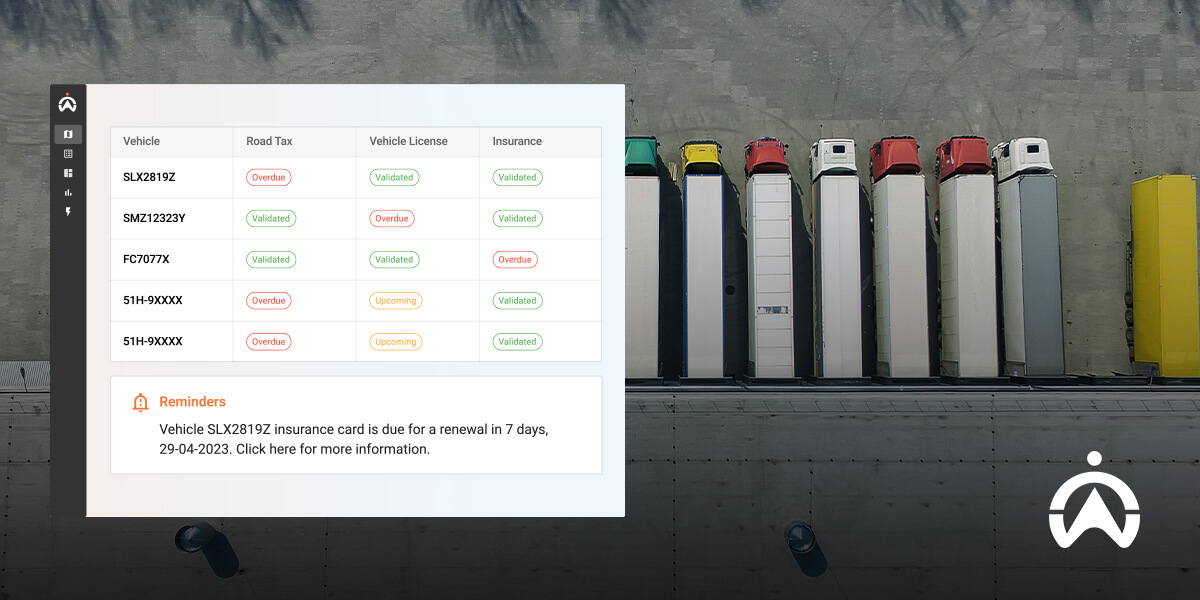
A dashboard displays vehicle status including overdue taxes and licenses, with a reminder for an insurance renewal deadline.

Rules For Commercial Service Vehicle Drivers

Commercial service drivers play an integral role in ensuring road safety and operational efficiency. Business owners need to ensure that the people they employ are ready and willing to follow the strict regulations of the NTSA, as this can have an adverse effect on both the business and other motorists on the road. 

Here are the rules commercial service drivers must adhere to:

  • Ensure they are duly licensed to drive the class of commercial vehicle that they are driving.
    ‍
  • Do not exceed the prescribed maximum of 8 driving hours.
    ‍
  • Adhere to traffic laws, regulations and safety standards while driving.
    ‍
  • Conduct pre and post-inspection trips to check for mechanical issues and safety hazards. 
    ‍
  • Ensure the compliance of the vehicle they are operating and immediately report any issue to the owner or manager of the commercial service vehicle.
    ‍
  • In case of a breakdown, the driver must immediately place two red reflecting triangles on the road, not less than fifty metres from the commercial vehicle. One ahead of the vehicle and one behind it so that each reflecting triangle is clearly visible to other drivers.

Loading and cargo securement

Depending on the business and type of fleet vehicles, there are some regulations and rules that need to be followed regarding cargo. Any cargo transported by a heavy commercial vehicle must be contained, covered, immobilised, or secured so that it cannot leak, spill, blow off, fall through, or otherwise be dislodged from the vehicle.

This applies most specifically to fleet vehicles travelling on public roads carrying loads of:

  • Sand, gravel, crushed stone, ore or salt, or any mixture of them or whole stones
  • Waste
  • Shredded scrap metal

What Is The Role of Fleet Management Solutions in NTSA Certification

Getting NTSA certified can be a long and tedious process for some business owners, especially those with a large fleet and many drivers. Some businesses still rely on outdated fleet management methods, such as spreadsheets and manual record keeping. 

Having advanced a fleet management system can help businesses meet these requirements more easily, as some of the processes can be automated or streamlined. Cartrack’s system has all the necessary tools and features to help in this process.

Here are some of its features that can assist with NTSA certification:  

Real-Time Vehicle Tracking for Compliance

Fleet management systems use GPS tracking to monitor vehicle location, speed, and route adherence. This ensures that fleet operators comply with NTSA regulations regarding authorised routes, driving hours, and speed limits, reducing the risk of violations and penalties.

Electronic Logging and Reporting

Many NTSA regulations require accurate record-keeping of vehicle usage, driver behaviour, and maintenance schedules. Modern fleet management solutions automate these processes by generating digital logs and detailed reports. This reduces manual paperwork, minimises errors, and ensures businesses can easily produce the necessary documentation during audits.

Driver Behaviour Monitoring and Safety Compliance

Fleet management solutions utilise telematics to track driver performance, including harsh braking, harsh acceleration, and adherence to traffic rules. Businesses can use this data to implement training programmes, encourage safer driving habits, and meet NTSA safety standards, ultimately reducing the risk of accidents and insurance claims.

Maintenance and Vehicle Roadworthiness

NTSA certification requires businesses to meet strict vehicle roadworthiness standards. Fleet management systems provide automated maintenance alerts, ensuring timely servicing, tyre replacements, and engine diagnostics. This proactive approach prevents breakdowns and helps businesses maintain a reliable and compliant fleet.

Fuel Management and Environmental Compliance

Efficient fuel usage is another key factor in fleet regulation. Advanced fleet management solutions help businesses monitor fuel consumption, detect unauthorised fuel usage, and reduce carbon emissions. By optimising fuel efficiency, businesses align with NTSA’s environmental and operational standards.

Geofencing for Route Compliance

Geofencing technology enables fleet operators to set virtual boundaries for their vehicles. If a vehicle deviates from the assigned route, the system alerts the fleet manager, ensuring compliance with NTSA route regulations and preventing unauthorised detours.

Improved Incident Response and Emergency Management

In case of an accident or emergency, fleet management systems provide immediate alerts and location tracking, allowing quick response times. This ensures that businesses adhere to NTSA’s emergency preparedness standards and can act swiftly to mitigate risks.

How Cartrack Can Help Your Fleet Get NTSA Certified

Cartrack is a leading fleet management solutions provider and is well-placed to help businesses meet their compliance requirements. We offer a range of solutions that can assist businesses not only in the management of their fleet but also help reduce inefficiency and boost productivity.

Cartrack offers some key services that can assist with meeting NTSA requirements. These include:

AI-Powered cameras

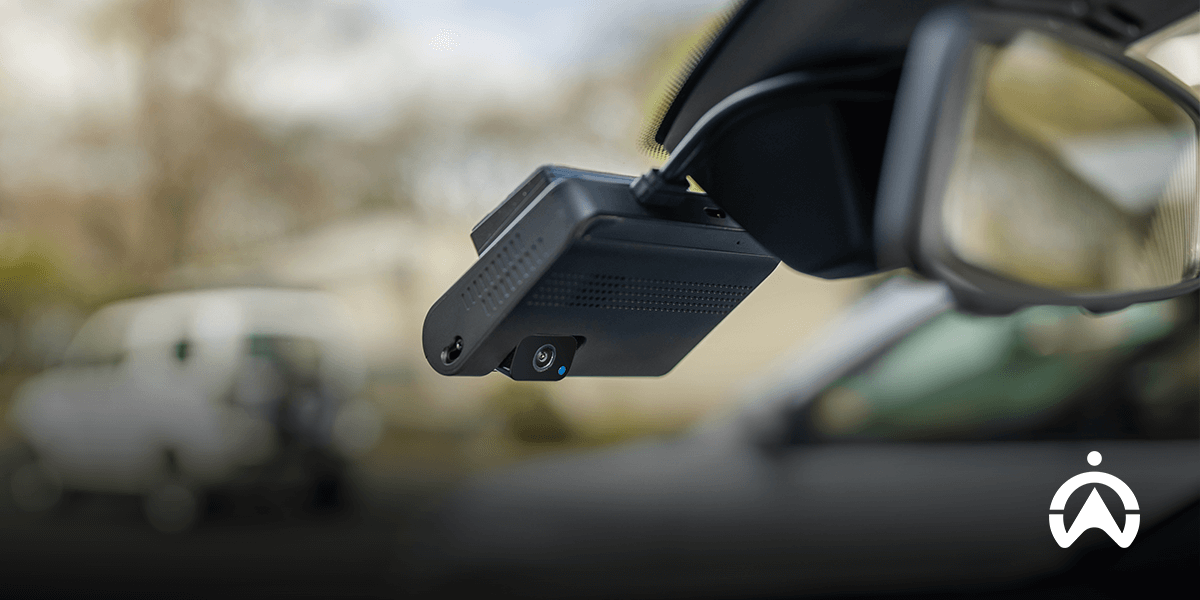
Our cameras and dashcams come with artificial intelligence capabilities. These cameras monitor driver behaviour and can assist in keeping them compliant with road rules. 

The cameras can detect: 

  • Front collisions
  • Smoking 
  • Distracted driving
  • Driver fatigue
  • Cellphone use
  • Yawning
  • Camera obstruction

Driver scorecards

Our fleet management solutions also offer driver scorecards to measure driver behaviour, and these are determined by how many offences a driver commits while on the road. The offences that are tracked and reported on are: 

  • harsh acceleration
  • harsh braking
  • harsh cornering

Having these scorecards will make it easier to find drivers who are driving recklessly and risking the safety of your vehicle, cargo and other motorists. Road safety compliance is then easier to accomplish with this tool setup.

Driver ID tags

We offer driver ID tags which are specific to each driver. When used in conjunction with telematics, these tags will determine which driver uses which vehicle, documenting where they go and how often they use the vehicle. These tags also carry specific information on the driver, such as their name, role and what vehicles they are allowed to operate.

Manually managing this process is challenging and prone to errors, making it difficult for drivers and managers to track licence validity. Having these tags will make it easier to identify drivers, keeping the business compliant with NTSA security rules.  

24/7 real-time tracking

A key component of fleet management solutions is vehicle tracking. This is done using GPS technology and satellites to communicate between the tracking unit and the software. As a business owner, this is a vital feature to have as it gives you real-time locations of all the business vehicles 24/7. 
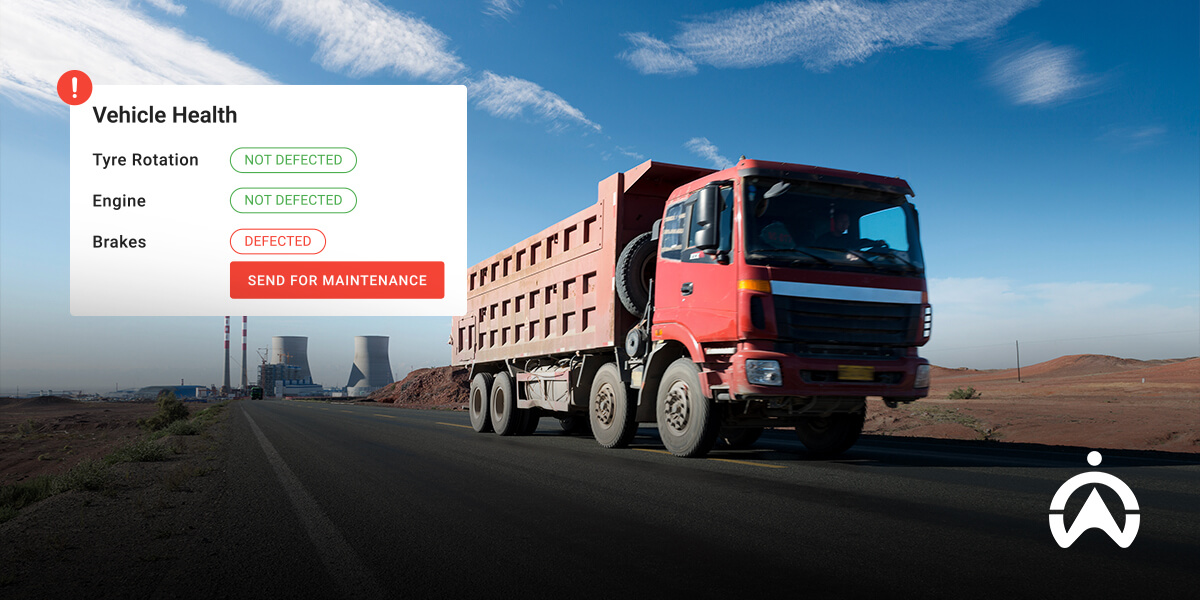
Red truck on a road with Cartrack maintenance alert showing defective brakes, recommending maintenance.

Preventative maintenance

Cartrack’s preventative maintenance service uses telematics to monitor vehicle utilisation and wear and tear. This will be monitored and measured to track when a vehicle is most likely to need a service. 

These sensors will alert the manager when a vehicle is no longer performing at an optimal level. This will allow the manager the opportunity to address the issues before they become too serious and affect the vehicle. All these measures will reduce the amount of downtime in the fleet as fewer vehicles will be pulled out of rotation for significant services. 

By having this done, Cartrack’s system can help your vehicles stay compliant with safety and vehicle health regulations. 

Stolen vehicle recovery services

Cartrack has an unparalleled reputation when it comes to vehicle recovery, with an audited vehicle recovery rate of approximately 90%. This proves how seriously we take the safety of your fleet. 

Our aim is not just to keep your fleet compliant with regulations but also to ensure that it operates smoothly. With our vehicle recovery services, this is made possible, even for businesses with fleets that travel cross-border.

Get Cartrack And Keep Your Fleet NTSA Compliant 

Having a fleet of vehicles that are being managed well will make it easier to keep them all compliant with national regulations set by the NTSA, especially after the implementation of the new updates. 

Getting Cartrack on your side is a step in the right direction, as we are best equipped to cover your business’s fleet management needs with our comprehensive offering.

If you would like to know more about how we can help your fleet be compliant with national road regulations, contact us today.

FAQ

What happens if my fleet does not comply with NTSA regulations?

If a business fleet is non-compliant, then it can incur penalties, fines, vehicle impoundment, and even business licence suspension. 

What key elements of fleet management relate to NTSA certification?

Vehicle health and maintenance, driver management, and safety.

What industries would need an NTSA certification?

Any industry with a fleet of commercial vehicles that use public roads. This could range from construction and agriculture to logistics and retail. 
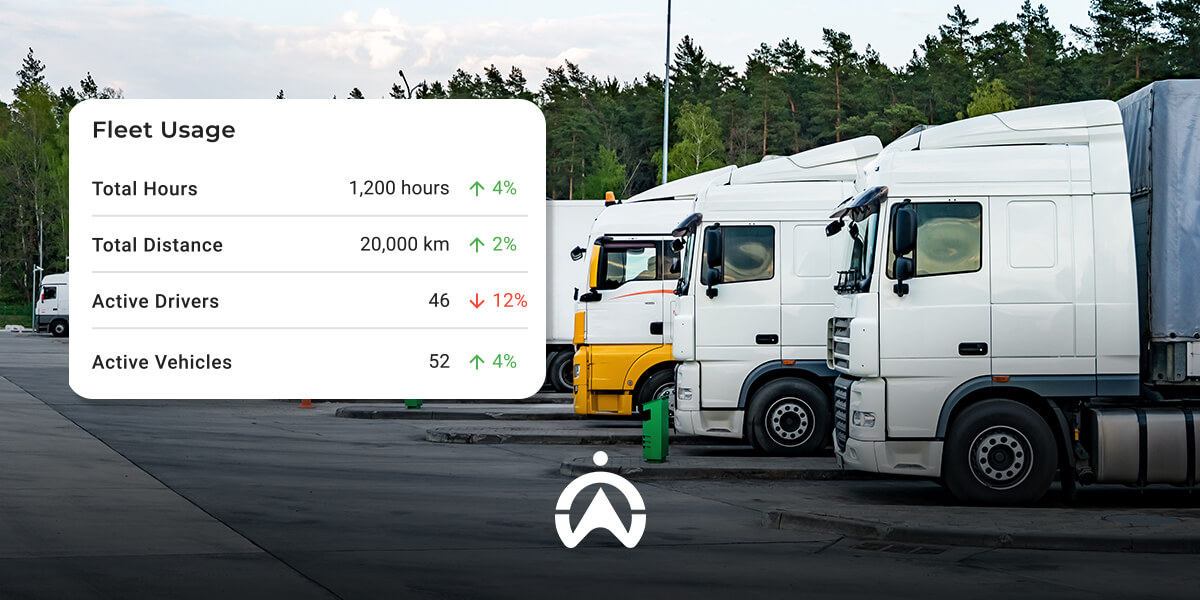
The Advantages and Disadvantages of a Fleet Management System

The impact of fleet management systems is undeniable in today’s competitive business landscape. Businesses with a fleet of vehicles are starting to see the many benefits of these systems and are incorporating them into their operations to enhance how they work.

Adopting such a system allows companies to minimise the time spent on administrative duties. Many tedious tasks can be automated, giving business owners more time to concentrate on important tasks. This transition can lead to increases in productivity and improved operational efficiency.

Today, I will discuss the advantages and possible disadvantages of these systems. I will be sharing how Cartrack’s fleet management systems far surpass expectations.

Let’s dive in.

In this article, you will:

  • Discover the advantages and the possible disadvantages of a fleet management system
  • Learn about the advancements in fleet technology
  • Uncover the reasons why Cartrack’s systems stand out as the top choice in the industry

Pros and cons of fleet management systems

To stay ahead in today’s fast-paced world, businesses need an effective fleet monitoring system. These systems provide managers with real-time insights, enabling them to ensure the safety of their assets and drivers, maintain efficiency, and keep operational costs low.‍

Fleet management systems cater to the unique requirements of various sectors because they are easily customisable. Companies can adjust the different features to fit their specific needs. These solutions are flexible and adapt to the company’s changing demands, ensuring they remain effective over time.

Fleet management systems hold many advantages, but as with any system, they also may have disadvantages that businesses often think outweigh the advantages. This misconception can influence companies to such an extent that they are missing out on making their jobs easier.‍

Advantages of fleet management systems

A fleet management system can dramatically improve your company’s workflow and profitability. Here are ways they drive business success:

  • Reduce operational costs: The system provides a full view of all the company’s fleet performance and fleet costs. Business owners can easily monitor fuel consumption to identify when fuel is used too quickly. They can optimise routes to reduce idling time and monitor driver behaviour to ensure that drivers are driving economically. By monitoring these insights regularly, businesses can find out when fuel is used inefficiently and implement ways to reduce fuel usage, which results in lower operational costs.
    ‍
  • Boost efficiency: Fleet management systems have the capability to greatly improve the operational efficiency of a fleet. Businesses can analyse driver and vehicle data to check if the best possible route has been taken for a trip. Fleet monitoring facilitates a more seamless operation, ensuring timely deliveries. Additionally, it assists managers in adjusting future route plans to shorten the time it takes to complete the task, which improves productivity over time.
    ‍
  • Improve driver safety: Fleet monitoring empowers businesses to see how drivers are performing on the road through insights such as speeding, harsh braking, and tailgating. These insights are invaluable as they assist managers during coaching sessions to show drivers where they need to improve to meet company policies. 
    ‍
  • Ensure compliance: One very important responsibility of any business is to ensure drivers adhere to regulations. With video footage and driver behaviour monitoring, businesses can promote safer driving by coaching their drivers on their mistakes so that they can follow road rules and company policies in the future. 

Disadvantages of fleet management systems

Fleet management solutions have many transformative advantages for businesses. However, they also come with a few considerations. Let’s discuss what they are:

  • Upfront costs: The initial investment, which includes hardware and installation costs, may deter some businesses from making the leap. With Cartrack’s cost-effective solutions, the investment made in hardware and installation is more than compensated for by the savings in costs such as fuel and maintenance over time. Cartrack empowers businesses to make the switch without sacrificing quality or performance.
    ‍
  • User training for systems: Getting staff up to speed on a new system can take time and may interrupt daily operations. Employees often need to step away from their usual tasks to participate in training sessions, which can lead to a temporary slowdown in productivity as they adapt to the new processes, making fleet management systems feel burdensome. 

    However, at Cartrack, we understand that your time is valuable. We provide onboarding sessions for one-on-one support; we make sure businesses can quickly understand the system, helping teams feel confident and ready to go from the start. 
    ‍

  • Data privacy concerns: Many organisations are apprehensive about data security, as the risk of breaches looms large. With hackers becoming increasingly sophisticated, fleet management technology can be attractive for cyberattacks.
Cartrack_Route_Optimisation_System

What are the key advancements in fleet management?

Telematics

Telematics is an advanced telecommunication technology that allows businesses to send, receive, and store information remotely through the use of GPS technology and diagnostic tools. These systems gather important vehicle insights in real time that help businesses manage their fleet operations, which include:

  • Driver conduct such as speeding, idling, and harsh braking.
  • Fuel consumption and vehicle health data.
  • Tyre pressure levels.
  • Maintenance needs.

This information is then displayed on fleet management software, where a manager can view it to ensure drivers stay productive and safe.

Artificial intelligence and machine learning

Artificial intelligence (AI) and machine learning (ML) are computer systems that are used interchangeably within fleet management technology. AI is a set of algorithms that teach computer systems to think like humans, while ML is the process of teaching machines to analyse data and algorithms to improve performance and accuracy over time. ML can be considered as the technology that is used to teach AI to behave and reason like humans to perform complex tasks.

Within fleet management solutions, these technologies ensure tasks are done effectively and at the lowest cost while producing quality service. They help businesses manage fleet data, manage multiple teams, and organise administrative tasks.‍

Internet of Things

The term Internet of Things, or IoT for short, refers to the connection of everyday objects to the internet. It connects devices like desktops, smartphones, home appliances, and watches to transmit information to a central software system where information can be viewed. In terms of fleet management systems, this technology is found in sensors, tracking devices, and processors that transmit information about a vehicle. This has many benefits for a business as it automates manual tasks, enables real-time assessments of the condition of a vehicle, and monitors fuel consumption.

Cartrack_Driver_Monitoring_System

Why Cartrack’s fleet management system stands out as the best

Are you wondering why fleet management systems are considered crucial to business success? It is crucial because it ensures you remain competitive in a competitive business landscape such as Kenya. With Cartrack Kenya on your side, you can achieve a competitive edge. We provide cutting-edge technology that can transform and streamline your operation. Here’s how we achieve that:

  • Fleet cost management: Managing costs is a tough task for every business. Cartrack’s MiFleet is a user-friendly feature for managing fleet and administrative data. It also helps you identify possible fraud using transaction and telematics data. It starts with our fuel fraud validation process, where all the imported fuel transaction data is analysed. It then alerts you to all the valid and non-valid transactions, helping you identify possible fraud using the transaction and telematics data. Businesses can review all fraudulent transactions and either validate or flag them as fraud.
    ‍
  • Advanced GPS tracking: It is often challenging to monitor where a vehicle is while it is out on a trip. With Cartrack’s system, businesses can utilise GPS tracking to always know the precise location of their vehicles, whether they’re overseeing a single vehicle or a hundred.
    ‍
  • ‍Predictive maintenance: Predictive maintenance has changed the game for fleet management. Businesses can now identify potential problems before they become hazardous, such as uneven tyre wear or cooling system malfunctions. With these systems in place, downtime and repair times are cut down, which can help save on costs and prevent operational downtime.
    ‍
  • Fuel management: Cartrack’s fuel monitoring system is all about taking charge of your fuel operations to cut down on expenses. Our systems help businesses keep track of fuel levels, pull reports, set alerts, and monitor driver behaviour such as speeding, idling, and rapid acceleration. Examining these driving behaviours allows companies to enhance fuel efficiency, minimise inefficient driving practices, and optimise fuel consumption throughout their fleet.
    ‍
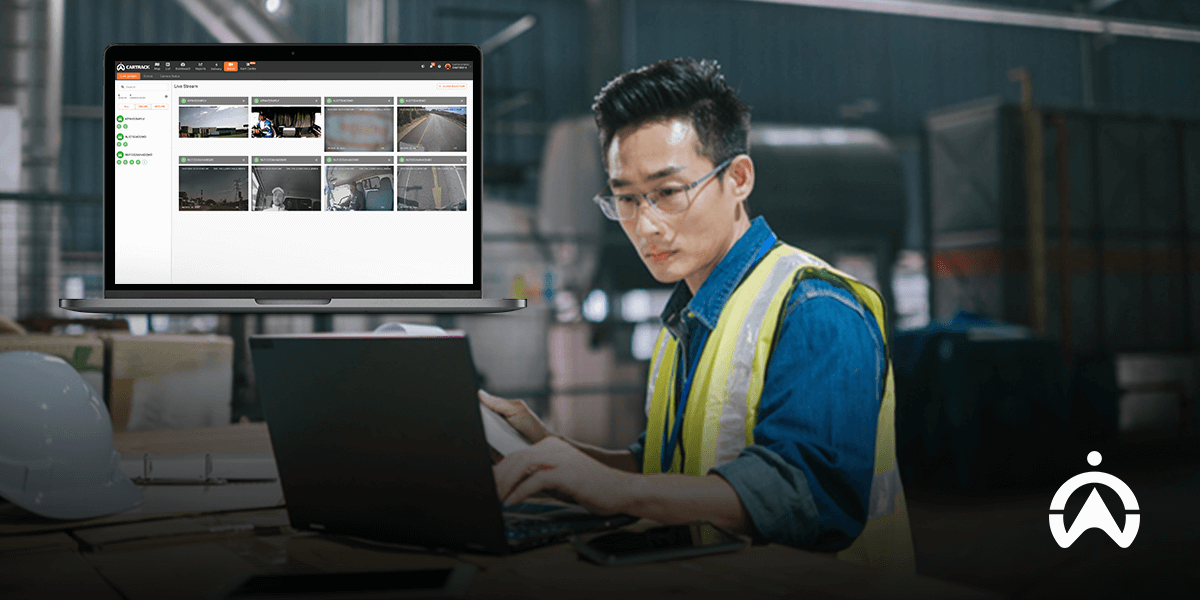
  • AI-powered cameras and video monitoring: Cartrack provides cutting-edge AI cameras and live streaming technology that help businesses keep an eye on their fleet in real-time. You can equip your vehicles with up to 8 internal and external cameras, ensuring the safety of your drivers and cargo. Our cameras come in various setups, including single, dual, and multi-camera.

    When combined with telematics, AI cameras monitor behaviours like distraction, smoking, and even yawning, which are sent as real-time alerts. Managers can use these alerts to address driver behaviour, preventing potential accidents before they occur. Additionally, when the ignition is off, they keep recording for 5 minutes before switching to standby mode.‍

The world has changed immensely, and so has technology. This goes without saying; in any fleet, it doesn’t matter how many vehicles you have; they have money riding on them. While the idea of investing in a fleet management system may seem overwhelming at first, it provides you with comprehensive control over your fleet. You’ll be able to keep tabs on monthly expenses and understand exactly what your drivers are up to during their journeys.

Cartrack’s fleet management system offers various benefits that transform a business’s operation, which leads to improved driver safety, reduced operational costs, and enhanced productivity. 

Are you interested in finding out more? Contact Cartrack today.

FAQs

Q: Can Cartrack’s fleet management system connect with other business tools?

A: Yes. Our system can be integrated with other systems such as accounting or dispatch management software and electric vehicle systems through API integration, which makes processes simpler and keeps data organised in one place.

Q: How do fleet management systems assist with route planning?

A: Cartrack’s fleet system offers route planning features that companies can use to create custom routes or use our auto route planning feature, which automatically sets up the most effective route for a trip, helping businesses save on fuel and reduce delivery times as well as wear and tear.

Q: Can fleet management systems keep track of driver hours?

A: Yes, Cartrack’s system allows businesses to record and monitor their drivers’ working hours and breaks. This allows managers to view historical trip reports to effectively identify when a driver is overworked and needs rest, which promotes better driver health.

Why It Is Important to Do Pre and Post-Trip Inspections

The bags are packed and we are all ready to go, but just one thing is missing. Have you checked your brake lights? Or car fluids? Have you checked any of it at all? It is easy to get caught up in the excitement of a long trip, and forget this vital step in travel preparations. Without these checks, a breakdown or an accident on the road becomes more likely.

This is why pre-and post-trip inspections are important practices for any vehicle owner, whether you’re a daily commuter, a weekend road tripper, or a professional driver.

Spotting an issue like slipping brakes before a trip can save your life. Regular inspections help identify critical problems, such as brake wear and tear, tyre pressure issues, or fluid leaks, that could lead to serious accidents. Failing to notice these issues may result in dangerous situations, endangering both the driver and other road users.

Let’s explore the importance of pre-and post-trip inspections and how Cartrack solutions can improve your inspection checks.

In this article, you will:

  • Learn the importance of pre and post-trip inspections
  • Understand the benefits of regular inspections
  • Explore how Cartrack can assist with vehicle inspections

What are Pre- and Post-Trip Inspections

Pre-trip inspections are checks conducted before taking a journey to ensure that the vehicle is safe and roadworthy. Post-trip inspections are done after a trip to identify any mechanical issues that may have taken place during the trip.

Did you know that over 10,000 people have tragically lost their lives on South African roads this year? Unroadworthy vehicles were among the many causes of these accidents, proving how important these inspections are.

Why are Pre- and Post-Trip Inspections Important

These inspections are important for safety, as they help identify potential technical problems that may lead to accidents. They ensure you do not get in trouble with the law and can help save money by detecting minor issues early before they become serious and costly to repair.

Let’s take a closer look at the benefits of conducting these inspections:

Safety Assurance

There were approximately 29 crashes daily in Kenya as of August 2024; this shows that road safety is a great concern. You do not want to be a statistic. Conducting vehicle inspections before a trip can significantly enhance safety on the road and contribute to the well-being of everyone around you.

Imagine you’re about to embark on a highly anticipated family road trip. Before the trip, a quick pre-trip inspection is conducted, and a burnt-out brake light is discovered. By replacing it in time, it ensures that other drivers can see your signals, ensuring safety on the road. Upon returning from the trip, the vehicle is inspected again, and you notice uneven tyre wear. Addressing this issue prevents potential tyre blowouts in the future.

Cost Saving

Identifying and fixing minor issues during inspections can save money in the long run by preventing major repairs or breakdowns.

During an inspection, noticing worn-out brake pads and replacing them immediately can lead to significant cost savings. Addressing this issue quickly prevents potential brake failure during a journey, which could result in damage to the vehicle and additional maintenance expenses—not only for the brake pads but also for other components affected by the brake failure.

Improved Vehicle Performance

Regular inspections ensure that everything is functioning optimally. This not only enhances overall vehicle performance but also improves fuel efficiency and reduces emissions. A well-maintained vehicle operates more smoothly and is less likely to experience unexpected failures.  

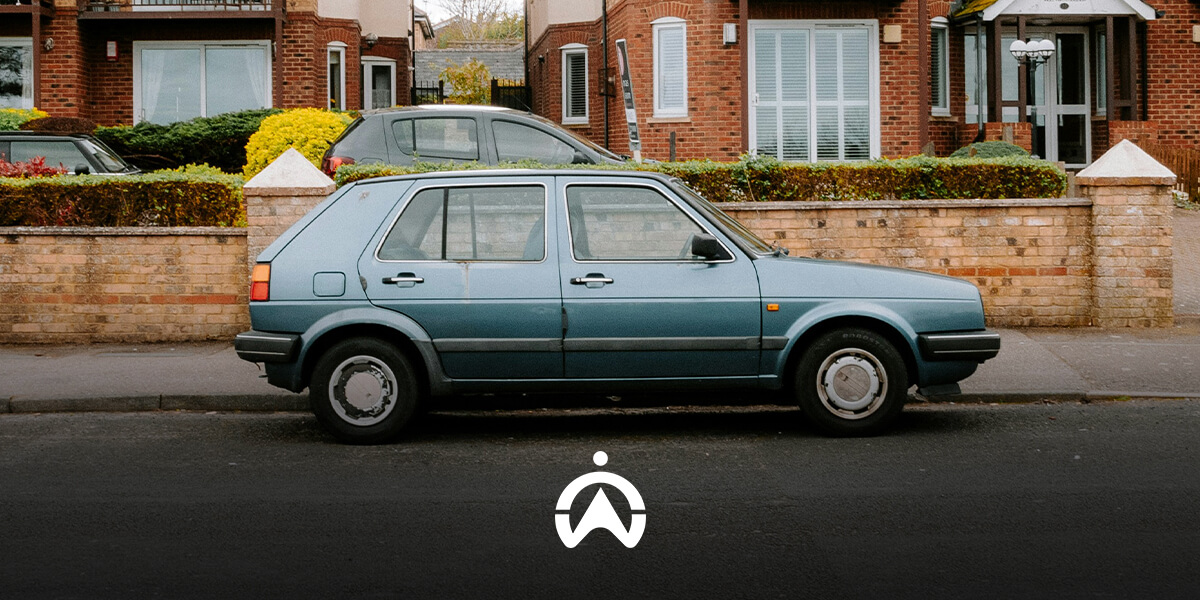
An old, worn-out green car parked by the roadside under a clear sky.

No Fines or Penalties

When stopped by traffic law enforcement at a roadblock and they find that the vehicle is not roadworthy, they will issue a ticket for fines or penalties. Traffic officers can issue a notice to discontinue the use of a motor vehicle or even impound it if it is clearly unroadworthy. Having a well-maintained vehicle can lead to a smooth and hassle-free experience at a roadblock.

Insurance Benefits

Insurance companies often require proof of regular vehicle services and compliance with traffic laws. Conducting regular inspections can greatly benefit your insurance experience. Keeping the vehicle in good condition can enhance your chances of smooth claims processing in the event of an incident or damage. This not only saves money in the long run but also minimises inconvenience.

q

Positive Impact on Resale Value

If you’re planning to sell your vehicle in the future, having a documented history—such as a service book or proof of regular maintenance, like mechanic receipts—can significantly enhance your selling experience. A well-maintained vehicle shows potential buyers that it has been cared for, which can boost their confidence in the purchase. This proactive approach not only encourages potential buyers to proceed with the sale but can also positively impact its resale value.

Longevity

Maintaining a car doesn’t only improve its overall performance but it also increases its lifespan. When you perform these inspections, you will notice an issue early, before it becomes a bigger problem. This ensures that the vehicle’s components work at their optimal.

Here are Some Things to Check in Your Car Before and After Hitting the Road:

As we learnt above, doing inspections before and after a trip is beneficial to you and your vehicle. You may be asking yourself, “What do I need to check during these inspections?”, here are a few important components to check:

  • Tyres: Check for any visible damage, such as cuts or punctures. Check the tyre pressure, and uneven wear patterns, which could suggest alignment issues.
    ‍
  • Brakes: Test the braking system to ensure it works as it should, and that there are no strange sounds. Also, check that the brake pads are still firm and steady and not smooth and slippery.
    ‍
  • Lights: Verify that all headlights, brake lights, indicators, and hazard lights are functioning correctly.
    ‍
  • Steering: Check that the steering feels normal, isn’t stiff, and doesn’t shake.
    ‍
  • Fluid Levels: Check oil, brake fluid, coolant, and windshield washer fluid levels.
    ‍
  • Battery: Look at the battery for any corrosion on the terminals and ensure that it is securely attached.
    ‍
  • Seatbelts: Make sure all seatbelts work by checking that they pull out smoothly and lock in place. This is important for keeping everyone safe in case of an accident.
    ‍
  • Windshield and Wipers: Ensure wiper blades are in good condition; replace them if they leave streaks. Ensure the windshield is clean and free of cracks or chips that could affect your view.
    ‍
  • Exterior Condition: Look out for any scratches, dents and any other signs of damage.

In addition to performing pre- and post-inspections, it is still important to take your car in for servicing, as per the manufacturer’s recommendation.

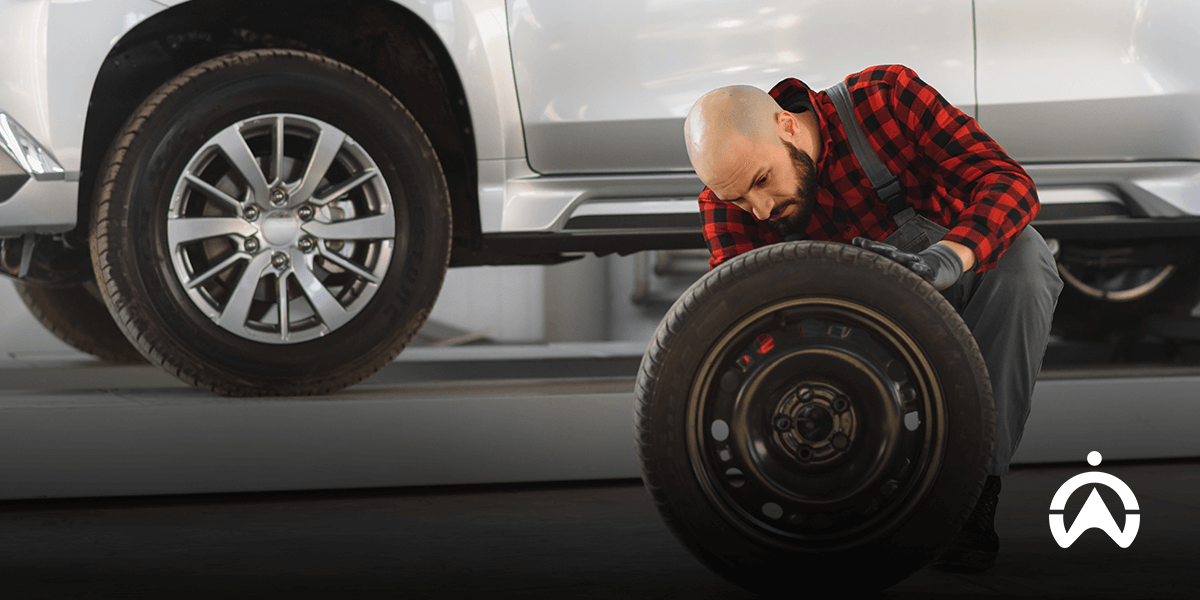
A person squatting next to a car and a spare tire.

Ways Cartrack Can Improve Your Inspection Checks  

Cartrack customers can utilise the value-added service feature on the Cartrack App called ‘Schedule Maintenance’. This allows you to schedule important maintenance dates and is a great way to prove that the vehicle is maintained. It’ll also help keep track of future maintenance.

Simply log on to the app to check previous maintenance logs and use that as a guideline for your inspections. Explore other benefits of the Cartrack App.

Additionally, Cartrack’s Lifetime Maintenance Warranty provides you with hassle-free maintenance and repair services on our products, ensuring they remain functional and reliable over time. This service not only saves you money but enhances the overall experience of using our products. There’s no need to worry about inspecting the tracking device or dashcams, we have got that covered.

In conclusion, doing vehicle checkup is not merely a routine task; they are essential for ensuring your vehicle’s safety, performance, and longevity. By regularly checking key components, you can prevent costly repairs, avoid accidents, and stay compliant with the law. Regularly inspecting your vehicle will ensure the safety of other road users too.  

Ready to take charge of your vehicle inspections? Contact us today to learn more about how we can assist in maintaining your vehicle’s safety and performance.  

Frequently Asked Questions Regarding Pre and Post-Inspections

Q: What should I do if I find a problem during an inspection?

A: If an issue is discovered during inspection, address it immediately. Depending on the severity of the problem, a quick fix, such as an oil change, may be manageable on your own, while a more serious issue like slow-changing gears, should be handled by a trusted mechanic before using the vehicle again.

Q:  How long should inspections take?

A: Depending on the vehicle’s size and the complexity of the inspection, pre-trip inspections typically take about 20-30 minutes. Post-trip inspections may take less time but should still be thorough.  

Q:  What are common mistakes made during inspections?

A: Common mistakes include rushing through the inspections, skipping necessary steps or failing to document findings correctly. It is important to invest enough time when doing inspections, so they are effective.  

Q: Should I inspect my vehicle if I’ve only driven it for short distances?

‍A: Yes, it’s still important to perform regular inspections even for short trips, especially if the vehicle is older or has had previous issues. Small problems can escalate even with minimal driving.

How Long Do Car Trackers Last

When you’re thinking about investing in a vehicle tracking device, it’s only natural to ask, “How long will the tracking device last?” After all, a high-quality tracking unit is an investment, and you want to be sure you’re getting your money’s worth.

No one wants to invest in technology only to have it fail a few years down the line. That is why it is important to know the factors that influence a tracker’s lifespan so you are able to make an informed decision when choosing one.

The good news is that modern GPS trackers designed for fleet management and personal vehicle tracking are built to last. These devices, just like any tech product, depend on their durability and several factors.

In this blog, we’ll take a closer look at these factors and explain why Cartrack’s solutions are designed to stand the test of time.

Let’s dive in!

By the end of this read, you’ll have a clear understanding of:

  • What impacts the lifespan of a vehicle tracker
  • How to get the most out of your tracking device
  • Why Cartrack’s tracking units offer reliability and durability

What Impacts How Long a Tracking Unit Lasts

Ever wondered how long a tracking unit really lasts? The answer to this depends on several factors, including the device’s quality, frequency of vehicle use, and how the device is installed.

Here are some of the factors that could affect a tracking device’s lifespan:

  • Tracking Device Quality
    Vehicle tracking companies offer different tracking units that vary in quality, and the quality of the device plays a huge role in how long it lasts. Of course, you could find a cheaper, off-brand device that promises to do the job, but the truth is that cheaper car tracking units often don’t have the durability needed for long-term use. Over time, they can begin to show signs of wear and tear, and you might find yourself needing to replace them sooner than expected.

    On the other hand, a high-quality tracking unit from a reputable provider like Cartrack is built using top-of-the-line materials designed to last.
    ‍

  • Frequency of Vehicle Use
    Just like any gadget, the frequency with which the vehicle is used can affect the lifespan of the tracking unit. If you’re tracking a fleet of vehicles that are on the road day in and day out, the device will naturally face more wear and tear. But rest assured, Cartrack’s tracking units are designed to handle this constant use with ease.

    Regardless of how often it’s used, Cartrack’s devices are built to provide reliable service for years, whether it’s one vehicle or a whole fleet.
    ‍

  • Tracking Device Installation and Maintenance
    Like any piece of technology, proper installation and maintenance can go a long way in extending its lifespan. If the tracking device is installed correctly by a professional installation technician, it is much more likely to serve you well for a long time.

    Cartrack assigns well-trained technicians for all tracking device installations and in case of repairs or maintenance.
    ‍

  • Keeping Up with New Technology
    Technology is always changing, and while the physical tracking unit may last for several years, it is staying current with new technological advancements that will keep it relevant. This is particularly crucial as the tracking industry evolves, introducing new features and innovations.

    At Cartrack, we make sure that our tracking devices are up to date with the latest innovations to keep them performing at their best. This ensures that our tracking devices stay compatible with new systems and features, meaning you don’t have to worry about your tracking device becoming obsolete anytime soon.

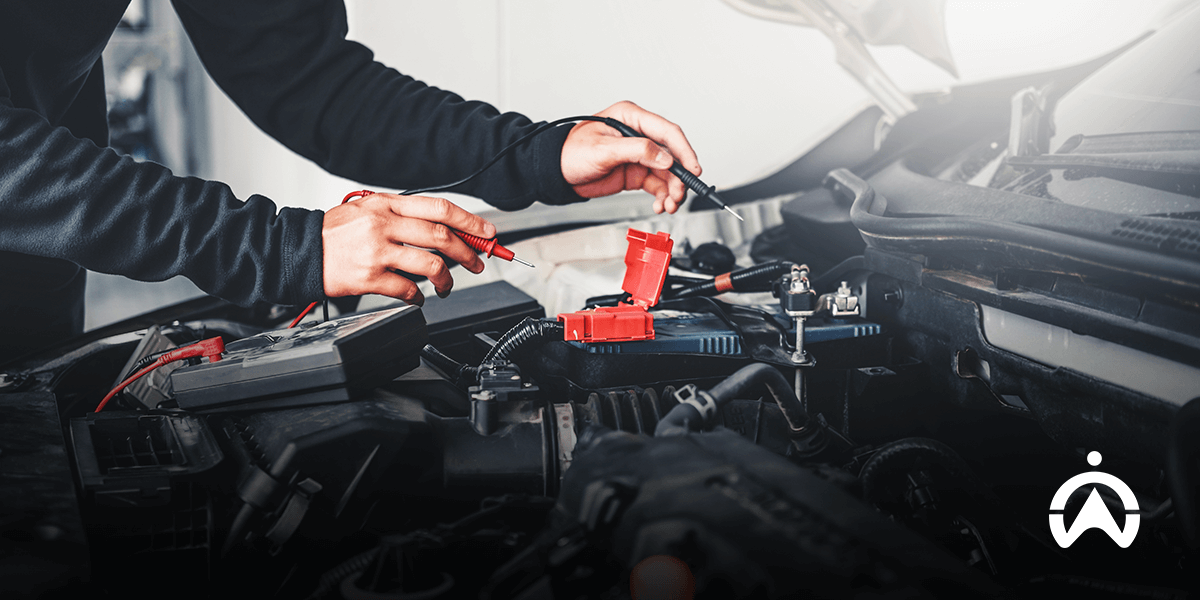
Person using multimeter on car battery under open hood.

What Is the Lifespan of a Tracking Device?

The Expected Tracking Device Lifespan

When it comes to high-quality tracking devices like Cartrack’s, you can generally expect them to last for a couple of years, depending on the factors we’ve discussed. And, with the device’s durability and expert maintenance, many tracking devices from a reputable tracking service provider are guaranteed to last long.

The Right Time to Upgrade a Tracking Device

Eventually, even the best tracking units will need to be replaced. If your tracking device starts showing signs of wear and tear or feels outdated compared to newer models, it may be time for an upgrade. The good news is, with Cartrack, this process is smooth and simple. Our customer support team is always available to help guide you through the process.

Why Cartrack is the Best Option for Long-Lasting Performance

By now, you might be wondering: “What makes Cartrack different from other tracking providers?” The answer is simple, Cartrack is all about quality, reliability, and customer satisfaction.

Here’s what makes Cartrack stand out:

  1. Real-Time GPS Tracking
    Cartrack’s real-time tracking system provides precise and up-to-date information about your vehicle’s location, speed, and other driver behaviours. Whether you’re managing one vehicle or an entire fleet, our tracking system ensures you’re always in control.
    ‍
  2. Fleet Management Features
    Cartrack doesn’t just provide basic tracking; we offer a complete fleet management system that helps monitor fuel consumption and vehicle maintenance schedules. This gives you valuable insights that help improve efficiency and reduce costs.
    ‍
  3. Enhanced Security with Vehicle Cameras
    Cartrack’s vehicle cameras add an extra layer of security and are the perfect add-on feature to your tracking system. By integrating video footage with GPS data, you get a complete view of your vehicle’s journey. This is invaluable for resolving disputes, improving driver safety, and securing your assets.
    ‍
  4. Fuel Management
    Fuel wastage is a huge concern for many businesses. Cartrack’s fuel management system helps you track fuel consumption in real-time, identifying issues that lead to unnecessary wastage and helping you save money.
    ‍
  5. Stolen Vehicle Recovery
    In the unfortunate event that your vehicle is stolen, Cartrack offers a stolen vehicle recovery service that works closely with law enforcement to recover your vehicle as quickly as possible, reducing downtime and financial loss.
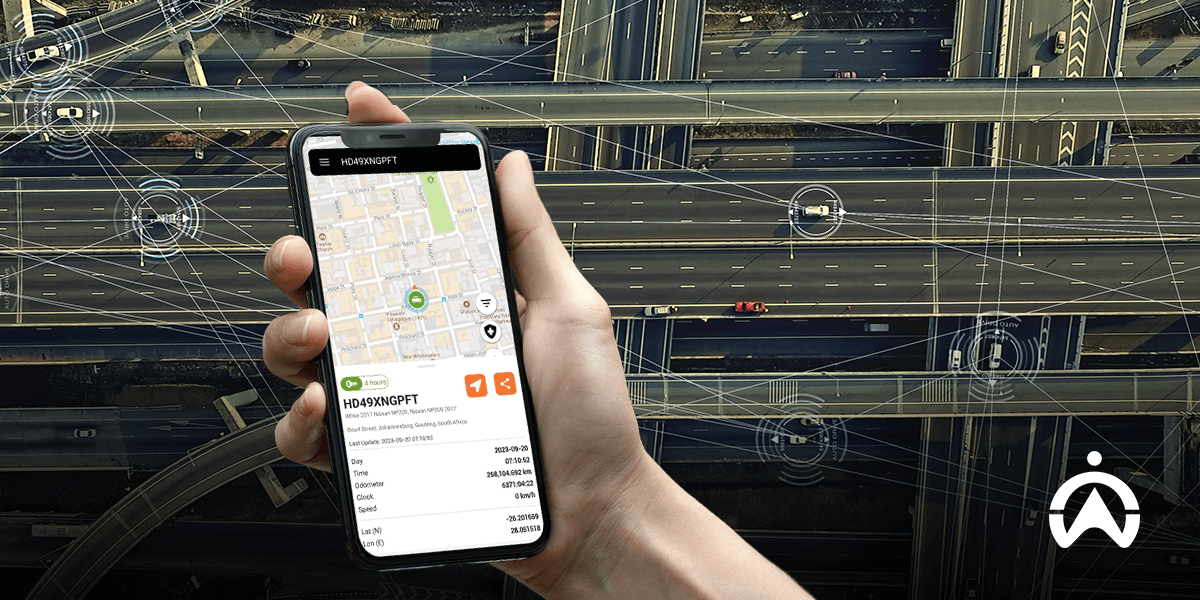
Hand holding a smartphone with a Cartrack app over a stylized city traffic background.

Why Settle for Less?

When you choose Cartrack, you’re not just investing in a tracking device, you’re investing in peace of mind. Our tracking units are designed to be reliable, durable, and packed with features that go far beyond simple location tracking.

Choose Cartrack and experience a feature-rich tracking solution built to last!

Frequently Asked Questions

  • How can I check if my Cartrack device is working properly?
    With Cartrack, there’s no need to wonder. You can easily check your device’s status at any time via the Cartrack app or website. It will show you if it’s connected and tracking your car correctly. If anything’s wrong, you’ll know straight away.
    ‍
  • Can I track multiple cars with my Cartrack account?
    Absolutely! Whether you’re keeping track of a fleet or just your family’s vehicles, Cartrack makes it simple to monitor multiple cars with one account. Switching between vehicles is quick and easy, so you can see where each car is and what it’s up to in real-time.
    ‍
  • What happens if my car’s battery is disconnected? Will the tracking device still work?
    Yes, it will! Cartrack devices come with a built-in backup battery. If your car’s main battery is disconnected, the extra battery will keep the device running for hours, ensuring we can still track the car in case of theft or tampering.
    ‍
  • Can I set up notifications for things like speeding or my car leaving a certain area?
    Of course! Cartrack lets you set up custom alerts for various situations, like speeding or when your car enters or exits a specific area. These notifications are sent straight to you, so you’re always in the loop when it matters most.

Predictive Maintenance: How to Reduce Unplanned Downtime

In this day and age, with rapid business development and steep competition, your fleet or machinery’s working condition is a vital factor to consider. For most companies, unplanned downtimes are costly, with challenges such as lost productivity and repairs.

Predictive maintenance is the most important way to cut unplanned downtime, optimise fleet management, and generally improve operational performance. This innovative approach focuses on advanced technology along with data-based insights to foresee incidents from the beginning and keep the assets performing at their top condition while causing minimal disturbances.

In this blog we learn about how predictive maintenance can help you get real-time vehicle diagnostics and establish effective maintenance plans for your fleet.

In this article, you will:

  • Learn about predictive maintenance
  • Discover the impact predictive maintenance has on fleet operations
  • Find out why Cartrack is the ideal partner for predictive maintenance solutions

What is Predictive Maintenance and How Does It Work?

Predictive maintenance uses data analysis to identify operational issues and potential equipment defects, enabling timely repairs before failures occur. It aims to minimise maintenance frequency, avoiding unplanned breakdowns and unnecessary preventive maintenance costs.

Core Principles of Predictive Maintenance

Predictive maintenance relies on various technologies in order for it to work effectively, these include:

  • The Internet of Things (IoT)
  • Predictive analytics
  • Artificial intelligence (AI)
  • Connected sensors

These components gather data from assets such as machinery and equipment. Here is how the components of predictive maintenance work:

Data Collection:

  • Components gather data from assets (machinery, equipment).
  • Data is collected in the cloud within an AI-enabled EAM or CMMS.

AI Analysis:

  • AI and machine learning analyse data in real-time.
  • This analysis provides an understanding of the equipment’s current condition.

Defect Detection & Alerting:

  • Alerts are triggered for potential defects.
  • Alerts are delivered to the maintenance team.

Predictive Capabilities:

  • Machine learning algorithms predict future equipment conditions.
  • Enables efficient maintenance workflows (scheduling, labour, parts).

Continuous Improvement:

  • Increased data collection leads to more insights and better predictions.
  • Provides confidence in optimal equipment performance.
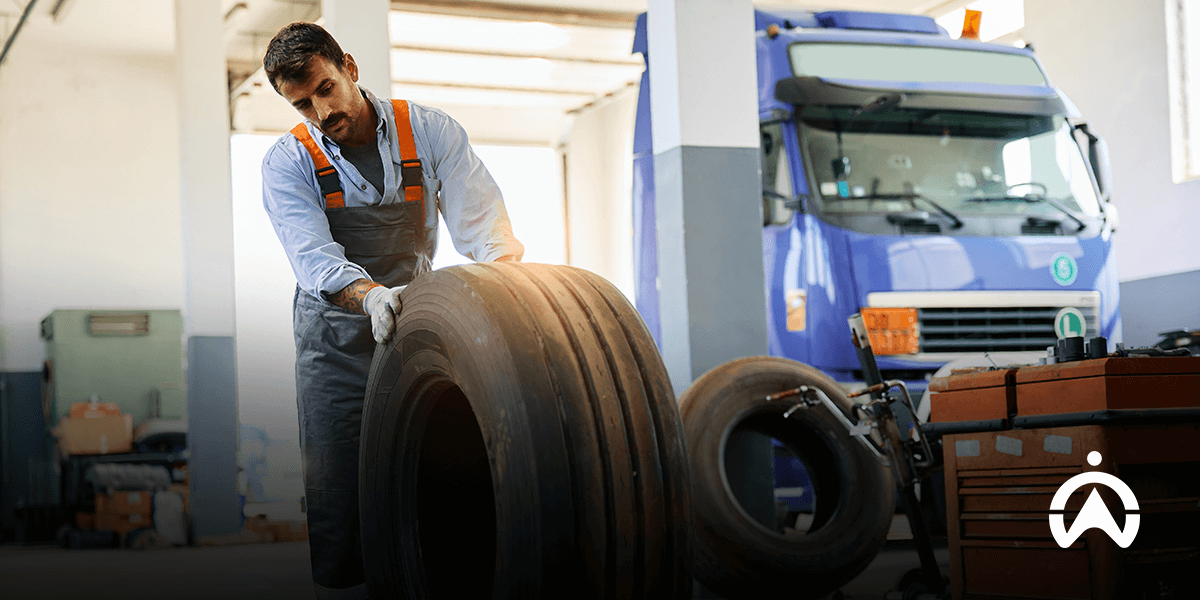
Mechanic in overalls rolling a large tire with a blue truck in the background.

Data Sources in Fleet Predictive Maintenance

In predictive maintenance, it is only through rich and accurate data that problems can be predicted before they bring about unexpected downtime. With Cartrack’s advanced and effective fleet management solutions, we exploit different sources to give a complete picture of how a vehicle performs. This data is acquired in real-time through telematics devices, sensors, and onboard diagnostics, enabling fleet managers to monitor critical metrics and get alerts for potential problems. Below are some of the critical data sources for effective predictive maintenance:

  1. ‍Engine Health
    The heart of any vehicle is its engine, and one needs to ensure that such components are monitored in order to avoid any chances of failure. Control actions regarding engine temperature, oil pressure, fuel consumption, and engine loading make it possible to flag early evidence of crisis. Take for example increased temperature in the engine or abnormality in oil pressure which can indicate possible failures in the cooling system or oil leak respectively. All these are parameters that are monitored continuously by the telematics systems from Cartrack, thus supplying fleet managers with real-time information regarding the times when engine health begins to decline, making timely action possible before more severe damage occurs.
    ‍
  2. ‍Braking Patterns
    Brakes are the most important safety feature in a vehicle. Worn-out or non-efficient brakes often lead to fatal accidents and very expensive repairs. Monitoring braking behaviour, including braking force, frequency, and response time, will help in identifying potential problems at an early stage. For example, excessive braking, especially sudden or hard braking, can lead to defective brake pads or adversely affect systems linked to brake fluid. With the help of Cartrack’s telematics system, fleet managers can track and analyse braking behaviour, thus providing an analysis that could lead to action being taken.
    ‍
  3. ‍Fuel Efficiency
    A drastic drop in fuel economy could be indicative of problems related to the engine, under-inflated tyres or a dysfunctional fuel system. Constant monitoring of average fuel consumption over time can help identify and address inefficiencies, which can accumulate into significant costs. Cartrack tracks a vehicle’s fuel usage in real-time so that fleet managers can study patterns on fuel consumption. This is then used when planning routing, optimising driving behaviour, and in case of any mechanical problem affecting fuel efficiency.
    ‍
  4. ‍Tyre Wear
    Tyres have a great deal to do with the safety and performance of a vehicle, factors to consider include varying forms of wear such as excessive and uneven tyre wear. These could indicate misalignment, improper inflation, or some other mechanical failure. Monitoring of tyre pressures as well as tread volumes informs when tyres will have reached the replacement service level. Cartrack has sensors that continuously monitor tyre health and notify fleet monitoring personnel when the pressure reaches below optimal levels or physical wear patterns indicate a need for replacement. By having early prevention measures in place, it will minimise blowouts and improve safety.

Why Predictive Maintenance Matters for Fleet Businesses

Predictive maintenance matters most to fleet businesses because of the cost reduction it brings. Another main reason is that efficiency increases since vehicles will rarely have downtime due to repairs. Most importantly it makes driver safety that much more possible as the vehicles will almost always be in top condition.

The Impact of Predictive Maintenance on Fleet Operations

Predictive maintenance has had a massive impact on the fleet management industry. Fleet managers can now foresee many issues that would otherwise affect fleet performance. Many benefits have come from this way of planning maintenance, let’s have a look at some of them.

Key Benefits of Predictive Maintenance

Minimising downtime and repair costs is the biggest benefit of predictive maintenance. The early services of vehicles mean that repairs are reduced and in some cases completely removed.

Another benefit is prolonging vehicle lifespans and improved asset utilisation. When vehicles are repaired early it means that they will have significantly reduced downtime and are not likely to break down randomly, maximising operational time.

Reducing fuel waste is a byproduct of optimally functioning vehicles. An engine that is working well and in good condition is more fuel efficient than one that isn’t. This means that fuel costs can be expected to go down overall. An added benefit is the reduced environmental impact from the reduced fuel use.

Operational Efficiency

Operational efficiency is the biggest advantage of predictive maintenance as it allows better planning for vehicle availability. It becomes very easy to manage vehicles when very few of them are in maintenance or getting a service. Smarter resource allocation with accurate maintenance scheduling will be the norm moving forward.

Cartrack: A Game-Changer in Predictive Maintenance

Cartrack is a provider of advanced telematics solutions for fleet management, the services include GPS tracking, vehicle diagnostics, and vehicle data analytics. This is all provided both in real-time and in scheduled reports. These features all assist in predictive maintenance, here’s how.

How Cartrack Enhances Predictive Maintenance

Cartrack’s telematics technology detects performance anomalies and warns well in advance about potential critical issues. The management software then gives actionable insights to operators on how to resolve each vehicle’s issues, thus reducing unplanned downtime and ensuring that vehicles remain operational.

Fleet managers that use a Cartrack platform, are able to:

  • Monitor the entire fleet’s KPIs.
    ‍
  • Get predictive alerts on components that are nearing failure.
    ‍
  • Evaluate historical data to anticipate future maintenance activities.
    ‍
  • Schedule maintenance activities based on data-driven insights.
    ‍
  • Prevent unnecessary fuel consumption.
    ‍
  • Improve driver behaviour and route optimisation.

Features of Cartrack Solutions

At Cartrack, we pride ourselves on offering a comprehensive suite of features designed to enhance the effectiveness of predictive maintenance, improve fleet management, and ultimately reduce unplanned downtime. Our solutions are built with flexibility, reliability, and real-time data at their core, ensuring that fleet managers have all the tools they need to keep their vehicles operating at their best. Here are some of the standout features that set Cartrack apart:

  1. ‍Customisable Maintenance Schedules and Automated Reminders
    Cartrack understands that each fleet has unique needs, which is why we offer customisable maintenance schedules tailored to your specific fleet profile. Our system takes into account the type of vehicles you operate, their usage patterns, and manufacturer recommendations, ensuring that maintenance is scheduled at the optimal time for each asset. Furthermore, we provide automated reminders for scheduled maintenance tasks, such as oil changes, tyre rotations, or filter replacements. These reminders are delivered via email or the Cartrack mobile app, ensuring that no important maintenance task is overlooked.
    ‍
  2. ‍Proven Results in Reducing Downtime and Saving Costs
    Cartrack’s predictive maintenance technology has consistently delivered tangible results in reducing unplanned downtime and lowering maintenance costs for fleets of all sizes. By providing accurate, real-time data on vehicle health, we enable businesses to shift from reactive maintenance strategies to a more proactive, data-driven approach. Our predictive insights allow fleet managers to address small issues before they escalate, preventing costly breakdowns and repairs.

    Our customers have reported significant improvements in both vehicle uptime and cost savings through Cartrack’s predictive maintenance solutions. By preventing unexpected repairs and optimising maintenance schedules, businesses can reduce repair costs, extend the lifespan of their assets, and improve fleet performance.
    ‍

  3. ‍Real-Time Alerts and Predictive Insights
    Cartrack’s advanced alert system offers immediate notifications when a vehicle requires attention. This helps ensure that issues are addressed before they result in a breakdown. Whether it’s an engine anomaly, a critical component failure, or unusual driving behaviour, fleet managers receive predictive alerts through the Cartrack app or other communication channels. These insights enable a proactive approach, allowing for quick fixes or the adjustment of maintenance schedules to avoid disruptions.

    With Cartrack’s real-time alerts and insights, you can stay ahead of potential problems and significantly reduce the risk of unplanned downtime.
    ‍

  4. ‍Data-Driven Performance Optimisation
    Cartrack’s system also provides performance analytics that go beyond predictive maintenance. By monitoring trends in fuel efficiency, driving patterns, and vehicle health, fleet managers can identify inefficiencies and make data-driven decisions to improve overall fleet performance. Optimising routes, adjusting driving behaviour, and managing fuel consumption not only contribute to vehicle longevity but also enhance operational efficiency and reduce costs across the fleet.
    ‍
  5. ‍Comprehensive Reporting and Fleet Insights
    Cartrack’s platform offers comprehensive reporting tools that allow fleet managers to track and analyse data on all aspects of fleet performance, from maintenance schedules to fuel consumption. These reports can be customised to your specific needs, offering detailed insights into the health and status of each vehicle. With Cartrack, you can track the progress of maintenance tasks, compare fleet performance over time, and gain a deeper understanding of which vehicles or components are most likely to require attention.
    ‍
  6. ‍24/7 Vehicle Monitoring
    One of the key advantages of using Cartrack’s telematics system is our round-the-clock vehicle monitoring. Our platform continuously collects and analyses data from all vehicles in the fleet, providing real-time insights into their performance, condition, and location. This 24/7 surveillance ensures that fleet managers are always informed, whether they are on the go or managing their fleet from the office. With Cartrack, fleet operators can detect issues as they emerge, allowing for immediate action to prevent failures and keep operations running smoothly.
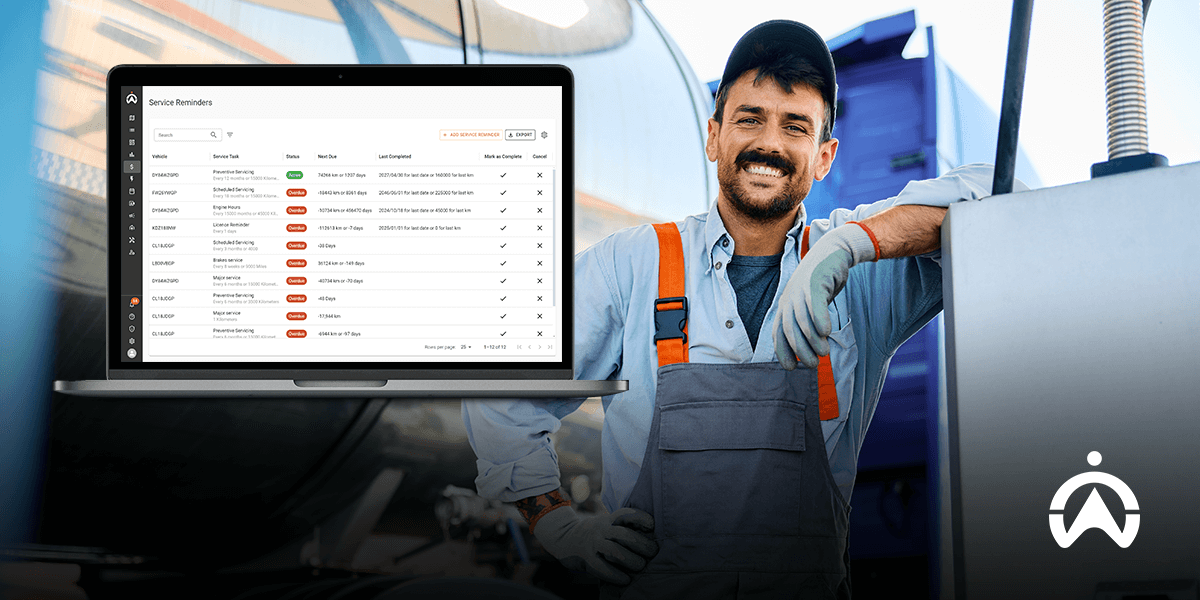
Worker in overalls presenting a laptop screen displaying service reminders.

The Future of Predictive Maintenance

The evolution in technology is going to continue to open the door wider for predictive maintenance. Future breakthroughs promise ever more intelligent machine learning algorithms, tighter integration of Internet of Things (IoT) devices, and more in-the-moment monitoring capabilities. Thus enabling companies to achieve more precise predictions on failures and the improvement of operational efficiencies.

Predictive maintenance, in short, is a drastic shift in strategy for an organisation with a fleet of vehicles or heavy equipment. For organisations trying to remain competitive, predictive maintenance is no longer optional but rather a strategic need. To optimise fleets, reduce unplanned downtime, and boost productivity Cartrack’s advanced telematics solutions are the best way to go.

Cartrack is at the forefront of this technological evolution to make businesses shine with smarter, safer, and cost-effective fleet management practices.

Contact us today to learn more about how Cartrack can help you and your fleet stay ahead of the curve.

FAQs

What is the ROI of predictive maintenance?

The ROI depends on factors like the industry, equipment complexity, and implementation scale. However, businesses typically see significant savings through reduced downtime, lower repair costs, and enhanced operational efficiency.

Can small businesses implement predictive maintenance?

Yes, with the increasing affordability of IoT devices and scalable cloud-based platforms, even small businesses can leverage predictive maintenance to improve efficiency and reduce costs.

How does predictive maintenance differ from preventive maintenance?

Predictive maintenance relies on real-time data to predict failures and act just in time, whereas preventive maintenance follows a fixed schedule based on time or usage, regardless of equipment condition.

What industries benefit most from predictive maintenance?

Predictive maintenance is widely used in industries like manufacturing, transportation, energy, healthcare, and utilities—where equipment reliability and uptime are critical.

Are Old Cars Less Likely to Be Stolen?

Are older cars less likely to be stolen? It depends. Some people may think that older cars are more likely to be targeted because of their age. The truth is, it doesn’t matter whether a vehicle is old or new, there are various reasons why vehicles may be at risk of being stolen.

In this blog, we discuss whether old cars are more or less likely to be stolen, share useful safety tips, and explain how Cartrack’s vehicle tracking systems can help you keep your vehicle safe and sound.

In this article, you will:

  • Find out if old cars are less likely to be stolen
  • Learn effective ways to secure your car from theft
  • Explore the different ways Cartrack can help you protect your car

Are Old Cars Less Likely to Be Stolen?

Car theft is a major concern for car owners, regardless of their make and model, and you might be wondering whether older cars are less likely to be stolen compared to newer models. There are many factors that put a car at risk of theft, and the age of a vehicle is just one of them. Here are a few reasons an older car may be the likely pick in some cases:

Demand for second-hand parts in the black market

Older cars have a timeless appeal that many still enjoy, especially popular ones. Criminals steal these vehicles, strip them, and sell their parts, which include the engine and the interior. These are then sold on the black market for a profit.

High Resale Value

Many car enthusiasts love the nostalgia that comes with vintage or limited-edition cars. These cars are very popular and in high demand because they are unique collector’s items. As a result, they may be targeted by criminals because they are easy to sell.

Lack of security features

Old vehicles lack the advanced security features that are present in newer cars. These are features such as immobiliser remotes and motion sensors, and the lack of these features can make them an easy target for theft compared to newer models.

Cloning

Criminal enterprises target vehicles to sell their parts and are used for other illicit activities. Criminals alter the identity of stolen vehicles by creating fake documents, putting up fake number plates, and changing the VIN. In some cases, they may spray the car a different colour, making it harder to trace and allowing them to commit other crimes without detection.

Vulnerability due to lack of security systems

Many old classics from the 80s and 90s still roam the streets today, but let’s face it, they don’t have the advanced security features that modern cars have. This makes them more vulnerable to theft, which is why security systems such as alarms and vehicle tracking devices are a good investment to protect them against criminal elements.

Cross-border smuggling

Cross-border smuggling is a frequent occurrence in Kenya; reports in recent years indicate that criminal syndicates target older cars and ship them into neighbouring countries such as Tanzania and DRC. These syndicates use false documents to get the cars into neighbouring countries where they are reregistered and sold, stripped for parts, and in some instances, used to commit other crimes.

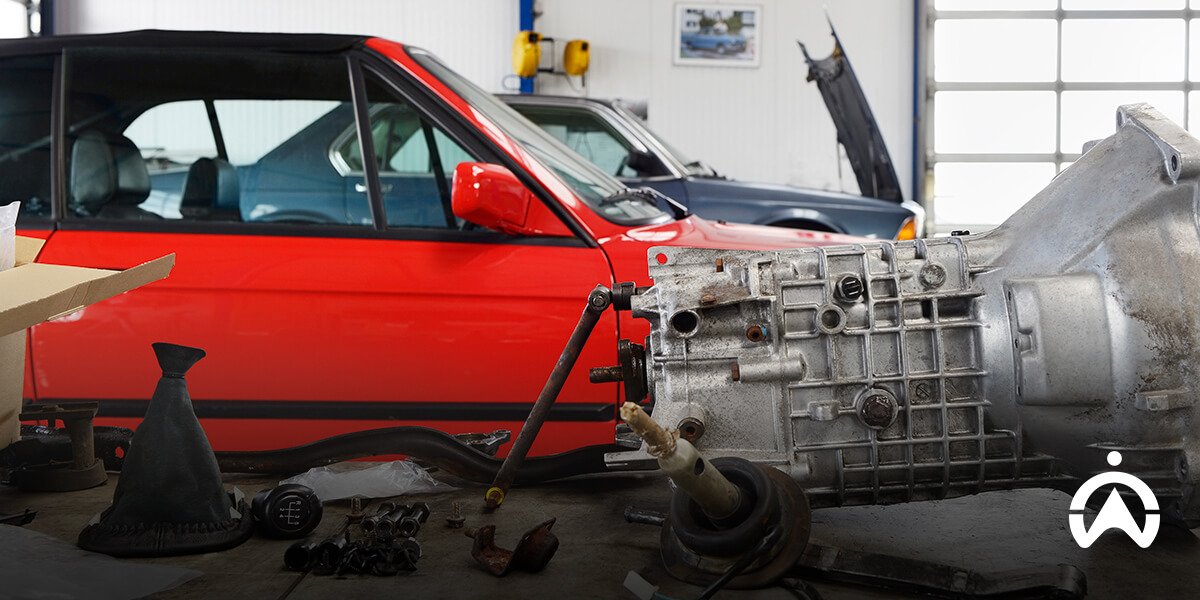
A red car is in a garage surrounded by car parts and tools, including a transmission, with a classic blue car in the background.

Why older cars may be less likely to be stolen

There is a popular saying that says, “There are two sides to a coin.” and in terms of old vehicle theft, it is also true. As much as there are reasons why old cars are more likely to be stolen, there are also factors why they are less likely to be stolen.

Here are the common factors:

Low resale value

Old vehicles have a lower value than newer ones, which means the resale value is much lower. This makes these cars less appealing to criminals wanting to make a big profit.

Less Demand

It may be true that there are old cars that are still popular. However, many old models are less popular, meaning criminals get less for them, which could deter them from targeting the car.

Outdated Technology

Old cars don’t have the modern technology that new ones have. These technologies, such as keyless systems, can be hacked easily, which makes them more attractive to criminals. However, the absence of these technologies in old cars may make them hard to steal.

How to protect your car from theft

Are you wondering how you can go about protecting your vehicle? There are various methods you can use to protect your vehicle. Here are a few you can use to minimise the risk of your vehicle being stolen, whether old or new:

Are you concerned about the safety of your older vehicle? While classic cars and older models can hold sentimental or financial value, they also face increased risks of theft. Fortunately, there are proactive steps you can take to safeguard your vehicle. Whether your car is vintage or simply old, implementing these security measures will help minimise the risk of it being stolen.

Use a steering wheel lock

A steering wheel lock, although an old-school security measure, is a cheap and simple tool you can use to deter criminals. These locks fit directly on the steering wheel, making it impossible to turn it. This is an effective way to discourage car thieves from breaking into the car.‍

Install a car immobiliser

If you own an old car that wasn’t fitted with standard immobilisers, no need to worry. You can purchase one from several companies that sell after-market immobilisers. These anti-theft devices work by disabling the fuel and ignition systems that are used to start the vehicle. This may not prevent a criminal from breaking into your car, but it will stop them from driving off with it.‍

Check that your doors are locked

You may think that this is an obvious one, but many motorists forget to lock their doors, especially when they’re making a quick stop at a local supermarket or petrol station. Before leaving your car, it is recommended that you lock your car and then check every door handle to make sure that it is locked. By doing this, you can protect yourself against possible signal-jamming attempts, which work by disrupting the signal between your remote and your car when you’re trying to lock your car.

Park in a secure area

One of the safest ways to protect your vehicle is to park it in a safe and secure area. When out shopping, park close to where there is security patrolling. In a case where you have to park your car on the street, make sure you park it in a well-lit area where there is a lot of traffic.

Install a car alarm

A car alarm is another effective theft deterrent system; it serves as a way to alert you or people close to your car that there is unauthorised tampering of your car. These systems are considered a good security measure as they are active at all times and go off immediately as soon as someone gains unauthorised access to your car. ‍

Get VIN etching on your car

VIN etching is a cost-effective way to secure your vehicle. It is done by engraving the vehicle’s unique vehicle identification number (VIN) on several parts of your car such as windows and mirrors, to make them recognisable for the authorities.

VIN etching does not guarantee that thieves won’t try to steal a car, however, this method can help police or tracking companies recover the vehicle as it makes identifying and matching the stolen vehicle with the registration documents easier.

Install a GPS tracking system

Installing a GPS tracking system in your old vehicle is crucial and one of the best things you can do for your peace of mind. This technology protects against theft and provides recovery services in the event your vehicle is stolen.

A masked individual in black clothing crouches by a car, peering intently through the window, suggesting an attempted theft.

Why choose Cartrack to protect your vehicle?

Using the tips above is a great way to protect your old car and keep criminals at bay. However, there is an even more effective way to protect your vehicle, and that is by installing a tracking device.

Investing in a vehicle tracking system like Cartrack is more than just a safety measure. It’s a choice to ensure your peace of mind. They are one of the country’s preferred tracking companies boasting an over 90% stolen vehicle recovery rate, ensuring that you are covered and supported at all times. Here’s how:

  • Real-time tracking: Whether you drive your vehicle regularly or use it occasionally. Cartrack GPS tracking devices enable you to track your vehicle remotely, wherever you are. This is a great tool to have when you have loved ones driving the vehicle. Advanced GPS technology uses satellites to pinpoint the accurate positioning of your vehicle. So it doesn’t matter where the car goes; you can always keep an eye on it.
    ‍
  • 24/7 support and recovery services: The theft of your vehicle is a traumatic event, especially if you don’t have any support. With Cartrack, you have support through our emergency support team 24/7. We are ready to assist you in the unfortunate event of vehicle theft or hijacking; they react promptly by dispatching a ground team to ensure a fast response.
    ‍
  • CarWatch: CarWatch is a feature you activate via the Cartrack App. Once activated, it keeps a virtual eye on your car while you’re out living your life. When there is unauthorised movement of your car an alert will be sent to you and Cartrack’s control room to find out if everything is okay.

You may think that old cars are less likely to be stolen, but the reality is that they remain a target of theft. By familiarising yourself with the risks and using the security tips provided, you can minimise the chances of your vehicle being stolen.

Cartrack’s vehicle tracking systems are a reliable solution to protect your vehicle; it doesn’t matter how old it is, it will be covered.

Make the move and safeguard your car today. Contact Cartrack now!

FAQs

Q: Are there specific car types that thieves prefer?

A: Yes, there are vehicle types that are targeted frequently, such as sedans, hatchbacks, and coupes. These are the most stolen cars because of the high demand for them or their parts.

‍Q. Are certain car colours targeted more than others?

A: The colour of your car may not be a major reason why your vehicle is targeted. However, common colours like white, black, and silver may be more attractive to thieves as they can blend into surrounding traffic or congested roads.‍

Q: Can I install modern, advanced security features into my old car?

‍A: Yes, most security features, such as immobilisers, GPS tracking systems, and alarms, are compatible with older vehicles and are a great addition to your vehicle’s security.‍

Q: Will installing a tracking device in my old car reduce my insurance premium?‍

‍A: Yes, it will. When you install a tracking device in your vehicle it increases the chances of it being recovered in the event it is stolen or hijacked. This is a factor that insurance companies consider that reduces your insurance premium.

What Are 10 Ways to Save Fuel?

The cost of fuel is a regular concern for many vehicle owners, especially with fuel prices fluctuating numerous times. Planning for this cost has come with some challenges which have made it hard to keep fuel costs low. Many vehicle owners are feeling the pinch and eagerly looking for different ways to save on fuel.

In this article, let’s explore ten simple ways you can start saving on fuel and how Cartrack can help you keep track of your fuel consumption.

Let’s dive in.

In this article, you will:

  • Discover 10 ways to help you save fuel
  • Learn how driving habits and vehicle maintenance impact fuel usage
  • Find out how Cartrack’s mobile app can help you save on fuel cost

10 Ways to Help You Save Fuel

Changing your approach to how you care for your vehicle is an effective way to save on fuel, these can range from adopting new driving behaviours to regular vehicle checkups. Learn these ways to make fuel wastage a thing of the past.  

Here are ten effective ways to save fuel:

1. Adopt Efficient Driving Habits

Saving fuel starts with how you drive your vehicle. When a vehicle’s speed increases, the car experiences more drag (air resistance). This occurs when the force from the resistance causes the engine to work harder to accelerate which burns more fuel. By incorporating a more moderate driving speed, which is normally between 65-90 km/h, your vehicle will experience less drag as it moves.

Other practices include avoiding congested roads that lead to idling and keeping your rev per minute constantly around 3000rpm while driving. Another efficient driving habit to adopt is avoiding frequent lane changes and abrupt stops in stop-and-go traffic.

2. Use engine braking and drive in higher gears

Engine braking and driving in high gear is an underutilised method for driving that many drivers don’t consider when trying to save fuel. Engine braking is when you take your foot off the accelerator pedal and allow the engine to slow the vehicle down. This can be incorporated instead of using the brake pedal when you’re getting close to a traffic light or stop sign. Less fuel is consumed because the engine is allowed to slow the vehicle down, using less brake power to stop it.

3. Opt for fuel-efficient vehicles

If you are thinking of buying a new car, it is best to choose the type that is fuel efficient, such as vehicles with small engines or hybrid cars. These vehicles were designed to provide an excellent driving experience while using less fuel.

There are a few things to consider when looking for a fuel-efficient vehicle, such as fuel consumption rate, engine size and weight. Lighter cars and smaller engines burn less fuel and can maximise your fuel savings over time.

4. Maintain Optimal Tyre Pressure

Optimal tyre pressure plays an important role in a vehicle’s performance and fuel efficiency. Keeping your tyres at the appropriate pressure recommended by your manufacturer will greatly benefit you down the line.

Let’s discuss how:

  • Underinflated tyres increase the rolling resistance of a car and force the engine to work harder and burn more fuel. It also causes uneven tread wear on the edges of the tyres which leads to the tyres degrading faster.
    ‍
  • Overinflated tyres negatively affect the handling of the vehicle, they make the drive bumpy, create uneven tread wear and burn more fuel. Furthermore, the uneven tread wear reduces the tyre’s ability to maintain contact with the road which can be dangerous at high speeds.

To make sure that you save on fuel and reduce wear and tear on your vehicle, it’s suggested that you check your tyre pressure at least once a month.

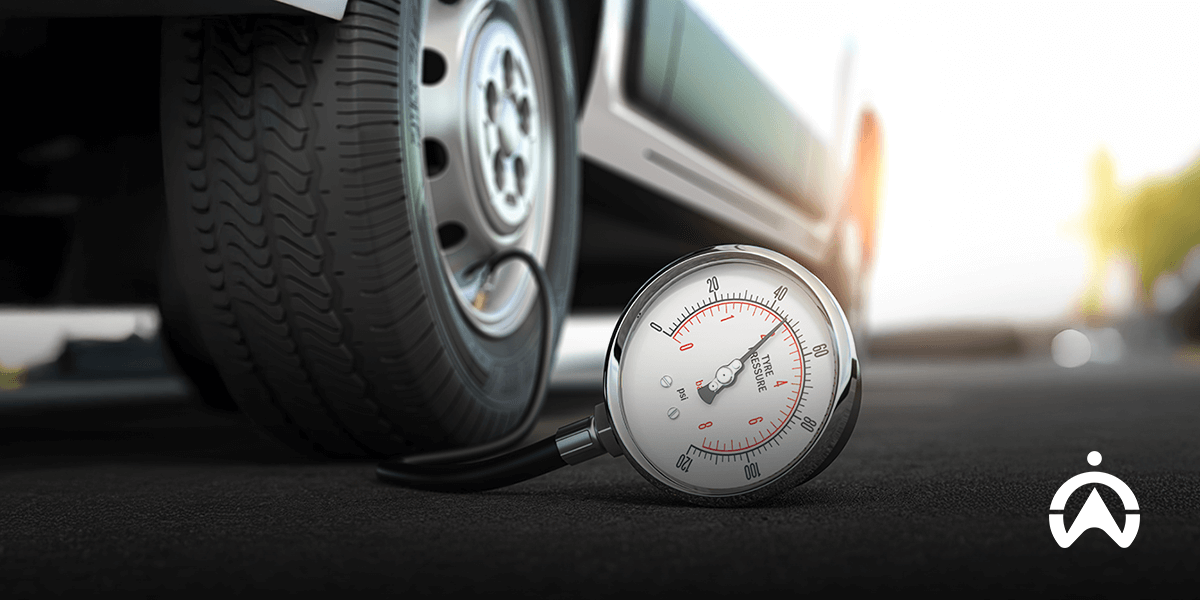
A tire pressure gauge on the ground next to a car tire.

5. Keep windows closed at high speeds

I know what you’re thinking, driving with your window open while cruising at a high speed feels refreshing, however, this significantly affects fuel efficiency. This normally occurs when a vehicle travels above 80 km/h, where the air resistance is at its greatest. To save on fuel consider keeping your windows closed and use the vehicle’s ventilation system instead.

6. Avoid heavy loads

Unnecessary weight in your vehicle makes the engine work harder which increases fuel consumption. This is especially true when driving long distances. Another load that adds extra weight and consumes more fuel are roof racks. Roof racks increase air resistance and reduce your vehicle’s aerodynamics when driving at high speeds.

To enjoy better fuel efficiency and a smoother drive consider packing light or keeping heavy items inside the vehicle.

7. Use quality fuel

There are three different fuels used in Kenya, Octane 87, Octane range 89-90, Octane range 91-94 and diesel fuel. Each fuel impacts a vehicle’s performance and fuel efficiency differently. Octane range 91-94 can withstand more compression before it ignites thanOctane range 89-90 which impacts vehicle performance at high speeds. Octane 87 is an older fuel and is ideal for older vehicle model as their engines were designed to perform optimally on 87.
New model vehicles with newer technology require high octane fuel like Octane range 91-94 as it helps maintain the vehicle’s performance and fuel efficiency. Using a lower octane fuel can decrease these vehicles’ fuel efficiency and can damage their engine or emission control systems.

8: Use cruise control on highways

Cruise control is an added feature that comes with most modern vehicles today. Not only do cruise control systems offer comfort and convenient driving, but they also help you save fuel. Cruise control helps the driver maintain a steady speed enabling them to only concentrate on steering. This allows for a smooth trip with fewer manoeuvres. Cruise control minimises how much fuel is used by removing the need to constantly accelerate and decelerate which burns more fuel.

9: Take advantage of loyalty programs

A great option to save on fuel costs these days is to join loyalty programs, these are offered at petrol stations, banks as well as through retailers. Whenever you refuel petrol you receive a certain amount of points. You can accumulate points over time and use them to purchase fuel or receive discounted prices. Consider choosing a program that is best for your needs and that allows you to fill up at a petrol station near you.

10. Combine trips

To save on fuel day to day, consider combining errands and driving fewer trips. Plan all the tasks you need to do ahead of time and do them all in one trip. By doing this you reduce the distance you drive that not only saves you valuable time but reduces fuel consumption.
Another effective way you can cut down on trips is by starting a lift club. Each person in the lift club can take turns driving one week a month, saving up to three weeks of fuel that you would have used if you were driving alone.

By implementing these ten ways, you can significantly reduce fuel wastage and save on fuel costs.

Mechanic with dreadlocks working on a car engine near a tool chest.

How Cartrack’s mobile app can help save fuel

Now that you know the 10 ways to save fuel, let’s discuss how Cartrack’s Mobile app can help keep track of your fuel usage.

Here are some reports from the app that will help save fuel:

  • Monitoring vehicle speeds
    Constant increases in speed require the engine to work harder to maintain the higher speed. The Cartrack mobile app map indicates every point where you were speeding and how fast you were going. This insight helps you identify this behaviour so that you adjust your driving behaviour to use less fuel.
    ‍
  • Reducing harsh braking
    Harsh braking from high speeds causes your vehicle to use more fuel than necessary. This happens because after you have slowed down the vehicle transmission needs to shift to a lower gear to regain lost momentum. The Cartrack app records every harsh braking event, this informs the driver on how frequently this mistake is made.
    ‍
  • Avoiding idle time
    Long periods of idle time in congested traffic consume fuel unnecessarily. The Cartrack app tracks your idle time during a trip, this data provides you with a wealth of information that shows you where the most traffic congestion is and when it occurs. This allows you can identify less congested routes that enable you to plan less congested routes.
  • Planning efficient routes
    Every time you drive your vehicle, the trip information is saved on your app history. This trip history provides insights into the route you took which shows the distance and how much fuel was used. This is an effective way to plan every route you take.

    You may use different routes to work and would like to know which route uses the least fuel. You can use the report history of the different routes to see your past trips. This will tell you how long the trip took as well as the speeds you were able to travel, so you can compare them against each other to see which one is the most fuel-efficient.

Start saving fuel with Cartrack Today!

Fuel costs do not have to be a burden. By taking advantage of Cartrack’s advanced mobile app technology you can reduce fuel consumption and save costs in no time.
Cartrack is committed to helping motorists drive smarter and efficiently. Our mobile app is not only for tracking your vehicle, it provides actionable insights that empower you to make fuel-saving decisions every day.

Why wait? Start applying these tips and let Cartrack help you save on fuel costs. Contact us today to find out more.

Driver Incentive Programs: How Dashcams Can Help You Coach Your Drivers

When running a fleet business no other resource matters more than your drivers. Managing them requires efficiency and good planning, this is what allows for safer travel and optimised delivery of goods and services. For this efficiency and optimisation to happen, drivers must perform at their best at all times.

A good way to encourage better driving practices and behaviour is by implementing a driver incentive program. One way of doing this is by using dashcams to record trips and overall driver performance.

This blog will discuss how driver incentive programs and dashcams can help improve driver safety through coaching.

Let’s get into it.

In this article, you will:

  • Learn about driver incentive programs
  • Find out what role dashcams play in driver coaching
  • Discover how to implement an incentive program
  • Understand the legal considerations of using dashcams
  • Learn how Cartrack’s dashcams can work for you and your coaching program

What Are Driver Incentive Programs

An incentive program is a reward-based method to motivate someone to complete an action. These programs leverage the power of rewards to align behaviour with business goals. When incentives are used in a work setting as part of a formalised system with business goals, it’s called an incentive program.

The goal of an employee engagement program is to improve workplace performance and culture while retaining employees with rewards and recognition. One of the biggest benefits of incentive programs is their flexibility as they can be tailored to suit the goals of the company, with enough room for occasional adjustments.

There are many types of incentive programs, each with its own process and reward structure. Here are some types of incentives offered:

  • Monetary bonuses: The most common incentive program is bonuses for good or outstanding performance. This comes in the form of a cash reward usually based on a percentage of the driver’s salary.
    ‍
  • Recognition: Getting official recognition is another popular incentive that employers use. This could be an award given at the end of the year or any other public declaration of the driver’s great performance. The most common version of this is an Employee of the Month program that rewards a driver monthly for meeting or exceeding company goals.
    ‍
  • Career development: Creating a reward structure that promises high performers a chance at career development is a very effective incentive program. This offers a clear path for drivers to see how to progress in their careers, this progression can be in the form of a promotion or skills development.

These incentive programs benefit both companies and drivers as they offer reduced costs, increased morale, and better customer service overall.

The Role of Dashcams in Driver Coaching

When it comes to monitoring driver behaviour only a few other technologies work as well as dashcams. They offer comprehensive recordings of trips, offering alerts for distracted driving and other offences. Let’s learn more about modern dashcams in a business setting.

How dashcams provide insights into driver behaviour

As a fleet manager, monitoring drivers as they perform their deliveries is important, this is why the use of dashcams is highly advised. They offer real-time video recordings of the journey and give the fleet manager insight into how the route usually goes, providing areas of improvement.

Modern dashcams offer a range of AI-powered solutions that assist in reducing accidents. One of these is event-triggered alerts that inform the driver and fleet manager on specific behaviours such as smoking and distracted driving.

The use of AI for analysing driving patterns is now an industry standard for most fleet management software. Key features of AI-powered dashcams include:

  • Real-time behaviour analysis: This feature identifies incidents of distracted driving, driver fatigue, and forward collisions.
    ‍
  • In-cabin alerts: Gives instant feedback to drivers to avoid an incident or an accident.
    ‍
  • Data integration: They have integrated connectivity with fleet management platforms to enhance organisational procedures.

Why use dashcams for coaching and training drivers

Dashcams are reliable mechanisms that have been in use for a number of years now. Using them for coaching and driver training is ideal as they provide objective feedback that can not be easily disputed. The biggest benefit of using dashcams for driver training and coaching is that they help in identifying areas of improvement. These can often be hard to figure out and spot without actual footage of the incident. Some common types of incidents you may want to respond to in coaching include:

  • Smoking
  • Fatigue
  • Forward collisions
  • Camera cover or tampering
  • Cellphone use
  • Seat belt compliance
  • Distracted driving

Monitoring these incidents and using them as a source for coaching is highly beneficial as it gives drivers real-world context. Failing to adhere to the rules leads to drivers getting demerits that can accrue over time. This is useful not only for the drivers but the business as well as it will have a comprehensive catalogue of offences that most drivers commit. When done correctly this can lead to safer trips overall. There are three main occasions when it is best to coach drivers, these include:

  • Onboarding new employees
  • In response to incidents
  • Ongoing scheduled basis

Following this process is useful as it will assist in reducing liability and incident frequency. Additionally, this footage can help lower insurance claims costs, and help protect your brand. Dashcam footage can also significantly expedite and simplify the resolution of disputes arising from traffic incidents. By offering an objective, first-hand account of the events leading up to an accident, these devices can help establish fault and facilitate fair compensation for the parties involved.

Dashcam attached to a car's windshield with blurred background.

How to implement Dashcam-Based Coaching Programs

In order to maximise on your dashcam footage and create incentives, a coaching program needs to be put in place. This will serve as a system to encourage better driving and make the overall management of drivers easier. This coaching program can be administered during the journey, after a trip and even during performance review sessions. The goal is to encourage better driving habits from drivers and improve fleet performance holistically.

Here is a step-by-step guide on how to create the right program for you and your drivers.

Step-by-step guide on how to implement a dashcam-based coaching program:

  1. Selecting the right dashcam solution for your fleet.
    The first step is choosing the best dashcam solutions for your business. This must be a solution that aligns with the goals of your company and the program you are setting up.

    You must consider whether you will need just one camera or more; whether it will have AI-powered features; and how much storage and recording capacity it will have.
    ‍

  1. Integrating dashcams with fleet management systems.
    In order for this process to run smoothly the dashcams should be able to be integrated with whichever fleet management system your business has in place. This is essential as it will simplify the monitoring and reporting process. The tools in the system should support the features in the dashcam solution so that there is a seamless integration of the two.
    ‍
  1. Developing clear coaching and feedback protocols.
    Once the system is integrated the next step is to establish clear coaching and feedback protocols. This means drivers will need to know how and when the coaching happens, from whom it will come, and how to give feedback on the coaching. This will assist in measuring incentives and determining who to award them to.
    ‍
  1. Aligning coaching sessions with incentive programs.
    The goal of the coaching sessions should be clearly stated, aligning with how the incentive program will run. This could mean explicitly stating which goal leads to which incentive or creating a points system that accumulates over a certain period of time. A driver should find it easy to understand where the coaching intersects with specific rewards from the incentives program.

Tips for a Successful Coaching Program

In order for the coaching and rewards program to work successfully there are some vital things to consider. Consistent feedback is essential for coaching, especially when people’s careers are on the line. The feedback should not just be in one direction, drivers should be able to give feedback on their coach’s performance as much as coaches do.

This leads to the next component to consider fairness. A program like this requires transparency so that drivers do not feel that there is bias or favouritism in how the coaching works and how incentives are given. It is this fairness that will keep drivers engaged in the program, unfairness will lead to disgruntled drivers and a drop off in performance.

Celebrating improvements is equally as important, not just celebrating the top achievers. This kind of recognition will make all the participants in the program feel seen even when they are not receiving rewards from the incentives program.

Future Trends in Driver Incentives and Dashcam Technology

There are many emerging advancements in dashcam technology sweeping the fleet management industry. The most prevalent of them all is AI integration in camera systems. This involves development in other areas such as machine learning and cloud storage capabilities. All these elements work together to form Advanced Driver Assistance Systems (ADAS) which aim to enhance driver safety.

Integration with telematics and predictive analytics is where the industry is going, with most fleet management systems already using these technologies. This is especially true for dashcams and driver behaviour monitoring.

The development of these technologies has made it easier to implement and run driver incentive programs. The evolving role of incentive programs in companies is a sign of how many drivers prefer it. Most driving job offers now include this as part of the employment package, making it a deciding factor for many in a competitive market.

Person in a hi-vis vest working on a laptop with security camera feeds displayed on the monitor.

Cartrack’s Dashcams and Coaching Solutions

At Cartrack we offer a variety of camera solutions where you get to monitor your fleet with road and cabin-facing AI dashcams. You can get up to 8 internal or external cameras to help keep your drivers, fleet, and cargo safe.  

This solution comes with preventative in-cabin voice alerts that let drivers know about potential safety violations so they can correct them immediately. Our event-based footage instantly gives you the exact footage you need, when you need it. Our AI-powered cameras analyse internal and external surroundings, allowing you to detect and alert drivers in real-time about any high-risk behaviour so they can avoid accidents. All footage of any incidents is stored on our cloud platform and can be used to coach drivers on how they can improve their driving behaviour.

You will have no more wasted hours spent going through hours of footage hoping to find what you’re looking for. You can live-stream the recordings for any active vehicle using Android, Apple or Huawei. View categorised event-based footage for any safety events captured, request footage based on a time and date or live-stream footage for any active vehicle.

As we move into a new technological era in fleet management it is advisable to make use of the tools currently available, such as dashcams. Combining driver incentive programs with dashcam-based coaching is one of the ways in which you can optimise your business and increase overall driver safety.

If you are looking for a reliable and trustworthy dashcam and AI-powered camera system, then make sure to contact us to learn more about our offering.

FAQs

How much does it cost to implement dashcams in a fleet?

Contact us at Cartrack to get a quote on our range of dashcams and cameras.

Are there privacy concerns with using dashcams in Kenya?

There is no specific law clarifying their legality or how the footage can be used. This means that recording people in public without their knowledge could potentially raise privacy issues, especially if the footage is shared without proper justification; however, dashcams are generally considered legal to use when recording public spaces such as roads.

What types of incentives work best for drivers?

The most effective incentive programs are cash bonuses and career development opportunities. These two options provide actual benefits to drivers that can positively impact their lives.

How quickly can results be seen after implementing these programs?

This will depend on the type of reward structure in place, but it is typical to see results in the first month after implementation.

Optimised Fleet Solutions for Refrigerated Transport Services

The global demand for refrigerated transport services has increased over the years due to the rise in e-commerce. Nowadays, people buy food and medication online, which has increased the need to transport products in agriculture, food and beverages, and pharmaceuticals.
Refrigerated transport services play a vital role in modern global supply chains. They make sure temperature-sensitive goods such as vegetables, seafood, and fresh flowers reach their destinations in perfect condition. Without the right technology, this essential service can get quite complex.

Today we explore everything you need to know about fleet solutions for refrigerated transport services.

In this article, you will:

  • Get a brief understanding of the cold chain logistics industry
  • Discover three main challenges faced by refrigerated transport services
  • Find out how Cartrack solutions make it easier to run a refrigerated transport business

All you need to know about refrigerated transport services

Temperature-controlled trucks enable businesses to reduce their transportation costs by transporting products by road, which is cheaper than shipping by air. This form of transport service is also known as cold chain logistics. The main objective of this industry is to maintain product quality and safety throughout the entire supply chain.

These goods can be on the road for days before reaching their destinations, so there have to be strategies in place to ensure that they are transported efficiently—that’s where fleet management technology comes in.

Understanding the needs of refrigerated transport

There are many obstacles that refrigerated transport businesses come across daily, most of which can be avoided through advanced technology. Here are three major challenges faced by most businesses that offer refrigerated transport services:

  • Temperature Sensitivity: It is important to maintain a specific temperature range when storing and transporting refrigerated goods. The temperature depends on the type of product it is. For example, fruits and vegetables require a temperature range of 2℃ to 4℃, while seafood needs to be frozen at -28℃ to -30℃. Products such as vaccines are so sensitive that they require constant controlled temperature from the moment they are manufactured. If the temperature changes, even for a short period, they could lose potency and become unfit for use. For this reason, there has to be an unbroken transport chain. This means, from the production stage, through distribution, to delivery, the products must be kept at a constant controlled temperature. Achieving this result can be difficult due to factors such as extreme weather conditions and the opening and closing of cargo doors during the loading and offloading stage. With the right technology, the issues surrounding temperature sensitivity can be quickly resolved.
  • Timeliness: Being on time is important for many businesses, but for temperature-sensitive goods, it is crucial. Drivers are constantly under immense pressure to reach their destinations without delay. A delay during the delivery stage may cause temperature fluctuations, which then affect product quality. This also shortens the shelf life of products such as fruits and vegetables, meaning the products cannot be in the store for long once they reach their destinations. For this reason, some retailers have strict guidelines that can result in steep penalties for deliveries that arrive late. There are many things that prolong transit times, such as vehicle breakdown, taking longer routes, or border clearance. This heightens the need for real-time visibility, properly planned routes, and good communication.
  • Compliance: A major challenge is that fleet businesses for refrigerated goods need to adhere to strict industry regulations and standards. Transporting temperature-sensitive products, particularly food, requires good hygiene and total reliability. The food transportation businesses are regulated by law. These regulations first address the hygienic aspect, stating that the vehicle compartment must be clean to the extent that physical or microbiological contamination of the food is prevented. Secondly, it is important that the vehicle itself is reliable; the vehicles must be in good condition at all times because that is also a reflection of the refrigerated compartments. Failure to adhere to such regulations will result in heavy fines or the business being deemed unfit for the role.
Industrial cold storage room filled with wooden crates of apples, with cooling units on the wall.

How to Monitor Refrigerated Cargo with Cartrack

Cartrack gives you optimised fleet management solutions for your refrigerated transport service so you can focus on happy clients and making a profit. Here’s how we help:

Real-time temperature monitoring:

Cartrack offers up to four temperature sensors to remotely monitor the temperature of your cargo. With this, you can receive alerts on any temperature fluctuations and reports that show temperatures stayed within the compliant range. For example, you can get alerted if temperatures go outside your approved range and correct them before produce or goods go off. If products spoil, cargo temperature reports can help prove that transportation was not the cause.

Secondly, through our cargo door sensors, you get to know when cargo doors open and close and get real-time alerts as well as reports that give you the location and duration of the sensor activity. This means you will immediately know when cargo doors are opened and whether they were opened outside of your pre-approved pickup or dropoff zones. The reports show you how long your reefer trailers’ cargo doors were open, so you can identify temperature fluctuations caused by drivers leaving them open.

Route optimisation

Reduce transit time to preserve product quality with our route optimisation service. This feature helps you avoid longer travel times that could cause delays and also affect product quality. Our system automatically creates job routes for drivers that minimise mileage and fuel costs. With this tool, you will know when drivers did not go according to the planned routes so you can quickly address the issue.

Fleet location tracking

Live location
Cartrack gives you full visibility of your vehicles in real-time, so you know where they are at all times. Our GPS tracking technology shows you accurate vehicle locations so you can ensure safe and efficient travelling.

Geofencing
Create virtual fences around areas of your choice, such as drop-off zones and filling stations, to ensure route compliance and that drivers adhere to their schedules. Our geofence feature alerts you whenever drivers enter or exit these zones so that they start and end their shifts at the correct times to enhance productivity and streamline operations.

Driver management

In addition to having technology that will keep your refrigerated cargo in good condition, drivers also need to be trained on how to handle temperature-sensitive cargo. To make it easier, Cartrack has a driver coaching platform that helps monitor driver behaviour so you can have a record of incidents, such as when cargo doors are left open for long. Drivers can then be called in for a coaching session in order to improve their habits.

Predictive maintenance

Our IoT-powered fleet management tools help you reduce downtime and maintenance costs while boosting productivity. With this, you get accurate odometer readings for internal reporting and vehicle management. You also receive information on engine diagnostics so you can send vehicles for repairs before the problems become bigger. This helps prevent unexpected delays caused by vehicles breaking down, which could compromise goods. Additionally, you can record, update, and store maintenance activities digitally for easy reference and convenient reporting.

Man adjusting truck refrigeration unit with a "Flower Truck Temperature" chart displayed.

Ensure your refrigerated cargo stays fresh at all times

Cartrack specialises in all things fleet management. Our solutions are here to boost your fleet’s productivity, streamline operations, and reduce costs. With us, your refrigerated cargo will always be closely monitored to ensure your clients receive the goods in the best possible condition. Contact us today and get a free quote.

Here are some frequently asked questions about refrigerated cargo

How to transport refrigerated goods?

Firstly, the goods need to be properly packed using materials that are meant for packing refrigerated goods, such as styrofoam, dry ice, and gel packs. The packaging must keep the heat out so the products can remain frozen.

Secondly, there are vehicles that are specially designed for this task, such as reefer trucks and reefer trailers. You need to choose vehicles with refrigeration and freezing systems that meet your specifications and carefully plan the transportation process.
Lastly, you need to invest in a fleet management system that will help you monitor cargo temperatures in real time, so you always know what’s going on and ensure that the goods remain in desired conditions.

What is the demand for refrigerated transport?
According to Research and Market, the refrigerated transport market is expected to reach US$ 27.07 billion by the year 2032 from US$ 17.77 billion in 2023, with a growth rate of 4.79% from 2024 to 2032.

What is refrigerated transportation?

Refrigerated transportation is a way of transporting goods that have specific needs for controlled temperatures. The goods are placed in vehicles that have built-in refrigeration systems in order to maintain the required temperature during the transportation process.

If you have more questions, you can contact us today and speak to a fleet consultant.

What Is Asset Management?

So you are a business owner, and you have cranes, mixers, generators, trucks and other machinery on your premises and work sites. Knowing where these assets are, how and when they are being used, and their condition is vital information for a business that wants to stay efficient and productive.

In essence, asset management is about making informed decisions to get the most out of an organisation’s resources.

This is called asset management and it focuses on overseeing these objects and the processes they follow. These assets can range from tools, heavy equipment and other moveable non-powered assets. 

Let us discuss how it can help curb high operational costs, and logistics challenges and improve overall efficiency. We will also share how modern tracking solutions, like Cartrack’s, provide real-time visibility and control.

In this article, you will:

  • Learn what fleet asset management is
  • Find out why it matters for businesses
  • Discover why asset management keeps your business in control
  • Understand why Cartrack is the best choice

What Is Fleet Asset Management 

Businesses rely on essential tools and equipment to achieve their goals efficiently. Depending on the type of business these tools can vary from general office tools to vehicles and heavy equipment. When discussing fleet asset management we are addressing the latter.

Consider these possibilities: your company generator has gone missing, fuel receipts are not adding up, there are multiple duplicates of the same schedule but not the one you’re looking for, and all your drivers are claiming overtime when you saw them all take the weekend off. This is why asset management is necessary, to avoid situations like this.

Managing these assets is very important as they are vital components of the business’s operations. If any of these had to break down or get stolen operations could be hindered significantly. This is why having a system that manages these assets is important, it streamlines inefficiencies and makes workflows more organised.

Why Asset Management Matters for Businesses 

A successful business operates at optimal capacity and productivity. Anything of risk to these aspects of the business should be resolved. Loss of assets, theft, misplacement, and inefficiencies are a result of poor asset management. 

Workplace theft is responsible for nearly 30% of business bankruptcies. This is a startling fact to realise, especially when the average new business failure rate is 54%.

Industries that benefit most from asset management 

What industries benefit most from implementing this system?  The answer to this will depend on the nature of the business, and the number and types of assets it has. 

The ideal industries would be those with many vehicles, heavy equipment, and machinery. Some of these industries include, but are not limited to: logistics, construction, mining, retail, and manufacturing. 

One of these industries is agriculture, which remains the backbone of Kenya’s economy and central to Kenya’s development strategy. According to the UN Food and Agriculture Organization (FAO), the sector remained dominant, accounting for approximately 33% of the gross domestic product (GDP).

According to the FAO, agriculture accounts for 65% of Kenya’s export earnings. It is the largest employer in Kenya, with more than 40% of the total population (and more than 70% of Kenya’s rural population) earning at least part of their income from the sector. This is why it is important to make sure that all precautions are taken to maintain the productivity of this industry. This is why asset management is essential; it streamlines processes and optimises the productivity and performance of assets.

Other more niche industries can also benefit from adopting an asset management system. This system works regardless of the size of the business or the scale. This kind of system can work even for a business with assets and vehicles spread across the country and borders.

Types of assets that need management

Let’s say there is a construction business; amongst its assets will be office chairs, stationery, tea cups and cleaning supplies to name a few. These business assets, while important, are not the kind that would need tracking and management. That would be the larger more specific tools that travel from site to site. 

A business’s assets serve different functions, requiring management tailored to their purpose, size, and value. Assets that need to be managed can range from powered to non-powered, movable to non-movable, and assets of different weight ranges. 
‍

Let’s see some examples of each of these asset types:

  • ‍Heavy equipment
    Heavy equipment that businesses can have include; forklifts, cranes, excavators, and other machinery with a large weight. 

    These types of assets need a management system because they often incur wear and tear over time and need scheduled maintenance to keep them operating at full capacity. This is mostly due to the continuous work that they do throughout the day.
    ‍

  • ‍High-value tools & machinery 
    High-value tools and machinery can include; generators, mixers, vending machines, fridges and other expensive assets. Managing these assets requires preventing loss due to theft and mitigating unauthorised use. As these items are high value, managing them protects the business from incurring additional costs due to replacements. 
    ‍
  • ‍Transport assets 
    A business can have vehicles for a range of reasons, from deliveries to staff transport. This will depend on the nature of the business and its needs. Types of transport assets include trucks, delivery vans, and fleet vehicles. 

    These assets need an asset management system in order to track their locations, monitor fuel use, and plan optimised routes. This management system has two main benefits, stolen vehicle recovery and enhanced operation efficiencies.
    ‍

  • ‍Non-powered assets 
    Some businesses own assets that are not powered such as; shipping containers, mobile toilets, and waste bins. These are assets that do need to be powered in any way for them to serve their function. Non-powered assets are typically not used in one specific location and usually move around to different sites depending on where they are needed. 

    Oftentimes these assets can be scattered across different locations in varying quantities. This poses a logistical risk of keeping track of where they all are, managing these assets keeps them all accounted for. 

Some of these types of assets may overlap in type and sometimes function. This nonetheless does not affect their need for management and monitoring.

Aerial view of a construction site featuring a cement mixer and machinery in use, with visible pipes and equipment setups.

How Asset Management Solutions Keep Your Business in Control

Running a business requires all aspects to be performing and functioning at 100%. Manually tracking and managing these assets can be time-consuming and in some cases labour intensive. 

Having an asset management system bypasses these problems by streamlining and automating some of these tasks. Here is how it is done: 

Real-time GPS tracking 

Real-time GPS tracking is one of the systems that can assist with managing assets. These solutions need to integrate with fleet management software. You get to monitor the exact location of all assets 24/7, giving you peace of mind that they are safe and accounted for.

GPS tracking facilitates asset recovery in case of theft alleviating the task of yard hunting for assets and physically recovering vehicles yourself. For some assets, the location can be requested via a GPS ping while other assets are visible in real-time on Cartrack’s mobile app. 

Geofencing alerts 

A geofence is a technology that allows for a virtual boundary to be set around an area. This boundary determines where assets are allowed, sending out an instant alert when they move outside this designated area. 

This software can be used to monitor when assets enter a workspace and when they exit it, this can be useful when tracking the movement of assets from site to site. You will know the exact time an asset arrived at a location, how long it was there and when it left. 

Tamper detection

Should the tracking unit on an asset ever be tampered with, you will receive an alert. This will indicate that someone is trying to steal the asset and allow for appropriate action to be taken in time. 

Usage monitoring 

How assets are used is an important factor to monitor, as this will determine the amount of wear and tear on an asset. An issue that usually occurs is when there is an uneven use of vehicles and machinery. This happens when one asset is regularly booked and used while another remains idle for long periods.  

An asset management system addresses this issue by tracking working hours, and maintenance schedules, and optimising usage. This will let the personnel in charge of distributing work know which assets have not been used efficiently and which are being overused. This will allow them to allocate work accordingly to assets depending on availability and total hours worked. This will make operations more efficient and less costly.

Remote immobilisation 

If a business owns vehicles and assets that require an ignition to start working then a remote immobiliser can be installed. You will be able to remotely switch off the asset engine from running. 

With this revolutionary technology, you have the upper hand in keeping stolen assets within recovery range. In the case of theft, you can disable the engine, making it impossible for a criminal to restart it once it has stopped running. Doing so considerably boosts the chances of recovery while also acting as a strong deterrent against future thefts.

Comprehensive reports & analytics 

An asset management system should offer comprehensive reports and analytics of all assets. These reports should cover everything from usage rate, fuel consumption, maintenance, diagnostics, and other metrics. 

These reports will give an overview of all the assets’ operations and status. They can then be used to improve decision-making and asset utilisation in the future. 

A yellow excavator on a dirt mound with a maintenance alert showing 265 km remaining until service. Blue sky and clouds in the background.

Why Cartrack Is the Best Choice for Asset Management

Dealing with the stresses of managing a wide variety of assets can be overwhelming. Fortunately, Cartrack has solutions for them all.  

As a comprehensive asset management provider Cartrack stands as an industry leader. With a footprint across 23 countries and customers from all over the globe, Cartrack offers some of the best solutions in the market. 

Here are some reasons to choose Cartrack:
‍

Industry-leading technology 

With over two decades’ worth of experience in the field, Cartrack has developed and innovated several solutions that are now the standard. All the innovations are patented and protected as intellectual property of the business. 

Cartrack’s software is all developed in-house, ensuring custom-built solutions for the evolving needs of businesses. 

Reliable 24/7 monitoring 

Asset tracking requires around-the-clock monitoring. A dedicated team ensures that your business assets are always protected. This constant surveillance means that should anything happen to your asset Cartrack can act quickly by sending out an alert and a recovery team if necessary.

This 24/7 monitoring can be done from the comfort of the business owner’s home, giving them a full view of all their assets at any time.

Proven success  

Cartrack has a long history of success with over 115,000 businesses trusting us with their fleet management solutions. Our audited stolen vehicle recovery rate stands at approximately 90%, a figure that is hard to match by competitors in the field. 

It is this reputation that should be a testament to why we are the best choice for a business looking for asset management.

Anti-jamming technology

Another method we have of protecting your assets, especially vehicles, is anti-jamming technology. This will block any attempts made to jam vehicle immobilisation or GPS tracking. Our technology even comes with a back-up that ensures that any jammed or tampered with signals are restored allowing for continuous GPS tracking.

Easy-to-use platform 

Our platforms offer a seamless user experience, allowing the business owner to monitor assets from their cellphone courtesy of our Mobile App or on a desktop or PC through our online interface. 

Through these platforms, a business owner can have a full view of all their assets, reports, schedules and drivers.

Anti-theft immobilisation

Cartrack offers remote immobilisation of vehicles and certain machinery. This is a feature that is extremely useful when dealing with theft. With a single tap on the Cartrack mobile app, you can remotely immobilise a stolen vehicle, preventing unauthorised movement and aiding in swift recovery. 

Geofencing

With geofencing, an asset manager can create a virtual boundary around the business premises or work site, requesting alerts every time an asset moves outside the zone. This can apply to vehicles, machinery and other movable assets. Using this technology allows the tracking of assets from one site to another to be clearer and better reported.

Scalable solutions  

Cartrack’s solutions are customisable to many business types from simple ones to those with a complex business structure. This allows us to adapt to the needs of a business as it grows and takes on more assets.

Our services cater to mixed fleet asset management, with a platform that is compatible with systems like enterprise resource planning (ERPs) software and other plug-ins. 

The importance of asset management for business efficiency and security can not be understated, it is a necessary component for any business looking to optimise operations. Whether a business is looking to grow or maintain workflow, the need for streamlined processes is always a benefit. 

With Cartrack as your business’s trusted asset tracking and management partner, your business will get a top-tier product that comes with unparalleled service. As a business, with a wealth of industry expertise and a reputation that few can compare to, we rise above the rest and shine as one of the best options out on the market.  

If you would like to get an asset management system from us, then we encourage you to book a demo or contact us to hear more about our solutions.

FAQ

Is fleet management part of logistics?

Yes, fleet management is a component of general logistics as it deals with the management of vehicles, schedules, routes and planning.

What industries need fleet asset management?

There are a range of business types and industries that need fleet asset management. These industries include but are not limited to; mining, construction, farming, and manufacturing. Any industry with a fleet of vehicles and heavy equipment will need an asset management system.

Why is it important to manage equipment as assets?

Equipment is very expensive, especially the kind used in niche and specialised industries. Breakdowns, theft and failure of these assets can lead to significant delays and operational disturbances. Managing these assets mitigates these problems and allows for timely action to be taken should a problem occur.

What are the three types of equipment maintenance?

There are three main strategies most facilities follow when it comes to machine maintenance: 

  • Preventive maintenance: to mitigate a potential problem.
  • Predictive maintenance: based on diagnostics of what components need to be serviced.
  • Corrective maintenance: after a breakdown has occurred to fix the problem.