What Is Short Haul Trucking

Short-haul trucking is the transportation of goods via truck, over distances that are comparatively shorter than long-haul trucking. Usually it refers to truck transport over distances of between 100km to 250km, which would usually be within a Kenyan province or between two provinces. 

The-star reported that in 2025, 4 400 fatal truck accidents took place. Over 34% of these involved pedestrians, which points to a high involvement of short-haul trucks in rural, urban, and suburban areas. Can accidents like these be reduced without compromising on speed and efficiency?

In this blog, Karooooo will do more than answer the question, “What is short-haul trucking?” We’ll create a comprehensive industry guide and help you develop your own short-haul trucking operations to make it more profitable, more reliable, and more efficient.

What does short-haul trucking refer to?

Short-haul trucking in Kenya refers to any truck-driven transportation that covers less than 300 kilometers. It’s a huge and important industry that includes last-mile deliveries, retail distribution, and manufacturing supply. Construction and infrastructure logistics are also included as industries that rely on short-haul trucking, as well as the all-important cold-chain logistics that regularly supply our retail stores.

How does short-haul trucking differ from long-haul trucking?

Short-haul trucking differs from long-haul trucking in distance, duration, and usually the type of truck used. Those large trucks you see on cross province highways are usually driven by long-haul truck drivers, while short-haul trucks often (but not always) use smaller vehicles. 

Distance

Long-haul trucking usually covers long distances that cross from one province to another. Sometimes they even cross the border into neighbouring African countries. More often than not, short-haul truck drivers remain within their province and distribute goods to destinations that are relatively close.

Duration

A big difference between long-haul trucking and short-haul trucking is how long it takes for the delivery to happen. Long-haul truckers often work long, taxing hours navigating the road, which is why you might see them parked on the side of a highway sleeping or eating before moving again. 

Vehicles

Because logistics companies want to get as much of their goods from one place to another (in order to save on fuel), long-haul truck drivers often work with large, heavily-loaded trucks. Short-haul truckers do too, but it’s more common for them to drive smaller trucks that carry fewer goods. 

Regulations

Both long-haul & short-haul truck drivers must adhere to appropriate regulations respectively that might differ slightly. For example, long-haul truckers might have to pack and secure their loads in a certain manner, whereas short-haul truckers are travelling short enough distances to be less strict in this regard. 
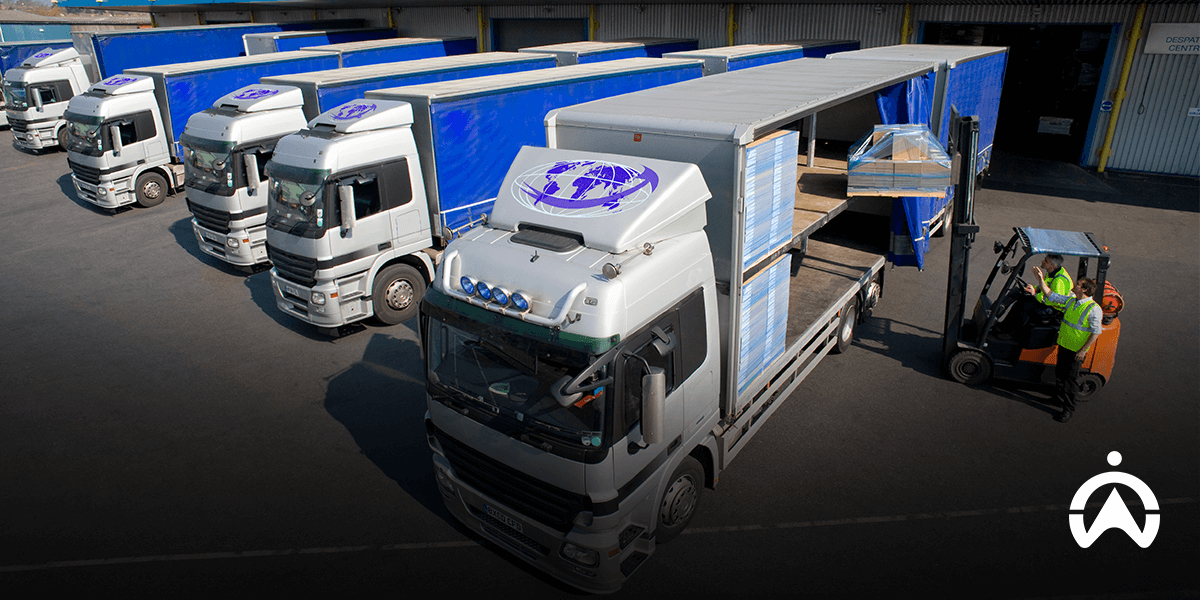
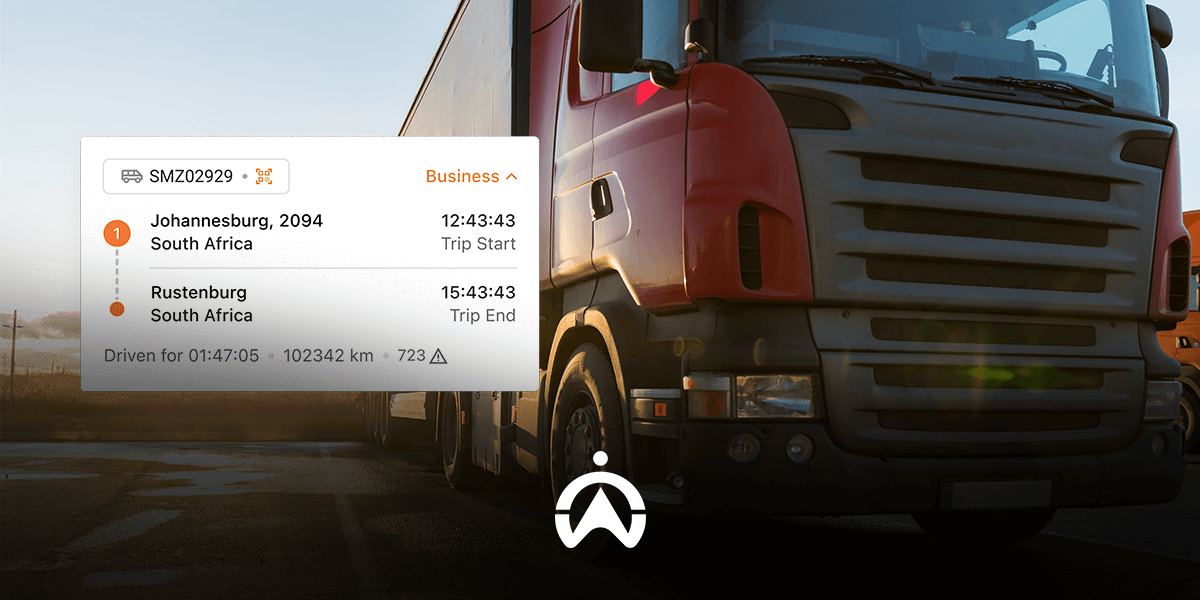
Short haul trucking fleet loading cargo at warehouse dock with forklift unloading crates.

A day in the life of a short-haul trucker

A day in the life of a short-haul truck driver comes with its own unique set of perks, challenges, and nuances. It’s different for everyone, but most must work long hours that start early and end late. They also have various responsibilities that relate to their vehicles, their driving behaviour, and their deadlines. 

What are the challenges faced by short-haul truck drivers?

The next time you see a short-haul truck driver on the road, consider the challenges they deal with on a daily basis:

  • Truck maintenance and road compliance
  • Tight deadlines for reaching their destinations (without breaking road laws)
  • Keeping the condition of their cargo in good shape
  • Ensuring vehicle security when parked
  • Navigating multiple stops in a single day
  • Dealing with traffic and the worsening road infrastructure

How is technology shaping the short-haul truck industry?

Fleet management companies have attempted to address many of these problems, and Karooooo has managed to come to the forefront of solving them ALL. Technology (in the form of telematics, AI-powered fleet software, and IoT (internet of things)) is evolving fast, and we’re the company in Kenya that’s driving it!

Just look at the ways we’ve made short-haul truck driving more efficient, safer, and more profitable:

  • Karooooo has developed predictive maintenance scheduling to keep short-haul trucks in peak condition, reducing downtime, reducing fuel use, and increasing overall vehicle efficiency.
    ‍
  • We’ve developed the most refined route optimisation software that takes traffic, road conditions, and temporary roadblocks into account. 
    ‍
  • Our vehicle security cameras keep an eye on your cargo, automatically switching on and off based on your settings (whether the door is open, whether the vehicle is running, etc.)
    ‍
  • Karooooo’s temperature monitoring sensors are made for short-haul trips where perishable goods are transported. 
    ‍
  • Our vehicle cameras come with a “parking mode” setting, switching on automatically if the cameras or your vehicle is tampered with. 
    ‍
  • Short-haul truck owners will love our fuel management software that tracks fuel use and enables you to make changes that can save up to 24% of your fuel expenses. 

Now imagine having these features for your own short-haul truck company. Imagine the increase in profits, the satisfaction of your drivers, and the improvement in your reputation in the eyes of your customers!

Give us a call to discuss the implementation of these features for your short-haul fleet.

Why is short-haul trucking vital to Kenya’s economy?

Short-haul trucking is vital to Kenyas economy because it forms the backbone of construction, infrastructure, and last-mile delivery. It’s short-haul trucks that stock our retail stores, deliver essential materials for building, and deliver our online store packages. Without this vital chain in supply, our economy would come to a virtual standstill. 

It’d be difficult to think of an industry in Kenya that isn’t supported by short-haul trucking. But for the purposes of this read, let’s just look at a few. 

That last-mile connection

That online shopping you do is a drop in the ocean compared to the myriad industries that rely on last-mile deliveries. This is the final part of any delivery before it reaches the end consumer, and includes retail, manufacturing, printing, cold-chain, appliances, and many more. 

The short-haul EV experiment

The interesting thing about short-haul trucks is that they’re the perfect sector for electric vehicle experimentation. Why? Because the distances are relatively short, and troubleshooting can be dealt with much easier. 

EV trucks are being seriously considered for future short-haul trucking. At this point, small delivery scooters and electric bikes are being used to completely bypass fuel costs. Can you imagine the savings if this could be extended to small & large trucks as well?

Small trade companies

Plumbers, electricians, roof repairmen, and other trades rely on short-haul trucking for their supplies, materials, and even their tools. Can you imagine how your area would come to a standstill if there was no one to fix the essentials at your home?
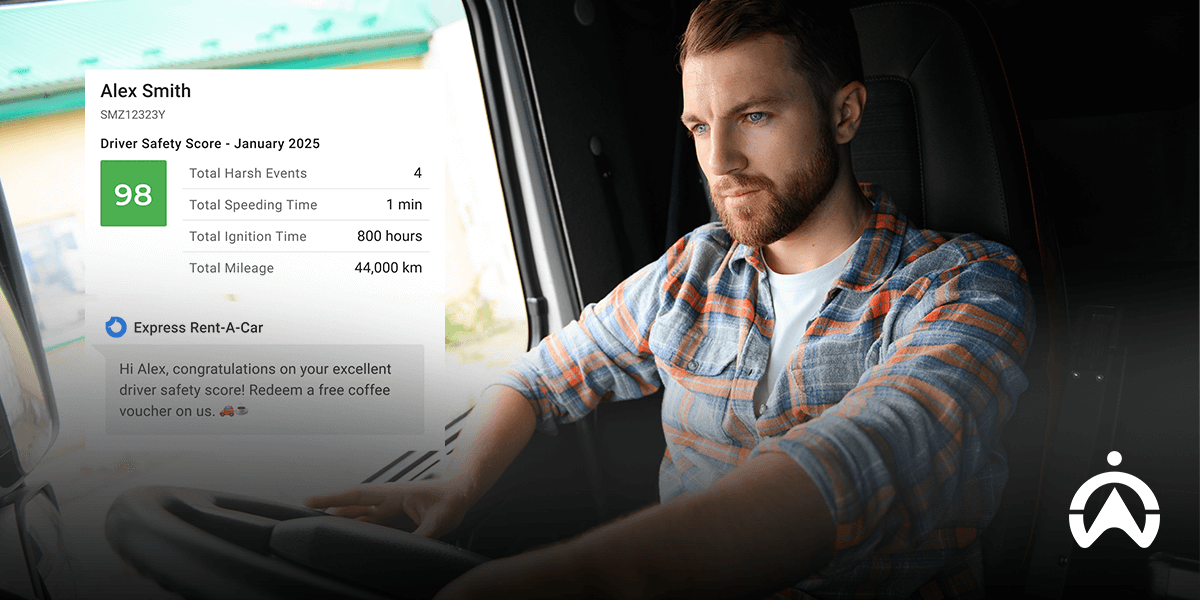
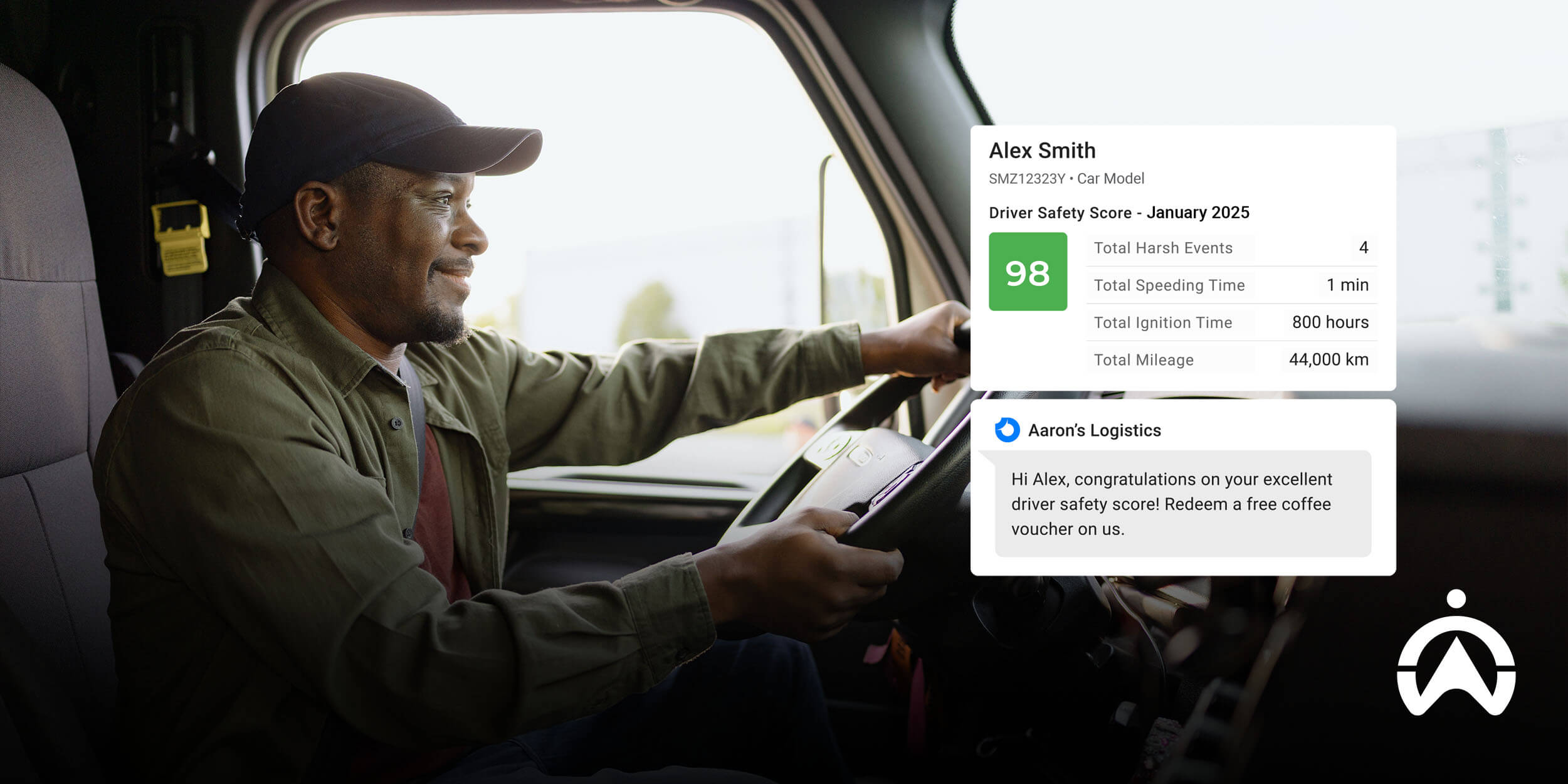
Truck driver reviewing safety score and mileage report on dashboard, representing short haul trucking performance metrics.

Tips for short-haul truckers in Kenya’s demanding work environment

At Karooooo, we talk to truck drivers of all kinds. We listen. We learn. We put ourselves in their shoes. As fleet software developers. We’re always trying to make their lives easier & safer, while optimising the operations side of things for their managers too. 

Here are some tips for short-haul truck drivers (and the hard-working individuals who manage them):

Tip #1: Focus on strategic route planning rather than speed

Tip #2: Stay safe and drive responsibly

Tip #3: Know your vehicle and how to keep it in good condition

Tip #4: Prepare by being well rested and nourished

Strategy vs speed

A map application on your phone can give you the quickest route to a destination. But only route optimisation software gives you time-based, road-based, and event-based route optimisation that’s applicable to each driver while they’re working. 

Responsible driving

Karooooo has simplified driver coaching with AI cameras and GPS tracking that detects little things like:

  • Harsh cornering
  • Sudden braking
  • Distracted driving
  • Seatbelt use
  • Fatigue

If you see a gap in the way you drive your short-haul truck, your managers can focus their training based on the things you struggle with most. 

Vehicle health

AI has come a long way to make vehicle maintenance a much easier task. A calendar app can schedule short-haul truck maintenance, but only fleet software coupled with AI can PREDICT when a vehicle needs its next service. 

Driver health

You’ll be the best version of yourself if you’re well-rested and energised for the day. Eat a nutritious meal before starting your day, and always ensure you go to bed at a reasonable time. Remember that eating, drinking, smoking, and nodding off have no place in the worklife of a truck driver. Stay safe out there, and if possible, rely on technology that detects these warning signs and warns you while you’re driving. 

Partner with the company that keeps driver safety and vehicle health a priority. Consultants are standing by to help you develop the perfect FMS package for your fleet.

Frequently asked questions about short-haul trucking

How many hours is a short haul?

A short haul can take anywhere between 1 and 5 hours, depending on the area being travelled, the conditions of the road, and traffic congestion. Short-haul trucks are designed to travel relatively shorter distances compared to long-haul trucks, so a reasonable speed, cargo space, and manoeuvrability are key to choosing the right short-haul truck.

What is the average salary of a truck driver in Kenya?

The average salary of a truck driver in Kenya is approximately Ksh 60,000 per month. The variation is based on experience, working hours, and the type of cargo being transported. Some truck drivers work long hours and are compensated for the stress and pressure of meeting their deadlines.

What is the difference between trucking and freight?

Trucking refers to the mode of transportation while freight refers to the cargo itself. If you’re talking about trucking, you’re pointing to road travelling with a truck while carrying a load on board. If you’re talking about freight, you could be referring to any product load in the context of ships, trains, planes, or road vehicles.

What are the challenges of long-haul trucking?

The challenges of long-haul trucking include long hours, limited vehicle manoeuvrability, and delivery pressure. Long-haul truckers also need to manage their time well, since they get very little time to eat, rest &; recharge, or use the restroom. Many are permitted to stop mid-travel and rest along the side of the road if their route is extra long.
How to Go From Reactive Safety to Proactive in Your Fleet

To go from reactive to proactive safety in your fleet, you need to invest in an advanced telematics system with AI cameras. An advanced telematics system uses predictive maintenance to let you know what’s happening with your truck’s mechanical side, while AI cameras show you how your drivers are behaving behind the wheel. 

It’s Monday morning, and just before you’re about to take a sip of your coffee, your phone rings—one of your trucks carrying really expensive cargo was just in an accident because the brakes failed.

Now the absolute nightmare begins between your client waiting on their shipment, making sure your driver is okay, calling your insurance company and dealing with the police. If this sounds familiar or like something you’re constantly anxious about, it’s time you move from reactive safety in your fleet to proactive safety. 

According to reports by Kenya’s road safety authorities, road accidents cost the country an estimated 3–5% of its GDP every year, resulting in billions of Kenyan shillings in economic losses. This further proves that switching from a reactive to a proactive system is not only beneficial for your operations but also for Kenya’s economy.

So what do these economic issues have to do with fleet owners in the B2B industry? Well, this can increase your insurance premiums—costing you more in the long run. So, if you’re interested in shifting your entire fleet from a reactive mind-set to a proactive one, you need to focus on three things:

  1. Real-time visibility
  2. Predictive technology
  3. Coaching-first culture

This blog breaks down exactly how to change your ‘wait for the shoe to drop’ method to making sure those shoelaces are tied in a neat little bow, never unexpectedly making you trip.

The reactive cycle

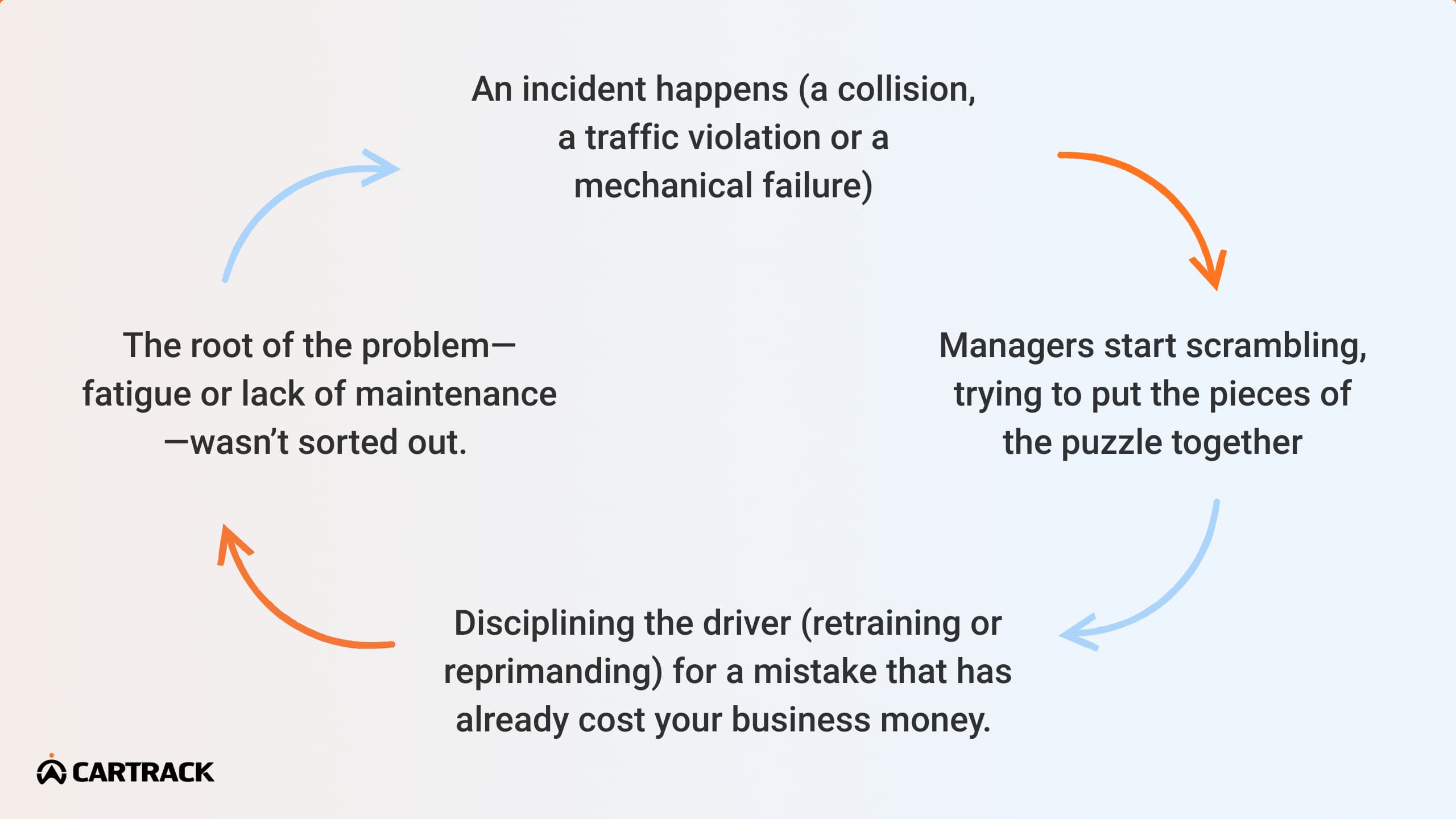
Businesses that don’t have proactive safety measures in place are often stuck in this reactive cycle. The cycle starts with an incident happening and your team working to find out what exactly happened. Then managers start reprimanding drivers, and at the end of the day the root of the problem hasn’t been sorted out, so the cycle starts again.

What fleet managers and business owners need to understand is that the main risk to your business is not higher insurance premiums, unexpected maintenance costs or downtime. The biggest risk to your business with only having reactive fleet safety in place is the damage it’ll do to your brand image and your drivers’ wellbeing. 

What is the proactive safety approach?

The proactive safety approach is when you have tech like dashcams and advanced telematics installed in your fleet that helps in preventing accidents or unexpected breakdowns. This approach is the best way to keep your business profitable, your drivers safe and your clients happy. 

Imagine you’re at work on Friday afternoon after a long week, and you have exactly 5 mins before you clock out for the day when the phone rings… You’re hoping it’s just your wife calling you, asking to get some bread before you come home. Unfortunately, it’s the police calling to let you know that your 18-wheeler truck was just in a major accident and your driver (who has been with you for the past 6 years) has passed away. 

The brakes of your truck failed. It crashed on a downhill into another car, and there are multiple fatalities. The worst thing that can happen has officially happened, and it could have been avoided, but your fleet isn’t equipped with proactive safety tech. Now, you’re dealing with insurance, the police, a lawsuit, and a grieving family and team. 

Having a telematics device installed could have alerted you two weeks ago that the brakes on that truck needed to be replaced and that your driver was constantly speeding. So you could have had time to change the brakes and coach your driver on his bad speeding habit, preventing all the events that followed. 

The 3 characteristics of a proactive fleet

There are three main characteristics to having a proactive fleet; these are predictive intelligence, condition-based maintenance and having a coaching-first culture. When you implement these three things in your fleet, you improve the safety of your vehicles and your drivers, and overall, you improve your ROI.

1. Predictive intelligence (foresight)

Instead of you looking at GPS breadcrumbs to see where a driver was when they were speeding, a proactive fleet uses AI to monitor micro-behaviours.

  • The goal: To catch the yawn (fatigue) or the downward glance (distraction) seconds before it leads to a lane swerve.

2. Condition-based maintenance

A proactive fleet doesn’t wait for the check engine light to go on or for a driver to report a “funny noise”.

  • The goal: To eliminate unplanned breakdowns that cause delivery delays and safety hazards.
  • The tech: CAN-bus integration that monitors engine health, tyre pressure, and brake wear in real time, triggering a service alert the moment a part begins to change from its normal performance.

3. A culture of coaching-first

So instead of just dishing out warnings left, right and centre to your drivers who make mistakes. Rather take the data you get and proactively coach your drivers to create better driving habits.

  • The goal: To lower insurance premiums and raise employee morale.
  • The tech: Make use of driver scorecards and gamification that motivates your drivers to have safer driving habits.
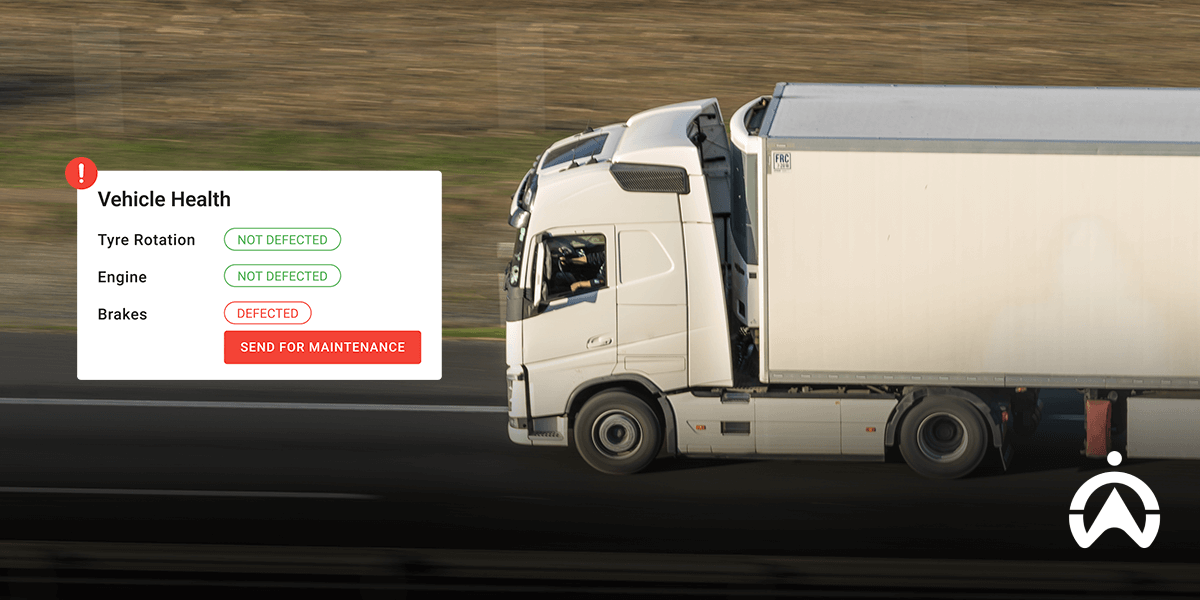
White truck with brake defect alert, enabling reactive safety to proactive in your fleet with Cartrack predictive maintenance insights.

Overcoming the “big brother” culture shift

The biggest hurdle you’ll probably face with introducing proactive safety measures in your fleet is pushback from your drivers. They might feel like you don’t trust them or even feel uncomfortable being constantly “watched”. The solution to this is transparency.

  • Proof of innocence: Show drivers footage where AI cameras proved a driver wasn’t at fault in a dispute.
  • Privacy: Clarify that AI fatigue monitoring isn’t spying—it’s a life-saving tool that only records high-risk events.

How can Karooooo help you with proactive fleet safety?

Karooooo can 100% help you with proactive fleet safety thanks to our years of experience and world-class technology. Features such as AI-powered visibility, real-time coaching, predictive maintenance and driver scorecards all help to move your fleet from a reactive one to a proactive one. 

Visibility and real-time coaching 

At Karooooo we have some really high-tech AI-powered cameras that will be the backbone of your shift to being proactive with safety in your fleet. This is because our cameras process information super fast and will be able to not only alert fleet managers of these events but also immediately alert the driver so they can self-correct.

How is this proactive?  

If you don’t get real-time alerts to risky driving behaviours and your system only tells you once you pull a report, you can only coach your driver after they’ve done something that has put their life and the lives of others at risk. 

This is basically pointless. Having a system that alerts you and your driver immediately allows both of you the opportunity to fix the problem while it’s actually happening. Not only can you correct behaviours, but it can also give you valuable insights into your drivers. 

Let’s say you review footage and reports, and you see that every Wednesday, over the past three weeks, your driver David is constantly yawning and showing exhaustion (which is a safety risk). You’re now able to discuss with him that this is a pattern you’ve noticed and find out what’s going on in order to find a solution that works for both of you. 

The result? An employee who feels seen and taken care of, and the peace of mind knowing that no accidents are going to happen because of David dozing off behind the wheel. 

Driver scorecards and gamification

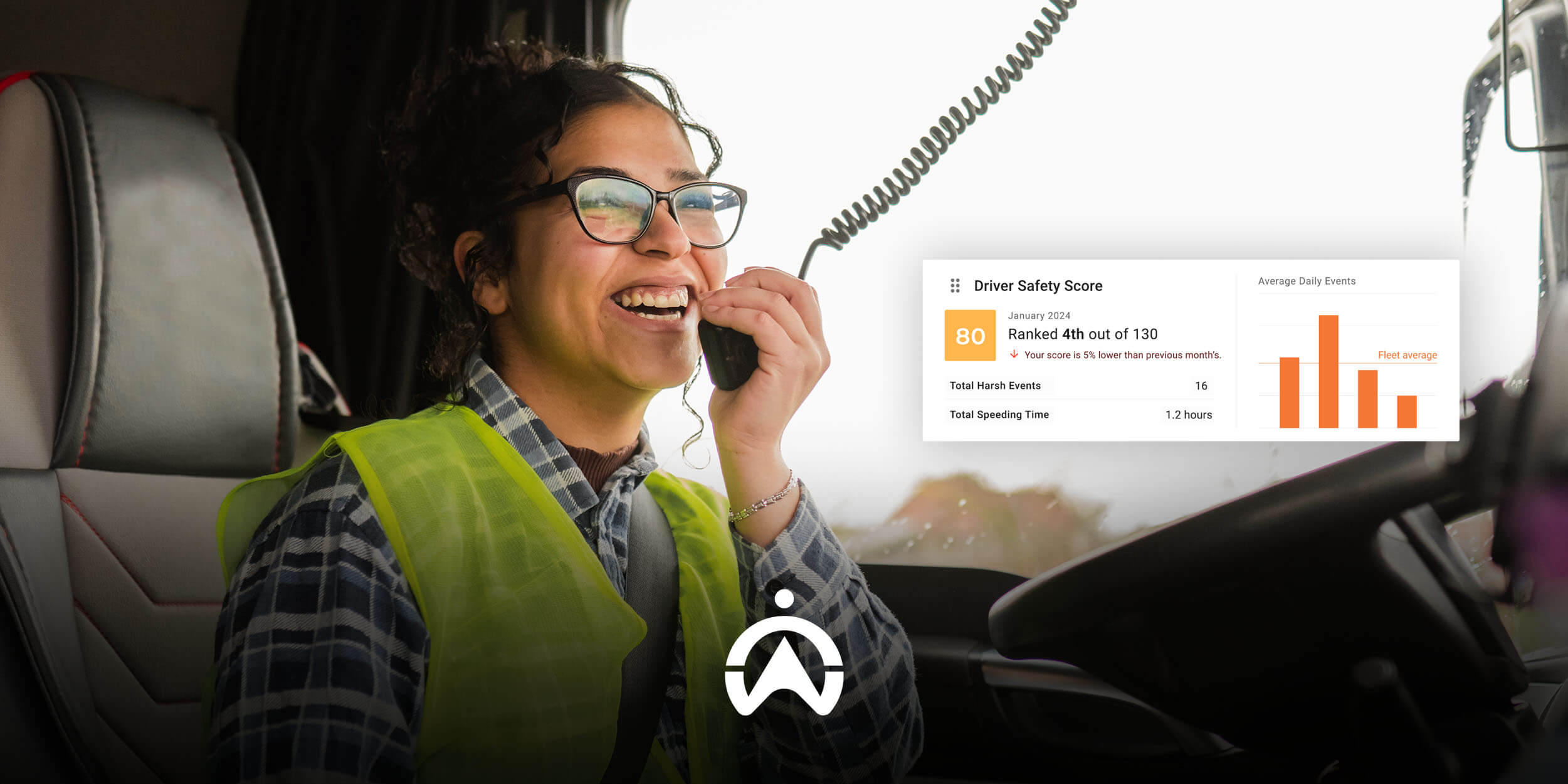
One of the biggest struggles you’ll have with a reactive strategy is getting your drivers to make safer habits while on the road. A proactive approach will help with this. At Karooooo we’ll provide you with a fun tool called ‘driver scorecards’. This will help you, as the fleet manager, see where your drivers are going wrong and can let your drivers actually see how many times they’re making the same mistakes. 

This approach will create a culture shift when it comes to safety and how unsafe driving is handled. 

So how do driver scorecards work?

First, all your drivers start off with a score of 100, and then points are deducted based on the infraction that occurred. What this means is that a driver with a low score is your higher-risk driver and is a hazard to your operations. 

Another bonus is that as the fleet manager, you have the power to create your own rating system, so if you feel that distracted driving (like using the phone or eating while driving) is a very high-risk event, you could make the rating for this 35, while harsh acceleration to you is considered a low event and has a score of 1. 

What is the benefit of driver scorecards?

Having these scorecards shouldn’t be there to stress you or your drivers out. It should work as a tool that helps to bring awareness to bad driving habits and helps your team to want to be safer on the road. 

Ultimately using driver scorecards will benefit the company as a whole, because if your drivers are driving well, it’ll build a positive brand image around your trucks (who notoriously have a bad reputation on the roads). 

How does gamification work?

People love rewards. When you incentivise good driving, you’ll have more good drivers. So think of an incentive that works with your drivers, and let the healthy competition start. 

Types of incentives could be:

  • Cash bonuses
  • Half day off
  • Free meal from the company 

By adding gamification into your fleet, your drivers will be motivated to have better driving habits, without the constant need of management keeping them in check. Gamification and scorecards will help keep your cargo, trucks and drivers safer.  
‍

Fun fact: the scorecard is free with all of our fleet management systems! 

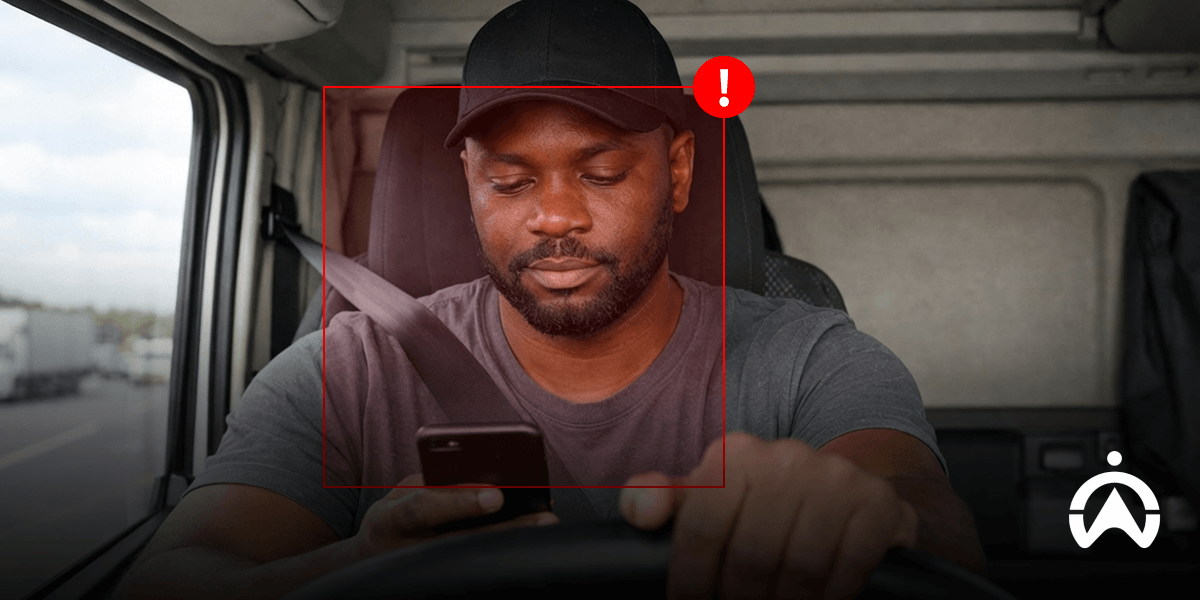
Driver holding phone while driving, highlighting shift from reactive safety to proactive fleet safety with Cartrack driver monitoring system.

How does proactivity improve your business’s ROI?

Proactivity can improve your business’s ROI by lowering the chances of accidents and breakdowns that all drain profits. According to industry data, reactive fleets are 65% more likely to experience a crash compared to those who have proactive safety systems in place.

To help you visualise all this, think of the Heinrich Pyramid. This pyramid is based on the law of probability: “In a workplace, for every accident that causes a major injury, there are 29 accidents that cause minor injuries and 300 accidents that cause no injuries.”

And we can look at this with your fleet as well; for every one major accident that happened, there were 300 near misses. Having proactive safety measures in place focuses on the 300, making sure that 1 never happens. 

A story of chaos to control

To make all of this wonderful but weighty information just a little more digestible, here’s a fictional but very probable story of how switching from a reactive fleet to a proactive fleet with Karooooo can improve your business. This is a story of a logistics company called Mobile Movers (a made-up example of a Karooooo client).

Mobile Movers has been experiencing constant issues with their fleet, from speeding tickets and drivers who are constantly quitting to unexpected downtime from random breakdowns. All of these lead to the company losing time and money. 

They then decided to sign up to get Karooooo’s telematics tech, which is linked to the vehicle’s CAN-bus system and AI Live Vision cameras. Now they have predictive maintenance that alerts the fleet managers of everything that’s happening with the vehicle and when they should book the trucks in for a service.

With the AI cameras, the fleet managers can now see what’s happening in and out of the vehicle. Their drivers can now prove their innocence in an accident and have the ability to self-correct when they make a mistake on the road, like being distracted or falling asleep. 

Thanks to driver reports, fleet managers can now support their drivers and positively coach them to make safer driving habits and implement gamification to incentivise better driving. This proactive approach has made the drivers at Mobile Movers feel seen and protected, meaning that fewer drivers quit and chose to stay where they were seen as a person and not a number on a sheet. 

The competitive advantage of certainty

Having a proactive safety system in your fleet is a sure way to have a competitive advantage—of certainty at least. If your fleet is waiting to react to problems as they arrive, there’ll be an endless list of problems every single day. 

But when you handle the safety of your fleet proactively, your list basically becomes nonexistent because you can see a problem from a mile away and stop it in its tracks. 

So don’t wait for the call of the next incident; call Karooooo Kenya and let us help your fleet see around the corners.

FAQs

Will proactive safety tech lead to higher driver turnover?

No, proactive safety tech shouldn’t lead to a higher driver turnover. It should help with keeping your drivers exactly where they are. But this is really up to you as the fleet manager or owner. If you’re using the information to positively coach your team and not to punish them, they should feel safer and cared for.

Is proactive safety only for large, enterprise-level fleets?

No, proactive safety is not only for large, enterprise-level fleets. In fact, smaller businesses would actually benefit the most, as they don’t have the financial cushioning to help when a vehicle is in a major accident or has unexpected downtime because of a mechanical breakdown.

How do we ensure our fleet data doesn’t become a cybersecurity risk?

To ensure that your fleet data doesn’t become a cybersecurity risk, get a provider (like Karooooo) that uses end-to-end encryption and stores data on top-tier secure servers. Proactive systems enable you to only allow authorised staff to access sensitive driver footage or vehicle locations, keeping your operational intelligence safe.

The Best Tourism Fleet Management Solution and Why

The best tourism fleet management solution should offer you ways to save on your fleet costs, ways to simplify your operations, and keep your passengers safe. Passengers also have high expectations these days, and considering the competitiveness of the tourism industry, you want to implement technology that satisfies those expectations. 

Kenya is one of the most popular tourist destinations in Africa, known for its stunning landscapes, diverse wildlife, rich cultures, and beautiful coastline. According to tourism reports, Kenya welcomed approximately 2.4 million international visitors in 2024, reflecting the country’s growing appeal as a global travel destination. To cash in on this and ensure your business is the top choice for tourists, you must invest in proper fleet management software. 

Today, we’re here to show you what it takes to be one of the best tourism fleet management solution and why we, at Karooooo, stand out from the rest.

What makes tourism FMS stand out as “The Best”?

What makes tourism FMS the best is the software it has to offer. A lot of tourism fleet companies out there use outdated software that doesn’t really solve issues and is actually a waste of money. You need a system that makes use of things like AI to bring you a futuristic approach to managing your fleet.

What are some obstacles tourism fleet managers encounter?

Some of the obstacles that tourism fleet managers encounter include:  

  • Fuel costs being way over the budget 
  • Planning efficient routes takes time 
  • Breakdowns while in transit 
  • Driver misconduct
  • Customer dissatisfaction

This results in companies losing a lot of money and clients.  

Here’s a closer look: 

Fuel costs are going way over budget 

High fuel costs can be caused by idling for too long, reckless driving, or fuel fraud & theft. But with no technology in place, there’s no way to pinpoint what exactly is causing these high fuel expenses. As fuel takes up a big chunk of daily operational costs, this can result in a big loss in revenue.

Planning efficient routes takes time

Figuring out the most efficient way to drive tourists around the city without leaving out monumental sites can be quite the challenge. There are things like traffic, road closures, and varying vehicle sizes that must be considered to determine the best way to go about each tour. This can be time-consuming and may result in a lot of human error. 

Vehicles break down while in transit 

Fleet managers often overlook things like booking vehicles in for service and ensuring that drivers check vehicle conditions before and after trips. This is especially true during peak seasons, when there’s “no time” to waste. By neglecting vehicle maintenance, you create a bigger issue of constant breakdowns. This leads to more downtime and expensive repair costs. 

Driver misconduct

Knowing how drivers behave when carrying passengers is difficult. Some drivers speed through the trips and never obey road rules, leaving your customers terrified and not enjoying the ride. The worst thing that could happen due to bad driver behaviour is an accident where passengers get severe injuries, or even die as a result. Aggressive driving habits also lead to more vehicle wear & tear and an increase in fuel consumption. 

Customer dissatisfaction 

The tourism industry relies heavily on customer reviews, and in most cases customers only make public reviews if they’ve received impeccable or extremely horrible service. Customer reviews always make a huge difference, and we live in a time where social media makes the most impact. How many times have you seen a good review of a place on TikTok and thought to yourself, “Hmmm, I definitely need to try that”? 

There are some small businesses that’ve literally skyrocketed in profits because someone went on the internet and shared their wonderful experience. There are also those whose businesses have hit complete rock bottom because of the power of social media. 

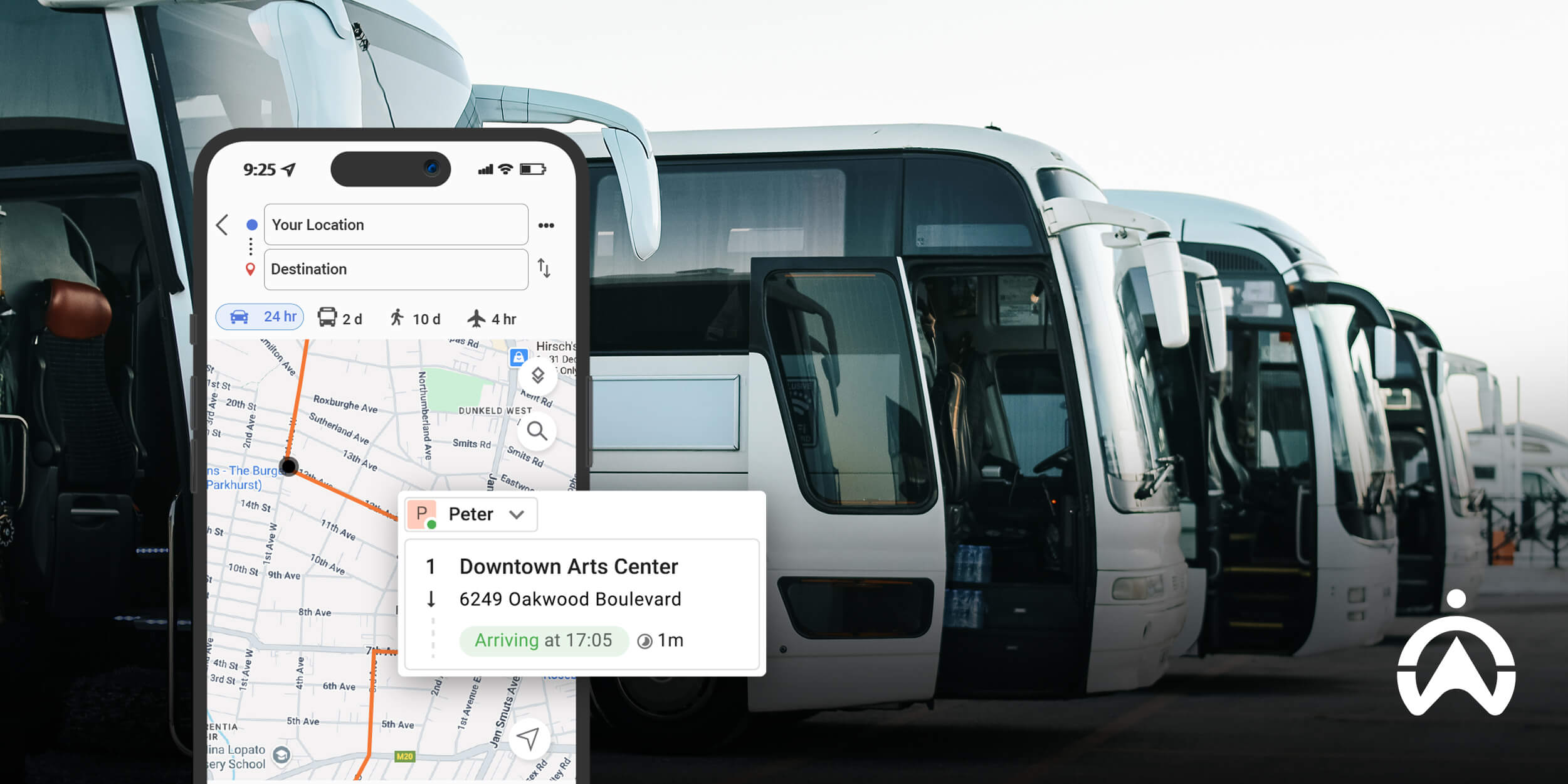
Bus driver navigating route, supported by tourism fleet management system.

What do tourism fleet managers actually need?

As a tourism fleet manager, you need technology that’ll help you make better decisions, save costs, and bring you more customers. This means investing in a reliable fleet management system that provides things like: 

  • Live GPS tracking
  • Route optimisation software 
  • Aggressive driving alerts
  • Fuel consumption reports 
  • Digital maintenance reports 
  • A vehicle booking system

Live GPS tracking

You’ll always know where your vehicles are if you have GPS tracking on them. If the driver is supposed to be picking up people at the airport and they’re not there yet, you’ll see what’s causing the delay. Our system shows you which vehicles are on the move, idle, or completely off. This gives you complete control over your fleet. 

Software to help you plan better routes 

Planning better routes means finding and exploring different ways for drivers to get to their destinations and choosing the best option. Route planning software speeds up that process, saving you time and giving you more fuel-efficient routes. Your drivers will experience less traffic and hiccups on the road, because this software usually factors in road conditions before giving its suggestion. 

Aggressive driving alerts 

GPS tracking units have telematics, which is a technology that can detect when drivers are driving recklessly. You’ll be notified of this and be able to address your concerns with your drivers. This also helps you see which drivers need training for improvement. When drivers know you’re watching, they’ll behave better, giving your customers a better experience. 

Fuel consumption reports

With a fleet management system, you also get to see accurate mileage readings, cross-check fuel receipts with the distance travelled, and track live in-tank fuel levels. These features will show you exactly how most of your fuel is being wasted and if there’s any theft or fraud. A fleet management system is the best way to reduce fuel expenses, which are a large portion of operational costs.

Digital maintenance reports 

Don’t wait for vehicles to break down before fixing them; be proactive! This means using fleet management software for up-to-date vehicle servicing and repairs. Through a fleet management system, you’ll also get warnings of potential mechanical failures, so you can fix them before they cause breakdowns. This saves you money that could be spent on unexpected repairs. It also helps to ensure your vehicles are roadworthy.

A vehicle booking system  

Too many disconnected apps result in time being wasted going through the different platforms and aligning your plans. With a fleet management system, you’ll have the option of integrating your vehicle booking system with the platform, so you know which vehicles are booked and for how long. This helps you avoid booking clashes or missed cancellations. Alternatively, you can use the platform’s own booking system.

Understanding the connection between a bad tourism experience and your profits

Bad tourism experiences lead to more people being reluctant to use your services, which results in your business making less profit. Most of the time, this doesn’t happen overnight but rather slowly as more people experience unpleasant service and leave reviews. But in today’s world, where social media influences the choices of many, a massive overnight loss is possible. 

Picture this: You have a group of eight friends who’ve booked your shuttle services to transport them to a popular festival in your city. The festival happens only once a year and features some big international artists. The people who booked your services flew from another city just to attend that event. The event is two hours away from their accommodation in a remote area (making e-hailing a not-so-fitting option). 

1. Booking time confusion 

Now comes the time to pick them up. Your driver gets there at 13:00 and calls to say he’s arrived. Your clients are puzzled because they scheduled a 16:00 pick-up, and they’re not even there yet. 

You realise there’s a mix-up with the booking times, and the driver won’t get the chance to pick them up later because there are other clients to pick up and all your other vehicles are busy. Your clients are left angry and stranded because they have no other way of getting to the event. 

2. The breakdown 

A few hours later, after a long search, you finally see a gap and find a vehicle that’s available. Your clients are picked up at 18:00, meaning they’re already late. Just when you thought things couldn’t possibly get worse, the vehicle breaks down mid-transit, and the matter takes another hour to get resolved. By this time, you already know that some bad reviews are coming. 

3. The review 

But wait, it gets worse! Two days later, one of the people from that group recorded a video detailing all that happened on the day of the festival and how your shuttle services ruined their day. The video goes viral, and just like that, the whole world knows never to use your services. More people cancel the bookings they made, and your business takes a huge downturn. 

How this could have been avoided

A fleet management system could have saved you from all that trouble with a proper preventative maintenance plan and a more accurate vehicle booking system that helps you avoid clashes. 

Remember that your customers are humans who most certainly are understanding. If there’s one small hiccup, they might be a bit lenient because, hey man, life happens! But if they encounter too many issues with your service, you’ve lost them. You want to make sure you give every customer the best possible service, and that means trying your best to eliminate all potential issues relating to your fleet. That’s where fleet management technology comes in! 

Smartphone showing bus tracking and arrival times powered by tourism fleet management.

Why is Karooooo considered by many to be the best tourism FMS?

At Karooooo, we’re considered by many to be the best tourism FMS because of the solutions we offer. You can’t manage what you can’t see, and we help you see! Through our GPS tracker, cameras, and sensors, you’ll get a full view of everything relating to your fleet at the palm of your hand. 

Here’s what we offer: 

Route optimisation software 

Our route optimisation software factors in things like traffic trends, road conditions, and the time your drivers have to get to their destinations. All you need to do is input the driver destinations, and the software will suggest the best options for your drivers to get there. These suggestions will most certainly be more fuel-efficient—and often quicker. 

Carpool 

The Karooooo Carpool feature is a vehicle booking system for shared company vehicles. It helps eliminate things like booking time confusion. It shows which vehicle is in use, what time it’ll be back, and which one hasn’t been returned on time. Drivers can either reserve the vehicles themselves, and then you’ll get a notification, or you can do it yourself. Carpooling is a great way to improve vehicle utilisation and keep up with vehicle availability. 

If you prefer the booking system that you already have, you can integrate it into our system so you won’t have to go through too many apps to run your fleet. 

MiFleet 

Being on top of things involves staying in control of operational costs. MiFleet is our cost management tool that you can add to your package to track the real cost of things like fuel, repairs, and toll fees. For example, you can use this platform to check for fraud. How? The software factors in refuel receipts, tank capacity, fuel station location, and distance to determine if the transaction is accurate. If the numbers don’t add up, it’ll flag the transaction as high risk. 

Fuel sensor

Another way to stay on top of fuel costs is by installing our fuel sensors in each of your vehicles. These sensors will give you live fuel levels. If there’s a sudden drop in fuel levels, then you’ll know it could be due to theft or a leak. Fuel sensors help you stop theft, sometimes as it happens. 

Preventative maintenance 

Our preventative maintenance system ensures that your vehicles are always in good shape. You can start by importing all vehicle maintenance schedules onto our platform so we can give you reminders. From there, you can create a vehicle inspection checklist on our platform that drivers can use to inspect certain vehicle components before starting a trip. This ensures that all vehicles are safe to use, and you’ll get feedback so you know what needs to be fixed. 

Our preventive maintenance system also alerts you to things like worn-out brake pads and engine faults. This is so you can quickly repair or replace vehicle components before they become a bigger issue and cause breakdowns.

Vehicle cameras 

We have a selection of camera solutions you can choose from to ensure your drivers are safe on the road and that your customers are comfortable and receiving good service. For example, our AI Tri-Vision cameras enforce safe driving practices by detecting distractions like when drivers are on their phone or smoking. The cameras release audible alerts for such behaviours, so drivers can quickly make corrections and focus on the road. 

Through our camera solutions, you can also ensure that your drivers aren’t picking up passengers who aren’t booked with your company during trips for personal gain. 

Driver behaviour reports 

Through our telematics system, you’ll get to see if drivers operate your vehicles safely. You’ll get reports of speeding, harsh braking, harsh cornering, and rapid acceleration. You’ll also be able to see when drivers idle for too long, which is another way that fuel goes down the drain. Through these reports, you’ll be able to address your concerns and promote safer and more fuel-efficient driving habits. 

Geofence 

With our geofence feature, you can ensure your drivers remain within their designated areas. This tool allows you to create virtual borders around areas of your choice, so you get alerts wherever your drivers enter or leave those areas.

Let Karooooo help you take control of your tourism fleet

Kenya is attracting more and more tourists, and your business needs to be at the forefront and ready to handle the large volume. With Karooooo by your side, you’re assured a safer, healthier, and more profitable tourism fleet. So reach out to us, and take us with you on your journeys.

Frequently asked questions about tourism fleet management

What are fleet management best practices in Kenya tourism?

Fleet management best practices for Kenya tourism include:

  • Investing in a fleet management system.
  • Making sure that vehicles are well-maintained.
  • Monitoring driver behaviour.
  • Teaching your drivers basic customer service skills.
  • Monitoring fuel usage through sensors.
  • Investing in route planning software.

How do I measure fleet management objectives in tourism?

To measure fleet management objectives, you must look at important metrics like:

  • Total Cost of Ownership (TCO)
  • Vehicle utilisation rate
  • Fuel cost per kilometre
  • Repair turnaround time
  • Vehicle accident rate

Measuring these metrics correctly requires a fleet management system, which will also help you find better ways to run your fleet.

Is fleet management software really worth it?

Yes, fleet management software is most certainly worth it. It helps you save operational costs, prevent accidents, and remain compliant. Through a fleet management system, you’ll have full control over your fleet and therefore make smarter decisions based on the data you’ll receive.

How to Boost Driver Safety With Fleet Gamification

To boost driver safety with fleet gamification, you take mundane, everyday tasks and make them fun by implementing game-like mechanics. You incentivise your drivers’ tasks by introducing concepts like leaderboards, rewards, and point systems to motivate them. This helps and encourages your drivers to meet the necessary standards of improved safety, compliance, and other protection matters.

Gamification is a great way to keep your drivers engaged and motivated about doing the right thing. Statistics show that up to 80% of gamified platforms have more involvement from drivers, with 70% of employees saying they feel motivated by and enjoy the benefits gamification brings to their work. This keeps drivers encouraged and not closely monitored. 

You can change the way your drivers see safety and compliance while building better relationships with them. In this blog, you’ll understand what gamification is, how to include it in your fleet strategies, and how Karooooo can make this a success for your business.

What does fleet gamification have to do with driver safety?

Fleet gamification has everything to do with driver safety and how you approach the safety culture within your business. Safety is always one of the most important aspects of a business, especially in logistics or delivery. So the question then becomes: how do you ensure your drivers are meeting safety standards without feeling mistrusted or under too much pressure?

This is why gamification is a powerful solution for your team. This strategy turns the mundane and boring into something to look forward to, becoming an encouragement for drivers rather than a source of stress. When drivers feel motivated to do better, they will do better, especially when they know that management isn’t breathing down their necks.

Gamification is also the key to keeping the driver safety strategies alive. To keep the motivation and encouragement flowing, you can adjust rewards based on the collective performance of the drivers. This means you not only maintain the enthusiasm, but you also carry out your initiatives successfully and without boring your drivers.

What are some of the driver safety risks that need attention?

Some of the driver safety risks that need attention include the various kinds of distracted driving, aggressive driving, and exhaustion management. For the sake of your drivers’ lives and your business reputation, paying careful attention to and correcting these behaviours should be your number one priority. This is where gamification comes in. 

Distracted driving

From using the phone and smoking, to eating while driving, these are some of the behaviours that need to be addressed from a typical driver management safety perspective. Distracted driving means your eyes are off the road, but even the quickest diversion could swiftly lead to an accident.

A gamified approach could do something like reward a top driver who has the least number of recorded events. 

Fatigue treatment

Exhaustion must be correctly managed so that your drivers aren’t putting themselves, their lives, and the lives of others in danger. In addition to this, fleet vehicles and cargo could also be lost or damaged as a result of dozing off behind the wheel. 

A gamified approach could reward drivers for logging enough rest stops or resting according to the guidelines set by your business. 

Speeding and aggressive driving

Drivers who drive too fast, cut the corners they take, don’t follow the rules of the road, or just act unpredictably while driving are displaying total recklessness. This kind of behaviour not only puts drivers and other road users in danger, but also threatens your business brand. 

A gamified approach could reward drivers for maintaining smooth and safe driving over time.

Driver speaking on phone in transport yard, supporting fleet gamification and driver safety initiatives.

Vehicle condition 

Driver safety isn’t just about driving behaviours; it’s also about the condition of the vehicle and the care taken. Although proper and scheduled maintenance is mostly on your part as management (and your fleet system), a driver is still expected to do vehicle checks and inspections regularly to keep them safe. 

A gamified approach could reward a driver for accurately completing full inspections for a prolonged time.

How can you implement gamification to meet these safety goals?

You can implement gamification to meet these safety goals by clearly and carefully introducing the strategy to your drivers. Everyone should be on the same page and understand how the point & ranking systems work, what the rewards & incentives are, and the importance of healthy competition. 

At the end of the day, gamification works on the psychology of people and the favourable outcomes they create from positive feedback. Direct incentives and rewards are great, but soft rewards are just as important. Always remember to encourage your drivers, give them words of affirmation, and publicly acknowledge their achievements. 

What are some examples of gamification in a fleet?

Examples of gamification in a fleet include displaying leaderboards, offering rewards and incentives, and openly praising drivers for their achievements. What’s even better? Our platform has API capabilities, meaning you can seamlessly connect any third-party tools or programmes you may decide to use for gamification purposes. 

Check out these key examples: 

  • Leaderboards: Leaderboards show the names and rankings of each driver, giving them the chance to see where they stand in comparison to one another. This facilitates healthy competition amongst the drivers and provides an opportunity for drivers to encourage each other.
    ‍
  • Rewards and incentives: From cash and vouchers to time off, they’re an extremely effective way to motivate your drivers. With an exciting reward at the end, they may put in some extra work towards meeting safety and compliance goals. 
    ‍
  • Badges: Usually, these aren’t physical badges but rather an icon shown next to the driver’s name. This could signal meeting milestones, being employee of the month, or other notable achievements. 
    ‍
  • Collective performance: Although healthy competition is encouraged, it can also be great fun for your drivers to come together as a team and achieve goals together. Group efforts on top of individual ones can truly foster that overall safety culture. Drivers encourage each other instead, and everyone benefits in the end.
    ‍
  • Praise and words of affirmation: As previously mentioned, acknowledging drivers’ achievements can go a long way to elevate their confidence. Public recognition can boost self-esteem, improve professional relationships, and help ease the pressures of the job.

How is gamification in fleets BETTER than traditional safety enforcement?

Gamification in fleets is better than traditional safety enforcement because it adds a level of excitement and incentive. When your drivers are engaged and rewarded, it’s likely they’ll want to meet compliance regulations and be safer on the roads. This combats traditional safety enforcement, which can be rather repetitive, frustrating, and discouraging. 

Picture this: 

You’re dealing with a driver or two who’ve been consistently triggering events via their AI-supported dashcam, from using their phones while driving to speeding. You give them another one of those long lectures and coaching sessions, and the repetitive, irritated nature of your feedback leaves your drivers upset and demotivated. They’re unhappy, you’re unhappy, and now tension sits heavy in the air.

This kind of tension can prove to be a disaster for you, your business, and the wellbeing of everyone involved. Professional relationships are fractured, safety is threatened, and employee retention is lower. All of this could ultimately be prevented if you considered introducing gamification into your fleet safety strategies. 

Truck driver viewing safety score and reward message, highlighting fleet gamification and driver safety performance.

What can Karooooo do to support your gamification goals?

Karooooo can support your gamification goals by being the trusted partner you choose for long-term success. At the core of gamification, you need a powerful and user-friendly fleet management system and sophisticated software that helps you identify the safety protocols and events that need addressing. We have all of that, and more.

Not only do we have a variety of dashcam options with AI capabilities, but we also have live GPS tracking with a strong connection, telematics, driver scorecards, API features, and much more. These are the tools and features you’d need to successfully manage gamification within your fleet, and we make it a simple process for you. 

We want to help you make safety easy and completely achievable. We understand the impact of prevention before post-incident attention, and that’s why we’re here to accompany you on your gamifying journey and prove ourselves as long-term partners for your success. 

Final takeaway: gamification as a catalyst for safety

At the end of the day, the well-being of your drivers and the way their safety is managed overall is undoubtedly one of the most important aspects of fleet management. You can still have a focus on safety policies, regulations, and compliance without enforcing traditional and redundant methods to achieve that safety. 

Gamification could be the tool that sets your company apart from the rest, combining your concern for safety and compliance with deep care for your drivers and their overall health. When that’s achieved, your business becomes a flourishing, well-oiled, compliant machine that puts its people and safety first. 

Are you ready to see how gamification can elevate your drivers and fleet? Speak to a Karooooo professional today and get started on a safer, smarter, and more entertaining strategy to achieve driver safety.

Frequently asked questions related to safety gamification in fleet management

What software should I get for managing my fleet?

The software you should get for your fleet incorporates GPS tracking, telematics, and AI capabilities, so that you get a complete and accurate overview of your fleet and its whereabouts. Karooooo’s FleetWeb is a perfect solution; we offer all of this and more for your traditional, electric, or mixed fleet.

What are 7 ways to improve fleet safety?

7 ways to improve fleet safety include:

  1. introducing AI capabilities in your fleet management
  2. adapting preventative maintenance
  3. opting for gamification for your drivers
  4. monitoring and coaching your drivers
  5. having advanced dashcams and sensors
  6. location-specific alerts & geofencing, and
  7. managing driver permissions and driver tags

How do you effectively manage a fleet?

You effectively manage a fleet by bringing together the necessary hardware, software, and fleet strategy to optimise your fleet’s productivity. Hardware ensures you have the right devices; software collects and translates the data from the hardware; and a strong fleet strategy carefully maps out the planning and smooth execution of your operations.

Get an Insurance-Approved Vehicle Tracker Today

If you have a vehicle, big or small, you should get an insurance-approved vehicle tracker today—because in Kenya, it’s a necessity, not an option. Drivers and fleet owners not only have to worry about hijackings but also the financial strain that comes with having your vehicle stolen. 

Vehicle hijacking remains a concern in Kenya. While exact numbers vary, incidents occur regularly across the country, highlighting the importance of vigilance and road safety for all drivers.

So what does this mean for Kenyans? It means that on top of worrying about dropping your kids off at school, avoiding traffic, dodging potholes and getting your stock to your clients; you now also need to worry that every time you’re on the road, if you’re going to be a statistic.

At Karooooo, we unfortunately can’t remove the thieves from the road, but we can make their “jobs” harder, your lives safer, and possibly your insurance premiums lower—all thanks to our top-of-the-range vehicle tracking device.

Why do insurance companies insist on certain brands of trackers? 

Insurance companies insist on certain brands of trackers because only certain trackers meet recognised industry standards and reliability requirements. This assurance supports the quality and reliability of the device, meaning that the chance of your vehicle being retrieved after being stolen is much higher. 

What organisationsand industry bodies in Kenya check on a tracking device are:

  • Battery life
  • Durability
  • The device’s communication capability during an emergency

It’s the same reason you’re more likely to choose an established phone brand when buying a new phone. You trust that the brand made a quality phone that won’t break after a small fall. Your vehicle is a much more valuable asset compared to your phone, which is why you should want to protect it with the right, reliable tech. 

A bonus to you for getting an insurance-approved tracker means that you’ll possibly be able to lower your insurance premiums! 

How an insurance-approved tracker saves your pocket

An insurance-approved tracker saves your pocket by removing the financial burden that comes with having your car stolen. A high-quality tracking drive (like the one from Karooooo) will increase the chance of you getting your vehicle back and just having one fitted will likely lower your insurance premiums. 

Protecting your asset

An insurance company is there to help you out when something happens to one of your assets. A tracking device helps keep one of your biggest assets safe, assuring you and your insurance that if your vehicle does get stolen, the chance of you getting it back is high. 

Think about the costs that come with having your car stolen. You now need to figure out how to get around, and using an e-hailing company or renting a vehicle is expensive. And even with insurance, the payout usually doesn’t cover the full cost of a new vehicle, which is why it’s always better to have your vehicle recovered than to rely on the settlement.  

One of the reasons insurance companies love Karooooo is because we have numbers to back our claims. Over the past decade we have successfully recovered 100 000 vehicles! 

Person tampering with vehicle, highlighting need for an insurance-approved vehicle tracker for theft protection.

Protect the person, not just the car

Tracking devices help protect the person, not just the car. This is because modern tracking devices do more than just track a GPS location. Tracking devices, like the one from Karooooo, have features like panic buttons, roadside assistance and automatic crash detection. 

All of these features put you at ease when you’re on the road and reduce your risk valuation from your insurance company. So if you look at it like that, it’s really a win-win situation. 

Trackers can turn compliance into a competitive advantage

An insurance-approved tracking device will help you turn compliance into a competitive advantage because you’ll have secure and reliable eyes watching your fleet when you can’t. Advanced tracking devices also give you operational insights that you’ll be able to turn into valuable insights. 

Reduce your fleet’s total risk cost

Businesses with fleets often have the highest insurance rates on their vehicles. This comes down to the fact that you’re a higher-risk client compared to the everyday person. Your fleet travels on busy roads constantly, they carry expensive cargo, and trucks and delivery vehicles are more expensive in general. 

It also makes business sense to try and reduce the total risk cost associated with your fleet. When you install insurance-approved trackers in your fleet, you have the ability to negotiate with your insurance provider to get lower rates. 

Rapid recovery keeps your business moving

Let’s say one of your heavy-duty trucks carrying half a million shillings in materials has been stolen. Dealing with the insurance to get the payout isn’t even half of the battle you’ll have to fight. What about the client waiting for their stock and your driver that has been traumatised? 

Invest in a tracking device from Karooooo that has rapid recovery teams, and who’ll work around the clock to get your truck back before the cargo has been stolen or damaged. Invest directly into the success of your business! 

Improve your driver’s behaviour

An insurance-approved tracker has the ability to provide you with accurate data on your drivers’ driving behaviour. This tech allows you, as the fleet manager, to monitor how your drivers are performing on the road. 

You’ll know if they’re:

  • Speeding
  • Breaking/cornering harshly
  • Idling excessively 
  • Stopping at unplanned destinations
  • Taking unauthorised detours

Having the data available gives you a leg to stand on with your insurance company because you can prove to your insurance provider that you have reliable and responsible drivers.

The tech behind a certified tracker

The tech behind certified trackers is multi-constellation GNSS and GSM tech. This technology is what ensures accurate location tracking and prevents signal jamming. One of the main reasons insurance companies prefer certain vehicle trackers is because only certain devices have advanced tech that can truly support vehicle recovery. 

What are multi-constellation GNSS and GSM?

GNSS and GSM are advanced tracking units that are designed for finding your vehicle even in the most remote/low-signal areas. Basic tracking devices solely rely on GPS tech, but advanced units, (like the ones from Karooooo) use multi-constellation GNSS, which connect to multiple satellite systems. 

This is why we have such a high recovery rate, and why insurance companies love us! 

Jamming detection and alerts

Criminals have gotten smarter, and instead of them just taking your car and hoping for the best, they’re using signal jammers to block the signal of your tracking device. At Karooooo we like to be one step ahead. Our tracking units are designed to detect when our signal is being blocked, and when this happens the unit will trigger an internal alarm and send an alert to our control room. 

This type of tech gives us the insurance stamp of approval! 

Operator in control room monitoring live tracking dashboard for an insurance approved vehicle tracker.

Durability and backup battery

A tracker can’t be useful if it can be disabled when the car battery wires are cut. An insurance-approved tracker, like ours, has a backup power source. This way the signal will still be transmitted even without the vehicle’s main source of power. Karooooo’s tracking devices are also designed to handle extreme temps and vibrations. 

Giving you the reassurance that you’ll always be protected no matter the circumstances. 

Karooooo: The gold standard for insurance-approved trackers

Karooooo is the gold standard for insurance-approved trackers because we can back up our claims with numbers. Over the past 10 years we’ve recovered around 100 000 vehicles, and every day we’re recovering more! We also have a lifetime maintenance warranty on our hardware, making sure you’ll always be protected. 

And if you’re still unsure as to why you should choose us to be your insurance-approved tracker, remember that there are a lot of companies that can show you where your car is on a map…but there are only a few that can go out and get it for you. And Karooooo is at the top of that list. 

Contact us today to get an obligation-free quote and get those insurance premiums down! 

FAQs

Does Karooooo share my private driving data with my insurance company?

No, Karooooo won’t share any of your private data with your insurance company, unless you ask us to! We’ll provide you with a certification to prove that we installed our device for you, but unless you’ve requested it for a claim, your data will stay with us and you!

Can the tracking device interfere with my car’s electronics or battery?

No, if you have a proper tracking device, it won’t interfere with your car’s electronics or battery. At Karooooo our units are non-invasive and are only installed by our certified technicians, so you won’t have to worry about it messing with your battery or ECU.

Will the tracker still work if I drive across the border into a neighbouring country?

Yes, a Karooooo tracking device will still work if you drive across the border into a neighbouring country. Our network has a strong connection across Africa, and they work even in the most remote areas with weak coverage, so you’ll be protected on every journey!

Protect Your High-Risk Staff With a Security Guard Vehicle Tracking System

Security guards are high-risk workers that rely on road safety measures and clear communication to do their jobs optimally and stay safe. We need these people, and we need to find better ways to keep them safe (since that’s what they do for us). This is especially true during times when they’re responding to security alerts.

Interesting fact: According to an article published by Workdirect, emergency service personnel responding to incidents on high-speed roads face higher fatality rates and PTSD. This is higher than the number of fatalities suffered by the general population. The reason? Fast-moving traffic and secondary incidents that happen DURING the response.

At Karooooo, we’ve thought about these realities while developing our fleet management software. We’ve also talked to fleet managers who deal with real-life problems in this high-risk industry every day. If you manage a fleet of security guards or operate in this line of work yourself, this article will guide you on how to keep security guards safer and more efficient on the road.

How can high-risk staff be kept safe on the roads?

The best way to keep high-risk staff safe on the roads is through a system that:

  • Prevents accidents
  • Shows evidence of what happened during an incident
  • Provides full visibility into cabins & roads 
  • Provides full real-time remote guidance and training while responders are on the road

Defining high-risk industries in Kenya

High risk industries in Kenya are typically those that employ security staff to be first responders to incidents like trespassing, criminal activity, or break-ins. They include the hard-working security guards that patrol our neighbourhoods—that we pass by every day, often without a second glance.

It’s helpful to take a closer look at how the security guard industry faces challenges and how those challenges can be met through technology like fleet management software. When we’re talking about “protecting” high-risk staff on the roads of Kenya, we must find ways to keep them safe by understanding the dangers they face on a day-to-day basis.

What are some of the dangers high-risk staff face on the roads?

Some of the dangers faced by high-risk staff on our roads include having to rush to a scene on less-than-optimal roads, and having to deal with other road users while doing so. Other challenges can be loadshedding, bad weather, and heavy traffic on busy roads. These situations can make it dangerous for high-risk staff to do their jobs.

Karooooo has tried to look at the security patrol industry from an angle of safety. Subsequently, we’ve come up with various solutions that keep high-risk staff safe. But first, we must understand the INDIVIDUAL challenges this industry faces.

Security guard response times

Security guards that drive around your neighbourhood are under a lot of pressure to respond quickly when signalled to do so. But this isn’t always easy. Damaged roads, heavy traffic, and bad weather can take minutes off a response time, resulting in a late arrival. 

What security patrols need is better route planning to get to their destinations faster (whether they’re familiar with the roads or not). They also need ways to bypass other road users without putting THEM in danger. 

Example: A security guard patrols the roads of a small town in Nakuru.. He knows the roads well, and knows exactly which road to take when he receives a call that a possible robbery is taking place. He rushes to the scene, but hits a massive pothole on his way there. His tyre is flat and he’s stranded, not able to assist in the incident he was closest to. 

Visual evidence of incidents

What about when the security patrol reaches its destination? Knowing what transpired during that incident is of utmost value if certain claims are made after the fact. Security guards are dealing with dubious characters that might lie to get out of trouble, and place false blame on the guard to take attention off themselves. 

Hard-working security personnel will have more evidence of what transpired at an incident scene with vehicle cameras that provide a POV (point of view) of their arrival, and possibly their subsequent actions. 

Example: A security guard is called to investigate vagrants on private property. When he gets there, he finds them selling an illegal substance to passersby. When confronted, the vagrants claim that the illegal substance was planted on them by the security guard in order to frame them. But vehicle camera evidence proves their claim to be a false one.

Optimal vehicle health

When patrols are called to investigate a security breach, speed is of the essence. To achieve a good response time, they need to have their vehicles in optimal condition. This is another form of protection for your high-risk staff, because they drive around a lot, and often need to dash from one place to the next in a hurry. 

What your security fleet needs is a rotation of healthy vehicles that can always be counted on to get your guards to their destination safely. A good FMS will always schedule vehicle maintenance according to individual vehicle conditions—as opposed to a flat schedule.

How? Vehicle diagnostic hardware, coupled with predictive AI maintenance scheduling, gives you a big picture view of your fleet’s health. Now your vehicles are not only on the road more regularly, but they can also be relied upon by your guards for timely responses. 
‍

‍Sounds like a lot of challenges. Can one solution solve them all? Contact Karooooo today and find out how far technology has come to keep your high-risk staff safer and more efficient on the roads.

High-risk staff drivers monitored using fleet safety and tracking technology

How does FMS solve high-risk road challenges for security guards?

Fleet management software solves the challenges of high-risk staff by providing them and their dispatchers with more comprehensive visibility, route optimisation, and communication. Using camera technology, AI-powered software and GPS, high-risk industries can optimise their operations and become safer and more efficient at work. 

The goal at Karooooo is simple:

  • We want to prevent accidents
  • We want to give you a full view of what your security guards face each day and night
  • We want your drivers and first-responders to be more efficient in their services

With that in mind, let’s look at how FMS allows you to do these things.

Full visibility

FMS uses camera technology to record pertinent footage of road events, as well as in-cabin events (if that option is chosen). This gives you as the high-risk staff fleet manager a majority of the information you need to:

  • Accurately deal with insurance claims
  • Hold your drivers accountable for their driving habits
  • Record on-site incidents for a fuller picture

Security fleet managers know how often insurance claims are made in this industry. They also know how important it is to maintain a reasonable “duty of care” so that premiums don’t shoot through the roof.

GPS tracking and route optimisation

Combined with vehicle cameras is GPS tracking. These two work well together to help guide & direct your high-risk staff while they’re on the roads. GPS tracking, coupled with AI, also helps you plan out the best possible route at any given time, taking into account the current traffic, road conditions, road blocks, etc. 

As we’ve already seen, timing is of utmost importance when it comes to first-responders. If your team is spread out across a city or suburb, GPS helps you assign the closest available person to the scene, allowing them to get there faster. 

Driver coaching

Further to the first point (driver visibility), driver coaching is also possible with new AI camera technology. This isn’t just about recording a bad driving event and dealing with it later. Today you can allow your cameras to do this in real-time, alerting you and your drivers to risky or potentially dangerous actions that need to be corrected IMMEDIATELY. 

Driver coaching also allows you as a fleet manager to REWARD those drivers who consistently show good driving. Let’s be frank: when it comes to security patrols, some emergencies might call for riskier driving to get to the scene quicker. But an FMS system can help distinguish between when driving should be calm versus when it calls for speed and risky manoeuvring.

Incident alerts

As we saw in the previous Australian study, first responder emergency staff are at a higher risk of being involved in an incident themselves while responding to another. When this happens, it needs to be attended to fast. 

Collision alerts form part of modern-day fleet management software. This helps you keep your high-risk staff safer by knowing exactly when a collision has taken place, where they are, and who’s the closest person to offer assistance. 

This is what makes a security guard vehicle tracking system worth getting if you want to:

  • Build your reputation as a security guard company
  • Promote a better safety culture within your organisation
  • Keep your security personnel effective in their duties
Smart fleet management tools protecting high-risk staff drivers on the road

Where does Karooooo fill the gaps for high-risk industries?

Karooooo fills the gaps for high-risk industries by offering real solutions to everyday challenges faced by security guards. By expanding visibility for fleet managers, monitoring driving & location, and having a record of what happened at every incident, high-risk staff are kept safer on Kenya’s roads.

What FMS solution should I choose?

Good question! The great thing about Karooooo is that we don’t believe in a one-size-fits-all approach to FMS. Instead, we listen to what you face each day and tailor our product offering according to what solutions would benefit you the most. 

Why is this good for you?

  • You never pay for tools or features you don’t need
  • Your tools are perfect for the job at hand
  • You can integrate existing tools with ours

What if our FMS needs change in the future?

If your fleet management needs change in the future, Karooooo’s solutions are designed to adapt. Whether your operations become larger or smaller, we’ll be there to scale your FMS according to your needs.

What if I already have FMS tools and just want them upgraded?

Perfect! Karooooo’s FMS is designed to integrate into your existing platform. Why get a whole package when you only need a few extra features? We can help you with that—just give us a call! 

Protect your high-risk staff today. They deserve your protection. And us as Kenyans need these modern-day heroes to protect us. So give them the best fleet management Kenya has to offer. Give them Karooooo.

Frequently asked questions about how to protect your high-risk staff

How can I train my drivers to be safer on the road?

The best way to train your drivers to be safer on the road is through Karooooo’s driver scorecard system. It monitors and corrects driving, but also gives you a big picture perspective of who’s driving well, and who isn’t. From there you can easily address individual issues and fill the gaps for drivers who need guidance in certain areas.

Can dashcam footage be used in court to exonerate my drivers?

Yes, in Kenya dashcam footage is admissible in court and can be used to exonerate your drivers if they weren’t at fault. For fleet companies, dashcams have become an absolute must-have, as they can save you thousands in insurance disputes and legal cases.

Is AI technology being used to keep people safer on the roads?

Yes, in many ways AI is being integrated into FMS to improve it and keep people safer on the roads. A main way this is done is through AI cameras that detect smoking, eating or drinking, distraction, fatigue, and even seatbelt use.

Get the Best Bus Fleet Management Software

The best bus fleet management software should always include top-of-the-range technology that specifically impacts bus companies and their drivers. This would include vehicle camera security, route optimisation abilities, and intuitive scheduling. Ultimately, the best bus fleet management software in Kenya is depicted by how passengers view your brand.

Kenya has a relatively small but important bus industry, with buses playing a key role in public passenger transport, particularly for long-distance travel. Alongside minibuses, the sector contributes to mobility and supports economic activity across the country.

Karooooo has its Fleet Management Software (FMS) active in many public transportation entities, because we’ve designed it to solve a number of common problems faced by these companies. In this article, we’ll look at those problems and show you how FMS successfully mitigates them.

What should bus fleet software be able to do?

Modern-day fleet software for buses should be able to streamline your scheduling, keep your passengers safe, and prevent late arrivals at bus stops. It should also help to prevent vandalism of buses, regulate fuel use, and gradually increase the growth & profitability of the bus service in question (whether private or government-run).

At the heart of bus FMS should be the desire to mitigate problems that everyday bus drivers, bus company stakeholders, and even bus passengers face.

What are these problems? Glad you asked… keep reading.

What are some of the problems bus companies face?

The problems faced by bus companies today include unhappy customers (passengers), which is usually caused by late pickups, scheduling confusion, and even physical danger. Overall, these problems lead to financial issues too, because profitability is affected due to the gradual development of a bad reputation.

Karooooo deals with bus companies on a daily basis, and we’ve summarised the problems they face within 10 main points. Which of these 10 have you experienced while managing YOUR bus or shuttle service?

Late pickups

Consistently late pickups form one of the top problems faced by bus companies. Drivers simply can’t get their timing perfect every time due to traffic, bad road conditions, or bad planning. If this happens often enough, the brand becomes synonymous with UNRELIABILITY, leading to passengers opting or preferring other bus brands.

Late drop-offs

Passengers often rely on bus transport for work arrivals, school drop-offs, and important appointments. If the drop-off is later than scheduled, it greatly disrupts the plans of each passenger. Word spreads quickly among bus passengers, and new potential customers will be told to avoid a certain bus brand if possible—and this can SINK a bus company fast!

Scheduling conflicts

When multiple buses are assigned to an identical or similar route, it can lead to confusion when stops conflict with one another. This also happens because of other bus companies whose stops may conflict with those of your drivers. Without a smooth flow of stops and dropoffs, time is wasted, passengers are frustrated, and money is lost.

Unruly bus drivers

Bus service fleet managers often struggle to manage the backlash that comes with risky driving within their team. No matter how carefully they vet drivers before employing them, risky driving still takes place within the bus industry. If it happens often enough, eventually passengers get hurt, vehicles get damaged, and insurance costs skyrocket.

High fuel costs

Not a stranger to any industry that uses road transport, high fuel costs are among the biggest issues bus companies face today in Kenya. The stopping and starting of vehicles in urban settings can be murder on petrol & diesel tanks, so conserving fuel is a MUST if bus companies want to see viable profits.

Passenger safety

The safety of bus passengers on every trip is an essential part of any bus or shuttle service. Drivers have a responsibility to keep their patrons safe, but this isn’t always easy. Incidents tend to happen in small confined spaces, and passengers experiencing theft is another problem bus drivers deal with daily.

Bus fleet management system overview displaying routes, schedules, and vehicle data.

Vandalism

Because of how large they are, parking a bus is always a risk. Leaving it unattended isn’t always an option, because vandalism is a real problem—especially in particular areas. Insurance prices can go up if buses operate in unsafe areas, and bus companies need ways to lower their insurance costs while upping their vehicle safety.

Strict road compliance standards

Buses are held to a higher standard compared to many other types of road vehicles. They’re large & bulky, and have the potential to cause devastation on our roads. Keeping buses well maintained and road worthy is often a full time job! If a bus gets stopped by road authorities due to non-compliance, this just exacerbates the problem more because of downtime.

Lack of profitability

You might think running a bus service or shuttle company is a profitable endeavour, but considering the challenges we’ve already listed above, it’s not always as cut-and-dry as it seems. Many new bus companies start only to fail years (or even months) down the line. In today’s Kenya, how can bus companies turn enough of a profit to be able to grow and expand their fleet of buses?

Passenger dissatisfaction

Considering theft, safety, bad driving, and unreliability in bus travel, passengers are sure to have their say. With online reviews now a popular way to determine good service, some bus brands are gaining a reputation that leads to them being avoided. There’s always a competing bus company willing to replace a bad one, so keeping passengers happy is a MUST!

When we hear about all these challenges, it might seem impossible to run a bus service effectively. But the truth is, technology has come a long way to massively improve the bus industry in Kenya. Fleet management software for bus fleets is designed to solve these problems. Feel free to contact a consultant at Karooooo to see exactly how, or keep reading.

How will bus companies benefit from fleet management software?

Bus companies will benefit from fleet management software in the following ways:

  • Smarter scheduling
  • Happier passengers
  • Better fuel management
  • Higher level of security for passengers
  • Higher level of security for vehicles
  • Higher profitability
  • Safer driving
  • Consistent vehicle maintenance
  • Better road compliance
  • Consistency in on-time pick-ups and dropoffs

What does Karooooo bring to bus companies?

Karooooo has developed fleet management software with bus companies in mind. There are a number of helpful features designed to make the day-to-day fleet management of a bus company easier and more profitable.

As you read further, notice how each of the following directly tackles the list of challenges mentioned above. Ask yourself, “What’s the biggest challenge I have within my bus service right now?” Now, let’s see if the solution can be found!

Smarter scheduling for buses

To solve the issue of schedule mix-ups, late pickups, and late (or missed) drop-offs, Karooooo has developed software that gives you a big-picture view of all your vehicles, who’s driving them, and where each one is scheduled to be.

This allows you to foresee late arrivals, reroute buses, or re-assign drivers at a whim. The software works with AI, and automates most of the thinking for you, allowing you to make better scheduling decisions as and when they matter most.

Better route optimising

Avoiding lateness with buses is better than managing it when it happens. Route optimisation analyses traffic, roadblocks, and bad road conditions to give your bus drivers the best possible routes from the get-go. This helps them to bypass all of those pesky delays and get more passengers to where they need to be.

External & internal bus security

Karooooo has developed industry-leading AI dashcams and vehicle cameras that work to monitor all angles of your bus. This includes the inside of the bus, showing you the driver as well as the passengers. If an incident occurs—whether an accident or something among the passengers—these cameras will pick it up and archive it in case you need it for insurance or the authorities.

Insurance companies will also appreciate this extra level of security. Often they’ll lower your insurance premiums if they know you have this feature, because it makes their claims process so much easier and cheaper.

Fuel monitoring and fuel preservation strategies

The chance to save on fuel costs should grab the attention of any bus fleet manager. It’s at the top of your expense list and should be reviewed often if you want to turn a decent profit. Some fleets have reported a fuel cost reduction of 24% after using Karooooo’s fuel monitoring devices and software. From fuel sensors to fuel management software, bus companies like yours can greatly benefit!

Predictive bus maintenance

Keeping your buses on the road is just as important as running them affordably. If a bus is in the shop for maintenance, it can be days worth of income losses. Not to mention the people who rely on that bus to get to where they need to be, which also affects your reputation.

Karooooo uses AI to predict when a bus will need maintenance ahead of time. It does this by analysing the vehicle’s current condition, its last service, and how often it’s on the road. By predicting maintenance instead of scheduling it, your buses will have less downtime and run better throughout the year. Predictive maintenance also allows you to mitigate downtime by scheduling another bus to replace the one that’s being maintained.  

It’s also worth mentioning that this intuitive way of scheduling maintenance will keep your buses compliant with Kenya road laws. That means fewer fines for you, and less chance of buses being impounded.

Driver monitoring & coaching

As we’ve already mentioned, bus driver behaviour matters. The safety of your bus passengers and those who encounter your drivers on the road are put in danger every time your drivers do something reckless. Unsafe driving is mitigated by targeted monitoring that highlights driver coaching.

How does it work? Drivers are rated according to how fast they drive, how harshly they take corners, and even what they do while they drive. Distractions, smoking, eating & drinking, and unsafe driving are immediately flagged in real-time, allowing you to target your driver coaching to keep them compliant.

Real-time bus Cartrack fleet tracking dashboard showing bus locations and performance metrics.

How does bus FMS specifically improve the customer experience?

From a customer experience perspective, fleet management software has a number of benefits that directly impact how passengers perceive your bus brand. If brand reputation is important to you, then take a look at how much you’ll benefit from having Karooooo as your bus fleet management partner.

  • Passengers experience a sense of safety when using your buses.
  • They learn to trust your brand as a reliable one and recommend it to others.
  • They receive faster resolution in cases of theft and other incidents.
  • When reviewing your bus company or shuttle service, reviews will be positive.

How can bus-specific FMS be distinguished from regular FMS?

Bus-specific fleet management software can be distinguished from regular FMS in the features you choose. Karooooo allows you to tailor your FMS features so that you only pay for what you use. This means you can pick FMS features based on what works for your bus or shuttle service and optimise the benefits most important to you.  

Will bus FMS eventually pay for itself?

It’s almost certain that FMS eventually pays for itself. Not only can it save your bus or shuttle service thousands of shillings every year, but it also allows your company to grow and develop through fleet expansion and higher profits.

Here’s a quick overview of how FMS pays for itself within your bus or shuttle service:

Area What the software does How it saves money
Fuel use Tracks routes and driving Less fuel wasted
Driver time Plans better schedules Fewer paid idle hours
Vehicle care Reminds teams of servicing Fewer breakdown costs
Repairs Finds issues early Smaller repair bills
Safety Monitors driving behaviour Fewer accidents
Insurance Provides driving data Lower insurance costs
Admin work Automates reports and logs Less staff time needed

Which bus fleet management software should you choose?

You should choose fleet management software for your bus service that caters to the challenges you and your drivers face each day. Use a company like Karooooo that stays at the forefront of bus service management software  when it comes to AI-integration, camera quality, telematics device technology, and customer service.

Frequently Asked Questions

How do buses schedule their routes without FMS?

Without fleet software management, bus and shuttle companies use manual rosters, paper logs, and a telephone to manage their schedules and routes. Companies who still use these methods often deliver a very haphazard service. Fortunately FMS has come a long way to automate many of these tasks and digitise documentation so that it’s archived and accessible.

What features should I choose for my fleet management software if I run a bus service?

The specific FMS features you should consider for your bus or shuttle service include:

  • A vehicle camera system that monitors the inside and outside of the bus
  • GPS tracking that delivers accurate live locations of your vehicles
  • Scheduling software
  • Fuel monitoring software that highlights waste
  • Maintenance software that predicts when your buses need maintenance

Is bus theft a problem in Kenya?

Bus theft and bus hijacking is something that happens in Kenya, but it’s not as prevalent a crime as car and bakkie hijacking. Issues like bus passenger theft, bus vandalism, and bus accidents are more common than the theft of actual buses in Kenya.

Does FMS help to protect passengers on buses?

Yes, FMS does help to protect your bus passengers by integrating AI camera technology with incident detection. But mostly, fleet management software helps keep passengers safe through driver monitoring which encourages safer driving habits. FMS also keeps buses running in good condition, which is great for passenger safety.

Do Dashcams Drain Your Car Battery?

No, dashcams don’t drain your car battery if they’re high quality and have been installed properly. While a dashcam will use battery power while it’s in park mode (meaning the vehicle is off), it shouldn’t drain the battery to the extent that the car won’t start after a while.

If your dashcam is draining your car battery, you may need to get a dashcam that’s better quality. According to an article on The-star fake insurance claims are a massive, multi-billion-shilling headache for the financial and logistics sectors, but dashcam video can help cut these claims by up to half.

Considering these shocking statistics, isn’t it time you invested in a dashcam for your car? If you’re still not convinced, here are some interesting facts from Karooooo about dashcams, their effect on your car battery, and why you should get one anyway.

Does a dashcam keep using battery power when the car is off?

A high quality dashcam that’s set to park mode will continue to use battery power even when the car is off. However, the amount of power it uses is negligible, especially if the car is being used regularly (because it recharges the battery every time you start the car up).  

Still, it’s not recommended that you leave your dashcam on park mode for long periods of time too often. Save park mode for times when:

  • Your car is parked in a place you don’t know well
  • Your car is parked in a public area that’s usually very busy
  • You’re leaving your car unattended for an extended period of time (overnight or for longer than a full day)
  • Your car is parked in an area that’s high risk and known for smash & grab crime

How to preserve your battery when you have a dashcam

To preserve your car battery when you have a dashcam:

  • Use park mode only when necessary
  • Choose a dashcam supplier with a good reputation
  • Have your dashcam installed by a professional
  • Drive your car fairly regularly (to recharge your battery)
  • Check your battery and get a new one every 2 to 3 years

Did older dashcams used to drain car batteries?

Yes, older dashcams used to drain car batteries because they were typically plugged into the cigarette lighter point of the car. They weren’t designed to manage their power supply as well as they do today, and some of these dashcams are still being sold in shops today. Avoid those no-name brand dashcams and rather opt for a good one!

What can cause a dashcam to drain your battery?

A dashcam might drain your battery if it’s old, cheap, or improperly installed. When cars are left parked for long, small power drains do add up because your battery was designed to get a recharge (from driving the car) on a regular basis. If you have a dashcam, it adds to this drain if your car is always off.

How a dashcam affects a car battery.

Facts vs Myths about dashcams and your car battery

MYTH: A dashcam drains the car battery at night

FACT: Dashcams don’t use any power when the car is switched off unless they’re in parking mode. So essentially, when the car is switched off, the dashcam is automatically switched off as well.
‍

MYTH: Parking mode instantly kills your battery

FACT: This is only true for low quality dashcams that have a low initial purchase price and require you to install it or plug it in yourself. High quality dashcams use very little battery power while in park mode.
‍

MYTH: Using a 12V socket is better than hardwiring your dashcam

FACT: A hardwire installation is much better because it includes a voltage cut-off feature that’s actually designed to NOT drain your battery. That’s why a professional installation is so important when it comes to dashcams.
‍

MYTH: Older cars shouldn’t install dashcams because of battery issues

FACT: Having an older car makes no difference to the amount of battery power used by your dashcam (as long as it’s installed properly either way).
‍

MYTH: Hot weather causes your dashcam to drain the battery faster

FACT: Hot weather may have a negative effect on your battery, but this doesn’t become worse just because you have a dashcam installed to your vehicle.
‍

MYTH: You have to disconnect your dashcam after every drive to preserve the car battery

FACT: Modern dashcams don’t require you to remove the dashcam after every drive, as they’ve been designed to switch off automatically every time the car isn’t running.

How long should a dashcam last?

If properly taken care of, a good quality dashcam can last around 3 to 5 years—and sometimes even longer. But some people are put off from buying dashcams because they once had a bad experience with a low quality device that packed up after a short period. Always choose a dashcam that comes with a warranty.

Karooooo’s dashcam comes with a 1-year warranty which can be extended for a small additional monthly fee. Call us to find out more!

What things DO drain your car battery?

Dashcams don’t make it high on the list of things that drain your car battery, so what things DO actually drain your battery? Compared to dashcams, these are far more likely to drain your car’s battery:

  • Those small lights on the inside of your car that light up your boot and the seat areas drain a lot more power than a dashcam does.
  • In-cabin TVs and music devices can’t be used for as long as a dashcam while the car is off, because they drain your battery relatively fast.
  • Playing your radio while the car isn’t running can quickly drain your battery. Even if it doesn’t, it contributes much more heavily to the wear & tear of your car battery compared to a dashcam.
  • Hot weather (and often very cold weather too) will wear your battery down and drain it over time. Having a dashcam does NOT exacerbate this common issue.
  • Did you know that most cars nowadays have a computer called an ECU? This computer system is continually in stand-by mode, which drains your battery unless you start your car and let it run every once in a while.

How will you know if your car battery is being drained by your dashcam?

If you’ve bought a dashcam that’s either cheap or installed incorrectly, you can tell if it’s draining your car battery by looking out for these signs:

  • There’s a slight delay in your car starting
  • The starter motor won’t engage after being parked
  • Parking mode won’t switch off
  • Your dashcam displays a warning light

You may also find that your car’s electronic features function better when the dashcam has been unplugged. If this is the case, there’s something wrong with the dashcam you have, or it hasn’t been connected properly. You should also listen out for clicking or buzzing sounds coming from your dashcam, which could indicate a perpetual drawing of power from your car battery.

Car dashcam connected to vehicle power system

Where can you get a dashcam that best preserves your car battery?

To get a dashcam that DOESN’T drain your car battery, make sure you purchase from a reliable supplier. You should also get that supplier to handle the installation for you. If they don’t include this as a service, it’s best to go to a supplier that does, since this will form part of your warranty.

Why choose Karooooo as your next dashcam supplier?

Karooooo stands out as a phenomenal dashcam supplier because they tick all the right boxes we’ve already discussed in this article:

  • Our cameras are high quality
  • Our dashcams don’t drain your car battery
  • They’re designed for a Kenyan vehicle market
  • They come with a 1-year warranty
  • That warranty can be extended if you choose to do so
  • We handle the installation and stand by the professionalism of that installation
  • We offer a monthly subscription that manages your dashcam footage
  • We also offer other safety services like vehicle tracking and anti-theft strategies

Give our consultants a call if you want to know more about the dashcams from Karooooo and how they preserve your car battery even when you use park mode frequently.

Frequently Asked Questions

How long does a dashcam battery last?

The battery of a dashcam doesn’t last very long (usually only a few minutes). The purpose of a dashcam battery is to save the last video footage before the car turns off. Dashcams are designed to run off the power of the car, and should be designed to get the majority of their power from your car’s battery.

Where is dashcam footage stored?

Dashcam footage is large, and should be stored via cloud storage solutions. Some dashcams do come with internal or add-on memory, but these are doomed to fill up so quickly that they’ll hardly be worthwhile. The best solution for storing dashcam footage is cloud based, which is why Karooooo dashcams come with a monthly subscription.

Can having a dashcam lower my insurance premiums?

Yes, having a dashcam can encourage insurance companies to lower your insurance premiums. Having evidence in the form of video footage of an incident makes resolving claims a lot quicker and less expensive. It can also save them on costly legal fees, which will usually prompt them to acquiesce to your request for a lower premium.

Do dashcams record the front and the back of my car?

Yes, there are dashcams that record the front and back of your car, but not all standard dashcams have this ability. If you want a front-and-rear-facing dashcam, speak to a professional dashcam supplier like Karooooo about getting one that preserves your car battery and gives you clear, high-definition footage of both the front and the back of your car.

Should I divulge my dashcam if I’m in an accident?

Yes, if you find yourself in an accident and someone starts arguing with you about who is to blame, you can choose to divulge that your car has a dashcam. This isn’t necessary though, but it is better than allowing the other person to make an untrue claim about what happened only to disprove it in court.

What if my dashcam is damaged in an accident?

If your dashcam is damaged in an accident, the footage recorded on the memory card will likely remain intact. But dashcams that use cloud storage are a much safer bet, since the footage is automatically stored and managed, and can be easily accessed by request.

Top 7 Ways to Boost Construction Fleet Efficiency

The seven top ways to boost your construction fleet’s efficiency include:

  1. Using telematics and GPS tracking to keep things in check.
  2. Keeping your vehicle maintenance up to date.
  3. Getting a fuel monitoring solution to manage your fuel better.
  4. Offering continuous training for your drivers.
  5. Planning better routes between sites.
  6. Right-sizing your fleet to match your needs.
  7. Regularly checking your key performance indicators.

Fleet efficiency is important to construction fleets, as it directly impacts project timelines, safety, and costs. Without a good strategy and the right technology, your business faces challenges like high fuel costs, downtime, and bad driving habits, which affect vehicle and equipment health.  

According to Future Market Insights, companies are increasingly investing in AI-powered predictive analytics, IoT sensors, and mobile platforms to enhance fleet monitoring efficiency. To stay ahead of your competitors, you need an effective approach, and that’s why we’re here to give you the seven ways to improve your construction fleet operations.

7 Key strategies to improve construction fleet efficiency

The 7 key strategies to improving your construction fleet’s efficiency are:

  1. Investing in telematics and GPS tracking
  2. Regular maintenance
  3. Getting a fuel management system
  4. Driver training
  5. Route planning
  6. Fleet size optimisation
  7. Analysing KPIs

Together, these strategies help reduce costs, minimise downtime, and ensure your construction fleet is running at its best level.

Here’s a breakdown of each point:

1. Implement telematics and GPS tracking

Telematics resources have become essential in construction fleet management, as most companies now turn to making decisions based on data to increase operational efficiency. To stay on the same level or even ahead of your competitors, you also need to invest in telematics technology.

With telematics, you can monitor the location of your vehicles, equipment, machinery, and other tools. This helps prevent theft and makes it easier to locate your resources. You’ll also be able to see how productive your employees are, like whether the equipment is actually working or just idling most of the time.

2. Schedule regular maintenance

Your fleet is only as good as how well it’s maintained, and with telematics technology, you’ll be able to digitise maintenance-related tasks. To reduce unexpected downtime and enhance efficiency, make sure you utilise your fleet system’s maintenance features. Set reminders on your fleet platform of the manufacturer’s recommended service intervals. This way, you’ll know you’ll be able to schedule them for servicing well in advance and plan ahead for those days.

Through telematics, you’ll also receive early warnings of maintenance needs and identify potential mechanical failures before they occur. You must make use of this and sort out the issues before they cause breakdowns. This further reduces downtime, is safer, and increases vehicle lifespan.

3. Get a fuel management system

Make sure you add a fuel management system to your fleet software package so you can monitor usage per vehicle and equipment. A fuel management system consists of hardware and software tools that help you use fuel more efficiently and cut down costs. A fuel management system makes it easier for you to monitor fuel cards and can flag fraud. With tools like fuel level sensors, you can also quickly spot sudden drops in fuel tanks, which is a sign of theft or a leak.

4. Train drivers for efficiency

Drivers perform better when regularly trained. You must conduct regular training sessions to educate drivers on actions that affect things like fuel costs and vehicle health. Fleet operators must be trained on defensive driving, vehicle safety checks, equipment handling, road rules, and how to use fleet software. Better driver behaviour will help you improve on safety and compliance, reduce fleet running costs, and have fewer accidents.

Construction fleet productivity improvements using smarter vehicle and equipment management

5. Improve job and route planning between sites

Poor planning between depots, suppliers, and construction sites can lead to wasted time and fuel. You must get route optimisation software to help you plan stops better, so your vehicles can get there on time and get the job done as quickly as possible without compromising on service quality.  By planning better routes, you also cut down on last-minute changes, which can throw off other jobs, lead to extra fuel use and add stress for drivers.

6. Optimise fleet size and equipment allocation

Right-sizing your fleet means ensuring that the number of vehicles and equipment you have matches your operational needs. It’s important that you evaluate the size of your fleet. You might find that your vehicles/equipment are overused and worn out because there aren’t enough. Or you might have more than what you need and just need to downsize and reallocate assets in order to save costs.

7. Monitor and analyse key performance metrics

Measuring your fleet’s performance requires you to regularly check important metrics like:

  • Total Cost of Ownership (TCO)
  • Fuel cost per route
  • Vehicle utilisation rate
  • Maintenance costs
  • Downtime rate
  • Driver behaviour

Regular analysis helps you identify inefficiencies, and it’s easy when you have fleet management software because it gives you a detailed analysis of various aspects of running a fleet.  

Explore our fleet management solutions to take your construction fleet to the next level

Our fleet management solutions take your construction fleet to the next level by giving you detailed insight into your operations and protecting your assets. We give you solutions like GPS trackers, preventative maintenance alerts, and a fuel monitoring system. These solutions help you reduce expenses, improve productivity, and therefore be more efficient.

Live vehicle GPS tracking

Always see where your vehicles and machinery are through our vehicle GPS trackers. This makes it difficult for your assets to go missing, and it ensures that you can see what drivers get up to and if they arrive on time.

Our GPS trackers have telematics capabilities, meaning you can also see when drivers are idling for too long or practising unsafe habits. You’ll get reports of these behaviours so you can quickly address your concerns.

Non-powered asset tracking

Some of your assets don’t have a power source and are therefore not compatible with the regular vehicle GPS tracking devices. For that, we’ve got non-powered asset trackers. These can be used to keep tabs on things like trailers, storage containers, and mobile toilets. Non-powered asset trackers help you safeguard your assets from possible theft. They also help you reduce the amount of time your staff will spend trying to locate on-site equipment.  

We have three main kinds of non-powered asset trackers:

  1. Asset Tracker
  2. Track & Go
  3. TAG

Here’s how they work:

The Asset Tracker can be installed in non-powered assets like trailers solely for the purpose of locating them. They last up to four years and don’t need to be recharged. You’ll get up to two updates per day, perfect for assets that you don’t need constant checking.

The Track & Go is literally as the name suggests! It’s a portable magnetic tracking device that you can easily shift from one asset to another. It not only gives you location data, but also detailed telematics data to show you how the operators are handling it. It gives real-time updates and also requires some recharging every now and then. Perfect for tracking assets that you’ve rented, so you can remove them after finishing a project and take the assets back.

The TAG is another permanently installed device that gives you radius-based location data. This means you can draw a circle (called a radius) around any spot on a map and see where your asset is located within that area, perfect for tracking industrial equipment on a large site. It’s portable, doesn’t need any recharging, and it gives you frequent location updates, mostly in urban areas.

Geofencing

Our geofencing feature allows you to create virtual boundaries and get alerts when drivers enter or leave those areas. You can use this to ensure your vehicles or equipment don’t leave the construction site unless given permission. This feature can also be used to check whether the vehicles arrive on time at the various construction sites, and how long they take to get there.

Power Take-Off sensors

The Karooooo Power Take-Off sensors are IoT devices that monitor engine activity to help you see when your machinery is being used efficiently. Through this, you’ll be able to differentiate between productive and unproductive idling, helping you save fuel costs and improve operations.

Optimized construction equipment fleet supporting faster project delivery and reduced downtime

Preventative maintenance

Our preventative maintenance solution gives you features that help you better maintain your vehicles and machinery. You can add the recommended service dates to our platform and get reminders when the time is near. This way, you won’t skip maintenance, which improves vehicle lifespan, and you can plan operations better with less unexpected disruptions.  

Through our maintenance platform, you can also create digital vehicle inspection checklists for drivers to use before and after trips. The feedback from these checklists will help you see which vehicles have parts that are worn out and need to be repaired or replaced. This reduces the chances of disruptions due to unexpected breakdowns, ensuring smoother operations.

Another great benefit of our preventative maintenance software is that it can also give you early warnings of things like engine faults, worn-out brakes, and much-needed oil changes. The system analyses certain components, allowing it to detect mechanical faults.

Fuel management

Fuel is a major contributor to high running costs, and with our fuel management system, you’ll make big savings. We have various solutions that ensure that you closely monitor fuel consumption, like MiFleet and Fuel Probes.

MiFleet is a cost management platform that helps you manage the expenses of various aspects of your fleet, including fuel. This feature monitors things like distance travelled, fuel receipts, litres, and location, then flags suspicious activities which could mean theft or fraud.

Fuel probes are sensors that are installed inside vehicle fuel tanks or the tanks on sites to measure fuel levels in real time. You’ll get alerts of sudden drops, which could mean fuel syphoning or a leak. These tools help you closely monitor how fuel is used and spot theft quickly.

Driver management

How your drivers treat your vehicles and equipment directly impacts your fleet’s health and efficiency. For that, we have driver management solutions like DID tags and fleet cameras.

Our Driver Identification (DID) tags help you maintain compliance and see who’s driving. You can assign each tag to a specific vehicle or machine that a driver is qualified to use. If someone tries to operate a vehicle or machine for which they don’t qualify, it won’t go on.

Our AI Multi Vision camera solution ensures that you see everything happening with your fleet in real-time. You can install up to eight cameras in and around your vehicles to monitor operations. You can live-stream the footage from anywhere at any time. Our in-vehicle (dashcam) cameras also identify distracted driving like drowsiness, cell phone use, and smoking. They then give audible alerts to warn drivers so they can quickly make corrections and focus.

Your trusted solution for construction fleet efficiency | Karooooo

At Karooooo, we offer our services to fleets of different kinds, including those in the construction industry. Over the years, we’ve helped many companies transform their fleet businesses for the better through our industry-specific features. With us, you’re assured smooth operations and optimal efficiency. Reach out to us and start seeing the difference!

Frequently Asked Questions

What factors contribute to successful fleet operations?

The factors that contribute to successful fleet operations are safety and compliance, driver management, and proper cost analysis. This is done effectively through fleet management software, which gives you smart solutions to better manage various aspects of running your fleet.

What skills do you need to be a fleet manager?

To become a fleet manager, you need a combination of leadership skills, financial skills, strong communication, technical knowledge, and problem solving abilities. You need to lead, be able to effectively communicate with your drivers, and motivate them towards a common vision. All while managing costs and identifying inefficiencies.

What is the biggest challenge in fleet management?

The biggest challenge in fleet management is managing the rising operational costs caused by things like fuel and maintenance. You can overcome this major challenge by investing in a fleet management system like Karooooo’s, which gives you more insight on your fleet operations. Our system helps you see what needs to be improved in order to cut down costs.

Why Are Dashcams Critical for School Lift Transport Vehicles?

Dashcams are critical for school lift transport vehicles because they not only keep drivers accountable and alert on the roads, but also watch out for the children who are on board. Children are some of the most vulnerable people on the roads, which makes school transport a higher risk.

As a parent, you put your trust in drivers to carry your children safely every day. As a driver, you’re dealing with the pressures of keeping children safe on the roads. Recent events underscore the importance of added safety. Nine pupils died and 27 others were seriously injured following a crash involving a school bus and a truck new Mwingi town. This was a show of the serious risks traffic incidents pose to young people, emphasising the urgent need for stronger safety measures.

At Karooooo, we know that your child’s safety is the most precious thing to you. In this blog, we discuss the value of dashcams in school transport vehicles, and why Karooooo’s solutions are the top choice for keeping every school journey safer.

Why are dashcams essential for protecting children during daily trips?

Dashcams are essential for protecting children during daily trips because children are the most vulnerable passengers. Visual evidence of events inside and outside the vehicle ensures that kids are safe at every point of the trip. Recording inside shows the kids buckled up and ideally behaving, while the outside captures drivers interacting with the vehicle and making safe stops.

These dashcams also serve as a strong barrier against dangerous driving or inappropriate behaviour. When drivers know they’re being recorded, they’re probably more likely to stick to the rules and drive responsibly. This makes a safer environment for everyone on board.

As parents, this added visibility offers real comfort and relief. Knowing there’s a reliable record of each journey reassures you that safety is a top priority, not just when incidents occur, but every single day.

What makes school lift transport a high-risk environment?

School lift transport is a high-risk environment because of the unique set of dangers that come with day-to-day multi-stop travel. As a driver, you make many kerbside stops in a single route, and chances are you’re getting caught up in busy suburban roads. You also try to ensure you’re treating your young passengers with extra care.

Let’s look at more of the risk factors:

  • Young passengers with unpredictable behaviour: Children tend to be up and about, forgetting to put on their seatbelts or acting in ways that are unpredictable. For a driver this can be distracting, and potentially ups the risk factor.
    ‍
  • Pressure on drivers to maintain schedules: Pick-ups and drop-offs create very tight schedules, especially when the passengers are children who need to be at school on time. Combine this with peak traffic hours, and there’s a chance that mistakes could be made while on the road.
    ‍
  • Heightened emotional and legal stakes when incidents involve children: As a driver, having the lives of children in your hands can feel like a lot of pressure. As a parent, you put all your faith in drivers and expect clear answers if an incident occurs. This can cause heightened anxieties on both sides.
A school lift transport driver in a blue t-shirt holding a bus steering.

Can dashcams help school lift operators meet compliance and duty-of-care expectations?

Yes, dashcams can help school lift operators meet compliance and duty-of-care expectations, which is even more of a reason to push for transport with a monitoring system. As a driver, duty of care is more than just you getting schoolchildren from A to B; it’s about doing so with caution, with safety being at the forefront of one’s mind.

Dashcams support this by keeping footage stored and showing safety measures being enforced. When you wear seatbelts, drive safely, and make the right stops, all of this is recorded. This kind of visibility shows transparency and builds trust between you and parents.

How do AI-powered dashcams improve school lift safety?

AI dashcams improve school lift safety by detecting aggressive driving behaviours, which are flagged as alerts on the management platform.

Here are some of the benefits of introducing AI capabilities:

  • Real-time alerts for risky driving behaviours: Your operator is immediately notified via the management platform when an event is detected (i.e., harsh braking, speeding, etc.).
    ‍
  • Driver coaching opportunities: Because events are captured and recorded, they can be used as teaching moments by management. This helps you as the driver to improve your behaviour on the road.
    ‍
  • Evidence-based decision-making: If management decides to change and improve safety operations, there’s physical, AI-backed evidence that supports those changes.
    ‍
  • Continuous safety improvement: Things change over time, especially from a compliance and regulations perspective. AI can identify trends, helping operators adapt to those changes and move from reactive action to proactive duty-of-care.

How do dashcams protect drivers and operators from false claims?

Dashcams help protect drivers and operators from false claims by providing strong, clear, and objective evidence in the event of an incident. For a driver, having clear evidence means no false claims and smoother processes when it comes to insurance matters or investigations. This gives you the chance to stand by your actions if anyone questions your behaviour.

Cartrack dashcam mounted onto a car's windscreen

What should school lift operators look for when choosing a dashcam solution?

School lift operators should look for features like two-angle-facing cameras, easy footage retrieval, and protected data storage when choosing a dashcam solution. As an operator or driver, these tools lean towards the visibility and safety that you’re looking for, beyond just recording. These tools support you in safer driving while reassuring parents and giving them confidence.

Consider the following:

  • In-cab and road-facing footage: Events both inside and outside the vehicle are being recorded, which include pick-ups and drop-offs.
    ‍
  • Tamper detection: Part of maintaining privacy and safety is a dashcam that’s sturdy and tamper-proof, so that unauthorised people don’t get access.
    ‍
  • Secure data storage: Much like the previous point, data and footage that’s stored needs to be safe and encrypted, preferably by industry standards.
    ‍
  • Easy footage retrieval: If a serious incident happens, you’d want to avoid delays when collecting the footage. Retrieval should be straightforward.
    ‍
  • Integration with fleet tracking: This supports better overall visibility, giving clearer views of where the vehicle is at all times.

How Karooooo dashcams support safer school lift operations

Karooooo dashcams support safer school lift operations by offering all the technologies needed to protect drivers and travelling children. It’s important that you, as a driver or as a parent, understand what a trusted and well-informed company like Karooooo can do for schoolchildren’s travel safety. Our dashcams are there to make protecting children that much easier.

Keeping kids safe can’t stop at simply having good intentions. Safety calls for complete visibility, and the power to act fast when something seems off. We also provide both inward- and outward-facing camera options to encourage safer driving, ensure proper pick-up and drop-off procedures, and clarify any complaints or concerns.

With AI-powered detection, dangerous driving can be spotted early and nipped in the bud. Our dashcams also connect with fleet management data, giving a fuller picture of each journey. Finally, when incidents happen, secure access to footage will allow for quick and responsible reviews. This promotes fair investigations, protects everyone involved, and helps maintain trust with parents and schools.

Final takeaway: Why dashcams are no longer optional for school lift transport

Whether you’re a parent or a school transport operator, it’s clear that dashcams are no longer an option for lift transports. You understand that it’s not just about trusting each other; it’s about recognising how technology can minimise risks and foster a stronger, transparent relationship.

By supporting the adoption of dashcams, you’re supporting proactive safety strategies and accountability. Parents enjoy greater peace of mind. Drivers benefit from clearer expectations and fair protection. For school transport overall, we can begin to see a true embracing of prevention, care, and shared responsibility.

Every child deserves a safer journey to school. Speak to a professional and learn how Karooooo’s technology can help improve oversight and accountability in school transport.

FAQs

Are dashcams an invasion of children’s privacy?

No, dashcams are not an invasion of children’s privacy when footage is handled with care. Dashcams are for protecting children, not for spying on them. It’s generally important to establish clear guidelines with the school, children, and parents. Additionally, keep privacy in check by choosing Karooooo, because we follow strict privacy and protection policies.

Why are parents demanding more visibility into school transport?

Parents are demanding more visibility into school transport because there’s been an uptick of tragic events taking place in recent years. Dashcams bring that level of visibility and assurance, guaranteeing that video evidence will be available if an incident occurs. The presence of a dashcam also encourages drivers to behave more responsibly.

Why is accountability so important in school lift transport?

Accountability is so important in lift transport because it ensures everybody’s safety. Children are precious passengers on these trips, so the school and drivers need to be as transparent as possible. Rules should always be followed, complaints should be taken seriously, and investigations should be followed through.

What can school lift drivers do right now to improve safety?

Right now, school lift drivers can practise safe driving, stick to the rules of the road, and be a good example for the kids (wearing seatbelts and showing vigilance) to improve safety. To add extra layers of protection, drivers can do quick pre-trip inspections and steer clear of overloading, ensuring their vehicles stay in top shape.