What Should You Do If You Are Involved in a Car Accident
Published
Reading time
10 minutes
Blog
Key takeaways:
Always stop safely, check for injuries, call for help, and protect the accident scene
Document everything with photos, notes, and get witness details
Report the accident to the police and your insurance provider, and seek medical attention
Modern tech like dashcams, GPS trackers, and crash sensors can provide evidence and faster help
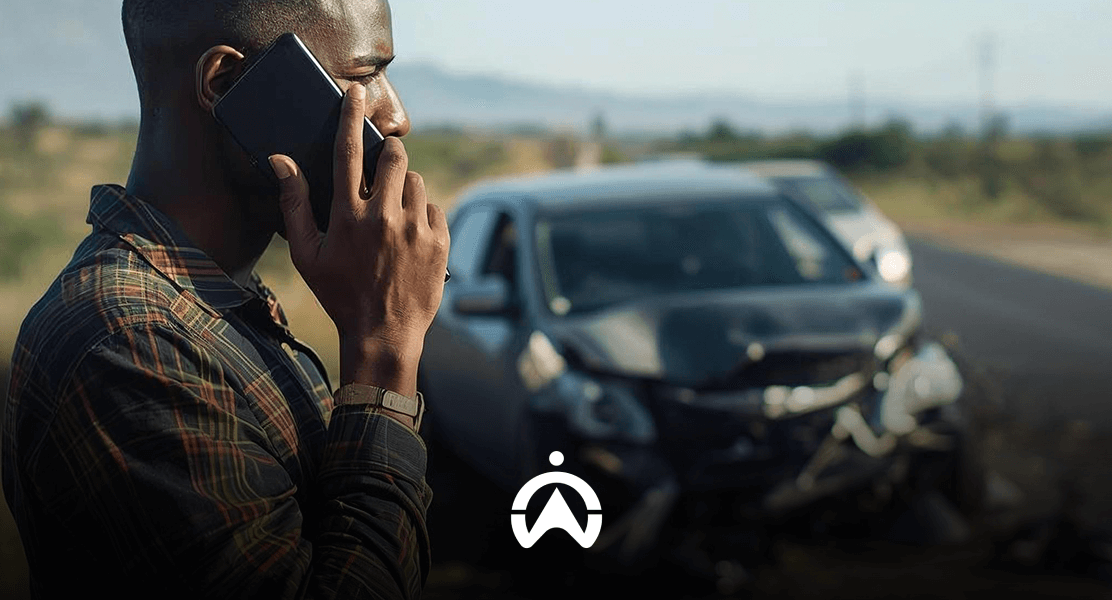
If you’re ever involved in a car accident, the first thing you should do is to stop. No matter how minor the accident is, you’re required by law to bring your car to a standstill. This is so you and all other parties involved can assess the damage and figure out what needs to be done next.
Knowing how to react in an accident is important for protecting your health, safety, and finances. After an accident, things can get pretty chaotic. Most people experience shock, stress, and confusion at the same time, and never really know what to do next.
The immediate steps to take after an accident include stopping your car in a safe place, checking for injuries, and calling for help. From there, you need to get out of the car, assess the situation, document everything, and get all the details you need for your claim and the police report.
Here’s a detailed step-by-step guide on what to do if you’re involved in a car accident:
Ensure safety first Turn on your hazard lights to notify other drivers that something is wrong. Once you’ve done that, and if possible, slowly move your car to a safe location to avoid the risk of causing another accident. This can be on the shoulder of the road or a parking space, depending on where the accident happened. From there, check yourself and passengers for any injuries.
Check for injuries and call for help Call emergency services immediately if there are injuries. Don’t try to move someone who’s severely injured unless that person is in immediate danger, (like if you suspect the car is about to catch fire). This also goes for you if you’re severely injured; don’t move, as you might make things worse for yourself.
If you have minor injuries, you must still seek medical attention. Make sure you keep all medical records for insurance claims and legal purposes. When calling for help, try to give the emergency service personnel clear details of where you are. Tell them how many people are injured and how bad it is so they can come prepared.
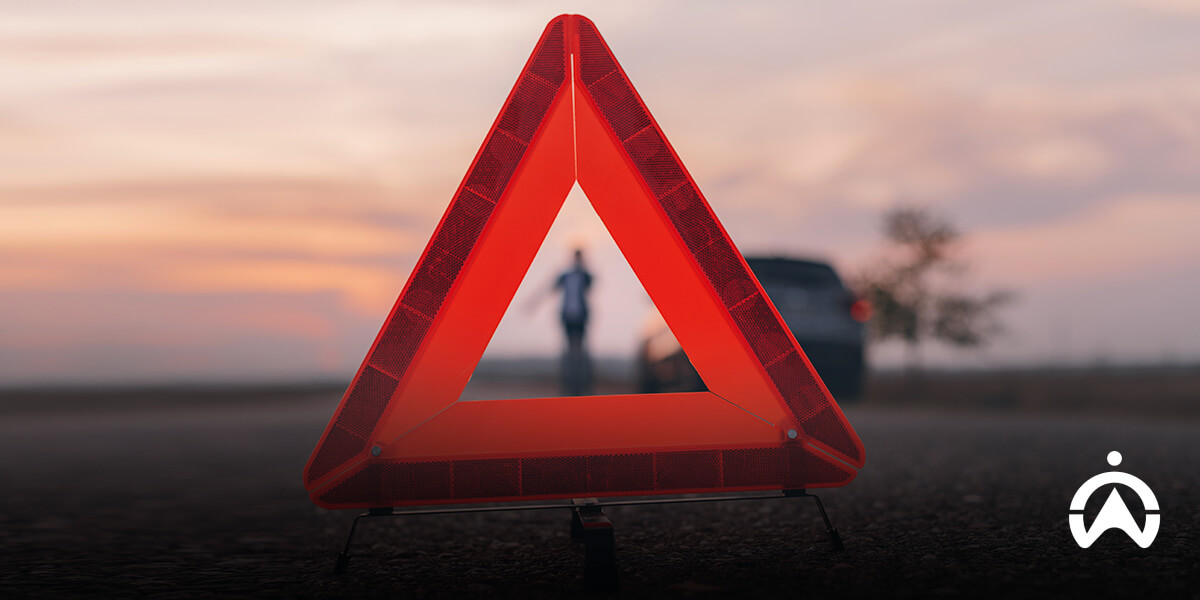
Protect the scene If the position of your car doesn’t increase the risk of causing other accidents, leave it where it is for evidence purposes. From there (assuming this is a minor accident with no injuries), put out warning signs such as warning triangles or cones if available.
You should avoid moving any broken remains or disturbing any skid marks. Insurers normally assess the damage to both vehicles. Safeguarding the evidence of an accident scene is crucial because it can help prove who was at fault.
Document the accident As the social media merchants always say, “Did it even happen if you didn’t take a photo?” Well, the same applies to car accidents. Take as many photos as possible, from all angles, and make sure the damage is clearly visible. Make sure to include images of the other vehicle(s) involved, and their surroundings.
Take note of the time and date of the accident, as these little details are easy to forget when there’s a lot going on. Collect as much information as possible about the other party, and include the following details:
Vehicle registration number
ID number
Cellphone numbers and alternative contact details
Insurance company details
Physical address
Make and model of the other car(s)
The police will require a sketch and description of the accident, and this means you need to remember details of your surroundings, such as road names, intersections, and traffic lights. So take note of that too. Gather witness statements too, if there are any.
Avoid admission of fault Don’t admit blame at the scene. Determining who’s at fault is crucial for insurance claims, legal proceedings, and potential liabilities. According to local insurance guidelines and standard policy terms from major underwriters like CIC Group and Old Mutual Kenya, an admission of liability or fault at the scene of an accident could breach your policy terms, potentially leading your insurer to reject your claim, view you as a high-risk driver, and increase your future premiums. Insurance companies also use such admissions to deny or minimise claims, making it difficult for you to receive fair compensation.
In some cases, people believe they were at fault and admit it to speed up the process and move on. Others admit unintentionally by saying things like “I’m sorry” or “I didn’t see you”, which may be considered admissions of guilt. Rather stick to factual descriptions when speaking to the police and avoid arguing with the other parties involved.
Notify authorities and insurance If there are any fatalities, injuries, or damages to someone’s property, or if you suspect the other driver is intoxicated, you need to immediately call the police. If it’s a minor accident, you must ensure that you report the accident to the police within 24 hours. From there, you can contact your insurance provider.
Watch out for post-accident reactions Your body releases adrenaline after an accident, which might mask pain and emotions. This type of reaction may have you feeling like you’re fine, leading you to overlook symptoms of injuries. The hidden signs of injuries include headaches, dizziness, and unexplained pain. Make sure you seek medical attention to steer clear of any hidden health issues. Visiting the doctor as soon as possible also creates a medical record that links your injuries to the accident.
Follow up After leaving the accident scene, you must conduct a follow-up. This is usually where lengthy disputes emerge, and the evidence you’ve gathered is what will save you from that. Seek legal advice if that happens.
Keep a record of your communications with insurers, repairers, and all other parties involved. Stick to insurer-approved repair centres to ensure your car is fixed correctly and safely.
How modern-day technology can help after an accident
Modern-day technologies such as dashcams, vehicle tracking units, and sensors can help you after an accident by:
Providing clear footage of the accident and the moments leading up to it.
Providing telematics that can support insurance claims.
Detecting vehicle impact so you can get faster emergency service response.
Here are brief explanations of how these three technologies work to your advantage if you’re ever involved in an accident:
Dashcams
Dashcams are the best way to ensure that everything surrounding the accident is recorded. With these gadgets, you won’t have to worry about taking pictures of everything to prove your innocence. It also helps those who suffer from memory loss after an accident and are unable to recall the sequence of events leading to the accident. A dashcam strengthens your claim by providing factual video evidence with time stamps.
Vehicle tracking units
Vehicle tracking units with telematics capabilities provide location data and driver behaviour. This means they’ll show the exact time and place of the accident and reveal the speed at which you were travelling, or if you were braking or accelerating harshly. Through telematics, you can further prove to insurers that you were not in the wrong.
Crash detection sensors
Some tracking units also have sensors that can identify severe vehicle impact. This is known as crash detection technology. Through crash detection technology, your vehicle tracking service can identify when your car has been in an accident. They’ll then send emergency services to your location, giving you a faster response.
Get the support you need after a car accident with Karooooo Kenya
At Karooooo Kenya, we provide the support you need after an accident with advanced solutions that speed up the process so you can worry less. You can count on our GPS trackers, dashcams, roadside assistance, and medical assistance services to be there for you when you need them most.
Here’s a closer look at our post-accident solutions:
GPS tracking unit
GPS trackers are a must-have for every car owner as they come in handy in many situations—an accident being one of them. They’ll give you telematics data that shows how you were driving in the moments leading up to the accident. For example, if you’re accused of speeding, you can simply go to your Karooooo mobile app, access your trip history, and prove that you weren’t driving recklessly in any way.
Unfortunately, some accidents are staged. Criminals might intentionally, yet gently, bump your car from behind, making you stop and go out to assess the damage. They’ll then take over and steal your car. This form of hijacking is called the “tap-tap” method, and should you fall victim, our GPS tracking unit gives you the best chance at getting your car back. We have nationwide recovery teams that are always on standby, waiting for your call.
Dashcams—Road Vision
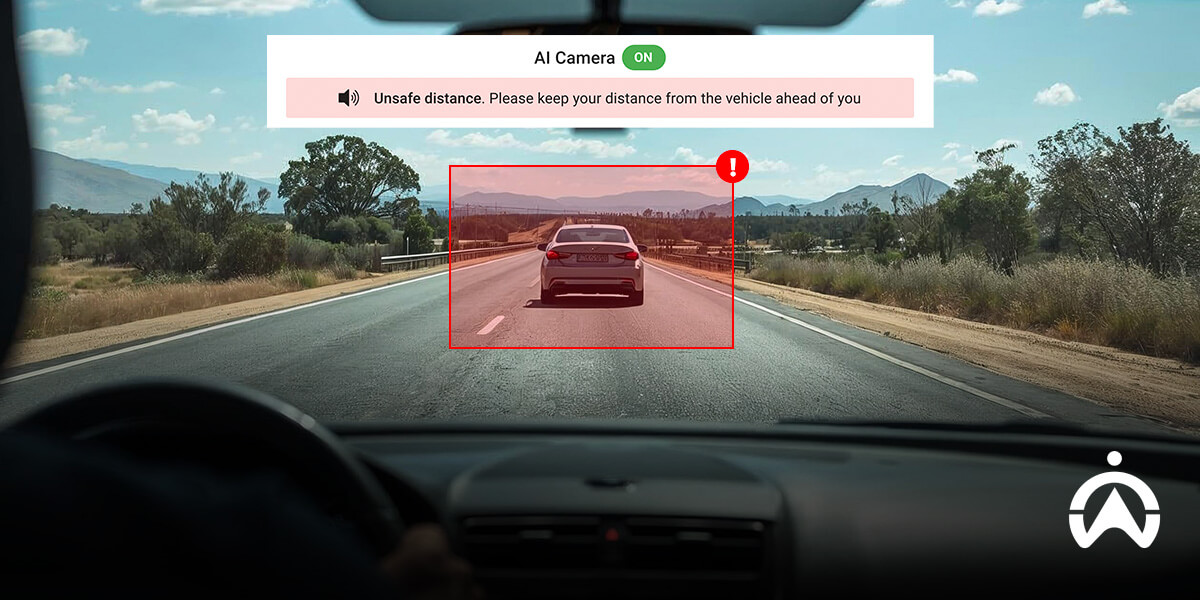
The Karooooo Road Vision dashcam is a front-facing camera that captures everything that happens in front of you while you drive. This helps eliminate the back and forth that happens after accidents, as you’ll have evidence of everything.
The Road Vision camera offers high video quality that can capture finer details such as road signs and number plates. For example, if you’re ever a victim of a hit and run, the dashcam will help you quickly find the culprit. You can present footage showing the number plate to the police so they can trace the car owner.
Protector (roadside and medical assistance)
Protectoris a value-added service that provides 24/7 emergency assistance such as roadside, medical, and legal support. It’s available on the Karooooo app at the push of a button. For instance, if you’re in an accident and need a towing service, you can contact us and we’ll arrange it for you.
Karooooo Kenya helps you prepare for the unexpected
Knowing what to do before an accident occurs is crucial, and having the right technology makes dealing with the situation a lot easier. Karooooo Kenya comes to the aid in such instances so you can focus on recovering. Reach out to us and enjoy the benefits of our post-accident solutions.
Frequently Asked Questions about car accidents
Will my insurance increase after a claim?
Yes, your insurance premium may increase after a claim. It depends on how often you claim. The more you claim, the higher risk you are to insurers, and they’ll charge you more for that. If it’s your first claim, you might get a small increase or no increase at all.
Who do you contact after an accident occurs?
After an accident occurs, you must contact an ambulance service if there are injuries. From there, report the incident at the nearest police station within 24 hours. You can also dial 999, 112, or 911 to reach the National Police Service to report the issue and give accurate details about the crash. Make sure you get an OB (Occurrence Book) number and a Police Abstract, because these are strictly required for insurance claims and legal purposes.
Other articles for you
Fleet Logistics Management – Boost Your Supply Chain And Fleet Costs
Blog
11 minute read •
The logistics industry is constantly evolving. Is your operation equipped to stay ahead? Fleet logistics is just what the fleet doctor ordered to help you reduce costs, elevate efficiency, and enhance safety in your operation. Read on to discover the world-class solutions available at the tap of a button. What are logistics? The logistics […]
Fleet Fuel Card Integration – Empower Your Fleet With Efficiency and Security
Blog
9 minute read •
When it comes to managing fuel efficiently and reducing costs for your fleet business, fuel credit cards stand out as one of the top solutions. Explore the intricacies of these cards and discover how they can ease all your fuel expense-tracking headaches. Is it time to invest in some fuel cards? All your answers are […]
Truck Fleet Management – Here Is The Ultimate Guide For Your Fleet
Blog
17 minute read •
Managing a fleet of trucks, whether it’s a couple of vehicles or a couple of hundred, comes with a distinct share of challenges. These challenges can stand in the way of your entire fleet’s efficiency, increasing operational costs, and lowering vehicle lifespan, amongst many others. That’s why a good fleet management system is the key […]
 South Africa
 Botswana
 Malawi
 Mozambique
 Namibia
 Nigeria
 Swaziland
 Tanzania
 Zimbabwe
 Hong Kong
 Indonesia
 Singapore
 Malaysia
 Philippines
 Thailand
 New Zealand
 Vietnam
 Poland
 Portugal
 Spain
 United Arab Emirates