Top 7 Fleet Management Trends for 2025 and Beyond

2024 has been a very turbulent year in the business world, with geopolitical conflicts affecting supply chains globally. The fleet management industry has had to adapt significantly to keep up with these events.

As we head into the new year, it is important to plan ahead and prepare for industry changes that are anticipated.

These developments have created a great opportunity for companies looking to develop and enhance their businesses. According to the 2024 Fact MR Market Research Survey, the fleet management industry is expected to grow from US$65 billion to US$300 billion in the next ten years. This presents an opportunity for companies looking to innovate and adapt their businesses to the future, it also gives them a head start on optimising their businesses for maximum profit.

In this article, you will:

  • Learn about the current state of the fleet management industry
  • Discover the fleet management trends for 2025
  • See what solutions Cartrack offers

The Current State of the Fleet Management Industry

The fleet management sector is undergoing tremendous change, with new markets growing into the space globally. This is no different in Kenya, a country full of businesses that produce products and raw materials. This fact is compounded by the growing global interest in Kenya as an emerging market.

Active fleet management systems will grow at a compound annual growth rate of 20-25% per year in Kenya. For many companies operating in Kenya, an effective fleet management system is vital as it mitigates many logistical problems that are caused by weak infrastructure, bad planning, and other procedural variables.

With this system in place, companies can monitor driver behaviour, maintain vehicle maintenance records, track their vehicles and manage fuel expenses – whilst maintaining compliance with local laws and regulations.  

In Kenya, fleet management systems must abide by rules and regulations set by the Kenyan Department of Transport. These regulations include but are not limited to, ensuring that driver’s licences are valid, vehicle registrations are up to date, and that all necessary safety features are installed.

These regulations are coupled with The Occupational Health and Safety Act, 2007 which determines the required conditions for a safe workplace for employees. It is the confluence of these factors that brings us to where we are as an industry in Kenya today.

However, new trends have emerged that are sure to shake up the fleet management industry. Let’s explore what these are and how they will affect you and your business in the years to come.
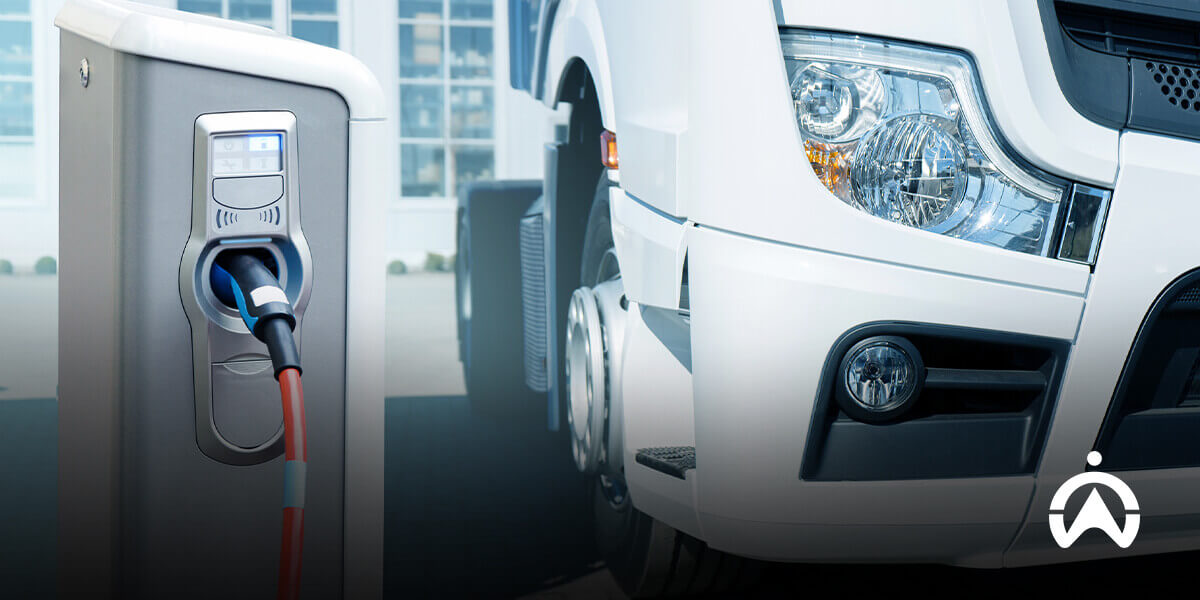
Electric vehicle charging at a station with a charging cable connected.

Seven Fleet Management Trends for 2025

As the world moves ever closer to complete digitalisation, companies globally are seeking ways to augment their processes and streamline efficiencies. It is often these considerations that can make a significant impact on a business’s bottom line, and overall stakeholder value.

In the fleet management sector, the best way to achieve these goals is by adopting emerging technologies that enhance how the industry as a whole runs. These new developments and innovations incorporate current processes and protocols with new tech and software.

Let us explore some of the new trends in fleet management in the year 2025.

  1. AI-Powered Route Optimisation
    Artificial Intelligence (AI) has made a major impact on the world in the last year, with many industries looking for ways to apply it to their business models. The expansive use and application of AI is looking to reshape how the world works, the fleet management sector is part of that change.
    ‍
    AI-driven algorithms are getting better at predicting accidents, traffic patterns, and even weather changes- all in real-time. The benefits of this kind of technology in fleet management are clear and indicate to greater reliability in the software used. The future of AI in fleet management points to developments in traffic delay detections, reduction in fuel consumption, and adaptive rerouting. This is geared to increase efficiency and decrease decision-making protocols, allowing for quicker and more streamlined processes.

    This data-driven approach will dramatically increase delivery time and optimise the entire process, offering the manager a holistic overview of all operations, before, during and after delivery.
    ‍

  1. Advanced Driver Assistance Systems (ADAS)
    Accidents are very costly and dangerous, and often lead to delays, loss of life and lawsuits. With ADAS high-definition mapping and real-time data boost drivers’ situational awareness reducing the likelihood of accidents and hazardous roadside incidents.

    ADAS will become increasingly common in fleet management systems as we progress into the future. Automatic braking, adaptive cruise control, lane-keeping assistance, and collision avoidance are all features that come with ADAS technology, which means any vehicle with this system is better equipped to deal with unexpected road occurrences. These measures protect both the driver and the vehicle, additionally, they centralise all emergency protocols to a system that evaluates each incident accordingly.
    ‍

  1. 5G Connectivity for Fleets
    Fast and reliable internet connectivity is a vital part of communication systems, especially when managing a fleet of vehicles. With developments in 5G internet connection expanding wider, this is bound to greatly benefit the industry.

    Enabling this feature will lead to enhanced real-time monitoring, better communication between drivers and dispatchers, and faster updates from vehicles that are on the road. Another benefit is that faster connectivity will also allow for quicker response services such as real-time tracking, instant alerts, and dynamic route changes.

    Additionally, fleet managers who use a host of management apps will have faster communication channels and more reliable reporting tools.
    ‍

  1. Predictive Maintenance with IoT Sensors

    Vehicle maintenance is a necessary part of fleet management and is often done late in a vehicle’s lifespan, or when an emergency occurs requiring immediate repairs. These maintenance routines can hinder business operations leading to delays and disrupted workflows. The solution for this in 2025 will be predictive maintenance using IoT(Internet of Things). IoT is an internet connection for physical things, which allows them to share data and information with other devices and systems.

    IoT sensors can be installed in vehicles, where they measure all vital components and track how well they are performing. Vehicles equipped with sensors can transmit real-time data on engine performance, brake conditions, and other critical systems. This feature allows potential wear and tear issues to be detected and attended to early on before they become too severe and require extensive service. With this system, businesses can expect to reduce costs and vehicle downtime, meaning overall performance goes up.
    ‍

  1. Driver-Focused Telematics
    A fleet’s team of drivers are an essential part of the delivery process and form the backbone of a business, meaning their well-being is paramount to operations. Telematics systems that focus on driver and vehicle well-being are predicted to become a critical component of fleet management in 2025. This is because the system provides real-time feedback on driver activity, such as bad driving, speeding, hard braking and any other driver behaviour that might be detrimental to the vehicle and the delivery. With driver safety becoming a bigger priority, telematics systems like this are bound to decrease accidents and improve overall fleet performance.

    Route planning software with telematics integration is going to make driving a safer endeavour, making it easier to track and enhance driver performance.
    ‍

  1. Carbon Footprint Tracking
    The general population is now more environmentally conscious than ever and expects the same from the businesses they support. Any environmentally conscious efforts made by a business that show it is considering its contributions to global warming are certain to reflect well on the public. Additionally, global agencies now rate and score companies based on their carbon footprint, measuring their impact and often advising consumers to divest from those that score poorly.

    Sustainability remains a top priority for many companies with a large fleet, especially when considering the large carbon footprint caused by combustion engine vehicles. The world is moving towards finding greener solutions to minimise its impact on global warming. For this reason, carbon footprint tracking will be a factor that many fleet management systems will want to monitor.

    Tools monitoring carbon emissions will become essential, especially apps that integrate carbon tracking features, allowing businesses to measure and reduce their carbon footprint.  
    ‍

  1. Increasing Electric Vehicle Adoption
    In line with sustainability goals, the adoption of electric vehicles is predicted to increase in many businesses with large fleets. Electric vehicles have lower carbon emissions and are less costly overall to run and maintain compared to traditional vehicles.

    This poses a significant logistical issue as electric vehicles require specific infrastructure to be charged while on the road. Route planning must then be considered, factoring in distances between charge stations and optimal travel routes. As this is predicted to be the norm in the coming years, government agencies and the private sector will need to align on what this future looks like infrastructure-wise.
Three semitrucks driving on a highway with a foggy background.

Cartrack’s Fleet Management Solutions

Cartrack is a leading fleet management company in Kenya, ranking in the top 5 nationally. It is a reliable and highly specialised fleet management company with customers across various industries globally. Cartrack is on the cutting edge of vehicle tracking technology, with developments in fleet management systems for a diverse business clientele. The company is well-equipped for 2025 with many industry trends already in application in the solutions on offer.

These solutions can be tailor-made for the respective client to increase productivity, reduce costs and enhance overall efficiency. The reporting from Cartrack’s solutions is accurate and highly detailed, offering insights on how to optimise your business best. This reporting gives the business owner peace of mind and assurance on how the overall operations of the fleet are going.

The fleet management solutions available at Cartrack come with numerous features and adaptations that are necessary for any business going into 2025. Here are some below.

Standard features

  • Internet-based access with no additional software required
  • Movement sensing
  • Alerts on harsh acceleration, braking, cornering and excessive idling
  • Exceeding speed limit alerts
  • Accurate GPS positioning and routing
  • Mapping
  • Creating and managing geofences
  • Live positioning stream
  • Generating management reports
  • Odometer reports
  • Replay of all travelled routes

Looking ahead into the near future, fleet management systems will become more sophisticated and efficient. This is exacerbated by the introduction of advanced technologies like 5G, AI, and machine learning. Kenyan businesses will have access to powerful solutions that will optimise their unique fleet management needs. Ultimately these developments will optimise operations and improve overall safety and customer service. Leveraging these innovations will afford companies greater insights into their fleet’s performances while complying with regulations.

With Kenya’s emerging market status on the incline, it is natural to expect more business dealings to be headed here. This means that there will be a greater need for an efficient, reliable and effective solution to the imports and exports of goods. As more and more businesses move online, this will only get more complex, requiring solutions that can be tailored to various business structures and industries.  

Cartrack is best equipped to take you and your business there. Contact us today to learn more about our fleet management solutions and how they can be tailored to your business’s unique needs.
How to Track and Secure High-Value Freight

The transportation of high-value items is important for many industries today, from luxury goods to medication. However, this value brings significant risks, including theft, damage, and delays, which can lead to major financial losses and ruin a company’s reputation.  Thankfully, technology can help reduce these risks.

So, how can we effectively track and secure high-value freight? Key strategies include careful route planning, strong packaging, reliable carriers, secure storage, and sometimes escorts. It’s also essential to adhere to customs regulations, train employees on safety procedures, and have proper insurance.

This blog will cover the best strategies, technologies, and practices for safeguarding your high-value freight. Whether you’re a logistics manager, a supply chain professional, or a business owner, knowing how to protect your valuable shipments is crucial in today’s competitive market.  

In this article, you will:

  • Understand what is meant by a High-Value Freight
  • Know the risks associated with High-Value Freight
  • Learn how to protect your valuable goods
  • Find Cartrack solutions to keep your cargo safe

What is High-Value Freight?

High-value freight refers to goods with significant monetary value that require special handling and insurance.

Goods valued over a million Kshs, are considered high-value freight. These items are in high demand, making them more likely to be stolen, and often have strict regulatory controls.

High-value items include luxury goods like jewellery and designer items, medications, banknotes, gold coins, metals, gems, electronics, livestock, diamonds and art. Premium cigars, cigarettes, and alcohol, especially in large amounts, are also classified as high-value freight.

There are four major types of freight transportation: ground(road), rail, ocean, and air.

Cartrack mainly uses ground freight transportation, which has two types of loads: Less-Than-Truckload (LTL) and Full-Truckload (FTL).

  • Less-Than-Truckload (LTL): This involves shipments that don’t fill a whole truck. Different shippers can share the truck to save money, but it might take longer because the cargo gets handled multiple times.
    ‍
  • Full-Truckload (FTL): In this case, one shipper uses the entire truck. This provides more space for high-value items and usually means faster delivery.

Why You Need High-Value Freight Tracking?

Tracking high-value freight is essential because cargo can be at serious risk of theft, damage, or loss. You need to monitor your goods from where they start to when they get delivered. GPS tracking allows you to track the location of your goods in real-time.

Kenyan cargo theft has been on the rise with a 12% increase in 2023. Kenya witnesses increase in crimes impacting supply chains every year, based on data from the Kenya P Authority (KA).hese incidents are happening at the ports but also on the road.

Organised crime groups are always looking for new ways to access your cargo. Here are some common methods used to steal high-value goods:
‍

Six Most Common High-Value Freight Theft Methods

  1. Identity Theft and Fraud: Thieves sometimes use identity theft to pose as legitimate freight companies. By creating fake documents and credentials, they can convince carriers to release valuable cargo, leading to significant losses for shipping companies.
    ‍
  2. Truck Hijackings and Burglaries: This involves the theft of entire trucks, typically when they are left unattended at rest stops or during deliveries. Thieves often monitor trucks from a distance, waiting for an opportunity to attack.
    ‍
  3. False Emergencies and Coerced Stops: Criminals signal drivers to pull over, then steal cargo while the driver is distracted.
    ‍
  4. Commercial Burglaries: Criminals break into shipping containers or trucks at facilities like truck yards, warehouses, or businesses near transportation hubs. Cargo theft at these locations often happens because the goods are left unattended for extended periods.
    ‍
  5. Employee Involvement: Insider theft occurs when employees help criminals by providing access or staging hijacking for financial gain.
    ‍
  6. Use of Technology: Criminals can use GPS jamming to prevent the tracking of goods or use hacking techniques like phishing, allowing them to create fake shipments and steal goods.

Tracking high-value freight is crucial for protecting your cargo, especially in a high-risk country like Kenya. Find out more on how to prevent your goods from getting stolen.

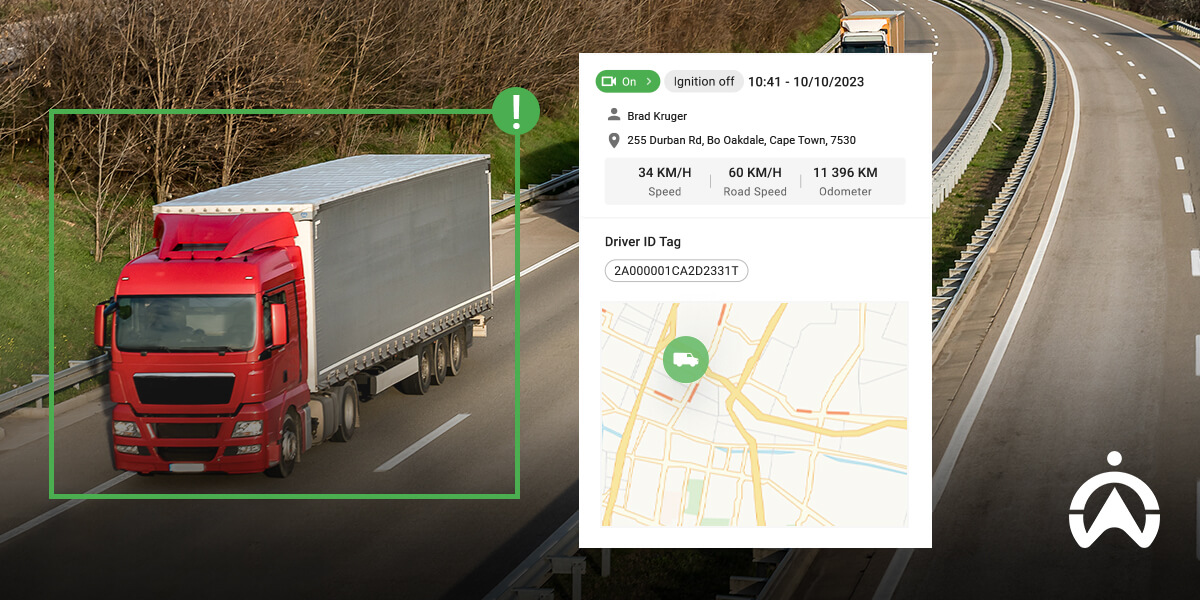
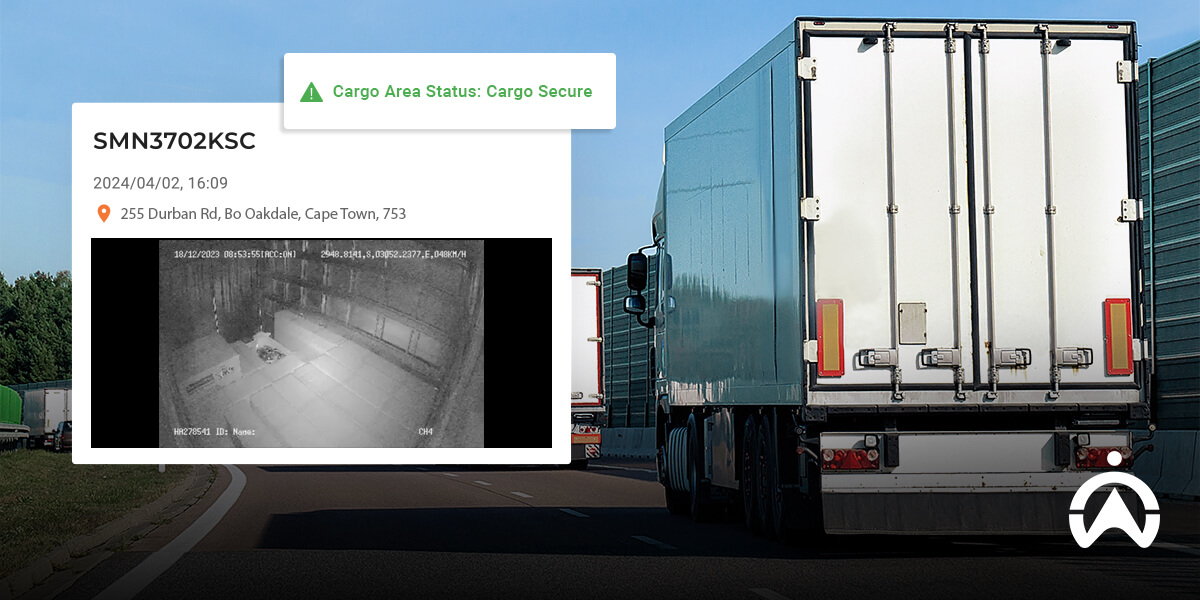
A truck on the road with a cargo security notification and location data on display.

Ways to Secure Your Freight with Cartrack

Cartrack’s fleet management system helps you manage your cargo transport in a smart and safe way. This all-in-one solution makes fleet management easier and more convenient.
‍

Here’s how Cartrack can protect your high-value goods:

  1. GPS tracking:
    With Cartrack’s live GPS tracking, you can always see where your valuable goods are at all times. We’ve designed a tracking unit that can easily be attached to most movable assets to help you improve your asset utilisation and reduce costs. This way, you can keep an eye on your cargo.
    ‍
  1. Temperature monitoring:
    You can install up to four temperature sensors on your truck and trailer. This lets you check the temperature of your cargo from anywhere, which is especially important for things like livestock. You can set alerts for any temperature changes, helping to ensure that goods arrive in the right condition for your customers.
    ‍
  1. Ignition Sensor:
    This sensor tracks whether the vehicle’s ignition is on or off. It provides key information about the vehicle’s status and can help detect different theft situations.
    ‍
  1. Geofencing:
    Set up virtual boundaries around certain areas to monitor your drivers, vehicles, and equipment in real-time. Once a geofence is created, you’ll get instant notifications whenever a vehicle enters or exits that area. This helps you keep track of fleet activity and avoid high-risk zones.
    ‍
  1. Driver behaviour monitoring:
    Enhance driver safety with Cartrack’s fleet driver monitoring system. This system uses advanced hardware and software to track driver behaviour.

    Cartrack’s AI Live Vision cameras alert drivers to distracted and risky actions, like smoking or speeding, allowing them to correct their behaviour quickly. This helps create a safer driving culture and lowers accident risks.
    High-priority alerts can be sent to coaching, a Value Added Service that helps companies keep a record of repeated offences and provide targeted training for drivers.
    ‍

  1. Jamming Detection:
    If a thief uses a jamming device to disrupt communication between the tracking system and the cellular network, Cartrack can switch to RF frequency. This ensures we can keep communicating with your vehicle, enhancing security and increasing the chances of recovery.
    ‍
  1. Routing:
    Routing is a software tool that helps you set and manage planned routes for your fleet vehicles. You’ll receive real-time alerts for any deviations from these routes. Keeping vehicles on their intended paths reduces operating costs and ensures drivers stay focused and cargo remains on track. ‍

Cartrack’s fleet management system offers so much more than just tracking. It provides peace of mind your high-value freight is well protected. With our comprehensive features, you can trust that your valuable assets are in safe hands.

Red truck on highway with fleet management interface showing driver information and map.

Take control of your high-value cargo at all times

Cartrack provides security features tailored to safeguard your drivers, fleet, and cargo from theft, hijacking, and accidents. Trust us to protect your valuable assets.

Frequently Asked Questions on High-Value Freight in Kenya

Q: How can I package my high-value cargo to prevent damage?

A: Use strong, sturdy boxes or containers and cushion contents with bubble wrap. Consider tamper-evident packaging to ensure items aren’t tempered during shipping.

Q: What are the common risks in HVF (High-Value Freight)?

A: Theft and hijacking.

Why is Seatbelt Safety Important

From a young age, our parents and teachers caution us that seat belts are vital to our safety. Our mother or father reminds us to fasten up whenever we get into the car.

But, as we grow up and get behind the wheel, we relax. Those warnings we heard as children began to fade. We forget that those few seconds we take to buckle up could make a world of difference.

Keep reading to re-learn the importance of safety belts.

In this article, you will:

  • Find out how seat belts save lives and reduce injuries
  • Investigate how you find yourself in hot water with the law if you are not fastened in
  • Grasp how failing to strap in can increase insurance and health costs
  • Find out how seat belt safety can enhance company safety culture
  • Discover many Cartrack solutions that can increase driver safety

Why you need to strap in your seat belt

You must always wear a safety belt to avoid poor consequences. These include loss of life, legal issues, hefty insurance costs, and more.

We will expand on these regrettable outcomes below, but don’t let them get you down. We will eventually provide information on Cartrack solutions for improved driver safety.

Seatbelts save lives and reduce injuries

Seatbelts are the number one way to help prevent fatality and severe injury. They virtually cut the odds in half!  These safety belts prevent people from ejecting or being thrown around the vehicle’s interior. When flung around inside cars, drivers or passengers can slam into each other. This impact can cause significant physical harm. Fastening your safety belt will also ensure that individuals do not hit their heads and become unconscious. This is especially true for those behind the wheel, who could easily bang their heads on the dashboard.

Effectiveness of Seatbelts

  • Fatality Reduction: The World Health Organization reports that wearing a seatbelt can reduce the risk of fatal injury by 40-50% for drivers and front-seat passengers, and up to 75% for rear-seat occupants.
    ‍
  • General Impact: Road traffic injuries are a leading cause of death globally, with an estimated 1.24 million deaths annually. Kenya faces a significant burden from these injuries, highlighting the importance of effective safety measures like seatbelt use.

Enforcement and Compliance Challenges

  • Despite mandatory laws requiring seatbelt usage for all vehicle occupants, enforcement remains weak, with Kenya Traffic Police fin 10′s of housands of drivers who do not buckle up.This lack of strict adherence contributes to high injury rates among passengers who don’t use seatbelt.

That said, many people choose to believe otherwise, while some are even quite wary of seatbelts.

For example, many think that airbags can replace belts. But, they are only efficient when combined with seatbelts. If they are used independently, they cannot safeguard drivers from severe consequences. There are also valid concerns over rare seatbelt injuries, such as shoulder, abdominal and vascular injuries. However, this is a significant minority of cases. It is not worth getting in the way of keeping you and your passengers’ lives safe.
‍

Comparative Statistics

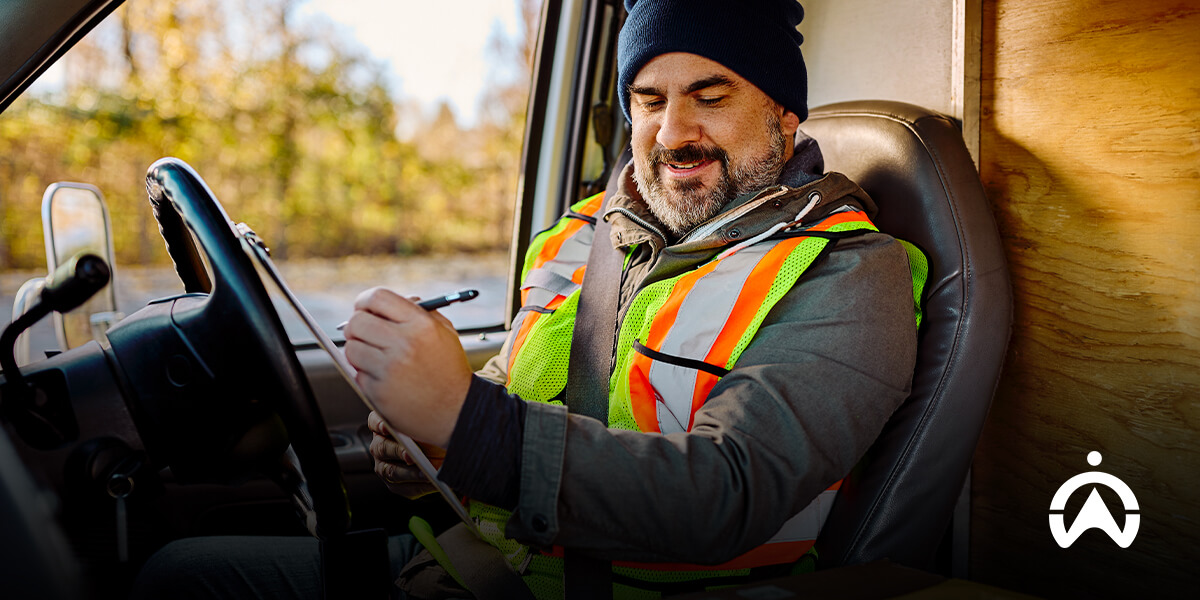
Person in high visibility vest sitting in a vehicle's driver's seat, holding a pen and notebook.

The roads of Kenya pose unique risks

Kenyan streets have tricky characteristics that make it vital to fasten up. From reckless driving to potholes, Africa’s wild roads present many challenges, three of which you can take on below.

  • Drinking and driving: You may travel with care while on the road. But, the uncomfortable truth is that not everyone shares this sentiment. In Kenya, drinking and driving is a serious problem, leading motorists to throw caution to the wind.
    ‍
  • Potholes and bumpy terrain: Potholes are a massive cause of irritation for many Kenyans, and who can blame them? These holes can damage vehicles.
    ‍

You could find yourself in hot water with the law

No one likes getting in trouble with the law, and as everyone knows, not wearing a safety belt is illegal. Find out more about the laws around buckling up and why you should always adhere to them.

  • Kenya seatbelt laws: Kenya has many laws about buckles. Significant ones for everyday driving include:
    • No one may drive on a public road without a seatbelt.
      ‍
    • No one can drive on a public road with a car whose seatbelts are not in working order or correctly fitted.
      ‍
    • ‍Safety belt-related fines range from Kshs 1,000 per seat.
      ‍
  • Where responsibility lies:
    • The law states that those controlling the wheel are solely responsible for ensuring everyone straps in.
      ‍
    • If a fleet driver gets into legal trouble, the company must pay the relevant fines. This responsibility is imposed by common law, ‘Vicarious Liability.’ It means that employers are responsible for their employees’ offences. That said, the company can hold them internally accountable.

Increases healthcare and insurance costs

As we know, avoiding seat belt safety increases the risk of injury severity. The higher the severity, the higher the insurance and healthcare costs. If you choose not to buckle up and are hurt in a car accident, you may not receive the best compensation from your insurance company. They could even go as far as to deny your coverage, claiming negligence.
Insurance also provides for private healthcare, and in Kenya, the quality of care between private and public sectors is vastly different. You could end up paying out-of-pocket for substandard services.

Improves companies’ safety culture

Safety culture is more than a company pushing a safety-focused policy. It is also a workplace culture with an enthusiastic attitude toward compliance and safety. This cheerful and active approach to security brings many benefits, which you can learn more about below.

  • Retention and attracting new employees: Focusing on drivers’ safety makes them feel like their company cares. This feeling can increase morale and retention and even attract new employees.
    ‍
  • Reputation: If potential or current customers hear of fleets having unsafe experiences while on business time, they may choose not to purchase from them. These companies could also lose partners or investors who won’t want to look bad via association.
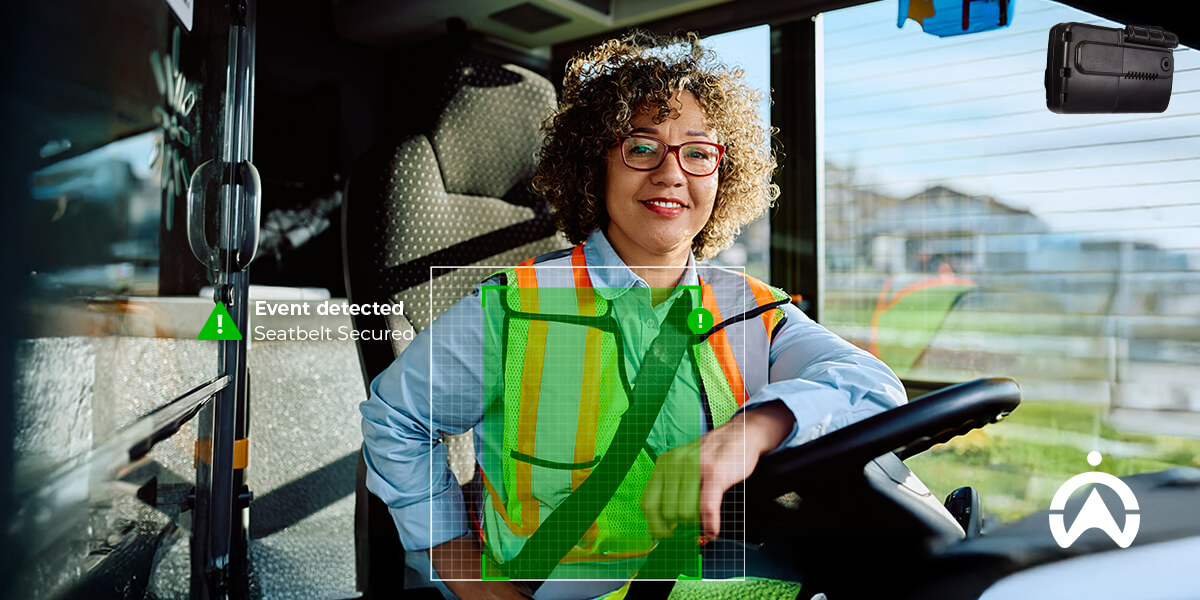
Person in high-visibility vest driving a vehicle with seatbelt-secured notification on the screen.

Strengthen driver safety with Cartrack’s trip history

Whether it’s about buckling up or not, investing in anything that improves driver safety is always a great idea. At Cartrack, everyone can do just that with our trip history feature. With the help of telematics, trip history offers the following:

  • Trip recording and reports: From duration, distance, routes, stops, departure and arrival times, this feature records every trip in detail. The system records data on these harsh driving behaviours that can be used to understand motorists’ poor habits. These habits include:
    • Speeding
    • Aggressive cornering
    • Harsh acceleration
    • Harsh braking
      ‍
  • Benefits for everyday drivers: Trip history can help you and your loved ones analyse and improve one’s own or each others’ driving patterns.
    ‍
  • Benefits for fleet managers: Trip history reports can empower fleet managers to monitor poor driving conduct and coach drivers where needed. These reports can prevent motorists from repeating poor driving patterns and improve a business’s safety culture.
    ‍
  • Cartrack’s driver scorecards: Driver scorecards are perfect for fleet managers’ coaching needs. They source data via the trip history feature to inform their point system. Fleet drivers lose points on their scorecards if they engage in harsh behaviours. These scores motivate commercial transporters to drive more cautiously. Providing fleet managers with insights into their transporters’ specific weak spots is also a valuable coaching tool. These specifics include speeding, harsh acceleration, harsh braking, harsh turning and excessive RPM (Revolutions Per Minute). These reports vary from one to seven days and an entire month.

Discover more about these features by contacting Cartrack Kenya today.

Ensure that your fleet straps in with Cartrack’s AI Multi-Vision

With our AI (Artificial Intelligence) Multi-Vision solution, fleet managers can ensure their drivers’ well-being. They can, for example, get real-time knowledge of whether drivers are buckled up. That said, let’s explore many of AI Multi-Vision’s features.

AI Multi Vision is an AI-enabled solution. It allows fleet controllers to protect fleet safety and improve coaching methods. This solution includes up to eight cameras in each vehicle, such as in-cabin road-facing, internal, and external cameras. These come with live audio streaming and direct in-cabin calling and alerts, sent to Cartrack’s web platform and our Mobile App for the fleet manager and other relevant individuals to keep track of. These real-time alerts are for high-risk safety events picked up through AI camera detection. These include fatigue, distraction, smoking, phone use, camera covering, tailgating, and, as stated, seatbelt use.

Regarding safety belt detection, the process is quite similar to all the other events in that the AI camera picks up an event via its specific “trigger.” In this case, the alert is set off when there is no visible sign of them wearing their seatbelt.

Fleet controllers can remotely request footage for evidence, and AI Multi-Vision comes with 13-27 days of recording space. It also comes with free and convenient installation and training.

Next time you get into a car, remember to buckle up. It’s not just a law, it’s a lifesaver. By prioritising seatbelt safety, you’re not only protecting yourself but also contributing to a safer road for everyone.

Want to take your fleet’s safety to the next level? Cartrack’s innovative solutions, like AI Multi-Vision, can help you monitor driver behaviour, including seatbelt usage, in real-time. Contact us today to learn more about how we can help you build a safer and more efficient fleet.

Why It Is Important to Measure Fuel Flow in Your Engine

Fleet-related industries rely on efficiency and precision to keep operations running smoothly. And, when it comes to potential profit drainers like fuel inefficiency, you need a fuel monitoring tool that gives you accurate data for informed decision-making.

Discover why it’s important to measure fuel flow in your engine and how fuel probes can boost your business.

In this article, you will:

  • Understand the real reasons to measure fuel flow in your engine
  • Learn the differences between fuel level sensors and fuel probes
  • Understand how a fuel probe works
  • Discover the benefits of fuel probes
  • See how Cartrack’s technology can help you optimise fuel tracking
  • Get answers to the most frequently asked questions

Understand the real reasons to measure fuel flow in your engine

  1. Fuel Efficiency: Monitoring fuel flow helps you identify inefficiencies in your engine’s operation.
    By pinpointing areas where fuel is being wasted, you can take steps to improve fuel economy and reduce your overall fuel consumption.
    ‍
  2. Engine Performance: Fuel flow data provides valuable insights into your engine’s performance.
    By analysing the fuel flow rate under different operating conditions, you can detect potential issues like fuel leaks, injector problems, or faulty sensors that might be affecting your engine’s power output and responsiveness.  
    ‍
  3. Maintenance: Tracking fuel flow helps you stay on top of your engine’s maintenance needs.
    Unusual spikes or drops in fuel flow can indicate potential problems that require attention before they escalate into more serious issues. Regular monitoring can help prevent costly breakdowns and ensure your engine’s longevity.  
    ‍
  4. Emissions: Fuel flow data can be used to assess your engine’s emissions levels. By optimising fuel delivery and combustion, you can reduce harmful emissions and contribute to cleaner air.

Learn the differences between fuel level sensors and fuel probes

When it comes to measuring fuel level and fuel flow, we can see the benefits; especially when you manage or run a fleet-based business and fuel economy is crucial. Let’s discuss this in detail by first looking at the difference between fuel level sensors and fuel probes that help you measure fuel flow.

If you want to understand the difference between measuring fuel levels and fuel flow, it’s important to understand how both are measured and what tools are used to measure each. First, let’s look at fuel level sensors, how they work, and the different types.

A quick overview of fuel level sensors

Fuel level sensors, telematics, and IoT devices collect different types of data that help you understand the real-time fuel levels in your fleet vehicles’ tanks. Using a fuel sensor, our MiFleet Fuel solution provides the following:

  • Validation of fuel tank capacity
    ‍
  • Validation of how many litres are in the tank
    ‍
  • The ability to detect fuel theft
    ‍
  • Fuel consumption

Our MiFleet Fuel solution is multifaceted. It can be used in a variety of industries, such as automotive, marine, and industrial fleets.

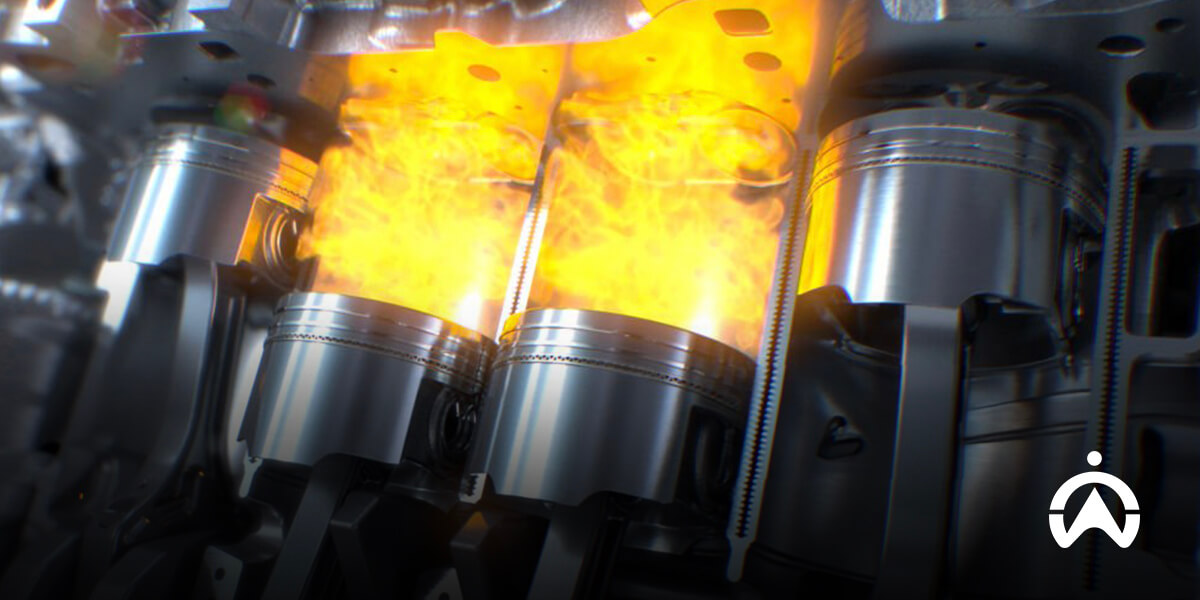
Close-up of an engine with pistons and flames inside cylinders, illustrating combustion.

How a fuel probe works

These devices measure the fuel quantity flowing in your fuel tank. They provide fleet managers and operators with fuel flow data that is 98% accurate, helping to optimise vehicle, vessel, or equipment performance and increase efficiency.

One of the main reasons fuel probes are so valuable is because of the real-time data they provide on fuel levels in your vehicle that helps operators, drivers, and fleet managers proactively manage and make informed decisions on fuel management.

Why you need fuel probes in your fleet vehicles and equipment

The most important reason to measure the fuel flow to your engine with a fuel probe is that it provides nearly perfectly accurate data on your fleet’s fuel consumption, which can help you optimise your operations in multiple ways and contribute to increasing your ROI.

Here are some of the benefits you get from monitoring your fuel consumption with a fuel probe:

Lower fuel expenses and better fuel economy

Real-time fuel consumption monitoring is one of the most effective ways businesses can identify fuel drainage and other fuel-related inefficiencies. Checking your fleet’s fuel usage in real-time also gives fleet managers the power to make proactive decisions, like immediately looking for causes of fuel loss and fixing them. This helps to keep budgets stable instead of causing profit depletion and expensive vehicle repairs. Keeping vehicles healthy improves your fleet’s fuel consumption and economy, making it a win-win for your business in the long run.

Reduced vehicle downtime and improved performance

A well-maintained vehicle is a fuel-efficient vehicle. A vehicle operating at peak performance consumes less fuel than one with mechanical issues. Early detection of potential problems can significantly reduce downtime and improve fuel efficiency.

Accurate ESG reporting tool

Providing an accurate Environmental Social and Governance (ESG) report is crucial to instilling and maintaining trust in investors and stakeholders. Fuel probes help you generate data and accurately document your business’s sustainability to meet the ESG Fuel Management 2024 criteria so you can increase transparency. And, with accuracy being crucial, these probes are the way to go.

Accurate fuel costing analysis

Fuel probes elevate your fuel budgeting capabilities with their exceptional accuracy. Every cent counts, and precise fuel data empowers you to maximise savings, enhance budget flexibility, and boost your bottom line.

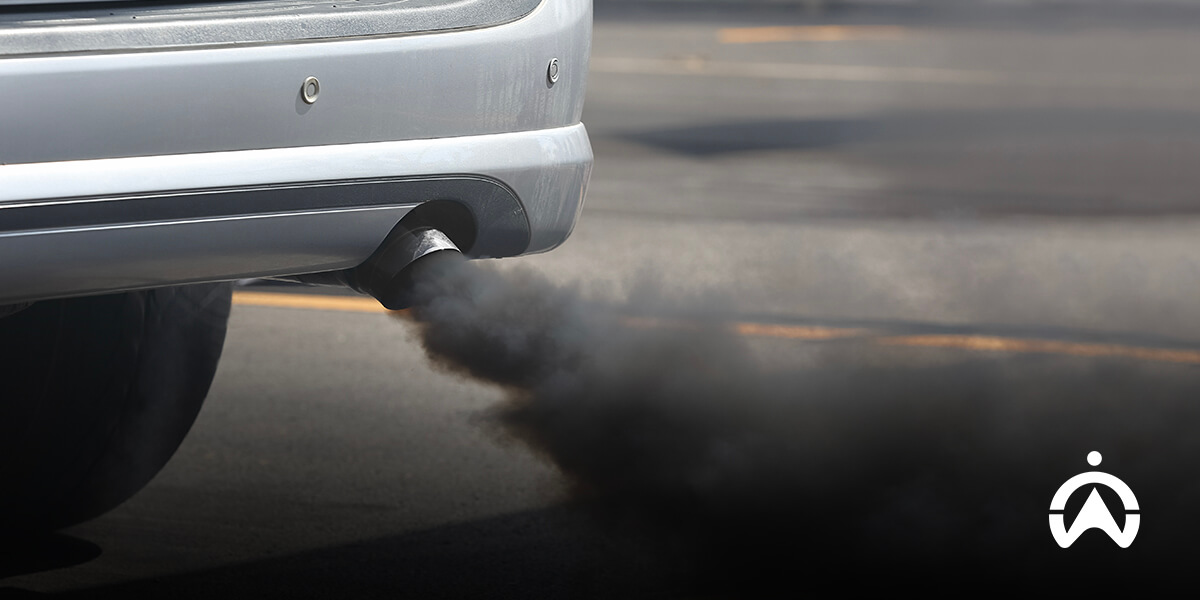
Car exhaust pipe emitting dark smoke on a road.

Other ways Cartrack Kenya helps you enhance your fleet’s fuel efficiency

Fuel probes help you get near-accurate data about your fleet’s fuel consumption. Cartrack Kenya can elevate your operations even more by tackling fuel inefficiencies from all angles and helping you optimise your profits the smart way.

  1. Risk reports
    Regular reports of your drivers’ behaviours while on the road can help you pinpoint bad driving habits that lead to increased fuel consumption, like speeding and harsh acceleration. These detailed reports also serve as a foundation for targeted training material, helping you address problematic behaviour quicker to get better results from your drivers and experience better fuel economy in your fleet.
    ‍
  1. Fuel graphs and reports
    To help you pinpoint other fuel drainage and support fuel flow data, Cartrack’s Fleet Web platform allows you to view fuel usage graphs. A sudden fuel drop may indicate syphoning. MiFleet reports are also available under the Report function. This function allows you to view where and when the car was filled up and the tank capacity. The vehicle’s pre-installed fuel sensor enables you to see how much fuel is filled into the tank to spot any inconsistencies.
    ‍
  1. CANBus
    Our CANBus-enabled diagnostics work brilliantly with fuel probes by giving you real-time data and even more metrics to improve your fleet’s fuel efficiency. Apart from getting fuel usage insights, you also get accurate odometer readings to help you schedule timely maintenance for peak vehicle management and real-time alerts for engine faults so you can make intelligent decisions before parts start deteriorating, causing increased fuel consumption.

Let Cartrack Kenya optimise your fuel flow data and pave the way to success

Cartrack Kenya knows how important keeping track of your fleet’s fuel is for increased efficiency and profits. Contact us today and discover how we can optimise your operations.  

Let us answer your FAQs:

  • Why is fuel flow important?
    A vehicle’s fuel flow accurately indicates whether the engine is performing how it should, which can help fleet managers identify problems early on and avoid maintenance problems piling up.
    ‍
  • Why is it important to monitor fuel flow to an engine?
    The benefits include improving fuel economy, identifying fuel theft, reducing emissions, and reducing your fleet’s total fuel expenses.
    ‍
  • What is fuel flow measured in?
    Fuel flow rate is generally measured in litres per minute.

Bike Theft: How to Secure Your Bike from Theft

Many of us in Kenya are familiar with that sinking feeling when we come home only to find that our television has vanished; for some, it’s cars, and for others, it’s their beloved motorbike. For companies that rely on motorcycles for their business or the everyday motorcycle drivers, it can be devastating, leading to a loss of capital, vital means of transport and utter heartbreak.

Below, we will explore ways to prevent this, followed by Cartrack’s many effective solutions.

In this article, you will:

  • Find out why bike theft is a growing problem and how to protect your ride
  • Discover one of the best ways to secure your bike
  • Learn how GPS tracking can help you keep tabs on your biking fleet
  • Attain peace of mind with Cartrack’s tracking solutions
  • Don’t miss out on the ultimate bike security solution with Cartrack

Bike Theft: A growing problem and how to protect your ride

Bike theft is an essential issue in Kenya, and troubling data shared by Nation makes this clear, reporting that in 2024, 10,000 motorbikes were stolen across all provinces. It is plain to see that proactive measures are needed to protect your motorcycle. Here are some practical tips to deter thieves and keep your bike safe.

These scenarios can be daunting, but we’ve got you covered. Let’s delve into the importance of motorcycle security and discover how to safeguard your bike, especially in Kenya.

1. Invest in High-Quality Security Devices

  • Disk Locks: These are a popular choice for added security. Ensure you use a strong, hardened disk lock and lock it to a solid object.
    ‍
  • Chain Locks: A robust chain and lock can significantly deter thieves. Opt for a hardened steel chain and a reliable one.

2. Secure Parking

  • Garage Parking: Whenever possible, park your bike in a secure garage.
    ‍
  • Secure Parking Lots: If garage parking isn’t an option, choose well-lit, monitored parking lots.
    ‍
  • Avoid Isolated Areas: Refrain from parking your bike in secluded areas, as they are more attractive to thieves.

3. Smart Parking Habits

  • Lock it Up: Always lock your bike, even for short periods.
    ‍
  • Remove Valuables: Remove any valuable accessories or items from your bike when parked.
    ‍
  • Use a Bike Cover: A bike cover can deter thieves and protect your bike from the elements.

Following these tips and staying vigilant, you can significantly reduce the risk of bike theft and protect your valuable investment. Remember, a few extra precautions can make a big difference. However, even these tips are not a guarantee of prevention, especially for business owners.

For businesses that rely on motorcycles for delivery or transportation, theft can have severe consequences. Not only does it result in financial loss, but it can also disrupt operations and damage customer relationships.

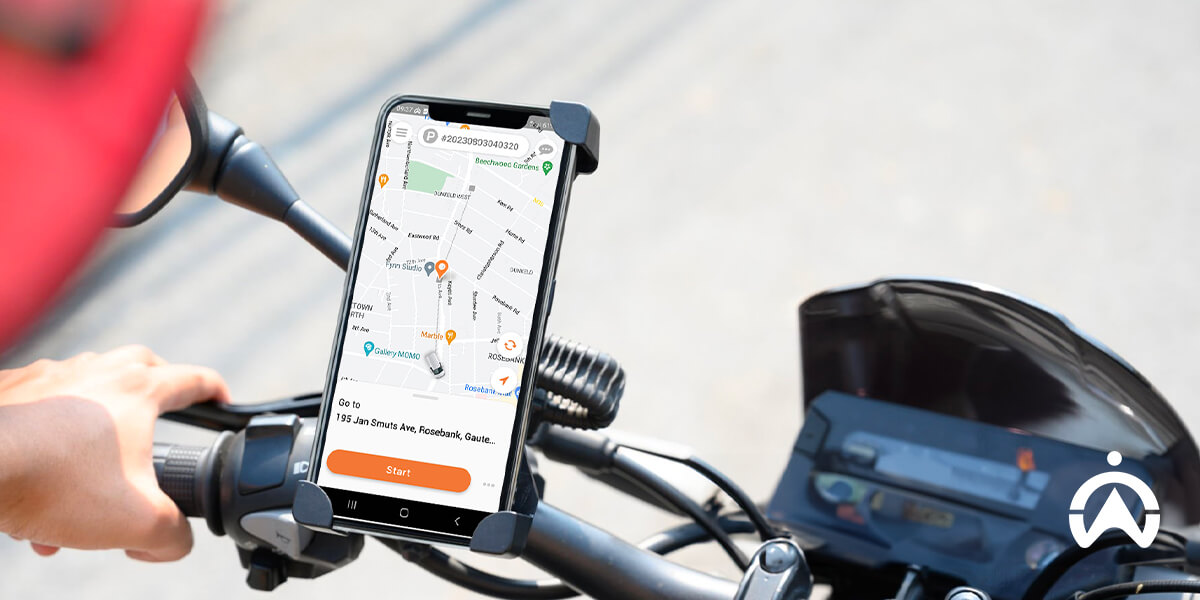
Smartphone with map navigation mounted on a bicycle handlebar.

How motorcycle theft impacts business drivers and everyday riders

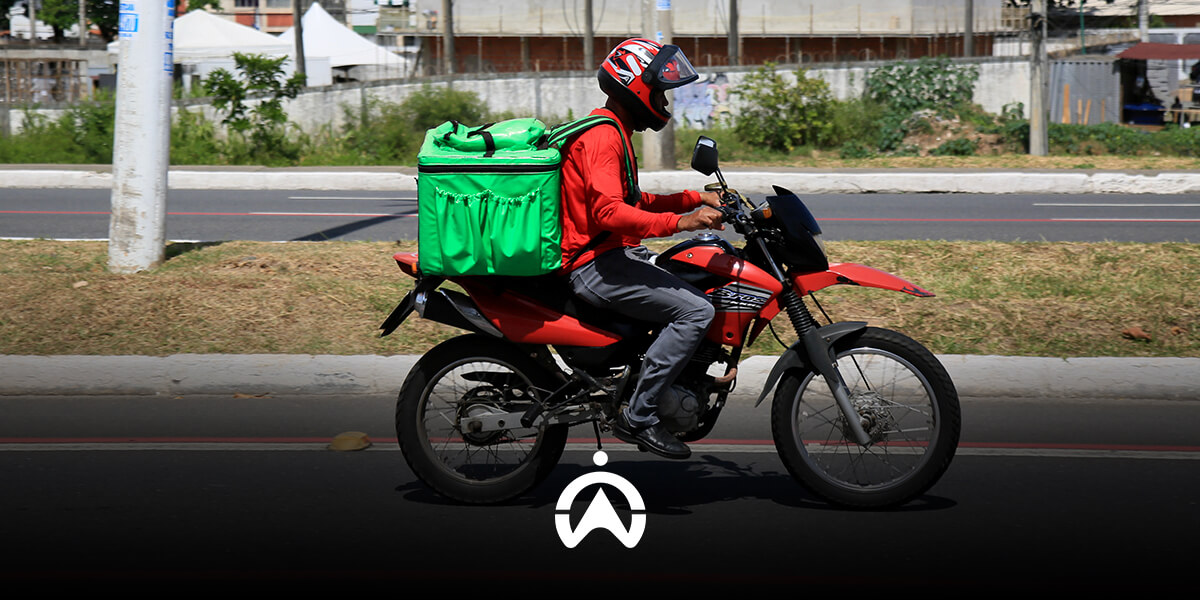
  • The delivery industry
    The delivery industry heavily relies on motorcycles, whether owned by individual drivers or provided by companies like Uber Eats, Yum Deliveries, and Bolt. These services, often in the food and grocery sectors, depend on swift and efficient deliveries.
    Many delivery drivers are independent contractors, making their motorcycles essential tools for their livelihood. The theft of a motorcycle can have severe consequences: job loss, reduced income, and increased operational costs for businesses. Even if the bike is company-owned, theft can lead to delivery delays, customer dissatisfaction, and potential business disruptions.
    ‍
  • Everyday Kenyan motorbike drivers‍
    • Reduced Mobility: Motorcycle theft can limit mobility options, forcing individuals to rely on public transportation or car ownership, which can be less convenient and more expensive.
      ‍
    • Emotional Distress: The loss of a motorcycle can be emotionally distressing, especially for those who have a strong personal connection to their bike.
      ‍
    • Increased Costs: Replacing a stolen motorcycle can be costly, so strong security measures are essential.
      ‍
    • Fear and Insecurity: The threat of theft can make riding a motorcycle less enjoyable and create a sense of fear and insecurity.

These groups’ experiences are unique, but they have one thing in common: motorcycles are a significant part of their livelihoods.

One of the best ways to secure your bike

There are many ways you can avoid becoming a statistic, here they are:

Use GPS tracking to keep tabs on your fleet

It is worth noting that GPS tracking is one of the best ways to protect vehicles, trucks and bikes from theft.

  • It can easily retrieve your motorbike: GPS tracking can locate your motorcycle fleet, making it easier to recover any stolen motorbike. At Cartrack, we have an externally audited stolen recovery rate of approximately over 90%.
    ‍
  • It may help you get lower insurance premiums:  Motorbikes aren’t exactly seen as the safest way to get around— because of this admittedly dangerous mode of transport, insurance companies are not overly friendly to our fellow bikers. That said, no matter whether you are a vehicle owner, a truck driver or a motor biker, the more you can prove you are taking precautions against any threat, the more likely your insurance premiums may fall.
    ‍
  • Portability: Motorcycles are smaller and more portable than cars, making them easier to steal and transport. Some GPS tracking devices can help pinpoint the location of a stolen motorcycle, even if it’s been moved to a different location.

Peace of mind, guaranteed: Choose Cartrack’s tracking solutions

As you can see from the numerous benefits listed above, GPS tracking devices are powerful instruments for securing your motorbike. This is why Cartrack’s live GPS Solutions include real-time tracking in certain package options for motorbikes.

There’s so much more to live tracking and our GPS solutions, but you must keep scrolling to learn about all the benefits. If you simply can’t wait, jump to this page and discover everything Cartrack offers under our efficient GPS umbrella.
‍

Using Cartrack’s GPS device, you can access some or all of the following features depending on which one of the variety of our packages you choose. Some of these offers include:

  • Mobile App: Cartrack’s Mobile App allows you to access the upcoming features and others included in the various packages—all in your back pocket.
    ‍
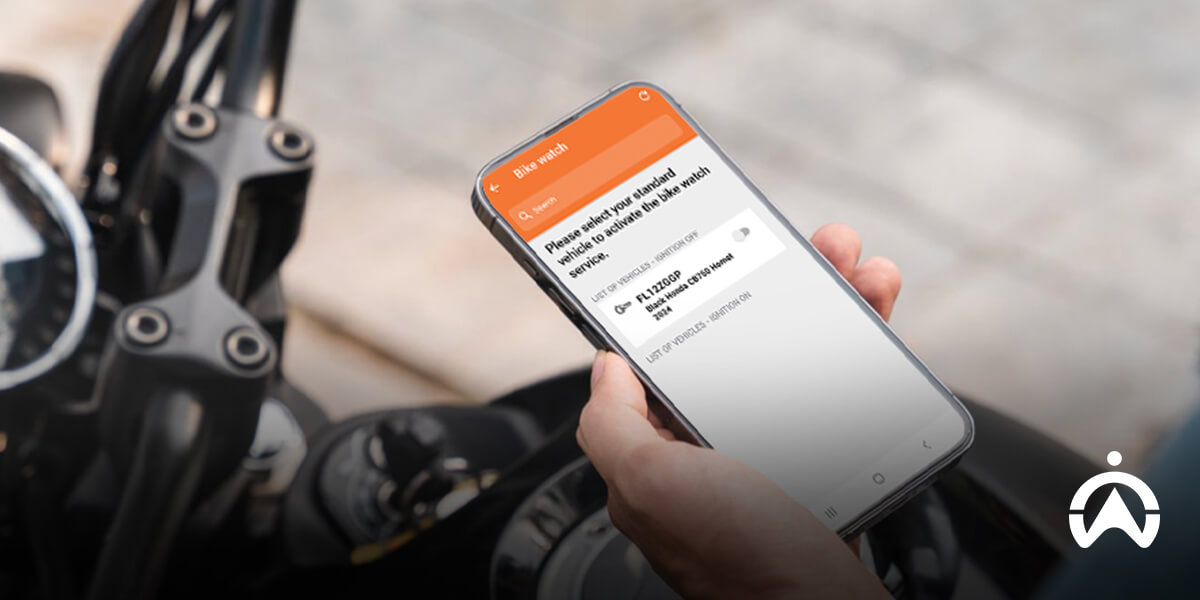
  • BikeWatch: If you activate BikeWatch, it will notify you via the Mobile Application if someone has moved your bike without permission.
    ‍
  • Stolen Vehicle Recovery: If your motorcycle is stolen, one of our recovery teams in the area, alongside local police, will already be ready and waiting to retrieve your stolen motorbike.
Person holding a smartphone showing a Cartrack app, with a motorcycle in the background.

The ultimate bike security solution with Cartrack Kenya

Empower yourself with Cartrack’s GPS live-tracking solutions and prevent criminals from riding off into the sunset with your beloved fleet of motorbikes. Discover all these solutions further down. Most of them apply to delivery managers and can also protect those making the deliveries.

  • Real-time tracking: As already outlined, some Cartrack package options provide real-time tracking, where you can keep track of your motorbike or motorbikes’ location every second of every day. As a courier manager, you can track every motorcycle in real time using our platform.
    Keeping in contact with them in real-time will help motorbike fleet managers detect if something is happening at that moment. A faster reaction means they are more likely to prevent the theft or recover the motorbike. It will also help individuals determine if their motorbikes may have been taken without their permission or knowledge.
    ‍
  • Geofencing is perfect for courier managers: Geofences allow you to track whether someone has left a specific area using virtual boundaries around it. Individuals who want to ensure their fleet or delivery service motorbikes stay in the demarcated area can set Geofences.
    If the bikes leave, you will be notified via SMS or email—this can indicate that they may have been stolen.
    ‍
  • Visibility: Cartrack’s live GPS tracking solutions allow you to see how many and which bikes have been visible via GPS for the last seven days. If a motorbike has not been visible within that period of time, there may be cause for concern.
    This solution, which is a part of real-time tracking, is beneficial for dispatch leaders because keeping track of every motorbike is important, depending on how many there are, it may also be a challenging task. Therefore, having vehicles grouped into those that have been visible and not visible makes keeping an eye out for theft that much easier.

Thief-proof your motorbike with Cartrack; Get in touch and learn more about our solutions.

Frequently Asked Questions (FAQ)

Q: How can delivery services inform their riders about motorcycle theft risks?

A: Informing riders about motorcycle theft risks is vital for their safety and your ability as a delivery service to maintain a good reputation with your customers and potential drivers, keep your current ones and ensure timely and efficient service delivery.

It is best to inform them of how they can secure their bikes, such as the list above. In addition, keep them updated on crime statistics and hotspots and how to stay safe.

Q: What colour bike is least likely to be stolen?

A: While not guaranteed, the consensus is that bright colours are more likely to deter thieves, as they are by being bright colours more visible, especially at night. Their eye-catching colours make them more noticeable and identifiable in public. Celeste green, yellow and bright orange are the most recommended shades.

Of course, this is not a foolproof deterrence, so it’s best to take every precaution, including Cartrack’s GPS device and live tracking solutions.

Q: Which bike is most likely to be stolen?

A: While there are no definitive facts about which bikes get stolen in Kenya, the generally claimed primary target in numerous countries, such as the United States, the United Kingdom and Australia, are Honda’s.

Ultimately, however, an unsecured bike is the bike most likely to be stolen, and an untracked bike is an unsecured bike. Contact Cartrack Kenya now to secure your bike and gain peace of mind.

Can I Have More Than One Tracking Device in My Car or Fleet?

Vehicle crimes remain an issue in Kenya. Unfortunately, you can easily forget these crimes exist as you go about your day. As the tactics used to steal vehicles become more sophisticated, vehicle owners are encouraged to rethink how they approach vehicle safety to avoid falling victim to these crimes. In this article, we answer the burning question many vehicle owners ask: Can I have more than one tracking device in my car or fleet? The answer is yes, you can.

In this article, you will:

  • Discover why multiple tracking devices are suggested in Kenya
  • Understand the best practices for installing various units
  • Learn how Cartrack solutions support multiple tracking units
  • Uncover the ways Cartrack help existing fleet companies

Is one tracking device enough, or should you have more?

Criminals have improved their tactics in recent years to keep up with advancements in vehicle technology and tracking devices. This has raised an important question. Is one tracking unit enough, or should you have more? Let’s discuss this issue further.

The increased threat to your vehicle’s safety

Recent statistics revealed that 1600 vehicles were stolen in 2022. This indicates about 4 cars were stolen every day.

The alarming theft trend is largely because of the increased use of signal-jamming devices. These devices block the signal from your key and your vehicle’s computer box. This can prevent your car from locking, which provides criminals easy access to your vehicle.

Keyless entry vehicles similarly have also become a target for criminals. Designed to provide convenience to drivers, these keyless systems can be vulnerable to jamming devices. A pair of criminals can exploit this vulnerability by intercepting the signal from the key fob and transmitting it from one jamming relay device to another, which allows them entry into the vehicle.
‍
This is a serious problem that Cartrack is dedicated to solving with its advanced technology. There are many notable benefits to having additional tracking units in your vehicles. They include:

  • ‍Secure Insurance coverage: Insurance companies now request that clients install multiple tracking units in their vehicles. To add a second layer of security to make it harder for thieves to get away. It also helps secure a lower premium to save money.
    ‍
  • ‍Peace of mind: Multiple devices in your vehicle provide additional security. If one unit is disabled, tampered with or damaged. You can be confident that the additional device will transmit signals. This makes it harder for criminals to get away with your car.
    ‍
  • ‍Enhanced Fleet Management: Multiple tracking devices empower fleet managers to optimise the performance of large fleets. Enabling granular monitoring of individual vehicles, these devices significantly improve operational efficiency.

Now that you’re armed with more knowledge of how criminals target vehicles and the various benefits of having multiple tracking devices installed in your car. Let’s learn the best practices for installing many tracking devices to maximise your protection.

Best practices for installing more than one tracking device

Let’s explore these best practices, that can maximise the benefits of a multi-device tracking setup and enhance your overall security and monitoring capabilities.

  • Need Analysis: When you’re window shopping for a vehicle tracking package with multiple units, it’s advised that you first identify what you need in a package. It could be that you only want stolen vehicle recovery, you want to monitor your driver’s behaviour, or you would like to keep a close eye on your loved ones while they’re on the road. This information is golden as it helps a sales agent offer you the best package.
    ‍
  • Device Placement: Cartrack’s discreet installation process involves carefully selecting a concealed location within your vehicle to place the tracking device. The installation is typically carried out by trained technicians who connect the device to your vehicle’s electrical system or use a self-powered unit. Once installed, the device communicates with Cartrack’s servers, providing real-time location data and other valuable information.
    ‍
  • Battery Consumption: When you opt for an additional unit, it is best to confirm that the additional device does not drain your battery. Cartrack’s additional unit comes with its own power supply, which means the device will not drain power from your car battery.

Knowing all that, you can be confident that installing multiple devices is not only possible but also highly effective.

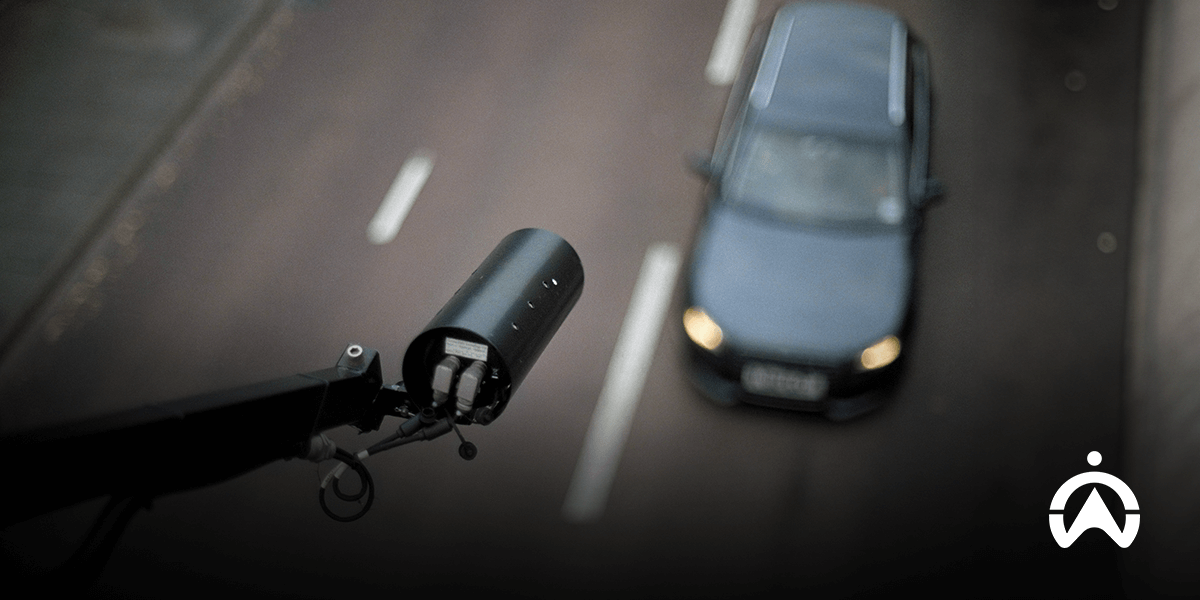
Overhead view of a car on a road, with a traffic camera in the foreground.

How Cartrack solutions support multiple tracking devices

Cartrack specialises in vehicle tracking, vehicle recovery and fleet management solutions. We are dedicated to catering to various customers and their every need. We understand that as vehicle crime in Kenya evolves so do the solutions to protect customers and their vehicles.

Our advanced products are adaptable meaning you can customise your package to your specific needs. Existing clients can also add additional devices to strengthen their vehicle safety. Be it for personal use to protect you and your family on the road, or for fleet purposes to save on fleet costs and boost fleet efficiency. We have you covered.

Here are the packages specially tailored to personal use:

  • ‍Quick: This consumer package includes stolen vehicle recovery, control room position and a mobile app.
    ‍
  • Quick Plus: With this package, you receive a tracking device, control room vehicle location, the mobile app, power event notifications, a logbook, and the R150 000 recovery warranty – T’s and C’s apply.
    ‍
  • Quick Executive Plus: This package provides you with all the above features, plus CarWatch.

For businesses with fleet vehicles, Cartrack offers four different fleet packages:

  • ‍Fleet Management Lite: Cartrack’s most affordable fleet packages provide fleet managers with fleet management data, reports, logbooks, power event notifications and the mobile app.
    ‍
  • ‍Fleet Management Mobile: This package offers an easily movable unit that you can plug into the cigarette lighter of your vehicle. You get all the same features as the fleet management lite package, without vehicle monitoring.
    ‍
  • ‍Fleet Management Plus: This package includes vehicle and driver data, including reporting, and route history.
    ‍
  • ‍Global Fleet Management: This package offers cross-border coverage with the same benefits as the fleet monitoring systems. This system also comes with an added benefit where you don’t pay extra for roaming costs on the GPS device.

How courier companies use Cartrack’s multiple vehicle tracking solutions

Companies with fleets of all sizes trust Cartrack to protect their vehicles, from big cargo trucks to small courier vehicles. A leading courier service provider with a fleet of over 2000 vehicles partnered with Cartrack to cover their fleet. With a rapidly growing fleet and an increased customer demand, this company needed a better system that provides a full view of its entire fleet, task management and business operations.

Here’s how we help them:

  • Cartrack’s telematics platform provides an easy way to monitor their drivers’ location. It also ensures that packages are delivered safely and on time.
    ‍
  • Cartrack’s fleet management software helps eliminate incorrect order submissions, which results in fewer issues and more happy customers.
    ‍
  • Thanks to Cartrack’s AI-powered live-streaming cameras, they can keep an eye on their drivers at all times. This helps to correct bad behaviour and also to make sure their drivers are safe.
    ‍
  • The stolen vehicle recovery covers fleets in the unfortunate event of theft or hijacking. This way they are covered from all angles.
A red pushpin on a map with a car in the background.

Are you ready to take the next step in securing your vehicle or fleet?

Investing in multiple tracking devices and partnering with a reliable provider like Cartrack, can significantly enhance the security of your vehicle or fleet. With advanced features, discreet installation, and 24/7 monitoring, you can enjoy peace of mind knowing your assets are protected.

Always stay one step ahead of vehicle criminals with Cartrack’s advanced tracking solutions and industry-leading recovery rate. With us, you can drive confidently knowing your vehicle is secure.

Enjoy peace of mind with cutting-edge technology and 24/7 support. Contact us today for a free quote and discover the perfect solution.

Frequently Asked Questions (FAQ) about installing multiple tracking devices

Can I add more than one tracking device to the same subscription plan?

Yes, you can. With Cartrack, you can choose a tracking package that best suits your needs. You can add an additional tracking unit which is billed separately under your client profile. You can add our Value-added services to your subscription to strengthen your vehicle protection.

Is it legal to install multiple tracking devices in your vehicle?

Yes, In Kenya, it is legal to have multiple tracking devices in your vehicle. You should ensure that the devices you choose best suit your needs and that the devices installed meet your insurance coverage requirements.

Are there different payment plans to choose from?

Cartrack has two different payment plans. The 36-month subscription is a fixed-term contract with a 10% escalation in the 2nd and 3rd years.

There is also a month-to-month payment option. This option allows you to pay monthly without a contract. You purchase the hardware upfront and get a reduced monthly fee.

How to Switch From One Car Tracking Company to Another

Let’s talk about something that’s become increasingly important for all of us—keeping our cars safe with GPS tracking. It’s a must-have in Kenya, where the struggle with crime is our daily reality.

But maybe you’ve been with the same tracking company for ages and are starting to wonder if the grass is greener on the other side.

You know how it is—maybe you’ve heard about another company offering better prices (who doesn’t love saving money?), or perhaps your friend can’t stop raving about the fantastic customer service they’re getting from their new provider.

Or it could be you’re just curious to try out some of those cool new tracking features everyone’s been talking about.

Whatever your reason, if you’re thinking about switching to a new car tracking company, you’re in the right place! Keep reading, and we will guide you through making that switch without any issues—and, most importantly, without leaving your precious car unprotected for even a second.

Ready to dive in? Let’s go!

Assessing Your Current Tracking Service

Before making the leap to a new car tracking service, it’s essential to take a moment to assess your current provider. Start by evaluating your overall satisfaction— think about what’s been bugging you.

Are they a bit slow to respond? Do you feel like you’re paying too much for what you’re getting? Jot down these thoughts so you have a clear picture of where you stand.

Evaluating Your Needs

Think about your specific needs moving forward. Are there features that are crucial for you, such as real-time tracking, advanced theft recovery options, or smartphone integration?

By taking the time to reflect on these factors, you’ll be fully ready to choose a new tracking service that meets your expectations and brings you peace of mind on the road.

Plan Your Transition

Okay, so you’ve made the decision to switch to a better provider (Cartrack, of course!), that’s fantastic! Now what?

Switching car tracking companies might sound like a headache waiting to happen, but with a bit of pre-planning, it can be a relatively painless move.

Reviewing Contract Terms

Next up, it’s time to dig into your contract. I know it’s not the most exciting task, but it’s crucial!

You don’t want any surprises when it comes time to switch. Knowing these details will help you plan your next steps without any last-minute hiccups.

Check for any cancellation fees and how much notice you need to give your current provider before saying goodbye. Most contracts have a minimum term (often 36 months) and specify conditions for cancellation or transfer. Be aware of any penalties for early termination, which can vary depending on the tracking company.

Contact Your Current Provider

Once you’ve made the decision to switch tracking services, the next step is to reach out to your current provider.

It’s important to notify them of your intention to cancel your contract. A quick phone call or email will do the trick, but be sure to express your intention to end the service clearly.

When you cancel your contract, you will typically need to provide a notice period (often one month). Depending on your contract terms, there may also be fees associated with the de-installation of you old tracking device.

It’s advisable to check your specific contract for any applicable charges with your old provider before going ahead. During this conversation, don’t hesitate to ask about the de-installation process for your tracking device.

De-installation Requirements

After cancellation, you may be required to schedule a de-installation appointment with your service provider.

Most tracking companies, require that the de-installation of their devices be conducted by their own technicians.

If you sell your vehicle or transfer ownership, the new owner can often initiate a new contract using the existing tracking unit. In such cases, you may not need to remove the device.

Schedule De-installation

After you’ve contacted your current provider and notified them of your decision to cancel, the next step is to schedule the de-installation of your tracking device. This is an important part of the process, as you want to ensure that your car is left secure and that the removal is handled professionally.

Reach out to your provider to set up a convenient time for a technician to come out and safely remove the device. Make sure to ask about any fees associated with this service, as some companies may charge for the de-installation.

It’s also a good idea to confirm what information or documentation you might need to provide, such as your vehicle details or proof of payment for the service. By scheduling this appointment promptly, you can ensure a smooth transition to your new tracking provider without leaving any gaps in your car’s security.

If your contract has lapsed or it’s a pre-owned vehicle and you’re not sure who the provider was, Cartrack can easily and safely remove your old tracking device for you.

Person in a suit holding two "Vehicle Tracking Contract" papers.

Talk To Your New Provider

Now that you’ve organised the de-installation of your old tracking device, it’s time to reach out to your new tracking company.

This step is an important part of ensuring your car is protected as quickly as possible. Start by discussing your specific needs and preferences with the new provider; this will help them recommend the best tracking package for you.

Additionally, ask about any promotions or discounts they may be offering, especially if you’re switching from another provider.

This is also a great opportunity to ask questions about their customer service, features, and any support they offer after installation.

By establishing clear communication with your new provider, you’ll set the stage for a positive experience and ensure that your car is back on the road with top-notch tracking protection in no time!

Installation of a New Tracking Device

Once you’ve chosen your new tracking provider and scheduled the installation, it’s time to get that device fitted in your vehicle. This process is usually straightforward, but there are a few things to keep in mind to ensure everything goes smoothly.

Ask about their installation process—will it be done at your home, or do you need to visit a fitment center? For instance, Cartrack provides professional installation services which you can schedule at any time or any place that best works for you.

This convenience means you can carry on with your day while we handle the technical details. Make sure to confirm the timeline for installation, as well as any necessary preparations you might need to make beforehand.

A trained technician will handle the installation, ensuring that the tracking device is securely placed and properly connected to your car’s systems. This is vital to ensure proper performance and reliability, so you can have peace of mind knowing that your car is well-protected.

Lastly, don’t hesitate to ask the technician any questions during the installation process. Understanding how the device works and what features are available will help you make the most of your new tracking service.

Downloading Your New Tracking App

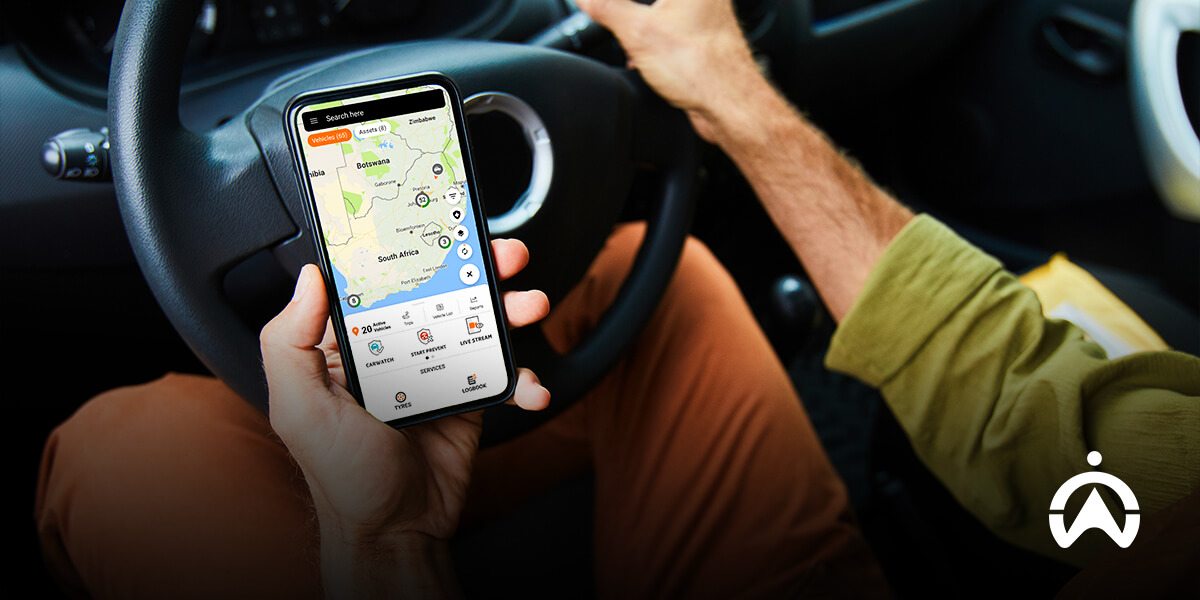
After the installation is complete you’ll want to download the relevant app, like our Cartrack app, provided by your new tracking company. This app is a powerful tool that allows you to monitor your car in real time, giving you instant access to its location and status right from your smartphone.

With our Cartrack app, you can enjoy a range of features designed to enhance your car’s security and your overall driving experience. One of the standout features is CarWatch, which acts as a virtual car guard.

When activated, it alerts you and our 24/7 control room if your vehicle is moved or its ignition is started without your permission. This added layer of security gives you a sense of reassurance, especially when parking in unfamiliar locations.

The app also provides comprehensive car tracking and monitoring capabilities. With GPS tracking, you can view your car’s exact location at any time, replay journeys, and even receive notifications if your car enters or exits designated geofenced areas.

With everything set up, you’ll be ready to drive with confidence, knowing that your car is equipped with top-notch security!

Person holding a smartphone with Cartrack app open while steering a car.

Update Insurance and Registration Details

After successfully installing your new tracking device, it’s important to update your insurance details.

Start by notifying your insurance company about the change in your tracking provider. Many insurers offer rebates or discounts for vehicles equipped with tracking devices, and they need to have the correct information on file to keep your coverage valid.

If applicable, make sure that you also provide a Notification of Change of Ownership (NCO) form if you are transferring ownership of the car to someone else.

Updating these details ensures compliance with Kenyan vehicle regulations, helping you avoid any additional stress or hassle in the future.

Making the Switch: Stress-Free Tracker Transition

Switching your car tracking service in Kenya can be a straightforward process if you approach it prepared with the right information.

From assessing your current provider and understanding your needs, to effectively communicating with both your old and new companies, each step plays a crucial role in ensuring a smooth transition.

Remember, keeping your car secure is paramount, especially in a country where crime and vehicle theft remain a real concern.

By updating your insurance and registration details and ensuring that your new tracking device is installed correctly, you can drive with confidence, knowing that your car is well-protected.

Whether you’re looking for better features, improved customer service, or just a more competitive price, taking the time to make an informed switch can lead to seamless security for your car.

Embrace the change, and enjoy the benefits of a tracking service that truly meets your needs.

How Cartrack Can Help

Ready to take your car security to the next level? Cartrack understands the unique challenges Kenyan drivers face when it comes to keeping their cars safe.

One of the key advantages of choosing Cartrack is our hassle-free installation process. We offer professional installation services that can be scheduled at a time and place that suits you.

Our trained technicians come directly to your location, whether it’s your home or workplace, eliminating the need for you to travel to a fitment center.

With our cutting-edge tracking technology, you can enjoy peace of mind knowing that your car is protected 24/7.

Our services include real-time tracking, theft recovery with a 90% success rate, and an easy-to-use mobile app that puts control right at your fingertips. Call us today – (+254) 730 940000

FAQ

I’ve already got a tracker from another company. What makes Cartrack worth the switch?

If you’re currently using a tracking unit from another provider, you might be wondering what benefits Cartrack can offer that would make switching worthwhile. Cartrack boasts an impressive stolen vehicle recovery rate exceeding 90%, supported by our expert air and ground recovery teams. This means you can rest easy knowing that if your vehicle is ever stolen, we’ll do everything possible to recover it.

Cartrack is also recognised as the most trusted vehicle tracking company in Kenya, with an outstanding score of 9.4 based on user ratings on HelloPeter. This reputation reflects our commitment to providing top-notch service and security.

In addition to our recovery capabilities, we offer a range of premium safety features designed to protect your vehicle around the clock. Features like CarWatch, Geofence, and Protector work tirelessly to keep your car safe, whether it’s parked or on the move.

Lastly, we provide these exceptional services at a competitive price starting from just R99 per month. This means you can safeguard your vehicle without straining your budget.

Choosing Cartrack is not just about switching tracking providers; it’s about investing in superior protection for your vehicle and ensuring your peace of mind on the road.

How can I guarantee a smooth switch from one tracking provider to another?

Be sure to plan ahead by scheduling de-installation and installation appointments closely together and ensuring all paperwork is in order.

What features are included in the Cartrack Protector service?

The Protector service available through the Cartrack app offers a comprehensive suite of emergency assistance features.

These include access to 24-hour roadside and medical emergency services. With just a tap on your phone, you can summon help for flat tires, fuel shortages, or medical emergencies.