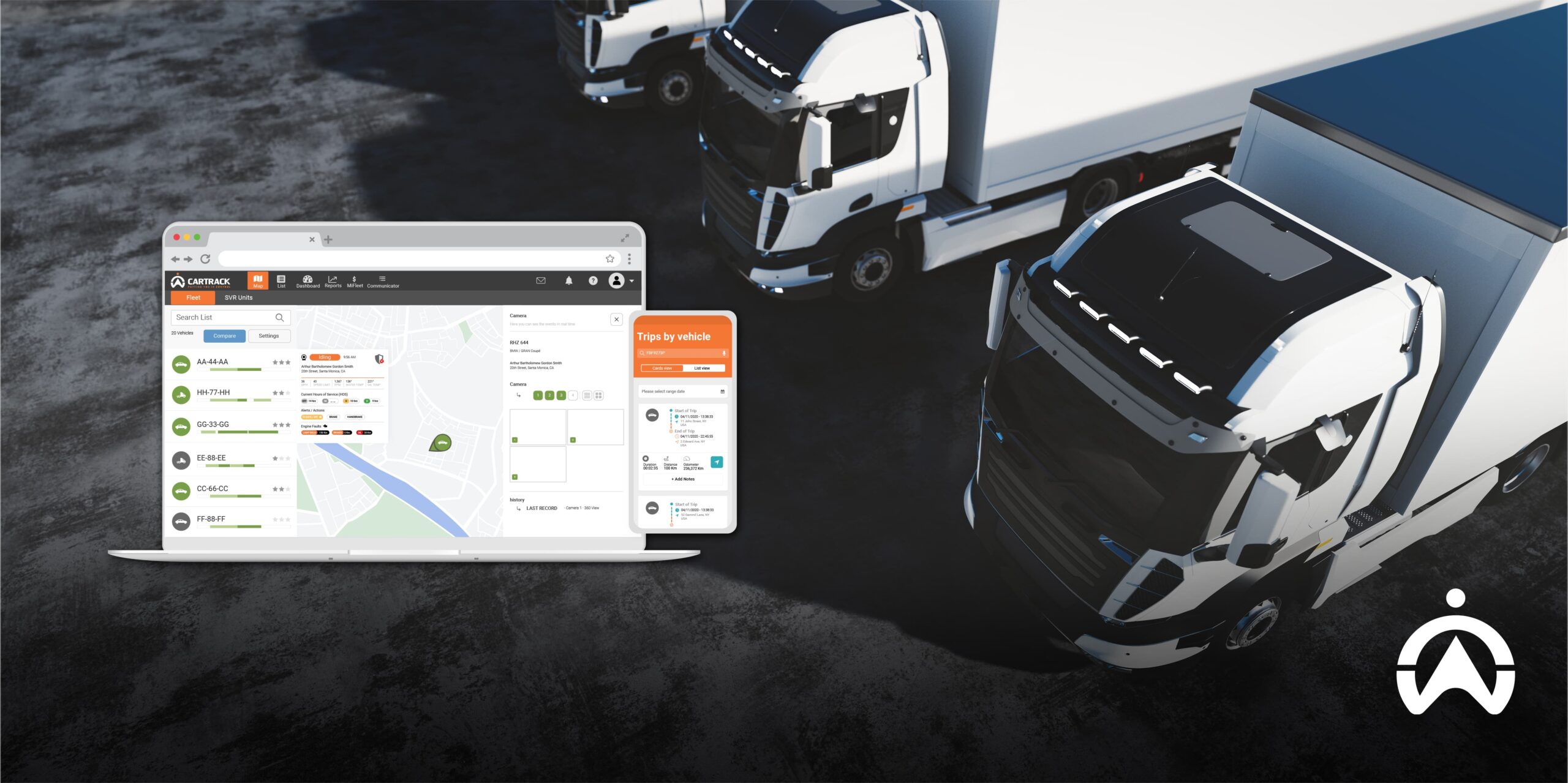
What is Cold Chain Temperature Monitoring, and What is Best for Your Business?

Cold chain temperature monitoring uses a blend of tools and technologies to track and manage the temperature of perishable or temperature-sensitive goods, ensuring they remain cool during transportation. What’s best for your business is strong and reliable temperature sensors combined with a powerful fleet management system and GPS tracking.

In the recent export season, damage expenses reached millions of dollars from logistics delays in the country’s fruit industry. About Billions of dollars worth of fruit was at risk in cold storage at any given time, largely because of breaks in the cold chain. This highlights key challenges in risk management and emphasises the need to maintain proper temperatures.

Don’t let your business suffer immeasurable loss, financial strain, and damage to your brand. In this blog, we’ll help you understand more about temperature monitoring, ways to maximise control of the climate for your perishables, and why Karooooo can help you successfully transport your food.

Which cold chain monitoring solution fits your business?

The cold chain monitoring solution that fits your business includes a strong temperature management system like FleetWeb, paired with the right sensors to help you maintain total control. Cold chain monitoring is a core part of your business’ supply chain. From production and preparation to distribution, your goods should remain safe and temperature-controlled.

You also might benefit greatly from numerous sensors in your cargo bay, obtaining more accurate readings and better reporting. 

What’s cold chain temperature monitoring?

Cold chain temperature monitoring is about combining sensors and powerful software technology to effectively manage your perishable goods. This is typically while in transit, but can also include storage. Temperatures are set and managed in real time. The link to a fleet management system (FMS) keeps you alerted to temperature changes, cargo door activity, and potential hardware/sensor malfunctions. 

These temperature-sensitive goods typically include (but aren’t limited to) frozen foods like fresh fruits and vegetables, deep-frozen foods like meat and seafood, and pharmaceuticals like vaccines. 

What devices are used to keep cold chain cargo bays at certain temperatures?

Devices used to keep cold chain cargo bays at certain temperatures are tools like cargo door sensors, temperature sensors, live GPS tracking, and an FMS. 

Take a look at each and why they matter:

  • Cargo door sensors: Keep track of when and how often your cargo doors are opened and closed. Also, get an immediate notification when your doors are opened by unauthorised people.
    ‍
  • Temperature sensors: Temperature monitoring and probes monitor your vehicle’s cargo bay climate at all times. Get immediate notifications of changes and temperature shifts. Use numerous probes in your refrigeration trailer for better readings.
    ‍
  • Live GPS tracking: The integration of IoT (Internet of Things) devices and GPS tracking helps produce accurate alerts, as well as detailed histories and insights.
    ‍
  • Fleet management system: Although not a device, an FMS brings all the hardware outputs together. It stores all the necessary data collected for you to retrieve whenever you need it. 

Why does temperature monitoring matter? 

Temperature monitoring matters because sensitive goods need to be handled correctly and with care. Temperature variations can result in spoilt, damaged, or ineffective goods if not tended to as quickly as possible, which is why immediate and regular notifications are important. 

Compliance and regulations must be met. Because strict regulations are put in place, especially in the pharmaceutical sector, temperature monitoring is vital. The connected monitoring system allows you and your drivers to react quickly, but also keeps records of changes that prove adherence.

What methods are used for temperature monitoring in cold chain logistics?

Methods that are used for temperature monitoring in cold chain logistics include keeping food at the right temperature, driving carefully to avoid collisions, and keeping cargo bays free from external air. 

Keeping food at the right temperature is the most important and evident point. Driving carefully to avoid collisions is an important part of minimising damage. When your drivers move recklessly on the roads, there’s a greater chance of ruining not only your cargo but also the connected sensors as well. 

Finally, keeping air out of the refrigerator or trailer is a passive but effective way for you to proactively ensure your goods are kept fresh. This is maintained by keeping the cargo doors closed & sealed, and ensuring your drivers are completing pre-trip inspections to make sure doors are secured. 
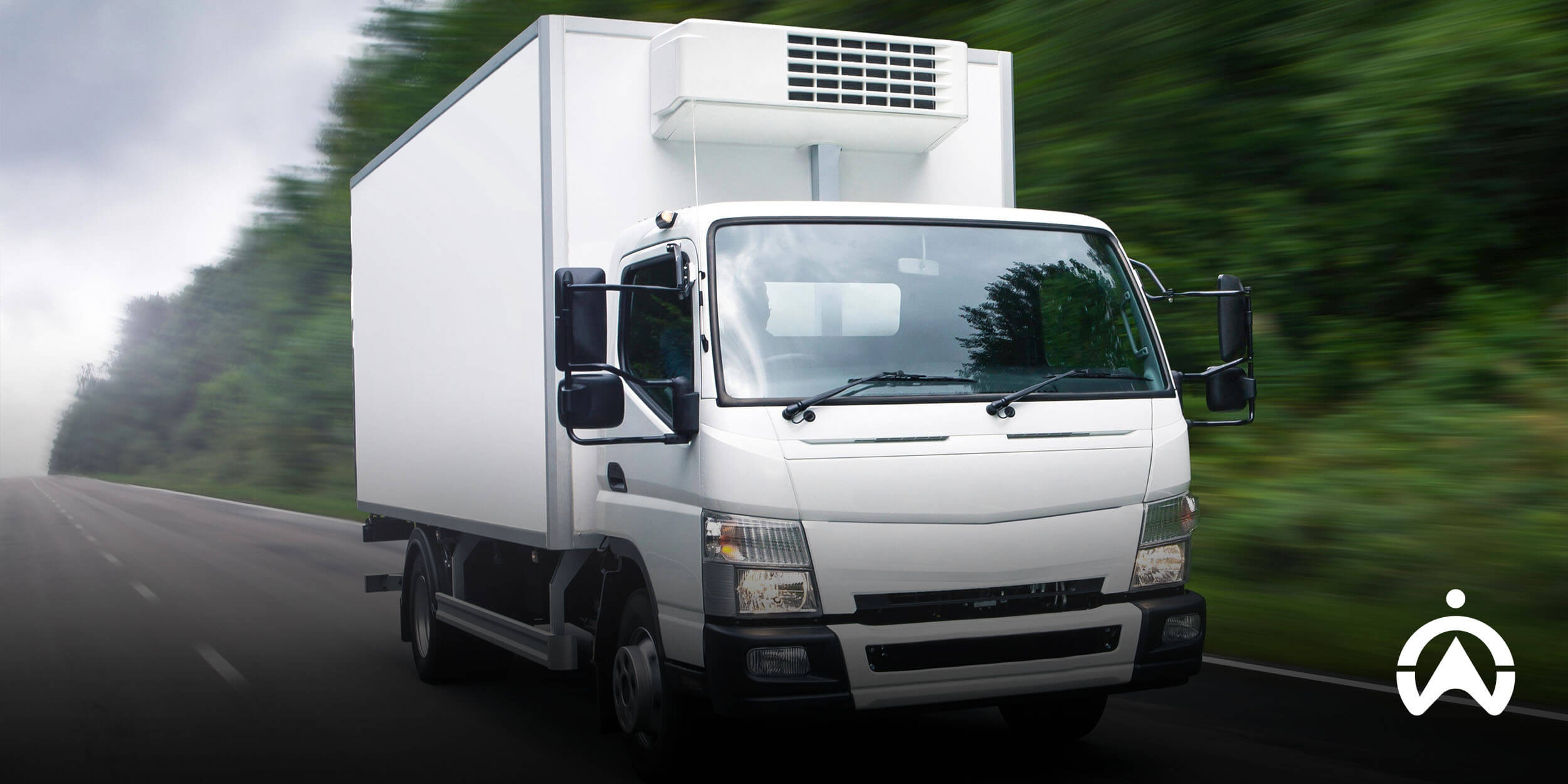
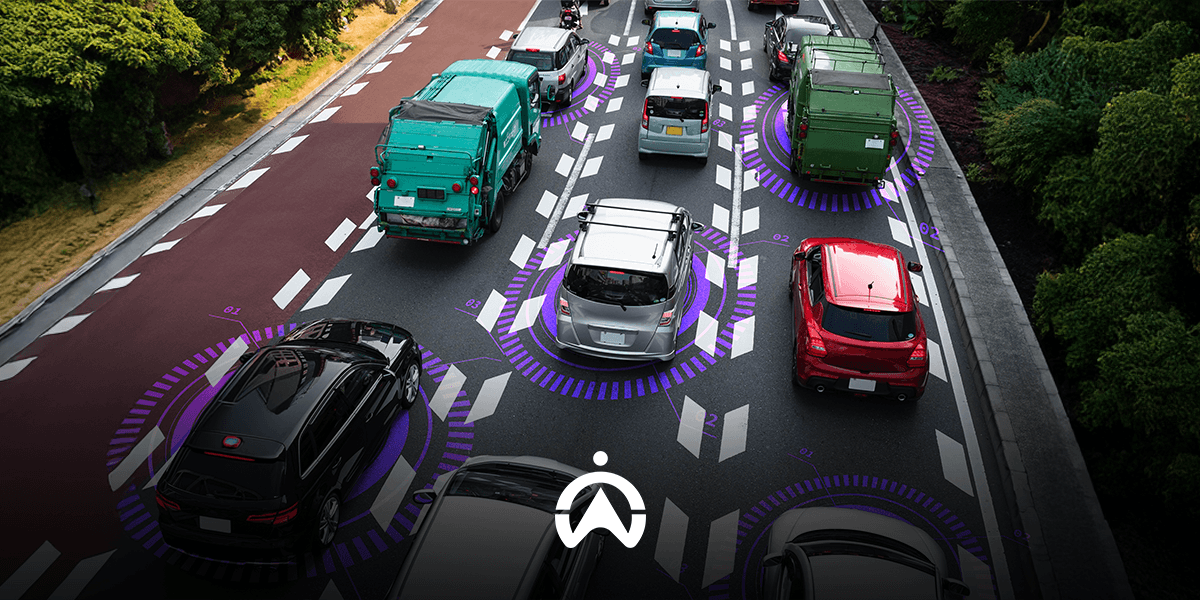
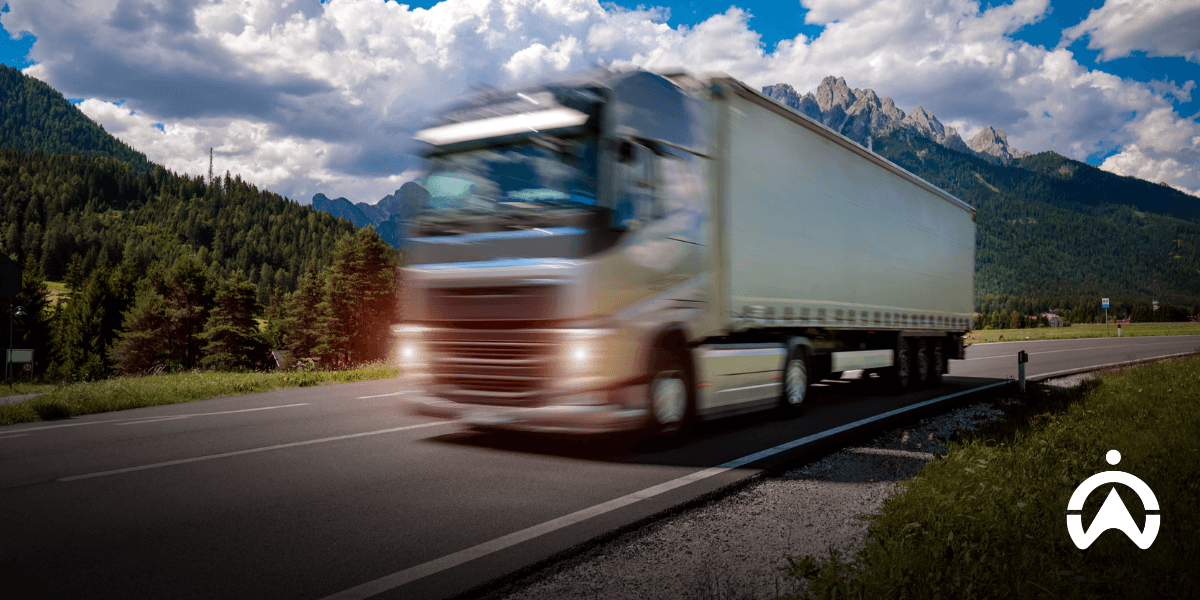
Refrigerated delivery truck on highway supporting cold chain temperature monitoring during food transport.

How do fleet operations affect your temperature monitoring needs?

Fleet operations affect your temperature monitoring needs when certain elements aren’t planned for, especially when considering how long certain transit trips can be. Factors like immediate alerts and reaction/recovery time are the key to keeping products of high quality. Cold chain management looks a bit different for each business, so it’s important to carefully configure things as necessary.

Food and beverages

Food and beverages need a high level of management when it comes to cargo bay climate control. It helps that food and drinks are prepackaged airtight, but as their package instructions will typically show, thawing and refreezing isn’t good for the food. Consistently doing so will reduce the quality of the products.

Fluids 

Fluids, whether we’re talking about dairy, medical liquids, or raw chemicals, need extremely high levels of control. In fact, fluids might have some of the highest levels of compliance and strict regulations attached to them. 

Most of the time, hardware and sensors extend to measuring the liquid itself, together with measuring the climate in the cargo bay.  

Organic foods 

Organic foods also need an extremely high and strict level of management. Organic foods are quite special and different from other products because they need a specific climate to remain fresh and undamaged. Climate control goes beyond just ensuring it’s cold enough; it needs a precise and delicate balance between cold and humidity. 

This needs to closely resemble the ideal climate in the real world.

Which industry sectors rely on temperature monitoring? 

The industry sectors that rely on temperature monitoring go beyond food, healthcare, and pharmaceuticals. It also includes the floral business, biological technologies, and chemical manufacturing. Some industries are more obvious than others, but each has its own key reason for cargo climate control.

Let’s take a quick look: 

  • Food: From foods and beverages to agricultural products; perishables, fresh produce, and dairy products are kept safe, nutritional, and edible. 
    ‍
  • Healthcare: Supplies like blood, organs, and test samples from patients are kept uncompromised and unspoiled, especially during transportation in urgent, life-threatening moments. This temperature management extends to vehicles like hearses and ambulances.
    ‍
  • Pharmaceuticals: Through cooling control, vaccines and medicines maintain quality and effectiveness. A single spoilt batch can have dire medical consequences.
    ‍
  • Floral business: Flowers and plants remain unwilted and fresh from the nursery to the florist’s store. 
    ‍
  • Biotechnology: Biological technologies demand rigorous temperature standards to stay viable. 
    ‍
  • Chemical manufacturing: Sensitive chemicals and raw materials remain stable and unspoiled when kept at low temperatures. 

Myth vs Fact: Clearing up some misconceptions about cold chain logistics

When looking at some myths versus facts regarding cold chain logistics, it’s easy to make some assumptions that could potentially lead you astray. Temperature management is fragile and elaborate. You’d rather be certain than play a guessing game when it comes to the quality of your goods. 

Myth: Small businesses don’t need temperature monitoring

False; small businesses do need temperature monitoring. The size of the business doesn’t change the importance of keeping goods protected and ensuring compliance. In fact, a smaller business might feel an even greater impact on its finances because it has more to lose if goods are spoilt, losses are faced, or there’s damage to the business reputation.

Myth: Cold chain temperature monitoring is too expensive

False; cold chain temperature monitoring isn’t too expensive, although the initial costs might make it seem that way. Like most valuable systems, the upfront costs are usually far higher and might deter you at first. But it’s the long-term value that’ll prove otherwise. Poor temperature management means major losses and customer disappointment. 

Myth: Temperature control doesn’t have to be a delicate process

False; temperature control is quite a delicate process and has to be followed to a ‘T’; that’s the nature of sensitive goods risk management. Small mistakes are unfortunately harmful if not corrected quickly and carefully, leading to spoilt foods, ineffective vaccines, unviable organs and the like. 

Myth: Slight variations in temperature are okay

False; slight variations aren’t okay and should always be addressed as quickly as possible. If you have a temperature range to work within, that’s perfectly fine, but don’t veer outside of it. 

Perishables are extremely finicky, and operating outside the established temperature range could immediately spoil the goods. It would also mean you’re not complying with the relevant health and safety regulations.

Myth: Temperature-controlled cargoes are bad for the environment

False; temperature-controlled cargoes aren’t bad for the environment, despite requiring reasonable amounts of energy to keep the cooling power going. The notion that energy use equates to harm to the environment ignores the work that cooling and refrigeration do to keep food fresh, unspoiled, and unwasted. 

Reduced food waste plays a massive role in sustainability. Proper management of trucks and cooling equipment can also keep carbon emissions low. By avoiding old, underperforming trucks and monitoring sensor performance, you can keep your carbon emissions low.
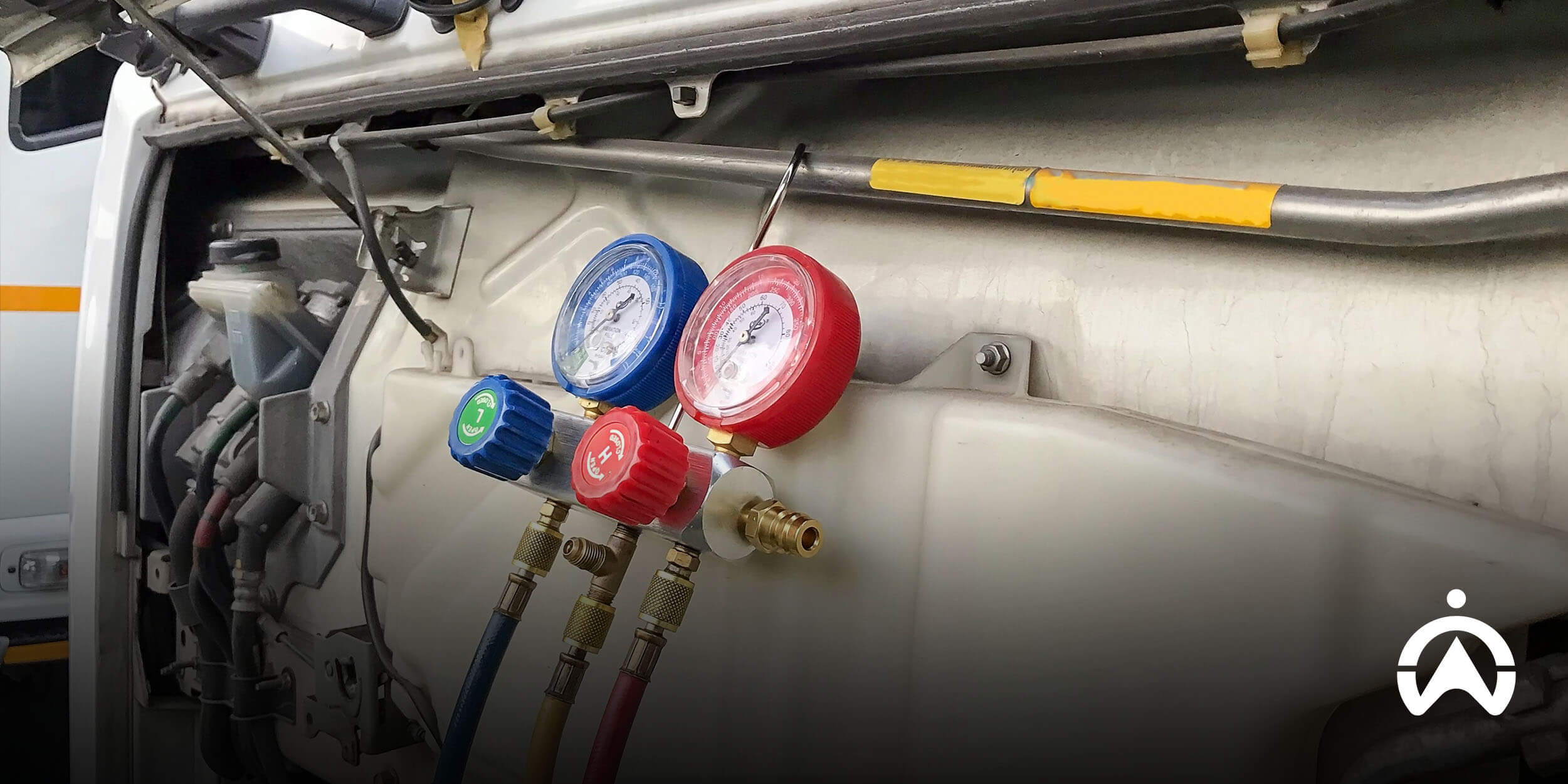
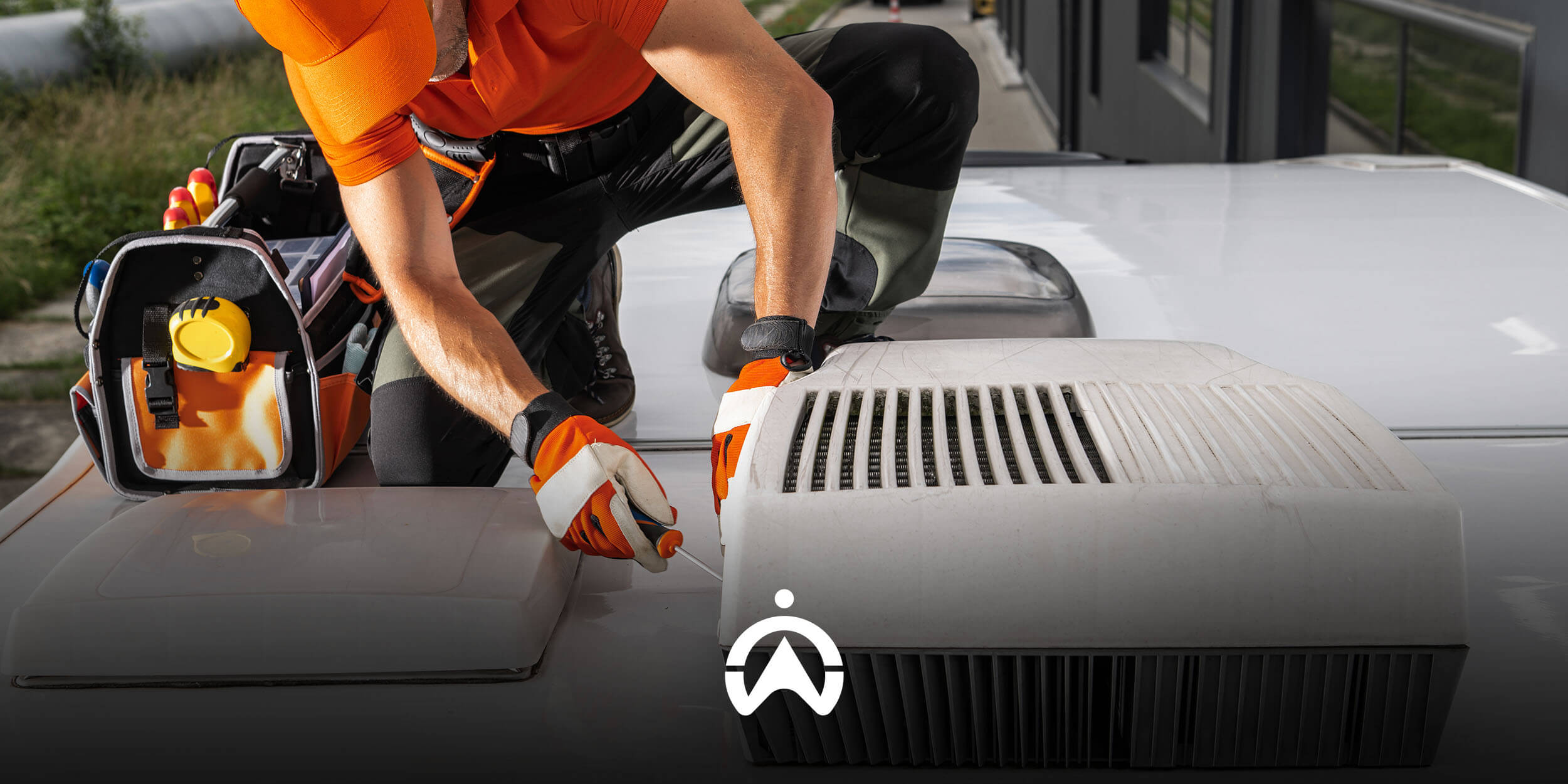
Technician using HVAC pressure gauges on refrigerated vehicle, supporting Cartrack cold chain temperature monitoring.

Which cold chain temperature monitoring system is best for Kenyan fleets?

The best cold chain temperature monitoring system is one that allows you to keep track of your sensitive cargo at all times. This means choosing to implement a total ecosystem that’s efficient and keeps you notified at all times. As mentioned, achieving this is about getting the right hardware and connecting it to a sophisticated FMS and GPS tracking.

Karooooo could be your partner in long-term food and pharmaceutical risk management. With us, you’ll have all the tools needed to keep your sensitive foods or goods safe and temperature-controlled. We have industry-specialised sensors, like temperature and cargo door monitoring, which can be added to your overall fleet package. You’ll also have total control over temperature management with FleetWeb. 

FleetWeb, thanks to GPS tracking and IoT technologies, will send you consistent alerts about temperature changes and shifts. These immediate notifications ensure you can quickly and urgently contact the driver or replace refrigeration trailers if necessary. FleetWeb also helps you achieve operational visibility, allowing you to keep an eye on your fleet while using trip data to optimise driver routes.

Finally, know that you can automate and digitally organise your temperature monitoring, keeping you compliant and in line with food and pharmaceutical regulations. Your temperature monitoring stores detailed records, ensuring that all the insights are available whenever needed. 

Final takeaway: Stay on top of your inventory

You no longer have to worry about the state of your goods when they’re being transported. With the right solution, featuring a strong temperature monitoring system like FleetWeb and paired with the right sensors, you’ll maintain total control. Product quality can be maintained, waste can be reduced, and compliance matters can be met.

Karooooo’s got your back. Not only do we fully equip you with the necessary tools, but we also ensure you’re able to achieve operational efficiency through proactive efforts and complete visibility. You can lead the way and stay ahead of your competitors while our fleet systems and sensors do the heavy lifting. 

Are you ready to see the most optimised execution of your cold chain temperature management? Speak to a Karooooo specialist today to keep your goods in check!

Frequently asked questions about cold chain temperature monitoring

What are the 4 types of temperature sensors?

The 4 types of temperature sensors are:

  • thermocouples, the most common type, are used in everything from your home to businesses
  • negative temperature coefficient thermistors (NTC), which are also quite accurate but not as good as RTDs
  • semiconductor-based sensors, which aren’t the most accurate and have slow responses, and
  • resistance temperature detector (RTD), which is usually considered the most reliable.

What temperature is recommended for the cold chain?

The temperature recommended for the cold chain depends on what you’re transporting and whether they’re being transported during the warmer months. Temperatures are also set according to the manufacturer’s recommendations. For example, deep-frozen foods are kept at around -30 degrees, whereas vaccines must be kept cool but never frozen between 2 and 8 degrees.

What are the 3 Ps in the supply chain?

The 3 Ps in supply chain are:

  • processes, which focus on the way things move and how products are managed from start to finish
  • people, which centres around taking care of and uplifting the people who are involved in handling the logistics, and
  • physical resources, which are the tools used to make the processes possible and manageable.

Is cold chain expensive to maintain?

Yes, cold chain can be expensive to maintain because of its intricate nature. Temperature management involves very specific hardware, constant & strict monitoring according to regulation, and routine maintenance. These all add up to high electricity & fuel use, as well as higher overall costs.
What Factors Should You Consider When Downsizing Your Car?

When downsizing your car, you should consider factors such as lifestyle needs & changes, better cost control, environmental concerns, and easier management. People evolve, and priorities change, especially now when the cost of living weighs heavily on many of us. Downsizing could be the key to necessary changes and savings. 

The average monthly car payment takes up a notable portion of a consumer’s income, and this proportion has been rising over time, making vehicle affordability an important factor for many buyers. This change reflects the financial strain many Kenyans are under, putting a spotlight on affordability as a key reason for downsizing. 

We know that the downsizing route is a big change that can stir up a lot of emotions, especially when you’ve become comfortable with your bigger car. In this blog, we’ll discuss the reasons surrounding downsizing, why it could be the right step for you, and how Karooooo can keep your compact car protected. 

What are some reasons to downsize your car?

Some reasons to downsize your car include looking to save on costs, going greener, lifestyle changes, and better car management. We also understand that, given the current state of the economy, saving money is usually the main reason why these sorts of lifestyle changes happen. Downsizing could be an impactful and positive first step for you and your family.

Smaller cars provide long-term savings

Fuel and maintenance are the highest car expenses. Your choice to downgrade your car means better long-term savings because smaller cars typically use less fuel and have simpler car parts. When going the smaller car route, consider getting a car that’s lightweight and city-ready to accommodate your daily trips. 

You could also consider getting a hybrid or EV (electric vehicle), which can save you so much money in the long run. Fuel wouldn’t be as much of a concern (if at all!), and EVs generally have fewer moving parts, meaning you cut back on having to service your car too often.

Key considerations for downsizing your vehicle efficiently.

Your daily routine and lifestyle are changing

After costs and expenses, one of the biggest factors that drives downsizing is lifestyle changes. Maybe the kids have finally flown the nest, and there’s no need for a big family car anymore. Or perhaps your hobbies have changed and you don’t need a car that can hold all that camping gear. Whatever your reason, it’s valid. 

If you don’t really need that bigger car anymore, downsizing could make an exciting difference in how you enjoy life from here on out. You get to save while also comfortably adapting to the new changes in your life. 

It’s better for the environment

Using a car with a smaller engine means better fuel efficiency, which means fewer carbon emissions, which means a car that’s better for the environment. Bigger cars usually emit far more carbon and air pollution than smaller models, creating more harm to the environment. 

Bigger cars, especially if they’re luxury brands, also tend to have more expensive and even special/customised car parts. These parts might need unique and expensive materials for them to be made. 

Smaller cars are easier to manage

When you drive smaller cars, being on the city roads is a breeze. You fit comfortably into awkward parking spots (no need for 15-point turns). You can move through traffic smoothly, bobbing in and out with confidence, and the notoriously narrow streets of Mombasa will no longer be a problem. 

Overall, smaller cars are easy to manoeuvre. Bigger cars need more space to carry out basic moves, like lane changes and U-turns, while smaller cars manage these with ease.

Guide to choosing the right smaller car when downsizing

How can Karooooo add safety features to your smaller car?

Karooooo can add safety features to your smaller car by giving you the best in tracking and on-road protection. You can choose what your tracking package looks like and what services speak to your needs. Even at our most basic (Quick) solution, you’re guaranteed mobile app access, world-class live tracking technology, quick emergency response, and stolen vehicle recovery (SVR).

Our personal packages at an affordable price monthly, emphasising the affordability aspect and keeping your costs low. Our contracts are also flexible, so you can choose the structure of your payment plan. If at any point you’re considering a package change, you can easily do so at a small migration fee. 

Your decision to downsize may’ve been a bit stressful, but choosing the right vehicle protection partner doesn’t have to be!

Final takeaway: downsizing to make life manageable

There are many reasons why you might decide to downsize your car, and this blog is a great insight into all those potential motives. We recognise that you’ve decided to adapt to your new way of life and sit comfortably with this change. 

On the journey of trying to find a car that works for your new lifestyle, you can relax knowing that downsizing has so many perks. You, your wallet, and the environment benefit from the change; so everyone wins! What’s more? Karooooo can add to your happiness, keeping your smaller car closely watched and protected.

Have you taken the plunge and downsized your car? Speak to our Karooooo professionals to ensure your new car is completely protected. 

Frequently asked questions

What is the 20/3/8 rule?

The 20/3/8 rule suggests that when you’re looking to buy a car but still want to stay in control of your finances. The rule says:

  • you should put down a 20% payment
  • you should pay off the car in 3 years/36 months (or less)
  • keep your car’s monthly costs under 8% of your monthly income

Are SUVs expensive to maintain in Kenya?

Yes, SUVs can be expensive to maintain in Kenya, especially because of their overall costs. From fuel and maintenance to more expensive car parts and insurance, SUVs are likely to put more of a dent in your pocket. This is especially the case for luxury brands with specialised internal parts.
Is GPS tracking worth having if my car is insured?

Yes, GPS tracking is worth having if your car is insured.

Your GPS tracker tells insurers that you’re taking extra care of your car, and safety is a priority. Insurers see this as a positive, and you could potentially get a lower premium out of this. It could also speed up claims processes in the future.

How to Use GPS Tracking Correctly

Use your GPS tracking correctly by maximising its functions and features. With the right company, GPS tracking isn’t just about knowing where your car or fleet is; it’s about strengthening safety & achieving real power and competitiveness in your business. 

GPS tracking isn’t only a smart business choice anymore. While businesses are the largest adopters of trackers and are seeing staggering drops in fuel and accident-related expenses, personal trackers now make up 38% of the global tracking demand. People are welcoming tracking and location sharing as a necessary safety measure to protect their cars and loved ones.

Don’t fall behind; stay ahead of your competition by having a clear grasp of everything GPS tracking has to offer. Keep reading to find out more about GPS tracking, the solutions on the menu, and why Karooooo should be your #1 choice for a long-term partnership.

What’s the best way to use GPS tracking?

The best way to use GPS tracking is by installing hardwired trackers into your vehicle(s) & taking advantage of the handy features from the connected platform and/or app. Taking this approach is truly using your GPS tracking correctly, reaping benefits like improved safety, a consistent overview, and smoother, more affordable operations. 

What is GPS tracking?

GPS (Global Positioning System) is a navigation system that helps you determine the location of your vehicle, but also helps you navigate your way on the road and use the best routes to do so. When you use a GPS tracker, it pinpoints your position by using the signals from a few satellites to narrow it down as accurately as possible. 

This is done through trilateration, which takes the latitude, longitude, and altitude from satellites to calculate your device’s position. A GPS network usually has about 24 satellites at any point to work efficiently, although there could be more to ensure even stronger accuracy. This is the foundation of GPS tracking. 

Each satellite transmits its own position using radio waves. The tracker then acts as a receiver of signals from the satellites and then transmits that information to get the exact position (within a few metres). This information, i.e., your position, then shows up on your platform, whether it’s your fleet platform, your phone app, your device, etc. 

Why should you use a GPS tracking system?

You should use a GPS tracking system because it does wonders for your safety and presents some great applications. As an individual, you have eyes on your car at all times, and if you’re partnered with a reliable tracking company like Karooooo, you’re likely to have stolen vehicle recovery (SVR). If you’re stuck in an unsafe situation, emergency response teams can also find you quickly.

As a business owner or fleet manager, fleet visibility is guaranteed. Again, if you’re partnered with a supplier like Karooooo, you can monitor your vehicles & ensure your drivers are safe while maximising the benefits of the features of GPS tracking and telematics.

Is GPS tracking actually accurate?

Yes, GPS tracking is actually accurate & reliable, assuming it’s done using a high-quality device and the conditions are clear. Under normal circumstances, a GPS tracker will be rather precise & have a small variance of between 3 and 10 metres. Devices that are higher grade and used for businesses might even be accurate up to 1 metre. 

Location reporting loses its accuracy when there’s something that blocks the signal. Disrupted signals are usually caused by very tall buildings, terrible weather, and poor-quality/badly installed devices. Although, thanks to the progression of technology, we’re seeing stronger connections and less interference by these typical signal blockers. 

How can GPS tracking improve your personal and business activities?

GPS tracking can improve your personal and business activities by providing live location insights that promote safety improvements and better business choices. On a personal level, you can ensure the safety of your car and the protection of your loved ones. On a business level, you can focus on better workflows and extra protection for your drivers & cargo.

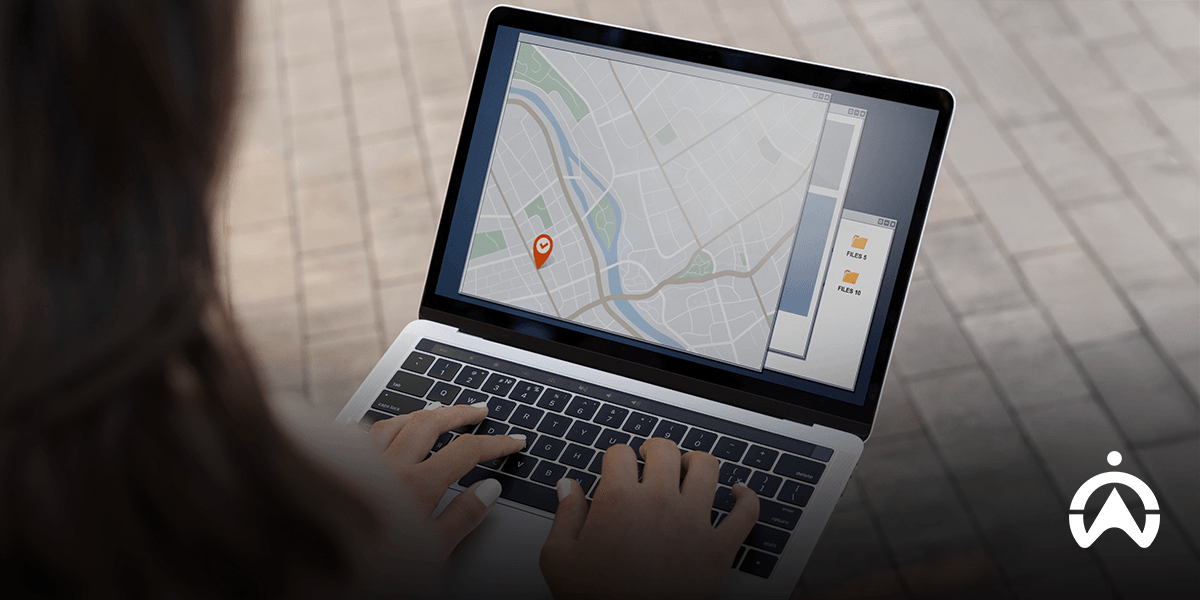
A person using a laptop to monitor GPS tracking software with a location pin and data folders visible on the screen.

Using GPS tracking correctly for individuals

Using GPS tracking correctly for individuals means putting the focus largely on security. Considering that Kenyans worry daily about general safety, it’s likely you’re looking for a simple but effective solution to keep you and your family protected. When you use a GPS tracking solution correctly, you should be getting features like location sharing, immediate notifications, and more. 

Take a look:

📍Location sharing & live tracking: When it comes to elderly family members or teenage drivers, you’re undoubtedly very worried about their movements and whereabouts. When you’re on the road, you probably want to know that you’re protected if the unexpected happens. With the right tracking solution, you’ll have complete knowledge about where your car or loved ones are when they’re on the road.

If you’re the victim of car theft, you can know where your car is while it’s on the move. You can also share your location with family members and vice versa, for peace of mind and easy, quick contact in an urgent situation.

💬Notifications: If an accident or urgent situation happens, delayed notifications are the last thing you need. The right tracking solution sends notifications immediately, whether triggered by strange activity, a loved one, or you. This means a very quick response by the control room, which is especially important for stolen vehicle recovery (SVR) efforts.

🚨Crash sensor technologies: Many tracking solutions come with some form of sensor technology that detects when a crash has happened. As explained in the point above, if you or a loved one is involved in an accident, the control room will immediately be notified. They’ll call to see if you’re alright and direct emergency services your way if necessary. 

📃Trip histories and reports: Trip reports make it much easier for you to get information and insights for whatever you need. In some cases, you might need the data for tax purposes. This then makes compliance and other matters effortlessly achievable, without hassle. 

Using GPS tracking correctly for businesses

Using GPS tracking correctly for businesses means improving safety, increasing operations, and achieving massive cost savings. When you implement tracking solutions the right way, you have the potential to transform the way your business operates. 

Let’s see what this means:

🛠️Less downtime: When you operate from a proactive instead of a reactive approach, you achieve stronger uptime. Detailed insights can help you spot the issues before they happen and plan for servicing ahead of time. From a real-time perspective, you can also respond immediately if a breakdown or unexpected issue occurs while your drivers are on the road.

💰Reduced expenses: Through GPS tracking, you can optimise your fleet routes, monitor your drivers, schedule maintenance, and spot general waste of fuel, time, and resources. Because there’s less waste, it means there’s less money being poured into wasteful consumption. Maximising GPS tracking helps you save tremendously.

🦺Risk management: Ensure your drivers & cargo are monitored at all times, and know exactly where they are. Get alerted to route deviations & movement outside your geofenced locations, unauthorised vehicle movement, and other improper vehicle or hardware device tampering. Also expect SVR from a quick and responsive team.

Keep your drivers accountable. Through GPS tracking with telematics, combined with AI-powered cameras, you can keep an eye on your drivers and their on-road habits. Get notified of poor driving habits and use the recorded events to give drivers constructive feedback or coaching.

GPS tracking, together with telematics, means you’ll receive the best, most detailed, and most accurate insights technology has to offer. This way, you maximise your tracking features and get access to automated reports and trip histories. These are the keys to simple regulatory and compliance matters.

🤩Happy customers: This is very simple; smoother operations mean satisfied customers. When processes are running smoothly, communication is effective, and emergencies are handled efficiently, you build a strong relationship with your customers and a solid brand reputation. Happy customers mean loyal customers.

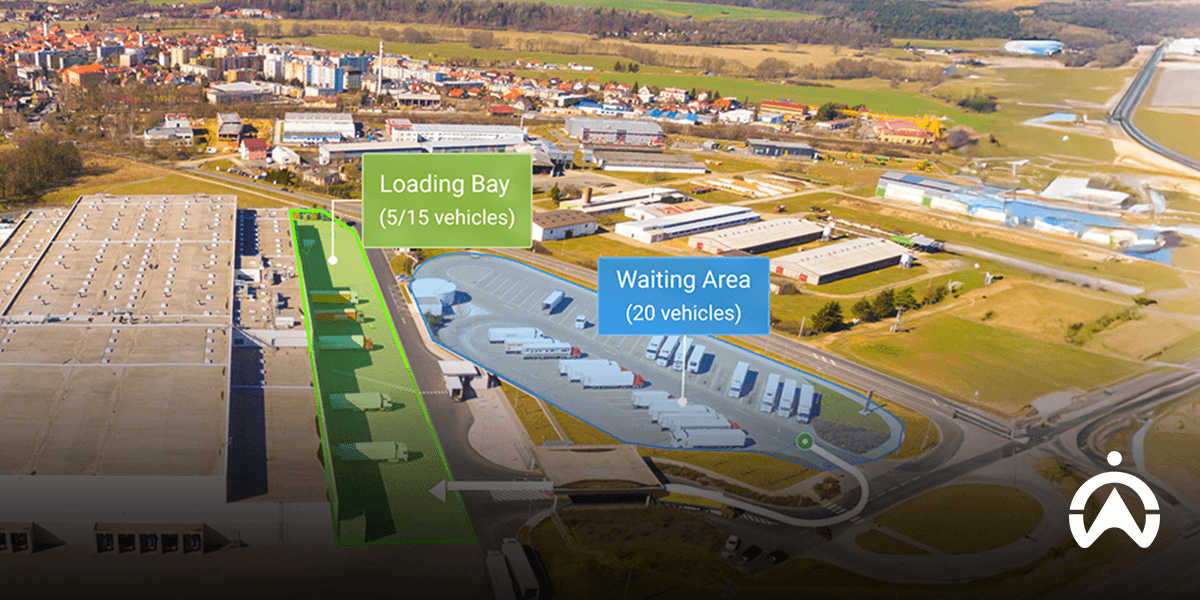
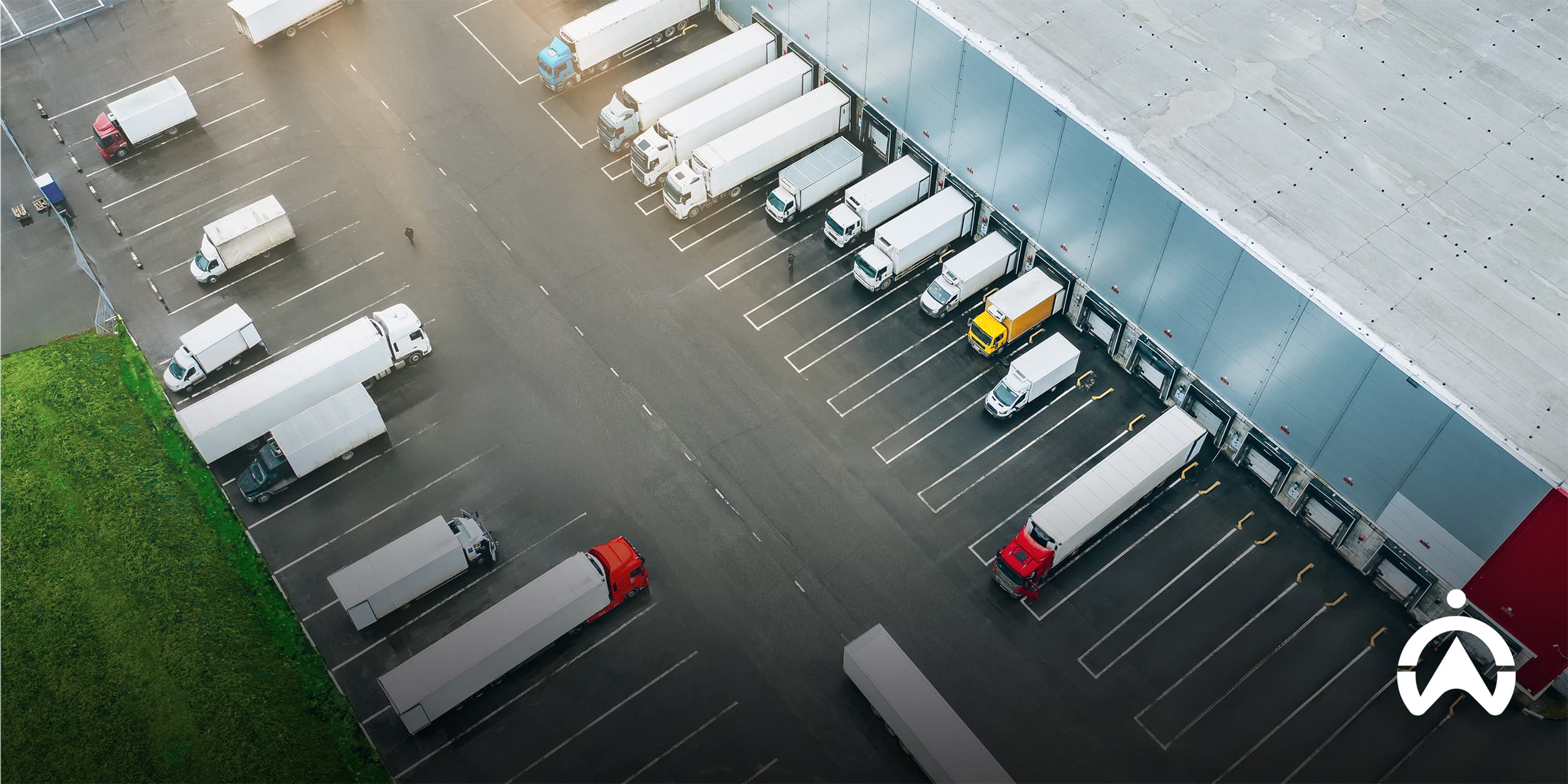
Aerial view of a logistics distribution center and fleet of trucks using GPS tracking for dock scheduling.

How to choose the right GPS tracking solution?

To choose the right GPS tracking solution, consider some important steps like identifying pain points, comparing potential providers, and deciding on your non-negotiable features. These will help you narrow down your options. Always be sure to check the fine print, and remember that the cheapest option isn’t always automatically the best. 

These are some considerations and questions to ask: 

  • ‍Pain points and the need for a tracker: Take a moment to think about why you want a GPS tracker for your car(s) and ask yourself some important questions. 

    As an individual, are you thinking about the safety aspect? Are you trying to keep an eye on an elderly or teen family member? As a fleet manager, are you wanting to maintain better visibility and control of your fleet? Are you trying to decrease operational expenses? 
    ‍

  • ‍Non-negotiable features: Jot down the features and tools that you’re looking for. Are you looking for a passive or active tracker? Is your tracker going to be a hardwired device or a portable tracking device? Will you incorporate anti-jamming and backup technologies? Does the associated platform working with your tracking device allow for third-party integrations?
    ‍
  • ‍Comparing potential providers: If you have some providers in mind, compare them by looking at offerings, prices, and other variables. Is your preferred option a well-known, highly ranked company? Is local support and training offered? Does the company secure your data according to industry-level encryption standards? 
    ‍
  • ‍After the sale’s been made: The best solutions will have an accompanying support system that goes beyond just the sale. Will the company you choose provide you with regular software updates for the platform or app? Will the partnering company ensure an installation that doesn’t affect your car’s warranty? 

Why is Karooooo one of your best GPS tracking choices?

Karooooo is one of your best GPS tracking choices because we offer everything you could need at an affordable price. Our reputation precedes us. Thousands of people and companies have put their trust in us to keep them safe, meet their needs, and provide the best in advanced technologies. Whether you’re an individual or a business, you’ll know you’re covered.

Here at Karooooo, we understand what using your GPS solution correctly & optimally can do for you, and we’re here to help you achieve the best results possible. Firstly, our solutions are affordable, offering budget-friendly monthly rates for both individual and fleets packages . Our hardware installation is FREE, and you’ll have access to round-the-clock, localised support when you need it.

Every single package comes with access to the mobile app, customer support, and SVR. For fleets, you can choose which fleet deal aligns best with your business and customise your package to include all kinds of sophisticated add-ons. From safety, risk management, and admin & compliance to integration and industry-specialised sensors; we have it all. You don’t have to look any further!

Final takeaway

Getting the most out of GPS tracking and using it correctly means fully embracing and experiencing its features and perks. By doing that, you open up a world of benefits that could change your perspective on safety and optimisation.

Karooooo not only provides you with the right GPS tracking package but also helps you use it correctly, offering the best in accompanying tools and software to suit your needs. Whether you’re a business or an individual, we’re prepared to help (down to delivering after-sales support!).

Use your tracking technologies and tools to your full benefit. Join the over 2.6 million Karooooo subscribers globally and secure your customised GPS tracking package today!

Frequently asked questions about proper GPS tracking

What to do if the GPS location is wrong?

If your GPS location is wrong, carry out a few fixing methods to see what could be the cause. You can try to restart the tool or (depending on what device you’re using) select the on/off button for GPS tracking. If you’re in a crowded or densely forested area, try to get somewhere that’s clear and open.

Can a cell phone detect a GPS tracker?

Depending on the tracker type, yes, a cell phone can detect a GPS tracker. If we’re looking solely at GPS transmitting trackers, then that’s far more difficult to track with your phone. You have a better chance of catching a tracker that’s Bluetooth-powered, like an AirTag. These send notifications to your phone and allow you to scan for nearby devices.

What blocks GPS tracking?

Jammers, certain structures and environments, and specific materials can block GPS tracking. Signal jammers can drown out and “impair” satellite frequencies. Structures and environments, like tall concrete buildings or terrible weather, can disturb signal strength. And certain materials, like foil or even silver, can catch or retain radio waves, disturbing how they’re transmitted.

Why You Need a Utilities Fleet Management System for All Your Providers of Gas, Water and More

Utilities that provide our cities with gas, water and electricity need a fleet management system to stay on top of which drivers are where, and when they’ve completed a task. These are the services that keep our cities & homes functional, so speed and efficiency are paramount. 

Kenya’s total primary energy supply is approximately 31 Mtoe (Million Tonnes of Oil Equivalent), largely composed of biomass for domestic cooking. While state corporations manage this pool, decisions are strictly regulated by the Energy and Petroleum Regulatory Authority (EPRA) and national energy policies.

Many of these organisations also works alongside individual gas & water management entities, and road travel is a big part of each one. If you manage one of these entities, pay attention as Karooooo Kenya explores the need for FMS in utilities.

Why do utilities need fleet software to manage their drivers and fleet?

Utilities should manage their drivers and keep track of their vehicles using software because thousands of people rely on their services for basic home & business needs. Because road travel can prove precarious at times, keeping drivers safe, on time, and accountable is how risks are managed and service is maintained. 

The “fleets” you see servicing communities (like maintenance trucks for water & power or rubbish collection vehicles) are a mix of government-owned and privately managed services. 

How does this work? While the responsibility for the service lies with the county government, the active management of vehicles is often outsourced to private fleet management specialists.

This means that each individual area within a country is affected by how efficient those fleets are. If a utilities fleet is badly run, the residents of that city or town will suffer as a result.

Risky business: How utility providers manage unique industry risks 

Utility providers can protect their drivers through regular coaching, vehicle camera systems, and a proactive maintenance strategy. It’s also important to protect each vehicle too, because your drivers rely on these vehicles to get from point A to point B safely. 

More importantly, residents need to be protected. Utility workers are performing tasks that could cause explosions (gas), electrocution or fire (electricity) or even flooding (water). With fleet management software you can control your fleet better and manage these risks to better prevent them. 

Safety culture

Utility workers do the same job day in and day out. This can breed complacency, which is a hotbed for incidents. Managing your fleet beyond just its vehicles helps you create a safety culture that keeps your workers accountable. 

It’s not just about your drivers—it’s about ALL your workers.  

This is never more true than in situations where your utility workers are in high-risk areas. This is when they and you need to be on high alert. 

Fleet management software comes with handy tools like geo-fencing which alerts you to those times when these high-risk visits are actually happening—helping you prioritise your attention. It also comes with panic buttons so that your workers can urgently alert you to a crisis if one happens—helping you to react fast to mitigate disaster. 

Driver behaviour

Drivers can be their own worst enemies sometimes. Accidents in fleets are often caused by distracted driving, cellphone use, or speeding. Time to take control! Minimise these habits and you’ll have a significant effect on the common risks drivers face. You’ll also keep the residents you serve safe from fire hazards, gas explosions and flooding from burst water pipes.

How?

  • ‍Camera setups for vehicles integrate well with coaching systems. Having both lets you train your drivers with FOCUS. It removes doubt about where your drivers are struggling and gives you indisputable footage that you can use to adjust risky driver habits. 
    ‍
  • ‍CAN bus integration reads important diagnostics about your vehicles in real-time, allowing you to set up alerts when drivers are speeding or get into a collision. CAN bus also reads real-time power-related actions of other equipment like cranes, lifts and pumps, which are right there in the midst of the most dangerous areas.

Whether you choose one of these or both, you’ll get valuable, high-quality data to keep your drivers on the straight & narrow. 

Truck driver operating a utility vehicle, illustrating how a utilities fleet management system improves fleet visibility and driver monitoring

Third-party and other incidents

What about everyone else on the road? Your drivers are at risk every day due to the bad driving of others—not to mention damaged roads, unexpected obstacles, and extreme weather conditions.

  • ‍For third-party risks: Vehicle camera systems keep others accountable when they surround or encounter your utility drivers. Not just on the road, but while they’re working too. 
    ‍
  • ‍For damaged roads and obstacles: Route optimisation software can help your drivers avoid bad routes by instantly redirecting them to safer, quicker ones. 
    ‍
  • ‍For extreme weather: Emergency roadside and medical assistance is available for those who want to safeguard their drivers against weather-related accidents or breakdowns. 

Vehicle protection

The vehicles are what carry your utility service deliverers. If driver safety comes first, vehicle safety is a close second. But is tracking enough these days? Thieves are wisening up to tracking devices and using jammers to scramble their signal. 

As usual, Karooooo Kenya is one step ahead. We use hardwired tracking devices AND offer the Karooooo Tag as a backup if your regular device gets jammed. 

If you really want to upgrade the security of your utility vehicles, consider our freely installed cameras that record everything that happens in and/or around your vehicle. Vandalism, theft, or hijackings—our cameras pick up everything!

The service delivery bridge: Satisfying residents

At the heart of fleet management for utilities is a focus on service delivery. Unlike most fleets, utility fleets keep the wheels turning for residents & businesses, placing high importance on speed, scheduling, and proof-of-service. Can FMS meet the challenge? Yes—and more.

Priority scheduling

When it comes to turning someone’s water back on or delivering a canister of gas before nighttime supper, priority plays a role. In utilities, certain tasks are more important than others, which is why scheduling is so important.

Karooooo’s workforce optimisation app boosts your utility service productivity by automating task assignment and optimising the workflows of your technicians. It does this using AI-powered algorithms that prioritise some jobs over others based on your managerial discretion.

Getting there FAST

Good service means speedy arrivals. Part of what Karooooo’s workforce optimisation software does is provide you with optimised routes so your drivers bypass traffic, damaged roads, and long routes. Residents and business owners will appreciate your dedication to quick utility fixes like switching on their power or getting their water turned back on. 

Completing tasks

When one of your technicians finishes their task, you have to rely on their word. So does the resident. This can often lead to disputes that are nuanced in various ways. But when you have conclusive evidence of a job being completed, disputes become much easier to resolve. 

For utility companies, this saves time & money, enabling your team to complete more tasks per day. Whether it’s a digital photo, an electronic signature, or a digital copy of a document, tasks flow more seamlessly when you have a system that WORKS.

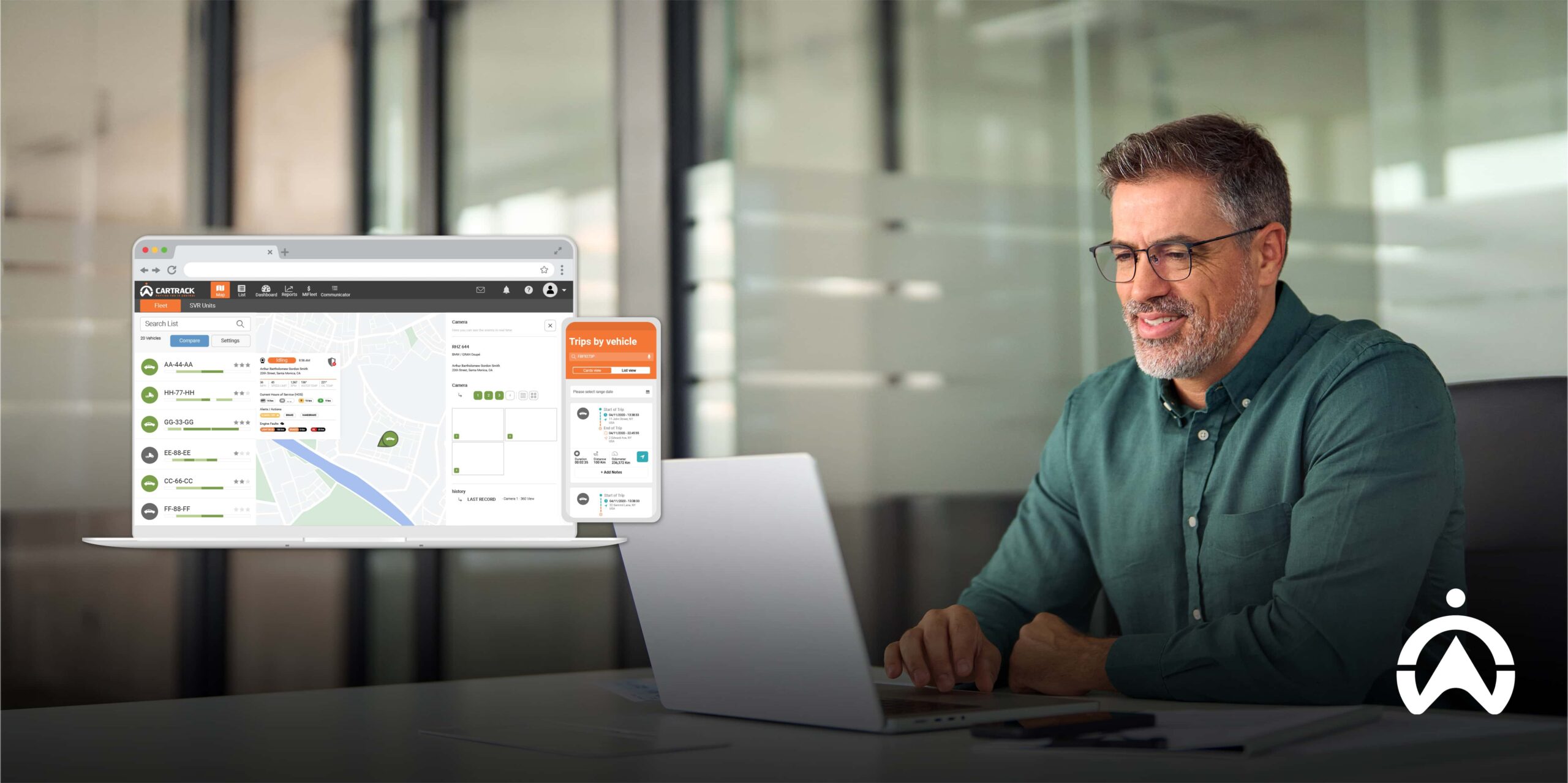
Manager using the Cartrack fleet management system with live vehicle tracking and trip data for utility fleet operations

It’s still a business: Keeping profit margins high

At the end of the day, a utilities company needs to turn a profit. It’s a business after all, and money keeps things running—not just for the business, but for the town or city being served as well. To keep profit margins high, using a fleet management system is being regarded as a necessity rather than a luxury. 

Why pay for something unless it’s delivering a decent ROI? Let’s find out how FMS safeguards your profits. 

Negotiating insurance

Every vehicle in your utilities fleet needs to be insured. This is one of the biggest overheads you’ll have, and risk profiles affect just how big it ends up being. You may not know this, but insurance companies LOVE high-security features on your vehicles. They lower your risk profile and make disputes easy to resolve.

Adding alert systems, vehicle cameras and tracking devices to your vehicles gives you the leverage to negotiate your insurance premiums. And let’s be frank: every rand you can save makes a difference to your annual profit over time. 

More service… higher profits

A good FMS should be designed to help your team service more residents. Through route optimisation, task completion evidence and fuel savings, your team can reach more people in less time. Your productivity goes up, and invariably, so do your profits. 

Fuel cost management

Fuel is where you should see the biggest savings. Some fleet companies that use Karooooo Kenya report up to 24% savings on their fuel overheads. Why shouldn’t utilities companies enjoy similar results? Your vehicles are on the road A LOT, so every small adjustment you make adds up.

What’s the best fleet management software for utility fleets?

When it comes to features that fit the daily operations of utility fleets, Karooooo Kenya emerges as a solid fleet management service provider. Our security features are layered, and you get to choose which ones you want without paying for ones you don’t use. 

It’s also worth looking at a solution that helps your fleet operate seamlessly, because this means better safety, higher profits, and a good reputation that just keeps developing over time. 

Talk to our consultants about what you need, and we’ll discuss a range of features that will keep your utility fleet flowing, keeping your area of residents supplied and satisfied. 

Frequently asked questions about utilities fleet management systems

How do utility fleets differ from other fleets?

Utility fleets differ from other fleets in that they’re an essential service rather than a luxury or commercial service. Their vehicles are often on the road more often than those of other fleets, and they must regularly operate and function well in rural areas.

How do my technicians provide proof of job completion?

Technicians can record proof of a completed job by either recording a digital signature or taking a screenshot of a signed document. They can also take mobile pictures of a completed task (like a switch or a fixed water pipe) and these will be kept on the FMS system if it needs to be referred to later.

Can FMS be used to notify residents of impending water or power disruptions?

Karooooo’s FMS can’t be used to notify a large area of people about water or power disruptions. It can notify individual residents of scheduled tasks who may have called or emailed about a problem and provided their details, but this is rare. In utilities, FMS is mostly used to simply increase efficiency.

Wireless vs Wired Dashcams: Which One Should You Choose?

When it comes to wireless vs wired dashcams, the one you should choose totally depends on what you expect from your camera safety solution. If you want something straightforward that’s without too many bells and whistles, a wireless option might work. But if you’re looking for higher quality and telematics features, then the wired choice is definitely it.

Wireless dashcam setups are still dominating the global market, making up a whopping 60% of global sales. Many everyday motorists are continuing to be attracted to the easy, DIY, and quick configurations, although some are becoming attuned to more durable, premium options.

On the other hand, hardwired cameras for fleet systems are flourishing at a 10.7% annual growth rate. Fleet managers have long ditched the wireless options and recognise the safety of high-end, insight-driven hardwired choices. 

Let Karooooo make the decision easy for you. Keep reading to find out more about each camera category and what we have available!

Which is the best option: a wireless or a wired dashcam?

Generally speaking, whether a wireless or wired dashcam is better actually depends on what you’re looking for and the role your dashcam will play. But it’s also widely known that wired dashcams are the better choice. They offer far more features and benefits, like high-quality recordings, better battery life, and telematics capabilities.

Let’s look more at each dashcam category:

What are wired and wireless dashcams?

Wired and wireless dashcams are dashcams that have the same core function—mounted in-car recording devices—but are connected differently. As their categories suggest, one is hardwired to the car battery, and the other is connected a bit differently. 

But no dashcam is 100% wireless in its connection.

Wired devices are typically connected to the vehicle’s battery, giving them uninterrupted power. On the other hand, it’s rare that wireless devices have no cord at all; they’re usually connected via the 12V (cigarette lighter) socket. ‘Wireless’ is more in reference to how the video data is transferred, like using Wi-Fi or Bluetooth. 

Some wireless hardware designs, especially if battery-powered, will allow you to use them without the wires connected, although they’ll only last for a few hours before needing to be recharged.

What does installation look like?

  • ‍🔌 Wired dashcams are usually (and should preferably be) installed professionally. The dashcam will be mounted according to the best non-obstructive position(s) and connected directly to the vehicle’s electrical system or fuse box. The wires and cables are carefully tucked behind the windscreen frame and other structural seals. 
    ‍
  • ‍🛜 Wireless dashcams are typically mounted according to the best non-obstructive position(s) and are suctioned or clipped in place. The dashcam is either connected to the car’s 12V socket or runs on a battery. Most wireless cams need an accompanying app, so you’ll need to download that. Pair the devices and begin recording. 

How do each of their systems work?

  • ‍🔌 Wired dashcams are powered by the vehicle itself. They’re incredibly strong in their design, usually maintaining integrity during harsh weather conditions and collisions. Recordings are saved on SD cards and looped when necessary, with some designs accommodating bystander or parking mode. Wired cams typically integrate elements like telematics and GPS tracking too. 
    ‍
  • ‍🛜 Wireless dashcams are powered by a 12V socket. It connects via Wi-Fi or Bluetooth, which then communicates with your phone (and the connecting app). You can manually view and download footage via the app.  
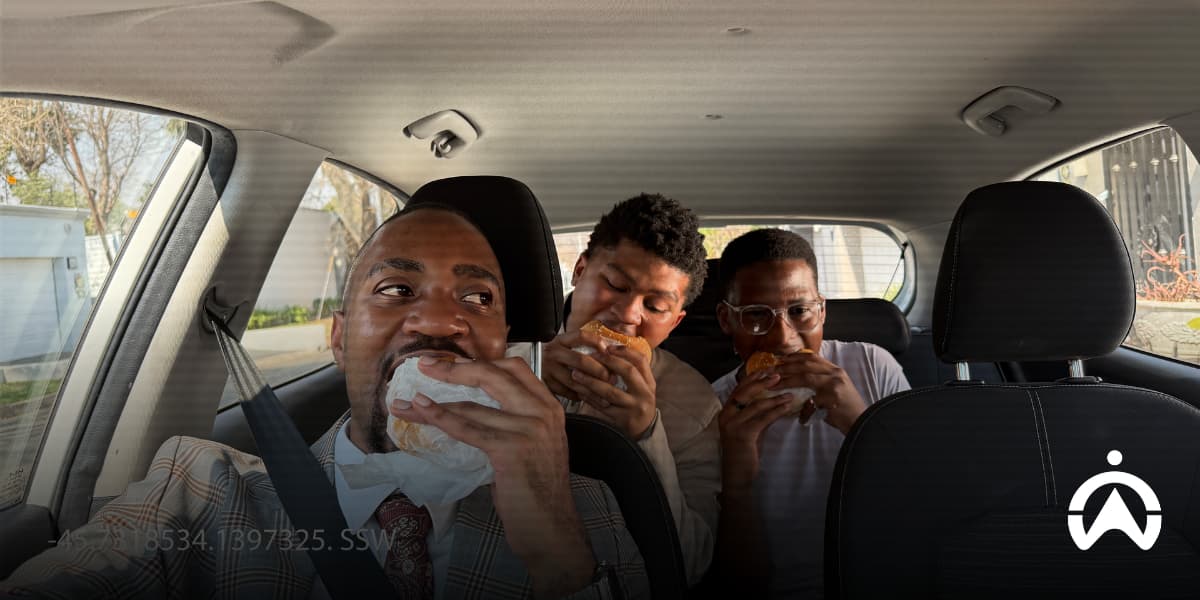
Passengers sitting inside a car with clear cabin visibility, illustrating the difference between wireless vs wired dashcams for in-vehicle monitoring

Is wired more reliable than wireless?

Yes, wired is typically more reliable than wireless. 

There’s an uninterrupted source of power and, without the need for rechargeable energy, there’s far less risk of a fire hazard occurring (due to swelling batteries, etc.). Wired cams are usually cellular-network-equipped, meaning they don’t have to connect to Wi-Fi or Bluetooth, or potentially face signal interference. 

Some wired cams also support bystander or parking mode, adding to the security and safety levels. Yes, it’s likely that it’ll cost more than a wireless cam, but the pros heavily outweigh the cons.

If you’re looking for absolute security, long-term reliability, full telematics, and a clean, professional finish to your installation, a wired option is your best bet. 

What are the real-world advantages of each dashcam category?

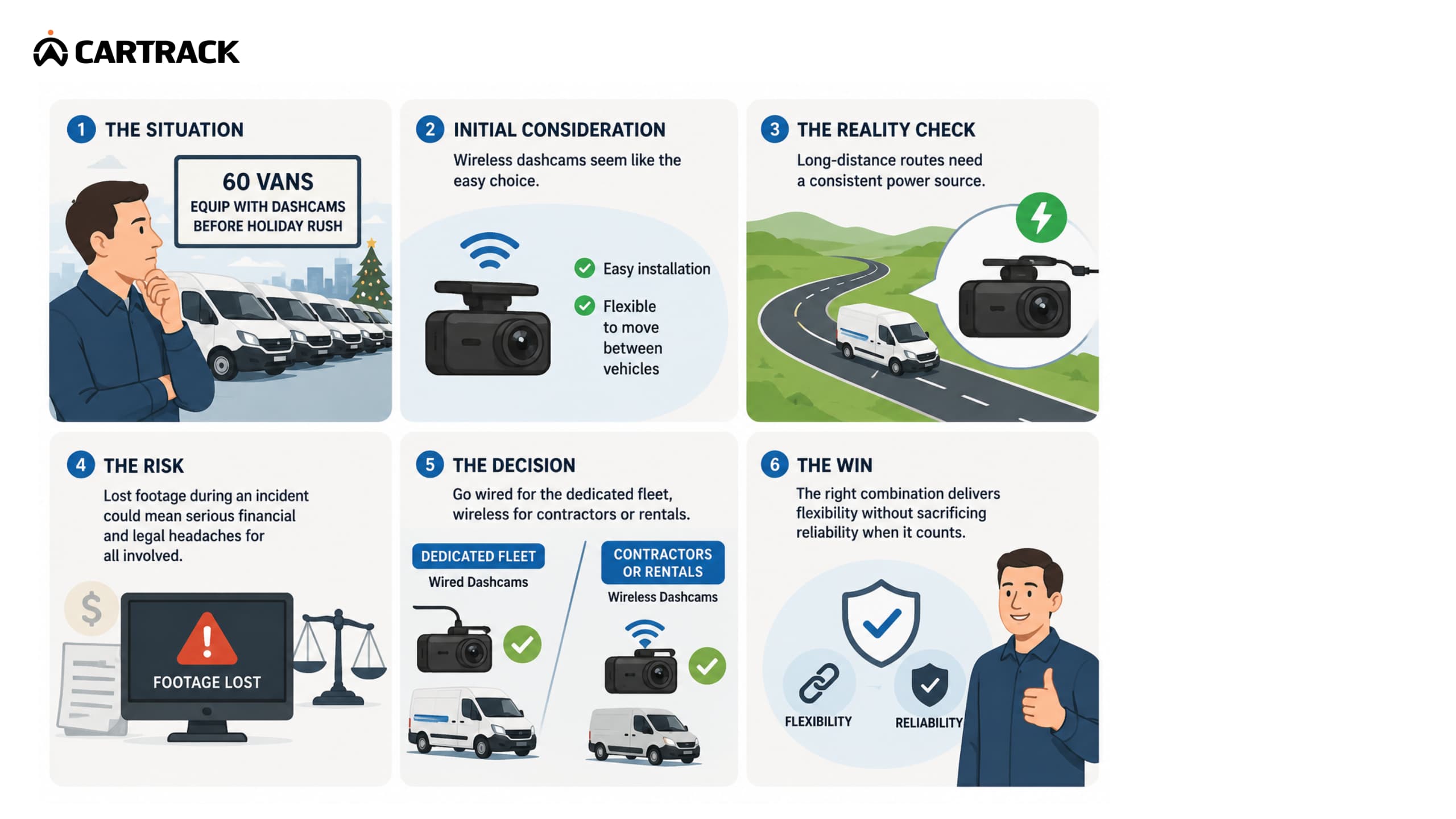
PICTURE THIS:

You’re managing a fleet where you need to equip 60 delivery vans with dashcams before the holiday rush. At first, you strongly consider the wireless dashcams for their easy installation and flexibility. But considering the long-distance routes, you recognise that a consistent power source is non-negotiable. 

If footage is lost during an incident or accident, this could mean serious financial and legal headaches for all involved. 

Realising this, you decide you’d rather go for the wired dashcams and use them in your dedicated fleet, while reserving the wireless ones for contractors or rentals. 

This combo offers the flexibility you’re looking for without sacrificing reliability when it counts.

wired vs wireless dashcams

As you can see, both of these options play a pivotal role depending on the context of your need. While wireless is all about flexibility and ease, wired is strong and massively dependable for businesses. 

So what exactly are the benefits of each?

  • Wired:
    • Continuous power source (potentially with parking mode to record while your car is parked or the ignition is off)
    • The ability to record various angles through one setup (multi-camera systems)
    • Improvement in driver performance and safety through keeping drivers accountable. Dashcam footage can also be used to coach drivers if they’re reoffending
    • Maximised durability, which ensures that strong video quality is consistently present
    • Night vision/infrared capabilities, which are especially important for night-shift long-haul drivers and e-hailing fleets
    • High-quality resolution
      ‍
  • Wireless: 
    • Installation is simple and DIY-friendly
    • Flexibility & portability are the ideal features—especially if dealing with a rented vehicle or using one device between many family members
    • Clean, clutter-free finish (which links back to simple installation)

Both provide defence against incidents and potential false claims. These dashcams also have the potential to reduce insurance premiums, as many insurers favour everyday drivers and fleet companies who go the extra mile to protect themselves and their vehicles. 

What dashcam and camera solutions does Karooooo offer you?

The dashcam and camera solutions that Karooooo offers you are five core solutions: Road Vision, Dual Vision, Multi Vision, AI Dash Pro, and AI Multi Vision. Whether you’ve got a complex fleet or you just want to protect your beloved car, we’ve got the perfect solution for you. 

We don’t offer wireless cameras, and all our core options are hardwired, guaranteeing far better quality and additional features to keep you, your family, or your fleet completely protected.

Here’s a breakdown on what YOU can expect: 

Road Vision

Road vision is a single, road-facing camera. Our everyday drivers and small businesses love this option because it’s a simple solution to safety needs, providing accident evidence and helping consumers handle insurance claims more quickly.

This device offers:

  • Telematics features
  • 128 GB of storage (approximately 72 hours)
  • Live streaming & recording capabilities

Dual Vision 

Dual Vision is a dual-camera system that’s both road-facing and cabin-facing. This is another winning solution for small businesses and the everyday driver. It works well for accident and insurance claims, adds an extra layer of security, and encourages drivers to behave safely & responsibly on the road. 

The in-cabin monitoring keeps drivers on their toes!

Dual offers: 

  • Telematics features
  • 256 GB of storage (approximately 194 hours)
  • Live streaming & recording capabilities

Multi Vision 

Multi Vision has up to 4 cameras: road, cabin, internal, and external-facing. This solution is an entry into the big leagues, catering to larger-scale businesses like logistics and delivery. Larger fleets tend to require more visibility, especially when cargo is involved. 

There’s greater operational oversight in addition to stronger security, and you and your drivers can keep an eye on the blind spots. 

Multi Vision offers:

  • Telematics features
  • Various hardware options for you to choose from (i.e., external side and rear cameras, dashcam dual cameras, dashmount road-facing cameras, etc.)
  • 256 GB of storage (approximately 194 hours)
  • Live streaming & recording capabilities

AI Dash Pro 

AI Dash Pro is a dual-camera system that’s both road-facing and cabin-facing. It has an additional 2 camera channels and the option to add an extra camera to places like your fuel tank, cargo area, etc.

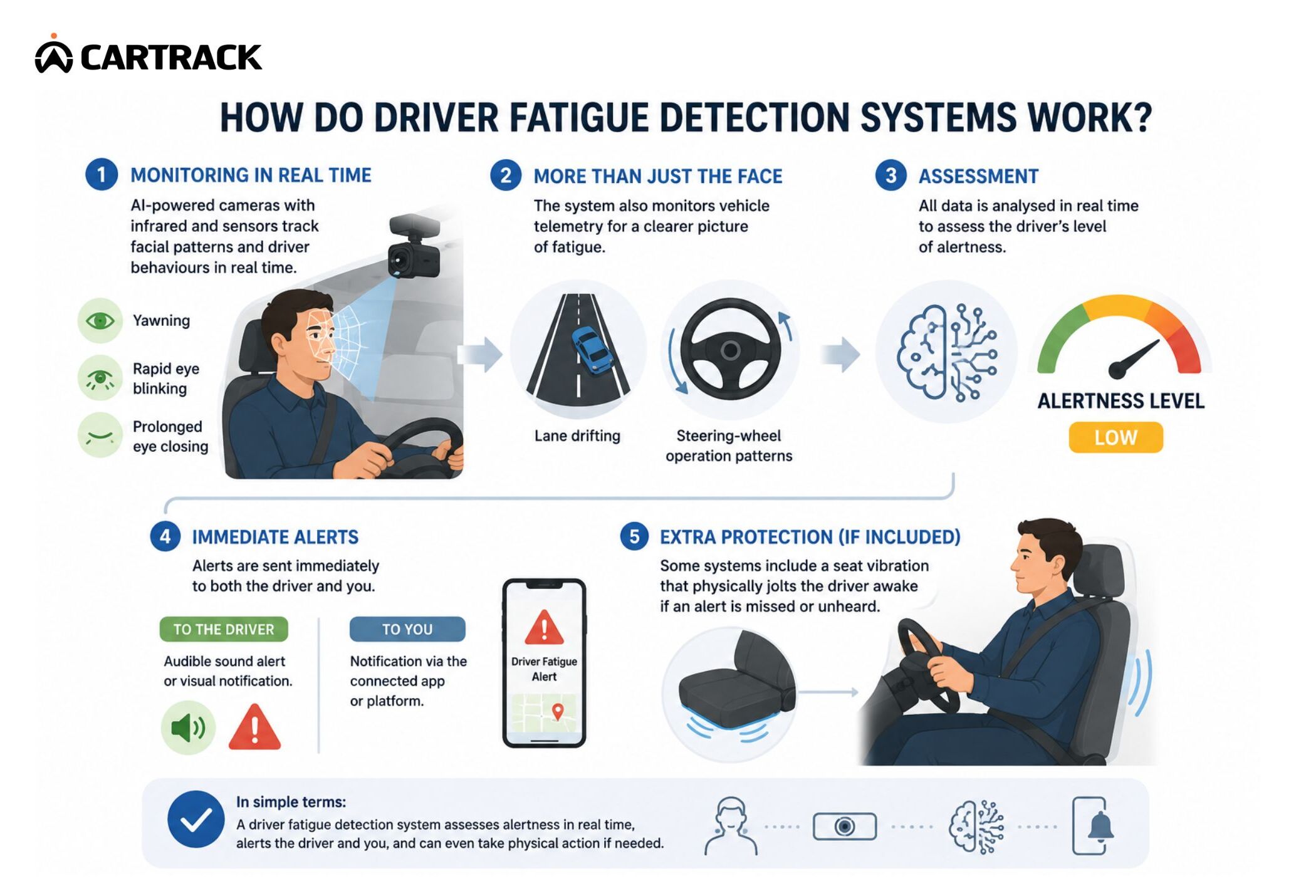
Most importantly, it has AI capabilities that help monitor driver behaviour and record events, such as fatigue, distraction, and smoking. 

This is the perfect solution for businesses that have large, complex fleets that prioritise total visibility and safety. The AI event recording also makes it far easier for you to monitor your drivers, allowing you to implement driver coaching when necessary and prevent costly downtime. 

The AI Dash Pro offers: 

  • Telematics features
  • 512 GB of storage (approximately 100 hours)
  • In-cabin calling
  • AI capabilities to track disruptive driving events
  • Infrared for the cabin-facing camera
  • Live streaming & recording capabilities

🆕 NEW ADD-ONS to consider:

The Seat Vibrator is available as a feature to combat fatigue and distraction. The device sits under the seat, giving the driver a gentle “jolt” to remind them to stay focused or take a quick break from driving. 

A small AI monitor for drivers can be included, so they’re visually alerted to the triggered event (sometimes, event audio alerts are missed). Here, the cargo door sensor can also be linked.

AI Multi Vision 

AI Multi Vision has up to 8 cameras that are road-, cabin-, internal-, and external-facing. This is the ideal solution for large, complex fleets that are carrying high-risk cargo. Basically, if you’re looking for airtight security, complete visibility, and stronger compliance, this is the option for you. 

AI Multi Vision offers:

  • Telematics features
  • Numerous hardware options (i.e., external side and rear cameras, dashcam dual cameras, dashmount road-facing cameras, etc.)
  • 1TB (approximately 291 hours) of storage
  • AI capabilities to track disruptive driving events
  • High-quality live streaming & recording capabilities

🆕 NEW ADD-ONS to consider:

The Seat Vibrator and the small AI monitor, as previously mentioned under AI Dash Pro. 

Final takeaway: Blind spots are bad for business!

Simple and easy might seem like the most attractive choice, but going the extra mile can truly seal in your vehicle security. Do you want the ease of wireless cams that show you the action, but overlook the bigger picture? Or are you looking for effortless, uninterrupted, advanced, and airtight protection that wired cams can bring you?

This is where Karooooo steps in. 

Partner with us to ensure you’re always connected and always protected. With us, and the help of our sophisticated camera solutions, you know you can always account for the truth. 

Ditch the messy wires. Forget the dead batteries. Just focus on the real protection. Call us today and get a complete, professionally installed camera solution! 

Frequently asked questions about wired and wireless dashcams

Do you really need a 4K dashcam?

No, you don’t really need a 4K dashcam for basic security, although higher video quality is generally recommended. When you have clearer streaming and recording, your dashcam is likely to pick up on more important details in an incident, like a driver’s number plate or something that occurs in low light. Overall, better detail means greater protection.

How long does 128 GB take to eat up for a dashcam?

It ultimately depends on the dashcam quality, so it can take anywhere between 10 and 24 hours. The 10-hour recording time is what’s typical of a 2K or 1440p resolution recording. Ultimately, the higher the camera quality, the less recording space you’ll have on the SD card.

Should I unplug my dashcam at night?

No, it’s not really necessary for you to unplug your dashcam at night. But you might want to consider unplugging it if:

  • You’re not really driving your car for a while, and it’s stationary in an enclosed environment
  • You feel that having a visible dashboard attracts criminals more than it deters them
  • You’re trying to preserve your car battery

ECU Tuning in Your Trucks: What Is Another Way to Achieve Fuel Savings?

Fuel is one of the biggest expenses fleets have. And thanks to the current political climate the world is in, the price of diesel has hit a record high. So, it’s only natural that everyone is looking at new ways to save. One of the methods fleet owners are now looking at is ECU (Electronic Control Unit) tuning. 

According to a study done by Javad Heydari, “Diesel engines, in particular, benefit from economy maps, often achieving a 5–10% reduction in fuel consumption.” This is quite a huge saving for any fleet. But before you start searching for your nearest vehicle tuning specialist, you need to know what the other pros and cons are, as well as other methods to save fuel.

Did you know: One of the best and simplest methods of saving even more on fuel is through driver behaviour?

Keep reading because the team at Karooooo are exploring ECU tuning, driver behaviour and telematics!

What is ECU tuning?

Did you know that your car has more potential than it currently delivers? Manufacturers program all of their vehicles to operate at a certain spec, but are you aware that it’s possible for you to unlock all of this hidden potential? That’s where ECU tuning comes in. 

The ECU is basically the brain of your vehicle; it controls everything from your ignition timing to your fuel mixing. This ultimately governs the performance of your vehicle. 

Most petrol heads want more out of their vehicles, so they’ll get their ECU tuned so their vehicles can reach top speeds and have a faster takeoff & better fuel efficiency. 

But what’s an alternative option to save on fuel?

How driver behaviour helps you save on fuel

Did you know that the best way to achieve fuel savings is through improved driver behaviour? It doesn’t matter what you attach to your vehicle or what alterations you make to the engine or software. If you have a heavy-footed driver who loves to speed and take corners like a NASCAR driver, your vehicles are going to burn through fuel no matter what. 

As a fleet manager, the best thing you can do to ensure you’re saving fuel is through driver behaviour monitoring and training. So, how do you achieve this? 

  • AI-powered cameras: When you install high-quality, AI-powered cameras in your trucks, your drivers are monitored in real-time. If they’re displaying any dangerous driver behaviour, they’ll get an immediate alert (as will you), and they can correct their behaviour instantly. 
    ‍
  • Driver scorecards: These will give you an accurate visual representation of how your drivers are performing on the road. With these, your drivers can see where their faults are, and you can coach each driver individually to improve their driving habits. 

The best thing about training your drivers to drive better on the roads is that it lowers your chance of an accident, it reduces the wear & tear of your vehicles, and it’s long-lasting. It’s more realistic for you to save fuel through driver coaching than it is through remapping your vehicle. 

Still curious about ECU tuning?

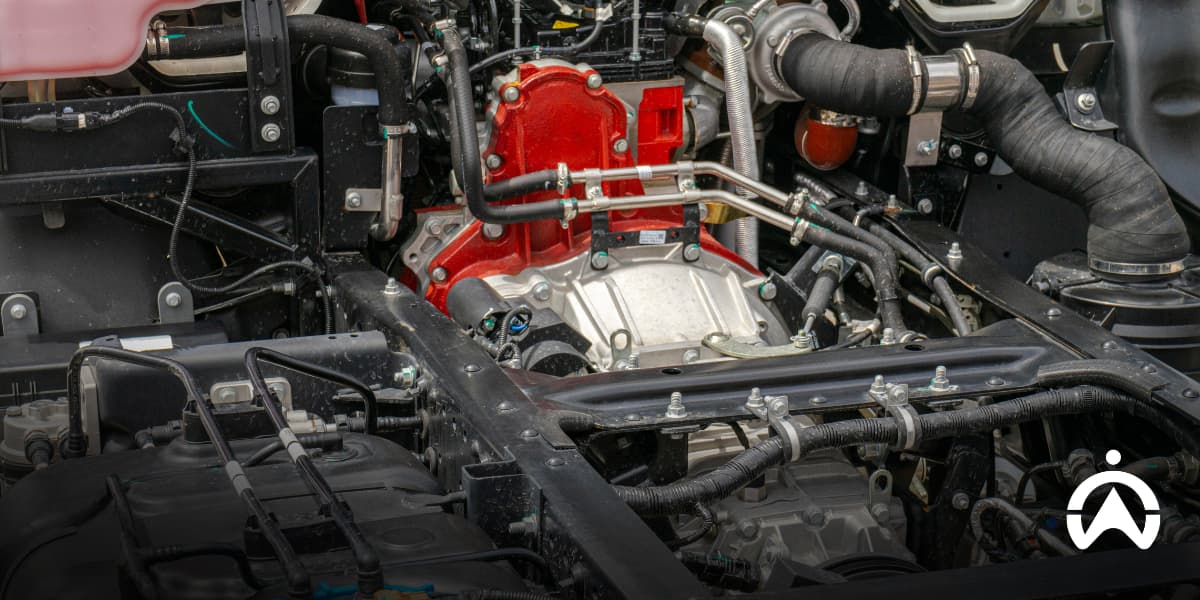
Close-up of a truck engine compartment, illustrating ECU tuning in your trucks for improved engine performance and fuel efficiency

How does ECU tuning improve my fleet? 

ECU tuning improves your fleet by optimising the following engine specifications: air-fuel ratio, boost pressure, and ignition timing. Now, unlike the petrol heads who are tuning for speed, businesses are doing this to save money. 

Let’s take a look at the benefits of ECU tuning for your fleet.

Reduce fuel consumption 

As we’ve already discussed, fuel is one of the biggest expenses in a fleet. Which is why the major benefit of tuning your truck’s engines is to make them more fuel efficient. 

Tuning can improve your vehicle’s fuel efficiency by between 5% and 10%. Now, that might not be a major saving, but when you look at this saving across the entirety of your fleet (and over a number of months), it’s quite a significant amount. 

Power optimisation

The manufacturer restrictions on your ECU mean your trucks are only allowed to pull a certain amount of power. When you modify your vehicle’s software, you can get better low-end torque and quicker power delivery. 

Now your trucks can tow and carry a heavy load much easier. On top of that, each vehicle experiences less strain on the engine when accelerating. 

Possible lower maintenance costs

When ECU tuning is done professionally and correctly, it can make your engine run more efficiently. And in doing this, you can create less strain on certain components in your vehicle.

All of this sounds great… but is it legal?

What are the legal aspects around ECU tuning? 

While ECU tuning isn’t illegal, there is a bit of a grey zone you need to be aware of. Emission regulations. When you alter your vehicles to perform better, you can inadvertently alter the amount of emissions your vehicles are producing. 

Across the globe there are strict regulations around emissions, and when you tune your vehicles and they’re producing higher emissions than permitted, you could be hit with hefty fines. 

So make sure you’re using a qualified tuner who understands the laws and regulations around emissions. 

What are the risks of ECU tuning? 

It’s very important to note that there are some major risks that come with tuning the ECUs in your trucks. You need to fully understand these potential risks to your fleet before you go ahead with the remapping of your trucks. Let’s check them out. 

Possible damage to engine

A major risk that comes with ECU tuning is the potential damage it can cause to your engine. When modifications are made to the fuel/air ratio, ignition timing, etc., it can push your engine far beyond its limitations. 

This can cause:

  • Overheating
  • Knocking 
  • Complete engine failure

To prevent this from happening, make sure that:

  1. you’re using a reputable tuner, and 
  2. you’re constantly monitoring and maintaining your engine’s health and performance. 

You can void your truck’s warranty

When you tune the ECU you’re essentially messing with the manufacturer’s settings. This can ultimately void your truck’s warranty. So anything that would’ve normally been covered by your warranty will now completely be your responsibility to pay for.

So make sure you completely read through your warranty contract to see what will void it and what won’t, and consider if ECU tuning is worth the risk.

Insurance issues

Insurance providers aren’t fans of modifications to vehicles because these can compromise the integrity of the vehicle. You shouldn’t lie to your insurance provider, so once you inform them about the ECU remapping, they might increase your premiums or possibly refuse to cover you in certain areas. 

So you should consider whether saving 10% in fuel costs is worth the potential financial consequences of an accident. 

Increase in wear & tear

When you remap your vehicle to have more power, you inevitably place more strain on other components of the vehicle. Remember the manufacturer settings and limitations are put in place to impose the least amount of strain on wear & tear parts. So when you decide to alter these, you’re affecting the lifespan of these parts. 

Parts that can be affected are:

  • Clutch
  • Pistons 
  • Fuel injectors
  • Transmission
  • Crankshafts
  • Barings 
  • The entire engine

Higher maintenance costs

Because you’re now pushing your engine to work at a higher performance level, you’re more likely to have to do maintenance on your trucks more frequently. 

Ultimately, there’s a possibility that the money you’re saving from ECU mapping is likely to be spent on maintenance. 

Lowers your chances of resale

Trying to sell your truck after tuning it may be a bigger hassle than you realised. Because you’ve messed with the manufacturer’s settings, you’ve essentially compromised the entire integrity of the truck. 

Consequently, you’ve made reselling your truck way more challenging, and you’ll probably have to settle for a lower resale price. 

Unreliable performance 

One of the greatest risks that comes with ECU tuning is that you don’t have a guarantee that the vehicle is going to perform the way you want it to. You could actually experience an overall reduction in the reliability of your vehicle from the remapping. 

So what other route can you take?

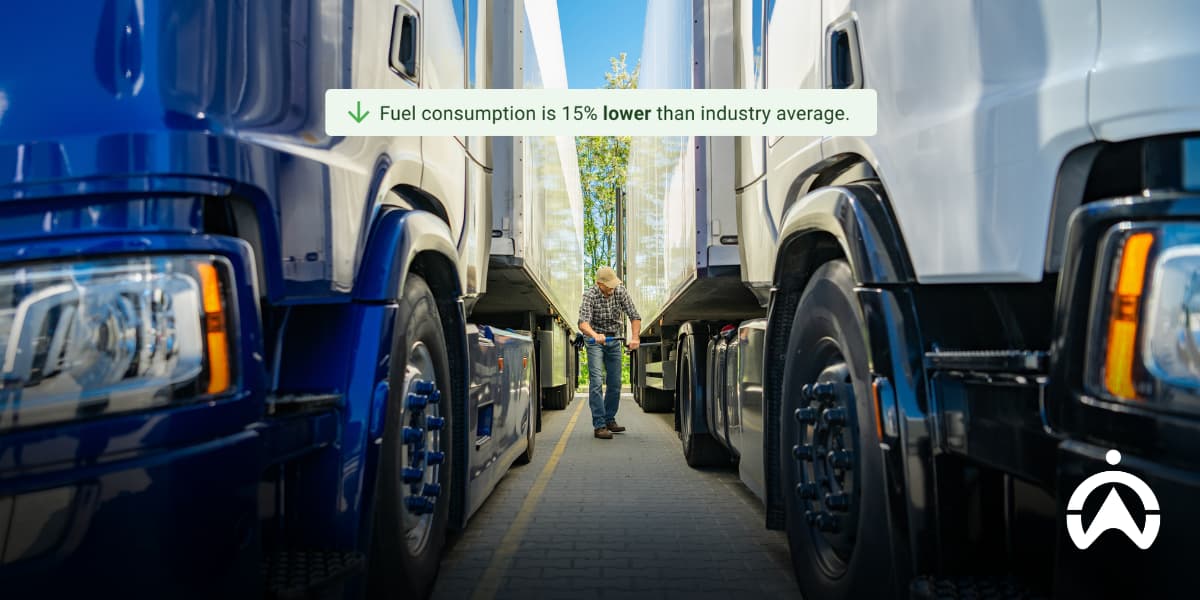
Technician working between parked trucks with fuel-saving message, illustrating ECU tuning in your trucks for improved fuel efficiency and performance

ECU tuning vs. telematics

There’s a more traditional method to saving fuel without voiding your warranty or incurring a list of risks. Telematics. Telematics can’t make your truck run faster, but it can help you save fuel, monitor the health of your trucks, and give you a complete overview of how your fleet is performing overall. 

Let’s compare each of them.

How it affects your truck ECU Tuning Telematics
Speed Increases speed No affect on speed
Fuel Improves fuel economy Complete fuel management
Warranty Voids warranty No affect on the warranty
Wear & tear Increased strain on wear & tear parts Improved lifespan on wear & tear parts
Insurance Can cause insurance issues Can lower your insurance premiums
Resale Can affect resale value Can improve resale value
Maintenance Frequent maintenance required Proactive maintenance approach
Performance Improves the performance of the vehicle Improves the performance of the vehicle

It’s clear that the benefits gained from telematics do outshine ECU tuning, but if you want the benefits of all of them, you can implement them both. This way you can save even more fuel, easily monitor vehicle health, and completely improve your vehicle’s performance. 

If you’re looking for a reputable telematics provider who can give you more bang for your buck, then speak to one of our specialists today! 

FAQs

Can I tune my EV?

It’s possible to tune your EV, but there are a lot of limitations to what can be done. The main reason for this is that EVs are basically controlled through their manufacturer software, which is heavily protected. So without the right code, it’s extremely challenging.

Can I tune my vehicle’s ECU myself?

Technically, yes, you can tune your vehicle yourself. To do it, you’re going to need specialised hardware and software to connect to your vehicle’s OBD-II port and also an understanding of engine mechanics. Remember, if you do it incorrectly, you can completely damage your engine and the performance of your vehicle.

Is ECU tuning permanent?

No, ECU tuning isn’t permanent. If you’re not happy with how the vehicle is performing after being tuned, you can get it back to how it was. But keep in mind that manufacturers can see if the software was ever altered, so your warranty can still be voided even if you return it to its original factory software.

Why Diesel is More Expensive than Petrol and What to Do as a Truck Owner

Motorists across Kenya experienced shocking petrol price increases in April 2026, but those with diesel trucks and vehicles REALLY felt the pinch. This makes us all wonder why diesel is so much pricier than petrol—and fleet operators are asking this question more than ever! 

There are several economic, socio-economic and global reasons. Statista describes diesel demand as “pre-epidemic”, referring to the massive 28.3 million bbl/d (barrels per day) demand in 2024 ALONE. With escalating global tensions, this number just keeps going up. 

Diesel demand. Taxation. Global unrest. All of these play a part in why diesel prices have soared. But fortunately Karooooo has some long-term fuel saving solutions that’ll appeal to truck owners across various industries. Here’s everything you need to know.

What are the main reasons for diesel being more expensive than petrol?

The main reasons for diesel being more expensive than petrol are high demand contrasted with low supply, diesel production time & costs, taxation, and global tensions. Another reason is the green practices that are now employed to produce diesel, which are more costly and time-consuming. 

Global tensions

Not only are global tensions causing diesel prices to skyrocket, but this military activity also causes market panic. Together, these two factors ALONE do enough to raise diesel prices, making it harder for your trucking business to operate.

High demand for diesel

Kenya isn’t the only country that relies on diesel to power logistics. Other countries are ordering massive amounts just like we are (high demand), and this is causing the supply to gradually run dry.

In short, countries are ordering diesel at a faster rate than the rate at which it can be produced. 

“Clean” diesel production

Governments are clamping down on big industries to lower their carbon footprint, and diesel production plants are NOT exempt from these regulations. It’s more expensive to strip sulphur out of the end product of what’s considered “cleaner diesel”, and these costs are being passed on to the consumer. 

Economic factors

There are dozens of economical reasons for diesel being more expensive than petrol, and these reasons combine to create prices that fluctuate at a whim. Most of these factors are international and often transport-related, but they still affect us here in Kenya because we import diesel in mass quantities.

A quick note on diesel taxation: While it’s true that tax is higher on diesel in some countries, this actually isn’t true for Kenya. In fact, the Kenya government taxes diesel at a lower rate compared to petrol—for the sake of public transport and industrial logistics. 

However, there are a number of levies added to diesel and petrol costs, which include:

  • A government levy on each litre that’s used for government spending.
  • Kenya Revenue Authority (KRA) tax on customs & excise for imported fuel.
  • A carbon levy on the emissions of the fuel purchased.

These extras are all passed on to the consumer, and truck owners who use a lot of diesel for their daily operations are having to spend more on refuelling their vehicles like never before. 

What are long-term effects of high diesel prices?

The long-term effects of high diesel prices hit truck owners harder than the average motorist, and these ultimately lead to higher overheads. Whatever business you’re in, higher truck transport costs could also cause you to struggle against your competitors. To stay relevant in your industry, you might even be tempted to cut costs in other areas of your business.

Lower profit margins

The most obvious long-term effect is less profit. Over time, this can cripple a business, because let’s face it: fuel isn’t the ONLY thing getting more expensive. Less profit = lower chance of survival. If your business is making less profit, everybody suffers; you, your staff, and your customers. 

Competitive irrelevancy

You might be looking at your competitors and wondering how THEY’RE dealing with the increase in diesel prices. 

  • Are they transitioning to EV trucks?
  • Are they taking advantage of fuel hedging?
  • Are they receiving subsidies?
  • Or are they just better at marketing?

These are some possibilities, but it’s more likely they’re struggling as much as you are. Or are they?

The fact is, if your competing truck companies are thriving amidst the current fuel crisis, it’s likely that they’ve found a way to reduce fuel use through technology. 

The question is, will your truck business do the same to stay relevant?

Cutbacks on essentials

The temptation might arise to cut back OTHER essential operations within your company to subsidise higher diesel costs for your truck company. This could be in the form of staff layoffs, less money towards safety, or opting for a lower marketing budget. 

This isn’t always necessary just because fuel prices have gone up. The solution is BETTER fuel management—not cutbacks. 

What diesel-saving methods are ineffective?

There’s no magic pill that’ll fix the amount of diesel your truck uses. Saving diesel takes effort combined with technology. Unfortunately, there are a number of fuel-saving gimmicks that dupe truck owners into thinking they’re making a difference. This simply isn’t true. 

Here are some you may have heard of already.

Additives to your fuel tank

There are companies out there duping people into buying additives for their fuel tanks, promising that these increase efficiency. Most of these fuel additive promises are scams! 

Avoid them at all costs, and also avoid home remedy solutions that promise better fuel consumption if you add home kitchen items to your fuel tank. 

Magnetic fuel savers

The claim is that magnetic fuel savers realign the molecules within fuel, causing it to burn at a more efficient rate. There’s no research to back up this claim, so it’s considered an old wives’ tale in the fleet industry. 

Filling up at certain times of the day

Is diesel more dense when the weather is cooler? Yes, it is. This makes some people think that filling up early in the morning increases efficiency. But the difference in density is so marginal that it doesn’t make enough of a difference to really affect your fuel usage. 

Here’s why.

By the time the diesel comes out of the nozzle to be burnt by your engine, it’s virtually the same temperature as it would be when the weather is warm. Also, any savings you might get from this method will be too small to make any meaningful difference.  

Filling strategies

You’ve probably heard rumours that filling your tank to the brim causes your fuel to burn quicker. The truth is, the amount of fuel in your tank has no direct impact on how efficiently your truck engine burns it. Yes, filling your tank to the brim does add some weight to your vehicle, but the difference is negligible. 

So what does work?

What should truck owners do to save on diesel costs?

When we strip away the false information about saving fuel, we’re left with what actually DOES work. This isn’t just a claim; it’s fact-based knowledge & industry experience from a fuel management software provider that works closely with truck owners to make a difference in their fuel costs. 

Here’s what we’ve learnt over the past two decades.

Calibrate your trucks’ fuel tanks

Saving fuel begins by starting from an accurate baseline. This can only be done through fuel calibration, which involves emptying your truck’s fuel tank and filling any fuel tank (which come in various shapes) with precise increments of fuel.

Your daily operations then generate raw data, and the calibration you get translates that data by giving you accurate litres. 

Choose a fuel-monitoring technology that’s truck-specific

Karooooo has a few fuel-monitoring options to choose from, but none are MORE ACCURATE than our fuel probe. A fuel probe works by combining a float IoT device with our gold-standard software.

Once you have this data, our software further refines the information to give you actionable fuel-saving strategies that are specifically tailored to the unique factors of your truck fleet. 

This is also the best strategy for stopping fuel syphoning, fuel card fraud, and other bulk fuel anomalies. 

Eliminate guesswork and rely on accurate data

The point of our software is to provide you with indisputable metrics that deliver true, relevant, and real-time data. This removes the guesswork out of your fleet operations and puts you in control of saving fuel. 

All these small changes add up to lower overheads, helping you to preserve your profits and STAY COMPETITIVE. 

Keep your vehicles in top condition

You already know that high-quality data gives you ACTIONABLE STRATEGIES. But what are these strategies?

One is keeping your vehicles well maintained. It’s no secret that well-maintained vehicles burn less fuel, but HOW can you manage this better than what you’ve already been doing?

The answer is predictive maintenance with the help of AI.

This is a strategy that removes the humdrum service schedules you used to do, and alerts you to maintenance needs based on real-time vehicle diagnostics. In addition to this ground-breaking technology, our system even books your vehicles in for maintenance automatically!

Plan and optimise truck driver routes

The less time your trucks are on the road for each delivery, the more fuel you’ll save. The objective of route optimisation is to accelerate your service and make your trucks more productive. 

Bypass those pesky roadblocks, heavy traffic congestion, and pothole-ridden roads by using real-time route optimisation that’s flexible, dynamic, and accurate. 

Monitor idling and coach drivers

Idling accounts for a bulk of the fuel your trucks waste each day. So does reckless driving! Getting rid of this alone will lower your fuel costs without disrupting your productivity. 

Karooooo offers various ways of doing this:

  • An alert system that lets you know when excessive idling is taking place
  • A driver coaching platform that educates them on idling less frequently
  • Sensors that alert you to fuel-guzzling driving habits like speeding or aggressive cornering

Call us to learn more! Karooooo is dedicated to saving Kenyan truck owners on their diesel costs, but it all starts with your willingness to start the process.

These methods really DO make a difference, so ditch those outdated gimmicks and go digital with a system that works hard to generate savings on your fuel budget. 

Frequently asked questions about diesel vs petrol prices

How is diesel different to petrol?

Diesel is basically denser than petrol. Its core make-up has more viscosity, which plays an important part in its slower burning process and high torque offering. Diesel has a distinctly different smell too, making it easy to distinguish from petrol.

I have a large fleet of trucks. How can I save on fuel costs even though the diesel price keeps going up?

There are so many reactive ways you can use less fuel, but most of them only give you short-term savings. The best approach is PROACTIVE and LONG-TERM. This approach calls for a combination of fuel management technology and human planning, which involves real-time fuel monitoring, AI calculations, and actionable strategies presented by Karooooo’s fuel management software.

Which uses more oil to produce: petrol or diesel?

Petrol takes more oil to produce, but not much. Because of the production process, manufacturers are likely to get more diesel than petrol out of a comparative amount of oil. This refining process happens simultaneously, so both products are derived from the same barrel of oil.

How Driver Fatigue Detection Systems Work

Driver fatigue detection systems work by combining AI power with sensors and/or cameras to monitor driver behaviours while they’re on the road. With those AI capabilities, facial patterns that are associated with exhaustion (like yawning or excessive blinking) are detected, which then trigger immediate alerts that act as an intervention. 

Analysis shows that specific components of AI-powered cameras, especially infrared camera arrays and built-in sensors, now account for 78% of the market. Commercial fleets are quickly adapting to technologies that explore more than just lane drifting and steering-wheel patterns. Facial movement recognition and blinking rates are catching fatigue in milliseconds, proving to be vital implementations in fleet safety.

Don’t put your fleet in jeopardy. Understand driver fatigue detection technologies, why they’re crucial for fleet safety, and how Karooooo provides the best in those technologies so you meet safety compliance & combat driver exhaustion.

What are driver fatigue detection systems?

Driver fatigue detection systems are a combination of tools and technologies that identify when a driver is exhibiting exhaustion while on the road. When fatigue has been detected, immediate alerts are triggered in the form of audible, visible, and in-app/platform notifications. 

The point of fatigue detection systems is to completely avoid, or at least drastically reduce, road accidents and incidents. Their real-time monitoring keeps a constant watch on everything happening inside and around the vehicle.

Let’s look at this more closely:

How do these detection systems work?

These detection systems work by merging AI power with sensors and/or cameras to keep an eye on drivers and their behaviours while on the road. Highly trained AI cameras embedded with infrared and sensors carefully track facial patterns—like yawning, rapid eye blinking, and prolonged eye closing—to quickly identify signs of exhaustion.

In addition to tracking facial patterns, certain aspects of vehicle telemetry are also monitored, like lane drifting and steering-wheel operation patterns. This provides more necessary information and creates a clearer assessment of fatigue.

In simple terms, a driver fatigue detection system assesses a driver’s level of alertness in real time. 

Alerts are then immediately sent to both the driver and you. For the drivers, they’re notified through an audible sound alert or a visual notification. You’ll likely get a notification via the connected app or platform. 

Depending on the system, there may also be an actual seat vibration solution included that physically jolts the driver awake. This feature is particularly important when the driver misses or can’t hear the audio alert.

Take a look at our graphic below to get a quick, visually engaging overview:

Are there any considerations when it comes to fatigue detection systems?

Yes, there are certainly considerations and potential downsides to think about when including fatigue detection systems in your fleet. 

One of the biggest, most common concerns is privacy. The last thing you’d want is for your drivers to feel as though they’re being surveilled in an intrusive and untrusting way. As a manager, you MUST be completely transparent in your policies and with your drivers, especially about the footage, why it’s being collected, and who has access to it. 

If you’re clear in your explanations, your drivers will hopefully understand that this is for their protection and safety, not their exploitation. It’s also your responsibility to uphold your end of those policies. 

Another common concern is false alarms. Technology isn’t perfect, and there will be mistakes in the recognition system. What’s important is that you use your discretion when overlooking the triggered events and footage. 

Still, this doesn’t take away from the absolute importance of high-quality detection technology and tools in your fleet. 

Why are fleets investing in this technology?

Fleets are investing in this technology because it’s what protects the operators, the business, and the brand reputation. It’s a careful, strategic business decision that has all aspects covered, from general safety (for everyone on the roads) to legal compliance. 

Early warning and coaching interventions are solutions that take safety to new heights while proactively protecting your drivers. 

Here’s why fleet managers like you see the importance of these tools:

Protecting drivers, their health, and overall wellbeing

At the core of fatigue detection systems is protection and safety. It’s common knowledge that driving while exhausted is comparable to driving while under the influence, and it can lead to devastating consequences.

Thanks to its real-time and dynamic nature, fatigue detection is a proactive approach that ensures exhaustion and drowsiness are nipped right in the bud. When you catch exhaustion before it escalates into something more dangerous, you’ll see fewer collisions, fewer close calls, and (most importantly), the preservation of life. 

In addition to this, fatigue detection systems show your drivers that you care about them and their wellbeing. Your drivers can begin to grasp the value of this kind of technology, developing the understanding that their quality of life is actively being looked after.

With improved wellbeing comes boosted productivity, increased morale, and happier & engaged workers who are likely to remain loyal to you.

Keeping cargo safe

This one’s for the logistics and transportation fleet managers. Your drivers are your most valuable asset, and the cargo they haul comes in at a close second.

When an accident results from driver exhaustion, the cargo is typically the first to go (especially with heavy-duty trucks). Whether it’s destroyed because of the collision or even grabbed by passersby in the aftermath, the fallout of such an event can be devastating. 

Not only does this tragically impact your bottom line, but you also face immense damage to your business reputation and legal issues up to your neck. But if you implement fatigue detection, you actively ensure the safety of your valuable goods.

With all the clear warnings and alerts, not only is the driver alerted and jolted awake before something bad happens, but you could potentially navigate them to the nearest truck stop, instead of them making an unsafe and unscheduled stop on the side of a highway. 

Additionally, driving while exhausted can cause your drivers to operate with jerky movements and unpredictable behaviours. This puts sensitive cargo at risk. But if the driver is kept sharp, the cargo remains safe on a smooth and calm journey. 

Fulfilling compliance and safety standards

We know that regulations are becoming increasingly strict, and the pressure is being felt by businesses worldwide. 

With the implementation of a fatigue detection system, you’re keeping a strong record of safety protocols and policies. This kind of record is especially important if your business is ever audited or there’s an investigation.

From a compliance perspective, your proactive approach can also reduce the risk of potential fines and other financial issues, especially if you’re asked to pause operations. 

Minimising accidents

While this may seem like the most obvious of the points, we can’t ignore the role fatigue detection systems play in the broader on-road safety conversation. Fatigue is a silent killer, and nodding off for even a split second could mean dire results. 

It could be argued that systems like these are the core of safety in the fleet industry, especially for long-haul drivers. 

Incorporating fatigue detection not only shows that you care about your drivers but also about the everyday civilians on the roads as well.

Bringing down insurance, legal costs, and downtime

One of the most common questions around fleet insurance is, ‘If I have proof of any risk management system in place, will this bring down my insurance premiums?‘ 

The answer to that is yes, there’s a very good chance it would, although it depends on your insurer. Insurance companies are increasingly rewarding businesses that are implementing risk management systems, like fatigue detection. This shows insurers that you’re being intentional about safety, leading to those lower rates. 

More than that, accidents are extremely expensive. Not only is there loss or damage of cargo & vehicle repair costs, but also legal, litigation, medical, compensation, and other costs to consider. Not to mention the financial hit that downtime from an accident causes.

Ultimately, a fatigue detection system is the most advantageous and economical investment for your business. 

Does Karooooo offer driver fatigue detection systems?

Yes, Karooooo does offer driver fatigue detection systems, which fall under the umbrella of our driver monitoring system (DMS). Our DMS system combines our intelligent, AI-powered cameras, driver scorecards, and live GPS tracking to effectively track driver behaviours. This technology has a baseline, and deviations from that baseline are what trigger instant alerts.

Here’s what we can offer YOU: 

📹 Live Vision AI cameras

Karooooo’s live-streaming intelligent dashcams can detect fatigue and distracted driving. This means you can keep an eye on your drivers and access the livestream if necessary, while also receiving immediate alerts for violations. Drivers are also notified of their violations, alerting and allowing them to make immediate corrections to their actions. 

Our technology detects events such as:

  • Fatigue/yawning
  • Distracted/fatigued driving (through head and eye movement)
  • Camera covering (the camera shouldn’t be obstructed)
  • Smoking
  • Cellphone use

📇 Driver scorecards

This feature is a way of keeping score of how well and responsibly your drivers are behaving on the road. Our technology rates parameters such as harsh braking, rough acceleration, speeding, and more, highlighting the areas that need more work through coaching. 

Based on these scorecards, you can also invest in gamification or incentive-based programmes for your drivers. These are proven to be a more fun & engaging way for your drivers to remain safe and responsible, all while encouraging friendly competition amongst them. 

🚛 Advanced Driver Assistance Systems (ADAS)

In addition to our inside cameras catching driver behaviour, we also have outside cameras that assist with driver safety by heightening your driver’s awareness and keeping their observance up. ADAS is a combination of AI, algorithms, and camera sensors that identify potential hazards and obstacles on the roads so that your drivers are EXTRA safe. 

These features include:

  • Automatic Emergency Braking: This is when the car dramatically slows down or comes to a complete stop. An object or hurdle has been detected in the road and, in relation to the speed and slow reaction time of the driver, will take action on the part of the driver.
    ‍
  • Forward Collision Warning: This is an immediate alert that lets drivers know when they’re closing in on another driver or obstruction too quickly, which prevents a potential crash.
    ‍
  • Blind Spot Detection: This warns your drivers about vehicles or obstacles in the blind spot, so that there aren’t any surprises when they need to change lanes. 

Final takeaway: Don’t sleep on fleet safety

If you’re looking for the ultimate answer to better safety, happier drivers, and a strong proactive business approach, then a driver fatigue detection system is what you need. We’ve established that fatigue is a silent threat, and it’s one that can expose your business to serious risks. It’s why basic tracking and monitoring attempts are simply not enough.

That’s why well-known local enterprises are turning to Karooooo. We’ll give you the most careful and closest eyes on the cabin and the road, catching even the smallest sign of exhaustion or distraction before they escalate into costly incidents.

Tired drivers are bad for business, so keep your safety in focus. Invest in Karooooo’s advanced, AI-powered fatigue detection solutions and boost your fleet’s safety TODAY.

FAQs

What are 90% of accidents caused by?

According to WHO, 90% of accidents are caused by human error. This accounts for things like speeding, distracted driving (especially phone use), driving under the influence, and exhaustion. Because physical & infrastructural issues like poor road conditions make up a far smaller share of road accidents and injuries, WHO believes that addressing human negligence first is key to improving road safety.

Is driving for 2 hours tiring?

Yes, driving for 2 hours can generally be tiring. Driving for that long means 2 hours of consistent concentration and bodily tension, considering the driver is holding the same position for most of the time. This monotonous and tedious action can also bring your brain into a bit of a lull, forcing you into a relaxed frame of mind.

Why does my car tell me to take a break?

Your car tells you to take a break because some models have Driver Alert Systems, which give you a warning ahead of time if you’ve been driving for too long. This system monitors factors like the length of time you’ve been driving, tyre positions relative to the road, and steering wheel patterns to encourage you to take a break.

How to prove drowsy driving?

To prove drowsy driving, you should collect witness statements, along with photos and/or dashcam footage. Also, check the accident area for skid marks or anything that points to an active, aware driver taking action before a crash. A sleeping driver usually won’t take those actions, and the car’s event data recorder (similar to a black box) will reflect that.

How to Successfully Manage Cross-Border Logistics

To successfully manage cross-border logistics, you must harness technology to alleviate the fears that come with cargo vehicles being “out of reach”. Knowing you have eyes on your assets is the best way to keep them safe, protect your drivers, and boost your insurance coverage.  

It’s a daunting and stressful thing for fleet managers when their trucks are doing cross-border long-hauls. A feeling of no control can bear heavily on you when you’re the one who’s responsible for the truck, the cargo, and the driver. In addition to bad roads and driver fatigue risks, border customs stops are a major challenge in cross-border logistics. 

It’s an industry that certainly isn’t without its concerns, but Karooooo is here to walk you through the best ways to successfully manage these challenges without compromising on your profits or service delivery quotas. In fact, with our help you’ll almost certainly improve on them! 

What obstacles stand in the way of successful cross-border logistics management?

The top obstacles that hinder successful management of cross-border logistics include customs & border patrol, driver fatigue & irresponsible driving, Kenya’s road conditions, and fleet managers resisting digital transformation. By overcoming these obstacles, fleets that deliver across the border will greatly improve their logistics management and set themselves up for quicker deliveries. 

As we look at each of these more in-depth, pay close attention to how Karooooo has foreseen these obstacles and made accommodations for fleet managers like you. 

Road conditions

While road repairs are in effect, they’re often few and far-between. Long-haul truck drivers and vans still have to navigate potholes and other road obstructions due to poor maintenance of our roads. 

When roads ARE being repaired, this can also cause massive delays in even getting to the border. And once your drivers are there, new challenges arise when they’re faced with border officials and customs. (But more on that later) 

The condition of Kenya’s roads is something your drivers have to deal with. But this still amounts to a great deal of stress for you as the fleet manager. You’re not there to keep an eye on things, which can leave you feeling a lack of control coupled with a lot of anxiety. 

What should you do to successfully manage bad road conditions? When it comes to the safety of your drivers and your vehicles, there’s not much you can do about bad road conditions. But you CAN make sure you avoid them if possible, and you CAN collect evidence if an accident occurs due to bad road conditions. 

How?

With Karooooo’s route optimisation, both broken roads and roadworks can be avoided by rerouting your drivers according to the best routes available. This is done on both Kenya’s roads and the countries your vehicles traverse to & from their delivery points. 

Karooooo also foresaw that bad roads can’t always be avoided. That’s why we worked hard to create high-quality dashcams and vehicle cameras to record instances where damaged roads caused an accident. 

Customs and border patrol stops

The point of long border point delays was greatly emphasised in the report we linked to earlier. Some drivers have had to wait 12 hours or longer just to get past these points. And the worst part is… you’re not there to take control of the situation. Frustrating!

What should you do to manage border delays as a fleet manager? In the case of this very common cross-border logistics challenge, there are no guarantees. But there is a way you can greatly reduce delays and even minimise the times your drivers are delayed at the border. 

  • Digitising your admin is the first step to ensuring all your documentation is in place, correct, and accessible. 
    ‍
  • Using Karooooo’s Mifleet to manage costs and keep track of your expenses is another great option to make sure your inventory & spending are accounted for.
    ‍
  • Compliance is also an important aspect of successfully navigating customs at the border. If there’s even one infraction on the vehicle or the driver’s record, this can cause hours of delay.
    ‍
  • Pre-clearance is possible through Kenya Revenue Authority – KRA. Getting this done before your drivers arrive at customs can save you, your customers, and your drivers a lot of hassle.
Aerial view of warehouse with trucks at loading docks, showing how to successfully manage cross-border logistics and distribution operations

Lack of driver responsibility

We can’t completely exempt your drivers from the many causes of stress you experience as a cross-border fleet manager. There are many risks associated with long-haul drives, and driver fatigue is commonly understood as top-of-the-list. 

How should you deal with bad driver behaviour and driver fatigue? This is one problem that Karooooo has spent much time solving. Check it out:

  • Seat vibrators that alert drivers to signs of fatigue
  • Combined AI cameras with a comprehensive driver coaching platform
  • Loud buzzers that alert drivers to bad driving habits and fatigue

Much of our software options focus on driver coaching and driver safety. 

Technology aversion

The last culprit who might be stressing you out is… YOU!

If you’re one of those fleet managers who thinks fleet technology is just a passing trend, THINK AGAIN! 

It’s now an integral part of doing your job successfully—especially if you’re in cross-border logistics. Technology of different kinds (digital tools, IoTs, AI, SaaS, etc.) is discussed throughout this article, so be sure to explore the options discussed here if you’re REALLY interested in successful logistics. 

How to manage risks associated with cross-border logistics

Camera telematics is one of the best ways to manage the risks associated with cross-border logistics. That’s because footage doesn’t lie. Whether there’s corruption taking place at the border points, or dangers of any kind while driving, vehicle cameras will pick up everything, giving you and the authorities access to invaluable evidence. 

Why is this such an essential component to successfully managing your cross-border logistics? Let’s see. 

Invest in an “extra pair of eyes”

You’re not there. You can’t be. Still, you need some record of events in case something goes wrong. This is essential risk management in cross-border logistics, which many fleet managers in Kenya still haven’t employed for the good of their companies. 

Boost your insurance coverage

Insurance companies deal with claim disputes all the time. And you can believe that every insurance company LOVES it when your vehicles are fitted with vehicle security cameras. This resolves things very quickly when you put in a claim for damage, an accident, or even a false claim against your driver. 

Manage the reality of driver fatigue

AI-vehicle cameras from Karooooo come with built-in AI that detects fatigue and other bad habits like eating & drinking, smoking, or distraction. Not only are the cameras keeping your vehicle safe, they’re also protecting your driver!

Manage theft risks

Cameras can also be set up to record suspicious activity while the vehicle is parked. They automatically start recording when there’s movement around the vehicle, and this footage is accessible to you—in real time. This includes what’s happening at the border. You get to see it all. 

Cargo risk management

Let’s not forget about the cargo your vehicles are carrying. Karooooo offers cargo cameras and door sensors. The doors open, the cameras switch on. You’re always in the know about what’s going on with your cargo, and (if applicable) how often your cargo doors are being opened. 

Semi-trucks lined up on a highway at sunset, representing how to successfully manage cross-border logistics and long-distance freight movement

How should long-haul logistics companies deal with border-based customs?

When dealing with customs at the border, long-haul logistics companies should consider a few proactive strategies that include:

  • Sorting out clearance ahead of time (pre-clearance)
  • Keeping a digital archive of all relevant documents (and making these accessible to drivers when they need them)
  • Having inventory declarations in check
  • Keeping you updated so you can notify your customers of any delays

Find the right partner to help you manage cross-border logistics like a BOSS!

The above checklist is good to have, but do you have the tools to actually put any of them into practice? 

Our software makes it easier. We also automate much of the tedious admin for you! 

Contact Karooooo to see just how much we can help with your cross-border management, and how our tools end up saving you so much that they MORE than pay for themselves.

Frequently asked questions about cross-border logistics

Can the Karooooo system track across borders?

Yes, Karooooo’s system can track across borders. In fact you might even find us present in many of the countries you’re considering tracking in, especially if you’re moving your goods to other African countries.

Do truck cameras record audio in case of bribery attempts at the border?

Yes, many truck cameras nowadays do record audio. This is another reason why getting vehicle security cameras for your trucks or vans is so important, because if your drivers are intimidated to pay a bribe, the cameras will record this.

Can I still give my clients accurate ETAs when border crossings are unpredictable?

With the advent of AI-integration into delivery management systems, algorithms are able to predict delays and update customers accordingly. Border crossings are unpredictable because your drivers might be detained for longer than expected sometimes, but at least you know that ETAs will be adjusted accordingly, so your customers are always aware of the delay.

What Type of Alerts Should Your Fleet Management Platform Have?

The alerts your fleet management platform should include (or should at least have the capacity for) are SMS alerts, driver alerts, panic alerts, and accident alerts. You can gain even more value from your FMS if it includes fuel fraud alerts, cargo monitoring alerts, and idling alerts. 

According to the National Road Safety Report, Annually, Kenya records an average of 4000 road traffic fatalities. These accidents cost their respective fleet companies, the loss of life or resulting disability is immeasurable. 

In this article we’ll cover a total of 8 fleet management alerts that you should have to avoid these kinds of events. First we’ll cover what the alert is and how it works. Then we’ll move on to the ROI benefits of the alert. Finally, we’ll show you how Karooooo has developed a system that makes these alerts possible, accessible, and highly functional.

What are 8 alerts every fleet platform should offer?

The 8 alerts every fleet platform should offer are:

  1. Driver monitoring alerts
  2. SMS alerts for task completion
  3. Panic alerts
  4. Alerts for idling
  5. Collision alerts
  6. Fuel-related alerts
  7. Cargo door sensor alerts
  8. Temperature fluctuation alerts for cargo containers

These alerts solve a range of issues from cargo protection to full-on accident prevention.

Let’s take a look at each one more closely. 

Driver monitoring alerts

An alert warning you about bad driver behaviour is an essential tool in any fleet management system. Not only do your drivers represent your brand, they also affect the safety of other motorists on the road. But most importantly, bad driving puts THEIR OWN SAFETY at risk, which is something you want to avoid. 

What is it and how does it work?

Driver monitoring is somewhat multi-layered.

Layer 1: Monitor what the vehicle is doing and receive alerts when there’s speeding, harsh braking, or aggressive cornering. 

Layer 2: Use AI vehicle cameras to watch drivers and make sure they’re not:

  • Getting distracted
  • Falling asleep
  • Smoking, eating, or drinking

Layer 3: Use the above vehicle & driver data to coach each driver. Keep track of these training sessions and get alerted when agreed-to corrections aren’t being adhered to. 

It’s a helpful system. You could be at home, in the office, or on the road yourself and STILL get alerted to what’s going on with your drivers hundreds of kilometres away!

What are the ROI benefits of having this alert?

Driver safety holds massive financial returns. If your drivers are keeping to sound driving habits, they’re protecting your vehicles, themselves, and other motorists. 

The result? Your vehicles experience less wear & tear. Your use of fuel goes down. Fatality and accident risks go down. Your insurance premiums might even go down! It’s an all-round win for your fleet. 

How can Karooooo help?

Karooooo offers all 3 of these layers. Speak to us about getting a CAN Bus reader attached to your vehicles so you can monitor vehicle behaviour. 

Optional: Go a step further and ask us about free installation on our AI vehicle cameras where you can watch your drivers in real time and even get alerted to when they’re compromising their driving.

Also optional: Now go all out… and get Karooooo’s driver coaching setup, making sure your drivers stick to habits that save you money and minimise fleet risk. 

SMS alerts for deliveries

Much of what you do as a fleet manager is based on the logistics and tasks of your drivers. It’s a big-picture job that can feel a bit ‘blind’ at times (since you’re not there to direct your drivers on every aspect of their jobs). SMS alerts solve this issue. 

What is it and how does it work?

SMS alerts give you small details on delivery processes. This is especially helpful with last-mile deliveries but can also benefit any fleet where the drivers complete “tasks” of any kind. SMS alerts give you updates at every stage of each process. 

Stage 1: A parcel (or cargo) is being picked up (or loaded). 

Stage 2: It’s on route. The ETA is approximated and sent to you. SMS Received… How convenient!

Stage 3: The driver has arrived. The package is delivered. The cargo has been offloaded. Signatures are recorded. Photos have been taken as proof. Services have been rendered. Done and dusted… Now on to the next one. 

What are the ROI benefits of having this alert?

The ROI of getting SMS alerts is EFFICIENCY. The more efficient your drivers are, the better you manage them. The better (and quicker) you manage them, the more deliveries they accomplish in a day.

Simply put: Less time with blind management = more revenue for efficient deliveries!

How can Karooooo help?

Karooooo helps you crush the competition by offering a delivery and field service app where every driver is managed semi-automatically. You get a big-picture view of what’s going on with each driver and how they all fit together into your day’s schedule. 

It’s workforce optimisation at its finest, and it costs less than you think. Ask us about it. 

Panic button alerts

Keeping your drivers safe is an essential investment within your fleet. Why? Because a lot of Kenya’s crime happens on the roads. Theft. Hi-jacking. These are real threats—not just against your drivers & vehicles but to your bottom line as well.

What is it and how does it work?

A panic button is installed discreetly within each vehicle. Only the driver knows where it is, and pressing it alerts our control centre to danger. You also receive a panic alert, keeping you abreast of risks while your driver is on the road. 

What are the ROI benefits of having this alert?

Don’t get security features that cost money unless they SAVE & MAKE you money in return. The return on investment for panic button alerts is obvious:

  • Less unresolved theft
  • Safer drivers
  • Less downtime
  • Potentially lower insurance 

How can Karooooo help?

The point of panic alerts is ACTION. Karooooo has emergency teams and recovery teams on standby, and they’re always ready to spring into action when danger or breakdowns threaten your drivers and the logistics of your cargo. 

Prolonged idling alerts

Idling results in an obscene amount of money out of your fuel budget. Getting alerts to prolonged idling gives you more control, and the power to DO SOMETHING ABOUT IT. 

What is it and how does it work?

Once again, CAN Bus is the hero of this story. A clamp is attached to the ‘nervous system’ of your vehicle, detects idling, times how long idling occurs each time, and alerts you to it immediately. 

What are the ROI benefits of having this alert?

Imagine the cumulative effects of less idling across your fleet. Those small idling sessions build up over time and can potentially result in thousands of rands over a 12-month period. 

Saving this amount of money is a game changer for fleets, so wouldn’t you want to take control of it to lower your overheads?

How can Karooooo help?

Karooooo offers a comprehensive fuel monitoring platform that puts usage and waste into perspective. But we also give you the control of getting alerted to idling so you can take steps to curb it or make it less frequent. 

Collision alerts

Getting emergency help to your drivers when they’re far away from you as the fleet manager is an invaluable feature that every fleet management platform should include. Your vehicles are important, but your drivers even MORE so. 

What is it and how does it work?

You’ll get alerted to any collision, whether severe or insignificant, and we will too. Coupling these alerts with an emergency reaction team gives you extra peace of mind while your drivers are out on the road. You’re prioritising their safety, and you’ll be aware of a collision event when it happens—not hours after.

What are the ROI benefits of having this alert?

Not enough is said about the ROI benefits of protecting fleet drivers. Keeping them safe plays into driver retention, giving you the ability to build a strong team of individuals who feel protected. 

If a collision does occur, your drivers will get expert emergency services on the scene as quickly as possible!

How can Karooooo help?

Even with vehicle safety features, collisions can have devastating effects. Karooooo adds an extra layer of driver protection by alerting you to accidents so you can contact your driver to see if they’re okay. If they can’t be contacted, we’ll be there to investigate and help where we can. 

Want to learn more about collision alerts? Contact one of our consultants, and we’ll show you how to implement this into your fleet—along with all the other alerts on this list. 

Fuel monitoring alerts

With fuel prices on the rise, even the smallest wastage builds up over time, affecting your fleet budget negatively. Not to mention the larger fuel anomalies that take place like theft, fraud, or leaks. A fuel alert lets you know when any of these three things is happening. 

What is it and how does it work?

Sensors are placed within the fuel tanks of your vehicles. These sensors give readings that are way more accurate than the standard tank sensors your vehicles are equipped with. 

The readings are then fed to a fuel monitoring software platform, algorithms are run, and pertinent information is sent to you to analyse or investigate. 

What are the ROI benefits of having this alert?

Detecting fuel waste comes with massive ROI benefits. The larger your fleet, the more cumulative these savings become. Fuel is expensive, but it’s likely to go up even more! Are you doing everything you can to use fuel sparingly?

How can Karooooo help?

Karooooo provides and installs state-of-the-art fuel sensors that connect to our fuel monitoring platform. Our system is also scalable, so it continues to save you money as your fleet grows!

Cargo door alerts

If your cargo isn’t monitored as efficiently as your vehicles and your drivers, you run the risk of suffering loss from the compromise of your most valuable products. This isn’t just about keeping cargo contained for quality purposes; it’s also about protecting it from being tampered with or stolen. 

What is it and how does it work?

Door sensors are great on their own, because they alert you every time your cargo doors are opened or closed. 

But you can add even more security to this feature by seeing exactly what’s taking place every time the doors open—IN REAL TIME. Cameras can be coupled to door sensor alerts, so you can tune in to what’s occurring by watching it LIVE. 

What are the ROI benefits of having this alert?

This system protects your cargo from theft, border patrol tampering, and he-said-she-said disputes. You’ll have a record of exactly what time the doors were opened, and with cameras you’ll have video evidence of what transpired. 

How can Karooooo help?

Door sensors are a valuable installation provided by Karooooo. We’ll also advise you on cameras if you want those too. These only activate when the doors open, giving you a relevant series of footage that can be used if your cargo is compromised. 

Temperature alerts

Got temperature-sensitive cargo? You could save on a lot of waste if you were monitoring cargo temperatures at all times. This goes beyond door sensors by checking and providing the real-time temperature of your containers. It’s perfect for food delivery, as well as medical supply cargo carriers. 

What is it and how does it work?

If the temperature rises, you’ll know about it. You can set limits that reflect the bare minimum or maximum temperature your cargo needs to remain at. This works with specialised sensors that feed to a trigger alert, and that alert goes straight to you when something isn’t quite what it should be. 

What are the ROI benefits of having this alert?

Having this alert might not be necessary for every fleet, but if you deal with perishable food or medical supplies, IT’S A MUST! 

Tonnes of food is wasted in the delivery process every year in Kenya. Do you want to carry those costs, or are you prepared to put measures in place to prevent it?

How can Karooooo help?

Karooooo develops these sensors within Kenya, and our software and alerts system is compatible with your mobile device & PCs. We’re standing by to schedule a full temperature monitoring system for your containers that carry heat- or cold-sensitive cargo. 

What’s the main idea behind fleet alerts?

The main idea behind getting fleet alerts is AWARENESS. Being in the know about what’s going on with your drivers, your vehicles, and your cargo results in high ROI, more efficiency, and an overall stronger brand reputation. 

Knowledge is POWER in the world of fleet management. Take control back and get the most essential alerts directly on your phone. 

In today’s fleet arena, it’s the only way to REALLY manage effectively.  

Frequently asked questions about fleet platform alerts

Are Karooooo alerts sent to my phone or my computer?

Many of Karooooo’s alerts are sent straight to your phone, but Karooooo also has various software packages that receive alerts too. Think of our platform, FleetWeb, as your control centre. Whatever software package you subscribe to, adds a channel to it, allowing you to manage a fleet category. SMSs can be activated with some, but others are platform-based.

Which fleet alert will save me the most money?

The fleet alert that will save you the most money will depend on your fleet structure & size, but the strongest contenders are fuel alerts and driver monitoring alerts. These relate directly to your largest costs (fuel & salaries), so keeping an eye on them will ultimately save you on costs.

What devices are used to generate fleet management platform alerts?

The devices used to generate fleet management alerts are fuel sensors, AI cameras, various sensors for doors and temperature monitoring, and CAN Bus clamps. These often work well together to give you a full picture of what’s happening in your fleet, but they’re also individually helpful if related to the specific nuance of YOUR fleet.