What Five Factors Should a Fleet Manager Examine When Planning to Purchase a Fleet?

The 5 factors a fleet manager should examine when planning to purchase a fleet include investment options, resale value, local regulatory requirements, flexibility, and predictive insights. Ultimately, though, the real challenge lies in striking a balance between controlling costs and enhancing operational capability.

Compliance is stressful enough. Tough road conditions, safety concerns, and rising fuel prices make poor purchase planning an even greater risk. The right vehicle choice can pay off. Trucks built to stricter and smarter performance standards compared to conventional vehicles.

Put simply, smart planning up front leads to real savings over time. With Karooooo’s selection of tools at your disposal, we can help you from the purchase stage right through to fleet optimisation. We’re prepared to support you in making the best investments while remaining compliant and ensuring your fleet is equipped for the future.

The 5 key factors every fleet manager must consider when purchasing a fleet

When planning to purchase a fleet, a fleet manager should examine these 5 key factors:

  1. Financing and investment options
  2. Resale or residual value
  3. Local regulatory and context-specific risks
  4. Flexibility and scalability, and
  5. Data and predictive insights

These factors shape your ROI (return on investment) and ensure that your fleet grows in tandem with your business.

#1. Financing and investment options

As a business owner, you’ve likely examined your financing and investment options, weighing the pros and cons of either leasing or purchasing. Ultimately, it depends on what your business plan looks like. A company that intends to scale rapidly may choose to lease fleet vehicles, whereas a more established business may purchase them.

Leasing often appears more attractive because of lower upfront costs and consistently having access to new vehicles. But, it also means that you have limitations on custom features and regular payments. In contrast, buying means higher upfront costs but better ROI and stronger use over a vehicle’s lifespan.

How does Karooooo help? We provide visibility into lifecycle costs for smarter financial planning. With us, you can align your business goals with your financial decisions.
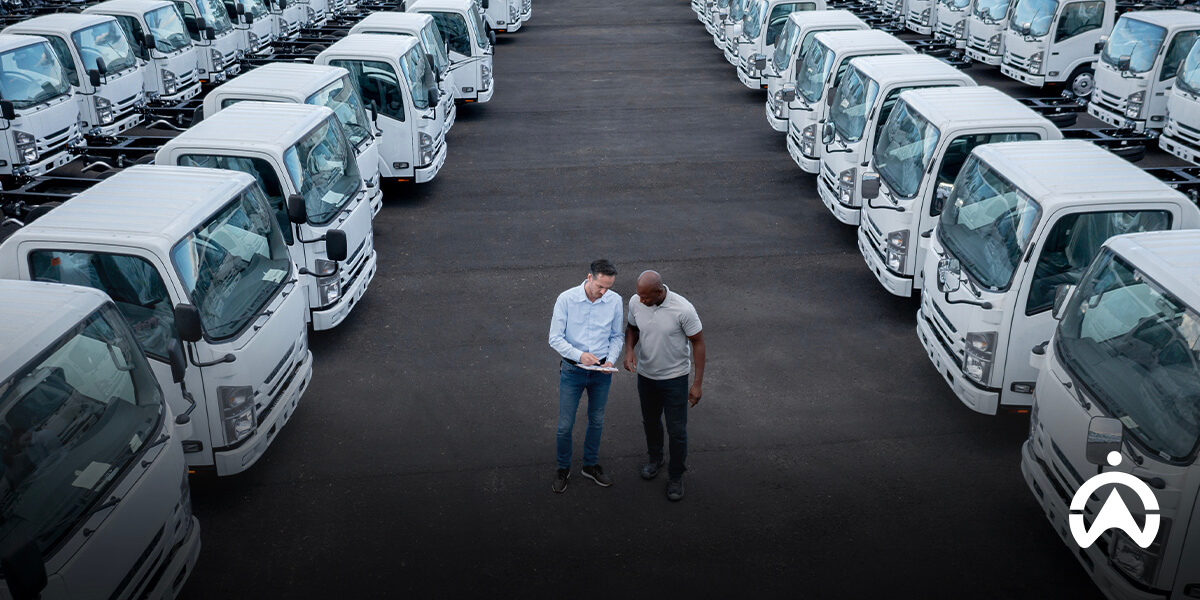
Two men discuss details while standing among rows of white commercial trucks parked in a large lot.

#2. Resale/residual value

Resale or residual value refers to the estimated worth of a vehicle at the end of its lifecycle or rental period. Factors like mileage, brand reputation, market demand, and condition ultimately determine residual value. It’s often overlooked but remains a crucial contributor to total ROI.

The demand for second-hand vehicles in Kenya is particularly high. This is why being strategic about the maintenance and overall condition of the vehicles is key to maintaining competitive value.

How does Karooooo help? We monitor usage and maintenance to protect residual value. With our predictive maintenance schedules and accurate usage patterns, we ensure you keep your vehicles in their best condition and protected long-term.

#3. Local compliance and context-specific risks

Local compliance is non-negotiable, and ignoring these mandatory regulations means you’re at risk of heavy fines, damage to your business reputation, and prolonged downtime. Fleet managers and business owners must stay on top of COFs (certificates of fitness), roadworthiness checks, permits and licences, and sustainability standards.

Compliance isn’t the only factor to keep in mind though. External risks like harsh road conditions, theft, and fuel prices highlight the importance of risk management when it comes to purchasing planning.

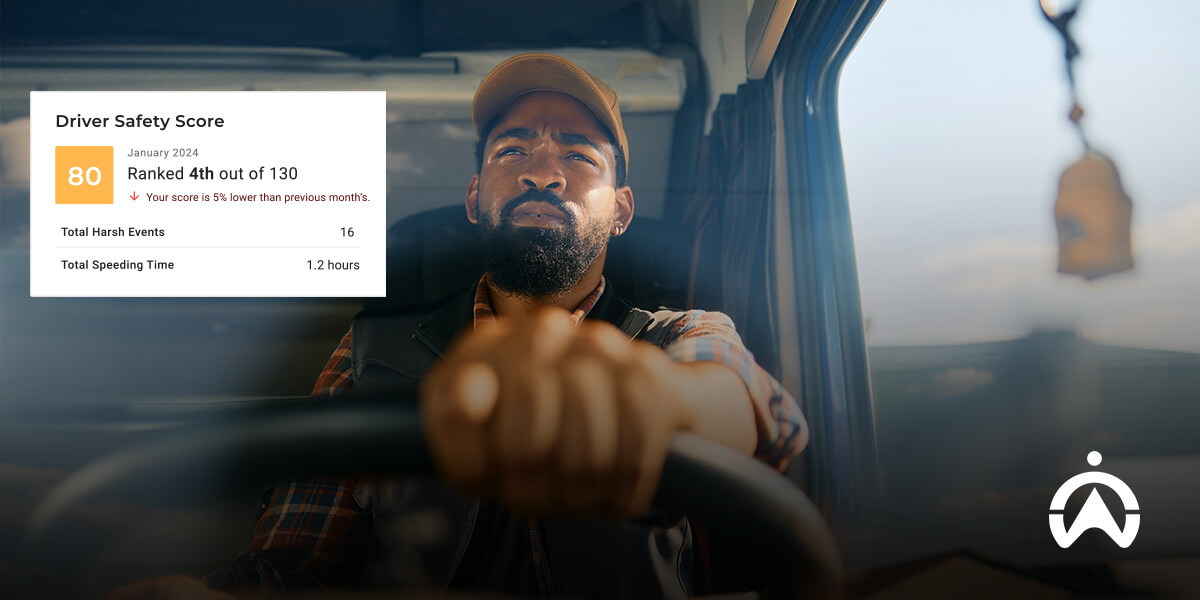
How does Karooooo help? We offer features like real-time alerts, driver scorecards, and theft recovery. You can rest assured that your fleet will remain compliant, safe, and under control at all times.

#4. Flexibility and scalability

Flexibility and scalability are the keys to being able to respond to potential market shifts and changes in business structure. As your business expands, you must adapt to future opportunities. Vehicle needs will likely change, and so will your operational processes.

Flexible fleets will ensure that you’re able to scale with business growth smoothly and efficiently. Keeping this kind of flexibility in mind during vehicle purchases will help you maintain profitability and prepare your fleet for future growth.

How does Karooooo help? We’re ready to guide you through future upgrades and grow with your business. Our comprehensive, future-proof platform and its insights are prepared to scale with your business.

#5. Data and predictive insights

Never rely on guesswork. Look to detailed data and predictive insights to drive the decision-making for your business and its changes. Without these vital details, you risk missing timely maintenance, overspending on fuel, and choosing vehicles that don’t match the technical requirements.

Predictive upkeep unlocks decision-making that’s based on facts, not hunches. In addition to preventing costly breakdowns, they show where and how you can save money, which you can then put back into your business.

How does Karooooo help? We push predictive value. MiFleet and telematics enable confidence in purchase planning. Predictive maintenance, fuel management, and tracking costs give you a complete and comprehensive view, so you can make smarter purchase decisions.

Fleet-buying cheat sheet

This fleet-buying cheat sheet is a way for you to quickly reference what you need to examine before making vehicle purchases. We know that as a fleet manager, you’re busy and always on the go. This acts as an instantly scannable guide to see which factors matter most, depending on your fleet size and whether you might buy or lease.

Remember: this is merely a partial shortcut guide. Every fleet has its own unique requirements. Always customise your fleet specifically according to your business goals, industry needs, and potential insights.

How to Use the Cheat Sheet:

  1. Identify your fleet size and growth projections
  2. Check each factor column for guidance on priority (⚡ = low, ⚡⚡ = medium, ⚡⚡⚡ = high)

  3. Use the Lease vs Buy column to determine financial and operational implications
Factor Small Fleet (5–20 vehicles) Medium Fleet (20–100 vehicles) Large Fleet (100+ vehicles) Lease vs Buy Considerations
Financing / Investment Options ⚡⚡⚡ High ⚡⚡ Medium ⚡⚡ Medium Buy for long-term ROI / Lease for flexibility
Resale / Residual Value ⚡⚡Medium ⚡⚡ Medium ⚡⚡⚡ High Buying protects value / Leasing risks are shared with the provider
Local Compliance & Context-Specific Risks ⚡⚡ Medium ⚡⚡⚡ High ⚡⚡⚡ High Leasing may include compliance support / Buying requires in-house monitoring
Flexibility & Scalability ⚡⚡⚡ High ⚡⚡ Medium ⚡⚡ Medium Lease for scaling / Buy, but plan very carefully
Data & Predictive Insights ⚡ Low ⚡⚡ Medium ⚡⚡⚡ High Buying enables full tech integration / Leasing means limited customisation
Close-up of a fuel nozzle being inserted into a vehicle's tank, with blurred trucks in the background at a gas station.

How Karooooo Kenya supports smarter fleet purchasing

By providing the necessary insights and resources needed to make smarter purchasing options, Karooooo facilitates easier planning for investing in a fleet. Your vehicles hold value, compliance is sorted, and future costs become clear today. What does that mean for you? Smarter investments, fewer risks, and confidence that your fleet is built on a strong foundation for the years ahead.

Karooooo allows you to act confidently, with the knowledge that every rand you invest turns into real value for your business.

Here’s a reminder about how Karooooo makes all the difference:

  • In terms of the cost of ownership, we get right to the point. We’ll help you see exactly where your money could go regarding financing and investment options, so that you don’t worry about potentially overspending.
    ‍
  • We only want the best for your fleet. Fleet vehicles are important assets that need to be kept in good shape—especially if there’s a chance for them to be resold at the end of their useful life. We can maximise your ROI.
    ‍
  • We give you the space to expand your business and fleet without worry. Providing the necessary data and guidance you might need, you can comfortably grow or change direction for the better.
    ‍
  • There’d be no need to worry about compliance and safety matters, as our automated reporting, vehicle recovery, and live alerts would keep your operations running smoothly and legally.
    ‍
  • All of the above points are backed by intelligent insights that our resources provide, so that every business move you make is an informed one.

Final thoughts

Fleet purchases may seem straightforward on paper, but the real test is ensuring that every vehicle supports long-term productivity, compliance, and adaptability. Karooooo can make this all possible. With the right tools and resources at our disposal, you’re guaranteed tangible deliverables and a long life for the fleet you’re planning to purchase.

Partner with Karooooo to get the tools and visibility you need to ensure that every vehicle you buy drives business success.

Ready to make smarter fleet investments? Let’s talk—book your Karooooo demo today.

FAQs

How do I calculate the total cost of ownership (TCO) for a fleet?

You calculate the total cost of ownership (TCO) of a fleet by starting with the buying or leasing price, then adding regular expenses to that cost, such as fuel, insurance, maintenance, and the like. Remember to include depreciation and resale value too. Karooooo’s FleetWeb makes this easy by tracking every expense in one place.

Is leasing better than buying a fleet?

Whether leasing is better than buying a fleet is entirely based on your business goals. Leasing keeps upfront costs low and allows you to upgrade when you choose. However, buying provides long-term ownership and potential resale value. Businesses often choose a mix of both.

How can the right technology help improve ROI when purchasing a fleet?

The right technology can help improve ROI when purchasing a fleet by producing valuable insights and helping you target exactly where your money will go. Telematics gives you insight into factors like driver behaviour and maintenance needs, helping cut down on waste and downtime. With Karooooo’s predictive insights, you can make purchase decisions that deliver stronger long-term returns.

What hidden costs should you watch out for when buying vehicles for your fleet?

Hidden costs you should watch out for when buying vehicles for your fleet are the ones that typically show up after purchase. These include high insurance premiums, customisation costs, and delivery fees. Low resale value can also be a costly trap. With Karooooo’s figures, you can spot these risks early and choose vehicles that help you avoid expensive surprises.
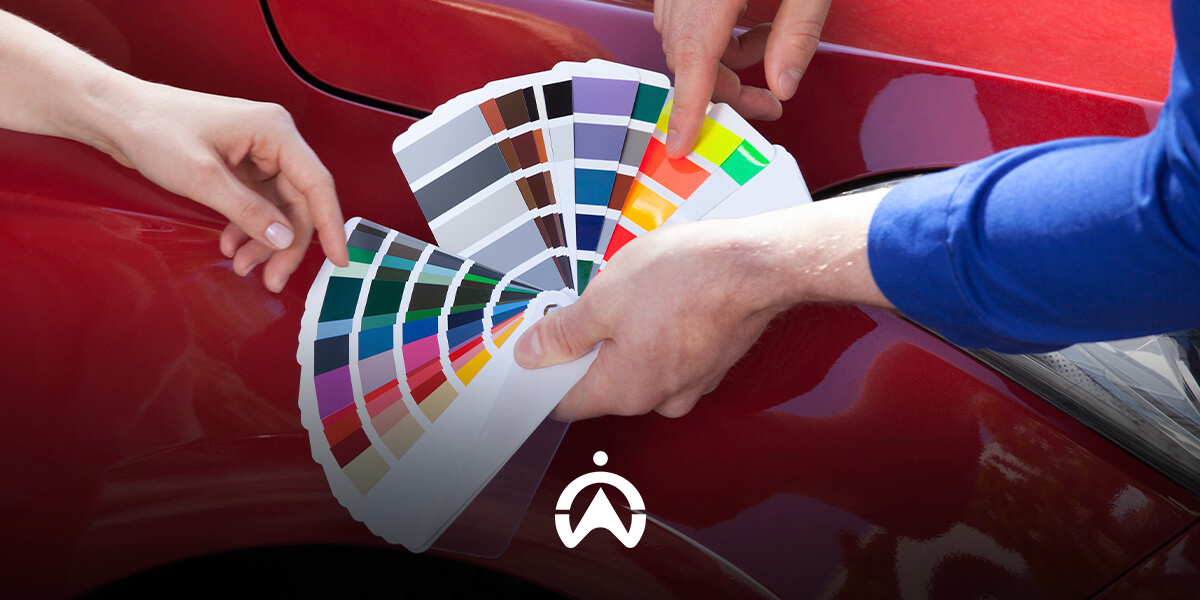
What Colour Car Gets Stolen the Least Today?

The least stolen cars are ones with bright colours such as orange, green, yellow, and pink. This is because they’re uncommon, easy to notice, and hard to sell. Car thieves tend to go for vehicles in common colours, such as white, grey, and black. This is because they have a higher demand, making them easy to sell.

With the high vehicle theft numbers in Kenya, it’s also noticeable that some cars are just more attractive to the criminals than others.  There are many factors that go into what makes a car more attractive to thieves. Colour is one of them, but this holds a very small percentage.

So if you’re wondering how much of an impact the colour of your car (or the one you’re thinking of getting) will make in terms of being a target, Karooooo is here to break it down for you. We’ll also give you tips on strengthening vehicle security regardless of the colour.

Do thieves really care about car colour?

Yes, car thieves do care about the colour of your car, but it’s not the main thing they look at. Car thieves fear being noticed and constantly think about how much attention a car draws. The brighter your car, the more it stands out, making it harder to hide.

Neutral colours such as grey, silver, black, and white, blend more into traffic. Think about a neon green sports car. How often do you see that? If word goes out that such a car is missing, people will definitely notice it while it’s on the move and report it. But if it’s black, most people will probably drive past it without even flinching. This is what makes bright colours less likely to be stolen.

Remember that car thieves are always looking to make a quick buck. Common colours are easier to resell or strip for parts. This means they have a higher resale value on the black market, thus being a more valuable option.

Get a tracking device now

What the research and insurance data says about car colour

Research from the motoring industry suggests that insurers focus more on a vehicle’s make and model than its colour when assessing risk. However, lighter colours such as white and silver tend to be the most common on the road, which also makes them more frequently targeted for theft.

There are also a few other things to note about the influence a vehicle has on your safety. The colour of your vehicle affects your insurance and could save your life. How:

  • White cars have a 12% lower chance of being involved in accidents and are considered the safest on the road because they stand out in most backgrounds.
    ‍
  • Black cars are 47% more likely to be involved in road accidents because they don’t stand out on the road, especially in the dark. They have the highest accident rates.
    ‍
  • Owners of darker-coloured vehicles often face higher insurance premiums due to the risks associated with visibility.
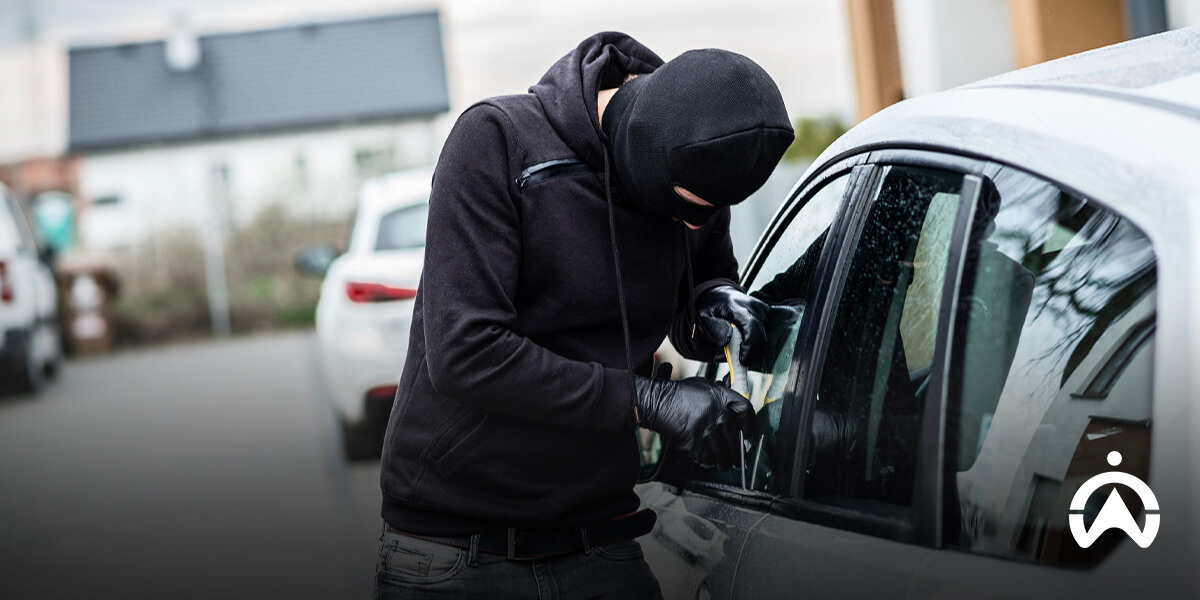
A masked individual in black clothing attempts to break into a parked car, using a tool to pry open the window.

Other things that matter more than vehicle colour

Vehicle colour only plays a small role in what thieves are looking for. Criminals usually care more about the type of car it is, how easy it is to steal, and how quickly it can be resold. In other words, vehicle colour matters less than its make, model, security features, and location.

Here’s why:

  • Car make and model: Some cars have a higher demand than others. Thieves usually target popular vehicles, regardless of colour, because they can be sold quickly. Luxury high–end cars may also attract organised crime groups due to their resale value on the black market.
  • Location: Some areas are more prone to car theft than others. There are high-risk zones in all major cities. If you live around such areas, your vehicle is at risk of theft regardless of the colour. Where you park your car also counts. Secure parking, such as garages and carports, provides more protection. If it’s a dark open area, then there’s a greater likelihood of theft.
  • Security: In one of our articles, we mention how older models may be easier targets because they lack security features such as alarms and immobilisers. The mere presence of visible security devices such as dashcams or steering wheel locks can make a thief think twice about targeting your vehicle.

How to choose a car colour wisely

When picking a car colour, think about all the pros and cons, take note of theft trends, but also bear in mind that vehicle colour is only a small contributing factor when it comes to risk. Ensure that you invest in strong security measures such as a GPS tracking unit. That way you get maximum protection regardless of the colour.

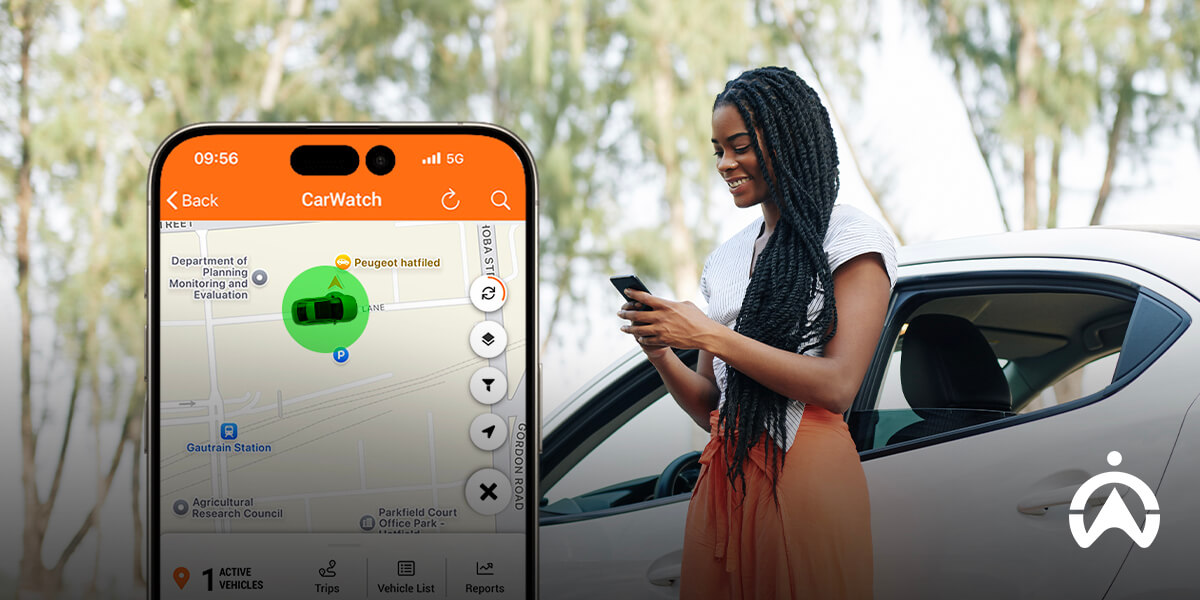
A smartphone displaying a Cartrack tracking app, showing a map with a parked green car icon, beside a white car and a woman.

No matter the shade, Karooooo keeps your car safe

With Karooooo Kenya by your side, you don’t have to compromise on the colour you’d like for your vehicle. Whether it’s red, blue, black, silver, yellow, or two-toned, we’ve got you covered! Our solutions are specifically tailored to reduce the likelihood of theft and increase the chances of recovery.

Here’s what we offer:

  • Stolen Vehicle Recovery: If you ever find yourself in a vehicle theft situation, you can rest assured that we’ll do everything in our power to get it back to you. We’ve got highly qualified recovery agents that are available nationwide and always on standby. Over the past decade, we’ve conducted more than 100,000 successful recoveries, making us a leading stolen vehicle recovery service.
  • Geofence: As an extra measure of security, you can make use of our geofencing feature. This is a function that allows you to create virtual boundaries around areas of your choice. You’ll get alerts whenever your vehicles enter or leave those areas.

    For example, you can create a geofence around the high-risk zones in your city. If you happen to lend your car to someone and they go past that zone, you’ll get an alert, then call to confirm their safety or determine if it’s a case of theft. Vehicle recovery chances are higher when the theft is quickly noticed.

  • Road Vision camera: Karooooo’s Road Vision camera solution is yet another way to safeguard your vehicle. It’s a road-facing camera with GPS tracking capabilities, ensuring you always know where your car is. Its visibility also serves as a deterrent to criminals because no one wants to steal a car knowing that their actions are being recorded.
    ‍
  • Trip history: All our GPS tracking devices have telematics technology. This means it can sense driving habits such as speeding, harsh braking, and harsh cornering. You can access this information by going through your trip history, replaying routes, and seeing where you can improve. Better driving habits reduce the chances of accidents, therefore making you less of a risk to your insurer.

So rare bright-colour vehicles often show lower theft rates in studies, but regional differences, make and model, as well as security measures, matter far more. Vehicle theft goes with popularity, so unpopular vehicles are less likely to be stolen. A thief is more interested in what car you drive and how easy it is to steal. Enjoy the colour you want; just don’t compromise on security. Contact Karooooo Kenya today!

Frequently Asked Questions about car theft and colour

What car do they steal the most?

The most stolen cars are sedans, hatchbacks, and coupes. There’s a high-demand for vehicle models of that nature because of their widespread use in both rural and urban areas. Some of them are easier to dismantle, and due to their popularity, the parts are quick to sell.

Does a white car stay cooler?

Yes, a white car usually has cooler temperatures than darker-coloured cars. This is because white surfaces reflect more sunlight and absorb less heat. The reflection keeps the surface temperature lower, which in turn also keeps the interior cooler than that of a darker vehicle that’s left in the sun.

The Best GPS Tracker for Commercial Vehicles

Karooooo is considered to have one of the best GPS trackers for commercial vehicles in Kenya. We’ve been around for over 20 years, offering various groundbreaking smart technologies. We’re always looking for ways to improve our services, and that’s what always keeps us a step ahead.

In 2024, we were voted the Star’s Best Vehicle Tracking Company on the 2023 Readers’ Choice Awards. This award acknowledges our success in vehicle tracking and commitment to customer service, making us a trusted choice in Kenya and around the world.

GPS tracking is crucial for every commercial vehicle business because it helps streamline your operations, reduce costs, and boost efficiency. Our solutions do just that, and we’re here to give you a detailed breakdown of why you should partner with us.

Which GPS tracker is the best for your commercial vehicles?

Karooooo is regarded as one of the leading providers of GPS trackers for commercial vehicles in Kenya. In the past two decades, we’ve conducted over 100 000 vehicle recoveries, proving our dedication and trustworthiness. So if you’re looking for the best GPS tracker for your fleet business, then Karooooo is the right place.

The whole point of GPS tracking for commercial vehicles is to ensure that you can monitor driver locations and movements. In doing so, you’ll gain insights into fleet operations, which allows for better coordination of daily tasks.

At Karooooo, we’ve got a fleet platform that gives you access to various fleet solutions all in one place. Instead of juggling multiple platforms for tracking, fuel, maintenance, compliance, and reporting, everything is managed from one dashboard. With all your important data combined, you get a full picture of your fleet’s performance to make smarter decisions. One integrated system is usually more affordable than paying for several separate tools.

Why should your business invest in a GPS tracker?

Investing in a GPS tracker will bring many benefits to your fleet business. According to Verified Market Research, the increasing adoption of telematics and GPS tracking is a primary component for operational efficiency. This technology brings cost savings and safety improvements across global commercial fleets.

Here’s a table breakdown of how running a fleet looks with a GPS tracking system vs. without:

Benefit Without GPS Tracking Header 3
Fleet visibility and efficiency Hard to know where vehicles are or how they’re used Real-time visibility improves planning and efficiency
Fuel and operational costs Extra fuel is wasted on poor routes Route optimisation and monitoring. Cut fuel and running costs
Driver safety and accountability Limited oversight on driver behaviour Tracking encourages safe driving and accountability
Theft prevention and recovery Vehicles are harder to locate if stolen Live-tracking makes quick recovery possible
Compliance and reporting Manual records are prone to errors Automated reports ensure compliance and accurate data

What features should you look for in the best GPS tracker?

The key features you should look out for when searching for the best GPS tracker are real-time tracking, driver behaviour alerts, maintenance alerts, geofencing, software integration, and scalability. These functions each play a vital role in keeping your fleet safe and efficient.

Let’s take a closer look at each of the key specifications:

Real-time tracking and accuracy

When you run a fleet, knowing where your vehicles are at any moment is essential. Real-time tracking lets you see your cars, trucks, or vans moving on a live map. It’s like having eyes on the road without being in the driver’s seat. The accuracy of this information matters too. If your GPS tracker is always a few streets off, it can cause confusion and wasted time. The best GPS trackers should ALWAYS give you the right location within seconds.

Driver behaviour monitoring

Every time your drivers are on the road, they represent your business. A good GPS tracker should also tell you how they drive. You can tell if they’re speeding, braking too hard, or idling for too long. Such behaviours increase fuel consumption, advance vehicle wear & tear, and put the lives of your driver and the public in danger.

Driver behaviour monitoring tools help reduce the chances of accidents and even save fuel.  Also, when drivers know you’re watching their habits, they tend to drive more carefully, which makes the roads safer for everyone.

Maintenance alerts and diagnostics

Fleet vehicles are an investment and need to be well taken care of to increase their lifespan. A good GPS tracking and fleet management system should remind you when it’s time to get your car serviced. It should also be able to read vehicle engine data and let you know if something is wrong before it becomes bigger. This way, you plan for maintenance days, keep your fleet moving and avoid unexpected downtime.

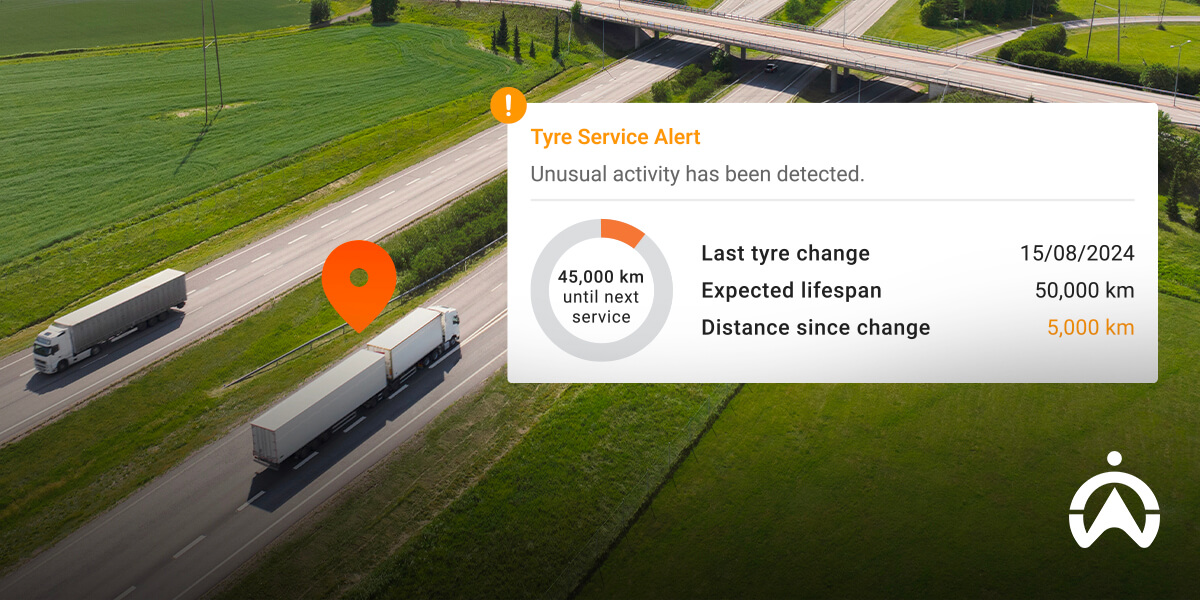
Aerial view of two trucks on a highway with a tyre service alert graphic indicating unusual activity detected.

Integration with fleet management software

Integration with fleet management software means you can connect all the important tools in one place. Be it location tracking, driver scheduling, fuel use or other reports, one dashboard makes each job easier. It saves you time, cuts down on mistakes, and brings less confusion. Should there be any issues, you’ll only need to contact one service provider to resolve everything.

Geofencing and alerts

Geofencing lets you draw a digital fence around a specific area, like a delivery zone, a restricted region, or a specific route. These fences serve as boundaries that make it easier for you to know when vehicles enter or leave those areas, because you’ll get alerts. This feature keeps you informed if a driver takes a wrong route or if a vehicle is stolen and ends up in a high-risk area. It also helps you keep track of delivery times and make sure vehicles are used only where they’re supposed to be.

Scalability and ease of use

Your fleet might start small, but what happens when it grows? Whether you have five vehicles today or fifty tomorrow, the system should expand without making things complicated. Ease of use is just as important. If the software is confusing, your team won’t use it. Look for solutions with simple dashboards and clear instructions so you don’t waste time on training again and again.

How do you choose the best solution for your fleet?

The easiest way to choose the best solution is by considering your fleet’s needs. Choosing a modern GPS system means you’re not just buying a tracker, you’re investing in a full tool to manage your fleet better. Consider the following:

  • Fleet size
  • Type of vehicles
  • Budget options
  • Installation methods
  • After-sales support
  • Data security

The following table further explains each of the factors that you should consider:

Factor What it means Why it matters
Fleet size How many vehicles you manage Different fleet sizes need different tracking solutions
Type of vehicles Cars, trucks or mixed fleets Some systems work better with certain vehicle types
Budget options How much money you can spend Lets you choose a system that fits your costs
Installation methods How the system is set up in the vehicle Some fleets need quick installs while others prefer wired systems
After-sales support Help after buying the system Good support keeps your fleet running smoothly
Data security How safe your data is Protects sensitive fleet and driver information

Real-world examples of GPS trackers in action

Over the years, we’ve partnered with businesses from various industries, offering our GPS tracking services. Each of our clients had their unique challenges, but we’ve always had the perfect solutions for them. We always strive to give you next-level technology that helps smooth out operations and reduce costs.  

The following case studies are real-life feedback from two of our clients.

Case study 1: Supermarket Farms

Supermarket Farms is a supplier of fresh, high-quality produce to restaurants, hotels and catering companies. They had issues with keeping up with their driver’s whereabouts during deliveries. They needed a system that could help see where drivers were so they could ensure that there were no unnecessary detours or delays that could affect the freshness of the produce. They also needed to improve general productivity and overall customer experience.

How we helped them:

  1. Using the Karoooooo GPS tracking system, Supermarket Farm can pinpoint exactly where their drivers are at any given time. They can see if there are delays, such as idling for too long or the driver going off route. They can quickly discover the cause of the delay and resolve the issue, as well as update their customers on estimated arrival times. This ensures more efficient dispatch of fresh produce without delay.
    ‍
  2. Supermarket Farm uses our fleet management system to get insights on drivers and vehicles. This helps them better run their day-to-day operations, improve on safety, and save costs. For instance, if drivers have received speeding tickets, managers can pull up reports to verify where the event occurred to help settle disputes. This minimises future events from occurring, helps them avoid unnecessary costs, and encourages driver compliance.

“Karooooo’s system has benefited our business’ productivity, helping with logistics, and improving driver turnaround times. It has helped us make sure there are no delays and route detours, saving us petrol because the drivers are staying on the exact routes” | Nelson Duarte, Co-owner, Supermarket Farms

Case study 2: BCI Security

BCI is a business that offers a full range of private security protection services. Their services include armed response, guarding, canine solutions, and technical teams. They cover the whole security spectrum.

Their main challenge was that they had no way of ensuring that their response teams remained within their assigned areas. They also had no system to help them instantly locate their vehicles or monitor driver behaviour. This affected driver response times and prevented their control room team from being as quick and efficient as possible in emergencies.  

How we helped them:

  1. Our geofencing feature allows BCI to set virtual fences around assigned areas and receive alerts when drivers enter or leave those zones. This helps them ensure their response teams are always active and present in their assigned areas. They now respond to client emergencies as quickly as possible. The geofence reports are also useful in giving BCI’s clients an accurate indication of patrol activity in their areas and making drivers more accountable.
  2. BCI Security managers can pinpoint exactly where reaction officers are using our live GPS tracking system. This allows them to quickly find the nearest reaction unit to people in need of a response, therefore improving their response times. This also improves service delivery, and encourages accountability, as BCI can verify that their response units were at the scene.
  3. BCI fleet managers can now easily monitor driver behaviour. They receive reckless driving alerts when drivers are speeding or braking harshly in times when there are no emergencies. These insights are used to inform and educate drivers, minimising avoidable incidents that could be harmful to drivers, vehicles, communities, and BCI’s business reputation. It’s also an effective way to decrease unnecessary vehicle wear and tear and prolong fleet longevity.

“Karooooosuited and understood our business from the start. We feel much safer with the Karoooooo system, and their service is great, you are not just a number with them. Without them, we just wouldn’t be as efficient.” Johnny Loots | CEO, BCI Security

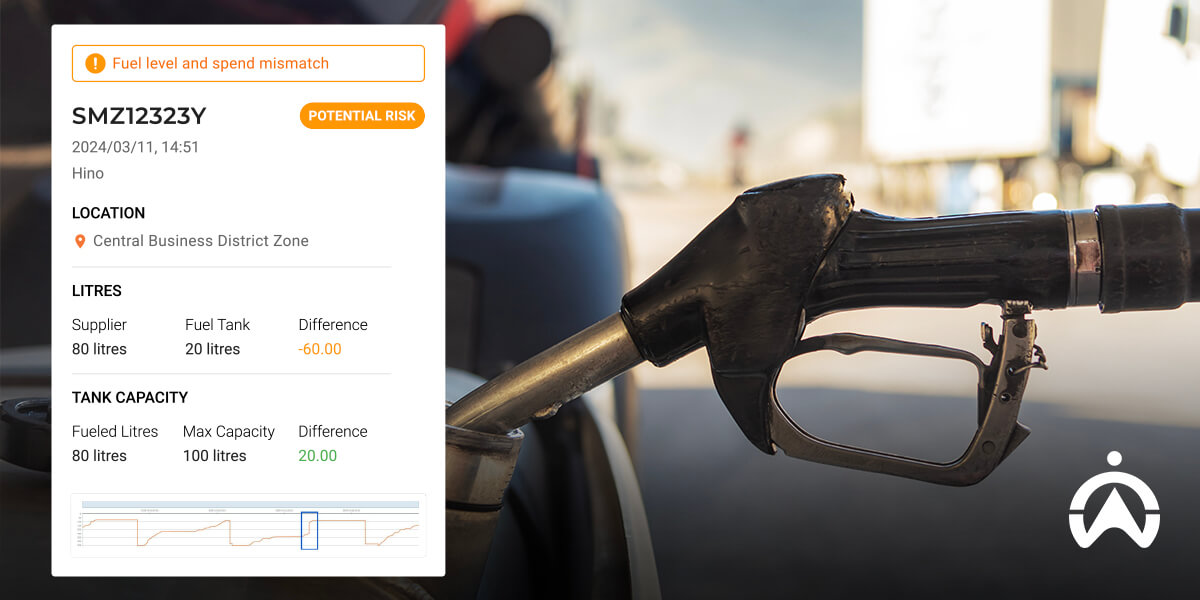
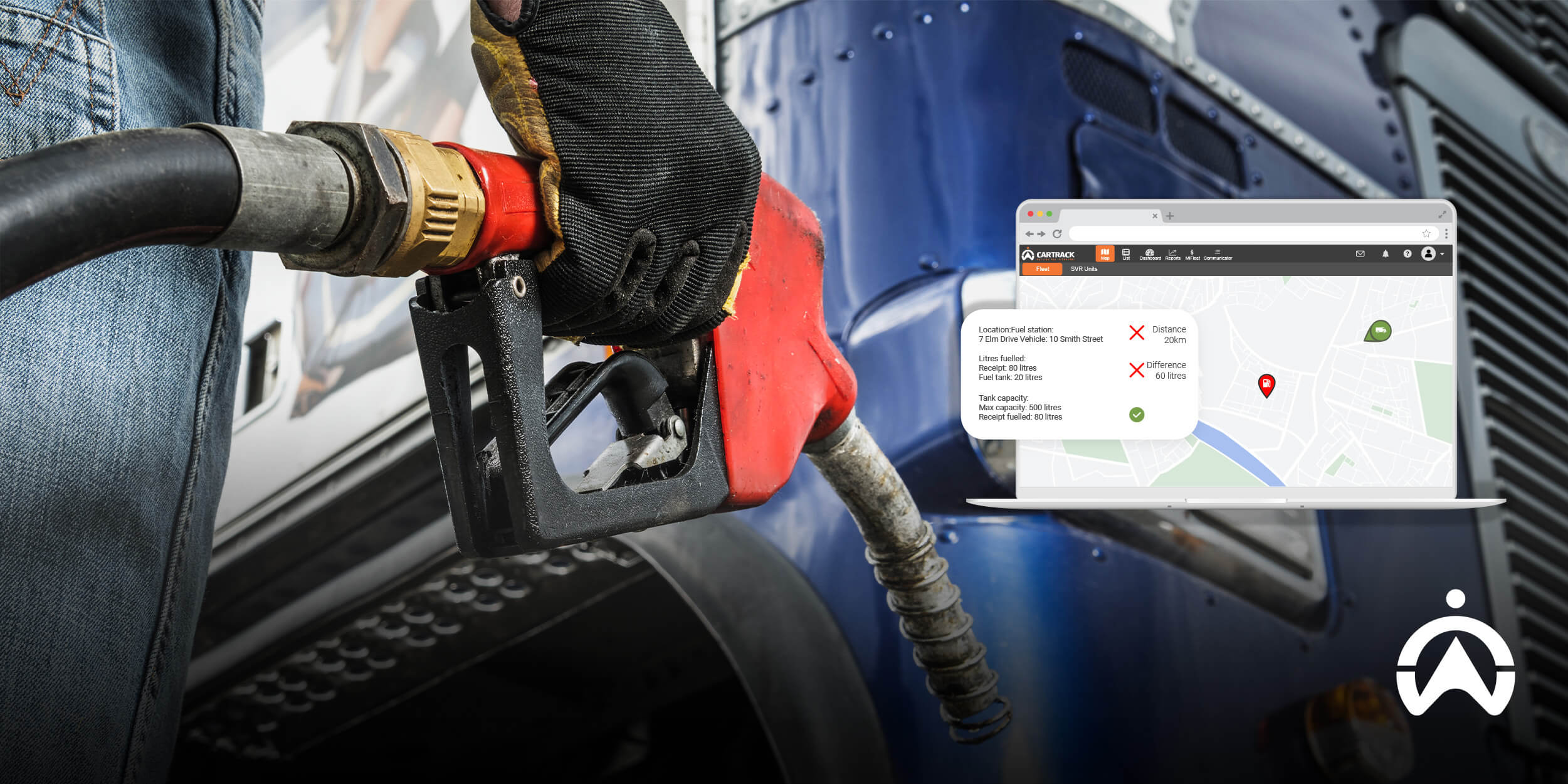
Image showing a fuel nozzle at a pump, with an overlay displaying potential risk related to fuel levels and expenses.

Get started with a GPS tracker built for your business needs

Karooooo’s solutions are designed to support fleets of all types and sizes. With us, you get top features such as remote live tracking, our stolen vehicle recovery service, and a digital logbook. Together, these solutions give you the ultimate GPS tracking system to increase your bottom line.

  • Remote live tracking: You can access our GPS tracking system through the Karooooo mobile app or website, allowing you to keep an eye on vehicle locations anywhere you are.
  • Stolen Vehicle Recovery: You can rest assured that should any of your fleet vehicles be stolen, Karooooo will act swiftly. Our recovery teams are stationed nationwide and always on standby. This ensures that they’re always close to you, so they can be on the hunt as soon as your call comes in.
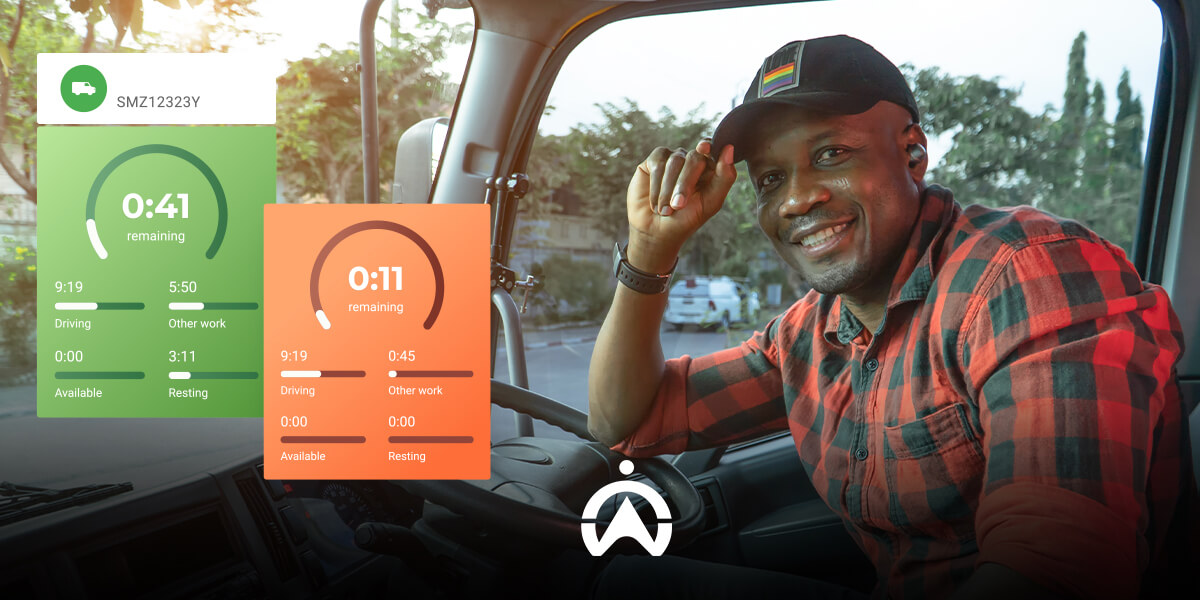
  • Logbook: It’s important that your business remains compliant so it can keep running. The Karooooo logbook automatically records trips and helps you classify business and personal trips. This ensures that your records are accurate for tax purposes. It also helps you keep up with how long each driver is on the road each day, so you can ensure they don’t exceed the maximum working hours, preventing fatigue and ensuring compliance.
  • Dashcams: Our AI Dual Vision dashcams have GPS tracking capabilities and telematics technology. This means you can get the same reports that you’d get from a normal GPS tracker, and you can see their actions in real-time. Since these cameras are AI-powered, they can spot when drivers are distracted and give out audible alerts. This helps prevent possible collisions, improving driver safety and saving your business from repair costs.
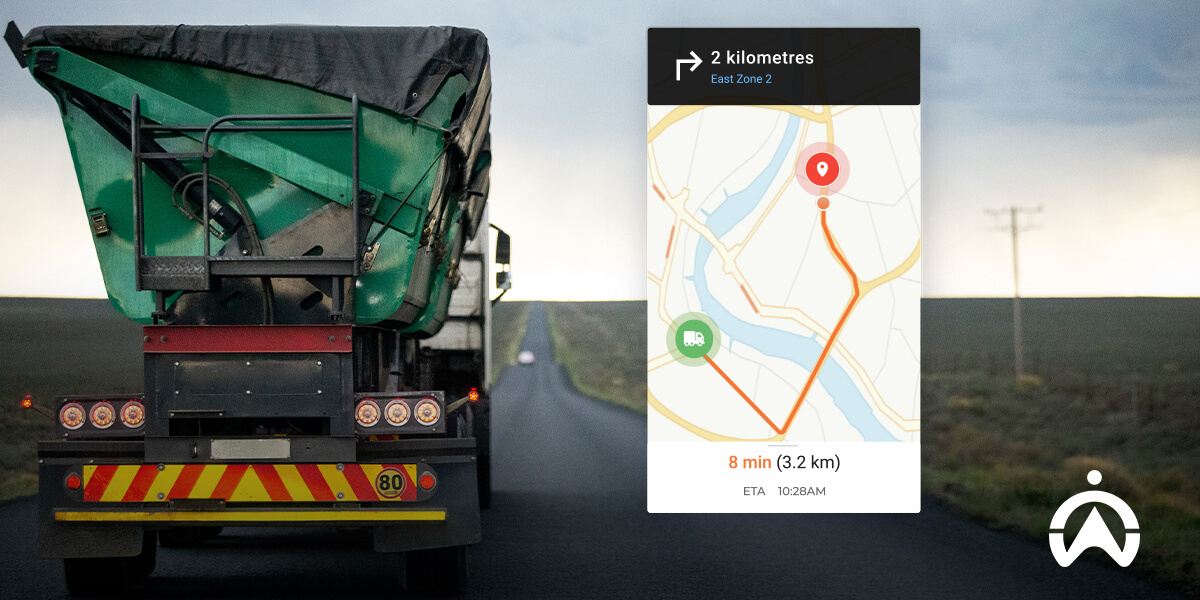
  • Route optimisation: Plan the most efficient routes with our route optimisation software. How does it work? All you need to do is input all driver destinations and the software will suggest the best routes for each driver to get to their destinations. It factors in things such as historical traffic trends, road conditions, travel time, driver schedules, and priorities.
  • Geofencing: As one of our case studies suggests, the Karooooo geofencing feature allows you to create virtual boundaries around areas of your choice. Thanks to this feature, you’ll get alerts whenever vehicles enter or leave those areas. These can be warehouses, office parks, delivery stops, or high-risk zones.

Get started with Karooooo’s GPS tracking system

With Karooooo, you’re guaranteed accuracy. When your drivers are in remote areas, our GPS trackers will continue to record up to 5000 data points of location and speed until they can find network coverage to transmit the data. Contact us today and get started with a GPS tracker built for your business needs.

Frequently Asked Questions about GPS trackers

How accurate are GPS trackers?

The accuracy of GPS trackers depends on the type of tracker it is, its intended use, and the quality of the signal. GPS signals can be affected by things such as the weather, tall buildings, or tunnels. Modern-day GPS trackers normally have 3-10 meters of accuracy.

What are the types of GPS trackers used in commercial fleets?

Commercial fleet companies normally use on-board diagnostics (OBD) trackers which are plug-and-play devices connected to the vehicle’s OBD-II port. Others are hardwired, which means the devices are directly installed into the vehicle’s electrical system. Then there are portable battery-powered GPS trackers which run on an internal rechargeable battery.

How long do commercial GPS trackers last?

Commercial GPS trackers should last you for a couple of years, depending on factors such as device quality, frequency of use, installation methods, maintenance, and system updates. It’s always recommended that you choose a GPS tracker from a reputable service provider such as Karooooo.

Stay in control of your fleet with Kaarooooo!

7 Proven Strategies for Fuel Reduction to Cut Fleet Costs

Some strategies for fuel reduction include route optimisation, fuel probes, preventative maintenance, telematics systems for driver monitoring and stopping unnecessary idling. If you’ve got a fleet, the chance that you’re looking for strategies to reduce fuel is probably pretty high.

And if you’re not… Data shows that petrol in Kenya from 2020 to 2026 fuel has increased by:

  • Super Petrol by 70.9%
  • Diesel by 85.7%

These stats prove just how important it is for fleet owners to find ways to reduce fuel usage as much as possible so that your profits can still remain high. At Karooooo we know how important this is to you. In this blog we’ll break down the top strategies for fuel reduction and how we can help you keep your costs low and your profits high!

What are the top 7 strategies to reduce fuel in your fleet?

There are plenty of strategies you can use to reduce fuel usage in your fleet, but the top 7 ways you can reduce it are:

  1. Installing fuel probes
  2. Optimising your routes
  3. Preventative maintenance
  4. Stop idling
  5. Installing a telematics system
  6. Driver gamification
  7. Using the right-size vehicle

Let’s break down each of these strategies!

1 – Installing fuel probes

One of the main strategies to reduce fuel wastage is by installing fuel probes in your vehicles. This is how they work:

  • The probe floats in your fuel tank and measures your fuel levels
  • It send a message to your fleet pages letting you know when your tank is almost empty and when it’s being topped up
  • If fuel suddenly drops when the vehicle isn’t in use, you’ll get an alert

Fuel probes make sure that as the fleet manager, you’ll always know what’s happening to the fuel in your vehicles.

2 – Optimising your routes

Something you may not be aware of that’s wasting your fuel is the routes your drivers are using. By installing an advanced GPS system, you’ll be able to optimise the routes your drivers take.

You can save fuel with GPS-assisted routes by:

  • Avoiding high-traffic routes that keep your drivers sitting idle
  • Showing your drivers the most efficient route

Optimised routes are an easy way to reduce wasted fuel in your fleet.

3 – Predictive maintenance

Maintenance is often overlooked as a reason for fuel loss. Factors such as:

  • Underinflated tyres
  • Clogged air-filters
  • Old oil
  • Worn-out spark plugs
  • Dirty fuel injectors

All of these cause your vehicles to not run optimally and end up wasting fuel. When you implement a telematics system that assists you with predictive maintenance, your fleet will be on top of their game!

Preventative maintenance warns you of all the issues mentioned above before they actually start to affect your fleet. Not only saving you fuel but time as well!

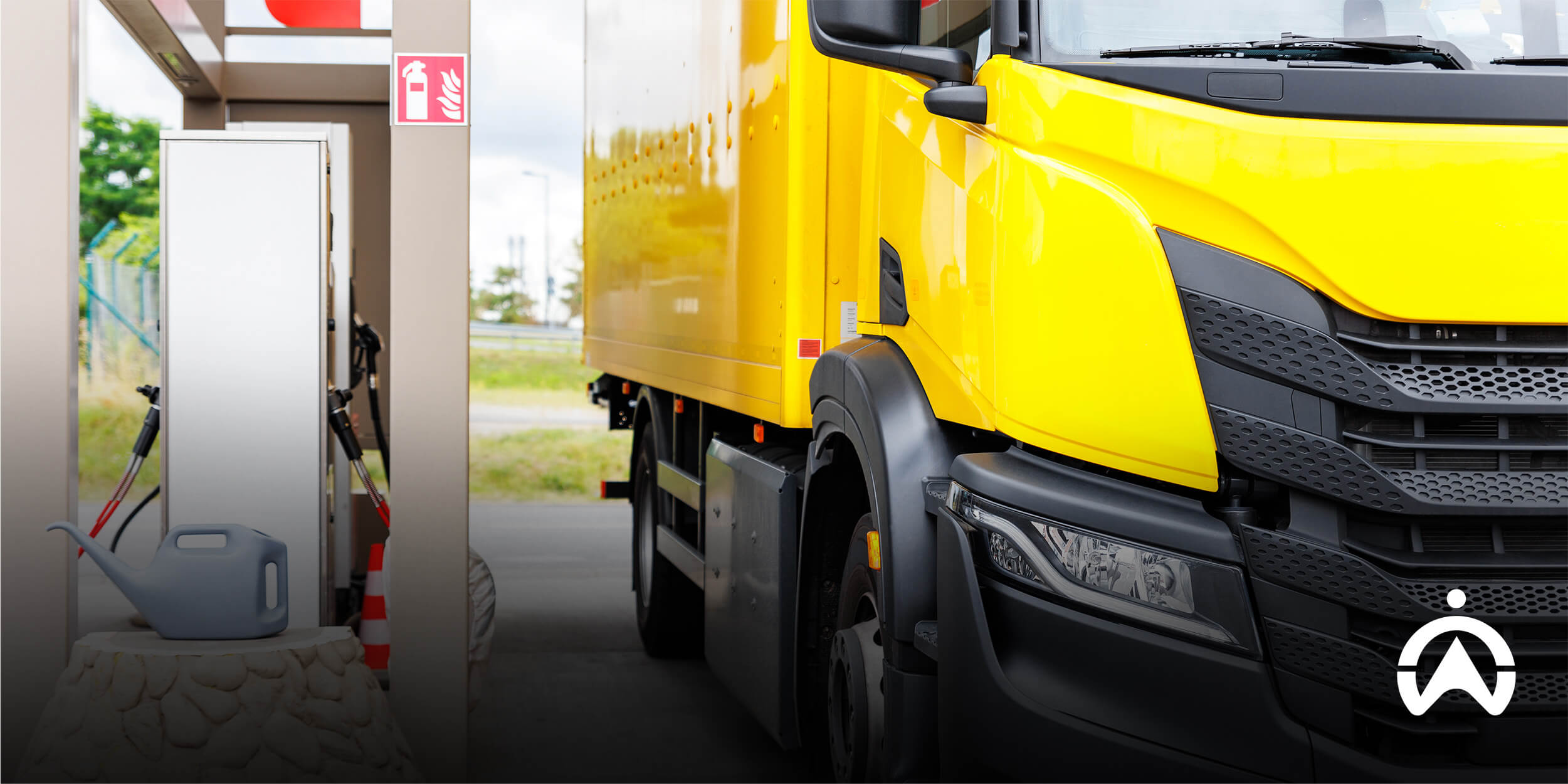
Yellow delivery truck refuelling at station, illustrating practical strategies for fuel reduction in fleet operations.

4 – Stop idling

According to industry data, an 8000cc diesel truck idling at 650 rpm burns approximately 0.8 litres per hour. In the context of Kenya’s heavy traffic—where vehicles on routes like Mombasa Road or the Thika Superhighway can spend hours stationary—the costs escalate quickly. If you operate a fleet of 50 trucks, they could easily waste 40 litres of diesel every single day just sitting still. Over a year, this equates to 10,000 litres of wasted fuel, which—at current EPRA pump prices—totals roughly KES 1.8 million to KES 2.1 million in lost revenue.

5 – Driver gamification

Your drivers play a major role in ensuring fuel isn’t being wasted. By motivating them through gamification, you can achieve this.

Your drivers need to improve driving habits that waste fuel, such as:

  • Speeding
  • Harsh braking
  • Unnecessary idling
  • Rapid acceleration
  • Excessive use of the air-con

You can motivate and create healthy competition in your team through:

  • Cash incentives
  • Days off
  • Free meals
  • Recognition (Driver of the month)

6 – Using the right-size vehicle

A common oversight that wastes fuel is not using the right-sized vehicle for deliveries. This means not using your heavy-duty truck to deliver one fridge and not overloading your bakkie with all the stock in your warehouse.

Both overloading a small vehicle and underloading a heavy vehicle cause you to waste fuel and damage the lifespan of the vehicle.

7 – Installing a fuel management system

A fuel management system is the best way to monitor fuel usage in your entire fleet. By having the data all in one place, it makes your job as a fleet manager so much easier as well! And the best thing? This system can assist with almost all of the above strategies!

By installing a Karooooo fuel management system (MiFleet), you can:

  • Monitor your fleets’ daily fuel usage
  • Easily spot fuel theft
  • Identify fuel card fraud
  • Get data reports on the fuel usage in your fleet
  • Insights into your driver’s behaviour
Hand holding fuel nozzle with Cartrack Fuel monitoring dashboard showing station map and fuel data, supporting strategies for fuel reduction.

How to turn data into diesel with MiFleet

With Karooooo’s value-added MiFleet software, you’ll be able to turn your data into diesel. How? Well, according to studies, fleet management tools like MiFleet can reduce your fuel costs by up to 15%! MiFleet matches fuel spend with telematics data to pick up fuel usage patterns, so you’ll be able to easily detect excessive idling and fuel fraud.

MiFleet reduces admin mistakes

Unfortunately small errors can cost your business thousands. Lost slips or manual typing errors when calculating the entire fleet’s fuel spend are common mistakes that businesses face.

MiFleet stores all of your fleet costs and important documents in one place. Your drivers can snap a pic of their fuel slip, fuel gauge and the fuel pump readings on the driver app. You can then instantly approve or flag the transaction.

This makes your life less complicated, because all fuel slips will be automatically uploaded onto your dashboard, meaning no more lost slips and no more manual data entry errors!

MiFleet helps with fuel efficiency

Remember that a poorly maintained engine is a thirsty one. MiFleet keeps track of all of your service intervals and maintenance records. How does this help? You’ll never have to guess or try to remember when last your trucks had a service and which truck needs what done.

MiFleet will keep track of the data and let you know in advance which truck is due for what. This means your trucks will always be running at peak efficiency, ultimately lowering fuel usage across your entire fleet!

‍If you’re ready to stop guessing where your gas is going, contact us today so we can take every byte of data in your fleet and turn it into extra kilometres on the road!

FAQs

Does the type or quality of fuel really impact my fleet’s consumption?

Yes, the type/quality of fuel does really impact your fleet’s consumption. Lower-quality fuel usually has water and dirt in it, which will damage your fuel injectors. This means you’ll end up forcing your engine to burn more fuel to keep up its power.

How much does “hidden” vehicle weight really cost me?

Hidden vehicle weight can reduce your fuel economy by 1% for every additional 45 kg added to the vehicle. So try not to keep any unnecessary equipment in your vehicles, and encourage your drivers to keep their trucks clean, because even the weight from dirt and debris can play a role.

Beyond driving habits, what “silent” operational factors affect my fuel bill?

Beyond driving habits, the most common “silent” operational factor that affects your fuel bill is poor weight distribution. If you unevenly load a trailer, you’ll affect the vehicle’s aerodynamics and increase the resistance on some of your tyres, meaning more fuel will be used.

Fleet Asset Protection: What Strategies and Solutions Can You Implement for Your Business

Effective strategies and solutions you can implement for your business’ fleet asset protection include a combination of technology, driver management, preventative maintenance, and strict policies. Together, these tools and measures help safeguard your fleet, drivers, and assets from the risks of theft, damage, and accidents.

Asset protection is a very essential element of fleet management, as without it, your business faces huge financial losses. Fleet asset protection also involves safeguarding important company information and preventing fraud.

In this article, we’ll discuss all things relating to fleet asset protection and how we at Karooooo simplify this for your business.

What is fleet asset management?

Fleet asset management is the process of tracking, overseeing, maintaining, and safeguarding a group of vehicles, equipment, and other assets within a business’s fleet. The goal with fleet asset management is to increase asset lifespan, reduce operational costs, minimise downtime, and ensure safety.

Strategies for fleet asset protection

The strategies for fleet asset protection involve:

  • Vehicle tracking
  • Driver training
  • Preventative maintenance
  • Insurance management
  • Implementing cybersecurity measures

These strategies ensure that you always know what’s happening in every aspect of your fleet. They help keep your vehicles and other assets safe, lower costs, and improve how your team works.  

Here’s a table that highlights what each strategy consists of:

Strategy What it entails

Vehicle tracking and telematics
GPS tracking for real-time visibility, route monitoring, and stolen vehicle recovery systems

Driver training and accountability
Safe driving practices, reducing misuse through monitoring, and building a culture of responsibility

Physical security measures
Secure parking, vehicle immobilisers, alarms, and access control to keys and vehicles

Preventive maintenance and inspections
Regular checks, proactive care, and the use of diagnostic tools to prevent breakdowns

Insurance and risk management
Comprehensive coverage, fleet management data for claims, and balancing cost vs. protection

Leveraging technology for cybersecurity
Protecting connected systems, updating software, and securing telematics devices

Now let’s check out a detailed breakdown of each strategy:

Implementing vehicle tracking and telematics

  • GPS tracking for real-time visibility
    One of the best ways to keep track of your fleet is by using GPS tracking systems. These allow you to know exactly where each asset is at any time. Whether you’re managing a small fleet or a large one, real-time location tracking is super important. It ensures that your assets (which are a big part of your investment) are always secure.
    ‍
  • Route monitoring and geofencing
    Monitoring the routes your drivers take allows you to see if they’re following planned routes. This helps you prevent delays and makes sure that the most efficient paths are being used. Geofencing adds another layer of protection by giving you the ability to create virtual boundaries. If a vehicle or any other equipment crosses those boundaries, you’ll receive an alert. This helps prevent theft and further ensures that your fleet is safe.

Driver training and accountability

  • Safe driving practices
    How drivers operate vehicles plays a crucial role in their safety and the safety of your assets. You can use vehicle telematics to spot risky driving behaviours such as speeding, then train your drivers on safer habits. In doing so, you reduce accidents, prevent damage to vehicles and cargo, and improve the overall longevity of your assets.
    ‍
  • Reward drivers through telematics data
    Telematics data gives you reports on how drivers conduct themselves when using vehicles or equipment. From there, you can identify areas where improvement is needed and use the system to rate their driving habits and reward good behaviour. This motivates drivers to take pride in their work and reduce the likelihood of neglect or careless driving.
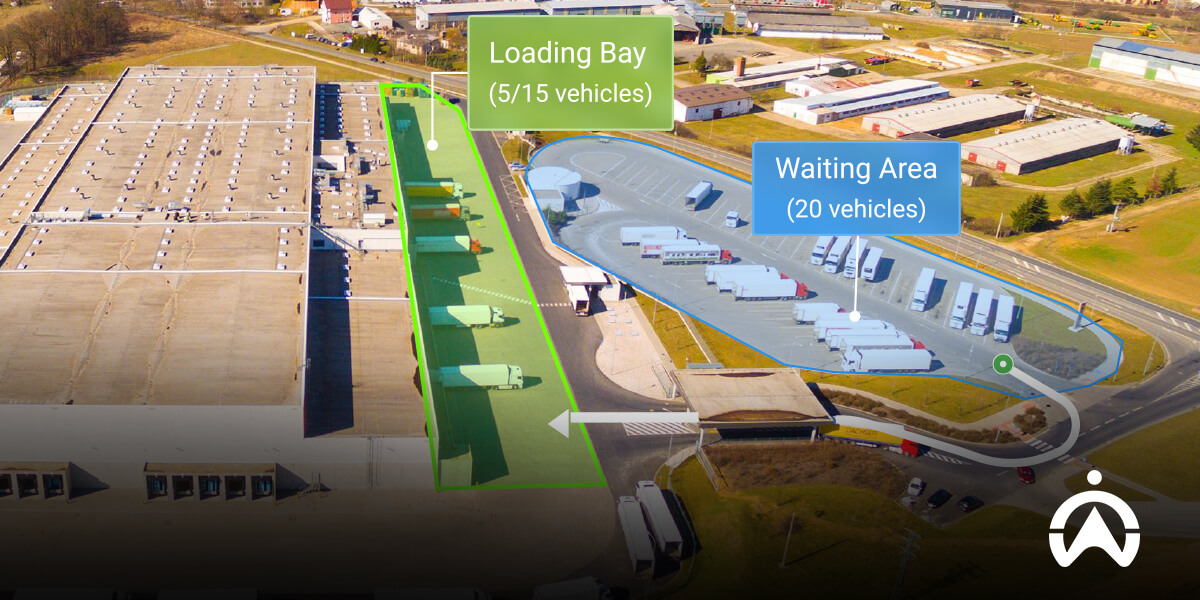
Aerial view of a logistics facility showing a loading bay (5/15 vehicles) and a waiting area (20 vehicles) for trucks.

Physical security measures

  • Secure parking facilities‍
    The location where vehicles are parked is just as important as how they’re protected. Investing in secure parking facilities is a key step in safeguarding your fleet. This can mean choosing parking lots with high fences, cameras, and even security guards. It’s especially important for fleets that have valuable assets or operate in high-risk areas. Secure parking reduces the chance of theft or vandalism.
    ‍
  • Vehicle immobilisers and alarms‍
    Another effective security measure is using vehicle immobilisers and alarms. Immobilisers prevent vehicles from moving unless the correct key is used. This makes it difficult for thieves to steal your vehicles. Alarms serve as an extra deterrent, as they’re loud, and will alert you or nearby people when something goes wrong.
    ‍
  • Access control to keys and vehicles
    Controlling access to the keys and vehicles is essential. Only authorised personnel should be able to get the keys to a vehicle, and there should be a clear process for handling key distribution. You can use systems like key boxes or digital locks that require a code to access keys. This reduces the risk of stolen vehicles due to unauthorised use.

Preventive maintenance and inspections

  • Regular checks to avoid breakdowns
    Preventive maintenance is about making sure your vehicles and assets are in good condition before something goes wrong. Performing regular checks, such as oil changes, helps identify issues before they cause an unexpected breakdown. This saves your business time and money by preventing larger problems that could result in costly repairs or downtime for the vehicle.
    ‍
  • Protecting assets through proactive care
    Taking a proactive approach to vehicle care means addressing issues before they become big problems. This can include replacing worn-out parts or fixing minor issues before they escalate. This reduces the risk of accidents caused by mechanical failure.
    ‍
  • Using diagnostic tools for early detection
    Modern fleet tracking systems are often equipped with tools that can flag mechanical issues early. These tools monitor things like engine performance, tyre pressure, and fluid levels. When there’s a problem, the system sends an alert to you so you can quickly fix it.

Insurance and risk management

  • Importance of comprehensive  insurance coverage
    Insurance is an essential part of protecting your fleet, and the type of cover you choose makes a huge difference. We recommend you choose comprehensive coverage for your fleet to ensure that you’re financially protected in the event of an accident, theft, or damage. It’s important to have coverage that fits the specific needs of your fleet, whether that includes vehicle repairs, liability for accidents, or protection against natural disasters.
    ‍
  • How fleet management data supports insurance claims
    Fleet management data can be very useful when dealing with insurance claims. GPS tracking data and maintenance records can provide evidence that speeds up the claims process. For example, if an accident occurs, this data can help show whether your driver was following safe practices. This improves the chances of a quicker and more favourable outcome.

Leveraging technology for cybersecurity

  • Protecting connected fleet systems
    The data from digital solutions, such as a fleet management system, also introduces potential cybersecurity risks. To protect your fleet’s digital systems, you must use strong security measures that include:
    • Encryption
    • Firewalls
    • Secure communication channels
      ‍
      Choose a service provider that already has these protective measures in place.
      ‍
  • Updating software and securing telematics devices
    Just like with any device that connects to the internet, telematics devices and fleet management software need to be updated regularly to stay secure. Failing to update your systems can leave them open to cyberattacks. So, it’s vitally important to stay on top of these updates.
    ‍
  • Best practices for data security
    In addition to keeping software updated, it’s important to follow best practices for data security. This includes using strong passwords, limiting access to sensitive data to authorised personnel only, and regularly backing up important information.

The role of fleet management solutions in safeguarding your fleet assets

Fleet management solutions play a vital role in strengthening asset protection. These solutions give you integrated systems with centralised monitoring and reporting. Through this, you’ll always know where your vehicles and assets are, how they’re being treated, how they’re performing, and if there are any threats.

To best understand what we mean, have a look at one of our success stories for fleet asset protection. A case study about one of our clients, Avis.

Case study: Avis car rentals  

Avis is one of the world’s largest vehicle rental companies. They have a fleet of rentals in over 5,000 locations in 165 countries worldwide, including kenya. Their business success is dependent on providing customers with a reliable, efficient and safe vehicle rental service.  

Avis needed a reliable service to help keep their vehicles and clients safe from theft and hijacking. They also needed an easy-to-use system so they could oversee the daily activities of their large fleet of rental vehicles. They needed a solution that gave them insight into ways they could track and improve their vehicle usage, health and longevity.

How we helped them:

  1. Our GPS tracking software allows Avis to monitor vehicle activity. It also provides them with accurate mileage data. This helps them ensure their rental vehicles are well-maintained and in good working order for their clients. These preventative maintenance measures protect AVIS’s assets by minimising fleet breakdowns. This reduces downtime, optimises vehicle usage, and maximises rentals.
    ‍
  2. With our professional installation techniques, vehicle tracking capabilities, anti-jamming technology and 24-hour recovery team, Avis can reduce the risk of vehicle theft! This increases their chances of vehicle recovery within their fleet. Avis now saves costs associated with vehicle loss.
    ‍
  3. With Karooooo’s geofencing feature, Avis’s fleet managers can set virtual boundaries to mark no-go or high-risk zones. They also receive alerts before their customers enter these areas with their rentals, providing an added layer of risk management.

“We chose Karooooo largely due to their strong brand, track record of delivery, and commitment to customer service. We are thrilled with the benefits this partnership has delivered for our business.” – Armour Gittings | General Manager Investigations Department, Avis.

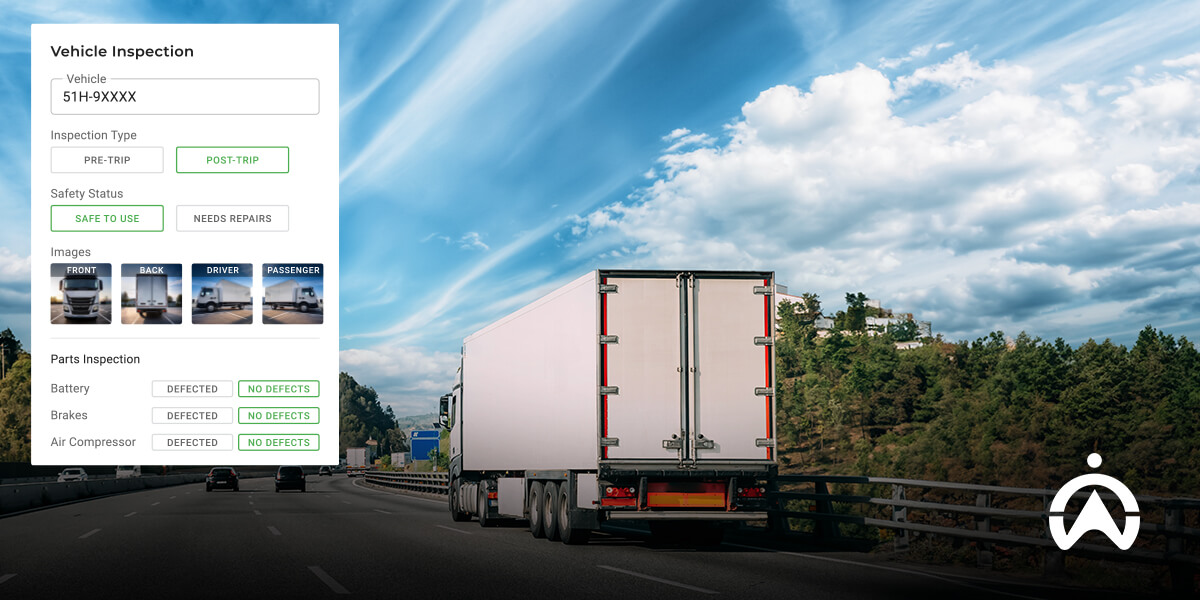
Image of a truck on the highway with a vehicle inspection dashboard displaying inspection details and defect statuses. Blue skies above.

Building a fleet protection plan for your business with Karooooo

At Karooooo, we pride ourselves on giving you next-level fleet asset protection tools. Over the past two decades, we’ve encountered businesses from various industries. With twenty years of experience serving diverse industries, we understand that every client faces distinct challenges.

Whether you manage a small local fleet or oversee nationwide operations, we’ll customise our system to meet your specific needs.

Here’s a brief breakdown of some of our features:

  • Start inhibit: The Karooooo Start Inhibit feature is an immobiliser. This means once the vehicle is off, you can prevent the ignition from going on again and therefore stop unauthorised movement.
    ‍
  • Start prevention: The Karooooo Driver Identification (DID) tags are a solution that helps you instantly identify who’s using which vehicle or machinery. They have a start prevention option, which prevents unauthorised users from operating vehicles and equipment.
    ‍
    For example, some drivers don’t have a licence to operate certain machines in a mine. Through this feature, you can issue a tag to each operator that matches the vehicle or machine they qualify for. This prevents staff members with little experience from using the machine or vehicles they aren’t licensed for. It also reduces safety hazards and ensures compliance.
    ‍
  • Geofencing: As already mentioned, a geofence gives you the ability to create virtual fences around areas of your choice. This can be around a warehouse, construction site, or delivery route. Through this feature, you’ll get alerts wherever vehicles or equipment enter or leave your marked zones, giving you extra peace of mind.
    ‍
  • Live tracking and Stolen Vehicle Recovery: With us, you’ll always know where your assets are, and you can remotely monitor routes from anywhere. We’ve conducted over 100 000 recoveries over the past decade. So in the unfortunate event that any of your vehicles or assets are stolen, you can trust us to get them back to you.
    ‍
  • Preventive maintenance: To help you meet your fleet’s maintenance standards and reduce accidents caused by mechanical failure, we have a proactive maintenance plan. Our system helps you keep a record of service dates and alerts you to issues such as engine faults and oil & water fluctuations. In doing so, you’ll also protect your fleet from unplanned downtime and costly repairs.
    ‍
  • AI Multi Vision cameras: The Karooooo AI Multi Vision camera solution gives you the option of having up to 8 cameras installed in each of your vehicles. Through this, you’ll get a full view of what drivers are up to daily and the surroundings of each vehicle. The AI-powered in-vehicle cameras can detect risky habits such as cellphone use. From there, they’ll give an audible alert, ensuring the driver corrects their actions immediately.

Karooooo specialises in all things fleet-related. We’ve got over 2 million subscribers that trust us with their vehicles and assets, so should you! Stick with us, and we’ll give you the ultimate fleet asset protection.

Frequently Asked Questions about fleet asset protection

Is a fleet a fixed asset?

In accounting, a fleet is generally considered a fixed asset. This is because fixed assets consist of long-term, tangible assets that are used to bring in income over more than one year. Vehicles such as cars and trucks that are used by businesses fall under this category.

What are the elements of asset protection?

The elements of asset protection include driver training and education, regular maintenance and inspection, the use of GPS trackers and telematics, as well as monitoring driver safety. These elements collectively work towards minimising accidents, theft, and damage. They also help reduce operational disruptions and save costs.

What is the best asset protection tool?

The best asset protection tool is advanced GPS tracking software with telematics capabilities. This technology provides you with real-time location monitoring, vehicle diagnostics, and updates on driver behaviour. These tools help you keep your assets safe and well-maintained and increase productivity levels.

Protect your fleet assets with Karooooo today!

GPS Tracking Solutions That You Need to Know

The GPS tracking solutions that you need to know use a combination of hardware and software to show the live location of a vehicle, asset, or person. The hardware, a GPS device, remotely connects to satellites, sending signals that make real-time tracking possible. Tracking solutions address some of the most important pain points for businesses, including theft, rising fuel costs, and asset maintenance.

In Kenya, where road conditions can be brutal and vehicle theft remains a major concern, a GPS tracking solution is not just a nice-to-have. It’s a necessary system for your business’ survival. Without this solution, your business risks losing its assets, experiencing downtime, and incurring higher costs.

Did you know that Karooooo Kenya is one of the leading GPS tracking solution providers in Kenya? More than half a million active fleet management units are attributed to Karooooo alone. This is how we stand out. Karooooo offers turnkey solutions for businesses of all sizes and industries, providing the best way for you to keep your fleet safe and establish full operational transparency.

What are GPS tracking solutions, and how do they work?

GPS tracking solutions are systems that use the Global Positioning System (GPS) as a way to accurately determine the location of an asset, vehicle, or person. In the case of a business, they translate to the visibility of your fleet at all times, with the intention of managing operations more effectively.

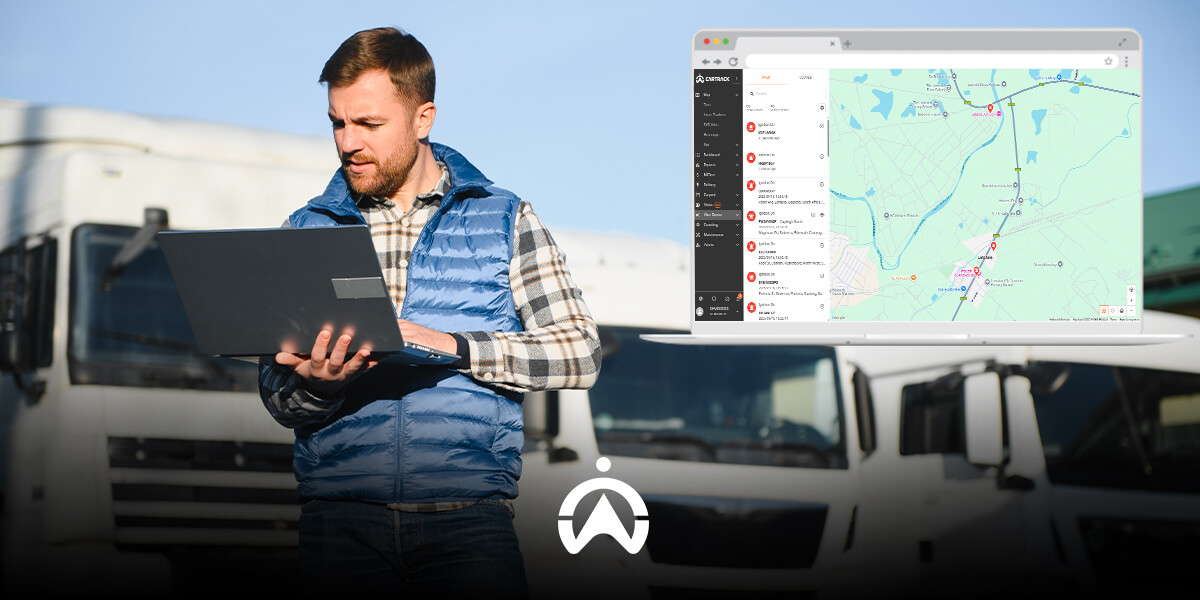
Hardware (a GPS tracking device) is fitted into the asset, and data is transmitted via cellular networks to a central online platform. This means you can keep track of vehicle movements and operational efficiency from a single, streamlined dashboard. In the case of Karooooo, you’d see everything from Fleet Web or the mobile app.

GPS tracking solutions have grown in popularity among fleet-based businesses. Most solutions have made it simple to track vehicles through easily accessible web pages or mobile apps. The result? Clear visibility, improved safety, and better business decision-making overall.

Types of GPS tracking solutions that you need to know

The types of GPS tracking solutions can be divided into two categories: how they operate and their purpose. In terms of operation, tracking solution types include passive, active, and hybrid solutions. When looking at purpose, GPS tracking solutions typically include personal, vehicle, and asset tracking.

It’s important to note that Karooooo focuses on vehicle and asset tracking for businesses, with solutions that are built to support smarter fleet management and stronger operations.

By Operation

Here’s a comparison table to help you understand how GPS tracking solutions operate:

Type of GPS Tracking Solution Brief Explanation of GPS Type Real-Time Tracking? Data Storage Best For
Passive Records data for later review, no live updates No Typically stored on the device to be reviewed later Smaller fleets or occasional tracking
Active Sends location instantly, which allows for real-time tracking Yes Usually cloud-based and accessible anytime, though it can be stored on the cloud too Large fleets needing live monitoring
Hybrid Combines live updates with offline logging, giving reliable tracking at all times Yes Available on both the device and the cloud Fleets needing flexibility and occasional offline access

By Purpose

Here’s a table to help you better understand the purpose of GPS trackers:

Purpose Typical Use / Description
Personal Trackers These are largely for individual safety and typically include wearables, pet collars, or family-sharing tracking apps
Vehicle Trackers These monitor vehicles for fleet management and logistical purposes. GPS tracking typically goes beyond simply tracking, assisting fleet managers in making better operational choices
Asset Trackers These are for tracking valuable equipment, tools, or containers
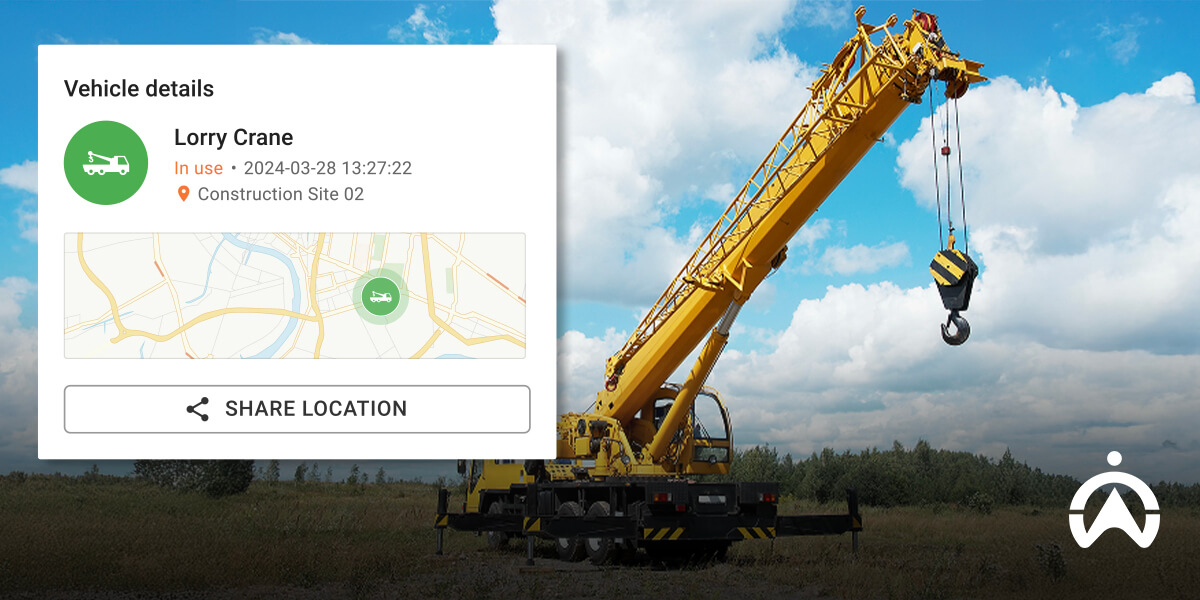
A yellow lorry crane in a construction site, with details overlay including location, date, and sharing options.

What are the business benefits of GPS tracking solutions?

The business benefits of GPS tracking solutions largely revolve around delivering measurable value for your business. Beyond smoother operations and lower operational costs, its automated reporting and standardisation features streamline and simplify back-office tasks. Tracking solutions also support features that improve driver accountability, encouraging a safer driving culture within your business.

Let’s take a closer look at some of the business benefits:

  • Reduced fuel and operational costs: By carefully tracking trips through fuel usage, route viewing, and driver monitoring, you can identify any inefficiencies that impact fuel and operational costs. Better routes and reduced risky driving equate to lower fuel and maintenance expenses.
    ‍
  • Improved driver accountability: GPS tracking solutions used in combination with monitoring driver behaviour can strongly encourage safer driving. Getting real-time, intelligent insights into driver behaviour helps with reinforcing feedback and coaching. It also reduces accidents and wear and tear.
    ‍
  • Theft prevention and asset protection: With the help of tracking solutions, you can receive immediate alerts for hardware tampering or unauthorised vehicle movement/use. GPS tracking assists in quickly recovering stolen vehicles and assets, as well as protecting cargo.
    ‍
  • Simplifying reporting and compliance matters: GPS tracking solutions paired with telematics will always give you the best in valuable insights. Because of this, you can leave the demanding paperwork behind and rely on automated reports and data. This makes it much easier to stay compliant and ready for potential audits.

Choosing the right GPS tracking solution for your business

When choosing the right GPS tracking solution for your business, it’s important to consider the business’ needs and goals before anything else. Always analyse fleet size, type, and priorities before deciding on what kind of solutions and accompanying features work best.

Karooooo offers you flexible solutions that work for every type of business and fleet size. If you’re still unsure about your options, our experts can point you in the right direction by suggesting the best solutions for maximum performance and control.

In the meantime, take a look at our quick self-check below to get a better idea of how to choose.

Mini Self-Check: Find Your GPS Solution

Look at these 3 categories to narrow down which GPS tracking solution fits your business needs:

  • Tracker Purpose
    • Vehicle Tracking → Optimise fleet operations, boost driver accountability, and bring down costs
    • Asset Tracking → Keep high-value equipment safe, prevent theft, and track locations in real time
      ‍
  • Fleet Size
    • Small (1–10 vehicles) → Passive tracking could suffice
    • Medium (11–50 vehicles) → Active or hybrid tracking is recommended
    • Large (50+ vehicles) → Active tracking with real-time monitoring and extra add-ons is recommended
      ‍
  • Fleet Type
    • Light vehicles/delivery vans → Vehicle or portable trackers might suffice, depending on the number and type of vehicles
    • Heavy-duty trucks/specialised equipment → Consider hybrid or active tracking for reliability and complete visibility
    • Mixed fleet → Hybrid tracking recommended for flexibility, although active tracking can also be helpful
      ‍
  • Business Priority
    • Cost-sensitive/occasional tracking → Passive tracking works
    • Real-time visibility & fleet control → Active tracking is essential
    • ‍Flexibility and offline reliability → Hybrid tracking fits best, but active tracking could still be a priority here
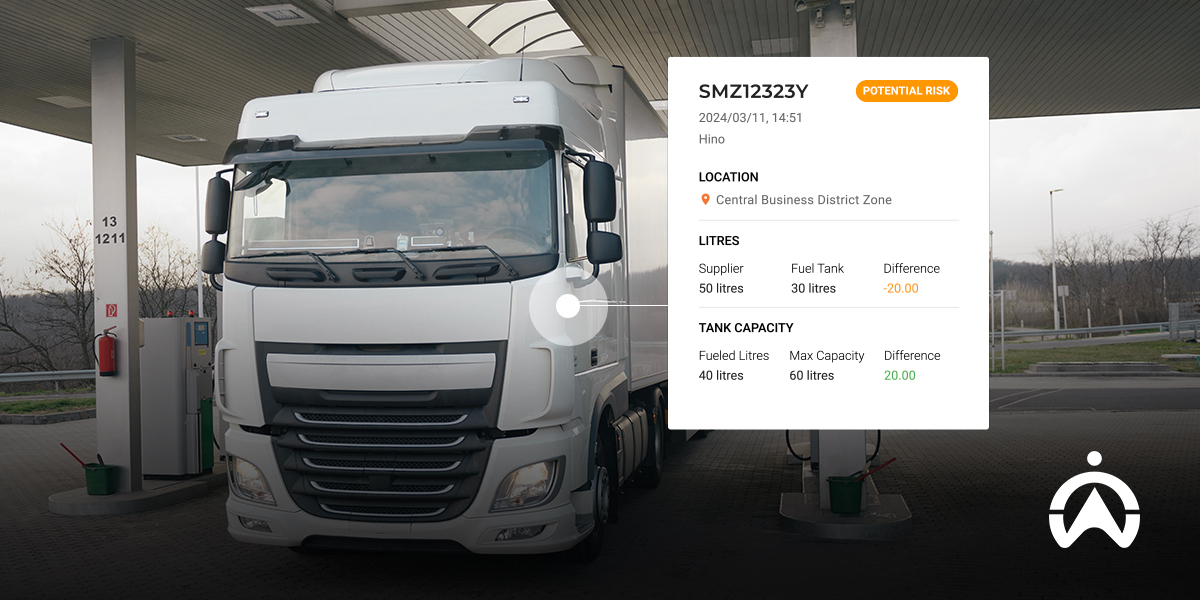
A Hino truck refuels at a station, displaying fuel metrics like supplier litres, tank capacity, and a potential risk alert.

Why Karooooo is the optimal choice for GPS tracking solutions that you need to know

Karooooo is the optimal choice for GPS tracking solutions because businesses across Kenya and so many parts of the world trust it. Karooooo holds a strong reputation and is known for its innovation, exemplary customer service, and dependability, guaranteeing tangible results for you and your business.

Key advantages of choosing Karooooo include:

  • Proven reliability: Karooooo has a powerful global footprint. We’re trusted by businesses across Kenya and 23 other countries worldwide. These are businesses spanning various sectors that’ve achieved secure and accurate tracking with us.
  • Comprehensive solutions: Karooooo provides flexible, scalable, and comprehensive GPS tracking solutions that are tailored to every kind of business. Whether your fleet is small or complex, we’ll make sure to find an approach that works for you.
  • Advanced features built in: Geofencing, driver behaviour monitoring, and remote vehicle immobilisation are only a few of the advanced features we offer. Having all the bells and whistles isn’t necessary, though—we can help you choose exactly the right add-ons to suit your fleet.
  • Easy installation & support: We offer scalable GPS tracking solutions that can grow with your business. We also provide expert guidance where necessary, numerous fitment centres, and ongoing support to ensure you’re always operating smoothly.
  • Real-time insights: With MiFleet and the Karooooo mobile app, you can get access to insights and live data whenever you need it. The ability to have immediate access allows you to make decisions on the move, especially in the case of an emergency.
  • Local expertise: Because we have solutions tailored for Kenyan roads, regulations, and business needs, you can rest assured that you’re receiving unmatched support from our professional, round-the-clock available team.

Maximising your fleet with GPS tracking solutions

Location tracking only scratches the surface of what GPS tracking solutions offer. The real power lies in transforming raw data into strategic advantages. Karooooo can empower your business with comprehensive oversight of vehicles and assets, reducing costs, strengthening security measures, and streamlining regulatory requirements.

With both local expertise and international reach, Karooooo provides adaptable, robust systems engineered to maintain your fleet’s productivity, security, and continuous progress.

Don’t wait until inefficiencies cost your business. Talk to our experts today and see how easy smart fleet management can be.

FAQs

Can GPS tracking solutions work in remote or low-network areas?

Yes, GPS tracking solutions do work in remote or low-network areas, especially modern units like Karooooo’s. However, if the connection does fail, information will continue to get logged and stored. The information is then uploaded automatically once the connection is restored. This ensures that none of your information is lost.

Is GPS tracking legal for businesses in Kenya?

Yes, GPS tracking is legal for Kenyan businesses as long as staff are notified that their movements are being tracked. GPS tracking is actually encouraged for fleet-based businesses because it addresses key pain points and priorities, but businesses must abide by compliance and labour laws.

How long does it take to install a GPS tracking system?

Installation is typically quick and hassle-free. From Karooooo’s side, professional fittings take about two to four hours per vehicle. It ultimately depends on the features required and the number of vehicles being worked on. Professional technicians will always do their best to ensure proper setup and minimal downtime.

How do GPS tracking alerts and notifications work?

GPS tracking alerts and notifications work by appearing in real time through the related dashboards and mobile apps. These systems, more especially with Karooooo, are triggered by certain events that prompt an immediate notification. These events include unauthorised vehicle use, geofence breaches, dangerous driving behaviours, and hardware tampering.

GPS vs GSM Vehicle Tracking: What is the best?

The Global Positioning System (GPS) is more accurate than the Global System for Mobile Communication (GSM). GPS shows where a vehicle is, but it cannot send that location on its own. GSM is what sends the tracking details to you or a control centre. Think of GPS as finding the place, and GSM as passing the message.

In 2025, GPS vehicle tracking systems led the market by 48.9%. The rest was split between GSM, satellite-only, OBD, and other systems. In Kenya, the most common trackers use both GPS and GSM together. And with new tech like 5G, you can expect the market to keep growing.

In today’s blog, we’re taking a look at how GPS and GSM are different, and why a hybrid system offers the best of both.

GPS vs GSM tracking systems: What works better in Kenya?

GPS gives the most accurate location, but in Kenya, it works best when paired with GSM. GSM lets the tracker send live updates to your phone or a control centre. With high vehicle theft, relying on only one system can leave gaps and slow down recovery efforts.

Hybrid trackers use both GPS and GSM to stay connected. They resist jamming and reduce the risk of signal loss. GPS can struggle in cities, while GSM can fail in rural areas. Using both means the system works more reliably, giving stronger coverage almost everywhere.

What is the difference between GPS and GSM systems?

GPS and GSM tracking each have unique strengths; one may work better in certain places than the other. When combined, they make a stronger system that improves safety and reliability. Knowing how they work together, and what their differences are can give drivers more peace of mind on Kanyan roads.

Feature GPS system GSM system
How it works Uses satellites in space to find the location Uses mobile phone towers to send data
Accuracy Very exact within a few metres Less exact often shows an area not a point
Coverage Works anywhere with a clear sky Works where there is a mobile signal
Indoors and tunnels May not work well Can still work indoors or in tunnels
Data sending Finds the location but needs help to send Sends the location through mobile networks
Rural areas Works well if the sky is open It may not work if the mobile signal is weak
Power use Uses more power when always on Uses less power for basic location sharing
Best use Finding the exact vehicle position Sending updates to apps and control centres

How a GPS works

GPS uses satellites to find an exact location, which means that it connects to at least three satellites simultaneously to maintain accuracy. The latest report from NASA confirms that 24 GPS satellites are orbiting Earth, all working together to provide GPS systems with reliable and precise location information worldwide.

Note: Some online sources, like the US Federal Aviation Administration, list 31 active GPS satellites.

How GSM systems work

GSM relies on mobile networks, so it’s less accurate but sometimes more reliable than GPS. It connects to one or two cellphone towers at a time, which means it can’t find accurate distances as easily as GPS. Some tracking systems use only GSM, but these often give poor tracking data.

Hybrid trackers use GSM to send accurate GPS locations to a control centre or smartphone.

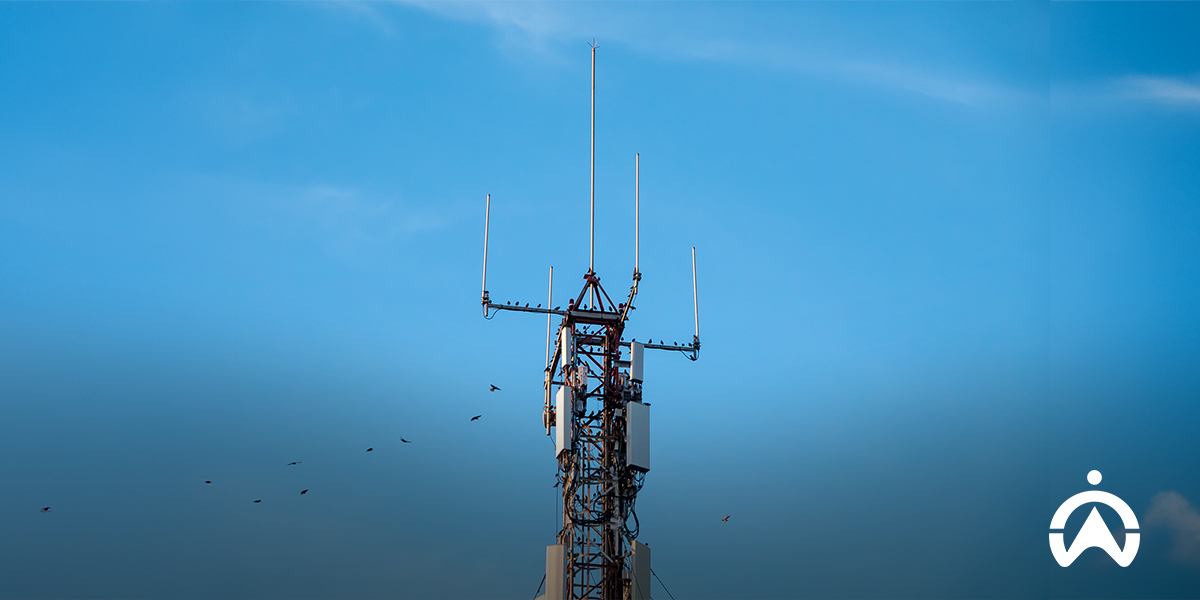
A telecommunications tower rises against a clear blue sky, with birds flying nearby.

Which is the better system for preventing car theft?

Neither system alone is the best, because while GPS is very accurate, it can be jammed. GSM is harder to block, but it’s much less accurate. To get accurate, real-time updates and better theft protection, a hybrid system that uses both is the best.

This is because hybrid trackers offer features like:

  • Anti-jamming technology: Hybrid tracking units resist jamming with detection, backup communication, and added security systems from tracking services.
    ‍
  • Real-time alerts: These systems use both GPS and GSM to give real-time tracking and alerts, updating location and telematics data with meter-level accuracy as the vehicle moves.
    ‍
  • Telematics data: Some hybrid units send telematics data like speed, condition, harsh braking, and accidents, giving real-time updates that improve driver safety and fleet accuracy.

Tip: Always check if a tracking provider offers 24/7 recovery support; some only provide location updates without vehicle recovery services.

Do Kenyan vehicle tracking units use GPS, GSM, or both?

Kenyan tracking companies, including Karooooo, use hybrid units because these systems improve recovery rates, have increased accuracy, and keep vehicles safer. Combining GPS and GSM gives real-time updates, making them more reliable than older, single-system trackers.

The first tracking units relied only on GPS, which had high costs to operate and would only send real-time location information in emergencies. This became less useful as users and fleets wanted active, constant tracking. Fleet managers now need real-time updates to monitor vehicles, plot routes and create geofences.

As we move into the future, this technology will keep improving. New available features include AI, better tracking, integrated telematics, and backup systems. These make hybrid trackers smarter, safer, and more effective at protecting vehicles and managing fleets.

Note: Integrated telematics is when a tracking unit is connected to a car’s systems, measuring speed, braking, fuel use, idling, and more.

How do Karooooo hybrid systems work?

Karooooo units have long ago adopted fully hybrid systems, using both GPS and GSM to provide accurate real-time data to our users. Over the years, as bandwidth became more available (and users and fleets required more data), technology had to adapt, and so did we.

Modern Karooooo units do much more than simply provide location and telematics. They provide a complete solution, providing route optimisation, telematics, vehicle monitoring, and more. Three key areas make our units more accurate, more reliable, and jamming-resistant.

GPS technology for accurate tracking

  • Accuracy: Accurate within 3 to 10 meters under normal conditions, enabling precise pinpoint locations in real-time. Karooooo units have their own GPS modules that accurately track your vehicle.
    ‍
  • Consistency: The global GPS constellation provides coverage anywhere in Kenya, with continuous satellite availability.
    ‍
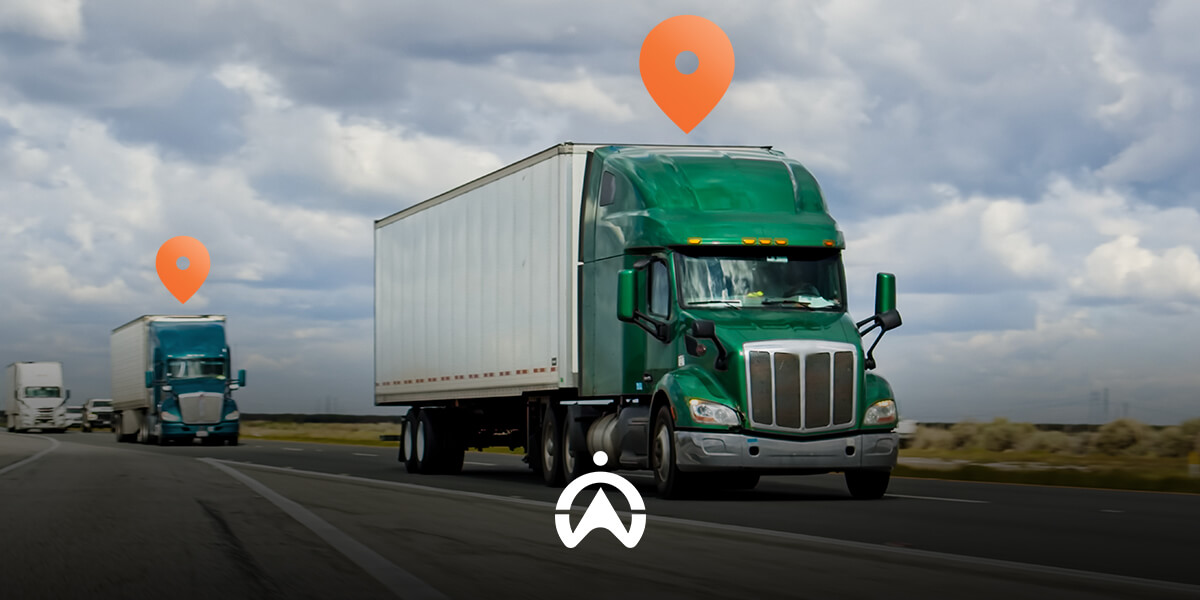
  • Recovery: Accurate location data through GPS means that recovery teams know where your vehicle is when recovery is needed. Further, location accuracy means Karooooo’s teams know when your vehicle enters high-risk zones.
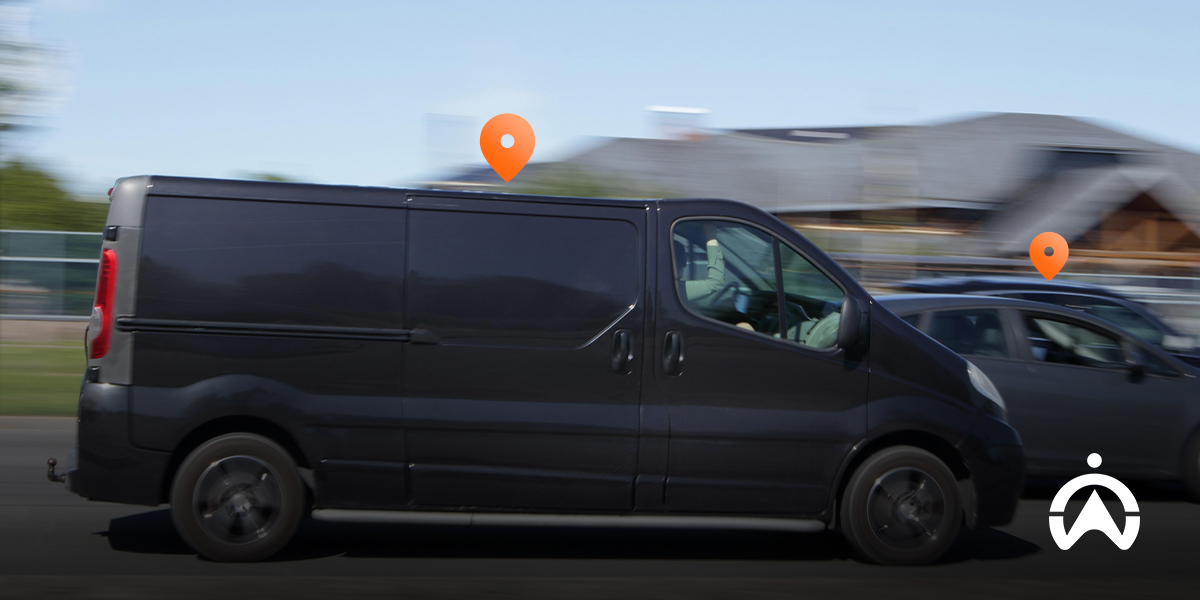
A black van speeds past, with orange location markers indicating its route against a blurred background of greenery and buildings.

GSM technology for accurate telematics

  • Control room communication: GSM technology, like 2G, 3G, 4G, and 5G, lets units send data continuously. Karooooo’s control room receives updates from the unit, including telematics data when it’s turned on.
    ‍
  • Vehicle condition: Units can connect to the vehicle’s systems to monitor its condition. If there’s harsh braking, sudden acceleration, or an accident, the data is sent immediately to Karooooo’s control room.
    ‍
  • Driver behaviour: When integrated with telematics, the units monitor driver behaviour, including speed, braking, and idling. Regular drivers can see ways to improve, while fleet managers can use this data to run their fleets more efficiently.

Karooooo Tag for advanced protection

  • Works through jamming: The Karooooo Tag works without cellular networks, so it still works if GPS is blocked. It detects jamming attempts and sends alerts to the vehicle owner as well as Karooooo’s control room.
    ‍
  • Backup tracking unit: The Karooooo Tag acts as a wireless backup, giving location updates if the main unit is compromised. It has its own long-lasting battery to keep sending location data.
    ‍
  • Proprietary RF communication network: The Karooooo Tag doesn’t use GPS or GSM. It uses proprietary signals and technology to send data to Karooooo’s control room, making it much harder to jam.

Choosing a hybrid tracker that combines GPS and GSM is best for Kenyan roads. While GPS does offer pinpoint accuracy, GSM provides much more reliable communication, even when other signals are weak.

Invest in a dual-system tracker to ensure you have the best protection and peace of mind.

Frequently asked questions about GPS vs GSM tracking systems

Is there a difference in stolen-vehicle recovery rates between providers that use GPS, GSM or both?

Yes, units that use both GPS and GSM usually have higher recovery rates. GPS gives a precise location, while GSM ensures the data reaches the control room quickly. Using both makes it harder for thieves to block the signal and improves the chances of finding the vehicle.

Should small businesses and fleets choose GPS/GSM hybrid devices for compliance and reporting?

Yes, hybrid devices provide real-time tracking, telematics data, and accurate reports. This helps fleet managers monitor driver behaviour, vehicle use, and safety, making compliance with company policies and legal regulations easier. They also improve efficiency and reduce costs over time.

How do I pick the best tracker for a specific use case: Personal car, fleet truck, or high-value asset in Kenya?

You pick the best tracker based on what it can provide for the specific use case. The accuracy, reliability, and features that you need to consider. Private vehicles benefit from hybrid systems for theft protection and recovery. Fleet vehicles may only need real-time tracking, telematics, and reporting, but not SVR. High-value assets may need extra security, like backup units or anti-jamming technology. Always check coverage, battery life, and provider support in Kenya.

What is a Good Fleet Car? A Complete Guide

A good fleet car in Kenya is any car that provides your company with relatively low fuel costs, driver safety, low maintenance, and a high resale value. Other factors that could influence your vehicle decision might include tyres, vehicle lifespan, cabin space, and other tailored needs of your company.

According to a Nasdaq.com press release, Karooooo reported a global subscriber base of 2.6 million and now over 500,000 units installed in Kenya (not to mention competing fleet management companies). With so many fleet vehicles in the country, many business leaders are opting to start fleet-based companies.

At Karooooo Kenya, we’re all about finding ways to cut your organisation’s overheads and provide you with more efficiency and asset protection. That’s why we constructed this article to help you decide on the best fleet vehicle options for your business.

What is considered a good fleet car in Kenya?

A good fleet car in Kenya is one that has a reputation for reliability, is affordable to run, and keeps its resale value. Popular options include:

  • Fuel efficient bakkies
  • Cars that are light on fuel
  • Sedan brands with a long and reliable reputation
  • Vehicles with large load capacities
  • Vehicles with decent drive power when fully loaded

These models are trusted for fuel efficiency, low maintenance, and their decent resale value.

When choosing multiple vehicles for a fleet, some factors that exceed a regular vehicle purchase should be considered. The most important is the ‘Total Cost of Ownership’ of each vehicle. This goes beyond the initial purchase cost of a car and asks the question, “What is a good fleet car in terms of the total amount of money it will cost to buy, run, and eventually sell?”

What is ‘Total Cost of Ownership’ when choosing a fleet vehicle?

Total Cost of Ownership (aka TCO) when choosing a fleet vehicle means the full cost of running it and later selling it. (You can also include the purchase price in this calculation). It mostly includes:

  • Fuel use
  • Regular maintenance
  • Repairs
  • Insurance
  • Licence fees
  • Resale value

Knowing your TCO helps you pick vehicles that save you money in the long run. That’s why it’s an important calculation to make before you settle on just any car brand.

Why is fuel efficiency important for fleet cars?

Fuel efficiency is important for fleet cars because of how much time they spend on the road. Because your company will be spending a large portion of funds on fuel, any obtainable fuel savings over your entire fleet should be identified and implemented.

Although most fleets prefer to use diesel over petrol for their cars, this on its own doesn’t always provide the maximum savings you can obtain. Curbing fuel theft, discouraging idling, and finding the optimum routes for your drivers are just some ways you can make a significant difference in your fuel costs.

But one of the biggest differences in fuel savings will come from choosing a good fleet car to begin with. Cars that generally use less fuel per kilometer should be considered over ‘gas-guzzlers’. Choosing between manual and automatic can also make a difference in your fuel costs, so pick wisely.

Cartrack highlighting what is a good fleet car with white pickup on sand showing 80% fuel and 70L left to roll further.

What role does vehicle safety play in fleet selection?

Vehicle safety also plays an important role in your fleet vehicle selection. Safer cars generally save you in the long run, and are well worth the extra initial purchase costs for these vehicles.

How does choosing a safe car for your fleet save you in the long run? Just look:

Benefit How it Helps Long Term Savings
Fewer accidents Safer cars lower crash risk Less money on repairs
Lower insurance Safer cars often get discounts Lower monthly costs
Better resale value Safe cars stay in demand More money when selling
Healthier drivers Less chance of injury Fewer medical bills
Less downtime Cars stay on the road More work done each day
Good company image Seen as caring and reliable More customers trust you
Longer lasting cars Built stronger and safer Lower replacement costs
Happier staff Built stronger and safer Better staff loyalty

How do maintenance costs affect fleet car selection?

Maintenance costs affect your fleet car selection by influencing your running expenses. If you choose cars with higher service or repair costs (like a cheaper brand over a better-known one), your fleet budget will quickly go up. Cars with affordable parts, reliable servicing, and strong dealer networks in Kenya help you cut downtime and reduce repair costs.

How important is vehicle resale value in choosing fleet vehicles?

Resale value is a super important factor to consider when choosing fleet vehicles. Every car you buy is an investment, and you should try to get as much back as you can when you sell that investment later on. Many car brands in Kenya have good resale values, and choosing these over some of the emerging cheaper brands is wise—especially when the time comes to sell your vehicles.

What other factors are worth considering?

Other factors worth considering before deciding on a good fleet car for your business include:

  • What tyres it carries
  • How comfortable your drivers will be
  • The load each car can carry
  • Car warranty
  • The road conditions
  • Bulk purchase discounts and ongoing dealer support

Here’s a more expansive overview to keep in mind:

Factor Why it matters How it helps your fleet
Tyres Wear and replacement cost Keeps vehicles safe and moving
Insurance premiums Cost of cover Reduces overall fleet expenses
Spare parts Easy to get locally Prevents long downtime
Driver comfort Happy drivers Improves safety and performance
Load capacity How much the vehicle can carry Matches business needs
Dealer support Service availability Fixes problems quickly
Road conditions Tough roads affect vehicles Chooses the right vehicle type
Warranty coverage Protects against faults Saves money on repairs

Which brands are most popular for fleet cars in Kenya?

The most popular fleet car brands in Kenya are ones that offer a mixture of fuel efficiency, robustness, low maintenance, and safety. These factors make them among the best fleet cars for companies. Some also come at relatively low purchase prices, whether you’re buying them new or second-hand.

Which bakkies are considered good fleet vehicles?

The bakkies in Kenya that are considered good fleet vehicles are those that have stood the test of time in terms of durability, brand awareness, and reputation. They also have decent load capacities, allowing you to carry more per trip.

Do Kenyans fleets prefer petrol or diesel cars?

Most Kenyans fleet vehicles tend to use diesel fuel, but that’s mainly because of how many trucks are included in thousands of Kenyans fleets. Fleets that use sedans (or cars) for their fleets, also have some options to use diesel, but most are petrol fueled.

Which diesel cars and bakkies are good fleet cars?

If you want your fleet to run on diesel fuel, you can choose from several cars and bakkies popular in Kenya. Options include those that are reliable, fuel-efficient for heavy use, and have strong dealer support across the country.

How do you manage and protect your fleet vehicles?

Once you’ve found the ideal vehicles for your fleet, it’s important to protect each and every one of them for as long as possible. Even though your Total Cost of Ownership is lower due to the wise choices you’ve made, you still need to protect against:

  • Theft
  • Road accidents
  • Wear & tear
  • Fuel theft
  • Bad driving

Karooooo isn’t only about saving fuel costs with world-class fuel management software. We also offer other investments that protect your vehicles and save you on fleet operation costs. Here are some other ways you can manage and protect your fleet vehicles.

Protect against theft

Protecting your fleet against theft keeps your assets safe and lowers your insurance premiums. GPS tracking and real-time alerts tell you where every vehicle is, making managing them easier.

If a vehicle goes missing, we can act fast and recover it. This lowers your replacement costs and allows your insurance company to offer lower premiums.

Learn about Karooooo’s GPS Tracking!

Prevent road accidents (and bad driving)

Safety in any fleet is equivalent to money in your pocket. Preventing road accidents through speed monitoring, identifying harsh braking and other risky driving habits keeps your drivers safe. Addressing these also helps you coach your drivers through training.

AI-driven digital driver scorecards give you all the information you need to reward good driving and identify potentially risky driver habits. Getting alerted to these habits before accidents happen will lead to fewer repair costs.

Learn about Karooooo’s Driver Scorecard and Driver ID Tags!

Cartrack showing what is a good fleet car with driver at wheel and January 2024 safety score glowing on dash.

Reduce wear & tear

In the same way, preventing bad driving will minimise vehicle wear and tear. Even though you made some good decisions in choosing good fleet cars or fleet trucks, you still need to mitigate any unnecessary damage brought on by risky driving habits:

  • Keep your tyres lasting longer
  • Extend the gap between brake replacements
  • Preserve your engine components

Keep your vehicles in the best condition despite long hours on the road. Learn about Karooooo’s CANbus vehicle readings!

Stop fuel theft

A good fleet car saves you on fuel by default. However, how do you prevent fuel thieves from syphoning out that fuel when your vehicles are parked? Worse still, how do you prevent your drivers from committing fuel fraud when they fill up?

Karooooo understands the value of fuel in SA. It’s not something that should EVER be wasted. With fuel sensors and AI-driven digital logbooks, you can prove fuel theft, prevent it in future, and recover your profits through smarter fuel management.

Learn about Karooooo’s fuel management solutions!

Frequently asked questions on good fleet cars in Kenya

Are there tax benefits for businesses running fleets?

Yes, running a fleet can give your business tax benefits. You can claim on vehicle depreciation, fuel costs, vehicle maintenance, and your insurance premiums as business expenses. This lowers your taxable income and helps you save money. Make sure your vehicles are properly registered and that all records are kept for Kenya Revenue Authority (KRA) compliance.

Are hybrid and electric fleet cars practical in Kenya?

Hybrid and electric fleet cars can be practical in Kenya, but there are some challenges. Charging stations are limited in many areas, and the initial costs for these vehicles are higher. They suit urban fleets with predictable routes. If you manage routes and charging carefully, hybrids and EVs can cut fuel costs and reduce emissions.

What is the average lifespan of a fleet car in Kenya?

The average lifespan of a fleet car in Kenya is around 5 to 8 years. The car will still run after this period (provided it’s well maintained), but the wear and tear may warrant a replacement to keep your fleet running well.

Can companies lease fleet cars instead of buying?

Yes, companies can lease fleet cars instead of buying them. Leasing helps businesses manage cash flow while keeping their fleet modern and reliable, and gives you the flexibility to upgrade your vehicles regularly. It often includes maintenance packages (which come with the leasing contract) and fleet management support (which can be outsourced).

Do fleet cars need tracker devices in Kenya?

Yes, fleet cars do need tracker devices in Kenya, although this isn’t a legal requirement. GPS trackers help you to monitor vehicle location, prevent theft, and manage your drivers’ driving habits on the road. They improve safety, reduce fuel waste, and give you real-time data to make better fleet management decisions.

How to Calculate a Truck Driver Scorecard to Boost Safety

To calculate a driver’s scorecard to boost safety, you allocate points for safe driving and deduct points for reckless conduct. A driver scorecard is a digital tool that tracks on-road behaviour — like speeding, idling, and more — to measure safety and performance. This helps drivers stay accountable while providing fleet managers with a clear overview of their staff and data-driven insights.

Aside from fuel consumption, fleet safety is one of the most pressing challenges for fleet managers. A 2026 Kenya study published in medRxiv found that truck driver fatigue is a significant but often under-reported hazard. This just further highlights the importance and benefit of putting the safety and well-being of drivers first.

With Karooooo Kenya, you can implement our advanced Driver Scorecard to fairly track and improve driver behaviour. Both managers and drivers can have access to actionable insights that boost protection and performance. Monitor safety, compliance, and efficiency to get the insights you need to run your business as smoothly as possible.

How to calculate a truck driver scorecard

You can calculate a truck driver scorecard by starting at 100, then deducting points/implementing demerits for risky driving behaviours. The points are viewed on a rolling average to get a transparent and fair overview, giving more of an accurate score.

Below is a table to help you better understand how these calculations work. Note that these are just examples using the default Karooooo parameters; you’ll be able to set your own.

Step Action Details/Example Purpose
1 Identify tracked behaviours/events • Decide which events count as tracked behaviours
• Apply a standard across all parameters
• Apply a minimum daily distance you’ve set
Sets clear and fair parameters to ensure transparent comparisons
2 Apply severity levels • Each behaviour or event is tied to a level of severity
• Some examples: +20 km/h speeding = Medium; collision = Critical.
Displays how risky each event is and which events count for which level of severity
3 Apply the demerit system • Scores are displayed based on the aggregate rolling average from the last full day Weighs behaviours by importance, indicating small incidents to severe issues
4 Deduct from 100 • Daily score = 100 − Total demerits for the day
• For example: 38 demerits means the total score = 62
Creates a clear performance number at the end of the day
5 Aggregate into a rolling average • Daily scores displayed or combined into daily, weekly, or monthly averages
• Example: driver’s weekly score = average of last 7 days
Gives a clearer picture of long-term trends over time

So how do you calculate a driver’s score? Well, actually, you don’t have to! Karooooo’s scoring system does it for you. You can update score weightages according to what you believe is important. Talk to us about getting a scoring system in place for your drivers.

What is a truck driver scorecard?

A truck driver scorecard is a strategy for fleet managers to monitor and measure driver behaviour by using a merit and demerit system. This system gives fleet managers a comprehensive overview of drivers and their behaviours while on the road. Both safe and risky behaviours are highlighted so that necessary feedback or correction can be given.

With Karooooo’s Driver Identification (DiD) tags, you can ensure that each trip and its insights are correctly linked to the right driver. This is especially important when numerous drivers share one vehicle. This ensures that the scorecard reflects individual performance, not pooled data.

Here’s a quick overview of basic vs. advanced scorecards:

  • Basic scorecards give a concise summary of performance and monitor a limited number of events. Some simply offer a score based on parameters set by the client.
    ‍
  • Advanced scorecards, like Karooooo’s, apply smart techniques that include AI-powered capabilities, rolling averages, and even more variables to measure. These include AI driver monitoring and collision warning events. Advanced scorecards guarantee better, more accurate information on your drivers.

The purpose and benefits of the driver scorecard include:

  • Making sure that compliance and legal matters are met
    ‍
  • Observing better cost management and cutting fuel waste through smoother driving, reducing wear and tear from harsh events, and lowering accident-related expenses
    ‍
  • Isolating dangerous driving patterns and preparing coaching sessions as training
    ‍
  • Building transparency and motivation from both the drivers and management, encouraging a better overall driver culture

Simply put, driver scorecards are the backbone of fleet risk management and safety. As your business implements this strategy, you’ll begin to see massive improvements in driver accountability, safety, and workflow performance.

An individual in a work uniform checks a clipboard, with two delivery vans parked in the background and location markers nearby.

How do truck driver scorecards boost safety?

Truck driver scorecards matter for safety because dangerous driving habits are one of the leading causes of accidents on the roads. Through monitoring these behaviours, fleet managers can measure the link between general fleet safety and what happens behind the wheel.

Scorecards are meant to bring about accountability and motivation to practise safer habits. The hope is that drivers will recognise that their performance is evaluated fairly and transparently for the betterment of the business and their personal safety. DiD tags also support this, ensuring the right driver is accountable for their own actions.

Above safety, truck driver scorecards are also the key to training, coaching, and incentive programmes. There’s a balance of accountability and reward. Fleet managers can coach drivers with high-risk driving patterns but also reward consistent and safe drivers.

Some of the important advantages include:

  • ‍Compliance and legal regulations are met because of consistent monitoring and regulation
  • Fewer collisions occur as safer driving practices reduce the risk of accidents
  • Smoother driving with less wear and tear, which also means an extended vehicle lifespan

How does Karooooo’s truck driver scorecard boost safety?

Karooooo’s truck driver scorecard boosts safety by giving you a complete big picture of how your drivers are performing. Your drivers will start off with a complete score of 100 and then have points deducted based on risky driving. The driver score is based on the rolling average to give a fairer, long-term score.

Here’s more on how it works:

  • A daily score is at the core: every driver starts at 100, and demerit points are deducted. The daily score is calculated per day, not per trip.
    ‍
  • Minimum daily distance: this is set by you, the client, so that trip scores are not distorted.
    ‍
  • Score aggregation: the score that’s displayed is always based on the aggregate, rolling average from the last full day. You can view your drivers’ scores daily, weekly, or monthly.
    ‍
  • Parameter weight updates: you can choose how much certain events/risky behaviours affect the overall score or decide which events matter most points-wise.
    ‍
  • Admin and driver visibility: both you and your drivers can see the driver scorecard and feedback. DiD tags also ensure that drivers are authenticated at the start of a trip, so managers and drivers are sure the scores are accurate.
    ‍
  • No additional cost: Karooooo driver scorecards are completely free with any of our fleet management solutions. There are no hidden fees, and you don’t have to pay extra to access driver data.

What behaviours and events does a truck driver scorecard track?

Behaviours and events tracked on a truck driver scorecard include harsh events, AI driver monitoring, efficiency, and collision warnings. By tracking these events, fleet managers have full visibility over all driver behaviours and patterns. These are the typical categories monitored:

Speeding

Speeding is one of the biggest threats to road safety. Scorecards take note of over-the-road speed limits or when drivers exceed the maximum legal vehicle speeds set by the company. This is noted when speeds typically go above 100, 140, or 160 km/h. With Karooooo, separate events are also triggered by going +10, +20, and +30 km/h above the maximum speed.

Keeping track of speeds improves fuel usage and reduces the risks of collision.

Harsh events

Harsh events include aggressive driving manoeuvres—like harsh braking or acceleration—which tend to compromise safety and increase fuel consumption. Aggressive driving is also monitored, indicating excessive RPMs (revolutions per minute). This means that there’s pressure on the engine.

Efficiency

Better fuel management, improved sustainability, and smoother operations are the results of efficient driver behaviour management. When behaviours like excessive idling are nipped in the bud, you can encourage stronger, more ethical business practices.

With Karooooo Kenya, idling is counted when a vehicle is on but not moving for 15 minutes. Total idling time is summed up, with each 5 minutes counting as 1 event count deduction.

AI driver monitoring

AI driver monitoring is a key component of advanced driver scorecards. This monitoring system integrates AI with the in-cabin camera, detecting distractive or disruptive behaviours like fatigue, phone use, or smoking behind the wheel. Because these events are detected in real-time, fleet managers can react proactively.

AI collision warnings

AI collision warnings are another smart feature that detects headway monitoring (which measures the gap between a vehicle and the one in front of it) and actual collisions. This kind of monitoring goes beyond critical insights but also provides a platform for accountability.

What results can you expect from truck driver scorecards?

You can expect results that include safer driving habits, support for reward programmes, and the identification of high-risk drivers for coaching. Implementing driver scorecards is your path to better productivity and business management. You can create a culture of accountability while prioritising compliance and driver well-being.

Here’s more on what to expect:

Encourages safer driving habits

If your drivers know that they’re being monitored, they’ll likely practise safer habits when on the road. Safer driving practices will become the norm, reducing accident rates and changing the driving culture for the better. They’ll also know that their safety and well-being are put first.

Lowers operational costs

Better driving practices not only prevent accidents and insurance claims; they also lower operational costs. Fewer dangerous incidents mean lower insurance premiums, reduced fuel consumption, and less downtime. This equates to better cost management for your fleet.

Provides transparent and adjustable scoring

Scorecards should be transparent and fair. Being forthcoming is the key to genuine accountability and trust-building between managers and drivers. Both you and your drivers are able to see scorecards, their calculations, and which events weigh more than others in severity.

Identifies high-risk drivers for training and coaching

Through continuous monitoring, you can spot which drivers are consistently exhibiting dangerous driving patterns. This makes it easy for you to target coaching and implement proactive measures before accidents occur. This can also become an opportunity to encourage and support your drivers.

Supports reward programmes for top performers

Scorecards provide proof of drivers who are practising safe behaviours, too. Through rewards programmes or incentives, you can recognise drivers who are displaying safe and reliable driving. This creates a greater sense of positivity and stronger safety in your driving culture.

Displays admin dashboards

Fleet managers have full access to streamlined dashboards with driver scorecard insights. Rankings, aggregated scores, and trends are easily accessible. These insights make it straightforward and convenient to track fleet productivity, make business decisions, and find areas for improvement.

A green dump truck drives on a road; navigation map shows a route of 2 km, estimated arrival in 8 minutes at 10:28 AM.

What sets Karooooo apart in driver safety management?

Karoooooo sets itself apart in driver safety management by offering advanced scorecard solutions. Smart insights, customisable weightings, and transparent calculations are just some of our specially designed features. We’re dedicated to giving you tools that guarantee safer, motivated, and accountable teams while reducing risks.

Here’s what makes us different:

  • Flexible weighting: With Karooooo, you define the parameters for your scorecards, the severity for each, and the weight they carry. You can monitor events so your fleet’s performance directly supports safety and cost savings.
    ‍
  • Transparent calculations: Karooooo allows both drivers and managers to see how scores are calculated, creating a level of transparency and impartiality. This can also motivate drivers to employ safer driving habits and take ownership of their actions.
    ‍
  • AI-powered insights: Karooooo’s advanced driver scorecard monitors distractive behaviours and collision warnings in real time. These are the sorts of insights that allow you to prevent costly accidents before they happen.
    ‍
  • Scoreboards and rankings for healthy competition: Karooooo has made it easy to view scorecards, so drivers can compare their performances in relation to their colleagues. This allows for positive, healthy competition and encouragement to practise safer driving.
    ‍
  • Simple analytics dashboard for managers: Karooooo platform gives you easy and immediate access to driver scores, rankings, and trends. This gives you the opportunity to manage risks better and keep track of driver improvements.
    ‍
  • Differentiation through features not all competitors have: Karooooo goes beyond just scoring. Our driver scorecards are a practical tool for managing driver safety. Our specialised coaching solutions—a tool many competitors don’t have—transform insights into actions. Turn these insights into a development programme that benefits your drivers.
    ‍
  • Available at no additional cost: Unlike many providers that typically charge for advanced analytics, Karooooo includes driver scorecards free of charge with any of our fleet management solutions. This means that your business, regardless of industry or size, can benefit from driver scorecards without worrying about additional expenses.

Safer drivers, stronger business

For your business, the impact of truck driver scorecards is unparalleled. At its very foundation, this tool is the best way forward for risk and safety management, building team accountability and providing the tools your team needs to improve.

Karooooo gives you everything you’re looking for in a driver scorecard to boost safety:

  • Advanced smart monitoring
  • Transparency
  • Score weighting according to your parameters

We have the tools you need to reshape the reputation and safety of your business.

Safety isn’t just about compliance—it’s about the well-being of your staff and the protection of your assets. Turn driver data into safer practices with Karooooo. Contact us to discover how our driver scorecard transforms safety in your fleet today.

FAQs

How can you introduce driver scorecards without damaging morale?

You can introduce driver scorecards without damaging morale by highlighting them as improvement and training tools, not as a punishment. Remain transparent about the scores and consider introducing incentives or reward programmes as a way to boost morale. This could help drivers see the scorecard system as a means of support, rather than critique.

Can driver scorecards be customised for different types of fleets?

Yes, Karooooo is especially invaluable in customising driver scorecards for different types of fleets, especially if some events weigh more than others. You can decide on your own minimum thresholds or choose the weighting of different behaviours/events according to your business goals.

What should I do if a driver’s score suddenly drops?

If your driver’s score suddenly drops, you should locate the root cause as quickly as possible via the Karooooo dashboard. A significant score drop usually indicates regular repeated offences. Once you’ve narrowed down the issue, use this as an opportunity to coach and retrain the driver before risks escalate.

Are driver scorecards effective for small fleets?

Yes, driver scorecards are just as effective for small fleets, as they benefit from the same positive outcomes as larger ones. Scorecards are an adaptive tool, so you’re not limited to large fleets if you’re looking for results. In fact, smaller fleets typically find rolling out changes to be much easier.

What are the three elements of risk in truck driving?

The three elements of risk in truck driving are environment/external factors, vehicle condition, and driver behaviour. Although the external factors are typically out of your control, driver behaviours and the state of your fleet asset can be actively managed to reduce risks. Scorecards are powerful tools that help you manage these controllable events.

Does a Dashcam Record When the Car Is Off?

No, most dashcams turn off with the ignition, so they stop recording once the car is off. But some advanced units have systems that can detect movement or impact and will record even when the car is off. This means it’s possible to get more security for your car when it’s most vulnerable.

It’s been revealed that parking lots are hotspots for car crashes in Kenya, with an increasing number of deaths due to parking lot collisions. This growing trend highlights the very real risk your car can face, even when it’s not on the road.

Karooooo’s dashcam solutions give you the peace of mind you need. While our cameras don’t record continuously when the vehicle is off — typically for only up to five minutes — they remain in standby mode for up to two hours after the ignition is switched off. During this time, you can access your mobile app and switch the camera on to livestream, so you know your car is still protected while parked. You can also request footage if necessary.

Can dashcams keep recording when your car is off?

Although most dashcams don’t record unless the car is in motion, yes, some dashcams with advanced features can keep recording when your car is off. These features essentially draw on motion or G-sensors (gravity sensors) to capture triggering events, like motion or collision. Captured events make sure your car is extra protected, even when you’re away from it.

Keep in mind that there are some limitations. Dashcam recording while the car is off relies on the power of your car battery, putting a drain on it. This means that recording is limited by power and storage capacity.

How do dashcams work when the car is on?

When the car is on, dashcams work by either recording continuously while driving or recording only when triggered by an event, such as motion or collision.

Here’s a bit more about how dashcams work:

  • Power source: Dashcam systems are usually connected to the car through hardwiring, though there are portable wireless options too. Hardwired systems are directly connected to the car and its battery, or connected via the 12V socket. The 12V socket is also known as the cigarette lighter or auxiliary power socket.
    ‍
  • Storage: Footage is stored on SD or SSD cards. SD stands for Secure Digital, which is the standard memory card type. SSD stands for Solid-State Drive, which is a larger and faster memory card. Some dashcams support cloud storage as well.

How long does a dashcam record when the car is off?

The amount of time your dashcam can record when the car is off depends on a few factors that include battery capacity, storage limits, and the dashcam type.

Let’s break this down:

  • Battery capacity: Portable dashcams with internal batteries won’t last as long as hardwired systems, which can record for far longer.
    ‍
  • Storage limits: SD or SSD card capacity typically won’t have as much space as cloud storage. The amount of space dictates how much footage can be stored before it’s overwritten. Karooooo’s camera footage is stored on the SSD/SD card; only manually requested footage is stored on the cloud.
    ‍
  • Type of dashcam: Standard dashcams have shorter recording times or are typically event-triggered devices. While some professional cameras or MDVR (mobile digital video recorder) solutions are designed for long-term recording, Karooooo solutions prioritise efficiency and safety, with cameras remaining online for up to two hours after the ignition is off.

Karooooo dashcam solutions strike a perfect balance between strong protection and powerful efficiency. Storage space—and therefore recording time—differs depending on the camera system, but you can rest assured that key incidents will be captured.

Dashcam features that enable recording while parked

Dashcam features that enable recording while parked include motion detection, impact sensing, battery power, and recording and storage management. These features are designed to work hand in hand to keep your car as protected as possible, especially when you don’t have eyes on it.

Take a closer look at each of the features:

  • Motion detection: This is when your dashcam automatically starts recording when movement is detected near the car. Motion detection can catch any criminal and theft attempts on your car, or even small bumps in the parking lot.
    ‍
  • Impact detection/G-sensor: This is when the G-sensor is triggered by a collision or rough impact. The camera records automatically once that event has been detected.
    ‍
  • Battery pack or hardwiring: Keeping a camera running can drain your car battery.  External power options can help prevent car battery drain, although this option is far more niche. Hardwired options are a little more common. Standard or entry-level dashcams typically switch off with the ignition.
    ‍
  • Loop recording and storage management: Dashcams will usually overwrite the oldest footage when the storage gets full. This is how your dashcam continuously records without losing footage or having you delete footage manually.

At Karooooo Kenya, we don’t use external battery packs. Instead, we provide transparent safety measures, like the Power Extension Form, so you know exactly how extended recording could impact your vehicle’s battery.

Dashcam battery drain explained: What happens when your car is off?

When your car is off and the dashcam is recording, it drains your car battery. Your dashcam relies on your car’s battery for power, so if it runs too long, it can eventually weaken it. However, most modern dashcams do have some safety features in place to ensure your battery isn’t compromised.

These are some general safety features you might expect from advanced camera solutions:

  • Hardwired options: This dashcam connection links directly to your fuse box. It typically switches the dashcam off as a safety precaution if the voltage becomes too low.
    ‍
  • External battery packs: This connection type is still quite niche, but it is slowly making its way into the market. This is a completely separate power source that doesn’t rely on your car battery.
    ‍
  • Low-voltage warnings: This is one of the more common safety precautions. This measure ensures that your dashcam is switched off before the integrity of your car battery is compromised or so drained that your car won’t start.

Our Karooooo tip? Always make sure your dashcam is installed by a professional to avoid any damage to your car’s battery. Partner with a provider that’s clear and transparent about battery drainage and any other potential effects a dashcam may have. At Karooooo, we have the Power Extension Form, which ensures you’re fully aware of how extended recording may affect your vehicle’s battery.

How to choose the right dashcam for consistent recording

To choose the right dashcam for consistent recording, consider a few key factors to look out for:

  • Resolution
  • Smart features
  • Battery solution and
  • Storage type

Always remember that it’s more than just the brand or price. Getting the right mix of features is the key to achieving absolute protection for your car.

Here’s a little more on each of these key factors:

Resolution

A higher resolution means that events are captured in crisp video quality. This is important for key details in potential accidents or insurance matters, like clearly capturing number plates. Keep in mind, though, the best quality is usually from saved, recorded footage; livestreamed footage will typically be lower quality.

Smart features

See if the camera solution has any motion detection or AI features. If available for personal vehicles, they can be great add-ons that provide extra security.

Battery

Understand what the camera solution uses as a power source. Ask your potential provider what safety precautions are in place for your car battery and how they’re willing to help you in this regard.

Storage type

Find out what type of storage your provider offers with their dashcam solution. You’ll typically have to choose between an SD card, an SSD card, and/or cloud storage.

Why consider Karooooo as your provider choice? Karooooo has a dashcam solution for every kind of driver. Some of our dashcam solutions allow for recording when the car is off, with up to 2 hours of standby and livestreaming protection.

Why Karooooo is the top choice for overall dashcam protection

With Karooooo, you and your car remain protected at all times—whether you’re on the road or in the parking lot. Our dashcams are built to tend to your unique needs and record all the crucial events, meaning that you can have peace of mind even when you’re not around.

After the ignition is switched off, the cameras will continue to record footage for five minutes. All cameras are online (in standby mode) for two hours after the ignition is off to enable you to request footage and livestream. Remember, this isn’t two hours of continuous automatic recording — it’s availability for requests or streaming.

Manually requested trip footage is uploaded to the cloud once the car is back on. This is the only footage stored on the cloud, and it’s accessible to you via the mobile app.

If you’d like the camera to continue recording for longer than five minutes, you can request this. To remain transparent and effectively manage battery strain, we have a Power Extension Form. This acknowledges that you’re aware that extending the duration will drain the vehicle’s battery.

Trusted by individuals and businesses alike, you can turn to Karooooo for your complete safety and security.

Keep your vehicle protected with Karooooo

A good dashcam can keep recording even when your car’s off, giving you extra peace of mind while it’s parked. Karooooo’s smart dashcams bring together advanced detection, reliable and extended protection, and professional installation, so it’s easy to keep your car safe.

Don’t leave your car unprotected. Explore Karooooo’s range of smart dashcams today and experience premium security at your fingertips. Contact us to check out our dashcam solutions.

FAQs

Do dashcams record conversations when parked?

Most dashcams don’t record conversations when parked, although a few models do capture audio. Typically, dashcams will only record audio when the car is in motion. If this feature is important to you, check with your provider to see if those specifications are offered. Karooooo dashcams are designed to focus on video for your security rather than audio recording.

Can a dashcam damage the car battery if used for 24-hour recording?

Yes, a dashcam can damage the car battery if used for 24-hour recording, though it’s usually only the case if there are no precautionary measures in place. Some providers might offer external power sources or use a hardwiring kit, but typically, low-voltage measures are there to prevent battery compromise.

How do I know if my dashcam is recording when parked?

You know that your dashcam is recording when parked if there’s a blinking/on light or notification via the connected mobile app. On the other hand, you can look for motion alert notifications that’ll let you know your camera is working.

Are there dashcams that work for long-term parking security?

Yes, some dashcams work for long-term parking security, and these are dashcams that offer what’s usually referred to as ‘parking mode’. Cars that require long-term surveillance use a hardwiring kit to connect to your car’s fuse box. This lets them draw power safely and prevents the battery from draining too much, thanks to built-in voltage cut-off protection.