Fuel Economy vs Fuel Efficiency: How to Really Improve It in Your Fleet

Every fleet business is looking for ways to improve fuel efficiency, increase fuel-related cost savings, and ultimately get their fleet to go further for less. 

But if you’re encouraging your drivers to shift to neutral at stops, only refuel on cooler days, or warm up your vehicles for better fuel economy and efficiency, then it’s time to introduce Cartrack’s fuel monitoring system for data-driven fuel management solutions.

Let’s show you how to really improve your fleet’s fuel management.

In this article, you will:

  • Understand the difference between fuel economy and fuel efficiency
  • Explore different ways to improve your fleet’s fuel efficiency and economy
  • Discover more about Cartrack’s fuel monitoring systems
  • Use our step-by-step guide to achieve a more economical and efficient fleet
  • Get answers to the most frequently asked questions about fuel economy and efficiency

Fuel economy and fuel efficiency explained

Fuel economy and fuel efficiency are both concerned with how well your vehicle uses fuel, but the difference between them lies in the definition.

Fuel economy measures the efficiency of your vehicle’s engine and fuel directly using the litre per 100 kilometres (L/100KM) or miles per gallon (MPG). 

On the other hand, fuel efficiency is about how well a vehicle uses energy and consumes fuel based on the engine, and other monitored factors such as driving style, idling and speeding habits, vehicle type, and other added vehicle technology.
‍

At a practical level, focusing on improving fuel economy and efficiency matters in fleet management because simple changes to your fuel management can help your businesses: 

Increase cost savings

Every fuel price hike hits hard for South African motorists and fleet companies because the prices are adjusted almost monthly based on local and international factors. So, you have to think carefully about your fleet’s fuel economy to keep up with the monthly fuel price adjustments and avoid exceeding their budget. 
‍

By implementing strategies to reduce fuel consumption, you can literally save money on fuel expenses and ensure a return on investment from your motorbikes, cars, trucks or machinery.

An improved environmental impact

Fuel efficiency is closely linked to the environmental impact of your fleet. When it comes to fleet companies, such as businesses in the transportation and logistics industry, greenhouse gas emissions and pollution are a major concern.
‍

By implementing more fuel-efficient measures to reduce fuel consumption or choosing to upgrade their fleet vehicles to more economical vehicles, businesses can also contribute to a more sustainable future.

Maximise driver productivity

Several driver habits may result in unnecessary fuel consumption and decreased productivity. A 2021 research study on drivers’ awareness of fuel-saving factors showed that drivers underestimated how indicators like engine speed, idling, and vehicle rolling without a load can affect vehicle fuel use. By prioritising fuel efficiency in your fleet, you can make a big difference to your overall productivity.
‍

By monitoring and improving your fleet’s fuel economy through fleet management, you can encourage drivers to adopt more fuel-efficient habits such as reduced idling and speeding. 

Enhance fleet visibility and management

The right fleet management system makes it easier for your business to track your vehicle’s litre-by-litre fuel use and improve fuel consumption and overall fuel efficiency. This allows you to see where changes can be made to improve your fleet’s fuel economy and run a fuel-efficient fleet.
‍

By introducing a fleet management system, your business gains control over every moving part (and stationary assets like machinery in your fleet.  
‍

Ready to address your fleet’s fuel economy and achieve ultimate fuel efficiency? Check out these five Cartrack strategies for increasing your fleet fuel efficiency. 
How to increase fuel efficiency: 5 new strategies

There are several benefits from taking on the challenge of building a more economical and fuel-efficient fleet, our strategies help you make the process easier:

Method #1 Implementing fleet telematics and management software

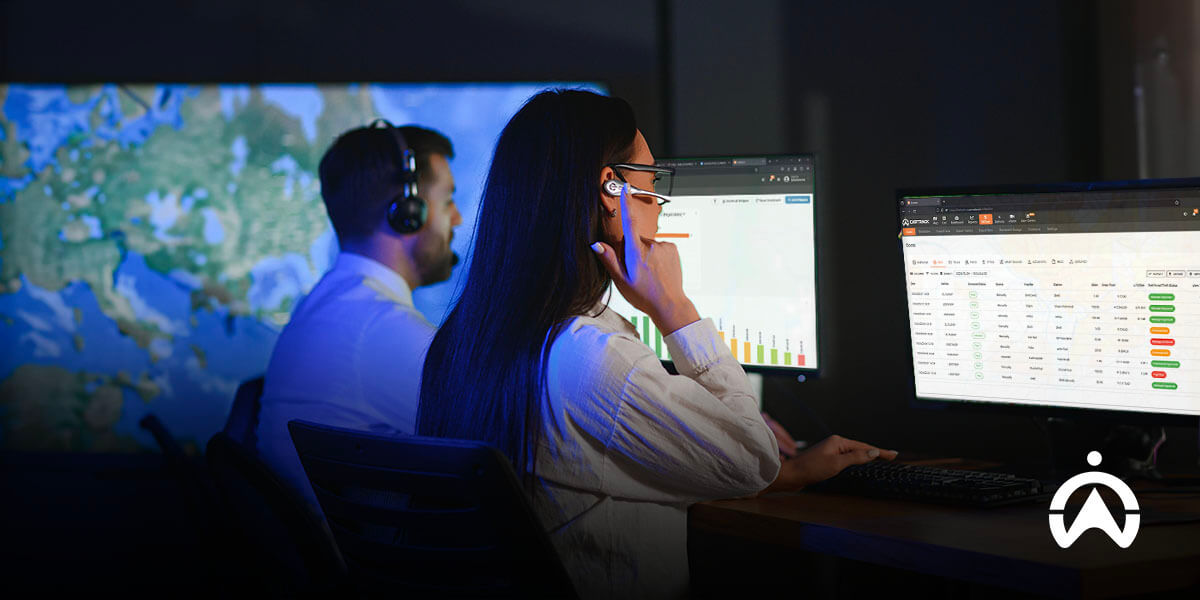
Telematics technology and fleet management software are two essential elements to increasing fuel efficiency. These two smart technologies make the best starting point for any business focusing on improving its fleet. With telematics technology, you can track your vehicles and drivers in real time and receive notifications on engine faults or harsh driving events like speeding and excessive idling.

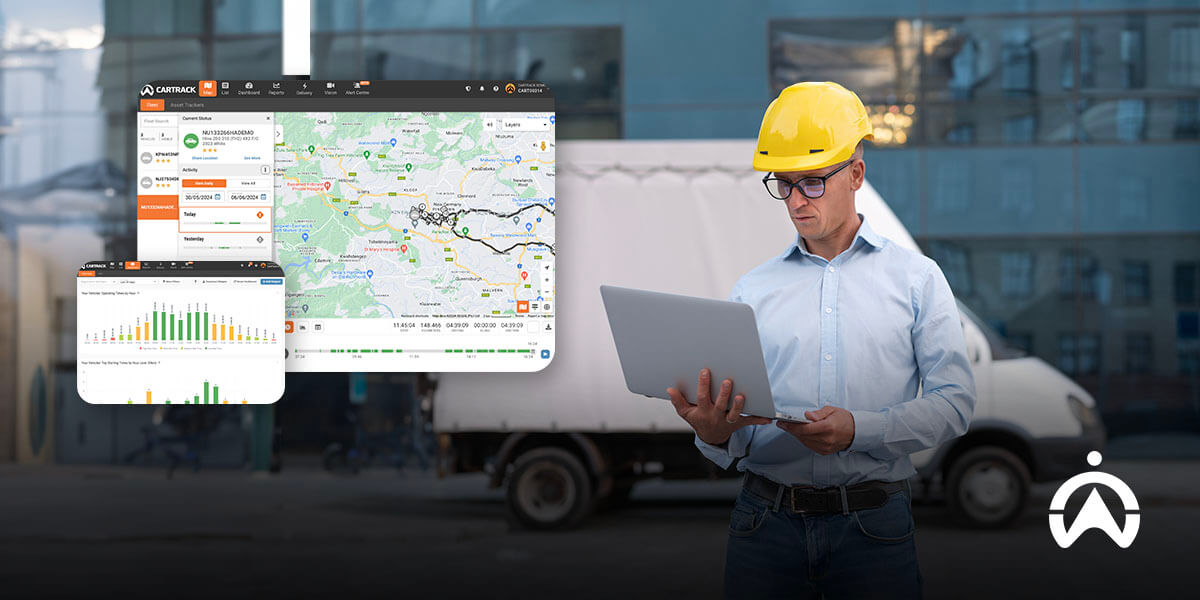
This data is instantly captured and made available via a fleet management system such as Cartrack, which helps you manage all your vehicles on one platform and analyse either individual vehicles’ telematics data over a period or your overall fleet performance to identify areas for improvement. Getting this technology can help you identify and address fuel challenges in your fleet. 

Cartrack’s telematics and management software

GPS telematics helps you view fleet-wide inefficiencies like vehicle issues, idling, and poor routing that affect your fleet’s fuel consumption. 

  • Telematics GPS tracking: Your fleet managers know exactly where their vehicles and machinery are located and gain full visibility of vehicle and driver activity.  
    ‍
  • Cloud-based software:  Our easy-to-use FleetWeb platform and Cartrack App are cloud-based, meaning your fleet managers can live track drivers, make updates, access various reports, get notified about their fleet, and ultimately streamline their workflow from anywhere. 

Method #2 Use a fuel management system

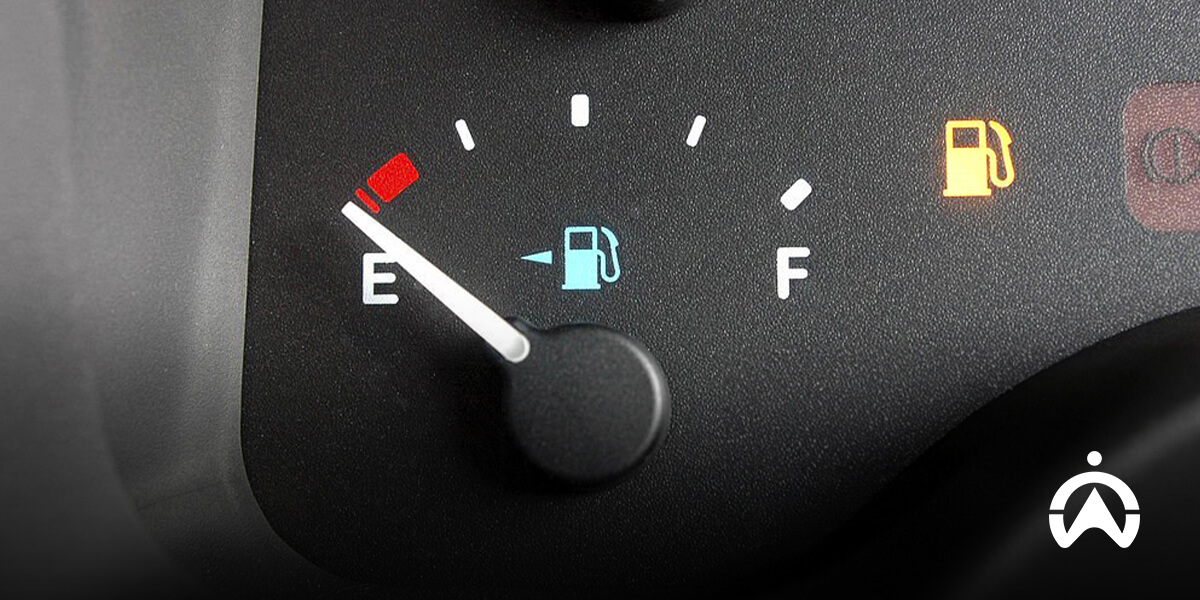
Instead of manually calculating your fleet’s fuel consumption or guessing how economical your vehicles are, getting a fuel management system is a smarter, more accurate way of measuring your fleet’s fuel economy and efficiency.  
‍

A fuel management system refers to the process of monitoring, managing and improving your fleet’s fuel usage and costs. It uses fuel sensor hardware, software products such as telematics and fleet systems, or cost and accounting software to track fuel usage in real time and calculate fuel efficiency using data-driven reports. 

The power of Cartrack’s fuel management solutions

Cartrack’s advanced technology helps you identify your vehicle’s needs and areas for improvement in your fleet. When it comes to fuel management, our telematics technology and fleet management platform, FleetWeb and Cartrack App, make it easy for you to start digging into your fuel problems

  • Fuel sensors and hardware: With up to three different types of sensors available from Cartrack, you can monitor your fleet’s fuel levels to get a more accurate understanding of your fleet’s fuel consumption and efficiency.
    ‍
  • Fuel-specific reports and analytics: Customise, download, and automate fuel-specific reports for different vehicles or groups of vehicles over a specific time period to make data-driven decisions about your fleet’s fuel. Your fleet managers can receive notifications from drivers about activity affecting your fuel such as idling and speeding.

Method #3 Purchase and use fuel-efficient vehicles

A survey by Fleet Advantage revealed that 40.7% of businesses listed improved fuel economy as the big motivating factor for purchasing new trucks. The advancing of new vehicle technology has resulted in an increasing number of businesses operating mixed energy fleets, with EV trucks and hybrid vehicles becoming more popular. Selecting more advanced vehicle engine technology can have a big impact on fleet efficiency as a whole. 
‍

Fuel-efficient cars run longer on less fuel, so introducing fuel-efficient bicycles, cars, trucks, machinery, or fuel-powered equipment is worth the investment. The South African Automotive Master Plan (SAAM) outlines several incentives to encourage EV manufacturing and make it possible for the automotive industry to sell more affordable EV vehicles.
‍

Fuel-efficient vehicles in your business would help you reduce fuel consumption and costs, improve your fleet sustainability, and reduce vehicle downtime. But did you know that this can also give your business a competitive advantage? 
‍

Customers and clients love using and working with businesses that care about their environmental impact. Your businesses will experience the benefits of fuel-efficient vehicles immediately and in the long run. 

Cartrack’s fleet management for sustainability

Our fleet management software helps you manage your mixed energy fleet and track your fleet’s Co2 emissions so you can achieve your fleet’s sustainability target.

  • Eco-driving report: This unique report highlights your fleet’s effort to reduce its carbon footprint by measuring your drivers’ eco-driving techniques. The eco-driving report is based on your drivers’ vehicle use and calculates the kilometres travelled, excessive idling, speeding, vehicle fuel economy and harsh driving to report on the fleet’s efficiency and environmental impact.
    ‍
  • Vehicle maintenance history reports: This report gives information on service history and repairs for specific vehicles. Fleet managers can use this as a data-driven approach to your vehicle replacement when considering purchasing more fuel-efficient vehicles.

Method #4 Monitor and improve driver behaviour

Investing in your drivers is equally as important as investing in new or used vehicles and trucks. Skilled and motivated drivers are proven to help improve productivity, efficiency, and safety for businesses. However, when it comes to fuel efficiency, many businesses miss the chance to get their drivers on board. Inform drivers about the importance of being mindful about how their driving and decisions impact fuel consumption.  
‍

Monitoring drivers can help you improve your drivers’ bad habits and equip them with skills to drive your vehicles better. However, other driver activity may be affecting your fleet’s fuel efficiency. For example, fuel-related crimes such as misusing your machinery, fuel theft, or fuel syphoning may be behind your fleet’s fuel inefficiency problems. Alternatively, your drivers may frequently deviate from your route and make stops along the way for personal activity. 
‍

If you suspect that other factors may be affecting your fleet’s efficiency, here are some effective Cartrack solutions. 

Driver monitoring for fuel efficiency with Cartrack

Quickly turn and take action against careless driving that is wearing out your vehicles, using up your fuel, and reducing your fleet’s fuel efficiency. 

  • Driver ID tags: Help you monitor drivers while using company vehicles, you’ll know who did what with your vehicles at all times, ensuring accountability in your fleet. Know where your driver starts and ends his trip, and pick up driver deviations. Alternatively, a Cartrack trip summary report can show you all the stops, deviations, and other unusual activities.   
    ‍
  • Cartrack Driver Scorecards: This is a gamified method for monitoring your driver’s activity on the road. The scorecard rates your driver’s performance and deducts points for harsh driving, such as excessive acceleration, harsh braking, and long idling. These scorecards are useful for coaching drivers, helping them understand their own bad driving habits, and working on improving them.
    ‍
  • Driver behaviour reports: A behaviour report gives you driver-specific details on harsh braking, speeding, excessive acceleration and idling. With driver behaviour reports, you can pinpoint fuel-inefficient driving habits and train drivers to improve their technique.  

Method #5 Improve fleet vehicle maintenance

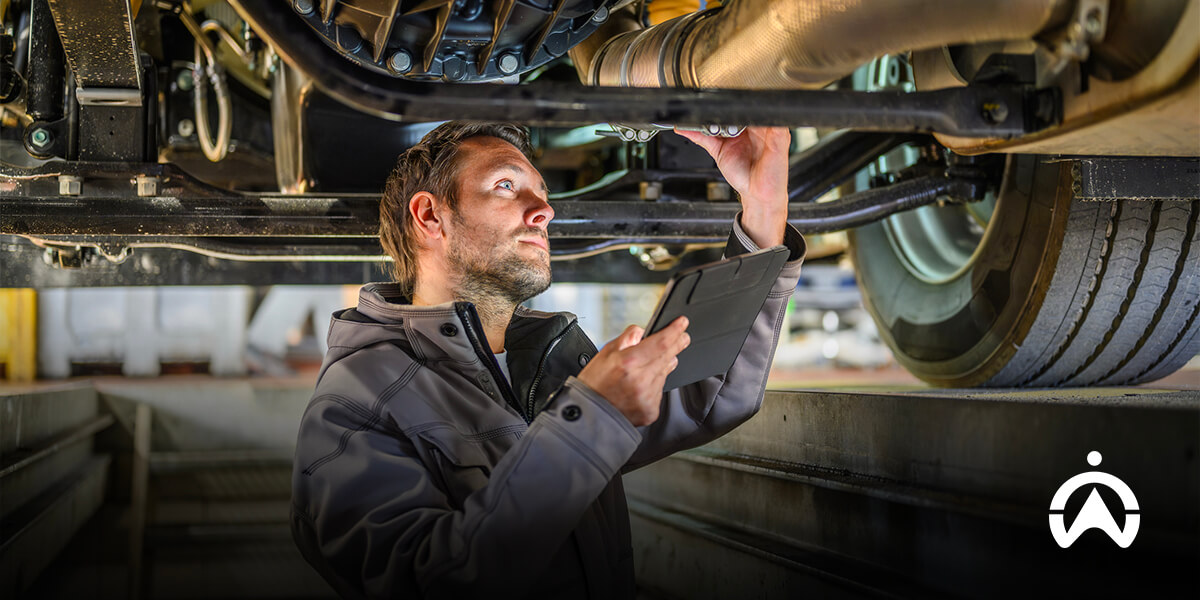
Proper maintenance on vehicles and other engine-powered machinery helps avoid unplanned downtime and improve your fleet’s fuel efficiency. Regular maintenance can also help maintain an optimised fuel economy, ensuring even your oldest vehicle operates like brand new.
‍

Since fuel efficiency is related to your vehicle’s health, keeping up with your services and maintenance helps improve your fleet’s fuel-efficient performance. Get ahead of your vehicle maintenance by educating your drivers and fleet staff on regular oil changes and tyre pressure checks, for example. Alternatively, pay attention to your real-time telematics data on vehicle health, which reports on potential engine issues which may result in costly repairs and downtime down the line.

Preventative maintenance for fleet fuel efficiency

Our fleet management software helps you keep track of your vehicle and machinery’s maintenance history, upcoming service, and relevant cost with the following tools:

  • Maintenance reminders: Schedule your vehicle’s maintenance and detail the type of service. Alternatively, based on usage hours and information on the previous service our software notifies you of your next service for each of your vehicles and saves you the headache. 
    ‍
  • Cartrack’s MiFleet: Cost and accounting management software helps you keep up with your vehicle’s maintenance schedule and manage the costs for repairs, towing, services, tyre changes, and more. This way, you don’t fall behind your fleet’s maintenance or lose track of the cost of your vehicle’s maintenance. 
Improve your fleet fuel economy and efficiency with Cartrack

Telematics-based fuel solutions can really help you improve your fleet fuel economy. They are designed to make achieving fuel efficiency easy, regardless of your vehicle or engine type. 
‍

Contact us for a demo of our fuel monitoring system. 

Fuel economy and efficiency big FAQs

We like it short and sweet! If you have any further questions, here are some frequently asked questions on fuel economy and efficiency we’ve expertly laid out just for you. 

  1. How do you increase fleet efficiency?

Here are nine tried-and-tested solutions from Cartrack that help businesses improve their fleets’ efficiency: 

  • Real-time fleet monitoring
    ‍
  • Implementing fleet management software
    ‍
  • Monitoring driver performance and improving productivity
    ‍
  • Improving communication within your team
    ‍
  • Utilising route optimisation
    ‍
  • Regular asset maintenance
    ‍
  • Eliminating empty miles
    ‍
  • Data-driven insights for fleet reports
  1. How can we improve fuel economy?

Businesses can improve fuel economy by: 

  • Using fuel monitoring systems
    ‍
  • Keeping up with their vehicle’s maintenance and service
    ‍
  • Using more efficient vehicles
    ‍
  • Monitoring driver behaviour
  1. How can we improve the efficiency of fuel?

For individuals, there are a few methods to improve fuel efficiency: 

  • Avoid constant and excessive speeding
    ‍
  • Regular vehicle maintenance 
    ‍
  • Be mindful of unnecessary idling
  1. What is the key to achieving better fuel economy?

Telematics-based fuel monitoring solutions are the key to achieving better fuel economy. They make it easier to change, monitor, and ultimately improve your fleet’s fuel practices. 

Want to know more about fuel monitoring for your business? Contact us for a demo.

Cartrack over Fuel Matter 

Easily improve your fleet’s fuel economy & efficiency with our fuel management solutions.
Vehicle Tracking at Its Best 24/7 – The Complete Solution

Whether your vehicles are used in your business to transport materials, perform in-field services, or are mostly used for personal trips and daily commutes, you want to ensure they are always protected no matter what they are used for.

Just like all roads lead to Rome, all advanced safety and fleet management methods will lead you back to vehicle tracking. So, let’s take a deep dive to see exactly how this essential technology works.

In this article, you will:

  • Discover the importance of advanced vehicle tracking for businesses and individuals
  • Understand the technology behind vehicle tracking
  • Learn why vehicle tracking services are essential for businesses
  • Find out how Cartrack stands out in the vehicle tracking industry
  • Read a case study of how Cartrack’s technology benefited a business

Advanced vehicle tracking: A must-have for businesses and individuals alike

Various industries use vehicle tracking tools to track their vehicles’ locations while on the road. From hospitals monitoring their ambulances to security companies tracking their patrol vehicles, This tiny device plays a big part in ensuring schedules are followed, vehicles are safeguarded, tasks are completed, drivers’ work hours are tracked and more.

Private vehicle owners will also be happy to know that GPS technology is not reserved just for businesses and their fleets but has some solid pros for them as well. 

While businesses use this technology more extensively to better their fleet and streamline operations, everyday drivers use vehicle tracking more to always know their vehicle’s whereabouts, to keep their loved ones safe and to have peace of mind regarding their vehicle safety. 

‍The technology behind vehicle tracking

Like many connectivity IoT gadgets we use, including smartphones and connected cars, vehicle tracking technology is powered by telematics technology, a global positioning system (GPS), a cellular network or radio frequency signals, and ground stations to work and track assets, vehicles and people in real time.

Use GPS’s network of satellites orbiting the earth to determine the positioning of receivers like tracking units and pinpoint the exact geolocation of your assets.

In conjunction with telematics technology, you can receive in-depth information such as:

  • Distance travelled
    ‍
  • Trip history
    ‍
  • Travelling speed
    ‍
  • Mileage
    ‍
  • Vehicle status
    ‍
  • Date and time
    ‍

This data is transmitted using a cellular or wireless network to a cloud-based platform, where the end-user (fleet manager, business owner or everyday driver) can access it on any communication device (mobile phone, tablet or laptop) by visiting a website or installing an app.

Why your business needs vehicle tracking services in South Africa

Let’s face it: Losing one of your vehicles or machinery due to theft or asset downtime is a big blow to your operations and costs. As vehicle theft is a big concern in South Africa, business owners have to consider the safety of their mobile assets and invest in solutions that safeguard them before it’s too late.

A tracking service gives fleet managers the peace of mind they need to boost operations, streamline fleet management, enhance fleet management and more.
‍

Here are some reasons why your business needs vehicle tracking that you can’t ignore.
‍

1. Security and theft prevention

As vehicle theft is one of the top challenges for businesses in South Africa, vehicle tracking technology and stolen vehicle recovery services are features that might be very enticing for businesses. Vehicle tracking services provide an added security measure by allowing for quick recovery in case of theft. 
‍

Unfortunately, if you find your vehicles are not where you last parked them, the ability to track them might not be enough. Fleet owners need proactive steps like tracking and recovery services for their assets. 
‍

In the long run, a stolen vehicle might cost the business more than buying a new vehicle, with:

  • Increased insurance premiums
    ‍
  • Lost profits due to unavailable vehicles
    ‍
  • Cost of purchasing a new vehicle
    ‍
  • Cost of renting another vehicle to take over activities of stolen vehicle

2. Fleet management

Vehicle tracking makes managing a fleet that much easier. By knowing the location of their mobile assets, managers can monitor vehicle usage, monitor driver behaviour, efficiently optimise routes and reduce travel time for better fuel efficiency.

This is a huge benefit for fleets that operate in logistics. With vehicle tracking, they can reroute deliveries based on traffic conditions or other obstructions and keep to the schedule, ensuring no lost time due to delays and upholding timely deliveries.

3. Improved driver safety

Driver safety and well-being are also top concerns. Vehicle tracking systems can monitor driving patterns and behaviours, informing managers of issues that require monitoring, such as speeding, abrupt acceleration after a complete stop, sudden hard braking and harsh cornering.

Managers can focus their driver training on these areas of concern and reduce the risk of accidents, ensuring the safety of their drivers and other motorists on the road. This can be most useful for fleets that spend most of their time on the road, such as transportation companies, promoting a culture of safety within the fleet.

4. Reduced insurance premiums

Besides the added safety these devices come with, insurance companies use them to offer motorists and businesses enticing incentives. 
‍

Insurance companies offer lower premiums to individual drivers and businesses who have vehicle tracking devices installed on their vehicles as it shows a proactive approach to risk management and a commitment to keeping their vehicle safe as they offer a higher chance of recovery if it is ever stolen, which is good news for them as they won’t have to pay out.

5. Increased productivity

Without checking on the whereabouts of your fleet, you have more time to focus on other aspects of fleet management, enhancing overall productivity. Real-time updates on fleet location allow for more precise scheduling and quicker response times to customers.

For a courier company to be able to give you ETAs on your scheduled deliveries, they need vehicle tracking technology showing vehicle location, travel speed and distance. This allows them to update delivery status to the T and efficiently manage customer expectations, ensuring satisfied service. 

6. Increased visibility

No more overusing some vehicles while others are left being underused. Vehicle tracking enhances fleet visibility and provides better control and management over your fleet’s activities. This allows for informed decision-making, balanced vehicle usage across your fleet, and updated maintenance needs. 
‍
A company such as a rental business can use this feature to stay on track with their vehicle usage to prevent misuse and ensure timely returns and healthy vehicles to get leased out.

7. Compliance

Being informed of vehicle usage, vehicle health, and driver working hours helps the business comply with South African transportation regulations and avoid penalties or fines. 
‍

One missed maintenance appointment can leave a vehicle vulnerable to potential breakdowns or accidents or even render it unroadworthy. Without keeping track of working hours, you could overwork your drivers for a few hours. Both of these would render you non-compliant with set rules and regulations. Vehicle tracking can save you from these scenarios and costly fines that can accumulate.

There is more to vehicle tracking than meets the eye. Incorporating vehicle tracking services into your operations can greatly streamline your fleet, enhance efficiency and provide cost savings, making them a jack-of-all-trades (and master of all) technology that is invaluable for any business with a fleet.

Discover the power of Cartrack’s versatile technology by learning more about our smart fleet management solutions

Beyond vehicle tracking: What other features make this technology the complete solution for fleet management?

Simply being able to view the live status and location of your vehicles in real time is a huge win, but that’s not where it ends. The technology has evolved over the years to now offer business and fleet owners much more bang for their buck. 
‍

Now, fleet managers have the technology to see not only their vehicles’ whereabouts but also their fuel consumption rates, maintenance needs, safety and overall vehicle health and performance. 

  1. Fuel management

While vehicle tracking can inform you of how much fuel is being consumed per trip, Cartrack and its fleet management solutions can take it a bit further by providing real-time fuel readings with their fuel sensors and mileage with CANBus integration. 
‍

Combined with our MiFleet cost management tool, you can track your fleet’s fuel consumption rate, ensure early fuel fraud detection, and better manage how much your fleet spends on fuel by matching fuel slips with fill-up locations, timestamps, and fuel card transactions. 
‍

All this helps you get a clearer picture of your fleet’s fuel economy and budget.

  1. Route planning and optimisation

If your fleet is always swamped with orders or scheduled deliveries to multiple places around the city and they waste time and fuel struggling to get to every location on time, then Cartrack Delivery can assist. 
‍

This task management tool makes it easier to manage your field service or delivery operations accordingly. Plan your fleet’s routes and efficiently order jobs to streamline each driver’s shift.  Ensure your drivers follow protocol with a digital quality control checklist that includes a customer signature as proof of job completion. These tools combined help reduce travel time and fuel consumption while increasing customer satisfaction.

  1. Driver behaviour monitoring

Monitor your driver’s actions and driving habits on the road and encourage safe, fuel-efficient driving habits. With vehicle tracking and Cartrack, fleet managers can use trip reports to see how often their drivers practise risky driving behaviour such as harsh cornering, braking, speeding or excessive RPMs and use the driver-specific data for more effective coaching. 

  1. Fleet maintenance scheduling

Running a fleet, you can easily lose track of which of your vehicles need service, which needs small repairs and which parts need to be replaced. Vehicle tracking can provide automated reminders for regular maintenance for all your vehicles. 
‍

For a more hands-on approach, you can use Cartrack’s preventive maintenance and start regularly performing maintenance checks to detect and stop issues early before they grow, become costly and cause breakdowns that lead to vehicle downtime.
‍

Every essential feature a manager needs to run their fleet, all in one Cartrack platform efficiently.

Cartrack: The complete vehicle tracking solution in South Africa

There seem to be as many vehicle tracking companies as there are vehicles. Motorists are spoiled for choice when it comes to companies that can provide this service. How does Cartrack stand out?

Cartrack is a leading provider of vehicle tracking technology and fleet management solutions. We boast an impressive over 90% stolen vehicle recovery rate, one of the highest in South Africa, and we are voted the most trusted vehicle tracing company on HelloPeter. 
Cartrack provides more than just your vehicle’s location. We have various fleet management solutions that use vehicle tracking data to assist in improving and optimising any fleet.

Individual motorists are also catered to with premium vehicle safety features and service to ensure their four-wheeled prized possession is always safe whether parked in the garage or the side of the road:

  • 24/7 control room assistance
    ‍
  • Skilled on-the-ground and air recovery agents
    ‍
  • CarWatch
    ‍
  • GeoFence

The Salt Block & Deli case use of Cartrack’s vehicle tracking technology

The Salt Block & Deli and Baron’s Meat Co. specialise in transporting fresh meat and produce to their clients, for that to be possible, they need trusted vehicle tracking for their fleet.
‍
With Cartrack’s vehicle tracking and route optimisation solutions through Delivery, The Salt Block & Deli achieved on-time delivery and enhanced overall productivity 

“[With Cartrack] we can plan our routes, and when we go back and look at the history, we can see exactly how long it took from one area to the next,” 

Leriche Beneke, CEO of The Salt Block & Deli and the Baron’s Meat Co.

Take control with 24/7 vehicle tracking solutions

Experience premium vehicle tracking at an affordable price and enjoy peace of mind over the safety of your vehicle(s). We offer free vehicle tracking device installation, no matter the number of vehicles, and we come to you for your convenience.

‍Contact Cartrack and start today.

Advanced Driving Lessons: Why Your Fleet Drivers Need More Than Just Lessons

Fleet management is all about maintaining safety. Without rules put in place, it could affect everything from the safe delivery of goods to the health of your vehicles and the well-being of your drivers.

To combat the rising risks associated with risky driving behaviour, fleet managers are looking towards advanced driving lessons for their fleet.

Let’s unpack how these lessons can impact driver safety.

In this article, you will:

  • See the importance of advanced driving lessons for fleet drivers
  • Understand the risks associated with risky driving behaviours
  • Learn about the benefits of advanced driving training
  • Discover how Cartrack solutions enhance driver safety
  • Get insights into frequently asked questions about advanced driving

Introduction to driver safety and risky driving behaviour

Sometimes, the pressure to meet deadlines and manage workloads can lead to a focus on efficiency over safety. This mindset might compel drivers to take risks and compromise their safety on the road, resulting in incidents.

It’s well known that unsafe driving habits cause most road accidents or incidents that might lead to fatalities or injuries to drivers and bystanders. According to The South African Road Traffic Management Corporation (RTMC), the country has more than 4,600 fatal crashes involving freight vehicles.

The risk of accidents is greater when the vehicles are big trucks that can do twice the damage as smaller commercial ones, and many businesses can’t bear the outcome of accidents or incidents caused by risky driving behaviour such as:

  • Increased operational costs due to accidents and vehicle downtime
    ‍
  • Additional expenses for renting vehicles to maintain operations
    ‍
  • Costs associated with vehicle maintenance, repairs, or vehicle replacements
    ‍
  • Medical expenses for injured drivers
    ‍
  • Higher insurance rates due to increased risk
    ‍
  • Potential property damage costs

Drivers’ behaviour on the road greatly impacts a business’s finances, reputation, and customer relationships. So, when signs of risky driving behaviour, such as speeding past road limits or vehicle set limits, harsh cornering, abrupt braking, frequent idling, or generally not using turn signals when changing lanes, start to show, fleet managers have to give their drivers the proper tools to ensure they stay safe on the road, complete trips without issues or incidents, deliver packages without damage, and ensure the vehicle they operate is treated with care. 

Advanced driving lessons explained

Now that we’ve discussed why driver safety is needed, let’s get into the solution: driver training lessons that go beyond regular driver training.

These do a good job of reteaching drivers to not only drive from one place to another but to do it safely, following the rules of the road, driving within the set road and vehicle speed limit, using turn signals to switch lanes, not getting distracted and more.

Advanced driving lessons can take licensed drivers’ skills to the next level, teaching them safe, fuel-efficient practices such as:

1. Vehicle control: 

This means properly handling a vehicle while driving it. This skill is important when operating heavy goods vehicles that must be safely driven to ensure that other vehicles are not affected. This includes smooth acceleration, braking, and controlled steering. 

2. Observation: 

Avoid distractions and be aware of your surroundings while driving. This includes anticipating risks, being aware of other vehicles on the road, monitoring traffic conditions, and identifying escape routes in case of emergencies like attempted hijackings.

3. Managing speeding: 

Drivers learn to adjust speed accordingly based on the vehicle type. road conditions and traffic, so there’s no strain on the vehicle or sudden speeding. Most fleet trucks or vans come with a set vehicle speeding limit that drivers have to obey. Advanced driving lessons assist in getting used to constantly driving at 60 km/h or 80 km/h.

4. Space awareness:

Do you know your vehicle size and how much space it takes on the road? Drivers need to leave enough distance between their vehicles and those around them so they have enough reaction time to slow down or hit the brakes if an incident occurs. This helps with changing lanes, overtaking, turning at traffic stops and parking the vehicle.

‍
5. Fuel-efficient driving:
Practising safe driving habits like smooth acceleration, coasting, and minimal idling to reduce fuel consumption. This not only assists in making fuel last and improving fuel consumption rates, but it also keeps the vehicle healthy and less prone to vehicle breakdowns.

After these skills have been practised and theoretically tested, successful drivers receive a badge of honour in the form of a certificate as proof of their advanced driving knowledge and commitment to safety. Drivers can present their certificate to their insurance company and potentially reduce their premiums.
‍

What makes advanced driving courses different?‍

The difference is in the details. Advanced driving courses provide a better understanding of your vehicle, how to handle it in various situations, and how to prioritise safety on the road. 

It teaches drivers skills that aren’t normally taught. Besides considering efficient driving and safety, there’s also information on how to properly operate vehicles in different weather conditions, like driving in heavy rain with slippery roads or on foggy mornings with less visibility, and in emergency situations like reacting to the vehicle ahead suddenly braking at a high speed.

It’s a more practical approach to driver safety than one based on encouragement and incentives.

Going beyond your advanced driving lessons to promote safety and save lives with Cartrack 

After your drivers have taken advanced driver lessons, you need a fleet management platform to ensure driver safety and further manage their progress. Look no further than Cartrack, an industry-leading fleet management and vehicle safety company that thrives on improving driver safety and optimising operations.
‍

Here’s how our features can help you:
‍
1. Advanced driver assistance systems (ADAS) + Smart Cameras with In-Cabin Audio
Our advanced cameras show a clear view of the driver’s behaviour, recording events such as distracted driving, yawning, driving while using a mobile device, and more, while offering two-way communication directly to the cabin to advise on correcting driving behaviour for real-time management to improve driver safety.
‍

2. Driver Scorecards + Risk Report
Our scorecards provide a clear and concise overview of each driver’s driving performance. This, coupled with our risk reports that indicate risky driving behaviour such as harsh speeding, cornering and braking, shows areas of improvement that managers can improve in advanced driver training.

Cartrack is there when the unexpected happens

Cartrack Solutions doesn’t only manage vehicles and safeguard them against threats; we protect them as well as the drivers inside. 
‍

Take a moment and watch Zothile Ngcobo’s heartfelt story about how Cartrack saved her life after her vehicle was involved in a terrible accident due to a collision with a truck.

Take your fleet’s driving skills to the next level

Cartrack technology can enhance and simplify driver safety and the learning experience by providing real-time feedback to both managers and drivers. Our solutions help managers efficiently monitor and analyse driving behaviour, providing real-time insights to improve performance and save lives.
‍

For safer, more confident driving on any road, contact Cartrack and receive a free quote from our team.

Advanced driving lessons FAQs

We’ve provided a lot of information for managers and fleet owners, but what about the drivers? As a driver, you may have some questions about advanced driving lessons and how they can affect you. Read on for answers to your burning questions.

Q1. What is the difference between advanced driving and defensive driving?‍

Advanced driving refers to driving focused on safety and proficiency. It emphasises proactive techniques to anticipate and properly respond to potential road incidents.

Defensive driving focuses more on driving, particularly on minimising the risk of accidents. Drivers anticipate the movements of the vehicles around them. They practise maintaining safe distances and being prepared to react to any potential hazards that might occur.

So what’s the difference? 

Q2. What are the benefits of advanced driving?

Driving with safety in mind improves overall driving skills, enhances vehicle control, reduces risks, saves costs and increases road condition awareness. 

Advanced driving also emphasises eco-friendly driving practices that save on fuel, reduce wear and tear, decrease vehicle maintenance needs and costs and might potentially lower insurance premiums as well.

Q3. Do you get a certificate for advanced driving?

This depends on where your drivers received the advanced driving lessons, but reputable groups, such as BMW Driving Experience and Toyota Advanced Driving Academy, do provide a certificate upon completion of the program

Q4. How many lessons does the average driver need?

This depends on the driver’s skill level and experience, but around 5-10 lessons might get the job done. However, bear in mind that you need to complete the whole course to be eligible for the advanced driving certificate they award upon completion.
‍

Reach peak safety with the help of Cartrack fleet management solutions. Use our safety features as your tools to elevate your driver’s skills, sharpen their reflexes, and master advanced driving in training.
Visit www.karooooo.co.ke today.

City Driving vs Highway: How Can You Really Save on Petrol Either Way

Whether your daily trips involve driving through busy streets or scenic highways, both present unique challenges and affect your vehicle’s fuel consumption. 

With a basic understanding of fuel consumption in both city and highway driving, useful tips for maximising your fuel efficiency and the help of Cartrack, you can significantly reduce your fleet’s fuel and maintenance costs.

Let’s start saving.

In this article, you will:

  • Learn about the factors affecting fuel consumption in city and highway driving
  • Discover the differences in fuel efficiency between urban streets and open highways
  • Get practical tips to achieve fuel efficiency for both city and highway driving
  • Understand how Cartrack solutions can improve fuel management and reduce costs
  • Read a case study on how Cartrack helped Calgan Recliners save fuel

Saving fuel in South Africa

Fuel is a highly demanded, natural material that sometimes feels like it costs an arm and a leg. Depending on the vehicle type and the fuel used (petrol or diesel), the average South African motorist can expect to spend anywhere between R800 and R1200 for one full tank. 

Of course, the price of fuel fluctuates, sometimes costing more than expected when it rises and sometimes giving vehicle owners a break when it dips. This is currently the state of fuel updates in South Africa. 

According to recent reports, petrol prices have dipped by R1.25, while diesel follows behind with a cut of around R1.19 per litre.

With this in mind, many drivers and fleet owners alike have put their efforts into managing their fuel consumption rate and allocating suitable vehicles based on delivery locations, all in an attempt to take advantage of the decreased fuel prices and save every drop.

City driving vs highway: Which is more fuel efficient?

Not all roads treat your fuel tank the same.

After dispatching your fleet to deliver materials and packages via different roads, have you ever compared the fuel consumption of vehicles that drive through the city to deliver in suburban areas to those that use highways to deliver to factories and warehouses?

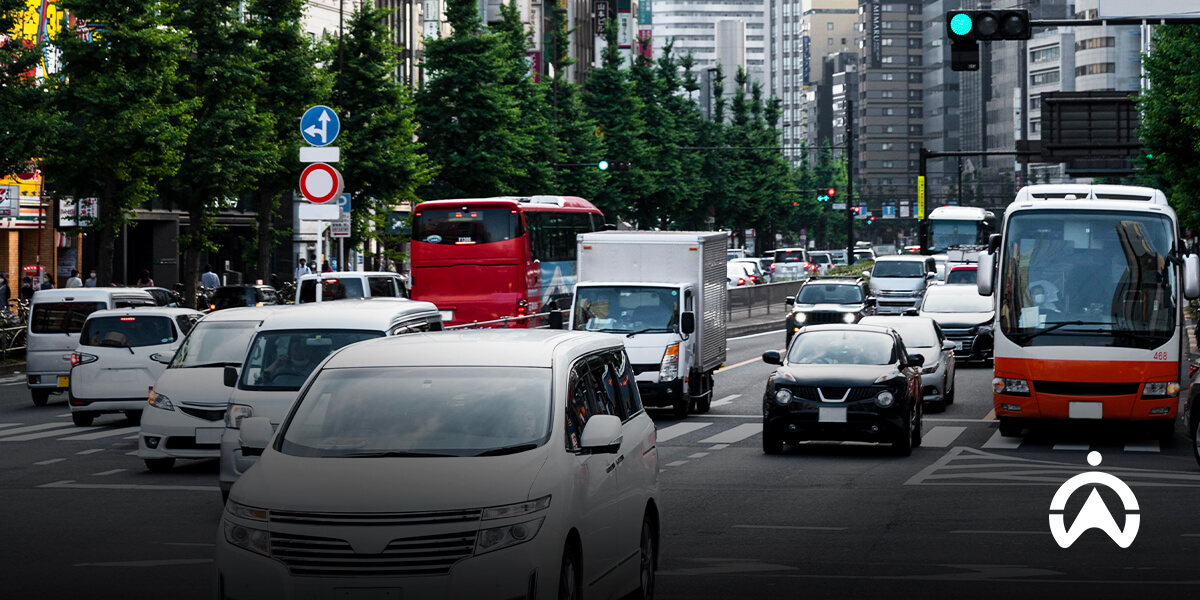
If you have, you’ll find that driving through urban streets causes your vehicle more strain, not just with fuel usage but wear and tear as well. Your engine works harder when navigating the streets, changing driving speeds, halting or coming to a complete stop at intersections, and so much more.

Let’s see what makes these two have such an effect on your fuel efficiency:

Driving on urban streets

City driving is full of short streets split by intersections, zebra crossings, traffic lights, and more. Here are the factors that influence your fuel consumption rate.

  • Stop-and-go driving: Every time you yield at a zebra crossing or slow down to drive over a speed bump, your engine exerts effort to decrease or accelerate speed, putting strain on your engine. Issues like load shedding that cause traffic lights not to work can increase the number of times you need to slow down or stop due to the traffic that can form, leading to higher fuel usage.
    ‍
  • Traffic lights and stop signs: When coming to a complete stop, abrupt acceleration can greatly affect your fuel consumption, as can frequently stopping at traffic lights, which causes unnecessary idling. Idling for 2 minutes can burn the same amount of fuel as driving for 1 km.

Driving on open highways

Open highways are easier on your tank, but there are still some downsides that affect your fuel efficiency.

  • Consistent speeding over long distances: Driving at a steady pace at a moderate speed within a set highway speed limit is more fuel-efficient than constantly changing gears to speed up or slow down. Using cruise control is recommended when driving over long distances on highways to further improve fuel use.
  • Vehicle weight: The weight of your vehicle plus the weight of materials of cargo you load onto your vehicle plays a role in its fuel consumption. The heavier your vehicle, the more fuel it takes to maintain highway speed. Reducing weight or using more appropriate vehicles that can withstand the extra weight can improve fuel efficiency.
  • Traffic congestion during peak hours: Unfortunately, traffic congestion on highways, especially if you’re driving during peak hours, can result in spending a considerable amount of time on the highway, which leads to idling and stop-and-go driving. 

The simple solution to this is to plan your trips around these busy hours:
‍
Cape Town
Peak morning traffic: 05:30 to 10:00
Peak evening traffic: 15:00 to 18:30

Johannesburg
Peak morning traffic: 06:00 to 10:00
Peak evening traffic: 15:00 to 18:00

Impact on engine health: Which scenery is better for your engine?

Similar to how these two types of roads affect your fuel consumption, they also affect your car’s engine health. Every day, when you are faced with driving through the city or on open highways when planning a trip or route for your fleet, consider these insights for your engine.

Open roads: Driving through open roads with no traffic or heavy loads to weigh you down can positively influence your engine health. A steady speed with minimal gear adjustments or acceleration can reduce wear and tear of the engine and reduce strain on it to produce power over long highway distances. 
‍

City driving: This is where your engine works the most. City driving requires frequent acceleration and braking. This constant speeding up and slowing down can increase strain on the engine and cause significant wear and tear, especially around spark plugs and timing belts. If your vehicle frequently drives around the city, it might require a bit more TLC to continue running smoothly. 
‍

Mountain roads: These roads wind around mountains and can sometimes go off-road, which can greatly affect your engine. Climbing steep hills requires a lot of power from your engine. This terrain is usually reserved for bigger vehicles like trucks with more powerful engines, sturdy tyres, higher torque, and stronger brakes, but proper and consistent engine tuning and maintenance are still needed to help mitigate the effects of these roads.

Practicing preventative maintenance management might be your perfect solution to ensure your maintenance bills don’t stack up over time due to city or hilly terrain.
Focus especially on oil changes, filter replacements, and keeping your engine clean from grime or dirt that can accumulate there.

Types of cars suitable for city vs highway driving

How can you determine which driving environment works best for your fleet? Whether your fleet consists of motorcycles or trucks, dispatching the right vehicle to a certain environment doesn’t just impact fleet efficiency and operations but fuel as well.

  • City driving: Compact cars, hatchbacks, SUVs, vans, and delivery motorbikes are all suitable for manoeuvring the narrow streets, frequent stopping structures and sharp corners of city driving. These vehicles are smaller in size, agile, and have smaller engines.
  • Highway driving: Trucks, sedans, minivans, and bigger SUVs are vehicle types that are more suitable for highway speeds and can travel longer distances. These often have larger engines, aerodynamic designs, and comfortable cruising capabilities.
  • Electric vehicles: These vehicle types can thrive in both environments. They come in different vehicle body types, have lower operational costs and produce decreased emissions.
    Because of range anxiety, drivers are more comfortable using these vehicles for driving through the city as there are charging stations available or shorter highway trips due to limited charging infrastructure.
    ‍
    ‍

Did you know that you could save around R10,00 per year in fuel costs travelling 20,000 km by choosing a hybrid vehicle instead of driving a vehicle using 95 unleaded petrol? 

Whether urban or highway, these tips will help take you further for less

Driving the ideal vehicle types through specific areas will only get you so far in saving fuel attempts. Although this will help slow down fuel consumption, there are still extra fuel-efficient tips and tricks to reach their goals.
‍

1. Maintain steady speed when driving and gently accelerate when needed

It’s easy to maintain speed on the highway, but city streets may require you to speed up and slow down constantly. Remember, your vehicle burns more fuel when it slows down and bursts or accelerates when you hit the gas paddle from a stop. 

Consider taking about 5 seconds to accelerate to 20 km per hour from a stop and then maintaining your speed from there.

2. The faster you go, the more fuel you burn

Use cruise control at a steady pace for longer on flat surface roads at the highest gear to decrease your vehicle’s fuel consumption rate.

The optimal speed for fuel efficiency in various vehicles (passenger cars, vans, pickup trucks and SUVs) is between 50 km/h and 80 km/h; any more, your vehicle’s fuel consumption rate increases.

3. Reduce idling 

This is a tall order, especially when city streets and highways are jammed during peak hours. If your vehicle has not moved for more than 60 seconds while delivering packages or loading parcels onto it, it is better to switch the engine off than to stay idle.  

In just 10 minutes, a 3-litre vehicle can waste up to 300 ml (more than 1 cup) of fuel while idling.

4. Use safe driving techniques when operating vehicles

How you drive a vehicle can influence how much fuel the vehicle uses. Unsafe driving habits such as speeding, harsh acceleration, and abrupt braking or cornering not only influence fuel economy but also contribute to wear and tear issues that might affect maintenance costs.

5. Don’t fall behind on your vehicle maintenance 

The healthier the vehicle, the better its fuel efficiency. Following your vehicle’s maintenance schedule and regularly servicing, it ensures its performance as intended.
‍
Believe it or not, tyre pressure also influences fuel usage. Make sure your tyres are inflated to the recommended amount by your vehicle’s manufacturer, which can be found on the edge of the driver’s seat’s doorpost. 

Separate fuel-saving myths from truth, and click here for fuel-saving tips that actually work.

By practising these tips, you’ll not only achieve fuel efficiency for your vehicle(s) but enjoy these benefits as well: 

  • Save on fuel costs
    ‍
  • Prevent wear and tear
    ‍
  • Lower carbon dioxide emissions
    ‍
  • Improve road safety
    ‍
  • Extend engine life
    ‍
  • Enhance vehicle performance

How Cartrack solutions improve fuel management for both environments

Cartrack is acclaimed as the best vehicle tracking system by The Star readers and other South African motorists who trust its vehicle tracking and fleet management solutions.
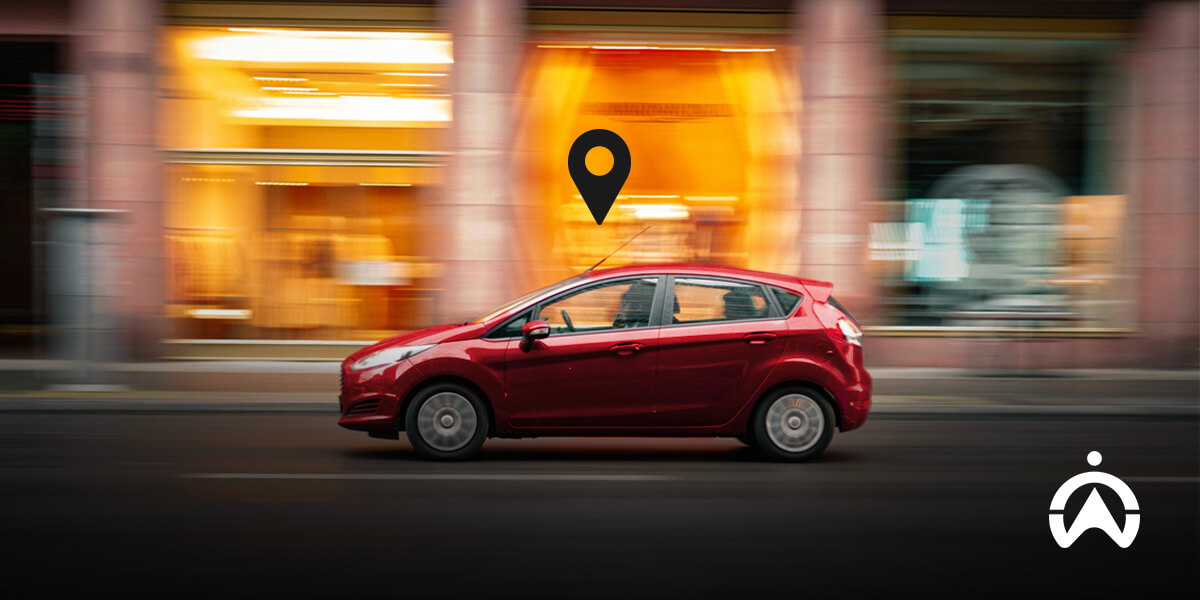
They have an extensive line of features all ready to turn your vehicle(s) into well-oiled, optimised machines.
‍

Here’s how Cartrack’s features can help you achieve your fuel efficiency goals no matter which roads you use.

  • Fuel monitoring
    With Cartrack’s CANBus and fuel sensors, managers can accurately track their fleet’s fuel consumption rate by using real-time fuel data and accurate fuel level information.
    ‍
  • Route optimisation through city infrastructure
    Use Cartrack Delivery to navigate the city’s urban streets. Delivery can optimise your task management by providing routes that are shorter in duration, consume less fuel and avoid traffic or other obstructions to efficiently complete tasks.
    ‍
  • Driver training with driver scorecards
    Encourage fuel-efficient driving by proactively monitoring driving behaviour through Driver Scorecards and Reports. With these, you can track risky driving behaviours such as speeding, abrupt braking, harsh cornering, and even idling and use the information for training purposes.

Do you know you can potentially save between 5-15% on fuel just by using a telematics system like Cartrack to help you in your fuel-saving journey?

To prove this, Cartrack tested its MiFleet cost management tool with its utility fleet of over 700 vehicles. With MiFleet, we reduced total km travelled by more than 5% and fuel consumption per job by over 22%!
‍
Similar positive findings were the case for our client, Calgan Recliners.

Cartrack Delivery case use for fuel-efficiency  

Calgan Recliners is a furniture company specialising in recliner chairs and lounge suites. They use their large fleet to deliver their furniture all over South Africa and like many fleets they started facing the challenge of high fuel consumption rates. 

With Cartracks’ smart fuel management solutions, Calgan Recliners improved their fleet’s fuel consumption rate and made it more fuel efficient.

Following the results, Cartrack thought of testing their solutions and conducting a test to prove fuel savings using our Delivery tool.

A Cartrack delivery solutions specialist took one of Calgan Recline’s frequently taken routes and their 15 different drop-off points and used Cartrack delivery to provide a more efficient route to take to complete the 15 deliveries.

These were the results: We only drove 167 km, while the Calgan driver usually drove 195 km on the same route, showing a massive 28 km difference. This equated to 7 litres of diesel saved in a single day.

If used for a whole month, Cartrack Delivery could help Calgan Recliners save around R3000 in fuel costs per vehicle.
‍

You can also achieve this level of fuel savings with Cartrack. There is no need to imagine what we can do for your fleet; see it. Partner with Cartrack today and start seeing the difference in your fleet’s fuel consumption and overall fuel costs.

Contact Cartrack today to get your free quote.

How Can I Improve Communication Between Drivers and Dispatchers With Fleet Technology?

A lack of communication in trucking can cause safety issues within fleets, decreased visibility in task management, and slower response or knowledge to accidents, breakdowns or incidents in the workplace.

Lucky for managers and dispatchers everywhere, the solution to a lack of communication is simply to start communicating, sounds simple, right? With an open line of communication, fleet technology, and Cartrack solutions, having these hard conversations will be a bit easier for everyone.

 Let’s start talking about communication

In this article, you will:

  • Understand why communication in trucking is important
  • Explore the relationship between dispatchers and drivers
  • Get tips for improving communication in your fleet
  • Discover how Cartrack solutions can assist with communications
  • Learn about the 5 signs that indicate that your team is struggling with communication

Communication in trucking

Communication is one of the key methods to portray one’s needs, actions, and thoughts to the next and understand the same from someone else. When it comes to fleet management, communication is vital, it plays a vital role in ensuring everyone is on the same page and building trust the more it’s practiced.

In trucking communication is a two-way street, dispatchers communicate effectively with drivers to ensure they are working according to schedule and understand their challenges, and drivers communicate back with their task progression updates or setbacks, creating a better workflow for the team. 

Everything depends on clear communication between the two as with communication, managers can react timely to any situation their fleet faces, and without it, communication channels can break within the business and deter managers from following through with their responsibilities.

What is the relationship between dispatchers and drivers?

One of the most important relationships in trucking is between dispatchers and drivers, but due to driver shortage, high driver turnover, and other issues, this relationship is often strained because of a lack of cultivation. 

Dispatchers are no longer previous drivers that worked up the ranks, now most are fresh recruits to the company, without previous dispatching work history or knowledge of the challenges and hurdles faced by drivers.

Before, dispatchers would be in the field or out on the road with their drivers, nowadays, most dispatchers are in a cubicle overseeing their team only through calls or management tools.

This has fostered an even worse connection between the two groups, but fortunately, there’s a solution; for a fleet to overcome this challenge, they need to invest in a little communication and fleet management software.

The role and responsibilities of a dispatcher 

Without a dispatcher, fleets often run wild without a plan or direction. A dispatcher brings organisation and direction to drivers and technicians in the field by overseeing deliveries, pickups, in-field services teams, managing asset usage and generally making sure everything is running smoothly and on time.

All their responsibilities can fall into two categories: logistics management and people management. 

Let me explain.

Logistics management

This is where dispatchers manage the supply chain, workflow, and the progression of tasks. Coordinating people, vehicles and even equipment, dispatchers lead all these moving parts toward completing their goals, may that be completing tasks, deliveries, or service requests.

A dispatcher’s responsibilities in logistics management:

  • Scheduling deliveries, pickups and other appointments such as scheduling vehicle tracking unit installations for technicians and clients.
    ‍
  • Ensuring the fleet is being compliance and following regulations in terms of driving hours, driving behaviour, the number of breaks taken, etc
    ‍
  • Incident management
     
  • Oversee work orders, fuel management and fleet maintenance needs
    ‍
  • Route planning for workflow efficiency

People management

This is the side of their responsibilities where clear and concise communication is needed and their communication skills are mostly used. Dispatchers oversee and assist workers such as drivers and technicians to reach their goals.

A dispatcher’s responsibilities in people management:

  • Onboarding new drivers and technicians
    ‍
  • Assist workers with challenges affecting their work
    ‍
  • Communicate with managers when workers aren’t following guidelines, need additional training, or are facing struggles.
    ‍
  • Offer customer support, including managing customer’s expectations when it comes to delivery 

Depending on the business and the industry it operates in, these responsibilities may change. With all the people dispatchers have to guide within the business, can you see why communication is so critical to their role?

Tips for improving communication

To effectively communicate and collaborate, both parties will need to listen to one another as well as speak.

Actively listening is as important as speaking when it comes to communication because it allows the change in dialogue to be more than just providing answers but also understanding different points of view and perspectives.

Food for thought:

As a dispatcher, how can you assist your team if you don’t listen to their grievances?

Effective communication between dispatchers and drivers starts with these tips:

‍1. Clear and concise communication

Encourage drivers to communicate any issues they may face during their trips or tasks and dispatch should follow suit by also practising regular communication with the team regarding any updates to tasks that affect their work. This avoids misunderstanding, delays, or leaving one side in the dark weather which may be the drivers or the dispatchers.

2. Regular check-ins

Communicate feedback, new developments, strategies or challenges through face-to-face check-ins or regular meetings. Frequent catch-up sessions can foster trust, improve collaboration, and strengthen teamwork within the fleet.

3. Real-time updates

Communicate important information such as job assignments, route changes, route changes, and more as soon as they occur. This helps drivers make informed decisions and effectively plan their time accordingly.

4. Training and support

Offer training for both dispatchers and drivers to improve their communication skills and strengthen the relationship between the two.

5. Leverage technology

Trying to effectively communicate with every single driver in your fleet can be a hard task sometimes, especially if you have a large fleet. This is where fleet technology and Cartrack solutions can swiftly facilitate communication. Modern fleet management solutions encourage healthy and constant manager-driver relationships

How can fleet management software and Cartrack positively impact the role of dispatching?

Cartrack’s fleet management solutions are trusted methods used to improve fleet efficiency by tackling managing different fleet aspects like compliance, safety, fuel, fleet cost and of course, communication.

Here are a few ways Cartrack can reduce confusion between these two parties and strengthen communication with their features.

‍Receive live location updates with GPS vehicle tracking

A lack of communication can decrease fleet visibility and can cause delays, through real-time Vehicle Tracking, dispatchers get live location updates of where all their vehicles are, get vehicle diagnostics and immediately know if they are on schedule or assess risks and perform incident management if drivers need any assistance due to accident or breakdown.

Reduce confusion with route optimisation

Manual route planning can be very time-consuming and prone to human errors. Cartrack uses Route Planning to plan the most efficient routes to take that reduce fuel consumption and travel time. There are also off-route alerts sent to managers to be aware of drivers taking routes that are alternative to the predefined ones.

Improve driver safety with alerts, reports, and automated updates

Dispatchers and managers can prioritise their driver’s safety and ensure compliance through Driver Scorecards and risk reports. Receive instant alerts and automated updates for driver behaviour such as harsh braking, cornering or speeding and use Driver Scorecards to communicate the need for training or improving skills.

Enhance two-way communication

Most fleet management software offers real-time communication through instant messaging features. Cartrack offers a smart camera solution with in-cabin two-way audio communication and Delivery, our smart task management feature that allows dispatchers to update their drivers in real time and vice-versa. 

With these two, dispatchers can use Delivery to update routes and deliver instructions, and use Smart Cameras to alert drivers of risky behaviour so they can swiftly correct them, while drivers can verbally communicate back through in-cabin Smart Cameras if asked about any driver behaviour events.

Here’s a case study of how Diag used Delivery to achieve efficient communication within their team.

Diag is a Vietnamese medical laboratory that needed assistance with tracking their vehicles and providing fast delivery of human blood testing packages, samples and health kits to customers.

Because of the time-sensitive materials being transported, Diag used Cartrack Delivery for smart dispatching and simplifying task allocation to ensure speedy delivery of materials while they were still in pristine condition.

“Delivery enabled Diag to scale their business by over 1,200%, whilst decreasing their logistics admin costs in half,” said Diag.

By using these best practices and Cartrack features, dispatchers can maintain effective and efficient communication with drivers, ensuring smooth and safe fleet operations.

Five signs that your business needs to improve communication with dispatch‍

When two parties fail to exchange information effectively when they need to, it often leads to decreased productivity, missed project deadlines, and unexecuted sales. It’s sometimes hard to pinpoint the source of rising challenges solely on poor communication as it affects different departments within the business.

Here’s a list of outcomes that can occur because of poor communication:

1. Frequent miscommunication

If you start seeing signs of communication holes between dispatchers and drivers such as delivery information not being specified or drivers failing to update their managers of changed plans or events that occurred that affect their ability to complete their tasks then you might have a communication problem on your hands. All vital information has to be communicated beforehand to ensure operations run smoothly without a hitch for both groups.

2. Lack of real-time updated

If dispatchers struggle to account for the tasks or activities of their drivers daily, then this can be a sure sign of a lack of communication. Real-time updates on assessments, delivery status or other information should be communicated to track performance, and vehicle usage or to manage customer expectations on delivery schedules. 

Without the information, dispatchers might not be able to account for schedule delays or communicate to customers about the whereabouts of cargo which can impact customer satisfaction.

3. Declining driver safety 

Preserving safety is a top priority that is enforced, monitored, and regularly reported with the help of incident management methods. Without communication, or following measures put in place for certain incidents in fleets, safety standards can decrease and safety measures can become less followed, putting drivers and other motorists at risk while on the road as well as workers in the workplace. 

4. Decreased productivity

Lack of communication leads to inefficiencies in completing tasks. When activities during working hours aren’t noted and followed up on, it leaves room for waste of time, human error in paperwork, or reduced customer satisfaction.

5. Poor relationship between dispatcher and driver

Often enough, a lack of communication between dispatchers and drivers is due to a lack of trust or collaboration between the two. Drivers are less inclined to voice their challenges or struggles to managers they are not familiar with. This can lead to strained relationships and not following orders.

If your team struggles with the listed signs of lack of communication then it’s time to contact Cartrack. Cartrack has the solutions you need to improve and prioritise communication throughout your fleet and actively enhance fleet efficiency.

Visit our website www.karooooo.co.ke today.

How to Eliminate the Biggest Risks Associated With Our Fleet Operations

To ensure your fleet’s safety, compliance, and efficiency, managers come across various risks that can significantly affect operations. 

Fortunately, they don’t have to fight this battle alone; effective risk management and Cartrack solutions are here to swiftly identify and eliminate all risks that can affect operations.

Let’s see what risk management Cartrack has in store.

In this article, you will:

  • Learn about the biggest risks affecting fleet operations
  • Understand the causes and outcomes of these risks
  • Discover effective risk management practices
  • Gain insights into maintaining operational efficiency and compliance
  • Explore Cartrack’s advanced solutions for mitigating risks

Understand the biggest risks associated with our fleet operations by first understanding fleet operations

Fleet managers often wear many hats. They are the driving force in fleet operation, with huge responsibilities for ensuring the fleet reaches its objectives within the business, whether that may be delivering packages, transporting people, or simply providing a service like vehicles for mining and construction.

 It doesn’t end there; managers have to effectively track the performance of both vehicles and drivers, ensure safety is upheld in operations, manage finances and fleet expenses, maintain vehicles, and so much more. Organising, managing, and tracking all these different moving parts manually can bring the most experienced fleet managers to tears.

Luckily for managers and business owners everywhere, technology is always available to help with the workload. For fleet managers, it’s telematics, GPS technology, tools like dash cameras, fleet management software, and the many features it comes with.

 These technologies streamline the fleet management process, provide easy access to vital information, and allow managers to make sense of the chaos of fleet operations by overseeing the lifecycle of their fleet all from one platform.

What are the biggest risks that affect fleet operations?

Risks differ depending on the business and the industry in which it operates. Fleet management doesn’t just ensure vehicles travel safely from one point to another and monitor their drivers; it also mitigates the many risks that can occur daily.

 Here’s a list of risks that can majorly affect fleet operations:

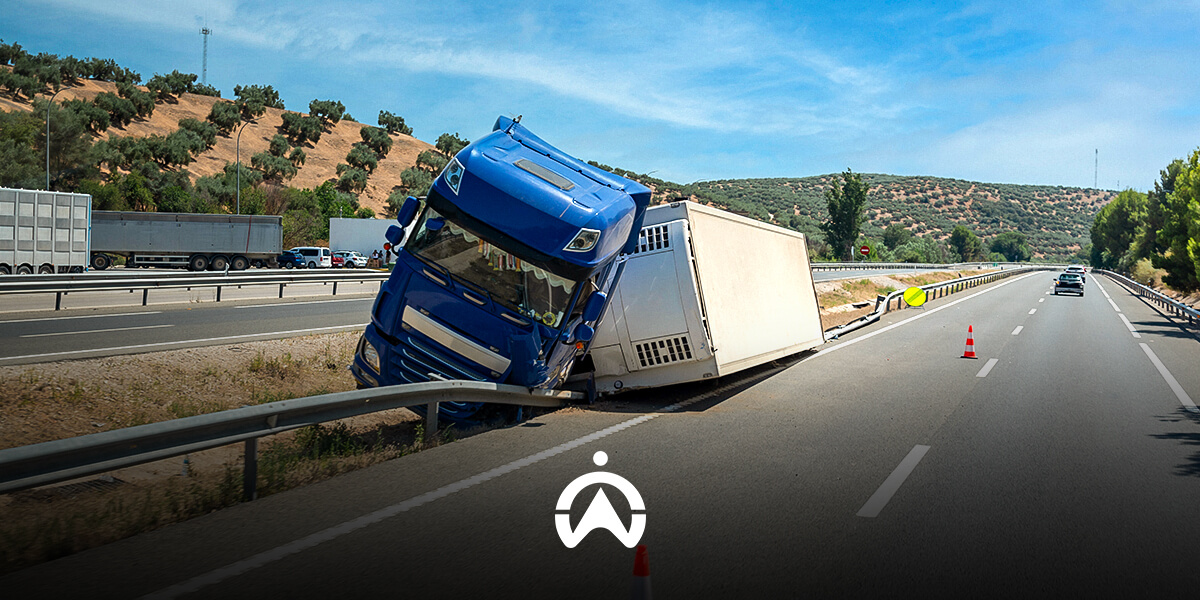
  1. Accidents and safety issues
    Causes:
    Driver fatigue, poor vehicle maintenance, risky driving behaviour.
    Outcome:
    Poor driver safety, liability issues, vehicle damage, legal problems.
    ‍
  2. Theft and vehicle damage
    Causes:
    Little to no vehicle security, operating/driving past dangerous areas.
    Outcome:
    Loss of assets, increased insurance premiums.
    ‍
  3. Vehicle breakdowns
    Causes:
    Not following vehicle maintenance schedule, mechanical failure.
    Outcome:
    Delays, increased costs, reduced customer satisfaction.
    ‍
  4. Fuel mismanagement
    Causes:
    Using inefficient routes, burning unnecessary fuel, fuel theft, unmonitored poor driving behaviour.
    Outcome:
    Higher operational costs inefficiency.
    ‍
  5. Non-compliance
    Causes:
    Ignoring or failing to follow legal regulations towards safety.
    Outcome:
    Fines, legal action, operational shutdowns, poor business reputation.
    ‍

Introduce risk management

Often, larger fleets are more prone to risks that can stem from technological issues, accidents, and natural disasters. Even incidents that affect finances, compliance, or the business’s brand can be seen as risks.

 With this scope of concerns, it can be challenging to foresee every potential problem. Unfortunately, issues sometimes slip through the cracks and are ignored until they start negatively affecting fleet operations.

 This is when risk management practices come into play.

Using risk management, companies can use its five-step process to manage risks and effectively start implementing actions to reduce the risks. These steps are essential to successful risk management, touching on:

Step 1. Identifying risk

Each fleet-related industry has its own challenges and risks. This step focuses on identifying the risks that your business is experiencing or will potentially be exposed to.

These risks can fall into these categories:

  • Market risks
    ‍
  • Legal risks
    ‍
  • Environmental risks
    ‍
  • Compliance risks
    ‍

It’s better to be prepared than to be caught off guard. Listing down the risks makes you more aware of them and better prepared to deal with them once they occur. You will be able to identify the signs of the risk and start planning ahead before it affects your operating environment.

Step 2. Analysing risk

Next, you have to determine the scope of the risk. Does the risk affect other departments in the business, or is it confined to one? A serious risk, like a fraud case, for example, can affect the whole company and its image, while others would be seen as more of a minor inconvenience. Risk analysis helps you understand the extent of the risk and whether it needs your immediate attention.

Step 3. Mitigating the risk 

You’ve noted the risk and seen how much it can affect the company; this is when you find the solution. Depending on the scope of the risk, you might have to find a solution to stop the risk from growing or just to contain it. This could be hiring a maintenance team for your fleet if the risk is poor vehicle health or installing Cartrack’s infrared cameras for night-time security if the risk is equipment theft on site.

Step 4. Monitor the risk to show effectiveness

Solving the risk doesn’t guarantee that it won’t occur again; keep the risk and the solution logged for future use and monitor how well the solution is working.

Unfortunately, not all risks can be fixed, such as environmental risks or inflation risks that affect your budget, their effects just need to be monitored so you can adjust your operations accordingly. 

GPS Insights conducted a fleet safety report in 2022, showing how 3,400 people active in fleet businesses successfully reduce risks by specifically focusing on safety and compliance.

These were their key takeaways:

  • Out of the 3,400 professionals surveyed, 65% of them believed that improving driver training was the key method to reducing risks associated with poor driver behaviour and fleet safety.
    ‍
  • 57% would rather focus on using GPS vehicle tracking technology to effectively improve safety while out on the road. With increased visibility over one’s fleet comes real-time knowledge of one’s fleet’s whereabouts, schedule keeping and speedy response to vehicle theft or other emergencies.
    ‍
  • When it comes to combating risks associated with their fleet, 41% of participants implemented a camera/video solution for monitoring driver behaviour live, keeping compliant with fleet rules and compliance and gathering video evidence of any events that occur, e.g., proof of following safety measures or road accidents.
    ‍

This is a clear and comprehensive view of how different managers use risk management practices to see the full range of issues their team faces.

Be smart: Do risk management solutions for fleets the Cartrack way

Now that you have seen what risk management can do, how about partnering with Cartrack? Cartrack is an industry-leading company offering fleet management solutions and vehicle tracking technology that is ready to assist with addressing and mitigating different risks affecting operations.

Here’s how Cartrack can help manage your fleet and your risks:

  1. Security
    Some drivers may take shortcuts and deviate from set routes to complete their tasks quickly, but this can lead to fuel or vehicle theft, putting the vehicle in unnecessary danger. Tracking technology can do more than just inform you of your fleet’s location. With vehicle tracking units installed, you can see deviations, access your fleet’s trip history, and see the routes where theft often happens. If an emergency occurs, managers can act swiftly and deploy assistance directly to the vehicle’s location.
    ‍
    As part of the solution to only use safe, visible, fuel-efficient routes, managers can use route optimisation technology to choose a route that improves travel time and fuel usage and geofencing to create digital borders around no-go areas for your fleet. A notification will be sent whenever your vehicle enters or exits these areas, prompting you to communicate with drivers to correct their actions and keep the fleet safe.
    ‍
  2. Driver management
    Fleet managers are responsible for setting up safety measures such as performing pre-trip check-ups to ensure vehicles are safe to drive, creating compulsory vehicle speed limits to follow, and ensuring their drivers follow the safety rules such as no texting and driving, no speeding or reckless driving practices of any kind, etc., to achieve optimal driver safety.

    With the help of fleet management companies like Cartrack, a business can achieve its safety-first approach. Managers can leverage Cartrack’s driver behaviour management tools, such as driver scorecards that rate drivers’ performance and driver behaviour and risk reports that show all risk events, such as abrupt braking, rapid acceleration, speeding past set limits, harsh cornering and idling, to monitor driving habits and use the information gathered by these reports to motivate your team into safer driving habits.
    ‍
    One of the top ten causes of truck accidents is distracted driving. Cartrack’s smart cameras can combat the risk of truck accidents due to drowsy, fatigued, or distracted drivers by recording these behaviours and audibly alerting drivers to them. This allows the driver to quickly correct their behaviour and be more alert on the road.

    If an incident occurs, don’t just focus on the solution, take time to review driver behaviour, look through the data, and find the cause so you know the next steps to take to prevent the incident from occurring again.
    ‍

  3. Operational efficiency
    Sometimes risks come from poor vehicle health. Proper planning and scheduling can minimise the costly risk of your vehicle breaking down randomly and not being able to function for a while. This can affect the safety of your drivers and cost the business valuable time and profits.

    Unplanned downtime of an asset can be prevented by monitoring vehicle health in real time to schedule preventive maintenance. Cartrack can keep track of your fleet’s health and performance with maintenance history reports. And assist in keeping track of servicing your vehicles at regular intervals with maintenance alerts.

    This:

    • Reduces downtime
      ‍
    • Provides better fuel efficiency
      ‍
    • Lowered long-term maintenance costs
      ‍
    • Lengthens asset lifespan and enhances resale value
      ‍
    • Boosts fleet safety and ensures compliance with regulations
      ‍
  4. Fuel theft and misuse
    Fuel is a precious resource that powers vehicles’ ability to deliver cargo, goods, materials, and people. A lack of fuel can halt production and hinder fleet operations, affecting fleet efficiency. To decrease fuel theft and minimise the risk of inefficient fuel use, managers can monitor fuel levels in their tanks using Cartrack fuel sensors and CAN Bus for a more accurate reading.

    When it comes to keeping an eye on fuel expenses, MI Fleet, Cartrack’s cost management tool, keeps track of all fuel costs from tall gate payments, maintenance, speeding tickets, and fuel purchases. With its three-step transaction approval process, managers can stop fuel theft and ensure that fuel cards are used efficiently.
    ‍

  5. Compliance
    If an accident occurs due to poor vehicle maintenance or a lack of replacing or repairing vehicle parts to maintain a healthy fleet, the business can be blamed for the accident and deemed non-compliant, which can result in hefty fines, among other penalties.

    Performing small pre-trip inspections on your fleet can go a long way in ensuring your vehicles are road-worthy and able to travel and perform tasks. Inspections can identify issues or problems, such as faulty wiring or loose bolts, that can grow into big problems and fix them. Plus, vehicle inspections don’t halt the flow of operations and only need a few minutes to be done.
    ‍

For a more smart solution, Cartrack can help your team stay compliant with advanced solutions.

  • Automatically keep track of all your regulatory contracts, insurance papers, permits etc.
    ‍
  • Receive alerts on paying important paperwork such as vehicle permits, speeding tickets, and licence renewals.
    ‍
  • Use working logs or vehicle usage reports to track the work hours your team spends on site and ensure your drivers receive breaks mid-shift and are well rested.
    ‍

Take control of fleet risks with Cartrack

Make your fleet risk-free with Cartrack. From driver behaviour monitoring tools to tracking fleet expenses and staying compliant, our advanced features and services are the solutions you need to fight against the biggest risks associated with your business operations. Contact Cartrack today.

Dirty Diesel: How to Prevent and Stop Contaminated Fuel in Your Fleet

Dirty diesel, contamination crises, and dodgy fuel—these headlines have made top stories in Kenya over the last few years. This brings us to ask:  are the recent news reports sensationalising the fuel contamination problem, or do we have a crisis on our hands? 

Fuel contamination can harm your fleet vehicle’s performance and engine operation, which explains the concern over reports about dirty diesel. 

As fuel prices increase, it’s alarming to individuals and businesses that they could spend more on fuel, potentially damaging their vehicles and ultimately costing them millions in the long run. 

With fuel monitoring solutions from Cartrack, fleet managers can prevent and stop dirty diesel refuelling that is happening right under their fleet.

In this article, you will:

  • Understand what contaminated fuel is and how it affects your fleet
  • Get a breakdown of the signs of dirty diesel in your fleet to look out for
  • Uncover five ways to prevent fuel contamination
  • See how Cartrack’s solutions help with fuel contamination in your fleet
  • Discover the truth about fuel contamination

Why worry about dirty diesel?

Dirty diesel, more commonly called fuel or diesel contamination, refers to impurities in your fuel that reduce its quality and grade. These impurities can be caused by various contaminations, such as water and microbial (bacterial and fungi) degradation, which occurs in the storage and handling of the fuel.

Here’s a more detailed explanation of fuel contamination.

Types of fuel contamination

With more than one type of fuel contamination, it’s best to get clued up so you can keep contamination risks in your fleet at a minimum.

  1. Water contamination

    Diesel fuel is easily contaminated by water when stored in tanks through condensation, leakages in the storage unit, or poor handling during the diesel transfer. This results in microbial growth, rust, and water and oil separation in the fuel. A little water in your fuel may not seem like a bad thing, especially when water accidentally enters your fuel system, but the saying “water and oil don’t mix” stands true when it comes to diesel.

    The water levels in your fuel should be below the saturation point, so any excess water entering your vehicle’s fuel system can result in bacterial growth, corrosion, and ultimately, engine damage.
    ‍

  2. Fuel debris

    There are two types of fuel debris: organic degradation and inorganic degradation. Organic degradation happens when diesel fuel is stored in tanks for too long and essentially expires. Filling stations and fuel providers will often add stabilisers and other additives to prevent this type of degradation. It is recommended that vehicle owners or fleet owners have their fuel tanks assessed before using any additives.

    Inorganic contamination happens during the fuel handling process, meaning it may be handled improperly when transferred or moved from the diesel fuel tanks, trucks or drums and eventually to your fleet’s tank. During this process, the diesel fuel may come into contact with sand, dirt, rust, and other debris, ultimately causing dirty diesel.
    ‍

  3. Intentional diesel mixing

    Dodgy petrol stations may also reduce the purity of their diesel fuel intentionally by adding synthetic fuel such as illuminating paraffin. A recent news report revealed that the Energy and Petroleum Regulatory Authority (EPRA) discovered 13 petrol stations selling dirty diesel fuel in Kenya.

    These petrol stations have been ripping off customers by selling lower-grade and contaminated diesel fuel at premium prices. Beyond the financial impact for individual owners and businesses, dirty diesel can cause serious vehicle problems too, and that’s why vehicle owners and fleet businesses should be worried.

    The sad truth about dirty diesel is that you do not need to have excessive dirt in your fleet’s fuel system for it to affect your vehicles. The accumulation of debris and contaminated fuel builds up in your system and can have disastrous and costly effects on your cars and machinery in the long run, ultimately affecting their longevity.

    But how can you detect whether your fleet’s running on dirty diesel? Here are some telltale signs to look out for in your fleet:

    – Poor engine performance
    – Inefficient fuel consumption
    – Fuel tank corrosion
    – Difficulty accelerating a vehicle or driving up a slope
    – Blinking engine light
    – Clogged fuel filters
    – Engine stalling

    Alternatively, you may want to consider having your vehicle inspected for fuel contamination in its tank. You can no longer afford to ignore or overlook your fleet’s fuel quality because doing so could cost you more later.

Types of fuel contamination

The negative effects of dirty diesel in your fleet

Businesses transporting goods regularly or working with machinery that rely on diesel fuel will be disadvantaged by the devastating results on their vehicles and machinery. 

Dirty diesel can cause:

  1. Aggressive engine damage

    Debris and other contaminants in your fuel can cause significant damage to your vehicle’s fuel injectors, pumps, and other engine components.
    ‍

  2. Higher maintenance costs

    Assessing and addressing the damage caused by dirty diesel, or even pumping out the fuel from your vehicle, could result in higher maintenance or service costs.
    ‍

  3. Increased fleet inefficiency

    Dirty diesel burns faster, leading to increased fuel consumption, forcing your engine to work harder and reducing your vehicle or machinery’s performance.

Prevent and stop fuel contamination in your fleet

Whether your fleet was accidentally refuelled with dirty diesel and you’ve fallen victim to dodgy petrol stations, or maybe you have simply overlooked fuel quality for your vehicle and equipment; there are only three tried and tested ways to prevent and stop fuel contamination in your fleet.

Here are the three best ways to prevent fleet fuel contamination:

1. Schedule regular maintenance and vehicle checks

Regular vehicle and equipment maintenance or servicing helps ensure your fleet is prepared for every trip, no matter the distance. Your vehicle is constantly working, so keeping up with the service is a smart way to make sure every component works optimally.

To prevent and stop fuel contamination, fleet managers who suspect dirty diesel in their fleet can request a checkup on their fuel filter and fuel pump at their next maintenance or service check.

To avoid manually tracking their fleet’s service appointments, fleet managers can set maintenance or service reminders on the Cartrack Fleet Web and automate the administrative process. For example, replacing your fuel filter every two years or every 50 000 km driven (depending on the vehicle type) is typically recommended. By setting customised reminders for a fuel filter replacement, you ensure your fleet’s fuel filter is checked and replaced on time. What’s more, having to replace your fuel filter earlier than when you captured it on Fleet Web would indicate that there may be fuel contamination problems affecting your fleet.

2. Train fleet staff on fuel contamination issues

As expected, your drivers probably know more about your vehicle and your vehicle’s performance than you do. They are behind the wheel every day, ensuring your deliveries and tasks are completed on time. This also means they can alert you to vehicle issues so you can address them faster.

By training your drivers and other fleet staff on fuel contamination and the signs they can look out for, you can help them prevent and stop fuel contamination in your fleet. Simply adding routine oil and filter vehicle checks can go a long way.

Cartrack’s GPS tracking and telematics solutions help when your drivers are not sure what is causing your vehicle’s performance difficulties. Our telematics give insights into your vehicle so you get notified of engine faults and battery health checks. With these insights, you can address vehicle issues even faster.

3. Monitor your fleet’s fuel pattern

Last but certainly not least, your fleet’s fuel consumption, expenditure, and patterns can all indicate whether your vehicles’ and machinery are running on dirty diesel. Fuel monitoring is all about analysing your fleet’s fuel consumption in real time, tracking fuel expenditure and transactions, monitoring fuel tank levels, and identifying the problems affecting your fleet’s fuel. 

Using various fuel data can help fleet managers detect and address fuel issues such as contamination. Sometimes fuel contamination is caused by drivers or fleet staff trying to get cheaper fuel so they can inflate the fuel costs and pocket the change from refuelling. This kind of fuel theft can be addressed with fuel card integration that restricts refuelling to authorised stations. Fuel cards can also be used to track fuel purchases by location, cost, and volume to help managers identify suspicious activity. 

Our fuel monitoring system is equipped with GPS tracking and fuel sensors and can be integrated with Cartrack’s MiFleet for cost administration. This system provides an all-in-one option to address dirty diesel issues and other fuel management challenges. Using our system, fleet managers can customise and automate their fuel consumption reports on the Cartrack FleetWeb to meet their needs and address fuel issues. 

Alternatively, if you realise that one or more of your vehicles or machinery seem to run out of fuel faster or that the vehicle often breaks down, then you can investigate dirty diesel or fuel fraud in your fleet.

chedule regular maintenance and vehicle checks

Fuel contamination: Debunking common myths

The news reports on fuel contamination and dirty diesel are not lying, but some misconceptions we have about fuel quality could stall your fleet, resulting in vehicle and equipment downtime and costly maintenance.

Let’s quickly debunk some common myths about fuel contamination.

Myth #1: There is no way to test your fleet fuel

Fleet managers can arrange different fuel testing tools and sampling checks with their fuel providers or request for their vehicles. Fuel testing is the only accurate way to determine whether a vehicle has dirty diesel. Mechanical checks, fuel tank condition, and fuel appearance all suggest contaminated fuel.  

Myth #2: All diesel is the same

Diesel products differ, and Kenyan vehicle owners have the option of choosing among different grades of diesel. It’s more important for fleet owners and staff to understand what their vehicles are compatible with and ensure they do not undercut their vehicles or machinery.

Myth #3 – Engines are resilient, so misfuelling is not a problem

Your engine cannot run properly without the right fuel, and sometimes, it will not run at all if you’ve poured the wrong fuel. While engines are resilient, misfuelling can damage your vehicle and cost you money.

Myth #4 – Using dirty diesel helps with fuel-saving

The saying goes, “cheap is expensive”, which is true when it comes to dirty diesel. Fuel saving should never compromise your fleet vehicles; dirty diesel damages your vehicle and reduces lifespan. With Cartrack’s fuel monitoring solutions, you can reduce your fleet’s overall fuel costs and strategies to improve your fleet’s fuel efficiency.

Protect your fleet from contamination with Cartrack’s fuel monitoring solutions

Fuel contamination can wreck your fleet, leading to costly repairs and unnecessary downtime. Protect your money-making vehicles and machinery from dirty diesel and keep your fleet running smoothly.  

Contact us today for a free demo of our fuel monitoring solutions!

GPS Tracking System for Cars: What are the Hidden Benefits

GPS Tracking System for Cars: What are the Hidden Benefits?

From mobile phones to smart watches, digital cameras, and real-time navigation, GPS technology has amazing new levels. Many of our everyday activities rely heavily on GPS technology. Think about it…when last did you call someone to ask for directions? I bet you only ask for a pinned location on WhatsApp. 

The power of GPS isn’t only essential for finding ways to your destination, paired with a good fleet management system, it will also save your fleet a fortune. Let’s see how. 

In this article, you will:

  • Understand how a GPS works
  • Learn about the benefits of GPS for yourfleet
  • Discover the hidden benefits of GPS
  • See the importance of a GPS tracking device for your vehicle
  • Find out how Cartrack uses GPS technology to boost fleet productivity

What is GPS and how does it relate to GNSS?

The Global Navigation Satellite Systems (GNSS) are a global network of satellites that transmit radio signals. There are several known constellations providing these services, like GLONASS (operated by the Russian Federation), Galileo (operated by the European Union), and BeiDou (operated by China) 

The GNSS satellite navigation system we’re most familiar with is called the Global Positioning System or GPS and is developed and operated by the United States. 

GPS is a constellation of 31 satellites orbiting the Earth. Each satellite emits signals that enable receivers through a combination of signals from at least four satellites, to determine time and location.

The 3 major segments of satellites

Let’s break down the three main segments of satellites to better understand how this technology works and is able to help us achieve real-time location tracking.

  • The space segment: This segment includes all the satellites in the GPS constellation. They transmit signals to users based on geographical position and time of day and are spaced in such a way that four satellites are above the horizon from any point on Earth. Three satellites are needed by the receiver to determine the position, the fourth is to enhance the measurement and provide the ability to calculate the vertical height of a point above sea level.
    ‍
  • A control segment: Also known as ground control, this segment is made up of monitoring stations that detect any errors that might occur due to disturbances from radiation, electrical issues, or wear and tear. From time to time, satellites need instructions to fix these errors.
    ‍
  • A user segment: These are the GPS receivers and transmitters that we use in our daily lives, such as smartphones, cars, cameras, and planes.
    ‍

This is how GPS tracking works on a car

Satellites, signals, and a GPS tracking device are the three components of the global tracking system commonly used today. 

‍A GPS tracker uses a process called trilateration to determine latitude, longitude, elevation, and time. Trilateration is simply the measuring of distance. Three satellites are used to calculate your distance from each one. With these three distances, trilateration can pinpoint your exact location. The tracking device is usually powered by an onboard diagnostics (OB-II) port, such as an accessory socket or internal battery, which collects information and transmits it to the software, allowing you to analyse the data.

Another interesting tidbit about GPS trackers is that there are two types: active and passive. Active trackers give users a real-time view of global positioning. This kind of GPS tracking is the best option for individuals or businesses who wish to gain a real-time view of their vehicles.

On the other hand, a passive tracker simply stores the GPS data to be viewed at a later stage. This is ideal for business fleet managers who are mainly interested in monitoring past activities.

The top GPS tracker benefits you probably already know

The use of GPS technology has become a norm to many, you’ve probably the of the benefits, but just to jog your memory, here are a few:

  • Know where your vehicles are at all times: A GPS tracker makes it easy to monitor your vehicles’ whereabouts and see if drivers are following the planned routes. It is also your best bet for recovering your vehicle should it be stolen.
    ‍
  • Spot risky driving behaviour: With event-based tracking, telemetry and input data are transmitted at regular intervals or when an event is detected. An event can be anything from opening your car door to harsh turning, harsh acceleration or speeding. Fleet managers can get alerts of any bad driving habits that can cause accidents, vehicle wear and tear, and heavy repair costs.
    ‍
  • Reduce fuel expenses: By comparing multiple routes with GPS tracking and historical reports, fleet managers can optimise fuel usage and reduce cost wastage. Fleet managers can conveniently compare multiple routes with historical reports and choose the most fuel-efficient routes. GPS trackers can also help reduce idling and speeding, which has additional fuel-saving benefits.
    ‍
  • Improved customer service: The GPS tracker improves dispatch and routing, reducing the time it takes for orders to be delivered. This will leave your business with good reviews, as customers are always assured that their orders will arrive on time.
    ‍

The hidden benefits of GPS tracking systems

Take a look at some of the often overlooked, not-so-known benefits of a GPS tracking system:

  • Emergency assistance for drivers: Fleet telematics combined with GPS tracking An instant access to the location of your fleet vehicles can save lives. Should there be an accident, emergency services will be able to get to your drivers quicker than usual.
    ‍
  • Accurate costing and billing: With a GPS tracking system, you can get a more detailed look into areas that drain your budget and cut costs, as well as a better estimate of how much will be needed to keep the business flowing daily. There is little or no room for human error, so you won’t end up having any surprise expenses.
    ‍
  • Simplify tax compliance: Because of the accuracy in the movement of your vehicles, drivers no longer need to manually log their miles, helping you file your taxes without hassle.
    ‍

What about everyday motorists?

  • Review your past trips and identify your best route: There are also many ways for you to get to work, your partner’s place, or your kid’s school. These everyday trips can be costly if you don’t know which route uses less fuel. A good GPS tracking system will save you from all the trouble.
    ‍
  • Lower insurance premiums: Most insurance companies consider vehicle tracking and theft prevention when determining premiums as those without are considered high risk.
    ‍
  • Easy monitoring of your teen’s safety: You will know your child’s whereabouts anytime they’re on the road, and you can monitor their good or bad driving habits. They might see this as you being nosey, but at least you’ll know they’re safe.

    ‍

Discover the best GPS tracker for you, your family, and your business

Whether for personal use or for your fleet. Cartrack has GPS tracking units that cater to all vehicle needs.  We specialise in telematics that makes life easier for you. 

Cartrack has a stolen vehicle recovery rate of over 90%, over 2 million subscribers, and 20 years of experience.

The features our GPS tracking unlocks for fleets and motorists

  1. Real-time vehicle tracking
    With Cartrack’s GPS live tracking system, you can always know the live location of your fleet, whether parked or on the move. You can also access the real-time location of your personal vehicle at all times by downloading our user-friendly mobile app.
    ‍
  2. Stolen vehicle recovery
    In the unfortunate event that your vehicle or one of your fleet vehicles gets stolen, rest assured that our skilled air and ground teams are always on standby, ready to get it back to you.
    ‍
  3. Delivery for fleets
    Whichever business you’re in, be it e-commerce or the pharmaceutical industry, our delivery fleet management software is here to give you the fastest and most orderly way to make deliveries with route and job optimisation. With this jam-packed feature:
    ‍
    • The process is paperless and, therefore, less time-consuming.
      ‍
    • You can easily manage jobs based on route or change job priority, drivers get access to the app.
      ‍
    • Drivers stay connected by getting access to the easy-to-use app which helps them complete tasks quicker by lessening confusion.
      ‍
    • Drivers get instant updates on any cancellations or priorities on the jobs they’ve been assigned.
      ‍
    • Customers get upfront communication on any changes and accurate ETAs
      ‍
  4. Route replay
    Get a full view of the trip history of your fleet vehicles, replay the journies, and know the distance and duration of every trip.
    ‍
  5. Driver behaviour monitoring
    Gain access to our driver scorecards, which provide detailed reports on events triggered, such as speeding, idling, harsh cornering, and harsh braking. These reports will help you identify areas for improvement for your drivers and provide coaching.
    ‍
  6. Geofencing
    Create virtual boundaries around no-go areas you would like your drivers to avoid or areas you would prefer your vehicles only to operate in, and receive alerts the minute your vehicles enter or exit those areas. This will further enhance the safety and security of your fleet. But wait…what about your personal car? We’ve got you!
    The geofencing feature applies to fleet management and private vehicles, too. You can set the same virtual boundaries around areas of your choice, such as your workplace, your home, or the places you wouldn’t want your teenager to drive to. That way, you can get alerts anytime your vehicle enters or leaves these areas.
    ‍
  7. Fuel monitoring
    Our GPS tracking system, paired with our fleet management platform, will help you detect fuel card fraud by calculating the distance travelled vs the litres of petrol used. We have a Mifleet platform that can help you manage fleet costs based on the reports given.
    ‍

Unlock safety and premium savings with Cartrack solutions

When it comes to smart vehicle gadgets, a GPS tracking device is most certainly a game changer and a pocket saver. And it’s no secret that Cartrack is an industry leader. 

‍Contact us today, and let us simplify your life with our comprehensive tracking solutions.

Car Smugglers on the Rise: How to Best Protect Your Vehicle

Criminals are getting smarter by the day by joining forces with those across our borders to make even bigger sales. Some of the cars stolen or hijacked around Gauteng, Mpumalanga, Limpopo, and Kwa-Zulu-Natal are cleverly smuggled into our neighbouring countries.  

Let’s see which of the 6 countries we border South African cars go to and how you can protect yours.

In this article, you will:

  • Learn about the different borders that South African cars are smuggled out of
  • Discover the different types of vehicle anti-theft devices
  • See how Cartrack can maximise your vehicle’s security

Which countries are South African cars smuggled into?

‍KZN to Mozambique

‍The first five kilometers of a solid concrete fence along the borders of the Umkhayakude village in northern Kwa-Zulu-Natal and Mozambique is currently under way; however, despite that, criminals are now building makeshift steel bridges that they can use to drive the stolen vehicles over the fence.

Limpopo to Zimbabwe

‍The Limpopo River is 1.6 kilometers long and runs through three  other countries. Zimbabwe, Botswana, and Mozambique. At low tide, high-powered stolen vehicles are driven across the river to be sold. It is also said that locals with donkeys are paid a small fee to drag the cars across the river.  

Northern Cape to Namibia‍

Vehicles stolen in the northern cape are trafficked through the Vioolsdrift crossing into Namibia. Two months ago, a man driving a suspected stolen vehicle, headed towards the Namibia border was arrested, the vehicle was valued at R1.1 million, and found inside the vehicle was R9500 worth of unprocessed gold. 

North West to Botswana‍

The Sikwane border located in the North West, is used to smuggle vehicles into Botswana. It is believed that Botswana is used as a transit to smuggle stolen vehicles into Zambia and the Democratic Republic of Congo.  Once in Botswana, the vehicles are fitted with false Zambia registrations under the pretext that they are returning to Zambia.

Zambia to the rest of Africa‍

Zambia is the link to all other African countries as it shares its borders with eight different countries; Zimbabwe, Botswana, Malawi, Namibia, Tanzania, Angola, Mozambique, and the Democratic Republic of Congo. 

This makes it the main attraction for syndicates to traffic stolen vehicles in large quantities to different parts of the continent. When vehicles are stolen from South Africa to neighboring countries, the vehicle registrations are changed so they can “quietly” cross over to Zambia.

Which countries are South African cars smuggled into

Cars that are most likely to be taken across the borders

Big cars such as 4x4s and SUVs can withstand the strain caused while crossing the border and are strong enough to be driven through sharp fences, bumpy roads, waters, and mountains. They are also in demand in war-ridden countries or countries without proper road infrastructure.

What can you do to protect yourself

There’s no guarantee that thieves won’t try with your car, no matter the make or model, so the only thing you can do is to put in some protective measures to make it harder for them and hopefully chase them away. Here are some of the best vehicle anti-theft devices:

  1. Steering wheel lock: An oldie, but a goodie. These have been around for the longest time, and it seems modern-day society has forgotten about them. Steering wheel locks have been proven to be one of the best anti-theft devices as they prevent your steering wheel from turning. Thieves may be able to break into your car and start the car, but they won’t get far if the steering wheel isn’t working. They come in different designs and are very affordable.
    ‍
  2. Immobiliser: Thieves often try to start cars with a different key. An immobiliser is an electrical device that helps prevent the engine from being started by disabling key components such as the ignition or start motor. Your car will only start when it receives the correct code from the key. Modern cars already have immobilisers built into their keys and require the keys to be nearby. Vehicles with keyless start functions use a different code each time they start.
    ‍
  3. Gear lock system: Another old-school gadget that still works. Gear locks prevent your car from going into gear and moving. They are very much visible which discourages most car thieves because removing them will take time, and might get them caught before going anywhere. To suit the latest vehicle models, internal gear locks are concealed in the gear lever console to complement the vehicle’s interior.
    ‍
  4. Kill Switch: Installing an automotive kill switch into your battery, ignition or fuel line can save four car from theft as it prevents it from starting. When the switch is “off,” it interrupts the electrical or fuel supply to the engine, preventing it from running.
    ‍
  5. Faraday pouch: Keyless car keys continually emit a Radio Frequency Identification (RFID) signal, this means there is no on/off switch and thieves can pick up the signal at any given time. A faraday pouch is lined with specially made fabric that helps the signal from being emitted from your key fob; making it difficult, if not impossible for criminals to pick it up and clone it to get into your car.
    ‍
  6. Gps tracking device: It is always better to try and prevent theft from happening, but what happens if criminals somehow manage to bypass all of the above-mentioned measures? A GPS tracking device is your best bet to getting your car back as it will give you real-time data detailing the exact location of your vehicle. A good GPS tracking device is one that can locat and recover your vehicle even when out of the country – Cartrack.
What can you do to protect yourself

Let Cartrack be your choice of added security

Here’s how Cartrack will ease your mind and give your vehicle an extra layer of protection:

  • Location tracking: Get 24-hour access to your vehicle’s location and get real-time updates.
    ‍
  • Stolen Vehicle Recovery(SVR): In the unfortunate event that your vehicle get stolen, you will be more at ease knowing that our 24/7 control room and stolen vehicle recovery teams are always on standby and ready to locate and swiftly get it back to you. Cartrack has an over 90% recovery rate so rest assured that we will have you covered.
    ‍
  • Cross-border SVR: Our advanced tracking unit supports international roaming. If your vehicle gets stolen and moved out of the country, we will still be able to track it down and recover it.
    ‍
  • Carwatch: Receive instant alerts through our mobile app the moment your car moves without your knowledge by activating our virtual car guard, formally as Carwatch.
    ‍
  • Geofence: Set up virtual boundaries around no-go areas or high risk zones so you can get alerts the moment your vehicle enters or exits the area.
    ‍
  • Cartrack Limited Recovery Warranty: In the unlikely event that your vehicle is not found, you can claim up to R150 000 cashback payment to help you replace your vehicle. (Ts & Cs) apply.

Whether in your city or out of the country – Cartrack is always watching

Cartrack has an over 90% recovery rate and is trusted by over 2 million subscribers worldwide. We are the leading force in stolen vehicle recovery, so contact us today

Need more clarity? Here are some frequently asked questions

According to Motor1 reviews, the Tevlaphee Univeersal Steering Wheel Brake Lock was identified the best anti-car theft device after testing a range of different devices.

The best way is by making sure all doors are locked and all windows are closed to eliminate easy access into your car where they can pop the hood. If you have an older car you can get a hood for extra security.

Steering wheel locks are a visible deterrent to potential car thieves and are effective to those who are not carrying powerdrills. Removing one would require serious effort and might create a noise that will draw attraction.

The Latest Motor Vehicle Theft, News and Solutions

We live in times where leaving your vehicle to pick up an order at a takeaway might mean never seeing your precious again. Vehicle theft is one crime that leaves a dent in your pocket and a reminder that what we value can easily be lost.

Vehicle theft is an ever-changing crime that evolves in sync with technological development. Consider having a live GPS tracking unit that will provide real-time alerts and have your eyes on your vehicle.

Let’s talk about how you can prevent vehicle theft.

In this article, you will:

  • Identify the different methods of car theft
  • Learn about the safest provinces in South Africa for a driver
  • Discover the best ways to prevent vehicle theft
  • Touch up on your roadblock etiquette
  • Get answers to frequently asked questions about vehicle theft

Car theft in South Africa

While South Africa is proud of producing World Cup winners and Grammy award-winning artists, car theft is an ongoing and crippling issue that affects vehicle owners. In fact, it has been reported that 65 vehicles are stolen daily.

Vehicles are stolen from highways, parking lots, and every nook and cranny, making it hard for vehicle owners to drive in a country that they love. 

We need to understand the dynamics around vehicle theft, what vehicles are at high risk, and how you can protect yourself and your vehicle from such a crime.

Understanding the dynamics of vehicle theft

Vehicle theft is the criminal act of taking someone’s vehicle without their permission. The reasons for stealing vehicles are different. A person may steal a car just to go on a joyride, steal your car to drive around, and then abandon it elsewhere when the thrill is over. Vehicles can be stolen for their parts to be used on other vehicles, and they can also be used to transport drugs and traffic people. 

Once stolen, vehicles are most often resold. However, cars are sometimes used to commit crimes like robberies, so a stolen vehicle also makes for a good getaway that may throw the police off your trail while it’s still hot. We may not know what drives this illegal behaviour, but we do know it exists, and we need to know just how much we are at risk.

Which vehicles are at risk of theft in South Africa

Vehicle theft is a very concerning crime in South Africa, one that many have fallen victim to. It is important to be aware of which vehicles are prone to theft as this helps you take the necessary measures and even avoid purchasing those vehicles. 

Here are the types of vehicles prone to theft and carjacking:

  • SUVs: SUVs are mostly stolen to use their parts on other vehicles, parts like engines and exhaust systems. They are also sometimes resold to make more money.
    ‍
  • Sedans: These vehicles used in e-hailing services are often targeted as they are always on the road and can easily blend in after being stolen.
    ‍
  • Bakkie/ Off-road vehicles: Bakkies are often stolen to be resold in other regions, they can be used to transport a lot of goods and therefore are in high demand.
    ‍
  • High-speed hatchbacks: These vehicles are mainly stolen to be used to carry out other crimes, such as armed robberies, because of their ease in getaways. They can reach speeds of 120 km/h in a short period.

Vehicle theft trends in the last year in South Africa

About 5488 vehicles were stolen in South Africa between April and June. The rise in high-level vehicles being stolen is in line with the methods that thieves are using to steal vehicles. Some use the old-fashioned hijacking system and with expensive vehicles, new tricks have emerged.

  1. The most vehicles stolen in South Africa in 2023 were sedans and hatchbacks.
    ‍
  2. A report by Arrive Alive revealed that although vehicles are stolen every day, the crimes are higher on Fridays around midday.
    ‍
  3. The trend of business trucks and SUVs being stolen is increasing.
Top 4 methods used for vehicle theft in South Africa

Top 4 methods used for vehicle theft in South Africa

Carjacking has changed from the times when thieves would flat-out use a screwdriver to unlock your vehicle and hotwire it to start. There have been a few techniques that have seen vehicles driven off by thieves. We’re taking a look at four:

  • Signal jamming
    ‍
  • Fake police method
    ‍
  • Keyless entry system method
    ‍
  • Deceptive damage method

Signal jamming method

Signal jamming is when thieves block your vehicle remote’s signal so that they can break into your vehicle when you think you have locked it. Gate remotes and vehicle remotes operate on a similar frequency so it makes it easy to jam the car’s immobiliser for it not to lock. 

For example, you park your car in a shopping centre and press the lock button on your car remote. A thief sees you pulling into the parking lot and waits for you to lock your vehicle. While you press the lock button on your vehicle remote, they press a button on their gate remote to disturb your remote’s frequency causing the vehicle to unlock while deceptively locking on your remote. This allows them access to your vehicle when you have left the area and they can drive off to wherever they are taking the vehicle.

Fake police method

When a police officer pulls you over, you may immediately think you are in trouble and want to do exactly what they tell you to. Now when that police officer starts telling you to exit your vehicle and proceeds to drive off, then you have just experienced a carjacking method called the “fake police”

Yes, you heard right—vehicle thieves are now operating under the guise of law enforcers. Thieves generally do this because they know that people will want to cooperate with the police when they are stopped to avoid tickets and even jail time. Many things can happen during this incident, though; one can be kidnapped and forced to empty their bank account, stripped of their belongings, and have their vehicle taken from them in the middle of nowhere. 

Keyless entry system method

The keyless entry system allows thieves to hack the vehicle’s electronic control modules that remotely manage, track, and clone the vehicle’s key and gain access to the vehicle using the cloned key.

This technology relies on a key fob—a small remote control with an RFID chip that transmits information through frequencies to allow vehicles to be unlocked as you approach. Thieves have exploited this technology by having one thief standing next to your car with a device that tricks the car into sending a digital code to verify the owner’s fob then sends a signal to their accomplice to clone the car signal. The cloning process allows thieves to enter your car without alarms going off.

It is important to be aware of your surroundings when leaving your vehicle. Reporting suspicious behaviour may save your vehicle from being stolen.

Deceptive damage method

South Africa is a country known for its humility and kind people, so it wouldn’t be too strange when another driver hoots to get your attention and tells you that your number plates have fallen. Except, this is one trick that can have your vehicle taken from you before you can say “braai”.

Thieves wait at places where they know people are usually absent-minded like malls and shopping centres to remove their number plates, waiting for the car owner to drive off then pretending that the driver’s number plates fell off just so that they can pull over to steal their car is what we call deceptive damage car theft. Vehicle owners are targeted and fall victim to their trusting nature.

Cross-border vehicle theft

Cross-border vehicle theft refers to the illegal act of stealing a vehicle from one country and transporting it over the border to another country. In South Africa, almost 60 vehicles are stolen each day and some of them are taken across the neighbouring countries’ borders like Mozambique, Zimbabwe, and Botswana. Vehicles are now being recovered in countries outside of South Africa, either resold to new owners or even stripped down to the engine. 

Crime syndicates have resorted to make-shift bridges that are used to drive vehicles into Mozambique from South Africa to avoid using borders and being caught by border patrolling soldiers. The bridges are in places like Umkhanyakude in KwaZulu Natal which neighbours Mozambique, making the stealing of cars easy and a quick transaction.

SAPS stolen vehicle recovery

The last twelve months have seen about 64 vehicles recovered on the South African-Mozambique border, and this is the work of the SAPS recovery task team. With over 140 arrests of cross-border vehicle theft syndicates, the task team is set on providing safety and enforcing the law on criminals. 

Discussing the shocking 1800 stolen vehicles per month, Police Minister Bheki Cele visited Maputo recently for a two-day Ministerial visit. The visit aimed to announce the success of SAPS in recovering stolen vehicles and also set up command offices, detective teams, border policing forces, and crime intelligence departments that will continue to aid in the recovery of stolen vehicles. The successful recovery also seized R100 million worth of drugs and dozens of firearms and rifles while recovering stolen vehicles, making this a success that removed another big threat to society.

The arrest is proof that your vehicle can be recovered and that the SAPS is hard at work to decrease the amount of crime that affects South Africans daily.

SAPS stolen vehicle recovery

Vehicle recovery insights

The South African National Defence Force (SANDF) recovered multiple stolen vehicles transporting millions of rands worth of illicit cigarettes. Captain Moses Semono of Joint Operations Tactical Headquarters in Limpopo reported that the soldiers from Bambatha Rifles patrolling the Zimbabwe border, the soldiers confiscated a bakkie with illegal cigarettes valued at R1.1 million.

Another bakkie reported stolen by SAPS and valued at R674 800 illegally transporting cigarettes valued at R2 million was found while patrolling. At Madimbo, a bakkie was recovered transporting illicit cigarettes valued at R202 957. These recoveries are the result of hard work and can improve when vehicles are fitted with GPS tracking units that have a recovery rate of up to 90%.

Preventing car theft with Cartrack

Let’s face it; crime is one thing that changes for the worse every year in all corners of the world. Preventing vehicle theft is possible with technology that is designed to help recover your vehicle should you fall victim to this crime. Cartrack provides excellent service to ensure that your vehicle has the most protection and a high chance of recovery should the unfortunate happen.

Our vehicle tracking units that are GPS enabled are a forward step to finding your vehicle if you find yourself at the mercy of vehicle theft. Another feature that Cartrack offers, provides an extra eye on your vehicle even when you are not near it. 

Let us take a look at how you can protect your vehicle from being stolen.

Stepping out for a quick bite? Get Carwatch to keep an eye on your vehicle

CarWatch is essentially the eyes you need when you’re not near your vehicle. The CarWatch feature detects unauthorised car movements that can cause crashes even when a thief is taking your vehicle from where it is parked. The feature can be accessed on the Cartrack app and the Cartrack 24-hour control room will receive the alerts and reach you to confirm the loss of your vehicle and immediately dispatch to find your vehicle.

Geofence

The Geofence feature uses GPS to trigger alerts when your vehicle leaves the geographical boundary that you may have created for where you often drive your vehicle. In the case of fear of vehicle theft, you can create high-risk zones that can alert you when your vehicle enters these areas and prevent your vehicle from being stolen. The GPS tracking device that works with geofencing allows you to see which areas your vehicle has been in thus increasing the chances of the vehicle being recovered.

Stolen vehicle recovery with GPS tracking

Stolen vehicle recovery is when vehicles are located after vehicles have been illegally taken from their owners without their permission. Tracking vehicles through Global Positioning Systems (GPS) is one of the most important pieces of stolen vehicle recovery.

Installing a GPS tracking device increases the chances of your vehicle being recovered should it be stolen. The chances of recovering a vehicle fitted with a Cartrack tracking unit are high because Cartrack GPS tracking units have triggers that send alerts when tampered with. 

Contact Cartrack for a free quote and to find the best package for your vehicle and needs. Visit our website to see how you can gain control of your safety.

Roadblock etiquette: Know your rights as a driver

One of the main objectives of vehicle theft is to illegally resell vehicles for profit and it is essential to be aware of your rights when stopped at a roadblock. The Road Traffic Management Corporation is governed by the provisions of the National Land Transport Act 93 of 1996 (NRTA), the PFMA, the Companies Act 71 of 2008 (CA) and the Procedure Act 51 of 1997 (CPA) enforces mandates that are imperative to driving the safety of drivers in South Africa. Abiding by these mandates reduces the chances of finding yourself in the wrong lane of the law. 

The RMTC and NRTA provide the national principles, requirements, guidelines, and standards that drivers should abide by. This means that procedures like roadblocks are protected by the NRTA and are required by the Constitution of the Republic of South Africa to be performed to ensure that drivers are indeed following all safety regulations on the road. 

Knowing what to do when pulled over by the police, what type of roadblock you are stopped at as well as the laws that protect your rights when pulled over is vital to your safe arrival to your destination.

The difference between an informal roadblock and a K78 roadblock

Finding yourself at a roadblock can be challenging, especially when you have multiple places to be. There are two types of roadblocks in South Africa that help to keep the streets safe: informal roadblocks and K78 roadblocks.

Informal roadblocks are mainly carried out to prevent drunk driving, speeding, and vehicle roadworthiness. They are also done to check for outstanding traffic fines and a warrant is required for police to search your vehicle. 

A K78 roadblock is one approved by the National Police Commissioner and carried out to find a specific person. This is when a warrant is out for a driver and their vehicle and may be believed to be a criminal on the police radar. These roadblocks are vital for situations like human trafficking and kidnapping and are needed to help those who may be in life-threatening danger.

What to do when stopped at a roadblock

Being stopped by the police may seem daunting, especially if you are a law-abiding driver, but in most cases, it is for safety purposes. Some roadblocks are meant to find drunk drivers, and others may be to catch crimes like human and drug trafficking syndicates. The safety of civilians is the priority for law enforcement. With fake police officers threatening the safety of drivers, knowing your rights on the road may protect you against vehicle theft. 

Here is what you can do when you are pulled over at a roadblock:

  1. Pull over when stopped by the police: Avoid escalating the situation by staying calm. Driving off may result in arrest, should they be real police officers.
    ‍
  2. Provide your license and also ask for the police officer’s identification: Providing your license allows officers to identify you. You may also consider asking the officers for their identification to verify their authenticity.
    ‍
  3. Avoid driving vehicles deemed unroadworthy or with outstanding fines: If officers stop you and discover your vehicle is unroadworthy or has outstanding fines, they may refuse to let you drive it as it may pose a danger to other vehicles on the road.
    ‍
  4. Do not refuse a breathalyser test: According to Section 65 (9) of the NRTA, refusing to take a breathalyser test can result in arrest.

It is important to abide by the law at all times to avoid fines and jail time. Police officers are there to protect you and maintaining a calm manner of speaking allows you to assess situations easily. Make sure that you drive within speed limits and avoid drinking and driving.

Answering your motor vehicle theft questions

  1. What can I do if I witness a vehicle being stolen?

    Do not approach the assailants, this will put you in danger. Call the police to report the crime with as much information as possible, from what the criminals look like to the vehicle plates.
    ‍

  2. Can the colour of my car be the reason it was stolen?

    Some car colours are more high risk than others. White vehicles have the highest stolen vehicles with silver vehicles coming in a close second. This is mainly because there are a lot of people with white and silver vehicles on the road. This makes vehicles easy to blend in when stolen.
    ‍

  3. What to submit to insurance should my vehicle be stolen?

    Should your vehicle be stolen, you will need to submit documents like a certified copy of your ID, a copy of the vehicle registration, a picture of the police report, your case number from the police, and a form that grants the insurance provider access to the police records. You might need to provide more information that will help your claim like vehicle mileage, dents, or distinct markers on your vehicle.
    ‍

  4. How many vehicles are stolen in a year in South Africa?

    A total of 104 vehicles were reported stolen in South Africa per day, and over 2754 vehicles were reported stolen between July and December in the year 2023.

Prevent vehicle theft with Cartrack GPS technology. Contact us to protect your car.