What Is Asset Management?

So you are a business owner, and you have cranes, mixers, generators, trucks and other machinery on your premises and work sites. Knowing where these assets are, how and when they are being used, and their condition is vital information for a business that wants to stay efficient and productive.

In essence, asset management is about making informed decisions to get the most out of an organisation’s resources.

This is called asset management and it focuses on overseeing these objects and the processes they follow. These assets can range from tools, heavy equipment and other moveable non-powered assets. 

Let us discuss how it can help curb high operational costs, and logistics challenges and improve overall efficiency. We will also share how modern tracking solutions, like Cartrack’s, provide real-time visibility and control.

In this article, you will:

  • Learn what fleet asset management is
  • Find out why it matters for businesses
  • Discover why asset management keeps your business in control
  • Understand why Cartrack is the best choice

What Is Fleet Asset Management 

Businesses rely on essential tools and equipment to achieve their goals efficiently. Depending on the type of business these tools can vary from general office tools to vehicles and heavy equipment. When discussing fleet asset management we are addressing the latter.

Consider these possibilities: your company generator has gone missing, fuel receipts are not adding up, there are multiple duplicates of the same schedule but not the one you’re looking for, and all your drivers are claiming overtime when you saw them all take the weekend off. This is why asset management is necessary, to avoid situations like this.

Managing these assets is very important as they are vital components of the business’s operations. If any of these had to break down or get stolen operations could be hindered significantly. This is why having a system that manages these assets is important, it streamlines inefficiencies and makes workflows more organised.

Why Asset Management Matters for Businesses 

A successful business operates at optimal capacity and productivity. Anything of risk to these aspects of the business should be resolved. Loss of assets, theft, misplacement, and inefficiencies are a result of poor asset management. 

Workplace theft is responsible for nearly 30% of business bankruptcies. This is a startling fact to realise, especially when the average new business failure rate is 54%.

Industries that benefit most from asset management 

What industries benefit most from implementing this system?  The answer to this will depend on the nature of the business, and the number and types of assets it has. 

The ideal industries would be those with many vehicles, heavy equipment, and machinery. Some of these industries include, but are not limited to: logistics, construction, mining, retail, and manufacturing. 

One of these industries is agriculture, which remains the backbone of Kenya’s economy and central to Kenya’s development strategy. According to the UN Food and Agriculture Organization (FAO), the sector remained dominant, accounting for approximately 33% of the gross domestic product (GDP).

According to the FAO, agriculture accounts for 65% of Kenya’s export earnings. It is the largest employer in Kenya, with more than 40% of the total population (and more than 70% of Kenya’s rural population) earning at least part of their income from the sector. This is why it is important to make sure that all precautions are taken to maintain the productivity of this industry. This is why asset management is essential; it streamlines processes and optimises the productivity and performance of assets.

Other more niche industries can also benefit from adopting an asset management system. This system works regardless of the size of the business or the scale. This kind of system can work even for a business with assets and vehicles spread across the country and borders.

Types of assets that need management

Let’s say there is a construction business; amongst its assets will be office chairs, stationery, tea cups and cleaning supplies to name a few. These business assets, while important, are not the kind that would need tracking and management. That would be the larger more specific tools that travel from site to site. 

A business’s assets serve different functions, requiring management tailored to their purpose, size, and value. Assets that need to be managed can range from powered to non-powered, movable to non-movable, and assets of different weight ranges. 
‍

Let’s see some examples of each of these asset types:

  • ‍Heavy equipment
    Heavy equipment that businesses can have include; forklifts, cranes, excavators, and other machinery with a large weight. 

    These types of assets need a management system because they often incur wear and tear over time and need scheduled maintenance to keep them operating at full capacity. This is mostly due to the continuous work that they do throughout the day.
    ‍

  • ‍High-value tools & machinery 
    High-value tools and machinery can include; generators, mixers, vending machines, fridges and other expensive assets. Managing these assets requires preventing loss due to theft and mitigating unauthorised use. As these items are high value, managing them protects the business from incurring additional costs due to replacements. 
    ‍
  • ‍Transport assets 
    A business can have vehicles for a range of reasons, from deliveries to staff transport. This will depend on the nature of the business and its needs. Types of transport assets include trucks, delivery vans, and fleet vehicles. 

    These assets need an asset management system in order to track their locations, monitor fuel use, and plan optimised routes. This management system has two main benefits, stolen vehicle recovery and enhanced operation efficiencies.
    ‍

  • ‍Non-powered assets 
    Some businesses own assets that are not powered such as; shipping containers, mobile toilets, and waste bins. These are assets that do need to be powered in any way for them to serve their function. Non-powered assets are typically not used in one specific location and usually move around to different sites depending on where they are needed. 

    Oftentimes these assets can be scattered across different locations in varying quantities. This poses a logistical risk of keeping track of where they all are, managing these assets keeps them all accounted for. 

Some of these types of assets may overlap in type and sometimes function. This nonetheless does not affect their need for management and monitoring.
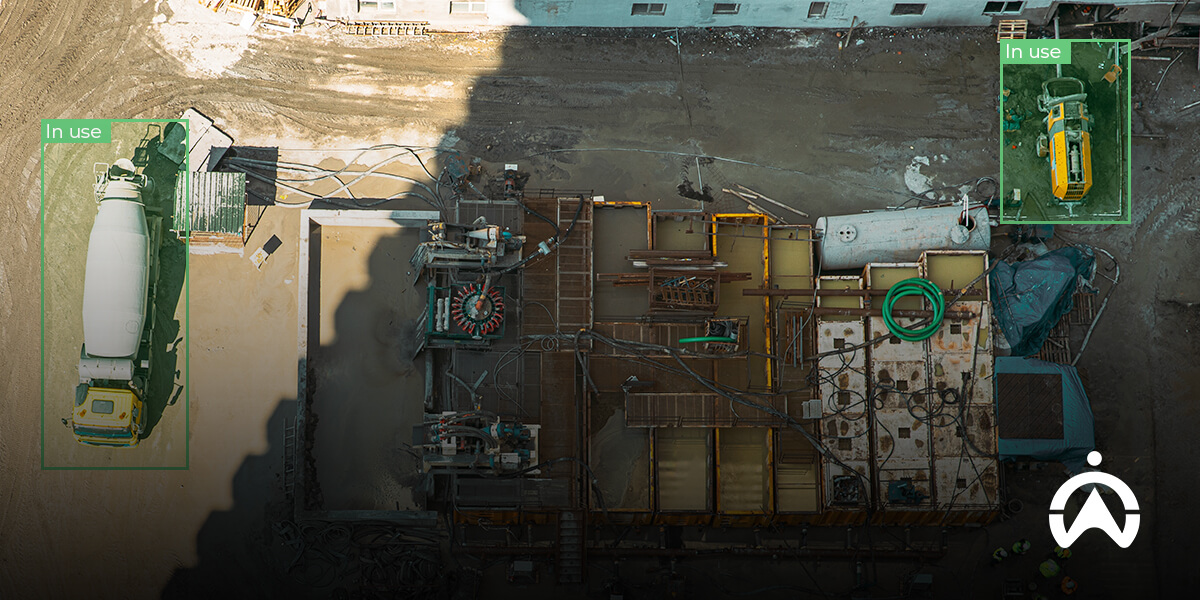
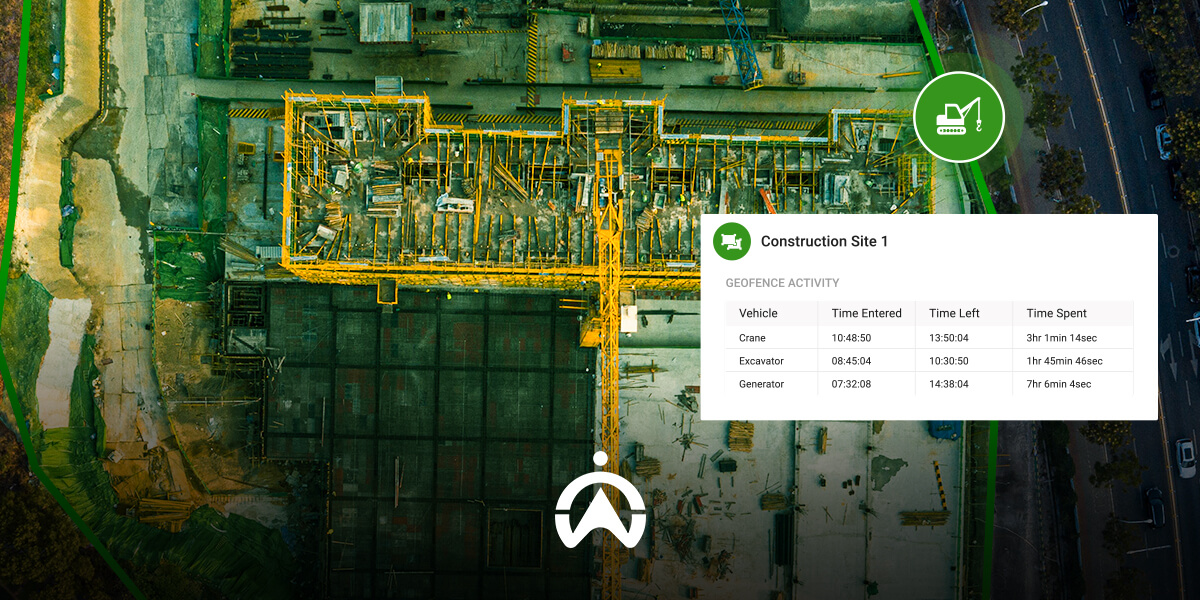
Aerial view of a construction site featuring a cement mixer and machinery in use, with visible pipes and equipment setups.

How Asset Management Solutions Keep Your Business in Control

Running a business requires all aspects to be performing and functioning at 100%. Manually tracking and managing these assets can be time-consuming and in some cases labour intensive. 

Having an asset management system bypasses these problems by streamlining and automating some of these tasks. Here is how it is done: 

Real-time GPS tracking 

Real-time GPS tracking is one of the systems that can assist with managing assets. These solutions need to integrate with fleet management software. You get to monitor the exact location of all assets 24/7, giving you peace of mind that they are safe and accounted for.

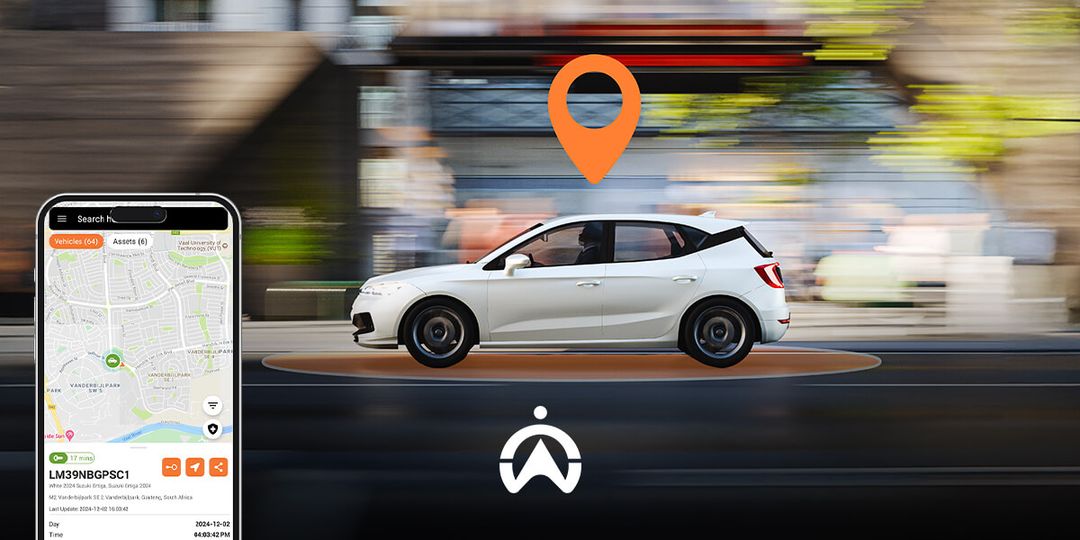
GPS tracking facilitates asset recovery in case of theft alleviating the task of yard hunting for assets and physically recovering vehicles yourself. For some assets, the location can be requested via a GPS ping while other assets are visible in real-time on Cartrack’s mobile app. 

Geofencing alerts 

A geofence is a technology that allows for a virtual boundary to be set around an area. This boundary determines where assets are allowed, sending out an instant alert when they move outside this designated area. 

This software can be used to monitor when assets enter a workspace and when they exit it, this can be useful when tracking the movement of assets from site to site. You will know the exact time an asset arrived at a location, how long it was there and when it left. 

Tamper detection

Should the tracking unit on an asset ever be tampered with, you will receive an alert. This will indicate that someone is trying to steal the asset and allow for appropriate action to be taken in time. 

Usage monitoring 

How assets are used is an important factor to monitor, as this will determine the amount of wear and tear on an asset. An issue that usually occurs is when there is an uneven use of vehicles and machinery. This happens when one asset is regularly booked and used while another remains idle for long periods.  

An asset management system addresses this issue by tracking working hours, and maintenance schedules, and optimising usage. This will let the personnel in charge of distributing work know which assets have not been used efficiently and which are being overused. This will allow them to allocate work accordingly to assets depending on availability and total hours worked. This will make operations more efficient and less costly.

Remote immobilisation 

If a business owns vehicles and assets that require an ignition to start working then a remote immobiliser can be installed. You will be able to remotely switch off the asset engine from running. 

With this revolutionary technology, you have the upper hand in keeping stolen assets within recovery range. In the case of theft, you can disable the engine, making it impossible for a criminal to restart it once it has stopped running. Doing so considerably boosts the chances of recovery while also acting as a strong deterrent against future thefts.

Comprehensive reports & analytics 

An asset management system should offer comprehensive reports and analytics of all assets. These reports should cover everything from usage rate, fuel consumption, maintenance, diagnostics, and other metrics. 

These reports will give an overview of all the assets’ operations and status. They can then be used to improve decision-making and asset utilisation in the future. 
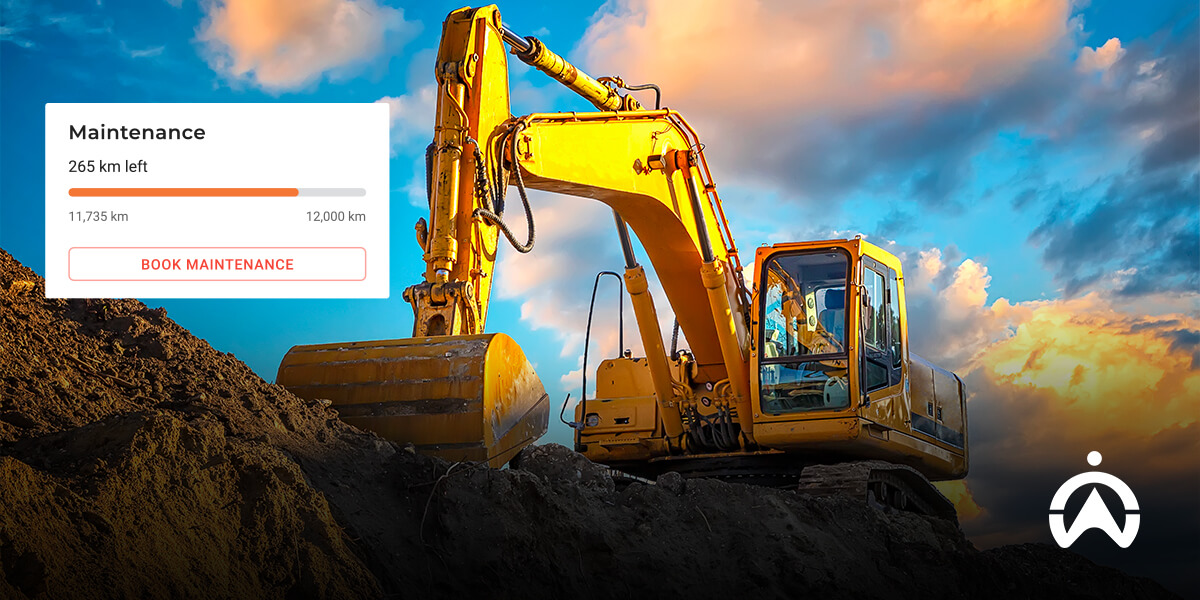
A yellow excavator on a dirt mound with a maintenance alert showing 265 km remaining until service. Blue sky and clouds in the background.

Why Cartrack Is the Best Choice for Asset Management

Dealing with the stresses of managing a wide variety of assets can be overwhelming. Fortunately, Cartrack has solutions for them all.  

As a comprehensive asset management provider Cartrack stands as an industry leader. With a footprint across 23 countries and customers from all over the globe, Cartrack offers some of the best solutions in the market. 

Here are some reasons to choose Cartrack:
‍

Industry-leading technology 

With over two decades’ worth of experience in the field, Cartrack has developed and innovated several solutions that are now the standard. All the innovations are patented and protected as intellectual property of the business. 

Cartrack’s software is all developed in-house, ensuring custom-built solutions for the evolving needs of businesses. 

Reliable 24/7 monitoring 

Asset tracking requires around-the-clock monitoring. A dedicated team ensures that your business assets are always protected. This constant surveillance means that should anything happen to your asset Cartrack can act quickly by sending out an alert and a recovery team if necessary.

This 24/7 monitoring can be done from the comfort of the business owner’s home, giving them a full view of all their assets at any time.

Proven success  

Cartrack has a long history of success with over 115,000 businesses trusting us with their fleet management solutions. Our audited stolen vehicle recovery rate stands at approximately 90%, a figure that is hard to match by competitors in the field. 

It is this reputation that should be a testament to why we are the best choice for a business looking for asset management.

Anti-jamming technology

Another method we have of protecting your assets, especially vehicles, is anti-jamming technology. This will block any attempts made to jam vehicle immobilisation or GPS tracking. Our technology even comes with a back-up that ensures that any jammed or tampered with signals are restored allowing for continuous GPS tracking.

Easy-to-use platform 

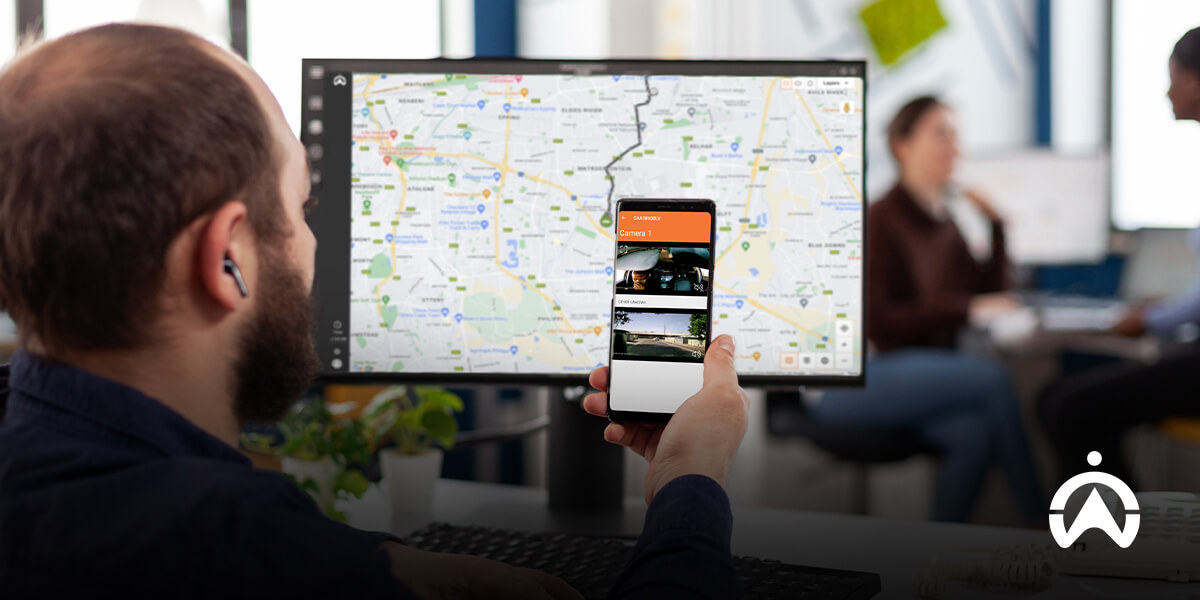
Our platforms offer a seamless user experience, allowing the business owner to monitor assets from their cellphone courtesy of our Mobile App or on a desktop or PC through our online interface. 

Through these platforms, a business owner can have a full view of all their assets, reports, schedules and drivers.

Anti-theft immobilisation

Cartrack offers remote immobilisation of vehicles and certain machinery. This is a feature that is extremely useful when dealing with theft. With a single tap on the Cartrack mobile app, you can remotely immobilise a stolen vehicle, preventing unauthorised movement and aiding in swift recovery. 

Geofencing

With geofencing, an asset manager can create a virtual boundary around the business premises or work site, requesting alerts every time an asset moves outside the zone. This can apply to vehicles, machinery and other movable assets. Using this technology allows the tracking of assets from one site to another to be clearer and better reported.

Scalable solutions  

Cartrack’s solutions are customisable to many business types from simple ones to those with a complex business structure. This allows us to adapt to the needs of a business as it grows and takes on more assets.

Our services cater to mixed fleet asset management, with a platform that is compatible with systems like enterprise resource planning (ERPs) software and other plug-ins. 

The importance of asset management for business efficiency and security can not be understated, it is a necessary component for any business looking to optimise operations. Whether a business is looking to grow or maintain workflow, the need for streamlined processes is always a benefit. 

With Cartrack as your business’s trusted asset tracking and management partner, your business will get a top-tier product that comes with unparalleled service. As a business, with a wealth of industry expertise and a reputation that few can compare to, we rise above the rest and shine as one of the best options out on the market.  

If you would like to get an asset management system from us, then we encourage you to book a demo or contact us to hear more about our solutions.

FAQ

Is fleet management part of logistics?

Yes, fleet management is a component of general logistics as it deals with the management of vehicles, schedules, routes and planning.

What industries need fleet asset management?

There are a range of business types and industries that need fleet asset management. These industries include but are not limited to; mining, construction, farming, and manufacturing. Any industry with a fleet of vehicles and heavy equipment will need an asset management system.

Why is it important to manage equipment as assets?

Equipment is very expensive, especially the kind used in niche and specialised industries. Breakdowns, theft and failure of these assets can lead to significant delays and operational disturbances. Managing these assets mitigates these problems and allows for timely action to be taken should a problem occur.

What are the three types of equipment maintenance?

There are three main strategies most facilities follow when it comes to machine maintenance: 

  • Preventive maintenance: to mitigate a potential problem.
  • Predictive maintenance: based on diagnostics of what components need to be serviced.
  • Corrective maintenance: after a breakdown has occurred to fix the problem.
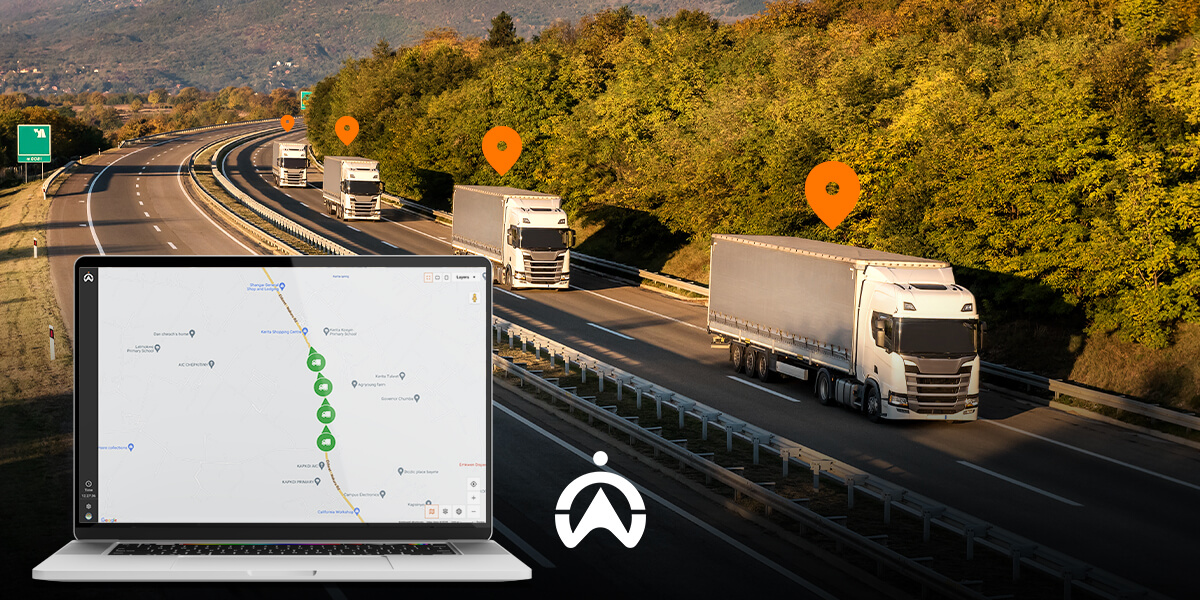
How Much Does Fleet Tracking Cost in Kenya

As a business owner, there are many things that you have to handle on a daily basis, from staff management, budgeting and other general operations. Managing your fleet of vehicles should be a seamless task. 

If your fleet still faces inefficiencies, then the first step is finding the best fleet tracking system, the second is to evaluate its cost, and the final step is to consider what the potential losses of not having one will be. 

Let us help you understand how much a fleet tracking system costs in Kenya, what happens when you don’t have one, and why Cartrack Kenya is the best choice for your business. 

In this article, you will:

  • Find out what the cost is for fleet tracking in Kenya
  • Discover what determines the cost of fleet tracking systems
  • Learn the additional costs to consider
  • Find out why Cartrack is the best choice in fleet tracking

What Is the Cost of Fleet Tracking in Kenya?

Fleet tracking is available at various price points based on the provider and the kind of solutions that they are offering. To fully grasp fleet tracking costs, it’s important to also consider the financial risks of not having a system in place.

Not having a fleet tracking system in place puts your vehicles at risk of theft and also affects the reporting of fleet operations. Using multiple disconnected tools to monitor fleet operations can lead to inconsistencies, errors, and inefficiencies. 

These inefficiencies worsen when the systems and processes in place are outdated and manual, leading to fuel mismanagement, uneven vehicle utilisation, and unexpected breakdowns. All these events will cost your business money.

At Cartrack, we offer a range of packages that cater to businesses and fleets of all sizes. Our packages offer GPS tracking and can be scaled up to include other advanced features.  

The true value of our fleet tracking system is how comprehensive it is, offering telematics and other AI-powered tracking solutions. These solutions include a variety of value-added services that augment the tracking solutions and provide the business owner with peace of mind. This peace of mind is invaluable.

What Determines the Cost of Fleet Tracking?

There are many factors to consider when evaluating the cost of a fleet tracking system, these are dependent on the nature of the business and the goals of installing a system. 

Here are some contributors to the cost of a fleet tracking system:

Type of Fleet Tracking System You Choose 

Basic fleet tracking plans in the bottom tier only offer GPS visibility and stolen vehicle recovery, while advanced options come with features like dashcams, fuel sensors, and geofencing. True value can be found in top-tier plans as they offer comprehensive telematics, fuel reports and other innovative features.

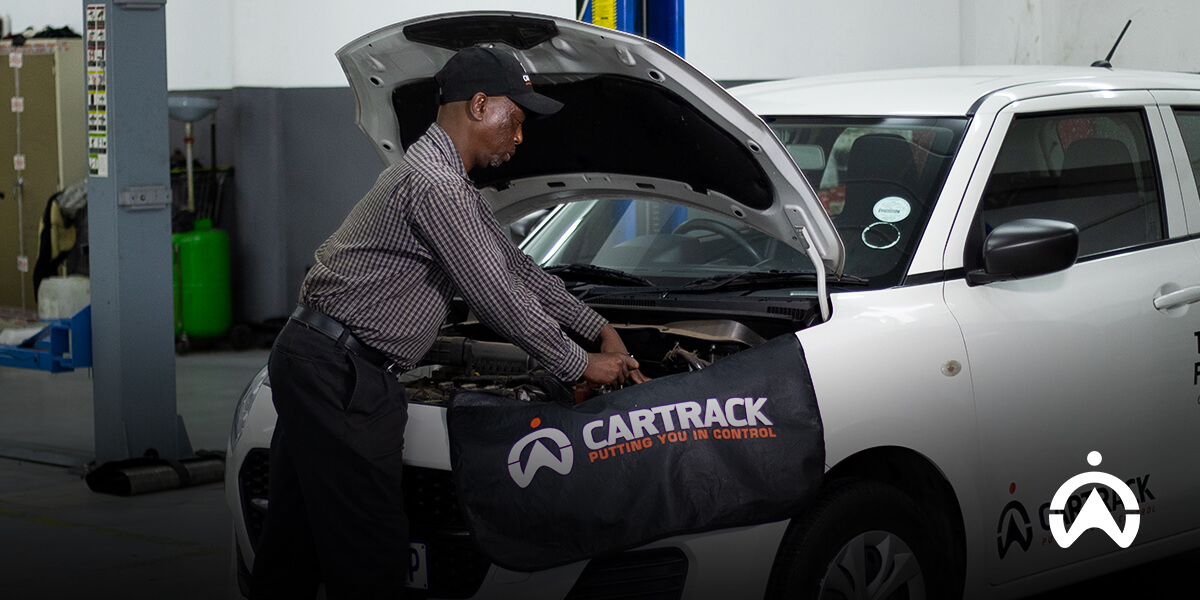
A Cartrack technician works on the engine of a white car, covered with a Cartrack maintenance blanket, in an auto repair shop.

Number of Vehicles in Your Fleet

The size of your fleet impacts the cost of a vehicle tracking system, and some providers offer discounts for larger fleets, making it more affordable as you add more vehicles. However, these kinds of deals are not universal and are subject to the discretion of the provider and the respective client. 

Features and Functionalities Needed 

The features and functionalities in the fleet tracking solution chosen will affect the cost, as discussed above. Some features come standard with GPS tracking, while others, such as AI-driven telematics and fuel monitoring, offer advanced capabilities. Some of these features include, but are not limited to:

  • Real-time tracking
  • Geofencing
  • Fuel monitoring
  • Telematics
  • Driver behaviour monitoring
  • Route optimisation

Installation and Maintenance Expenses

Many service providers include installation and maintenance costs in their payment plans, however, some may have those charged separately. 

It is possible to get a maintenance warranty on the fleet tracking system but this will also be a separate cost that is then added to the monthly premiums paid on the plan.

Additional Costs to Consider with Fleet Tracking

Getting a vehicle fleet tracking system comes with some additional costs, these are related to getting started and maintaining the system in the long run. Here are some to consider:

Activation Fees and Setup Costs

One of the first steps in getting a vehicle fleet tracking system is installation, which can sometimes incur a separate fee. This service fee will also depend on how many devices are being installed on the number of vehicles. Getting a provider that includes this with its regular price is a wise decision to take. 

Data Usage and Connectivity Charges

GPS tracking devices rely on SIM cards for data connectivity. Some providers include data costs in their plans, while others require businesses to cover them separately.

Signal connectivity should also be considered when regarding additional costs. For businesses with cross-border fleet operations, roaming becomes necessary as they will need to use foreign networks when in the region. This may come as an additional cost, dependent on the provider and their service offering. 

Contract Terms and Cancellation Penalties

The length of the contract chosen will impact the monthly premiums paid. Most providers have a strategy where monthly premiums get smaller the longer the contractual term is. Some businesses could find their monthly payments reducing significantly when they take on longer-term contracts.  

Another cost that is often overlooked is cancellation fees, these tend to be high for fleet tracking systems, especially when they are done midway through the contractual period. Sometimes they are a flat fee and in other cases, they are a percentage of the total remaining fees in the contractual period. 

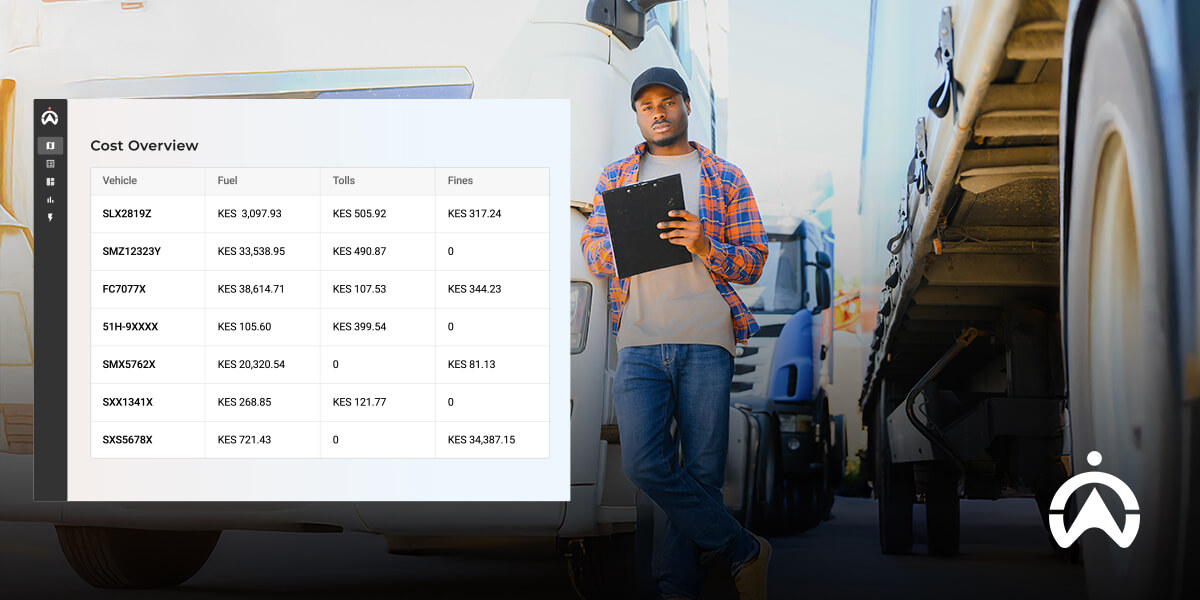
A person in a plaid shirt holds a clipboard, standing next to trucks with a cost overview displayed on a digital interface.

Why Choose Cartrack as Your Fleet Tracking Provider

Cartrack is best equipped to handle the fleet tracking needs of any business. With our comprehensive solutions, we offer advanced and innovative systems to help alleviate the inefficiencies and stress of managing a fleet of vehicles.

Here are some of our solutions that cater to vehicle fleet tracking:

Comprehensive Fleet Management Solutions

Cartrack’s fleet tracking solutions come with a host of other vehicle management tools and features that assist in optimising operations and safety. Some of these are: 

  • Real-time tracking: This allows the business owner to know where all the vehicles in a fleet are. This aids in route optimisation and planning.
    ‍
  • Task management and allocation: A fleet manager can allocate jobs and vehicles to drivers, with a view of which vehicles are available and which are up for maintenance.
    ‍
  • Diagnostic reports: You can get reports on vehicle health, fuel consumption and metrics.
    ‍
  • Bureau services: This service outsources the fleet management tasks to a team at Cartrack that will handle all the operations normally done in-house. 
    ‍
  • Stolen vehicle recovery: A recovery team will be sent to retrieve a vehicle should it get stolen. 

Flexible Plans

Our plans are flexible and can be tailored to the respective business’s needs. This means that the industry, size of the fleet, and types of vehicles will affect the type of plan you get. This will allow for the best possible solutions that will optimise the specific goals a business has.  

Exceptional Customer Support 

Cartrack provides 24/7 customer support for general queries, assistance with troubleshooting and emergency assistance. 

Advanced Technology and User-Friendly Interface

One of the best reasons to choose Cartrack is our advanced technology. We make use of artificial intelligence in our telematics products, use the Internet of Things in our systems and have innovative GPS tracking technology. All these tracking features offer real-time insights to optimise overall fleet performance.

All these features and functionalities can be used on our user-friendly web and mobile interface. This interface can be navigated with ease, offering a fully visual dashboard and fleet overview.

Choosing the fleet tracking system that best suits your business’s budget should not be a difficult decision. If you are looking for an efficient fleet tracking solutions provider, then contact us to get the best plan for your business.

Fuel Consumption Comparison: What You Need To Know Before Buying Your Fleet Vehicles

Managing fuel costs in a business with a large fleet can be a hassle, especially identifying which vehicles consume the most fuel and why. 

Different vehicle types each have specific reasons and causes for high fuel consumption. These reasons can range from size, function, vehicle health and driver behaviour, these are all factors that need to be considered when buying fleet vehicles.

In order to make sense of this conundrum, we have put together a comparison of vehicle fuel consumption and will share how Cartrack solutions can help your fleet reduce overall fuel expenses.

In this article, you will:

  • Share a comparison of fuel consumption of different vehicles
  • Find out what factors affect fuel consumption
  • Learn key strategies to reduce fuel consumption
  • Discover how Cartrack’s solutions can reduce your fleet’s fuel consumption

Fuel Consumption Comparison of Fleet Vehicles

The fuel consumption of a mixed fleet depends on the combination of vehicle types within it. Let us look at how each vehicle class consumes fuel.

Fuel Consumption Comparison of Different Vehicle Classes

The table below looks at how many litres of fuel some fleet vehicles consume per 100 kilometres (l/100km). 

Vehicle Class Average fuel consumed
Light-Duty
An example is pickup trucks
7.4 l/100km
Medium-Duty
Examples include firetrucks and school buses
17.5 l/100km
Heavy-Duty
For example, vehicles such as trucks, dump trucks, semi-trucks, and buses
29.9-32.6 l/100km

Vehicle Type and Size 

Vehicle types and sizes are major factors affecting fuel consumption, the same fuel budget cannot be made for different vehicles in a mixed fleet. Whether it be motorcycles, small cars, vans, trucks, or heavy-duty vehicles, fuel management is necessary.

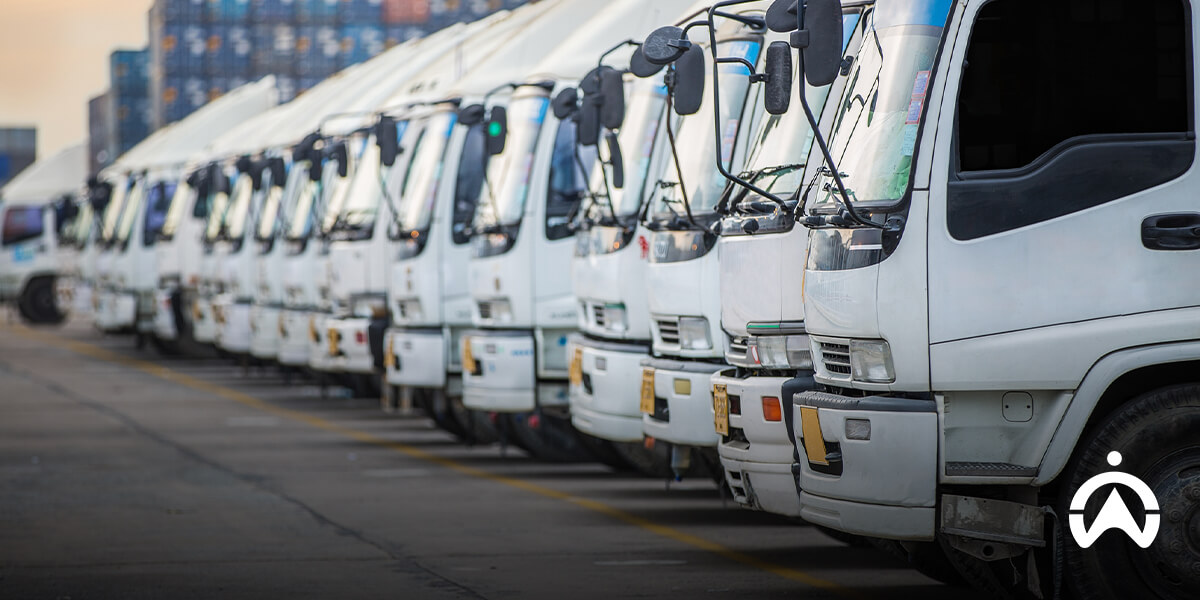
A row of white trucks parked in a logistics yard, with containers stacked in the background and an overcast sky above.

Get to Know the Factors Affecting Fuel Consumption

The vehicle type alone is not enough to determine how much fuel will be consumed. Other factors are at play that influence the final number. 

Let us explore what these are:

Engine Type 

The kind of engine a vehicle has plays a role in how much fuel is consumed. It’s simply a matter of how much fuel and air is introduced into the engine, so smaller capacity means less air is sucked in, and thus less fuel is needed.

In recent years, with the increasing sophistication of turbocharging, computerised engine management and direct fuel injection, manufacturers have been down-sizing their engines. This has been happening in both petrol and diesel engines so that they can produce equivalent amounts of power to match the older generation larger engines.

  • Hybrid alternatives
    Hybrid engine installations have progressed to the point where they are the most efficient of all. A little over a decade ago car manufacturers introduced hybrid cars, which weren’t all that fuel efficient, with owners typically finding overall consumption of those hybrid cars in the 7 litres per 100km range, whereas hybrid cars are now in the 3.7 litres per 100km 4.3 litres per 100km range in everyday use.

Vehicle Health

Vehicle health can also be a big contributor to fuel consumption, especially if you are buying fleet vehicles secondhand. See below a few examples we’ve investigated.

  • Tyre pressure and tread 
    Worn tyres with little tread and grip are more likely to slip on the road, which requires the engine to work harder to move the vehicle forward. Underinflated tyres increase rolling resistance, forcing the engine to work harder and leading to higher fuel consumption. 

    Due to the reduced efficiency of fuel consumption, you now need to use a greater amount of fuel to cover the same distance as before.
    ‍

  • Engine health 
    Over time, carbon buildup and mechanical wear reduce engine efficiency, increasing fuel consumption. This leads to increased friction, less effective fuel burning and unsynchronised part movements, which means the engine cannot maximise the energy from each litre of fuel consumed, thus increasing waste.

Driving Conditions 

The driving conditions that a vehicle operates in can have an impact on how much fuel is consumed. This is something to consider when buying fleet vehicles, you will need to be cognisant of the conditions they drive in, as that will affect fuel consumption.

When comparing urban to highway driving, we find that more fuel is consumed in the city. This may be surprising as most people would assume driving slower due to the many speed restrictions would make fuel consumption less. However, the frequent stopping, starting, accelerating and braking ends up consuming more fuel than a vehicle on an uninterrupted journey on the highway.

Driver Behaviour 

Driver behaviour is one of the biggest contributors to a fleet’s high fuel consumption. Factors such as accelerating, harsh turning, harsh braking, speeding, and idling time, each consume more fuel than necessary. Let us see how each impacts fuel efficiency. 

  • Speeding
    Your fuel efficiency is lower at higher speeds as there is increased tyre rolling resistance and air resistance. Your car takes up a lot of energy to circulate air, this is harder when travelling at higher speeds. 

The table below shows how the average km/l is reduced when exceeding 80km/h. These statistics are averages and can vary based on vehicle type. 

Speed range Average percentage of km per litre of fuel compared to 80km/h
96km/h -14%
112km/h -24%
128km/h -37%
  • Harsh accelerating and braking 
    When you accelerate harshly, significantly more fuel is used to get the torque and horsepower increased quickly (so that the vehicle moves quickly and picks up speed). Harsh braking often leads to harsh acceleration as you need to pick up speed quickly to move again. Accelerating and decelerating at slower paces has proven to reduce fuel by 7%.
    ‍

Here is what our research has found, these numbers are estimated and could differ slightly depending on the vehicle make, model, and age.

Vehicle Average fuel consumed per hour idling
Bus 3.5 litres
Medium-Heavy Truck 3 litres
Large Sedan 1.5 litres

Load Capacity 

The weight of a vehicle’s load directly affects fuel consumption. A heavily loaded vehicle requires more power to accelerate and more energy to brake. Such frequent stop-and-go driving with a full load increases fuel consumption due to the extra energy required to overcome inertia.

Hauling more weight for extended periods puts extra strain on the engine and other mechanical components. This leads to inefficiencies over time. Such stress reduces fuel economy and shortens the lifespan of critical parts, increasing the cost of repairs.

What this means is that the vehicles bought by a business should align with the goals and the specific loads that each one will carry in daily operations. 

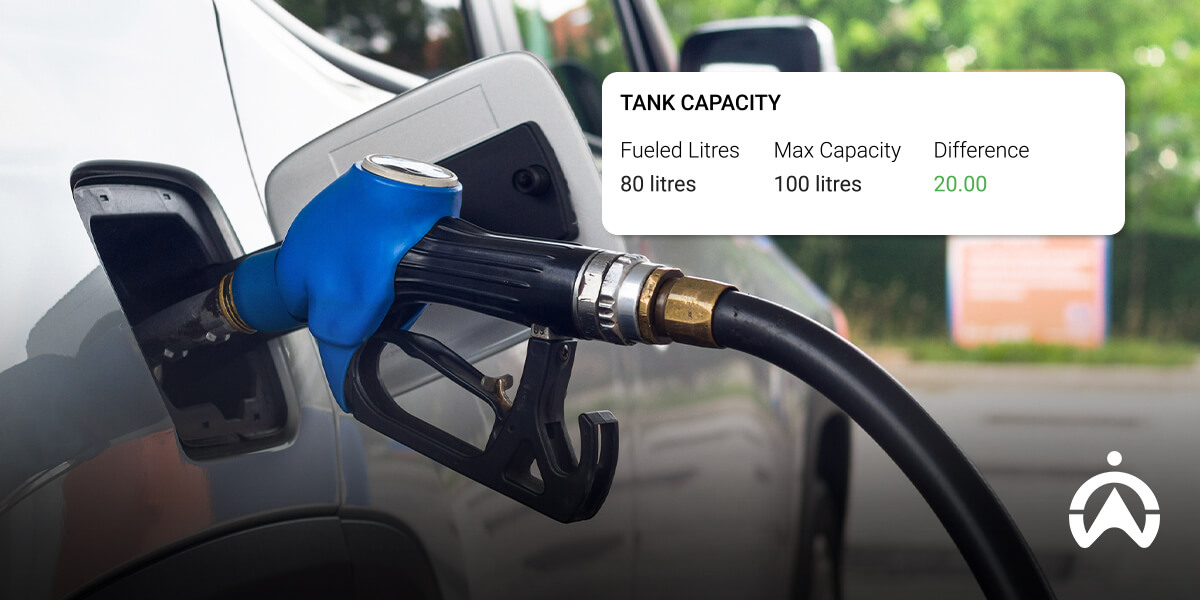
A fuel nozzle is inserted into a car's tank, showing fueled litres (80L), max capacity (100L), and difference (20L) on a digital display.

Key Strategies to Reduce Fuel Consumption

High fuel consumption can be a burden on a business, especially if the business has a large fleet of vehicles. If you are a business owner who is looking to buy a fleet and is worried about high fuel consumption, then worry not, as there are possible strategies for this issue. 

Some of these strategies include:

  • Telematics Solutions: Leveraging fleet management software to monitor fuel usage.
    ‍
  • Regular Maintenance: Ensuring proper tyre pressure, engine tuning, and oil changes.
    ‍
  • Driver Training: Educating drivers on fuel-efficient driving techniques.
    ‍
  • Route Optimisation: Using GPS tracking for the shortest and most efficient routes.

How Cartrack’s Solutions Can Reduce Your Fleet’s Fuel Consumption

As a business owner with a fleet that consumes a lot of fuel, you need not worry as Cartrack is here to help. Cartrack has comprehensive solutions that can assist in reducing fuel waste, managing fuel spend, and reporting all fuel-related functions.  

Here are some of our solutions that will aid in reducing fuel consumption:  

Fuel Usage Reports and Alerts 

Cartrack offers reports on fuel consumption, this is done through the use of fuel probes and sensors that we install into vehicles. Let’s learn more about how these work and what they can tell you.

  • Fuel Sensors
    Various fuel monitoring devices track different metrics, such as fuel levels and consumption patterns. Fuel level measures the amount of fuel that is in the tank of a vehicle at any given time. It can either be expressed as the amount of litres, or as the percentage of the tank that is full.
    ‍
  • Fuel Reports
    The key idea of this report is for managers to do a review and check whether there are any suspicious refuels. This could mean checking whether refuels happened as the drivers claimed, checking that the amount of fuel refuelled matches the amount paid on the receipt, checking the average number of refuels for the period, etc. 

These would all indicate that there is a potential fuel problem that requires investigation, such as;

  • Drivers could be using the vehicles more for personal use, so now they have to refuel more frequently and the total fuel put into the vehicle for the date range is above average.
    ‍
  • Drivers could be claiming back for fuel that they put into their personal vehicle (either none of the fuel went into the company car or only some of it did).
    ‍
  • The driver might fill the vehicle tank, and then only a short number of km later (seen in the odometer), refuels the vehicle again – indicating potential theft.

Maintenance Reminders and Vehicle Health Monitoring 

We have technology that is linked to CANbus and sensors that track the vehicle’s wear and tear over time. This allows for repairs to be scheduled on time and for vehicle maintenance to be done before too much damage has been accrued. These scheduled reminders come as alerts and keep the business owner updated on the status of the fleet at all times.

Idling Time Reduction 

Manage vehicle idling time on the road with our telematics offering. A driver’s behaviour will be monitored and the fleet manager notified when the vehicle is idling. The time, location and duration of the idling event will be recorded on the fleet management system so that it can be analysed later.

Customised Reporting and Analytics

One of the benefits of Cartrack’s fleet management software is its overall reporting and analytics. This is aided by the use of telematics technology, which allows for a comprehensive overview of the fleet’s operations. Having this overview will make it easier to identify fuel consumption issues from all the possible sources.

Real-Time Monitoring and Route Optimisation 

Having real-time GPS tracking makes it easier to monitor activities on the journeys a driver takes. This can be done by tracking the vehicle on a map and seeing whether they are sticking to the optimised route or not, and also by the use of AI cameras. 

These features will give the fleet driver more options to see what is going on. This knowledge can then be used to optimise routes as the delivery happens, or later on in the review process, this will ultimately help in reducing fuel costs.

Driving Behaviour Analysis 

As one of the leading causes of high fuel costs, bad driver behaviour needs to be addressed and managed. With Cartrack’s software, you will be able to monitor fuel-consuming behaviours, like acceleration, speeding, and idling. 

Our telematics offering makes it easier to report on these events as they happen. Our technology can also notify drivers when they transgress, ultimately reducing the frequency of these incidents. 

Running a business with a fleet of vehicles requires the fleet management software in place to be highly effective in reducing inefficiencies. One of these is high fuel consumption, a business expense that can easily get out of control when not managed correctly. 

If you are looking for solutions to aid in reducing fuel consumption, then Cartrack is the ideal partner for your business. Contact us to get a quote or to hear more about our full offering. 

FAQ

Q: What is the difference between fuel economy and fuel efficiency?

A: Fuel economy relates to how far a vehicle can travel per the amount of fuel it consumes. Fleet fuel efficiency relates to how productively the fuel is used in vehicles owned by a business.

Q: Is the amount that a logistics company charges their customers influenced by the amount the company is spending on fuel?

A: Yes. Fuel expenses do impact how a business puts together its costing models. This is because fuel is an added expense on top of the actual product being delivered. 

Q: How can fuel consumption be measured?

A: Kilometres travelled per litre of fuel and the total litres consumed in a set period.

Fuel Tracking: What Every Fleet Manager Should Know

Fuel is one of the largest operational expenses in a fleet-based business and often accounts for a significant percentage of all operational costs. This is why the need for fuel tracking is now more important than ever. 

Fuel tracking refers to the process of monitoring and managing fuel consumption within a fleet by using different tools and technologies to gather, record, and analyse fuel data. Fuel tracking goes beyond merely monitoring costs; it offers valuable insights into fleet operations and detects inefficiencies.  

Today, we will cover everything you need to know about fuel tracking and explore how Cartrack’s solutions can help fleet managers improve their fuel efficiency and overall operations.

In this article, you will:

  • Understand what fuel tracking is and how it works
  • Learn why it matters to fleet managers
  • Explore fuel tracking strategies and technologies
  • Discover how Cartrack solutions empower fleet managers

Understanding Fuel Tracking for Fleet Managers 

Fuel tracking involves using tools such as GPS tracking, telematics systems, and fuel level sensors to manage the amount of fuel a fleet uses. It allows fleet managers to identify any inefficiencies, including maintenance issues, poor driving habits, and potential fuel theft or fraud. 

This process relies on gathering specific data points, including:

  • Fuel usage: How much fuel each vehicle uses over time.
    ‍
  • Fuel purchases: Information on where, when, and how much fuel was purchased.  
    ‍
  • Vehicle mileage: The distance covered by each vehicle concerning fuel usage.
    ‍
  • Driver behaviour: Insights into idling, acceleration, braking, and route efficiency.
    ‍
  • Tank levels: Real-time monitoring of fuel levels to detect discrepancies, such as sudden drops, that may suggest theft.

To ensure accuracy, you must invest in a robust tracking system and avoid manually recording the data. Manual tracking methods like collecting paper records of fuel receipts and mileage logs were popular in the past; however, these methods are time-consuming and prone to errors, making it difficult for them to make informed decisions. 

Modern fuel tracking systems use automation and digital tools to deliver real-time insights, allowing managers access anytime, anywhere, through cloud-based platforms, mobile apps, and web dashboards.

Why Fuel Tracking Matters for a Fleet Manager

With the fluctuating fuel prices in Kenya, it is no surprise that fleet managers are looking for ways to cut costs, as rising expenses can negatively impact the business’s profitability. Implementing a fuel tracking system offers several key benefits, such as: 

Reduces Costs

Uncontrolled consumption could significantly impact a business’s financial standing and operational efficiency. If fuel costs exceed budget projections, fleet managers may have to reallocate funds meant for other business areas to fuel. 

Fuel tracking allows you to identify fuel-wasting habits, such as: 

  • Excessive idling: When a vehicle’s engine is running but the vehicle is stationary.  
    ‍
  • Aggressive driving: These are driving patterns, such as speeding, rapid acceleration, and harsh braking, which can lower fuel efficiency.  
    ‍
  • Poor route planning: When drivers use the longest routes for their deliveries.
    ‍
  • Unauthorised vehicle use: When employees are using company vehicles for personal trips.   

By addressing these habits, managers can train drivers on efficient driving techniques and optimise routes. This reduces fuel consumption, which ultimately reduces costs and improves overall efficiency. 

Prevents fuel fraud and theft

Fuel theft and fraud are serious risks for businesses; however, fuel tracking can help mitigate these risks. 

Here are common methods criminals use to steal fuel: 

  • Syphoning: Criminals use a hose or syphon pipe to transfer fuel directly from the vehicle’s tank into a container. This type of fuel theft is more likely to occur at night or in secluded areas to avoid being noticed.  
    ‍
  • False transaction: This type of fuel theft occurs when gas station employees collaborate with thieves. The employee swipes the fuel card multiple times for a single transaction, which results in multiple charges on the cardholder’s accounts. This method is usually difficult to detect as these transactions are coming from a valid fuel card.
    ‍
  • Fuel card fraud: This type of theft occurs when authorised individuals obtain and use a company’s fuel card to purchase fuel for their personal cars. ‍This can be done by stealing a physical card, skimming data at fuel stations, or using stolen card information to create fraudulent transactions online. These cloned cards can then be used to purchase fuel at any filling station. 

By monitoring fuel card transactions and tracking vehicles’ locations in real-time, managers can quickly identify and address any suspicious activities, which will ultimately save fuel. 

Improves compliance

Fuel tracking helps businesses meet regulatory and tax requirements by providing accurate records of fuel purchases and consumption. This helps managers avoid costly fines and penalties while demonstrating their commitment to environmental sustainability.

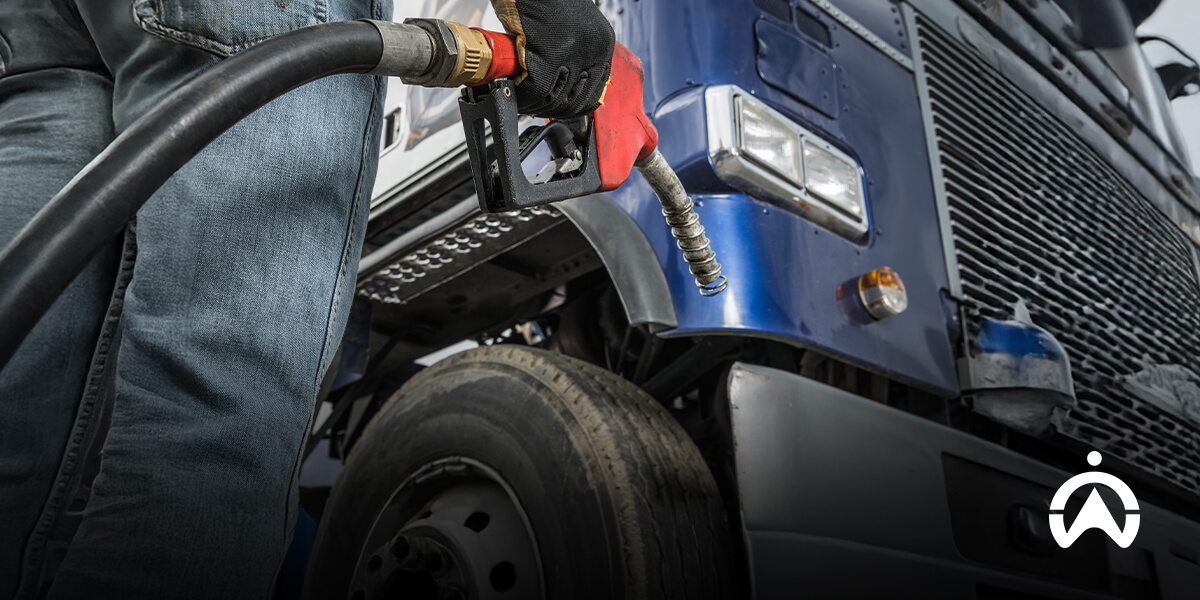
A person in jeans and gloves holds a fuel pump nozzle, preparing to refuel a large blue truck.

Fuel Tracking Methods and Technologies Every Fleet Manager Should Use

Several advanced methods and tools can be used to manage fuel usage and save costs. These include:

Telematics and GPS tracking: 

Telematics and GPS tracking systems offer real-time data on vehicle location, aggressive driving, idle time, and inefficient routes. These systems provide a comprehensive view of a fleet’s operations, allowing managers to monitor fuel consumption.

Fuel Cards

Fuel cards are one of the most widely used methods for tracking fuel usage in a fleet. These cards are typically issued to drivers, allowing them to purchase fuel at approved stations. Each transaction is recorded in real-time, providing managers with instant data on fuel purchases, fuel prices, and fuel consumption.

These cards help eliminate the need for manual tracking and reduce the risk of fraud by ensuring only authorised purchases are made. 

Automated Fuel Sensors

Automated fuel sensors can be installed in vehicles to track fuel consumption in real-time, providing accurate data on fuel levels and usage. These sensors can help identify fuel theft or improper fuelling practices and provide concise readings on fuel usage, ensuring that fleet managers always have up-to-date information.

Selecting the right fuel tracking tools depends on factors such as fleet size, budget, and operational needs. Smaller fleets may benefit from basic fuel card systems, while larger fleets may require more advanced telematics systems.

Effective Fuel Management Strategies for Fleet Managers

In addition to using the right tools and technologies, fleet managers should implement effective fuel management strategies to maximise efficiency and minimise costs.

Setting Benchmarks and Tracking KPIs

Establishing key performance indicators (KPIs) such as miles per gallon (MPG) and fuel cost per mile (FCPM) allows fleet managers to measure fuel efficiency and identify opportunities for improvement. These KPIs can serve as benchmarks for fleet performance, helping set realistic goals for reducing fuel costs.

Training Drivers on Fuel-Efficient Driving Habits

Driver behaviour plays a major role in fuel efficiency. Drivers must be trained on the importance of fuel-efficient driving habits, such as avoiding rapid acceleration, maintaining steady speeds, and reducing idling time.

Regular Vehicle Maintenance to Improve Fuel Efficiency

Regular maintenance, such as tire inflation checks, engine tuning, and air filter replacements, ensures that vehicles operate at optimal efficiency. A well-maintained vehicle uses fuel more efficiently and is less likely to require costly repairs compared to a poorly maintained vehicle.

How Cartrack’s Fuel Tracking Solutions Empower Fleet Managers

Cartrack’s fuel management system helps prevent fuel waste and reduce costs. Our system uses telematics to read fuel levels in real-time and notify you of any fuel changes. 

With access to detailed fleet data, inefficiencies can be quickly identified and addressed.

Let’s explore how Cartrack’s fuel tracking solutions enhance fuel management:

Mifleet

Mifleet is a cost management software that integrates vehicle telematics with fuel transaction data. It validates fuel purchases based on location, tank capacity, and litres filled, helping detect fuel theft and card fraud. With instant alerts for suspicious transactions, managers can quickly investigate and prevent financial losses. 

Advanced Fuel Monitoring Sensors

Monitoring in-tank fuel levels is essential for preventing discrepancies and unauthorised fuel usage. Cartrack offers three advanced fuel monitoring tools:

  • Float Sensors: Every vehicle is equipped with a floater and variable resistor inside the tank. As fuel is consumed or refilled, the sensor moves, generating voltage changes that Cartrack’s IoT device translates into accurate fuel level readings. These insights are available on the fleet management platform for real-time monitoring.
    ‍
  • Fuel Probes: Designed for external tanks and non-integrated vehicle fuel tanks, fuel probes use a float system to measure fuel levels. They connect to a telematics device to transmit real-time data, ensuring accurate fuel tracking.
    ‍
  • CANBus Integration: The Control Area Network bus (CANBus) connects to Cartrack’s telematics device, allowing vehicle components like the engine and transmission to communicate seamlessly. This system enhances fuel tracking accuracy and ensures fleet managers receive accurate fuel consumption data.
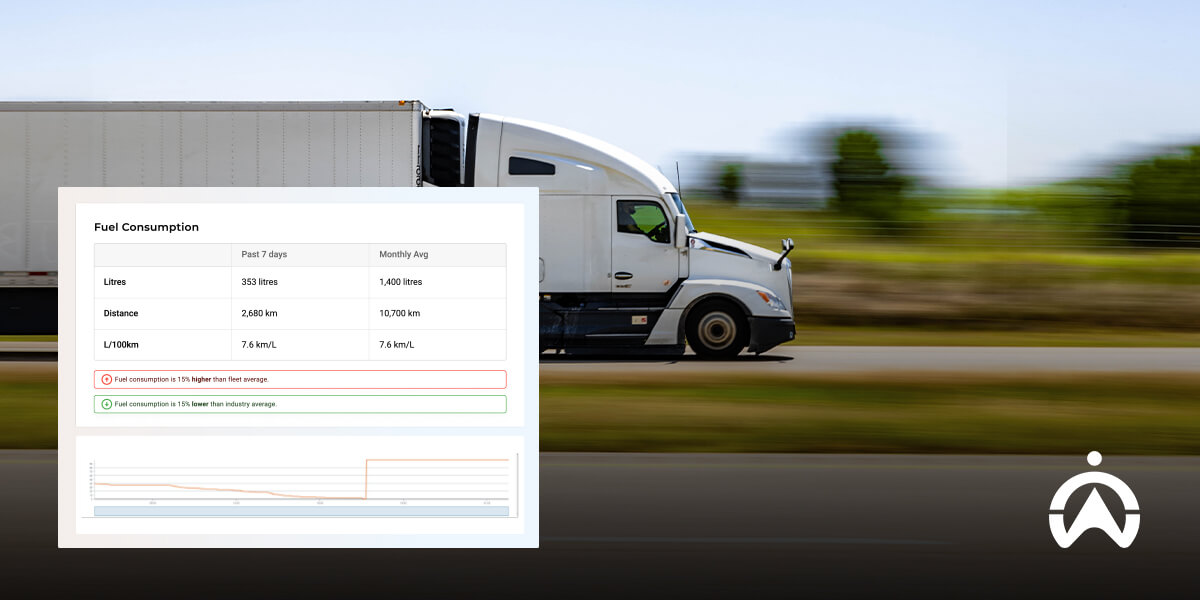
A semi-truck drives on a highway, accompanied by a fuel consumption report displaying recent metrics and comparisons.

Preventative Maintenance 

An overworked or poorly maintained engine burns more fuel than necessary. Cartrack’s preventive maintenance tracks engine hours and provides real-time alerts for potential faults. The system automates maintenance schedules to ensure that the vehicles go for servicing on time. This prevents excessive fuel consumption caused by engine wear and tear.

Route Optimisation 

Our route optimisation feature helps fleet managers plan the most efficient routes, reducing unnecessary mileage and fuel expenses. When drivers take the shortest paths with fewer traffic congestions, businesses can cut costs and improve delivery times, which will improve customer satisfaction. 

AI-powered cameras

Cartrack offers an AI-powered camera solution with up to 8 cameras, all equipped with built-in telematics. They detect distracted driving behaviours such as yawning, cellphone use, or smoking and alert drivers in real-time so that they can immediately self-correct. Safe driving reduces fuel-wasting habits like harsh braking, which often results from distractions. 

The external cameras can be installed to monitor fuel caps, preventing theft and unauthorised fuel syphoning. Our cameras have night vision or infrared technology to capture clear footage in low-light areas and at night. 

Driver Scorecards

Cartrack’s driver scorecards provide detailed reports on key driving behaviours such as speeding, harsh braking, and cornering. By analysing these reports, fleet managers can coach drivers to adopt fuel-efficient driving habits, reducing unnecessary fuel consumption and improving vehicle longevity.

By leveraging these technologies, fleet managers can make smarter decisions that lead to significant cost savings and improved operational performance.

In conclusion, fuel tracking is essential for controlling costs, preventing fuel fraud, and improving overall fleet efficiency. Investing in advanced fuel tracking solutions, such as those offered by Cartrack, allows fleet managers to make data-driven decisions that enhance operational performance. With real-time insights, automated monitoring, and proactive alerts, businesses can optimise fuel usage, cut unnecessary costs, and build a more sustainable fleet.

Contact us today to discover how we can help you take control of fuel expenses and improve fleet efficiency.

Frequently Asked Questions About Fuel Tracking 

Q: What types of fleets benefit most from fuel tracking solutions?

A: All fleets of all sizes can benefit from fuel tracking. Whether you are in the delivery business or the mining industry, tracking fuel can help save you costs and improve overall fleet operations.  

Q: How often should I review my fuel tracking data?

A: Fuel tracking data should be reviewed regularly. This allows fleet managers to spot trends early, identify any unusual activity, and take corrective action before issues escalate.

Q: Can fuel tracking systems improve customer satisfaction?

A: By optimising routes, reducing delays, and improving fuel efficiency, fuel tracking systems can help fleet managers ensure timely deliveries, better customer service, and higher satisfaction. Efficient fleet operations can also lead to lower costs, which can be passed on to customers through competitive pricing.

Best Fleet Management Software in Kenya

Running a successful business requires that you are always at the top of your game especially when it comes to coordinating and managing tasks, which can be very time-consuming if you’re using outdated methods. 

This can be a thing of the past when you’re armed with the best fleet management software. With it, you can streamline your entire organisation and integrate every aspect into one system. 

Are you interested in finding out how?

Today, we discuss one of the best fleet management software in Kenya, how it is tailored to different-sized businesses, and why Cartrack Kenya stands out as the preferred fleet management software for fleets.

In this article, you will:

  • Discover one of the best fleet management software
  • Know the key features and benefits of having fleet management software
  • Discover why Cartrack’s fleet management software is one of the best

Drive success with cutting-edge fleet management software

To succeed in Kenya’s diverse economy, businesses of all sizes need a system that centralises their entire operation, where they can manage fleet performance and operational costs. However, many businesses use multiple applications for their operations, such as accounting and vehicle management applications, that are not integrated, which results in many inefficiencies and wasted time.

Numerous businesses use substandard solutions, which are basic fleet systems that are sold over the counter and provide limited location data and no telematics features. These devices lack advanced features such as real-time data, vehicle and driver monitoring, and vehicle recovery, making them less effective.

Key Features of the Best Fleet Management Software

Having a fleet management software can be a game-changer for your business, but with so many options available, it can be challenging to figure out which software to choose. It is always good to ensure that the fleet management system you’re interested in has all the essential features.

Here is a list of features that the best fleet management system should have:

  1. Enhanced GPS Tracking: Live location data for your fleet to monitor movement and ensure on-time delivery.
    ‍
  2. Strategic Fuel Management: A tool to track fuel usage to identify waste and fuel theft.
    ‍
  3. Proactive Alerts and Notifications: Receive notifications on crash events and maintenance reminders.
    ‍
  4. Driver behaviour monitoring: Receive reports on driver behaviour such as speeding, idling, and harsh braking.
    ‍
  5. Streamlined Fleet Maintenance: Automate maintenance schedules for your fleet to reduce downtime and breakdowns.
    ‍
  6. API Integration: APIs are designed to help businesses integrate their entire operation into one central system, making the fleet data easily accessible and manageable. This data includes vehicles, trips, and fuel history, which enhances operational efficiency.
A worker carries freshly harvested leeks in front of a truck loaded with crates of vegetables on a dirt road.

Fleet management software tailored to suit businesses of all sizes and industries

Company fleets of different sizes each have their own set of challenges that need to be managed daily. It doesn’t matter whether you have a small business or a large-scale company; fleet management software is an important tool to enhance efficiency and productivity. Here is how fleet management software benefits different-sized businesses.

Fleet management software for small businesses in Kenya

Small businesses usually have a smaller number of employees, and many of them might not have the skills needed for managing a fleet. Because of this, it can be tough to run fleet operations smoothly. However, fleet management software can make things easier by improving operations, cutting down on waste, and simplifying tasks related to the fleet. This way, business owners can concentrate more on expanding their business.

Fleet management software helps small businesses manage problems such as vehicle breakdowns and downtime, which makes scaling their operations easier, yielding greater profits in the long run. 

Fleet management software also helps keep costs low, which is crucial for small businesses. This is done through features such as fuel monitoring, route optimisation, and preventative maintenance.  

Enterprise-level fleet management solutions for Kenyan companies

Managing large fleets can prove to be difficult for enterprises because there are a large number of vehicles you need to keep operational. Without the right tools, these businesses may not be able to keep an eye on issues such as fuel waste, delays in deliveries, vehicle breakdowns, and downtime. Another issue that may arise when a business grows is being unable to ensure that drivers are properly trained and driving safely. These issues can spiral out of control, leading to significant financial losses. 

Mid-sized to large businesses normally benefit most from implementing fleet management software. Large businesses tend to have long and complicated bureaucratic processes that use a lot of confusing paperwork; this hinders productivity and often leads to many human errors.

It is due to these circumstances that numerous providers have emerged offering fleet management solutions. These range from established businesses to smaller startups. Servicing large businesses on an enterprise level is still a struggle for most fleet management companies, with few offering reliable software.

Why Cartrack’s Fleet Management Software is the Best Solution for Your Business

The purpose of fleet management software is to simplify all the tasks that are essential to a successful business operation. Cartrack’s fleet management software provides a wide range of features that businesses can tailor to their specific needs. Here’s how:
‍

Vehicle telematics

As a fleet operator, you can monitor your vehicles’ location in real-time with Cartrack’s live GPS tracking. The data gathered from the tracking system helps identify inefficiencies and improve decision-making. The data provides alerts on driver behaviour such as speeding and aggressive acceleration, as well as fuel levels and usage. Incorporating management software into your business ensures tasks are done efficiently as well as minimises risky behaviour that could result in financial losses to the company.‍

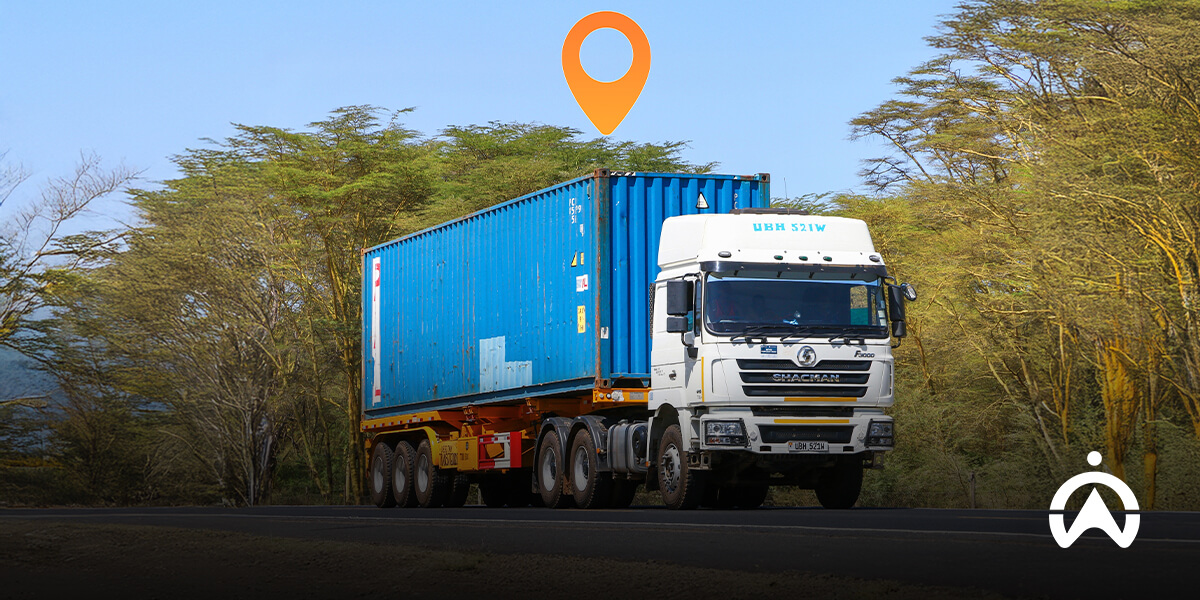
A blue shipping container truck drives on a road, surrounded by trees with a location pin symbol above.

Predictive vehicle maintenance

Keep your fleet running like a well-oiled machine with Cartrack’s preventative vehicle maintenance. Our fleet management software, powered by artificial intelligence and advanced analytics, analyses vehicle performance and identifies potential issues before they become costly or dangerous problems. You will receive alerts when water or oil levels are low, brake pads are damaged, and when the vehicle is scheduled for a service. Which keeps the operation operating without interruptions and minimises unnecessary maintenance costs.‍

Fuel monitoring

Make every drop of fuel count with Cartrack’s fuel monitoring. Our software uses fuel sensors that are installed in your vehicle’s tank to closely monitor a vehicle’s consumption. This information is monitored and gathered in real-time to help identify fuel theft and fuel wastage. It also may help reduce monthly operational costs as the system keeps a record of the cost of each task, providing insights to help businesses plan more efficiently for the future. ‍

Fleet costs management

Whether you have 5 vehicles or 100 vehicles, Cartrack’s fleet costing software, Mifleet, can help you track all your fleet expenses, such as vehicle permits, fuel costs, and even taxes. MiFleet is an easy-to-use fleet cost accounting software that enables you to effectively manage your fleet. This software provides an in-depth view of your fleet expenses so that you can keep operational costs low.

Having fleet management software streamlines your operation all from one application, reducing day-to-day challenges. It allows you to monitor and report on everything about your operation. With Cartrack on your side, you can confidently manage your fleet operations, whether you’re managing an entire fleet on your own or with a team.

Are you ready to streamline your fleet? Contact Cartrack, and a friendly sales agent will be ready to answer any questions.

How to Manage Mixed Fleets

Managing a mixed fleet has transformed the way businesses operate. Whether you’re overseeing compact delivery vans, heavy-duty trucks, or an eco-conscious mix of electric vehicles, handling such diversity offers both unique opportunities and significant challenges.

The reality is that managing a mixed fleet isn’t just about tracking mileage or scheduling maintenance. It’s a balancing act, requiring strategic planning, and precise coordination and takes considerable time and effort to master completely.

In this blog, we explore the ins and outs of mixed fleet management, offering practical strategies and actionable insights to help you streamline your operations.

We’ll also show you how Cartrack’s innovative solutions can be the game-changer your fleet needs to operate like a well-oiled machine.

Let’s dive in.

By the end, you’ll understand:

  • Why managing a mixed fleet is uniquely challenging
  • Simple, practical steps you can take to make fleet management easier
  • How Cartrack’s innovative solutions can help you take control and make your operations run like clockwork

What Exactly Is a Mixed Fleet?

A mixed fleet is exactly what it sounds like; a group of vehicles with different features, fuel systems, or purposes. You might have a mix of petrol and diesel vehicles, a few hybrids or electronic vehicles (EVs), and maybe some specialised trucks for heavy-duty tasks.

While this variety of fleet can be a strength, it requires you to handle diverse tasks and may also come with a unique set of challenges. Different vehicles mean different maintenance schedules, performance tracking needs, and varying operational costs.

Why Managing a Mixed Fleet Can Be Complex

Let’s get real. If you’ve ever tried to juggle the needs of a mixed fleet, you know it’s not for the faint of heart. Here are a few reasons why:

  1. Diverse Maintenance Requirements: A diesel truck doesn’t need the same care as an electric sedan. Keeping up with all the schedules and specific needs can feel like solving a Rubik’s Cube blindfolded.
    ‍
  2. Fuel Management: With various vehicles guzzling fuel at different rates, tracking and optimising fuel consumption is tricky. Add rising fuel costs to the mix, and you’ve got a recipe for budget stress.
    ‍
  3. Driver Challenges: Not every driver is comfortable switching between vehicle types. Some may excel at driving a compact car but struggle with a bulky truck or the nuances of an electric vehicle.
    ‍
  4. Regulatory Compliance: Different vehicle types often come with their own rules for safety and emissions. Staying on top of these is critical but time-consuming.

Sound familiar? If you’re nodding along, don’t worry, you’re not alone. Many fleet managers face these hurdles daily, fortunately, Cartrack has practical solutions for you and your business to streamline these operations.

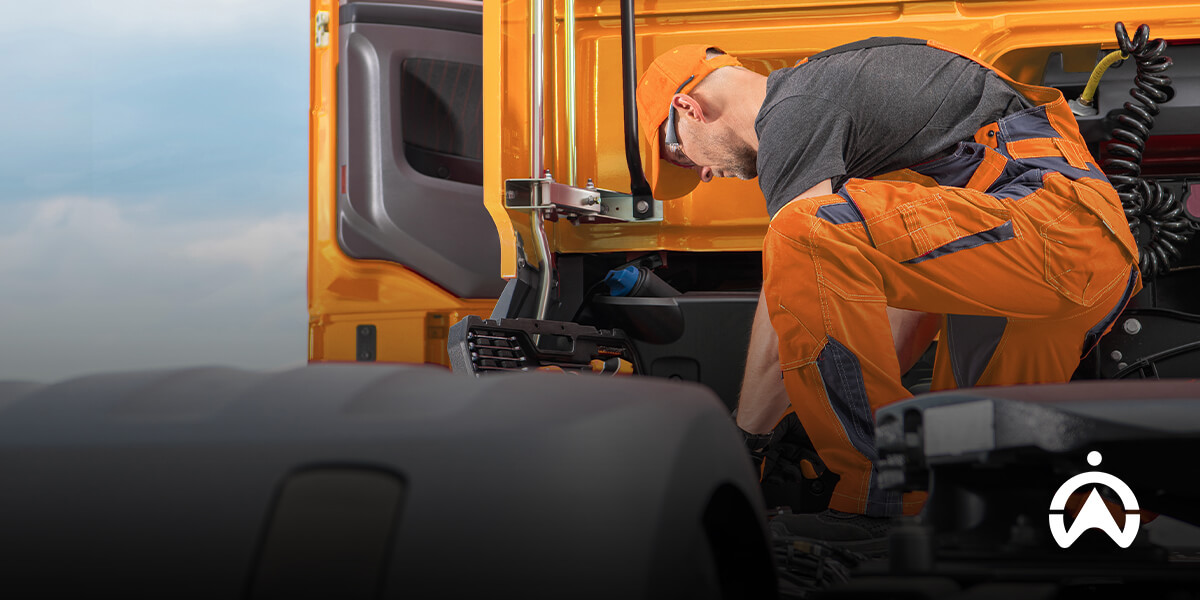
Worker in orange overalls repairing the interior of a yellow truck cabin.

Mastering the Art of Mixed Fleet Management

Mastering mixed fleet management does not have to be a complicated issue. All that is required is a dedicated fleet manager and a reliable fleet management system. Here are some ways to get started:

  • Centralise Your Fleet Management
    Imagine having one dashboard where you can see everything, from maintenance schedules, and performance data to compliance documents for all your vehicles. A centralised system is a game-changer. It eliminates the need to hop between spreadsheets and makes it easy to get a bird’s-eye view of your fleet.
    ‍
  • Lean on GPS Tracking
    Real-time GPS tracking
    is like having a crystal ball for your fleet. You can see where every vehicle is, how it’s being driven, and whether it’s sticking to the most efficient route. Beyond improving efficiency, GPS tracking also adds an extra layer of safety by deterring reckless driving.
    ‍
  • Standardise Maintenance Procedures
    Yes, your vehicles are different, but certain processes can be standardised. For instance, you can create a master maintenance schedule that includes buffer zones for added flexibility. This way, you reduce the risk of missed appointments, unforeseen delays and adjustments while accommodating unique vehicle needs.
    ‍
  • Empower Your Drivers
    A mixed fleet is only as good as the people behind the wheel. Make driver training a priority, ensuring each team member is comfortable handling different vehicles that they are licensed to operate. Knowledge drives progress, whether it’s teaching them the nuances of electric vehicle charging, the art of handling a heavy truck during heavy rains or knowing how to drive on steep terrain.
    ‍
  • Embrace Fuel Efficiency
    Fuel is often one of the biggest expenses for a fleet, and with a mix of vehicles, inefficiencies can add up quickly. Start by monitoring fuel usage closely. Look for trends to spot whether certain vehicles are guzzling more fuel than they should, or to pick up on a driver who seems to have a lead foot. Addressing these issues can lead to substantial savings in fuel costs and other operational costs.
    ‍
  • Make Compliance a Habit
    Instead of scrambling to meet regulatory requirements at the last minute, build compliance checks into your regular processes. This is especially important for mixed fleets, where vehicles may be subject to different rules.

Why Cartrack Is Your Go-To Partner in Fleet Management

Managing a mixed fleet isn’t just about hard work, it also is about working smart. And this is where Cartrack steps in.

What Cartrack Offers

  1. Real-Time GPS Tracking
    With Cartrack, you’ll always know where your vehicles are and how they’re being used. Whether it’s a fuel-efficient hybrid or a heavy-duty diesel truck, our GPS tracking gives you real-time insights to optimise routes, monitor performance, and improve safety.
    ‍
  2. Automated Maintenance Reminders
    Forget sticky notes and calendar alerts. Cartrack’s system sends you automated maintenance reminders based on mileage, time, or other key factors. This ensures that no vehicle slips through the cracks.
    ‍
  3. Fuel Management Tools
    Fuel costs don’t have to be a guessing game. Our fuel management solutions help you track usage across all vehicle types, pinpoint inefficiencies, and take corrective action.
    ‍
  4. Driver Behaviour Monitoring
    Reckless driving can lead to accidents and increased wear and tear. Cartrack gives you the tools to monitor driving habits, helping you encourage safer behaviour and cut down on unnecessary costs.
    ‍
  5. Compliance Tracking
    Whether it’s emissions standards, licensing, or safety inspections, Cartrack makes compliance straightforward. All your documents and deadlines are stored in one place, so you’re always audit-ready.
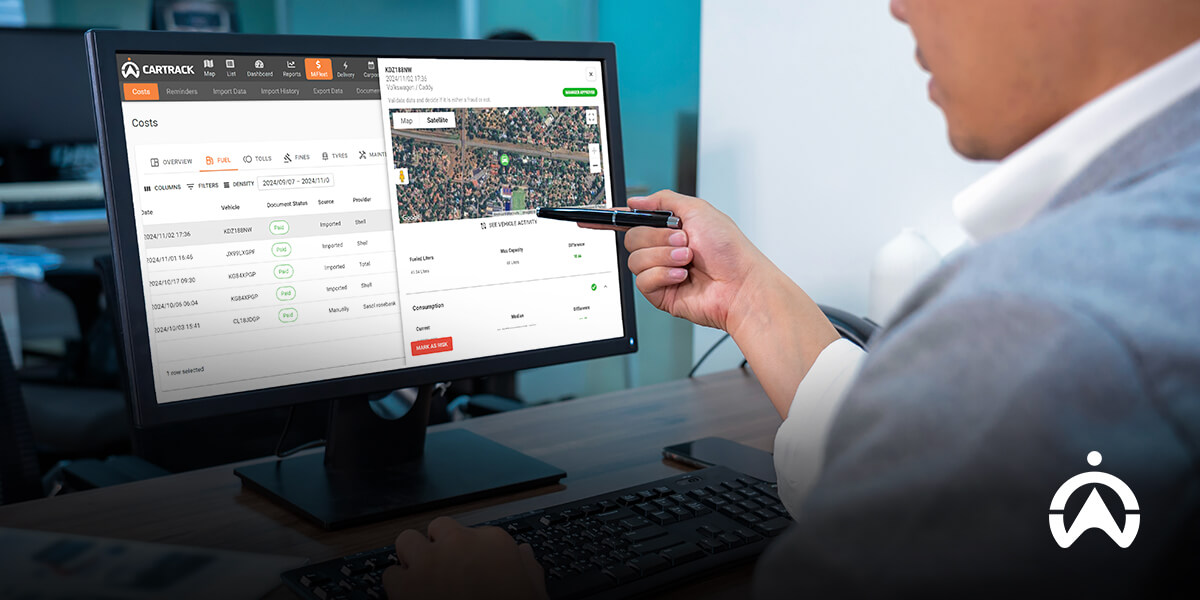
Person at a desk pointing at a computer monitor displaying a vehicle tracking application.

So, Why Wait?

Managing a mixed fleet doesn’t have to feel like a full-time juggling act. With Cartrack, you’ll have the tools you need to simplify operations, reduce costs, and keep your drivers happy.

Ready to see how Cartrack can transform your fleet? Let’s chat.

FAQs About Managing a Mixed Fleet

  • What are the benefits of integrating electric vehicles into a mixed fleet, and how can Cartrack support this transition?
    Integrating electric vehicles can reduce fuel costs and emissions. Cartrack makes it easy to monitor charging, maintenance, and performance to ensure smooth operation.
    ‍
  • Can Cartrack assist in optimising routes for both heavy-duty trucks and compact vehicles in a mixed fleet?
    Yes! Cartrack’s GPS system optimises routes for all vehicle types, ensuring each one takes the most efficient path, reducing fuel costs.
    ‍
  • What is the role of driver training in managing a mixed fleet, and how can Cartrack’s tools support it?
    Driver training is essential. Cartrack’s monitoring tools highlight areas for improvement, so you can provide targeted training to enhance safety and efficiency.
    ‍
  • How can Cartrack help businesses track the ROI on investments in electric vehicles for a mixed fleet?
    Cartrack’s reports track fuel savings and maintenance costs, helping you easily calculate the ROI of electric vehicles and understand their financial impact.

What is Video Telematics

The fleet management industry has seen massive development in the technologies it employs and the methodologies it follows. Not too long ago, managing a fleet was a precarious job. Many components were still analogue, and many processes were manual. This meant that managing a fleet of vehicles was a tedious task, often filled with human error.

The solution was telematics, a field combining telecommunications, electrical engineering, computer science, and vehicular technologies to send, receive, and store data remotely. This proved to modernise the industry, formalising many protocols and providing a standardised system that can be trusted.

Telematics has helped reduce operational and maintenance costs while increasing the overall safety of the fleet with both real-time and offline driver coaching. This has reduced, and in some cases completely removed, many inconsistencies in the industry, becoming the core of fleet management.

Kenya is an upcoming telematics market with a significant penetration rate, especially when considering the international market. This means that the telematics offerings available to local businesses are often some of the best globally. The Kenyan market is populated by several telematics companies of the fleet management systems in use, one of them being Cartrack. An interesting innovation has been in the video space, where technological leaps and bounds have been made. With the accelerating adoption of Artificial Intelligence (AI), new fleet management systems are set to expand their video diagnostics and driver behaviour monitors. Video telematics is now the industry standard that all fleet management systems are measured against.

In this article, you will:

  • What video telematics is
  • Why fleet managers need it
  • How Cartrack is the best solution for video telematics

What Is Video Telematics and How Does It Work

Video telematics is the audio-visual component of telematics. It combines telematics data with high-definition video footage recorded on dashcams, enabling fleet and risk managers to better understand driver behaviour and provide personalised driver coaching.

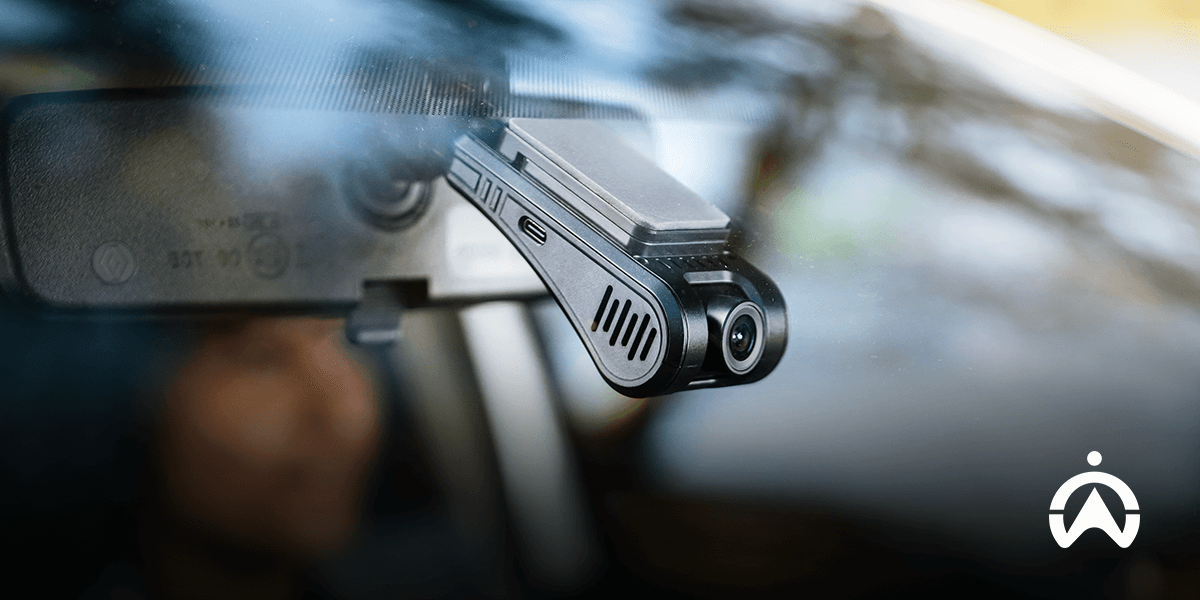
Video telematics uses sensors and Dashcams to provide visibility into driver behaviour, and it is often used as part of driver safety and risk management programs. Sensors that are built into telematics devices detect key events such as speeding, aggressive braking, harsh acceleration, and idle time. The Dashcams record the event, making the footage available to fleet managers and drivers.

Video telematics is built on two main components, namely data collection and real-time monitoring. It is these capabilities that allow for a comprehensive look into driver behaviour and fleet performance.
‍

Today’s video telematics generally share these basic components:

  1. Several video cameras
  2. Front-facing camera mounted to the dashboard or windshield
  3. Rear-facing camera
  4. Interior camera to document the driver and cabin, additional cameras for side views
  5. Telematics technology either embedded in the primary camera or the standalone
  6. Wireless module in the telematics device or camera to transmit data and video footage
  7. Software platform to process and analyse data
  8. End-user application

In order to understand video telematics, two aspects need to be addressed, namely; data collection and real-time monitoring. These two features make up the foundation of how this software works.

Let’s get a detailed look into what these aspects are and how they work in video telematics.

Data Collection and Processing

Data collection is the first step in the process. AI-powered dashcams installed in fleet vehicles capture high-definition video footage of both the road and the driver. Equipped with sensors, these cameras detect and record key metrics such as speed, fast acceleration, harsh braking and location. Telematics devices add another layer by collecting data from GPS receivers, engine interfaces and accelerometers, providing detailed information on vehicle movements and performance. Detailed information on vehicle movements and performance is collected, laying the groundwork for further analysis.

All video telematics data is stored in a cloud, where it can be retrieved by the fleet manager whenever they need to review it. This data can be used to generate reports which offer insights into overall fleet performance. Storing data long-term allows the business to have a more comprehensive view of how the business operates and also provides material that can be used for coaching and employee development.

Real-Time Monitoring and Alerts

A key element of video telematics is the real-time monitoring capabilities that it offers fleet managers. With video telematics, a manager can live-stream a driver’s journey from beginning to end uninterrupted. This easy access and transparency gives managers peace of mind and holds drivers accountable for their actions, should they transgress while driving.

The video detection technology sends alerts to the fleet manager, notifying them of the driver’s particular bad behaviour. The manager can then directly contact the driver to correct their behaviour. These alerts and corrections foster better driving habits, and they provide the correct footage to defend your drivers from any false claims. The recordings can prove their innocence, increasing driver retention and reducing unnecessary legal costs.

A person in a high visibility vest standing in front of a white van.

Why you need Video Telematics

In order for a fleet to function optimally, drivers need to be performing at their best. Driver behaviour is a significant factor in how successfully a fleet operates. This is why it is important to make sure that they are monitored and assisted on their journeys.

A study of more than 10,000 crashes estimated video telematics could reduce fatal and injury crashes by up to 35%. This highlights how crucial this technology is in modern-day fleet management.

Why is Video Telematics Good for Businesses:

Numerous benefits come with having video telematics technology in your fleet. Most of the technology in telematics systems incorporates the same features, which offer a range of benefits, these include:

  • Enhanced Fleet Safety: AI-powered cameras detect and alert drivers of risky behaviours like distracted driving or harsh braking, reducing accident risks.
    ‍
  • Improved Operational Efficiency: Real-time video and data insights allow businesses to monitor vehicle performance and identify areas for cost-saving.
    ‍
  • Driver Accountability: Video telematics creates a transparent environment by monitoring drivers’ actions, and promoting responsible behaviour.
    ‍
  • Prevention of Cargo Theft: Live video monitoring helps deter and address theft, ensuring cargo safety.
    ‍
  • Proof in Disputes: Recorded footage provides indisputable evidence in the event of accidents or fraudulent claims, saving time and money.
    ‍
  • Cost Reduction in Claims and Repairs: Proactive risk management lowers insurance premiums and repair costs by preventing avoidable accidents.

Let’s see what sets Cartrack’s video telematics apart

Cartrack is an industry leader in video telematics, offering AI-powered smart dashcams. Our AI technology allows us to monitor and detect erratic driver behaviour such as distracted driving and fatigue. These solutions have been a boon to the fleet management sector, a space where we serve a diverse client base in 23 countries across various industries.  

In addition to video telematics, Cartrack offers other features that integrate with your fleet’s needs. Our offering is comprehensive and includes many cutting-edge technologies, these include:

Front Collision Warning

Our ADAS cameras track the distance to the vehicle in front of a driver’s vehicle, alerting if it is too close to help avoid a bumper crash. By constantly monitoring the space in front of the car, the system can detect if the vehicle is getting too close to the one in front. If it detects a potentially dangerous situation where a collision is imminent, it will trigger an alert to the driver. This early warning system is designed to prevent rear-end accidents, which are among the most common types of crashes.

Smoking Detection

Our DMS camera detects the moment a driver is smoking and triggers an event. Smoking can be distracting and reduce control over the vehicle.  This technology works by detecting the tell-tale signs of smoking, such as the motion of a cigarette or the presence of smoke in the cabin. If smoking is detected, an event is triggered, alerting fleet managers or the system to this behaviour.

Distracted or fatigued driving

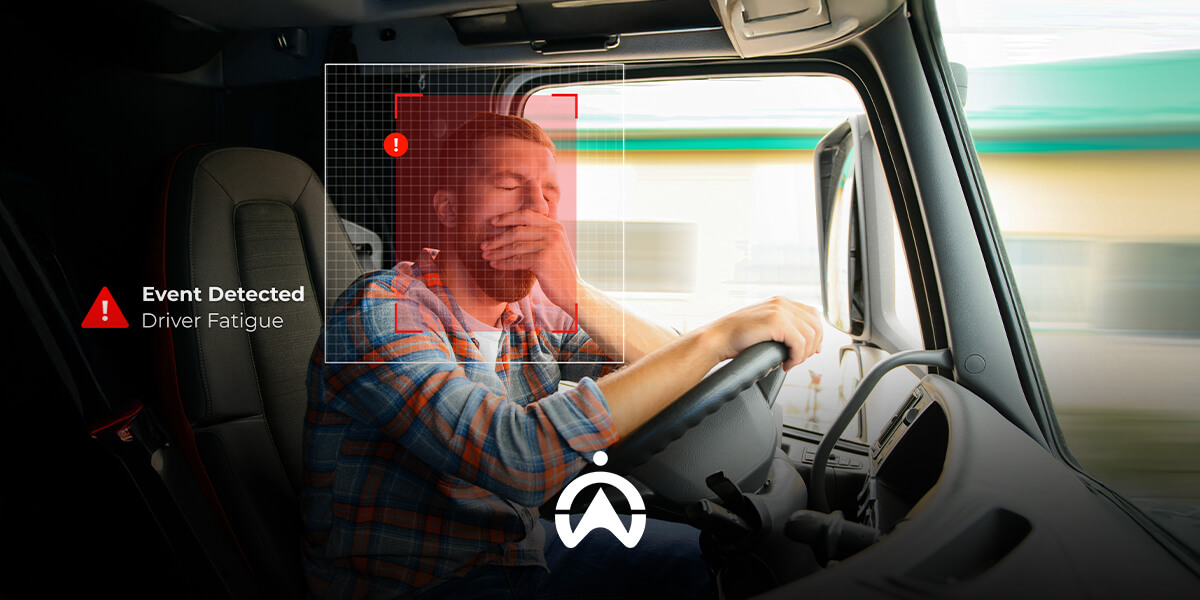
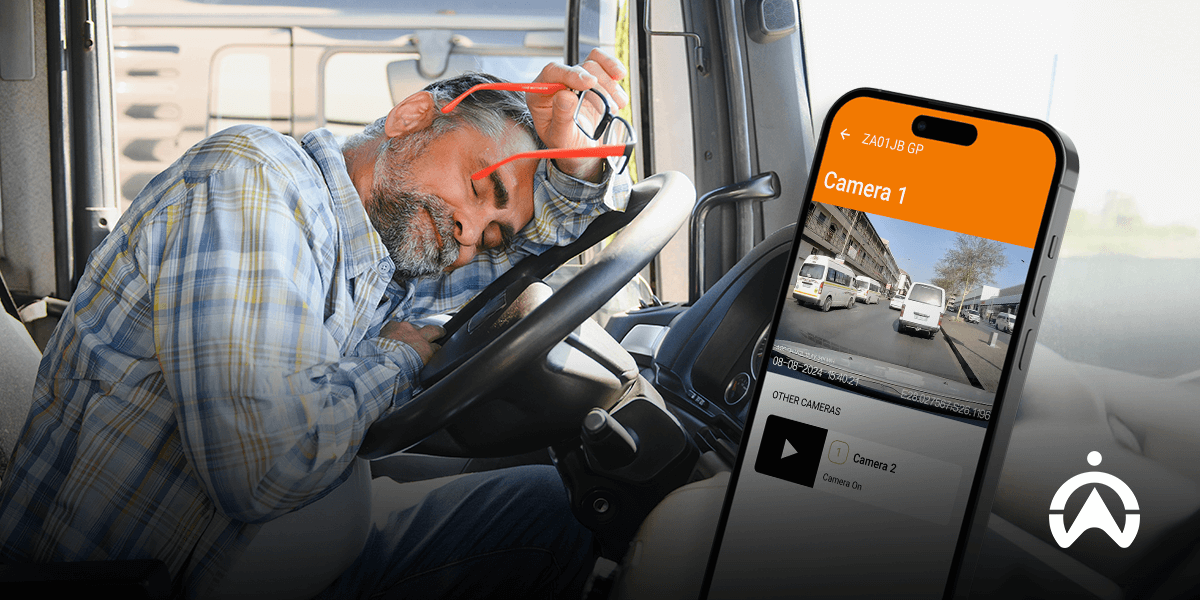
The camera tracks the position or orientation of the driver’s head and eyes. If the driver is looking away from the road, it will alert the driver and generate an event. The camera continually monitors whether the driver is looking at the road or diverting their attention elsewhere, such as looking at a GPS screen, reading, or engaging with passengers. If the driver’s eyes stray from the road for too long, the system will send an alert. In cases of fatigue, if the driver shows signs of dozing off or their head starts to tilt in a way that signals drowsiness, the system will recognise this as well.

Mobile phone use detection

The AI camera detects whether a driver is talking on their mobile phone by ear instead of via a Bluetooth handset. This is to minimise distraction and give the driver more control over the vehicle. The AI-powered camera is able to distinguish between hands-free Bluetooth usage and holding a phone to the ear, which is an indication of distracted driving. If the system detects that the driver is holding their phone, it sends an alert, notifying the driver of the danger and encouraging them to use hands-free devices instead.

Yawning

Our camera detects yawning, which if too frequent can indicate extreme fatigue for your driver and delay their reaction time. This feature is particularly beneficial for drivers on long trips, overnight shifts, or those who may be experiencing disrupted sleep patterns. By proactively addressing signs of drowsiness, this technology helps keep drivers safe and reduces the risk of fatigue-related accidents, which are often the most serious type.

Camera-covering detection

If the driver covers the camera to prevent visibility the fleet manager will be alerted. This ensures that the integrity of the monitoring system is maintained and that the safety of the driver and others on the road is not compromised. The ability to quickly identify when a camera is being tampered with or obstructed is crucial for ensuring that the safety features of the vehicle are always operational.

Person holding phone with security camera feed in front of a computer screen showing a map.

As the leading fleet management and video telematics country in Eastern Africa, Kenya is poised to be the market leader in this new telematics offering. In this ever-changing world, it is important to stay up to date with industry developments and innovations. Video telematics is the current reality for fleet management and looks to be its future as well. A wise decision would be to adopt this technology as soon as possible in order for your business and fleet to be fully optimised.

Video telematics offers an extra layer of certainty for your business, contact us today to learn more about how we can take your fleet management from better to best.

The Secrets Car Tracking Companies Aren’t Sharing

Car tracking has completely changed how we think about securing and managing vehicles. Whether you’re a car owner looking for extra peace of mind or a business managing a fleet, tracking systems offer significant advantages.

But let’s be honest, there’s a lot about this industry that doesn’t make it into the glossy brochures. Beyond the sleek marketing campaigns lie lesser-known facts, hidden costs, and untapped features that tracking companies may not readily disclose.

This blog takes a deep dive into the industry’s lesser-known truths, shedding light on what you should know before choosing a car tracking service provider. At the same time, it explains why Cartrack is a trusted leader in vehicle tracking.

Let’s dive in and separate the facts from the fluff.

In this article, you will:

  • The lesser-known truths behind car tracking
  • The hidden costs many buyers overlook
  • Why Cartrack’s solutions stand head and shoulders above the competition

The Hidden Truths of Car Tracking

At first glance, car tracking seems straightforward: a device shows you your vehicle’s location on a map. But there’s much more to tracking than meets the eye. Modern tracking devices are complex tools capable of gathering vast amounts of data, which can be both a benefit and a concern, depending on how it’s handled.

Hidden Role of Data in Car Tracking

Think of today’s tracking units as digital diaries for your vehicle. They don’t just pinpoint where your car is but also log details about how it’s driven, how much fuel it’s consuming, and even how often it idles. This wealth of data can be incredibly useful, but can also raise questions about ownership and privacy.

  • Who Owns the Data?
    One of the first things many people overlook is the question of data ownership. Who controls all that information your car tracker collects? You might be surprised to learn that with some vehicle tracking providers, the answer isn’t “you.”

    Certain companies store your data on their servers and, in some cases, share it with third parties and this can sometimes happen without your knowledge. The third parties can include insurers, advertisers, or even regulatory agencies.

    At Cartrack, we take a different approach. Your data belongs to you. It’s stored securely, encrypted for protection, and never shared without your explicit consent. We’re upfront about how we handle your information because transparency is non-negotiable for us.
    ‍

  • What Happens to Shared Data?
    Even when data is kept anonymous, it can still reveal trends and patterns about your behaviour. Some providers sell this anonymised data to insurers or marketers, who might use it to influence things like your insurance premiums.

    With Cartrack, you don’t have to worry. We don’t sell or share your data. Instead, we focus on using it to deliver features that make managing your car or fleet easier.

Hidden Costs Not Mentioned Upfront

Buying a car tracker often seems like a straightforward transaction, but hidden costs can quickly add up. From subscriptions to hardware quality, the true cost of ownership isn’t always clear from the start.

  • Subscription Fees: The Ongoing Expense
    Most tracking systems require separate subscriptions for features like live updates or detailed reports. These fees might seem minor at first, but can become a significant expense over time.

    With Cartrack, there are no nasty surprises. Our subscription plans are designed to provide comprehensive features, such as Live Tracking and Crash Detection, without piling on additional fees.
    ‍

  • The Risk of Cheap Devices
    It’s tempting to go for a bargain tracker, especially if you’re on a budget. However, these low-cost devices often lack essential features like geofencing or crash detection. Worse still, they can be unreliable when it matters most.

    Take the story of a small business owner who bought a cheap tracker online to cut costs, only to find it malfunctioning within months. When one of his fleet vehicles was stolen, the device failed to provide accurate location data, leading to a total loss. Had he chosen a reliable system like Cartrack, he could have benefitted from our industry-leading 90% recovery rate for stolen vehicles.
    ‍

  • Long-Term Contracts
    Another hidden expense comes in the form of long-term contracts. Many providers lock customers into rigid agreements, making it costly to switch if the service doesn’t live up to expectations.

    At Cartrack, we believe in flexibility. Our plans are straightforward and adaptable, ensuring you’re not stuck in a contract that doesn’t work for you.

Two professionals working with a large screen displaying a map and analytics.

Hidden Differences Between Car Tracking Companies

Not all car tracking systems are created equal. The market is filled with options, but not all deliver the same level of performance, reliability, or features. Knowing what to look for can save you a lot of headaches.

  • GPS Accuracy
    Imagine trying to locate a stolen vehicle, only to find that the tracker’s GPS signal is off by several kilometres. For businesses or individuals, poor accuracy can make a world of difference, especially in the case of an emergency.

    With Cartrack, this isn’t a problem. Our Real-Time GPS Tracking delivers precise locations, even in challenging conditions like dense urban areas or underground car parks.
    ‍

  • Durability Matters
    Car tracking devices are exposed to extreme conditions—heat, cold, rain, and physical impact. Unfortunately, many cheap trackers aren’t built to handle this, leading to performance issues or outright failure.

    At Cartrack, we design our hardware to last. Whether you’re dealing with a sweltering summer or a freezing winter, our devices perform reliably all year round.
    ‍

  • Features Beyond Tracking
    Basic location tracking is useful, but advanced features can transform how you use your vehicle. Think crash detection, fuel monitoring, or even driver behaviour analysis. These tools can save money, improve safety, and enhance efficiency.

    Cartrack offers a comprehensive suite of features, including Dashcams, Geofencing Alerts, and Driver Analytics, giving you far more than just a dot on a map.

Why Choose Cartrack for Your Tracking Needs?

So, what makes Cartrack the preferred choice for vehicle tracking? It comes down to reliability, transparency, and an unwavering commitment to customer satisfaction.

Our solutions provide everything you need to protect and optimise your vehicle. Here are some of our cutting-edge product features designed to make your life easier, whether you’re managing a fleet or securing your car:

  • Advanced vehicle tracking device fitment
    We schedule a free vehicle tracking fitment. Cartrack’s advanced fitment techniques provide high confidence that hijackers will find it difficult to discover or deactivate your vehicle’s tracking device. This sophisticated installation allows us to achieve our industry-leading stolen vehicle recovery rate.
    ‍
  • Cross-border SVR
    The Cartrack tracking unit features international roaming, allowing tracking both locally and abroad. In areas with no GPRS/GSM coverage, the device can store up to 5000 positions and events, such as ignition changes, every 3 km of travel, or deviations of 10 degrees or more. These data points are transmitted once GPRS/GSM communication is re-established.
    ‍
  • CarWatch
    CarWatch is an early warning system you activate at the touch of a button from Cartrack’s app. It will alert you and Cartrack in advance the moment your parked vehicle is moved without your authorisation. This allows Cartrack to proactively send a response team to your vehicle and increase the chances of recovery. Additionally, our Cartrack control room agents will promptly contact you to check in and provide assistance in case of a hijacking.
    ‍
  • Back-up battery
    A reliable vehicle tracking device with a long-lasting battery increases the likelihood of recovering your vehicle. Cartrack’s internal backup battery comes into play when the vehicle’s battery is disconnected or fully discharged, providing up to 5 hours of power. This gives Cartrack ample time to track and recover your vehicle.
    ‍
  • Geofencing
    Cartrack empowers you to establish geofences, including border entry and exit points. These virtual boundaries can be customised to designate no-go or high-risk zones, and you’ll receive instant alerts as soon as your vehicle enters or exits these geofenced areas.
    ‍
  • 24/7/365 control room support
    Our emergency control response team is ready to support you 24/7/365, especially in the unfortunate event of vehicle theft or hijacking. We also allow direct communication with the private response teams and local police to ensure a rapid response.
    ‍
  • Air and ground recovery teams
    Cartrack maintains a skilled air and ground recovery response network in Kenya and neighbouring regions, collaborating closely with local law enforcement to ensure swift and successful vehicle recoveries in case of theft.
    ‍
Two Cartrack recovery agents in tactical gear with a walkie-talkie near a vehicle.

At the end of the day, a car tracking unit is more than just a device, it’s peace of mind. Whether you’re worried about theft, looking to save on fuel costs, or managing a growing fleet, the right tracking solution can make all the difference.

Cartrack goes beyond basic tracking to provide tools that truly transform vehicle management. From real-time GPS to driver analytics and stolen vehicle recovery, we’re here to help you protect what matters most.

Don’t settle for less when it comes to your vehicle’s security and efficiency. Contact us today to learn more about our innovative solutions and find out how we can help you take control of your car or fleet.

Frequently Asked Questions

1. Can I track my car if I’m travelling abroad?

Absolutely! Cartrack provides global tracking coverage, so you can stay connected to your vehicle, no matter where you are.

2. How safe is my personal data with Cartrack?

Your privacy is a top priority. Cartrack uses state-of-the-art encryption to keep your data secure and private at all times.

3. What should I do if my Cartrack device stops working?

If something goes wrong with your device, Cartrack’s support team is ready to help. They’ll troubleshoot the issue or arrange for a replacement if needed.

4. Can I customise alerts with Cartrack?

Yes, you can easily set up custom alerts to notify you about things like speed violations or if your vehicle leaves a designated area.

10 Common Myths About Vehicle Tracking

The vehicle tracking industry is somewhat mysterious, have you ever wondered how much of what you have read or heard is true?

Many myths surround vehicle tracking, with some saying it isn’t necessary, and others saying it doesn’t work and is a waste of money.  

This blog will debunk some common myths about vehicle tracking systems and explore how Cartrack can always protect you and your vehicle.

In this article, you will:

  • Debunk myths about vehicle tracking
  • Explore the benefits beyond theft recovery
  • Understand how GPS tracking technology works
  • Discover the importance of choosing a reputable provider like Cartrack
  • Find answers to common questions about vehicle tracking

Debunking Myths About Vehicle Tracking

Vehicle tracking systems have gained popularity over the years, especially due to the rising crime rate in Kenya, which currently ranks thirty seventh-highest in the world. While many people are becoming desperate to safeguard their vehicles, others still hold onto misconceptions about vehicle tracking.

It is important to clarify misconceptions, such as the assumption that these tracking devices are unnecessary or are the same. By doing so, we can ensure that those who genuinely need them receive the appropriate protection.

Let’s look at 10 common myths about vehicle tracking:

Myth 1: Tracking devices are only for Stolen Vehicle Recovery (SVR)

Although stolen vehicle recovery is a significant aspect of vehicle tracking, it isn’t the only purpose. These technologies are designed for a wide range of uses that enhance safety, improve driver behaviour, and provide you with emergency services if needed.

At Cartrack, we offer more than SVR, Cartrack’s Protector provides you and your loved ones access to 24-hour medical and roadside assistance. Our 24-hour legal assistance line is available for any legal services, including roadside incidents such as roadblock arrests.

Myth 2: Tracking devices can be easily disabled by thieves

While there are methods that thieves may use to disable tracking devices, advanced tracking devices with advanced technology make it increasingly difficult for them to do so successfully.  

Cartrack tracking units are not only discreetly installed, but have anti-jamming technology. In the event of a thief using a jamming device to block communication between the tracking system and the cellular network, we can switch to RF frequency, which allows us to continue communicating with the vehicle.

Myth 3: Tracking devices don’t work for motorcycles or other smaller vehicles

Unfortunately, thieves do not discriminate against the vehicles they hijack, from big cars to motorcycles and smaller vehicles; they are all at risk.

This further stresses the need for tracking systems no matter your vehicle’s size. Cartrack’s Bike Track ensures that your motorcycle is protected at all times.

Myth 4: Insurance companies don’t consider vehicle-tracking devices when calculating premiums

Insurance companies tend to offer drivers lower premiums if they own a tracking device. This is because the tracking devices increase the chances of your vehicle being found and retrieved if it gets stolen. Ultimately making these vehicles less risky to insure.

So, insurance companies do consider vehicle-tracking devices when calculating premiums.

Myth 5: Vehicle tracking is only necessary in high-crime areas and areas with poor network coverage

While some areas may be considered safer than others, it’s important to remember that risks still exist everywhere; it doesn’t matter if the area is deemed safe or has poor network coverage. That’s why having a reliable tracking device is a smart choice no matter where you are.

Man gesturing with hand raised, holding a phone in a city street.

Myth 6: Car Tracking devices cannot provide insights beyond location

Modern vehicle tracking systems like the ones at Cartrack offer a range of features and data that extend beyond just location tracking. With the integration of mobile Apps and GPS telematics, you can view your past trips, monitor your driving behaviour, receive speeding and even request emergency services with Cartrack’s Protector.

Myth 7: Vehicle tracking systems are unnecessary since we can use our smartphones

Many people believe that smartphones can track their cars. Their GPS capabilities and applications that use this technology led them to this conclusion. However, this is far from the truth. The apps are designed to locate lost phones or track your loved ones for safety, not to monitor vehicles. This works because people are often on their phones but aren’t always in their cars, hence these apps are ineffective for vehicle tracking.

Instead, consider using a dedicated app with telematics from a reputable vehicle tracking and recovery company like Cartrack, which has a stolen vehicle recovery rate of over 90%. The Cartrack App has a feature called CarWatch, which detects and reports unauthorised vehicle activity when activated.  

Myth 8: Once installed, tracking devices don’t require any maintenance

You do need to check if your device is working optimally. Otherwise, you will only notice when you really need it. For example, you discover that your vehicle is stolen but find out that it cannot be tracked and recovered because your unit was faulty all this time. This can leave you disappointed.

At Cartrack, we encourage our customers to test their units every three months. Additionally, our customers can opt-in for our Lifetime Maintenance Warranty, where we deal with all the maintenance required if needed.

Myth 9: Tracking devices drain the car battery quickly

Modern GPS tracking devices have their own batteries. Cartrack units typically draw a small amount of power from the car battery when the ignition is on, however, it is not enough to impact the battery.

Myth 10: Tracking devices are complicated to use

Tracking devices are installed in your car by a qualified technician so you do not have to worry about installing them yourself. Many tracking companies offer an easy-to-use mobile app so customers can access value-added services beyond tracking. You simply download the app, log in, and then you’re good to go.

Cartrack Technician gesturing a thumbs-up next to an open car hood in a garage.

Additionally, our customer care agents are always ready to assist with any queries you may have. Contact Cartrack’s customer assistance line at (+254) 730 940000 or customercare@karooooo.com.

In this day and age, false information is easily spread especially through social media, and the topic of tracking solutions is no exception.

This is why it’s important to question what you hear and read; not everything is as it seems. Take the time to verify facts and choose a reliable service provider—one that understands your unique needs like Cartrack.

Looking to feel more secure on the road? Contact us today! Find out how our vehicle tracking solutions can debunk myths and keep you and your vehicle safe.

Frequently Asked Questions about Vehicle Tracking

Q: What should I do if my vehicle is stolen despite having a GPS Tracker?

A: You need to call our agents who are available 24/7, so they can dispatch the recovery team. You must then report the theft to the nearest police station where the crime occurred and produce the necessary vehicle registration information. Proceed to inform your insurer.   

Q: What if criminals steal my car and flee the country with it, can it be recovered?

A: Yes, there is a high chance that your vehicle will be recovered if you choose the Cartrack tracking unit that has international roaming, allowing tracking locally and internationally. In areas with no GPRS/GSM coverage, the unit can store up to 5000 positions and events like ignition changes every 3 km of travel or deviations of 10 degrees or more.

Q: Is there a warranty for my tracking device?

A: Our tracking units have a one-year warranty. Additionally, you can purchase Cartrack’s Lifetime Maintenance Warranty, our technicians will repair any faults without charging you call-out fees or repair costs.

Contact our Client Services Department on (+254) 730 940000 if interested in this value-added service.

How Dashcams Reduce Accidents

There are roughly 3,300 road accidents fatalities in Kenya per year; proving that road safety is a great concern. According to a recent report by NTSA, human factors such as speeding, reckless driving and distracted driving are among the primary causes of road accidents. This includes behaviours like using cell phones and driving under the influence of alcohol or drugs.

This is why you need an extra set of eyes on the road for an added layer of protection, and dashcams do exactly that. In this blog, we will discuss how dashcams can help reduce accidents and be useful in case of one.  

In this article, you will:

  • Know what dashcams are and how they work
  • Find out how dashcams can help reduce accidents
  • Learn how to choose the right dashcam
  • Explore suitable Cartrack solutions for your needs
  • Find out extra information about dashcams on the Frequently Asked Questions(FAQ)

What are dashcams and how do they work?

Dashcams are small cameras usually installed on the vehicle’s dashboard or windshield. While the most common dashcams are road-facing, some can face multiple directions; on the road, in-cabin and in the rearview mirror.

Dashcams record everything that happens on the road as soon as the ignition is on and stop when the ignition is off. Some dashcams can record a few extra minutes after the ignition is off.

Overall, dashcams serve as invaluable tools for enhancing road safety by providing continuous monitoring, promoting responsible driving behaviours, and offering you peace of mind in various situations.

How Dashcams Can Help Reduce Accidents

Dashcams come in handy when it comes to accidents. Not only do they provide proof during an accident, but they can also hold you accountable when driving. When you know you are being recorded, you are most likely to drive cautiously by following the rules of the road. This ultimately helps reduce accidents.
‍

Here are other ways in which dashcams can help reduce accidents:

  • Enhancing your awareness of the road: Dashcams with wide-angle lenses can boost your awareness while driving. They give you a better view of blind spots and potential hazards, which comes in handy in unexpected situations—like when another driver suddenly changes lanes or a pedestrian steps onto the road.

    By capturing these moments, dashcams make it more likely that you’ll have important footage if something goes wrong. This can help prove evidence in case of accidents or disputes. So, having a dashcam means you’re better prepared for whatever comes your way on the road.
    ‍

  • Provides insights post-accident: If you find yourself in an accident, having a dashcam can be a game-changer. You can easily review recorded footage to understand what led to the incident and spot any unsafe behaviours that may have contributed to the accident. This not only helps you piece together what happened but also gives you the chance to see where you or other drivers might have made mistakes. Ultimately, this promotes safer driving habits.
    ‍
  • Encourages Responsible Driving: Having a dashcam encourages responsible driving as knowing that you’re being recorded as you drive motivates you to adopt safer habits, such as maintaining a safe distance from other vehicles and obeying traffic laws.

What are the other benefits of dashcams

Dashcams have many other benefits beyond reducing accidents, investing in a dashcam is a good decision for any driver looking to protect themselves and their vehicle. Let’s look at what these extra benefits are:

  • Expedite insurance claims: Since dashcams record pre and post-accident events, your evidence will help speed up your insurance claims process and ensure your vehicle is quickly repaired.
    ‍
  • Theft-deterrent: When thieves see a dashcam in your vehicle they may be hesitant to break in since they know they will be recorded.
    ‍
  • Document road rage: If you ever get involved in a road rage incident, the recorded footage can be submitted to law enforcement and may help reduce instances of aggressive driving.
    ‍
  • Prevent fraud: Some motorists are now scamming unsuspecting drivers by staging accidents and falsely claiming damages from previous incidents. This tactic pressures victims into paying for damages they didn’t cause. Dashcams provide crucial evidence that can protect you from such scams.

Learn more about how dashcams can prevent insurance fraud and scams.

Person asleep in vehicle with smartphone displaying security camera footage next to them.

How to choose the right dashcam

When comparing dashcam models, consider features such as video resolution, storage capacity, and additional functionalities such as GPS tracking and night vision capabilities. However, it is important to choose the right service provider first.

You should choose a reputable service provider not only to ensure that you get the best dashcam for your vehicle but also to have access to customer service if you have any questions or need assistance. Imagine you get a dashcam from an unreliable company, and you later notice that it wasn’t recording the whole trip; you phone to enquire about this but no one answers. Ultimately, you are stuck with a dashcam that doesn’t function properly, which defeats the purpose of owning one.

Fortunately, you do not have to look further because Cartrack has exactly what you need. Our vision solution provides you with two dashcam options: Road Vision (with one road-facing camera) and Dual Vision (with two cameras, road and in-cabin facing).
‍

Let’s look at a few key factors to keep in mind when choosing a dashcam that best fits your needs:

Video Quality

The video quality plays an important role in dashcams because the footage has to be high resolution. High-resolution footage provides clarity and detail necessary for identifying key elements during incidents, enhances performance in various lighting conditions, and ensures that recorded evidence is reliable and usable.  Investing in a dashcam with good video quality will give you peace of mind on the road, knowing that your footage will come out clear.

Our road-facing cameras have 1080p, ensuring you can see road signs, billboards, license plates, etc.

Low light Conditions

Cartrack Dual Vision dashcams have infrared technology that can capture clear footage in low-light areas, even at night. Cameras automatically switch between night vision and day vision, meaning you always have an extra set of eyes no matter the time of day.

Easy Installation

Our dashcams are designed for easy installation. We will send a qualified technician to install them safely for you. Having a qualified technician handle the installation means that the dashcam is mounted correctly, ensuring that all wiring is neatly tucked away to maintain the vehicle’s interior aesthetics and prevent any interference with airbag systems or other critical components.

Upon successful installation, Cartrack provides a certificate that can be presented to your insurance provider. This certification may help in fulfilling specific policy requirements. Insurers often recognise the value of dashcams in reducing fraudulent claims and enhancing overall safety, making this document beneficial for drivers.

GPS Capabilities

At Cartrack, we understand the importance of safety and accountability on the road, this is why our dashcams come equipped with telematics capabilities. By integrating GPS technology, our dashcams not only capture good-quality videos but also provide driving behaviour analysis. This means you can monitor speed, acceleration, and braking patterns, helping you identify areas for improvement and promoting overall safe driving habits.

Cost Considerations

When purchasing a dashcam, it’s important to consider the price in relation to your specific needs. Cartrack offers options that accommodate various budgets—ranging from basic road-facing dashcams with limited features to more advanced models equipped with motion sensors and additional functionalities. By choosing a dashcam that aligns with your needs, you can make a more informed decision without overspending. Whatever your needs and budget, Cartrack has got you covered.

Mobile App integration

Check if the dashcam comes with a mobile app that allows you to easily access footage, adjust settings, and receive important updates. The Cartrack App allows you to request footage and even livestream your dashcam’s view. Imagine your son, a fairly new driver, takes your car for a ride. You can live stream his trip; this allows you to coach him later to enhance his driving skills and help him stay safe on the road.

This integration not only enhances user experience but also allows for real-time monitoring, ensuring that drivers are informed about their vehicle’s status at all times.

Storage Capacity

The dashcam’s storage capacity is important, as it determines how much footage can be recorded before old files are overwritten. Our cameras have a storage capacity of 128GB, allowing for approximately 6 hours per day at high resolution.

In conclusion, dashcams aren’t only there to provide you with evidence during an accident, they are there to give you peace of mind while driving, knowing that you are prepared to face any challenges on the road. It’s even better when you have Cartrack’s advanced technology dashcams; you can confidently navigate the roads, with a fresh set of eyes.

A dashboard camera mounted inside a vehicle, overlooking the windshield.

Elevate Your Road Safety with Dashcams

Gain peace of mind on the road knowing that you have a second set of eyes, that not only encourages safe driving but also provides crucial evidence in the event of an accident.

Contact us today to learn more about how our dashcams can enhance your driving experience and safety!

Frequently Asked Questions about Dashcams

Q: How do I service my dashcam?

A: Our Dashcams have a year warranty. Additionally, you can purchase Cartrack’s lifetime warranty, ensuring that you never have to worry about any damage to the hardware. If you would like to purchase a lifetime warranty, please contact our Client Services Department on (+254) 730 940000.

Q: How do you clean dashcams?

A: Always keep the lens clean by wiping the lens with a microfiber cloth. Do not use harmful chemicals that may damage plastic components.

Q:  Do dashcams use car batteries?

A: Yes they do use car batteries, however, they are designed to turn off automatically when the car’s ignition is off. Some dashcams may stay on for an extra 5 minutes after the ignition is off, but this is typically not enough to drain the battery significantly.