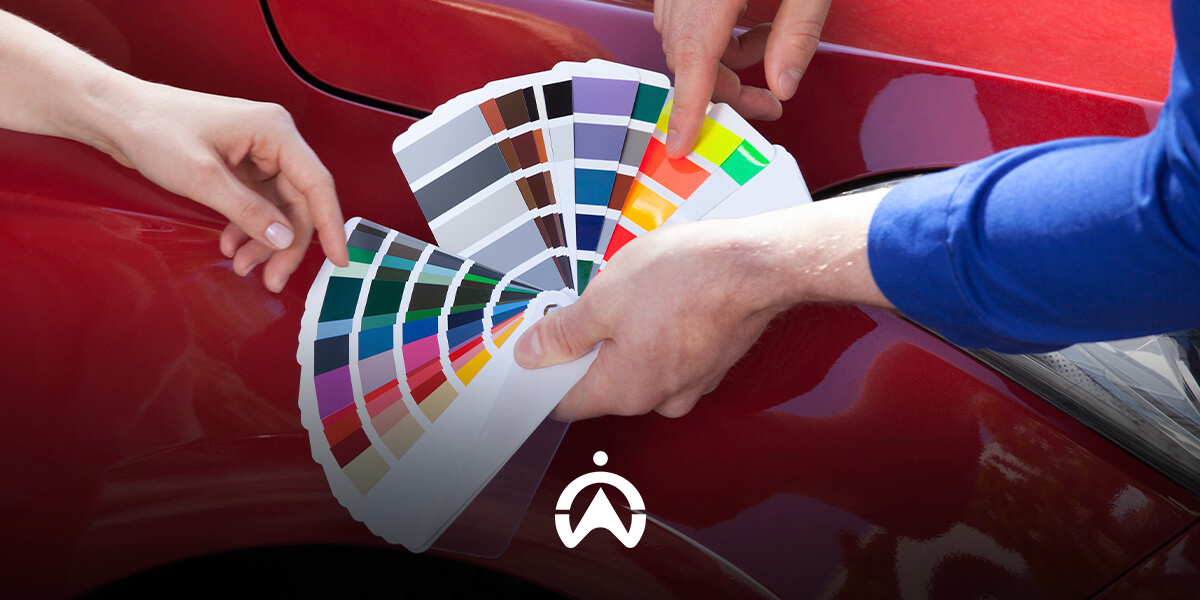
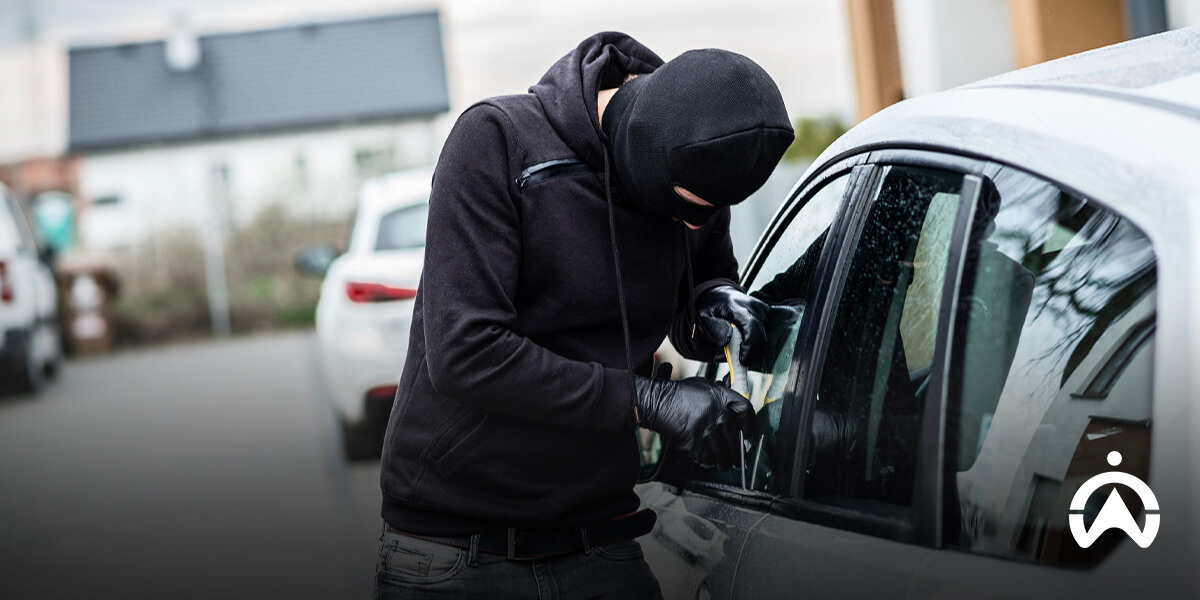
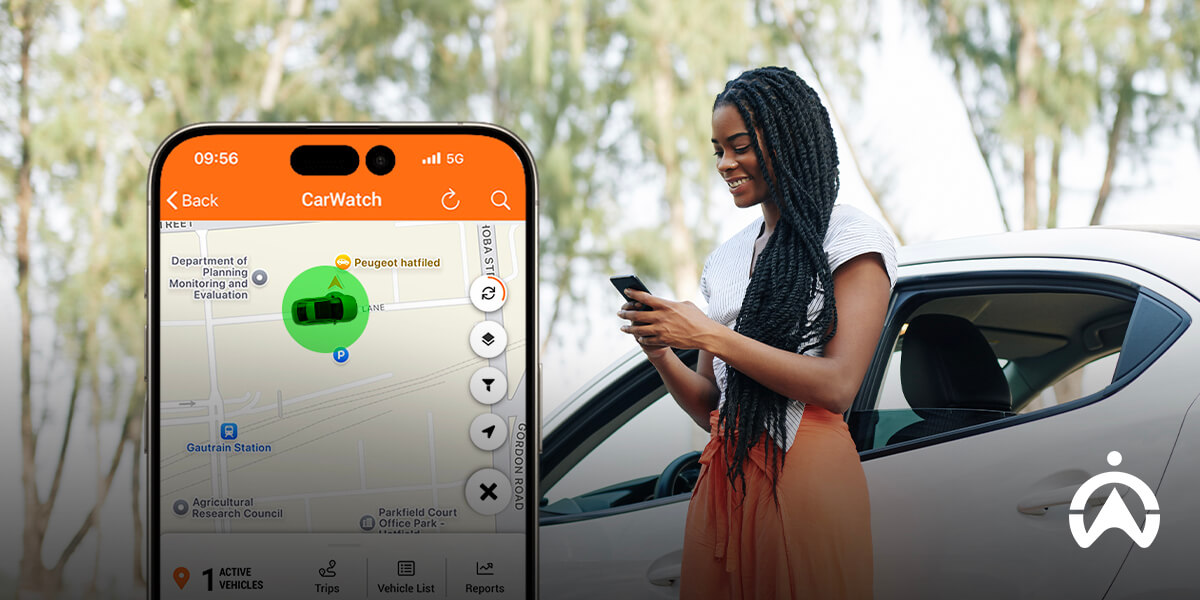
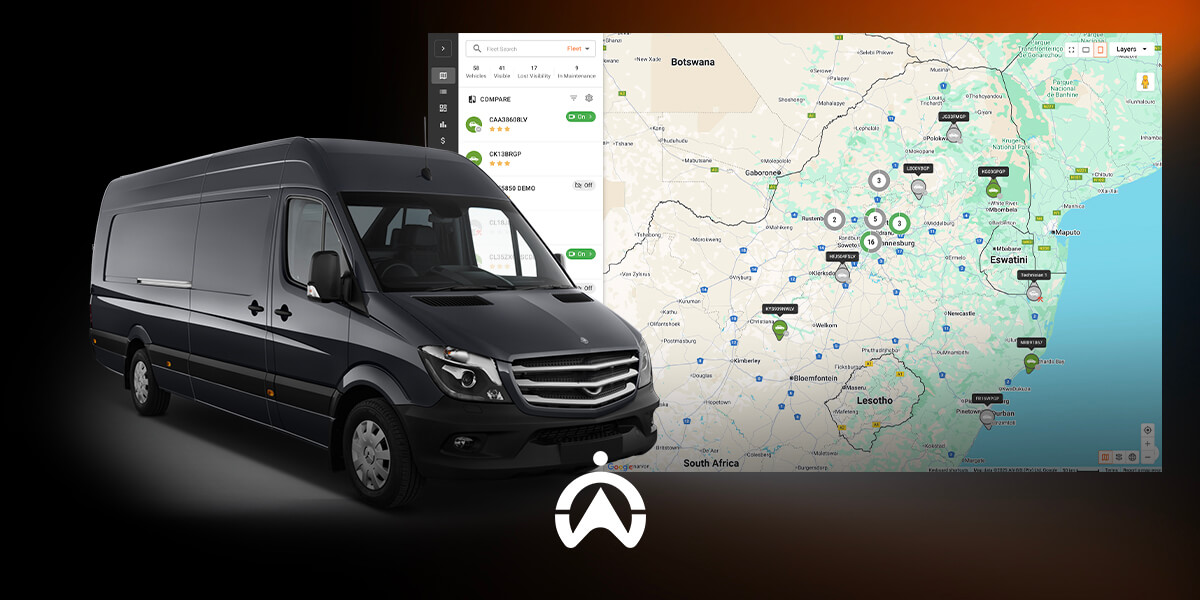
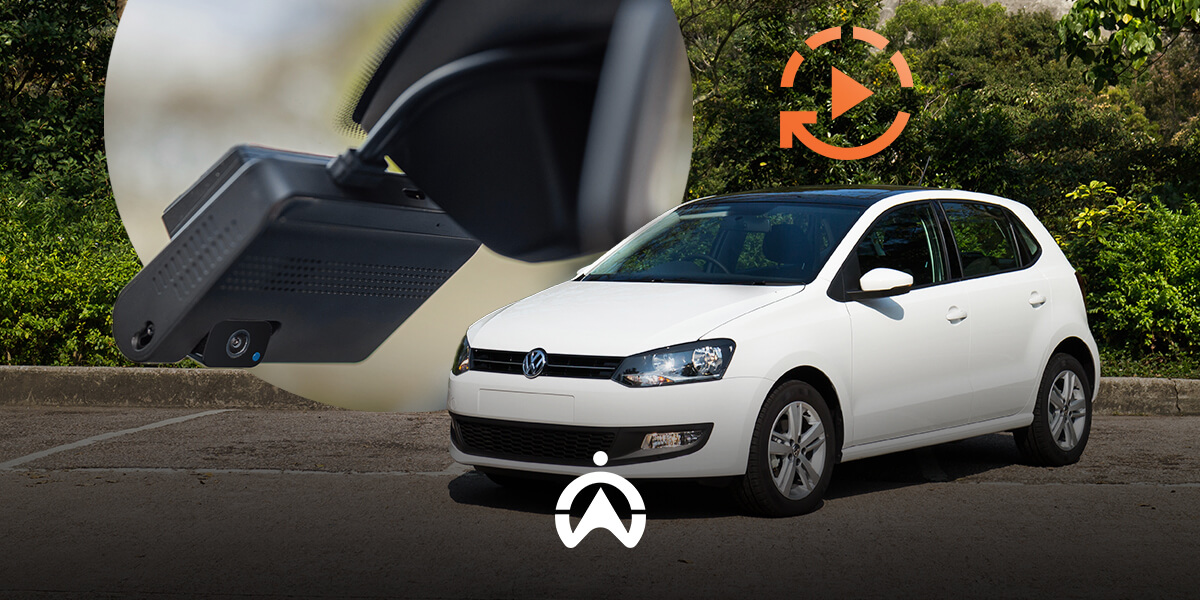
The least stolen cars are ones with bright colours such as orange, green, yellow, and pink. This is because they’re uncommon, easy to notice, and hard to sell. Car thieves tend to go for vehicles in common colours, such as white, grey, and black. This is because they have a higher demand, making them easy to sell.
With the high vehicle theft numbers in Kenya, it’s also noticeable that some cars are just more attractive to the criminals than others. There are many factors that go into what makes a car more attractive to thieves. Colour is one of them, but this holds a very small percentage.
So if you’re wondering how much of an impact the colour of your car (or the one you’re thinking of getting) will make in terms of being a target, Karooooo is here to break it down for you. We’ll also give you tips on strengthening vehicle security regardless of the colour.
Do thieves really care about car colour?
Yes, car thieves do care about the colour of your car, but it’s not the main thing they look at. Car thieves fear being noticed and constantly think about how much attention a car draws. The brighter your car, the more it stands out, making it harder to hide.
Neutral colours such as grey, silver, black, and white, blend more into traffic. Think about a neon green sports car. How often do you see that? If word goes out that such a car is missing, people will definitely notice it while it’s on the move and report it. But if it’s black, most people will probably drive past it without even flinching. This is what makes bright colours less likely to be stolen.
Remember that car thieves are always looking to make a quick buck. Common colours are easier to resell or strip for parts. This means they have a higher resale value on the black market, thus being a more valuable option.
What the research and insurance data says about car colour
Research from the motoring industry suggests that insurers focus more on a vehicle’s make and model than its colour when assessing risk. However, lighter colours such as white and silver tend to be the most common on the road, which also makes them more frequently targeted for theft.
There are also a few other things to note about the influence a vehicle has on your safety. The colour of your vehicle affects your insurance and could save your life. How:
White cars have a 12% lower chance of being involved in accidents and are considered the safest on the road because they stand out in most backgrounds.
Black cars are 47% more likely to be involved in road accidents because they don’t stand out on the road, especially in the dark. They have the highest accident rates.
Owners of darker-coloured vehicles often face higher insurance premiums due to the risks associated with visibility.
Other things that matter more than vehicle colour
Vehicle colour only plays a small role in what thieves are looking for. Criminals usually care more about the type of car it is, how easy it is to steal, and how quickly it can be resold. In other words, vehicle colour matters less than its make, model, security features, and location.
Here’s why:
Car make and model: Some cars have a higher demand than others. Thieves usually target popular vehicles, regardless of colour, because they can be sold quickly. Luxury high–end cars may also attract organised crime groups due to their resale value on the black market.
Location: Some areas are more prone to car theft than others. There are high-risk zones in all major cities. If you live around such areas, your vehicle is at risk of theft regardless of the colour. Where you park your car also counts. Secure parking, such as garages and carports, provides more protection. If it’s a dark open area, then there’s a greater likelihood of theft.
Security: In one of our articles, we mention how older models may be easier targets because they lack security features such as alarms and immobilisers. The mere presence of visible security devices such as dashcams or steering wheel locks can make a thief think twice about targeting your vehicle.
How to choose a car colour wisely
When picking a car colour, think about all the pros and cons, take note of theft trends, but also bear in mind that vehicle colour is only a small contributing factor when it comes to risk. Ensure that you invest in strong security measures such as a GPS tracking unit. That way you get maximum protection regardless of the colour.
No matter the shade, Karooooo keeps your car safe
With Karooooo Kenya by your side, you don’t have to compromise on the colour you’d like for your vehicle. Whether it’s red, blue, black, silver, yellow, or two-toned, we’ve got you covered! Our solutions are specifically tailored to reduce the likelihood of theft and increase the chances of recovery.
Here’s what we offer:
Stolen Vehicle Recovery: If you ever find yourself in a vehicle theft situation, you can rest assured that we’ll do everything in our power to get it back to you. We’ve got highly qualified recovery agents that are available nationwide and always on standby. Over the past decade, we’ve conducted more than 100,000 successful recoveries, making us a leading stolen vehicle recovery service.
Geofence: As an extra measure of security, you can make use of our geofencing feature. This is a function that allows you to create virtual boundaries around areas of your choice. You’ll get alerts whenever your vehicles enter or leave those areas.
For example, you can create a geofence around the high-risk zones in your city. If you happen to lend your car to someone and they go past that zone, you’ll get an alert, then call to confirm their safety or determine if it’s a case of theft. Vehicle recovery chances are higher when the theft is quickly noticed.
Road Vision camera: Karooooo’s Road Vision camera solution is yet another way to safeguard your vehicle. It’s a road-facing camera with GPS tracking capabilities, ensuring you always know where your car is. Its visibility also serves as a deterrent to criminals because no one wants to steal a car knowing that their actions are being recorded.
Trip history: All our GPS tracking devices have telematics technology. This means it can sense driving habits such as speeding, harsh braking, and harsh cornering. You can access this information by going through your trip history, replaying routes, and seeing where you can improve. Better driving habits reduce the chances of accidents, therefore making you less of a risk to your insurer.
So rare bright-colour vehicles often show lower theft rates in studies, but regional differences, make and model, as well as security measures, matter far more. Vehicle theft goes with popularity, so unpopular vehicles are less likely to be stolen. A thief is more interested in what car you drive and how easy it is to steal. Enjoy the colour you want; just don’t compromise on security. Contact Karooooo Kenya today!
Frequently Asked Questions about car theft and colour
What car do they steal the most?
The most stolen cars are sedans, hatchbacks, and coupes. There’s a high-demand for vehicle models of that nature because of their widespread use in both rural and urban areas. Some of them are easier to dismantle, and due to their popularity, the parts are quick to sell.
Does a white car stay cooler?
Yes, a white car usually has cooler temperatures than darker-coloured cars. This is because white surfaces reflect more sunlight and absorb less heat. The reflection keeps the surface temperature lower, which in turn also keeps the interior cooler than that of a darker vehicle that’s left in the sun.
Karooooo is considered to have one of the best GPS trackers for commercial vehicles in Kenya. We’ve been around for over 20 years, offering various groundbreaking smart technologies. We’re always looking for ways to improve our services, and that’s what always keeps us a step ahead.
In 2024, we were voted the Star’s Best Vehicle Tracking Company on the 2023 Readers’ Choice Awards. This award acknowledges our success in vehicle tracking and commitment to customer service, making us a trusted choice in Kenya and around the world.
GPS tracking is crucial for every commercial vehicle business because it helps streamline your operations, reduce costs, and boost efficiency. Our solutions do just that, and we’re here to give you a detailed breakdown of why you should partner with us.
Which GPS tracker is the best for your commercial vehicles?
Karooooo is regarded as one of the leading providers of GPS trackers for commercial vehicles in Kenya. In the past two decades, we’ve conducted over 100 000 vehicle recoveries, proving our dedication and trustworthiness. So if you’re looking for the best GPS tracker for your fleet business, then Karooooo is the right place.
The whole point of GPS tracking for commercial vehicles is to ensure that you can monitor driver locations and movements. In doing so, you’ll gain insights into fleet operations, which allows for better coordination of daily tasks.
At Karooooo, we’ve got a fleet platform that gives you access to various fleet solutions all in one place. Instead of juggling multiple platforms for tracking, fuel, maintenance, compliance, and reporting, everything is managed from one dashboard. With all your important data combined, you get a full picture of your fleet’s performance to make smarter decisions. One integrated system is usually more affordable than paying for several separate tools.
Here’s a table breakdown of how running a fleet looks with a GPS tracking system vs. without:
Benefit
Without GPS Tracking
Header 3
Fleet visibility and efficiency
Hard to know where vehicles are or how they’re used
Real-time visibility improves planning and efficiency
Fuel and operational costs
Extra fuel is wasted on poor routes
Route optimisation and monitoring. Cut fuel and running costs
Driver safety and accountability
Limited oversight on driver behaviour
Tracking encourages safe driving and accountability
Theft prevention and recovery
Vehicles are harder to locate if stolen
Live-tracking makes quick recovery possible
Compliance and reporting
Manual records are prone to errors
Automated reports ensure compliance and accurate data
What features should you look for in the best GPS tracker?
The key features you should look out for when searching for the best GPS tracker are real-time tracking, driver behaviour alerts, maintenance alerts, geofencing, software integration, and scalability. These functions each play a vital role in keeping your fleet safe and efficient.
Let’s take a closer look at each of the key specifications:
Real-time tracking and accuracy
When you run a fleet, knowing where your vehicles are at any moment is essential. Real-time tracking lets you see your cars, trucks, or vans moving on a live map. It’s like having eyes on the road without being in the driver’s seat. The accuracy of this information matters too. If your GPS tracker is always a few streets off, it can cause confusion and wasted time. The best GPS trackers should ALWAYS give you the right location within seconds.
Driver behaviour monitoring
Every time your drivers are on the road, they represent your business. A good GPS tracker should also tell you how they drive. You can tell if they’re speeding, braking too hard, or idling for too long. Such behaviours increase fuel consumption, advance vehicle wear & tear, and put the lives of your driver and the public in danger.
Driver behaviour monitoring tools help reduce the chances of accidents and even save fuel. Also, when drivers know you’re watching their habits, they tend to drive more carefully, which makes the roads safer for everyone.
Maintenance alerts and diagnostics
Fleet vehicles are an investment and need to be well taken care of to increase their lifespan. A good GPS tracking and fleet management system should remind you when it’s time to get your car serviced. It should also be able to read vehicle engine data and let you know if something is wrong before it becomes bigger. This way, you plan for maintenance days, keep your fleet moving and avoid unexpected downtime.
Integration with fleet management software
Integration with fleet management software means you can connect all the important tools in one place. Be it location tracking, driver scheduling, fuel use or other reports, one dashboard makes each job easier. It saves you time, cuts down on mistakes, and brings less confusion. Should there be any issues, you’ll only need to contact one service provider to resolve everything.
Geofencing and alerts
Geofencing lets you draw a digital fence around a specific area, like a delivery zone, a restricted region, or a specific route. These fences serve as boundaries that make it easier for you to know when vehicles enter or leave those areas, because you’ll get alerts. This feature keeps you informed if a driver takes a wrong route or if a vehicle is stolen and ends up in a high-risk area. It also helps you keep track of delivery times and make sure vehicles are used only where they’re supposed to be.
Scalability and ease of use
Your fleet might start small, but what happens when it grows? Whether you have five vehicles today or fifty tomorrow, the system should expand without making things complicated. Ease of use is just as important. If the software is confusing, your team won’t use it. Look for solutions with simple dashboards and clear instructions so you don’t waste time on training again and again.
How do you choose the best solution for your fleet?
The easiest way to choose the best solution is by considering your fleet’s needs. Choosing a modern GPS system means you’re not just buying a tracker, you’re investing in a full tool to manage your fleet better. Consider the following:
Fleet size
Type of vehicles
Budget options
Installation methods
After-sales support
Data security
The following table further explains each of the factors that you should consider:
Factor
What it means
Why it matters
Fleet size
How many vehicles you manage
Different fleet sizes need different tracking solutions
Type of vehicles
Cars, trucks or mixed fleets
Some systems work better with certain vehicle types
Budget options
How much money you can spend
Lets you choose a system that fits your costs
Installation methods
How the system is set up in the vehicle
Some fleets need quick installs while others prefer wired systems
After-sales support
Help after buying the system
Good support keeps your fleet running smoothly
Data security
How safe your data is
Protects sensitive fleet and driver information
Real-world examples of GPS trackers in action
Over the years, we’ve partnered with businesses from various industries, offering our GPS tracking services. Each of our clients had their unique challenges, but we’ve always had the perfect solutions for them. We always strive to give you next-level technology that helps smooth out operations and reduce costs.
The following case studies are real-life feedback from two of our clients.
Case study 1: Supermarket Farms
Supermarket Farms is a supplier of fresh, high-quality produce to restaurants, hotels and catering companies. They had issues with keeping up with their driver’s whereabouts during deliveries. They needed a system that could help see where drivers were so they could ensure that there were no unnecessary detours or delays that could affect the freshness of the produce. They also needed to improve general productivity and overall customer experience.
How we helped them:
Using the Karoooooo GPS tracking system, Supermarket Farm can pinpoint exactly where their drivers are at any given time. They can see if there are delays, such as idling for too long or the driver going off route. They can quickly discover the cause of the delay and resolve the issue, as well as update their customers on estimated arrival times. This ensures more efficient dispatch of fresh produce without delay.
Supermarket Farm uses our fleet management system to get insights on drivers and vehicles. This helps them better run their day-to-day operations, improve on safety, and save costs. For instance, if drivers have received speeding tickets, managers can pull up reports to verify where the event occurred to help settle disputes. This minimises future events from occurring, helps them avoid unnecessary costs, and encourages driver compliance.
“Karooooo’s system has benefited our business’ productivity, helping with logistics, and improving driver turnaround times. It has helped us make sure there are no delays and route detours, saving us petrol because the drivers are staying on the exact routes” | Nelson Duarte, Co-owner, Supermarket Farms
Case study 2: BCI Security
BCI is a business that offers a full range of private security protection services. Their services include armed response, guarding, canine solutions, and technical teams. They cover the whole security spectrum.
Their main challenge was that they had no way of ensuring that their response teams remained within their assigned areas. They also had no system to help them instantly locate their vehicles or monitor driver behaviour. This affected driver response times and prevented their control room team from being as quick and efficient as possible in emergencies.
How we helped them:
Our geofencing feature allows BCI to set virtual fences around assigned areas and receive alerts when drivers enter or leave those zones. This helps them ensure their response teams are always active and present in their assigned areas. They now respond to client emergencies as quickly as possible. The geofence reports are also useful in giving BCI’s clients an accurate indication of patrol activity in their areas and making drivers more accountable.
BCI Security managers can pinpoint exactly where reaction officers are using our live GPS tracking system. This allows them to quickly find the nearest reaction unit to people in need of a response, therefore improving their response times. This also improves service delivery, and encourages accountability, as BCI can verify that their response units were at the scene.
BCI fleet managers can now easily monitor driver behaviour. They receive reckless driving alerts when drivers are speeding or braking harshly in times when there are no emergencies. These insights are used to inform and educate drivers, minimising avoidable incidents that could be harmful to drivers, vehicles, communities, and BCI’s business reputation. It’s also an effective way to decrease unnecessary vehicle wear and tear and prolong fleet longevity.
“Karooooosuited and understood our business from the start. We feel much safer with the Karoooooo system, and their service is great, you are not just a number with them. Without them, we just wouldn’t be as efficient.” Johnny Loots | CEO, BCI Security
Get started with a GPS tracker built for your business needs
Karooooo’s solutions are designed to support fleets of all types and sizes. With us, you get top features such as remote live tracking, our stolen vehicle recovery service, and a digital logbook. Together, these solutions give you the ultimate GPS tracking system to increase your bottom line.
Remote live tracking: You can access our GPS tracking system through the Karooooo mobile app or website, allowing you to keep an eye on vehicle locations anywhere you are.
Stolen Vehicle Recovery: You can rest assured that should any of your fleet vehicles be stolen, Karooooo will act swiftly. Our recovery teams are stationed nationwide and always on standby. This ensures that they’re always close to you, so they can be on the hunt as soon as your call comes in.
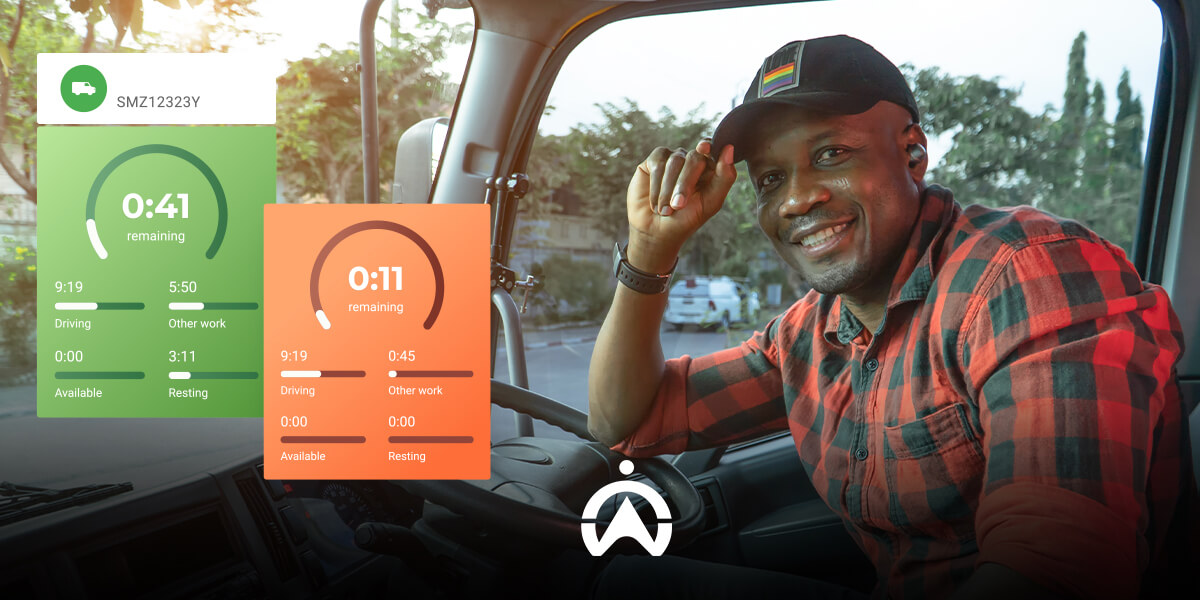
Logbook: It’s important that your business remains compliant so it can keep running. The Karooooo logbook automatically records trips and helps you classify business and personal trips. This ensures that your records are accurate for tax purposes. It also helps you keep up with how long each driver is on the road each day, so you can ensure they don’t exceed the maximum working hours, preventing fatigue and ensuring compliance.
Dashcams: Our AI Dual Vision dashcams have GPS tracking capabilities and telematics technology. This means you can get the same reports that you’d get from a normal GPS tracker, and you can see their actions in real-time. Since these cameras are AI-powered, they can spot when drivers are distracted and give out audible alerts. This helps prevent possible collisions, improving driver safety and saving your business from repair costs.
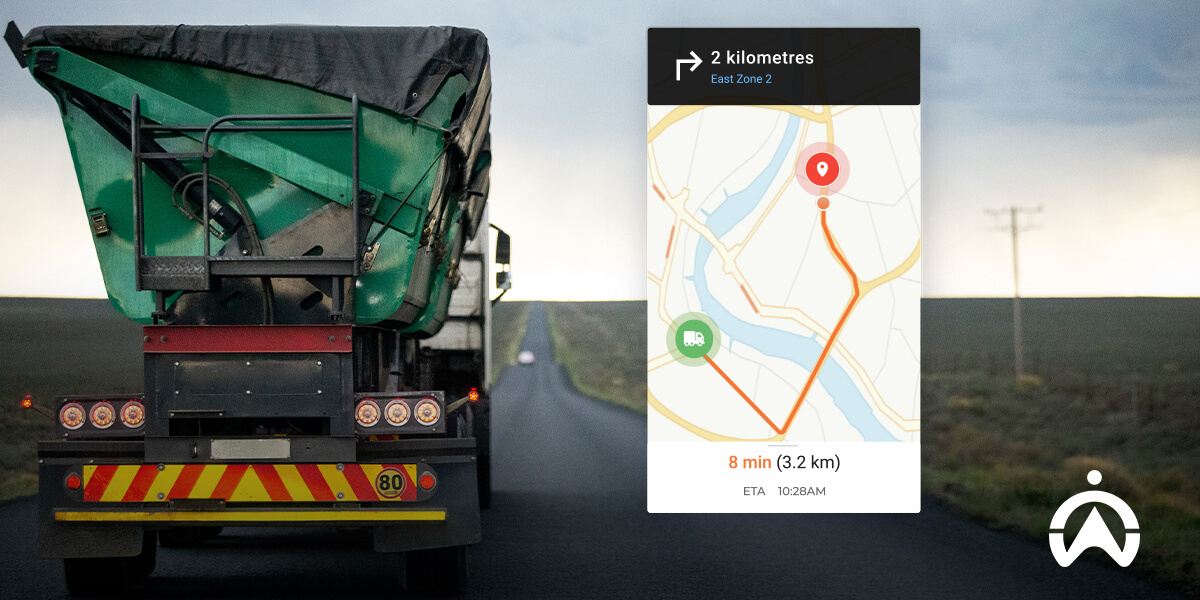
Route optimisation: Plan the most efficient routes with our route optimisation software. How does it work? All you need to do is input all driver destinations and the software will suggest the best routes for each driver to get to their destinations. It factors in things such as historical traffic trends, road conditions, travel time, driver schedules, and priorities.
Geofencing: As one of our case studies suggests, the Karooooo geofencing feature allows you to create virtual boundaries around areas of your choice. Thanks to this feature, you’ll get alerts whenever vehicles enter or leave those areas. These can be warehouses, office parks, delivery stops, or high-risk zones.
Get started with Karooooo’s GPS tracking system
With Karooooo, you’re guaranteed accuracy. When your drivers are in remote areas, our GPS trackers will continue to record up to 5000 data points of location and speed until they can find network coverage to transmit the data. Contact us today and get started with a GPS tracker built for your business needs.
Frequently Asked Questions about GPS trackers
How accurate are GPS trackers?
The accuracy of GPS trackers depends on the type of tracker it is, its intended use, and the quality of the signal. GPS signals can be affected by things such as the weather, tall buildings, or tunnels. Modern-day GPS trackers normally have 3-10 meters of accuracy.
What are the types of GPS trackers used in commercial fleets?
Commercial fleet companies normally use on-board diagnostics (OBD) trackers which are plug-and-play devices connected to the vehicle’s OBD-II port. Others are hardwired, which means the devices are directly installed into the vehicle’s electrical system. Then there are portable battery-powered GPS trackers which run on an internal rechargeable battery.
How long do commercial GPS trackers last?
Commercial GPS trackers should last you for a couple of years, depending on factors such as device quality, frequency of use, installation methods, maintenance, and system updates. It’s always recommended that you choose a GPS tracker from a reputable service provider such as Karooooo.
Some strategies for fuel reduction include route optimisation, fuel probes, preventative maintenance, telematics systems for driver monitoring and stopping unnecessary idling. If you’ve got a fleet, the chance that you’re looking for strategies to reduce fuel is probably pretty high.
These stats prove just how important it is for fleet owners to find ways to reduce fuel usage as much as possible so that your profits can still remain high. At Karooooo we know how important this is to you. In this blog we’ll break down the top strategies for fuel reduction and how we can help you keep your costs low and your profits high!
What are the top 7 strategies to reduce fuel in your fleet?
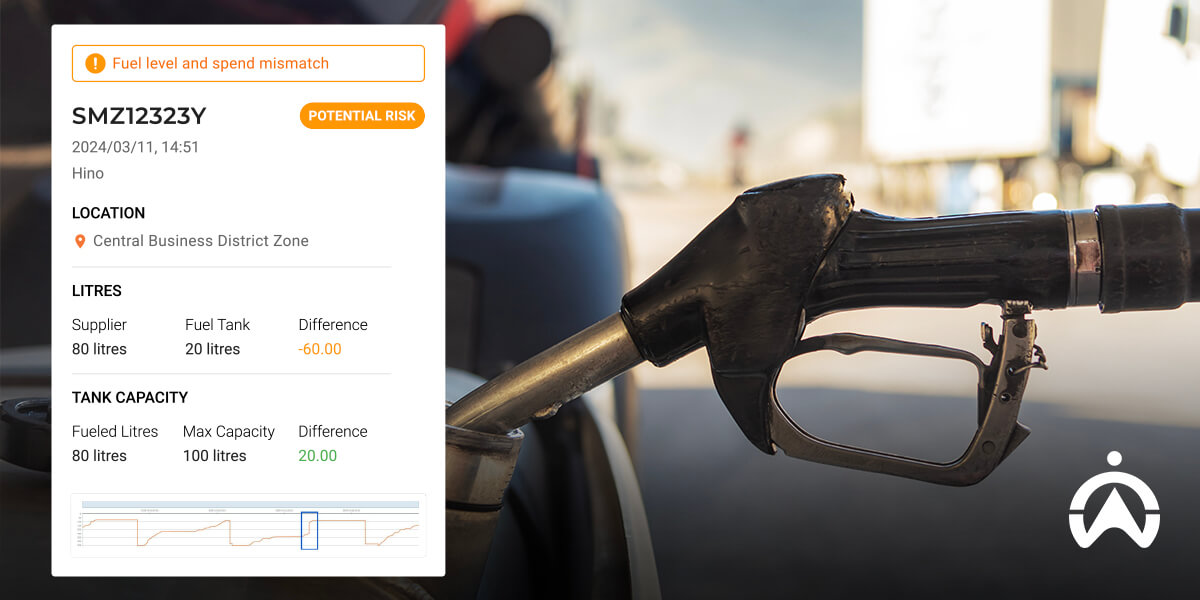
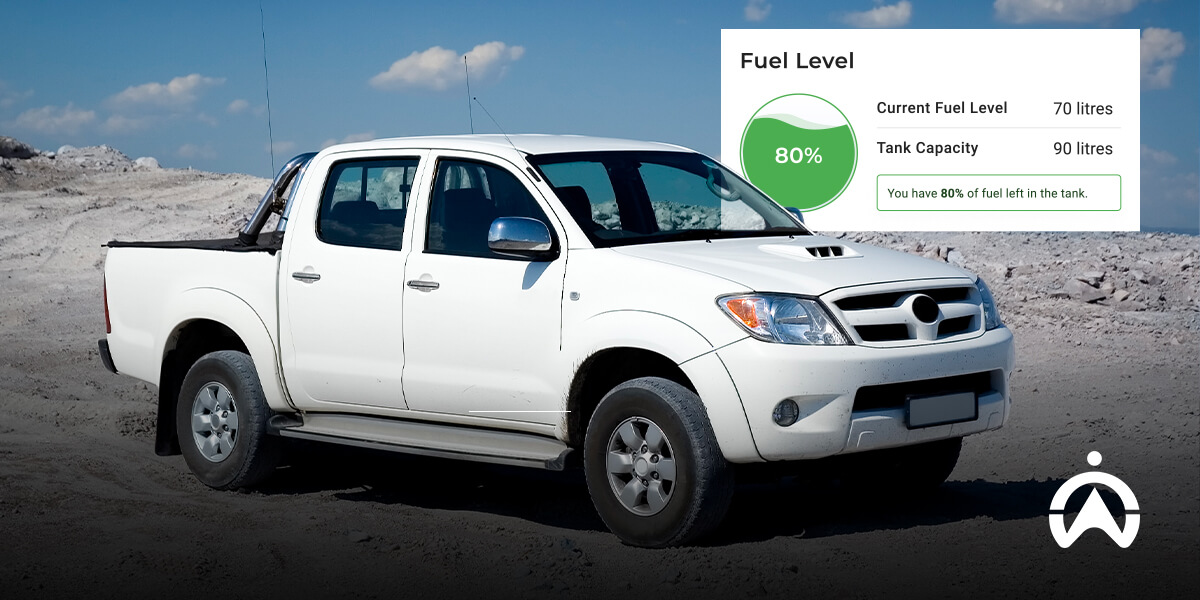
One of the main strategies to reduce fuel wastage is by installing fuel probes in your vehicles. This is how they work:
The probe floats in your fuel tank and measures your fuel levels
It send a message to your fleet pages letting you know when your tank is almost empty and when it’s being topped up
If fuel suddenly drops when the vehicle isn’t in use, you’ll get an alert
Fuel probes make sure that as the fleet manager, you’ll always know what’s happening to the fuel in your vehicles.
2 – Optimising your routes
Something you may not be aware of that’s wasting your fuel is the routes your drivers are using. By installing an advanced GPS system, you’ll be able to optimise the routes your drivers take.
You can save fuel with GPS-assisted routes by:
Avoiding high-traffic routes that keep your drivers sitting idle
Maintenance is often overlooked as a reason for fuel loss. Factors such as:
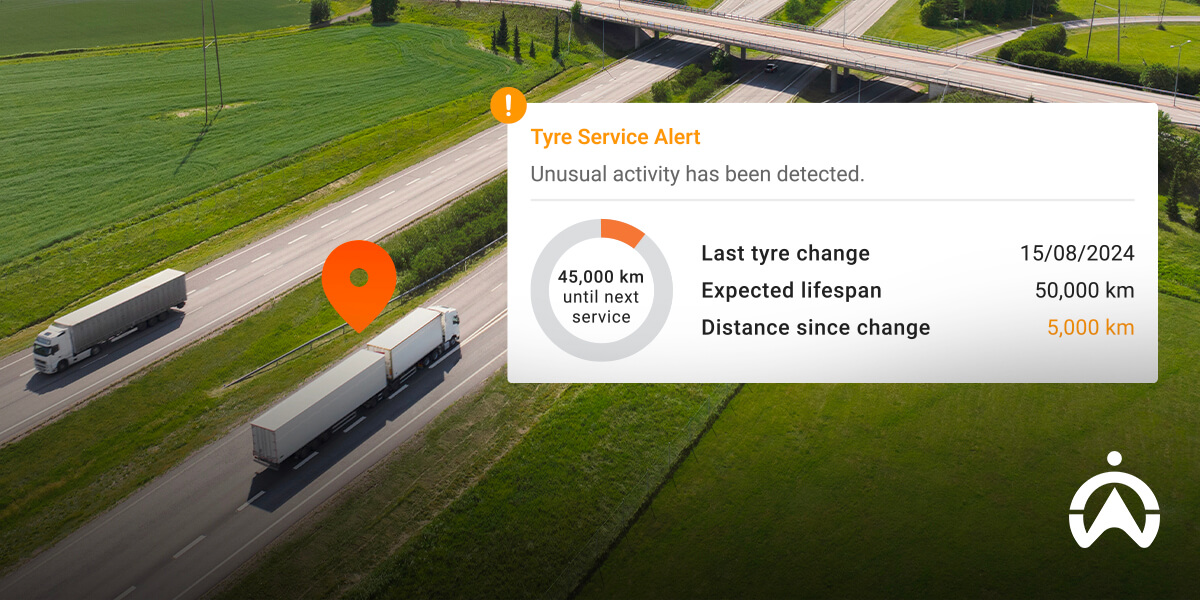
Underinflated tyres
Clogged air-filters
Old oil
Worn-out spark plugs
Dirty fuel injectors
All of these cause your vehicles to not run optimally and end up wasting fuel. When you implement a telematics system that assists you with predictive maintenance, your fleet will be on top of their game!
Preventative maintenance warns you of all the issues mentioned above before they actually start to affect your fleet. Not only saving you fuel but time as well!
4 – Stop idling
According to industry data, an 8000cc diesel truck idling at 650 rpm burns approximately 0.8 litres per hour. In the context of Kenya’s heavy traffic—where vehicles on routes like Mombasa Road or the Thika Superhighway can spend hours stationary—the costs escalate quickly. If you operate a fleet of 50 trucks, they could easily waste 40 litres of diesel every single day just sitting still. Over a year, this equates to 10,000 litres of wasted fuel, which—at current EPRA pump prices—totals roughly KES 1.8 million to KES 2.1 million in lost revenue.
5 – Driver gamification
Your drivers play a major role in ensuring fuel isn’t being wasted. By motivating them through gamification, you can achieve this.
You can motivate and create healthy competition in your team through:
Cash incentives
Days off
Free meals
Recognition (Driver of the month)
6 – Using the right-size vehicle
A common oversight that wastes fuel is not using the right-sized vehicle for deliveries. This means not using your heavy-duty truck to deliver one fridge and not overloading your bakkie with all the stock in your warehouse.
Both overloading a small vehicle and underloading a heavy vehicle cause you to waste fuel and damage the lifespan of the vehicle.
7 – Installing a fuel management system
A fuel management system is the best way to monitor fuel usage in your entire fleet. By having the data all in one place, it makes your job as a fleet manager so much easier as well! And the best thing? This system can assist with almost all of the above strategies!
With Karooooo’s value-added MiFleet software, you’ll be able to turn your data into diesel. How? Well, according to studies, fleet management tools like MiFleet can reduce your fuel costs by up to 15%! MiFleet matches fuel spend with telematics data to pick up fuel usage patterns, so you’ll be able to easily detect excessive idling and fuel fraud.
MiFleet reduces admin mistakes
Unfortunately small errors can cost your business thousands. Lost slips or manual typing errors when calculating the entire fleet’s fuel spend are common mistakes that businesses face.
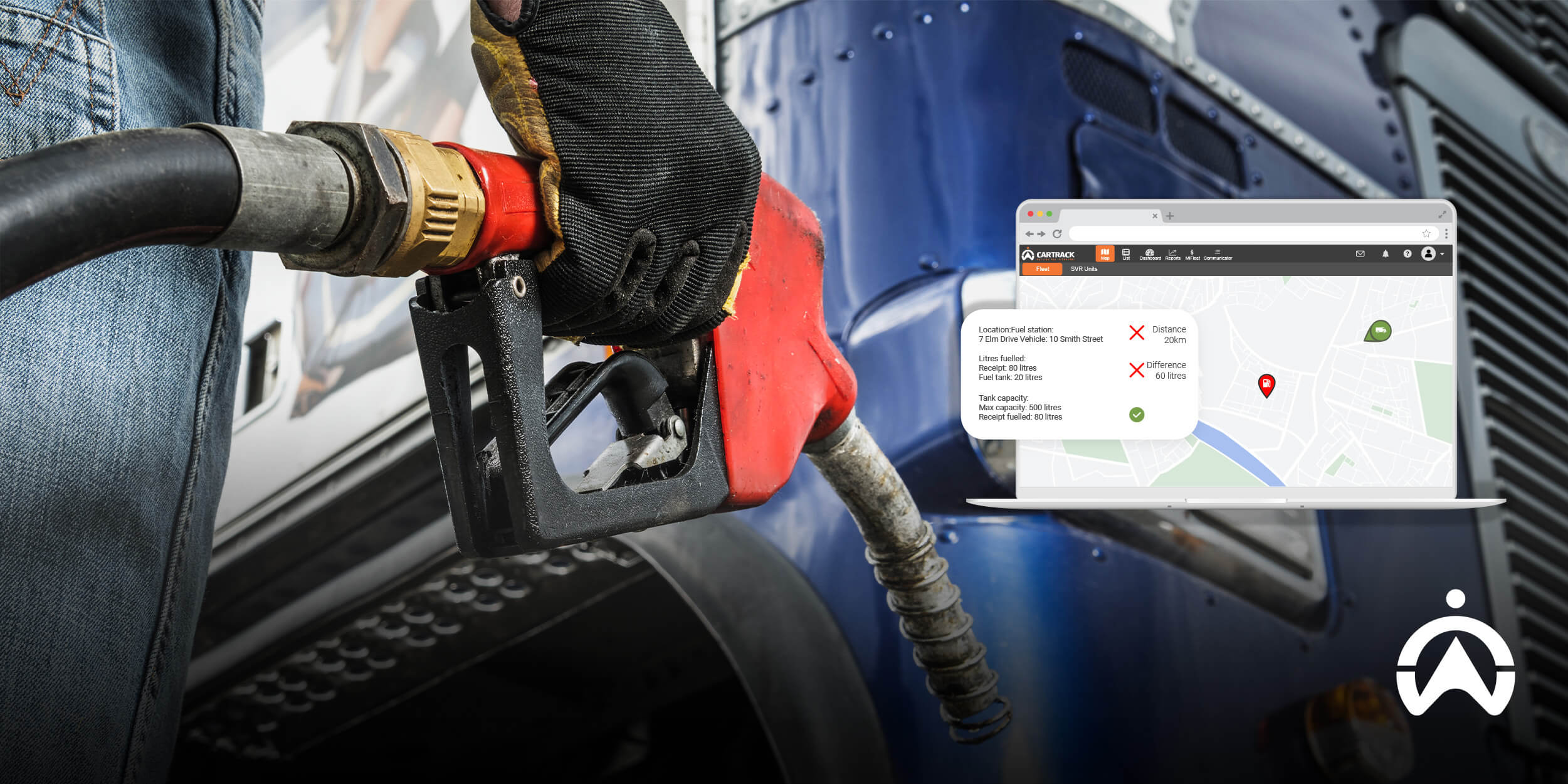
MiFleet stores all of your fleet costs and important documents in one place. Your drivers can snap a pic of their fuel slip, fuel gauge and the fuel pump readings on the driver app. You can then instantly approve or flag the transaction.
This makes your life less complicated, because all fuel slips will be automatically uploaded onto your dashboard, meaning no more lost slips and no more manual data entry errors!
MiFleet will keep track of the data and let you know in advance which truck is due for what. This means your trucks will always be running at peak efficiency, ultimately lowering fuel usage across your entire fleet!
If you’re ready to stop guessing where your gas is going, contact us today so we can take every byte of data in your fleet and turn it into extra kilometres on the road!
FAQs
Does the type or quality of fuel really impact my fleet’s consumption?
Yes, the type/quality of fuel does really impact your fleet’s consumption. Lower-quality fuel usually has water and dirt in it, which will damage your fuel injectors. This means you’ll end up forcing your engine to burn more fuel to keep up its power.
How much does “hidden” vehicle weight really cost me?
Hidden vehicle weight can reduce your fuel economy by 1% for every additional 45 kg added to the vehicle. So try not to keep any unnecessary equipment in your vehicles, and encourage your drivers to keep their trucks clean, because even the weight from dirt and debris can play a role.
Beyond driving habits, what “silent” operational factors affect my fuel bill?
Beyond driving habits, the most common “silent” operational factor that affects your fuel bill is poor weight distribution. If you unevenly load a trailer, you’ll affect the vehicle’s aerodynamics and increase the resistance on some of your tyres, meaning more fuel will be used.
Effective strategies and solutions you can implement for your business’ fleet asset protection include a combination of technology, driver management, preventative maintenance, and strict policies. Together, these tools and measures help safeguard your fleet, drivers, and assets from the risks of theft, damage, and accidents.
Asset protection is a very essential element of fleet management, as without it, your business faces huge financial losses. Fleet asset protection also involves safeguarding important company information and preventing fraud.
Fleet asset management is the process of tracking, overseeing, maintaining, and safeguarding a group of vehicles, equipment, and other assets within a business’s fleet. The goal with fleet asset management is to increase asset lifespan, reduce operational costs, minimise downtime, and ensure safety.
Strategies for fleet asset protection
The strategies for fleet asset protection involve:
Vehicle tracking
Driver training
Preventative maintenance
Insurance management
Implementing cybersecurity measures
These strategies ensure that you always know what’s happening in every aspect of your fleet. They help keep your vehicles and other assets safe, lower costs, and improve how your team works.
Here’s a table that highlights what each strategy consists of:
Strategy
What it entails
Vehicle tracking and telematics
GPS tracking for real-time visibility, route monitoring, and stolen vehicle recovery systems
Driver training and accountability
Safe driving practices, reducing misuse through monitoring, and building a culture of responsibility
Physical security measures
Secure parking, vehicle immobilisers, alarms, and access control to keys and vehicles
Preventive maintenance and inspections
Regular checks, proactive care, and the use of diagnostic tools to prevent breakdowns
Insurance and risk management
Comprehensive coverage, fleet management data for claims, and balancing cost vs. protection
Leveraging technology for cybersecurity
Protecting connected systems, updating software, and securing telematics devices
Now let’s check out a detailed breakdown of each strategy:
Implementing vehicle tracking and telematics
GPS tracking for real-time visibility One of the best ways to keep track of your fleet is by using GPS tracking systems. These allow you to know exactly where each asset is at any time. Whether you’re managing a small fleet or a large one, real-time location tracking is super important. It ensures that your assets (which are a big part of your investment) are always secure.
Route monitoring and geofencing Monitoring the routes your drivers take allows you to see if they’re following planned routes. This helps you prevent delays and makes sure that the most efficient paths are being used. Geofencingadds another layer of protection by giving you the ability to create virtual boundaries. If a vehicle or any other equipment crosses those boundaries, you’ll receive an alert. This helps prevent theft and further ensures that your fleet is safe.
Driver training and accountability
Safe driving practices How drivers operate vehicles plays a crucial role in their safety and the safety of your assets. You can use vehicle telematics to spot risky driving behaviours such as speeding, then train your drivers on safer habits. In doing so, you reduce accidents, prevent damage to vehicles and cargo, and improve the overall longevity of your assets.
Reward drivers through telematics data Telematics data gives you reports on how drivers conduct themselves when using vehicles or equipment. From there, you can identify areas where improvement is needed and use the system to rate their driving habits and reward good behaviour. This motivates drivers to take pride in their work and reduce the likelihood of neglect or careless driving.
Physical security measures
Secure parking facilities The location where vehicles are parked is just as important as how they’re protected. Investing in secure parking facilities is a key step in safeguarding your fleet. This can mean choosing parking lots with high fences, cameras, and even security guards. It’s especially important for fleets that have valuable assets or operate in high-risk areas. Secure parking reduces the chance of theft or vandalism.
Vehicle immobilisers and alarms Another effective security measure isusing vehicle immobilisers and alarms. Immobilisers prevent vehicles from moving unless the correct key is used. This makes it difficult for thieves to steal your vehicles. Alarms serve as an extra deterrent, as they’re loud, and will alert you or nearby people when something goes wrong.
Access control to keys and vehicles Controlling access to the keys and vehicles is essential. Only authorised personnel should be able to get the keys to a vehicle, and there should be a clear process for handling key distribution. You can use systems like key boxes or digital locks that require a code to access keys. This reduces the risk of stolen vehicles due to unauthorised use.
Preventive maintenance and inspections
Regular checks to avoid breakdowns Preventive maintenance is about making sure your vehicles and assets are in good condition before something goes wrong. Performing regular checks, such as oil changes, helps identify issues before they cause an unexpected breakdown. This saves your business time and money by preventing larger problems that could result in costly repairs or downtime for the vehicle.
Protecting assets through proactive care Taking a proactive approach to vehicle care means addressing issues before they become big problems. This can include replacing worn-out parts or fixing minor issues before they escalate. This reduces the risk of accidents caused by mechanical failure.
Using diagnostic tools for early detection Modern fleet tracking systems are often equipped with tools that can flag mechanical issues early. These tools monitor things like engine performance, tyre pressure, and fluid levels. When there’s a problem, the system sends an alert to you so you can quickly fix it.
Insurance and risk management
Importance of comprehensive insurance coverage Insurance is an essential part of protecting your fleet, and the type of cover you choose makes a huge difference. We recommend you choose comprehensive coverage for your fleet to ensure that you’re financially protected in the event of an accident, theft, or damage. It’s important to have coverage that fits the specific needs of your fleet, whether that includes vehicle repairs, liability for accidents, or protection against natural disasters.
How fleet management data supports insurance claims Fleet management data can be very useful when dealing with insurance claims. GPS tracking data and maintenance records can provide evidence that speeds up the claims process. For example, if an accident occurs, this data can help show whether your driver was following safe practices. This improves the chances of a quicker and more favourable outcome.
Leveraging technology for cybersecurity
Protecting connected fleet systems The data from digital solutions, such as a fleet management system, also introduces potential cybersecurity risks. To protect your fleet’s digital systems, you must use strong security measures that include:
Encryption
Firewalls
Secure communication channels Choose a service provider that already has these protective measures in place.
Updating software and securing telematics devices Just like with any device that connects to the internet, telematics devices and fleet management software need to be updated regularly to stay secure. Failing to update your systems can leave them open to cyberattacks. So, it’s vitally important to stay on top of these updates.
Best practices for data security In addition to keeping software updated, it’s important to follow best practices for data security. This includes using strong passwords, limiting access to sensitive data to authorised personnel only, and regularly backing up important information.
The role of fleet management solutions in safeguarding your fleet assets
Fleet management solutions play a vital role in strengthening asset protection. These solutions give you integrated systems with centralised monitoring and reporting. Through this, you’ll always know where your vehicles and assets are, how they’re being treated, how they’re performing, and if there are any threats.
To best understand what we mean, have a look at one of our success stories for fleet asset protection. A case study about one of our clients, Avis.
Case study: Avis car rentals
Avis is one of the world’s largest vehicle rental companies. They have a fleet of rentals in over 5,000 locations in 165 countries worldwide, including kenya. Their business success is dependent on providing customers with a reliable, efficient and safe vehicle rental service.
Avis needed a reliable service to help keep their vehicles and clients safe from theft and hijacking.They also needed an easy-to-use system so they could oversee the daily activities of their large fleet of rental vehicles. They needed a solution that gave them insight into ways they could track and improve their vehicle usage, health and longevity.
How we helped them:
Our GPS tracking software allows Avis to monitor vehicle activity. It also provides them with accurate mileage data. This helps them ensure their rental vehicles are well-maintained and in good working order for their clients. These preventative maintenance measures protect AVIS’s assets by minimising fleet breakdowns. This reduces downtime, optimises vehicle usage, and maximises rentals.
With our professional installation techniques, vehicle tracking capabilities, anti-jamming technology and 24-hour recovery team, Avis can reduce the risk of vehicle theft! This increases their chances of vehicle recovery within their fleet. Avis now saves costs associated with vehicle loss.
With Karooooo’s geofencing feature, Avis’s fleet managers can set virtual boundaries to mark no-go or high-risk zones. They also receive alerts before their customers enter these areas with their rentals, providing an added layer of risk management.
“We chose Karooooo largely due to their strong brand, track record of delivery, and commitment to customer service. We are thrilled with the benefits this partnership has delivered for our business.” – Armour Gittings | General Manager Investigations Department, Avis.
Building a fleet protection plan for your business with Karooooo
At Karooooo, we pride ourselves on giving you next-level fleet asset protection tools. Over the past two decades, we’ve encountered businesses from various industries. With twenty years of experience serving diverse industries, we understand that every client faces distinct challenges.
Whether you manage a small local fleet or oversee nationwide operations, we’ll customise our system to meet your specific needs.
Here’s a brief breakdown of some of our features:
Start inhibit: The Karooooo Start Inhibit feature is an immobiliser. This means once the vehicle is off, you can prevent the ignition from going on again and therefore stop unauthorised movement.
Start prevention: The Karooooo Driver Identification (DID) tags are a solution that helps you instantly identify who’s using which vehicle or machinery. They have a start prevention option, which prevents unauthorised users from operating vehicles and equipment. For example, some drivers don’t have a licence to operate certain machines in a mine. Through this feature, you can issue a tag to each operator that matches the vehicle or machine they qualify for. This prevents staff members with little experience from using the machine or vehicles they aren’t licensed for. It also reduces safety hazards and ensures compliance.
Geofencing: As already mentioned, a geofence gives you the ability to create virtual fences around areas of your choice. This can be around a warehouse, construction site, or delivery route. Through this feature, you’ll get alerts wherever vehicles or equipment enter or leave your marked zones, giving you extra peace of mind.
Live tracking and Stolen Vehicle Recovery: With us, you’ll always know where your assets are, and you can remotely monitor routes from anywhere. We’ve conducted over 100 000 recoveries over the past decade. So in the unfortunate event that any of your vehicles or assets are stolen, you can trust us to get them back to you.
Preventive maintenance: To help you meet your fleet’s maintenance standards and reduce accidents caused by mechanical failure, we have a proactive maintenance plan. Our system helps you keep a record of service dates and alerts you to issues such as engine faults and oil & water fluctuations. In doing so, you’ll also protect your fleet from unplanned downtime and costly repairs.
AI Multi Vision cameras: The Karooooo AI Multi Vision camera solution gives you the option of having up to 8 cameras installed in each of your vehicles. Through this, you’ll get a full view of what drivers are up to daily and the surroundings of each vehicle. The AI-powered in-vehicle cameras can detect risky habits such as cellphone use. From there, they’ll give an audible alert, ensuring the driver corrects their actions immediately.
Karooooo specialises in all things fleet-related. We’ve got over 2 million subscribers that trust us with their vehicles and assets, so should you! Stick with us, andwe’ll give you the ultimate fleet asset protection.
Frequently Asked Questions about fleet asset protection
Is a fleet a fixed asset?
In accounting, a fleet is generally considered a fixed asset. This is because fixed assets consist of long-term, tangible assets that are used to bring in income over more than one year. Vehicles such as cars and trucks that are used by businesses fall under this category.
What are the elements of asset protection?
The elements of asset protection include driver training and education, regular maintenance and inspection, the use of GPS trackers and telematics, as well as monitoring driver safety. These elements collectively work towards minimising accidents, theft, and damage. They also help reduce operational disruptions and save costs.
What is the best asset protection tool?
The best asset protection tool is advanced GPS tracking software with telematics capabilities. This technology provides you with real-time location monitoring, vehicle diagnostics, and updates on driver behaviour. These tools help you keep your assets safe and well-maintained and increase productivity levels.
The GPS tracking solutions that you need to know use a combination of hardware and software to show the live location of a vehicle, asset, or person. The hardware, a GPS device, remotely connects to satellites, sending signals that make real-time tracking possible. Tracking solutions address some of the most important pain points for businesses, including theft, rising fuel costs, and asset maintenance.
In Kenya, where road conditions can be brutal and vehicle theft remains a major concern, a GPS tracking solution is not just a nice-to-have. It’s a necessary system for your business’ survival. Without this solution, your business risks losing its assets, experiencing downtime, and incurring higher costs.
Did you know that Karooooo Kenya is one of the leading GPS tracking solution providers in Kenya? More than half a million active fleet management units are attributed to Karooooo alone. This is how we stand out. Karooooo offers turnkey solutions for businesses of all sizes and industries, providing the best way for you to keep your fleet safe and establish full operational transparency.
What are GPS tracking solutions, and how do they work?
GPS tracking solutions are systems that use the Global Positioning System (GPS) as a way to accurately determine the location of an asset, vehicle, or person. In the case of a business, they translate to the visibility of your fleet at all times, with the intention of managing operations more effectively.
Hardware (a GPS tracking device) is fitted into the asset, and data is transmitted via cellular networks to a central online platform. This means you can keep track of vehicle movements and operational efficiency from a single, streamlined dashboard. In the case of Karooooo, you’d see everything from Fleet Web or the mobile app.
GPS tracking solutions have grown in popularity among fleet-based businesses. Most solutions have made it simple to track vehicles through easily accessible web pages or mobile apps. The result? Clear visibility, improved safety, and better business decision-making overall.
Types of GPS tracking solutions that you need to know
The types of GPS tracking solutions can be divided into two categories: how they operate and their purpose. In terms of operation, tracking solution types include passive, active, and hybrid solutions. When looking at purpose, GPS tracking solutions typically include personal, vehicle, and asset tracking.
It’s important to note that Karooooo focuses on vehicle and asset tracking for businesses, with solutions that are built to support smarter fleet management and stronger operations.
By Operation
Here’s a comparison table to help you understand how GPS tracking solutions operate:
Type of GPS Tracking Solution
Brief Explanation of GPS Type
Real-Time Tracking?
Data Storage
Best For
Passive
Records data for later review, no live updates
No
Typically stored on the device to be reviewed later
Smaller fleets or occasional tracking
Active
Sends location instantly, which allows for real-time tracking
Yes
Usually cloud-based and accessible anytime, though it can be stored on the cloud too
Large fleets needing live monitoring
Hybrid
Combines live updates with offline logging, giving reliable tracking at all times
Yes
Available on both the device and the cloud
Fleets needing flexibility and occasional offline access
By Purpose
Here’s a table to help you better understand the purpose of GPS trackers:
Purpose
Typical Use / Description
Personal Trackers
These are largely for individual safety and typically include wearables, pet collars, or family-sharing tracking apps
Vehicle Trackers
These monitor vehicles for fleet management and logistical purposes. GPS tracking typically goes beyond simply tracking, assisting fleet managers in making better operational choices
Asset Trackers
These are for tracking valuable equipment, tools, or containers
What are the business benefits of GPS tracking solutions?
The business benefits of GPS tracking solutions largely revolve around delivering measurable value for your business. Beyond smoother operations and lower operational costs, its automated reporting and standardisation features streamline and simplify back-office tasks. Tracking solutions also support features that improve driver accountability, encouraging a safer driving culture within your business.
Let’s take a closer look at some of the business benefits:
Reduced fuel and operational costs: By carefully tracking trips through fuel usage, route viewing, and driver monitoring, you can identify any inefficiencies that impact fuel and operational costs. Better routes and reduced risky driving equate to lower fuel and maintenance expenses.
Improved driver accountability: GPS tracking solutions used in combination with monitoring driver behaviour can strongly encourage safer driving. Getting real-time, intelligent insights into driver behaviour helps with reinforcing feedback and coaching. It also reduces accidents and wear and tear.
Simplifying reporting and compliance matters: GPS tracking solutions paired with telematics will always give you the best in valuable insights. Because of this, you can leave the demanding paperwork behind and rely on automated reports and data. This makes it much easier to stay compliant and ready for potential audits.
Choosing the right GPS tracking solution for your business
When choosing the right GPS tracking solution for your business, it’s important to consider the business’ needs and goals before anything else. Always analyse fleet size, type, and priorities before deciding on what kind of solutions and accompanying features work best.
Karooooo offers you flexible solutions that work for every type of business and fleet size. If you’re still unsure about your options, our experts can point you in the right direction by suggesting the best solutions for maximum performance and control.
In the meantime, take a look at our quick self-check below to get a better idea of how to choose.
Mini Self-Check: Find Your GPS Solution
Look at these 3 categories to narrow down which GPS tracking solution fits your business needs:
Tracker Purpose
Vehicle Tracking → Optimise fleet operations, boost driver accountability, and bring down costs
Asset Tracking → Keep high-value equipment safe, prevent theft, and track locations in real time
Fleet Size
Small (1–10 vehicles) → Passive tracking could suffice
Medium (11–50 vehicles) → Active or hybrid tracking is recommended
Large (50+ vehicles) → Active tracking with real-time monitoring and extra add-ons is recommended
Fleet Type
Light vehicles/delivery vans → Vehicle or portable trackers might suffice, depending on the number and type of vehicles
Heavy-duty trucks/specialised equipment → Consider hybrid or active tracking for reliability and complete visibility
Mixed fleet → Hybrid tracking recommended for flexibility, although active tracking can also be helpful
Business Priority
Cost-sensitive/occasional tracking → Passive tracking works
Real-time visibility & fleet control → Active tracking is essential
Flexibility and offline reliability → Hybrid tracking fits best, but active tracking could still be a priority here
Why Karooooo is the optimal choice for GPS tracking solutions that you need to know
Karooooo is the optimal choice for GPS tracking solutions because businesses across Kenya and so many parts of the world trust it. Karooooo holds a strong reputation and is known for its innovation, exemplary customer service, and dependability, guaranteeing tangible results for you and your business.
Key advantages of choosing Karooooo include:
Proven reliability: Karooooo has a powerful global footprint. We’re trusted by businesses across Kenya and 23 other countries worldwide. These are businesses spanning various sectors that’ve achieved secure and accurate tracking with us.
Comprehensive solutions: Karooooo provides flexible, scalable, and comprehensive GPS tracking solutions that are tailored to every kind of business. Whether your fleet is small or complex, we’ll make sure to find an approach that works for you.
Advanced features built in:Geofencing, driver behaviour monitoring, and remote vehicle immobilisation are only a few of the advanced features we offer. Having all the bells and whistles isn’t necessary, though—we can help you choose exactly the right add-ons to suit your fleet.
Easy installation & support: We offer scalable GPS tracking solutions that can grow with your business. We also provide expert guidance where necessary, numerous fitment centres, and ongoing support to ensure you’re always operating smoothly.
Real-time insights: With MiFleet and the Karooooo mobile app, you can get access to insights and live data whenever you need it. The ability to have immediate access allows you to make decisions on the move, especially in the case of an emergency.
Local expertise: Because we have solutions tailored for Kenyan roads, regulations, and business needs, you can rest assured that you’re receiving unmatched support from our professional, round-the-clock available team.
Maximising your fleet with GPS tracking solutions
Location tracking only scratches the surface of what GPS tracking solutions offer. The real power lies in transforming raw data into strategic advantages. Karooooo can empower your business with comprehensive oversight of vehicles and assets, reducing costs, strengthening security measures, and streamlining regulatory requirements.
With both local expertise and international reach, Karooooo provides adaptable, robust systems engineered to maintain your fleet’s productivity, security, and continuous progress.
Don’t wait until inefficiencies cost your business. Talk to our experts today and see how easy smart fleet management can be.
FAQs
Can GPS tracking solutions work in remote or low-network areas?
Yes, GPS tracking solutions do work in remote or low-network areas, especially modern units like Karooooo’s. However, if the connection does fail, information will continue to get logged and stored. The information is then uploaded automatically once the connection is restored. This ensures that none of your information is lost.
Is GPS tracking legal for businesses in Kenya?
Yes, GPS tracking is legal for Kenyan businesses as long as staff are notified that their movements are being tracked. GPS tracking is actually encouraged for fleet-based businesses because it addresses key pain points and priorities, but businesses must abide by compliance and labour laws.
How long does it take to install a GPS tracking system?
Installation is typically quick and hassle-free. From Karooooo’s side, professional fittings take about two to four hours per vehicle. It ultimately depends on the features required and the number of vehicles being worked on. Professional technicians will always do their best to ensure proper setup and minimal downtime.
How do GPS tracking alerts and notifications work?
GPS tracking alerts and notifications work by appearing in real time through the related dashboards and mobile apps. These systems, more especially with Karooooo, are triggered by certain events that prompt an immediate notification. These events include unauthorised vehicle use, geofence breaches, dangerous driving behaviours, and hardware tampering.
The Global Positioning System (GPS) is more accurate than the Global System for Mobile Communication (GSM). GPS shows where a vehicle is, but it cannot send that location on its own. GSM is what sends the tracking details to you or a control centre. Think of GPS as finding the place, and GSM as passing the message.
In 2025, GPS vehicle tracking systems led the market by 48.9%. The rest was split between GSM, satellite-only, OBD, and other systems. In Kenya, the most common trackers use both GPS and GSM together. And with new tech like 5G, you can expect the market to keep growing.
GPS vs GSM tracking systems: What works better in Kenya?
GPS gives the most accurate location, but in Kenya, it works best when paired with GSM. GSM lets the tracker send live updates to your phone or a control centre. With high vehicle theft, relying on only one system can leave gaps and slow down recovery efforts.
Hybrid trackers use both GPS and GSM to stay connected. They resist jamming and reduce the risk of signal loss. GPS can struggle in cities, while GSM can fail in rural areas. Using both means the system works more reliably, giving stronger coverage almost everywhere.
What is the difference between GPS and GSM systems?
GPS uses satellites to find an exact location, which means that it connects to at least three satellites simultaneously to maintain accuracy. The latest report from NASA confirms that 24 GPS satellites are orbiting Earth, all working together to provide GPS systems with reliable and precise location information worldwide.
GSM relies on mobile networks, so it’s less accurate but sometimes more reliable than GPS. It connects to one or two cellphone towers at a time, which means it can’t find accurate distances as easily as GPS. Some tracking systems use only GSM, but these often give poor tracking data.
Hybrid trackers use GSM to send accurate GPS locations to a control centre or smartphone.
Which is the better system for preventing car theft?
Neither system alone is the best, because while GPS is very accurate, it can be jammed. GSM is harder to block, but it’s much less accurate. To get accurate, real-time updates and better theft protection, a hybrid system that uses both is the best.
This is because hybrid trackers offer features like:
Anti-jamming technology: Hybrid tracking units resist jamming with detection, backup communication, and added security systems from tracking services.
Real-time alerts: These systems use both GPS and GSM to give real-time tracking and alerts, updating location and telematics data with meter-level accuracy as the vehicle moves.
Telematics data: Some hybrid units send telematics data like speed, condition, harsh braking, and accidents, giving real-time updates that improve driver safety and fleet accuracy.
Tip: Always check if a tracking provider offers 24/7 recovery support; some only provide location updates without vehicle recovery services.
Do Kenyan vehicle tracking units use GPS, GSM, or both?
Kenyan tracking companies, including Karooooo, use hybrid units because these systems improve recovery rates, have increased accuracy, and keep vehicles safer. Combining GPS and GSM gives real-time updates, making them more reliable than older, single-system trackers.
The first tracking units relied only on GPS, which had high costs to operate and would only send real-time location information in emergencies. This became less useful as users and fleets wanted active, constant tracking. Fleet managers now need real-time updates to monitor vehicles, plot routes and create geofences.
As we move into the future, this technology will keep improving. New available features include AI, better tracking, integrated telematics, and backup systems. These make hybrid trackers smarter, safer, and more effective at protecting vehicles and managing fleets.
Note: Integrated telematics is when a tracking unit is connected to a car’s systems, measuring speed, braking, fuel use, idling, and more.
How do Karooooo hybrid systems work?
Karooooo units have long ago adopted fully hybrid systems, using both GPS and GSM to provide accurate real-time data to our users. Over the years, as bandwidth became more available (and users and fleets required more data), technology had to adapt, and so did we.
Accuracy: Accurate within 3 to 10 meters under normal conditions, enabling precise pinpoint locations in real-time. Karooooo units have their own GPS modules that accurately track your vehicle.
Consistency: The global GPS constellation provides coverage anywhere in Kenya, with continuous satellite availability.
Recovery: Accurate location data through GPS means that recovery teams know where your vehicle is when recovery is needed. Further, location accuracy means Karooooo’s teams know when your vehicle enters high-risk zones.
GSM technology for accurate telematics
Control room communication: GSM technology, like 2G, 3G, 4G, and 5G, lets units send data continuously. Karooooo’s control room receives updates from the unit, including telematics data when it’s turned on.
Vehicle condition: Units can connect to the vehicle’s systems to monitor its condition. If there’s harsh braking, sudden acceleration, or an accident, the data is sent immediately to Karooooo’s control room.
Driver behaviour: When integrated with telematics, the units monitor driver behaviour, including speed, braking, and idling. Regular drivers can see ways to improve, while fleet managers can use this data to run their fleets more efficiently.
Karooooo Tag for advanced protection
Works through jamming: The Karooooo Tag works without cellular networks, so it still works if GPS is blocked. It detects jamming attempts and sends alerts to the vehicle owner as well as Karooooo’s control room.
Backup tracking unit: The Karooooo Tag acts as a wireless backup, giving location updates if the main unit is compromised. It has its own long-lasting battery to keep sending location data.
Proprietary RF communication network: The Karooooo Tag doesn’t use GPS or GSM. It uses proprietary signals and technology to send data to Karooooo’s control room, making it much harder to jam.
Choosing a hybrid tracker that combines GPS and GSM is best for Kenyan roads. While GPS does offer pinpoint accuracy, GSM provides much more reliable communication, even when other signals are weak.
Frequently asked questions about GPS vs GSM tracking systems
Is there a difference in stolen-vehicle recovery rates between providers that use GPS, GSM or both?
Yes, units that use both GPS and GSM usually have higher recovery rates. GPS gives a precise location, while GSM ensures the data reaches the control room quickly. Using both makes it harder for thieves to block the signal and improves the chances of finding the vehicle.
Should small businesses and fleets choose GPS/GSM hybrid devices for compliance and reporting?
Yes, hybrid devices provide real-time tracking, telematics data, and accurate reports. This helps fleet managers monitor driver behaviour, vehicle use, and safety, making compliance with company policies and legal regulations easier. They also improve efficiency and reduce costs over time.
How do I pick the best tracker for a specific use case: Personal car, fleet truck, or high-value asset in Kenya?
You pick the best tracker based on what it can provide for the specific use case. The accuracy, reliability, and features that you need to consider. Private vehicles benefit from hybrid systems for theft protection and recovery. Fleet vehicles may only need real-time tracking, telematics, and reporting, but not SVR. High-value assets may need extra security, like backup units or anti-jamming technology. Always check coverage, battery life, and provider support in Kenya.
A good fleet car in Kenya is any car that provides your company with relatively low fuel costs, driver safety, low maintenance, and a high resale value. Other factors that could influence your vehicle decision might include tyres, vehicle lifespan, cabin space, and other tailored needs of your company.
At Karooooo Kenya, we’re all about finding ways to cut your organisation’s overheads and provide you with more efficiency and asset protection. That’s why we constructed this article to help you decide on the best fleet vehicle options for your business.
What is considered a good fleet car in Kenya?
A good fleet car in Kenya is one that has a reputation for reliability, is affordable to run, and keeps its resale value. Popular options include:
Fuel efficient bakkies
Cars that are light on fuel
Sedan brands with a long and reliable reputation
Vehicles with large load capacities
Vehicles with decent drive power when fully loaded
When choosing multiple vehicles for a fleet, some factors that exceed a regular vehicle purchase should be considered. The most important is the ‘Total Cost of Ownership’ of each vehicle. This goes beyond the initial purchase cost of a car and asks the question, “What is a good fleet car in terms of the total amount of money it will cost to buy, run, and eventually sell?”
What is ‘Total Cost of Ownership’ when choosing a fleet vehicle?
Total Cost of Ownership (aka TCO) when choosing a fleet vehicle means the full cost of running it and later selling it. (You can also include the purchase price in this calculation). It mostly includes:
Fuel use
Regular maintenance
Repairs
Insurance
Licence fees
Resale value
Knowing your TCO helps you pick vehicles that save you money in the long run. That’s why it’s an important calculation to make before you settle on just any car brand.
Why is fuel efficiency important for fleet cars?
Fuel efficiency is important for fleet cars because of how much time they spend on the road. Because your company will be spending a large portion of funds on fuel, any obtainable fuel savings over your entire fleet should be identified and implemented.
But one of the biggest differences in fuel savings will come from choosing a good fleet car to begin with. Cars that generally use less fuel per kilometer should be considered over ‘gas-guzzlers’. Choosing between manual and automatic can also make a difference in your fuel costs, so pick wisely.
What role does vehicle safety play in fleet selection?
Vehicle safety also plays an important role in your fleet vehicle selection. Safer cars generally save you in the long run, and are well worth the extra initial purchase costs for these vehicles.
How does choosing a safe car for your fleet save you in the long run? Just look:
Benefit
How it Helps
Long Term Savings
Fewer accidents
Safer cars lower crash risk
Less money on repairs
Lower insurance
Safer cars often get discounts
Lower monthly costs
Better resale value
Safe cars stay in demand
More money when selling
Healthier drivers
Less chance of injury
Fewer medical bills
Less downtime
Cars stay on the road
More work done each day
Good company image
Seen as caring and reliable
More customers trust you
Longer lasting cars
Built stronger and safer
Lower replacement costs
Happier staff
Built stronger and safer
Better staff loyalty
How do maintenance costs affect fleet car selection?
Maintenance costs affect your fleet car selection by influencing your running expenses. If you choose cars with higher service or repair costs (like a cheaper brand over a better-known one), your fleet budget will quickly go up. Cars with affordable parts, reliable servicing, and strong dealer networks in Kenya help you cut downtime and reduce repair costs.
How important is vehicle resale value in choosing fleet vehicles?
Resale value is a super important factor to consider when choosing fleet vehicles. Every car you buy is an investment, and you should try to get as much back as you can when you sell that investment later on. Many car brands in Kenya have good resale values, and choosing these over some of the emerging cheaper brands is wise—especially when the time comes to sell your vehicles.
What other factors are worth considering?
Other factors worth considering before deciding on a good fleet car for your business include:
What tyres it carries
How comfortable your drivers will be
The load each car can carry
Car warranty
The road conditions
Bulk purchase discounts and ongoing dealer support
Here’s a more expansive overview to keep in mind:
Factor
Why it matters
How it helps your fleet
Tyres
Wear and replacement cost
Keeps vehicles safe and moving
Insurance premiums
Cost of cover
Reduces overall fleet expenses
Spare parts
Easy to get locally
Prevents long downtime
Driver comfort
Happy drivers
Improves safety and performance
Load capacity
How much the vehicle can carry
Matches business needs
Dealer support
Service availability
Fixes problems quickly
Road conditions
Tough roads affect vehicles
Chooses the right vehicle type
Warranty coverage
Protects against faults
Saves money on repairs
Which brands are most popular for fleet cars in Kenya?
The most popular fleet car brands in Kenya are ones that offer a mixture of fuel efficiency, robustness, low maintenance, and safety. These factors make them among the best fleet cars for companies. Some also come at relatively low purchase prices, whether you’re buying them new or second-hand.
Which bakkies are considered good fleet vehicles?
The bakkies in Kenya that are considered good fleet vehicles are those that have stood the test of time in terms of durability, brand awareness, and reputation. They also have decent load capacities, allowing you to carry more per trip.
Do Kenyans fleets prefer petrol or diesel cars?
Most Kenyans fleet vehicles tend to use diesel fuel, but that’s mainly because of how many trucks are included in thousands of Kenyans fleets. Fleets that use sedans (or cars) for their fleets, also have some options to use diesel, but most are petrol fueled.
Which diesel cars and bakkies are good fleet cars?
If you want your fleet to run on diesel fuel, you can choose from several cars and bakkies popular in Kenya. Options include those that are reliable, fuel-efficient for heavy use, and have strong dealer support across the country.
How do you manage and protect your fleet vehicles?
Once you’ve found the ideal vehicles for your fleet, it’s important to protect each and every one of them for as long as possible. Even though your Total Cost of Ownership is lower due to the wise choices you’ve made, you still need to protect against:
Theft
Road accidents
Wear & tear
Fuel theft
Bad driving
Karooooo isn’t only about saving fuel costs with world-class fuel management software. We also offer other investments that protect your vehicles and save you on fleet operation costs. Here are some other ways you can manage and protect your fleet vehicles.
Protect against theft
Protecting your fleet against theft keeps your assets safe and lowers your insurance premiums. GPS tracking and real-time alerts tell you where every vehicle is, making managing them easier.
If a vehicle goes missing, we can act fast and recover it. This lowers your replacement costs and allows your insurance company to offer lower premiums.
Learn about Karooooo’s GPS Tracking!
Prevent road accidents (and bad driving)
Safety in any fleet is equivalent to money in your pocket. Preventing road accidents through speed monitoring, identifying harsh braking and other risky driving habits keeps your drivers safe. Addressing these also helps you coach your drivers through training.
AI-driven digital driver scorecards give you all the information you need to reward good driving and identify potentially risky driver habits. Getting alerted to these habits before accidents happen will lead to fewer repair costs.
In the same way, preventing bad driving will minimise vehicle wear and tear. Even though you made some good decisions in choosing good fleet cars or fleet trucks, you still need to mitigate any unnecessary damage brought on by risky driving habits:
Keep your tyres lasting longer
Extend the gap between brake replacements
Preserve your engine components
Keep your vehicles in the best condition despite long hours on the road. Learn about Karooooo’s CANbus vehicle readings!
Stop fuel theft
A good fleet car saves you on fuel by default. However, how do you prevent fuel thieves from syphoning out that fuel when your vehicles are parked? Worse still, how do you prevent your drivers from committing fuel fraud when they fill up?
Karooooo understands the value of fuel in SA. It’s not something that should EVER be wasted. With fuel sensors and AI-driven digital logbooks, you can prove fuel theft, prevent it in future, and recover your profits through smarter fuel management.
Frequently asked questions on good fleet cars in Kenya
Are there tax benefits for businesses running fleets?
Yes, running a fleet can give your business tax benefits. You can claim on vehicle depreciation, fuel costs, vehicle maintenance, and your insurance premiums as business expenses. This lowers your taxable income and helps you save money. Make sure your vehicles are properly registered and that all records are kept for Kenya Revenue Authority (KRA) compliance.
Are hybrid and electric fleet cars practical in Kenya?
Hybrid and electric fleet cars can be practical in Kenya, but there are some challenges. Charging stations are limited in many areas, and the initial costs for these vehicles are higher. They suit urban fleets with predictable routes. If you manage routes and charging carefully, hybrids and EVs can cut fuel costs and reduce emissions.
What is the average lifespan of a fleet car in Kenya?
The average lifespan of a fleet car in Kenya is around 5 to 8 years. The car will still run after this period (provided it’s well maintained), but the wear and tear may warrant a replacement to keep your fleet running well.
Can companies lease fleet cars instead of buying?
Yes, companies can lease fleet cars instead of buying them. Leasing helps businesses manage cash flow while keeping their fleet modern and reliable, and gives you the flexibility to upgrade your vehicles regularly. It often includes maintenance packages (which come with the leasing contract) and fleet management support (which can be outsourced).
Do fleet cars need tracker devices in Kenya?
Yes, fleet cars do need tracker devices in Kenya, although this isn’t a legal requirement. GPS trackers help you to monitor vehicle location, prevent theft, and manage your drivers’ driving habits on the road. They improve safety, reduce fuel waste, and give you real-time data to make better fleet management decisions.
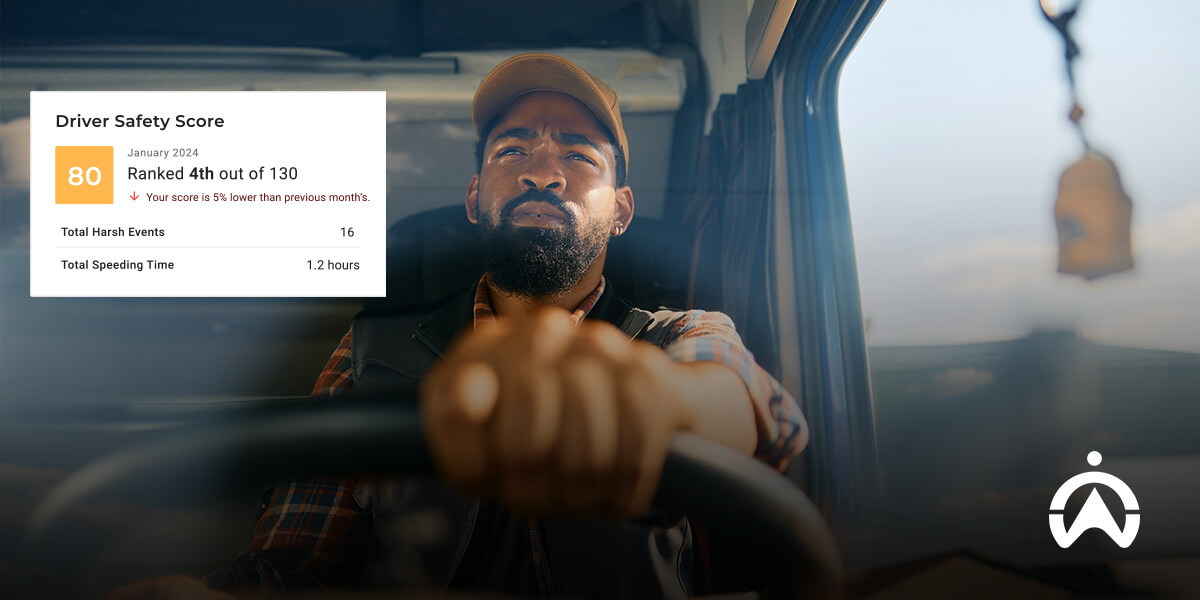
To calculate a driver’s scorecard to boost safety, you allocate points for safe driving and deduct points for reckless conduct. A driver scorecard is a digital tool that tracks on-road behaviour — like speeding, idling, and more — to measure safety and performance. This helps drivers stay accountable while providing fleet managers with a clear overview of their staff and data-driven insights.
Aside from fuel consumption, fleet safety is one of the most pressing challenges for fleet managers. A 2026 Kenya study published in medRxiv found thattruck driver fatigue is a significant but often under-reported hazard. This just further highlights the importance and benefit of putting the safety and well-being of drivers first.
With Karooooo Kenya, you can implement our advanced Driver Scorecard to fairly track and improve driver behaviour. Both managers and drivers can have access to actionable insights that boost protection and performance. Monitor safety, compliance, and efficiency to get the insights you need to run your business as smoothly as possible.
How to calculate a truck driver scorecard
You can calculate a truck driver scorecard by starting at 100, then deducting points/implementing demerits for risky driving behaviours. The points are viewed on a rolling average to get a transparent and fair overview, giving more of an accurate score.
Below is a table to help you better understand how these calculations work. Note that these are just examples using the default Karooooo parameters; you’ll be able to set your own.
Step
Action
Details/Example
Purpose
1
Identify tracked behaviours/events
• Decide which events count as tracked behaviours
• Apply a standard across all parameters
• Apply a minimum daily distance you’ve set
Sets clear and fair parameters to ensure transparent comparisons
2
Apply severity levels
• Each behaviour or event is tied to a level of severity
• Some examples: +20 km/h speeding = Medium; collision = Critical.
Displays how risky each event is and which events count for which level of severity
3
Apply the demerit system
• Scores are displayed based on the aggregate rolling average from the last full day
Weighs behaviours by importance, indicating small incidents to severe issues
4
Deduct from 100
• Daily score = 100 − Total demerits for the day
• For example: 38 demerits means the total score = 62
Creates a clear performance number at the end of the day
5
Aggregate into a rolling average
• Daily scores displayed or combined into daily, weekly, or monthly averages
• Example: driver’s weekly score = average of last 7 days
Gives a clearer picture of long-term trends over time
So how do you calculate a driver’s score? Well, actually, you don’t have to! Karooooo’s scoring system does it for you. You can update score weightages according to what you believe is important. Talk to usabout getting a scoring system in place for your drivers.
What is a truck driver scorecard?
A truck driver scorecard is a strategy for fleet managers to monitor and measure driver behaviour by using a merit and demerit system. This system gives fleet managers a comprehensive overview of drivers and their behaviours while on the road. Both safe and risky behaviours are highlighted so that necessary feedback or correction can be given.
With Karooooo’s Driver Identification (DiD) tags, you can ensure that each trip and its insights are correctly linked to the right driver. This is especially important when numerous drivers share one vehicle. This ensures that the scorecard reflects individual performance, not pooled data.
Here’s a quick overview of basic vs. advanced scorecards:
Basic scorecards give a concise summary of performance and monitor a limited number of events. Some simply offer a score based on parameters set by the client.
Advanced scorecards, like Karooooo’s, apply smart techniques that include AI-powered capabilities, rolling averages, and even more variables to measure. These include AI driver monitoring and collision warning events. Advanced scorecards guarantee better, more accurate information on your drivers.
The purpose and benefits of the driver scorecard include:
Making sure that compliance and legal matters are met
Observing better cost management and cutting fuel waste through smoother driving, reducing wear and tear from harsh events, and lowering accident-related expenses
Isolating dangerous driving patterns and preparing coaching sessions as training
Building transparency and motivation from both the drivers and management, encouraging a better overall driver culture
Simply put, driver scorecards are the backbone of fleet risk management and safety. As your business implements this strategy, you’ll begin to see massive improvements in driver accountability, safety, and workflow performance.
How do truck driver scorecards boost safety?
Truck driver scorecards matter for safety because dangerous driving habits are one of the leading causes of accidents on the roads. Through monitoring these behaviours, fleet managers can measure the link between general fleet safety and what happens behind the wheel.
Scorecards are meant to bring about accountability and motivation to practise safer habits. The hope is that drivers will recognise that their performance is evaluated fairly and transparently for the betterment of the business and their personal safety. DiD tags also support this, ensuring the right driver is accountable for their own actions.
Above safety, truck driver scorecards are also the key to training, coaching, and incentive programmes. There’s a balance of accountability and reward. Fleet managers can coach drivers with high-risk driving patterns but also reward consistent and safe drivers.
Compliance and legal regulations are met because of consistent monitoring and regulation
Fewer collisions occur as safer driving practices reduce the risk of accidents
Smoother driving with less wear and tear, which also means an extended vehicle lifespan
How does Karooooo’s truck driver scorecard boost safety?
Karooooo’s truck driver scorecard boosts safety by giving you a complete big picture of how your drivers are performing. Your drivers will start off with a complete score of 100 and then have points deducted based on risky driving. The driver score is based on the rolling average to give a fairer, long-term score.
Here’s more on how it works:
A daily score is at the core: every driver starts at 100, and demerit points are deducted. The daily score is calculated per day, not per trip.
Minimum daily distance: this is set by you, the client, so that trip scores are not distorted.
Score aggregation: the score that’s displayed is always based on the aggregate, rolling average from the last full day. You can view your drivers’ scores daily, weekly, or monthly.
Parameter weight updates: you can choose how much certain events/risky behaviours affect the overall score or decide which events matter most points-wise.
Admin and driver visibility: both you and your drivers can see the driver scorecard and feedback. DiD tags also ensure that drivers are authenticated at the start of a trip, so managers and drivers are sure the scores are accurate.
No additional cost: Karooooo driver scorecards are completely free with any of our fleet management solutions. There are no hidden fees, and you don’t have to pay extra to access driver data.
What behaviours and events does a truck driver scorecard track?
Behaviours and events tracked on a truck driver scorecard include harsh events, AI driver monitoring, efficiency, and collision warnings. By tracking these events, fleet managers have full visibility over all driver behaviours and patterns. These are the typical categories monitored:
Speeding
Speeding is one of the biggest threats to road safety. Scorecards take note of over-the-road speed limits or when drivers exceed the maximum legal vehicle speeds set by the company. This is noted when speeds typically go above 100, 140, or 160 km/h. With Karooooo, separate events are also triggered by going +10, +20, and +30 km/h above the maximum speed.
Keeping track of speeds improves fuel usage and reduces the risks of collision.
Harsh events
Harsh events include aggressive driving manoeuvres—like harsh braking or acceleration—which tend to compromise safety and increase fuel consumption. Aggressive driving is also monitored, indicating excessive RPMs (revolutions per minute). This means that there’s pressure on the engine.
Efficiency
Better fuel management, improved sustainability, and smoother operations are the results of efficient driver behaviour management. When behaviours like excessive idling are nipped in the bud, you can encourage stronger, more ethical business practices.
With Karooooo Kenya, idling is counted when a vehicle is on but not moving for 15 minutes. Total idling time is summed up, with each 5 minutes counting as 1 event count deduction.
AI driver monitoring
AI driver monitoring is a key component of advanced driver scorecards. This monitoring system integrates AI with the in-cabin camera, detecting distractive or disruptive behaviours like fatigue, phone use, or smoking behind the wheel. Because these events are detected in real-time, fleet managers can react proactively.
AI collision warnings
AI collision warnings are another smart feature that detects headway monitoring (which measures the gap between a vehicle and the one in front of it) and actual collisions. This kind of monitoring goes beyond critical insights but also provides a platform for accountability.
What results can you expect from truck driver scorecards?
You can expect results that include safer driving habits, support for reward programmes, and the identification of high-risk drivers for coaching. Implementing driver scorecards is your path to better productivity and business management. You can create a culture of accountability while prioritising compliance and driver well-being.
Here’s more on what to expect:
Encourages safer driving habits
If your drivers know that they’re being monitored, they’ll likely practise safer habits when on the road. Safer driving practices will become the norm, reducing accident rates and changing the driving culture for the better. They’ll also know that their safety and well-being are put first.
Lowers operational costs
Better driving practices not only prevent accidents and insurance claims; they also lower operational costs. Fewer dangerous incidents mean lower insurance premiums, reduced fuel consumption, and less downtime. This equates to better cost management for your fleet.
Provides transparent and adjustable scoring
Scorecards should be transparent and fair. Being forthcoming is the key to genuine accountability and trust-building between managers and drivers. Both you and your drivers are able to see scorecards, their calculations, and which events weigh more than others in severity.
Identifies high-risk drivers for training and coaching
Through continuous monitoring, you can spot which drivers are consistently exhibiting dangerous driving patterns. This makes it easy for you to target coaching and implement proactive measures before accidents occur. This can also become an opportunity to encourage and support your drivers.
Supports reward programmes for top performers
Scorecards provide proof of drivers who are practising safe behaviours, too. Through rewards programmes or incentives, you can recognise drivers who are displaying safe and reliable driving. This creates a greater sense of positivity and stronger safety in your driving culture.
Displays admin dashboards
Fleet managers have full access to streamlined dashboards with driver scorecard insights. Rankings, aggregated scores, and trends are easily accessible. These insights make it straightforward and convenient to track fleet productivity, make business decisions, and find areas for improvement.
What sets Karooooo apart in driver safety management?
Karoooooo sets itself apart in driver safety management by offering advanced scorecard solutions. Smart insights, customisable weightings, and transparent calculations are just some of our specially designed features. We’re dedicated to giving you tools that guarantee safer, motivated, and accountable teams while reducing risks.
Here’s what makes us different:
Flexible weighting: With Karooooo, you define the parameters for your scorecards, the severity for each, and the weight they carry. You can monitor events so your fleet’s performance directly supports safety and cost savings.
Transparent calculations: Karooooo allows both drivers and managers to see how scores are calculated, creating a level of transparency and impartiality. This can also motivate drivers to employ safer driving habits and take ownership of their actions.
AI-powered insights: Karooooo’s advanced driver scorecard monitors distractive behaviours and collision warnings in real time. These are the sorts of insights that allow you to prevent costly accidents before they happen.
Scoreboards and rankings for healthy competition: Karooooo has made it easy to view scorecards, so drivers can compare their performances in relation to their colleagues. This allows for positive, healthy competition and encouragement to practise safer driving.
Simple analytics dashboard for managers: Karooooo platform gives you easy and immediate access to driver scores, rankings, and trends. This gives you the opportunity to manage risks better and keep track of driver improvements.
Differentiation through features not all competitors have: Karooooo goes beyond just scoring. Our driver scorecards are a practical tool for managing driver safety. Our specialised coaching solutions—a tool many competitors don’t have—transform insights into actions. Turn these insights into a development programme that benefits your drivers.
Available at no additional cost: Unlike many providers that typically charge for advanced analytics, Karooooo includes driver scorecards free of charge with any of our fleet management solutions. This means that your business, regardless of industry or size, can benefit from driver scorecards without worrying about additional expenses.
Safer drivers, stronger business
For your business, the impact of truck driver scorecards is unparalleled. At its very foundation, this tool is the best way forward for risk and safety management, building team accountability and providing the tools your team needs to improve.
Karooooo gives you everything you’re looking for in a driver scorecard to boost safety:
Advanced smart monitoring
Transparency
Score weighting according to your parameters
We have the tools you need to reshape the reputation and safety of your business.
Safety isn’t just about compliance—it’s about the well-being of your staff and the protection of your assets. Turn driver data into safer practices with Karooooo. Contact us to discover how our driver scorecard transforms safety in your fleet today.
FAQs
How can you introduce driver scorecards without damaging morale?
You can introduce driver scorecards without damaging morale by highlighting them as improvement and training tools, not as a punishment. Remain transparent about the scores and consider introducing incentives or reward programmes as a way to boost morale. This could help drivers see the scorecard system as a means of support, rather than critique.
Can driver scorecards be customised for different types of fleets?
Yes, Karooooo is especially invaluable in customising driver scorecards for different types of fleets, especially if some events weigh more than others. You can decide on your own minimum thresholds or choose the weighting of different behaviours/events according to your business goals.
What should I do if a driver’s score suddenly drops?
If your driver’s score suddenly drops, you should locate the root cause as quickly as possible via the Karooooo dashboard. A significant score drop usually indicates regular repeated offences. Once you’ve narrowed down the issue, use this as an opportunity to coach and retrain the driver before risks escalate.
Are driver scorecards effective for small fleets?
Yes, driver scorecards are just as effective for small fleets, as they benefit from the same positive outcomes as larger ones. Scorecards are an adaptive tool, so you’re not limited to large fleets if you’re looking for results. In fact, smaller fleets typically find rolling out changes to be much easier.
What are the three elements of risk in truck driving?
The three elements of risk in truck driving are environment/external factors, vehicle condition, and driver behaviour. Although the external factors are typically out of your control, driver behaviours and the state of your fleet asset can be actively managed to reduce risks. Scorecards are powerful tools that help you manage these controllable events.
No, most dashcams turn off with the ignition, so they stop recording once the car is off. But some advanced units have systems that can detect movement or impact and will record even when the car is off. This means it’s possible to get more security for your car when it’s most vulnerable.
It’s been revealed thatparking lots are hotspots for car crashes in Kenya, with an increasing number of deaths due to parking lot collisions. This growing trend highlights the very real risk your car can face, even when it’s not on the road.
Karooooo’s dashcam solutions give you the peace of mind you need. While our cameras don’t record continuously when the vehicle is off — typically for only up to five minutes — they remain in standby mode for up to two hours after the ignition is switched off. During this time, you can access your mobile app and switch the camera on to livestream, so you know your car is still protected while parked. You can also request footage if necessary.
Can dashcams keep recording when your car is off?
Although most dashcams don’t record unless the car is in motion, yes, some dashcams with advanced features can keep recording when your car is off. These features essentially draw on motion or G-sensors (gravity sensors) to capture triggering events, like motion or collision. Captured events make sure your car is extra protected, even when you’re away from it.
Keep in mind that there are some limitations. Dashcam recording while the car is off relies on the power of your car battery, putting a drain on it. This means that recording is limited by power and storage capacity.
How do dashcams work when the car is on?
When the car is on, dashcams work by either recording continuously while driving or recording only when triggered by an event, such as motion or collision.
Power source: Dashcam systems are usually connected to the car through hardwiring, though there are portable wireless options too. Hardwired systems are directly connected to the car and its battery, or connected via the 12V socket. The 12V socket is also known as the cigarette lighter or auxiliary power socket.
Storage: Footage is stored on SD or SSD cards. SD stands for Secure Digital, which is the standard memory card type. SSD stands for Solid-State Drive, which is a larger and faster memory card. Some dashcams support cloud storage as well.
How long does a dashcam record when the car is off?
The amount of time your dashcam can record when the car is off depends on a few factors that include battery capacity, storage limits, and the dashcam type.
Let’s break this down:
Battery capacity: Portable dashcams with internal batteries won’t last as long as hardwired systems, which can record for far longer.
Storage limits: SD or SSD card capacity typically won’t have as much space as cloud storage. The amount of space dictates how much footage can be stored before it’s overwritten. Karooooo’s camera footage is stored on the SSD/SD card; only manually requested footage is stored on the cloud.
Type of dashcam: Standard dashcams have shorter recording times or are typically event-triggered devices. While some professional cameras or MDVR (mobile digital video recorder) solutions are designed for long-term recording, Karooooo solutions prioritise efficiency and safety, with cameras remaining online for up to two hours after the ignition is off.
Karooooo dashcam solutions strike a perfect balance between strong protection and powerful efficiency. Storage space—and therefore recording time—differs depending on the camera system, but you can rest assured that key incidents will be captured.
Dashcam features that enable recording while parked
Dashcam features that enable recording while parked include motion detection, impact sensing, battery power, and recording and storage management. These features are designed to work hand in hand to keep your car as protected as possible, especially when you don’t have eyes on it.
Take a closer look at each of the features:
Motion detection: This is when your dashcam automatically starts recording when movement is detected near the car. Motion detection can catch any criminal and theft attempts on your car, or even small bumps in the parking lot.
Battery pack or hardwiring: Keeping a camera running can drain your car battery. External power options can help prevent car battery drain, although this option is far more niche. Hardwired options are a little more common. Standard or entry-level dashcams typically switch off with the ignition.
Loop recording and storage management: Dashcams will usually overwrite the oldest footage when the storage gets full. This is how your dashcam continuously records without losing footage or having you delete footage manually.
At Karooooo Kenya, we don’t use external battery packs. Instead, we provide transparent safety measures, like the Power Extension Form, so you know exactly how extended recording could impact your vehicle’s battery.
Dashcam battery drain explained: What happens when your car is off?
When your car is off and the dashcam is recording, it drains your car battery. Your dashcam relies on your car’s battery for power, so if it runs too long, it can eventually weaken it. However, most modern dashcams do have some safety features in place to ensure your battery isn’t compromised.
These are some general safety features you might expect from advanced camera solutions:
Hardwired options: This dashcam connection links directly to your fuse box. It typically switches the dashcam off as a safety precaution if the voltage becomes too low.
External battery packs: This connection type is still quite niche, but it is slowly making its way into the market. This is a completely separate power source that doesn’t rely on your car battery.
Low-voltage warnings: This is one of the more common safety precautions. This measure ensures that your dashcam is switched off before the integrity of your car battery is compromised or so drained that your car won’t start.
Our Karooooo tip?Always make sure your dashcam is installed by a professional to avoid any damage to your car’s battery. Partner with a provider that’s clear and transparent about battery drainage and any other potential effects a dashcam may have. At Karooooo, we have the Power Extension Form, which ensures you’re fully aware of how extended recording may affect your vehicle’s battery.
How to choose the right dashcam for consistent recording
To choose the right dashcam for consistent recording, consider a few key factors to look out for:
Resolution
Smart features
Battery solution and
Storage type
Always remember that it’s more than just the brand or price. Getting the right mix of features is the key to achieving absolute protection for your car.
Here’s a little more on each of these key factors:
Resolution
A higher resolution means that events are captured in crisp video quality. This is important for key details in potential accidents or insurance matters, like clearly capturing number plates. Keep in mind, though, the best quality is usually from saved, recorded footage; livestreamed footage will typically be lower quality.
Smart features
See if the camera solution has any motion detection or AI features. If available for personal vehicles, they can be great add-ons that provide extra security.
Battery
Understand what the camera solution uses as a power source. Ask your potential provider what safety precautions are in place for your car battery and how they’re willing to help you in this regard.
Storage type
Find out what type of storage your provider offers with their dashcam solution. You’ll typically have to choose between an SD card, an SSD card, and/or cloud storage.
Why consider Karooooo as your provider choice? Karooooo has a dashcam solution for every kind of driver. Some of our dashcam solutions allow for recording when the car is off, with up to 2 hours of standby and livestreaming protection.
Why Karooooo is the top choice for overall dashcam protection
After the ignition is switched off, the cameras will continue to record footage for five minutes. All cameras are online (in standby mode) for two hours after the ignition is off to enable you to request footage and livestream. Remember, this isn’t two hours of continuous automatic recording — it’s availability for requests or streaming.
Manually requested trip footage is uploaded to the cloud once the car is back on. This is the only footage stored on the cloud, and it’s accessible to you via the mobile app.
If you’d like the camera to continue recording for longer than five minutes, you can request this. To remain transparent and effectively manage battery strain, we have a Power Extension Form. This acknowledges that you’re aware that extending the duration will drain the vehicle’s battery.
Trusted by individuals and businesses alike, you can turn to Karooooo for your complete safety and security.
Keep your vehicle protected with Karooooo
A good dashcam can keep recording even when your car’s off, giving you extra peace of mind while it’s parked. Karooooo’s smart dashcams bring together advanced detection, reliable and extended protection, and professional installation, so it’s easy to keep your car safe.
Don’t leave your car unprotected. Explore Karooooo’s range of smart dashcams today and experience premium security at your fingertips. Contact us to check out our dashcam solutions.
FAQs
Do dashcams record conversations when parked?
Most dashcams don’t record conversations when parked, although a few models do capture audio. Typically, dashcams will only record audio when the car is in motion. If this feature is important to you, check with your provider to see if those specifications are offered. Karooooo dashcams are designed to focus on video for your security rather than audio recording.
Can a dashcam damage the car battery if used for 24-hour recording?
Yes, a dashcam can damage the car battery if used for 24-hour recording, though it’s usually only the case if there are no precautionary measures in place. Some providers might offer external power sources or use a hardwiring kit, but typically, low-voltage measures are there to prevent battery compromise.
How do I know if my dashcam is recording when parked?
You know that your dashcam is recording when parked if there’s a blinking/on light or notification via the connected mobile app. On the other hand, you can look for motion alert notifications that’ll let you know your camera is working.
Are there dashcams that work for long-term parking security?
Yes, some dashcams work for long-term parking security, and these are dashcams that offer what’s usually referred to as ‘parking mode’. Cars that require long-term surveillance use a hardwiring kit to connect to your car’s fuse box. This lets them draw power safely and prevents the battery from draining too much, thanks to built-in voltage cut-off protection.
The best software to view dashcam footage are the ones that allow fleet managers to efficiently access, search, and extract video content to resolve claims faster and more effectively compared to those with complex systems. Dashcams are no longer optional for Kenyan fleets—they’re a frontline defence against rising insurance costs and liability risks.
It’s been reported in Munich that fleets using in-cab video report 15-25% fewer fraudulent insurance claims, and nearly half report reduced insurance costs. This is why the dashcam viewing software you choose represents a key operational choice that influences everything. From incident handling to driver training efficiency, insurance negotiations, and regulatory compliance.
No matter which software you use, the goal stays the same. Your team needs quick, reliable access to dashcam footage. With clear evidence, you can resolve claims faster and turn video into actionable insights.
Which software works best for viewing dashcam footage?
The software that works best for viewing dashcam footage will depend on fleet size, operational requirements, and compliance needs. This means that there’s no single “best” dashcam software. What works for a local courier company running three vans would probably be completely different from what a nationwide logistics operator would require.
Desktop players from the manufacturer might be sufficient for smaller fleets. They’re easy to use, free, and compatible with their hardware. However, these basic tools lose their effectiveness as fleets expand and the number of incidents and reviews rises. Cloud-based video telematics systems that enable numerous users to safely view, search, and distribute video at scale are essential for large operations.
The real test of the “best” software is:
How fast your team can access important video footage
How safely evidence can be shared
How well insights can be used for compliance, claims, and driver management
Why does the right dashcam viewer matter for your business?
The right dashcam viewer matters because it helps your business resolve incidents quickly, cut costs, improve driver safety, and stay compliant with Kenyan laws like DPA. The dashcam hardware itself is literally only half of the story. Without effective and efficient viewing software, even the best video quality may be ineffective.
The right dashcam viewer will impact four critical business areas:
Speed of resolution
Quickly finding video evidence helps you solve problems faster and keep your operations running smoothly. If you’re moving goods or passengers, delays can disrupt schedules and damage public trust. Advanced viewing software with user-friendly search tools saves time by letting you skip through long recordings easily.
Evidence quality
It’s important to note that video evidence is only useful if it’s defensible. Whether or not the police or insurers will accept footage depends on metadata like GPS overlays, timecodes, and speed readings. Solutions like Karooooo’s AI dashcams are able to capture multiple angles with embedded metadata, ensuring reliable evidence for claims and disputes.
Operational use
Dashcam footage serves multiple functions beyond insurance claims because it helps in driver training, route analysis and preventing accidents. According to Karooooo’s Reducing Driver Negligence for Safer Fleets report, managers gain access to continuous footage. This enables them to detect dangerous driver patterns before accidents occur.
Scale and costs
The viewing software you choose affects how much storage and data you’ll need, as well as the costs for more users as your fleet grows. A simple desktop tool might work fine for a few vehicles, but a large fleet will need advanced systems to upload, share and store video securely.
Types of dashcam viewing software
The various types of dashcam viewing software are:
Manufacturer desktop players
Universal desktop players
Mobile apps
Cloud video telematics platforms.
There’s no shortage of tools available to view dashcam footage. Businesses, however, do face a difficult choice when selecting the right software because they need to match their fleet requirements with the appropriate solution.
Understanding the main categories allows fleet managers to make better decisions. Here’s a deeper dive into the types of dashcam viewing software to help you make an informed decision.
Manufacturer desktop players
What they are: Free programs provided by the dashcam manufacturers, designed specifically for their cameras only.
Pros: Includes easy setup, high compatibility with their own devices, and metadata retention (GPS, timestamps). This is perfect for fleets that are smaller and have simple needs.
Cons: It has limited features for enterprise environments. Typically, they don’t have scalable storage options, cloud sync, or role-based access.
These tools are usually suitable for startups with a small fleet of cars. However, reliance on free software becomes constrictive as operational demands rise.
Universal desktop viewers
What they are: Multi-format players that can handle footage from various cameras, like Dashcam Viewer or VLC.
Pros: Usually inexpensive and brand-neutral. These are beneficial for companies with sporadic incident reviews or mixed hardware.
Cons: Fleet-focused features like user management, automated uploads, and telematics system integration are rarely included in these viewers.
Although they are useful technical tools, universal players don’t facilitate effective evidence workflows on a large scale.
Mobile apps
What they are: Applications for smartphones or tablets that are made by third-party developers or camera manufacturers.
Pros: They’re convenient for supervisors on the go, provide instant access in the field, and allow speedy clip sharing with the police or insurers.
Cons: Mobile devices are not suitable for in-depth, multi-channel playback, and small screen sizes make detailed reviews challenging.
It’s better to think of mobile apps as an additional tool rather than a stand-alone fix.
Pros: Searchability, full scalability, and sophisticated features like:
AI detection
Automated uploads
Event tagging
Fleet management system integration
These platforms make it possible for numerous users in different places to view safe, substantiated video.
Cons: Subscription-based, with recurring fees and management requirements for bandwidth and storage.
Karooooo’s AI-powered cameras fall into this category, offering up to eight camera channels, automatic uploads, and event-based alerts. Best for growing fleets, this approach supports not just evidence capture but also long-term operational efficiency.
Key features to evaluate in dashcam viewing software
It’s important to note that the features in the dashcam viewing software will vary in functional importance. Your ideal choice should align with fleet scale, regulatory requirements, and the intended operational use of captured video footage. Consider these essential evaluation specifications:
Essential for business use
File format and codec compatibility: The program must support the most common dashcam formats while preserving the integrity of the original video.
Multi-channel and synchronised playback: To fully comprehend the context of incidents, it’s essential to be able to view the front, rear, and in-cabin channels simultaneously.
Timecode and GPS overlay: Precise timestamps, speed measurements, and synchronised maps bolster the evidence for authorities and insurers.
Event markers and timeline: Managers can locate the appropriate clip in a matter of minutes thanks to features like collision flags or harsh braking.
Export and chain of custody: Features that prevent tampering, checksum/MD5 validation, and lossless export guarantee can be used in investigations.
User management and audit logs: Keep track of all activity and manage who can view, download, and access files.
Karooooo’s platform addresses these essentials, offering synchronised playback across multiple cameras and automated event tagging.
Vital for scaling and enterprise operations
Automated upload: Data obstacles are avoided by bandwidth-controlled Wi-Fi or cellular transfers.
Integration and API support: Dashcam footage needs to easily integrate with fleet telematics platforms, ticketing systems, and insurance workflows.
Retention management: Policy-driven archiving and deletion lowers storage expenses while guaranteeing compliance with regulations.
Advanced search and analytics: Operational teams can save a significant amount of review time by filtering according to time, GPS zone, or event type.
Encryption: It’s critical to use both at-rest and in-transit encryption.
Masking tools: By blurring faces or license plates, users can preserve their privacy before sharing.
Controls for consent and retention: Makes sure that video footage is processed legally and kept for the purposes for which it was created.
Operational features and user experience
Variable playback speed and frame-by-frame analysis: essential for deciphering intricate details in complicated incidents.
Case folders and bookmarks: Useful when creating a file around a claim or disciplinary investigation.
Batch processing and bulk export: When several clips are needed, this will expedite insurer requests.
Offline access: Local caching allows review in areas with poor connectivity.
Support and SLAs: Enterprise users require assured technical support, escalation routes, and response times.
Businesses should weigh the overall user experience against technical features when assessing platforms. Steep learning curves in complex systems can cause more delays than they end up fixing.
How to choose the right dashcam software for your fleet
To choose the right dashcam software for your fleet, your decision should focus on solutions that fulfil your business requirements rather than selecting the tool with the most features. The operational value decreases when video footage exists without an efficient method to find relevant clips for review and sharing.
Fleets achieve their maximum ROI by focusing solely on recordings that provide unambiguous evidence. Why? This approach reduces claim expenses and accelerates insurance processes.
The table below compares the main software categories available to businesses today.
Category
Best for
Strengths
Limitations
Business use case
Manufacturer player
Small fleets / single make
Reliable metadata, free
Not enterprise-ready
Basic playback for small operators, simple claims evidence
Universal desktop (VLC, Dashcam Viewer)
Tech teams, one-off reviews
Flexible, inexpensive
Limited fleet features
Occasional reviews, IT support teams handling mixed devices
Cloud video telematics (SaaS)
Large fleets / 24/7 ops
Scalable, integrations, automated uploads
Bandwith possilby
Ongoing driver monitoring, incident response, and insurer integration
Forensic editors
Legal / investigations
Chain of custody, enhancement
Specialist, costly
Detailed evidence preparation for litigation or complex claims
Dashcams capture more than just road conditions—they often record personal information such as driver faces, licence plates, and passenger details. In Kenya, this data falls under the Kenya Data Protection Act, 2019 (DPA)). The Act requires that personal data be collected lawfully, processed only for its intended purpose, and stored securely.
For businesses, this means adopting strict procedures for handling video evidence. According to the Information Regulator Kenya, organisations must follow rules on consent, purpose limitation, and retention. Non-compliance can expose fleets to legal and financial risk, as well as reputational damage.
Practical controls for fleets include:
Restrict access: Only authorised personnel should be able to view or share footage.
Redact before sharing: Blur faces and number plates where possible, especially when clips are provided externally.
Encrypted storage: Protect files both locally and in the cloud with encryption.
Maintain audit records: Keep a clear log of who accessed, downloaded, or distributed footage.
Apply retention rules: Delete footage once it’s no longer required for its original purpose, such as defending a claim.
By applying these measures, businesses can remain compliant while still gaining value from their dashcam data. Karooooo’s AI-powered platform supports this process with secure storage, controlled access, and redaction tools. Helping fleets protect both their operations and their data obligations under DPA.
Cost considerations and ROI
While the price often drives dashcam software decisions, smart fleet managers should look beyond initial expense to calculate future value and savings. The investment frequently pays for itself. Well-implemented video telematics delivers measurable returns such as:
reduced insurance premiums
improved vehicle uptime
decreased legal disputes
accident claims that hit the budget with less impact and frequency
Consider implementing a 6–12 month pilot programme to gather concrete evidence. By tracking metrics such as:
claim costs
premium adjustments
incident response efficiency
Both pre- and post-implementation, organisations can establish meaningful benchmarks for evaluating the true long-term ROI.
Typical cost elements:
Upfront: purchase, installation, and any one-time license fees for hardware
Ongoing: cellular data, cloud storage, software subscriptions, and technical assistance.
People: employee time for managing compliance, reviewing video, and addressing claims.
Boost Fleet Safety and Cut Costs with Karooooo’s AI Dashcams
Turn your dashcam footage into real savings. Get Karooooo’s AI-powered video telematics platform today and resolve incidents faster, cut insurance costs, and stay DPA compliant. Book a demo today!
FAQs
How long should we retain footage?
Retention policies depend on operational and legal needs. Under the Kenya Data Protection Act 2019, footage should be retained only for as long as is necessary to satisfy its specific purpose typically 30 to 90 days for routine monitoring, retaining only incident-related video for extended periods to support claims, investigations or regulatory compliance requirements.
Is cloud better than local storage?
Cloud storage is generally better for medium to large fleets because it allows remote access, centralised management and automatic uploads from vehicles. Local storage may suit smaller operators but becomes difficult at scale due to limited access, a higher manual workload and greater risks if hard drives are damaged or stolen.
How do we share footage securely with insurers or police?
Footage should be shared through secure platforms that provide audit logs, role-based access and tamper-proof export features. Redaction tools are also important for protecting personal data, such as faces or licence plates. Karooooo’s system allows businesses to deliver reliable, compliant evidence to insurers or authorities while safeguarding privacy.
 South Africa
 Botswana
 Malawi
 Mozambique
 Namibia
 Nigeria
 Swaziland
 Tanzania
 Zimbabwe
 Hong Kong
 Indonesia
 Singapore
 Malaysia
 Philippines
 Thailand
 New Zealand
 Vietnam
 Poland
 Portugal
 Spain
 United Arab Emirates