Non-Powered Asset Tracking Solutions with Karooooo

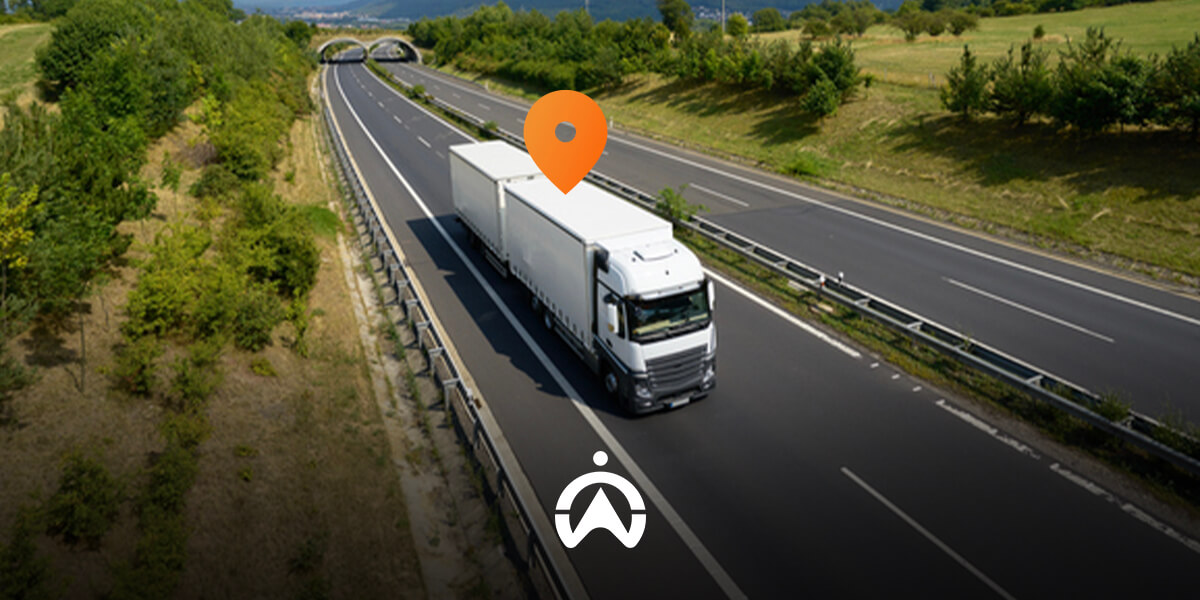
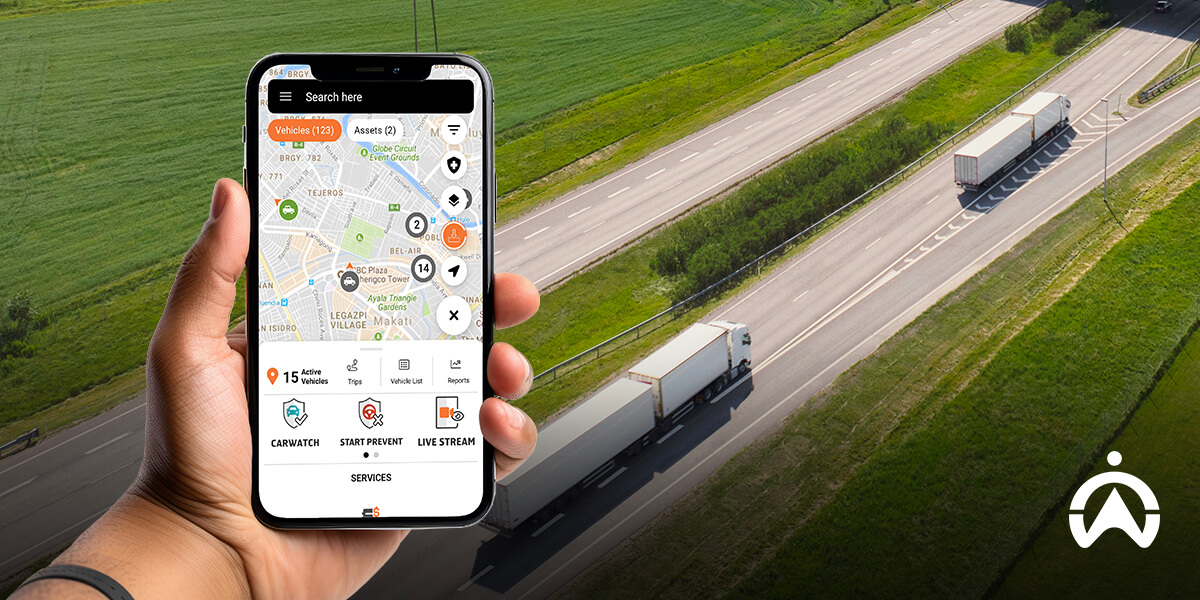
Did you know that vehicles aren’t the only thing you can track with Karooooo? You can keep an eye on your non-powered assets—like trailers, containers, or farm equipment—as well. It’s no surprise that non-powered assets are vital to many operations but are often the hardest to keep track of.

This is mostly because many of your movable assets often sit idle, which leads to wasted potential. Sometimes they even seem to grow legs and walk away. Businesses can expect to lose up to 20% of asset productivity each year due to misplaced or idle equipment.

These losses not only impact your productivity, they also impact your project timelines and profitability as well. Karooooo’s non-powered asset tracking solutions can provide your business with complete visibility over your valuable equipment, even when it’s not in use or doesn’t have an engine.

With features like real-time location data, durable long-life trackers, and a centralised dashboard, you’ll always know where your assets are and how they’re being used.

The result? Your business will experience fewer losses, smarter planning, and stronger operational control across every site.

What are non-powered assets?

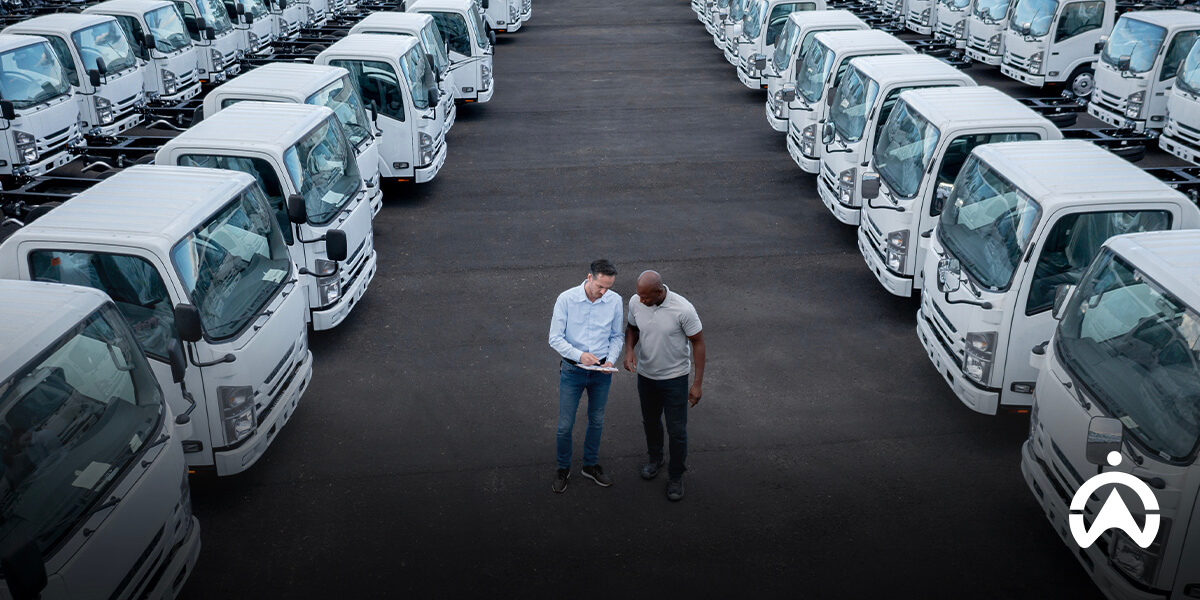
A non-powered asset is any equipment or machine that doesn’t have its own engine or built-in power source. You can easily find these in various industries such as logistics, mining, farming and construction—just silently doing their job in the background.

Examples of Non-Powered Assets

  • Construction trailers and site containers
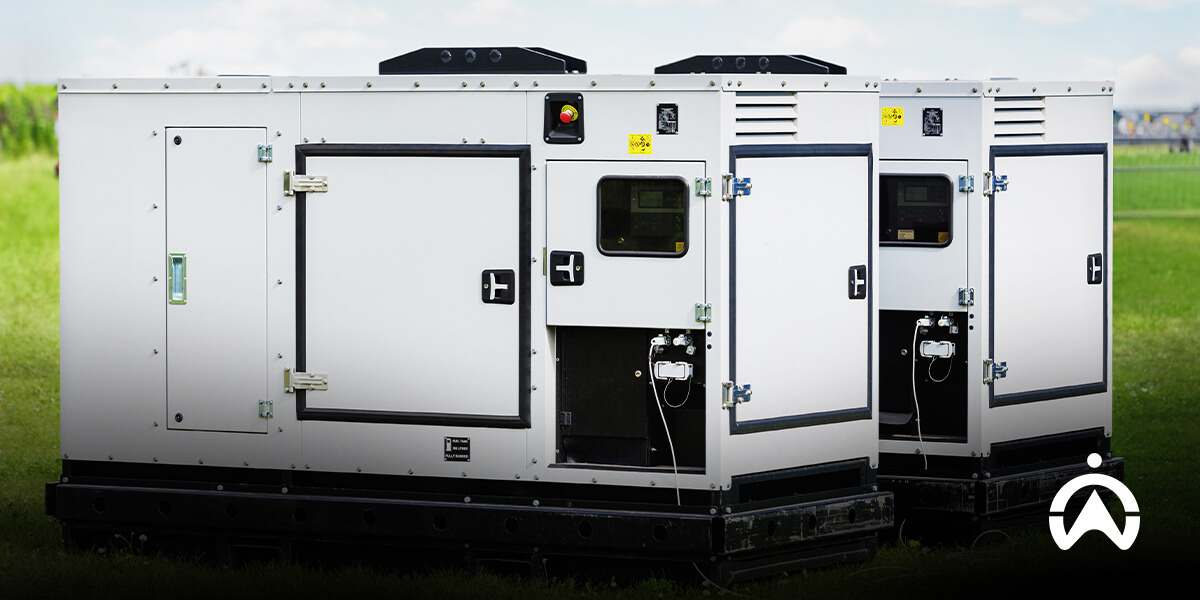
  • Generators and compressors
  • Cranes
  • Farm implements (ploughs, planters, sprayers)
  • Water tanks and fuel bowsers
  • Dumpsters
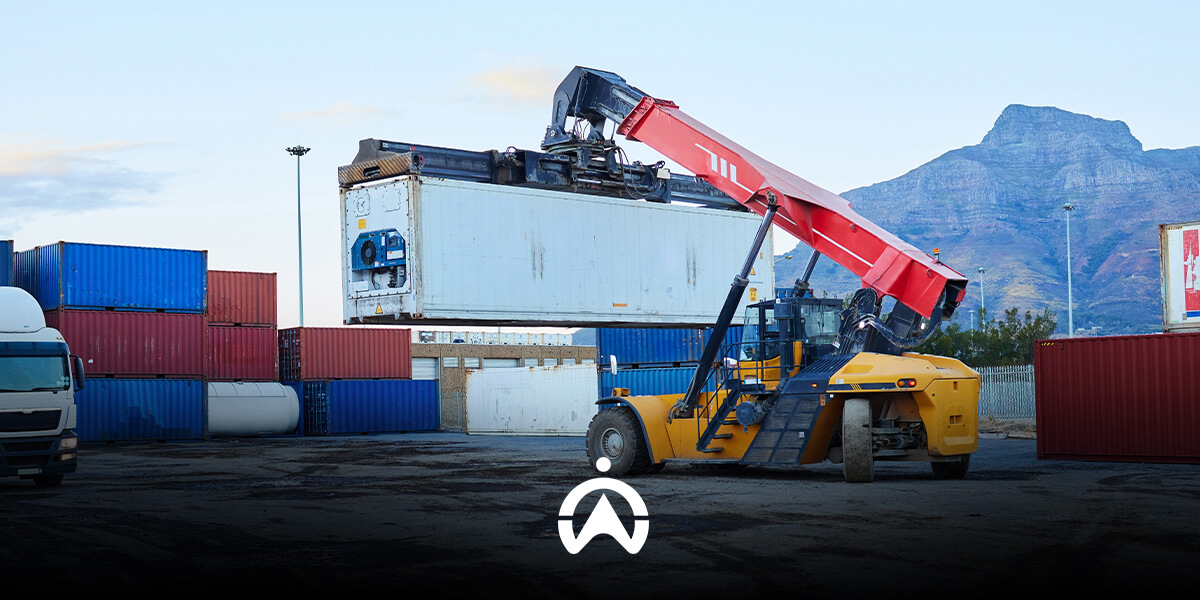
  • Shipping containers
  • Mobile toilets and lighting towers
  • Industrial storage units

Although these assets may not necessarily move daily, when they do, you need to know where they are, how they’re being used, and whether they’re secure.
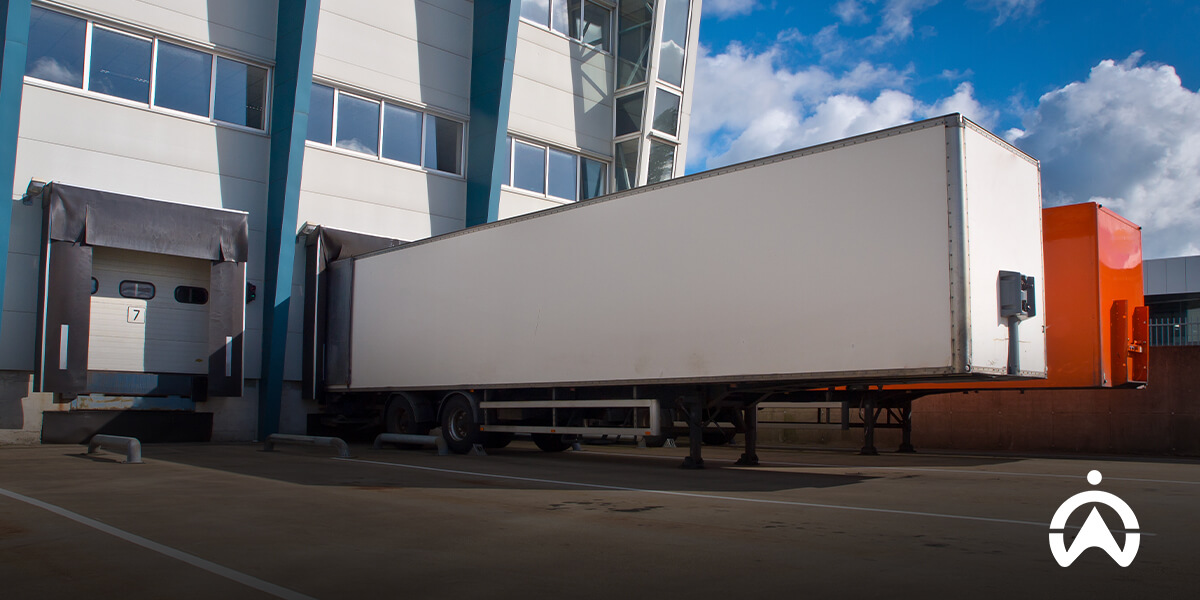
White freight trailer at loading dock demonstrating non-powered asset tracking for stationary cargo.

Why is tracking non-powered assets important?

Tracking your non-powered assets is important because it’s super easy for unpowered equipment to get misplaced, stolen, or left behind between sites. When a business makes use of asset tracking, it can prevent this from happening by providing you with location insights and usage visibility. By tracking non-powered assets, it helps with accountability.

And sometimes, these losses don’t just happen on paper—they happen in real time.

It’s 7:00 AM on a busy construction site. Ten workers are standing by, waiting for a compressor that’s nowhere to be found. The most expensive sound? Silence. A KSh 400,000 piece of equipment isn’t where it was left, and every minute the team waits costs you money.

Karooooo’s real-time tracking and geofence alerts stop this problem before it starts. You’ll get an instant alert the moment an asset is moved off-site or during restricted hours.

The tracker pays for itself in the first hour of avoided downtime. Instead of scrambling to find missing gear, you’ll get a message saying, “Your asset is moving,” before it even leaves the area.

The risks of untracked assets

  • Equipment theft or loss
  • Delays in operations due to missing tools or parts
  • Poor asset utilisation
  • Increased maintenance costs from misuse or neglect
  • Wasted time searching for items

The benefits of tracking

  • Enhanced visibility across sites
  • Reduced equipment loss and theft
  • Accurate asset inventory
  • Improved maintenance planning
  • Smarter, data-driven decision-making

How does Karooooo’s non-powered asset tracking work?

Karooooo’s non-powered asset tracking technology works by making use of superior GPS and IoT technology to track the exact location and movement of non-powered assets in real time. The devices are small and weatherproof and are built to last for years, even in harsh outdoor environments.

Key features

  • Long-lasting battery-powered GPS devices that can run for years on a single charge.
  • Real-time location updates and movement alerts to help you stay informed.
  • Geofencing provides you with immediate notifications when an asset enters or exits a designated area.
  • A robust and weatherproof design perfect for outdoor and heavy-use settings.
  • An easy-to-use centralised dashboard to manage all your assets in one place.

Integration with Fleet and Equipment Data

Karooooo brings everything together in one place. With your vehicles, machinery, and equipment all in view, you gain a complete picture of your operations.

What makes Karooooo different from generic asset trackers?

Karooooo is different from generic asset trackers because it has a comprehensive solution for demanding business environments. It’s important to note that not all tracking systems are created equal. There are many generic trackers that only provide you with location data. With Karooooo you’ll get performance, real-time updates and local support whenever and wherever you need it.

This table gives you a comparison of what Karooooo’s asset tracker can provide versus what you’ll receive from a generic tracker.

Feature Cartrack Generic Trackers
Battery life Up to 5 years 1–2 years
Data updates Real-time Delayed or periodic
Device durability IP68 weatherproof Limited outdoor use
Integration Full fleet + asset view Standalone only
Support 24/7 local team Offshore or limited
Alerts Customisable geofencing Basic movement only

Who can benefit from non-powered asset tracking?

Almost any business that uses portable or mobile equipment can benefit from non-powered asset tracking. Whether you’re managing farm tools, construction gear, or transport trailers, knowing where your assets are at all times helps reduce losses, improve efficiency, and boost productivity. It’s a simple, reliable way to keep your operations running smoothly for less expenditure.

However, it’s worth noting that some sectors benefit more than others.

Agriculture

  • Safeguard remote equipment against theft.
  • Handle seasonal equipment distribution.

Construction

  • Improve the utilisation of equipment.
  • Avoid losses during site locations.

Logistics and transport

  • Prevent locking in assets that are needed.
  • Reduce downtime and idle storage.

Mining and industrial operations

  • Be able to view portable light towers and fuel tanks.
  • Enhance site safety and compliance.
White industrial containers outdoors illustrating non-powered asset tracking for static assets.

How does tracking improve ROI?

Tracking your non-powered assets can substantially improve your return on investment (ROI). You minimise losses and increase utilisation simply by knowing where your equipment is and who’s using it. You can also avoid unnecessary expenditures—both of which will enable you to maximise your ROI and decrease operational costs.

One hidden cost that’s often overlooked is the time your team spends looking for missing assets.

Misplaced equipment doesn’t just cause delays—it wastes expensive labour. When an asset goes missing, supervisors and skilled workers often spend hours driving between sites, searching for it. That’s productive time and payroll wasted on something that should take seconds to solve.

With Karooooo’s simple dashboard and mobile app, anyone can instantly locate an asset or share its live location. No more phone calls or wasted trips between depots.

Eliminate costly “search parties”. In just a few taps, a supervisor can pinpoint the exact location of any asset and redirect the team immediately. Time saved, money saved, productivity restored.

Financial benefits

  • Lower replacement costs: Limit the cost impact of lost or stolen goods.
  • Higher utilisation: Use existing assets more efficiently.
  • Improved planning: Avoid duplicate purchases.

Operational gains

  • Faster project turnaround.
  • Accurate inventory management.
  • Reduced downtime during asset transfers.

Is it difficult to implement Karooooo’s solution?

No, it is not difficult to implement Karooooo’s asset tracking solution. Karooooo’s non-powered asset tracking devices are a breeze to set up and don’t need any power source. They’re fully wireless and ready to use right away. Once you activate them, they connect effortlessly with your existing Karooooo platform, allowing you to monitor everything from one convenient spot.

Plus, we provide training and 24/7 support to back you up!

How reliable and secure is Karooooo’s system?

Karooooo weaves security into every aspect of its solution. Your data moves through encrypted channels, keeping it safe from prying eyes. If anyone tampers with or removes a device, you’ll get an alert immediately. Karooooo has proven itself as a reliable and trusted partner, trusted by over 2.4 million active users internationally.

Whether it’s a plough parked out in the field or a trailer shifting between locations, your non-powered assets deserve just as much attention as your vehicles.

With Karooooo’s non-powered asset tracking, you get durable, long-lasting devices, dependable connectivity, and real-time surveillance. Spend less time searching for equipment and more time driving your business forward. It’s a practical way to protect your investments and keep everything running smoothly.

FAQs

Can I track assets across different sites or counties?

Yes, Karooooo’s tracking works nationwide and beyond. You can monitor all your assets across multiple sites, cities, or even countries in real time. Everything appears on one easy-to-use dashboard whether your equipment is on farms, at depots, or on remote construction sites.

Can I see asset history or movement over time?

Yes, Karooooo stores full location and movement history for each asset. You can check where your equipment has been, how long it stayed there, and its last recorded movement. This helps with planning, usage verification, and maintaining accurate asset records.

Do I need internet access on-site to use the system?

No, you don’t need internet access on-site to use the system. That’s because Karooooo devices use built-in SIM connectivity, so they send updates directly to the platform. This means that even in off-grid or low-signal areas, your non-powered assets remain visible and trackable without needing local internet access.

Can I export asset data for reporting or audits?

Yes, you can export data for reporting or audits in just a few clicks. Karooooo’s platform lets you generate detailed reports on your assets’ locations, movements, and usage. Which in turn can be used for audits, internal reviews, or management reporting—no extra software required.

Is there a minimum number of assets needed to use Karooooo’s solution?

No, there’s no minimum asset requirement when you use Karooooo’s asset tracking solution. Karooooo’s system scales with your needs, whether you’re tracking a handful of items or managing a large fleet. It’s designed to suit small businesses, medium operations, and enterprise-level organisations alike.

How to Stop Truck Driver Negligence

To stop truck driver negligence, always clearly identify dangerous behaviours, implement the right tools and coaching methods, and always enforce strong company safety policies. Negligence isn’t just about making a mistake here and there; it’s about recognising repeated behaviours that can put drivers, compliance, and business reputation at risk.

When you skip proper due diligence as a fleet manager, you open the door to serious threats. These include higher accident rates, rising insurance premiums, low driver retention, and damage to your company’s reputation. All of these can hurt customer relationships and slow down business growth.

In Kenya, the scale of the problem is clear. On the busy highways, one of the country’s key freight routes, many truck crashes are linked to driver error. This highlights the importance of being proactive and addressing the issues promptly. Through this article, let us take you through what negligence is, how to identify early signs, and—most importantly—how Karooooo can help you stay protected and compliant.

How do you stop truck driver negligence?

To stop truck driver negligence, you should always combine safety culture with advanced technology to achieve the best results. Ensure that you keep track of dangerous driver patterns, be prepared to coach and train your staff accordingly, and be fair about the scheduling and tasks that you assign.

To address driver negligence, take into account each of these key elements:

  • Driver training and refresher opportunities: Driver training ensures that your staff are aware and up to date with standard safety practices, compliance matters, and protective policies. Refresher training keeps drivers on their toes and keeps the safety culture strong.
    ‍
  • Setting realistic driver schedules and deadlines: As a fleet manager, it’s important that you allow drivers enough time to manage their deliveries and tasks. Be realistic about your scheduling. Without balanced schedules, you risk drivers who skip inspections, speed when driving, or exhibit fatigue behind the wheel.
    ‍
  • Encouraging safe driving incentives: Incentives are a helpful way to encourage your drivers to keep practising safe driving habits. A reward system is a tangible way to maintain positive behaviour through better practices.
    ‍
  • Fostering transparency and incident reporting: Your employees are more likely to feel comfortable reporting any difficulties they’re having when you support transparency and positive working relationships.
    ‍
  • Recognising and rewarding positive driving/driver behaviour: Much like safe driving incentives, rewarding drivers for positive behaviour is one of the best ways to maintain safe driving. Whether it’s an award or a promotion, it shows that responsible behaviour is valued.

What is truck driver negligence?

Truck driver negligence is the repeated dangerous actions that a driver exhibits. These actions aren’t just one or two mistakes; they’re patterns that are an intentional disregard for safety and regulations. If you recognise these patterns early enough, you could take the right steps to nip them in the bud.

Use the table below to get a quick look at common examples of negligence vs isolated incidents:

Driver Behaviour Negligence (ongoing, preventable) Error (isolated, unintentional)
Speeding Consistently exceeding limits despite training and warnings Momentary misjudgement (e.g., overtaking too quickly)
Vehicle Inspections Regularly skipping pre-trip checks or falsifying records Forgetting one inspection step on a single occasion
Fatigue Management Ignoring rest rules or driving long hours knowingly Miscalculating rest timing once
Distraction Using a phone repeatedly while driving, smoking, covering the camera, etc. Glancing at the GPS too long during one trip, for example
Substance Use Driving under the influence of substances Not applicable. Substance use is never “just an error”

Warning signs that a truck driver may be negligent

To spot the warning signs that a truck driver might be negligent, check if your driver is frequently driving dangerously or skipping inspections and check-ups.

Look at these red flags:

  • Frequent dangerous driving: This includes aggressive driving, harsh braking, speeding, and the like.
    ‍
  • Consistent route deviations: If your driver keeps deviating from standard routes without explanation, this is a sign of negligence.
    ‍
  • Ignoring inspection logs and check-ups: Not completing inspections, submitting incomplete reports, or ignoring everything altogether puts your drivers and assets in serious danger.
    ‍
  • High number of near-miss incidents: If near-miss incidents keep happening, especially when compared to other drivers, it’s a strong indicator that coaching is necessary.
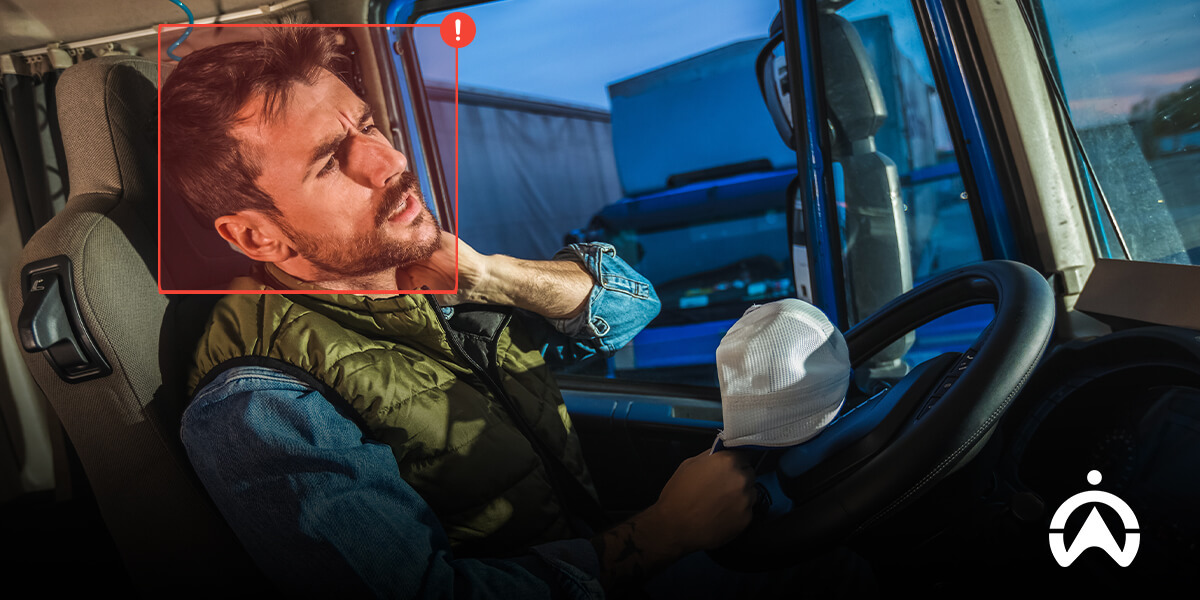
A truck driver is seated, sipping a beverage, with app screens showing driving and rest timers. The interior is decorated and cozy.

How does truck driver negligence impact your business costs?

Truck driver negligence impacts your business costs quite negatively, threatening to drain your bottom line. Unchecked negligence goes beyond just endangering lives. Unsafe actions on the road can drive up costs across your operations.

This is how carelessness of this nature could cost your business money:

  • Higher accident risk and liability demands: Crashes bring legal claims, medical costs, and vehicle replacements, all of which hit the business hard.
    ‍
  • Rising insurance premiums: A poor claims record raises red flags for insurers, who respond with higher rates across the fleet.
    ‍
  • Vehicle downtime and delivery delays: Damaged trucks mean missed schedules, late deliveries, and unhappy customers.
    ‍
  • Damaged brand reputation: Frequent safety issues can quickly destroy trust with clients, partners, and the public.
    ‍
  • Lost contracts and customer trust: Logistics clients expect reliability, and repeated incidents can drive them straight to competitors.

What are the legal risks of truck driver negligence?

The legal risks of truck driver negligence include fines and penalties, lawsuits, and loss of operating licences. As a truck fleet manager, you’re obligated to carry a duty of care, meaning you’re legally and morally expected to put reasonable safeguards in place against foreseeable risks. Ignoring these responsibilities exposes the business to serious liability.

In Kenya, these are what safety regulators and compliance look like:

  • Vehicle condition and inspections: Fleet vehicles are required to undergo strict and regular checks to ensure roadworthiness.  

Not being able to meet those standards means:

  • Civil lawsuits: Injured parties may seek compensation for damages.
    ‍
  • Criminal liability: If negligence results in serious injury or fatalities.
    ‍
  • Fines and penalties: For breaking traffic, labour, or safety regulations.
    ‍
  • Loss of operating licences: Or restrictions placed on fleet activities

Root causes of truck driver negligence

The root causes of truck driver negligence include weak safety culture, absence of coaching tools, and inadequate training. It’s impossible for carelessness to occur in isolation. When the right tools and resources aren’t set up, you won’t have the opportunity to take preventive measures or effectively target driver vulnerabilities.

Take a look at these root causes and their outcomes:

  • Poor training or lack of refresher training: When drivers aren’t given the onboarding and continuous training, they won’t be up to date with best practices. They’ll also likely continue with their risky driving habits.
    ‍
  • Pressure to meet unrealistic driving and delivery schedules: When you put pressure on your drivers by implementing tight or overloaded deadlines, they’ll continually cut corners so that timelines can be met.
    ‍
  • Lack of accountability or monitoring tools/coaching: The key to being able to monitor and coach your drivers is to implement smart camera solutions and telematics. Without these tools, there’s no way for you to effectively shape a business safety culture that’s supported by valuable insights.
    ‍
  • Stress, fatigue, and mental health factors: You endanger (even exacerbate) negligence issues if you disregard drivers’ mental exhaustion and stress by enforcing long hours and difficult routes.
  • Weak company safety culture: If managers and owners aren’t serious about safety, it’s likely that the drivers won’t be either. It’s important for you, as a figure in a supervisory position, to lead by example and not undermine the importance of safety policies.
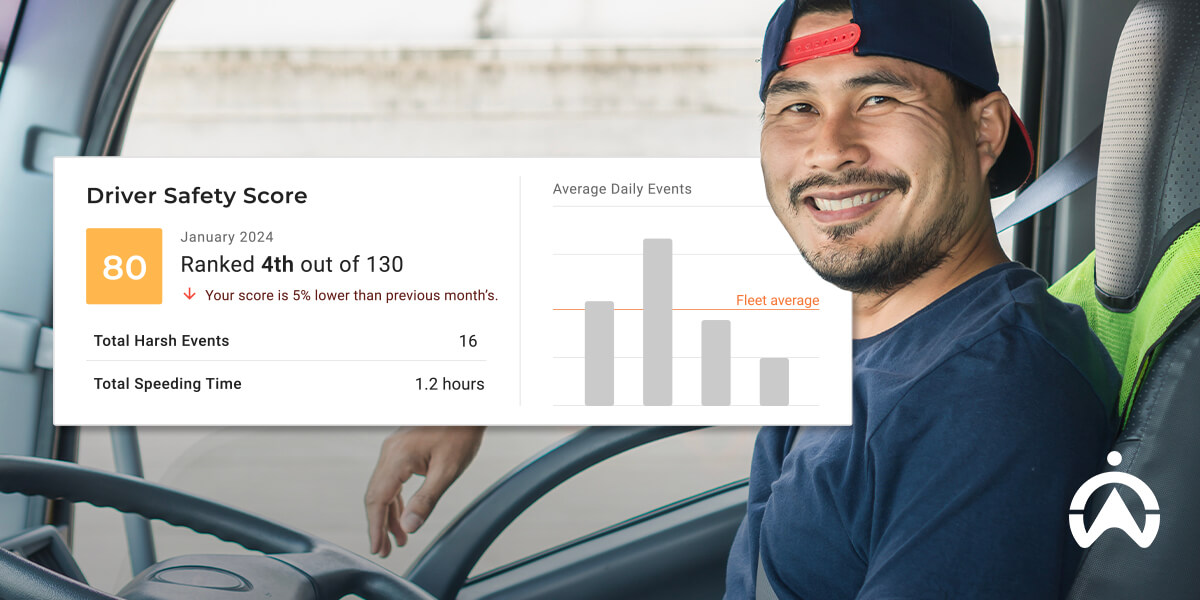
A driver displays a dashboard showing a safety score of 80, ranked 4th out of 130, with stats on harsh events and speeding time.

How can you prevent truck driver negligence with Karooooo?

With Karooooo, you can prevent truck driver negligence with support from our advanced technology and training solutions. Karooooo goes above and beyond by operating from a single, integrated, and unified platform that can detect and deal with potential negligence head-on.

This is what sets us apart:

  • Integrated driver behaviour monitoring with live alerts: You can get immediate notifications about dangerous driving and contact drivers in real time. This is especially true if you have a camera solution for your fleet with in-cabin calling.
  • AI dashcams detecting distraction, fatigue, and risky driving: Our AI camera solutions can detect distracted driving, including fatigue, phone use, smoking, and many other high-risk behaviours. This is a key solution to predictive fleet management.
    ‍
  • Video telematics (dashcams/MDVRs) for full visibility: Using our comprehensive camera systems means you’re fully protecting your drivers and your business. Should any legal dispute arise, you’d have clear evidence to clarify the situation.
    ‍
  • Driver safety scorecards and coaching tools for managers: Our driver scorecards and performance data are the best and most transparent way for you to share feedback with drivers. These can help you correct negligent behaviour.
    ‍
  • Easy compliance reporting for audits: Cutting admin time has never been easier. Because processes are automated, this massively simplifies operations and minimises human error. This is especially important for exporting reports.
  • Predictive maintenance and automated alerts: Our platform will send you notifications for suggested maintenance, so that your vehicles are tended to before costly breakdowns even happen.
    ‍
  • Full platform integration: As mentioned, Karooooo has a simple, integrated, and unified platform that has all the tools right at your fingertips.

Building a Safer Fleet With Karooooo

With the availability of proactive tools and resources, truck driver negligence doesn’t need to be an inevitable event. Negligence is preventable with the right balance of culture, policy, and technology—and that’s all achievable with Karooooo. When you invest in prevention with us, you ensure the protection of your brand and financial success.

Don’t wait until negligence costs you a contract or your business reputation. Take control now with Karooooo, and see how quickly you can reduce risks across your fleet.

FAQs

What is the most common accident injury for truck drivers?

The most common injuries for truck drivers are musculoskeletal ones, particularly strains that affect the back, neck, and shoulders. These pains and injuries typically stem from long hours on the road and the impact of collisions. More serious injuries include fractures or internal trauma.

What are the four elements needed to prove negligence?

The four elements needed to prove negligence include duty of care, breach of duty, causation, and damages. Bringing these elements together helps establish whether someone genuinely caused serious harm. They’re important to correctly and fairly establish that negligence took place.

What happens if an accident is not reported within 24 hours?

If an accident isn’t reported in 24 hours, this could result in penalties and rejected insurance claims. In Kenya, you’re mandated by law to tend to an accident report within the first 24 hours of the incident occurring. Failure to do so means that drivers and companies are likely to face financial risk and downtime.

Is negligence always the truck driver’s fault, or can companies be liable?

As much as a truck driver is the one behind the wheel, companies will always be liable, as drivers are part of the company’s staff. Companies can also potentially be subject to lawsuits, fines, and reputational damage if an investigation reveals that there’s a lack of adequate training or policies in place.

How long do most truck driver accident settlements take to resolve?

Most truck driver accident settlements can take months to years to resolve—it ultimately depends on the case. Each case comes with unique complexities, including the severity of the accident/injuries sustained and potential court backlogs. Companies with solid safety measures and compliance tend to avoid lengthy legal disputes.

Fuel Management Systems for Sale: Invest in True Accuracy Today

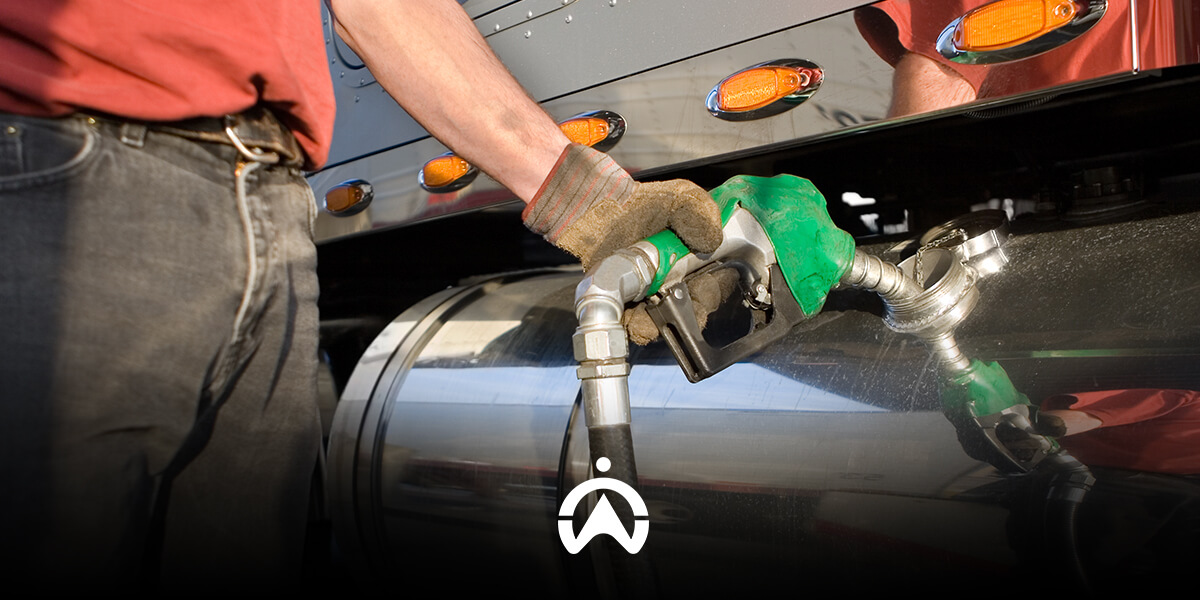
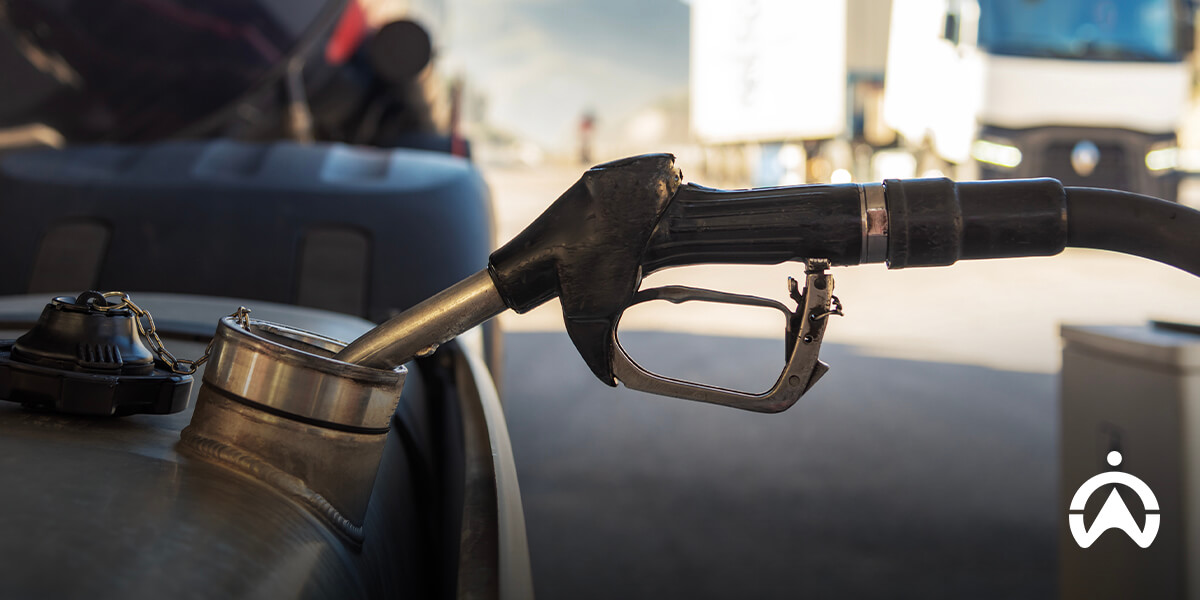
One of the largest expenses of operating a fleet is fuel. You can track and manage every drop with a fuel management system, increasing accuracy and reducing waste. It also means that regardless of the size of your fleet, you will reduce risks, save money, and maintain seamless operations.

According to ATRI, up to 40% of fleet expenses are related to fuel. Over time, even minor mistakes in fuel consumption can result in significant losses. This is why companies that want to reduce risks, increase efficiency, and remain competitive must have an accurate fuel monitoring system.

What is a fuel management system?

A fuel management system is a tool that tracks, records, and controls how fuel is used in your fleet. It makes it easier to see the exact time, location, and method of fuel consumption. Companies use it to ensure that every litre is used efficiently, reduce waste, and enhance planning.

It’s not just about numbers. This type of system provides you with real-time data that transforms fuel consumption into insights that can be put to use. You’ll get live data that enhances decision-making and holds all drivers accountable, rather than relying on speculation or out-of-date reports.

Karooooo’s fuel management system allows businesses to have stronger control, reduced expenses, and easier compliance with corporate regulations over time.

Why does accuracy matter in fuel management?

Accuracy in fuel management is crucial because even the smallest mistake can result in significant financial losses. It’s simple to lose money without realising it if your logs are inaccurate or your fuel usage isn’t monitored correctly. Due to this, a precise fuel management system is an essential investment for any company operating a fleet.

Inaccurate data can lead to drivers abusing fuel cards, theft going unnoticed, and refuelling log errors adding up to significant hidden expenses. However, precise systems guarantee that each litre is accurately recorded, matched, and reported. This provides managers with complete visibility and facilitates prompt action, whether it be addressing inefficient driving practices or enhancing route planning.

Key features to look for

A fuel management system’s key features are important because they influence how much value you’ll receive. A good system provides you with tools to prevent waste, save time, and make better decisions in addition to tracking fuel. When looking for a fuel management system for sale, keep the following characteristics in mind:

Feature What It Does Why It Matters for Your Business
Real-time tracking Monitors fuel usage instantly across all vehicles Prevents delays in spotting fuel waste or theft
Automated reporting Creates accurate, easy-to-read reports Saves admin time and improves decision-making
Telematics integration Links fuel data with fleet performance metrics Gives a full view of operations for smarter planning
Theft-prevention controls Uses PINs, tags, or authorisation for refuelling Reduces risk of unauthorised fuel use
User-friendly dashboards Simple, centralised interface Makes it easy for managers to spot issues and act fast

These features alter how companies run their operations in addition to improving monitoring. With the correct resources, you can stop issues before they start. That’s the source of true long-term savings!

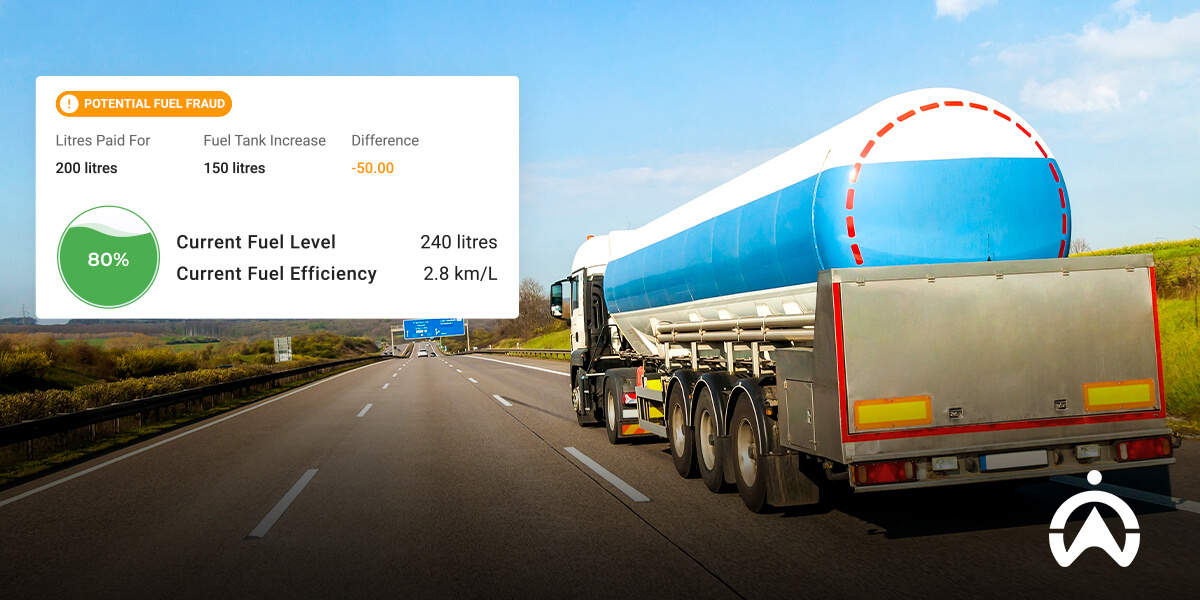
Image of a fuel tanker truck on the highway, displaying potential fuel fraud analytics on the side, including current fuel levels and efficiency metrics.

Benefits of investing in a fuel management system

Investing in a fuel management system benefits your business because it improves control, lowers expenses, and minimises waste. Beyond just financial savings, you’ll also benefit from improved reporting and more efficient operations that support your teams’ productive work.

Key benefits include:

  • Increased driver and vehicle accountability: This feature makes it possible to identify drivers who are idling excessively, speeding excessively, or taking inefficient routes. You can then coach them accordingly based on that data.
    ‍
  • Support for compliance: Simple reporting for rules and audits.
    ‍
  • Reduced downtime: Administrative procedures run more smoothly and there are fewer disputes.
    ‍
  • Scalability: The ability of a system to expand with your fleet and meet new challenges.
    ‍
  • Proactive Maintenance: Vehicles with sudden drops in fuel efficiency may indicate a clogged filter or a failing engine part. Accurate data can assist with proactive, predictive maintenance, preventing breakdowns and extending vehicle lives.

These benefits assist fleets of all sizes in transforming fuel from an ongoing financial burden into a measurable, controlled resource.

What to consider before you buy

What you need to consider before buying a fuel management software is how well it fits your company. It’s important to look for the ideal balance of features, support, and price because not all fuel management systems are created equal.

Vendor reliability and support

Select a supplier who provides excellent after-sale support. You’ll save time and frustration with dependable assistance during setup and rapid resolution of problems.

Compatibility with your current tools

Verify that the system can be integrated with the fleet management or telematics software you currently use. This helps you get the most out of your investment and avoid disputes.

Data accuracy guarantees

Seek out systems that guarantee accurate, unchangeable reporting. The system won’t increase accountability or produce significant savings without reliable data.

A worker in a green safety vest inspects a fuel tank on a truck, focused on maintenance tasks in a transport yard.

Hidden costs

Certain systems have additional fees for licences, software upgrades, or training. There won’t be any surprises later if you ask about all costs up front.

Scalability

Select a system that can expand to accommodate your fleet. Choosing scalable technology ensures that you won’t have to replace it as your company grows.

Finding the right fuel management system for sale ensures accuracy, cuts waste, and keeps your company profitable. Even though the initial expense might seem high, the long-term benefits make it one of the best decisions you can make for your fleet.

Now is the time to look into solutions or request a demo if you’re prepared to see how much money your company can save with Karooooo’s fuel management systems.

FAQs

How does a fuel management system save money for businesses?

A fuel management system saves money for your business by stopping theft, reducing waste, and cutting admin hours spent on manual reports. It gives you accurate data in real time, which helps you plan routes better and track driver habits. Together, these changes lower fuel costs and boost efficiency.

Are these systems suitable for small fleets?

Yes, fuel management systems work for both small and large fleets. Small fleets often see faster results because even a little waste makes a big difference. The system helps reduce errors, cut unnecessary costs, and scale smoothly as the business grows. It’s a long-term investment with quick wins.

Can a fuel management system integrate with existing fleet software?

Yes, a fuel management system can be integrated with your existing fleet software. Most modern systems are designed to work with telematics and other fleet tools. This means fuel data can be combined with driver behaviour, route planning, and vehicle health records. Integration gives managers a full view of operations in one place, making it easier to find patterns and act quickly.

How quickly can businesses expect ROI?

Many businesses see a return on investment within six to twelve months. Savings come from cutting theft, reducing admin, and improving driving efficiency. The exact timeline depends on the fleet size and current issues, but most companies recover their costs quickly and keep saving money year after year.

What is Field Service Management Software?

Field service management (FSM) software is a digital system that assists businesses with organising and optimising field operations through better planning, tracking, and delivery. This kind of software is undoubtedly vital for modern fleets, as manual processes and outdated resources risk higher costs, slower service, and poor customer satisfaction.

By giving field service agents smart FSM apps that boost their productivity by up to 14%, you’re effectively multiplying your sales force and increasing their selling opportunities by the same margin. For service-heavy industries, this means faster turnaround times and a happier consumer base.

The pressures of compliance and productivity are significant for businesses like yours. Karooooo can offer you one of the most complete FSM-enabled platforms. It combines advanced fleet management with the right delivery tools to help businesses with insights, making smarter decisions, and the ability to act quickly when operational demands change.

Understanding field service management (FSM) software

Field service management (FSM) software is a digital tool that automates field operations through scheduling, tracking, and reporting. The ultimate goals for FSM software are to improve service delivery, enable easier scheduling for service technicians, and improve overall workflow. This also provides fleet managers with valuable and measurable insights.

FSM isn’t quite fleet management software. It focuses largely on the service delivery aspect of processes, typically being integrated into a larger fleet management software or platform. Karooooo’s Delivery add-on feature shows this integration in action. It connects fleet tracking with field task management and bridges the gap between vehicle monitoring and on-site service.

What are the core components of FSM software?

The core components of FSM software include scheduling, asset management, and reporting & analytics. All of these features ensure that your field service operations are running as smoothly and simply as possible.

These are all the core components to consider:

  • Work order management: This helps you set up and assign tasks from start to finish, allocating them efficiently. Job prioritisation is important here too, involving ordering (and reordering when necessary) jobs based on their urgency and importance. Finally, skill matching can also be credited here, assigning field workers to the job based on their appropriateness.
    ‍
  • Scheduling and dispatching: This helps with optimising routes and matching tasks to the right drivers in real time. This also keeps deliveries on time and boosts service speed.
    ‍
  • Mobile access: Field staff have immediate access to their schedules and tasks, along with immediate updates and changes that might happen via smartphones or tablets. This is what allows for smooth communication.
    ‍
  • Inventory and asset management: You can keep track of spare parts and tools so that field workers have access to them whenever needed. The software may also allow field workers to quickly submit an inventory request if necessary.
    ‍

Types of FSM software

The types of FSM software include industry-specific, cloud-based, and enterprise. These different formats all depend on business needs, usually based on industry specialisation. By understanding the different types, you can decide which one suits your business.

Take a look at the following software types:

  • Cloud-based vs on-premise: Cloud-based solutions store data remotely and provide remote access, easier (and usually multiple-user) access, and lower upfront costs. It’s also likely to reduce data loss. On-premise solutions are typically more customisable while offering greater control. These are also typically less expensive over time.
    ‍
  • Industry-specific solutions: These are usually industry-targeted solutions, customised to sectors like healthcare, logistics, and telecommunications. Because they’re tailored, they typically have specialised features.
    ‍
  • Enterprise vs SME solutions: Enterprise software is built for large-scale operations and complex analytics. SME solutions, on the other hand, are simpler and designed for smaller teams with straightforward workflows.
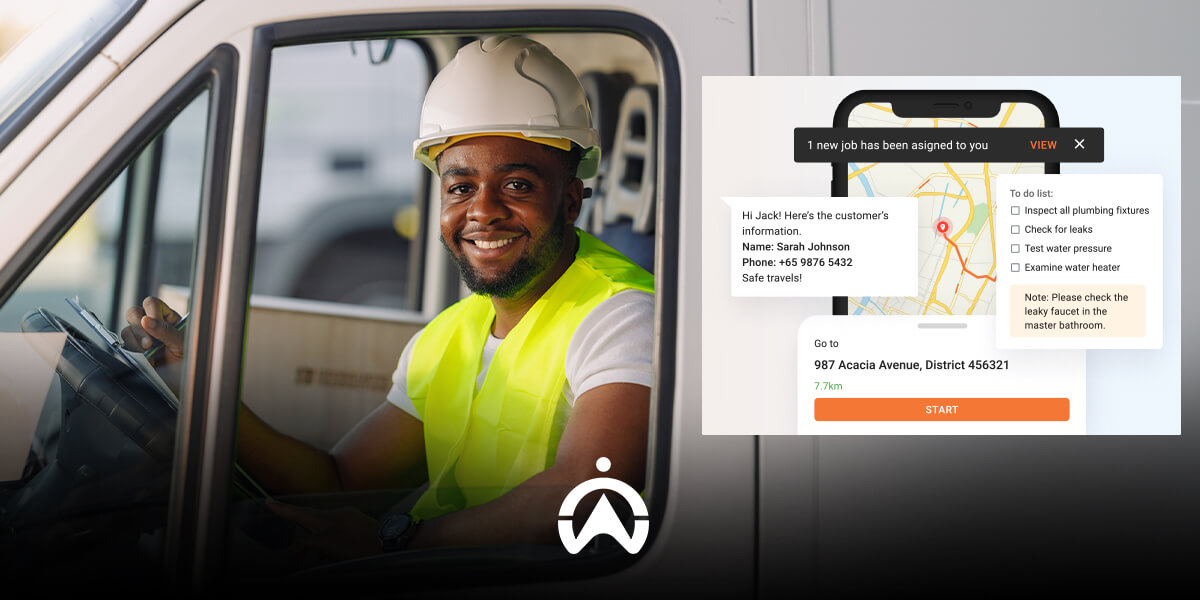
A delivery person hands a package to a recipient outside a building, with a van loaded with cardboard boxes in the background.

What are the key considerations of choosing FSM software in Kenya?

The key considerations of choosing FSM software in Kenya include compliance, conditions affecting operations, and system integrations. It’s important to consider local regulatory matters and challenges, as your FSM software choice needs to tackle these effectively.

The good news? Karooooo’s Delivery platform has a tool that meets every one of these considerations.

Keep these in mind when choosing the most suitable software:

  • Local regulatory compliance: FSM software should have features that help you and your business stay compliant according to local laws and regulations. Real-time alerts and predictive maintenance are some of the key features that can help here.
    ‍
  • Road and weather conditions affecting field operations: Kenya has some particularly tough weather and road conditions that could prove especially challenging when out in the field. Ensure that your software accounts for route optimisation and scheduling adjustments, so field workers remain on time.
    ‍
  • Integration with telematics and fleet solutions: When FSM software is integrated with telematics and fleet management programmes, there’s guaranteed better output and insights. This also ensures technical cohesion.

Common challenges in FSM implementation

Even the best FSM software can encounter implementation challenges. However, spotting these early helps managers plan ahead and reduce potential risks.

Avoid being surprised and consider these potential vulnerabilities:

  • Resistance to change by field staff: Any change can be met with resistance. It might happen that some staff are hesitant to learn and adopt a new system.
    ‍
  • Integration with existing systems: Integrating FSM with older systems often takes some careful planning. This is because older systems might be incompatible in terms of formats, or the technology is simply outdated.
    ‍
  • Data accuracy and reliability: You need live, accurate data for powerful data insights. If you don’t have accurate data for whatever reason, it heavily affects job assignments and reaction time when it comes to emergencies.
    ‍
  • Training and onboarding: You must invest time and effort into training for you and your team. This is the only way that you’ll all be able to work smarter as a business. Without the proper guidance, you’d have invested in intelligent tools that aren’t used properly. This means you’re not getting the ROI (return on investment) and performance efficiency that you could be seeing.

Measuring ROI from FSM software

Measuring ROI from FSM software ultimately helps you understand the value of implementation. This is why you need to understand and focus on the measurable insights. It also justifies the investments of FSM as a tool.

Think about these valuable outcomes:

  • Cost savings: Cut down on fuel, overtime, and admin costs.
  • Faster service: Get jobs done quicker with better and smoother scheduling.
  • Happier customers: Reduce delays and deliver a quicker and higher-quality service.

How does field service management software transform your operations?

Field service management software transforms your operations by maximising day-to-day operations and simplifying the processes and costs of your business. As a result, you’re lessening wasted resources, reducing bottlenecks, and encouraging a customer-focused operation that supports long-term growth. This means your business has a much stronger bottom line.

Look at the ways your business could be transformed by FSM:

  • Increased productivity: More jobs can be completed by field workers as scheduling and distribution are made smarter.
  • Reduced fuel, labour, and maintenance costs: Tools that result in route optimisation and predictive maintenance assist in preventing wear and tear, staff overtime, and unnecessary travel.
  • Great customer satisfaction: Because of factors like route optimisation and live communication, field workers are making more deliveries and doing so FASTER.
  • Complete visibility: As a fleet manager, you have complete visibility of the fleet and the workflow. You can keep track of the locations of the vehicles, as well as the movements of your field workers.
  • Simple compliance and reporting: Meeting regulatory standards and having your documents in order is unbelievably easy with automated data systems. Everything can be captured and saved on the software’s system, so that you can remain compliant while also cutting down on admin time.

How does field service management software support fleet management?

Field service management software supports fleet management by bringing tasks, drivers, and fleet vehicles all under one roof—usually through one platform. These two systems produce the best results when they work together. When you combine these tools, your business can cut costs, reduce downtime, and deliver better service overall, all while maintaining full control and oversight.

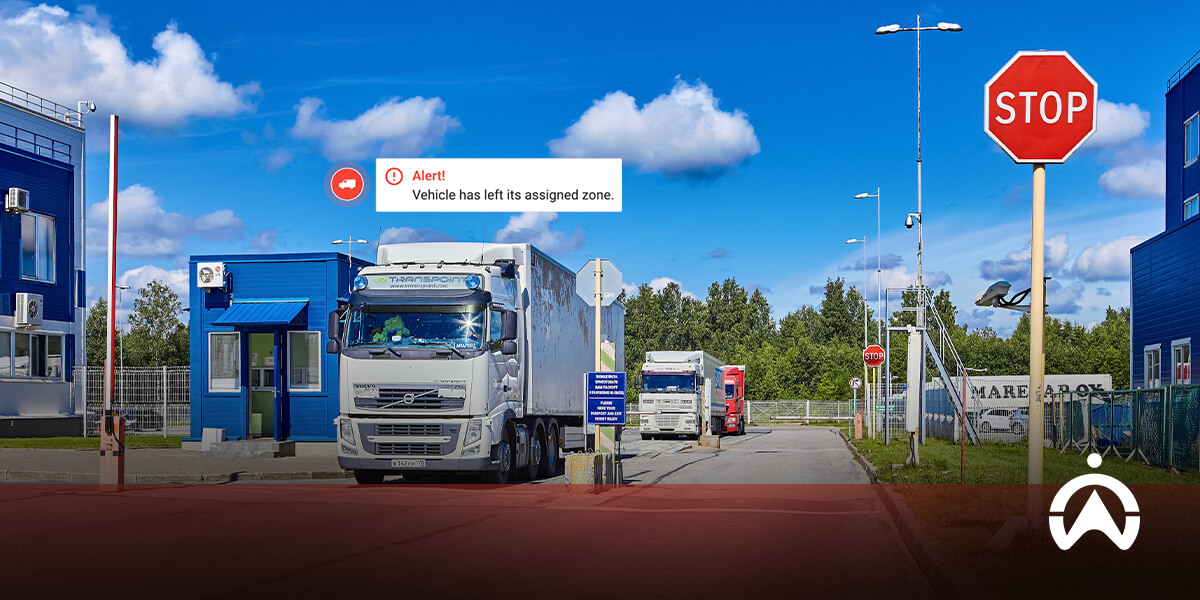
A white truck leaves a facility, with a warning alert on-screen indicating it has exited its designated zone near a stop sign.

How to choose the right field service management software

Choosing the right field service management software is about implementing a system that fits how your business runs, works well with existing systems, and can grow and scale with you. It’s more than just ticking off features on a list. It should also help you stay compliant and give you reliable local support.

A useful way to make the choice easier is to use a simple checklist that highlights the key things to look out for.

Look at this simple framework you can apply when evaluating potential solutions:

  • Identify operational needs
  • Evaluate integration options with existing fleet software
  • Assess scalability, mobile functionality, and analytics capabilities
  • Consider local support and compliance
Checklist Item Key Questions to Ask Why It Matters
Identify operational needs Which tasks or field operations require management? Are there specific pain points (e.g., scheduling, asset tracking, deliveries)? This ensures the software addresses your real operational challenges rather than extra and unnecessary features
Evaluate integration options Can the FSM software integrate with your existing fleet management or third-party systems? Seamless integration improves data accuracy, lowers human error, and provides a complete operational view
Assess scalability and functionality – Is the software flexible?

– Will it grow with your business?

– Does it support mobile access, live updates, and detailed analytics?
Flexibility strengthens your investment and ensures it supports both current and evolving needs
Consider local support and compliance -Is there local customer support?

-Does the software comply with Kenya’s regulations and industry standards?
This minimises downtime, ensures you and your staff are supported, assures smooth implementation, and keeps your business compliant
Total cost of ownership What are upfront costs, subscription fees, and additional implementation or training costs? Helps evaluate ROI and assists you in selecting a solution that provides the best long-term value

Karooooo’s approach to field service management for fleet operations

Karooooo’s approach to field service management for fleet operations is enabled through the Delivery add-on feature on FleetWeb. The fleet management platform integrates and collaborates with Karooooo’s Delivery, giving managers the ability to monitor, plan, and optimise business operations to the fullest.  

As a result of this partnership, you can count on a more powerful company with increased accountability throughout the organisation.

Here’s a quick look at how Karooooo makes things simple for you:

  • Visibility: As mentioned, visibility is the most fundamental component when it comes to field services. Karooooo makes keeping track of your vehicles and drivers easy with our real-time and accurate tracking. You can manage your drivers and jobs on one platform—that means no cross-platform confusion.
    ‍
  • Cost management: With our systems offering strong insights on routes, fuel usage, idle times, and driver and other behaviours, you have the opportunity to make informed decisions for your business. These assist with operational optimisation, which can drastically reduce business expenses.  
    ‍
  • Simple compliance: Thanks to Delivery’s automated reports and insights, you’re immediately supported in anything transport, compliance, or permit-related. You no longer have to worry about handling important documents manually, potential human error, or compliance risks.  

Final thoughts

Field service management ultimately redefines the way your business functions, helping you better manage staff, vehicles, and operations. With the advantages of increasing output, cutting expenses, maintaining compliance, and improving customer satisfaction, its influence is evidently extensive.

Karooooo Kenya gives you all of these benefits and more, wrapped in a single platform. With a service add-on like Delivery, you’re getting a complete solution that gives you and your business total visibility and supervision.

Are you ready to revolutionise your field operations? Discover how Karooooo’s FSM and fleet management solutions give you complete operational control, all from a single, easy-to-use platform.

FAQs

What kind of support and training is typically offered with field service management software?

The kind of support and training typically offered with field service management software is onboarding, how-to/user guides, and training programmes. These are the best ways to get your teams up and running as quickly as possible. Karooooo offers all of the above, including ongoing support to maximise your business’ long-term success.

How does field service management software handle unexpected changes or urgent service requests?

Field service management software handles unexpected changes or urgent requests by providing the necessary tools that allow for quick reassignment and communication. Drivers can be alerted through their apps and priorities can be raised in the event of an urgent driver issue or last-minute delivery.

Is mobile access secure for field technicians?

Yes, mobile access is secure for field technicians, typically with encrypted connections and user authorisations. These are the steps taken by FSM software to protect user and business data. Karooooo has implemented safeguards that meet universal standards, so you can be sure your information’s only accessed by authorised figures.

How does Karooooo’s field service management solution stand out?

Karooooo’s field service management stands out by combining fleet tracking and field service management in a single platform, instead of offering separate tools. Our Delivery system lets managers plan, dispatch, monitor jobs in real time, optimise routes, and automatically capture compliance information. This mix of visibility, automation, and local support is unmatched in the market.

Solutions for Distracted Driving for Your Fleet Company

The most effective solution for combating distracted driving in your fleet company is to adopt a multifaceted approach that combines technology, policies, and ongoing driver coaching. This strategy mainly involves using telematics and AI-powered dashcams to monitor driver behaviour. The insight from this will show you if drivers are following policies, and what they need more training on.

Distracted driving is a critical issue that affects the safety of workers and the public. According to the National Library of Medicine, road traffic accidents are one of the greatest challenges that Kenya (and the world) faces. Distracted driving is one of the major contributors to road accidents. It not only puts lives at risk, but also increases expenses; and could ruin your company’s reputation.

Protecting your drivers from distractions begins with choosing the right technology, and we’re here to help you make that choice.

The impact of distracted driving on fleets

The impact of distracted driving on fleets includes high accident rates, which lead to:

  • Expensive repairs
  • Increased insurance premiums
  • Loss in productivity
  • Bad company reviews

All these factors could drive your fleet business to financial loss, affecting profitability, and potentially damaging long-term growth and sustainability.

Here’s a table overview of the implications of driver distractions:

The impact of distracted driving on fleets What it means Why it matters
Accident and repair costs Vehicles may get damaged in crashes Increases running costs for the business
Increased insurance premiums More accident claims lead to higher premiums Raises overall fleet expenses
Vehicle downtime and lost productivity Vehicles are off the road for repairs Delays deliveries and lowers efficiency
Risk to driver wellbeing and company reputation Drivers may get hurt, and the company’s name can suffer Impacts safety and public trust

Strategies and solutions to combat distracted driving

The strategies and solutions to combat distracted driving include the following:

  • Developing strict policies
  • Training drivers
  • Supporting drivers

Together, they create a strong safety-focused work culture, ensuring that drivers perform their duties with less risk. These strategies also encourage driver accountability, ensuring that they are more responsible on the road.

Technology solutions that reduce distracted driving

  • In-cab cameras and video telematics: In-cab cameras are commonly known as dashcams. These vehicle gadgets give you a clear line of sight. You get to see what drivers get up to while in transit, ensuring they’re well-behaved on the road and not distracted..
  • Driver alert systems: AI-powered dashcams are the most effective at preventing distracted driving. They detect when a driver is engaging in distractions such as cellphone use, smoking, or looking away from the road while driving. They then give you alerts so that drivers can immediately have their actions corrected. Each incident is recorded by a fleet management system, so you can access reports and identify patterns. Some AI-powered dashcams also help drivers to be more aware of their surroundings. They can give lane-departure and forward-collision warnings to help drivers with blind spots.
  • Hands-free communication tools: Some of the dashcams that are connected to fleet management software allow two-way communication. This means you can speak to the driver through the dashcams, which is a safer way to stay in touch because it prevents manual distractions.
  • Fleet management software: Some distractions cause drivers to speed, idle for too long, or stop harshly. By investing in a fleet management system, you get telematics technology that detects such driving habits. Through this, you’ll get reports on how each driver handles your vehicles and can more readily address your concerns.

Policy and training approaches for prevention

  • Set clear fleet safety policies: A strong corporate policy is the foundation of preventing distracted driving. Create written guidelines that clearly outline what’s acceptable and what isn’t while on the road. For example, banning the use of cellphones, requiring that drivers use hands-free devices, and restricting eating and drinking to only be done during stops. Drivers must know the consequences of not adhering to policy rules, and managers must apply the rules fairly and regularly to build consistency and accountability.
  • Perform regular driver training and refresher programmes: Training should not only be done when a driver is new to a business. Even with experienced drivers, bad habits tend to creep up over time, and drivers forget the importance of safety. You must regularly conduct driver training sessions, with each session covering different types of driver safety-related topics, such as “defensive driving techniques to handle unexpected situations”.
     
  • Incentives and recognition: Every employee needs to be motivated, and one way to do that is by rewarding good driver behaviour through incentives. This encourages your team and improves driver retention. You can do this using driver scorecards that help you rate each driver. The ones with top scores will get recognition, so they remain motivated.

Supporting drivers to stay focused on the road

  • Managing schedules to reduce fatigue: Fatigue is one of the biggest contributors to distracted driving, and it often stems from poor scheduling. When drivers are under pressure to meet unrealistic deadlines or when they work long shifts without enough rest, they lose focus. This makes them more likely to be distracted and cause accidents. It’s important that you properly plan trips, with enough rest in between, and that deadlines are realistic. Breaks also give drivers the chance to check their vehicles, reducing the risk of mechanical issues going unnoticed.
  • Providing wellness programmes: The mental health of your drivers matters. You must have wellness programmes that promote better sleeping habits, stress management techniques, and overall health. By supporting the well-being of your drivers, you actively cut down on mental distractions and help drivers stay alert and engaged while driving.

How a fleet partner can help your company

A fleet management service provider plays a key role in helping companies combat distracted driving. By providing the tools to track, and handle risky behaviour, a fleet management service provider can help businesses fight distracted driving. Fleet partners provide integrated solutions such as GPS tracking, dashcams, and driver behaviour analytics.

The long-term benefits of these integrated solutions go beyond preventing accidents. By reducing the CHANCES of accidents and risky driving, your business saves on vehicle repair costs, insurance premiums, and downtime. At the same time, drivers become more aware of their behaviour and take responsibility for their safety.

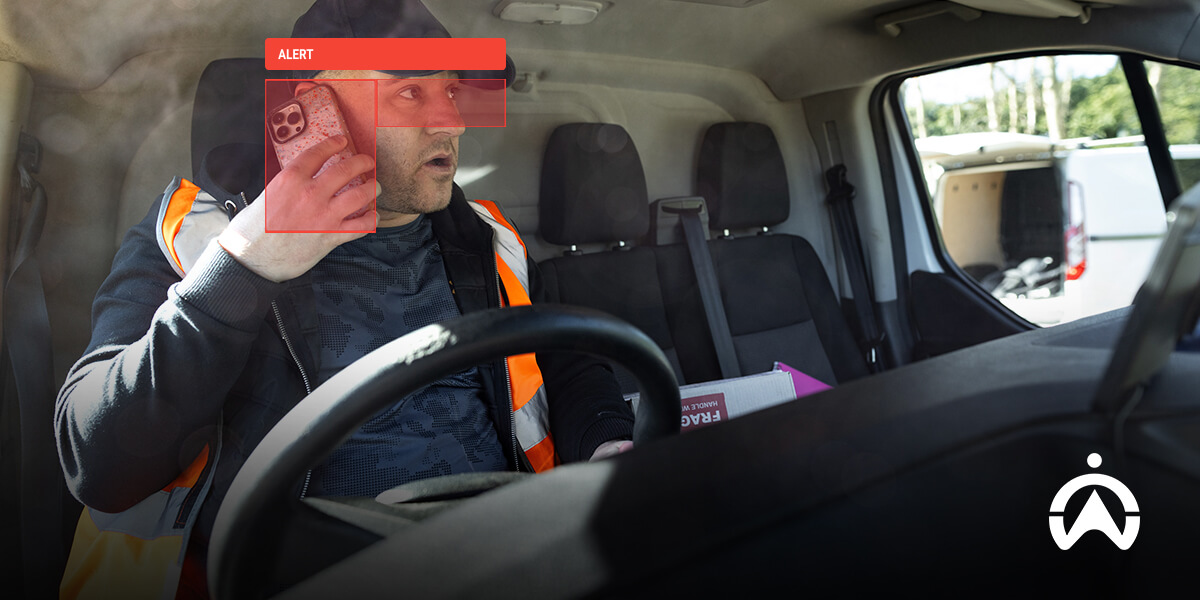
A driver in an orange safety vest looks at their phone while seated in a vehicle, surrounded by a cluttered interior.

Keep your drivers focused and your fleet safe with Karooooo Kenya

At Karooooo, we understand the importance of safety and compliance for fleet businesses. A tiny mistake made by one driver can cost your business thousands due to lawsuits, repairs, and downtime. For this reason, we have solutions that specifically focus on distracted driving, helping you reduce incidents and improve on overall fleet safety.

  • AI Dual Vision dashcam:
    The AI Dual Vision dashcam solution is exactly what you need for distracted drivers. It can detect various distracted driving behaviours such as yawning, drowsiness, cellphone use, and smoking. Once detected, these cameras will send out audible alerts to drivers, so they can instantly make corrections.

    This dashcam also has a two-way communication feature, meaning you can speak to it while it’s on the move if you spot something. This is a feature that ensures drivers speak with you without having to touch their cellphones. You can even live-stream the footage at any time of the day. The Karooooo AI Dual Vision solution further heightens driver awareness by also giving blind spot and forward collision warnings.
    ‍

  • Driver scorecards:
    Karooooo has a Driver Scorecard feature which gives you a reflection of how drivers behave on the road by giving each one a rating. Each driver’s score starts at 100 and goes down every time there’s a harsh event such as speeding or excessive acceleration. You can use the feature to motivate drivers, give recognition to those who are performing well, and reward them.
  • Coaching platform
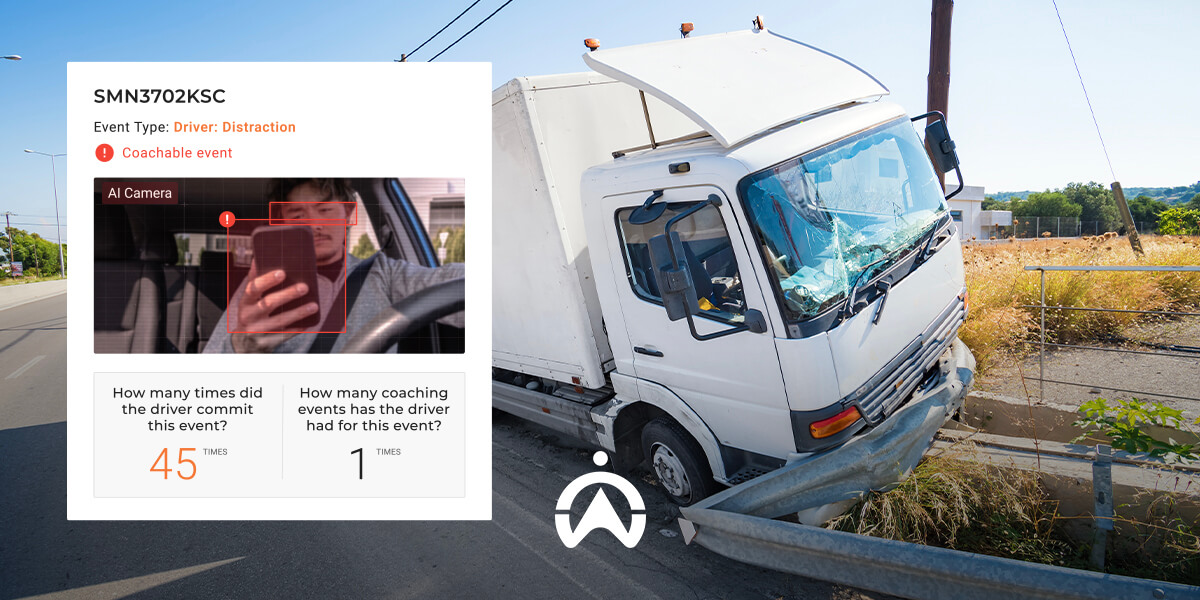
    To assist with driver training, Karooooo also has a coaching platform. It keeps a record of each risky driving incident so you can see the type of coaching each driver needs. It gives you a full overview of how your teams are performing, highlighting trends from each department. It also records how many times each driver repeated the same incident. Coaches can leave notes for each one-on-one session on the platform, so they can keep track of what was discussed in previous sessions and see if there’ve been improvements.

Investing in our solutions will reduce the number of distracted drivers in your fleet business and help you maintain a safe working environment. You’ll also save on insurance costs and accident claims. Reach out to us and cast away your distracted driving woes!

Frequently Asked Questions about distracted driving

What are the five ways a person can be distracted while driving?

The five ways someone can be distracted while driving are cellphone use, talking to passengers, eating and drinking, adjusting the radio, and fatigue. There are many other ways drivers can be distracted, such as when they put too much focus on navigation systems. Anything that takes their attention away from the road is regarded as distracted driving.

What are the three techniques to manage distractions as they occur while driving?

The three techniques to manage distractions while driving are pulling over for anything that requires your attention, delegating all non-driving tasks to passengers, and preparing everything before the trip. These give you a higher chance of concentrating on the road, improving safe driving practices.

Who is most at risk of distracted driving?

Younger new drivers (mostly teenagers) are more at risk of being distracted while driving. According to the CDC, nearly 40% of high school students who drive admit to texting or emailing while behind the wheel. This behavior is particularly dangerous for this age group, who are already three times more likely than older drivers to be involved in a fatal crash.

Top 9 Electric Vehicle Myths That You Need to Know

There are a lot of myths surrounding electric vehicles (EVs), but it’s important to note that EVs aren’t just a buzzword. They’re rapidly becoming a significant part of fleet and business mobility strategies. However, there are still plenty of myths and misconceptions that hold companies back from adopting them.

According to the International Energy Agency (IEA), in 2024 global EV sales topped 17 million, pushing EVs to account for over 20% of new car sales worldwide. These figures demonstrate that EVs are becoming more mainstream and are no longer considered a niche product.

For any business considering green mobility, understanding and dispelling these myths is key. In this blog, we’ll tackle the top 9 electric vehicle myths you need to know—and why you shouldn’t let them stop your fleet from evolving.

Before looking at each myth, let’s take a moment to understand why they continue to exist. Many are based on outdated data, limitations of early-generation electric cars, or misconceptions from passenger car use cases.

Why it’s crucial to debunk electric vehicle myths

It’s crucial to debunk electric vehicle myths because misconceptions discourage decision-makers from investing in EVs in advance or correctly. In reality, accurate data assists businesses in avoiding oversights, lowering risk, and maximising productivity. Better planning for charging infrastructure, total cost of ownership, and integration with risk and compliance systems is made possible by busting EV myths.

Myth 1 — EVs don’t have enough range

A major concern when it comes to EVs is that they don’t have enough range. It’s true that the early EVs did struggle with range, but thanks to battery and energy density improvements, it has dramatically improved.

In fact, the average modern EV has a range of 300-400 kilometres per charge, more than enough for many business fleet routes. For many commercial routes, such as deliveries, sales rounds, and local services, range isn’t the constraint it once was.

Fleets benefit from knowing route patterns. For example, if 90% of routes fall under 250 km, then an EV’s range should be sufficient. Although there’s still a need for long-haul route planning for some operations, “range anxiety” is exaggerated for many other routes.

Myth 2 — Charging takes too long

While it’s true that refilling a vehicle with an internal combustion engine (ICE) is much faster than charging an EV, charging doesn’t actually take as long as you think. In fact, fast charging can give an 80% charge in roughly 30 minutes in many EVs.

Charger technology has advanced in public places and depots. Downtime is reduced through high-power DC fast chargers, smart charging scheduling, and overnight depot charging. In practice, many fleets charge during off-peak hours or during driver breaks.

When you compare this to refuelling ICE vehicles—driver wait time, queuing, fuel price fluctuations—charging can be far more predictable when managed correctly.

Myth 3 — EVs are more expensive to own

In actuality, EVs frequently have lower costs per kilometre over the course of a vehicle’s life. The upfront price may be higher, but lower energy (electricity vs. fuel) costs, lower maintenance (fewer moving parts, no oil changes, simpler drivetrains), and incentives frequently tip the scales in its favour.

Additionally, during specific periods, some governments or utilities provide tax breaks, grants, or reduced electricity prices.

When fleet managers run total cost of ownership (TCO) models, EVs frequently come out favourably, especially for higher-usage vehicles.

Myth 4 — EVs can’t handle heavy loads or long trips

Another major misconception is that EVs can’t handle heavy loads or long trips, when they actually can. Many EVs are built with strong torque and a capable load capacity. Electric motors are able to deliver instant torque, which is helpful for heavy loads or hilly terrain. Many manufacturers now offer electric vans, trucks or utility vehicles.

Long trips will require charging infrastructure planning, but for medium-duty logistics and urban freights, EVs are practical. Some EV versions of existing trucks show performance that’s on par with diesel in certain scenarios. This is sure to only improve with time.

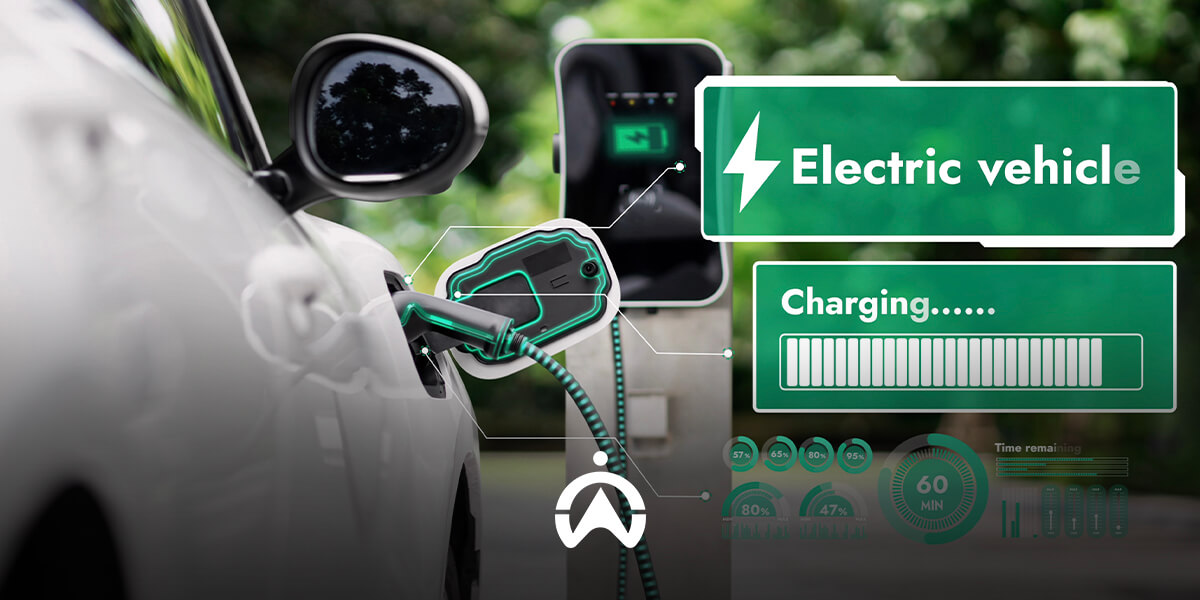
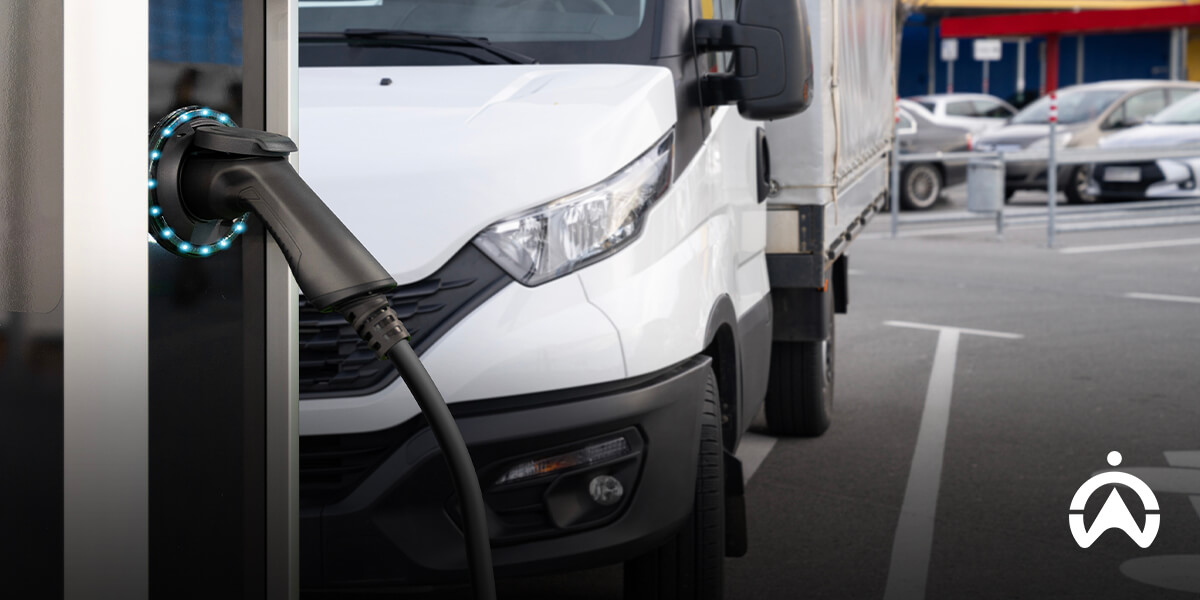
An electric vehicle charging connector plugged into a station, with a white delivery truck parked nearby.

Myth 5 — The power grid can’t support EV growth

The myth that the power grid can’t support EV growth may not be the case. Smart charging tools aid in load management, and grids are also evolving. Electricity systems are making investments in demand response, energy storage, and upgrades. Smart chargers have the ability to dynamically adjust charging rates or move loads to off-peak times. Demand curves are also made smoother by integration with renewable energy sources (like wind and solar).

With proper planning, adding EVs to a fleet won’t overwhelm a grid—it’s a manageable engineering challenge.

Myth 6 – EV batteries wear out too quickly

Many believe that EV batteries wear out too quickly, but in reality, they often last 8–15 years or more, depending on usage and care. Yes, battery degradation is real, but it’s slower than many expect. Many manufacturers also offer warranties (e.g., 8 years / 160,000 km or similar).

Many batteries maintain 70–80% capacity well into later years. You can also extend the battery life by not fully charging it, not letting the battery get very low before charging, and not exposing it to extreme temperatures. In real-world fleets, battery replacement is a minority expense within the lifetime of the vehicle.

Myth 7 – EVs aren’t really sustainable

When comparing internal combustion engines to full lifecycle emissions, they’re more sustainable. Although EVs do have upstream emissions from manufacturing and battery production, they typically emit fewer carbon emissions over the course of their lifetimes than ICE vehicles, particularly when the energy is low-carbon.

The “sustainability” argument is strengthened when recycling and advancements in battery technology are included. EV fleets can significantly lower emissions associated with transportation when aiming to meet ESG targets or carbon reporting.

Myth 8 – There aren’t enough charging stations

Actually, the infrastructure for charging is growing quickly, and private stations are possible. Cities, highways, and business centres are seeing an increase in the number of public charging stations.

Installing on-site or depot chargers provides control and coverage in various fleet situations. Combining public and private charging usually works well, even in places with limited coverage.

Businesses can frequently overcome the “lack of stations” issue by implementing a hybrid scheme that combines public network use with private depot charging.

Myth 9 – EVs are just a passing trend

The last myth is that EVs are just a trend. They’re not. Global momentum and regulatory shifts indicate long-term popularity.

Electrification is being strongly supported by both markets and policies. Internal combustion is being phased out by several automakers. Over the next ten years, EVs are expected to account for the majority of new car sales. EVs are a long-term solution because of customer desires, carbon regulations, and ESG concerns.

For a fleet, dismissing EVs as a passing trend is risky. You may miss the wave rather than ride it.

Side-by-Side: Myth vs Reality

Having a clear comparison is helpful before jumping into a more in-depth conversation or operational planning session. By resolving misunderstandings, it immediately lowers risk in executive planning, budgeting, and decision-making. Companies are able to steer clear of overly complex solutions or overestimating challenges.

Businesses can develop realistic, affordable rollout plans and meet sustainability targets by having confidence in the true potential and limitations of EVs. This also helps them maintain their competitiveness in a changing mobility market.

Myth Reality Implication for Business / Fleet
EVs have insufficient range Many EVs now deliver 300–500 km+ on a single charge Fits many daily routes without range issues
Charging takes too long DC fast charging (80 % in 20–40 mins), plus overnight depot charging Downtime is manageable and predictable
Too expensive Lower energy and maintenance costs, incentives Total cost of ownership often favours EVs
Poor for heavy loads Electric motors deliver strong torque, usable in vans/trucks Viable option for many logistics tasks
Grid can’t cope Smart charging, grid upgrades and energy storage help EV growth manageable with planning
Batteries degrade fast Warranties and real-world data support 8–15+ year life Battery replacement is rarely prohibitive
Not truly sustainable Lifecycle emissions lower than ICE, especially with clean grid Aligns with ESG and carbon goals
Not enough chargers Charging networks are growing & depot charging Charging accessibility is improving rapidly
Just a trend Sales, regulation and investments indicate staying power It’s a strategic, long-term shift

The Business case for acting now

Putting off the introduction of electric vehicles could lead to higher costs and missed opportunities. Businesses that wait run the risk of losing market share as laws become more stringent and consumer demands shift. By acting early, you can get incentives and establish your fleet as environmentally conscious and progressive.

Act now to:

  • Secure access to government or utility incentives before they phase out.
  • Lock in lower long-term operating costs compared to ICE vehicles.
  • Build a stronger ESG profile to meet stakeholder expectations.
  • Improve brand reputation with customers who value sustainability.
  • Get ahead of competitors who are slower to adapt.
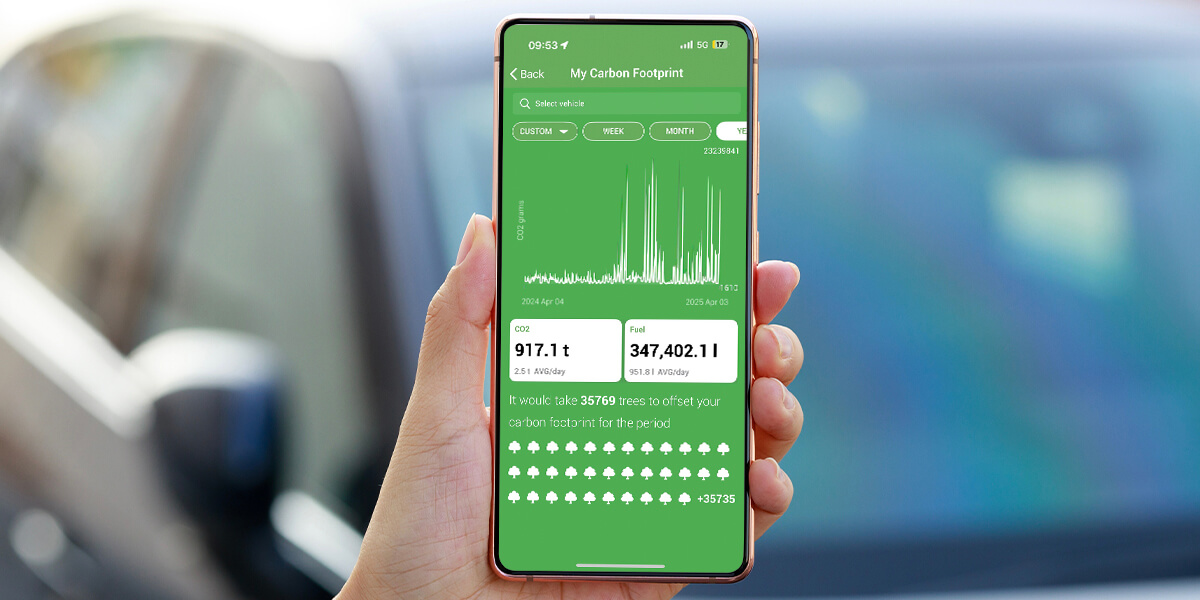
A hand holds a smartphone displaying carbon footprint data, including CO2 emissions and trees needed for offsetting, against a blurred car background.

The benefits of using EVs for your fleet in Kenya

The benefits of using EVs for your Kenyan fleet are lower operating costs, improved fleet reliability, a better driver experience, sustainability and future-proofing. Making the switch to EVs has immediate benefits for your fleet and your bottom line, so it’s not just about complying with regulations.

Businesses stand to benefit financially, operationally, and in terms of their reputation by reducing emissions. Because of these advantages, EVs are a better long-term investment than traditional cars.

  • Improved fleet reliability: Fewer moving parts mean fewer breakdowns and less downtime.
  • Better driver experience: Quieter, smoother vehicles improve driver satisfaction and reduce fatigue.
  • Sustainability gains: Demonstrate real progress towards ESG goals and carbon reporting.
  • Future-proofing: Position your business ahead of regulations and industry changes.

How Karooooo supports your EV transition

Karooooo supports your EV transition in the following ways. From monitoring battery health, charge levels, and energy usage to integrating risk compliance and sustainability reporting. Karooooo ensures that your fleet’s EV rollout is measurable, optimised, and aligned with corporate goals. Our risk management and compliance tools make it easier to track, audit and report on your EV operations.

With Karooooo, you can confidently and intelligently manage EVs rather than just adopting them. Electric cars have long since outlived their infancy. There are more and more antiquated misconceptions regarding range, cost, infrastructure, battery life, and sustainability. Busting these myths is more than just academic for companies and fleets—it’s crucial for long-term planning, risk reduction, and wise investment.

If you’re considering electrifying your fleet, let Karooooo help you to make the transition smooth, measurable and safe. Visit our Sustainability & Compliance page to see how our tools support your EV journey.

Frequently asked questions about electric vehicles

Do EVs hold their resale value?

Yes, EVs are starting to hold value better as demand grows. In Kenya, the second-hand EV market is still small, but it’s expanding fast. Businesses that invest now can expect stronger resale opportunities in the future, especially as more drivers and fleets shift to electric.

Are electric vehicles reliable for business fleets?

Yes, EVs are increasingly dependable when properly managed. Many fleets report strong uptime, and EVs have fewer mechanical parts (no oil, fewer fluids, fewer moving components). Regular maintenance checks, battery monitoring and software updates typically keep reliability high.

How do EV running costs compare to petrol or diesel vehicles?

EV running costs are usually lower per km. Electricity is often cheaper and more stable in price than fuel. Maintenance costs drop (no oil, fewer moving parts). When you factor in incentives or tax breaks, the gap widens further in EVs’ favour.

Can EVs really reduce my company’s carbon footprint?

Yes, EVs really do reduce your company’s carbon footprint over their full lifecycle. EVs tend to emit less CO₂ than ICE vehicles. Even considering manufacturing emissions, the operational emissions are far lower—especially when charged from a clean grid. For businesses with ESG targets, switching to EVs is one of the more tangible carbon reduction levers.

Are EVs practical for fleets in Kenya?

Yes, EVs are becoming more practical for your fleet in Kenya. More public fast-charging stations are rolling out, and you can also install depot chargers for your vehicles. With electricity still cheaper than petrol or diesel, you’ll cut operating costs while building a greener, future-ready fleet.

Will EV adoption affect fleet productivity?

No, EV adoption won’t affect fleet production if it’s planned well. In fact, it often improves reliability and predictability. By aligning charging times (overnight, off-peak), pairing with route planning and using real-time monitoring, EVs can match or surpass ICE fleet productivity. Predictable energy costs and fewer mechanical failures help too.

Fleet Card vs a Fuel Card: Which One is Better for Fuel Management?

Choosing between a fleet and a fuel card for fuel management ultimately depends on your business needs. A fuel card is only valid for fuel purchases, while a fleet card covers fuel and other expenses such as tolls and vehicle repairs. The more complex your fleet, the more likely you are to lean towards a fleet card.

So, why does this matter in a Kenyan context? It’s no secret that fuel is one of the largest expenses when it comes to fleet management. It’s uniquely important to be careful of factors like fuel fraud, rising fuel prices, and the strain of overall cost management. These cards are your key to managing and cutting your costs, so don’t overlook them.

This piece will help you unpack the differences between the two cards and assist you with deciding which one is the best for your business. You’ll also see how Karooooo’s fleet management platform adds value to either choice, giving you better visibility, extra fraud protection, and tighter cost control.

Which card is right for your business’ fuel control?

The card that’s right for your business’ fuel control inevitably depends on your business needs and goals. Although fuel cards are a useful start—especially for smaller businesses with less complex fleets—fleet cards generally offer more value. Fleet cards offer a more holistic overview of your cost management and go beyond just fuel tracking.

Consider the following factors when comparing the two:

  • Fleet size: Smaller fleets might find that the fuel card is enough; however, bigger fleets typically need the numerous features offered by fleet cards.
    ‍
  • Operating region: Trucks that are more focused on urban delivery (i.e., immediate and local areas) may simply require a fuel card. Long-haul trucks that travel long distances and to different provinces typically require a wider network of approval. This includes access to more petrol stations, toll gates, and more.
    ‍
  • Type of expenses: If you’re only concerned with the fleet’s fuel spend, a fuel card may be enough for you. But if you have a more complex fleet and are concerned about expenses beyond fuel, like maintenance or tolls, then a fleet card is the smarter choice.
    ‍
  • Integration needs: Fleet cards are typically the option that pairs better with fleet management systems and telematics technologies. For complex fleets, they’re better at communicating fuel and trip insights.
    ‍
  • Budget and admin capacity: Fuel cards are far less expensive and don’t require as much admin or setup costs, but they’re also limited in their functionality. On the other hand, fleet cards typically have higher upfront costs, but reflect better insights and business gains in the long run.

Fictional example: How fleet cards deliver more value

A medium-sized fleet operator with 50 vehicles, used to rely solely on fuel cards. While they did help save on fuel, the company still struggled to track maintenance costs, tolls, and unauthorised fuel use. This led to higher overall operating costs and ongoing administrative headaches.

After moving to a fleet card integrated with a fleet management system, the results were clear:

  • Consolidated spending: Track fuel, maintenance, tolls, and repairs all in one place.
  • Reduced unauthorised spending: Transaction limits and driver-level controls cut misuse by 20%.
  • Simplified reporting: Finance teams save hours each week with easier compliance tracking.
  • Real-time insights: Managers can optimise routes and maintenance schedules, further reducing operational costs.

The outcome? By using the broader features of a fleet card, the organisation achieved stronger financial control, improved compliance, and greater operational efficiency. This shows that fleet cards deliver evident benefits over fuel cards alone.

Cartrack fleet card vs a fuel card concept with person holding contactless bank card at payment terminal.

What’s the difference between a fleet card and a fuel card?

The difference between a fleet card and a fuel card is that a fleet card can cover various expenses beyond fuel, while a fuel card only tracks fuel usage and spending. Despite the common confusion between these two card types, they’re not the same thing. Understanding the differences is the key to getting the best option suited for your business.

What is a fuel card?

A fuel card is a financial tool that tracks fuel purchases. It’s similar to a credit card in that it allows you to buy fuel as necessary, but it does have a limit on how much can be spent over time. These fuel cards are typically used by businesses with smaller fleets, or where fuel is the biggest expense (and other expenses are handled separately).

These are the main functions:

  • Fuel discounts or loyalty rewards and benefits
  • Tracking fuel spend (only at partner stations)
  • Basic reporting for fuel use and spending

What is a fleet card?

A fleet card is a financial tool that’s far more advanced than the fuel card, covering fuel and other fleet-related expenses like servicing, toll gates, tyres, and more. It’s essentially an expense management tool that gives you a holistic overview of your fleet’s costs. Fleet cards are usually implemented by larger, complex fleets that regularly travel across provinces or geographic zones.

These are the main functions:

  • Integrating smoothly with fleet management
  • Controlling and streamlining numerous expenses
  • Offering more stringent controls on spending, including PINs for drivers and spending limits

Key differences between fleet cards and fuel cards

The real key differences between fuel cards and fleet cards aren’t only about what they cover, but also about the effect they have on the way a business operates.

Let’s take a clear-cut look at these differences:

  • Coverage: Fuel cards cover how much a driver spends on petrol or diesel. Fleet cards cover fuel, but also other expenses like tolls and servicing, giving managers a much clearer picture of expenses.
    ‍
  • Operational supervision: Fuel cards will track the litres of fuel and the rands spent on it. Fleet cards allow you to go beyond this, keeping track of servicing and maintenance to ensure optimal uptime.
    ‍
  • Data reporting: Fuel cards provide minimal data, considering it’s only fuel being tracked. Fleet cards provide far more detailed data and insights—the type of data that simplifies compliance and back-office processes.
    ‍
  • Spend controls & fraud prevention: Fuel cards will flag suspicious payments, but aren’t able to recognise fuel card fraud. Because fleet cards have greater capabilities, they’re able to directly link the number of litres purchased with the number of litres used. This means fuel fraud is much easier to track with a fleet card.
    ‍
  • Adaptability: Fuel cards can be a solid solution for smaller fleets, but if there’s any room for growth in the business, they could be difficult to manage as the fleet grows. Fleet cards are much easier to manage when it comes to scalability or established complex fleets.

What to consider before choosing a fleet or fuel card

When considering a fleet or fuel card, it’s important to assess the pros and cons of each card type and examine the features they offer. Implementing these steps before settling on an option allows you to make the right choice from a financial and operational standpoint.

Pros and cons of fuel vs fleet cards

Use these lists as a clear and skimmable way to see the pros and cons of each card type.

Take a closer look:

Fuel Card

Pros:

  • Save on fuel with discounts or reimbursements
  • Expect it to be easy to use and implement
  • Receive basic data
  • Anticipate lower fees
  • Ideal for smaller operators or businesses with high fuel use (and fuel being the largest single expense for the business)

Cons:

  • Only covers fuel
  • Lacks advanced reporting and integration
  • Vulnerable to fraud, as fuel fraud detection is usually not available

Fleet Card

Pros:

  • Oversee all vehicle expenses on one platform
  • Get stronger fraud restrictions with transaction limits and driver PINs
  • Cover a wider range of business expenses, including repairs and tolls
  • Simplify reporting for compliance matters
  • Ideal for established, larger fleets, or for expanding fleets

Cons:

  • Fees and setup costs are much higher compared with fuel cards
  • More administrative effort is required
  • Purchases outside of fuel may not be universally accepted
Cartrack fleet card vs a fuel card alert shown as worker refuels Hino truck in Central Business District.

Feature considerations for fuel and fleet cards

This comparison table lets you weigh key features side by side, making it easier to choose the card that best fits your business needs.

Consideration Fuel Card Fleet Card
Expense Coverage Fuel only Fuel + maintenance, repairs, tolls, and other vehicle expenses
Fleet Size Suitability Smaller fleets or owner-operators Medium to large fleets with multiple vehicles
Cost & Fees Lower fees; may offer fuel rebates Higher fees, but offers consolidated spend control and broader cost visibility
Operational Complexity Easy to roll out and manage Requires more administrative effort but offers detailed reporting and integration
Fraud Prevention Basic controls like PINs or spending limits Stronger controls: driver-level limits, transaction monitoring, integration with GPS/fleet software
Reporting & Compliance Basic fuel spend reports Comprehensive reporting for fuel, maintenance, tolls, and compliance purposes
Scalability Limited; mainly for simple operations Highly scalable; grows with fleet and operational needs
Network Acceptance Limited to selected fuel stations Wider acceptance for fuel, maintenance, tolls, and repairs

How Karooooo helps you maximise card value

Karooooo helps you maximise card value by improving the value of whatever card type you choose for your business. We don’t issue physical cards. Instead, we’re all about smooth integration and streamlining with our fleet management platform, FleetWeb. We make sure your business gets the most from features and insights, no matter what card you use.

Here’s what Karooooo can do for you:

  • Monitor fuel card spending alongside telematics: Card transactions can be linked with vehicle GPS data, so you can match the transaction to a location and time. In fact, it’s possible for both fuel and fleet cards. Insights like these give you a transparent overview of fuel consumption.
    ‍
  • Flag fuel fraud: Although flagging fuel fraud is much harder to do with fuel cards, GPS tracking is still a massive help to identify suspicious transactions. This applies to both card types. For example, if fuel was purchased but the vehicle wasn’t on the road, this is a strong signifier that fuel fraud may’ve taken place.
    ‍
  • Manage operational costs beyond fuel: This point largely applies to fleet cards. Because various expenses are tracked, you don’t have to worry about the headache of monitoring these expenses separately. Karooooo’s MiFleet streamlines and displays these expenses on one dashboard, allowing you to make smarter business decisions.

On the other hand, standard GPS tracking can still identify inefficient routes, meaning that businesses with fuel cards can still benefit from fuel optimisation.

Making the right choice for your fleet

Both the fleet and fuel card can offer some real value, but it ultimately depends on what you want for your business and fleet. No matter your card choice, Karooooo is your top partner in improved cost management. Through linking cards and telematics, you get total visibility, insights, and fraud protection that improve your business operations.

Protect your fleet against fuel fraud and unauthorised spending. Let Karooooo show you how to make the smartest card choice and secure every kilometre of your operation.

FAQs

Q: Are fuel and fleet cards accepted nationwide in Kenya?

A: Yes, fuel and fleet cards are usually accepted nationwide in Kenya, though it’ll always depend on whoever issues the card, because fuel cards are typically limited to a particular network. Fleet cards are usually more widely accepted, especially because they’re designed to be versatile and work at toll gates, maintenance stations, and more.

Q: Can fleet or fuel cards help with budgeting and forecasting?

A: Yes, fleet or fuel cards can help with budgeting and forecasting through the insights and data they provide. This is especially true when combined with Karooooo telematics. Fuel cards can help you keep track of fuel spending. Fleet cards can help you get truly insightful reports based on the additional expenses tracked, supporting budgets and highlighting inefficiencies.

Q: Are there limits on how many cards a business can issue per fleet?

A: The number of cards issued per fleet isn’t limited, but it’s usually placed at one card per driver. As a fleet manager, you’ll assign the cards to the drivers themselves or to the vehicle. It depends on whether you’re more focused on driver accountability or if you’re more focused on keeping an eye on costs and other operational matters.

Q: How does card usage integrate with tax and compliance reporting in Kenya?

A: Card transactions integrate with tax and compliance reporting by creating a clear digital trail of spending, making tax submissions and  Kenya Revenue Authority (KRA)compliance far simpler. Fuel cards support VAT recovery on fuel, while fleet cards go further by capturing even more expenses. When integrated with Karooooo, reporting is consolidated, cutting down paperwork and ensuring audit-ready compliance records.

Q: Can fleet cards cover electric or alternative-fuel vehicles?

A: Yes, many fleet card providers are expanding their networks to include electric charging stations and alternative fuels. This makes fleets transitioning to greener energy comfortable while using the same card system. Karooooo takes this further by tracking energy use alongside traditional fuel, giving managers a complete expense overview.

What Exactly Is a Fleet Utilisation Rate?

A fleet utilisation rate shows how well a company uses its vehicles by comparing the time they spend on productive tasks to their total available time or capacity. It might sound very technical, but fleet utilisation impacts every aspect of your operation.

Whether you’re overseeing 10 vans or 500 trucks, understanding how effectively you’re using your vehicles can save you money, reduce downtime, and enable you to make smarter business decisions. Vehicles can easily sit idle, and many don’t realise the cost to your business. Fuel, insurance, and maintenance keep ticking away, even when a vehicle isn’t on the move.

That’s why tracking your usage is essential.

According to The DDC Group, fleet asset utilisation (or just fleet utilisation) measures how much demand there is for an organisation’s fleet against its capacity. Typically, it’s shown as a percentage. Most organisations target a utilisation rate of 80% or more to achieve peak efficiency.

In this blog, we’ll break down what a fleet utilisation rate is, how to calculate it, what optimal looks like, and how Karooooo’s platform can help you boost it with real-time data and insights.

What is a fleet utilisation rate?

A fleet utilisation rate shows how effectively you’re using your available fleet’s capacity. Simply put, it’s the percentage of time, mileage, or vehicles that are actually in use compared to what you have on hand. This metric helps you identify if you’re making the most of your assets or if you’re overdoing it.

Why does fleet utilisation matter?

Knowing your utilisation rate helps you quickly identify inefficiencies. Low utilisation usually indicates an excess of vehicles or poor scheduling. While high utilisation might seem positive, it can cause wear and tear, rushed maintenance, or driver fatigue. Striking the right balance safeguards your budget and your team.

Common mistakes when measuring utilisation?

Many fleets miss the mark on utilisation because they focus solely on one metric (like kilometres driven, as an example). True utilisation takes into account downtime, maintenance, and seasonal trends. Overlooking these aspects creates a misleading picture of performance and can lead to costly mistakes, such as purchasing more vehicles than necessary.

How do you calculate YOUR fleet utilisation rate?

You calculate your fleet’s utilisation rate by comparing active use with total availability so you can identify idle assets, balance workloads, and boost overall efficiency. This helps you to see how effectively your vehicles are being used. The numbers are straightforward, and the insights are invaluable.

To easily calculate your fleet utilisation rate, use this formula:

Fleet Utilisation Rate (%) = (Total Used Hours ÷ Total Available Hours) × 100

This calculation shows the percentage of your fleet’s potential that’s actually in action. You can apply the same principle to kilometres, jobs, or vehicle count, depending on how your business runs.

Alternative ways to calculate utilisation

You’ve got a few ways to measure usage, depending on what matters most to your business.

  • By vehicle count:
    Take the number of vehicles in use and divide it by your entire fleet. This method works well when you want to keep an eye on how many assets are currently in action.
    ‍
  • By distance:
    Divide the total kilometres driven by the maximum possible. This approach is great for assessing travel efficiency based on distance.
    ‍
  • By time:
    Calculate hours in action divided by available hours remaining. This is the go-to method for service fleets that prioritise work time.

No matter which method you pick, it all boils down to your goals. Time-based formulas suit service fleets, while mileage-based ones are ideal for logistics operations.

Example: Calculating utilisation for a 10-vehicle fleet

Check this out: Imagine you have 10 vehicles, each ready to roll for 8 hours a day. That gives you a total of 80 available hours. If they clock in 56 hours of usage, your fleet utilisation rate hits 70%.

Typical calculation mistakes

Don’t forget to account for the time when vehicles aren’t on hand. If they’re in the garage or waiting for parts, they’re simply not “available”. Make sure your data spans the same time frame; mixing daily and weekly figures can throw off your results and misrepresent actual performance—whether it’s good or bad.

Cartrack fleet utilisation rate shown with two trucks under maintenance in well-lit garage with tools around.

What is a good utilisation rate?

A good utilisation rate is one that maintains its utilisation rates between 70% and 85%. Going over 85% could strain your fleet, while lower rates suggest underutilisation or poor scheduling. The ideal rate really depends on your fleet size, industry, and the flexibility needed for daily operations.

A “good” utilisation rate varies from fleet to fleet. It depends on your industry, operating model, and business objectives. In this section, we’ll dive into the average utilisation benchmarks, examine the factors that impact your rate, and demonstrate how to enhance it using real-time data and savvy planning.

Factors that influence utilisation

Utilisation rates can fluctuate due to driver behaviour, vehicle downtime, scheduled maintenance, and demand patterns. Seasonal activities and route planning also play a role in usage rates. Keeping an eye on these factors allows you to tackle potential utilisation issues before they turn into costly problems.

How to improve your utilisation rate

Improving utilisation begins with visibility. By leveraging telematics, route optimisation, and data-driven schedules, you can maximise the value from each vehicle in service. Spotting idle time and managing workloads effectively helps you avoid unnecessary vehicles and keeps your workforce lean.

Drivers and barriers to achieving high fleet utilisation

There are certain drivers and barriers that play a role in achieving a high fleet utilisation rate. To truly maximise your fleet, you need to do more than just increase driving time. Smart route planning, predictive maintenance, and real-time tracking make a real difference. Watch out for hurdles like poor scheduling, idle time between jobs, and unexpected downtime.

By leveraging connected fleet data, you can pinpoint issues and resolve them quickly.

Key Drivers (Boost Utilisation) Common Barriers (Reduce Utilisation) How Cartrack Solves It
Route planning & scheduling optimisation Inefficient routing or idle time Advanced route optimisation and automated dispatch keep vehicles productive and on time.
Real-time visibility & dispatch control Limited oversight of daily operations Live dashboards and instant alerts give managers complete control over every vehicle.
Predictive maintenance & reduced downtime Unexpected breakdowns or maintenance delays Predictive servicing schedules prevent failures and cut downtime.
Right-sizing the fleet (removing underperformers) Overloaded or underused vehicles Usage analytics reveal which vehicles to retire, redeploy, or add.
Operator incentives & performance measurement Lack of accountability or driver engagement Gamified performance tracking encourages safer, more efficient driving.
Integrating telematics & data platforms Poor or inconsistent data collection The unified telematics platform consolidates all fleet data in one place.
Data-driven procurement decisions Poor visibility into long-term asset use Reporting tools help plan purchases, leases, or replacements based on real utilisation trends
Cross-department collaboration Siloed data between teams Shared dashboards align operations, finance, and maintenance planning.

Connect people, data, and technology, and your fleet transforms from mere vehicles into a well-coordinated, cost-effective operation. With Karooooo’s fleet management platform, you gain clear insights into how each asset impacts your bottom line, empowering you to make smarter, quicker decisions that deliver real results.

Practical steps to improve fleet utilisation

Practical steps you can take to improve your fleet utilisation include:

  • data-informed planning
  • driving engagement
  • predictive maintenance
  • on-demand monitoring

Remember, maximising your fleet utilisation doesn’t always mean buying new vehicles; it’s all about unlocking the full potential of your EXISTING fleet.

Start with a fleet audit

Start by taking a good look at how you’re currently using your vehicles. Identify which ones aren’t getting enough use and which ones are stretched too thin. A straightforward audit gives you a solid foundation and the confidence to make decisions based on actual data, not just guesswork.

Right-size your fleet

If you’ve got too many vehicles, you’re tying up unnecessary capital in assets you might not need. Selling or reallocating underperforming vehicles will ease cash flow and boost overall utilisation without adding extra work.

Optimise scheduling and routes

Even the tiniest tweaks to jobs and routes can make a big difference. Embracing route optimisation software helps you cut down on empty kilometres, ensure timely deliveries,

and keep your vehicles busy generating revenue instead of sitting idle.

Cartrack fleet utilisation rate dashboard setup showing custom fleet management options and layout tools.

Reduce downtime with predictive maintenance

Keeping your vehicles well-maintained helps you manage unscheduled maintenance that can affect availability. Predictive maintenance takes it further by using data to spot potential issues from vehicle usage, allowing you to plan repairs with minimal disruption rather than facing emergency downtime.

Use telematics to track real-time performance

Today’s telematics platforms, like Karooooo, enhance your visibility into how, when, and where your fleet vehicles are used. You can easily monitor driver behaviours, idle time, and routing patterns all from one dashboard. This data gives you the power to make immediate adjustments to workloads and spot trends with minimal delay.

Continuously review and improve

Your fleet’s performance isn’t set in stone. By reviewing utilisation monthly or quarterly, you’ll gain insights into seasonal shifts and evolving customer demands. Your aim? Keep your fleet busy, efficient, and well-maintained.

Integrating with Karooooo

Karooooo helps you track and boost your fleet utilisation effortlessly. With our platform, you get everything you need to keep your fleet running at its best. You can easily monitor real-time usage data, track downtime, and access instant insights about vehicles that aren’t pulling their weight, all from one user-friendly dashboard.

Turn your data into actionable fleet intelligence instead of making wild guesses. Karooooo integrates this intelligence into your decision-making process. You’ll know exactly when to reassign vehicles, schedule maintenance, or adjust the size of your fleet. It’s all about using telematics data to create a solid strategy and ensuring every vehicle in your fleet contributes to your success.

Understanding your fleet utilisation rate is key to boosting efficiency and profit. By assessing how much of your fleet capacity you’re truly using, you can optimise your operations, cut costs, and enhance performance.

With Karooooo, you’ll gain clear insights into how effectively your fleet operates and where to direct your improvement efforts next.

FAQs

What’s the difference between fleet utilisation and fleet productivity?

Fleet utilisation measures how much of your fleet is being used, while fleet productivity focuses on how efficiently those vehicles perform tasks. You can have high utilisation but low productivity if routes are inefficient, vehicles are overloaded, or drivers spend too much time idling between jobs.

Can you measure utilisation across mixed vehicle types?

Yes, you can calculate utilisation separately for each vehicle type, such as vans, trucks, or specialised assets, and then combine the results for a total fleet average. Telematics tools make this easy by tracking mileage, trip frequency, and time in use for every vehicle in real time.

How often should you review your fleet utilisation rate?

Most fleet managers review utilisation monthly to spot short-term trends, then assess it quarterly for strategic planning. Regular reviews help you balance workloads, identify underused vehicles, and plan maintenance before issues impact performance or costs, keeping your fleet efficient and your operations running smoothly.

What data sources do you need to measure utilisation accurately?

Accurate utilisation depends on reliable data. The most common sources include GPS tracking, telematics systems, fuel records, maintenance logs, and driver trip data. When combined, these give a complete picture of when, how, and how often each vehicle is used, helping you make smarter operational decisions.

Can poor utilisation affect your fleet’s resale value?

Yes, vehicles that sit idle for long periods can deteriorate mechanically, while overused ones experience faster wear and tear. Both reduce resale value. Balanced utilisation, supported by proactive maintenance, helps preserve asset condition, extend vehicle lifespan, and achieve better trade-in or resale prices over time.

How can technology predict future utilisation trends?

Modern fleet platforms analyse historical usage patterns, driver behaviour, and seasonal demand to forecast utilisation trends. This helps managers predict when assets will be underused or overworked, allowing smarter scheduling and procurement decisions that keep fleets lean, productive, and aligned with business demand throughout the year.

Can I Track a Truck Location Without GPS?

Yes, you can track a truck location without GPS, but there are certain limitations, and the methods vary in cost and effectiveness. Any business owner with a fleet knows how crucial consistent visibility is. It’s a matter of security and efficiency, and any compromise poses a significant risk.  

Kanyan businesses continue to face difficulties when it comes to truck safety. Fleet vehicles are more likely to be targeted for vehicle crime than personal vehicles, and truck hijackings have shown a sharp year-on-year increase. This strongly highlights the fact that businesses can’t afford to lose sight of their fleets. Loss of visibility means vulnerability!

When GPS fails, what are your options? If your tracking unit has been tampered with, is there anything you can do? In this guide, we’ll take you through your tracking technology alternatives, the pros and cons of these options, and how the Karooooo Tag is the safety net you need to maintain control over your fleet’s visibility.

Is it possible to track a truck’s location without GPS?

Yes, it’s possible to track a truck’s location without GPS, but there’ll be some restrictions. When tracking using alternative means, you won’t get the accuracy and reliability of tracking with GPS. Some of these alternative methods include cellular network tracking, Wi-Fi, and Bluetooth locating services.

What are some reasons you might need to track a truck without GPS?

There are numerous reasons why you might need to track a truck without GPS, and they’re almost always connected to issues of safety and risk management.

Consider these actual-world scenarios:

  • Rural or underground areas with poor coverage: If the fleet vehicle enters an area with poor coverage—like underground, outlying regions, or even mine sites—this can reduce GPS connectivity.
    ‍
  • Backup tracking for precautionary measures: Any business with a fleet needs backup procedures to ensure complete safety and prevent blind spots.

How to protect your fleet of trucks if GPS fails

As a redundancy and precaution, consider using alternative locating technologies to protect your fleet of trucks if GPS fails.

Look at these practical protective measures:

  • Monitor driver behaviour telematics: Unusual patterns, behaviours, and deviations on a driver’s trip could indicate that they might be in trouble or that the vehicle’s been taken. Driver behaviour insights like this could alert a fleet manager to potential danger.
    ‍
  • Use geofencing and alerts (with other locating technologies): Geofencing doesn’t necessarily require GPS to work and can be paired with alternative tracking tech, so you can be alerted to unauthorised movement.
    ‍
  • Integrate with a fleet management platform: If you have a centralised fleet management platform that has a clear and comprehensive overview of your insights (like FleetWeb), you’re more likely to quickly detect oddities.

The limitations of tracking without GPS

Tracking without GPS introduces limitations that include coverage difficulties and fragmented insights.

Consider these limitations:

  • Location accuracy and coverage issues: Pinpointing the exact location for a vehicle can be difficult, especially because alternative tracing methods are inconsistent or ineffective in rural or network-dense areas.
    ‍
  • Dependence on third-party infrastructure: GPS is typically globally available. This is not the case for alternative tracking methods that usually depend on structures like cell towers, readers, or cameras.
    ‍
  • Lack of real-time nationwide visibility: Continuous visibility doesn’t work for all alternative tracking methods. For example, ANPR only works when the vehicle passes the correct camera.
    ‍
  • Risk of incomplete data: Because the visibility is fragmented, the data is as well. You may only receive some information or delayed data, leaving gaps in trip insights.
A white truck drives swiftly on a highway, surrounded by a digital communication signal, symbolizing connectivity and technology in logistics.

Methods of tracking a truck without GPS

There are numerous methods of tracking a truck without GPS, and these include SIM triangulation, Bluetooth-based location services, and Karooooo’s Tag. Every option works differently and has its own pros and cons. It’s important to clearly understand each of them so you can decide which works best for you as a backup strategy.

Cellular Network Tracking (SIM triangulation)

Cellular Network Tracking (SIM triangulation) helps you understand where a vehicle is by detecting the SIM card’s signal strength in relation to surrounding cellphone towers. This helps pinpoint a location where the signals intersect.

Pros:

  • SIM card/device using a SIM is the only thing required
  • Will continue to work in places where GPS signal strength might be weak/unavailable
  • Still able to provide live updates

Cons:

  • If cellular connectivity is low, then this kind of tracking won’t work
  • Location positions are only accurate to about a hundred metres
  • Outlying areas with less cellphone towers are not as reliable

Radio Frequency Identification (RFID)

RFID is wireless technology that uses electromagnetic or radio waves to track and identify tags located in the vehicle. An RFID reader is typically used to process data, and readers are often found at particular checkpoints or depots.

Pros:

  • The best option for keeping track of when a vehicle is entering/leaving logistical points
  • Very accurate within a short range

Cons:

  • RFID readers call for installation in numerous places
  • Only accurate within a short range, so not useful while on the road
  • Doesn’t allow for continuous tracking

Wi-Fi and Bluetooth-based location services

Wi-Fi and Bluetooth-based location services estimate a truck’s location by using Wi-Fi access points and Bluetooth beacons and determining signal strength.

Pros:

  • Can work well in areas that typically disturb GPS signals, like underground or in tunnels
  • Can sometimes work well in areas with extensive networks

Cons:

  • Coverage isn’t very successful in areas that are rural or on highways
  • Network density determines coverage constraints
  • Vehicles need to have scanning devices that can communicate signals

Automatic Number Plate Recognition (ANPR)

ANPR uses cameras and optical character recognition (OCR) to detect and read number plates on vehicles. This information tracks movements and typically processes data for traffic management and law enforcement. Alerts are immediate, and ANPR can pick up on ‘blacklisted’ plates.

Pros:

  • Works very well in monitoring areas that are high-risk, have little coverage, have tolls, or are on specific routes
  • Doesn’t require any devices or hardware to successfully detect number plates

Cons:

  • Requires roads that are monitored or have the right cameras and OCR
  • Location is only caught at the points of detection—nowhere else
  • Camera has to be good quality to successfully detect

Karooooo’s answer: The Karooooo Tag

The Karooooo Tag is a wireless unit that doesn’t depend on any cellular connectivity, working as an anti-jamming and tracking device. It can be discreetly fitted onto various vehicles and assets. It also uses a proprietary radio frequency (RF) network that provides better protection and improved recovery efforts.

Pros:

  • Gives strong, continuous visibility at all times—even when GPS is no longer working
  • Fully linked to FleetWeb, which allows for all the perks (immediate alerts, geofencing, etc.)

Cons:

  • You must be signed up to a Karooooo subscription/package
A hand holds a smartphone displaying a tracking app while trucks drive on a highway with greenery along the roadside.

Comparing truck tracking options without GPS

Use this table as an easy way to understand and compare your various backup tracking options.

Take a look:

Method Accuracy Cost Reliability Best Use Case
Cellular Medium Low Varies Urban coverage
RFID High (short range) Medium Limited Warehouses/logistics hubs
Wi-Fi/Bluetooth Medium Low Limited Short-range/local
ANPR High High Location-dependent Toll roads/cities
Karooooo Tag High Included in the subscription/package Strong backup Fleetwide visibility

The Karooooo Tag and GPS solutions for maximum security

The Karooooo Tag keeps visibility on your fleet even when there isn’t any GPS connection. We’d argue that our Tag is one of the best options for complete and maximum security, offering you additional protection and filling the tracking gaps when you need it.

A clear breakdown of the Karooooo Tag

The Karooooo Tag is triggered the moment a GPS signal is lost. Because it’s an anti-jamming device first, the Tag is usually triggered by tampering/jamming of a primary GPS tracking device. Once the primary device detects jamming and can’t communicate using the GPS signals, it’ll switch to the Karooooo Proprietary Radio Frequency (CPRF) Network, which is unaffected by jamming.

Karooooo Tags send out a ‘pulse’ to nearby primary tracking devices, which respond by effectively saying, “I’m here.” This constant exchange keeps the vehicle visible within the network. The Tag also has a large power source, giving it an estimated 5-year battery life.

What exactly does your fleet of trucks gain from the Karooooo Tag?

Your fleet of trucks gains complete visibility and protection from the Karooooo Tag, especially when you know it’s a fully supportive addition to your GPS tracking device. You won’t have to worry about fragmented solutions. Accurate GPS tracking is reinforced by our Tag’s constant protection against signal interference and tampering.

Here’s more on what you can expect:

  • Uninterrupted monitoring: GPS handles daily tracking, while our Tag stands as a failsafe, keeping every vehicle visible at all times.
    ‍
  • Theft prevention: If thieves jam GPS signals or tamper with devices, our Tag keeps transmitting silently and triggers instant alerts.
    ‍
  • Operational confidence: Together, GPS tracking and the Tag remove blind spots, reduce business risks, and give you complete truck fleet protection.

Final thoughts: Is non-GPS tracking worth it?

It’s possible to track a truck without GPS by using alternative methods like cellular triangulation, RFID, or ANPR. These methods come with limitations, though, and they include lesser accuracy and dependence on external infrastructure. While they can offer additional insights, they can’t replace GPS for comprehensive fleet visibility.

Your best solution is to combine GPS tracking with the Karooooo Tag. This dual-layered approach ensures complete coverage, delivering maximum security and true peace of mind.

Keep your fleet visible 24/7. Don’t let jamming, tampering, or signal loss put your trucks at risk. Contact our experts to see how Karooooo can keep your business moving.

FAQs

Can I track a truck location without GPS online?

You can track a truck location without GPS online, but your choices are fairly limited. A few systems use structures like signal towers or checkpoints, though they won’t give you the constant feed that you’d need. In practice, if you want regular updates, the safest bet is still GPS with a backup tracking device.

Is it legal to track a truck without GPS in Kenya?

Yes, it’s legal to track a truck without GPS in Kenya if you’re following the rules and staying in line with privacy protection laws. Remember: always be transparent with your drivers and ensure you have their consent. Staying compliant is easy with Karooooo, so you can focus on running your fleet without having to worry about potential legal issues.

Are number plate recognition systems widely available across Kenya?

Number plate recognition systems are only really available across major highways, toll gates, and some urban areas, but it’s important to note that coverage isn’t nationwide. These won’t provide continuous tracking and will likely have gaps in data feedback. This makes ANPR helpful for authorities carrying out checks, but not necessarily for you, a fleet manager needing full visibility.‍

Can someone else track my truck if the GPS is off?

No, someone else wouldn’t be able to track your truck if the GPS is off because a truck with no GPS won’t be detectable. This is the case for criminals who rely on GPS tracking for nefarious activities. Ensure you have a reliable backup system in place, like the Karooooo Tag to have eyes on your fleet at all times.

What Five Factors Should a Fleet Manager Examine When Planning to Purchase a Fleet?

The 5 factors a fleet manager should examine when planning to purchase a fleet include investment options, resale value, local regulatory requirements, flexibility, and predictive insights. Ultimately, though, the real challenge lies in striking a balance between controlling costs and enhancing operational capability.

Compliance is stressful enough. Tough road conditions, safety concerns, and rising fuel prices make poor purchase planning an even greater risk. The right vehicle choice can pay off. Trucks built to stricter and smarter performance standards compared to conventional vehicles.

Put simply, smart planning up front leads to real savings over time. With Karooooo’s selection of tools at your disposal, we can help you from the purchase stage right through to fleet optimisation. We’re prepared to support you in making the best investments while remaining compliant and ensuring your fleet is equipped for the future.

The 5 key factors every fleet manager must consider when purchasing a fleet

When planning to purchase a fleet, a fleet manager should examine these 5 key factors:

  1. Financing and investment options
  2. Resale or residual value
  3. Local regulatory and context-specific risks
  4. Flexibility and scalability, and
  5. Data and predictive insights

These factors shape your ROI (return on investment) and ensure that your fleet grows in tandem with your business.

#1. Financing and investment options

As a business owner, you’ve likely examined your financing and investment options, weighing the pros and cons of either leasing or purchasing. Ultimately, it depends on what your business plan looks like. A company that intends to scale rapidly may choose to lease fleet vehicles, whereas a more established business may purchase them.

Leasing often appears more attractive because of lower upfront costs and consistently having access to new vehicles. But, it also means that you have limitations on custom features and regular payments. In contrast, buying means higher upfront costs but better ROI and stronger use over a vehicle’s lifespan.

How does Karooooo help? We provide visibility into lifecycle costs for smarter financial planning. With us, you can align your business goals with your financial decisions.

Two men discuss details while standing among rows of white commercial trucks parked in a large lot.

#2. Resale/residual value

Resale or residual value refers to the estimated worth of a vehicle at the end of its lifecycle or rental period. Factors like mileage, brand reputation, market demand, and condition ultimately determine residual value. It’s often overlooked but remains a crucial contributor to total ROI.

The demand for second-hand vehicles in Kenya is particularly high. This is why being strategic about the maintenance and overall condition of the vehicles is key to maintaining competitive value.

How does Karooooo help? We monitor usage and maintenance to protect residual value. With our predictive maintenance schedules and accurate usage patterns, we ensure you keep your vehicles in their best condition and protected long-term.

#3. Local compliance and context-specific risks

Local compliance is non-negotiable, and ignoring these mandatory regulations means you’re at risk of heavy fines, damage to your business reputation, and prolonged downtime. Fleet managers and business owners must stay on top of COFs (certificates of fitness), roadworthiness checks, permits and licences, and sustainability standards.

Compliance isn’t the only factor to keep in mind though. External risks like harsh road conditions, theft, and fuel prices highlight the importance of risk management when it comes to purchasing planning.

How does Karooooo help? We offer features like real-time alerts, driver scorecards, and theft recovery. You can rest assured that your fleet will remain compliant, safe, and under control at all times.

#4. Flexibility and scalability

Flexibility and scalability are the keys to being able to respond to potential market shifts and changes in business structure. As your business expands, you must adapt to future opportunities. Vehicle needs will likely change, and so will your operational processes.

Flexible fleets will ensure that you’re able to scale with business growth smoothly and efficiently. Keeping this kind of flexibility in mind during vehicle purchases will help you maintain profitability and prepare your fleet for future growth.

How does Karooooo help? We’re ready to guide you through future upgrades and grow with your business. Our comprehensive, future-proof platform and its insights are prepared to scale with your business.

#5. Data and predictive insights

Never rely on guesswork. Look to detailed data and predictive insights to drive the decision-making for your business and its changes. Without these vital details, you risk missing timely maintenance, overspending on fuel, and choosing vehicles that don’t match the technical requirements.

Predictive upkeep unlocks decision-making that’s based on facts, not hunches. In addition to preventing costly breakdowns, they show where and how you can save money, which you can then put back into your business.

How does Karooooo help? We push predictive value. MiFleet and telematics enable confidence in purchase planning. Predictive maintenance, fuel management, and tracking costs give you a complete and comprehensive view, so you can make smarter purchase decisions.

Fleet-buying cheat sheet

This fleet-buying cheat sheet is a way for you to quickly reference what you need to examine before making vehicle purchases. We know that as a fleet manager, you’re busy and always on the go. This acts as an instantly scannable guide to see which factors matter most, depending on your fleet size and whether you might buy or lease.

Remember: this is merely a partial shortcut guide. Every fleet has its own unique requirements. Always customise your fleet specifically according to your business goals, industry needs, and potential insights.

How to Use the Cheat Sheet:

  1. Identify your fleet size and growth projections
  2. Check each factor column for guidance on priority (⚡ = low, ⚡⚡ = medium, ⚡⚡⚡ = high)

  3. Use the Lease vs Buy column to determine financial and operational implications
Factor Small Fleet (5–20 vehicles) Medium Fleet (20–100 vehicles) Large Fleet (100+ vehicles) Lease vs Buy Considerations
Financing / Investment Options ⚡⚡⚡ High ⚡⚡ Medium ⚡⚡ Medium Buy for long-term ROI / Lease for flexibility
Resale / Residual Value ⚡⚡Medium ⚡⚡ Medium ⚡⚡⚡ High Buying protects value / Leasing risks are shared with the provider
Local Compliance & Context-Specific Risks ⚡⚡ Medium ⚡⚡⚡ High ⚡⚡⚡ High Leasing may include compliance support / Buying requires in-house monitoring
Flexibility & Scalability ⚡⚡⚡ High ⚡⚡ Medium ⚡⚡ Medium Lease for scaling / Buy, but plan very carefully
Data & Predictive Insights ⚡ Low ⚡⚡ Medium ⚡⚡⚡ High Buying enables full tech integration / Leasing means limited customisation
Close-up of a fuel nozzle being inserted into a vehicle's tank, with blurred trucks in the background at a gas station.

How Karooooo Kenya supports smarter fleet purchasing

By providing the necessary insights and resources needed to make smarter purchasing options, Karooooo facilitates easier planning for investing in a fleet. Your vehicles hold value, compliance is sorted, and future costs become clear today. What does that mean for you? Smarter investments, fewer risks, and confidence that your fleet is built on a strong foundation for the years ahead.

Karooooo allows you to act confidently, with the knowledge that every rand you invest turns into real value for your business.

Here’s a reminder about how Karooooo makes all the difference:

  • In terms of the cost of ownership, we get right to the point. We’ll help you see exactly where your money could go regarding financing and investment options, so that you don’t worry about potentially overspending.
    ‍
  • We only want the best for your fleet. Fleet vehicles are important assets that need to be kept in good shape—especially if there’s a chance for them to be resold at the end of their useful life. We can maximise your ROI.
    ‍
  • We give you the space to expand your business and fleet without worry. Providing the necessary data and guidance you might need, you can comfortably grow or change direction for the better.
    ‍
  • There’d be no need to worry about compliance and safety matters, as our automated reporting, vehicle recovery, and live alerts would keep your operations running smoothly and legally.
    ‍
  • All of the above points are backed by intelligent insights that our resources provide, so that every business move you make is an informed one.

Final thoughts

Fleet purchases may seem straightforward on paper, but the real test is ensuring that every vehicle supports long-term productivity, compliance, and adaptability. Karooooo can make this all possible. With the right tools and resources at our disposal, you’re guaranteed tangible deliverables and a long life for the fleet you’re planning to purchase.

Partner with Karooooo to get the tools and visibility you need to ensure that every vehicle you buy drives business success.

Ready to make smarter fleet investments? Let’s talk—book your Karooooo demo today.

FAQs

How do I calculate the total cost of ownership (TCO) for a fleet?

You calculate the total cost of ownership (TCO) of a fleet by starting with the buying or leasing price, then adding regular expenses to that cost, such as fuel, insurance, maintenance, and the like. Remember to include depreciation and resale value too. Karooooo’s FleetWeb makes this easy by tracking every expense in one place.

Is leasing better than buying a fleet?

Whether leasing is better than buying a fleet is entirely based on your business goals. Leasing keeps upfront costs low and allows you to upgrade when you choose. However, buying provides long-term ownership and potential resale value. Businesses often choose a mix of both.

How can the right technology help improve ROI when purchasing a fleet?

The right technology can help improve ROI when purchasing a fleet by producing valuable insights and helping you target exactly where your money will go. Telematics gives you insight into factors like driver behaviour and maintenance needs, helping cut down on waste and downtime. With Karooooo’s predictive insights, you can make purchase decisions that deliver stronger long-term returns.

What hidden costs should you watch out for when buying vehicles for your fleet?

Hidden costs you should watch out for when buying vehicles for your fleet are the ones that typically show up after purchase. These include high insurance premiums, customisation costs, and delivery fees. Low resale value can also be a costly trap. With Karooooo’s figures, you can spot these risks early and choose vehicles that help you avoid expensive surprises.