What Is the Best Software to View Dashcam Footage?

The best software to view dashcam footage are the ones that allow fleet managers to efficiently access, search, and extract video content to resolve claims faster and more effectively compared to those with complex systems. Dashcams are no longer optional for Kenyan fleets—they’re a frontline defence against rising insurance costs and liability risks.

It’s been reported in Munich that fleets using in-cab video report 15-25% fewer fraudulent insurance claims, and nearly half report reduced insurance costs. This is why the dashcam viewing software you choose represents a key operational choice that influences everything. From incident handling to driver training efficiency, insurance negotiations, and regulatory compliance.

No matter which software you use, the goal stays the same. Your team needs quick, reliable access to dashcam footage. With clear evidence, you can resolve claims faster and turn video into actionable insights.

Which software works best for viewing dashcam footage?

The software that works best for viewing dashcam footage will depend on fleet size, operational requirements, and compliance needs. This means that there’s no single “best” dashcam software. What works for a local courier company running three vans would probably be completely different from what a nationwide logistics operator would require.

Desktop players from the manufacturer might be sufficient for smaller fleets. They’re easy to use, free, and compatible with their hardware. However, these basic tools lose their effectiveness as fleets expand and the number of incidents and reviews rises. Cloud-based video telematics systems that enable numerous users to safely view, search, and distribute video at scale are essential for large operations.

The real test of the “best” software is:

  • How fast your team can access important video footage
  • How safely evidence can be shared
  • How well insights can be used for compliance, claims, and driver management

Why does the right dashcam viewer matter for your business?

The right dashcam viewer matters because it helps your business resolve incidents quickly, cut costs, improve driver safety, and stay compliant with Kenyan laws like DPA. The dashcam hardware itself is literally only half of the story. Without effective and efficient viewing software, even the best video quality may be ineffective.

The right dashcam viewer will impact four critical business areas:

Speed of resolution

Quickly finding video evidence helps you solve problems faster and keep your operations running smoothly. If you’re moving goods or passengers, delays can disrupt schedules and damage public trust. Advanced viewing software with user-friendly search tools saves time by letting you skip through long recordings easily.

Evidence quality

It’s important to note that video evidence is only useful if it’s defensible. Whether or not the police or insurers will accept footage depends on metadata like GPS overlays, timecodes, and speed readings. Solutions like Karooooo’s AI dashcams are able to capture multiple angles with embedded metadata, ensuring reliable evidence for claims and disputes.

Operational use

Dashcam footage serves multiple functions beyond insurance claims because it helps in driver training, route analysis and preventing accidents. According to Karooooo’s Reducing Driver Negligence for Safer Fleets report, managers gain access to continuous footage. This enables them to detect dangerous driver patterns before accidents occur.

Scale and costs

The viewing software you choose affects how much storage and data you’ll need, as well as the costs for more users as your fleet grows. A simple desktop tool might work fine for a few vehicles, but a large fleet will need advanced systems to upload, share and store video securely.
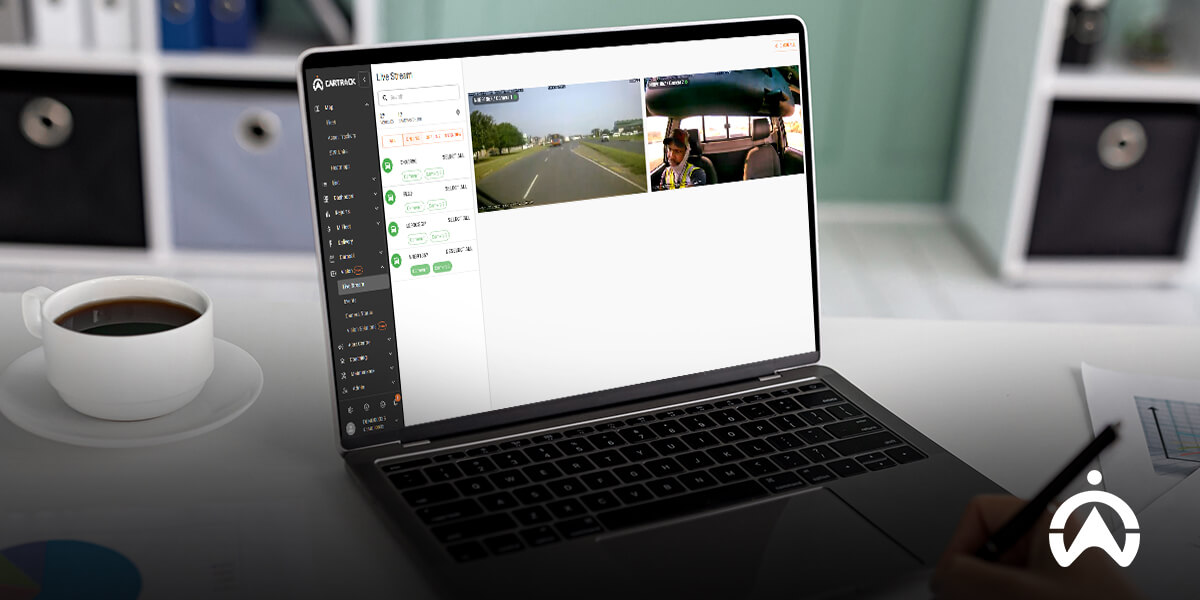
Cartrack dashcam footage on laptop showing live traffic and vehicle interior with coffee cup nearby.

Types of dashcam viewing software

The various types of dashcam viewing software are:

  • Manufacturer desktop players
  • Universal desktop players
  • Mobile apps
  • Cloud video telematics platforms.

There’s no shortage of tools available to view dashcam footage. Businesses, however, do face a difficult choice when selecting the right software because they need to match their fleet requirements with the appropriate solution.

Understanding the main categories allows fleet managers to make better decisions. Here’s a deeper dive into the types of dashcam viewing software to help you make an informed decision.

Manufacturer desktop players

  • ‍What they are: Free programs provided by the dashcam manufacturers, designed specifically for their cameras only.
  • ‍Pros: Includes easy setup, high compatibility with their own devices, and metadata retention (GPS, timestamps). This is perfect for fleets that are smaller and have simple needs.
  • ‍Cons: It has limited features for enterprise environments. Typically, they don’t have scalable storage options, cloud sync, or role-based access.

These tools are usually suitable for startups with a small fleet of cars. However, reliance on free software becomes constrictive as operational demands rise.

Universal desktop viewers

  • ‍What they are: Multi-format players that can handle footage from various cameras, like Dashcam Viewer or VLC.
  • ‍Pros: Usually inexpensive and brand-neutral. These are beneficial for companies with sporadic incident reviews or mixed hardware.
  • ‍Cons: Fleet-focused features like user management, automated uploads, and telematics system integration are rarely included in these viewers.

Although they are useful technical tools, universal players don’t facilitate effective evidence workflows on a large scale.

Mobile apps

  • ‍What they are: Applications for smartphones or tablets that are made by third-party developers or camera manufacturers.
  • ‍Pros: They’re convenient for supervisors on the go, provide instant access in the field, and allow speedy clip sharing with the police or insurers.
  • ‍Cons: Mobile devices are not suitable for in-depth, multi-channel playback, and small screen sizes make detailed reviews challenging.

It’s better to think of mobile apps as an additional tool rather than a stand-alone fix.

Cloud video telematics platforms

  • ‍Pros: Searchability, full scalability, and sophisticated features like:
    • AI detection
    • Automated uploads
    • Event tagging
    • Fleet management system integration

      These platforms make it possible for numerous users in different places to view safe, substantiated video.

  • ‍Cons: Subscription-based, with recurring fees and management requirements for bandwidth and storage.

Karooooo’s AI-powered cameras fall into this category, offering up to eight camera channels, automatic uploads, and event-based alerts. Best for growing fleets, this approach supports not just evidence capture but also long-term operational efficiency.

Key features to evaluate in dashcam viewing software

It’s important to note that the features in the dashcam viewing software will vary in functional importance. Your ideal choice should align with fleet scale, regulatory requirements, and the intended operational use of captured video footage. Consider these essential evaluation specifications:

Essential for business use

  • File format and codec compatibility: The program must support the most common dashcam formats while preserving the integrity of the original video.
    ‍
  • Multi-channel and synchronised playback: To fully comprehend the context of incidents, it’s essential to be able to view the front, rear, and in-cabin channels simultaneously.
    ‍
  • Timecode and GPS overlay: Precise timestamps, speed measurements, and synchronised maps bolster the evidence for authorities and insurers.
    ‍
  • Event markers and timeline: Managers can locate the appropriate clip in a matter of minutes thanks to features like collision flags or harsh braking.
    ‍
  • Export and chain of custody: Features that prevent tampering, checksum/MD5 validation, and lossless export guarantee can be used in investigations.
    ‍
  • User management and audit logs: Keep track of all activity and manage who can view, download, and access files.

Karooooo’s platform addresses these essentials, offering synchronised playback across multiple cameras and automated event tagging.

Vital for scaling and enterprise operations

  • Automated upload: Data obstacles are avoided by bandwidth-controlled Wi-Fi or cellular transfers.
    ‍
  • Integration and API support: Dashcam footage needs to easily integrate with fleet telematics platforms, ticketing systems, and insurance workflows.
    ‍
  • Retention management: Policy-driven archiving and deletion lowers storage expenses while guaranteeing compliance with regulations.
    ‍
  • Advanced search and analytics: Operational teams can save a significant amount of review time by filtering according to time, GPS zone, or event type.

Security and privacy

Privacy is a non-negotiable consideration in Kenya due to the Kenya Data Protection Act, 2019 (DPA).

  • Encryption: It’s critical to use both at-rest and in-transit encryption.
    ‍
  • Masking tools: By blurring faces or license plates, users can preserve their privacy before sharing.
    ‍
  • Controls for consent and retention: Makes sure that video footage is processed legally and kept for the purposes for which it was created.

Operational features and user experience

  • Variable playback speed and frame-by-frame analysis: essential for deciphering intricate details in complicated incidents.
    ‍
  • Case folders and bookmarks: Useful when creating a file around a claim or disciplinary investigation.
    ‍
  • Batch processing and bulk export: When several clips are needed, this will expedite insurer requests.
    ‍
  • Offline access: Local caching allows review in areas with poor connectivity.
    ‍
  • Support and SLAs: Enterprise users require assured technical support, escalation routes, and response times.

Businesses should weigh the overall user experience against technical features when assessing platforms. Steep learning curves in complex systems can cause more delays than they end up fixing.
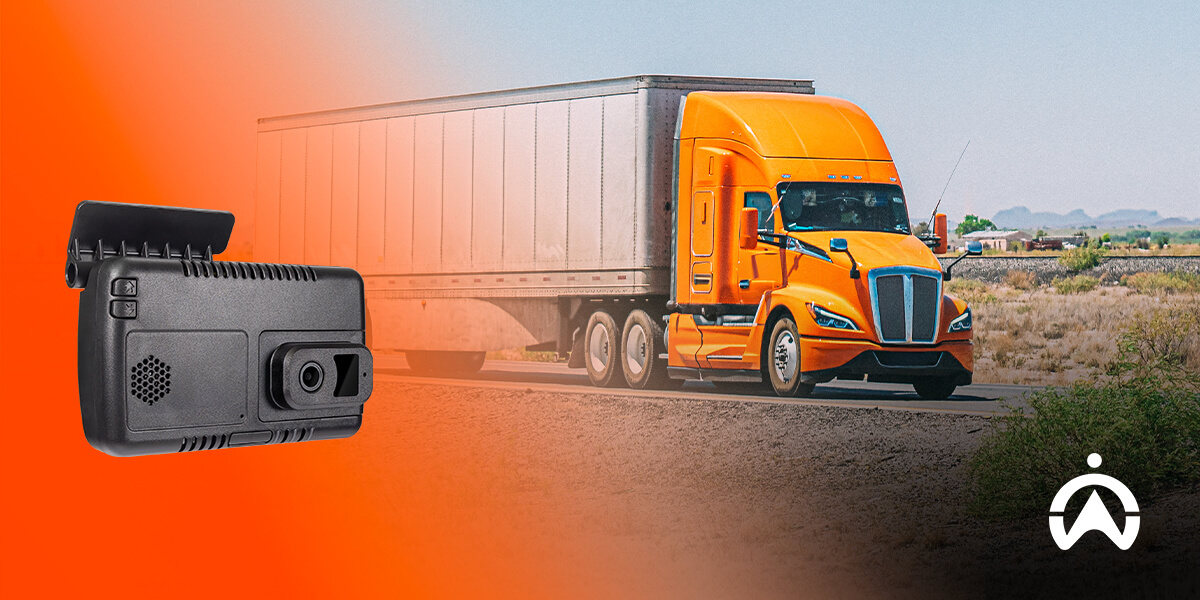
Cartrack dashcam footage shown with dashboard camera and orange semi-truck on highway.

How to choose the right dashcam software for your fleet

To choose the right dashcam software for your fleet, your decision should focus on solutions that fulfil your business requirements rather than selecting the tool with the most features. The operational value decreases when video footage exists without an efficient method to find relevant clips for review and sharing.

Fleets achieve their maximum ROI by focusing solely on recordings that provide unambiguous evidence. Why? This approach reduces claim expenses and accelerates insurance processes.

The table below compares the main software categories available to businesses today.

Category Best for Strengths Limitations Business use case
Manufacturer player Small fleets / single make Reliable metadata, free Not enterprise-ready Basic playback for small operators, simple claims evidence
Universal desktop (VLC, Dashcam Viewer) Tech teams, one-off reviews Flexible, inexpensive Limited fleet features Occasional reviews, IT support teams handling mixed devices
Cloud video telematics (SaaS) Large fleets / 24/7 ops Scalable, integrations, automated uploads Bandwith possilby Ongoing driver monitoring, incident response, and insurer integration
Forensic editors Legal / investigations Chain of custody, enhancement Specialist, costly Detailed evidence preparation for litigation or complex claims
Mobile apps Roadside or supervisors Quick access and sharing Limited analysis Immediate incident checks, on-the-go footage sharing

For more insights into cloud-based video telematics, check out What Is Video Telematics.

Security, privacy and compliance (DPA)

Dashcams capture more than just road conditions—they often record personal information such as driver faces, licence plates, and passenger details. In Kenya, this data falls under the Kenya Data Protection Act, 2019 (DPA)). The Act requires that personal data be collected lawfully, processed only for its intended purpose, and stored securely.

For businesses, this means adopting strict procedures for handling video evidence. According to the Information Regulator Kenya, organisations must follow rules on consent, purpose limitation, and retention. Non-compliance can expose fleets to legal and financial risk, as well as reputational damage.

Practical controls for fleets include:

  • Restrict access: Only authorised personnel should be able to view or share footage.
    ‍
  • Redact before sharing: Blur faces and number plates where possible, especially when clips are provided externally.
    ‍
  • Encrypted storage: Protect files both locally and in the cloud with encryption.
    ‍
  • Maintain audit records: Keep a clear log of who accessed, downloaded, or distributed footage.
    ‍
  • Apply retention rules: Delete footage once it’s no longer required for its original purpose, such as defending a claim.

By applying these measures, businesses can remain compliant while still gaining value from their dashcam data. Karooooo’s AI-powered platform supports this process with secure storage, controlled access, and redaction tools. Helping fleets protect both their operations and their data obligations under DPA.

Cost considerations and ROI

While the price often drives dashcam software decisions, smart fleet managers should look beyond initial expense to calculate future value and savings. The investment frequently pays for itself. Well-implemented video telematics delivers measurable returns such as:

  • reduced insurance premiums
  • improved vehicle uptime
  • decreased legal disputes
  • accident claims that hit the budget with less impact and frequency

Consider implementing a 6–12 month pilot programme to gather concrete evidence. By tracking metrics such as:

  • claim costs
  • premium adjustments
  • incident response efficiency

Both pre- and post-implementation, organisations can establish meaningful benchmarks for evaluating the true long-term ROI.

Typical cost elements:

  • Upfront: purchase, installation, and any one-time license fees for hardware
  • Ongoing: cellular data, cloud storage, software subscriptions, and technical assistance.
  • People: employee time for managing compliance, reviewing video, and addressing claims.

Boost Fleet Safety and Cut Costs with Karooooo’s AI Dashcams

Turn your dashcam footage into real savings. Get Karooooo’s AI-powered video telematics platform today and resolve incidents faster, cut insurance costs, and stay DPA compliant. Book a demo today!

FAQs

How long should we retain footage?

Retention policies depend on operational and legal needs. Under the Kenya Data Protection Act 2019, footage should be retained only for as long as is necessary to satisfy its specific purpose typically 30 to 90 days for routine monitoring, retaining only incident-related video for extended periods to support claims, investigations or regulatory compliance requirements.

Is cloud better than local storage?

Cloud storage is generally better for medium to large fleets because it allows remote access, centralised management and automatic uploads from vehicles. Local storage may suit smaller operators but becomes difficult at scale due to limited access, a higher manual workload and greater risks if hard drives are damaged or stolen.

How do we share footage securely with insurers or police?

Footage should be shared through secure platforms that provide audit logs, role-based access and tamper-proof export features. Redaction tools are also important for protecting personal data, such as faces or licence plates. Karooooo’s system allows businesses to deliver reliable, compliant evidence to insurers or authorities while safeguarding privacy.


Get the No. 1 Delivery Driver Management Software

The No. 1 delivery management software adapts to how your business grows and what it needs. Karooooo’s delivery system brings everything together in one central platform. This allows you to track job progress, driver locations, schedules, client notifications, and finished tasks in real-time.

We’ve all seen those recognisable bikes out on our Kenyan roads making grocery or food deliveries. These drivers (and their respective fleet managers) have their own systems that automate and track their tasks. The best delivery management software automates most of these tasks, saving you time and cutting costs.

Let’s take a look at what a complete delivery driver management software and system should do for you.

What’s the best delivery management software for a business?

The best delivery management software, like Karooooo’s, brings drivers and vehicles together on one platform. Combining job management, tracking, and communication in a system that’s easy for your teams to use. It also works with your existing hardware and software without disrupting your current network.

As your fleet grows, the software adapts to your business’ changing needs. When you expand within your industry, you also need local support. You need a partner in Kenya who can help with troubleshooting and provide integration assistance.

Any business that operates in Kenya also needs to ensure that its chosen delivery management partner adheres to the Data Protection Act (DPA).

Digitise business operations with delivery management software

A key feature of delivery management software is its automated job tracking, which simplifies your operations. This organises your tasks, and prioritises jobs faster and more accurately than manual systems. It also reduces human error and creates a paperless process that lowers costs and increases your revenue.

The table below makes it easy to see how each feature benefits your business, showing why an automated system works best.

Feature Benefit How It Works
Centralised Data All jobs and customer information in one place Enter jobs into the system and assign them digitally
Improved Accuracy Fewer mistakes from manual schedules Drivers get schedules and route info on their mobile devices
Faster Decisions Managers can see updates instantly Track progress in real time and make changes quickly
Reduced Delays Jobs run smoothly with instant updates Adjust schedules and routes when needed
Scalability Software grows with your fleet Add new drivers and jobs without extra work
Digital Proof Signatures, photos and job records stored Completed jobs are recorded automatically
Better Customer Service Customers get accurate delivery times Send notifications and updates automatically
Local Support Help is available in Kenya Set up and integration support for your business

How do you automate job assignments for driver and fleet teams?

A key feature of driver management software is job assignment. While you may know the basics, it’s also important to know that a well-implemented system strengthens a fleet manager’s capabilities. This means that tracking deliveries or services (and assigning the closest available team member) all happen automatically.

Real-time data ensures the most efficient and accurate routes, reducing client waiting times and allowing workflow changes on-the-go. It also cuts costs caused by poor route planning and unnecessary downtime.

A good automated system can handle peak periods without overwhelming your team.

  • Optimised resource allocation: An automated system matches job requirements with the best-suited and closest team member.
    ‍
  • Reduced manual planning: Eliminates the error-prone process of manually distributing jobs, freeing managers to focus on more important tasks.
    ‍
  • Dynamic route adjustments: Using real-time traffic and operational data that reroute drivers around unforeseen delays, ensuring timely deliveries or service arrivals.
    ‍
  • Improved performance metrics: It gives you accurate data on assignment efficiency, driver capacity, and completion times.
Cartrack delivery driver management software on laptop showing vehicle status graphs and maintenance schedules.

How do you boost efficiency and productivity across your deliveries

With the automated workflows that a delivery driver software offers, you’ll be able to streamline your operations. What this means for you is that your business will also be able to grow. There are several key factors to this: Dynamic scheduling, Optimising routes, and Driver performance tracking.  

Dynamic scheduling reduces downtime

Dynamic scheduling does more than save on fuel. It centralises job assignments, making it easier to plan each day ahead of time, reducing downtime between jobs and increasing efficiency. By having tasks scheduled faster, the wait times on deliveries are also improved, boosting the overall efficiency of your business.

Optimising routes

One often-overlooked feature is real-time route optimisation. Before a driver or manager notices delays (such as traffic incidents) the system adjusts automatically. It assigns the closest driver, whether to a depot or client, and optimises routes to cut fuel costs and wait times.

Tracking driver performance

One thing often missed because of human error is accurately tracking a driver’s overall performance. The automated systems log all jobs, including travel and idle times. This information is stored in a central database, giving you key performance metrics for each driver over time.

Get real-time driver tracking and instant updates

When implemented properly, you will get real-time tracking and instant updates on the status of all your drivers, deliveries, or service personnel. By seeing driver locations instantly, the automated system can instantly send communications to your clients. These accurate ETAs and instant job completion notifications improve transparency and efficiency, while quickly spotting delays or route deviations.

One often-overlooked benefit of full delivery management software is the visibility it gives managers. The drivers on the road can be seen on one central map, improving accountability and helping to plan future routes.

A fully automated system also reduces the need for constant verbal updates. Drivers get instructions through the system, and managers receive notifications on deliveries, pick-ups, or services, saving you time and loads of frustration.

Improve customer experience with reliable deliveries

A big advantage of real-time updates is how the customer experience changes and improves. Getting an accurate ETA means that clients know the right time to expect a delivery or service. The best driver management software can even alert clients automatically when their delivery is near, plotting the route on a map.

When the system is set up properly, it helps respond quickly to problems and solve issues before they become bigger.

Concise processing for clients

One of the ways your customers’ experience drastically improves with a delivery management software is through AWARENESS. Through live tracking and clear process tracking, clients are no longer left wondering if their delivery will be on time, what day it will come, or where it is in the process.

  • Live Tracking: When turned on, customers can track their deliveries live and receive notifications at every step, all the way until the delivery or service person arrives at their door.
    ‍
  • Clear process: Automated systems can send alerts at every step, keeping clients updated on where their package or service is.

Increases reliability

Automated delivery management systems help keep vehicles in their best condition, ensuring clients and managers aren’t left scrambling. Tracking maintenance needs and sending updates helps your managers make servicing more reliable. It also builds trust with your clients.

  • Preventive maintenance: A fully automated delivery management system tracks vehicle wear and tear, helping managers schedule maintenance and services in advance.
    ‍
  • Reliable service: Customers who are notified (even of delays) then see the service as reliable and clear.
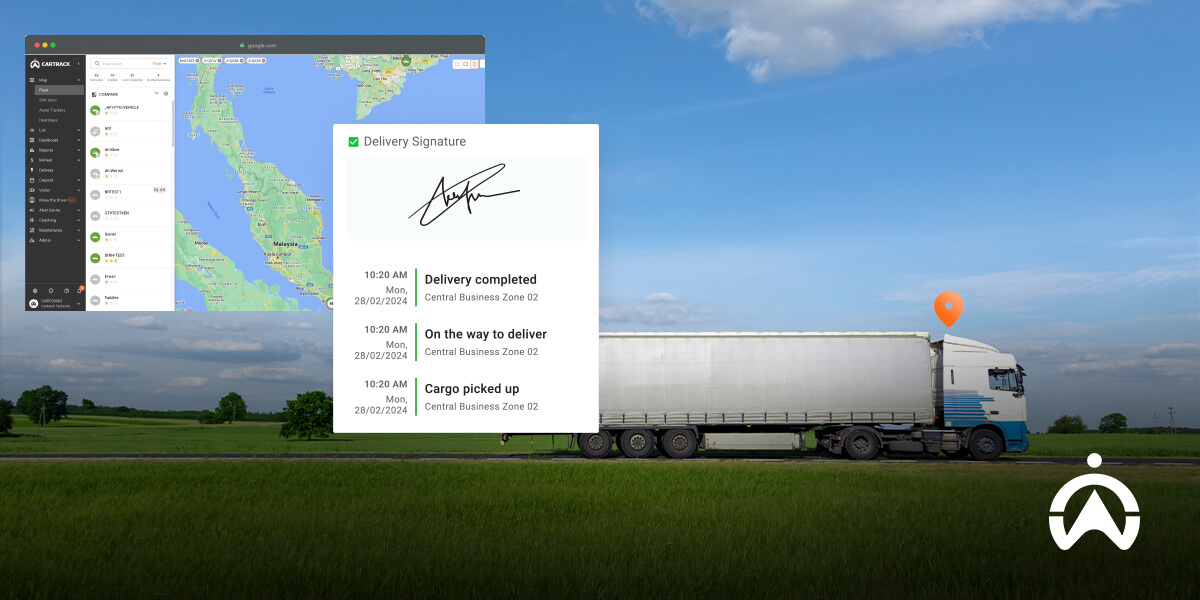
Cartrack delivery driver management software showing truck on road with delivery status and map location.

Optimise fleet scheduling for route planning

The biggest benefit for fleet managers and businesses is the optimisation of routes and scheduling of both deliveries and retrieval. Businesses that rely on providing services may benefit even more from this, as they can schedule calls and tasks according to technician requirements and equipment availability.

Further, a properly implemented driver management software like Karooooo’s uses advanced algorithms to determine the most efficient paths. The two key benefits of these systems are:

Minimising unnecessary driving

As drivers and technicians are kept within specific distances of their next job or delivery, they save on fuel costs. But the often overlooked benefit is the money saved on operational costs owing to less servicing and maintenance. Because the vehicles are not driving as far or idling unnecessarily, the maintenance intervals become longer.

Further, a properly calibrated system will automatically plan routes around traffic and prioritise jobs that are urgent. Drivers will be able to reach their destinations without having to unnecessarily drive around hoping to find the best possible route.

Balance your schedules

A big problem with manual scheduling is overworking drivers, either with too many deliveries in a day or ones that are too far apart. This causes fatigue and delays, overstressing your staff and causing delays. Automated driver management software fixes this by balancing schedules and redistributing your tasks when unexpected events happen. This helps to increase fleet output without needing extra vehicles or drivers.

Why choose Karooooo’s delivery management software

Karooooo’s delivery management software offers all of these benefits and more, adapting as your business grows. With our tracking and telematics technology, we’ve been a trusted solutions provider in Kenya for over 20 years.

Karooooo Kenya provides key features that make our delivery management software the No. 1 choice for businesses across the country.

  • Integration: Whether you’re starting out or already have existing systems, Karooooo’s software integrates with both your hardware and your software. This helps you stay connected to everything and makes operations easier.
    ‍
  • Compliance: Karooooo strictly adheres to the Kenya Data Protection Act (DPA) and helps businesses adhere to Kenyan transport and delivery regulations. Keeping your fleet safe, legal, and reducing risks of fines.
    ‍
  • Local support: With teams across the country, support isn’t just local to your country; it’s local to where you and your clients are. Help with technical issues, troubleshooting, and guidance are fast and reliable every time.
    ‍
  • Extensive training: One of the cornerstones of Karooooo’s services is the hands-on training provided to your drivers and fleet management team. This ensures that each level of your team fully understands how the system works and the benefits it offers.
    ‍
  • Track record: A trusted partner to many businesses for over 20 years, Karooooo has over 1.6 million subscribers globally. Many of them are businesses with large fleets using Karooooo Delivery as their trusted driver management software.
    ‍
  • Easy-to-use platform: The software is easy to use and intuitive; both managers and drivers can use it with only minimal training. Tracking, scheduling, and reporting are all straightforward and can be done through the portal on a PC or through the app on your smartphone.

Managing deliveries doesn’t need to be hard, and with the right system, you can save time, cut costs, and keep your customers happy. Karooooo Kenya gives you all the tools to run operations smoothly.

Upgrade your delivery and operations today with Karooooo’s software to see your business thrive.

FAQs

How quickly can I scale the system across multiple depots in Kenya?

You can scale Karooooo’s system across multiple depots very quickly. Because it’s cloud-based and built to grow with your business, implementation can be fast and effective. Adding new vehicles or depots is simple and doesn’t need to go beyond the initial installation hardware. Local support in Kenya helps you get each site up and running without delays or complications.

Does the software help with proof-of-delivery (POD) and customer signatures?

Yes, Karooooo’s delivery software helps with proof-of-delivery. It captures customer signatures, photos, and other job details digitally. You can instantly confirm completed deliveries and share proof with clients. Your deliveries will be more reliable, and disputes or missed records will be reduced.

Can the system record dashcam footage, and is that lawful in Kenya workplaces?

Yes, Karooooo can provide AI dashcams that record footage, and it’s lawful in Kenyan workplaces if drivers are informed and consent is obtained. We store footage securely, and it can be used for safety, training, and insurance purposes while staying compliant with DPA regulations.

What local support and installation services are available in Kenya?

Karooooo provides full local support in Kenya, including installation, setup, and staff training. You’ll have access to our help desks and technicians who understand local regulations and business needs. Ensuring your delivery system runs smoothly from day one without unnecessary delays.

Petrol vs Diesel vs Electric Cars: Which Is Better for Your Fleet?

The decision between petrol vs diesel vs electric cars depends on many factors. These include upfront costs, running costs, operational needs, environmental impact, tax implications in your area, and fuelling infrastructure. Choosing the right engine is essential for fleet efficiency and cost management purposes.

The type of engines you pick directly affects your fleet’s fuel economy, operational costs, and how vehicles perform. Fuel prices around the world are always fluctuating. While this is out of your control, you, as the fleet manager, have the capacity to influence fuel consumption, thereby reducing costs.

Let’s look at the key differences among these three options so you can make a more informed decision. We’ll also show you how our solutions cater for all of these fuel categories.

How do petrol, diesel, and electric fleet vehicles compare?

Petrol, diesel, and electric cars all have unique characteristics. They all come with some advantages and disadvantages. Your fuel selection should meet your business’s specific needs. By understanding these key differences, you’ll be in a better position to make smarter investment choices.

Here’s a table comparison of the three fuel types. We delve deeper into these factors further down in the article.

Factor Petrol Vehicle Diesel Vehicle Electric Vehicle
Upfront cost Lower purchase price Higher than petrol Highest upfront investment
Fuel cost Higher fuel consumption More fuel efficient than petrol Lowest running cost (electricity is cheaper than fuel)
Maintenance Moderate (more frequent servicing than diesel) Higher (engine complexity, emissions equipment) Lower (fewer moving parts, less wear & tear)
Efficiency Best for short trips and light-duty use Best for long distances and heavy loads Best for short to medium trips, urban driving
Carbon emissions Higher CO₂ emissions Lower CO₂ per km than petrol, but higher NOₓ Zero exhaust pipe emissions
Fuel station availability Widely available Widely available Limited charging stations countrywide
Best use cases Small fleets, pool cars, sales teams, light-duty urban driving Long-distance reps, high-mileage fleets, rideshare/taxi fleets Urban deliveries, commuter fleets, sustainability-focused businesses

Understanding petrol-powered cars

Vehicles that use petrol are often the least expensive in terms of the upfront cost. This type of fuel also tends to be cheaper compared to others, and it’s widely available. However, the fuel in petrol-powered cars doesn’t last long. They’re therefore the least fuel-efficient compared to other alternatives.

Carbon dioxide emissions from cars are a huge contributor to climate change. Petrol cars tend to emit more greenhouse gases compared to other fuel types, especially over their lifetime. This will have a high impact on your fleet’s total carbon emissions and result in higher fuel taxes.

Understanding diesel-powered cars

Diesel cars have components that are similar to those of petrol cars. They have an internal combustion engine and run on fossil fuels. Diesel cars tend to have a longer lifespan than petrol and electric vehicles. You’ll get more kilometres per litre with them, and that’s what makes them more attractive to fleets that often do long-distance trips.

The downside of diesel cars is that they’re considerably more expensive to purchase outright, and are louder. Although they produce slightly less carbon dioxide, the heating air in diesel vehicles produces more nitrogen oxides (NOₓ), which are said to be more toxic to humans. Nitrogen oxides include nitrogen dioxide (NO2) and nitrous oxide (N2O). They can cause respiratory issues, which can turn fatal at higher levels of exposure.

Understanding electric cars

Also known as EVs (electric vehicles), these are vehicles that don’t have an internal combustion engine. They’re powered by an electric motor and battery pack. Since electricity is cheaper than petrol or diesel, EVs cost far less to keep running. EVs also emit zero greenhouse gases, making them the most environmentally friendly.

In contrast, EVs are typically the most expensive vehicle types compared to petrol and diesel; yet they depreciate faster. According to EuroNews, one of the reasons for rapid EV depreciation is that the newer EV models deliver longer driving ranges and faster charging times. This makes the older ones appear outdated, affecting their resale value.

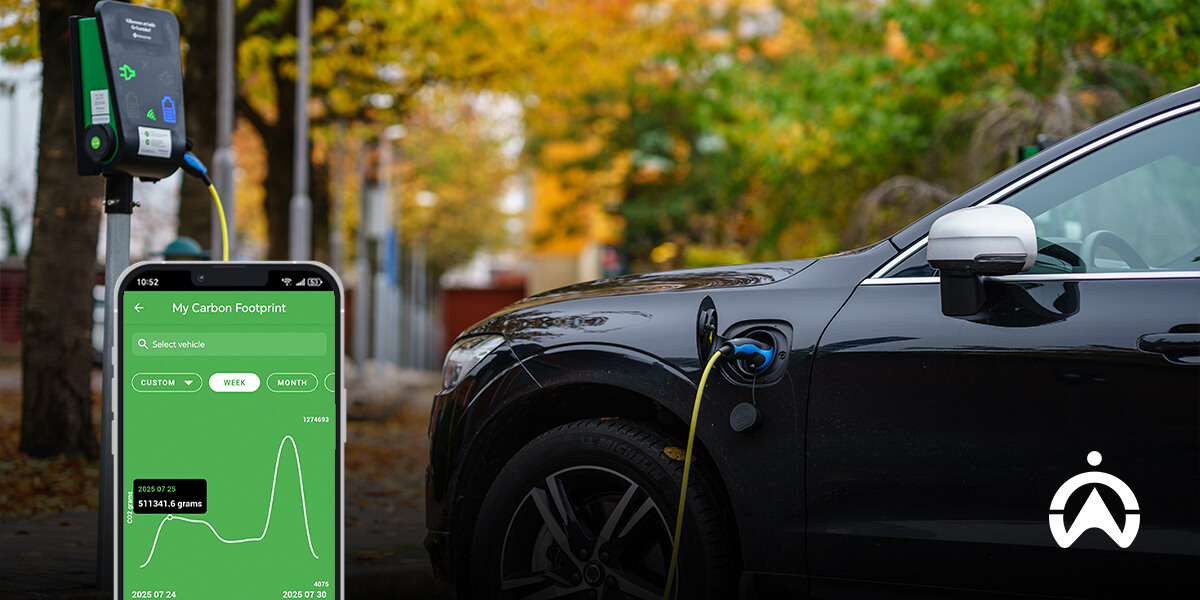
A black electric vehicle charges at a station, while a phone displays carbon footprint data against a backdrop of autumn foliage.

What are the factors to consider when choosing your fleet?

The factors you should consider when choosing fleet vehicles are total cost of ownership, operational requirements, environmental considerations, infrastructure, and future-readiness. Together, these factors directly impact your fleet’s overall expenses, performance, and success. Knowing what to look for will make it easier to determine the ultimate fuel choice for your fleet.

Let’s have a look at each of these considerations:  

  • Total cost of ownership (TCO): Calculating the TCO gives you a holistic view of what owning these vehicles will look like. It incorporates cost factors such as fuel expenses, maintenance, and resale value. This enables you to choose the option that aligns more with your fleet’s needs and financial goals.
    ‍
  • Operational requirements: Your fuel choice also depends on what the vehicles are used for, how frequently they’ll be used on a daily basis, and the distance they’ll cover. For example, due to their high fuel economy, diesel cars are recommended for fleets that make long-distance trips, and they can also carry more load.
    ‍
  • Environmental and regulatory considerations: According to the United States Environmental Protection Agency, the transportation sector is the largest source of greenhouse gas emissions. For this reason, many countries, including Kenya, have regulatory standards that help drive fleets toward more sustainable vehicle options, the Kenyan carbon tax increase came into effect to encourage behavioural change for fleet businesses.
    ‍
  • Infrastructure: This refers to the availability of fuel stations. Our country has more fuel stations that serve petrol and diesel vehicles. These fuel stations are easily accessible across the country. EV charging stations, on the other hand, are mostly concentrated in major cities, usually at petrol stations, shopping malls, or hotel parking areas.
    ‍
  • Future-readiness: Will the type of engine you choose align with the upcoming industry shifts, regulations, and your business goals?

Which engine requires more maintenance?

Diesel vehicles often require more maintenance. Vehicles with internal combustion engines (petrol and diesel) have many moving parts (such as the transmission and exhaust system). This creates greater maintenance needs such as spark plug replacements, oil and filter changes, and air filter replacements. Diesel engines, therefore, require more maintenance because of their complex build.

How can Karooooo help you manage your fuel?

No matter which engines power your fleet, keeping the running costs under control is key. Karooooo’s fleet management and fuel monitoring solutions will give you real-time insights into your fleet’s fuel consumption, efficiency, and overall performance. With us, you can make smarter decisions that’ll boost savings.

Here are some of our top solutions for managing fuel expenses:

  • ‍MiFleet
    MiFleet is a cost management tool that you can find on our platform. It helps keep you up to date with daily fuel expenses. MiFleet automatically verifies fuel transactions. It gives you reports based on factors such as distance travelled, litres in the tank, and the filling station location. It then flags suspicious transactions, helping you easily spot possible theft or fraud.

    We also have a MiFleet Live option, available on the Karooooo mobile app and Driver app. Instead of waiting to get to your desk to check, this feature allows drivers to log fuel transactions at the filling station, so you can instantly approve them on the phone. This reduces manual entries, saves time, and gives you stronger cost control.
    ‍

  • ‍Fuel Probes
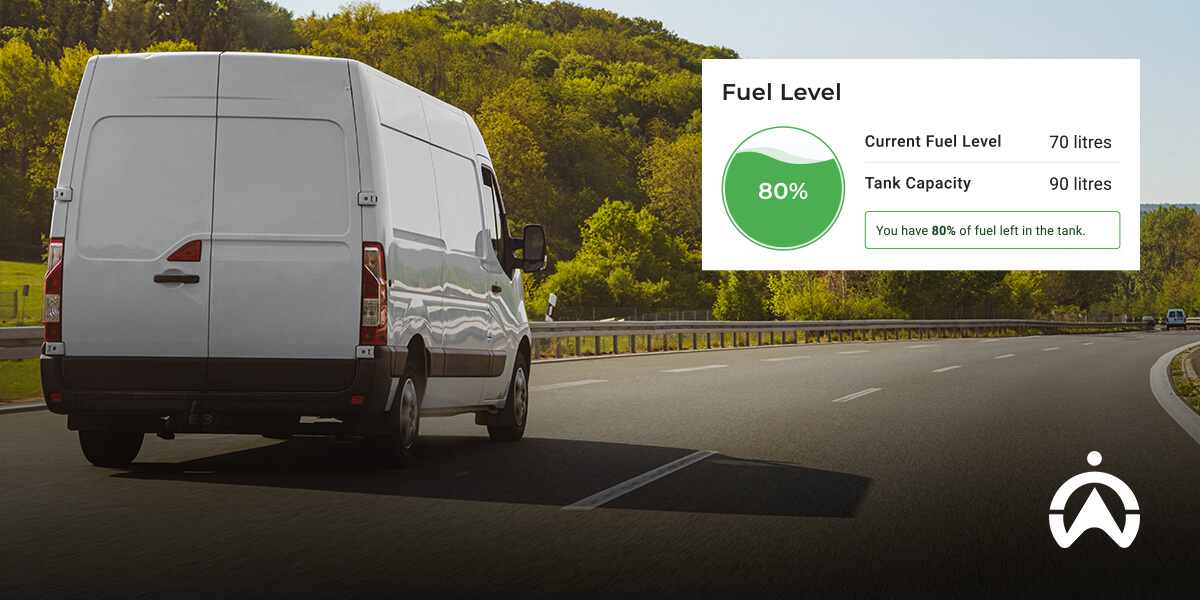
    Fuel probes are sensors that are placed inside fuel tanks to measure how much fuel is in the tank. They give you real-time updates of live fuel levels, making it easier to detect fuel theft. You’ll also get alerts of any sudden drops, which could indicate fuel syphoning (the act of draining fuel from a tank using a hose).
    ‍
  • ‍Route optimisation
    Plan better and more efficient routes with our route optimisation software tool. All you have to do is enter the destinations each driver needs to go to daily, and the software will suggest the best way to get there. It takes into account factors such as distance, historical traffic patterns, and the number of stops, giving you the most efficient route and helping reduce your fleet’s carbon footprint.

    If you have a fleet of EVs, this feature helps you plan routes, and that’ll give your drivers more kilometres before you have to charge. It helps them avoid running out of power, as you can include charging stations in the planning tool.
    ‍

  • ‍Preventative maintenance
    Vehicle components, such as the engine need to be well maintained in order to run smoothly and use less fuel. Our preventative maintenance feature helps you stay up to date with vehicle upkeep by giving you alerts of problems like engine faults and oil & water fluctuations. This helps you attend to maintenance needs quickly and avoid further damage.
A white delivery van driving on a highway, with a fuel level display showing 80% fuel remaining. Green trees line the road.

Making the choice between petrol, diesel, and electric vehicles

In conclusion, there’s no one-size-fits-all answer for which engine would best suit your fleet. Diesel suits long-distance fleets where fuel efficiency and range matter most. Petrol is for fleet businesses in urban areas, perfect for light use. EVs are ideal for urban short-range fleets with access to charging stations, offering low running costs and regulatory benefits.

A mixed fleet is what other businesses prefer, as it’s generally better for balancing costs, environmental impact, and operational flexibility. Whichever one you choose, we have solutions that’ll make running your fleet easier. Contact us today, and let’s help you see where your fuel really goes.

Frequently Asked Questions about the different types of vehicle engines

What is the biggest weakness of an electric car?

Insufficient charging stations are one of the biggest issues drivers experience when using electric cars. The infrastructure in Kenya is expanding rapidly, most of them are centred in larger cities. The EV network is still growing, with companies such as Rubicon planning to add fast-charging stations to major routes in smaller towns.

Is a hydrogen car the future?

The future of hydrogen vehicles will depend on factors like producing hydrogen in a clean and sustainable way, and building widespread refuelling infrastructure for everyday use. Chemistry World highlights how big companies continue to develop and promote hydrogen-powered cars, believing they offer unique advantages.