How Much Does Fleet Tracking Cost in Kenya

As a business owner, there are many things that you have to handle on a daily basis, from staff management, budgeting and other general operations. Managing your fleet of vehicles should be a seamless task. 

If your fleet still faces inefficiencies, then the first step is finding the best fleet tracking system, the second is to evaluate its cost, and the final step is to consider what the potential losses of not having one will be. 

Let us help you understand how much a fleet tracking system costs in Kenya, what happens when you don’t have one, and why Cartrack Kenya is the best choice for your business. 

In this article, you will:

  • Find out what the cost is for fleet tracking in Kenya
  • Discover what determines the cost of fleet tracking systems
  • Learn the additional costs to consider
  • Find out why Cartrack is the best choice in fleet tracking

What Is the Cost of Fleet Tracking in Kenya?

Fleet tracking is available at various price points based on the provider and the kind of solutions that they are offering. To fully grasp fleet tracking costs, it’s important to also consider the financial risks of not having a system in place.

Not having a fleet tracking system in place puts your vehicles at risk of theft and also affects the reporting of fleet operations. Using multiple disconnected tools to monitor fleet operations can lead to inconsistencies, errors, and inefficiencies. 

These inefficiencies worsen when the systems and processes in place are outdated and manual, leading to fuel mismanagement, uneven vehicle utilisation, and unexpected breakdowns. All these events will cost your business money.

At Cartrack, we offer a range of packages that cater to businesses and fleets of all sizes. Our packages offer GPS tracking and can be scaled up to include other advanced features.  

The true value of our fleet tracking system is how comprehensive it is, offering telematics and other AI-powered tracking solutions. These solutions include a variety of value-added services that augment the tracking solutions and provide the business owner with peace of mind. This peace of mind is invaluable.

What Determines the Cost of Fleet Tracking?

There are many factors to consider when evaluating the cost of a fleet tracking system, these are dependent on the nature of the business and the goals of installing a system. 

Here are some contributors to the cost of a fleet tracking system:

Type of Fleet Tracking System You Choose 

Basic fleet tracking plans in the bottom tier only offer GPS visibility and stolen vehicle recovery, while advanced options come with features like dashcams, fuel sensors, and geofencing. True value can be found in top-tier plans as they offer comprehensive telematics, fuel reports and other innovative features.
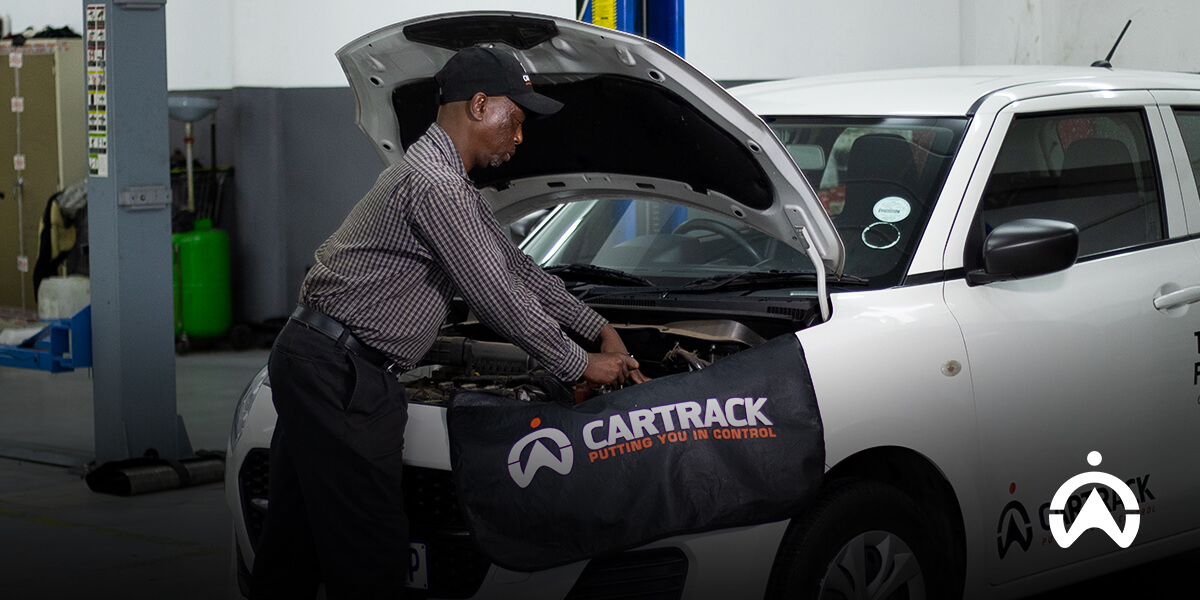
A Cartrack technician works on the engine of a white car, covered with a Cartrack maintenance blanket, in an auto repair shop.

Number of Vehicles in Your Fleet

The size of your fleet impacts the cost of a vehicle tracking system, and some providers offer discounts for larger fleets, making it more affordable as you add more vehicles. However, these kinds of deals are not universal and are subject to the discretion of the provider and the respective client. 

Features and Functionalities Needed 

The features and functionalities in the fleet tracking solution chosen will affect the cost, as discussed above. Some features come standard with GPS tracking, while others, such as AI-driven telematics and fuel monitoring, offer advanced capabilities. Some of these features include, but are not limited to:

  • Real-time tracking
  • Geofencing
  • Fuel monitoring
  • Telematics
  • Driver behaviour monitoring
  • Route optimisation

Installation and Maintenance Expenses

Many service providers include installation and maintenance costs in their payment plans, however, some may have those charged separately. 

It is possible to get a maintenance warranty on the fleet tracking system but this will also be a separate cost that is then added to the monthly premiums paid on the plan.

Additional Costs to Consider with Fleet Tracking

Getting a vehicle fleet tracking system comes with some additional costs, these are related to getting started and maintaining the system in the long run. Here are some to consider:

Activation Fees and Setup Costs

One of the first steps in getting a vehicle fleet tracking system is installation, which can sometimes incur a separate fee. This service fee will also depend on how many devices are being installed on the number of vehicles. Getting a provider that includes this with its regular price is a wise decision to take. 

Data Usage and Connectivity Charges

GPS tracking devices rely on SIM cards for data connectivity. Some providers include data costs in their plans, while others require businesses to cover them separately.

Signal connectivity should also be considered when regarding additional costs. For businesses with cross-border fleet operations, roaming becomes necessary as they will need to use foreign networks when in the region. This may come as an additional cost, dependent on the provider and their service offering. 

Contract Terms and Cancellation Penalties

The length of the contract chosen will impact the monthly premiums paid. Most providers have a strategy where monthly premiums get smaller the longer the contractual term is. Some businesses could find their monthly payments reducing significantly when they take on longer-term contracts.  

Another cost that is often overlooked is cancellation fees, these tend to be high for fleet tracking systems, especially when they are done midway through the contractual period. Sometimes they are a flat fee and in other cases, they are a percentage of the total remaining fees in the contractual period. 
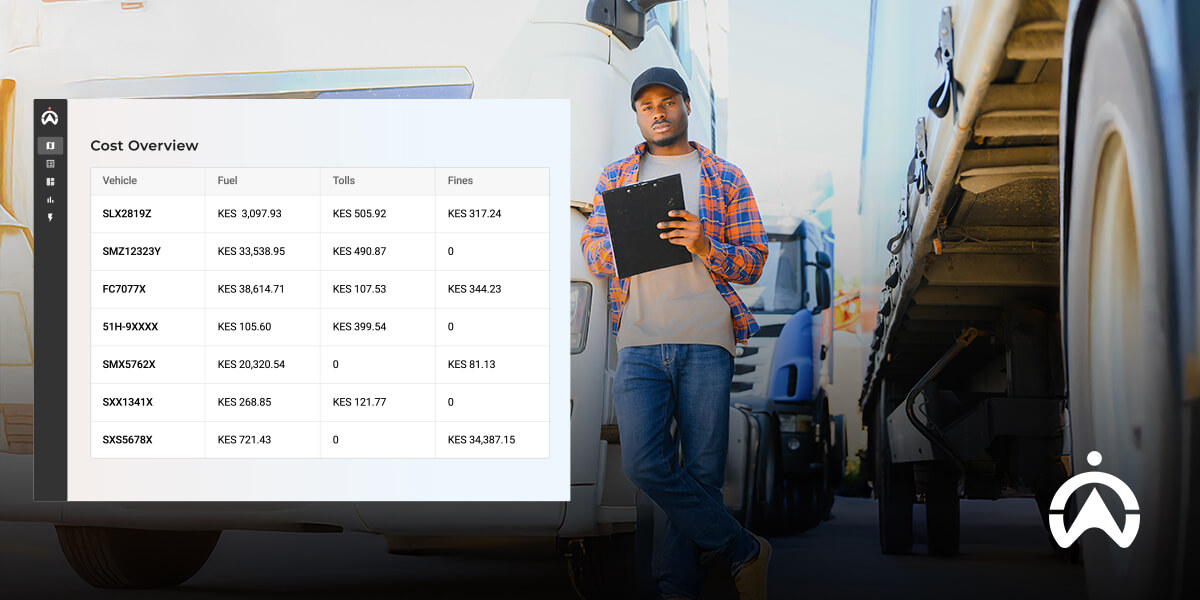
A person in a plaid shirt holds a clipboard, standing next to trucks with a cost overview displayed on a digital interface.

Why Choose Cartrack as Your Fleet Tracking Provider

Cartrack is best equipped to handle the fleet tracking needs of any business. With our comprehensive solutions, we offer advanced and innovative systems to help alleviate the inefficiencies and stress of managing a fleet of vehicles.

Here are some of our solutions that cater to vehicle fleet tracking:

Comprehensive Fleet Management Solutions

Cartrack’s fleet tracking solutions come with a host of other vehicle management tools and features that assist in optimising operations and safety. Some of these are: 

  • Real-time tracking: This allows the business owner to know where all the vehicles in a fleet are. This aids in route optimisation and planning.
    ‍
  • Task management and allocation: A fleet manager can allocate jobs and vehicles to drivers, with a view of which vehicles are available and which are up for maintenance.
    ‍
  • Diagnostic reports: You can get reports on vehicle health, fuel consumption and metrics.
    ‍
  • Bureau services: This service outsources the fleet management tasks to a team at Cartrack that will handle all the operations normally done in-house. 
    ‍
  • Stolen vehicle recovery: A recovery team will be sent to retrieve a vehicle should it get stolen. 

Flexible Plans

Our plans are flexible and can be tailored to the respective business’s needs. This means that the industry, size of the fleet, and types of vehicles will affect the type of plan you get. This will allow for the best possible solutions that will optimise the specific goals a business has.  

Exceptional Customer Support 

Cartrack provides 24/7 customer support for general queries, assistance with troubleshooting and emergency assistance. 

Advanced Technology and User-Friendly Interface

One of the best reasons to choose Cartrack is our advanced technology. We make use of artificial intelligence in our telematics products, use the Internet of Things in our systems and have innovative GPS tracking technology. All these tracking features offer real-time insights to optimise overall fleet performance.

All these features and functionalities can be used on our user-friendly web and mobile interface. This interface can be navigated with ease, offering a fully visual dashboard and fleet overview.

Choosing the fleet tracking system that best suits your business’s budget should not be a difficult decision. If you are looking for an efficient fleet tracking solutions provider, then contact us to get the best plan for your business.
Fuel Consumption Comparison: What You Need To Know Before Buying Your Fleet Vehicles

Managing fuel costs in a business with a large fleet can be a hassle, especially identifying which vehicles consume the most fuel and why. 

Different vehicle types each have specific reasons and causes for high fuel consumption. These reasons can range from size, function, vehicle health and driver behaviour, these are all factors that need to be considered when buying fleet vehicles.

In order to make sense of this conundrum, we have put together a comparison of vehicle fuel consumption and will share how Cartrack solutions can help your fleet reduce overall fuel expenses.

In this article, you will:

  • Share a comparison of fuel consumption of different vehicles
  • Find out what factors affect fuel consumption
  • Learn key strategies to reduce fuel consumption
  • Discover how Cartrack’s solutions can reduce your fleet’s fuel consumption

Fuel Consumption Comparison of Fleet Vehicles

The fuel consumption of a mixed fleet depends on the combination of vehicle types within it. Let us look at how each vehicle class consumes fuel.

Fuel Consumption Comparison of Different Vehicle Classes

The table below looks at how many litres of fuel some fleet vehicles consume per 100 kilometres (l/100km). 

Vehicle Class Average fuel consumed
Light-Duty
An example is pickup trucks
7.4 l/100km
Medium-Duty
Examples include firetrucks and school buses
17.5 l/100km
Heavy-Duty
For example, vehicles such as trucks, dump trucks, semi-trucks, and buses
29.9-32.6 l/100km

Vehicle Type and Size 

Vehicle types and sizes are major factors affecting fuel consumption, the same fuel budget cannot be made for different vehicles in a mixed fleet. Whether it be motorcycles, small cars, vans, trucks, or heavy-duty vehicles, fuel management is necessary.

A row of white trucks parked in a logistics yard, with containers stacked in the background and an overcast sky above.

Get to Know the Factors Affecting Fuel Consumption

The vehicle type alone is not enough to determine how much fuel will be consumed. Other factors are at play that influence the final number. 

Let us explore what these are:

Engine Type 

The kind of engine a vehicle has plays a role in how much fuel is consumed. It’s simply a matter of how much fuel and air is introduced into the engine, so smaller capacity means less air is sucked in, and thus less fuel is needed.

In recent years, with the increasing sophistication of turbocharging, computerised engine management and direct fuel injection, manufacturers have been down-sizing their engines. This has been happening in both petrol and diesel engines so that they can produce equivalent amounts of power to match the older generation larger engines.

  • Hybrid alternatives
    Hybrid engine installations have progressed to the point where they are the most efficient of all. A little over a decade ago car manufacturers introduced hybrid cars, which weren’t all that fuel efficient, with owners typically finding overall consumption of those hybrid cars in the 7 litres per 100km range, whereas hybrid cars are now in the 3.7 litres per 100km 4.3 litres per 100km range in everyday use.

Vehicle Health

Vehicle health can also be a big contributor to fuel consumption, especially if you are buying fleet vehicles secondhand. See below a few examples we’ve investigated.

  • Tyre pressure and tread 
    Worn tyres with little tread and grip are more likely to slip on the road, which requires the engine to work harder to move the vehicle forward. Underinflated tyres increase rolling resistance, forcing the engine to work harder and leading to higher fuel consumption. 

    Due to the reduced efficiency of fuel consumption, you now need to use a greater amount of fuel to cover the same distance as before.
    ‍

  • Engine health 
    Over time, carbon buildup and mechanical wear reduce engine efficiency, increasing fuel consumption. This leads to increased friction, less effective fuel burning and unsynchronised part movements, which means the engine cannot maximise the energy from each litre of fuel consumed, thus increasing waste.

Driving Conditions 

The driving conditions that a vehicle operates in can have an impact on how much fuel is consumed. This is something to consider when buying fleet vehicles, you will need to be cognisant of the conditions they drive in, as that will affect fuel consumption.

When comparing urban to highway driving, we find that more fuel is consumed in the city. This may be surprising as most people would assume driving slower due to the many speed restrictions would make fuel consumption less. However, the frequent stopping, starting, accelerating and braking ends up consuming more fuel than a vehicle on an uninterrupted journey on the highway.

Driver Behaviour 

Driver behaviour is one of the biggest contributors to a fleet’s high fuel consumption. Factors such as accelerating, harsh turning, harsh braking, speeding, and idling time, each consume more fuel than necessary. Let us see how each impacts fuel efficiency. 

  • Speeding
    Your fuel efficiency is lower at higher speeds as there is increased tyre rolling resistance and air resistance. Your car takes up a lot of energy to circulate air, this is harder when travelling at higher speeds. 

The table below shows how the average km/l is reduced when exceeding 80km/h. These statistics are averages and can vary based on vehicle type. 

Speed range Average percentage of km per litre of fuel compared to 80km/h
96km/h -14%
112km/h -24%
128km/h -37%
  • Harsh accelerating and braking 
    When you accelerate harshly, significantly more fuel is used to get the torque and horsepower increased quickly (so that the vehicle moves quickly and picks up speed). Harsh braking often leads to harsh acceleration as you need to pick up speed quickly to move again. Accelerating and decelerating at slower paces has proven to reduce fuel by 7%.
    ‍

Here is what our research has found, these numbers are estimated and could differ slightly depending on the vehicle make, model, and age.

Vehicle Average fuel consumed per hour idling
Bus 3.5 litres
Medium-Heavy Truck 3 litres
Large Sedan 1.5 litres

Load Capacity 

The weight of a vehicle’s load directly affects fuel consumption. A heavily loaded vehicle requires more power to accelerate and more energy to brake. Such frequent stop-and-go driving with a full load increases fuel consumption due to the extra energy required to overcome inertia.

Hauling more weight for extended periods puts extra strain on the engine and other mechanical components. This leads to inefficiencies over time. Such stress reduces fuel economy and shortens the lifespan of critical parts, increasing the cost of repairs.

What this means is that the vehicles bought by a business should align with the goals and the specific loads that each one will carry in daily operations. 

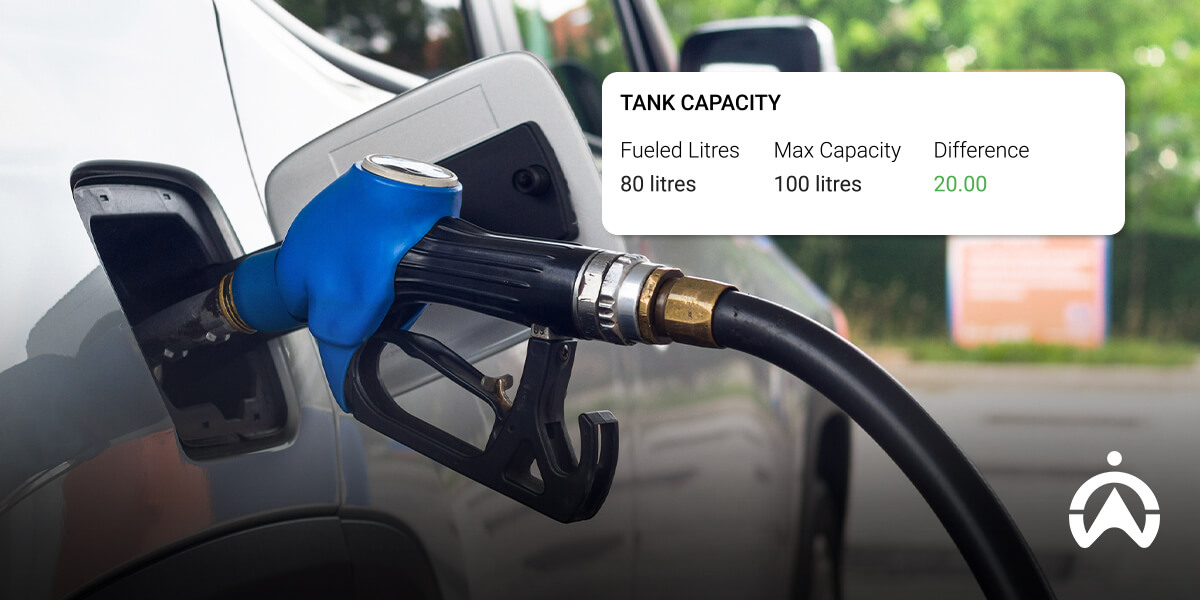
A fuel nozzle is inserted into a car's tank, showing fueled litres (80L), max capacity (100L), and difference (20L) on a digital display.

Key Strategies to Reduce Fuel Consumption

High fuel consumption can be a burden on a business, especially if the business has a large fleet of vehicles. If you are a business owner who is looking to buy a fleet and is worried about high fuel consumption, then worry not, as there are possible strategies for this issue. 

Some of these strategies include:

  • Telematics Solutions: Leveraging fleet management software to monitor fuel usage.
    ‍
  • Regular Maintenance: Ensuring proper tyre pressure, engine tuning, and oil changes.
    ‍
  • Driver Training: Educating drivers on fuel-efficient driving techniques.
    ‍
  • Route Optimisation: Using GPS tracking for the shortest and most efficient routes.

How Cartrack’s Solutions Can Reduce Your Fleet’s Fuel Consumption

As a business owner with a fleet that consumes a lot of fuel, you need not worry as Cartrack is here to help. Cartrack has comprehensive solutions that can assist in reducing fuel waste, managing fuel spend, and reporting all fuel-related functions.  

Here are some of our solutions that will aid in reducing fuel consumption:  

Fuel Usage Reports and Alerts 

Cartrack offers reports on fuel consumption, this is done through the use of fuel probes and sensors that we install into vehicles. Let’s learn more about how these work and what they can tell you.

  • Fuel Sensors
    Various fuel monitoring devices track different metrics, such as fuel levels and consumption patterns. Fuel level measures the amount of fuel that is in the tank of a vehicle at any given time. It can either be expressed as the amount of litres, or as the percentage of the tank that is full.
    ‍
  • Fuel Reports
    The key idea of this report is for managers to do a review and check whether there are any suspicious refuels. This could mean checking whether refuels happened as the drivers claimed, checking that the amount of fuel refuelled matches the amount paid on the receipt, checking the average number of refuels for the period, etc. 

These would all indicate that there is a potential fuel problem that requires investigation, such as;

  • Drivers could be using the vehicles more for personal use, so now they have to refuel more frequently and the total fuel put into the vehicle for the date range is above average.
    ‍
  • Drivers could be claiming back for fuel that they put into their personal vehicle (either none of the fuel went into the company car or only some of it did).
    ‍
  • The driver might fill the vehicle tank, and then only a short number of km later (seen in the odometer), refuels the vehicle again – indicating potential theft.

Maintenance Reminders and Vehicle Health Monitoring 

We have technology that is linked to CANbus and sensors that track the vehicle’s wear and tear over time. This allows for repairs to be scheduled on time and for vehicle maintenance to be done before too much damage has been accrued. These scheduled reminders come as alerts and keep the business owner updated on the status of the fleet at all times.

Idling Time Reduction 

Manage vehicle idling time on the road with our telematics offering. A driver’s behaviour will be monitored and the fleet manager notified when the vehicle is idling. The time, location and duration of the idling event will be recorded on the fleet management system so that it can be analysed later.

Customised Reporting and Analytics

One of the benefits of Cartrack’s fleet management software is its overall reporting and analytics. This is aided by the use of telematics technology, which allows for a comprehensive overview of the fleet’s operations. Having this overview will make it easier to identify fuel consumption issues from all the possible sources.

Real-Time Monitoring and Route Optimisation 

Having real-time GPS tracking makes it easier to monitor activities on the journeys a driver takes. This can be done by tracking the vehicle on a map and seeing whether they are sticking to the optimised route or not, and also by the use of AI cameras. 

These features will give the fleet driver more options to see what is going on. This knowledge can then be used to optimise routes as the delivery happens, or later on in the review process, this will ultimately help in reducing fuel costs.

Driving Behaviour Analysis 

As one of the leading causes of high fuel costs, bad driver behaviour needs to be addressed and managed. With Cartrack’s software, you will be able to monitor fuel-consuming behaviours, like acceleration, speeding, and idling. 

Our telematics offering makes it easier to report on these events as they happen. Our technology can also notify drivers when they transgress, ultimately reducing the frequency of these incidents. 

Running a business with a fleet of vehicles requires the fleet management software in place to be highly effective in reducing inefficiencies. One of these is high fuel consumption, a business expense that can easily get out of control when not managed correctly. 

If you are looking for solutions to aid in reducing fuel consumption, then Cartrack is the ideal partner for your business. Contact us to get a quote or to hear more about our full offering. 

FAQ

Q: What is the difference between fuel economy and fuel efficiency?

A: Fuel economy relates to how far a vehicle can travel per the amount of fuel it consumes. Fleet fuel efficiency relates to how productively the fuel is used in vehicles owned by a business.

Q: Is the amount that a logistics company charges their customers influenced by the amount the company is spending on fuel?

A: Yes. Fuel expenses do impact how a business puts together its costing models. This is because fuel is an added expense on top of the actual product being delivered. 

Q: How can fuel consumption be measured?

A: Kilometres travelled per litre of fuel and the total litres consumed in a set period.

Fuel Tracking: What Every Fleet Manager Should Know

Fuel is one of the largest operational expenses in a fleet-based business and often accounts for a significant percentage of all operational costs. This is why the need for fuel tracking is now more important than ever. 

Fuel tracking refers to the process of monitoring and managing fuel consumption within a fleet by using different tools and technologies to gather, record, and analyse fuel data. Fuel tracking goes beyond merely monitoring costs; it offers valuable insights into fleet operations and detects inefficiencies.  

Today, we will cover everything you need to know about fuel tracking and explore how Cartrack’s solutions can help fleet managers improve their fuel efficiency and overall operations.

In this article, you will:

  • Understand what fuel tracking is and how it works
  • Learn why it matters to fleet managers
  • Explore fuel tracking strategies and technologies
  • Discover how Cartrack solutions empower fleet managers

Understanding Fuel Tracking for Fleet Managers 

Fuel tracking involves using tools such as GPS tracking, telematics systems, and fuel level sensors to manage the amount of fuel a fleet uses. It allows fleet managers to identify any inefficiencies, including maintenance issues, poor driving habits, and potential fuel theft or fraud. 

This process relies on gathering specific data points, including:

  • Fuel usage: How much fuel each vehicle uses over time.
    ‍
  • Fuel purchases: Information on where, when, and how much fuel was purchased.  
    ‍
  • Vehicle mileage: The distance covered by each vehicle concerning fuel usage.
    ‍
  • Driver behaviour: Insights into idling, acceleration, braking, and route efficiency.
    ‍
  • Tank levels: Real-time monitoring of fuel levels to detect discrepancies, such as sudden drops, that may suggest theft.

To ensure accuracy, you must invest in a robust tracking system and avoid manually recording the data. Manual tracking methods like collecting paper records of fuel receipts and mileage logs were popular in the past; however, these methods are time-consuming and prone to errors, making it difficult for them to make informed decisions. 

Modern fuel tracking systems use automation and digital tools to deliver real-time insights, allowing managers access anytime, anywhere, through cloud-based platforms, mobile apps, and web dashboards.

Why Fuel Tracking Matters for a Fleet Manager

With the fluctuating fuel prices in Kenya, it is no surprise that fleet managers are looking for ways to cut costs, as rising expenses can negatively impact the business’s profitability. Implementing a fuel tracking system offers several key benefits, such as: 

Reduces Costs

Uncontrolled consumption could significantly impact a business’s financial standing and operational efficiency. If fuel costs exceed budget projections, fleet managers may have to reallocate funds meant for other business areas to fuel. 

Fuel tracking allows you to identify fuel-wasting habits, such as: 

  • Excessive idling: When a vehicle’s engine is running but the vehicle is stationary.  
    ‍
  • Aggressive driving: These are driving patterns, such as speeding, rapid acceleration, and harsh braking, which can lower fuel efficiency.  
    ‍
  • Poor route planning: When drivers use the longest routes for their deliveries.
    ‍
  • Unauthorised vehicle use: When employees are using company vehicles for personal trips.   

By addressing these habits, managers can train drivers on efficient driving techniques and optimise routes. This reduces fuel consumption, which ultimately reduces costs and improves overall efficiency. 

Prevents fuel fraud and theft

Fuel theft and fraud are serious risks for businesses; however, fuel tracking can help mitigate these risks. 

Here are common methods criminals use to steal fuel: 

  • Syphoning: Criminals use a hose or syphon pipe to transfer fuel directly from the vehicle’s tank into a container. This type of fuel theft is more likely to occur at night or in secluded areas to avoid being noticed.  
    ‍
  • False transaction: This type of fuel theft occurs when gas station employees collaborate with thieves. The employee swipes the fuel card multiple times for a single transaction, which results in multiple charges on the cardholder’s accounts. This method is usually difficult to detect as these transactions are coming from a valid fuel card.
    ‍
  • Fuel card fraud: This type of theft occurs when authorised individuals obtain and use a company’s fuel card to purchase fuel for their personal cars. ‍This can be done by stealing a physical card, skimming data at fuel stations, or using stolen card information to create fraudulent transactions online. These cloned cards can then be used to purchase fuel at any filling station. 

By monitoring fuel card transactions and tracking vehicles’ locations in real-time, managers can quickly identify and address any suspicious activities, which will ultimately save fuel. 

Improves compliance

Fuel tracking helps businesses meet regulatory and tax requirements by providing accurate records of fuel purchases and consumption. This helps managers avoid costly fines and penalties while demonstrating their commitment to environmental sustainability.

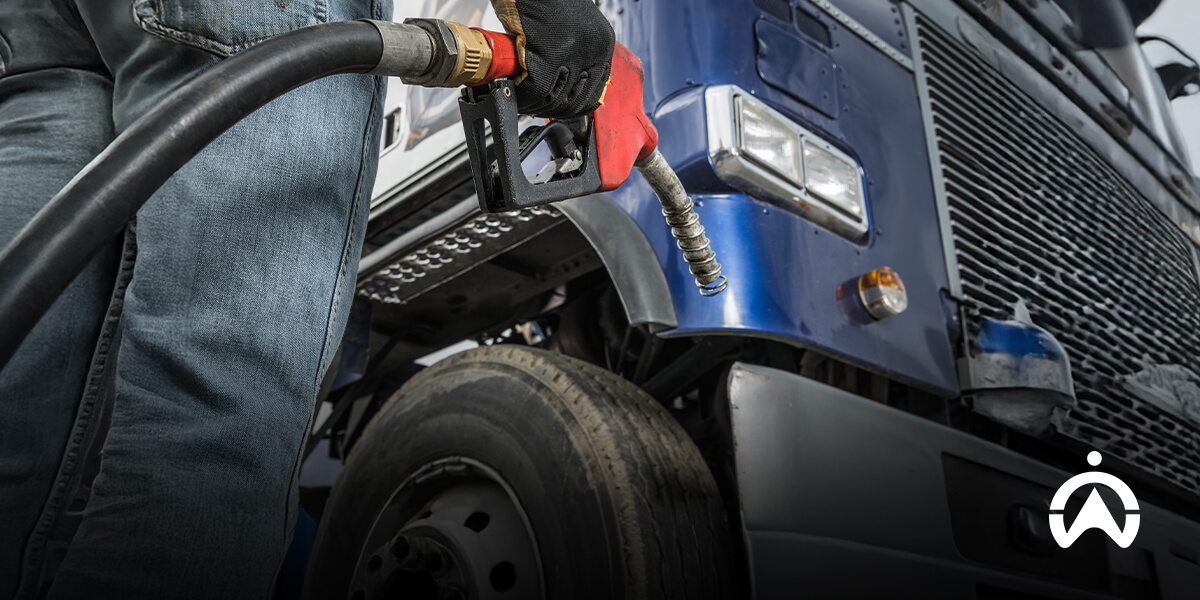
A person in jeans and gloves holds a fuel pump nozzle, preparing to refuel a large blue truck.

Fuel Tracking Methods and Technologies Every Fleet Manager Should Use

Several advanced methods and tools can be used to manage fuel usage and save costs. These include:

Telematics and GPS tracking: 

Telematics and GPS tracking systems offer real-time data on vehicle location, aggressive driving, idle time, and inefficient routes. These systems provide a comprehensive view of a fleet’s operations, allowing managers to monitor fuel consumption.

Fuel Cards

Fuel cards are one of the most widely used methods for tracking fuel usage in a fleet. These cards are typically issued to drivers, allowing them to purchase fuel at approved stations. Each transaction is recorded in real-time, providing managers with instant data on fuel purchases, fuel prices, and fuel consumption.

These cards help eliminate the need for manual tracking and reduce the risk of fraud by ensuring only authorised purchases are made. 

Automated Fuel Sensors

Automated fuel sensors can be installed in vehicles to track fuel consumption in real-time, providing accurate data on fuel levels and usage. These sensors can help identify fuel theft or improper fuelling practices and provide concise readings on fuel usage, ensuring that fleet managers always have up-to-date information.

Selecting the right fuel tracking tools depends on factors such as fleet size, budget, and operational needs. Smaller fleets may benefit from basic fuel card systems, while larger fleets may require more advanced telematics systems.

Effective Fuel Management Strategies for Fleet Managers

In addition to using the right tools and technologies, fleet managers should implement effective fuel management strategies to maximise efficiency and minimise costs.

Setting Benchmarks and Tracking KPIs

Establishing key performance indicators (KPIs) such as miles per gallon (MPG) and fuel cost per mile (FCPM) allows fleet managers to measure fuel efficiency and identify opportunities for improvement. These KPIs can serve as benchmarks for fleet performance, helping set realistic goals for reducing fuel costs.

Training Drivers on Fuel-Efficient Driving Habits

Driver behaviour plays a major role in fuel efficiency. Drivers must be trained on the importance of fuel-efficient driving habits, such as avoiding rapid acceleration, maintaining steady speeds, and reducing idling time.

Regular Vehicle Maintenance to Improve Fuel Efficiency

Regular maintenance, such as tire inflation checks, engine tuning, and air filter replacements, ensures that vehicles operate at optimal efficiency. A well-maintained vehicle uses fuel more efficiently and is less likely to require costly repairs compared to a poorly maintained vehicle.

How Cartrack’s Fuel Tracking Solutions Empower Fleet Managers

Cartrack’s fuel management system helps prevent fuel waste and reduce costs. Our system uses telematics to read fuel levels in real-time and notify you of any fuel changes. 

With access to detailed fleet data, inefficiencies can be quickly identified and addressed.

Let’s explore how Cartrack’s fuel tracking solutions enhance fuel management:

Mifleet

Mifleet is a cost management software that integrates vehicle telematics with fuel transaction data. It validates fuel purchases based on location, tank capacity, and litres filled, helping detect fuel theft and card fraud. With instant alerts for suspicious transactions, managers can quickly investigate and prevent financial losses. 

Advanced Fuel Monitoring Sensors

Monitoring in-tank fuel levels is essential for preventing discrepancies and unauthorised fuel usage. Cartrack offers three advanced fuel monitoring tools:

  • Float Sensors: Every vehicle is equipped with a floater and variable resistor inside the tank. As fuel is consumed or refilled, the sensor moves, generating voltage changes that Cartrack’s IoT device translates into accurate fuel level readings. These insights are available on the fleet management platform for real-time monitoring.
    ‍
  • Fuel Probes: Designed for external tanks and non-integrated vehicle fuel tanks, fuel probes use a float system to measure fuel levels. They connect to a telematics device to transmit real-time data, ensuring accurate fuel tracking.
    ‍
  • CANBus Integration: The Control Area Network bus (CANBus) connects to Cartrack’s telematics device, allowing vehicle components like the engine and transmission to communicate seamlessly. This system enhances fuel tracking accuracy and ensures fleet managers receive accurate fuel consumption data.
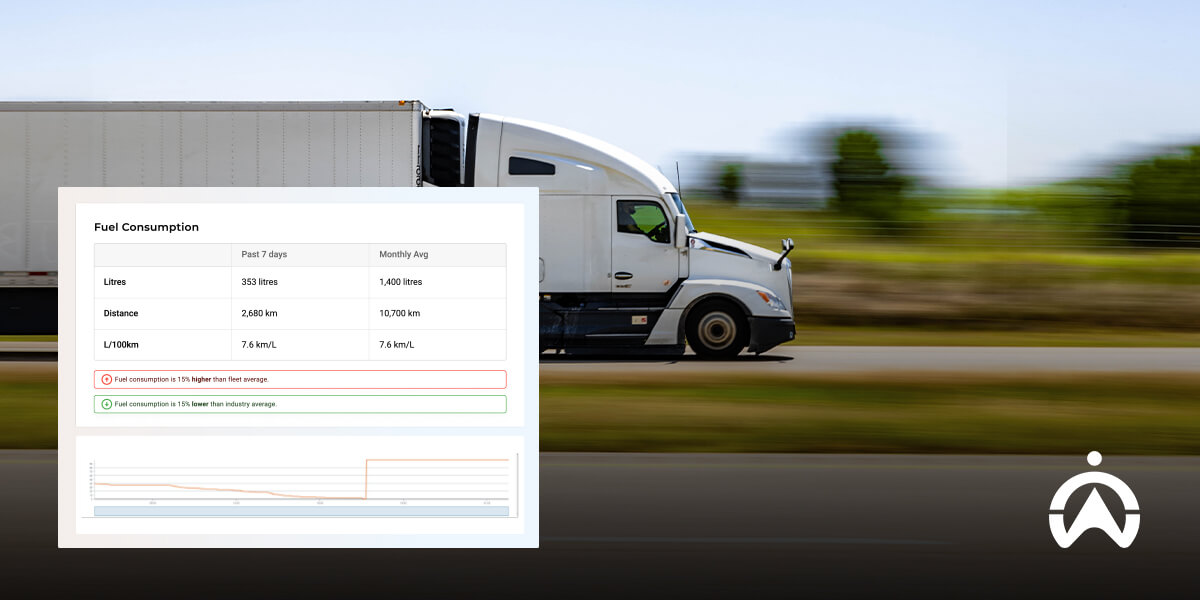
A semi-truck drives on a highway, accompanied by a fuel consumption report displaying recent metrics and comparisons.

Preventative Maintenance 

An overworked or poorly maintained engine burns more fuel than necessary. Cartrack’s preventive maintenance tracks engine hours and provides real-time alerts for potential faults. The system automates maintenance schedules to ensure that the vehicles go for servicing on time. This prevents excessive fuel consumption caused by engine wear and tear.

Route Optimisation 

Our route optimisation feature helps fleet managers plan the most efficient routes, reducing unnecessary mileage and fuel expenses. When drivers take the shortest paths with fewer traffic congestions, businesses can cut costs and improve delivery times, which will improve customer satisfaction. 

AI-powered cameras

Cartrack offers an AI-powered camera solution with up to 8 cameras, all equipped with built-in telematics. They detect distracted driving behaviours such as yawning, cellphone use, or smoking and alert drivers in real-time so that they can immediately self-correct. Safe driving reduces fuel-wasting habits like harsh braking, which often results from distractions. 

The external cameras can be installed to monitor fuel caps, preventing theft and unauthorised fuel syphoning. Our cameras have night vision or infrared technology to capture clear footage in low-light areas and at night. 

Driver Scorecards

Cartrack’s driver scorecards provide detailed reports on key driving behaviours such as speeding, harsh braking, and cornering. By analysing these reports, fleet managers can coach drivers to adopt fuel-efficient driving habits, reducing unnecessary fuel consumption and improving vehicle longevity.

By leveraging these technologies, fleet managers can make smarter decisions that lead to significant cost savings and improved operational performance.

In conclusion, fuel tracking is essential for controlling costs, preventing fuel fraud, and improving overall fleet efficiency. Investing in advanced fuel tracking solutions, such as those offered by Cartrack, allows fleet managers to make data-driven decisions that enhance operational performance. With real-time insights, automated monitoring, and proactive alerts, businesses can optimise fuel usage, cut unnecessary costs, and build a more sustainable fleet.

Contact us today to discover how we can help you take control of fuel expenses and improve fleet efficiency.

Frequently Asked Questions About Fuel Tracking 

Q: What types of fleets benefit most from fuel tracking solutions?

A: All fleets of all sizes can benefit from fuel tracking. Whether you are in the delivery business or the mining industry, tracking fuel can help save you costs and improve overall fleet operations.  

Q: How often should I review my fuel tracking data?

A: Fuel tracking data should be reviewed regularly. This allows fleet managers to spot trends early, identify any unusual activity, and take corrective action before issues escalate.

Q: Can fuel tracking systems improve customer satisfaction?

A: By optimising routes, reducing delays, and improving fuel efficiency, fuel tracking systems can help fleet managers ensure timely deliveries, better customer service, and higher satisfaction. Efficient fleet operations can also lead to lower costs, which can be passed on to customers through competitive pricing.

Best Fleet Management Software in Kenya

Running a successful business requires that you are always at the top of your game especially when it comes to coordinating and managing tasks, which can be very time-consuming if you’re using outdated methods. 

This can be a thing of the past when you’re armed with the best fleet management software. With it, you can streamline your entire organisation and integrate every aspect into one system. 

Are you interested in finding out how?

Today, we discuss one of the best fleet management software in Kenya, how it is tailored to different-sized businesses, and why Cartrack Kenya stands out as the preferred fleet management software for fleets.

In this article, you will:

  • Discover one of the best fleet management software
  • Know the key features and benefits of having fleet management software
  • Discover why Cartrack’s fleet management software is one of the best

Drive success with cutting-edge fleet management software

To succeed in Kenya’s diverse economy, businesses of all sizes need a system that centralises their entire operation, where they can manage fleet performance and operational costs. However, many businesses use multiple applications for their operations, such as accounting and vehicle management applications, that are not integrated, which results in many inefficiencies and wasted time.

Numerous businesses use substandard solutions, which are basic fleet systems that are sold over the counter and provide limited location data and no telematics features. These devices lack advanced features such as real-time data, vehicle and driver monitoring, and vehicle recovery, making them less effective.

Key Features of the Best Fleet Management Software

Having a fleet management software can be a game-changer for your business, but with so many options available, it can be challenging to figure out which software to choose. It is always good to ensure that the fleet management system you’re interested in has all the essential features.

Here is a list of features that the best fleet management system should have:

  1. Enhanced GPS Tracking: Live location data for your fleet to monitor movement and ensure on-time delivery.
    ‍
  2. Strategic Fuel Management: A tool to track fuel usage to identify waste and fuel theft.
    ‍
  3. Proactive Alerts and Notifications: Receive notifications on crash events and maintenance reminders.
    ‍
  4. Driver behaviour monitoring: Receive reports on driver behaviour such as speeding, idling, and harsh braking.
    ‍
  5. Streamlined Fleet Maintenance: Automate maintenance schedules for your fleet to reduce downtime and breakdowns.
    ‍
  6. API Integration: APIs are designed to help businesses integrate their entire operation into one central system, making the fleet data easily accessible and manageable. This data includes vehicles, trips, and fuel history, which enhances operational efficiency.
A worker carries freshly harvested leeks in front of a truck loaded with crates of vegetables on a dirt road.

Fleet management software tailored to suit businesses of all sizes and industries

Company fleets of different sizes each have their own set of challenges that need to be managed daily. It doesn’t matter whether you have a small business or a large-scale company; fleet management software is an important tool to enhance efficiency and productivity. Here is how fleet management software benefits different-sized businesses.

Fleet management software for small businesses in Kenya

Small businesses usually have a smaller number of employees, and many of them might not have the skills needed for managing a fleet. Because of this, it can be tough to run fleet operations smoothly. However, fleet management software can make things easier by improving operations, cutting down on waste, and simplifying tasks related to the fleet. This way, business owners can concentrate more on expanding their business.

Fleet management software helps small businesses manage problems such as vehicle breakdowns and downtime, which makes scaling their operations easier, yielding greater profits in the long run. 

Fleet management software also helps keep costs low, which is crucial for small businesses. This is done through features such as fuel monitoring, route optimisation, and preventative maintenance.  

Enterprise-level fleet management solutions for Kenyan companies

Managing large fleets can prove to be difficult for enterprises because there are a large number of vehicles you need to keep operational. Without the right tools, these businesses may not be able to keep an eye on issues such as fuel waste, delays in deliveries, vehicle breakdowns, and downtime. Another issue that may arise when a business grows is being unable to ensure that drivers are properly trained and driving safely. These issues can spiral out of control, leading to significant financial losses. 

Mid-sized to large businesses normally benefit most from implementing fleet management software. Large businesses tend to have long and complicated bureaucratic processes that use a lot of confusing paperwork; this hinders productivity and often leads to many human errors.

It is due to these circumstances that numerous providers have emerged offering fleet management solutions. These range from established businesses to smaller startups. Servicing large businesses on an enterprise level is still a struggle for most fleet management companies, with few offering reliable software.

Why Cartrack’s Fleet Management Software is the Best Solution for Your Business

The purpose of fleet management software is to simplify all the tasks that are essential to a successful business operation. Cartrack’s fleet management software provides a wide range of features that businesses can tailor to their specific needs. Here’s how:
‍

Vehicle telematics

As a fleet operator, you can monitor your vehicles’ location in real-time with Cartrack’s live GPS tracking. The data gathered from the tracking system helps identify inefficiencies and improve decision-making. The data provides alerts on driver behaviour such as speeding and aggressive acceleration, as well as fuel levels and usage. Incorporating management software into your business ensures tasks are done efficiently as well as minimises risky behaviour that could result in financial losses to the company.‍

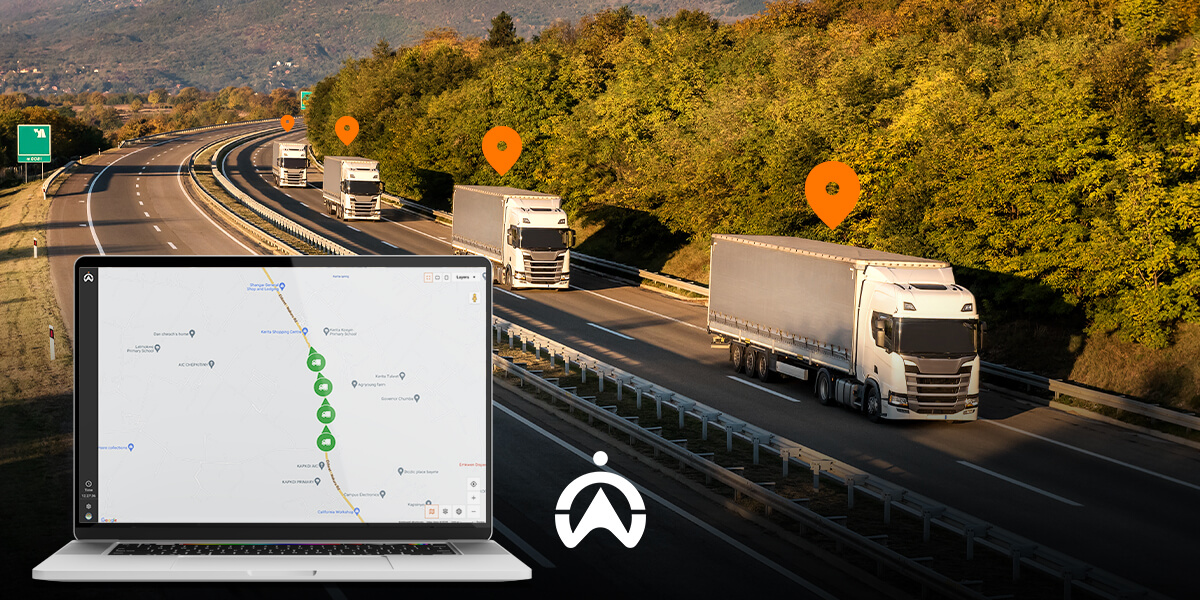
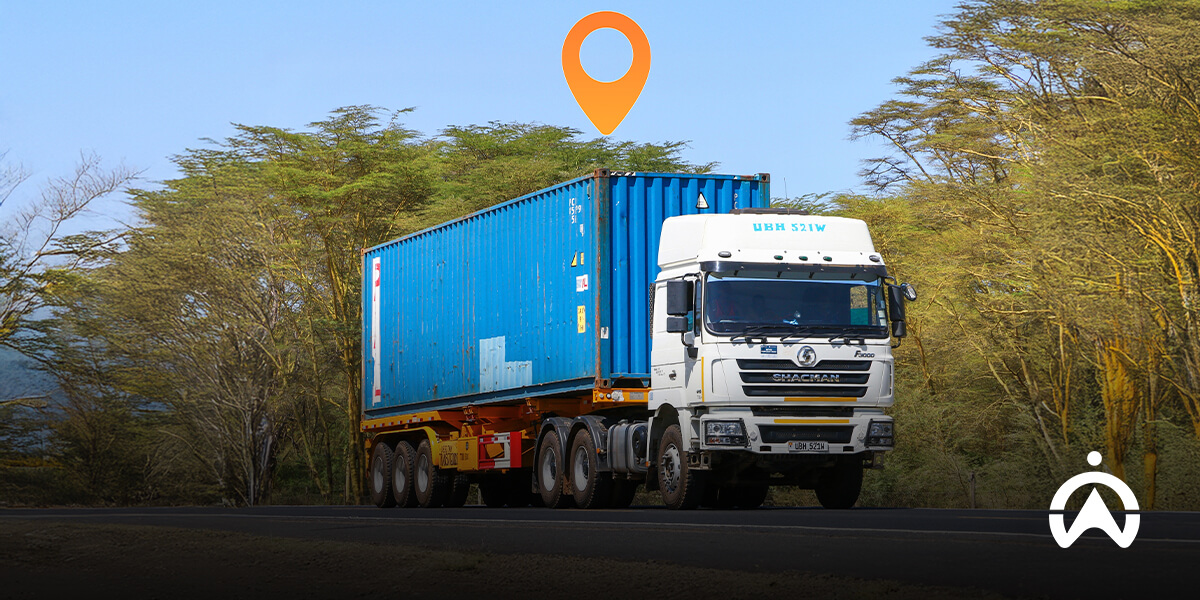
A blue shipping container truck drives on a road, surrounded by trees with a location pin symbol above.

Predictive vehicle maintenance

Keep your fleet running like a well-oiled machine with Cartrack’s preventative vehicle maintenance. Our fleet management software, powered by artificial intelligence and advanced analytics, analyses vehicle performance and identifies potential issues before they become costly or dangerous problems. You will receive alerts when water or oil levels are low, brake pads are damaged, and when the vehicle is scheduled for a service. Which keeps the operation operating without interruptions and minimises unnecessary maintenance costs.‍

Fuel monitoring

Make every drop of fuel count with Cartrack’s fuel monitoring. Our software uses fuel sensors that are installed in your vehicle’s tank to closely monitor a vehicle’s consumption. This information is monitored and gathered in real-time to help identify fuel theft and fuel wastage. It also may help reduce monthly operational costs as the system keeps a record of the cost of each task, providing insights to help businesses plan more efficiently for the future. ‍

Fleet costs management

Whether you have 5 vehicles or 100 vehicles, Cartrack’s fleet costing software, Mifleet, can help you track all your fleet expenses, such as vehicle permits, fuel costs, and even taxes. MiFleet is an easy-to-use fleet cost accounting software that enables you to effectively manage your fleet. This software provides an in-depth view of your fleet expenses so that you can keep operational costs low.

Having fleet management software streamlines your operation all from one application, reducing day-to-day challenges. It allows you to monitor and report on everything about your operation. With Cartrack on your side, you can confidently manage your fleet operations, whether you’re managing an entire fleet on your own or with a team.

Are you ready to streamline your fleet? Contact Cartrack, and a friendly sales agent will be ready to answer any questions.