How to Reduce Costs with Fleet Management Solutions

For a business to be considered successful, it needs to be profitable. This means that you must account for every coin you spend in the business, ensuring you’re not working at a loss. 

To achieve this, fleet managers should consider adopting fleet management solutions to enhance efficiency. These systems help minimise fuel waste, ensure regulatory compliance, and provide real-time vehicle tracking. 

In this blog, we explore how fleet management solutions can help you save money and streamline your day-to-day operations. We also discover how Cartrack Solutions can help meet your business’s bottom line. 

The role of Total Cost of Ownership in fleet cost reduction

To successfully lower your expenses, you need to understand the Total Cost of Ownership (TCO). 

TCO is the total of all expenses that go into your fleet. Understanding the TCO for each vehicle can help you determine the right time to replace a vehicle. 

This metric is important since it gives businesses a clearer picture of their fleet expenses. TCO includes even the hidden costs that add up over time to help managers understand where they need to minimise costs, optimise vehicle usage, and make smarter investments. 

Key components of Total Cost of Ownership

In order to understand TCO better, let’s break it down into components: 

  1. Acquisition costs
    All fees that are required when purchasing a vehicle are considered acquisition fees. These can be anything from purchasing prices, financing fees, taxes, and any other fees associated with getting the vehicle.
    ‍
  1.  Operational costs
    These are all expenses that occur when the vehicle is in use. This includes fuel costs, maintenance, insurance costs, etc. 
    ‍
  1. Depreciation
    The longer a vehicle is in use, the more it loses its value. This is something you must consider when managing fleet costs, as it affects its resale value. By monitoring and tracking depreciation rates, businesses can make informed decisions about when to retire the vehicle or replace it.
    ‍
  1. End-of-life costs 
    These are expenses involved when you are retiring or selling a vehicle. This includes resale or trade-in value, and any other costs related to disposing of the vehicle. Fleet management solutions can help you get the best deal when making these sales, helping you minimise these end-of-life costs.
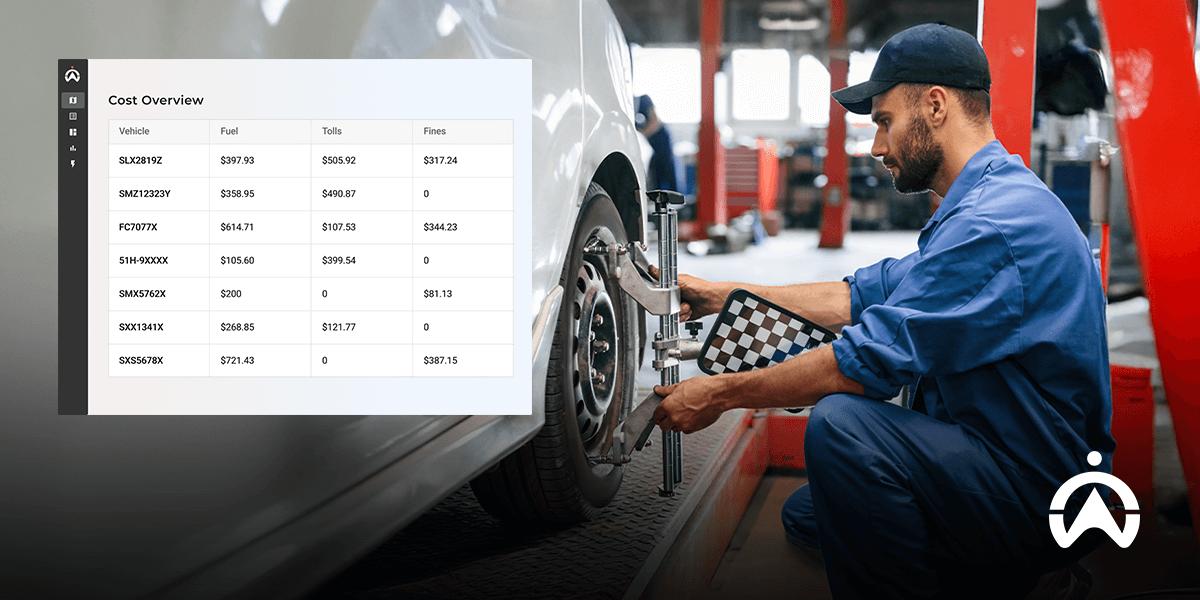
A mechanic in blue overalls checks a vehicle's alignment in a workshop, with a digital cost overview displayed on the side.

Effective ways fleet management Solutions drive cost savings

Fleet management solutions are essential tools for businesses looking to minimise costs and improve efficiency. Here are some effective ways these solutions can help you achieve this:
 

Fuel efficiency and management

‍Fuel is generally a large expense in a fleet business, so if you want to save costs, this is a great starting point. You can optimise routes using fleet management solutions through real-time data. This data will help find quicker paths for drivers to use. This will not only result in faster deliveries, but it will also minimise fuel wastage and ultimately save costs.

Minimising maintenance and repair costs

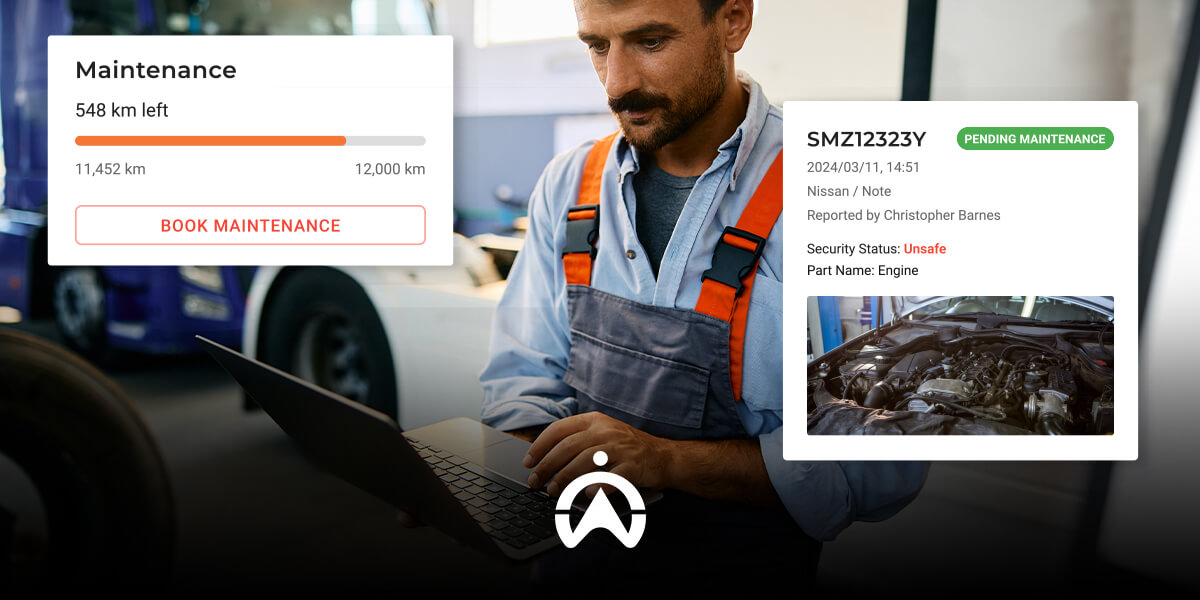
‍Fleet management solutions can help managers set reminders for vehicle maintenance and servicing. This allows them to financially prepare for the repair costs and find a plan for how they will operate without the car that is out of service. Real-time diagnostics continuously check the overall health of the car to detect any issues, such as engine health and wear and tear. This minimises downtime as you will always know the state of your car and will always be on top of the overall maintenance, ultimately saving you money. 

Enhancing driver efficiency and safety

‍Fleet management systems allow operators to monitor driver behaviour. This is because reckless driving can cause accidents, which will not only damage the vehicles but will also put the lives of drivers at risk. This will cost the company money for repairs and downtime. By tracking and addressing unsafe driving patterns, fleet management solutions can promote safe driving, reduce costs, and extend the lifespan of vehicles. 

Optimising routes to reduce downtime

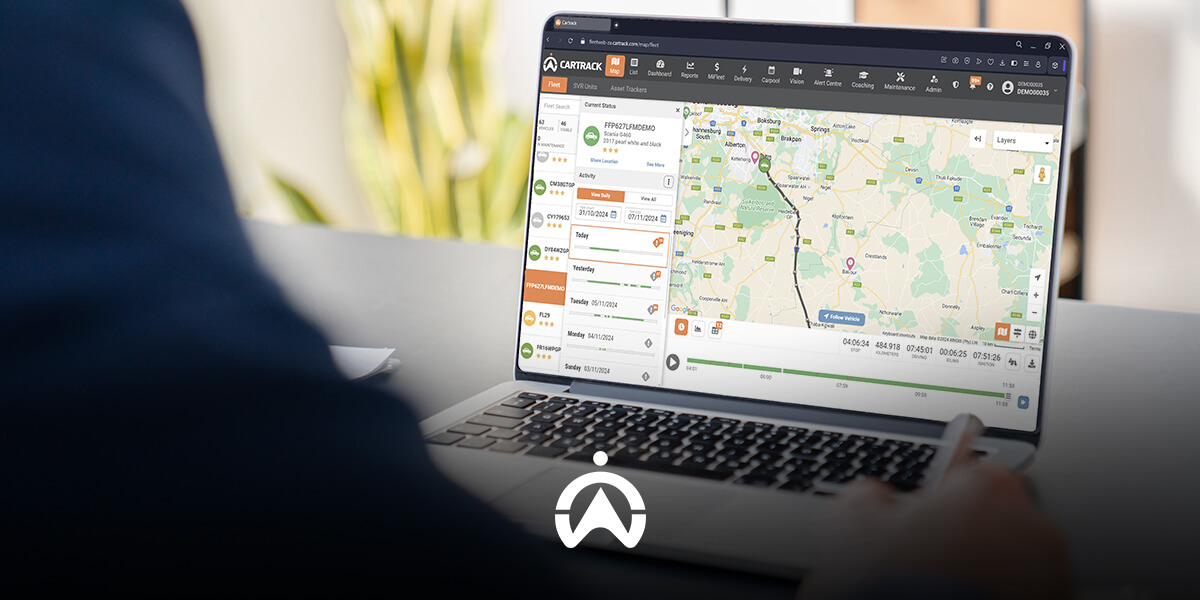
‍GPS tracking and route planning tools are essential in improving the efficiency of a fleet. These tools allow operators to reroute once they detect obstacles that may cause delays, such as traffic, accidents, and road closures. Rerouting ensures that drivers do not spend too much time on the road. They can use the quickest way possible in order to make timely deliveries and leave your customers satisfied. 

Preventing fraud and theft

‍GPS tracking plays an important role in preventing theft, fraud, and unauthorised vehicle use by offering continuous location monitoring. With real-time tracking, managers can instantly detect when a vehicle is used outside of its intended schedule or working hours, helping uncover fraudulent activities like vehicle misuse for personal purposes. 

Managing fleet utilisation and asset allocation

‍Monitoring how often vehicles are used allows fleet managers to achieve a balance between over- and underutilisation. This ensures that the vehicles are operating at their optimal capacity. Fleet management solutions can help you set schedules for when the vehicles should be used. An overused vehicle can lead to wear and tear, resulting in sudden breakdowns. When a vehicle is stationary for a long time, it can experience issues like battery drainage, tyre degradation, and other maintenance issues.

Enhancing compliance and avoiding fines

‍Fleet management solutions can help operators comply with industry regulations and standards. This can be anything from the hours that drivers work, how often the vehicles are maintained, and tax fuel compliance. Through reports and schedules, managers can see when their vehicles are due for servicing and how many hours their drivers are actually on duty. This is important because companies must comply with the Employment Act (Chapter 246 of the Laws of Kenya), which states the hours each employee must work and rest. It also addresses wages, leave days, and all other relevant regulations related to working conditions. This is so your drivers are not overworked and are well rested to avoid making unnecessary mistakes on the road, causing accidents. Failure to comply with these regulations can result in fines and legal disputes, which will cause financial strain on companies. 
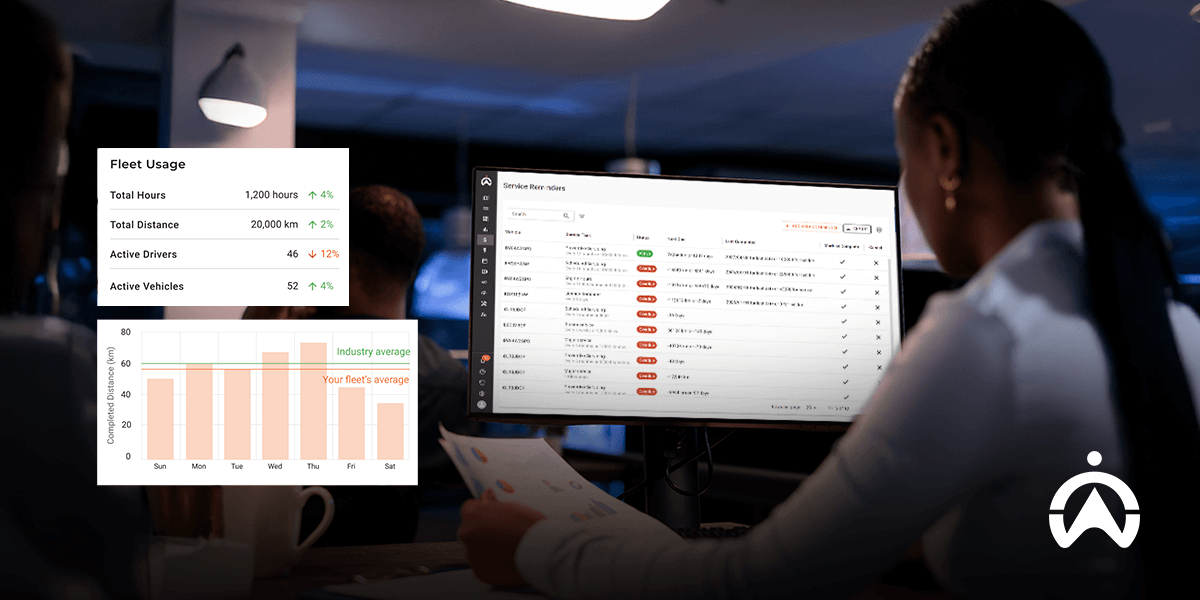
A woman analyzes fleet usage data on a computer screen, showing metrics like total hours, distance, and active vehicles in a dark office.

Long-term benefits of investing in fleet management solutions

‍Investing in fleet management solutions has long-term benefits such as increasing your vehicle’s lifespan, increasing profitability, and enhancing your fleet’s safety. Here are the long-term benefits of fleet management solutions: 

  • Increased profitability: Fleet management solutions ensure that your business is operating at its optimal; this will significantly improve your profitability.
    ‍
  • Enhanced safety: Fleet management systems have tools that monitor driver behaviour. This helps reduce accidents, improving the overall safety of your drivers.
    ‍
  • Increases vehicle lifespan: When your cars are well maintained and used accordingly, they are most likely to operate for a long time.
    ‍
  • Better work experience: Fleet management solutions allow proper workflow, not only between drivers and fleet managers but also for anyone involved in the business. All employees will know what to do at all times, which enhances the overall work experience for all. 
    ‍
  • Improved customer experience: Fleet management solutions help with timely deliveries, which significantly enhances customer satisfaction.  

Cartrack solutions for cost-effective fleet management

Cartrack’s fleet management platform gives you full visibility of your business and teams, helping you increase efficiency, decrease costs, and focus on growing your business. Here are some of the features we offer to ensure that you reduce costs: 

  • Driver ID-tag: 
    Driver identification tags
    are assigned to each driver so you can identify which driver is using which vehicle and for how long. You can assign tags based on driver experience to ensure specific vehicles are driven only by drivers who are licensed for them. You will also be able to differentiate between business and private trips. 
    ‍
  • Start-inhibit: 
    You can activate the Start Inhibit feature on our web interface, which prevents vehicles from starting unless an authorised driver identification tag is presented.  
    ‍
  • Preventative maintenance: 
    Cartrack’s preventative maintenance feature gives you real-time alerts of engine faults and automated vehicle maintenance schedules for each vehicle. This feature allows you to know which vehicle is due for servicing so you can be able to plan how operations will continue without the vehicle that will be unavailable, well in advance.  
    ‍
  • Geofences:
    You can set up virtual boundaries around areas where you do not want your vehicles to enter. You will get instantly notified should any of your drivers enter these zones. You can also set up geofences around your business; this way, you will know when vehicles enter and exit the premises.  
    ‍
  • AI-powered cameras: 
    Cartrack’s AI-powered cameras
    assist in monitoring driver behaviour by providing real-time alerts when a driver is participating in risky behaviours such as not wearing a safety belt. Drivers are notified immediately of their actions so they can correct their behaviour. These cameras can also help in accident situations. If your driver is accused of causing an accident, the cameras can provide evidence, clearing their name. Saving you money on insurance costs and legal disputes that you may have paid if you did not have the evidence.  
    ‍
  • Route optimisation: 
    Fleet managers can optimise routes to make sure that their drivers make timely deliveries. This means using shorter roads with less traffic congestion and avoiding multiple trips at different times of the day but at the same location. Fleet managers can plan routes accurately on our system, ensuring fuel efficiency and quicker deliveries. This ultimately increases customer satisfaction.  
    ‍
  • Mifleet:
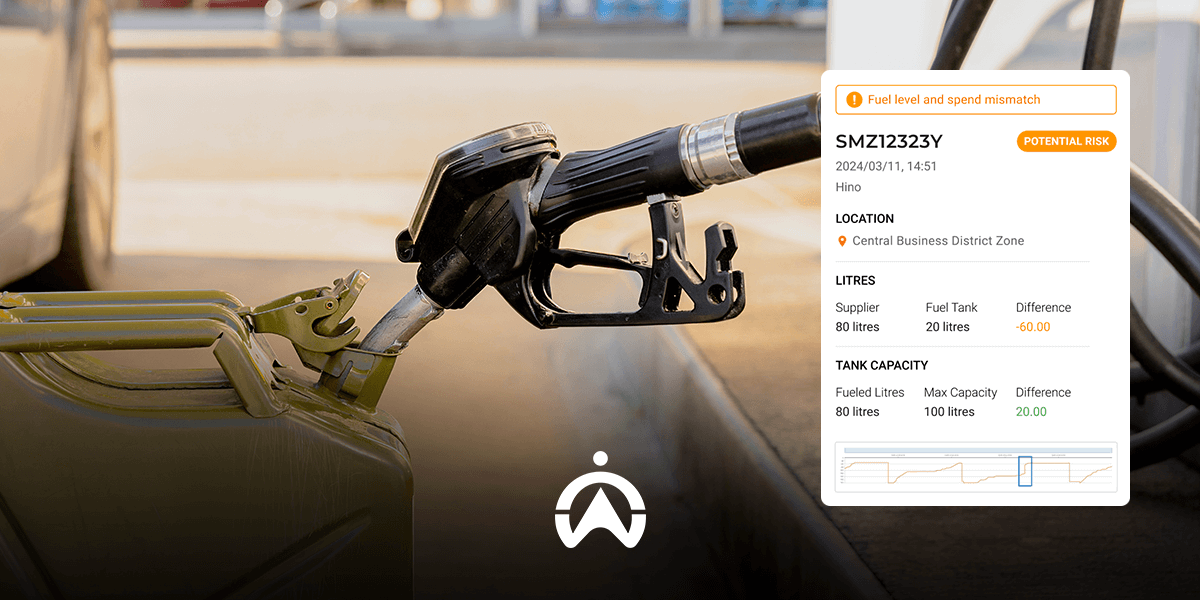
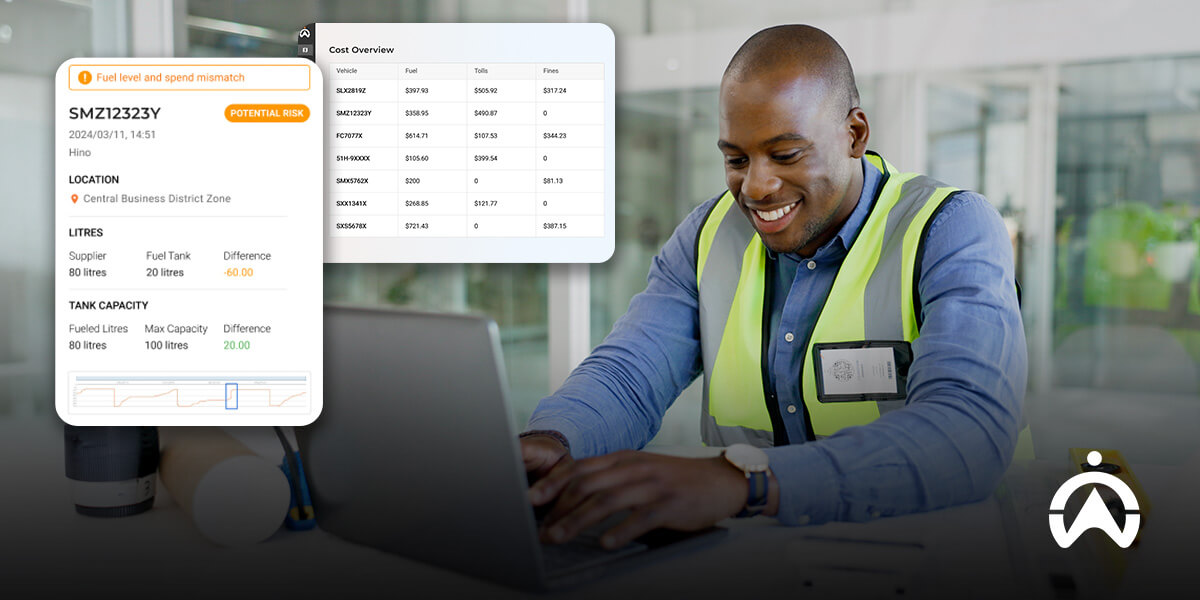
    This is a cost management software designed to help identify fuel theft and fuel card fraud by cross-referencing transactions with vehicle telematics data, including location, fuel volume, and tank capacity. This robust tool sends alerts whenever fuel fraud is suspected, enabling you to investigate and address the issue. 
    ‍
  • Fuel sensors: 
    Track the fuel levels of your vehicles
    or machinery with any of the following fuel monitoring tools: 
    1. ‍Float sensors: These sensors are installed inside the vehicle’s fuel tank, with a floater and variable resistor that move up or down as fuel is consumed or added. Cartrack connected to these wires through an IoT device to measure the voltage changes, converting them into litres. This data is then available on our fleet management platform.
      ‍
    2. ‍Fuel probes: These external fuel level measurement devices use a float system to monitor fuel levels in separate or external tanks; they are connected to a telematics device that sends fuel level data for easy tracking.  
      ‍
    3. ‍CANBus: The CANBus clamp links to our telematics device, allowing vehicle components like the engine and transmission to communicate with each other. This improves fuel detection and enables the data to be sent to our fuel management solutions for storage and analysis.  

Case study: Cartrack’s fleet management solution success story

Supermarket Farms is a supplier of fresh, high-quality produce. They’ve been supplying produce to restaurants, hotels, and catering companies around Gauteng, South Africa, for over 30 years. Supermarket Farms needed a system that could help them see exactly where their drivers were at all times to help them ensure there were no unnecessary detours or delays so they could keep the produce fresh and improve productivity and customer experience. 

Here’s how Cartrack helped them: 

  • Cartrack’s vehicle GPS tracking solution allowed Supermarket Farm to pinpoint exactly where their drivers were at any given time. This helped them see any delays, such as excessive idling or if drivers have gone in other directions so they could try to resolve any issues, update customers, and improve their driver turnaround times. This ensured efficient operations and dispatch of fresh produce without delay. 
    ‍
  • Supermarket Farm used Cartrack’s fleet management system to get driver and vehicle insights that helped them better run their day-to-day operations. If drivers received speeding tickets, managers pulled reports to verify where the event occurred to help settle disputes, minimise future events from occurring, and avoid unnecessary costs.  

In closing, it is important to monitor your fleet costs so you can achieve your business’s bottom line. Fleet expenses can take a big portion of your company’s budget, so managing these costs can make a real difference to your profits. With the use of fleet management solutions, businesses can lower fuel costs, maintenance costs, and other expenses, ensuring operations run smoothly. Contact us today to reach your fleet’s full potential.  

Frequently Asked Questions 

Q: What are some signs that my fleet needs a management solution?

A: If you notice an increase in operational costs, or maintenance costs, or that your vehicles are constantly breaking down, it may be a sign that you need to invest in fleet management solutions.

‍Q: How can I measure the effectiveness of my fleet management solution? 

A: You can measure the effectiveness of fleet management solutions through Key Performance Indicators (KPIs) such as fuel efficiency, maintenance costs, accident rates, driver productivity, etc. Regularly reviewing these metrics will assist you in assessing the impact of the solution on your business. 

‍Q: Can small businesses benefit from fleet management solutions? 

A: Yes, fleet management solutions can be tailored to fit businesses of all sizes. Small businesses can start with essential features and scale up as their fleet grows, ensuring they get maximum value at every stage.
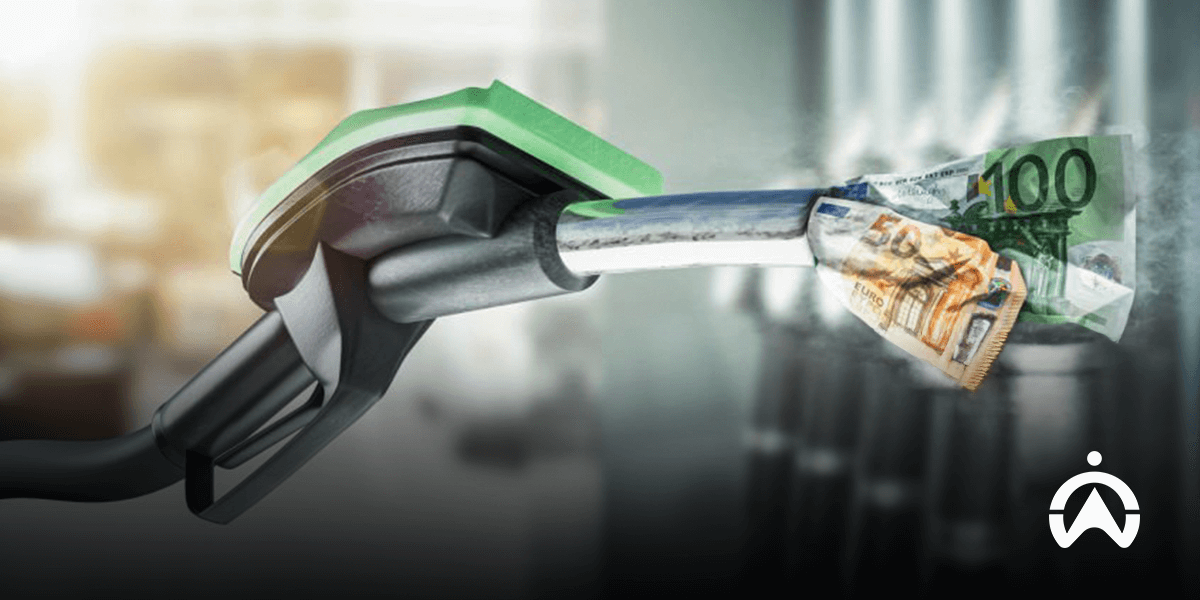
What Are The New Fuel Prices in Kenya Today

The fuel prices in Kenya have hit hard in the last few years, affecting the economy, transportation, and daily life. To combat this, it is important that both businesses and commuters keep track of the latest fuel prices so that they can take better steps to manage their expenses.

In this blog, we dive into the latest fuel prices in Kenya, along with tips on how they may impact you or your business. 

Additionally, we will discuss how Cartrack’s fleet management solutions can help you manage your fuel costs.

In this article, you will:

  • Know what the new fuel prices are in Kenya
  • Discover what impacts fuel prices
  • Learn how fuel prices affect consumers and businesses
  • Find out how Cartrack can help you reduce fuel costs

The Current Fuel Price in Kenya

Kenya’s oil industry has changed a lot over the years. In 1994, the oil industry was deregulated, meaning state interventions such as price controls and restrictions were removed. However, after complaints were laid about oil companies overcharging for fuel, it was decided that maximum retail prices would be set by location every month. This was done by the Energy and Petroleum Regulatory Authority (EPRA), who are in charge of determining the fuel price. These prices are reviewed and updated on a monthly basis and are affected by factors such as the global oil market, government interventions, and taxes.

Here are the most recent fuel price adjustments since the previous month:


Super Petrol:
Price decreased by 0.14%

Diesel: Price increased by 0.06%

Kerosene: Price decreased by 1.62%
‍

Fuel prices have a direct effect on economic growth. Therefore, both businesses and consumers must keep track of the changes to ensure they keep expenses under control.

Factors Influencing Fuel Prices in Kenya

There are important factors that are taken into consideration when determining the fuel prices in Kenya. These factors change daily, which is why they’re monitored closely by the EPRA. Let’s have a closer look:

  • Global Oil Prices: The global oil price is the cost at which oil is sold on the international market, which is represented in dollars. Because it is sold on the international market, events that occur globally affect its price. These events include international conflicts, supply chain disruptions, and economic trends.  
    ‍
  • Exchange Rates: This is defined as the price at which one currency is sold for another and depends on the strength of the Kenyan Shilling against the US Dollar. If the Shilling is weaker against the Dollar, it increases fuel exports. This extra cost then affects everyday consumers, making fuel more expensive.
    ‍
  • Taxes and Levies: The price you pay for fuel isn’t only dependent on exchange rates and the global oil price; it is subject to government taxes and levies as well. Charges like VAT, the Petroleum Development Levy, and the Fuel Levy Fund are included, which increases the overall price of fuel.
    ‍
  • Government Subsidies: The government provides fuel subsidies to help its citizens when international prices are very high. However, this is not offered monthly and is provided at the government’s discretion.
A fuel pump nozzle with banknotes wrapped around it, symbolizing the high cost of fuel.

What Can You Do to Save on Fuel Costs?

Decreases in fuel prices are always a joy; however, they are often short-lived because of the monthly adjustments to the price. This is why motorists are encouraged to find ways to minimise the amount of fuel they use. Here are a few things you can do to save fuel:

  • You can improve how you drive by accelerating smoothly, driving at a steady speed, and avoiding congested roads to reduce the time spent idling.
    ‍
  • You should take your car for a service regularly and ensure that your tyres are at the proper pressure. 
    ‍
  • Consider planning all your trips by checking traffic updates online to avoid traffic congestion and reduce idle times.
    ‍
  • Install a tracking system in your vehicle to help track fuel consumption and monitor driver behaviour that increases fuel usage.

How Cartrack Can Help You Manage Fuel Costs

Let’s be honest, everyone wants to save money on expenses, especially fuel costs. Cartrack understands that it is important to both individuals and businesses, which is why we have designed a solution with that in mind.

Cartrack’s fuel management systems help improve fuel consumption and cut down fuel costs with ease. Here’s how:

Monitor fuel usage

Cartrack’s fuel management systems allow both fleet managers and consumers to monitor fuel usage in real-time through advanced algorithms and data analytics. All this information is provided on one platform, making it simple to retrieve detailed information. You can monitor fuel usage and get reports on how much was used over a certain period. 

Monitor and correct driving behaviour

Cartrack’s solutions provide insights into how a motorist operates a vehicle. It can be helpful to know how a driver performs, whether you’re driving your personal vehicle or as a manager overseeing a fleet. Risky behaviour such as speeding, aggressive acceleration, and idling is detected and recorded on the system. This information is used to identify behaviour that causes high fuel usage so that it can be corrected.

A person in a safety vest works on a laptop, analyzing fuel metrics and cost data presented on a screen in an office setting.

Manage your fleet operational costs

Cartrack’s MiFleet software is a cost management system that allows fleet managers to run all the business’s costs. You can manage fuel consumption data and have a view of every refuel that is done. This enables managers to identify fuel theft and inconsistencies in reports. Cartrack fleet management systems enable fleet managers to create the most fuel-efficient routes and save fuel use per kilometre that is travelled.

Route optimisation

Route optimisation is an important tool to save on fuel costs. It is an effective way to complete a journey, especially when there are multiple stops to complete. This software considers many factors to find the most efficient routes, which minimise travel times, fuel consumption, and vehicle wear and tear. This improves productivity and efficiency for businesses.

It is important that consumers and businesses understand these factors and find sustainable solutions. Cartrack’s fuel management solutions are the key to addressing fuel-related costs. We aim to provide a well-rounded solution. It doesn’t matter if you simply want to reduce personal travel costs or if you’re managing a fleet, Cartrack’s solutions can help. Contact us to find out more.

Remote Fleet Management for a Hybrid Workforce

Fleet management has made remarkable progress over the years. In the past, managing a fleet was extremely time-consuming. The main role of the fleet manager was to conduct physical checks on vehicles and machinery, manually fill out paper reports and trust drivers to report their vehicle’s status correctly.

In present times all that has changed. Fleet management involves so much more. Fleet managers are now responsible for the efficiency, productivity, safety and compliance of their fleets.

Fortunately, advancements in fleet management systems have resolved many challenges fleet managers face. Let’s explore what remote fleet management entails and how it simplifies a fleet manager’s role.

In this article, you will:

  • Discover what remote fleet management is
  • Understand why fleet management is important to succeed as a hybrid workforce
  • Learn the power of Cartrack’s fleet management products
  • Unlock the power of Cartrack’s fleet management training

What is remote fleet management?

Remote fleet management refers to the use of advanced fleet systems that enable fleet managers to monitor their vehicles and manage their fleet operations from anywhere, without constant in-person oversight. Using GPS and GMS technology, managers can see where their vehicles are, how they perform on a given day, and how safely they’re being driven. With such a level of connectivity and a wealth of information, managers can make better decisions to address issues on the spot. Fleet management is a powerful solution for thriving in today’s flexible and hybrid workforce.

Why hybrid workforces require fleet management systems

Fleet managers often wear many hats and need a thorough view of on-site operations to ensure the business runs smoothly. Effective fleet management systems keep you informed with real-time updates about your vehicles, allowing you to quickly identify any misuse and optimise the use of resources, such as fuel.

Here are the reasons hybrid workforces implement fleet management systems in their businesses.

Increase vehicle visibility

Fleet vehicles are often needed in remote and hazardous locations where there’s limited infrastructure. Examples of this can be seen in mines in the Rift Valley and the Nyanzan greenstone belt of Western Kenya. Managing these fleets can be particularly challenging for fleet managers who manage their fleets off-site. Fleet systems give you a view of your vehicle’s location and help enforce safety protocols like following the speed limit and following a safe distance while driving at any time you need it.

Speeding and excessive idling will no longer be a concern with the system’s protocol for monitoring driver behaviour and ensuring compliance. This lets you respond quickly to issues like unexpected breakdowns or delays due to poor road conditions. Ensuring that projects stay on track and vehicles are used safely and efficiently.

Reduce operational costs

A hybrid workforce, if managed incorrectly, can lead to increased costs. However, with a fleet system, you can identify inefficiencies in your operations and reduce expenses by monitoring key factors like fuel usage, maintenance needs, and driver behaviour. This system provides real-time alerts on actions such as speeding or tailgating, which can significantly impact fuel costs.

By addressing these behaviours as they occur, you not only lower fuel expenses but also reduce accident rates and maintenance needs, ultimately keeping operational costs in check.

Improve driver performance and safety

Kenya is facing an increasing rate of theft and hijacking. Unfortunately, the mining industry is not spared from this. It also affects fleet vehicles and machinery like construction and mining equipment but with fleet management systems, you can monitor your equipment activity on-site.

This enables you to see where your vehicles and equipment are in real-time. Create virtual fences by drawing boundaries around work sites so that you can be alerted when vehicles enter and exit a virtual fence.

Increase customer satisfaction

Kenya’s business sector is said to be a mature market therefore it’s a very competitive market. This is due to a lack of investment and an economic downturn. A management system is essential to minimise equipment downtime and adhere to project schedules. Achieving that increases customer satisfaction and strengthens your business’s reputation. Fleet management systems enable effective project planning and streamlined operations. This also allows you to communicate accurate ETAs to your clients.‍‍

Delivery person in uniform driving a van.

Key features of Cartrack’s fleet management system

At Cartrack, we believe fleet management can be simple and effective, regardless of where your team is working. It is an integral part of having a system that ensures that projects are completed on time and within the budget while providing a great experience for customers.

Here are some of the ways Cartrack’s all-in-one fleet management systems help companies excel with a hybrid workforce.

Real-time GPS tracking

Are you worried about your vehicles and equipment getting stolen? With Cartrack’s GPS and telematics tracking technology you can relax, If your assets go missing our real-time tracking will pinpoint exactly where they are. It’s like having your own personal virtual guard 24/7.

Driver Identification tags (DID)

A driver identification (DID) tag is a key-ring-sized tag that is linked to your ignition key. It helps you identify who is on duty, who is driving which vehicle and for how long. It is also an extra layer of protection against theft. If your vehicle is used without a tag, it will send an alert as a potential theft situation.

Geofencing and alerts

Imagine having a digital eye on your entire fleet, with Geofencing this is possible. Our system enables you to create virtual boundaries around sites your vehicles work on. You can create boundaries around each site and designated routes vehicles are allowed to travel. When one of your vehicles enters or exits a designated area, the system immediately sends you an alert. This feature helps you confirm that drivers follow their assigned routes and schedules.

Man in a shirt and tie showing a Cartrack app, standing before a 'Fleet Management Annual Meeting' sign.

MiFleet

Cartrack understands that managing a fleet of vehicles can be challenging and time-consuming with many tasks like fleet maintenance, monitoring driver behaviour, vehicle performance, and fuel usage. MiFleet empowers you to make data-driven decisions from anywhere. Stay up to date with vehicle licensing, fuel costs per vehicle, toll fee payments as well as issued fines. Plus, MiFleet automatically emails detailed reports to decision-makers, so you can focus on streamlining your operations and boosting your bottom line.

Cartrack CANBus

This product is perfect for fleet managers who need to monitor vehicle and machinery engine performance closely. Think of Cartrack’s CANBus as a real-time mechanic. It connects to your vehicle’s system to extract a wealth of data on engine performance in real time. This information includes revs per minute (RPM), odometer readings, water and oil temperature, and the gears selected. This telematics device delivers all the essential information needed for informed decision-making, automatically stored on Cartrack’s Fleet Pages platform.

AI camera monitoring

Cartrack’s Vision take driver safety to the next level, giving businesses the tools to keep their drivers protected and ensure that safety practices are consistently followed. Imagine having AI cameras on board that not only help prevent accidents, collisions, or rollovers but can also audibly alert drivers to possible dangers in real-time. It’s like having an extra set of eyes on the road, helping to catch risks before they become issues.

Fleet managers can use this technology to address high-risk driving behaviours like speeding, distracted driving, mobile phone use, and even smoking. Curious about how it all works? With advanced vision algorithms and sensors, Cartrack’s AI Vision system continuously captures and analyzes video footage, detecting key movements inside the vehicle. If a driver’s head turns or they show signs of distraction, the AI immediately sends an alert.

Are you ready to take your fleet operations to the next level?

Contact Cartrack today to discover how our fleet management system can help your business excel in a hybrid work environment.

Optimise your hybrid workforce with Cartrack’s fleet management system

Cartrack’s fleet management system is the ultimate tool for remote fleet management. Empower your team to monitor and optimise operations from anywhere, anytime. By reducing fuel consumption, minimising downtime, and enhancing driver safety, Cartrack helps you achieve peak efficiency and cost-effectiveness, even when you’re far away.

Frequently asked questions

Want to know more? Here are a few more questions we get asked. If you don’t get an answer to your burning questions, reach out to us anytime.

Q: How does Cartrack ensure data security for fleet management?

A: Cartrack is committed to keeping your data private and safe. Our operations are governed by regulatory policies that ensure we maintain customer trust and prevent unauthorised access to valuable customer insights. It directs how we gather, store and handle personal data.

Q: Can small businesses benefit from fleet management systems?

A: Absolutely! Cartrack’s has different fleet management solutions that you can choose from, depending on the size of your business and its specific needs. Fleet management provides a full view of your fleet from anywhere and anytime.

Q: What kind of training is provided for using Cartrack’s system?

A: Cartrack provides fleet customers with all the necessary training on how to use the fleet platform and how to optimise it for the best results. Once you have one of our fleet packages you can send your request for fleet training to fptraining@cartrack.com. Cartrack provides you with recurring training meaning, if you have a new fleet manager training is provided for them. For example, six months down the line you get a new fleet manager. You can request training for them free of charge. This means that all training is done by Cartrack, saving you the time and money needed to hire someone to do the training.

Q: Are there mobile applications available for fleet managers?

A: Cartrack understands that fleet managers can’t always be at their computers monitoring their vehicles and fleet data. That is why, we have developed a mobile application with the busy fleet manager in mind. With Cartrack’s mobile app, you can monitor your vehicle’s activity straight from your mobile phone; monitor driver behaviour, view last position reports and review alert reports on speed, risk, fuel and many more.

The Benefits of Remote Vehicle Diagnostics for Fleet Operators

Gone are the days of waiting for your truck to act up to know there’s a problem. Remote Vehicle Diagnostics can be a game-changer, helping you save both time and money. Early diagnosis means timely repairs, helping you avoid costly downtime. Imagine your driver is delivering goods when suddenly the brakes fail. This could lead to serious injuries or even the loss of your vehicle. Fortunately, this won’t happen to you because, with Cartrack’s solutions, potential issues like this can be detected early, preventing accidents before they happen.

Remote vehicle diagnostics has many other benefits, which we will explore further in this blog.

‍In this article, you will:

  • Know what Remote Vehicle Diagnostics is
  • Understand how Remote Vehicle Diagnostics work
  • Learn the benefits of Remote Vehicle Diagnostics
  • Understand how Cartrack manages fleets
  • Find out how Cartrack has helped a business with Remote Vehicle Diagnostics needs

What is Remote Vehicle Diagnostics

Remote vehicle diagnostics is a system embedded in a vehicle’s engine. It monitors the vehicle’s health and performance from a distance and identifies and controls any vehicle problems. This system uses telematics and data communication technologies, to provide insights into the vehicle’s condition without needing physical access.

How does Remote Vehicle Diagnostics work for fleets?

‍Remote diagnostics is important for commercial fleets to maintain vehicle health and optimise operations. It allows fleet managers to track the performance metrics across their entire fleet and respond quickly to maintenance alerts. Here’s how remote diagnostics work:

  • Data Collection: Modern vehicles have numerous sensors and onboard computers that continuously collect data from various systems, including the engine, transmission, brakes, and advanced driver-assistance systems (ADAS). This data, including fault codes, performance metrics, and operational alerts, is stored in the vehicle’s onboard computer systems.
    ‍
  • Remote Access: Technicians can access this data through specialised diagnostics tools or applications. A technician can send a request to the vehicle for specific logs or fault codes. The vehicle responds by transmitting the requested data to the technician, allowing for real-time diagnosis.
    ‍
  • Analysis and Reporting: Once received, this data is analysed using telematics to identify potential issues, generate diagnostic reports, and recommend necessary actions. This significantly reduces vehicle downtime.
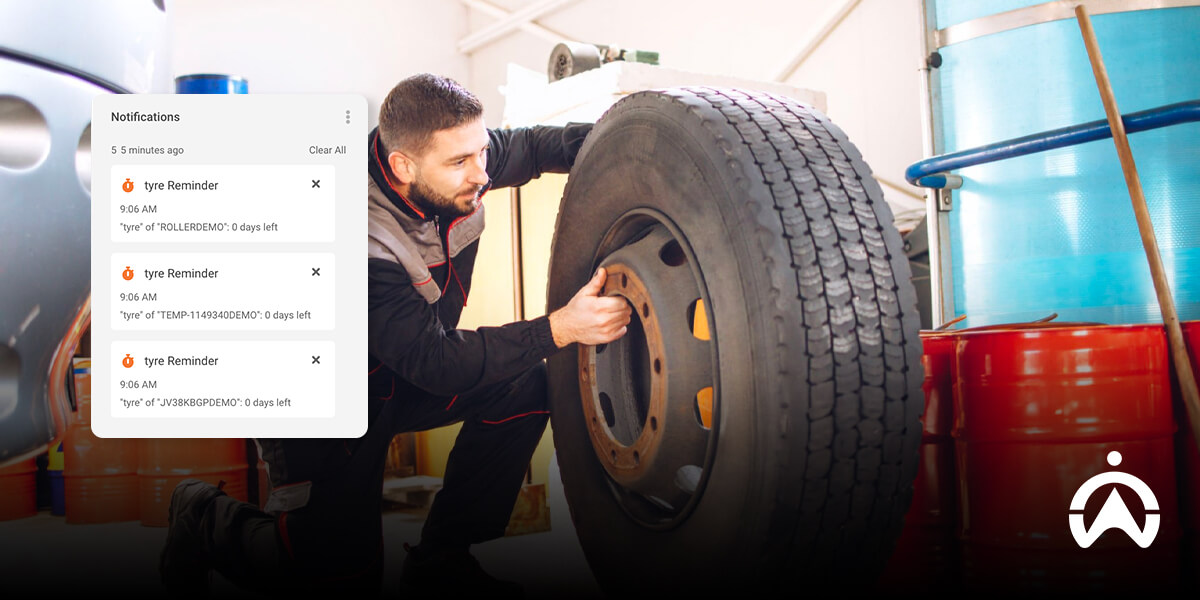
Mechanic adjusting a large vehicle tire, with notification pop-ups on the left.

7 Benefits of Remote Vehicle Diagnostics for Fleet Operators

Now that you understand how remote vehicle diagnostics work, let’s explore its benefits for fleet operators in enhancing efficiency, safety and cost-effectiveness. With real-time insights, operators can optimise vehicle performance, reduce downtime, and make informed maintenance decisions, all while ensuring safer driving conditions and lowering overall costs.

‍
Here are 7 benefits of Remote Vehicle Diagnostics for fleet operators:

  1. Real-time Monitoring:
    In the olden days, fleet operators had to wait for the vehicle to break down before discovering the issue, often leading to costly towing and repairs. With real-time monitoring, operators can identify problems before a breakdown occurs, allowing for proactive maintenance.
    This approach not only saves money but also enhances overall fleet efficiency. By addressing issues early, operators can schedule repairs during off-peak times, minimising disruptions to operations. Access to real-time data improves decision-making regarding vehicle usage and resource allocation. This ultimately leads to a more reliable fleet and improved customer service delivery.
    ‍
  1. Reduce Downtime:
    Taking the vehicle in for repairs means it will be off the road for some time, this is called unplanned downtime.
    Downtime affects a fleet in several ways, including:
    • ‍Decreased productivity: Your business will inevitably fall behind schedule if some of your vehicles are not operational. For example, if your business is a freight delivery service, if one of your delivery trucks is not operational, it will inconvenience not only you and your business but also your customers (other businesses) and their clients.
      ‍
    • ‍Overuse of other vehicles: When a car is not in use, other vehicles will be overused to play catch up. While this seems like a solution, overusing vehicles beyond their scheduled times can lead to wear and tear, compromising the fleet’s condition and lifespan.
      ‍
    • ‍Loss of revenue: Failure to deliver goods and services results in a loss of revenue to the business. Because of the inconvenience caused, customers may take their business elsewhere, or worse, they may leave bad reviews about your company, influencing other people to not work with you.
      ‍
    • ‍Increased costs: An unexpected vehicle breakdown will require funds to cover repair costs. Since these expenses aren’t typically planned for, fleet managers may need to pull from other parts of the business finances to ensure that the repairs are swiftly attended to.

      ‍

  1. Proactive Maintenance:
    Proactive maintenance, also called preventative maintenance, aims to recognise the cause of vehicle breakdowns and rectify them before the vehicle breaks down.
    The benefits of proactive maintenance are:
    • Cost saving
    • Fewer repairs
    • Increased safety and reliability
    • Longer vehicle life span

      Unlike reactive maintenance where repairs are done after the vehicle has broken down. Proactive maintenance is scheduled after Remote Vehicle Diagnostics detects the issue earlier.
      ‍

  1. Fuel Efficiency:
    Monitoring vehicle performance is important in identifying inefficiencies contributing to excessive fuel consumption. By prioritising fuel efficiency through remote diagnostics, fleet operators can enhance overall performance, reduce environmental impact, and save costs.
    ‍
  1. Data-Driven Decision Making:
    The insights gained from remote diagnostics allow fleet operators to make informed decisions based on historical data and predictive analytics. This capability helps identify trends and recurring issues, enabling more strategic planning for fleet operations.
    ‍
  1. Improved Safety and Compliance:
    Ensuring that vehicles are in optimal condition helps enhance driver and public safety, reducing the likelihood of accidents due to mechanical failures. Regular monitoring through remote vehicle diagnostics, allows fleet operators to identify potential mechanical faults like brake failure to reduce the likelihood of accidents caused by unexpected breakdowns or equipment malfunctions.
    ‍
    Regular checks for faults can help identify and fix issues that could lead to violations of road laws, such as safety equipment failures like lights, brakes, or emissions problems. By ensuring that the vehicle is in good working condition, fleet operators can maintain compliance with regulations, reduce the risk of fines, and enhance overall safety on the road.
    ‍
  1. Improved Communication with Service Providers:
    Remote vehicle diagnostics allows better communication between fleet operators, drivers, service providers, and customers.
    With real-time insights into vehicle status, operators can easily schedule maintenance and repairs, keeping everyone informed. This approach allows for quick updates on the timeline and any potential delays, making sure that customers are notified in advance and minimising inconvenience.

Overall, Remote Vehicle Diagnostics helps fleet operators run a successful business. With a healthy fleet, operations run smoothly, services are rendered on time, there’s improved communication in the business and customers are left satisfied.

How Does Cartrack’s Fleet Management Solution Work with Remote Vehicle Diagnostics?

Cartrack offers a fleet management service that helps you manage and run a successful fleet. We also connect with a vehicle’s existing CANbus. Short for Controller Area Network Bus.  It is a communication platform for different parts of a vehicle. This communication allows your vehicle components, such as engines, transmissions, and sensors, to share information in real-time. So what do we do with CANbus? Cartrack taps into the CANbus in the vehicle which allows clients to see their vehicle information such as mileage, fuel-related information and RPMs on the fleet website. The type of data that CANbus collects is dependent on the make, model and year of each vehicle.
‍

Benefits of CANbus:

  • ‍Vehicle diagnostics: CANbus allows remote diagnostics resulting in lowered maintenance time and costs.
    ‍
  • ‍Transferring data quickly: Data can be transferred at speeds of up to 1 Mbps (megabit per second).
    ‍
  • ‍Communication between different devices: CANbus allows different devices to communicate with each other.
    ‍
  • ‍Vehicle Network: It is the backbone of modern vehicle networks which can connect up to 70 devices.
    ‍
  • ‍Provides real-time data: CANBus provides real-time monitoring and analysis of data.
    ‍
  • ‍Fuel efficiency: The data can help optimise fuel efficiency, reducing emissions and fuel-related costs.
    ‍
  • ‍Driver behaviour analysis: CANbus data can be used to analyse and coach driver behaviour.
    ‍
  • ‍Industry-standard: CANbus is an industry-standard, that ensures compatibility across various vehicle manufacturers and models.

You need a reliable way to manage your fleet efficiently, and Cartrack’s use of the CANbus system delivers just that. With real-time access to key vehicle data, you can enhance maintenance, optimise fuel use, and analyse driver behaviour, ensuring your fleet operates smoothly and effectively.

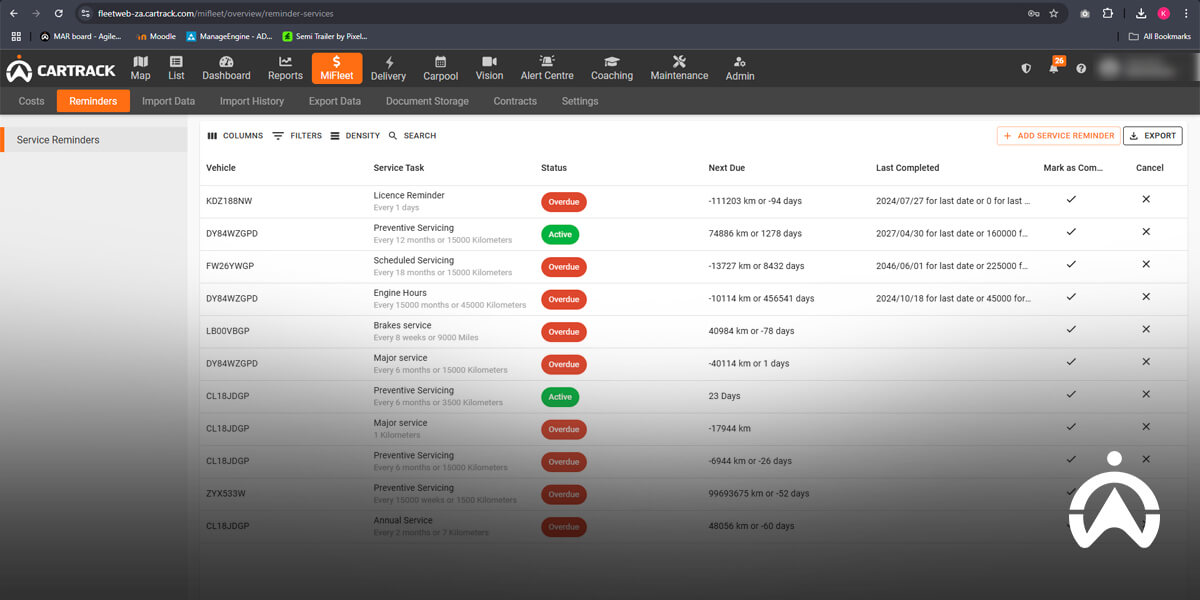
Screenshot of MiFleet vehicle service reminder with overdue and active tasks.

Case Study: Success Story in Remote Diagnostics

Cartrack has helped many clients with their fleet management, particularly in remote diagnostics. We have managed to reduce fuel costs, downtime, delays etc. We have ensured that their services run smoothly so their customers are satisfied. One business we helped was a Burial Society based in Limpopo. They approached Cartrack with the challenges of sudden breakdowns, hot weather conditions and traffic delays. Given the sensitive nature of the items they transport, there must be no delays.

‍
Here’s how Cartrack helped them:

  • With Cartrack’s real-time vehicle diagnostics and scheduled maintenance, their routine and emergency maintenance can be handled more efficiently. By knowing which vehicles need maintenance and when the business can optimise vehicle usage and reduce unnecessary downtime and breakdowns.
    ‍
  • The Burial Society has area managers across different locations, who use the Cartrack Mobile App from anywhere at any time to see exactly where drivers in that area are and determine whether drivers have arrived at a funeral or are delayed. With this information, area managers can then call and seamlessly communicate with drivers and customers on job changes or delays.
    ‍
  • At peak times, the Burial Society can monitor the movement of over 300 vehicles simultaneously from their control room using Cartrack’s web platform. This provides them with total visibility of their fleet so the controllers know the exact whereabouts of each vehicle at all times to track productivity, job completion, and can instantly dispatch assistance in case of a breakdown to avoid delays.
    ‍
  • Furthermore, Burial societies often transport temperature-sensitive items, such as flowers, embalming fluids or other perishables. By installing up to four temperature sensors in their transport vehicle, they can remotely monitor the temperature of their cargo. This system allows for real-time tracking of temperature variations, enabling burial societies to set up alerts that notify them of any fluctuations. By ensuring that these sensitive items maintain the appropriate conditions throughout transit, the burial society can arrive in the condition expected by the families they serve.

Our solutions have enhanced the quality of service the Burial Society offers. We have also helped the business build trust with their clients, assuring that their loved ones and associated items will be treated with the utmost care and respect.

Transform Your Fleet Operations With Cartrack

Transform your fleet operations with Cartrack’s advanced remote vehicle diagnostics using CANbus technology. Monitor vehicle performance in real-time, identify issues early, and keep your fleet running smoothly—all from your device. Don’t let breakdowns and rising costs hold you back. Partner with Cartrack to enhance efficiency and safety.

‍Contact us today to optimise your fleet!

‍Frequently Asked Questions

Q: How long does vehicle diagnostics take?

A: The duration of a remote vehicle diagnostic varies based on the vehicle’s complexity and the tools used. Initial results can often be available in minutes, while a thorough analysis may take a few hours to a day.

‍Q: What should I do if an alert is triggered?

A: Have the vehicle inspected by a qualified technician as soon as possible to prevent further complications.

Q: Is remote diagnostics only for large fleets?

A: No, remote diagnostics can benefit fleets of all sizes, as well as individual vehicle owners seeking to monitor their vehicle health proactively.

Fleet Management System – The Full Guide

As the business world continues to develop, many industries are now starting to overlap and use mutual technologies. These vary, from payment method software to business integration tools. Fleet management systems are one of these technologies.

As Africa develops and more systems are put in place to connect business sectors, like logistics, agriculture, and public transport, this has made vehicle management an essential part of the business operations puzzle. Adopting tools that will make this process more efficient has become one of the ways to streamline business operations. A fleet management system is the best way to organise and control the processes required when working with a fleet of vehicles in a business.

Fleet management systems are growing in importance globally. This is why we have compiled a guide to help you get more familiar with this technology and see how it can help you optimise your fleet operations.

In this blog, we will learn all there is to know about fleet management systems and how Cartrack is one of the best providers of this service.

What is a Fleet Management System?

A fleet management system is essentially a centralised solution that helps businesses track, manage, and optimise their fleet of vehicles. It’s the secret weapon behind smooth fleet operations, offering businesses real-time visibility and actionable insights. Whether you’re running a logistics company, managing a fleet of delivery vehicles, or operating public transport, a fleet management system ensures efficiency and peace of mind.
‍

Key components of a fleet management system

  1. GPS Tracking
    This is the backbone of any fleet management system. GPS tracking keeps you updated on vehicle locations in real-time, helping you ensure timely deliveries and monitor route progress.
    ‍
  2. Vehicle Diagnostics
    Modern systems go beyond tracking and offer insights into your vehicles’ health. From engine performance to fuel levels, diagnostics keep you ahead of breakdowns and help you manage maintenance schedules more effectively.
    ‍
  3. Driver Behaviour Monitoring
    A fleet management system doesn’t just monitor vehicles; it keeps an eye on your drivers too. Analysing behaviours like speeding, harsh braking, or mobile phone use, these systems promote safer and more efficient driving practices.
    ‍
  4. Reporting Tools
    Data is king. A good fleet management system generates detailed reports on fuel consumption, driver performance, and route efficiency. These insights allow you to spot trends and make decisions that can save money and improve performance.

A fleet management system is all about giving businesses the tools they need to work smarter, not harder. It’s about using technology to transform fleet operations into a well-oiled machine.

Why Fleet Management Matters

Kenya’s economy is growing, and its transport and logistics sectors are playing a massive role in this growth. But as exciting as this progress is, it comes with its own unique set of challenges. That’s where fleet management comes in.

What are the challenges businesses face

  1. Traffic Congestion
    Anyone who’s driven in Nairobi knows the frustration of sitting in endless traffic jams. These delays don’t just cost time—they drive up fuel expenses and throw delivery schedules off track.
    ‍
  2. Fuel Theft and Rising Costs
    Fuel theft is a widespread issue, and with prices constantly fluctuating, it’s a growing concern for businesses trying to manage costs.
    ‍
  3. Inconsistent Infrastructure in Rural Areas
    While cities have relatively well-maintained roads, rural areas often lack proper infrastructure. This creates challenges for businesses transporting goods to remote regions.
    ‍
  4. Operational Efficiency in Key Industries
    Whether it’s logistics, public transport, or agriculture, efficiency is the name of the game. Businesses need to cut waste, optimise their resources, and stay competitive in a fast-moving market.

How can a fleet management system help to overcome these challenges

  1. Route Optimisation
    With GPS tracking, fleet managers can plan and adjust routes to avoid traffic hotspots, saving time and cutting down on unnecessary fuel consumption.
    ‍
  2. Fuel Monitoring and Theft Prevention
    Advanced fleet management system platforms track fuel usage in real-time, flagging unusual activity and helping businesses combat theft.
    ‍
  3. Improved Maintenance
    Scheduled maintenance alerts help ensure vehicles are in top condition, reducing breakdowns on rural roads and keeping operations running smoothly.
    ‍
  4. Driver Safety
    By monitoring behaviours like distracted driving or speeding, a fleet management system makes roads safer for everyone. Safer drivers mean fewer accidents and lower insurance costs.

In Kenya’s fast-evolving business sector, a fleet management system isn’t just a nice-to-have—it’s a must-have. It helps businesses tackle challenges head-on and ensures they stay ahead in a competitive market.

A mechanic using a diagnostic tool on a car engine.

Why a Business Needs a Fleet Management System

Businesses come in all shapes and sizes, ranging from small startups to large enterprises. Some have embraced digital technologies, while others still rely on traditional, analog methods. If any of these business types use vehicles in any way, whether they are owned or rented, fleet management becomes necessary. This can be a cumbersome process for people to handle as it usually entails managing various processes related to vehicles that the average Joe is not familiar with. This is why implementing a fleet management system to help run operations is necessary.

Let us learn some of the benefits of this technology.

Benefits of a fleet management system

A business that uses vehicles in any capacity in its operation will greatly benefit from adopting a fleet management system. Regardless of size, businesses can implement this system to stellar results. Many benefits can be gained from optimising the vehicle element of your business, from cost savings, security, productivity and event to regulatory compliance. 

The biggest benefit of having a fleet management system is the peace of mind you get as a business owner by knowing that all the operations and reports are accurate and unbiased. Adding a fleet management system to the business process means that certain operational efficiencies related to vehicle management will be ironed out. This will lighten the load of whoever is running the business, whether it be a small business owner or a CEO or a large enterprise.

Core features of a fleet management system

Every fleet management system comes packed with features designed to address the everyday headaches of running a fleet. Here’s a breakdown of the core features and why they matter:

  • ‍Real-Time GPS Tracking and Monitoring
    Knowing where your vehicles are at any moment is a game-changer. GPS tracking ensures that deliveries are on schedule, routes are efficient, and any delays can be managed proactively.
    ‍
  • ‍Fuel Management Solutions
    Fuel costs are a massive chunk of operational expenses, and every litre wasted eats into your bottom line. A fleet management system monitors fuel usage, detects irregularities (like theft or inefficient driving), and helps businesses cut down on wastage.
    ‍
  • ‍Driver Behaviour Analysis
    It’s not just about the vehicles; it’s about the people behind the wheel. By tracking behaviours like speeding or harsh braking, businesses can coach drivers towards safer and more efficient practices.
    ‍
  • ‍Maintenance Alerts
    Breakdowns can derail operations and cost a fortune. Maintenance tracking ensures you stay ahead of issues with timely service reminders, keeping your vehicles on the road and reducing downtime.
    ‍
  • ‍Customisable Reporting and Analytics
    Every fleet is different, and so are its challenges. Customisable reports provide insights tailored to your needs—whether it’s understanding fuel trends, identifying high-performing drivers, or analysing route efficiency.
    ‍
  • ‍Regulatory Compliance
    In Kenya, staying compliant with transport regulations isn’t optional. A good fleet management system ensures you’re always in line with requirements like those set by the National Transport and Safety Authority, reducing the risk of fines or legal issues.

These features come together to create a powerful system that streamlines operations, reduces costs, and improves safety—all while giving fleet managers the tools they need to succeed.

How to choose the right fleet management system 

Once a business has decided to get a fleet management system the next step will be deciding which one to choose from the many options available on the market. This decision will shape how the vehicle operations and management will function for the business, so the decision-maker needs to consider all the options and compare what they each offer. This consideration should be focused on finding a management system that will best suit the business’s unique needs and challenges.

  • Size and Type of Fleet
    Are you managing a small fleet of delivery vans or a large fleet of heavy-duty trucks? This is an important question to ask yourself when choosing a fleet management system. The system you choose should be compatible with the size of your fleet and the needs associated with it. The system’s features should align with your business’s specific needs and operational pain points.
    ‍
  • Industry Regulations
    Understanding the national regulations and policies regarding fleet management is important. Your fleet will need to be compliant with the rules set out by the National Transport and Safety Authority, this includes making sure that all driver licenses and vehicle compliance certifications are issued. You will also need to ensure the system complies with relevant industry regulations, such as electronic logging devices (ELDs) and Hours of Service (HOS) requirements.
    ‍
  • Budget Constraints
    This is perhaps the most important factor to consider when choosing a fleet management system. As a business owner you will need to determine your budget for the system, including hardware, software, and ongoing maintenance costs. This will guide you towards the most feasible option to take. The system chosen should give the most value possible and offer quality as well.
    ‍
  • Scalability for Growing Businesses
    A business is an organic entity that grows and adapts depending on the market and goals set out. The fleet management system chosen will need to be scalable to meet the growing and diversifying needs of the business’s fleet. Factors to consider include the management of a mixed fleet of vehicles, handling a large fleet, coordination of vehicles working across industries, and cross-border fleet operations.
    ‍
  • Ease of Use
    Most forms of technology can be confusing to use, especially for someone new to them. Ease of use is important in a fleet management system. The system should simplify the operations process, be simple to log in and navigate, and offer clear access to functions, capabilities, and services.
    ‍
  • Industry-Specific Needs
    Different industries have different fleet management requirements. Choosing a system means identifying industry-specific needs and finding a provider that addresses them. Examples include systems focused on agriculture or tourism, as well as comprehensive systems that encompass full telematics, GPS tracking, and value-added services.
    ‍
  • Local Support and Assistance
    Local support is a key feature to look for in a fleet management system. Support offerings may include 24/7 customer care and emergency services, as well as stolen vehicle recovery assistance. Support should be accessible through a call centre service or the service provider’s mobile app.

Fleet Management Trends in Kenya 

There are many developments in the fleet management sector of the technology world. If Africa is to keep up and advance with the rest of the world, businesses will need to adopt fleet management systems with the most current innovations and software.

Here is a selection of areas in fleet management systems that have remained on trend and continue to push possibilities forward. Let’s learn more about them: 

Telematics 

Telematics has become a cornerstone of modern fleet management. This technology combines telecommunications and informatics to provide real-time insights into vehicle performance and driver behaviour. For Kenyan businesses, telematics systems are invaluable in tackling challenges like fuel theft, vehicle misuse, and route inefficiencies.

With tools like GPS tracking, fleet managers can monitor vehicle locations, optimise routes, and cut down on unnecessary mileage, directly translating to reduced fuel costs. Advanced telematics also provides actionable data on driving patterns—alerting managers to instances of speeding, harsh braking, or idling. By addressing these issues, companies can improve driver safety and minimise wear and tear on their vehicles.

Internet of things (IoT) 

The Internet of Things (IoT) is reshaping fleet management by creating interconnected systems that enable seamless communication between vehicles, devices, and fleet managers. In Kenya, IoT technology is particularly impactful for businesses operating in high-risk or remote areas, where real-time updates on vehicle conditions and cargo security are critical.

IoT-enabled fleet management solutions can monitor everything from tyre pressure to engine health, providing predictive maintenance alerts that help prevent costly breakdowns. Additionally, IoT sensors can track cargo conditions, such as temperature and humidity, ensuring the safe transportation of perishable goods—a vital feature for Kenya’s growing logistics and agriculture sectors.

Greener fleets 

As sustainability becomes a global priority, greener fleets are emerging as a significant trend in fleet management. Kenyan businesses are increasingly adopting practices and technologies that reduce their carbon footprint while cutting operational costs.

This shift includes the integration of electric and hybrid vehicles, as well as solutions that promote fuel efficiency, such as route optimisation and driver training programs. Many fleet management systems now offer analytics to track fuel consumption and identify areas for improvement, helping companies achieve both environmental and financial goals.

By adopting greener fleet strategies, businesses in Kenya can position themselves as forward-thinking and environmentally conscious, which is increasingly important to both consumers and regulators.

Increased regulatory compliance

All vehicle owners, private or commercial, must adhere to the National Transport and Safety Authority Act. These regulations affect all fleet vehicle operation standards and can be updated whenever there is a change in vehicle technology or capability. These increased regulations include new policies on emissions, environmental compliance and roadworthiness, these will affect businesses with older vehicles in their fleets requiring them to either retire older vehicles are modify them accordingly. Owning vehicles that go beyond set thresholds and standards could result in fines and additional operational fees. 

Red semi-truck on highway with location pin and tent icon in the sky.

Getting Started with Cartrack 

If you are looking for a reliable, trusted and advanced fleet management system then look no further than Cartrack. Cartrack offers dynamic and expert services that cover telematics, delivery, administration and stolen vehicle recovery. This comprehensive offering can be tailored to businesses of all sizes, regardless of industry. 

In order to get started with Cartrack you will first need to contact us so our team of sales agents can get back to you and give you a detailed explanation of our full offering. They will also explain which services will best suit your business and how they will optimise vehicle operations. 

Here is the process that follows once you have signed a contract and taken on Cartrack as your fleet management service provider:

  • Onboarding
    Once you have shown interest in taking Cartrack on as a service provider, an onboarding process will take place where all the formalities are discussed and ironed out.

    This process includes going through the contract and explaining what the terms or service entail and what the expectations should be. All the related terms and conditions will be covered, these may vary depending on the industry, size of business and any other variable related to fleet management.

    Cartrack will need to know if the client currently has another service provider of if they are joining without one. Should the client currently have a service provider, Cartrack is willing to buyout that contract and offers the first two months of payment for free.

    Once all the documentation has been signed the next step is product training.
    ‍

  • Training 
    Cartrack’s fleet management system covers a vast array of pain points, with a comprehensive solution for each. These solutions come in various degrees of complexity and use necessitating the need for training.

    Business owners and relevant staff will be given training on how to use the products, what to expect and how to troubleshoot should there be any difficulties. This training will cover how the mobile app works, how to use the web interface and how to integrate the solutions to any other programs or software already in use at the company. 

    This training can be done once off or provided on request for a refresher of knowledge. Some of the training can be done periodically with any new developments or advancements in Cartrack’s technology, this is subject to the terms and conditions of the contract.

    The onus is on the client to request this training, which is available every three months. Training will always be provided by Cartrack’s expert team of trainers and product specialists.
    ‍

  • Support services
    The training team will not be the last point of contact you have with Cartrack staff, a 24/7 customer care team will also be available to your business should you need any further assistance. This could range from general queries to technical support regarding product failures and issues.

    Additionally, Cartrack offers a service called Bureau, which shifts all the operations and management of fleet solutions to the Cartrack team. This service is for the business owner who prefers to focus on standard business operations, leaving the fleet management to an external body. The bureau team will handle the day-to-day functions of the company’s fleet and notify the relevant parties should there be any issues.

    The support services go beyond telephonic assistance, Cartrack offers outcalls of technical specialists who will come fix any problem related to the hardware or assist in resolving software issues. Some of these services come as a value-added service and others form part of a warranty solution. 

Fleet management systems are a step towards development and form a solid foundation for building and growing your business. 

Understanding what makes a good fleet management system is the first step, implementing this system is the next. Few other companies compare to Cartrack when it comes to fleet solutions, its offering caters to all business types and is scalable to match whichever goals the business has set.

Make the best decision for your business’s future and contact Cartrack today to hear more about our fleet management solutions. 

Frequently Asked Questions

What is the difference between GPS tracking and fleet management?

GPS Tracking: Primarily focuses on the location of vehicles.

Fleet Management: This is a broader term encompassing GPS tracking and many other features like route optimisation, driver behaviour monitoring, fuel management, and more.

How can fleet management improve customer satisfaction?

Your business will have improved delivery times and accurate ETAs from using the fleet management system. It will also improve communication with customers regarding order status and potential delays. All these factors combined will get you better customer satisfaction.

How does a fleet management system help with customer service?

By providing accurate ETAs (Estimated Time of Arrival) for deliveries and improving communication with customers regarding order status. This helps with ensuring timely and efficient service delivery.

Can a fleet management system integrate with other business systems?

Yes. Many fleet management system platforms can integrate with other systems like ERP (Enterprise Resource Planning), CRM (Customer Relationship Management), and dispatch software, streamlining workflows and improving data accuracy.

How can I choose the best fleet management system provider for my business in Kenya?

Consider factors such as local expertise and support, network coverage and reliability in Kenya. The service provider must also be in compliance with Kenyan regulations.

For a comprehensive fleet management solution, consider Cartrack. We offer advanced telematics and GPS tracking to help you optimize operations, improve driver safety, and boost efficiency. Contact us today for a free consultation and learn how Cartrack can help your business thrive.

What Is the Best GPS Tracker in Kenya?

The GPS tracking market is experiencing significant growth in our country. This is mostly due to the demand for fleet management software to help businesses reduce operational costs. 

There has been a slow rise in car theft syndicates over the past few years, pointing to the need for individuals and businesses to safeguard their cars.

Finding the most suitable car tracking company for you might take a while, but now that you are here, you can stop the search. Let us show you why we have the best GPS tracker in Kenya.

In this article, you will:

  • Learn how GPS tracking systems works
  • Get tips on choosing the right GPS tracker
  • Find out why Cartrack is on of the best GPS trackers in Kenya

How does a GPS tracker work?

Before we dig deeper, here is a short breakdown of what a GPS-tracking device is and how it works:
‍
A GPS tracker is a device that uses GPS technology to determine a specific object’s location remotely. It consists of a GPS receiver connecting to a series of satellites to determine the device’s location. The device is portable, making it easy to place inside your car. GPS trackers utilise the same technology that is used by navigation systems found in cars or smartphones. The key difference is in the purpose. Navigation systems, such as Google Maps, help you identify your own position on a digital map and then give you driving instructions so that you can reach your destination. While GPS trackers help you identify something or someone else’s position on the map. They also give you additional data about the object you are tracking, such as how fast it is moving.

One of the best GPS trackers in Kenya—Cartrack

Now that we have covered the basics, let us show you how we are different. Here are a few reasons why we stand out from the rest:

  1. In-house manufacturing
    It is important to know where your GPS tracking service provider sources the devices, as this might affect the quality of the product. At Cartrack, all our devices are developed and manufactured in-house. This allows us to give you a lifetime hardware warranty and the best quality possible, while still offering competitive pricing.
    ‍
  2. After-sales service
    Most vehicle tracking devices in Kenya are sold as a once-off purchase. After installation, you get access to an app and then start tracking the car by yourself. Although this sort of service might be quick, it is however not viable in the long run. The GPS tracker needs to be maintained in order to perform at its optimal level. 

    Cartrack has highly trained technicians who use advanced fitment techniques to ensure that your vehicle is still in top shape after the installation and that the tracking device is not easily found and disabled. We offer an after-sales service, meaning for as long as you have our device, we will be there to help with all the maintenance related to it. Once you sell your car, we will also be there to remove the device and place it into your new one.

  3. Stolen Vehicle Recovery
    Should your car be stolen, rest assured we have a team of experts who specialise in vehicle recovery and a control room service that is available 24/7. Our team of experts will be on the hunt to get your car back to you as soon as you let us know.
  4. Network coverage
    Instead of relying only on GPS technology (which connects to satellites) for vehicle location, we also use a Global System for Mobile Communications (GSM). What is the difference? GSM works with GPS to allow data transmission over cellular networks. This means our devices have SIM cards that can connect to the nearest cellular towers, giving you more accurate updates and nationwide coverage.

Why are car trackers important?

The general crime rates have increased over the past few years, driven by inflation, which has led to more people experiencing a tough economy and resorting to crime to make ends meet. According to a report by the National Council of Administration of Justice 2024, approximately 1600 motorists lost their vehicles in the financial year of 2022 to 2023. It marks a 14.3 % increase compared to the previous year and equates to about four vehicles stolen daily. Car theft is mostly prevalent in urban areas such as Nairobi and Mombasa. For this reason, vehicle owners need to invest in vehicle tracking units for an extra layer of security. 

GPS trackers also assist fleet managers in different industries to monitor vehicles’ activity and ensure optimal productivity. How? When paired with IoT (Internet of Things) technology, GPS trackers provide the ability to evaluate and record large amounts of data about time, location, speed, and direction. 

The benefits of a GPS tracking device

Here’s how this powerful technology can solve some of your everyday challenges: 

  • Improved driving habits: A GPS tracking device does more than just help you see the location of a car; it also collects information about the car’s movements and direction which is a reflection of the driver’s behaviour. This comes into great use when you own a fleet of vehicles and want to ensure that your drivers are being cautious on the road to avoid speed tickets, fatal accidents, and heavy repair costs. Furthermore, driving habits, such as speeding and harsh braking, also increase fuel usage. By carefully monitoring driver behaviour, you will also reduce the amount of money spent on fuel.
  • Reduced fuel misuse: Speaking of saving fuel costs, drivers sometimes do not follow planned routes and make personal stops along the way. The quickest way to spot that is through the information that comes from the GPS tracking unit. Additionally, you can get route planning software that will automatically create routes to minimise the distance travelled and fuel consumption.

    Let’s say you own a fleet of taxi motorbikes. A vehicle tracking unit can help you calculate the distance travelled versus the number of refuels done throughout the day. If the taxis are going the same route every day, then there should be an estimate of how much fuel is needed per day. If the amount spent on refuelling is extremely above budget, then you will know that was some sort of fuel misuse.

  • Paperless documentation: Managing a fleet comes with a lot of paperwork. Things such as calculating driver working hours and payroll can take time to figure out. With a GPS tracking system, everything is digitalised, making the admin easier, saving time, increasing productivity, and eliminating human error.
  • Five-star reviews: Through real-time GPS tracking technology, you will always know exactly how far your vehicles are from their destination, helping you deliver accurate estimated times of arrival to your customers. This will leave your business with good reviews, as customers are always assured that their orders will arrive on time.
    ‍
  • Insurance premiums: In our country, car insurance is mandatory. Some insurance companies consider car tracking solutions and other theft prevention measures when determining premiums. Not having a car tracking device is seen as a risk and may result in your paying more.
  • Easily monitoring the safety of your loved ones: If you share a car with your spouse or teenager, it is important that you know they are safe at all times. The live updates from a car tracker show you where the person driving your car is and if he/she is being cautious. They might see this as you being nosy, but at least you will know they are safe. Should there be an emergency, you will know exactly where to send help.
A large, weathered satellite dish set against a moody sky, flanked by green trees.

Tips on choosing the right GPS tracker 

Let’s have a look at some of the reasons you should consider when choosing the right GPS tracker for your needs:
‍

Purpose of use 

The first thing you need to do is establish your purpose of use. A business usually has more needs and uses for a tracking system than a person with one car. For example, if you own motorbikes that transport people, you need to know where they are at all times, check how drivers are handling them, and how much fuel is used over a day. A good GPS tracking system paired with an IoT device will help you do just that and more. Choose a package that will give you as much insight into vehicle and driver productivity as possible.

Standard features

The standard features of a vehicle tracking service should be live location updates, geofence alerts, trip history, and reports detailing everything concerning vehicle use. These features should be easily accessed from anywhere through a website or mobile app.

Reliability

Signal coverage is an important factor, as already mentioned. The better the signal, the more accurate the data. The accuracy depends on factors like satellite position, weather, and the quality of the tracker. Should there be any issue, your service provider should be one with customer support that is available anytime to attend to your queries.

Cost

Choose a GPS tracking service that you can afford, but also keep in mind the long-term value. A GPS tracking device that is made with cheap material might cost you less initially, but in the long run, it will turn out to be more due to constant replacements or repairs.

Scalability

Go for a vehicle tracking company that caters to vehicles of all shapes and sizes. There should be options for both individual vehicles and large fleets. Whether you own a motorbike, SUV, van, or truck. That way, even if you own a fleet of mixed vehicles, all your vehicle tracking needs will come from one provider.

How Cartrack GPS tracking solutions make your life easier  

As one of the leading companies in the vehicle tracking industry, our main goal is to give you solutions that enhance your vehicle’s safety and save you money. Here are more reasons why you can count on us to cater to all your vehicle tracking needs: 

  • Geofencing
    Create virtual fences around areas of your choice so you can get alerts whenever your vehicle enters or leaves that area. For example, you can create a geofence around the city so you know when the person using your car goes outside the city. It works the same if you have a fleet, as you can use geofences to see when drivers go outside of stipulated working areas.
  • Carwatch
    Ensure your vehicle remains exactly where you left it. Carwatch is a value-added service that helps monitor your car by giving you an alert whenever your parked car moves without your approval. All you need to do is activate the feature anytime you step out of the car so we can keep a closer eye on it.
  • Route reply
    Review past trips for insights, replay the journeys, and know the distance and duration of every trip. This can be useful for everyday work trips where you will get to see which route was shorter and less strenuous on the vehicle.
  • Asset tracking
    GPS trackers with IoT technology can also be used to monitor the location of assets such as machinery and generators, as well as evaluate labour productivity.  

    Use in case: Construction equipment is expensive, and most construction sites are poorly secured, making equipment theft a huge possibility. You can use an asset tracker to keep an eye on all your equipment and ensure it does not go missing. This also ensures the efficient allocation of resources, reducing costs and downtime.

  • Route optimisation and scheduling
    Get real-time tracking and mapping technology to help you automatically identify the fastest, most fuel-efficient routes for trips. This also increases driver efficiency and productivity.
  • Digitised logbook entries
    Differentiate between business and personal trips so you can make easy claims and remain tax-compliant. This awesome feature automatically logs all your vehicle trips then you can easily make them as personal or business trips. Our logbook eliminates human error and time-consuming paperwork.
  • Driver behaviour reports
    Reduce the costs caused by poor driver behaviour. Get detailed data reports of driving habits such as speeding, excessive idling, and harsh braking. This ensures that drivers are held accountable for their actions and coached for improvement. 
Man in a vest working on a laptop with a GPS tracking application on monitor.

Choose the leading providers of GPS tracking

Cartrack is a leading global GPS tracking service provider for small, medium, and large businesses, as well as consumers. We have over 2 million subscribers who trust us with their vehicles and assets, and so should you. Get in touch with our consultants and find out more about our cutting-edge mobility solutions. 

Here are some Frequently Asked Questions about GPS trackers in Kenya‍

Q: What is the difference between a tracker and a GPS tracker?
A:
A tracker is a common term used to describe a device or application that monitors the location, activity, and other data of an object. It collects information such as browsing habits and IP addresses to create detailed reports about how people interact with websites or applications. In most cases, trackers are used by companies for market research so they can better understand the preferences of their clients. A GPS tracker uses satellite technology to provide live information about the location and movement of the object being tracked. It is commonly used for vehicles. 

Q: What is the maximum range for GPS trackers? 

A: The range of a GPS tracker depends on satellite visibility and signal strength. It is virtually limitless on the surface of Earth, as long as the GPS tracking unit can receive signals from at least four satellites. What matters the most is the conditions under which it can receive a clear signal. 

For example, obstructions such as buildings, mountains, and tunnels can interfere with or block the GPS signal. Extreme weather conditions, such as heavy rain or snow, can also impact GPS signal strength. ‍

Q: How long does it take to install a car tracker?
A:
The installation of a tracking unit can anywhere from take 40 minutes to an hour depending on the type of vehicle, and the product chosen. 

Q: Does a GPS tracker need internet? 

A: No, GPS trackers do not need to connect to the internet to determine their location. The devices can send data to the cloud, store it in internal memory or use a SIM card that can connect to the internet without the need for Wi-Fi.

Click here for a free quote.