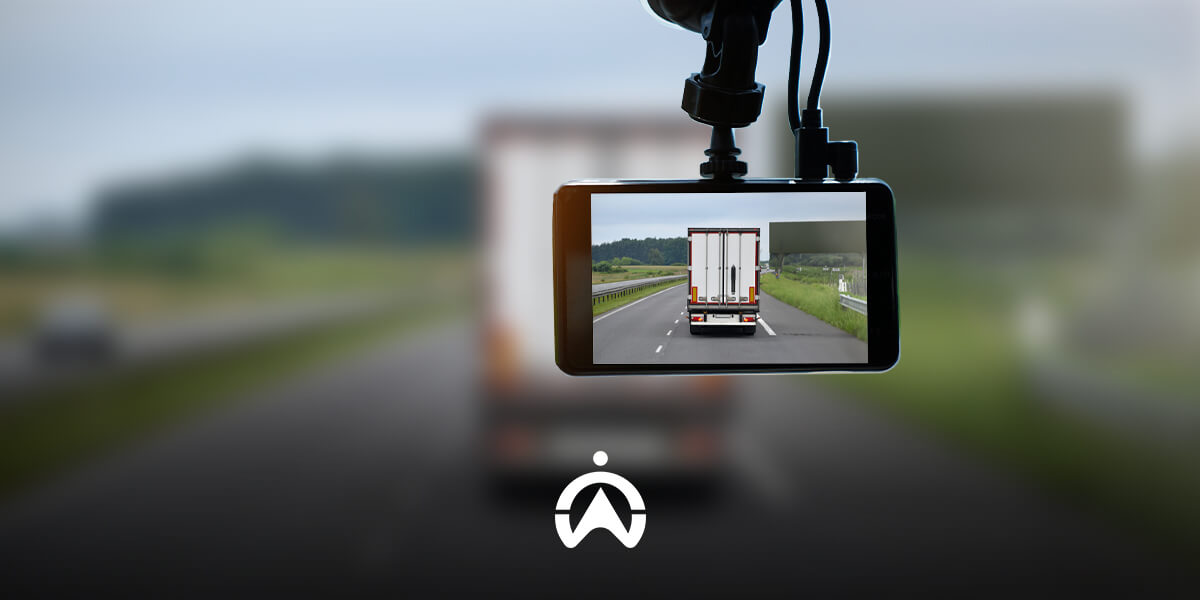
What is a GPS Tracker? Here’s What You Need To Know

How close of an eye are you keeping on your fleet?

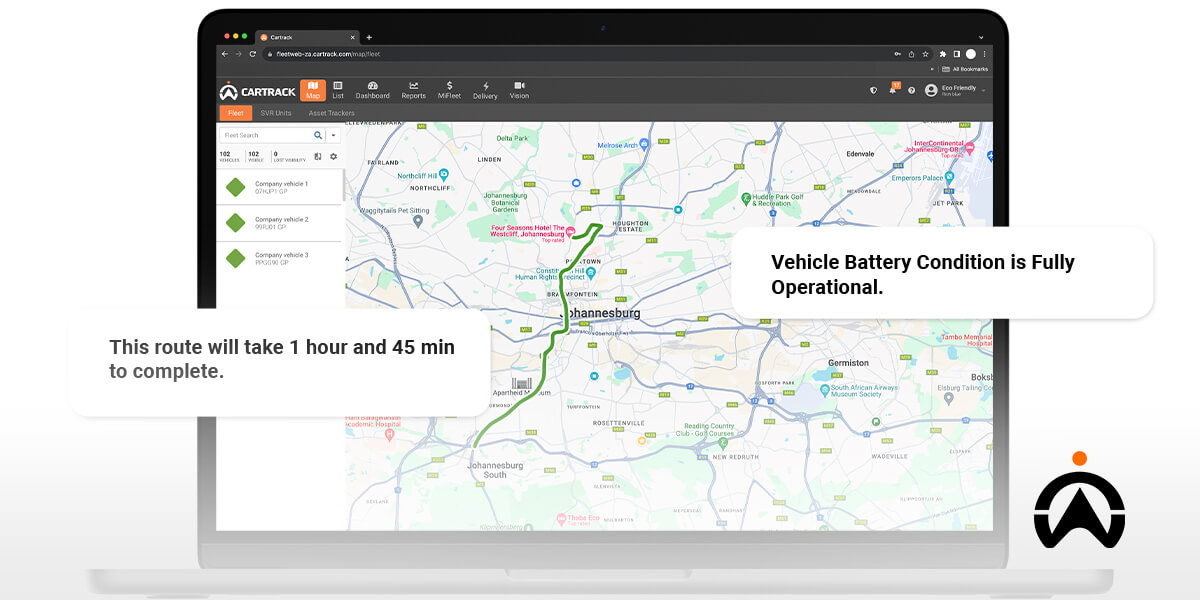
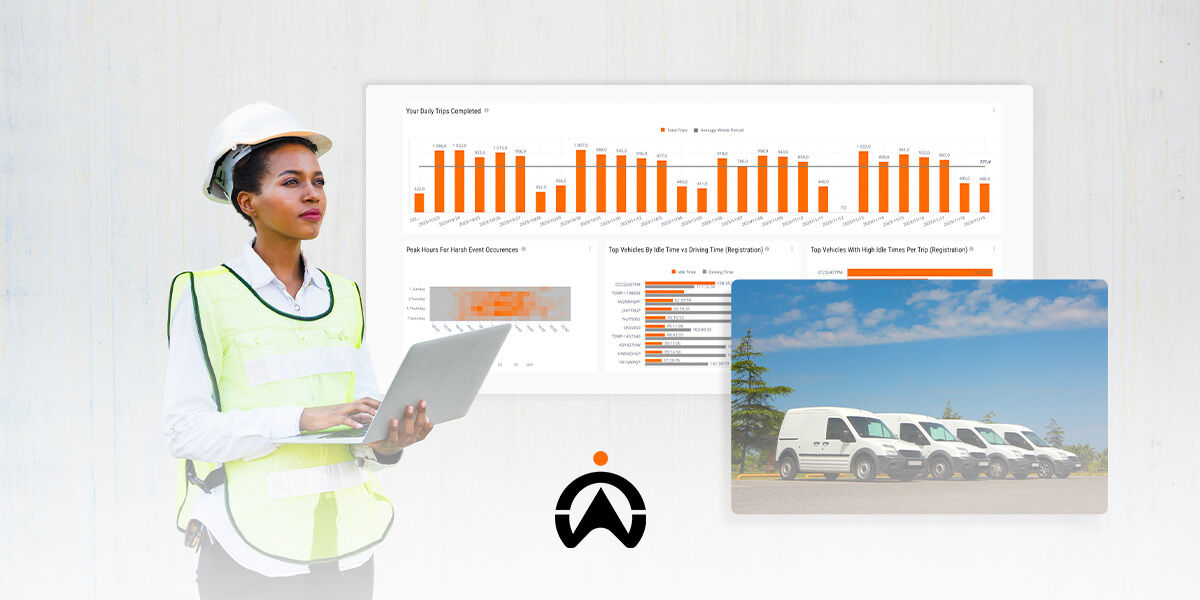
GPS tracking is your key to gaining complete visibility of your fleet. This means knowing exactly where your drivers and vehicles are at all times, in real time. With Cartrack Kenya, this process is seamless and hassle-free.

In this article, you will:

  • Learn what GPS is
  • Find out exactly how GPS trackers work
  • Understand the importance of GPS trackers for your fleet
  • Unlock ultimate fleet safety and efficiency with GPS technology

What is GPS?

Before we explore what a GPS tracker is, let’s understand everything about GPS.

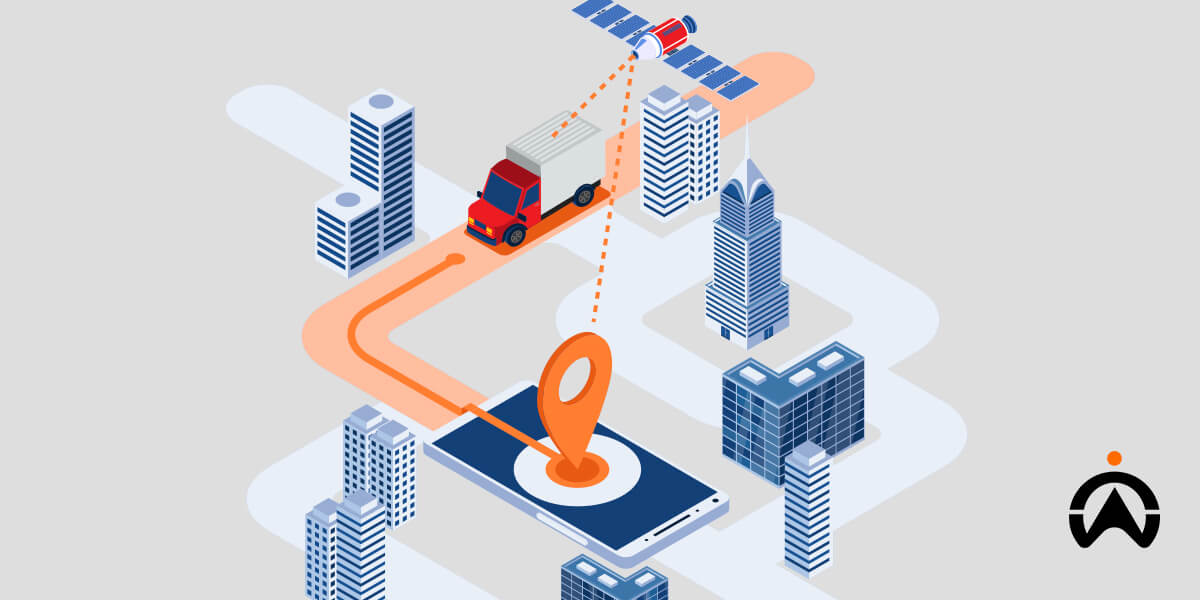
GPS, which stands for Global Positioning System, is a satellite-based navigation system that can provide users with precise location, navigation, and timing information. As one of the most innovative inventions of our time, GPS is everywhere, from your car to your smartphone, and even your watch. GPS receivers, which are present in devices such as smartphones, navigation systems, and smartwatches, all make use of trilateration, which measures the time it takes for the signals to travel from satellites to the receiver. 

The global positioning system is made up of three segments, namely:

  1. Space segment: This segment is made up of satellites that orbit the earth and work to transmit signals to users based on their geographical position and time of day. The main functions of the space segment are to transmit, store, and retransmit radio-navigation signal messages that are sent by the control segment to GPS receivers on the ground. This enables GPS receivers to calculate their precise location, navigation, and time.
    ‍
  2. Control segment: Also known as the Operational Control System, this segment is essential for the proper operation and management of GPS. Made up of earth-based monitor stations, master control stations, and ground antennas, this segment is responsible for tracking and operating the satellites in space, monitoring signal transmissions, and maintaining the health and accuracy of the GPS constellation. This segment is important in ensuring that satellites are in their correct orbits, that their clocks are accurate, and that the navigation messages are correct.
    ‍
  3. User segment: This segment refers to the equipment used to receive GPS signals from the satellites, including items such as smartphones and telematics devices.

These three sectors work together to empower GPS to decipher distances from various satellites and give users precise, real-time location information, helping them pinpoint the exact location.

What does GPS need to work?

For GPS to effectively function, several key elements are necessary:

  • A satellite network: The satellite network typically comprises of 24 satellites that orbit the earth, acting as the backbone of the GPS.
    ‍
  • A signal transmission: Each of the satellites in the network transmits its orbital position and the exact time of that position on radio frequencies.
    ‍
  • A GPS device or receiver: These are commonly embedded in smartphones, wearable technology (such as smartwatches), vehicle tracking units, and specialised navigation systems. 
What_does_GPS_need_to_work

What is a GPS Tracker?

A GPS tracker is a device that makes use of the Global Positioning System to determine and track the location of a specific object remotely. It consists of a GPS receiver that connects to a series of satellites to determine the device’s location. They are portable devices that allow people to track their vehicles.

Passive Versus Active GPS Tracking

GPS tracking can be split into two main categories: active tracking and passive tracking.

  • Active GPS Tracking

    An active GPS tracking system is a real-time system that automatically sends the information on the GPS to a central tracking portal or system in real-time as it happens. Think of it as your co-pilot, helping you keep a constant eye on your vehicles.
    ‍

  • Passive GPS Tracking

    A passive GPS tracking system focuses more on recording and storing tracking information, which can be downloaded and utilised at a later stage. This makes it a suitable solution for instances where real-time tracking isn’t essential.

The difference between active and passive GPSs

Here is a detailed table distinguishing the differences between active and passive GPS tracking:

Aspect Active GPS tracking Passive GPS tracking
Data Accessibility Provides immediate access to real-time location data transmission It only records and stores tracking data that must be downloaded periodically
Frequency at which data is stored Sends location updates at frequent intervals Records location data at predetermined intervals
Monitoring capability Live monitoring Retrospective analysis based on stored data
Alerts Real-time alerts No real-time updates or alerts

Why should you use GPS tracking for your fleet?

There are several reasons why your fleet should use GPS tracking, here are five:

  1. It gives you real-time visibility of your vehicles: This advanced tracking system allows fleet managers to pinpoint the exact location of each of their fleet vehicles at any given moment. The continuous, live updates provided empower decision-making, allowing for proactive measures to mitigate risks, and enhance overall fleet performance.
    ‍
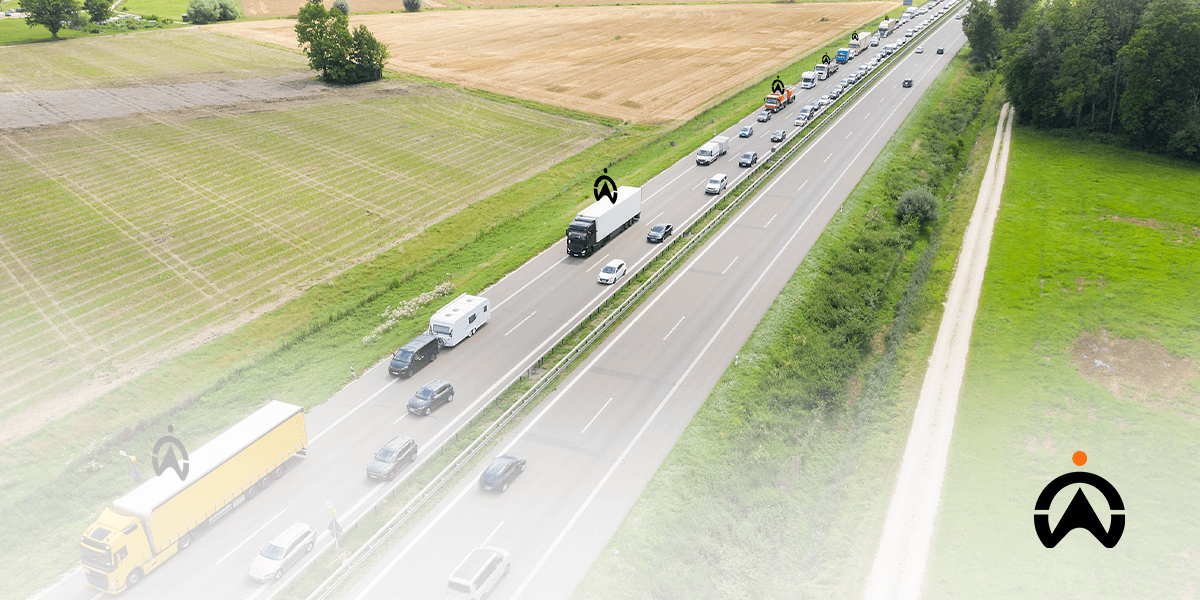
  2. It enables smarter route planning: GPS tracking gives you access to past trip reports by making use of location history. This helps fleet managers identify congested routes and find the best roads to take, which helps optimise routes for improved efficiency.
    ‍
  3. It helps prevent unauthorised vehicle use: Real-time GPS tracking helps fleet managers quickly identify if a vehicle is being misused (e.g., for personal use or side jobs).
    ‍
  4. It improves customer service: GPS tracking helps you know exactly how far your vehicles are from their destination. This information helps you deliver accurate estimated times of arrival to your customers so you keep them updated throughout the delivery process. Real-time vehicle tracking helps optimise delivery routes and avoid traffic congestion, ensuring timely deliveries and significant fuel cost savings.
    ‍
  5. It reduces fuel usage: Fuel can be one of the biggest operational expenditures for most fleets. Companies that implement a GPS tracking system have seen their fleet fuel costs reduced by up to 30%. By comparing multiple routes with GPS tracking and historical reports, fleet managers can optimise fuel usage and reduce cost wastage. A GPS tracking system also plays a role in reducing vehicle speed and excessive idling, which both have detrimental effects on fuel consumption.

How accurate is GPS tracking?

The accuracy of GPS depends on various factors, including satellite geometry, signal blockage, and receiver design features.

  • Satellite position and visibility: GPS receivers need an unobstructed line of sight to at least four satellites to determine their position
    ‍
  • Signal quality: The quality of the signals sent by satellites can be affected by various factors, such as atmospheric conditions and human-made interference. This can lead to errors in finding the accurate location.
    ‍
  • Radio interference or jamming: External sources of radio interference, such as cell phone towers or other electronic devices, can cause signal delays.
How_accurate_is_GPS_tracking

Empower your fleet’s efficiency with Cartrack’s game-changing technology

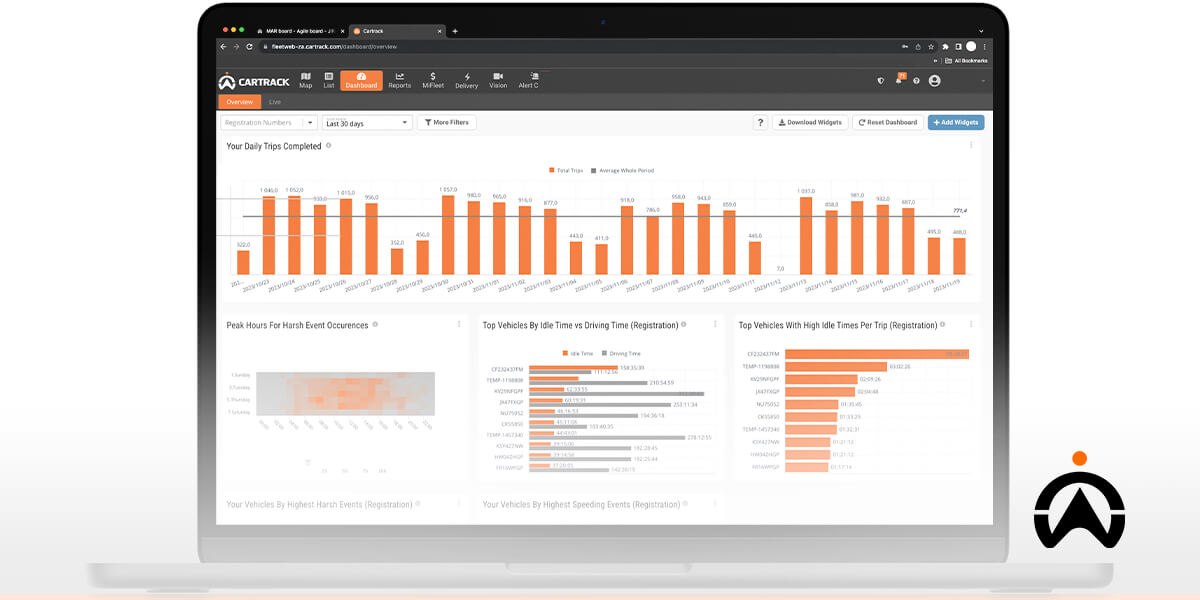
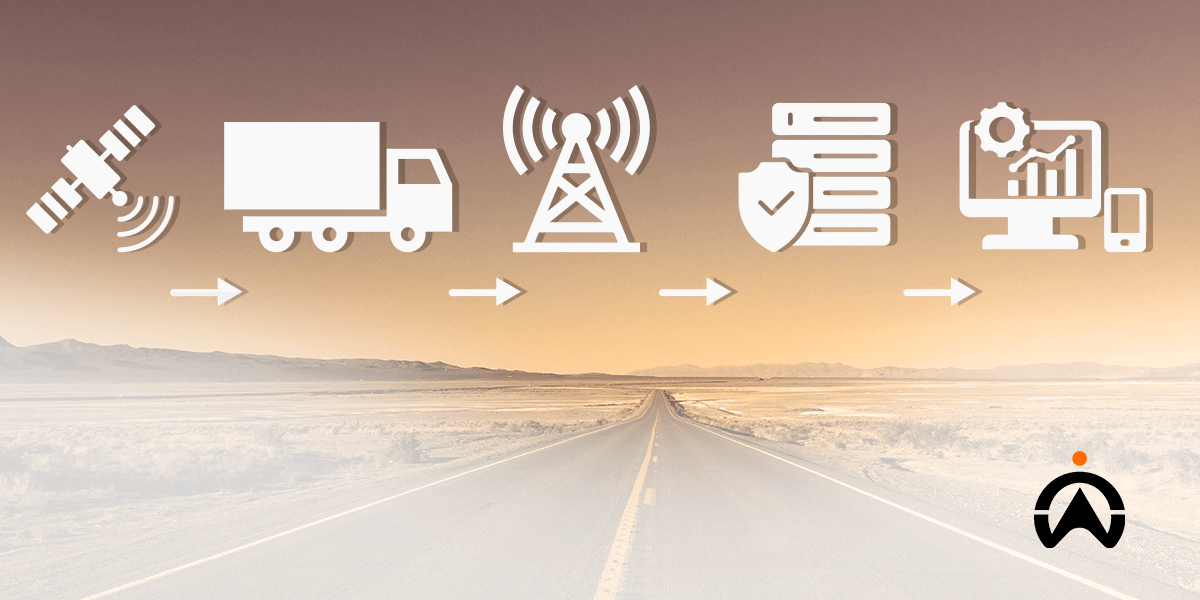
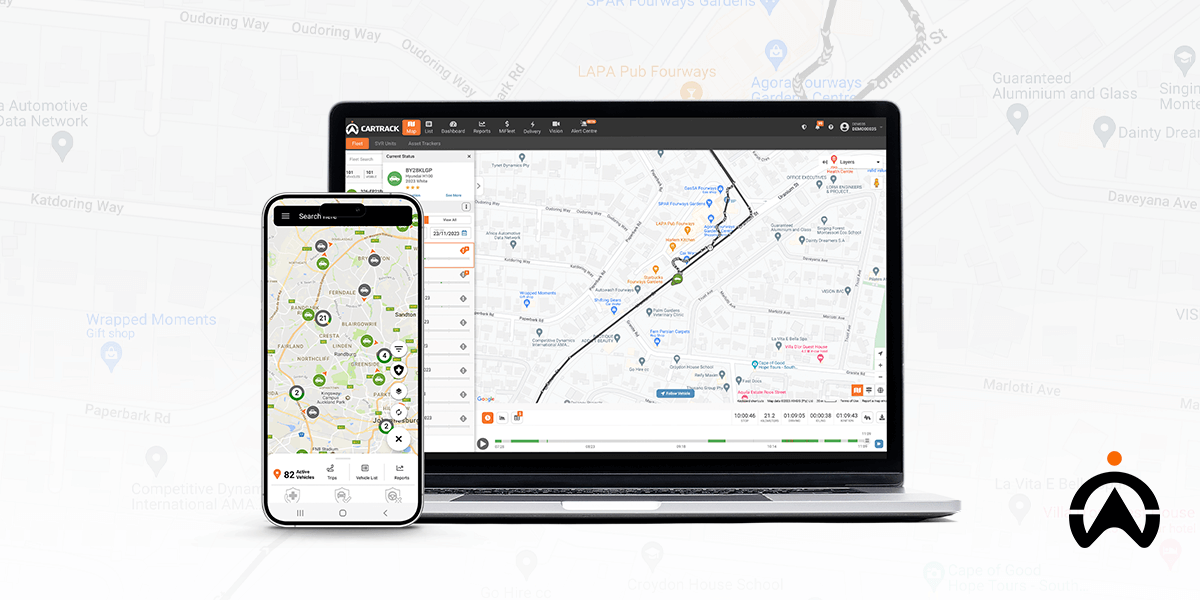
Gain full visibility of your fleet with Cartrack’s live GPS tracking. Our GPS tracking works by integrating the use of tracking units, satellites, and signals to determine a vehicle’s exact geographical location and trip history.

  • Optimise route efficiency: Cartrack’s GPS tracking technology enables the precise tracking of vehicles, which allows fleet managers to optimise routes for optimal efficiency. This not only boosts productivity but also saves fuel by reducing idle times and operational costs. This gives you the ability to monitor and adjust routes in real-time, acting as a proactive response to traffic congestion or accidents, helping drivers keep to delivery schedules and improving customer satisfaction.
    ‍
  • Access your vehicle’s full trip history: Gain access to detailed reports from our easy-to-use fleet platform, so you can see what your drivers have been up to, giving you insights into idle times, fuel levels, engine diagnostics and more. By analysing this data, fleet managers can work to reduce idle times, optimise travel routes, and improve driver behaviour, leading to overall increased fleet efficiency.
    ‍
  • Achieve unparalleled safety: Cartrack’s GPS tracking software offers advanced security and safety for your vehicles. Our cutting-edge tracking devices provide real-time location updates, which play a crucial role in rapid response to vehicle theft or hijacking scenarios. Cartrack’s specialised stolen vehicle recovery service makes use of GPS tracking to locate and recover the vehicle, it’s above 90% stolen vehicle recovery rate increases your chances of vehicle protection.
    ‍
  • Monitor vehicle usage with geofencing: Unlock precise location control with Cartrack’s geofencing feature. Create virtual boundaries around specific areas your vehicles operate in or no-go zones you want drivers to avoid and receive alerts via SMS or email when they enter or exit these set boundaries. This gives you increased visibility of your vehicle’s activity, further enhancing your fleet’s safety and security.

Cartrack’s GPS Tracking Technology In Action

Cartrack Kenya is devoted to providing you with world-class vehicle security, and this is reliant on GPS systems. With an above 90% audited recovery rate, our numerous success stories speak to the efficiency of GPS tracking for fleet visibility and safety. 

On August 2nd, 2020, Cartrack’s recovery team was dispatched for the retrieval of a stolen 1975 Toyota Corona, a rare and irreplaceable classic. By making use of GPS tracking technology, Cartrack Kenya was able to pinpoint this vintage vehicle’s location, making it possible for them to recover it within an hour of it being stolen.

Hear more about this success story right from the Cartrack clients, by watching the video below:

At the heart of our advanced telematics technology lies the innovative power of GPS tracking. This unparalleled precision empowers our 24/7 emergency control room and highly trained stolen vehicle recovery team with real-time visibility, which ensures that we are ready to respond and recover at all times. Our unwavering commitment to innovation and technological advancements places Cartrack Kenya at the forefront of the vehicle tracking industry.

Gain full fleet visibility with Cartrack’s Solutions

Whether you run a small delivery service or work in a high-demand sector like oil, gas, and mining, our solutions are the answer to keeping an eye on your fleet at all times. 

Contact us today, and enhance fleet safety, improve operational efficiency, and enable faster decision-making.

Powerful Fleet Management Strategy Guide for Smarter Operations for Now and Beyond

Fleet management demands so much more than just vehicle tracking, requiring managers to have full visibility and oversee costs, compliance, and safety all at once.

One of the biggest challenges that fleets face is driver safety incidents, with most road fatalities being caused by preventable human errors like speeding, distraction, or failure to wear seatbelts. Risk mitigation and safer driving practices now make up critical parts of any successful fleet strategy, and it’s why a smart fleet strategy can take your business from good to great.

Through our comprehensive fleet strategy guide, you’ll learn how to build a safer and smarter fleet with the help of a blend of tools that incorporate technologies and data-driven insights. From telematics feedback to practical how-to guides, explore how Karooooo can turn your data into real action.

Start every day with a fleet strategy that works- here is what you need to know

It doesn’t matter what time of the year it is, prepare for what lies ahead for your business every day. For fleet managers and business owners, today is the perfect time to outline a clear fleet strategy to achieve future goals.

A fleet strategy is a plan that outlines how you will manage your fleet of vehicles. This includes everything from choosing the right vehicles to maintaining them and tracking their performance.

All you need is a well-defined fleet strategy that aligns with your business objectives and will ultimately contribute to a safer and more productive work environment.

Let’s kick start with the basics.

What are Fleet management basics for businesses?

As your business grows and expands, so does your need for a reliable, efficient, and high-performing fleet of vehicles. Before implementing high-tech fleet management solutions, you need to find a fleet management system that suits your business practices and industry.

At its core, fleet management is about overseeing, preserving, refining, and enhancing your assets. That means keeping track of the locations of your vehicles, how your drivers are behaving on the roads, and how your assets are performing overall. Here are some key tools that make this possible:

Fleet_management_basics_for_businesses

What are the steps to building a real fleet management strategy?

A clear and well-thought-out fleet strategy is the foundation to smoother fleet operations, serving as a roadmap that lays out all the tools and resources you need. With a strong fleet management strategy, you can focus your efforts towards improvements and business growth, meaning an uptick in productivity and ingenuity overall.

Develop a robust fleet strategy that aligns with your business’s objectives; here are 5 clear steps to help you get started:

Step 1. Define your fleet management goals

Start every fleet management strategy with clear and measurable objectives, whether it’s reducing fuel costs by 10% or enhancing driver safety through focused training programmes. These objectives may include trimming fuel expenses, refining driver behaviour, optimising asset utilisation, or minimising downtime.

Established goals guide decision-making and offer a benchmark for evaluating the success of your strategy so you can actually measure what’s working and what needs to be improved. If the goals from the current year were not achieved, you have the flexibility to either continue them or set new ones for the next year.

Step 2. Evaluate your current fleet

Assess your fleet based on factors such as mileage, maintenance records, and overall performance to determine if assets are still suitable for the upcoming year or if replacements are needed. This assessment builds an understanding of your fleet’s strengths and weaknesses, helping you uncover areas for improvement and ultimately decide if an asset is due for upgrade or retirement.

Step 3. Spot your future needs

Align your fleet with new business objectives by identifying specific needs for upcoming projects. Is your business expanding into more urban projects and areas? Evaluate if your current fleet meets the demands of city environments or if adjustments are needed.

Step 4. Look into relevant technologies

Explore available fleet management technologies like GPS tracking, telematics systems, geofencing, and dashcams, then consider what works best according to your overall budget and business needs. With new fleet innovations emerging annually, the right ones can empower you to take control and stay on top of your operations.

Step 5. Execute and monitor your fleet strategy

Translate your fleet strategy into action by implementing the chosen processes and technology. Continuously monitor fleet performance – tracking metrics such as fuel consumption, vehicle uptime, and driver behaviour –  and then use this data to refine your strategy and make necessary adjustments along the way. Regularly review this information to make enhance your business operations and improve your fleet strategy.

How Do Compliance and Risk Management Shape Your Fleet Strategy?

A fleet strategy doesn’t just rely on how well it’s run but also on whether it’s legally and compliance sound. Businesses in Kenya are being put under immense pressure to ensure that they’re adhering to the rules of the road and complying with drivers’ working hours, carbon emissions, and licences.

With Karooooo, you can stay on top of all things compliance and avoid falling victim to penalties through features like licence validity checks, automated reminders, and files/contract folders for soft copies of important documents.

What Fleet management trends are shaping the future, and what to look for to succeed?

As the transportation industry continues to evolve, fleet management is at the forefront of innovation. By embracing technologies and adopting new strategies, fleet managers can rapidly improve fleet efficiency, boost long-term performance overall business success.

Let’s explore 4 major trends that are shaping the future of transportation:

  1. Predictive analytics
    Predictive analytics, driven by artificial intelligence (AI), is transforming fleet management by helping fleet managers anticipate potential issues before they arise. By analysing data that includes vehicle performance, driver behaviour, and traffic patterns, this technology can help identify and predict possible challenges like vehicle breakdowns, fuel inefficiencies, or unexpected delays. The result? Less downtime through proactively scheduled maintenance, optimised fuel usage, and disruption preventions that could impact business operations.
    ‍
  2. Autonomous vehicles and ADAS
    The emergence of autonomous vehicles and Advanced Driver Assistance Systems (ADAS) is reshaping how fleets operate. ADAS features, including lane departure warnings and automatic emergency braking, enhance safety and diminish the risk of human error, allowing drivers to focus on more intricate aspects of their roles, such as customer interactions or route optimisation. Though still an evolving area, integrating autonomous vehicles and ADAS into fleets allows businesses to enhance operational efficiency and elevate driver productivity.
    ‍
  3. Electric vehicle integration
    As fleets begin to go electric, fleet management for electric cars is growing in popularity. Today’s technology can optimise battery use, identify optimal charging stations, and seamlessly integrate EVs into existing fleet operations. Utilising software to locate the nearest charging stations ensures that EVs remain charged and ready for operation, contributing to a smoother transition to electric mobility and minimising the environmental impact of a fleet.
    ‍
  4. Mobility-as-a-Service (MaaS)
    This service provides businesses with the flexibility to plan, book, and pay for a fleet they do not own, eliminating the need for individual ownership and maintenance of a fleet and offering a cost-effective, adaptable transportation solution. Through partnerships with MaaS providers, businesses can share fleets for occasional deliveries or other transportation needs instead of being responsible for a full-time fleet.

Sustainability in fleet operations

As previously mentioned, businesses are experiencing increased pressure when it comes to their ecological footprints, which see a number of companies naturally progressing towards electrification and fuel efficiency.

Environmental, social, and governance (ESG) goals are at the forefront, and Karooooo can help you achieve those goals. Adopt sustainable practices with features that include route optimisation and fuel monitoring.

fleet_management_software

How can Karooooo help you master your fleet strategy?

These emerging trends are only as good as the tools you implement to harness them. Karooooo, the industry leader in telematics and vehicle tracking, offers a range of fleet management solutions that can help businesses of all shapes and sizes strengthen their fleet strategy today!‍

Here’s how Karooooo can turn your strategy into results:

  • Track movements with  geofence alerts
    Create digital boundaries set around your work sites, restricted areas, or delivery zones with Karooooo’s geofence feature. This feature ensures you stay informed in real-time when vehicles enter or exit the zones you have geofenced, informing  you of your vehicle’s activity and whereabouts while reducing the chances of unauthorised trips
    ‍
  • Improve fuel efficiency with fuel consumption monitoring
    Karooooo’s telematics system can track your vehicle’s fuel consumption, giving you the insights needed to optimise fuel efficiency. Flagging issues such as excessive idling and risky driver behaviour that burns more fuel than necessary can pave the way for targeted strategies to reduce fuel costs. Karooooo can help you pinpoint fuel-efficient practices that turn every drop into a saving on your bottom line.
    ‍
  • Use MiFleet for comprehensive fleet cost management
    Karooooo’s MiFleet Fleet Management system simplifies administration and running costs, including speeding tickets, toll fees, licence renewal dates, maintenance, and fuel. The system allows easy uploading of transactions and their accompanying receipts, getting rid of the need to manually add information. MiFleet also automatically reviews all fuel transactions and matches them with your vehicle’s telemetry data, making it easier for fleet managers to identify areas of possible fuel theft and save the company thousands in fuel.
    ‍
  • Streamline operations with delivery
    Karooooo’s Delivery tool enhances communication between fleet managers and drivers, enabling effortless task assignment and real-time tracking from dispatch to delivery. Assign tasks for deliveries or infield services to specific sites, or stay informed about drivers’ movements with live tracking. Your drivers also stay informed with instant job updates, ensuring schedules are met with precision, timely deliveries are made, and customer satisfaction is boosted.

Power your fleet strategy with Karooooo

Whether you’re looking to improve safety or slash those rising costs, Karooooo has everything you need to make those business changes a reality. From easy and seamless task management to detailed and comprehensive data analytics, we’ll ensure you see tangible fleet management success.

Are you eager to see your fleet operating at its full potential?

Contact Karooooo’s team and take control of your operations.

Frequently Asked Questions

How can telematics improve my fleet’s performance and strategy?

Telematics systems collect and interpret data such as driver behaviour and fuel usage. With this type of data, businesses can identify inefficiencies, minimise risks, and bring about changes that improve overall fleet productivity and safety.

How often should I review my fleet strategy?

Ideally, your strategy should be reviewed at least once a year, with data being monitored continuously. These kinds of regular check-ins allow you to adjust your fleet strategy based on the data presented, which can include performance trends or even industry changes like fuel prices or compliance matters.

Is fleet management strategy only applicable to large businesses?

No, fleet strategy benefits businesses and companies of all sizes. Even smaller fleets can cut costs, improve processes, and stay compliant – with a good fleet management company allowing scalable solutions if the company ultimately continues to grow.

How can I coordinate my fleet strategy with my business goals?

Your fleet strategy should reflect and support whatever you want your business to achieve, whether that’s bringing down operational costs, improving service, or staying on top of compliance. Always start by looking over potential future projects and business growth, and then tailor your tools to match.

The Best Fleet Management Software For Your Construction Business

Ever wished for the perfect assistant to effortlessly handle the ins and outs of your construction fleet? Well, meet the ultimate candidate for the job – Cartrack.

Stay tuned as we delve into the features and benefits of fleet management software and find out what makes Cartrack Kenya the ideal co-pilot for managing your construction fleet.

In this article, you will:

  • Uncover the construction fleet management essentials
  • Distinguish between construction fleet managers and project managers
  • Understand the challenges of not having a fleet management tool
  • Learn why fleet management software is a must-have for construction companies
  • See what makes Cartrack your ideal fleet management solution

What is construction fleet management?

The construction fleet management process involves managing a fleet of vehicles and equipment used for various tasks in the construction industry.

For example, heavy-duty equipment such as excavators and bulldozers are designed to tackle big excavation and earthmoving projects, and smaller vehicles like dump trucks ensure that materials are transported to and from the site efficiently. These are all extremely valuable assets and poor management of them could cause project delays, safety risks or even increased downtime, impacting your construction business’s bottom line.

This is why construction fleet managers play a vital role. They help ensure the safety and efficiency of drivers, vehicles and the construction site itself. To effectively do this, fleet managers need to track their fleet performance on a day-to-day basis so they can identify areas where improvement is needed or where risk concerns should be addressed, and put systems in place to correct these.

Construction fleet manager vs construction project manager

Much like any fleet manager, a construction fleet manager is responsible for coordinating all aspects of the fleet, from route planning and fuel management to vehicle maintenance and repair. They manage the use, maintenance, and operation of construction vehicles and equipment, ensuring that each vehicle receives necessary maintenance to prevent issues or major repairs that could be costly or add to safety risks.

Apart from their vehicles and equipment, they also oversee;

  • Driver training
    ‍
  • Safety protocols on site
    ‍
  • Compliance with industry standards and regulations
    ‍
  • Managing fleet costs

Additionally, construction managers are in charge of coordinating vehicles around the site, deciding on vehicle placement based on the type of project for better efficiency, managing fuel logistics and ensuring operations are streamlined.

Construction project manager

Construction project managers, on the other hand, seem to handle aspects of construction from behind the scenes.

A construction project manager is tasked with organising and supervising all stages of a construction project, ensuring it runs smoothly from start to finish. Their responsibilities include creating project plans, managing budgets and resources, collaborating with contractors, obtaining required permits, and ensuring compliance with regulations. Ultimately, their role is crucial in guaranteeing that projects are completed on schedule, within budget, and meeting specified quality and safety standards.The responsibilities of a project manager overseeing the construction of a new office building for example would include:

  • Creating a detailed project plan and executing it
    ‍
  • Obtaining required permits and approvals from local authorities
    ‍
  • Recruiting and supervising a team of contractors and subcontractors
    ‍
  • Asset usage monitoring
    ‍
  • Tracking project progress and making adjustments as necessary
    ‍
  • Ensuring timely, budget-friendly, and satisfactory project completion

In summary, a construction project manager is the driving force behind the successful execution of complex construction tasks and projects.

Roles and responsibilities for a fleet manager in construction

Fleet managers in construction are responsible for overseeing and managing the company’s entire fleet, including vehicles, equipment, drivers, and cargo. This involves ensuring the efficient operation of the fleet and implementing essential practices for improvement.

  1. Acquiring and liquidating vehicles

    Fleet managers must meticulously assess the company’s requirements when buying new vehicles. Factors such as the nature of construction projects, fuel efficiency, operational conditions like weather and terrain, and budget constraints are all taken into account. When it comes to older assets that are continuously being serviced and are costly to repair, fleet managers are tasked with disposing and upgrading vehicles in a cost-effective and environmentally conscious manner. Options may include auctioning, trading for newer models, or charitable donations.
    ‍

  2. Vehicle maintenance and servicing

    Ensuring the proper upkeep of all vehicles is crucial for fleet managers to sustain optimal conditions and prolong their lifespan. This involves creating and adhering to maintenance schedules, monitoring mileage and usage, and promptly addressing potential issues.
    ‍

  3. Safety

    Prioritising driver and vehicle safety is a paramount responsibility for fleet managers. They institute and execute safety programs, monitor and manage driver behaviour, and ensure vehicles are well-maintained with requisite safety features. Conducting safety audits and inspections to identify and rectify potential hazards is also part of their duties.
    ‍

  4. Monitoring fleet performance

    Fleet managers routinely monitor fleet performance to pinpoint areas for enhancement. This involves tracking fuel and maintenance costs, asset usage, activity and vehicle downtime. Implementation of software for data collection and analysis aids in identifying trends and patterns.

    Beyond these responsibilities, fleet managers also conduct tasks like inventory tracking, material procurement, and coordinating deliveries. They may also supervise the loading and unloading of vehicles and equipment, ensuring proper storage and security for all materials and equipment.

Roles_and_responsibilities_for_a_fleet_manager_in_construction

Why choose fleet management software

Construction fleet management involves managing all equipment and vehicle assets for construction and building projects, including trucks, vans, and specialised construction machinery such as excavators, loaders, and cranes, and being in charge of all this can sometimes be overwhelming. A small oversight might jeopardise either the safety of your drivers or other civilians on sight. This is where fleet management software comes in, it assists construction fleet managers in ensuring there is no stone left unturned.

Which management technologies are needed in a construction company?

There are several fleet technologies out there that can provide a special set of benefits depending on your business model and industry. The needs of the business often determine the specific features that your construction fleet requires. For example, a business that is concerned about safety may want to choose a system that includes camera software like dashcams, while a business that is concerned about fuel efficiency may want to choose a system that includes fuel monitoring software.

Here are a few fleet management technologies that would benefit a construction business:

Telematics: Telematics systems offer detailed insights into vehicle performance and driver behaviour. They can monitor fuel consumption, engine diagnostics, harsh braking events, and other crucial metrics. This information helps pinpoint areas for improvement, provides coaching on safer driver practices, and reduces the risk of accidents or breakdowns.

Geofencing: Construction managers can use geofencing to create virtual boundaries around specific areas like job sites or restricted zones. When a vehicle enters or exits these zones, fleet managers receive alerts. This feature prevents unauthorised vehicle use, ensures compliance with safety protocols, and tracks vehicle movements for payroll or billing purposes.

Dashcams: Mounted on the dashboard or windshield, dashcams record the view in front of the vehicle. This footage serves various purposes, from exonerating drivers in accidents to providing evidence of unsafe driving practices and supporting insurance claims.

Fleet management apps or platforms: These apps empower construction managers to remotely access fleet data from their smartphones or tablets. They can track vehicle locations, monitor driver performance, send dispatch notifications, and receive real-time alerts, enhancing overall fleet management efficiency.

Challenges faced without a construction fleet management tool

Fleet managers in construction face a multitude of challenges in planning, organising, and executing construction projects. Without the use of construction fleet management software, these challenges become even more daunting, potentially hindering productivity, increasing costs, and impeding the overall success of projects. 

Here’s a quick breakdown of the major challenges that construction managers encounter without proper fleet management software:

  • Inefficient vehicle and equipment tracking

    Manual tracking of vehicle and equipment locations can be time-consuming and prone to errors, resulting in poor utilisation of resources and increased downtime. Without real-time visibility into the whereabouts of vehicles and equipment, construction managers struggle to optimise scheduling and dispatching, leading to delays and cost overruns.
    ‍

  • Reactive maintenance practices

    Without predictive maintenance capabilities, construction managers often rely on reactive maintenance, responding to breakdowns and repairs only after they occur. This reactive approach can lead to frequent equipment downtime, unplanned shutdowns, and increased maintenance costs.
    ‍

  • Poor operator management
    ‍
    Manual tracking of operator schedules, timesheets, and performance metrics can be inefficient and error-prone, making it difficult to ensure operators are properly trained, compliant with regulations, and working productively. Inadequate operator management can lead to safety hazards, productivity loss, and increased labour costs.
    ‍
  • Lack of data-driven insights
    ‍
    Without access to real-time data and analytics, construction managers lack the insights needed to make informed decisions about fleet utilisation, maintenance schedules, operator performance, and cost optimisation. This lack of data-driven decision-making can lead to inefficiencies, resource misallocation, and increased project costs.
    ‍
  • Increased safety risks

    Manual tracking of safety incidents and near misses can be ineffective in identifying and addressing safety hazards. Without a safety system in place, construction managers struggle to prevent accidents, reduce injuries, and maintain a safe work environment.
    ‍

  • Limited communication and collaboration

    Manual communication methods, such as phone calls and emails, can be slow and inefficient, hindering communication and collaboration between construction managers, operators, and other stakeholders. This lack of real-time communication can lead to delays, misunderstandings, and missed opportunities for improvement.

For example, a construction manager may not be aware of a change in the project plan, leading to delays and rework if the operators are not informed promptly.

Reactive_maintenance_practices

The best fleet management tool for any construction business

If you’re looking for a fleet management solution for your construction business and prefer a tool that can provide you with real-time GPS tracking, mileage tracking and reports, asset management, and more, all on one platform — then Cartrack Kenya is the solution you’ve been searching for.

Whether your business falls under construction field services, oil and gas mining or the transportation and logistics industry, Cartrack Kenya  provides various features, services and packages to perfectly suit your business model.

How Cartrack’s solutions can assist in efficiently managing your fleet

Cartrack Kenya has all the features a construction fleet manager would need to properly run their fleet, no matter the job.

  1. AI cameras

    Enhance your fleet’s safety with AI-powered cameras, featuring up to eight internal and external cameras with in-cabin audio. These help boost the safety of your drivers, vehicles, and cargo, as drivers can receive real-time audible alerts of potential issues, allowing them to quickly rectify risky driving behaviour and prevent collisions. Our cameras also provide video footage for driver accountability during events or accidents, this can also be used to further train and educate drivers.
    ‍

  2. Monitoring sensors

    Cargo door sensors: Monitor the drop point of the delivery and stay informed about cargo security by receiving instant notifications the moment cargo doors open or close. This feature ensures that only authorised persons can access your cargo area, helping to keep your valuable cargo safe.

    Drum rotation sensor: Tailored for cement trucks, our sensors monitor the speed and direction of your truck’s drum rotation. This functionality guarantees that your cement remains well-mixed, meeting the expected quality standard.
    ‍

  3. Asset management

    Cartrack’s asset management allows you to keep track of your asset’s utilisation in real time. Effectively schedule your equipment remotely across various project sites, preventing over or underuse of your assets for optimised fleet performance.
    ‍

  4. ID Tags

    Be informed of who is behind the wheel with our ID tags. A tag is assigned to each driver in your fleet to easily identify which drivers are operating your vehicles. These tags along with our Start Prevent feature ensure that only authorised personnel operate your assets.

    “Using Cartrack’s advanced fleet management we have been able to increase our operational efficiency to deliver a better service to our customers, as well as effortlessly establish a maintenance cycle that reduces our costs and increases our fleet longevity.”
    Gareth Langley, Operations Manager at Concord Cranes

    Concord Cranes faced challenges in precisely logging the operational hours of their cranes, impacting their ability to meet client delivery schedules. This obstacle prompted the search for a more efficient solution.

    We’ve helped Concord Cranes along with +110,000 other businesses in streamlining their construction fleet and optimising productivity, let us help your business.

Trust Cartrack Kenya with your construction fleet management needs

Construction operations are fast-paced, involving various job sites, a range of assets, and mobile crews. Count on Cartrack Kenya to monitor all your heavy equipment from vehicles to powered trailers, and other assets in your arsenal.

Get in touch with the industry experts.

What Is Fleet Electrification? And How To Prepare For The Transition

We all know how much the transportation sector impacts our environment with all those emissions. But how many of us are actively doing something about it?

Fleet electrification has presented itself as a possible solution. Should your fleet jump on this eco-friendly train, and how can your business ease into the transition?

Let’s dive in and find out if it’s the right move for you.

In this article, you will:

  • Find out what fleet electrification is
  • Learn more about electric vehicles
  • Discover the benefits of fleet electrification
  • Explore the challenges fleet electrification can bring to a fleet
  • Uncover the Cartrack solutions for all the transition challenges

What is an electric vehicle?

Electric vehicles, commonly known as EVs, are vehicles designed to operate entirely or partially using electricity as their primary source of power. In contrast to conventional vehicles, which rely on gasoline or fossil fuels, electric vehicles make use of an electric motor that draws energy from advanced sources such as rechargeable batteries or fuel cells. These sources supply the necessary electricity to power the rechargeable battery, enabling the vehicle to move. Electric vehicles are split into two types:

  • Battery Electric Vehicles (BEVs): These are powered entirely by electricity that is stored in batteries
    ‍
  • Plug-in Hybrid Electric Vehicles (PHEVs): These feature both an electric motor and a regular petrol or diesel engine.

Electric vehicles are revolutionising the way we move and impacting fleets in businesses, with many companies now opting for fleet electrification.

What_is_an_electric_vehicle

What is Fleet Electrification?

Fleet electrification refers to a fleet strategically shifting its vehicles from traditional gasoline or diesel-fueled vehicles to zero-emission electric vehicles. 

This switch encompasses a variety of vehicle types, including vans, trucks, and cars, all powered by electricity. This shift is driven by a range of factors, including advancements in battery technology, decreasing costs of electric vehicles, and the need to mitigate the effects of climate change. 

Fleet electrification not only contributes to environmental sustainability but also aligns with broader efforts to achieve cleaner, more sustainable transport.

How Does Fleet Electrification Benefit Your Business?

The adoption of electric vehicles can be beneficial to fleets in numerous ways. These benefits include:

  1. Positively impacts the environment: One of the greatest benefits of fleet electrification is the reduction in greenhouse-gas emissions. Given the transportation industry’s significant contribution to these emissions, the integration of electric vehicles into fleets acts as a solution to curbing their environmental impact and combating climate change. EVs produce zero tailpipe emissions, so embracing this approach can help your business reach emission reduction and sustainability goals, subsequently positively enhancing its reputation and image.
    ‍
  2. Acts as a sustainable energy source: Fleet electrification acts as a sustainable energy source by not only reducing carbon emissions from vehicle exhausts but also by promoting the use of renewable energy sources in the transportation sector. Although electricity in itself is not a sustainable energy source, it can be generated from renewable sources like solar, wind, or hydroelectric power, which further reduces the impact on the environment.
    ‍
  3. Decreases fleet fuel costs: Fuel costs are an exceptionally high point of concern for fleets and have been for years. With fleets spending over 20% of their budget on fuel, lowering this can have a positive impact on a business’s fleet. High fuel costs have a significant impact on fleet efficiency, leading to reduced fuel efficiency and increased operating costs.
    ‍
    EVs have lower fuel costs than conventional vehicles, as electricity is usually cheaper than gasoline and diesel. Filling up a gasoline tank is estimated to range anywhere between R900 and R1600, depending on your vehicle. The cost of recharging an electric vehicle is significantly lower. Assuming an 80kWh battery pack and a full charge from 0% to 100%, charging an electric vehicle with an alternating current (AC) at a public station would cost R376 while using a direct current (DC) would cost R461.60. (These prices are accurate as of the time of publishing).
    ‍
  4. Reduces maintenance costs: Fleet electrification can reduce maintenance costs significantly. A 2020 Consumer Reports study indicated that EVs can save owners approximately 50% in maintenance costs compared to a traditional gasoline vehicle. This is partially because EVs require far less maintenance.

    There are only three types of fluids that are needed to run EVs: coolant, windshield washer, and brake fluid. Electrical vehicles do not need oil changes, transmission flushes, or other engine fluid replacements, which directly translates to a decrease in the number of times your vehicles undergo maintenance.

The Implementation of Electric Vehicle Fleet Management

Applying fleet management for EVs involves efficiently handling a group of commercial electric vehicles, which can consist of delivery vans or company cars. Fleet managers are responsible for vehicle maintenance, driver monitoring, and route optimisation to name a few. These responsibilities are a challenge for fleet managers with traditional vehicles and can be equally challenging for fleet managers with electric vehicles, making fleet management vital, irrespective of the nature of your fleet.

EV fleet management systems are designed to offer companies the ability to enhance productivity, save costs, and ensure compliance across their entire fleet. Fleet management can help electric vehicle fleet managers in this regard, by giving them access to real-time data on vehicle performance, battery life, costs, and more.

Electric_Vehicle_Fleet_Management

Factors That Can Hinder Electric Vehicle Adoption in a Fleet

Many fleet managers have shied away from adopting an electric fleet for numerous reasons, including:

  1. The High Initial Price: One unavoidable aspect of fleet electrification is the higher upfront cost in comparison to traditional vehicles. This initial cost can pose a big challenge, especially when strict budget constraints need to be adhered to. However, it is crucial to remember that, over time, the operational cost benefits are undeniable. Electric vehicles can eliminate the reliance on traditional fossil fuels, which leads to substantial fuel cost savings.
    ‍
  2. The Availability of Charging Stations: A reliable charging network is crucial for the implementation of an EV fleet. Fleet vehicles need efficient charging stations to function smoothly, as more charging stations translate to reduced downtime. A strong EV fleet charging network and effective EV fleet tracking ensure optimal access to charging points and minimise idle time.
    ‍
  3. Range Anxiety: A 2019 Kia Motors study found that 80% of fleet managers were held back from making the switch to electric vehicles due to range anxiety. Range anxiety describes the fear that electric vehicle drivers experience when they are concerned about the distance an EV can travel on a single charge and the possibility of getting stranded during a journey. An example we have of this is the Volvo FH. Volvo’s FH Electric has a maximum range of about 300 kilometres and a gross combined weight rating of 44 tons. While this is impressive for an EV, a diesel FH with the same GCWR can go 1,000 km between fuel stops. This tends to apply to the majority of electric vehicles, making fleet managers concerned about the impact this will have on their fleet efficiency.
    ‍
  4. Battery Degradation and Replacement Costs: Electric vehicle batteries can degrade over time, and their capacity to store energy diminishes. This can lead to a reduction in vehicle range and may require battery replacements.

The Role of Telematics In Electric Fleets

Telematics is a technology that makes use of telecommunications and informatics to collect GPS fleet tracking data and a range of other vehicle-specific information. Telematics can provide in-depth data on vehicle speed, braking, and the areas the vehicle travelled to and from. Just like gasoline-powered fleets, telematics plays a significant role in electric fleets by providing crucial data and insights that can optimise the efficiency, performance, and management of electric vehicles. Here are the key roles that telematics plays in electric fleets.

  1. Monitoring Battery Performance: Telematics gives fleet managers access to battery performance history. This information helps them optimise battery performance, leading to an improvement in overall fleet efficiency.
    ‍
  2. Cost Savings and Efficiency: Telematics gives fleet managers insight into energy usage patterns, which enables efficient route planning and maintenance scheduling. This helps improve operational efficiency, reduce energy costs and save costs.
Telematics_In_Electric_Fleets

How Cartrack Kenya Helps You Tackle The Key Challenges of Fleet Electrification

  1. Reducing range anxiety

    The time required to recharge an electric vehicle can significantly impact fleet operations. Quick and convenient charging solutions are needed to minimise downtime, especially for commercial use. This makes planning your routes important, as a higher density and accessibility of charging stations along a driver’s route not only enhances the convenience of charging a vehicle but also alleviates the concern of range anxiety among drivers and fleet managers.

    Cartrack’s advanced system allows you to easily locate charging stations along drivers’ routes, plan recharge times, and monitor each EV’s battery level in real-time. This helps you maintain optimum battery life, minimise surprise downtime, avoid costly breakdowns, and ensure that you’re always aware of your EV’s range status.
    ‍

  2. Promoting preventative vehicle maintenance

    Adhering to a comprehensive maintenance routine is important for reducing fleet operational costs. For instance, ensuring your electric vehicles maintain optimal tire pressure is important for maximising vehicle mileage per charge.

    Since electric vehicles don’t require the same maintenance that gasoline-powered vehicles typically do (such as oil changes and spark plug replacements), maintenance will mainly include:

    – Brake inspections
    – Tyre rotation
    – Battery health

    Use Cartrack’s preventative maintenance to gain access to predictive analytics. This predictive analytics feature facilitates the scheduling of timely maintenance and offers insights into optimal timing for battery replacements. EV battery replacements can be quite costly, so making use of a good preventative maintenance system is important to prolong battery life. The average EV battery life span is estimated to last between 10-20 years, but poor vehicle health can shorten this lifespan.

Easily Convert Your Fleet to an Electric One with Cartrack Kenya

The future is electric, with industry experts predicting that electric vehicles will account for 40% of car sales by 2030 and 57% of all cars on the road by 2040. 

Learn how Cartrack Kenya can ease you into this transition and help you efficiently manage your EV fleet. 

‍Contact Cartrack Kenya today, and let’s make the process as seamless as possible.

Data-Driven Decision-Making In Fleet Management

Right now, there are hundreds, if not thousands of things happening in your fleet business all at once. Tonnes of crucial profit-impacting decisions need to be made daily. You don’t want to make some of those decisions on a hunch, gut feeling or instinct.

Well, with good fleet management software that’s designed to collect detailed data and insights, you no longer have to – you’ll be equipped to make data-driven decisions with complete confidence.

Ready to find out how?

In this article, you will:

  • Learn what data-driven decision-making is and its importance for fleet efficiency
  • Find out what types of fleet data you can receive
  • Discover the role telematics plays in collecting fleet data
  • See how Cartrack’s data-driven solutions can simplify your fleet management

What is Data-Driven Decision Making?

Data-driven decision making is the use of data and analytics to inform and guide decision making. When utilised in fleet management, it involves the collecting, analysing, and interpreting of data from different sources, including vehicle performance records, driver behaviour reports, and maintenance logs. This information helps spot trends, patterns, and insights that help your business’s decision-making processes further down the road.

The Different Types of Fleet Data

Fleet metrics are made up of a broad range of information that is gathered from fleet vehicles. Some of these include:

  • Location Data: By making use of IoT devices and GPS coordinates, fleet managers can view the historical movement of their fleet vehicles and monitor their movements in real-time.
    ‍
  • Driver Behaviour Data: This data gives fleet managers insight into how their drivers are operating their vehicles. This includes their adherence to speed limits, harsh driving, acceleration, braking habits, and their overall behaviour behind the wheel.
    ‍
  • Telemetry Data: This data gives fleet managers insight into various vehicle metrics, including speed, fuel consumption, engine performance, and mileage, amongst many others.
    ‍
  • Maintenance Data: This data gives fleet managers insight into the condition of their vehicles and provides them with their full-service history.
    ‍
  • Safety Data: This data gives fleet managers insight into vehicle safety incidents, including accident reports.

The automatic recording and storage of this data requires innovative, real-time technology. This technology is powered by telematics.

The Role Telematics Plays In Collecting Fleet Data

Telematics is a highly intelligent computer consisting of a GPS tracking unit and on-board sensors. These technologies work together to monitor and report on the overall status and activities of fleet drivers. 

Telematics is essential for the gathering of fleet data by enabling the merging of telecommunications and informatics technologies to collect, transmit, and analyse data from multiple vehicles.

For an effective telematics system, the following parts need to be incorporated:

  • Global Positioning System (GPS) satellite technology: The incorporation of GPS within telematics is to accurately establish and track the location of a vehicle in real-time.
    ‍
  • Wireless Networks: Wi-Fi and different cellular networks (e.g. 4G LTE or 5G) facilitate the transfer and storage of data from vehicle GPS tracking devices through internet or satellite connectivity.
    ‍
  • Sensor-based Monitoring: Combining sensors with telematics into fleet management software, gives fleet managers in-depth insights into their fleet operations. An example of this is the use of temperature sensors in cold chain logistics. These provide real-time temperature monitoring capabilities and can alert fleet managers the moment temperature fluctuations are detected, allowing them to immediately check in with drivers to resolve issues or send a replacement trailer if necessary to prevent massive profit losses.
Role_Telematics_Plays_In_Collecting_Fleet_Data

How Does Telematics Work to Collect Fleet Data?

Telematics works by:

  1. Capturing data based on vehicle location and movement through a GPS tracking device installed in a vehicle
    ‍
  2. Transferring the captured data via secure cellular networks
    ‍
  3. Visualising vehicle data and information such as vehicle location, engine status (e.g. ignition on/off or idling time) and driver behaviour using a fleet management software platform (web or app-based)

Why is data-driven decision making vital for fleet management?

Here are 3 ways data-driven decision making helps fleet managers elevate their fleet’s efficiency:

  1. It helps you maximise fleet safety

    Data-driven decision-making plays an important role in maximising safety by making use of real-time data to inform and improve safety practices among drivers and fleet operations. This is done through:

    – Identifying risky driving behaviour: Telematics provide fleet managers with a wide range of data that can be analysed to identify risky driving behaviours. By monitoring these behaviours and spotting patterns, managers can implement measures to address these safety issues.

    – Preventative Maintenance: Data analytics help fleet managers proactively identify potential maintenance issues before they become safety hazards, leading to cost savings and improved fleet longevity. This significantly reduces the chance of breakdowns and accidents caused by mechanical failures, keeping drivers safe.
    ‍

  2. Drives Cost Savings:

    Cost savings require you to keep track of your fleet’s data and use it to make informed, data-driven decisions.

    – Fuel Monitoring: A fuel monitoring system is a fleet cost management system that gives you real-time insight into all your fleet’s fuel costs and consumption, helping you identify where your cost drainages are (such as fuel theft). The accurate data allows fleet managers to proactively intervene and address any issues that may arise, therefore eliminating fuel waste.

    – Asset Tracking: Making use of asset-tracking software helps you gain insights into the state of your fleet vehicles. Know which assets are making you money and which ones are costing you more than they should, helping you use the right vehicles for the right job. These insights can help you make informed decisions as to which assets should be sold and which ones you need more of, helping you run your fleet more efficiently, safely, and cost-effectively.

  3. Improved Customer Satisfaction:

    The quality of service you provide to your customers can either make or break your business. Data-driven decision making aims to improve this through:

    – Route optimisation: Route optimisation can positively impact your business and customer service. By helping you optimise the quickest routes for your drivers, you are able to make more timely deliveries and save fuel.

    – Proactive Communication: By making use of data insights, fleets can anticipate possible delays or challenges in advance. By simplifying communication between drivers and fleet managers, real-time job updates are provided. This encourages proactive delivery communication with customers, which builds trust and manages customer expectations effectively.

Data is just numbers unless it can be turned into something actionable that you can use to solve your fleet challenges. With the insights listed above, a fleet can gain performance assessments and real-time monitoring, helping them make informed business decisions to achieve operational efficiency.

The Dangers of Not Making Data-Driven Decisions in Fleet Management

Fleet management is encompassed by overseeing a company’s vehicles as a means to guarantee safety, cost-effectiveness, and overall efficiency.

If a fleet isn’t making informed, data-driven decisions, they may face the following challenges:

  • Inefficient operations: Without data-driven insights on routes, vehicle usage, or maintenance schedules, a fleet will experience higher operational expenses.
    ‍
  • Safety risks: The absence of an effective monitoring system leads to the overlooking of dangerous driver behaviour, which increases the risk of accidents and safety violations within the fleet.
    ‍
  • Poor fuel efficiency: The inability to optimise driver routes and monitor fuel usage leads to an increase in unnecessary fuel expenses and fuel waste.
    ‍
  • Customer Dissatisfaction: By not looking at past data relating to deliveries and not using it to optimise future deliveries, fleets experience delayed deliveries, which negatively affects customer satisfaction.

Do it all with Cartrack’s Data-Driven Solutions

Making well-informed decisions is what separates success from uncertainty in the field of fleet management. Cartrack Kenya understands this and brings you data-driven solutions that empower you to steer your fleet towards unparalleled success. Here are 5 ways we do this:

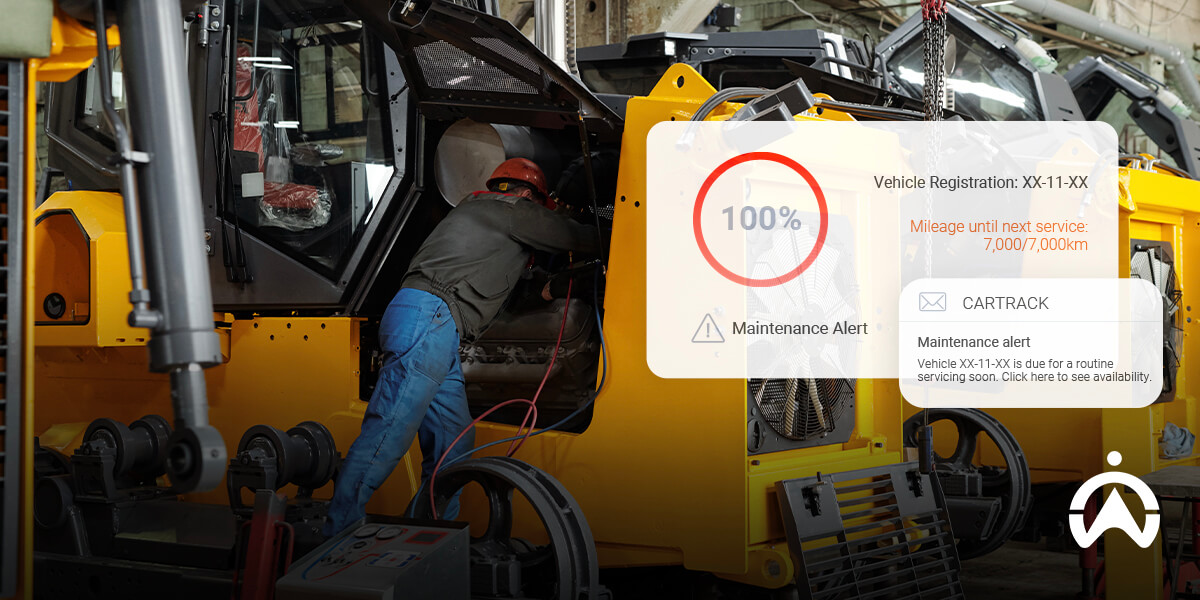
  1. Preventative maintenance: Keep your vehicles running like a well-oiled machine with Cartrack’s preventative maintenance. Our platform helps you automate your fleet’s maintenance schedules by monitoring utilisation hours and the last-service times of each of your fleet vehicles. By using this data, the system can generate timely alerts, which act as proactive reminders to implement preventative measures to keep your vehicles serviced and compliant. These alerts are crucial in preventing unnecessary expenses, minimising downtime, and keeping your fleet healthy and cost-efficient for longer.
    ‍
  2. Route optimisation: Get ahead of the delay with route optimisation. This feature on our Delivery app makes it easier for you to determine the safest and fastest routes for your drivers to take. By making use of GPS tracking and real-time position, the app gives you real-time alerts of delays or route deviations. With this data, you can make informed rerouting decisions, helping ensure faster delivery turnaround times and therefore boosting customer service. Our Delivery app also ensures drivers and jobs are effectively managed so more timely deliveries can be made. This leads to a boost in customer satisfaction because they can stay updated throughout the delivery process.
    ‍
  3. Asset tracking software: End the guessing game when it comes to your fleet health with our asset tracking software. It helps you quickly identify signs that your fleet needs an upgrade. Having access to this data helps you make an informed decision when you need to change your vehicles. Cost-draining vehicles affect your entire fleet operation, and with at least 7% of vehicle expenses going to maintenance and servicing, you need to know for sure if a car needs servicing, or needs to be replaced.
    ‍
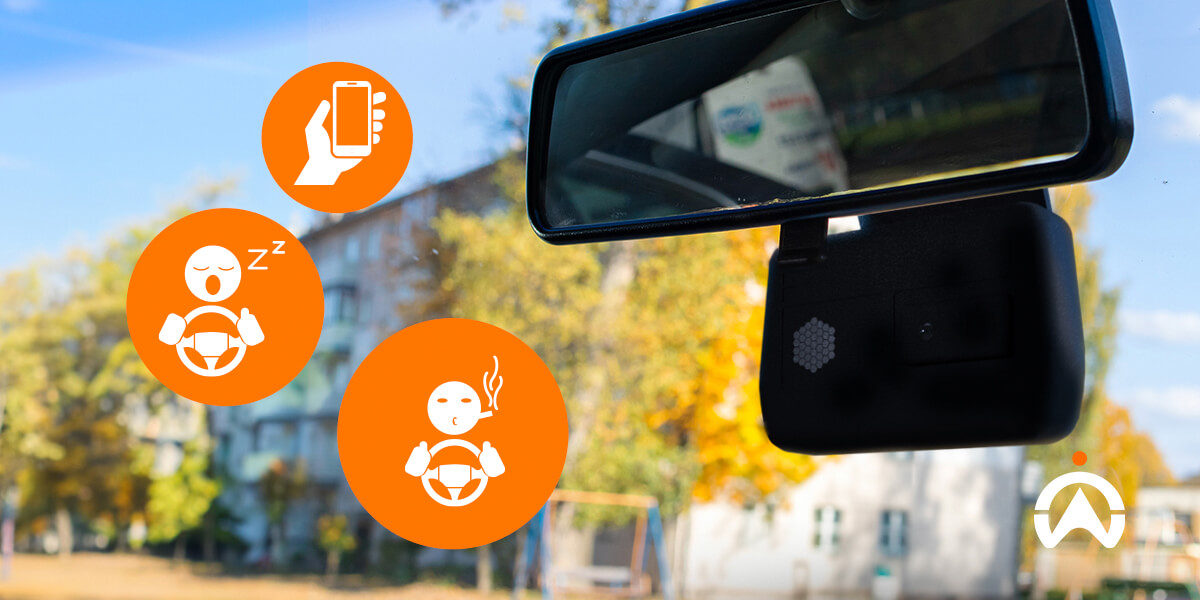
  4. Driver behaviour monitoring: Prioritise driver safety with AI-powered and live-stream camera technology. This technology helps you pick up on distracted driving habits (such as smoking), detect yawning (which can indicate extreme fatigue), and track the position of the driver’s head and eyes to detect when the driver is looking away from the road. Once any of these are detected, drivers are immediately audibly alerted, and an event is generated. This video-recorded event data can be used to train drivers, making them aware of their dangerous driving behaviour and promoting safer driving habits. This comprehensive approach helps you proactively address safety concerns, mitigate risks, and guarantee a safer driving environment for your entire fleet.
    ‍
  5. Fleet cost management system: Cartrack’s fleet cost management system gives you full visibility of all your fleet costs, like tolls, maintenance, and fuel expenses. A key feature of this system is fuel monitoring, which provides you with automated, real-time tracking and collection of data on fuel consumption, mileage, and engine operating hours. This gives in-depth insights into exactly how your fuel is being consumed and helps you identify driver behaviours that cause unnecessary fuel usage, like excessive idling, cornering and speeding so you can improve driver behaviour and fleet efficiency.

Turn Your Data Into Cost-saving Actions With Cartrack Kenya

In a world shaped by data, being equipped with valuable information to make informed business-benefiting decisions is the cornerstone of effective fleet management. 

Turn your insights and data into cost-saving actions today with Cartrack’s comprehensive solution.

Contact Cartrack Kenya today, and let’s boost your fleet operations together.

7 Things Every CEO Should Know About Their Fleet

Picture this – a seamless operation where costs are optimised, drivers are well-trained, and technology seamlessly integrates with your fleet’s every move. This isn’t just a picture, it’s reality, and it can be your reality.

Explore the art of fleet management and how it will revolutionise your approach to fleet management forever, all in this blog. 

Let’s dive straight in. 

In this article, you will:

  • Gain an understanding of what it takes to manage a fleet
  • Discover the transformative capabilities of fleet management software
  • Dive into the seven crucial elements of fleet management CEOs should master
  • Explore the value of integrating Cartrack into your fleet management strategy

CEO’s guide to fleet management

To ensure that a company, along with its fleet tracking, is operating efficiently, CEOs have a huge responsibility to fully understand the ins and outs of fleet management. 

Fleet management is like the behind-the-scenes coordination tool for your fleet. To fully oversee your drivers, vehicles and equipment, you have to understand all the different aspects of fleet management, such as:

  • Vehicle acquisition
  • Asset maintenance
  • Driver management
  • Safety protocols
  • Performance metrics

These are some of the main building blocks to help you improve the way you run your fleet business and ensure your fleet always operates at optimal levels.

CEO's_guide_to_fleet_management

How to get started with fleet management

After delving into the crucial aspects of your fleet and understanding how fleet management can change your fleet for the better, the next step is implementation.

  • Assess your needs:

    Begin by comprehensively understanding the unique requirements of your fleet. Identify its size, type, and the specific tasks you need to manage effectively.
    ‍

  • Choose the right solution:

    With your fleet’s needs in mind, select a fleet management solution tailored to your business objectives. Choose from various options available and opt for one that seamlessly aligns with your business’s requirements and long-term plans.
    ‍

  • Implement your solution:

    After choosing your preferred fleet management solution, it’s time to put your plans into action. This may involve training your staff and making the necessary adjustments to your existing business processes.
    ‍

  • Monitor and improve:

    Once your fleet management software is in operation, allow the system to run for a period, closely observing your fleet and team operations. This allows you to identify any potential issues or areas for improvement, ensuring that everything runs optimally and seamlessly aligns with your evolving needs.

The 7 key elements CEOs should know about their fleet

The fleet management responsibilities we touched on above might seem overwhelming at first, but using a fleet management system that best suits your business will help easily navigate the complexities of managing your fleet successfully.

To put this process into practice, here are 7 things every CEO or fleet manager should focus on when it comes to running their fleet:

  1. Effective cost management

    Get familiar with managing every penny spent within your fleet. This will provide insights into potential areas where costs are higher than they should be and give you a chance to craft strategies that cut costs without compromising on quality or safety.

    Fuel costs: Implementing a thoughtful fuel management strategy can provide positive change to how you manage fleet fuel costs. Keep a close eye on consumption patterns, optimise routes, and encourage fuel-efficient driving practices through training.

    Maintenance expenses: Develop a preventive maintenance program, negotiate contracts with suppliers for competitive prices, and schedule regular maintenance tasks with qualified technicians.
    ‍

  2. Strategic vehicle lifecycle management

    Get the most out of your fleet by understanding its lifecycle. From acquiring the right vehicles for your business operations to knowing when it is the perfect time to sell or upgrade your vehicles.

    Vehicle acquisition:
    Choose vehicles that align with your business needs, considering factors like fuel efficiency, reliability, and overall running costs.

    Vehicle utilisation: Optimise fleet efficiency by outsourcing tasks, using vehicles for multiple purposes, and employing telematics systems to keep track of usage.

    Vehicle maintenance: Stick to manufacturer recommendations, plan preventive maintenance, and use qualified technicians to keep your vehicles on the road.

    Vehicle disposal: Develop a solid plan for vehicle disposal, whether maximising resale value or opting for environmentally friendly methods like donation or recycling.
    ‍

  3. Integration of technology

    Embrace the tech wave with fleet systems meant to automate and simplify your fleet processes. They’re not just fancy gadgets; they’re tools to boost efficiency, keep your drivers and vehicles safe, and streamline routes.

    Telematics systems: They can collect valuable data on location, speed, fuel consumption, and more, helping enhance fleet performance, reduce costs, and improve safety.

    Fleet management systems:
    Gain a holistic view of your fleet’s operation, track vehicle usage, manage maintenance schedules, optimise routes, and generate insightful reports.
    ‍

  4. Compliance and regulatory awareness

    Stay compliant with regulations to avoid fines and legal complications. Missing out on compliance can lead to fines and legal headaches, which can be extremely costly for your business and even dent your business’s reputation.

    Regulatory requirements: Stay on the right side of the law by familiarising yourself with vehicle safety standards, driver licensing requirements, and environmental regulations. Develop policies and procedures to ensure compliance.

    Compliance standards: Adopting industry best practices help keep your operations safe and sound.
    ‍

  5. Prioritising driver safety and training

    Safety first! To ensure driver safety, set up training programs and protocols to reduce accidents and create an all-around safe environment. With heightened safety protocols within your fleet, you can expect fuel efficiency to improve, vehicle longevity to extend, compliance to strengthen and insurance costs to lower, saving you money in the long run.

    Driver training: Equip your drivers with the skills they need for safe driving. Develop and implement driver training programs that cover topics like safe driving practices, best vehicle operation techniques, and emergency procedures.

    Safety protocols: Implement safety protocols, including vehicle inspections, maintenance procedures, and accident reporting. Cultivate a safety-oriented culture within your organisation by emphasising its importance to all employees.
    ‍

  6. Environmental sustainability

    Go green. From choosing the right vehicles to adopting sustainable driving practices, it’s not just good for the environment – it’s good for business too.

    Eco-friendly vehicles: Make conscious choices, such as opting for the right hybrid or electric vehicle, to reduce fuel consumption and emissions.

    Sustainable practices: Incorporate sustainable practices, such as educating your drivers on sustainable driving practices. Reducing risky driving behaviour not only increases safety within your fleet but also reduces unnecessary fuel consumption.
    ‍

  7. Data analytics for informed decision-making

    Invest in data analytics. From fuel use patterns to maintenance records, it’s your secret weapon for smart decision-making.
    Types of data: Gather insights on fuel consumption, vehicle usage, maintenance costs, and driver behaviour. Utilise telematics and fleet management systems to collect this fleet data automatically.

    Using data for decision-making: Let this data guide your decisions. Identify cost-saving opportunities, improve fleet performance, and enhance safety. For example, you can use data to identify vehicles that are not being utilised efficiently or drivers who are performing unsafe driving habits.

Armed with a grasp of these key aspects, CEOs can confidently navigate the intricate landscape of fleet management. Understanding these critical elements is the key to steering your fleet towards success.

key_elements_CEOs_should_know_about_their_fleet

Bonus tip: Why CEOs Choose Cartrack

If you’re a CEO looking to streamline and optimise your fleet operations, then consider integrating a comprehensive fleet management solution like Cartrack’s into your fleet strategy.

Cartrack Kenya goes beyond a mere tool. Our advanced system offers a multitude of top-quality features that will help take complete control of your entire fleet and equip you with all the tools you need to run your business successfully and efficiently.

Here are a few ways our industry-leading software can assist you:

  • LiveVision – Driver & vehicle video monitoring software

    Boost driver and vehicle safety with our AI-powered camera solution. These cameras monitor drivers and audibly alert them in real time when distracted driving behaviour is detected, helping drivers immediately correct their actions and prevent an accident. You also gain access to recorded video footage of these events, so you can help train and make drivers more accountable to further increase fleet safety.
    ‍

  • MiFleet – Fleet cost monitoring and management system

    MiFleet is a fleet cost management system that provides you with detailed information about all your fleet’s running costs, like speeding fines, toll fees, licence renewals, maintenance, and fuel costs. MiFleet can also automatically review all your fuel transactions, match them to your vehicle’s data and highlight any areas of possible fuel theft so you can investigate these and prevent fuel cost wastage.
    ‍

  • ID Tags – Driver authorisation monitoring solution

    Secure, monitor and control driver-vehicle usage with our Driver ID Tags. Equip each driver with a unique tag which requires them to tap on a sensor within the vehicle in order to operate it. This helps you ensure that only authorised drivers use the correct vehicles, increasing the visibility and safety of your fleet.
    ‍

  • Geofence – Vehicle boundary monitoring feature

    Make sure your vehicles don’t travel where they shouldn’t with our geofencing feature. You can see virtual boundaries around any area your vehicles operate in or even no-go zones and receive immediate notifications via SMS or email the moment your drivers enter or exit these areas, so you can accurately track your vehicle activity.
    ‍

  • Delivery – Driver and job optimising tool

    Take any delivery job from do to done fast with Cartrack’s Delivery tool. It automates your processes, giving you full visibility of task progress and allows you to easily allocate jobs to your drivers and optimise them based on the quickest route or by job priority for faster deliveries.

Partner with the fleet management experts

With Cartrack Kenya as your fleet management partner, business owners, CEOs, and fleet managers alike can confidently navigate any challenges their fleet might face.

Integrating Cartrack Kenya into your fleet management strategy is a proactive step towards a more efficient, safer, and cost-effective operation.

Contact Cartrack Kenya to get started.

Automated Fleet Management – Proven To Streamline Your Fleet Operations

In the dynamic landscape of modern businesses, managing fleets efficiently has become more critical than ever. Automated fleet management offers a streamlined solution that combines advanced technology and smart systems to elevate the performance and safety of your fleet. 

Let’s plug into what makes automated fleet management the next big thing and how you can benefit from it. 

In this article, you will:

  • Understand the impact automated fleet management has on your fleet
  • Discover the top 5 fuel-saving tips for your vehicle
  • Explore the key components of automated fleet management
  • Find out when it’s the perfect time to automate your fleet
  • Learn how Cartrack can help you empower and automate your fleet

Introduction to automated fleet management

As technology continues to advance, more fleet managers are increasingly relying on automated fleet management solutions. With a growing trust in the capabilities of technology, there’s a noticeable shift toward integrating automated systems for effective, human-error-free fleet supervision. 

Embracing change can be daunting, especially when it comes to your fleet management. Many hesitate to switch to automated fleet management fearing the complexities of the transition. However, with the right guidance and support, implementing this technology can take your business to new heights and allow it to operate on a far bigger and more profitable scale.

What makes automated fleet management so amazing?

Automated fleet management leverages advanced technologies such as GPS, IoT sensors, telematics devices, and data analytics to your benefit. All these technologies together, help provide real-time visibility, predictive insights, and automated task completion, enabling proactive decision-making and allowing managers to focus more on other vital aspects within their fleet.

Key components of automated fleet management include:

  1. Vehicle tracking: Real-time tracking of vehicle location and movement using GPS technology enables managers to optimise routes, identify inefficiencies, and ensure timely deliveries.
    ‍
  2. Maintenance scheduling: Automated scheduling of vehicle maintenance tasks based on predefined criteria minimises downtime and prevents unexpected breakdowns.
    ‍
  3. Telematics integration: Telematics devices collect and transmit data related to vehicle performance, driver behaviour, fuel consumption, and other critical metrics, providing valuable insights for efficient business decision-making.
    ‍
  4. Fuel management: Most fleet management systems can monitor fuel usage through fuel sensors, detect anomalies or inefficiencies, and provide data-driven recommendations to optimise fuel consumption and reduce fleet running costs.
    ‍
  5. Driver safety and compliance: Be able to actively monitor driver behaviour, promote safe driving practices and ensure compliance with regulatory standards, enhancing overall safety and reducing the risk of accidents.\

When is the perfect time to automate your fleet?

After realising how the switch to automated practices can greatly benefit a business, many business owners choose to make the switch either when their fleet and business begin to grow or when managers can’t keep up with their fleet or daily tasks.The most common issues owners and managers face before implementing automated help include, but are not limited to:

  • Limited visibility into fleet operations
  • Notification overload
  • Trouble managing fleet costs
  • Supply chain disruptions
  • Failed route optimisation
  • Fleet non-compliance issues 
  • Unsuccessful fleet maintenance management

Fleet innovation such as AI, machine learning, automation, and advanced analytics are solutions to all of the above-mentioned issues, as well as others that fleet managers might not be aware of. Fleet management software solutions and these technologies are the keys to improving the way you manage your fleet and run your business.

Essential_services_of_automated_fleet_management

Essential services of automated fleet management

In a world where everything is about speed and efficiency, manual fleet management simply won’t cut it anymore. By embracing the advanced technologies that have been mentioned throughout this blog like GPS tracking, telematics, etc., businesses can gain a comprehensive and real-time understanding of their fleet operations. Managing a fleet is changing fast, with automated solutions leading the way. 

Let’s explore more of these solutions with practical examples of how they can be used to work for your needs. 


Real-time tracking and monitoring:

Imagine having a bird’s-eye view of your entire fleet, tracking vehicle locations, routes, and potential delays, all in real-time. Automated fleet management systems make this a reality, empowering fleet managers to make proactive decisions and ensure timely deliveries.

For instance, during rush hour, fleet managers can identify congested, high-traffic zones that could cause potential delays and reroute vehicles accordingly, minimising disruptions and ensuring on-time deliveries, resulting in prolonged customer satisfaction.
‍

Predictive maintenance:

Say goodbye to surprise vehicle breakdowns and costly repairs. Automated fleet management systems use telematics data to anticipate maintenance needs, schedule routine inspections and address potential issues before they escalate and become more costly. 

By predicting when a vehicle is due for maintenance, businesses can avoid costly downtime and ensure their fleet is always in top-performing condition.
‍

Driver behaviour analysis:

This technology promotes safer driving practices and fuel-efficient behaviour by assessing driver performance and identifying areas for improvement such as excessive idling, harsh braking, or speeding.

For example, if a driver is consistently exceeding the speed limit, the system can generate an alert and trigger targeted training interventions to promote safer driving habits. Reduced speeding incidents mean saving on speeding tickets and fuel, it’s a win-win.
‍

Route optimisation:

Save time, reduce mileage, and optimise fuel consumption fleet Management. Managers can now promptly analyse historical data and current traffic conditions to recommend the most efficient routes for drivers.

If you operate in a delivery company, these systems can assist you in planning routes that avoid traffic congestion, ensuring more timely deliveries and reducing unnecessary fuel costs.
‍

Fuel management:

Gain control over fuel consumption and detect potential fuel theft within your company such as these fuel fraud/theft types.

  • Syphoning: These are events of employees or someone else filling a company vehicle with fuel and then syphoning some of the fuel out into a separate container to use for personal use.
  • Fuel card misuse: When employees use their company fuel card for personal use, such as filling up their car or giving their card to friends or family to use.
  • Canister filling: This is when a driver uses their company fuel card to fill up a canister of fuel for personal use.
  • Fuel card cloning: This is when a criminal creates a fake copy of a company fuel card and uses it to make unauthorised fuel purchases.
  • Multiple transactions: This is when a teller swipes a fuel card multiple times, thinking that the initial transaction failed. This can result in duplicate charges to the company account.

These systems integrate fuel monitoring sensors, providing real-time insights into fuel usage patterns and identifying consumption irregularities.

For instance, if a vehicle is consistently showing abnormally high fuel consumption, the system can flag it for investigation, potentially uncovering unauthorised fuel usage and saving you thousands in fuel costs.

Compliance management:

Stay compliant with regulatory requirements and avoid penalties or fines for your fleet. Maintain accurate records, generate compliance reports, and ensure that vehicles meet safety and environmental standards.

Leave tedious paperwork and embrace the ease of automated emissions compliance reporting. Effortlessly generate reports that demonstrate your compliance with environmental standards, freeing up your time for more pressing tasks.

Automated fleet management systems are not just technological advancements; they are game-changers in the world of fleet management.

Benefits of an automated fleet management system

When it comes to innovations that assist in fleet management, ‘efficiency’ and ‘optimisation’ are not just buzzwords; they are essential for success. In fleet management, the shift towards automated solutions comes with a wide range of benefits that make the transition very appealing for businesses.

  • Streamlined administrative tasks: By automating operations, it simplifies tasks, reducing manual data input and paperwork. This not only cuts down administrative costs but also allows fleet managers to dedicate more time to critical responsibilities.
  • Cost savings: Through predictive maintenance, optimised routing, and reduced fuel consumption, automated systems can significantly contribute to cost savings, minimising both fuel expenses and vehicle downtime.
  • Enhanced safety measures: With automated fleet management, managers can track driver behaviour, stay on schedule with vehicle maintenance and identify potential hazards to improve safety protocols and reduce the possibility of accidents and associated costs.
  • Improved customer satisfaction: By providing real-time tracking updates and ensuring timely deliveries, automated fleet management contributes to enhanced customer satisfaction by communicating realistic ETAs and managing their expectations
Benefits_of_automated_fleet_management_systems

Challenges and solutions in implementing modern fleet management software

Fleet management can bring the numerous benefits mentioned above to businesses, but sometimes, businesses experience difficulties in implementing technology to their daily tasks, these difficulties turn into challenges employees must face before fully accepting the available fleet innovations we often use to run a fleet.

Addressing potential resistance to change can be effectively managed through careful planning, robust training programs, and fostering a culture of adaptability within your organisation.

Here are  practical steps that businesses can take to address the challenges of implementing automated fleet management:

  1. Embracing technological transformation:

    The introduction of AFMS brings about a paradigm shift in fleet management practices. To ensure successful onboarding, businesses must equip their employees with the necessary knowledge and skills to navigate the new system. This requires a comprehensive training program that goes beyond basic user guides.

    Hands-on workshops, interactive tutorials, and personalised support are essential to bridge the gap between theoretical knowledge and practical application.
    ‍

  2. Addressing resistance to change:

    Transitioning to a new system can understandably raise concerns among employees and customers. Addressing these concerns proactively and fostering open communication are crucial steps in mitigating potential resistance. Encourage employees to voice their apprehensions and actively involve them in the decision-making process. Organise team meetings and discussions to gather feedback on the benefits and potential drawbacks of a new system.
    ‍

  3. Safeguarding sensitive data:

    AFMS handles a wealth of sensitive data, including vehicle locations, driver behaviour, and fuel consumption. Protecting this data from unauthorised access, breaches, and cyberattacks is paramount. Businesses must implement stringent data security protocols, including regular data encryption, robust access control measures, and continuous security audits.

    Investing in advanced cybersecurity software and establishing clear data governance policies can further strengthen data protection efforts and soothe customers’ worries about the protection of their data when implementing new technology.
    ‍

  4. Selecting the right technology partner:

    The choice of AFMS provider is critical to the success of the implementation. Businesses should carefully evaluate credible partners such as Cartrack, and consider these aspects:

    – Scalability: Ensure the AFMS can grow with your business, accommodating future expansion and evolving needs.

    – Integration capabilities: Verify that the system integrates seamlessly with your existing infrastructure and software applications.

    – User-friendliness: The AFMS should be intuitive and easy to use, minimising the learning curve for employees.

    – On-going support: Choose a provider that offers comprehensive support services, including training, troubleshooting, and ongoing updates.

Future trends in fleet management technology

The future of fleet management is brimming with exciting advancements that promise to revolutionise the way businesses manage their vehicles and operations. Key trends include AI-powered predictive analytics, leveraging IoT sensors for real-time data insights, the integration of autonomous vehicles and advanced driver assistance systems (ADAS), the growth of electric vehicles (EVs) and the adoption of mobility-as-a-service (MaaS)

  1. Predictive analytics: Anticipating problems before they arise

    Artificial intelligence (AI) is playing a pivotal role in fleet management, particularly in the realm of predictive analytics. By analysing vast amounts of data on vehicle performance, driver behaviour, and traffic patterns, AI algorithms can identify potential issues before they escalate into costly breakdowns or accidents. This proactive approach allows fleet managers to schedule timely maintenance, improve fuel efficiency, and minimise downtime delays.
    ‍

  2. Harnessing the power of IoT and sensors

    The use of Internet of Things (IoT) sensors embedded in vehicles and infrastructure is generating a treasure trove of real-time data. Fleet managers can leverage this data stream to make informed business decisions about vehicle deployment, maintenance schedules, and driver training. Insights derived from IoT data can optimise route planning, reduce fuel consumption, and enhance overall fleet efficiency.
    ‍

  3. Autonomous vehicles: Transforming fleet operations

    The advent of autonomous vehicles and advanced driver assistance systems (ADAS) is poised to transform fleet operations. Self-driving vehicles will automate repetitive tasks, freeing drivers to focus on more complex aspects of their jobs. ADAS features, such as lane departure warning and automatic emergency braking, will further enhance safety and reduce the risk of human error.
    ‍

  4. Electric vehicle integration: Adapting to the EV revolution

    The growing adoption of electric vehicles (EVs) is driving the development of specialised fleet management solutions tailored to their unique requirements. These solutions will optimise battery management, identify optimal charging station locations, and ensure seamless integration with existing fleet operations.
    ‍

  5. Mobility-as-a-Service: Embracing shared fleet solutions

    The concept of mobility-as-a-service (MaaS) offers businesses the flexibility to access shared fleets of vehicles on demand. This model eliminates the need for individual ownership and maintenance, reducing costs and providing a more adaptable transportation solution.

    These are not the total innovations being created or already in use in more modern businesses but they are the most popular trends that have had the most impact in businesses.

Comparison of different automated fleet management software and providers

There are many different automated fleet management software and providers available, each with its unique features and benefits. Cartrack Kenya is a leading provider of fleet management solutions and one of the most trusted companies in this field according to Hello Peter.

4 Reasons why Cartrack Kenya is a no-brainer for your fleet?

Its software is known for its reliability and performance. Cartrack’s software is more reliable and feature-rich than its competitors’ software, and it is seamless to integrate its easy-to-use system into your fleet.

Interested? Here are some of the advanced features and services we provide to our customers.

  1. Unparalleled visibility and control with our MiFleet cost monitoring system

    MiFleet is the perfect web-based tool that shows managers the exact running costs of their fleet. This data includes items such as speeding tickets, toll fees, licence renewal dates, maintenance, and fuel costs.

    – MiFleet automatically reviews all your fleet transactions and organises them for you for easy access.

    – When it comes to fuel, match your fuel receipts with your vehicle’s telemetry data and highlight areas of possible fuel theft, such as syphoning, fuel card misuse and more.

    – With the insights it gathers, it reminds you of all fleet costs due so you never miss a payment.
    ‍

  2. Enhanced safety and driver coaching with AI cameras

    Cartrack’s AI-powered cameras provide an extra layer of safety for your fleet and its drivers. These cameras detect risky driving behaviours, such as distracted driving, smoking, and fatigue, and provide real-time alerts to help prevent accidents.

    – Distracted or fatigued driving detection: The cameras monitor the driver’s head and eye movements to identify signs of distraction, such as when their attention drifts from the road. This eye movement detection triggers an instant real-time audible alert, warning the driver to refocus on the road and avoid potential hazards.

    – Mobile phone use detection: Cartrack’s AI cameras can also detect signs of phone use while driving, such as holding the phone or manipulating it near the ear. Upon detecting such behaviour, the cameras emit an audible alert, prompting the driver to put away their phone and eliminate this dangerous distraction.

    – Smoking detection: Cartrack’s AI cameras can detect when drivers are smoking in the vehicle, emitting an audible alert to remind them to keep both hands on the wheel and focus on the road ahead. This feature helps to eliminate distractions and promotes a smoke-free environment within company vehicles.
    ‍

  3. Streamlined operations and cost savings

    Cartrack’s comprehensive fleet management solutions help you streamline operations, eliminate unnecessary costs, and boost profitability.

    – Geofencing and alerts: Set up geofences to receive alerts when vehicles enter or exit specific areas, ensuring that drivers adhere to company policies and routes.
    ‍
    – Compliance management: Cartrack Kenya helps you comply with various regulations, such as driver licensing and vehicle safety inspections.

    – Automated reporting and analytics: Access detailed reports and insights into your fleet’s performance, helping you identify areas for improvement and make data-driven decisions.
    ‍

  4. Scalability and adaptability

    Cartrack’s solutions scale seamlessly to meet the evolving needs of your fleet, whether you have a few vehicles or a large fleet.

    – Flexible Cartrack packages: Choose from a range of packages that offer advanced features, especially for your fleet and those that will match your budget.

    – Customisable solutions: Tailor Cartrack’s features and functionalities to align with your unique business needs and industry-specific challenges.

    – Global expertise: Leverage Cartrack’s extensive experience and expertise in fleet management across diverse industries and regions.

Empowering your fleet for the future

Cartrack Kenya is committed to empowering businesses to thrive in the ever-evolving landscape. With continuous innovation and a focus on customer success, Cartrack Kenya is the ideal partner for your fleet’s transition into automation and beyond.

Trust in Cartrack Kenya to lead your business to improved fleet operations, enhance safety, and boost your business to achieve new levels of success.

How To Boost Safety In Mining – With Advanced Telematics Technology

Just like every industry, mining comes with its own unique set of challenges. 

Luckily, Cartrack Kenya is the only solution you’ll need that offers numerous technological advancements to boost the safety of your mining operations. 

Let’s find out how and learn more about the various solutions that keep your employees safer and your mine compliant.

In this article, you will:

  • Get a good understanding of the mining industry
  • Know what the basic safety requirements of the mining industry are
  • Find out how telematics play a role in the mining industry
  • Learn how Cartrack’s solutions will benefit your mining business

The Mining Industry Briefly Explained

The mining industry is a sector that plays a major role in our everyday lives. It revolves around the discovery and extraction of much-needed minerals from the earth like coal, metals, stone, and gravel. 

As crucial as it is, mining, by its nature, involves working in harsh, hazardous environments with numerous safety risks, making it a dangerous industry with a unique set of challenges. Although safety regulations and guidelines exist to mitigate these risks and improve mining safety, ensuring compliance and enforcement remains an ongoing challenge. 

These safety issues impact the well-being of workers and the efficiency and continuity of mining operations in general.

Basic Health and Safety Requirements For The Mining Industry

Mine health and safety in South Africa is governed by several laws and legislation. The primary legislation is the Mine Health and Safety Act (MHSA) of 1996. This act was designed to provide protection, health and safety to employees and other persons working in the mining industry.

Here are a few key ways it contributes to the well-being of mine employees:

  • Promoting safety training and human resources
  • Providing effective monitoring systems and inspections
  • Ensuring that only approved personnel can access heavy machinery
  • Guaranteeing that machinery and vehicles used, meet the safety standards

It is no easy task to ensure that all of these requirements are met, but that’s where a telematics solution comes in.

What Is Telematics?

Telematics, also known as fleet telematics, is a system used to collect GPS fleet tracking data along with a range of vehicle–specific information. The collected information is then stored in a database, where it can be analysed, interpreted, and compiled. This data is easily accessible for fleet managers via the software of the telematics system once uploaded. 

By integrating wireless telecommunications and information technology to process, deliver actionable data, and effectively convey this information over vast networks. Telematics has now established itself as a new method of integrating all types of data, from vehicle equipment to driver behaviour.

The Main Benefits of Telematics

  • Increased fleet efficiency
  • Boosted efficiency with actionable insights specific to your fleet
  • Amplified fleet visibility with asset-tracking benefits 
  • Eliminated fuel card fraud and fuel theft
  • Simplified communication between drivers and fleet managers
  • Improved driver safety

What Role Does Telematics Play in the Mining Industry?

Telematics technology is increasingly being employed to enhance safety, streamline workflow, and boost profitability within the mining industry. Let’s unpack a few ways of how it plays a major role in boosting safety:

  1. Vehicle and Asset Tracking

    Telematics systems make use of GPS tracking technology, making it possible to track the location, movement, and operation of mining equipment. This helps managers keep an eye on the location, speed, and status of each asset. With access to this real-time monitoring, quick responses to emergencies, potential accidents, and theft are improved.
    ‍

  2. Collision Avoidance

    Telematics can provide incident avoidance warnings with the use of sensors and alarms that alert drivers of potential collisions. In the event of an accident, real-time tracking technology can help easily pinpoint the exact location where it occurred, making response times for assistance much quicker.
    ‍

  3. Fatigue Monitoring

    Mine workers work long hours which can leave them feeling fatigued. Telematics can monitor driver behaviour to detect early signs of fatigue and distraction and alert drivers of these events as they occur. This reminds drivers to refocus on the task at hand or to take a break so they can prevent any potentially fatal accidents from occurring.
    ‍

  4. Geofencing

    Telematics technology known as geofencing, allows you to set virtual boundaries for your equipment and receive notifications when it leaves that boundary. This helps ensure that you keep heavy or dangerous equipment in specified “safe” areas to protect your mine workers.
    ‍

  5. Asset Maintenance Monitoring

    Mining equipment requires regular maintenance to ensure that it operates at its optimum. By keeping track of machine-hours, fuel consumption, and obtaining diagnostic information, preventative maintenance is prioritised. This proactive approach ensures that downtime is reduced, breakdowns are minimised, and efficiency is boosted.

How Does Cartrack Kenya Provide Safety Solutions For Your Mines?

  1. AI Cameras:

    This is a comprehensive camera system that allows fleet managers to remotely monitor and manage live stream footage from vehicles. The cameras help boost mining safety by:

    – Providing real-time alerts: Cartrack’s AI cameras are equipped to detect dangerous or distracted driving behaviour, such as cellphone use, smoking and yawning. When these are detected, drivers are audibly alerted in real-time, allowing them to immediately correct their actions.

    – Enabling proactive monitoring: By making use of AI technology, our cameras can track the position and orientation of a driver’s head and eyes. The moment the cameras detect that a driver’s eyes or head are no longer facing the road, an audible real-time alert is triggered, reminding them to focus.

    – Providing event-based recorded footage: This event-based footage instantly gives fleet managers the exact footage they need readily available at their fingertips. Recording events such as harsh braking, accelerating, and cornering, helps fleet managers provide specific driver training to help drivers identify where improvements are needed, ensuring that distracted driving habits become a thing of the past.
    ‍

  2. Access to live stream footage:

    While Cartrack Kenya remains compliant with the Protection of Personal Information (POPI) Act, our system can give you access to live stream footage in special circumstances. For example, If an accident is detected and there is no response from the driver, live streaming can be initiated by the control room to assess the situation and dispatch the necessary teams to ensure employee safety.
    ‍

  3. ADAS Technology:

    Advanced Driver Assistance System (ADAS) is designed to improve a driver’s ability to react to dangers on the road or field, helping to reduce all types of accidents.

    ADAS technology acts as a safety net for drivers. Human error is the leading cause of accidents, and this applies to the mining industry too. ADAS makes use of forward collision warning, which alerts drivers in real-time if their vehicle is approaching an obstacle or another vehicle too quickly. With automatic emergency braking, the technology can detect possible collisions and force your vehicle to brake, which helps reduce the impact or even prevent the collision altogether.
    ‍

  4. Driver Scorecards:

    Driver scorecards are a feature of ADAS technology that can promote safety for mine workers. Used to monitor and evaluate driver behaviour and performance, these scorecards rate each driver based on how safely they drive. The technology monitors high-risk behaviour such as speeding, and harsh accelerating or braking. By providing fleet managers with a comprehensive view of driver performance, they can provide targeted coaching and training to drivers. This ensures that driver safety is improved, resulting in reduced incidents and a safer driving culture.
    ‍

  5. Geofencing:

    Geofencing works as a location-based feature that enables fleet managers to create virtual boundaries for their assets. These geofences can be set around job sites, or even restricted areas, which enable you to receive real-time alerts when vehicles or equipment enter or exit these areas. If a vehicle or equipment operates outside of an authorised zone, an alert is immediately set off. This helps fleet managers ensure that vehicles are operating where they should be and follow up with drivers to understand why they are not in their designated areas.
    ‍

  6. Driver ID-Tags

    One of the main objectives of the Mine Health and Safety Act is to ensure that only authorised personnel have access to certain equipment. The mining industry utilises equipment that must be operated by skilled and trained workers. If this is not prioritised, the misuse of equipment can occur, posing a safety risk to the operator and mine workers. Driver ID tags are small devices that are assigned to each driver. Drivers are required to tap a sensor using their tags to operate a vehicle, ensuring only authorised drivers operate the correct equipment.
    ‍

  7. Asset tracker

    Cartrack’s asset tracking software is a GPS-based device that helps fleet managers track and monitor their equipment and assets in real time. This technology provides remote access to diagnostics. This allows fleet managers to accurately track engine hours, keep service logs up-to-date, and ensure that all regulatory requirements are met.
    ‍

  8. Preventative Maintenance

    This feature provides real-time vehicle diagnostics, helping businesses keep their vehicles and equipment in a good state with a seamless maintenance plan, providing you with real-time diagnostics.

    Cartrack’s preventative maintenance provides real-time alerts of any engine faults, oil and water fluctuations, and other diagnostics that could potentially harm overall efficiency. This helps you pre-empt which vehicles need servicing, reducing the chances of equipment acting up and posing a safety risk on the job site.
    ‍

  9. Panic Buttons

    Drivers can use in-vehicle panic buttons to alert Cartrack’s control room and their fleet managers about any dangerous situations (such as riots or in-transit theft) or medical emergencies (such as a heart attack or cardiac arrest). This allows Cartrack Kenya to dispatch the necessary response teams to help ensure driver safety.

Empowering Mine Safety with Advanced Technology: Choose Cartrack Kenya for a Safer, More Efficient Mining Environment

In an industry where every move counts, you should only trust the best, and who is better than the company with over 1.85 million subscribers globally? Contact Cartrack Kenya today, and let’s make your mining operations safer, smarter, and more efficient by improving your safety culture.

P.S. Your miners and your bottom line will thank you.

Fuel Management Systems – The Ultimate Guide For Any Business

Fuel — one of the most important variable fleet costs. 

Research shows that most businesses spend about 24% of their fleet budget just on fuel. While you can’t control the price of fuel, you can have systems in place that help you optimise your fleet’s fuel efficiency. 

Let’s jump right in and find out just how you can start slashing those fuel costs.

In this article, you will:

  • Learn what a fuel management system is
  • Find out how a fuel management system works
  • Discover the benefits of a fuel management system for your fleet
  • See how Cartrack’s fuel management solutions help boost fleet efficiency and profits

What is a fuel management system?

A fuel management system is a system that measures the fuel usage in vehicles. As part of a fleet management system, this system makes use of hardware and software components, known as telematics, to offer automated solutions for the monitoring, controlling, and optimising of fuel usage. 

By giving you precise insights into your fleet’s fuel economy, this system helps fleet managers take the guesswork out of manually tracking fuel consumption data by providing an automated, real-time tracking system that helps them effectively manage all fuel-related activities.

How does a fuel management system work?

Fuel management systems are designed to provide operational insights to fleet managers.

The system automatically tracks fuel consumption levels and also notes the speed at which the fuel is burned.

The system makes use of telematics to gather vehicle data and translates it into simple information, compiled on a fleet platform. This is done by making use of:

The information typically gathered for optimum fuel efficiency includes:

  • Vehicle speed
  • Full trip history of vehicle usage
  • Vehicle routes travelled
  • Idle time
  • Driving behaviour
  • Fuel level data

The Risks of Not Having An Effective Fuel Management System

The repercussions of not having a fuel management system can be detrimental to a fleet’s success, including:

  • Increased fuel costs
  • Fuel theft
  • Inefficient travelling and delivery routes
  • Fuel-wasting driving behaviour 
  • High maintenance costs
  • Decreased productivity

All these fuel-wasting costs add up, but with a good fuel management system, you can easily identify them and start saving.

The-Risks_of_Not_Having_An_Effective_Fuel_Management_System

The importance of fuel monitoring systems

Fuel monitoring systems are important for fleets because they allow fleet managers to collect and analyse fuel consumption data in their fleet. This data is a crucial part of fleet success, as it yields a wide range of benefits, including:

  1. Improved driver behaviour:

    Identifying and addressing driver behaviours that lead to unnecessary fuel usage is crucial to fleet success. Fuel management systems can help reduce fuel costs by identifying driver behaviour that is causing unnecessary fuel usage. These behaviours which include excessive idling, speeding, harsh braking, and cornering, all significantly contribute to increased fuel consumption.
    ‍

  2. Improved fleet efficiency:

    Fuel management systems can use information on their fleet’s fuel consumption to better plan for future trips. For example, by knowing how much fuel a typical delivery will take, unexpected delays can be avoided, which positively impacts workflow.
    ‍

  3. Improved planning and optimisation:

    Fuel management systems help provide real-time data and insights. By analysing fuel consumption data, fleet managers can identify the most fuel-efficient routes and make adjustments to less efficient routes.
    ‍

  4. Fuel theft prevention:

    Fuel management systems help fleet managers identify possible fuel theft with real-time fuel capacity, ensuring that unauthorised fuel consumption is immediately detected. Common methods of fuel theft include syphoning, fuel card fraud, fuel card cloning, and false transactions.
    ‍

  5. Accurate vehicle running costs insights:
    ‍
    Fuel management systems help monitor and record the amount of fuel each of your fleet vehicles is consuming. This data is crucial in helping you know when you need to change your fleet vehicles. It also gives you insights on which vehicles are more efficient so you can use the most fuel-efficient vehicles for more fuel-demanding trips.
    ‍
  6. Reduction of human error:

    Fuel management systems automate the collection of vehicle and driver data, eliminating errors caused by human input. Before these advancements, fleet managers and drivers would have to manually record vehicle and driver data, which would result in inaccuracies that would negatively affect fleet efficiency.

Without an effective fuel monitoring system, fleets can experience an increase in expenses and cost wastages, which can be detrimental to any business’s general operations and bottom line. 

However, with software that enhances operational efficiency, reduces costs, and ensures proper and secure usage of fuel within a fleet or organisation, these problems can turn into money-saving solutions.

How Can We Help Improve Your Fuel Management? 

If you’re looking to reap the benefits of a fuel management system, then look no further than Cartrack. Its industry-leading solutions simplify fuel cost data capturing and its valuable tools help you gain a comprehensive understanding of fuel consumption and leakages, providing you with actionable insights that can be used to improve your fleet’s fuel consumption.

Here are some key ways our solutions help save fuel costs:

  • Monitoring and Improving Driver Behaviour:

    Cartrack’s fuel monitoring software helps you see how much fuel has been put into your vehicles and helps you identify the driver behaviours that negatively impact fuel consumption. Research shows that idling consumes between 0.76 to 2.65 litres of fuel an hour, while harsh braking has been shown to increase fuel consumption by approximately 40%. Our driver scorecards monitor high-risk behaviour such as speeding, harsh accelerating, cornering or braking, which helps you know exactly what areas require improvement so you can drastically lower your fuel consumption.
    ‍

  • Promoting Preventative Maintenance:

    A critical aspect of fuel efficiency lies in vehicle maintenance. Neglected issues such as worn-out tires, engine damage, or low coolant levels can lead to increased fuel consumption. Cartrack Kenya takes a proactive stance with preventative maintenance. We monitor your vehicle’s health. This allows you to schedule maintenance that suits your fleet’s schedule, minimising downtime and optimising vehicle performance. Now you can ensure your fleet operates at peak efficiency while minimising unexpected fuel consumption spikes associated with maintenance neglect.
    ‍

  • Simplifying Admin with Automated Reports:

    Monitor fuel usage and expenses with Cartrack’s automated reports. When integrated with fuel level sensors, these reports give you access to critical data points, including total fuel consumption, initial and final fuel levels for trips, average fuel consumption, unauthorised vehicle usage, and fuel-draining incidents such as excessive engine idling. These reports are promptly delivered to your inbox, ensuring you have the information where and when you need it.
    ‍

  • Mitigating Fuel Card Fraud and Theft:
    ‍
    Cartrack’s intelligent algorithm goes beyond traditional measures to address fuel card fraud and theft, with examples including syphoning and fuel card cloning. By automatically cross-referencing fuel receipts with your vehicle’s location and fuel status, it instantly flags any suspicious activities. This proactive approach empowers you to identify abnormal spikes in fuel consumption promptly. Moreover, trip reports with fuel sensor data provide an additional layer of security, helping you take immediate action against any discrepancies.
The_Solution_for_World-Class_Fuel_Management

Is It Beneficial to have a Fuel Management Software for Businesses of All Sizes?

You would think software solutions like this would only be suited for larger businesses, but they’re actually super beneficial for businesses of all sizes and in all industries.

Small businesses: Small businesses typically have limited resources, making it important for them to find ways to save money and improve their efficiency. A fuel management system can help small businesses do both by tracking fuel usage and identifying areas where fuel can be saved. Since small businesses will typically have one vehicle for deliveries, this enables them to optimise routes and helps ensure that there are no delivery delays.

Medium-sized businesses: Medium-sized businesses have more complex fleets than small businesses, making them require more stringent compliance requirements, which fuel management systems can help them achieve.

Large businesses: Large businesses often have massive fleets with hundreds or even thousands of vehicles. Fuel management systems can help them manage their entire fleet efficiently and comply with all applicable regulations in all provinces and countries where they operate.

What’s more? Implementing these solutions results in the automation of manual business processes, helping you free up resources, minimise paperwork, and speed up productivity.

The Solution for World-Class Fuel Management

Effectively improving your fleet’s fuel management needs a system that closely monitors fuel consumption, aids driver training programs,  and adopts fuel-efficient technologies. The answer? Cartrack’s world-class solutions give you all the tools you need to say farewell to fuel stress and welcome enhanced productivity and efficiency. 

Contact Cartrack Kenya and unlock the endless benefits of fuel management. 

Fleet Dashcams: Find the Best Solution for Your Business

Vehicle dashcams for your fleet are not just good for recording footage; they act as a reliable, always-on witness that can protect your drivers, vehicles and business. 

Let’s zoom in on the ins and outs of dashcams and explore their transformative impact on modern fleet management.

In this article, you will:

  • Learn what dash cams are and their role in fleet management
  • Know the difference between fleet and ordinary dashcams
  • Understand how fleet dashcams safeguard your drivers and fleet
  • Uncover the multiple benefits of fleet dashcams
  • Explore the features and benefits of Cartrack’s AI-powered cameras

What are fleet dashcams?

Fleet dashcams are advanced video recording systems installed in company vehicles. 

These dashcams go beyond just recording — they serve as reliable witnesses, capturing every trip event and offering a comprehensive lens on your fleet’s activities.

With features tailored to meet the demands of commercial operations, fleet dashcams provide a crucial layer of security, enhancing driver safety, ensuring regulatory compliance, and protecting businesses from potential liabilities. From real-time monitoring to precise GPS tracking, these nifty devices are instrumental in promoting a culture of accountability, safety, and operational excellence within your fleet management practices.

Key features to consider when selecting a dashcam for a fleet

When choosing a dashcam for your fleet, ask yourself if your fleet needs basic dashcams that are for everyday use or dashcams that come with specific features to better suit your fleet’s needs.

Here are the features any fleet dash cam should come with:

  1. Video quality
  2. Wide-angle lens
  3. Storage capacity
  4. GPS integration
  5. Real-time alerts
  6. Cloud connectivity
  7. Durability and weather resistance
  8. Audio recording
  9. Ease of installation and maintenance
  10. Compatibility with fleet management systems

Then there are those dash cams that provide you with a little extra to enhance the fleet management and safety side of your business. If this is a major focal point, then ensure your fleet is installed with the best. 

Here are some benefits: 

Advanced tech for peace of mind: With GPS tracking and real-time alerts, you can monitor your fleet’s every move. You can receive instant notifications about potential incidents and securely store all critical footage on the cloud.

Tailored to your needs: Customisable settings let you tweak recording quality, storage duration, and event-triggered recording. It’s all about making the system work just the way you want it to.

Insights that drive success: Dashcam footage is a goldmine of information about driver behaviour, road conditions, and overall fleet performance. Use it to fine-tune your strategies and train your drivers to be top-notch.

Stay on top of emergencies: Real-time monitoring keeps you in the loop, ready to spring into action at a moment’s notice. Your drivers? They get live support whenever they need it.

Compliance made easy: Think of it as your legal safety net – dashcams provide the evidence you need to ensure you’re always on the right side of the law. No more headaches when it comes to disputes, accidents, or legal matters.

A culture of safety and trust: Dashcams foster a culture of accountability and safety within your team. Drivers feel empowered, and you create an environment that prioritises their well-being and the efficiency of your fleet.

Fleet dashcams vs ordinary dashcams, what’s the difference?

The difference lies in your main need for a  dashcam. 

You’re probably asking yourself, “Couldn’t I just install any old dashcam I find at the store?” The answer is yes. You could use an ordinary consumer dashcam for your fleet, but when it comes to reaping the actual benefits, the more affordable consumer option just won’t cut it. 

On the surface, ordinary dashcams and fleet dashcams appear the same. Both record video footage from a vehicle’s front-facing view and that footage can be reviewed to see exactly what happened in a specific situation or accident as video evidence. But that’s where similarities between the two devices end.

Fleet dashboard cameras are designed for commercial fleets and provide managers with the driver insights they need to effectively manage their fleet. Ordinary consumer dashcams are low-cost and targeted only towards personal use in a single car, and give you zero driver insights. Due to their very limited functionality, they’re not suitable for fleet use.

Benefits of using fleet dashcams?

From boosting safety to cutting down costs, these cameras are the secret weapon every smart fleet manager needs and here’s why:

  1. Gain full visibility into critical events: With fleet dashcams, you can have an unobstructed view of crucial moments, such as capturing a sudden brake or swerving to avoid an accident. This comprehensive footage helps you understand the context of each event and make informed decisions live in the moment.
    ‍
  2. Increase safety, prevent accidents, and reduce claims: Fleet dash cams can help identify risky driving behaviour, such as sudden lane changes or tailgating, enabling you to provide timely feedback and training to your drivers, thus preventing potential accidents.
    ‍
  3. Lower insurance premiums and the cost of claims: By providing clear evidence of an accident or incident, dashcam footage can help expedite the claims process and minimise disputes, leading to reduced insurance premiums and faster claim resolutions.
    ‍
  4. Protect your drivers and fleet against false claims: In case of an alleged collision or incident, dashcam footage serves as irrefutable evidence, protecting your drivers and fleet from fraudulent or misleading claims.
    ‍
  5. Coach your drivers better to improve safety: Using dashcam footage, you can offer specific examples of both exemplary and concerning driving behaviour to your drivers, facilitating targeted coaching sessions and enabling them to improve their skills on the road.
    ‍
  6. Enhance fleet efficiency and save time: Analysing dashcam footage can help identify inefficient routes, excessive idling, or unauthorised vehicle use, allowing you to optimise routes, reduce fuel consumption, and save valuable time and resources for your business.

In addition, dashcams can also be used to prevent theft and vandalism, collect evidence of fraud, and create training materials for drivers.

Loving these benefits? 

Then you’ll love an equally crucial aspect: the security of these fleet dashcam systems. Understanding the measures in place to protect your data is key to leveraging their full potential.

Benefits_of_using_fleet_dashcams

Security measures on dashcams

Only authorised staff can access recorded videos or images, so managers and drivers can ask for the driving event videos or images. Usually, data is kept for 90 days, but the fleet company decides when to delete it. When it comes to what kind of data can be saved, according to GDPR rules, videos not linked to any specific events should not be saved.

The General Data Protection Regulation (GDPR) is designed to protect sensitive information. Here are some ways that fleet dash cam systems adhere to these rules and protect sensitive data:

Restricted access: Video or image captures are restricted to authorised personnel only.

Privacy by design: Fleet dashcam systems are designed with privacy in mind, allowing fleet managers to configure and customise the dashcam settings and setup for privacy compliance.

Customisable settings: Fleet dash cam systems offer customisable settings, allowing fleet managers to disable certain features like in-cabin recording and distracted driver features.

Private mode: Drivers can activate private mode during non-working hours, ensuring that video and images are no longer sent to the cloud.

Secure storage: Fleet dash cam systems offer cloud storage capabilities, ensuring that sensitive data is stored securely and accessible only to authorised personnel.

Compliance with GDPR: Fleet dash cam systems must comply with privacy regulations such as GDPR, ensuring that sensitive data is protected and used only for authorised purposes.

Will drivers be monitored 24/7?

Much like anyone, drivers want to have their privacy protected, so they are often apprehensive about a camera watching their every move.

With compliant dashcams, drivers’ privacy is top-notch. These systems are highly adaptable, allowing features like in-cabin recording and distracted driver alerts to be switched off, focusing solely on what’s happening on the road.

Some fancy dashcams even have a live-streaming option for extra driver support, and drivers get a heads-up when their manager uses it.

Why use dashcams for fleet management?

In recent years, dashcams have gained significant popularity as essential tools for fleet management, and the reasons behind their widespread adoption are clear. Specifically designed for professional use, commercial dashcams provide a tailored set of advantages catering to the distinct requirements of fleet operations. 

Notably, these robust dashcams comply with the General Data Protection Regulation (GDPR), boast tamper-resistant designs, and are skillfully hardwired for hassle-free installation. Moreover, they offer a host of sought-after features, such as:

  • Automatic download of pertinent footage
  • Remote accessibility for real-time monitoring and configuration
  • Support for multiple cameras
  • Utilisation of commercial-grade SD cards

In essence, dashcams are a valuable asset for fleet managers of all sizes, making a substantial impact on safety, cost reduction, operational efficiency, and customer service improvement. 

They play a crucial role in identifying drivers engaging in unsafe practices, like speeding or tailgating, and provide targeted coaching to enhance their driving behaviour. Dashcam footage becomes a lifeline when it comes to exonerating drivers involved in accidents that were not their fault, resulting in significant savings on insurance or other driving costs, such as speeding tickets. 

By pinpointing areas of excessive idling, dashcam footage allows fleet managers to educate drivers on the importance of reducing idling, leading to substantial fuel cost savings.

The Big Plus of Dashcams and GPS Vehicle Tracking Working Together

Fleet dashcams, when coupled with GPS tracking, serve as a potent asset for effective fleet management, delivering real-time insights into driver behaviour and vehicle activities. 

Here’s a breakdown of their operational process:

  1. Installation: Dashcams are strategically placed in each fleet vehicle, typically on the windscreen or dashboard, and connected to the vehicle’s power source.
    ‍
  2. Continuous recording: These dashcams maintain an uninterrupted record of video footage, encompassing the road and, in certain instances, the driver and the vehicle’s interior. The recorded data is securely stored either on the device itself or in the cloud, depending on the system’s configuration.
    ‍
  3. GPS tracking: Equipped with a GPS receiver, the dashcam captures essential information about the vehicle, including its precise location, speed, and travel direction. This data is seamlessly synchronised with the video recordings, providing a comprehensive overview of the vehicle’s activities.
    ‍
  4. Event triggering: Dashcams can be customised to automatically preserve video clips triggered by specific events like abrupt braking, sharp turns, or collisions. These clips are conveniently tagged with GPS data, simplifying the process of locating and reviewing them when necessary.
    ‍
  5. Real-time monitoring: Fleet managers gain access to a web-based dashboard that not only streams live video feeds from the dashcams but also presents the GPS tracking data for each vehicle. This real-time monitoring empowers managers to quickly address any issues or emergencies.
    ‍
  6. Reporting and analytics: Many fleet dashcam systems include reporting and analytics features that empower managers to create custom reports grounded in GPS and video data. This capability aids in identifying patterns, enhancing driver conduct, and diminishing the potential for accidents.
    ‍
  7. Safety and insurance advantages: Fleet dashcams complemented by GPS tracking offer real-time feedback to drivers concerning their behaviour, fostering enhanced safety practices. In cases of accidents, the dashcam’s video evidence can expedite the insurance claim process and potentially lead to reduced insurance premiums.
    ‍
  8. Integration with other systems: Certain fleet dashcam systems can integrate with other fleet management tools, including telematics platforms, dispatch software, and maintenance systems. This integration provides a comprehensive outlook on the fleet’s operations.

How can fleet dash cams help with insurance claims?

Curious about how you can give your fleet a safety and security boost while also streamlining insurance claim processes? Fleet dashcams might just be the game-changer your business needs. 

Take a look below at the various ways fleet dashcams can revolutionise the way you handle insurance claims.

  • Clearing driver’s name: Fleet dash cams provide video evidence that can prove drivers’ innocence in accidents or false claims, helping cut down on insurance expenses and shielding drivers from blame.
  • Lowering insurance premium: Many insurers offer up to 10% discounts for fleets using GPS tracking and maintaining a clean driving record. Since fleet dashcams come with comprehensive GPS location reports, your fleet might qualify for overall reduced premiums.
  • Enhancing driver safety: Fleet dashcams serve as coaching tools for better driver behaviour, reducing the likelihood of accidents and insurance claims.
  • Valuable video evidence: Fleet dashcams offer crucial video evidence for quick insurance claim processing and fraud prevention.
  • Monitoring fleet activity: Fleet dashcams monitor vehicle activity, optimising overall fleet efficiency and minimising accident risks and insurance claims.

Do fleet dash cams require professional installation?

Once you know all the crucial insights and benefits dashcams can give your business, it’s time to make that purchase.  But once that’s done, what is the actual process, what is the very next step? 

Installation.

Whether you’re planning on professional installation or taking the DIY route, setting up these cameras for your commercial fleet is a lot smoother than you might think.

The installation of fleet dashcams can be carried out either by professionals or by fleet owners themselves. Certain dashcam models come with specific installation requirements to ensure comprehensive coverage of critical events. 

However, it is advisable to opt for professional installation to guarantee accurate setup and seamless operation. Fleet dashcams are intentionally designed to offer user-friendly installation and operation, boasting an interface that allows easy access to live video feeds and footage from any device. 

This simplified installation approach ensures that fleet managers can swiftly integrate the dashcams into their operations without encountering unnecessary complications or vehicle downtime delays.

What is the best dashboard camera to buy for my fleet?

With plenty of options available, you wouldn’t want to choose the wrong one.

When selecting the ideal dashboard camera for your fleet, it’s essential to consider the unique requirements of your specific fleet and business operations. Assess the key factors that play a significant role in your daily operations, such as the size of your fleet, the nature of your cargo, and the types of routes your vehicles typically drive through. Look for a dashboard camera that offers tailored features to address these specific needs.

When choosing a dashcam for your fleet, it is important to compare the features and pricing of different models and the reliability and reputation of the brand, this will help find the product that will best meet your needs. 

If you’re looking for real-time tracking, customisable settings, AI-powered functionalities and a trusted name, then Cartrack’s camera solutions are a no-brainer.

What_is_the_best_dashboard_camera_to_buy_for_my_fleet

Cartrack’s AI-powered, live-stream camera

Cartrack Kenya is a global leader in providing data-driven solutions, catering to each part of your business, especially drivers and fleets, including; fleet management, driver behaviour management, asset tracking and recovery. 

Our all-inclusive fleet management platform includes our smart AI-powered fleet dashboard cameras.

With up to 8 internal or external camera installations, your business can experience real-time monitoring for enhanced safety, streamlined operations, and increased efficiency for your drivers, fleet and cargo.

What makes our AI camera solution different from the rest:

  • Swift detection of potential safety threats in driver behaviour
  • Promotes driver accountability and encourages improved driving habits
  • Provides real-time tracking for efficient fleet management 
  • Reduces potential accident events

How Cartrack’s AI-powered cameras work

It all starts with ADAS, our Advanced Driver Assistance System. This powerful tool not only enhances your driver safety but also helps you stay informed with instant alerts and provides you with real-time insights into potential road challenges. 

How? 

Well, ADAS includes data processing and specific functionalities such as:

Forward collision warning: Notifying drivers when their vehicle gets dangerously too close to another vehicle or obstacle, preventing possible collisions.

Blind spot detection: Warning drivers of vehicles in their blind spots, minimising the risk of lane-changing accidents.

Automatic emergency braking: This feature automatically applies the brakes of the vehicle when it identifies potential collisions, minimising impact or preventing accidents altogether.

Smart cameras: The future of fleet management

What makes this technology tick is the Internet of Things (IOT), a network of linked devices equipped with sensors, software, and connectivity, delivering instant vehicle data right to your desktop. With this and Live Vision, our cameras have live streaming, an AI feature that ensures 24-hour visual access to your vehicles, both internally and externally. 

Driving events that these cameras can detect: 

Front collision warning: Our smart cameras keep a close eye on the distance between your vehicle and the one in front. If your vehicle gets too close to a vehicle in front of it, the cameras will audibly alert you, helping you prevent a potential collision.

Smoking detection: Our cameras can detect when drivers smoke in the vehicle and will audibly alert drivers so they are reminded to keep both hands on the wheel and focus on the road ahead. 

Distracted or fatigued driving: the driver’s head and eye movements are monitored to see whenever the driver’s attention diverts from the road, suggesting distraction. This eye movement will be detected and an instant alert will sound to warn the driver. 

Mobile phone use detection: the cameras can also detect signs of phone use while driving, and audibly alert drivers of the distraction so they can put away their phone and pay attention to the road. 

Yawning: Frequent yawning is a clear sign of severe fatigue. These cameras will instantly alert drivers when signs of fatigue are detected so they can be reminded to take a rest and prevent a collision. 

Camera-Covering Detection: The moment the dashcam is covered an audible alert will be triggered reminding eh driver to remove the obstruction to ensure driver and vehicle safety is not jeopardised.

The smart camera solution for your fleet

Now, you’re equipped to find the best fleet dashcams for your business. 

Cartrack’s leading camera technology, advanced safety features and smart fleet management software work hand-in-hand to provide the ultimate solution for all your fleet dashcam needs. 

Contact Cartrack Kenya today for the only camera solution you’ll ever need