Keyless Car Theft – Which Keyless Cars Are the Most Stolen Now?

Keyless cars provide an easy, breezy lifestyle. Gone are the days of having to insert keys or press key remotes to access and drive vehicles. While this sounds appealing, unfortunately, the keyless system can and is being easily hacked by car thieves.

But don’t worry, there’s technology out there designed to outsmart criminals and protect your vehicle.

Let’s get straight into it.

In this article, you will:

  • Explore keyless entry systems and the vulnerabilities that lead to theft
  • Identify common hacking tactics used by criminals for keyless car theft
  • Understand the most targeted keyless cars and factors influencing risk
  • Discover prevention measures to protect your keyless entry car
  • Explore the tools and technologies offered by Cartrack to combat keyless car theft

Keyless entry cars? Let me explain

Imagine strolling up to your car with no jingling keys in hand, touching the door handle and voila — your door magically unlocks.

Welcome to the world of keyless cars, where simply having your car key in your pocket or using an app is all you need to gain seamless access to your vehicle. 

Most of us still remember the days of having to insert and turn an actual metal car key into a vehicle’s door to unlock it. Sounds pretty old-school when you put it like that, but those days are gone. Today, you can open and start most cars with a key fob, card, or even an app.

Modern vehicles have moved from the conventional, bulky key to a compact, advanced fob. This fob emits a unique signal that the car identifies when nearby and unlocks or locks the doors, giving you hassle-free access to the vehicle and allowing you to start the engine with a simple push of a button and be on your way.

It’s convenient, futuristic, and can sometimes feel like magic.

What is keyless car theft?

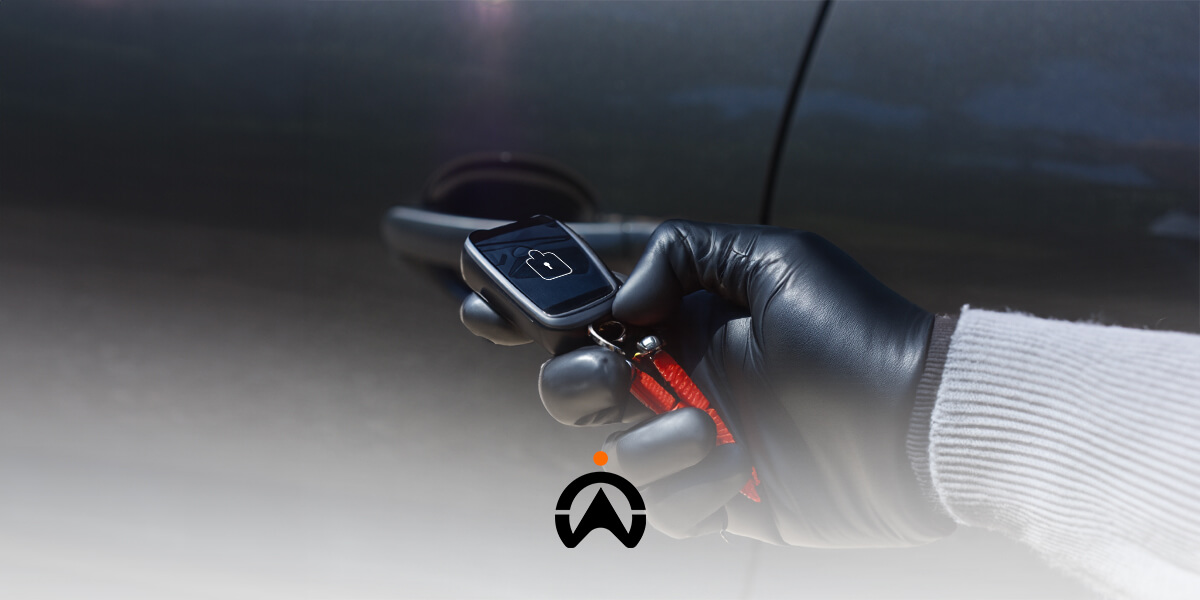
Sometimes magic comes at a cost. While car theft might conjure images of smashed windows and hotwiring, a modern method has emerged: keyless car theft. This sophisticated technique exploits vulnerabilities in keyless entry systems, allowing thieves to steal vehicles without breaking a sweat.

Common hacking tactics used for keyless cars

While keyless cars offer convenience, their advanced technology can also make them vulnerable to sophisticated criminals.

Understanding common hacking tactics is crucial to protecting your vehicle and outsmarting criminals who seek to exploit its vulnerabilities.

1. Relay/replay theft:

Criminals use relay devices to amplify and capture the key fob signal, even inside the owner’s home.

Steps:

  • One thief holds a device near the car, mimicking its signal.
    ‍
  • The other thief holds a device near the key fob (often near your home), relaying the signal to the car.
    ‍
  • The car is tricked into thinking the key fob is nearby, allowing the thieves to unlock and start it.

2. Signal jamming:

Imagine a radio tuned to static, not music. That’s what jamming does. Thieves use signal jammers to block communication between the key fob and the car, preventing it from locking and leaving the car vulnerable to theft.

The big question: Which are the most targeted keyless cars?

While any car with a keyless entry system can be of interest, some are more targeted than others. Factors like the security protocols of the specific system, the complexity of the signal encryption, and the availability of aftermarket equipment for specific manufacturers can influence the risk.

In recent years, carjackings in Kenya have surged, showing an increase of almost 10 incidents per day according to Wikipedia. This translates to approximately 63 carjackings per day.

While the reported hijackings prove motorists should be fearful of their keyless vehicles being stolen, the numbers don’t specifically show how many of the cars were keyless entry vehicles.

Which_are_the_ most_targeted_keyless_cars

Are keyless cars stolen more?

There has been a surge in keyless car theft, and slowly but surely, more modern keyless cars are on the road than there are conventional key cars. But besides the vehicle being a keyless car, there are other factors criminals consider before hijacking vehicles.

Other vehicle types that are most at risk are:

High-value vehicle targets:

  • Luxury SUVs: These plush rides often come equipped with the latest technology, including high-end keyless entry systems. Their value and popularity make them tempting targets for professional thieves.
    ‍
  • Premium hatchbacks: Combining sporty performance with modern tech, popular hot hatches are attractive to a wider range of criminals, from joyriders to professional thieves.
    ‍
  • Full-size sedans: Spacious and luxurious, these often family-friendly vehicles can be attractive targets for organised crime rings, especially models with advanced keyless features.

Additional vulnerability factors:

  • Push-to-start ignition: Vehicles with push-button start systems are generally more vulnerable than ones requiring a key, as simply unlocking the car grants access to the ignition.
    ‍
  • Car model/era: Generally, newer models with more advanced keyless systems are less vulnerable and certain older models still on the road may have known security flaws exploited by thieves. However, the more advanced vehicles are the ones that are sought after, despite having higher security protocols like alarms and car trackers.
    ‍
  • Popularity: Cars that are in high demand from thieves due to their resale value or ease of dismantling parts are more likely to be targeted.

Hijacking can be a dangerous and traumatic experience for the victims. If your vehicle falls under the factors listed above, there are a few things you can do to make yourself less of a target:

  • Install an alarm system and tracking device
    ‍
  • Avoid driving in high-crime areas
    ‍
  • Be aware of your surroundings and take precautions to avoid being targeted

Why get keyless vehicles?

Like any vehicle, keyless cars can’t guarantee 100% security from car thieves, but they are still gaining popularity among motorists. Why? Well, there are several reasons:

Convenience

No more standing by your vehicle while digging through your pockets and bags for your keys. Keyless cars offer a seamless and secure experience with effortless entry, push-button starts, and remote trunk access. This not only makes life smoother but also ensures added safety, sparing you from vulnerability, especially for those juggling groceries and kids.

Security

With automatic locking and potential alerts if your car moves without the fob, keyless cars provide an added layer of security. All keyless cars have advanced technology that makes them resistant to traditional theft methods like manually jamming the window down with a wire to lift the door locking knob or breaking the door to get inside and sparking the wires to start the car.

Modernity

Owning a keyless car feels like stepping into the future, with features like remote trunk access and walk-away locking adding a touch of modern ease to everyday driving.

Besides criminals copying the fob and running off with your ride, other aspects can leave your car vulnerable, like a lost or dead fob. This can leave you stranded, unable to lock your vehicle after parking and leave it unprotected if it’s unable to lock. Always have a backup plan or spare fob handy.

Prevention measures to protect your keyless entry car

Before we dive into the list of security measures you can take to protect your car, let’s quickly look at a vital one you can practise before you even leave your car.

When stepping away, don’t just rely on your vehicle automatically locking behind you, always manually check if your vehicle has locked. If not, lock it manually, then scan the immediate area for anyone hanging around.

Here are other protection methods you can use to protect your vehicles against car theft:

Steering wheel locks: Physical deterrents can prevent theft even if the keyless system is compromised.

Car alarms and tracking devices: Install aftermarket security systems for added protection.

Distance your keys from your car: When at home, keep your car key (and the spare) away from the car, doors, and windows. Another option is to turn off the signal on your key fob. If you don’t know whether your key’s signal can switch off or not, search through your vehicle’s manual for the answer.

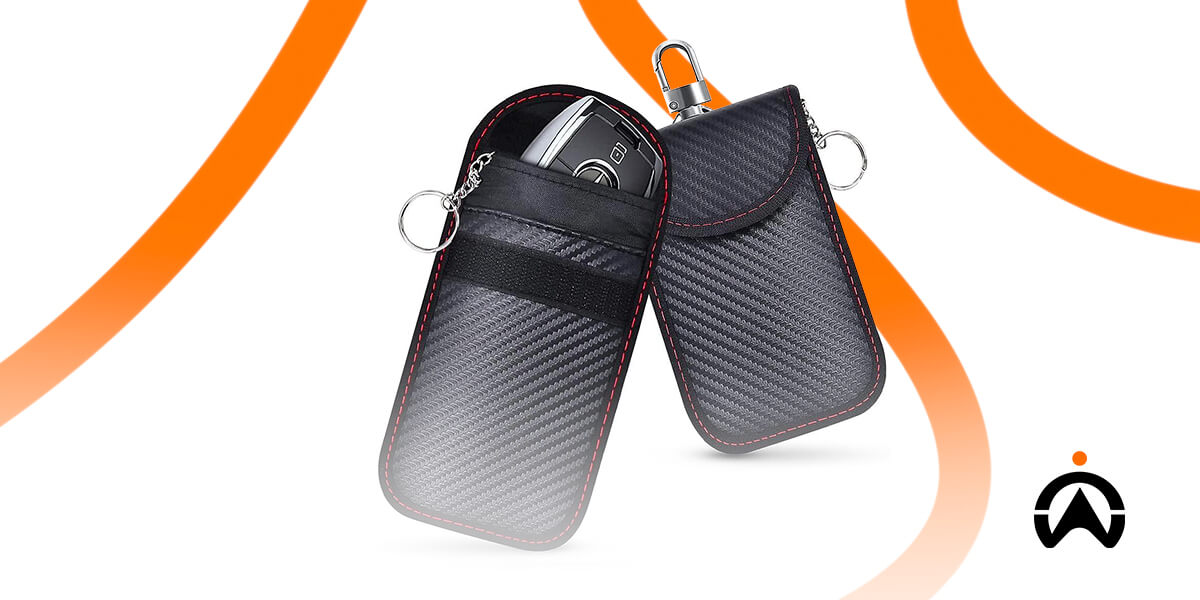
Faraday pouches/signal blockers: Invest in signal-blocking pouches or Faraday cages to prevent your key fob from transmitting a signal when not in use.

Physical barriers: Keep your car keys in a metal tin or aluminium foil to create a barrier that blocks electronic signals.

Consider additional security measures: Install aftermarket alarms, immobilisers, or GPS tracking devices for extra protection.
Prevention_measures_to_protect_your_keyless_entry_car

How Cartrack Kenya helps businesses and everyday motorists combat keyless car theft

While traditional methods like alarms and steering wheel locks still have their place in vehicle theft prevention, when it comes to fleets, fleet management solutions and trusted vehicle tracking companies like Cartrack Kenya offer a more powerful counterpunch against modern vehicle theft techniques.

Cartrack’s anti-theft solutions for fleets

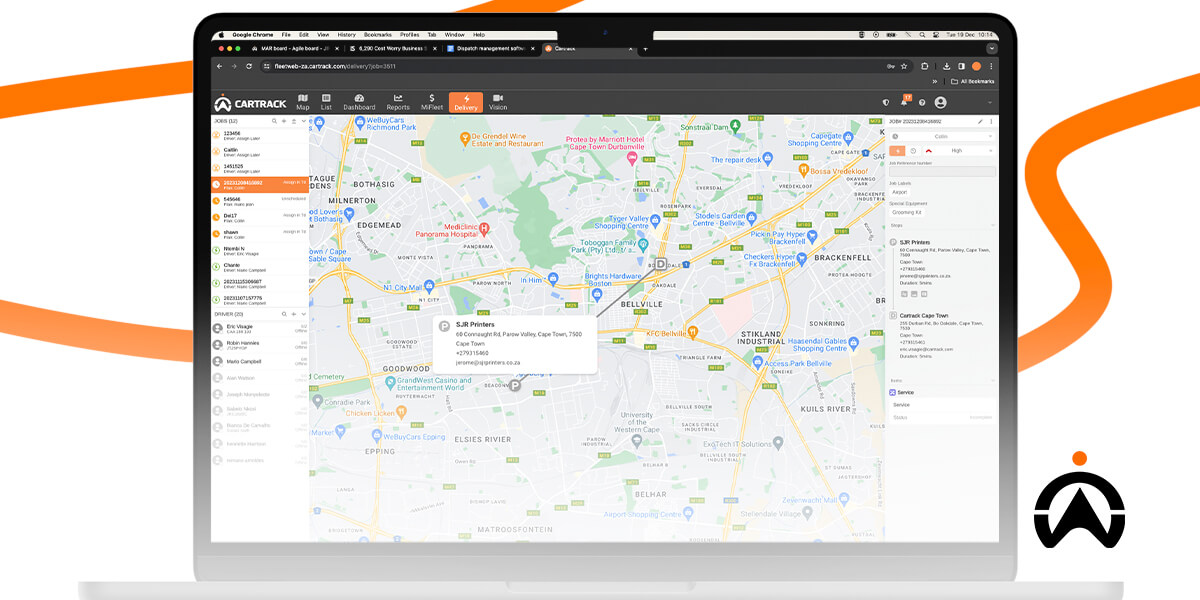
  1. Real-time tracking: Imagine your car disappears. Panic sets in, replaced by immediate action as you access Cartrack’s fleet management platform. A map illuminates, pinpointing your stolen vehicle in real-time, its every twist and turn is clear to see. This is the power of real-time tracking, guiding our 24-hour recovery team directly to your stolen vehicle.
    ‍
  2. Geofencing: Build a virtual fort surrounding any area, such as high-risk zones, to help counter vehicle theft. Every time your vehicles enter or exit these geofenced areas, it triggers an alarm, alerting you to quickly inform authorities of potential theft before the thieves vanish with your vehicle.
    ‍
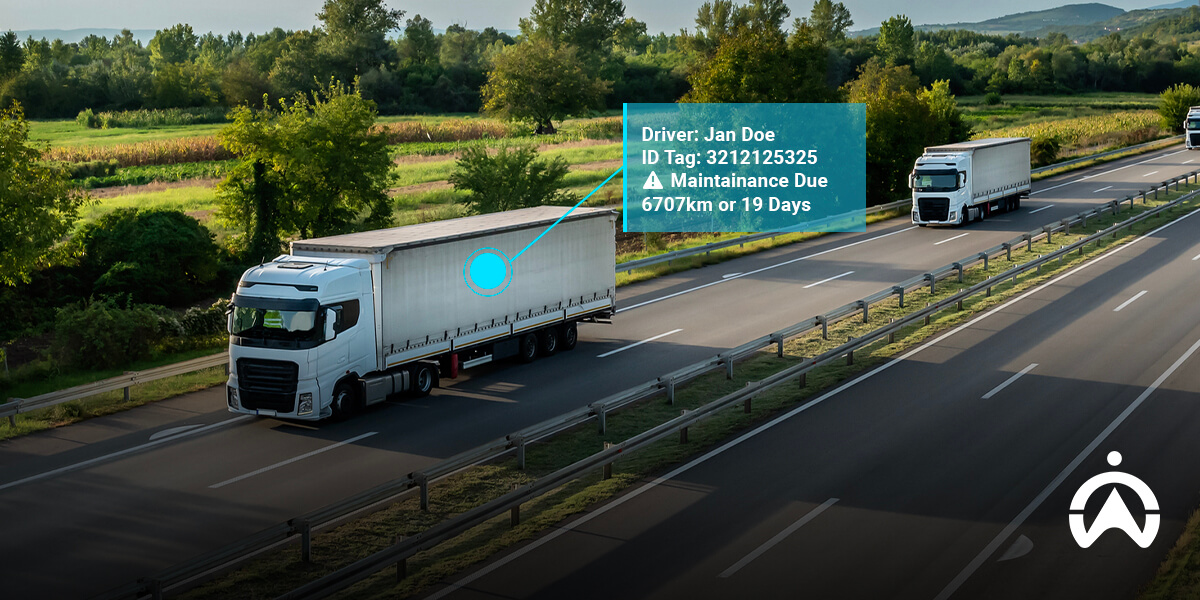
  3. Driver ID Tag: Equip each authorised driver with a unique tag that requires them to tap on a sensor to start the vehicle. This swiftly informs the manager of which driver is behind the wheel of their vehicles, ensuring vehicle safety, accountability and transparency.
    ‍
  4. Start Prevent: Be able to disable and enable a vehicle through the fleet management interface. The vehicle immobilisation will activate only when the ignition is off, ensuring safety for both the vehicle and the driver, as there’s no abrupt halt. This feature provides a safe security measure whenever vehicle theft or unauthorised driving occurs.
    ‍
  5. Smart camera software with live streaming: Experience complete visibility by gaining full access to both interior and exterior views in real time. This provides enhanced tracking capabilities for fleet managers and authorities in cases of vehicle theft.

Cartrack Kenya features that protect everyday drivers’ cars from hijackings

At Cartrack, we offer more than vehicle safety solutions for business, we also provide trusted technology that can assist everyday drivers in hijacking events. 

When you call us for assistance, here’s what to expect:

In the face of rising keyless car theft incidents, Cartrack Kenya offers robust solutions to safeguard your vehicle:

  • Ultimate vehicle protection

    Use our stolen vehicle recovery services (SVR) in the unfortunate event of theft or hijacking. Once a vehicle has been reported, our 24/7 control room and recovery teams leverage GPS tracking technology to locate and recover your vehicle swiftly. With a remarkable recovery rate exceeding 90%, giving you total peace of mind.
    ‍

  • CarWatch

    This is like your personal digital car guard, an early warning system that customers can activate at the touch of a button through our mobile app. It notifies Cartrack Kenya in advance if your parked vehicle is moved without your knowledge.
    ‍

  • Protector

    Cartrack Protector offers 24/7 professional roadside assistance at the push of a button on the Cartrack mobile app. It provides assistance in battery jumpstarts, tyre changes, car towing, and even emergency and accident services whenever needed, like in the unfortunate event of being hijacked and being harmed as the outcome.
    ‍

Count on Cartrack Kenya as your trusted ally, especially in the face of rising keyless car theft concerns. Face keyless car theft worries with these Cartrack solutions.

Outsmart car thieves with Cartrack’s advanced vehicle tracking solutions

Whether you own a sleek new ride with keyless entry capabilities or a reliable classic vehicle, Cartrack Kenya has your back! Our vehicle monitoring and tracking solutions are tailored to protect your investment, providing a safety net for every journey. Safeguard your vehicle today, contact Cartrack Kenya.

Get The Best Fleet Maintenance Software For Modern Fleet Management

Brushing off that occasional noise coming out of your vehicle’s engine might be doing more damage than you realise. When it comes to your fleet, ignorance isn’t bliss, it means increased operational costs on your fleet.

Keeping one vehicle in tip-top shape isn’t easy, now imagine an entire fleet.

Effective fleet maintenance is the only key you need to long-lasting vehicles, slashed fleet costs and decreased fleet stress. Time to turn to modern fleet management and maintenance tools that actually work.

In this article, you will:

  • Understand modern fleet management
  • Grasp fleet management responsibilities
  • Learn why fleet maintenance is crucial for improving your fleet
  • Equip yourself with a guide to the best fleet maintenance software for your business
  • Understand how Cartrack provides a one-stop solution for fleet maintenance

What is modern fleet management?

Before the use of technology, fleet management typically involved manual, paper-based processes that fleet managers themselves had to conduct tasks such as vehicle maintenance scheduling, route planning, and monitoring fuel consumption. So all fleet decisions were made based on experience and periodic reports. 

While this method is still effective in many businesses, it may be more time-consuming and less adaptive to some organisations with larger fleets. With more information to process and real-time changes constantly occurring that managers need to stay aware of, this is when most businesses switch to modern fleet management to lighten their load of responsibilities.

Modern fleet management is characterised by the integration of advanced technologies to streamline and enhance the efficiency of fleet operations. It leverages telematics, GPS, and real-time data analytics to provide accurate and up-to-the-minute insights into various aspects of fleet performance. Fleet managers can monitor vehicle locations, fuel consumption, driver behaviour, and maintenance needs in real-time. 

The use of technology-driven solutions enhances decision-making processes, increases data accuracy, and contributes to overall cost savings for fleet operations.

Fleet management responsibilities

Your business relies on its vehicles as a fundamental component, making their reliability very important. To improve, manage and bring your fleet to operate at the best of their ability, managers need to go beyond mere supervision; they have to practise the art of coordinating and overseeing all their fleet responsibilities with precision.

Let’s explore some key responsibilities and aspects of fleet management:

  1. Regular maintenance

    Managers implement regular maintenance as it helps to prevent breakdowns and extends the lifespan of your vehicles. Schedule regular inspections, repairs, and servicing to keep your fleet running smoothly and minimise downtime.
    ‍

  2. Route optimisation

    Optimise your routes to reduce travel time, fuel consumption, and overall fleet operating costs. Leverage advanced technologies like GPS and traffic data to plan efficient routes that minimise travel time and fuel consumption.
    ‍

  3. Fuel management

    Promote fuel-efficient driving practices among your drivers, including eco-driving incentives and real-time fuel consumption data. Optimise routes and address fuel-wasting habits to significantly reduce fuel expenditures and enhance your bottom line.
    ‍

  4. Safety measures

    Implement comprehensive safety measures to protect drivers, passengers, and third parties. This includes driver training programs that emphasise safe driving practices, continuous monitoring of driver behaviour, and strict adherence to safety regulations.
    ‍

  5. Technology integration

    If you need extra help, harness advanced technologies like GPS, telematics, and real-time data analysis to gain valuable insights into vehicle usage, performance, diagnostics, and driver behaviour. These insights empower fleet managers to make informed and better decisions to optimise and identify areas of improvement for their fleet.
    ‍
  6. Cost control

    Carefully monitor expenditures, negotiate favourable rates with vendors, and implement cost-saving measures to ensure that your fleet operates within budgetary constraints. This proactive approach safeguards the company’s financial health and ensures sustainable fleet operations over the long term.
    ‍

  7. Compliance and regulations

    Stay informed about applicable laws and regulations related to vehicle operation to ensure compliance and avoid potential penalties. This includes adhering to fuel efficiency standards, maintaining vehicle logs, and following traffic regulations.
    ‍

  8. Environmental considerations

    Encourage eco-friendly driving practices, introduce fuel-efficient or alternative fuel vehicles, and, If possible, explore sustainable initiatives to reduce your environmental impact. These efforts contribute to a greener environment, reduce your company’s carbon footprint, and demonstrate a commitment to responsible business practices.
    ‍

  9. Data analysis and reporting

    Analyse data trends to proactively address emerging issues, implement cost-saving measures, and continuously improve fleet performance. By analysing data insights, businesses can make informed decisions that drive business growth.
    ‍

  10. Insurance management

    Conduct regular risk assessments, implement driver safety programs, and work closely with insurance providers to secure the most favourable terms and coverage. This ensures that your fleet is adequately protected against potential risks and liabilities.

To stay on top of all these responsibilities, most fleet managers seek the helpful hand of modern fleet management.

Fleet_management_responsibilities

What modern components are in a good fleet system?

To make the switch from traditional to modern fleet management, a fleet manager needs to equip their arsenal with a comprehensive set of smart tools. 

An effective fleet management system integrates multiple functionalities, each playing an important role in ensuring that the fleet operates effectively. 

Let’s explore the top ten essential components that will facilitate a smooth transition to the modern way of fleet management.

  1. Telematics advancement:

    Integrate a robust telematics system into your fleet, and be able to actively observe your fleet with GPS tracking, vehicle diagnostics, and insights into driver behaviour.

    Telematics systems track vehicle locations and provide data on engine health and more, allowing fleet managers to make data-driven decisions to optimise routes and maintenance schedules.
    ‍

  2. Fleet management software:

    Invest in an advanced fleet management software suite that goes beyond basic fleet management. These platforms offer centralised dashboards, analytics, and reporting tools, empowering fleet managers with data-driven decision-making capabilities.
    ‍

  3. State-of-the-art vehicle tracking devices:

    Upgrade your fleet by installing vehicle tracking devices that not only inform you of your fleet’s whereabouts at all times but also provide detailed data on fuel consumption, engine health, and other critical parameters, ensuring 24/7 fleet visibility.
    ‍

  4. Fuel management system excellence:

    Implement an advanced fuel management system that monitors consumption patterns, optimises routes, and deploys strategies to reduce fuel costs in real-time.
    ‍

  5. Predictive maintenance solutions:

    Embrace predictive maintenance tools to proactively manage vehicle health, using real-time data and analytics to predict potential issues and minimise unexpected downtime.
    ‍

  6. Driver behaviour monitoring instruments:

    Improve safety and efficiency with tools that monitor driver behaviour, offering insights to enhance fuel-efficiency, mitigate risks, and foster a culture of safe driving.
    ‍

  7. Efficient route optimisation software:

    Integrate route optimisation software that considers dynamic factors like high-traffic areas, and road and weather conditions, to suggest the most efficient routes, minimising travel time and fuel consumption.
    ‍

  8. Use the Internet of Things (IoT)

    Use IoT sensors for diverse industry needs. For transporting perishables like meat, employ temperature sensors to maintain optimal storage conditions. Monitor cargo status for valuable goods, ensuring real-time insights into their safety. Tailoring IoT sensors to specific industries enhances monitoring capabilities, allowing proactive maintenance strategies.
    ‍

  9. Mobile apps for streamlined communication:

    Provide drivers with mobile applications that streamline communication and task management, facilitating electronic logging and offering a direct channel for reporting issues or emergencies.
    ‍

  10. Data security measures:

    Prioritise data security by implementing robust cybersecurity measures to protect sensitive information, ensuring secure data transmission, access controls, and regular security audits.
    ‍

  11. Training and change management approaches:

    Recognise the significance of training your team to effectively use these new tools and implement change management strategies to ensure a smooth transition.
    ‍

  12. Integration with business systems:

    Foster integration with other business systems, such as supply chain management or customer relationship management, ensuring seamless operations and efficient data flow.

At the core of successful fleet management lies the essential component of fleet maintenance. Seamlessly navigating the landscape of modern fleet management naturally extends into the realm of maintenance, creating a holistic approach dedicated to optimising operational efficiency.

What is fleet maintenance?

Fleet maintenance refers to the systematic approach of ensuring company vehicles are kept in good working condition for ultimate safety, reliability, and longevity. This process involves the inspecting, servicing, and repairing of vehicles within a fleet and so much more that fleet managers have to oversee.

The fundamental goal of fleet maintenance is to address existing issues and prevent potential ones from showing up like breakdowns and operational risks. 

Why is fleet maintenance important for fleet success?

To keep operations running, you have to keep your fleet running, simple right?

Everything needs to be in healthy condition to ensure your fleet never encounters hiccups on the road. Fleet maintenance is the key to smoother operations, saving money and decreasing stress for managers.

Here’s a list of the tech solutions and benefits fleet managers can gain with a maintained fleet.

  1. Get instant updates on your vehicle’s health

    Fleet management software today offers real-time insights into your vehicle’s well-being, allowing for proactive maintenance. This data-driven approach helps identify and solve potential issues promptly, ensuring your vehicles perform at their best to maximise fleet efficiency.
    ‍

  2. Enjoy worry-free fleets with predictive maintenance

    Bid farewell to unexpected breakdowns and expensive repairs. Modern software utilises predictive maintenance tools to catch potential problems early. This means you can address minor issues before they become major headaches, saving you time, money, and the stress of unforeseen issues.
    ‍

  3. Optimise resource allocation smartly

    Modern software gives precise data on maintenance needs, helping you prioritise tasks based on urgency. This ensures that your maintenance efforts are focused where they’re needed most, maximising operational efficiency.
    ‍

  4. Extend your fleet’s life with regular maintenance

    Maintenance isn’t just about preventing breakdowns; it’s about preserving your fleet’s lifespan. Modern fleet management software helps schedule routine check-ups, inspections, and servicing, extending your vehicle’s useful life and reducing the need for expensive replacements. This proactive approach ensures long-term value and minimises depreciation costs.
    ‍

  5. Drive more fuel-efficiently

    Fleet management provides insights into fuel consumption patterns and offers strategies for efficient driving. By keeping vehicles in optimal condition, fleet managers can enhance fuel efficiency, leading to significant cost savings over time.
    ‍

  6. Stay compliant and avoid penalties

    Forget about navigating complex regulations. Fleet management software ensures your vehicles meet legal and regulatory standards. By keeping track of maintenance records and promptly addressing issues, businesses can operate within compliance parameters, sidestepping potential penalties and disruptions.

What_is_fleet_maintenance

How often should your fleet be serviced?

Generally, it’s a good idea to schedule basic maintenance or minor servicing every  10,000 km to 15,000 thousand km. Outside this general rule, a lot of aspects contribute to how frequently your vehicles need to be serviced.

The type of vehicle is a big consideration, is it a small delivery truck or long haul freight truck? The vehicle’s age, daily vehicle usage, and the surface of the roads they drive on also play a big part. From this point on fleet managers have to decide whether the vehicle requires more than just the routine maintenance fixes that focus on oil changes, tyre rotations, and basic inspections or major servicing.

For more in-depth major servicing, such as comprehensive inspections, spark plugs and filter checks, brake system evaluations, etc., businesses should service every 30,000 km to 45,000 km.

Every seasoned fleet manager knows that it’s better to practise a preventative approach to any maintenance mishaps than only fixing vehicles after maintenance issues occur to save on fleet costs, reduce downtime, enhance safety and extend vehicle lifespan. Closely monitoring each vehicle’s performance and addressing any issues promptly can contribute greatly to extending the lifespan of your fleet and minimising unexpected breakdowns.

How to get the best fleet maintenance software for your business?

Now that you’ve delved into the essentials of running a modern fleet and mastered the art of keeping it in top-notch condition with effective maintenance, the next crucial step is selecting the best fleet maintenance software for your business. 

This software isn’t just a tool. It’s your strategic partner in ensuring seamless operations, reducing downtime, and maximising the longevity of your valuable fleet assets. 

Here’s a step-by-step guide to making a well-informed decision for the optimal fleet maintenance software tailored to your business needs.

Step 1 – Understand your business’s needs

Start by getting a solid grasp of your business’s unique requirements and challenges. Dive into factors like fleet size, the variety of vehicles you operate, and the daily intricacies of your operations. This initial assessment lays the foundation for finding software that aligns seamlessly with your business objectives.

Step 2 – Create an outline of key features your business needs

Once you’ve nailed down your needs, it’s time to create a wishlist of must-have features for your fleet maintenance software. Consider elements such as preventive maintenance scheduling, efficient work order management, accurate fuel tracking, and a robust reporting system. Prioritise these features based on their significance to your business, ensuring the chosen software meets your primary operational requirements.

Step 3 – Does your business require mobile accessibility?

In today’s fast-paced business environment, being able to manage tasks on the go is a game-changer. Check if the fleet maintenance system you’re searching for offers mobile accessibility, allowing your team to stay on top of responsibilities while in the field. This feature improves real-time tracking and communication and adds a layer of agility to your fleet management.

Step 4: Assess the level of security measures

The safety of your fleet data is non-negotiable. When exploring software options, pay close attention to the security measures in place. Look for features that ensure the protection of sensitive information, meeting the standards of data protection regulations. A secure system not only shields your data but also builds trust in the reliability of the chosen fleet maintenance software.

With this, you can set the stage for selecting a fleet maintenance software that seamlessly integrates into your business processes and contributes to improving operational efficiency.

How can you prepare your fleet for the future of fleet management?

Now that you’ve upgraded your fleet management to modern practices, are you ready to prepare your fleet for the future?

Modern fleet management opens doors to endless possibilities. With continuous innovations, your fleet can seize new opportunities every day that can potentially propel it to the next level.

Interested? Here is a list of fleet management trends taking the industry by storm.

Predictive analytics: Anticipating and addressing challenges

Predictive analytics, powered by artificial intelligence (AI), plays a key role in transforming fleet management. This technology allows managers to predict and address potential issues before they escalate. By analysing vast amounts of data, including vehicle performance, driver behaviour, and traffic patterns, AI algorithms can forecast challenges like breakdowns, fuel inefficiencies, or unexpected delays. This proactive approach empowers fleet managers to take timely action, such as scheduling maintenance, optimising fuel usage, and preventing disruptions that could impact business operations.

Autonomous vehicles: Enhancing operational efficiency and safety

The emergence of autonomous vehicles and Advanced Driver Assistance Systems (ADAS) is reshaping how fleets operate. These vehicles can handle routine tasks, freeing up drivers to focus on more complex aspects of their roles, such as customer interactions or route optimisation. ADAS features, including lane departure warnings and automatic emergency braking, contribute to enhanced safety and a reduction in the risk of human error. Integrating autonomous vehicles and ADAS into fleets allows businesses to improve operational efficiency, reduce accidents, and elevate driver productivity.

Electric vehicle integration: Embracing sustainability in mobility

As electric vehicles (EVs) gain popularity, fleet management is adapting to meet their unique needs. Customised solutions optimise battery use, identify optimal charging stations, and seamlessly integrate EVs into existing fleet operations. Utilising fleet software to locate the nearest charging stations ensures that EVs remain charged and ready for operation, contributing to a smoother transition to electric mobility and minimising the environmental impact of a fleet.

Mobility-as-a-Service: Flexible and cost-effective transportation

Mobility-as-a-Service (MaaS) provides businesses with the flexibility to plan, book, and pay for a fleet they do not own. This innovative model eliminates the need for individual ownership and maintenance of a fleet, offering a cost-effective and adaptable transportation solution. Through partnerships with MaaS providers, businesses can share fleets for occasional deliveries or other transportation needs instead of being responsible for a full-time fleet, resulting in cost savings and efficient resource utilisation.

In a nutshell, these advancements in fleet management technology offer various benefits:

  • Predictive analytics enables fleet managers to anticipate potential issues and take proactive measures to avoid them, reducing downtime, minimising costs, and improving overall fleet efficiency.
    ‍
  • Autonomous vehicles increase operational efficiency by handling routine tasks and freeing up drivers to focus on more complex aspects of their roles, while ADAS features promote safety by reducing the risk of human error.
    ‍
  • Electric vehicle integration contributes to environmental sustainability by optimising battery use and minimising emissions, aligning with the growing demand for eco-friendly transportation solutions.
    ‍
  • Mobility-as-a-Service provides businesses with a flexible and cost-effective transportation solution, eliminating the need for individual fleet ownership and maintenance, leading to cost savings and efficient resource utilisation.

Now, imagine a fleet management system that effortlessly integrates these innovations, irrespective of industry and provides smart fleet maintenance solutions to improve your fleet. A system that not only embraces the latest trends but anticipates them, providing a harmonious blend of innovation and intelligent solutions for your fleet maintenance needs. 

A fleet management system that doesn’t provide a one-size-fits-all approach; but rather a tailored solution designed to elevate your fleet maintenance strategy.

No need to imagine, just choose Cartrack Kenya.
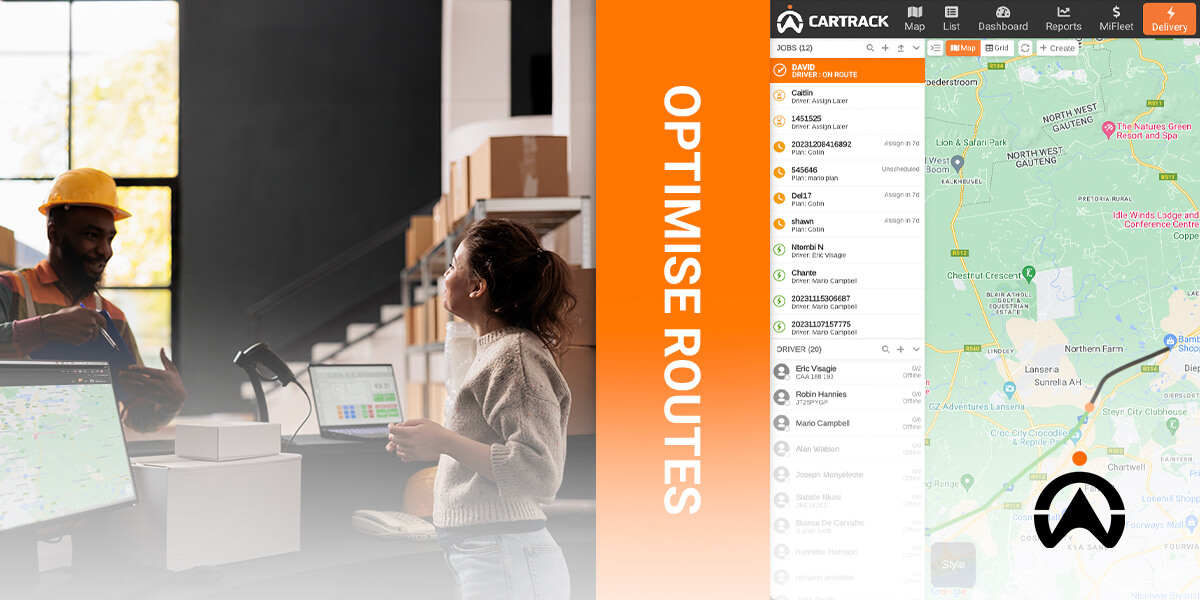
Easily improve fleet maintenance with Cartrack

Cartrack is not just a fleet management system, it’s your ultimate solution for modernising and elevating your fleet maintenance. With a multifaceted approach, Cartrack is designed to empower businesses to not only manage their fleets efficiently but also to elevate the overall performance, longevity, and cost-effectiveness of their valuable assets.

We do this through our smart features created to elevate your fleet maintenance and beyond:

Predictive maintenance with AI-driven insights:

Cartrack’s predictive maintenance goes beyond traditional approaches. Powered by artificial intelligence, it analyses vast datasets, including vehicle performance and driver behaviour and sends you maintenance alerts. This advanced analytics helps identify potential maintenance issues before they escalate, enabling proactive measures. With Cartrack, you can schedule maintenance strategically, optimise fuel efficiency, and prevent disruptions that could impact your business.

Real-time fleet monitoring and tracking:

With our installed GPS units, Cartrack provides a comprehensive real-time view of your entire fleet through our fleet management platform accessed through our web or mobile app. Monitor individual vehicle performance, track routes, and receive instant updates. This level of visibility allows you to stay informed about the condition of each vehicle, enabling timely maintenance interventions and ensuring optimal performance across your fleet.

Driver behaviour monitoring:

Cartrack goes the extra mile by monitoring driver behaviour. Receive insights into driving patterns, identify areas for improvement, and implement strategies to enhance safety and reduce wear and tear on vehicles through our Driver Scorecards and reports provided like risk reports, vehicle usage reports and speeding reports. This proactive approach contributes to long-term fleet health.

Case study: The benefit of Cartrack’s fleet management solutions for Concord Crane

Concord Cranes specialises in crane rental solutions with a fleet of 180+ cranes. They offer mobile crane rentals, expert rigging, transportation, and specialised lifting services through their network of 15 branches.

When it came to maintaining their many cranes, Concord Cranes use Cartrack’s IoT devices and specialised power take-off sensors for precise monitoring of their numerous cranes. This technology tracks on-site working hours, mileage, and equipment usage, providing valuable data to assess crane condition. Using this information, they can implement preventative maintenance strategies to enhance the longevity of their fleet.

Cartrack’s insights on preventative maintenance allow Concord Cranes to optimise their maintenance costs by minimising avoidable, costly repairs due to faults. Cartrack assists in adequately hiring out their equipment and making sure their equipment is readily available and in good working condition for clients. This also helps in mitigating premature downtime for services and ensuring a more efficient operation of their crane fleet.

 “Using Cartrack’s advanced fleet management, we have been able to increase our operational efficiency to deliver a better service to our customers, as well as effortlessly establish a maintenance cycle that reduces our costs and increases our fleet longevity”Gareth Langley, Concord Cranes – Operations Manager.

The_benefit_of_Cartrack’s_fleet_management_solutions

Choose our modern fleet management for your fleet maintenance needs

Get your one-stop solution to modernising and improving your fleet maintenance with Cartrack. No matter the size of your fleet or the industry in which it operates, Cartrack provides all the features you need to stay on top of your fleet’s maintenance and improve your fleet for the better. 

Contact Cartrack and start today.

The Best Way To Immediately Prevent Fuel Card Fraud in Your Fleet

Fuel card fraud is a big headache for fleet managers. It leads to massive financial losses and costly operational disruptions.

If you’re starting to notice fuel transactions that don’t align with your employees’ fuel card usage, now might be a good time to look into it before things get out of control. 

Ready to tackle fuel card fraud and discover your ultimate fuel card management solution?

In this article, you will:

  • Understand the impact of automated fuel monitoring security
  • Explore the risks associated with fuel theft
  • Identify common types of fuel theft methods
  • Discover how a fleet management system like Cartrack can enhance security

Keeping tabs on your fleet’s fuel

Many businesses either don’t know that they are experiencing fuel theft or aren’t using fuel monitoring software to properly track and identify instances of fuel card theft in their fleet. If fuel theft is not stopped in time, businesses are at risk of losing thousands in fuel costs monthly. Fuel monitoring and fleet management software are the answers to fuel theft and fuel card theft.

But before we discuss the solutions, let’s explore the basics of fuel theft.

What is fuel theft?

Fuel theft is when someone takes fuel from vehicles without permission. In businesses, this can happen in different ways like syphoning or using unauthorised fuel cards. Businesses with a large fleet of vehicles can experience bigger more frequent fuel theft issues, causing them to lose a lot of money.

Common types of fuel theft

Fuel theft poses a challenge for businesses, and understanding common methods used is crucial for fuel theft prevention. There are several ways criminals steal fuel, here are a few popular trends:

  1. Syphoning

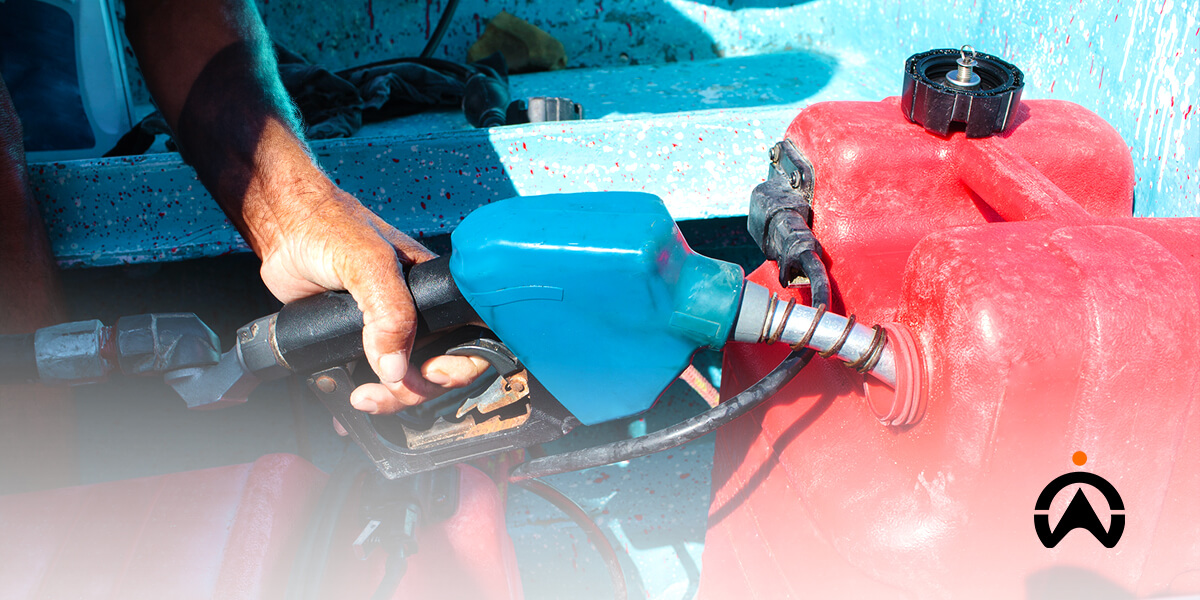
    This method is one of the most traditional. Thieves use a hose, syphon pump or in some cases, even their mouth to suck fuel directly from the vehicle’s tank into a container. This type of fuel theft is more likely to occur at night or in secluded areas to avoid being noticed.
    ‍

  2. False transactions

    This type of fuel theft occurs when gas station employees collude with thieves. The employee swipes the fuel card multiple times for a single transaction, resulting in multiple charges on the cardholder’s account. This method is difficult to detect as transactions are coming from a valid fuel card and fuel sensors won’t detect any unusual activity because the tank was empty and needed a refill, justifying the purchase.
    ‍

  3. Fuel card fraud

    Fuel card fraud occurs when unauthorised individuals obtain and use a company’s fuel card to purchase fuel for their vehicles. This can be done by stealing a physical card, skimming card data at fuel stations, or using stolen card information to create fraudulent transactions online. These cloned cards can then be used to purchase fuel at any filling station.

Common_types_of_fuel_theft

Risks of fuel theft for businesses

Fuel theft can have a significant impact on businesses, affecting various aspects of operations. To put it more into perspective, here are 3 ways fuel theft can hurt a business:

  • Financial losses: Fuel theft can result in significant financial losses for businesses and organisations. The cost of replacing stolen fuel can be substantial, and the administrative time spent investigating and processing fraudulent transactions can be massively time-consuming and costly.
    ‍
  • Damage to vehicles: Syphoning fuel can damage vehicle fuel tanks and lines, leading to costly repairs and downtime. Improper handling of fuel can also contaminate fuel systems, resulting in engine malfunctions and performance issues.
    ‍
  • Safety concerns: Fuel theft often involves tampering with vehicle fuel systems, which can pose significant safety hazards. Leaks or spills can occur, and in extreme cases, the tampering can compromise the integrity of the fuel system, increasing the risk of fire or explosion.

How to prevent fuel card fraud with a fleet management system

Every fleet manager’s priority is to enhance the efficiency of their fleet and keep it running smoothly, but one of their greatest concerns is keeping fuel theft at bay. Every unauthorised swipe of a fuel card can significantly impact your business’s bottom line, making fuel card fraud prevention an essential aspect of fleet management.

A fleet management system can help fight against fuel card theft by implementing various security features and monitoring mechanisms, here’s how:

  1. Real-time alerts and monitoring: Fleet management systems can provide real-time alerts and monitoring of fuel transactions, allowing fleet managers to detect suspicious activities early on and respond quickly.
    ‍
  2. Transaction limits and controls: These systems enable fleet managers to set spending limits, swipe limits, and regional restrictions for fuel cards at affiliated filling stations, preventing unauthorised transactions and limiting fraud exposure.
    ‍
  3. GPS technology and proximity validation: Fleet management systems may use GPS technology and proximity validation to ensure that the location of the fuel purchase matches the location of the vehicle, helping to prevent unauthorised fuel transactions.
    ‍
  4. Tank capacity alignment: This involves synchronising the approved fuel purchase limit with the actual tank capacity of each fleet vehicle. Fleet managers set predefined limits based on the vehicle’s tank capacity. If a transaction exceeds the limit or the tank capacity, it’s flagged for investigation.

As drivers attempt to refuel, the system instantly checks the transaction against these safety features and flags the transaction if it goes against set limits. Implementing these security measures enables fleet management systems to significantly reduce the risk of fuel card fraud and help protect your business from financial losses.

prevent_fuel_card_fraud_with_a_fleet_management_system

Trust in Cartrack Kenya for all your business’s fuel theft challenges

Here are a few ways Cartrack’s fleet management software can help you in your challenge against fuel theft:

Use LiveVision cameras to investigate fuel card theft events

Our smart cameras can be a valuable tool for fleet managers in investigating fuel card theft events. By providing real-time video footage and advanced analytics, these cameras can help identify potential suspects in fuel card theft or fuel syphoning events, gather evidence, and deter future thefts if criminals see visible cameras on fleet vehicles.

Automatically detect fuel theft with MiFleet

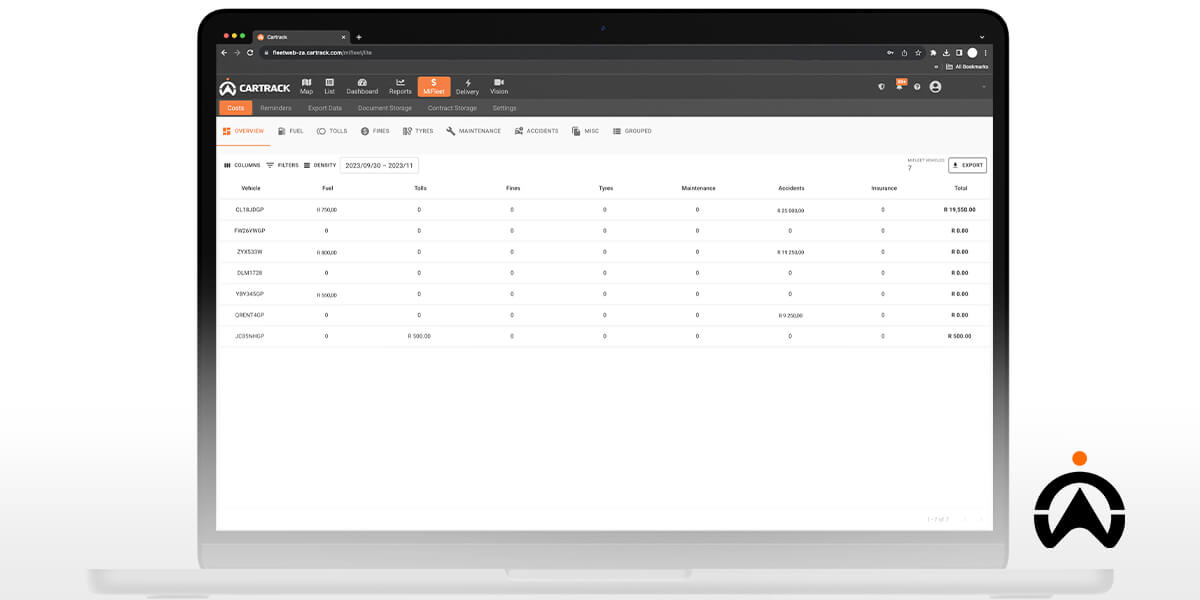
MiFleet is a cost management system that monitors all your fleet’s administration and running costs, including speeding tickets, toll fees, licence renewal dates, maintenance, and of course fuel expenditure. In terms of fuel card theft, MiFleet analyses fuel card transactions and automatically cross-references them with your vehicle’s telemetry data to quickly identify possible fuel theft risks.

What makes businesses love Cartrack’s fuel monitoring system:

  • Its straightforward setup and swift transaction importation eradicate the need for manual administrative tasks. What used to take weeks to process can now be accomplished in approximately five minutes.
    ‍
  • Its automated approach to risk reviews for fuel transactions helps swiftly detect potential cost leakages, effectively eliminating the possibility of human error.
    ‍
  • Its actionable insights directly contribute to reducing the risks associated with fuel theft, resulting in significant operational cost savings.
    ‍
  • Its ability to pinpoint fuel theft, creates awareness among drivers about being monitored, leading to a decrease in future fraudulent behaviour and its associated consequences.

Case study: How Cartrack assisted RichLand Logistics

RichLand Logistics delivers technology, petrochemical, consumer goods, manufacturing, oil and gas, and freight-forwarding services to South East Asia, with over 40,000 monthly deliveries.

Facing the challenge of efficiently tracking their fleet’s fuel usage to reduce operational costs and improve productivity, they turned to Cartrack.

Our fuel sensors provided valuable insights, allowing managers to identify efficient drivers and vehicles during deliveries. By evaluating l/km per vehicle and addressing unproductive idling and speeding, RichLand Logistics made strategic decisions to significantly cut down operational travel and overall fuel costs.

RichLand Logistics benefited from Cartrack’s expertise and industry-leading solutions, let us do the same for your business. Choose Cartrack for unparalleled fleet management that ensures success.

Solve your business’s fuel card theft problem with Cartrack Kenya

Increase visibility on your fuel transaction and fuel consumption all with one comprehensive fleet management solution — Cartrack Kenya.
Implementing our security measures will not only significantly reduce fuel fleet costs but will also reduce the risk of fuel card theft.

Take the first step in saving your fuel, contact Cartrack Kenya today.

Fuel Saver Device Myths Busted – Why They Don’t Really Work

When it comes to saving fuel, there are various tips, tricks and gadgets claiming to make your fuel last longer. Among the many myths, there’s one that seems to be grabbing fleet managers’ attention — fuel-saving devices. 

But, do they really live up to their promise or are they just a myth and waste of your money?

We unpack all the truths right here and reveal an actual solution you can trust.

In this article, you will:

  • Gain insight into fuel-saving devices
  • Debunk common myths associated with fuel-saving devices
  • Discover proven methods to saving fuel for your fleet
  • Understand the importance of effective fuel and fleet management
  • Learn how Cartrack provides a reliable fuel-saving solution

The obsession over fuel-saver devices

The attraction of fuel-saving devices lies in their promise of effortless fuel savings, and their quick-fix approach to all your fuel challenges. Many consumers who are either sceptical or don’t have the time for traditional fuel efficiency tips, find these ‘miracle’ fuel devices extremely appealing. However, some things aren’t always what they seem. 

Most of these devices are based on unfounded scientific claims or use ineffective methods to supposedly improve fuel efficiency. Many are ineffective or even harmful to vehicles. Before purchasing a fuel-saver device, it is important to conduct thorough research and consult with experts to verify its safety and efficacy. 

Truth is, there’s no magic pill for improving fuel economy, just hard work partnered with effective fuel and fleet management solutions, so be wary of claims that sound too good to be true.

The_obsession_over_fuel_saver_devices

Do fuel-saving devices actually work?

The simple answer to this is no. Fuel-saver devices generally do not work as advertised and do not provide any significant or measurable improvement in fuel economy. Here are some common myths about fuel-saving devices that have been ineffective:

Myth 1 – Magnetic fuel savers

Starting with the most popular myth, these devices claim to improve fuel economy by aligning fuel molecules using powerful magnets. This claim is based on the idea that aligning the molecules will make them burn more efficiently. However, there is no scientific evidence to support this claim. Studies have shown that magnetic fuel savers have no impact on fuel economy.

Myth 2 – Fuel injector cleaners

This claims to remove deposits, prevent new deposits from forming, and enhance vehicle performance from fuel injectors, which they say will improve fuel atomisation and combustion efficiency. However, modern fuel injector systems are designed to keep themselves clean, and fuel injector cleaners only make a difference if used regularly and it all depends on the quality of the cleaner.

Myth 3 – Air intake vortex generators

These devices are designed to create a swirling vortex of air in the engine intake, which they claim will improve combustion efficiency. However, studies have shown that these devices have no measurable impact on fuel economy.

Myth 4 – Engine performance chips

Also known as performance tuners, they are electronic devices that are installed in vehicles onboarding computer systems to alter the engine’s computer programming and improve fuel economy and power. However, the effectiveness of these chips has been debated as there is no evidence that these chips work.

Myth 5 – Hydrogen fuel additives

These additives claim to improve fuel efficiency by increasing the amount of hydrogen in the fuel. However, there is no evidence that these additives are effective, and they can even be dangerous if not handled properly.

So, what’s the takeaway? While the idea of fast-acting fuel-saving gadgets is tempting, it’s often best to stick to the basics — regular maintenance, good driving habits, occasional vehicle servicing and the use of a proven fuel and fleet management system.

What is a fuel-saving device?

Let’s first understand exactly what these devices even are. It is said to help improve fuel efficiency, reduce emissions, and optimise engine performance in vehicles. They are often marketed as a way to save money on fuel costs without requiring any additional maintenance or modifications to a vehicle. 

The effectiveness of these devices is often debated and despite no proof, some devices may still claim to provide minor improvements in fuel efficiency. It is essential to approach the use of fuel-saver devices with caution and always consider the potential risks and limitations before investing in one for your vehicle.

Fuel-saving solutions that genuinely work

Now that we know what doesn’t work, let’s talk about what does. There are several proven methods that you can use that will make a difference in your tank and your fuel costs, such as:

  1. Encourage a fuel-conscious driving style

    Adopting smooth and consistent driving practices is key to fuel efficiency. Discourage habits like rapid acceleration and abrupt braking. Instead, promote gradual acceleration, maintaining a steady speed, and minimising unnecessary idling. This not only conserves fuel but also creates a more relaxed driving experience, fostering a safety-conscious culture among your drivers.
    ‍

  2. Implement proper vehicle maintenance

    Make sure you maintain your vehicle by keeping your engine properly tuned, ensuring your tyres are inflated to the recommended tyre pressure, and changing air filters whenever needed. For your cars, depending on the level of care they need, they can undergo interim servicing, full servicing or major servicing. Keeping them in tip-top shape will help you drastically save on fuel consumption.
    ‍

  3. Route planning

    Efficient route planning is another effective strategy. Plan routes in advance to avoid congested areas and heavy traffic, saving both time and fuel. Leverage navigation apps or devices offering real-time traffic updates for optimal route suggestions. Grouping errands logically minimises travel distance, optimising fuel usage.
    ‍
  4. Embrace fuel-saving technologies

    Advanced fleet management software that uses GPS and telematics systems can automatically capture real-time data on vehicle usage, refuelling patterns, and overall diagnostics, providing insights into water, oil, and engine health. Investing in such technologies is a forward-looking strategy to enhance fuel efficiency. For instance, telematics can reveal patterns in driver behaviour, aiding in targeted training programs to further boost fuel savings.

Benefits of saving every litre of petrol and diesel in your fleet

Every drop of wasted fuel is a loss for your business that adds up over time. Fuel saving is crucial as it offers a range of benefits that can directly impact the bottom line, environmental impact, and overall sustainability of your fleet.

By recognising the various benefits of preventing fuel wastage, fleet managers can optimise fuel consumption, lessen fuel costs, and elevate fleet performance. 

Here’s the full list of what your business can gain from saving its fuel resources:

  • Cost savings: Businesses, particularly those with extensive vehicle fleets, can make substantial savings by adopting fuel-efficient strategies. This directly impacts operational costs, freeing up resources that can be redirected to enhance overall profitability.
    ‍
  • Improved fleet productivity: Fuel-saving practices not only cut costs but also enhance overall fleet efficiency. Optimising fuel usage extends vehicle range, reduces downtime, and facilitates better route planning. This results in increased productivity, lower maintenance expenses, and more efficient usage of fleet resources.
    ‍
  • Employee safety: Embracing fuel-efficient driving practices promotes safer habits, lowering the risk of accidents and associated costs like insurance premiums and vehicle repairs. This not only ensures a safer work environment but also contributes to a healthier and more productive workforce.
    ‍
  • Environmental impact: Fuel-efficient practices directly reduce greenhouse gas emissions, aligning with the growing demand for eco-friendly initiatives from consumers and investors. The impact of fuel efficiency extends beyond a company’s operations to influence the entire supply chain. Collaborating with suppliers and prioritising fuel efficiency further reduces environmental impact.
    ‍
  • Fleet maintenance: Regular vehicle maintenance is crucial to optimal performance and prevents unexpected breakdowns. By prioritising efficient fuel use, businesses can contribute to extended vehicle life and reduced maintenance costs.

To improve your business’s relationship with fuel and gain the benefits listed above, there is only one fuel-saving solution that is proven and trusted — Cartrack’s. Its fleet management solutions can improve your fuel management and save you fuel wastage costs.

Benefits_of_saving_every_litre_of_petrol

Proven fuel-saving habits that Cartrack Kenya can provide

Ever thought about getting a fleet management system that actually saves you money? 

With Cartrack Kenya, you get more than just vehicle tracking – it’s like having a personal fuel efficiency coach for your fleet. Cartrack’s fleet management solutions play a crucial role in monitoring and enhancing fuel efficiency through several key features:

Route optimisation

Cartrack’s Delivery tool has a route optimisation feature that incorporates factors such as traffic conditions, route history, road conditions, and fuel consumption data to provide drivers with the most optimal routes. This helps reduce fuel consumption per trip and contributes to a decrease in harmful emissions, resulting in significant fuel cost savings.

Real-time fuel consumption monitoring

Cartrack’s fleet management system offers real-time monitoring of fuel consumption through data analytics. Fleet managers gain insights into individual vehicle performance, driver behaviour, and fuel efficiency trends. The MiFleet fuel validation feature further assists in monitoring and analysing fuel consumption data, enabling precise tracking and identification of inefficiencies.

MiFleet for efficient fuel cost savings

MiFleet is a fleet cost management system that assists in monitoring all fleet costs. It analyses fuel consumption data and overall fuel costs. With access to fuel card transactions, Mifleet can automatically cross-reference your fuel transactions with your vehicle’s telemetry data, and flag possible fuel theft risks.

Vehicle maintenance alerts

Cartrack Kenya provides preventative maintenance alerts, notifying fleet managers of scheduled maintenance and inspections. Timely addressing of these issues helps prevent fuel-consuming problems, such as engine misfires, ensuring vehicles maintain peak efficiency and avoid unnecessary downtime.

Driver training and fleet incentive program

Recognising the pivotal role of drivers in fuel efficiency, fleet managers can implement comprehensive training programs. These programs cover driving techniques contributing to fuel savings, such as smooth acceleration and reduced idle time. Cartrack’s performance monitoring, including driver scorecards, aids in assessing each driver’s performance, enabling targeted training and incentive programs to promote fuel-conscious driving habits.

Case study: How Cartrack helped Calgan Recliners save fuel and money

Calgan Recliners is a South African furniture company that specialises in the manufacturing of recliner chairs and lounge suites. They deliver their products to their customers through their factory or various retailers around South Africa.

They were facing a challenge many companies face — high fuel consumption rates. For a company that depends on their deliveries, this is a big issue, so they searched for a solution. Cartrack not only offered smart solutions to solve their problem but also experimented to prove fuel savings were possible with their Delivery tool. 

Wayne Sholtz, a Cartrack delivery solutions specialist, tackled one of Calgan’s delivery driver’s routes for a day. Shotlz drove from the factory to 15 drop-off points using Cartrack Delivery and its powerful route optimisation tool. 

With this, Sholtz completed 167 km, whereas the driver who wasn’t using Delivery and route optimisation drove 195 km, showing a massive 28 km difference, which equated to 7 litres of diesel saved in just one day. If used for the whole month, this could save Calgan Recliners a total of around R3000 in diesel costs per vehicle, monthly.

If that’s what we can do for Calgan Recliners in just one day, imagine what we can do for your business’s fuel cost challenges.

Get a fuel-saving system that definitely works

There’s no need to use unproven fuel-saving tips with Cartrack Kenya by your side. Our smart tools and proven features will help your business successfully optimise its fuel usage habits and save money. 

Contact Cartrack Kenya today.

9 Ways To Elevate Your Fleet Management Workflow Without Compromise

Fleet management is crucial to your fleet’s overall success. Is your fleet equipped with a fleet management system to help it succeed?

From increasing fleet efficiency and lifespan to reducing fleet costs — fleet management is what you need to seamlessly and effectively manage your fleet’s workflow. 

Read on to find out how you can tap into this complex software with one simple solution.

In this article, you will:

  • Learn what fleet management workflow is
  • Explore the benefits of fleet management for your fleet’s workflow
  • Find out what the elements of an effective fleet management system are
  • Discover nine ways you can tackle fleet management challenges
  • Understand how to conveniently unlock elevated fleet management workflow

Before we get into the nitty gritty of fleet management workflow, let’s quickly unpack the basics of fleet management.

What is fleet management?

In essence, fleet management is the comprehensive oversight and administration of fleet vehicles to improve efficiency and reduce costs. This encompasses all the actions needed to not only run a fleet operation but to run it efficiently at the lowest costs and highest profits possible. Whether you’re operating a large or small fleet, you must keep track of all their moving parts. Fleet management makes this possible with a wide range of solutions.

What is a fleet management workflow?

A fleet management workflow is a repeatable and measurable series of steps or tasks organised in the proper sequence to accomplish set goals. This intricate workflow involves several interconnected stages involving technology, strategic planning, and operation execution to build a seamless and effective fleet management system.

Why is fleet management so important for fleet success?

Fleet management is a crucial part of fleet success due to its multifaceted impact on operational, financial, and safety aspects. Its importance lies in optimising resources and reducing operational costs through meticulous control over vehicle usage, maintenance, and fuel consumption.

What_is_fleet_management

What are the benefits of fleet management?

Fleet management is beneficial for various aspects of your fleet operations, playing a role in:

  • Increasing fleet efficiency: Fleet management improves fuel efficiency and reduces operational costs, leading to increased overall efficiency.
    ‍
  • Extending vehicle lifespan: Fleet management contributes to extending the lifespan of vehicles by identifying and addressing potential problems early on.
    ‍
  • Improving service delivery: Fleet management contributes to customer satisfaction through on-time deliveries, enhancing service delivery and customer loyalty.
    ‍
  • Improving safety and maintenance: Fleet management contributes to improved safety, proactive maintenance, and reduced downtime, leading to cost savings and enhanced operational safety.
    ‍
  • Enabling remote management: Fleet management systems provide a comprehensive view of operations, enabling remote, real-time management.
    ‍
  • Enhancing data-driven decision-making: Fleet management provides fleets with valuable data and insights on various aspects of their fleet, enabling data-driven decision-making.
    ‍
  • Reducing costs: Fleet management software can help fleets save money on fuel and maintenance, significantly reducing overall fleet expenses. by tracking fuel usage, identifying fuel-wasting behaviours, and scheduling maintenance.

What are the key elements of an effective fleet management system that contribute to fleet success?

The success of a fleet management system hinges on several key elements that are meticulously designed to streamline operations, enhance efficiency, and ensure optimal performance of a company’s vehicle fleet. These elements are:

  1. Vehicle tracking and monitoring: Vehicle tracking and monitoring in fleet management involves the use of advanced technology, such as GPS (Global Positioning Systems) and telematics. This makes it possible for fleet managers to monitor, track, and gather critical data about their vehicle’s whereabouts, performance, and operational metrics.
    ‍
  2. Maintenance and repairs: Maintenance and repairs in fleet management are the systemic approach of managing the upkeep, servicing, and necessary repairs to a group of fleet vehicles. This is a critical aspect of fleet management aimed at ensuring that vehicles remain in optimal operating condition. This helps maximise fleet reliability, safety, and longevity while minimising unexpected breakdowns and the associated costs.
    ‍
  3. Fuel management: Fuel management in fleet management involves the monitoring and control of fuel-related activities, working to optimise fuel usage, reduce costs, and improve efficiency across a fleet. It encompasses various processes and practices that are aimed at effectively managing fuel consumption, monitoring fuel expenses, and ensuring that vehicles operate at maximum efficiency.
    ‍
  4. Driver behaviour monitoring: Driver behaviour monitoring involves the systematic observation, analysis, and management of how drivers operate vehicles while performing their duties. It utilises groundbreaking technology such as telematics and onboard sensors, which work to collect and assess various aspects of driver behaviour and performance.
    ‍
  5. Data analytics: Data analytics measuring involves the systematic collection, analysis, and interpretation of data generated by various telematics and tracking systems installed in vehicles. It aims to extract meaningful insights to optimise fleet operations, enhance efficiency, improve safety, and reduce costs.
    ‍
  6. Safety and security measures: These measures are important to ensuring the well-being of drivers, protecting assets, minimising risks, and safeguarding against potential threats.

What are the key challenges faced in fleet management that fleet management can solve?

Navigating the landscape of fleet management involves addressing numerous challenges that can significantly impact operational efficiency if left unmanaged. These challenges can include:

  • Rising operational costs: This defines the increase in overall expenses associated with maintaining, operating, and managing a fleet of vehicles. These costs encompass various elements such as fuel prices, vehicle maintenance and repairs, and technological upgrades.
    ‍
  • Rising maintenance costs: Refers to the increase in expenses incurred in the upkeep, repairing, and ensuring the proper functioning of vehicles within a fleet.
    ‍
  • Fuel theft: Fuel drainage represents a significant challenge within fleet management. It involves the unauthorised extraction of fuel from fleet vehicles (e.g., by syphoning), or fuel-wasting driver behaviours.
    ‍
  • Vehicle downtime: Downtime in fleet management refers to the period when fleet vehicles or assets within a fleet aren’t able to be utilised for various reasons such as maintenance, repairs, accidents, breakdowns, or any unexpected issues that render the vehicles inoperable.
    ‍
  • Data overload: Data overload refers to the excessive volume or complexity of fleet information generated by various monitoring systems, sensors, telematics devices, and software used to collect data. It occurs when fleet managers are inundated with a vast amount of data that exceeds their capacity to effectively process, analyse, and derive actionable insights from their fleet, vehicles, and drivers.
    ‍
  • Spoiled or damaged goods: Most goods that are delivered are temperature sensitive, such as foods and medication. This makes on-time deliveries very important to ensure they maintain their freshness and quality.

9 solutions for elevating your fleet management workflow

The issues listed above can be a major source of stress for fleet managers and affect the entire fleet’s efficiency. Here are 9 fleet management workflow solutions that can help you tackle them:

  1. Make use of fleet management software: Fleet management software is a computer program that helps businesses and organisations manage their fleet of vehicles. It can be used to conduct a wide range of fleet-related activities, helping businesses save money, improve efficiency, and reduce their environmental impact.
    ‍
  2. Implement real-time vehicle and asset tracking: This technology makes use of GPS and other sensors that work to track the location and status of vehicles and fleet assets in real-time. This is crucial for numerous reasons, including:

    – Enhanced visibility: Real-time location updates enable fleet managers to have a comprehensive view of vehicle and asset movements, which reduces uncertainty about their whereabouts.
    ‍
    – More effective route planning: Real-time vehicle visibility helps you spot road conditions that could cause costly delays, such as traffic. This helps you plan and improve routes in real time.
    ‍

  3. Adopt a fuel management system: Fuel management is an integral part of fleet management, playing an important role in addressing various fleet challenges by optimising fuel usage, reducing costs, and improving operational efficiency. Involving the monitoring, analysing and controlling of fuel consumption, this is important for:

    – Cost reduction: Effective fuel management strategies help monitor fuel consumption patterns, identify inefficiencies, and reduce overall fuel costs through better utilisation.
    ‍
    – Fuel theft prevention: Monitoring fuel levels and usage can help you detect and prevent fuel theft within the fleet.
    ‍

  4. Preventative maintenance: Preventative maintenance is a proactive approach to fleet maintenance that involves scheduling regular inspections, servicing, and repairs to prevent potential problems and maximise vehicle functionality and availability. Due to playing a crucial role in mitigating various fleet challenges, preventative maintenance is important for:

    – Reducing fleet vehicle downtime: Ensuring your vehicles are maintained helps minimise the occurrence of unexpected breakdowns and costly repairs.
    ‍
    – Extending vehicle lifespan: Timely maintenance, such as oil changes and filter replacements, can prolong the life of your vehicles, reducing the frequency of replacements and associated costs.
    ‍

  5. Route optimisation: Route optimisation is a crucial aspect of fleet management that involves planning and selecting the most efficient routes for vehicles to travel. It is instrumental in addressing various fleet challenges by improving efficiency, reducing costs, and improving overall performance. This makes it important for:

    – Enhancing customer service: Optimised routes aid timely deliveries and service delivery, which leads to improved customer satisfaction.
    ‍
    – Real-time adaptability: Route optimisation software offers real-time updates, allowing for dynamic adjustments in response to traffic congestion, accidents, or unexpected delays
    ‍

  6. Driver behaviour monitoring: Driver behaviour monitoring solutions can identify and address risky driving behaviours that can be costly. They can also provide drivers with feedback to help them improve their driving habits

    – Reduce accidents: By addressing unsafe driving behaviours, fleets can significantly reduce the frequency of accidents and associated costs, including vehicle repairs, medical expenses, and downtime
    ‍
    – Enhanced safety: Monitoring driver behaviour helps identify dangerous and distracted driving habits such as speeding, harsh breaking, etc, allowing for corrective action and reducing the risk of accidents
    ‍

  7. Enhance cargo security: Cargo security in fleet management involves the strategies, practices, and technologies that fleets make use of to protect goods and merchandise during transportation and storage. It is a critical aspect of fleet management because it plays a role in:

    – Protection of valuable goods: Safeguard your cargo by keeping an eye on it at all times. Cargo loss, whether due to theft, loss or damage, leads to financial loss, and negatively affects the business’s reputation.
    ‍
    – Risk mitigation: Cargo security reduces the risk of cargo damage, theft, or loss during transportation, which minimises potential financial losses for the fleet.
    ‍

  8. Automated data entry: Automated data entry refers to the use of technology that works to automatically collect, process, and enter data into fleet management systems. This can help streamline operations, reduce manual data entry errors, and improve overall efficiency.

    – Improved accuracy: Automated data entry minimises human errors that are associated with manual input. This not only ensures accuracy in data collection and entry, it also means reduced time spent on manual tasks, allowing fleet managers to focus on more strategic and value-added activities.
    ‍
    – Streamlined operations: Automatic data entry helps fleet managers accurately know exactly what is going on with their fleet at all times.
    ‍
    – Encourage data-driven decision-making: By digitising and automating data entry, fleet managers can make accurate data-driven decisions related to routes, fuel efficiency, and the condition of their vehicles.
    ‍

  9. Data-driven decision-making: Data-driven decision-making involves collecting fleet data from various sources, including telematics, GPS, maintenance records, and vehicle diagnostics, to make informed and strategic decisions. This makes it important for:

    – Accurate resource allocation: Analysing utilisation data assists in optimising the allocation of vehicles and drivers, ensuring optimal use of available resources, and reducing idle time.
    ‍
    – Improving fleet efficiency: By analysing historical and real-time data, fleet managers can identify inefficiencies in routes, operations, and vehicle utilisation, helping them optimise fleet processes and improve fleet efficiency.

Improve fleet workflow today, with Cartrack Kenya

We’ve mentioned the ways you can elevate your fleet management workflow. Now, let’s find out how Cartrack Kenya can make managing your fleet workflow a walk in the park with one industry-leading fleet management solution that does it all.

  1. Fuel management system:

    Cartrack’s fuel management system is a comprehensive solution that revolutionises how businesses handle fuel consumption, a key player in fleet workflow. It integrates cutting-edge technology and sensors to provide real-time monitoring, analysis, and control over fuel usage within fleets. This software boosts fleet management workflow through:

    – Real-time fuel consumption data: Cartrack’s fuel management system provides real-time consumption data alerts, allowing fleet managers to monitor fuel usage and identify areas for improvement.
    ‍
    – Preventing fuel theft and card fraud: Cartrack’s AI algorithm automatically cross-references your fuel receipts with your vehicle’s location and fuel status. By automatically flagging suspicious fuel cost activity that could be caused by fuel theft (e.g., syphoning), you can identify fuel cost drainages early on, helping you resolve, and reduce fuel cost wastages.
    ‍
    – Reducing fuel wastage: Monitor your vehicle tank’s daily fuel level, and know how much fuel your vehicles are consuming and the mileage driven (litres used per kilometre). By making use of a fuel sensor (fuel filter) that is installed in a vehicle’s tank you can closely monitor fuel levels, helping you reduce fuel wastage, and pinpoint the reasons your vehicles are seeing a sudden spike in fuel consumption. (It could be poor driver behaviour, fuel theft, or vehicles needing maintenance.)
    ‍

  2. Preventative maintenance

    Automate your fleet vehicle’s maintenance plans based on vehicle usage and diagnostics. This software helps you avoid unnecessary breakdowns or unplanned downtime, boosting fleet workflow through:

    – Vehicle health monitoring: Continuously monitor your vehicle’s health and performance by using telematics data, including engine diagnostics, fuel consumption, and sensor readings. This helps you spot any issues the moment they arise, ensuring that you can attend to them before they become serious and lead to downtime or accidents.
    ‍
    – Maintenance scheduling: Automate the maintenance schedules for each vehicle based on its utilisation. This helps ensure that preventative maintenance tasks such as repairs, part replacements, and lubrication are performed at the right time.
    ‍

  3. Driver monitoring software

    Driver monitoring systems work to continuously assess and analyse driver behaviour while behind the wheel. Equipped with cameras, sensors, and sophisticated algorithms, these systems play a crucial role in preventing driver distractions and potential road accidents, also improving fleet workflow through:

    – Live Vision AI Cameras: Detect various forms of distracted or dangerous driving, including speeding, smoking, cell phone use, and fatigue, with AI-powered, live-streaming technology. Equipped with in-cabin real-time audible alerts, this technology immediately alerts your drivers of these detected behaviours, enabling them to correct their actions.
    ‍
    – Advanced Driver Assistance Systems (ADAS): ADAS aims to enhance driver safety by heightening your drivers’ awareness of their surroundings, alerting them of potential road hazards, detecting and responding to obstacles, and helping your drivers maintain a safe distance from other vehicles. It is equipped with driver assistance features, including forward collision warning, blind-spot detection, and automatic emergency braking.
    ‍
    – Driver ID tags: Ensure that only authorised drivers can drive specific vehicles or operate specific equipment with these tags. Assign your drivers specific tags that only work for certain vehicles and equipment, helping you prevent unauthorised usage, and know exactly who is behind the wheel at any given moment.
    ‍

  4. Specialised sensors

    – Cargo door sensors: In the delivery business, products are your valuable assets and with Cartrack’s cargo door sensors, you can receive real-time alerts every time your cargo door is opened or closed, helping ensure your cargo is carefully monitored and secure.
    ‍
    – Temperature sensors: Ensure your refrigerated cargo always remains fresh with real-time reefer temperature monitoring. Keep your perishable goods as fresh as they were when you packaged them by closely monitoring your refrigerated trucks or trailers’ temperature conditions. This software sends you live alerts the moment any fluctuations are detected, making it easier for you to send a replacement truck to ensure the freshness of your goods.
    ‍
    – Tailgate sensors: While these sensors work similarly to cargo door sensors, they are more specific to tailgates. Receive a notification the moment the tailgate of your trailer is activated. This helps you monitor the activity of your heavier cargo and ensure it’s delivered to the correct zones.
    ‍

  5. Real-time vehicle tracking

    Boost your fleet workflow by gaining full visibility of your entire fleet with our live-tracking GPS technology, helping you:

    – Optimise routes in real-time: Real-time vehicle tracking helps you optimise routes and jobs to ensure timely deliveries. This also means you can keep customers updated throughout the delivery process.
    ‍
    – Geofencing:
    Cartrack’s geofencing feature helps you create virtual boundaries around specific areas. This allows fleet managers to monitor their vehicle activity, helping ensure their drivers only operate within approved areas, minimising unnecessary stops that could lead to delays.
    ‍
    – Streamlining dispatching:
    With access to all your driver’s locations in real-time, you can strategically dispatch your closest driver for jobs based on distance.

Improve_fleet_workflow_today_with_Cartrack

Heighten your fleet management workflow with Cartrack’s solutions

The world of fleet management is a dynamic landscape where having the right tools can truly set you apart. Fleet management is the key you need to conveniently revolutionise your fleet management workflow. 

‍Contact Cartrack Kenya today and let’s solve your business challenges with fleet innovation and efficiency together.

Fleet Asset Management – Know the Importance To Make Your Fleet Operations Soar

Late deliveries, time-wasting equipment manhunts, underutilised assets, maintenance downtime delays and endless paperwork – the cost-draining world with no fleet asset management system.

Unravel the importance of fleet asset management software and how it will transform your fleet operations like never before.

In this article, you will:

  • Understand the critical role of fleet asset management in your operations
  • Explore the definition and significance of fleet asset management
  • Learn the benefits of using fleet asset management software
  • Gain insights into creating a comprehensive asset management plan
  • Revolutionise your fleet asset operations with Cartrack solutions

What is fleet asset management?

Where ‘asset management’ usually speaks towards wealth and acquired things owned by a person or organisation. Fleet asset management is a method fleet managers use to properly oversee all their business’s assets, ensuring they are all accounted for, in good working condition and are all equally used so they continue to provide a positive return and don’t cost a business more than they should. 

This involves monitoring, maintaining, and strategically utilising each vehicle in the fleet. All this is required to enhance operational efficiency, reduce costs, and extend the lifespan of assets.

What is classified as a business asset?

The assets referred to here can be split between tangible assets like physical tools, vehicles, etc and intangible assets, like the software used.

Tangible assets consist of various objects, here are a few types:

Vehicles

  • Cars, trucks, vans, buses, motorcycles, etc.
    ‍
  • Trailers, semi-trailers, and other towed equipment
    ‍
  • Construction equipment, such as bulldozers, excavators, and cranes
    ‍
  • Material handling equipment, such as forklifts and pallet jacks

Equipment

  • Tools used for maintenance, repairs, and various tasks
    ‍
  • Mobile tech gadgets, like tablets and scanners
    ‍
  • Communication tools, including radios and GPS trackers
    ‍
  • Office equipment, such as computers and printers

Infrastructure

  • Garages, workshops, and other facilities like work sites
    ‍
  • Owned storage and fueling stations
    ‍
  • Parking lots and loading docks
    ‍
  • Offices and administrative buildings

Intangible assets are those that don’t have a physical form but still hold significant value for the business:

  • Software and technology like the fleet management software used
    ‍
  • Data and analytics acquired from vehicle telematics, fuel card transactions etc.
    ‍
  • Intellectual property (IP) like business trademarks and patents

What is the importance of fleet asset management?

It all begins with your vehicles, equipment, and machinery, the essential assets that keep your business moving forward. Fleet asset management ensures that each vehicle in your fleet operates seamlessly, that your equipment is in top-notch condition, and that your machinery continuously runs smoothly.

Proper management of these assets is not just a task, it’s an important part of driving your fleet to success. Without it, the rhythm of your operations could turn chaotic with breakdowns, delays, increased costs and many other profit-impacting factors.

The benefits of using fleet asset management software

  • Supervision of all assets
    ‍
  • Management of assets from any location
    ‍
  • Offers insights for strategic planning for fleet risks
    ‍
  • Improvement of time management
    ‍
  • Monitoring fleet performance
    ‍
  • Tracking fleet asset life cycle and costs acquired
benefits_of_using_fleet_asset_management_software

How does fleet asset management differ from general fleet management?

Let’s think of fleet asset management as the guardian overseeing all your valuable resources, and fleet management as the skilled expert handling the specific challenges of your vehicles and machinery.

Asset management looks at the bigger picture, caring for everything from vehicles to machinery and even office tools. It ensures everything is in the right place, performing optimally, and contributing to your overall success.

On the flip side, fleet management focuses on the unique challenges of your vehicles and machinery. It ensures your fleet operates smoothly, tackling issues like maintenance, fuel efficiency, and driver behaviour.

Together, they create a powerful duo for your fleet where one guides the other.

How to set up an asset management plan?

To better manage your assets, you first have to create an asset management plan. Crafting a carefully devised plan for managing your fleet assets can boost productivity and extend the lifespan of your resources. This strategy empowers you to create a more sustainable and effective business model and unlocks the full potential of your assets.

Here’s a simple six-step guide to optimal asset performance:

  1. First, clearly define your goals for your fleet and make sure they’re specific, measurable, achievable and time-bound. This sets the foundation for your plan.
    ‍
  2. Next, take a good look at your current fleet, considering things like types of vehicles, their age, condition, and how they’re used. This assessment helps you find areas for improvement and chances to save money.
    ‍
  3. It’s crucial to track your vehicles, equipment, machinery etc. and make a detailed inventory of all of them. For this, use technology like GPS, telematics and the Internet of Things (IoT) to monitor them in real-time.
    ‍
  4. Plan regular fleet maintenance to keep your vehicles in good shape and avoid unexpected breakdowns with preventative maintenance. Train your drivers on safety and fuel-efficient driving, and make sure they follow traffic rules.
    ‍
  5. Control your operational costs by monitoring fuel usage, maintenance, and fleet costs like speeding tickets and insurance expenses. 
    ‍
  6. Be prepared for emergencies with contingency plans. Review and update your fleet asset management plan regularly to adapt to changes and improve it over time to fit the current state of your fleet.

Define the types of fleet asset management

To better put it into perspective, there are several types of fleet asset management, including physical asset management, financial asset management, human asset management, and contractual asset management.

Let’s break these down in a bit more detail:

  1. Physical asset management:

    Focuses on overseeing tangible assets like vehicles and equipment to ensure longevity and efficiency.
    ‍

  2. Financial asset management:

    Involves managing financial instruments such as stocks, bonds, and cash to optimise investment portfolios.
    ‍

  3. Human asset management:

    Encompasses the administration of human resources, including employees or contractors, and skills within an organisation to enhance workforce performance and development.

What factors contribute to effective fleet asset management?

Effective asset management is the cornerstone of a successful business, encompassing the strategic oversight of your vehicles, equipment, and machinery. This comprehensive approach ensures that these assets are not just operational tools but vital components contributing to the overall success and sustainability of your enterprise.

  1. Operational efficiency: Skilfully organising and overseeing your vehicles and machinery ensures seamless day-to-day activities. Whether it’s delivery trucks or heavy equipment, a well-structured system minimises downtime and maximises productivity.
    ‍
  2. Cost savings: By implementing preventive maintenance schedules, monitoring fuel consumption, and addressing potential issues like risky driver behaviour proactively, you can significantly cut operational expenses.
    ‍
  3. Asset longevity: Regular maintenance and timely repairs contribute to the extended lifespan of your assets. This not only safeguards your initial investment but also diminishes the need for frequent replacements, resulting in long-term savings.
    ‍
  4. Safety compliance: Asset management involves ensuring compliance with safety regulations. From regular inspections to implementing safety features, adherence to standards protects your assets, employees, and your business’s reputation.
    ‍
  5. Data-driven decision-making: Employing technology for asset management yields valuable data insights. Real-time tracking, performance analytics, and predictive maintenance empower you to make informed decisions, enriching your overall business strategy.
    ‍
  6. Resource optimisation: Effectively allocate resources by understanding the usage patterns of your assets. Whether deploying vehicles for optimal routes or scheduling maintenance during non-peak hours, resource optimisation enhances operational efficiency.
What_factors_contribute_to_effective_fleet_asset_management

What is ultimate fleet asset management for your fleet operations?

Cartrack’s industry-leading fleet management software is the perfect fit for any type of business looking to seamlessly manage its assets.

Our comprehensive solution is tailored to meet all your needs and elevate your fleet management to new heights. 

Here are five ways Cartrack Kenya will help you gain full visibility and control of all your assets:

  1. Proactive maintenance: Say goodbye to unexpected breakdowns and unnecessary downtime. Cartrack’s predictive maintenance anticipates potential issues before they become critical. Through advanced analytics, all equipment data is analysed to predict when servicing is needed and swiftly inform you. For example, predictive maintenance can identify a worn-out part in a forklift and promptly inform you to take precautions with replacements. This prevents costly, unexpected breakdowns, minimises downtime and maximises asset lifespan.
    ‍
  2. Fleet management platform: See usage patterns of assets with Cartrack’s fleet management platform and ensure assets are evenly used by remotely scheduling your assets across your project site. With this, you can see which crane or any asset, is being underutilised, and promptly reallocate it to a more active project.
    ‍
  3. ID tags: Our driver ID tags help you restrict machinery usage to authorised operators only. This gadget uniquely identifies drivers to fleet managers, allowing them to know which one of their drivers is operating their vehicles/machinery, to ensure only trained and authorised personnel operate equipment and enhance asset security and safety.
    ‍
  4. Asset Tracking: Cartrack employs GPS and IoT sensors to get real-time location data and information on equipment conditions. This improves inventory management, enhances security against theft, and aids in preventive maintenance.
    ‍
  5. Geofences: Create virtual parameters around your working sites, no-go zones or any other area of interest with our geofencing technology. Alerts are sent to you whenever assets enter or exit digitally set boundaries. This prevents potential theft and helps you monitor vehicle activity.

Turn your assets into profit-boosting machines with Cartrack Kenya

Gain complete control and visibility over every vehicle, equipment, and machinery in your fleet. Choose Cartrack Kenya for fleet asset management and experience a new era of efficiency, cost savings, and peace of mind.

‍Start today with Cartrack Kenya.

Vehicle Inspection – Digitise Your Daily Fleet Inspection With A Powerful App

Vehicle inspections can be daunting without a fleet monitoring system in place. Why wait for scheduled, time-consuming inspections to know your fleet’s health when there’s an easier way to keep track of it daily?

Ignorance is bliss, but not when it comes to your fleet’s vehicle health. Poorly maintained vehicles lead to unplanned downtime, increased fleet costs, and worse, driver safety risks.

Here’s how you can gain 360-vision of your fleet fleet’s health with a digitised vehicle inspection system.

In this article, you will:

  • Learn what vehicle downtime is
  • Discover the risk of not conducting vehicle inspections
  • Find out why digital inspections are the future of fleet management
  • Uncover how you can elevate your fleet vehicle inspections with Cartrack

What is vehicle inspection?

Vehicle inspection is a procedure mandated by the government to ensure that vehicles conform to established safety and emission standards. It entails a comprehensive scrutiny of a vehicle’s components, functionalities, and adherence to said standards, ensuring the safety and reliability of your vehicles. 

This comprehensive assessment encompasses an array of components and systems within the vehicle, from brakes and tires to the exhaust system and the engine. Each of these elements needs to go through extensive scrutiny to ensure they are functioning at their optimum level. Vehicle inspection ensures that fleet managers are always aware of the state that their vehicles are in.

Why is vehicle inspection so important for fleets?

As a fleet manager, you are aware that regular vehicle inspections are essential for keeping your fleet vehicles running effectively and safely. Vehicle inspections are a trackable indicator of the state of your fleet vehicles. Regular inspections help you proactively identify problems with your vehicles, allowing you to rectify any existing or potential mechanical issues.

Here are some of the reasons why vehicle inspection is so important:

  • It promotes safety on the road: Vehicle inspection helps you identify any potential issues in the vehicle that can cause accidents and other safety risks.
    ‍
  • It prevents unplanned downtime: Maintenance concerns that are left unattended can lead to unplanned downtime. By quickly identifying maintenance needs, vehicle inspection helps you spot potential issues before they become serious and lead to temporary or permanent downtime.
    ‍
  • It increases driver productivity: Regular inspections translate into decreased downtime, meaning that drivers can stay on schedule and complete all of their tasks with little to no delays. Also, well-maintained vehicles, due to regular inspections, operate more efficiently, which allows for faster task completion.
    ‍
  • It maximises fleet vehicle lifespan: Regular inspections help extend a fleet’s lifespan as potential problems are identified quickly before they turn into a more serious issue This reduces the need for premature replacements, allowing you to get the most out of each vehicle.
    ‍
  • It boosts cost savings: Regular inspections can lead to lower maintenance costs by identifying and addressing issues before they become significant, expensive problems.
Why_is_vehicle_inspection_so_important_for_fleets

What’s at risk if you don’t inspect vehicles?

Not conducting vehicle inspections can pose significant risks, affecting both safety and legal compliance. Here are a few risks any fleet manager would desperately want to avoid:‍

  • Increased accident risks: By failing to properly inspect vehicles, the risk of accidents occurring is increased. This leads to financial repercussions that can negatively impact the running of the fleet.
    ‍
  • Unplanned downtime: When you don’t frequently inspect vehicles, it leads to unplanned downtime, which not only disrupts schedules but also affects the productivity of your fleet.
    ‍
  • Poor maintenance and safety: Lack of effective inspection leads to poor maintenance of vehicles, which increases the risk of mechanical failures and safety hazards on the road.
    ‍
  • Non-compliance and fines: When vehicles aren’t inspected, a fleet may fail to meet regulatory standards, leading to non-compliance fines and penalties. This negatively impacts the fleet’s finances and reputation.

What is the difference between fleet inspections and preventative maintenance?

You might be thinking that fleet vehicle inspections and preventative maintenance sound fairly similar. Well, you’d be right. While they may fall into the same bracket, there are a few key differences that distinguish them:

Fleet Vehicle Inspection Preventative Maintenance
Definition Procedures designed to ensure vehicles meet safety standards and regulations Procedures designed for the proactive, periodic upkeep of vehicles to prevent breakdowns
Focus Safety and roadworthiness of a vehicle Preventing unexpected vehicle failures and unplanned downtime
Frequency Inspection can be frequent (e.g., daily or weekly) Maintenance is typically scheduled based on vehicle usage and fleet schedule

One thing that joins these two aspects of fleet vehicles together is the technological advancements that simplify them. This has led to the implementation of digital vehicle inspection.

What is digital vehicle inspection?

Digital vehicle inspection (DVI) is a process that makes use of digital technologies to inspect vehicles and maintenance processes in the fleet industry. This digital version of vehicle inspections uses digital tools and software to conduct accurate and efficient vehicle inspections.

By replacing traditional paper-based inspection methods such as paper-based checklists and manual vehicle inspections, digital vehicle inspections allow technicians to perform, document, and communicate vehicle inspection findings more efficiently and accurately.

What are the key components of an effective digital vehicle inspection system?

  • Compatible mobile device or tablet: Digital vehicle inspection software should be available for use on mobile devices or tablets. This eliminates the need for paper checklists and enables real-time data entry and reporting.
    ‍
  • Checklists: Digital vehicle inspection software should provide standardised and customisable inspection checklists and templates that cover various aspects of vehicle health, including engine, brake, tyres, and vehicle fluids. These checklists are tailored to the different vehicles being used, along with inspection purposes.
    ‍
  • Communication tools: Digital vehicle inspection systems must be able to generate comprehensive reports that are easily shareable amongst managers and drivers.

8 reasons you should consider digitising your fleet’s vehicle inspection process

In a world where everything is going digital, making your fleet vehicle inspections as paperless and seamless as possible, is something worth considering, here are 8 reasons why:

  1. It saves time and frees up resources: Digital vehicle inspection streamlines the inspection process by digitising it. This enables inspection data to be captured in real time, and instantly transmitted to a centralised database. This means faster reporting, quicker decision-making, and reduced administrative time, freeing up resources for more pressing tasks within the business
    ‍
  2. It improves data quality and accuracy: By making use of standardised checklists and real-time data capture, digital vehicle inspection ensures that all essential components of vehicle inspection are systematically checked, reducing the chances of oversight and human error associated with manual data entry.
    ‍
  3. It enhances security and accessibility: Digital vehicle inspection minimises the need to physically store documents, a process that can result in the loss or damage of forms. By facilitating the real-time transfer of information, it ensures seamless accessibility to essential inspection documents and data from any location.
    ‍
  4. It enhances communication: Digital vehicle inspection systems provide real-time access to inspection results and reports, which enables immediate communication of findings to fleet managers and drivers. This open communication streamlines collaboration and ensures timely action on potential.
    ‍
  5. It reduces fleet expenses: By streamlining inspections, reducing errors, and improving communication, digital vehicle inspections lead to increased cost savings by reducing labour costs, and maintenance costs, and improving asset utilisation.
    ‍
  6. It improves preventative maintenance: Digital vehicle inspection can analyse historical inspection data to identify vehicle patterns and trends, enabling preventative maintenance practices. This proactive approach can help prevent unexpected breakdowns, reduce repair costs, and extend your fleet’s lifespan.
    ‍
  7. It enhances driver safety: This data-driven approach collects day-to-day information on drivers and fleet vehicles, making it easy to quickly identify and address potential vehicle issues as soon as possible. This translates to fast, proactive intervention, which helps enhance driver safety by reducing the risk of accidents.
    ‍
  8. It encourages data-driven decision-making: Digital vehicle inspection enables the centralised storage of inspection data in digital systems. This enables fleet managers to gain valuable insights into vehicle performance, maintenance trends, and potential areas for improvement. This ensures that they can make data-driven decisions to optimise your fleet operations.

Unlock the benefits of digital vehicle inspection with Cartrack Kenya

Cartrack Kenya helps businesses access digital vehicle inspections through its automated maintenance scheduling plan, also known as preventative maintenance.

benefits_of_digital_vehicle_inspection

How does Cartrack’s preventative maintenance work?

Our preventative maintenance plan makes use of engine diagnostics, hours of vehicle utilisation, and the time of the last service to predict when your vehicles need servicing. This helps businesses extend their vehicle’s lifespan and reduce maintenance costs.

The platform integrates with various systems, working to not only automate processes but also customise operations. This integration reduces repetitive admin tasks, allowing all team members (drivers and fleet managers alike) to easily access or upload information from one easy-to-use platform.

4 benefits of having a preventative maintenance plan in your business

Cartrack’s preventative maintenance plan is designed to help businesses manage their fleets more effectively, avoid unexpected downtime, reduce maintenance costs, and increase the longevity of their vehicles. It can do this by helping you:

  1. Gain access to real-time alerts: Cartrack can provide businesses with real-time alerts of any vehicle issues, including engine faults, worn brake pads, oil and water fluctuations, and other diagnostics. This is a crucial part of helping fleet managers quickly preempt which vehicles require servicing. Not only does this prevent unplanned downtime, but also helps you see which of your vehicles will be out of service and when they’ll be available again, ensuring you don’t overbook and under-deliver.
    ‍
  2. Build a seamless, automated maintenance plan: Cartrack’s platform can automate the maintenance schedules for each of your fleet vehicles by using utilisation hours and the time of the last service. You can use this to warn your drivers of scheduled maintenance on equipment they utilise in advance, helping keep workflows undisrupted. By enabling a hassle-free maintenance and servicing routine, you prevent driver frustration, ensuring that they aren’t left stranded with no equipment to complete jobs. If equipment isn’t available, you are then able to assign new tasks or vehicles to drivers who may be impacted.
    ‍
  3. Obtain customisable reports: Businesses have the option of choosing from hundreds of powerful reports or getting customisable reports that are tailored to their specific needs, and sent to their inbox. This ensures fleet managers have all the information they need at their fingertips. These reports enable businesses to analyse various aspects of their fleet operations (including engine performance, fuel consumption, vehicle utilisation, and vehicle location) to optimise their fleet management and ensure they’re not faced with unplanned and surprised downtime.
    ‍
  4. Receive automated maintenance reminders: Never miss a maintenance appointment with Cartrack’s automated servicing reminders, helping fleet managers stay on top of their vehicle maintenance game. By using real-time vehicle diagnostics to establish effective maintenance plans, our software sends automated reminders reminding fleet managers that vehicles need to go in for maintenance checks. This helps fleet managers effectively plan for servicing, which minimises unplanned downtime and enables direct communication with drivers.

What’s so incredible about these benefits is that they’re all easily accessible via our app. Talk about convenience, right?

Enter into a digital era of vehicle inspections with Cartrack Kenya

The world of fleet management is constantly evolving, and with the digitisation of vehicle inspection, you don’t want to be left behind. Unlock time savings, improved driver safety, and reduced fleet expenses for your fleet in a few simple steps. 

‍Contact Cartrack Kenya today and say goodbye to paperwork, admin, and human error in your vehicle inspection process.

Diesel Management System – 24-7 Real-time Management For All Fleet Vehicles

Do you know just how much diesel your fleet vehicles are consuming?

Drive into excellence today. Learn how an effective diesel management system can give you real-time insight into your fleet’s diesel fuel consumption.

Step into unparalleled diesel management with a world-class fleet management system solution!

In this article, you will:

  • Find out what diesel fleet management is
  • Discover how a vehicle management system powers diesel fleet management
  • Learn why vehicle management is important for fleets
  • Understand the power of a fuel management system
  • Explore how Cartrack’s solutions can help simplify your diesel fleet

What is diesel management?

Diesel management refers to the process of overseeing and controlling the consumption of diesel in a fleet. This is particularly important, as most businesses and organisations rely heavily on diesel-powered equipment and vehicles. Diesel fuel, which is heavier than gasoline, takes longer to evaporate. It also has a greater energy density than gasoline, which means it produces 20% more energy for the same amount of fuel. So in the long run, it’s more affordable for fleets than gasoline, which is why the majority of fleets opt for diesel fuel in their business.

What tasks are typically involved in diesel management?

Diesel management involves covering the following tasks based on diesel consumption:

  • Monitoring fuel levels: Tracking the amount of diesel in storage tanks and vehicles, which helps fleet managers easily spot and address potential fuel leaks or spills
    ‍
  • Optimising fuel efficiency: Diesel management focuses on improving fuel efficiency by eliminating fuel-wasting activities. This is done through proper vehicle maintenance, route optimisation, and regular training
    ‍
  • Data analysis and reporting: Diesel management systems collect data on fuel usage. By analysing this data, fleet managers can make informed decisions to help improve fuel efficiency.

Why is diesel management important?

Diesel management is made up of various strategies and practices aimed at maximising the performance and economy of diesel vehicles while minimising diesel consumption and associated costs. Here are 5 reasons why it is crucial for fleets:

  • It helps reduce fuel costs: By optimising diesel usage and preventing waste, diesel management can help businesses save money on their fuel bills and get the most out of their diesel refills.
    ‍
  • It helps improve fleet efficiency: By identifying and addressing inefficiencies in diesel use, diesel management can improve business fuel efficiency.
    ‍
  • It helps improve vehicle maintenance: Diesel management keeps track of vehicle maintenance schedules, which helps fleet managers ensure that their diesel-powered vehicles are well-maintained, leading to reduced wear and tear, fewer breakdowns, and longer vehicle lifespan.
    ‍
  • It enables real-time knowledge: By making use of advanced technologies such as GPS tracking and telematics, diesel management allows for real-time monitoring of fuel consumption and vehicle performance.
    ‍
  • It helps improve driver behaviour: Diesel management helps you know which driving habits are causing your vehicles to burn more diesel fuel than usual. With this information, you can provide specific training to drivers and help eliminate these habits.

Before we get into the nitty gritty of a diesel management system, let’s break down the vehicle management software that powers it.

What is vehicle management software?

Vehicle management software, also known as fleet management software, is automated software designed for any organisation that makes use of fleet vehicles. Playing a crucial role in diesel management, it is designed to streamline and optimise the various aspects of managing a fleet of diesel vehicles, offering a comprehensive suite of tools that help with fleet-related tasks that can affect overall efficiency. This system enables the recording, storage, processing, reporting, and exporting of data related to fleet vehicles. This is done by making use of advanced technology and software.

Why is vehicle management so important for diesel-powered fleets?

Vehicle management plays a vital role in a fleet’s overall efficiency. Here are 5 reasons why:

  • It enhances fleet efficiency: Vehicle management systems play an important role in optimising diesel-powered fleet operations. This system works to provide comprehensive, real-time insights into important fleet aspects such as vehicle location, performance metrics, and maintenance. On top of providing this data to fleet managers, the system’s automation capabilities help streamline routine fleet tasks, such as planning maintenance schedules.
    ‍
  • It helps improve fleet safety: Vehicle management systems help fleet managers proactively implement measures and practices aimed at minimising safety risks. By tracking vehicle maintenance schedules, you can ensure that your diesel fleet remains well-maintained and in its best running condition. This helps significantly mitigate the risk of breakdowns and potential accidents that are caused by mechanical issues. This proactive approach to the upkeep of your diesel fleet not only enhances overall fleet safety but also creates confidence for your drivers in the vehicle’s reliability.
    ‍
  • It helps minimise fleet running costs: A vehicle management system optimises routes, maintenance, and scheduling systems. Optimising maintenance schedules for your diesel fleet translates to reduced repair costs; monitoring fuel usage translates to reduced diesel expenses; and monitoring driver behaviour translates to safer driving habits that reduce the risk of costly accidents. Altogether, this multifaceted approach to cost management not only guarantees financial savings but also fosters an effective and sustainable fleet operation.
    ‍
  • It aids in the monitoring of driver behaviour and performance: With human error being one of the greatest causes of road accidents, driver behaviour needs to be monitored at all times. Vehicle management software can monitor risky driving behaviour, including harsh braking, cornering, harsh acceleration, and excessive speeding. By identifying these behaviours, fleet managers gain valuable insights into areas for improvement and can provide targeted coaching to improve driver behaviour and boost the overall performance of their diesel fleet.
    ‍
  • It aids the monitoring of fuel consumption: Vehicle management plays an important role in effectively monitoring and controlling fleet diesel consumption. The software provides comprehensive insights into diesel fuel usage by accurately recording crucial data points such as fuel levels, fuel consumption rates, and refuelling events. This gives fleet managers detailed information to help them analyse diesel consumption patterns and trends across their fleet. This information helps them implement strategies to regulate and optimise diesel fuel usage, contributing to cost savings and fuel efficiency.

What are the different components of a fleet management system?

An effective fleet management system is made up of the following components:

  • Vehicle tracking: Vehicle tracking is a fundamental component of a vehicle management system. It makes use of GPS (Global Positioning System) technology and telematics to help businesses monitor the location, movement, and status of their diesel vehicles in real-time. This unparalleled visibility enables fleet managers to gain valuable insights to optimise fleet operation, improve efficiency, and enhance overall safety.
    ‍
  • Driver management: Driver management is another crucial component of a comprehensive vehicle management system, helping fleet managers oversee and optimise the performance, safety, and compliance of their diesel fleet drivers. A fleet management system helps keep track of each driver’s habits, performance, and efficiency. By doing this in real-time, fleet managers and drivers alike are alerted the moment dangerous behaviour is detected, which helps mitigate risks and enhance overall fleet safety.
    ‍
  • Vehicle maintenance management: Vehicle maintenance within a vehicle management system involves all the processes, tools, and practices that aim to ensure the upkeep, servicing, and optimal performance of diesel vehicles. A vehicle management system helps fleet managers reduce mechanical issues that lead to unplanned downtimes, track individual vehicle movements and locations throughout maintenance and deliveries, and identify harsh driving events and potential engine issues. By prioritising maintenance, businesses can minimise unscheduled repairs, increase the lifespan of their diesel vehicles, and effectively manage maintenance costs, contributing to efficient asset management.
    ‍
  • Fuel management: Fuel is a significant expense for any fleet operation, making fuel management one of the most important components of a vehicle management system. Let’s explore this in detail and find out how it can help businesses achieve 24/7 real-time management of their fuel consumption.

What is a fuel management system?

A fuel management system is a comprehensive set of technologies, processes, and tools designed to manage and improve your fleet’s fuel usage and costs. This system provides businesses with valuable insights into their petrol or diesel usage, helping them identify areas for improvement and reduce fuel costs. The system facilitates effective fuel budgeting, cost control, preventive maintenance planning, and the implementation of strategies to eliminate fuel wastage.

The key components of a fuel management system

Fuel management systems involve the implementation of two key components to track fuel consumption and analyse all forms of data related to fuel usage patterns. These are:

The hardware:

These components are responsible for monitoring and controlling fuel consumption.

  • Fuel sensors: These are installed in fuel tanks and measure the level of fuel remaining in vehicle tanks, along with how it was used.
    ‍
  • GPS trackers: These track the location of vehicles and equipment, helping fleet managers effectively monitor fuel usage by location
    ‍
  • CANBus integration: This wireless integration allows for the real-time downloading of accurate vehicle diagnostics such as odometer readings, water temperature, oil temperature, etc., helping fleet managers prepare for their vehicle maintenance and servicing.

The software:

These components are responsible for monitoring and controlling fuel consumption.

key_components_of_a_fuel_management_system

How does a fuel management system work?

The main purpose of a fuel management system is to determine a fleet’s petrol or diesel efficiency and help fleet managers determine how to improve it. The system does this through the following 3 steps:

  • Data collection: The hardware sensors, which are integrated into the vehicles, collect data in real-time on diesel or petrol levels, engine performance, and flow rates. This data is transmitted to the central data management platform through wireless connections.
    ‍
  • Data analysis: The software analyses the collected data to identify trends and patterns in diesel usage. This data can be used to calculate a fleet’s fuel efficiency, identify areas for improvement, and generate reports that fleet managers can use to identify solutions.
    ‍
  • Actionable insights: The system provides actionable insights to fleet managers. These insights can be used to implement steps that work to improve fleet efficiency with diesel or petrol consumption-based solutions, such as optimising routes, reducing idle time, and implementing preventative maintenance programs.

What are the benefits of using a fuel management system for your diesel fleet?

A fuel management system yields multiple benefits for your fleet, including:

  • Reducing fuel costs: A fuel management system provides insights into fuel consumption patterns. By providing accurate monitoring of fuel usage and consumption patterns, fleet managers can spot the source of their fuel wastage and mitigate it, reducing fuel costs. An example of this is making use of route optimisation. It is reported that optimised routes can increase a fleet’s fuel savings by 20%-40%.
    ‍
  • Improving accuracy in fuel usage reports: Manually recording vehicle and driver data leads to data inaccuracies that negatively affect your fleet’s efficiency. With a fuel management system, your fleet’s fuel consumption data is automatically recorded with telematics, which ensures accuracy in fuel usage reports. This automation of data collection ensures that human input errors are eliminated and that all recorded data is accurate.
    ‍
  • Reducing fuel theft: Fuel theft is a massive challenge for fleets, whether it be through syphoning, false transactions, or fuel card fraud. If you’re not aware of your fleet’s fuel consumption, then you won’t be able to tell when fuel theft is taking place. A fuel management system works to combat this by giving you full insight into your fleet’s fuel consumption and recording all fuel-related expenses to determine accuracy.
    ‍
  • Improving data-driven decision-making: Fuel management software provides fleet managers with detailed reports on fuel usage, costs, efficiency, and fuel trends. By tracking these reports over time, you can determine fuel patterns in your fleet and use this information to make informed decisions on optimising fuel management.

Elevate your fleet’s diesel management with 4 Cartrack solutions

Take your fleet’s diesel management to the next level with our world-class solutions. Here’s how:

  • Fuel management: The fuel cost monitoring system meticulously cross-references fuel receipts with vehicle telemetry data, effectively detecting potential fuel theft and preventing fuel fraud. With real-time monitoring and customisable reports, irregularities are quickly identified. The real-time fuel level monitoring utilises advanced sensors installed inside fuel tanks, enabling live monitoring of diesel consumption. This helps you pinpoint the reasons for sudden spikes in fuel consumption, whether it be syphoning or fuel-wasting driver behaviour. The fuel trend monitoring provides detailed fuel metrics on fuel per km travelled and per job completed for every driver and vehicle, giving you an accurate overview of how much diesel your fleet consumes.
    ‍
  • Driver behaviour monitoring: Eliminate fuel-wasting driver behaviour with Cartrack’s driver monitoring system. By making use of driver scorecard data reports, you can quickly pick up on aggressive driving and idling. An idling diesel truck burns about 4 litres of fuel an hour, and speeding has the same negative impact on fuel efficiency. In fact, it has been shown that a truck travelling at about 120km/h consumes 27% more fuel than a truck travelling at 104km/h. Our solution gives you detailed reports on each driver’s behaviour and shows you exactly what caused the sudden increase in fuel consumption, helping you mitigate these issues and lower fuel consumption. Use this to provide driver training or coaching to improve behaviour and stop fuel-wasting behaviours.
    ‍
  • Preventative maintenance: Preempt vehicle maintenance with Cartrack’s preventative maintenance. This system works by providing real-time alerts and diagnostics for various aspects of a vehicle’s maintenance, such as engine damage, worn brake pads, and worn-out tires, which are all vehicle issues that lead to increased fuel consumption. By receiving real-time diagnostics for vehicle mechanical issues, you can detect and quickly address these issues before they become costly, helping you minimise fuel consumption and maximise fleet productivity.
    ‍
  • Route optimisation: Make your routes short and deviation-free with Cartrack’s route optimisation. This innovative tool helps you optimise your driver’s routes by analysing various factors such as real-time traffic and road conditions and route history. Traffic conditions not only cause delivery delays but also lead to increased idling, making efficient route planning crucial. An idling diesel truck burns about four litres of fuel an hour, which can be a very costly addition to your fleet’s fuel expenses.

Maximise savings and minimise waste with Cartrack’s real-time diesel management

Keeping an eye on your fleet’s diesel consumption can be quite stressful, but with Cartrack’s fleet management solution, it doesn’t have to be.

‍Contact Cartrack Kenya today, and let’s simplify your fuel monitoring together

Dispatch Management Software – Get the Most Trusted Fleet Technology Solution

An uninterrupted movement of goods, services, and personnel is not just a goal for various industries but a necessity, especially in the modern world of fleet businesses. Without proper dispatching, challenges, delays, inefficiencies, and missed opportunities often present themselves.

That’s where implementing the right dispatch management software can transform your fleet into a well-oiled machine. A machine that gives you the power to optimise routes, monitor driver performance, and gain valuable insights into your operations.

Let’s explore how this tool can turn your fleet trials into triumphs.

In this article, you will:

  • Understand the ins and outs of asset dispatch management
  • Learn the benefits of using dispatch fleet management for asset allocation
  • Delve into the responsibilities and role of dispatchers
  • Master manual dispatch methods and dispatch fleet management software
  • Revolutionise your fleet asset operations with Cartrack solutions

You’ve come here with a purpose.

Maybe you’re a dispatch controller keen on refining your task management skills. Perhaps you’re intrigued by the idea of stepping into the world of dispatch control or just seeking a wealth of information on the subject because you like to stay updated with the latest fleet trends. 

No matter the reason, you are in the perfect place. This blog is crafted to cater to your curiosity and provide insights into dispatching and the system needed for efficient task management.

Let’s start with the job title: Dispatchers

You might picture dispatchers glued to multiple screens, chugging coffee and giving instructions into a microphone. While this image does capture the fast-paced and sometimes stressful environment, the reality is much more nuanced.

Dispatchers are skilled people with a real knack for keeping the wheels turning from dispatch to delivery. They are strategic planners that assign drivers to tasks, optimise drivers’ routes, track the location of vehicles, collaborate with drivers and communicate with customers.

In a nutshell, dispatcher responsibilities are:

  • Schedule drivers for pickups or deliveries
    ‍
  • Keep records, monitor driver logs, and track vehicle locations
    ‍
  • Manage logistics, including supply chains, workflows, and task progression
    ‍
  • Communicate with drivers, providing updates and instructions, and addressing any issues that arise

Depending on the industry, there are many types of dispatchers:

  • Delivery dispatch: Optimising routes for couriers, truck drivers, or delivery personnel.
    ‍
  • Emergency dispatch: Managing emergency calls and coordinating responses for police, fire, or ambulance services.
    ‍
  • Field service dispatch: Assigning technicians or repair crews to service appointments and ensuring efficient completion.
    ‍
  • Transportation dispatch: Overseeing the movement of public-use vehicles like buses or trains.

What is a fleet dispatch system?

So, say you run a delivery service for an e-commerce company. Your dispatch fleet management system conducts the entire delivery process, ensuring job efficiency, timely deliveries, and cost-effectiveness.

A fleet dispatch system comes packed with tools and features to smoothly assign, track, and manage your vehicles and drivers. Thanks to this system, both fleet managers and dispatchers can stay in the loop with real-time updates on job status, driver availability, and vehicle status. 

With this, dispatchers can make smart and efficient vehicle assignments based on location, vehicle type, and availability, not on a whim.

What_is_a_fleet_dispatch_system

What happens when assets are needed? Dispatching occurs

In any business that deals with handling continuous orders, schedules, and deliveries, dispatching plays a crucial role in ensuring the seamless operation of various systems.

Before the widespread adoption of dispatch fleet management software, companies relied on a variety of manual methods to manage their fleets. These methods were often inefficient, time-consuming, and prone to errors.

Here’s a comparison of the old and new approaches:

Old methods:

  • Paper-based systems: Dispatchers relied on handwritten notes, maps, and spreadsheets to track vehicle locations, assign jobs, and communicate with drivers. This was a tedious and error-prone process, making it difficult to optimise routes and respond to real-time changes.
    ‍
  • Two-way radios: Communication between dispatchers and drivers relied primarily on two-way radios. This method was limited in its range and capabilities, making it difficult to communicate complex instructions or receive detailed updates.
    ‍
  • Manual route planning: Dispatchers manually planned routes using paper maps and calculators, a process that was time-consuming and often resulted in suboptimal routes.
    ‍
  • Limited data and analytics: Data on driver performance, fuel usage, and other key metrics was limited and difficult to analyse. This made it challenging to identify areas for improvement and make data-driven decisions.

Innovative new method – Dispatch fleet management software:

The introduction of dispatch fleet management software has brought about a significant shift in how businesses handle their fleets. This software offers a unified platform to oversee various aspects of fleet operations.

  • Stay in the loop with real-time tracking: Thanks to GPS-equipped vehicles, fleet managers can track their every move in real-time, enabling dispatchers to allocate jobs in an optimised way on the go.
    ‍
  • Job assignments made easy: With the dispatch fleet management system, jobs get assigned to drivers automatically, taking into account where they are, when they’re available, and their specific skills.
    ‍
  • Two-way communication: Stay connected with your drivers through secure text messaging and voice communication, enhancing efficiency and reducing dispatch time. Give clear instructions and get instant updates in return.
    ‍
  • Comprehensive data and analytics: The software generates detailed reports on driver performance, fuel usage, maintenance schedules, and other key metrics. This data aids in identifying areas for improvement and making informed decisions.

Don’t forget smart route planning. To get the assets or drivers to where they are needed quickly, route optimisation can lend a helping hand by providing the most efficient routes to take based on the distance needed to travel, traffic conditions, or delivery priorities. With route optimisation in use, this can save you on fuel consumption, travel time and overall efficiency.

How does a dispatch fleet management system work?

For fleet dispatch software to work to improve asset distribution, it needs to be integrated with GPS and telematics systems so they can properly monitor dispatched vehicles and accurately track their vehicle usage.

The key components start with dispatching software. This platform is where all the magic happens, it tracks vehicles, drivers and tasks and allows managers to:

  • Assign jobs: Match driver skills, driver location and vehicle type for accurate task assignment.
    ‍
  • Plan and optimise routes: Consider traffic, road closure, weather, travel distance and fuel usage to provide optimised and fuel-efficient routes to take.
    ‍
  • Monitor dispatched drivers/vehicles: Track task progress until completion, if there are delays, managers can swiftly provide support and inform clients to manage their expectations.
    ‍
  • Communicate with teams: Clearly communicate instructions to field teams while allowing drivers to inform dispatchers of any updates that occur on the job.
    ‍
  • Analyse gathered data: Access driver reports, fuel consumption reports and vehicle/equipment usage reports and use the information to improve future dispatching.

Must-have features for your dispatch fleet management system:

Before finding the right dispatch software for your business, there are a few key elements every business would benefit from having when it comes to dispatching software.

  1. Driver and vehicle profiles

    You have to be able to keep all essential information about your drivers, vehicles, and assets in one place.
    ‍

  2. Easy availability tracking and scheduling

    Simplify tracking availability, scheduling, and assigning drivers to specific vehicles effortlessly.
    ‍

  3. Real-time tracking for better control

    Monitor your fleet’s location, status, and progress in real time for effective management. With knowing your asset’s location and status, proper dispatching can be achieved.
    ‍

  4. Streamlined process automation

    Automate routine processes to boost operational efficiency and save time, so dispatchers can allocate their attention to other elements like job progression or any issues they have to address.
    ‍

  5. Effective communication tools
    ‍
    Facilitate clear and timely communication between dispatchers and drivers for a smooth workflow.
    ‍
  6. Smart route planning and optimisation

    Plan routes smartly, considering factors like traffic, distance, and delivery priorities for cost-effective operations.
    ‍

  7. Data-driven analytics and reporting

    Leverage analytics to generate detailed reports and gain insights into your fleet’s performance.
    ‍

  8. Seamless integration with other systems

    Integrate smoothly with other essential systems to avoid data entry hassles and ensure consistency.

In the realm of dispatching, these features aren’t just checkboxes; they’re the essential features that could drive your fleet forward in dispatching efficiency.

What’s the difference between dispatch and fleet management systems?

Doesn’t this system remind you of the capabilities of another smart fleet system? Dispatch fleet management is under the same umbrella as fleet management systems, but their differences lie in their focus and functionality.

Here are the main differences:

1. Fleet management system

Fleet management is a powerful toolkit designed to enhance your vehicle fleet’s efficiency and performance. From keeping tabs on vehicle locations to managing fuel usage and scheduling maintenance, it covers a spectrum of tasks crucial for seamless operations and seamless dispatching.

Key features:

  • Dispatch excellence: Enjoy all the benefits of a dispatch system, ensuring your operations run seamlessly.
    ‍
  • Proactive maintenance: Schedule and track vehicle maintenance to prevent breakdowns and keep your fleet performing optimally.
    ‍
  • Fuel efficiency: Keep a close eye on fuel usage, identify improvement areas, and enjoy cost savings along with environmental benefits.
    ‍
  • Compliance made easy: Navigate regulations effortlessly, ensuring your fleet operates legally and mitigating risks.
    ‍
  • Insightful analytics: Dive into detailed reports on fleet performance, fuel efficiency, driver behaviour, and more, guiding your strategic decisions.
    ‍
  • Smooth integration: Seamlessly connect with accounting, vehicle diagnostics, and fuel management systems for streamlined operations and efficient data exchange.

Where fleet management focuses more on the management of the fleet internally, e.g., asset location, maintenance needs, usage rate, etc., dispatch fleet management systems are more about the planning, coordinating and optimisation of delivering goods, services, or personnel.

2.Dispatch fleet management system

Dispatch management is a complex system comprising various interconnected elements working together to achieve seamless resource allocation. These essential components include:

  • Dispatch planning: This marks the beginning of the dispatch process, where planners prioritise tasks based on factors like customer orders, delivery deadlines, and available resources. It involves assessing workload, determining task order, and allocating resources accordingly.
    ‍
  • Routing and scheduling: Routing selects the most efficient path for each task while scheduling assigns specific time slots. This minimises travel time and optimises resource utilisation.
    ‍
  • Vehicle and driver management: Dispatchers assign the appropriate vehicle and driver to each task, considering factors like capacity, skills, and availability. This also includes managing vehicle maintenance and inspection schedules.
    ‍
  • Communication and tracking: Effective communication is vital. Dispatchers relay task assignments, updates, and instructions to drivers. Real-time tracking enables quick responses to changing conditions.
    ‍
  • Resource allocation and optimisation: Efficiently allocating resources involves assigning the right vehicle, driver, and equipment for each task. Optimisation considers factors like route efficiency, fuel consumption, and workload balancing.
    ‍
  • Data analysis and reporting: Data analysis is crucial for identifying trends, areas for improvement, and cost-saving opportunities. Reporting tools offer valuable insights for decision-making.

How do you know when your business needs dispatch management?

Beginning to witness the inefficiencies of navigating the operational landscape without a robust dispatch fleet management system? 

From losing track of dispatched assets to underutilised fleet resources, the challenges are mounting. Brace yourself – the scenario could escalate further without the investment in this innovative solution:
‍

Delivery delays:

Ineffective dispatch systems often result in delayed deliveries, jeopardising customer satisfaction and triggering financial penalties for missed deadlines. This causes negative customer experiences, potential loss of clients, and increased operational costs.

Implementing a dynamic dispatch system with real-time tracking and route optimisation capabilities will ensure timely and efficient deliveries.
‍

Resource underutilisation:

Poor optimisation leads to underutilisation or overloading of resources like vehicles and personnel. Reduced productivity, inefficient allocation of assets, and increased operational expenses.

A dispatching software would effectively consider factors like vehicle capacity, driver skills, and workload balancing and assign tasks accordingly, leaving space for no over or underutilised assets in your fleet.
‍

Rising operational costs:

Ineffective routing and scheduling contribute to higher fuel costs and increased wear and tear on vehicles, escalating operational expenses, financial strain on the business, and reduced profitability.

Utilising dispatch systems that incorporate advanced algorithms for optimal route planning, minimising fuel consumption and maintenance costs.
‍

Communication breakdowns:

Lack of real-time communication between dispatchers and drivers creates misunderstandings, errors, and delays in task execution, affecting overall operational efficiency.

Implementing two-way communication features within dispatch software for seamless and instant communication between dispatchers and drivers.
‍

Inaccurate tracking:

The absence of accurate real-time tracking hampers monitoring and responsiveness. Inefficient task progress tracking hinders quick adaptation to changes or unexpected events.

The solution is deploying GPS-enabled tracking systems to provide accurate, real-time location data for all vehicles and equipment, enabling precise monitoring.
‍

Customer dissatisfaction:

Delays, missed appointments, or incorrect deliveries result in dissatisfied customers causing a negative impact on the business reputation and loss of future opportunities.

Implementing customer notification features and providing real-time delivery updates will enhance transparency and manage customer expectations.
‍

Limited scalability:

Inefficient systems struggle to handle the demands of business growth, hindering performance and increasing challenges in accommodating expansion.

Choose a scalable dispatch solution that can adapt to the evolving needs of a growing business.
‍

Lack of adaptability:

If your business doesn’t embrace new technologies or strive to step into an evolving business environment it might find it difficult to address emerging challenges and adapt to market trends.

Opt for dispatch solutions that are agile and easily adaptable to changes ensuring future-proofing against evolving business landscapes.
‍

Now that you know the common telltales of needing a dispatching system and what your business is missing, let’s switch to the benefits your business can start enjoying if modern dispatching methods are used.

Benefits of proper asset dispatching

An all-in-one dispatch and fleet management software isn’t just a game-changer for transportation logistics providers. Industries like delivery, food and beverage, oil and gas, construction, and more can also reap the benefits of fleet dispatch software, which are:

  • Boosted efficiency: Trimmed travel time, optimised routes, and lighter driver workloads result in quicker deliveries, more completed tasks, and reduced costs.
    ‍
  • Enhanced customer service: Punctual deliveries, real-time tracking, and effective communication contribute to heightened customer satisfaction and loyalty.
    ‍
  • Improved compliance: Automated monitoring and alerts assist in mitigating risks and ensuring adherence to regulations.
    ‍
  • Cost reduction: Lower fuel consumption, decreased maintenance needs, and improved operational efficiency can lead to substantial cost savings.
    ‍
  • Data-driven decision-making: Insights from data reports empower managers to make informed decisions regarding fleet size, resource allocation, and overall strategy.

As these benefits can positively influence any business fleet dispatching, it’s essential to understand how choosing the right fleet dispatching system can have a significant impact on how effective these benefits can be.

Benefits_of_proper_asset_dispatching

How do I choose the right fleet dispatching system?

When looking for a system to upgrade how you organise your assets, it’s best to first look at your business and assess what it needs.

Identify your business’s needs and set goals; then ask yourself the following questions:

  1. Is your fleet large or small?
    ‍
  2. What industry do you operate in?
    ‍
  3. What types of vehicles does your business use?
    ‍

After taking a close look at the essentials of your business, consider these factors that could potentially make deciding which dispatch software to choose that much easier and narrow down your options.
‍

  • Scalability and customisation:

    Choose software that can grow with your fleet and adapt to changing business needs
    . Customisation options ensure the software is aligned precisely with your fleet’s unique requirements, promoting flexibility and efficiency.
    ‍
  • Integration:

    Opt for software that seamlessly works with other fleet management systems to ensure a smooth transition and avoid disruptions. This cohesion, whether with telematics, fuel tracking, or maintenance software, streamlines operations, making decision-making more efficient.
    ‍

  • Ease of Use:

    Look for a user-friendly interface that’s easy to navigate and understand. This boosts adoption rates and minimises training requirements, ensuring a smoother implementation of the software solution.
    ‍

  • Mobility:

    Embrace cloud-based dispatch software for its mobility advantages. This allows dispatchers and drivers to stay connected and access vital information on the go, enhancing operational flexibility.

Why is dispatch management important?

Dispatch management is essential for businesses, as it ensures that resources like vehicles and drivers are used efficiently. By planning tasks and assigning them based on factors like location and availability, dispatch management helps complete jobs on time, saving fuel costs and preventing unnecessary wear on vehicles. 

Clear communication between dispatchers and drivers is crucial for a smooth process, and efficient routing algorithms contribute to optimal travel routes, reducing both time and expenses. 

The key factors that push many businesses into investing in a dispatching fleet management system are plenty, a few of which are:

Cost efficiency: By optimising routes, reducing fuel consumption, and minimising overtime for drivers, dispatching can lead to significant savings. This not only benefits the company’s bottom line but also promotes sustainability.

Customer satisfaction: Providing timely and accurate deliveries or services is essential for customer loyalty.

Resource optimisation: Ensures resource optimisation by efficiently managing vehicles and drivers, reducing idle time, and maximising overall productivity.

Real-time decision-making: Dispatchers play a pivotal role in making real-time decisions to adapt to changing conditions such as traffic, weather, and unexpected delays.

Compliance and safety: Dispatch management aids organisations in adhering to safety regulations, managing driver hours, and maintaining compliance with industry standards, ensuring a secure and reliable operation.

This not only satisfies customers by ensuring timely deliveries but also provides valuable data for decision-making and continuous improvement. In a dynamic environment, dispatch management allows businesses to adapt quickly to changes, ensuring a streamlined and effective operation.

How do dispatch management systems add value to fleet operations?

Legacy dispatching programs (not to mention spreadsheets) don’t come close to the location-aware, analytics-driven dispatch and scheduling software available today.

A digital dispatching system is more than a convenient interface for doing fleet tasks the old way. Modern systems rely on vehicle telematics data to supply dispatchers with real-time information about:

  • Track locations and cruising speeds
  • Average route travel speeds
  • Current road conditions
  • Estimated vehicle ETAs
  • Driver behaviours
  • Cargo transportation conditions

Using this data, fleet managers can develop dynamic schedules to maximise asset usage and adjust schedules in real time.

Also, dispatch tools can automate redundant tasks. For example, they can automatically generate regular routes and schedules based on historical records, codified rules, or real-time information. Such a degree of automation reduces the volume of human errors and increases overall workforce productivity, both among managers and drivers.

An hour of idle time is the equivalent of 40 kilometres of driving. By composing better schedules and adjusting for cancellations in real time, you can plan better driver shifts and prevent overwork.

As we wrap up dispatch management software, only one driver and vehicle management software solution stands out: Cartrack Kenya.
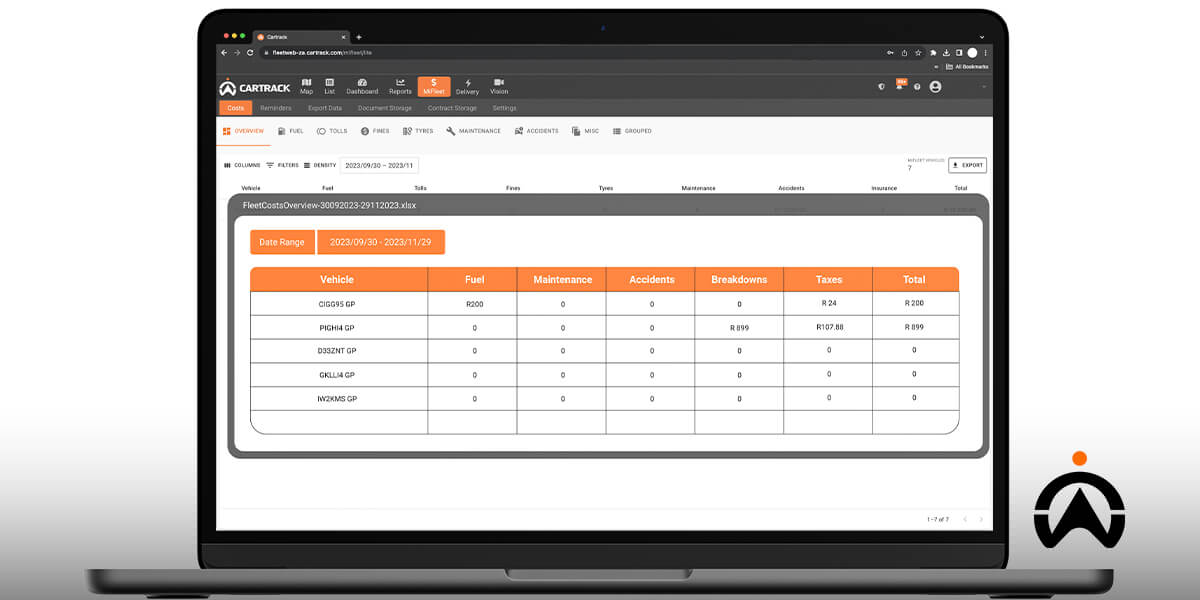
Dispatch easily with one smart fleet management system

Cartrack is a leading provider of vast fleet management solutions that can assist CEOs, business owners, fleet managers and dispatchers with their fleets. Cartrack Kenya equips dispatchers with solutions to transform dispatching from a reactive method to a proactive process of efficiency from dispatch to delivery.

Here are some of the ways Cartrack can be a valuable asset for dispatchers:

  1. GPS tracking for real-time visibility

    Cartrack’s GPS tracking offers real-time insights into vehicle locations. This empowers dispatchers to enhance operational efficiency and cut costs per job by helping you intelligently dispatch the closest driver with the right vehicle and skills for each task.
    ‍

  2. Delivery tool for streamlined task management

    Cartrack’s Delivery tool simplifies task assignment and real-time tracking from dispatch to delivery. This tool automates processes, offering full visibility into task progress and allowing easy job allocation to drivers. Through route optimisation, Delivery also provides quicker route options for your dispatched drivers to cut down on lengthy trips, save fuel and boost turnaround times.
    ‍

  3. Geofencing for increased fleet movement knowledge

    Set virtual boundaries around any location to gain wider visibility of your vehicle activity with our geofencing feature. You can zone off warehouses, dispatching sites, delivery drop-off locations or any area you want to monitor and receive alerts when your vehicle enters or exits these zones. This is a great way to see if your drivers are on schedule and keep your customers updated on the delivery progress.

Cartrack’s dispatching success story

Diag is a Vietnamese medical laboratory committed to providing fast and affordable human blood testing packages, samples, and health kits. When it came to delivering their samples, they faced challenges in driver and vehicle tracking.

Through delivery, Cartrack Kenya helped with smart dispatching, simplifying task allocation and enhancing fleet productivity. 

“Delivery enabled Diag to scale their business by over 1,200%, whilst decreasing their logistics admin costs in half.” 

said Diag.

With Cartrack Kenya, dispatchers can rely on a trusted partner for enhanced communication, route optimisation, and overall fleet efficiency.

Elevate your dispatching and delivery operations with Cartrack Kenya

From monitoring your drivers and vehicles, to accurately dispatching your assets to clients, Cartrack provides the ultimate fleet management solution that does it all.Use Cartrack to efficiently get your assets to where they need to go without hassle or confusion. Streamline the dispatch management in your business today. Visit Cartrack Kenya — your industry leader in fleet management solutions.

How To Easily Calculate Fuel Consumption In Your Fleet

When it comes to fuel, every cent counts. With so many factors that guzzle your vehicle’s fuel, are you able to accurately keep track of your fleet’s fuel consumption?

Calculating fuel and successfully managing fuel consumption is vital for any business that relies on their vehicles to perform tasks, and when done correctly, results in massive cost savings.

So, how do you do it – let’s find out. 

In this article, you will:

  • Learn what fleet fuel consumption is
  • Find out what factors influence fuel consumption
  • Understand how to conveniently calculate your fleet’s fuel consumption
  • Discover the perfect solution to improve your fleet’s fuel consumption

What is fleet fuel consumption?

Fleet fuel consumption refers to the total amount of fuel used by a vehicle over a specific period. It is a measurement of a fleet’s fuel efficiency, which is typically expressed as the amount of fuel used per distance travelled. This is an important fleet metric for fleet managers because it directly impacts operating costs and fuel efficiency.

What factors influence fleet fuel consumption?

Fuel consumption isn’t just influenced by the distance you drive. There is a list of contributing factors that we fall victim to daily without even realising. Some of these factors include:

Vehicle Condition:

A well-maintained vehicle not only functions at its peak but also consumes less fuel. Vehicle condition factors that impact fuel consumption include:

  • Underinflated tyres: This causes an increase in rolling resistance, which means more fuel is required to maintain speed increasing consumption.
  • Inadequate fluid levels: Inadequate engine oil, transmission fluid, and coolant fluids place a strain on the engine and reduce fuel efficiency.
    ‍
  • Faulty fuel system: Issues with fuel injectors, filters, or pumps lead to inefficient combustion, which also increases fuel usage.

Driver Behaviour:

Driver behaviour doesn’t just impact driver safety, it can also increase the amount of fuel your vehicle is consuming. Some driver behaviour factors that impact fuel consumption include:

  • Aggressive driving: Behaviours such as rapid acceleration or harsh breaking lead to an increase in fuel economy.
  • Excessive idling: When a vehicle remains stationary with the engine running, fuel continues to be consumed. This means more fuel is consumed, even when tasks aren’t being completed.
    ‍
  • Incorrect gear changing: Constantly shifting between gears and selecting the incorrect ones puts a strain on the vehicle’s engine. This strain demands more power, which consequently leads to an increase in fuel consumption.

Road Conditions:

The condition of roads affects the energy that is required to move a vehicle, playing an important role in fuel efficiency. Road conditions that impact fuel consumption include:

  • Road surface conditions: While smoother road surfaces lead to a decrease in rolling resistance, rough and uneven roads increase rolling resistance. This means more fuel is required to keep the vehicle moving, which increases fuel consumption.
    ‍
  • Elevation changes: Ascending inclines require more power which means more fuel will be used.
    ‍
  • Poorly maintained roads: Unsurfaced roads and roads with potholes can decrease fuel efficiency due to increased vehicle vibrations and the energy needed to travel these roads.

Weather:

Adverse weather conditions such as rain, snow, or strong winds lead to increased resistance. More fuel is required to maintain speed and control, leading to an increase in your fleet’s fuel economy.

How to accurately calculate your fuel consumption?

This formula is widely recognised as the standard formula to calculate  fuel consumption. It enables you to assess how efficiently your vehicle uses fuel.

Fuel Consumption (Litres/100 km) = (Litres Used X 100) ÷ Kilometers Traveled

Example:
A vehicle consumes 32 litres of fuel to travel a distance of 250 kilometres. To calculate its fuel consumption in L/100 km:

(32 X 100) ÷ 250 = 12.8 Litres/100 km

This means that the vehicle’s fuel consumption rate is 12.8 Litres/100 km, indicating that it consumes 12.8 litres of fuel to cover a distance of 100km. 

While you can manually calculate your fuel consumption costs with the above formula, Cartrack Kenya makes this process even simpler for you with an easy-to-use calculator that helps you estimate the amount of fuel a vehicle consumes at specified distances.

Try it out below and see just how simple it is: 

Fuel Consumption Calculator

This calculator helps you do estimated calculations with ease, but to accurately monitor your fleet fuel consumption down to the cent, you need to make use of a fuel management system. A fuel management system measures the fuel usage of a vehicle. In the context of a fleet, it helps you obtain detailed insights into your entire fleet’s fuel consumption and automates the entire process through real-time tracking.

calculate_your_fuel_consumption

The importance of a fuel management system

The data obtained from a fuel management system plays an important role in your fleet’s operation, helping you:

  • Prevent fuel theft: By helping you identify possible fuel theft (from syphoning and fuel card theft to false transactions and fuel card cloning), a fuel management system can immediately and automatically detect unauthorised fuel consumption within your fleet.
    ‍
  • Put a stop to cost-draining driver behaviour: A fuel management system can quickly detect fuel-wasting driver behaviour, such as speeding and harsh braking.
    ‍
  • Optimise your fleet efficiency: By helping you identify fuel-wasting behaviours and improve planning and optimisation, a fuel management system helps you implement strategies that enhance overall fleet efficiency.
    ‍
  • Gain maintenance insights: A fuel monitoring system provides insight into the health of your vehicles. Increased fuel consumption levels can indicate potential maintenance issues, and identifying these issues early helps prevent costly breakdowns and reduce unnecessary downtime.
  • Calculate fuel consumption: A fuel monitoring system can measure your fuel usage by making use of GPS technology and telematics systems.
    ‍
  • Track your fleet’s carbon emission: By accurately measuring the amount of fuel your vehicles burn, a fuel management system simplifies calculating your fleet’s CO2 emissions. This is important knowledge, especially in an industry that accounts for 37% of all CO2 emissions globally.

Why it’s important to calculate fuel consumption

  • Control costs and efficiency: Calculating fuel usage helps you accurately estimate fuel costs. By understanding exactly how much fuel your vehicle consumes, you can budget effectively and identify cost-saving opportunities. Also, the improvement in fuel efficiency translates to lower operational expenses, which contributes to overall fleet success.
  • Performance and driver monitoring: By consistently tracking fuel consumption, you can immediately spot sudden changes. Sudden fluctuations in fuel consumption rates can indicate potential issues, whether it be poor driver behaviour, declining engine health, or tyre pressure issues.
    ‍
  • Data-driven decision-making: Knowing exactly how much fuel your fleet vehicles are consuming is a valuable insight for informed decision-making. This information can help identify the most fuel-efficient vehicles, routes, and driver practices.

Monitor and Improve Your Fleet’s Fuel Consumption With Cartrack Kenya

Harness the power of our industry-leading solutions to simplify monitoring your fleet’s fuel consumption and keep fuel consumption at a minimum. Cartrack’s world-class solutions help you:

  • Improve driver behaviour: Make use of our driver scorecards to monitor high-risk, fuel-wasting behaviour, such as harsh acceleration, braking, and speeding. By pinpointing these behaviours, you gain insights into exactly what areas require improvement to significantly lower your fleet’s fuel consumption.
    ‍
  • Improve fuel efficiency with preventative maintenance: Cartrack Kenya proactively monitors vehicle health, helping you schedule maintenance tailored to your fleet’s schedule. This strategy minimises downtime and maximises vehicle performance. With this proactive approach, you can avoid unnecessary fuel consumption surges due to neglected maintenance issues.
    ‍
  • Prevent fuel card fraud and theft: Cartrack’s AI algorithm automatically cross-references your fuel receipts with your vehicle’s location and fuel status. The system automatically flags suspicious fuel cost activity which could be caused by factors like fuel theft, helping you identify any possible fuel cost drainages. By being equipped to spot these drainages early on, you can investigate, resolve and reduce fuel cost wastage.
    ‍
  • Automate carbon emission tracking: Cartrack’s detailed reports give you insights on how much fuel was used during a trip, along with the estimated CO2 emissions, all easily accessible via our fleet platform. This information helps fleet managers pinpoint vehicles with the highest CO2 emissions, facilitate decisions on eco-friendly replacements, and determine appropriate vehicle usage, especially for longer journeys. Tracking carbon emissions over time, understanding how to improve them and understanding the number of trees required to offset emissions are all critical to ensuring a company can make real changes towards net zero.
Monitor_and_Improve_Your_Fleet’s_Fuel_Consumption_With_Cartrack

Fuel Your Fleet’s Efficiency with Cartrack World-class Software

Accurately calculating fuel consumption isn’t just about cost control; it’s a strategic move towards informed decision-making, improved performance monitoring, and data-driven improvements. 

Contact us today and gain access to unparalleled fuel monitoring and fuel cost savings.