Pre-Trip Inspections: Why It Is Still a Powerful Safety Step to Your Fleet Management

Picture yourself rushing down a busy highway, and then, suddenly, your engine sputters and dies. You’re stranded on the roadside, realising that a simple maintenance check could have prevented this costly delay.

Now, imagine this on a larger scale; in a fleet of vehicles, for example. Failing to encourage your drivers to do pre-trip inspections could result in vehicle issues, downtime, and costly damage control.

Let’s dive into some quick and easy safety pre-inspection steps that can save lives and cut costs.

In this article, you will:

  • Uncover the importance of pre-trip inspections for fleet safety and reliability
  • Explore how pre-trip inspections can prevent accidents and costly breakdowns
  • Learn about the essential pre-trip inspection checklist
  • Understand the difference between pre-trip inspections and vehicle servicing
  • Discover how Cartrack solutions can elevate your pre-trip inspection programs

Preventative safety measures in fleet management with a pre-trip inspection list

Engine sputters are just one example of the potential consequences of skipping a pre-trip inspection. In a worst-case scenario, a malfunctioning brake system or a faulty light on a dark road can lead to a devastating accident that puts your driver and other motorists at risk.

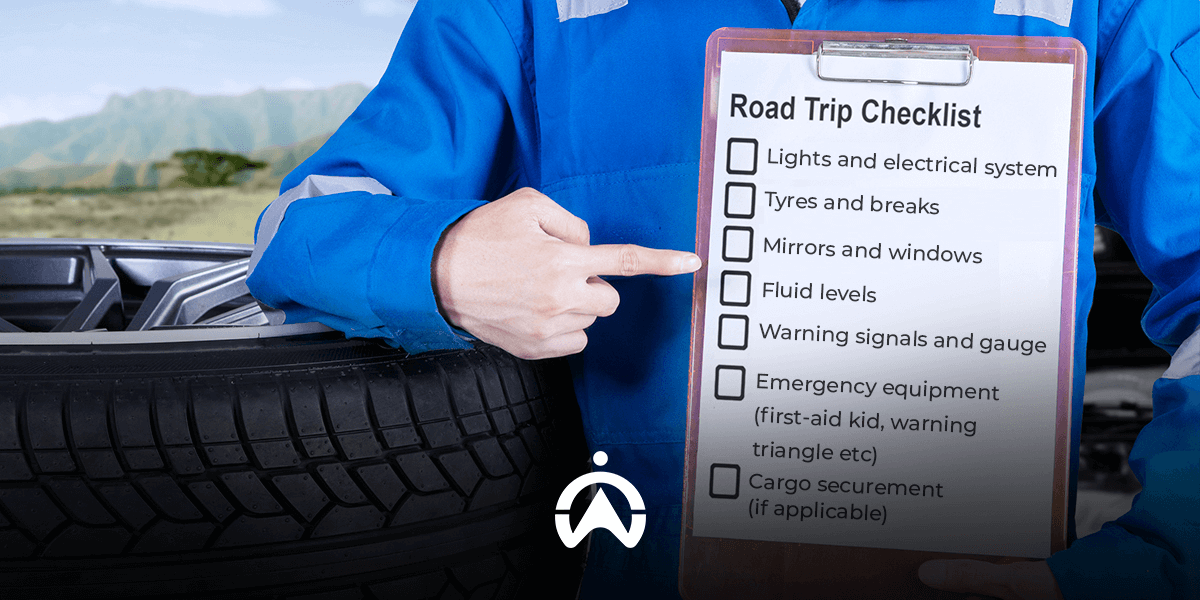
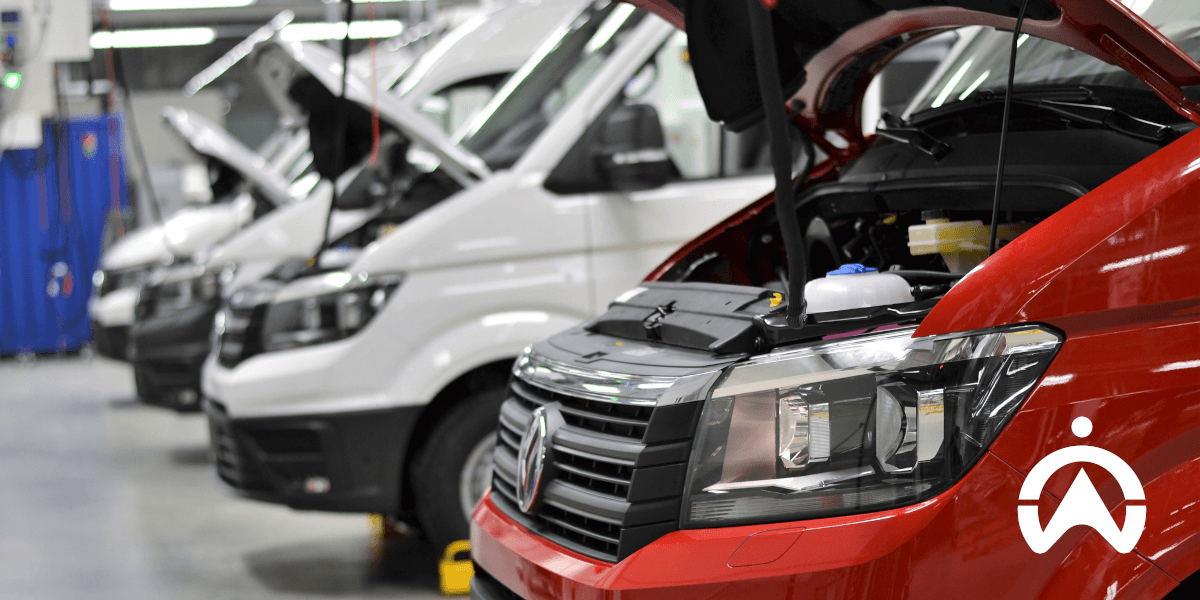
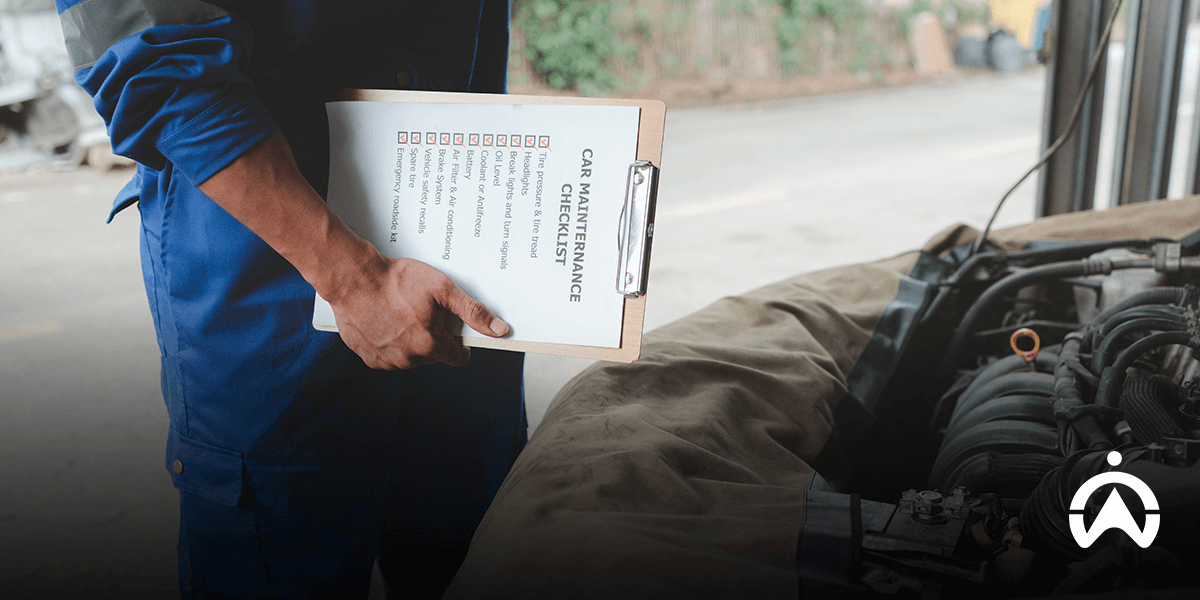
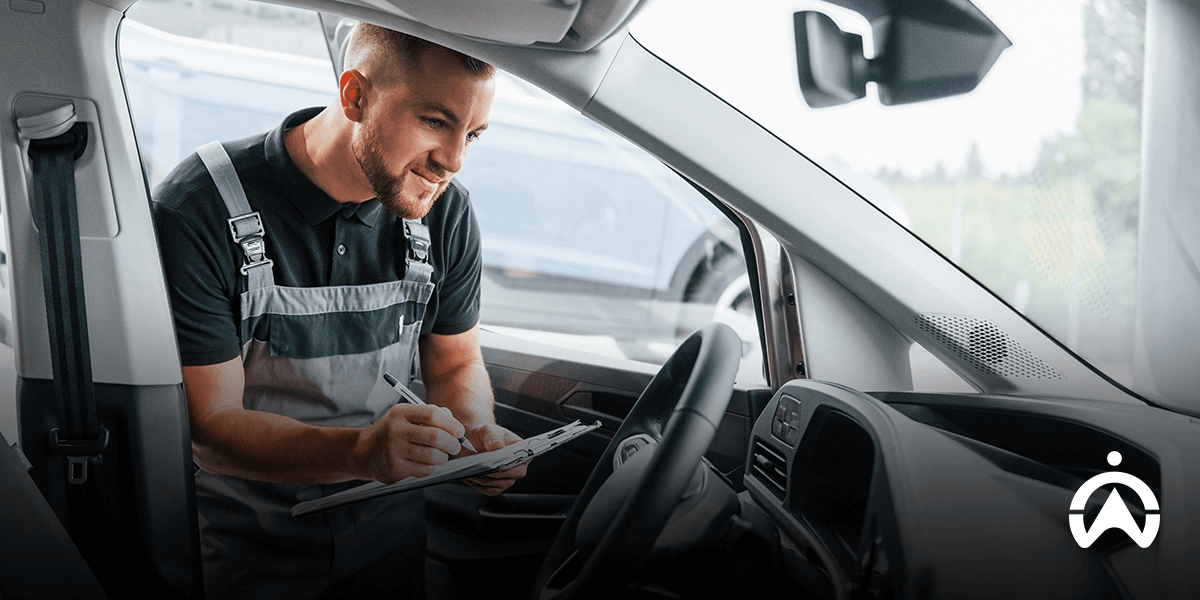
A pre-trip inspection checklist can help reduce safety woes. It involves a series of vehicle checks that drivers undertake before driving off. These checks target essential elements like your lights, tyres, and brakes to ensure that the vehicle is functioning correctly and that it’s safe for driving.

It serves several key purposes:

  • Early detection of issues: A thorough pre-trip inspection helps catch minor problems like a flickering headlight or low tyre pressure before it becomes a costly issue. Addressing these issues promptly prevents them from developing into major breakdowns that could leave you or your drivers stranded on the road.
    ‍
  • Improved safety: By ensuring all vehicle systems are functioning properly (brakes, lights, mirrors), pre-trip inspections significantly reduce the risk of accidents. This not only protects drivers and other road users but also minimises potential legal liabilities for your business.
    ‍
  • Compliance with regulations: In South Africa, the National Road Traffic Act and South African government outlines specific roadworthiness requirements for commercial vehicles. Pre-trip inspections ensure your vehicles comply with these regulations, avoiding hefty fines and potential vehicle impoundment.
Preventative_safety_measures_in_fleet_management_with_a_pre_trip_inspection_list

What should be on your pre-trip inspection checklist?

The specific items on your pre-trip inspection checklist will vary depending on the type of vehicles in your fleet (trucks, buses, and vans) and the industry you’re in. However, some general categories should be included in every checklist:

✓ Lights and electrical system:

Check the headlights, taillights, brake lights, turn signals, hazard lights, and clearance lights for proper operation and ensure lenses are clean and undamaged.
‍

✓ Tyres and brakes:

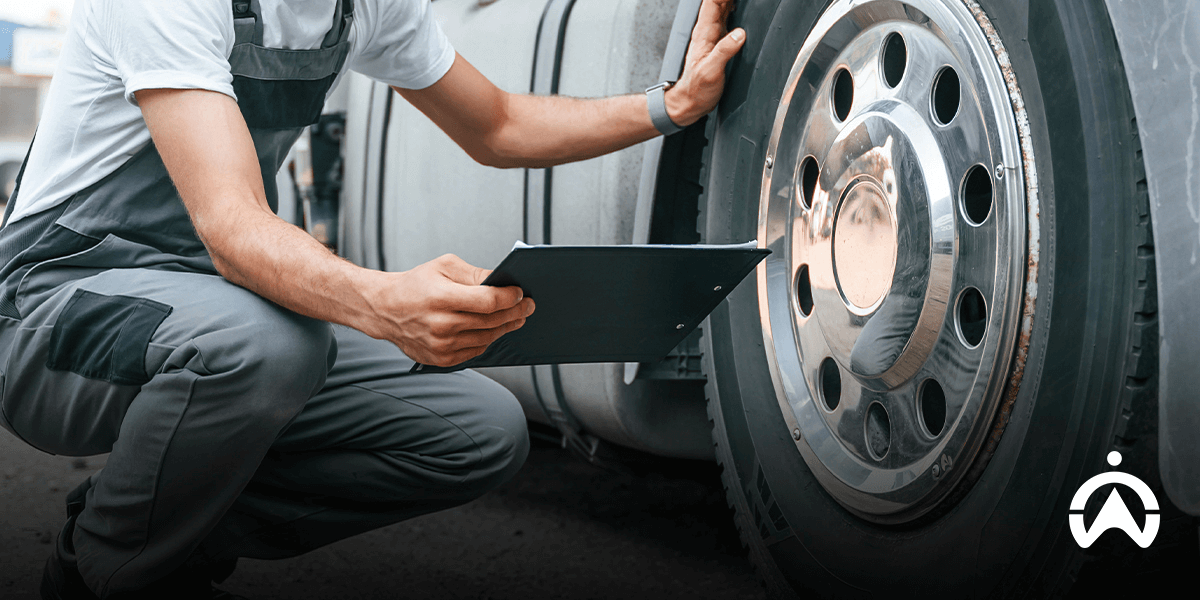
Inspect all tyres for proper inflation (refer to the manufacturer’s recommendations) and visible damage (cuts, bulges, and excessive wear). Ensure all lug nuts are secure. Perform a gentle brake check to ensure proper operation (no pulling or pulsating).
‍
✓ Mirrors and windows:

Adjust all mirrors (rearview and side mirrors) for optimal visibility and ensure they are clean and free of obstructions. Inspect the windscreen for cracks, chips, and obstructions in the driver’s view.
‍
✓ Fluid levels:

Check engine oil, coolant, windscreen washer fluid, and power steering fluid levels, topping them up if necessary.
‍
✓ Warning signals and gauges:

Scan all warning lights and gauges on the dashboard for proper operation. Note any unusual readings (oil pressure, temperature, battery).
‍
✓ Emergency equipment:

Check that the vehicle has a proper functioning fire extinguisher, first-aid kit, and warning triangles (reflectors).

Cargo securement (if applicable):

✓ Cargo area:

Ensure the cargo area is clean and free of any previous cargo remains. Verify proper cargo door operation and security.
‍
✓ Cargo securing measures:

For vehicles transporting goods, check that all cargo is properly secured using appropriate restraints (tie-downs, straps, etc.) following South African National Road Traffic Act regulations. Ensure that the load distribution is balanced to prevent weight shifting during transit.

What is the purpose of a pre-inspection checklist?

While the appeal of hitting the road and getting the job done quickly is understandable, neglecting pre-trip inspections can have significant consequences for your fleet. These inspections are the cornerstone of proactive safety measures and a strong maintenance strategy.

Which of the following is the most important reason for doing a pre-trip inspection?

  1. To ensure your drivers are safe.
    ‍
  2. To prevent costly downtime and repairs.
    ‍
  3. To maintain vehicle reliability and compliance.

The correct answer is… all the above!

Apart from having a pre-trip inspection checklist, there’s more you can do to make sure every trip runs smoothly. To ensure a safe drive to every destination, the following five proactive measures are essential:

  1. Regular vehicle maintenance:

    Scheduled servicing is the backbone of preventative maintenance practices as it helps catch potential issues early, prevent breakdowns, ensure your fleet vehicles are always roadworthy, and minimises the overall risk of unexpected breakdowns.
    ‍

  2. Driver training:

    Providing drivers with safety training is crucial. This includes teaching defensive driving techniques, recognising hazards, and responding effectively to emergencies.
    ‍

  3. Driver monitoring and feedback:

    Installing driver monitoring systems allows fleet managers to keep an eye on driver behaviour, spot risky driving habits, and give personalised feedback and guidance. By tackling unsafe driving habits early on, managers can minimise the risk of accidents and boost overall safety.
    ‍

  4. Technology integration:

    Advancements in fleet management technology have revolutionised safety practices. Telematics systems, onboard cameras, and GPS tracking devices provide real-time insights into vehicle performance, driver behaviour, and road conditions. By leveraging these handy, high-tech tools, fleet managers can identify areas for improvement, proactively address safety risks, and monitor compliance with safety protocols.

Pre-trip inspections vs vehicle servicing

Pre-trip inspections and vehicle servicing are both essential components of fleet management, each serving different purposes in ensuring fleet vehicle safety and reliability.

  • Pre-trip inspections

    These are quick but thorough health check-ups conducted by drivers to spot any issues with their vehicles before starting a trip.

    Pre-trip inspections serve as the first step in promoting proactive vehicle safety. They empower drivers to take responsibility for their vehicles’ condition by following a checklist of essential items to ensure everything is in working order for a safe trip.

    In essence, preventative safety measures are the cornerstone of effective fleet management. By detecting and addressing issues before using the vehicle, pre-trip inspections help prevent accidents, breakdowns, and costly repairs while en route as well as fleet longevity in the long run by regularly checking on your vehicles’ health.
    ‍

  • Vehicle servicing

    This is a more comprehensive and formal process conducted regularly as part of preventative maintenance practices.

    Servicing involves scheduled appointments with certified mechanics or service centres to perform a range of tasks aimed at ensuring the continued health and performance of the vehicle. Mechanics inspect and fix issues, change fluids, and replace worn-out parts to keep your vehicle running smoothly. It’s a more thorough and formal process done regularly to increase effectiveness and prevent bigger problems down the road.

    Unlike pre-trip inspections, which focus on immediate safety concerns, vehicle servicing addresses broader maintenance needs and helps prolong the lifespan of fleet vehicles.

Quick check or deep clean? Here’s what your fleet needs

Here’s a basic breakdown of the differences between pre-trip inspections and vehicle services. So, which one is more important

Essential questions Pre-trip inspection Vehicle servicing
How often? Daily (before each trip) Scheduled (based on mileage or time)
Who does it? Drivers Trained mechanics
How long does it take? Short time (10-30 minutes) Longer time, depending on service type (several hours or days)
How much? Minimal cost Costs vary depending on service type
Prevents issues? Yes. This catches problems early and helps prevent breakdowns Yes. This maintains your vehicle health and prevents future problems

The answer? Both!

Pre-trip inspections are a vital first step in identifying potential problems that might later escalate into issues requiring professional servicing. While both pre-trip inspections and vehicle servicing play crucial roles in fleet maintenance, they serve different needs and complement each other in ensuring fleet vehicles’ overall safety and reliability.

How does fleet management software help with vehicle inspections?

Gone are the days of paper checklists and manual record-keeping. Fleet management software offers a digital solution to streamline pre-trip inspections and enhance overall vehicle safety.

Here’s how software can assist:

  • Automated reminders: Drivers receive automatic reminders on their mobile devices to perform pre-trip inspections before each shift, promoting consistency and reducing the risk of skipped inspections.
    ‍
  • Accurate reporting: Inspection findings can be recorded electronically, allowing for accurate data collection and analysis. This data can be used to identify recurring issues and improve maintenance practices.
    ‍
  • Telematics integration: Advanced software can integrate with telematics systems to monitor vehicle health in real time. This provides additional insights into potential problems that might not be readily apparent during a pre-trip inspection.

Fleet management software like Cartrack’s enhances the efficiency of pre-trip inspections by providing accurate data and real-time monitoring of vehicle health and performance.
How_does_fleet_management_software_help_with_vehicle_inspections

Improve your pre-trip inspections with Cartrack Kenya solutions

Cartrack’s solutions go above and beyond standard software offerings and present a holistic, user-friendly approach to tracking and managing drivers, cargo, and vehicle health.

Here’s how Cartrack Kenya features can elevate your pre-trip inspection program:

Real-time vehicle health monitoring: Cartrack’s advanced telematics system delivers instant insights into the well-being of your vehicles. This advanced feature helps identify potential issues that may not be apparent during routine pre-trip inspections. This aids in preventing breakdowns, reduces fleet repair costs and enhances overall safety.

Preventative maintenance scheduling: With real-time and historical data, Cartrack Kenya suggests optimal service intervals that help prevent breakdowns and ensure vehicles are always in top condition.

Reminders and notifications: Cartrack Kenya uses this proactive feature to send timely reminders to both drivers and fleet managers for upcoming maintenance needs and scheduled pre-trip inspections. 

Detailed reports: Generate comprehensive reports that inform fleet managers of their vehicles’ health, pre-trip inspection data, and vehicle-related issues like low oil levels. These reports offer valuable insights for enhancing overall fleet safety and efficiency.

CANBus integration: For newer vehicles equipped with a Controller Area Network (CANBus) system, Cartrack Kenya seamlessly integrates with the vehicle’s onboard diagnostics (OBD). This integration provides a broader range of real-time data points, offering in-depth insights into vehicle health.

How Cartrack Kenya features benefit businesses with their inspection efforts:

  • Reduced downtime: Proactive identification and resolving potential issues minimises the risk of breakdowns and keeps your fleet on the road.
    ‍
  • Reduced repair costs: Addressing minor problems early on prevents them from developing into major repairs that are more expensive to fix.
    ‍
  • Compliance with regulations: Regular inspections and preventative maintenance with our features help ensure your fleet meets safety regulations and roadworthiness standards.
    ‍
  • Enhanced vehicle reliability: Remember, a well-maintained fleet experiences fewer breakdowns and operates more efficiently. This leads to increased productivity and profitability.

Cartrack’s fleet management goes beyond managing deliveries and routes. It places safety as a top priority, safeguarding drivers, vehicles, cargo, and everyone on the road.

Take charge of your fleet’s safety

Don’t let a skipped inspection put your drivers, vehicles, and cargo at risk. Invest in proactive safety measures with Cartrack Kenya and ensure your fleet operates smoothly and efficiently.

Contact Cartrack Kenya today to learn more about our comprehensive fleet management solutions and how we can help you implement a robust pre-trip inspection program.

8 Strong Reasons Why You Need to Track Your Odometer Accurately in Your Fleet

Unexpected issues always occur when running a fleet: fuel cost fluctuations, vehicle breakdowns, and sometimes, deliveries take longer than expected.

Sound familiar? The culprit might be hiding right on your dashboard–an inaccurate odometer reading. Your odometer reading can tell you way more than you think about your fleet. 

Let’s dive in and find out how accurate odometer readings can benefit your fleet.

In this article, you will:

  • Understand the importance of odometer tracking for fleet management
  • Explore 8 compelling reasons to accurately track your fleet’s odometer readings
  • Learn about the risks and challenges of odometer tampering
  • Discover top tips for maintaining accurate odometer readings & preventing fraud
  • Find out how Cartrack can streamline odometer tracking for your business

Understanding odometer tracking

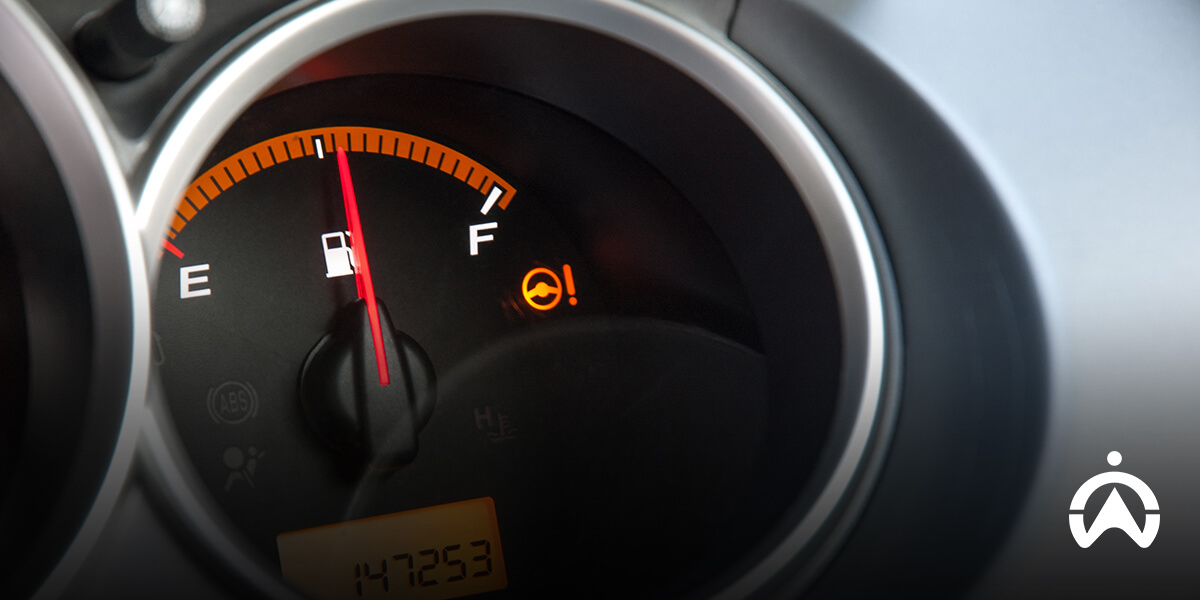
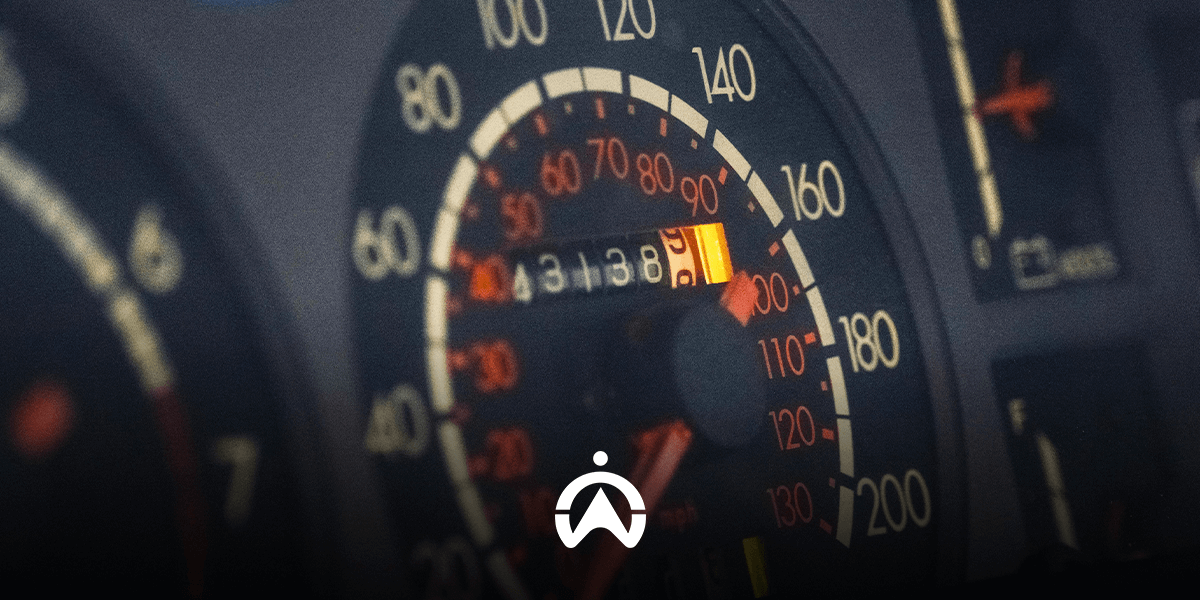
Let’s start with the basics. What exactly is an odometer, and why does it matter? Breaking it down in simple terms, an odometer is a device found in a vehicle that measures and displays the total distance travelled by that vehicle. It’s like the car’s personal mileage tracker, keeping count of every mile or kilometre it travels throughout its lifetime.

Odometers are typically located on the dashboard of a vehicle. It’s an essential instrument for tracking the vehicle’s usage and maintenance needs. These helpful instruments can be mechanical, where they physically track the rotations of the vehicle’s wheels, or digital, where they measure distance.

Accurate odometer readings are crucial for various purposes, including:

  • Maintenance scheduling
    ‍
  • Fuel efficiency analysis
    ‍
  • Accurate vehicle usage billing
    ‍
  • Driver behaviour monitoring

Here are eight reasons why accurate tracking of your fleet’s odometer readings can make a huge difference in your fleet operations.

Understanding_odometer_tracking

8 reasons to accurately track your fleet’s odometer readings

Effective fleet management hinges on accurate, data-driven insights. Odometers might not be as flashy as a GPS tracker or an IoT device, but those little numbers ticking up on the dashboard hold a wealth of information crucial for saving you time, money, and a whole lot of headaches.

Here are eight reasons why you should use accurate odometer data:

1. Reliable mileage monitoring

Keeping a close eye on odometer readings provides precise information about the distance covered by each vehicle in the fleet. This data is crucial in various aspects, like efficiently scheduling maintenance, analysing fuel efficiency, and billing clients based on accurate distance measurements.

2. Efficient maintenance planning

Analysing mileage trends and historical maintenance records allows fleet managers to anticipate when maintenance tasks are likely required. Regular upkeep based on mileage helps prevent breakdowns, extend the vehicle’s lifespan, and cut down on overall operational costs.

3. Fuel efficiency insights

Odometer data enables fleet managers to analyse fuel efficiency trends across the entire fleet. This analysis can pinpoint inefficiencies, optimise routes, and implement strategies to reduce fuel consumption and associated costs.

4. Cost control

Accurate odometer readings help with precise cost calculations related to vehicle usage, including expenses like fuel consumption, maintenance, depreciation, and insurance. This helps fleet managers to manage costs effectively and allocate resources efficiently.

5. Regulatory compliance assurance

Odometer monitoring also aids in ensuring compliance with regulatory requirements concerning vehicle usage and reporting. Many jurisdictions have regulations governing odometer readings for purposes such as tax reporting and vehicle inspections.

6. Holistic asset tracking:

Odometer readings play a pivotal role in comprehensive asset tracking and management. By monitoring mileage, fleet managers can keep tabs on vehicle usage, identify underused assets, and make informed decisions about fleet size and composition.

7. Effective warranty management

Accurate tracking of odometer readings is essential for managing vehicle warranties. Fleet managers can ensure that vehicles receive warranty-covered repairs and services within the specified mileage limits, maximising warranty benefits and minimising out-of-pocket expenses.

8. Insurance premium consideration

Accurate odometer data plays a crucial role in ensuring smooth warranty claims. Some insurance providers factor in odometer readings when determining insurance premiums. Reliable mileage data can assist fleet managers in negotiating favourable insurance rates based on actual vehicle usage patterns.

After exploring all the important factors of accurate odometer tracking, it’s crucial that we address the potential odometer risks you might experience, such as odometer tampering. This, and other deceptive practices, can undermine the reliability of your fleet’s mileage data and lead to various complications.

Odometer tampering and other odometer issues fleet managers should be informed of

Odometer tampering, also known as odometer fraud, involves illegally altering a vehicle’s odometer reading to show a lower mileage than the actual distance driven.

There are various methods used for odometer tampering, ranging from physically altering the odometer mechanism by manually rolling back the odometer to using electronic devices that manipulate the odometer readings, this method is for newer vehicle models with digital or electronic odometers.

This is typically done to deceive potential buyers or lessees by making vehicles appear to have lower mileage than they do and seem more valuable.

In the context of fleet management, odometer tampering can have significant implications for both the fleet owner and subsequent users of these vehicles, as this can lead to inflated purchase prices for unsuspecting buyers, who may later discover the true mileage discrepancy and face unexpected repair costs, depreciation issues, or clients that rent out the vehicles from a business might tamper with the reading, lowering the vehicle’s usage fee.

To prevent this, consider a physical odometer inspection during routine maintenance. Look for signs of tampering like misaligned digits, scratches, or loose components around the instrument cluster.Here are other concerns that every fleet manager should watch out for when it comes to odometer monitoring:

  1. Digital odometers: Many modern vehicles are equipped with digital odometers, which may be susceptible to tampering techniques different from those used on traditional mechanical odometers. Fleet managers should stay informed about the latest methods used for digital odometer fraud and take precautions to prevent it.
    ‍
  2. Non-driver events: Odometer readings can sometimes be influenced by factors other than actual vehicle usage, such as towing, vehicle transport, or certain types of maintenance procedures. Fleet managers should be aware of these non-driver events that can affect odometer readings and take them into account when analysing vehicle data.
    ‍
  3. Odometer rollback detection: Detecting odometer rollback can be challenging, but the right technologies and services can help fleet managers identify suspicious odometer readings. Implementing systems or partnering with providers that offer odometer rollback detection can help protect fleet assets from fraud and ensure accurate mileage records.
    ‍
  4. Legal implications: Tampering with odometers or knowingly misrepresenting vehicle mileage can have serious legal consequences, including possible fines or criminal charges. To avoid these issues, fleet managers should be familiar with relevant laws and regulations regarding odometer readings in their area of operation.
    ‍
  5. Data security: Odometer readings, like other vehicle data, should be treated carefully to ensure data security and privacy. Fleet managers should implement appropriate measures to protect odometer data from unauthorised access or manipulation, especially when using telematics systems or cloud-based fleet management platforms.

By staying informed about these lesser-known aspects of odometer readings, fleet managers can better protect their fleet assets, maintain accurate records, and ensure compliance with regulations.

Top tips to keep accurate odometer readings

To reduce the chances of odometer tampering and other issues that might give you false readings, fleet owners and managers can take these tips to keep track of true odometer readings:

Partner/lease wisely: Work with trusted vendors and dealerships and lease vehicles to trusted clients to ensure vehicle records are reliable and accurate.

Pre-trip inspections: Add a quick odometer check into your pre-trip inspection routine. This allows drivers to identify any discrepancies or malfunctions and report them for timely repairs or adjustments.

Keep detailed maintenance records: Keeping meticulous maintenance records alongside odometer readings goes a long way in ensuring data accuracy. This allows you to cross-reference mileage data with servicing history and identify any potential inconsistencies.

Schedule regular calibration: Just like any measuring tool, odometers can develop slight inaccuracies over time. To ensure they remain trustworthy, schedule regular calibrations with a qualified technician.

Use GPS tracking technology: Opt for a fleet management system that integrates seamlessly with your vehicles’ odometers. While not a direct replacement for odometer tracking, GPS tracking systems can be beneficial and offer valuable insights in cases of odometer differences. By comparing historical location data with reported mileage, you can identify potential inconsistencies.

Invest in a trusted fleet management system: Look for a fleet management solution with features like real-time odometer readings, data checks, and automatic alerts for suspicious activity. A product like Cartrack’s helps you identify any errors quickly and take action to correct them.

By following our tips, your fleet’s odometer readings will always be honest, resulting in better decision-making, a smoother-running fleet, and ultimately, more money in your pocket!

Top_tips_to_keep_accurate_odometer_readings

Stop losing money: Solve inaccurate odometer tracking with Cartrack Kenya

Maintaining accurate odometer readings can be challenging, no matter what size your fleet. Cartrack, a leading provider of fleet management, has the solutions to automate the odometer reading process for your fleet and provide you with valuable insights to improve your operations and save money.

Let’s explore Cartrack’s trusted solutions:

  • Real-time data and reporting

    You gain access to real-time and historical odometer data through the user-friendly Cartrack Kenya platform. This allows you to monitor mileage trends, identify potential issues, and make informed decisions quickly.

    Additionally, Cartrack’s fleet management platform generates comprehensive reports summarising mileage data for individual vehicles, allowing for easy analysis and identifying areas for improvement.
    ‍

  • Automated alerts and reminders

    Cartrack’s fleet management software can be configured to send automated alerts and reminders based on predetermined mileage thresholds. This ensures timely preventative maintenance based on manufacturer recommendations or industry best practices, preventing breakdowns and extending the lifespan of your vehicles.
    ‍

  • Driver behaviour monitoring

    By integrating odometer data with driver scoreboards, Cartrack Kenya can help you monitor driver behaviour. This can identify instances of inefficient driving habits like excessive idling or harsh acceleration, which can contribute to higher fuel consumption and increased wear-and-tear on vehicles.

    With Cartrack Kenya, you can confidently say goodbye to inaccurate odometer readings and hello to efficiency and cost savings.

Keep your odometer readings honest and your profits high with Cartrack Kenya

Maintaining accurate odometer readings can be challenging, especially for large fleets, but with Cartrack Kenya seamlessly integrating with your vehicle’s odometer readings, automatically collecting data and monitoring all other events that impact your mileage, this challenge meets its solution.

‍Contact Cartrack Kenya today for a free quote.

Fleet Accident Management: The Real Causes of Accidents and How to Prevent Them

After a vehicle accident occurs, what happens?

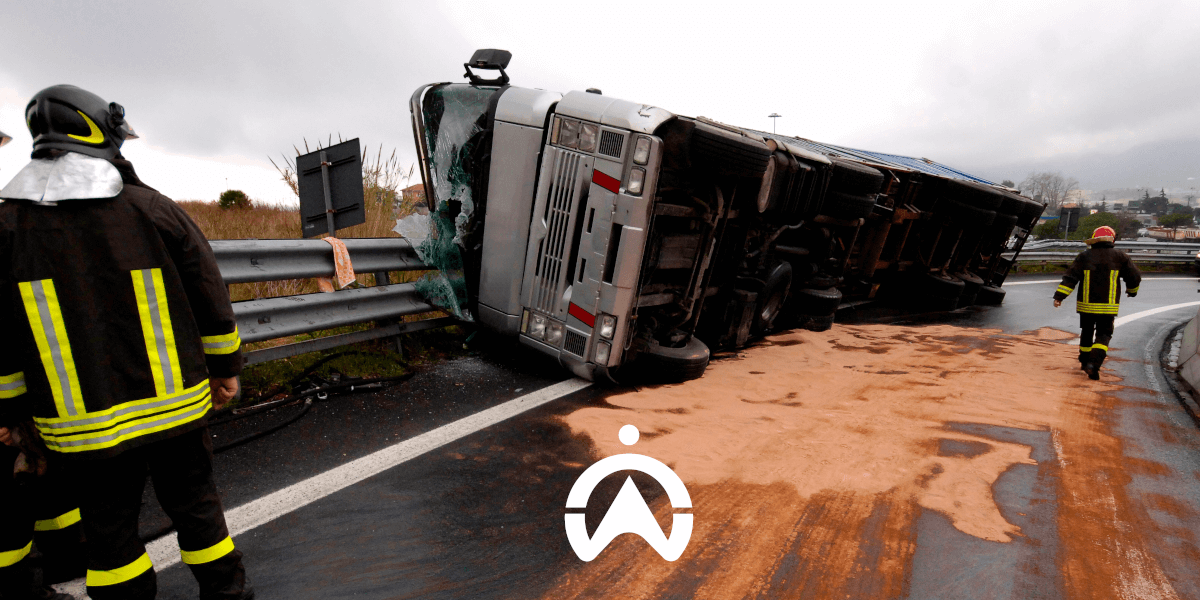
At first glance, it’s chaos. Cars have crashed into each other, car parts are scattered, and shattered glass is littered everywhere.

As the minutes tick by, emergency responders start rushing in, paramedics assist the injured drivers, police distance bystanders to a safe distance and the tow trucks arrive to clear away the wreckage.

Imagine a victim involved in the accident is one of your fleet drivers; how does this impact your driver and your business?

In this article, you will:

  • Explore fleet accident management and how it safeguards your drivers and vehicles
  • Know the factors contributing to fleet accidents and how to address them
  • Learn the benefits of implementing a robust fleet accident management program
  • Explore essential steps for fleet accident managers to handle incidents efficiently
  • Discover how Cartrack’s fleet safety can enhance fleet accident management
  • Find answers to FAQs about fleet accidents

What is fleet accident management?

Fleet accident management (FAM) is the structured process of handling fleet vehicle incidents. It covers everything from accident response to promptly managing repairs and insurance claims.

Just like unexpected detours or unforeseen hazards can disrupt your journey, accidents can potentially throw your entire operation off course. This is where fleet accident management (FAM) steps in. It navigates the aftermath of an accident while proactively mitigating future risks.

It’s like having a safety net for your drivers and vehicles, ensuring drivers have a better chance of walking away unharmed and vehicles only have minimal damage.

What causes fleet accidents?

Fleet accidents can result from various factors like driver errors, distractions, road conditions, and weather, to mention a few. 

Let’s break these down:

  1. Driver errors

    Speeding, harsh braking or turning, and fatigued driving have dangerous consequences for the driver and other motorists on the road, often causing accidents.
    ‍

  2. Distractions

    Using a phone while driving or taking your eye off the road can contribute to accidents. It just takes a few seconds of distraction to miss a sudden halt of the car in front or a pothole, causing you to swerve and crash into another car.
    ‍

  3. Road conditions

    Uneven pavements, potholes, or slippery surfaces increase accident risks. Imagine a driver navigating through poorly maintained roads, trying to deal with unexpected challenges.
    ‍

  4. Weather conditions

    Rain, snow or fog makes driving more difficult and can negatively impact road visibility. Adapting your speed and distance to safely manoeuvre through challenging weather is recommended during these events.
    ‍

  5. Regular vehicle maintenance

    Faulty brakes or worn tyres can cause accidents. A well-maintained vehicle navigates roads smoothly, reducing the risk of mechanical issues.

Understanding these factors and implementing safety measures, including fleet accident management (FAM), is vital. It’s about fostering a culture of safety, where drivers use their vehicles responsibly to reduce the risk of accidents and ensure safer journeys.

What_causes_fleet_accidents

Why fleet accident management matters

FAM is generally seen as a holistic approach to safety and efficiency. Without proper safety measures in place to prepare for the chaos of an accident and the events afterwards like delays, financial losses, insurance claims, and even harm to drivers and others, it could become too much to manage, potentially causing a business financial loss, loss of reputation, loss of vehicle operation and even the loss of trust drivers have in the company.

Fleet accident management (FAM) protects against these disruptions and promotes a safer, more efficient way of mitigating accidents.

Benefits of fleet accident management

Fleet accident management (FAM) is important for several reasons. For example, FAM impacts two of the departments that carry the most responsibilities in business: safety and finances. This means that the benefits of fleet accident management are directly linked to crucial business aspects. 

Here’s why FAM is more than just an “add-on” and why it should be an integral part of your fleet management strategy:

  1. Reduced accidents and costs

    With a solid fleet accident management program, you can expect fewer accidents, which means lower insurance costs, less vehicle damage, and fewer injuries to your team. Proactive measures like driver training, promoting safer driving habits, and addressing potential hazards in advance all play a role in preventing accidents.
    ‍

  2. Driver safety and well-being

    Prioritising safety not only keeps drivers safe but also boosts morale and reduces turnover rates. Comprehensive training support from FAM software helps create a safety-focused work culture.
    ‍

  3. Compliance and reputation protection

    Ensuring compliance with safety standards not only minimises legal risks but also enhances your company’s reputation. By showcasing a commitment to safety through a strong FAM program, you can improve public perception.
    ‍

  4.  Informed decision-making through data

    Analysing accident data provides valuable insights for targeted interventions and ongoing improvements. Identifying root causes and benchmarking performance can promote informed decisions about driver training and vehicle maintenance, enhancing fleet safety and efficiency.
    ‍

  5. Lower downtime and costs

    Promptly responding to accidents and efficiently recovering vehicles keeps your fleet running smoothly, minimising disruptions and associated costs. With fewer accidents, you also benefit from significant savings through lower insurance premiums.

Essential steps for fleet accident managers

An accident is every fleet manager’s worst nightmare. It’s an unfortunate reality, but one that can significantly impact your fleet’s operations and drivers’ well-being. By being proactive and implementing FAM steps, you can minimise the impact on your drivers and operations.

Here’s how effective fleet accident management navigates the chaos and gets your drivers back on the road:

Step 1: Immediate response 

Ensure the safety of everyone involved, secure the accident scene, and promptly respond to the situation.
‍

Step 2: Comprehensive documentation

Collect crucial information like photos, eyewitness accounts, and police reports for insurance claims and legal purposes.
‍

Step 3: Vehicle repair and downtime reduction

Coordinate vehicle repairs, handle towing, obtain repair estimates, and schedule repairs with approved vendors to minimise downtime.
‍

Step 4: Insurance claim management: 

Communicate with insurance companies, provide the necessary documentation, and advocate for fair and timely claim resolutions.
‍

Step 5: Accident data analysis and prevention: 

Analyse accident data to identify trends, implement preventative measures, and offer training and support to drivers to improve safety awareness and reduce future risks.

Embracing these steps, fleet accident management can help you get your drivers and business out of a sticky situation. Remember, it’s not just about responding – it’s about preventing road accidents and protecting your fleet.

Planning for the future: Fleet accident management solutions

The future of fleet management is about proactive planning, and accident prevention sits at the heart of this approach. Implementing strong accident prevention measures isn’t just about protecting your bottom line; it’s about safeguarding your drivers, the public, and your company’s reputation.

FAM is a multi-faceted approach that touches on several preventative solutions to work smoothly.Let’s unpack some of these:

  1. Technology-driven solutions

    Telematics: Keep tabs on driver behaviour in real time, monitor fatigue levels, and identify other risky behaviours like speeding for valuable insights and future driver coaching.

    Advanced driver-assistance systems (ADAS): Equip vehicles with features like lane departure warning, automatic emergency braking, and blind-spot monitoring to help drivers prevent collisions.

    Artificial intelligence (AI): Use AI-powered systems to analyse driving patterns, predict potential accidents, and recommend personalised safety interventions.

    Route optimisation: Efficient routes minimise unnecessary driving time and exposure to high-risk areas.
    ‍

  2. Driver training and skill development

    Defensive driving courses: Arm your drivers with defensive driving skills and safety know-how like hazard perception, skid control, and emergency manoeuvres.

    Fatigue management programs: Educate drivers on the dangers of fatigued driving and implement policies to encourage rest breaks and healthy sleep habits.

    Distracted driving prevention: Implement clear policies and technology-based solutions to combat the dangers of phone use, texting, and other distractions while driving.
    ‍

  3. Vehicle maintenance and safety

    Regular inspections and preventative maintenance: Ensure all vehicles are in top condition to minimise mechanical failures and breakdowns.

    Safety technology upgrades: Consider investing in features like automatic lighting, backup cameras, and electronic stability control for added safety.

    Ergonomic support: Ensure driver seats and controls are properly adjusted for comfort and to minimise fatigue, especially during longer journeys.
    ‍

  4. Smart route planning

    Choose safe and efficient routes: Avoid high-traffic areas, construction zones, and hazardous weather conditions whenever possible.

    Plan realistic travel times: Avoid pressuring drivers to exceed speed limits or work unreasonable hours.

    Utilise route optimisation software: Optimise routes for efficiency and safety, considering factors like traffic congestion, weather conditions, and road closures.
    ‍

  5. Learn from the data

    Analyse accident data: Identify trends and contributing factors to understand where and why accidents occur.

    Benchmark your performance: Compare your safety metrics with industry standards to identify areas for improvement.

    Use data to inform your strategies: Continuously adapt and improve your accident prevention measures based on data-driven insights.

How Cartrack’s safety features can safeguard your drivers, fleet and business

In the realm of fleet safety and accident management, Cartrack Kenya emerges as the go-to choice for businesses seeking reliability and efficiency. Cartrack Kenya is a global leader in fleet management technology, offering trusted safety solutions that can positively contribute to a fleet’s accident management measures.

Cartrack Kenya offers a comprehensive suite of safety features specifically designed to help fleet businesses reduce accidents and enhance driver safety.

  • AI-powered cameras

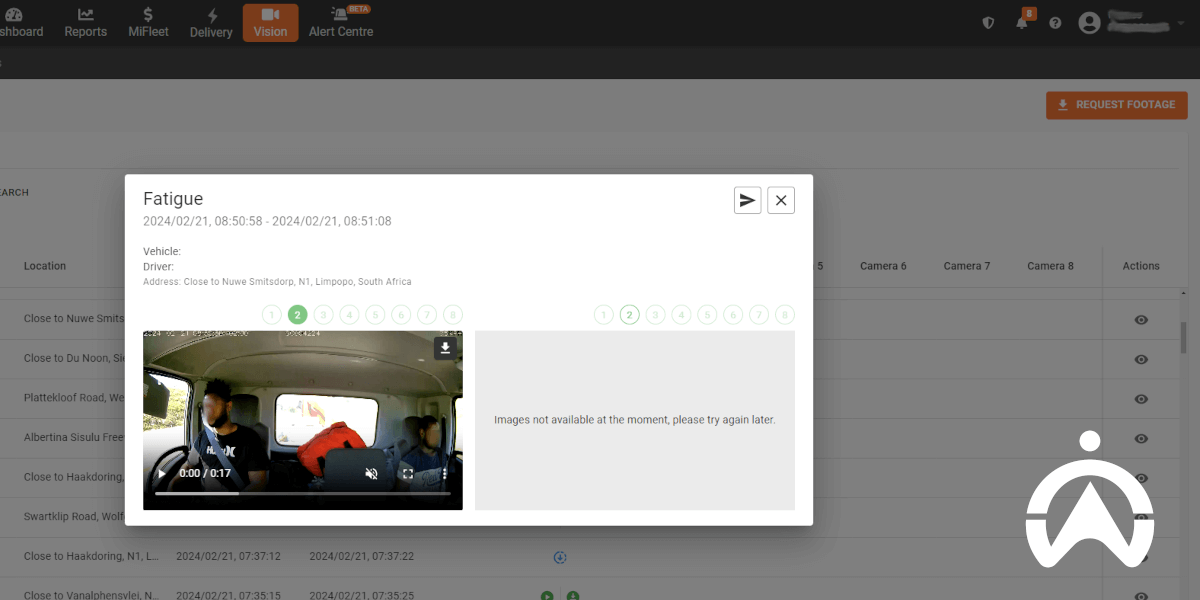
    Analyse internal and external surroundings and detect distracted driver behaviours like phone use or drowsiness and unsafe manoeuvres like lane departure or tailgating in real time, accompanied with audio alerts to help quickly prevent accidents.
    ‍

  • Maintenance reminders

    Stay ahead of potential breakdowns with Cartrack’s maintenance reminders. Receive timely notifications for scheduled maintenance tasks, ensuring your vehicles are always in top condition while minimising the risk of mechanical failures.
    ‍

  • Driver behaviour monitoring

    Cartrack’s telematics system tracks driving behaviour in real time, alerting managers to risky driving habits such as speeding, harsh braking, and sudden acceleration.
    ‍

  • Driver scorecards

    Empower your fleet. Use driver scorecards and reports with live-streaming and recorded camera footage to educate drivers on where safer driving practices need to be implemented.
    ‍

  • Crash detection

    In the event of an accident, Cartrack’s crash detection picks up any sudden impact on the vehicle. It sends an alert along with essential information like live location and time of impact, empowering you to take swift action and support your drivers.

With our variety of fleet safety solutions, you can join over 1,9 million subscribers who trust Cartrack Kenya to safeguard their drivers wherever they go.

Improve driver and vehicle safety with one platform: Cartrack Kenya

From your drivers, vehicles and even the cargo you transport, Cartrack Kenya is dedicated to keeping your fleet safe and your business running smoothly. 

Take the next step in securing your fleet’s safety and success by partnering with Cartrack Kenya today.

Improve_driver_and_vehicle_safety

We’ve got all your fleet accidents FAQs answered right here

When an accident happens, there’s no time to ask questions. These answers to popular fleet accident FAQs can inform and prepare you.

As a fleet driver, what should I do after an accident?

Although every accident scene is different, here are a few key actions you should follow if you are not severely injured and can move:

  1. Stop your vehicle and check for injuries
    ‍
  2. Move the vehicle to a safe location, if possible. Switch on the hazard lights and call emergency services if needed
    ‍
  3. Notify your fleet manager or supervisor
    ‍
  4. Exchange contact information with the affected driver(s)
    ‍
  5. Take photos of the accident scene, including vehicle damage and injuries for insurance
    ‍
  6. Report the accident to the police within 24 hours

What is fleet incident management?

This is often seen as another term for fleet accident management. Fleet incident management is somewhat different as it focuses more on the broader scope of fleet incidents, which include accidents, equipment malfunctions, security breaches, and even theft.

How can I ensure my drivers are following safety protocols?

Ensuring your drivers follow safety protocols involves implementing clear and comprehensive guidelines:

  1. Start by giving them thorough training on safe driving practices and emergency procedures
    ‍
  2. Keep reinforcing these guidelines through meetings, memos, and ongoing training sessions
    ‍
  3. Use technology like telematics and GPS tracking to monitor your driver’s behaviour on the road and if they follow safety rules
    ‍
  4. Set up a dedicated system for reporting any safety concerns or incidents
    ‍
  5. Finally, encourage, foster, and commit to a culture of safety by rewarding drivers who adhere to safety protocols.

Contact Cartrack today and start using advanced telematics technology to help prevent accidents and keep your fleet safe.

Know the Pros and Cons of Electric Cars & See the Latest Stats

Going green is a hot topic on everybody’s lips right now. Is it possible to create a more sustainable fleet by looking at the pros and cons of electric vehicles?

Get the latest statistics and insights about EVs, how they work, why they’re the best option for the environment, and how Cartrack’s fleet management platform can help you optimise your green fleet mission.

In this article, you will:

  • Learn the difference between ICE vehicles and EVs
  • Get the hottest EV-related statistics
  • Discover the pros and cons of electric vehicles
  • Get answers to the most frequently asked EV questions
  • Find out how Cartrack can optimise your EV-based fleet

The power of electricity: Unveiling EVs

Electric vehicles have taken the world by storm, offering a range of benefits that internal combustion engine vehicles just can’t. First, though, it’s crucial to understand exactly how these two vehicle types differ in key areas and why this matters.

Electric vs ICE: Know the difference

There are more differences between EV and ICE vehicles than there are similarities when it comes to the inner workings. They look relatively the same on the outside, with a bonnet, boot, seats, and a steering wheel. But what goes on beneath that bonnet is where the main difference lies.

ICE is short for internal combustion engine, as these vehicles use fossil fuels like petrol or diesel to power their engines. EVs are completely different. Instead of fuel powering an engine, EVs use electricity from a rechargeable battery to power an electric motor. This main difference along with several others plays an important role in influencing modern society’s tendency to switch to EVs. These include:

  • Emissions and compliance
    ‍
  • Maintenance
    ‍
  • Range
    ‍
  • Cost
    ‍
  • Noise
    ‍
  • Efficiency

Whether you’re looking to buy a personal vehicle or purchase replacement vehicles for your fleet, factors like cost, maintenance, efficiency, and range most likely play a significant role in your personal choice of vehicle type.

The pros and cons of EVs: What you need to know

What are the biggest positives and negatives of electric vehicles? Familiarise yourself with the good and the bad to develop a balanced perspective.

The perks

  1. Reduced emissions

    One of the main reasons why electric vehicles are becoming so prevalent on roads worldwide is because they offer a viable countermeasure against climate change with notably fewer harmful emissions.
    ‍

  2. Energy efficiency

    When it comes to converting either electricity or petrol to energy, the conversion rate for electricity is much higher, making it more energy efficient. While petrol vehicles only convert about 12% – 30% of the energy stored in petrol to power, EVs convert over 77% of the energy stored in the grid to vehicle power making it the no-brainer option when it comes to choosing an energy-efficient vehicle.
    ‍

  3. Lower fuel & basic maintenance costs

    Did we say lower fuel costs? Let’s rephrase that: EVs use no fossil fuels, which means you’ll not be emptying your bank account at a petrol station every few weeks. Electric vehicles also don’t use other fluids like engine oil, and due to regenerative braking, the brake’s wear and tear is reduced significantly.
    ‍

  4. A quieter ride with instant torque

    Powered by a battery instead of an engine, EVs make very little noise, creating a great travel experience. An EV’s torque is generated by magnetic fields and an electric current instead of gas combustion and turning the crankshaft, which takes more time.

    For context, let’s compare the Tesla Model 3 Performance with the high-performance Audi RS3. While the Audi’s 0-60 mph acceleration is just under four seconds, the Tesla smashes this performance with an impressive 3.1 seconds.

The downsides

  1. The environmental impact of manufacturing

    While driving an EV has minimum harmful emissions, there are debates about the impact its manufacturing process has on the environment. The electric vehicle battery requires lithium mining, which in itself causes carbon emissions, habitat destruction, and pollution. However, climate change activists see this as a necessary evil to reach the greater good of net zero.
    ‍

  2. EV Energy sourcing

    One of the biggest issues EV drivers experience is limited energy sourcing, also known as insufficient charging stations. Just like ICE vehicles’ fuel tanks eventually empty out and need to be refilled, an electric vehicle’s battery must be charged to continue travelling. If there are not enough charging stations, the battery can run empty without the option to recharge, and the driver can end up stranded.
    ‍

  3. They’re pricey

    With EVs not yet being produced at the scale of ICE vehicles, their general production costs are still high. Additionally, manufacturing lithium-ion batteries and electric motors is far more expensive than producing an internal combustion engine. With technology progressing, this may change soon, making EVs more affordable shortly.
    ‍

  4. Limited range

    The electric vehicle range depends on the make and model. So, while some EVs have a decent range, others need to be recharged frequently, making them less practical for long-distance travel. In the end, however, a petrol or diesel-powered vehicle still gives you a little bit more, and there are just so many more options to fill up along the way, unlike EVs.

Discover the hottest EV stats right now

There’s nothing like good old statistics to provide some insight on a topic you may not be a hundred per cent familiar with. In terms of market growth, models, and stats by geographical location, there’s lots to learn about EVs.

Market growth

  • In close to a decade, EV use and popularity have experienced incredible growth. The BNEF 2023 Electric Outlook Report recorded 20 million EV vehicles on the road in June 2022 after recording just over 1 million in 2015.
    ‍
  • In 2022, 14% of all new vehicles sold globally were electric, a significant increase from around 9% in 2021 and less than 5% in 2020.
    ‍
  • By 2024, it is forecasted that 25% of all new passenger car registrations will be electric, exceeding 17 million units in sales globally.

Models

  • The Tesla Model Y was the world’s most popular plug-in electric vehicle with worldwide unit sales of roughly 771,300 in 2022. However, the Tesla Model 3 is the most desired EV, with 1,852,356 global monthly searches.
    ‍
  • The BYD Atto 3 claims the third spot among the most popular EVs in Australia, with 3,216 units sold in 2023.
    ‍
  • The Nissan Leaf was the world’s best-selling electric car from 2011 to 2014 and in 2016

Country-based EV stats

  • In 2020, Norway had 81.0 electric vehicles per 1,000 residents, the highest in the world. The country also has the largest fleet of plug-in EVs per capita globally. In 2021, 15,5% of all vehicles in Norway were fully electric, spectacularly outperforming the EU average of 0,8%.
    ‍
  • In 2020, China grabbed the top spot for the world’s largest market for electric vehicles. The International Energy Agency’s Global EV Outlook 2023 also reports that 40% of global EV sales are made in China.

*Statistics sourced from Statista and IEA

Which vehicle brands make electric vehicles?

With the EV landscape developing at a record pace, you might be surprised at how many electric car companies there currently are. Many of us are only familiar with trusted household brands like the ones mentioned above, but there’s a whole new world of EV brands ready to explore. Here is a mix of new and trusted brands that make the most popular EV models right now.

  • Tesla
  • BYD
  • Rivian
  • Kia/Hyundai
  • General Motors
  • Lucid
  • Ford
  • Mercedes-Benz
  • BMW
  • Fiat
  • Alfa Romeo
  • Ferrari 
  • Toyota

Other noteworthy brands involved in the manufacturing and development of electric batteries, charging stations, and EV-related technology include Volta Charging, Electra Vehicles, WiTricity, and Proterra Inc.

Origin and history of EVs

When looking at the ultra-modern exterior design of electric vehicles, it seems impossible to imagine that these machines date back almost two centuries. The first EV model prototypes were created in 1835, though in the late 19th and most of the 20th century, ICE vehicles took centre stage, with the mass production of internal combustion engines being cheaper at the time.

Here’s a fascinating breakdown of how electric vehicles came to be:

  • The first version of a full-sized EV was developed in 1832.
    ‍
  • The first electric production car was built by Thomas Parker, using a high-capacity rechargeable battery.
    ‍
  • In 1996, General Motors created one of the most well-known EVs at the time, the EV1.
    ‍
  • EVs finally took off in the 21st century due to the need to reduce CO2 emissions

Today, Tesla is one of the most popular EV brands, with household brands like Toyota, Ford, BMW, and Nissan also sporting their own EV models.

The environmental need for electric vehicles

While the invention of the electric vehicle happened almost 200 years ago, the need for an alternative to ICE vehicles only peaked relatively recently. Climate change plays a significant role in global policy and the need to preserve the planet.

Climate change influences energy efficiency

The impact of climate change on energy efficiency is undeniable. As our planet warms, energy systems become increasingly vulnerable, highlighting the critical role of energy efficiency in mitigating climate change. By reducing energy consumption and emissions, we can alleviate pressure on the environment and address the challenges posed by a changing climate.

The U.S. Environmental Protection Agency emphasises this connection, recognising energy efficiency as “the most cost-effective way to address climate change.” In most cases, efficiency measures demonstrably reduce energy waste, save money, and facilitate the expansion of renewable energy sources. This makes energy efficiency a key strategy for addressing climate change and its broader impacts on the environment, economy, and human health.

What is Net Zero?

Imagine a world where the greenhouse gases we emit are matched by the ones we remove, creating a stable equilibrium. That’s the essence of net zero, a crucial goal to combat climate change. It’s about reducing our greenhouse gas emissions as close to zero as possible. This involves two key strategies:

Emission reduction: We need to drastically reduce the amount of greenhouse gases we release into the atmosphere. This means transitioning from fossil fuels, investing in energy efficiency, and adopting sustainable practices across industries.

Emission removal: Even with significant reductions, some emissions will remain. Net Zero acknowledges that and seeks to “balance the books” by removing these remaining emissions from the atmosphere. Technologies like tree planting and carbon capture are exploring ways to achieve this.

Achieving net zero is a global challenge that’s gaining momentum. The UK has set an ambitious target of reaching net zero by 2050, and many other countries follow suit. This collective action demonstrates a growing understanding of the urgency to adopt more energy-efficient ways to travel.

Can EVs reduce global warming?

According to the United Nations, oil, gas, and fossil fuels are the biggest contributors to global carbon emissions, accounting for 75% of greenhouse gas emissions and 90% of CO2 emissions worldwide. ICE vehicles mainly operate on fossil fuels, making them a top suspect, while EVs emit notably fewer harmful emissions.

Based on this fact alone, there’s no doubt that EVs have the potential to reduce global warming or climate change and make the world a greener place. The more EVs on the road, the fewer greenhouse gas emissions and harmful air pollution, helping us breathe easily and keep the world clean.

The_environmental_need_for_electric_vehicles

The most frequently asked questions about Electric vehicles

As EVs have not been on the road for that long, there are bound to be quite a few questions. Here are some of the most interesting frequently-asked questions about EVs.

1. Do electric cars have engines?

While we’re used to associating a vehicle’s ability to move with an engine, an EV’s design is based on different technology and uses a rechargeable battery instead. Because there is no internal combustion engine, there is also no fuel tank, fuel line, or fuel pump, and the EV doesn’t emit exhaust from a tailpipe — all crucial components needed for a traditional vehicle engine.

2. What are the biggest problems with electric cars?

Nothing in life is perfect, and while the EV comes pretty close, it does still pose some problems. You never know, these may be solved in future as technological development progresses, but for now, it’s good to familiarise yourself with the following shortcomings, like a lack of charging infrastructure, the very real issue of range anxiety, and the fact that it takes a while to fully charge an EV, especially in cold temperatures.

3. Are EVs and hybrid cars the same?

Electric vehicles and hybrid cars are not the same. Ane, while it’s easy to distinguish between ICE vehicles and EVs, things get a bit more complex when it comes to EVs versus hybrids. Not to worry, though, here’s a breakdown that’ll get you up to date in no time.

  • EV (Electric Vehicle): Powered solely by an electric motor and battery pack, EVs offer a clean and quiet driving experience. Their reliance on charging infrastructure, however, is still developing in some areas.
    ‍
  • FCEV (Fuel Cell Electric Vehicle): These vehicles use hydrogen fuel cells to generate electricity, resulting in zero tailpipe emissions and water vapour as the only byproduct. While highly eco-friendly, hydrogen refuelling infrastructure is currently limited.
    ‍
  • PHEV (Plug-in Hybrid Electric Vehicle): Combining an electric motor with a gasoline engine, PHEVs offer both electric driving for shorter distances and the flexibility of a gas engine for longer trips. They can be charged externally, reducing reliance on gas stations.

    Basically, there are two types of hybrids and a fully electric vehicle. The main difference is that EVs are solely powered by a battery and electric motor and don’t use an alternative fuel source.

4. Where does the EV’s engine sound come from?

EVs have no engines, so where does that consistent, low-key hum actually come from? The engine sound is not generated by any part of the vehicle’s mechanics — it comes from a sound file added to the vehicle to add that sound we’ve come to associate with vehicle movement. 

The Hyundai Ioniq 5 N, for example, features ten internal and external speakers as part of a system that generates fake exhaust sounds to mimic the experience of driving an ICE vehicle.

5. What kind of batteries are used in EVs?

The lithium-ion battery is the most well-known option for electric vehicles. Still, other battery types are also successfully powering EVs these days:

  • Nickel-metal hydride batteries (more common in hybrid vehicles)
    ‍
  • Lead-acid batteries
    ‍
  • Ultracapacitors

6. Do EV batteries pose any safety risks?

When it comes to fire risks, EV batteries are generally considered safer than internal combustion engines. However, it’s crucial to know that lithium-ion batteries are highly flammable and that EV batteries should under no circumstances be detached, exposed to extreme conditions, or damaged. Continued improvements are being made to ensure increased battery safety for EV users as EV technology moves forward.

7. What are the pros and cons of Tesla?

Apart from the general pros and cons of EVs, Teslas also have some unique to the brand:

  1. Ever heard of Sentry Mode? This is Tesla’s version of a home alarm system that gives the driver a live view of what’s happening around the vehicle, accessible on the Tesla app. It’s definitely a great perk in terms of safety
    ‍
  2. Teslas are not immune to problems that may require expensive repairs, which affects the insurance premium you’ll have to fork out if you decide to get one. The repair costs combined with high premiums may cause you to think twice before you buy.

Even if you’re not planning on buying a Tesla anytime soon, having insight into EV features, technology, and vehicle types may help you make smart decisions in future, with a booming EV market becoming a crucial component to reaching Net Zero worldwide.

Are EVs a good fit for your fleet? 3 reasons why you should consider going green

Since the popularisation of EVs, they have also been implemented in fleets across large parts of the world. Take a look at why transitioning to EV vehicles has some notable perks for your business.

1. Eliminate fuel costs

For fleet operators, “filling up” often translates to a major headache which is fluctuating fuel prices and ever-growing expenses. Budget control remains a constant battle, and transitioning to EVs offers a promising solution to minimise fuel spend.

2. Reduced fleet maintenance

Forget just slashing fuel costs – electric vehicles (EVs) revolutionise fleet maintenance. Fewer fluids mean less downtime and lower costs, especially for large fleets. Plus, real-time data and proactive maintenance keep your EVs humming, maximising uptime and fueling your business growth – all while going green. It’s not just a fuel swap, it’s a strategic shift to efficiency and cost-effectiveness.

3. Enhanced vehicle efficiencies

Electric vehicles (EVs) hold a trump card for transportation, logistics, and trucking: instant torque. While diesel engines have power, they can’t match the immediate acceleration from a standstill that EVs offer (check CarThrottle for the science).

This translates to major benefits for your fleet. Large trucks can reach cruising speeds faster, requiring less initial power, leading to significant charging cost savings. Whether hauling passengers or freight, instant torque equals efficiency and savings.

Are_EVs_a_good_fit_for_your_fleet

Cartrack Kenya can help you grow a greener fleet

Our industry-leading fleet management technology is constantly evolving, and we’re geared for the future with features that can help you utilise and optimise the implementation of EVs in your fleet. 

  • Be proactive about EV maintenance and optimise your savings

    The Cartrack fleet platform allows you to follow a strict predictive maintenance schedule, which prevents unnecessary breakdowns, repairs, and vehicle downtime, whether you have ICE vehicles, EVs, or a mix of both. Sticking to a broad maintenance routine can greatly help reduce operational costs, improve your ability to budget, and free up more money to spend on other fleet-related needs. 

    For example, instead of engine maintenance, keeping an eye on an EV’s battery health and lifespan is crucial, as battery replacements are costly. Dedicated telematics data at your fingertips provides up-to-date information about your EV’s health. The fleet management platform also offers a range of useful insights by offering accurate data on vehicle and engine health and driving behaviour, while the dedicated MiFleet platform helps you manage all fleet-related costs, including registration and licensing fees, promoting compliance and helping you avoid late payment penalties.
    ‍

  • Never worry about range anxiety or vehicle downtime

    While it’s quick to fill up a petrol or diesel tank, it does take a while to charge an EV, and as we discovered earlier, extreme temperatures can also unnecessarily prolong these charging times. In a fleet context, charging time equals vehicle downtime, significantly impacting fleet operations.

    Cartrack’s fleet management platform can help you make up for lost time by optimising all other aspects of your operation with advanced tools for route planning and optimisation that also allow route planning around crucial charging stations. Additionally, you can schedule charging times into your fleet’s workflow, monitor your EVs’ battery life in real time, and ensure you’re always aware of all range statuses so a fleet car doesn’t end up stranded with an empty battery.

Contact us today to optimise your EV fleet management needs

If you’re ready to start adding EVs to your fleet, we’re ready to make your greener fleet system the best it can be. Contact Cartrack and choose the most sustainable fleet management option.

Curb Weight vs Gross Weight: The Insight You Need to Empower Your Fleet

Overloaded vehicles go beyond “doing more with less time”, as overloading can harm your entire fleet operation. 

Are you ready to empower your fleet management? Then read on to find out exactly what these terms mean and learn what the difference is between curb weight and gross weight.

In this article, you will:

  • Learn what vehicle weight is
  • Find out what the two types of vehicle weight are
  • Delve into the downside of overloaded vehicles
  • Explore how fleet management is crucial for identifying overloaded vehicles
  • Discover how Cartrack’s tech can help detect potentially overloaded vehicles

What is curb weight?

Curb weight, also known as dry weight, is essentially the car’s skeleton weight when fully operational but completely empty, so without passengers, cargo, or even your favourite travel mug.

Here’s a closer look at the components and significance of curb weight:

What’s included in curb weight?

  • The core: This includes all parts that make it a vehicle, including the engine, wheels, body panels and transmission parts.
    ‍
  • The vehicle’s standard features: This is everything that comes pre-installed in your vehicle and is essential for everyday driving like air conditioning, safety equipment such as airbags and seatbelts, and even your audio system.
    ‍
  • The vehicle’s essential fluids: This is the weight of important liquids that are crucial to car functioning and include engine oil, coolant, and brake fluid.

Why is curb weight so important?

  • Effective comparison to similar vehicle models: By comparing curb weights of similar models, you can get a better idea of how they might stack up in terms of performance when loaded with passengers and cargo.
    ‍
  • Simplifying performance prediction: Knowing your vehicle’s curb weight helps you predict how it will function under various conditions, including acceleration, braking, and fuel efficiency.
    ‍
  • Aids in choosing the right vehicle: When considering tasks like towing or carrying heavy loads, understanding curb weight becomes crucial for selecting a vehicle with the required capacity and power.

Now that we’ve explored curb weight, let’s learn more about vehicle gross weight.

What is gross vehicle weight?

John is on his way to deliver a washing machine to a customer using one of his fleet vehicles. The car is loaded with the machine, some equipment to install it, and a few other tools. This is a prime example of gross vehicle weight (GVW), which describes the total weight of your loaded vehicle when it is ready for operation.   

Let’s dive deeper into the components and importance of gross vehicle weight:

What’s included in gross vehicle weight?

  • Curb weight: As explained, this refers to the car’s weight when empty, but with all its standard equipment, fluids, and a full petrol tank.
    ‍
  • Cargo weight: All the goods, tools, or anything else you’ve packed into the vehicle.
    ‍
  • Passenger weight: The combined weight of all vehicle passengers.

Why is gross vehicle weight so important?

  • Enhances road rule adherence: Being aware of your gross vehicle weight helps you adhere to weight limits on roads and bridges, which keeps your drivers and other roadgoers safe.
    ‍
  • Improves vehicle safety: Maintaining proper weight distribution when operating vehicles and delivering goods significantly reduces the likelihood of accidents caused by poor vehicle control, excessive idling, and increased wear and tear.
    ‍
  • Optimises fuel efficiency for trips: Vehicles that have excessive gross vehicle weight have been shown to consume more fuel.
    ‍
  • Simplifies future planning: Knowing the GVW helps you effectively calculate how much cargo your vehicle can safely carry without it being overloaded.
Curb_weight_vs_gross_weight

Curb weight vs. gross weight

Let’s take a look at the differences listed above in table form:

Features Curb Weight Gross Vehicle Weight (GVW)
Definition Weight of an empty vehicle Weight of a fully-loaded vehicle
Components Vehicle structure, standard features, and operational fluids Everything in curb weight, passengers, and cargo
Variation Remains static unless the vehicle is modified Dynamic, as there are changes with load variation

How does vehicle weight affect fleet performance?

No one vehicle weight measurement is more important than the other, as they are both crucial and beneficial to fleets in various ways. The information obtained helps fleet managers make informed decisions on how to lower a vehicle’s weight, which is important for the following reasons:

  1. Vehicle performance: A lower curb weight translates to a lighter vehicle and leads to:

    – Improved acceleration: Lighter vehicles require less power from the engine to reach desired speeds, resulting in quicker acceleration. This improves response time and overall driving experience.
    ‍
    – Enhanced handling: Lighter weight leads to easier vehicle handling. Drivers can respond more readily to steering input, making it easier to control and navigate challenging road conditions.
    ‍
    – Shorter braking distance: Lighter vehicles require less force to stop, resulting in shorter braking distances and improved safety by reducing the risk of rear-end collisions.

    John, for example, overloads his fleet vehicles, leading to his drivers showing signs of irresponsible driving behaviour like harsh braking. This, in turn, negatively affects driver safety and fleet longevity.
    ‍

  2. Fuel efficiency: A direct correlation exists between weight and fuel consumption. Vehicles with lower curb weight experience:

    – Reduced energy expenditure: Lighter vehicles require less energy from the engine to maintain momentum, leading to better fuel economy. This translates to fewer fuel stops.

    Let’s look at John again, who has now started overloading his vehicles so he can do more in fewer trips. Although this may seem like a smart thing to do to make the most of his resources, his vehicles are burning more fuel than they should, translating to higher operational costs and more frequent fill-ups.
    ‍

  3. Safety: Maintaining proper weight limits is crucial for safe vehicle operation. Exceeding the gross vehicle weight can compromise safety by:

    – Impacting handling: Overloading can adversely affect handling, making the vehicle unstable and accident-prone.
    ‍
    – Extending braking distances: Heavier vehicles require a longer distance to stop, increasing the risk of collisions.
    ‍
    – Putting stress on components: Overloading can strain the vehicle’s suspension, brakes, and tyres, potentially leading to breakdowns and safety hazards.

Let’s return to John one more time. His tendency to overload his vehicles also seems to be impacting fleet safety. As a result, John is seeing an increase in harsh driving behaviour, such as harsh braking, which not only puts his drivers at risk but also causes his vehicles to require more unscheduled maintenance.

These reasons and examples show how important it is for vehicles to not be overloaded, as it impacts the entire fleet’s functioning and efficiency. But how do you ensure that your vehicles don’t exceed their maximum weight? The answer is measuring its weight.

How can you measure your vehicle’s weight?

Now that we’ve looked at the importance of knowing your vehicle’s weight and why keeping it low is so crucial, let’s see how you can actually measure it:

  1. Weighbridges:

    Weighbridges, also known as truck scales, are large, specialised scales designed to weigh an entire vehicle, including its content. The vehicle is driven onto the weighbridge and weighed empty to establish its curb weight. The vehicle can then be loaded and re-weighed on the weighbridge. These two calculations are used to determine the weight of the cargo that is being transported.
    ‍

  2. On-board scales:

    On-board scales are devices that can be used to estimate the approximate loaded weight of a vehicle. They help determine the vehicle’s weight distribution and total weight by fitting sensors and electronic components directly onto the vehicle itself. Unlike weighbridges, which are stationary and only located in specific areas, on-board scales can measure vehicle weight at any place and any time, even when the vehicle is in motion.
    ‍

  3. Weigh-in-motion systems:

    Weigh-in-motion (WIM) systems are technological tools designed to measure vehicle weight while in motion. By driving over sensors that are either “embedded” in the road or mounted above it, the system is designed to capture a vehicle’s weight data at normal traffic speeds.

If you don’t have access to these sensors, your next best bet is a fleet management system. But before we get into this multi-purpose solution, let’s look at fleet management in general.

How_can_you_measure_your_vehicle’s_weight

What is fleet management?

Fleet management is the complete oversight of a company’s fleet of vehicles, ranging from maintenance to fuel consumption monitoring and keeping an eye on each vehicle’s location to ensure drivers are driving safely. These are all crucial for streamlining operations and ensuring the fleet runs smoothly, cost-effectively, and according to regulations.

How fleet management helps you identify heavy vehicle weight

In the world of fleet management, ensuring your vehicles operate within their designated weight limits is crucial, and a few key indicators could help with this. These indicators can be identified with a fleet management system:

  1. Fuel consumption:

    There is a direct correlation between vehicle weight and fuel consumption. Lighter vehicles require less energy from the engine to maintain power, which results in better fuel economy. However, heavier vehicles need more power to move the additional weight, increasing fuel consumption. When a vehicle’s engine needs to work harder to maintain speed and overcome additional resistance, it translates to burning more fuel to generate power. If your fleet has been consuming more fuel following an increase in cargo, your vehicles might be overloaded.
    ‍

  2. Maintenance:

    Exceeding a vehicle’s maximum weight puts excessive stress on various components, including tyres, suspension components, brakes, and the engine. This leads to premature wear and tear, which means vehicles require more frequent maintenance and shortened lifespans.

    This also increases the risk of unplanned breakdowns, which overloaded vehicles are more susceptible to. An increase in overall maintenance can suggest a vehicle is overloaded. Some tell-tale signs include:

    – Brake system issues
    ‍
    – Engine issues, including frequent overheating
    ‍
    – Frequent tyre replacements and irregular tyre wear
    ‍
    – Suspension and steering issues
    ‍

  3. Driver behaviour:

    While harsh driver behaviour isn’t a clear indicator of an overloaded vehicle, certain driver behaviours can raise a red flag, indicating that the vehicle may exceed its weight limits. These include:

    – Excessive swerving: An overloaded vehicle is more difficult to control, leading to dangerous swerving, which can worsen when a driver attempts to turn or is travelling on uneven roads.
    ‍
    – Harsh braking:
    An overloaded vehicle can experience increased braking distance and instability due to its weight, leading drivers to implement harsh braking to avoid collisions or obstacles.
    ‍
    – Increased idling:
    An overloaded vehicle puts more strain on the engine, which overworks it to maintain speed and overcome the additional weight. This increased demand leads to decreased engine power, causing drivers to shift gears more frequently, increasing engine idling.

Easily identify overloading and empower your fleet with Cartrack Kenya

While Cartrack Kenya may not directly weigh your vehicle in real time, you don’t always have a scale on hand when you need one. We offer a range of solutions to help you spot the signs of an overloaded vehicle. These include:

  1. Fuel monitoring:

    Keep a close eye on your vehicle’s fuel consumption with Cartrack’s fuel monitoring system. Our advanced fuel sensors installed inside fuel tanks allow you to track fuel levels in real time, helping you identify and explain sudden fuel drops or increased fuel consumption. With access to these detailed fuel metrics for each vehicle, you can spot which vehicles may be operating above their gross weight.
    ‍

  2. Driver behaviour monitoring:

    Detects and swiftly corrects harsh driving behaviour associated with overloaded vehicles with Cartrack’s driver behaviour monitoring system. Our driver scorecards help monitor high-risk behaviours linked to overloaded vehicles, like harsh braking, excessive idling, and speeding. Pair this with our AI LiveVision cameras and gain 24-hour live-streaming access to your vehicles. Your drivers are immediately alerted via in-cabin audible alerts when dangerous driving is detected. For example, a front collision warning alerts drivers to increase their following distance when they are getting too close to the vehicle in front of them.
    ‍

  3. Preventative maintenance:

    Quickly pinpoint vehicle damage caused by overloaded vehicles with Cartrack’s preventative maintenance. Our system provides real-time vehicle maintenance alerts linked to overloading, like engine damage, worn-out tyres, and worn brake pads. With this information, you can spot which of your vehicles may be overloaded and swiftly address these issues before they become costly, unplanned downtime.

Keep your fleet light on its feet and boost safety and efficiency with Cartrack’s fleet management solutions

Tired of overloaded vehicles impacting your fleet’s performance, efficiency and bottom line? Then Cartrack’s solutions are exactly what you need, helping you identify weight issues, promote safe driving, and optimise your operations. 

‍Contact us today, and find out how.

Easy Breathalyser Testing in Your Fleet: See How to Safeguard Your Business

In the blink of an eye, a single case of driving under the influence can cost your business hundreds of thousands in significant legal and financial losses and shatter your driver’s personal life. 

That’s the sobering reality of not mitigating drunk driving issues in your fleet. It’s not all doom and gloom, though, thanks to advanced breathalyser interlock fleet technology.

Let’s take a look at how this invaluable device can help you easily enforce safer and sober driving in your business

In this article, you will:

  • Get a comprehensive explanation of what breathalyser testing is
  • Understand what the breathalyser rules in South Africa are
  • Explore the unique benefits of using breathalyser testing within your fleet
  • Uncover Cartrack’s alcohol breathalyser solutions for your fleet management
  • Discover how to use breathalyser testing to help drivers with their well-being

What is breathalyser testing?

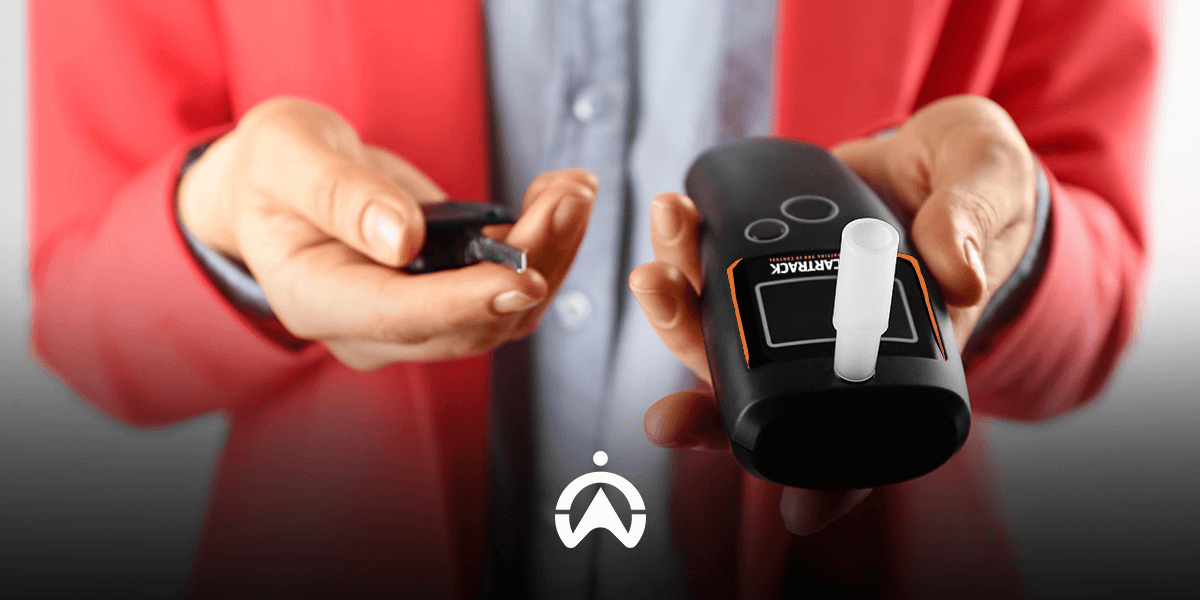
‘Breathalyser testing’ involves using a diagnostic device to estimate a person’s blood alcohol concentration level from their breath. 

According to the National Institute of Health, two types of breathalyser tests can typically be conducted on motorists: preliminary alcohol screening (PAS) or evidential breath tests (EBTs). PAS tests are smaller, portable devices typically used by law enforcement officers to test motorists for drunk driving. EBTs are more reliable devices law enforcement uses to test breath samples at the police station. 

To combat drunk driving and reduce the risk of road accidents, many countries have also implemented alcohol ignition interlock devices for commercial fleets and DUI offender programs. Alcohol ignition interlock devices prevent drivers from starting or driving their vehicles while under the influence of alcohol. 

Breathalyser testing using these devices helps businesses ensure that employees do not drive, or operate heavy machinery while under the influence of alcohol.

What are the breathalyser testing rules in South Africa?

In South Africa, employers cannot rely solely on breathalyser test results to determine if an employee is under the influence of alcohol. While breathalyser tests can be a helpful tool, they must be accompanied by additional evidence, such as blood tests.

However, employees can be prohibited from resuming their duties when they get a positive result that is above the legal or preset limit by the business. This means that even if the employee is not visibly under the influence, or claims not to be under the influence of any alcohol, you can prevent them from continuing work as usual and ensure their safety. 

Implementing stricter policies about driving under the influence and positive results from alcohol testing is something really worth considering. According to Arrive Alive, companies with strict policies prohibiting the consumption of alcohol before and during working hours are more successful at prioritising health and safety in the workplace.

What_are_the_breathalyser_testing_rules_in_South_Africa

The benefits of breathalysers

By implementing robust policies promoting responsible driving habits, and investing in solutions like alcohol ignition interlock devices for breathalyser testing, you can create a safer environment for your employees, the community, and your business. Ultimately, the cost of inaction is far greater than the cost of prevention. 

Here are some benefits of implementing breathalyser testing in your business:

  1. Promotes safety and responsibility

    Drunk driving is a leading cause of road accidents, with devastating consequences for everyone involved. Your employees and innocent bystanders can sustain serious injuries or even fatalities.

    Witnessing or being affected by a drunk driving incident can also significantly impact your employees’ morale and sense of safety. This can lead to decreased productivity and employees feeling discouraged in the work environment.

    Regular breathalyser tests in the workplace can deter employees from drinking on the job, promoting responsible behaviour and reducing the risk of accidents in the workplace. By identifying intoxicated individuals on the job, health and safety officials can make the relevant decisions to remove them from the workplace and prohibit them from operating any heavy machinery, helping to prevent potential injuries and liabilities.

    Implementing alcohol ignition interlock devices for your fleet can also deter your drivers from consuming alcohol, or attempting to drive under the influence. These devices are used in confidence by fleet and freight companies, transporters of dangerous goods and professional passenger drivers such as public transport drivers and e-hail drivers.
    ‍

  2. Avoid liabilities

    Accidents stemming from drunk driving may lead to exorbitant business costs. Companies can end up facing vehicle repairs, medical bills, lost productivity, and potential lawsuits, and the financial burden can quickly spiral out of control, jeopardising your business’s stability.

    Drunk driving carries severe legal penalties, including hefty fines, license suspensions, and even jail time for employees caught drunk behind the wheel. These legal repercussions can tarnish your company’s reputation and lead to further financial losses.

    News of a drunk driving incident involving your fleet can also severely damage your business’s public image and customer trust. Negative publicity about your business can be detrimental to your business’s brand image and long-term success.‍

How Cartrack’s breathalysing device and technology works

Businesses can combat DUI issues with their drivers and prioritise driver and fleet safety with Cartrack’s Alcohol Breathalysers. Our breathalysers use cutting-edge technology that interlocks with your vehicle’s ignition. Should the driver get a positive breath alcohol concentration (BrAC) result that is above the legal or preset limit (i.e. they fail the breathalyser test) the vehicle can be prevented from starting. 

Here’s how it works:

  1. Prevents intoxicated driving

    This device seamlessly integrates with Cartrack’s Start ignition and Start Prevent technology. This allows managers to directly prevent vehicle ignition if a driver’s breath alcohol concentration exceeds a legal or pre-set limit.
    ‍

  2. Real-time alerts if drivers fail the breathalyser test

    Should a driver fail the breath tests, the results are instantly reported via the Global System for Mobile (GSM) to your control centre, and the vehicle will immobilise as soon as the ignition is turned off, allowing for immediate intervention and support from the fleet manager.
    ‍

  3. Comprehensive recording

    Every test, pass or fail, on the device is stored in the unit’s memory for detailed reporting and analysis. Driver behaviour reports can easily be accessed on Cartrack’s Fleet Pages at any time. The information is seamlessly made available with an encrypted RD-download of data from the vehicle to your PC.
    ‍

  4. Override function

    The device is equipped with two override functions, offering flexibility in emergencies. A once-off reprogrammable override function can be used to keep the vehicle mobile and in the event of a technical failure, an emergency override PIN code can be issued by the control centre.
    ‍

  5. Innovative features

    The device can distinguish between mechanically stimulated and human breath samples using Electronic Counter Circumvention Measures (ECCM) so drivers cannot bypass the test. It also features advanced fuel cell sensing technology, and LED indicators to make it more user-friendly for drivers.

Easy software implementation and verification

Cartrack’s Alcohol Breathalysers are CAN-Bus enabled. This reduces installation time and enhances the system’s capability. The breathalysers seamlessly integrate with Cartrack’s fleet management system.

All the features are programmable to meet your fleet business challenges and can also consider the legal and judiciary requirements. 

Businesses can take other measures to ensure there is no tampering with the breathalysers or attempts to bypass the system. For example, Cartrack AI SmartCabin Cameras are driver-facing and use AI facial recognition to detect the position or orientation of the driver’s head and eyes. 

These cameras are designed to detect distracted driving gestures like mobile phone use, smoking, or signs of driver fatigue such as yawning, which could potentially cause accidents. Fleet managers can also use these cameras to see whether the driver is intoxicated, or if they have attempted to use someone else to do the breathalyser test for them. 

In addition, for mobile workers, such as delivery drivers and field service workers, fleet managers can set up breathalyser testing as a pre-trip inspection to ensure drivers are safe on the road. Since fleet managers can’t watch their drivers every move, they can set up a pre-trip checklist to ensure drivers do the breathalyser test every time and they can verify this with reports from the fleet management software.

Easy_software_implementation_and_verification

Cartrack’s cost-effective solution and long-term benefits

While breathalyser testing may require an initial investment in devices, training, and implementation, the long-term benefits far outweigh the initial costs. 

Cartrack’s alcohol breathalyser is a cost-effective solution, that delivers immediate benefits today and helps you mitigate any drunk driving risks in the long run. 

Here are a few rewards your fleet and drivers can reap from using Cartrack’s breathalyser technology:

Benefits for your fleet:

  • Reduced liability and risk: Proactively prevent accidents and legal repercussions associated with drunk driving.
    ‍
  • Enhanced driver accountability: Foster a safer and more responsible driving culture within your team.
    ‍
  • Improved operational efficiency: Minimise downtime and disruptions caused by alcohol-related incidents in the work environment.
    ‍
  • Compliance with regulations: In some industries, breathalyser testing may be mandatory or highly encouraged to comply with regulations and safety standards.
    ‍
  • Reduce insurance costs: Insurance companies often offer lower rates to companies with strong safety measures, including breathalyser programs.

Benefits for your drivers

  • Encouraged to act responsibly: Drivers will avoid excessive drinking when they use company vehicles, travel long distances for work or operate heavy machinery within the business.
    ‍
  • Training opportunity: Drivers can be trained on the risks of driving under the influence, and regulations and disciplinary procedures when it comes to breathalyser testing. Which can help them reduce risky behaviour.
    ‍
  • Non-liability: In an accident, drivers can also be held non-liable by having evidence and reports proving they were not under any influence while driving or operating machinery.
    ‍
  • Enjoy a safer environment: All employees get to enjoy a safe environment knowing their co-workers are acting safely when operating heavy machinery or generally working.

Bonus benefit: A long-term win-win for businesses and driver well-being

Introducing alcohol breathalyser testing can be a delicate subject. Drivers and employees often feel targeted by managers or businesses when things go wrong. One of the ways you can build the relationship between managers and drivers is to create a supportive and helpful environment. Instead of aiming to punish and dismiss employees who fail an alcohol breathalyser test, you can see it as an opportunity to treat alcohol abuse and alcoholism with the utmost sensitivity. 

Drivers can experience a sense of confidence and trust in managers that test results will be treated confidentially. They can also trust that fleet managers are there to help them if they are struggling with alcohol use. Doing this is a positive step towards improving employee well-being and morale.

For example, imagine that one of your top-performing drivers fails an alcohol breathalyser test and cannot resume their work for the day. Instead of immediately dismissing or disciplining them, you could assist them in getting professional help, saving your business the time and money to replace highly skilled employees.

Here are other changes you can make to promote your driver’s well-being:

  • Return to duty alcohol testing – conduct random and regular testing for accountability by helping employees who are DUI offenders or who are in rehabilitation return to their work.
    ‍
  • Employee assistance programs (EAPs) – offer confidential access to the program that allows drivers to get the professional support and guidance they need in a safe and conducive environment.

Ready to implement breathalyser testing that looks out for your drivers and business?

Protect your drivers and business with easy-to-use breathalyser technology

Implementing breathalyser testing for your drivers and employees is a strategic way to enhance safety, reduce liability, and foster a responsible work environment. 

Cartrack Kenya can get you started with alcohol interlock breathalyser technology. Contact us for a demo and more information.

Thinking About Fleet Leasing? See the Advantages of Fleet Technology

Did you know that not every fleet owns the vehicles they use?

Though it may sound unlikely, it’s actually an instance of fleet leasing. Think of it as leasing a car, but on a bigger scale and for a longer time. 

Intrigued? Read on to learn more about fleet leasing, how it works, and whether you should consider leasing your fleet’s vehicles.

In this article, you will:

  • Learn what fleet leasing is
  • Find out what makes the two types of fleet leasing so different
  • Delve into the benefits of fleet leasing
  • Explore how fleet management is the secret to optimised fleet leasing
  • Discover how Cartrack’s solutions are the keys to simplifying fleet leasing

What is fleet leasing?

Fleet leasing refers to an agreement between a business and a fleet owner, where the fleet gets access to fleet vehicles in exchange for a monthly fee without taking ownership of them. This may sound similar to renting passenger vehicles but unlike typically brief rental periods, fleet leases run for about 2-5 years.

Depending on your company’s needs, fleet leasing can involve many vehicles, including trucks and vans.

What are the different types of fleet leasing?

Fleet leasing can be open-ended or closed-ended. What do we mean? Let’s explore these in more detail:

Open-end leasing:

Open-end leasing is when the fleet owner is responsible for the vehicle’s residual risk, meaning there’s a chance that you’ll owe more money than the car is actually worth at the end of your lease. This happens when the vehicle depreciates faster than expected, and at the end of the lease term, the fleet manager needs to either purchase or return the vehicle. If the vehicle’s value exceeds the residual value, the fleet manager can also sell it for profit. 

Think of open-end leasing, like renting a car for a long period but with a twist. While you agree to make scheduled repayments, you and the company share responsibility for the vehicle’s final value.

3 key characteristics of open-end fleet leasing include:

  1. Lower monthly payments but higher risk: With open-end fleet leasing, your monthly payments are lower. However, you face a higher risk because you are responsible for any difference between the estimated residual value of the vehicle and its actual future market value.
    ‍
  2. Unlimited mileage: Unlike closed-end leasing, you have access to unlimited mileage, making it an ideal choice for fleets with higher, more unpredictable mileage requirements.
    ‍
  3. Maintenance and repairs: As the fleet manager, you are responsible for the maintenance and repairs of the leased fleet vehicles.

Now that we have a clearer understanding of open-end leasing, let’s take a look at its advantages and disadvantages:

Advantages of open-end leasing:

  • Initial costs are lower: Monthly repayments are typically lower, giving you the ability to free up funds for other business needs.
    ‍
  • Flexibility in terms of mileage: There are no fixed mileage limits, allowing businesses the freedom to handle the unpredictable driving needs and patterns that can come with fleet operations.
    ‍
  • The opportunity for ownership: Fleet managers can acquire these vehicles at the end of their lease period.

Disadvantages of open-end leasing:

Closed-end leasing:

Closed-end leasing offers more predictability than open-end leases. Unlike open-ended leasing, where the fleet manager is responsible for the vehicle’s residual risk, close-ended leasing requires the provider to handle this responsibility. So, when the lease term ends, the vehicle can be returned with no worries about selling or any potential depreciation due to a set residual value. In short, closed-end leasing is all about predictable costs and usage within agreed-upon terms.

3 key characteristics of closed-end leasing:

  1. Fixed monthly payments: These are fixed for the whole lease term, so you don’t have to worry about fluctuating market values.
    ‍
  2. Specific mileage limits: You need to stay within these limits, and if you exceed them, you must pay excess charges per kilometre
    ‍
  3. You don’t have to worry about the final value: The vehicle’s final value is not your responsibility as long as it is returned in good working condition.

Sounds pretty straightforward, right? Now, let’s look at the advantages and disadvantages of this fleet leasing option.

Advantages of closed-end leasing:

  • No maintenance worries: The lessor is usually responsible for vehicle maintenance and repair during the lease term, which saves your business time and money.
    ‍
  • More chances for upgrades: Due to the shorter lease periods, you can keep your fleet current, ensuring you always have access to the latest vehicle technology.
    ‍
  • Simplified budgeting: Due to the fixed monthly repayments, you can accurately estimate your fleet’s budget and streamline your financial planning.

Disadvantages of closed-end leasing:

  • Higher monthly repayments: Due to fixed repayments and the lessor taking on more risk, monthly payments can be slightly higher compared to open-end leases.
    ‍
  • Mileage restrictions: Mileage restrictions can be detrimental to a fleet’s budget, as exceeding them leads to costly charges.
    ‍
  • No ownership opportunities: Unlike open-end leases, businesses don’t have the option to purchase the vehicles they’ve used at the end of their lease period.
No_maintenance_worries

Open-end vs closed-end fleet leasing

Let’s take a look at some key differences between the two fleet leasing options:

Feature Open-End Leasing Closed-End Leasing
Mileage allowance Usually unlimited Usually limited
Monthly payments Generally low Generally high
Maintenance & Repairs The lessee’s responsibility The lessor’s responsibility
Residual value Estimated by final market value, and is the lessee’s responsibility The lessor’s responsibility
Management Burden Requires more involvement in tracking mileage and managing maintenance by the lessee The lessor’s responsibility

The top 4 need-to-know benefits of fleet leasing

Fleet leasing can be beneficial for a fleet business in various ways. Let’s explore some of these:

  1. Improved vehicle maintenance: Depending on which type of fleet leasing agreement you choose, your fleet lessor can include maintenance repair services in the lease agreement, which reduces labour costs and frees up resources for other business needs while also ensuring that vehicles are working well.
    ‍
  2. Increased flexibility: Fleet leasing allows companies to easily adjust the size and composition of their fleet based on varying demands, such as peak seasons or changes in the number of employees. This flexibility equips fleets for their specific functions, increasing profits and saving money during off-peak seasons.
    ‍
  3. Reduced administrative responsibilities: Fleet leasing companies handle many of the administrative tasks associated with managing a fleet of vehicles, such as vehicle registration and licensing. By outsourcing much of the vehicle monitoring, maintenance, and compliance to the leasing company, fleet managers can reduce operational strain and free up resources that support fleet growth.
    ‍
  4.  Scalability: Scalability in fleet leasing is a fleet’s ability to efficiently expand its capacity and capabilities by adding vehicles and enhancing operational processes to handle more tasks without compromising on efficiency. By eliminating large upfront costs and management burdens, fleet leasing can help unlock flexibility to upscale or downscale a fleet as needed.

The secret to optimised fleet leasing: It’s fleet management

Fleet management is the process of keeping a fleet of vehicles running smoothly. It involves various tasks that enhance the fleet’s efficiency, reduce its running costs, and promote its overall safety. Fleet managers oversee these goals and make management decisions, including vehicle acquisition, maintenance, fleet monitoring and fuel management.

How can a fleet management system help simplify managing a leased fleet?

A state-of-the-art fleet management system plays a significant role in successfully running a leased fleet. Let’s see exactly how:

  1. Data-driven decision making: Fleet management facilitates easy access to and interpretation of large volumes of data. Take John, for example, who manages a leased fleet of 15 vehicles. Keeping track of various fleet metrics, including fuel consumption and mileage for all these vehicles can be challenging. What John needs is a fleet management system that can automatically collect and analyse all data related to vehicle maintenance, fuel consumption and driver behaviour. By knowing exactly how your fleet is operating, you know what changes need to be implemented. This is important for a leased fleet, where every decision can impact your profitability and the amount you’ll have to pay at the end of your lease period.
    ‍
  2. Live GPS tracking: Fleet management provides comprehensive insight into vehicle performance and management using GPS tracking software. By collecting and storing data on speed, trip, distance, and vehicle location, fleet managers not only know a vehicle’s location at all times, but they can also see the exact route their vehicles travelled, how long each trip took, and gain insights on driver behaviour. Look at this from John’s perspective, who no longer has to call the drivers of every leased fleet vehicle to know exactly where they are or what trips they’re on. This helps managers keep track of vehicle mileage, which is crucial for closed leasing with a mileage limit.
    ‍
  3. Proactive fleet maintenance: Fleet management makes it easier for fleet managers to create maintenance strategies specific to their fleet’s individual needs. Keeping your fleet well-maintained ensures you don’t experience unplanned downtime due to damaged vehicles, helping you save on unnecessary repair costs. This is crucial for a leased fleet, especially if you opt for a leasing option where you are responsible for vehicle maintenance.
    ‍
  4. Monitoring driver behaviour: Fleet management makes monitoring driver behaviour a simple task, which is crucial due to its impact on fleet safety and productivity. Dangerous driving behaviours like harsh braking and sharp cornering increase mileage and fuel consumption and the risk of unplanned downtime due to accidents, which is why driver behaviour monitoring helps ensure that your leased fleet remains safe and effective.
    ‍
  5. Streamlining cost management: A fleet management system enables you to keep track of every cent your fleet consumes, helping you pinpoint potential reasons for cost drainages, whether it be due to increased fuel consumption or damaged vehicles. This is important for fleet leasing options, where you are responsible for most fleet costs.

Give your leased fleet more savings, efficiency and productivity with Cartrack Kenya

Cartrack Kenya has a wide range of solutions to simplify managing a leased fleet, helping you achieve convenience and activate ultimate efficiency. Let’s explore these solutions:

  1. GPS tracking: Gain full visibility of your leased fleet with Cartrack’s GPS tracking technology and determine your vehicle’s exact geographical location in real time. Our GPS tracking also gives you access to Cartrack’s stolen vehicle recovery service. With an above 90% stolen vehicle recovery rate, Cartrack responds swiftly to vehicle theft or hijacking, increasing your chances of vehicle recovery.
    ‍
  2. Route optimisation: Unlock the best routes for your leased fleet with Cartrack’s route optimisation. Available as a part of our Delivery feature, this tool looks at real-time traffic and weather conditions to find ideal routes for your drivers. Improve fleet efficiency and fuel consumption by choosing effective routes based on real-time data, which helps you lower overall costs for your leased fleet.
    ‍
  3. Fuel monitoring: Know exactly how much fuel your leased fleet vehicles consume with Cartrack’s fuel monitoring system. By giving you real-time insights into fuel consumption, you can quickly detect the source of fuel drainages and act against fuel theft and fraud. Our fuel fraud detection technology matches fuel receipts with your vehicle’s locations and fuel status, helping you reduce fuel cost drainages and improve operational efficiency.
    ‍
  4. Driver monitoring: Enhance fleet driver safety and behaviour with Cartrack’s driver monitoring system, equipped with a range of next-level hardware and software solutions to help you monitor driver behaviour.

    – Cartrack’s Advanced Driver Assistance System (ADAS) is designed to alert your drivers of potential road hazards, helping them avoid obstacles and prevent accidents in real time.
    ‍
    – AI LiveVision cameras give your drivers access to real-time, audible alerts on dangerous and distracted driving behaviours, including smoking, excessive speeding, and yawning, which helps them quickly correct their behaviours and prevent accidents.
    ‍
    – Driver scorecards give you detailed reports on each of the abovementioned harsh driving behaviours, allowing you to see when an incident occurred and who was driving, and use these insights to empower and train on safer driving practices.
    ‍

  5. Cost management: Don’t miss payment and registration deadlines ever again with Cartrack’s MiFleet software. With the ability to receive reminder alerts, our cost management solution makes keeping track of all your fleet expenses a breeze, whether it be vehicle permits or fuel costs. Not only does this help you improve your fleet compliance, but it also reduces admin time and eliminates human error that comes with manual calculations, helping you ensure your leased fleet isn’t costing you more than it should.
    ‍
  6. Preventative maintenance: Spot potential maintenance issues before they become more costly with Cartrack’s preventative maintenance. Our software uses advanced analytics to alert you on potential vehicle maintenance issues, such as damaged brake pads and low oil levels. This proactive measure uses historical data and smart algorithms to create a maintenance plan specifically tailored to your fleet, helping you eliminate unplanned downtime, prevent road accidents, increase fleet longevity, and transform your leased fleet into a well-oiled machine.
Give_your_leased_fleet_more_savings_efficiency_and_productivity

Case study: How Cartrack helped Agungrent boost their vehicle renting business

Whether you’re already renting your fleet vehicles or looking to rent them out, Cartrack is a solid solution with a proven track record. Take Agungrent, a transportation service provider company specialising in vehicle rental, logistics & trucking of over 6,000 vehicles. 

Agungrent found reducing running costs and managing their fleet inventory challenging. They needed a system to help them easily manage their vehicle rental usage, receive vehicle data and reduce overall fleet costs.

Using Cartrack’s mobile application, Agungrent unlocked real-time monitoring of their vehicle’s movements, helping them bill rented-out vehicles more accurately. Cartrack’s fuel monitoring solution also helped them increase their fuel efficiency by up to 30%, and driver and safety reports they now gained access to, helped them enhance their driver safety culture overall. 

Here’s what the company’s Operations Manager, Mr. Edi Cahyono had to say:

“Cartrack is a GPS service global provider which offers many features that are very capable and user-friendly, also offers competitive prices tailored to our needs.”

Tackle fleet leasing woes with Cartrack’s superior fleet management solutions

Take managing your leased fleet from time-consuming and frustrating to streamlined and automated with Cartrack Kenya. 

‍Contact us today, and find out how.

The Future of Mobility: 9 Remarkable Ways a Fleet System Helps You Stay Ahead

The fleet industry is constantly evolving, ranging from technological advancements to ever-changing consumer behaviours. Is your business equipped for all this change?

A fleet’s success is dependent on its ability to embrace and adapt to the future of mobility. But what exactly is fleet mobility, why is it so crucial for fleet success, and how can you maintain and achieve it?

Let’s see how a smart system can keep you ahead of the times.

In this article, you will:

  • Learn what fleet mobility is
  • Find out what the future of fleet mobility looks like
  • Delve into the challenges faced with these advancements in fleet mobility
  • Explore how a fleet management system can help boost fleet mobility
  • Discover how Cartrack’s solutions are the key to improving your fleet’s mobility

What is fleet mobility?

Fleet mobility is a new approach to how companies organise the movement of their fleet staff. Unlike traditional fleet management, fleet mobility is focused on flexibility in movement and accessibility, by making use of emerging and innovative transportation technologies to provide flexible, on-demand transportation solutions.

What is the future of fleet mobility?

Fleet mobility is all about technological advancements. So what does the future of fleet mobility look like?

Let’s take a look at the advancements we can expect.

1. Electric vehicles

Electric vehicles are vehicles powered by an electric source as opposed to petrol or diesel. Automotive technology is constantly evolving, which has led to a surge in the production of electric vehicles, and welcomed fleet electrification.

Fleet electrification represents the future of fleet mobility, especially with electrical vehicles (EVs) being seen as the future of fleet mobility due to their potential to reduce fleet costs and a fleet’s environmental impact. EVs offer several benefits for fleet mobility, ranging from lowering fuel and maintenance costs to higher driver satisfaction.

While EV adoption in South Africa is still in its early stages, the growth of charging infrastructure is a clear indicator that we are set to ride the wave of this technological advancement. 

Mercedes–Benz South Africa and Chargify are currently building 127 new local EV charging stations across South Africa valued at R40 million. Global companies are also joining in on the movement, with FedEx committing to make their entire global pickup and delivery fleet zero-emission EVs by 2040. In 2021, FedEx conducted EV trials in South Africa to test the technology and assess its operational effectiveness on a standard route, with the vehicle fully loaded with packages.

2. Autonomous Driving

The future of fleet mobility includes the progressive evolution of automotive technology through the use of autonomous vehicles. Autonomous vehicles can operate without human involvement, and with specialised sensors, they can sense their environment and get from point A to point B completely on their own.

While these vehicles are being fully implemented in Singapore and other countries, South Africa may have to wait a bit longer, with them still undergoing extensive AI training.

3. IoT Sensors

Internet of Things (IoT) sensors give fleet managers access to a vast range of real-time data on their fleet by making use of sensors that have been embedded in vehicles and infrastructure. This means fleet managers can make informed business decisions on factors such as vehicle maintenance, driver training and vehicle activity. The insights that are derived from IoT data can help optimise route planning, reduce fuel consumption and enhance fleet efficiency.

4. Mobility-as-a-Service (MaaS)

The future of fleet mobility is embracing shared fleet solutions, through a concept known as mobility-as-a-Service. Mobility-as-a-Service, also known as MaaS is a user-centric approach that integrates various modes of transportation into a unified, on-demand mobility solution. 

Simply put, it offers businesses the flexibility to access shared fleets of vehicles on demand. This model eliminates the need for individual ownership and maintenance, reducing fleet costs and providing a more adaptable transportation solution. For fleet operators, MaaS presents an opportunity to optimise vehicle utilisation, reduce fleet costs, and improve overall efficiency by closely managing vehicle usage.

5. Artificial Intelligence

Artificial intelligence (AI) is a simulation of human intelligence processes conducted by a computer system. It makes use of a wide range of technologies that enable machines to perform tasks that typically need human intelligence. In the context of fleet mobility, AI can quickly analyse large amounts of data, with information on vehicle performance, traffic patterns and driver behaviour. This makes it crucial for predictive analysis, allowing fleet managers to identify issues that escalate into unplanned and costly breakdowns. This promotes timely maintenance, improves fuel efficiency, and minimises unplanned downtime delays, boosting productivity.

6. V2V and V2E Communication 

Vehicle-to-vehicle and vehicle-to-everything communication is a wireless technology that enables data exchange between vehicles and their surroundings. V2V enables vehicles to exchange data on speed, location, and direction both wirelessly and in real time. This makes it possible for vehicles to detect potential collisions, coordinate movements, and maintain safe distances from one another, which enhances situational awareness and helps to prevent accidents. 

V2E makes use of sensors, cameras, and wireless connectivity to create an end-to-end communication system that allows vehicles to share information about their drivers and their surroundings. This makes this technology useful for improving fleet safety, traffic efficiency, and energy savings.

What_is_the_future_of_fleet_mobility

What challenges are faced with advancements in fleet mobility?

As incredible as fleet mobility is, it does come with a fair share of challenges. These include:

  1. Adequate charging stations:

    The adoption of electric vehicles presents both opportunities and challenges for fleet efficiency. One of the major challenges is the lack of charging stations. While EVs are praised for their ability to reduce emissions and lower operating costs, the limited availability of charging stations can negatively affect fleet mobility and productivity. This leads to downtime and disrupted schedules, as drivers must travel longer distances to find charging stations.
    ‍
  2. Unpredictable technology:

    As incredible as technology is, it can be unpredictable. Autonomous vehicles are still undergoing development, which delays widespread adoption. Ensuring the safety and reliability of autonomous vehicles is a concern. AVs can face unexpected technical glitches, which can disrupt fleet operations and compromise efficiency. Furthermore, transitioning to AVs means drivers need to be retrained and adapt to new operational procedures, which is both costly and time-consuming.
    ‍

  3. Integration of new technologies:

    The rapid evolution of mobility technologies, such as autonomous vehicles and advanced telematics requires fleet managers to adapt and integrate these technologies into their operations effectively in a way that won’t disrupt fleet functioning.
    ‍

  4. Skilled personnel and training:

    The adoption of new technologies means that a fleet’s workforce needs the skills to effectively operate and maintain these systems. Fleet managers need to invest in training and development to ensure that their team can effectively use these advancements and reap their benefits.
    ‍

  5. Data management and decision-making:

    While advanced telematics gives you access to a wide range of data, managing and understanding this data can be a hassle. Fleet managers need software that helps them understand their fleet data, making it easier for them to leverage it for informed decision-making and optimise operations.

    If not handled, these challenges can turn into significant issues for fleets. Luckily, there’s a secret weapon in your arsenal; fleet management.

What is fleet management?

Fleet management is the process of overseeing a group of vehicles that are either owned or operated by a company. This involves a wide variety of fleet-related tasks that are crucial to streamlining fleet operations, and ensuring that the fleet operates efficiently and effectively. While this can be a lot to do manually, the answer is a fleet management system.

What is a fleet management system?

Fleet management software is the key to bringing the benefits listed above to your fleet. A fleet management system aims to provide fleet managers with real-time data and visibility of their fleet. A fleet management system is a set of tools and processes that have been designed to help fleets effectively measure their fleet. By making use of both software and hardware, a fleet management system can provide fleet managers with an unparalleled view of their vehicle location in real-time, at all times, keep an eye on their fleet’s total fuel consumption, prioritise route optimisation, and ensure their drivers aren’t exhibiting signs of dangerous or distracted driving.

Key components of a fleet management system

An effective fleet management system needs to have the following key components:

  • Fuel management and cost control:

    Fuel monitoring is a key component of a fleet management system as it allows for the accurate tracking of a fleet’s fuel consumption, which is important for cost control and optimising fleet productivity. This component is important as it helps fleet managers quickly identify excessive or unusual fuel consumption, quickly address the causes and take action to minimise theft or waste.
    ‍

  • Driver management and safety:

    Driver management is another key component of a fleet management system, as it includes the different aspects of overseeing and optimising driver behaviour, safety, and performance. Fleets can spot and address dangerous or distracted driving behaviours that negatively impact fleet productivity, which ultimately contributes to a safer and more efficient fleet.
    ‍

  • Maintenance plans and diagnostics:

    Maintenance plans and diagnostics play a crucial role in helping fleet managers keep their vehicles in good condition, which subsequently reduces unplanned vehicle downtime and optimises fleet productivity. Diagnostics involve the use of onboard sensors and telematics to monitor vehicle health and detect potential issues before they become serious. This data can then be used to proactively schedule maintenance and repairs, helping fleet managers keep their vehicles in good condition and maximise their productivity.
    ‍

  • GPS Tracking and telematics:

    GPS tracking makes use of satellite and cellular technology to monitor vehicle location and activity in real time. By providing accurate, real-time data on vehicle movements and usage rates, fleet managers can ensure compliance, and make informed decisions on delivery routes and job dispatching. By making use of GPS tracking, fleet managers can monitor routes, identify possible delays, and make informed decisions for route optimisation.

9 Benefits of a fleet management system for fleet mobility?

Fleet mobility is taking the world by storm, but what are the benefits? Let’s explore 9 of them:

1. Data-driven decision making

A fleet management system can collect and analyse large amounts of data on driver behaviour, vehicle performance, and fuel consumption. This data is crucial for data-driven decision-making, helping you:

  • Optimise routes: By spotting real-time traffic and weather conditions, you can plan more efficient routes, reducing fuel consumption and improving delivery times.
  • Prioritise predictive maintenance: By spotting potential maintenance issues at their earliest stage, you can minimise unplanned downtime and avoid unexpected repair costs.
  • Improve driver behaviour: By monitoring driver behaviour in real-time, you can provide your drivers with specific coaching and training. This encourages safe driving and fuel-efficient practices, which reduces the risk of costly accidents.

2. Embracing sustainable solution

A fleet management system can help you make sustainability your fleet’s standard, by helping you embrace eco-friendly practices. This is done through:

  • Electric vehicle (EV) integration: This system helps you manage charging schedules, monitor battery health, and optimise routes, which ensures that you never run out of battery and that your carbon footprint is reduced. 
  • Improving fuel efficiency: By giving you real-time insights into fuel consumption and identifying inefficient driving patterns, you can encourage eco-conscious and fuel-saving driver behaviour.
  • Minimising mileage through route optimisation: Plan out the most fuel-efficient routes to ensure that overall mileage and emissions are reduced, making your fleet greener.

3. Enhanced customer experience

Customer service is crucial for fleets, and a fleet management system is just what you need to ensure you’re giving your customers the best experience. This is done by:

  • Simplifying real-time vehicle tracking: By knowing where your vehicles containing goods to be delivered are at all times, you can give your customers accurate ETAs, which builds trust for your business.
  • Providing proof of delivery (POD): By helping you capture electronic signatures or images once goods have been delivered, you enhance customer satisfaction.
  • Optimising delivery routes: By helping you find the fastest and safest delivery routes, you can deliver goods faster and more efficiently, which exceeds customer expectations.

4. Proactive risk management

A fleet management system allows fleet managers to mitigate risks and ensure compliance with regulations by:

  • Monitoring driver safety: By identifying and addressing dangerous behaviours such as harsh braking, cornering, and speeding, fleet managers can promote a safer working environment.
  • Monitoring vehicle health: By receiving real-time alerts for potential malfunctions, fleet managers can prevent costly breakdowns and guarantee vehicle safety.
  • Simplifying compliance management: By automating documentation and reporting for regulations, you can minimise fleet risks and fines.

5. The ability to adapt to new mobility solutions

A fleet management system helps you stay prepared for the latest advancements in fleet mobility, including shared mobility options and autonomous vehicles. Here’s how:

  • Managing autonomous vehicles: By integrating EVs with this system, you can optimise autonomous fleet operations.
  • Offering shared mobility: By leveraging your fleet for sharing vehicles, you can diversify your offerings and reach new customers.

6. Staying ahead of the competition

A fleet management system helps you not only stay compliant but also optimises operations and helps fleets get a competitive edge. This is done by:

  • Embracing data-driven decisions: By making informed fleet decisions based on data and analytics, you can take your fleet to the next level.

7. Increased fleet longevity

Fleet management helps you keep your fleet healthy for a longer period, by giving you access to:

  • Preventative maintenance: By knowing exactly when a vehicle fault is detected, you’re able to fix the issues before they become more damaging and render the vehicles useless.
  • Driver monitoring: By keeping an eye on driver behaviour, you can spot behaviour that can leave your vehicles damaged and needing repairs sooner than anticipated

8. Improved driver safety

A fleet management system helps you improve your drivers’ safety while they’re behind the wheel, through:

9. Improved fleet mileage

A fleet management system helps you improve the total distance your fleet vehicles travel within a specific period, by giving you access to:

  • GPS tracking: By monitoring and analysing vehicle metrics such as fuel consumption, idle time, and route efficiency, you’re able to receive insights into fuel usage among fleet vehicles and know exactly when and why your vehicle travelled further than usual or necessary.
Benefits_of_a_fleet_management_system_for_fleet_mobility

Boost your fleet mobility with Cartrack’s fleet management solutions

Cartrack Kenya has an advanced fleet management system designed to improve your fleet mobility through various solutions. These include:

  • Real-time GPS tracking:

    Know exactly where your fleet vehicles are at all times with Cartrack’s live GPS tracking. With immediate visibility into the location and movement of fleet vehicles, you can provide accurate delivery ETAs to your customers, which improves customer satisfaction. However, this does more than just track your vehicles. This technology can be used to monitor and improve your fleet’s efficiency by pinpointing inefficiencies. Fleet mobility is thereby improved by boosting operational efficiency, enhancing vehicle safety and allowing for proactive monitoring and route optimisation.
    ‍

  • Route optimisation:

    Ensure your drivers use the fastest, safest, and deviation-free routes with Cartrack’s route optimisation. Available through our Delivery app, this gives you real-time alerts of route delays and deviations, helping you boost customer service and provide faster delivery turnaround times.
    ‍

  •  AI LiveVision cameras:

    Give your drivers access to real-time alerts on dangerous and distracted driving with our AI LiveVision cameras. This cloud-connected video management software integrates AI analysis and in-cabin cameras that work to detect dangerous driving behaviours such as smoking, cell phone use, speeding, and yawning. When these behaviours are detected, audible in-cabin alerts notify your drivers in real-time, allowing them to quickly correct their behaviours and prevent a collision.
    ‍

  • Fuel monitoring:

    Make every litre of fuel count with our fuel monitoring system. Our fuel cost monitoring software reviews every fuel transaction and matches the receipts with a vehicle’s advanced telemetry. This gives you real-time visibility into fuel usage, and when integrated with a fuel sensor installed in your vehicle’s tank, you can closely monitor fuel consumption in real time. This makes it easier for you to identify fuel theft, reduce fuel wastage, and improve your fleet’s fuel efficiency.

  • Preventative maintenance:

    Ensure your fleet vehicles are functioning at their optimum level with our preventative vehicle maintenance. This software, which is powered by AI and advanced analytics, provides you with alerts about maintenance issues such as damaged brake pads, low oil levels, and service interval reminders, making it easier for you to spot potential maintenance issues before they become costly. This can be helpful for EVs too, with our fleet management platform giving you access to predictive analytics. By using historical data and machine learning algorithms, our system can predict when your battery needs to be replaced. Helping you create an effective maintenance plan, helps you avoid costly damage to vehicle components, road accidents, and breakdowns that could hinder productivity.
    ‍

  • MiFleet:

    Know exactly how much it costs for your fleet to run efficiently with Cartrack’s MiFleet software. Fleet mobility needs you to be aware of everything going on in your fleet, and this includes the financial aspect of it. This cost management solution helps you keep track of all your fleet expenses, whether fuel costs, taxes, or vehicle permits. The in-depth insights help you unlock ultimate fuel savings, which ultimately reduces admin time and fees.

Welcome fleet flexibility and sustainability: Stay ahead with Cartrack today

Fleet success needs a wide range of interventions and strategies, and without an effective fleet management system, you may not be able to accomplish this. If you need a solution, then Cartrack Kenya is the answer and your companion in achieving fleet mobility.

Chat with us here today. 

Mileage Expense Management – The Amazing Feature in a Fleet System

Do you know how much money vehicle mileage is costing your fleet?

Mileage expense management is a crucial, yet often overlooked aspect of fleet management, and without the right system, this can become a major cost-draining issue. But it doesn’t have to be.

There’s a perfect solution to simplify your mileage expense management — it’s called Cartrack. 

Ready to find out why?

In this article, you will:

  • Learn what fleet mileage is
  • Find out what fleet mileage expense tracking is
  • Delve into the benefits of fleet mileage expense tracking
  • Explore how a fleet management system simplifies fleet mileage expense management
  • Discover how Cartrack’s solutions are the secret weapon to achieving accurate fleet mileage expense calculations

What is fleet mileage?

Fleet mileage refers to the total distance travelled by a fleet of vehicles within a specific period. It is a critical metric for assessing vehicle usage, monitoring fuel consumption, determining maintenance needs, and overall operational efficiency, and is usually measured in kilometres.

What is fleet mileage expense tracking?

Fleet mileage expense tracking is the practice of keeping a log of the distance travelled by each vehicle in a fleet for tax deduction purposes and to help fleet managers optimise routes, reduce operational costs, and improve overall fleet management. It involves monitoring the money spent on every business kilometre driven by a group of vehicles in a fleet, including deliveries, maintenance runs, and other work-related activities. It includes the tracking of expenses related to fuel, maintenance, repairs, and other operational costs directly related to the distance travelled by fleet vehicles. Fleet mileage expense tracking can be done manually or through the use of fleet management software that automates the process and provides an array of information to manage a fleet more efficiently.

The benefits of fleet mileage expense tracking

Fleet mileage expense tracking is a beneficial tool for the effective running of your fleet. Here are a few benefits of this next-level innovation:

1. Cost management:

Fleet mileage expense tracking is crucial for helping you accurately budget and forecast fleet expenses, including fuel costs, maintenance, and other vehicle-related expenses. By accurately monitoring mileage expenses, you can ensure that your fleet operates within its budget, while also identifying areas of inefficiency that require cost-saving measures. These measures can range from optimising routes and minimising fuel consumption to scheduling preventative maintenance and reducing vehicle usage.

2. Reduce mileage:

Fleet mileage expense tracking plays a crucial role in reducing vehicle mileage by providing valuable insights into vehicle usage patterns and operational inefficiencies. By analysing detailed mileage data, fleet managers can spot areas for optimising fleet efficiency. An example of this is making use of real-time GPS tracking to implement route optimisation strategies, which helps you avoid traffic congestion, something that can significantly increase fleet mileage and vehicle wear and tear.

3. Track driver performance:

Fleet mileage expense tracking plays a big role in knowing how your drivers are operating behind the wheel. By spotting and addressing the root cause of increased mileage, whether it be inefficient driving behaviour or unauthorised vehicle usage, fleet managers can ensure that their drivers are operating safely and efficiently. To provide more detailed reports, this can be integrated with other systems to provide a comprehensive solution for tracking and managing driver behaviour. This simplifies managers’ calculation of fuel consumption and costs associated with each driver, enabling performance comparisons and creating driver-specific solutions.

4. Optimise operations:

Fleet mileage expense tracking gives fleet managers comprehensive insights into vehicle usage rates and the associated expenses. This makes it easier for them to identify inefficiencies, streamline their processes, and make data-driven decisions that play an important role in maximising fleet productivity and efficiency. For example, Sarah notices that her fleet’s mileage has increased significantly over the last two months. The upside is that Sarah makes use of these insights, which helps her identify the source of the increase, which is an increase in deliveries. With this knowledge, she can decide whether she needs another vehicle, or optimise her delivery routes.

These benefits of keeping track of fleet mileage expenses can leave quite a positive impact on a fleet, and the best way to reap these benefits is to implement a fleet management system.

What is a fleet management system?

A fleet management system is a comprehensive software solution that is designed to streamline and optimise the management of a fleet of vehicles. It allows businesses to track vehicle locations, mileage, and other data, which helps simplify the process of fleet management. Fleet management is the process of overseeing and coordinating a wide range of fleet vehicles. Key aspects of fleet management typically include vehicle tracking, vehicle acquisition, maintenance, tracking and driver monitoring. A fleet management system simplifies all these processes, bringing them all to you through a simple, easy-to-use platform, and helping you increase your fleet efficiency.

What are the elements of effective fleet management?

  1. Real-time tracking: As an essential element of effective fleet management, real-time tracking involves making use of GPS technology to monitor the speed, location, and performance of fleet vehicles in real time. It plays a crucial role in giving fleet managers a comprehensive view of their entire fleet operation, making it easier for them to make informed decisions and optimise fleet performance.
    ‍
  2. Route optimisation: This element is closely linked to real-time GPS tracking. It is focused on finding and choosing the most efficient and cost-effective routes for fleet vehicles to travel on for business purposes. By making use of GPS technology, advanced algorithms and real-time road data, this element not only identifies the shortest, fastest, and most fuel-efficient routes for drivers to reach their destination, but also prevents route deviation, which is a significant cost generator for fleets.
    ‍
  3. Tax compliance: Tax compliance refers to the adherence to tax regulations and requirements set by the Kenya Revenue Authority (KRA). It involves several aspects, including accurate record-keeping and the timely filing of tax returns. Fleet managers need to keep accurate records of their fleet’s expenses, including fuel, maintenance, and repairs. This can seem very time-consuming, but effective fleet management helps simplify the recording and storing of these records.
    ‍
  4. Fuel monitoring: Fuel monitoring is a crucial element of effective fleet management, as it directly impacts operational costs and environmental sustainability. By closely monitoring fuel consumption, fleet managers can identify areas for improvement and implement strategies to reduce fuel usage, which subsequently leads to cost savings. Keeping track of every litre of fuel being consumed can be very difficult, but a fleet management system’s capabilities can give you real-time fuel consumption insights, simplifying the whole process.
    ‍
  5. Driver monitoring: Your drivers are a crucial part of your fleet, with their behaviour having a significant impact on its success and efficiency. Effective fleet management needs to integrate driver monitoring as it helps fleet managers gain real-time insights into driving behaviour, vehicle status, and operational efficiency, which ultimately leads to improved safety, reduced costs, and enhanced fleet productivity.
Fuel_monitoring

What are the top 3 benefits of a fleet management solution?

A fleet management solution is the secret to a highly effective fleet, yielding a wide range of benefits. Here are the top three benefits that can elevate your entire fleet operation:

  1. Improved driver behaviour:

    Fleet management makes use of different mechanisms designed to monitor driver safety and efficiency, including in-cabin cameras and GPS tracking technology. These enable real-time monitoring of driver performance metrics such as speed, acceleration, and braking. By triggering real-time alerts when harsh driving is detected, drivers can quickly correct their behaviour. Along with this, fleet managers can review these events, helping them build specific training for drivers, and helping them improve driver behaviour and overall fleet safety.
    ‍

  2. Improved customer service:

    One of the biggest selling points of fleet management solutions is the full visibility it gives managers. By helping fleet managers know exactly where all their vehicles are at all times, they can give accurate information to their customers in regards to deliveries and estimated times of arrival (ETAs). Along with this, they can optimise their routes based on real-time traffic and weather conditions.

    Let’s take Michael for instance. He runs a custom-made prescription glasses business. With a full overview of his vehicle and the road conditions, he can ensure his drivers avoid traffic-congested areas, delivering clear vision to his clients as quickly as possible. Talk about 20/20 vision, right?
    ‍

  3. Increased fuel efficiency:

    Manually keeping track of fuel consumption can be quite challenging, leading to costly inaccuracies. However, a fleet management solution provides detailed insights into how much fuel each of your vehicles is consuming. No more running to each of your vehicles at the end of the day to play the guessing game of what level your fuel gauge is on. By helping you assess driver behaviour, you can spot and eliminate fuel-wasting behaviour, such as excessive idling, ensuring that your fleet remains fuel efficient.

How can fleet management help simplify mileage expense management?

  • Automated mileage tracking: Fleet management systems automate mileage tracking by using GPS technology to track the location and distance of each vehicle. This data is automatically recorded and stored on the fleet platform, which eliminates the need for manual mileage logs. Not only is this more convenient, but it also ensures accuracy in your mileage tracking.
    ‍
  • Real-time vehicle monitoring: Powered by GPS tracking technology, fleet management systems give fleet managers access to real-time data on vehicle location, speed and status. This helps fleet managers conveniently verify mileage claims and ensure compliance with the company’s policies.
    ‍
  • Route optimisation: By providing real-time data on a vehicle’s location, fleet management systems can suggest or optimise routes based on factors such as traffic conditions, distance, and fuel efficiency. This plays a crucial role in reducing mileage by finding the most efficient routes for drivers.
    ‍
  • Expense reporting: By automating data collection, fleet management systems can generate detailed mileage reports for each vehicle or driver, simplifying the tracking and recording of mileage expenses and facilitating the reimbursement processes.
    ‍
  • Integration with accounting software: Many fleet management systems integrate with cost management platforms, which helps streamline the reimbursement process by automatically transferring mileage data and expense reports.

Achieve accuracy in your vehicle mileage measurements with Cartrack’s solutions

Say goodbye to the guessing games and human error. With Cartrack Kenya on your side, calculating your vehicle’s mileage will be a breeze. These are a few solutions that’ll give you the edge:

  1. Fuel monitoring system:

    An increase in fuel consumption can be indicative of increased vehicle mileage, so keep track of your fleet’s fuel consumption with Cartrack’s fuel management system. This industry-leading solution makes use of advanced telematics and real-time visibility to provide detailed fuel monitoring. By providing you with metrics on fuel consumption per kilometre travelled, and per job completed, we help you spot any significant increases in fuel consumption, alerting you that your vehicles are experiencing an increase in mileage.
    ‍

  2. Driver behaviour monitoring:

    Keep track of harsh driver behaviour with Cartrack’s driver scorecards. Driver behaviour can significantly impact vehicle mileage, with harsh driving behaviours such as speeding and harsh acceleration. Make use of our driver scorecards to monitor high-risk driving behaviours such as excessive speeding, harsh braking, long idling, and sudden acceleration. By giving you these detailed insights into driver performance, you can identify what behaviours may be causing an increase in vehicle mileage, and create driver-specific solutions to correct these.
    ‍

  3. MiFleet:

    Know exactly how much money your fleet needs to run effectively with Cartrack’s MiFleet. This easy-to-use vehicle cost accounting software makes efficiently managing fleet vehicles, drivers, and operating costs simpler. By integrating, digitising and automating fleet admin and cost analysis, this tool helps you know your fleet’s exact running costs, helping you accurately determine your mileage expenses at the touch of your screen. Unlock full insights into this with a wide range of reports ranging from vehicle performance and fuel usage to on-road hours automatically emailed to you.
    ‍

  4. GPS Tracking:

    Know exactly how your vehicles are operated with our real-time GPS tracking. Our system does more than just let you know where your vehicles are in real time. With access to your vehicles’ full trip history, you can track exactly where your drivers have been, along with gaining insights into the vehicle idling status, fuel levels and engine diagnostics. By knowing exactly how long your driver operated a vehicle, you can get an accurate report on mileage expenses.

Calculate your fleet’s mileage expenses 100% accurately with Cartrack’s solutions

Calculating your entire fleet’s mileage expenses can be daunting and time-consuming. But that was before Cartrack Kenya. Our industry-leading solutions are here to help you streamline the entire process, turning your stress into peace of mind.

‍Contact us today to find out how

How to Conquer Route Deviation & the Hidden Costs Draining Your Fleet

Route deviation adds extra time, fuel, and frustration to your operations, making them one of the greatest enemies of efficient fleet management. 

So, is it possible to combat the route rebellion and save on fleet costs? You bet. 

Discover how smart telematics and tracking technology can efficiently cure route deviation and cost drainage-related headaches. 

In this article, you will:

  • Learn the definition of route deviation
  • Differentiate between two types of route deviation
  • Understand route deviation’s effect on efficient fleet management
  • Get answers to burning questions about route deviation and fleet management
  • Discover five ways to combat route deviation
  • Find out how Cartrack’s fleet management solutions optimise fleet operations

Route deviation defined

Imagine mapping out the ideal route for your delivery driver: avoiding traffic jams and unnecessary stops and taking the shortest possible route.

Then, for some reason, your driver veers off course, adding miles, minutes and fuel usage to the trip. Something you didn’t necessarily budget for. That is a classic example of route deviation — a detour that throws a carefully planned schedule and budget out the window. 

While there are some legitimate reasons for route deviation, it often happens because drivers are just not sticking to planned routes as instructed.

Types and possible reasons for route deviation

Fleet managers know that even the most meticulously planned routes can hit an unforeseen bump with detours and unplanned stops. These “route deviations” can be caused by a range of factors, sometimes due to driver choices like unplanned breaks or taking shortcuts that are supposed to save time but end up having the opposite effect on fuel costs and efficiency. 

However, not all detours are created equal; there are two types of route deviations and what they mean within a fleet-related context:

  • Path deviations are like taking a wrong turn on the highway – the driver goes off the planned route, adding extra miles and minutes. These can happen for various reasons, from missing an exit to following bad GPS advice, and are considered accidental.
    ‍
  • Sequence violations, on the other hand, are more like stopping at your grandma before your aunt, even though you planned it the other way around. The driver might visit stops in a different order than planned and instructed, potentially impacting delivery times, disrupting workflows, and affecting fuel usage.

Understanding the two types of route deviations helps fleet managers pinpoint the root cause of the issue and take appropriate action. Was it a genuine mistake, a navigation error, or something else entirely? By addressing the “why” behind the detour, fleet managers can ensure efficient routes, reducing fleet costs. Advanced route deviation and optimisation technology make it even easier to ensure drivers stick to allocated routes, optimising savings.

Route deviation technology’s relevance in fleet management

Fleet management software offers route deviation systems because they help in:

  • Productivity: While sticking to traditional routes provides an element of predictability that helps manage expectations, using route deviation detection technology can boost productivity without losing the element of predictability. Time is money, they say, and if your fleet can work more efficiently, you can put a stop to unnecessary cost drainages.
    ‍
  • Cost management and drainage: If you expect your fleet to travel on pre-planned routes, you most likely have a good reason for this, and from a fleet management perspective, it’s mostly to increase productivity and reduce fuel costs. Identifying and pinpointing where drivers veer off assigned routes helps you address the issue early on and proactively prevent extensive cost drainage.

Here’s why you want route deviation tech for your fleet

  1. Maximising visibility

    Route deviation software acts as a watchful eye, constantly monitoring driver behaviour and vehicle location. Any deviation from the planned route is visible to the fleet manager, allowing them to investigate potential issues like unauthorised stops, inefficient detours, or even potential safety concerns.
    ‍

  2. Optimising resource utilisation

    This technology also plays a crucial role in unlocking the full potential of your fleet by optimising resource utilisation by helping ensure that every vehicle, driver, and drop-off is used with maximum efficiency. Imagine the chaos without it, you’d experience unplanned detours causing delays and waste fuel in avoidable traffic jams.
    ‍

  3. Improving fleet analysis

    In the world of fleet management, data is king, and route deviation software along with other telematics tools like driver behaviour monitoring can help pick up problem areas like excessive idling and harsh cornering and braking, which can lead to unplanned maintenance and expensive repairs.
    ‍

  4. Happy customers

    In the cold-chain industry, route deviation can lead to spoilt produce, unhappy customers, and piles of wasted money. Sticking to assigned routes is crucial in these types of industries to ensure the integrity of the products in transit, customer satisfaction, and no money wastage.

The benefits of detecting route deviation within your daily fleet activities span far and wide, but what about the questions you may still have about this unique cost-saving technology?

Here are some of the most popular FAQs around route deviation.

Here’s_why_you_want_route_deviation_tech_for_your_fleet

The most in-demand FAQs about route deviation and fleet management costs addressed

1. What are some costs associated with fleet management?

Running a fleet involves more than just keeping the wheels turning. Fleet managers juggle a variety of expenses, including:

  • Fuel costs: Keeping the tanks filled is a major cost drain, influenced by vehicle choice, driving habits, route efficiency, and fluctuating prices.
    ‍
  • Insurance: Protecting your vehicles and drivers is crucial, but premiums vary depending on factors like coverage, claims history, and vehicle type.
    ‍
  • Depreciation: The value of your vehicles naturally decreases over time, impacting your overall budget.
    ‍
  • Fixed costs: Rent, salaries, utilities, and maintenance form a constant backdrop of expenses.
    ‍
  • Acquisition: Purchasing or leasing new vehicles requires careful budgeting and consideration of long-term costs.
    ‍
  • Licenses and permits: Keeping your vehicles legally compliant involves ongoing fees.
    ‍
  • Administration: Managing paperwork, payroll, and logistics can add another layer of cost if you don’t have the software to automate these processes.

Optimising each of these components is key to controlling costs and ensuring your fleet operates efficiently and profitably.
‍

2. Which part of the fleet management system has high-cost expenses?

When it comes to fleet costs, it’s not a one-size-fits-all answer. However, it all comes down to how problems and obstacles are handled and how swiftly issues like route deviation and bad driver behaviour are addressed. By implementing smart, proactive solutions like driver training and fuel monitoring, you can save significant amounts with early problem detection and smart problem-solving.
‍

3. What fleet cost drainages are caused by route deviation?

While straying from planned routes might seem like a minor inconvenience, the financial impact on fleet operations can be significant. The most immediate cost drain is caused by bloated fuel consumption. Every unnecessary km driven means more fuel eating into your budget. 

Route deviation also increases vehicle wear and tear, resulting in more frequent maintenance needs. This adds to your operational costs and increases the risk of unexpected breakdowns and repairs, potentially causing further delays and disruptions. 

Ultimately, these added stresses shorten the lifespan of your fleet, forcing you to replace vehicles sooner than anticipated. So, remember, sticking to the route isn’t just about efficiency; it’s about protecting your bottom line.
‍

4. How can fleet costs be reduced?

To keep fleet costs in check, you can use a simple but smart two-pronged approach of proactive planning and real-time monitoring. 

Replacing vehicles before frequent repairs and untimely breakdowns turn them into financial liabilities is crucial. 

Then, telematics and fuel tracking technology become another powerful tool to monitor your daily expenditure, allowing proactive decision-making that promotes short and long-term savings. 

By combining strategic vehicle replacement with insights from telematics data, fleet managers can achieve significant cost reductions, ensuring fleet vehicles operate at peak efficiency and profitability.

Geofencing

5 Foolproof ways to reduce route deviation in your fleet

Route deviation software is a great tool and it works even better combined with other telematics and vehicle tracking solutions. Consider these five tools in combination with route deviation detection to start seeing real results in fleet savings.

1. Route planning

While a route first needs to be planned and established before route deviation can occur, route planning still plays a crucial role in minimising this cost-guzzling hiccup within fleet management, especially for delivery and field service businesses. Fleet managers can optimise routes by meticulously monitoring route deviation patterns and reasons why these deviations occur, leading to increased efficiency and route deviation.
‍

2. Vehicle tracking

Tracking technology acts as a digital guardian in fleet management, not only for drivers but also by ensuring increased route efficiency. By using GPS tracking devices, managers can identify and address route deviations before they become regular costly detours. Additionally, analysing trip history data provides valuable insights into past deviations. By pinpointing recurring issues and understanding the “why” behind them, managers can implement targeted solutions like route adjustments or driver coaching, ultimately minimising future deviations and their associated costs.
‍

3. Geofencing

By creating virtual boundaries around designated routes and delivery zones, geofencing acts like a digital guardrail that automatically alerts dispatchers or fleet managers when a driver enters or exits a geofenced area. This allows for timely intervention and helps prevent costly detours and possible safety issues. On top of that, geofencing goes beyond just location tracking. By using it with time-tracking software and driver ID tags, you can gain valuable insights into employee activity within designated or marked zones, ensuring efficient operations and optimised schedules. You’ll always know which driver entered a designated area at what time, how long they were there, and when they left.
‍

4. Regular driver performance assessments

The key to conducting regular driver performance assessments is tracking driver behaviour daily. This enables you to detect possible trends in risky driver behaviours like speeding, harsh cornering and braking, and even excessive idling, helping you conduct assessments and create accurate corrective training programs that will give you the results you need to run a profitable fleet while keeping drivers accountable every time they switch on the ignition.
‍

5. Live driver monitoring

While route deviation software can help you spot these issues and provide a bird’s eye view of what routes drivers are taking (or not taking), live driver monitoring using AI-powered or live stream cameras provides more insight into what’s happening inside the cabin and reveal driver behaviour that may contribute to route deviation that may not be detected otherwise. Additionally, live driver monitoring helps offer insight into accidents and any emergencies drivers may be experiencing, whether they’re sticking to the allocated route or deviating.

Live_driver_monitoring

We’ve got the cost-cutting tools to eliminate route deviation and optimise fleet management

If you’re searching for a product that embodies an all-in-one solution for fleet management, search no more. Cartrack has an all-in-one platform designed to combat cost-draining fleet management concerns like route deviation.

  • Route planning and optimisation: Shave costly km off your routes and say goodbye to route deviation with advanced route planning software. Choose the most efficient routes by reducing travel times and improving routes based on traffic and historical data.
    ‍
  • Geofencing: Know when your drivers enter or exit designated zones with Cartrack’s geofencing. Create virtual boundaries around important areas, hazardous zones, and work sites to optimise fuel expenditure and reduce route deviation.
    ‍
  • Delivery: Cut costs with faster, more efficient deliveries using the Cartrack Delivery app. With live tracking, driver performance metrics, route optimisation and automated easy task assignment, you can say goodbye to unnecessary detours and straying off-route.
    ‍
  • Driver behaviour monitoring: Increase route compliance and improve fuel efficiency by keeping drivers accountable for harsh braking, speeding, and harsh turning. In turn, you save significantly on fuel and vehicle maintenance in the long run.

Eliminate route deviation by making Cartrack Kenya your partner for cost-effective fleet management

Contact us today and start benefitting from telematics and vehicle tracking technology that helps eliminate route deviation, resulting in significant savings.