Wheel Theft on the Rise: Why You Need Cartrack

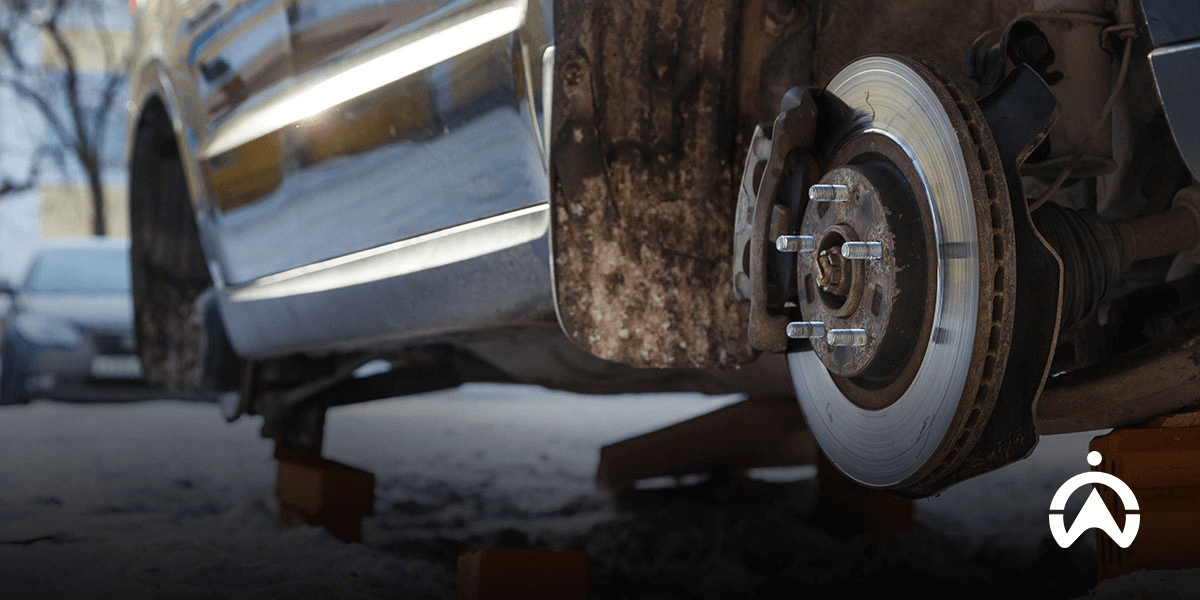
Your wheels keep you moving. So imagine the surprise of seeing your vehicle suddenly propped up on bricks with no wheels in sight.

Criminals have turned wheel theft into a booming market, leaving motorists to pay the price. 

Let’s get right into it and discuss how to protect your wheels and uncover how Cartrack is your secret weapon for the best vehicle and wheel safety.

In this article, you will:

  • Find out how common wheel theft is
  • Learn why it’s on the rise and where you need to be on high alert
  • Debunk some common tyre misconceptions
  • Unpack how you can prevent wheel theft
  • Discover how Cartrack’s solutions improve vehicle safety and keep your wheels safe

How common is wheel theft?

Unlike vehicle theft, wheel theft isn’t really being looked at through a magnifying glass. This means we don’t have any recent numbers on how frequently it happens. However, the number and worth of stolen wheels being recovered should help us paint a picture of how bad the reality of wheel theft is. Let’s take a look at these numbers.

Which tyres are the most stolen?

While all tyres are in demand, three types truly stand out. These are:

  • Bakkie tyres:‍
  • SUV tyres:‍‍
  • Truck tyres:
    ‍

Why is wheel theft on the rise?

Wheel theft has been going on for years, but some areas are seeing rapid spikes in these cases. There are multiple things that triggered this rise, and we’re breaking them down for you:

  1. They’re easy to steal:

    Wheels, tyres, and rims are easier to steal than an entire vehicle. Changing a tyre takes about 15-30 minutes, but if you’re an old hand at it, it can take a mere 10 minutes. Now, if you’re just removing the tyre and not replacing it, that time is even lower. This makes stealing wheels look like an easy job, and the moment crooks have this idea in mind, they dive right in.
    ‍

  2. They are in high demand because of their price tag:

    Petrol prices are on the rise, grocery trolleys are becoming emptier, and tyres are expensive. It’s normal to jump at a discounted deal, but if it sounds too good to be true, it probably is. While some know exactly what they’re signing up for, most people don’t know that they could be buying stolen tyres.
    ‍

  3. They’re difficult to track:

    Unfortunately, wheel theft is a low-risk yet high-reward crime. Sure, tyres have serial numbers, but they are still very difficult to trace and get back to their rightful owner. Thieves understand this, and since they can quickly get the stolen bounty off of their hands, they see it as the perfect crime to commit.

So there you have it. Just like most crimes, vehicle theft is all about how easy it is and the returns. This also means, like any other crime, there are hotspots you need to be extra careful of. Let’s find out what these are.
Why is wheel theft on the rise

Debunking common tyre misconceptions

Enough of the heaviness; now it’s time to lighten the mood a bit. How much do you know about tyres? What about those facts you think are true but aren’t? We’re about to unpack and debunk them for you. Tyre Misconceptions 101 is officially in session.

  • Misconception 1: Imported tyres are better

    It’s easy to think that imported goods are high-quality goods. And with imported tyres being cheaper, it’s not surprising that consumers want them so badly. But considering how your Shein pants look after 3 washes, you might want to rethink this decision. Going for these tyres is something we’re actively being warned against. Imported tyres are not built for Kenyan roads or weather conditions, so you’ll need to replace them sooner than expected. It is estimated that locally-made tyres can carry you 15,000 to 20,000km further than imported ones.
    ‍

  • Misconception 2: Every tyre is exactly the same
    ‍
    All tyres may look the same, but they’re not. It’s like shopping for foundation. Every shade might look the same, but ladies understand that they are all different. Let’s run through a few of the different tyres that are available:
    • All-season tyres: Like a man’s 3-in-1 shampoo, face, and body wash, they’re ideal for all weather conditions.
    • High-performance tyres: These tyres improve the driving experience by improving traction, grip, and speed performance.
    • Summer tyres: These are built with harder materials to improve traction and control in hot, dry conditions
    • Winter tyres: These use flexible rubber to improve grip on wet roads
    • Run flat tyres: These tyres help you continue driving after a puncture, safely getting you somewhere you can change your tyre.
      ‍
  • Misconception 3: New tyres should always go to the front

    You use your front tyres to steer and brake, so they will wear out faster than your rear tyres. It only makes sense that you’d place the new tyres in front, right? But this is not advised. If you place new tyres in front and keep the worn ones in the back, your tyres are at risk of hydroplaning, which is skidding on the wet surface. This happens when your tyres are worn and water causes them to lose contact with the road, leading to potentially fatal accidents.

Now that we’ve sifted the truth from the false, we’re ready to give you the expert tips you trust us for to keep your wheels safe and rolling in familiar territory. Jump right in, because it’s about to be an interesting ride.

How can you prevent wheel theft?

Whether you’re a student who just got their first car or a home executive who knows their way around Kenyan roads, we can all learn a thing or two about keeping our wheels safe. Cartrack has your back because we’re bringing you the top four tips for keeping your wheels out of the wrong hands.

  1. Park in closed garages when possible:

    We all know that a locked garage is safer for your vehicles, and this is the best way to keep your wheels safe. If possible, always park in closed and secure parking spaces that are well-lit, as this gives your vehicle an extra level of security. Also, secure parking spaces usually use CCTV cameras, which crooks aren’t fans of. This works to your benefit since they don’t want to be caught getting up to mischief in 4K.
    ‍

  2. Consider purchasing wheel lock nuts:

    A lock nut is used to secure your wheels to your vehicle. Wheel lock nuts look just like regular lock nuts but have a different purpose. They have anti-theft sockets, which can only be removed with a wheel lock key. Wheel lock keys are special sockets that match the unique pattern on the wheel lock. Using these nuts gives your wheels an extra layer of protection. They may be more expensive, but what’s a few extra rands for the safety of your wheels?
    ‍

  3. Turn your wheels when you park:

    Making your wheels after parking your vehicle seems obvious, but this puts them at a higher risk of getting stolen. Your best bet is to turn your wheels at a 45-degree angle, as this makes it more difficult for a thief to remove them. Criminals love an easy job, and the extra admin can make them lose interest in your tyres faster than you lost interest in your last Tinder match.
    ‍

  4. Park closer to the curb:

    If you’re one of the lucky few who graduated from parallel parking school with a master’s degree, put those skills to use and get as close to the curb as possible. The closer you are to the curb, the more difficult it is for a thief to get their jack under your vehicle to lift it and remove the wheels.

    Sure, this doesn’t protect the wheels that are exposed to the street, but you’ll find comfort in knowing that if thieves can’t get all your wheels, they’ll probably try to find another target. Also, turn your steering wheel toward the curb, because this makes the wheels harder to remove.

They seem pretty simple, but these small moves can bring big wins for the safety of your wheels. But these tips are ideal for everyday motorists, so what if you run a business? Don’t worry because, unlike load shedding, we won’t leave you in the dark. Let’s get into how business owners can keep their wheels safe.
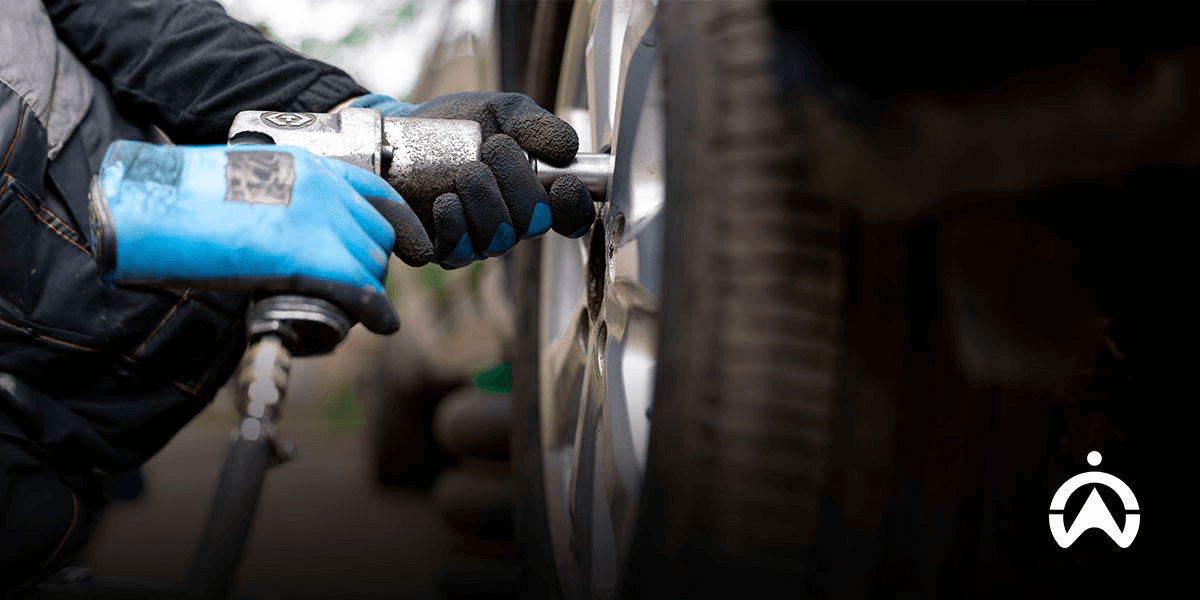
How can you prevent wheel theft

What if you’re running a business?

If you run a business, you probably use trucks for your daily operations. And as we’ve seen, truck tyres are in high demand for theft, so your fleet is also a possible target. So what can you do to keep your fleet’s tyres safe? On top of using the solutions we listed for typical vehicle owners, you should equip your vehicles with load sensors. 

Load sensors help you keep track of the load being carried by your vehicle at all times. By detecting increases or decreases in axle load, these sensors can help you pick up when your truck is being lifted against an angle. This can tell you that your wheels are being stolen, giving you the heads up to quickly go and see what’s going on and pressing pause on the criminal’s plans. 

These all sound like incredible solutions, but if you really want to take your wheel’s safety to the next level, you need to make vehicle safety a big priority. And the solution is right under your nose: It’s Cartrack.

Protect the vehicle that carries your wheels with Cartrack

The core of keeping your wheels safe is keeping your vehicle safe. When it comes to the best vehicle safety, Cartrack is kilometres away from the rest, bringing you world-class solutions that are tailored to your budget. Let’s get into them:

  • GPS Tracking:

    Welcome to the stage, the star of Cartrack’s show: real-time GPS tracking. Our technology uses GPS technology to help you know exactly where your vehicle is at all times. And the best part is that you can see this information by simply tapping your cell phone screen. This helps you ensure that your vehicle stays safe and secure. In the unfortunate event that thieves get their hands on your vehicle, we use this technology to track your vehicle and hopefully recover it as quickly as possible. This is how we achieve our above 90% stolen vehicle recovery rate.
    ‍

  • CarWatch

    Car guards are very helpful, but let’s face it, the reality is that they can’t keep an eye on all their vehicles at once? This is why you need CarWatch, your vehicle’s personal, virtual car guard. Available on the Cartrack app, this feature gives you early detection of all unauthorised movements from your vehicle (like your ignition being turned on, or your vehicle moving without being turned on). When these are detected, an instant alert is sent to our 24-hour control room. We will then contact you to find out if your vehicle is being stolen and if our recovery team needs to be dispatched.
    ‍

  • Protector

    Amp up your vehicle and personal safety with Cartrack’s Protector feature. Protector is your 24/7 guardian angel, always there for you when you’re stranded or feeling unsafe. Whether you need towing, emergency ambulance, legal, roadside, or medical assistance, this feature brings it straight to you in no time. All you need to do is tap a button on your mobile app to unlock a world of convenience and safety.

Keep your wheels rolling with Cartrack’s variety of solutions

Your wheels carry you around, so they, along with your vehicle, deserve the best form of safety. 

‍Contact us today and give your vehicle the best safety money can buy.
Vehicle Battery Maintenance Made Easy: How to Stay Secure With Cartrack

There’s a popular misconception that all your battery needs is a jumpstart to stay healthy. This false theory, however, has left many drivers stuck with a failing battery while completely baffled, not knowing what the issue is. 

Don’t wait until you see the battery light flashing on your dashboard to take action and start maintaining your battery. Our blog is the handy guide you need to reduce breakdowns and avoid costly battery repairs.

Let’s dive in.

In this article, you will:

  • Uncover the importance of vehicle health and the role of battery maintenance
  • Discover popular types of batteries and their maintenance requirements
  • Understand when to maintain or replace your vehicle battery
  • Get actionable steps to preserve your car battery and extend its lifespan
  • Explore Cartrack solutions that safeguard your vehicle battery

Importance of vehicle health

One part of the vehicle that is often disregarded when talking about vehicle health and maintenance is the battery. The battery and the engine are two parts that make the vehicle able to function and move, but often enough, the focus is only on the engine.

Let’s change that, shall we?

Your battery is responsible for providing power to your engine and lights, allowing you to change gears and be on your way. When the engine is turned off, it also powers all the other electrical components of your vehicle, like your radio or air conditioner.

A well-maintained battery can have a long service life, provide reliable performance and also prevent unexpected and costly breakdowns from happening. To achieve this, it needs top-notch servicing.

Different stages of vehicle servicing

Before we start focusing solely on our vehicle batteries, let’s first see the bigger picture of your whole vehicle. What use is a healthy and thriving battery if it works with parts that aren’t running efficiently?

To keep your vehicle as healthy as can be, servicing is recommended every few months to ensure small issues are checked and fixed and don’t grow to be costly if ignored. Vehicle inspections are determined by their make, model and mileage. Depending on these 3 factors, different types of vehicle maintenance plans can be recommended to ensure that every part, from tyres and oil to battery and engine, is running at tip-top shape:

  1. Interim car service

    These are small but important basic vehicle checkups that are encouraged every 15 000 km—22 000 km. They include your vehicle’s oil changes, fitting in new oil filters, light vehicle inspection, and checking for any leaks. This type of servicing is recommended at least once a year, even if your vehicle hasn’t reached the specific mileage target.
    ‍

  2. Full car service

    This service is encouraged around 20 000 km and includes all basic checkups of minor servicing. It also includes inspections of some critical parts, including your brakes, lights, steering, tyres, windscreen, vehicle fluids like hydraulic fluids and testing components like starter, alternator, and battery.
    ‍

  3. Major car service

    This service is recommended every 30 000 km—45 000 km and includes maintenance of all the vehicle parts mentioned in the minor and full servicing, as well as other parts that might cause the car to fail, such as replacing the air filter, spark plug, and brake fluid, if left unattended.

    For major servicing, you can also include the following to ensure your vehicle stays in tip-top shape:
    ‍
    – Wheel alignment
    – Suspension checks
    – Tyre tread tests
    – Checking brake pads and brake discs

    If your car is still under warranty, you would have to service your vehicle following preset intervals. If it’s out of warranty, then there’s more flexibility in the timing and services performed but to ensure your vehicle’s health and a decent resale value, it’s better to keep as close to the schedule as you can.

What’s under my hood? Discover popular types of batteries

To make sure all the effort you’re putting into having a lasting vehicle battery pays out, you have to know what kind of battery your vehicle has and use the correct maintenance techniques. Batteries can be like that, you know; what works for one type might not have the same effect on another.

  • Lead acid batteries

    This is the popular, more traditional, and most cost-effective battery that most cars you see on the road have. It works with lead and a mixture of sulfuric acid and water. Because of this battery’s materials, it’s prone to evaporating over time, leading to a decrease in its power over time. The necessary maintenance this battery needs is topping up with distilled water every few weeks.
    ‍

  • Lithium-ion batteries

    This battery is most popular with electric vehicles and plug-in hybrid electric vehicles. They have a high-power to low-weight ratio, low energy consumption, and are recyclable—perfect for an eco-friendly electric fleet. Its drawbacks are that they are expensive, prone to overheating, and hard to find on the market if you ever need to replace them.
    ‍

  • Sodium-ion batteries

    These batteries were created as the solution to the problems presented by lithium-ion batteries. Sodium is abundant, easier to extract, sustainable to use, and more affordable than lithium-ion. Since they are a new solution, more research is needed before it’ll be widely available and become the industry standard.

Discover popular types of batteries

Battery issues: Factors that affect battery longevity

Vehicle batteries don’t cause many issues for their drivers, and it’s for this reason that most drivers don’t take a second look at their batteries when performing regular inspections. Often enough they don’t see issues with the batteries until it’s too late and they find themselves stuck on the side of the road calling for help.

To prevent calling a tow truck to move your vehicle or flanking down other drivers for a jumpstart, here are a few battery maintenance tips to keep your battery working for longer.

  1. Avoid short trips

    Rather than making short trips throughout the day, rather round it up into 1 trip to release strain on your battery. Your battery uses power to start your vehicle for every trip, with multiple short trips, your battery uses more and more power without it being replenished from your alternator. A longer drive allows the alternator to charge your battery as you go.
    ‍

  2. Keep your vehicle moving

    The longer you leave your vehicle in your garage without driving it, the faster your vehicle’s battery will slowly die out because it’s not getting its regular dose of charge from the alternator. With working-from-home opportunities increasing, it’s understandable that some motorists can go days without touching the road. While this is great for your wallet, it’s not so great for your vehicle. A quick fix for this can be to take your car out for a spin every few days to make sure your battery gets its charge.
    ‍

  3. Avoid extreme temperatures

    When it comes to temperature, your battery prefers neutral temperatures. This one might be hard for South African drivers who live in warmer climates, but your battery works better when it’s neutral or cool. Try parking your vehicle in shaded areas or a garage to limit exposure to extreme temperatures.
    ‍

  4. Clean your battery

    Don’t be afraid to pop the hood and get to cleaning. Corrosion (a white or bluish-green powder) and dirt often build up around screws or bolts resulting in poor connectivity, just brush away the dust, sweep off the gathered dirt and wipe any grime accumulated on your battery. If there is too much corrosion, call your vehicle mechanic to help get rid of it safely.
    ‍

  5. Service your vehicle

    Servicing your car does a lot of good in maintaining its health. Leave it up to the professionals to ensure your battery is running as it’s supposed to and that it stays secure in your vehicle and doesn’t rattle around.

    Even while giving your battery all the TLC it needs to continue working, there comes a time when you have to replace the unit and unit and start afresh.

Do I maintain or replace my vehicle battery?

Unfortunately for many motorists, batteries are not a once-off purchase type of item. A vehicle battery’s estimated life expectancy is around three to five years. Over time, they get worn out and eventually need to be replaced. 

Here are signs you should look out for of a failing battery:

  1. Slow cranking: If your battery takes a minute or two to power your car, it could be a sign that your battery is starting to fail and is due for a replacement.
    ‍
  2. Battery warning light: If the battery warning light on your dashboard is lit up, it means your vehicle has detected an issue with your battery or the charging system and needs you to take a look.
    ‍
  3. Battery corrosion: Excessive corrosion or damage can be a big sign of an unhealthy battery. Most of the time, you can just wipe away the corrosion, but if it’s extensive, then it might be too late for your battery.

If you see these signs along with a cracked battery case, a fluid leak, or a bulged battery case, it’s unfortunately too late to save the battery and it should be replaced.

Even though the invisible clock is ticking away to when you will eventually replace your battery, there are still some helpful methods you can use to extend your battery’s life for a few more rides.

Vehicle battery maintenance checklist

Often, the battery health gets swept aside as many drivers assume all the battery needs is a jump start if it ever has issues, but that’s far from the truth. Fortunately for many drivers, maintaining your battery is relatively easy.

☑ Inspect your battery: Before getting your hands dirty, take the time to look around your battery and check for any signs of damage like cracks, bulges in the case, or any leaking fluids. These are sure signs of battery failure and suggest your car needs a new battery.
‍

☑ Test your battery’s voltage: To confirm if your vehicle battery is indeed losing power, you can use a battery tester to measure the battery’s voltage. A fully charged battery should have a voltage of around 12 V. If the voltage is too low, then it might need to be recharged or replaced.
‍

☑ Keep your battery terminals squeaky clean: Corroded terminals slow down the electricity flow from the battery to the car’s electrical system. To correct this, simply use a wire brush or a material to wipe to remove any gathered corrosion around your battery. If the corrosion is tough to clean, disconnect the battery cables and use a mixture of baking soda and water to lightly remove it around the terminals.
‍

☑ Regularly charge your battery: Have you recently noticed that your battery isn’t holding much charge after leaving your vehicle parked for days at a time? Vehicles that aren’t often used don’t have enough time to recharge, which results in low power output and shorter battery life. Use a battery charger or maintainer as a solution to keep your battery charged even when it’s not in use.
‍

☑ Check the age: Car batteries usually last between three to five years, if you’re experiencing frequent issues with your battery, check if the age of the battery is the cause. Even if your battery still works the same but is approaching five years, consider replacing it before issues start to occur.
‍

☑Ensure your battery isn’t stored loosely: Your battery should not move around or vibrate while you’re driving. This can loosen the battery and cause internal damage and short circuits.

This battery maintenance advice works for most battery types but what about batteries in electric vehicles?

Maintaining my electric vehicles’ battery

When it comes to electric vehicle (EV) batteries, regular charging is the way to go. Unlike regular vehicles that rely on petrol to drive from one location to the next, electric vehicles rely on their batteries and how much charge they have to make the trip. 

To ensure your vehicle’s battery lasts, these techniques are used.

  • Regular state-of-charge checks
  • Temperature monitoring
  • Battery voltage and cell health monitoring

These ensure drivers get the most out of their battery by swiftly identifying any issues with the battery before they become costly.

Safeguard your vehicle battery and extend its lifespan with Cartrack solutions

Don’t get stranded in the wrong side of town because of your battery. 

Cartrack, the trusted industry leader in vehicle safety and fleet management does more than just track the location of your vehicle in real-time, it can also track your vehicle health, monitor your battery, provide features to empower you to get ahead of your vehicle maintenance and get you out of battery-related situations.

Key Cartrack features that can lend a helping hand with your battery

  • Protector: Protector provides quick and easy access to medical and roadside assistance directly from the Cartrack mobile app. From locksmith assistance, re-filling the fuel tank, changing tyres and even jump-starting your battery, Protector will send assistance whenever needed.
    ‍
  • Power Event Notification: Get ahead of battery tempering or attempted battery stripping with our real-time PEN feature. Receive alerts the moment your vehicle’s battery is disconnected, and act swiftly to reduce the chances of battery theft.
    ‍

Cartrack takes your vehicle battery health into consideration

In addition to our features, our tracking units shine for their reliability and integrity. Rest assured, knowing that as hard as our tracking unit works 24/7, gathering vehicle data and offering you valuable insights on your vehicle’s daily trips and usage, it won’t damage or negatively affect your vehicle’s battery in any way. This means that you can enjoy these tracking solutions:

Whether you’re using Cartrack for security, efficiency, or to keep track of your vehicle, rest assured that your battery will still be able to give its best.

So, are you ready to say goodbye to your vehicle safety and battery woes? Contact Cartrack today for trusted vehicle safety solutions.

Police Impersonation and Extortion: Why a Tracking Device Is Important

Scams have become one of the easiest ways criminals get money out of people, from fake shopping websites to fake police trying to make money out of a terrible situation.

Criminals are now using the trusting nature of everyday roadgoers like me and you to extort money by creating fake recovery stories. The upside, though, is that families and car owners can protect their vehicles with GPS tracking solutions. 

This blog explains how police impersonation scams work and the steps you can take to avoid them and protect your ride.

In this article, you will:

  • Find out what police impersonation is and how to identify it
  • Unpack the psychological factors that contribute to police impersonation and crime
  • Learn tips to help you avoid extortion from fake police officers
  • See how a tracking device can help you recover your vehicle
  • Protect yourself with Cartrack GPS tracking units

Police impersonation and extortion 101

Remember when you used to play cops and robbers as children? Robbers are now pretending to be cops to extort money from vehicle owners in exchange for the release of their vehicles. Impersonating an officer of the law is one crime, and extortion is another that can be used to lure victims into providing information and giving away their hard-earned money.

Bogus officers with fake stories date back as far as the 18th Century, when criminals would pretend to be police officers so they could raid and extort innocent civilians. In our technologically advanced age, little has changed, unfortunately; criminals are still scamming people by disguising themselves as police officers and often using the anonymity of the internet and smartphones to their advantage. The hotspot for these crimes appears to be Johannesburg and surrounds, so if you reside in this area, be extra vigilant when receiving a call from a police officer.

Police impersonation: Wolves in sheep’s clothing?

Most people love a costume party where they can dress up as what they’ve always wanted to be but when that turns into criminal activity, it leads to chaos. The legal term for this is impersonation—the act of pretending to be another person for entertainment or fraud—which goes beyond a costume for a party.

Many people have fallen victim to this act mainly because they do not want to get into trouble by arguing or resisting cooperating with police officers. Historically, police officers have always been viewed as individuals the general public can trust because their job is to uphold the law, so stealing from an innocent victim by pretending to be law enforcement is one of the ultimate betrayals and may cause serious damage to the trust relationship between the victim and the police, as well as other law enforcement.

Police impersonation: Wolves in sheep’s clothing?

Extortion through police impersonation

Extortion is the practice of obtaining something, like money, using force or threat. In recent trends, criminals are impersonating police officers to hijack and force people to empty their bank accounts for their gain. This extortion can be done in two different ways, a hijacking happens, and a bogus officer pretends to have found your vehicle and calls to demand money for the vehicle’s release. Another way these fake coppers get away with scamming you is by implementing fake roadblocks. They pretend to be police officers, and they use this authority to try and take your vehicle.

Imagine leaving friends after a great braai and catch-up session, and you’re suddenly stopped by a vehicle with blue lights similar to a police van. If the person stepping out of that vehicle turns out to not be a real officer, your car and even your life may be in danger.

These criminals take you hostage and drive your vehicle to the nearest ATM. This is where the extortion comes in, they force you to enter your bank pin to access your account and withdraw all of your money. This is essentially what extortion is, a way for criminals to get a vehicle and money at the same time.

Impersonation here, impersonation everywhere

This phenomenon is not only popular in South Africa; police impersonation and extortion have gone global. India, for example, reports criminals impersonating police officers in an attempt to extort money by getting hold of a victim’s details and calling them to tell them that a package with illegal substances arrived at a police station and that a police case would be opened against the victim. Honduras also has a problem with criminals impersonating law enforcers and committing crimes. The security officials in Honduras have introduced uniforms with chips that contain the police officer’s information. These chips are hard to duplicate and make it easier to spot fake police officers.

Why are police impersonations a popular crime?

The motives behind different crimes can vary even if the main objective remains some kind of monetary or material gain. For example, some individuals are driven towards crime due to poverty, while others may just be looking for the thrill of the chase and the enrichment they get from it. Some of the main psychological reasons for extortion are:

  • Power and control: Criminals enjoy the power they have in these situations because they not only feel in control but they can get what they want by taking advantage of their victim’s fear.
    ‍
  • Greed: Gluttony can somewhat drive criminals to want more out of a situation. They know that their victim might have a lot of money so they extort more amounts.
    ‍
  • Intimidation: Some criminals like instilling fear in people by intimidating them. This is a personal psychological issue that can only be treated by professionals.

While these reasons may not apply to every perpetrator, they shed some much-needed light on why these criminals tend to act the way they do from a deeper level. No matter the reason behind these criminals’ actions, though, there is no doubt that they always cause pain and trauma to victims.

Conquering undercover deception: How Sam lost his SUV and got it back

If you’re wondering how the day of a police impersonation and extortion victim goes, it may not be that different from yours. 

For example, a typical day for Sam starts with him stopping by the mall to do some errands and get his wife a cappuccino. However, on one fateful day, he noticed that he was being followed by a suspicious vehicle right after pulling out of the mall’s parking lot, and the assailants took his vehicle. Sam rushes to the nearest police station with the help of a Good Samaritan, who picks him up just outside the mall parking lot and gives him a lift. 

After opening a case of vehicle theft at the police station, Sam receives a call from another fake police officer claiming to have found his vehicle, telling Sam he has to meet the officer to pay for the release of his car. Sam was starting to feel uneasy about the situation and, after smelling a rat, informed Cartrack of the incident. Cartrack used their GPS tracking to locate Sam’s vehicle, and he was able to recover his car safely and expose the police impersonators with the help of Cartrack’s recovery team and the police.

Cartrack’s advanced GPS tracking to the rescue

Sam’s situation is one of smart moves and quick responses from Cartrack. The GPS tracking device that Sam had installed was the main champion in locating his vehicle and avoiding extortion from fake police officers. The use of Global Positioning Systems (GPS) allows Cartrack to locate your vehicle through satellites that calculate where your vehicle has travelled and where it stops. This can save you from having to pay criminals pretending to be police officers to extort money from you. Contact Cartrack to have a GPS tracking device installed in your vehicle and stop criminals from using you as their meal ticket.

Cartrack: Safety for your vehicle and wallet

Our state-of-the-art vehicle tracking features are designed to help you combat theft in a country where it poses a very real threat. Whether your car is stolen, hijacked, or gone due to an attempted fraudulent police encounter, Cartrack has the tools to enhance your vehicle’s safety.

  • CarWatch

    CarWatch is essentially the vigilant eyes you need when you’re not near your vehicle. The CarWatch feature detects unauthorised movements, letting you know about any suspicious vehicle activity. You can easily access CarWatch on the Cartrack App, and the Cartrack 24-hour control room will contact you immediately upon receiving an unauthorised movement alert. For the general safety of your vehicle, CarWatch is a feature you can’t go without.
    ‍

  • Geofence

    The geofence feature uses GPS to trigger alerts when your vehicle leaves the geographical boundary you created to keep track of your vehicle’s movements. For example, if you want to take extra security steps to know your car’s movements, you can use geofencing to create specific zones and get an alert when your vehicle enters or exits these areas. Cartrack’s GPS tracking device works with geofencing to help you get alerts of your vehicle’s movements, increasing our control room’s proactive response to suspicious activity.
    ‍

  • Vehicle recovery

    Locating and recovering stolen vehicles is one of our areas of expertise. Our GPS tracking system allows our vehicle recovery team to locate your vehicle even when it has crossed the borders of South Africa. Our tracking device is also tamper-proof and discreetly installed to ensure thieves and hijackers don’t locate it while being chased by one of our dedicated recovery teams.

    Cartrack is your superhero when it comes to vehicle tracking and recovery. A GPS tracking device from Cartrack, along with CarWatch and Geofence, can help you recover your vehicle when you are in danger of being extorted by police impersonators.

Cartrack: Safety for your vehicle and wallet

Get the ultimate protection with Cartrack

Contact Cartrack for a free quote and to find the best package for your vehicle and needs.

Tips to avoiding being extorted by a criminal impersonating a police officer

Let’s face it, crime is an ever-existing phenomenon in South Africa, and it is nearly impossible to run away from. Knowing your rights as a driver when pulled over by the police—fake police in this case—can help you determine the danger of the situation. Here are some tips that can help you escape from fake police:

  1. Assess the situation: Check the police officer’s uniform to see if it looks professional. There may be telltale signs like not wearing a full uniform and the absence of identification. For your safety, you may ask for their identification to determine if they are indeed employed by the South African Police Services.
  2. Do not stop at deserted areas to make a phone call: This might not seem like an issue, but thieves can see a deserted area as an opportunity to take your vehicle and extort money from you because there wouldn’t be any witnesses.
  3. Drive to your nearest police station if you are stopped or followed by a suspicious vehicle. This will allow you to get to safety if criminals are pursuing you quickly. These guys are unlikely to follow you into a police station!
  4. Press that button: Cartrack’s Panic button enables the emergency control room to contact you when you are in danger and directly communicate with Cartrack response teams along with local police to ensure a quick response.

Save your vehicle and yourself from extortion with a GPS tracking device from Cartrack. Contact Cartrack to have this device installed in your car and know where your car is at all times.

This Is How Fleet Management Can Ensure a Successful Agro-Processing Business

Did you know that the agro-processing industry is more than just agriculture?

It’s the entire life cycle of a final product, from sourcing raw materials to manufacturing it and getting it onto shelves.

Sounds complicated, right? But with the right solution in place, it doesn’t have to be. That solution is a fleet management system, helping you streamline all operations and unlock ultimate efficiency.

In this article, you will:

  • Learn what agro-processing is
  • Uncover the link between agro-processing and supply chain management
  • Delve into the challenges faced in agro-processing
  • Explore how fleet management can help you solve these challenges
  • Discover how Cartrack’s solutions are the keys to ultimate efficiency in agro-processing

Let’s define agro-processing

Agro-processing defines all the activities that are carried out to transform a product from raw goods that come from agriculture, forestry or marine life, into a final, usable product. 

With an abundance of raw materials, South Africa is fertile ground for a successful and globally impactful agro-processing business. In 2020, agro-processing products made up about 11% of South Africa’s exports, making the global demand and competitiveness of the industry make the country a globally competitive exporter. With an estimated output of R240 billion per year, agro-processing is considered the country’s second most important manufacturing sector based on its gross value added. 

As fantastic as this sounds, it doesn’t mean that agro-processing is without its challenges. Let’s find out what they are.

What are the challenges faced in agro-processing

South Africa’s agro-processing industry is designed to meet global needs, which means the challenges it faces are greater. Let’s take a look at them:

  1. The storage of raw materials

    Since agro-processing is the entire production process, the storage of raw materials used to make final products is important for a successful operation. Unfortunately, it can be a big challenge that affects efficiency, productivity, and the quality of goods provided.
    ‍

  2. Keeping temperature sensitive goods fresh

    To keep your goods fresh during the production process, cold storage facilities need to be used in every stage, including storage and transportation. With the smallest change in temperature, the quality and freshness of these goods can suffer. These goods include:

    – Medical products: From medicine components to insulin and medical devices, medical products need to be protected from heat or cold.
    ‍
    – Meat: Meat is susceptible to bacterial growth, making keeping it chilled essential in every step of the production process, from the slaughterhouse to the processing and transportation.
    ‍
    – Fruit: From the harvesting to the packaging process, fruits need to be kept cool as this prevents them from losing their nutritional value and spoiling.

    Not keeping the right temperature for these goods during each stage of production causes goods to spoil and increases the risk of cross-contamination.
    ‍

  3. High production costs:

    Because agro-processing is complex, it has a lot of cost-draining stages. These include:

    – Storing raw materials: Keeping raw materials stored according to their individual needs ensures freshness and quality. However, catering to this need through every stage of agro-processing can be both challenging and costly.
    ‍
    – Manufacturing final goods with raw materials:
    Manufacturing processes are very complex, which makes keeping processes efficient, safe, and cost-effective important.
    ‍
    – Packaging goods:
    Packaging goods can be quite costly, as the process and materials need to be specific to the product. For example, the containers used for keeping ice cream frozen aren’t the same as the containers used for packaging cool drinks.
    ‍
    – Delivering goods to wholesalers, retailers, and restaurants:
    The final stage of processing is getting the goods to the places where they will be sold. These deliveries can be complex, as routes need to be optimised, drivers need to be trained, and trailers need to be prepared for temperature-sensitive goods.

    All these challenges and the duties sound quite familiar, right? This would be correct because they are closely linked to supply chain management.

What_are_the_challenges_faced_in_agro_processing

Unpacking the link between agro-processing and supply chain management

The supply chain management process is the handling of the entire process of the flow of goods and services. This process starts with the raw components needed to manufacture a good, all the way to delivering the final product to sellers. Let’s explore these steps in a bit more detail:

  • Planning:

    Knowledge is power, and when you’re in supply chain management, this is important to ensuring product availability. In this step, supply chains need to establish the customer demand for the products they will be supplying because this helps them know exactly how much of a certain product they need to order.

    Let’s take John, for example, who runs a frozen fruit business. Before he begins planning how he will package his products or where he will sell them, he needs to establish the demand for his product. With this information, he can effectively budget, keep his inventory balanced, and ensure customer needs are always met.
    ‍

  • Sourcing:

    Also known as procurement, this stage involves finding and purchasing the materials or ingredients you will need to meet customer demand. In this stage, businesses must find suppliers, ensure that the products being purchased meet the company standards, negotiate the price (who doesn’t love some cost savings, right?), and get the right amount of the product or material needed for production.

    Let’s go back to John. In this stage of the supply chain, John needs to place orders for fresh fruits based on the customer demand he identified during the planning stage. With this information, he can make sure he orders the right amount of fruit, to ensure he doesn’t lose money due to overstocked goods spoiling.
    ‍

  • Production:

    In this stage, your raw materials are turned into finished goods by using specialised equipment. This stage involves using information on the total number of products that need to be produced to create finished products that will meet customer needs.

    Let’s look at John’s business of frozen produce. In this stage of the supply chain, John takes the fruit that he purchased, and puts it through a quick-freezing process done by using specialised machinery. His decision on how many packages he needs to produce is based on the numbers he recorded during the “planning” stage.
    ‍

  • Distribution:

    Now that the goods have been manufactured, it’s time for them to move to where they will be sold. This can include supermarkets, garages, convenience stores, and even customers who wish to buy directly from the business.

    For John, this step involves using cold chain logistic solutions to transport his frozen fruits from the factory or warehouse to the various places where they will be sold.

Making agro-processing a breeze with a fleet management system

Whether it be two or two hundred vehicles, fleet management helps businesses stay safe, profitable, and efficient, making it important to the overall success of a fleet. A fleet management system simplifies the entire process, making it possible to keep your fleet running at its optimum level from the comfort of your laptop, computer, tablet, or cell phone.

The top three benefits of a fleet management system for your agro-processing business

The beauty of a fleet management system is that it can be tailored to any industry’s individual needs. Let’s look at the big three benefits a fleet management system can bring to your agro-processing business:

1. Improved vehicle and cargo visibility

Whether you’re in the business of providing raw materials to different businesses or you’re delivering your final products to stores, tracking your vehicles is crucial to the efficiency and safety of your agro-processing operation. With access to real-time location updates, you can quickly locate goods, determine their ETAs, instantly spot delays, and improve your vehicle and cargo safety.

2. Your goods stay fresher for longer

Whether it be fresh fruits or cold meats, your temperature-sensitive goods need to be kept fresh during delivery. A fleet management system gives you access to real-time temperature monitoring that helps you spot sudden temperature spikes or dips. This ensures that you can quickly handle these fluctuations before they damage your stock.

3. Improve driver behaviour and cargo safety

Everyone who sits behind the wheel of a fleet vehicle needs to drive responsibly. A fleet management system simplifies monitoring your driver’s behaviour, helping you quickly spot areas for improvement that could potentially damage the business’s functionality and keeping your drivers safe at all times. Regarding agro-processing, improving driver behaviour helps you ensure safe cargo transportation so your goods reach their destination intact.

Do these benefits sound like something you’d like to unlock for your business? Then we have the key to that: It’s Cartrack’s fleet management solutions.

top three benefits_of_a_fleet_management_system_for_your_agro_processing_business

Trust Cartrack’s fleet management solutions to boost your agro-processing operations

Cartrack is an industry leader when it comes to fleet management, so who better to trust with optimising your agro-processing operations. Let’s go through a few of our next-level solutions:

  1. GPS tracking:

    Receive real-time updates on the location of your vehicles and equipment with Cartrack’s GPS tracking. Powered by GPS technology, this solution helps you pinpoint exactly where a specific vehicle or heavy machinery is with a simple tap of a button or screen. In the event that your vehicle is hijacked or stolen, our highly-skilled recovery team uses this device to pinpoint your vehicle’s location for quick recovery. With an above 90% stolen vehicle recovery rate, your vehicles are in the safest hands.
    ‍

  2. Geofencing:

    Gain detailed insight into your vehicles and equipment usage and location with Cartrack’s geofencing feature. Create virtual boundaries for your vehicles and equipment, and receive instant SMS or email notifications upon entering or exiting them. This helps you create no-go areas for certain vehicles or equipment, preventing them from being used in dangerous areas that could lead to costly, life-threatening accidents.
    ‍

  3. Driver ID tags:

    Ensure only skilled workers are operating vehicles or equipment with Driver ID tags. Each of your drivers receives a tag that is linked to their personal information. To start a vehicle or piece of equipment, the tag needs to be tapped on a sensor inside. If a driver isn’t authorised to operate a vehicle, you’ll receive an instant alert, and the vehicle won’t start, lowering the risk of accidents caused by unskilled workers operating equipment.
    ‍
  4. Delivery:

    Streamline your delivery operations with Cartrack’s Delivery feature that gives you full insight into delivery operations. Simplify your driver’s tasks by leaving notes on each job assigned with special instructions. This feature also helps you keep your customers in the loop; from notifying them once their driver has started the delivery to sending them a link that allows them to track their delivery in real time, these steps boost customer satisfaction and your brand’s image. Add the app’s offline functionality, and your operations run smoothly no matter where you are.
    ‍

  5. Reefer temperature monitoring software:

    Keep your temperature-sensitive goods fresh and long-lasting with Cartrack’s reefer temperature monitoring software. Receive real-time alerts the minute temperature conditions change in your reefer trailers. These alerts can inform you to quickly check in with your drivers, helping you know whether you should send a replacement trailer to complete the delivery and limit profit losses. Spot and analyse trends in temperature fluctuations with our automatically generated reports, helping you pinpoint potential bigger issues within your cold-chain fleet.
    ‍

  6. Fuel monitoring:

    Closely monitor how much fuel your vehicles are consuming with Cartrack’s fuel monitoring system. Agro-processing requires high fuel usage, and Cartrack understands this, which is why we bring you real-time fuel monitoring. With detailed insights like these, you can pinpoint the reason behind any sudden fuel spikes, spot fuel drainages, and prevent fuel theft.
    ‍

  7. Preventative maintenance:

    In agro-processing, even a few minutes off schedule can be costly. So hit the brakes on unplanned downtime with Cartrack’s preventative maintenance solution. Our technology, which uses advanced analytics, proactively monitors the health of various vehicle components like brake pads. It also creates maintenance plans suited to your fleet’s needs, which prevents scheduling maintenance that interferes with your normal day-to-day operations. This increases your fleet’s longevity, reduces the risk of road accidents and keeps your vehicles in the best condition.
    ‍

  8. Driver behaviour monitoring:

    Make sure your staff is operating equipment or driving as safely as possible with Cartrack’s Live Vision AI Cameras. With audible, real-time alerts the moment dangerous and distracted driving is detected, this cloud-connected video management software gives your drivers the opportunity to correct their behaviour in real time, helping you ensure safe and efficient goods transportation.

Keep goods fresh, drivers safe, and processes efficient with Cartrack

Agro-processing comes with a wide range of responsibilities, but fulfilling these shouldn’t come at the expense of your productivity and efficiency. 

‍Contact us today, and make your agro-processing business the cream of the crop.

Fuel Efficiency: Know How to Save Your Fleet a Fortune

Struggling with endless kilometres gobbling up your fuel allowance, rising fuel costs, and a tightening budget?

Might be time for fuel-efficient practices.

Let’s explore simple strategies and powerful tools to transform your fleet into a lean, mean fuel-saving machine.

In this article, you will:

  • Learn what fleet fuel efficiency is and why it’s crucial for cost savings
  • Get practical insights for making your fleet more fuel-efficient
  • Explore the role of fleet management software in optimising fuel usage
  • Discover Cartrack’s fleet management solutions to improve fuel efficiency
  • Test your fuel-saving knowledge with our enlightening quiz

Imagine saving a ton of money without needing a magic petrol station that offers bottomless, free fuel.

Interested?

Well, the truth is, saving your fleet a fortune has less to do with where you buy your fuel, and more to do with how efficiently you use it.

Let’s start with the basics: What exactly is fleet fuel efficiency, and why should you care?

What is fleet fuel efficiency?

Fleet fuel efficiency means how well your vehicles use fuel while doing their jobs. It’s about empowering your drivers, trucks, vans, and machines to use just the right amount of fuel to deliver your goods, complete their routes, and keep your business running smoothly without wasting any fuel or hurting the environment.

Will fuel efficiency save you money?

In short, yes. Fuel efficiency affects fleet costs, and often in a very significant way.

Fuel can be the single largest operating cost for many fleets, according to the National Highway Traffic Safety Administration (NHTSA), sometimes accounting for around 60% of the total budget. That’s why even small improvements in fuel efficiency can lead to huge cost savings.

Fuel-efficient vehicles simply consume less fuel, leading to substantial and potentially life-saving cost reductions, especially with unpredictable fuel prices.

But the benefits go beyond the pump. Less fuel used means less engine wear and tear, translating to lower maintenance costs on labour, parts, and downtime. And, since efficient vehicles can travel further on a single tank, drivers spend less time refuelling, boosting productivity and minimising operational disruptions.

Overall, fuel efficiency is a key factor in controlling fleet costs. By investing in fuel-efficient vehicles and implementing fuel-saving practices, businesses can significantly reduce their operating expenses and improve their bottom line.

Will_fuel_efficiency_save_you_money

Money-saving factors you need to know for fuel efficiency

For businesses relying on fleets for transportation, fuel costs can quickly add up. To address this, fleet managers need to grasp the factors influencing fuel consumption and take strategic steps to enhance efficiency. 

Here are some factors that impact fuel usage:

Road conditions and terrain:
The state of roads, from smooth highways to bumpy gravel roads, can greatly affect fuel efficiency. Uneven surfaces like cobblestone or unpaved roads increase resistance, causing engines to work harder and consume more fuel. 

Traffic congestion:
Stop-and-go traffic increases idling, leading to higher fuel consumption. Planning routes to avoid congested areas and scheduling deliveries during off-peak hours can optimise fuel efficiency.

Vehicle maintenance:
Regular maintenance is crucial for preserving fuel efficiency. Neglecting tasks like replacing air filters or spark plugs can result in increased fuel consumption over time.

Fuel quality:High-quality fuel from trusted fuel suppliers is essential for engine performance and fuel economy. Clean fuel ensures optimal efficiency and engine health.

How can I make my fleet more fuel-efficient?

Now that you understand what affects fuel efficiency in your fleet, let’s get into the proven solutions that can propel your fleet’s fuel efficiency.

The key factors contributing to fleet fuel efficiency include:

Vehicle selection: Choosing fuel-efficient vehicles with modern engine technologies and aerodynamic designs can significantly impact overall fleet efficiency. Hybrid or electric vehicles may also be considered for further fuel savings.

Maintenance practices: Regular and proactive maintenance, including timely oil changes, air filter replacements, and checking tyre pressure, ensures that vehicles operate at peak efficiency, minimising fuel consumption. It’s usually recommended that vehicle maintenance checks (VMCs) be conducted monthly, bi-monthly or between 20,000 km and 40,000 km.

Driver behaviour: Driver habits play a crucial role in fuel efficiency. Practising smooth acceleration, moderate speeds, and avoiding unnecessary idling contribute to better fuel mileage. Educate your drivers on sustainable driving habits regularly and implement driver training programs to promote fuel-conscious behaviour.

Route optimisation: Utilising route planning and optimisation tools helps reduce unnecessary mileage, idling time, and fuel consumption. Efficient routing ensures that vehicles reach their destinations using the most direct and fuel-efficient paths.

Telematics and monitoring: Implementing telematics systems allows fleet managers to monitor real-time data on fuel usage, vehicle performance, and driver behaviour. This information helps identify areas for improvement and implement strategies to enhance fuel efficiency.

Fuel management systems: Using fuel management systems helps track fuel transactions, detect irregularities and manage fuel consumption effectively. This can include monitoring fuel card usage and implementing measures to prevent fuel theft.

Technology integration: Adopting advanced technologies like fuel-efficient driving apps, can provide drivers with real-time feedback on their driving behaviour, encouraging fuel-conscious practices.

Load management: Ensuring vehicles carry optimal loads without excessive weight contributes to better fuel efficiency. Avoiding unnecessary cargo weight reduces the energy required to transport goods.

Here are the top 5 fuel-saving tips for your fleet, taken from one of our recent blogs

  • Regularly check the tyre pressure of each of your vehicles
    ‍
  • Regularly service your vehicles according to the set fleet maintenance schedule
    ‍
  • Train your drivers on eco-friendly driving like gentle acceleration
    ‍
  • Use route planning whenever you want to use the most fuel-efficient paths
    ‍
  • Lighten up your load when necessary
    ‍
  • Invest in fleet management software for premium fuel-saving

Bonus Tip: Track your progress and inform your drivers of fuel-saving successes to keep drivers motivated.

How can fleet management software improve my fleet’s fuel efficiency?

Fuel costs can feel like a constant uphill battle for fleet managers. Fortunately, fleet management software offers a powerful solution to ease your fleet’s fuel-burning ways.

By using fleet management software to optimise your fleet, these significant fuel efficiency gains are within reach.

Smooth fuel management: When it comes to fuel costs, fleet software makes handling fuel a breeze by syncing up fuel card data with vehicle assignments automatically. It even crunches numbers to give you miles per gallon (MPG) insights, so you’re always in the know about your fuel usage and how it impacts your wallet.

Instant fuel intel: With automated fuel systems, you get real-time updates on fuel economy stats, CO2 emissions, and operational efficiencies. It’s like having a fuel efficiency coach in your pocket, helping you make savvy decisions to save on fuel costs.

Hassle-free fuel transactions: Say goodbye to messy paperwork and confusing fuel records. Fleet fuel software streamlines everything, making it super easy to track fuel use and spot areas where you can save some cash.

Smarter fuel management: By accurately tracking fuel economy, fleet software helps you fine-tune your fuel usage. You’ll have a clear picture of how fuel affects your bottom line, making it easier to manage costs and keep your fleet running smoothly.

Proactive maintenance and driving tips: Fleet software not only helps you stay on top of maintenance schedules but also encourages fuel-efficient driving habits among your drivers.

Green route planning: Some fleet software goes the extra mile by suggesting eco-friendly routes that minimise emissions and cut down on fuel use. It’s a win-win for your business and the environment. By following through with fleet management software to increase your fleet’s fuel consumption, you’ll enjoy these benefits:

  • By decreasing fleet fuel consumption, you save money
    ‍
  • Your fleet will run smoother, faster and further. Boosting operational efficiency
    ‍
  • Your fuel-efficient vehicles will be cheaper to maintain
    ‍
  • Reduce your carbon footprint

Additionally, some governments offer tax breaks or discounts for eco-friendly options, further sweetening the deal. Emissions fees based on fuel consumption also come into play, making efficient choices even more financially.

How_can_fleet_management_software_improve_my_fleet’s_fuel_efficiency

Turn your fleet into a fuel-saving machine

Cartrack is an industry leader in vehicle tracking as well as fleet and fuel management solutions. Accurate monitoring and analytic tools empower fleets to improve fuel efficiency and save on fuel costs, and Cartrack offers ideal solutions to do just that. 

Here are five ways Cartrack features and solutions can help:

  1. Vehicle maintenance and performance

    Cartrack assists fleet managers in keeping track of vehicle health with preventative maintenance alerts that notify managers of scheduled maintenance checks. This helps to address issues promptly, promote fleet longevity, and prevent fuel-consuming problems, like engine misfires that can waste fuel, ensuring vehicles maintain peak fuel efficiency.
    ‍

  2. Fuel monitoring

    Cartrack’s fleet management systems provide real-time monitoring of fuel consumption by using data analytics. With this, fleet managers gain insights into individual vehicle performance, driver behaviour, and fuel efficiency trends for each vehicle.
    ‍

  3. MiFleet

    Cartrack’s MiFleet is a cost management system offering full visibility of your fleet’s running cost. By connecting to fuel sensors or integrating with CANBus, it monitors fuel consumption data and identifies inconsistencies that may indicate fuel fraud by comparing transactions to fleet vehicle telemetry data. This empowers managers to address fuel-consuming patterns and maximize fleetwide fuel efficiency.
    ‍

  4. Fuel usage reports

    The system provides contextualised metrics on fuel consumption per km travelled and per job completed for every driver and vehicle, allowing fleet managers to pinpoint areas that require attention and take corrective actions.
    ‍

  5. Route Optimisation

    Cartrack’s Delivery tool enables the optimisation of drivers’ routes based on the shortest distance, ensuring drivers take the most efficient routes while avoiding unnecessary fuel wastage and ultimately saving on fuel costs.

Stop fuel wastage and start saving with Cartrack’s fuel management solutions

Cartrack is your key to answering the looming question ‘Do you know how to save your fleet a fortune’ with a resounding YES.

But you can’t save what you can’t track. Contact Cartrack today and get a free quote for your fleet.

Fuel-saving rookie or expert? Take the quiz to find out

Ready to put your fuel-saving skills to the test?

Take a quiz to help you identify how to boost your fleet’s efficiency and reduce fuel expenses. Answer each question truthfully, jot down your answers, and check the results to reveal your fuel-saving skills.

1. How often do you conduct maintenance checks on your fleet vehicles?

A. Monthly

B. Quarterly

C. Semi-annually

D. Annually

E. I don’t have a regular maintenance schedule

2. How often do you educate your drivers on fuel-efficient driving practices?

A. Regularly, through training sessions

B. Occasionally, during team meetings

C. Rarely, if ever

D. I rely on drivers to educate themselves

E. I haven’t considered driver education for fuel efficiency

3. How do you handle vehicle loading and cargo weight?

A. I overload vehicles regularly without considering weight limits

B. I adhere to recommended weight limits and distribute loads evenly

C. I occasionally exceed weight limits for convenience

D. I rely on drivers to estimate appropriate loading without specific guidelines

E. I have no knowledge or consideration of cargo weight impact

4. Do you use telematics or GPS tracking to monitor and optimise routes?

A. Yes, consistently

B. Occasionally

C. No, but I’m considering it

D. No, and I don’t see the need

E. What is telematics?

5. How do you handle vehicle idling in your fleet?

A. Strict anti-idling policies in place

B. Moderate, with occasional reminders

C. No specific policies

D. I’m not sure

E. Idling is not a concern for my fleet

Fuel efficiency test results:

If you answered mostly A’s: Congratulations, you’re a Fuel Efficiency Pro!

If you answered mostly B’s: You’re on the right track but consider some improvements.

If you answered mostly C’s: There’s room for improvement; assess your fleet practices.

If you answered mostly D’s: It’s time to reevaluate and implement fuel-saving strategies.

If you answered mostly E’s: Your fleet might be missing out on significant fuel efficiency gains. 

Apply Cartrack’s advanced fleet management technology and contact us today to start adopting fuel efficiency best practices. Remember, every litre can lead to substantial cost reductions.

5 Features Every Company Needs in Their Fleet Management Software

Running a fleet sometimes means using technological assistance to respond quickly to issues that come your way, whether from customers waiting or from deadlines looming.

With an advanced fleet management system, you can prevent breakdowns, optimise routes, and stay on top of your fleets’ every move in real time!

But wait, does your old system offer these features? 

Dive in to discover how upgrading to a modern FMS with smart features can do for your fleet operations.

In this article, you will:

  • Understand why fleet management software is essential for businesses
  • Learn about legacy fleet systems and their limitations
  • Explore how each feature can benefit your fleet operations
  • Discover how Cartrack’s can positively affect your business operations

Why is fleet management software so popular?

Fleet management software (FMS) is seen as the right-hand man beside many businesses that run fleets. It provides managers with increased visibility to all their fleet activities, allows managers to easily manage their vehicles and drivers, and gathers all vehicle data for you to use however you see fit to improve your fleet. 

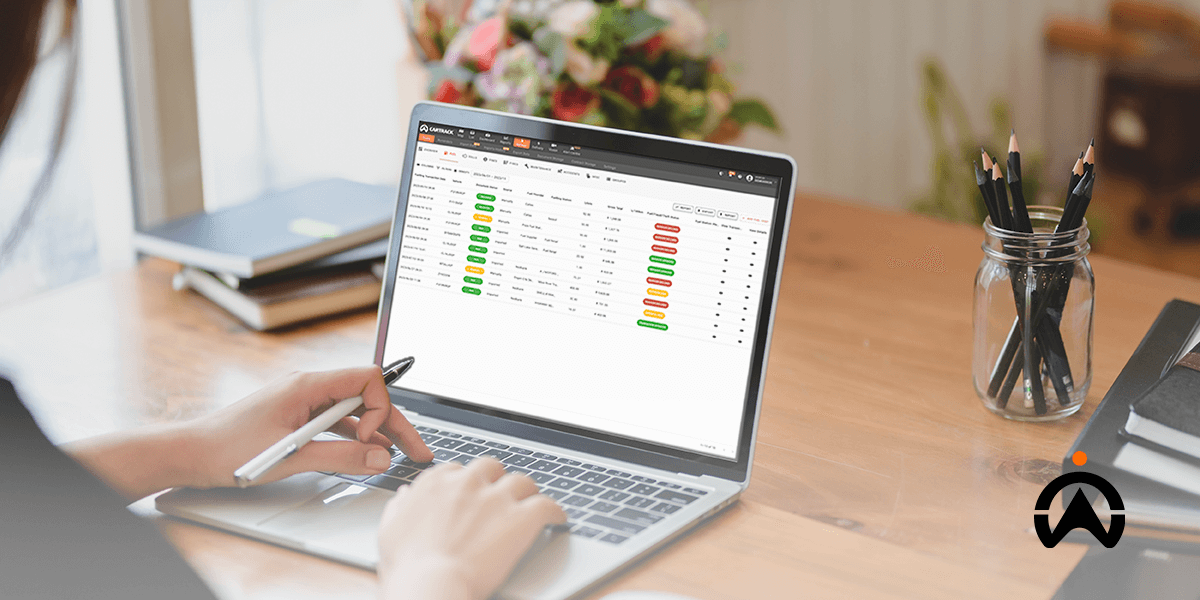
The gathered data is served to you on a silver platter through a fleet management platform— the ultimate fleet management tool that gives you instant access to all the vital information of your fleet. With a click of a button, you’ll feast your eyes on your fleet costs, how much fuel it uses, a full list of your vehicle inventory, vehicle usage ratings, the driving behaviour of your drivers, and more.

  • Documentation on bought or leased vehicles
  • Vehicle specs and their current conditions
  • Maintenance schedules
  • History of parts and services
  • Insurance, licences, and tax documents
  • Fuel transactions
  • Vehicle and operation expenses

As amazing as this is, some fleet management systems can’t keep up with your business. Some Legacy fleet systems may not be able to collect such a large amount of data from your fleet or not be updated to run as fast or offer as many solutions as the modern FMS would.

Legacy fleet systems basics

Legacy fleet systems are usually the classic or original fleet management systems that have been around since the early days of fleet management. These systems don’t have the latest features or technologies like artificial intelligence (AI) or telematics, but they still assist in managing fleets to some extent. 

While these systems have served their purpose, they come with limitations and challenges that can interfere with how the modern manager efficiently oversees their fleet.

  • Limited scalability:

    Legacy fleet systems often struggle to keep up with growing businesses. They lack the flexibility to handle things that come with an upgraded larger fleet size like the amount of data and new features or applications you might want to integrate.
    ‍

  • Lack of real-time data:

    Legacy fleet systems often can’t analyse your data as fast as modern FMS, this means they may not be able to provide real-time data back to managers, making it a bit challenging to monitor and manage your fleet as you would have to wait to get updated on fleet operations or make decisions based on outdated information.
    ‍

  • Security vulnerabilities:

    Most businesses want to keep their sensitive information as secure as possible. Legacy fleet systems are likely to pose security vulnerabilities. They don’t protect against cyberattacks, hacks, or data breaches.
    ‍

  • High maintenance costs:

    Because the hardware and systems are older than modern technologies, you might need to invest extra time into maintaining your legacy fleet system. Over time, it often needs hardware upgrades and software patches, leading to high costs.

Why_is_fleet_management_software_so_popular

The five FMS features every business needs

If your goal is to run an effective, productive fleet that you can monitor and track easily, then using an FMS and its amazing features is exactly what your business needs. 

Fleet management software provides features that can provide valuable insights into a fleet. Five of them can change the way you manage your fleet.

1. Vehicle tracking

With the help of GPS technology, cellular networks and tracking units, fleet management software can gather real-time vehicle location information along with the vehicle’s odometer reading and speeding, allowing managers to have increased visibility on the whereabouts and activity of their fleet and equipment.How does knowing the location of your vehicles help your business?

  1. With advanced vehicle tracking, managers can plan their delivery routes more efficiently and use route optimisation practices to shorten travel time and save on fuel, resulting in cut costs for both fleet and fuel.
    ‍
  2. Alerts and geofences can be created to further monitor your vehicle’s routes. Geofences can be created around any area to either ensure your vehicles only operate around certain areas or to alert you whenever your vehicles enter danger zones. Whenever your vehicles enter a geofence area, you will be alerted of their location.
    ‍
  3. Real-time vehicle tracking is a benefit on its own. With this, managers can see not only where their vehicles are but also how they are being driven. This is crucial for making informed decisions regarding driver behaviour, responding swiftly to situations like breakdowns and ensuring our vehicles are always on schedule.
    ‍
  4. If you’re in the delivery industry, always transporting goods, produce or gadgets, then you might know the power of an accurate ETA. Providing an ETA to your clients of where their shipped or ordered goods are is a surefire way to keep your customers satisfied. With vehicle tracking, you can provide this information and manage your client’s expectations.
    ‍
  5. Looking forward to growing your business? Cartrack vehicle tracking technology ensures smooth scaling by helping you keep up with the location of each new vehicle you add to your fleet. Our tracking unit also provides information to facilitate vehicle allocation and resource distribution.

2. Maintenance

Every smart fleet management software should be able to read your entire fleet, track usage and mileage, and inform you when your vehicles need a touch-up, either through regular maintenance checks or full vehicle servicing.

Fleet management software tracks maintenance schedules and notifies businesses when it’s time for essential tasks like oil changes or inspections. This proactive approach prevents breakdowns and expensive repairs, ensuring reliable fleet operations.

Cartrack’s proactive maintenance feature can schedule fleet maintenance by generating reminders for essential services based on mileage or manufacturer recommendations. This ensures your vehicles stay in tip-top condition, reduces downtime and extends the vehicle’s lifespan, all these support growth in a company.

3. Driver management

This FMS feature focuses on your drivers and ensures their safety, whether driving within a site or on the open road. It does this by observing driver behaviour and monitoring factors such as speeding, abrupt braking or turning, idle time, fuel usage, and wear and tear. 

Managers can then use this information to identify areas for improvement in driver training, encourage them to drive safer and implement driver safety protocols.

Cartrack can lend a helping hand here through its reports, alerts and driver scorecards. These risk reports and driver scorecards monitor driver behaviour and detect risky actions like speeding or harsh braking. These valuable insights into fleet performance and driver behaviour can enable informed decisions towards optimised operations as the company expands plus help you effectively train your drivers to promote safer driving habits and mitigate the chances of accidents, saving your business thousands in costs.

4. Fuel management

Fuel management is one of the biggest responsibilities for fleet managers (and one of the costliest). FMS provides fuel tracking and analysis tools to help businesses monitor fuel consumption, identify inefficiencies, and implement strategies to reduce fuel costs.

No matter the size of your fleet, Cartrack assists in tracking its fuel consumption through fuel level monitoring. This can detect fuel theft and also allow you to track fuel costs through MiFleet, our cost management system that provides a full list of all fleet transactions, including fuel. 

This doesn’t just show you how much you spend on fuel but also helps validate transactions by showing where transactions occurred, the location of your vehicle when transactions occurred to correspond, the litres poured and the vehicle’s tank capacity. For growing companies with ever-increasing fuel transaction receipts, a tool like this is extremely valuable.

5. Reporting and data analysis

Take ‘gut feelings’ out of the equation and trust in accurate fleet data and reports that show real-time information about your fleet. Through FMS’s telematics, data is automatically taken from your vehicles, encompassing fuel consumption, engine performance, and driver behaviour. 

For further comprehension, this data can be split into customisable reports for you to easily analyse and identify areas for enhancement and make smart informed decisions regarding your fleet operations. As your business grows it sometimes gets harder to follow and understand incoming data, Cartrack’s fleet platform has more than 40 reports that can compile all your information into easy-to-understand reports for your convenience.

After seeing what more smart FMS systems like Cartrack can do and how you can use these five amazing features to improve fleet operations, the question remains, ‘Do you want to stick beside your legacy fleet system or upgrade to a system with more muscle on its bones?

Fleet Management Software features every business needs

Why businesses use fleet management software

Fleet management software is one of the most popular software in the fleet industry.

Many businesses gravitate towards modern fleet technology because of the efficiency it offers, the scale it can operate in (taking in information of whatever the size of the business), the ability to adapt and grow with your business and the ability to assist businesses in transitioning from manual fleet management to automated fleet management. 

From the small bakery down the road with 2 vehicles that transport their confectionaries to local supermarkets to the global vehicle tracking company that is Cartrack with its large fleet, fleet management systems are used across the board to track vehicles, monitor drivers, scale operations, improve safety measures and so on.

If all this doesn’t convince you of the global use of FMS, I’ll leave it up to the numbers. 

The global fleet management market size has been reported to reach an estimated $34 billion by next year (2025) at a CAGR of about 11.3%.

The benefits fleet management software can provide your business

If the compelling words of ‘fleet efficiency’ or ‘streamlined operation’ aren’t enough to sway you to upgrade your system from a legacy fleet system to an advanced fleet management software to experience the five essential FMS features, then maybe these benefits will push you to take the first step in investing in a smart fleet management system that can propel your business towards the future.

  • Increased fleet visibility

    No more sitting and waiting for manual updates of where your vehicles are or how long deliveries will take. FMS provides an eagle-eye level of visibility over your fleet in real time. It doesn’t stop at the current location, you can see the vehicle’s engine status, duration of trips, and vehicle usage. With full visibility comes the ability to improve dispatching and faster response time if issues occur.
    ‍

  • Mitigate risks and enhance safety

    Safety comes first, especially with your drivers. FMS promotes safer driving practices with features like driver behaviour monitoring, alerts for risky driving habits and reports you can use to coach and improve driving habits and reduce fleet accidents.
    ‍

  • Easy fleet data accessibility

    Say goodbye to mountains of paperwork or systems that delay updating your fleet information. With FMS, you use a centralised platform where you can access all your important information just like that. This level of ease simplifies data management and saves you a lot of time to focus on other aspects of your fleet.
    ‍

  • Cut fuel and fleet costs

    Swiftly identify areas of financial improvement, monitor them, and find solutions to cut costs. If there’s excessive fuel consumption, for example, changing routes to shorter and more efficient ones, improving idle time, and stopping fuel leakage or theft can offer preferable results. These can contribute to the overall reduction of fleet management expenses.

How can Cartrack future-proof your business?

Need a business that can help you track your fleet, manage your drivers and scale your operations with these five features and more? Look no further than Cartrack.

When one thinks about the future of their business, they often think bigger, better, and more efficient. Planning to scale your business and reach new heights requires years of dedication, a strong commitment to boosting your business operations and smart tools that can handle your growing business.

Cartracks fleet solutions are all built to handle your growing business, and even encourage it.

Let me explain, Cartrack provides industry-leading products that offer proven fleet solutions with flexible packages that fit any business and industry. Even if you’re planning to grow your business over the years, Cartrack solutions can accommodate the positive change and grow with you.

To follow the changing times, Cartrack fleet software can be integrated with other systems, from dispatch management software to electric vehicle systems, if you run an EV fleet, opening a world of scalability.

As seen in the video, Cartrack provides businesses with all they need to lead a thriving business in the 21st century and beyond. With new cutting-edge softwares being invented year by year, FMS have to be able to keep up, adapt and further provide value for businesses.

Manage smarter with Cartrack’s fleet solutions

Ease your fleet management woes and lead your business forward with Cartrack as your fleet management partner of choice.

Contact us today to get a free quote.

How to Master Vendor Relationship Management & Secure Fleet Procurement Success

There comes a time in a business owner’s journey when they need a little help from other suppliers.

Whether it’s a third-party business that manages your fleet’s maintenance or your business needs to partner with a trucking company to transport your homegrown produce, dealing with vendors, suppliers, or service providers is a relationship that can either improve your business operations or hinder them if not managed correctly.

Let’s dive into the delicate balance of managing relationships in business.

In this article, you will:

  • Learn vendor relationship management and its impact on fleet procurement success
  • Gain insights into the basics of fleet procurement for businesses
  • Understand how vendor relationship management affects your fleet
  • Receive tips and tricks for building strong relationships with your suppliers
  • Learn how Cartrack’s fleet management solutions can improve vendor management

Defining vendor relationship management and how it is used

Vendor relationship management (VRM) is the practice of managing the partnership between your business and those that offer their goods or services, also known as vendors or suppliers.

Communication is the best weapon in your arsenal for vendor relationship management to work in your favour, especially when dealing with fleet procurement.

To foster strong and lasting connections, nothing works without communication and a clear understanding between you and your vendors. This builds and strengthens your relationship, resulting in a more successful and trusted partnership.

Fleet procurement basics for businesses

Fleet procurement refers to buying vehicles and related items that your fleet needs like tyres or replacement parts. The vehicles have to meet business standards while ensuring cost-effectiveness and compliance with regulations. To get to this, managers have to follow the fleet procurement process.

Fleet procurement is like shopping for your business on a larger scale. First, you scope out what vehicles you need and compare options like pricing, specs, and maintenance with other dealerships. After you’ve decided what type of vehicles you would like to purchase and how many, it’s negotiation time—you haggle with suppliers to get the best deal possible.

Once you’ve hammered out the details, it’s time to seal the deal by signing those contracts and transporting the newly-acquired wheels to your depot. But the communication doesn’t end there; you have to keep an eye on things to make sure everything runs smoothly, from delivery to ongoing maintenance. 

And that’s the process: Find what you need, strike a deal, and uphold the relationship through catchups.

Guide to procuring vehicles for your fleet

To successfully follow the fleet procurement process, you have to involve stakeholders in sales, services, risk management, legal, and the business owner to ensure everyone is accounted for and is in agreement with the deal. This collaboration helps identify the fleet’s needs, assesses the condition of the existing fleet, and makes effective divisions in procurement to better their fleet.

When it comes to introducing new vehicles to your fleet, it’s important to remember the numbers. Consider all the financing options, like leasing, purchasing, and hiring needed vehicles. The total sum of the vehicle’s lifespan should also be taken into consideration (the maintenance, tyres, insurance, etc.), calculating the total amount of how much the procurement will cost the business.

How does vendor relationship management affect my fleet?

When it comes to fleet management, vendor management can positively impact fleet procurement in the following ways:

  1. Improved discussions:

    This ensures a clear understanding of expectations and requirements from the company and the vendor. This can lead to better collaboration, fewer issues, and decreased misunderstandings.
    ‍

  2. Risk management:

    VRM involves assessing and mitigating risks associated with vendors, such as cybersecurity and vehicle safety, while transporting materials. By addressing these risks, your business will be better prepared for anything that occurs, including delays and disruptions.
    ‍

  3. Cost savings:

    With VRM, you can actively negotiate better contracts with vendors and suggest a price range that can work for your business, leading to a cost reduction. The longer you use these vendors and cultivate these relationships, your business can benefit from receiving discounts, loyalty points/programs, and other incentives that can reduce costs.
    ‍

  4. Performance monitoring:

    This is simply following up on the terms you’ve set on the contract. Are they following your delivery schedule? Are they offering high-quality materials? Have their prices fluctuated? This performance monitoring ensures the terms of your contract remain standing and that you’re getting what you paid for and agreed to.
    ‍

  5. Regulatory compliance:

    Inform your vendors of the regulations they have to follow when transporting materials. This can help both your business and the vendors/ suppliers to stay compliant and reduces the risk of legal or financial penalties.

    After successfully managing your vendor relationships for your fleet’s procurement, the pot of gold at the end of the rainbow is the extra benefits your business can enjoy on top of access to the services provided by the vendors.

    – Reduce costs
    – Builds resilience
    – Achieve revenue
    – Reach organisational goals

How_does_vendor_relationship_management_affect_my_fleet

Fleet management, procurement, and vendor management—It’s all connected

  • Fleet management: Taking care of a company’s vehicles, making sure they’re in good shape and used efficiently.
    ‍
  • Procurement: Buying goods and services for the business, including vehicles, parts, and maintenance services.
    ‍
  • Vendor management: Managing the relationships with the companies that supply goods and services to your business, including those related to your fleet.

Do you see the link? 

You can use vendor relationship management tactics in your fleet between your drivers and employees and also in the procurement process by ensuring your business communicates the type of vehicle they need and understands the terms and conditions set by the dealership, their prices, payment plans, servicing packages etc.

The same practices of preserving relationships, like open communication, and ensuring you are on the same page with the vendors, are used in executing successful procurement.

How does vendor relationship management lead to fleet procurement success?

VRM is a key aspect of vendor management, it includes all the strategies and processes used to forge and sustain a mutually beneficial relationship, including onboarding, relationship management, and, of course, fleet procurement.

This delicate balance between business and vendor/supplier begins with these key aspects:

  • Supplier selection:

    Depending on your business and the industry you work in, you have to choose the right partners that will supply you with goods, materials, resources, etc. that are of high quality, fair priced and will benefit your business.
    ‍
  • Contracts:

    After choosing the businesses you will partner with, create a contract that details all the details in clear wording. Make sure to mention all necessary information, including contract duration, material pricing, delivery schedules, what is expected from both sides, and what they need from you.
    ‍

  • Communication within collaborations:

    Just like in any other relationship, transparency, frequent communication and honesty are all needed to cultivate the relationship. Rather than relationships between people, those between businesses have higher stakes since one delivery delay or misunderstanding can affect your business, your profits and your business reputation.

    Regular meetings and feedback catch-up sessions, although sometimes tedious, can work in your favour.

Remember, you’re not just managing vendors, you’re building partnerships that can benefit your business for years to come. This can be especially important for fleet management companies that rely on consistent deliveries of parts, maintenance servicing, or fuel.

Successfully acquire vendors for your business

If this all seems appealing to you and your business could do with some suppliers here and there, then ready your pen and start taking some notes.

Finding reliable and high-quality vendors is crucial for any business, but it holds particular importance in fleet management. To find the perfect vendor for your business, you first have to do some research and take it from there.

  1. Do your research

    Look up and source vendors or suppliers. Check online review platforms to get impressions from other businesses about potential vendors’ performance.
    ‍

  2. Define your needs

    Figure out exactly what your business needs in terms of quality goods, reasonable pricing and services that match your business’s standards. Your clearly defined needs set the tone for pricing.
    ‍

  3. Initiate communication and start negotiating

    After finding the business that stands out to you, reach out, informing them of your business needs and interest in their services and start talking about prices. With your needs already explained, choose the services and pricing that won’t hurt your budget.

    Inform them of any updates or changes whenever they occur in your arrangements. All that’s left is to uphold the newfound relationship, moving it from passive to collaborative.
    ‍

  4. Build a trusting partnership through vendor relationship management

    This is where all the golden nuggets you’ve collected come in handy. Flex your vendor management knowledge by fostering a strong relationship that revolves around trust, collaboration and mutual goals, don’t just focus on the price.

The importance of having a good relationship with suppliers and vendors

Now that you have seen the value of nurturing vendor relationships and how vendor management can highly impact and affect your business relations and fleet operations, the only right decision for a business is to try and further cultivate this partnership.

The_importance_of_having_a_good_relationship_with_suppliers_and_vendors

Tips and tricks to build strong relationships with your suppliers

Maintaining strong connections with suppliers requires more than just creating a win-win scenario or leaving it up to transactions to do all the heavy lifting and keep the relationship going.  

Here are a few tips that can be used to break the ice and enhance your relationship skills.

  • Prioritising communication

    Talk to your vendors regularly, not just when you need something. Update them on your business needs and ask for their input.
    ‍

  • Set and live up to expectations

    Set clear expectations for delivery times, product quality and communication.
    ‍

  • Always pay on time

    Building trust between businesses has a lot to do with being reliable when it comes to payments. Make sure your payments are always on time.
    ‍

  • Be respectful of services

    Treat your vendors as valued partners, not just suppliers. Show appreciation for their services and be open to feedback.
    ‍

  • Get Cartrack for improved vendor management

    ‍By partnering with vendors or suppliers who utilise Cartrack’s fleet management software, your business can benefit from streamlined communication, optimised delivery routes, and accurate fuel tracking, amongst other amazing features.

    With access to real-time data and insights provided by Cartrack, vendors can make informed decisions that lead to cost savings and improved efficiency. By ensuring that your vendors or suppliers use Cartrack’s solutions, you can minimise delays, enhance the visibility of their fleet, and ultimately strengthen your partnership relationships, resulting in greater satisfaction for your business and their other customers.

Improve vendor communication and relationship with Cartrack

Cartrack has more than all the bells and whistles you need to ensure your customers and partners stay happy and satisfied with your services.

But don’t take our word for it—here’s what Supermarket Farms had to say about how they use our services.

Contact Cartrack Kenya today.

How to Start a Fleet Management Company and Make Money

Do you want to start a fleet management company but don’t quite know where to start? Or do you already have the basics down—building and operating a small fleet—and you just need to know the next step?

Dive into this in-depth explanation of all the I’s you need to dot and the T’s you need to cross to get your fleet management company off the ground.

In this article, you will:

  • Learn the essentials of fleet management companies
  • Explore step-by-step guidance on starting your own fleet management company
  • Understand the different types of fleet businesses and choose the right one for you
  • Discover fleet management company solutions to optimise fleet performance
  • Find out how Cartrack’s fleet management technology can transform your business

Beginners guide to understanding fleet management companies

Whether it’s a fleet of trucks for deliveries or tractors for farm use, managing a fleet is a skill every manager exercises. Fleet management involves managing and tracking vehicles from their safety to their maintenance needs, overlooking cars, vans, trucks, or whatever type of wheels you’ve got.

This is used in various industries, including logistics, transportation and delivery services. Basically, if there’s more than one vehicle in a business, managers can use fleet management practices and software like Cartrack to optimise their fleet, improve fleet health, increase fleet productivity—you name it—and fleet management can strive to assist you.

Now, instead of relying on external management methods and techniques, how about using the services of a fleet management company? Better yet, imagine you own that fleet management company. 

How are you going to steer your fleet in the right direction?

How can my fleet management company make money?

Before you even start your business planning, many owners have the burning question, ‘Will my business even make money?’. To save time and manage your expectations, calculating how profitable your company will become is a smart step to take.

Often enough, with a well-thought-out plan for your business and a trusty fleet management system to boot, there’s a high chance your business will be successful and, yes, profitable.

The fleet management market is a pretty lucrative industry worth around $28.6 billion in 2023. The market is estimated to reach an astounding $55.6 billion by 2028. This huge number has brought many entrepreneurs to look towards fleet management and be part of its success, and honestly, who can blame them? It’s becoming such a popular venture.

Step-by-step guide to a successful fleet management company

So, first things first: How do you start your fleet management company? 

Depending on who you ask, you might get different answers to how you can get your business off the ground. What the many pieces of advice will all have in common are these essential steps that every business owner takes to build their company.

Here’s a roadmap to get your business started.

Step 1. Identify your target market and do market research

Before diving in, do some research to understand the needs, preferences, and pain points of different fleet sectors. This will help you find the gap in the market for your business; or, when offering your services, it will help you tailor your business to meet their demands.

You need to know who you’ll be serving; small businesses, large corporations, or maybe specialised industries like logistics or transportation. The better you understand your market, the quicker you’ll thrive in the industry.

Step 2. Create a business plan

Think of your business plan as a roadmap for success. Outline your business goals, strategies for achieving them, and how you’ll differentiate yourself from the competition. Include details about your services, target market, marketing plan, and financial projections. 

A solid business plan will guide you through the startup phase and attract investors or lenders, if needed.

Step 3. Get to know the finance

Being financially smart goes a long way when owning a business. Figure out how much capital you’ll need to get your business going. 

Consider expenses like:

Explore funding options such as personal savings, loans, or investors. Keeping a close eye on your finances from the get-go will set you up for financial success down the road.

Step 4. Sort business legalities

Don’t forget the legal stuff. Register your business and obtain any necessary licences or permits. Decide on your business structure (e.g., sole proprietorship, partnership, etc.) and consult with a legal professional to ensure compliance with local regulations. 

Taking care of legal matters early on will prevent headaches later and ensure your business operates smoothly and legally.

Step 5. Build your team: Suppliers & service providers, employees, drivers and vehicles

Your team is the backbone of your business. Start by establishing relationships with reliable suppliers and service providers for vehicle maintenance, fuel, and other essential services.

Hire skilled employees to handle administrative tasks, customer service, and sales. Recruit experienced drivers who prioritise safety and professionalism. And, of course, acquire the vehicles you need to kickstart your fleet. Keep in mind the type of business you have, as this might influence the type of vehicles you need.

Step 6. Market your services

Time to spread the word! 

Develop a marketing strategy to showcase your services to potential clients. This could include creating a professional website, leveraging social media platforms, attending industry events, and networking with local businesses. Highlight your unique selling points and the benefits of partnering with your fleet management company. 

The goal is to attract and retain clients who see the value in what you offer.

Step 7. Choose a trusted fleet management software like Cartrack Kenya

Invest in the right tools for the job. Choose a reliable fleet management software, like Cartrack Kenya, that suits your specific business needs.

Our software works as your trusty sidekick, helping you track vehicles, monitor driver behaviour, optimise routes, and manage maintenance schedules. With Cartrack Kenya by your side, you can do this and more by taking advantage of its many smart features, including:

  • Delivery, for efficient task management
  • Mifleet, for staying on top of fleet costs
  • Predictive maintenance for a healthy fleet

With the right software, you’ll have the insights and control you need to run your fleet management company efficiently and effectively.

Step_by_step_guide_to_a_successful_fleet_management_company

What do fleet management companies do?

Fleet management companies take the concept of using fleet management software and run with it as their business model. They are experts in everything fleet management, offering a range of services one would usually do alone with the help of a fleet management system.

The difference between using the services and using fleet management software lies in the simplicity, reliability, ease and these valuable benefits:

  • Minimise labour and fuel expenditures
  • Ensure compliance with set regulations
  • Track and locate fleet vehicles
  • Manage vehicle maintenance
  • Enhance fleet and driver safety
  • Optimise cost-saving

When it comes to their own fleet, fleet management companies essentially become both the service provider and the client. They handle everything, including vehicle acquisitions, driver training, behaviour monitoring and fleet operations.

Fleet management companies that offer their services to other companies are seen as the jacks of all trades and masters of all. When you team up with a fleet management company, you get access to the fleet experience that can be used to help your business tackle any issues, fleet technology and software platforms that deliver vehicle data, fleet reporting, cost management, etc., all on a silver platter, right to your inbox.

These companies take the headache out of doing it all yourself, leaving managers time to focus on their business and efficiently operate it.

Types of fleet businesses: Find the right one for you

There are various industries a fleet management company can fit into, and many don’t require much to get started.

Here is a list of a few fleet businesses that you can mould your own company to take after. In the world of fleet management, there is no shortage of niches to operate in, you just have to find one that fits your company.

  1.  Logistics and distribution

    These are trucking companies, courier services, or delivery fleets that deliver goods and all types of cargo, from food, pharmaceuticals, clothes, gadgets, or natural materials (coal, sand, cement, etc.), from one location to another.

    For this type of industry, you would focus on route optimisation, fuel management, driver safety and complying with the rules set for transporting certain materials. As a plus, add extra industry-specific products such as temperature control or cement rotation sensors to stand out.
    ‍

  2. Construction fleet management

    Construction companies use heavy machinery and vehicles like bulldozers, excavators, cranes and dump trucks in construction projects. These vehicles are often expensive to acquire and need drivers who are certified to operate them, you would need to include this in your budget).

    Vehicle maintenance and tracking equipment are high priorities in this industry, as breakdowns and equipment downtime can be very costly.
    ‍

  3. Passenger transportation

    This is similar to logistics, but instead, you transport passengers. These are taxis, buses, and ride-hailing services. For this business, a sizable fleet is usually needed to maximise use and profits.

    Since you’ll be working closely with people, safety comes first. Drivers will be closely monitored to ensure they follow the rules of the road and real-time vehicle tracking can be used for efficient tracking and ensuring drivers are on schedule.
    ‍

  4.  Rentals and leasing fleets

    In this industry, you rent or lease out your vehicles to other businesses or individuals for long or short-term use. For your business to be successful, you need to have a wide variety of vehicles in your inventory, including cars, trucks, vans and perhaps even luxury vehicles for special event leasing.

    With many clients using your vehicles, you must keep track of contracts and usage rates, so every hour is accounted for in invoices, and consider performing timely maintenance to preserve the health of your vehicles.

    Every fleet comes with its own challenges and opportunities. By carefully considering these factors, you can make an informed decision. Just remember, there’s no one-size-fits-all answer. The best niche for your company depends on your strengths, resources, and your goals.

Types_of_fleet_businesses_Find_the_right_one_for_you

What solutions do fleet management companies offer?

With many fleet management companies to choose from, your company has to stand out in the crowd and offer more than just knowing the locations of your vehicles.

The range of services can be tailored to the specific needs of businesses.

Their services include:

  1. Telematics and vehicle tracking

    Fleet management companies use tech like GPS trackers to keep an eye on where your vehicles are, and how your drivers are driving, and gather other important information like fuel usage and mileage in real-time. It’s super handy if your company doesn’t just want to keep tabs on their vehicles but also on how they are being driven, and driver behaviour during deliveries.
    ‍

  2. Fleet maintenance

    Find it tricky remembering which vehicles in your fleet need a checkup or some repairs? Fleet maintenance services will do all the remembering for you, and ensure your vehicles get their scheduled maintenance TLC, so you don’t end up missing appointments or your drivers facing unexpected breakdowns.
    ‍

  3. Route optimisation

    Route optimisation software takes into account traffic, road conditions, and delivery schedules to map out the most efficient routes for your vehicles. Without this, businesses might struggle to keep to their delivery schedules or service calls, resulting in wasted time, fuel, and resources on inefficient roads or unnecessary detours.
    ‍

  4. Driver safety

    Safety first, right? Fleet management companies offer all sorts of solutions, like driver training, dash cams, and safety alerts, to help your drivers stay on the safe side of the road. These are available to help businesses improve driver behaviour, reduce accidents, lower insurance premiums, and decrease the downtime of damaged vehicles.

    This service is needed for businesses that wish to reduce accidents, speeding concerns, driver injuries, or simply want to improve company reputation if their drivers are known for risky driving.
    ‍

  5. Fuel management

    One of the biggest headaches for fleet businesses is managing fuel consumption and fuel costs in their fleet. As a solution, fleet management companies provide tools and systems to lessen this stress. From monitoring fuel consumption to suggesting fuel-saving strategies, they’ve got your back when it comes to cutting down on fuel expenses and being kinder to the environment.
    ‍

  6. Compliance and regulations

    Nobody wants to get in trouble with the law, so fleet management companies make sure your vehicles and drivers are always compliant, so you can avoid costly fines and legal headaches.
    ‍

  7. Fleet analytics and reporting

    Fleet management companies offer smart tools and dashboards to help business owners or managers stay knowledgeable about their fleet. These tools help you spot trends, make informed decisions about your operations, and better understand your fleet. It’s like having your own fleet guru who gives you all the juicy insights you need to keep things running smoothly.

Improve your fleet business with Cartrack

Cartrack is a trusted vehicle tracking fleet management company for over 115 businesses worldwide. Their smart features and services are there to help you master managing your fleet, whether you want to grow your fleet visibility or improve driver safety.

Cartrack Kenya has all the tools a fleet management company needs to thrive.

This video shows how a fleet business can use Cartrack to tackle task management, safety, vehicle maintenance, admin and fuel monitoring. No matter the challenges your fleet faces, Cartrack can be tailored to your business model and offer solutions that will work for you.

‍Contact Cartrack Kenya today.

Car Tyres for Sale: Think Before You Buy— Here Is Everything You Need to Know to Be Safe

Have you invested in your vehicle’s tyres?

You can’t get away with quick fixes when it comes to purchasing tyres, as these can tire out both your wallet and your safety. 

Read on to find out how you can quickly give your fleet the tyre upgrade it deserves with our tyre quote solution.

In this article, you will:

  • Learn some quick tyre facts
  • Find out what makes a good tyre
  • Delve into the different tyre price ranges and what they have to offer
  • Explore what factors damage your vehicle’s tyres
  • Discover how Cartrack can help you find and maintain the perfect tyres for your needs

Tyre Facts 101

Tyres are the wind between your vehicle’s wings, keeping it moving from point A to B. Let’s have a quick crash course and clear the air on all things tyres:

Fact 1: Tyres have an expiration date

As much as we wish they did, your tyres don’t last forever. Tyres are manufactured by using different materials, and the more the tyres are used, the more these materials weaken. So how long should you be keeping your tyres for?

The AA says that tyres that have been used for six or more years begin to deteriorate from the inside. This is very dangerous as it can cause tyre blowout, the sudden loss of inflation pressure. However, there is a more general rule that tyres need to be replaced 10 years after their manufacturing date. This is because the closer your tyres get to the 10-year mark, the more their rubber compounds begin to deteriorate. This deterioration can be worsened by different environmental factors, including extreme heat or cold, moisture, and UV light exposure.

Fact 2: Tyre pressure affects fuel expenditure

Did you know that the amount of air you’re putting into your tyres affects how much fuel your vehicle consumes? When your tyres are filled with enough air, there is less pressure being placed on your engine, which translates to less fuel being burned. Studies have shown that this can improve your mileage by 0.6%, and even up to 3%. 

So if having your wheels properly inflated lowers fuel consumption, what impact do under inflated tyres have on it? Underinflated tyres experience more rolling resistance. This means that your vehicle needs more effort to move, which manifests as your engine working overtime. This can cause your average fuel consumption to increase by up to 0.5 litres per 100kms.

Fact 3: Not all tyre types are the same

They may all look the same and serve the same key purpose, but car tyres aren’t all made the same way. There are different types of tyres which all serve different purposes for different vehicles. 

From all-season tyres which are the most common tyre in South Africa, to performance tyres which work to enhance acceleration and improve fuel efficiency. If you don’t know which tyre is the most appropriate choice for your needs, this can make shopping for tyres as difficult as picking a shade of dark blue for your dress or tie, affecting your safety. 

Fact 4: The amount of air your tyres need is an open door away

Do you know exactly how much air your tyres need when you’re pumping them? Playing the guessing game when it comes to this can lead to you over- or under-pumping your tyres, as this can decrease braking performance and strain your vehicle suspension. 

So where can you find this information? Simply open your driver door, and look at the pillar. You must have this information accurately, because under- or overinflated tyres can lead to premature tyre wear, which reduces their overall longevity.

Fact 5: Your tyre information is on your tyre

Finding the specifics in regards to your tyre is nearly impossible, right? It shouldn’t be, because all the information you need when shopping for new tyres (such as measurements and ratings) is on the actual tyre. So all those numbers aren’t random, they tell you the following information:

  • Tyre width
  • Tyre profile
  • Radial
  • Load index
  • Wheel diameter
  • Speed rating
Tyre_Facts_101

What makes a good tyre?

A good tyre is more than just a shoe polish shine, it is determined by its actual build-up, and its ability to stay functional. Let’s explore the aspects of a good tyre below:

  1. Good tyres have good traction and grip:

    The first thing you need to look for is a tyre with good traction, which is how well the tyre can grip onto the road. You can determine how good a tyre’s traction is by taking a look at its tread pattern and depth, all visible on the tyre’s exterior. When shopping for a good tyre, make sure that it has a thread pattern that pushes water and debris away, as this is important for maintaining a good grip when driving on wet roads.
    ‍

  2. Good tyres are durable:

    Good quality tyres may be costly upfront, but they’re really an investment. So don’t let the steep price scare you away, because you’ll be getting durability and longevity out of them.
    ‍

  3. Good tyres are suitable for all weather conditions:

    You need tyres that will keep you going, come rain or sunshine. South Africa is home to a sub-tropical climate, which means we experience a wide range of weather conditions. Remember, not all tyres serve the same purpose or are ideal for every weather condition. An example is winter tyres, which offer incredible grip when faced with rainy roads, but wear out much faster in hot summer conditions.

Comparing the different quality tyres

There are three main tyre categories, namely:

  • Cheap tyres
  • Mid-range tyres
  • Premium tyres

What makes these different from each other, and which one should you go for? Let’s find out with a quick comparison:

Cheap tyres Mid-range tyres Premium tyres
Price Most affordable option with lowest upfront cost Moderately priced The highest cost
Material Low-quality rubber with a simple tread design A balance of quality rubber and tread design High-quality rubber with advanced tread design
Fuel efficiency Lower fuel efficiency due to increased rolling resistance Moderate fuel efficiency Highest fuel efficiency due to lower rolling resistance
Durability More prone to wear and tear and punctures More durable than cheap tyres The most durable tyre with high resistance to wear and tear and punctures
Ideal for Budget-conscious drivers with low mileage and cool weather driving Average drivers with moderate mileage and varied weather conditions Ideal for high mileage drivers who drive in all weather conditions

While it may be tempting to go for cheaper tyres because of their affordability, it’s a choice that will backfire on you in the long-run. Cheap tyres are not durable, which means you’ll have to replace them almost just as quickly as you bought them. Due to the low-quality rubber used to manufacture them, cheap tyres typically last between 32, 186 km – 64, 373.76km, and this number can significantly decrease when coupled with some harmful driver behaviours. Let’s explore these.

What factors damage your vehicle’s tyre quality?

Your vehicles’ tyres are already sensitive enough as is, so there are certain behaviours that you need to stay away from, as these can damage your tyre. These behaviours include:

  • Harsh driving:

    When you drive harshly, your tyres are the ones that pay the price. Harsh driving behaviour lowers the quality and lifespan of your tyres, which means you’re going to need to replace them sooner than expected. Two examples of this are sudden acceleration, which increases heat generation and friction in your tyres, and harsh braking, which causes uneven wear and tear on your tyre surfaces.
    ‍

  • Inadequate maintenance:

    Reports show that poorly maintained tyres are a leading cause of car accidents in South Africa. Have you realised that your tyres are the only part of your vehicle that touches the road? This makes maintaining your tyres just as important as maintaining your whole vehicle. Some simple checks such as inflation, suspension, and balance can help you get the most out of your tyres, putting your safety in the driver’s seat.
    ‍

  • Under-inflation:

    When your tyres don’t have the right amount of air pressure, they aren’t able to maintain their shape. This causes them to wear down and experience tears quickly. This also means tyres will bend more when they roll, which increases tyre temperature and rolling resistance. These two lead to your car consuming more fuel than it should.

Need we say more about the importance of taking care of your tyres? But before we get into taking care of them, we need to look into buying them first. The process is quite simple, and the secret is: Cartrack Kenya.

Cartrack Kenya: Your secret to purchasing high-quality tyres at a cheap price

Do you want to upgrade your vehicle’s tyres, but don’t have time to run around looking for the best deal? Worry not, because Cartrack Kenya is here to help. Our team of experts takes the struggle out of getting the best tyre for your vehicles at the best price. Talk about the ultimate convenience, right? But that’s not all, because once you have your tyres, you need to maintain them. This is something that Cartrack Kenya can help you with. Let’s find out how.

Your_secret_to_purchasing_high_quality_tyres_at_a_cheap_price

Keep your tyres durable and highly effective with Cartrack’s solutions.

Give your tyres the TLC they deserve with Cartrack’s vehicle solutions. Let’s explore these below:

  1. GPS tracking:

    Say goodbye to tyre-damaging driver behaviour with Cartrack’s live GPS tracking. This software does more than just tell you where your vehicle is. It also helps you gain full access to your trip history and trip replay. This is important for helping you spot harsh driving behaviour that can decrease your tyre’s longevity, such as:

    – Corner braking
    – Reckless acceleration
    – Corner acceleration
    – Sharp turning
    – Excessive idling

    Knowledge is power, and by knowing what driver behaviours affect your tyres’ longevity, you can keep them running effectively for longer.
    ‍

  2. Preventative maintenance:

    Spot issues in your tyre’s health before problems boil over with Cartrack’s preventative maintenance. Stay on top of your tyre health with regular tyre monitoring, helping you know exactly when your tyres need to be replaced, and when they’re under-inflated. This is important to save costs, stay safe and make your travelling as safe and efficient as possible.
    ‍

  3. Fuel monitoring:

    Monitor how much fuel your vehicle is consuming in real-time with Cartrack’s fuel monitoring system. A sudden increase in fuel consumption can be an indicator that your tyres are being overworked, letting you know that you either need to ease the load your vehicle is carrying, or replace your tyres entirely.

Drive into ultimate efficiency and safety with Cartrack’s solutions

Your tyres are an often neglected yet crucial part of your vehicles. 

‍Click here to keep the wheels rolling and the memories flowing with Cartrack Kenya.

What Is Fleet Management in Logistics? How to Master Your Operations

Fleet management and logistics have so many similarities that they may seem like siblings, but once you learn more about them, they’re more like cousins. 

Whether your fleet is en route to long-distance destinations or precious cold chain cargo is destined for fresh delivery, it probably needs a pair of extra eyes on the road to safely reach its destination. 

Fleet managers should ensure their fleets deliver goods efficiently, but how do they tackle challenges in the logistics industry? 

Let’s find out how to master fleet management in logistics to get that optimum efficiency.

In this article, you will:

  • Discover the role of fleet management in logistics
  • Explore the differences between fleet management and logistics
  • Learn about fleet management systems
  • Learn how to improve your logistics through fleet management systems
  • Master your logistical operations with fleet management with Cartrack

What is fleet management in logistics?

Effective fleet management is the equivalent of smooth sailing for a fleet. A fleet manager’s role is to track and monitor their fleet while managing its efficiency and effective task completion. In logistics, this level of smooth sailing plays a vital role in maintaining a service that competitors have no choice but to envy.

The role of fleet managers in logistics

The differences between a fleet manager and a logistics manager are not too far apart.

 A logistics manager oversees the inventory and negotiates rates for the fleet, whereas a fleet manager’s job is to have that inventory delivered on time, on budget, and without hassle. This is done by tracking vehicle routes, checking driver behaviour during the transportation process, and analysing data that helps ensure goods are in the right place at the right time while still safeguarding the fleet. 

Having a fleet manager in logistics is crucial to advance businesses to greater heights. The marriage between fleet management and logistics is one to be celebrated as it forms the basis of goods production from beginning to end and how consumers receive their products. Route planning and fleet tracking require precision, which should be one of the main characteristics of a successful fleet manager. 

There are different ways to merge logistics and fleet management.

For example, a logistics manager may calculate the amount of goods packaged into fleets, but the fleet manager must also keep track of the fuel and time required to deliver those goods. If a company that supplies uniforms to various schools suddenly struggles to meet these delivery requirements, the fleet management process can provide valuable insight to help pinpoint the issue. Let’s dive into this by looking at fleet management versus logistics to better understand how both can encourage better business operations.

The_role_of_fleet_managers_in_logistics

What is fleet management vs. logistics?

I’m sure we all have a pretty good idea of what fleet management is at this point. However, fleet management in logistics is more specific and probably less familiar. Never fear, though; to put your mind at ease, we’ll discuss each separately with clear definitions.

  1. What is fleet management?

    Most of us have heard the basic definition of fleet management quite a few times before. So, without sounding like a broken record, it’s how businesses track their fleets and ensure that goods arrive securely and on time. A fleet manager’s job is to essentially gain insight and use data to improve driver behaviour, routes, vehicle maintenance, and compliance.
    ‍

  2. What is logistics?

    Transporting your goods from Johannesburg to Cape Town is perhaps the simplest way to explain logistics, but what is it really? Logistics is finding the best way to ensure that your goods are delivered to their required destination. It is essentially the movement of goods with a rhythm and flow that allows companies to provide excellent customer service.

    Logistics is almost like completing a puzzle: from loading goods onto trailers and trucks to managing the flow and route control, every piece fits perfectly to complete the picture.

Now that both concepts have been explained separately, let’s take a look at how they work together and affect the way you run a successful business.

How does logistics influence business operations?

Business operations rely mainly on product and service delivery, so you’re bound to already have logistics in place to run a successful operation. To make sure you do, though, it’s important to understand the types of logistics and how they influence the overall operations of your business, so let’s look at an example. 

In the clothing industry, the main point is to have a full item of clothing ready to be worn. But that has to start somewhere:

  1. The process starts with inbound logistics, transporting raw materials like fabrics and textiles. Keeping the next step in mind, these fabrics have already been chosen to bring the design to life and are therefore being transported to their next home, which is manufacturing/sewing. We need fabric to make clothes and that fabric has to find its way to where it can be manufactured into the desired product, and this is where inbound logistics plays a fundamental role.
    ‍
  2. Once the clothes have been sewn and ready to be sold, the outbound logistics process begins. This is when the finished product is transported to where it will be sold. This may be online or in physical stores where consumers can feel and try the clothes on before purchasing.
    ‍
  3. If a piece of purchased clothing cannot magically resize to fit the buyer and needs to be returned, we then turn to reverse logistics. Returning products to their manufacturer is a necessary part of logistics that any business dreads. This can happen due to a lack of sales or product malfunctions, and the logistics department would then have to transport all goods back to where they were made. What then happens to the products lies solely on the company, whether to be recycled or destroyed.

To effectively attain and maintain success, businesses need to understand the flow set off by logistics-based processes. From the time the raw materials are transported to the actual production phase, a sequence is formed. Additionally, the overall operation is reliant on how well each department plays its role and how efficient they are in carrying out duties.

How to optimise your operations—solutions for efficient logistics management.

Now that we know the different logistics types, we can conjure up ways to enhance our business operations and optimise our logistics management. All businesses aspire to be the best in their respective industries and the quickest way to do that is excellent service delivery.

  • It all starts with a concise packaging routine. Having all goods packaged, stored securely, and ready for transportation requires a set routine. A solid packaging routine also helps take the edge off the offloading and stock-taking process after delivery.
    ‍
  • Effective communication serves as a foundation for all solutions, and communicating while applying your logistics strategies can increase their efficiency.
    ‍
  • Fleet route planning and regular fuel monitoring help you map out how much time your fleet spends on the road. You can measure how much fuel is needed for your fleet vehicles, so they successfully but also economically reach their destinations.

In a logistics company, the main priority is delivery, and once you have a flow that works for your business, efficiency comes naturally. You can promote customer satisfaction by implementing a system in line with your company values and securing a sustainable workflow with your stakeholders.

Here’s how to improve logistics using a smart fleet management system

Turning your business into a well-oiled machine takes time, and during this time, a rhythm is developed. Introducing a compatible system that covers all bases and improves your operational rhythm is a winning recipe for seamless performance.

Here’s_how_to_improve_logistics_using_a_smart_fleet_management_system

How fleet management systems work

Having covered enough tar on fleet management and logistics, we can look into how logistics can be improved through fleet management systems. A telematics system like Cartrack’s fleet pages allows you to monitor your company’s fleet while recording all events that occur throughout the procurement journey.

Logistics is improved tremendously when fleet managers can establish the following:

  • Fleet location: Locating your fleet increases the need for speedy deliveries.
    ‍
  • Fuel consumption: Managing fuel consumption decreases the number of times drivers need to stop and refuel and lowers the risk of fuel theft.
    ‍
  • Fleet speed and driver behaviour: The main goal of logistics is delivery, but safety comes first. Fleet telematics improves fleet speed and driver behaviour through live tracking.
    ‍
  • Fleet maintenance: A good fleet management system with real-time alerts and timely reminders allows fleet managers to monitor vehicle health and longevity.

How Cartrack Kenya can help you master your logistics operations with superior fleet management

Cartrack Kenya offers various packages customisable to suit your business. Improving your operations has never been easier, whether you prefer tracking your motorcade to spot where your fleet is or limiting the number of stops by creating your own routes through geofencing; Cartrack Kenya is here to help. Our features are the key to mastering your operations and can lead to service that is incomparable to competitors.

  • Cartrack delivery

    Cartrack’s Delivery tool simplifies task assignment and real-time tracking from dispatch to delivery. Digitised processes offer full visibility into task progress and allow easy job allocation to drivers. Through route optimisation, Delivery allows efficient task prioritisation, reducing travel time, fuel consumption, and turnaround times.
    ‍

  • Live location tracking

    Our live location tracking technology allows you to track your fleet in real time via GPS for full visibility. The benefit of having a constant and real-time eye on your fleet is that you can check vehicle locations for productivity’s sake or if there is an emergency and you need to send help or track down a stolen vehicle.
    ‍

  • Geofencing

    ‍Cartrack’s geofencing feature lets you set virtual boundaries around specific locations. This allows logistics and fleet managers to detect vehicles entering or exiting zones with warehouses or delivery drop-off locations. This feature broadens your view of vehicle activity and helps you ensure your drivers stay on schedule with their tasks.
    ‍

  • Camera solutions

    ‍Cartrack’s SmartCabin camera solution comes with AI-based driver behaviour detection to help you get real-time visual and audio contact with drivers and have them receive audible alerts when the camera’s AI technology picks up distracted or unwanted driver behaviour like cell phone use, smoking, or yawning.

    Recording starts once the vehicle’s ignition is fired up. Drivers who are aware of their surroundings tend to practice responsible driving, which minimises operational costs such as fuel and vehicle maintenance, improving productivity.
    ‍

Diraro Group and Cartrack

Instead of telling you how Cartrack changes lives and transforms operations, let’s show you. Meet Diraro Group, a logistics company with a whopping 120 high-capacity fleet vehicles that specialises in transporting bulk supplies. Here’s how Cartrack helped them supercharge their operations.

Contact Cartrack Kenya to discover how you can master your logistics through fleet management with trailblazing fleet management technology.