How to Eliminate the Biggest Risks Associated With Our Fleet Operations

To ensure your fleet’s safety, compliance, and efficiency, managers come across various risks that can significantly affect operations. 

Fortunately, they don’t have to fight this battle alone; effective risk management and Cartrack solutions are here to swiftly identify and eliminate all risks that can affect operations.

Let’s see what risk management Cartrack has in store.

In this article, you will:

  • Learn about the biggest risks affecting fleet operations
  • Understand the causes and outcomes of these risks
  • Discover effective risk management practices
  • Gain insights into maintaining operational efficiency and compliance
  • Explore Cartrack’s advanced solutions for mitigating risks

Understand the biggest risks associated with our fleet operations by first understanding fleet operations

Fleet managers often wear many hats. They are the driving force in fleet operation, with huge responsibilities for ensuring the fleet reaches its objectives within the business, whether that may be delivering packages, transporting people, or simply providing a service like vehicles for mining and construction.

 It doesn’t end there; managers have to effectively track the performance of both vehicles and drivers, ensure safety is upheld in operations, manage finances and fleet expenses, maintain vehicles, and so much more. Organising, managing, and tracking all these different moving parts manually can bring the most experienced fleet managers to tears.

Luckily for managers and business owners everywhere, technology is always available to help with the workload. For fleet managers, it’s telematics, GPS technology, tools like dash cameras, fleet management software, and the many features it comes with.

 These technologies streamline the fleet management process, provide easy access to vital information, and allow managers to make sense of the chaos of fleet operations by overseeing the lifecycle of their fleet all from one platform.

What are the biggest risks that affect fleet operations?

Risks differ depending on the business and the industry in which it operates. Fleet management doesn’t just ensure vehicles travel safely from one point to another and monitor their drivers; it also mitigates the many risks that can occur daily.

 Here’s a list of risks that can majorly affect fleet operations:

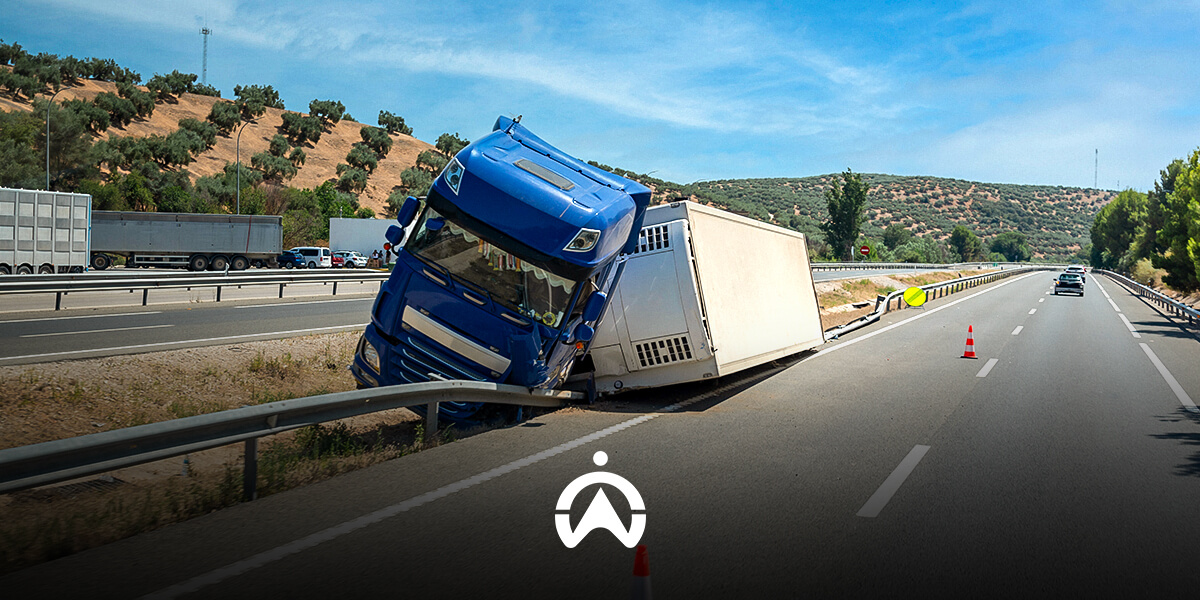
  1. Accidents and safety issues
    Causes:
    Driver fatigue, poor vehicle maintenance, risky driving behaviour.
    Outcome:
    Poor driver safety, liability issues, vehicle damage, legal problems.
    ‍
  2. Theft and vehicle damage
    Causes:
    Little to no vehicle security, operating/driving past dangerous areas.
    Outcome:
    Loss of assets, increased insurance premiums.
    ‍
  3. Vehicle breakdowns
    Causes:
    Not following vehicle maintenance schedule, mechanical failure.
    Outcome:
    Delays, increased costs, reduced customer satisfaction.
    ‍
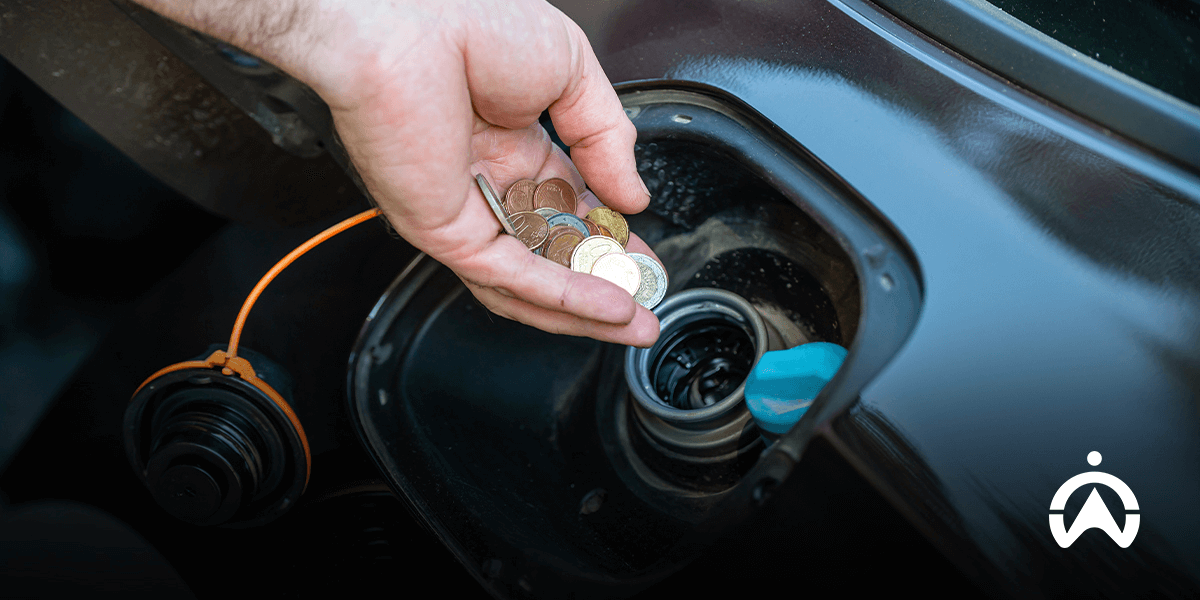
  4. Fuel mismanagement
    Causes:
    Using inefficient routes, burning unnecessary fuel, fuel theft, unmonitored poor driving behaviour.
    Outcome:
    Higher operational costs inefficiency.
    ‍
  5. Non-compliance
    Causes:
    Ignoring or failing to follow legal regulations towards safety.
    Outcome:
    Fines, legal action, operational shutdowns, poor business reputation.
    ‍

Introduce risk management

Often, larger fleets are more prone to risks that can stem from technological issues, accidents, and natural disasters. Even incidents that affect finances, compliance, or the business’s brand can be seen as risks.

 With this scope of concerns, it can be challenging to foresee every potential problem. Unfortunately, issues sometimes slip through the cracks and are ignored until they start negatively affecting fleet operations.

 This is when risk management practices come into play.

Using risk management, companies can use its five-step process to manage risks and effectively start implementing actions to reduce the risks. These steps are essential to successful risk management, touching on:

Step 1. Identifying risk

Each fleet-related industry has its own challenges and risks. This step focuses on identifying the risks that your business is experiencing or will potentially be exposed to.

These risks can fall into these categories:

  • Market risks
    ‍
  • Legal risks
    ‍
  • Environmental risks
    ‍
  • Compliance risks
    ‍

It’s better to be prepared than to be caught off guard. Listing down the risks makes you more aware of them and better prepared to deal with them once they occur. You will be able to identify the signs of the risk and start planning ahead before it affects your operating environment.

Step 2. Analysing risk

Next, you have to determine the scope of the risk. Does the risk affect other departments in the business, or is it confined to one? A serious risk, like a fraud case, for example, can affect the whole company and its image, while others would be seen as more of a minor inconvenience. Risk analysis helps you understand the extent of the risk and whether it needs your immediate attention.

Step 3. Mitigating the risk 

You’ve noted the risk and seen how much it can affect the company; this is when you find the solution. Depending on the scope of the risk, you might have to find a solution to stop the risk from growing or just to contain it. This could be hiring a maintenance team for your fleet if the risk is poor vehicle health or installing Cartrack’s infrared cameras for night-time security if the risk is equipment theft on site.

Step 4. Monitor the risk to show effectiveness

Solving the risk doesn’t guarantee that it won’t occur again; keep the risk and the solution logged for future use and monitor how well the solution is working.

Unfortunately, not all risks can be fixed, such as environmental risks or inflation risks that affect your budget, their effects just need to be monitored so you can adjust your operations accordingly. 

GPS Insights conducted a fleet safety report in 2022, showing how 3,400 people active in fleet businesses successfully reduce risks by specifically focusing on safety and compliance.

These were their key takeaways:

  • Out of the 3,400 professionals surveyed, 65% of them believed that improving driver training was the key method to reducing risks associated with poor driver behaviour and fleet safety.
    ‍
  • 57% would rather focus on using GPS vehicle tracking technology to effectively improve safety while out on the road. With increased visibility over one’s fleet comes real-time knowledge of one’s fleet’s whereabouts, schedule keeping and speedy response to vehicle theft or other emergencies.
    ‍
  • When it comes to combating risks associated with their fleet, 41% of participants implemented a camera/video solution for monitoring driver behaviour live, keeping compliant with fleet rules and compliance and gathering video evidence of any events that occur, e.g., proof of following safety measures or road accidents.
    ‍

This is a clear and comprehensive view of how different managers use risk management practices to see the full range of issues their team faces.

Be smart: Do risk management solutions for fleets the Cartrack way

Now that you have seen what risk management can do, how about partnering with Cartrack? Cartrack is an industry-leading company offering fleet management solutions and vehicle tracking technology that is ready to assist with addressing and mitigating different risks affecting operations.

Here’s how Cartrack can help manage your fleet and your risks:

  1. Security
    Some drivers may take shortcuts and deviate from set routes to complete their tasks quickly, but this can lead to fuel or vehicle theft, putting the vehicle in unnecessary danger. Tracking technology can do more than just inform you of your fleet’s location. With vehicle tracking units installed, you can see deviations, access your fleet’s trip history, and see the routes where theft often happens. If an emergency occurs, managers can act swiftly and deploy assistance directly to the vehicle’s location.
    ‍
    As part of the solution to only use safe, visible, fuel-efficient routes, managers can use route optimisation technology to choose a route that improves travel time and fuel usage and geofencing to create digital borders around no-go areas for your fleet. A notification will be sent whenever your vehicle enters or exits these areas, prompting you to communicate with drivers to correct their actions and keep the fleet safe.
    ‍
  2. Driver management
    Fleet managers are responsible for setting up safety measures such as performing pre-trip check-ups to ensure vehicles are safe to drive, creating compulsory vehicle speed limits to follow, and ensuring their drivers follow the safety rules such as no texting and driving, no speeding or reckless driving practices of any kind, etc., to achieve optimal driver safety.

    With the help of fleet management companies like Cartrack, a business can achieve its safety-first approach. Managers can leverage Cartrack’s driver behaviour management tools, such as driver scorecards that rate drivers’ performance and driver behaviour and risk reports that show all risk events, such as abrupt braking, rapid acceleration, speeding past set limits, harsh cornering and idling, to monitor driving habits and use the information gathered by these reports to motivate your team into safer driving habits.
    ‍
    One of the top ten causes of truck accidents is distracted driving. Cartrack’s smart cameras can combat the risk of truck accidents due to drowsy, fatigued, or distracted drivers by recording these behaviours and audibly alerting drivers to them. This allows the driver to quickly correct their behaviour and be more alert on the road.

    If an incident occurs, don’t just focus on the solution, take time to review driver behaviour, look through the data, and find the cause so you know the next steps to take to prevent the incident from occurring again.
    ‍

  3. Operational efficiency
    Sometimes risks come from poor vehicle health. Proper planning and scheduling can minimise the costly risk of your vehicle breaking down randomly and not being able to function for a while. This can affect the safety of your drivers and cost the business valuable time and profits.

    Unplanned downtime of an asset can be prevented by monitoring vehicle health in real time to schedule preventive maintenance. Cartrack can keep track of your fleet’s health and performance with maintenance history reports. And assist in keeping track of servicing your vehicles at regular intervals with maintenance alerts.

    This:

    • Reduces downtime
      ‍
    • Provides better fuel efficiency
      ‍
    • Lowered long-term maintenance costs
      ‍
    • Lengthens asset lifespan and enhances resale value
      ‍
    • Boosts fleet safety and ensures compliance with regulations
      ‍
  4. Fuel theft and misuse
    Fuel is a precious resource that powers vehicles’ ability to deliver cargo, goods, materials, and people. A lack of fuel can halt production and hinder fleet operations, affecting fleet efficiency. To decrease fuel theft and minimise the risk of inefficient fuel use, managers can monitor fuel levels in their tanks using Cartrack fuel sensors and CAN Bus for a more accurate reading.

    When it comes to keeping an eye on fuel expenses, MI Fleet, Cartrack’s cost management tool, keeps track of all fuel costs from tall gate payments, maintenance, speeding tickets, and fuel purchases. With its three-step transaction approval process, managers can stop fuel theft and ensure that fuel cards are used efficiently.
    ‍

  5. Compliance
    If an accident occurs due to poor vehicle maintenance or a lack of replacing or repairing vehicle parts to maintain a healthy fleet, the business can be blamed for the accident and deemed non-compliant, which can result in hefty fines, among other penalties.

    Performing small pre-trip inspections on your fleet can go a long way in ensuring your vehicles are road-worthy and able to travel and perform tasks. Inspections can identify issues or problems, such as faulty wiring or loose bolts, that can grow into big problems and fix them. Plus, vehicle inspections don’t halt the flow of operations and only need a few minutes to be done.
    ‍

For a more smart solution, Cartrack can help your team stay compliant with advanced solutions.

  • Automatically keep track of all your regulatory contracts, insurance papers, permits etc.
    ‍
  • Receive alerts on paying important paperwork such as vehicle permits, speeding tickets, and licence renewals.
    ‍
  • Use working logs or vehicle usage reports to track the work hours your team spends on site and ensure your drivers receive breaks mid-shift and are well rested.
    ‍

Take control of fleet risks with Cartrack

Make your fleet risk-free with Cartrack. From driver behaviour monitoring tools to tracking fleet expenses and staying compliant, our advanced features and services are the solutions you need to fight against the biggest risks associated with your business operations. Contact Cartrack today.
Dirty Diesel: How to Prevent and Stop Contaminated Fuel in Your Fleet

Dirty diesel, contamination crises, and dodgy fuel—these headlines have made top stories in Kenya over the last few years. This brings us to ask:  are the recent news reports sensationalising the fuel contamination problem, or do we have a crisis on our hands? 

Fuel contamination can harm your fleet vehicle’s performance and engine operation, which explains the concern over reports about dirty diesel. 

As fuel prices increase, it’s alarming to individuals and businesses that they could spend more on fuel, potentially damaging their vehicles and ultimately costing them millions in the long run. 

With fuel monitoring solutions from Cartrack, fleet managers can prevent and stop dirty diesel refuelling that is happening right under their fleet.

In this article, you will:

  • Understand what contaminated fuel is and how it affects your fleet
  • Get a breakdown of the signs of dirty diesel in your fleet to look out for
  • Uncover five ways to prevent fuel contamination
  • See how Cartrack’s solutions help with fuel contamination in your fleet
  • Discover the truth about fuel contamination

Why worry about dirty diesel?

Dirty diesel, more commonly called fuel or diesel contamination, refers to impurities in your fuel that reduce its quality and grade. These impurities can be caused by various contaminations, such as water and microbial (bacterial and fungi) degradation, which occurs in the storage and handling of the fuel.

Here’s a more detailed explanation of fuel contamination.

Types of fuel contamination

With more than one type of fuel contamination, it’s best to get clued up so you can keep contamination risks in your fleet at a minimum.

  1. Water contamination

    Diesel fuel is easily contaminated by water when stored in tanks through condensation, leakages in the storage unit, or poor handling during the diesel transfer. This results in microbial growth, rust, and water and oil separation in the fuel. A little water in your fuel may not seem like a bad thing, especially when water accidentally enters your fuel system, but the saying “water and oil don’t mix” stands true when it comes to diesel.

    The water levels in your fuel should be below the saturation point, so any excess water entering your vehicle’s fuel system can result in bacterial growth, corrosion, and ultimately, engine damage.
    ‍

  2. Fuel debris

    There are two types of fuel debris: organic degradation and inorganic degradation. Organic degradation happens when diesel fuel is stored in tanks for too long and essentially expires. Filling stations and fuel providers will often add stabilisers and other additives to prevent this type of degradation. It is recommended that vehicle owners or fleet owners have their fuel tanks assessed before using any additives.

    Inorganic contamination happens during the fuel handling process, meaning it may be handled improperly when transferred or moved from the diesel fuel tanks, trucks or drums and eventually to your fleet’s tank. During this process, the diesel fuel may come into contact with sand, dirt, rust, and other debris, ultimately causing dirty diesel.
    ‍

  3. Intentional diesel mixing

    Dodgy petrol stations may also reduce the purity of their diesel fuel intentionally by adding synthetic fuel such as illuminating paraffin. A recent news report revealed that the Energy and Petroleum Regulatory Authority (EPRA) discovered 13 petrol stations selling dirty diesel fuel in Kenya.

    These petrol stations have been ripping off customers by selling lower-grade and contaminated diesel fuel at premium prices. Beyond the financial impact for individual owners and businesses, dirty diesel can cause serious vehicle problems too, and that’s why vehicle owners and fleet businesses should be worried.

    The sad truth about dirty diesel is that you do not need to have excessive dirt in your fleet’s fuel system for it to affect your vehicles. The accumulation of debris and contaminated fuel builds up in your system and can have disastrous and costly effects on your cars and machinery in the long run, ultimately affecting their longevity.

    But how can you detect whether your fleet’s running on dirty diesel? Here are some telltale signs to look out for in your fleet:

    – Poor engine performance
    – Inefficient fuel consumption
    – Fuel tank corrosion
    – Difficulty accelerating a vehicle or driving up a slope
    – Blinking engine light
    – Clogged fuel filters
    – Engine stalling

    Alternatively, you may want to consider having your vehicle inspected for fuel contamination in its tank. You can no longer afford to ignore or overlook your fleet’s fuel quality because doing so could cost you more later.

Types of fuel contamination

The negative effects of dirty diesel in your fleet

Businesses transporting goods regularly or working with machinery that rely on diesel fuel will be disadvantaged by the devastating results on their vehicles and machinery. 

Dirty diesel can cause:

  1. Aggressive engine damage

    Debris and other contaminants in your fuel can cause significant damage to your vehicle’s fuel injectors, pumps, and other engine components.
    ‍

  2. Higher maintenance costs

    Assessing and addressing the damage caused by dirty diesel, or even pumping out the fuel from your vehicle, could result in higher maintenance or service costs.
    ‍

  3. Increased fleet inefficiency

    Dirty diesel burns faster, leading to increased fuel consumption, forcing your engine to work harder and reducing your vehicle or machinery’s performance.

Prevent and stop fuel contamination in your fleet

Whether your fleet was accidentally refuelled with dirty diesel and you’ve fallen victim to dodgy petrol stations, or maybe you have simply overlooked fuel quality for your vehicle and equipment; there are only three tried and tested ways to prevent and stop fuel contamination in your fleet.

Here are the three best ways to prevent fleet fuel contamination:

1. Schedule regular maintenance and vehicle checks

Regular vehicle and equipment maintenance or servicing helps ensure your fleet is prepared for every trip, no matter the distance. Your vehicle is constantly working, so keeping up with the service is a smart way to make sure every component works optimally.

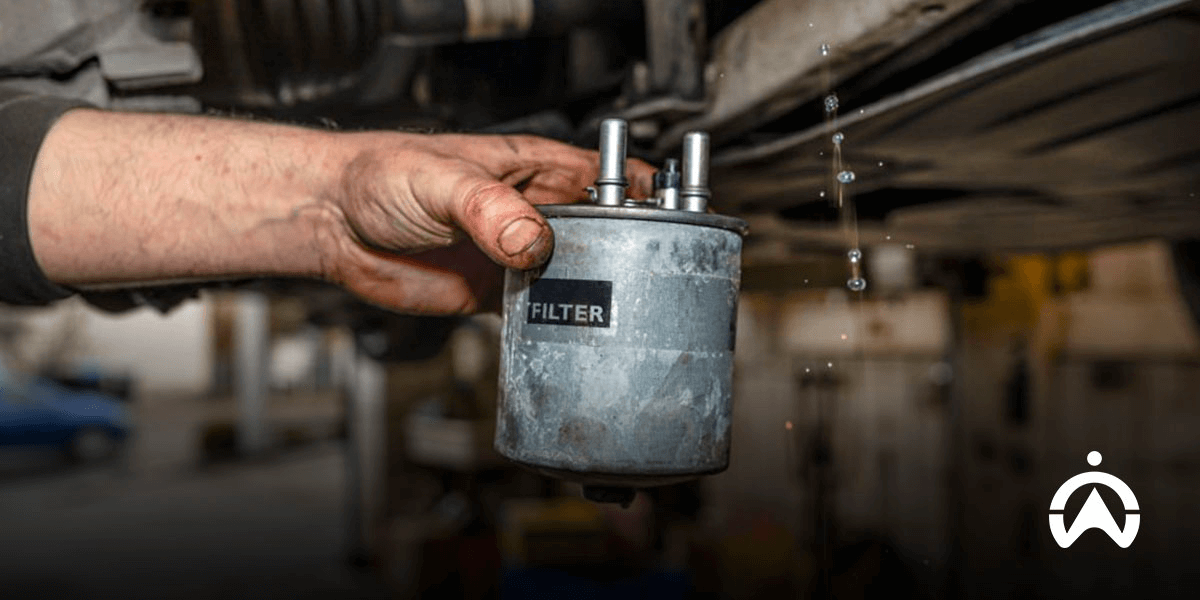
To prevent and stop fuel contamination, fleet managers who suspect dirty diesel in their fleet can request a checkup on their fuel filter and fuel pump at their next maintenance or service check.

To avoid manually tracking their fleet’s service appointments, fleet managers can set maintenance or service reminders on the Cartrack Fleet Web and automate the administrative process. For example, replacing your fuel filter every two years or every 50 000 km driven (depending on the vehicle type) is typically recommended. By setting customised reminders for a fuel filter replacement, you ensure your fleet’s fuel filter is checked and replaced on time. What’s more, having to replace your fuel filter earlier than when you captured it on Fleet Web would indicate that there may be fuel contamination problems affecting your fleet.

2. Train fleet staff on fuel contamination issues

As expected, your drivers probably know more about your vehicle and your vehicle’s performance than you do. They are behind the wheel every day, ensuring your deliveries and tasks are completed on time. This also means they can alert you to vehicle issues so you can address them faster.

By training your drivers and other fleet staff on fuel contamination and the signs they can look out for, you can help them prevent and stop fuel contamination in your fleet. Simply adding routine oil and filter vehicle checks can go a long way.

Cartrack’s GPS tracking and telematics solutions help when your drivers are not sure what is causing your vehicle’s performance difficulties. Our telematics give insights into your vehicle so you get notified of engine faults and battery health checks. With these insights, you can address vehicle issues even faster.

3. Monitor your fleet’s fuel pattern

Last but certainly not least, your fleet’s fuel consumption, expenditure, and patterns can all indicate whether your vehicles’ and machinery are running on dirty diesel. Fuel monitoring is all about analysing your fleet’s fuel consumption in real time, tracking fuel expenditure and transactions, monitoring fuel tank levels, and identifying the problems affecting your fleet’s fuel. 

Using various fuel data can help fleet managers detect and address fuel issues such as contamination. Sometimes fuel contamination is caused by drivers or fleet staff trying to get cheaper fuel so they can inflate the fuel costs and pocket the change from refuelling. This kind of fuel theft can be addressed with fuel card integration that restricts refuelling to authorised stations. Fuel cards can also be used to track fuel purchases by location, cost, and volume to help managers identify suspicious activity. 

Our fuel monitoring system is equipped with GPS tracking and fuel sensors and can be integrated with Cartrack’s MiFleet for cost administration. This system provides an all-in-one option to address dirty diesel issues and other fuel management challenges. Using our system, fleet managers can customise and automate their fuel consumption reports on the Cartrack FleetWeb to meet their needs and address fuel issues. 

Alternatively, if you realise that one or more of your vehicles or machinery seem to run out of fuel faster or that the vehicle often breaks down, then you can investigate dirty diesel or fuel fraud in your fleet.

chedule regular maintenance and vehicle checks

Fuel contamination: Debunking common myths

The news reports on fuel contamination and dirty diesel are not lying, but some misconceptions we have about fuel quality could stall your fleet, resulting in vehicle and equipment downtime and costly maintenance.

Let’s quickly debunk some common myths about fuel contamination.

Myth #1: There is no way to test your fleet fuel

Fleet managers can arrange different fuel testing tools and sampling checks with their fuel providers or request for their vehicles. Fuel testing is the only accurate way to determine whether a vehicle has dirty diesel. Mechanical checks, fuel tank condition, and fuel appearance all suggest contaminated fuel.  

Myth #2: All diesel is the same

Diesel products differ, and Kenyan vehicle owners have the option of choosing among different grades of diesel. It’s more important for fleet owners and staff to understand what their vehicles are compatible with and ensure they do not undercut their vehicles or machinery.

Myth #3 – Engines are resilient, so misfuelling is not a problem

Your engine cannot run properly without the right fuel, and sometimes, it will not run at all if you’ve poured the wrong fuel. While engines are resilient, misfuelling can damage your vehicle and cost you money.

Myth #4 – Using dirty diesel helps with fuel-saving

The saying goes, “cheap is expensive”, which is true when it comes to dirty diesel. Fuel saving should never compromise your fleet vehicles; dirty diesel damages your vehicle and reduces lifespan. With Cartrack’s fuel monitoring solutions, you can reduce your fleet’s overall fuel costs and strategies to improve your fleet’s fuel efficiency.

Protect your fleet from contamination with Cartrack’s fuel monitoring solutions

Fuel contamination can wreck your fleet, leading to costly repairs and unnecessary downtime. Protect your money-making vehicles and machinery from dirty diesel and keep your fleet running smoothly.  

Contact us today for a free demo of our fuel monitoring solutions!

GPS Tracking System for Cars: What are the Hidden Benefits

GPS Tracking System for Cars: What are the Hidden Benefits?

From mobile phones to smart watches, digital cameras, and real-time navigation, GPS technology has amazing new levels. Many of our everyday activities rely heavily on GPS technology. Think about it…when last did you call someone to ask for directions? I bet you only ask for a pinned location on WhatsApp. 

The power of GPS isn’t only essential for finding ways to your destination, paired with a good fleet management system, it will also save your fleet a fortune. Let’s see how. 

In this article, you will:

  • Understand how a GPS works
  • Learn about the benefits of GPS for yourfleet
  • Discover the hidden benefits of GPS
  • See the importance of a GPS tracking device for your vehicle
  • Find out how Cartrack uses GPS technology to boost fleet productivity

What is GPS and how does it relate to GNSS?

The Global Navigation Satellite Systems (GNSS) are a global network of satellites that transmit radio signals. There are several known constellations providing these services, like GLONASS (operated by the Russian Federation), Galileo (operated by the European Union), and BeiDou (operated by China) 

The GNSS satellite navigation system we’re most familiar with is called the Global Positioning System or GPS and is developed and operated by the United States. 

GPS is a constellation of 31 satellites orbiting the Earth. Each satellite emits signals that enable receivers through a combination of signals from at least four satellites, to determine time and location.

The 3 major segments of satellites

Let’s break down the three main segments of satellites to better understand how this technology works and is able to help us achieve real-time location tracking.

  • The space segment: This segment includes all the satellites in the GPS constellation. They transmit signals to users based on geographical position and time of day and are spaced in such a way that four satellites are above the horizon from any point on Earth. Three satellites are needed by the receiver to determine the position, the fourth is to enhance the measurement and provide the ability to calculate the vertical height of a point above sea level.
    ‍
  • A control segment: Also known as ground control, this segment is made up of monitoring stations that detect any errors that might occur due to disturbances from radiation, electrical issues, or wear and tear. From time to time, satellites need instructions to fix these errors.
    ‍
  • A user segment: These are the GPS receivers and transmitters that we use in our daily lives, such as smartphones, cars, cameras, and planes.
    ‍

This is how GPS tracking works on a car

Satellites, signals, and a GPS tracking device are the three components of the global tracking system commonly used today. 

‍A GPS tracker uses a process called trilateration to determine latitude, longitude, elevation, and time. Trilateration is simply the measuring of distance. Three satellites are used to calculate your distance from each one. With these three distances, trilateration can pinpoint your exact location. The tracking device is usually powered by an onboard diagnostics (OB-II) port, such as an accessory socket or internal battery, which collects information and transmits it to the software, allowing you to analyse the data.

Another interesting tidbit about GPS trackers is that there are two types: active and passive. Active trackers give users a real-time view of global positioning. This kind of GPS tracking is the best option for individuals or businesses who wish to gain a real-time view of their vehicles.

On the other hand, a passive tracker simply stores the GPS data to be viewed at a later stage. This is ideal for business fleet managers who are mainly interested in monitoring past activities.

The top GPS tracker benefits you probably already know

The use of GPS technology has become a norm to many, you’ve probably the of the benefits, but just to jog your memory, here are a few:

  • Know where your vehicles are at all times: A GPS tracker makes it easy to monitor your vehicles’ whereabouts and see if drivers are following the planned routes. It is also your best bet for recovering your vehicle should it be stolen.
    ‍
  • Spot risky driving behaviour: With event-based tracking, telemetry and input data are transmitted at regular intervals or when an event is detected. An event can be anything from opening your car door to harsh turning, harsh acceleration or speeding. Fleet managers can get alerts of any bad driving habits that can cause accidents, vehicle wear and tear, and heavy repair costs.
    ‍
  • Reduce fuel expenses: By comparing multiple routes with GPS tracking and historical reports, fleet managers can optimise fuel usage and reduce cost wastage. Fleet managers can conveniently compare multiple routes with historical reports and choose the most fuel-efficient routes. GPS trackers can also help reduce idling and speeding, which has additional fuel-saving benefits.
    ‍
  • Improved customer service: The GPS tracker improves dispatch and routing, reducing the time it takes for orders to be delivered. This will leave your business with good reviews, as customers are always assured that their orders will arrive on time.
    ‍

The hidden benefits of GPS tracking systems

Take a look at some of the often overlooked, not-so-known benefits of a GPS tracking system:

  • Emergency assistance for drivers: Fleet telematics combined with GPS tracking An instant access to the location of your fleet vehicles can save lives. Should there be an accident, emergency services will be able to get to your drivers quicker than usual.
    ‍
  • Accurate costing and billing: With a GPS tracking system, you can get a more detailed look into areas that drain your budget and cut costs, as well as a better estimate of how much will be needed to keep the business flowing daily. There is little or no room for human error, so you won’t end up having any surprise expenses.
    ‍
  • Simplify tax compliance: Because of the accuracy in the movement of your vehicles, drivers no longer need to manually log their miles, helping you file your taxes without hassle.
    ‍

What about everyday motorists?

  • Review your past trips and identify your best route: There are also many ways for you to get to work, your partner’s place, or your kid’s school. These everyday trips can be costly if you don’t know which route uses less fuel. A good GPS tracking system will save you from all the trouble.
    ‍
  • Lower insurance premiums: Most insurance companies consider vehicle tracking and theft prevention when determining premiums as those without are considered high risk.
    ‍
  • Easy monitoring of your teen’s safety: You will know your child’s whereabouts anytime they’re on the road, and you can monitor their good or bad driving habits. They might see this as you being nosey, but at least you’ll know they’re safe.

    ‍

Discover the best GPS tracker for you, your family, and your business

Whether for personal use or for your fleet. Cartrack has GPS tracking units that cater to all vehicle needs.  We specialise in telematics that makes life easier for you. 

Cartrack has a stolen vehicle recovery rate of over 90%, over 2 million subscribers, and 20 years of experience.

The features our GPS tracking unlocks for fleets and motorists

  1. Real-time vehicle tracking
    With Cartrack’s GPS live tracking system, you can always know the live location of your fleet, whether parked or on the move. You can also access the real-time location of your personal vehicle at all times by downloading our user-friendly mobile app.
    ‍
  2. Stolen vehicle recovery
    In the unfortunate event that your vehicle or one of your fleet vehicles gets stolen, rest assured that our skilled air and ground teams are always on standby, ready to get it back to you.
    ‍
  3. Delivery for fleets
    Whichever business you’re in, be it e-commerce or the pharmaceutical industry, our delivery fleet management software is here to give you the fastest and most orderly way to make deliveries with route and job optimisation. With this jam-packed feature:
    ‍
    • The process is paperless and, therefore, less time-consuming.
      ‍
    • You can easily manage jobs based on route or change job priority, drivers get access to the app.
      ‍
    • Drivers stay connected by getting access to the easy-to-use app which helps them complete tasks quicker by lessening confusion.
      ‍
    • Drivers get instant updates on any cancellations or priorities on the jobs they’ve been assigned.
      ‍
    • Customers get upfront communication on any changes and accurate ETAs
      ‍
  4. Route replay
    Get a full view of the trip history of your fleet vehicles, replay the journies, and know the distance and duration of every trip.
    ‍
  5. Driver behaviour monitoring
    Gain access to our driver scorecards, which provide detailed reports on events triggered, such as speeding, idling, harsh cornering, and harsh braking. These reports will help you identify areas for improvement for your drivers and provide coaching.
    ‍
  6. Geofencing
    Create virtual boundaries around no-go areas you would like your drivers to avoid or areas you would prefer your vehicles only to operate in, and receive alerts the minute your vehicles enter or exit those areas. This will further enhance the safety and security of your fleet. But wait…what about your personal car? We’ve got you!
    The geofencing feature applies to fleet management and private vehicles, too. You can set the same virtual boundaries around areas of your choice, such as your workplace, your home, or the places you wouldn’t want your teenager to drive to. That way, you can get alerts anytime your vehicle enters or leaves these areas.
    ‍
  7. Fuel monitoring
    Our GPS tracking system, paired with our fleet management platform, will help you detect fuel card fraud by calculating the distance travelled vs the litres of petrol used. We have a Mifleet platform that can help you manage fleet costs based on the reports given.
    ‍

Unlock safety and premium savings with Cartrack solutions

When it comes to smart vehicle gadgets, a GPS tracking device is most certainly a game changer and a pocket saver. And it’s no secret that Cartrack is an industry leader. 

‍Contact us today, and let us simplify your life with our comprehensive tracking solutions.

Car Smugglers on the Rise: How to Best Protect Your Vehicle

Criminals are getting smarter by the day by joining forces with those across our borders to make even bigger sales. Some of the cars stolen or hijacked around Gauteng, Mpumalanga, Limpopo, and Kwa-Zulu-Natal are cleverly smuggled into our neighbouring countries.  

Let’s see which of the 6 countries we border South African cars go to and how you can protect yours.

In this article, you will:

  • Learn about the different borders that South African cars are smuggled out of
  • Discover the different types of vehicle anti-theft devices
  • See how Cartrack can maximise your vehicle’s security

Which countries are South African cars smuggled into?

‍KZN to Mozambique

‍The first five kilometers of a solid concrete fence along the borders of the Umkhayakude village in northern Kwa-Zulu-Natal and Mozambique is currently under way; however, despite that, criminals are now building makeshift steel bridges that they can use to drive the stolen vehicles over the fence.

Limpopo to Zimbabwe

‍The Limpopo River is 1.6 kilometers long and runs through three  other countries. Zimbabwe, Botswana, and Mozambique. At low tide, high-powered stolen vehicles are driven across the river to be sold. It is also said that locals with donkeys are paid a small fee to drag the cars across the river.  

Northern Cape to Namibia‍

Vehicles stolen in the northern cape are trafficked through the Vioolsdrift crossing into Namibia. Two months ago, a man driving a suspected stolen vehicle, headed towards the Namibia border was arrested, the vehicle was valued at R1.1 million, and found inside the vehicle was R9500 worth of unprocessed gold. 

North West to Botswana‍

The Sikwane border located in the North West, is used to smuggle vehicles into Botswana. It is believed that Botswana is used as a transit to smuggle stolen vehicles into Zambia and the Democratic Republic of Congo.  Once in Botswana, the vehicles are fitted with false Zambia registrations under the pretext that they are returning to Zambia.

Zambia to the rest of Africa‍

Zambia is the link to all other African countries as it shares its borders with eight different countries; Zimbabwe, Botswana, Malawi, Namibia, Tanzania, Angola, Mozambique, and the Democratic Republic of Congo. 

This makes it the main attraction for syndicates to traffic stolen vehicles in large quantities to different parts of the continent. When vehicles are stolen from South Africa to neighboring countries, the vehicle registrations are changed so they can “quietly” cross over to Zambia.

Which countries are South African cars smuggled into

Cars that are most likely to be taken across the borders

Big cars such as 4x4s and SUVs can withstand the strain caused while crossing the border and are strong enough to be driven through sharp fences, bumpy roads, waters, and mountains. They are also in demand in war-ridden countries or countries without proper road infrastructure.

What can you do to protect yourself

There’s no guarantee that thieves won’t try with your car, no matter the make or model, so the only thing you can do is to put in some protective measures to make it harder for them and hopefully chase them away. Here are some of the best vehicle anti-theft devices:

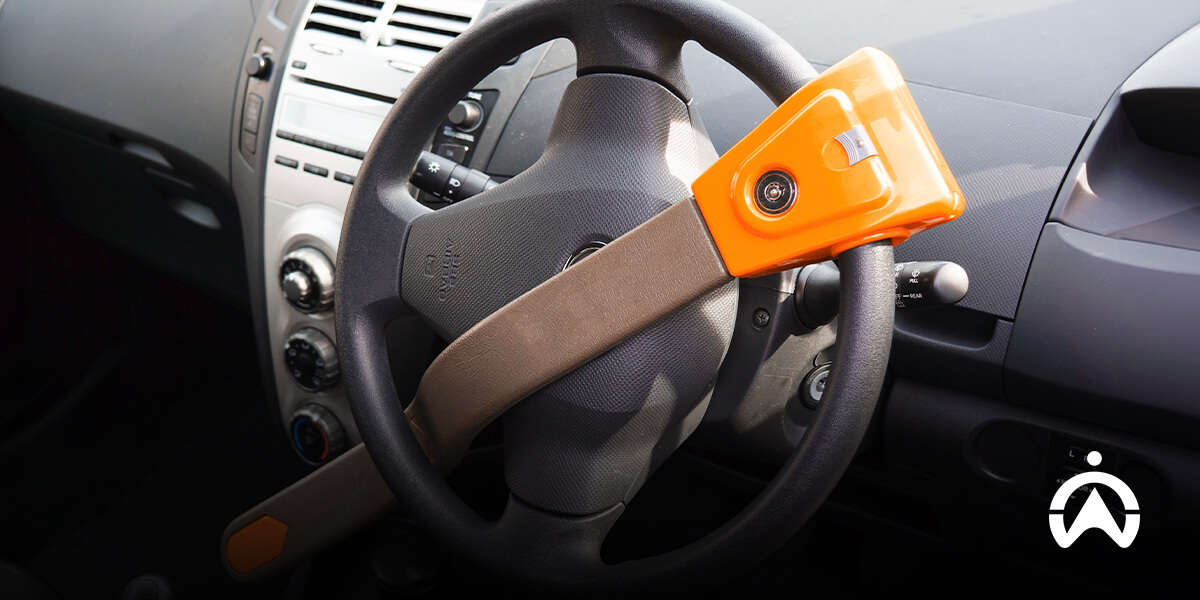
  1. Steering wheel lock: An oldie, but a goodie. These have been around for the longest time, and it seems modern-day society has forgotten about them. Steering wheel locks have been proven to be one of the best anti-theft devices as they prevent your steering wheel from turning. Thieves may be able to break into your car and start the car, but they won’t get far if the steering wheel isn’t working. They come in different designs and are very affordable.
    ‍
  2. Immobiliser: Thieves often try to start cars with a different key. An immobiliser is an electrical device that helps prevent the engine from being started by disabling key components such as the ignition or start motor. Your car will only start when it receives the correct code from the key. Modern cars already have immobilisers built into their keys and require the keys to be nearby. Vehicles with keyless start functions use a different code each time they start.
    ‍
  3. Gear lock system: Another old-school gadget that still works. Gear locks prevent your car from going into gear and moving. They are very much visible which discourages most car thieves because removing them will take time, and might get them caught before going anywhere. To suit the latest vehicle models, internal gear locks are concealed in the gear lever console to complement the vehicle’s interior.
    ‍
  4. Kill Switch: Installing an automotive kill switch into your battery, ignition or fuel line can save four car from theft as it prevents it from starting. When the switch is “off,” it interrupts the electrical or fuel supply to the engine, preventing it from running.
    ‍
  5. Faraday pouch: Keyless car keys continually emit a Radio Frequency Identification (RFID) signal, this means there is no on/off switch and thieves can pick up the signal at any given time. A faraday pouch is lined with specially made fabric that helps the signal from being emitted from your key fob; making it difficult, if not impossible for criminals to pick it up and clone it to get into your car.
    ‍
  6. Gps tracking device: It is always better to try and prevent theft from happening, but what happens if criminals somehow manage to bypass all of the above-mentioned measures? A GPS tracking device is your best bet to getting your car back as it will give you real-time data detailing the exact location of your vehicle. A good GPS tracking device is one that can locat and recover your vehicle even when out of the country – Cartrack.
What can you do to protect yourself

Let Cartrack be your choice of added security

Here’s how Cartrack will ease your mind and give your vehicle an extra layer of protection:

  • Location tracking: Get 24-hour access to your vehicle’s location and get real-time updates.
    ‍
  • Stolen Vehicle Recovery(SVR): In the unfortunate event that your vehicle get stolen, you will be more at ease knowing that our 24/7 control room and stolen vehicle recovery teams are always on standby and ready to locate and swiftly get it back to you. Cartrack has an over 90% recovery rate so rest assured that we will have you covered.
    ‍
  • Cross-border SVR: Our advanced tracking unit supports international roaming. If your vehicle gets stolen and moved out of the country, we will still be able to track it down and recover it.
    ‍
  • Carwatch: Receive instant alerts through our mobile app the moment your car moves without your knowledge by activating our virtual car guard, formally as Carwatch.
    ‍
  • Geofence: Set up virtual boundaries around no-go areas or high risk zones so you can get alerts the moment your vehicle enters or exits the area.
    ‍
  • Cartrack Limited Recovery Warranty: In the unlikely event that your vehicle is not found, you can claim up to R150 000 cashback payment to help you replace your vehicle. (Ts & Cs) apply.

Whether in your city or out of the country – Cartrack is always watching

Cartrack has an over 90% recovery rate and is trusted by over 2 million subscribers worldwide. We are the leading force in stolen vehicle recovery, so contact us today

Need more clarity? Here are some frequently asked questions

According to Motor1 reviews, the Tevlaphee Univeersal Steering Wheel Brake Lock was identified the best anti-car theft device after testing a range of different devices.

The best way is by making sure all doors are locked and all windows are closed to eliminate easy access into your car where they can pop the hood. If you have an older car you can get a hood for extra security.

Steering wheel locks are a visible deterrent to potential car thieves and are effective to those who are not carrying powerdrills. Removing one would require serious effort and might create a noise that will draw attraction.

The Latest Motor Vehicle Theft, News and Solutions

We live in times where leaving your vehicle to pick up an order at a takeaway might mean never seeing your precious again. Vehicle theft is one crime that leaves a dent in your pocket and a reminder that what we value can easily be lost.

Vehicle theft is an ever-changing crime that evolves in sync with technological development. Consider having a live GPS tracking unit that will provide real-time alerts and have your eyes on your vehicle.

Let’s talk about how you can prevent vehicle theft.

In this article, you will:

  • Identify the different methods of car theft
  • Learn about the safest provinces in South Africa for a driver
  • Discover the best ways to prevent vehicle theft
  • Touch up on your roadblock etiquette
  • Get answers to frequently asked questions about vehicle theft

Car theft in South Africa

While South Africa is proud of producing World Cup winners and Grammy award-winning artists, car theft is an ongoing and crippling issue that affects vehicle owners. In fact, it has been reported that 65 vehicles are stolen daily.

Vehicles are stolen from highways, parking lots, and every nook and cranny, making it hard for vehicle owners to drive in a country that they love. 

We need to understand the dynamics around vehicle theft, what vehicles are at high risk, and how you can protect yourself and your vehicle from such a crime.

Understanding the dynamics of vehicle theft

Vehicle theft is the criminal act of taking someone’s vehicle without their permission. The reasons for stealing vehicles are different. A person may steal a car just to go on a joyride, steal your car to drive around, and then abandon it elsewhere when the thrill is over. Vehicles can be stolen for their parts to be used on other vehicles, and they can also be used to transport drugs and traffic people. 

Once stolen, vehicles are most often resold. However, cars are sometimes used to commit crimes like robberies, so a stolen vehicle also makes for a good getaway that may throw the police off your trail while it’s still hot. We may not know what drives this illegal behaviour, but we do know it exists, and we need to know just how much we are at risk.

Which vehicles are at risk of theft in South Africa

Vehicle theft is a very concerning crime in South Africa, one that many have fallen victim to. It is important to be aware of which vehicles are prone to theft as this helps you take the necessary measures and even avoid purchasing those vehicles. 

Here are the types of vehicles prone to theft and carjacking:

  • SUVs: SUVs are mostly stolen to use their parts on other vehicles, parts like engines and exhaust systems. They are also sometimes resold to make more money.
    ‍
  • Sedans: These vehicles used in e-hailing services are often targeted as they are always on the road and can easily blend in after being stolen.
    ‍
  • Bakkie/ Off-road vehicles: Bakkies are often stolen to be resold in other regions, they can be used to transport a lot of goods and therefore are in high demand.
    ‍
  • High-speed hatchbacks: These vehicles are mainly stolen to be used to carry out other crimes, such as armed robberies, because of their ease in getaways. They can reach speeds of 120 km/h in a short period.

Vehicle theft trends in the last year in South Africa

About 5488 vehicles were stolen in South Africa between April and June. The rise in high-level vehicles being stolen is in line with the methods that thieves are using to steal vehicles. Some use the old-fashioned hijacking system and with expensive vehicles, new tricks have emerged.

  1. The most vehicles stolen in South Africa in 2023 were sedans and hatchbacks.
    ‍
  2. A report by Arrive Alive revealed that although vehicles are stolen every day, the crimes are higher on Fridays around midday.
    ‍
  3. The trend of business trucks and SUVs being stolen is increasing.
Top 4 methods used for vehicle theft in South Africa

Top 4 methods used for vehicle theft in South Africa

Carjacking has changed from the times when thieves would flat-out use a screwdriver to unlock your vehicle and hotwire it to start. There have been a few techniques that have seen vehicles driven off by thieves. We’re taking a look at four:

  • Signal jamming
    ‍
  • Fake police method
    ‍
  • Keyless entry system method
    ‍
  • Deceptive damage method

Signal jamming method

Signal jamming is when thieves block your vehicle remote’s signal so that they can break into your vehicle when you think you have locked it. Gate remotes and vehicle remotes operate on a similar frequency so it makes it easy to jam the car’s immobiliser for it not to lock. 

For example, you park your car in a shopping centre and press the lock button on your car remote. A thief sees you pulling into the parking lot and waits for you to lock your vehicle. While you press the lock button on your vehicle remote, they press a button on their gate remote to disturb your remote’s frequency causing the vehicle to unlock while deceptively locking on your remote. This allows them access to your vehicle when you have left the area and they can drive off to wherever they are taking the vehicle.

Fake police method

When a police officer pulls you over, you may immediately think you are in trouble and want to do exactly what they tell you to. Now when that police officer starts telling you to exit your vehicle and proceeds to drive off, then you have just experienced a carjacking method called the “fake police”

Yes, you heard right—vehicle thieves are now operating under the guise of law enforcers. Thieves generally do this because they know that people will want to cooperate with the police when they are stopped to avoid tickets and even jail time. Many things can happen during this incident, though; one can be kidnapped and forced to empty their bank account, stripped of their belongings, and have their vehicle taken from them in the middle of nowhere. 

Keyless entry system method

The keyless entry system allows thieves to hack the vehicle’s electronic control modules that remotely manage, track, and clone the vehicle’s key and gain access to the vehicle using the cloned key.

This technology relies on a key fob—a small remote control with an RFID chip that transmits information through frequencies to allow vehicles to be unlocked as you approach. Thieves have exploited this technology by having one thief standing next to your car with a device that tricks the car into sending a digital code to verify the owner’s fob then sends a signal to their accomplice to clone the car signal. The cloning process allows thieves to enter your car without alarms going off.

It is important to be aware of your surroundings when leaving your vehicle. Reporting suspicious behaviour may save your vehicle from being stolen.

Deceptive damage method

South Africa is a country known for its humility and kind people, so it wouldn’t be too strange when another driver hoots to get your attention and tells you that your number plates have fallen. Except, this is one trick that can have your vehicle taken from you before you can say “braai”.

Thieves wait at places where they know people are usually absent-minded like malls and shopping centres to remove their number plates, waiting for the car owner to drive off then pretending that the driver’s number plates fell off just so that they can pull over to steal their car is what we call deceptive damage car theft. Vehicle owners are targeted and fall victim to their trusting nature.

Cross-border vehicle theft

Cross-border vehicle theft refers to the illegal act of stealing a vehicle from one country and transporting it over the border to another country. In South Africa, almost 60 vehicles are stolen each day and some of them are taken across the neighbouring countries’ borders like Mozambique, Zimbabwe, and Botswana. Vehicles are now being recovered in countries outside of South Africa, either resold to new owners or even stripped down to the engine. 

Crime syndicates have resorted to make-shift bridges that are used to drive vehicles into Mozambique from South Africa to avoid using borders and being caught by border patrolling soldiers. The bridges are in places like Umkhanyakude in KwaZulu Natal which neighbours Mozambique, making the stealing of cars easy and a quick transaction.

SAPS stolen vehicle recovery

The last twelve months have seen about 64 vehicles recovered on the South African-Mozambique border, and this is the work of the SAPS recovery task team. With over 140 arrests of cross-border vehicle theft syndicates, the task team is set on providing safety and enforcing the law on criminals. 

Discussing the shocking 1800 stolen vehicles per month, Police Minister Bheki Cele visited Maputo recently for a two-day Ministerial visit. The visit aimed to announce the success of SAPS in recovering stolen vehicles and also set up command offices, detective teams, border policing forces, and crime intelligence departments that will continue to aid in the recovery of stolen vehicles. The successful recovery also seized R100 million worth of drugs and dozens of firearms and rifles while recovering stolen vehicles, making this a success that removed another big threat to society.

The arrest is proof that your vehicle can be recovered and that the SAPS is hard at work to decrease the amount of crime that affects South Africans daily.

SAPS stolen vehicle recovery

Vehicle recovery insights

The South African National Defence Force (SANDF) recovered multiple stolen vehicles transporting millions of rands worth of illicit cigarettes. Captain Moses Semono of Joint Operations Tactical Headquarters in Limpopo reported that the soldiers from Bambatha Rifles patrolling the Zimbabwe border, the soldiers confiscated a bakkie with illegal cigarettes valued at R1.1 million.

Another bakkie reported stolen by SAPS and valued at R674 800 illegally transporting cigarettes valued at R2 million was found while patrolling. At Madimbo, a bakkie was recovered transporting illicit cigarettes valued at R202 957. These recoveries are the result of hard work and can improve when vehicles are fitted with GPS tracking units that have a recovery rate of up to 90%.

Preventing car theft with Cartrack

Let’s face it; crime is one thing that changes for the worse every year in all corners of the world. Preventing vehicle theft is possible with technology that is designed to help recover your vehicle should you fall victim to this crime. Cartrack provides excellent service to ensure that your vehicle has the most protection and a high chance of recovery should the unfortunate happen.

Our vehicle tracking units that are GPS enabled are a forward step to finding your vehicle if you find yourself at the mercy of vehicle theft. Another feature that Cartrack offers, provides an extra eye on your vehicle even when you are not near it. 

Let us take a look at how you can protect your vehicle from being stolen.

Stepping out for a quick bite? Get Carwatch to keep an eye on your vehicle

CarWatch is essentially the eyes you need when you’re not near your vehicle. The CarWatch feature detects unauthorised car movements that can cause crashes even when a thief is taking your vehicle from where it is parked. The feature can be accessed on the Cartrack app and the Cartrack 24-hour control room will receive the alerts and reach you to confirm the loss of your vehicle and immediately dispatch to find your vehicle.

Geofence

The Geofence feature uses GPS to trigger alerts when your vehicle leaves the geographical boundary that you may have created for where you often drive your vehicle. In the case of fear of vehicle theft, you can create high-risk zones that can alert you when your vehicle enters these areas and prevent your vehicle from being stolen. The GPS tracking device that works with geofencing allows you to see which areas your vehicle has been in thus increasing the chances of the vehicle being recovered.

Stolen vehicle recovery with GPS tracking

Stolen vehicle recovery is when vehicles are located after vehicles have been illegally taken from their owners without their permission. Tracking vehicles through Global Positioning Systems (GPS) is one of the most important pieces of stolen vehicle recovery.

Installing a GPS tracking device increases the chances of your vehicle being recovered should it be stolen. The chances of recovering a vehicle fitted with a Cartrack tracking unit are high because Cartrack GPS tracking units have triggers that send alerts when tampered with. 

Contact Cartrack for a free quote and to find the best package for your vehicle and needs. Visit our website to see how you can gain control of your safety.

Roadblock etiquette: Know your rights as a driver

One of the main objectives of vehicle theft is to illegally resell vehicles for profit and it is essential to be aware of your rights when stopped at a roadblock. The Road Traffic Management Corporation is governed by the provisions of the National Land Transport Act 93 of 1996 (NRTA), the PFMA, the Companies Act 71 of 2008 (CA) and the Procedure Act 51 of 1997 (CPA) enforces mandates that are imperative to driving the safety of drivers in South Africa. Abiding by these mandates reduces the chances of finding yourself in the wrong lane of the law. 

The RMTC and NRTA provide the national principles, requirements, guidelines, and standards that drivers should abide by. This means that procedures like roadblocks are protected by the NRTA and are required by the Constitution of the Republic of South Africa to be performed to ensure that drivers are indeed following all safety regulations on the road. 

Knowing what to do when pulled over by the police, what type of roadblock you are stopped at as well as the laws that protect your rights when pulled over is vital to your safe arrival to your destination.

The difference between an informal roadblock and a K78 roadblock

Finding yourself at a roadblock can be challenging, especially when you have multiple places to be. There are two types of roadblocks in South Africa that help to keep the streets safe: informal roadblocks and K78 roadblocks.

Informal roadblocks are mainly carried out to prevent drunk driving, speeding, and vehicle roadworthiness. They are also done to check for outstanding traffic fines and a warrant is required for police to search your vehicle. 

A K78 roadblock is one approved by the National Police Commissioner and carried out to find a specific person. This is when a warrant is out for a driver and their vehicle and may be believed to be a criminal on the police radar. These roadblocks are vital for situations like human trafficking and kidnapping and are needed to help those who may be in life-threatening danger.

What to do when stopped at a roadblock

Being stopped by the police may seem daunting, especially if you are a law-abiding driver, but in most cases, it is for safety purposes. Some roadblocks are meant to find drunk drivers, and others may be to catch crimes like human and drug trafficking syndicates. The safety of civilians is the priority for law enforcement. With fake police officers threatening the safety of drivers, knowing your rights on the road may protect you against vehicle theft. 

Here is what you can do when you are pulled over at a roadblock:

  1. Pull over when stopped by the police: Avoid escalating the situation by staying calm. Driving off may result in arrest, should they be real police officers.
    ‍
  2. Provide your license and also ask for the police officer’s identification: Providing your license allows officers to identify you. You may also consider asking the officers for their identification to verify their authenticity.
    ‍
  3. Avoid driving vehicles deemed unroadworthy or with outstanding fines: If officers stop you and discover your vehicle is unroadworthy or has outstanding fines, they may refuse to let you drive it as it may pose a danger to other vehicles on the road.
    ‍
  4. Do not refuse a breathalyser test: According to Section 65 (9) of the NRTA, refusing to take a breathalyser test can result in arrest.

It is important to abide by the law at all times to avoid fines and jail time. Police officers are there to protect you and maintaining a calm manner of speaking allows you to assess situations easily. Make sure that you drive within speed limits and avoid drinking and driving.

Answering your motor vehicle theft questions

  1. What can I do if I witness a vehicle being stolen?

    Do not approach the assailants, this will put you in danger. Call the police to report the crime with as much information as possible, from what the criminals look like to the vehicle plates.
    ‍

  2. Can the colour of my car be the reason it was stolen?

    Some car colours are more high risk than others. White vehicles have the highest stolen vehicles with silver vehicles coming in a close second. This is mainly because there are a lot of people with white and silver vehicles on the road. This makes vehicles easy to blend in when stolen.
    ‍

  3. What to submit to insurance should my vehicle be stolen?

    Should your vehicle be stolen, you will need to submit documents like a certified copy of your ID, a copy of the vehicle registration, a picture of the police report, your case number from the police, and a form that grants the insurance provider access to the police records. You might need to provide more information that will help your claim like vehicle mileage, dents, or distinct markers on your vehicle.
    ‍

  4. How many vehicles are stolen in a year in South Africa?

    A total of 104 vehicles were reported stolen in South Africa per day, and over 2754 vehicles were reported stolen between July and December in the year 2023.

Prevent vehicle theft with Cartrack GPS technology. Contact us to protect your car.

5 Ways to Improve On-Time Delivery Rates and Otif

With increasing demand from the consumer sector, the pressure on business fleets in the logistics or supply-chain industry has also intensified. This is simply because consumers have more expectations of retailers, and the outturn is that retailers have even higher expectations of your fleet’s delivery performance. 

Let’s show you how to enhance your fleet management with Cartrack delivery to ensure on-time deliveries in full every time.

In this article, you will:

  • Understand the challenge of ensuring on-time deliveries every time
  • Learn 5 ways to improve on-time delivery rates and OTIF
  • Discover the benefits of using Cartrack’s fleet management system and delivery tool to ensure OTIF deliveries
  • Get industry-specific guidance on improving on-time delivery.

On-Time Delivery Rates and OTIF explained

On-time delivery rates and On-Time in Full (OTIF) are popular metrics that manufacturers and retailers use to measure delivery performance within their supply chain and rate their logistics and vendor partners.

With increasing consumer demand due to e-commerce businesses, online food and grocery delivery or even just the variety of products consumers expect from retailers; transportation and logistics companies cannot afford any more delivery delays. Neither can businesses with in-house fleets that move goods from manufacture or farm to store.

Here are some global stats on consumer demand from Meteor Space that paint a clear picture of consumers’ changing behaviour:

  • 76% of customers confirmed that fast shipping positively influences their shopping experience
    ‍
  • 88% of consumers are more willing to purchase from a store that offers free shipping
    ‍
  • 83% of online shoppers want regular customer support and communication on their order status
    ‍
  • 95% of online shoppers expect all shipping issues to be resolved while in transit
    ‍
  • 62% of online US customers believe fast delivery is the most important aspect of customer experience.
    ‍

The online commerce industry in Kenya has also experienced a rapid increase since the COVID-19 pandemic and lockdown. It is estimated that by 2029, this market will be valued at $1.06 billion as online food delivery, clothing, and other retail shopping have dramatically surged.

According to Statista and other sources:

  • Over 40% of Kenyan shoppers want home deliveries for their purchases.
    ‍
  • Over 22% of online consumers consider clear communication on expected delivery timing to be a key factor in a digital shopping experience’s quality (or lack thereof).
    ‍
  • 17% of customers will abandon a brand because of long delivery waiting times.
    ‍

Meeting consumers’ new delivery demands means more businesses in transportation and logistics, and businesses with a complete in-company supply chain must adjust and focus on delivery time demands. That’s why on-time delivery rates and OTIF are critical; let’s tell you more about how they work.

On-time delivery rate

The on-time delivery rate, first and foremost, calculates a business’s ability to meet customer expectations for delivery time. It is used by e-commerce businesses and retailers in last-mile delivery to determine how fast they are meeting customer orders.

38% of online retailers are concerned about meeting these quick delivery expectations from customers at the low shipping costs their customers expect. Businesses can also use the on-time delivery rate to calculate and evaluate their transportation and delivery service partners when they outsource this service. 

On-time in full delivery

OTIF generally refers to a supplier’s ability to deliver the full quantities ordered within the prescribed or agreed-upon delivery time. Suppliers and distributors often face challenges that disrupt timely delivery, such as vehicle breakdowns, traffic congestion or, in Kenya, public protests and demonstrations. Our unique challenge with load shedding can also cause delays and disrupt deliveries. 

There are no standard OTIF expectations; therefore, the methods to improve your company’s delivery rate or quality depend more than anything on the steps you take to improve your fleet’s delivery performance. 

More businesses are seeking customer-level experience from their logistics service partners. This means that they expect better communication from suppliers and distributors, delivery visibility to clients and precise delivery time communication.

Focusing on improving OTIF can help secure customers and enhance your transportation and logistics company’s reputation.

The stakes are high for your delivery fleet’s performance, and unfortunately, improving your on-time delivery rate and OTIF is not always an easy task because it relies on effective collaboration between fleet managers and drivers.  Other external factors such as products being out of stock, warehouse and carrier issues, fuel price increases, protests, demonstrations, and staff shortages, all disrupt the process. Ultimately, problems at any stage in the delivery link can cause delays.

5 ways to improve on-time delivery rates and OTIF

On-time in full (OTIF) is the standard all logistics providers should strive for. Here are some smart strategic ways to improve your fleet’s delivery performance. We’ll guide you on how to apply these steps with real Cartrack case studies based on a carrier company we worked with and helped achieve improved delivery rates.

1. Gain real-time fleet and driver visibility with GPS tracking

Fleet tracking and driver monitoring are critical parts of fleet delivery performance and can help you achieve and improve your on-time deliveries. When fleet managers lack visibility on their fleet, they struggle to monitor drivers’ productivity, see which drivers are available for a delivery task, identify causes of delivery delays, and calculate their on-time delivery rate.

Consider a company like The Courier Guy—a leading South African courier services company that started in 2000. They have over 2,200 fleet vehicles and, with increasing consumer demand, are set to expand their fleet even more over time. With the growing number of drivers, customers and vehicles, it can be challenging for any courier company to manage every part of their fleet. 

Whether you have a fleet of 20 vehicles or over 2,000 vehicles like The Courier Guy, having real-time fleet and driver visibility is one of the best ways to improve your deliveries. 

Cartrack’s telematics and easy-to-use fleet management platform provide The Courier Guy with real-time fleet visibility and driver monitoring that helps them eliminate time-wasting and ensure packages arrive safely and correctly at their customers’ doorsteps.

By addressing the lack of fleet visibility, fleet managers can:

  • Accurately track each vehicle’s location: Gain a complete map overview of all your fleet vehicles and drivers to understand their activity.
    ‍
  • Monitor driver’s productivity: Improve driver accountability and productivity by monitoring their activity on the road. Decrease unnecessary route deviations and stops.
    ‍
  • Receive vehicle trip history reports: calculate their on-time delivery rate: By understanding your current delivery performance, you can easily implement these strategies to improve your delivery rate.
    ‍

Real-time visibility makes it easy for fleet managers to intervene whenever necessary and proactively prevent late deliveries, ensuring a high on-time delivery rate. Immediately addressing and communicating the causes of delivery delays can help improve customer satisfaction and your business services’ reputation, but to do this, you need to make real-time visibility your new best friend.

2. Improve scheduling with delivery fleet management tools

The current shortage of drivers and the lack of capacity for deliveries in your fleet make it difficult for you to improve on-time delivery rates. In line with tracking fleet vehicles and drivers, planning and scheduling the two; adds to the difficulty of ensuring you meet your delivery date. Without the right delivery tools, fleet managers can run into scheduling challenges like:

  • Improperly matching special delivery loads with unqualified drivers or unequipped vehicles.
    ‍
  • Manually logging and scheduling deliveries including recurring orders.
    ‍
  • Unclear estimated time of arrival (ETA).
    ‍
  • Inability to make changes to a delivery or communicate changes.
    ‍

Whether your fleet is inbound, moving deliveries between your facilities and individual stores, or outbound, delivering to customers at their homes, you need to get on top of your scheduling and delivery planning to ensure your packages arrive on time. The good news is that Cartrack’s delivery tool helps fleet companies like yours to optimise scheduling.

  • Easily assign tasks and jobs: With a complete view of driver and vehicle availability, managers can see the progress of the driver’s delivery schedule, easily assign new jobs and ensure the right vehicle and driver is allocated for the job.
    ‍
  • Prioritise and make changes: Your managers can quickly track drivers without disrupting their deliveries and tasks. If a task changes, managers can also instantly tweak the delivery schedule.
    ‍
  • Automate recurring deliveries/tasks: Avoid the repeated manual uploading of customer information or re-inputting of delivery location by automating recurring deliveries.
    ‍

For The Courier Guy, Cartrack’s Delivery software has been an essential part of their fleet operations, simplifying task management and helping ensure customer satisfaction with on-time deliveries. The software automatically enters customer details for recurring orders, helping them reduce manual processes and improve manager-driver communication, which has resulted in faster delivery turnaround times. 

Customers also receive convenient delivery updates with automated emails and SMS notifications.

3. Ensure cargo security and quality with technology

To secure the “In-Full” part of OTIF, businesses can embrace the latest technology like AI cameras to detect and address any cargo theft and sensor technology to ensure products arrive in full without damage. 

The Courier Guy, for example, has improved safety, security and accountability within its fleet thanks to Cartrack’s AI-powered camera live-streaming technology. These digital eyes live-track your cargo and drivers, monitoring driver behaviour and audibly alerting drivers in real time to quickly rectify dangerous behaviour like fatigue or cellphone use. These detection abilities and automatic alerts help result in fewer damaged goods and speeding fines and support stronger brand reputability.  

Cargo theft and product damage in transit are major risks for businesses and can affect their delivery rate, customer retention, and OTIF delivery performance. To prevent these risks, Cartrack’s AI camera tech is ideal for levelling up fleet security.

  • Cargo details and specifications: Managers can upload package information with specifications, and drivers can scan the barcode of goods they load and offload so every piece of cargo is accounted for, safely transported and delivered.
    ‍
  • Cargo monitoring using sensors: With cargo door sensors, managers receive live alerts for unauthorised cargo access. Temperature sensors allow managers to address unwanted temperature changes that could damage products.
    ‍
  • AI cameras for security: Businesses can livestream or download camera footage when they receive alerts of potential cargo tampering and proactively respond.
    ‍

4. Improve driver productivity and efficiency

Driver inefficiencies are a major hold-up for logistics and transportation companies that makes it difficult for businesses to achieve faster deliveries. Empower your drivers with better safety training and improved communication with fleet controllers. 

To improve driver productivity and efficiency, fleet managers need to focus on driver management and set standards for evaluating their performance. A good driver management strategy involves the following:

  • Focusing on driver safety.
    ‍
  • Improving driver performance with work optimisation tools like timesheets.
    ‍
  • Implementing regular vehicle maintenance and inspection routines.
    ‍
  • Equipping drivers with the right vehicle and tools to complete a delivery.
    ‍
  • Hiring and retaining good drivers.
    ‍
  • Introducing policies to ensure legal compliance.
    ‍

Training and incentives: Use driver behaviour reports to train drivers on safer driving practices or incentivise responsible driving based on our driver scorecard that rates your drivers’ performance. Drivers can timeously complete deliveries while ensuring they are committed to safety.

Improve communication with drivers: Reduce driver stress with the Cartrack Delivery app where drivers can access their daily schedule, accept new jobs when available, and get instant alerts for new delivery tasks or changes to existing ones. 

Route planning or route optimisation: Easily plan your driver’s delivery route with route planning, and ensure deliveries are completed promptly by automatically getting the best order for completing deliveries with route optimisation.

Securing a good delivery time rate can only be achieved through your driver’s skilled efforts. Encourage and take care of your delivery drivers so they have a more positive attitude towards their work.

5. Reduce transportation costs and time

Reducing fleet costs is the number one goal for most fleet companies, but it’s actually another way of securing repeat business. Retailers and other companies looking for logistics and transportation service providers also want to reduce their transportation costs to increase their profits. 

According to a 2023 survey, profits can almost double if supply chain expenses fall from 9% to 4%, which is why most businesses aim to reduce their expenses. To do this, most retailers will make a large order for a single delivery. This is the time for your fleet company to shine. If you can ensure that your fleet timely and cost-efficiently delivers on its promise, you can improve your on-time delivery rate.

Load consolidation is a tactical way to reduce fleet costs while improving customer delivery time and efficiency, but it requires effective route planning and scheduling. 

If your business is facing the challenge of balancing cost reduction and timely deliveries to meet customers’ demands; then it may be time to consider making changes to your fleet management that will improve your delivery performance in the future and get your repeat business from customers. Employing Cartrack’s fleet management and delivery tool can enable you to achieve this.

Here are some steps you can take to set yourself apart from your competitors:

  • Invest in your vehicles: Consider buying more fuel-efficient, reliable vehicles to help you avoid any vehicle downtime in your fleet that could cause delivery delays. Alternatively, using preventative maintenance for your fleet scheduling is another way of getting your fleet to run smoothly.
    ‍
  • Address fuel consumption and expenses: You never want your fleet’s running costs to be more than your profits. Reducing fuel costs can help you ensure an ROI from your delivery.
    ‍

These five strategies are intelligent ways to improve your on-time delivery rate or OTIF. Although these measures are based on your customer’s experience with your services and there is no standard for measuring this, these strategies aim to help you improve your service providing to improve your on-time delivery rate ultimately.

Make on-time and in-full deliveries every time with Cartrack

Our fleet management system equipped with Cartrack Delivery helps fleet companies and businesses with in-house fleets keep up with an ever-increasing demand to exceed customer expectations every time.

‍Schedule a demo with us to see how we make delivery magic happen.

On-time delivery rates and OTIF: Frequently asked questions

On-time delivery makes the supply chain go round. Our handy FAQ section answers the most common questions about OTD and OTIF.

How can I improve my OTIF performance?

Here are quick steps to get started on improving your OTIF performance.

Step 1: Increase fleet visibility with GPS tracking and telematics fleet management.

Step 2: Improve driver management and productivity.

Step 3: Use delivery fleet management software and tools.

Step 4: Secure your fleet cargo from theft, loss, and damage.

Step 5: Improve communication from the manager to the driver and right to the customer with updates on the delivery progress.

How do you improve on-time delivery in the last mile?

To improve last-mile delivery time, you can:

  • Set up convenient delivery methods and time for customers.
    ‍
  • Give customer updates on delivery progress.
    ‍
  • Use an all-in-one platform to manage deliveries, such as Cartrack delivery.
    ‍
  • Explore alternative delivery vehicles, such as bikes for smaller packages.
    ‍
  • Use GPS tracking and telematics to understand what’s causing delivery delays and make data-driven decisions.
    ‍

What is the difference between OTIF and on-time delivery?

The on-time delivery rate is used by businesses (especially e-commerce businesses) to measure how many customer orders they’ve fulfilled by the expected delivery rate. Whereas, OTIF is a measure used by retailers and manufacturers to rate transportation and logistics service delivery businesses’ ability to deliver supplies or stock within the agreed-upon delivery time. It also assesses the condition of the delivery, for example, was the order only partially fulfilled, whether some products were damaged in transit, and whether there were missing items.

What is a good OTIF score?

OTIF depends on your customer’s set expectations and satisfaction, but there are different standards for delivery rates and hence different ideas for what counts as a good score.

A good OTIF score would be:

  • 95-99% for A-line products (these are your customer’s bestsellers that represent 50-80% of your sales)
    ‍
  • 85-99% for B-line products (mid-range products that represent 30% of your income)
    ‍
  • 99-100% C-line products (the last 60-70% of products that make only 10-30% of revenue)
    ‍

How do you ensure that all deliveries are made on time?

Several challenges could disrupt your delivery progress, but that does not mean you should take a back seat from improving your fleet delivery performance. Here are some ways that help you keep your delivery promise:

  • Effective Planning with allowance for common delays such as traffic or weather conditions
    ‍
  • Using reliable GPS tracking, fleet management software and delivery tools from Cartrack
    ‍
  • Improve the operations of your entire fleet by reducing costs, focusing on improving driver performance and productivity, automating tasks like route planning managers, and using preventive maintenance to avoid vehicle breakdown.
    ‍

This is what our partner companies love about us:

“Cartrack’s technology allows us to focus on our drivers, customers, cargo, and fleet all from one platform. It puts us in control from dispatch to delivery.”

Jeffrey Wheeler, Assistant Fleet Manager, Courier Guy, South Africa.

Contact us for more information about time-tested and advanced fleet management solutions.

Powerful Fleet Management Reporting: 7 Ways to Simplify Your Fleet Company

There’s nothing better for fleet managers than improved driver productivity and safety, increased fuel efficiency, and more savings.

But how can your fleet manager achieve this for your fleet company without the right tools? 

Fleet management systems like Cartrack’s offer advanced yet easy-to-use tools for your fleet company, helping your fleet managers use powerful fleet management reporting to address fleet-related pain points head-on. 

In this article, you will:

  • Get seven ways to simplify your fleet company
  • Understand the power of fleet management reporting to simplify your fleet management
  • Learn how to effectively use reports and big data to address key fleet challenges
  • Discover ways to simplify your fleet using reports from Cartrack

Fleet management systems are designed and equipped with tools that simplify your fleet company, whether your business leases out a commercial fleet to customers, is in the transportation industry, or has a fleet of delivery vehicles hitting the road every day.  

7 ways to simplify your fleet company with fleet management reports

You may have once believed that simply installing a GPS tracker to your fleet would instantly help you improve your fleet company. While we’re here to confirm this belief, just with a twist. GPS fleet management is the key to simplifying your fleet company.

A recent survey found that 60% of business owners with a GPS fleet management system had not unlocked the full potential of a fleet management system. 

Managing a fleet is not an easy task, no matter the fleet size or industry. Here are seven ways you can start smarter and simpler fleet management with customised reports that help you get more bang for your buck in terms of safety, productivity, and profits. 

1. Keep track of every vehicle and asset in your fleet

It gets difficult to confirm how your drivers and clients are handling your assets when your vehicles are out on the road, or your machinery is stationed at a remote worksite. Managing your fleet can get even more complicated depending on the number of fleet vehicles you have and the mix of your different assets.

The primary advantage of tracking your fleet is that you can prevent the theft and misuse of your valuable assets or simply gain insights into the productivity of your fleet. With a GPS fleet management system like Cartrack’s, you can simplify your fleet company by:

  • Using live GPS tracking: With a GPS tracker, you can always know where your fleet vehicles and assets are. Fleet managers can also get real-time updates on their vehicles so they can address issues such as whether drivers are using them outside work hours.
    ‍
  • Setting geofence zones: Set virtual boundaries around specific locations to get alerted when your vehicles enter or exit the area. For example, you will get alerted if any of your heavy machinery is removed from one of your construction sites and used at an unauthorised location.
    ‍

Analysing vehicle trip history reports to increase driver productivity

You can see the start and end locations for all your vehicles and understand past vehicle activities. This is a great way to identify fraudulent activity with your vehicles, or you can simply create a logbook to separate business trips from private trips on your vehicles.

Understanding your vehicles or assets is one of the most straightforward ways to identify your fleet’s shortfalls.

 2. Monitor your driver’s behaviour and performance

Your fleet’s profitability, productivity, and safety highly rely on your drivers. If your driver is not meeting service standards, this can turn customers away and affect your profits, similarly, if your drivers are undercutting their work hours or making personal runs during deliveries, they can affect productivity.

Safety is also important, and reckless driving can cause fatal accidents that cost lives and damage your vehicles. Fortunately, our fleet management system makes the work of monitoring drivers easy with a collection of driver behaviour and performance tools such as:

  • GPS tracking and telematics: This single tool also helps fleet managers monitor how drivers use fleet vehicles. Fleet managers get reports on harsh driving events such as speeding, harsh braking and excessive idling. Monitoring these types of behaviour helps managers understand their drivers’ bad habits and use insights to correct bad driving and train drivers on safety.
    ‍
  • Driver identification tags: Prevent unauthorised vehicle and machinery usage with driver ID tags assigned to each of your drivers. This way, fleet managers can know which drivers have used their fleet and improve accountability.
    ‍

Driver scorecards: The perfect driver behaviour reporting tool

See how your drivers score in terms of good versus bad driving habits and incentivise drivers based on their scores. This is an excellent way for fleet managers to recognise drivers.

3. Use purchasing controls for fuel

Track your fleet’s fuel consumption, tackle high fuel expenses, and prevent fuel theft in your fleet by introducing fuel purchasing and efficiency controls. Fuel theft is a growing concern in Kenya, so if you have been suspecting fuel theft in your fleet or you’re concerned about the sudden increase in your fleet’s fuel expenses, there are solutions for your fleet.

Cartrack’s fuel management system uses three primary tools to help you control fleet fuel costs, these include:

  • Fuel sensors: Measure the amount of fuel in your vehicle or machinery’s tank using sensors. This information helps managers monitor their fleets’ fuel consumption per period which is helpful for budgeting and fuel claim validation.
    ‍
  • Fuel cards: Drivers and other staff can use business fuel cards for refuelling vehicles and machinery or paying for vehicle servicing. Fuel cards help reduce the administrative work of tracking your fleet fuel costs but also quickly identify fuel theft and other issues.
    ‍

Keep track of that liquid gold with fuel consumption reports

Fleet fuel reports are an effective way to monitor your fleet’s fuel consumption and track your expenses. You can customise and automate fuel reports that will help you quickly identify fuel theft or inefficiencies.

4. Save with preventative maintenance

Establishing a maintenance schedule to effectively minimise vehicle downtime and extend your fleet’s lifespan, completely reversing your fleet company. Instead of attending to vehicles and machinery once they have broken down, your fleet staff can get proactive about maintenance to avoid these issues and costly repairs.

Now fleet managers can simplify fleet maintenance and save on their fleet with Cartrack solutions for maintenance that include:

  • Maintenance reminders: Our preventative maintenance software lets you schedule maintenance and services according to your fleet’s needs to ensure uninterrupted workflow. Now fleet staff know when and why a vehicle or machinery is not available.
    ‍

Increase your fleet’s longevity with vehicle health reports

Get detailed, customised reports on your vehicle and machinery’s health and see the history of the asset’s condition. For example, battery health and engine performance. This report helps your fleet managers stay informed on your asset’s condition and identify issues that need servicing or repairs faster.

Use maintenance reports for fleet health and reduced downtime

Maintenance reports provide a summary of your vehicle history, so your fleet staff can plan for any vehicle downtime or use these reports to assess whether they should replace certain vehicles or equipment.

5. Prioritise safety and compliance

According to a 2023 survey for fleet managers, 48% of fleet owners identified fleet safety and regulatory compliance as their number one priority. Regulations for fleet compliance are constantly changing and updating, so this has become a big challenge for fleet managers globally.

Fleet companies must comply with several safety regulations that are constantly changing to ensure the safety of drivers and vehicles when they are on the road. Our fleet management system helps simplify fleet compliance with:

  • Safety training: Conduct thorough onboard training for new drivers and keep training older drivers on safe driving. Fleet managers can use driver behaviour reports to train drivers on safer driving practices.
    ‍
  • Record keeping: Store important driver and vehicle information on our cloud-based fleet software so that all your fleet staff and stakeholders can access the documents from anywhere. Fleet managers can also set reminders to renew vehicle licenses or complete fines and toll payments.
    ‍

Keep your drivers safe on the road with driver inspection reports

Fleet managers can ensure drivers are prepared for every trip with a pre-trip inspection. For example, you can require drivers to check whether a fire extinguisher is available before any trip.

6. Use tasking and scheduling software

With Cartrack Delivery, assigning delivery tasks, field service work or emergency service calls to drivers and mobile workers has been simplified. Fleet managers can easily coordinate deliveries, tasks, and fleet vehicles so your fleet company stops losing out on profits.

No matter what industry you are in, food and beverage, logistics or e-commerce, our delivery tool disentangles the process. Fleet managers can use Cartrack delivery for:

  • Task management: Fleet managers can easily update delivery/field task information and quickly match drivers with available fleets. The process is instant, and any updates are instantly communicated with your drivers, so there are no delays or miscommunication.
    ‍
  • Route planning: Managers can quickly track drivers without disrupting their deliveries and tasks. If there are changes to a task, managers can also instantly change the schedule for delivery or services via the Cartrack Web Page or the mobile app.
    ‍
  • Communicate with drivers and customers: Use Cartrack delivery to ensure an open line of communication between fleet managers, drivers, and customers. These tools help drivers communicate delays directly with customers and managers.
    ‍
    ‍

7. Manage and reduce your fleet overhead expenses

Track, analyse, and control all the expenses associated with your fleet of vehicles, heavy machinery, and assets. Fleet overhead expenses refer to the indirect costs associated with your fleet. These costs can easily go undetected, such as vehicle taxes or renewing licensing fees. Managing these types of expenses is important for budgeting and seeing the return on your fleet investment.

With Cartrack’s MiFleet, you can ensure your fleet expenses don’t get out of control. MiFleet is a cost and accounting management software that tracks all the expenditures related to your fleet company, see how fleet managers easily access and use MiFleet to manage such expenses:

  • Budgeting: Reduce your fleet’s overhead expenses by tracking the expenses over time and identifying areas where your fleet could save money.
    ‍

Gain full financial control of your business with driver and asset reports

Receive reports on all costs associated with your vehicles, drivers, and assets. Now, fleet managers can get a breakdown report to understand the profitability and ROI of their fleet investment.

Take advantage of automated MiFleet reports for smart budgeting

These customisable reports can be automated for fleet managers to access monthly or every other quarter so they can understand their fleet’s expenses and budget appropriately for the next quarter.

Fleet management reporting is a smart, strategic, and powerful way to improve your fleet company.

Access Powerful Fleet Management Reporting with Cartrack

Cartrack’s fleet management system digitises, compiles, and organises various fleet reports, so you don’t have to deal with 500 computer tabs, over-complicated spreadsheets or incompatible fleet software.

Contact us to find out more about fleet management reporting for your unique fleet company.

The Most Dangerous Countries in the World

While there are beautiful places in the world, some countries have made their way to the list of the top 10 most dangerous countries in the world. Based on the latest research this blog will show you just which countries are the most dangerous. 

We’ve also compiled a list of the most dangerous countries by region based on the likelihood of robberies, thefts, hijackings and other crimes. So whether you are planning a holiday for your family or researching potential business risks globally, this list will pique your interest. 

Bonus: 5 Cartrack tips for protecting your loved ones and assets in a ‘dangerous country’.

In this article, you will:

  • Get a list of the top 10 most dangerous countries in the world
  • Understand what makes these 10 countries dangerous
  • Get a list of the most dangerous countries by region
  • Have a look at South Africa and understand the dangers here in a country case study
  • Explore the top 5 Cartrack tips for individuals and businessesin South Africa
  • Get answers to FAQs

‍Top 10 most dangerous countries in the world

The World Population Review lists the following countries as the most dangerous based on their crime rate results (from worst to least):

This crime rate is based on the number of crimes reported per 100,000 people. To calculate the crime rate, the World Population Review divide the number of crimes of any type by the total population of the country and multiplies this by 100,000 people.

But what exactly makes each of these countries dangerous? 

  1. Venezuela‍

The number one contributor to the high crime rate in this South American country is government corruption, the poor justice system and sentencing for crimes and the lack of respect for the rule of law. The crime index in this country is 83.76 which is the highest of any country in the world. 

  1. Papua New Guinea 

This country is known for being one of the most diverse countries in the world, with residents speaking over 800 different languages. Unfortunately, it’s also known for violent crimes fueled by rapidly changing political, economic and social changes in the country, the corruption and gang-related activity in the country. Bringing this diverse country to the second most dangerous country in the world. 

  1. Afghanistan

Over the years, this country has been known for its constant political instability and conflict in the area, which all contribute to its high ranking. Afghanistan suffers from various crimes that include corruption, kidnapping, money laundering and other crimes such as robbery and assault. 

  1. Haiti

The Caribbean country of Haiti has struggled with political stability, increasing gang warfare, and economic challenges. The biggest contributor to its high rank is the increasing number of homicides over the years, either from violent conflicts or intergang violence. 

  1. South Africa

With a crime index rate of 75.5, unfortunately, our beautiful rainbow nation makes its appearance as one of the top 5 most dangerous countries. South Africa has a notably high rate of assaults, rape, homicides and other violent crimes, which all contribute to our rank on this list.

  1. Honduras

In 2012, Honduras was reported to have experienced about 20 homicides per day due to gang violence. Today, the country is still inflicted with violent crime caused by gangs, drug trafficking and almost nonexistent law enforcement to control the country’s notorious reputation of lawlessness. 

  1. Trinidad and Tobago

This state faces several challenges caused by increased crime from gangs and drug-related crimes, which the government struggles to address. It takes the 7th spot on this list, and visitors to this country can become victims of pickpocketing, assault, theft and fraud.

  1. Syria

The conflict in Syria has led to increased crime, widespread corruption, and bribery, putting this Middle-Eastern country at 8th place on this list. It’s also become known for violent crimes such as kidnapping, assault, carjackings, and robberies.

  1. Guyana

The Northern South American country is small, sparsely populated, and Anglo-Caribbean. Due to the high murder rate, lack of law enforcement support for domestic violence, and frequency of armed robberies, this country has a high crime rate of 68.74. It ranks 9th on this list. 

  1. Peru

Homicides, corruption, domestic violence, pickpocketing, and petty crimes have landed Peru at the 10th spot on this list of the most dangerous countries. Over the years, the crime rate in Peru has decreased, and with each year, they report decreasing rates of crime.

Are there any countries you were surprised made the list or some countries that did not make the list? 

One thing we’ve noticed about this list is that as much as there are differences in crime rates among these countries, the crimes also vary by severity in each of these countries. This list of the 10 most dangerous countries above is not an entirely reliable guide on places you should not be or should not take your company to but is a useful starting point.

We’ve compiled a list of the most dangerous countries by region based on the likeliness of hijacking, robbery and theft, which are the most common crimes tourists and business travellers experience. 

The most dangerous countries by region

Some of the countries on this list may be a few kilometres away from you, while others require you to cross borders or even take a flight to witness the dangers. 

Our selected list of the most dangerous countries in the world is given by region and is based on the likeliness of theft crimes and the fear of theft crimes within the country. We use the Crime Index, and Safety Index from Numbeo as a data source. 

Crime index – an estimate of the crime level in a given city or country. The rate is based on a survey of the general perception of crimes, safety levels, and concern about specific crimes. The rate also considers property crimes and violent crimes in the country. The higher the crime index, the more risk is perceived in the country, and the lower the index, the less crime is perceived and experienced.

Safety index – an estimate of how safe the city or country is, the higher the safety index, the safer a country is perceived to be.

We’ve focused on the level of crime and worries about different crimes, such as house break-ins, robberies, car theft and other thefts in these countries. 

List of countries highest crime and dangerous

South Africa: The most dangerous country in Africa

Crime Index: 75.44

Safety Index: 24.56

South Africa has landed the number one spot for the most dangerous country on the continent based on the likeliness of theft. According to research by MSN News, Cape Town, Port-Elizabeth, Durban, Johannesburg, and Pretoria are the top five most dangerous cities in Africa. This is due to crimes such as theft, house break-ins, petty crimes, carjackings, and smash and grabs.

New Zealand: most dangerous country in Asia-Pacific Region

Crime Index:  47.72

Safety Index: 52.28

The rate of theft stats show that New Zealand reported the most thefts in 2020 among the island countries, and the number of victim-reported thefts increases annually. Petty crimes and theft are the most common types of crime in the country, and in cities like Auckland and Canterbury, vehicle theft has also been particularly high.

Jamaica: most dangerous country in Latin American & Caribbean Countries

Crime Index: 67.57

Safety Index 32.43

Jamaica is often believed to be unsafe because of the high homicide rates. In 2023 this country reported 60,9 murders per 100,000 people. These rates are largely due to gang violence and drug-related crimes. Petty crimes and a lack of police and law enforcement also make the country quite unsafe for tourists and travellers.

Belgium: most dangerous country in Europe

Crime Index: 49.49

Safety Index: 50.51

According to Statista, Latvia has the highest homicide rates, and this has landed Latvia in the first position as the most dangerous country in Europe. But a more recent statistic based on crime theft places Belgium, particularly the capital Brussels, as the city with the highest crime theft rate in Europe. Petty thefts, purse snatching and pickpocketing are the most common crimes in Belgium. In 2021, however, there was an increase in stolen bike and car theft crimes.

Syria: most dangerous country in Middle-East

Crime Index: 68.61

Safety Index: 31.39

This region is known for having the lowest theft crime rates compared to other countries in the world because of strict law enforcement measures and extreme penalties for crime. However, Syria has topped the list of the most dangerous countries in the region.

Honduras: most dangerous country in North America

Crime Index: 73.11

Safety Index: 26.89

Honduras has one of the world’s highest murder rates, making it one of the most dangerous countries. Crime such as armed robberies, carjackings, trafficking, and even bus jackings have also grown as an area of concern in the country. Government crime prevention tactics against gang violence and other organised crime have had little to no impact over the years, making it one of the countries with the lowest safety index.

Country Focus: Understanding the dangers in South Africa

South Africa is one of the most beautiful places in the world but somehow lands on the list of the most dangerous countries in the world. This might not be a shock to many of us, as we have become more fearful of crime in our country. 

According to StatsSA, since 2021, South Africa has witnessed an increase in the number of household crimes such as house break-ins, home robberies, and vehicle theft. For businesses, the sudden increase in the number of cargo thefts and fuel thefts from trucks has also become a concern. The South African Police Services (SAPS) crime stats confirm the increase in these types of crimes.

But what are some things we could do to protect ourselves now that we know we live in one of the most dangerous countries?

Top tips for safe living in South Africa

  1. Secure your home

         There are several services and products you can purchase in South Africa to protect the things you care about. For example, get insurance to protect your devices, such as TVs and cell phones. When your devices are insured   your insurance company will pay out a certain amount to you to help you recover your loss and avoid suffering from a household crime or petty crime.In addition, adding an alarm system or aiming to live in a safer area is   another way to add security to your life.

  1. Secure your vehicle

        Add another level of security to your vehicle insurance. GPS tracking and stolen vehicle recovery (SVR) services from a company like Cartrack can help you get your car back. With carjackings and hijackings increasing every  year, this is the best security you can get for your vehicle. 

  1. Don’t be a target—be vigilant

       Whether you are driving or simply walking down the street, avoid displaying your valuables, such as jewellery, cameras, and mobile phones so you are not the target of petty crime and other theft. Keep your handbag or  backpack while driving or when parked to avoid a smash-and-grab.

‍

Our top tips for doing business in South Africa

Running a fleet company in South Africa may seem a bit more tricky now. Here are two quick tips to secure your fleet in South Africa.

  1. Prevent fuel theft with fuel monitoring solutions

Fuel theft has become a growing concern in South Africa, and more businesses have reported concerns about fuel theft in their fleet. Businesses in transportation, mining, and manufacturing have also revealed decreasing fleet profitability and efficiency due to fuel theft. Cartrack’s fuel monitoring solution is one of the most strategic ways that you can protect your fleet from fuel theft, increasing expenses and other challenges relating to your business.

  1. Safeguard your drivers with GPS tracking 

With GPS tracking and telematics, you can monitor your fleet and other company vehicles to protect drivers while they are out on the road. One of the latest innovations from Cartrack is a panic button for drivers to alert us and managers of any emergency or security issue.

For example, if there is an accident at one of your remote sites, your driver can use the panic button to alert our control room of the incident, and Cartrack can take action immediately. 

Don’t live on the edge safety-wise. Let Cartrack give you peace of mind.

If you live in one of the most dangerous countries in the world, you are constantly worried about your safety.

There is global concern over increasing crime, but Cartrack has been committed to ensuring vehicle safety and fleet security since 2004. 

Contact us here for our innovative tracking solutions.  

5 FAQs worth checking out

Country Crime Rate Safety Index
1 Venezuela 82.1 18.8
2 Papua New Guinea 80.4 20.3
3 Afghanistan 78.4 21.7
4 Haiti 78.3 22.1
5 South Africa 75.5 24.6
6 Honduras 74.3 26.6
7 Trinidad and Tobago 70.8 29.2
8 Syria 69.1 30.9
9 Guyana 68.8 31.4
10 Peru 67.5 31.9

South Africa recently ranked number 5 on the list of most dangerous countries in the world.

South Africa often ranks first on the list of most dangerous countries in Africa.

Afghanistan was rated the most dangerous country in the world based on the conflict, militarisation, political instability, homicide and other factors.

But Papua New Guinea had the highest crime index in 2024.

Andorra, a country in Europe, was reported as the safest country in the world in 2024.

Contact us for the ultimate vehicle tracking and security. 

Why Aggressive and Careless Driving Will Slowly Destroy Your Fuel Economy

The ultimate survival skill in the South African economy is being business savvy, especially in the fleet business with climbing fuel prices. One of the hidden culprits of fuel wastage is aggressive and careless driving, and if you leave it unchecked, it will slowly destroy your business’s fuel economy. 

What if I told you that your driving “style” is crucial in how often you have to refill? Let’s look at what you can do to improve your fleet’s fuel economy.

In this article, you will:

  • Learn about fuel economy
  • Delve into which driving habits increase fuel consumption
  • Get tips on how to improve your driving habits
  • Find out how careless driving effects the environment
  • Discover how Cartrack’s solutions help combat a decrease in fuel economy

What is fuel economy?

Fuel Economy refers to the distance a vehicle can travel given the fuel volume, and is measured by the litres of fuel per 100km. The higher the litres per km you can travel, the better your vehicle’s fuel economy. Some of the most important components to consider in terms of fuel consumption and economy are driver behaviour and whether the vehicle is well-maintained. There’s nothing like sudden acceleration and faulty or worn parts to kickstart a fuel-guzzling bonanza that can cost you a fortune.

What can be classified as careless/aggressive driving?

Any driving behaviour will naturally affect your vehicle’s longevity and lead to expenses but what makes careless driving different is just how much more fuel it wastes and the increase in damage it can cause in a shorter space of time—not to mention safety concerns. To avoid careless or aggressive driving, you first need to know what these behaviours are, so let’s take a look:

  • Sudden or harsh braking: Harsh braking can lead to vehicles using up to 30% more fuel. How? The vehicle’s transmission shifts to a lower gear to regain the lost momentum, which then takes up more fuel.
    ‍
  • Excessive idling: Letting the engine run while the vehicle is stationary for just a minute can consume up to 21.1g of fuel for a heavy goods vehicle; these are the results of a study done by the Transport Research Laboratory. Idling when you don’t have to can also cause greater wear and tear over time.
    ‍
  • Rapid acceleration: Accelerating your vehicle from a lower speed to a higher speed in a short period requires more energy than steady acceleration, leading to rapid drops in fuel levels instead of your fuel being used economically.
    ‍
  • Revving the engine: Drivers tend to warm up the car in colder weather by revving the engine. As the vehicle is not moving towards a destination, the fuel used to rev the engine is wasted and can build up to significant fuel expenses over time.
    ‍
  • Driving while carrying a heavy load: Sometimes, we tend to squeeze more stuff into our vehicles to limit our trips, whether it’s cargo meant for dispatch or luggage when we’re en route to a well-deserved vacation. Overloaded vehicles not only become fuel-guzzlers of note, but they are also safety risks on the road, as the driver will find it more difficult to apply an emergency brake, and cargo is more prone to fall off in transit.

    Additionally, overloading a vehicle lowers tyre pressure, making the tyres run hotter. This leads to higher fuel costs, as under-inflated tyres can lower fuel mileage.
    ‍

  • Ignoring maintenance warning signs: Ignoring vital signs on your dashboard, such as the oil signal, will cause the engine to work harder because it lacks lubrication. This will result in higher fuel consumption, which will require you to fork out more money for fuel costs.

Driver misbehavior is bad for your business. It revs up fuel costs, poses a danger to other drivers, and potentially increases fleet downtime with increased accidents, maintenance, and repairs.

How_does_careless_driving_damage_your_vehicle_and_shorten_lifespan

How does careless driving damage your vehicle and shorten lifespan?

As we all know, you get the most value from your fleet when vehicle longevity is soaring. Careless driving increases the wear of crucial vehicle components such as the engine, transmission, brakes, and suspension. Regular maintenance alone is not enough to keep a vehicle running smoothly. Vehicles will need more replacements as aggressive driving goes on.

Why do people drive aggressively?

We need to remember that fleet drivers are human. Every job comes with its pressure, and drivers face the pressure to make on-time deliveries while driving through traffic. This is why fleet managers must plan less time-consuming routes so delivery deadlines can be easily met.

The impact of aggressive driving on the environment

I’m sure you’ve found yourself saying “the weather” never used to be like this. According to the International Energy Agency (IEA), road transport accounts for 15% of global carbon emissions. Burning fossil fuels like petrol and diesel releases carbon dioxide into the atmosphere. Carbon dioxide (CO2) and other greenhouse gases, like methane, are causing the earth’s atmosphere to be warm, causing the climate change we are already starting to see.

‍Net Zero Emissions 

Net zero means balancing the amount of greenhouse gases we emit with the amount we remove. According to the United Nations Climate Action, the Earth is currently 1.1 ° C warmer than it was in the 1800s, and we need to keep it no more than 1.5°C. To reach this goal, global net emissions of CO2 need to reach net zero by 2050, while emissions need to be reduced by 45% by 2030.

As we now know, aggressive driving burns fuels faster and is a major contributor to harmful emissions. Not only will bad driving habits drain your fuel, but they will also have a devastating effect on our climate.

Healthy driving for better fuel economy

As they say, “old habits die hard,” but it becomes easier once you understand these changes’ benefits for your fleet’s fuel economy. Here are the simple changes you can introduce to your daily trips:

  • Keep a safe distance in traffic

    A safe distance during traffic congestion helps you avoid sudden braking and acceleration. You will also get the hang of the traffic flow and improve your hazard anticipation.
    ‍

  • Regular vehicle maintenance

    With a detailed vehicle maintenance plan, fleet managers can avoid possible breakdowns in the long run and save fuel. For example, using the manufacturer’s recommended grade of motor oil, your mileage can be improved by 1% – 2%.
    ‍

  • Choose the most efficient route

    A well-planned trip means effortless travelling, possibly with less traffic, reduced idling and less time spent on the road. Many fleet managers use fleet software to avoid unnecessary miles, which also helps prevent road rage incidents that trigger aggressive driving.
    ‍

  • Maintain a steady speed

    Driving above the legal speed limit can cause accidents, wear out tyres, and waste fuel. Drivers must accelerate slowly and keep a constant speed to help minimise fuel consumption.
    ‍

  • Avoid excessive revving

    Once you start your vehicle, move immediately instead of revving to “warm up” the engine. Even when driving, unnecessary revving wastes a lot of fuel and increases wear and tear on the pads and engine, meaning there will be more expenses in the long run.
    ‍

  • Check tyre pressure

    Low tyre pressure causes too much of the tyre to touch the ground, causing friction and increasing rolling resistance, making the engine work harder. Drivers must keep tyres properly inflated and maintain the correct tyre pressure. Remember that nothing lasts forever, so you must know when to replace the tyres.
    ‍

  • Manual drivers – use gears wisely

    Drivers should stay in the highest gear possible for most journeys. Moving up one gear at a time faster results in more fuel going to waste. Also, when going downhill, it is always advised to switch to the lowest gear.
    ‍

  • Get a fleet management system to help you monitor driver behaviour and fuel consumption.

    Last but certainly not least, get a fleet management system that will help plan all the routes, see everything your drivers get up to, monitor transactions on your fuel card, and help you schedule your vehicles for maintenance. A sound fleet management system will give you insight into all things related to your fleet so you can make more informed decisions and train drivers if need be.

The_best_fleet_management_platform_for_your_fuel_economy

The best fleet management platform for your fuel economy – Cartrack

Here’s how Cartrack can help you save fuel, costs, lives, and the planet. We have a fleet management system with features that allow you to keep track of fuel costs and driver behaviour.

  1. Advanced Driver Assistance Systems (ADAS)

    Using camera-based sensors, intelligent algorithms, and artificial intelligence(AI), ADAS helps drivers maintain a safe following distance by monitoring the distance between vehicles. This will high key come in handy when the goal is to avoid harsh braking and accidents.
    ‍

  2. Fuel Monitoring

    Using Cartrack’s fuel monitoring tool, you can monitor your fleet’s fuel levels and see when sudden changes in fuel usage occur. Combining fuel monitoring with MiFleet’s fuel validation, fuel fraud/theft detection system, and driver scorecards, you’ll be able to pinpoint whether the cause is harsh driving, fuel theft or fraud.
    ‍

  3. AI LiveVision

    With Cartrack’s AI LiveVision cameras, you get 24-hour access to your fleet. Drivers will also receive real-time audible alerts whenever distracted driving, such as cell phone use and fatigue, is detected. The cameras also detect speeding, harsh cornering, and harsh braking.
    ‍

  4. Driver Scorecards

    Get an overview of each of your drivers’ behaviour with Cartrack’s driver reports and scorecards. This will help you pinpoint specific areas of improvement and offer coaching to enhance their skills and create safer and more fuel-efficient driving habits.

Introduce a culture of mindful driving with Cartrack solutions

Cartrack’s innovative solutions help you put money back into your pocket to sustain your fleet and optimise your operations the way you need to. 

‍Contact us today and make bad driving habits a thing of the past.

What You Need to Know About Insurance and Car Tracking

Ever wondered what your next moves would be if your vehicle got stolen or into an accident tomorrow? 

These are not pleasant scenarios to think about, and having a plan could make all the difference between simply claiming from your vehicle insurance or paying for damages, replacement parts, or even a brand-new vehicle straight from your pocket. Driving around without the safety net of vehicle tracking or insurance could result in a huge financial blow one day, so why risk it?

Let’s dive into insurance and vehicle tracking and see how they can affect your vehicle’s safety and back pocket.

In this article, you will:

  • Learn about the factors that influence your vehicle insurance premiums
  • Explore the relationship between vehicle trackers and insurance rates
  • Understand how having a vehicle tracker can positively influence premiums
  • Discover the emerging trend of installing backup vehicle tracking units
  • Get to know Cartrack’s vehicle safety solutions and insurance services

Understanding the basics of vehicle insurance

As a Kenyan driver, you never know when your vehicle might be stolen, in an accident, or damaged by changing weather. None of these events are in your control, but they can greatly affect your vehicle’s safety and your wallet.

Vehicle insurance all starts with your needs. What type of vehicle cover do you want, and which package can you afford?

There are two types of car insurance on the market: third-party fire and theft insurance and comprehensive coverage.

  • Third-party fire and theft: This is the more affordable option that ensures that whatever object you collide with during an accident will be fixed, but the downside is that your vehicle won’t be repaired or paid out for. You only get paid out if your vehicle gets stolen or catches fire.
    ‍
  • Comprehensive cover: This is the cover most motorists opt for, as it covers third-party liabilities plus damages from accidents, vandalism, theft, natural disasters and more. Only a few things aren’t covered, like if the insured driver was intoxicated or under the influence of drugs during the accident, if the driver is unlicensed, or if the vehicle is not roadworthy.

To better understand your insurance premiums, let’s first look at the factors that affect them.

Vehicle insurance premiums and factors that influence your rates

Everything that happens in our country, from crime rates to potholes, seems to have an effect on your premiums. Let’s see what factors have a say in how much you pay for vehicle insurance.

  1. Inflation

    A country’s inflation rate influences more than your monthly grocery budget. It also impacts how much you pay for your vehicle’s insurance. This is considered one of the biggest contributors to increased premium rates because inflation impacts vehicle repair amounts and the cost of replacement parts, resulting in increased claim payouts. To make up for this, insurance companies respond by increasing your monthly premiums.
    ‍

  2. Reinsurance

    Reinsurance is supposed to reduce risks’ net liability and protect against catastrophes from large or multiple losses. However, frequent claims due to accidents, higher payouts because of inflation, and high-risk events like riots, power grid failures, and the recent damaging summer hail storms have all contributed to higher premiums.
    ‍

  3. Repair and replacement costs

    The lack of vehicle parts increases demand, which results in higher prices and insurance premiums. If the global supply chain gets disrupted, there might be a decrease in replacement parts and motor vehicle repair. As a result, parts, labour and equipment prices increased worldwide, resulting in higher insurance rates.
    ‍

  4. State of roads

    As a motorist, I’m sure you’ve seen the many potholes scattered across multiple roads around Kenya. The lack of road maintenance affects the health of your vehicles, from damaging tyres to leaving scratches on the car or even cutting important wires. This causes drivers to get additional vehicle coverage for rims or tyres because poor road conditions cause increased insurance claims.
    ‍

  5. Car theft

    The more vehicles are stolen or damaged in hijacking attempts, the more motorists file claims for their lost or damaged vehicles, which results in higher insurance premiums. While this paints a grim picture of the ever-increasing premiums, insurance companies still try to see the silver lining and give their clients a chance to reduce their monthly vehicle insurance costs by installing a vehicle tracking device.

Car_theft

Relationship between vehicle trackers and insurance rates

While installing a tracking unit on your vehicle is not the answer to all your vehicle insurance problems, it definitely helps and might even significantly decrease your monthly premiums.

Installing a GPS vehicle tracking unit in your cars so you always know the location of your vehicles in real time encompasses vehicle tracking. With the help of telematics, you can also receive vehicle information such as your driving behaviour, your vehicle’s odometer rate, any maintenance issues, and how much fuel your vehicle consumes per trip. 

This tool is essential for individuals who want to keep an eye on their vehicle and increase the chances of it being found if stolen, as well as for businesses that want to track their vehicle’s movements, monitor fuel consumption, keep up with fleet maintenance and improve driver behaviour habits such as speeding, abrupt braking and harsh turning.

How does having a vehicle tracker influence your insurance premium?

Having a vehicle tracking device is often advised, as it positively influences your insurance premiums. Insurance companies tend to offer drivers lower premiums if they own a tracking unit. 

Why?

  • Tracking devices can reduce the chances of vehicle theft, or if theft occurs, they can increase the chances of your vehicle being found and retrieved, thus making these vehicles less risky to insure. Insurance companies will be less likely to pay out a full claim in case of theft.
    ‍
  • Installing a tracking unit tells your insurance company that you’ve done your part in protecting your vehicle and that your vehicle’s safety is a priority.

While having a tracking unit won’t magically grant you free vehicle insurance or massive discounts, it could significantly decrease your premium and make it more affordable.

Back-up unit trend

A new trend in town has motorists going back to their vehicle tracking companies asking for seconds. That’s right, insurance brokers have started asking their customers to fit an additional vehicle tracking unit into their vehicles as an extra safety measure. Here’s why.

After a vehicle has been stolen, most criminals get to work by immediately searching for the installed vehicle tracking unit to remove it or block its signal with a jammer, so authorities or vehicle tracking companies have difficulty tracking down the vehicle. With two trackers installed, the vehicle is more likely to be found. 

While criminals search for the first unit and try to remove it, the second one gives authorities a bit of time to lock down the vehicle’s location and hopefully recover it in one piece, increasing stolen vehicle recovery and positively impacting vehicle safety. 

Cartrack provides a two-in-one solution for motorists

Cartrack is your trusted partner in fleet management, vehicle tracking and insurance. Our trusted vehicle safety solutions include all the essential features any driver needs to safeguard their vehicle:

  • Real-time vehicle tracking
  • CarWatch
  • Geofencing
  • Protector
  • 24/7 control room support
  • Skilled on-the-ground and air recovery agents
  • Limited recovery warranty (T&Cs apply)

On top of our list of premium safety features, our industry-leading solutions extend to providing drivers with premium, comprehensive coverage that can be tailored to their needs.

Cartrack Insurance Agency is our very own independent financial brokerage that does all the insurance scouting for you. From the many insurance companies we’ve partnered with, we can provide up to 15 insurance quotes ranging from comprehensive insurance for major incidents to third-party coverage.

Cartrack_provides_a_two_in_one_solution_for_motorists

Make vehicle peace of mind your new normal with Cartrack

Let Cartrack help you find the right insurance company for your vehicle and your budget. Contact Cartrack now, and we’ll provide you with 15 free insurance quotes to choose from. 

Invest in reliable vehicle tracking and partner with a trusted insurance company to enhance your vehicle’s safety.

Our quick FAQ on how premiums and vehicle tracking work hand-in-hand

Do you still need answers to more of your insurance and Cartrack questions? Don’t worry—here are a few popular questions about the relationship between car insurance and vehicle tracking units.

Q1. Why should I choose Cartrack for vehicle tracking instead of going through my insurance company?

Well, there are three good answers to this question:

  1. What Cartrack provides that many insurance companies don’t is the Cartrack Limited Recovery Warranty. If we can’t find your stolen vehicle, the warranty offers a cash-back amount of up to R150 000 (T&Cs apply).
    ‍
  2. If you file a claim with your insurer, they will have full access to your private vehicle tracking trip data, which includes speeding, trip duration, etc., and might reject your claim based on what they discover.

Q2. I already have a tracking unit with another company, why should I switch to Cartrack?

  1. Cartrack has a very high stolen vehicle recovery rate of over 90%. This, along with our skilled air and on-the-ground recovery team, gives you peace of mind that Cartrack will strive to recover your vehicle if it’s ever stolen.
    ‍
  2. Cartrack is one of the most trusted vehicle tracking company in Kenya with a 9.4 score and is highly rated in security according to HelloPeter users.
    ‍
  3. We have many premium vehicle safety features such as CarWatch, Geofence and Protector that work 24/7 to keep your vehicle safe when parked or on the road.

If this is not enough, consider the low price of safety we offer from R99 per month, ensuring we are not only protecting your vehicle but your budget as well.

Q3. Does Cartrack only offer the R99 per month package?

No, our R99 per month package is the lowest price for premium safety we offer; thus, it’s one of the popular options to choose from. Your package can change according to the features you want to include for your vehicle’s safety, e.g., CarWatch.

Q4. What benefits can I get from Cartrack that I can not get from my insurer?

With Cartrack, you not only get many features to protect your vehicle on a day-to-day basis, but you also retain control and privacy over your vehicle tracking data. Our advanced technology, 24-hour control room and dedicated recovery teams ensure a quick response whenever you report your vehicle stolen. With our audited stolen vehicle recovery rate of over 90%, you’ll rest assured knowing your vehicle’s safety.

Q5. How much are Cartrack’s insurance services?

Cartrack’s insurance services are free to customers. Even if you are not a subscriber to our vehicle tracking unit, you can still contact us for a free insurance quote that will fit your needs and lifestyle.

Cartrack is dedicated to providing drivers with the services they need, from tracking to insurance solutions. Don’t leave your vehicle’s safety to chance, contact Cartrack today.