How Does Telematics Affect Fleet Insurance?

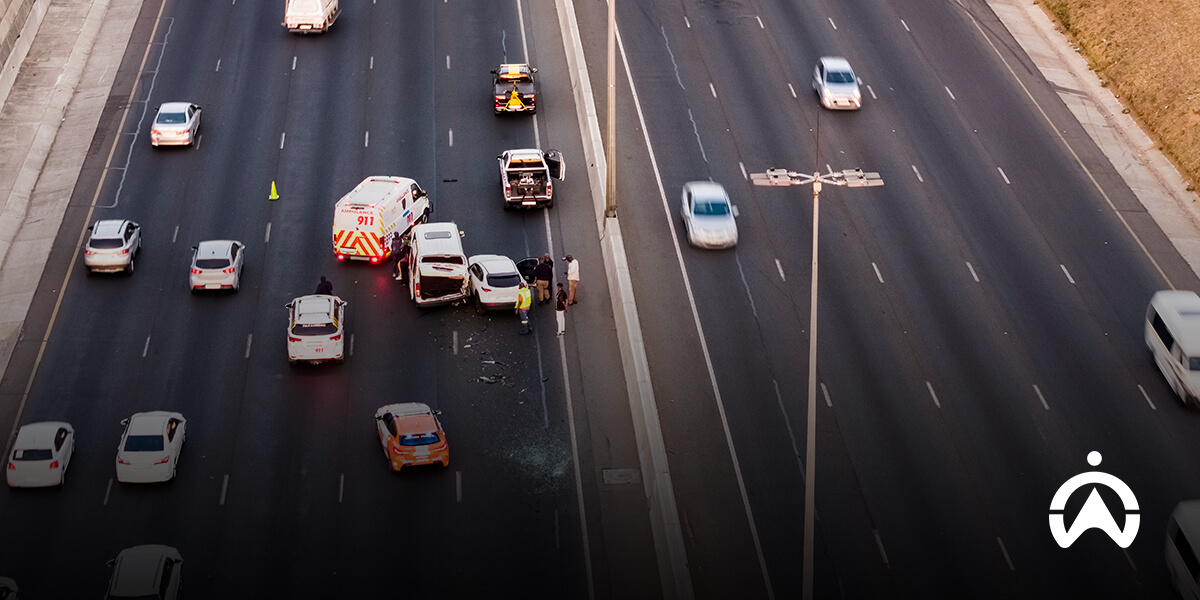
The price of vehicle insurance in Kenya is on the rise. This is due to the increase in the cost of vehicle replacement parts and repairs, mainly driven by inflation. Insurers need to account for the increased claims payouts, and as a result, these costs are compensated for through higher premiums.

Insurance costs can amount to a significant portion of running a fleet, so keeping them as minimal as possible is important.

Telematics helps insurers assess and price the risk; they are also the key to making premium savings. Today, we explore how telematics affects fleet insurance and why investing in a fleet management system might reduce the number of claims and, therefore, lower your premiums.

In this article, you will:

  • Learn about the connection between telematics and insurance
  • Find out how insurers use telematics to asses your fleet
  • Discover the Cartrack solutions that will help lower the risk your fleet poses to insurers

The link between telematics and insurance

As the world continues to experience innovations and technological advancements, the insurance sector is also embracing this shift by leveraging telematics technology. Insurers now use this powerful technology for risk assessment, pricing, and claims management.

To better understand, you first need to know how telematics works. Telematics involves the tracking and monitoring of vehicles through navigation systems, sensors, and sometimes cameras. This tool typically comes in the form of a GPS-enabled device installed in a vehicle to collect data. These devices provide vast amounts of data about driver behaviour, vehicle usage, vehicle health, and location. This information is essential for insurers to assess risk more accurately.

How insurers use telematics data

Insurers use telematics to collect data about driving habits such as speed and harsh braking, to determine risk levels, create a profile for the fleet, and set premiums. The open sharing of telematics data builds trust between fleet owners and insurers, ensuring more accurate and fair pricing based on actual driving behaviour.

What fleet insurers assess to determine premiums

Commercial vehicle insurance requires that the insurer understand the operational demands of the vehicles. Insurers conduct thorough assessments of the entire fleet, taking into account its unique needs and associated risks. Policies should be regularly updated and reviewed to ensure that the level and nature of cover evolves along with the fleet’s growth and development. ‍

Here are some of the factors that fleet insurers consider to determine your premium:

  • Number of vehicles: The larger a fleet, the higher the possibility of claims. However, insurers usually give larger fleets more discounts due to reduced administration costs, as they often calculate premiums using a single risk profile instead of having to assess each vehicle’s risk separately for each individual insurance policy.
  • Usage and mileage: The more time vehicles spend on the road, the more exposed they are to accidents, and the greater the chances of wear and tear. For this reason, insurers want to know how far vehicles travel daily.
  • Travel zones: Vehicles that travel across borders are charged higher premiums due to the risks associated with being out of the country. Vehicles that operate in high-risk areas attract higher premiums.
  • Type and value of vehicles: Assess the age, condition, model, and make of vehicles, as well as how much each vehicle currently costs. Some vehicles are of higher risk than others.
  • Driver record: Having drivers with more experience reduces the chances of accidents. For that reason, insurance companies also check the type of drivers you have in your fleet.
  • Claims history: A business with a history of frequent claims is more likely to pay higher premiums.
  • Type of goods being transported: Insurers usually include the cargo being transported. If it is of high value, then there are more risks associated with the fleet. Taxi and shuttle businesses should have liability coverage given the risk of personal injury and death when transporting people.
  • The presence of security measures: A fleet equipped with tracking devices and telematics capabilities reduces the risk of accidents, resulting in fewer claims. This, therefore, results in lower premiums.
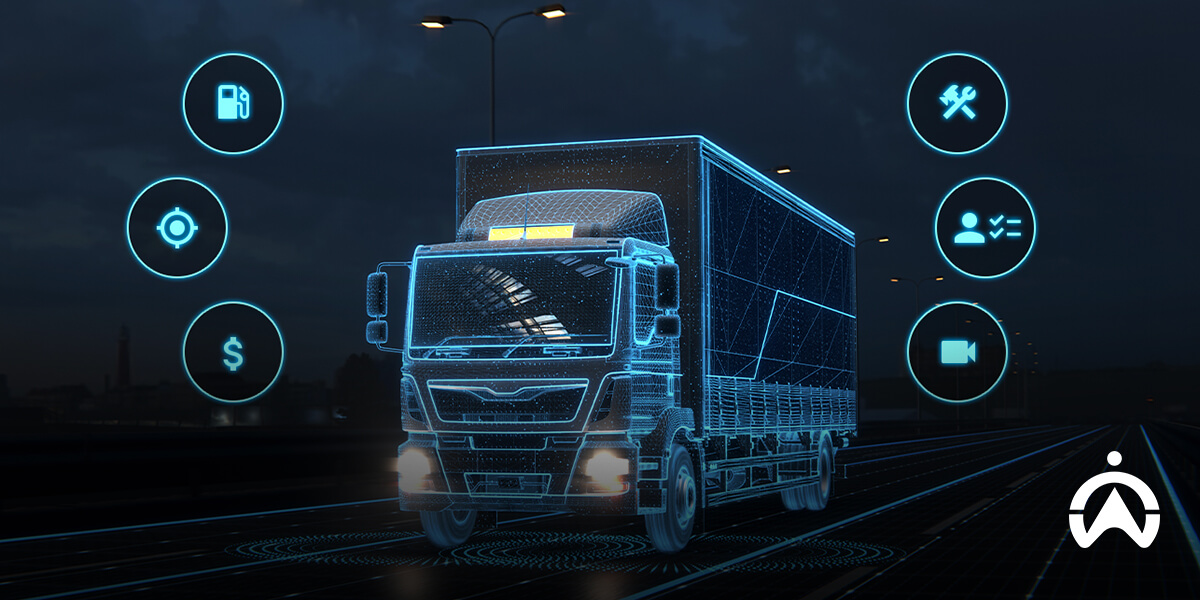
A digital hologram of a truck surrounded by icons for fuel, tools, user management, budget, and video, reflecting vehicle telematic data.

Key ways telematics impacts fleet insurance

There are several ways in which telematics affects fleet insurance. Here are four of the most impactful:

  1. Usage-based insurance (UBI) options
    The pay-as-you-drive or pay-how-you-drive models are growing in Kenya. Usage-based insurance is when insurers use telematics data to customise premiums, leading to potential savings, i.e the better the driver behaviour, the higher the chances of lower premiums.
  2. Improved risk assessment
    Telematics data gives insurers insightful information on where vehicles travel, the road conditions, and how safe it is. This enables more customised and fair premium pricing.
  3. Accident mitigation
    Monitoring driver behaviour and vehicle conditions translates to fleet managers being able to quickly identify unhealthy driving patterns and mechanical issues. This allows them to take action before drivers and vehicles cause accidents.
  4. Faster claims resolution
    Since telematics devices can pick up driving habits and impact, businesses get to prove their innocence in cases of fraudulent accident claims through accurate data. This speeds up the claims process and reduces the delays caused by disputes.

Using fleet technology as a risk management tool

As already mentioned, investing in fleet management software is the best way to mitigate risks and therefore reduce insurance costs.

  • Preventive maintenance: A fleet management system alerts managers of maintenance issues before they become serious problems so they can schedule maintenance, avoid unplanned downtime, and avoid costly repairs. This information reduces fleet expenses while minimising fleet safety risks.
  • Driver behaviour alerts: The real-time alerts and reports on driver behaviour allow managers and supervisors to address concerns and send fleet operators for coaching based on the specific help they need.
  • Route monitoring: The GPS tracking technology enables fleet coordinators to spot deviations and when drivers are in high-risk zones or accident-prone areas in real time. This allows them to contact the driver and check if there are any issues.

Data protection and compliance with POPIA in telematics

Telematics systems collect a significant amount of sensitive business information. Data security is an essential aspect of fleet management software, and therefore, your fleet’s data should always be protected. Insurers must comply with Kenya’s Data Protection Act when getting access to your telematics data. There should be no misuse or unauthorised sharing of data, and there must be transparency on the data collected. This ensures that your fleet records aren’t shared with third parties.

Case Study: Preventive maintenance measures for Concord Cranes

The key to better insurance premiums is fleet maintenance and driver monitoring. Here is a real-life story of how we assisted Concord Cranes through our preventative maintenance measures:

Concord Cranes is a company that specialises in crane hire solutions. They provide mobile cranes for hire, professional rigging, transport, and specialised lifting projects across 15 branches.

They often found it difficult to accurately record the hours each crane worked, making it challenging to maintain and deliver them to their clients on time.

How Cartrack makes a difference:

  1. Cartrack’s telematics device and specialised power take-off sensors make it possible for Concord Cranes to accurately monitor their cranes’ on-site working hours, mileage travelled, and see exactly what equipment a crane used. This data allows them to track the condition and usage of their cranes so they can establish preventative maintenance measures for their clients and increase their fleet longevity.
  2. Cartrack’s fleet management system with preventative maintenance insights has helped Concord Cranes reduce maintenance costs by minimising the number of cranes sent for expensive, fault-related repairs. This also reduces unplanned downtime for general services.
  3. Concord Cranes also uses Cartrack’s fleet management and maintenance system to improve overall brand reliability with their customers, ensuring their cranes are always in safe and working order. Additionally, detailed maintenance schedules have reduced the number of unexpected breakdowns and allowed proactive planning for the timely availability and deliverability of cranes to customers.

“Using Cartrack’s advanced fleet management, we have been able to increase our operational efficiency to deliver a better service to our customers, as well as effortlessly establish a maintenance cycle that reduces our costs and increases our fleet longevity.” | Gareth Langley, Concord Cranes operations manager
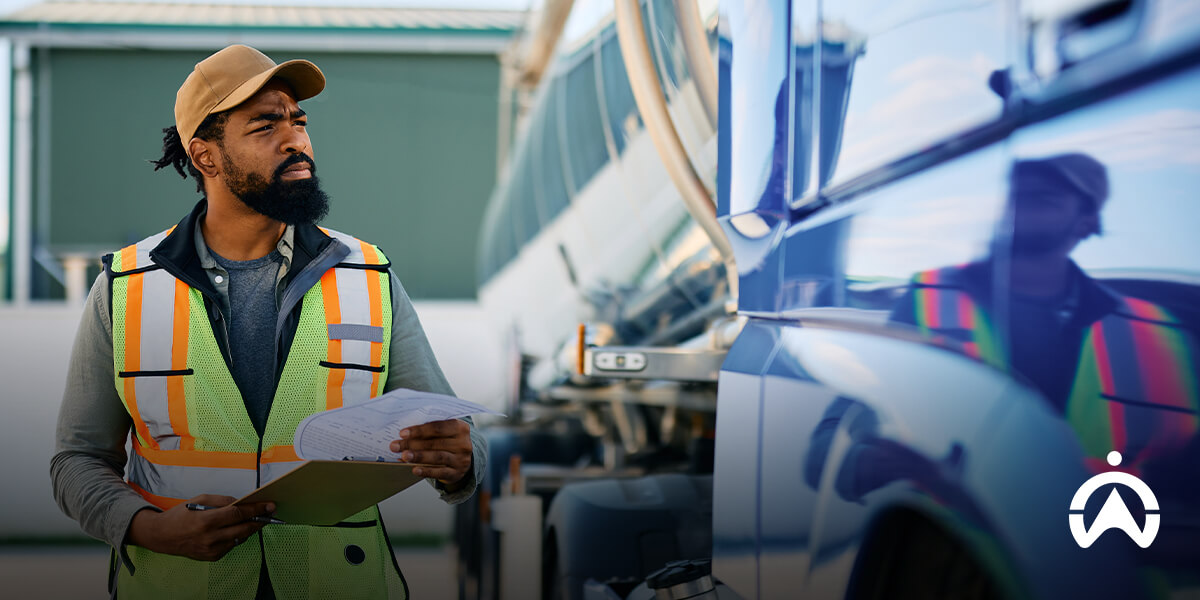
A worker in a high-visibility vest holds a clipboard, conducting vehicle maintenance checks on a shiny blue vehicle in a well-lit industrial area.

Enhance your fleet insurance with Cartrack’s advanced solutions

Businesses can reduce their insurance premiums by implementing robust risk management practices and maintaining a good safety record. At Cartrack, we offer services that help with safe driving, vehicle maintenance, planning routes, and vehicle recovery. Here’s how they work:

  • Maintenance scheduling
    Our fleet system allows you to set reminders of vehicle service dates, ensuring vehicles are always in top shape and that you plan ahead for the downtime. Additionally, you can also receive real-time alerts of engine faults, worn-out brake pads, oil and water fluctuations, and other diagnostics.
    ‍
  • Risk management (Stolen Vehicle Recovery)
    At Cartrack, we boast a 90% average recovery rate, have a large team of skilled recovery agents spread across the country, and a control room service that is available 24/7. Should the unfortunate happen, our teams are always on standby ready to get back what belongs to you. A stolen vehicle recovery service is also one of the things that are highly recommended by insurers, especially for a fleet that transports high-value goods, with some insurance companies even refusing coverage without one.
    ‍
  • Driver monitoring
    Ensuring the safety of drivers and monitoring how they operate fleet vehicles is one of the best ways to avoid frequent insurance claims. Our telematics devices provide reports and alerts on driving behaviours such as excessive idling, speeding, harsh braking, harsh cornering, and harsh acceleration. This allows you to spot risky driving patterns, address them with drivers and send them for training.
    ‍
    As an extra precautionary measure, you can invest in our AI-powered cameras to monitor drivers. These cameras are able to detect when drivers are distracted, using their cellphones, feeling drowsy or smoking. The system then gives drivers audible alerts so they can quickly correct their actions. Through this, drivers avoid collisions, which could be fatal or lead to heavy insurance claims and repair costs.
    ‍
  • Live tracking
    The Cartrack fleet system gives you the ability to track the locations of your fleet vehicles at any time to ensure that drivers are using the correct routes and that they are safe.
    ‍
  • Geofence
    The Cartrack geofence feature ensures that drivers always stay in the stipulated zone. Through this software, you can create virtual boundaries around areas of your choice and get alerts whenever vehicles enter or leave those areas. This ensures that you are always aware when vehicles are in high-risk zones which could indicate theft or deviations.
    ‍
  • Route optimisation
    Our route optimisation feature is a smart tool that helps plan your routes so you can choose the most efficient ways for drivers to get to their destinations. This is done through the analysis of road conditions and traffic patterns, helping avoid delays, reducing mileage, and minimising exposure to extreme road conditions that increase vehicle wear and tear.

Improve your fleet’s insurability with Cartrack’s data-driven management tools

Insurance is a must, and so is a fleet management system. Our solutions give you better insight into your fleet so you can make more informed decisions that help you avoid higher insurance premiums. Contact us today and unlock fleet savings!

Frequently Asked Questions about telematics and insurance

What is telematics in fleet management?
In one of our blogs, we explain how “telematics is a system used to collect GPS fleet tracking data along with a range of vehicle-specific information and store it in a database. It integrates both wireless telecommunications and information technology (informatics) to process, deliver actionable data and efficiently convey information over vast networks.”

How does a black box affect insurance?
A black box is a telematics device that tracks driver behaviours such as speeding, harsh cornering, and braking patterns. Insurers use it to accurately assess the driver’s risk and determine the insurance premium.

Which type of insurance uses telematics to help make decisions around premiums?

Usage-based insurance (UBI) is a type of insurance where insurers use telematics technology to determine premiums. They track mileage, speed, time of day, braking patterns, and acceleration. This information is then used to tailor monthly premiums for your vehicle. For example, people who work from home might argue that they hardly use their vehicles and should therefore pay less. UBI makes that possible through telematics technology.
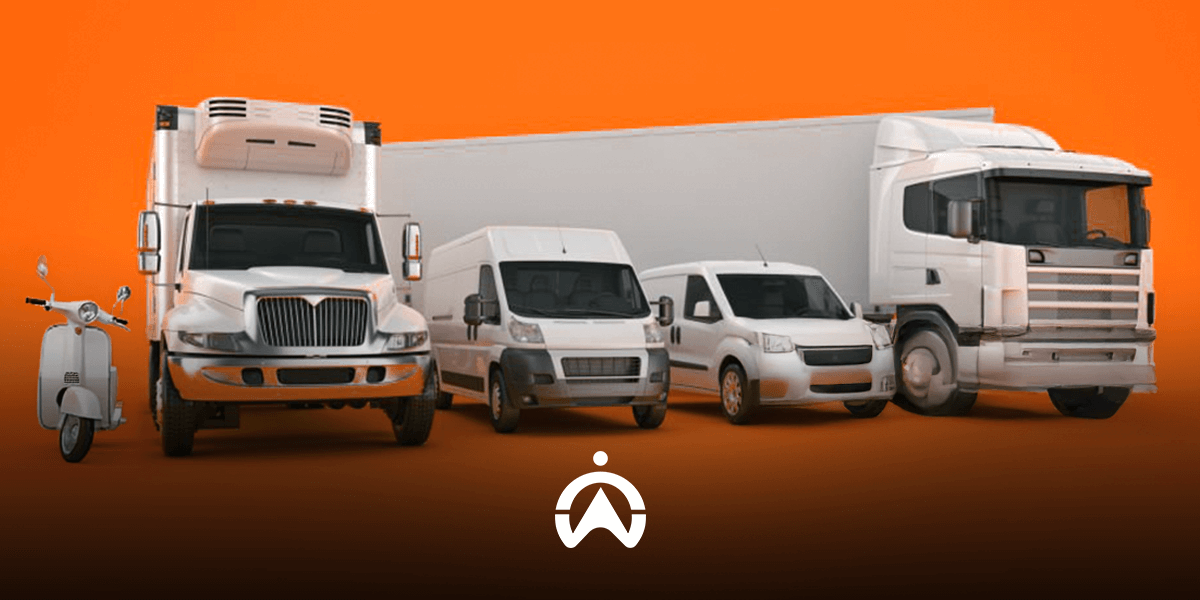
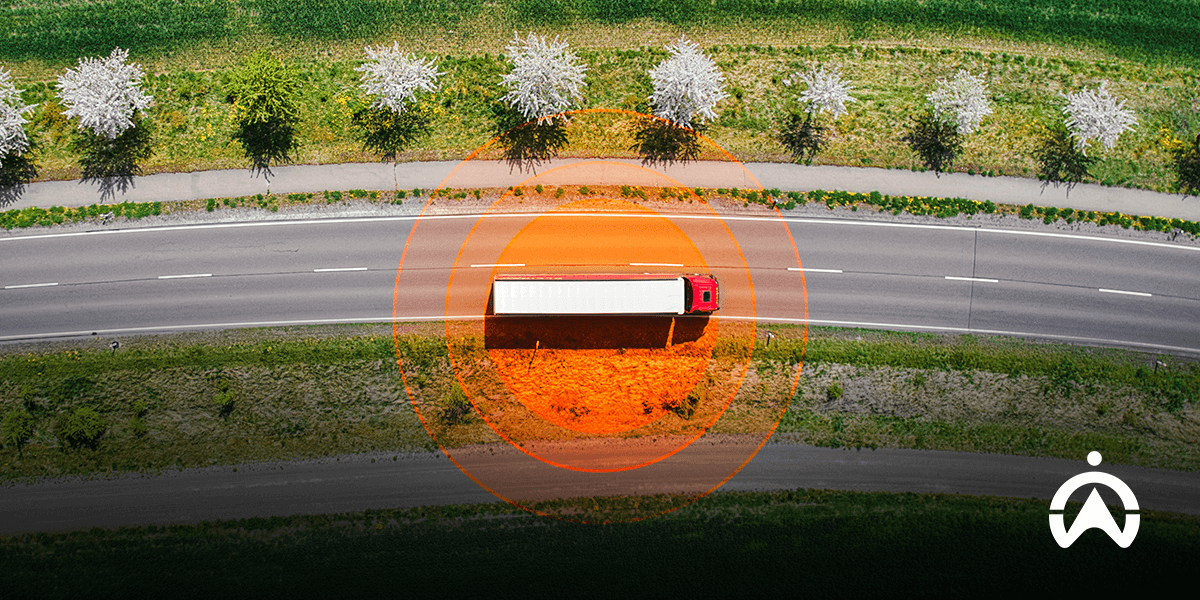
Tracking Device: Bikes, Cars and More

Vehicle crimes in Kenya continue to be a problem for many car and bike owners. This is a reality that most of us have had to come to grips with and find ways to mitigate the likelihood of becoming a victim.

The growing on-demand work trend has led to everyday vehicle owners using their cars and bikes dually for personal and business use, increasing their exposure to vehicle-related crimes. This has made it even more necessary for them to have adequate protection to ensure their safety.  

Investing in a tracking device is one of the most effective measures that a vehicle owner can take. A GPS tracking device isn’t only for cars anymore, it’s for everything on wheels that might be at risk.  

Discover the compelling reasons to invest in a tracking device and see why Cartrack stands out as a leading provider in this essential market.

This blog will discuss:

  • Why you need a GPS tracking device
  • What to consider before getting one
  • What can be tracked with this device
  • The value-added services that you can get
  • Why Cartrack is the best tracking device for you

Why a GPS tracking device is a must-have

A car or bike is not just a mode of transport for some people, it is a symbol of accomplishment, an investment, a potential business resource, and so much more. The attachment people have to their vehicles can sometimes be deeper than that of most other assets they own, which is why it’s essential to ensure they’re properly protected.

There are many other significant reasons to get a tracking device. Let’s explore some of them.  

High theft rates for bikes and vehicles

A recent report indicated 22,826 bike theft cases reported between 2022 and 2024. This high number demonstrates the need for GPS tracking solutions. Without a tracking device, most stolen cars would not be recovered, and the culture of hijacking would persist and potentially get worse.  

Insurance premium discounts

One of the proactive steps you can take to secure better insurance rates and maximise savings is by getting a tracking device.

Suppose there are two car owners with vehicles of the same model and driver profile. One has a tracking device installed, and the other doesn’t. The driver with a tracking device will be considered a lower-risk client and is likely to benefit from reduced insurance premiums.

Integrating a tracking device is a smart way to lower your premium.

Mixed-use vehicles

The state of the economy now has a lot more people running small businesses in their spare time, with vehicles that do not serve an exclusively personal function. They use their cars, vans, motorbikes, and scooters for ride-hailing and delivery services to earn an extra income.

These vehicles often need extra protection and coverage as they will spend more time on the road going to a variety of places. Additionally, they are not likely to always be driven by the owner but instead by hired drivers and riders.

Knowing where these vehicles are and that they are covered should there ever be a hijacking gives peace of mind to a person who is already busy and focused on their 9-to-5 job.

Peace of mind for personal or family use

Sometimes the person driving the car or riding the bike is not the owner of the vehicle. It is very common for people to add their spouses or children as official secondary drivers, especially if there is only one vehicle in the house.

It can be nerve-wracking for some parents when their children borrow a car for a night out with friends, or a spouse when their partner is driving long distances through a potentially high-risk area. In these cases, safety and visibility are important, some reassurance that these loved ones can be located in the case of an emergency or vehicle-related crime.  

This peace of mind is invaluable and can turn what is a highly stressful situation into one of comfort. A tracking device in your vehicle can make all this possible; it is a must-have for those looking to reduce their worries about their loved ones.  

Business use

For commercial vehicles, tracking devices are an essential part of the business. A device from a reputable provider makes it easier to manage logistics, asset management, and live tracking of trips.

Full visibility of all the cars and bikes in your business is necessary if you want to streamline operations and ensure that everything goes according to the established plans. Not only will your vehicles be safe, but your drivers as well, offering comprehensive coverage for vehicle operations and safety incidents.  

Cartrack Tracking device for trucks and cars

What to consider before getting a tracking device  

When looking to get a tracking device for your car or bike, there are some considerations to make. You will need to consider the type of vehicle, how you intend to use it, the costs you will be allocating to it, and the installation and maintenance needs.

Let us see what factors need to be addressed:

Usage purpose

Understanding why you are getting the tracking device to start off with is the first thing to do. Your intended use will determine the type of features you need, the level of service required, and even the hardware that’s best suited to your vehicle.

If you’re installing a tracking device for personal security, your primary concern will likely be theft recovery. In this case, you’ll want a device that includes real-time tracking, anti-tamper alerts, and 24/7 recovery assistance. Additional features like driver behaviour monitoring and trip logs may also help you keep an eye on how your vehicle is being used, especially useful if multiple people drive it.

On the other hand, if you’re managing a small business or a large commercial enterprise, your needs become more complex. You may need a system that offers route optimisation, camera systems, and anti-theft measures to protect the cargo.

Real-time tracking will still be essential, but integration with your business operations becomes a priority, helping you improve efficiency, reduce overheads, and ensure compliance with industry regulations.

Budget and coverage

Another factor to consider is how much you are willing to pay and the amount of coverage you will need. Most people will choose entry-level options because what they want most is just vehicle tracking and stolen vehicle recovery. Others will want more coverage and additional features, which may involve higher subscription tiers or additional service charges.  

These budget considerations also affect business owners whose tracking options can go up to enterprise-grade solutions. The solutions chosen will be informed by the frequency with which the cars or bikes are on the road and how often they go through high-risk areas.

Installation needs

Tracking device installation is a technical process best performed by professionals. Most tracking providers will send out their own people to get this process done; the only situation where a customer will need to install it themself is if they purchased the tracking device from an online marketplace.

What more can be tracked with Cartrack

GPS tracking technology has come a long way, offering real-time visibility, advanced reporting, and greater peace of mind for vehicle owners. At its core, GPS tracking uses satellite signals to pinpoint the exact location of a vehicle, transmitting this data to a secure platform that you can access via an app or web portal. With Cartrack, this technology is taken a step further through powerful telematics that provide insights beyond vehicle location.

Businesses from various industries use our tracking devices to monitor the usage and movements of assets such as valuable tools and machinery. For example, in the agricultural sector, GPS tracking technology can be used to map fields and track the location of equipment. Non-powered farming assets such as seeders can be equipped with tracking software to optimise crop production. Managers receive full data activity reports or daily alerts so they can see exactly where the equipment is and how it is being used.

Explore more benefits of our car tracking service

At Cartrack, we offer a range of value-added services on top of our standard tracking option. These additional features are designed to enhance your standard contract and give you even greater control and peace of mind.  

Here are some value-added services that you can get for your bike or car:

Geofence

You can keep your drivers on the right track with Cartrack’s geofence features. This allows you to create virtual boundaries around areas that you want to avoid; whenever this boundary is breached, you will be notified. By doing this, you get full visibility and real-time alerts of where your cars or bikes are.  

Carwatch/Bikewatch

Are you always parking in public areas and want more security for your car? CarWatch can be that extra security for you. When activated, it acts like your own personal car guard. If your car moves without permission, you will receive an alert on your phone immediately followed by a prompt call from our 24/7 control centre to confirm your safety.

Data analytics

Cartrack’s tracking device with advanced telematics capabilities collects data from your vehicle and stores it on our database.

The data that is collected helps you track how you use your car. This information includes:

  • The position of your vehicle
  • Vehicle insights
  • Fuel usage
  • Trip events, such as speeding, harsh braking, and harsh cornering

Crash detection

Having Cartrack on your side will feel like there’s always someone looking out for you. Crash detection is our emergency assistance offering that sends out an alert when you get into a collision with another vehicle. When our control room receives the alert, we will immediately check on you to see what type of assistance you need.

Roadside assistance

Cartrack tracking solutions include Protector, our roadside assistance offering, which gives you support when you experience vehicle-related issues. Whether you’re dealing with a breakdown or a flat tyre, simply contact us and we’ll dispatch immediate roadside assistance to your exact location, nationwide.

Cartrack Driver monitoring system

Why Cartrack leads the way

Cartrack stands tall as one of the industry’s leaders in vehicle tracking. Whether you’re a solo driver, a small business owner, or managing a nationwide fleet, the right tracking partner can make all the difference, not just in protecting your vehicles but in saving time, cutting costs, and streamlining operations.

If you want peace of mind knowing that your car or bike is safe, then we are the clear choice for you. With a strong presence in Kenya and a growing footprint, we’re trusted by millions to deliver reliable, round-the-clock protection and industry-leading service.

Here is a better look at the value we can bring to you:

Trusted in over 23 countries

Cartrack comes with a proven track record in Kenya and has a global footprint in over 23 countries. This is a testament to how reliable and effective our product offering has been. What this also means is that our services are available for cross-border tracking and recovery for people seeking international coverage and protection.

24/7 recovery teams

We have a skilled and highly trained network of response agents scattered all across the country. These recovery agents will be promptly deployed when a hijacking or car theft has occurred. Using the location data from your tracking device, these teams will use ground and air forces to track down your stolen car, depending on the circumstances and severity of the crime.

Easy-to-use app

We offer a mobile app with an intuitive and user-friendly interface, which is available on iOS and Android app stores.
‍

Our app is capable of:

  • Live tracking
  • Historical trip playback
  • Instant alerts
  • Remote engine shutdown

Scalable solutions for your needs

Tracking devices are versatile and can be used on a variety of vehicles, which makes them adaptable enough for singular vehicles and fleets. This means that should you already have a tracking contract with us and choose to purchase a new vehicle, our services can align with that goal. This could be a new car for the family or an additional bike for your fleet of business vehicles.  

Secure your bikes, cars, and more with us

When it comes to the safety and security of your vehicles, Cartrack comes fully prepared and equipped. Our advanced technology forms the foundation of our comprehensive tracking and recovery solutions. We boast an average recovery rate of approximately 90%, so with us on your side, you can have peace of mind knowing that should anything happen, we will have you covered.

Contact us today to protect your vehicles and see how our tracking solutions can work for you.

Frequently Asked Questions about Cartrack

How does a GPS tracking device work on different types of vehicles?

It functions the same on all vehicles and offers the same capabilities. The power source, accuracy range and mobile app features are identical. The only difference is in the location of where the device is installed, which will change based on vehicle type and the discretion of the technician.  

How accurate is Cartrack’s real-time GPS tracking?

It is very accurate and meets the standard accuracy radius of two metres. Our system refreshes every three seconds as the vehicle moves. The system keeps location data stored in areas without any signal and reinstates the lost route data when it reaches a connectivity zone.

What happens if the tracking device is tampered with or disconnected?

Your tracking unit has tamper alerts on it, which is triggered when someone fiddles with or disconnects it. Our control room will be notified, and you will be informed of this occurrence. A recovery team will then be sent out to locate the car.

How long does it take to install a Cartrack device?

The installation of a tracking device is a quick and simple process. It usually takes between 2-4 hours to get the entire process done. Some delays and technical issues may prolong the time, but those situations are unlikely.  

Can I move my tracking to another vehicle if I sell my car or bike?

Yes, we do offer this service to our customers. We can deregister your current device and reinstall it in the new vehicle. Your contract will remain unaffected throughout this process.

Is there a warranty on Cartrack devices?

Yes, you can get a one-year warranty on your device or upgrade to a lifetime warranty. This will come as a value-added service with a small fee added to your premiums.

Types of Vehicle Tracking System

Whether you drive a private vehicle or manage an entire fleet, investing in a reliable tracking system is crucial for safety, efficiency, and overall peace of mind.

There are many ways to track vehicles, and not all tracking systems are equal. Some are better suited for urban fleets, while others excel in remote logistics.

It is important to pick the system that best suits your needs. Today, we look at the different types of vehicle tracking systems and why our solutions should be your top pick.

In this article, you will:

  • Understand the true meaning of a vehicle tracking system
  • Learn about the various types of vehicle tracking systems available
  • Find out how to choose the best one for you
  • Discover the various vehicle tracking solutions that Cartrack has to offer

What is a vehicle tracking system?

A vehicle tracking system (VTS) is an electronic solution designed to enhance vehicle safety and help fleet businesses improve productivity levels by monitoring vehicle locations and other data. The system connects fleet management software with vehicle tracking devices, which allows it to gather information about the vehicle and its driver.

Vehicle tracking systems have become popular over the years as the technology continues to reach new levels. This must-have solution comes in various forms, configurations, and sizes. Let’s explore and understand each of them.

Common types of vehicle tracking systems

Choosing a tracking device that best suits your needs can be difficult if you don’t know the options available and how they work. Let’s explore the different types of vehicle tracking systems:

1. Active tracking systems

These vehicle tracking systems are usually installed inside the vehicle, connecting to a power source that enables the collection and transmission of data in real time. The data is then stored and can be easily accessed in real-time via software.

Here are a few examples of active vehicle tracking systems and how they work:

  • Cellular network tracking systems
    This is a method where mobile networks are used to transmit the tracked data in real time; the data from the device is sent to a cellular tower, which then conveys it to a service provider over an internet connection. Cellular network tracking systems work best in areas with good mobile network coverage. The range for this form of vehicle tracking system can extend across cities and countries, depending on the coverage by the network provider. Cellular network tracking systems are ideal for people living and travelling in urban areas with good signal coverage.
    ‍
  • ‍Satellite tracking systems
    In order to understand satellite-based tracking, you first need a brief understanding of the Global Navigation Satellite System.

    The Global Navigation Satellite System (GNSS) is a satellite-based tracking system that uses satellite networks such as the Global Positioning System (GPS) to collect and transmit data from a tracking device. This fascinating technology uses time signals broadcast along a line of sight to let electronic receivers calculate their location with great precision. This method of vehicle tracking is therefore more reliable, making it an ideal solution for fleets and individuals operating in remote areas with limited mobile network access, as the coverage is more reliable and offers exceptional accuracy.  
    ‍

  • ‍GPS-based tracking systems
    GPS-based vehicle tracking systems and satellite-based systems are interrelated but are not exactly the same thing.

    The key difference is that a GPS tracking system is satellite-based, but not all satellite-based tracking relies solely on GPS. An article by Online Science explains how there are other satellite navigation technologies, each managed by a different country, such as GLONASS (operated by the Russian Federation), BeiDou (operated in China), and Galileo (operated by the European Union). GPS was developed and is operated by the United States of America, and is the most commonly used.
    GPS trackers are ideal for individuals for personal safety and for fleet businesses for vehicle monitoring.
    ‍

  • ‍OBD-based tracking systems
    Another form of active tracking is OBD-based technology. This approach involves plugging a device into the vehicle’s On-Board Diagnostics (OBD-II) port. The device is easy to install and allows fleet managers to have access to crucial information such as vehicle health, mileage, and fuel levels, helping enhance fleet efficiency. OBD trackers allow both fleet managers and private car owners to monitor risky driving behaviours such as speeding and harsh braking, making them the perfect solution for both personal and business purposes.
‍OBD-based tracking systems

2. Passive tracking systems

Passive vehicle tracking systems also make use of GPS to track vehicle location. The only difference is that you can’t get real-time updates in a passive system. They record the data and store it in a memory card or hard drive for later access. Once connected to a computer, the data will be available for users to view. This type of tracking is ideal for users who need access to historical trip data rather than real-time updates.

3. RFID-Based Tracking Systems

An RFID tracking system is one that is based on radio frequency identification technology. It can track and identify vehicle locations in real-time as well as record entry and exit information. The system is composed of three components: a tag, a reader, and vehicle tracking software. The tag is attached to the vehicle, and the reader emits a radio signal that activates the RFID tag; the software is then responsible for data storage and analysis. This type of technology has a short range and is an ideal solution for driver identification or tracking in indoor environments such as warehouses.

4. Internet-based (IoT-enabled) tracking systems

IoT, or the Internet of Things, integrates sensors and connectivity technologies such as Wi-Fi, cellular networks, and satellite communications to enable advanced vehicle tracking and remote diagnostics. The sensors and GPS devices collect information from the vehicles, and the data is then transmitted via the internet to a central platform. From there, the data is processed and turned into easily understandable information for fleet managers. This technology helps with predictive maintenance, finding optimal routes for deliveries, real-time monitoring and alerts, driver behaviour analysis, and much more.

A table comparison of the different tracking systems

An easy way to understand the key differences between the various types of vehicle tracking systems is through a table. Here’s a quick breakdown:

Type Technology Used Range Real-time? Use in Case
Cellular Mobile networks Wide Yes Real-time tracking in urban areas
Satellite GNSS (mostly GPS) Global Yes/No (can do both) Theft recovery, fleet management
RFID Radio Frequency Short (meters) Yes Warehouses, driver tags
OBD-II OBD port, GPS, Cellular Wide Yes Vehicle diagnostics, driver behaviour, fleet management
IoT-based Sensors, GPS, Cellular, IoT Global Yes Advanced fleet analytics, automation

How to choose the right vehicle tracking system

The best vehicle tracking system for you depends on your specific needs. Here are some factors to consider:

  • Budget and ROI: Most individuals require basic tracking services, such as Stolen Vehicle Recovery and the ability to view vehicle locations at any time. Additional features, such as driver behaviour monitoring or advanced analytics, are considered an extra layer of protection and will depend on how much you are willing to spend. On the other hand, businesses look for vehicle tracking services from an investment point of view. The price is not a huge concern, but the savings and profit as a result of improved productivity are what matter the most. Fleet managers should look into the type of data they require the most to boost profits.
    ‍
  • Intended use: The solutions you choose will also depend on the intention. For example, delivery fleets require advanced solutions such as route optimisation capabilities, driver alerts, driver identification, and preventative maintenance. Personal vehicles are typically tracked for theft prevention and to ensure the safety of family members.
    ‍
  • Area of operation: If your vehicle is constantly in remote areas, then you need a solution that can give you accurate location updates and data regardless of the low network coverage.

Cartrack case study: Mr Build

Mr Build is a well-known hardware store that specialises in woodworking, timber, plumbing, cement, and a wide range of home decor. They have a workforce of 200 across seven branches and a fleet of about 40 vehicles that deliver their products to customers.

Their main challenge was keeping track of where drivers and vehicles were during deliveries. They could not pick up any signs of drivers experiencing delays, which meant customers could not be updated on deliveries.

How Cartrack vehicle tracking solutions transformed operations:

  1. Our vehicle tracking system allows Mr Build to see exactly where their vehicles are at any given time. They also get detailed history reports of all completed trips. This also means they no longer waste time and resources trying to call and locate drivers.
  2. The live-location tracking feature allows Mr Build to manage delivery updates and inform customers. There are now a limited number of unnecessary route deviations, boosting productivity and promoting driver accountability.
  3. As an extra layer of security, Mr Build has added our CarWatch feature to their package. When activated, this feature acts as a virtual car guard and alerts Mr Build and our 24-hour control room service the moment any unauthorised vehicle movements occur on parked vehicles.

“Cartrack helps us monitor the fleet much better, I always know where all the vehicles are. There’s no part of the day when I have to look for a vehicle or driver. If I can’t get a hold of the driver, I know where the truck is.” | Mohammed Haider Yacoob, Manager – Mr Build, Tzaneen

Satellite based vehicle tracking system

Explore our vehicle tracking solutions to find the right fit

Cartrack makes use of most of the above-mentioned tracking technologies to give you solutions that you can access all on one platform. Here’s what we offer:

  • ‍GPS live-tracking
    Always know where your vehicles are at all times. Cartrack devices use both satellite and cellular technology to ensure that you get accurate location updates, monitor driver routes, view location history, and ensure safety and efficiency.
    ‍
  • ‍Stolen Vehicle Recovery
    Vehicle theft remains a great concern in Kenya. In the unfortunate case of vehicle theft, Cartrack offers a stolen vehicle recovery service available 24/7 to ensure a swift response. We have skilled air and ground recovery teams available nationwide that are always on standby, plus we boast an average recovery rate of 90%.
    ‍
  • ‍Driver monitoring
    Our IoT-powered tracking devices give fleet managers the ability to keep an eye on driving behaviours such as speeding, harsh braking, excessive idling, rapid acceleration, and harsh cornering. Fleet managers will get alerts on these behaviours as well as detailed reports. Through this, managers can identify drivers who need training, which in turn promotes safer driving, reduces the chances of accidents, and helps the business avoid lawsuits and bad driving reviews.

    In addition, we have Driver Identification tags (DID), which help fleet managers instantly identify who is driving which vehicle. Preventing unauthorised drivers from using the wrong vehicles and also promoting driver accountability.
    ‍

  • ‍Crash detection
    Having instant access to your vehicle location also helps in situations where you need emergency services, such as an ambulance. As an extra layer of protection and through the power of our IoT-powered device, we have a crash detection service that allows us to detect collisions as they happen. From there, we will contact you or your loved ones and then send help.
    ‍
  • ‍Preventative maintenance
    Our advanced solutions help fleet managers keep a careful eye on vehicle maintenance; through this, they can get alerts on things such as worn-out brake pads, oil and water fluctuations, and engine health. This allows for a swift response before the issues get worse, reducing the chances of unexpected breakdowns, unplanned downtime, and costly repairs. It also helps the fleet remain compliant.

Invest in Cartrack vehicle tracking solutions today!

Cartrack is one of the leading companies in the vehicle tracking industry. We offer advanced features that cater to vehicle owners of all kinds. Whether business or personal, you will most certainly find what you need in our solutions. Reach out to us, and we’ll help you choose the best vehicle tracking system for you.

How to Prevent Construction Equipment Theft With GPS Tracking

Equipment, such as excavators, forklifts, concrete mixers and bulldozers, is the backbone of the construction industry, without it, development would grind to a halt. This is why it is important to address equipment theft as soon as it arises in a business.

GPS tracking provides a solution to this problem, as it keeps all assets accounted for even across work sites. Additionally, some providers offer services and features to enhance this product and overall security.

Let us discuss how GPS tracking can prevent construction equipment theft and how Cartrack is the ideal partner to help a business accomplish this task.

Get insights on:

  • Why equipment theft is a big problem
  • How theft costs the construction industry
  • How GPS tracking is used in theft prevention
  • The additional benefits of GPS tracking
  • How Cartrack’s solutions help prevent construction equipment theft

Why Equipment Theft Is a Major Concern

Kenya has a massive construction industry that is projected to grow significantly in the coming years. The market is expected to grow from it’s value of KES 956.7 billion of 2024 to KES 1.41 trillion in 2029 according to Business Wire , the leading agency for regional and international construction companies.

This insight shows how much value the industry brings to the country and economy. Equipment theft causes severe operational disruptions, threatening industry growth and financial stability.

There is significant difficulty in recovering stolen equipment as it is usually not tracked, this is because these assets lack permanent registration like passenger vehicles. This makes it hard to identify when it has been stolen or resold to another business.

This all leads to downtime and project delays, which ultimately have a negative effect on a business financially.

The Cost of Construction Equipment Theft

Construction equipment is very expensive and is usually hard to replace. This is because some types of equipment need to be custom-made, such as cranes or heavy-duty excavators. This leads to a significant waiting period between ordering and delivery.

The theft of equipment also disrupts project timelines.

Here are some of the costs that are incurred:

The Financial Losses From Stolen Machinery

The financial losses due to theft can be very large, especially if the equipment stolen is a specialised machine. That can cause a significant amount to lose, especially when most construction companies are not major corporations but small businesses and subcontractors.

Many construction companies do not budget for equipment replacement costs, making theft a significant financial setback. Theft impacts the business’s balance sheets as there is often little room for additional costs. This is because the industry operates on a project-based model, often with periods of inactivity.

As with all thefts, insurance costs are affected. Some insurers might increase premiums and, depending on the circumstance, may refuse to pay out altogether.

The Impact on Productivity

Delays are a major cause of reduced productivity, particularly in construction as most projects are deadline-based. When critical equipment is stolen, construction is hindered and in some cases halted, this means that labourers will sit idle with no work to do and time-sensitive processes will be disrupted.

A construction business with productivity problems and issues with meeting deadlines is at risk of reputational damage. If these issues persist, it will impact the business’s public image and dissuade potential clients from considering them for projects or bids for contracts.

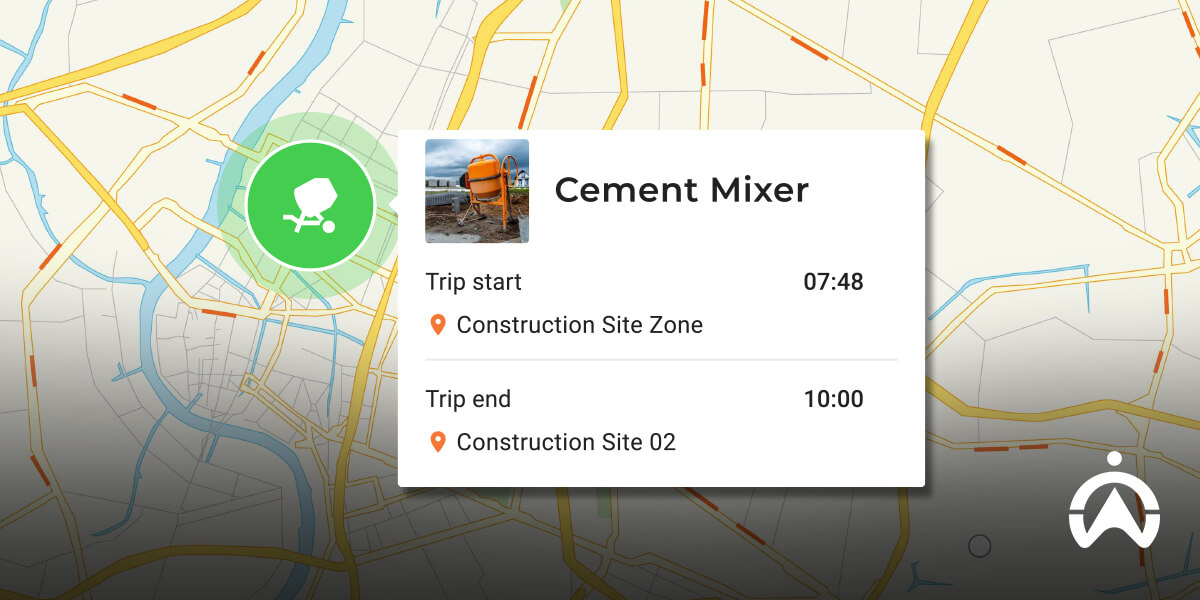
Cartrack_cement_mixer_sensors_displaying_construction_site_zone

How GPS Tracking Can Prevent Equipment Theft

GPS tracking extends beyond vehicles and can be installed on equipment and machinery. Here are the ways in which GPS tracking can work for the construction industry and prevent equipment theft.

Real-Time Location Tracking

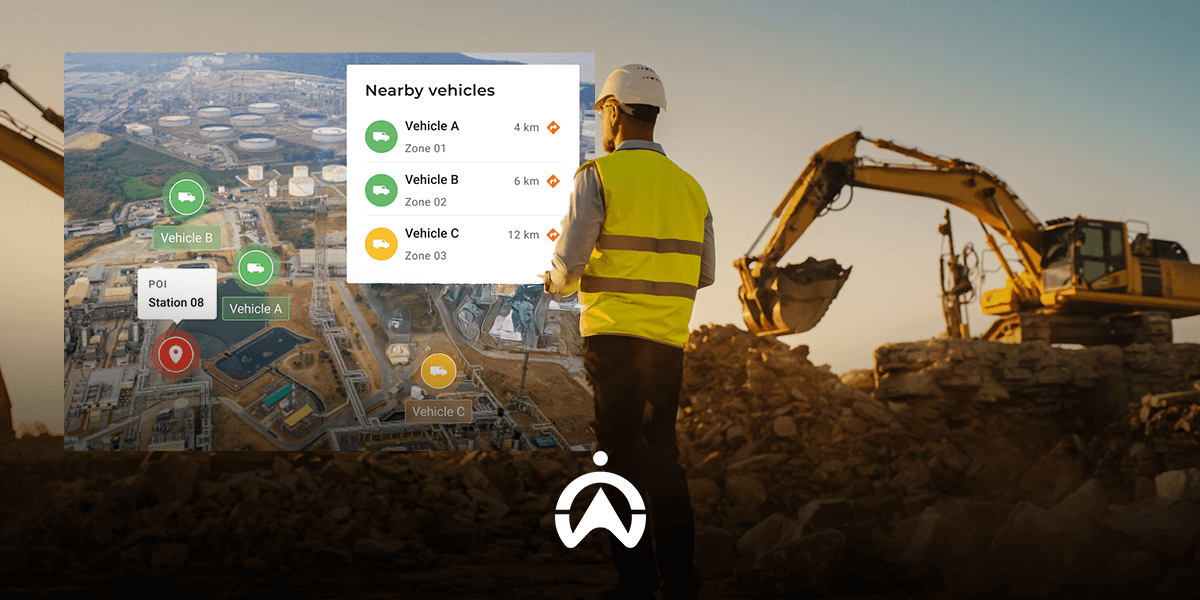
Monitor equipment locations at all times, reducing the risk of theft. This feature ensures that construction managers and security teams can keep a constant eye on valuable assets, enabling quick responses if an asset is moved without approval.

Geofencing Alerts

Set up virtual boundaries and receive notifications if equipment moves outside designated zones. Geofencing is particularly useful for ensuring that equipment remains within designated work areas, preventing unauthorised use and potential theft.

Tamper Alerts  

Receive instant alerts if tracking devices are removed or tampered with. Cartrack’s GPS tracking systems are equipped with tamper detection technology, which immediately alerts fleet managers if someone attempts to disable or remove a tracking unit.

Remote Immobilisation

Shut down stolen equipment remotely to prevent further movement. This feature is invaluable in theft situations, as it allows owners to render stolen equipment inoperable, increasing the likelihood of recovery.

Historical Tracking Reports

Review past movement logs to track unusual patterns or unauthorised usage. These reports provide insights into usage trends, helping businesses identify security vulnerabilities and potential internal theft.

Battery and Power Loss Alerts

Get instant notifications if a tracking device experiences power loss or is disconnected. This helps in detecting potential tampering attempts or power failures that could compromise tracking.

Multiple Device Integration

Monitor multiple pieces of equipment from a single platform, ensuring seamless tracking across different sites. Whether managing a large fleet or a small number of assets, businesses can have complete oversight from a unified dashboard.

Automated Maintenance Scheduling  

Keep track of equipment maintenance schedules to reduce downtime and improve security. Well-maintained equipment is less likely to be left vulnerable to theft due to breakdowns in unsecured locations.

Additional Benefits of GPS Tracking

GPS tracking comes with some additional benefits that are secondary to our direct offering. The most evident one is that the business gets to improve operational efficiency by monitoring equipment usage. Efficiency is capital in the construction industry as it has a direct correlation with the amount of income the business gets.

Another benefit is that the business can reduce fuel costs, it can do this by tracking unnecessary idling. This could be the idling of any equipment or machinery that uses fuel to function, from vehicles to generators. You can ensure proper maintenance with automated service reminders that will inform you whenever equipment is due.

Additionally, with this system in place, you increase the worksite security due to the enhanced visibility of all the assets. When employees know that equipment is being tracked, it will deter them from attempting any theft.

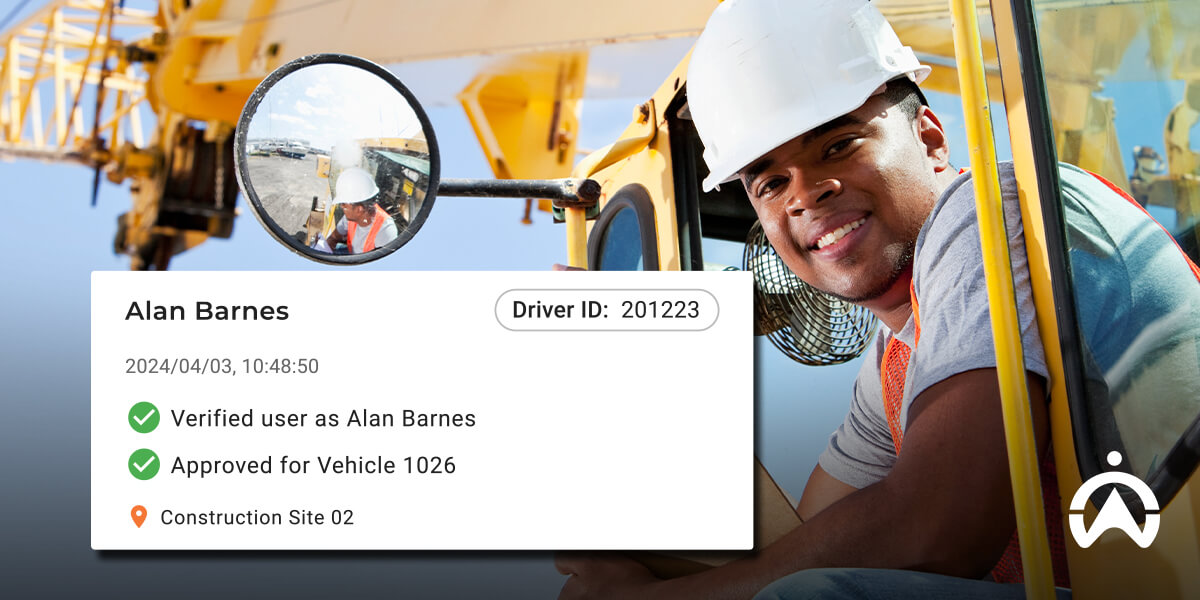
Cartrack_ID_Tag_verifies_an_approved_operator_for_construction_equipment

How Cartrack’s Solutions Help Prevent Theft

With Cartrack as your partner, you can rest assured that your business equipment will be protected from theft. Our theft prevention technologies cater to all types of equipment and can be used by both large and small businesses.

Here is what you get from our solutions:

Advanced GPS tracking technology with real-time monitoring.

We offer GPS tracking of assets, where a ping is sent daily indicating the real-time location of the specific equipment or machinery in your business. This can also be applied to any construction vehicles that need to be tracked.

  • ‍Full asset visibility
    The GPS tracking can be done on equipment and machinery spread across work sites. This will give the business owner an overview of where their resources are located and how many are currently in use versus those in storage at the business premises.
    ‍
  • ‍Asset utilisation rate
    Know how often your construction assets are being utilised by working hours or mileage to help you gauge where to strategically up or downsize your fleet to increase productivity and reduce unnecessary running costs.
    ‍
  • ‍Mobile app and web interface
    This information can all be seen on our online platform or mobile app. This makes it easier for managers to coordinate assets from any location, without needing to be at the specific construction sites.

Comprehensive fleet management solutions

In addition to GPS tracking, we offer comprehensive fleet management solutions. These can be useful for equipment management, as they come with telematics, which tracks the utilisation rate and wear and tear through the use of predictive maintenance.

  • ‍Sensors
    Cartrack has a cement mixer sensor, specifically designed for the construction industry. This is done when the raw materials are loaded into the mixer, the sensor can record the moisture variation between the wet parts and the dry cement materials. With this, you can monitor the speed and direction of your cement truck’s drum rotation to ensure you always deliver a high standard of cement.
    ‍
  • ‍Preventative maintenance
    Set preventative maintenance schedules and get automated reminders using real-time data to ensure all construction equipment is regularly maintained based on hours of service, mileage and date of last service to avoid costly breakdowns and downtime.
    ‍
  • ‍Employee work-hour reports
    Automated reports tell you exactly when your construction teams arrive or leave their assigned project sites to give you actual working hours, so you can bill your clients and pay your team’s wages accurately and hassle-free.
    ‍
  • ‍Surveillance cameras
    Equip your construction vehicles with exterior cameras and in-cab monitors that livestream footage, providing operators with 360-degree views of their surroundings to help them prevent incidents, especially when reversing or carrying oversized loads.
    ‍
  • ‍Security measures
    Geofencing, tamper alerts, and start prevention are all included in this offering, along with driver ID tags and work logs. All these features will make reporting and billing easier to document.

24/7 customer support and theft recovery assistance

At Cartrack, we have a dedicated customer support team that is available 24/7 in case of any emergency or for general queries. This comes as a standard service for all our clients, with someone available to speak with you in one of our official languages, should you wish.

In the event of theft, our specialised recovery team works swiftly to locate and retrieve stolen equipment. This team is made up of trained and skilled individuals with experience in asset recovery.  

Proven track record in vehicle and asset recovery

With over two decades in the industry, Cartrack has developed a great reputation when it comes to stolen vehicle recovery.  

Over 115000 businesses trust us across 23 countries, proving how well-regarded and reliable our business offering is.

Prevent Theft, Reduce Risk, and Protect Your Assets with Cartrack

A business in construction needs to have its assets protected and accounted for if it wants to maintain optimal performance. Cartrack’s solutions ensure continuous equipment tracking, reducing operational inefficiencies caused by theft.

Contact us to find out how else we can support your construction business.

FAQ

Can criminals detect GPS tracking devices?

Yes, some criminals have developed methods to detect GPS trackers. However, Cartrack’s tamper-proof installation on equipment and tools makes removal and detection significantly more difficult.

Do GPS tracking units need an internet connection?

No, they do not, they use satellite signals to communicate their location. This is not affected by connectivity in any way.

Does a GPS tracker need a battery to be charged?

Some may be connected to an internal power source while others can run on an independent battery. Some of Cartrack’s independent GPS trackers can run for 3 days to two weeks without needing to be recharged, this will depend on the product chosen.

What Industries Benefit from GPS Tracking

GPS tracking is a non-negotiable for many business owners with a fleet of vehicles. Keeping track of these assets is a critical task that often has a team dedicated to it. This shows how complicated the process can sometimes be and how integral it is to efficiency and productivity.

So today, we will share which industries benefit most from GPS tracking and why Cartrack is the ideal provider of this service.

This blog will discuss:

  • Which industries benefit from GPS tracking
  • How to choose the right GPS tracking system
  • The business value it brings
  • Why you should choose Cartrack

Industries That Benefit Most from GPS Tracking

GPS tracking is a versatile service that can work for many business types across industries, seamlessly integrating into daily operations.  

Some may believe that GPS tracking is solely for long-distance fleet vehicles; however, this is not the case at all. Several other business vehicles and assets can also use this technology, from off-road factory vehicles and heavy equipment to other immovable company assets.

Let’s explore some of the industries’ GPS tracking benefits and how it is used in each sector:

Logistics

With GPS tracking, fleet managers can optimise delivery routes in real-time, avoid traffic congestion, and ensure timely arrivals. This not only reduces fuel costs and vehicle wear but also boosts delivery efficiency.

Another key advantage is accurate ETA updates. Customers can receive real-time delivery updates, which greatly improves satisfaction and trust. Additionally, companies can reduce costly downtime by monitoring idle time and vehicle performance.

Construction and Mining

When looking at the construction and mining sectors, GPS tracking can help with tracking yellow metal equipment. The vehicles that are normally used in this industry tend to be off-road and are specialised for a unique function, such as excavators and cranes.

Sales

GPS tracking plays a vital role in a sales environment, particularly for outside, field, and travelling sales teams. It helps employers confirm that salespeople are where they’re scheduled to be, provides accurate mileage tracking for travel reimbursements or tax purposes, and adds an extra layer of safety for employees on the road.

Field Services

This industry includes professionals such as plumbers, electricians, and HVAC (Heating, Ventilation, and Air Conditioning) technicians. Business owners in this industry can assign jobs faster, track staff movements, and improve on-site arrival times.

Another benefit is that the system will make it easier to reduce travel claims with route verification.

Agriculture and Farming

For this sector, GPS tracking helps monitor tractors and harvesters in real-time. It also makes it possible to manage fuel usage during long working hours across vast land areas while preventing the theft of expensive farm vehicles and equipment.

GPS Tracking benefit for Agriculture Industry

Waste management

GPS tracking plays a pivotal role in the waste management industry, where it’s used to monitor the location of company-owned dump trucks and streamline day-to-day operations. From trash collection and recycling to the safe disposal of hazardous chemicals, these services rely on efficient route planning and real-time visibility to meet environmental standards and customer expectations.

Security and Armed Response

For companies in the security sector, every second counts. GPS tracking ensures that armed response teams are always visible and can be dispatched to emergencies without delay.

Real-time vehicle tracking enables control centres to identify the closest patrol car and direct it to the scene, reducing response times and potentially saving lives.

Post-incident GPS history is invaluable for incident analysis, staff accountability, and reporting.

Car Rental and Vehicle Leasing

The car rental and leasing industry can be a tricky one, with the entirety of the business’s vehicles being open to use by the paying public. This means that there is a risk taken with each vehicle that is leased by an individual. GPS tracking ensures the proper use of rental vehicles, where it monitors vehicle usage, protects the fleet from theft, and provides a safer customer experience.

In the case of a hijacking, the tracking provider can recover stolen or abandoned vehicles faster.

Public Sector and Municipal Fleets

From refuse trucks to public transport fleets and other government vehicles, GPS tracking is useful. Municipalities can use the data from their vehicles’ prior journeys to plan efficient routes, monitor progress, and improve overall service delivery.

Additionally, the system can be used to reduce the misuse of government-owned vehicles, as the driver and location data will expose inappropriate use.

What to look for in a GPS Tracking System for your Industry

A reliable GPS tracking system provider should provide more than just location tracking. Modern GPS tracking devices come with a host of other benefits that can be used to enhance the operations of a fleet and improve overall safety.

Having the right tools and services in your GPS tracker is important, and it is vital to know which features to look out for so you can make the best decision.

Here are some key elements that a GPS tracking system should have:  

Fuel and Maintenance Savings

Fuel is a major expense for many businesses that have a fleet of vehicles. With GPS tracking, a business owner can detect the causes of fuel waste, such as bad driver behaviour and inefficient routes. Additionally, other factors such as vehicle health should be monitored to enable predictive maintenance.

All these factors, when attended to on time, can lead to significant cost savings.

Driver Behaviour Monitoring

How drivers operate business vehicles is a major contribution to how the fleet performs overall. Driver behaviour monitoring is an essential feature of a GPS tracking solution and is an essential component of a successful system. With this tool in place, the fleet manager can improve road safety, reduce accident risk, and enforce company driving policies.

Vehicle and Asset Protection

Protection of your business assets is very important, which is why the fast recovery of stolen vehicles or machinery is critical, especially in Kenya’s high-theft zones. Having a GPS tracking system that provides security measures for your assets can significantly enhance operational continuity and business growth. These measures can include security features such as geofences, panic buttons, and many others.

The Business Value of GPS Tracking

As a business owner, efficiency and productivity are crucial for success. This means that finding the best tools to assist in this goal is a top priority. This is especially relevant in managing a business’s fleet operations.

This is where the true value of a GPS tracking system comes through. The benefits it brings to a business make it easier to spot inefficiencies and reduce the causes of high and unnecessary costs.  

Here is how you can expect to benefit from a GPS tracking system:  

Cost savings

This is the biggest benefit that comes from implementing a GPS tracking system into a business fleet. A business owner can have oversight over all fleet operations and identify inefficiencies that drive up costs. These could be due to fuel consumption, long routes, idling time, and improper vehicle maintenance.

Better visibility

With the right GPS tracking system, a business can have full visibility of all its assets. This provides a greater sense of certainty in what is going on with the fleet while it is on its trips. This removes any and all assumptions from being made and provides hard facts from which future plans can be made.

Improved safety and accountability

When you know where your vehicles are and how your drivers are performing, it becomes easier to manage safety protocols and keep drivers accountable. This can be related to reckless driver behaviour, bad routes, and vehicle conditions. Having end-to-end trip visibility provides invaluable insights that can enhance the fleet’s approach to operations.

Theft prevention and recovery

The safety of your fleet and drivers does not need to stop with internal processes. A great benefit of having GPS tracking is that it often comes with theft prevention measures and stolen vehicle recovery services. Knowing that your vehicles are being monitored and that there is a dedicated team of experts ready to come to the rescue proves that GPS tracking is vital, especially in Kenya, where vehicle crime is a reality. These features can help lower insurance premiums and give your drivers peace of mind, two value propositions that do not normally go hand-in-hand.

A person holding a smartphone displaying a Cartrack GPS Tracking App

Why Cartrack Is the Go-To GPS Tracking Partner

When choosing a GPS tracking system for your business, make sure to choose one of the best, in this case, Cartrack. With us as your provider, you can expect world-class service and cutting-edge technology. Our footprint spans all across the globe with offices in 24 countries and counting, where we continue to work with businesses of all sizes.

Cartrack has a great reputation as a vehicle security provider and is consistently rated as Kenya’s leading company with four-star customer reviews on Hello Peter.  Here are some other reasons to choose us as your GPS tracking provider:

Industry-specific solutions

Our solutions are extremely adaptable and can work for any business type in any industry, from cold chain logistics to construction. We can tailor our solutions and services to the needs of your business, taking into consideration the type of assets and operational goals.

We offer everything from driver ID tags, fuel management, trip reports, vehicle diagnostics and predictive maintenance alerts. All these features can help a business accomplish specific goals related to its industry.

Local support

Cartrack has a long history and a deep understanding of Kenya’s road and business challenges. We understand the challenges that Kenyan businesses and motorists vehicles face on the road and have put together plans of action to assist in times of peril.

We have support teams and response teams available from anywhere in the country who are ready and equipped for any emergency. A call to our control room gets you an immediate response, whether it is a hijacking or the need for roadside assistance.

Real-time data

The primary benefit of having us as your business’s GPS tracking provider is having 24/7 access to your fleet’s location. This is made easier with our mobile app and online platform, which are both easy to use and very accurate in their reporting.  This data can be viewed by the fleet manager from anywhere, whether they are on-site or working with a remote or hybrid workforce.

Scalable

We care about how your business grows and are invested in seeing your fleet perform at its best. We can easily scale with your fleet and its growing demands with our diverse products and services. Whether you are an SME or a large enterprise our solutions can work for your fleets.

Cartrack is an industry leader and is trusted by over 115,000 businesses in a variety of industries and niches. Our high stolen vehicle recovery rate speaks for itself and is proof of how experienced and active we are in fleet management and security. Regardless of your industry or business size, we are up and ready to take you on.

Contact us today and take your GPS tracking solutions to another level.

Frequently Asked Questions

What blocks a GPS tracker?

There are technologies that are capable of jamming GPS signals. This is not a widespread issue but is significant enough to be a concern for customers. Cartrack’s devices come with anti-jamming technology that allows the vehicle to still be trackable even when the GPS signal has been compromised.

What is the difference between a phone tracker and a GPS tracker?

GPS trackers are standalone devices that provide accurate, real-time tracking data with long battery life and superior tracking accuracy. On the other hand, phone trackers rely on a smartphone’s GPS capabilities and may offer a more limited tracking range, battery life, and tracking features.

How big is the GPS tracker market?

The global GPS tracking device market size in terms of revenue was estimated to be worth USD 3.1 billion in 2023 and is poised to reach USD 5.7 billion by 2028, according to Markets and Markets, a competitive intelligence and market research platform.

Camera Video Telematics: Reducing Driver Negligence for Safer Fleets

Many various factors, including human behaviours, cause road accidents. Risky behaviours such as speeding, using mobile phones while driving, and overtaking other vehicles can have serious consequences.

When fleet drivers engage in these behaviours, it can significantly impact the business, resulting in costly accidents and operational downtime. To mitigate these risks, fleet managers can integrate video telematics into fleet management strategies to gain valuable insights into driver behaviour and vehicle performance.  

This article explores how camera video telematics work and how they enhance fleet safety and efficiency. We also discuss how Cartrack’s solutions can help reduce driver negligence, leading to safer fleets.

In this article, you will:

  • Understand how driver negligence affects fleet safety
  • Learn how camera video telematics reduces driver negligence
  • Explore how Cartrack can help improve driver and fleet safety with camera video telematics

How Driver Negligence Affects Fleet Safety

Drivers can be negligent in many ways, from engaging in risky driving to neglecting basic vehicle maintenance checks. Driver negligence could result in dire consequences such as vehicle breakdowns, costly repairs, legal issues, and potential company reputation harm. Let’s have a look at the types of driver negligence that a fleet manager needs to be on the lookout for.

Types of Driver Negligence

To ensure fleet safety, it’s important to understand the different types of driver negligence.

These can be categorised as follows:
‍

On-road negligence

  • Speeding: When a driver exceeds the recommended speed limit for a particular road or area.
    ‍
  • Distracted driving: Driving while texting, talking on the phone, eating, smoking, or engaging in any other distracting behaviours.
    ‍
  • Tailgating: Following another vehicle too closely.
    ‍
  • Failure to obey traffic laws: This includes ignoring traffic signals, disobeying road signs, and violating other essential traffic rules.
    ‍
  • Driving in hazardous conditions: Driving too fast or recklessly in rain, snow, fog, and other hazardous conditions.

Vehicle safety negligence

  • Neglecting regular inspections: Failing to conduct pre- and post-inspections, such as checking tyre pressure, and ignoring any mechanical issues the vehicle may have.
    ‍
  • Ignoring warning signals: Disregarding dashboard alerts, like low oil and brake system warnings, which require immediate attention to maintain vehicle safety.
    ‍
  • Delaying repairs: Postponing necessary repairs or ignoring signs of wear and tear, such as slippery brakes, which could compromise the vehicle’s ability to function safely.  

Driver health and wellness negligence

  • Fatigued driving: Driving while tired, sleepy, or exhausted.
    ‍
  • Drunk driving: Driving under the influence of alcohol or other substances.
    ‍
  • Driving under the influence of medication: Driving while taking medication that impairs driving ability.
    ‍
  • Driving with a medical condition: When a driver fails to disclose or manage a medical condition that affects driving ability.

Behavioural negligence

  • Driver complacency: When a driver is too relaxed behind the wheel, they tend to become less focused and fail to make the right decisions on the road. This complacency makes drivers more vulnerable to road hazards and increases the risk of accidents.
    ‍
  • Aggressive driving: Driving aggressively, such as overtaking and weaving in and out of lanes.
    ‍
  • Road rage: Engaging in angry or violent behaviour while driving.

Consequences of Driver Negligence

Driver negligence can result in severe repercussions for businesses; let’s explore some of them in more detail.

  • ‍Financial consequences
    Driver negligence can lead to significant financial consequences for businesses. Repeated claims due to unsafe driving often result in higher premiums. If your company car is in an accident, you will face costly repairs, medical expenses, lawsuits, and property damage.  

    Beyond these direct costs, accidents can cause lost productivity, as injured drivers may require time off, and vehicles may be out of service. This downtime disrupts operations, which ultimately affects the company’s profitability.  
    ‍

  • ‍Reputational consequences
    Accidents or incidents caused by driver negligence can harm the company’s reputation and brand image. This will also lead to a loss of customer trust and loyalty towards the company’s brand; they will question the company’s ability to deliver goods or services safely.  
    ‍
  • ‍Legal consequences
    Companies may face lawsuits and will have to pay exorbitant legal fees, penalties, and fines when a driver is found to be negligent. Negligent driving is a criminal offence that will affect the driver personally as a legal individual.  
A mounted Cartrack dashcam, capturing the view through the windshield, with a blurred background of a vehicle and trees outside.

How Camera Video Telematics Reduces Driver Negligence

Not all camera video telematics systems are the same. Some have very basic capabilities, and simply record footage, while others are more advanced and equipped with AI technology. The latter can greatly reduce driver negligence by detecting risky driver behaviour such as cellphone use, speeding, harsh braking, and tailgating. It can also identify signs of fatigue and safety belt violations.

Here’s how businesses can benefit from implementing this technology:

Real-Time Monitoring and Feedback

Advanced telematics systems send immediate alerts to drivers when these risky events are detected, enabling them to correct their actions immediately. This prompt feedback helps reduce accidents and encourages safer driving practices.

Event Recording for Accountability

The recorded footage plays a crucial role in identifying and addressing driver negligence. In the event of an accident or safety violation, managers can analyse the footage to determine the cause and take appropriate action.  

Businesses that invest in advanced camera telematics systems can use this data for driver training or to enforce necessary disciplinary actions.

Choosing the Right Camera Video Telematics Solution for Your Fleet

When choosing a camera video telematics solution for your fleet, consider features such as storage capacity, video quality, the installation process, real-time alerts, night vision capabilities, and integration with the existing fleet management systems.

Here are some key features to look for when choosing camera video telematics that suit your fleet’s needs:

  • Video quality: The video footage has to be clear to allow fleet managers to see what’s happening on the road and also to see the driver. High-resolution footage provides clarity and ensures that important details are not missed, especially in accidents.  
    ‍
  • Storage capacity: Ensure that the system offers cloud storage for easy retrieval of video footage and data. Cartrack’s AI multi-vision cameras have up to 1 terabyte of storage.
    ‍
  • Real-time alerts: Systems that offer real-time alerts can significantly improve driver behaviour. In-cabin alerts will notify drivers of risky behaviours so that they can immediately correct themselves.
    ‍
  • Easy installation: The installation of these cameras must be conducted by a trusted service provider to ensure they function optimally and do not interfere with the vehicle’s wiring. At Cartrack, all our installations are done by a qualified technician to ensure that the dashcams are mounted correctly.
    ‍
  • Compatibility with fleet management systems: Look for solutions that allow easy access to video footage and telematics data from a single platform, such as a fleet management system web interface or app. This will enable easy access to analytics and reports.
    ‍
  • Cost considerations: Cost is an important factor to consider when looking at investing in fleet cameras. There are different prices for different packages, depending on your fleet’s scalability and needs.  

How Cartrack Can Help Improve Driver and Fleet Safety with Camera Video Telematics

Cartrack’s camera video telematics offer powerful tools to enhance both driver and fleet safety. With a combination of AI-powered cameras, real-time alerts, and driver performance monitoring, our solutions provide a comprehensive approach to reducing driver negligence and preventing fleet accidents.

We achieve this through the following solutions:

AI-powered cameras

Our AI-powered cameras detect risky events and provide real-time alerts to drivers, including the following:

  • Distracted driving: When a driver does not look forward for more than 3 seconds.
    ‍
  • Mobile phone usage: Holding or using a phone while driving.
    ‍
  • Fatigue: Yawning or other signs of drowsiness.
    ‍
  • Smoking: Triggered when a driver has long objects on the lips, which could indicate smoking in the vehicle.
    ‍
  • Tailgating: Following other vehicles too closely.
    ‍
  • Not wearing a seatbelt: When there is no visibility of the seatbelt across the driver’s body.
    ‍
  • Not facing the camera: Detected when a driver isn’t looking forward.

Drivers receive in-cabin alerts to correct actions immediately, helping to prevent accidents and improve road safety.

With up to 8 internal and external cameras, fleet managers will be able to access live footage, giving them full visibility into fleet operations.

In the event of an accident, this footage can help prove the driver’s innocence, ensuring that they do not get blamed for causing the accident. The video evidence can help expedite the insurance claims process, resulting in quicker payouts and eliminating the need for legal battles. This will not only save the company money but will also help retain drivers and foster a positive working environment since drivers will be confident that they are protected at all times.

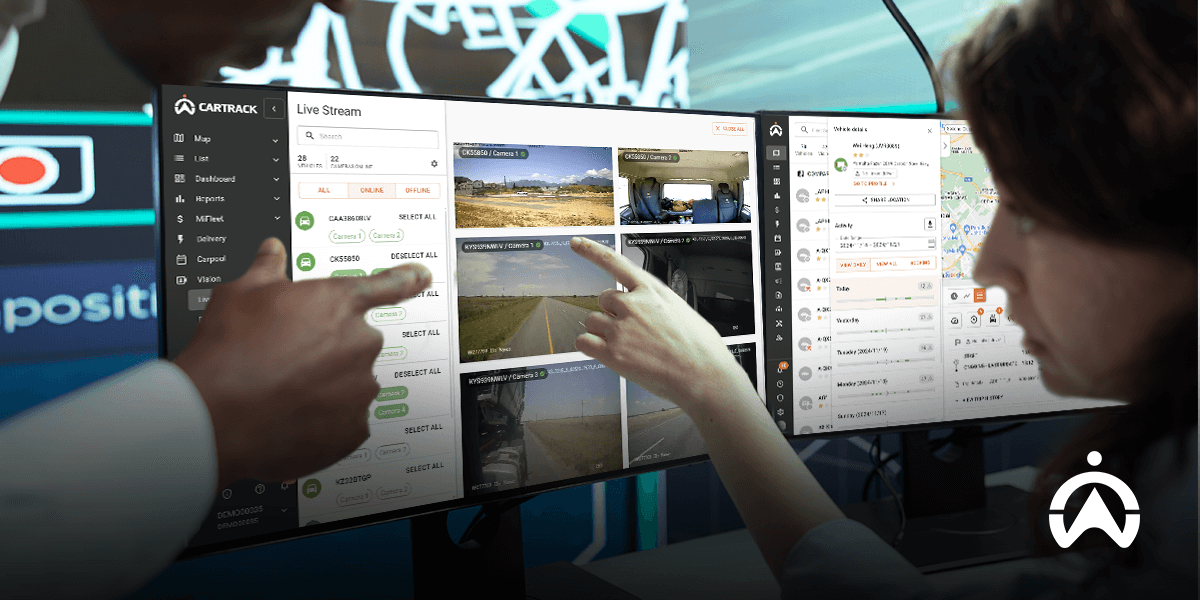
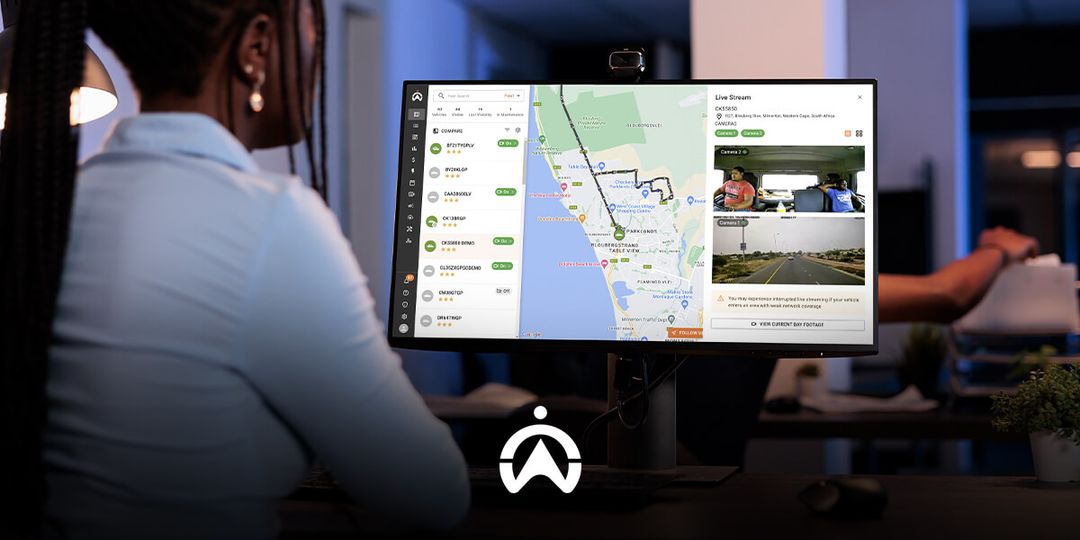
A user navigates Cartrack's live streaming interface on a monitor, showcasing multiple camera feeds and navigation options.

ADAS (Advanced Driver Assistance Systems)

Cartrack’s Advanced Driver Assistance System (ADAS) enhances fleet safety by using AI to detect potential hazards. Features like lane departure alerts, forward collision warnings, and automatic braking help drivers avoid accidents.

By integrating real-time GPS data, ADAS ensures optimal driving speeds and provides collision prevention warnings, offering fleet managers the tools to reduce driver negligence and improve overall safety.

ADAS key features include:

  • Forward Collision Warning: Alerts drivers when they are approaching another vehicle or obstacle too quickly, helping prevent rear-end collisions.
    ‍
  • Blind Spot Detection: Informs drivers of vehicles in blind spots, reducing the chances of accidents when changing lanes.
    ‍
  • Automatic Emergency Braking: Detects imminent collisions and automatically engages the brakes, reducing the impact or preventing the crash altogether.

By incorporating ADAS into fleet management, Cartrack helps prevent risky driving behaviours that could lead to accidents, downtime, and increased costs.

Driver Coaching

After reviewing the footage, managers can refer drivers to our coaching platform, which automatically logs all high-risk behaviours. The platform tracks how often drivers repeat offences and receive coaching.

All sessions are logged with timestamps and comments to ensure drivers are coached in accordance with company policy and provide the necessary evidence required in case of any disciplinary hearings.

In conclusion, reducing driver negligence is key to strengthening fleet safety, lowering operational costs, and maintaining a strong reputation. Cartrack’s AI-powered camera video telematics solutions provide a holistic approach to improving driver behaviour and minimising risks. Implementing these tools helps fleet managers promote safer driving habits, prevent accidents, and protect business operations.

Contact us today to find out how you can empower your drivers and improve your fleet’s safety.

Frequently Asked Questions about Camera Video Telematics

Q: Is it possible to get a custom report from Cartrack’s camera system?

A: Yes, Cartrack offers customisable reporting features. Fleet managers can generate specific reports on driver behaviour, harsh events, and overall fleet safety performance, tailored to the business’ needs and operations.

Q: How do managers ensure that these cameras do not invade driver privacy?

A: To protect driver privacy, managers should establish clear guidelines for camera use. They should only allow authorised personnel to access footage and must ensure that these cameras are used solely for their intended purposes, such as monitoring driver behaviour and safety.

Q: Can camera video telematics be used for all types of vehicles?

A: Yes, fleet managers can install camera video telematics in cars, trucks, buses, and vans to reduce driver negligence and improve safety on the road.

Car Leasing vs Subscription: What’s the Best Choice for You

Owning a car is not for everyone, some people like the convenience of driving one without dealing with the ownership responsibilities.

This is why options like car leasing and subscriptions have become popular. Finding the best choice for yourself can be difficult, fortunately, we are here to help.

Let’s compare the two and explore how Cartrack works when leasing a car or in a subscription service.

Get insights on:

  • What Car Leasing and Subscription is
  • What the difference is between the two options
  • Which option is best for you
  • Cartrack’s Solutions For Both Car Leasing and Subscription

What To Know About Car Leasing vs Subscription

Getting a car can make a big difference in your life, you are no longer dependent on family members and friends for lifts, and can give up public transport altogether. A whole new world opens up and access to new people and experiences becomes available.

We have often associated this freedom with the direct ownership of a car but that could be further from the truth. Options exist that give you the same benefits as owning a car but with fewer risks, these are car leasing and car subscriptions.

Let’s have a look at what they are and how they work.

Car Leasing Explained

Car leasing is very similar to living in a rental property, meaning a person can enjoy all the benefits of ownership without actually owning the asset. This is usually a long-term agreement where the driver gets to use the chosen car for the contracted period.

  • ‍Terms of use
    This agreement will specify the terms of use, stating who is allowed to drive the car, how the car should be treated, where it is allowed to go, where it is to receive repairs, and many other clauses.
    ‍
  • ‍Mileage
    Depending on the type of lease other terms can be included, for long-term contracts mileage limits can be imposed. This will give the driver a cap on distance travelled with penalties for going over the maximum distance.
    ‍
  • ‍Consideration
    This option can offer the opportunity to purchase the car after a specified time. These are known as lease-to-own agreements, where the contract acts as a rental agreement for the period and then switches to an ownership deal once a specified number of payments have been made.

    The one drawback of car leasing is that the driver is responsible for insurance and additional costs like maintenance.

Car Subscriptions Explained

A car subscription works similarly to a streaming service, in that you pay a monthly fee and get access to a catalogue of available cars. This service often does not require long-term financial commitment and can be paid on a month-by-month basis.

  • ‍Terms of use
    With this service, a driver can book a specific car based on their needs at that point in time. Someone could get a sedan for daily use and exchange it for an SUV when on a road trip, or a bakkie when moving house.

    A highlight of this type of car rental is not just the short-term commitment, but the bundled costs. Expenses such as insurance, warranty, and roadside assistance are all included in the monthly fee. You can expect that no surprise charges will be billed to you.
    ‍

  • ‍Mileage:
    Some subscription providers have no mileage cap during the leasing term with the distance travelled not factoring into the cost. This can be an additional benefit for those considering this rental plan.
    ‍
  • ‍Consideration
    The one downside of car subscriptions is that the monthly payment is usually high and can get expensive. This is due to the freedoms given, bundled costs and assumed risk that the provider will be taking on.

Key Differences Between Car Leasing and Subscription

Car leasing and subscriptions may sound similar, and in some cases function the same but they are fundamentally different. Here is a look at how they compare when put against each other.

Car Leasing vs Subscription

Car Leasing vs Subscription

Feature Car Leasing Car Subscription
Contract Length Typically 2-5 years Short-term, monthly or otherwise specified.
Costs Covered Monthly payments and insurance premiums are paid separately. Fees usually include insurance, maintenance, and roadside assistance.
Flexibility Limited, usually the same vehicle throughout the leasing term. Vehicle swaps allowed.
Ownership Option Lease to ownership contracts available. None
Mileage Limits Yes Flexible, dependent on contract.
Maintenance Responsibilities Yes, including repairs. None, usually included in the monthly fee.
A family of three sits inside a car, with the driver focused ahead and the two passengers seated comfortably in the back.

Which Option Is The Best For You?

Now that you know how the two are different, it’s time to decide which one to take on. If you are still undecided there are a few other factors to consider that will assist in making a decision, here are some to consider.

For the Committed & Cost-Conscious Driver

If you are a driver who prefers stability and wants a newer car without the high costs of ownership, then leasing is a great option for you. These are the different types of people who this sort of plan would suit.

  • ‍Budget-conscious individuals
    Not every driver has the same budget when it comes to vehicle financing. If you have enough money to afford the monthly payments for a car leasing agreement but not enough for a vehicle loan, then this is for you.
    ‍
  • ‍Drivers with predictable mileage
    If you stick to a routine and have a predictable commute, these options might also work for you. This means that you will stick to the prescribed mileage restrictions and not incur any additional charges. This is useful as it caters specifically to your needs and allows you to have the convenience of easy travel without any of the additional expenses associated with owning a car.
    ‍
  • ‍Families
    If you have a family then a long-term car rental option is ideal. This is for people looking for a reliable vehicle for school runs, weekend trips, and any other needs the family may have. Having a car for a longer period offers stability and allows the family an opportunity to build routines and establish expectations.
    ‍
  • ‍Business professionals
    If you are a business professional who needs a car but is not interested in committing to a vehicle loan, then this option will work for you. This works best for those who need a long-term car for work-related travel, whether it be from home to the office or client to client. This option offers all the freedom of owning a car without the hassle of dealing with vehicle registrations, license disk renewals and other car-related admin.

For the Flexible & Spontaneous Driver

If you are a driver who values adaptability and convenience in your life, then a car subscription is the ideal car rental option for you. It offers the ultimate flexibility for someone who wants to enjoy a variety of vehicles as and when they need them, without the long-term financial commitment expected from other car rental options.

  • ‍Frequent travellers or digital nomads
    We live in an age where most jobs can be done remotely, which has allowed many people the opportunity to live in whichever area they desire. Digital nomads are often relocating to new cities and sometimes new countries. This is why car subscriptions suit them more, as these types of drivers often want short-term mobility without long-term contracts.

    This allows them the privilege of having a car at their disposal whenever they arrive in a new territory. An additional benefit is that the cars they choose can be specific to the region they choose, with some choosing bigger cars for rural living, and others choosing smaller cars for city living.
    ‍

  • ‍Expats and temporary residents
    Expats are people living in a foreign country, they tend to be older people who have retired. Because of their age, they often choose not to take on any new long-term financial commitments like car loans, they usually are looking for a car to use daily without committing to a lease.

    Similarly, temporary residents might find themselves needing a car for daily use. These people might only be in the country for a short period, deeming it unnecessary to take out a loan for a car or to commit to a long-term car lease.
    ‍

  • ‍People who enjoy variety
    If you are a car-obsessed person, who is always looking to experience the newest and latest models then a car subscription will also work for you. If you want the freedom to switch vehicles based on your needs and personal interest then getting a car lease will not work for you.

    The variety available from a car subscription offers freedom of choice and satisfies that inner hunger you have for the thrill of driving different cars regularly. For you, the higher fee is more than worth it as the benefits far outweigh it.
    ‍

  • ‍City dwellers
    Living in the city usually offers a person a range of transport options, from public transport and e-hailing to vehicle ownership and rental. Some people are not willing to commit to one or the other, choosing to keep all options open. This allows them to use the mode of transport best suited to their needs at that specific time.

    Car subscriptions come as an additional option for city dwellers who only need a car occasionally and want an all-inclusive cost structure. It allows them to have an additional option to choose from when in need.

For the Full-Time Car Owner

While leasing and subscriptions offer flexibility, many drivers ultimately choose car ownership for the long-term benefits and independence it provides. For all these types of people convenience and security are major factors contributing to the choice they make, this is the case for people who choose to purchase cars.

  • ‍Brand new car buyers
    These people often buy new cars because of the service warranty, modern features and in some cases brand loyalty. They want to drive a car that has no prior history and comes fresh out of the box. This could be a habit that they maintain every few years or a vehicle they intend to keep for the foreseeable future.
    ‍
  • ‍Secondhand or inherited car owners
    There are many reasons why some people purchase secondhand cars, it could be budget constraints, disinterest in modern car trends, the need for a simple means of transportation and many others.

    The choice is predetermined for people who inherit cars as they are not likely to have played a role in how or why the car was chosen by the original owner. This means that the condition and age of the car are factors they have to contend with and work around.

    These people can take pride in the fact that the car they drive belongs to them or will remain theirs once they are done paying off the loan. With ownership, however, comes the responsibility of keeping your car safe, well-maintained, and always accounted for.

Car security is a priority for all drivers, regardless of whether they are driving a leased car or one they own. Knowing that you are protected while on the road is a non-negotiable, especially for people whose cars belong to them. This is why getting a reliable vehicle tracking provider is crucial.

Why Cartrack’s Solutions Will Work for Your Car

Having a car in Kenya requires you to be aware of the potential crimes you might experience on the daily. For a criminal it doesn’t matter if the car is rented, leased or owned, they will act regardless.

If you are a car owner who wants to have their car covered in the case of theft or an emergency then Cartrack is the provider for you. Our solutions and offerings give you flexibility, affordability, and convenience, allowing you to focus on enjoying the car that you’re in.

There are many reasons to consider us as your provider, let’s explore some of them.

Mobile App Integration

For ultimate convenience, Cartrack comes with a mobile app that gives you a real-time overview of where your car is and what it is doing. Here is a list of the features you will get as a driver:

  • Trip History
    This feature allows you to review past journeys and mileage. You get to see where you have been along with all the driving mistakes you made along the way. These include: harsh braking, harsh turning and speeding.
    ‍
  • Remote Vehicle Surveillance
    From the app, you receive instant notifications for suspicious activity, such as when your is being used. These will let you know if your car is being moved without your knowledge. This is done through Carwatch, a special feature that acts as a virtual car guard.
    ‍
A person checks a smartphone displaying a Cartrack mobile app and location details his vehicle.

Vehicle Tracking and Stolen Vehicle Recovery

We use advanced GPS tracking technology in all our devices in order to get an accurate reading of your car’s location. Whether your car is in the city or in a remote area our systems work regardless of location.  

It is this tracking technology that aids us in quick and efficient vehicle recovery. We are one of the industry leaders in this aspect, coming with an audited average of over 90% stolen vehicle recovery rate. Our recovery teams are skilled and, in some cases, recover a car less than 30 minutes after it was stolen, and sometimes before the car owner is even aware it has been taken.  

Geofencing

If you are looking to enhance your safety, then you can create geofences for your car. These are zones that you would have created boundaries around, often for areas that you deem as high risk. When your car enters this location you will get a notification, this is often useful when lending your car to a friend or loved one.

Roadside Assistance

One solution we offer is called Protector, an emergency assistance feature that is deployed whenever it is called upon by the customer. From this feature you get medical, roadside and legal solutions, all at the push of an emergency button.

All the solutions mentioned above will make it easier for you to get around with peace of mind, should anything unexpected happen to you.

Stay Protected No Matter How You Drive

With Cartrack on your side, it won’t matter whether you are leasing a car or on a subscription, we will have you covered and protected regardless.

Contact us today to get a quote or request a demo.

How to Avoid Fatigue-Related Accidents

Fatigue is one of the most overlooked causes of road accidents. Motorists believe they are only at risk of crashing if they are distracted or are under the influence of alcohol, but exhaustion can be just as dangerous.  

When drivers are drowsy, they have slower reaction times and impaired decision-making, which increases the likelihood of accidents. However, many underestimate their tiredness, leading to risky behaviours behind the wheel.  

Today, we discuss ways to avoid fatigue-related accidents and explore how Cartrack solutions can help keep drivers safe.

In this blog, you will:

  • Learn ways to prevent fatigue-related accidents
  • Recognise signs and symptoms related to fatigue
  • Explore how Cartrack’s technology helps mitigate these accidents

Ways to Prevent Fatigue-Related Accidents

Driver fatigue can result in dire consequences. To avoid such situations, motorists must implement small changes to their daily routines, significantly reducing fatigue. In this section, we’ll explore simple strategies to prevent these accidents from occurring.

Get Sufficient Rest Before Driving

Adults need approximately 7 to 8 hours of sleep to function optimally throughout the day. When well-rested, you are more alert, have high concentration levels, and can make better decisions. However, it’s more than just about the quantity of sleep; it’s also about the quality.
 

Here are seven tips to help enhance your quality of sleep:

  1. Only take naps that last for 20-30 minutes during the day to avoid disturbing your nighttime sleep cycle.
  2. Make sure your bedroom is at the right temperature and dark enough.
  3. Avoid using your phone and watching TV at least two hours before bedtime.
  4. Exercise regularly.
  5. Invest in a comfortable mattress and pillow.
  6. Avoid eating heavy meals, drinking caffeine, and smoking before bed.
  7. Have a set bedtime schedule.

It’s important to ensure that your drivers are not showing any signs of exhaustion before they hit the road. Always plan trips ahead to allow them to get adequate rest and prepare themselves for the trip.

A driver rests his head on the steering wheel of a truck, showing signs of fatigue inside the vehicle's cabin.

Take Regular Breaks During Long Drives

Sitting for extended periods can reduce blood circulation and cause backaches, leg cramps, and drowsiness. To prevent this, drivers must take short breaks every two hours, allowing them to stretch their muscles and refresh their minds.  

These short breaks must be at designated rest areas, so fleet managers need to include these rest areas when planning routes. This helps drivers stay refreshed and alert throughout the journey.

Share Driving Responsibilities When Possible

Consider driving with companions to help keep you alert through conversation. If they can drive, share driving responsibilities to help reduce fatigue.

This also applies to fleet drivers; having two drivers share a long trip can significantly reduce driver fatigue. Taking turns ensures that each driver is well-rested and alert, which makes the journey safer and more comfortable for everyone.

Stay Hydrated and Eat Light

Your eating habits contribute to road safety, especially if you spend hours behind the wheel. Choosing healthy snacks while on the road can help maintain focus and alertness. All you have to do is replace highly processed and greasy foods with nutrient-rich options for long-lasting energy.  

Pack a cooler filled with fresh fruits and light snacks such as grapes, bananas, nuts, and cheese. Remember, eating behind the steering wheel can be dangerous. To minimise distractions, consume meals and snacks only during breaks and not while driving.  

Carry a water bottle to stay hydrated throughout the trip. Dehydration can cause your muscles to feel tired and not function to the best of their ability due to the imbalance of salts in the body. This will ultimately affect driving ability and may result in accidents.  

Avoid Driving During Peak Fatigue Times

Avoid driving during times when your body is naturally tired and ready to sleep, such as at midnight or in the wee hours of the morning.

Fleet managers, as much as possible, plan trips during the day, since the body is naturally more alert at those times. This simple adjustment can significantly reduce the risk of accidents caused by fatigue.

Key Signs of Fatigue That Could Lead to Road Accidents

Fatigue can affect one’s physical, mental, and cognitive abilities, making it difficult to respond quickly to changing conditions. Recognising the signs and symptoms can help both individual and fleet drivers significantly reduce the risk of road accidents.

Spot Physical Signs

A fatigued person may experience symptoms such as muscle weakness, slowed reflexes, sore muscles, headaches, blurry vision, and dizziness. If these symptoms show before your trip, it’s best to delay and get the rest you need. If these signs appear while driving, take breaks and stay hydrated to maintain alertness.

Identify Mental and Cognitive Changes

Fatigue can affect your mind, meaning you might have difficulty concentrating, may be forgetful, making it harder to process what’s happening on the road. If you find yourself missing exits, struggling to stay focused, or reacting more slowly than usual, your ability to make quick and safe decisions is compromised. When these signs appear, it’s crucial to pull over or switch drivers to prevent accidents.

Detect Risky Driving Behaviours

If a motorist is drifting between lanes, tailgating, or responding slowly to traffic signals, it means they are experiencing dangerous fatigue levels. Such behaviours indicate that they are not alert, which increases the risk of accidents. If you find yourself engaging in any of these actions, you need to find a safe space to pull over and rest before continuing your drive.

The Role of Fleet Managers in Combating Fatigue-Related Accidents

While drivers are responsible for getting enough rest and following the above-mentioned tips to combat fatigue, fleet managers also play a crucial role in preventing these accidents from happening. Here’s how:

  • Monitor driver hours: Fleet operators can use telematics to track and monitor driving hours. Investing in fleet management solutions will help them know which driver is on duty and for how many hours. This not only benefits businesses to comply with labour regulations, but will also ensure that drivers are not overworked.
    ‍
  • Enforce mandatory rest breaks: Sometimes drivers can insist on taking overtime, possibly due to financial reasons, however, managers must have rules surrounding this. They must ensure that drivers get some mandatory time off to rest.
    ‍
  • Plan efficient routes: Choosing quicker and less traffic-congested roads helps reduce driving hours, minimising fatigue.  
Emergency responders assist at a multi-car accident on a busy highway, with damaged vehicles and a police presence visible.

How Cartrack Helps Reduce Fatigue-Related Fleet Accidents

Cartrack has a wide range of products and solutions that help ensure driver safety and minimise fatigue-related accidents. Through the use of telematics and advanced technology, our systems significantly contribute to safer roads.  

AI-Powered Cameras

Our dual-vision AI camera solutions can detect signs of fatigue, such as yawning, and track the position and orientation of the driver’s head. If these events are detected, the driver will immediately receive audible in-cabin alerts, prompting them to self-correct and prevent accidents.

Fleet managers can review recorded footage to provide coaching and support. This allows them to address any violations and offer the necessary training to ensure drivers remain alert and safe on the road.

Advanced Driver Assistance System (ADAS)

ADAS uses camera-based sensors and AI technology to enhance driver awareness and prevent accidents. This system alerts drivers to potential hazards, which improves driver safety.  

Cartrack’s ADAS solutions include a variety of advanced features, such as:

  • ‍Forward Collision Warning: Alerts drivers when their vehicle gets too close to another vehicle or obstacle. This helps prevent potential collisions.  
    ‍
  • ‍Blind Spot Detection: Warns motorists of vehicles in their blind spots, reducing the risk of lane-changing accidents.  
    ‍
  • ‍Automatic Emergency Braking: Detects possible collisions and applies the brakes automatically to reduce the impact or avoid a collision altogether.

Driver ID Tags

A driver ID tag is a small electronic device that allows fleet managers to identify exactly which driver is operating a vehicle at any given time. This gives them complete control over their drivers and fleet by tracking vehicle usage, monitoring driver behaviour, and ensuring only authorised drivers are behind the wheel.  

These tags provide automated logs of working hours, helping fleet managers comply with labour regulations and prevent driver fatigue by enforcing rest periods. According to the Basic Conditions of Employment Act (BCEA) of Kenya, normal working hours are limited to 52 hours per week, excluding lunch breaks. Any additional hours require an overtime agreement. By monitoring working hours, driver ID tags help prevent fatigue and enhance road safety.

Route Optimisation

Cartrack’s fleet management software allows fleet operators to optimise routes. This not only ensures timely deliveries since the routes will be quicker and shorter, but it also ensures that drivers do not spend longer periods on the road.

In conclusion, fatigue is a serious yet underestimated factor in road accidents. By prioritising sufficient rest, taking regular breaks while driving, and leading a healthy lifestyle, motorists can reduce the risks of fatigue related accidents. Cartrack’s advanced solutions, such as AI-powered cameras, real-time monitoring, and route optimisation play a crucial role in helping them stay safe. Using these tools can benefit both individual and fleet drivers to effectively manage fatigue and improve overall road safety.

Contact us today to explore ways Cartrack’s solutions can help you stay safe on the road.

Frequently Asked Questions about Driver Fatigue

Q: Does fatigue only affect long-distance drivers?

A: No, fatigue affects all motorists, including those who drive short distances.

Q: How do sleep disorders like sleep apnoea contribute to fatigue while driving?

A: Disorders such as sleep apnoea can disrupt sleep cycles, leading to chronic sleep deprivation. Motorists with untreated sleep disorders may feel extremely tired during the day, which affects their driving performance. This means they are more susceptible to drowsy driving accidents.

Q: Can I rely on caffeine to stay awake while driving?

A: Caffeine can temporarily increase alertness; however, it should not be relied upon as a long-term solution for managing fatigue. Once its effects wear off, your body may experience a crash, which could cause even greater fatigue. The best solution is to rest and take breaks rather than relying on stimulants.

Q: Can taking over-the-counter medications cause fatigue and affect driving?

A: Yes, many over-the-counter medications, especially those for allergies or colds, can cause drowsiness as a side effect. Motorists should read medication labels and avoid driving if the medication may impair their alertness or reaction time. It is also best to notify your fleet manager if you are on any medication that may interfere with driving.

Q: Can the weather contribute to driver fatigue?

A: Driving in harsh weather conditions such as snow, heavy rainfall, or high heat requires more concentration and can cause stress or discomfort, leading to increased fatigue.

Q: Can stress contribute to driver fatigue?

A: Yes, high levels of stress can negatively affect a person’s sleeping patterns, resulting in fatigue.

Q: Can I play loud music to increase my alertness?

A: Playing loud music can temporarily make you alert, but it is not a reliable solution to deal with fatigue.

Fleet Management for Wholesale and Distribution services

In the fast-paced world of wholesale and distribution, efficient fleet management is no longer a luxury, but a necessity. Maximising delivery schedules, minimising operational costs, and ensuring timely product delivery are critical to maintaining a competitive edge. This blog will explore the strategic implementation of fleet management solutions tailored to the unique challenges and opportunities within this sector, providing actionable insights for optimising your logistics operations.

To succeed, it’s important to have an effective system in place that helps keep everything running smoothly. This includes handling inventory, managing machinery, planning routes, and coordinating deliveries effectively and efficiently.
Managing all the tasks can sometimes be complicated and demanding. An innovative fleet management solution addresses these issues and optimises the logistical process.

Today, we reveal why fleet management is important for wholesale and distribution services and why Cartrack is a reliable fleet management provider.

In this article, you will:

  • Find out why fleet management matters for wholesale and distribution services
  • Learn what challenges wholesale and distribution services face
  • Understand how fleet management system can transform your business
  • Discover how Cartrack is the preferred fleet management provider for wholesale and distribution services

Why fleet management matters for wholesale and distribution services

If you are a business with large-scale operations and inventory, you know that some problems may arise. These can range from delays caused by issues such as the overbooking of vehicles or driver allocations, among many others. This is why fleet management systems are important, as they handle unforeseen challenges such as vehicle breakdowns, ensuring goods are delivered on time. Let’s discuss why fleet management matters for this industry.‍

Streamlining operations within wholesale facilities

A streamlined operation for many companies begins with effective inventory management within the warehouse. If your business can’t track inventory across different locations, it may become challenging to keep accurate stock levels. Fleet management systems can integrate with your existing systems to provide a centralised view of your business, making it simple to store and locate products.  

Meeting delivery deadlines for time-sensitive goods

Distribution plays a pivotal role in the supply chain. Once an order is placed, it is picked, packed, and ready for delivery. However, this has to be coordinated based on the type of product being purchased, such as perishable items. Instead of simply creating contingency plans, businesses need nearly fail-proof solutions to ensure deliveries arrive on time and in perfect condition, preventing supply chain disruptions. Fleet management solutions are designed to tackle these issues by providing live tracking features that monitor deliveries from start to finish.

These systems ensure optimised routes for multi-stop deliveries, allowing drivers to meet strict deadlines while maintaining product quality. Additionally, they offer proactive alerts and analytical insights to help foresee potential disruptions, ensuring that your operations remain efficient even under challenging circumstances.

A spacious warehouse filled with stacked wooden crates, organized rows, and loading docks visible in the background.

What are the challenges in fleet management for wholesale and distribution?

There are various challenges wholesale and distribution services deal with, from delays to high costs in their day-to-day operations. It is these issues that they have to navigate to ensure the business operation runs smoothly. Here are a few that we have identified:

  • Late deliveries
    Late deliveries can significantly impact wholesale and distribution services. It not only results in unhappy customers but may disrupt the entire supply chain. For example, late deliveries of products to a business could mean that they cannot honour the special offer they are running, resulting in retailers missing out on sales and potentially losing credibility.
    ‍
  • Excessive wear and tear on fleet vehicles
    Cargo trucks transport large quantities of goods, often for very long distances, which may cause excessive wear and tear on the trucks. Businesses need to ensure that load weights comply with regulations and that there is no extra weight that could cause strain on the vehicle, reducing wear and tear.
    ‍
  • High fuel costs and fuel waste
    High fuel prices cause businesses to spend a lot on fuel. This may result in funds set aside for maintenance being reallocated to cover the increased fuel expenses. Additionally, the increase in fuel prices may affect the profit margins of businesses that rely on large daily deliveries.

Although these challenges exist for wholesale and distribution services, fleet management systems can help eliminate them.

How fleet management transformed wholesale and distribution services

The wholesale and distribution sector is always changing, and companies that adjust to these changes can enhance their processes and remain competitive. Cartrack’s fleet management system is the ideal partner to help them become more responsive to changes and to improve workflows. What sets us apart is our focus on innovation and reliability, easy-to-use systems, and 24/7 support.

Here is how Cartrack’s fleet management solutions can transform your wholesale and distribution services. Our offering:

Integrates with ERP Systems

Fleet management systems have many benefits, which include ERP system integration. Wholesale and distribution services can easily integrate their existing business activities, such as accounting, supply chain operations, and procurement, with our fleet management solution to enable a comprehensive view of inventory, customer orders, and deliveries. All the data flows through one API for end-to-end workflow, allowing a variety of departments to access the different information.

Tracks every delivery with real-time tracking

Cartrack’s fleet management system enhances a business’s ability to manage the distribution process from the time the products are sourced to their delivery. It provides a centralised view of all the deliveries in real time. You can switch from one delivery to another in just a few clicks to keep up with changes in each delivery. The system provides a business with enhanced communication, meaning you can stay updated with ETAs, which allows you to update your customers should there be any changes immediately. Knowing the status of a delivery in real time empowers you to manage customer expectations effectively.

Promotes safe and efficient driving with behaviour monitoring

Driving on Kenya roads can be unpredictable because of poorly maintained roads and the bad driving of other motorists. This means a system needs to be in place to ensure your drivers are not only safe and compliant with road rules but also protected from external road circumstances. Cartrack’s advanced telematics technology enables you to monitor a driver’s behaviour every step of their journey. Alerts are sent on speeding, harsh braking, excessive idling, and harsh cornering.

Additionally, managers also receive accident alerts called crash detection. The system sends alerts via SMS and email as soon as an impact is detected. This alert is also sent to the Cartrack control room, where an agent will swiftly respond and assess whether emergency service is needed.‍

Saves on fuel costs with smarter fuel management

Smart fuel management includes capabilities that track fuel levels and consumption for every vehicle. Firstly, the system allows you to keep a record of the entire fleet’s fuel transactions. It enables businesses to identify inefficiencies and theft. These capabilities allow you to identify spikes in fuel consumption, which may be an indication of poor driver behaviour.

A white truck parked outside a warehouse, with another truck in the background under a partly cloudy sky.

Reduces vehicle maintenance costs

Our fleet management systems significantly reduce vehicle maintenance costs. This is achieved through automated alerts that provide diagnostics on the vehicle, which include engine performance and mileage. All this data is used to predict when a vehicle requires maintenance before any significant damage is done, preventing breakdowns and unnecessary downtime.

Cartrack’s fleet management system empowers wholesale and distribution services with more control over the entire process, from managing machinery through collected data such as fuel consumption and engine performance to last-mile deliveries. By using live updates, advanced driver monitoring, and predictive maintenance. Our system ensures your business operates economically and efficiently.

Contact us today to find out more.

FAQs

Q: Can Cartrack’s fleet management system be customised to a specific business’s needs?

A: Yes, it can be customised to a business’s specific needs through different features such as fuel monitoring, route planning and vehicle monitoring.‍

Q: What is the role of telematics in fleet management?

A: Telematic is an advanced technology that collects and analyses data from a vehicle in real-time, which includes driver behaviour and vehicle diagnostics.‍

Q: Can small businesses use fleet management solutions?

A: Yes, Cartrack’s fleet management solutions can be used by small and medium-sized enterprises to streamline their operations and cut costs.

What Are the True Costs of Fleet Vehicle Breakdowns?

Vehicle breakdowns are inevitable in fleet operations. These breakdowns often come with heavy expenses, and on many occasions, fleet managers find it challenging to control and minimise costs effectively.  Some of these breakdowns result from issues that can easily be avoided through careful monitoring and maintenance scheduling.  

Let’s take a closer look at the true costs of vehicle breakdowns and how Cartrack solutions can help mitigate these expenses.

In this article, you will:

  • Find out the true costs of vehicle breakdowns
  • Learn how to prevent breakdowns
  • Discover the role of IoT technology in preventative maintenance
  • See how Cartrack solutions can reduce vehicle maintenance issues

Breakdowns: Impacting more than you think

Maintenance costs form a significant portion of overall fleet expenses. Every breakdown leads to costly repairs, operational disruptions, and revenue loss.

Research by the National Transport and Safety Authority (NTSA), as cited by The Eastleigh Voice, found that vehicle mechanical conditions were a critical cause for road accidents. Examples of such conditions are brake failures and tyre bursts due to poor maintenance. This clearly shows how regular vehicle maintenance not only helps you avoid breakdowns but also enhances driver safety.

The direct vs. hidden costs of fleet breakdowns

Vehicle breakdown expenses go beyond repairs; there are other financial and operational repercussions. Take a look at this breakdown of the direct and hidden costs:

1. Direct costs of fleet vehicle breakdowns

Repair and maintenance costs

  • Unexpected repair expenses vs. scheduled maintenance
    Unplanned repairs due to the failure of vehicle parts typically cost more than planned maintenance. Suppliers often order vehicle parts in bulk, which can lead to longer waiting times in the case of emergency repairs. Depending on where the components are outsourced, some orders may be quick, while others could take longer to arrive.

    When there are emergency repairs, the vehicle parts that need replacing might not be available. This leads to a rush in individual orders, which come at an extra expense. The mechanics will also need to work overtime to ensure the repairs are done as soon as possible, further straining the budget. However, with a planned repair service, you are certain to find the replacements there, and the mechanic ready for you.

Towing and roadside assistance

  • Expenses for emergency roadside services
    A vehicle that breaks down en route requires roadside assistance, such as emergency towing. Depending on the provider, this service may be covered by a monthly subscription to ensure fleet businesses do not have to worry about paying when it is time for assistance, or charged per incident. However, both options typically include a call-out fee which is separate from the labour costs. If the breakdown occurs after hours, charges may escalate. These charges also vary depending on location.

2. Indirect costs of fleet vehicle breakdowns

Lost productivity and downtime

  • Delays in deliveries and missed service appointments
    Sudden breakdowns reduce productivity levels and delay fleet operations. This results in late deliveries or missed service appointments. These unforeseen mechanical failures also pose security risks to fleet vehicles and cargo, as it might not be safe for trucks to be stranded for hours. Furthermore, if the driver is transporting temperature-sensitive goods, a breakdown could compromise product quality, leading to financial losses and customer dissatisfaction.
  • Idle driver wages and operational inefficiencies
    Certain vehicles not working means some drivers might be inactive for some time. Depending on company policy, the drivers still need to be compensated a fraction of their wages while on standby, creating unproductive labour costs.

Customer impact and reputation damage

  • Late deliveries lead to a dissatisfied client
    If we use the above-mentioned example of transporting temperature-sensitive goods, late deliveries can shorten the product’s shelf life, causing financial losses for retailers and damaging supplier relationships. This creates a dent in your company’s reputation and may lead to the loss of contracts or penalties for service days.

Administrative burden

  • Extra time spent coordinating repairs
    An often overlooked aspect of vehicle breakdowns is the administration of it all. Fleet managers need to coordinate repairs and reschedule operations, which takes away from other daily tasks. It also increases the fleet manager’s workload and responsibilities.
  • Legal implications
    It is required by law that all vehicles must be roadworthy to ensure safety for all road users. For this reason, vehicles that fail to meet these standards may face legal consequences, such as fines or a potential lawsuit. This sometimes means regular court appearances, which take time away from other work but also add to the time spent on administration. The outcome could also result in heavy fines or the business being forced to close down.
A mechanic sits on the edge of an open truck hood, holding a wrench, with various vehicle parts visible in the background.

3. Hidden costs that add up over time

  • Higher insurance premiums
    Increased claims can lead to higher premiums. Poorly maintained vehicles are more likely to experience mechanical failures. This results in more claims for services such as towing and start assistance. An increase in such claims leads to high premiums as vehicles are now flagged as more of a risk. Furthermore, if worn-out vehicles cause accidents, the victims of those accidents can claim from your company’s insurance.
  • Fuel inefficiency
    Poorly serviced vehicles consume more fuel due to components such as air filters, fuel injectors, and spark plugs being worn out. Our article on how to reduce fuel consumption highlights vehicle maintenance as one of the contributing factors to fuel inefficiency. Regular maintenance of these vital components ensures optimal combustion and engine performance.

    The article also points out the importance of tyre pressure and wheel alignment, stating that a 1% decrease in tyre pressure results in a 0.3 % reduction in fuel economy.

    As fuel expenses take up most of a fleet business’s budget, this further proves how skipping maintenance schedules will lead to greater costs.

  • Unplanned detours and idling during breakdowns
    When vehicles experience mechanical failure, drivers might need to take detours to find a safe spot for repairs or towing. This increases the amount of fuel being used. While waiting for roadside assistance, vehicles sometimes idle for prolonged periods, which further adds to fuel usage.
  • Impact on driver satisfaction and retention
    The frequent breakdowns often leave drivers in a state of frustration as they also want to accomplish tasks with minimal disruptions, as this has a good reflection on overall performance. This affects employee morale and could result in lower driver retention and increased hiring costs.

How to prevent costly fleet vehicle breakdowns

The true costs of vehicle breakdowns have proven to be more expensive than scheduled repairs. However, due to the workload and nature of the fleet management environment, it is easy to overlook things such as maintenance schedules to prioritise meeting client expectations. This common challenge can be resolved using technologically driven solutions.

Preventative maintenance involves practices that fleet managers can do to address maintenance concerns before they become bigger issues. It can be done in two ways:

The role of IoT technology in predictive maintenance

IoT-based predictive maintenance is an approach that involves using the Internet of Things (IoT) to gather and analyse data about vehicles, assets, and machinery. This technology consists of sensors or devices that are installed in the vehicles to collect and convert the data into valuable information. Through this, fleet managers are able to receive the information in its simplest form and make informed decisions.

Cartrack’s preventative maintenance solutions in action

Cartrack caters for fleets of any kind. Let’s have a look at how our preventative maintenance solutions helped a construction fleet reduce downtime.

Case Study: Concord Cranes

Concord Cranes specialises in crane hire solutions. They have over 180 cranes and provide mobile cranes for hire, professional rigging, transport, and specialised lifting projects. Their main challenge was that they found it difficult to accurately record the hours each crane worked, making it difficult to maintain and deliver them to their clients on time.

How we helped them:

  • Our IoT device and specialised power take-off sensors make it possible for Concord Cranes to accurately monitor their cranes’ on-site working hours and the mileage travelled. The information they receive from this allows them to monitor the conditions and usage of their cranes so they can form preventative maintenance measures for their clients and increase their fleet lifespan.
  • Using insights from our fleet management platform, Concord Cranes now reduces maintenance costs by minimising the number of cranes sent for avoidable and expensive fault-related repairs. This also helps them minimise unplanned downtime.
  • Our fleet management and maintenance system has improved their overall brand reliability with their customers, ensuring their cranes are always safe and in working order. Additionally, detailed maintenance schedules have reduced the number of unexpected breakdowns and allowed them to plan ahead to ensure vehicle availability and minimal disruption during the delivery of cranes to customers.

“Using Cartrack’s advanced fleet management, we have been able to increase our operational efficiency to deliver a better service to our customers, as well as effortlessly establish a maintenance cycle that reduces our costs and increases our fleet longevity.” | Gareth Langley, Concord Cranes operations manager

A yellow construction crane against a blue sky, displaying an alert about a maintenance error with the Instrument Panel Cluster.

Reduce the costs of fleet vehicle breakdowns with Cartrack

The Cartrack telematics technology provides vehicle diagnostics so you receive real-time alerts of vehicle maintenance issues such as engine faults, water fluctuations, and oil level levels. This information helps you make necessary arrangements on time so you can avoid unplanned fleet inactivity. Our platform also gives you reminders of maintenance schedules so you can warn drivers in advance and keep workflows undisrupted.

Here are other Cartrack solutions that you can add to your preventative maintenance strategy:

  • Route optimisation
    Know where your vehicles are at all times using our GPS tracking technology and ensure drivers follow efficient routes using our route optimisation tool. The more kilometres a vehicle travels, the more it is likely to have worn-out parts that need to be replaced. Through an analysis of traffic conditions and historical travel trends, our route optimisation tool suggests the most cost-effective routes that drivers can use to get to their destinations. By using this feature, you reduce the long routes and detours that increase fuel consumption and vehicle mileage.
  • Driver monitoring
    Harsh events: Aggressive driver behaviours such as excessive idling and harsh braking have proven to be some of the factors contributing towards greater vehicle wear and tear. Our IoT device alerts you of these driving habits and gives you a detailed insight into each event.

    AI Cameras: The Cartrack AI Multivison camera solutions make use of artificial intelligence technology to protect your drivers from accidents that could lead to major repair costs. The cameras monitor distracted driver behaviours such as drowsiness, cellphone use, and smoking. Once detected, drivers will receive real-time audible alerts so they can instantly correct their actions. As an extra layer of protection, these cameras also help drivers detect blind spots and keep a safe following distance.

    Driver Scorecards: Encourage better driving habits using our Driver Scorecards. This feature rates each driver based on their harsh events and adherence to planned routes. You can use this information to reward those with high ratings, boost employee morale, and identify those who need more training on good driving habits.

Stop breakdowns before they start—explore Cartrack’s preventative maintenance services!  

Monitoring vehicle performance using telematics helps detect issues early. By investing in our fleet management solutions, you ensure that your vehicles are always fit for the road. Reach out to our fleet consultants to get the most out of your fleet, increase vehicle lifespan, reduce downtime, and, most importantly, save costs!

Frequently asked questions about fleet maintenance

Q. What is the biggest challenge in fleet management? ‍

The biggest challenge in fleet management is managing high operational costs. The day-to-day expenses of running a fleet include fuel, maintenance, repairs, and compliance fees. In the absence of proper management, these daily expenses can significantly impact the business’s total profit.

Q. What are the benefits of total preventive maintenance?‍

Preventative maintenance enhances drive safety, reduces downtime, increases efficiency, improves vehicle performance, boosts customer satisfaction, and helps you save costs.

Q. What are the different types of maintenance strategy‍

There are four main types of maintenance strategies:

  1. Reactive maintenance: Also known as breakdown maintenance, this is when you fix things only when they break. This method only works well on low-cost equipment that is not essential for operations.  
    ‍
  2. Preventative maintenance: This approach relies on following predefined schedules in order to detect problems and fix them before they become bigger issues.
    ‍
  3. Predictive maintenance: Uses real-time data from advanced technologies such as IoT sensors, artificial intelligence, and machine learning to analyse potential problems such as engine temperature, oil conditions, battery conditions, and brake performance.
    ‍
  4. ‍Reliability-centred maintenance (RCM): This is a process of determining the most effective maintenance strategy for each of your assets by combining all the other methods.