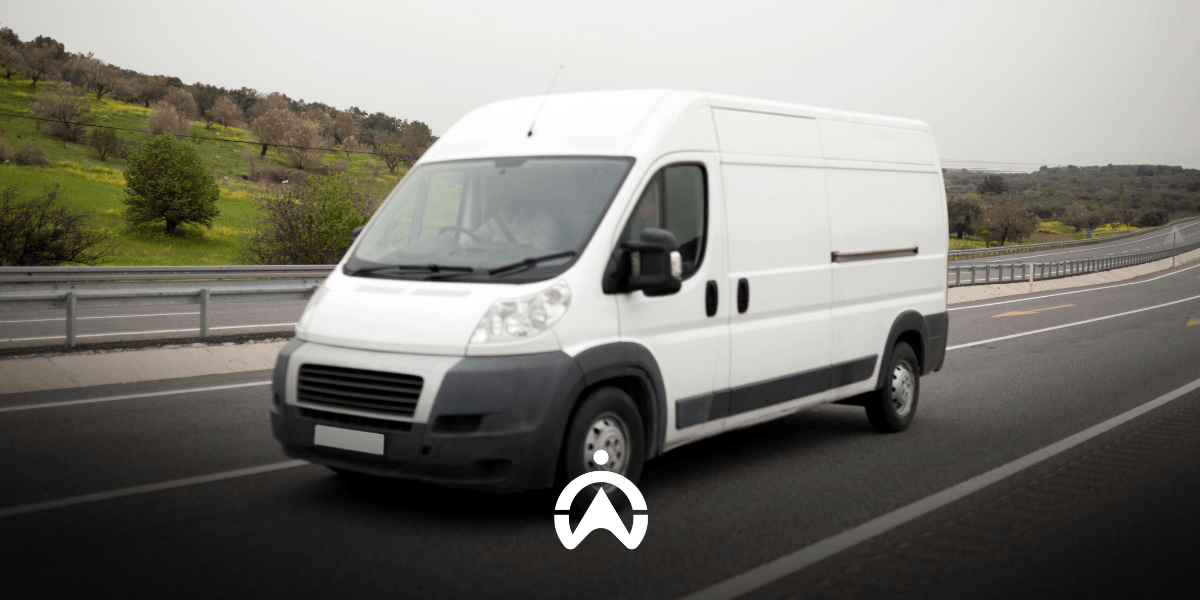
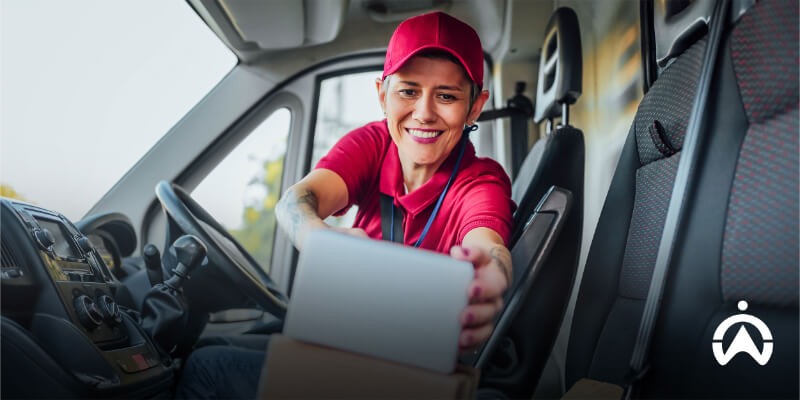
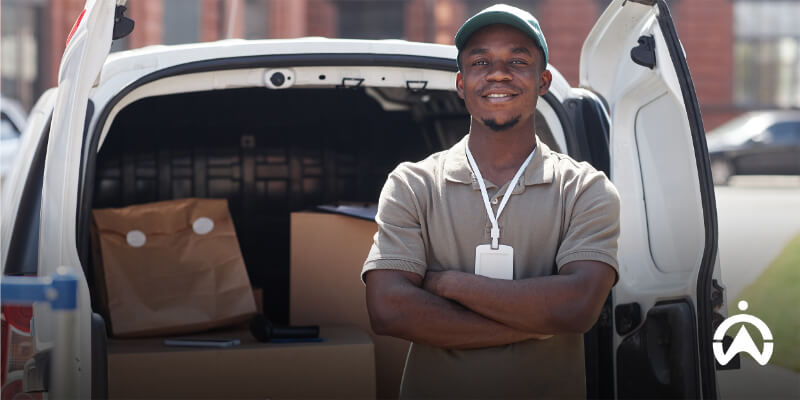
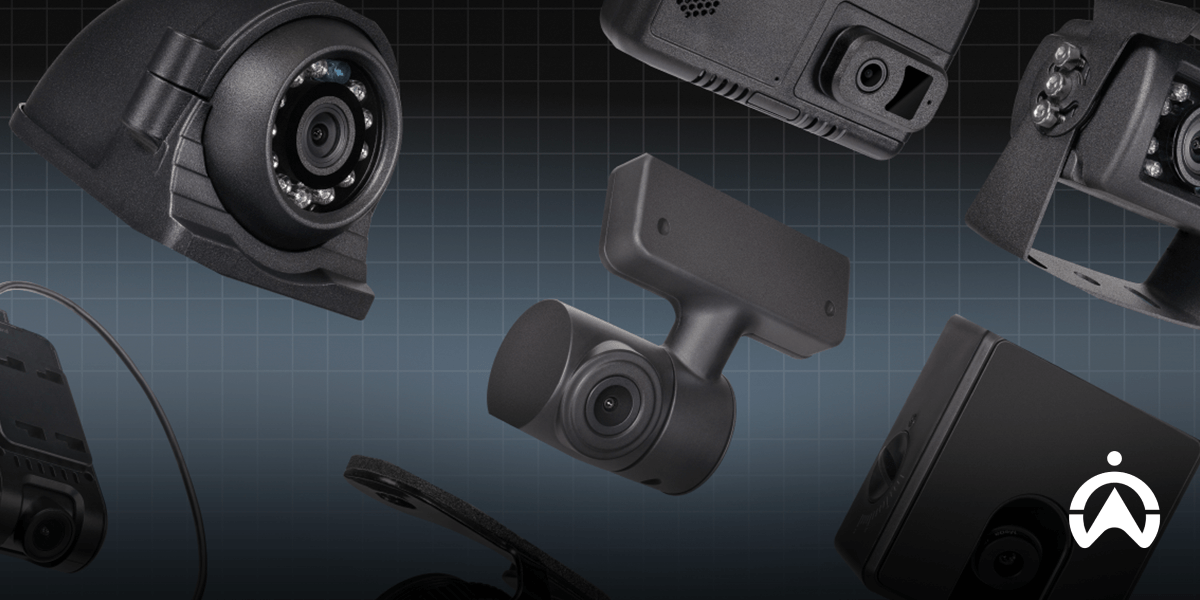
Where to Buy Rugged Fleet Cameras for Delivery Vans?

Rugged fleet cameras for delivery vans can be purchased from providers like Karooooo Kenya. The integrity of these cameras AND their installation ensure stability on bumpy trips. These cameras must work properly if they’re to protect your vans, which is why choosing the right provider is paramount. 

Kenya’s commercial vehicle sector recorded significant growth in 2025, fuelled by the expansion of road logistics, e-commerce, and delivery services. As more businesses rely on delivery vans and light commercial vehicles to transport goods efficiently, the demand for these vehicles continues to rise, helping companies meet customer expectations and improve service delivery.

But with this upswing comes increased risk, which is why delivery van fleets are looking to vehicle cameras to keep their drivers & assets safe. 

Can the demands of van logistics be tolerated by vehicle cameras? Only the best ones. Here’s where you can source yours.

What makes a fleet camera “rugged” enough for delivery operations?

The ruggedness of a fleet camera depends on its ability to record and provide high quality road footage despite the constant vibration of a delivery van. It also needs to withstand harsh weather conditions and normal wear & tear (which speaks to its longevity).

Are dashcams suitable for delivery vans?

Many store-bought dashcams are NOT suitable for delivery vans because they’re intended for private motorists. Some of these cameras have invasive wire connections, and others aren’t exactly built for bumpy driving. And because of the high demands of delivery van driving, a specialised provider like Karooooo should be contacted for your delivery van camera needs. 

What’s the difference between a store-bought dashcam and a delivery van fleet camera?

The difference between a store-bought dashcam and a delivery fleet camera is that the latter is built for high-demand driving. Bumpy roads, lots of stops, long hauls, and weather conditions all affect the durability of a delivery van camera. That’s why a store-bought dashcam isn’t a wise investment if the purpose is camera longevity.

FEATURE Store-bought dashcam Karooooo Vision How Vision from Karooooo benefits your fleet

Alerts
Beeping sounds and/or light flickering Real-time driver coaching Drivers get AI voice warnings in real time

AI capabilities
Some have G-sensors Advanced Driver Alert System Keeps drivers safe in real time

Data management
SD card that needs regular formatting Saved footage is event-based and uploaded to Karooooo’s system No manual data management and no need for SD card formatting

How it’s connected
Wi-Fi 4G or LTE streaming in real time You can see live footage

Warranty
Depends. Usually 12 months Lifetime warranty No need to replace your camera hardware

GPS capabilities
Yes, on-screen GPS Yes, GPS is synced with your telematics software Your footage has context (location, speed, etc.)

Secure installation?
Plug in to your cigarette lighter Hardwired to a DVR box without wires in the way No wires across the dashboard

Support of other cameras
Usually 2 cameras can be accommodated Accommodates up to 16 cameras Perfect for large vehicles like trucks and delivery vans

Can it be stolen?
Yes, easy to steal Installation is tamper-resistant Lower risk of camera theft

How do delivery van cameras help in the delivery process?

Beyond protecting your driver and van, delivery cameras are often used to resolve delivery disputes FAST. If a customer claims that your van never reached their home or business to carry out a delivery, you can use the delivery van camera footage to clear your driver. 

Vehicle cameras for delivery vans are also used to protect cargo. These cameras are attached to door sensors, automatically recording every time the van door is opened to survey who’s handling your goods. 

Will having rugged delivery van cameras affect your insurance?

Most insurance companies offer better premiums to fleet companies who install cameras onto their delivery vans. Disputes are resolved quickly when footage is always retrievable of a time-stamped event. 

If you look at the price of delivery cameras from Karooooo versus the amount of money you’ll save on your insurance, the difference is often surprising. 
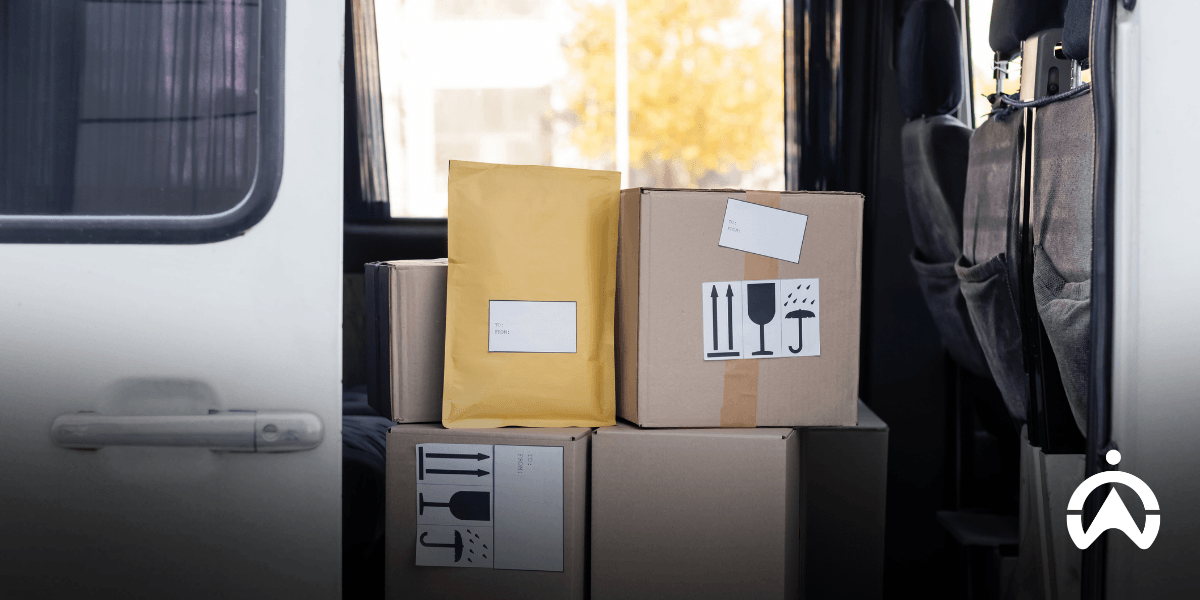
Packages stacked inside a delivery van with open side door, illustrating where to buy rugged fleet cameras for delivery vans and improve cargo security

Why is delivery van logistics so demanding?

Delivery van logistics is especially demanding because it involves driving that’s often “rough” and long. Delivery van drivers make lots of stops each day, and they often find themselves in rural areas where the roads are bumpy. Another fact is the condition of some roads, which call for the ruggedness of components—including the vehicle cameras. 

Potholes and bumpy roads

Many countries struggle with potholes in their roads. Many potholes are hard to see, giving delivery van drivers a sudden jolt when they drive over (or into) them. This happens to everyone, but MORE SO to delivery van drivers who travel long hours during the night & day. These jolts can severely damage your cameras if they’re not built for rugged driving.

Stop-and-go driving

Delivery drivers stop more often than the average driver. This constant stopping and going may sound minor, but it does add more vibration to the components. If your cameras aren’t rugged (or not installed properly), they may start to come loose or get damaged over time. 

Weather considerations

Most motorists have the option to keep their vehicles under cover during storms or hot weather. With delivery van fleets… not so much. They have a job to do, and bad weather won’t usually be accepted as an excuse for not delivering on time.

For these and other reasons, delivery van cameras should be rugged enough to withstand the rough demands of delivery driving. Learn more by checking out Karooooo’s rugged camera options for delivery vans.

What should a delivery van camera include?

Besides a rugged build and professional installation, a delivery van camera should also include a system where footage is easy to manage. The best delivery van cameras also come with door sensor technology that automatically switches on when doors are opened and off again when they’re closed. 

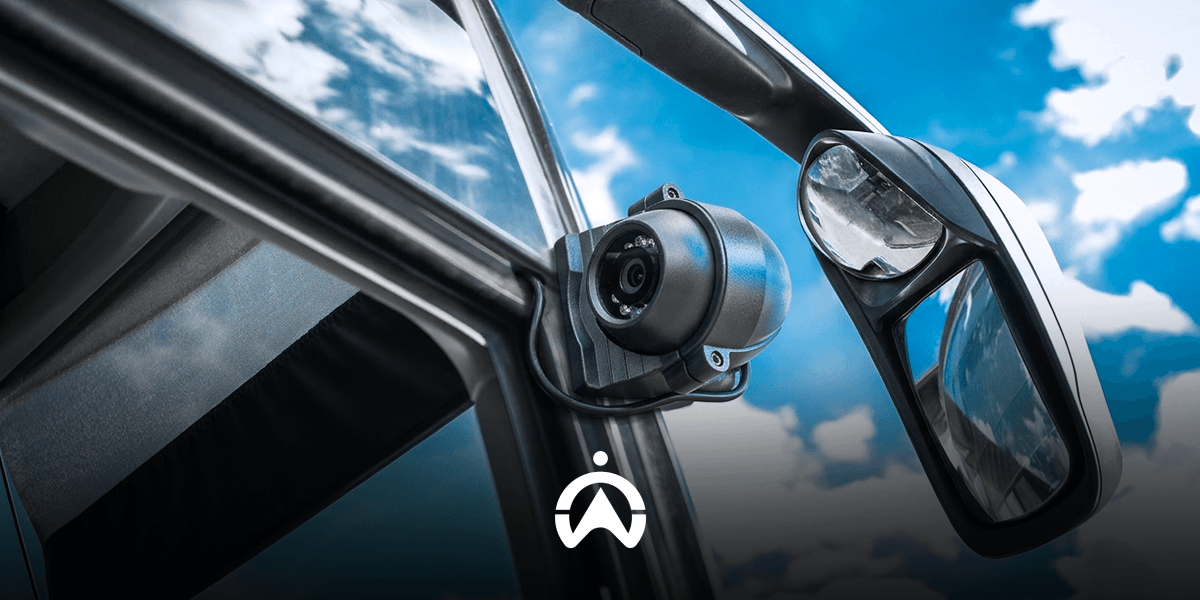
Furthermore, look for a delivery van camera that comes with various options for in-cabin, side-view, and rear-view recording. Last but not least, always choose a delivery fleet camera that has AI capabilities, as this comes with many profit-saving features that will help you manage your fleet better. 

Easy-to-retrieve footage

Choose a vehicle camera provider that makes retrieving footage simple. Storage of your footage should be cloud-based to prevent high data costs, but viewing a specific event shouldn’t be a mission. Karooooo lets you view footage by simply making a phone call to our control room.  

Cargo door sensor technology

Many providers sell cameras, but not all of them sell a camera SYSTEM. If you run a delivery fleet, having a full surveillance system is vital to the protection of your cargo. Door sensor technology coupled with your cameras will watch what happens every time the doors are opened to give you a full picture of how your valuable goods are handled. 

Versatile installation options

Camera systems for delivery vans should also be versatile enough to go beyond road recording. 

  • What about the cabin where the driver and passengers sit? 
  • What about blind spots?
  • What about the cargo? 

Speak to Karooooo about how a full camera system protects all aspects of your fleet operation. 

AI technology for driver coaching

The best cameras for delivery vans will always go beyond recording by also giving you operational intelligence. A camera that monitors your drivers is all good and well, but what if it could correct your drivers in real-time based on highly refined AI tech?

That’s exactly what our cameras do at Karooooo Kenya! They identify potentially dangerous habits like drifting off while driving, or even eyes gazing somewhere other than the road. What about smoking, eating or drinking? Yes, our cameras detect those too. 

Not only do they detect, but they can even correct that behaviour right then & there—almost as if you’re right there with your driver. 

Why is installation of delivery van cameras so important?

At Karooooo Kenya we stress the importance of having your delivery van cameras installed by our competent technicians. The ruggedness of our cameras relies on a proper installation, so it’s not just about the design & build of the device itself. Considering the demands of delivery van logistics, installation must be done by experts who know how. 

REMEMBER: To enhance the ruggedness of your delivery van camera, they should be hardwired into your vehicle, not simply “plugged in”. 
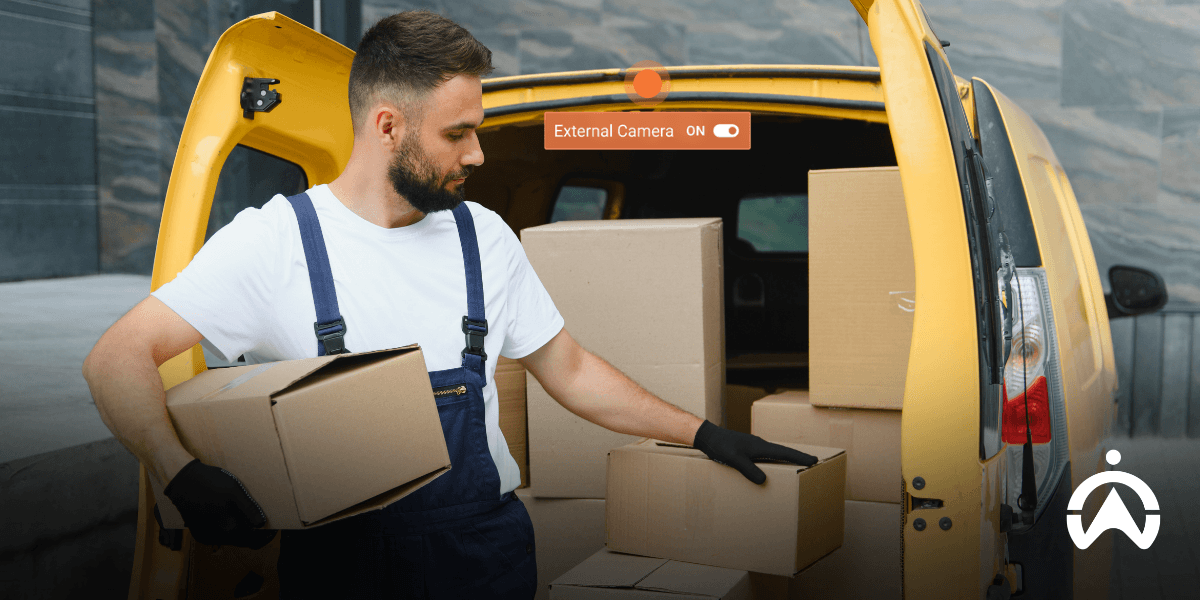
Delivery worker loading boxes into a yellow van, showing where to buy rugged fleet cameras for delivery vans to improve driver and cargo monitoring

How much do delivery van cameras cost at Karooooo?

The cost of delivery van cameras at Karooooo will depend on how many you need, what software package you want to combine with your cameras, and how large your fleet is. Karooooo is standing by to answer all your questions and give you a detailed quote based on exactly what you need. 

Give us a call to learn more.

While Karooooo Kenya is considered to be a leading vehicle camera provider in various countries, it’s important to remember that we specialise in vehicle camera SYSTEMS. This means you’re getting a lot more than a camera for your delivery vans. You’re getting: 

  • Cloud-based footage management
  • Scalable installations that can be modified or adjusted
  • Free installation
  • Subscription-centred assurance
  • Device warranty 
  • AI capabilities that go beyond basic recording

You don’t have to select ALL our features, but it’s nice to know they’re available if you ever need to upgrade your delivery van security. 

Frequently asked questions about rugged fleet cameras for delivery vans

Can I install a delivery van camera myself?

No, it’s highly recommended that you don’t install your delivery cameras yourself. Installation is an important part of having a vehicle camera, and not doing it professionally will affect the functionality and warranty of the camera. Since our vehicle camera installation is free at Karooooo, this is best left to our professionals.

Do delivery van cameras help my drivers see blind spots?

Yes, delivery van cameras can be installed to help your driver see blind spots. We offer regular road-facing cameras, rear-view cameras, and cargo cameras, but we also give you an extra option to install side vehicle cameras that give your drivers a fuller view of what’s around them.

What happens to vehicle camera footage?

At Karooooo, vehicle camera footage is stored for some time before it’s eventually deleted to make room for more. You can at any time request to see footage if it’s recent enough, in which case we’ll archive that footage for future use. If our AI cameras detect a notable event, we’ll automatically save the footage in case you need it.

How do I retrieve delivery van camera footage?

To retrieve delivery van camera footage, simply contact Karooooo Kenya and request the footage with a time & date. We’ll supply the footage of that particular event, at which point you can let us know if it should be saved or deleted.
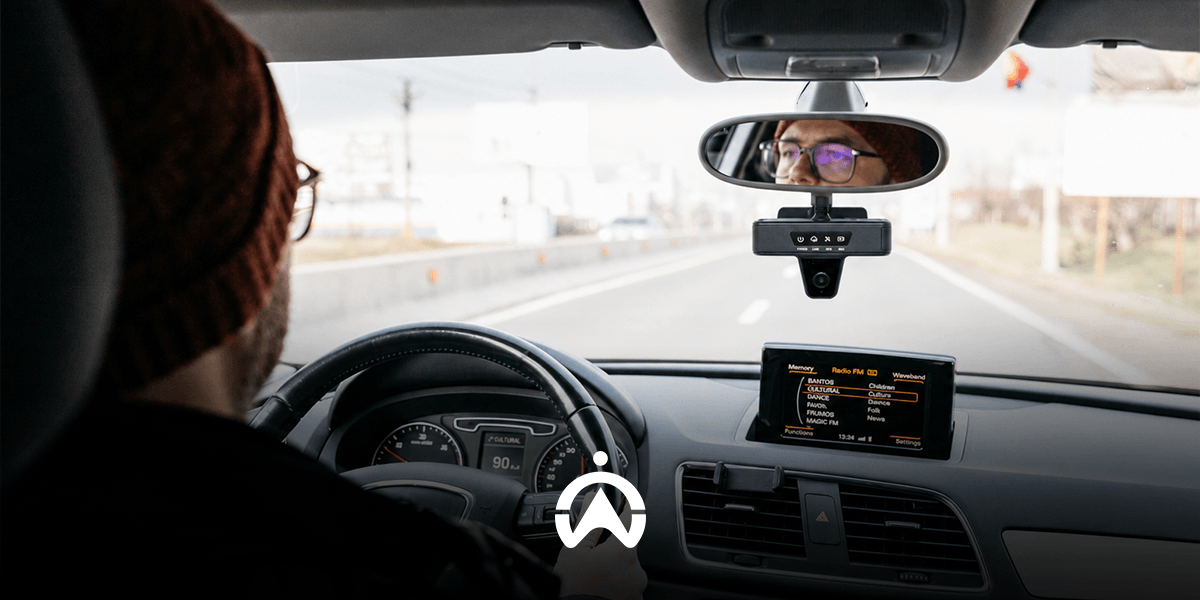
What are 5 Common Mistakes to Avoid When Using a Dashcam?

Dashcams aren’t just devices you go buy at a tech store. They should rather be seen as an (ideally) hardwired vehicle component that is essentially part of your car. Failing to manage footage and memory is another common mistake motorists make, but it all starts with choosing the right dashcam from the get-go. 

Road safety remains a pressing challenge across Africa. Despite accounting for only 15% of the global population and 3% of the global vehicle fleet, the continent experiences approximately 19% of global road traffic deaths.

But with so many brands available to consumers, which one is best? And what are the mistakes being made by motorists when they finally bite the bullet and make the purchase? Karooooo will highlight 5 common mistakes you could make when using a dashcam and also show you the best way to avoid these mistakes by purchasing the right one.

What are 5 mistakes drivers typically make when using a dashcam?

  1. Purchasing the wrong dashcam in the first place
  2. Mounting the dashcam incorrectly
  3. Not managing their footage efficiently
  4. Being ignorant of “night vision”
  5. Sharing footage prematurely on social media platforms

1 – Buying the wrong dashcam

Arguably the biggest mistake dashcam users make is in the initial selection process. Dashcams are seen as an accessory for your car; something we just add for continuous recording “just in case” something happens that’s worth capturing.

But dashcams are a bit more complex than people realise. Video footage takes up a lot of data. Imagine capturing every trip on your phone camera! It wouldn’t be long before your gallery ran out of space. And if you were to go over that footage afterwards, you’d quickly realise that much of that footage is painfully boring. 

This is basically what store-bought dashcams are: simple cameras that record EVERYTHING about your trip. Not as useful as one might think.  

Problems that stem from buying the wrong dashcam:

The 5 mistakes we mention in this article actually stem from this main mistake: CHOOSING THE WRONG DASHCAM to begin with. This will create mounting problems (you’ll likely have to mount it yourself), data management problems (store-bought cameras come with SD cards that require meticulous maintenance), and other challenges. 

  • ‍“But they’re so much cheaper.”
    ‍
    True, but for the purposes of protecting you on the road, store-bought dashcams won’t necessarily do everything you need them to—especially in an emergency.
    ‍
  • ‍“But I only have to pay for it once.”
    ‍
    Yes, but a once-off purchase comes with a lot of self-maintenance that will become tedious after some time. 

So before you buy your next dashcam, let’s look at how mounting, data management, and safety features can be misunderstood. That way, you’ll make the right choice from the get-go. 

2 – Bad mounting

Incorrect camera placement is a common mistake that ultimately renders your dashcam relatively useless. A store-bought dashcam will need to be mounted with wires hanging down to the plug that’s connected to your cigarette lighter. 

Definitely NOT ideal!

Problems that stem from mounting your dashcam incorrectly:

Another big mistake is failing to inspect your windscreen beforehand. A crack in the windscreen could distort the footage, and windscreens that are strongly tinted could do the same (although this is less common). Bad footage won’t be useful if you ever need to refer to it for legal or insurance reasons. 

  • Some users even make the mistake of mounting the dashcam OUTSIDE of the vehicle, which will cause the camera to suffer damage very quickly. 
    ‍
  • A dashcam mount that disregards power is another common mistake. It might be in the right position, but will it sufficiently charge when your car is switched on?
    ‍
  • ‍What about the angle? Is it picking up everything you need it to? How will you know how to adjust the camera to the most ideal angle?

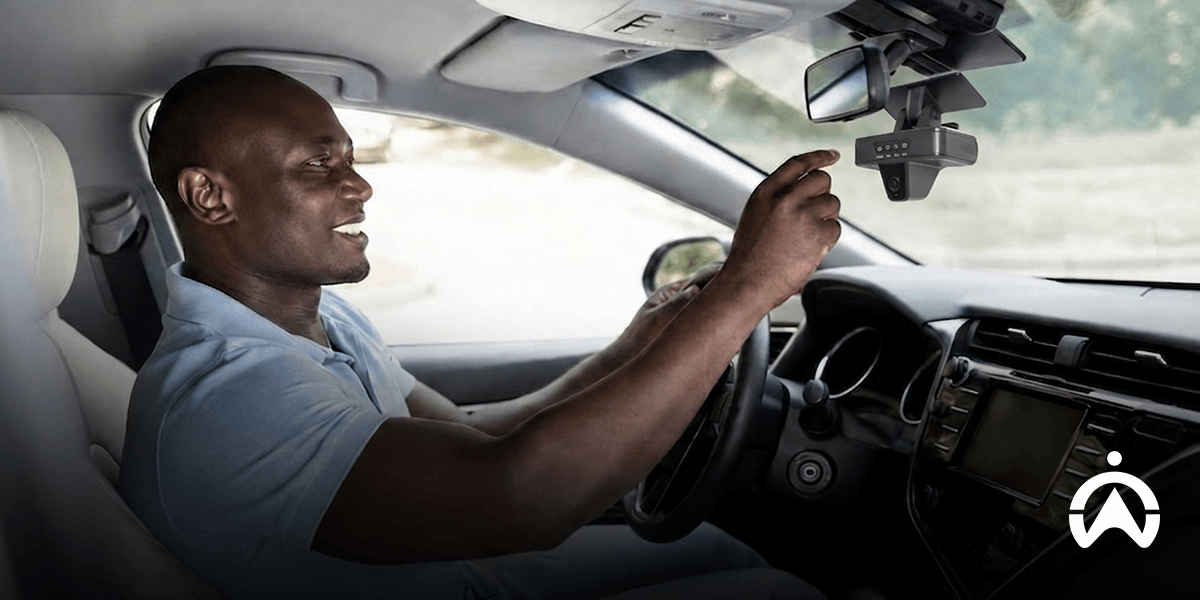
Also remember: your car is constantly vibrating. The camera must be securely fixed by a professional, and the wiring should be hardwired to your vehicle in a way where wires are NOT in the way. 

Driver adjusting a dash camera inside a vehicle, showing common mistakes to avoid when using a dashcam for proper placement and recording quality

3 – Wasting memory with irrelevant footage

As we mentioned earlier, much of the footage of your dashcam is nothing more than boring travel. This is not the purpose of a dashcam, because all of this footage takes up loads of space (or memory).

Many dashcams out there come with SD cards, which is where all this footage gets stored. But these need to be formatted at least once a month. You can pull footage and save it to your laptop if you want, but you’d have to search for it among hours of video you don’t actually need. 

Problems that stem from memory mismanagement:

Not managing your footage correctly results in lost footage, corrupted images, and possibly a damaged SD card. The point of your dashcam is ultimately PROTECTION. If you don’t have clear, observable footage, you can’t use it to prove your innocence or the actions of those you encounter on the road. 

4 – Misunderstanding “night vision”

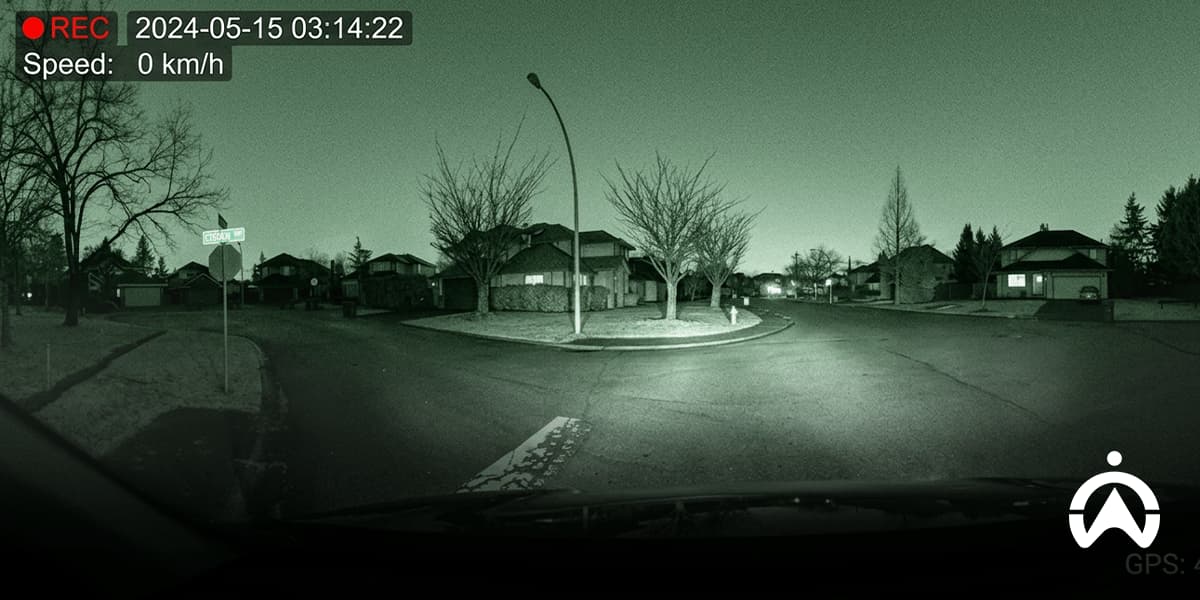
Night vision is a great feature for using your dashcam in limited light. The problem comes in where night vision doesn’t adapt to bright lights and shadows. Night vision causes lights to be blindingly bright, making it impossible to discern shapes, shadows and number plates.

Problems that stem from night vision issues:

You might buy a dashcam because it has night vision (great selling point!), but without wide dynamic range (WDR) technology, the camera won’t adapt to bright lights in real time. This will leave you with indiscernible footage that’s useless for recourse if you experience an event on the road. 

5 – Premature sharing of footage

It’s not technically illegal to record other people on the road, but once you share images of other people for the purpose of “naming & shaming”, you’re entering into dangerous territory.

The Data Protection Act, 2019 prohibits you from sharing recorded footage (where a private person can be easily identified) on public platforms without a lawful basis or consent. This includes number plates, faces, names, and other identifiable factors.

Problems that stem from sharing footage against regulations:

People get into a fair amount of legal trouble by sharing the identities of others online. This can open the floodgates of civil litigation where YOU’RE suddenly the one in the wrong!

Other bystanders who aren’t involved in the incident might also be in the footage. Without their consent, you may not share their faces on social media in Kenya. 

Remember: dashcam footage is there to identify someone who did something wrong, but always go to your insurance company first, and then to the police with your evidence. Social media isn’t where private information about other people should be divulged. 

How does choosing the right dashcam solve these problems?

Choosing your dashcam from a reputable telematics service provider negates these problems by controlling footage wisely, having the camera installed properly, and guiding you on the correct (and legal) ways to use your footage and camera features. Suppliers like Karooooo Kenya approach dashcams from a professional viewpoint, giving you everything you need to stay truly protected on the road.

Here’s how:

Karooooo’s solution to low-quality footage

Karooooo Kenya solves low-quality footage by always mounting your dashcam PROFESSIONALLY. We also inspect your windscreen for you, and wire your dashcam (typically through your cubbyhole) in a way that hides the DVR box and keeps wires out of the way. 

Our dashcams give you high-definition footage, making it clear and easy to refer to when you need it for insurance claims or legal defence. The dashcam is mounted securely, so vehicle vibrations won’t affect the integrity of the device or its components. 

Karooooo’s footage management strategy

Data and footage are where Karooooo Kenya really shines! Instead of having a massive storage of irrelevant footage, Karooooo Kenya only stores video that’s based on an event. Our cameras automatically store this footage for 3 years in case you need to refer to it later.

This policy also solves the privacy problem of sharing footage. We’re bound by the POPIA to only share footage for legal or insurance purposes, keeping you safe from misusing that footage and getting into trouble. 

If you need to review event footage, we’ll give you access to it—so you only use data when you actually need it. Our cameras do have SD cards for immediate recording, but you’ll never need to format it to keep it in good condition. 

Karooooo’s night vision feature

Your Karooooo dashcam will work just as well at night as it does during the day. Our dashcams have WDR technology built in, so it adjusts to lighting and shadows in real time, giving you clear & crisp footage.

Nighttime dashcam view at a quiet intersection, illustrating common mistakes to avoid when using a dashcam for clear video recording and road visibility

What other features work well with a dashcam?

Other features that work WITH your dashcam to give you more safety features include: 

  • GPS tracking and anti-jamming technology
  • Accident detection
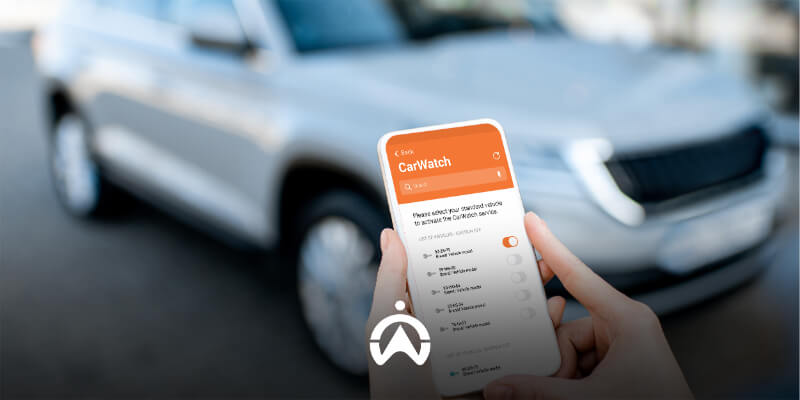
  • CarWatch (a virtual car guard that detects unauthorised vehicle movement)
  • AI driver & road monitoring
  • 24/7 roadside and medical assistance
  • Cross-border tracking
  • Ignition start prevention

Where should you get a dashcam?

Avoid these very nuanced dashcam mistakes and keep clear of all the complications that come with mounting, sharing, and data management. Get your dashcam from Karooooo and let us do all the heavy lifting for you.

We offer our dashcams at affordable prices, and installation is FREE! Get yours by contacting us today.

Frequently asked questions about dashcam mistakes

How do I keep my dashcam SD card healthy?

To keep your dashcam’s SD card healthy, format it once per month. File fragmentation tends to happen over time on these cards, which can cause various errors and footage corruption. By formatting once a month, you’ll keep it from overloading with data that continuously overrides old data with new.

Should I turn off the dashcam audio while driving?

No, it’s best not to turn off your dashcam audio while you’re driving. It’s surprisingly helpful to have audio when analysing dashcam footage for legal or insurance purposes. Picking up sounds like hooting or reactions from the driver helps to identify context for the event being analysed.

How private are dashcams?

Yes, dashcams from reputable providers like Karooooo Kenya are private. Our policy is to never share your footage without permission unless it’s absolutely necessary for legal or insurance purposes. Karooooo Kenya is fully compliant with the Data Protection Act, 2019, which states that personal information can only be processed if it’s done lawfully and in a reasonable manner that doesn’t infringe on your privacy.

How important are the time & date settings on my dashcam?

The time & date settings on your dashcam are very important, because this ensures accurate timestamps on your footage. The time and date of an incident are critical pieces of information, and having these wrong could bring your legal or insurance claims into question.

How to Detect and Stop Your Truck Drivers from Moonlighting in Your Fleet Business

Detect and stop your truck drivers from moonlighting in your fleet business by adopting a comprehensive and sophisticated fleet platform. By having this, you’ll be able to clearly detect any inconsistencies and back up the evidence you present when you approach your moonlighting driver. 

Over the years, side-hustle ventures have grown exponentially, leaving fleet owners in quite a bind. Research by Frost & Sullivan shows that exploring the benefits of a fleet system, like GPS monitoring and fuel accountability, can reduce unauthorised vehicle use by as much as 35%. This directly tackles the hidden costs that often arise from employees engaging in side gigs with company resources.

Don’t be left facing a ‘blind spot’. Get a better understanding of moonlighting, understand how to combat it (especially when it involves your company assets), and see how Karooooo can help you effectively address it.

How do I address moonlighting by my truck drivers? 

You address moonlighting by your truck drivers by remaining calm, being professional, and refraining from an accusatory tone in your approach. Always collect all the evidence before approaching the driver, remind them of the policies in place, be strict about reinforcement, and give them a chance to speak for themselves.

If moonlighting drivers are using the company’s assets or vehicles for their side gigs, it needs to be dealt with as soon as possible. At the same time, as a manager or owner, it’s important to remain mindful of the fact that some employees might be doing this out of necessity or financial need. 

To stop (or better control) moonlighting, you can: 

  • review and renegotiate your driver’s salary to encourage them to stay loyal to your company, while offering growth opportunities, 
  • require that drivers disclose their other jobs in writing, and
  • ensure that your policies and contracts are clear about not allowing/having strict boundaries regarding moonlighting.

From a legal perspective, you can:

  • launch a formal investigation and give the driver a warning or initiate the process of termination, depending on the level of violation of policies, 
  • put together a performance plan if you intend to retain your driver, and 
  • ensure you’re in line with local labour laws and not unfairly dismissing your driver.

What is moonlighting?

Moonlighting is when an employee has another job or ‘side hustle’, other than their primary job. This is usually to make more money and is often done after the hours of their 9-to-5. Most people moonlight in order to meet the demands of rising costs, especially post-pandemic, but some even do it to fulfil passions and dreams. 

Some examples of moonlighting include a driver working as an e-hailing driver in the evenings after their primary job, or an employee who takes freelancing gigs outside of work hours. 

Are there different types of moonlighting?

Yes, there are four different types of moonlighting. When referring to side gigs or side hustles, it’s typically things like consulting, freelancing, odd jobs, e-commerce, and starting a new business venture.

The four types of moonlighting are as follows:

  1. ‍🌑Full moonlighting: This is when an employee is spending a great deal of time on their second job or side hustle, so much so that it might compromise their primary job. This second job could also be full-time, but this isn’t always the case. The side hustle might require just as much energy & dedication as the primary job, leading to an employee who’s burnt out and inattentive. 
    ‍
  2. ‍🌗Half moonlighting: This is when an employee works on their side hustle but isn’t giving as much time and effort as full moonlighting. It still requires a lot of time & dedication and could possibly cause an issue. Again, employees often do this to earn extra so that their needs (rent, food, and bills) are met. 
    ‍
  3. ‍🌖Quarter moonlighting: This is when an employee works on their side hustle after hours, but it doesn’t impact their ability to do their primary job. This is also an approach that many moonlighters take as a means to boost what is perhaps a low source of primary income. You’d see this with employees who maybe freelance in addition to their primary job.
    ‍
  4. ‍🔵Blue moonlighting: This is when an employee takes on another job or side gig, but it’s not necessarily because they’re unhappy with the amount of money earned from the primary job. They’re likely taking on this gig because they aren’t feeling fulfilled in their primary work. This type of moonlighting usually doesn’t interfere with the primary job.
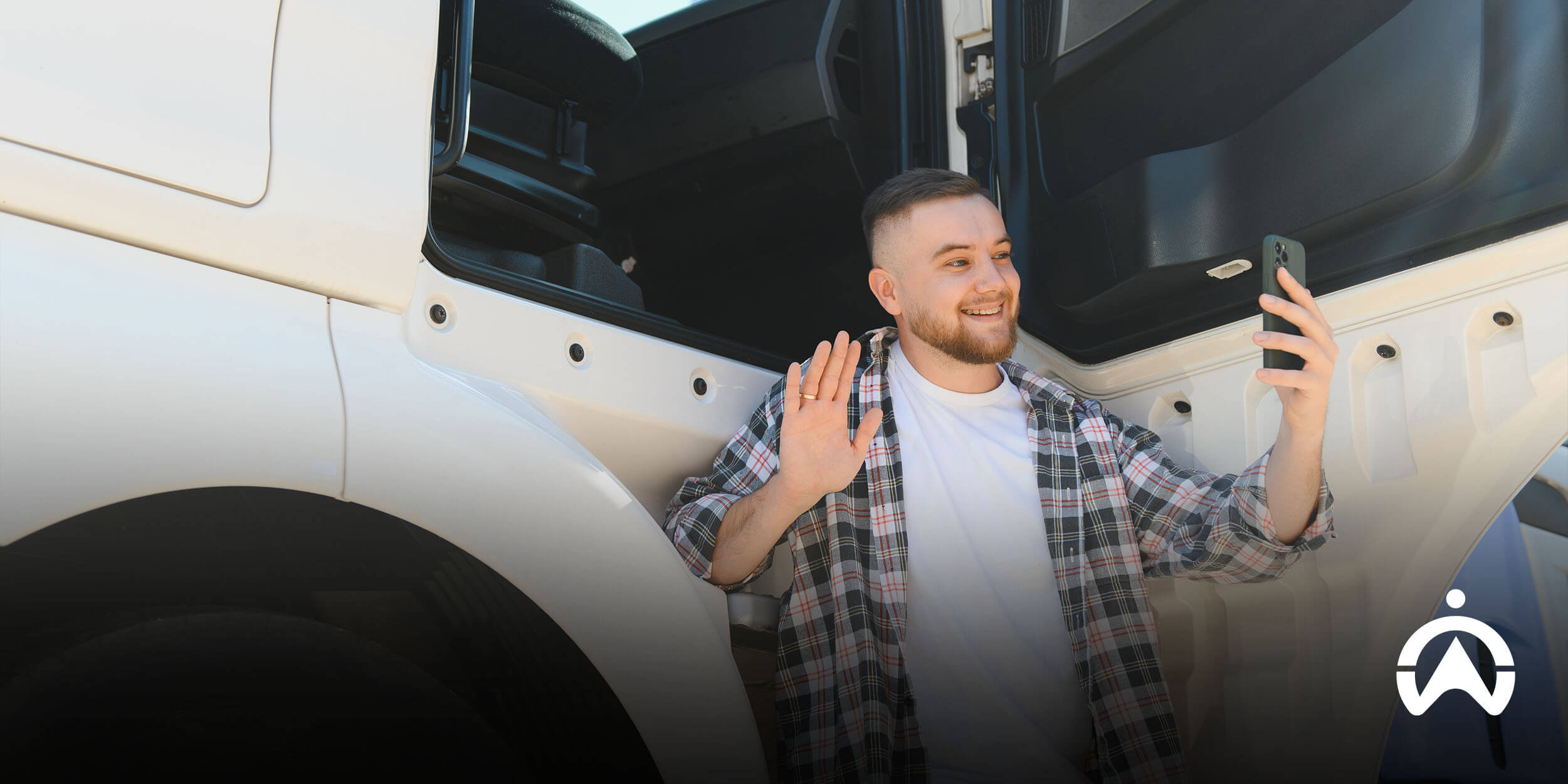
Fleet driver in plaid shirt taking a selfie by a white truck, illustrating how to detect moonlighting in a fleet business.

What are the ethics behind moonlighting?

The ethics behind moonlighting are quite a heavy topic of discussion, with talks circling the matter of employees and their ability to freely do what they want in their own time. Simultaneously, you as the manager or employer have every right to be concerned about conflicts of interest, whether the moonlighting will affect the work your employee does for you or if your assets are being used. 

Your drivers might argue that they’re free to do whatever they like in their own time or grow their skillsets, especially when considering the ever-rising costs of living. But if they haven’t disclosed or are using your company’s resources in their own time without permission, it’s unethical no matter which way you look at it. You have every right to take action.

Ultimately, the best way to manage any moonlighting situation is to work by the book, be as transparent as possible, and ensure that your policies are totally clear. Transparency is the best direction to take, whether it’s from you as a manager or from the employee. If a professional conversation can take place, then there can be a sense of trust. 

HR professionals argue that clear policies on regulating moonlighting could be the best route to take, rather than banning it completely. But, if your company takes the complete-ban route, don’t leave space for confusion or misunderstanding. Ensure your policies are airtight and your contracts clearly state that moonlighting is not allowed.

Is there a difference between ‘personal use’ and ‘moonlighting’?

Yes, there’s a difference between ‘personal use’ and ‘moonlighting’. One is usually done for the purpose of commercial/financial gain. In the case of drivers who’re using company assets,  ‘personal use’ suggests the vehicle is being used for something small and particular, like driving to the shops. ‘Moonlighting’ suggests that the vehicle is being used to make money, but in the employee’s personal capacity.

What are the financial implications of the ‘side job’?

The financial implications of the ‘side job’ usually centre heavily around the wear & tear, insurance, employee burnout, and (most importantly) brand reputation. Unfortunately, there are rarely positive outcomes for you as the primary employer, so it’s important to understand what the potential implications are. 

Let’s look at these further: 

  • ‍Wear & tear: This is one of the major tangible costs for your business. If your driver is using your company’s vehicle outside of working hours, it’s likely that those vehicles will have to be serviced or repaired more often. Not only does this add to maintenance costs, but it also depreciates the vehicle’s value. 
    ‍
  • ‍Insurance: If any incident occurs while your driver is using your company vehicle, and you plan on putting in a claim, then you might be out of luck. If your insurer finds that the incident or accident took place while your driver was moonlighting on their own time, they likely won’t cover it. What’s worse? There’s a good chance your company will still be included if this escalates into a court matter.
    ‍
  • ‍Employee burnout: When your employees are full or half moonlighting, this could massively impact their output during their work hours for your business. This means they’re coming to work exhausted and unfocused, which means they’re not doing their work to the best of their ability. As drivers, this is a big no-no, especially because exhaustion could mean dangerous consequences. 
    ‍
  • ‍Brand reputation: If your driver is using your vehicle for their own side gigs and something happens, i.e., they do a poor job or they behave badly on the roads, then it’s your company’s brand name that’s on the line. 
Truck driver inside his cabin using a smartphone to coordinate a side job, illustrating how fleet managers can detect driver moonlighting.

What can Karooooo do to help you address moonlighting in your fleet?

Karooooo can provide you with a comprehensive fleet platform that has everything you need to identify and stop moonlighting in your fleet. From detailed reports to immediate alerts, you’ll have everything you need to investigate efficiently and approach your drivers with confidence. If there are policies and rules around moonlighting, especially with company vehicles, you have to approach this carefully. 

With Karooooo’s FleetWeb, our GPS tracking and telematics carefully track the movement of each fleet vehicle. You can monitor the whereabouts of your vehicles, seeing any route deviations and improper use. You can also export detailed reports, which will reflect oddities in vehicle use, show longer driving hours, and so much more. 

You can set up automated alerts for almost anything to suit your operational needs. In this case, you can get alerted to after-hours vehicle use or even movement in and out of company-set geofenced areas. Fuel monitoring is another way to carefully monitor your drivers; thanks to our fuel probes, you can keep track of fuel use and identify strange patterns or fluctuations.

Our AI-powered camera solutions won’t only catch drivers using the vehicles outside of work hours, but they’ll also detect events like signs of exhaustion (which is typical of moonlighting drivers) or the presence of unauthorised passengers. Our DiD tags, with unique IDs for each driver, also keep track of which drivers are using which vehicles and when. 

Final takeaways: Finding a balance between control and trust

We understand that wanting to detect and stop moonlighting is more about safeguarding your business and resources, rather than just being Big Brother. But, with the help of the right tools and platform, you can stay in control and handle moonlighting professionally, even nipping it in the bud before it costs you more than it already has.

Karooooo’s solutions can help you communicate better and let your drivers understand the ‘why’ behind moonlighting policies. When you’ve made your policies strict & clear for your drivers, you can manage and stop drivers from moonlighting, especially with company assets.

Protect your business, conserve your resources, and minimise your liability by keeping improper vehicle use at bay. Book a demo today to see how our solutions can give you total fleet visibility.

Frequently asked questions about truck driver moonlighting 

How do you tell if your car is bugged or tracked?

You can tell your car is bugged or tracked by carrying out a careful inspection of your car. You need to look in conspicuous parts of your car, like under the car, below the seats, behind the cubbyhole, or even by the battery. A visual inspection, with the help of a light source, is usually enough to find a tracker.

What is the punishment for moonlighting?

The punishment for moonlighting really depends on the company and how serious the situation is. Some companies might issue a written warning, while others might find these grounds for dismissal. This could even escalate to legal matters and end up in court.

GPS Tracking for Electric Vehicle Companies

According to Auto Evolution, electric vehicles are stolen significantly less often than regular internal combustion engine (ICE) vehicles. So why the need for GPS tracking on these greener vehicles? Karooooo has designed GPS tracking for all types of cars, but why bother with electric vehicles? Isn’t vehicle tracking a theft prevention method?

The answer is, “Yes”, but not exclusively. GPS tracking actually has a vast range of uses other than vehicle recovery, which is why we emphasise the need for it in electric fleets. Let’s have a look at 6 reasons why electric fleets need GPS tracking, and how these vehicles benefit from technology that ISN’T included in their default designs.

Is GPS tracking necessary for electric vehicle companies?

We’ve noted that electric vehicles are less vulnerable to theft, but this doesn’t mean they NEVER get stolen. Most car theft in Kenya is done with the intention of selling parts rather than having the stolen car. For this reason EVs are less likely to be stolen because the parts aren’t desired on the black market.

But we should mention that this is likely to change in the near future. While car brands like Tesla are among the least likely to be stolen, they are in a sense vulnerable to being ‘hacked’. 

How do thieves target electric vehicles?

Thieves that do want to target an EV will do so through a high-tech relay attack. This involves two devices that ‘tie’ a signal together in order to access the vehicle. They can unlock and start the vehicle and easily steal the car.

But if not for the parts, why steal an electric vehicle in the first place?

Why do some electric vehicles get stolen?

This may not seem like relevant information for fleet companies, but it is! EVs will most likely be targeted for their cargo rather than the vehicle itself. If you own EV trucks or vans, keeping your vehicle’s cargo safe with GPS tracking is a MUST!

As more companies undergo electrification of their fleets, GPS tracking becomes essential in keeping cargo AND vehicles safe. But actually, it goes beyond theft prevention. Keep reading.

Beyond tracking: GPS for EV fleet management

Fleet managers mistakenly think that GPS tracking is a service that only pertains to vehicle recovery in case of vehicle theft. While this is how it all started back in the late nineties, GPS tracking has presented multiple other uses like telematics to help make better fleet decisions. 

In the case of EVs, GPS also assists with valuable management points like battery data, range anxiety, and vehicle maintenance. 

Integration with telematics

Managing an electric vehicle fleet without telematics means going back to the days where fleet managers used a pen & clipboard to assign their drivers. Those days are long gone (or at least they should be), and have made way for digital fleet management. 

Telematics is the data you get from your vehicles. Fleet management software is what translates that data into valuable insights that enable you to excel in your decision-making processes. The base for all this data? Yep, you guessed it: GPS tracking. 

EV fleets are no exception, as you’ll soon see. 

EV battery data

Trip information and battery data go hand in hand. An EV battery status must correspond with how much driving a vehicle has been doing. GPS tracking for electric vehicles is an inseparable part of managing battery data and spotting battery issues.

Charging stations (range anxiety)

GPS tracking is at the core of route optimisation for any fleet. Getting your vehicles to their respective destinations quicker means more efficiency and a stronger reputation for reliability. A nice byproduct of route planning & optimisation for EV fleets is the ability to plan charging sessions by pinpointing charging stations. 

This eliminates what’s known in the industry as “range anxiety”. Just one more reason to get GPS tracking for your electric vehicle company.  

Maintenance for electric vehicles

Electric vehicles need significantly less maintenance than ICE vehicles. It’s a great selling point, but what about when they DO need maintenance? The truth is, we’re not as familiar with electric vehicle health because this technology is relatively new. 

GPS tracking works as an integral part of predictive maintenance scheduling. And yes, it’s exactly what it sounds like: software that predicts when your vehicles will need to go in for a service. So instead of guessing when your EVs need maintenance, you’ll have a booking schedule that’s accurate to the condition of each vehicle—all thanks to GPS tracking and other IoT devices. 

GPS tracking is also used for coaching

The third reason EV fleets should adopt GPS tracking is for the purpose of driver training. While GPS tracking might not be the obvious hero in this technology, it works in the background to make it possible. 

Driver monitoring for EV fleets

You can’t exactly monitor your drivers for targeted driver coaching if you don’t know where they are most of the time. GPS tracking tells your fleet software where each driver is, and combined with vehicle cameras, tells you what they’re doing. 

Vehicle monitoring to save costs

GPS tracking also plays a part in vehicle diagnostics to help you understand what each driver is doing with regards to the vehicle they’re driving. Are they idling too long? Are they driving recklessly? Did they make it to their destination? Thanks to GPS, you can manage your drivers much better and even coach them on driving habits.

Last-mile benefits of GPS tracking for electric vehicles

Karooooo has a superb last-mile application called ‘Delivery’. It’s an optional part of our software offering that helps to finalise deliveries or fleet-related tasks. This application relies heavily on GPS tracking because it helps you manage schedules, locations, and routes for your drivers. 

An increase in electric scooter fleets

More and more companies are electrifying their last mile processes with electric vehicles like battery-powered scooters and bikes. As these fleets grow larger to accommodate more customers, the fleet itself becomes harder to manage. 

Where does GPS tracking come in?

To keep costs down and productivity up, fleet managers are turning to applications like Karooooo’s Delivery. GPS tracking devices have to be fitted to each vehicle to optimise the function of this application. Not just to keep those scooters safe from theft, but to help manage one of the most important delivery processes of the company—the last mile.

Thanks to GPS tracking for EV fleets, the last mile (notorious for being the most expensive part of the delivery process) can be optimised through:

  • Better route planning for increased range
  • Avoiding traffic and damaged roads
  • Better communication with customers on delivery progress
  • Fewer breakdowns

Maximised ESG goals

If you’ve made the shift to electrify your fleet, you’ve already taken a huge step to raising your ESG score. This puts you ahead of your competitors because you’re leading the way within your industry and making a real difference in the impact fleet companies have on the environment.

But it’s possible to FURTHER enhance your ESG results. Check it out.

Is ESG worthwhile? What’s in it for you?

ESG isn’t just about being compliant with a set of new rules. Pursuing ESG sincerely WILL put your company ahead of its competitors long term, because many companies will (and already do) only do business with those that are perceived as responsible corporations. 

ESG is also worthwhile when you consider how it impacts the safety and wellbeing of your staff. This is the social aspect of ESG (the “S”), and this aspect has become a financial strategy that’s continuously paying off in terms of staff satisfaction, productivity, and retention. 

The role of GPS tracking in ESG

Where does Karooooo come in? What’s the connection between GPS tracking for electric vehicle companies and ESG?

  • GPS tracking is the basis for conceptualising accountability in your drivers
  • GPS tracking is the starting point in determining your carbon footprint on the environment
  • GPS tracking is what forms the foundation of driver coaching
  • GPS tracking is necessary for better route optimisation (which means less mileage)
  • GPS tracking gives you the data you need to make better decisions and manage corporate risk better

Tracking the safety of MORE than just the vehicle

The 6th and final reason electric vehicle companies should adopt some form of GPS tracking is because it’s not just the vehicle you’re tracking. As a fleet manager or company owner, it’s vital to protect your drivers and their passengers. 

Remember: GPS tracking falls into the background when it comes to other driver safety components, so as we consider any fleet safety feature from Karooooo, bear in mind that GPS tracking forms the skeleton for them all!

How does GPS tracking protect EV drivers?

Leaving out important driver safety features like AI cameras and collision detection, GPS tracking further protects electric vehicle drivers as follows:

  • It allows for faster responses in emergency situations
  • It sends you alerts when your drivers are in certain high-risk areas
  • It calculates safer and quicker routes

GPS tracking | The skeleton of EVFMS

It’s safe to say that fleet management software wouldn’t exist as we know it today without GPS tracking. 

  • Vehicle recovery
  • Driver coaching
  • Fleet data analysis
  • Route optimisations
  • Last-mile management

It’s the lifeblood of so many applications that have become INDISPENSABLE to EV fleets across the globe.

Do EVs in Kenyan fleets need GPS tracking?

YES, EVs in Kenya should absolutely implement GPS tracking into their fleets. Not only is it an integral part of almost all other fleet management strategies, but it also keeps your assets & drivers safe in a country where crime is an everyday reality.

Whether you’re electrifying your fleet or already have, contact Karooooo today to optimise your business and get more out of your electric vehicles. 

Frequently asked questions about GPS tracking for electric vehicle companies

Should I get a GPS tracker for my personal EV?

Yes, adding a GPS tracker to your personal electric vehicle is an extra layer of security. Even if you have insurance, a tracking device gives you a better chance of recovering your car if it gets stolen. Bear in mind that it’s not just your car you’re tracking, it’s often you and your family too.

Do some EVs come with built-in GPS?

Yes, almost all EVs come with a built-in GPS for purposes of navigation and smart range estimation. The default GPS used in electric vehicles is a mechanical necessity, but it doesn’t come with a recovery service, so getting a tracking device installed from a company like Karooooo is a sure way to recover your car if it does get stolen.

Does Google Maps have an EV mode?

Yes, Google Maps has a mode specifically designed for EV. It prioritises charging stations (and their availability) and AI navigation (for quicker routes to save your battery). As EVs become more popular, Google continues to update their EV Map mode to accommodate new charging stations and other navigational priorities.

What type of tracking device is best for electric vehicle fleets?

The best tracking device for EV fleets is one that collects quality data for the purpose of operational efficiency and informed decision-making. It should also integrate with existing EV technology, other fleet management systems, and built-in EV features. Most importantly, it should come with a vehicle recovery service in case of theft.

Car Safety Features That You Should Have Today

Car safety features that you should have today include collision prevention & detection, GPS tracking, high beams, braking systems, and a host of other advanced additional options. While unbelievably important, you can no longer stop at seatbelts and airbags. In today’s world, all car safety features go beyond the traditional ones.

The Insurance Institute for Highway Safety (IIHS) 2026 Safety Benchmark shows that cars with Automatic Emergency Braking (AEB) and Forward Collision Warning (FCW) brought down the number of car wrecks by 50%. The number of injuries is also reduced by just about the same percentage! This shows just how important tech-forward car features can be.

Familiarise yourself with the importance of safety for both you and your car, but also consider key features that are more than just the in-vehicle perks. In this blog, we’ll let you in on the most crucial car safety features, how features have evolved, and what Karooooo can do to maximise your car safety.

What safety features are important for a car to have?

Safety features that are important for a car to have are things like seatbelts, airbags, and windscreen wipers, but also Automatic Emergency Braking (AEB), Electronic Stability Control (ESC), and adaptive cruise control (ACC). The best in care safety should always be a combination of traditional features and newer, more tech-advanced features. 

What is a safety feature?

A safety feature is something that’s been created or designed to protect you from harm and prevent potential damage. These technologies are designed to predict potential risks and react appropriately, help you during distressing moments, and ensure the safety of you & your family.

What is the most important safety feature on a car?

This question is a bit tricky to tackle with total confidence. Firstly, there isn’t just one “most important safety feature”, and secondly, you have to look at this question from different perspectives.

Are you trying to measure safety by prevention, survivability, or both? Either way, it’s generally believed that seatbelts and airbags are the most important safety features. 

Following this, it’s the headlights and windscreen wipers. And from an advanced tech perspective, look for Automatic Emergency Braking (AEB) systems, which predict a potential crash and slow the car down. Electronic Stability Control is another important modern consideration, which stops you from losing control when your car skids. 

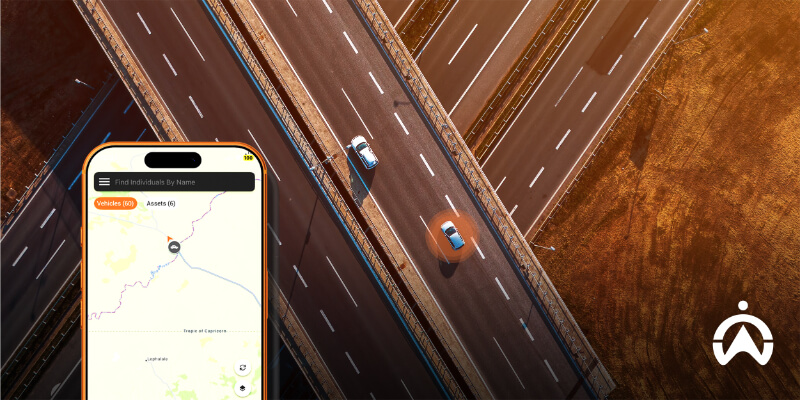
Aerial view of a highway with cars and a smartphone interface displaying essential car safety tracking features.

What are the top safety criteria for your vehicle checklist?

Here’s a quick and easy checklist for your new car purchase or car inspection:

Collision protection and impact prevention

  • Seatbelts: Ensure your seatbelts pull and retract easily and that they aren’t frayed. While traditional, it’s still important to mention, especially given how frequently people forget to buckle up before hitting the road. Seatbelts help by massively reducing injuries and stopping dangerous ejection from the car.  
    ‍
  • Airbags: Verify they’re in place to protect you and your passengers from hard surfaces in the event of an accident. Airbags started with two in the front seats, increasing to about six in the early 2000s. Now, we see anywhere from seven to sixteen airbags installed carefully around the interior of the car. 

ADAS (Adaptive Driver Assistance Systems)

  • ACC: Always check that these detection systems are working before you drive off. Adaptive Cruise Control automatically slows down your car to keep a safe distance, usually matching the speed of the car that’s in front of you. It’ll use something like a camera, radar, or sensor to comfortably adapt to the change in speed. 

Collision avoidance

  • AEB: Check that your car is equipped with this emergency function and can initiate braking. Automatic Emergency Braking is a system that brakes or slows the car down if it detects that a crash is about to happen. It’ll also detect that you’re likely not responding quickly enough. 
    ‍
  • ESC: Confirm that this is present in your car. Electronic Stability Control stops you from losing control when the car skids. It works by looking at the angle of the steering wheel & the direction your car is going in, then quickly recalculating and adjusting if the car starts to swerve.
    ‍
  • Blind spot monitoring: Look for sensors or cameras that can give you alerts when there are vehicles in your blind zones. Blind spot monitoring warns you about cars that are out of view. There are different ways for the alerts to show up, but they usually manifest as a beep or an icon that flashes in your sideview mirror. 

What cars have good pre-installed safety features?

Cars that have good pre-installed safety features include compact sedans, compact SUVs, and mid-sized luxury cars. Beyond the successes in crash and safety tests, these cars are typically considered the safest because of the advanced tech used in their safety features.

  • 🚗 Compact sedans: These are usually praised for their rear seatbelt reminders, ADAS, lane assist alerts (lane-keeping & lane departure), high-beam lights, and collision intervention warnings. 
    ‍
  • ‍🚙Compact SUVs: These are praised for their strong structural designs, numerous airbags, and integration of advanced technologies (like ACC, collision warnings, & the like), even in their most basic models. 
    ‍
  • ‍💎Mid-sized luxury cars: These typically set quite the standard when it comes to high-quality and precise safety features. Most models are pre-equipped with all the safety benefits you could want in a car, with the most recent models also including perks like more airbags (especially side & knee ones), AEB, and driving assist features (distance control & curve management). 

How does modern technology support older drivers? 

Take a look at how modern technology supports older drivers with this problem vs. solution table:

The pain point The safety solution How does this help?
Fragile bodies in an accident Airbags and extra padding/support on headrests and seats headrests and seats They do much of the heavy lifting, absorbing the impact in a collision and cocooning the fragile bodies of elderly drivers.
Impaired visibility Driver & vision assist features (lane keeping assist, left-hand turn assist, blind spot warnings, and reverse cameras) Visual & audio indications for these features keep elderly drivers vigilant, especially when head turning is difficult.
Disorientation Live GPS tracking This can provide peace of mind and keep family members connected to elderly loved ones while they’re on the road.
Arthritis & mobility issues Convenience technology Larger steering wheels, push-to-start buttons, power boot/tailgate buttons, and power seat buttons remove physical strain.
Slow reaction time or reflexes AEB Most modern cars include pedestrian detection and large animal detection, in case an obstacle suddenly appears.

Although these safety features may be important regardless of age, we must keep our elderly drivers at the centre of the safety conversation. 

Natural age-related changes start to happen as time passes, like vision becoming poorer, reaction times becoming slower, and loss of muscle strength. The safety features in a car must accommodate those changes while keeping drivers comfortable. 

How can you protect your senior loved ones on the road? Speak to a Karooooo professional about our safety solutions and perks.

Much like children, the elderly are extremely vulnerable people when they’re on the roads. Their vulnerability makes them prone to serious injury and a loss of direction sense, which is why it’s important to pay attention to and consider certain safety features.

Person in a black mask using a tool to break into a vehicle, highlighting the need for modern car safety features.

EVs vs ICE cars: Which wins on safety?

When looking at EVs (electric vehicles) and ICE (internal combustion engine) cars, it’s EVs that truly win on safety. When you break it down, EVs are less likely to catch on fire, are sturdier and stronger in their build, and their safety technology features tend to be far more advanced.

Here’s why:

  • ‍Extra crumple space: EVs don’t have an engine in the front of the car like ICE vehicles. Because of this, we see an advanced energy-absorbing structure. In the case of a head-on collision, the car crumples in a more effective, less impactful way, ensuring better protection for the cabin and passengers.
    ‍
  • ‍Stability and anchoring: EVs have heavy battery floors, which create an anchor that has a very low centre of gravity. This design makes EVs nearly immune to rolling over in an accident, which is something traditional ICE vehicles are prone to.
    ‍
  • ‍Fire hazard chances: Despite popular belief, recent data shows that ICE vehicles are actually more likely to be a fire hazard compared to their EV counterparts, thanks to the former’s highly flammable fuels and hot exhaust systems.

Can Karooooo help you keep your car safe?

Karooooo can absolutely help you keep your car safe. We understand that safety extends beyond in-vehicle alerts and warnings, and while pre-installed safety measures are great, they’re not always enough. We take security and protection to the next level, adding onto what’s already existing and giving you complete peace of mind. This is where we excel.

Why should you choose us?

When you choose Karooooo as your provider in car safety, you’ll get access to the Karooooo app and its many features. For an affordable price (with free tracker installation), the app will show you where your car is at all times, thanks to our live GPS tracking. 

You can location-share with loved ones, and they can reach you quickly if an accident or incident occurs. Our app is easy to use, making it ideal for you and all members of your family.

What Karooooo-specific safety options are available to you?

We have numerous safety and security solutions that go beyond standard features. Our Vision solutions add an extra layer of security, offering Road and Dual Vision dashcams. The Road is a simple road-facing dashcam, while the Dual option is both road- and cabin-facing. 

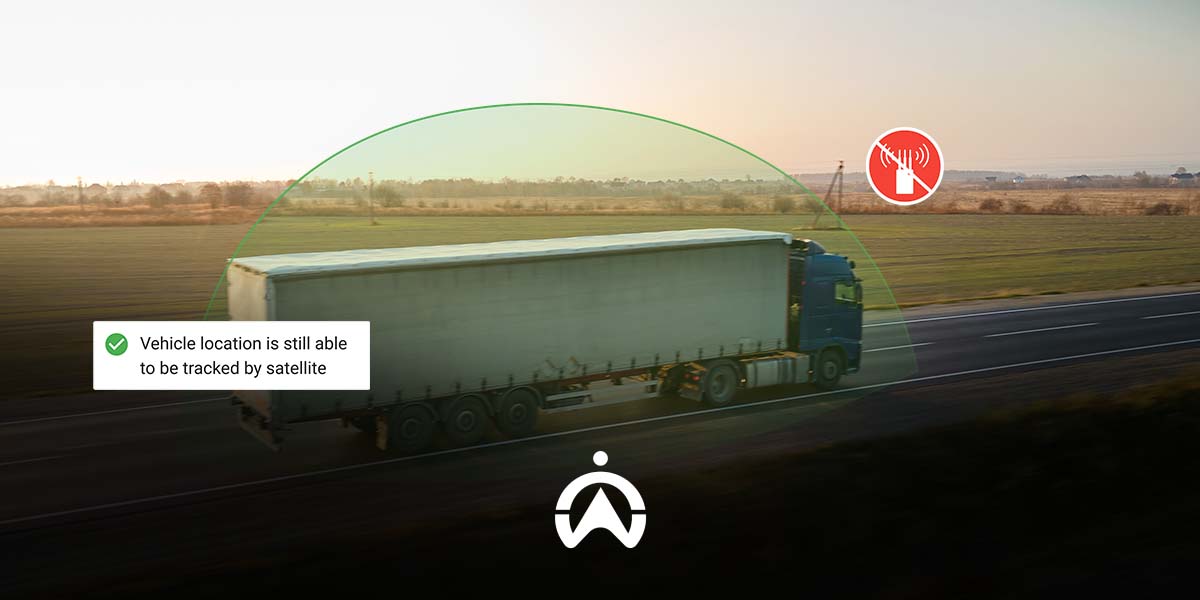
Invest in our backup wireless tracking device, the Karooooo Tag, which is immune to remote jamming. All of our traditional hardwired GPS tracking devices have anti-jamming detection, and in the case of remote jamming, the signal will switch to the Tag, which works on a radio frequency that alerts our control room about your car’s movement. This helps our teams move in to retrieve your car even quicker!

We also offer CarWatch, your personal car guard. You can keep a watchful virtual eye on your car via the Karooooo app and be notified of any strange or unrecognised movement. 

What about accidents and car recovery?

Our safety and security measures for you also extend to the car itself, and in the case of theft, we have extremely responsive stolen vehicle recovery (SVR) teams all across the country that are ready to help you. 

Our crash detection feature means that in the case of an accident, our control room service agents will be notified immediately and will quickly send help. Knowing your car’s exact location means there isn’t an uncoordinated scramble to get emergency services quickly enough.

Final takeaway: Getting the best protection for your car

When you’re choosing a car, you’ve got to direct your focus towards the latest in safety tech, but for the right reasons. The right tech isn’t just to flaunt; it’s about securing complete confidence and calm. Specialised & sophisticated features that were once seen as expensive extras are now the most crucial tools for you and your family. 

Karooooo lifts you to new safety heights. Your car’s features manage some aspects of on-road safety, and we manage the others. We give you all the extra safeguards and benefits that go beyond just driving, giving you total visibility, solid support, and complete satisfaction.

Drive smarter, drive safer, and ensure you and your family are completely protected. Chat with our dedicated professionals today and choose a package that suits your needs! 

Frequently asked questions about car safety

Who benefits from oil price increases?

Naturally, oil suppliers & companies, governments, and alternative energy source companies benefit from oil price increases. Oil companies excel and profit from demand when prices go up. Governments in most countries receive a fixed fuel tax cut, which rises with price increases. Alternative energy providers see an influx of people looking for other options to fuel use, driving up their profits.

What is fuel volatility?

Fuel volatility refers to how fuel vapourises when it’s being burnt in an engine. This is how traditional ICE (internal combustion engine) vehicles work, and fuel volatility is necessary for petrol cars to operate. Fuel volatility is usually measured in Reid Vapour Pressure (RVP), which measures the pressure. This distinguishes between a slow and sputtered or easy car start.

Is oil going to crash in 2026?

Whether or not oil is going to crash in 2026 is a difficult question to answer because it’s based on geopolitical tensions and whether they continue or resolve. If disruptions continue, it might crash, especially because supply routes (like the Strait of Hormuz) have been blocked for certain countries. This is what leads to volatility and uncertainty.

How to Increase Driver Retention and Save on Recruitment Costs

To increase driver retention and save on recruitment costs, you must create an environment that emphasises the wellbeing and upliftment of your drivers. The two core reasons why businesses see a high turnover rate are that drivers feel underpaid and unappreciated, and addressing this can make all the difference. 

As of 2026, the financial impact of high driver turnover has begun to crush fleet sustainability. Studies reveal that replacing just one truck driver costs an average of about 8,600, while some recruitment and training expenses can exceed that for each new hire. This is a concrete reason why retention is the better, financially savvy route. 

Don’t drown your business in hiring costs; change the way your business operates and shows care for its employees. In this blog, you’ll see how you can improve driver retention, what you can do to protect your overall gain, and how Karooooo can help you achieve a positive business environment.

What can you do to maintain driver retention and avoid financial loss?

To maintain driver retention and avoid financial loss, you should transform the way your business treats its drivers. If you’re facing a high turnover rate, you must be able to take a step back and re-strategise, thinking carefully about the ways you can enhance your approach with drivers. Most importantly, value their feedback and be willing to listen. 

Truck driver shortages have been an ongoing issue for years now, and they’re heavily impacting the supply and transportation sector. This kind of shortage has a ripple effect, damaging businesses like yours and hurting the industries in connection to them. Maintaining driver retention is more important than ever. 

What is driver retention?

Driver retention means keeping your drivers loyal to your company, so much so that they stay on for a long time. Retaining drivers means you’re going in the right direction, keeping your drivers happy enough that they choose to remain a part of your team. Most drivers move on to different companies because they feel unhappy, underpaid, or overworked.

According to extensive research studies, it’s believed that most drivers leave their positions because compensation doesn’t match their expectations. The second most common reason is largely that they feel disrespected and unappreciated. This is why, beyond pay & benefits, a positive, nurturing environment is the key to retaining your drivers. 

What’s the true price of hiring a new driver instead of retaining one?

When you hire a new driver instead of taking measures to retain one, you’re not just faced with the hiring costs. Every time a driver leaves, you have to invest in so much more than the recruitment process. More than that, you might end up with a bad hire that could cost your business even more than anticipated. 

Consider these other contributing costs:

  • Advertising and marketing for the role
  • Onboarding and training
  • Insurance (which tends to be greater with high turnovers)
  • Loss of productivity/downtime
  • Loss of unused equipment/assets (diminished equipment)
Delivery driver in a red uniform handing over a package from their van, illustrating strategies to increase driver retention.

What are the top ways to increase driver retention?

The 7 ways to increase driver retention include:

  1. Paying drivers competitive salaries and offering valuable benefits
  2. Putting driver safety and wellbeing first
  3. Engaging intentionally with drivers
  4. Investing in good-quality tools and technologies
  5. Maintaining open communication
  6. Introducing strong mentorship, training, and development programmes
  7. Implementing incentives and rewards

Let’s break these crucial points down for you. 

1. Paying drivers competitive salaries and offering valuable benefits

This is one of the most important points to consider. Do your research carefully and understand the market value for drivers. Even if you do have an interested driver, you might lose them the moment you present a weak compensation package. Keep a competitive edge and remember that the market has shifted post-pandemic.

In addition to pay, offer valuable benefits. Think about offerings like medical aid, performance bonuses, and other benefits that could make your compensation package stand out above the rest of them. Also remember to be completely transparent about the salary and benefits structure. You want to support your drivers, not catch them out.

2. Putting driver safety and wellbeing first

Drivers work extremely long days and are the foundation of your business, so invest in their wellbeing. Put their mental health first and offer enough time off. When you do this, your drivers have a far better quality of life with better sleep, less chance of chronic health issues, and a better outlook on their job. This then encourages a positive cycle and work/life balance.

Safety is also a massive point here. Ensure that you’re compliant and meeting safety measures to the best of your ability. Invest in the right tools to make safety processes simpler, ensure that your drivers are properly trained, regularly review your safety protocols & policies, and check that your equipment/assets are well maintained and meet safety standards. 

3. Engaging intentionally with drivers

Be intentional about your engagement with your drivers. Really listen to them when they’re giving you feedback or expressing their grievances. You can encourage things like regular check-ins or focus groups so that drivers are engaged and feeling heard. 

When you take the steps to make those changes, you’ll likely leave your drivers pleasantly surprised and feeling valued, transforming the vibe of the workplace.

4. Investing in good-quality tools and technologies

When you have the best in fleet and safety technologies, this not only ups the safety factor for your drivers, but also makes everything far easier for everyone involved. Automated processes and AI-powered tools mean your drivers can focus on driving and not be held back by other tasks, especially admin-related ones. 

When you use the tools at your disposal, especially through a fleet platform like Karooooo’s FleetWeb, then you’re a step closer to a smoother, better-functioning environment. This takes the stress out of daily tasks for both you and your drivers. 

5. Maintaining open communication

This point brings together general safety, intentional engagement, and good-quality technologies. As an owner or fleet manager, it’s important that you’re on standby and ready to help if an emergency happens while drivers are on the road. With a sophisticated fleet platform and advanced technology, you can make in-cabin calling and react swiftly if your driver encounters issues on the road. 

Achieving this shows your drivers that you’re attentive and there for them when something goes wrong. Again, it pushes forward the notion that you care about their safety.

6. Introducing strong mentorship, training, and development programmes

Mentorship and development programmes can take your drivers far. These initiatives show that you’re invested in the growth of your drivers – not in stagnancy – and therefore in business development. Offering mentorship can also help your drivers (especially new ones) feel confident and less withdrawn about doing tasks and even engaging with you as management. 

Ensure that your drivers have a clear and comprehensive onboarding process, so that you and the drivers are feeling confident from day one. It’s also best to keep regular training an ongoing thing, especially if you intend to keep your software and tools updated. 

7. Implementing incentives and rewards

Few things encourage employees more than incentives and rewards. Whether it’s public recognition or tangible prizes, these are supportive, motivational, and engaging ways to show appreciation for your drivers that go above and beyond. This also creates healthy competition between drivers, because they’re motivated to adopt better driving habits, knowing that their efforts will be recognised and rewarded.

Gamification is one of the best strategies to implement here. You’ll be able to use actual insights to drive game-like mechanics like leaderboards and prizes. Drivers are often far more involved with a gamification approach; it’s a smarter, safer, and more entertaining approach. 

Delivery driver standing confidently by a loaded van, representing high driver retention and reduced recruitment costs for logistics businesses.

How does Karooooo help you retain drivers?

Karooooo can help you retain drivers by giving you the comprehensive, accurate data needed to propel your retention strategies. From driver scorecards to metrics for gamification, we provide you with the tools required to transform your business environment and keep your drivers happy. Our comprehensive and insight-driven fleet solutions are where you need to start. 

We have AI-capable camera solutions for your fleet, which capture distracted or reckless driving. We have driver scorecards, which keep track of how your drivers are behaving on the roads. These can help you monitor and reward drivers who are exhibiting responsible behaviours. The recorded AI events can also be used for coaching, so that drivers get valuable feedback for improvement. 

Our optimised processes, like routes and real-time dispatching, lead to quicker and safer journeys for your drivers, all while allowing you to efficiently handle unexpected changes. In that same vein, you can ensure instant communication between you and your drivers through our in-cabin calling options or in-app messaging.

Your drivers can also focus on driving instead of being burdened by other tedious tasks. Everything is made hassle-free; not only is our app user-friendly, but manual entries are a thing of the past thanks to automated scheduling, proof of delivery submissions, and more. With monitored vehicle health and proactive maintenance, the chances of your drivers getting stuck on the road are massively reduced.

Final takeaway: More retaining, less recruiting

Changing your mindset, genuinely tuning into your drivers, and equipping them with the right tools and support is what will make your business. You’ll build a team of drivers that not only shares your commitment to success, but is also dedicated and loyal. Don’t just stop at keeping your trucks on the road; let your true empathy shine through. It’s a highly effective, proactive way that safeguards your company’s culture and profits while keeping you connected to your drivers. 

Let Karooooo Kenya get you on the right path. We’ve got everything you need to ensure your drivers stay motivated and educated. And with happy drivers, you’ll have a much happier business environment and bottom line. 

Want to keep your best drivers behind the wheel? Speak to our Karooooo professionals today for actionable tips on improving driver engagement and minimising high turnover.

Frequently asked questions about driver retention

What is the best way to reduce driver fatigue?

The best way to reduce driver fatigue is to:

  • ensure your drivers are getting enough sleep before long trips (at least 7-9 hours),
  • you’ve enforced a regular breaks-and-stops policy, and
  • ensure that drivers are well hydrated and eating light, healthy meals (because heavy, fatty-rich meals cause sleepiness).

How to reduce recruitment costs?

To reduce recruitment costs, you should:

  • use tools and technology to help you better sort through the process,
  • hire internally where possible,
  • utilise career & social media pages,
  • incentivise referral programmes, and
  • ensure that your job description is as clear as possible (to avoid receiving resumes that don’t match).

What is the 80/20 rule in hiring?

The 80/20 rule in hiring, otherwise known as the Pareto Principle, is the idea that 80% of your success in hiring candidates comes from the top 20% of applicants. So, instead of looking at every applicant evenly, you focus more on those with the best skills across the board and take it from there

Remote Jamming: How to Immediately Stop and Prevent It

To immediately stop and prevent remote jamming, you must always remember to double-check that your car is locked before you walk away. Tug on your car door handles to check, listen and look for the locking sound & lights, make sure your valuables are hidden, and if all else fails, rather get back in the car and drive away. 

According to crime reports in Kenya, property-related crimes remain a significant problem. Theft from motor vehicles continues to be a common offence across the country. This highlights not only the growing issue of stealth theft but also the difficulties it creates for vulnerable Kenyans, because insurers need proof of forced entry.

Stay informed, keep your vehicle and belongings secure, and have the right gadgets to back you up. Let the Karooooo team guide you on what to do while also providing the best technological methods to keep you and your car safe.

How can you stop and fight against remote jamming?

You can fight against remote jamming by taking a multi-layered safety approach. Always manually carry out safety precautions, but remember to use technology to your advantage as well. Maintain a level of situational awareness, keep your valuables out of sight, and report suspicious activity, but also use anti-jamming devices and other defensive measures.

What is remote jamming?

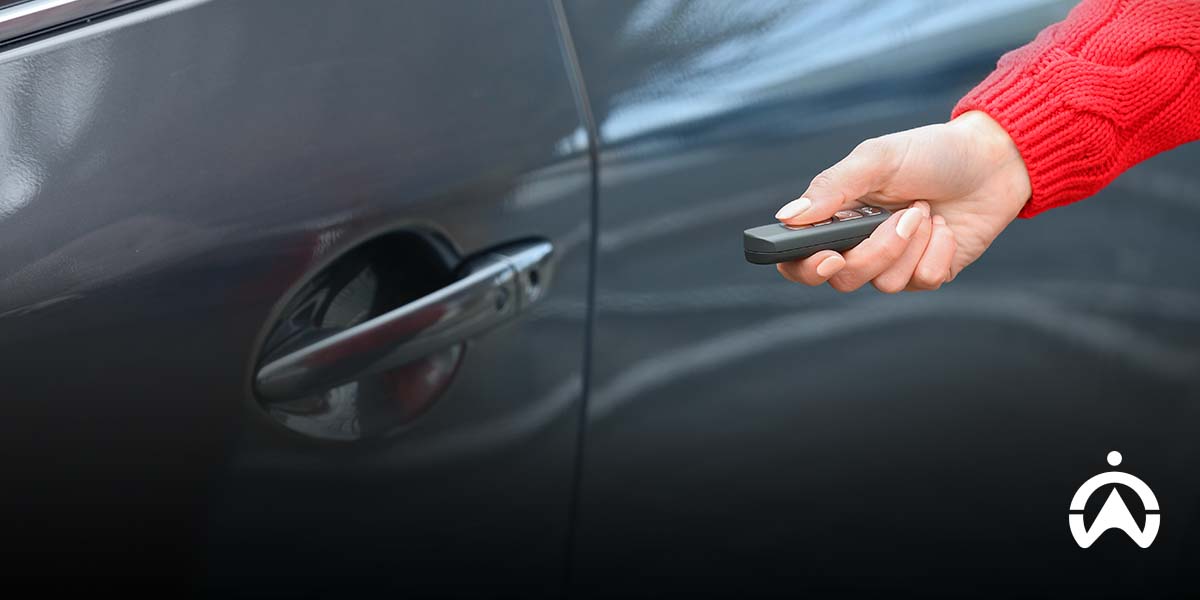
Remote jamming is when a jamming device is used to essentially create an extreme, congested signal, which confuses and drowns out the signal between your key fob and your car as you try to lock. Communication signals include radio, GPS, and Wi-Fi or cellular signals. While it’s typically done to cars, it can extend to your home’s gate or garage doors too. 

Criminals often choose this tactic because it’s a covert, non-invasive way to get access to what they want. Remote jamming is especially common in parking lots, petrol stations, and shopping malls. Usually, you’re in a rush and trying to get somewhere quickly, and the criminals know that. Because of this, criminals also know you’re likely to just lock and walk away instead of physically checking that your car is secure.

How do you detect if your car’s remote locking signal is being blocked?

You detect if your car’s remote locking signal is being blocked mainly by being vigilant. You must check for your car’s response, primarily for the locking sound and flickering lights. If you don’t see or hear these responses when locking your car, physically pull on a door handle or try to lock the car manually. 

How to prevent car remote jamming

You can prevent car remote jamming by:

  • ensuring valuables are out of sight, 
  • always trying to park in a safe, well-lit area 
  • standing right by your car while you lock it and double-checking by tugging at your door handles to ensure locking was successful, then manually locking if the remote lock still wasn’t successful, 
  • implementing anti-jamming technologies, like our Karooooo Tag, and
  • always trusting your gut and being aware of your immediate area, especially in parking lots and petrol stations.
Person unlocking car with remote key, illustrating remote jamming risks and vehicle access security.

Does Karooooo have an anti-jamming device?

Yes, Karooooo does have an anti-jamming device. Our hardwired tracking devices have jamming detection abilities, and we also offer the KaroooooTag as an extra layer of anti-jamming security. The Tag is a portable, wireless tracking device used as a backup anti-jamming device for your car. Once jamming is detected by the hardwired device, it’ll automatically switch to the Tag.

The Tag is sleek and very discreet, connecting easily and allowing for a far better hidden fitment. It also doesn’t use a cellular connection, so it’s unaffected by remote jamming. Instead, it uses what we call the Karooooo Proprietary Radio Frequency (CPRF) Network. It also has a powerful battery life, lasting up to about 5 years. 

How do these devices work?

All our hardwired tracking devices come with jamming detection. Once the device detects jamming and can no longer transmit its usual GPS signals, it’ll switch to a special frequency that communicates with the CPRF Network. This network acts like a beacon of sorts, sending out consistent pings. The Tag then uses a method that we call ‘crowd searching’, which is an action the CPRF Network performs.

Crowd searching uses a web of connected devices that share information and signals to make it easy to triangulate and recover stolen vehicles. So, if your car has been jammed & stolen and moves through the network, every other car with a hardwired device that it passes reports your stolen car. This information helps the control room pinpoint the location of the jammed device and, ultimately, your car.

In simple terms, think of this process as a neighbourhood watch squad. The other cars are seen as “vigilant neighbours” who “spot” a stolen car and quickly alert headquarters. The Tag does just that, communicating with the closest tracking devices. Because hardwired devices are present in so many vehicles across the country, the coverage is so extensive and powerful. 

So what does this mean for my stolen car?

The Tag sends a ping every 40 seconds to the closest hardwired devices, sending location data back to our control room. This means our team is aware of the situation and closely monitoring the movement of your car. As your stolen car is moving, a live trail is being created for our recovery team to follow. 

This helps us react with serious speed, massively increasing our chances of recovering your stolen car. Our recovery rate remains strong, the number of recovery teams is growing nationally, and our month-to-month recovery statistics remain impressive. 

Person attempting car break-in in parking area, highlighting risks of remote jamming and vehicle security threats.

Final takeaway: Remain a step ahead of car thieves 

Crime is undoubtedly one of the biggest issues in Kenya, with carjackings ranking just behind home robberies as the most common robbery-related crime. For car owners like yourself, there’s probably an understanding that basic protection methods aren’t enough. You need an extra layer of smart protection to keep your vehicle safe and connected.

Remote jamming can be an absolute nightmare, but it doesn’t have to be. At Karooooo we can help you strengthen your car’s security against car jamming, and you can rest assured knowing that we have a team that’s ready to fight for you. 

Don’t wait until the worst happens. With over 100,000 vehicles recovered in the last decade and advanced technology on our side, you know you can put your trust in us. Call Karooooo today!

Frequently asked questions about stopping and preventing remote jamming

What are the 4 types of jamming?

The 4 types of jamming are sweep, spot, barrage, and deception jamming.

  • Sweep jamming is ‘sweeps’ across many frequencies in sequence.
  • Spot jamming focuses on a single frequency, which only blocks a single channel.
  • Barrage jamming disrupts numerous frequencies at once.

Deception (also known as Repeater) jamming changes a frequency and then retransmits it.

Why put aluminium foil around your key fob?

Put aluminium foil around your key fob as a practical and inexpensive way to protect your car and enforce an anti-theft mechanism. When you wrap your key in foil, it appears to act like a sort of barrier that blocks the anti-jamming signal and makes sure it’s less effective.

Forklift Fleet Management Software – Get Full Control

Do you have full control of your forklifts? If you don’t have fleet management software for them, then unfortunately you don’t. A forklift FMS will provide you with complete operational intelligence and control over the entirety of your fleet. This includes your trucks, trailers, drivers, deliveries, bakkies, sales vehicles, heavy machinery, and the often-forgotten about… forklifts.

Now you may be asking yourself, ‘Why do your forklifts need FMS?’ 

They rarely, if ever, leave your warehouses, but they still:

  • Require maintenance
  • Need operators to have specialised licences 
  • Have to meet safety compliance regulations

Did you know that the global forklift fleet management software market is expected to reach 81.4 billion dollars by 2033, with a CAGR of 13.2% from 2025 to 2033? This is thanks to operations requiring real-time insights, IoT integrations, and predictive maintenance to assist with cutting down operational costs and boosting efficiency.

How does fleet management software work for forklifts?

Fleet management software provides real-time monitoring, predictive maintenance, compliance, operator management, analytical data and reports for your forklifts. This is useful because every vehicle and machine you own plays a vital role in how your operations run and the profits you’ll yield. 

Let’s put a scenario together to answer this question.
‍

John has a warehouse that holds expensive furniture for a luxury brand in Mombasa. He has 26 forklifts and 30 staff members working in the warehouse. He has an elderly lady that handles all the paperwork and staff documentation. Unfortunately, the warehouse hasn’t been making much profit over the past year, and there are constant unexpected breakdowns of forklifts as well as furniture getting damaged when they’re being moved around. 

John has decided to implement a full fleet management software solution and added ID tags and AI cameras for all of his forklifts. This is what he discovered…

  • Only 15 of the 26 forklifts are being used
  • 6 of these forklifts are always in rotation
  • Those 6 are the ones that are constantly breaking down
  • Only 18 members of his staff have specialised licences to operate forklifts
  • Staff members that don’t have the specialised licences are operating forklifts
  • Some of the drivers are using their phones while operating the machines
  • Staff members are taking the forklifts out of the warehouse 
  • 8 of the forklifts require maintenance 
  • Operators are leaving forklifts idle for long periods of time, wasting gas and battery life

Thanks to all of the insights from the FMS, John has been able to see exactly what’s eating into his operational profits. He’s now able to give his team proper training when it comes to using the forklifts and ensuring that only operators with the specialised licence can operate the forklifts. 

He now makes sure the forklifts are being rotated amongst drivers so that all of them are getting used equally and there aren’t only a handful that are getting overworked. He has also gotten rid of the 6 overused forklifts, keeping a spare 5 for when the others are having maintenance work done. 

The FMS provided John with all the operational data on his forklift fleet to ensure they’re meeting safety compliance regulations, being properly maintained, staying in the right zones, and that they’re all being used safely and efficiently.

How to choose a forklift fleet management software solution?

When choosing a forklift fleet management software solution, you must first take a good look at your operations and find out what information you need. Do you need:

  • Operational data?
  • To keep an eye on forklift operators?
  • To manage maintenance?
  • To control who uses the forklifts?
  • Real-time tracking?

For all of these, you can trust Karooooo to give you complete operational intelligence of your entire forklift fleet. 

Warehouse workers wearing safety gear organize pallets and stocked racks, showcasing efficient operations managed by forklift fleet management software.

How can you improve forklift fleet efficiency in your warehouses?

You can improve forklift fleet efficiency in your warehouses through regular maintenance, keeping operators trained, and tracking operational data. However, these are just some of the ways you can improve efficiency with your warehouse forklift fleet. Let’s take a deeper dive into some more forklift fleet efficiency tips.

Utilisation and layout tweaks

One of the fastest ways to improve forklift fleet efficiency in your warehouse is through utilisation and layout adjustments, such as the following:

  • Optimising the layout and design of aisles (making them wider and only one-way routes for forklifts)
  • Packing the fast-moving and high-volume products closer to the dispatch area
  • Ensuring that aisles are well lit and there are clear safety signs up.

Maintenance & tech

The smartest way to improve forklift fleet efficiency in your warehouse is by incorporating your predictive maintenance tech and AI cameras.

Predictive maintenance will:

  • Prevent unexpected breakdowns
  • Reduce unexpected downtimes
  • Extend your forklift’s lifespan
  • Improve fuel/energy efficiency
  • Prevent safety-related incidents

AI cameras provide you with:

  • Driver monitoring (distracted driving)
  • 360-degree visibility 
  • Collision prevention
  • In-cab alerts
  • On-demand footage

Fleet management software

The most efficient way to improve forklift fleet efficiency in your warehouse is by integrating your fleet with fleet management software.

FMS will provide you with:

  • Utilisation rates
  • Energy/fuel consumption
  • Operating hours
  • Forklift diagnostics
  • Geofencing
  • Operator driving behaviour (speeding, collisions, harsh braking)

Combining all of these in your forklift fleet will completely transform your forklift fleet’s operational efficiency!

The benefits of using telematics in forklift fleet management

The benefits of using telematics in forklift fleet management include improving safety and productivity, managing scalability, identifying inefficiencies, and tracking forklifts. These benefits will improve how your forklift fleet operates in your business, so let’s take a look at them.

Improved safety 

A telematics system can improve the safety of your forklift fleet. Forklifts are quite powerful and can be a hazard in your warehouse, especially if they’re being used incorrectly. 

Having a telematics system can aid in preventing the safety hazards that come with having a forklift. You’ll receive insights on how your operators are handling your forklifts, if they’re speeding, braking harshly, or taking corners aggressively. 

Increase productivity

If your fleets are productive, profits will be high. When you invest in a telematics system, you can monitor and track each and every forklift in your fleet. You’ll have insights on idle time, load weight and operating hours, (to name only a few), and with all the data you’ll receive, you’ll easily see how each of your forklifts is performing. 

This means you’ll keep all forklifts maintained before they unexpectedly break down or redistribute work to other forklift operators.

Identify inefficiencies

Telematics are brilliant for identifying inefficiencies in your fleet. You’ll have the data to understand how each forklift and its operator are performing, which means you can investigate the why. Is the problem poorly optimised routes or lack of communication between warehouse workers, or possibly forklifts and equipment being overworked?

Either way, you’ll have the data to help you see what’s wrong and can tackle the problem head-on, preventing it from reoccurring.  

Manage scalability

As your operation expands, the more forklifts you’re likely to get. Having telematics simplifies this process. Think about it… the more forklifts you have, the more you need to keep track of, on top of everything else you’re handling. 

Telematics will easily give you eyes on your entire fleet from one single platform. And it doesn’t matter if you have multiple warehouses across Kenya; you’ll see them all. 

Keep track of forklifts

Telematics allows you to remotely keep track of all of your forklifts. If you have multiple warehouses or work sites, it’s easy for one to get misplaced; and when you’re spending time looking for a missing forklift, you’re wasting valuable time and money.

Control who uses your forklifts

Just like code Class B licensed drivers can’t drive a truck, those without specialised licences can’t operate a forklift. By getting a driver ID tag with your telematics system, you’ll ensure that only licensed drivers can operate your forklifts. 

Two warehouse workers in safety gear reviewing forklift operation data and driver safety scores on a digital dashboard using forklift fleet management software in an industrial warehouse setting.

Reasons to get a forklift fleet management software solution from Karooooo

The reason you should get a forklift fleet management software solution from Karooooo is because we provide you with everything you need to get complete operational intelligence. We don’t just provide telematics, or dashcams, or GPS tracking units… We provide all of that and more. But with Karooooo, you completely optimise the way your entire operations run.  

Driver ID Tags 

At Karooooo we have a cool little tool called DID tags. These help you automatically pick up who’s using a forklift using their identification number. We have a couple of tags you can choose from:

  • Driver ID: This is a simple tag that identifies who is using a forklift.
  • Driver ID start prevent: This tag is assigned to a driver, and it’ll not start the forklift unless the tag is presented. 
  • DID with configuration: This tag is configured to a specific vehicle, which’ll prevent others from using it. 

One platform

As a fleet manager, your workload is high, and you already have many tasks to juggle. At Karooooo we want to make your life as easy as possible, which is why our fleet management software allows you to add your entire fleet to one single, user-friendly platform. 

You’ll not only be able to keep an eye on your forklifts, but you can also add delivery vehicles, dump trucks and any other vehicle/machine in your fleet. Our software makes managing your entire fleet operations a breeze. 

World-class AI cameras

Not only can you get fleet management software from Karooooo, but we also have top-of-the-range AI cameras. Installing these on your forklifts will not only give you direct eyes on your operators, but your operators will also get instant alerts on fatigue, distraction, not wearing a seatbelt, and even smoking. 

This allows your operators to self-correct before causing an accident, but it’ll also give you insights into what to coach them on. 

Driver scorecards

Speaking of coaching, with Karooooo we provide you with a tool called ‘Driver Scorecards’. These work by monitoring driver behaviour and removing points from them with each infraction. Driver scorecards allow you to:

  • Prevent wasted profits on avoidable accidents
  • Create healthy competition with your operators (rewards for good driving)
  • Increase safety in your fleet

Geofencing

Karooooo’s fleet management software allows you to put up geofences. These are incredibly helpful with keeping your forklifts where they need to be. Once you set up the boundaries, you’ll get an alert if your forklifts leave those areas.

Predictive maintenance & automated maintenance scheduling 

Something that really affects your profits and productivity is unexpected breakdowns and downtime. Karooooo’s fleet management system constantly monitors your forklifts’ engines, batteries and tyres. It’ll send you an alert when you should schedule maintenance and what maintenance is needed for each forklift. 

Our platform also automates the maintenance schedules for each of your forklifts by using utilisation hours and the time of the last service.

Real-time tracking

As a fleet manager you have to keep track of all of your forklifts. Karooooo’s fleet management software gives you real-time tracking on your entire fleet. You’ll have eyes on your fleet in the palm of your hands!

Remote immobilisation

As discussed, you need a specialised licence to operate a forklift. Karooooo can provide you with remote immobilisation so you can remotely stop a forklift from working if it’s not being used by authorised personnel.

This is also helpful in the event of theft, as you can stop a forklift with the push of a button, no matter where you are! 

So, if you’re ready to optimise how your forklifts operate, give us a call today! 

Frequently asked questions about a forklift fleet management software solution

Where to buy forklift fleet tracking devices locally?

You can buy a local forklift fleet tracking device straight from the provider that Kenyans love the most—Karooooo. We don’t just track your forklifts; if they get stolen, we have a highly trained team that’ll go out and get them back for you!

How to choose a forklift fleet management system for a logistics company?

When choosing a forklift fleet management system for your logistics company, ask yourself these questions:

  • What technology and features are included in the fleet software?
  • How reliable is the fleet management system?
  • What level of customer support is provided?
  • How transparent are the costs?
  • What security measures are in place?
  • Do they have a proven track record?

Can I reduce my forklift fleet size without losing productivity?

Yes, you can reduce your forklift fleet size without losing productivity if you have a fleet management system. The software will help you see which forklifts are just collecting dust and not being used, and you’ll be able to successfully downsize without it ever affecting productivity.

Transport Management System vs Fleet Management System – What’s the Difference?

The difference between a transport management system and a fleet management system is that: 

  • A transport management system mostly focuses on the goods and how they’ll be carried from point A to point B.
  • A fleet management system primarily focuses on the vehicles that carry the goods.  

According to Future Market Insight, the transportation and logistics segment takes up 35% to 36%of the global fleet market. Technology is playing a huge role in this growth, and as someone in the industry, you must know which technologies to invest in to stay ahead of your competitors. 

Today we compare a fleet management system to a transport management system so you know which one you need for your business.

Is there a difference between transport management and fleet management?

Yes, there is a difference between transport management and fleet management. Transport management involves arranging the transfer of goods, selecting efficient routes, selecting the best carriers, and managing inventory. Fleet management is about ensuring the vehicles are ready for the road and monitoring things like compliance, fuel expenses, and driver performance. 

Here’s a table comparing the two:

Transport Management System (TMS) Fleet Management System (FMS)
Plans how goods move from one place to another Manages vehicles, drivers and delivery routes
Focus on delivery routes and shipment planning Focus on vehicle health and driver activity
Helps choose the best delivery routes Tracks vehicle location with GPS
Manages orders and deliveries Monitors driver behaviour
Helps reduce delivery time Helps prevent vehicle misuse
Tracks shipments and delivery status Tracks fuel use and mileage
Helps with warehouse and delivery links Helps with vehicle maintenance
Used by logistics and shipping teams Used by fleet owners and managers

What a transport management system focuses on

A transport management system mainly focuses on the following: 

  • Tracking shipments 
  • Carrier selection
  • Route planning 
  • Load planning
  • Freight audit and payment 

It’s all about moving goods, choosing a mode of transport, and making sure they get to their destinations on time and in good condition. 

Here’s a detailed breakdown.

Tracking shipments 

Transport management software gives you full visibility of your cargo, whether by road, air, or sea. The system gives you real-time updates on where your cargo is and helps you align with your suppliers and customers. 

Carrier selection

Carrier selection refers to choosing the most suitable transport service provider (a carrier) for moving your goods from one point to another. Several factors go into deciding which carrier to go with, like: 

  • How quick it’ll be 
  • How much it’ll cost 
  • The size of the goods
  • Shipping needs (e.g temperature sensitivity)  

Choosing the wrong partner to carry your goods may result in missed deadlines, product damage, and unsatisfied customers. 

Operator using laptop near truck, comparing transport management system vs fleet management system workflows.

Load planning 

Load planning refers to making the most out of the available space in a container while adhering to the weight and height restrictions. This is so you can get more things shipped out with fewer vehicles, making your business more efficient. 

But it’s not as easy as just stuffing everything into the back of a truck and calling it a day. You need to ensure the goods are packed in a way that won’t interfere with the vehicle’s stability while it’s moving & making turns, and that they don’t move too much. You must also ensure that you group similar items.  

A transport management system helps with the load planning process, and determines the route each vehicle should take, which brings us to our next point. 

Route planning

After planning the load, you need to choose the most efficient route so you save time and fuel. A transport management system comes with route optimisation software, technology that factors in things like traffic patterns, driver availability, road conditions, and which stops are more urgent.

Route planning also helps with the order in which the goods should be placed. For example, you can place the items for the first few stops closer to the door so they’re easy to reach, making the offloading process quicker. 

Freight audit and payment 

Freight audit and payment refers to reviewing freight invoices to ensure there are no billing errors so you don’t get overcharged. Transport management software helps you with this by calculating the costs and identifying potential errors. This results in fewer manual entries and discrepancies, saving you a bunch of time. 

What a fleet management system focuses on 

A fleet management system mainly focuses on the vehicles that transport these goods. It’s about:

  • Vehicle upkeep
  • Fuel management 
  • Driver management 
  • GPS tracking 
  • Compliance 
  • Route optimisation 

A fleet management system ensures the vehicles are safe for use, well-maintained, and cost less to be on the road. It also helps with scheduling the right vehicles and drivers for the job.

Here’s what we mean.

Vehicle upkeep

Vehicle upkeep is a very important factor when it comes to running a fleet, and it’s often overlooked. How will your goods reach their destinations on time if the vehicles constantly break down? A fleet management system helps with this by offering vehicle maintenance software. The software helps you detect vehicle faults more quickly, so you can avoid unexpected breakdowns or accidents caused by mechanical failures.  

A fleet management system also helps ensure all vehicles adhere to their recommended service dates by giving you reminders and allowing you to import all service-related documents into the software. This way, you’ll schedule trips according to the vehicles that’ll be available on that day. 

Fuel management 

Fuel costs are forever fluctuating, which makes sticking to the budget difficult. Fuel is also a major expense when it comes to running a fleet, so you need a strategy to reduce costs. A fleet management system helps you with this by giving you fuel management software. Having this helps you get accurate fuel consumption reports so you can manage the cost better and see where fuel is being wasted.  

Driver management

Driver behaviour also plays a big role in fleet operations. You must keep an eye on how your drivers act on the road. Aggressive driving can lead to accidents, which may result in injuries, fatalities, cargo damage, and delays. To avoid all that, you can use a fleet management system, which comes with telematics technology that’ll show you how drivers behave. (For example, you’ll be able to see if drivers are speeding while making deliveries.)

Through a fleet management system, you can also get cameras installed in the vehicles so you can see everything that happens. Some fleet cameras also have AI technology that can identify driver distractions and detect things like blind spots. This enhances driver awareness, helping them avoid accidents. The cameras also help you ensure the cargo is safe.

Three semi-trucks parked side by side, illustrating transport management system vs fleet management system operations.

GPS tracking 

A fleet management system also helps you locate your vehicles at any time. If a driver is at one spot for too long, you can call to check why. You’ll also see if drivers are sticking to planned routes and ensure they’re safe. GPS also helps you give your customers accurate delivery time estimates.    

Compliance

As a fleet manager, you need to ensure your drivers are following the rules and your vehicles are up to industry standards, or else you face heavy penalties. A fleet management system helps you to enforce compliance by helping you monitor drivers and vehicles.

It also digitises driver logs so you can ensure they’re not driving more hours in a day than they should. It helps you ensure vehicles are roadworthy. And it also helps you keep a close eye on carbon emissions, so you adhere to environmental standards. 

Route optimisation 

Like a transport management system, a fleet management system also comes with route optimisation software. This is where the two systems overlap because fleet managers must also plan their routes according to vehicle and driver availability to save fuel costs and live up to customer expectations. 

So how do you choose which management system is for you? 

Both fleet management and transport systems are important for the logistics industry, and the one you choose depends on your role in the supply chain. If your role mainly focuses on the goods and dispatch, then a transport management system is for you. If you manage vehicles and drivers, then a fleet management system is what you need. 

As a business owner, the best option is to invest in both systems and integrate them so you can have a holistic view of operations. 

Where can I get combined software for fleet and transport management?

You can get combined software for fleet and transport management at Karooooo. We’ve got an advanced fleet management system that has features you’d also find in a transport management system, like route optimisation software. Our platform allows you to integrate your other systems, so everything aligns. 

If you want to find out more about how we bridge the gap between fleet management and transport management, you can contact us and speak to a fleet consultant. 

Frequently Asked Questions about transport management and fleet management

What are the 4 types of transportation management systems?

The four types of transportation management systems are:

  1. Cloud-based
  2. Multimodal
  3. Less Than Truckload (LTL)
  4. Full truckload

The type of transportation management system you choose will depend on various factors like your business needs, the size of your business, and your budget.

What is fleet management in logistics?

In logistics, fleet management refers to overseeing all activities associated with a fleet of company vehicles. It involves ensuring the vehicles are well-maintained, the drivers are safe on the road, and that deliveries are made on time. It also involves managing fleet running costs to ensure profit.

What are the major components of a fleet management system?

The major components of a fleet management system are:

  • Compliance
  • Maintenance
  • Fuel management
  • Location tracking
  • Driver safety
  • Risk management

The Karooooo fleet management system comes with all these components to give you more insight, so you can run a more efficient fleet.

Karooooo’s Camera and Telematics Bureau Services – For When You Need the Best Management

Combining Karooooo’s camera solutions with our telematics bureau services is a massive operational boost for your fleet. While the bureau services manage your fleet on your behalf, adding cameras to the mix gives you operational visibility, allowing you and our bureau to see events in real-time or after the fact. 

According to Inc.com, around 51% of companies already outsource their fleet management services to companies like Karooooo. The benefits of doing this are vast, and we’ve covered this topic before in our article about fleet management bureau outsourcing. 

But today we’re going to show you why adding cameras to your telematics outsourcing puts you way ahead as an organisation.

How is outsourcing fleet management better than in-house fleet management?

Outsourcing your fleet management to a bureau service can be better than doing it in-house because you’ll have someone monitoring your fleet 24/7. While this service also does everything else an in-house fleet manager can do, you bypass having to pay a salary and hold a person or team accountable yourself. 

So what does a telematics bureau actually do for your company?

Professional risk management

The experts at Karooooo are carefully trained to see and address risks in real time. The purpose of this is to take every step possible to prevent a crisis, meaning you can rest easy while our team does the risk-prevention for you. 

Of course this is way more effective if you add cameras, but we’ll get to that later. 

Maintenance scheduling

Scheduling the maintenance of your vehicles is a time-consuming task that you can either do yourself or hire someone to do. It’s much cheaper to outsource this to a telematics bureau like the one at Karooooo.

Daily driver & route navigation

Route planning and route optimisation are daily necessities that save your company on fuel costs and vehicle wear & tear. Again, it’s a full time job. Paying someone a salary to do this job is an option, but for many companies it’s much cheaper to leave it to our professionals at Karooooo. 

Helpful reports on your fleet performance

While Karooooo’s software generates helpful company reports (which are important for decision making), it’s helpful to have these generated for you by our bureau. 

If you’re more of a hands-off kind of manager, we’ll send you tailored notifications as often as you want—about what you want. This could be every hour, every two hours, per day, or weekly. It’s all up to you. We can also collect these into monthly or bi-weekly reports, giving you a full picture of how your fleet is performing. 

How does adding cameras to telematics enhance your fleet?

Adding cameras to your existing telematics enhances your fleet by adding much-needed operational visibility to events that would otherwise be words or numbers on a screen. Events like accidents or poor driving behaviour are often subjective, so having video footage is a total game changer for telematics.  

Something to note is that cameras are in a sense, telematics too—just a different kind.

It’s important to understand this, because having vehicle cameras actually helps OUR bureau team do their jobs a lot more effectively… FOR YOU!

That’s because video footage gives our telematics bureau a whole new array of data we can use to manage your fleet and your drivers:

  • We can see when your drivers are exhibiting potentially dangerous actions like phone use or not wearing their seatbelts. 
    ‍
  • We can report on what really happened during an accident or near-miss event.
    ‍
  • We will provide evidence if someone attempts a crash-for-cash scam against your driver.
    ‍
  • We’ll even detect fatigue in your driver and alert them to the danger. 

What makes Karooooo’s camera and telematics bureau services so advanced?

Karooooo’s camera & telematics bureau services are advanced as a combination because they provide statistical reports as well as visual representations of what happened. Karooooo’s technology is the gold-standard for both fleet management and video telematics, so choosing us is a sure win for your fleet. 

What do you get when you choose Karooooo?

Choosing Karooooo gives you the option of both basic telematics and camera telematics from one service provider. Installation of our devices is always free, and you only pay for the services we offer. 

Simply put, each of your vehicles will receive a tracking device, a vehicle camera setup, and possibly a CANbus clamp (which helps us diagnose your vehicle health and other useful metrics). With all these IoT (Internet of Things) installed, here are some of the Karooooo service options you can choose from:

  • Basic bureau services (we manage your fleet on your behalf and send you regular reports of its performance).
    ‍
  • Camera telematics monitoring (we check on your drivers and let you know how many times each of them have exhibited fatigue, phone use, non seatbelt use, or eating & drinking while driving).
    ‍
  • Vehicle diagnostics (we let you know when your vehicles need maintenance based on their real-time health).
    ‍
  • Route optimisation (we give your drivers the best possible routes so they use less fuel and get to their destinations faster).
    ‍
  • Vehicle recovery (if your vehicles get stolen or hijacked, we’ll have a team ready to start the recovery process).

What is Karooooo’s reputation?

Another reason to choose Karooooo for this all-important service is because of our reputation. See for yourself what other companies have said about our fleet management services. With a trust index as high as ours, you’ll be hard-pressed to find a more reliable fleet service company. 

Why trust Karooooo with your assets?

But there’s one more reason to choose Karooooo, and this has been one of the main reasons so many fleets trust us with their vehicles. Our recovery rate of stolen vehicles is super high. Our team isn’t just standing by to recover stolen vehicles, they’re completely dedicated to succeeding too!

Is outsourcing your camera and telematics needs right for you?

To know if outsourcing your camera and telematics needs is right for your business, ask these questions:

  • Can I afford to hire a fleet manager?
  • Do I need a team to manage my fleet?
  • Do I need eyes on my fleet 24/7?
  • Do I have an appropriate risk management strategy?
  • Can I accurately report to stakeholders?

Depending on your fleet’s setup, it’s usually much cheaper to outsource your fleet management than to hire an in-house person. For the price you pay, you also get a team of experienced technicians rather than just one person. 

And the best part? If you pay a small extra fee, you get the camera benefits too!

Just call us and we’ll give you more info about how this all works. 

Frequently asked questions about Karooooo’s camera and telematics bureau services

How does telematics know when a car is being driven?

Telematics software can pick up when your car is driving because devices have been connected to the vehicle. A GPS tracking device is one way to tell your car is being driven, another is through a CANbus clamp which reads the computer of a car and provides detailed vehicle activity.

Are there any disadvantages to having telematics in my fleet?

There are never disadvantages to having telematics in your fleet because it makes managing your vehicles and drivers so much easier and less time consuming. Challenges that might arise include driver buy-in and staff push-back, but these can easily be overcome and don’t outweigh the benefits of having telematics.

Telematics and a black box | Are they the same?

No, telematics and black box are not strictly the same, but they are related. “Black box” is a term used for the hardware used to read your car data. The data itself is the telematics, which is the interpretation of that data that enables you to accurately report on important performance metrics and make decisions accordingly.

Can telematics accurately track driver behavior?

Yes, if you combine camera technology, vehicle diagnostics and GPS tracking, they provide a powerful picture of what your driver is doing and how they’re driving. These three things work together to piece the following together:

  • Driver behaviour
  • Vehicle health
  • External factors
  • Overall fleet performance