What Is Fleet Maintenance Management?

Fleet maintenance management involves overseeing all aspects of maintaining commercial fleet vehicles to ensure they are in optimal condition and fit for use. Overlooking this aspect of running a fleet puts your business at risk of compliance penalties, expensive repairs, and unforeseen interruptions that may affect the company’s bottom line.

Consistent vehicle upkeep requires establishing proactive and preventive measures to reduce downtime, potential accidents, and emergency repair costs. To achieve this, you need advanced technological tools that will simplify the process.

Today, we will guide you through everything you need to know about fleet maintenance management and provide you with the tools you need to overcome common vehicle performance challenges.

In this article, you will:

  • Learn the main purpose of fleet maintenance management
  • Find out what a fleet maintenance manager does to boost operations
  • Discover the Cartrack preventative maintenance tools that you need for your fleet

The core functions of fleet maintenance management

The purpose of fleet maintenance management is to ensure a well-structured maintenance program that extends the fleet’s lifespan, enhances reliability, and boosts operational efficiency. This is done in the following ways:

  • Preventive maintenance and scheduled servicing
    Preventive maintenance refers to a strategy that involves following service schedules and performing inspections to detect potential issues before they cause breakdowns. This approach ensures that vehicles remain in good condition and reduces the chances of unexpected breakdowns and sudden major repair costs.
  • Managing breakdowns and emergency repairs
    Managing emergency breakdowns requires quick thinking, clear communication, and efficient processes. Fleet managers must develop and communicate clear procedures for drivers to follow in the event of a breakdown, such as who to call, relevant documentation, and safety actions. All incidents are documented and analysed to identify trends and preventable failures.
  • Monitoring vehicle performance and diagnostics
    Digital solutions highly drive modern-day fleet maintenance. Telematics technology allows you to get real-time diagnostics on vital things such as engine health, brake conditions, and fluid levels. This powerful tool reports vehicle failures before they worsen, allowing fleet managers to take action quickly.
  • Data-driven decision-making using telematics
    Fleet maintenance systems also track vehicle mileage, fuel usage, and service history, giving you greater insight into vehicle usage and performance, so you can optimise fleet utilisation and ensure proper resource allocation.

What does a fleet maintenance manager do to boost maintenance operations?

The role of a fleet maintenance manager is to oversee the maintenance and repair operations of a company’s vehicle fleet. He/she needs to ensure that all vehicles are operating safely, efficiently, and in compliance with all relevant regulations.

Is a fleet maintenance manager’s work stressful?

The role involves managing a team of mechanics and technicians, scheduling regular maintenance, coordinating repairs, maintaining accurate records, and implementing cost-effective strategies to boost fleet uptime and reduce expenses.

They also have to manage budgets for parts, labour, and external services; source and negotiate with vendors for parts and services. Furthermore, they also need to train staff on maintenance procedures and safety protocols.

Without the assistance of advanced technologies such as telematics, achieving these tasks under strict deadlines can be very challenging and stressful, which is why all fleet businesses need to invest in software that helps track these activities.
The difference between fleet management and fleet maintenance

Fleet management and fleet maintenance are related, but distinctly different concepts within vehicle operations. Fleet management encompasses all aspects of managing a fleet. Fleet maintenance management, on the other hand, only covers one aspect of fleet maintenance, which is vehicle health and performance.  

Here’s a quick breakdown of the key differences between fleet management and fleet maintenance:  

  • High-level vs. day-to-day vehicle care:
    Fleet managers operate on a high level, overseeing everything that involves the fleet. They analyse a wide range of data to boost overall efficiency and reduce costs. Fleet maintenance is focused on the day-to-day upkeep of the vehicles. This includes vehicle inspections, record keeping, and inventory management.
  • Broader scope of fleet management: It includes tasks such as assigning vehicles to operators, tracking vehicle usage and maintenance, monitoring vehicle locations, and planning routes.
  • Where the two intersect: The two functions meet when it comes to cost control and efficiency; both use telematics systems to gain insight into the fleet, and they collaborate in reducing operational costs and overall safety and compliance.
Invest in smart maintenance tools from Karooooo

Unforeseen vehicle breakdowns can cause severe disruptions to the workflow, which may result in delays, missed deadlines, client dissatisfaction, and increased expenses. From the above case study, you can already see the significant impact a good fleet management system makes on the business. Karooooo specialises in everything related to fleet management and gives you insight on your fleet, all from one platform.
‍‍

Have a look at our top features for maximising your fleet’s health:

  • Real-time engine diagnostics
    The Karooooo Canbus system enables real-time communication between various vehicle components. Through this, you can receive alerts for engine faults, water fluctuations, worn-out brakes, and other diagnostics.

    This ensures that you know of any issues regarding vehicle components and address them before they become severe. By investing in this tool, you minimise the chances of costly unexpected breakdowns which may lead to deals and downtime.

  • Preventative maintenance scheduling
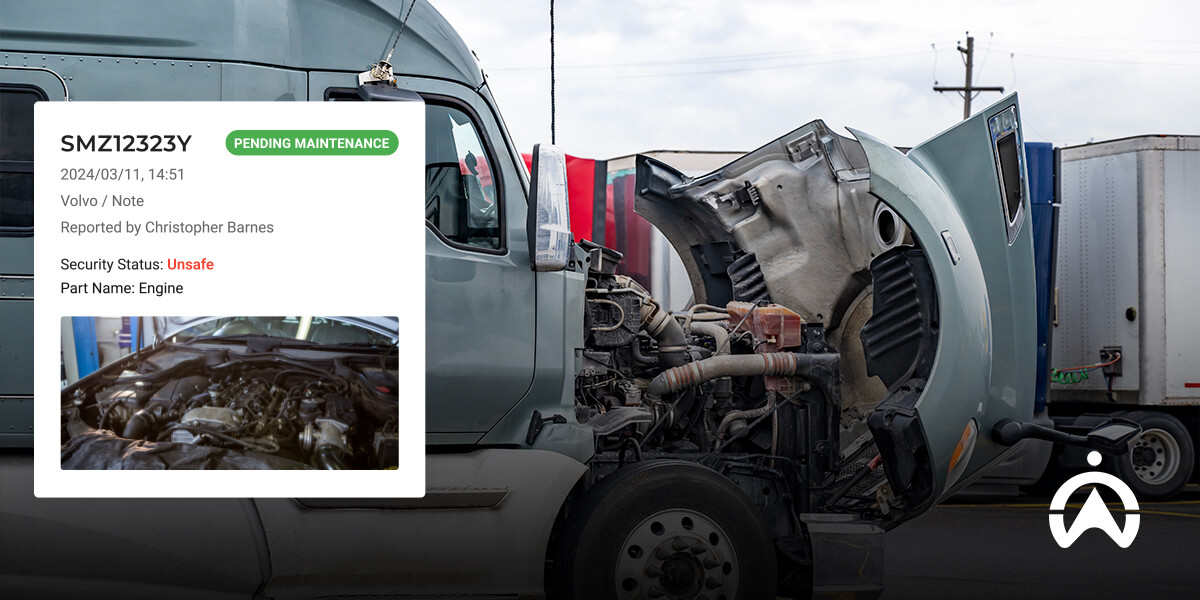
    Receive maintenance alerts based on real-time odometer readings or last service dates. This keeps you up to date with when the next vehicles need to go in for servicing so you can properly plan trips based on those that will be available for use. Through this feature, you address concerns such as tyre replacements before they catch you off guard.
  • Digital maintenance records
    Our fleet system helps you store, record, and update maintenance-related activities digitally so you can have easy reference and convenient reporting.
  • Driver monitoring reports
    Fleet maintenance is also about ensuring that carefully operated vehicles. Through the Karooooo telematics system, you will receive alerts on driving habits that increase the chances of vehicle wear and tear, such as sudden braking, excessive acceleration, speeding, and harsh cornering. This allows you to address the behaviours with drivers and educate them on their impact.

Ensure your fleet is always in tip-top shape! Contact us today, and speak to one of our fleet consultants.

Frequently Asked Questions

What is the role of fleet service?

Fleet services are resources offered by some leasing and management companies to help them streamline, maintain, and manage their business. The role involves vehicle selection, fleet acquisition, obtaining the right insurance, maintenance, managing fuel costs, keeping up with license requirements, equipment leasing, compliance, and data analysis.

What is the role of maintenance in fleet planning?

Planning ahead for your fleet’s maintenance ensures that your business remains reliable and there will be fewer chances of unforeseen downtime. It also controls the cost of repairs and replacements, as you will already know beforehand, instead of using money that was never budgeted for.  

What is the primary aim of fleet management?

The primary aim of fleet management is to improve the fleet’s efficiency and productivity, enhance driver safety, and reduce the overall operational costs in order to boost profits. The best way to do this is by capitalising on fleet management software to gain insight and make better decisions.

What is asset management in maintenance?

While is it commonly known for fleet maintenance to be associated with vehicles, the term fleet may also refer to a group of equipment, machinery, and assets that require maintenance. Examples of this include excavators, bulldozers, and cranes. Asset management in maintenance is a proactive approach in optimising a company’s assets.

What is the role of a fleet workshop manager?

A fleet workshop manager is responsible for monitoring and controlling expenses related to labour, parts, and equipment. Identify opportunities for cost savings and efficiency improvements. He/she must drive efficiency and productivity within the workshop.
What Are the Fleet Data Metrics You Should Be Tracking

Data plays a critical role in modern-day fleet management. It gives you all the insights you need for smooth fleet sailing, forecasting, and improving the bottom line. As a fleet manager, you must know which metrics to track to get the most out of your fleet.

To simplify this, we have gathered our top essential fleet management metrics that should align with your business objectives and help you improve operational efficiency.

In this article, you will:

  • Discover the importance of fleet metrics data
  • Find out the top fleet data metrics to track
  • Learn how fleet software simplifies data metrics
  • Uncover the Cartrack solutions that will provide you with all the data you need

Why do fleet metrics matter to your business?

Fleet data metrics show you how well your fleet is performing. This information helps you manage your vehicles more easily and increase your profits. By focusing on the most important metrics, you can set goals to keep your operations running smoothly. This data also helps you make smarter decisions, like saving money, improving safety, and following all the rules and regulations.

Top fleet data metrics you should be tracking

Here are the key metrics to focus on for better, more efficient fleet operations:

Operational metrics that impact efficiency

Vehicle utilisation rate

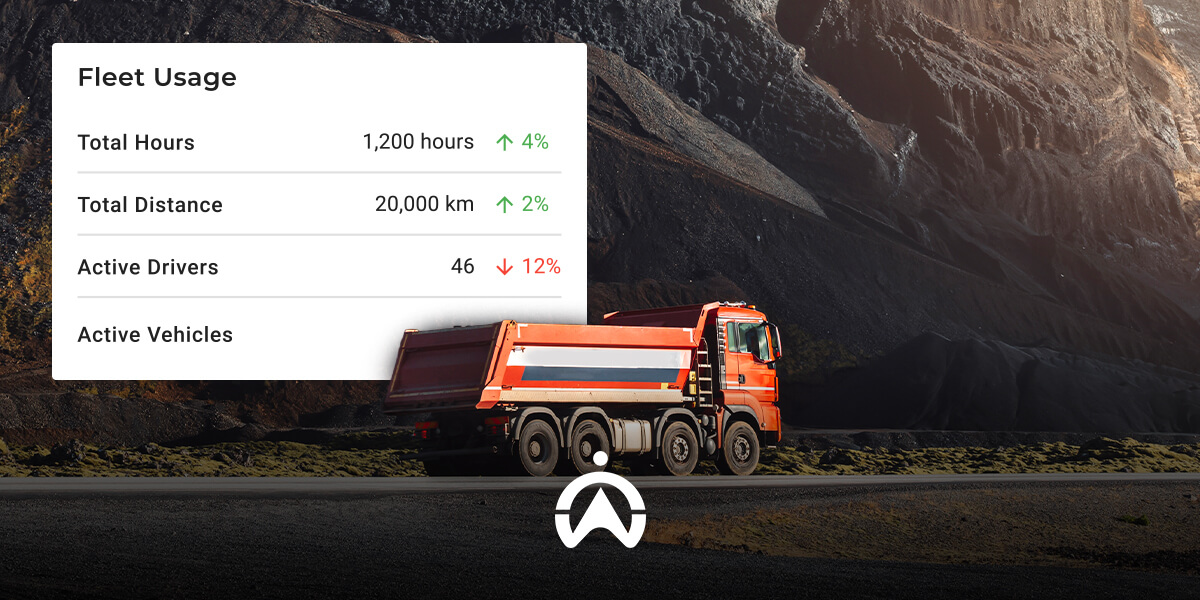
You must track the average hours of use for each vehicle per day, the kilometres given, and the idle time. Know how frequently and effectively each vehicle is being put to work to identify those that are underused or overused. Through this, you will pick up if you need more vehicles or need to size down. Monitoring the utilisation rate of vehicles also helps avoid the issues of certain vehicles being more prone to wear and tear, which reduces their lifespan.

Driver behaviour

Monitoring driver behaviour contributes to a safer fleet, better fuel usage, compliance with regulations, and reducing wear and tear. This can be done through telematics, where you can use the technology to see when drivers are practising risky driving habits, such as harsh braking and speeding or wasting time and fuel by idling for too long. The key is to get reports that show how often these incidents occur so you can notice patterns, train drivers, and reduce the incidents.

Route and delivery efficiency

Route efficiency directly impacts the overall fleet operations. Without proper planning, there is a higher risk of increased fuel consumption and delivery delays. Find out how many drivers use the recommended routes versus deviations. In doing so, you will see how effective the planned routes are and how much fuel is going down the drain through detours.

Evaluate how reliable and prompt deliveries are by checking the on-time delivery rate or service completion rates, as this is vital for customer satisfaction. Review the number of missed or redirected deliveries and analyse the data to notice patterns which could indicate greater concerns relating to delivery efficiency.

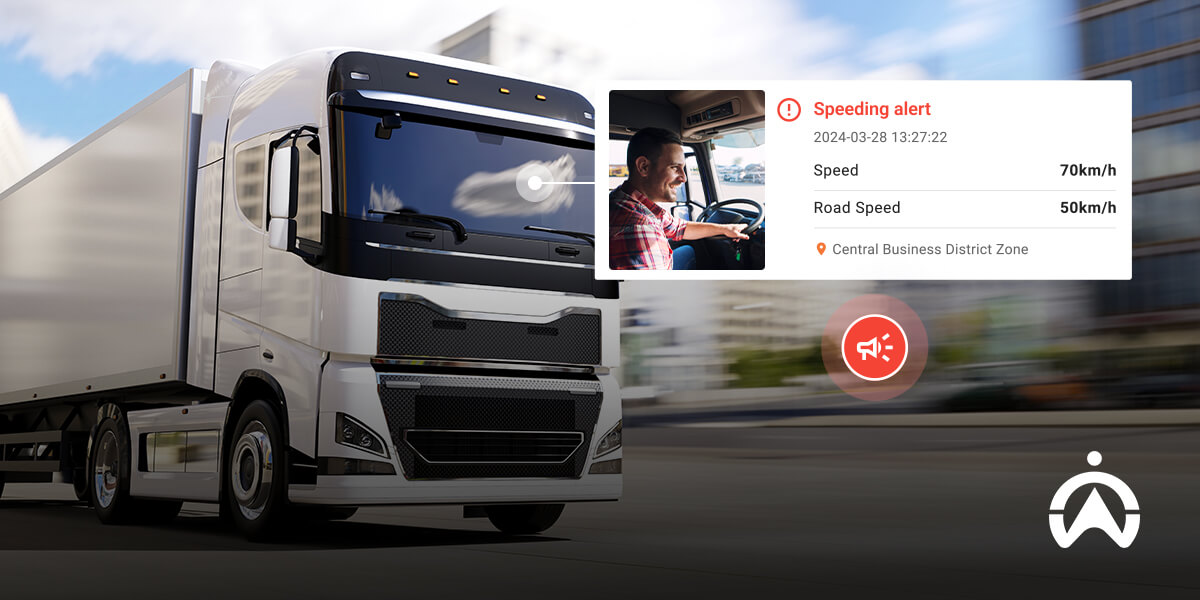
A large white truck is in motion on a city street, with a notification displaying a speeding alert and relevant details.

Maintenance and reliability metrics

Preventive maintenance compliance

Preventive maintenance refers to performing regular inspections and following regular maintenance schedules to ensure that vehicles remain in top condition and to reduce the chances of unexpected breakdowns. Planned maintenance is key, as unplanned repairs can increase expenses through towing costs, waiting for vehicle parts, overtime for technicians, and operational disruption.

Unplanned downtime and repair turnover

Measuring downtime shows the productivity and operational efficiency of your drivers. Through this, you can identify the root causes of vehicle unavailability. Various reasons, such as repair issues, maintenance delays, and limited availability of vehicle parts, cause downtime. By monitoring this, you, as the fleet manager, can identify patterns that prolong downtime.

Diagnostic and health data

Another preventative maintenance measure is to invest in a telematics system that can detect maintenance issues such as oil and water fluctuations, worn brake pads, and a faulty engine. This ensures that you know of vehicle issues before they escalate.

Financial metrics for cost control

Fuel Consumption and efficiency

Fuel efficiency is a critical Key Performance Indicator for fleet management as it highly impacts the operational costs of any fleet. With fuel prices constantly fluctuating due to global factors, closely monitoring consumption using the right technology is the best way to ensure that the overall spend is not too far off from the initial budget.  

You should know the average litres of fuel each vehicle uses per kilometre as well as the cost per route, per vehicle. A fuel management system makes this possible through telematics technology that automatically calculates these key points for you, giving you a detailed analysis of where your fuel goes. Moreover, you can integrate the fleet management software with fuel cards to verify transactions and quickly spot theft and fraud.

Total Cost of Ownership (TCO)

A 2024 study by KPMG, using customer fleet data, reveals that commercial fleet owners and managers are better off performing a closer examination of their total cost of ownership (TCO). The total cost of ownership provides a complete view of all expenses associated with owning and operating fleet vehicles over their entire life cycle. It includes factors such as the initial purchase price, registration fees, maintenance costs, insurance, depreciation, resale value, fuel costs, toll gates, licenses, taxes, and all other expenses of the vehicles between buying and selling them.

To calculate TCO, you must add all vehicle operational costs to the acquisition cost plus the finance interest rate and then subtract the resale value.

Utilisation vs cost balance

One van being used every day for deliveries might seem more cost-effective, but if that van is constantly breaking down, then it’s costing you more in repairs and lost time. Then again, underused vehicles will still cost you a lot of money in terms of insurance, storage, depreciation, and lost sales opportunities.

Monitoring how often each vehicle is on the road and for how long will help you strike the right balance between costs and efficiency, which in turn increases your return on investment and fleet lifespan. Ensure that you track the average kilometres each vehicle travels per day; this makes it easier to keep up with maintenance schedules and helps sustain the fleet size.

Compliance, safety & risk metrics

Licensing and regulatory compliance

Compliance costs, such as those related to safety regulations and emissions standards, also contribute to the overall expenses. It is essential to factor in the costs associated with vehicle inspections, safety training, environmental regulations, licences and permits, as well as taxes. Always know which licences are soon expiring and the number of permits that must be renewed to avoid penalties.

Safety incident tracking

One of the most important aspects of fleet management is safety. Monitor the frequency of accidents, near-misses, the number of injuries, as well as the amount of road violations such as driving over the speed limit. As a fleet manager, you should also measure the average cost per incident to further evaluate the loss in revenue.

Insurance claims and risk exposure

How frequently is your fleet business making insurance claims? The more you claim, the higher the premiums, as insurers see you as a higher risk. Know the root cause of insurance claims and pinpoint trends such as problematic locations or driving habits, and assess the effectiveness of safety programmes.

Environmental and sustainability metrics

Emissions data

It is important that you analyse the amount of carbon dioxide (CO₂) emissions per vehicle, per trip, or per fleet. This impacts the goal towards sustainability, which could result in higher carbon taxes. It is every fleet business’s responsibility to ensure it emits as few greenhouse gases as possible. Ensure that you choose a fleet management system that can help you calculate carbon emissions.

Fuel type and energy efficiency

The most sustainable fuel option is an EV (electric vehicle) fleet, as these vehicles generate zero tailpipe emissions, reducing greenhouse gases. Petrol and diesel engines have higher carbon footprints compared to hybrids. Whichever category your fleet falls under, ensure that you track its progress towards sustainability goals.

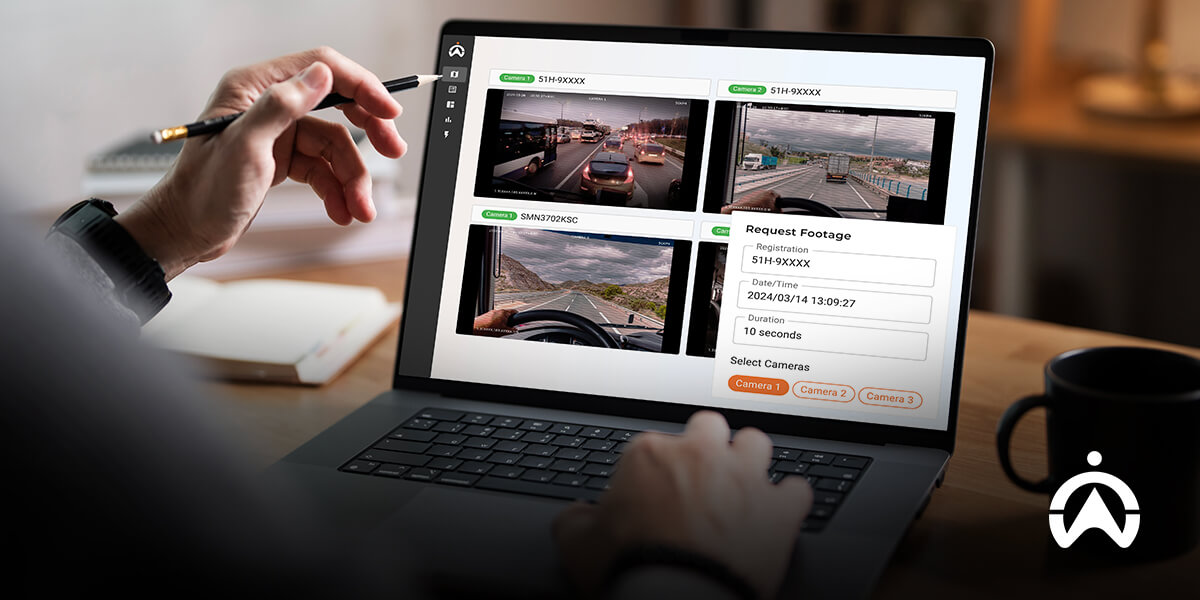
A person using a laptop to request vehicle camera footage, with traffic and road images displayed on the screen.

Turning fleet data into action

The only way to keep up with all aspects of your fleet is by investing in an advanced fleet management system. Through this, you will get all the information you need about your fleet so you can reduce costs and streamline operations.
A fleet management platform gives you a detailed analysis of your fleet in the form of reports, graphs, and other data visualisations, making the information easier to interpret and take action on.

What makes a good KPI in fleet management?

A good Key Performance Indicator for fleet management should be SMART (specific, measurable, attainable, realistic, and time-bound). This will allow you to see where you are performing well and where you need improvement. The KPIs should be based on overall objectives of the fleet, such as cost reduction, safety improvement, and operational efficiency.

How Karooooo helps you track and optimise fleet metrics with ease

Here’s how you can track fleet data metrics with ease using our powerful fleet management system:

  • ‍Live tracking
    Always know where vehicles and drivers are using our powerful GPS tracking system. This ensures that you see what drivers get up to daily and empowers you with the ability to spot fuel-wasting inefficiencies or when drivers are in one place for too long, which could mean possible delays.
    ‍
  • MiFleet
    MiFleet is a cost management tool on our fleet management platform that provides data analysis for different fleet categories. It promotes decision-making, reduces manual administration, and helps improve the overall running costs. With MiFleet, you can:
    1. ‍Validate fuel transactions
      The system
      automatically reviews all your fuel transactions and matches them with telemetry data, alerting you of any possible fuel theft or fraud.
      ‍
    2. ‍Get detailed odometer reports
      An odometer summary based on trip data and a report with CO2 emissions based on distance travelled. It also outlines the cost per kilometre for a specific period.
      ‍
    3. Track other fleet operational costs
      This powerful tool further assists in keeping track of other costs such as contracts, fines, licences, toll gate costs, insurance, and maintenance. You will get automated reminders of any upcoming expirations or payment dates so you avoid late payments and out-of-date paperwork.
      ‍
  • ‍‍Telematics reports
    Our telematics devices collect information on driving behaviours such as speeding, long idling, harsh braking, and rapid acceleration. Through this, you will receive alerts and know which driver needs more training on practising safer, more fuel-efficient driving habits. The reports on driver events can be grouped into different categories and seen in various ways, such as the following:
    • ‍Graphical risk report
      Provides a graphical risk overview based on acceleration, braking, idling, turning and speeding events.
      ‍
    • ‍Idle report summary
      Provides a summary of excessive idling incidents.
      ‍
    • ‍Speeding detail
      Provides a detailed report of location, duration, and distance travelled over the set maximum speed limit.
      ‍
  • ‍Driver identification tags
    Karooooo’s driver identification tags encourage driver accountability, as you will instantly know who is operating which vehicle. If you have a mixed fleet, you can use the tags to ensure that each driver is assigned a vehicle that they are authorised to use, ensuring the business remains compliant. Furthermore, the tags can also be used to effortlessly differentiate between business and private trips to reduce fuel misuse.
    ‍
  • ‍AI cameras
    With our AI camera solutions, you can remotely monitor driver behaviour. The AI technology enhances driver safety by detecting behaviours such as not wearing a seatbelt, drowsiness, cellphone use, and smoking. The camera then sends an audible alert to the driver, allowing them to quickly correct their actions and prevent possible accidents.
    ‍
  • ‍Logbook
    Our digital logbook allows you to easily track your drivers’ hours of service, helping keep your fleet compliant and your drivers well-rested. Monitoring the Hours of Service (HOS) restricts the number of hours a driver can operate without taking breaks. This ensures that all drivers get enough rest, reducing the risk of accidents and fatalities.
    ‍
  • ‍Preventative maintenance
    Get reminders of maintenance schedules and receive alerts of engine faults, worn brake pads, or water fluctuations to avoid unexpected breakdowns and downtime. This ensures that business operations remain unaffected by maintenance issues and further reduces costs.
    ‍
  • ‍Route optimisation
    The Karooooo route optimisation feature is software that helps you plan more efficient routes. It factors in things such as road conditions and historical traffic trends to help you find the best way for drivers to get to their destinations. Through this, you get faster deliveries and less fuel wastage.

Track all the important fleet data from one platform with Karooooo

Karooooo specialises in all things fleet management; you can trust our reputable system to give you all the information you need to improve your fleet operations. Reach out to us, and speak to a fleet representative.

The Top Fleet Safety Solutions

Fleet operations in Kenya face challenges every day; from long hours to unpredictable driver conduct, the risks are ever-present – and the data proves it too. The National Transport and Safety Authority (NTSA) reports that human factors such as speeding, driver fatigue, and reckless driving contribute to the majority of road crashes, highlighting the critical importance of safe driver behaviour in risk management.

Fleet safety shouldn’t be reactive, though – it’s all about strategic risk management. This is why top fleet safety solutions, including aspects like driver monitoring, live alerts, and predictive maintenance, are the driving force behind holistic safety for your fleet.

Through this in-depth review, we’ll let you in on the tools and strategies necessary for strengthening fleet safety and what Karooooo can do to help you and your business achieve your safer and smarter business goals.

In this article, you will:

  • Explore the top fleet safety solutions critical to modern operations
  • Learn how to choose the right tools for your fleet’s needs
  • Understand why businesses that partner with Karooooo are better equipped to reduce risk and improve performance

What are fleet safety solutions?

Fleet safety solutions are tools designed to manage and mitigate road and driver risks, as well as prevent accidents across a fleet. These tools include innovations, practices, and systems that are made to not only protect staff and assets but also give fleet managers better control.

As part of fleet strategies, hardware and software combinations are implemented to provide a comprehensive, layered, and proactive approach to safety. From dashcams to telematics platforms and coaching programmes, these are the major tools behind fleet safety solutions.

Karooooo is a solid example of bringing all of these components together through a seamless and streamlined platform, helping you confidently manage your fleet’s safety.

What are your fleet’s essential safety toolkit solutions?

The most effective and well-maintained fleets are the ones that ensure a proactive and layered approach; they have combined technology, the data produced, and other important tools to minimise risks and protect drivers.  

These are the key ingredients of a modern fleet safety toolkit:

Driver behaviour monitoring

  • Allows driver coaching so that dangerous driving patterns don’t develop into actual incidents.
  • Because of resources like driver coaching, driver accountability is increased, and accidents/downtimes are decreased.
  • Delivers driver reports, trip summaries, and immediate alerts.

Live vehicle GPS tracking and route safety

  • Consistent visibility lends itself to quicker response times when it comes to emergencies, meaning improved levels of safety for drivers.
  • Identifies any unauthorised movements.

Dashcams and video monitoring

  • Videos are in real-time and from driver-facing and road-facing directions.
  • Encourages driver accountability and ongoing training, effectively managing security risk.

Maintenance alerts and vehicle health monitoring

  • Ensures compliance and road safety standards are met by staying on top of the necessary protection measures.
  • Keeps any damage from use in check.

Geofencing and alerts

  • Creates virtual safe zones and no-go areas, with alerts being sent if vehicles enter or exit these zones.
  • Helps prevent theft or misuse of fleet assets and their cargo.
  • Encourages adherence to safety and company protocols.

Driver identification and access control

  • Restricts vehicle use to authorised drivers only.
  • Prevents misuse and improves driver accountability.

Why safety-focused fleets perform better

Being safety-focused goes beyond just meeting legal and compliance standards – it’s about prioritising the safety and optimisation of your staff and assets. Ultimately, investing in fleet safety means receiving a return on investment. Here’s how:

  • Lower accident rates mean a decrease in insurance claims and lower premiums.
  • Safer fleets have higher uptime and fewer delays or avoidable incidents through preventative maintenance.
  • Boosted driver morale and retention through a workplace that prioritises their overall health and well-being.
  • Stronger customer trust in the business through a record of safe and secure operations.
  • Backs ESG goals through cautious driving; fewer accidents and lower emissions help meet the standards.

How to choose the right safety solutions for your fleet

The key to getting the most effective safety tools and resources for your fleet is about understanding what your business needs and pinpointing the problem areas. Once you’ve identified the challenges, you’ll be able to target them directly.

Karooooo covers every base, servicing fleets of every size and bringing together safety and performance.

Consider these safety solutions during your evaluations:

  • Integration and scalability: Always consider scalability and integration into existing systems; will the system be able to easily accommodate the growth of your company?
  • Notifications and immediate alerts: Look for live alerts and automated reporting features to stay notified about any damage, hazards, or other vehicle issues so that you’re able to respond proactively.
    ‍
  • Analytics: Quick and immediate access to insights makes it easier to spot certain patterns, look at the standing of your business, and optimise your operations.
  • Asset compatibility: If applicable to your business, ensure system compatibility with both light- and heavy-duty vehicles.
  • Ongoing support: For the best-performing operations, consistent and reliable support should be at the foundation.

Fleet safety as your competitive advantage

Fleet safety can give you an edge and strengthen your business, ultimately setting you apart from your competitors. A secured fleet shows customers a sense of reliability that inspires confidence, typically benefiting from:

  • Greater returns: Reduced costs from fewer incidents lead to lower insurance costs and less downtime from unexpected breakdowns.
    ‍
  • Favourable driver records: Keeping drivers accountable while also highlighting the importance of safety culture means a better performance on the roads.
    ‍
  • Greater customer trust: If a business displays reliability and responsibility in its operations, clients and customers are more likely to build partnerships.

Why Karooooo is the leading choice for safer fleets

Karooooo has proven itself to be a leader in fleet safety and innovative solutions. We’re ready to provide the technology you need to ensure the protection of your fleet – no matter the size.

Here’s why Karooooo would be a beneficial partner to you and your business:

  • Suite of safety tools: All the safety technologies you’d need, through both hardware and software, are covered. Getting access to these insights and data is simple thanks to Fleetweb, our streamlined platform.
  • AI and advanced tech integrations: Karooooo combines AI with features such as video analysis, location tracking, and maintenance to successfully manage risks before they become massive expenses. This is reflected through our Vision and Coaching options, preventative maintenance measures, and route optimisation insights.
  • Scalability: Your fleet size isn’t and shouldn’t be a concern – we’re able to meet your safety needs regardless. What’s more? If your business expands and your fleet grows, or even changes in structure, our platform is ready to accommodate those changes.
  • Alerts and reports: Our platform ensures that you get immediate notifications and detailed reports so that you can make educated decisions regarding the improvements of your business.
  • Reliable support: Karooooo offers local support and expertise while also providing 24/7 customer service and emergency response.

Smarter safety starts now

Taking the safety of your fleet and its drivers seriously is, without question, a smart business move. With the right resources and a proactive approach, you can stay ahead of potentially costly business moves, execute a more efficient operation, and ensure the safety of your people and vehicles.

If you’re trying to invest further into the safety of your fleet, consider what Karooooo has to offer. With us, there’s no need to stress about cross-platform confusion or whether your assets are truly well surveilled; we guarantee real-time monitoring, a comprehensive platform, and many more additional features – all in one place.

Protect your people and assets. Contact a fleet expert at Karooooo today and explore the safety features on offer.

Frequently Asked Questions

What are fleet solutions?

Fleet solutions are tools designed to manage and mitigate road and driver risks, as well as protect vehicles or assets. These tools combine systems, procedures, and innovations designed to implement this protection while also providing fleet managers with greater control.

What’s the difference between fleet safety software and traditional vehicle tracking?

Traditional vehicle tracking just focuses on tracking, while fleet safety software goes the extra mile – it tracks assets but also provides notifications and insights, maintenance schedules, and much more.

How can I tell if my fleet needs better safety systems?

Typical indications would point to high management costs, frequent accidents and insurance matters, and poor vehicle health or consistent breakdowns. Definitely consider implementing fleet safety solutions if you’re dealing with one or more of these issues.

Is fleet management worth it?

Definitely; fleet management can only improve your operations, as an effective strategy directly contributes to better business performance.

How does Karooooo help reduce my accident-related costs?

Karooooo is more than just tracking – it’s technological innovation at the forefront of fleet management. We can help you with features like live tracking and monitoring, immediate notifications, and detailed insights, so you can focus on business uptime and improved fleet operations.

Portable GPS Tracker Device For Every Asset

Portable tracking has grown to become a practical necessity in Kenya—whether it’s about protecting your personal vehicle or managing a business’s expanding fleet. Vehicle theft remains a significant concern in Kenya, with reports showing that only around 15.9 % of stolen vehicles were recovered in 2024. This low recovery rate highlights the importance of investing in reliable tracking systems to enhance security and improve the chances of retrieving stolen vehicles.

Most traditional portable GPS trackers are a simple and flexible alternative to standard tracking systems, which are highly efficient but typically permanently attached in place. Portable trackers are lightweight, sleek, and wireless, making them the perfect solution for rental setups, personal safety measures, or other short-term tracking needs. But while these portable trackers rely on GPS or cellular connection, Karooooo’s device, the CT Tag, is purpose-built solely for jamming-resistant asset tracking – not needing any cellular or internet connections to function.

This tracker type introduces a new degree of safety and control, and through this guide, we’ll tackle the advantageous outcomes of opting for a portable tracker and how Karooooo’s advanced technology and anti-jamming protection make it easy for you to stay connected to your vehicle and keep it safe.

In this article, you will:

  • Discover what portable GPS tracker devices are and how they work
  • Understand the key differences between portable GPS trackers, traditional trackers, and Cartracks CT Tags
  • Know who portable trackers are ideal for and what features to seek out
  • Find out why Karooooo’s portable device is one of the smartest choices on the market

What is a portable GPS tracker device?

A portable GPS tracker is a standalone, small, battery-operated device that transmits a vehicle’s real-time and precise location. It’s a wireless unit that, unlike standard trackers, which are integrated directly into a vehicle’s electrical system, requires no installation and can fit in every vehicle. Portable trackers are typically:

  • SIM-equipped devices, which use LTE (Long Term Evolution) or GSM (Global System for Mobile Communications) networks for connection purposes. This is not the case for Karooooo’s portable device, though. Karooooo’s portable tracker, known as a CT Tag, doesn’t use a SIM card, so therefore doesn’t rely on GSM or GPS connection. This also means that it’s unaffected by jamming, as it doesn’t transmit GPS or cellular signals.
    ‍
  • Sleek and compact, so that it’s easy to store discreetly or to attach magnetically to a part of the car.
    ‍
  • Battery-driven for independent operation.

Portable devices are designed for universal use, making them a convenient solution for every type of vehicle, including personal cars, delivery vehicles, motorbikes, rental vehicles, and even specialised assets. One single unit can move between any asset, as is required, and common uses include short-term tracking, fleet management, personal safety, and asset recovery.

What to expect from a quality portable GPS tracker

A reliable and high-quality portable GPS tracker should offer flexibility, consistent performance, and rapid location pinpointing. The features below are the ones to look out for, and these can be found in Karooooo’s solution:

  • Real-time location tracking: Being able to track your asset is at the core of everything from route surveillance to SVR (stolen vehicle recovery). This should be achievable when the vehicle is in motion or is stationary. In the case of Karooooo’s CT Tag, tracking is via CPRF triangulation and crowd searching, not GPS pings.
  • Anti-tampering and detection: This is a crucial feature that offers extra security; should the portable tracking device be touched, taken, or tampered with, the Karooooo control room will immediately get a notification.

How do portable trackers differ from traditional trackers?

It’s fair to assume that portable trackers won’t work as well as hardwired ones, but in reality, that’s not the case. Portable trackers deliver the same high level of performance, just with the additional flexibility aspect. Look at the table below to understand the key differences:

Feature Portable Tracker Traditional, Hardwired GPS Tracker

Installation Process
No installation required. Place it in or below the vehicle and you’re ready to go. Requires a professional connection directly into the asset’s wiring system.

Mobility & Reusability
Easily moves between vehicles due to its lightweight and compact build. Fixed to one vehicle and permanently installed.

Power Source & Lifespan
Rechargeable battery-powered, so it doesn’t depend on the vehicle’s battery. Powered directly by the vehicle, so it draws energy from the vehicle’s battery.

Best For
Flexible and non-road asset tracking, rentals, shared vehicles, personal use – anything short-term or adjustable. Fleet tracking that’s long-term or permanent installations for businesses.

Is a portable GPS tracker the right fit for your needs?

A portable GPS tracker could potentially be the perfect option for you, as it has the ability to serve so many kinds of people and businesses. Because of their sleek design and wireless build, they offer adaptability across numerous industries and personal circumstances, depending on what you’re looking for. Let’s take a closer look at who truly benefits:

  • Car dealerships and logistics providers: Much like the previous point, this is a solid solution for businesses that deal with logistics or have constantly moving assets between users, like car dealerships. Consider this if you’re monitoring driver behaviour or even keeping an eye on assets that are frequently changing hands.
    ‍
  • Construction and heavy equipment (yellow metal): Non-road assets, such as heavy machinery used in construction businesses, also require tracking and monitoring. With Karooooo, you can still get insight into movements, but also get an extra layer of security through anti-jamming protection – an enhanced feature of the portable tracker.
    ‍
  • Key cases and benefits:
    • Peace of mind and theft recovery through immediate alerts
    • No permanent installation required, which means no worries about delays, downtime, or any fiddling with the assets
    • Flexibility for seasonal or short-term needs
    • Shared vehicles and non-owned assets can still be carefully tracked and kept safe under your care – without ownership limitations

How to choose the best portable GPS tracker for every vehicle

Although there are numerous portable tracker options available out there, there are a few core features that should matter to you when choosing the best one. No matter the asset type, it’s likely you’ll want the most reliable device. Here are the features to look for – and how Karooooo meets these needs:

  • Device size and discreetness: A portable GPS tracker should be sleek and compact enough that it’s easily hidden but still durable. Karooooo’s device is discreet and sturdy, unmoving even when covering rough terrain.
    ‍
  • Coverage and reliability: A portable tracker shouldn’t foster downtime through lack of visibility, and unlike traditional portable trackers that rely on GPS or cellular networks, Karooooo’s device works independently of that connection. This means that there’s consistent performance – even where GPS fails or jamming occurs.
    ‍
  • Data access and location: High-quality units are sometimes accompanied by a platform that gives you clear insights and an overview history. Due to its complex device type, Karooooo doesn’t typically allow this kind of access to clients and is only accessible to authorised personnel in the Karooooo control room; however, businesses are allowed personal visibility upon request. This action is largely to prevent criminal interference.
    ‍
  • Battery life and power modes: Naturally, a solid battery life is one of the most key features here, especially considering that portable units depend on their own battery source to stay powered. With its durable battery and smart modes, Karooooo’s device lasts between 3 and 5 years.
    ‍
  • Immediate alerts: Real-time alerts are the key to extra safety and security, allowing you to be instantly aware of unauthorised actions. Any tampering with a Karooooo device is immediately recognised.
    ‍
  • Local and ongoing support: It’s one thing to just have a quality tracking device; it’s another thing to have a quality tracking device that doubles as an anti-jamming gadget, is provided by a reputable company, and offers round-the-clock support. Karooooo gives you expert assistance with everything from maintenance and battery replacements to quick response times from the control room and vehicle recovery teams.
    ‍
  • Critical questions to ask before you settle on a portable unit:
    • Can I use this in multiple vehicles?
    • Will I get an alert if the tracking unit is removed?
    • How often is location data updated?
    • Will I receive dependable support when I need it?
    • Does the tracker work in low-signal areas?

What makes Karooooo’s portable GPS tracker the smartest choice?

Reliability and quality should be the leading focuses of a top provider. Karooooo is at the forefront of this, having established itself as a leader in fleet management and vehicle tracking and being trusted by hundreds of thousands of businesses and individuals. Here’s what makes Karooooo the standout choice:

  • Value-asset tracking: Due to its discreet and mobile nature, Karooooo’s portable tracker can be used as a means to track non-road assets, ensuring their protection when they’re in storage, on-site, or in transit.
    ‍
  • Exceptional battery efficiency: Karooooo has employed smart battery-saving modes for their portable tracking units, which ensure extended battery life between maintenance.
  • Enhanced safety through CPRF Network: The wired device has full telematics and anti-jamming capabilities.
    ‍
  • The Tag preserves energy by not having to report GPS or cellular activity. As a wireless unit, it can be discreetly hidden and works perfectly as a transmitting device in the CPRF Network;
    ‍
  • Local support across Kenya: Get access to assistance from local teams nearby who understand your geographic landscape and surroundings. Otherwise, rest assured that there are teams available 24/7 from crisis control rooms in case of emergencies.
    ‍
  • A solid solution for both individual and commercial needs: Karooooo’s CT Tags are just as effective for individuals as they are for businesses; it’s an easy and adaptable choice that is able to scale or move across all types of assets – without sacrificing functionality.

The bottom line

Overall, portable trackers might just be the future of asset tracking. You get the perks of full visibility, tracking control, and adaptability without the stress and hassle of having to commit to a permanently installed device.

Karooooo’s portable solution is backed by customer satisfaction and reliability. Get everything you’re looking for in a tracker – from security and smart alerts to personal and professional use.

Need flexible vehicle tracking that moves with you, or want to see how this device works in action? Start your journey with Karooooo today, and get a personalised demo.

Frequently Asked Questions

What is the best tracking device in Kenya?

The best tracking device ultimately depends on some contributing factors; these include your business needs, budget, and the company’s offerings. Karooooo ranks among the top providers, offering high-quality products, all-around support, and user-friendly platforms. ‍

Does a portable GPS tracker work without internet?

Technically, yes – standard portable trackers use satellites to pinpoint location, which can require mobile data (communicated from a SIM card), but not necessarily Wi-Fi. Karooooo’s portable tracker doesn’t rely on GPS or cellular data at all, which extends its already lengthy battery life and doesn’t fail in environments with low signal or connectivity.‍

What happens if someone removes the portable Karooooo tracker?

The tampering will immediately trigger detection, and the Karooooo control room will receive an alert or notification. The device is designed to send location signals via the CPRF network for as long as possible so location information can be used and the asset can be retrieved as swiftly as possible.‍

Can a cell phone detect a portable GPS tracker?

No, not necessarily. As previously mentioned, standard trackers typically depend on mobile networks and satellite signals to transmit data. Because portable trackers don’t use Wi-Fi or Bluetooth, they don’t show up on the phone’s device list and typically require special equipment for detection. Karooooo’s Tag is invisible to consumer devices because it doesn’t broadcast detectable Wi-Fi/Bluetooth/GSM signals.

Heavy Vehicle Tracking System Solutions for Your Business

Managing a fleet of heavy commercial vehicles presents several challenges. Fleet coordinators must always be aware of key factors, such as what drivers get up to daily, vehicle performance, fuel usage, and whether deliveries arrive on time. In a fast-paced and competitive environment like the transport and logistics industry, efficient fleet management is crucial.  

To combat these challenges, fleet businesses must invest in comprehensive vehicle tracking solutions that specifically cater to heavy vehicles, as the level of care required for such vehicles is unlike that of others.

Let’s explore what it takes to manage a fleet of heavy vehicles and identify the essential tracking solutions for such operations.

How do companies track their trucks?

Most trucking companies use a fleet management system to monitor their trucks. With the system comes a form of tracking that goes beyond knowing where the vehicles are. A fleet management system provides advanced tools that offer insight into vehicle health, efficient route planning, driver safety, and overall operational expenses. We delve deeper into how it works later in this article, so read on.

What system is most widely used for heavy vehicle tracking?

At the heart of most vehicle tracking systems are powerful technologies, including the Global Positioning System (GPS), the Global System for Mobile Communications (GSM), and telematics. When integrated, these smart tools become the three core components of vehicle tracking.

In simple terms, here’s how they work:

  • The GPS tells you where the vehicle is.
  • Using mobile networks, the GSM transmits information about what’s happening and sends it out.
  • The telematics system brings together GPS, GSM, and several other technologies to process and integrate all this data for fleet managers to utilise effectively.

The information gathered from this system is what makes vehicle tracking essential for many, if not all, companies in the logistics and transport industry.

Key features to look for in a heavy vehicle tracking system

Here are some of the main features you should look for when looking for vehicle tracking solutions for your fleet:

  • Real-time vehicle location: With GPS technology comes the option of passive and active tracking. Passive trackers monitor location data, they only give you access to it once the trip is done. Active trackers, on the other hand, give you live updates so you can keep up with vehicle movements while they are in transit.

    The tracking service you choose should provide real-time location updates and alerts, showing where vehicles are and how long they’ve been there so that you can identify unnecessary delays, deviations, and potential security threats.

  • Driver behaviour monitoring: Driver safety is a non-negotiable factor in fleet management. The business has to ensure that it hires good drivers who will not endanger the lives of others on the road. Driving a truck is not as simple as driving a lightweight vehicle, which makes it more of a risk.

    For this reason, all vehicles must have a telematics device that can identify harsh driving habits such as speeding, sudden braking, rapid acceleration, and harsh cornering. The system must then provide reports on each vehicle and driver so you, as a fleet manager, can quickly address the matter.

  • Fuel usage and cost reporting: Heavy vehicles are known to require more fuel due to the weight they carry. Fuel accounts for one of the most expensive fleet running costs, and as its prices continue rising, a vehicle tracking system with fuel and cost reporting abilities is crucial. Through this, you will be able to identify fuel wastage.

    The system should be able to determine fuel drainage through key metrics such as kilometres travelled, location, and the amount of fuel that is in the tank. There should also be the option of integrating fuel level sensors with the system to get more accurate fuel updates.

  • Route replay: You should be able to access trip histories and replay the journeys. This helps you spot detours and deviations, which further encourages accountability and boosts efficiency.
  • Geofencing: A software tool should be available to help you create digital fences around specific zones, allowing you to track when vehicles enter and exit those zones. A geofence works perfectly for the warehouse, where you will receive alerts when trucks enter and leave, providing accurate information on how long it takes to load and offload goods and making it easier to spot time-wasting activities.
  • Maintenance and service reminders: Another crucial aspect of fleet operations is maintenance. It is essential that all vehicles are properly maintained to prevent unroadworthiness, compliance issues, and unexpected breakdowns.
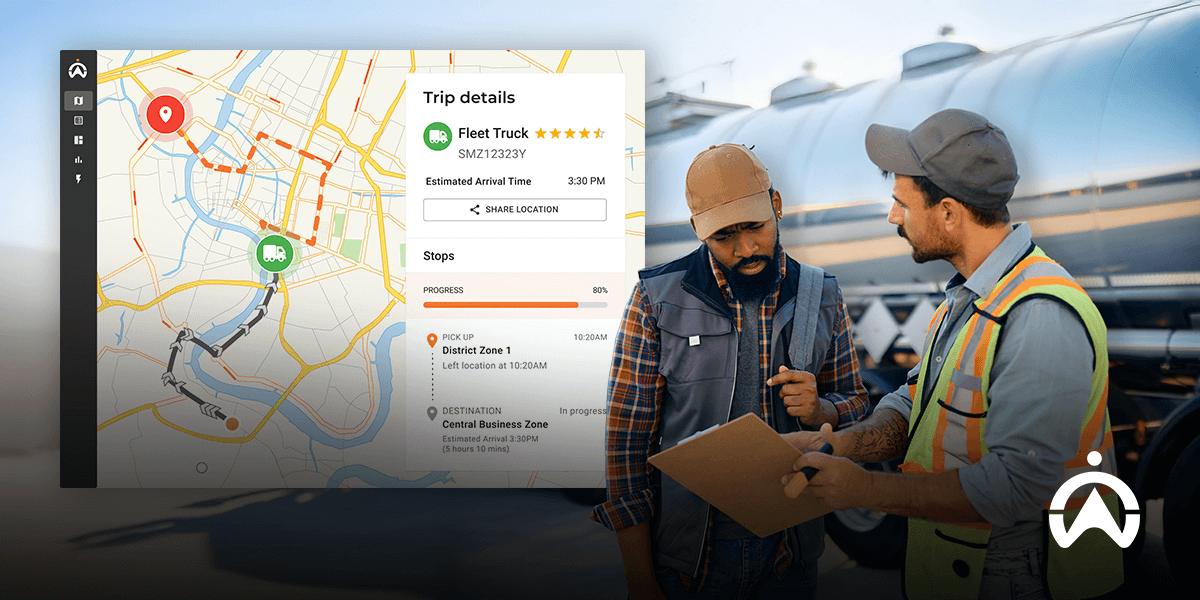
Fleet managers using Cartrack's heavy vehicle tracking system to monitor route progress and estimated arrival times on a live map.

The real advantages of tracking for heavy vehicle operations

Research from Gitnux reveals that the rapid expansion of the global fleet management market is driven by new advancements in telematics, AI, and sustainability. Some of the key highlights include the following:

  • Nearly 80% of fleets report increased efficiency after adopting real-time vehicle tracking.
  • Maintenance costs can be reduced by approximately 15-20% with predictive maintenance technology.
  • About 78% of fleet managers said driver safety monitoring has improved compliance.
  • Fleet operators reported that improving driver behaviour can decrease accident rates by up to 50%.

  • Routing optimisation can reduce total distance driven by 10-15%.

  • Mobile apps for fleet management have increased productivity by 25% for drivers and managers.
  • Nearly 50% of fleet management companies reported an increase in data-driven decision-making.

The statistics presented in this report further demonstrate the significant impact a vehicle tracking system can have on fleet businesses of all kinds and why you need to choose an industry leader, such as Karooooo, to keep your business steps ahead.  

Top Karooooo vehicle tracking solutions for your heavy vehicle fleet  

To make the choice easier for you, here is an overview of the top solutions we offer for heavy vehicles:

DID tags

Heavy vehicles come in various sizes that are under different licence categories. It is essential that drivers only operate vehicles for which they are qualified. To mitigate this issue, we have driver identification (DID) tags that make it easier for you to know who’s using which vehicle and to prevent unauthorised driving. You have the option to configure the tag to prevent ignition from being switched on if the wrong driver attempts to do so.

Geofence

Create digital fences around designated areas to ensure that drivers stay within their assigned zones and adhere to their schedules. This enhances safety, as you will receive alerts whenever drivers are outside the stipulated areas, which may indicate possible detours or security risks.

Stolen Vehicle Recovery

It is no secret that vehicle theft is a huge concern in our country, and with commercial vehicles, the loss has a ripple effect. It’s more than just the vehicle; it’s the goods in transit that cost a fortune, the clients who are expecting deliveries, and the overall company reputation. With us, you can rest assured that your vehicles are in safe hands.

Our large team of skilled recovery agents is available nationwide and always ready to assist. We have also successfully recovered more than 100,000 stolen vehicles in the past decade. A proven legacy of trust, innovation, and relentless success.

We also know that many companies in the transportation and logistics business have trucks that operate beyond our borders. For this reason, our GPS tracking devices feature international roaming, which allows us to receive a signal from your device locally and across borders. This is a vital value-added service for vehicles travelling out of the country.

Driver behaviour reports

Our telematics systems give you alerts and reports on behaviours such as idling, harsh cornering, and speeding. This ensures that you identify drivers who require additional training. It further reduces the likelihood of accidents that may result in injuries, fatalities, extensive repairs, costly lawsuits, or reputational damage.

AI Cameras

Vehicle tracking also means visibility into driver behaviour through camera technology. A lot can happen on the road, and sometimes you don’t need to hear about it; you actually need to see it yourself.

With Karooooo’s AI Multi Vision camera solutions, you can get up to 8 cameras installed in and around the vehicles. This provides a comprehensive view of what’s happening in and around the vehicles, allowing you to live stream from anywhere. If you spot suspicious activities, you can quickly check up on drivers and ask what’s happening.

The AI-powered cameras from this solution can easily detect when drivers are distracted by various things, such as cellphone use, smoking, or drowsiness. Once detected, the system then sends out audible alerts, allowing drivers to quickly correct their actions.

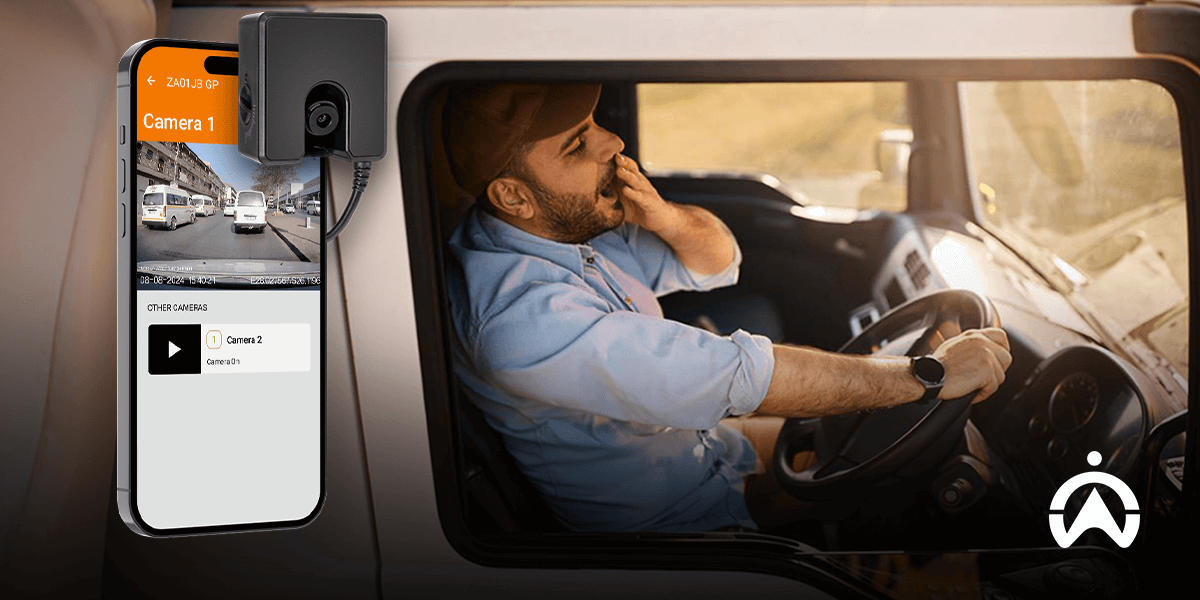
Cartrack heavy vehicle tracking system showing in-cabin AI camera footage detecting driver fatigue to enhance road safety.

Route Optimisation

Optimise task prioritisation to boost productivity, cut operational costs, and avoid longer travel times and unnecessary fuel consumption. The Route Optimisation feature is an advanced software that helps you plan trips to ensure efficient operations and timely deliveries. It factors in things such as historical traffic patterns and road conditions to provide the best route for drivers to reach their destinations. ‍

Preventative Maintenance

Our preventative maintenance solution will help you keep up with the health of your fleet to avoid unplanned downtime and ensure compliance. It provides real-time alerts of any engine faults, oil and water fluctuations, worn-out brake pads, and other diagnostics. Our systems also provide you with reminders of scheduled service dates, so you don’t miss any.

Streamline your heavy vehicle operations with Karooooo

A vehicle tracking system is a must-have for every fleet business, but choosing one that specifically caters to your business’s needs is pivotal. By partnering with us, you choose a reliable service that has cable tracking solutions for a heavy vehicle fleet. We will ensure that your vehicles are protected, and we provide accurate, real-time data to improve business operations and help you make informed decisions. Contact us today to speak with a fleet consultant.

What Is CANbus and How Does It Work?

Have you ever wondered how it is that your vehicle knows when something is wrong, or how you’re getting all that crucial information about your asset in real time? Fleet data holds all the answers to that feedback, and behind that data is CANbus.

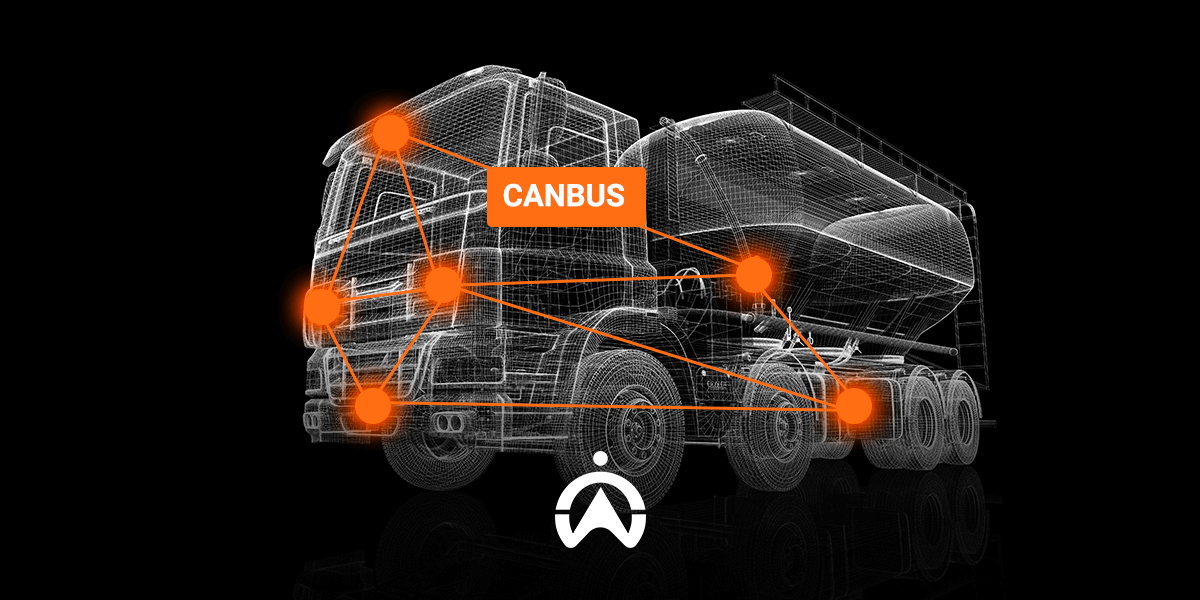
CANbus is the foundation for modern vehicle diagnostics and management, and it works as somewhat of a nervous system for your vehicle. It’s a concealed framework that orchestrates the exchange of critical information between all the various components of your vehicle, making its unseen power the driving force behind advanced and smart fleet management.

In this helpful guide, we’ll give you a clear breakdown of what CANbus is, how it works, and why it’s the golden key to getting the best out of your fleet management strategy. What’s more? We’ll let you in on how Karooooo turns this fundamental data into practical insights that’ll help you stay in control.

In this article, you will:

  • Learn what CANbus is and how it works
  • Understand its role in modern vehicle communication and management
  • Discover the CANbus benefits for fleet performance, maintenance, and safety
  • See how Cartrack uses CANbus to deliver smarter insights and greater control

What is CANbus?

The Controller Area Network bus, or CANbus in its shortened form, is a communication system that enables various vehicle components to communicate with one another without requiring a central computer system. It allows these components to continuously exchange data, much like an internal nervous system, and links essential parts like the engine, brakes, gearbox, and dashboard.

CANbus was created by Bosch in the 1980s and swiftly became the industry standard for in-vehicle networking. Today, almost every modern vehicle uses CANbus for safety features, monitoring, and diagnostics.

To put it plainly, think of CANbus like a group chat where all your vehicle’s components are members. When one component, such as the engine, needs to share critical information, such as a fault code, it sends a message that the other components can interpret and respond to immediately.

What does this mean for Karooooo clients?

CANbus works as a hardware add-on that pairs with your telematics device, giving you access to specific vehicle data, including diagnostics, fuel usage, and driver behaviour stats. The accuracy of CANbus data can vary slightly, with an expected margin of up to 10%.

How does CANbus work?

At the core of CANbus, there’s a framework of Electronic Control Units (ECUs) that communicate with each other in real time; each of these manages a certain function, like braking or fuel. Here’s a closer look at how it works:

  • 2-wire architecture: CANbus only relies on 2 wires – CAN High and CAN Low wires – twisted together to reduce electrical disruption. This type of wiring means that all ECUs are interconnected, meaning continual communication throughout.
  • Broadcast communication: As previously mentioned, messages are broadcast across the entire network, which means that each ECU listens for messages that are relevant to it and ignores the ones that don’t apply to it, making networking systems swift and effective.
  • No central controller: CANbus doesn’t have a central computer telling components what to do; instead, all ECUs are equal “members of the group chat”, which means they are able to send and receive information independently when needed.

What data can be extracted from CANbus?

One of the biggest upsides of CANbus is that it delivers incredible depth and variety when it comes to the data it provides. Paired with a sophisticated telematics system, this can prove substantial regarding data insights. Let’s explore some of the key data points you can expect:

  • RPM (Revolutions Per Minute): Is an indication of how fast a vehicle’s engine’s crankshaft rotates, i.e., telling you how fast the engine is running. Considering this helps you understand how hard a vehicle is being pushed, it can help you monitor and boost performance.
  • Vehicle speed: Offers relatively accurate and live speed readings, which can give you insight into driver behaviour, fuel use, and adherence to safety.
  • Fuel consumption: Tracks how much fuel is being used, meaning you can spot trends (and inconsistencies) or see where there’s room for improvement regarding fuel and operational costs.
  • Brake status: Monitors when and how the brakes are being applied so that patterns of harsh braking or deteriorating vehicle components can be identified.
  • Harsh driving habits: Detects aggressive driving habits (like harsh braking and accelerating) that increase wear and tear and accident threat, so you can monitor driver behaviour and deliver coaching accordingly.
  • Fault Codes (DTCs): Records Diagnostic Trouble Codes (DTCs) transmitted by the vehicle when a system is faulty. Getting these diagnostic reports means ultimately reducing downtime.
  • Battery status: Tracks the health and charge level of your vehicle battery and, much like the above point, prevents potential downtime.
Cartrack CANbus dashboard displaying various fleet monitoring options like Vehicle Usage and Fuel Monitoring.

CANbus vs. traditional vehicle wiring

Prior to CANbus, vehicles used what was known as “point-to-point” wiring, which meant that every part needed a separate wire to communicate. The more wires a car had, the heavier and more complicated a car’s wiring system became.

CANbus revolutionised that system, and here’s how it compares:

  • Fewer wires: Instead of needing separate wires for each signal, CANbus uses just 2 wires to connect all electronic control units (ECUs). As a result, wiring complexity is significantly reduced.
  • Easier adaptability: CANbus makes it much easier to add or modify components without needing to rewire the entire system, which is ideal for modern vehicles stacked with advanced features.
  • More reliable data transmission: The network-style communication means that data flows more smoothly, with less risk of interference or signal loss.
  • Improved fuel performance: Fewer wires mean less weight overall, boosting vehicle efficiency and lowering fuel consumption.

Where is CANbus used in a vehicle?

CANbus connects all parts of the vehicle, allowing these core elements to communicate with each other and produce live data. Examples of systems that use CANbus include:

  • Engine control
  • Transmission
  • ABS and brakes
  • Infotainment systems
  • Airbags and safety features
  • Telematics systems

Why is CANbus important for modern fleets?

CANbus ensures that you and your business won’t be running blind; this is something you simply can’t afford when owning or managing a fleet. CANbus cuts out the reactive damage control and instead encourages proactive, preemptive action.

Here’s more on why CANbus is essential to your fleet:

  • Accurate data collection: CANbus connects into multiple vehicle systems, providing a continuous, centralised feed of accurate data. This eliminates guesswork and allows fleet managers to truly understand what’s happening under the hood.
  • Early fault detection: By accessing Diagnostic Trouble Codes (DTCs), CANbus allows for early fault detection, enabling preventative maintenance before small issues become costly problems. It also captures harsh braking, rapid acceleration, and other driving behaviours in real time — helping you improve safety and reduce risk.
  • Improved operations: With rich, live data at their fingertips, fleet managers can make faster, smarter decisions. That translates into reduced downtime, safer roads, and a leaner, more cost-effective operation.

How to know if your vehicle has CANbus (and how to access it)

You’ll be happy to know that almost every vehicle (from passenger cars to large-scale trucks) that’s been manufactured after 2008 is likely to be fitted with CANbus as a standard. Karooooo will also carry out a complete assessment to make sure that your vehicle or vehicles support CANbus, so you don’t have to worry.

If you still want to manually check, though, here’s what you’d need to do:

  • Look for the OBD-II port: The On-Board Diagnostics (OBD-II) port essentially acts as a plug-in point for any technology and tools used to scan, monitor, and get access to real-time data from the vehicle. This port is typically found in the dashboard and near the driver’s seat.
    ‍
  • Look for the CAN wiring: As previously mentioned, the CAN High and CAN Low are the 2 wires that CANbus systems use. These wires can be colour-coded; the colouring depends on the manufacturer, but they’re often green (CAN High) and yellow (CAN Low). Because the colours vary, you can check by tracing the wires back to the diagnostics port. Experienced technicians depend on diagnostic tools (and not just the wire colours) to accurately verify the CAN wires.

Benefits of using CANbus in fleet management

CANbus has proved itself to be an extremely powerful tool and the key to accessing internal vehicle systems. Without it, there’s very little room for your fleet to unlock its potential to operate safer, smarter, and more cost-efficiently than ever.

These are the numerous benefits:

Common CANbus myths or misconceptions

Despite being found in practically all modern car models, CANbus technology is still the subject of some misunderstandings, such as the idea that it is complex or even primitive. Let’s clear the air:

  • “It’s only for diagnostics.” – CANbus is indeed used for diagnostics, but that’s not where its benefits end. It also allows for key fleet management feedback that supports smarter operations, such as driver behaviour reports and predictive maintenance insights.
  • “It’s complicated to use.” – While the technology itself is quite sophisticated, the outcome of the technology is straightforward. The information from CANbus is converted into insights that are digestible and require no extra effort from managers.
  • “You can’t trust third-party systems to read it.” – If fitted with the right Original Equipment Manufacturer (OEM) hardware, CANbus is a safe and perfect partner for third-party systems. It’s able to read CAN signals across various makes and models without hindering overall performance.
  • “CANbus is outdated tech.” – CANbus is actually the global standard for vehicle communication systems, remaining a foundational tool for features including telematics and Advanced Driver Assistance Systems (ADAS).
Cartrack CANbus system displaying live vehicle diagnostics and maintenance alerts to improve fleet safety and performance tracking.

How Karooooo utilises CANbus for better fleet control

Karooooo uses the power of CANbus to give fleet managers total and complete control, encouraging businesses to use the information already provided to them to their advantage. Here’s how Karooooo uses CANbus insight to give you better fleet control:

  • Vehicle health monitoring: This refers to predictive maintenance, ensuring that systems like battery health and oil pressure are constantly being tracked to avoid breakdowns.
    ‍
  • Immediate fault code alerts: If a warning light comes up or there happens to be a more serious issue, Karooooo will take that information and immediately direct it to your dashboard so you’re always notified.
    ‍
  • Seamless integration: Karooooo incorporates CANbus insights with insights from other analytics, including dashcams and driver reports, to create a detailed overview of vehicle and driver outcomes.
    ‍
  • Fleetweb: CANbus data is reflected effectively via Fleetweb, giving fleet managers the opportunity to see all the necessary information in one place.

But what about the challenges of CANbus?

Nothing is 100% perfect; the same can be said for CANbus. Despite these obstacles, Karooooo can overcome them:

  • Interference or warranty problems: CANbus wiring is highly sensitive, so it’s fair to be concerned about improper fittings that could mean voided warranties or non-functioning signals. Karooooo has trained, professional, and expert technicians carrying out installations using tamper-proof hardware that’s also safe for the integrity of your vehicles.
    ‍
  • Older vehicles: Pre-2008 vehicles typically don’t support CANbus or may use other types of systems. Because Karooooo’s technicians carry out full compatibility assessments before any installation, other telematics solutions can be suggested to you so you don’t lose out on the ability to collect insightful data.
    ‍
  • Misunderstanding data: The preliminary data that comes from CANbus can be overwhelming, especially considering that it’s extremely technical and uncategorised. Karooooo’s Fleetweb platform takes all of this raw data and automatically processes it, so you’re able to see exactly what you’ve chosen to see in a digestible format.

CANbus is the key to smarter fleets

At the end of it all, CANbus is the hidden gem behind high-efficiency fleet execution. By connecting your vehicle’s internal systems, it unlocks real-time insights that help you take decisive action.

When Karooooo steps in, we make that data work to its full potential, taking your standard operations and transforming them into improved, dynamic, and motivated fleet management.

See what’s really happening under the hood. Chat to an expert at Karooooo so you can discover what we do to help you make the most of your CANbus insights.

FAQs

Q: Which cars are equipped with CANbus?

A: Almost all cars manufactured after 2008 are equipped with CANbus; in Kenya, this is especially true, with CANbus remaining practically a standard in modern vehicles.

Q: Is CANbus a secure and safe system?

A: Yes; CANbus is secure and operates as a closed-loop system, meaning that it uses a regulated feedback system as a way to minimise failures and improve stability. With the help of Karooooo, you can ensure tightened security of your data through our tamper-resistant and reliable protection.

Q: Can my CANbus data be accessed by Karooooo without compromising my warranties?

A: Yes; Karooooo’s technicians are dedicated professionals who understand the importance of non-invasive installations. Because of this, your vehicle’s warranty won’t lapse.

Q: Can CANbus identify problems with a vehicle early on?

A: Yes; CANbus is constantly monitoring systems to ensure that any issues are being detected early, with the hopes of preventing emergency breakdowns or downtime.

What Is EV Fleet Management Software?

Electric vehicles (EVs) are more popular than ever.  We see an increase in the number of EVs being integrated into business fleets. Because of this, fleet managers are seeing new complexities emerge – ensuring battery health, monitoring energy usage, and planning charging stops are just a few to name.

Some providers indeed offer separate EV software, but with Karooooo, fleet management is built to handle these complexities, meaning that you can manage your EV or internal combustion engine (ICE) vehicles with complete ease.

Through guidance from the Karooooo team, you’ll learn about EV fleet management software, why it matters, and which key Karooooo features show exactly why you may not need a separate system at all to run a strong electric, traditional, or mixed fleet.

In this article, you will:

  • Understand what EV fleet management software is and how it works
  • Learn which features help you manage EVs efficiently and cost-effectively
  • Discover whether you really need separate EV software
  • Explore why Karooooo’s platform is already fitted with the right support and technology
  • Get practical insights on how to future-proof your fleet

What is EV fleet management software?

EV fleet management software is, much like standard fleet management software, a system or platform that allows you to successfully track and monitor your EV (or integrated) fleet in real time, tracking important data like energy usage and charging time slots.

This kind of software provides crucial information that could ultimately transform your EV fleet into a safer, more cost-efficient, and smarter operation. Beyond tracking and monitoring, other major features include operational optimisation, maintenance alerts, and energy consumption reports – all to ensure you stay on top of the things that matter.

A good fleet management provider can scale with your business and accommodate whatever changes; although there are companies that offer standalone EV fleet solutions, modern consolidated systems like Karooooo’s Fleetweb are ahead of the curve, built to work for ICE, EV, or integrated fleets with one unified and streamlined platform.

Key functions of EV fleet management software

There are certain aspects to EVs that need to be considered, and your fleet management software should tackle these considerations head-on. Think about these key functions when looking at EV fleet management software:

  • Battery status tracking: To keep track of battery health and charging levels in the hopes of avoiding downtime. Combined with better route planning, EVs can remain on the road for longer without any disturbances or potential breakdowns.
    ‍
  • Charging history and scheduling: To keep an eye on charging history and set up a proactive charging schedule to avoid possible delays.
    ‍
  • Energy consumption analytics: To keep track of electricity consumption by each vehicle, but also identify consumption patterns as a means to optimise productivity.
    ‍
  • Real-time GPS tracking with range estimation: To bring together route optimisation and live vehicle tracking to achieve range-aware routes, especially regarding battery and charging matters.
    ‍
  • Driver behaviour monitoring: To keep track of drivers and their driving habits, i.e., accelerations, braking, and idle times. This can encourage better and safer driving while optimising driving habits for longer battery life.
    ‍
  • Service and maintenance planning: To be preemptive about maintenance through monitoring usage patterns. This would be achieved by setting up predictive alerts and notifications.
    ‍
  • Reporting and ESG compliance insights: To be able to track ecological footprint and other performance analytics to support environmental, social, and governance (ESG) goals and specifications.

Do you need dedicated EV software or a platform that supports EVs?

No, you don’t need dedicated EV software; the truth is, it’s not a necessity, although it’s totally understood why most would think so. Using a completely integrated platform that supports both EV and ICE vehicles is the key to achieving greater flexibility – more so if you’re running a mixed fleet. With an integrated platform like Karooooo’s, you draw advantages from:

  • One dashboard for EVs and ICEs: You can manage your fleet through one streamlined platform – even if your fleet is a combination of electric and traditional.
    ‍
  • No need for juggling multiple systems: There’s no need to manage your different vehicle types under different systems. Your workflow remains simplified.
    ‍
  • Easier data consolidation and reporting: Because there’s no cross-platform confusion taking place, all of your data and insights are collected and shared in one place. Get unified and comprehensive reports for your whole fleet.
  • Greater ROI and simplicity: It’s just about using the tools that are already available to you, especially from traditional fleet management solutions. You’re still saving time and money while holding onto a scalable solution for your fleet.  

Why managing EV fleets requires the right technology

EVs, while the perfect solution for tackling fuel and emission matters, invite a new collection of complexities to fleet management – the kinds that don’t often apply to traditional vehicles. Without the right technologies in place, you won’t get the full fleet visibility that you and your business deserve.

EVs need a platform that actively solves these unique complexities. Some of them include:

  • Battery range monitoring: EVs use batteries, which is certainly a major difference from the traditional vehicle that depends on fuel. These batteries function differently depending on factors like terrain or driving style, highlighting the importance of range and route monitoring. You’d naturally want to avoid a breakdown and always ensure your vehicle battery health is consistently monitored.
    ‍
  • Charging station access and downtime: Because EVs are running on batteries, they need to be charged promptly. Fleet managers have to account for charging schedules, charging points and infrastructure, and waiting periods.

  • Route optimisation based on charge: Every route and trip taken needs to take into account charging points and where they’re placed, along with battery levels.
    ‍
  • EV-specific maintenance: EVs typically don’t need to be serviced as often as traditional vehicles, and they also have fewer moving parts, but they do need to be checked every few months to ensure optimal performance. Maintenance based on usage, battery, and brakes is absolutely essential.
    ‍
  • Accurate energy usage tracking: Knowing how much energy is used per trip is the key to understanding trends and inconsistencies, which can help in reducing costs and improving performance.

How do you know you’re ready for EV fleet management software?

Choosing to go the EV route can be quite a significant decision to make; this is especially true if you’re not prepared with the right fleet management tools. But if you’re considering any of the below points, EV fleet management might be right for you. These are the signs:

  • You want to lower fuel and maintenance costs: So you’re thinking about making the switch to EVs; this would only be the first phase of your money-saving initiatives. The real savings would come from implementing the correct fleet management tools and technologies to help you achieve optimal fleet performance and see real ROI.
  • You need help planning smart routes and charging challenges: It’s clear that route optimisation is a major factor here; route planning is all about successfully considering average usage patterns, charging station locations, and range limits.
    ‍
  • You’re struggling with immediate insights: Managing EVs without fleet management solutions is a sure way of playing a guessing game. If you want real and comprehensive data, a streamlined platform is the best way to go.
    ‍
  • You’re scaling and need visibility: The greater the size and mix of your fleet, the greater the complexities. The best solution is to have a single platform that’s able to give you full visibility and control – no cross-platform confusion and just one dashboard with an overview of all the information you need.

How to choose the right fleet management partner for your EVs

While you carefully consider your provider options, it’s important to keep in mind that choosing the right software provider for your fleet will ensure you get the best support and long-term ROI. These are the key questions to explore and how Karooooo answers them:

  • Does the system support both ICE and EVs? – Trying to manage a mixed fleet with separate systems would only prove futile (and very inconvenient). Karooooo’s platform brings together all the features and vehicle types under one dashboard.
    ‍
  • Will the platform scale as I grow my EV fleet? – If your fleet grows and changes, your fleet solutions provider should be on the same page. Karooooo’s secure and cloud-based systems expand with your business, being able to easily add or change features, permissions, and assets.
  • Is there driver behaviour tracking for EVs? – To get the most out of your fleet’s driving range, the best course of action is to make route-optimising decisions based on efficient driving habits. Karooooo offers live driver insights that allow you to make the necessary decisions and encourage driver accountability.
    ‍
  • Is there reliable data accuracy, insights, and uptime? –  To make informed and educated decisions that could better your fleet strategy, the data presented needs to be comprehensive and as accurate as possible. Karooooo’s platform is always on, delivering reliable and actionable insights.
    ‍
  • Is the platform future-proof for expanding EV infrastructure? – Technology, especially EV-related engineering, is constantly evolving at an unimaginable pace – which is why your provider needs to be prepared for any and all changes. Karooooo boasts continued innovation and preparation for change.
    ‍
  • What support is offered during onboarding and scaling? – If you’re taking the leap and introducing EVs to your fleet, this decision shouldn’t feel like a shot in the dark. Karooooo has a dedicated support team that’s ready to help you understand your options, explore the Fleetweb platform, and provide onboarding and training so that you and your drivers work smarter.

Benefits of using Karooooo for EV fleet management

There’s no need to feel as though you’re managing separate fleets, and Karooooo can ensure that you’re sorted on that front. Fleetweb is built to give you simplicity and precision when managing your fleet – no matter the vehicle type. See how we’re ready to help you handle your EVs with confidence:

  • Reduce operational costs: Get clear breakdowns of energy usage and smarter route planning solutions so you can avoid needless charging stops and optimise your trips.
    ‍
  • Increase EV uptime: With the help of predictive alerts, you can avoid unexpected downtime through notifications based on usage patterns, vehicle health, and maintenance. Preemptive alerts are the key to beating unexpected expenses.
    ‍
  • Boost driver performance and EV longevity: EV-specific driving behaviours and patterns can be tracked to promote better driving practices. This kind of approach is the key to extending vehicle battery life and overall longevity.
    ‍
  • Easily plan charging stops: Factors such as location tracking and trip lengths can be used to figure out the best times for you to charge your EV and where the closest charging stations are in certain areas.
    ‍
  • Track and report on ESG goals: If you have compliance or regulatory targets that you’re looking to stay on top of, Karooooo can give you true and reportable feedback and insights to support these goals.
    ‍
  • Fully manage mixed fleets (EV + ICE): Karooooo is technologically prepared to give you full visibility and control – whether you have a traditional, electric, or mixed vehicle fleet. Don’t worry about having to work across multiple platforms.

The future of EV fleet management

The presence of EVs in the automotive landscape is already proving to be large and in charge; BloombergNEF anticipates that EVs will account for approximately 56% of new car sales by 2035, potentially climbing to around 70% by 2040 alone. With this transition being in full effect, software that matches this ever-evolving landscape and infrastructure is more valuable than ever. Look at some of these emerging trends and the future of EVs:

  • V2G (vehicle-to-grid energy sharing): This innovation could be a game-changer for EVs and their battery usage. The hope is that, soon, EVs won’t just use energy when they’re out on the road, but they’ll be able to store any unused energy during low-demand times and use it when it’s necessary. This unused energy will be sent back to the grid, meaning that businesses could see a drastic decrease in energy costs.
  • Smarter electric charging infrastructure: Charging stations are on their way to being more AI-driven and smarter; this means that fleet managers will be able to see, in real-time, feedback on charging costs, speeds, availability, and queues. All of this information being readily available will mean even higher levels of productivity.

The Bottom Line

If you’re making the move to electric vehicles, there’s absolutely no need to fret over an entirely new fleet management system – all you need is one that’s already secure and built for the next phase of your fleet growth.

Whether you have a full EV fleet, traditional fleet, or a mix of the two, Karooooo has all the necessary tools and support to give you confidence and control.

Get EV-ready with Karooooo. Book your fleet demo today, or map out the best solution for your fleet with the help of our fleet experts.

FAQs

Q: What’s the difference between regular and EV fleet management software?

A: EV fleet management software typically features tools that aren’t necessarily found in standard vehicle fleet software, such as battery monitoring and charging insights. On the other hand, Karooooo is equipped with all the EV-ready technologies while still being able to support ICE fleets.  

Q: Can I manage EVs and ICE vehicles in one system?

A: Yes, you can; fleet management systems like Karooooo’s Fleetweb can ensure you manage any vehicle type through one dashboard.

Q: How does EV fleet management software help reduce energy costs?

A: As is the case for traditional fleet management software, EV fleet software can give detailed breakdowns, feedback, and reports on your fleets, sending out alerts when necessary and helping you with actionable insights.

Q: Is Karooooo’s fleet software compatible with different vehicle brands?

A: Yes, Karooooo’s software and hardware are compatible with all makes and models, making it the perfect partner for any fleet.

Q: What happens if my EVs operate in rural or low-signal areas?

A: You won’t have to worry about a lack of visibility – Karooooo operates on an offline system when there’s little to no signal, meaning that all information continues to be interpreted and stored until reconnection happens again and that data is synced.