How to Avoid Driving Mistakes

Speeding through traffic, skipping red lights, and not following road rules, are just a few bad driving behaviours that can be seen on Kenyan roads. These happen everywhere, from city centres to rural areas, affecting both motorists and pedestrians.

Witnessing driving mistakes has now become a regular part of our daily commutes, with minor to major infringements occurring daily.

If we want safer roads for all, then we need to learn how to avoid making these driving errors. Luckily, we have put together common mistakes drivers make and how you can avoid them with the help of Cartrack’s solutions.

In this article, you will:

  • Common driving mistakes and how to avoid them
  • How much these mistakes will cost you
  • How Cartrack can help you avoid making these mistakes

Common Driving Mistakes and How to Avoid Them

Driving in Kenya can sometimes feel like an Olympic sport or Grand Theft Auto video game experience, with all the unexpected road violations from drivers and pedestrians.

Driving mistakes remain the common thread connecting all crashes. Some of these mistakes are more frequent than others, with varying degrees of consequences for each. Let us have a look at the driving mistakes our fellow drivers make on the roads.

Driving Under the Influence

Kenya has a high incidence of drunk driving, especially during weekends and public holidays. We all know somebody who has been pulled over for driving under the influence and have seen many reports of drunk drivers on the road in the news and on social media. In some cases, we have had to spend a night in jail for this offence, due to our own alcohol consumption.

We all know that alcohol consumption impairs judgment and reaction times and sometimes leads to accidents and fatalities. This is mostly because some of us misjudge our tolerance and believe one or two more drinks won’t affect us.

The best thing to do to avoid this mistake is to always have a designated sober driver or to make use of e-hailing services when going out for drinks.  

Running Red Lights and Stop Signs

If you have ever found yourself in a big city rush hour, then you have come across someone running a red light or stop sign. From drivers of sports cars to SUVs, you can expect to see a range of people committing this traffic violation. This is such a prevalent issue that you are bound to encounter this in the city, the suburbs, rural areas, at night, midday and at any busy intersection.

Rushing through intersections is a major cause of accidents and pedestrian injury. The best way to deal with this problem is by always approaching intersections with caution, anticipating light changes and staying focused on the road.

Speeding

Having a car that’s capable of reaching 200km/h may be enticing to some drivers, but it is illegal, with the highest legal speed limit being 100km/hr. We all know this, but many still choose to speed.

Speeding leads to accidents and fatalities. This is especially true on highways or in rural areas, where drivers feel there will be no recourse for their actions. Another reason is that the road infrastructure can be unpredictable in some areas, making speeding even more dangerous.

Misjudging Safe Overtaking

Overtaking other cars on the road is a common occurrence; it is one of the few legal things we are allowed to do. The unfortunate part is that, like all good things, we take it too far and ruin it for everyone else.

How many times have we been on the road and seen someone get impatient with the driver ahead of them, overtaking in a huff without regard for other motorists on the road? Misjudging safe overtaking is very risky and can lead to head-on collisions.

To avoid this mistake, you will need to check all your mirrors and blindspots before overtaking, while cognisant of speed limits and other vehicles.

Failing to Yield

With power outage always a possibility and random outages happening across the nation, we have come to expect traffic lights that don’t work. This has made every intersection a de facto four-way stop, where we have to follow a first come, first go honour system.

This system requires drivers to yield and give the right of way to the appropriate car. Sadly, this does not happen often, with some people driving across roads before their turn.

Misjudging right of way at intersections or roundabouts causes confusion and accidents; to avoid this, drivers need to be patient and follow road rules. They will need to be attentive to what is going on around them and when they are next in line.

Not Checking Blind Spots

This is a common mistake, especially for new drivers. Not having the full line of sight in all areas that mirrors provide is very dangerous as it puts the driver at risk of hitting other cars. Another disadvantage of making this mistake is that it puts the driver at risk of hijackings or smash and grabs since they will not be able to see and react in time.

The solution here is practice, practice, practice. That is the best way to get comfortable with using and checking car mirrors and blind spots regularly.

Not Using Indicators

Changing lanes can sometimes be a treacherous experience, having to coordinate the lane change with the best opportunity, coupled with the generosity of the driver in that respective lane. This situation is made more fraught when the vehicle changing lanes does not indicate its intention to do so.

This is a common mistake, and it often leads to confusion on the road and some mild road rage and colourful language use. To avoid making this mistake, drivers need to be analytical of the situation on the road and make lane switches when it is clearest, instead of at the most opportune moment. This will give you time to consider your actions and use the indicator.

Tailgating

Due to the often-heavy traffic and impatience on Kenyan roads, drivers frequently tailgate. This is when a car drives too closely to another without leaving a sufficient following distance. This increases the likelihood of a collision if the car in front were to stop suddenly. We see this often during rush hour, especially in the afternoons when commuters are making their way home.  

Some cars have sensors that detect when another vehicle is too close to them. This helps avoid this mistake, but for people whose cars do not have this feature, the only way is to observe the mandated following distance. The best way to know if you are within a safe distance is if you can see the bottom of the tyres of the car ahead of you.

Driving While Fatigued

Long-distance travel is common in Kenya, with many people taking cross-country trips for holidays and family visits. With long trips, many drivers often underestimate the dangers of driving while tired, particularly on long highways like the Mombasa-Nairobi highway or Northern corridor. They become too focused on completing the journey and don’t notice how fatigued they’re getting.

The best way to avoid this is by taking breaks every 3 hours to recuperate or by exchanging driving duties when on the road with someone else.
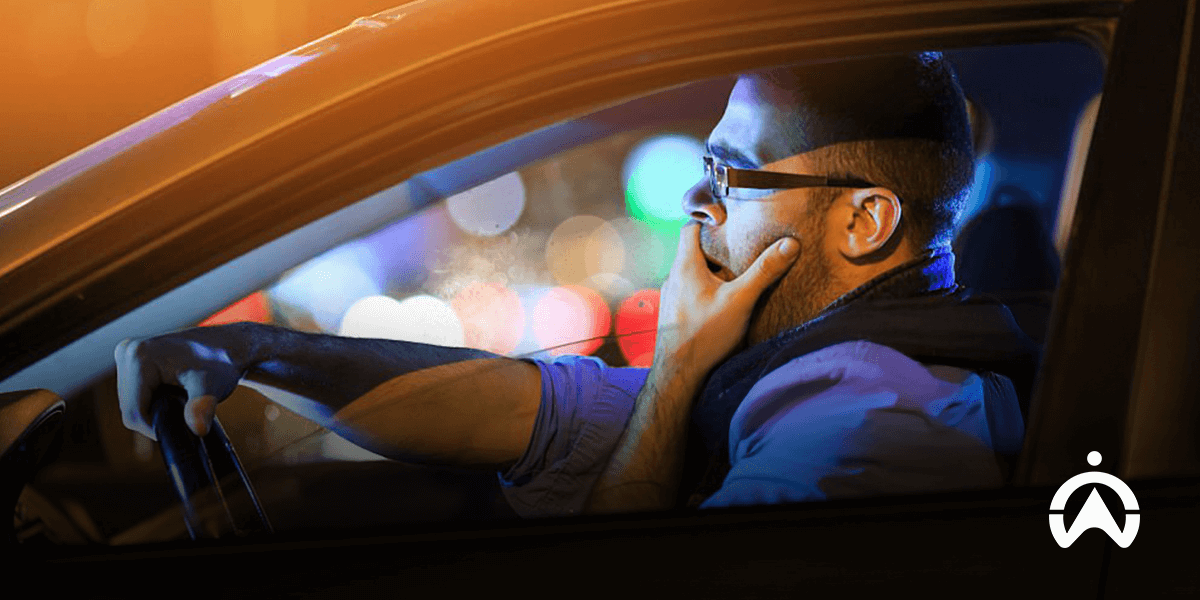
A weary man in a car yawns, illuminated by colorful city lights, conveying tiredness and late-night driving.

Overcorrecting or Jerky Steering

There are many reasons to stay vigilant on the roads in Kenya, from wayward pedestrians to unexpected potholes. Some drivers often overreact to these scenarios, making sudden decisions on the road. Sudden steering or overcorrecting affects other drivers on the road who are then forced to make immediate decisions due to the unexpected nature of this driving error.

Let’s be real, potholes are not going anywhere any time soon and we all know that. The best we can do is drive carefully and make sure we are observant of the roads we are on, especially at night. By doing this, we can reduce the number of times that we are forced into sudden situations where we have to make rash decisions.

How Driving Mistakes Will Cost You

Driving badly on the roads has many consequences that will affect you, both in the short term and the long run. Some of the mistakes made above may seem minor and inconsequential but there are real-world effects and ramifications, let’s see what some of them are.

Legal Consequences

All drivers know that violating road rules leads to fines when caught in the act. What some may not know is how high some of these fines can be. Here is a list of some fines for typical traffic violations:

Fines and Penalties

VIOLATION PENALTY
Reckless driving and driving under the influence
Using a Mobile Phone While Driving KSH 2,000
Careless driving KSH 5,000- KSH 10,000
Driving under the influence KSH 10,000
Road traffic signs
Failure to stop at a pedestrain crossing KSH 3,000
Driving on pedestrian pavements KSH 5,000
Speeding over limit
1 km/h to 5 km/h Warning
6 km/h to 10 km/h KSH 500
11 km/h to 15 km/h KSH 5,000
16 km/h to 20 km/h KSH 10,000
Passenger Offenses
Boarding at undesignated stops KSH 1,000
Failure to wear a seat belt KSH 500
Motorcycle: Riding without protective gear (helmet and reflective jacket) KSH 1,000

Financial Implications

Another way in which driving mistakes can cost you as a driver is financially. Repairs, buying a new vehicle, and increased insurance premiums are unexpected expenses that you will have to deal with.

Fixing minor dents in a car starts at KSH 3,000 and can go well above KSH 15,000. This number can be in the tens of thousands should there be significant damage, especially if the vehicle is from a premium brand.

These financial costs are magnified especially when the car has been written off. Some insurance providers will not pay off the full amount without an excess being paid, which can sometimes be very high. In other cases, the amount received does not match the value of the vehicle and is not enough to purchase a new one.

Risk to Personal Safety

The loss of human life is the one outcome all drivers fear when getting into an accident, whether it be their own life, those they care about or strangers. If convicted, a driver can face up to life in prison for the wrongful death of another motorist or pedestrian. This is compounded by the grief and emotional trauma it will cause to the families of the deceased.
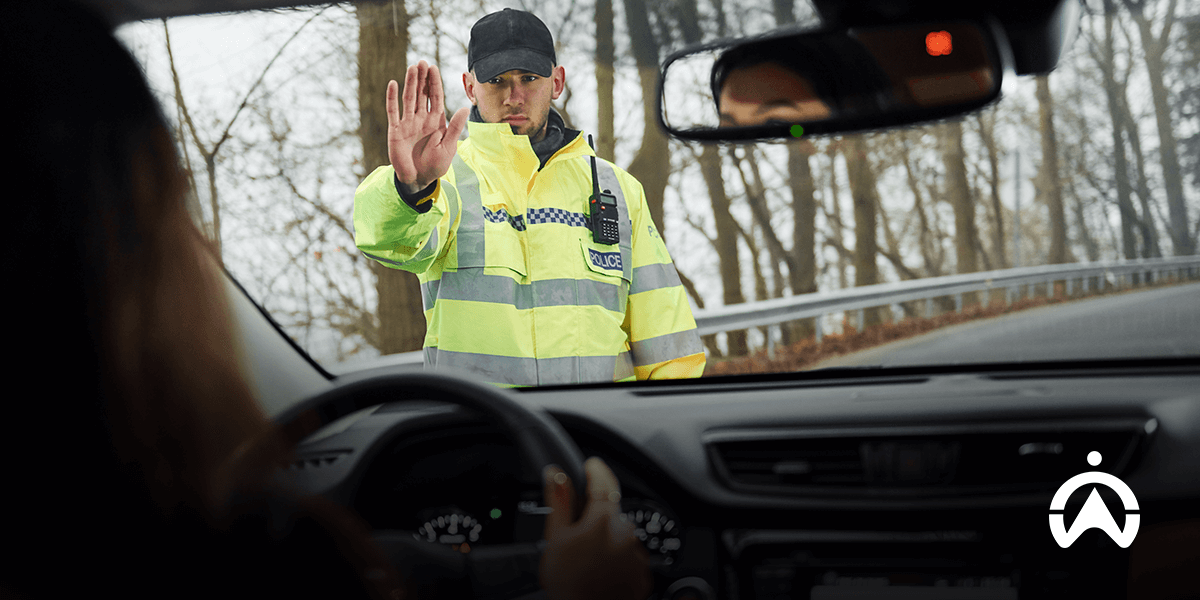
A police officer in a bright yellow jacket signals a stop to a vehicle from the roadside, surrounded by wooded scenery.

How Cartrack Can Help You Avoid Making Driving Mistakes

Driving mistakes are a big problem, but fortunately, they can be addressed. Cartrack provides some solutions to the problems that drivers face on the road. These solutions can help drivers make better decisions and have the tools necessary in the case of an accident.

Here are some solutions that can assist drivers:

Crash Detection

Cartrack has crash detection technology that comes as a value-added service. With this technology, a car is fitted with sensors that detect impact or collisions. This allows them to send alerts to the control room, which will contact the driver to ascertain the severity of the situation.

Emergency Assistance

Cartrack Protector is a feature that clients can take on, it allows them to receive emergency assistance in the case of an accident or other misfortune on the road. This can range from ambulances, roadside assistance, tyre replacements and towing. Terms and conditions apply.

Driving Analytics

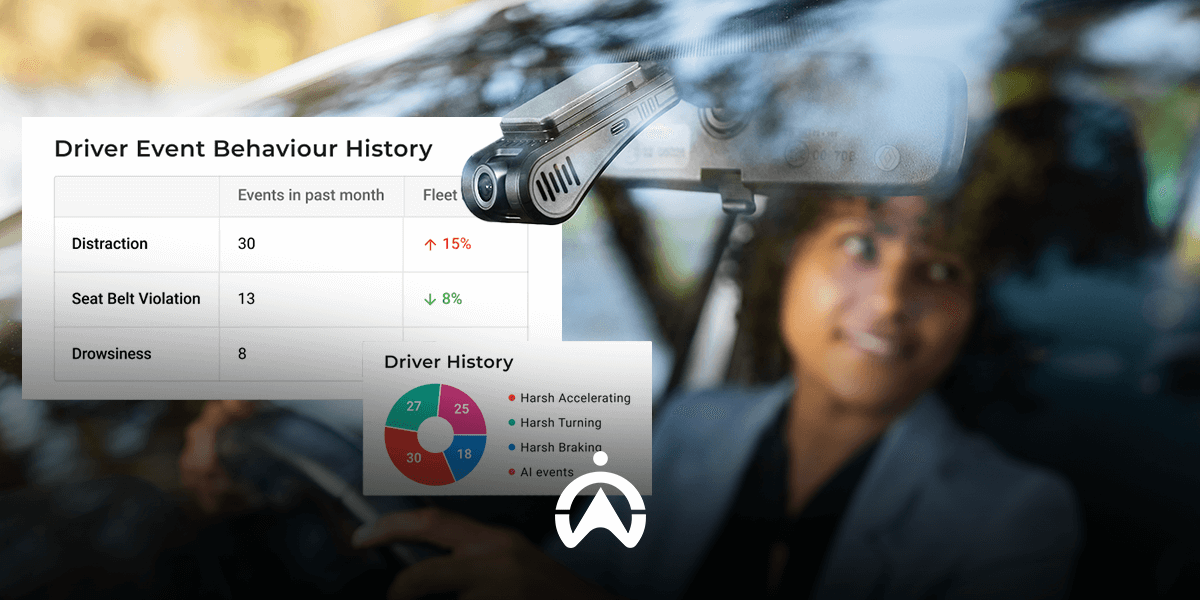
With the Cartrack mobile app, drivers can see analytics of how well they drive. The app tracks and reports on driving events such as harsh braking, harsh turning, and speeding to name a few. This allows drivers to see where they are making mistakes and understand where they need to improve.

Dashcams

When accidents occur, it can be hard to prove who was in the wrong. Luckily, we have dashcams that you can install as part of your vehicle tracking package. These will record all the journeys you take and provide proof should any roadside altercation occur. This is useful for insurance and legal purposes.

We all make mistakes every once in a while when on the road, it is human nature, after all, but what’s important is what we do about it. Putting precautions in place to mitigate these odds is the best way forward, and with Cartrack at your side, this is easier to accomplish.

Get the best in vehicle tracking and stolen vehicle recovery from a provider with an average of over 90% recovery rate, contact us to learn more about how we can make driving safer for you.
Car Hijacking vs Car Theft: Comparing Risks and Safety Solutions

Vehicle owners face various threats on the road, including the risk of car theft and hijacking. While both crimes result in the loss of a vehicle, they differ drastically in how they happen and the dangers they pose to victims.

Hijackings often involve violent confrontations, whereas car theft typically occurs when the vehicle is unattended.

Today we compare the two crimes and discuss potential safety solutions. We will also explore ways Cartrack solutions can help mitigate risks associated with car hijacking and car theft.

In this article, you will:

  • Understand the key differences between car hijacking and car theft
  • Explore the risks associated with both crimes
  • Learn about the latest trends and tactics used by criminals to hijack or steal vehicles
  • Find practical solutions and tips on how to protect yourself and your vehicle from car theft and hijacking
  • Discover how Cartrack’s solutions can help mitigate these risks

Risks Comparison: Car Hijacking vs. Car Theft

At first glance, car hijacking and car theft may seem similar since both result in vehicle loss. However, there is one key difference that separates the two: human contact.  

In car hijacking, the hijacker and the victim will interact; criminals usually use threats and violence to gain access to the vehicle. In a vehicle theft situation, however, there isn’t direct human contact since access is achieved in the vehicle owner’s absence. As a result, hijackings often leave victims with physical injuries and severe emotional trauma, even if they survive the ordeal.

The table below compares the risks of car hijacking and car theft:

Risk Car Hijacking Car Theft
Personal Harm Victims are at direct risk of physical injury or death due to violent confrontations. Less likely to involve physical harm.
Emotional Trauma Victims are more likely to experience emotional trauma, such as post-traumatic stress disorder (PTSD) and anxiety, from the violent nature of hijacking. Emotional distress from losing a vehicle, but less traumatic than hijacking.
Financial Loss Significant financial losses due to vehicle damage, medical costs, and theft of personal items. Financial loss from the stolen vehicle and personal items, but with less likelihood of physical confrontation.
Increased Car Insurance Premiums Due to higher risk, especially in high-crime areas, insurance premiums may increase. Insurers assess your location, vehicle, and any security measures you’ve taken. Car insurance premiums may increase based on vehicle value and how common car theft is in your area.
Identity Theft Increased risk of identity theft from access to personal documents and cards during hijacking. Risk of identity theft from stolen personal items, such as wallets or IDs.

The Latest Trends in Car Hijacking and Theft: What You Need to Know

Criminals are becoming more advanced each day by using sophisticated equipment and techniques to get your car. It is important to know how they think and which methods and equipment they use so you can protect yourself and your vehicle.

To increase their chances of success, criminals often monitor their targets for days or weeks, observing their movements and routines, before executing a hijacking or theft.
‍

Criminals use advanced equipment and techniques such as:  

  • Relay attack devices: Criminals use these tools to capture and amplify signals from a key fob, allowing them to exploit keyless entry systems to unlock and start a vehicle without the actual key.
    ‍
  • Signal jamming: Criminals use signal jammers to block communication between the key fob and the vehicle, preventing it from locking or unlocking.
    ‍
  • Lockpicking: This is a technique where criminals manipulate a vehicle’s locks to gain access without needing the original key.
    ‍
  • Cloning key fobs: Criminals copy the unique signal from a key fob to create a duplicate so they can access the vehicle.

Here are some tactics they use to steal and hijack vehicles:

  • Carwash tactic: Criminals target drivers at car washes, taking advantage of the moment when vehicles are left unattended during cleaning.  
    ‍
  • Tap-tap tactic: Hijackers gently bump into a vehicle at a stop sign or traffic, prompting the driver to exit and inspect the damage, making them vulnerable to hijacking.
    ‍
  • Blue light impersonation: Hijackers may use flashing blue lights to impersonate police vehicles, coercing drivers to pull over in isolated areas.
    ‍
  • Open-the-gate-hijacking: Criminals often follow drivers to their homes or other locations, hijacking them while they wait for the gates to open.
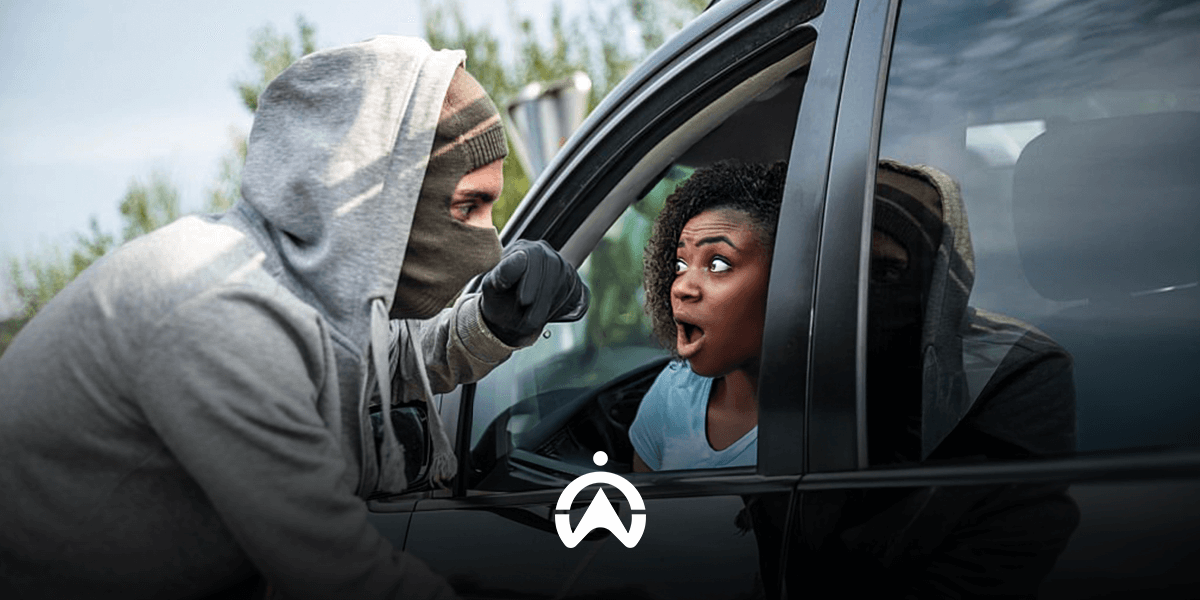
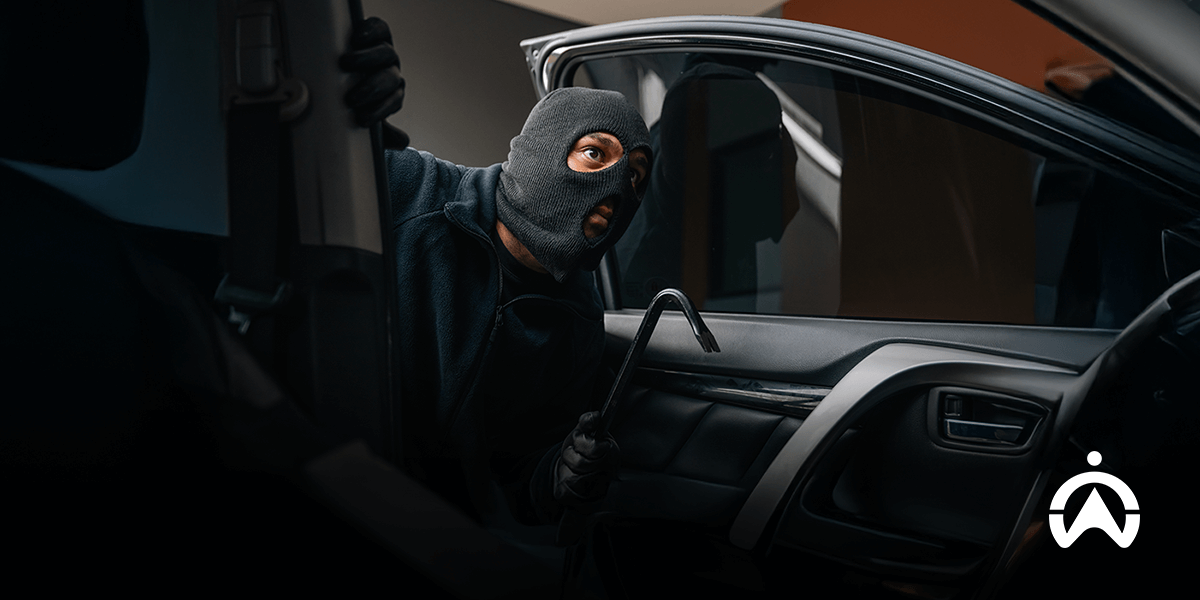
A masked burglar is attempting to break into a car with a crowbar, peering cautiously inside.

Effective Solutions to Prevent Car Theft and Car Hijacking

While hijacking and vehicle theft can never be fully eliminated, investing in preventative solutions significantly enhances vehicle and personal security.

Key Features to Prevent Car Theft and Hijacking

Car Theft:

  • Immobilisers: Prevents the vehicle from starting without the correct key.
    ‍
  • Steering wheel locks: These act as a physical barrier that prevents criminals from turning the steering wheel, which means they won’t be able to drive off.  
    ‍
  • Alarm systems: When someone tries to gain unauthorised access to the vehicle, the alarm sensors will trigger loud alerts, which can help distract and deter a criminal from stealing the vehicle.  

Car Hijacking:

  • Panic button: A discreet panic button can send alerts to emergency services or your car tracking service provider, enabling them to help you immediately in a car hijacking situation.

How to Respond to a Car Hijacking or Theft Situation

Knowing how to respond when your vehicle is stolen is essential for your safety and can enhance the chances of recovery. Always remember that your life is more precious, so do not try to confront criminals. Instead, follow these steps:

What to Do During and After a Car Hijacking

  • Comply with the hijackers’ demands, hand over your keys, and avoid reaching out for belongings.  
    ‍
  • Avoid making sudden movements and direct eye contact with the hijackers, as this may aggravate them.
    ‍
  • Try to gather information discreetly, such as how many hijackers there are, their outfits, how many firearms and weapons they have, and what language they speak. Also note the direction they drove off to and all your belongings that were left in the car. This information will be provided to the police to help with the investigation.  
    ‍
  • After they have sped off, immediately call the police and your tracker service provider so they can assist in recovering the vehicle. Most tracking companies, like Cartrack, offer stolen vehicle recovery services to help recover a vehicle if it gets stolen or hijacked.
    ‍
  • Contact your car insurance provider once you have the case number from the police to start the claims process.  

What to Do During and After a Car Theft

Imagine you’re at the mall running errands when you suddenly realise that your car is missing. Whether you have a tracking device or not, it is important to act quickly. If you do have a tracking system, you might receive alerts from your mobile, indicating potential tampering with your vehicle. However, even without such alerts, every moment counts in recovering your vehicle.
‍

Here are the steps to take:

  • Remain calm and avoid confronting the criminals.
    ‍
  • Immediately contact your tracking service provider, if you have one.
    ‍
  • Report the theft to the police as soon as possible. You will need to visit the police station in the jurisdiction where the theft occurred and provide the necessary documentation.
    ‍
  • Check for witnesses or the CCTV footage, which could serve as crucial evidence.
    ‍
  • Contact your insurance provider to start the claiming process.
    ‍
  • Follow up with your tracking service provider, the police, and your insurer for any updates.
A police officer stands with a baton, watching as a hooded figure attempts to break into a parked car in a parking lot.

Why Cartrack is Your Best Defense Against Car Hijacking and Theft

At Cartrack, we are committed to protecting you and your vehicle at all times. In January 2025, Cartrack successfully recovered 1,402 vehicles. We worked closely with law enforcement, leading to the arrest of 42 suspects, the recovery of 13 firearms, and the confiscation of 12 jammers. This further highlights our commitment to reducing crime in the country.
‍

We offer a range of products and services to help protect your vehicle from theft and assist you in hijacking situations.

  • Stolen vehicle recovery: Cartrack is an industry leader in car tracking and stolen vehicle recovery, boasting an average audited recovery rate exceeding 90%. We have highly trained recovery response teams all over Kenya and neighbouring countries, which work alongside local police, ensuring that stolen vehicles are recovered quickly.
    ‍
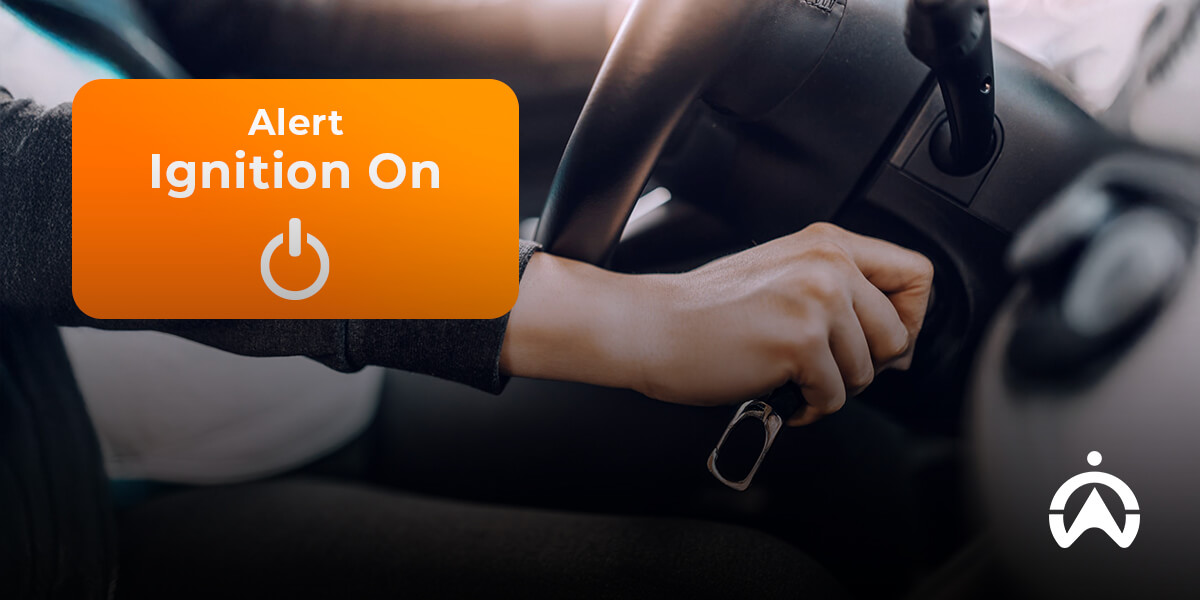
  • Power event notification: If your vehicle battery is disconnected, which suggests tampering, you will receive a notification on the Cartrack mobile app. This will encourage a swift response to investigate the alert, which could prevent potential theft or damage.
    ‍
  • Panic button: If your Cartrack subscription includes a panic button, press it if possible in the event of a hijacking. This instantly sends a silent alert to Cartrack’s 24/7 control room. An operator will immediately contact your fleet manager or emergency contact to investigate and provide assistance if necessary.  
    ‍
  • Jamming detection: Cartrack offers signal-jamming detection as a value-added service. In a hijacking situation where a criminal uses a jamming device to block communication between the tracking system and the cellular network, Cartrack can switch to RF frequency, which enables us to continue communicating with the vehicle.  

The main benefits are:

  • GPS allows accuracy down to 3m.
    ‍
  • The backup battery unit can power the unit for up to 2 days; therefore, tracking your vehicle for maximum time.
    ‍
  • Up to 3 years of battery life expectancy.
    ‍
  • CarWatch: This is a value-added feature that acts as a virtual car guard, providing an extra layer of security for your vehicle. Activated via the Cartrack App, it uses the installed telematics device to detect any unauthorised movement. This feature offers peace of mind, especially for vehicles parked in public areas or left unattended for extended periods.

    Imagine your vehicle moving unexpectedly while you’re at the mall, which could indicate theft. With CarWatch, you’ll receive instant alerts on the app, notifying you of this action. Our 24-hour control room agents will immediately contact you to investigate, ensuring a swift response and recovery if you confirm that the movement is unauthorised.
    ‍

  • Geofencing alerts: On the Cartrack App, you can set up virtual boundaries around specific areas you or your loved ones frequent, such as the local mall. You will receive instant alerts should the vehicle be outside these areas. For example, if your partner borrows your car to run a quick errand at the mall but gets hijacked on the way, you will be notified when the vehicle exits the designated area. This alert lets you quickly assess the situation and contact authorities to investigate and assist.

In closing, while it is impossible to eliminate the risk of hijacking and theft completely, investing in Cartrack’s solutions can help you respond quickly when it happens. Our advanced solutions provide real-time monitoring, recovery services, and other enhanced security features that help safeguard you and your vehicle.

Contact Cartrack today to learn more about our services.

Frequently Asked Questions About Cartrack Solutions

Q: Can Cartrack track a motorbike or scooter?

A: Yes, Cartrack offers tracking solutions for motorbikes, scooters, and other vehicle types, ensuring that they are just as protected as cars and trucks.

Q: Can Cartrack track multiple vehicles at once if I own a fleet?

A: Yes, you can track and monitor your entire fleet on Cartrack’s fleet management platform. This way, you have full visibility of your fleet at all times and will be able to receive important alerts to enhance security and overall vehicle efficiency.

Q: What happens if I don’t have a tracking device when my vehicle is stolen or hijacked?

A: Without a tracking device such as the one from Cartrack, the chances of quickly recovering your stolen or hijacked vehicle are significantly reduced. A tracking system provides real-time location data, which allows authorities to act swiftly and increase recovery chances. It’s highly recommended to invest in a tracking service for your safety.

Quick and Easy Steps to Checking Your Car’s Fluid Levels

Owning a car comes with some responsibilities that can not be negotiated. One of these is vehicle maintenance, especially when a car is getting older.

The simplest car maintenance task you can do yourself is checking fluid levels to ensure they are within the recommended range. Doing this regularly reduces wear and tear on your car, keeping it in good health for longer.

We have put together a simple guide on how to check your car’s fluid levels and how Cartrack’s maintenance solutions can help you.

In this article, you will:

Why Checking Your Car’s Fluid Levels Is Important

We all want a car that always runs smoothly and never suffers any issues, but unfortunately, that is not always the case. Every car will eventually experience one mechanical problem or another. These can compromise vehicle health and roadworthiness, affecting driver and passenger safety.

Your fluid levels can be checked monthly or as recommended based on your vehicle’s age and condition. This process is quick, easy, and requires no special tools; most drivers can take the task on with relative ease.
‍

Here are some reasons why checking car fluids is important:

  • Ensures smooth engine operation
  • Maintains proper transmission performance
  • Overheating is prevented with coolant
  • Enhances braking safety
  • Protects the power steering system
  • Improves fuel efficiency
  • Prevents expensive repairs
  • Enhances resale value

Low or contaminated fluids can cause overheating, braking issues, or engine damage, which may lead to costly repairs. These are all consequences that can easily be avoided with a few maintenance checks on a car every once in a while. Tata Mechanic estimates that a mechanic can charge up to KSH8000 to examine and fix your engine.

These are very large sums of money, especially when unexpected. This is why doing these smaller checks are important, we can assure you that when done correctly, these measures can yield great results for your car in the long-term.

Easy Steps to Checking Your Car’s Fluid Levels

Checking fluids can be done as part of a pre-or post-car inspection, both for daily use and long-distance travel. Let’s go through the steps you need to take when checking your car’s fluids.

Step 1: Park on a Level Surface and Let the Engine Cool

When starting a fluid check, the car must be parked on a stable and level surface with a cooled engine. This ensures accurate readings from the fuel rods and other measuring tools.

We advise switching off the engine and waiting a few minutes before opening the bonnet to start the checks. This will protect you from the steam build-up that will come jetting out of the engine or water tank, which happens when those liquids have not cooled sufficiently.

Step 2: Locate the Fluid Reservoirs

The next step is to identify the specific fluid you need to check or replace. Here is a list of the key fluids that need regular inspection and what the fluid does:

  • Engine oil – Lubricates engine components.
  • Coolant/Antifreeze – Regulates engine temperature.
  • Brake fluid – Ensures proper braking performance.
  • Transmission fluid – Keeps gear shifts smooth.
  • Power steering fluid – Aids in easy and smooth steering.
  • Windscreen washer fluid – Keeps visibility clear.

Most of these can be accessed directly from the engine, with symbols on each to indicate what they are and do. If there is any uncertainty, check your car’s manual for further explanation on where to find these fluids.

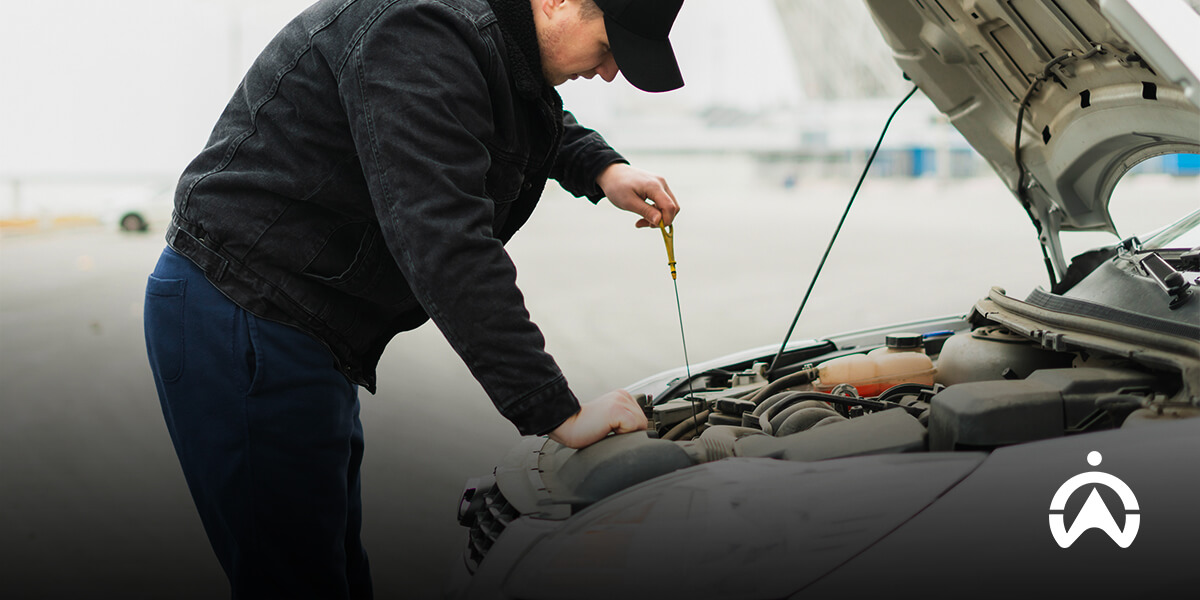
A person in a black jacket and cap inspects the engine of a car with the hood raised, checking the oil level with a dipstick.

Step 3: Check the Engine Oil

One of the easier fluids to check is engine oil. Once the bonnet is open, pull out the dipstick from the engine, wipe it clean, reinsert it, and check the level. The oil level should be between the two marks on the dipstick. If it falls below the lower mark, it needs to be topped up.

It is also important to consider the oil colour and consistency. The darker and grittier the oil is, the likelier it is to need changing.

Step 4: Inspect Coolant Levels

In order to check the coolant level, you must look at the reservoir markings. They will indicate where the coolant needs to be for it to be full. Make sure not to overfill the coolant by going over the “Full” marking.

We must warn you against opening the radiator cap when the engine is hot. This will release heated coolant and gas which may cause severe burns.

Step 5: Examine Brake Fluid and Power Steering Fluid

If you are looking to check brake fluid, look for the brake master cylinder, usually on the driver’s side, where the brake fluid reservoir will be attached. You can check these fluid levels against the “Min” and “Max” marks, this will let you know if you need to top it up or not.

It is important to know that low brake fluid could indicate worn brake pads or a potential leak. This will need to be investigated by a technician in order to get the most accurate prognosis.

Step 6: Assess Transmission Fluid

The best way to check automatic transmission fluid is by using a dipstick. This process will be similar to the brake fluid one, where you check the stick’s markings. The level should be between the “Max” and “Min” markings.

Transmission fluid should be red or pink. A darker colour may indicate contamination or burning, which requires attention.

Step 7: Top Up If Necessary

When topping up fluids, make sure to clean the area and, where applicable, remove components for cleaning. If the fluid appears to be contaminated, then you should drain it and replace it with new fluids.

Engine oil, coolant, and other car fluids can be found at major supermarkets or petrol stations, ranging from KSH 4,500 to KSH 5,700 for 4L of engine oil and coolant from KSH 280to KSH1300 for 1L. This price will depend on the brand and quality of the fluid being purchased, with more premium brands costing more.

Always make sure to use the correct fluid type as specified in the owner’s manual. This should also be the case when replacing fluids or topping them up.

Check your dashboard after doing these changes and make sure none of the lights are on, as this could indicate that one of the fluids is still low.

Cartrack’s Smart Vehicle Maintenance Solutions at Your Fingertips

Keeping track of fluid checks can be challenging amid a busy schedule, however, it is important to do so if a driver wants to avoid getting into a car accident. Fortunately, Cartrack has features that can assist with this problem.

Here’s what we have on offer to help:

Comprehensive Vehicle Tracking Solutions

Cartrack’s advanced car tracking system does more than just monitor your car’s location, it comes with a host of solutions to help with car maintenance. Our technology has built-in telematics and vehicle diagnostics, all of which are meant to give accurate reports on driver behaviours that might influence vehicle health.  

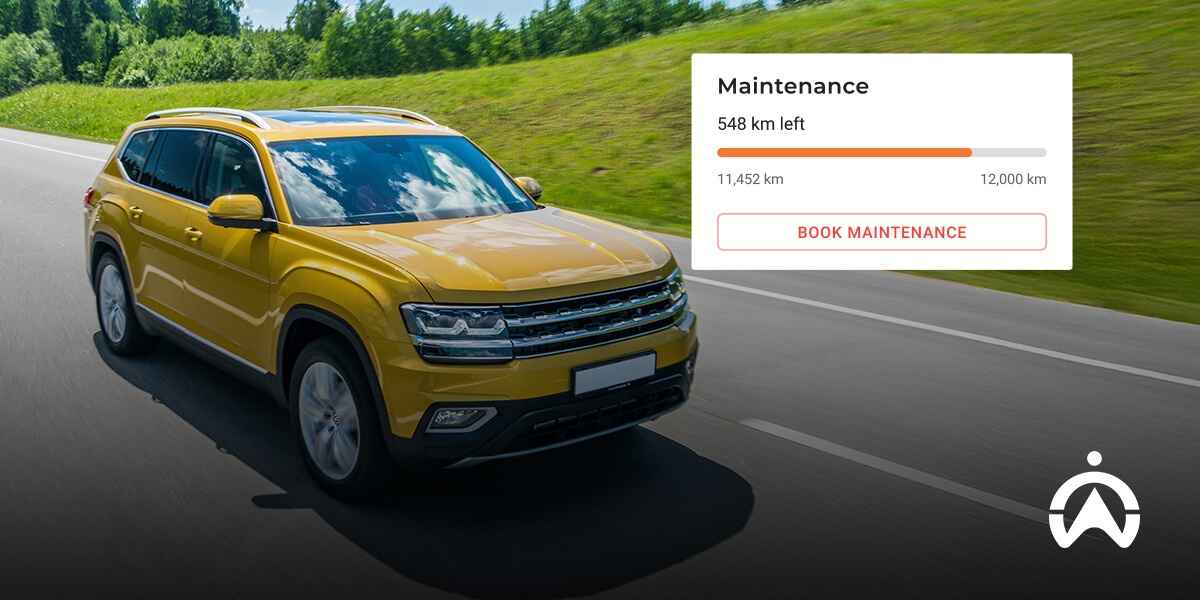
A yellow SUV drives on a road with a maintenance reminder showing 548 km left until service is due.

Real-Time Vehicle Diagnostics for Proactive Maintenance

Unexpected breakdowns can be both inconvenient and expensive. This is why receiving early warnings is important, as it allows you to address minor issues before they escalate into costly repairs.

Cartrack’s vehicle diagnostics provide real-time alerts on key vehicle health indicators, fluid level detection depends on your vehicle’s CAN bus compatibility with telematics. The alerts can be for:

  • Low fluid levels (oil, coolant, brake fluid)
  • Battery health warnings
  • Engine performance issues
  • Potential mechanical faults

Checking your car’s fluids with this system in place is much easier as you will now have a more comprehensive view of all the factors affecting your car’s overall health.

The Cartrack App: Your Personal Vehicle Assistant

Whether you drive a brand-new car or an older model from your grandparents, our app ensures you will never miss a critical maintenance check. With the mobile app, keeping up with car maintenance has never been easier. The app provides:

  • Maintenance reminders based on mileage and service history
  • Instant alerts for low fluids or urgent mechanical issues
  • Detailed vehicle health reports to track long-term performance

Having this technology at the tip of your fingers makes it easier to stay on top of all car maintenance. These can be sent to you as reminders and come as reports as well so you have an overview of what is happening in your car.

Keep Your Car Running Smoothly With Regular Fluid Checks

Your car will not always run smoothly, but there are things you can do to help. Doing regular fluid checks and changes is one of the things that you can do, it is fairly simple and does not require technical skill. What is important is that they are done early or as soon as there is an indication that something is wrong.

With Cartrack, these issues are a thing of the past. Our offering provides full diagnostics and gives you alerts when something is wrong. If this sounds good to you, then contact us to learn more about what we can do for you.

7 Most Common GPS Tracking Problems

GPS tracking systems are essential for every motorist or fleet business. They offer numerous benefits, such as personal safety and continuous updates that help businesses keep track of productivity. However, as reliable as they are and like any other form of technology, GPS tracking systems also come with a few challenges that can have significant implications. Understanding these issues and how they may affect you is essential.

Today, we explore the most common GPS tracking problems and how Cartrack effectively resolves each one to provide you with the best possible service.

In this article, you will:

  • Learn about 7 common GPS tracking problems
  • See how Cartrack resolves each issue
  • Find out why our solutions stand out from the rest

Uncovering the 7 common GPS tracking problems and how to solve them

GPS tracking issues can lead to a wide range of consequences, such as delayed emergency responses, resource wastage, loss in revenue, and legal implications. Before choosing a service provider, you must know the possible challenges and what solutions they have to overcome these obstacles.

Here are 7 common GPS tracking problems and the measures we take to overcome them:

1. Connectivity and signal issues

Cause:
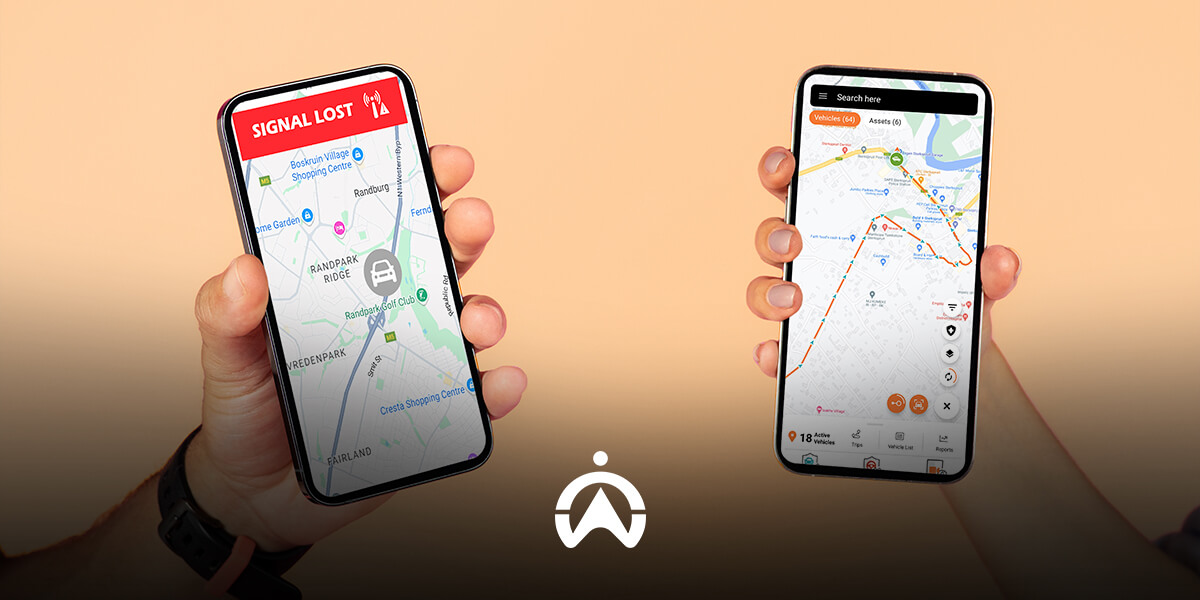
GPS tracking devices usually consist of two modules. A GPS model that connects to satellites to determine the vehicle’s location and a GSM module that relies on a SIM card and cellular network to send location information to the GPS tracking platform. This means if you are in a remote area, where the mobile signal is weak, some updates might be missed or very delayed.

Additionally, GPS signals can penetrate through materials like glass and plastic but are obstructed by dense structures such as concrete and metal. For a GPS module to function properly, there must be a clear view of the sky. For this reason, signal loss may occur when vehicles go through tunnels or tall buildings. Severe weather conditions, such as heavy rain, may also affect the signal.

Solution:
Cartrack’s GPS system utilises cloud-based technology to provide precise, real-time location updates, ensuring seamless monitoring even in challenging environments. Our vehicle tracking system gives you nationwide network coverage.

When you are in an area with little or no coverage, there will be no missed updates as the unit will continue to record up to 5000 data points (location, speed, etc.). This ensures continuous tracking even in challenging environments. Once the signal is back, you will receive all the data you need about what was happening in that area.

2. Cross-border tracking issues

Cause:
As mentioned in the previous point, a GPS tracking system heavily relies on cellular and satellite communication to function effectively. Due to international roaming restrictions, many GPS tracking systems stop working or experience limited functionality when vehicles are outside the country. This can be troublesome for businesses such as logistics companies that have drivers who frequently travel in and out of the country.

Solution:
The Cartrack GPS tracking system is globally compatible and supports international roaming. This feature ensures continuous and accurate tracking across borders for both individuals and businesses if you choose this package. It also enables us to recover vehicles that are stolen and then smuggled out of the country.

3. GPS device malfunctions or hardware failures

Cause:
Some tracking devices are built using low-quality materials. This results in them being fragile and prone to external factors such as extreme temperatures, blown fuses, and general wear and tear that can affect functionality. It also means that they constantly need to be replaced, which can be costly. Additionally, faulty wiring during installation may cause device malfunction.  

Solution:
A tracking unit with durable hardware. Cartrack’s GPS tracking devices are built with robust hardware that is weatherproof and can withstand wear and tear. We produce devices that are manufactured in-house with high-quality materials to ensure you get the best out of your device and prevent hardware failures. Our skilled technicians ensure smooth and professional installations to avoid inaccuracies caused by faulty wiring.

We also have a Lifetime Maintenance Warranty as a value-added service. This option comes with unlimited repairs and no call-out fees on our tracking unit. Clients can also call in at any time to test-check their devices and ensure everything is still in good working order. We monitor device performance in real-time, alerting users to any potential issues.

4. Signal jamming and interference

Cause:
In an effort to prevent the ability to locate a vehicle, criminals use signal-jamming devices to block or interfere with radio communications, such as GPS tracking systems. As a result, if your vehicle is stolen, the recovery service will not see where it is and therefore cannot recover it. It also gives the criminals more time to search for the device and cast it away.

Solution:

One of our newest innovations to tackle this issue is the Cartrack-Tag. When paired with a Cartrack tracking device, the Cartrack-Tag can detect and alert our control room services of any signal interference that may occur when a vehicle has been stolen. Through this powerful technology, we are still able to find your vehicle despite the attempts made by criminals to block us from receiving information.

5. GPS device tampering

Causes:
GPS tracking devices that are not strategically hidden can be easily located and tampered with. Common reasons for tampering are for employees to evade monitoring, for criminals to be able to steal vehicles, or for hackers to manipulate GPS tracking data for illegal activities.

Solution:
Cartrack’s devices are designed for discreet installation in hard-to-reach areas, reducing the risk of tampering. Our technicians are trained to perform fitments that are as close to tamper-proof as possible. As an extra layer of protection, we also have power event notifications that send an alert if your vehicle battery is disconnected, which could indicate some sort of tampering.

Our control room agents will get instant notifications, call you immediately, and then take the necessary steps to safeguard your vehicle.

6. Software glitches and compatibility issues

Causes:
Technical glitches are common with every software. In the vehicle tracking industry, they can lead to data inconsistencies and huge delays. These glitches are caused by outdated software, fleet management tools that do not work directly together, or technical bugs that can cause system failures. For example, if the data on a fleet management platform is outdated, fleet dispatchers may not receive live updates. This results in drivers getting dispatched for delivery jobs that are further than the ones that they are closest to.

Solution:
Cartrack ensures that all devices and software are regularly updated for optimal performance. Cartrack’s software undergoes regular updates to maintain optimal performance, prevent glitches, and ensure seamless fleet operations.

Our fleet management solutions are integrated, which means all our solutions can be found on one platform. We also have technical support and a customer service line that is available throughout the day to troubleshoot and resolve any possible software or compatibility issues you might encounter.

7. Overwhelming amount of data or alerts

Cause:
Constant GPS tracking updates can result in an overload of data. This makes it difficult for users to manage and prioritise information. Some alerts are irrelevant to a specific user, which leads to the person ignoring all notifications and missing the critical ones.

Solution:
Our platform allows users to customise alerts so they get notifications and updates that are only specific to their concerns. For example, a big concern in fleet management is driver behaviour. Fleet managers can set up alerts on speeding to ensure drivers are practising safe driving habits on the road. We also have a user-friendly dashboard that helps our customers easily filter and prioritise data, making tracking more manageable.

An additional GPS tracking problem that service providers need to look into is privacy concerns

As GPS tracking data has become more advanced over the years, so has the information it can provide about one’s personal life. Many users worry about how their sensitive information is collected, stored, and used. Improper handling of tracking data can lead to privacy violations and security risks.

Cartrack prioritises your privacy. We are fully POPIA compliant, guaranteeing your personal data remains secure. We employ end-to-end encryption and uphold a strict policy against sharing your information with external parties.

Avoid the common GPS tracking problems with Cartrack solutions

In conclusion, a GPS tracking device is an invaluable tool for improving vehicle security and operational efficiency, but common issues can cause disruptions that may jeopardise the safety of people and vehicles in critical situations.

These inconveniences may also lead to costly errors for businesses. It is important to choose a vehicle tracking service that can manage and overcome these challenges so you can get the best possible experience and value for money.

Cartrack’s advanced GPS tracking solutions address these issues, providing reliable, real-time tracking, secure installations, and cost-effective preventative measures to keep vehicles safe and business operations running smoothly. Join our over 2 million subscribers and experience unparalleled vehicle security and tracking reliability.

Want to know more about common GPS tracking problems? Take a look at these frequently asked questions

What is the most common cause of a GPS location error?

The most common GPS location error is satellite blockage due to obstructions such as trees, tall buildings, and mountains. They prevent satellite signals from directly reaching the receiver (e.g., a vehicle tracking unit). This causes delays in location updates and inaccuracies.  

Why is my GPS tracker not sending the location?
A GPS tracking device may not send a location update due to poor signal, such as when in a remote area. Other reasons for this could be device malfunctions, battery failure, or software updates. Ensure that you contact your service provider as soon as you notice to find the root cause.

How to improve GPS tracking?
Choose a GPS tracking service that provides high-quality devices and has backup plans in place for issues that may arise. Regularly update your software to ensure that the information is always accurate, and filter your alerts so you only keep track of the thing you are interested in.

Cartrack gives you GPS-tracking solutions you can rely on

Ensure that you secure your vehicle(s) with a trusted GPS tracking service provider that can tackle any issue. Contact us today!

What are the True Costs of Fleet Accidents

Many assume that accident-related costs are limited to vehicle repairs and insurance claims. However, these incidents involve hidden expenses that can negatively affect a business’s bottom line.  

When a company vehicle is involved in an accident and the driver or the vehicle’s mechanics are found to be at fault, the business may be held liable for covering medical expenses and other related costs. In some cases, the company may also be responsible for property damage and legal fees. Over time, these costs can accumulate, leading to a substantial financial burden for the business.  

Beyond these direct costs, the company is most likely to experience reputational damage, leading to a significant decline in customer trust and loyalty. A company with a reputation for unsafe driving practices may struggle to maintain long-term customer relationships.

Let’s explore the true costs of fleet accidents and how Cartrack’s fleet management solutions can help businesses mitigate them.

In this article, you will:

  • Know the implications of fleet accidents
  • Learn how to protect operations from fleet accident losses
  • Understand how technology can help prevent fleet accidents
  • Discover how Cartrack fleet management solutions can help mitigate the costs of fleet accidents

What Are the Financial Implications of Fleet Accidents

Fleet accidents have implications that go far beyond immediate repair costs. Understanding these consequences is crucial, especially when looking to mitigate financial losses and protect the business’s reputation.

What are the real expenses associated with fleet accidents

  • Vehicle repair and replacement costs: When a vehicle is involved in an accident, the starting point will be to get the vehicle fixed. This means buying new parts to replace the damaged ones and paying the mechanic handling the repairs.
    ‍
  • Medical and liability expenses: Companies may cover medical expenses for those injured and, depending on the situation, offer compensation for additional damages or losses.
    ‍
  • Increased insurance premiums: If fleet vehicles are frequently involved in accidents, insurance companies may classify the business as high-risk, leading to higher premiums, which can affect profitability over time. In 2023, commercial trucks accounted for 1,170 deaths in Kenya. This highlights the elevated risk profiles of fleets, making them more likely to face increased insurance costs.

Beyond the immediate costs, fleet accidents also generate substantial legal and reputational issues, adding further pressure to the business.

Legal implications of fleet accidents

  • Legal consequences and liability: Fleet accidents can expose the company to lawsuits, whether for personal injury, death, or property damage, leading to substantial legal costs.
    ‍
  • Regulatory penalties: An accident involving a company vehicle is often investigated. If authorities find fault in the driver’s behaviour or the vehicle’s condition, the company may be liable to pay fines and penalties for violating traffic laws.
    ‍
  • Insurance disputes and legal fees: Insurance claims investigations can take months to resolve, especially for complex cases. This often requires legal assistance, adding further expenses that impact the company’s cash flow.

Reputational implications of fleet accidents

  • Public perception and brand damage: Frequent accidents, particularly those with severe consequences, could negatively affect a business’s reputation. In the digital age, a viral social media post of a company vehicle involved in an accident can damage the brand’s reputation and deter customers from supporting the business.  
    ‍
  • Customer loyalty and retention: Accidents can negatively affect a business’s operations, resulting in lower customer satisfaction rates. Customers may question associating with a company that frequently experiences accidents and may look for services elsewhere.
    ‍
  • Employee morale and turnover: Witnessing or experiencing a crash can affect the well-being of drivers, leaving them traumatised and less motivated. Drivers may need some time off at work or even counselling, which will further affect operations. If accidents happen more frequently, employees may start to question the company’s commitment to safety and leave for better opportunities elsewhere.  
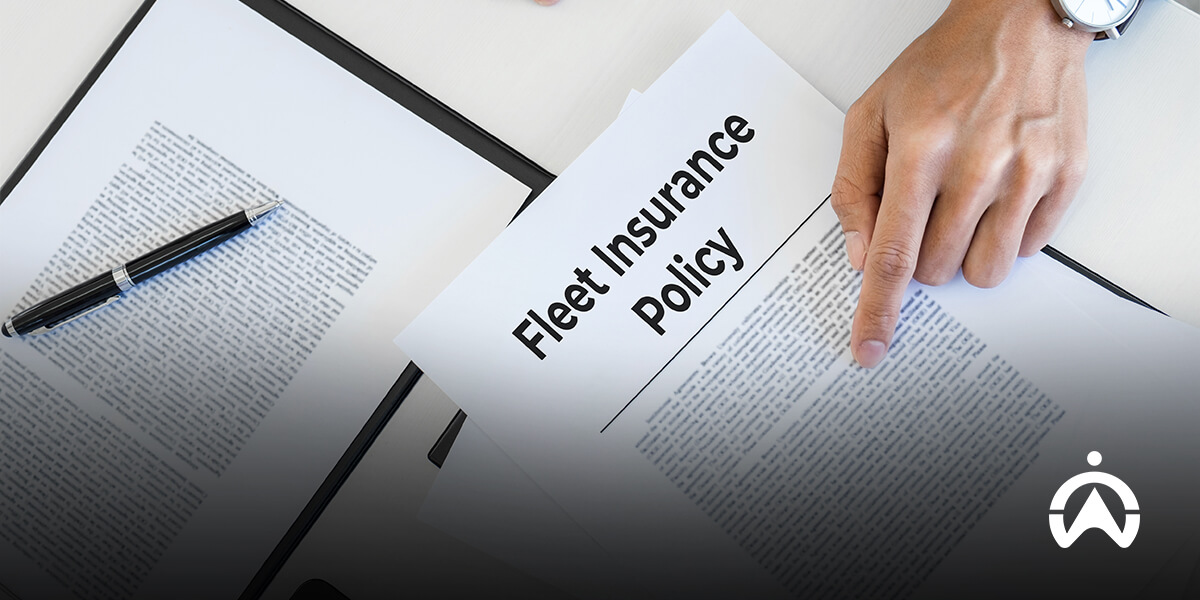
A hand points to a "Fleet Insurance Policy" document on a table, accompanied by a pen and additional papers.

How to protect operations from fleet accident losses

To protect a business from the financial, legal, and reputational losses caused by fleet accidents, managers must have a proactive approach. This means implementing strategies that can reduce the likelihood of accidents and ensure that operations run smoothly should accidents occur. Here are key ways to safeguard the fleet and business from the aftermath of accidents:

Implement Fleet Accident Management for Incident Response and Prevention

Fleet Accident Management (FAM) plays a critical role in minimising the impact of accidents on a business. It enables fleet managers to respond swiftly, manage claims efficiently, and mitigate common accident causes such as risky driver behaviour, distractions, and poor road conditions. By implementing FAM, these issues can be addressed head-on, ensuring better safety practices and reducing downtime, as well as the financial and operational consequences of accidents.

Conduct regular maintenance and servicing

Conducting regular maintenance on the fleet will significantly enhance safety, reduce breakdowns, and minimise downtime, helping save costs in the long run.

A structured maintenance schedule will cover critical things such as wear and tear, tyres, engine health, lights, and other important vehicle components. This will not only ensure vehicle longevity but will also minimise the accidents that are caused by mechanical failures, faulty parts, or poor vehicle handling. Regular inspections and timely repairs help identify potential hazards before they become serious issues, ultimately improving driver safety and maintaining operational efficiency.

In addition to regular maintenance, it is important to get the vehicles serviced on time so that issues can be detected and dealt with in time before repairs become too expensive. Regular servicing ensures that a vehicle’s components are working at optimum levels, which means better performance from all aspects of the vehicle.

Implement driver safety programs

To help reduce accidents, fleet managers can implement driver training programs that will enhance their safety on the road. Driver training programs will empower drivers to follow the rules of the road and avoid participating in unsafe behaviours such as distracted driving, speeding, harsh braking, and tailgating. Practising safe driving helps save on fuel costs and reduces wear and tear on vehicles, making them last longer.

Fleet managers can also host driver incentive programs—reward-based methods to motivate their drivers to continue practising safe driving.

Drivers can be rewarded in the following ways:

  • Monetary bonuses: Fleet managers could reward drivers with cash for outstanding performance.
    ‍
  • Recognition: Drivers could be rewarded with a certificate or trophy monthly, making them “employee of the month”.
    ‍
  • Career development: Managers could also consider promoting drivers who are consistent in their performance.

Rewarding drivers through any chosen method is a great way to keep them motivated and create a healthy working environment.

Review insurance policies and coverage regularly

Regularly reviewing fleet insurance policies ensures that coverage aligns with current operational needs and provides protection against potential risks.

As the fleet or business grows, reassessing insurance needs is important to maintain adequate coverage. This entails examining accident coverage, liability coverage, vehicle damage coverage, and theft coverage so that all areas are fully protected.

Furthermore, staying informed about industry regulations and adjusting coverage accordingly can prevent gaps that might leave the fleet unprotected in the event of an unforeseen incident. This practice helps avoid unexpected financial surprises and supports the continued safety of fleet operations.

Use fleet management solutions and telematics

Incorporating technology such as telematics and fleet management systems can significantly reduce accidents. These technologies allow operators to monitor driving habits and vehicle performance in real-time.

By tracking driving behaviours such as speeding, braking, and sharp acceleration, operators will be able to identify which drivers need training to avoid getting involved in constant accidents.

The systems will alert operators when maintenance is due, which will help prevent breakdowns and accidents caused by malfunctioning equipment. Telematics also help optimise routes through live traffic updates, weather updates, and road conditions, ensuring that drivers stay away from potentially dangerous areas.

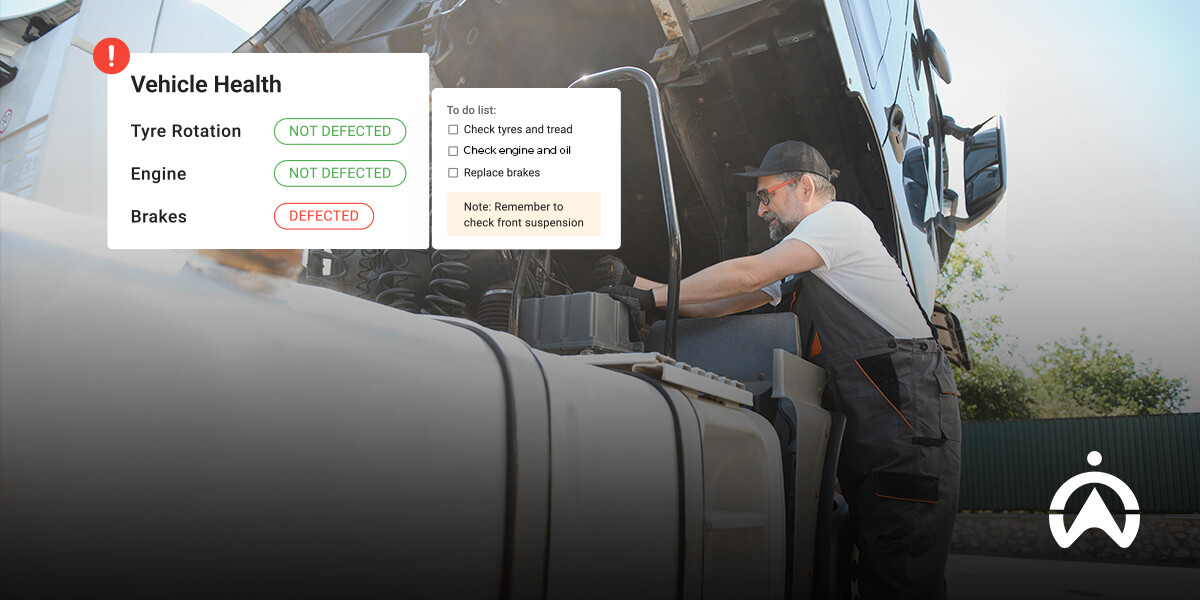
A mechanic inspects a truck's engine while reviewing the vehicle health report highlighting defective brakes and maintenance tasks.

How Cartrack helps mitigate the costs of fleet accidents

Cartrack offers comprehensive fleet management solutions that help businesses prevent and manage accidents, ultimately reducing costs.  

We achieve this in the following ways:

  • Real-time tracking and alerts: Our GPS tracking devices allow managers to track their fleet in real-time, providing full visibility. In the event of an accident, instant alerts are sent to managers, enabling a prompt response during emergencies.
    ‍
  • Driver behaviour monitoring: Our system helps operators monitor driver behaviour by sending alerts every time there are harsh events like speeding, harsh braking, and cornering. With this data, fleet managers can identify drivers that need coaching to improve their performance. This will significantly reduce accident risks and promote safer driving habits.
    ‍
  • Cartrack’s AI-powered cameras: Our AI-powered cameras provide real-time monitoring with in-cabin audible alerts that notify drivers of distractions such as cell phone use, fatigue, smoking, speeding, and other risky behaviours. These alerts help drivers correct their actions immediately, which can help reduce accidents. If an accident does occur, footage can be retrieved and used to prove the driver’s innocence and can be submitted to insurance companies to help expedite the claims process. Managers can use the footage to analyse what happened and provide targeted training to drivers where necessary.
    ‍
  • Preventative maintenance: Cartrack’s system sends alerts to inform managers about any engine faults and when vehicles are due for servicing. By monitoring engine hours and usage, managers can easily stay on top of maintenance needs. This proactive approach helps ensure that the fleet remains in good condition and operates efficiently.
    ‍
  • Crash detection: Our smart IoT device uses g-force technology to detect an accident in real-time, allowing us to immediately send emergency services to the driver’s exact location so help can arrive as soon as possible. Crash detection boosts drivers’ confidence on the road, knowing that protection is available at all times should accidents occur. Companies stand a chance to be assisted sooner during the insurance claims process since all necessary information is readily available through this technology.
    ‍
  • Advanced Driver Assistance System (ADAS): ADAS uses camera-based sensors, intelligent algorithms, and AI technology to enhance driver awareness, increasing driver and vehicle safety. This system alerts drivers of blind spots and gives forward collision warnings.  

In closing, investing in a robust fleet management system can reduce fleet accidents, helping save on hidden costs such as financial, legal, and reputational costs. Implementing driver training programs and conducting regular maintenance ensures that drivers and fleets are safe on the road.  

Ready to safeguard your fleet and save on costs? Contact us today to achieve your business’s bottom line, leaving you with satisfied clients and enhanced profitability.

Frequently Asked Questions about accidents and fleet management systems

Q: What are the main causes of fleet accidents?

A: Factors such as human driver behaviour, poor road conditions, adverse weather conditions, and vehicle faults all contribute to fleet accidents.  

Q: How does the frequency of accidents affect a company’s ability to grow?

A: Frequent accidents can deter a company from growing to its full potential due to all the costs the company will have to pay as a result of these accidents. This means the company will be working at a loss, and its bottom line will be negatively affected.  

Q: How do fleet accidents affect customer satisfaction?

‍A: Fleet accidents can cause delivery delays and service interruptions, and, in some cases, products may be lost and damaged during these crashes. This will negatively affect customers, leaving them dissatisfied and unimpressed with the service.

Roadworthy Test Checklist: What You Need to Know

Keeping your car running smoothly on the road requires regular maintenance. The more you let things slide, the more the damage to your vehicle, and eventually, it might not be good enough to use or sell to anyone.

One way to check the condition of your car is through a roadworthiness test, and we have compiled a checklist that will help you pass the test.

This blog will discuss everything you need to know about roadworthiness and how Cartrack solutions help you stay compliant on the road.

In this article, you will:

  • Learn what a roadworthy test is
  • Find out what should be in your roadworthy checklist
  • Discover how Cartrack can help keep your vehicle roadworthy

What is a roadworthy test?

A roadworthy test, also known as a roadworthy inspection, determines whether the vehicle is safe to drive or not. Every new or used vehicle in Kenya needs to pass a roadworthy test before it can be licensed in the new owner’s name. The inspection is administered by a trained and registered technician, whose job is to ensure the vehicle is safe to use on the road. A roadworthy test can be done at a public or private testing station. Once completed, the vehicle owner will get a certificate that is generally valid for 12 months.

A vehicle that is roadworthy is less likely to have breakdowns, which reduces the risk of accidents. For this reason, the roadworthiness test is a legal requirement to ensure that a vehicle meets the safety standards set by the National Transport and Safety Authority (NTSA). Every vehicle owner must take responsibility for maintaining his or her vehicle regularly. Failing to keep a car roadworthy can also result in fines or penalties if caught by traffic enforcement.

A roadworthy test must be done every time a vehicle changes ownership. If your vehicle is used for public transport or is a heavy-load vehicle (excluding buses), you must take it to be tested for roadworthiness every year before you renew your licence.

The roadworthy checklist every driver needs to know

So how do you know if your car is roadworthy? Well, here are the basic criteria for roadworthiness in Kenya:

  • Identification: The engine number and the vehicle identification number (VIN) must match those on the registration document. There should be no signs of tampering on any of the vehicle identifiers. If the engine has been changed, all associated requirements must be in place and logged on to the National Traffic Information System.
    ‍
  • Braking system: This is one of the most critical safety components in any vehicle because reduced braking efficiency can cause fatal accidents. The owner’s manual for your car should give you an idea of how often you need to replace your vehicle’s brake pads. When preparing for a roadworthy test, you not only need to check the brake pads but the disc and brake fluid levels as well.
  • Suspension and steering: The suspension system is there to maximise the friction between the tyres and the road surface. This helps stabilise the vehicle and makes it possible for the car to handle bumps and dips on the road. It consists of various parts, such as shock absorbers and coil springs, that all play a part in maintaining stability on the road. A car’s steering wheel is also closely tied to the health of its suspension system. Inspectors check the steering wheel and the linkage between the wheel and the rest of your car. Your wheels must be aligned to specifications, and the undercarriage must be free of rust and leaks.
  • Tyres and wheels: Tyres must be the correct size and in good condition; this includes the spare wheel. They should be inflated to the proper pressure and must have a tread at least 1.6mm deep. There should not be any cuts, bumps, or any other form of damage. If your tyres fail the inspection, you will need to have them repaired or replaced before your vehicle can be deemed roadworthy.
  • Lights and basic electrics: All lights must work independently and correctly; this includes headlights, fog lights, brake lights, and indicators. They must be securely fitted, with no signs of water leaking into any of them. Also, check for loose or exposed wiring and that all battery clamps are there.
  • Exhaust and emissions: Check if emission levels meet regulations. There should be no leaks, excessive smoke, or noise coming from the exhaust.
  • Engine and transmission: Your car’s engine should not have any leaks or damage. The engine and transmission mountings must be intact. Additionally, there should be no loose or damaged wirings, and the transmission must be in good working order.
  • Bodywork: Inspectors will also conduct an interior and exterior check on your vehicle. The chassis should not show any sign of weakness and the undercarriage must be free of rust. There should be no structural damage that can cause injury to pedestrians or cyclists. Ensure that all doors, mirrors, and bumpers are secure and correctly positioned and that all of your reflectors are intact.
  • Windscreen and windows: There should be no cracks on the windscreen or any sort of damage obstructing the view. At least one correctly functioning windscreen wiper must be fitted; all windows must open and close properly.
  • Seatbelts and interior safety features: All seatbelts must be fastened and released with ease, with no cuts or damage. Seats must be securely in place. The odometer, hooter, and speedometer must also be in working order.
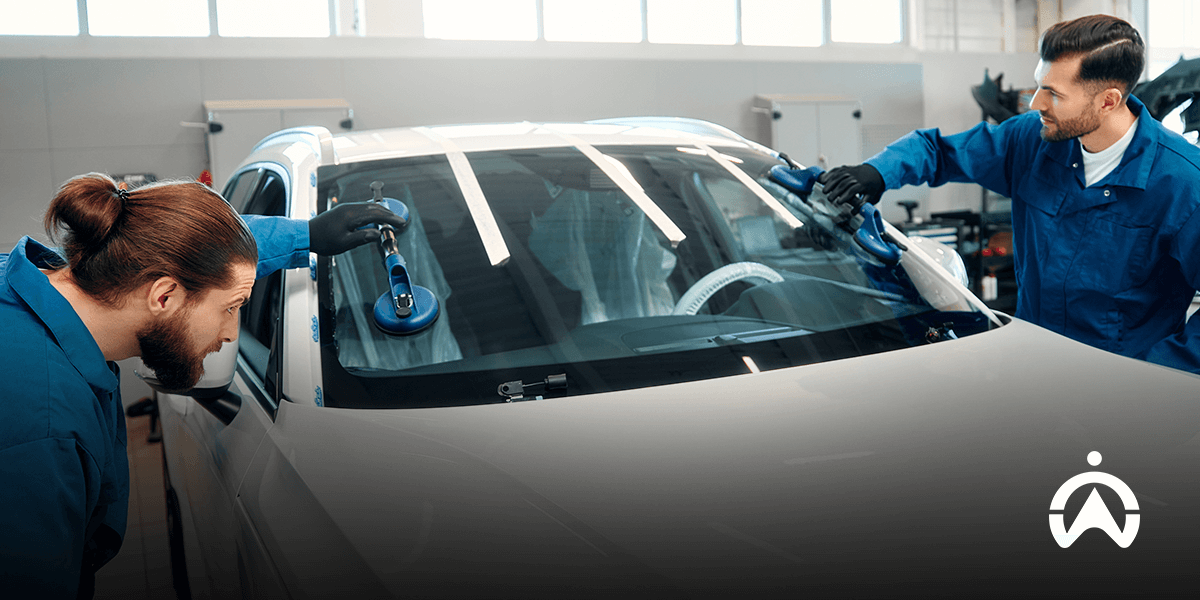
Two technicians repairing a car windshield in an auto shop.

What happens if your vehicle fails the roadworthy test?

If you fail the roadworthy test, you will be given 14 days to fix any defects identified. Once done with the repairs, you must return for a retest to ensure the issues have been addressed. If you fail to complete the repairs within 14 days, you will have to undergo a full inspection from scratch.

How Cartrack solutions help you stay on the road

To ensure that your car remains roadworthy, you need to take care of it on a daily basis. This means improving your driving habits in order to reduce the chances of accidents and vehicle damage. Cartrack not only specialises in location-based tracking; our advanced device also keeps a record of your driving habits. You can log on to the Cartrack mobile app or website to get a full view of driving that could increase vehicle wear and tear, such as speeding, harsh braking, and harsh cornering.

Cartrack also has value-added services that are there to assist you in maintaining or replacing certain car parts, such as:

  • Tyre replacement
    If you need to replace your tyres, you can log on to the Cartrack app and click on the tyres icon to make a request. Our service agents will contact you shortly to find out the size you need and make the necessary arrangements. The replacement can be done in the comfort of your home or at one of our fitment centres. You can also get your wheels aligned while at it.
  • Battery replacement
    If you need a new battery for your vehicle, you can contact your service agents to get a quote and make arrangements. Just like the tyre service, battery replacements are done either at your home or at one of our fitment centres.
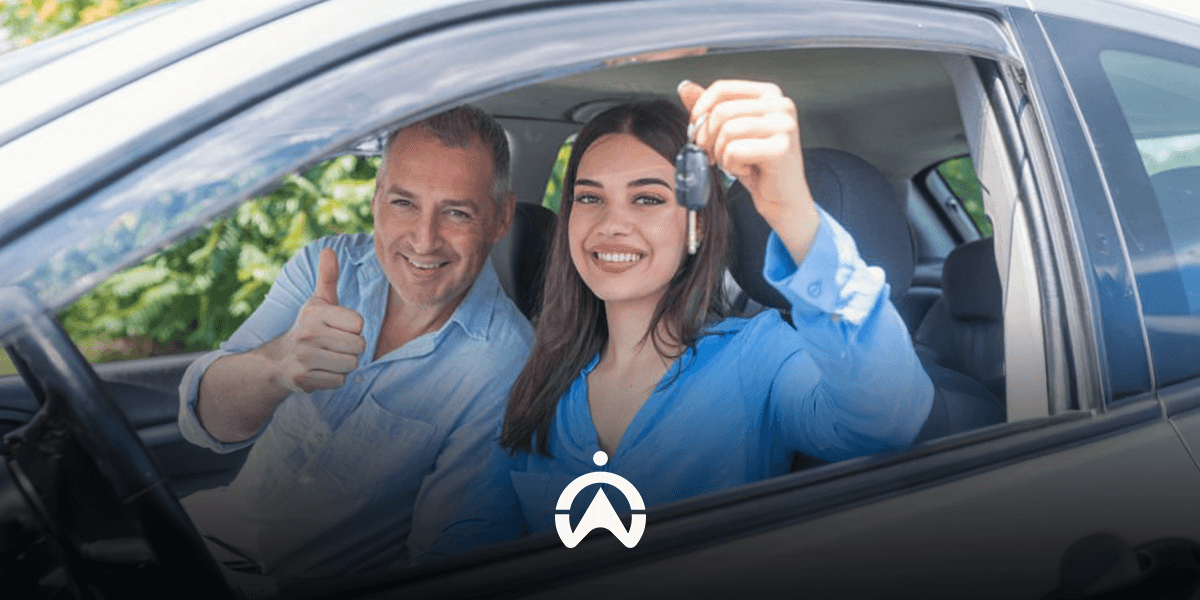
Person holding car keys near a vehicle while giving a thumbs-up gesture.

Keep your vehicle in top shape with Cartrack

Secure your car and keep it roadworthy with Cartrack’s value-added services. Choose a plan that works best for you and enjoy the benefits. Cartrack specialises in stolen vehicle recovery but also caters to almost all your vehicle needs. Join us today and have one less thing to worry about.

Compare Car Tracking Devices: Finding the Best Fit for You

In today’s fast-paced world, keeping your vehicle safe and secure is a priority.  Given the variety of car tracking devices available, selecting one that best meets your needs can be overwhelming.

Each device comes with its own set of features tailored to different needs. Whether you want to track your car’s location in real-time or ensure its recovery in case of theft, it is important to know what to look for when comparing these options.  

In this blog, we will explore different tracking device options and discover how Cartrack’s solutions can benefit you.

In this article, you will:

  • Learn what to look for when comparing car tracking devices’ key features
  • Compare Cartrack’s packages
  • Find out why Cartrack is the best fit for you
  • Explore other important information you need to know about vehicle tracking

What to look for when comparing car tracking devices – key features

Choosing a tracking device tailored to your needs ensures that you are covered in a way that suits your current lifestyle, from advanced GPS technology to user-friendly mobile apps. Understanding these elements will guide you in finding your best fit.

Let’s explore the key features you should keep in mind during your comparison process:  

  • Stolen Vehicle Recovery
    One of the primary reasons to have a vehicle tracking system is to ensure the recovery of your car in case of theft or hijacking. This is where Cartrack’s stolen vehicle recovery (SVR) service excels. We hold the highest SVR rating, with an impressive average recovery rate of 90%, making us one of the best tracking companies in the country.
    ‍
  • Mobile App
    When your tracking device is integrated with a mobile App, staying updated on your vehicle’s location becomes easier, and you gain access to a range of additional features from your service provider.

    At Cartrack, we offer the Cartrack App which provides helpful alerts, such as notifications when the vehicle’s battery is tempered with. You can also share your location with loved ones, and view risk reports such as speeding to enhance safety and improve driver behaviour.
    ‍

  • Vehicle Management Logbook
    A vehicle management logbook is a great tool for tracking your vehicle trips effortlessly. It automatically records important details like the date, time, distance travelled, and whether the trip was for business or personal use. This means you don’t have to worry about manually writing everything down, which can often lead to mistakes.

    With Cartrack’s logbook feature, you benefit from advanced GPS technology that provides precise and reliable data about your movements. You can easily categorise your trips, making it convenient for tax purposes and expense reporting.
    ‍

  • Vehicle Movement Alert
    We often park our cars in areas without security, leaving us vulnerable to vehicle crime. The last thing you need is to find your car moved from where it was parked without your knowledge. This is why you need a vehicle movement alert feature. This feature acts as a virtual eye on your car, alerting you to any unapproved movement.

    At Cartrack we have CarWatch; a feature that automatically detects unauthorised movement of your vehicle when activated. Once movement is detected, you receive a notification on your phone through the Cartrack App, allowing you to take appropriate action.
    ‍

  • Crash detection
    Vehicle tracking isn’t only about GPS location and vehicle recovery. Some tracking service providers offer crash detection sensors as a standard feature. Crash detection technology is a safety feature designed to automatically identify when a vehicle has been involved in a collision. This technology uses various sensors that can detect a car’s motion such as speed, and other factors like pressure change and sound level to determine if a serious crash has occurred.

    Cartrack’s smart IoT (Internet of Things) device uses special g-force technology to detect an accident in real-time, allowing us to quickly send emergency services to your exact location so you can get the necessary help. With this feature, you are assured that help is just a call away in case of an emergency.  
    ‍

  • Emergency Support Service
    This feature ensures that you and your loved ones get the necessary support when in an unfortunate situation. This could be medical assistance such as referrals to crisis and medical practitioners, medical response, and transportation.

    At Cartrack we offer Protector which is available on the mobile app and website. This value-added service gets you roadside assistance, such as jumpstart, tyre change, locksmith and much more. This will help you get back on the road and continue your trip safely.
    ‍

Why Cartrack Is the Best Fit For You

As a consumer looking to get a tracking device, it is important to consider all the options available. This means looking for a service provider with a comprehensive range of products and diverse pricing models. If you are looking for such a company, then Cartrack is the one for you.

At Cartrack, we offer more than just standard features, which is why we have added tools and services. These include geofencing, a panic button, and a Lifetime Maintenance Warranty, all of which ensure your protection at all times. Additionally, Cartrack holds the highest trust rating on Hello Peter compared to other Kenyan tracking companies.

Here’s how Cartrack tracking solutions can elevate your safety and security:

Cartrack’s Lifetime Maintenance Warranty

The Lifetime Maintenance Warranty is also a Value-Added Service that we offer to both new and existing clients.

Our units have a one-year warranty; once the warranty has lapsed, a call-out fee will be charged if any servicing or unit replacement is required. However, you can forgo all that by signing up for the lifetime maintenance warranty—the repair process will be smoother by avoiding call-out fees and repair costs.

This will save money in the long run, eliminating the need to worry about out-of-pocket expenses for fixing any issues that may arise.

Stay one step ahead with immediate power alerts

Power event notifications are an essential feature of modern vehicle tracking systems, they are designed to alert you to potential tempering or issues with your vehicle’s battery. For example, if the vehicle’s battery is disconnected, an alert will be sent immediately to the owner. This notification is crucial because a disconnected battery could indicate unauthorised access or tampering with the car, which is a common tactic used by thieves.

Keep your vehicle safe with Virtual Boundaries

The geofencing feature allows you to create virtual boundaries around unsafe areas. You will receive notifications if your loved ones are using your car and enter one of these locations.

Help Available 24/7 from our dedicated agents

It’s important to use a tracking company with great customer service. This is why our agents are always there to answer any enquiries or concerns you may have regarding your account. Having a responsive support team makes all the difference in your overall experience.

Stay protected with the power of a single click!

The in-vehicle panic button is a vital feature for vehicle tracking systems, as it offers users a discreet and efficient way to get help in emergencies. Its integration with 24/7 monitoring services and rapid response capabilities makes it an essential asset for anyone prioritising personal safety while on the road.

In conclusion, investing in a car tracking device is important for enhancing your vehicle’s safety and providing peace of mind in today’s environment of rising vehicle theft. Understanding the various options available, you can choose the best solution that fits your needs and budget.

Ready to protect yourself and your loved ones? Contact us today to further explore Cartrack’s solutions and enhance your overall experience on the road!

Frequently Asked Questions Regarding Vehicle Tracking

Q: Can I transfer my tracking device to a new vehicle if I sell my car?

A: Yes, you can. If you wish to transfer your tracking unit from one vehicle to another, Cartrack will de-install/re-install the unit for a nominal fee. Simply contact us to make the arrangement and our trained technicians will come do the de-installation and re-installation process where it is convenient for you.  

Q: Will the tracking device interfere with my vehicle’s electronics?

A: No, a properly installed tracking device will not interfere with your vehicle’s electronic systems.

Q: How often should I test my tracking device?

A: Cartrack tracking units must be tested every three months.  

Q: Can I upgrade my subscription plan?

‍A: Yes you can. If you want to change your product package, simply contact us and our customer service agent will advise you on the process and applicable costs.

What to Consider When Buying Your First Car

A first car is a huge milestone for many. Although exciting, you can get blindsided if you do not know what to expect. From the upfront cost to the underlying expenses, you should not find yourself in a position that makes you feel like you have made the wrong decision.

Today we look at the key factors to consider when buying your first car, and how safety significantly impacts your vehicle ownership experience.

In this article, you will:

  • Find out which factors to consider when buying your first car
  • See what to expect after buying your first car
  • Find out the Cartrack must-have services that will keep your car safe

Key factors to consider when buying your first car

Buying a car without extensive research may result in you paying much more in the long run than anticipated. To avoid that, here are all the things you should consider to ensure you are making the right choice:

Setting your budget

The first thing to look at when buying a new car is your budget. The budget must be realistic and the only way to do so is by factoring in all the costs that come with owning a car. Here is a list of what to consider when forming your budget:

Upfront costs:

  • Purchase price
    The purchase price will be your biggest expense. Vehicle prices vary depending on the make and model. First, find out which vehicle models are within the price you are willing to pay.
  • Financing
    Most cars are bought through financing, which can be done through a bank or a dealership. If you are buying your car through financing, you first need a deposit. The deposit amount is usually 10–25% of the total cost. It also helps reduce your monthly instalments.

    Some dealerships offer a reverse deposit option, but it comes with higher interest rates and a large amount of money that needs to be paid in cash at the end of your term. A typical car finance contract runs between 12 months and 72 months, so you must be able to pay for your car for that long.

    Another thing you should know is that a good credit score will give you better financing terms when buying a car. So while you are on the hunt, ensure that all your other bills are paid on time.

  • Vehicle registration
    Your car must be registered in your name. If you are buying from a dealership then the vehicle registration cost will already be covered in your purchase price, as they do most of the paperwork to ensure the vehicle is ready for you as quickly as possible. However, when you buy a car privately, the seller needs to supply you with the vehicle’s registration document and inform the authorities of the change of ownership.

Ongoing costs:

  • Fuel costs
    It is no secret that fuel is expensive for most people. Prices always fluctuate due to international oil prices and the exchange rate. You need to check the fuel costs and determine the amount of fuel you can afford each month. The good news is that a lot of the new entry-level cars are fuel-efficient, which has proven to be very helpful.
  • Insurance costs
    In Kenya, car insurance is not compulsory but is a requirement for cars bought through the aid of financial institutions. With the high risk of road accidents and vehicle theft, it is certainly essential regardless of whether your vehicle purchase is being financed or not. Find out everything you need to know about insurance and get an estimate of monthly premiums for the car you want so you can include that in your overall budget.
  • Maintenance and repairs
    Regular maintenance is essential for ensuring optimal car performance. General maintenance checks typically include inspecting your brakes, wheel rotation, oil changes, and air filter replacements. The amount you pay for these routine checks will depend on the type of vehicle you choose.

    Furthermore, you should have some money put aside for unexpected breakdowns. The cost of these sudden repairs can bring you greater issues if you do not already have the budget for it.

New vs. used cars

Are you getting a brand-new car or a preowned one? Both options have their pros and cons, so you should choose wisely.

  • New car: With a new car, you get benefits such as a manufacturer’s warranty, and the latest technological features, and you get customisation options such as choosing the colour. However, new cars are generally way more expensive, making them less accessible to buyers on a budget. Their value also depreciates rapidly with the first few months of ownership. This means if you want to sell the car within the first year or two, you will be losing a lot more than what you paid for initially. Due to the nature of the depreciation, a new car is not considered a wise investment.
  • Used cars: Generally more budget-friendly, and hold better value over time. The downside is that the car may not have a warranty, which means you will be responsible for all the repairs and maintenance fees after purchase. With a used car, you also won’t be able to specify the details you want in your car, such as the colour of the seats. Lastly, there might be some undisclosed problems that you cannot see at face value, that you will only discover after purchase. This leads us to our next point.
  • CPOs: Not all used cars are thoroughly inspected, which is why you should rather look for a certified preowned car (CPO). A CPO car is one that comes with manufacturer backing. CPO vehicles are usually inspected by a trusted mechanic and undergo any necessary repairs before they are sold. The requirements for CPOs differ for each company, but they usually include mileage and vehicle condition. The price of a CPO is usually higher than a regular used car, but not as much as a brand new car, making this option the middle ground.
A row of cars parked horizontally at sunset, showcasing a variety of models in white, red, gray, and silver against a colorful sky.

Choosing the right type of car

Your lifestyle needs have a great impact on the type of car you should go for. For example, people who want cars for daily work commutes are more concerned about fuel economy compared to those who will only use their cars occasionally. A person living alone may require a smaller car compared to those living with family. To find out which vehicle model to go for, you first need to understand the different body types.

Common vehicle body types include hatchbacks, sedans, and SUVs. Here is the difference:

  • Hatchbacks are vehicles that are compact and typically folded at the back. They offer a good balance of passenger space and storage capacity. Ideal for those who often travel alone, driving in urban areas. They are also fuel-efficient.
  • Sedans are the classic four-door cars that have a more spacious interior compared to hatchbacks. They are known to be more practical, and comfortable, which makes them ideal for families and daily commuters.
  • SUVs come in various sizes some are compact, others are large. They are designed to handle both smooth and tough road conditions. Suitable for those who often travel out of town and come across rocky roads and gravel paths.  

Fuel type is another important factor that you should pay attention to. Are you going for a petrol, diesel, hybrid, or electric car? Here’s what you should know about the different fuel options:

  • Cars with petrol engines are usually more affordable due to them being cheaper to manufacture compared to diesel, hybrid, and electric.
  • Diesel engines use less fuel per kilometre. They can stretch the fuel further, making them more suitable for long-distance travellers. In most cases, diesel costs less than petrol.
  • An electric vehicle is powered by an electric motor. The car does not use petrol or diesel but rather draws energy from a battery that can be charged from an external source.
  • A hybrid car combines a petrol or diesel engine and an electric motor. The two systems work together to keep the vehicle in motion. They are the most fuel-efficient compared to petrol and diesel.

Essential features and safety considerations

Modern vehicles come with many new and exciting features. Some enhance safety, while others are just there for convenience, so you do not really need them. Essential vehicle features include airbags, anti-lock braking systems, blind spot monitoring, and automatic emergency braking. While the nice-to-have features include reverse cameras, heated seats, and adaptive cruise control.

Researching and test driving

Do as much research as you can. Read reviews about how different vehicles hold up in the long run, as well as reviews about the dealership you are looking to get your car from. Once your research yields positive results, then it is time to go for a test drive.

Take an experienced driver or a mechanic with you to get a second opinion. Inspect the vehicle bodywork, check the interior, test out all the buttons, and find out about the service history. The test drive helps you evaluate the vehicle’s performance, so you can pick up any non-disclosed issues.

The buying process and paperwork

The paperwork becomes very easy once you know exactly what documents are required for the transaction. Here’s what you need:

  • ID document
  • Proof of residence
  • Proof of income

Read your contract thoroughly before you sign. Go through the return policies and warranty so have a clear understanding of what to expect. This is also where the registration and title transfers come in, which we touched on earlier.

Car safety: Investing in a tracking device

Vehicle tracking devices are a strong deterrent against potential theft. They increase vehicle security by ensuring the car’s location is always visible. As a first-time car buyer, you should choose a reliable vehicle tracking service such as Cartrack. We boast an average external audited recovery rate of over 90%, are most trusted on Hello Peter, and have nationwide coverage.

A GPS tracking device also helps improve your driving habits by giving you detailed information on events such as speeding, and harsh braking. This further ensures that you are always cautious on the road which will help you avoid accidents and costly repairs. Moreover, tracking devices are a strict requirement for vehicles through financing, just like insurance.‍

An orange car approaches a crosswalk where several pedestrians are walking, with safety signals depicted above.

What to expect after buying your first car

Once you are done making the big purchase, you need to ensure that you take care of your vehicle. This reduces the amount of times you will have to pay for repairs and it maintains the resale value.
‍

Remember these few things to ensure your vehicle is always in good working order:

  • Always do regular services to keep your engine running smoothly. Set reminders for service dates and don’t forget the oil changes.
    ‍
  • Check tyre pressure and tread depth for safety, fuel efficiency, and tyre longevity.
  • Clean your battery, ensure it is in good working order, and avoid leaving your car in extreme heat. This ensures minimal breakdowns and battery changes.
  • Skipping regular brake inspections may lead to reduced stopping power and potential brake system failures. Check for issues like worn out braking pads before they lead to costly repairs.

Keeping you and your car secure with Cartrack

Cartrack is one of the leading providers of vehicle security services, with over 2 million subscribers. Our solutions ensure that your vehicle is always safe and that you also feel protected. We make sure your daily trips and overall vehicle experience as a first-time car owner, are enjoyable. Here are some of our other services that will enhance your vehicle’s safety and make your life easier:

  • ‍Stolen Vehicle Recovery
    We are always ready to get your car back to you in the unfortunate event of theft. Cartrack has a vast network of highly trained recovery response teams throughout the country, along with police aid. This ensures that your vehicle is recovered as quickly as possible.
    ‍
  • ‍CarWatch
    Our Carwatch feature is a value-added service that ensures your car remains where you left it. All you need to do is activate it on the Cartrack mobile app after parking your car, and we will give you an alert if the car moves without permission.
    ‍
  • ‍Protector
    Cartrack Protector is a value-added service that ensures that you are never left stranded on the road. It provides roadside and medical assistance at the push of a button on our mobile app. Considering that we already have access to your location, it will be easier for us to quickly get to you.
    ‍
  • ‍Road Vision
    Give yourself a silent eye-witness with our Road Vision solution. This is a forward-facing dashcam that will help prove your innocence in accidents and cases of false insurance claims. The Road Vision Camera comes with cloud-based storage, giving you ample space, and clear videos and allowing you to download and live stream at any time.
    ‍
  • ‍Cartrack Insurance Agency
    As stated earlier, car insurance is essential. The Cartrack insurance agency simplifies the process for you by narrowing down the search and giving you quotes from top reputable insurance providers.

Choose the most trusted vehicle tracking company for your first car

Our advanced innovations ensure that you get the best experience out of your first car. Join us today and drive with confidence.

Fleet Management for E-Commerce

We live in an age when almost everything can be bought online from almost anywhere. This is mostly due to the growth of the internet.

This situation has necessitated solid fleet and delivery management software to manage the ensuing logistics of delivery.

Let us discuss e-commerce fleet management and how Cartrack is the best partner for this job.

In this article, you will:

  • Learn why there is a growing need for e-commerce logistics management
  • Discover what the challenges are for e-commerce businesses and fleet management
  • Find out why fleet management is ideal for the e-commerce sector
  • Understand why Cartrack is best suited to the e-commerce business model

The Growing Demand for Efficient Fleet Management in E-Commerce

The impact of online shopping on delivery operations has been profound. This convenience is made possible by efficient and timely deliveries, a vital component for any e-commerce business.

Fleet management helps this sector by providing solutions for companies looking to simplify the process between ordering and last-mile delivery of products. This means aligning, drivers, route planning, time management and proof of receipt, by doing this e-commerce business can have hassle-free movement of goods.
‍

Here are some key points to know about the growing demand for e-commerce logistics:

What are The Challenges in E-Commerce Fleet Management

According to Statista’s Digital Market Outlook, the number of e-commerce users in Kenya is forecasted to grow to 5.7 million in 2029, Many logistical challenges beset e-commerce businesses, most of them concerning last-mile delivery.

Effective order and delivery management will require a solid fleet management system, which will therefore help mitigate some of the hurdles that may arise in handling delivery. With more consumers shopping online, e-commerce businesses face growing challenges, including delivery instructions, duty fees, and shipment disputes.

Let us take a closer look at some challenges an e-commerce business can face.
‍

Delivery Delays

Deliveries are the backbone of an e-commerce business. They make up an important part of the business model that allows this type of venture to thrive. Therefore, delays threaten this kind of business the most. These delays are often caused by poor route planning and traffic congestion. Such inefficiencies break down the flow of work and result in a snowball of delays.

The impact of poor fleet visibility on delivery times is huge. Here’s how:

  1. There are vendors who are unaware of what happens to their products once they have been sent off to the client.
    ‍
  2. There is no means for them to track where it is on the journey or if it has been delivered at all.
    ‍
  3. This inevitably creates issues with customers when there are delays and the vendor is unable to provide any information on the status of the delivery.
A woman sits on a couch, checking her phone for delivery updates with a map showing the delivery route and estimated arrival time.

Rising Fuel Costs and Driver Salaries

Some e-commerce businesses have vehicles that do deliveries exclusively for the business. These can range from motorbikes, cars, vans and even large cargo trucks. Managing fuel costs for a delivery fleet, regardless of size, needs tight financial management and precise reporting.

  • ‍Fuel Costs
    Fuel costs are usually affected by the typical reasons, namely, fuel price change, inefficient routing, and idling. These factors contribute significantly to rising fuel costs in e-commerce logistics. What often makes this a challenge is that many businesses do not have efficient systems in place to manage this system. Most still use paper systems and rely on petrol cards to monitor fuel usage and the costs that come with it.
    ‍
  • ‍Driver Salaries
    Another cost that often affects operational expenses is driver salaries. This becomes an issue when drivers are not allocated jobs efficiently. This can lead to drivers being paid when there are not enough deliveries to justify their wages. The inverse is also true, where there are too few drivers for the jobs needed, necessitating the need to get additional drivers last minute to cover the workload. This ultimately affects operational costs in the long run.

Security Risks and Theft

Security of both the vehicle and the items in delivery can be a major headache for many businesses involved in deliveries. Here are some insights to be aware of:

  • Theft usually occurs depending on the type of products being delivered, with higher-value items such as jewellery and high-tech gadgets becoming the prime objects of attack.
    ‍
  • Theft risks affect both long-distance and local deliveries, making security a concern for the entire e-commerce sector.
    ‍
  • These thefts have a significant impact on businesses, they affect customer satisfaction and lead to high insurance premiums for vehicles and packages.
    ‍
  • This means that businesses incur losses on products that are stolen and need to be re-delivered to customers.
    ‍
  • The need for proactive security solutions is the best solution in the long run.
    ‍
  • Most businesses rely on the driver’s ability to discern and avoid this crime, often with little to no support.
    ‍
  • For businesses that outsource the delivery process, they trust that the service provider will handle all security risks and put in the appropriate measures. This unfortunately isn’t always the case as some delivery companies are not large enough or established enough to have robust security systems and protocols.

Why You Should Implement Fleet Management in E-Commerce Businesses

Most of the challenges that e-commerce businesses face can be resolved by implementing a comprehensive e-commerce fleet management system. This will assist in managing and even addressing some of the pain points that come from having to deal with deliveries from an online customer base along with general fleet maintenance.

The benefits that come from having such a system are many, let’s explore what you should get when installing one.

Enhanced Delivery Efficiency with GPS Tracking

Getting deliveries done on time and in the most efficient manner is crucial for a business that functions entirely online. One of the best ways to enhance this is by getting delivery fleet management software that comes with route optimisation and GPS tracking.

These functions will ensure that both the vendor and the customer are always updated on the progress of the delivery and that it is being done in the most efficient way possible. Real-time tracking ultimately optimises fleet performance and leads to faster and more organised workflow.

Improved Fleet Security and Driver Safety

Knowing where deliveries are as they are happening allows for more security measures to be put in place. These security measures protect both the cargo and the drivers, as both can be located and retrieved early when a theft occurs.

Some e-commerce fleet management systems include camera systems that monitor driver behaviour with telematics technology and dashcams to record footage of the journey. The telematics component of the fleet management system allows for the additional monitoring of driver behaviour.  

Vehicle recovery solutions reduce financial losses and give both drivers and business owners peace of mind.

Reduced Maintenance Costs

Automation and telematics technology cut the costs of many e-commerce businesses in varying ways. With telematics, a business owner can receive alerts on when a vehicle in the fleet needs to be serviced through the use of predictive maintenance technology in the fleet management system. This will save costs in the long run as it reduces wear and tear and costs associated with repairs.

Why Choose Cartrack for E-Commerce Fleet Management

Cartrack is an industry leader in fleet solutions and has some of the most comprehensive product offerings out on the market that can manage commercial vehicles effortlessly. These solutions cater to a variety of industries, of which e-commerce is one.

For an e-commerce business owner looking to take their business to the next level, few other service providers compare to Cartrack. The fleet management system offered, called MiFleet, has technology that enhances delivery operations and keeps the fleet safe and functioning optimally.

Here is what you get when you choose Cartrack as a partner:
‍

Real-Time GPS Tracking

Cartrack’s delivery fleet management software offers live tracking of vehicles allowing for full visibility and route efficiency. This GPS fleet management solution is available for all vehicle types and can function in all terrains, locales and environments without significant disruption.

The movement of your drivers and packages can be seen on the Cartrack Mobile App along with a view of the journey courtesy of our Vision camera solutions. Not only do you follow where they are geographically, but you also get a detailed look at what is happening on the journey.

These cameras can be installed in up to eight different locations on the vehicle to monitor all the happenings while delivery is underway. This offering from Cartrack caters well to e-commerce businesses that do long-distance deliveries, even across borders.

A delivery driver checks a job status on a mobile app while interacting with a customer, surrounded by a delivery van.

Route Optimisation

MiFleet offers AI-driven smart routing to reduce transportation times and fuel costs, this technology optimises all deliveries and keeps delays at a minimum. The ability to optimise delivery routes based on distance, time sensitivity, volume and driver availability is all possible with Cartrack’s system. All these features make the management of deliveries an easy process, one that can be done from the comfort of your own home thanks to the Cartrack Mobile App.

Driver Behaviour Monitoring

For an e-commerce business with an in-house set of vehicles for deliveries, driver behaviour is important. It is this factor that often plays a role in how deliveries are and the condition the packages arrive in. Monitoring speeding, harsh braking, and idling are just a few of the many metrics that can be monitored and reported with a telematics unit from Cartrack.

Monitoring these driving habits not only keeps the deliveries arriving safely but the drivers as well. Fatigue, smoking, an obstructed view and yawning are all recorded and flagged as bad habits. These are sent as alerts to the fleet manager, allowing them the chance to directly contact the driver to intervene. This intervention can be a direct call as the journey is underway or coaching provided later on once the footage has been downloaded.

Fuel Management Solutions

Cartrack’s fleet management system has tools to track and control fuel consumption, these tools can measure mileage, fuel consumption and fuel flow. Fuel is one of the largest expenses for a business that delivers directly to consumers. Curbing the fuel wastage on all fronts saves on this expense and will give the business some financial leeway.

Stolen Vehicle Recovery

With an average of over 90% stolen vehicle recovery rate, Cartrack stands in a lane of its own with no other competitor providing such certainty. This high recovery rate comes courtesy of our audited financials and is proof of the success of our recovery teams.

When delivering goods rapid response solutions to recover stolen vehicles and cargo are paramount. This is why getting a fleet management system that comes with this service is essential.

E-commerce is an industry that is growing globally as more and more territories adopt internet use and fintech solutions. This only means that the delivery systems and logistics in place need to be robust and carefully considered.

Camera Solutions

Camera solutions are a necessary component of fleet management in e-commerce, especially if the business is in charge of its own deliveries. Fortunately, Cartrack has AI-powered camera solutions that can be placed in up to eight different locations on a vehicle. These cameras keep your drivers safe with preventative in-cabin voice alerts that let them know about potential safety violations so they can correct them immediately.

Cartrack Delivery

Cartrack’s fleet management system has a unique value-added service that caters specifically to deliveries. It allows for the allocation of drivers, vehicles, jobs and work shifts all on one platform.

These features make it manageable to delegate work, keep track of multiple deliveries and verify when deliveries have been made. There is even a feature that allows for photographic evidence of delivery along with the signature of receipt. This is ideal for any online business that needs to manage stock and customer expectations.

As it currently stands Cartrack’s solutions are some of the best suited for this transition. If you are interested in hearing more about our offering call us to BOOK A DEMO AND GET A QUOTE TODAY.

How to Protect High-Value Goods in Transit

High-value goods range from luxury items and electronics to sensitive medications, premium cigars, alcohol, livestock, and fine art. These goods have high value, making them prime targets for criminals and more susceptible to theft and hijacking than regular goods.

Given their importance, high-value goods require exceptional care and attention during transit. A single security lapse can lead to substantial financial losses, harm a company’s reputation, and disrupt multiple industries.

Let’s discuss the risks involved in transporting these valuable items and explore how advanced technologies like Cartrack’s fleet management solutions can help protect them while on the road.  

In this article, you will:

  • Learn more about the risks associated with the transportation of high-value goods
  • Understand how technology can help mitigate these risks
  • Explore the key best practices for protecting your goods while in transit
  • Know how Cartrack solutions can help you protect your cargo

What Are the Risks of Transporting High-Value Goods?

High-value items are at an increased risk of theft due to their desirability. These goods can also be easily damaged and often come with strict regulations that must be considered during transit. Let’s take a closer look at these risks:
‍

Theft or hijacking

According to the Transported Asset Protection Association (TAPA), the most commonly targeted cargo in the EMEA region includes food, beverages, tobacco and furniture. This highlights that high-value goods are prime targets for criminals, who may either steal the items or hijack the entire vehicle.

High-value goods are highly vulnerable to theft and hijacking during transit because they go through multiple handovers, such as drivers, logistics companies, and warehouse teams. These goods are often left unprotected at unsecured rest stops or while being transferred between locations. With each handover, the risk of theft increases, as security can be inconsistent. Unlike at warehouses, which have strict security, the lack of continuous protection during transit makes it easier for criminals to target the shipment.

Accidental Damage

Due to the delicate nature of most high-value goods, they are most likely to be damaged during transit. This may result from improper handling, incorrect storage, inadequate packaging, accidents, adverse weather, and poor road conditions. For temperature-sensitive products, it could be that the temperature was incorrect throughout the trip, resulting in spoilage of items, and compromising their quality.

Accidental damage causes significant harm to the cargo, resulting in financial loss and customer dissatisfaction.

Regulatory and Compliance Risks

Noncompliance with regulations is a significant risk when transporting high-value cargo, particularly for items like pharmaceuticals or international shipments. Noncompliance with legal and safety standards can lead to hefty fines, legal action, and reputational damage. It’s important to ensure all regulations are met to avoid these risks during transit.

A delivery person wearing a red uniform and cap stands outside a van, preparing to handle cardboard boxes in a parking area.

How Can Technology Mitigate the Risks of Transporting High-Value Goods?

Technology plays an important role in mitigating risks associated with transporting high-value goods. Through GPS tracking and telematics, you can be in charge of your fleet at all times and will be able to act swiftly before anything happens to your cargo.

Here are some ways technology can enhance safety and security:

  • Real-time GPS tracking: You will know the location of your cargo through continuous tracking.
    ‍
  • Vehicle surveillance: Cameras and an alarm system add an extra layer of security to your fleet by deterring theft. Cameras equipped with AI technology allow you to monitor driver behaviour and provide training where necessary.
    ‍
  • Temperature monitoring for sensitive goods: Having temperature sensors will ensure that your sensitive cargo remains in good condition throughout transit, avoiding spoilage and waste.
    ‍
  • Automated alerts: Instant notifications and alerts allow fleet operators to take action if there are any changes to the fleet. This includes vehicle deviations or changes in temperatures.
    ‍
  • Remote immobilisation: Many tracking systems feature immobilisation options, enabling fleet managers to disable the vehicle remotely if stolen. This improves the chances of recovery and ensures better protection for the vehicle.

What Are the Best Practices for Protecting High-Value Goods in Transit?

When protecting high-value freight during shipment, you need to have a strategy that covers all bases. This means enhancing your security, conducting regular inspections and maintenance, and minimising stops on the way.

Here are some key best practices to help you get it right:
‍

Strengthening Security Protocols for Drivers

Fleet operators should train drivers in secure cargo handling and emergency response protocols. These training programs will equip drivers to know how to identify when something is wrong, and they will be able to act swiftly in an emergency.  

Drivers must ensure they know which protocols to follow while on the move; this includes checking for tampering, knowing how to use panic buttons, and reporting incidents immediately.

Drivers are basically in charge of your cargo and vehicles, so they must be protected at all times to ensure that the goods get delivered safely and securely.

Conducting Regular Vehicle Inspections and Maintenance

It goes without saying that the vehicles used to transport these high-value goods need to be properly maintained to avoid unnecessary breakdowns on the road.  

Managers must schedule regular inspections and ensure that vehicles go for servicing as and when required to prevent breakdowns. These inspections include checking security systems such as alarms and GPS tracking devices to see if they are still functioning as they should.  

Regular checks can help identify and solve issues before they become major problems, posing potential threats to the cargo.

Minimising Stops and Delays During Transit

In order to make timely deliveries, fleet operators must make sure that the routes have minimum stops. Fewer stops reduce the risk of unauthorised access or tampering while improving fuel efficiency and delivery timelines.

A medical delivery truck drives along a highway, accompanied by a job summary for scheduled deliveries.

How Can Cartrack Solutions Help Protect High-Value Goods?

Cartrack’s fleet management solutions ensure that your high-value freight is protected throughout its journey, ensuring that products are delivered in the right condition. Here’s how:

  • GPS tracking: Fleet managers have full fleet visibility through real-time GPS tracking, which allows them to monitor vehicle locations, track routes, and respond quickly to any issues or delays.
    ‍
  • Route optimisation: Cartrack’s fleet management software allows operators to optimise routes, ensuring timely deliveries. This feature enables drivers to use the fastest routes with less traffic congestion to avoid delays. You will get alerts if the vehicle deviates from these planned routes.
    ‍
  • Geofencing: Operators can identify unsafe areas such as hijacking hotspots and set geofences around these zones. They will be notified via SMS or email should the vehicle enter these zones.
    ‍
  • Temperature sensor: Cartrack’s temperature monitoring solution supports up to four sensors per vehicle, ensuring real-time oversight of perishable goods.
    ‍
  • AI-powered cameras: Cartrack’s AI-powered cameras act as an extra set of eyes on the road, helping operators monitor driver behaviour. The cameras detect unsafe behaviours such as harsh braking, speeding, smoking, or mobile phone usage. Our AI dual-vision cameras will audibly send alerts to the driver in real-time so they can correct their behaviour.
    ‍
  • Panic button: If drivers are in a compromising situation like an emergency or a hijacking, they can simply press the panic button, which will instantly send a silent alert to our control room. An operator will instantly alert the fleet manager and coordinate emergency response if required.
    ‍
  • Cargo door sensor: Cartrack’s cargo door sensors instantly detect unauthorised access and trigger alerts for swift action.
    ‍
  • Start prevent: Fleet managers can immobilise a vehicle on the fleet management web interface. The vehicle will be immobilised once the ignition is turned off, ensuring the safety of both the vehicle and the driver.
    ‍
  • Driver scorecards: Our driver scorecards track high-risk behaviours like speeding or harsh cornering. Each driver receives a rating, allowing fleet operators to pinpoint areas for improvement and offering the opportunity to coach drivers and improve their driving habits.

Cartrack offers you solutions to protect your cargo better, leaving you with satisfied clients. Contact us today for a tailored security solution.

Frequently Asked Questions about high-value goods

Q: What type of insurance is necessary for transporting high-value goods?

A: To cover your high-value goods, get an all-risk insurance, which offers the most comprehensive coverage. It protects your goods against a wide range of risks, including damage, theft, loss, and accidents.  

While we don’t provide insurance directly, our insurance agency can help you find the right insurer that fits your needs and budget.  

Q: Does Cartrack offer any solutions for improving the safety of high-value goods during nighttime transport?

A: Yes, we do. It is important to note that our GPS tracking units continuously track your vehicles 24/7, and our operators are also available to assist you with anything you need. Our cameras are designed to perform effectively in low-light conditions, which means they will be able to capture clear and reliable footage even at night.

Q: Can a fleet management system help recover stolen high-value goods?

Yes, Cartrack’s fleet management system can help recover stolen high-value goods. With real-time GPS tracking, geofencing, and instant alerts, fleet managers can quickly locate stolen vehicles and coordinate with law enforcement and Cartrack’s recovery team to recover the vehicle transporting the goods.