How To Effectively Lower Your Fleet’s Carbon Emissions

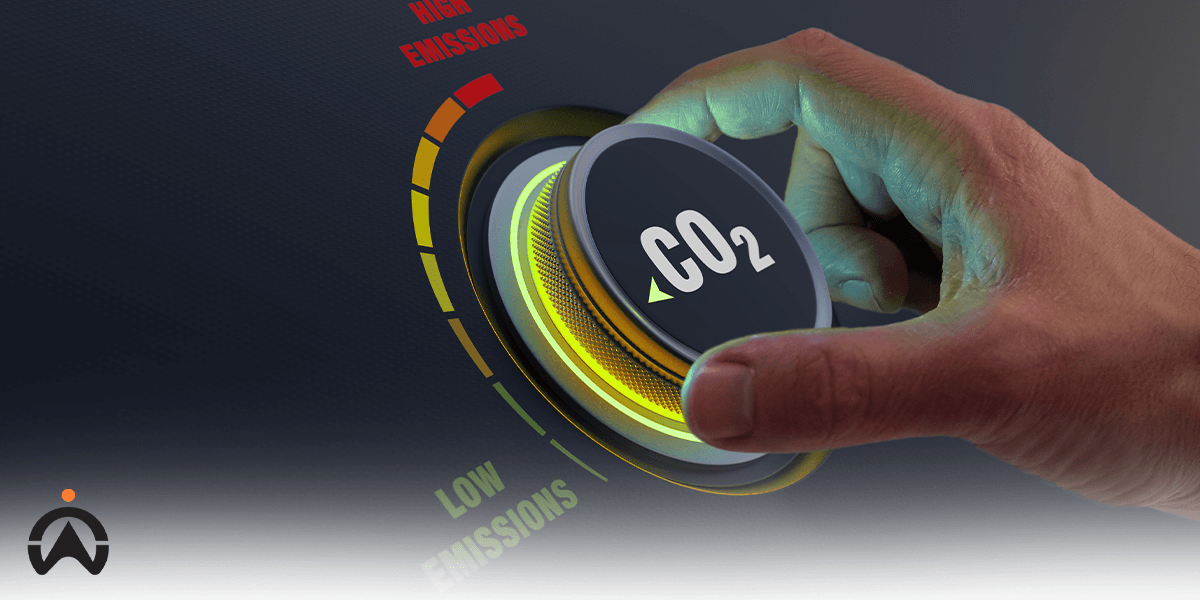
Transport has the highest reliance on fossil fuels, with increasing pollution rates, of any other sector. 

The figure sits at 37% of the total CO2 emissions released into the atmosphere. 

This is why fleet sustainability matters so much. Fleet owners need to play their part to bring global emissions and CO2 levels down in their fleets.  

Sounds like loads of responsibility but don’t worry, you’re not alone – a lot can be done to make your fleet more environmentally friendly. 

The grass is greener on the other side with a fleet management platform.

In this article, you will:

  • Learn the definition of a carbon footprint
  • Understand the importance of fleet sustainability
  • Find out how to create a strategic plan to spread carbon neutrality in your fleet
  • Discover how to calculate your fleet’s carbon footprint
  • Unpack 5 ways to reduce your carbon footprint with a fleet management platform
  • Know all the latest clean-fleet future trends
  • Learn how Cartrack can help you make your fleet more environmentally friendly

What is a carbon footprint?

A carbon footprint is the total amount of greenhouse gases (including carbon dioxide and methane) that are caused by our daily activities, and we’re all guilty. 

It could be a result of the food we eat, the clothes we wear, our mode of transportation, or our energy consumption levels. 

Globally, the average annual carbon footprint per person is close to four tons. However, if we want to avoid a two-degree rise in global temperatures, this number needs to drop to under two tons by 2050. 

The transportation sector is an entirely other beast, ranking as one of the most polluting industries for emissions. The average vehicle emits approximately six to nine tons of CO2 per year. 

To put it into perspective, imagine a cube almost as tall, wide, and long as a telephone pole. That is how much space one ton of CO2 holds. 

If you have a fleet, it is in your best interest to try and reduce your carbon emissions and be more sustainable. Let’s find out how you can do this.
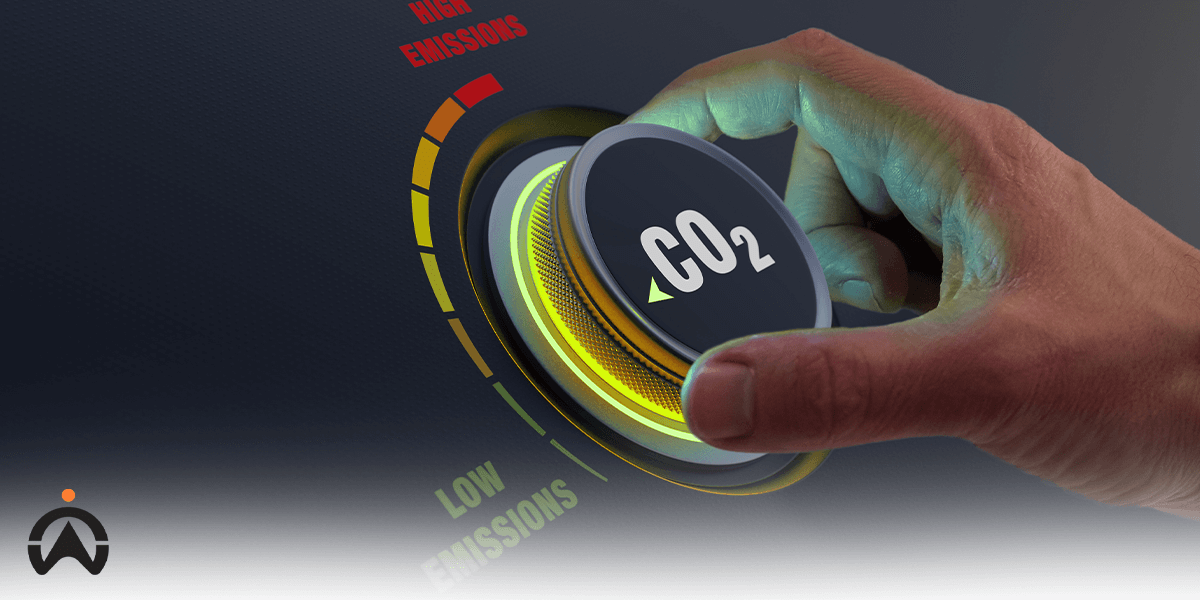
Fleet sustainability defined 

Fleet sustainability is a continual process of evaluating the environmental and social impact a  fleet has — through a process of identifying improvements, creating change, and measuring success. 

In a nutshell, you should be ticking some of these boxes to minimise your fleet’s carbon footprint, and improve your emission compliance and regulations:

  • Fuel-efficient driving
  • Reduction of idling
  • Carbon emissions
  • Adoption of low-or zero-emission vehicles
  • Right-sizing to meet fleet needs
  • Reducing total trips
  • Keeping your fleet healthy
  • Considering alternative modes of transportation

Spreading carbon neutrality in your fleet

Carbon neutrality refers to the state of net zero carbon dioxide emissions, or balancing emissions of CO2 from the environment.

This includes all of the carbon you produce throughout your operation — your vehicle fleet, the maintenance areas, distribution centres, your offices, etc.

You can go from carbon-heavy to carbon-neutral with these quick steps.

  1. Find out where you are today

    Calculate how many vehicles you currently have and the amount of waste you generate.
    ‍

  2. Create a plan

    Establish emission reduction goals and milestones, and how you are going to get there. Communicate this to all your stakeholders.
    ‍

  3. Start with the fleet operation
    ‍
    Analyse fuel efficiency measures, maintenance, and effective route planning for your vehicles.
    ‍
  4. Reduce waste footprint

    Have a look at the waste you produce in your business overall. This includes implementing recycling initiatives and what you do with used tyres, pallets, construction and renovation waste, hazardous waste, electronic waste, and all waste fluids.
    ‍

  5. Carbon credits

    You could purchase credits that aid financial support for carbon reduction projects.
    ‍

  6. Track and report

    Constantly measure, track, and report on your carbon reduction levels each year and compare them to your go-green goals. Also, track your employee’s commitment to reducing carbon emissions, and report on your annual achievements to stakeholders.

Are you familiar with the formula to quickly calculate your carbon footprint?

Well, let’s quickly unpack that…

How do you calculate your fleet carbon footprint?

The size of your carbon footprint solely depends on how much fuel gets burnt in your fleet, resulting in CO2 emissions.

There are two ways to efficiently calculate this number and your impact.

  1. The mathematical estimation

    Find out how many litres of fuel your business buys every month. Alternatively, you can divide the number of kilometres your fleet completes in a month by your average KPL (Kilometre per litre), to calculate the number of litres of fuel your fleet burned in that month.You can convert the number of litres of fuel into kilograms of CO2 emissions, created that month. One litre of diesel is 2.68kg, while petrol is 2.32kg. You can multiply the litres your fleet burned by 2.68 or 2.32 to get your kilograms of CO2.
    ‍

  2. The accurate measurement

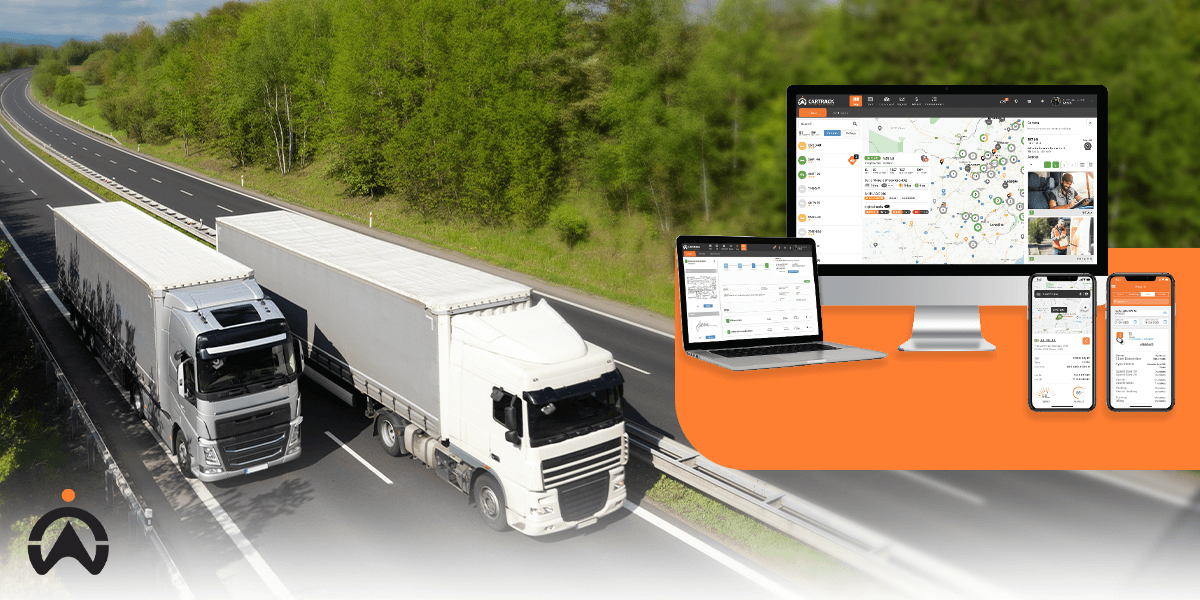
    Using telematics along with fleet management systems can give you a more precise and accurate method of measuring your fleet’s Carbon footprint. It allows you to monitor and track all your vehicles in real time, gathering information from their location and speed to their idling and fuel usage. Other than estimating, you can see the real KPL of each vehicle at any point in time with live fuel consumption rates and reports that highlight options to improve your fleet’s health and fuel efficiency, and easily get your fleet’s monthly emissions.

That’s why it’s important to take the necessary steps to manage your fleet effectively and with the help of a fleet platform.

Let’s get straight to it.

5 ways to reduce your carbon footprint with fleet management

A Return on Investment (ROI) is part of any business rule book. If you invest in a fleet management platform, you need to know if you are getting something out of it. Whether it’s getting more customers, saving on fuel and maintenance, doing less admin, or just fewer fleet headaches overall.

Cartrack can give you more bang for your buck and ease down your carbon footprint while it’s at it with these smart tools and insights:

  • Improved fuel usage and consumption

    A fuel-efficient fleet will save you tons and give you big returns on managing your fleet. But also, less fuel used, means less emissions released into the environment. Cartrack helps you easily keep tabs on this. Say you experience fuel theft, fuel card fraud, and high fuel consumption — you can intervene before costly fuel is wasted, as you’ll get an alert the minute this is detected. As a result, less excess pollution will come from your fleet, making it more sustainable in the long run. For example, you can identify if your drivers are taking longer routes than usual, or uncover other possible reasons such as inefficient vehicle performance, faulty tyres, or poor driving. This gives you the tools to do what’s necessary to ensure you get accurate litres used per kilometre and keep your fuel, and emission levels as low as possible.
    ‍

  • Driver insights and eco-driving

    The way your vehicles are driven contributes to your carbon footprint. For every 10km/h your drivers go over 100, fuel efficiency drops by 10%. Driving 120 km/h on the highway instead of 100 is like paying 20% extra for fuel, and results in much higher emissions. And the same goes for aggressive driving — more fuel will be released. Another important factor is excessive idling which creates the same kind of pollution as when the car is moving. An idling diesel truck burns approximately four litres of fuel an hour, and idling for ten seconds wastes more fuel than restarting the engine.

    Nip this all right in the bud with a good fleet management platform. For example, Cartrack’s in-cabin AI cameras can alert drivers in real time when they are driving harshly, braking suddenly, or taking corners quickly. This allows them to rectify their behaviour, minimising excess emissions and fuel wasted from your fleet. You can also pull up driver scorecards with reports on insights such as idling durations, and use these to educate your drivers on where they need to improve.
    ‍

  • Preventative fleet maintenance

    Routine maintenance increases the lifespan of your vehicles which in turn, increases the resale value. An inefficient vehicle or one with faulty parts will use more fuel and create more emissions. There are multiple areas in a vehicle that could be malfunctioning, whether it’s a faulty spark plug, an oxygen sensor in a petrol engine, a dirty fuel injector in a diesel engine, causing more fuel consumption, or clogged air elements resulting in more fuel usage.

    With Cartrack, you can pull out all these stops to get more value out of your vehicles, instantly respond to maintenance needs and improve your carbon footprint:

  1. Get real-time vehicle diagnostics to replace parts before they break
  2. Establish preventative maintenance plans and regular service intervals
  3. Receive real-time alerts of any engine faults, worn brake pads, oil and water fluctuations, and other diagnostics, helping you pre-empt which vehicles need servicing
  • Careful route planning

    Businesses using Cartrack Delivery’s route optimisation feature, report driving less mileage and saving more on fuel. The platform calculates the best routes for your drivers to take, so they can avoid traffic or excess miles. Fleet managers can also dispatch vehicles along the most efficient routes at the most efficient times of the day. By using Delivery, one customer reported that one of their drivers drove 27km less in one day. An eight-ton truck consumes 4km/l of diesel, and in this case, they consumed 7l less diesel in one day. If you apply this to the rest of the fleet, it works out to a 13% annual fuel saving. If the fuel spend is R2.5 million a year, that’s close to a R300 000 saving on fuel. Of course, this will drop the number of emissions released too.

    Did you know that for every litre of diesel, 2.68 kgs of CO2 is released? So one vehicle can emit 18.76 kgs less CO2 in just one day, as a result of Cartrack’s route optimisation.
    ‍

  • Paperless processes

    Using less paper is always good for the environment, and with Cartrack, you can go entirely paperless. Cartrack’s platform is completely digitised and offers automation and alerts for a variety of tasks in real-time, and all types of reports when you want them — all sent straight to your inbox. Easily download the reports, where all your fleet insights will be stored online and in the cloud – no need to print them out. Not to forget, it’ll cut your admin time in half too.

Great, right? But fleet management aside, there is even more that you can do to make a sustainable difference:

Other steps to lower your fleet’s CO2 emissions

  1. Switch to fuel-efficient vehicles

    When purchasing trucks for your fleet, you should look out for fuel-savvy vehicles with low greenhouse gas emissions. These could include electric, plug-in hybrid electric, hydrogen fuel cell, and cleaner-burning gasoline vehicle types. You can conduct an assessment of the vehicle types in your fleet with the help of a fleet platform to identify which ones are using fuel efficiently. Maybe you’ll go through the process of selling and buying until you find the perfect “green” vehicle for you.
    ‍

  2. Go electric

    In the long run, it’s cheaper to charge your electric car than spend money on petrol. Paying R1.84 per KW is the equivalent of driving on gasoline that costs less than R18.40 per gallon. On average, drivers save about R12 880 in fuel costs per year while driving electric cars. And of course, they are environmentally friendly as they do not emit pollutants. Studies find that emissions from EVs have emissions up to 43% lower than diesel vehicles. There are a variety of plug-in vehicles that you can choose from.
    ‍

  3. Check your tyre pressure

    The air pressure in your tyres supports the whole weight of your car. This impacts vehicle performance, impacting fuel costs, and tyre wear and tear. Under-inflated tyres increase your vehicle’s drag, which increases fuel consumption. But by how much exactly? Every 1% decrease in tyre pressure correlates to a 0.3% reduction in fuel economy. When your tyres are underinflated by 10%, this will increase your fuel consumption by 2%. This means that you will be paying an extra 45 cents per litre on fuel.
    ‍

  4. Rightsize LCVs and accurate loading

    Choose the size of vehicles in line with your load requirements, and avoid unnecessarily large vehicles, especially if a smaller van can carry the load sufficiently, and as long as they are operationally fit for purpose. Rightsizing light commercial vehicles will help you avoid excess volume and payload can add to CO2 savings. Overloading your vehicle can badly affect your car’s suspension, tyres, transmission, and at last, the engine, and fuel output.
    ‍

  5. Choose the right fuel for the job

    Do you know what’s the best fuel for your vehicles? Different fuel types offer a range of options for reducing CO2 emissions. You can compare these options in line with how they meet your business needs and help with fleet sustainability.

    Here’s a quick rundown:

  • Petrol: Widely available but tends to emit less NOx but more CO2 than diesel
  • Diesel: Provides better fuel economy in trucks and cars. New technologies have made diesel more environmentally friendly
  • Biodiesel blends: These provide comparable fuel efficiency to pure diesel and it’s a renewable fuel that emits less CO2
  • Natural gas: This is better for the environment than diesel or gasoline, but natural gas-powered vehicles are considerably more expensive to purchase.

Last but not least, a lot is happening out there with the latest vehicle trends, and it’s looking positive.

Check this out:

Know the latest clean-fleet future trends

The 2022 State of Sustainable Fleets Annual Report, gives key insights into today’s clean vehicle technologies. 

The good news is that the past year has set a benchmark for fleets trying to improve their carbon footprint, and for the rest of the world.

6 key findings include:

  1. Zero-emission regulations are transforming the U.S commercial transportation industry
  2. There is enormous demand for battery electric vehicles (BEV) from fleets
  3. Orders for hydrogen fuel cell vehicles have quadrupled, led by the transit sector where 20% of transit companies are moving to fuel cell vehicles in California. There has been an increase in hydrogen stations, also planned for other states
  4. 24% increase in renewable natural gas production from 2020 to 2021 in California, with a — 33% of carbon intensity
  5. Massive growth in renewable diesel too, where several refineries no longer process crude oil, but rather renewable fuel production.
  6. 700% increase in the amount of funding and incentives, with 20 billion dollars a year allocation, to accelerate the market

Go green with telematics

Fleets are under increasing pressure to be more environmentally friendly, but there is much that can be done, and it all starts with an efficiently managed fleet. Are you ready to reduce your carbon footprint? With Cartrack’s advanced fleet management platform, you can make your fleet cleaner and greener. Find out more. 
Easy Methods to Make Your Company Thrive With a SaaS Fleet Management Solution

According to Gartner, the SaaS market is worth over $195 billion in 2023. 53% of organisations are implementing it, with the rest soon to hop on the bandwagon.   

It’s no wonder. SaaS products help businesses make their operations extremely efficient and productive. 

If you’re in the fleet game, you can win with a SaaS fleet management solution. It lets you manage your drivers, vehicles, admin, services, maintenance, fuel consumption, and way more. 
It’s a real game-changer once you understand everything it’s capable of. That’s where we come in: 

In this article, you will:

  • Find out what exactly SaaS or Software as a Service is
  • Learn how Software as a Service works
  • Uncover 6 reasons why SaaS products are smart for business
  • Learn how a vehicle tracking and fleet management system works
  • Discover 8 reasons why Cartrack’s SaaS fleet management solution is best for you

Software as a Service or SaaS explained

SaaS is a part of almost everyone’s daily life. 

In a nutshell, SaaS is a software distribution model or application that is hosted by a cloud provider and made available to end users over the internet. 

There are two types of hosting models. An independent software vendor (ISV) may contract a third-party cloud provider to host the application. Or, with larger companies, such as Microsoft, the cloud provider might also be the software vendor. 

Additionally, SaaS is in three main categories of cloud computing, alongside infrastructure as a service (IaaS) and platform as a service (PaaS). 

Products range from personal entertainment, such as Netflix, to advanced IT tools, and then of course, fleet management software platforms – all of which can be used by IT professionals, business users or personal users. 

Curious to know how it all works? Let’s dive right in. 

How does Software as a Service work?

As we know SaaS works through the cloud delivery model and many benefits come with this. 

Firstly, you won’t be tasked with the setup and maintenance of the software. Secondly, you just need to pay a subscription fee to access the software, so you get a solution that gives you the flexibility to change your mind. 

And not to forget, you won’t need to install hardware on your computer, where you have to constantly update it, or pay upfront fees. The application is there for you, and easy to access on any device with a network connection. 

As a paying customer, you’ll have network-based access to a single copy of an application that your chosen provider has created specifically for SaaS distribution. 

The application’s source code is the same for all customers, and when new features are released, they are rolled out across the board. 

Just like buying a ready-made loaf of bread. 

Depending on the service-level agreement you have with your provider, the data may be stored locally, in the cloud, or both. 

Furthermore, it can be integrated with other software using application programming interfaces (APIs). For example, use your software tools to integrate with the SaaS provider’s APIs.

SaaS architecture

The application runs on a single version and configuration across different customers, called a multi-tenant approach. There’ll be common infrastructure amongst various customers,  however, the data from each will still be segregated.

This means the cloud service provider can manage maintenance, updates, and bug fixes a lot faster, easily, and efficiently. Any changes needed will be implemented for all customers, in one shared instance. 

All without compromising important cloud functions such as security, speed, and privacy.

According to technology industry analysts, we can expect to see more development in SaaS products, reaching nearly $200 billion in worth by 2024.

The benefits are evidently there, and speak for themselves, so let’s get them talking to you:

6 reasons why SaaS products are smart for business

  1. Less chaos and more organised tasks. All parts of your business can be organised in one place, and on one dashboard that gives you actionable data insights. From here, you can organise daily tasks through calendar schedules, task updates, auto-replies, analytic reports, automated workflows, or setting to-do lists for your staff members.
    ‍
  2. Saved time through automation. There’s no need to go through heaps of paperwork, or endless spreadsheets when you can digitise and streamline your processes. Get automated alerts and reports for tasks, sent to your inbox, at the exact times you want. Reduce repetitive daily activities or tasks, so you can get through other more pressing jobs and not waste time on tasks you’ve already done.
    ‍
  3. Increased flexibility and freedom. The nature of business is not linear and SaaS products are designed for that because you’ll get the flexibility to adapt to changing events and business requirements. For example, you can upgrade or downgrade your package at any time as you won’t be tied into a fixed contract. As a result, you can change products as your business needs vary.
    ‍
  4. Reduced business costs. When your tasks are automated and efficient, you and your employees will avoid unnecessary work. This will directly influence your business expenses. This could include reducing the need for hiring additional staff members, saving you money on recruitment costs. Or perhaps, you will eliminate a certain process costing you money. Additionally, with its built-in functionality, you won’t incur any extra costs building your additional infrastructure – saving you lots of money.
    ‍
  5. Improved actionable decisions. A SaaS platform gives you access to more data, analytics, and insights for your business to grow and improve. Without it, you could fall behind your competitors. You can pinpoint the cause of problems and visualise what exactly is happening in different locations, departments, and systems. All of these will help you make important business decisions, assess productivity levels and see what’s working and what isn’t.
    ‍
  6. Room for business scalability. When you scale your business, you might need additional staff, to take on more orders, or open up other branches at different locations. SaaS lets you manage your workload, productivity and deadlines, and gives your employees the tools to manage their tasks better – equipping them to meet the business’ growing and scaling demands.

SaaS business models are transforming the fleet industry for fleet managers. How?

Let’s get straight to it.

Fleet management software and solutions explained:

Insights from Fortune Business Insights reveal that the global fleet management software market size is projected to reach USD 67.38 billion in 2029. 

Fleet management refers to managing all aspects of a fleet operation, including drivers, vehicles, cargo, and all the fleet tasks that need to get done on time, and around the clock. 

Vehicle financing, maintenance, vehicle locations, vehicle trip history, fuel consumption levels, and driver behaviour – are just some of the insights fleet managers need to manage a fleet successfully and profitably. 

To do all of this at once, and efficiently, fleet software solutions are the answer, and it’s the data insights that’ll get you there.

These are just some solutions that will help you boost fleet efficiency, driver performance, and productivity and save on business costs:

  • Real-time location information and vehicle visibility
    ‍
  • Driver behaviour data to identify driving patterns
    ‍
  • Fleet maintenance insights to know when to service vehicles, avoiding unexpected downtime
    ‍
  • Vehicle or machinery usage data to calculate the actual working hours of employees
    ‍
  • Fuel insights to identify if there is any theft or poor fuel consumption

How does a vehicle tracking and fleet management system work?  

A GPS (global positioning system) receiver is installed into the vehicles, to monitor vehicle locations and pinpoint their geographical location. It connects to a network of satellites within the Global Navigation Satellite System (GNSS) network. 

This network consists of satellites that communicate with GPS devices to provide information on the current location, direction, time, and speed of the vehicle being tracked.

Typically, a GPS tracking system will use the same tech that cellular networks run on, called Global System for Mobile Communications (GSM). 

The data is then collected and transmitted in real time to a fleet software programme or to the cloud, via an internet connection. 

Here, you’ll get access to the fleet dashboard, and get a bird’s eye view of your fleet operation. 

Interesting, right? Well, sit back and enjoy the benefits that come from it:

8 benefits of Cartrack’s SaaS fleet management solution for your company

What is the best fleet management software solution? One that gives you intelligent data, making you the master of your operation. 

What exactly though? Let’s find out:

  1. Workforce optimisation and improved workflows
    ‍
    With Cartrack’s platform, customers report having 80% more improvement in workflows and spending 30% less time on tasks because there’s less miscommunication and lost paperwork in their business.You can also achieve this in your business, with a fleet tracking platform that lets you strategically allocate your people and resources, track staff attendance, and comply with changing workplace laws – to keep your workforce flowing. One way to do this is with Cartrack’s work log reports and driver ID tags to manage your drivers on the road. They just need to tap the sensor in the vehicle or machine with the unique tag to start or stop operating it. This will help indicate their actual working hours. These times are then fed through to the fleet platform, giving you full visibility of driver attendance, so you can pay wages accurately.
    ‍
  2. Monitor fuel costs and consumption

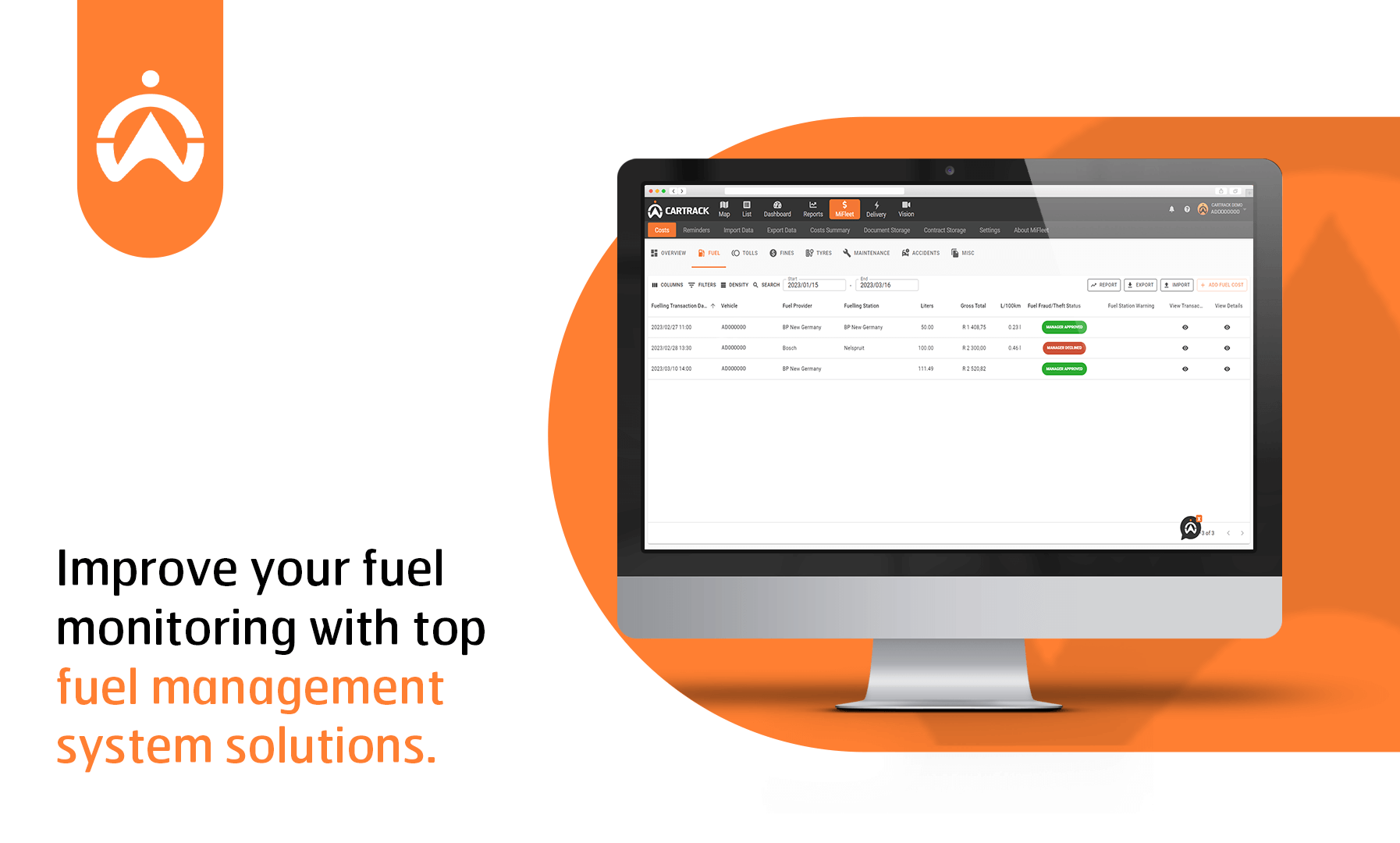
    Another major hit with the fleet platform is that customers report a 10% decrease in fuel consumption across their fleet. This is a big saving for two reasons, one, you’ve got a lot of vehicles, and two, fuel is one of your biggest expenses. Commonly, Cartrack will install a CANbus device into the vehicle, also known as CANbus integration. This will integrate with the vehicle’s on board fuel sensors and ECU (electronic control unit). The platform will then be able to retrieve all the fuel-related information from the vehicle, such as fuel usage per vehicle, as well as litres used per kilometre. If there is a sudden spike in fuel consumption, Cartrack’s MiFleet feature will give you financial reports regarding this.

    For example, you could be using an increased l/100km than previous trips. MiFleet will then red flag this along with any other discrepancies. You can then investigate the possible reasons for fuel wastage, which could be due to poor driving behaviour, inefficient vehicle maintenance, or fuel theft. Common types of fuel theft include siphoning, fuel card fraud, and false fuel card transactions. Pinpoint “which one”, “how” and “why” – to stop fuel wastage in its tracks
    ‍

  3. Vehicle and cargo safety

    Your assets are the lifeblood of your fleet which is why they need to be kept safe, and even more so, if you are transporting valuable cargo. This helps reduce business downtime and costly asset expenses. In South Africa, truck hijackings have gone up by 36.8%, further emphasising the need for you to protect your vehicles from theft. Use the fleet platform to know where your vehicles are 24 hours a day. If one of your vehicles is ever stolen, Cartrack’s experienced air and on-the-ground recovery team have a 92% recovery rate so your fleet is in safe hands.
    ‍

  4. Effective vehicle maintenance

    According to fleet experts, asset depreciation can be as high as 53% for fleet managers, and maintenance costs can make up 9% of expenses. If a fleet is well-maintained, with timely scheduled maintenance, these costs can go down rapidly. To effectively fight asset depreciation in a fleet, managers need to take measures to increase their vehicle longevity. With all this in mind, you’ll want the maintenance insights a fleet platform can give you. For example, receive alerts when your vehicles need servicing and maintenance, and get important vehicle diagnostics., such as worn-out brake pads, oil leaks, and much more. Get timely alerts on when to service your vehicles, and create effective maintenance plans to prevent costly breakdowns. And importantly, you’ll prevent unnecessary downtime and always keep your business moving.
    ‍

  5. Automation and digitisation

    You can’t always attend to every area or problem in your business all at once, so why not make use of fleet tech, which helps you digitise and automate your processes? Automatically receive actionable data reports in your inbox when you need them, at the exact time you want, which you can customise too. Also receive live alerts and notifications regarding maintenance, fuel consumption, idling, and more, so you can make instant decisions in real time. With the alerts, you’ll know if something goes wrong, taking the guesswork out of your operations and keeping you updated on the progress of daily tasks. The result is having business management activities that are automated and streamlined, so you have less admin and paperwork, and can focus on more pressing tasks.
    ‍

  6. Driver safety and management

    What’s a business without an efficient workforce? And in a fleet, it’s your drivers that are going to get your goods from A to B, in one piece and on time. Driver behaviour insights from a fleet management platform will give you control over your driver management. AI-powered camera technology tracks all your drivers’ behaviour in real time, audibly alerting them when it detects any form of dangerous or distracted driving behaviour. This could be anything from speeding, harsh braking, hard cornering or even distracted driving or yawning. They can then quickly rectify any poor driving in real-time, which not only makes your drivers drive safer but it helps them become more accountable too. You can then use the powerful insights you receive from driver behaviour scorecards, to educate and empower your drivers on best driving practices, creating a safe driving culture in your business.
    ‍

  7. Secure operations

    If sensitive and confidential data lands in the wrong hands, there could be serious consequences for your business. Examples include criminals accessing physical data, like the location of your vehicles and cargo, which could lead to potential asset theft. Or if they access digital data and your client’s personal information, this could lead to a potential lawsuit and reputational damage. There might also be concerns about moving data from your server onto the cloud and keeping it safe from Cyber attacks. You don’t need that kind of stress on your plate. With a SaaS fleet platform, your information is kept safe and sound. It’s managed by cloud experts that use the latest practices and security technologies and constantly monitor the infrastructure for issues of any kind.
    ‍

  8. Customer satisfaction and business growth

    When you use a SaaS solution to improve all parts of your fleet, the result is happy customers and a business model that works. There are so many fleet areas that could impact customer satisfaction. Maybe it’s using the platform to improve the communication with your drivers, and optimise delivery routes, so your customers get their orders fast and you are able to mitigate delays. Or you could be using it to keep your fleet safer so your customer’s goods are more protected and you can give better customer service. Word travels fast. Perhaps you’ll get more client referrals, increasing your profits or you can increase your customer retention better. This sounds much like a recipe for a stable and profitable business, and one that just keeps growing.

‍Ready to take your business head-on with SaaS?

SaaS fleet solutions assist thousands of fleet operations around the world. Shopping around for one? Luckily, Cartrack is around to give you the ultimate fleet solution, trusted by over 1.7 million users globally.

What Is Hypermiling and Can It Save Your Fleet Money?

Up to 60% of a company’s fleet operating budget is spent on fuel. In light of the continuous increase in fuel prices, fleet fuel costs are only expected to increase. Fortunately, fleets can reduce fuel costs through the use of safe hypermiling and Cartarck’s solutions and software.

In this article, you will:

  • Develop a clear understanding of hypermiling
  • Unpack the top 10 hypermiling techniques for your fleet
  • Figure out whether hypermiling is good or bad for your fleet
  • Get hypermiling safety tips for your fleet
  • Find out if hypermiling can save your fleet money
  • Discover how Cartarck can help you save on fuel costs and more
  • Uncover the benefits of fuel efficiency for your fleet

What exactly is hypermiling?

As petrol prices increased in the early 2000s, drivers in the United States needed relief from the financial burden of fuel expenses. To find a solution, drivers invested in fuel-efficient cars (the likes of the Toyota Prius) to save on fuel use and fuel costs. To achieve additional fuel efficiency, drivers began adopting techniques aimed at further decreasing fuel usage — known as hypermiling.

Hypermiling (or eco-driving) can be explained as an intentional driving technique that maximises fuel efficiency to minimise fuel costs. For hypermilers, hypermiling is a lifestyle – from MPG (miles per gallon) events, to incorporating regular driving habits that help maximise fuel economy and in turn reduce gas emissions, whether you are driving a personal Toyota Prius or business TATA Ace.

With high petrol and diesel prices showing no sign of dropping anytime soon, fuel costs will continue to strain fleets. Learning about hypermiling, its techniques, tips and benefits is essential to save your fleet bank… so here we go.

Top 10 common hypermiling techniques for your fleet

The main activity of a fleet is driving from one point to another. Some fleet businesses may have vehicles used for short, local trips, while others may have long-haul trucks that cover thousands of kilometres (or miles) per month. Hypermiling techniques are a set of driving practices implemented by drivers to increase vehicle fuel efficiency to reduce fuel consumption and fuel costs.

Here are 10 common hypermiling techniques that you can easily implement in your fleet:

  1. Drive at a constant speed:

    Slow and steady driving speed maintains vehicle engine efficiency and significantly reduces fuel consumption. This technique can be especially useful on highways and long trips where driving conditions are usually stable.
    ‍

  2. Avoid idling:

    When a vehicle is idle, the engine is running while the vehicle is not moving. This consumes unnecessary fuel. Each time idling occurs, you lose 3.5 litres of fuel per hour for a bus, 3 litres per hour for a medium-heavy truck, and 1.5 litres per hour for a large sedan. Turning off the engine when the vehicle is idle at traffic lights, while in traffic, or when parked will save you loads of fuel.
    ‍

  3. Coast through:
    ‍
    Coasting refers to driving with the vehicle in neutral or the clutch disengaged. This allows the vehicle to ‘coast’ without the use of fuel. This technique is useful when driving downhill or approaching a stop sign or red traffic light.
    ‍
  4. Use engine-off-coasting:
    ‍
    A step further from coasting is engine-off-coasting. This technique involves turning off the vehicle’s engine while coasting in neutral or with the clutch disengaged when driving downhill or approaching a stop sign or red traffic light. While engine-off coasting can save even more fuel than normal coasting, it is important to note that it requires advanced driving skills and should be used with caution, as it can be dangerous if not done correctly (and some vehicles may not allow the engine to be turned off during motion).
    ‍
  5. Avoid hard acceleration and sudden stops:

    Fuel consumption can be increased by up to 40% due to harsh acceleration or braking.This technique involves avoiding rapid acceleration and harsh braking by anticipating stops, as well as frequent speed changes and sudden lane changes. By accelerating and braking smoothly, and maintaining a steady speed, the fleet can save fuel, reduce emissions, and prolong the life of vehicles.
    ‍
  6. Maintain proper tyre pressure:

    If vehicle tyre pressure is not maintained within the recommended range, the vehicle must work harder to move forward. This results in increased rolling resistance and fuel costs. Therefore, this technique is crucial to improve fuel efficiency, which in turn saves money on fuel costs.
    ‍

  7. Reduce vehicle weight:

    This technique is simple — get the junk out of the trunk. The heavier the car, the more fuel it uses to move around. If you are not in the supply chain industry you could avoid travelling with heavy loads. Removing unnecessary items or equipment from your fleet vehicles can reduce vehicle weight, improving fuel efficiency.
    ‍

  8. Avoid air conditioning and other electrical loads:
    ‍
    Using air conditioning, headlights, and other electrical loads can increase fuel consumption. However, they may be necessary in certain situations, such as hot weather conditions or when driving at night. Even in these necessary times, fuel can still be used efficiently by driving at lower speeds to reduce fuel consumption, as air conditioning and other electrical loads tend to consume more fuel at high speeds.
    ‍
  9. Plan routes ahead:
    ‍
    This is one of the basic hypermiling techniques that involves planning the most efficient route from point A to point B to minimise unnecessary stops, traffic, and fuel consumption.
    ‍
  10. Avoid traffic congestions

    Avoid congested areas or busy intersections during rush hour, as this can lead to fuel wastage from frequent stops and starts. Instead, optimise routes by taking alternative routes or driving during off-peak hours when possible.

Hypermiling can’t be bad, can it?

So you may already be wondering: It’s good for my wallet but is it good for my car?
‍

If hypermiling is about being mindful of your driving habits, using your vehicle well, and reducing the strain placed on components like the brakes, suspension, and engine, then it should be good for your car and safe, right?

Well, hypermiling has both positive and negative effects depending on how cautiously it is implemented. On the positive side, hypermiling can significantly improve your fuel economy — meaning you can travel long kilometres (or miles) on a small amount of fuel. This not only means you save money on fuel costs but also increases vehicle longevity and reduces accident risks by promoting safer driving habits like avoiding aggressive driving.

On the negative side, some hypermiling techniques can be dangerous, violate traffic laws or put other drivers at risk. For example, in South Africa it is illegal to coast with the engine switched off, as this is considered dangerous and can cause the driver to lose control of the vehicle. On the other hand, coasting in neutral with the engine still running is not illegal as long as it is done safely and does not pose a risk to yourself and other road users. Additionally, some hypermiling techniques such as drafting and overinflated tyres may cause excessive wear and tear on the vehicle, leading to costly repairs or reduced safety.With this said, hypermiling can be a beneficial practice to save fuel and promote safer driving habits within your fleet. But it is important to implement these techniques safely and within the boundaries of the law to avoid putting the fleet and other road users at risk.

Hypermiling safety tips for your fleet

While hypermiling techniques can help you save money on fuel and reduce your carbon footprint, it’s still necessary to remember that safety should always be your top priority on the road. Here are some hypermiling safety tips:

  • Keep a safe distance between other cars: While practising hypermiling (such as coasting and slow speed) it is crucial to keep a safe following distance from other vehicles (in front and behind if possible). This will give you the time and space you need to avoid sudden changes in traffic and reduce your risk of a collision.
    ‍
  • Avoid sudden braking or acceleration: When hypermiling, it is important to anticipate stops or slow-moving traffic ahead of time to gradually avoid sudden braking or accelerating or putting extra strain on your engine.
    ‍
  • Stay alert and focused: Stay alert and focused by eliminating distractions such as cell phone use, eating, or adjusting the radio while driving, and always be aware of your surroundings on the road.
    ‍
  • Obey traffic laws: Whether avoiding fuel waste to save money or driving normally, it is important to comply with traffic laws, such as not exceeding speed limits and running red traffic lights, or making unsafe lane changes.

By following these tips, you can practise hypermiling safely and enjoy the benefits of increased fuel efficiency without putting yourself or other drivers at risk.

What’s in it for the fleet? Benefits of hypermiling

By implementing safe hypermiling techniques and tips, fleets can save significant fuel costs, increasing profitability. But that’s not all, here are some of the other benefits your fleet can reap from implementing hypermiling techniques and tips:

  • Reduced fuel consumption and costs: Hypermiling safely and implementing fuel-efficiency tips will reduce fuel consumption and fuel wastage which results in lower fuel costs.
    ‍
  • Extended vehicle lifespan: With vehicle maintenance tips and safe driving habits, fleet vehicles will experience less wear and tear, reducing the need for frequent repairs and maintenance, resulting in a longer vehicle life cycle.
    ‍
  • Enhanced safety: Safe hypermiling practices such as maintaining a safe distance from other vehicles, adhering to speed limits and anticipating traffic can enhance your fleet’s safety and reduce accident risks.
    ‍
  • Improved driver behaviour: Hypermiling requires disciplined and focused driving behaviour, which can translate to improved driver behaviour overall and lead to a safer and more efficient fleet.
    ‍
  • Positive environmental impact: By implementing hypermiling techniques and tips you will reduce your fleet’s fuel consumption which produces less carbon emissions, contributing to a more positive environmental impact for the business’s community.

Can hypermiling save your fleet money?

In a nutshell, yes — especially with Cartrack’s fleet management software. With the help of our fleet management software and solutions, you will not only save your fleet money but also time and other fleet-related expenses by:

  • Managing fuel costs and fuel consumption

    To reduce fuel usage and costs in your fleet, it is essential to optimise fuel consumption. But how so? Our AI fuel monitoring software helps you manage fuel costs by matching fuel receipts with your vehicle’s location and fuel status to immediately alert you of any potential fraudulent activities, such as fuel card fraud. Additionally, monitor fuel usage with the help of our trip reports that incorporate fuel sensor data to identify abnormal increases in fuel consumption and easily validate any fuel misuse suspicions so you can use less fuel and therefore spend less money on fuel.
    ‍

  • Maintaining vehicles on time

    A well-maintained fleet will save you money on downtime and prolong vehicle life. Using Cartrack’s real-time vehicle diagnostics and automated preventative maintenance schedules, you can make sure your vehicles are properly maintained so that they operate more efficiently, costing you less in fuel and maintenance by avoiding unexpected repairs and breakdowns, and reducing downtime.
    ‍

  • Ensuring correct tyre pressure

    Driving with underinflated tyres can be costly, as it can waste fuel and increase fuel consumption by up to 8%. Regularly checking your tyre pressure and ensuring it is at the correct level can help you save money on fuel costs. You can easily check your tyre pressure by getting air from the fuel station or using your own inflator. If your tyres are already damaged, you can still save money with Cartrack’s unbeatable deals on premium tyres from top brands and fitment centres, available on the Cartrack app.
    ‍

  • Optimising your routes

    Optimising routes saves time and fuel, increases productivity and provides a competitive edge through quick turnaround times to customers. By using Cartrack’s routing software application, you can automatically allocate jobs to your employees and optimise them based on the quickest route or by job priority for faster turn-around times. Our route optimisation also provides real-time alerts for route deviations, ensuring vehicles stay on the planned route. By doing so, fuel costs can be reduced, while fuel efficiency and productivity increase.
    ‍

  • Improving driver behaviour
    ‍
    The way people drive significantly impacts fuel efficiency. Poor driver behaviour such as harsh acceleration and braking, speeding, and idling can waste a considerable amount of fuel. While on the other hand, sticking to speed limits, accelerating and braking gradually, and turning off the engine when not in use, can improve your fleet’s fuel economy by up to 15%–30% on highways and 10%–40% in stop-and-go traffic. Cartrack provides an easy way to establish a safety-first culture within your team through driver scorecards that track high-risk behaviour (such as speeding, harsh acceleration, cornering or braking) which impacts fuel consumption. Addressing these behaviours will reduce your fleet’s fuel usage and costs while also quickly pinpointing and addressing any fuel drainages in your fleet.

Eliminate high fleet fuel costs with Cartrack

If you are looking for a simple and effective way to take your fleet’s fuel efficiency to the next level, look no further. Cartrack has the software and solutions to help you significantly cut down on your fleet’s fuel costs. Contact us today!

5 Fuel Saving Tips That Don’t Actually Work: Unlock The Truth Now

Ever tried unproven fuel-saving tips that produced zero results? Don’t blame yourself for being intrigued. As a fleet manager, it’s your job to look for any and every opportunity to cut costs.

Well, this is not one of those time-wasting articles. After reading this, you will know exactly which fuel tips work and which ones are just a waste of fuel.

Let’s dig in!

In this article, you will:

  • Debunk common fuel-saving myths that might be costing you money
  • Learn about the top five fuel-saving tips that are proven to work
  • Gain insights into the factors that affect fuel consumption in your fleet
  • Explore the benefits of using fuel-saving technologies and smart fleet management tools
  • Know how Cartrack’s advanced telematics and tracking solutions can cut your fuel costs

Why does saving petrol matter?

A question many vehicle owners and fleet managers ask themselves. The answer lies in the ever-increasing fuel prices and the need to effectively manage fuel costs to save money. 

While fuel prices are beyond our control, finding ways to efficiently use fuel and minimise costs has become a crucial priority.

As a fleet manager, fuel is one of the issues at the top of your list. Managing fuel expenses is essential for businesses as it often takes a large piece of budget space, so keeping that amount as small as possible and making fuel last longer, benefits the entire business. 

Whether your vehicles use petrol or diesel, finding ways to efficiently use fuel and manage costs has become more important than ever.

But how do you separate fact from fiction when it comes to petrol-saving?

Five petrol and diesel saving tips that don’t work

Let me help you separate fact from fiction and debunk the tips that make promises to stretch your petrol or diesel further, but actually don’t work.

  1. Tailgating trucks to cut through the wind

    Zooming right behind a big truck, thinking you’re cleverly reducing wind resistance and saving fuel is not only unsafe, but it won’t do much for your petrol-saving goals either. Maintain a safe distance, drive responsibly, and focus on other proven and much safer fuel-saving techniques.
    ‍

  2. Coasting in neutral gear or engine shut-off

    Do you often coast downhill or turn off your engine while coasting to save petrol? Well, you don’t have to. Modern commercial vehicles are designed to use minimal fuel during deceleration anyway, and shutting off the engine can actually mess with essential control and safety systems. So rather keep your car in gear and enjoy the ride without worrying about switching it on and off.
    ‍

  3. Filling up petrol in the morning to save fuel
    ‍
    Ah, the classic myth that still lives on in drivers’ minds. As the temperature rises throughout the day, petrol expands, so you’ll get less fuel for the same amount of money later in the day right? Well, in reality, petrol stations store their fuel underground, where the temperature remains relatively stable and as soon as the petrol hits your tank, the liquid quickly reaches the ambient temperature, no matter the time of day so the amount of litres you pay for in the morning would be the same amount of litres at night.
    ‍
  4. Warm up your car for several minutes

    We’re all familiar with the common belief of warming up your car for several minutes before driving, especially during cold weather. However, there’s no need for an extensive warm-up time. A few seconds of idling is preferred before setting off. Excessive idling not only wastes fuel but also adds unnecessary wear and tear to your engine. So, save fuel and reduce emissions by avoiding unnecessary idling.
    ‍

  5. Keep your windows up to reduce drag

    You might have heard that keeping your windows rolled up while driving reduces drag and thus improves fuel efficiency but, at typical driving speeds, open windows have little effect on fuel economy.

Top five fuel tips that actually work

Now that we know what doesn’t work, let’s talk about a few proven fuel-saving tips that make a difference in your monthly fuel spending.

  1. Smooth and steady driving

    Risky driving habits like rapid acceleration and sudden braking can significantly impact your fuel. Encourage smooth and steady driving instead, like, gradually accelerating, and maintaining a consistent speed. Not only will this save you petrol, but it will also lead to a more relaxed and enjoyable driving experience.
    ‍

  2. Proper vehicle maintenance

    Make sure you maintain your vehicle by keeping your engine properly tuned, ensuring your tyres are inflated to the recommended pressure, and changing air filters and spark plugs at the recommended intervals. Keeping your vehicle in tip-top shape will help you drastically save on fuel consumption.
    ‍

  3. Lighten the load

    With fleet vehicles, this might be a bit hard to follow, but carrying unnecessary weight by having cargo that exceeds the vehicle’s recommended weight intake can increase fuel consumption. Take some time to properly plan weight distribution and remove any items that aren’t needed for your journey. Every kilogram counts when it comes to fuel efficiency, so lighten the load and watch your petrol savings increase.
    ‍

  4. Plan efficient routes

    Planning your routes in advance can help you avoid congested areas and heavy traffic, ultimately saving you time and fuel. Take advantage of navigation apps or devices that provide real-time traffic updates and suggest the most efficient routes. Additionally, grouping multiple errands or trips in a logical order can minimise the distance travelled and optimise your fuel usage.
    ‍

  5. Utilise fuel-saving technologies

    Invest in fleet management software that uses GPS and telematics systems to capture real-time data like vehicle usage, refuelling patterns and overall vehicle diagnostics that inform you of the water, oil and engine health.

Factors affecting fuel consumption

Running a fleet of vehicles comes with its challenges, and a big one is fuel. Many businesses rely on their fleets to transport goods and cover long distances daily. All those miles on the road add up when it comes to fuel costs.

To optimise efficiency and reduce fuel consumption, fleet managers strive to understand the factors that impact fuel usage. By considering these factors, managers can make more informed decisions regarding their fleet and implement strategies to maximise fuel economy.

Take a look at these key factors that heavily impact fleet fuel consumption and see what you can do to drastically improve your fuel costs:

  • Road conditions and terrain – The condition of roads, including potholes and rough surfaces, can significantly affect fuel consumption. Usually, trucks drive on different surfaces, from tar to gravel — these present varying challenges to fuel efficiency. For example, rough and uneven road surfaces, such as cobblestone or unpaved roads, can increase resistance and cause the engine to work harder, resulting in higher fuel consumption.
    ‍
  • Traffic congestion – Traffic congestion and stop-and-go situations can lead to increased idling, which consumes more fuel. Scheduling deliveries around peak traffic hours and planning routes to avoid congestion can help optimise fuel efficiency. Keeping your fleet away from local roads and choosing routes that have highways might save you a few drops of petrol.
    ‍
  • Vehicle maintenance – Regular maintenance and servicing play a vital role in maintaining optimal fuel efficiency. The longer you preserve your vehicles, the longer they will last. Neglecting maintenance by not fixing/replacing dirty air filters or worn-out spark plugs, can lead to increased fuel consumption with every use.
    ‍
  • Fuel quality – Use the right fuel, the quality of fuel used can impact both engine performance and fuel economy. Clean, quality fuel from reputable sources like Engen and Sasol can help optimise fuel efficiency and keep your engine healthy.
    ‍
  • Driver training and education – After assessing your driver’s driving behaviours with telematics and tracking systems, fleet managers can monitor various aspects of driver performance, such as speed, acceleration, braking, and idling patterns, and provide drivers with proper training and education on fuel-saving driving habits. Raising awareness about the importance of fuel efficiency and offering incentives for achieving fuel-saving targets can motivate drivers to adopt fuel-efficient practices.

Petrol saving habits a fleet management system can provide

Fleet management software has several smart fleet technologies that are created to assist fleet managers in optimising fuel efficiency, reducing costs, and contributing to environmental sustainability. Most fleet managers use businesses that can track their vehicles and provide fleet management software features to efficiently monitor their fleet like Cartrack.

How? 

Cartrack’s fleet management solutions can help you track driver behaviour, identify maintenance issues, give you real-time updates on vehicle performance through inclusive reports and analytics, and monitor your fleet’s fuel consumption rate.

This is how Cartrack can assist in making fuel last:

  • Route optimisation and planning:

    Fleet managers employ sophisticated route planning tools to optimise driving routes. With Cartrack’s Delivery feature, factors like traffic conditions, route history, road conditions, and fuel consumption data are considered. It can provide drivers with the quickest and shortest route options that avoid deviations and unnecessary travel, resulting in decreased fuel consumption per trip, a decrease in harmful CO2 emissions released by your fleet and overall significant savings in fuel costs.
    ‍

  • Monitor and analyse fuel consumption:

    Cartrack’s fleet management systems provide real-time monitoring of fuel consumption by using data analytics. With this, fleet managers gain insights into individual vehicle performance, driver behaviour, and fuel efficiency trends for each of their vehicles. Cartrack’s MiFleet fuel validation feature can also assist with fuel monitoring by connecting to fuel sensors or CANBus integration to monitor and analyse fuel consumption data, accurately track fuel usage and identify inefficiencies. This data empowers managers to address fuel-consuming patterns, implement targeted training programs for drivers and maximise fuel efficiency across the fleet.
    ‍

  • Driver training and incentive programs:

    Drivers play a pivotal role in increasing fuel efficiency. Some Managers conduct comprehensive training programs to educate drivers on effective fuel-saving techniques. These programs can cover the driving benefits of smooth acceleration, maintaining consistent speeds, reducing idle time, and more. Fleet managers can access detailed reports and analytics on the fleet platform to assess each driver’s performance, and identify critical areas that need improvement. Providing more targeted training and instilling a fuel-efficient culture, helps encourage drivers to adopt eco-conscious driving habits. Incentive programs and Cartrack’s performance monitoring (driver scorecards) can be used to track driver behaviour and reward safe driving, further motivating drivers to drive safer and use fuel more responsibly.

    ‍

  • Vehicle maintenance and performance:

    Cartrack assists fleet managers in keeping track of vehicles’ health with preventative maintenance alerts and notifying them of scheduled maintenance and inspections to ensure that vehicles operate optimally and avoid costly breakdowns. By addressing issues promptly, fleet managers prevent fuel-consuming problems, like engine misfires that can waste fuel, and ensure that vehicles maintain peak efficiency and avoid unnecessary downtime.
    ‍

  • Environmental sustainability initiatives:‍

    Cartrack provides tools and features that enable fleet managers to optimise vehicle utilisation and fuel consumption such as asset management, fuel monitoring and route optimisation.

    If a business has electric vehicles in their fleet that need vehicle tracking and telematics technology installed, Cartrack’s leading SaaS platform provides seamless integration to EVs, provides fleet managers with battery management for real-time monitoring of the state of charge and temperature, and has preventative maintenance to track battery health and notify managers when the battery needs to be replaced.

Fuel tracking with Cartrack

Look no further than Cartrack for your ultimate solution for efficient fleet management.

Use Cartrack’s advanced telematics and tracking solutions to give you real-time insights into your commercial fleet’s fuel consumption and unlock substantial fuel savings.

Supercharge your fuel savings with Cartrack Today!

What You Need To Know About AI & Machine Learning In Fleet Management

Artificial intelligence (AI) and machine learning (ML) have revolutionised fleet operations in various fleet industries. Trying to manually manage an entire fleet (whether established or startup) can be catastrophic. Fortunately, this technology can ease the process. Here’s a look at some of the innovative ways to use AI and ML in fleet management.

In this article, you will:

  • Unpack everything you need to know about AI and ML
  • Understand why AI and ML matter in today’s world
  • Learn what you need to know about fleet management
  • Find out how AI and ML are used in fleet industries
  • Discover Cartrack’s AI and ML-powered fleet management solutions

AI and ML: the two peas in a pod

“Can machines think?” – Alan Turing

This is the crucial question that stirred the artificial intelligence conversation in the 1950s. Over the years, artificial intelligence (or AI for short) has been defined in a number of ways. However, Turing summed it perfectly as “systems that act like humans”. Although this simplification is still applicable today, AI is not that simple.

Artificial intelligence is an entire field that integrates computer science with robust datasets to solve problems and bring about innovation. AI subfields include machine learning (ML), deep learning, robotics and more. Together with its subfields, AI can be defined as technology that enables machines (especially computer systems) to think or act in a more ‘human’ way by gathering information from their surroundings and determining responses based on what is learned.
Commonly, artificial intelligence (AI) and machine learning (ML) are used interchangeably. However, the two are slightly different. ML emerged in the 1960s when scientists researched teaching computers how to imitate human decision-making. ML is used to teach machines to mimic how humans behave using data and algorithms so they can gradually improve their performance and accuracy.

Therefore, while AI is the tech enabling machines to display human-like behaviour, ML teaches AI how to behave. By leveraging the power of AI and ML, machines can now be trained to accurately perform complex tasks that were once deemed impossible for non-humans to accomplish.

Now that we understand AI, ML and their differences, why should we care?

Why do AI and ML matter?

From using facial recognition to unlock our smartphones to asking Siri, Alexa, and Google Assistant to play our favourite jam – AI and ML have become a part of our everyday lives. AI matters in today’s world for many reasons:

  • Repetitive and manual tasks can be automated

    AI and ML automate repetitive manual tasks like business administration (filing, data entry, and scheduling meetings). This increases efficiency and productivity while saving time and money spent on human resources. So get ready to be replaced by a robot… just kidding! Humans are still essential to set up and operate the system, ask the right questions, confirm the accuracy of data captured, and a few other skills.
    ‍

  • Products are more ‘intelligent’

    By adding intelligence such as speech and voice recognition, and virtual assistance to existing products, AI and ML have opened up a world of advanced products and innovations. These products have upgraded the business world – from biometric systems for tighter security, to data and behaviour analysis to detect and prevent fraud.
    ‍

  • Customer service is instant and better

    Thanks to AI and ML, chatbots can quickly process requests and accurately answer questions 24/7, enabling customers to get the help they need quickly. This automation of customer service saves time on tasks, reduces costs, and frees up staff to focus on more complex tasks.
    ‍

  • Data is made useful

    Data in business is important now more than ever as it can offer a competitive advantage. Luckily, AI and ML have the ability to process large amounts of data. This data can be used to make accurate and informed business decisions.
    ‍

  • Customer journeys are tailor-made

    AI and ML provide the ability to analyse customers’ purchase history, buying habits, search history, and other data. With this, businesses can personalise products and services to best suit their existing customers and attract potential customers. A personalised customer journey not only increases customer satisfaction and brand loyalty but also increases sales.

You may already be getting ideas of how these two peas in a pod can innovate your fleet. Let’s start with fleet management basics.

What you need to know about fleet management

Fleet management refers to all the ins and outs involved in ensuring a fleet operates its tasks smoothly, from start to finish. These ins and outs include (but are not limited to) the following tasks:

In essence, the role of a fleet manager is to ensure that these tasks are completed efficiently at top productivity levels and lowest costs while producing the highest profits. It’s a lot to handle and to top it off, fleet managers still face many other challenges:

  • Keeping track of vehicle maintenance: To operate, fleet businesses need their fleets to be in good condition. Regularly maintaining vehicles ensures that they remain in their most efficient state and increases their longevity. However, it is difficult for fleet managers to keep track of every single vehicle’s maintenance schedule. Not staying on top of vehicle maintenance needs can lead to productivity loss due to unexpected downtime from breakdowns, and unnecessary vehicle wear and tear.
    ‍
  • Managing fleet data: Operating a fleet business (whether established or startup) comes with piles of data to collect, track, and organise. Manually sorting, assessing and managing this data is nearly impossible. Fleet businesses cannot make informed business decisions without well-organised data to gain accurate insights into fleet operations.
    ‍
  • Simultaneously managing teams: From dispatchers to drivers, fleet managers need to oversee various departments simultaneously, and it is impossible to be everywhere at once. This makes it difficult to track productivity, monitor driver behaviour, communicate effectively, and solve problems swiftly.
    ‍
  • Organising fleet administration: Fleet managers are responsible for performing administrative tasks such as task management, team management, fleet reporting and analysing, as well as scheduling and optimisation. With only 24 hours in a day, fleet managers struggle to perform these tasks and as a result, the fleet may operate efficiently.

Manually performing fleet management tasks and trying to overcome challenges can be catastrophic but thanks to AI and ML, fleet management problems are solved. Let’s find out how.

How AI and ML are used in fleet management

AI and ML have opened up new possibilities in fleet management software development. This is computer software that helps fleet managers successfully oversee an entire fleet all-in-one platform. Let’s get a glimpse of how different fleet industries use AI and ML-powered fleet management software in their fleet:

Rental and leasing

The use of AI and ML in the car rental and leasing industry is growing rapidly to enhance customer experience and improve business performance. Some ways AI and ML are used in this industry include:

  • Customer service: Instead of physically visiting car rental and leasing companies, AI-powered chatbots and virtual assistants can help customers book rentals in advance, answer frequently asked questions, and provide personalised packages based on customers’ preferences, and rental and leasing history.
    ‍
  • Predictive maintenance: Car rental and leasing companies can perform preventative maintenance to ensure vehicles are in the best condition for rental and lease. This preventative maintenance is possible with AI and ML algorithms that analyse data such as vehicle mileage and date of last service to predict when a vehicle may need maintenance. This way, rental and leasing companies can ensure they reduce breakdowns when vehicles are rented or leased — increasing vehicle reliability, customer loyalty, and company trust.
    ‍
  • Competitive pricing: By using AI and ML algorithms, rental and leasing companies can offer competitive prices by relying on data (such as vehicle preferences, demand, as well as rental and lease habits) to make strategic prices, and to detect and flag fraudulent behaviour, such as stolen credit cards or fake identifications, so that losses are kept low, and prices remain competitive.

E-hailing and ride-sharing

E-hailing services such as Uber, Lyft, Bolt, and other platforms require AI and ML as crucial components to provide ride-sharing services. Here are some ways AI and ML are used in e-hailing:

  • Connecting riders and drivers: Suppose you are rushing to an important meeting or simply want the most comfortable way to move from point A to B, e-hailing services use AI and ML to provide the most efficient services. AI and ML in e-hailing match riders with the most convenient drivers based on factors such as location, availability, and other rider preferences (such as vehicle type, preferred gender of drivers, etc).
    ‍
  • Optimising routes: Once a driver is matched with a rider on an e-hailing platform, the goal is to reach the desired destination in the safest and fastest way possible. AI and ML algorithms optimise routes for drivers to reach a destination in the shortest possible time (while taking into account traffic congestion, accidents, and other factors). This is a win-win as the riders pay affordable prices (calculated by the algorithm at the end of the trip) while drivers can use their time more productively, save on fuel costs and maximise profits.
    ‍
  • Safety enhancement: Safety plays a crucial role in e-hailing services as it is important to protect passengers and drivers, and hold a trustworthy reputation. ML algorithms can help e-hailing businesses put safety first by collecting data such as driver behaviour, driver personal information, and driver ratings to identify potential safety hazards and take the necessary precautions.

Construction

Construction companies are becoming increasingly dependent on AI and ML to improve safety, increase efficiency, and reduce costs. Here are some ways AI and ML are used in construction:

  • Safety enhancements: Given the nature of the construction industry and its high potential for safety hazards that lead to staff accidents, injuries, and fatalities, construction companies need to follow strict safety protocols. AI and ML (such as AI-powered cameras) can detect and alert workers of potential safety hazards such as falling objects, unsafe working conditions, and people not wearing protective gear. This helps to reduce the number of worker accidents, injuries, and fatalities that can occur on construction sites.
    ‍
  • Resource optimisation: AI and ML systems can maximise resource utilisation by scheduling machinery, vehicles, and manpower. Large construction companies that work on large projects, multiple projects or rent their assets to other companies use AI and ML systems to avoid project schedule overlaps and ensure assets are used efficiently and productively.
    ‍
  • Quality control: Construction companies must ensure that all projects are completed to the highest standards. ML and AI can be used to monitor construction processes from start to finish. Data from sensors (e.g. temperature sensors to monitor building site temperature, humidity, and vibration) is analysed by AI and ML algorithms to detect even the slightest deviations quickly and accurately and predict potential issues before they arise, enabling better quality control.

Transportation and logistics

Due to the rise of e-commerce and quick turnaround expectations, goods are now not moving from point A to B in the supply chain, but now to your home, office, and everywhere in between.

Here are some ways AI and ML are used in transportation and logistics:

  • Optimising routes: Due to high demands, fast turnaround expectations, and transportation of sensitive products, the quickest and safest routes are necessary. AI and ML systems are used to analyse traffic patterns, weather conditions, and other data to optimise routes to avoid potential delays, reducing delivery times and minimising fuel consumption.
    ‍
  • Tracking assets: Asset tracking is a crucial aspect of transportation and logistics as it ensures goods are safe from dispatch to delivery. In this case, AI and ML can be used to increase visibility to prevent cargo loss and damage. For example, AI and ML technologies such as GPS can be used to track the location and condition of vehicles and cargo, and AI and ML systems can track drivers’ performance in real-time, analysing data such as driving speed, braking patterns, and other behaviours— ensuring safety at every point of the supply chain.
    ‍
  • Enhancing security: Cargo theft in the supply chain can cause major losses. AI and ML-powered security such as cameras installed in warehouses and vehicles to detect suspicious activity, and driver identification tags to prevent the unauthorised use of vehicles or access to warehouses can help prevent theft and loss by providing real-time alerts and notifications.

AI and ML innovations for your fleet

Cartrack is a prominent global Software-as-a-Service (SaaS) platform supplier for small, medium, and large organisations (as well as consumers). With Cartrack, you can transform your fleet operations and achieve operational excellence with the power of AI and ML fleet management solutions such as:

  • AI-powered cameras and live-stream technology: Empower your fleet with LiveVision that has up to eight internal or external cameras to help you keep your drivers, fleet, and cargo safe. With AI-powered cameras, you can live-stream your entire fleet while cameras detect possible front collisions, smoking, distracted or fatigued driving, and mobile phone use. This, together with ML-powered alerts allows drivers to quickly correct behaviour right in the moment and ensure safety on the roads.
    ‍
  • Fuel monitoring software: Improve fuel consumption and save fuel costs with our fuel monitoring software, MiFleet that captures fuel cost data. This shows you how much fuel your vehicle uses for idle time and aggressive driving. Furthermore, it detects fuel card fraud, fuel theft, and fuel wastage, so that you can save money on fuel expenses, and only pay for what you use.
    ‍
  • GPS vehicle and asset tracking: Accurately track and get full visibility of your entire fleet in real time with GPS technology. This gathers data on where your vehicles and assets are so you can track completion rates, productivity, and efficiency, and receive informative insights (such as idling status, fuel levels, and engine diagnostics) to make informed business decisions.
    ‍
  • Specialised sensors: Our specialised sensors provide fleet managers with detailed insights into fleet operations. Cargo door monitoring systems and temperature sensors can be used in cold chain logistics to provide real-time temperature and cargo door monitoring and send fleet managers alerts the moment any temperature fluctuations occur or the cargo door is opened, allowing them to immediately check in with drivers to resolve issues or send a replacement trailer if necessary to preserve goods and prevent profit losses.
    ‍
  • Automated preventative maintenance: Our platform automates the maintenance schedules for each of your vehicles by using the vehicles’ utilisation hours and the time of the last service to establish effective maintenance plans hassle-free. This way you can cut your maintenance costs, increase your fleet vehicle lifespan and reduce unnecessary downtime.

Empower your fleet with AI and ML solutions today

Give your fleet the innovative boost and competitive advantage it needs with Cartrack’s AI and ML-powered fleet management platform. Get a free demo today.

How to Improve Your Fuel Monitoring with a Top Fuel Management System

South Africans consume 11.1-billion litres of petrol and 12.1-billion litres of diesel a year. The theft of fuel is a massive industry and this valuable commodity is affecting company profits.

Many fleet businesses do not know where and when fuel is being stolen, unaware that fuel syphoning could be a contributor to fuel spikes. Fuel monitoring solutions will help you accurately monitor fuel consumption levels, spot possible fuel theft and drastically reduce your fuel costs.

Let’s dive into why fuel monitoring and management is a must-have for a business.  


In this article:

  • Find out what a fleet management software does
  • Learn what the purpose of a fuel monitoring system is
  • Find out what monitoring fuel consumption really means
  • Understand ways to monitor your fuel intake levels through import data insights
  • Discover why a fuel monitoring system for trucks is good for business

What is the purpose of a fuel monitoring system? 

According to experts, if we consider all variable costs in the transport and logistics industry, fuel is by far the most important one. Fuel management can be the difference between going bankrupt and being successful. Statistics prove that good fuel management can save up to 10% of fuel costs, which is why you can’t afford to not optimise your fleet’s fuel efficiency.

Without a fuel monitoring system, there could be an increase in expenses and cost wastages that could be put to better use. For example, save on fuel and use the extra money to focus on a top product offering that will help grow your business. 

What does monitoring fuel consumption really mean? It means taking all possible measures to have a tight grip on your fuel usage across your fleet. Basically, knowing where every single drop of fuel is going. 

There are many ways fleet managers can get in control of fuel monitoring. For example, they could invest in a real-time fuel monitoring system or a fleet management platform. 

But first, let’s look at some fuel wastage risks: 

‍Common fuel theft methods and risks

  • Syphoning

This is typically done using a hose and manually sucking the gasoline or diesel fuel out of the tank and into a container. Thieves will steal and place this fuel into another vehicle.

  • Fuel card fraud 

Fuel card fraud occurs when someone uses a company fuel card to purchase fuel for their personal vehicle. 

  • Fuel card cloning

This when data is stolen to create copied fuel cards which are often used to fill up other vehicles with fuel at the original cardholder’s expense

  • False transactions

This is when filling stations swipe a fuel card multiple times for one refuel session, leaving the cardholder liable for each transaction and fuel they did not receive. 

No matter the type of fuel trends you want to monitor, we’ve got a fuel management solution for you.

How can I better monitor my fuel consumption?

Control every cent with Cartrack’s fuel cost monitoring system. It reviews your fuel transactions and matches fuel receipts with your vehicle’s advanced telemetry data to identify any possible fuel theft,  saving you time, money and fuel. 

‍1 – Reduce fuel wastage

Be able to monitor your vehicle tank’s daily fuel levels. Also, know how much fuel your vehicles are consuming and the mileage driven, litres used per kilometre. This data helps you reduce fuel wastage and can be used to perform industry comparisons on driver and vehicle behaviour. If there is a sudden spike in fuel consumption, you’ll pinpoint the reasons such as it could be because of poor driver behaviour, fuel theft or your vehicles might need maintenance to be more fuel efficient.

2 – Spot fuel theft 

In many instances, criminals can manage to syphon up 125 litres of fuel at a time. Sometimes it can be hard to know if fuel syphoning is taking place, especially if your drivers will need to rest on long-haul journeys, which could create an opportunity for criminals to syphon fuel while the vehicle has stopped. 

If this happens, you’ll instantly know where, when and how much fuel is taken with live alerts so you can attend to the situation immediately before you incur excessive fuel costs. 

3 – Identify fuel card fraud

Our system automatically matches fuel receipts with the amount of fuel going into the tank. Fleet managers can check if the fuel they are paying for arrives in the truck’s tank, and not into another car. This will allow you to see your fuel purchase history and see which vehicles filled up at which station, and then you can match receipts accordingly. This will answer unexplained questions for fleet managers like “why was the fuel card used when the vehicles were not in use?” or “why were there excess fuel card transactions exceeding fuel budgets?” 

There’s telematic software solutions with smart algorithms that can be used to compare your fuel receipts and fuel card transactions to your vehicle’s data. This will help you spot any inconsistencies.‍

4 – Data reports 

The best way to assess fuel consumption is through data analytics and using the reports to make decisions instantly. Monitor your rate of fuel usage, through fuel level and consumption reports, where you’ll be able to see the total fuel consumed, fuel levels at the start and end of trips, average fuel consumption, refuelling, fuel draining events and more. Track usage trends and have the data on hand for reporting – receive the reports in your inbox immediately. ‍

5 – Insights into driver efficiency 

When you receive driver behaviour reports, you can determine which drivers in your fleet need to improve their driving patterns – which is another big contributor to increased fuel costs. For example, unnecessary and excessive idling contributes to an increase in fuel. An idling car uses between 0.76 to 2.65 litres of fuel an hour. An idling truck burns approximately four litres of fuel an hour. Driver training or coaching can then be provided to empower drivers to improve their behaviours, and prevent fuel usage from getting out of hand.

How does fuel monitoring work?

A fleet provider can install fuel level sensors directly into your fleet vehicle’s fuel tank, which will monitor the volume of fuel in a tank. 

Here’s how Cartrack’s fuel sensor system works: 

  • The fuel sensor (fuel filter) is installed into a vehicle’s tank by a technician to monitor fuel levels
  • The fuel sensor measuring system has one tube which is connected to the sensor
  • When fuel is added, it fills the tube and spaces around
  • After three refills have taken place, the sensor will be calibrated and ready for use 
  • Any decreases or increases in fuel levels will be accurately measured by the sensor
  • The sensor will send information about the level of fuel in the tank to our telematics system
  • The following data can be retrieved from our system; litres, vehicle location and tank capacity
  • All this data is transmitted to the Cartrack platform and can be compiled into reports
  • Alerts can be set up to monitor any fuel loss or gain and sent to you via email or sms

‍Why a fuel monitoring system for trucks is good for business 

  • Save on bottom-line costs

Fuel is one of the largest expenses in a fleet business, and with fuel costs so volatile, managers need to conserve every drop, going into their trucks, so they can keep business costs under control. Lack of fuel efficiency in trucks can impact productivity in a business, and negatively affect profits. For example, if you spend excessively on fuel, then you have less money to allocate to other areas of the business such as hiring more salesmen to promote your business. Or you might not have enough cash flow in your business, to cover unexpected expenses. 

  •  GPS tracking 

This is part of a fleet management solution, where you can see where your trucks are 24 hours a day, and if they are operating efficiently. You can assess how your fleet consumes fuel and driving behaviours that could be affecting fuel in real-time, giving you the opportunity to take action for any fuel inefficiencies. For example, you have two drivers on their way to the same destination, driving similar vehicles and one is using far more fuel – you can do something with this GPS data to avoid unnecessary current and future fuel wastages. 

  • Identify unsafe practices 

Telematics software can give visibility into unsafe driving practices. By monitoring the team’s on-road behaviour and highlighting poor driving habits, you can help correct dangerous behaviour and set targets for safety that will improve fuel efficiency in your fleet.

  • Reduce engine idle time

One of the main reasons for unnecessary fuel waste is leaving the engine running when the vehicle is stopped for long periods. A fleet management system helps to identify how long a truck has been idling, quantify the amount of fuel used, and notify the driver so they can reduce their fuel waste and unnecessary idling. 

  • Make fuel tax reporting simpler

If there is a significant spend on fuel, then admin tasks will increase especially compiling reports on fuel levies and taxes. Filing returns requires extensive information about when and how far trucks in a fleet have travelled that year, which the system will be able to provide. It may be difficult to keep track of all this information, but through the fuel management process, fleet managers can streamline the reporting of fuel usage for tax purposes.

Save on fuel with Cartrack

If you find yourself spending excessively on fuel and your vehicles are consuming more than they should, a fuel monitoring system will help tackle that. Take control of your fleet and solve fuel inconsistencies with Cartrack’s fleet management platform.

Breaking barriers: women in trucking changing representations, evolving roles and rising their status

Truck driving has been perceived as a male-dominated industry, however, women have been breaking barriers and positively confronting stereotypes by stepping foot and increasing their representation in the trucking industry.

Over the years, women have been breaking industry barriers to entry by stepping foot into male-dominated blue-collar industries such as mechanics, engineering, construction work, and the focal point of this blog- truck driving. Despite the perceptions, backlash, and stereotypes women have come across over the years, women are increasing their representation in these male-saturated industries. In this blog, we explore the evolution, representation, as well as current and future possibilities of women in trucking.

Women and their representation in the fleet industry 

Let’s face it, gender has contributed to how different industries are perceived and has influenced the career paths of both men and women. In the past, roles were largely based on gender types: domesticated and caring roles such as nursing and childcare were perceived as roles for females, upholding feminine and maternal stereotypes. While undomesticated roles were perceived as male roles, upholding masculine and paternal stereotypes. This has led to undeniably gender-segregated careers- mechanics, construction, engineering, and even the fleet industry. 

Although the fleet industry is perceived as a male profession, this segregation has not stopped women from stepping into the industry. In return, companies are demonstrating an effort to close the gender gap in the fleet industry by increasing the representation of women in the industry: 

The history and current state of women in trucking

Throughout history, trucking has been a predominantly male industry but women gained entry to the industry through a good cause. In the United States, the journey began with World War II when women stepped up to fill jobs of men who were at war, one of those jobs being trucking. While numerous women contributed to the early days of female trucking- in 1918 Luella Bates became the first woman truck driver and drove for Four Wheel Drive Auto Co while men were away at war; in 1929 Lillie Elizabeth Drennan was the first licensed truck driver and trucking-firm owner in the United States, and in 1944 Rusty Dow became the first to drive a 2 237km long fully loaded truck.  

Since then, women have continued to step foot into the industry. In fact, according to a survey conducted by the National Transport Institute (NTI) the average percentage of female over-the-road (OTR) drivers increased from 7.13% in 2017 to 7.89% in 2018. The survey conducted by Frightwaves further shows that women now make up over 10% of OTR drivers, an increase from the 2018 survey. Recently, the percentage of female truck drivers has risen to almost 30% increase only in a period of a year (2018 to 2019). Currently, there are more than 300 000 in the United States alone. Canada has 97,000 women in the trucking and logistics industry of which 10% are truck drivers.

There is evident growth in the representation of women in trucking, still, there is a long way to go to curb the gender imbalance. Although women make up 47% of the labour force, the American Trucking Associations (ATA) reports show that only 6% of truck drivers are women. Additionally, there are countries where women are still combating discrimination of the division of labour being unequally distributed in patrilocal families- this is a heavier barrier to entry for women located in these countries.

  • According to research conducted by Zippa, there are currently 4 682 fleet managers employed in the United States, of which 16.8% comprise women, increasing from 12.75% in 2011. 
  • The renowned fleet business- SMH Fleet Solutions, shows that the number of women in the fleet industry has risen in the year 2019, with the company having 33% of females in the workforce, and 35% first-line, middle and senior management. 
  • The US Bureau of Labor Statistics shows that the Trade, Transportation, and Utilities industry is the second largest employer of women in 2017, after manufacturing. Of the 7.7 million workers in the US Transportation and Utilities sector, women constituted 22.6%. There are 24.8% of women represented in the industry in 2021. 

The above statistics verify that although women still represent the minority, the industry that was predominated by men is increasingly representing women and the number of women in the fleet industry is still on the rise. To better grasp the growth of women in trucking, let’s explore how women have evolved in the industry over time and how this has impacted the industry. 

Female-owned trucking companies

Despite the aforementioned gradual growth and barriers to entry, women are working even harder, empowered more than ever before, have higher confidence and self-esteem, and are coming for the same recognition and equal representation in the trucking industry. As such, some women have moved from making their way into the industry to owning trucking companies. There are several female truck companies around the world, here are three success stories of female-owned trucking businesses:

  1. GoGirl Logistics: 

Founded by Siphokazi Matsha in 2018, GoGirl logistics is a full-service logistics company that empowers other women in the industry through training and leadership programs and by hiring them. 

  1. Veriha Trucking: 

President and owner of Veriha Trucking- Karen Smerchek, runs over 250 drivers with the goal to attract more millennials, including women. 

  1. Aria Logistics: 

In 2013, Arelis Gutierrez founded Aria Logistics with the objective to simplify transportation management.

Why should women get into trucking?

If you are a woman reading this with a deep desire to ride in a heavy-duty powerhouse or own a fleet of them, there has never been a better time! The trucking industry is opening up for women. Although there is still work to be done in the representation, inclusion, and equality of women in the industry, women today are more empowered with resources and opportunities through social media spaces, organizations, and communities to share support, guidance, and information. There are also initiatives and programmes that strive to empower thousands of women in the fleet industry. 

The trucking industry needs more women because it is becoming increasingly difficult for companies to find drivers. The estimated shortage of truck drivers in the United States is 120 000 in 2022. Although this impacts shippers and carriers across the country, it opens opportunities for more female drivers. Women could be the solution to the driver shortage in the trucking industry.

Additionally, trucking is a quick career to get into, provides freedom, and has job security. There is a shared preconception that to be in the fleet industry and have a successful career, you must have a keen interest in mechanics, or be a car enthusiast but that is not true. Those attracted to the fleet industry are drawn by the experience, tasks, adventure, and adrenaline of the daily challenges that are encountered.

Keeping in mind that each profession comes with its pros and cons, being a woman in trucking is not an easy job, but can be very rewarding. According to a study conducted by Deloitte in September 2016, lack of flexible schedule (33%), unattractive income (32%), unattractive work environment for women (31%), lack of opportunities for advancement (28%), and lack of work-life balance (27%) are some of the reasons European women stay away from the automotive industry. This is however changing, there has been a path paved by women throughout history, and the learning curve is less prevalent.

Women in trucking- confronting stereotypes and myths

The trucking industry is assumed a male profession, and with that comes the stereotypes and myths about the professional that could intimidate upcoming and existing women in trucking:

  • Women are bad drivers
  • Women do not have the physical strength and ability to be truck drivers
  • Women cannot balance both life and work
  • Female drivers are paid less than male drivers 
  • Female truck drivers are often in unsafe situations 

The good news is that female truckers have proven to positively confront stereotypes:

  • According to a survey conducted in 2020, men are 88% more likely to have a reckless or negligent driving conviction.
  • Despite some myths, truck driving is a gender-neutral job as it does not require great physical strength to be a truck driver.
  • Being a truck driver provides women with the flexibility and freedom that most jobs do not.
  • Since professional truck drivers are paid based on the number of miles driven, there is no pay gap between men and women.
  • As truck drivers, women do not have to face dangerous and unsafe situations that occur in public, as they ride solo with just their thoughts.

5 tips for aspiring female truckers

Being a minority group can be challenging. As a female truck driver, you need all the information, guidance, and support you can get. Here are 5 tips for aspiring female truckers:

  1. Finding a school or training program: To operate as a truck driver, you need a valid Commercial Driver’s License (CDL). There are various types of CDL Licenses, as well as various schools or training programs through which you can obtain your license. The trick is to find a school or training program that will go beyond merely teaching you to pass your driver’s test but also empower you with the education, driver development and soft skills needed to become attractive to the professional world. 
  1. Get grants and scholarships to help you financially: You might not have the financial capacity to fund your own CDL- this should not stop you! There are grants and scholarships that you can find whether on your own, through female trucking organisations, or internal funding and grants within the school or program of your choice.  
  1.  Become part of a community: You do not have to do it all alone, join women trucking organizations for further support, guidance, and information. The trucking industry experience differs for men and women. Becoming a part of a community, allows you to connect with other women with shared experiences, and feel less lonely.  

Choose a diverse and inclusive company: It is important to find a happy and healthy working environment that provides equal opportunity, support, respect, benefits, and pay for both male and female workers. Make sure you choose a company that desires to diversify its staff and aligns with your needs and values.

How you can diversify your fleet with Cartrack

Diversifying your fleet means having a range of age, ethnicity, gender, and more differences within your workforce. Trucking companies are shifting into diversification of the workforce. In the US 40.6% of all trucking jobs are held by minorities. Seeing the clear gender gap in the trucking industries, trucking companies should continue to strive for a healthy mixture in gender representation. 

Adding a female touch to your fleet can bring a different perspective to how companies operate and engage with clients- this way, you can offer something for every taste and preference. Additionally, women can close the truck driver shortage and thus increase productivity.

To attract more women, companies need to offer a favorable working environment for them. Since truck driving is a male-dominated industry, some conditions may not be favorable for female workers. 

Opportunely, technology can be used to fuel positive changes and progress in diversifying the trucking industry today by fostering better working conditions for women. 

This is how Cartrack can help you attract female workers:

  1. Ensure your drivers are protected and safe: With the increase of violence against women globally, protecting female truck drivers should be a priority. According to the estimates by WHO 1 in 3 women have been subjected to either physical and/or sexual intimate partner violence or non-partner sexual violence in their lifetime. 

Cartrack provides fleet management features that can ensure that female workers are always protected and feel safe:

  • Routing: This software application will allow you to set and manage predefined routes for your fleet. This way, you can set the safest routes and receive real-time alerts in case of any route deviations. 
  • Replay route: This allows you to protect your drivers by always allowing access to footage to absolve drivers, reduce legal costs and smoothen insurance claims
  • Panic Button: As an optional add-on to your fleet management package, a panic button can be used in case of an emergency. When the panic button is pressed, a silent alert will be sent to the Cartrack 24/7 control room where an operator will provide assistance.
  • Protector: Give your female workers peace of mind with Protector. This is another optional add-on to your fleet management package, that provides a panic button for your drivers to access a range of services to make the work experience as worry-free as possible. With the push of the panic button, a call centre agent will contact the driver immediately to assist with any listed services. 
  • AI cameras and real-time location: Keep your drivers safe with AI-powered and live-streamed camera technology as well as with telematics and GPS tracking that lets you see exactly where drivers are, how they are driving, and if trips are on track.   
  1. Empower your workers: Cartrack offers fleet management training which is intended to provide fleet managers, job dispatchers, and administrators with the skills and knowledge to get the most out of Cartrack fleet management solutions. By simply booking a session, managers receive training on all the latest software features and updates on the fleet management platform. 
  1. Provide a work-life balance: Cartrack software solutions and easy-to-use mobile app help drivers complete jobs quicker, eliminate paperwork, and improve communication, making their lives easier. 

Let Cartrack transform your fleet business for all types of drivers

The further increase of representation of women in the fleet industry is dependent on fleet companies to open up opportunities for women by hiring women, training women, and providing favourable working conditions for women. 

Although diversifying your fleet can empower women, reduce driver shortage and increase productivity- it needs to be managed efficiently. 

Contact Cartrack for a complete fleet management platform for your transportation and logistics business needs today.

How a dispatch controller can benefit from task management in trucking companies

Due to the behind the scene nature of their role, the job of a dispatch controller may be undermined. However, dispatch controllers are the bedrock of trucking companies. This means they need to be efficient and effective task managers. In this article, we discuss the role of dispatch controllers, task management and how dispatch controllers benefit from the software.

You are probably reading this for one of three reasons. One, you are a dispatch controller looking to improve task management. Two, you would like to become a dispatch controller or learn more about task management. Or three, you are simply looking for all the information on dispatch controllers or task management.

Whatever the reason, you are reading the right blog! After this, you will know what exactly the job of a dispatch controller entails, the challenges faced, and the task management tools and benefits that come to save the day from all the dispatch controller challenges.

Firstly, what is a dispatch controller and what is their task? 

As a dispatch controller, there may be an assumption that your job entails sending drivers around while you sit back, relax and let time pass by. That’s a high underestimation of what a dispatch controller does.

 A dispatch controller is an individual who oversees and supervises the business operations from dispatch to delivery. This entails assigning drivers to tasks, optimising drivers’ routes, tracking the location of vehicles, collaborating with drivers and communicating with customers. 

So, although truck dispatch controllers are not on the frontline on the road all day in a big rig, they work hard behind the scenes coordinating and managing the schedules and routes of truck drivers to ensure cargo is dispatched and delivered in a safe and timely manner. Basically, dispatchers are the bedrock of the trucking industry. 

Let’s see what being a truck dispatch controller really underpins. 

There’s no such thing as a “typical” day in the life of a dispatch controller but here are eight things that truck dispatch controllers do every single day:

  1. Manage operational costs: Daily, dispatch controllers are responsible for coordinating and managing the fleet operation to achieve set goals at the highest productivity while at the lowest operational costs. A dispatch controller needs to quickly find creative ways to solve problems and optimise routes to save time, resources, and money.
  2. Proactively solve ‘the challenge of the day’: As mentioned, no two days are the same in the trucking industry, and neither are any of a dispatch controller’s deliveries. Each delivery has a unique need, for example: shipping food and beverages is much different than shipping car parts or chemicals. Dispatch controllers need to identify any special considerations, proactively solve challenges, and foresee and resolve future challenges.
  3.  Stay organised and focused: A typical day in the life of a dispatch controller is busy. Coordinating deliveries, taking calls, and managing drivers, vehicles, and routes all day makes time fly. In between all the busyness, dispatch controllers need to be highly focused, stay organised with a task list, and be able to manage the high customer expectations and high-stress levels of drivers.
  4.  Optimising technology: Technology is a tool used by dispatch controllers on a daily basis, from GPS tracking devices to smartphones to fleet management systems. Dispatch controllers in the trucking industry use technology daily to keep operations running smoothly, safely, and timely.
  5. Collaborate with drivers: As a dispatch controller, communication and collaboration are essential. Each day as a dispatch controller includes constant communication and frequent check-ins with drivers.
  6.  Ensure fleet compliance: It is the responsibility of the dispatch controller to ensure that operations are fleet compliant. Daily, dispatch controllers ensure that drivers are well-trained and well-rested, and vehicles are safe and roadworthy.
  7. Oversee the entire operation: It is the daily job of an effective dispatch controller to have a bird’s eye view of the entire fleet operation, from the location of each truck to the driving performance of each driver.
  8. Keep clients happy: Unhappy clients could result in dispatch controllers losing out on work and damaging the company’s reputation. Ensuring customer satisfaction is a huge part of a dispatcher’s job. The good news is that fleet management systems help dispatch controllers reach customer expectations. 

Yep, it’s a handful! With so much to do, it is obvious that dispatch controllers face challenges daily. Let’s take a look at the challenges faced by dispatched controllers. 

 Firstly, what is a dispatch controller and what is their task? 

What is task management? 

Task management refers to the process of scheduling tasks and managing them with milestones and deadlines to ensure tasks are completed on time. A dispatch controller needs to be responsible for ensuring that the fleet operation is as productive as possible by planning out how and when tasks are executed, from beginning to end. Task management is a leading challenge for dispatch controllers. 

Task management involves creating, prioritising, delegating, and monitoring tasks to ensure they are completed within set deadlines. For this, dispatch controllers need to organise the fleet operation workflow to ensure efficient task completion. 

Project management features task management but they play two different roles. While task management mainly focuses on getting tasks off the ground, executed and completed on time, project management software focuses on reaching overall project milestones and deadlines. Therefore, project management is a core component of task management. 

But why must dispatch controllers go through all this hassle?

Why is the management of a task even important?

Dispatch controllers have to know what, how and when tasks need to be completed. This is called task tracking, it is the main reason why project management plans are important. 

Let’s break it down.

Task management is pivotal for a fleet operation’s success as it helps dispatch controllers keep everything in flow. All fleet operations from planning to reporting, analysing, evaluating, creating, and executing require task tracking so that dispatch controllers can efficiently control fleet operation, access real-time reports, and make strategic decisions. 

Task management is what allows dispatch controllers to track tasks closely and know everything they need to about each and every task to ensure they can manage customer and business expectations perfectly. 

Why is the management of a task even important?

3 ways to manage a task with project management software

Now that it is obvious that project management is crucial for a smooth running fleet operation, let’s find out how a project manager can effectively manage tasks. Below are three key categories, features and ways to manage tasks ensure teamwork: 

  1. Manually using to-do lists: This is a basic form of task management and is made up of  physical components such as manually writing tasks down on a planner, whiteboard or chalkboard in order to track tasks and scratch-off once completed. This way of managing tasks is best for people or teams who are dealing with a small number of tasks on a task list that rarely changes.
  2.  Electronically using apps or spreadsheets: With the rise of technology, computing has allowed for a shift from manual task management to electronic via software. Electronic task management can be done in various ways from the basic use of spreadsheets to using task management apps. Unlike manual forms of task management such as to-do lists, this form of project management is not confined and can therefore be taken with dispatch controllers anywhere they go with their computer, laptop, or even smartphone. 
  3.  Online or cloud-based tools: This is an extension of electronic task management which is inclusive of the unlimited expandability of the internet, so dispatch controllers can create and manage tasks online. This form of task management comes in the form of software tools or online applications allowing dispatch controllers to organise and monitor tasks from any location. With the use of the internet, online or cloud-based tools allow information, metrics, reporting, analytics, or any other files to be easily stored and shared. These tools work on the Cloud, this way dispatch controllers can assign storage space and even backup any critical information source.

Planning is a project management task, we already know that failing to plan is planning to fail. If tasks are not well planned and managed the business will be set for failure. Trucking companies need to use the most efficient task management method to ensure success and the best performance. Let’s find out more about task management tools. 

What is a task management tool?

Task management does not have to be as complicated as it sounds, especially with selected work management tools. These task management tools are basically the answer to the challenges faced by dispatch controllers, the dream and basic need of every dispatch controller! 

A task management tool is software used by an individual, team, or organisation to complete projects efficiently by organising and prioritising tasks. This software is used to streamline all the processes involved in creating, delegating, and completing task lists. 

Task management tools are built to help task managers and even dispatch controllers get the best out of their teams by empowering each employee to work faster and collaborate better. Task or project management tools combine every necessary feature a dispatch controller needs to create and manage tasks. These features include the next: 

  • Creating, sharing and assigning tasks
  • Identifying and labelling dependent tasks
  • Creating subtasks from larger deliverables
  • Tracking task progression and completion
  • File storing and sharing
  • Collaboration, teamwork and communication tools 

With project management software, dispatch controllers can create a suitable workflow for the team. Whether dispatch controllers need to create simple to-do lists, assign tasks to each team member or create a complex schedule to complete large deliveries, task management tools make the process effortless.

What is a task management tool?

8 benefits of using task management tools for trucking companies

Whether it is a business in the trucking industry or not, every kind of business can benefit from using task management tools to manage employees, teams, assets, tasks and other resources such as time and budget. Task management tools allow you to bring life to new and successful processes by:

  1. Organising all tasks on a single platform: With the right task management tool, dispatch controllers can have the entire workspace on one platform. Dispatch controllers can delegate tasks with ease, monitor them at a single glance, and immediately address any delays or issues.
  2.  Prioritising tasks based on importance: Yes, all tasks are important but not all tasks take priority. With a task management tool, dispatch controllers and teams can focus on the most critical tasks first and then turn their attention toward less urgent ones.
  3. Boosting team collaboration: ‘Teamwork makes the dream work’ might be a cliche, but it holds true for the trucking industry. Task management tools consist of features to boost collaboration such as user mentions and in-task comments and help teams communicate efficiently.
  4. Breaking down complex tasks and managing multiple tasks: Managing multiple tasks at the same time can be back-breaking. Task management requires a lot of planning and seamless execution or else minor delays or mistakes can lead to major issues. Task management tools make the process of creating and completing multiple tasks easier and effortless to manage.
  5. Automating tasks: Some tasks such as monthly reports or weekly meetings happen on specific dates throughout the year. Rather than manually setting up repetitive tasks, task management tools use automation to create tasks every month or week, based on the dispatch controller’s needs.
  6. Access to task progression in real time: Dispatch controllers have multiple drivers, vehicles, clients and deliveries on their plates, at the same time. Manually trying to keep up with the progression and completion rate of tasks is time-consuming and daunting. With a task management tool, dispatch controllers can oversee all their tasks on one platform.
  7. Clear task delegation: When the entire team can look at an up-to-date project board with all their tasks on it, they don’t have to go looking for crucial information or bug their manager or team members for it. This is especially crucial for remote or hybrid teams where team members have different time zones and work schedules.
  8. Making more profits: Profits are a benefit embraced by any business in any industry. Customer satisfaction and business profitability will be positively affected by task management software like Cartrack which offers the above benefits. 

With the right task management tool in place, businesses can reap each of the benefits. A good task management tool encompasses features that set the business up for ongoing success.   

There are a few task management tools on the market, but trucking companies need to make sure they choose the best.

8 benefits of using task management tools for trucking companies

The best-of-the-best task management tool 

Cartrack has industry-leading fleet and task management software that empowers fleet managers or dispatch controllers to seamlessly assign jobs to their entire fleet and empower teams to successfully, efficiently and productively complete and deliver tasks.

Let’s take a look at Cartrack solutions and features that dispatch controllers can use to exceed customer expectations, grow the fleet operation and boost efficiency and profits: 

  • Easy-to-use, all-in-one platform: Cartrack is a complete fleet management platform, not only for transportation and logistics businesses but all businesses that require fleet or task management. Cartrack’s easy-to-use platform empowers trucking companies (amongst others) to streamline the entire operation from task management to operational costs, all in one platform. 
  • GPS tracking: GPS tracking is essential for effective task management. With Cartrack’s telematics technology devices, dispatch controllers can stay in the know of the real-time GPS location and movement of any of the company’s trucks. This feature will help dispatch controllers monitor vehicles, know driver and vehicle schedules, reduce unexpected downtime and time taken between jobs. 

That is not all. GPS tracking does not only allow dispatch controllers to track trucks and assets but also time and tasks. With GPS tracking, dispatch controllers can optimise routes and ensure that tasks will be completed in time. Time tracking helps dispatch controllers meet deadlines and anticipate any delays. Additionally, with GPS tracking, dispatch controllers can also track tasks allowing them to oversee accountability, the team members’ dedication, and the task completion progress. 

Now, customers can enjoy the experience of better service and faster deliveries. 

  • AI-powered Cameras: Cartrack’s AI-powered and live-stream camera technology has up to eight internal or external cameras to help dispatch controllers monitor driver behaviour and keep drivers, fleet and cargo safe. With this feature dispatch controllers can gain insight into which drivers speed, get distracted, drive harshly or become fatigued. This can help dispatch controllers  improve drivers’ road behaviour with safe-driver training and reduce accidents and cargo damage, as well as unnecessary maintenance and penalty costs.
  • Actionable insights: With Cartrack, dispatch controllers can instantly pinpoint challenges, know how to tackle them and increase the fleet’s operational efficiency with actionable insights that help them keep the business growing. This includes seamless automated reporting and insights on:
  • Fleet size optimisation
  • Fleet costs
  • Driver scorecards
  • Driver productivity
  • Fuel consumption
  • Cost per job and km 

Reports can be sent straight to dispatch controllers’ inboxes, ensuring that they have all the information that they need, when they need it.

Choose the best, choose Cartrack

With Cartrack, you can manage tasks, track progress and collaborate seamlessly, all from one platform.  

Contact Cartrack today, and have the best task management tools right at your fingertips!

Supply chain and logistics: How to start a cold chain business

As the seasons change from one temperature to another, cold chain logistics provides a temperature-controlled environment that ensures fresh produce from storage to delivery.


In this article:

  • Cold chain logistics are temperature-controlled networks that ensure the preservation of medicines, pharmaceuticals and food products.
  • Run an efficient cold chain business by balancing the link between temperature, perishability and transportation
  • Explore the key elements of cold chain logistics and learn how to maintain them in your business.
  • Learn about the future of the cold chain industry and how it’s grown into a multi-million dollar market
  • Cartrack provides a complete fleet management solution where, cold-chain monitoring, real-time visibility and streamlined compliance are within reach from one platform.

The fresh produce at your local market, the skin care products you use daily, along with those important meds in your cabinet, all have one thing in common, they were moved from one location to another through cold chain logistics.

You might be asking yourself, “what is cold chain logistics?” Many of the products you buy are a part of cold chain logistics in one way or another. Without the use of this innovation, fresh produce wouldn’t survive the trip to wholesalers or even to your doorstep.

Supply chain management explained 

For smaller operations or local deliveries, cold chain transportation management occurs in-house and is simpler to operate, but for a larger company that works internationally, globally delivering temperature-sensitive products becomes complicated. This creates an opportunity to partner with third-party logistics companies that have expertise in cold chain transportation.

This is where supply chain management comes in. A cold chain is a temperature-controlled cold chain network. It’s a system that takes preservation seriously and treats products with recommended cold temperature levels. This allows customers to receive the highest quality products regardless of the season or weather.

Practical use for cold chain storage

Cold chain logistics (also known as chill chain logistics) is the technology and process that allows for accurate planning and safe transport of temperature-sensitive goods and products along the supply chain.

Some standard products requiring cold chain transportation are:

  • Meat
  • Seafood
  • Produce
  • Dairy products
  • Medical supplies
  • Pharmaceuticals
  • Floral industry

Efficiently starting a cold chain business means using certain technologies and science to evaluate and accommodate the link between temperature, perishability and transportation.

Practical use for cold chain storage

The future of the cold chain industry

This industry has grown to be a multi-million dollar market valued at USD 209.2 million in 2021. With an increased demand for product sustainability, the global cold chain logistics market size is forecast to reach staggering heights of USD 464.0 million by 2028, all thanks to the pharmaceutical and food industries’ expansion in 2022 due to the global pandemic we faced.

When to use cold chain logistics

Cold chain involves a process that isn’t just used when transporting or storing goods. It impacts every step of the cold supply chain, from procurement, storage, and delivery right down to end users.

Even after the goods have been safely delivered, many products are further kept at a constant temperature and stored in refrigerators or cool areas to preserve the item until consumed, used or expired.

A rise or fall in temperature during any of the supply chain phases can be bad news for the goods and the customers who have consumed/used them, particularly with expiry-sensitive produce. The shipper and their client have a lot on the line and might lose money when cold products go bad.

Key elements of supply chain management

To keep everything running smoothly, a cold chain business needs hands-on logistics managers who oversee each part of the cold chain process and receive crucial insights.

To maintain the shipment’s integrity and avoid product losses/damage, key elements of the cold chain have to be constantly monitored.

1. Packaging

Packaging is mainly used to protect products while in transit. Packaging for cold chain products should keep them from getting damaged while allowing storage containers to maintain the goods at their required temperatures.

2. Temperature monitoring

Products that need constant cold conditions also require regular temperature tracking. Temperature monitoring does more than maintain a constant degree. It can keep track of humidity levels and show when and for how long a package was kept at different temperature levels.

3. Transport

Products are kept at their appropriate temperatures from the time they leave the manufacturer until they reach their destination using various types of refrigerated transport units.

4. Storage 

To keep food or medication at the proper temperature along the supply chain, cold storage rooms are equipped with insulation against outside temperatures.

Key elements of supply chain management

How do you provide a temperature-controlled environment?

Since different food cold chain products have different temperature requirements, cold chain logistics can provide you with temperature-controlled facilities like warehouses and transportation that can cater to different temperature needs.

These are the standard degree settings recommended:

Deep freeze meat and seafood -30° C and -18° C (-22° F and -0.4° F)
Frozen meat and seafood -18° C and 0° C (-0.4° F and 32° F)
Pharmaceutical drugs etc. 2° C and 8° C (36° F and 46° F)
Chill fruits, veggies, and dairy products 7° C and 14° C (44.6° F and 57.2° F)
Ambient fresh produce etc. 14° C and 24° C (57.2° F and 75.2° F)

Although these are the recommended safe temperatures for certain foods, there is some leeway as some goods can handle the slight temperature change. If the change is steep and frequent, that’s when items get spoiled.

Cold chain technologies in the supply chain

So, to make sure goods don’t get compromised and stay in pristine conditions no matter the phase in the supply chain, the pharmaceutical, medical and food industries all heavily rely on cold chain logistics.

There are several methods to keep goods at proper temperatures. To determine the right refrigeration method, these factors are used:

  • Duration of transit
  • The size of the packaged shipment
  • The weather/outside temperature

After the right method has been chosen, the following modern cold chain solutions can be applied.

1. Shipping containers

To ensure shipments don’t experience fluctuating temperatures, businesses have to swiftly move shipments through the supply chain using shipping containers to ensure the products won’t experience undesirable temperatures.

Shipping containers (reefer containers or vehicles) are refrigerated units with a temperature-controlled onboard cooling system. These are insulated vans, semi-trucks or standard ISO containers that can also be modified to keep products warm if needed.

2. Cooling technologies

These are methods used to keep already cold products at the same temperature.

Gel packs: Frequently used in medical and pharmaceutical deliveries.

Dry ice: It can keep items frozen for a long time, particularly used for food, pharmaceuticals, and hazardous materials. Instead of melting when exposed to air, it sublimates.

Liquid nitrogen: Used primarily to transport biological cargo (organs, tissues, etc.). The extreme cold keeps things frozen for a longer time.

Eutectic plates: Also called cold plates, they are used similarly to gel packs, but cold plates are reusable.

Quilts: Insulated quilts can be wrapped around or placed over freight and are used to keep temperatures constant, so frozen items will remain frozen for a longer time.

Common cold chain logistics challenges

Despite all the tips, tricks, and devices mentioned above, running a cold chain business efficiently is not easy. Maintaining a constant temperature throughout cold chain storage is not always as easy as it sounds.

Bad airflow
While good airflow maintains a uniform temperature in your freezers, trucks, and trailers, and distributes air evenly within the area, bad airflow, however, can cause issues like short-cycling, promote humidity, and might have different temperatures throughout the storage and more.

(mock images)

Hot spots
Appear when a shipment is not cooled throughout at a uniform temperature, and certain parts of the shipment are at different degrees.

Hot spots

Top-freezing
Is when your shipment is placed too close to refrigerated air in a storage or transportation unit. It can cause frost damage to your products.

Top-freezing

Why is cold chain logistics important?

This allows customers to experience and purchase different goods that come from all over the world. The more customers demand to experience otherworldly products, the more the cold chain logistics companies grow.

While some products can withstand environmental shifts, others can’t. While transporting, quality, flavour, consistency, and safety are all on the line.

The end customer might not notice the prime wagyu beef they bought spent two hours in the wrong temperature range, but they may be at risk of food poisoning or associated illnesses if products are not treated accordingly by the cold chain.

With goods coming from all over the globe, cold chain management simply minimises the risk of temperatures exceeding safe levels during storage or transportation and provides manufacturers and suppliers with better control over their products.

Starting different cold chain jobs in the industry

Want to know how you can start a cold chain logistics business? Or want to join a cold chain logistics startup? If this topic has piqued your interest and you’re looking into different careers within this industry, here are some career paths in cold chain logistics you could partake in:

  • Rent out cold storage to companies selling perishable products
  • Cold chain consulting
  • Provide cold/refrigerated transport services for road, rail, air, and water
  • Manufacturing refrigerated trucks and vans
  • Construction of cold storage
  • Equipment manufacturing or supplying to cold store owners
  • Technology suppliers to temperature-controlled logistics services
Starting different cold chain jobs in the industry

Smart cold chain management

Leave your on-the-ground cold chain operations to Cartrack.

Get 24/7 protection with temperature sensors that remotely monitor temperature, automated alerts on temperature variations sent via email/SMS and our AI-camera system will help with real-time visibility of your cargo and drivers while on the road.

For optimum control over your fleet and the goods you transport, get Cartrack.

Let’s get in touch today.

Why starting a transport logistics business and trucking company will benefit you

Truck logistics play a significant role in our economy and daily lives.


In this article:

  • Get an overview of what truck logistics entails
  • Learn how to start a truck logistics business step by step
  • Why truck logistics is such a rewarding business to venture into
  • How Cartrack’s fleet management platform can help run an efficient, safe and compliant transportation and trucking company

According to the Commodity flow survey (CFS) trucks transported 71.6% or $10.4 trillion of the $14.5 trillion worth of all goods shipped in the United States in 2017. Clearly, starting a truck logistics business comes with a lot of rewards but it is hard work too. 

What is logistics and how has it evolved to truck logistics?

The word logistics originates from the French term loger or logistique which means shortage. Historically, logistics was a term associated with the military where the function of logistics was supplying troops with suitable equipment for war. 

With the rise of consumerism and the growth and complexity of supply chains, the word logistics evolved in the 1950s. Logistics became a term used in the business sector to refer to the process of planning, implementing, and controlling the transportation of goods, resources and information from the point of origin to the point of customer consumption. The focus of logistics shifted from the war to meeting customer expectations and reaching customer satisfaction in the most timely and cost-effective manner. 

What is logistics and how has it evolved to truck logistics?

Today, the industry logistics markets have further developed as a concept that is utilised for business analysis and planning to help businesses achieve strategic competitive advantage by considering all possible factors involved in the business operation.

Truck logistics, therefore, refers to the research and planning of trucking operations. The logistics of trucking take into consideration all the factors involved in the transportation of goods and resources with the use of trucks, to boost productivity and efficiency. Trucking logistics include: 

In today’s industrialised world, trucks are one of the primary means for commercial transportation and the transportation of goods. Efficient trucking logistics not only helps a trucking company achieve success but also contributes positively to the economy. It is therefore safe to say that the trucking industry plays a large role in the economy.

Let’s take a closer look at how this important and large industry operates.

How does the transport business industry work?

A truck logistics company falls under the transportation business industry which is made up of businesses that transport goods, resources, or even passengers from one location to another. These businesses provide services to different target markets, from individuals to companies and even global trade partners. This means that businesses in the transportation industry can specialise in various niches and activities from e-hailing or hauling customer goods to international shipping of supplies and products. 

Businesses in the transportation industry are commonly classified into different categories based on their target customer, the type of routine, and the service provided, namely:

  • Personal transport: This is catered to individuals and small groups of people and includes one-on-one services such as taxi services, bus services, and most recently e-hailing services. 
  • Local transport: This category provides services to regional markets by transporting cargo such as livestock, materials, consumer goods, and more. Local transport may be commercial or private, depending on the distributed materials. 
  • Global transport: Global transport offers services for sea shipping or air-based delivery of cargo. These services consist of aspects of the personal and local categories but on an international scale.

Truck logistics focuses on local services. In providing these services, truck logistics prioritise road safety to ensure the secure transportation of cargo and the safety of both truck drivers and individuals as well as the preservation of specific goods, products, and loads. 

What trucking logistics does is examines factors such as trucking routes, types of loads and delivery times to best facilitate the different types of transport services and determine the best means of transport. For example, heavy hauling and long hauling are more demanding aspects of trucking than e-hailing personal services. 

How does the transport business industry work?

The role of truck logistics in transport supply chain businesses

A supply chain refers to a network of individuals and companies who are involved in creating a product and delivering it to the consumer. Truck logistics is an aspect of the supply chain that plays a role in delivering goods or services to customers, manufacturers, distributors, or consumers. 

Simply put, the supply chain covers the production and distribution of goods and services to all types of customers while truck logistics focuses on the movement and storage of products in the supply chain. When efficiently implemented, both supply chain management and truck logistics work together to give companies a competitive advantage and bring value to their customers.

The goal of truck logistics is to get goods and services delivered on time. To achieve this goal, truck logistics follows a logistics flow that entails the movement and direction of goods, resources, products, or information within a supply chain network between the point where the goods, resources, products, or information originate to where they are consumed by customers. 

The three types the logistics flows are:

  1. Inbound logistics: Raw materials, tools, machines used for manufacturing, consumable items needed for fuel, or various spare parts and other elements for production inputs are moved, transported, or stored from suppliers to manufacturers for processing and production. Being the first stop of the supply chain, effective inbound logistics allows for a swift and integrated supply chain.
  1. Outbound logistics: Finished products from manufacturing are moved to the next stop of the supply chain. These finished products are shipped and delivered from the warehouse to the logistics business customers. All the products that move through this outbound logistics flow are intended for consumer consumption and satisfaction- this is also referred to as the order fulfilment process. 
  1. Reverse logistics: This involves returning, servicing, repairing, refurbishing, reselling, recycling, recovering, or properly disposing of products. Reverse logistics, therefore, refers to moving items or goods from the consumers back through the supply chain. This process is most common in the automobile and electronics industry.

3 reasons why you should start a trucking company

With the current shortage in the logistics industry, starting a truck logistics business can be rewarding. Here are three reasons why you should start a truck logistics business: 

  1. You can make money

Amongst other reasons, people start businesses to make money. So yes, you can make money from a truck logistics business, however, only if you manage it efficiently. This is because the profit made in the trucking logistics business is heavily affected by the costs. Fuel costs are one of the factors that can lead to high costs, especially in trucking and logistics- fuel costs eat up your profits. 

  1. You can work from home

Working from home has become a new norm. Today, the basic needs of managing a truck logistics business are a computer, phone, and internet. With these gadgets, starting, owning, and managing a truck logistics business from home is possible. Trucks can be busy on the road all day while you use fleet management software to monitor the activity of your fleet with the use of GPS location software. 

  1. You do not need to own trucks 

Most people have the assumption that to start your own trucking business you need to invest in a truck or trucks- this is not the case. As an owner of a truck logistics business, you do not need to be the owner of the truck or trucks. A start-up trucking business can be started with another person’s truck- just like Uber and Bolt. This is called an owner-operator and you can simply register the owner-operator’s truck under your authority. 

Thinking of starting your own logistics company? Let’s get you started with the following steps!

3 reasons why you should start a trucking company

 6 actionable steps to plan and start a truck logistics business

  1. Complete the required training

Truck logistics requires the right set of training and skills, therefore it is important to acquire the right training suitable for the job. The form of training will vary based on the type of service the trucking business will provide- whether global, local transportation, or both. The following are some of the training requirements:

  • Transport Management Systems: This training gives an understanding of how transport management systems (TMS) work and why it is vital for transport systems. The training equips you to manage and track all the different aspects of transport management such as vehicle maintenance, warehousing, communications, cargo handling, and more.
  • Management and Inventory Operations: The ability to handle and control inventory plays a vital role in the transport and logistics business. Inventory management is integrated with warehouse management to inform and educate you on how products move through your operation.
  • Transportation Regulations and Law: To run a trucking logistics business that provides both domestic and international services, training should include regulations on interstate commerce and global shipments and carriers.

There may be additional training or courses that may have to be acquired depending on the type of service your truck logistics provides and local government regulations. 

  1. Do your research

Before you get into truck logistics it is important to research the industry. Research helps you understand the business and how viable it is, even before entering the market. Here are some research points that could give you an overview of the business: 

  • Costs: As mentioned above, the purpose of owning a business is to make a profit. It is important to find out the costs of the business and whether the business is profitable. 
  • Competitors: Researching competitors will help you understand what other service providers are doing right or wrong. This way, you will gain an understanding of what the customer’s expectations are.
  • Niche: The truck logistics business is a big industry. Find out what goods and services you would like your business to specialise in. Successful businesses pick a lane.
  1. Set it up

Starting a truck logistics business will take a lot of time, money, and energy, this is because it involves planning, making key financial decisions, and completing a series of legal activities. Here is a guide to setting up your truck logistics business: 

  • Create a business plan
  • Choose a business entity
  • Open a business account 
  • Ensure fleet compliance
 6 actionable steps to plan and start a truck logistics business
  1. Get funding

Transport tools and different road and cargo shipping requirements are some of the capital needed to start a track logistics business. Therefore, you need start-up capital to start a truck logistics business. Luckily, there are many funding and financing options accessible, based on the type of service a truck logistics business provides as well as the geographical location of the business. There are traditional financing options such as loans and private financial aid. However, if you have no money, you can opt for financing that can help you start a trucking logistics business with no money. The trick is doing the research and finding the funding that is ideal for you. 

In South Africa, truck logistics presents a major business opportunity with a few good funding options- these include both government funding options as well as private funding. 

  1. Put together a team to operate your fleet

A truck logistics business without truck drivers is non-functional. There are many things to take into consideration when hiring employees: 

  • Do they have a history of safe driving? 
  • Check the applicant’s compliance, safety, and accountability profile (CSA)
  • They must have a commercial driver’s licence (CDL) or road test certificate
  • Make sure the applicant’s medical certification is up to date
  • Have a road test

Finding a suitable employee will take a lot of time and effort but hiring the right applicant for the job will positively impact the business. 

  1. Invest in fleet management software

Finding the best fleet management software will help you ensure the success of your business. A good fleet management software will help you optimise routes, track truck drivers and cargo, ensure your fleet is compliant, help you manage fleet-related costs, protect you from fuel fraud and ensure you keep your truck drivers safe. 

Oversee your logistics company and save time with Cartrack’s software as a service (SAAS)

Cartrack’s fleet management software allows you to streamline your entire fleet operation from monitoring driver behaviour and using GPS tracking to pinpoint drivers and assets to managing vehicle usage and fuel usage.  

Contact Cartrack today and kick-start your successful trucking company with us.