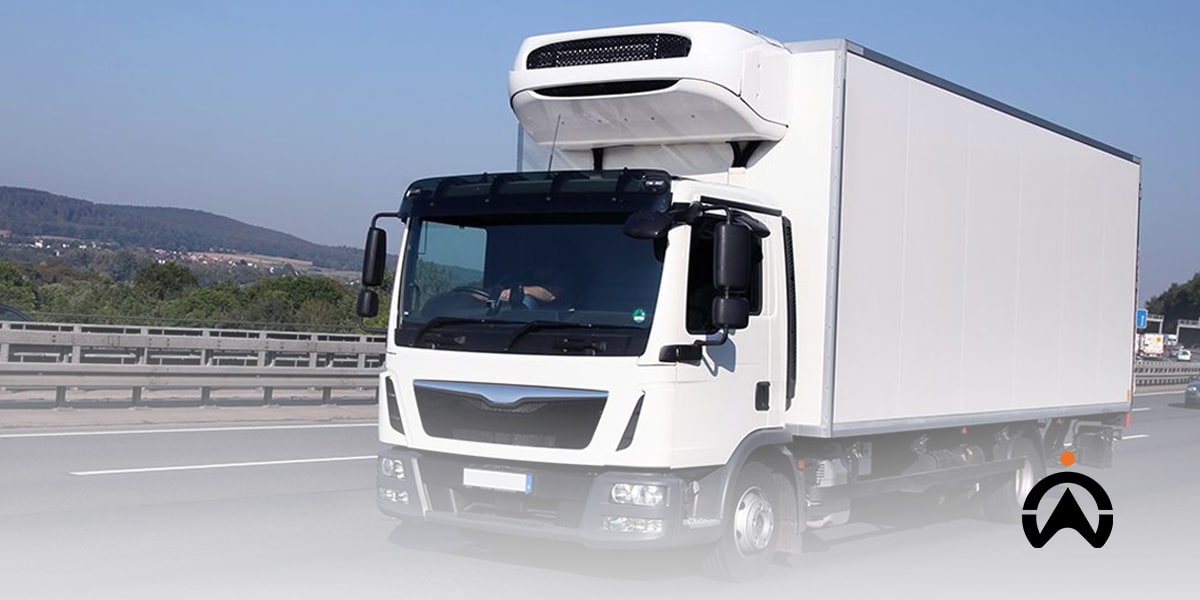
When Is The Perfect Time To Change Your Fleet Vehicles

If you have a fleet of vehicles, this one’s for you. 

Did you know that keeping your fleet of vehicles too long can lead to excessively high repair costs, exceeding their resale value? Replace them too soon, and you might be throwing money down the drain. 

So when is the perfect time to upgrade your fleet?

The answer to that question is a guessing game, if you don’t have the correct asset-tracking software. With it, you can spot clear signs of exactly when to upgrade your fleet, a vital tool to help you keep your fleet reliable, cost-effective and safe. 

From top to bottom, here’s everything you need to know about vehicle replacements. 

In this article, you will:

  • Uncover the importance of understanding your fleet’s life cycle
  • Find out the benefits of a vehicle replacement plan
  • Learn how to calculate your vehicle replacement timeline
  • Spot clear signs of when it’s time to replace your vehicles
  • Discover some extra useful tips for upgrading your fleet
  • Uncover how Cartrack Kenya helps you easily replace your vehicles

Understanding your fleet’s life cycle

Say goodbye to cost-draining vehicles and hello to a new and efficient fleet.

The first step is to record and understand your fleet’s lifecycle or lifespan. 

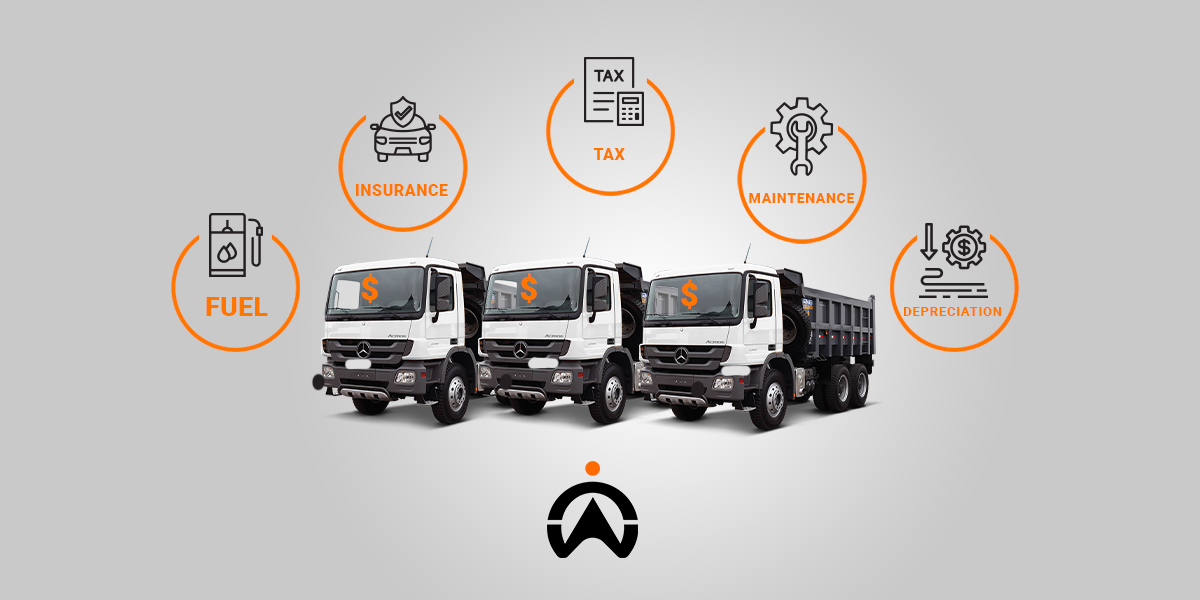
This includes tracking and managing various factors about your vehicles such as acquisition costs, cost of insurance and maintenance, optimisation and efficiency, breakdown and downtime risks, disposal, and resale prices. 

Why is this crucial?

You need to know exactly where you stand with your vehicles to sell them at the most appropriate time. 

Asset depreciation is also the single largest fixed cost in a fleet. That’s why you’ve got to maximise your fleet’s lifecycle, performance and utilisation, to get the most out of it. 

You can also quickly spot inefficiencies, such as constant breakdowns and repairs and then upgrade before it costs you too much. 

Since maintenance and servicing costs count for at least 7% of vehicle expenses, you’ll need up-to-date maintenance records to keep tabs on this.

There is also great value in having a good replacement plan and schedule to assist you along the way. 

Check out these benefits: 
Understanding_your_fleet’s_life_cycle

Perks of a vehicle replacement plan

  • Avoid major repairs: When you replace vehicles at the right time, you can prevent spending excessively on maintenance and repairs, and also reduce the likelihood of major breakdowns and downtime that affects business productivity.
    ‍
  • More equipped vehicles: Newer vehicles often have the latest technology for better fleet safety such as automatic emergency braking or in-cabin warning signal features.
    ‍
  • Fuel savings: Save on fuel by removing vehicles from your fleet that are increasing your fuel costs dramatically, and more than they should.
    ‍
  • Higher resale value: With a strategic replacement plan, your vehicles will be in well-maintained and decent condition, which will enable you to sell them at a better price.
    ‍
  • Safer, happier drivers: Keeping your fleet safe through regular safety upgrades, shows that you care about the well-being of your drivers. This helps increase their morale and productivity.

Ready to sell and cash out? We’ll help you put a plan into action:

When is the perfect time to sell your vehicles?

This depends on multiple factors and can vary for each fleet. It all comes down to the right timing for a fleet owner. 

These could be assessing the age of the vehicles, mileage, makeup, size, use, maintenance costs, and technological advancements on the market.  

A good “go-to” indicator is to find the point where the vehicle’s cost price and operating costs exceed buying and maintaining a brand-new vehicle. 

From the get-go and for more accuracy, you can create a replacement timeline for your vehicles, using advanced data from Cartrack’s fleet management system. 

Let’s head to the drawing board, for a standard 5–7-year-old vehicle:

How to calculate your vehicle replacement timeline

Year 0: Gather the purchase price, fixed costs, and any taxes and licensing fees that come with the vehicle. Then, record the day-one mileage, maintenance, and fuel costs of the vehicle, if it is not new.

Year 1: Record mileage regularly and the costs incurred in the first year to understand the asset’s utilisation. Cartrack’s software can help with this. This includes calculating the TCO (total cost of ownership) or total costs to operate a vehicle and its CPK (cost per kilometre).

Generally speaking, the total cost to operate a fleet vehicle is about 40% of expenses, which includes the initial purchase price, depreciation (the decrease in value over time), insurance, registration fees, licensing, financing, or leasing costs. Fuel costs are between 15% and 30% of a fleet’s total expenses. 

That’s why you need to keep a record of this from day one. It will help you clearly see if you’re crossing any cost boundaries.  

Be better prepared for the next year, with an estimate of maintenance costs. This will allow you to make cost changes if needed.

Year 2 and so on: Gather mileage and costs as well as calculate the TCO and CPK compared to the previous year. As the TCO and CPK fluctuate, you can begin to gauge whether an asset’s overall value is increasing or decreasing. As a vehicle ages, you should assume that costs will increase.

When to replace: If the TCO and CPK significantly fluctuate with each year or at a certain mileage benchmark, it might be time to replace that vehicle.

Additionally, if you’ve been managing your fleet for a while, then you’ll begin to see trends or signs of your assets declining.

7 sure-fire signs it’s time to replace your vehicle

  1. Breakdown after breakdown: And cost after cost, on maintenance repairs. If this is happening often, then keeping the vehicle is not worth it. The reduction in repair costs and downtime will help you save money, making the investment in a new vehicle worthwhile.
    ‍
  2. Too much fuel usage: On average, a fleet vehicle consumes around 30 or 40 litres of fuel for every 99km travelled. With the ever-rising fuel costs, it might be much better to opt for newer or adequate vehicles with better fuel economy to help cut fuel costs.
    ‍
  3. Over 100 000 km: Vehicles with more than 100,000 km may be considered “middle-age”, which is the point at which maintenance costs start adding up. Mileage is always an indication of wear and tear. If it’s too high, it might need some major repairs. However, as we already know, we shouldn’t assess a vehicle’s age in isolation but look at other factors such as the vehicle’s condition, maintenance history and service records. This helps give a more accurate assessment of a vehicle’s long-term viability and endurance.
    ‍
  4. Excessive age: Even if a vehicle’s mileage is still relatively low, fleet vehicles that are five years or older should be considered for a replacement. This is because most vehicle warranties have expired and repairs will become more expensive.
    ‍
  5. Unhappy drivers: Your drivers will be the first to tell you if your vehicles are not in good condition. Any scepticism from them should be one of your primary concerns. Especially, because you want to keep your drivers and fleet super safe, avoiding costly medical claims and hospital bills due to injuries, as a result of an unsafe fleet.
    ‍
  6. Outdated technology: Having the latest technology helps keep your fleet running at peak performance, and reduces the risk of accidents, so your employees and cargo are extra safe. This could include built-in GPS navigation systems that assist drivers with directions for safer deliveries or there could be rear-view backup cameras and bumper sensors, for additional safety.
    ‍
  7. Vehicle condition: If a vehicle has extensive exterior damage and has your company’s branding on it, it could reflect poorly on your reputation and be costly to fix. In this case, it might be better to sell it and get something that portrays a more professional image of your company.

7 extra tips for upgrading your fleet

  1. Have a plan

    We know that you need a vehicle replacement plan, so you don’t rush into changing all your vehicles and effectively spread out costs and timing. You also want to match the correct vehicle to the job. You need to know what vehicles to look for to ensure it meets your requirements. For instance, if you are transporting heavy materials, then the correct vehicle size is needed to handle the required loads and cargo. The same goes for choosing specific vehicles that are more suitable for tar or gravel roads, as a result of your service and fleet requirements.
    ‍

  2. Price of buying and selling.

    Your vehicle’s value starts depreciating the moment you drive it off the showroom floor. To leverage its value better, you can compare the purchase price with the long-term operational costs in line with inflation, and strike the right balance. Spending too little could leave you with endless maintenance issues and downtime. Spending too much, and you could end up with an expensive asset that you don’t need. And when the time comes to sell your vehicles, you’ll need to research the market value of similar vehicles to find a fair selling price.
    ‍

  3. Look at different funding methods

    Weigh out your options. Leasing vs financing vs paying cash. There are pros and cons for each. However, leasing is becoming increasingly popular. Leasing fleets are found to be 10 -15% more cost-efficient than owning the vehicle, considering all other fleet expenses. With this option, you can upgrade your fleet every few years for minimal cost and fuss, allowing you to preserve your cash flow and return the vehicle when you’re done with it. In the case of financing, it’s best to look at the most cost-effective options.
    ‍

  4. Maintenance history and repairs

    You want a vehicle that will give the least amount of problems. It’s important to check out the maintenance history of the vehicle you want to buy. Everything from the vehicle’s fuel consumption, performance, repair history and costs of replacement parts, to the manufacturer’s reputation, should be on your vehicle assessment list. Good background checks can save you from costly repairs in the long run.
    ‍

  5. Check out the associated costs

    Look beyond the initial purchase price of the vehicle and budget for other extra costs. This could be maintenance and service expenses, insurance, and tax costs associated with certain models. Additionally, consider the resale value of the vehicle, as some vehicles retain their value better than others over time, and see if it is a worthwhile fit.
    ‍

  6. Must-have vehicle specs

    You want to know if what you’re buying is actually equipped to carry out your fleet activities successfully. Your fleet of vehicles should have the best specs possible, to keep your fleet safe, productive and efficient. For example, does it have an advanced driver assistance system to help reduce the chance of major crashes and keep your drivers safe? Or why not look at other features, such as partition walls, shelving, or drawers, to have a more organised vehicle for daily tasks?
    ‍

  7. Be prepared to answer questions

    Something not to forget is to consider your whole team when planning vehicle upgrades, as it could affect their productivity. They will need to know how it will be rolled out and how long it will take to get done. You could send out an email or document to your employees, outlining the changes that will be taking place, and how they impact everyone.
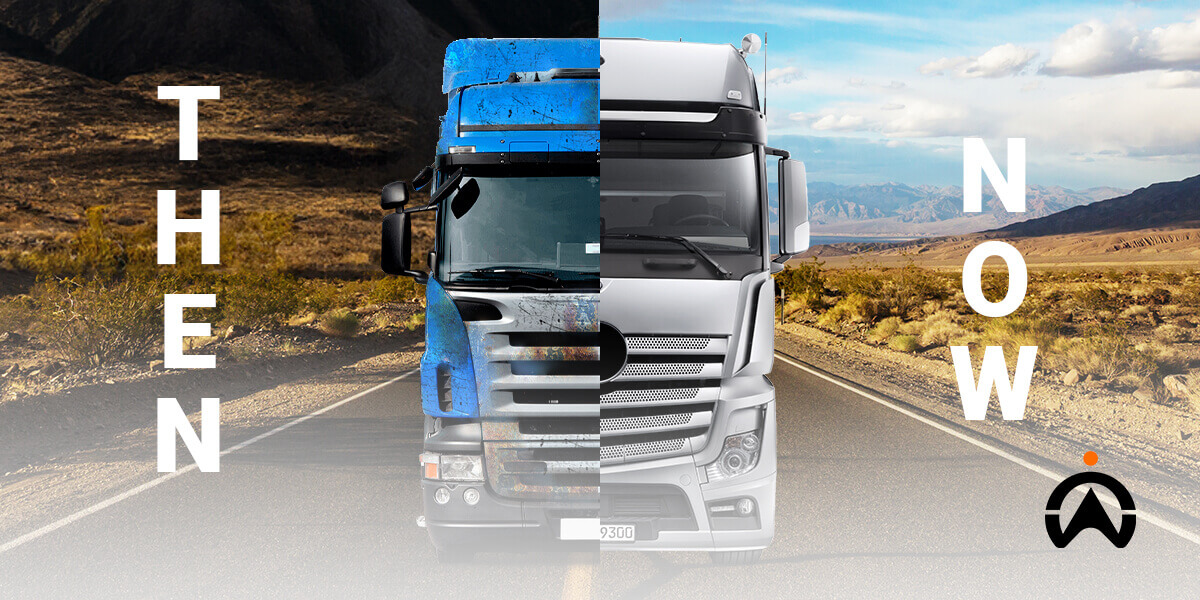
Experts reveal that 60% of companies aren’t aware of the possibilities of using rich data to improve their operations. 

No wonder you need a bunch of data insights, to create a replacement cycle too. 

A lot to take in? Don’t worry, Cartrack Kenya’s technology does it all.

Say hello to a perfectly-timed upgraded, safe and efficient fleet

Second-guess yourself less and plan more. Understand your vehicle’s lifecycle with these top Cartrack features:

  • Maintenance tracking: Check the health and performance of your vehicles, to know when they are below par, with maintenance history reports. Service your vehicles at regular intervals and keep them in good condition, with maintenance alerts. Use this to maintain your vehicle’s warranty, and maximise its lifespan.
    ‍
  • Asset utilisation rates: This helps you monitor vehicle usage and their functioning capacity, and see if they are being used correctly. If they are underutilised, then there might not be a need for them, so managers can sell them and invest the money which will give them a better return. If they are overworked, then they might have more maintenance issues, or you might need to purchase another vehicle for your fleet.
    ‍
  • Fuel consumption reports: Use these to assess if your vehicles are using more fuel than necessary. This could mean that they are inefficient, outdated, have maintenance issues or there is fuel theft. Replacing such vehicles with newer and fuel-efficient models can help you save on fuel. You can also take this data and make vehicle comparisons, so you can choose vehicles with better fuel economy. Sudden fuel spikes could mean possible fuel theft, which means there is no need to replace your vehicles, but rather open an investigation.

Take this data from Cartrack Kenya and create the best vehicle replacement plan out there. Walk away as a super equipt fleet manager, with everything you need to manage your vehicle upgrades, from the ground up.
Workforce Management Software: 8 Unique Ways To Optimise Your Fleet

An optimised workforce is like the beating heart of a business. 

It takes sophisticated technology and data to ensure that staffing levels meet the demands of customers, meet task deadlines and stay within budget.

Fleet managers need workforce workforce solutions to help them manage their drivers and activities at any time of the day.

Let’s dive into how workforce management software can help you optimise your workforce and get the most out of your fleet. 

In this article, you will:

  • Learn the definition of workforce management and fleet optimisation, and why it is important for your business profits
  • Uncover the five core functions of workforce management software
  • Identify the common challenges in workforce management so you can correct these
  • Find the top eight benefits of workforce management solutions for your business
  • Learn how to improve the workforce management in your fleet, using Cartrack’s software platform

What is workforce management?

This involves optimising and tracking your organisation’s most important resource – people.

To achieve successful workforce management, employers should strive to strategically allocate their people and resources, track staff attendance and comply with workplace laws and regulations that change. This will optimise the productivity of their workforce and reduce various risks, such as paying employees less than what they should be paid due to mismanagement.

In addition, businesses can improve customer service and overall turnover, because they are not hiring unnecessarily, but rather optimising the processes for retaining their existing employees, saving them extra money on recruitment costs. This will also save them time spent on admin so they can free up time to focus on better ways to meet their customer’s needs and grow their business. 

In addition, Workforce management contains processes that are well-integrated, especially if an organisation has multiple departments with many employees, which could make it more difficult and complex to manage these employees. They need to be in sync and communicate well together to get the work done. 

This is where a good work management software solution comes into play but how can we apply this to a business? 

What is an example of effective workforce management software?

In the fleet management industry, a software solution that offers work log reports and driver ID tags, such as Cartrack’s, can help a fleet manager improve his workforce and easily manage his drivers on the road.

The technology makes it compulsory for drivers to tap the tag sensor in the vehicle or machine in order to start or stop operating it. This unique tag can, in turn, indicate their actual working hours. These times are then fed through to the fleet platform where a fleet manager can pull up a report with all the vehicle activity data, and even receive alerts letting them know when drivers clock in or out. This gives them full visibility of driver attendance and fleet activity, which helps them pay wages more accurately, and improves employee accountability.

Another reason fleet managers love Driver ID tags is the control it gives them. They can assign drivers certain tags that only work for certain vehicles. This helps them prevent any unauthorised usage of vehicles or equipment, helping them protect and manage their fleet. It’s also a great time saver. All this data and activity is recorded so managers don’t need to manually do this, which frees them up to focus on more pressing tasks.

What_is_an_example_of_effective_workforce_management_software

Why is workforce management important?

If you choose a workforce software solution, there are many ways it can benefit your business. Here are just a couple of key examples why it is important and how it can make your operations more productive, cost-effective and compliance-friendly.

  • Reduced compliance violations: Easy tracking of employee attendance ensures that companies are on top of their payroll and are complying with the state labour laws.
    ‍
  • Less workplace safety incidents: More safety violation alerts will ensure that you manage environmental health and safety incidents more effectively.
    ‍
  • No staffing shortages: Processes for existing staff allow them to be more productive, reducing the costly need to hire new staff.
    ‍
  • Cost management: With a workforce more optimised, businesses can retain their staff better, and they won’t incur additional costs hiring new staff, helping them reduce unnecessary recruitment costs.
  • Efficient processes and workforce: Staff will naturally be more productive as business tasks are organised and allocated more strategically.

Most businesses need a quick and easy solution that include these basic examples, which is why workforce management software is a great option, no matter what industry you’re in.

Here are the top eight benefits of workforce management solutions

Now that you know some common pitfalls in workforce management, here’s how a software solution can help address those challenges.

  1. Control staffing costs

    Software technology will enable employers to know exactly how much labour is needed to complete all their tasks. It will give them a better overview of tasks to meet business demands and will help them easily pinpoint where staff is over and under-resourced, so they allocate staff accordingly. If there’s overstaffing and excessive overtime is being used, businesses can incur major unnecessary costs in cases where staff and overtime are excessive, so just being able to identify and rectify this can save a business money.
    ‍

  2. Effective payroll

    There’s a way for you to have a more reliable payroll system in place, with the right software, which will automatically analyse hours worked, pick up overtime and will then calculate how much employees need to be remunerated. This will eliminate repetitive data entry and manual calculations, in turn minimising human errors and payroll inefficiencies.
    ‍

  3. Easily compare with competitors

    Software helps businesses create benchmarks against other competitors in a similar industry or size, especially when it comes to attendance data and productivity levels of their employees. If their workforce isn’t measuring up to competitors, a business has the tools to take action. This is important because if they don’t, competitors can provide better service and dominate the market by being more efficient.
    ‍

  4. Measure the productivity of your workforce

    A software platform will help you create key performance indicators and task schedules for your staff. You can also analyse their progress with tasks, using reports from the platform. This will help you see if they are being productive. You can also analyse if schedules are effective and see if changes are needed for your workforce to meet business objectives.
    ‍

  5. Create smarter schedules

    With real-time data, employers can easily see which shifts need to be filled, so they can immediately fill them before they face a staff shortage. They can also create schedules by location, department or job for improved scheduling in the company.
    ‍

  6. Minimise compliance risks

    Easily manage leave balances and employee benefits that comply with state laws, using a software system that has automated workflows that track this data. A system can also have integrated online recordkeeping and documentation for compliance. This is helpful if there’s ever an audit by a government agency or if there is a potential breach of compliance as your business will have the data to mitigate the situation and avoid putting the company’s reputation at risk.
    ‍

  7. Empower your employees

    Use workforce software to improve communication with your employees, so you can make them feel more informed and help them reach your business standards easily. This will make them feel more empowered and motivated at work. You can also empower your employees further, by creating fair schedules that help them also meet their personal obligations, while still meeting the demands of the business. For example, they can have a say in their schedules with self-service features to update availability, swap shifts, request time off, and pick up extra shifts.
    ‍

  8. Fewer errors and less admin

    Automate the attendance of your employees to minimise any human errors. A system can accurately calculate how many hours an employee has worked and automatically send that through to payroll. This creates less admin for HR because they won’t need to manually call the employees regarding hours worked or if there are any changes in the system.

If you are a fleet manager, optimising your workforce is important to improve the logistics, driver behaviour standards, and bottom-line costs of your fleet. We’ll give you further insight into workforce management software that can help you manage your workforce better so you can improve the processes in your fleet.

Here_are_the_)top_eight_benefits_of_workforce_management_solutions

Five core functions of workforce management software

According to Garner Inc, these are five principle functions that are found in a typical workforce management solution. Next time you’re shopping around for a solution to optimise your workforce, make sure you tick these five crucial boxes.

  1. Labour scheduling: A software system should give you the insight to see how many employees are required for a particular job at any given time. You will then be able to strategically divide the labour in your workforce and ensure that the workload is evenly spread out, the demands of customers are met and all skill sets are used at optimum.
    ‍
  2. Data collection: You will need data and detailed information from a platform so you can create reports, compare processes driven by data, and make decisions, to assess if your workforce is working for you, or if there are areas that are lacking.
    ‍
  3. Leave and absence management: An automated leave management system makes it easy to track, approve, or deny employee leave requests so you comply with leave regulations.
    ‍
  4. Task and activity management: Maximise productivity with your staff members by giving them the software tools they need to perform duties, which includes task management scheduling, enabling employees to be assigned to the right activities so they are updated on company tasks.
    ‍
  5. Attendance and payroll: A system will help you ensure attendance data is captured easily and accurately and that staff are paid for the hours they work, ensuring that there are fewer payroll errors.

We could quickly give you all the solutions to help you better manage your workforce but it will be way more beneficial if you understand the challenges first.

What are the challenges of workforce management?

If you answer “yes, that’s my challenge” to any of these, it is a good indication that you are in need of a software platform that can help in one or more of the following ways.

Employee time attendance and tracking

If your employees have to manually log their hours when signing into work, it could cause more errors when tracking their hours worked, create unnecessary paperwork, and take longer for management to process their working hours. This challenge can easily be solved with an attendance-tracking software solution.

Scheduling and rostering

You might require your employees to work different shifts scheduled for different parts of the day, and you might require more staff depending on project demands during certain periods. Paper-based rostering for this would take up too much time and create inefficiencies, which is why work automation will help managers face the challenge of employee rostering.

Managing absenteeism

Unplanned absences can test a business due to the extra costs of covering the absences and the losses incurred while the absent employee is replaced. It will be challenging for a business if they cannot manage absences, especially with a large workforce, where they will need immediate replacements to fill important roles, such as in a pressurised sales environment.

Employee self-service

Employee Self-Service solutions allow employees to view their rosters, swap shifts, request absence or annual leave, and view their information. Unfortunately, it will not be possible to accommodate everyone’s requests at the same time and it is often necessary to get through these requests to ensure the company still functions fully. If this information is not stored digitally, information can get lost, which can cause issues with labour compliance and create a potential admin crisis.

Why workforce optimisation and management should be a priority

Fleet optimisation means making the most effective use of your fleet, cutting costs, maximising productivity and ensuring best practices for your operations. It’s also about getting the most out of your vehicles or assets for less.

Basically, better managed and more optimised fleet means more productivity, deliveries, satisfied customers, revenue and profit. And that means, less costs, mileage, fuel usage, emissions released and drivers, and vehicles needed – every fleet manager’s dream.

Why_workforce_optimisation_and_management_should_be_a_priority

How to improve your workforce and fleet with Cartrack’s software 

Here’s how a telematics software platform from Cartrack Kenya can help you take your fleet from good to great.

  • Create driver schedules and communicate effectively with your drivers

    Schedule drivers to jobs or deliveries easily. Use Cartrack Delivery to view driver statuses and assign jobs in real time to your nearest available drivers. Drivers can also accept or reject tasks and review their schedules ahead of time. This allows them to communicate with managers via the mobile app, and notify them on the progress of deliveries, just by tapping the status buttons on the app. Managers can also view driver statuses to easily assign tasks to their nearest available drivers, and use the magic optimising tool to ensure the quickest and safest routes are taken for faster delivery turn-around times.
    ‍

  • Enhance driver training with data insights

    You can receive detailed, automated driver behaviour reports for each driver from the Cartrack Kenya platform. These reports can show you where your drivers are speeding, braking harshly, idling excessively and cornering fast. You can then use these insights to help grow your workforce by showing drivers where they need to improve, making them more accountable, and creating a safer, more efficient driving culture in your business.
    ‍

  • Keep your whole workforce connected

    Seamlessly connect your drivers on the road with your team in the office, keeping everyone up to date with the latest fleet activities. When your drivers are assigned jobs, they can automatically keep you updated on their progress in real time, allowing your office staff to see the status and progress of every job. If a vehicle breaks down or is delayed, fleet managers can immediately view and use the insights from Cartrack’s GPS tracking software to assist their drivers.
    ‍

  • Accurate and easy fleet payroll

    Give each of your drivers ID tags that require them to tap the sensor on the vehicle or equipment in order to start and stop using it. Fleet managers will receive automated log reports, indicating the exact hours spent on a job. You can use these reports to help accurately pay staff wages – eliminating payroll errors and any wage disputes.
    ‍

  • Increase driver safety and productivity

    Use AI-powered and live-streaming camera technology to track driver behaviour. These cameras are designed to audibly alert drivers in real time when it detects forms of dangerous driving gestures like fatigue, smoking, cell phone use and more, allowing your drivers to quickly rectify their behaviour and prevent a possible collision. This technology makes drivers more aware and accountable for their actions, which in turn makes them more productive and professional when on duty.

Drive your workforce to optimum success with Cartrack Kenya

When it comes to finding the best workforce management tool for your fleet, Cartrack Kenya is miles ahead of the game. With over 15 years of experience in providing businesses of all sizes with industry-leading telematics software, let Cartrack Kenya take your fleet’s workforce from average to optimal.

Chat with Cartrack Kenya today.

What is ADAS? Never Worry About Devastating Collisions Again

Imagine a world where driving becomes not only safer but also smarter. A world where accidents are significantly reduced, thanks to cutting-edge technology that anticipates potential dangers and provides timely warnings.

In this article, you will:

  • Develop an understanding of what ADAS is and how it works
  • Unpack the importance of ADAS
  • Discover the top 5 benefits of ADAS for your fleet
  • Find out how Cartrack’s ADAS software can boost fleet safety, efficiency, and savings
  • Read about a Cartrack Kenya ADAS success story

ADAS: What it means and what it is

ADAS stands for Advanced Driver Assistance Systems. These systems are a collection of advanced digital technologies and features integrated into modern vehicles. These advanced technologies and features enhance driver safety by improving the driver’s ability to react to dangers on the road to reduce minor and devastating accidents.

From the humble seatbelt to the familiar traffic lights and road lanes, the quest for safer roads has been relentless. Today, nearly all automobile collisions are caused by human error, fortunately, we can prevent this through ADAS through early warning and automated systems such as:

  • adaptive cruise control
    ‍
  • lane departure warning
    ‍
  • automatic emergency braking
    ‍
  • blind-spot monitoring
    ‍
  • pedestrian detection
    ‍
  • parking assistance and more

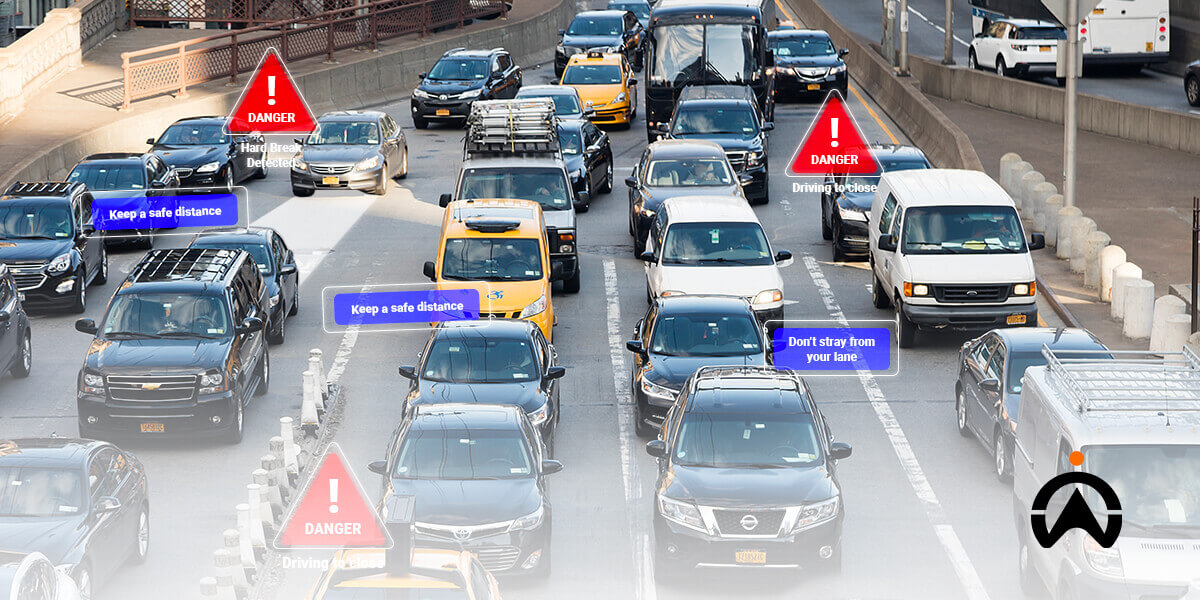
Seemingly, the primary goal of ADAS is to prevent accidents, reduce the severity of collisions, and enhance overall road safety by alerting the driver to potential hazards, assisting in maintaining safe distances from other vehicles, monitoring lane positions, detecting and responding to obstacles, and providing assistance during parking manoeuvres.

According to the Insurance Institute for Highway Safety, forward collision warning systems cut front-to-rear crashes by 27%, rearview cameras reduce backing accidents by 17%, while automated rear braking decreases them by a secure 78% – all thanks to ADAS.

Let’s find out how it works.

ADAS_What_it_means_and_what_it_is

How ADAS works: a simple explanation 

ADAS works by using camera-based sensors, intelligent algorithms, as well as artificial intelligence and machine learning to heighten drivers’ awareness of their surroundings and enhance vehicle safety. These cutting-edge solutions consist of multiple chips known as systems on a chip (SoCs) to analyse data from the surrounding environment, such as road conditions and other vehicles, to provide real-time warnings and assistance.

To put it simply, here’s how ADAS operates:

  • Sensors and Cameras: ADAS systems are equipped with sensors and cameras strategically placed around the vehicle. These sensors detect and gather data about the vehicle’s surroundings, including other vehicles, pedestrians, road markings, and obstacles. For optimal visibility, these ADAS cameras are usually mounted inside the vehicle by the front windshield, behind the central rear-view mirror.
    ‍
  • Data Processing: Data collected by the cameras and sensors is processed in real time by onboard computer systems. These systems analyse the data using predefined patterns and algorithms to identify potential risks or hazards.
    ‍
  • Driver Assistance Features: Based on the analysed data, ADAS provides driver assistance features to enhance safety. These features include:

    – Forward Collision Warning: Alerts the driver if the vehicle is approaching another vehicle or obstacle too quickly, helping to prevent rear-end collisions.

    – Lane Departure Warning: Detects when the vehicle drifts out of its lane without signalling and alerts the driver to take corrective action.

    – Adaptive Cruise Control: Automatically adjusts the vehicle’s speed to maintain a safe distance from the vehicle ahead, providing a more comfortable and controlled driving experience.

    – Blind Spot Detection: Warns the driver of vehicles in blind spots, reducing the risk of lane-change accidents.

    – Automatic Emergency Braking: Detects possible collisions and automatically applies the brakes to reduce the impact or avoid a collision altogether.
    ‍

  • Audible and Visual Alerts: ADAS systems further provide audible or visual alerts to the driver through sound signals, dashboard displays, or heads-up displays. These alerts draw the driver’s attention to potential dangers and prompt them to take appropriate action to prevent collisions.

What’s the importance of ADAS?

In today’s fast-paced and technology-driven world, the automotive industry has witnessed remarkable advancements, transforming the way we drive and ensuring greater safety on the roads. With this, ADAS systems have become crucial in mitigating human errors, improving road safety, and shaping the future of vehicle and driver safety.

Let’s delve into the significant importance of ADAS:

  • Accident Prevention: With human error being a leading cause of accidents on the road, ADAS technologies, such as forward collision warning, lane departure warning, and automatic emergency braking, act as a safety net preventing devastating collisions.
    ‍
  • Risk Mitigation: ADAS features play a crucial role in reducing or eliminating potential safety risks and their severity. By incorporating elements like blind spot detection, rearview cameras, and parking assist systems, drivers can overcome blind spots and navigate challenging manoeuvres with enhanced visibility. This reduces the likelihood of accidents caused by misjudgment or inadequate visibility.
    ‍
  • Informed Decision Making: By providing drivers with real-time alerts about potential hazards, speed limits, and traffic conditions, ADAS becomes a valuable tool that empowers drivers to confidently make road safety choices. This reduces the chances of errors resulting from a lack of awareness or misinterpretation of the road.
    ‍
  • Driver Assistance: In harsh weather conditions or low visibility scenarios, ADAS features like adaptive headlights, rain-sensing wipers, and traction control assist drivers in maintaining control and making the appropriate adjustments to minimise devastating collisions related to harsh weather conditions.
    ‍
  • Safety Redundancy: Even the most attentive and experienced drivers can make errors or be momentarily distracted. As such, ADAS acts as a crucial backup system to compensate for human limitations and serves as an additional layer of safety by detecting and responding to potential dangers when human attention or reaction time falls short.

Overall, by mitigating human errors and providing critical assistance, ADAS technologies significantly contribute to reducing accidents, injuries, and fatalities on the road. They enhance the overall safety of your fleet by complementing human capabilities, making driving safer for everyone.

What’s_the_importance_of_ADAS

Top 5 benefits of ADAS for your fleet

ADAS integration has become increasingly vital in the fleet industry. This is due to its critical role in various other industries such as cold chain logistics, construction, rental and leasing, taxi services, and transportation and logistics. With the high accident statistics, ADAS is a necessary component for improving safety and efficiency in fleet operations.

Let’s unpack the top 5 benefits of ADAS for your fleet:

  1. Enhanced Safety: ADAS plays a crucial role in improving fleet safety by providing features that assist drivers in avoiding potential hazards and maintaining safe driving practices. This proactive approach significantly reduces the risk of accidents and promotes a culture of safety among drivers.
    ‍
  2. Accident Reduction: Providing timely warnings and assistance to drivers by alerting them of potential road dangers, ADAS reduces the number of collisions. This results in lower costs associated with your fleet vehicle repairs, insurance claims, and potential injuries incurred by drivers as a result of accidents.
    ‍
  3. Driver Training and Monitoring: Advanced ADAS features like fatigue detection identify and help you address risky driving behaviours within your fleet, promoting safer practices and reducing the chances of accidents caused by driver error. This ensures ongoing improvement in driver performance and overall fleet safety.
    ‍
  4. Improved Fleet Efficiency: With ADAS features such as route optimization, real-time vehicle tracking, and predictive maintenance system, fleet operations can be streamlined and optimised, downtime can be reduced, and overall fleet performance can improve. This can result in increased productivity and profitability for fleet businesses.
    ‍
  5. Cost Savings: The integration of ADAS in fleet operations translates into substantial cost savings. Fewer accidents thanks to ADAS, result in reduced expenses for vehicle repairs, insurance premiums, and liability claims. Moreover, ADAS features like adaptive cruise control contribute to improved fuel efficiency, reducing fuel consumption and expenses over time.

Although this is an impressive list of benefits, there’s just one catch: only top-notch ADAS can make them happen.

Cartrack ADAS for fleet efficiency, safety and cost savings

Introducing Cartrack’s ADAS, a cutting-edge solution that prioritises driver and fleet safety. Our ADAS analyses both internal (in-cabin) and external (road) driving environments to deliver unparalleled protection by:

  1. Detecting and informing drivers of any potential threats.
    ‍
  2. Sending real-time audible alerts when high-risk behaviour is detected and capturing footage of the event and uploading it to the cloud.
    ‍
  3. Alerting fleet managers and admin of any risk events and granting them access to the footage for effective training.

With our cutting-edge features, Cartrack ADAS cameras help fleets become more efficient, safer, and more cost-effective:

  • AI and Live-stream Technology:

    Use our AI-powered and live-stream internal or external cameras to safeguard your drivers, fleet, and precious cargo in real time. By providing a comprehensive view of your fleet operations, these cameras enhance efficiency by enabling proactive decision-making, optimising routes, and reducing downtime from potential collisions. This technology ensures the safety of your fleet by detecting potential risks and allowing for immediate intervention. Moreover, by minimising accidents and damages, they lead to significant cost savings in terms of vehicle repairs, insurance premiums, and legal liabilities.
    ‍

  • Front Collision Warning:

    Our ADAS cameras diligently monitor the distance between vehicles, providing your fleet drivers with timely alerts to prevent rear-end collisions and bumper disasters. This proactive safety measure not only protects drivers’ lives but also prevents costly accidents, vehicle downtime, and subsequent repair expenses. By avoiding such incidents, your fleet efficiency is improved through uninterrupted operations and reduced downtime, thus resulting in significant savings.
    ‍

  • Smoking Detection:

    Say goodbye to driving and smoking. Our DMS (driver monitoring system) camera instantly identifies smoking incidents, triggering immediate alerts. By addressing this risky behaviour, it ensures a focused and attentive driving environment, enhancing safety for both the driver and other road users. By eliminating this distraction, you can improve fleet efficiency and reduce the likelihood of accidents, vehicle damage, and associated costs. Additionally, it promotes a positive image for your fleet and reduces potential legal and reputational risks.
    ‍

  • Distracted or Fatigued Driving Detection:

    Our advanced cameras keep a watchful eye on the driver’s head and eye movements to detect any distracted or fatigued behaviour such as yawning. If their attention strays from the road, it sends out in-cabin voice alerts, helping prevent accidents caused by distraction or fatigue. By proactively addressing distracted or fatigued driving, these cameras enhance safety by reducing the risk of accidents and injuries. This improves fleet efficiency by maintaining uninterrupted operations, and minimising delays caused by accidents or driver exhaustion. It also leads to substantial cost savings through reduced vehicle downtime, insurance claims, and potential legal liabilities.
    ‍

  • Mobile Phone Use Detection:

    With incredible precision, our AI camera detects whether a driver is talking on their mobile phone by ear instead of via a Bluetooth handset. By discouraging handheld mobile phone use, it enhances safety by minimising distractions and promoting better driver focus. Thus reducing the risk of accidents, and improving both the safety of your fleet and other road users. Additionally, this promotes safe driving practices and increases fleet efficiency by reducing delays and enhancing overall operational productivity.
    ‍

  • Camera-Covering Detection:

    No hiding. If a driver attempts to obstruct visibility by covering the camera, our system promptly alerts the fleet manager. By maintaining transparency and preventing camera tampering, this ADAS feature enhances safety by ensuring that monitoring and surveillance capabilities are not compromised. It further promotes fleet efficiency by discouraging unauthorised actions and behaviours, minimising potential risks, and preventing unnecessary accidents or incidents. By avoiding such incidents, fleet managers can save costs associated with accidents, vehicle damage, and legal complications, leading to substantial savings in the long run.

    You might be questioning the effectiveness and impact of these features on your fleet. Perhaps you’re wondering if they are truly necessary. Allow me to share a compelling real-life story that delves into the transformative power of these capabilities.

Cartrack_ADAS_for_fleet_efficiency_safety_and_cost_savings

Case Study: A Cartrack ADAS success story

Namdeb is a diamond-mining company that performs land-based prospecting (exploration), mining, and rehabilitation operations and services for (its subsidiary) Namdeb Holdings. Today, Namdeb monitors the utilisation and ensures the safety of over 416 vehicles (LDVs, crawlers, and buses), thanks to Cartrack’s ADAS cameras.

Challenge: Given the nature of the mining industry and the high potential for safety hazards that lead to worker accidents, injuries, and fatalities, Namdeb needed advanced driver-assistance systems (ADAS) to assist them in managing driver behaviour and safety, and monitor the utilisation of all fleet assets.

Solutions: To mitigate driver and safety risks, Namdeb implemented a comprehensive solution from Cartrack. ADAS cameras were installed in their fleet vehicles, enabling effective monitoring and detection of risky driving behaviours such as smoking, cell phone use, and fatigue. These cameras instantly send audible alerts to drivers in real time, allowing them to rectify their actions and prevent collisions. To further enhance safety measures, Cartrack’s Driver ID tags were implemented to monitor driver identities and prevent unauthorised use of vehicles and machinery. Additionally, a hand-held in-cab breathalyser detects alcohol and prevents drivers from starting their vehicles if they are under the influence.

Results: As a result of Cartrack ADAS cameras, Namdeb’s fleet now boasts alert and focused drivers, ensuring peak performance 24/7. With the ability to enforce authorised and sober drivers only, fleet and driver safety has skyrocketed. Additionally, the company maintains a finely-tuned fleet, avoiding both underutilization and overutilization, operating seamlessly in designated mines with top-notch safety measures in place.

Say hello to better safety, saving and efficiency with Cartrack ADAS

Don’t miss out on the opportunity to revolutionise your fleet with better safety, efficiency and savings. Click here, and get a free demo today.

AI Takeover: The Truth About the Future of Telematics

Artificial intelligence (AI) has and is transforming vehicle tracking more than we can imagine.

A concept once only seen in sci-fi movies has leapt from our TV screens into everyday reality. As we witness the growth of artificial intelligence, it’s only natural to wonder how this innovation will further influence the use of telematics.

Let’s take a peek into the future of AI in the world of telematics.

In this article, you will:

  • Understand the fundamentals of telematics and its role in fleet management
  • Explore the rise of AI and its impact on telematics systems
  • Learn about the benefits and downsides of AI in the telematics industry
  • Discover the potential of telematics and AI technology in everyday tasks
  • Uncover your fleet’s true potential with Cartrack.

What is telematics?

Telematics in simple terms, combines informatics and telecommunications, making it a powerful tool for gathering and managing data through technology. Today, telematics is used in various industries, including fleet management.

Imagine you’re a fleet manager responsible for a group of vehicles, such as delivery vans or service trucks. You want to make sure your fleet operates smoothly, efficiently, and safely.

Telematics is the best technology to assist with all these tasks.

A telematics system consists of a tracking device installed in each vehicle in your fleet. These devices connect with onboard diagnostics, enabling continuous communication while storing, sending, and receiving telemetry.

Some examples of telemetry data that can be collected by telematics systems include:

  • Speed – Records the vehicle’s speed, providing insights into driver behaviour and compliance with speed limits.
    ‍
  • Fuel consumption – Monitors fuel consumption and stores data related to fuel usage, enabling analysis and optimisation of fuel efficiency.
    ‍
  • GPS location – Captures the coordinates of the vehicle’s current or historical positions, allowing for accurate tracking and route analysis.
    ‍
  • Vehicle idling time – Monitors instances of prolonged idling and helps identify inefficiencies. This can assist in reducing fuel consumption and emissions.
    ‍
  • Driver behaviour – Analyse driver behaviour, including harsh acceleration, harsh braking, and harsh cornering, providing data to promote safer driving practices and identify areas for improvement.
    ‍
  • Distance travelled – Calculates and stores the distance travelled by the vehicle, allowing for mileage tracking and maintenance scheduling.
    ‍
  • Engine diagnostics – Monitors engine performance and stores diagnostic data like RPM, engine temperature, fuel levels, and error codes, which aids in troubleshooting and maintenance.

With this data, businesses gain invaluable insights into their fleet’s performance, leading to better decision-making, improved asset utilisation, and significant cost savings.

The rise of artificial intelligence

The future of vehicle tracking is here, driven by the power of AI and telematics. As technology advances, vehicle manufacturers are keeping pace by incorporating super-smart connectivity features that allow their vehicles to interface seamlessly with the AI-powered software designed to monitor and analyse them.

Traditionally, telematics systems collected and transmitted data, but struggled to extract meaningful insights on time. Thanks to the growth of IoT (Internet of Things) and the advancement of machine learning algorithms, AI can process and analyse vast amounts of data instantly, providing valuable information about vehicle performance, driver behaviour, and operational efficiency.

This empowers businesses to make data-driven decisions and take proactive measures to improve their operations.

The_rise_of_artificial_intelligence

Six benefits of AI in the telematics industry

So, what makes AI so revolutionary? Well, with easily accessible fleet data, comes swift decision-making and a more hands-on approach to managing.

Let’s explore six more key reasons why AI is a fleet manager’s dream assistant:

  1. Enhanced safety and accident prevention: AI automation in telematics offers real-time feedback to drivers, helping prevent potential accidents. By analysing data, AI can identify risky driver behaviour, provide coaching and feedback, predict risks in route planning, and address safety concerns before they result in costly errors. Automated workflows can also monitor fuel usage and suggest actions to reduce it, contributing to a business’s overall sustainability goals.
    ‍
  2. Actionable insights through data analysis: AI technology with machine learning capabilities allow for analysing of data collected by telematics systems. By identifying patterns and trends, fleet operators can make intelligent decisions and improve operational processes. AI-powered insights provide valuable information about driver behaviour, fuel usage, safety issues, and maintenance, leading to better cost management and increased efficiency.
    ‍
  3. Predictive analytics for proactive management: AI and advanced analytics enable a shift from reactive decision-making to proactive management policies. By leveraging big data, fleet managers can anticipate problems before they become obstacles to operations. Predictive analytics can help reduce costs, improve maintenance, increase efficiency, and promote better driver behaviour, resulting in financial benefits for the organisation.
    ‍
  4. Improved driver behaviour and performance: AI technology can effectively monitor and enhance driver behaviour. By providing continuous feedback and reinforcement of safe driving habits, fleet managers can ensure that drivers practise responsible behaviour on the road. This leads to increased safety, reduced accidents, and improved overall fleet performance.
    ‍
  5. Optimal safety measures: AI technology introduces advanced techniques such as driver behaviour and identification, alarm systems, and geofencing to enhance fleet safety. Real-time monitoring systems enable fleet managers to receive instant notifications and respond swiftly to emergencies. Comprehensive reports generated by AI-powered systems help identify safety deficiencies and facilitate corrective actions, ensuring the safety of the fleet and its drivers.
    ‍
  6. Strengthened data security: As fleets handle large volumes of sensitive data, data security is crucial. In the telematics industry, there is a growing emphasis on increased cybersecurity measures and the adoption of integrated databases. Fleet operators prioritise protecting sensitive information and are investing in strategic management approaches and upskilling IT personnel to meet evolving cybersecurity challenges.

Six downsides of AI-driven telematics

While AI in telematics brings the above-mentioned benefits and many more, there are some challenges that need to be addressed:

  1. Ethical and regulatory concerns: The use of AI algorithms raises ethical considerations regarding transparency and accountability. Clear guidelines and regulations are required to ensure ethical standards are upheld and individuals’ rights are protected.
    ‍
  2. Data privacy and security: Telematics involves collecting and transmitting vast amounts of data, including personal and sensitive information. Ensuring data privacy and security is crucial to protecting against potential misuse or unauthorised access. Robust encryption, authentication mechanisms, and adherence to data protection regulations are essential.
    ‍
  3. Bias and discrimination: AI algorithms are trained on data, and if the training data contains biases, it can lead to discriminatory outcomes. Biassed algorithms may affect areas such as driver behaviour assessment, insurance premium calculations, and personalised user experiences. Efforts must be made to minimise biases, ensure diverse and representative training data, and implement fairness measures in AI models.
    ‍
  4. Integration and compatibility: Integrating AI technologies with existing telematics infrastructure can bring up technical challenges. Compatibility and smooth integration with diverse hardware and software components need to be ensured.
    ‍
  5. Skill gaps and workforce training: The increasing reliance on AI demands a skilled workforce capable of developing, implementing, and maintaining AI systems. Organisations must invest in training programs and upskilling initiatives to bridge the skill gaps and empower employees to work effectively with AI technologies.
    ‍
  6. Cost and resource requirements: AI implementation in telematics may involve substantial costs, including hardware upgrades, software development, and ongoing maintenance. Organisations must carefully assess the return on investment and consider long-term sustainability to justify the expenses associated with AI adoption.

Despite the challenges, AI in telematics still holds immense potential. It empowers transportation, logistics, and various other industries to unlock actionable insights, optimise operations, enhance safety, and create personalised user experiences.

How do telematics and AI technology help fleet managers?

Simplifying tasks, streamlining operations and cutting down on fleet costs are always top priorities for fleet managers.

Let’s see how telematics can become your right-hand man in your quest to get those daily tasks done and dusted quicker.

Say you’re interested in monitoring fuel consumption across your fleet, one of your most costly responsibilities. With telematics, you can track this data in real time. You’ll know which vehicles are efficient and which ones may need attention. This insight allows you to take proactive steps, such as addressing maintenance issues or providing driver training, to improve fuel efficiency and save costs.

If you want to focus more on improving driver safety, telematics also provides valuable information about driver behaviour. It can track factors like speed, harsh braking, and idling time. As a fleet manager, you can use this data to identify risky driving patterns and take appropriate measures to improve safety. For example, if you notice excessive speeding, you can offer training programs or implement driver rewards for safe and responsible driving.

The possibilities are vast with the combination of AI and telematics. AI algorithms can process telematics data in real-time, enabling predictive modelling, intelligent analytics, and personalised experiences.

How_do_telematics_and_AI_technology_help_fleet_managers

How AI-powered solutions will shape the future of fleets

Traditional fleet management systems are making room for a new wave of AI-powered solutions, ushering in a transformative era for fleet management practices. These innovations can unlock new levels of efficiency, safety, and sustainability in the transportation industry.

  1. The prominence of Mobility-as-a-Service (MaaS)

    Initially focused on ride-sharing platforms like Uber, MaaS is now extending its reach to include traditional fleet operations with services like Uber Eats and Courier Butler to enter a $22.18 billion estimated market by 2028.

    Considered the future of mobility, Mobility-as-a-Service allows fleet managers to customise their services and move away from the conventional approach of solely operating and maintaining their own vehicles.

    By leveraging AI and telematics data, fleets can seamlessly integrate with MaaS platforms, offering end-to-end multimodal transportation services. This integration optimises passenger experiences, improves overall mobility efficiency, and enables fleet managers to explore new business models and revenue streams.
    ‍

  2. The impact of the Internet of Things (IoT)

    One of the most popular trends in telematics is the Internet of Things (IoT). It enables the re-engineering of the entire supply chain process by promoting the seamless sharing of information between all stakeholders, such as retailers and manufacturers, and connecting physical vehicles, devices, and sensors with the digital world.

    With IoT and AI-powered telematics systems, fleet managers can now collect real-time data, enabling fleet operators to monitor tyre pressure, monitor refrigerated systems and track vehicle performance.

    How does this work?

    IoT technology in fleet management relies on three key technologies:

    – Wireless communication: This includes technologies like 4G, Bluetooth, and WiFi, which help transmit important information between vehicles and systems.

    – Global positioning system (GPS): GPS enables accurate real-time tracking of vehicle locations, allowing for precise monitoring and control.

    – Onboard diagnostics: Vehicles use diagnostic tools like OBDII and J1939 scanners to perform self-diagnostics and report any issues, making maintenance and troubleshooting easier.

So, it’s not just about keeping up with the latest tech — it’s about seizing the opportunities it brings. By embracing these advancements and leveraging the power of data, businesses can gain a competitive edge, deliver exceptional customer experiences, and propel themselves forward in the dynamic business landscape.

How_AI-powered_solutions_will_shape_the_future_of_fleets

Empower your fleet with Cartrack’s advanced telematics solutions

As the future of telematics and AI unfolds, businesses must prepare for a new era of fleet management. Cartrack Kenya strives to deliver innovative technology to help businesses track, manage and improve their fleet.

Cartrack Kenya offers a suite of telematics solutions designed to streamline operations with robust tracking devices and sophisticated software like:

  1. Advanced telematics technology: With installed tracking units and a smart fleet management platform, Cartrack Kenya enables fleet managers to monitor their vehicles’ location, performance, and driver behaviour in real-time.
    ‍
  2. Predictive maintenance: Cartrack’s telematics and AI solutions enable Cartrack Kenya to predict maintenance needs before breakdowns occur. This proactive approach minimises downtime, reduces repair costs, and improves fleet reliability. Businesses can now optimise their maintenance schedules, enhance vehicle longevity, and maximise operational efficiency.
    ‍
  3. Seamless integration with IoT and MaaS: Cartrack’s technology can seamlessly integrate with these technological innovations as well as vehicle advancements like electric vehicles. Fusing telematics, AI, and IoT, allows fleet managers to access fleet data like location, diagnostics, fuel monitoring and much more, to optimise passenger experiences, and explore new business models.
    ‍
  4. Enhanced safety and compliance: Cartrack Kenya provides solutions to ensure fleet safety and compliance with features such as vehicle reports and logbooks. Cartrack ensures roadworthy vehicles and regulatory compliance with over 40 reports to monitor driver behaviour and optimise fleet performance. Cartrack’s logbook automatically logs all car trips and categorises them as personal or business trips ensuring you have a tax-compliant logbook ready for SARS submissions. Businesses can also benefit from simplifying compliance management by seamlessly handling insurance, permits, contracts, and other compliance obligations all from one platform.

Discover how Cartrack Kenya can transform your fleet management and propel your business forward.

Lead the change with Cartrack Kenya

The future of telematics is evolving right before our eyes and Cartrack Kenya is leading the charge. Businesses have long struggled to upload large amounts of data captured by their telematics systems, limiting the use of data and diminishing the return on investment.

Contact Cartrack Kenya today to discover how our AI-powered telematics solutions can help you unlock the true potential of your fleet.

Unlucky Gents! Women Are The Better Drivers, Here’s Why

What are women better than men at? That’s a question sure to stir up many different opinions – but let’s keep this one all about the facts. Believe it or not, driving is one area where the ladies seem to have one-up on the gents. No wonder women tend to get better deals on car insurance than men. We’re unpacking all the reasons why, right here.

In this article, you will:

  • Learn how culture and society shape gender perceptions
  • Get the hang of the most recent stats on gender-based driving behaviour
  • Discover the critical traits of better drivers
  • Wise-up on how to improve your driving with top tips
  • Find out how Cartrack helps you improve safety and responsibility

Men vs women: The age-old squabble has taken to the streets. But who’s less likely to have an accident?

One of the most important points to establish before embarking on a gender-based discussion of driving behaviour is what exactly “better driver” means. Responsible driving is the most desired attribute linked to better driving, especially in South Africa, where poor road conditions and sky-high accident rates are prevalent.

As we start exploring some of the differences between men and women and just how these play a role in their driving behaviours, looking at how society shapes our views on gender and gender-based behaviour is a great way to create some valuable context.

Cultural and societal factors linked to gender differences in driving

Two notable factors moulding gender perception are culture and society. And, when it comes to driving behaviour, the general norms set out by these factors can also influence how men and women make decisions while on the road.

  • Socialisation: Cultural norms influence gender roles and expectations, which can lead boys to be more assertive and competitive and girls to be more cautious and risk-conscious. These influences potentially impact their driving behaviour later in life.
    ‍
  • Perceptions of masculinity and femininity: In numerous cultures, masculinity is linked to traits like dominance and aggression, leading to men’s tendency to adopt riskier driving behaviours to demonstrate or conform to societal expectations.
    ‍
  • Attitudes and beliefs: Cultural and societal norms influence attitudes about gender and driving. For instance, the belief that men are naturally better drivers can lead to riskier driving displays among men.
    ‍
  • Peer influence and peer pressure: Cultural and societal norms shape peer groups and social circles, exerting significant influence on behaviour. When a culture promotes risk-taking among men, it tends to foster a social environment where such actions are accepted or admired due to peer pressure.

It’s a popular belief that the way we understand the world around us is influenced by both nature and nurture. And, when it comes to nurture, culture and society are some of the most important shapers of the way we see gender as well as gender-based behaviour.

3 gender-based driving questions you’ve been itching to ask plus their honest answers

Does gender play a role in driving?

When it comes to responsible driving, gender plays a role.

While women come out on top as the most reliable drivers, it’s also been statistically proven that confidence levels can affect their driving abilities. While men tend to struggle more with irresponsible habits like speeding, tailgating, and harsh braking, women are more prone to underconfidence, which can also affect driver performance.

Are there more male than female drivers?

This can differ from country to country. Let’s use America as an example.

In 2021, licensed US women drivers outnumbered licensed male drivers on the roads. However, females travel fewer miles, making it less likely that a US driver on the road at any given time is female. So ultimately, the percentage of male drivers on the road in the US is higher than female drivers.

Are women or men better drivers?

Today in South Africa, women exhibit a higher likelihood of responsible driving behaviour than men. And, considering local role-players like poor road conditions and high-accident rates, “responsible driver” is a fitting definition for “better driver”.

The_verdict’s_out_women_take_pole_position

What constitutes a good driver? 5 telltale signs

Some drivers are from Venus, while some are from Mars. Still, basic behaviours linked to responsible driving remain the same regardless. So, the tendency of men versus women to exhibit these behaviours becomes fundamental to winning the title of “best driver.”

Behold the five telltale signs of good drivers:

  1. A clear mind

    Level-headedness decreases the likelihood of uncontrolled anger and a lack of impulsive behaviour. Keeping cool helps you avoid tunnel vision and a lack of awareness of what’s happening around you. It ensures you remain mentally sharp with optimal reaction times and a decreased tendency to make rash choices, directly affecting driver skill and safety. Be the one that cracks a charming smile instead of giving the guy in front of you that middle finger.
    ‍

  2. Proper indicator use

    Notifying everyone around you of your plans to turn or change lanes may seem like a no-brainer, but if you think about it, the absence of indicator use is something you tend to see on the road almost daily. Whether it’s a driver who doesn’t know how to use an indicator at a traffic circle or an obnoxious lane-changer on the highway, a lack of signalling is common road-based etiquette. All-in-all, proper indicator use shows you value your safety and the safety of others around you.
    ‍

  3. An avid follower of traffic rules

    The rules of the road are, according to many motorists, open to interpretation. However, bending the rules lead to accidents, and injuries, and causes a dangerous lack of consistency in how drivers behave. Once a driver understands the goal of traffic rules to mitigate risk and reduce car accidents, it’s easier to make sense of why it’s important to follow them.
    ‍

  4. No speeding today…or ever

    Can you honestly say that you’ve never received a traffic fine for speeding? Most of us, regardless of gender, are guilty of speeding, even if it is just 65km/h in a 60km/h zone. What makes a good driver, though, is trying your best to stay within the limit and not allowing overwhelming emotions or road rage to dictate how much you want to bend the rules on any given day.
    ‍

  5. Avoiding distractions

    Do you have a no-phone-use policy while driving? Making sure you keep your eyes where they should be – on the road, keeps you and everyone around you safe. Enable hands-free while driving if you can. But, even then, screen your calls and only respond to emergencies, as you’re likely to shift your focus to the conversation instead of traffic-related events happening around you.

The verdict’s out – women take pole position

The official report by the U.S. Department of Transportation’s Fatality Analysis Reporting System (FARS) does not lie; the title of Responsible Driver undisputably goes to the fairer sex.

  • From 1982 to 2021, speeding was identified as a contributing factor for a greater percentage of male drivers than female drivers involved in fatal crashes.
    ‍
  • During the same period, the proportion of fatally-injured DUI passenger vehicle drivers has been substantially higher for males.
    ‍
  • Seventy-two per cent of all motor vehicle crashes in 2021 were males, accounting for 72% of passenger vehicle driver deaths, 48% of passenger vehicle passenger deaths, 70% of pedestrian deaths, 86% of bicyclist deaths and 92% of motorcyclist deaths.

In the end, accidents involving male drivers tend to be more fatal and are more likely to be attributed to risky driving behaviour.

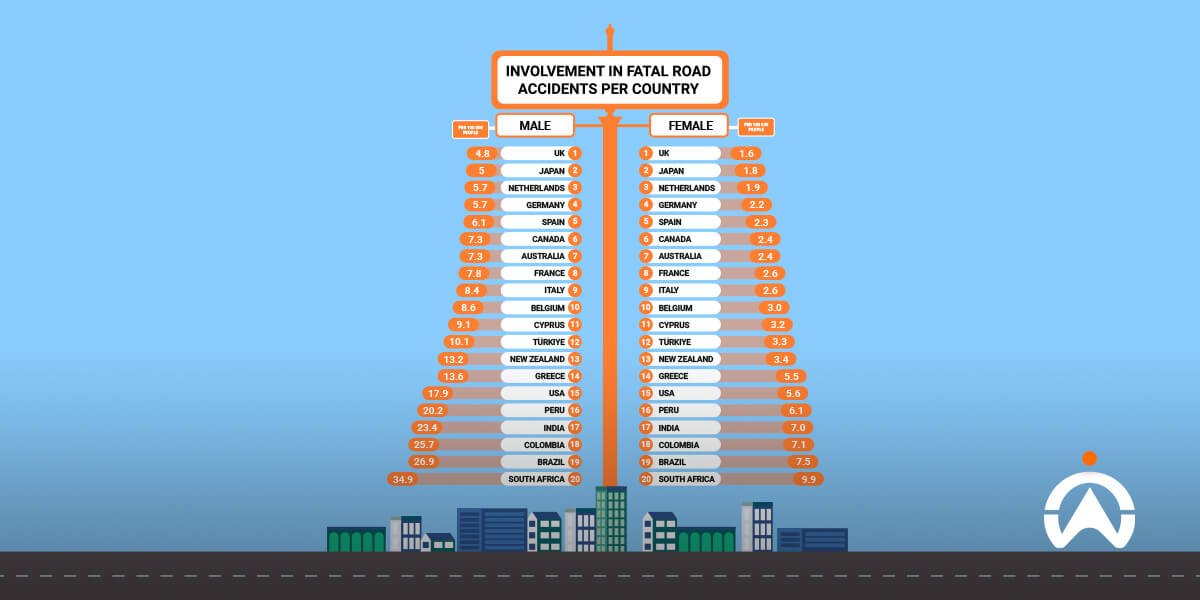
The involvement of men versus women in fatal road accidents globally

While the above data is US-based, research revealing global statistics tells the same story when it comes to fatal road-based accidents.

men_versus_women_in _fatal_road_accidents_globally

There’s always room for improvement: men’s and women’s top tips for becoming more responsible drivers

Whether you’re a male or female driver, doing some introspection on your daily driving behaviour will help you become a better driver by identifying and working on improvement points. And, because men and women are different, what can be better than providing a tailored list for each?

Men, this is how you can step it up a gear

  1. Don’t let other drivers’ irresponsible behaviour affect your focus

    Careless driving from other drivers will make anyone’s blood boil, but two wrongs won’t make a right. Keep your cool and maintain a defensive driving approach to counter the risky behaviour of others.
    ‍

  2. Avoid distractions

    Distractions come in many shapes and forms. From smoking in your car to listening to loud music or replying to a text message, you’re busy entertaining a distraction if your eyes and mind are not where they should be — the road.
    ‍

  3. Adopt and keep a growth mindset

    A growth mindset involves looking at situations from a there’s-always-something-to-learn perspective. No matter how careful you drive, never settle for thinking your driving doesn’t require any improvements.

Gals, to keep the bragging rights, consider these points

  1. Drive with confidence

    With statistics showing women as less likely to be confident about their driving abilities, it’s important to understand that a lack of confidence on the road can be dangerous. The best way to improve your driver confidence is to stay focused on the road and be ready for anything.
    ‍

  2. Avoid multitasking

    It’s something women are notoriously good at, but when weighing up the pros and cons of multitasking while driving, your safety and the safety of others should be the first priority. While women are known to take fewer risks on the road and drive carefully, multitasking remains tempting.
    ‍

  3. Don’t let emotions distract you

    Ever had to drive away after receiving bad news or having a fight with a loved one or partner? Take a moment to clear your head before hitting the road to ensure you drive with a focused mind.

men's_and_women’s_top_tips_for_becoming_more_responsible_drivers

Explore Cartrack’s expert tools for better driving

Nobody’s perfect, so having reliable tools that promote improved driving while prioritising vehicle safety is something no driver should be without.

As for gender-based driving performance, keep up the good work, ladies! It’s official: women drivers have outshone the male drivers of Mzansi. And, having more conscientious, focused drivers on the road elevates everyone’s road-based safety.

Speaking of safety, Cartrack’s SaaS-based platform is developed with drivers in mind. Here are four ways Cartrack’s revolutionary tech can help improve your safety:

  • Advanced vehicle tracking

    A car is a priceless lifeline, so make sure you protect yours. With a state-of-the-art vehicle tracking device installed in your car, backed by our 90%+ independently-audited vehicle recovery rate, you can keep your vehicle safe from hijackings and theft.
    ‍

  • Real-time crash detection

    Don’t end up stranded in the event of an accident. With smart IoT technology, we receive real-time crash notifications, allowing us to dispatch live-saving emergency responses on your behalf and notify the most important people in your life.
    ‍

  • Detailed driver behaviour reports

    Make sure you drive safely with insightful trip reports. With the touch of a button, you can review your performance on common risky driving behaviours like harsh braking, fast cornering, excessive speeding and more, helping you be more mindful of your road behaviour so you can make improvements.
    ‍

  • Peace of mind with Catrack Protector

    Stuck on the side of the road with no petrol and no one to call? Cartrack’s Protector is there for you when you’re stranded or in need of help, giving you access to roadside, legal, and medical assistance so you’ve got what you need to stay safe.

Stay on the winning side of vehicle-safety stats, contact Cartrack Kenya today to increase the safety for you, your loved ones and those around you with our industry-leading vehicle-safety solutions.

Fleet Management for Electric Cars – How to Stop Range Anxiety

Are you tired of rising fuel costs and taxes on CO2 emissions? It might just be time to pull the plug on traditional vehicles and bring your fleet to the future by going electric.

Not only do electric vehicles cut down on operational costs and boost productivity, they’re also environmentally friendly. But there’s one thing holding fleet managers back from completely integrating into a fully electric fleet — it’s a little thing called range anxiety.

In this article, you will:

  • Learn about range anxiety and how to overcome it
  • Get a breakdown of the differences between hybrid and fully electric vehicles
  • Cover potential cost savings methods for managing electric vehicles
  • Explore new advancements in EV battery technology and their impact on the future
  • Learn how to build and maintain your EV fleet with Cartrack as your trusted fleet management partner

The future of electric vehicles

Managing an electric fleet that doesn’t require fuel to run is every fleet manager’s dream, right? However, despite growing interest, a 2019 Kia Motors study found that 80% of fleet managers were held back from making the switch due to range anxiety — the fear of an EV not having enough charge to reach its destination during travel. 

Although EVs have come a long way in terms of range, it’s understandable that range anxiety remains a concern for many. But fear not, there are several measures you can take to ease any anxious feelings.

Let’s explore the facts and figures that come along with EV range anxiety and be range-assured.

The two types of electric vehicles

Electric fleets have been a trending topic recently, and we see why. These vehicles can be used in light-duty, medium/heavy-duty and even off-road applications. EVs can match or surpass their gas-fueled counterparts, plus they’re quieter.

Electric vehicles (EVs) run on batteries and electric motors rather than petrol or diesel fuel like conventional vehicles. Electric vehicles come in two main types – battery electric vehicles (BEVs) and plug-in hybrid electric vehicles (PHEVs).

BEVs are powered entirely by electricity stored in batteries, while PHEVs feature both an electric motor and a regular petrol or diesel engine. Although PHEVs have a longer range than BEVs, they still produce emissions using their internal combustion engines.

When it comes to fleet management, it’s important to consider which type of electric vehicle is the best fit for your needs. For example, if you’re looking to go green and save on fuel costs, a BEV might be the way to go, as they produce zero gas emissions.

However, if you need increased fuel efficiency and a longer range for certain tasks, a PHEV might be a better option. It’s all about finding the right balance for your fleet’s needs.

The_future_of_electric_vehicles

How do electric vehicles work?

An electric vehicle’s battery powers an electric motor, which turns the wheels to propel the car forward. When the battery is depleted, it needs to be recharged by plugging the car into an electrical outlet or charging station. The battery can be recharged using a standard household outlet, but it will take much longer than using a dedicated charging station.

One cool thing about EVs is that they can also recharge their batteries while driving. This happens when the driver applies the brakes, and the car converts the energy from slowing down into electricity to recharge the battery. This is called regenerative braking.

Overcoming range anxiety

Let’s walk through one of the major challenges of electric vehicles — range anxiety.

With all the benefits that come along with this type of vehicle, fleet managers have grown worried about whether EVs can get the job done and not die on them in the process.

Simply put, range anxiety is the fear of whether EVs have enough energy stored to cover the distance of their journey. This growing EV anxiety seems to be the number one reason most fleets have not migrated to a fully electric fleet, plus the concern that the initial transition will be too costly for some businesses.

How did range anxiety start?

The fear of EVs was sparked when its primary models, despite being fully charged, showed a low mileage range. This created a poor reputation within the transportation industry.

Charging vehicles had to be considered before the EVs could hit the road to complete daily tasks, and drivers were often finding that they couldn’t get much more than 112 km from a fully charged battery, so the question is, “How often does the fleet have to pause production just to charge?”. The irregular mileage per full battery did worse for their already poor reputation.

Naturally, no fleet manager wants to stress about rescuing stranded drivers and retrieving broken-down corporate vehicles. But when it comes down to it, if you’re thinking about going electric, should a lack of battery range be a significant concern? And what can you do to avoid it?

Improvements in EV battery technology

Since the first mode, EV batteries have been improved to last longer and charge faster. Here are the current stats on the estimated vehicle range of over 321 km on a few EVs:

Light commercial vehicles:

  1. Nissan e-NV200 – up to 275 km
  2. Renault Kangoo ZE – up to 200 km
  3. Peugeot Partner Electric – up to 275 km
  4. Citroen Berlingo Electric – up to 275 km
  5. Mercedes-Benz eVito – up to 150 km

Heavy trucks:

  1. Tesla Semi – up to 800 km
  2. Freightliner eCascadia – up to 400 km
  3. Volvo VNR Electric – up to 240 km
  4. Peterbilt 579EV – up to 320 km
  5. Kenworth K270E and K370E – up to 240 km

Factors that impact EV range

A major factor in range anxiety was the lack of charging infrastructure, but in countries that struggle with power outages and power availability, such as Kenya, unfortunately, this strengthens EV anxiety.

Apart from Kenya’s load-shedding problem, countries like America have taken initiatives to build more charging stations to meet demand and motor companies like Ford have installed over 25,000 stations as well.

Besides resource availability, other factors that impact the EV range come down to three other major categories:

Driving behaviour: With traditional fuel vehicles, negative driving habits can destroy fuel economy, the same can be said about electric vehicles. Speeding, harsh braking, and quick acceleration all consume extra energy, resulting in less range and increased vehicle wear and tear.

Weather and vehicle temperatures: Temperature is one of the most reported causes of restricted range, however, it is frequently misunderstood. Lithium-ion batteries operate poorly in low conditions, but EVs have advanced battery thermal management systems that keep them at ideal temperatures. Some energy is consumed by these systems, but most of any range loss is caused by energy used by an air conditioner to heat up or cool down the vehicle’s interior.

Longevity: Much like the batteries in our cellular devices, all rechargeable batteries eventually lose their ability to store their full energy potential, this reduction in durability is referred to as battery degradation. For an EV, this coincides with reduced range over time.

Fortunately, data shows that this decline in battery health is only 2.3% a year, simply meaning an EV with a 434 km range would have an effective range of around 363 km after about seven years.

Doesn’t data like this ease your fears about EV range? Below are additional ways to reduce range anxiety within your fleet.

Factors_that_impact_EV_range

What can be done to reduce range anxiety?

Buying electric vehicles can be a challenge, especially for businesses with range anxiety. But there are several ways you can ease this concern.

1. Providing driver training

Your drivers are the key to getting the most range out of your EVs. Improving driver behaviour by training your drivers in economic driving practices like avoiding idling, maintaining normal speeds and avoiding abrupt acceleration or stopping can lead to reduced wastage of vehicle resources and negatively impact energy economy and range.

2. Planning ahead

Optimise charging schedules to ensure EVs are job-ready at the start of every shift. Even fast-charging stations can take up to 30 minutes to fully power a standard electric vehicle, so understanding where charging stations are along scheduled routes and dedicating recharging times to assist with range anxiety is crucial. Driver training mentioned above also helps with sustaining energy by encouraging drivers to make appropriate use of regenerative braking, which sends excess vehicle energy back to your EV’s batteries while you slow down, ensuring increased EV range as they drive.

3. Keeping vehicles well maintained

A thorough preventative maintenance routine keeps fleet operating expenses low. Maintaining proper tyre pressure in the case of EVs, for example, can help you get the most mileage out of each charge. Keeping your EV’s tyres under-inflated can cause a significant decrease in mileage. Every one pound per square inch (PSI) decrease in tyre pressure leads to a 0.4% decrease in mileage. To maximise your EV’s range, it’s important to know the recommended PSI for your tyres and check them regularly, as tyre pressure can fluctuate by one PSI for every ten degrees Fahrenheit change in air temperature, therefore schedule tyre pressure inspections as the seasons change.

4. Support EV drivers with real-time data

Once drivers take their electric cars on the road, you’ll want to reassure them that they’re not alone. Monitoring vehicles’ state of charge allows managers to prevent vehicles with low charges from running out of energy. Also, fleet managers can monitor EV charge levels and update routes to point drivers to nearby charging stations in case they need to reroute or recharge unexpectedly.

Maintenance costs of an electric fleet

As a fleet manager, it’s important to consider the maintenance and cost of electric vehicles compared to traditional gasoline or diesel vehicles.

One major advantage of EVs is that they have fewer moving parts than traditional vehicles, which means less maintenance. For example, EVs don’t need oil changes, spark plug replacements, or cam belts. Instead, regular maintenance for EVs includes:

  • Brake inspections
  • Tyre rotations
  • Checking the battery’s health

Which brings down their maintenance expenses to a minimum. So, what about fuel costs? EVs are generally cheaper to fuel than traditional vehicles since electricity is typically cheaper than petrol or diesel.

Sounds good so far, right?

But, there is one setback. When it comes to the upfront cost of purchasing EVs, they can be more expensive than traditional fuel vehicles, but some factors can decrease that cost. Many European countries, like the UK and France, offer incentives such as tax credits, rebates, low-emission zones (LMZ) and free parking spots for electric vehicles. Additionally, EVs have lower operating costs than traditional vehicles because of the cheaper price of electricity compared to gasoline, and their minimal maintenance due to fewer moving parts. All these factors can offset the running price over time and make EVs more cost-effective.

ESG

Additionally, EVs obviously have lower emissions than traditional vehicles which helps fleet managers meet sustainability goals and comply with local emissions regulations.

Fleet managers may need to invest in workplace charging stations, or use public charging spots. While private charging stations can involve some upfront costs, many public charging stations offer free charging, if not, fleet managers won’t spend that much as the current cost of electricity is high for commercial customers, which is much cheaper than current Kenyan fuel prices per litre.

Charging options in EVs that ease range anxiety

Charging_options_in_EVs_that_ease_range_anxiety

Here are five recent developments in EV battery technology that fleet managers should put on their radar.

  1. Solid-State Batteries: Solid-state batteries are a promising new technology that replaces the liquid electrolyte used in traditional lithium-ion batteries with a solid electrolyte. This makes the battery safer and more stable, with a longer lifespan and higher energy density. Companies like Toyota and Solid Power are currently working on developing solid-state batteries, with some expected to be ready for use in EVs in the next few years.
  2. Silicon Anodes: Anodes are a key component of lithium-ion batteries, and recent research has shown that replacing the traditional graphite anode with one made of silicon could significantly increase energy density. Companies like Tesla, are currently working on developing silicon anodes, which could lead to EVs with longer ranges and shorter charging times.
  3. Recycling: As EV production increases, so does the need for battery recycling to reduce waste and recover valuable materials like lithium and cobalt. Many companies, including Tesla and Volkswagen, have announced plans to build recycling facilities, and new technologies like hydrometallurgy and pyrometallurgy are being developed to make the process more efficient.
  4. Battery Swapping: Battery swapping is a technology that allows drivers to exchange their depleted EV battery for a fully charged one at a charging station. This could potentially reduce charging times and increase the convenience of EV ownership.
  5. Rapid Charging: Charging times for EVs are improving rapidly, with many new models able to charge to 80% in less than 30 minutes using fast-charging technology. Companies like Ionity, which is a joint venture between BMW, Ford, Volkswagen, and Daimler, are building a network of fast-charging stations across Europe to support long-distance EV travel.

There is no doubt that the future of EVs is bright, and as technology continues to improve, we can expect to see even more impressive advancements in the years to come.

How can a fleet management system help you get the most out of your electric vehicles?

How_can_a_fleet_management_system_help_you_get_the_most_out_of_your_electric_vehicles?

Fleet management can help fleet managers by providing real-time data on vehicle performance, battery life, costs and more. Companies that provide complete fleet management solutions, like Cartrack, can help fleet managers understand vehicle insights and fully optimise their fleets.

Our battery management solution provides real-time monitoring of the battery’s state of charge and temperature, allowing you to optimise battery life and prevent unexpected downtime.

Our fleet management platform and mobile app offer predictive analytics, which uses historical data and machine learning algorithms to predict when maintenance or replacement of the battery will be needed, reducing maintenance costs and ensuring the longevity of your vehicles.

Cartrack helps you stay compliant with local regulations and ensure your fleet meets sustainability goals. We offer support by informing you of how to take advantage of incentives and subsidies for the adoption of EVs. Many countries, like the USA, provide these incentives and promote the switch from fuel to electric vehicles.

Cartrack eases your range anxiety with smart reports. These reports display your speed while charging and our detailed trip reports show the energy consumed per trip. This information keeps you constantly updated on your range status and offers comprehensive reports through our fleet system so you no longer have to feel anxious about your EV’s range capabilities.

With Cartrack, you’ll have access to all the tools and insights you need to manage your EV fleet efficiently and cost-effectively. Our personalised solutions are tailored to your specific needs, ensuring that you get the most out of your EV fleet. Experience the future of fleet management with Cartrack.

Get fleet management solutions that work

Stay ahead of the competition and get the most out of your electric vehicles with Cartrack’s easy-to-use platform.

Learn how Cartrack can help you optimise your electric fleet for cost savings and sustainability. 

Contact us today for a free quote.

Fleet Risk Management: Secrets Revealed To Make Your Fleet Thrive

Are you ready to discover the hidden ingredient that separates successful fleets from the rest? Successfully identify, assess, and mitigate potential issues in your commercial fleet that can impact your organisation’s goals and objectives with fleet risk management.

How can risk management achieve all this? Let’s get started.

In this article, you will:

  • Understand fleet risk management and how safety procedures rapidly reduce risk
  • Discover the benefits of fleet risk management, from cost reduction to driver safety
  • Explore key areas of risk management, such as insurance, compliance and technology usage
  • Identify fleet risks and how fleet managers develop strategies to overcome them
  • Find out how Cartrack’s advanced telematics and fleet management services can reduce fleet risks

What makes a fleet safe? — Risk management

You’ve probably heard of the saying “better safe than sorry”. It’s the principle behind risk management. Fleet risk management is the secret weapon companies use to ensure their drivers, other employees, and vehicles are always safe and secure.

We know life happens, so having a backup plan is important to mitigate those risks. This is where your plan B or risk management comes in. This hidden gem helps you foresee and prevent bad things from happening, like accidents, breakdowns, or theft. But effective risk management isn’t just about avoiding problems, it’s also about creating value. 

How? Well, if you own or manage a fleet of vehicles, you want to make sure they’re operating at their best and ultimately working hard for the business, right? Managers must minimise the risk of breakdowns or accidents, to avoid expensive repairs and downtime. By implementing safety policies, conducting driver training, and maintaining vehicles regularly, you’re not just reducing risk, you’re also improving performance and cutting fleet costs in the long run.

What is the role of a fleet risk manager?

The fleet risk manager plays a crucial role in overseeing and managing risks associated with operating a fleet of vehicles. They are responsible for identifying potential risks and implementing strategies to mitigate them.

Their duties may include:

  • Developing and implementing safety policies and procedures to promote driver safety and minimise the risk of accidents.
    ‍
  • Conducting driver training to improve skills and ensure compliance with safety policies and regulations.
    ‍
  • Monitoring vehicle performance and maintenance to reduce the risk of breakdowns and improve fleet efficiency.
    ‍
  • Implementing telematics technology to track driver behaviour and vehicle performance, using gathered data to identify areas for improvement.
    ‍
  • Managing insurance and claims processes to minimise financial risk.
    ‍
  • Staying updated with industry regulations and best practices to ensure compliance with the latest laws.

Fleet managers work tirelessly to protect their fleet at all times. They not only safeguard their vehicles and the business’s bottom line but also prioritise the safety of their employees. After all, the drivers are the ones behind the wheel, interacting with customers, delivering services, and moving assets from one location to another.

What_is_the_role_of_a_fleet_risk_manager

Unlock the hidden benefits of proper fleet risk management

See immediate results within your fleet with risk management. Unlike hidden secrets that take ages to reveal their benefits, risk management delivers instant advantages from the moment it’s implemented.

Reap the benefits:

1. Increased returns on investment: By keeping your fleet in top shape, you can avoid unexpected downtime and other costly issues, ultimately leading to higher returns on your investment. This can help you save money and invest in other important areas of your business.

2. Lower insurance premiums: When you manage fleet risks, you show your insurance company that you’re committed to safety. This can lead to lower insurance premiums, which can ultimately save you money.

3. Reduced business liability: If one of your drivers causes an accident, it could spell disaster for your business. By taking steps to reduce risk and improve safety, you can protect your business from legal battles and maintain a positive reputation in the market.

4. Heightened work focus: When you prioritise fleet safety, you create a culture that encourages your employees to take extra precautions with their tasks. This can help keep everyone in your organisation safer and more focused on the task at hand.

5. Less guesswork: With a risk strategy in place, you can predict and prevent potential issues before they happen. This helps you make more informed decisions leading to better outcomes for your business.

Why is fleet risk management important?

It’s reported that the risk management software market was valued at USD 27.80 billion just two years ago, in 2021, and is now projected to reach USD 86.53 billion by 2030. Many businesses are falling in line with investing in their fleet’s safety.

If you’re not yet convinced that your business needs a fleet risk manager, here are a few key aspects that could have you rethink your approach. Risk managers help:
‍

Reduce costs – By preventing accidents, vehicle downtime, and legal issues, fleet risk management can save your business money in the long run. It also helps you optimise your resources and allocate them to other priorities.

Remain compliant – Compliance with local, provincial, and federal regulations is essential for any business operating a fleet. Failing to comply with regulations can result in hefty fines and legal issues that can damage your business’s reputation and harm your budget.

Improve driver safety – Fleet risk management helps you promote a safety-first culture in your organisation, reducing the risk of accidents and injuries. This can also lead to reduced insurance premiums and a more favourable risk profile.

Improve productivity – By minimising operational interruptions, fleet risk management can improve your fleet’s performance and productivity, leading to increased savings and better resource allocation.

Why_is_fleet_risk_management_important

 Areas focused on by risk management

Fleet risk management covers a wide range of areas related to operating a fleet of vehicles. Here are five areas fleet risk management covers:

  1. Driver safety
    This involves implementing safety policies and procedures to promote driver safety and reduce the risk of accidents. This can include driver training, monitoring driver behaviour and implementing telematics technology to track driver performance with AI cameras and audible alerts.

    Monitoring drivers via telematics data can provide behavioural insights such as tailgating, late braking, or speeding. This can then be addressed through coaching safe driving and result in dramatically improving fleet and driver safety.

  2. Insurance and claims management:

    Fleet risk management includes managing insurance policies and claims processes to minimise the business’s financial risk. This can include working with insurance providers to ensure adequate coverage and managing claims processes to minimise downtime and costs.

    Fleet managers regularly review their policy terms with insurance providers to ensure the fleet’s insurance coverage is up to date, and aligned with business needs. This helps to explore opportunities for optimising coverage while minimising costs.

  3. Compliance and regulations

    One of the biggest headaches fleet managers experience is keeping up with the rules that govern commercial fleet operations and the related paperwork.

    Fleet vehicles should be fit for purpose, inspected regularly, and follow a planned maintenance schedule. All drivers should be fully trained to operate their assigned vehicles, be fully aware of the company’s safety policies and know the broader compliance regulations that it operates under. Plus, drivers should be in good health and hold a valid driving licence to drive.

  4. Fleet maintenance

    Maintenance is a vital part of fleet risk management as it directly affects driver safety and fleet efficiency. Fleet risk management involves developing and implementing maintenance schedules, monitoring vehicle performance, and conducting regular inspections.

    With fleet technology, managers can efficiently maintain their vehicles by monitoring engine data, tyre pressure and braking systems, this ensures optimal fleet performance and increases vehicle longevity.

  5. Asset management:

    Fleet risk management involves managing fleet assets, including vehicles, equipment, and facilities. This can include developing asset management plans, monitoring asset performance, and implementing strategies to reduce asset loss or damage.

    Take a construction company for example, managers oversee a fleet of excavators, bulldozers, loaders etc and can accurately track the usage of each piece of equipment, and identify unusual idle times or underutilised assets.

  6. Telematics and GPS technology:

    The use of telematics and technology can help fleet managers identify potential risks, monitor driver behaviour, and improve overall fleet performance. This includes GPS tracking, driver scorecards, and real-time monitoring of vehicle data.

    Fleet managers can use this type of technology to improve equipment visibility, seeing the real-time location of their assets without depending on their drivers to inform them of their whereabouts. 

Daily fleet risks

In the world of mitigating risks, every day brings its own set of challenges. From unexpected accidents to rising fuel costs, being aware of these day-to-day risks is the first step towards developing strategies that can overcome these challenges.

Here are some potential fleet risks you can encounter:

  • Vehicle collisions and other accidents
  • Costly vehicle repairs
  • Driver and motorist injuries and fatalities
  • Legal, medical, and other liabilities
  • Property and asset damage
  • Fines and other penalties for violating regulations
  • Vehicle theft and highway robberies
  • Vehicles getting caught on fire (e.g., when carrying highly flammable items)
  • Cargo loss and damage
  • Theft and vandalism
  • Insurance and liability

This long list still doesn’t cover the full extent that fleet risk managers have to oversee and control. Depending on specific industries such as food and pharmaceuticals, risk managers are faced with unique elements they have to take care of to ensure everything runs smoothly daily. 

Luckily, fleet management systems are equipped to help.

Daily_fleet_risks

How fleet management systems keep risks under control

Advanced technology such as Cartrack’s smart telematics has given fleets the ability to leverage millions of data points to make better decisions in risk management. Managers can employ a variety of telematics to lower risk and make operations safer and more efficient.

Fleet management can be an effective solution to keeping fleet risks under control for several reasons:

Telematics: Telematics technology uses GPS tracking and other sensors to collect data on vehicle performance, driver behaviour, and other key metrics. Fleet managers can use this data to identify areas of risk, such as speeding or aggressive driving, and implement strategies to improve driver behaviour and reduce accidents.

Data-driven decision-making: Fleet management relies on data to make informed decisions about risk management. By collecting and analysing data on driver behaviour, vehicle performance, and other key metrics, fleet managers can identify areas of risk and develop targeted solutions to address them, as well as track improvements over time.

Proactive approach: Fleet management takes a proactive approach to risk management, which means that potential issues are identified and addressed before they become major problems. By implementing preventive maintenance programs, driver safety training, and other proactive measures, fleet managers can reduce the likelihood of accidents and breakdowns.

‍Compliance: Fleet management solutions can help fleet managers ensure compliance with regulatory requirements related to vehicle safety and maintenance. By staying up-to-date with the latest regulations and implementing strategies to meet these requirements, fleet managers can reduce the risk of fines, penalties, and other legal issues.Additional devices include:

Additional devices include:

  • GPS tracking devices offer real-time location tracking and other vehicle data on both powered and non-powered assets. They also support better route decisions based on the latest road, weather and traffic condition information
    ‍
  • ELDs (Electronic Logging Devices) give fleets the ability to collect and transmit reports that are needed to meet compliance mandates
    ‍
  • Dash cams offer real-time images/footage of what is happening both inside and outside a vehicle
    ‍
  • Fuel cards give managers control over when and where fuel is purchased and by which driver
How_fleet_management_systems_keep_risks_under_control

The ultimate secret revealed: Cartrack fleet technology

With the ever-increasing number of vehicles on the roads, fleet risk management has become more difficult to manage. 

Cartrack provides technology and services designed to help fleet managers ease through this process with their fleet solutions.

Real-time monitoring: With installed tracking units and Cartrack’s fleet management platform, vehicle tracking technology allows fleet managers to stay connected to their fleet at all times with accurate vehicle location and instant notifications. Cartrack also offers a Geofence feature that allows you to set virtual boundaries around areas and receive real-time alerts whenever your vehicle enters or exits these areas.

Driver behaviour analysis: Cartrack’s technology also includes driver behaviour analysis through driver scorecard reports that indicate unsafe driving behaviours like harsh speeding, braking and turning, and AI cameras with in-cabin audio alerts that go off when drivers show signs of fatigue or distraction. This can help fleet managers provide targeted training and coaching to those unfocused drivers, ultimately improving driver safety and reducing the risk of accidents.

Maintenance tracking: Cartrack’s fleet management system keeps track of each vehicle’s mileage, engine hours, and time intervals between services to help ensure that vehicles are properly maintained and serviced on schedule. Managers are informed of the on-coming vehicle service through auto-generated reminders when a vehicle reaches its maintenance threshold. This can reduce the risk of breakdowns and other issues leading to downtime.

Accident management: In the event of an accident, Cartrack’s telematics technology can detect sudden impacts or collisions and instantly send a notification of the event to fleet managers while their tracking units further help by quickly locating the vehicle and prompting a quick response to send emergency personnel to the incident. This can help save the driver’s life and reduce the risk of damage to other motorists and your vehicle.

Remain compliant: Easily manage and automate your regulatory compliance throughout your operations with these Cartrack tools:

  • Time tracking: This enables tracking of driver work and break times, preventing vehicle operation if the driver doesn’t take their full break time, ensuring drivers get the necessary rest periods.
  • Automated compliance management: Automate regulatory compliance and track fleet requirements such as insurance, permits, and contracts through Cartrack reminders.
  • Real-time risk alerts: Prevent violations with Cartrack’s fleet compliance software that provides real-time alerts about compliance or operational risks and prevents unauthorised vehicle or machinery usage until the risk is handled.

Specialised sensors: Cartrack offers a range of specialised sensors that cater to diverse industries. With sensors such as CANBus vehicle diagnostics, cargo door monitoring, temperature monitoring, and seat pressure sensors, Cartrack empowers various industries like transportation, logistics, construction, security and perishable goods to enhance efficiency, security, and safety.

All these smart features and services from Catrack, help fleet managers become more vigilant to potential risky events and alleviate or at least lessen their daily stresses with top-notch fleet management solutions that can help identify and mitigate risks and keep their fleets running safely and efficiently.

A fleet management company that can reduce fleet risks

Looking for a reliable solution to help manage and mitigate fleet risk? Cartrack offers a comprehensive suite of telematics and fleet management services that can help keep your vehicles, drivers, and assets safe and secure.

Contact us today to learn more about how we can help your business! 

How to stop vehicle idling and save fuel and business costs

Is idling bad for your car? It sure is. Now imagine if you have an entire fleet idling, it surely will put a dent in your business’s bottom line – and quickly too.


In this article:

  • The meaning of idling a car and how exactly does an engine idle
  • Five reasons why you should stop idling and the benefits of it
  • Important steps you can take to stop idling in your fleet
  • How to save on running your fleet with Cartrack

Whether drivers leave the engine running while unloading deliveries, stuck in traffic, taking a roadside phone call, warming up the interior in the winter months or cooling it down in the summer, every second of idling costs.

This is how idling vehicles in your fleet costs you, and we’ll give you ways to cut down on idling and save.

What is vehicle idling?

Idling is when a driver leaves the vehicle engine running when the vehicle is parked. Every day millions of cars and trucks idle unnecessarily, which can have many implications. 

What is an example of idling? 

This could be in stop-and-go traffic, drive-through lines, or loading docks. As well as running the vehicle to power heating, air conditioning, and electronic devices. 

If you are a fleet manager, with multiple drivers and vehicles, you’ll want to keep tabs if they are keeping your vehicles on for aircon, offloading while the engine is on, or idling too much in traffic.

So, what is the problem with idling? 

Idling for more than 10 seconds uses more fuel and produces more emissions, contributing more to smog and climate change than stopping and restarting your engine does. Idling also contributes massively to the general wear and tear of a vehicle, a lot more than you’d imagine. 

Let’s dive into this a bit more. 

What is vehicle idling?

How does an engine idle?

On a modern fuel-injected engine, the engine idle is controlled by the engine control unit (ECU) and electrically operated by a simple throttle stop, known as an idle screw. This screw stops the throttle linkage arm from completely shutting the butterfly valve that allows air to enter.

The throttle stop allows the butterfly valve to sit slightly open, which will then let a minimum amount of airflow reach the combustion chamber. This opening is just enough to allow a specific amount of airflow through to keep the engine running when there is no physical throttle input from the gas pedal. 

Then there’s the idle air control valve or IAC valve, which uses sensors that communicate with the ECU to adjust airflow into the engine to achieve the desired engine speed at idle.

This is something to look at next time you think of warming up the engine. 

5 reasons to stop your car from idling

  1.  Less wear and tear on parts

An hour of idling daily adds up to around 102 998 km of engine wear over a year. And that’s just for one vehicle.

According to the American Trucking Association, such wear can increase maintenance costs by almost $2,000 per year and shorten the life of the engine.

The reason is that excessive idling puts a huge amount of stress on your car’s parts. An engine running at idling speed causes twice the wear on internal parts compared to driving at regular speeds.

How does idling harm vehicle engines and systems? 

Idling can cause fuel to wash away the oil which lubricates the motor, causing friction that ages the engine prematurely. Modern engines have fuel consumption regulating sensors, and idling doesn’t warm the engine well enough to enable the sensors to respond, as the fuel-to-air ratio is too rich. Partially combusted fuel can damage engines, spark plugs, and exhaust systems.

A software platform provides driver scorecards that can help increase your vehicles’ lifespan, by decreasing bad driving habits like idling, reducing accidents, and boosting your operational efficiencies. This fuels smart business overall. 

No matter the size of the vehicles in your fleet– parts and maintenance aren’t cheap. You could be using money spent on repeated repairs elsewhere, to grow your business and expand your resources.

  1. Limit health risks

Idling creates the same amount of pollution as when the car is moving. These pollutants have been linked to negative health implications and diseases including asthma, heart disease, chronic bronchitis, and cancer. 

Some studies have even reported that acute exposures have resulted in hospitalisation due to respiratory conditions while cardiovascular health conditions result from chronic exposures to pollution. 

In addition, when sitting in an idling vehicle, there is no air flow to vent the emissions. Therefore, fleet managers should also take measures to stop idling for their drivers’ health, as they will be exposed to vehicle pollution more so than when the vehicle is moving. 

  1. Protect the environment

According to a recent Convoy survey, reducing carbon emissions remains a critical concern. In 2022, 38% of dispatchers, drivers, and owner-operators feel pressure to reduce carbon emissions in their businesses — a 3% increase from 2021. 

Research by the U.S. Environmental Protection Agency found that transportation produces 29% of U.S. greenhouse gas emissions, the highest of any sector. 

For every 10 minutes your engine is off, you’ll prevent one pound of carbon dioxide from being released (carbon dioxide is the primary contributor to global warming). One wasted litre of combusted diesel fuel throws 2,64kg of CO2 into the atmosphere. 

  1. Save on fuel costs

An idling car uses between 0.76 to 2.65 litres of fuel an hour. An idling diesel truck burns approximately 4 litres of fuel an hour. With Kenya prices for unleaded fuel topping Kshs 171 a litre at a point this year, that can be up Kshs 684 wasted in an hour an hour. 

One of the most impactful ways for trucking companies to create sustainability is by using less fuel. Taking measures to drive fewer miles and reduce idling is a way to reduce fuel consumption idling, and thus save on costs. 

Cartrack’s smart dashboard on the software platform shows you how much fuel your fleet uses for unproductive idling. 

  1. Cut business costs 

As mentioned, idling increases maintenance costs for general wear and tear, as well as additional fuel expenditure.

This will have a direct impact on your bottom line, and overall business profits. 

5 reasons to stop your car from idling

 4 ways to reduce vehicle idling with a fleet platform

  1. Driver behaviour reports 

A fleet management platform provides data reports about driver behaviour such as idling, rough driving, speeding, braking, and cornering. If excessive idling is identified, then fleet managers can implement actions to stop this from happening.  

The software reports can also show you which drivers are idling longer than others, so you can notify these drivers accordingly. 

  1. Educate and motivate your drivers

Some people believe restarting the vehicle burns more fuel than leaving it idling, and your drivers could be among them.  According to the Environmental Defense Fund, idling for 10 seconds wastes more fuel than restarting the engine. 

Debunking these beliefs will encourage your drivers to switch off their engines whenever the vehicle is stationary for more than 10 seconds. When it comes to fleet management, standard operating procedures for engine idling must be part of a training programme and safety culture. 

Fleet managers should teach drivers about engine idling impacts, and how to avoid idling– to help build best practices at the onset. Ultimately, it will motivate and empower them to improve their driving.

  1. Optimised routes 

By analysing the data provided, you can track where the most idling is taking place and why, and optimise your routes to prevent this.

Traffic congestion is another main cause of increased idle time.  You can use telematics software to optimise your drivers’ travel routes to avoid heavy traffic where possible, thus reducing idling. 

Cartrack Delivery’s route optimisation feature uses GPS and algorithms to evaluate all the possible routes for drivers to take. The telematics software assesses multiple variables when determining the best routes, including current traffic, accidents, and roadblocks.  Drivers can adjust their routes in progress or before they start their trips. 

  1. Geofencing

You can use geofencing to reduce the time your truck idles, by putting a geofence around common idling areas. When one of your vehicles enters the geofenced area, the telematics software will send you an alert to show how long the vehicle remains in the area.

 Idling on a construction site as an example

It is common for heavy-duty equipment on construction sites to spend significantly long periods with the engine idling, due to the nature of the work– and more than necessary. In these cases, idling should be monitored with the help of idling insights from a fleet platform. Fuel is one of the largest expenses for heavy equipment and vehicles in the construction industry, which is more of a reason for it to be kept under control.

Idling on a construction site as an example

 Save on the fuel and running of your fleet today

Idling can be an expensive problem for your business, but there’s a simple fix. While making drivers aware of more cost-effective habits goes a long way, our GPS and fleet vehicle tracking software can help limit idling.

What’s more? A customisable software dashboard helps you easily monitor other key metrics that matter to your business. Improve your fuel consumption, idle rates, driver safety, fleet running costs, productivity, vehicle usage, and more.

Contact Cartrack today to find out how our expert fleet management solutions can help, as well as the latest fleet technology trends.

How trailer tracking technology helps you manage, monitor and protect your trailers

Trailer tracking is just one of the many tools used to help make a manager’s life easier. With it, you can efficiently monitor and gain access to your assets from anywhere through our cloud-based solution.


In this article:

  • Gain insight into how asset and trailer tracking help minimise product damage, misuse and theft
  • Know what to look for when choosing a tracking unit that’s right for your assets
  • Learn how to use GPS technology like telematics to achieve total asset protection and monitoring
  • Use Cartrack to monitor, track and secure all your trailer assets no matter the size of the business

It wasn’t that long ago that employees had to go out of their way to get information. Taking time to write down the trailer number, note the location, and record any onboard cargo leaves you with less time to actually use your assets.

When trailers were on the road, manual counting was more challenging and often required a phone call, or two, for the fleet manager to get an exact location. If a trailer went missing during transit or was stolen days could pass before the company found out.

Trailer tracking technology changed all that.

Telematics and asset monitoring for trailers

Although many businesses use GPS trackers for better trailer management, many don’t know the full extent and potential of these little gadgets, i.e a GPS device, in fleet telematics.

Telematics is the smart technology used through a GPS tracking device installed in their vehicles. It gathers and stores all vehicle and trailer data and compiles it for easy management and access through a fleet platform.

Like many fleet technologies, telematics is mainly used for tracking assets like vehicles, trailers, generators, IT devices and expensive equipment. This is used for damage prevention, asset protection and overall asset tracking within the fleet.

What is a trailer tracking device and how does it work?

With GPS technology advancing faster than many people imagined, we are only beginning to realise the true value that it adds to the transportation and logistics industry. One of the most promising uses of this technology is in asset protection through trailer GPS tracking.

There are two parts to the commercial trailer tracking systems.

Battery or solar-powered – A trailer tracking device is attached to the trailer itself which emits a GPS tracking signal that communicates through the use of a cell modem. This allows the user to find out where the trailer is at any given moment.

The software – This is what receives the signals sent by the tracking device. The software can translate the signal from the trailer tracker and put the information onto a map, showing the exact location, whether the trailer is stationary or moving, and in some cases, whether or not it is tethered to a vehicle.

What is a trailer tracking device and how does it work?

Why track your assets?

Businesses invest in many things to generate profits, like their employees, vehicles and overall trailer assets. Physical assets could include any equipment, technology, or machinery that an entity uses to provide a service to themselves or their customers. All these different types of vehicles and site equipment are valuable for the business and need to be protected.

Asset tracking is used to track a business’s assets. It gathers any GPS data related to them, such as their current location, maintenance conditions, when last it was in use, for how long and by whom. This is achieved by equipping the assets with a tracking device.

Asset tracking is useful for: 

  • 24/7 trailer surveillance
  • Movements of the asset
  • Usage of the asset

Apart from your trailer’s protection, asset and trailer tracking is used for productivity and easy management, having a tracking device automatically tells you how long one of your trailers has been used in a day, and by who saves loads of time in calculating, it also helps add up working hours so you can bill clients or pay employees more accurately.

The real-time vision of their trailers gives fleet managers insights into their assets whether on-site or on the road. Using fleet trailer tracking units and software not only makes their job simpler but can also boost the organisation’s bottom line.

Asset tracking devices for theft prevention

So it happened, you clock in one morning, open your emails and read that one of your trailers was damaged or stolen while unattended. Now what? Most of the time, criminals would strip the trailer and remove the trailer’s vehicle identification number (VIN) before you even notice your assets are gone.

This happens all too frequently, costing businesses time and money. Every company that uses trailers understands these struggles. The dangers of leaving your assets unguarded, the area where they are left alone, the chance of the item getting stolen or used without our consent, and the list goes on.

With a trailer tracker, you will immediately know that something has gone wrong. An alert would be immediately sent out, giving you enough time to call the authorities and find your missing trailer, and you can receive all this info via your mobile device. 

Types of trailers that can be tracked

Realistically, GPS trackers can be installed onto any moving vehicles and stationary assets. Cartrack’s tracking units can be easily installed on all types of trailers, and vehicles in use, including:

  • Flatbed trailers
  • Enclosed trailers
  • Equipment trailers
  • Open auto trailers
  • Speciality trailers

While any GPS fleet tracking device would do, partnering with an industry-leading fleet management company like Cartrack would give you numerous benefits and added peace of mind.  

Asset tracking technology

While GPS tracking is the most popular tracking method, there is more than one way of tracking assets. Finding the best asset monitoring solution for your company might be difficult given the variety of asset tracking technology available.

Bluetooth asset tracking/ Beacons: These are remote gadgets that transmit Bluetooth low-energy signals sent to another Bluetooth digital gadget or smart device to establish the location of the beacon itself. 

Radio frequency identification: Passive RFID asset tracking is a form of wireless communication that uses electronic fields to identify and track tags attached to objects. These require RFID reader devices to receive signals from the tag.

GPS-based asset tracking: GPS tracking devices are attached to any assets and can interact via cellular networks or satellites and communicate over long distances while keeping accurate, up-to-date logs for employees.

Most types of mobile asset tracking devices allow for custom alerts, notifications and even geofence set-ups for the safety and protection of your assets.

The best GPS tracking features to look out for

Before choosing an asset tracking solution, always consider your goals and ask yourself: What exactly is my business looking for and what features do we need the most?

The best tracking devices are ones that have the following features:

  • 24/7 real-time location tracking
  • Cloud-based system
  • Theft detection
  • Easy installation
  • Long battery life
  • Solar-powered technology
  • Instant reporting
  • Over-the-air serviceability
  • Interface with user-friendly mapping systems such as Google Maps or others
  • Viewing trailer trip history

Finding one device that offers all these features would be a dream, but realistically most devices are not one-size-fits-all, these features are spread out between devices that are used to track different assets in different environments. 

The best GPS tracking features to look out for

Why does GPS asset tracking matter?

GPS asset tracking is done to improve the use and security of valuable items, in this case, your trailers and the cargo they carry. Companies that fail to track assets correctly could be losing vast sums of money on an annual basis and losing the trust of their customers.

Trailer (and asset) management is an essential component of your business’s supply chain operations. Lost or delayed cargo means lost sales and unhappy customers, which can be detrimental to a business. 

Management may have a better and clearer image of where everything is, and where it is going, by connecting trailer tracking devices and their fleet management system.

By doing this, you can receive:

  • Lowered insurance rates due to aiding in trailer theft recovery
  • Software upgrades can be done digitally and don’t need the removal of the tracking device
  • Optimised asset usage
  • Increased asset and cargo security
  • Improved customer service with accurate and timely information
  • A sealed trailer tracker that can work in harsh weather and road conditions.

Different businesses that can utilise trailer tracking devices

If your assets aren’t frequently monitored, operate in unsafe locations, aren’t being utilised enough or bring value to your business, implementing trailer monitoring would be very beneficial.

No matter the fleet size, almost all industries can benefit from tracking and monitoring their trailers.

  • Landscaping
  • Construction
  • Handyman
  • Tile and flooring installation
  • AC & heating repairs
  • Transport and logistics
  • Utilities

 The benefits trailer tracking can bring your business

A fleet of any size can profit greatly from using a dependable trailer tracking system. With this, you can safeguard your trailers, get visibility and insights into their movements, and much more:

Gain complete trailer visibility – Track all your van trailers on one platform.

Increased trailer utilisation – Monitor trailer utilisation at customer sites and optimise trailers by redeploying under-utilised assets.

Protect cargo – Use smart sensors and camera systems to gain 24-hour cargo monitoring and protection against tampering or unscheduled usage.

Simplify deployment – Trailer tracking can be used on any trailer to keep assets safe.

Increase productivity – Examine past GPS data to see where you can improve trailer efficiency and usage.

Increased trailer safety – Receive instant alerts on trailer status, location, door activity and unauthorised usage for optimum security.

Trailer tracking systems use the data sent to the dispatcher to provide dependable and secure insights to shippers for better management of their various assets.

Secure trailer tracking with industry experts

Cartrack’s GPS trailer tracking technology puts you in control of both your active trailers and non-moving assets.

If you’re looking for advanced safety and tracking features, Cartrack provides real-time security with customisable geofences and alerts for your assets.

Let us help you protect your assets. Contact Cartrack today.

Why does your fleet need to monitor frozen goods with Cartrack’s temperature monitoring system?

Don’t let the outside environment influence the quality of your product. Get a temperature monitoring system and control the temperature of your cargo area as well as your products.


In this article:

  • Learn how temperature monitoring sensors help temperature monitoring systems minimise product damage.
  • Know what to look for when choosing a monitoring system for your business.
  • Gain insights into how temperature monitoring systems can solve your business’s logistics issues.
  • Find out what Cartrack’s temperature monitoring solution can do for your company.

‍

If you are a part of the food, beverage, medical or pharmaceutical industry, you know having the right temperature is the key to safeguarding your products against the outside environment. Temperature monitoring systems can be easily tailored to fit every industry and provide the right temperatures every time.

There are numerous remote temperature monitoring systems on the market that might be more suitable for one industry than the other. Read on to find the right one that will benefit both your business and your products.
‍

What is a temperature monitoring solution?

In countries prone to extremely high weather temperatures, such as African and Asian regions, using a temperature monitoring system while storing or transporting your products is often the only method to sustain product quality.

Almost 20% of perishable products are damaged each year because of poor cold chain practices, resulting in billions of dollars in losses. This system strives to decrease product damage by efficiently controlling and monitoring the temperature of any cargo environment. It constantly maintains the quality of the transported or stored products by providing constant low temperatures suitable for the products.

The food industry is not the only entity that frequently uses this technology. Numerous businesses specifically need cold temperatures to thrive, such as: 

  • Healthcare
  • Hospitals
  • Clinics
  • Science organisations

This technology is a must-have throughout the supply chain, especially for cold-chain logistics businesses in the perishable goods industry.

Cold chain logistics

When implementing temperature monitoring, you are likely to also use cold chain logistics. This takes the practice of preserving products one step further.

This offers a variety of cold storage and cold transportation options, specially manufactured to provide a controlled cold environment for products. Cold chain logistics also offers cold technologies that can be used even when you don’t have cold storage or a vehicle fully equipped to transport cold chain products.

To keep temperature-sensitive products at their preferred temperature throughout transit, you’ll need:

  • Gel packs
  • Dry ice
  • Liquid nitrogen
  • Reefer (refrigerated container)
Reefer (refrigerated container)

How does a temperature measurement device monitor?

Finding out how a temperature monitoring device works can be overwhelming. There are many moving parts all working together to get this system up and running.

Usually, a remote temperature monitoring system has six common temperature sensors that each play their part and contribute greatly to the system.

1.      Temperature sensor or probe

A temperature sensor is what allows the temperature monitoring system to track environmental temperatures and detect any changes in degree, while a system temperature probe converts signal levels, changes impedance levels and provides easy connection methods.

Measuring temperature is the whole point of the sensor. Without it, the system wouldn’t be able to work. These are the three most common temperature sensors you’ll find: 

Thermocouples: These are the most affordable and common temperature sensors. If you don’t mind extreme high-temperature data accuracy, a simple-to-use sensor and a cost-effective solution, this is the right sensor for you.

RTD sensors: They have a higher accuracy percentage than thermocouples and offer more accurate readings. This is ideal for freezers and refrigerators as the sensors’ temperature range is limited.

Thermistors: Similar to RTD sensors, thermistors have a limited temperature range, but they are more resistant to non-linear thermocouples fluctuating. For this sensor to work, it has to be paired with a system that supports the non-linear resistance curse.

2.      Thermal buffers

A material or liquid is used to buffer response time in temperature sensors. They aid monitoring systems in accurately measuring product or ambient temperatures.

A sensor with a lower reaction time will be able to detect slight temperature changes in a short period and alert necessary personnel to the switch.

Examples of thermal buffers include:

  • Glycol bottles, 
  • Nylon blocks
  • Vials filled with glass beads

3.      TMD (temperature measurement device)

Every modern-day system has that one critical element and a temperature monitoring system is exactly that. (TMD) is responsible for doing the following tasks:

  • Connects to sensors for digitising the temperature value
  • Records temperature data
  • Temporarily stores data before transmission to the storage destination

This works with three types of temperature measurement devices:

  • Standalone temperature measurement device – this standalone temperature monitoring is an all-in-one independent device that doesn’t need a helper device to record or process temperatures.
  • Networked temperature measurement device – this needs to be connected to a PC, server, or cloud via a LAN or wi-fi to send through and receive data.
  • Wireless temperature monitoring – this is a popular option that needs a little more technology to run. It includes a wider wireless monitoring system range and a higher data update rate. Ideal if you have multiple fixed points, like stationary freezers or refrigerators, that require automatic data collection and live alerts.

4.      Data storage

Any system used to collect and send data needs a big place to store all that information. Depending on your business, you might need to store temperature data frequently, or even once a week.

Data storage options for temperature monitoring systems include:

Local memory storage: Simply use any USB stick or memory card you have to store data. Unfortunately, this is only suitable for small businesses as USB sticks and memory cards are easy to lose and don’t usually have large storage space.

Local gateway: This can connect to and use a cellular network for the temporary collection and storage of data. The data is later transmitted to a larger storage device like a local PC.

Cloud solutions: These automatically transfer data to servers and additionally offer a wide variety of features to managers. Connected cloud-based solutions, like Cartrack, are becoming increasingly popular in temperature monitoring systems and are being implemented more with each passing year. 

5.      Alarms

One of a temperature monitoring system’s most important components is the alarm. An alarm makes sure that every threat or warning is effectively communicated, through various communication channels such as email, SMS, and fleet platforms.

Your temperature monitoring system’s alarm settings must be customised for your company.

6.     Software

After the monitoring has done its part and gathered information, the software is needed to decide what you do with the data, whether you choose to chart it, archive it or simply categorise it. Software is needed to run and control the operations of the entire system. 

Software is needed for:

  • Configuration
  • Charting
  • Alarm management 
  • Data retrieval 
  • Reporting 

What is a continuous temperature monitoring system?

This is a powerful system that can weather any storm, from power outages to internet outages. It will continue to have 24/7 monitoring of products.

For a South African business that suffers through load-shedding almost daily, using technology to monitor the temperature of your products might not always work out when the power goes off. 

To combat this, many businesses have had to find alternative means to maintain a constant temperature, continuous temperature monitoring is one of those options.

How does this monitoring system work?

Continuous temperature monitoring equipment has internal batteries that provide just enough power to keep the system running regardless of weather conditions.

While the power is out, the system can:

  • Record temperature readings without interruption
  • Capture necessary data that is critical to the operation

Having a generator might help in these situations, but even when the generator turns on, it sometimes doesn’t bring back the internet or phone network, which can hinder temperature readings by not transmitting the data.

Without an internet connection, a cloud-based platform such as Cartrack will recognise the break in communication from the temperature sensor and see that transmissions are not being received, which will notify personnel of the disconnect.

This system is often used in labs, museums or construction sites.

How does this monitoring system work?

How to find the best temperature monitoring and control system

Like many temperature sensors in use, the best one is always the one that suits and caters to the business’s needs. Every added feature works differently and brings its strengths and weaknesses. Finding the right one for your business solely depends on how you intend on using this system and the type of products you specialise in.

Features temperature monitoring needs:

1.      Accuracy

What good is a temperature monitoring system that doesn’t give you accurate temperature readings? Accuracy is important for both gathering and sharing temperature data. If the readings are off, alarms won’t work and products would spoil without the manager being aware.

2.      Long battery life

A system that provides 24/7 monitoring and has a battery life that lasts over a year is preferable. After you have this, testing the system is important. Knowing exactly how long the battery lasts is the difference between being prepared and scheduling a new battery to continue monitoring or clocking in the next day, and finding a dead system along with damaged products.

Most temperature-sensitive products need to be at a certain temperature constantly, a change in degree can mean the manufacturer suffers a loss in products and won’t profit. So, long battery life is pretty important.

3.      Large storage

Most temperature systems are used in shipments, warehouses or storage containers over a long period. Temperature monitoring systems often have months and months of backlog piled up. Most businesses look for storage big enough to handle the capacity.
If the storage and temperature monitoring system are not up to the task, data leaks might occur, leaving chunks of data missing and no way of knowing if your products are still in pristine condition.

4.      Wireless data transfer

This is the ultimate form of transferring data if your business uses a cloud-based data storage system. Either than other systems, monitoring systems’ wireless data transfer allows immediate access to data without interfering with the temperature system. Reducing the use of physical paper in the long run as all information is already gathered and stored. 

How to find the best temperature monitoring and control system

What can a temperature monitoring system do for your business?

Your business can easily track, control and regulate the products and assets’ temperature in any specific environment with a good temperature monitoring system. This will ensure that the business and customers are satisfied with the product and your services.

Here are some essential components that benefit the business:

Automatic alerts
You will automatically be notified of events that impact your products, like high and low-temperature changes.  With this, you can determine if your product has experienced fluctuating temperatures and to what degree.

Temperature notifications
The monitoring system will be notified if there is the slightest temperature change and will instantly alert managers. The faster you are notified, the faster you can come up with a solution.

Reports
This will be generated automatically by the temperature monitoring system so you can see trends and analyse the patterns. Giving you the bigger picture of what’s happening within your warehouse, vehicle or storage area.

Temperature tracking
Get product updates and current temperature measurements without manually checking in. A temperature monitoring system will do all that for you, allowing for easier monitoring.

Customised indicators
Create specific temperatures for minimum and maximum thresholds based on the kind of product or container being monitored by the system.

Complete temperature monitoring solution

Looking for a smart fleet system that will not only drastically decrease the chances of product spoilage or damage but also automatically regulate temperatures and keep managers in the loop?

Cartrack offers solutions that allow credible insights into your warehouses without having to leave the comfort of your office.

Interested? Contact us today.