Get the Best and Easy-to-Use App for Last-Mile Logistics

The best and easy-to-use app for last-mile logistics is a feature-rich one. Last-mile logistics is all about that final leg of a product’s journey to the customer, moving from a distribution centre straight to their door. Even though it’s a short distance, it’s the trickiest and most expensive part of the supply chain.

This is all thanks to complicated routes, high delivery volumes, and the constant need to keep customers happy. According to Capgemini Research Institute, last-mile delivery accounts for over 50% of total logistics costs. Businesses that optimise the last leg save time, money and customer relationships.

In B2B logistics, the last mile is mostly about being reliable. Any delays or loss of goods while shipping can have a direct impact on a business’s relationship with its partners. Companies that utilise smart solutions, such as Karooooo’s Driver App, have an advantage over their competitors, as they can see and hold people accountable in real-time.

Understanding last-mile logistics: the backbone of customer experience

The last mile is more than just simply delivering a product to its final destination. This stage has the ability to shape how your customers feel about your business and how likely they are to come back. To master the last-mile logistics, you need to ensure that every part of the delivery process runs smoothly, reliably, and efficiently.

Why the last mile matters

  • Reputation enhancement: Consistently meeting deadlines builds your company’s credibility.

The modern challenge

As e-commerce demands surge and customer expectations rise, last-mile logistics becomes more intricate. Companies must keep customers updated in real-time, requiring a system that balances speed, accuracy, and cost-effectiveness.

The Karooooo advantage

Karooooo provides businesses with the right solutions to master their last-mile operations. Features such as live tracking, easy driver communication, and proof-of-delivery guarantee that every order arrives on time, keeping customers in the loop.

What makes an app great for last-mile logistics?

An app that’s great for last-mile logistics is one that does more than just keep tabs on vehicle locations. It should completely transform how your teams plan, communicate, and execute deliveries. The most effective solutions seamlessly integrate user-friendliness with capabilities that reduce costs, optimise routes, and keep customers informed at every stage.

Must-have features:

  • Real-time tracking: Instantly check the current location of your fleet at any given moment.
  • Proof of delivery: Easily collect signatures, photos, or barcodes.
  • Two-way communication: Have the ability to keep drivers and dispatchers connected.
  • Analytics dashboards: Turn your delivery data into valuable insights.

Business benefits:

  • Quicker delivery time and fewer disputes.
  • Lower operational costs.
  • Happier and more efficient drivers.
  • Improved customer satisfaction and trust.
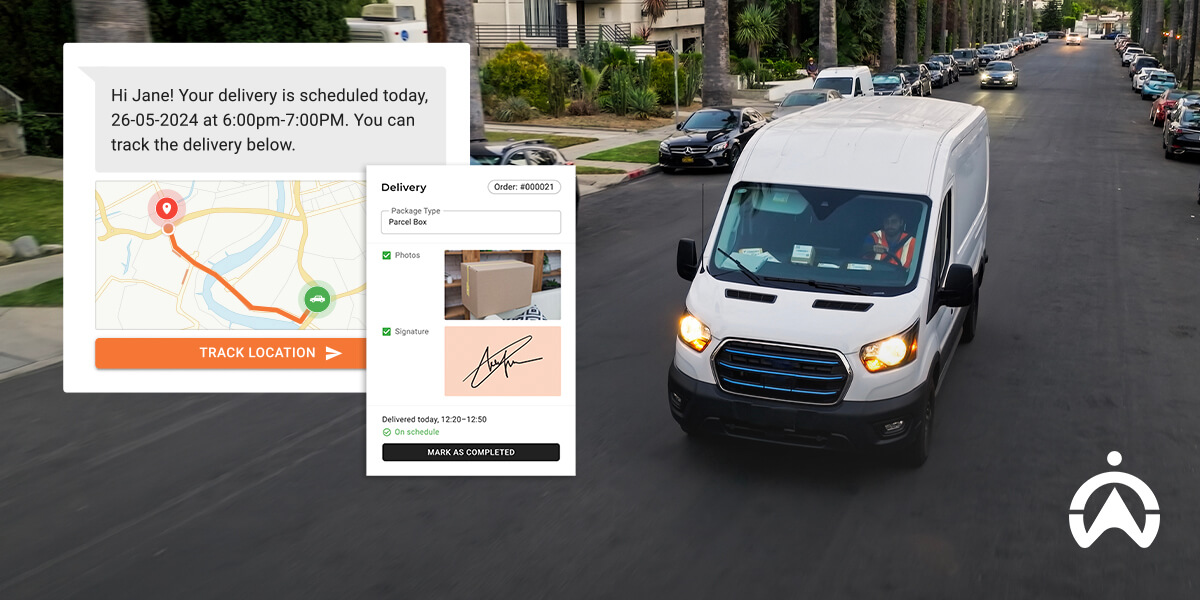
Cartrack app for last-mile logistics showing delivery van tracking with package details and ETA.

What are the challenges of last-mile delivery?

There are three main challenges that affect last-mile delivery. The first is that your customers expect deliveries to be made quickly. The cost of the last-mile delivery is very expensive. Lastly, the increase in the demand for special shipping services.

1 – Customers want speedy delivery

Today, big e-commerce platforms offer same-day or next-day delivery. Customers are now expecting their orders to arrive quickly and conveniently. While fast deliveries are heavily advertised, business owners, especially small business owners, must find a way to meet these expectations without breaking the bank.

2 – High cost of the last-mile delivery

When online shoppers spend over a certain amount, they expect free delivery. However, last-mile delivery can get pricey since drivers are juggling multiple packages that are headed to multiple locations. Complicated routes, frequent stops, and idle times all drive up your fuel costs and labour hours.

3 – Rising need for specialised shipping services

Last-mile logistics can get tricky. Whether it’s no one being home to receive deliveries, needing to reschedule, or customers wanting to return products they’re not happy with, there are plenty of challenges to navigate.

Choosing the right app for your fleet

When choosing the right app for your fleet, it’s important to look for the best last-mile delivery app. The best ones can completely transform your fleet operations, moving them from a reactive approach to a proactive one. The right platform provides your team with the tools to enhance automation, visibility, and your insights.

So before you jump in, invest some time in finding a solution that aligns with your operational goals and evolves with your business.

When evaluating logistics software, consider these four key factors:

Identify your operational needs

Every fleet faces unique challenges, whether it’s tackling city traffic or navigating rural roads.

Start by identifying your pain points:

  • Are any delays caused by poor routing or communication hiccups?
  • Do you need better proof of delivery or more accountability from your drivers?
  • Are you aiming to enhance customer visibility or reduce your costs?

Pro tip: create a checklist of essential features before diving into provider options.

Look for seamless integration

Your delivery app should fit seamlessly into your existing setup, not disrupt it.

  • Ensure it connects smoothly with your telematics, CRM, and ERP systems.
  • This integration allows dispatchers, managers, and drivers to work from a single source of data.
  • Having everything in one place boosts accuracy and reduces manual entry errors.

Prioritise ease of use

Complicated software can interfere with implementation. The best apps are user-friendly for both dispatchers and the drivers.

  • Look for clean dashboards and straightforward navigation.
  • Make sure mobile functionality operates well, even in areas with poor signals.
  • Opt for a platform that requires minimal training to get started.

Evaluate scalability and support

As your business grows, your app should keep pace.

  • Confirm that it can handle expanding fleets, multiple locations, and increased delivery volumes.
  • Seek a provider that offers 24/7 local support and regular updates.
  • Ask about implementation timelines and the onboarding assistance available.

Why Karooooo checks every box

Karooooo’s Driver App combines telematics, routing, proof of delivery and driver communication all in one platform. It integrates effortlessly with your existing systems, performs reliably in Kenyan conditions, and is backed by local teams who truly understand your business.

Why Karooooo’s Driver app leads the way in last-mile logistics

Karooooo’s Driver App leads the way in last-mile logistics because it was designed to tackle the unique challenges of Kenyan logistics. Think unpredictable roads, heavy traffic, and those tricky remote routes. It offers a simple, user-friendly platform that connects drivers, dispatchers, and customers through live tracking, automation, and real-time communication.

Full visibility from start to finish

  • Monitor every delivery vehicle and route in real time.
  • Check driver progress, estimated arrival times, and any route changes. Instantly!
  • Get alerts about any potential delays before they impact your customer.

Smarter routing, less fuel waste

  • Dispatchers can quickly reroute drivers to avoid congestion.
  • This means fewer kilometres driven, less fuel used, and faster delivery times.

Real-time communication that keeps everyone in sync

  • Send immediate updates or instructions directly to drivers.
  • Drivers can update their delivery status right in the app.
  • Drivers and dispatchers don’t need to juggle phone calls or multiple chat apps.
  • Drivers can change the status of the delivery (completed, damaged, refused signature, returned product).

Proof of delivery that builds trust

  • Capture digital signatures, photos, or barcodes on-site.
  • Every record gets a timestamp and location verification.
  • Resolving disputes happens quicker and smoother.

Designed for local businesses

  • It runs smoothly, even in low-connectivity areas.
  • Designed specifically for the Kenyan network.
  • Enjoy 24/7 support from local customer service.

Karooooo vs. generic delivery apps

There are a plethora of delivery apps available to use for last-mile logistics. However, most of them only offer surface-level fracking or basic dispatching tools. Whereas Karooooo’s Driver App goes above and beyond by combining telematics, advanced fleet management, and real-time analytics all into one connected platform.

Check out this table that compares Karooooo’s Driver App to generic delivery apps to help you make a more informed decision:

Feature Karooooo Driver App Generic Delivery Apps
Real-Time Tracking Integrated with live telematics for precise, vehicle-level visibility Basic GPS tracking, often delayed or app-based only
Route Optimisation AI-driven and adjusts to live traffic and delivery priorities Static routing; manual updates required
Proof of Delivery (POD) Built-in digital signatures, photos, and time-stamped data Often requires third-party plugins or manual uploads
Driver Communication Instant two-way messaging between drivers and dispatchers Limited or relies on external messaging apps
Analytics & Reporting Advanced dashboards with performance insights and fuel data Limited to basic delivery logs and summaries
System Integration Seamlessly connects with Karooooo’s fleet, fuel, and maintenance systems Usually standalone, difficult to integrate with fleet tools
Local Support 24/7 Kenya-based support and maintenance Offshore or automated ticketing systems
Reliability Backed by over 2.4 million active units across the globe Varies; often designed for smaller or non-fleet users
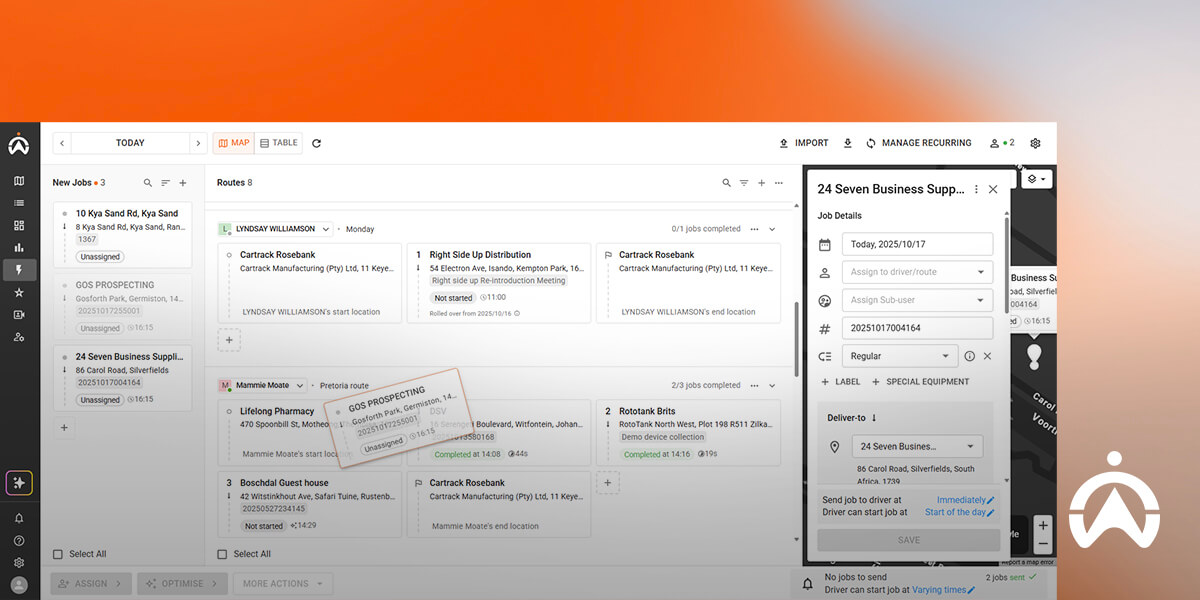
Cartrack app for last-mile logistics showing driver job scheduling, route planning, and delivery assignments.

What does Karooooo’s Driver App offer you

So you might be curious as to what Karooooo’s Driver App offers you that another app can’t. Karooooo’s Driver App isn’t just about tracking—it’s about transformation. Businesses that are using the platform can see measurable improvements across cost, efficiency, and most importantly, customer experience.

Operational Efficiency

  • Real-time visibility keeps downtime to a minimum and eliminates the need for manual coordination.
  • Improved routing will boost the amount of deliveries each driver can make daily.
  • Automatic proof of delivery slashes admin time and paperwork.

Cost Control

  • You can save on fuel by choosing the best possible route, as well as cutting down on idle time.

Customer Experience

  • Having accurate ETAs and instant delivery confirmations builds trust with your customers.
  • Enjoy smoother deliveries and faster resolutions.
  • Create transparency that turns one-time customers into long-term loyal clients.

How to successfully implement a last-mile delivery app

There are a few things you can do to successfully implement a last-mile delivery app for your business. However, you need to keep in mind that adopting new technology can be quite complicated, especially when your teams are used to doing things manually. By ensuring a smooth rollout, you’ll maximise your investment and see results quicker.

Start with clear goals

  • Before getting the app, pinpoint your biggest delivery challenges.
  • Are delays your main concern?
  • Do you need better visibility or more efficient routing?
  • Or are you focused on enhancing your customers’ satisfaction?
  • By establishing clear goals early on, you can monitor your success and measure your ROI

Get team buy-in early

  • Your drivers and dispatchers are the key to your last-mile success.
  • Make sure you are involving them in the setup process.
  • Provide your team with brief, hands-on training sessions.
  • Highlight how the app will make their day easier, not more complicated.
  • When your teams can see the personal benefits, adoption rates will skyrocket.

Integrate with existing systems

  • Karooooo’s Driver App seamlessly integrates with fleet management, fuel monitoring, and maintenance tools.
  • Sync your delivery data effortlessly with your ERP or CRM systems.
  • Keep all information—routes, maintenance, and proof of delivery—in one ecosystem.
  • Integration removes the hassle of manual data entry and provides you with smoother operations.

Use data to drive decisions

  • Once the app goes live, tap into its built-in analytics to keep an eye on your progress.
  • Track delivery completion rates and route efficiency.
  • Compare the fuel usage across different vehicles or regions.
  • Spot trends that can shape your driver training or maintenance schedules.
  • Transform your delivery data into actionable insights for improved business results.

Continuously optimise

  • Last-mile logistics never stands still, and neither should your processes.
  • Review delivery data monthly to find new improvement areas.
  • Update routing rules or schedules as your business grows.
  • Keep engaging with your Karooooo account manager for feature updates and best practices.

The businesses that thrive on logistics tech don’t just use it; they adapt alongside it.

Final thoughts: Simplify, streamline, and deliver

That last stretch, aka the last mile, is where your brand truly makes its impression. So make sure it’s a memorable one. With the right tools at your disposal, you can save time, cut costs, and avoid an unhappy client.

Karooooo’s Driver App puts you in the driver’s seat for each and every delivery. Allowing you to oversee everything from dispatch to doorstep.

To see how Karooooo can simplify your delivery operations, book a demo today.

FAQs

What’s the difference between first-mile, middle-mile, and last-mile delivery?

So the first mile is getting the goods from the manufacturer to the warehouse. Then the middle mile takes over and moves the goods between hubs. And finally, the last mile is where the magic happens and delivers the goods to the customer’s doorstep.

How secure is delivery data collected by logistics apps?

Delivery apps keep your data safe with encryption, secure cloud storage and multi-level access controls. Trustworthy providers also comply with POPIA and international data protection standards so route data, proof-of-delivery records and customer information stay private and secure from unauthorised access or misuse.

Can last-mile delivery apps work for small or medium-sized businesses?

Yes! Small and medium-sized businesses can really make it work with last-mile delivery apps. The software does the automated scheduling, routing and tracking, which means less manual tasks, lower costs and faster deliveries—all without having to hire more staff. Scalable platforms like Karooooo make it easy for any size of fleet to manage deliveries.

How do delivery apps handle connectivity issues in remote areas?

Karooooo’s last-mile driver app is offline capable. It tracks and stores delivery data even when there’s no signal and syncs everything once connectivity is restored. So no data gets lost, and operations can keep running smoothly in rural or low-coverage areas. A must-have for Kenyan fleets.

What kind of hardware do I need to run a delivery app?

All you need is a smartphone or tablet with GPS. Some logistics teams opt for rugged or in-vehicle devices for added durability and accuracy. Since Karooooo’s app is on standard mobile operating systems, setup is quick, affordable and doesn’t require any fancy or special hardware.

Can delivery apps help with sustainability goals?

Yes, having a delivery app can definitely help with your sustainability goals. This is done through route optimisation, which is the key to reducing fuel consumption and minimising your carbon footprint. Making delivery apps a great tool to achieve sustainability.
Agriculture Fleet Management Software – The Best Solution for Farming

Agriculture fleet management software helps you to cut out the guesswork. New-age farming thrives on precision, data, and smart strategies. With fleet management software, farmers can boost productivity and cut costs per hectare by efficiently tracking, monitoring, and optimising their vehicles and equipment.

According to Agritech MEA, the agricultural machinery telematics market is set to hit US $7.6 billion by 2033. This indicates the crucial role that connected technology plays in modern farming.

By making use of feature-rich fleet management software, farmers can enjoy all the luxuries that come with advanced technology.

Why modern farms need fleet management software

Modern farms need fleet management software to handle the everyday challenges that farmers face. Challenges such as unpredictable fuel prices, labour shortages, and equipment breakdowns all negatively impact productivity. Fleet management software gives you real-time insights into your vehicles’ and equipment’s locations, performance, and areas for improvement.

The new era of effective farming

Manual coordination and reactive maintenance are key elements of traditional farming practices. However, thanks to technology, farms can now:

  • Monitor resources in real time.  
  • Prevent equipment breakdowns.  
  • Slash fuel waste.  
  • Boost output without expanding the fleet.

Quick definitions:

Manual coordination involves hands-on management of tasks, vehicles, and workers, often relying on phone calls, paper logs, or spreadsheets instead of automated systems.  

Reactive maintenance occurs when you only fix equipment after it breaks down, instead of servicing it regularly to avoid issues.

The cost of staying manual

By not embracing automation and technology, farms risk falling behind. By staying manual, farms can experience:

  • An increase in expenses from unexpected maintenance and repair costs.  
  • Harvest delivery windows get missed.  
  • Scaling operations becomes a challenge.
  • Resources are being wasted by unused cars and equipment.

Common challenges in managing agricultural fleets

There are some common challenges that farmers face when it comes to managing agricultural fleets. Farmers must manage fuel costs, coordinate detailed maintenance schedules, and monitor machinery across vast fields. Managing the agricultural fleet goes beyond just keeping their vehicles running.

Without real-time data, fleets can lose productivity, waste fuel unnecessarily, and overlook key maintenance moments.

Rising fuel and operation costs

Fuel stands out as one of the top three costs in farming, yet its wastage often slips under the radar.

Here are some fleet management challenges:

  • Excessive idling and poor route planning.
  • Fuel theft or leaks.
  • Struggles with budgeting and predicting seasonal fuel needs.
  • Equipment downtime and unexpected repairs.

Equipment downtime and unplanned repairs

When a tractor or harvester breaks down during harvest, it really hits productivity hard.

Key issues include:

  • Reactive maintenance instead of getting ahead with preventive care.
  • Lack of service tracking.
  • Downtime during peak seasons leading to lost yield.

Limited visibility over assets and workers

Having your machinery constantly shifting around the fields makes it really tricky to keep track of where everything is located.

Here are the common pain points:

  • Losing track of where the equipment and drivers are.
  • Struggling with coordination between teams.
  • Finding it hard to manage seasonal or temporary staff.

Compliance and safety risks

Agricultural fleets must meet road safety and operational standards for public road use.  

Some challenges include:

  • Driver behaviour goes unmonitored.  
  • Digital logs for inspections are often missing.  
  • There’s a risk of fines or operational shutdowns from not meeting regulations.  

This also highlights why farmers seek to reduce costs and streamline operations with smarter technology.

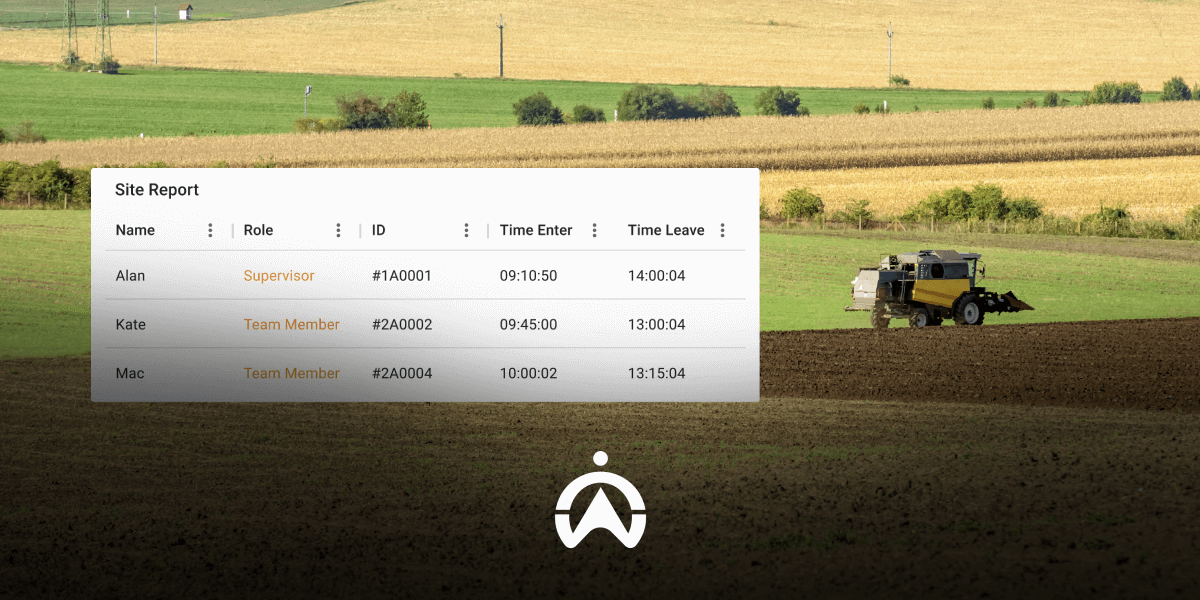
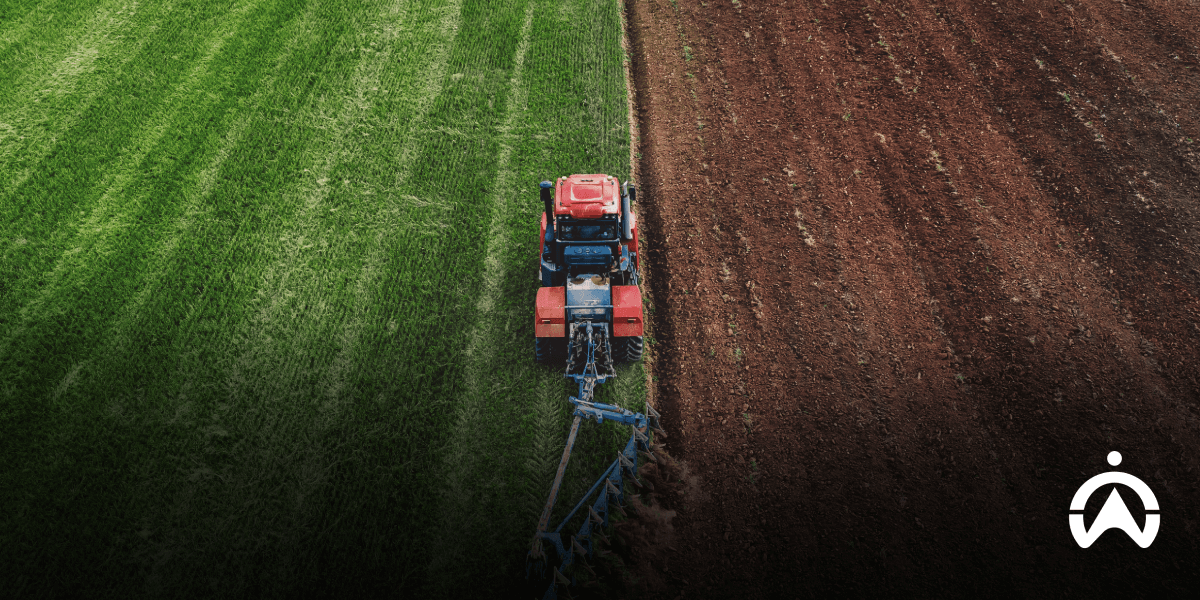
Cartrack agriculture fleet management software view of a tractor ploughing between green grass and brown soil.

Key advantages of agriculture fleet management software

The key advantages of agriculture fleet management software are boosting productivity, cutting costs, and enhancing operational control. It helps farmers track vehicles in real time, monitor fuel usage, schedule maintenance, and analyse performance. By connecting all your assets, you gain complete visibility, allowing you to make quicker, smarter farming decisions.

Optimised vehicle and equipment use

Route planning and real-time communication let your team spend less time on the road and more time getting things done.

You can:

  • Plan routes that cut down travel time between fields.  
  • Monitor driver activity and progress.  
  • Assign tasks efficiently to prevent overlaps.  
  • Tackle on-field issues swiftly.  

With automated tracking, you’ll always know where your tractors, sprayers, and trucks are—even on expansive farms.

Lower fuel and maintenance costs

A large chunk of farming expenses comes from fuel and maintenance. You can save money with fleet software by:

  • Keeping an eye on fuel usage across different vehicles.
  • Spotting inefficient idling or driving habits.
  • Alerting your team about maintenance needs before they become problems.
  • Reducing the costs of emergency repairs.

For example, if your harvester sits idle for 20 minutes each hour, you’re burning through diesel unnecessarily. Having fleet management software for farmers encourages you to act quickly.

Improved field productivity

Route planning and real-time communication keep your team working efficiently while reducing travel time.

  • Planning routes is a smart way to minimise travel between fields.
  • Keep an eye on your driver’s progress and activities.  
  • Assign tasks wisely to avoid duplication.  
  • Address on-field issues without delay.  

Even on expansive farms, automated tracking ensures you always know the exact location of your trucks, tractors, and sprayers.

Enhanced safety and compliance

On public roads, agricultural operations must meet safety and compliance standards.

Fleet software makes it easy to:

  • To keep tabs on your driving hours and routes.  
  • Spot any unauthorised travel or usage.  
  • Boost accountability with digital reporting.  

Data turns every tractor and truck into a valuable resource, enhancing your logistics and harvest planning.

Better decision-making with real-time data

Data-driven farming isn’t just a trend; it’s the future. With the right insights, you can:  

  • Identify patterns in machine health and fuel consumption.  
  • Predict future maintenance needs.  
  • Set performance benchmarks for all seasons.
  • Make informed, strategic business choices.

Comparing traditional vs smart fleet management in agriculture

Comparing traditional farming fleets to those using management software, you’ll spot clear differences in control, cost savings, and efficiency. Fleet software streamlines manual processes, offering real-time insights by automating your tracking, maintenance, and reporting. Check out the table below to see how smart technology transforms everyday farming tasks into data-driven, more efficient systems.

Aspect Traditional Farming Fleet With Fleet Management Software
Asset Tracking Manual logs or radio calls GPS tracking with real-time updates
Fuel Management No visibility on usage Automated monitoring and reports
Maintenance Reactive repairs Predictive maintenance alerts
Worker Coordination Time-consuming and scattered Centralised and automated
Productivity Hard to measure Data-driven insights and dashboards

How agriculture fleet software solves real farm problems

Agriculture fleet management software has the ability to solve many everyday real farm problems. Fleet management systems help farmers by reducing downtime during harvest season and assisting in managing seasonal workers and shared equipment. This, however, can only be achieved through a comprehensive fleet management system.

Reducing downtime during harvest season

Downtime during harvest leads to massive losses. Fleet software tackles this by:

  • Sending automated maintenance alerts.
  • Keeping track of service history.
  • Prioritising repairs ahead of peak periods.
  • Reducing last-minute equipment failures.

Managing seasonal workers and shared equipment

When seasonal workers are involved, it’s easy to lose track of who’s using what. Software tools simplify this by:

  • Assigning drivers to specific vehicles.
  • Digitally tracking work progress.
  • Monitoring equipment transfers and usage.
  • Closing gaps in accountability and preventing misuse.

Keeping up with tight delivery deadlines

Timely deliveries to distributors and markets are crucial for farms. Fleet software ensures:

  • Route optimisation for faster deliveries.
  • Accurate ETAs with real-time tracking.
  • Alerts for unexpected delays or detours.
  • Seamless collaboration between field and logistics teams.

How to implement fleet management in your farm

You can implement fleet management on your farm by assessing their current fleet needs and finding a scalable and farm-friendly solution. They should also start small and train their team thoroughly, only expanding once everyone is confident with the system.

Assess your current fleet and needs

Identify your biggest challenges first:

  • Are your cars not getting enough use?  
  • Are you overspending on maintenance or fuel?  
  • Are your drivers or assets hard to spot?

It’s much easier to track improvements when you understand what’s not working.

Choose a scalable and farm-friendly solution

Choose software that fits your environment and team perfectly.  

Look for:

  • User-friendly dashboards that are intuitive.
  • A mobile-friendly design.  
  • Offline functionality for rural areas.  
  • Seamless connectivity with your existing systems.

User-friendly tools are more likely to be embraced, especially by teams that aren’t used to tech-heavy solutions.

Train your team and start small

You should avoid launching everything all at once.  

Instead:

  • Start with a small fleet of vehicles.
  • Train your managers and drivers.
  • Review the data from the first few weeks.
  • Once everyone feels comfortable, scale up.

This approach will ensure long-term success and build confidence within your teams.

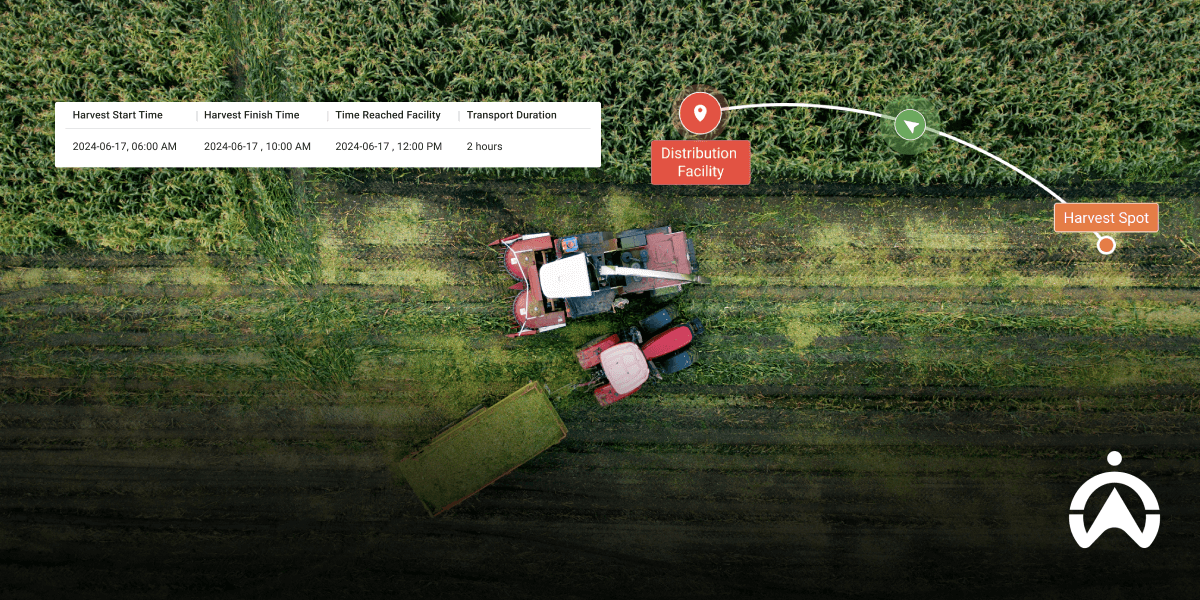
Cartrack agriculture fleet management software showing an aerial tractor harvest with data on harvest times and transport duration.

Why Karooooo Kenya is the smart choice for farm fleet management

Karooooo Kenya’s agriculture fleet management software is the smart choice for farm fleet managers because it helps farmers track vehicles, equipment, and drivers in real time—all from one intuitive platform. This tool empowers farmers with complete control over every aspect of their operations.

Karooooo’s fleet management software helps boost productivity, cut down on fuel costs and minimise downtime. This is all perfectly designed for the unique farming conditions in Kenya.

Tailored solutions for agricultural operations

Karooooo Kenya empowers farmers to manage everything from delivery trucks to tractors & harvesters all from one dashboard.

  • Track your vehicles and equipment in real time.
  • Keep your vehicles and equipment safe with geofencing.
  • Plan maintenance and manage costs effectively.  
  • Keep an eye on driver safety and productivity.

Real-time insights anywhere, anytime

With Karooooo’s powerful GPS and telematics tools, your farm stays connected, even in remote areas.

  • Access real-time fleet data right on your phone.  
  • Get instant alerts on route changes, fuel losses, and outages.  
  • Stay in control, no matter where you are.

Proven reliability and local support

Karooooo Kenya is your partner in farming success, not just another software solution.

  • You can count on local support 24/7 across Kenya.
  • Over two million tracking units are currently in action.
  • We’ve built a reputation for accuracy and reliability.

Tangible results that drive profitability

Farmers can experience notable savings in fuel, time, and maintenance with Karooooo’s fleet management software.

  • Minimise idle time during busy seasons.
  • Slash unnecessary fuel consumption.
  • Enhance operational efficiency all year round.

Leverage data to make smarter harvest plans, reduce costs, and boost profits sustainably.

Fleet management software is completely transforming farming. With a single central system, it helps farmers cut costs, boost productivity, and make smarter decisions based on data.

If you want to achieve more with less for your farm’s success, discover how Karooooo’s agriculture fleet management software can deliver immediate, trackable results.

FAQs

Can fleet management software work for smaller farms too?

Yes, fleet management software benefits small and large farms alike. Even the tiniest operations can tap into real-time tracking, fuel monitoring, and maintenance alerts with Karooooo Kenya’s scalable system. You’ll keep an eye on every vehicle and piece of equipment on your farm, saving both time and money right away.

Do I need special hardware to use the system?

No, you don’t need any specific hardware to use the system. Karooooo Kenya’s technology includes simple plug-and-play devices that integrate seamlessly into your existing fleet. Installation is simple, so you can begin tracking your trucks and equipment immediately. Farmers can monitor their assets, maintenance, and driver activities from a single, user-friendly dashboard.

Can I track tractors and other non-road equipment?

Yes, you can track tractors and other non-road equipment. Karooooo Kenya’s fleet management software keeps tabs on tractors, sprayers, harvesters, and all your agricultural gear. With real-time location, usage, and performance data at your fingertips, you can schedule maintenance, minimise downtime, and optimise each piece of equipment to boost productivity throughout the farming season.

How secure is my farm’s operational data?

Your farm’s operational data is completely secure. Karooooo Kenya safeguards sensitive farm and fleet data with encrypted cloud storage. Only authorised users can access reports and insights. This ensures your company’s operations, routes, and vehicle data remain shielded from external threats and unauthorised access.

Will it work in remote areas with poor signal?

Yes, your system will work in remote areas with poor signal. Karooooo Kenya’s system excels in remote settings. Even if there is a signal outage, the devices continue to capture data and will automatically sync once the connection is restored. This means you’ll never lose important tracking data—ideal for big farms or places with inconsistent mobile connections.

The Top Challenges of Last-Mile Delivery and How to Overcome Them

To overcome the challenges of last-mile delivery, you have to implement a delivery management system that has solutions for each one. These are:

  • Labour cost reduction through AI route planning
  • Faster delivery times from drivers
  • Decreased fuel and maintenance costs
  • Package security increased through real-time driver location data

On-time and cost-efficient delivery is ESSENTIAL. The courier and express market is estimated at a billion USD based on recent historical assessment. This means that if you are experiencing bad or failed deliveries it can be a significant setback. Companies and customers expect packages to move without interruption.

Costs involved with last-mile delivery must be managed, and your solution to fleet dispatching is where this starts.

How to overcome the biggest obstacles facing last‑mile delivery in Kenya?

The biggest obstacle last-mile delivery faces is the high costs of labour. These can be overcome through:

  • Using advanced route planning to reduce labour costs
  • Implementation of a delivery management system
  • Scheduling to reduce driver delivery times
  • Decrease fuel costs with real-time tracking

Apart from the manageable obstacles that any fleet faces, there are several that are out of the control of any management team. Road quality, congestion, and stolen parcels are unavoidable, but can be planned for with the RIGHT fleet management system.

Managing your last-mile delivery costs involves having a team that’s capable of seeing where parcels, drivers, and clients are. Without a proper management system, or worse, one that’s disconnected, you may not be aware of how much you are losing on your last-mile deliveries.

What are real-world last-mile solutions that have worked?

The challenges created by last-mile delivery aren’t unique to any one company. There are thousands of deliveries made each day. Each successful delivery is a success story of overcoming challenges, obstacles, and possible disasters. Two of the success stories that we can look at are delivering to inaccessible areas, and the success of cold chain delivery.

Expanding Delivery into Inaccessible Areas Using Smart Pick-Up Points

A large Kenya retailer faced the challenges of delivering daily parcels to areas with high crime rates and poor infrastructure. They already had a system that used traditional delivery methods, which only resulted in delays, stolen packages, and dissatisfaction.

  • Challenge: Delivering to hard-to-reach and high-risk areas where home deliveries repeatedly fail.
  • SOLUTION: The company implemented a network of local pick-up points and a confirmation system for drop-off and collection.
  • Benefit: Customers are much more satisfied and repeat orders increased. The total operation costs decreased.

Solving Cold Chain and Fulfilment Issues in Grocery Deliveries

Cold-chain integrity is one of the most challenging issues faced by Kenya grocery companies. Summer heat, infrastructure, and delays caused last-mile delivery delays. Customer satisfaction was decreasing, and the costs involved in keeping cold was too much.

  • Challenge: Maintain the cold chain integrity of perishable goods and have the right orders delivered on time.
  • SOLUTION: A reliable logistics partner that helps to adjust routes, integrated systems, and efficient reverse logistics when needed to keep food fresh.
  • Outcome: The order accuracy and customer satisfaction improved, while food spoilage decreased and product quality was unaffected.
  • Benefit: Drivers spend less time on the road with improved routes, fuel costs decreased, and food spoilage means less overall loss.
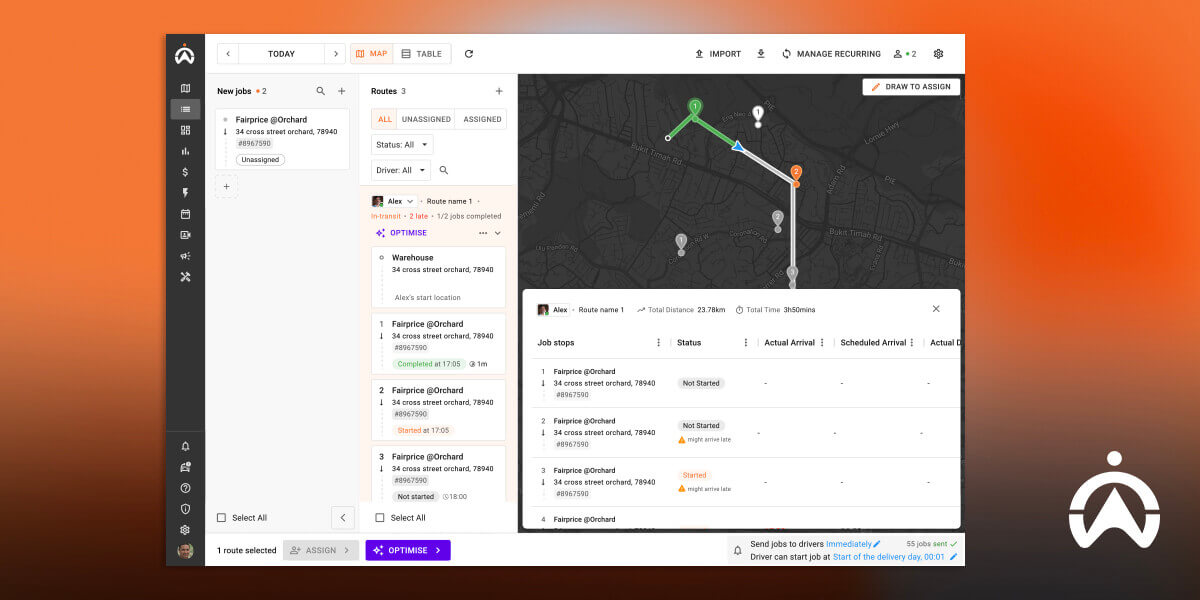
Cartrack dashboard illustrating challenges of last-mile delivery with routes, job statuses, and a map for organising deliveries.

Why are last‑mile delivery costs so high in Kenya?

Kenya has a challenging delivery environment, with large urban sprawls and outdated infrastructure that increases last-mile delivery costs. Tougher-to-reach locations increase the labour involved, which means the cost of getting a package delivered is always increasing.

This challenge means fleets become more expensive, impacting the last-mile delivery cost.

Fleet sizes and area coverage affect delivery prices further. A larger coverage area means drivers can be managed improperly and take longer to complete their deliveries. This inefficiency decreases delivery efficiency, inflating your fleet costs. You’ll also have to adjust to customer expectations as you grow.

Customers now expect same-day deliveries. A product ordered in the morning has to be delivered in the afternoon. This pressure means more mistakes can be made and last-mile delivery costs increase.

However, when a complete fleet management solution has been properly integrated, these are costs and challenges you’ll have the solution to.

Myth 😒 Fact 😁
Last-mile delivery costs are only high because of fuel Labour is the biggest cost, especially in Kenya’s urban sprawl and outdated infrastructure
Larger fleets automatically make deliveries faster and cheaper Bigger coverage areas can make drivers take longer routes, lowering efficiency and increasing costs
Customers don’t expect same-day delivery In 2026, many customers expect orders in the same day, adding pressure and risk of mistakes
Technology can’t help with high delivery costs A proper fleet management system can reduce costs, improve efficiency, and solve delivery challenges

The problems a Kenyan fleet has to face and how they are solved

Local last-mile delivery challenges are some of the easiest to solve when a proper management system is installed. This is how a dispatch system keep your costs down:

Problem: Parcels are stolen or reported as undelivered, with no real way to confirm whether the driver or client is lying.

SOLUTION: The solution is simple, a confirmation delivery system that requires the driver to take a picture of the parcel delivery, and the client to sign.
‍

Problem: Your drivers are repeatedly going to the same address, unable to find the client; and clients are complaining that drivers are never on time.

SOLUTION: This requires a system that sends live-alerts to your drivers and clients, letting them know the day before (or earlier) that a delivery is on its way and when it will arrive.
‍

Problem: Unfortunately, there are many informal addresses in Kenya, and as we continue to grow new areas may require deliveries before maps are updated.

SOLUTION: There are two solutions to this problem: exact pinned locations from your clients, as well as live location tracking. Accurate locations mean your drivers don’t have to look for addresses on the side of the road.
‍

Problem: Packages are delivered to the wrong address or packages are sent back because of damage to the product.

SOLUTION: To solve this you need to have an integrated tracking system, knowing where packages are at each step of the delivery process. Tracking knowledge ensures damage is mitigated and packages are delivered to the right people.
‍

Problem: Even with notifications, clients are confused about where a package is, often expecting a delivery on the wrong day.

SOLUTION: The best way to solve this is through live updates to your clients, sending SMS notifications and having a portal they can use to track their packages from hand-off to final delivery.

What role does vehicle security play in Kenya’s last‑mile risks?

Vehicle security creates safer work environments for drivers, by tracking packages, and routing drivers through safer areas. Drivers may be taken on routes that are slower, which have roads that are maintained and are safer to use. This slower speed may initially seem detrimental, but as is commonly said, slow is smooth, and smooth is fast.

Here’s how security choices will affect your last-mile deliveries:

Risk or Factor What It Means Why It Matters

Hijacking and theft
Vehicles can be stopped, and goods stolen Big losses and drivers are at risk

High insurance costs
More crime means higher insurance prices Makes delivery more expensive

Security costs
Guards or tracking tools cost money Adds to delivery costs

Slower delivery times
Drivers avoid unsafe areas or take longer routes Delays packages reaching customers

Driver safety
Drivers are not always safe on the road Harder to keep good drivers

Tracking technology
GPS and cameras help watch the vehicle Can stop theft and help find stolen vans

Careful route planning
Some areas are avoided or visited only at certain times Keeps drivers safer and deliveries on track

Unmarked vehicles
Using plain vans with no logos Helps avoid drawing attention to valuable goods

The step-by-step strategy that reduced failed delivery attempts

Failed deliveries can quickly cause your costs to skyrocket, with many fleets only allowing one redelivery for free. To ensure your fleet doesn’t have to reattempt delivery, there are several steps you can implement:

  • Delivery time windows: When delivery is confirmed, offering clients a selection of delivery windows gives them more control. Clients will choose the best time for THEM.
    ‍
  • Advance SMS & App notification: Outdated systems don’t notify customers ahead of time. Implement a system that notifies clients ahead of time (preferably a full 24-hours) about a scheduled delivery.
  • Drop point delivery: Clients may not be able to take delivery of a package at all times. Using a drop point system allows clients to choose a locker or decide on in-person pickup, decreasing failed deliveries.
    ‍
  • Flexible re-delivery options: Offer clients the option to reschedule deliveries to different times entirely. Freeing up your drivers for other deliveries and ensuring clients are there when needed.
    ‍
  • Incentivise driver availability: During peak delivery times you need to ensure as many drivers are available. Through incentives such as flexible shifts, and performance rewards means you have more drivers when you need them.
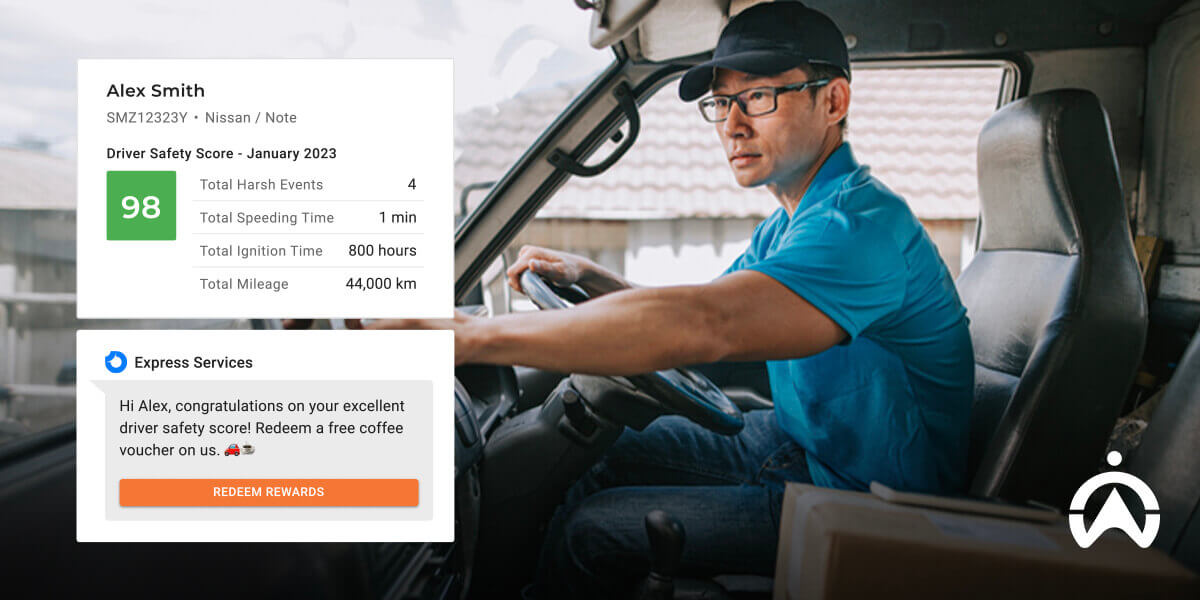
Cartrack driver app showing safety score and rewards, highlighting challenges of last-mile delivery performance.

How does route optimisation help Kenya last-mile deliveries?

Route optimisation helps last-mile deliveries by reducing:

  • Labour costs
  • Travel times
  • Fuel costs

The less time it takes drivers, routing staff, and others to work with a package, the more efficient your system becomes. An efficient delivery system is faster, making clients happier, and reducing costs.

Route optimisation will ensure that your fleets aren’t wasting time on unnecessary delays, longer routes, or problematic breakdowns.

How exactly does route optimisation software save money on deliveries?

Route optimisation reduces the fuel used on unnecessary travel distances. The software can calculate traffic, which means your drivers will not be stationary for long. Further, the knock-on effect of driving less and being efficient means reduced maintenance and service intervals.

Optimised route = reduced fuel usage

Can route optimisation make a difference in places with poor infrastructure or informal addresses?

Yes, route optimisation uses accurate GPS location data. Once a delivery address has been confirmed the system easily shows a driver where to go. Further, the system can be set to avoid dangerous areas, using alternative paths that have safer and more maintained roads.

Route optimisation = accurate location data

Is route optimisation only important for larger delivery fleets?

No, even the smallest fleet can experience big benefits from a delivery and dispatch system. Smaller fleets have to plan even more than large ones. Ensuring that your limited number of drivers are where they should be. Drivers that aren’t where they’re meant to be can easily be tracked, rerouted, and made more efficient.

Route optimisation = even small fleets become efficient

How can Karooooo technologies improve visibility and tracking in the last mile?

Karooooo’s delivery system SEAMLESSLY integrates driver routing, package tracking, and fleet management. Your fleet becomes fully visible, lowering the high costs associated with final-mile labour costs. When fully implemented and integrated, your drivers can easily and accurately deliver packages across the country.

The last mile is the most expensive and unpredictable part of delivery in Kenya, but it doesn’t have to be. With the right tools you get:

  • Smarter routes
  • Better visibility
  • Confirmed deliveries

You can reduce costs, improve reliability, and keep customers happy. If you’re still managing last-mile challenges manually, it’s simply time to change and embrace the autonomy of fully integrated delivery management systems.

Don’t take the risk of letting packages get lost, take full control of your dispatching, give Karooooo a call.

What are some of the frequently asked questions regarding last-mile deliveries?

What partnerships or shared delivery networks offer cost‑sharing benefits?

Shared delivery networks and partnerships with other businesses let you split transport and labour costs while increasing delivery reach. In Kenya, working with courier hubs, local retailers, or gig-driver platforms helps you fill more vehicles, reduce empty trips, and make last-mile delivery more affordable for everyone involved.

How can customer expectations (fast delivery, real‑time tracking) be balanced with cost control?

You can balance fast delivery and real-time tracking with cost control by using route optimisation and smart scheduling. These tools cut fuel waste, reduce travel time, and keep customers updated without extra labour. In Kenya’s busy cities, efficient planning keeps service quick while avoiding unnecessary delivery expenses.

What metrics should logistics managers in Kenya monitor to improve last‑mile performance?

Logistics managers should track delivery time, failed deliveries, fuel use, driver efficiency, and customer satisfaction. Monitoring these metrics shows where time and money are lost. In Kenya, keeping a close eye on these numbers helps you plan better routes, save fuel, and keep deliveries reliable and on time.

What are the Key Areas of a Fuel Efficiency Management Strategy Framework?

The key areas of a fuel efficiency management strategy framework include driver monitoring, route optimisation, and fuel buying and storage. All areas directly affect not only fuel consumption, but also the expenses and overall performance of a fleet. This framework is essential to better manage fuel consumption and view each key area on one dashboard.

A recent 2025 study found that effective fleet management, i.e., telematics and data systems, can reduce fuel consumption by 5–10%. This shows that having a clear fuel efficiency management strategy isn’t just smart; it’s undoubtedly essential.

In this guide, we’ll help you understand which core areas you need to focus on to improve your business and its operational processes. We’ll also look into how Karooooo can help you achieve your improved fuel economy goals and make cost-saving decisions with more confidence.

The core areas of a fuel efficiency management framework

The core areas of a fuel efficiency management framework encompass six main points of interest that build a comprehensive picture of fuel consumption. Some of these areas include fuel tracking, vehicle health monitoring, and route optimisation (amongst others). Managing sustainable business strategies and fuel waste calls for this simple but holistic overview.

Take a look at the framework’s key pillars using an easily scannable table, setting up a deeper dive through the headings below.

Key Framework Area Core Objective Key Measures
Data Collection and Monitoring Capture accurate, real-time fuel data Fuel consumption, idling time
Driver Behaviour Management Reduce inefficient driving practices Speeding and other dangerous driving events
Vehicle Maintenance Ensure vehicles operate at peak efficiency Maintenance schedule adherence
Route and Dispatch Optimisation Cut unnecessary distance and idle time Route efficiency and smart dispatching
Fuel Procurement and Usage Streamline sourcing, tracking, and allocation Cost per litre, wastage rates
Reporting and Continuous Review Turn insights into ongoing efficiency improvements Fuel efficiency trends over time

#1. Data collection and continuous fuel monitoring

Live, accurate data regarding fuel consumption is likely the most important pillar of all six. Without the features that come together to present these insights, you’re left to play a guessing game rather than make sound business choices based on legitimate data. Beyond this, you’d no longer have to worry about manually retrieving data thanks to automated reporting.

Most modern fleet management systems, like Karooooo’s MiFleet, incorporate functions like real-time GPS tracking, fuel card integration/fleet cards, and onboard fuel-level sensors to give you a clear and comprehensive overview of fuel consumption. This gives you space to quickly make changes if you notice fuel wastage or areas that need improvement.

#2. Driver behaviour supervision and training

Driver behaviour has a profoundly strong connection to fuel consumption. A driver’s habits on the roads can directly reflect an increase in fuel consumption, especially through habits that include aggressive driving and excessive idling. With supervision and coaching, you can quickly address these behaviours.

To make it more effective, get drivers involved in setting targets and reward progress. Interactive tools like driver leaderboards and peer recognition will get good habits into daily operations rather than one-off initiatives.

Driver behaviour monitoring tools, much like Karooooo’s smart insights and driver scorecards, allow you to encourage a safer, more efficient driving culture. You can give informative and evidence-based feedback to drivers while advocating for fuel-conscious driving habits.

Hand holding a yellow fuel pump nozzle above a red canister demonstrating fuel efficiency management.

#3. Vehicle maintenance and health monitoring

Vehicle maintenance and health monitoring ensure that your vehicles are kept in tip-top shape. A well-maintained vehicle isn’t using extra or unnecessary fuel and is performing properly, which means fuel consumption is being kept under control. Simple routines, like regular tyre checks and preemptive service scheduling, can make all the difference long term.

Predictive maintenance tools, like Karooooo’s Maintenance and instant alerts, significantly reduce downtime by anticipating issues before they occur and potentially impact your fleet’s fuel efficiency. Linking maintenance KPIs (key performance indicators) with fuel performance can also help you keep an eye on ongoing errors.

#4. Route optimisation and proactive dispatching

Route optimisation and proactive dispatching are other important pillars of fuel optimisation and management, providing a tangible and evident effect on fuel use. In straightforward terms, any extra kilometre wasted is fuel wasted. Through the use of AI-assisted route planning and task delegation, your drivers can take better routes while also improving delivery times.

Smart route optimisation and trip reports, as offered by Karooooo’s FleetWeb dashboard and Reports, give you a complete overview of driver journeys. From these insights, you can evaluate route efficiency, then create targeted adjustments that improve trip performance and overall fuel efficiency.

#5. Fuel buying, storage, and consumption control

Fuel buying, storage, and consumption are other foundational pillars that are rarely discussed. Through these elements, you’re very clear on how much fuel you’re paying for and using by putting in place supplier agreements, volume tracking systems, and transparent purchase reporting.

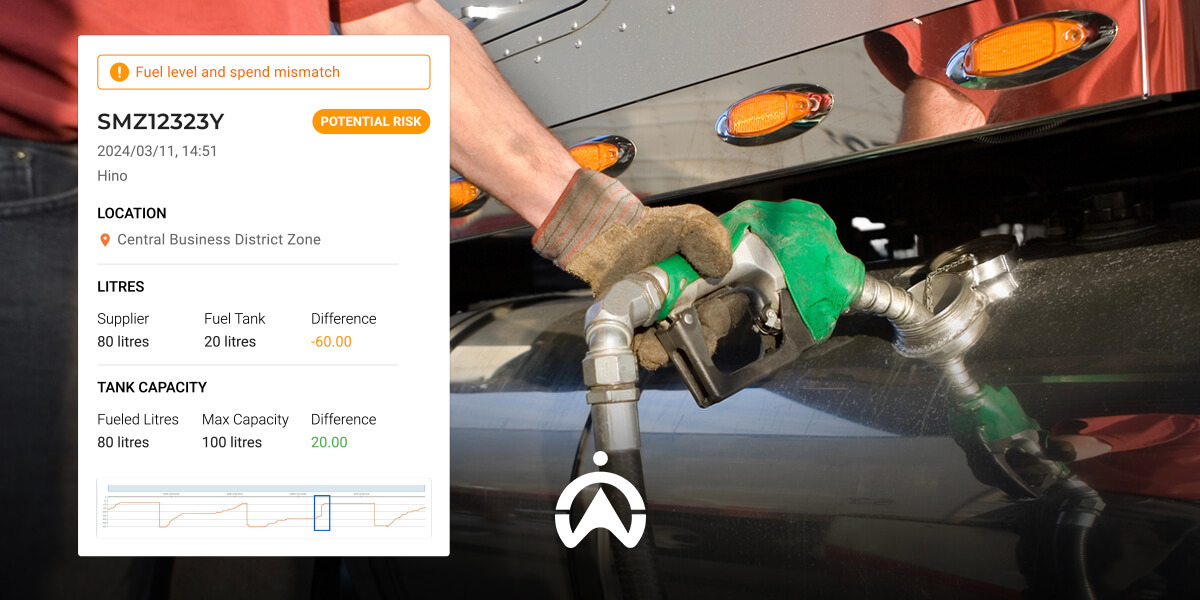
You can spot anomalies like theft or unauthorised use by keeping a careful eye on fuel/fleet card transactions, tank levels, and refuelling events. Tank-level alerts and transaction validation tools, as offered by Karooooo’s MiFleet, assist in recognising those inconsistencies through carefully managing fuel costs, which lowers expenses and waste.

#6. Reporting and continuous improvement

Fuel efficiency management and making better business decisions are ongoing efforts. You have to constantly set new benchmarks to see where you are progress-wise, as well as spot new opportunities for the improvement of your business. A clear and comprehensive dashboard will, as mentioned, factor in things like route optimisation to help you with your goals.

Regular benchmarking against previous performance and industry standards will show you where you are. It’ll highlight where you are falling behind competitors or operational targets. Over time, data-driven evaluation will help you fine-tune your strategy so you get continuous progress, not one-off improvements.

Having custom fuel reports and a streamlined dashboard, like Karooooo’s Fleetweb dashboard and Reports, provides you with all the raw data you need, converted into easily digestible insights. These will help you see trends and areas where you can save money.

Building a culture of fuel efficiency

You can implement all the tools and resources necessary to improve fuel efficiency, but at the end of the day, a culture built around it is the best approach. Staff and teams stay engaged and motivated when open communication, responsibility, and honesty are advocated for. Better fuel efficiency management can become a business culture through implementing driver leaderboards, incentives, and shared performance goals.

Leadership buy-in is also key. When management visibly supports efficiency targets, drivers will likely be more motivated. Regular meetings to review performance data, celebrate milestones and discuss ideas will create a sense of shared accountability that will keep the efficiency culture strong over time.

Businesses can cultivate a culture that celebrates growth, empowers drivers, and continuously lowers fuel costs by considering Karooooo’s tools for tracking and measuring results.

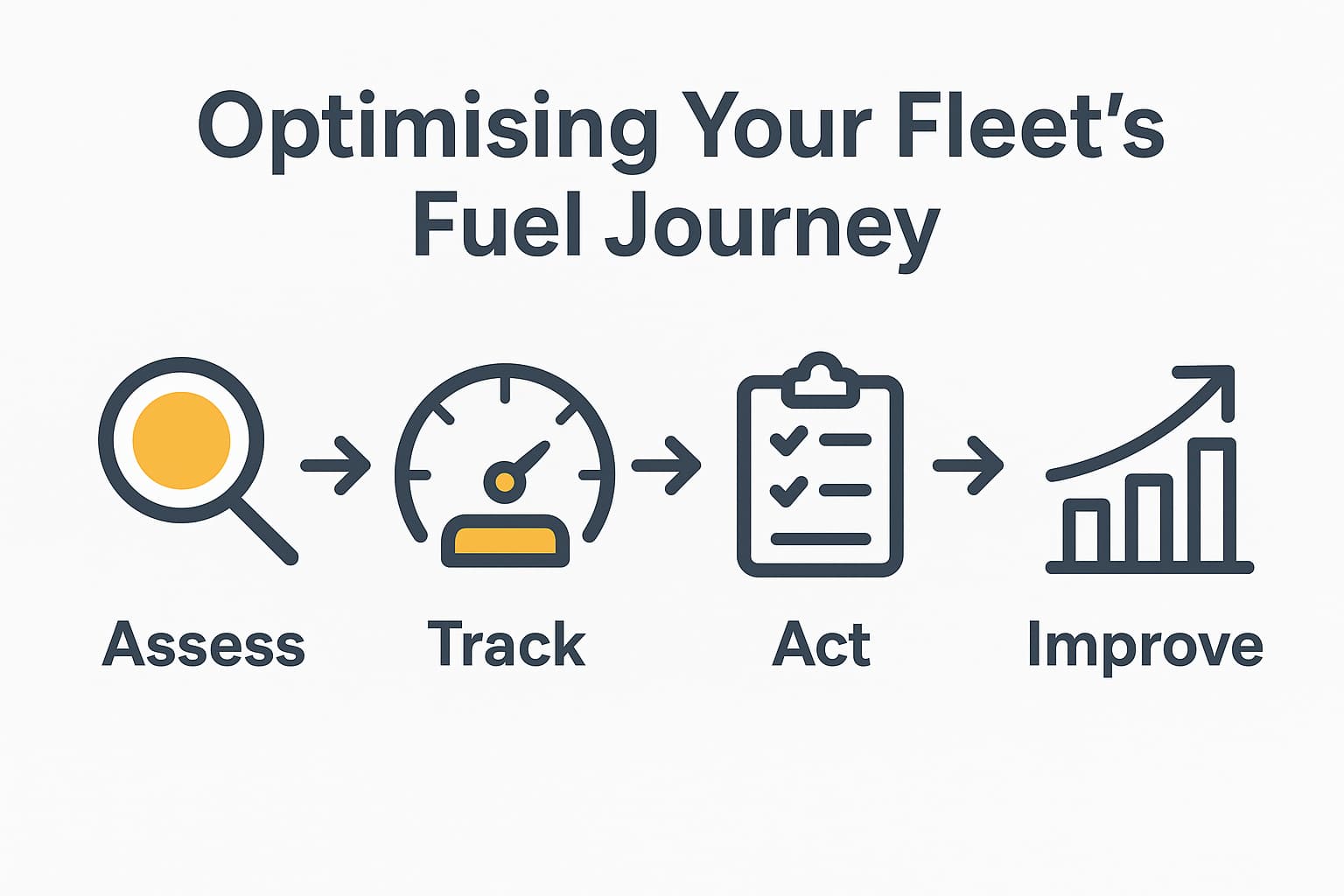
A graphic illustrating the process of optimizing a fleet's fuel journey: Assess, Track, Act, Improve, with corresponding icons.

Future of fuel efficiency management

The future of fuel efficiency management is predictive analytics and artificial intelligence. It forecasts fuel, detects waste before it happens and suggests fixes. As fleets get more connected and electric vehicles come in, data will be key to unified efficiency management.

Companies that get in early will not only save costs but also future-proof their business against changing environmental and economic regulations.

Understanding the purpose of a fuel efficiency strategy

The purpose of a fuel efficiency strategy is to ensure that your fuel use is as effectively optimised as it can be. This goes beyond just fuel expense costs, extending to the calculated management of every litre and rand that goes towards improved fleet management. Even the smallest bottlenecks can add up over time, negatively impacting profitability.

These are just some of the vulnerabilities you’ll face without a strong fuel efficiency strategy:

  • Bad routes and too much idling: These might not seem like big deals on a day-to-day basis, but they add up to fuel wastage across the fleet.
  • Unauthorised or unmonitored fuel purchases: These expenses can get lost in the cracks and add up to significant money lost over time.
  • Missing or delayed vehicle maintenance: Not doing scheduled maintenance affects engine health and vehicle efficiency, so vehicles end up burning more fuel to do the same job.
  • Dangerous or aggressive driving: Driving behaviours like hard braking, quick acceleration, or unnecessary revving increase fuel consumption. It also increases maintenance costs through wear and tear.

This is why telematics-based technology is the solution to the ultimate fuel efficiency management strategy framework. A strategy that’s backed by tangible evidence is a reliable and effective one. If you’re looking for a proactive way for your business and its fleet to benefit from cost savings and operational improvement, support from Karooooo is certainly your best bet.

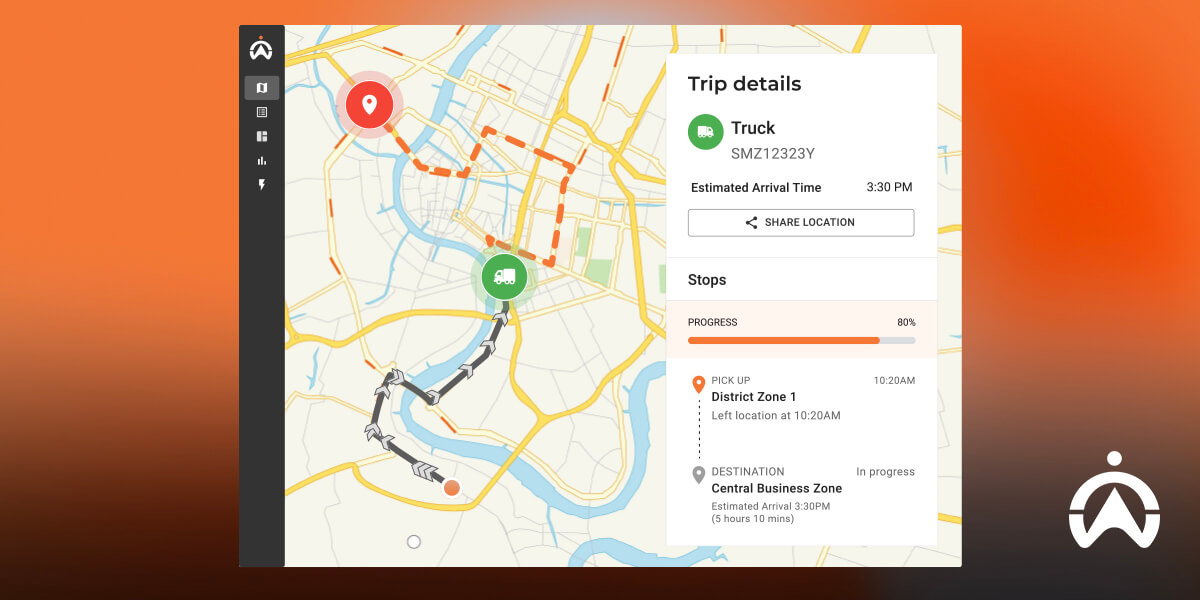
Cartrack map interface showing truck route and trip details for fuel efficiency management.

Final Takeaways

The key areas of a fuel efficiency management strategy framework encompass six major players when it comes to improved fuel control:  

  1. Real-time data collection and monitoring
  2. Driver behaviour management and training
  3. Preventative vehicle maintenance and health checks
  4. Smart route and distribution optimisation
  5. Controlled fuel purchasing and usage
  6. Regular reporting and continuous improvement

When all these parts are working together, you get the total visibility and control you need to get rid of the waste. This data will make or break your strategy, and with the right tools, you’ll see exactly where you’re going wrong and fix it before it harms your bottom line.

Supercharge your fleet’s fuel efficiency today. For control and measurable savings, speak to our fleet experts and empower your fleet with Karooooo’s fuel monitoring framework.

FAQs

Can small fleets benefit from a fuel efficiency framework, or is it only for large operations?

Yes, small fleets can benefit from a fuel efficiency framework, and it’s not only for large operations. In fact, modest fleets are typically more impacted by fuel inefficiencies, as working on a smaller scale means every cent is truly felt. The smallest steps taken to measure a key area, such as route optimisation, can make all the difference.

What is the fuel efficiency formula?

The fuel efficiency formula is distance travelled ÷ fuel used. This is usually displayed as km/L (kilometres per litre) or MPG (miles per gallon). The higher the number, the better, because this means a vehicle is travelling further on the petrol. Some fleets also track L/100km and fuel cost per km.

How often should a fuel efficiency strategy be reviewed or updated?

A fuel efficiency strategy should be reviewed or updated relatively regularly, whether that’s every 3 months or annually. It depends on your KPIs and how often you think it’s necessary. Reviews are also dependent on volatile variables, including fluctuating fuel prices, driver turnovers, and potential changes in operational demands. Keep factors like these in mind when deciding on review periods.

Are there cost-effective alternatives to telematics for monitoring fuel use?

Yes, there are cost-effective alternatives to telematics for monitoring fuel, although they aren’t as effective. Alternatives include manual tracking of fuel receipts, fuel card reports of transactions and discounts, and GPS tracking (minus fuel sensors) to monitor trip distances and potential route deviations. Although these methods can work to a small degree, key details provided by telematics will be missed.

Does weather or terrain affect fleet fuel efficiency?

Yes, weather or terrain can affect fleet fuel efficiency through their pressure and stresses on the vehicle. The added strain and possible longer travel times—from harsh environments and road surfaces or travelling at safer speeds due to weather—are created from resistance. This resistance comes from aerodynamic drag or the engine being forced to work harder, leading to high fuel use.

AI Dashcams vs. Standard Dashcams: Which One Should You Choose?

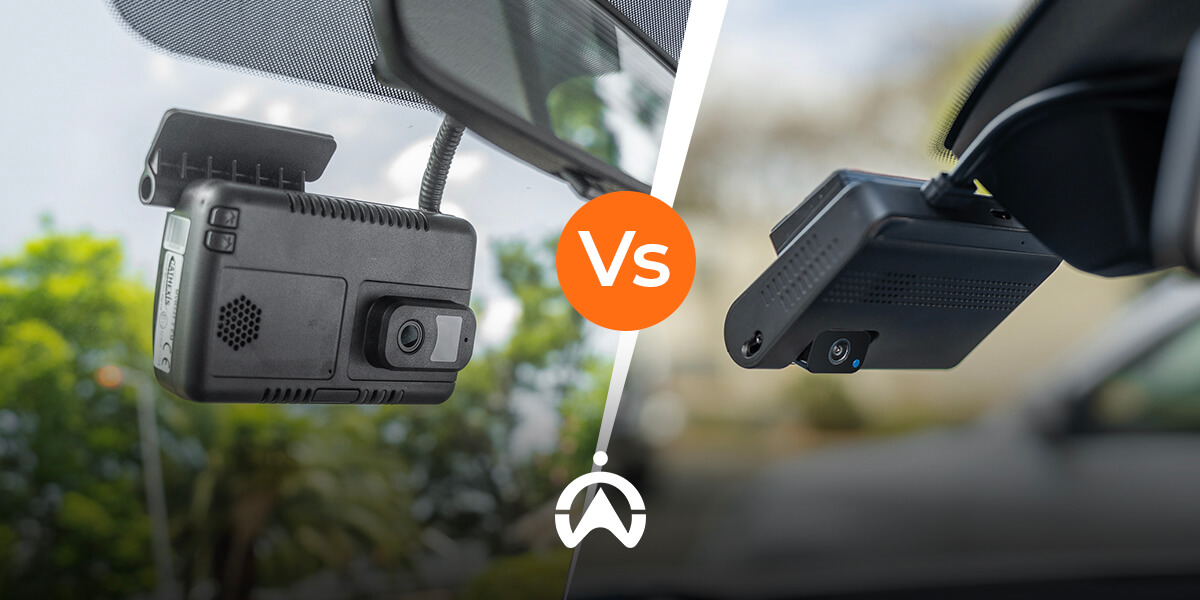
The dashcam you choose between AI dashcams vs standard dashcams should go with your specific needs. Standard dashcams are for simple video recording; they mainly serve as passive recording devices for digital evidence purposes. AI dashcams, on the other hand, are for advanced safety features. They’re for proactive safety enhancements and provide detailed analytics for fleet management.

A survey by Marc Brown Law Firm reveals that 20% of the vehicle owners said their footage was helpful for completing insurance claims, while 12% used their recordings to support legal cases. One respondent even shared a story of how a dashcam uncovered unexpected damage during a service visit. This proves how valuable dashcams are for both businesses and individuals.

Choosing between a standard dashcam and one that’s AI-powered requires you to know exactly how the features work. We’re here to break it down for you and help you make the choice that’s best for you.

AI dashcams vs. standard dashcams at a glance

Weighing AI dashcams vs standard dashcams requires you to know their specifications and understand the purpose of each function. To make the right decision, you must compare things such as:

  • Features
  • Cost
  • Safety benefits
  • How easy they are to use
  • Data insights

The dashcam should also be easy to use, so you or your drivers can have a smoother experience.

Here’s a quick table overview of the differences between standard dashcams and AI dashcams:

Category AI Dashcams Standard Dashcams
Features Uses smart tech to detect risky driving and alert the driver Records video of trips without smart alerts
Cost Higher price due to advanced features Lower price and simple setup
Safety benefits Helps prevent accidents with real-time alerts Provides video proof after an accident
Ease of use Needs app connection and setup Easy to install and use
Ideal user Fleet owners or safety-focused drivers Everyday drivers who want a simple recording
Data insights Tracks driver habits and creates safety reports Only records footage without reports

Understanding standard dashcams

Standard dashcams are vehicle-mounted cameras that are solely created for continuously recording video footage for evidence purposes. Most standard dashcams don’t provide driver feedback or offer any form of driver analytics. They’re usually affordable for the average person, but have limitations when it comes to addressing modern safety challenges.

Understanding AI dashcams

AI dashcams use advanced artificial intelligence algorithms to analyse footage in real time. Unlike standard dashcams, they process the data on the spot to identify risky behaviour and give out immediate alerts. They can detect objects such as other vehicles, road marks, and traffic lights. They can also identify safety hazards, such as distracted driving or when a driver doesn’t have his or her seatbelt on.

AI dashcams provide detailed analytics on driver behaviour patterns. Due to the advanced features and complex build, these dashcams typically come at a higher cost compared to the standard ones.

Which dashcam is right for you?

If you mainly use your car for commuting to work, running errands, or going on trips, then a standard dashcam is most likely all you need. It’ll give you reliable video evidence if you’re ever involved in an accident or some sort of dispute that happened on the road. It’s also budget-friendly and easy to operate, making it an ideal solution for everyday personal drivers.

Families often appreciate some added protection. Some parents want to monitor how their teenagers behave when using their cars, and dashcams are the best way to go about it. If you’re one of them, you can either livestream footage of a standard dashcam or get an AI dashcam to ensure your kids get alerts when practising risky driving habits.
Running a fleet requires constant driver monitoring. For that reason, an AI dashcam is strictly what’s needed. The features of an AI dashcam are particularly useful for fleet management as they enhance driver safety, boost efficiency, and encourage accountability. Since these cameras provide behavioural insights, they can be used to coach drivers, encourage safer habits, and protect cargo from damage.

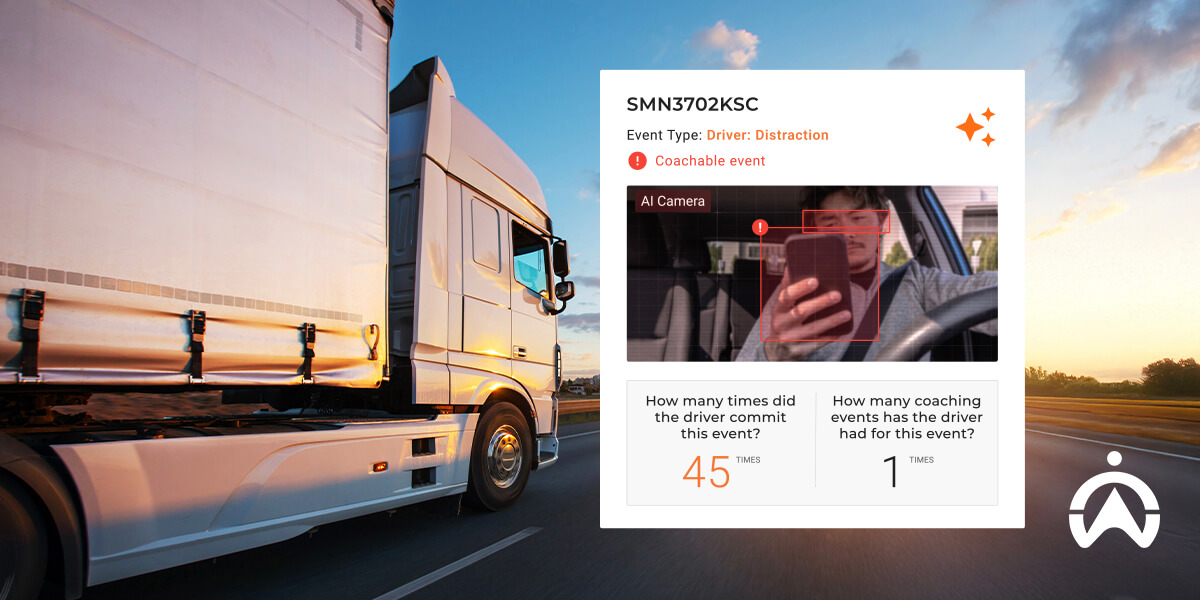
A semi-truck drives on a highway, with a dashboard display showing driver distraction event statistics.

How dashcams can save you money

Dashcams save you money by providing you with enough evidence to prove your innocence to clear insurance claims. They also help you avoid costly disputes with other drivers. AI dashcams assist in reducing the chances of accidents, which reduces the frequency of fleet repair costs.

Reduce insurance claims with clear accident evidence

Car insurers are facing rising numbers of claims for theft and damage. You could fall victim to this, so a dashcam is your best bet at protecting yourself or your business from such a situation.

Avoid costly disputes with other drivers

The chances of being in an accident are high, no matter how cautious you are. After an accident, it’s your word against the other driver’s, and a dashcam is the fastest way to prove your innocence. It prevents the long-winded and costly legal disagreements about who was at fault, saving you time, reducing the cost of legal fees, and protecting your business from heavy fines.

Lower fleet operating costs

As a fleet manager, you want to save costs in all ways possible so the business can be profitable. The safer driving habits that are enforced through AI dashcams lead to your drivers being involved in fewer accidents. Fewer accidents mean less money spent on unexpected repairs and less unplanned downtime. This improves productivity and reduces overall operational costs.

Explore our range of dashcams and choose the right one for you

Whether you need a standard dashcam or one with AI technology, Karooooo caters for it all. Our dashcams come with GPS tracking capabilities. This means you not only see what people get up to, but you also always know the location. They also provide telematics insights, meaning you’ll receive reports of driving behaviours such as speeding, harsh braking, and harsh cornering.

Here are our top three dashcam cloud-based solutions for individuals, families, and fleets:  

Road Vision‍

Karooooo’s Road Vision camera solution is a single-channel dashcam, which means it only faces the road, as the name suggests. The Road Vision camera is perfect for those who want dashcams solely for recording road incidents during daily commutes. It had high camera quality that captured important details such as number plates or billboards from afar.

Dual Vision

This dual-channel in-vehicle camera solution which means there are two cameras in one gadget that record simultaneously. One camera gives you a view of the front, and the other covers what happens inside the vehicle and a bit of the rear end. It’s also perfect for those who want an all-round view of footage, such as parents who want to monitor what their teenagers get up to while driving.

AI Dual Vision

Karooooo’s AI Dual Vision camera solution is yet another dual-channel dashcam, but more advanced as it’s AI-powered. It can detect distracted or risky driving behaviours such as an unbuckled seatbelt, drowsiness, yawning, cellphone use, and smoking. It also releases immediate audible alerts once such behaviours are detected, so the driver can quickly correct their actions.

The AI Dual Vision camera further enhances driver awareness by being able to detect and give warnings of blind spots or when drivers aren’t keeping a safe following distance. This is a must-have for fleet vehicles of any kind.

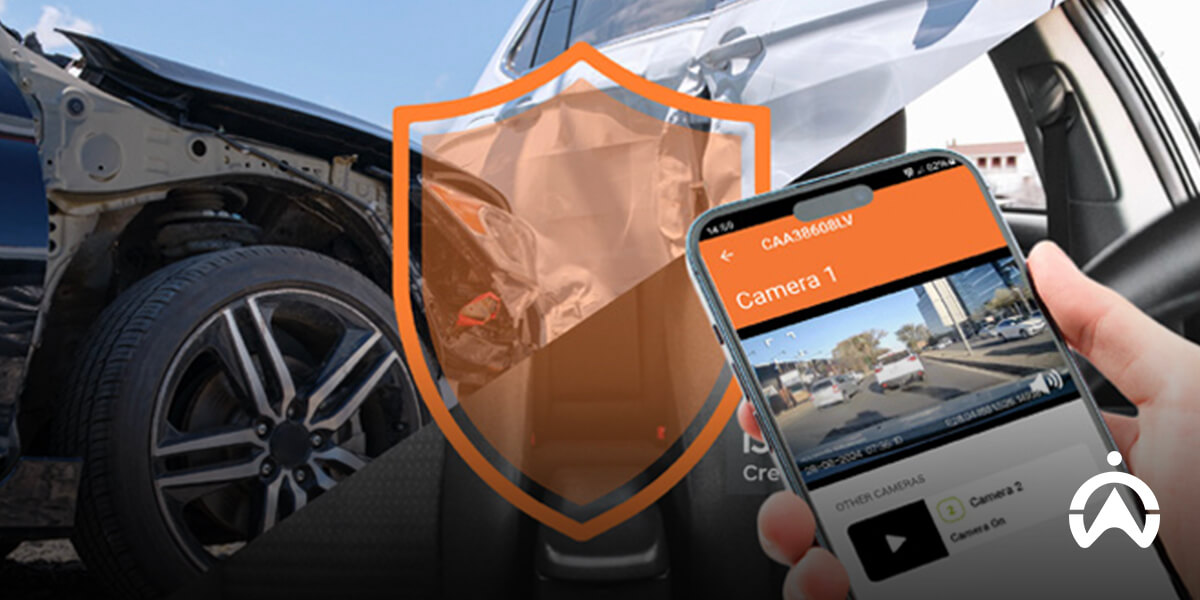
A damaged car with a shield overlay, alongside a smartphone displaying live video from a dashcam. Highlights vehicle protection solutions.

Myth vs fact – what drivers get wrong about dashcams

Common misconceptions about dashcams are that they’re:

  • Easy to install
  • Too expensive
  • All capable of recording in the same way

Whether you’re considering a standard dashcam or an AI-powered one, it’s important to separate the facts from the myths so you can make an informed decision.

We’re here to clarify these myths and give you actual information about dashcams. Have a look:

Myth 1: Installing a dashcam is easy

Fact: Most dashcams are easy to install and come with DIY installation options. However, a professional installation ensures correct positioning and wiring, so your dashcam works seamlessly. With a professional dashcam installation, you’re less likely to encounter issues such as your dashcam falling off when you need it the most.

Myth 2: Dashcams are too expensive

Fact: Dashcams are very affordable. There are companies that offer month-to-month payment plans to cater for everyone’s budget. Furthermore, dashcams can save you more money long-term through lower insurance premiums, fewer accidents, and reduced repair costs. This makes the cost a small trade-off for the long-term rewards.

Myth 3: All dashcams record the same way

Fact: Not all dashcams capture footage equally. Standard single-channel dashcams record only the front view, while dual-channel models record both the front and rear of the vehicle. AI dashcams go a step further by analysing footage in real time to identify risky driving behaviour and potential collisions. Some dashcams also have higher quality video resolution, providing clearer, more detailed footage.

Start improving driver safety today with Karooooo dashcams

The choice between a standard dashcam and one that’s AI-powered depends on your budget, purpose, and desired level of safety. We have camera solutions that cater for various situations, making us your go-to dashcam provider.

With Karooooo, you get good-quality dashcams without denting your pocket, as we offer affordable month-to-month payment plans no matter which one you choose. Contact us today to stay safe on the road and save on unexpected costs.

Frequently Asked Questions about standard or AI dashcams

Do dashcams drain car batteries?

Yes, a dashcam can drain your car’s battery, especially if left in parking mode while connected to a constant power source. Some dashcams have accessories such as dedicated battery packs or hardwire kits with voltage cutoff features, which prevent vehicle battery drainage. Dashcams that automatically switch off once your car is off are the best way to avoid battery drainage.

Do I need GPS on a dashcam?

No, GPS is not strictly required on a dashcam, but it’s highly recommended. It adds valuable information to your evidence, such as location and speed. This can be crucial for disputing speeding fines, making insurance claims, and resolving accidents. A GPS-enabled dashcam offers a more comprehensive, verifiable record of events.

How to choose the right dashcam?

To choose the right dashcam, you must first determine your budget and the features that are most essential to you. Consider features such as HD resolution, a wide field of view, low light performance, GPS tracking, and cloud storage. The model you choose should have a robust build so it can withstand extreme weather conditions and impact from accidents.

Will my insurance go down if I have a dashcam?

A dashcam does not directly reduce your insurance premiums. It helps you prove your innocence during accidents, which reduces the frequency of insurance payouts. This saves you from post-claim insurance increases, as insurers will see you as less of a risk, therefore saving you a lot of money in the long run.

What is the leading cause of truck accidents?

The leading cause of truck accidents is driver error. Fatigue is said to be the biggest contributor to driver error, often caused by long hours on the road. When drivers are tired, their alertness, reaction time, and decision-making are all affected, making them more likely to:

  • Miss road signs
  • Respond too slowly to sudden changes
  • Fall asleep at the wheel

According to Allafrica, various studies reveal that approximately 85% of road accidents are caused by human factors. In the same article, they state that fatigue is particularly common among commercial and public transport drivers who work long hours. Other major contributors to truck accidents include speeding, distracted driving, mechanical failure, and extreme weather or road conditions.

Let’s discuss why driver error is so common in truck driving, and what you can do to reduce the frequency of accidents in your fleet.

Understanding the main cause of truck accidents

Driver error is the main cause of most truck driver accidents due to a combination of demanding job pressures. The long hours on the road and strict deadlines take a toll on drivers’ physical and mental health. This results in various risky situations such as driver fatigue, stress and rushing.

According to a study conducted by the Federal Motor Carrier Safety Administration (FMCSA), driver error is 10 times more likely to cause an accident than any other factor. In the same study, they divide driver error into four different categories:

  • Non-performance: When the driver falls asleep, has a heart attack, or is physically impaired by something else.
    ‍
  • Recognition: When the driver is inattentive, distracted by something, or fails to adequately assess the situation for other reasons.
    ‍
  • Decision: When the driver is driving too fast, misjudges the speed of other vehicles, or follows other vehicles too closely.
    ‍
  • Performance: When the driver is panicking and is unable to accurately respond to a traffic situation.

What is the leading contributor to truck driver errors

Driver fatigue is a leading contributor to truck driver errors because most of the time, truck drivers spend long hours on the road, often exceeding working hour limits. They don’t take enough breaks between stops because of unrealistic delivery schedules. These circumstances make it difficult for the drivers to avoid fatigue.

Fatigued driving is responsible for approximately 60% of truck crashes. In the same article, they also highlight how the greatest risk of an increase in drowsiness occurs in the following circumstances:

  • After 15 hours of driving, a driver starts a shift before 9 am.
    ‍
  • After 6–8 hours of night driving (when a driver starts a shift in the afternoon or evening).
    ‍
  • After 5 consecutive shifts, when driving again for over 13 hours.
    ‍
  • When driving an early shift that starts after midnight and before 6 am.
    ‍
  • During the first 1-2 night shifts a driver undertakes, and during long night shift sequences.
    ‍
  • When a driver undertakes a backward shift rotation (from an evening, back to the afternoon, or an afternoon back to a morning start.
    ‍
  • After long shift sequences of more than seven shifts.
    ‍
  • During nose-to-tail shifts where a seven-hour break only enables five hours of sleep, a duration previously associated with a threefold increased risk for motor vehicle accidents.

Fatigue can go unnoticed. A tired driver may not feel sleepy but will react more slowly and make more mistakes. It’s as dangerous as drinking under the influence, which is why you need to focus on it to reduce the frequency of accidents in your fleet.

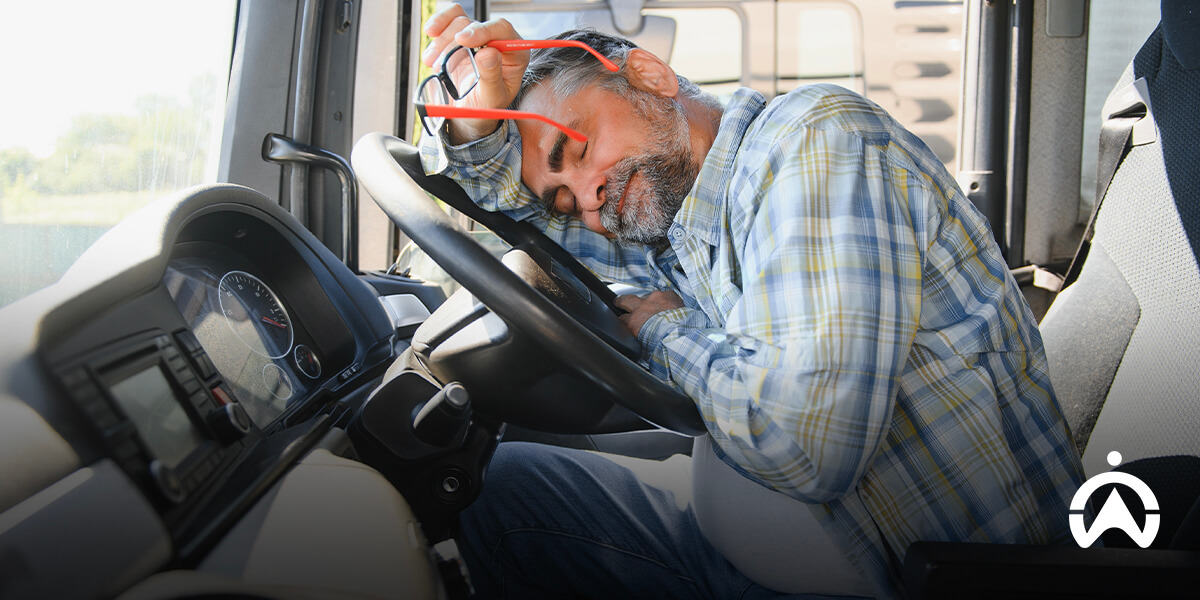
A person in a plaid shirt leans against the steering wheel of a truck, appearing stressed or fatigued in the driver's seat.

Other major contributors to truck accidents

Other major causes of truck accidents include speeding, mechanical failure, driving under the influence, poor weather and road conditions, as well as improper loading of cargo. Knowing the root cause and addressing these factors is crucial for the safety of your vehicles and drivers.

Distracted driving

Distracted driving is a growing concern among commercial truck drivers. Common causes of distracted driving include:

  • Cellphone use
  • Eating
  • Daydreaming
  • Smoking
  • Rubbernecking

Speeding and reckless behaviour

Big trucks require more distance and time to stop. When a truck driver goes above the speed limit or drives recklessly, avoiding a collision in a sudden traffic slowdown becomes almost impossible. The truck’s heavy weight and excessive speed significantly increase the force of impact, which can lead to more severe injuries or fatalities.

Mechanical failure

Due to being on the road for long hours, trucks account for a large daily mileage. This means they require more maintenance than smaller vehicles. If you or your drivers neglect regular inspections and vehicle upkeep, critical systems can fail. Brake malfunctions, tyre blowouts, and steering wheel problems are common culprits of truck accidents caused by poor maintenance.

Adverse weather and poor roads

Extreme weather conditions, such as rain, fog and snow, create hazardous driving conditions for commercial truck drivers. They can reduce visibility and make the road surface slippery, making it harder to control the trucks, which can increase the likelihood of accidents.

Improper loading of cargo

How a trailer is loaded is critical to secure handling. When the cargo is unbalanced or overloaded, your cargo may shift during transit. This can destabilise the truck, resulting in rollovers or jackknife collisions. If cargo isn’t secured, it might even spill onto the roadway, causing more harm to other vehicles on the road. Failure to properly load cargo may result in heavy penalties from regulatory authorities, depending on the severity.

Driving under the influence

It’s no secret that drinking and driving is a major issue in Kenya. Unfortunately, this also happens with commercial drivers, which has a dangerous impact on public safety. It carries severe legal penalties, like a permanent commercial driver disqualification. For your company, it can lead to reputational damage.

The consequences of truck accidents

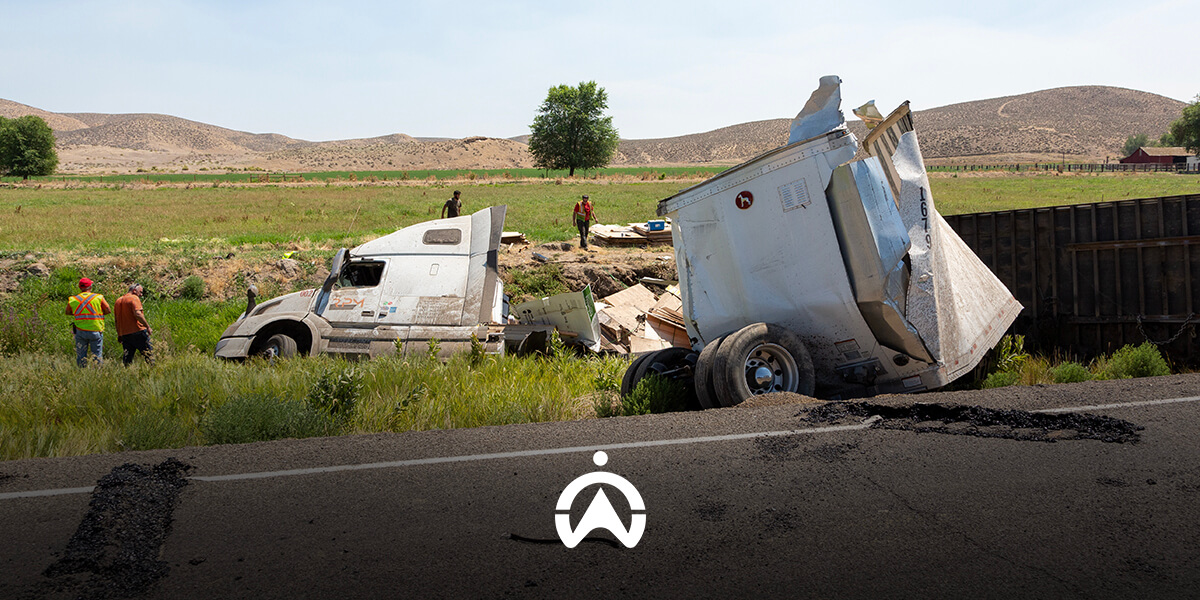
Truck accidents can have far-reaching consequences that often result in serious injuries or even fatalities. They also leave lasting emotional trauma for those involved. Your business might face major financial setbacks from vehicle repairs, insurance claims, and lost productivity. Your company may also experience reputational damage and regulatory penalties that affect long-term operations and trust.

Here’s a table breakdown of the main effects truck accidents can have, according to three categories:

Category Impact Details
Human cost Injuries and fatalities Can cause emotional trauma for drivers, families, and other road users
Financial impact Repair and insurance costs Leads to vehicle repairs, insurance claims, and fleet downtime
Business consequences Reputational and legal issues May result in reputational damage and regulatory penalties

How to prevent truck accidents

Preventing truck accidents starts with simple but consistent safety habits from everyone involved. This includes drivers, managers, and other staff members within the company. From there, you need to invest in technologies that enhance driver awareness, such as AI dashcams and telematics. Combining technology with consistent safety habits reduces the chances of mistakes.

Here’s how each group can play their part in keeping every journey safe and smooth:

For drivers

When it comes to road safety, drivers are the first line of defence. You must ensure that your drivers take enough rest breaks between trips so they can maintain concentration and alertness. Your drivers must also get enough sleep prior to lengthy travels so they have a good amount of energy and sharp thinking. Lastly, avoiding distractions like eating or using cell phones while operating vehicles can make a significant difference.

For fleet managers

As a fleet manager, you play a key role in preventing accidents by using smart fleet management tools that help you keep track of driver behaviour. It’s also important that you develop strict policies against distractions such as cellphone use, so drivers know the consequences and therefore avoid doing so.

You should also ensure that cars are kept in good condition by performing routine safety inspections of vital components such as brakes, tyres, and lights. Also, keep in mind the importance of driver wellness programs to ensure that drivers are coping.  

To further reduce stress and exhaustion, you must ensure that driver schedules and deadlines are realistic to promote rest periods. This ensures that your drivers have enough time to finish deliveries safely. Drivers are more likely to take safety seriously when managers set a good example.

For companies

Your company needs to create a culture that values safety. One way this can be done is through driver incentives. Offering rewards for safe driving practices promotes improved team behaviour. Businesses safeguard their employees, vehicles, and reputation when they prioritise long-term safety over short-term profits.

A mechanic in a blue shirt and gloves works on the electrical components of a large truck with the hood open.

Reducing truck driver accidents with Karooooo

At Karooooo, we have various technologies that’ll enhance the safety of your drivers and ensure that your business adheres to safety regulations. Over the years, we’ve had a hand in combating the frequency of accidents in many industries, including transport and logistics. We offer advanced and easy-to-use vehicle safety and monitoring technology, all from one platform.

Have a look at our top solutions for avoiding truck driver accidents:  

AI Dual Vision camera

Karooooo’s AI Dual Vision dashcam helps you monitor driver behaviour. Its distracted driving detection capabilities include drowsiness, fatigue, eating, looking away from the road, smoking, and cellphone use. Once detected, it gives out an audible alert so your drivers can quickly correct their actions. This camera further enhances driver alertness by detecting blind spots and when drivers are tailgating.

Our AI-powered dashcam also has telematics capabilities, helping you notice other leading causes of accidents, such as speeding, harsh braking, and harsh cornering. It also has GPS technology, making sure you always know where drivers are.

Predictive maintenance

Prevent accidents caused by mechanical failure by using our preventative maintenance system. With this, you get alerts of engine issues, worn-out brake pads, and oil-and-water fluctuations. You can also use our system to keep up with vehicle service dates so you don’t have unexpected breakdowns.

Logbook

Manually logging driver hours leaves room for human error or fraud. It can create the impression that drivers are within their hours limit when, in fact, they’re not. The Karooooo digital logbook helps you keep up with driver working hours, ensuring that they’re accurate. This helps your business remain compliant, assists in creating schedules and gives drivers enough rest. This is yet another way to prevent driver fatigue and reduce stress levels.

DID tag

In many cases, drivers share vehicles, and it becomes difficult to know who used which truck. With our Driver Identification (DID) tags, to instantly know which driver is using which vehicle. Should anything happen, you’ll know exactly who must be held accountable. It also helps you ensure that the correct driver is assigned to a truck they qualify for, as each tag is linked to one specific vehicle.

Driver Scorecards

The Karooooo Driver Scorecard system is a great way to promote a culture of safety within your team and motivate your drivers. This is a system that monitors how drivers operate vehicles and rates each driver according to the number of harsh events detected. Through this, you can give recognition and reward high-scoring drivers, and use it as an opportunity to address issues of those who need improvement.

Your fleet’s safety starts with Karooooo

Driver error presents many risks for trucking businesses; however, there are various other major causes of accidents that you should also look into. As a fleet manager, it’s important that you invest in advanced driver monitoring technology to help your drivers avoid accidents. Protect your drivers and assets — see how our fleet management solutions improve safety. Contact Karooooo today!

Frequently Asked Questions about truck accidents

Where do most truck accidents occur?

Most truck accidents happen on major highways and busy main roads, where people travel at high speeds and the traffic is dense. According to the The star, Nairobi and Nakuru counties frequently record the highest numbers of road fatalities, with the Northern Corridor specifically the A104 (Nairobi–Nakuru Highway) and the A109 (Mombasa–Nairobi Highway) serving as the country’s most accident-prone routes..

What are the 4 causes of accidents?

The four common causes of accidents are distracted driving

  1. Driver error
  2. Drunk driving
  3. Speeding
  4. Vehicle faults

Other causes of accidents include reckless driving, poor weather conditions, jaywalking, and driver inexperience. Understanding the cause of road accidents is crucial for developing effective safety precautions to prevent future collisions.

Which country in Africa has the most car accidents?

According to an article by Business Africa Insiders, Nigeria has the highest number of road traffic fatalities, followed by Ethiopia and DR Congo. However, when measured per 100,000 population, Kenya, Ghana, and South Africa recorded much higher fatality rates.  

Are older drivers safer?

Yes, older drivers are generally safer than younger ones. This is because they have years of experience and are more cautious when driving. However, the Centres for Disease Control and Prevention reports that drivers aged 70+ have higher road accident fatality rates per 1000 crashes compared to middle-aged drivers (aged 35-54).

Why are there so many car accidents in Kenya?

Kenya has high accident rates because of a mix of human factors and environmental factors. Human factors include things such as reckless driving, speeding, fatigue, and distractions. Environmental reasons include poor road conditions, such as potholes, as well as bad weather.

Reduce the risks! Explore the Karooooo driver monitoring tools.

Best GPS Bike Tracker Anti-Theft Solution

The best GPS bike trackers for anti-theft solutions are those that have a good battery life and deliver accurate GPS tracking. Signal strength is also a feature you should look for, as well as durability and water resistance for harsh conditions. Consider the subscription fee of your bike GPS tracker and don’t forget to check SIM card compatibility.

A rise in motorbike thefts in Kenya, noting that organised rings have been targeting bikes and contributing to increased theft incidents. If you want to keep YOUR bike safe, you might be wondering what the best anti-theft GPS tracker is. Karooooo has the answer, so let’s find out.

What features should you look for in a GPS bike tracker for anti-theft?

Features you should look out for when choosing an anti-theft GPS bike tracker are:

  • The battery life
  • Tracking accuracy
  • Signal strength
  • Live tracking with minimal delay
  • Durability
  • Waterproofing
  • Concealment of the installation
  • The monthly price
  • SIM card compatibility

Choose a GPS bike tracker that encompasses all of these features so that you have as many security layers as possible.

Why are these features important? Take a look:

Feature Why It Matters Example Benefit What Karooooo Offers
Battery life Keeps your tracker running longer You don’t need to charge it often A long lasting rechargeable battery
Tracking accuracy Shows your bike’s exact spot Easier to find your bike if it’s stolen GPS with high precision and a stable connection
Signal strength Works even in weak network areas Keeps tracking in remote places A tracker that uses multiple networks
Live tracking Sends real-time updates Let’s you follow your bike quickly A short update delay or live map view
Durability Handles bumps and drops Lasts longer and works in rough use A solid build with quality materials
Waterproofing Works in rain or wet weather No need to worry about water damage At least an IP67 water resistance rating
Concealment Hides the tracker from thieves Harder for thieves to find and remove A small tracker that fits inside the bike frame
Monthly price Affects your ongoing costs Helps plan your budget easily A fair fee with no hidden charges
SIM card compatibility Sends tracking data correctly Ensures the tracker connects anywhere A tracker that supports your local network

Now let’s look at each of these features more closely.

Battery life and power options

Bike trackers need to be recharged periodically. So choosing one that lasts longer is important, because it’ll determine how long you can track your bike without recharging. Some trackers last weeks, others just a few days. You should also check if it uses rechargeable batteries or a replaceable option so you don’t get caught off guard when you need it most.

Does the Karooooo motorcycle tracker have a good batter? Yes, our trackers are designed to self-charge from your bike’s battery, and will last several weeks even if not charged.

GPS accuracy and signal strength

Not all GPS trackers for bikes are created equal. Some aren’t as accurate as others (and you can usually tell by the low price or the obscure brand). GPS accuracy is key to finding your bike quickly. Strong signal strength means your tracker can pinpoint your bike even in busy streets or near tall buildings.

Does Karooooo’s bike tracker have good signal and accuracy? Yes! Our GPS trackers work off cellphone towers and even work when in rural or low-signal areas.

Real-time tracking and mobile app alerts

You definitely want a bike tracker with zero delays in pinpointing its position. You also want to be able to see its signal on your mobile phone or tablet. That way you’ll always know what’s happening, and can act fast if someone tries to steal your bike.

Does Karooooo offer real-time (live) tracking? Yes! Karooooo has one of the quickest GPS response signals on the market!

Durability and waterproof rating

Rain. Mud. Dust. Rattling. All these things can damage a bike tracker if it’s not the best quality. Look for a GPS bike tracker that’s waterproof and tough enough to handle long, rough rides. A strong casing is also a good idea, since this ensures it keeps working even in wet or dusty conditions.

Are Karooooo’s tracking devices durable and weather-resistant? Of course! When you fit a  GPS tracker to your motorcycle, you’re choosing one of the best quality devices in Kenya.

Discreet installation and size

Bike thieves (especially those working for syndicates) are well aware that some motorcycles have tracking devices. They’ve learnt how to disable or even uninstall them before or during the theft. A small and discreet GPS tracker is harder for thieves to find. You can hide it inside your bike frame, under the seat, or in the handlebars. The smaller it is, the safer your tracker stays.

Is the Karooooo GPS tracker well hidden on bikes? Yes, a Karooooo motorcycle GPS tracker won’t be easily found by would-be thieves.

Subscription fees and SIM card compatibility

Most good GPS trackers are going the way of subscriptions. These fees cover data for live tracking and alerts sent to your device. Other trackers use built-in SIMs or even your own mobile network. Check the costs before buying so you don’t end up with a surprise bill at the end of the month. Also make sure it works with your phone and location.

Does the Karooooo tracking device for bikes work on a subscription? Yes, and it’s affordable considering the safety benefits you’ll enjoy against theft.

A vintage motorcycle parked beside a gray wall with a white door, featuring a location pin icon above it.

How does GPS bike tracking technology work?

GPS bike tracking works through satellite signals that pinpoint your motorcycle’s exact location. This is done live, and the tracker sends this data to a platform that might be on your phone or PC. From here you can see where your bike is at any moment, which also increases your chance of recovering if it gets stolen.

But there’s more to having a GPS tracker for your bike than simply preventing theft…

The benefits of GPS tracking beyond theft prevention

GPS tracking for your bike has a bunch of other great uses. You can track your rides, especially if you’re part of a club that goes on weekend trips or breakfast runs. You can also track your fuel use, and identify which routes offer the most economic rides. Finally, GPS tracking also monitors your speed, giving you interesting data on how fast you went and how long it took you to get to your destinations.

What to consider before installing a GPS tracker on your motorcycle

Before you get a GPS tracker for your motorcycle, choose your provider carefully. You want a GPS that:

  • Won’t drain your battery: Cheap GPS trackers might drain your battery, especially if you’re not riding for long periods of time.
    ‍
  • Is water resistant: For those times you’ll be riding in the rain, always make sure your GPS tracker for motorcycles is water resistant. Not all of them are, so check with your supplier.
    ‍
  • Is small and easy to hide: Thieves have gotten wise to GPS trackers, and might try to locate and disconnect yours. Choose a supplier that’s good at hiding the device due to professional installation and small size.
    ‍
  • ‍Still works when the signal is weak: In some areas in SA, your GPS will lose signal. However, good GPS trackers can still pinpoint your bike thanks to cell tower triangulation and built-in signal buffering that stores and transmits location data once connectivity returns.

How effective are GPS bike trackers at recovering stolen bikes?

GPS bike trackers are highly effective when it comes to ultimately recovering your motorcycle. However, this is only true if you have a top notch recovery team as backup. It’s one thing to see your bike being driven away from where you left it; it’s another to call on a team of experts to get it back!

How GPS trackers assist in theft recovery

Because GPS trackers provide a live, second-by-second indication on where your bike is, it can be easily found and recovered before it gets to a chop-shop or across the border. Karooooo’s vehicle recovery team works with local authorities to get your vehicle back and stop thieves as soon as your bike leaves its parking spot.  

Real-life success stories and statistics

Karooooo has successfully recovered over 100,000 vehicles in the past decade. A chunk of that statistic is attributed to recovered motorcycles. Many companies and bike owners currently have their bike safe in possession because they chose us as their tracking partner.

Factors that influence tracker performance

A bike tracker is very effective, but if you want to get the most out of yours, it’s important to note some of the factors that influence its performance.

  • Clear view of the sky for accurate GPS signals
  • Strong battery life to keep the tracker active
  • Stable mobile or data signal for real-time updates
  • Tall buildings, walls, or underground parking can reduce accuracy
  • Proper setup and installation help the tracker work at its best

What to do immediately after your bike is stolen

If something unfortunate happens and your bike gets stolen, don’t panic! This is why you got the tracker in the first place, remember? Here’s what you do:

  • Open your tracker app to see the last known location
  • Alert the police and provide them with the GPS location
  • Notify friends or biker groups who might help spot it
  • Check nearby CCTV or witnesses if possible
  • Keep monitoring the tracker for updates while waiting for help

What are common mistakes people make when choosing a bike GPS tracker?

Learn from the mistakes of others and avoid these mistakes when choosing your next (or first) GPS bike tracker:

  • Picking a tracker with poor battery life that dies quickly
  • Installing the tracker in an obvious or easy-to-remove spot
  • Ignoring hidden costs like subscriptions or SIM fees
  • Overlooking signal issues caused by buildings or weather
  • Failing to test the tracker before relying on it
  • Choosing a cheap device that lacks durability or accuracy
A person in a black ski mask manipulates a scooter's dashboard, suggesting potential theft or tampering.

How do GPS bike trackers compare to other anti-theft measures?

GPS tracker vs. heavy-duty locks

Myth: A heavy-duty lock alone will keep your motorcycle safe.

Fact: Locks are a strong deterrent, but thieves can still break or cut them (and often do). A GPS tracker won’t necessarily STOP theft, but it helps you locate your bike quickly if it’s taken. THIS should rather be a second line of defence.

GPS tracker vs. bike alarms

Myth: Motorcycle alarms chase away thieves.

Fact: Alarms can scare off casual thieves, but not syndicates and serious (or desperate) thieves. Loud noises don’t always work. A GPS tracker tracks your bike in real-time, so even if the alarm fails, you can still recover your motorcycle.

How trackers complement physical security

Myth: One type of protection is enough for your motorcycle.

Fact: Combining a GPS tracker with locks and alarms gives you MULTIPLE layers of defence. While physical measures slow thieves down, the tracker lets you locate your bike immediately if all else fails. This makes it way harder for thieves to get away with your property.

When to combine GPS with insurance or marking systems

Myth: A GPS tracker alone protects your motorcycle’s value.

Fact: Trackers help you find your bike, but insurance covers financial loss if it’s stolen. Marking systems make motorcycles easier to identify and deter theft. Using all three together gives you both security and peace of mind.

What’s the best GPS tracker for bikes in Kenya?

The best anti-theft GPS tracker for bikes in Kenya is the one that’s been specially designed by Karooooo. Why is it perfect for all motorcycles? Because it keeps tabs on your bike in real time, no matter where you are.  Best of all, it sends instant alerts if your bike is moved or tampered with.

Plus, it’s linked to Karooooo’s recovery team, so if your motorcycle ever gets stolen, they can help track it down fast. In short, it’s like having a 24/7 bodyguard for your ride!

Frequently asked questions about GPS bike trackers anti-theft solutions

Can I track my bike if it’s inside a building or an underground parking area?

Yes, in most cases it’s possible to track your bike if it’s inside a building or underground parking area. There are some limits because GPS signals can get weak indoors or underground. The Karooooo one uses extra tech like GSM or Wi-Fi signals to give a close estimate even when GPS is blocked.

Do GPS bike trackers work internationally when travelling with your bike?

Yes, most GPS bike trackers work internationally when you travel on or with your bike! If your tracker’s SIM card supports roaming or works with networks in the country you’re visiting, you’ll still get live updates. Just check your plan or app settings before you go so you don’t get hit with surprise data charges.

What’s the difference between Bluetooth and GPS trackers for bikes?

Bluetooth trackers work only over short distances—usually a few meters—so they’re better for finding things nearby, like your keys or a parked bike. GPS trackers, on the other hand, use satellites to track your bike anywhere in the world. That’s why GPS is best for theft protection.

Can I use my smartphone as a bike tracker instead of buying one?

You can try to use your smartphone as a bike tracker instead of buying one, but it’s not a good solution. Phones run out of battery life quickly, and they can overheat. Phones are also easy to spot, and yours might get stolen along with your bike! A bike tracker provides long battery life, hidden placement, and constant tracking.

Are there GPS bike trackers that don’t need mobile data or a SIM card?

Some basic GPS bike trackers don’t need mobile data or SIM cards. They use satellite data and upload it later when you’re back online. This may defeat the anti-theft purpose, though, since you won’t be able to track your bike live.

Should I combine the GPS tracker with other anti-theft devices?

Yes, you SHOULD combine your GPS tracker with other anti-theft devices, because layered security is always the best way to prevent theft. Consider locks, immobilisers, and even an alarm to add more protection. Also be vigilant about where you park your bike, and in which areas you leave it unattended.

Which Factor Most Affects the Cost of Last-Mile Delivery?

The factor that most affects the cost of last-mile delivery is labour, with fuel coming second. These areas are where most of the costs go when businesses get deliveries from the processing point to the customer’s hands. Last-mile delivery is seen as the most costly stage of logistics, sometimes making up as much as 53% of total supply chain expenses.

Labour costs typically include factors like driver salaries, overtime, and route details. On the other hand, fuel costs usually consist of driver density (which refers to the number of stops on a trip) and distance. Combined, they play a key role in shaping how smoothly your operations run and how profitable your business can be.

To help you better understand the high costs of last-mile delivery, we’ll guide you through the expenses associated with this stage, why labour is the heavyweight factor, and how your business can get these costs under control. See how Karooooo and our sophisticated technology can give you full visibility and assist in keeping costs under control.

Why is labour the highest cost of last-mile deliveries?

Labour is the factor that most affects the cost of last-mile deliveries because the last mile is incredibly demanding, with factors like driver wages, idle times, and overtime contributing to the total. So much of the cost is contributed to labour that it usually surpasses other factors like fuel. The longer a delivery takes, the higher the costs.

Let’s look at the effects and amplifications of labour costs:

  • Urban vs rural routes: Urban or dense routes typically see more deliveries being made in less time, typically reducing labour costs. Rural or sparse routes mean more travel time and fewer stops, typically inflating labour costs.
    ‍
  • Driver pay & overtime: If drivers are working overtime or longer hours to ensure deliveries are complete, then more money is going towards wages.
    ‍
  • Failed deliveries: Failed deliveries mean that redeliveries have to happen, which directly contributes to overtime/longer hours and more fuel spent.

What does “last-mile delivery cost” mean?

Last-mile delivery costs refer to the expenses related to the process of getting packages from the last hub to the hands of a customer or business. The last mile is typically considered the most expensive part of the process, even though it’s usually the shortest.

Last-mile delivery describes the last step in an order journey—getting the delivery from the centre to the customer—but it’s complex and costly because of the numerous expectations. Not only are there tight time windows and many stops, but there are also high customer expectations and the need for stellar communication.

Although the last mile is usually seen as a collection of expenses that could weigh the business down, it could actually prove to be a profitable venture. If you implement positive adjustments, like route optimisation or consolidating deliveries, you could potentially gain a competitive edge.

Take a look at the process in its entirety:

  • First mile: This is from the supplier to the warehouse
  • Middle mile: This is from the warehouse to the local hub
  • Last mile: This is from the hub to the customer

Why is last-mile delivery so expensive?

Last-mile delivery is so expensive because of factors like pressures to deliver on time, congested roads, the cost of fuel, and sparse delivery stops. All of these directly add to the overall costs and can affect your business’ level of efficiency.

There are also some Kenya-specific obstacles to overcome:

  • Sparse delivery stops: Kenya has vast rural areas, which means there can be long travelling times between delivery points.
    ‍
  • Infrastructure: Routes and roads can be very unreliable, especially as you move further into rural or farm areas.
    ‍
  • Safety: To ensure safety and security, drivers might take longer routes so as to avoid dangerous areas.

Labour costs don’t always have to give you a headache. You can optimise driver routes and keep track of their performance using Karooooo technologies. Book a demo to see how you can improve the performance and profitability of your fleet.

Vehicle management dashboard showing licenses and insurance renewal alerts affecting last-mile delivery cost.

Breaking down the overall cost of last-mile delivery

If we look at a breakdown of the overall cost of last-mile delivery, we have to consider factors like fuel, customer expectations, and driver labour costs. Some of these factors are easier to manage than others, but understanding these variables can help you decide where you can optimise and save.

Take a look at this breakdown of the typical contributors:

  • Fuel and vehicle operating costs: These are probably the most erratic expenses. With the ever-rising cost of fuel, typical wear and tear on a vehicle, and the stop-start nature of delivery driving, it’s no surprise that costs here are high.
    ‍
  • Driver wages and labour: As mentioned, labour is the highest last-mile expense. Driver shortages, wages, overtime, route inefficiencies, and other elements can add up and easily elevate costs.
    ‍
  • Routes and potential inefficiencies: This is one of the best factors to manage cost-wise, as route optimisation can massively improve last-mile costs. Without route optimisation, expect longer routes, overtime, and more idle time.
    ‍
  • Potential failed or repeated delivery attempts: These essentially become hidden costs. Having to make redeliveries means even more per-delivery costs, from wasted fuel to extended driver hours.
    ‍
  • Customer expectations: Customers expect smooth handoffs and deliveries that can be tracked while they’re on the way. This makes deliveries more complex, with restricted delivery windows and rigid schedules.

To better understand which areas are easier to optimise, look at the table below.

How to read the table:

  • High controllability: These are areas where costs can quickly be brought down through proactive governance and fleet management technologies.
    ‍
  • Medium controllability: These costs can be reduced through statistically informed decisions, though they’re still partly shaped by outside factors.
    ‍
  • ‍Low controllability (N/A here): These relate to larger, general variables such as economic shifts or regulatory changes, which are harder to manage directly.
Factor Impact % (Average Estimate) Description Controllability (High/Med/Low)
Labour 40–50% Salaries, overtime, and staff shortages Medium
Fuel and maintenance 20–30% Vehicle costs and rising fuel prices Medium
Failed deliveries 10–15% Redeliveries or customer absence High
Route Inefficiency 10–15% Poor planning and traffic High
Tech/Infrastructure 5–10% IT and fleet tools High

Takeaway:
While labour remains the biggest last-mile delivery cost factor, the most achievable expenses often come from controllable inefficiencies. With various smart technologies available with Karooooo, businesses can improve productivity and make meaningful cuts to operational spending.

How to manage and reduce labour-driven last-mile costs

To manage and reduce labour-driven last-mile costs, it’s best to focus on high-controllability areas and manage those before tackling lower areas. Having a better handle on how drivers spend their time can immediately improve efficiency, but a holistic approach will always be the best way forward.

Consider these strategies:

Route optimisation software and smart planning

Implementing route optimisation software and smarter planning can help you cut back on wasted time, fuel, and effort. Through innovative technologies and AI systems, the most efficient and fuel-saving routes can be planned for each of your drivers.

By choosing to prioritise route optimisation software, especially from Karooooo, you can:

  • Decrease fuel usage
  • Bring down idle time and total time spent on the road
  • Confidently manage more stops in a single shift

Delivery consolidation and managing batch orders

By effectively managing batch orders through delivery consolidation, you enable your drivers to complete more deliveries in less time per trip. Smarter delivery consolidation means you can strategically combine trips in the same geographical areas, cutting down on back-and-forth trips.

Karooooo’s FleetWeb features can help you manage dispatching so that every trip is grouped correctly and more time-effective.

Real-time customer communication

Real-time customer communication—through channels such as in-app updates, SMSes, and ETA notifications—massively improves overall delivery experience. Additionally, clear and constant communication with customers helps prevent potential redelivery attempts.

Karooooo’s customer visibility features (proof of delivery, live tracking, automated customer notifications, etc.) guarantee improvement with first-delivery-attempt success rates.

Safe and efficient driver management

Better productivity and protection directly correlate with safe and efficient driver management. Driver behaviour monitoring tools and telematics allow you to keep track of your drivers while also facilitating proactive and preventative approaches.

Karooooo’s GPS tracking and driver scorecards promote safer driving habits, meaning accident-related interruptions and overtime are reduced.

Delivery tracking notification next to driver, illustrating last-mile delivery cost factors

Is last-mile delivery profitable?

Yes, last-mile delivery is profitable, but businesses must balance performance, customer satisfaction, and running expenses. Although this part of the delivery cycle is the most costly, it’s also the most personal, giving you space to truly connect with your customers. If done correctly, you can cement a favourable brand connection and stand out among the rest.

Cost and customer experience

Although reducing costs is the goal, you’ll want to ensure you preserve customer satisfaction and high service standards. Profitability rides on balancing costs and quality service. If you have satisfied customers, you’re almost guaranteed profits through repeat customers and clear brand loyalty. This, however, can only be achieved by quick, flawless, and reliable delivery experiences.

Balancing efficiency and profit

Businesses that implement the right tools and technologies to improve performance are those that are likely to have the best success rates. Lowering costs per delivery while maintaining customer satisfaction could not only improve your bottom line but also give your business an edge over the competition.

Karooooo’s role in reducing last-mile delivery costs

Empowered by advanced technology and real-time visibility, last-mile delivery can transition from a major expense to a strategic advantage. It’s a transformation that Karooooo enables for every business it supports. By directly tackling the highest last-mile costs and helping you take control of them, Karooooo is your top solution as a loyal business partner.

Here’s a look at what we can do for you:

  • Route optimisation: We use smart tools and AI-driven insights to optimise your drivers’ routes, helping them drive smarter and not longer. This cuts back on fuel and overtime spend, ensuring that drivers stay on schedule as regularly as possible.
    ‍
  • Delivery tracking & real-time ETAs: With our customer visibility features, you can ensure smooth deliveries on the first attempt. Redeliveries should become far less frequent, and your completion rates will increase.
    ‍
  • Fleet cost management tools: Thanks to our value-added services like MiFleet, you can have complete oversight over operational finances and performance. This kind of oversight allows you to make insight-backed decisions to improve your bottom line.
    ‍
  • Vehicle security: Hijackings and other threats to safety can lead to potential driver shortages and delivery losses. Karooooo is a leading name in vehicle tracking and recovery, protecting your assets and drivers while preventing pricey disruptions.

Final takeaways

There are plenty of reasons why last-mile delivery costs can add up—fuel, maintenance, routes, and especially labour. The list goes on. These expenses are part of doing business, but it doesn’t mean they have to feel out of control.

With the right technology behind you, your business can move away from just reacting to costs and start improving them before they become a problem. You can keep your fleet efficient, your team productive, and your customers satisfied every step of the way.

Ready to cut your last-mile costs while keeping customers happy? Discover how Karooooo helps dispatch teams deliver smarter, safer, and more profitably.

FAQs

Q: What causes failed deliveries, and how do they affect cost?

A: Failed deliveries are caused by numerous factors; a customer may not be available for pickup, the pickup location may be wrong, or there may be delays at the warehouse. Whatever the reason, failed deliveries affect cost by adding to the already existing fuel and labour costs through redelivery.

Q: How do peak periods (holidays, etc.) impact delivery costs?

A: Peak periods impact delivery costs through their increased volumes; higher traffic, higher delivery flows, and higher overtime. All of these factors are directly linked to an increase in labour and fuel costs. It’s possible to keep these costs under control, though, by ensuring you assign tasks to enough drivers and keep routes optimised.

Q: How does Kenya’s rural delivery landscape affect last-mile costs?

A: Kenya’s rural delivery landscape affects last-mile costs by covering longer routes, having fewer drop-off points, and featuring roads that aren’t always in great condition. These challenges drive up fuel consumption, ultimately extending delivery times. Imposing smart dispatch planning and GPS tracking means fleets keep operations profitable, even in remote regions.

Q: How does driver training impact last-mile delivery efficiency?

A: Driver training impacts last-mile delivery in a massively positive way. Skilled and well-trained drivers get deliveries done faster, but also use vehicles more efficiently and are far less likely to cause delays or safety incidents. When managers have regular insight into driver performance, it becomes easier to guide improvement, boost productivity, and steadily reduce operating costs.

Real IoT Tracking Devices and Solutions for Your Business

An Internet of Things (IoT) tracking device links your vehicles to larger central tracking systems. This is presented in a visual form that makes it easier for you to visualise where your assets are. This helps you collect better data and track your fleet with ease.

As of the end of 2024, there were over 18.8 billion IoT devices worldwide, a number that keeps rising as technology improves. Fully connected tracking devices have always been part of the IoT network, but NOW they can connect to even more tools and systems in your fleet.

When Karooooo units connect to your fleet’s telematics, your vehicles become part of a smart network. This means real-time tracking and better communication between you and your drivers.

So if you’re wondering how your fleet communicates with your fleet managers, read on to receive a full breakdown on what these devices can do for you.

How can IoT tracking devices and solutions improve your business?

Want to know something interesting? All tracking units are IoT devices. They connect to the internet using mobile signals and send accurate GPS data. This data, combined with smart AI tools helps to improve:

  • Route planning
  • Driver behaviour
  • Regulation adherence for your business

Real IoT tracking devices do more than just show fleet location. They integrate fully with your vehicles. That means they can track things like harsh braking, fast acceleration, idling time, and fuel use. All of this gives you a clearer view of how your fleet is performing.

Owing to GPS accuracy, within 2 to 5 metres, you can always keep an eye on your vehicles. As you and your fleet managers get used to the system, your business becomes more efficient and easier to manage.

What is an IoT tracking device, and how does it differ from standard GPS trackers?

An IoT tracking device sends real-time updates to a central system. Showing where the vehicle is, how fast it’s going, and even its condition. This makes it smarter than a simple GPS tracker, which might only send data now and then, or only after the information has been downloaded manually.

There are many differences between these devices. The table below clearly shows why an IoT tracking device gives you more value:

Feature IoT Tracking Device Standard GPS Tracker
Data Type Location and extra information Location only
Alerts Sends instant alerts Usually no alerts
Connectivity Works over the internet Works with GPS signal
Integration Connects with other systems Limited or none
Monitoring Tracks assets and conditions Tracks location only
Decision Making Helps businesses make smart choices Gives basic location info
Updates Real time Sometimes delayed
Usage Vehicles, equipment, and assets Mainly vehicles

What are the main functions of an IoT tracking device?

The main functions of an IoT tracking device are sending real-time data and collecting telematics information through an always-on internet connection. If you’ve been in the fleet management industry before, you may already be familiar with these devices. The latest IoT tracking devices offer several smart features that keep drivers and assets safe.

IoT tracking devices solve several problems that fleet managers face each day, from weak tracking to fuel costs. These are how IoT devices solve the four most common problems.

Never lose track of your vehicles

Problem: A common problem that many may not know about is that fleet managers aren’t always aware of where their vehicles or fleet assets are. A frantic search for specific vehicles, drivers, or assets often causes delays, lost deliveries, and wasted fuel.

Solution: IoT tracking devices show the exact location of your vehicles and assets in real-time. Tracking your fleet through an app or portal anywhere in Kenya is made possible, which makes it easier to plan routes and respond to issues.

Keep drivers safe and fuel costs low

Problem: Monitoring how drivers are using their vehicles is hard, and they may take this opportunity to drive unsafely, increasing fuel usage.

Solution: Any real IoT tracking device that’s been fully integrated with your fleet can measure bad driver behaviour, such as harsh braking, speeding, and excessive idling. With gathered data like this, you can help coach inexperienced drivers, reduce accidents across your fleet, and save fuel.

Protect your assets from theft

Problem: A fleet’s assets and vehicles can face theft if they’re left unmonitored.

Solution: With geofencing and tamper alerts, you get instant notifications from IoT tracking devices if something is detected. Along with tools such as geofencing, you and your fleet managers know when assets or vehicles enter or leave restricted areas.

Make smarter fleet decisions with data

Problem: Without accurate data, it’s hard to make informed business decisions about fleet efficiency and maintenance.

Solution: A real IoT tracking device will collect data on fuel, routes, and driver habits. They help fleet managers to generate reports that are used to optimise operations, making your business more efficient and cost effective.

Person using a smartphone with a map showing multiple locations at night, powered by IoT tracking devices.

Do IoT tracking devices work with cellular networks?

Yes, any real IoT tracking device will connect to the internet through cellular networks, sending accurate GPS location data to a central system. Mobile signals like 4G and 5G are the fastest, but many do have other ways of sharing information. Backup connections solve the problem of weak or intermittent cellular connections.

Advanced IoT tracking devices have features that you may want to know about, making them reliable countrywide. You’ve probably got a few questions about this. Here are some of the ones we hear most often.

Do IoT tracking devices require special SIM cards?

Basic tracking devices that you install yourself can use any SIM card. However, real IoT tracking devices from service providers use special SIM cards that are built for secure tracking. These SIM cards have unique numbers and send encrypted data back to the provider’s system.

The SIM cards come with the device and are managed by the service provider, keeping your data safe and your tracking active at all times.

How do Kenya networks support IoT tracking devices?

Across Kenya, mobile service providers have teamed up with tracking device suppliers. This means your devices use a special SIM card made for secure data sharing. Many of these SIM cards only send data, not calls or texts, unless specified.

To stay reliable, tracking devices also need backup systems. That’s why many providers have agreements to use older network types like GPRS and GSM, so your data still gets through even if newer signals go down.

Can IoT devices work across the country?

Yes, IoT devices can work across Kenya, even in rural areas where the mobile signal may be low. An important feature of a real IoT tracking device is its ability to have backup connections and the ability to store data. Your fleet stays connected as it moves between provinces, even if a driver’s mobile phone loses signal.

No matter where your vehicles or assets go, they’ll stay online and be easy to track.

What are the top solutions an IoT tracking device provides?

A real IoT tracking device will provide solutions like real-time tracking, geofencing, and data-driven reporting. They are geared towards making fleet management simpler and much more manageable. They don’t just fix problems that already exist, they also help prevent any new ones that may appear.

A real IoT device doesn’t just make your fleet more efficient today. It helps you save time and money in the FUTURE by keeping your business efficient.

  • Real-time location tracking: Whether vehicles are moving, loading, unloading, or stuck in traffic, your fleet managers can plan ahead, knowing the location data is live and accurate.
    ‍
  • Geofencing alerts: Get instant alerts when a vehicle enters or leaves a set area. This helps improve operations and lets you know straight away if something’s not right.
    ‍
  • Theft detection: If a vehicle is started without permission, moved unexpectedly, or tampered with, the system will alert you and your service provider immediately.
    ‍
  • Route optimisation: IoT tracking systems use traffic updates from third-party sources. If a driver is heading towards a problem area, the system can automatically reroute them to a better path.
    ‍
  • Condition monitoring: These devices track how a vehicle is being used—whether it’s idling, braking harshly, or showing signs of wear & tear. Fleet managers get alerts if a driver’s behaviour needs attention.
    ‍
  • Data-driven reporting: The system collects data on each driver and creates reports on their driving habits. These reports help with coaching, performance reviews, and improving the business overall

Should a business rely on IoT tracking devices?

Whether your business has just two vehicles or a fleet across Kenya, using real IoT tracking devices should be an easy move. The devices give you live data that makes managing drivers and vehicles easier for your fleet managers.

Integrated IoT systems help your fleet managers make better decisions using accurate data. With a properly implemented system, tracking becomes an easy part of your business’ daily routine. This makes your fleet safer and more efficient without becoming more complex to manage.

Improve asset visibility and control

One of the best features of real IoT tracking devices is how easily you see your fleet. Whether it’s a vehicle or a valuable asset, tracking it no longer means making endless phone calls. You simply open the app or portal and check on its location. If something is wrong, you’ll probably know about it beforehand.

When an expensive asset is in use, or a high-value vehicle is out on the road, you can make sure it’s safe and not being misused. The integrated IoT tracking systems help you keep control and protect your investment.

Boost security and theft prevention

Often forgotten by fleet managers, stolen vehicle recovery is an add-on for fleet solutions that any business should consider for its fleet. This improves your vehicle and asset security, ensuring your fleet is always kept operational.

From simple tamper alerts to full stolen vehicle recovery, any real IoT tracking device will have it available as a service. This gives you full access to support 24/7, which will work with the police to find your vehicle.

Increase operational efficiency and cost savings

Every business, big or small, needs to improve efficiency and reduce costs. Real IoT tracking devices in your fleet help boost efficiency every day with simple additions. Better route planning and real-time data enable your vehicles to use less fuel and require fewer repairs. It’s a simple benefit that many overlook, but it can make a BIG difference.

Enable smarter, data-driven decision-making

Are maintenance bills starting to creep up on you ahead of time? The first step in taking control of this is making informed decisions. Spotting driver patterns and improving their behaviour is easier with IoT tracking devices that collect data over weeks, months, or even years.

If a driver shows risky behaviour, the system picks it up early. With the right coaching, these issues can be fixed quickly. That means safer drivers, fewer incidents, and lower costs for your business.

Blue truck at warehouse with Wi-Fi symbol showing IoT tracking devices enabling connected loading operations.

How Karooooo devices use IoT to improve your business

All Karooooo units are IoT devices, connected to the internet to provide accurate location data. When integrated with your vehicle telematics, our units provide real-time data that keeps your fleet connected.

There are five key areas where Karooooo IoT tracking devices will improve your business.

Seamless Real-Time Vehicle and Asset Monitoring

  • Track vehicles instantly: Receive your vehicle location without delay. The real-time location is updated constantly, showing where your fleet is through the app or portal.
  • Monitor assets constantly: Asset tracking updates you on each asset’s location throughout the day, keeping them safe and giving you peace of mind.
  • Reduce manual checks: Automated checks show each vehicle and asset location without manual work, saving time and resources.
  • Improve operational visibility: The system sends up-to-date data to your fleet managers, creating full visibility across your fleet.

Advanced Geofencing and Instant Alerts

  • Set virtual boundaries: You can choose locations you consider too dangerous for your vehicle to be in, or boundaries that none of your vehicles or assets are meant to leave.
  • Receive instant notifications: If a vehicle or asset crosses the bounds set by a geofence, your fleet managers and you immediately receive a notification.
  • Prevent unauthorised movement: If a geofence has been set up, Karooooo units can be set to go into downtime, which means any movement of a vehicle or asset causes an alert to be sent.
  • Enhance location control: Our geofencing system helps control the authorised locations of your fleet, keeping your most valuable assets exactly where you need them.

Data Collection for Operational Insights

  • Analyse usage patterns: Our system is constantly collecting data across your fleet, creating usage reports that show driver behaviour.
  • Optimise fleet efficiency: As you gather more data, your fleet efficiency starts to drastically increase, as you can stop bad behaviour and choose optimal routes.
  • Identify high-cost drivers: Drivers have a big influence on how efficient any fleet is. Karooooo’s data collection system can help you identify drivers who are inefficient or reckless.
  • Improve business decisions: As your fleet continues to grow, our data helps you identify areas that need to grow, whether it’s getting more vehicles, skilled drivers, or just choosing better routes.

Integration with Fleet Management Systems

  • Connect existing software: With Karooooo’s API feature, your existing fleet management systems are not removed, but integrated into the system.
  • Streamline workflow processes: As your fleet becomes fully integrated with Karooooo’s units, workflow drastically increases, improving delivery times and overall business efficiency.
  • Centralise operational data: A key feature of Karooooo’s API is that it centralises your operations onto one platform, giving you full control of your business operations.
  • Simplify reporting tasks: Because data collection through IoT tracking devices is so much simpler, weekly, monthly, and yearly reports become easier and much more accurate.

Enhanced Security through Tamper Detection

  • Detect device tampering: Karooooo units have tamper protection, and when fully integrated with your fleet, can detect when an asset or vehicle is being tampered with.
  • Prevent asset theft: Early warnings of tampering or signal jamming means your teams can prevent asset theft before it’s lost.
  • Alert management immediately: Our systems and units can be set up to alert management and the Karooooo control room immediately if tampering or signal jamming is detected.

Real IoT tracking devices help businesses keep track of vehicles and assets, improve security, and make smarter decisions using data. With features like geofencing, real-time monitoring, and condition alerts, companies can save time, reduce costs, and stay more efficient.

Don’t wait, start using Karooooo IoT tracking devices today to take your business to the next level.

Frequently asked questions about IoT tracking devices and business solutions

Are there tax incentives or grants for IoT deployment in Kenya’s business sector?

Yes, Kenyan businesses can access tax incentives and grants when adopting IoT tracking device solutions. The government has programs from tax deductions, Special Economic Zone (SEZ) and development programs like Kenya Digital Economy Acceleration Project (KDEAP) that will help offset costs. If you are unsure, you can check the eligibility criteria carefully to see which incentives apply to your specific IoT tracking device deployment.

How do I comply with Kenya data protection / DPA when tracking assets?

You must collect, store and use personal or vehicle data responsibly under DPA. It’s important to always inform individuals whose data is being tracked, secure the data with strong security systems, and to only use it for its intended purpose. If you do regular audits and conduct staff training, you can stay compliant and avoid penalties.

What support and warranty expectations should I require from my IoT solution provider?

You should expect clear service-level agreements with timely support, remote monitoring and software updates. A warranty covering hardware faults and replacement is essential. Your provider should also offer installation guidance, maintenance plans, and prompt response to issues so your IoT system runs smoothly without costly downtime.

Non-Powered Asset Tracking Solutions with Karooooo

Did you know that vehicles aren’t the only thing you can track with Karooooo? You can keep an eye on your non-powered assets—like trailers, containers, or farm equipment—as well. It’s no surprise that non-powered assets are vital to many operations but are often the hardest to keep track of.

This is mostly because many of your movable assets often sit idle, which leads to wasted potential. Sometimes they even seem to grow legs and walk away. Businesses can expect to lose up to 20% of asset productivity each year due to misplaced or idle equipment.

These losses not only impact your productivity, they also impact your project timelines and profitability as well. Karooooo’s non-powered asset tracking solutions can provide your business with complete visibility over your valuable equipment, even when it’s not in use or doesn’t have an engine.

With features like real-time location data, durable long-life trackers, and a centralised dashboard, you’ll always know where your assets are and how they’re being used.

The result? Your business will experience fewer losses, smarter planning, and stronger operational control across every site.

What are non-powered assets?

A non-powered asset is any equipment or machine that doesn’t have its own engine or built-in power source. You can easily find these in various industries such as logistics, mining, farming and construction—just silently doing their job in the background.

Examples of Non-Powered Assets

  • Construction trailers and site containers
  • Generators and compressors
  • Cranes
  • Farm implements (ploughs, planters, sprayers)
  • Water tanks and fuel bowsers
  • Dumpsters
  • Shipping containers
  • Mobile toilets and lighting towers
  • Industrial storage units

Although these assets may not necessarily move daily, when they do, you need to know where they are, how they’re being used, and whether they’re secure.

White freight trailer at loading dock demonstrating non-powered asset tracking for stationary cargo.

Why is tracking non-powered assets important?

Tracking your non-powered assets is important because it’s super easy for unpowered equipment to get misplaced, stolen, or left behind between sites. When a business makes use of asset tracking, it can prevent this from happening by providing you with location insights and usage visibility. By tracking non-powered assets, it helps with accountability.

And sometimes, these losses don’t just happen on paper—they happen in real time.

It’s 7:00 AM on a busy construction site. Ten workers are standing by, waiting for a compressor that’s nowhere to be found. The most expensive sound? Silence. A KSh 400,000 piece of equipment isn’t where it was left, and every minute the team waits costs you money.

Karooooo’s real-time tracking and geofence alerts stop this problem before it starts. You’ll get an instant alert the moment an asset is moved off-site or during restricted hours.

The tracker pays for itself in the first hour of avoided downtime. Instead of scrambling to find missing gear, you’ll get a message saying, “Your asset is moving,” before it even leaves the area.

The risks of untracked assets

  • Equipment theft or loss
  • Delays in operations due to missing tools or parts
  • Poor asset utilisation
  • Increased maintenance costs from misuse or neglect
  • Wasted time searching for items

The benefits of tracking

  • Enhanced visibility across sites
  • Reduced equipment loss and theft
  • Accurate asset inventory
  • Improved maintenance planning
  • Smarter, data-driven decision-making

How does Karooooo’s non-powered asset tracking work?

Karooooo’s non-powered asset tracking technology works by making use of superior GPS and IoT technology to track the exact location and movement of non-powered assets in real time. The devices are small and weatherproof and are built to last for years, even in harsh outdoor environments.

Key features

  • Long-lasting battery-powered GPS devices that can run for years on a single charge.
  • Real-time location updates and movement alerts to help you stay informed.
  • Geofencing provides you with immediate notifications when an asset enters or exits a designated area.
  • A robust and weatherproof design perfect for outdoor and heavy-use settings.
  • An easy-to-use centralised dashboard to manage all your assets in one place.

Integration with Fleet and Equipment Data

Karooooo brings everything together in one place. With your vehicles, machinery, and equipment all in view, you gain a complete picture of your operations.

What makes Karooooo different from generic asset trackers?

Karooooo is different from generic asset trackers because it has a comprehensive solution for demanding business environments. It’s important to note that not all tracking systems are created equal. There are many generic trackers that only provide you with location data. With Karooooo you’ll get performance, real-time updates and local support whenever and wherever you need it.

This table gives you a comparison of what Karooooo’s asset tracker can provide versus what you’ll receive from a generic tracker.

Feature Cartrack Generic Trackers
Battery life Up to 5 years 1–2 years
Data updates Real-time Delayed or periodic
Device durability IP68 weatherproof Limited outdoor use
Integration Full fleet + asset view Standalone only
Support 24/7 local team Offshore or limited
Alerts Customisable geofencing Basic movement only

Who can benefit from non-powered asset tracking?

Almost any business that uses portable or mobile equipment can benefit from non-powered asset tracking. Whether you’re managing farm tools, construction gear, or transport trailers, knowing where your assets are at all times helps reduce losses, improve efficiency, and boost productivity. It’s a simple, reliable way to keep your operations running smoothly for less expenditure.

However, it’s worth noting that some sectors benefit more than others.

Agriculture

  • Safeguard remote equipment against theft.
  • Handle seasonal equipment distribution.

Construction

  • Improve the utilisation of equipment.
  • Avoid losses during site locations.

Logistics and transport

  • Prevent locking in assets that are needed.
  • Reduce downtime and idle storage.

Mining and industrial operations

  • Be able to view portable light towers and fuel tanks.
  • Enhance site safety and compliance.
White industrial containers outdoors illustrating non-powered asset tracking for static assets.

How does tracking improve ROI?

Tracking your non-powered assets can substantially improve your return on investment (ROI). You minimise losses and increase utilisation simply by knowing where your equipment is and who’s using it. You can also avoid unnecessary expenditures—both of which will enable you to maximise your ROI and decrease operational costs.

One hidden cost that’s often overlooked is the time your team spends looking for missing assets.

Misplaced equipment doesn’t just cause delays—it wastes expensive labour. When an asset goes missing, supervisors and skilled workers often spend hours driving between sites, searching for it. That’s productive time and payroll wasted on something that should take seconds to solve.

With Karooooo’s simple dashboard and mobile app, anyone can instantly locate an asset or share its live location. No more phone calls or wasted trips between depots.

Eliminate costly “search parties”. In just a few taps, a supervisor can pinpoint the exact location of any asset and redirect the team immediately. Time saved, money saved, productivity restored.

Financial benefits

  • Lower replacement costs: Limit the cost impact of lost or stolen goods.
  • Higher utilisation: Use existing assets more efficiently.
  • Improved planning: Avoid duplicate purchases.

Operational gains

  • Faster project turnaround.
  • Accurate inventory management.
  • Reduced downtime during asset transfers.

Is it difficult to implement Karooooo’s solution?

No, it is not difficult to implement Karooooo’s asset tracking solution. Karooooo’s non-powered asset tracking devices are a breeze to set up and don’t need any power source. They’re fully wireless and ready to use right away. Once you activate them, they connect effortlessly with your existing Karooooo platform, allowing you to monitor everything from one convenient spot.

Plus, we provide training and 24/7 support to back you up!

How reliable and secure is Karooooo’s system?

Karooooo weaves security into every aspect of its solution. Your data moves through encrypted channels, keeping it safe from prying eyes. If anyone tampers with or removes a device, you’ll get an alert immediately. Karooooo has proven itself as a reliable and trusted partner, trusted by over 2.4 million active users internationally.

Whether it’s a plough parked out in the field or a trailer shifting between locations, your non-powered assets deserve just as much attention as your vehicles.

With Karooooo’s non-powered asset tracking, you get durable, long-lasting devices, dependable connectivity, and real-time surveillance. Spend less time searching for equipment and more time driving your business forward. It’s a practical way to protect your investments and keep everything running smoothly.

FAQs

Can I track assets across different sites or counties?

Yes, Karooooo’s tracking works nationwide and beyond. You can monitor all your assets across multiple sites, cities, or even countries in real time. Everything appears on one easy-to-use dashboard whether your equipment is on farms, at depots, or on remote construction sites.

Can I see asset history or movement over time?

Yes, Karooooo stores full location and movement history for each asset. You can check where your equipment has been, how long it stayed there, and its last recorded movement. This helps with planning, usage verification, and maintaining accurate asset records.

Do I need internet access on-site to use the system?

No, you don’t need internet access on-site to use the system. That’s because Karooooo devices use built-in SIM connectivity, so they send updates directly to the platform. This means that even in off-grid or low-signal areas, your non-powered assets remain visible and trackable without needing local internet access.

Can I export asset data for reporting or audits?

Yes, you can export data for reporting or audits in just a few clicks. Karooooo’s platform lets you generate detailed reports on your assets’ locations, movements, and usage. Which in turn can be used for audits, internal reviews, or management reporting—no extra software required.

Is there a minimum number of assets needed to use Karooooo’s solution?

No, there’s no minimum asset requirement when you use Karooooo’s asset tracking solution. Karooooo’s system scales with your needs, whether you’re tracking a handful of items or managing a large fleet. It’s designed to suit small businesses, medium operations, and enterprise-level organisations alike.