What to Look for When Buying a Second-hand Car

When you’re looking to buy a second-hand car, the most important thing is knowing what usage you’re looking to get out of the car. Are you looking for an everyday car for short trips or a kombi for the school holidays?

Either way, buying a second-hand car in Kenya’s current economic climate makes sense, but it can be a major risk if you’re not sure what red flags to look out for. Accident damage, tampered mileage, hidden mechanical issues, and unpaid finance are just some of the factors that can turn what looks like a bargain into a financial nightmare.

The pre-owned car market in Kenya is growing. In the first half of 2024, many Kenyans applied for vehicle finance through banks and financial institutions as demand for affordable second-hand vehicles continued to increase. This is proof that pre-owned vehicles enjoy far higher demand than their new counterparts, making the second-hand car market one of the most active in the country.

This guide takes you through everything you need to check before sealing the deal—from paperwork and inspections to negotiation tactics and protection strategies. And once you find that perfect ride, teaming it up with reliable vehicle tracking and recovery from Karooooo ensures your investment stays safe right from the start.

What exactly to look for before buying a second-hand car

  • Set a clear budget: know what you can afford, including ongoing costs.
  • Decide where to buy: compare dealer safety versus private seller risks.
  • Do a full history and service check: verify accidents, finance, theft, and mileage.
  • Check the exterior: rust spots, tyres, dings, and poor alignment of panels.
  • Inspect the interior: look for damage, smells, and electrical faults.
  • Test all electronics: make sure the AC, windows, and dashboard lights work.
  • Check under the bonnet: look for leaks, worn belts, the battery and fluid quality.
  • Take a full test drive: listen for noises and check handling.
  • Check paperwork: make sure of ownership, roadworthiness, and legality.
  • Get a written agreement: protect yourself during private sales.
  • Plan for security: install a tracking device to safeguard your car.

Set your budget and know your needs

The most important step before you start looking at a second-hand car is to set your budget and know your needs. It’s important to keep in mind that ongoing costs like fuel, maintenance, licensing, and insurance in Kenya could all add up rather fast.

Other factors, such as the fluctuating price of petrol and vehicle tax hikes, all take their toll on the total cost of ownership. So consider your lifestyle needs carefully. Where a student may only need a small hatchback, a family might want a large SUV that provides space and extra safety.

It’s important to distinguish your must-haves—such as safety and reliability—from your nice-to-haves, such as leather seats or high-end sound systems.

Don’t stretch your finances too far. Leave room in your budget for emergency repairs, tyre replacement, annual services and insurance premiums. It’s smarter to choose a basic vehicle that you can afford to maintain, rather than a feature-packed car that’ll prove to be a financial headache later on.

Should you buy your second-hand car from a dealership or a private seller?

You should buy your second-hand car from a dealership because they provide better protection. On the other hand, private sales often mean lower prices and better negotiation options. Either way, you still need to thoroughly inspect the vehicle to make sure you’re not getting a lemon.

Dealerships, especially if they’re compliant with National Transport and Safety Authority (NTSA) and the Kenya Bureau of Standards (KEBS), or part of a well-known franchise, typically offer vehicle checks, warranties, and roadworthy certificates, making it a lot safer for first-time buyers who might not be knowledgeable about car evaluations.

If you’re shopping privately, sites like Facebook Marketplace and Jiji are full of used car listings, but they come with higher risks. You often lack guarantees about the car’s condition, and scams are extremely common.

No matter which route you choose, clarity is key. Always ask for documentation, proof of service history, and repair records. If you go private, consider bringing a mechanic or getting an independent inspection before you commit. Remember, peace of mind beats rushing into a deal just for a bargain.
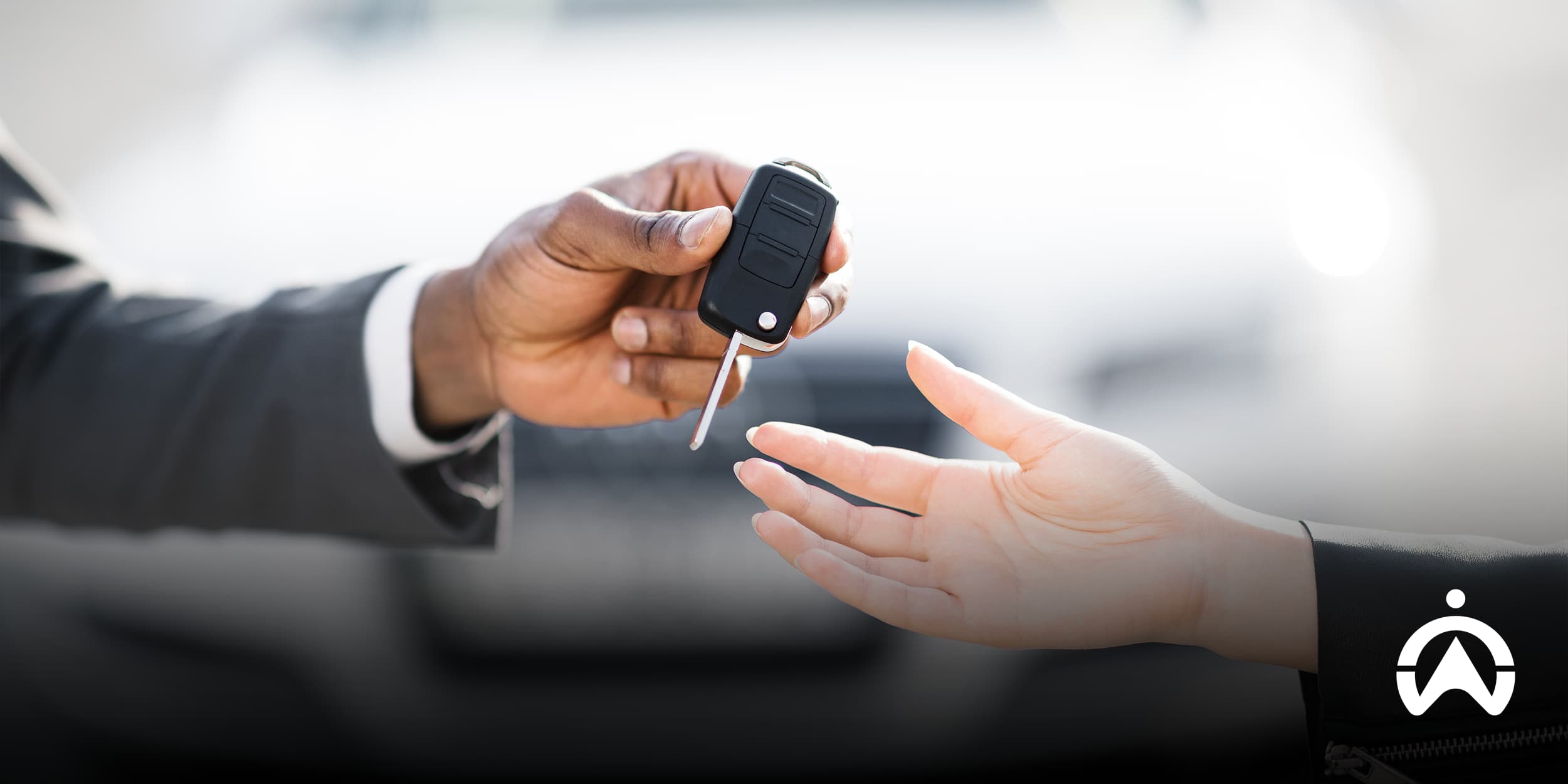
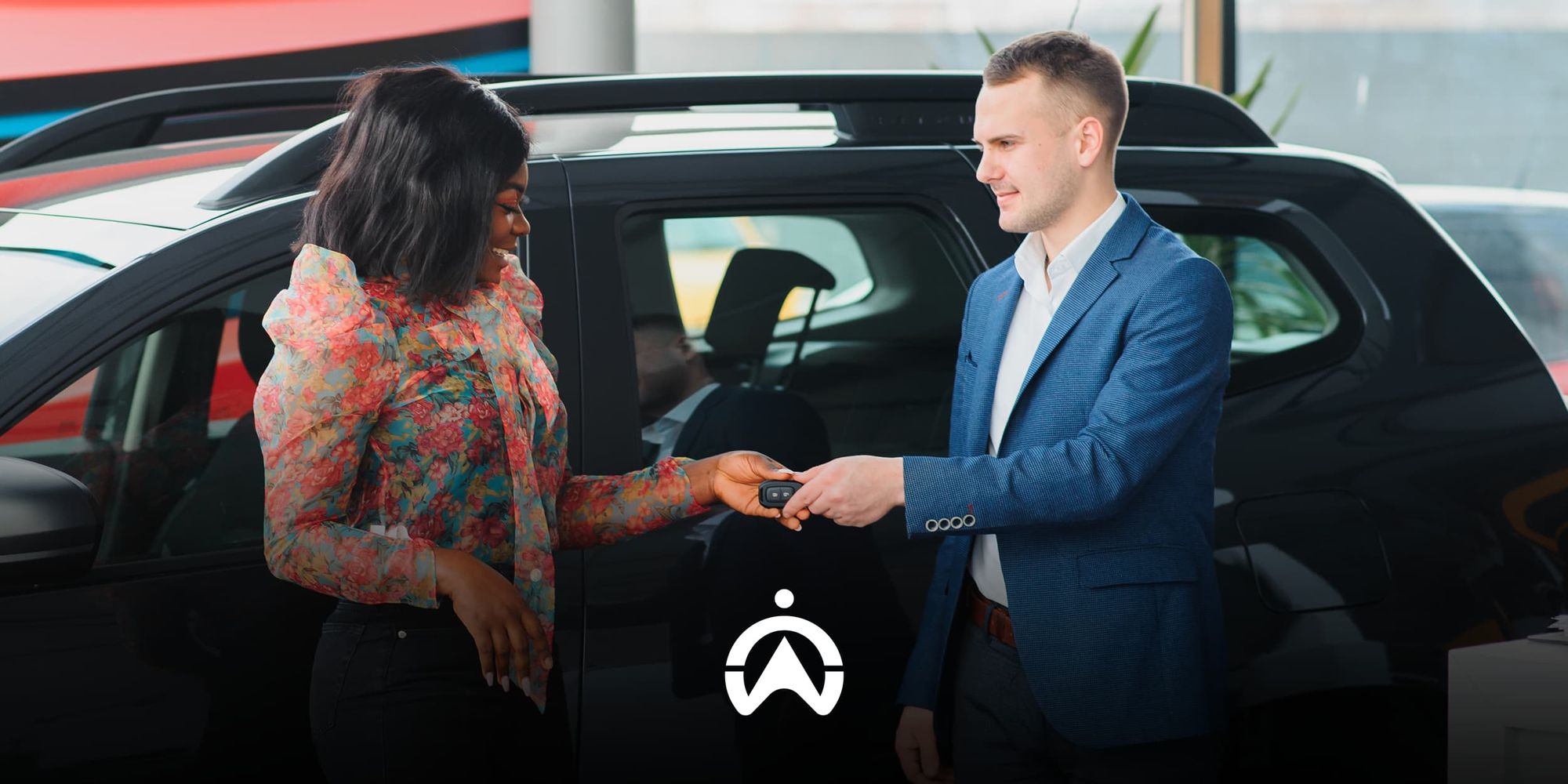
Person handing over car keys during a second-hand car purchase inspection.

New car vs second-hand car — pros & cons

If you’re still unsure if you should buy a new car or a second-hand one, this simple table breaks down the pros and cons of each. This will help you make a more informed decision before you hit the showroom floors!

Comparison New Car Second-hand Car
Upfront Cost Higher purchase price More affordable
Depreciation Loses value quickly in the first 12 to 24 months Slower depreciation rate
Maintenance Low at first; warranties included Can be higher depending on age and mileage
Vehicle History Clean – you’re the first owner Risk of unknown history (accidents, poor maintenance)
Finance Approval Easier to finance through major banks Slightly harder, depending on the car’s age and condition
Insurance Costs Higher premiums Lower premiums (depending on model and security features)
Tech and Features Latest safety and infotainment features Older tech, which may need aftermarket upgrades
Value for Money Long-term value, but costly upfront Budget-friendly with smart choices
Customisation Can choose specs and extras What you see is what you get
Resale Value Good if well-maintained Depends on mileage and brand popularity
Warranty and Service Plan Included from the dealership Maybe expired or limited
Peace of Mind Fully guaranteed condition It can be risky if not inspected or verified properly

Do a full vehicle history check

Before you buy a second-hand car, it’s incredibly important to do a full vehicle history check. Understanding where this vehicle has been and how it was treated is essential. A history check helps you uncover various concerns, like accident damage, outstanding finance, mileage tampering, or even if the car was stolen.

This information can protect you from costly unexpected expenses and also gives you confidence in negotiating the purchase price.

Here’s what to check:

  • Request the VIN number and check the ownership and its legal status with it.
  • Utilise vehicle verification services, such as TransUnion or other Kenya vehicle verification platforms.
  • Check for outstanding finance because the vehicle cannot be sold legally if there is still money owed on it.
  • Confirm that the car hasn’t been stolen, written off or imported illegally.
  • Review the service history for any records that will show consistent mileage and regular servicing.
  • Look for missing or skipped service intervals; these could be indicative of tampering.
  • Look into large repairs or accident history, including things like chassis or flood damage.
  • Request repair invoices or maintenance records that detail previously completed work. If unsure, invest in a pre-purchase inspection by a qualified mechanic.

Inspect the exterior

Start your inspection outside the car, focusing on the paintwork and how the panels align. If you spot uneven panels, mismatched paint, or overspray, it could be a sign of previous accident damage. Look for rust around the wheel arches or windscreen; this often points to long-term moisture exposure, especially in coastal areas like Mombasa County.

Next, check the tyres for wear and condition. Odd wear patterns might signal worn suspension or misaligned wheels. Make sure all the lights are working and that the mirrors aren’t cracked or loose. A chipped or cracked windscreen could end up costing you quite a bit to replace.

Check the car in daylight. Good lighting helps you spot dents, scratches, and signs of repainting that might go unnoticed in dim conditions. Kneel down for a closer look at the bodywork and run your hand along the panels. A thorough visual check can reveal significant clues about any past damage.

Inspect the interior

Inspecting the interior of a second-hand car is a must before you purchase! The interior often tells the real story of how well the car was looked after. Start with the upholstery and dashboard: tears, stains, and worn fabrics could signal neglect.

Listen for rattles and check for signs of water damage such as damp smells or mould, especially in coastal or flood-prone areas. Test all the electronic features. Turn the air conditioning, radio, windows, touchscreen, and central locking on and off.

Check if the dashboard warning lights turn on when starting the ignition and then turn it off after that. If they don’t turn off, this might indicate serious problems such as engine issues, electrical problems, or malfunctioning airbags—all requiring professional attention.

Look for signs of tampering. Scratched screws, loose panels, or trims that don’t fit properly are signs of previous repairs or modifications. Check seatbelts also for fraying, since safety equipment should always be intact. Generally, an immaculate interior characterises a responsible owner, while a neglected one hints at hidden mechanical issues.

Check under the bonnet

Next, pop the bonnet and take a look at the engine bay. Look for leaks, corrosion, or worn components. Fluid levels should be clear and at the right level. Oil that’s sludgy or thick may indicate maintenance that’s overdue; milky oil can point to serious engine problems such as head gasket failure

Give the belts and hoses a good look for any cracks or fraying. A worn belt can snap and cause engine damage, leading to costly repairs. Don’t forget to check the battery as well! Given the load-shedding (for EVs) and extreme temperatures in Kenya, knowing how old the battery is can really help when planning for a future replacement.

Remember, just because the engine bay looks clean doesn’t mean the car’s in top shape. Excessive oil stains, loose wiring, or old clamps can hint at neglected maintenance. If everything else looks good, consider getting a pre-purchase inspection. Having a mechanic do a compression test or diagnostic scan can save you from unexpected costs down the line.

Take a proper test drive

Always push for a proper test drive. Start the engine and listen for any weird noises like knocking or ticking. During the drive, check how the steering responds and how the suspension handles. If it pulls left or right, it might need alignment or could’ve had a bump in the past.

Try it out in different scenarios: stop-and-go traffic, open roads, and ideally, the highway. Pay attention to the brakes and where the clutch engages. If you notice jerky gear shifts or vibrations, that could signal transmission issues. Keep an eye on the temperature gauge too; older cars often struggle with overheating in our hot summers.

Turn the radio off while driving to catch any squeaks or rattles. Test the turning radius, acceleration, and emergency brakes. If something feels off, don’t brush it aside. You can always ask for another test drive or walk away. The right car should feel solid, reliable, and trustworthy.
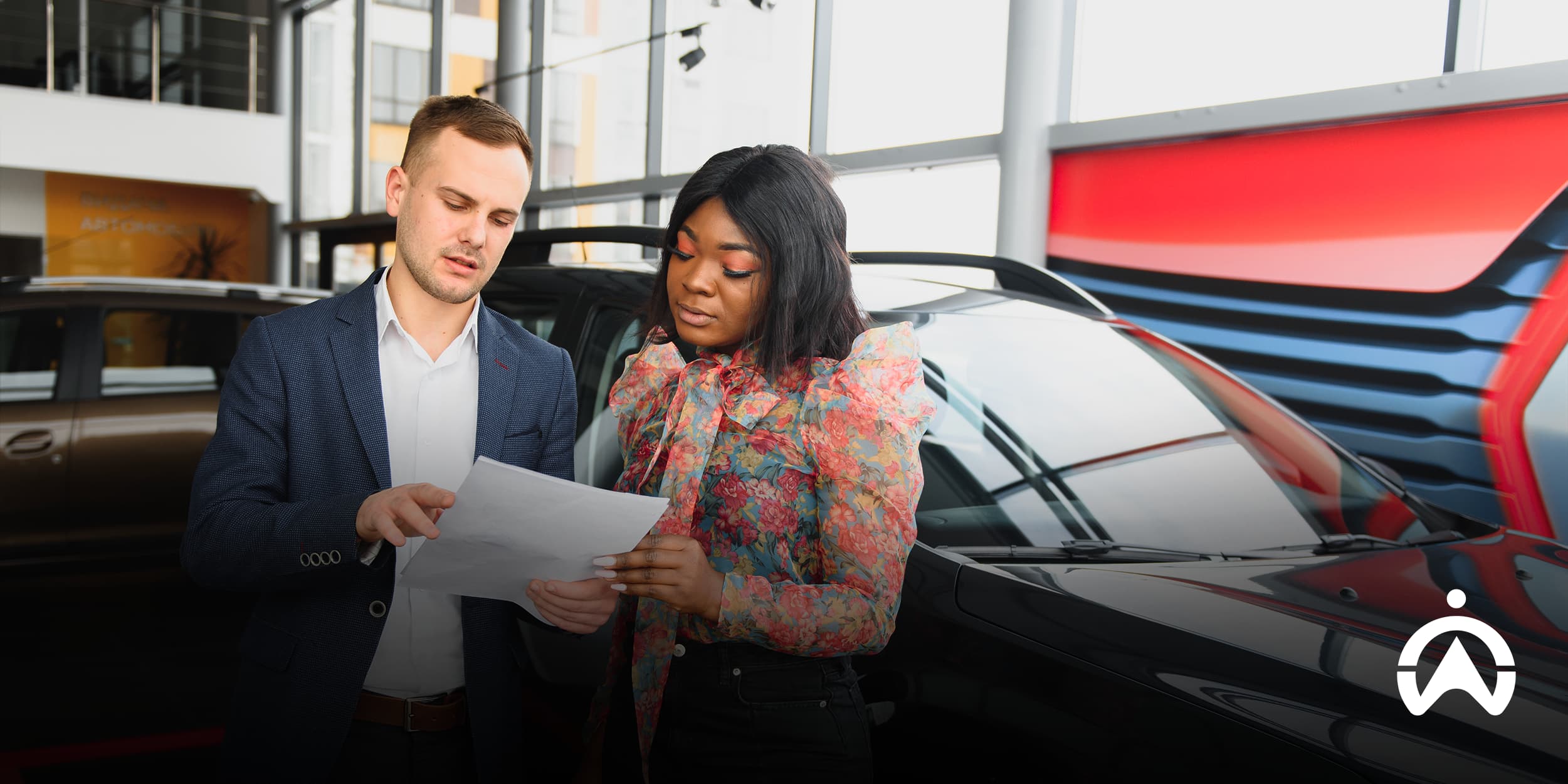
Buyer reviewing documents with dealer to assess what to look for when buying a second-hand car.

Understand the paperwork

Paperwork serves as your legal proof of ownership and protection as a buyer. In Kenya missing or outdated documents can cause delays, legal issues, or even fines. Before you buy, make sure you have every required document ready and valid.

Here’s what you need to get:

  • NTSA logbook registration document: This confirms legal ownership and vehicle details.
  • Valid roadworthy certificate: It should generally be current and valid at the time of sale.
  • Proof of sale or sales agreement: This protects you legally in case of disputes.
  • Stamped service book or digital service records: These verify the maintenance history.
  • Copy of the seller’s ID and proof of address: This helps confirm authenticity.

Things to check carefully:

  • The VIN number on the chassis should match the documents.
  • Make sure there’s no outstanding vehicle finance.
  • If you’re buying privately, get a written agreement and signed receipt.
  • Remember, you have few working day after deregistration to transfer the vehicle into your name.

With solid paperwork, you ensure smooth ownership, and the deal isn’t done without it.

Protect your new purchase

After you’ve sealed the deal, it’s time to protect your purchase. With car theft rates alarmingly high in Kenya, it’s wise to take steps to safeguard your investment. Installing top-of-the-range tracking and recovery tech can really help secure your car against hijacking, theft, or unauthorised use, particularly if you’re in a high-risk area.

This is where Karooooo makes a real difference. From day one, Karooooo protects your secondhand car with live GPS tracking, AI dashcams, and industry-leading stolen vehicle recovery. You can even set up geofencing alerts and real-time notifications to stay in control of your vehicle whenever it’s on the road.

Final takeaway

Buying a used car can be a smart choice if done correctly. Take your time, inspect it fully, check its history, and make sure all the paperwork is right. The right preparation prevents costly surprises and leads to better ownership in the long term.

Once you have the perfect car, protect it with Karooooo Kenya so that on each journey, you enjoy peace of mind. Safeguard your investment and drive with confidence.

FAQs

Is it worth buying a second-hand car in Kenya

Yes, it’s worth it to buy a second-hand car in Kenya. The second-hand car market is huge, affordable, and full of options for any type of buyer. By making use of the right tools, research, and inspections, you’re sure to find a diamond in the rough.

Can I negotiate the price of a second-hand car?

Yes, in most cases, you can negotiate the price of a second-hand car. Use findings from your inspection—such as wear, missing paperwork, tyre condition, or service history gaps—as negotiation points. Research market prices in advance to justify your offer with confidence.

Is financing available for used cars?

Yes, most banks in Kenya provide vehicle finance for second-hand cars, provided the cars meet certain age and mileage requirements. More often than not, older cars (more than 10 years old) may not qualify, so confirm this with your bank or financial provider before committing.
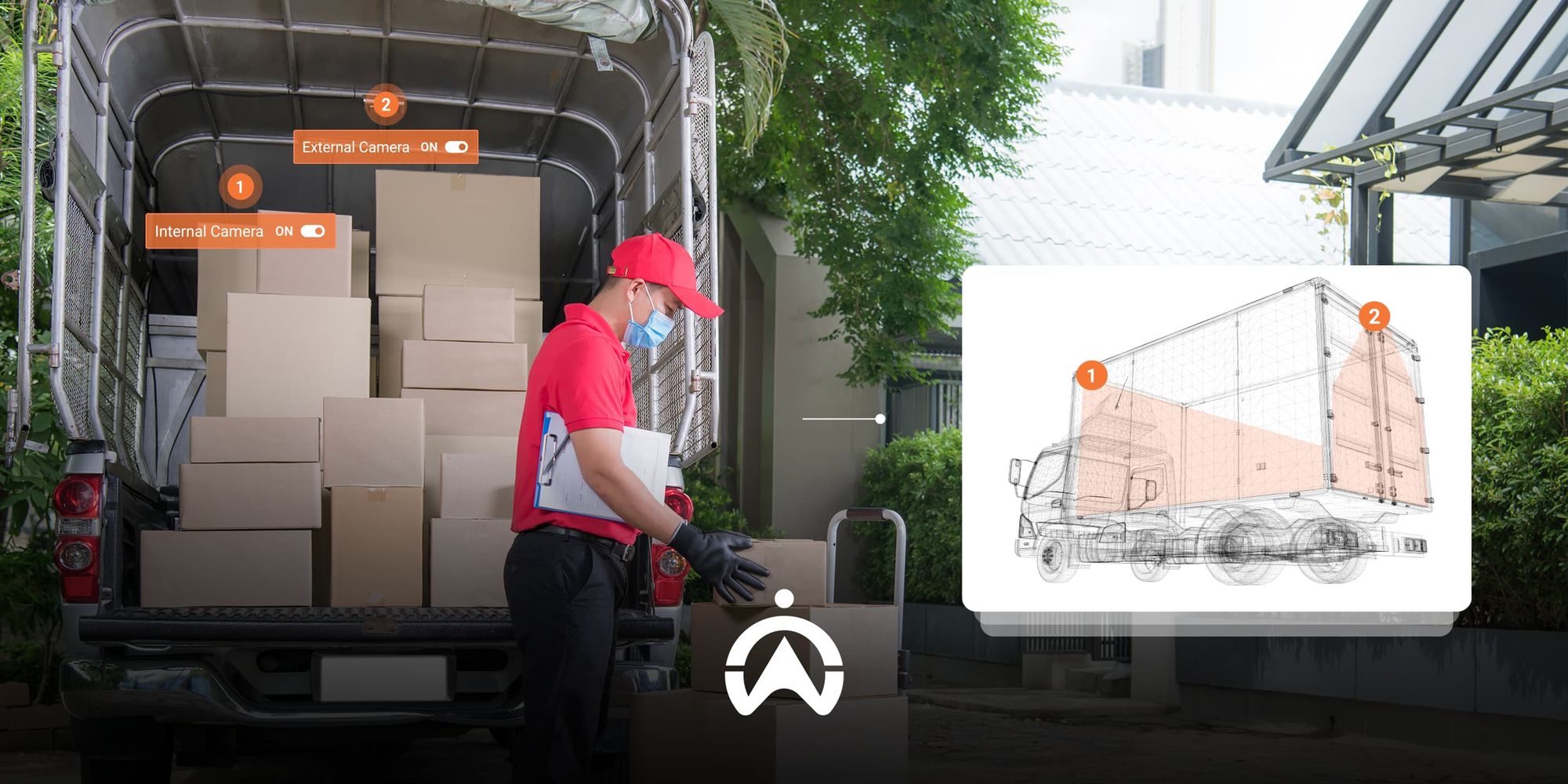
AI-Powered SaaS Solutions for Your Fleet

AI-powered SaaS (software as a service) solutions for your fleet are the best way for you to transform how you run it. SaaS lets you access software online through a subscription, meaning you no longer have to worry about managing complex software and hardware. Avoid hefty upfront costs. Instead, get scalable tools and immediate access to AI-powered automation and insight.

The numbers don’t lie: a recent report shows that 52% of fleets are convinced that predictive maintenance with AI can cut down vehicle downtime. This shows not only the trust fleet managers have in AI-powered SaaS solutions, but also exactly how they save you time on admin tasks, make your drivers safer, and help you make more informed decisions.

In this blog, you’ll get a clear picture of what AI-powered SaaS tools can do, whether they provide value for your fleet, and why Karooooo is the number one SaaS provider.

What makes a SaaS platform “AI-powered” today?

What makes a SaaS platform ‘AI-powered’ today is the implementation of machine learning and automation processes. Trying to manage fleets using manual techniques and spreadsheets makes operations almost impossible to control, highlighting the need for AI influence in SaaS. This is what takes the complexity out of daily tasks and insights.

AI-optimised SaaS tools don’t just show data; they interpret and take action using those insights. This feature is crucial for busy fleet managers who are already balancing heavy workloads, cost issues, and regulatory demands.

Look at how AI-powered SaaS improves fleet management:

  • Continuous, automated optimisation: The system takes note of all driving patterns and the way each vehicle operates so that it can recommend proactive maintenance alerts or general trigger notifications.
    ‍
  • Real-time data processing: Features like GPS tracking and driver events are analysed in real time, not being delayed or processed at a later stage.
    ‍
  • Intelligent automation: Tasks and reports are managed automatically, which means there’s less chance of human error, and processes like scheduling or maintenance reminders are easy and efficient.
    ‍
  • Predictive and preventative functions: The AI part of SaaS uses its smart capabilities to predict when a vehicle might need maintenance—before expensive downtime or dangerous incidents happen.

Why are fleets turning to AI-driven SaaS solutions now?

Fleets are turning to AI-driven SaaS solutions now because managers are facing immense pressures every day, from the rising fuel prices and servicing costs to compliance and safety. It’s a necessary tool, especially if you’re looking to tackle these challenges in the most efficient way.

AI-powered solutions are your key to shifting from reactive to proactive decision-making, with the backing of collected insights and data. Additionally, SaaS, being a cloud-based tool, makes it a powerful and accessible solution for businesses of all sizes. The technology is business-grade, doesn’t need intense setup, and has a subscription model that’s perfect for your fleet.

Are AI-powered SaaS tools difficult to adopt?

No, AI-powered SaaS tools aren’t difficult to adopt; in fact, that’s a popular myth. These tools are quite simple and should be user-friendly if implemented correctly and strategically, with the help of a little onboarding. Unlike traditional software, you’ll notice quicker adoption, automatic updates, less admin hassle, and no need to get used to the tech before reaping the benefits.

Today’s AI SaaS tools offer some of these:

  • Cloud-based access: You don’t really need a major installation, so access from your laptop or smartphone is quick and easy.
    ‍
  • Plug-and-play hardware: Again, no major installation, so fitments are quick and immediately connect to the software.
    ‍
  • Simple dashboards: Notifications come in on time and are clearly reflected on the dashboard.
    ‍
  • Integrated onboarding and support: No need for IT specialists just to get the ball rolling. Your provider should offer you training and onboarding, with regular ongoing training.
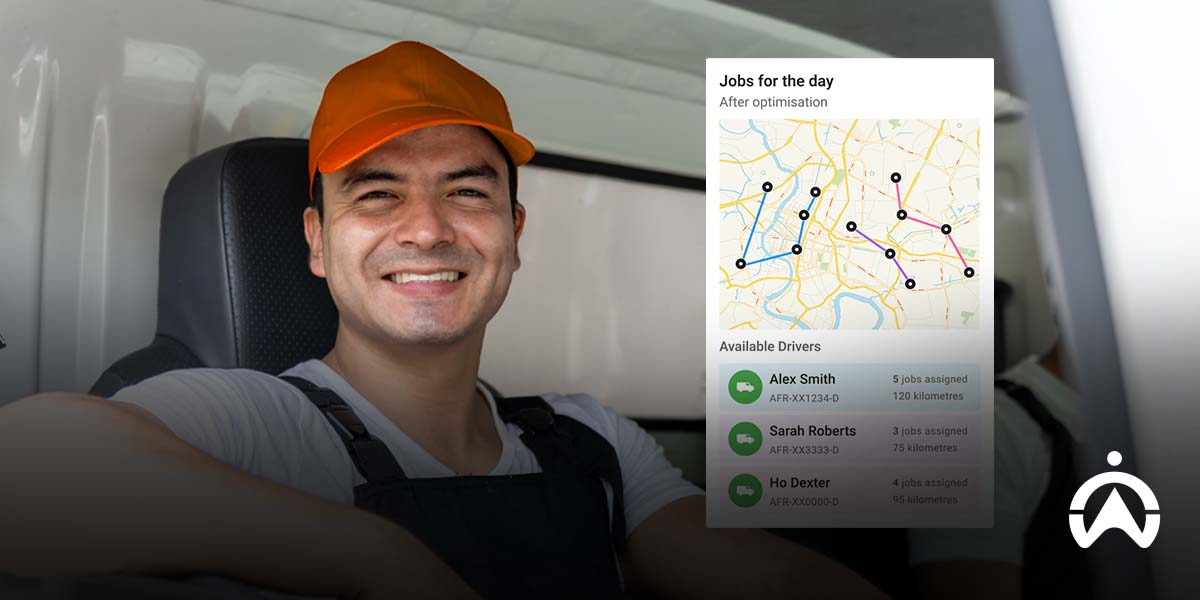
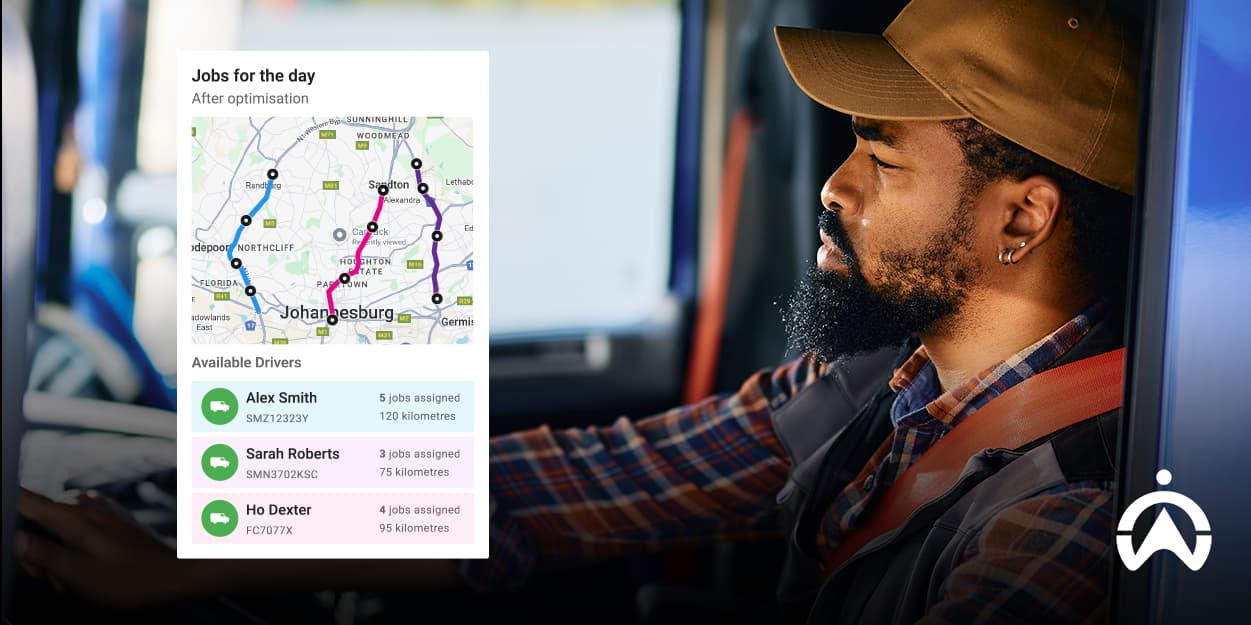
Driver viewing jobs and routes on screen powered by AI-powered SaaS solutions.

Core functions of an AI-powered fleet SaaS platform

Core functions of an AI-powered SaaS platform include smart routing and dispatching, downtime prevention, and automation. It’s so much more than just tracking vehicles or storing data. Combining these tools helps fleet teams operate more swiftly and more accurately.

Here are the main functions that make AI SaaS stand out in everyday fleet operations:

Automated operational insights

Traditional systems might only tell managers what’s already happened, but AI-powered SaaS systems show you what’s happening right now and what really deserves your attention. The system learns what risks matter most to your fleet so you’re not bombarded with alerts.

  • It highlights operational obstacles as they happen
  • It prioritises issues from most urgent to least, so you can prioritise

This means less time putting out fires and more time for planning for the next potential crisis.

Predictive maintenance and downtime prevention

Rather than taking a one-size-fits-all approach to maintenance, use real data on your vehicles to signal when they need attention. This way, you can fix what truly needs fixing at the right time, which saves you money.

  • It helps you avoid unnecessary repairs by spotting potential issues early
  • It makes your servicing schedules more efficient and effective

All of this leads to fewer accidental breakdowns and a more productive, longer lifespan for your vehicles.

Smart route planning and dispatching

AI draws on live insights to create smart routes that consider everything: fuel efficiency, customer priorities, driver habits, and the type of vehicle you’re using. This means realistic routes that align with your operational goals.

  • Routes get updated automatically if there’s a delay
  • It simplifies job dispatching with automated workflows

Deliveries are smoother, faster, and more cost-effective.

Driver performance intelligence

AI systems enable you to coach drivers more objectively and proactively, looking at trends and suggesting improvements based on actual insights and event-based feedback.

  • It helps you identify potential problems early, reducing the chance of accidents
  • It supports coaching with actual data, ensuring no one gets treated unfairly

This results in fairer performance oversight and fewer insurance claims.

Intelligent cost control

Prices are constantly on the rise, meaning you need more than just a record of your costs. It’s important to understand what’s driving expenses up and how to tackle them. AI systems track your spending and give you a forecast of when your budget might tighten.

  • It flags avoidable costs, like idling or vehicle misuse
  • It provides a forecast of your fuel and maintenance spending based on current patterns

In the end, this moves your fleet budgeting from reactive to a proper, prepared strategy.

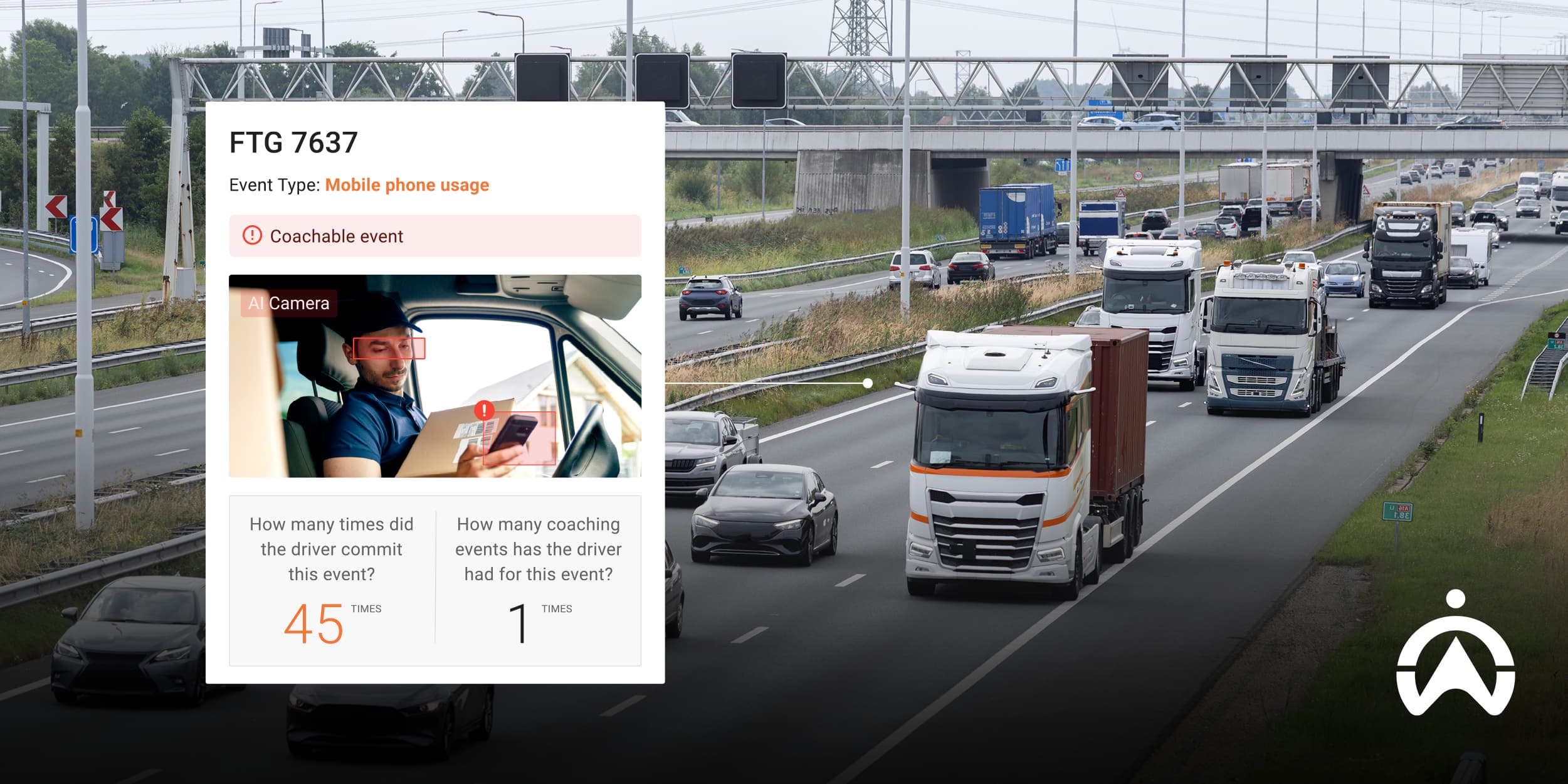
Dashboard showing driver phone usage data powered by AI-powered SaaS solutions.

Choosing the right AI-powered SaaS platform for your fleet

Choosing the right AI-powered SaaS means looking at key features that include user-friendliness, clear pricing, and smooth integrations. The focus should be to look beyond just the dashboards and data exports, and focus on whether the system actively helps you run a safer, more efficient, more profitable fleet.  

The right system should focus on these features:

  • Data accuracy: Accurate data collected from the vehicles is the only way to ensure reliability in insights and automation.
    ‍
  • Ease of use: The best platform should be simple to navigate with minimal training and no need for internal IT personnel.
    ‍
  • Depth of insights: Insights should be interpreted, not just data presentation, or just showing numbers.
    ‍
  • Integrations: Your AI SaaS should be compatible with other third-party systems, like payroll systems.
  • Local support in Kenya: Support that’s specific to your region is key, especially in the case of an emergency. Hands-on expertise is the way to go.
    ‍
  • Transparent pricing: The costs should be very clear from the start, with no surprises or hidden fees.
    ‍
  • Security and uptime reliability: As the platform runs in real time, keeping data safe and ensuring stability are crucial for smooth operations.

FLOWCHART: “Is this AI-SaaS platform right for my fleet?”

Use these questions and the accompanying flowchart as a quick checklist when evaluating vendors. If your answer doesn’t move you forward, the platform may not be the right fit.

Step 1: Does it offer live insights, not just delayed reports?
→ If no, it’s outdated. If yes → Step 2
‍

Step 2: Does it automate tasks you currently do manually?
→ If no, limited value. If yes → Step 3
‍
Step 3: Can it adapt to your fleet growth and industry needs?
→ If no, consider alternatives. If yes → Step 4
‍

Step 4: Does it include strong risk, cost, and compliance features?
→ If yes → Suitable platform.

Why Karooooo offers a stronger AI-powered SaaS experience

Karooooo offers a stronger AI-powered SaaS experience because it’s a game-changer, offering a fully connected system that delivers results without the need to juggle multiple suppliers. At Karooooo , we combine precise telematics, smart predictions, and automated workflows into one tidy platform, giving you the tools you need to reduce risks and simplify daily tasks.

It’s all about reaping real benefits. Karooooo offers local expertise and a 24/7 service team with continuous support and quick responses to tech issues, meaning you won’t be left waiting for help from a distant call centre.

By choosing a single platform that covers everything, businesses skip the trouble and costs of cross-platform confusion and duplicated work. With Karooooo , your fleet can get a reliable and holistic system that evolves with you, ensuring smarter business decisions without the extra stress.

Final takeaway

AI-powered fleet SaaS isn’t just a distant dream; it’s transforming businesses today. Companies using these tools gain a competitive edge with lower costs, reliable vehicles, safer drivers, less paperwork, and smarter decision-making.

As a potential partner, Karooooo  can provide you with an all-inclusive AI SaaS platform with reliable data accuracy and measurable outcomes. We provide the essential tools that genuinely elevate a business from good to great.

See how AI insights can save you time, fuel, and admin. Make smarter fleet decisions and try Karooooo’s platform now.

FAQs

What is the 3-2-2-2 rule of SaaS?

The “3-2-2-2” rule of SaaS refers to a handy guideline or growth model for businesses, suggesting how to maintain healthy growth. The model suggests the following: triple your revenue for two years, then double it for three. This model was created in the hopes that a business with a solid grounding could grow immensely within 5–7 years.

Does using AI-driven fleet software require technical skills?

No, using AI-driven fleet software doesn’t require technical skills. Modern AI-powered fleet SaaS platforms are built for everyday users, with intuitive interfaces and plug-and-play abilities. Most staff should be able to figure these systems out without needing to call IT; onboarding support and training are usually part of the package.

Can AI-powered SaaS integrate with my existing business systems?

Yes, AI-powered SaaS can integrate with your existing business systems, including maintenance schedules, ERP or payroll systems, and other tools. This integration makes workflows smoother, as you won’t need to juggle separate apps or process data manually.

Fleet Optimisation: 9 Steps to Success

When it comes to fleet optimisation, there are 9 steps to success. These are assessing your current fleet’s performance, setting clear optimisation goals, using real-time tracking & telematics, optimising your routes and schedules, managing your drivers’ behaviours, adopting predictive maintenance, right-sizing and future-proofing your fleet, and finally, tracking your total cost of ownership.

With fuel prices constantly rising and operational costs squeezing margins, making use of fleet optimisation is essential for your fleet’s survival. In Kenya, many businesses are adopting fleet management and GPS tracking systems to improve efficiency, reduce fuel usage, and stay competitive. If your fleet isn’t optimised, it risks falling behind.

So, how do you take charge? How do you streamline every kilometre, every drop of fuel, and every hour your vehicles hit the road? The answer lies in nine practical steps designed for real Kenyan fleets, backed by data, supported by Karooooo and proven to deliver results.

Let’s break it down.

What is fleet optimisation?

Fleet optimisation is the use of data, technology, and expert planning to get the most mileage from your fleet while keeping costs in check. It’s about more than just managing vehicles; it focuses on boosting efficiency, ensuring safety, and saving money. The goals include reducing fuel waste, minimising vehicle downtime, and optimising your fleet.

Step 1: Assess your current fleet performance

The first step before you can make improvements is to assess your fleet’s current performance. A fleet assessment gives you a baseline to compare against, so you understand exactly where inefficiencies hide—fuel, idle time, routing, or driver behaviour. Without data, you’re guessing. With data, you’re in control!

What should you measure?

Start by reviewing the metrics impacting your bottom line:

  • Fuel consumption per vehicle
  • Idle time vs. productive time
  • Driver behaviour: speeding, harsh braking, harsh acceleration
  • Route efficiency and mileage
  • History of maintenance and downtime
  • Fleet utilisation rates

Step 2: Set clear optimisation goals

The second step to fleet optimisation success is to set clear optimisation goals. Data is great, but having a clear direction is even better. Well-defined goals help you track success and share your vision with your team. Whether you’re aiming to reduce fuel usage, cut downtime, or boost job completions, measurable objectives keep everyone accountable and motivated.

Questions to ask when setting goals

  • What does success look like for your fleet?
  • How can you reduce breakdowns?
  • How can you save between 10% and 15% on fuel costs?
  • Is productivity at the front of your mind?
  • Are sustainability and ESG reporting important?

Step 3: Leverage telematics & real-time tracking

Step three is to leverage telematics and real-time tracking. You can’t optimise a fleet you can’t see. With real-time vehicle tracking, you keep an eye on drivers, safety, fuel waste, and every kilometre travelled. This isn’t just monitoring; it’s insight that empowers you to make decisions instantly, rather than waiting for those month-end reports.

Benefits of telematics

  • Live vehicle location
  • Route deviation alerts
  • Driver behaviour monitoring
  • Idle time tracking
  • Instant alerts – theft, speeding, fuel waste
  • Precise recording of trip history & mileage.

Karooooo’s role in step 3

Karooooo gives fleet owners full visibility in real time: GPS tracking, driver behaviour monitoring, trip history, and instant alerts for fuel waste, theft, or unauthorised use. With live data at your fingertips, you’re not reacting to problems—you’re preventing them before they impact your bottom line.

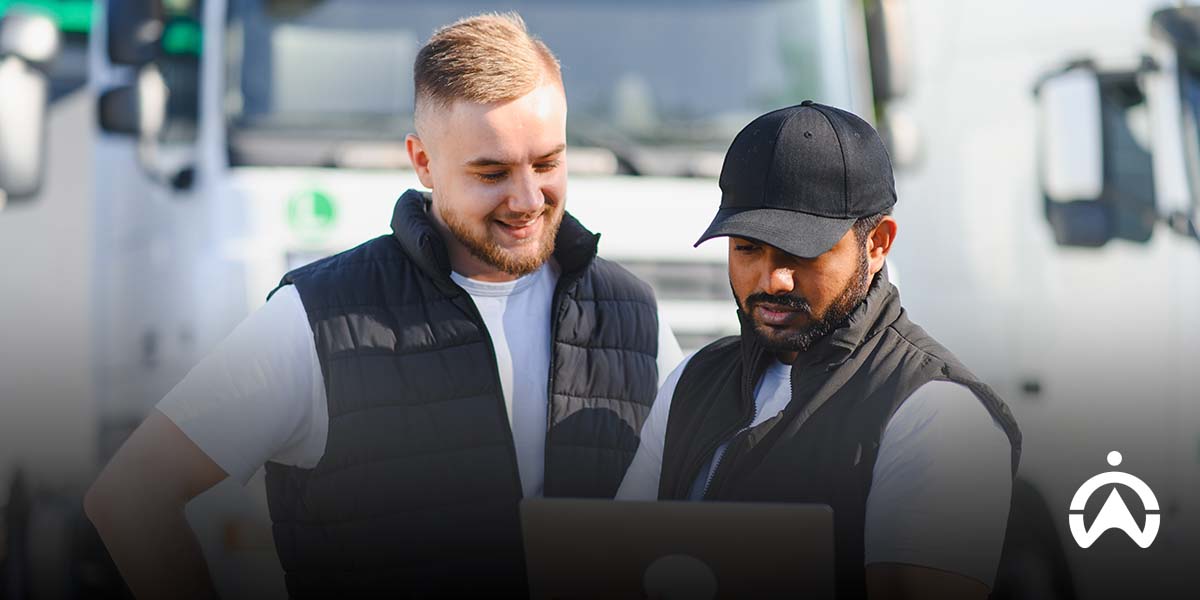
Team reviewing fleet data beside vehicles to support fleet optimisation.

Step 4: Optimise routes & scheduling

Smart routing is one of the fastest ways to save money. Every unnecessary kilometre adds to fuel costs, time on the road, and vehicle wear and tear. With effective route planning, you can get the same number of vehicles to complete more jobs—and that means more profit!

Smart routing tactics

  • Group jobs by location
  • Leverage historical traffic data
  • Plan routes around delivery windows
  • Steer clear of hotspots and high-risk areas

Karooooo automates all of these processes for you with an all-in-one, easy-to-use platform!

Karooooo’s role in step 4

Karooooo’s route optimisation tools enable dispatchers to plan the most efficient routes according to traffic patterns, client locations, and delivery windows. Jobs are assigned quickly, kilometres are reduced, and each vehicle is able to complete more work in less time without the need for adding more vehicles to your fleet.

Step 5: Implement driver behaviour management

You need to implement driver behaviour management because your drivers are your largest expense, but they’re also your best chance for improvement. Just a few small changes in behaviour can result in significant fuel savings, fewer accidents, and extended vehicle lifespans. Telematics goes beyond monitoring; it actively coaches your drivers.

Key behaviours to track and improve

When implementing driver behaviour management, these are the behaviours you need to start tracking and improving upon:

  • Harsh braking and acceleration
  • Speeding
  • Idling time
  • Gear misuse and excessive revving
  • Route deviations

The bottom-line impact

Studies have shown that a change in driving style alone can contribute to fuel consumption reductions of up to 15%. And fewer accidents mean far less unplanned downtime and fewer insurance claims.

Karooooo’s role in step 5

Karooooo’s driver behaviour analytics give you clarity into how your team performs behind the wheel—from harsh braking to speeding and excessive idling. With real data, you can coach drivers, reward good performance, and amplify road safety while cutting fuel waste.

Step 6: Use preventative maintenance

Step six is to start using preventative maintenance, so instead of waiting for things to break, you’ll anticipate them. Predictive maintenance uses data to track component wear, vehicle health, and service needs. This prevents breakdowns, extends vehicle lifespans, and keeps fleets on the road.

Don’t just repair—PREVENT!

Things you should be monitoring closely are:

  • Engine fault codes
  • Usage hours & odometer data
  • Brake wear
  • Tyre health
  • Battery performance
  • Service intervals

Karooooo’s role in step 6

Karooooo’s software automatically monitors odometer readings, fault codes, battery health, and service intervals—so you know exactly when a vehicle needs attention before it breaks down. This is achieved through predictive AI, which gathers and analyses the data in real-time, and then it provides an understanding of the equipment’s current condition.

So rather than you having to react to repairs, you can schedule maintenance earlier and reduce unplanned downtime across your fleet.

Step 7: Rationalise fleet size & structure

When it comes to rationalising your fleet size and structure, it’s important to remember that not every vehicle belongs in your fleet. Some are overused, some are underutilised and some are simply not the right fit. Right-sizing ensures your fleet matches demand at the lowest possible cost with the best possible performance.

Right-sizing your fleet

When it comes to right-sizing your fleet, these are the factors you’ll need to consider:

  • Utilisation rate per vehicle
  • Total cost per kilometre/TCO (total cost of ownership)
  • Depreciation versus replacement
  • Vehicle lifecycle (age, resale value)
  • Leasing versus owning
  • EV readiness and sustainability goals

Local insight

Operating the incorrect vehicle type under challenging Kenya conditions results in more repairs, fuel wastage, and downtime. The right vehicle is not always the cheapest; rather, it’s the one with the best total cost of ownership.

Karooooo’s role in step 7

Karooooo reports identify underperforming vehicles, overworked assets, and true cost per kilometre for every unit in your fleet. These help inform decisions relating to replacements, leasing options, and asset rotation—ensuring every vehicle delivers real ROI.

Delivery driver viewing optimized jobs interface for fleet optimisation.

Step 8: Track total cost of ownership (TCO)

Step eight requires you to track the total cost of ownership. Remember, fuel alone doesn’t paint a complete picture. TCO follows every single cost associated with every asset over its lifetime—from fuel to insurance to admin to downtime. This helps managers decide which assets to retire, which to keep, and which to invest in next.

What should be included and considered?

To track the TCO, include:

  • Fuel and maintenance
  • Depreciation
  • Insurance
  • Tyres
  • Licensing and admin
  • Accident costs
  • Downtime

Direct costs make up about 80% of total TCO:

  • Depreciation/Leasing: 35–45%
  • Fuel/Energy: 25–35%
  • Maintenance/Repairs: 10–15%
  • Insurance: 8–12%
  • Tires: 3–5%

Indirect costs account for 20%:

  • Corporate Vehicle Tax (TVS): 2–8%
  • Administrative management: 2–4%
  • Downtime due to accidents: 1–3%

Karooooo’s role in step 8

Karooooo brings all the necessary cost data—fuel, maintenance, driver behaviour, downtime, and utilisation—onto one platform. With precise TCO reporting per vehicle, you instantly see which assets are profitable and which are draining your budget. That’s how smart investments get made!

Step 9: Plan for sustainability & future growth

Lastly, you need to plan for sustainability and future growth of your fleet. Sustainability isn’t just an ESG box to tick; all over the world, it’s increasingly tied to profitability and customer expectations. Kenya is only gradually moving toward greener fleet operations, and businesses that prepare now will benefit later.

Green fleet strategies

  • Assess EV readiness (duty cycles, range, charging infrastructure)
  • Use telematics to measure CO₂ emissions or fuel efficiency improvements
  • Replace inefficient assets
  • Use data for ESG reporting
  • Track fuel-efficient patterns.

Why it pays off

There’s an increased trend by customers to favour those suppliers that have a sustainability strategy. Companies that get ready now will be better placed to win contracts and achieve higher scores in tender evaluations over the coming years.

Your fleet’s future starts now

Fleet optimisation doesn’t need to be a complete overhaul right from the get-go. Sometimes it’s as simple as improving just one metric, one route, one driver, or one vehicle. But as the data starts telling its story, you’ll see even more opportunities month after month on how to save money, improve, and grow.

The simple truth is this: the answers are already there in your fleet. The data is available. Your next step is to collect, analyse, and act on it.

Ready to optimise your fleet?

Start with a fleet audit, or speak to our team at Karooooo that works with Kenyan fleets every day!

FAQs

What is the difference between fleet management and fleet optimisation?

The difference between fleet management and fleet optimisation is that fleet management focuses on daily operations like keeping vehicles running, drivers compliant, and routes assigned. Whereas fleet optimisation uses data, automation, and insights to enhance performance, cut costs, and boost efficiency across the whole fleet.

Can small or growing businesses benefit from fleet optimisation, or is it only for larger fleets?

Yes, small or growing businesses benefit from fleet optimisation. Smaller fleets can generate valuable data that reveals fuel waste, poor routes, and idle time. With scalable tools like Karooooo, small businesses can start optimising operations early on, growing smarter without overspending.

How do you calculate ROI on fleet optimisation technology like telematics and AI tools?

You can calculate ROI on fleet optimisation technology like telematics and AI tools by comparing your operational costs before and after implementation. Look at the savings from reduced fuel use, fewer breakdowns, lower insurance claims, and boosted productivity. Subtract your tech investment from those gains, and you’ll see your return on investment.

Does a Dashcam Record Inside the Car?

If you’re looking at buying a dashcam and wondering, “Can a dashcam record inside the vehicle?” The short answer is yes, but only certain models can do this. Most dashcams record the road ahead, but advanced models with dual-lens and 360-degree capabilities capture both street scenes and the inside of your vehicle, giving you extra protection and peace of mind.

This matters because Kenya roads can be extremely unpredictable. In fact, according to the latest data provided by The star, in 2025, Kenya recorded 5,009 road fatalities in road traffic accidents.

So whether you’re driving to work, doing the school run, or even working as an Uber or Bolt driver, having clear video evidence can make a world of difference if something goes wrong. If you want a dashcam that does it all, then Karooooo’s AI-powered dashcams with live stream camera technology will be useful for everyday drivers like you.

Do dashcams record inside the car?

Yes, dashcams can record inside your car. However, only certain models can. 360-degree and dual-vision dashcams are designed to record the inside of your car as well as the road. In order to record clearly (even in the dark), they typically have two cameras: one facing forward and the other inward. Advanced models usually have night vision.

This is particularly helpful for:

  • Drivers for e-hailing services (such as Uber, Bolt, etc.)
  • Parents keeping an eye on their children while they drive.
  • Owners of businesses that oversee fleet vehicles.
  • Regular drivers seeking additional peace of mind.

Benefits of recording inside the car

The benefits of recording inside your car are that an additional sense of security and responsibility is added by having a dashcam that records inside the vehicle. It provides you with a clear picture of what goes on inside your car, which can be just as important as what happens on the road.

  • Evidence in disputes: You’ll have evidence if something occurs in the car, such as an argument or dangerous passenger behaviour.
    ‍
  • Driver safety: Helpful for drivers in the event of conflicts, mishaps, or security issues.
    ‍
  • Parental control: Parents get peace of mind by keeping tabs on their teens’ driving habits and observing how they behave when operating their car.
    ‍
  • Security: You can prevent theft and vandalism and record any events by recording what happens to your car while it’s parked.
    ‍
  • Capturing memorable moments: Dashcams can help capture any unexpected memorable moments from your travels!

Are there drawbacks to recording inside the car?

Yes, there can be some drawbacks to recording inside your car such as privacy, storage, high costs and installation challenges. While not all drivers will be impacted by these, it’s crucial to consider them before investing in a more advanced device.

  • Privacy concerns: Some passengers may find it uncomfortable to be filmed.
    ‍
  • Storage issues: Additional storage may be required because two cameras produce more footage, which calls for a larger memory card.
    ‍
  • Higher costs: Compared to standard models, dual and 360-degree dashcams are more expensive.
    ‍
  • Installation challenges: Installing cabin cameras requires proper positioning and possible professional installation.
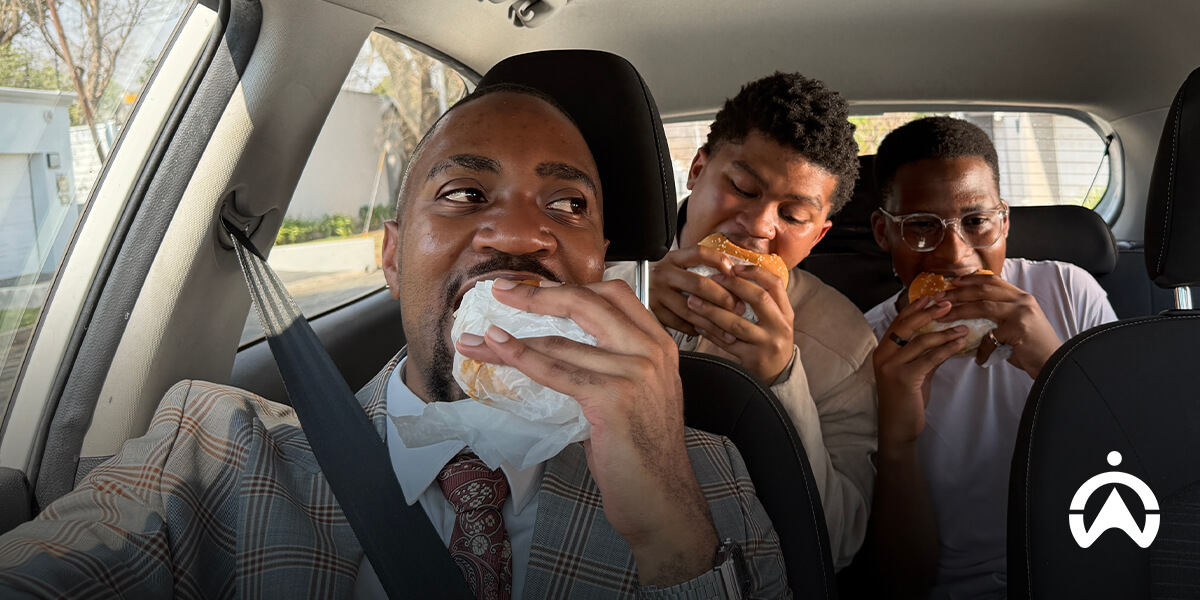
Three people in formal attire enjoying food in a car, with trees and a house visible outside the window.

Different types of dashcams and what they record

It’s important to note that dashcams come in different shapes and setups, and not all of them can record the inside of your car. So before you swipe your card, be sure you’re getting the right one for you. The table below breaks down the main types of dashcams, what they capture, and how much you can expect to pay in Kenya:

Dashcam Type What It Records Inside the Car? Typical Use Case
Front-facing Road ahead No Everyday drivers needing accident evidence
Dual-vision Road ahead & inside cabin Yes E-hailing drivers, parents, business fleets
Rear dashcam Road behind No Extra coverage for parking or rear collisions
360-degree All angles inside & outside Yes Premium option for full coverage and peace of mind

Legal considerations in Kenya

Currently in Kenya, dashcams—including those that record inside cars—are legal. New privacy laws, however, might lead to strict regulations for camera use. Therefore, being transparent about recording helps prevent unnecessary complications. Telling passengers you’re using a dashcam is worthwhile, especially if you’re driving for Uber or Bolt.

Choosing the right dashcam for you

When choosing the right dashcam for you, you need to consider your driving habits and lifestyle. This will determine which dashcam is best suited for your needs. While some drivers require full coverage with additional features, others only want a basic road-facing camera. You can compare features using the following guide to determine which one best suits your needs

Feature Why It Matters Who Benefits Most
Interior recording Captures what happens inside the car Parents, Uber/Bolt drivers, fleet owners
Night vision Clear footage in low light or at night Long-distance drivers, city drivers with night shifts
Wide-angle lens Covers more of the road or cabin Anyone wanting fewer blind spots
Audio recording Records conversations and sounds Taxi/e-hailing drivers, security-conscious users
GPS tracking Logs speed and location of trips Businesses, parents, and insurance purposes
Cloud storage Protects footage even if the dashcam is stolen High-crime areas, business fleets
Parking mode Records when the car is parked or unattended Everyday drivers
Ease of installation Saves time and setup hassle Everyday drivers, first-time users
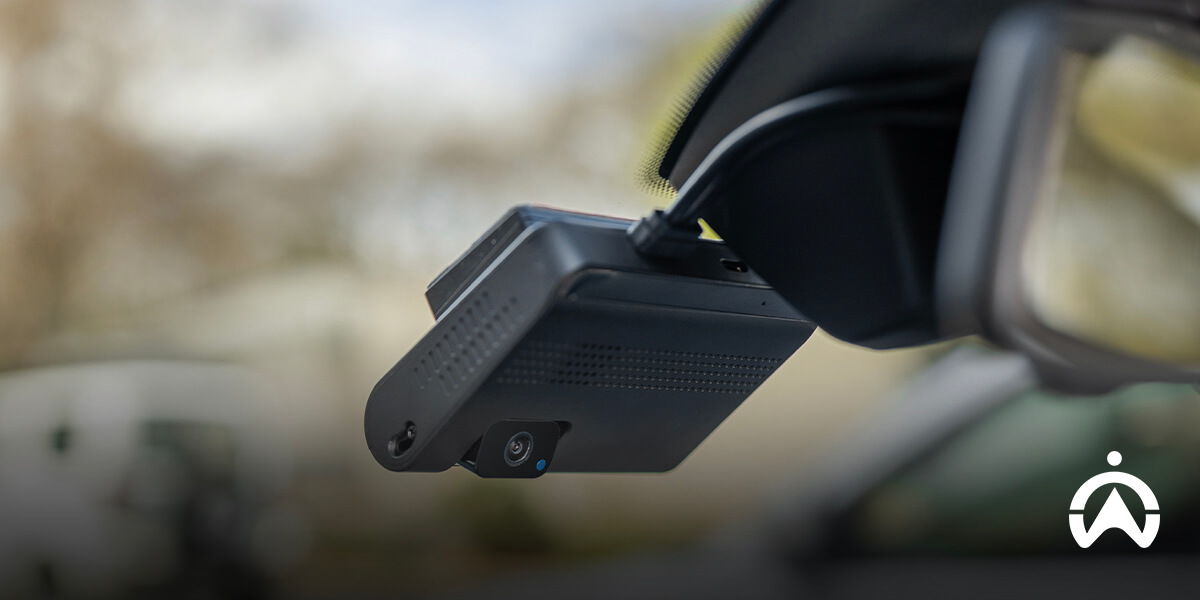
A close-up of a black dashcam mounted on a car's windshield, with a blurred background of trees and vehicles.

How dashcams protect Kenya drivers

Dashcams protect Kenya drivers from the unique risks associated with Kenyan roads, which include smash-and-grabs, hijackings, fraud, and accidents. Although a dashcam won’t prevent these incidents, it can provide you with important proof to defend yourself later on, whether for peace of mind, insurance, or police reports.

For example:

  • Disputes can be swiftly resolved with accident footage.
  • Video footage makes it easier to report smash-and-grab incidents.
  • Drivers can defend themselves against false allegations.

Tips for using a dashcam effectively

Choosing the right dashcam is just the first step. You must install and use it properly if you want to get the most out of it. Your dashcam will always function when you need it most if you follow a few simple routines.

  • Make use of a memory card with 64 GB or more of quality.
  • Make sure the camera is positioned correctly to prevent sun glare.
  • Don’t rely solely on the memory card; make a backup of any important clips.
  • Think about hardwiring your dashcam or using an external battery if it has parking mode.
  • Let passengers know that recording is underway.

At Karooooo Kenya we offer premium-quality dashcams at an affordable price and with free installation. Contact us today to get the best dashcam solution for personal or business.

FAQs

Do dashcams record sound as well as video?

Yes, many modern dashcams record sound as well as video through built-in microphones. This can be useful if you need proof of what was said during an incident. If you’re not comfortable recording sound, most devices allow you to turn the audio feature off.

Can dashcam footage be used in court or for insurance claims?

Yes, dashcam footage can be used to support insurance claims or even as evidence in court. Clear video clips help settle disputes about who was at fault in an accident. Insurance companies are more likely to process claims quickly when you provide reliable footage showing exactly what happened.

Will a dashcam drain my car battery?

No, a dashcam won’t necessarily drain your car battery, this is because when you’re driving, dashcams usually run on the car’s power supply and use very little energy. However, dashcams with parking mode can continue recording while the engine is off.

How long is footage stored on a dashcam?

Dashcam footage can be stored anywhere from a few hours to a few months. Dashcams use loop recording, which means old footage is automatically overwritten when the memory card is full. The length of time footage is kept depends on the card size. With a 64GB card, you can usually store several hours before files are replaced, unless you manually save clips.

Do I need a special dashcam for Uber or Bolt driving?

Yes, for Uber or Bolt drivers, an AI dual-lens dashcam is the best choice. It records both the road ahead and the inside of the vehicle, which helps protect you against false claims or disputes with passengers. Some models even include night vision, which is useful for evening and late-night trips.

Get a GPS tracker with a camera for your car today

If you’re a car owner in Kenya, you should get a GPS tracker with a camera for your car today! With the high crime rates, we’re all concerned about the safety of our vehicles when we park our car at the local mall, outside a friend’s house or even on our commute to work.

According to Top Auto, it’s estimated that approximately 327 motor vehicle thefts annually across Kenya, an indication of just how real this problem is for the everyday motorist. That number doesn’t even take into account hijackings or break-ins, making vehicle safety something you just can’t afford to ignore anymore.

That’s exactly why more and more Kenyans are opting for a GPS tracker with a camera. It doesn’t only show where your car is but also what’s happening inside or around your car. With reliable options like Karooooo’s real-time GPS tracking, the peace of mind you’ll have is unmatched.

A GPS tracker helps—but a camera makes all the difference

A GPS tracker pinpoints your car’s location, making quick recovery and real-time monitoring a breeze. By adding a camera, you can see exactly what’s actually going on inside and around your vehicle. This extra insight boosts safety, provides evidence, supports insurance claims, and brings you peace of mind in risky situations.

What to look for when buying a GPS and camera device

When you’re shopping for a GPS and camera device, the most important factor to look for is reliability. You want a tracker that updates quickly, connects consistently, and provides accurate information whenever you check your phone. Delays or weak signals could make a huge difference during an emergency.

The camera itself needs to be high-quality, with good resolution, night vision, and wide coverage so you can capture as much detail as possible. These features help you clearly identify faces, number plates, and actions that might point to who tampered with your car.

Reliable storage is another key feature. Some devices store footage on SD cards, while others offer cloud backups. Cloud storage is ideal because footage remains safe even if the device is removed or damaged. This ensures you won’t lose valuable evidence when you need it most.

Kenya can sometimes have unique connectivity challenges, so the device must work well with local mobile networks. A trusted provider like Karooooo ensures strong, consistent signal performance for accurate real-time tracking in both urban and rural areas.

We also recommend getting a professional to install your device for the best discreet positioning and tamper-proof wiring. When it’s set up correctly, thieves are much less likely to spot or disable it, which means you’ll enjoy better long-term protection and functionality.

Checklist for choosing the right tracker

  • Real-time GPS tracking
  • High-resolution camera with night vision
  • Tamper alerts
  • Cloud or large-capacity storage
  • Reliable mobile app
  • Strong network connectivity
  • Professional installation
  • Local support and monitoring

The benefits of combining a GPS tracker with a camera

The biggest and most immediate benefit a GPS tracker with a camera provides you with is peace of mind. With a GPS and surveillance system combo, you’ll always know where your car is and what’s happening around it. That alone can reduce quite a bit of stress, especially when you depend on your car daily.

One big advantage is deterring theft. Many criminals will think twice about stealing a car with a camera, as they don’t want to be caught on tape. For those who still take the risk, you’ll have recorded footage to aid in recovery.

So, if the worst happens and your car gets stolen, you’ll have both tracking and video evidence to help the police or recovery teams act quickly. With services like Karooooo, you get dedicated 24/7 recovery support that significantly boosts your chances of getting your vehicle back.

Another benefit is the long-term financial savings that come with it. By preventing theft, reducing insurance hassles, and improving recovery chances, the tracker pays for itself. It’s an investment that saves money, time, and stress over the years.

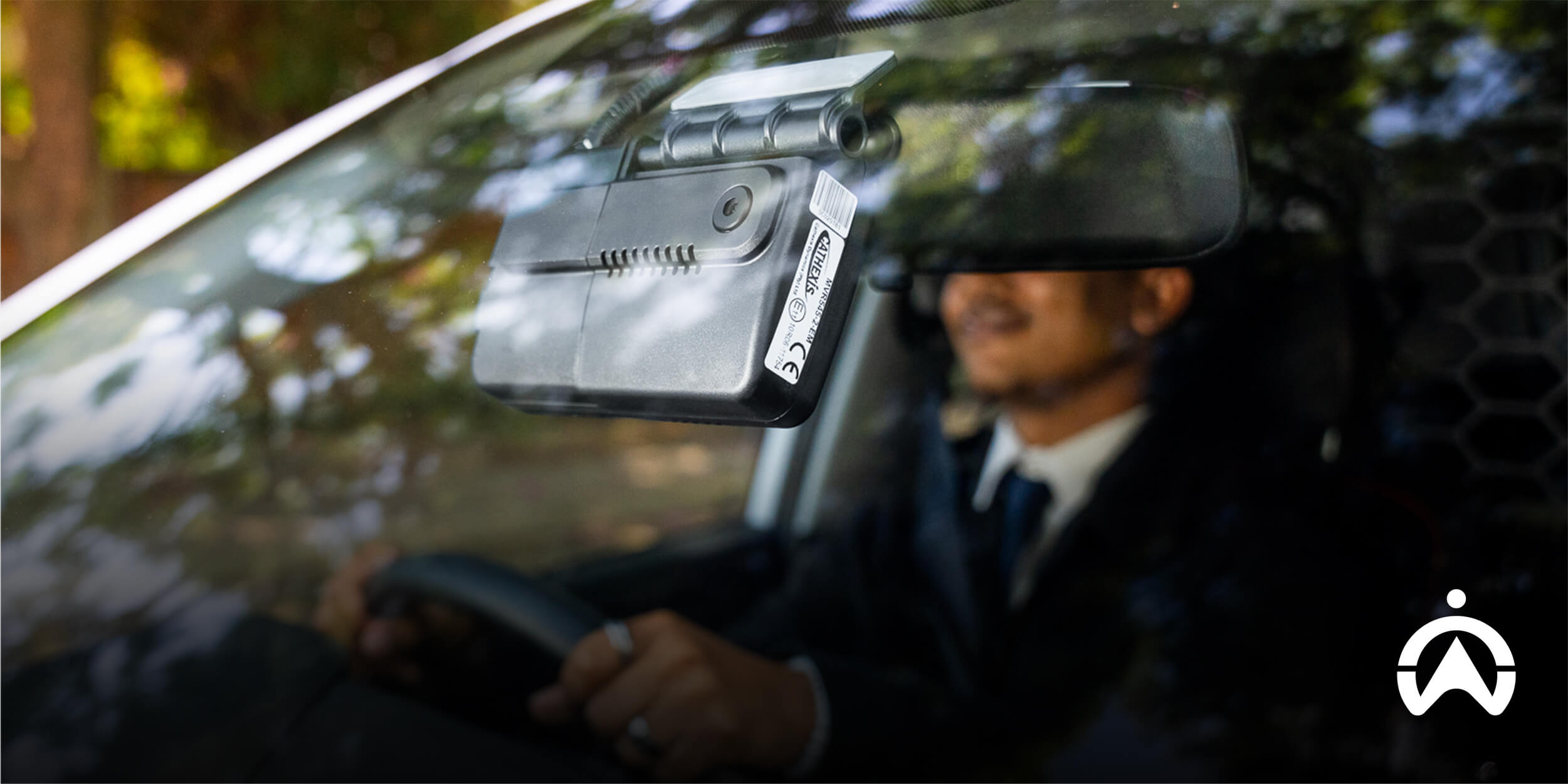
A driver in a suit holds the steering wheel, with camera with GPS tracker mounted on the windshield capturing the view ahead.

Why choosing a trusted provider matters

Choosing a trusted provider matters, because either the badly assembled device or the unstable platform will fail in that very moment when it’s needed. Ultimately, you should choose a provider you can trust because, in reality, the quality of your tracking and camera depends a great deal on the reliability of service.

Karooooo has earned its reputation for reliable real-time GPS tracking, tamper alerts, robust uptime, and a user-friendly mobile app tailored for the Kenyan market. Our system is built to handle local network fluctuations, weather conditions, and real-world safety challenges.

Professional support is needed too. With Karooooo, besides getting the  device itself, you have access to trained installation technicians, 24/7 customer support, and even a dedicated stolen vehicle recovery team. All these services combined offer more protection compared to buying a device from an online store.

Make sure you ask about the technology each provider uses, from the installation process and response times to recovery rates and whether they offer cloud storage. The more transparent they are, the more confident you’ll feel in your choice.

A trusted provider isn’t just selling a device; they’re selling reliability, protection, and support. That’s why investing in the right partner like Karooooo makes all the difference.

The reality of car theft in Kenya

The unfortunate reality of car theft in Kenya is that thousands of vehicle owners have to face it each year. It doesn’t matter if you’re in Nairobi, Mombasa, Kisumu, or a smaller town like Eldoret or Nakuru; the risk of theft is high and unpredictable.

Thieves don’t just operate at night; car thefts, break-ins, and hijackings can happen at any time of the day. They’re becoming more organised and bold, targeting busy shopping centres, public parking lots, and even gated communities. It’s no longer enough to just lock your doors or set your alarm.

Another thing is that losing your car takes a massive emotional toll, especially when it affects your ability to get to work, school, or other important appointments. And when you factor in the financial strain of excess payments, insurance delays, and unexpected transport costs, it becomes clear why extra security is essential.

The impact of car theft lingers long after the incident. You might spend days or weeks trying to recover your vehicle, redo paperwork, or deal with insurance disputes. No one wants to waste their valuable time and energy when a reliable tracking solution could have prevented the loss in the first place.

Typical use cases in a Kenyan context

1. Everyday commuters

If you’re one of those people who parks at busy malls, in town, or in office basements, you probably know just how unpredictable these areas can get. By having a GPS tracker with a camera attached, you can keep an eye on your vehicle at all times—even when you’re in a meeting, shopping, or at the gym.

2. Work bakkies and company cars

Work vehicles often carry tools, equipment, and valuable goods, making them the number one targets for thieves. With a camera and GPS system, you can monitor your bakkie’s movement and also capture footage when someone tries to break into it. It’s an essential investment for protecting your livelihood.

3. Long-distance and holiday travel

Kenyans often travel far between provinces, towns, and holiday destinations. When your car is parked outside a hotel or unfamiliar neighbourhood, you’d want reassurance that everything is safe. A tracker with a camera gives you that security no matter where you are.

4. Family cars

Families are reliant on their cars for school runs, commutes to work, emergencies, and weekend plans. Real-time monitoring helps to protect the family members and the car itself. Whether your teen is borrowing the car or your partner is on a late shift, you’ll feel more at ease knowing they’re safe.

Tips for using your GPS and camera smartly

Having tips on how to use your GPS tracker and in-car camera in a smart way will help keep you safer, capture clearer footage, and leverage real-time alerts. Simple things such as placing your camera correctly, frequent alert checks, updating your app, and reviewing stored footage will go a long way to enhance your all-round visibility and protection.

Smart tips include:

  • Place your camera for the widest possible cabin or road view.
  • Regularly test your live feed to ensure the angle and clarity are appropriate.
  • Set up custom alerts for movement, speed, or tampering.
  • Keep your Karooooo app updated to ensure all features continue to run smoothly.
  • Take an occasional look at your cloud-stored footage to confirm that important clips save correctly.
  • Keep your device clean and dust-free to ensure clear footage at all times.

How a GPS tracker with a camera can help your insurance

Did you know that having a GPS tracker with a camera can help lower your insurance? This is because having this combo can provide evidence in proving or disproving whose fault an accident was, and it helps in recovering your vehicle if it gets stolen.

Lower premiums over time

Insurance companies love drivers who can supply real-time data and footage. With clear video evidence and accurate tracking, you’re often seen as a lower risk, which can lead to better premiums in the future.

Quicker claims

Video footage fast-tracks accident or theft investigations on the part of insurers because they don’t have to depend on statements alone. It’s much clearer and faster with a clip or even just a screenshot.

Should You Get a GPS Tracker with a Camera Today?

So should you get a GPS tracker with a camera? If you live in Kenya… yes. Between high theft numbers, daily road risks, and expensive insurance claims, adding camera-enabled tracking is one of the best ways to protect your car, your family, and your finances.

And if you choose Karooooo, you get…

  • 24/7 Stolen-Vehicle Recovery
  • Live Vision video streaming
  • Instant movement and tamper alerts
  • Reliable location accuracy
  • A powerful, user-friendly app
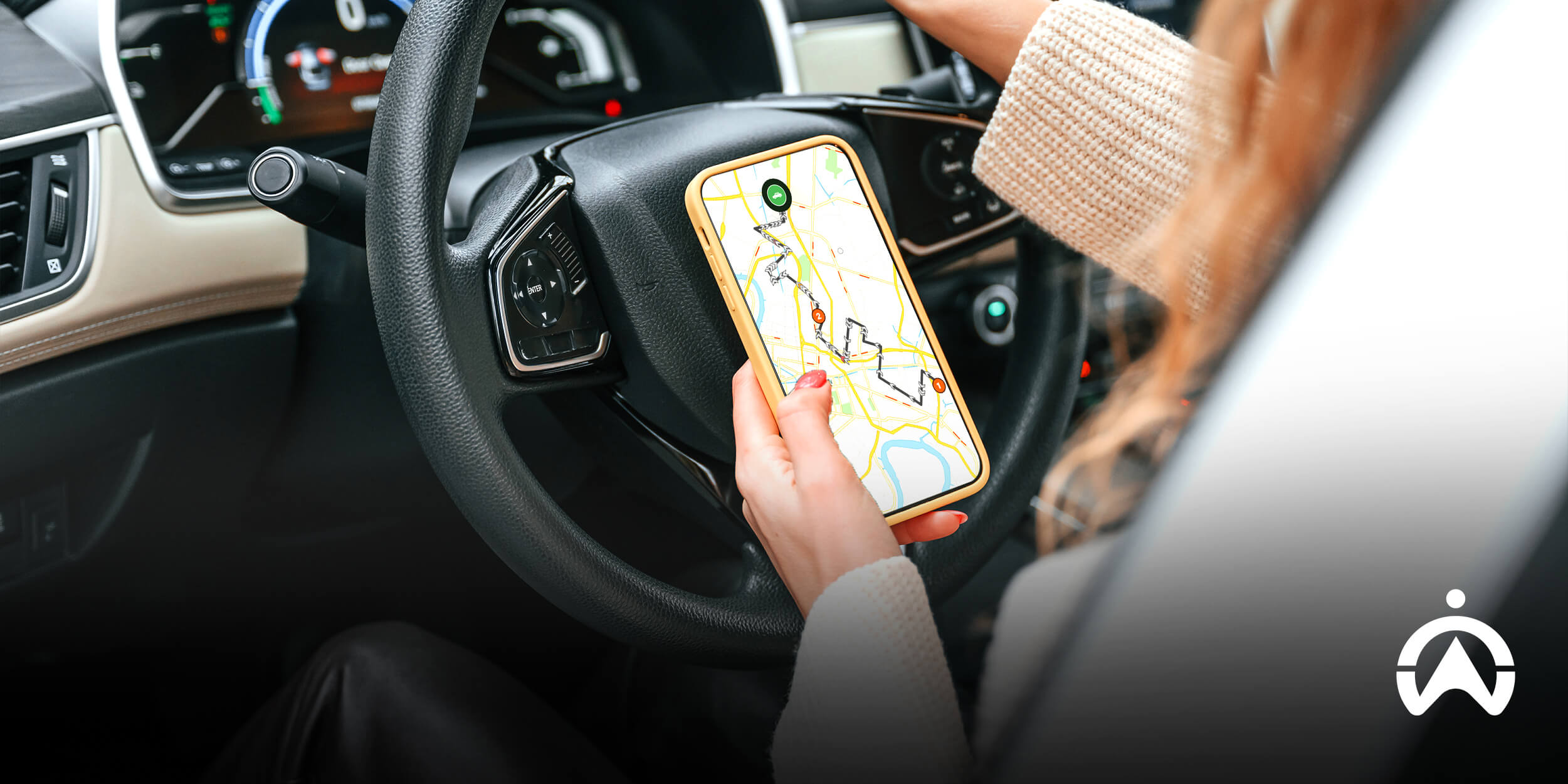
Person holding a smartphone with Cartrack app showing map connected to a GPS tracker with a camera for a car.

Why Karooooo is Kenya’s top choice

Karooooo Kenya is the top choice because we go beyond basic tracking. Enjoy real-time GPS accuracy, Live Vision camera access, 24/7 stolen-vehicle recovery, and a user-friendly app designed specifically for Kenyan drivers. People across the country trust us for our reliability, quick response times, and top-notch recovery success.

Fastest recovery rate in the country

With its real-time GPS accuracy and dedicated recovery teams, Karooooo continues to boast one of the highest stolen-vehicle recovery rates in Kenya. This is a huge reassurance in a high-risk country like ours.

Live Vision gives you eyes on your car

Most tracking companies only give location data, but Karooooo gives you real video visibility. This lets you monitor your car like never before and stay connected from anywhere.

User-friendly app experience

The simple, visual, and easy-to-understand design of the platform makes this possible without requiring a technical mindset. The idea is that you can access everything with just a few taps.

What to expect from a GPS tracker installation with a camera

When you book a GPS tracker with a camera installation, you should expect a quick and professional process (especially if you’re booking it with Karooooo). Technicians fit the device securely, position the camera for perfect visibility, and test everything with you. It should be simple, clean and usually done in less than an hour.

Quick professional installation

Karooooo’s technicians install your device professionally, ensuring the angle of the camera, wiring, and setup are perfect. It’s a neat and clean installation that doesn’t tamper with the electronics of your car.

Testing and setup

Once it’s installed, you’ll be shown how the Live Vision and GPS tracking work, how to use the app, and what alerts you can customise. It’s simple and quick to learn.

Conclusion

In a country where vehicle crime is a daily struggle, car alarms and old-school methods just won’t cut it. A camera GPS tracker gives you powerful visibility and instant alerts, letting you take charge of your car’s safety from anywhere in the world.

With real-time tracking and live or recorded footage, you gain a massive edge in preventing theft, recovering your vehicle, and handling insurance claims. It’s one of the smartest, most practical investments you can make as a Kenyan driver today.

If you’re after that extra layer of protection, peace of mind, and control, now’s the perfect time to dive in. Discover Karooooo’s real-time GPS tracking solutions here!

FAQs

Does the GPS tracker with a camera drain my car battery?

No, the GPS tracker with a camera shouldn’t drain your car battery. Modern tracking devices like Karooooo’s are made to use very little power and won’t interfere with your car’s electrical system. They’re professionally installed, which means everything’s wired safely and efficiently to avoid unnecessary battery strain.

Does the camera record either at night or in low light?

Yes, a camera can record either at night or in low light. But only the most high-quality tracking cameras, like those in Karooooo’s Live Vision range, have low-light or infrared capability. That means you’ll get clear cabin or road footage even when parking in dim areas, garages, or poorly lit streets.

Can I view my car’s camera footage while I am overseas?

Yes, you can view your car’s camera footage while you’re overseas, provided you have internet access. You can open your Karooooo app and instantly stream footage or check your car’s location from wherever you are in the world. Your view is not limited by distance or country borders.

Get Accident Reconstruction with Powerful Vehicle Telematics

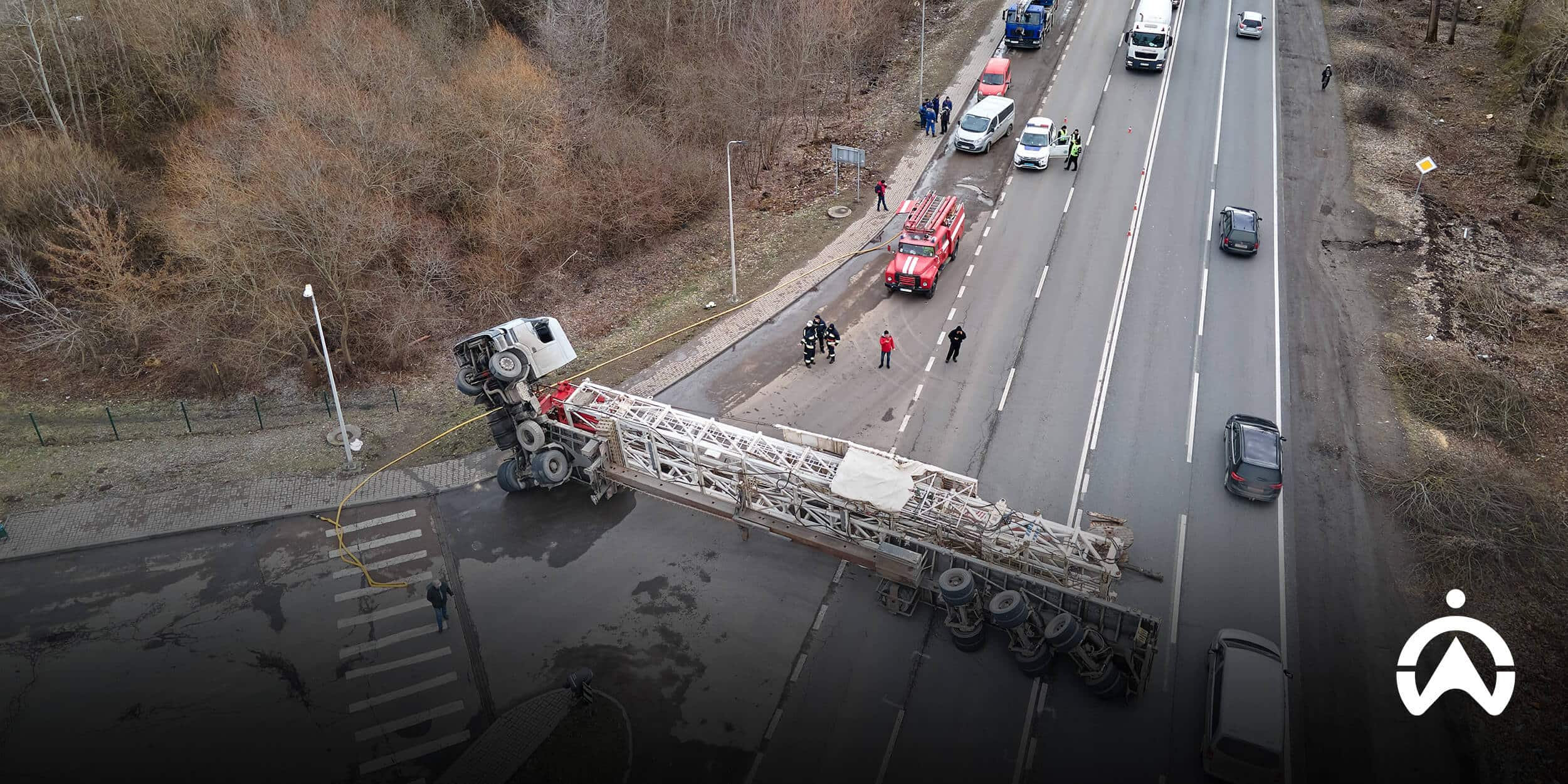
You can get accident reconstruction technology from Karooooo! When an accident occurs, it’s important that you know what happened and why. Our vehicle telematics solutions provide you with precise data on driving habits and location, helping you understand exactly what happened before, during, and after an incident.

According to the DWF Group law firm, the use of telematics data in legal cases is on the rise. Gathering as much information as possible is essential for insurers, driver training, and legal disputes. Telematics plays a crucial role in accident reconstruction, as it gives you all the data you need, saving you time and costs.

Today, we discuss the benefits of using telematics for accident reconstruction and why Karooooo is your best option.

How telematics gives you powerful accident reconstruction

Telematics gives a powerful accident reconstruction by capturing precise vehicle data before, during, and after an accident. Telematics systems consist of hardware like GPS trackers, sensors, and cameras. Together, these tools have become a game-changer for investigators, insurers, and legal teams; helping them recreate the sequence of events and figure out who’s at fault and what the liability is.

The following issues and elements are what investigators look at for a more effective investigation at the scene:

  • Human element: The role of human behaviour.
  • Environmental: The weather, temperature, visibility, and overall surroundings.
  • Mechanical: The vehicle’s design, engineering, operation, and maintenance.
  • Engineering: The layout of roads and structures.
  • Law enforcement: Whether enforcement measures are in place or lacking.
  • Corporate: Relevant policies and procedures that apply.
  • Impact: How the incident affects the other factors.
  • Forward engineering: Actions that can be taken to prevent the accident from happening again.

Vehicle telematics technology will help the investigator and your business by giving you real-time data that helps rebuild the incident timeline in the following ways:

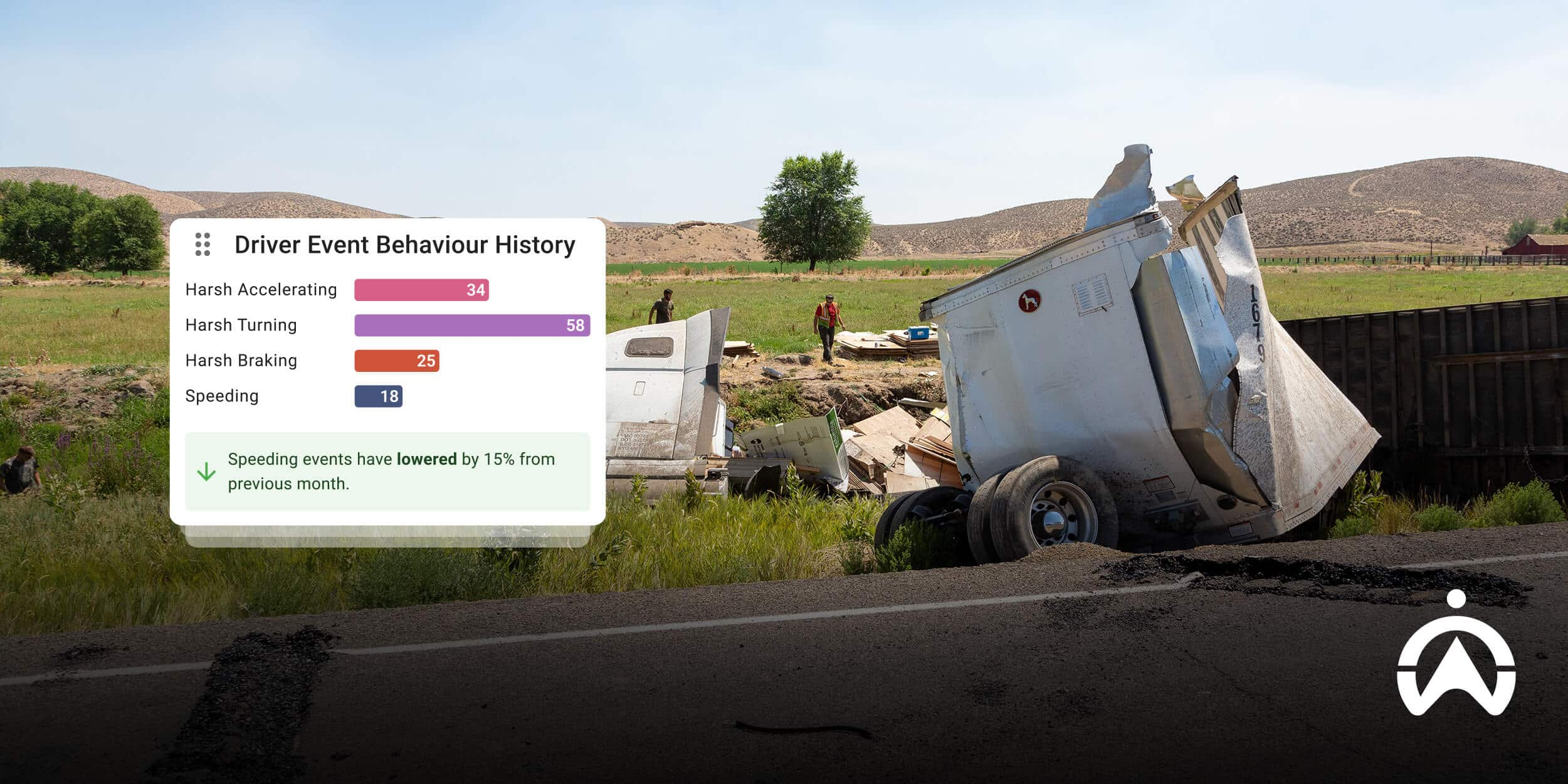
Speed and acceleration data

Telematics data can show you how fast the vehicle was travelling and how quickly the speed changed before the impact. This helps you, the investigator, and other parties involved determine whether excessive speeding or sudden acceleration played a big role in causing the accident.  

Harsh braking and cornering events

The technology can also point out things like sudden braking or sharp turns before the incident. This information reveals whether the driver braked quickly to dodge a hazard, took a corner too fast, or lost control of the vehicle. This data helps figure out whether the accident was caused by defensive actions, driver mistakes, or a loss of control, instead of being influenced by external factors.

GPS location and route history

The GPS technology confirms the exact location of the accident. It shows you the road and the direction the vehicle was facing. You’ll also know the surrounding environment at the time of the incident. This information helps you see if there’s a link between the accident and things like the road conditions, traffic trends, speed limits, intersections, and areas that are known to be risky.

Furthermore, the route history from the GPS data helps you and the investigators check if the driver was following the expected routes or deliberately drove on roads that weren’t permissible.

Time-stamped driver behaviour

The GPS and cameras give you a clear timeline of driving actions before, during, and after the accident. This makes it easier to piece together the events in the correct sequence, as those involved in the accident might not be able to recall everything in the right order.

Vehicle health or fault codes around the event

Many accidents are caused by mechanical failure and the lack of maintenance. Through preventive maintenance technology, you can access data about the health of the vehicle that was involved in the accident to see if there are components with faults that were overlooked. You can also check if the vehicle has skipped any recommended servicing.

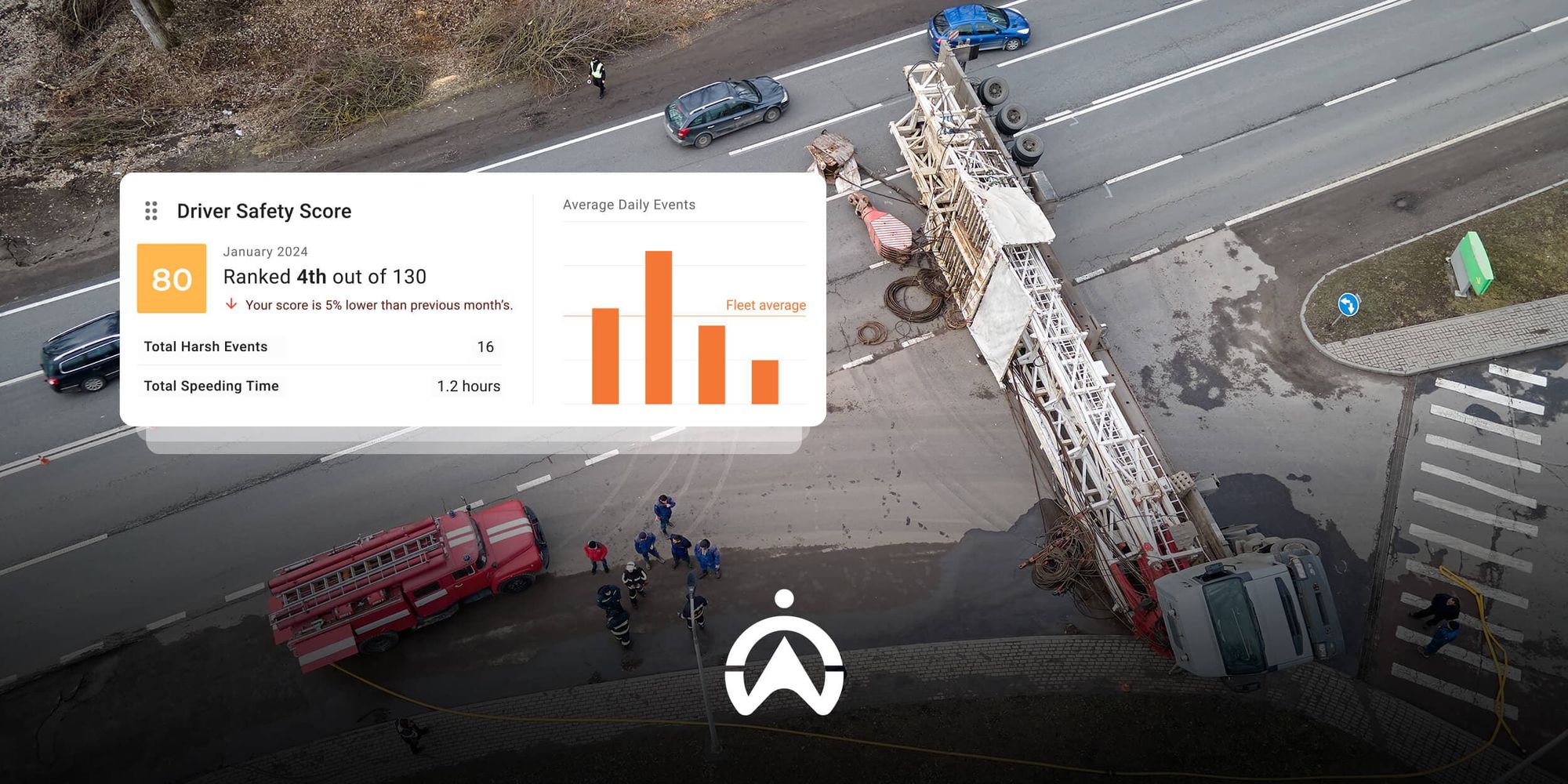
Telematics system showing speed, braking, and location data for crash analysis

The benefits of technology-powered accident reconstruction for fleet operators

The benefits of technology-powered accident reconstruction for fleet operators include:

  • Faster insurance claims
  • Reduced liability disputes
  • Improved driver coaching
  • Better safety compliance
  • Lower operational and legal costs

Together, these benefits help you handle accidents with less stress, save costs, and give you stronger protection against accidents.

Here’s a detailed breakdown of each benefit:

Faster insurance claims

The longer a claim goes on, the more costly it’ll be. Through the telematics system and camera technology, your insurers will quickly have all the information needed to assess liability. This reduces the insurance claims period from weeks of waiting to just a few days.

Reduced liability disputes

The information from telematics devices and cameras provides a clear picture of what happened. This helps quickly determine who’s at fault, often resulting in out-of-court settlements or claims being dropped, thereby helping you reduce the number of lengthy legal disputes. There are also a lot of false accident claims these days, so a telematics system protects you from that too.

Improved driver coaching

Since you’ll get reports on driving habits like speeding, harsh braking and harsh cornering. You’ll know which habits are more common so you can provide targeted training and feedback. This also encourages driver accountability, as they’ll have no other choice but to take full responsibility for their actions.

Better safety compliance

Using technology to protect your business from accidents also ensures that your team sticks to road safety rules and that the business meets fleet standards. This ensures that drivers and managers always follow policies and procedures, ensuring compliance.

Lower operational and legal costs

The fewer claims, fewer disputes, and improved driver behaviour reduce legal fees. This results in repairs being done more quickly and less vehicle downtime. It also results in lower insurance premiums, because insurers will see your drivers’ good behaviour and see your business as a low risk option.

The importance of real-time crash alerts

Real-time crash alerts are also essential for your fleet, because they ensure your drivers get faster help. Once again, through telemetrics and sensors, this is made possible. Crash detection technology instantly identifies sudden impact, and an immediate notification will be sent to you and control centres, so emergency services can get to the scene immediately.

This technology also gives you more information on the severity of the impact, adding to the evidence needed for accident reconstruction.

Fleet vehicle accident reconstruction using GPS and telematics technology

How Karooooo helps you reconstruct accidents

Karooooo helps you reconstruct accidents by providing you with harsh event alerts, AI-powered cameras, driver training and reports, GPS trackers, and crash detection technology. With us, you can access all these tools on one platform, using your desktop or mobile phone. Our cloud-based system ensures that all evidence is stored, even when the tools were damaged during the accident.

Here’s a detailed breakdown of what we offer:

Harsh events alerts

With our telematics system, you can set up alerts for risky driving habits such as sudden braking, excessive acceleration, speeding, and harsh cornering. This helps you see how your drivers behave on a day-to-day basis, so you can address your concerns accordingly. And if there are any accidents, you’ll have enough evidence to see the behaviour leading to the accident, making it easier to see who was at fault.

AI cameras

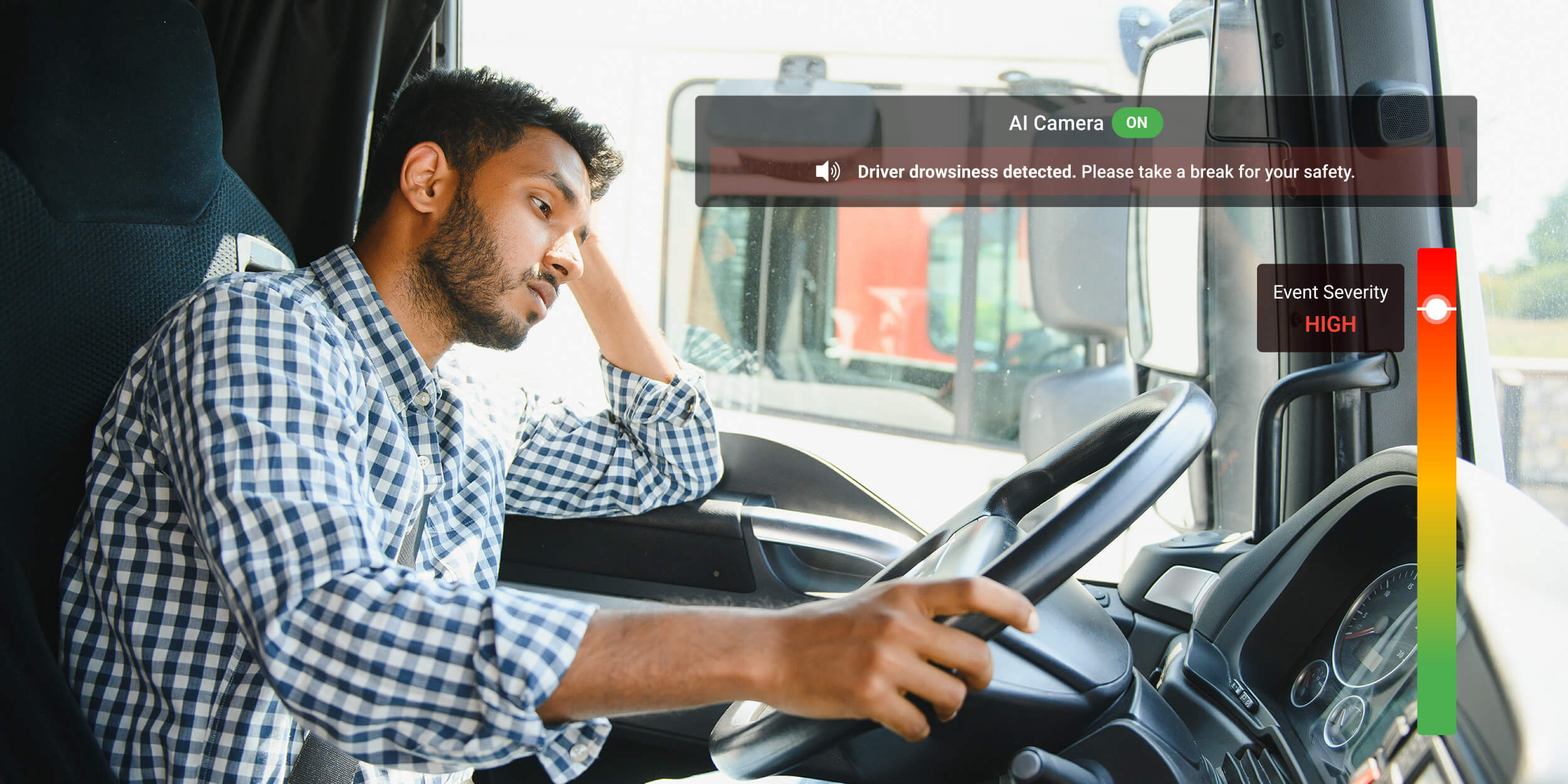
At Karooooo Kenya we have AI-powered fleet dashcams that help with heightening driver awareness. These cameras can detect distracted driver behaviour, like when on the phone, eating, or looking away from the road. They then send immediate audible alerts to drivers so they can go back to focusing on the road. The cameras can also identify blind spots and give forward collision warnings. This reduces the chances of accidents, giving you a safer fleet.

If your drivers are ever involved in accidents, these AI-powered dashcams will show you exactly what’s happening inside and outside the vehicles, and you’ll all have reports of all the camera alerts for that day. This once again helps you speed up the claims and legal processes.

GPS live tracking

Through our GPS trackers, you’ll know where your vehicles are at all times, and you can access route histories, which can prove beneficial during the accident reconstruction process.

Crash detection

We have an advanced crash detection solution that you can add to your package to ensure your drivers get the help they need sooner than it normally takes without one. When a driver is involved in an accident, control room agents will get an instant alert, then notify you and send help. Since we’ll have access to the vehicle’s location, the emergency services will get there quicker.

Coaching

Through our telematics and camera incident reports, you can get our driver coaching solution to help you train drivers in better driving habits. This platform shows you all the incidents of each driver and how many times each action was repeated. From there, you can book your drivers for individual coaching sessions that specifically focus on what they need to improve on.

Our coaching platform allows trainers to note the discussion and outcomes of these sessions, so the next trainer can see what was discussed with the driver and if there’s any improvement.

Driver scorecards

Ensuring accidents don’t happen in the first place also requires you to encourage your drivers in other ways. Our Driver Scorecard system is another way to motivate your drivers, as it rates each driver based on their habits, allowing you to reward those who are doing well through recognition and incentives.

Get the full story behind every accident with Karooooo’s smart solutions

Karooooo’s smart solutions ensure you get the full story behind every accident and that you have a safer fleet. Our telematics system gives you faster, cleverer, and more reliable accident reconstruction. Make sure you invest in our accident reconstruction tools for long-term safety and protection. Contact us today!

Frequently Asked Questions

How does telematics actually work?

Telematics works by collecting a range of data about a vehicle so you have all the information you need to track things like vehicle maintenance, fuel consumption, and driver behaviour. Telematics systems consist of:

  • Telematics Control Unit (TCU): Hardware that collects data.
  • Cloud server: Processes and stores data from the TCU.
  • End-user application: Software platform that shows you the data.

Which sensor is used to detect accidents?

The main sensor used to detect accidents is an accelerometer. It identifies sudden impact and changes in motion. Other sensors that are used to detect accidents are gyros (which differentiate between a normal turn and a drastic one) and pressure sensors (which detect impact from the sides).

Is telematics different from vehicle tracking?

Yes, telematics is different from vehicle tracking; vehicle tracking mainly focuses on location data, which is just one part of a larger telematics system. Telematics combines location data with details about the health of your vehicles, driver habits, and fuel use. With a telematics system, you get valuable information that helps you improve your fleet’s safety and efficiency.

EV Route Optimisation: How to Get the Best Routes

Optimising your EV (electric vehicle) routes keeps your business and logistics operation running smoothly. With route optimisation, you can easily manage and predict your EV’s charging requirements and energy consumption. The key to getting the best routes is to invest in a powerful fleet management platform that can combine the necessary tools to maximise efficiency.

Range limits, charging times, and fluctuating energy use are just some of the factors that make EVs unique in their challenges. Research highlights that customised EV route planning can massively slash energy use and operating costs. In fact, smart routing can reduce energy consumption by around 31% in real-world simulations, proving that strategic route and charging planning maximise fleet efficiency.

As the move to electrify fleets grows, it’s essential to know what planning is required to keep rising costs and downtime at bay. In this blog, we’ll tackle the importance of EV route optimisation, implementing the right tools, and why Karooooo’s platform is your best choice.

How do you get the best routes for your EV fleet?

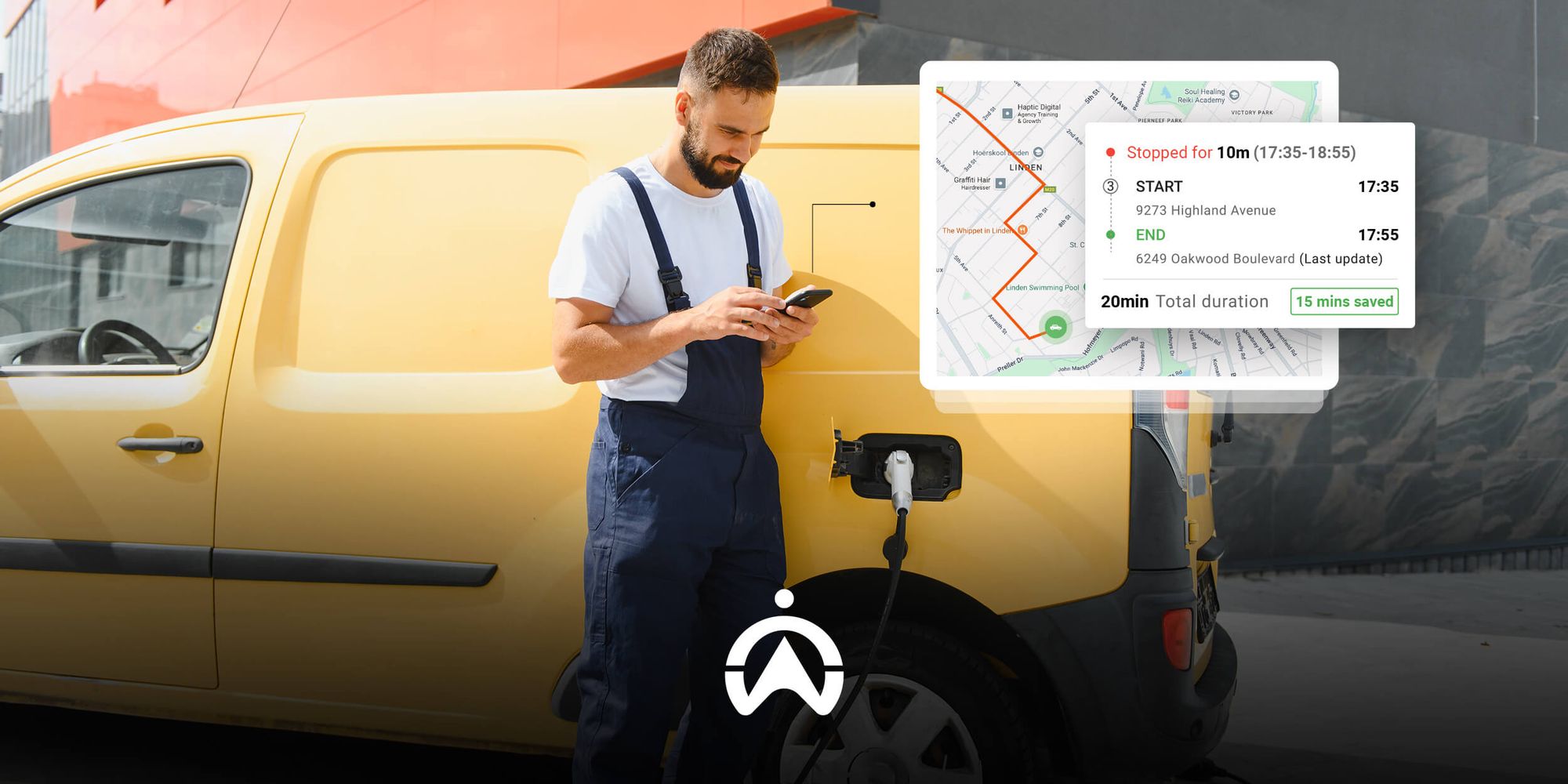
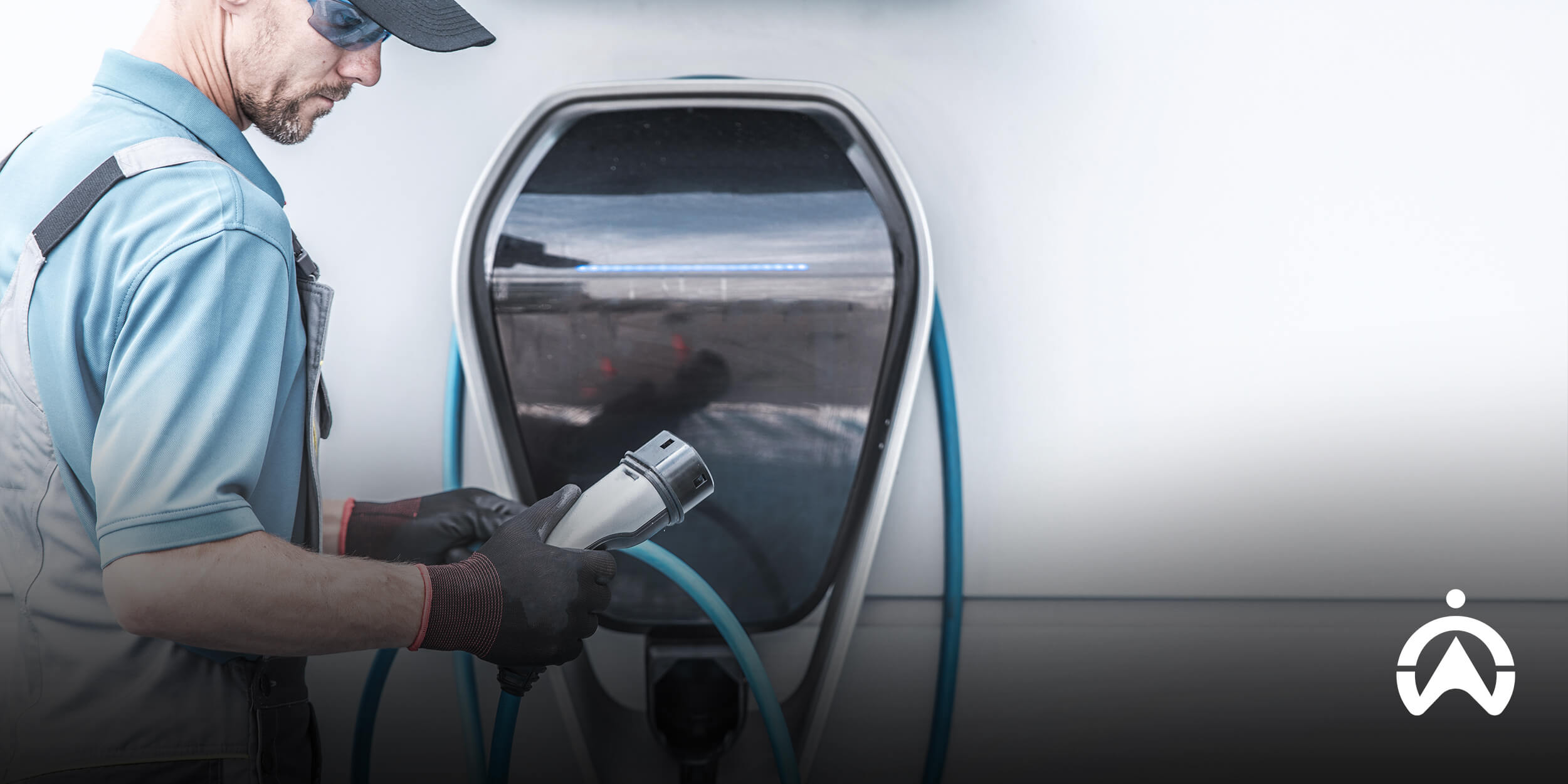
You get the best routes for your EV fleet by adopting EV fleet software and using its specialised features. EVs have their own set of unique needs and vulnerabilities, and unlike internal combustion engine (ICE) vehicles, factors like charging habits and battery limits need to be considered for total productivity.

EV routing doesn’t just stop at finding the fastest route; it ensures vehicles can complete their journeys within battery limits. This keeps vehicles on the road longer, lowers operating costs, and improves reliability. Comprehensive data is also crucial to effective route optimisation. It allows you to make informed decisions, avoid range issues, and quickly adapt routes when conditions change.

By combining extensive data with smart charging planning and dynamic rerouting, you truly enhance operational reliability. These features ensure your routes are not just quick but also efficient, safe, and customised for EV operations.

What is EV route optimisation?

EV route optimisation combines technology and smart planning to get the best, fastest routes for EVs. This type of planning accounts for operational requirements, such as maintaining low energy consumption and ensuring that charging points are always nearby. In contrast to ICE vehicles, EVs need battery performance feedback, information on charging stations, range limits, and the like; which is why route planning is so crucial.

Why does optimising EV routes matter for fleets?

Optimising EV routes matters for fleets because there are so many factors to keep in consideration—it’s not just about planning the fastest journey. Route optimisation has a direct impact on factors such as overall fleet costs, service punctuality, battery health, and range anxiety. The smallest inconsideration could ultimately mean serious downtime.

Key insight points include:

  • Energy consumption varies by terrain, speed, and load: If the terrain is rough or uneven, energy consumption will likely be higher. This should always be anticipated when planning a route.
    ‍
  • Long idle time and traffic drains EV range: Depending on the nature of your business, your EVs might stop and start or idle quite often during trips. This will drain the battery quicker than normal, so it’s important to take note of this.
    ‍
  • Poor planning leads to unnecessary charging stops and higher charging costs: Opting not to prepare routes means you risk your EVs making unplanned stops or using chargers that weren’t planned for, which creates major downtime and could negatively impact the vehicle battery.
    ‍
  • Optimisation protects battery lifespan: Route planning is an obvious must with EVs. Apart from other benefits, optimisation actually extends the lifespan of your battery and vehicle, minimising battery deterioration.

Which factors drain EV range the fastest?

The factors that drain EV range the fastest include extreme temperatures and terrain.

Have a look at the different factors:

  • Extreme temperatures: Extreme temperatures going either way will cause your EV to consume more energy from battery thermal controls.
  • Weight: If the vehicle is bearing a heavy weight from the load it’s carrying, it means the vehicle requires more energy to function (move, accelerate, or even maintain speed).
  • Terrain: Rough or uneven terrain uses up a lot more energy, especially if there are uphills or many short stops.  
  • Speed: Going faster in an EV uses more energy than when maintaining a steady or cruising speed.

Can free apps optimise EV routes for fleets?

Technically, yes, free apps can optimise EV routes for fleets, but they definitely fall short. Google Maps, Waze, and other navigation apps are more suited for individuals and personal trips.

These are some of the limitations:

  • Trip-based, not fleet-wide: Free apps like these are usually more accommodating towards single trips taken by individuals, not many trips taken by numerous drivers at a time.
  • No driver allocation or job scheduling: Unlike fleet management platforms, free apps won’t assist with task delegation and potential changes that need to be dealt with urgently.
  • Limited charging network visibility: Free apps might be able to show where charging stations are, but they don’t offer the necessary extra features like charger type or provider.
  • No TCO insights, no cost, or energy reporting: Fleet management platforms offer detailed reports and insights, which are not offered by free navigation apps.
  • No integration with EV telematics or maintenance data: One of the most important features of a fleet management solution is integration, especially considering how important range, battery health, and vehicle status data are. Free apps don’t allow for precise planning and proactive maintenance.

What makes EV route planning different from ICE route planning?

EV route planning is different from ICE route planning in that it needs to account for key factors like charging, range, and traffic times. On the other hand, ICE vehicles are more focused on refuelling and the network that exists around that.

Take a look at this table to compare considerations quickly:

Factor EV Route Considerations ICE Route Considerations
Refuelling/charging Slow charging, limited stations, and peak pricing Quick, abundant, low route impact
Range Highly variable depending on battery, load, and weather More stable and predictable
Terrain Uphill drains battery; downhill regenerates Minor impact on fuel consumption
Traffic/idle time Significant battery loss Minimal fuel impact
Speed impact Going faster means a much higher drain Marginal impact
Smart navigation for electric vehicle route optimisation

How does EV route optimisation software help?

Route optimisation software helps by bringing technology and careful planning together to ensure optimal operation. Because there are specific factors to think about that don’t apply to ICE vehicles, route optimisation systems that support EVs must implement practical alerts, consistent & live data, and advanced algorithms.

Sophisticated systems, like Karooooo ’s, provide key features like:

Real-time battery and energy forecasting

Before routes can be optimised, battery and energy should always be visible, and the data should be continuously collected for projection and predictive purposes. These consistent updates, along with forecasts based on elements like traffic and weather, can help you confidently plan trips without worrying about range challenges.

Charging stop scheduling

The software should be able to help you preemptively plan charging stops, even before the battery runs dangerously low. It comfortably balances charging speed, station availability, and estimated SoC (state of charge) to prevent long detours and unplanned stops.

Live traffic and terrain predictions

An electric vehicle’s range isn’t constant. The amount of energy used is affected by regular stops, inclines, and traffic congestion. To choose routes that minimise energy loss and help preserve the vehicle’s range, optimisation software must take into account real-time traffic and terrain data.

Charging cost avoidance by planning cheaper stations ahead of time

Not all charging points are quite the same. Some cost more, charge slower, or get crowded during peak times. But with route optimisation tools, you can spot cost-effective stations and plan your charging stops wisely, leaving you to save money while preserving exceptional service quality.

The EV route optimisation cycle (step-by-step checklist)

The EV route optimisation cycle isn’t something that can be done just once; it requires continuous effort to maintain that strong level of efficiency. For your fleet, this means working consistently on maintaining the accuracy of routes, ensuring they remain cost-effective, and making them flexible enough to adjust to changes that occur in the real world.

Look at this quick 6-step checklist when optimising:

  1. Check real-time SoC (state of charge) and battery health
  2. Analyse energy forecast (load, terrain, weather)
  3. Plan a route with charge stops
  4. Assign jobs to drivers and vehicles
  5. Monitor routes live and update automatically
  6. Review energy usage and trip analytics

Final takeaway

EV route optimisation has become an essential and competitive advantage for fleets. Without accurate and energy-efficient route planning, the reality is your fleet will battle high costs, unreliable schedules, delays in charging, and faster battery wear. On the contrary, optimised electric vehicle routes provide predictable performance, improved cost management, and consistent quality of service.

As electric vehicle fleets and electrification expand, depending on manual planning and basic navigation tools won’t properly address the complexities associated with EV driving conditions. If your business is focusing on efficiency and sustainability over the long term, investing in route optimisation and the correct tools that Karooooo can provide isn’t merely an option, but rather a requirement.

Never worry about EV range again. Get reliable routes, protected battery health, and lower operating costs with Karooooo’s EV-ready fleet software.

Frequently Asked Questions

Can fleets optimise routes without EV telematics?

No, fleets can’t optimise routes without EV telematics, because it’s the information provided by telematics that assists with challenges like range issues and unplanned charging. Technically, it’s somewhat possible, but the forecasting would be extremely limited, and the planning would be made purely based on estimates—not on facts.

Can drivers override optimised EV routes?

Yes, drivers can override optimised EV routes in cases where deviations are necessary. Not all trips will go as expected, but the software will always record these deviations. As a result, you’ll be alerted as a manager and can take the necessary steps to adjust and change plans accordingly.

How does route planning handle sudden energy drops or weather changes?

Route planning handles sudden energy drops or weather changes by making the required changes in real time. Because these changes can profoundly affect how your EV operates and its running time, rerouting or seeking alternative charging places can be considered.

Does EV route optimisation work with mixed ICE and EV fleets?

Yes, EV route optimisation does work with mixed ICE and EV fleets. If you have a sophisticated fleet management system,like Fleetweb, there’s no need to adopt different platforms for each vehicle type. An advanced system should work just as well for optimisation for all vehicles and support businesses if they’re looking to transition to electrification.

How to Stop Your Motorbike Drivers From Having Accidents

To stop bike drivers from having accidents, establish negligent driving habits and roll out effective strategies to improve business and driver safety. Motorbike riders rank among the most vulnerable on the roads because riders are a whole lot more exposed and at risk out on the roads than the average car driver.

In Kenya, riders account for a substantially high number of accidents and deaths. In one year aloneroad fatalities in Kenya consistently hover between 4,000 and 4,700 deaths. Road traffic accidents remain a top cause of deaths globally, with motorbike riders and vulnerable road users making up a significant share of these fatalities.

For fleet managers like yourselves, there’s a clear need for safety strategy and smart technology that anticipates risk rather than only reactive action. In this blog, we’ll look at useful steps and management techniques, as well as the role of fleet visibility tools provided by Karooooo that can help your business meet everyday safety objectives.

Practical ways to reduce motorbike accidents in your business

Practical ways to reduce motorbike accidents in your business include improving rider awareness & accountability, managing risk, and identifying risky driving patterns. Tackling the issues of negligence and accidents is all about a careful, consistent, step-by-step approach that solves the small issues before they turn into big ones.

Identify unsafe riding patterns early

Recognise those dangerous driving habits that are being repeated, including behaviours like consistent speeding and taking corners sharply. Nipping these habits in the bud, especially once they’ve turned into a pattern, lets you take proactive steps to avoid a costly reaction.

Rather act immediately and potentially save on time and expenses, than deal with the chaotic aftermath of an accident later.

Improve rider awareness and accountability

The most important thing to do is to approach corrective conversations and dialogue with coaching, not through punishment. This fosters better, more constructive growth among drivers and encourages them to quickly adopt safer driving habits. With recorded events and insights, you can also easily support your coaching efforts.

The key to maintaining safer habits is to do regular check-ins and coaching sessions when necessary.

Manage risk through smarter route planning

Smarter route planning involves preparing routes that avoid traffic congestion, high accident zones, and dangerous areas when possible to keep the drivers safe. This also eases the pressure of rushing deliveries, with drivers remaining realistic and prioritising safety without sacrificing efficiency.

motorbike driver doing deliveries

Why are motorbike drivers at higher risk of accidents?

Motorbike drivers are at a higher risk of accidents because of their job demands and generally limited visibility while on the roads. Vehicle drivers might not notice bikers that are on the road or in traffic, potentially leading to collisions or violations of right-of-way. Plus, the pressure to make timely deliveries tends to increase dangerous driving habits.

These are some of the unique risk factors:

  • Not being visible to other road users: Bikers are usually harder to see, especially because they’re operating a smaller vehicle, and can get caught in blind spots.
    ‍
  • Lack of physical protection: Bikers really don’t have much in the way of physical protection, especially for their bodies. This means that even the smallest accidents can cause significant damage.
    ‍
  • Urban delivery pressure and time constraints: Pressures to deliver on time, combined with congested routes, lead to bike drivers who perhaps feel like they need to take chances while on the road.

What are the most common causes of motorbike accidents in fleets?

The most common causes of motorbike accidents include factors like limited visibility and distracted driving.

Here are some of the most frequent explanations:

  • Speeding and aggressive manoeuvres: This is a result of the pressures of timely deliveries, meeting customer expectations, and ducking and diving through heavy traffic.
    ‍
  • Poor danger anticipation: This is because of blind spots and tricky, high-accident areas like four-way stops.
    ‍
  • Distraction and fatigue: This is because motorbike drivers typically work long hours; that, paired with intense pressure to deliver and meet growing customer demands, can lead to dangerous events.
    ‍
  • Poor route planning and unsafe delivery zones: These are the biggest contributing factors for motorbike riders finding themselves in very high-risk areas and situations.

What does defensive driving look like for motorbike riders?

Defensive driving for motorbike riders looks like always staying alert. Riders must ensure others can see them, and they must anticipate potential risks by scanning the road ahead, positioning themselves wisely in their lane, and maintaining a safe driving distance. Defensive driving for motorbike drivers is a unique strategy, because a two-wheel drive needs to tackle its own unique concepts.

These concepts include:

  • Space and escape routes: It’s always important that the motorbike driver keep 3-6 seconds between themself and the vehicle in front of them. A good trick is for them to pick a fixed object and start counting when the car ahead goes by. If they reach that object in less than 3 seconds, they’re too close or speeding.
    ‍
  • Anticipating driver blind spots: Motorbike drivers should always assume that they’re not clearly seen by other drivers, especially because they’re usually caught in vehicle driver blind spots.
    ‍
  • Reading traffic patterns early: Much like the first point, this is about your motorbike drivers staying aware and alert while on the roads. It’s important they slow down at turns or when trying to switch lanes, and avoid sudden movements to keep themselves and other drivers safe.

The motorbike safety triangle: Rider, route, and real-time visibility

The motorbike safety triangle relies on the 3 connected factors: rider, route, and real-time visibility. The chances of an accident increase when one of these factors breaks down. Motorbike fleets that combine these 3 factors ultimately move from reactive incident management and shift to a preventative safety strategy, lowering the chances of road dangers.

Safety should be an ever-evolving and dynamic system that values your business and riders, not a one-time session that fails to grow with you.

Let’s take a look:

  1. Rider: behaviour, skills, and decisions
    Motorbike riders are the biggest wild card when it comes to safety. It’s all about their awareness, reaction times, and ability to respond with a clear head in an emergency. The key with motorbike drivers is to nip bad driving habits in the bud. As a fleet manager, always focus on gentle guidance instead of harsh discipline.
    ‍
  2. Route: exposure to risk on the road
    In the end, it won’t matter how safe and skilled your motorbike drivers are if the routes they’re taking are not optimised for safety and efficiency. The risks that present themselves, including blind spots, traffic jams, and pressures to deliver on time, are all factors that increase the chances of an accident happening.
    ‍
    Carefully planning and maximising routes
    improves overall safety, keeping your motorbike riders much safer and helping them make better, wiser decisions throughout the day.
  3. Real-time visibility: the insight that ties everything together
    Live and consistent visibility brings together rider behaviour with route risk, creating a simple, controllable system. Thanks to driver behavioural insights and standard data, you can identify patterns and problems early and intervene before they worsen. This is about ensuring fair accountability and offering informed support, not about helicopter managing.

How technology helps prevent accidents before they happen

Technology helps prevent accidents before they happen by giving you, the fleet manager, the ability to carefully monitor and collect insights into rider driving behaviours. These extensive insights allow you to enact preventative measures way before the accidents happen, protecting your riders rather than dealing with the fallout of an unfortunate and dangerous event.

Technology strongly supports a better safety environment rather than creating an imposing policing tool. Live GPS tracking features not only allow you to see where each motorbike and rider is at any time, but can also assist in route optimisation and task redirection if necessary. Decisions are made on the fly without pressure or uncertainty.

As previously mentioned, driver monitoring features give much-needed context to rider behaviours. Repeated dangerous habits can be quickly addressed through training and coaching—before they morph into something potentially fatal.

Compliance features can also have their hand in prevention through providing reliable information for investigations or insurance disputes. Plus, they foster a culture where safety expectations are clear and continually upheld.

motorbike driver ensuring timely deliveries with Cartrack route optimisation software

Motorbike safety without data vs motorbike safety WITH data

When looking at motorbike safety without data versus motorbike safety with data, you’ll clearly see that data is the key to achieving optimal safety—especially from a preventative angle. Without data, you’re left in the dark, relying on only what you see and learn after a dangerous incident has occurred.

Look at the comparison below to better understand how each approach differs:

Safety approach Without data With data
Risk visibility Blind spots, guesswork, and complaints after incidents Live insights into rider behaviour and road conditions
Driver habits Unknown until something goes wrong Early alerts for speeding, harsh braking, and other risky patterns
Intervention Reactive discipline after an accident Preventative coaching and improvements before incidents
Route planning Manual planning and higher exposure to congestion and danger zones Smart routing avoids hazardous areas and delivery pressure
Insurance and liability Limited evidence in disputes or claims Digital proof, incident reconstruction, and stronger defence

How Karooooo supports safer motorbike fleets

Karooooo  supports safer motorbike fleets by offering the appropriate technology and tools to ensure you improve and maintain that safety. We gather the necessary insights, interpreting and transforming them into measurable feedback so you can gain better control across your fleet.

Our driver behaviour tools show you how your motorbike riders are behaving on the roads, keeping track of their habits and locations. This means you can keep an eye on their movements (and see if they’re travelling in and out of high-risk areas) while also checking if they’re driving aggressively. This fosters honest, fact-driven conversations and promotes safer habits without making assumptions.

Our insights regarding routes and their potential risks help your fleets reduce unnecessary exposure. By detecting gridlocked areas, areas that are high risk, and poor routes, Karooooo can lessen the pressure on your riders and help them to avoid accident-prone areas.

Finally, our comprehensive reporting brings data together in a simple and digestible format for you. Information that’s clear means that you can make better and more informed decisions while also strongly backing any changes and coaching methods you make going forward. And should an incident occur, you have the right, precise documentation in place to support insurance claims and investigations.

Through Karooooo , you can cultivate a working environment that embraces a supportive safety culture for your riders, steering clear of harsh control and micromanagement.

Final takeaway: Safety is a system, not a single rule

Preventing motorbike accidents isn’t about putting all your eggs in one basket and relying only on one policy. It involves the right behaviours from riders, careful planning from managers, and total visibility—all working together every day. With these multiple factors combined, risks will be identified sooner, and the number of accidents will decrease significantly.

Karooooo promotes safer and more responsible operations of motorbikes by supplying businesses with insights that help maintain control without the need for micromanagement. The result of this approach is a fleet that operates more safely and efficiently, and with increased accountability for both riders and managers.

Build a safer motorbike fleet for your business. Talk to our team and start reducing rider risk with proactive monitoring and alerts.

FAQs

Who is at fault in most motorcycle accidents?

It depends and typically varies, but it’s often other drivers who are at fault in most motorcycle accidents, only because they usually can’t see bike riders in their blind spots. This is why it’s important that motorbike riders make themselves visible to other drivers and observe the 3-6 second rule.

Can telematics reduce insurance costs for motorbike fleets?

Yes, telematics can reduce insurance costs for motorbike fleets by providing data that supports strong risk management and precise insights for reporting. Insurance providers typically favour fleets that display accountability and safety compliance. Reduced insurance isn’t guaranteed, though, and it’s always important to check with your provider.

What’s the biggest mistake businesses make when trying to improve motorbike safety?

The biggest mistake businesses make when trying to improve motorbike safety is approaching safety as a one-size-fits-all, one-time task. Safety’s an ongoing commitment that lasts over time. Skills can diminish, and that’s why riders ought to frequently update their knowledge and take opportunities to practise every safety measure.

The Accelerometer in Your Fleet Management: What It Is and Why You Need It

Most fleet owners understand that GPS tracking is crucial, but very few realise the power of the accelerometer, the small sensor inside modern tracking units. That sensor tracks movement in three directions: up/down, left/right, and forward/backward. This is important because how your vehicles move reveals how your drivers behave—something GPS alone can’t provide.

Data from the National Transport and Safety Authority (NTSA) and the Kenya National Highways Authority (KeNHA), show that 85% of fatal road accidents stem from human behaviour, such as fatigue, speeding, reckless driving, etc. This is why obtaining accurate, real-time driving insights is essential.

Now this is where a quality accelerometer—like the one in Karooooo’s tracking unit—truly shines. It offers fleet managers and owners clarity, safety data, and practical insights that help protect your drivers, lower operating costs, and shield your fleet from unnecessary risks.

What exactly is an accelerometer?

An accelerometer is a compact electronic sensor that tracks a vehicle’s movement in three directions. It detects every bump, brake, turn, and jolt. For fleet owners, this movement data serves as a powerful safety tool, because it reveals exactly how a driver managed the vehicle before and during any incident.

How an accelerometer works—in plain english

  • It tracks movement in three directions: up/down, left/right, and forward/backward.
  • It notices sudden shifts like hard braking, rapid acceleration, or sharp turns.  
  • It then converts physical movement into straightforward data for your analysis.
  • These logs can then help you piece together what occurred just seconds before and during the event.

Why the accelerometer matters in fleet management

The accelerometer matters in fleet management because simply knowing where your vehicles are isn’t enough; you need to understand how they’re being driven. The accelerometer bridges this gap by providing accurate, real-time insights into driver behaviour, enabling early intervention and enhancing overall safety for the fleet.

Helps you understand driver behaviour

  • Spot high-risk actions like abrupt braking or sudden acceleration.  
  • Foster a strong safety culture throughout your fleet.

Plays a critical role in accident reconstruction

  • Detect sudden force increases during a collision.  
  • Record the vehicle’s exact movements before impact.  
  • Help fleet managers and insurers get to the bottom of what really happened.

Reduces costs from wear and tear

  • Reveal which driving habits put unnecessary strain on vehicles.
  • Coach drivers to sidestep costly repairs.  
  • Maintain vehicle health over the long haul and lower operational costs.

Supports your safety and compliance strategy

  • Meet internal safety standards.  
  • Provide documented evidence of safe or unsafe driving behaviour.
Aerial view of busy highway overpasses with moving vehicles, showcasing vibrant traffic patterns and road structures.

How the accelerometer keeps your drivers safe on the road

The accelerometer keeps your drivers safe on the road by detecting sudden changes in a vehicle’s motion and position. It empowers you as a fleet manager to take proactive measures against sudden movements and potential dangers, ensuring your drivers stay safe while showing you care about their well-being.

Driver protection benefits

  • Alerts fleet managers instantly when hazardous driving occurs.
  • Helps address habits that could lead to accidents.
  • Provides solid evidence to support drivers in case of false claims.
  • Promotes a safer and more confident driving environment for your entire fleet.

The accelerometer’s role inside Karooooo’s fleet ecosystem

Karooooo doesn’t just gather data; it transforms accelerometer insights into clear, actionable information. Forget the days of guessing what happened on the road—this tool reveals exactly how drivers behave, empowering you to respond in real time and manage your fleet confidently.

Real-time driver safety alerts

Get instant notifications for harsh braking, rapid acceleration, sharp cornering, and impact events. Be the first to know when something serious occurs. Take proactive steps to prevent future accidents.

Rich, accurate insights for analytics and reports

Enjoy rich, accurate insights that fuel your analytics and reports. Easily view driver behaviour trends on user-friendly dashboards. Access historical data for thorough investigations. Track performance improvements and training outcomes over time.

Works seamlessly with ai camera solutions (if installed)

It integrates flawlessly with AI camera solutions if you have them installed. Add context to events with an accelerometer and dashcam. Discover what triggered sudden braking or swerving, and gather undeniable proof for insurers and incident analysis.

Why your Kenyan fleet needs an accelerometer today

Your Kenyan fleet needs an accelerometer today because Kenyan roads can be a bit of a nightmare. With potholes, sudden stops, and reckless drivers, fleet managers need a clearer view of what their teams face every day. That’s where accelerometer data comes in, giving you the insights to reduce accidents, keep drivers safe, and trim operational costs.

Kenyan Road conditions demand better monitoring

  • Bumpy roads, potholes, and unpredictable taxis make driving a challenge.  
  • Movement data reveals the real risks on the road.  
  • Get real-time insights to keep your drivers safe.

Helps lower accident rates

  • Early warnings highlight dangerous behaviours.  
  • Safer driving means less downtime and more savings.

Helps you handle insurance claims easily

  • Access timestamped, factual information.
  • Shield drivers from false claims.  

Protects your business from liability

  • Solid evidence helps resolve disputes.  
  • Prove your duty of care compliance.  
  • Minimise your legal and financial risks.
Cartrack AI camera displaying a notification for driver fatigue

What accelerometer data looks like in action

In action, accelerometer data tells the story of what happened on the road. It is often the only reliable means to understand why the vehicle reacted the way it did. Here’s what these events look like in real-world Kenyan driving situations.

Examples:

  • Harsh braking: A driver brakes hard to avoid a taxi stopping abruptly.
  • Harsh acceleration: Pulling off too quickly from a busy junction.
  • Sharp cornering: Taking a rural bend at speed.
  • Impact detection: Accident forces are instantly and precisely recorded.
  • Vehicle tilt: Informs about the risk of rollover or tipping on uneven surfaces.

What to expect when using Karooooo’s accelerometer features

Using accelerometer data from Karooooo is a breeze; it operates seamlessly in the background. There’s no extra setup or technical hassle. Once it’s installed, data flows directly into your platform, providing immediate insights into driver behaviour and event history.

What to expect:

  • No extra hardware needed—it’s built right into your tracking unit.
  • Instant syncing with the Karooooo platform.
  • Real-time event notifications.
  • Easy-to-download reports for insurers or management.
  • Enhanced insights when paired with dashcams.

Final thoughts — it’s a small device with a big impact

Though compact, the accelerometer significantly boosts fleet safety. It equips Kenyan fleet owners with the tools to minimise risk, enhance driving behaviour, and protect their business. Combined with Karooooo s powerful platform, it becomes an indispensable tool for safer, smarter fleet management.

FAQs

Can an accelerometer detect if a driver is using their phone while driving?

No, an accelerometer cannot directly detect the use of phones because it only measures movement. However, it might show some pattern—it might be drifting or delayed braking—that could suggest distraction. Confirmed phone-use detection would be required with an AI dashcam paired with the data from your accelerometer.

Will the accelerometer drain my vehicle battery?

No, an accelerometer will not drain your car battery. It’s a low-power sensor built into a tracking device and is designed to operate efficiently without having a great impact on the electrical system of a vehicle, even when its engine is turned off.

Can accelerometer data help with driver training programmes?

Yes, indeed, the accelerometer data proves to be very effective in driver training. It pinpoints all the risky habits a driver has, such as harsh braking, aggressive acceleration, and sharp cornering, which show you exactly where drivers need coaching. That makes training more targeted and easier to measure over time.

Active Tracking for Emergency Services Fleets Keeps Your Responders Safe

Active tracking for emergency fleets makes sure that your responders stay safe with real-time visibility and location data, enhancing routing and response times. Emergency vehicles operate under a lot of pressure daily. Whether it’s ambulances racing to medical emergencies, fire trucks weaving through traffic, or police cars responding to crises, these vehicles need to move quickly and safely.

That’s why, in these complex environments, knowing the location of all vehicles at all times is essential. According to the World Health Organization, road traffic accidents have become the major cause of death among people in the 5-29 years age group, proving the risk involved in travelling by road, especially in fleets moving at a fast pace that are under pressure.

In Kenya, emergency responders encounter multiple dangers on the road every day, and with thousands of road accidents reported each year, it’s clear that real-time vehicle tracking is crucial. Karooooo supports emergency responders with top-of-the-line active tracking, camera connectivity, and smart vehicle analytics, ensuring a safe response from start to finish.

What is active tracking in emergency fleet management?

Active tracking keeps an eye on vehicles in real-time using live telematics data, like GPS location, vehicle movement, and driver behaviour (all of which are necessary in emergency fleet management). So unlike passive systems that simply store data, active tracking consistently streams information onto a central platform. Letting fleet managers and control rooms react instantly to situations as they happen.

So what role does active tracking play in emergency fleet management? Active tracking uses GPS trackers to send vehicle data to a cloud-based platform that’s easily accessed by fleet managers and control teams. This way, dispatchers can track every vehicle’s position, speed, and direction all in real time, while also getting instant alerts for critical events like speeding, sudden braking, and route changes.

Active tracking is crucial for emergency fleets because it:

  • Provides live updates that enable dispatchers to coordinate quicker responses.
  • Ensures safety monitoring during high-speed driving.
  • It improves your awareness and helps you make better decisions.

At Karooooo we use AI-powered GPS tracking solutions that provide your emergency service fleets with accurate and real-time visibility.

Why emergency services need active tracking now more than ever

Emergency services need active tracking now more than ever because of  factors like the constant presence of congestion in cities like Nairobi and Mombasa. Unpredictable traffic jams and critical calls mean emergency response teams don’t have time to spare. A second or even a millisecond can be costly when lives are at stake.

Faster, smarter dispatching

Active tracking lets dispatchers see the nearest unit in real time, so they can assign it to an incident right away. This tech speeds up response times and improves coverage in busy areas.

Improved responder safety during high-risk driving

Emergency response vehicles operate under intense pressure, navigating congested roads at high speeds to handle life-threatening situations. Karooooo’s active tracking system boosts safety by monitoring speeding, braking, and turning during these emergencies. This allows control rooms to respond effectively to any detected unsafe driving.

With the aid of data-driven insights, emergency services can promote safe driving practices and prevent crashes, ultimately keeping emergency service providers and citizens safe without delaying emergency response times.

Protecting crew inside the vehicle

Active tracking goes beyond just pinpointing your location. By using AI cameras as well, you’re able to improve safety both inside and outside the vehicle. These systems can provide live footage to your platform, which allows managers to make quick assessments in real time. This is particularly useful during emergencies when circumstances can change quickly.

Cartrack panic button inside emergency services vehicle

The role of connected cameras in emergency fleet safety

Connected cameras improve emergency fleet safety because they allow access to exactly what’s happening in and around a vehicle in real time. Although GPS tracking systems can share information regarding a vehicle’s location, cameras allow control centres to see exactly what’s happening.

Real-time visibility

The cameras transmit live footage straight to your control room. This allows operations managers to spot any distracted driving and track the distance to the vehicle in front of the emergency vehicle, preventing possible accidents.

Protecting responders from public threats

Ambulance paramedics, emergency medical service providers, and police officers can often be at risk in situations that go beyond road safety. Situations such as aggression, obstruction, or civil unrest can arise during emergencies. Video evidence then not only serves as a preventive measure, but is also vital in post-emergency investigations.

Automatic incident detection

The latest systems (like the ones used at Karooooo) use sensors and AI technology to capture event-driven data, like collision events and sudden movements. These systems boost response times for support and offer solid evidence in case anything goes wrong.

With these features, active tracking turns into a comprehensive safety monitoring service, ensuring the protection of responders both on and off the road.

Smarter routing

Intelligent routing cuts down emergency response times by using real-time data on vehicle locations and traffic conditions to prioritise the fastest route. Control room staff can quickly redirect vehicles during emergencies like congestion, accidents, or road closures, ensuring they reach incidents as swiftly as possible.

In short, real-time tracking not only shows where vehicles are but also helps fleets arrive faster.

Real-time traffic data

Active tracking systems combine real-time traffic data with GPS, enabling your emergency service vehicles to be rerouted instantly around congestion, road closures, or other delays. This optimisation is critical in cities like Nairobi and Mombasa, where every second counts in life-or-death situations.

Geo-fencing for faster operations

Geo-fencing creates virtual boundaries around specific areas, sending alerts when vehicles enter or exit these zones. This tech helps to boost resource allocation in the required areas, making your operations more efficient.

How active tracking improves accountability and reporting

Active tracking improves accountability by recording trip details, driver behaviour, and incident timings. This information is vital because it helps emergency services create accurate reports, which can assist in investigations. By maintaining a thorough database, it’ll help drive regular improvements in safety policies and training programmes.

These logs can:

  • Automate trip records with dates.
  • Provide an efficient way to report incidents.
  • Assist with insurance claims and legal documentation.

Active tracking helps control rooms respond to emergencies in real time

Active tracking helps control room operators respond to emergencies with real-time alerts, vehicle data, and driver behaviour insights. This means that they can swiftly respond to crises, reroute vehicles as needed, collaborate with emergency responders, and maintain a comprehensive record of all vehicle activities.

Live alerts to control centre staff

The control room can send out alerts for speeding, sudden manoeuvres, or sensor triggering. These alerts enable quick action or task reassignment, keeping the fleet safe and organised.

Two-way communication

Enhanced systems enable real-time communication between control rooms and responders. Dispatchers and fleet managers can not only issue commands but also adjust routes or provide directions based on the latest road updates.

GPS tracking technology used to monitor first responder vehicles during emergency response

How Karooooo Kenya supports emergency services fleets

Karooooo provides emergency services vehicles with intelligent active tracking, camera connectivity, and fleet intelligence capabilities. All these tools can assist in enhancing safety for emergency response teams and ensure that control rooms have enough information to manage safety-critical tasks effectively.

24/7/365 monitoring and support

At Karooooo we provide continuous monitoring and support for you and your team. Our control room agents are available to assist you 24/7, 365 days of the year.

Industry-leading tracking accuracy

Karooooo’s GPS tracking systems will give you instant updates and provide reliable & accurate real-time visibility, even at high speeds.

Seamless integration with existing emergency systems

Karooooo’s technology seamlessly integrates with dispatch tools, communication apps, and command centre solutions, enhancing emergency response services without disrupting your current operations.

Active tracking plays a vital role in emergency service fleets because it boosts safety for rescue teams, improves coordination, and ensures a swift response to emergencies.

So contact Karooooo Kenya today to set up active tracking for your emergency service fleets, and keep your responders safe!

Frequently Asked Questions

How does active tracking improve emergency response times?

Active tracking improves emergency response times by providing real-time locations of vehicles, traffic conditions, and their availability. This helps the control rooms to always know where the nearest unit is, diverts the vehicle instantly around congestion, and eliminates wasted time during life-critical emergencies.

What types of emergency fleets benefit most from active tracking?

The types of emergency fleets that benefit most from active tracking are ambulances, fire services, police units, rescue teams, disaster response vehicles, and private medical fleets. These fleets have to operate under time pressure and high risk, which makes real-time visibility a crucial part of their safety and efficiency.

What is the difference between active tracking and GPS navigation?

The difference between active tracking and GPS navigation is that active tracking provides you with real-time location updates, insights into driving behaviour, and event alerts, while GPS navigation simply offers turn-by-turn directions. Control rooms can view, manage, and respond to fleet events in real time, something GPS navigation doesn’t allow.