How to Improve Your Fuel Monitoring with a Top Fuel Management System

South Africans consume 11.1-billion litres of petrol and 12.1-billion litres of diesel a year. The theft of fuel is a massive industry and this valuable commodity is affecting company profits.

Many fleet businesses do not know where and when fuel is being stolen, unaware that fuel syphoning could be a contributor to fuel spikes. Fuel monitoring solutions will help you accurately monitor fuel consumption levels, spot possible fuel theft and drastically reduce your fuel costs.

Let’s dive into why fuel monitoring and management is a must-have for a business.  


In this article:

  • Find out what a fleet management software does
  • Learn what the purpose of a fuel monitoring system is
  • Find out what monitoring fuel consumption really means
  • Understand ways to monitor your fuel intake levels through import data insights
  • Discover why a fuel monitoring system for trucks is good for business

What is the purpose of a fuel monitoring system? 

According to experts, if we consider all variable costs in the transport and logistics industry, fuel is by far the most important one. Fuel management can be the difference between going bankrupt and being successful. Statistics prove that good fuel management can save up to 10% of fuel costs, which is why you can’t afford to not optimise your fleet’s fuel efficiency.

Without a fuel monitoring system, there could be an increase in expenses and cost wastages that could be put to better use. For example, save on fuel and use the extra money to focus on a top product offering that will help grow your business. 

What does monitoring fuel consumption really mean? It means taking all possible measures to have a tight grip on your fuel usage across your fleet. Basically, knowing where every single drop of fuel is going. 

There are many ways fleet managers can get in control of fuel monitoring. For example, they could invest in a real-time fuel monitoring system or a fleet management platform. 

But first, let’s look at some fuel wastage risks: 
‍Common fuel theft methods and risks

  • Syphoning

This is typically done using a hose and manually sucking the gasoline or diesel fuel out of the tank and into a container. Thieves will steal and place this fuel into another vehicle.

  • Fuel card fraud 

Fuel card fraud occurs when someone uses a company fuel card to purchase fuel for their personal vehicle. 

  • Fuel card cloning

This when data is stolen to create copied fuel cards which are often used to fill up other vehicles with fuel at the original cardholder’s expense

  • False transactions

This is when filling stations swipe a fuel card multiple times for one refuel session, leaving the cardholder liable for each transaction and fuel they did not receive. 
No matter the type of fuel trends you want to monitor, we’ve got a fuel management solution for you.

How can I better monitor my fuel consumption?

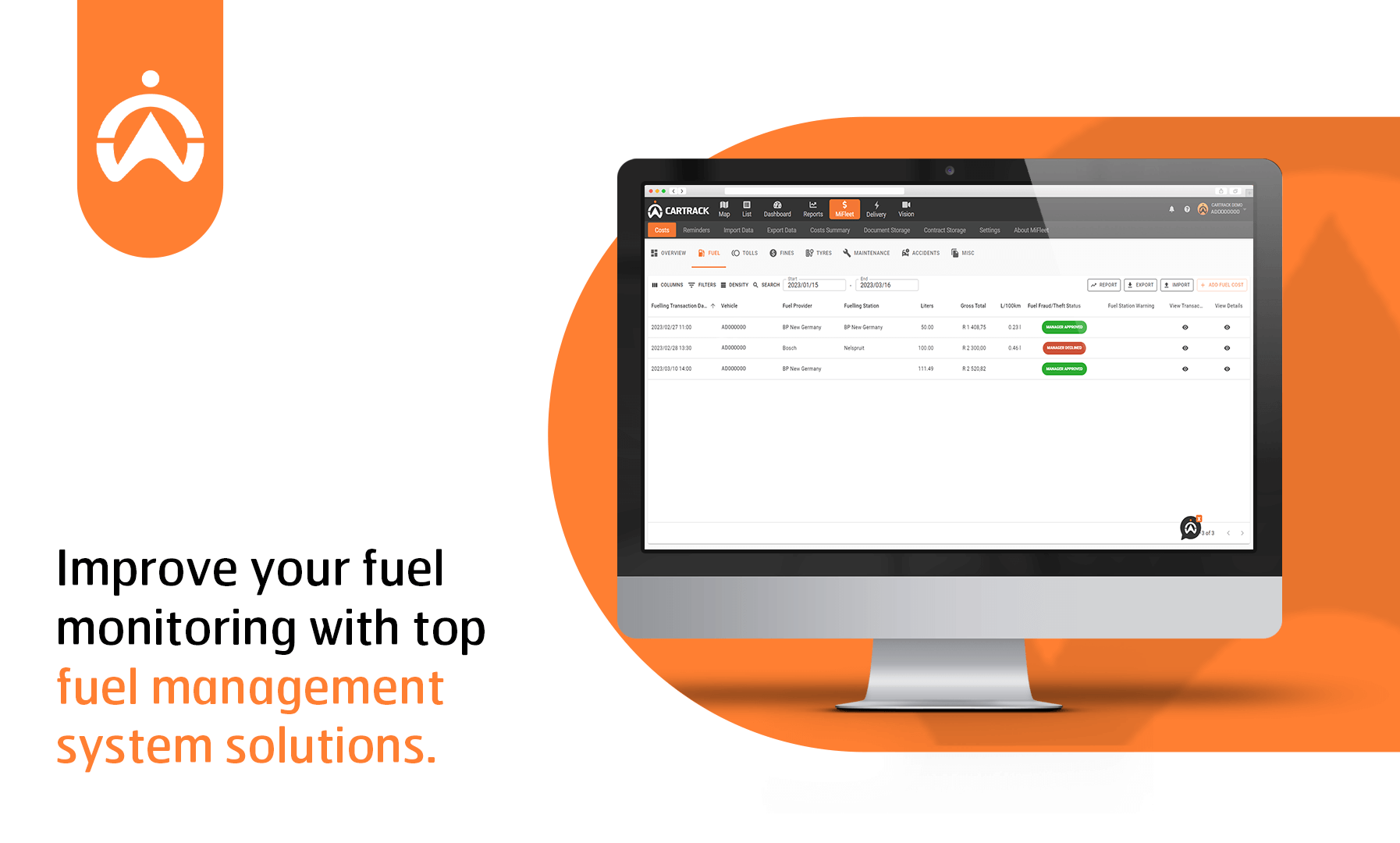
Control every cent with Cartrack’s fuel cost monitoring system. It reviews your fuel transactions and matches fuel receipts with your vehicle’s advanced telemetry data to identify any possible fuel theft,  saving you time, money and fuel. 

‍1 – Reduce fuel wastage

Be able to monitor your vehicle tank’s daily fuel levels. Also, know how much fuel your vehicles are consuming and the mileage driven, litres used per kilometre. This data helps you reduce fuel wastage and can be used to perform industry comparisons on driver and vehicle behaviour. If there is a sudden spike in fuel consumption, you’ll pinpoint the reasons such as it could be because of poor driver behaviour, fuel theft or your vehicles might need maintenance to be more fuel efficient.

2 – Spot fuel theft 

In many instances, criminals can manage to syphon up 125 litres of fuel at a time. Sometimes it can be hard to know if fuel syphoning is taking place, especially if your drivers will need to rest on long-haul journeys, which could create an opportunity for criminals to syphon fuel while the vehicle has stopped. 

If this happens, you’ll instantly know where, when and how much fuel is taken with live alerts so you can attend to the situation immediately before you incur excessive fuel costs. 

3 – Identify fuel card fraud

Our system automatically matches fuel receipts with the amount of fuel going into the tank. Fleet managers can check if the fuel they are paying for arrives in the truck’s tank, and not into another car. This will allow you to see your fuel purchase history and see which vehicles filled up at which station, and then you can match receipts accordingly. This will answer unexplained questions for fleet managers like “why was the fuel card used when the vehicles were not in use?” or “why were there excess fuel card transactions exceeding fuel budgets?” 

There’s telematic software solutions with smart algorithms that can be used to compare your fuel receipts and fuel card transactions to your vehicle’s data. This will help you spot any inconsistencies.‍

4 – Data reports 

The best way to assess fuel consumption is through data analytics and using the reports to make decisions instantly. Monitor your rate of fuel usage, through fuel level and consumption reports, where you’ll be able to see the total fuel consumed, fuel levels at the start and end of trips, average fuel consumption, refuelling, fuel draining events and more. Track usage trends and have the data on hand for reporting – receive the reports in your inbox immediately. ‍

5 – Insights into driver efficiency 

When you receive driver behaviour reports, you can determine which drivers in your fleet need to improve their driving patterns – which is another big contributor to increased fuel costs. For example, unnecessary and excessive idling contributes to an increase in fuel. An idling car uses between 0.76 to 2.65 litres of fuel an hour. An idling truck burns approximately four litres of fuel an hour. Driver training or coaching can then be provided to empower drivers to improve their behaviours, and prevent fuel usage from getting out of hand.
How does fuel monitoring work?

A fleet provider can install fuel level sensors directly into your fleet vehicle’s fuel tank, which will monitor the volume of fuel in a tank. 

Here’s how Cartrack’s fuel sensor system works: 

  • The fuel sensor (fuel filter) is installed into a vehicle’s tank by a technician to monitor fuel levels
  • The fuel sensor measuring system has one tube which is connected to the sensor
  • When fuel is added, it fills the tube and spaces around
  • After three refills have taken place, the sensor will be calibrated and ready for use 
  • Any decreases or increases in fuel levels will be accurately measured by the sensor
  • The sensor will send information about the level of fuel in the tank to our telematics system
  • The following data can be retrieved from our system; litres, vehicle location and tank capacity
  • All this data is transmitted to the Cartrack platform and can be compiled into reports
  • Alerts can be set up to monitor any fuel loss or gain and sent to you via email or sms
‍Why a fuel monitoring system for trucks is good for business 

  • Save on bottom-line costs

Fuel is one of the largest expenses in a fleet business, and with fuel costs so volatile, managers need to conserve every drop, going into their trucks, so they can keep business costs under control. Lack of fuel efficiency in trucks can impact productivity in a business, and negatively affect profits. For example, if you spend excessively on fuel, then you have less money to allocate to other areas of the business such as hiring more salesmen to promote your business. Or you might not have enough cash flow in your business, to cover unexpected expenses. 

  •  GPS tracking 

This is part of a fleet management solution, where you can see where your trucks are 24 hours a day, and if they are operating efficiently. You can assess how your fleet consumes fuel and driving behaviours that could be affecting fuel in real-time, giving you the opportunity to take action for any fuel inefficiencies. For example, you have two drivers on their way to the same destination, driving similar vehicles and one is using far more fuel – you can do something with this GPS data to avoid unnecessary current and future fuel wastages. 

  • Identify unsafe practices 

Telematics software can give visibility into unsafe driving practices. By monitoring the team’s on-road behaviour and highlighting poor driving habits, you can help correct dangerous behaviour and set targets for safety that will improve fuel efficiency in your fleet.

  • Reduce engine idle time

One of the main reasons for unnecessary fuel waste is leaving the engine running when the vehicle is stopped for long periods. A fleet management system helps to identify how long a truck has been idling, quantify the amount of fuel used, and notify the driver so they can reduce their fuel waste and unnecessary idling. 

  • Make fuel tax reporting simpler

If there is a significant spend on fuel, then admin tasks will increase especially compiling reports on fuel levies and taxes. Filing returns requires extensive information about when and how far trucks in a fleet have travelled that year, which the system will be able to provide. It may be difficult to keep track of all this information, but through the fuel management process, fleet managers can streamline the reporting of fuel usage for tax purposes.

Save on fuel with Cartrack

If you find yourself spending excessively on fuel and your vehicles are consuming more than they should, a fuel monitoring system will help tackle that. Take control of your fleet and solve fuel inconsistencies with Cartrack’s fleet management platform.


Breaking barriers: women in trucking changing representations, evolving roles and rising their status

Truck driving has been perceived as a male-dominated industry, however, women have been breaking barriers and positively confronting stereotypes by stepping foot and increasing their representation in the trucking industry.

Over the years, women have been breaking industry barriers to entry by stepping foot into male-dominated blue-collar industries such as mechanics, engineering, construction work, and the focal point of this blog- truck driving. Despite the perceptions, backlash, and stereotypes women have come across over the years, women are increasing their representation in these male-saturated industries. In this blog, we explore the evolution, representation, as well as current and future possibilities of women in trucking.

Women and their representation in the fleet industry 

Let’s face it, gender has contributed to how different industries are perceived and has influenced the career paths of both men and women. In the past, roles were largely based on gender types: domesticated and caring roles such as nursing and childcare were perceived as roles for females, upholding feminine and maternal stereotypes. While undomesticated roles were perceived as male roles, upholding masculine and paternal stereotypes. This has led to undeniably gender-segregated careers- mechanics, construction, engineering, and even the fleet industry. 

Although the fleet industry is perceived as a male profession, this segregation has not stopped women from stepping into the industry. In return, companies are demonstrating an effort to close the gender gap in the fleet industry by increasing the representation of women in the industry: 

The history and current state of women in trucking

Throughout history, trucking has been a predominantly male industry but women gained entry to the industry through a good cause. In the United States, the journey began with World War II when women stepped up to fill jobs of men who were at war, one of those jobs being trucking. While numerous women contributed to the early days of female trucking- in 1918 Luella Bates became the first woman truck driver and drove for Four Wheel Drive Auto Co while men were away at war; in 1929 Lillie Elizabeth Drennan was the first licensed truck driver and trucking-firm owner in the United States, and in 1944 Rusty Dow became the first to drive a 2 237km long fully loaded truck.  

Since then, women have continued to step foot into the industry. In fact, according to a survey conducted by the National Transport Institute (NTI) the average percentage of female over-the-road (OTR) drivers increased from 7.13% in 2017 to 7.89% in 2018. The survey conducted by Frightwaves further shows that women now make up over 10% of OTR drivers, an increase from the 2018 survey. Recently, the percentage of female truck drivers has risen to almost 30% increase only in a period of a year (2018 to 2019). Currently, there are more than 300 000 in the United States alone. Canada has 97,000 women in the trucking and logistics industry of which 10% are truck drivers.

There is evident growth in the representation of women in trucking, still, there is a long way to go to curb the gender imbalance. Although women make up 47% of the labour force, the American Trucking Associations (ATA) reports show that only 6% of truck drivers are women. Additionally, there are countries where women are still combating discrimination of the division of labour being unequally distributed in patrilocal families- this is a heavier barrier to entry for women located in these countries.

  • According to research conducted by Zippa, there are currently 4 682 fleet managers employed in the United States, of which 16.8% comprise women, increasing from 12.75% in 2011. 
  • The renowned fleet business- SMH Fleet Solutions, shows that the number of women in the fleet industry has risen in the year 2019, with the company having 33% of females in the workforce, and 35% first-line, middle and senior management. 
  • The US Bureau of Labor Statistics shows that the Trade, Transportation, and Utilities industry is the second largest employer of women in 2017, after manufacturing. Of the 7.7 million workers in the US Transportation and Utilities sector, women constituted 22.6%. There are 24.8% of women represented in the industry in 2021. 

The above statistics verify that although women still represent the minority, the industry that was predominated by men is increasingly representing women and the number of women in the fleet industry is still on the rise. To better grasp the growth of women in trucking, let’s explore how women have evolved in the industry over time and how this has impacted the industry. 

Female-owned trucking companies

Despite the aforementioned gradual growth and barriers to entry, women are working even harder, empowered more than ever before, have higher confidence and self-esteem, and are coming for the same recognition and equal representation in the trucking industry. As such, some women have moved from making their way into the industry to owning trucking companies. There are several female truck companies around the world, here are three success stories of female-owned trucking businesses:

  1. GoGirl Logistics: 

Founded by Siphokazi Matsha in 2018, GoGirl logistics is a full-service logistics company that empowers other women in the industry through training and leadership programs and by hiring them. 

  1. Veriha Trucking: 

President and owner of Veriha Trucking- Karen Smerchek, runs over 250 drivers with the goal to attract more millennials, including women. 

  1. Aria Logistics: 

In 2013, Arelis Gutierrez founded Aria Logistics with the objective to simplify transportation management.

Why should women get into trucking?

If you are a woman reading this with a deep desire to ride in a heavy-duty powerhouse or own a fleet of them, there has never been a better time! The trucking industry is opening up for women. Although there is still work to be done in the representation, inclusion, and equality of women in the industry, women today are more empowered with resources and opportunities through social media spaces, organizations, and communities to share support, guidance, and information. There are also initiatives and programmes that strive to empower thousands of women in the fleet industry. 

The trucking industry needs more women because it is becoming increasingly difficult for companies to find drivers. The estimated shortage of truck drivers in the United States is 120 000 in 2022. Although this impacts shippers and carriers across the country, it opens opportunities for more female drivers. Women could be the solution to the driver shortage in the trucking industry.

Additionally, trucking is a quick career to get into, provides freedom, and has job security. There is a shared preconception that to be in the fleet industry and have a successful career, you must have a keen interest in mechanics, or be a car enthusiast but that is not true. Those attracted to the fleet industry are drawn by the experience, tasks, adventure, and adrenaline of the daily challenges that are encountered.

Keeping in mind that each profession comes with its pros and cons, being a woman in trucking is not an easy job, but can be very rewarding. According to a study conducted by Deloitte in September 2016, lack of flexible schedule (33%), unattractive income (32%), unattractive work environment for women (31%), lack of opportunities for advancement (28%), and lack of work-life balance (27%) are some of the reasons European women stay away from the automotive industry. This is however changing, there has been a path paved by women throughout history, and the learning curve is less prevalent.

Women in trucking- confronting stereotypes and myths

The trucking industry is assumed a male profession, and with that comes the stereotypes and myths about the professional that could intimidate upcoming and existing women in trucking:

  • Women are bad drivers
  • Women do not have the physical strength and ability to be truck drivers
  • Women cannot balance both life and work
  • Female drivers are paid less than male drivers 
  • Female truck drivers are often in unsafe situations 

The good news is that female truckers have proven to positively confront stereotypes:

  • According to a survey conducted in 2020, men are 88% more likely to have a reckless or negligent driving conviction.
  • Despite some myths, truck driving is a gender-neutral job as it does not require great physical strength to be a truck driver.
  • Being a truck driver provides women with the flexibility and freedom that most jobs do not.
  • Since professional truck drivers are paid based on the number of miles driven, there is no pay gap between men and women.
  • As truck drivers, women do not have to face dangerous and unsafe situations that occur in public, as they ride solo with just their thoughts.

5 tips for aspiring female truckers

Being a minority group can be challenging. As a female truck driver, you need all the information, guidance, and support you can get. Here are 5 tips for aspiring female truckers:

  1. Finding a school or training program: To operate as a truck driver, you need a valid Commercial Driver’s License (CDL). There are various types of CDL Licenses, as well as various schools or training programs through which you can obtain your license. The trick is to find a school or training program that will go beyond merely teaching you to pass your driver’s test but also empower you with the education, driver development and soft skills needed to become attractive to the professional world. 
  1. Get grants and scholarships to help you financially: You might not have the financial capacity to fund your own CDL- this should not stop you! There are grants and scholarships that you can find whether on your own, through female trucking organisations, or internal funding and grants within the school or program of your choice.  
  1.  Become part of a community: You do not have to do it all alone, join women trucking organizations for further support, guidance, and information. The trucking industry experience differs for men and women. Becoming a part of a community, allows you to connect with other women with shared experiences, and feel less lonely.  

Choose a diverse and inclusive company: It is important to find a happy and healthy working environment that provides equal opportunity, support, respect, benefits, and pay for both male and female workers. Make sure you choose a company that desires to diversify its staff and aligns with your needs and values.

How you can diversify your fleet with Cartrack

Diversifying your fleet means having a range of age, ethnicity, gender, and more differences within your workforce. Trucking companies are shifting into diversification of the workforce. In the US 40.6% of all trucking jobs are held by minorities. Seeing the clear gender gap in the trucking industries, trucking companies should continue to strive for a healthy mixture in gender representation. 

Adding a female touch to your fleet can bring a different perspective to how companies operate and engage with clients- this way, you can offer something for every taste and preference. Additionally, women can close the truck driver shortage and thus increase productivity.

To attract more women, companies need to offer a favorable working environment for them. Since truck driving is a male-dominated industry, some conditions may not be favorable for female workers. 

Opportunely, technology can be used to fuel positive changes and progress in diversifying the trucking industry today by fostering better working conditions for women. 

This is how Cartrack can help you attract female workers:

  1. Ensure your drivers are protected and safe: With the increase of violence against women globally, protecting female truck drivers should be a priority. According to the estimates by WHO 1 in 3 women have been subjected to either physical and/or sexual intimate partner violence or non-partner sexual violence in their lifetime. 

Cartrack provides fleet management features that can ensure that female workers are always protected and feel safe:

  • Routing: This software application will allow you to set and manage predefined routes for your fleet. This way, you can set the safest routes and receive real-time alerts in case of any route deviations. 
  • Replay route: This allows you to protect your drivers by always allowing access to footage to absolve drivers, reduce legal costs and smoothen insurance claims
  • Panic Button: As an optional add-on to your fleet management package, a panic button can be used in case of an emergency. When the panic button is pressed, a silent alert will be sent to the Cartrack 24/7 control room where an operator will provide assistance.
  • Protector: Give your female workers peace of mind with Protector. This is another optional add-on to your fleet management package, that provides a panic button for your drivers to access a range of services to make the work experience as worry-free as possible. With the push of the panic button, a call centre agent will contact the driver immediately to assist with any listed services. 
  • AI cameras and real-time location: Keep your drivers safe with AI-powered and live-streamed camera technology as well as with telematics and GPS tracking that lets you see exactly where drivers are, how they are driving, and if trips are on track.   
  1. Empower your workers: Cartrack offers fleet management training which is intended to provide fleet managers, job dispatchers, and administrators with the skills and knowledge to get the most out of Cartrack fleet management solutions. By simply booking a session, managers receive training on all the latest software features and updates on the fleet management platform. 
  1. Provide a work-life balance: Cartrack software solutions and easy-to-use mobile app help drivers complete jobs quicker, eliminate paperwork, and improve communication, making their lives easier. 

Let Cartrack transform your fleet business for all types of drivers

The further increase of representation of women in the fleet industry is dependent on fleet companies to open up opportunities for women by hiring women, training women, and providing favourable working conditions for women. 

Although diversifying your fleet can empower women, reduce driver shortage and increase productivity- it needs to be managed efficiently. 

Contact Cartrack for a complete fleet management platform for your transportation and logistics business needs today.

How a dispatch controller can benefit from task management in trucking companies

Due to the behind the scene nature of their role, the job of a dispatch controller may be undermined. However, dispatch controllers are the bedrock of trucking companies. This means they need to be efficient and effective task managers. In this article, we discuss the role of dispatch controllers, task management and how dispatch controllers benefit from the software.

You are probably reading this for one of three reasons. One, you are a dispatch controller looking to improve task management. Two, you would like to become a dispatch controller or learn more about task management. Or three, you are simply looking for all the information on dispatch controllers or task management.

Whatever the reason, you are reading the right blog! After this, you will know what exactly the job of a dispatch controller entails, the challenges faced, and the task management tools and benefits that come to save the day from all the dispatch controller challenges.

Firstly, what is a dispatch controller and what is their task? 

As a dispatch controller, there may be an assumption that your job entails sending drivers around while you sit back, relax and let time pass by. That’s a high underestimation of what a dispatch controller does.

 A dispatch controller is an individual who oversees and supervises the business operations from dispatch to delivery. This entails assigning drivers to tasks, optimising drivers’ routes, tracking the location of vehicles, collaborating with drivers and communicating with customers. 

So, although truck dispatch controllers are not on the frontline on the road all day in a big rig, they work hard behind the scenes coordinating and managing the schedules and routes of truck drivers to ensure cargo is dispatched and delivered in a safe and timely manner. Basically, dispatchers are the bedrock of the trucking industry. 

Let’s see what being a truck dispatch controller really underpins. 

There’s no such thing as a “typical” day in the life of a dispatch controller but here are eight things that truck dispatch controllers do every single day:

  1. Manage operational costs: Daily, dispatch controllers are responsible for coordinating and managing the fleet operation to achieve set goals at the highest productivity while at the lowest operational costs. A dispatch controller needs to quickly find creative ways to solve problems and optimise routes to save time, resources, and money.
  2. Proactively solve ‘the challenge of the day’: As mentioned, no two days are the same in the trucking industry, and neither are any of a dispatch controller’s deliveries. Each delivery has a unique need, for example: shipping food and beverages is much different than shipping car parts or chemicals. Dispatch controllers need to identify any special considerations, proactively solve challenges, and foresee and resolve future challenges.
  3.  Stay organised and focused: A typical day in the life of a dispatch controller is busy. Coordinating deliveries, taking calls, and managing drivers, vehicles, and routes all day makes time fly. In between all the busyness, dispatch controllers need to be highly focused, stay organised with a task list, and be able to manage the high customer expectations and high-stress levels of drivers.
  4.  Optimising technology: Technology is a tool used by dispatch controllers on a daily basis, from GPS tracking devices to smartphones to fleet management systems. Dispatch controllers in the trucking industry use technology daily to keep operations running smoothly, safely, and timely.
  5. Collaborate with drivers: As a dispatch controller, communication and collaboration are essential. Each day as a dispatch controller includes constant communication and frequent check-ins with drivers.
  6.  Ensure fleet compliance: It is the responsibility of the dispatch controller to ensure that operations are fleet compliant. Daily, dispatch controllers ensure that drivers are well-trained and well-rested, and vehicles are safe and roadworthy.
  7. Oversee the entire operation: It is the daily job of an effective dispatch controller to have a bird’s eye view of the entire fleet operation, from the location of each truck to the driving performance of each driver.
  8. Keep clients happy: Unhappy clients could result in dispatch controllers losing out on work and damaging the company’s reputation. Ensuring customer satisfaction is a huge part of a dispatcher’s job. The good news is that fleet management systems help dispatch controllers reach customer expectations. 

Yep, it’s a handful! With so much to do, it is obvious that dispatch controllers face challenges daily. Let’s take a look at the challenges faced by dispatched controllers. 

 Firstly, what is a dispatch controller and what is their task? 

What is task management? 

Task management refers to the process of scheduling tasks and managing them with milestones and deadlines to ensure tasks are completed on time. A dispatch controller needs to be responsible for ensuring that the fleet operation is as productive as possible by planning out how and when tasks are executed, from beginning to end. Task management is a leading challenge for dispatch controllers. 

Task management involves creating, prioritising, delegating, and monitoring tasks to ensure they are completed within set deadlines. For this, dispatch controllers need to organise the fleet operation workflow to ensure efficient task completion. 

Project management features task management but they play two different roles. While task management mainly focuses on getting tasks off the ground, executed and completed on time, project management software focuses on reaching overall project milestones and deadlines. Therefore, project management is a core component of task management. 

But why must dispatch controllers go through all this hassle?

Why is the management of a task even important?

Dispatch controllers have to know what, how and when tasks need to be completed. This is called task tracking, it is the main reason why project management plans are important. 

Let’s break it down.

Task management is pivotal for a fleet operation’s success as it helps dispatch controllers keep everything in flow. All fleet operations from planning to reporting, analysing, evaluating, creating, and executing require task tracking so that dispatch controllers can efficiently control fleet operation, access real-time reports, and make strategic decisions. 

Task management is what allows dispatch controllers to track tasks closely and know everything they need to about each and every task to ensure they can manage customer and business expectations perfectly. 

Why is the management of a task even important?

3 ways to manage a task with project management software

Now that it is obvious that project management is crucial for a smooth running fleet operation, let’s find out how a project manager can effectively manage tasks. Below are three key categories, features and ways to manage tasks ensure teamwork: 

  1. Manually using to-do lists: This is a basic form of task management and is made up of  physical components such as manually writing tasks down on a planner, whiteboard or chalkboard in order to track tasks and scratch-off once completed. This way of managing tasks is best for people or teams who are dealing with a small number of tasks on a task list that rarely changes.
  2.  Electronically using apps or spreadsheets: With the rise of technology, computing has allowed for a shift from manual task management to electronic via software. Electronic task management can be done in various ways from the basic use of spreadsheets to using task management apps. Unlike manual forms of task management such as to-do lists, this form of project management is not confined and can therefore be taken with dispatch controllers anywhere they go with their computer, laptop, or even smartphone. 
  3.  Online or cloud-based tools: This is an extension of electronic task management which is inclusive of the unlimited expandability of the internet, so dispatch controllers can create and manage tasks online. This form of task management comes in the form of software tools or online applications allowing dispatch controllers to organise and monitor tasks from any location. With the use of the internet, online or cloud-based tools allow information, metrics, reporting, analytics, or any other files to be easily stored and shared. These tools work on the Cloud, this way dispatch controllers can assign storage space and even backup any critical information source.

Planning is a project management task, we already know that failing to plan is planning to fail. If tasks are not well planned and managed the business will be set for failure. Trucking companies need to use the most efficient task management method to ensure success and the best performance. Let’s find out more about task management tools. 

What is a task management tool?

Task management does not have to be as complicated as it sounds, especially with selected work management tools. These task management tools are basically the answer to the challenges faced by dispatch controllers, the dream and basic need of every dispatch controller! 

A task management tool is software used by an individual, team, or organisation to complete projects efficiently by organising and prioritising tasks. This software is used to streamline all the processes involved in creating, delegating, and completing task lists. 

Task management tools are built to help task managers and even dispatch controllers get the best out of their teams by empowering each employee to work faster and collaborate better. Task or project management tools combine every necessary feature a dispatch controller needs to create and manage tasks. These features include the next: 

  • Creating, sharing and assigning tasks
  • Identifying and labelling dependent tasks
  • Creating subtasks from larger deliverables
  • Tracking task progression and completion
  • File storing and sharing
  • Collaboration, teamwork and communication tools 

With project management software, dispatch controllers can create a suitable workflow for the team. Whether dispatch controllers need to create simple to-do lists, assign tasks to each team member or create a complex schedule to complete large deliveries, task management tools make the process effortless.

What is a task management tool?

8 benefits of using task management tools for trucking companies

Whether it is a business in the trucking industry or not, every kind of business can benefit from using task management tools to manage employees, teams, assets, tasks and other resources such as time and budget. Task management tools allow you to bring life to new and successful processes by:

  1. Organising all tasks on a single platform: With the right task management tool, dispatch controllers can have the entire workspace on one platform. Dispatch controllers can delegate tasks with ease, monitor them at a single glance, and immediately address any delays or issues.
  2.  Prioritising tasks based on importance: Yes, all tasks are important but not all tasks take priority. With a task management tool, dispatch controllers and teams can focus on the most critical tasks first and then turn their attention toward less urgent ones.
  3. Boosting team collaboration: ‘Teamwork makes the dream work’ might be a cliche, but it holds true for the trucking industry. Task management tools consist of features to boost collaboration such as user mentions and in-task comments and help teams communicate efficiently.
  4. Breaking down complex tasks and managing multiple tasks: Managing multiple tasks at the same time can be back-breaking. Task management requires a lot of planning and seamless execution or else minor delays or mistakes can lead to major issues. Task management tools make the process of creating and completing multiple tasks easier and effortless to manage.
  5. Automating tasks: Some tasks such as monthly reports or weekly meetings happen on specific dates throughout the year. Rather than manually setting up repetitive tasks, task management tools use automation to create tasks every month or week, based on the dispatch controller’s needs.
  6. Access to task progression in real time: Dispatch controllers have multiple drivers, vehicles, clients and deliveries on their plates, at the same time. Manually trying to keep up with the progression and completion rate of tasks is time-consuming and daunting. With a task management tool, dispatch controllers can oversee all their tasks on one platform.
  7. Clear task delegation: When the entire team can look at an up-to-date project board with all their tasks on it, they don’t have to go looking for crucial information or bug their manager or team members for it. This is especially crucial for remote or hybrid teams where team members have different time zones and work schedules.
  8. Making more profits: Profits are a benefit embraced by any business in any industry. Customer satisfaction and business profitability will be positively affected by task management software like Cartrack which offers the above benefits. 

With the right task management tool in place, businesses can reap each of the benefits. A good task management tool encompasses features that set the business up for ongoing success.   

There are a few task management tools on the market, but trucking companies need to make sure they choose the best.

8 benefits of using task management tools for trucking companies

The best-of-the-best task management tool 

Cartrack has industry-leading fleet and task management software that empowers fleet managers or dispatch controllers to seamlessly assign jobs to their entire fleet and empower teams to successfully, efficiently and productively complete and deliver tasks.

Let’s take a look at Cartrack solutions and features that dispatch controllers can use to exceed customer expectations, grow the fleet operation and boost efficiency and profits: 

  • Easy-to-use, all-in-one platform: Cartrack is a complete fleet management platform, not only for transportation and logistics businesses but all businesses that require fleet or task management. Cartrack’s easy-to-use platform empowers trucking companies (amongst others) to streamline the entire operation from task management to operational costs, all in one platform. 
  • GPS tracking: GPS tracking is essential for effective task management. With Cartrack’s telematics technology devices, dispatch controllers can stay in the know of the real-time GPS location and movement of any of the company’s trucks. This feature will help dispatch controllers monitor vehicles, know driver and vehicle schedules, reduce unexpected downtime and time taken between jobs. 

That is not all. GPS tracking does not only allow dispatch controllers to track trucks and assets but also time and tasks. With GPS tracking, dispatch controllers can optimise routes and ensure that tasks will be completed in time. Time tracking helps dispatch controllers meet deadlines and anticipate any delays. Additionally, with GPS tracking, dispatch controllers can also track tasks allowing them to oversee accountability, the team members’ dedication, and the task completion progress. 

Now, customers can enjoy the experience of better service and faster deliveries. 

  • AI-powered Cameras: Cartrack’s AI-powered and live-stream camera technology has up to eight internal or external cameras to help dispatch controllers monitor driver behaviour and keep drivers, fleet and cargo safe. With this feature dispatch controllers can gain insight into which drivers speed, get distracted, drive harshly or become fatigued. This can help dispatch controllers  improve drivers’ road behaviour with safe-driver training and reduce accidents and cargo damage, as well as unnecessary maintenance and penalty costs.
  • Actionable insights: With Cartrack, dispatch controllers can instantly pinpoint challenges, know how to tackle them and increase the fleet’s operational efficiency with actionable insights that help them keep the business growing. This includes seamless automated reporting and insights on:
  • Fleet size optimisation
  • Fleet costs
  • Driver scorecards
  • Driver productivity
  • Fuel consumption
  • Cost per job and km 

Reports can be sent straight to dispatch controllers’ inboxes, ensuring that they have all the information that they need, when they need it.

Choose the best, choose Cartrack

With Cartrack, you can manage tasks, track progress and collaborate seamlessly, all from one platform.  

Contact Cartrack today, and have the best task management tools right at your fingertips!

Supply chain and logistics: How to start a cold chain business

As the seasons change from one temperature to another, cold chain logistics provides a temperature-controlled environment that ensures fresh produce from storage to delivery.


In this article:

  • Cold chain logistics are temperature-controlled networks that ensure the preservation of medicines, pharmaceuticals and food products.
  • Run an efficient cold chain business by balancing the link between temperature, perishability and transportation
  • Explore the key elements of cold chain logistics and learn how to maintain them in your business.
  • Learn about the future of the cold chain industry and how it’s grown into a multi-million dollar market
  • Cartrack provides a complete fleet management solution where, cold-chain monitoring, real-time visibility and streamlined compliance are within reach from one platform.

The fresh produce at your local market, the skin care products you use daily, along with those important meds in your cabinet, all have one thing in common, they were moved from one location to another through cold chain logistics.

You might be asking yourself, “what is cold chain logistics?” Many of the products you buy are a part of cold chain logistics in one way or another. Without the use of this innovation, fresh produce wouldn’t survive the trip to wholesalers or even to your doorstep.

Supply chain management explained 

For smaller operations or local deliveries, cold chain transportation management occurs in-house and is simpler to operate, but for a larger company that works internationally, globally delivering temperature-sensitive products becomes complicated. This creates an opportunity to partner with third-party logistics companies that have expertise in cold chain transportation.

This is where supply chain management comes in. A cold chain is a temperature-controlled cold chain network. It’s a system that takes preservation seriously and treats products with recommended cold temperature levels. This allows customers to receive the highest quality products regardless of the season or weather.

Practical use for cold chain storage

Cold chain logistics (also known as chill chain logistics) is the technology and process that allows for accurate planning and safe transport of temperature-sensitive goods and products along the supply chain.

Some standard products requiring cold chain transportation are:

  • Meat
  • Seafood
  • Produce
  • Dairy products
  • Medical supplies
  • Pharmaceuticals
  • Floral industry

Efficiently starting a cold chain business means using certain technologies and science to evaluate and accommodate the link between temperature, perishability and transportation.

Practical use for cold chain storage

The future of the cold chain industry

This industry has grown to be a multi-million dollar market valued at USD 209.2 million in 2021. With an increased demand for product sustainability, the global cold chain logistics market size is forecast to reach staggering heights of USD 464.0 million by 2028, all thanks to the pharmaceutical and food industries’ expansion in 2022 due to the global pandemic we faced.

When to use cold chain logistics

Cold chain involves a process that isn’t just used when transporting or storing goods. It impacts every step of the cold supply chain, from procurement, storage, and delivery right down to end users.

Even after the goods have been safely delivered, many products are further kept at a constant temperature and stored in refrigerators or cool areas to preserve the item until consumed, used or expired.

A rise or fall in temperature during any of the supply chain phases can be bad news for the goods and the customers who have consumed/used them, particularly with expiry-sensitive produce. The shipper and their client have a lot on the line and might lose money when cold products go bad.

Key elements of supply chain management

To keep everything running smoothly, a cold chain business needs hands-on logistics managers who oversee each part of the cold chain process and receive crucial insights.

To maintain the shipment’s integrity and avoid product losses/damage, key elements of the cold chain have to be constantly monitored.

1. Packaging

Packaging is mainly used to protect products while in transit. Packaging for cold chain products should keep them from getting damaged while allowing storage containers to maintain the goods at their required temperatures.

2. Temperature monitoring

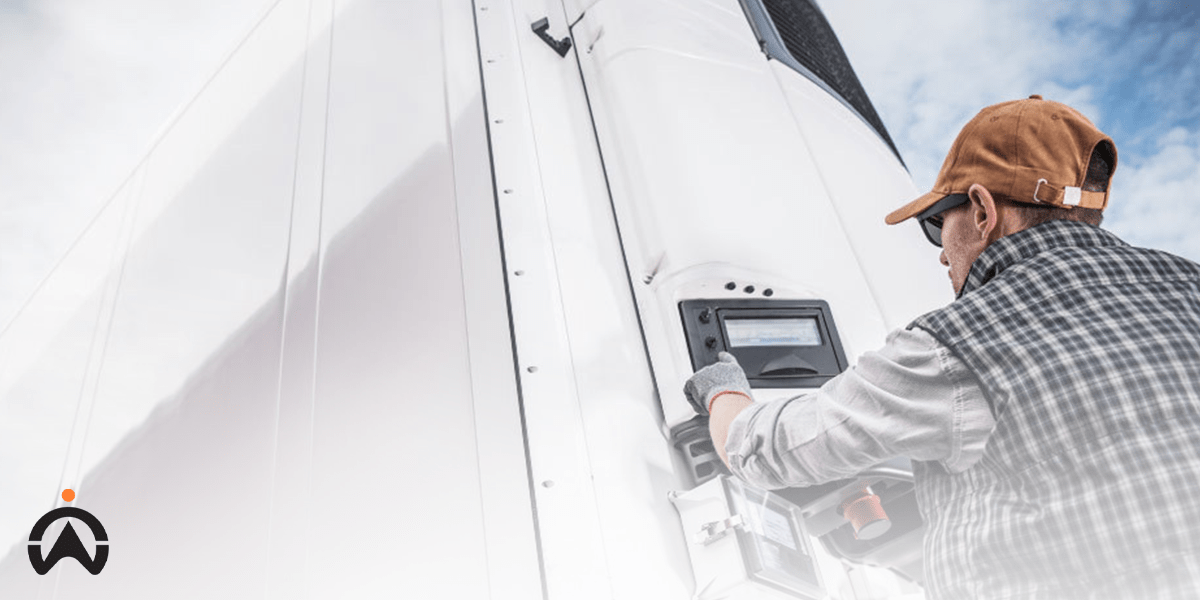
Products that need constant cold conditions also require regular temperature tracking. Temperature monitoring does more than maintain a constant degree. It can keep track of humidity levels and show when and for how long a package was kept at different temperature levels.

3. Transport

Products are kept at their appropriate temperatures from the time they leave the manufacturer until they reach their destination using various types of refrigerated transport units.

4. Storage 

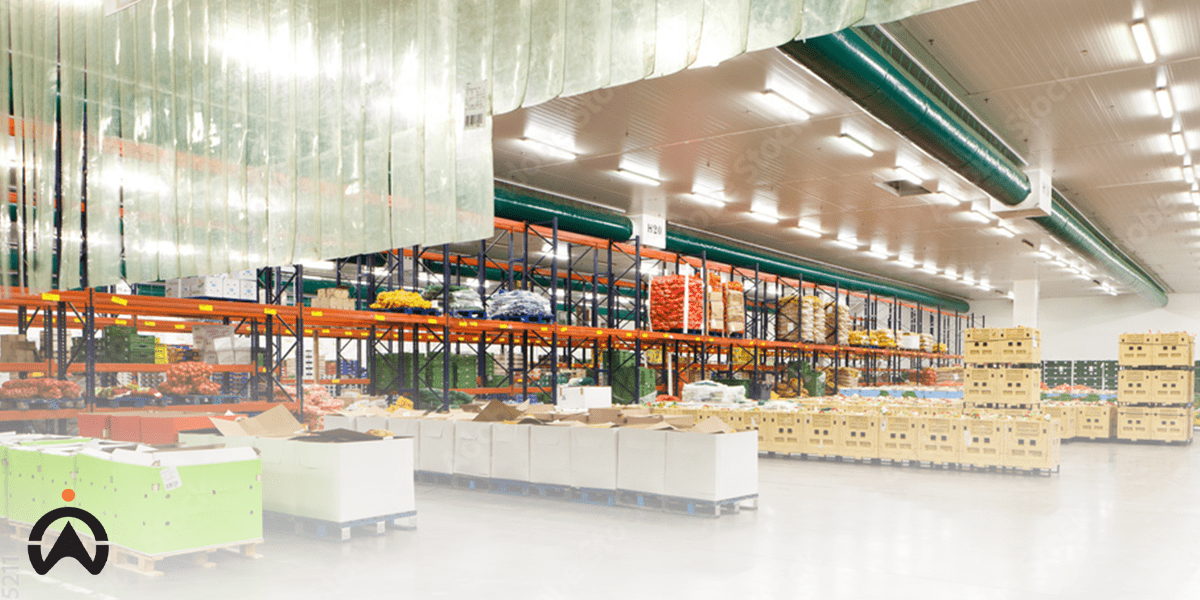
To keep food or medication at the proper temperature along the supply chain, cold storage rooms are equipped with insulation against outside temperatures.

Key elements of supply chain management

How do you provide a temperature-controlled environment?

Since different food cold chain products have different temperature requirements, cold chain logistics can provide you with temperature-controlled facilities like warehouses and transportation that can cater to different temperature needs.

These are the standard degree settings recommended:

Deep freeze meat and seafood -30° C and -18° C (-22° F and -0.4° F)
Frozen meat and seafood -18° C and 0° C (-0.4° F and 32° F)
Pharmaceutical drugs etc. 2° C and 8° C (36° F and 46° F)
Chill fruits, veggies, and dairy products 7° C and 14° C (44.6° F and 57.2° F)
Ambient fresh produce etc. 14° C and 24° C (57.2° F and 75.2° F)

Although these are the recommended safe temperatures for certain foods, there is some leeway as some goods can handle the slight temperature change. If the change is steep and frequent, that’s when items get spoiled.

Cold chain technologies in the supply chain

So, to make sure goods don’t get compromised and stay in pristine conditions no matter the phase in the supply chain, the pharmaceutical, medical and food industries all heavily rely on cold chain logistics.

There are several methods to keep goods at proper temperatures. To determine the right refrigeration method, these factors are used:

  • Duration of transit
  • The size of the packaged shipment
  • The weather/outside temperature

After the right method has been chosen, the following modern cold chain solutions can be applied.

1. Shipping containers

To ensure shipments don’t experience fluctuating temperatures, businesses have to swiftly move shipments through the supply chain using shipping containers to ensure the products won’t experience undesirable temperatures.

Shipping containers (reefer containers or vehicles) are refrigerated units with a temperature-controlled onboard cooling system. These are insulated vans, semi-trucks or standard ISO containers that can also be modified to keep products warm if needed.

2. Cooling technologies

These are methods used to keep already cold products at the same temperature.

Gel packs: Frequently used in medical and pharmaceutical deliveries.

Dry ice: It can keep items frozen for a long time, particularly used for food, pharmaceuticals, and hazardous materials. Instead of melting when exposed to air, it sublimates.

Liquid nitrogen: Used primarily to transport biological cargo (organs, tissues, etc.). The extreme cold keeps things frozen for a longer time.

Eutectic plates: Also called cold plates, they are used similarly to gel packs, but cold plates are reusable.

Quilts: Insulated quilts can be wrapped around or placed over freight and are used to keep temperatures constant, so frozen items will remain frozen for a longer time.

Common cold chain logistics challenges

Despite all the tips, tricks, and devices mentioned above, running a cold chain business efficiently is not easy. Maintaining a constant temperature throughout cold chain storage is not always as easy as it sounds.

Bad airflow
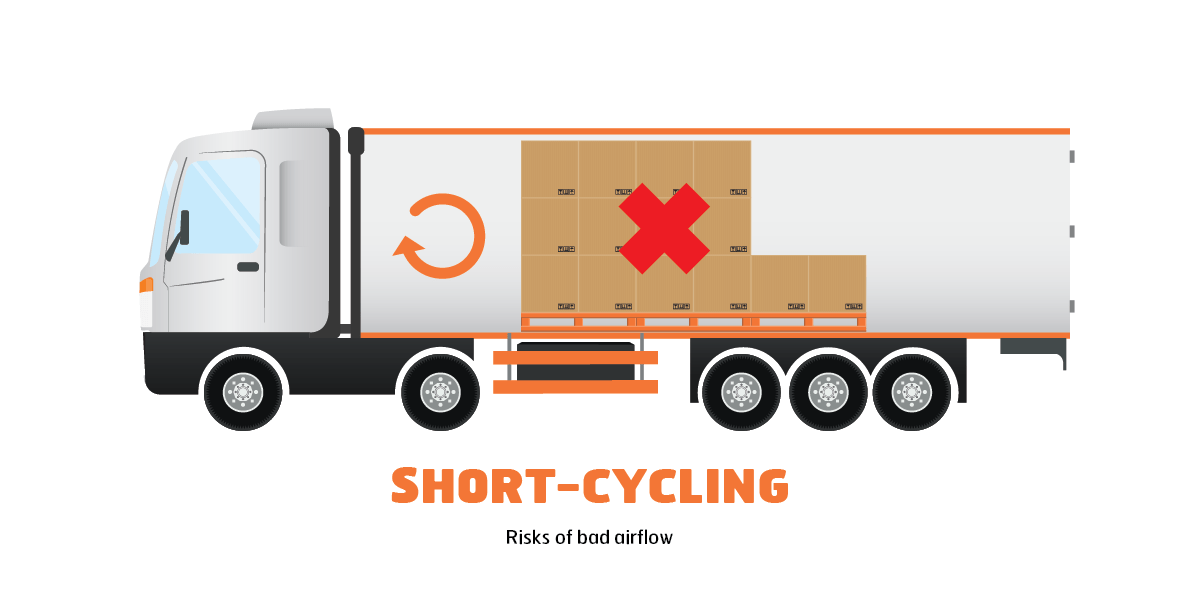
While good airflow maintains a uniform temperature in your freezers, trucks, and trailers, and distributes air evenly within the area, bad airflow, however, can cause issues like short-cycling, promote humidity, and might have different temperatures throughout the storage and more.

(mock images)

Hot spots
Appear when a shipment is not cooled throughout at a uniform temperature, and certain parts of the shipment are at different degrees.

Hot spots

Top-freezing
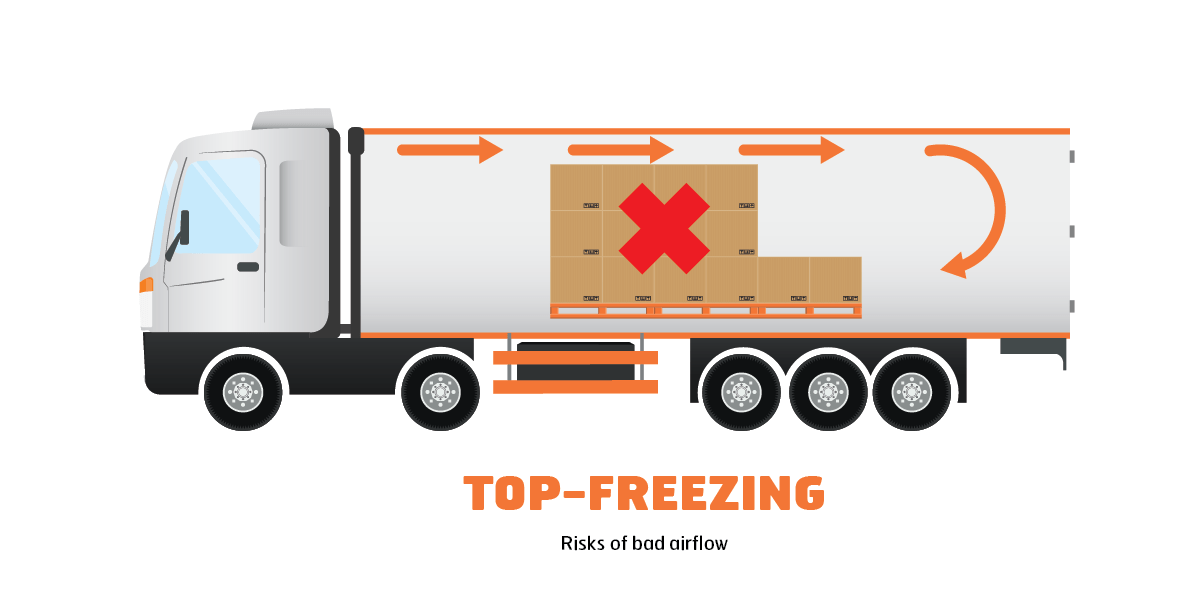
Is when your shipment is placed too close to refrigerated air in a storage or transportation unit. It can cause frost damage to your products.

Top-freezing

Why is cold chain logistics important?

This allows customers to experience and purchase different goods that come from all over the world. The more customers demand to experience otherworldly products, the more the cold chain logistics companies grow.

While some products can withstand environmental shifts, others can’t. While transporting, quality, flavour, consistency, and safety are all on the line.

The end customer might not notice the prime wagyu beef they bought spent two hours in the wrong temperature range, but they may be at risk of food poisoning or associated illnesses if products are not treated accordingly by the cold chain.

With goods coming from all over the globe, cold chain management simply minimises the risk of temperatures exceeding safe levels during storage or transportation and provides manufacturers and suppliers with better control over their products.

Starting different cold chain jobs in the industry

Want to know how you can start a cold chain logistics business? Or want to join a cold chain logistics startup? If this topic has piqued your interest and you’re looking into different careers within this industry, here are some career paths in cold chain logistics you could partake in:

  • Rent out cold storage to companies selling perishable products
  • Cold chain consulting
  • Provide cold/refrigerated transport services for road, rail, air, and water
  • Manufacturing refrigerated trucks and vans
  • Construction of cold storage
  • Equipment manufacturing or supplying to cold store owners
  • Technology suppliers to temperature-controlled logistics services
Starting different cold chain jobs in the industry

Smart cold chain management

Leave your on-the-ground cold chain operations to Cartrack.

Get 24/7 protection with temperature sensors that remotely monitor temperature, automated alerts on temperature variations sent via email/SMS and our AI-camera system will help with real-time visibility of your cargo and drivers while on the road.

For optimum control over your fleet and the goods you transport, get Cartrack.

Let’s get in touch today.

Why starting a transport logistics business and trucking company will benefit you

Truck logistics play a significant role in our economy and daily lives.


In this article:

  • Get an overview of what truck logistics entails
  • Learn how to start a truck logistics business step by step
  • Why truck logistics is such a rewarding business to venture into
  • How Cartrack’s fleet management platform can help run an efficient, safe and compliant transportation and trucking company

According to the Commodity flow survey (CFS) trucks transported 71.6% or $10.4 trillion of the $14.5 trillion worth of all goods shipped in the United States in 2017. Clearly, starting a truck logistics business comes with a lot of rewards but it is hard work too. 

What is logistics and how has it evolved to truck logistics?

The word logistics originates from the French term loger or logistique which means shortage. Historically, logistics was a term associated with the military where the function of logistics was supplying troops with suitable equipment for war. 

With the rise of consumerism and the growth and complexity of supply chains, the word logistics evolved in the 1950s. Logistics became a term used in the business sector to refer to the process of planning, implementing, and controlling the transportation of goods, resources and information from the point of origin to the point of customer consumption. The focus of logistics shifted from the war to meeting customer expectations and reaching customer satisfaction in the most timely and cost-effective manner. 

What is logistics and how has it evolved to truck logistics?

Today, the industry logistics markets have further developed as a concept that is utilised for business analysis and planning to help businesses achieve strategic competitive advantage by considering all possible factors involved in the business operation.

Truck logistics, therefore, refers to the research and planning of trucking operations. The logistics of trucking take into consideration all the factors involved in the transportation of goods and resources with the use of trucks, to boost productivity and efficiency. Trucking logistics include: 

In today’s industrialised world, trucks are one of the primary means for commercial transportation and the transportation of goods. Efficient trucking logistics not only helps a trucking company achieve success but also contributes positively to the economy. It is therefore safe to say that the trucking industry plays a large role in the economy.

Let’s take a closer look at how this important and large industry operates.

How does the transport business industry work?

A truck logistics company falls under the transportation business industry which is made up of businesses that transport goods, resources, or even passengers from one location to another. These businesses provide services to different target markets, from individuals to companies and even global trade partners. This means that businesses in the transportation industry can specialise in various niches and activities from e-hailing or hauling customer goods to international shipping of supplies and products. 

Businesses in the transportation industry are commonly classified into different categories based on their target customer, the type of routine, and the service provided, namely:

  • Personal transport: This is catered to individuals and small groups of people and includes one-on-one services such as taxi services, bus services, and most recently e-hailing services. 
  • Local transport: This category provides services to regional markets by transporting cargo such as livestock, materials, consumer goods, and more. Local transport may be commercial or private, depending on the distributed materials. 
  • Global transport: Global transport offers services for sea shipping or air-based delivery of cargo. These services consist of aspects of the personal and local categories but on an international scale.

Truck logistics focuses on local services. In providing these services, truck logistics prioritise road safety to ensure the secure transportation of cargo and the safety of both truck drivers and individuals as well as the preservation of specific goods, products, and loads. 

What trucking logistics does is examines factors such as trucking routes, types of loads and delivery times to best facilitate the different types of transport services and determine the best means of transport. For example, heavy hauling and long hauling are more demanding aspects of trucking than e-hailing personal services. 

How does the transport business industry work?

The role of truck logistics in transport supply chain businesses

A supply chain refers to a network of individuals and companies who are involved in creating a product and delivering it to the consumer. Truck logistics is an aspect of the supply chain that plays a role in delivering goods or services to customers, manufacturers, distributors, or consumers. 

Simply put, the supply chain covers the production and distribution of goods and services to all types of customers while truck logistics focuses on the movement and storage of products in the supply chain. When efficiently implemented, both supply chain management and truck logistics work together to give companies a competitive advantage and bring value to their customers.

The goal of truck logistics is to get goods and services delivered on time. To achieve this goal, truck logistics follows a logistics flow that entails the movement and direction of goods, resources, products, or information within a supply chain network between the point where the goods, resources, products, or information originate to where they are consumed by customers. 

The three types the logistics flows are:

  1. Inbound logistics: Raw materials, tools, machines used for manufacturing, consumable items needed for fuel, or various spare parts and other elements for production inputs are moved, transported, or stored from suppliers to manufacturers for processing and production. Being the first stop of the supply chain, effective inbound logistics allows for a swift and integrated supply chain.
  1. Outbound logistics: Finished products from manufacturing are moved to the next stop of the supply chain. These finished products are shipped and delivered from the warehouse to the logistics business customers. All the products that move through this outbound logistics flow are intended for consumer consumption and satisfaction- this is also referred to as the order fulfilment process. 
  1. Reverse logistics: This involves returning, servicing, repairing, refurbishing, reselling, recycling, recovering, or properly disposing of products. Reverse logistics, therefore, refers to moving items or goods from the consumers back through the supply chain. This process is most common in the automobile and electronics industry.

3 reasons why you should start a trucking company

With the current shortage in the logistics industry, starting a truck logistics business can be rewarding. Here are three reasons why you should start a truck logistics business: 

  1. You can make money

Amongst other reasons, people start businesses to make money. So yes, you can make money from a truck logistics business, however, only if you manage it efficiently. This is because the profit made in the trucking logistics business is heavily affected by the costs. Fuel costs are one of the factors that can lead to high costs, especially in trucking and logistics- fuel costs eat up your profits. 

  1. You can work from home

Working from home has become a new norm. Today, the basic needs of managing a truck logistics business are a computer, phone, and internet. With these gadgets, starting, owning, and managing a truck logistics business from home is possible. Trucks can be busy on the road all day while you use fleet management software to monitor the activity of your fleet with the use of GPS location software. 

  1. You do not need to own trucks 

Most people have the assumption that to start your own trucking business you need to invest in a truck or trucks- this is not the case. As an owner of a truck logistics business, you do not need to be the owner of the truck or trucks. A start-up trucking business can be started with another person’s truck- just like Uber and Bolt. This is called an owner-operator and you can simply register the owner-operator’s truck under your authority. 

Thinking of starting your own logistics company? Let’s get you started with the following steps!

3 reasons why you should start a trucking company

 6 actionable steps to plan and start a truck logistics business

  1. Complete the required training

Truck logistics requires the right set of training and skills, therefore it is important to acquire the right training suitable for the job. The form of training will vary based on the type of service the trucking business will provide- whether global, local transportation, or both. The following are some of the training requirements:

  • Transport Management Systems: This training gives an understanding of how transport management systems (TMS) work and why it is vital for transport systems. The training equips you to manage and track all the different aspects of transport management such as vehicle maintenance, warehousing, communications, cargo handling, and more.
  • Management and Inventory Operations: The ability to handle and control inventory plays a vital role in the transport and logistics business. Inventory management is integrated with warehouse management to inform and educate you on how products move through your operation.
  • Transportation Regulations and Law: To run a trucking logistics business that provides both domestic and international services, training should include regulations on interstate commerce and global shipments and carriers.

There may be additional training or courses that may have to be acquired depending on the type of service your truck logistics provides and local government regulations. 

  1. Do your research

Before you get into truck logistics it is important to research the industry. Research helps you understand the business and how viable it is, even before entering the market. Here are some research points that could give you an overview of the business: 

  • Costs: As mentioned above, the purpose of owning a business is to make a profit. It is important to find out the costs of the business and whether the business is profitable. 
  • Competitors: Researching competitors will help you understand what other service providers are doing right or wrong. This way, you will gain an understanding of what the customer’s expectations are.
  • Niche: The truck logistics business is a big industry. Find out what goods and services you would like your business to specialise in. Successful businesses pick a lane.
  1. Set it up

Starting a truck logistics business will take a lot of time, money, and energy, this is because it involves planning, making key financial decisions, and completing a series of legal activities. Here is a guide to setting up your truck logistics business: 

  • Create a business plan
  • Choose a business entity
  • Open a business account 
  • Ensure fleet compliance
 6 actionable steps to plan and start a truck logistics business
  1. Get funding

Transport tools and different road and cargo shipping requirements are some of the capital needed to start a track logistics business. Therefore, you need start-up capital to start a truck logistics business. Luckily, there are many funding and financing options accessible, based on the type of service a truck logistics business provides as well as the geographical location of the business. There are traditional financing options such as loans and private financial aid. However, if you have no money, you can opt for financing that can help you start a trucking logistics business with no money. The trick is doing the research and finding the funding that is ideal for you. 

In South Africa, truck logistics presents a major business opportunity with a few good funding options- these include both government funding options as well as private funding. 

  1. Put together a team to operate your fleet

A truck logistics business without truck drivers is non-functional. There are many things to take into consideration when hiring employees: 

  • Do they have a history of safe driving? 
  • Check the applicant’s compliance, safety, and accountability profile (CSA)
  • They must have a commercial driver’s licence (CDL) or road test certificate
  • Make sure the applicant’s medical certification is up to date
  • Have a road test

Finding a suitable employee will take a lot of time and effort but hiring the right applicant for the job will positively impact the business. 

  1. Invest in fleet management software

Finding the best fleet management software will help you ensure the success of your business. A good fleet management software will help you optimise routes, track truck drivers and cargo, ensure your fleet is compliant, help you manage fleet-related costs, protect you from fuel fraud and ensure you keep your truck drivers safe. 

Oversee your logistics company and save time with Cartrack’s software as a service (SAAS)

Cartrack’s fleet management software allows you to streamline your entire fleet operation from monitoring driver behaviour and using GPS tracking to pinpoint drivers and assets to managing vehicle usage and fuel usage.  

Contact Cartrack today and kick-start your successful trucking company with us.