
One of the most important components in Kenya's financial infrastructure is a resilient cash cycle. Cash-in-transit services play a crucial role in this, as they ensure the secure handling, movement, and protection of cash and other high-value assets throughout the country. However, this essential service comes with the risk of theft, which may result in casualties, as we have seen in recent news.
So, how do you protect millions without compromising on safety? The straight-up answer is a good fleet management software. Let’s look into the difference an advanced fleet management system can make for cash-in-transit operations.
Running a fleet that is responsible for moving large sums of money presents several challenges that go far beyond those of typical logistics operations, such as the following:
Safety remains a primary concern for CIT services in Kenya, where robberies are increasingly sophisticated and often involve high-caliber firearms or collusion, posing a significant threat to security personnel and the public. According to security reports from 2024, Nairobi remains the highest-risk area, accounting for a large portion of reported robberies and economic crimes, followed by other major urban hubs like Mombasa and Nakuru. While the total number of robberies showed a slight decline of approximately 5.6% in 2024, the strategic nature of these attacks means a single successful heist can result in the loss of millions of shillings, making it an attractive target for organized criminal syndicates
Due to the security risk and the need for cash, CIT officers have very strict time restrictions. They need to perform their duties as quickly as possible and make sure they meet deadlines to avoid cash-flow disruptions. However, while doing so, vehicle operators need to practise safe driving habits while on the road, which means they cannot compromise by speeding. Cautious driving practices are also crucial for the safety of the high-value cargo.
CIT services in Kenya must adhere to strict regulations set by regulatory bodies such as the Central Bank of Kenya (CBK), the Private Security Regulatory Authority (PSRA), and industry associations like the Kenya Security Industry Association (KSIA). These compliance authorities govern essential operational standards, including security protocols, mandatory licensing for CIT personnel, and the specific use of armoured bullion vehicles with armed police escorts. These regulations are designed to ensure the integrity of the financial system and significantly reduce the risk of theft and violence during the transit of high-value assets.
Insurers require CIT companies to meet specific standards in order to qualify for coverage. Some of the insurance specifications include GPS tracking systems and alarm systems. Any cash flow disruptions and an increased risk of theft might result in higher insurance premiums. It also causes operational inefficiencies due to improper resource allocation and rescheduled stops.
A non-negotiable standard when it comes to CIT vehicles is their need to be able to withstand explosive attacks. These vehicles that are designed for security and protection in various environments require regular inspections and servicing to maintain structural integrity and functionality for optimal performance. However, the complex builds of CIT vehicles require specialised care and attention, but due to the busy schedules and tight deadlines, fleet managers might end up missing service dates, which then leads to unexpected breakdowns.
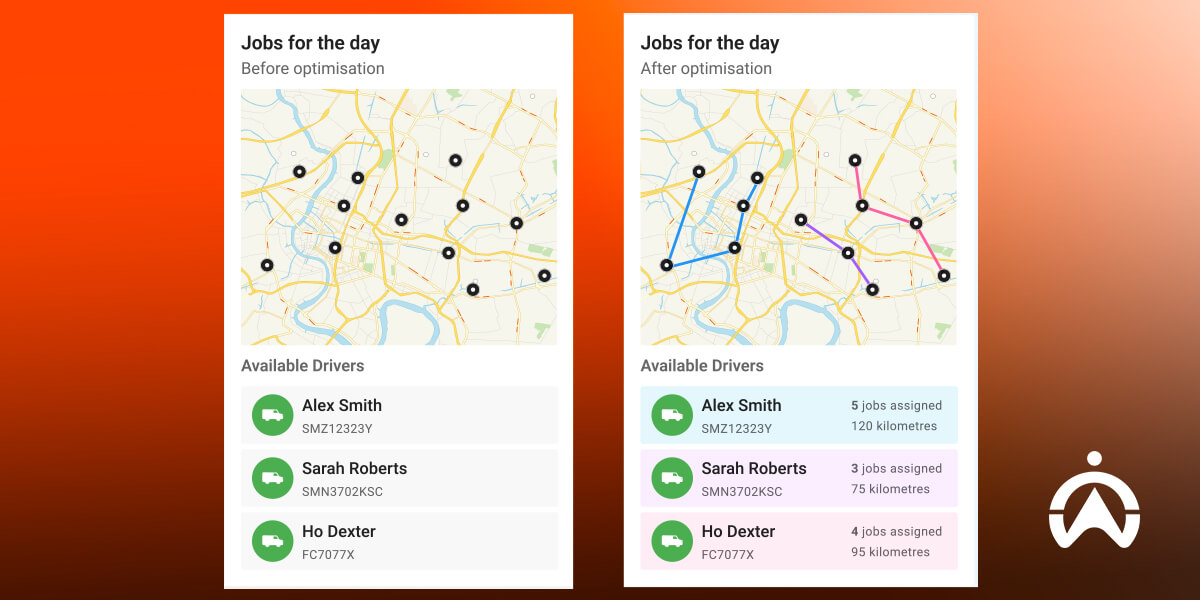
To ensure that everything moves quickly and runs smoothly, dispatch coordinators must plan schedules and choose routes. The selected routes must be secure and change daily to prevent criminals from predicting movements. This presents a great challenge, as there might be limited options, and the task can be time-consuming. In addition, there needs to be constant monitoring to ensure that drivers are following the stipulated routes.
So, what does it take to build an efficient and secure CIT fleet beyond the bulletproof glass and locks?
An advanced fleet management system has many short-term and long-term benefits for CIT operations. This technology allows you to manage your fleet all on one platform, so you can make more informed decisions. It also enhances the safety of drivers and high-value cargo. Here are the main ways in which a fleet management system improves cash-in-transit operations:
It’s important that you always know where vehicles are at all times. A GPS tracking system gives you real-time visibility so you can check where drivers are and see how much time they take at pick-up and drop-off spots.
Route optimisation software helps you plan routes and minimise time and risk exposure while maintaining punctuality. This technology uses predictive analytics and historical route data to help determine the most efficient route for cash deliveries.
A GPS tracking device with telematics capabilities allows you to see how drivers use vehicles. Through this technology, you can see when vehicle operators are speeding, taking sharp turns, rapidly braking, or accelerating excessively, which could indicate that they were trying to get away from criminals or practising unsafe driving habits.
Through fleet management software, you also have the option of remotely disabling parked vehicles, ensuring there is no unauthorised vehicle movement.
Over the years, numerous videos capturing CIT ambushes have surfaced online and gained widespread attention, such as the following footage:
Cameras allow operation centres to respond quickly to threats. They also give managers a closer look at what CIT officers are doing so they can identify safety hazards or inefficiencies. Video footage can also be used for incident investigations.
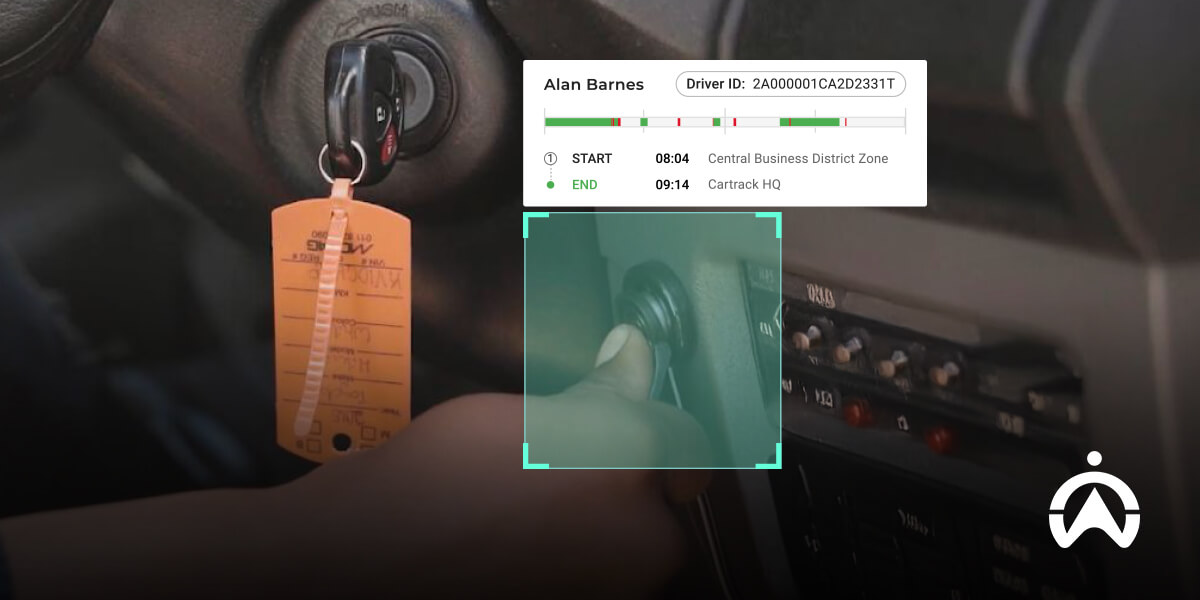
Vehicle cameras that are integrated with telematics software are highly recommended, as they typically come with advanced features such as AI technology that can trigger alerts when certain rules are broken. This allows fleet managers to pinpoint areas where drivers need to improve so they can be trained on proper procedures and how to respond in various situations.
Like any business, CIT companies must manage costs and boost profits. A fleet management system supports this in the following ways:
Karooooo is one of the leading security and fleet management service providers in Kenya. Partnering with us ensures your fleet remains protected and that all operations are streamlined. Here’s what we have to offer for your cash-in-transit services:
Modern fleet management is no longer just an operational tool; it’s a key line of defence in CIT operations. Our high-tech solutions are tailored to enable safer, smarter, and more compliant cash-in-transit operations. Contact us today and invest in technology that will transform your business.
