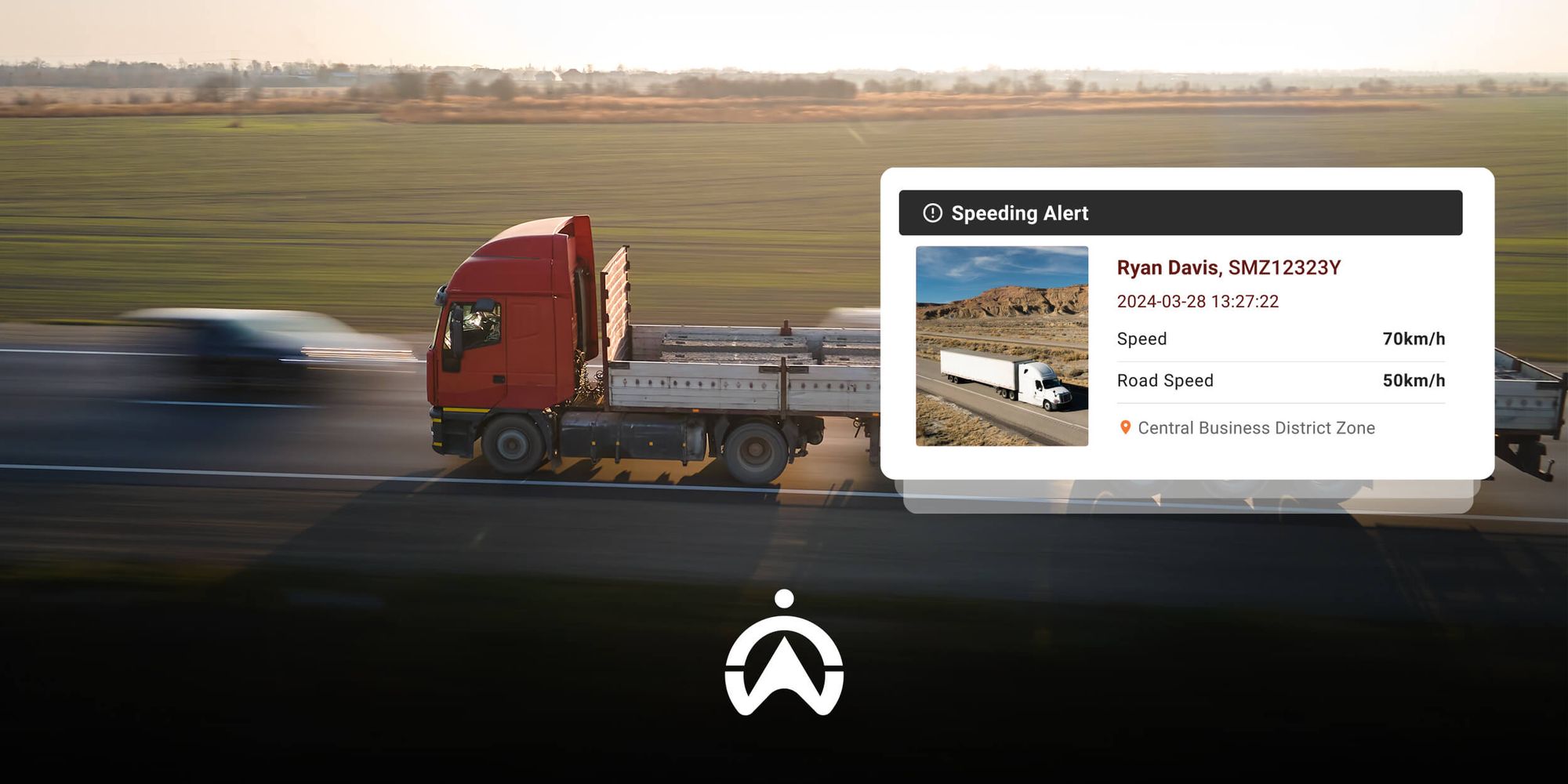
Most fleet owners understand that GPS tracking is crucial, but very few realise the power of the accelerometer, the small sensor inside modern tracking units. That sensor tracks movement in three directions: up/down, left/right, and forward/backward. This is important because how your vehicles move reveals how your drivers behave—something GPS alone can't provide.
Data from the National Transport and Safety Authority (NTSA) and the Kenya National Highways Authority (KeNHA), show that 85% of fatal road accidents stem from human behaviour, such as fatigue, speeding, reckless driving, etc. This is why obtaining accurate, real-time driving insights is essential.
Now this is where a quality accelerometer—like the one in Karooooo’s tracking unit—truly shines. It offers fleet managers and owners clarity, safety data, and practical insights that help protect your drivers, lower operating costs, and shield your fleet from unnecessary risks.
An accelerometer is a compact electronic sensor that tracks a vehicle's movement in three directions. It detects every bump, brake, turn, and jolt. For fleet owners, this movement data serves as a powerful safety tool, because it reveals exactly how a driver managed the vehicle before and during any incident.
The accelerometer matters in fleet management because simply knowing where your vehicles are isn’t enough; you need to understand how they’re being driven. The accelerometer bridges this gap by providing accurate, real-time insights into driver behaviour, enabling early intervention and enhancing overall safety for the fleet.
The accelerometer keeps your drivers safe on the road by detecting sudden changes in a vehicle's motion and position. It empowers you as a fleet manager to take proactive measures against sudden movements and potential dangers, ensuring your drivers stay safe while showing you care about their well-being.
Karooooo doesn’t just gather data; it transforms accelerometer insights into clear, actionable information. Forget the days of guessing what happened on the road—this tool reveals exactly how drivers behave, empowering you to respond in real time and manage your fleet confidently.
Get instant notifications for harsh braking, rapid acceleration, sharp cornering, and impact events. Be the first to know when something serious occurs. Take proactive steps to prevent future accidents.
Enjoy rich, accurate insights that fuel your analytics and reports. Easily view driver behaviour trends on user-friendly dashboards. Access historical data for thorough investigations. Track performance improvements and training outcomes over time.
It integrates flawlessly with AI camera solutions if you have them installed. Add context to events with an accelerometer and dashcam. Discover what triggered sudden braking or swerving, and gather undeniable proof for insurers and incident analysis.
Your Kenyan fleet needs an accelerometer today because Kenyan roads can be a bit of a nightmare. With potholes, sudden stops, and reckless drivers, fleet managers need a clearer view of what their teams face every day. That’s where accelerometer data comes in, giving you the insights to reduce accidents, keep drivers safe, and trim operational costs.
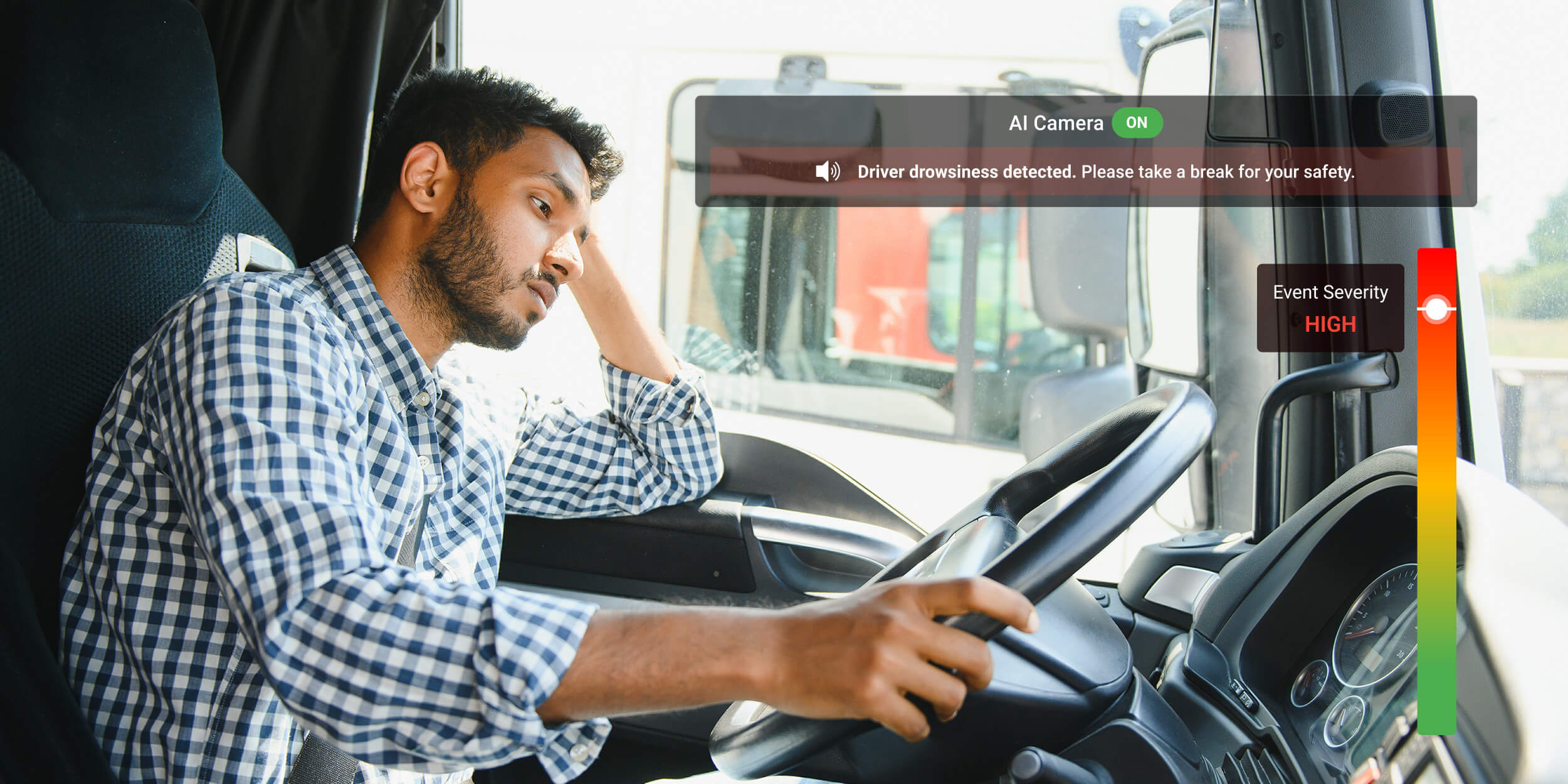
In action, accelerometer data tells the story of what happened on the road. It is often the only reliable means to understand why the vehicle reacted the way it did. Here's what these events look like in real-world Kenyan driving situations.
Examples:
Using accelerometer data from Karooooo is a breeze; it operates seamlessly in the background. There's no extra setup or technical hassle. Once it's installed, data flows directly into your platform, providing immediate insights into driver behaviour and event history.
Though compact, the accelerometer significantly boosts fleet safety. It equips Kenyan fleet owners with the tools to minimise risk, enhance driving behaviour, and protect their business. Combined with Karooooo s powerful platform, it becomes an indispensable tool for safer, smarter fleet management.
No, an accelerometer cannot directly detect the use of phones because it only measures movement. However, it might show some pattern—it might be drifting or delayed braking—that could suggest distraction. Confirmed phone-use detection would be required with an AI dashcam paired with the data from your accelerometer.
No, an accelerometer will not drain your car battery. It's a low-power sensor built into a tracking device and is designed to operate efficiently without having a great impact on the electrical system of a vehicle, even when its engine is turned off.
Yes, indeed, the accelerometer data proves to be very effective in driver training. It pinpoints all the risky habits a driver has, such as harsh braking, aggressive acceleration, and sharp cornering, which show you exactly where drivers need coaching. That makes training more targeted and easier to measure over time.