Check the NTSA Portal to ensure the car's papers aren't fake
Get the transfer form filled out and signed so the licensing office can update the owner's name
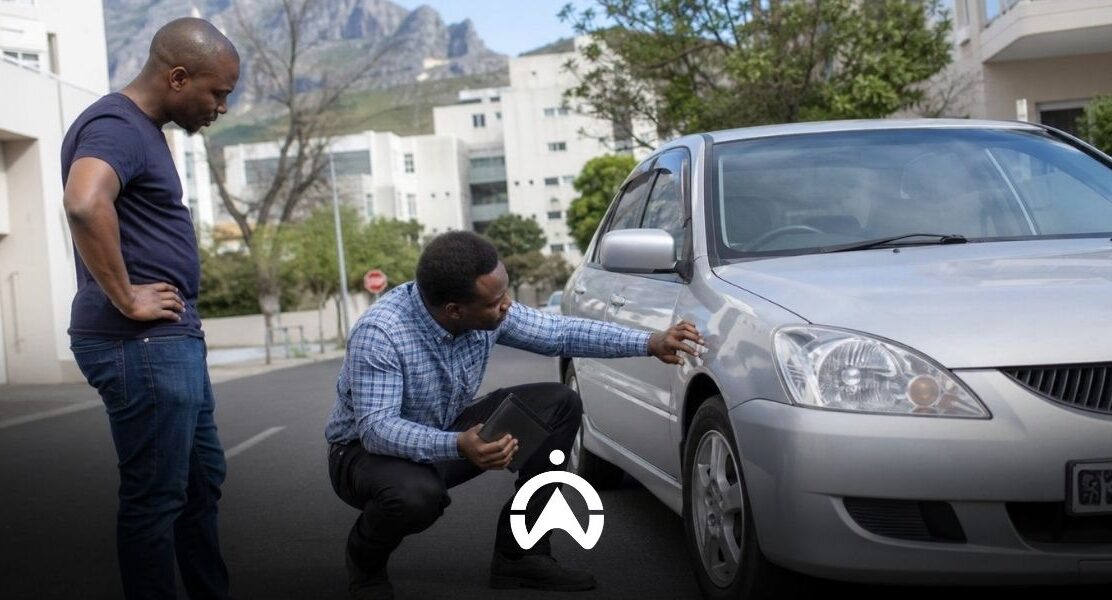
Look for uneven paint or oil leaks when you're inspecting the car for any hidden damage
Test the car on both quiet streets and the highway to listen for rattles or strange steering vibrations
Buying a car directly from a private owner is slightly different from buying one second-hand at a dealership. There are important quality features to check that’ll help you match up the car with what you’re paying (or should be paying). Determining the value involves looking at the history, inspecting the current condition, and trusting your instincts.
Then there’s the paperwork, which involves legal considerations and payment security. Online marketplaces like Autocheck, and even Facebook are regularly flooded with used car deals. While this is often a quicker and more lucrative way to sell a car, some do it for dubious reasons like hiding mechanical faults or attempting to get more money than the car is worth.
Karooooo will walk you through the second-hand car purchasing process step by step so that you get the best deal when buying a car from a private owner.
What’s the first thing to check before buying a car from a private owner?
The first thing you need to establish before buying a car from a private owner is that they do actually own the car. The proof of ownership document is a MUST, and there are ways you can confirm if the National Transport and Safety Authority (NTSA)certificate is real or fake.
Click on online search and select motor vehicle search
You can either choose to search using the vehicle registration number or Chassis Number
A copy of records will be generated and one will have an option to print.
What paperwork is needed for buying a car from a private owner?
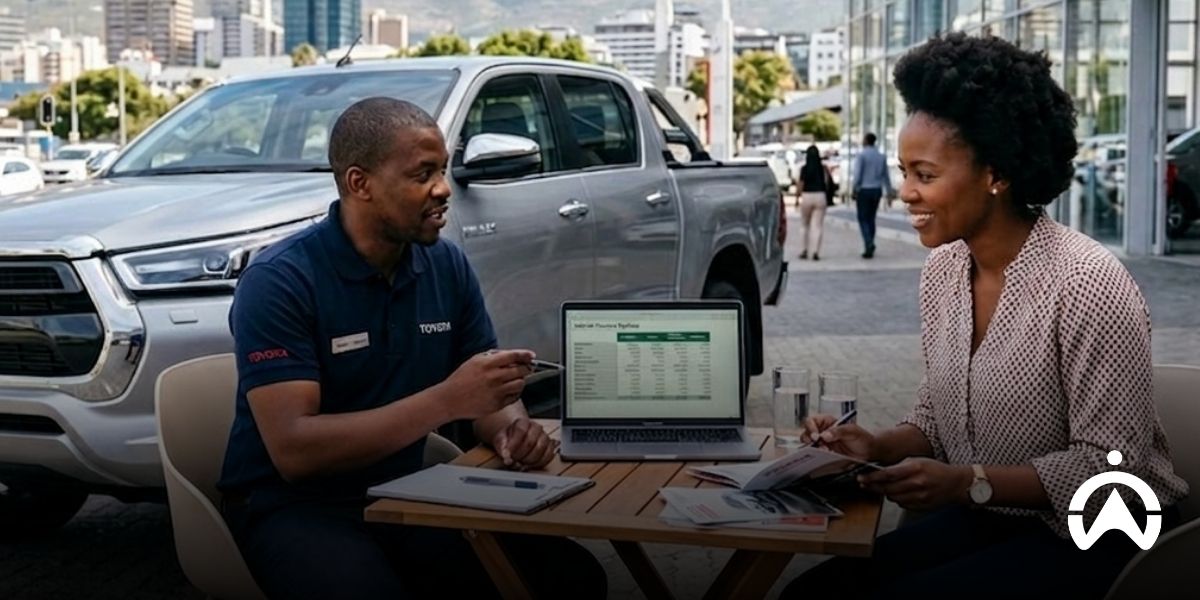
Besides the National Transport and Safety Authority (NTSA)certificate document (most important), you’ll also need a vehicle transfer form. This will be filled out by you and the previous owner. Once it’s complete, the transfer can be processed through the NTSA portal. They’ll update their system to reflect that you are now the legal owner of the vehicle.
Optional paperwork worth considering for due diligence:
Proof of bank account (stamped)
Roadworthy certificate
A sales agreement with details of the sale (signed by you and the previous owner)
Receipts that pertain to the service history
A bank settlement if the car isn’t fully paid off yet
How should you inspect a used car before buying from someone?
Buttons in the car like locks, windows and dashboard switches
Minor mismatches on paintwork
Scratches or bumps on panels
Oil stains where the car is parked
Seeing evidence of damage or a past accident might not cause you NOT to buy the car, but it’s relevant to bring up with the previous owner. They should be charging according to the car’s current condition and must declare if the car’s been in an accident.
What should you look out for while test driving a used car?
When test driving a used car (which is highly recommended before buying), make sure you do short-stop driving as well as long-distance driving. Short distances will give you a feel for the brakes & suspension, while long distances will allow you to listen out for rattling noises or car performance issues.
Suburban driving observations
Drive over a few speed bumps and note how the car’s suspension handles it. Also observe how the brakes handle stops at red lights and stop signs, and don’t forget to take note of how well the car pulls off from these points (clutch-related). You’ll also pick up if there’s engine hunting, which could indicate a damaged engine head or other less-serious problems.
Highway driving observations
Long drives let you check a few other important things, like whether the engine overheats or if the car makes rattling sounds. Pay close attention to the steering wheel when you do a highway drive, because vibrations could point to wheel alignment imbalances.
Post parking observations
If you can, park somewhere else after your test drive is over. Go back to where the car was parked initially and look for fresh oil stains. A car that leaks oil will have mechanical issues that need to be addressed with the previous owner.
Also check the handbrake by parking on an incline if possible (although you can also test this while driving around town). Test the indicators, lights, and hazards while you’re parked and safe, and feel free to get out of the car to see if they work externally.
SIDE NOTE: If you want to protect your newly-purchased car while it’s parked, check out Karooooo’s virtual car guard app!
What should you do if the previous car owner has a tracking device installed?
Frequently asked questions about buying a car from a private owner
What can I reasonably expect from a used car with high mileage?
It’s reasonable to evaluate a high-mileage car based on its condition & age rather than its odometer reading. That’s because some cars (ones that aren’t necessarily ‘old’) are used for long-distance driving more than urban driving, which is actually a good thing in terms of wear & tear. Judge the age and general condition—together with the mileage—to accurately assess the car.
What is the most popular second-hand car?
The most popular brand of second-hand car is Toyota. They’re still a keen favourite among used car buyers in Kenya and other countries because of the reputation for longevity, reliability, and low fuel consumption. The Toyota Vitz is particularly popular in Kenya for these reasons.
How much value does a new car lose after purchase?
If you buy a car brand new, you can expect it to lose around 10% of its value as soon as you drive it off the lot. It will also lose another 10% to 15% within the first year of driving, depending on your driving habits and vehicle care routine.
Other articles for you
Fleet Logistics Management – Boost Your Supply Chain And Fleet Costs
Blog
11 minute read •
The logistics industry is constantly evolving. Is your operation equipped to stay ahead? Fleet logistics is just what the fleet doctor ordered to help you reduce costs, elevate efficiency, and enhance safety in your operation. Read on to discover the world-class solutions available at the tap of a button. What are logistics? The logistics […]
Fleet Fuel Card Integration – Empower Your Fleet With Efficiency and Security
Blog
9 minute read •
When it comes to managing fuel efficiently and reducing costs for your fleet business, fuel credit cards stand out as one of the top solutions. Explore the intricacies of these cards and discover how they can ease all your fuel expense-tracking headaches. Is it time to invest in some fuel cards? All your answers are […]
Truck Fleet Management – Here Is The Ultimate Guide For Your Fleet
Blog
17 minute read •
Managing a fleet of trucks, whether it’s a couple of vehicles or a couple of hundred, comes with a distinct share of challenges. These challenges can stand in the way of your entire fleet’s efficiency, increasing operational costs, and lowering vehicle lifespan, amongst many others. That’s why a good fleet management system is the key […]
 South Africa
 Botswana
 Malawi
 Mozambique
 Namibia
 Nigeria
 Swaziland
 Tanzania
 Zimbabwe
 Hong Kong
 Indonesia
 Singapore
 Malaysia
 Philippines
 Thailand
 New Zealand
 Vietnam
 Poland
 Portugal
 Spain
 United Arab Emirates